WO2017051461A1 - 凍結対象物の内部温度測定方法及び凍結対象物の内部温度測定装置 - Google Patents
凍結対象物の内部温度測定方法及び凍結対象物の内部温度測定装置 Download PDFInfo
- Publication number
- WO2017051461A1 WO2017051461A1 PCT/JP2015/076966 JP2015076966W WO2017051461A1 WO 2017051461 A1 WO2017051461 A1 WO 2017051461A1 JP 2015076966 W JP2015076966 W JP 2015076966W WO 2017051461 A1 WO2017051461 A1 WO 2017051461A1
- Authority
- WO
- WIPO (PCT)
- Prior art keywords
- frozen
- internal temperature
- rose
- food
- microwave
- Prior art date
- Legal status (The legal status is an assumption and is not a legal conclusion. Google has not performed a legal analysis and makes no representation as to the accuracy of the status listed.)
- Ceased
Links
Images







Classifications
-
- G—PHYSICS
- G01—MEASURING; TESTING
- G01K—MEASURING TEMPERATURE; MEASURING QUANTITY OF HEAT; THERMALLY-SENSITIVE ELEMENTS NOT OTHERWISE PROVIDED FOR
- G01K7/00—Measuring temperature based on the use of electric or magnetic elements directly sensitive to heat ; Power supply therefor, e.g. using thermoelectric elements
-
- G—PHYSICS
- G01—MEASURING; TESTING
- G01K—MEASURING TEMPERATURE; MEASURING QUANTITY OF HEAT; THERMALLY-SENSITIVE ELEMENTS NOT OTHERWISE PROVIDED FOR
- G01K11/00—Measuring temperature based upon physical or chemical changes not covered by groups G01K3/00, G01K5/00, G01K7/00 or G01K9/00
-
- G—PHYSICS
- G01—MEASURING; TESTING
- G01N—INVESTIGATING OR ANALYSING MATERIALS BY DETERMINING THEIR CHEMICAL OR PHYSICAL PROPERTIES
- G01N22/00—Investigating or analysing materials by the use of microwaves or radio waves, i.e. electromagnetic waves with a wavelength of one millimetre or more
Definitions
- the present disclosure relates to a method for measuring the internal temperature of an object to be frozen, and an apparatus for measuring the internal temperature of the object to be frozen, which measure the internal temperature of a plurality of frozen objects such as small frozen frozen foods.
- an electromagnetic wave of a predetermined frequency transmitted from the communication means is irradiated to an object containing moisture, and of the irradiated electromagnetic waves, the electromagnetic wave transmitting the object is a wireless tag.
- the wireless tag receives the transmitted electromagnetic wave, the wireless tag is configured to send a response signal to the communication means.
- the presence or absence of phase transition of water in the substance can be determined based on whether the communication means can communicate with the wireless tag. It is difficult to know the temperature.
- the inventors of the present application irradiate the microwave on the frozen object in the frozen state to detect the resonance state of the frozen object, and detect the internal temperature of the frozen object using a temperature measuring device in advance.
- the temperature calculation method proposed by the inventors of the present application is to put a plurality of rose frozen foods in a container when calculating the temperatures of a plurality of rose frozen foods (for example, beans) formed in small particles.
- a plurality of rose frozen foods for example, beans
- the gap between the frozen frozen foods increases, and the microwaves passing through the gap are detected.
- the frozen state of the rose frozen food may not be accurately detected, and it is difficult to know the temperature in the rose frozen food.
- development of a new internal temperature measuring method and an internal temperature measuring device is desired .
- At least some embodiments of the present invention are freezing objects that can accurately measure the internal temperature of a freezing object such as frozen frozen rose food using a microwave resonator.
- An object of the present invention is to provide an internal temperature measuring method and an internal temperature measuring device for an object to be frozen.
- a method of measuring the internal temperature of a frozen object comprising The frozen object includes granular rose frozen food of which the outside of the fruit is covered with skin; Placing the object to be frozen in a resonant electromagnetic field of microwaves generated using a microwave resonator; A state detection step of detecting a resonance peak voltage and a resonance frequency of the frozen object in a frozen state using the microwave resonator, and detecting an internal temperature of the frozen object using a temperature measuring device; A calibration curve for calculating a calibration curve by performing regression analysis with the resonance peak voltage and the resonance frequency detected in the state detection step as an explanatory variable and the internal temperature of the frozen object detected by the temperature measuring device as an objective variable Calculation step, A temperature calculation step of predicting the internal temperature of the frozen object in a frozen state by applying the resonance peak voltage and the resonance frequency detected in the state detection step to the calibration curve calculated in the calibration line calculation step; , The plurality of rose frozen foods
- the method for measuring the internal temperature of an object to be frozen according to the above (1) is a plurality of granular rose frozen foods in which the object to be frozen is covered with the outer side of a fruit. Then, the resonance peak voltage and the resonance frequency detected in the state detection step are used as explanatory variables, and regression analysis is performed using the internal temperature of the frozen object detected by the temperature measuring device as the target variable to calculate a calibration curve. Then, the resonance peak voltage and the resonance frequency detected in the detection step are applied to the calibration curve calculated in the calibration curve calculation step to predict the internal temperature of the frozen object in the frozen state.
- the absorption and transmission of microwaves to the object to be frozen largely change depending on whether the water of the object to be frozen is liquid phase water or solid phase ice, and microwaves accordingly It has been found that there is a correlation between the resonance peak voltage and the internal temperature of the frozen object based on the characteristics that the resonance frequency of the resonator and the resonance peak voltage change. From this discovery, if the inventor of the present application predetermines the correlation between the resonant peak voltage and the internal temperature of the frozen object, the internal temperature of the frozen object corresponding to the detected resonant peak voltage is determined as the frozen object. It has been found that it is possible to calculate as the internal temperature of.
- the inventor of the present application calculates the resonance state of the frozen object as an explanatory variable and the regression analysis using the internal temperature of the frozen object as an objective variable in predicting the internal temperature of the frozen object. It has been found that the internal temperature of the frozen object can be predicted from the calibration curve.
- the microwave resonator projection area is set to be smaller than the projection area of the frozen object such that the resonant electromagnetic field of the microwave generated by the microwave resonator covers the entire area of the frozen object Configured
- the microwave resonator projected area is smaller than the projected area of the frozen object, the microwave generated by the microwave resonator is the frozen object
- the microwaves that are detected without passing through can be eliminated. Therefore, the resonance state of the frozen object can be detected reliably.
- the thickness of the frozen object in the microwave irradiation direction is 50 mm or less.
- the object to be frozen starts freezing from the outside, so the inside of the object to be frozen is hard to freeze. Therefore, if the internal temperature of the frozen object can be measured, the frozen state of the frozen object can be predicted. Therefore, assuming that the distance in which the microwave can reach the central part of the frozen target in the frozen state is 25 mm, it is preferable to set the thickness of the frozen target in the microwave irradiation direction to 50 mm or less. Therefore, by setting the thickness in the microwave irradiation direction of the frozen object to 50 mm or less, the microwave can be made incident on the center inside the frozen object, and the internal temperature of the frozen object can be measured reliably. Can.
- the internal temperature measurement method of the present application can not be applied to the thawing process of the frozen object.
- the rose frozen food includes at least one of beans, meat-like fruits and shellfish,
- the legumes include green peas, boiled soybeans, and green soybeans, the meat-like fruits include blueberries, and the shellfish include clams and lice.
- the apparatus for measuring the internal temperature of an object to be frozen is an internal temperature measuring device of a frozen object,
- the frozen object includes granular rose frozen food of which the outside of the fruit is covered with skin;
- a temperature calculation unit configured to predict an internal temperature of the frozen object in a frozen state by applying the determined resonance peak voltage and resonance frequency;
- the temperature calculation unit is configured to freeze the plurality of roses when a value representing a degree of correlation between the predicted internal temperature of the frozen rose food and the measured internal temperature of the frozen rose food exceeds a threshold.
- the plurality of rose frozen food is configured to be refilled to increase the density of the plurality of rose frozen food in a
- the temperature calculation unit uses the resonance peak voltage and the resonant frequency of the frozen object in the frozen state as explanatory variables, and the internal temperature of the frozen object
- the internal temperature of the frozen object in the frozen state is predicted by applying the resonance peak voltage and the resonance frequency detected by the microwave resonator to a calibration curve calculated by performing regression analysis as a target variable.
- a temperature calculation part accommodates a plurality of rose frozen foods, when the value showing the grade of the correlation with the internal temperature of the rose frozen foods estimated and the measured inside temperature of rose frozen foods exceeds a threshold
- the plurality of rose frozen foods are refilled to increase the density of the plurality of rose frozen foods in a container. For this reason, the internal temperature of a plurality of frozen frozen foods is detected in a high density state in the container. Therefore, the internal temperature measuring device of the frozen object which can measure the internal temperature of several loosely frozen foodstuffs correctly is realizable.
- the microwave resonator in the apparatus for measuring the internal temperature of a frozen object according to (5), has a resonant electromagnetic field area of microwaves generated by the microwave resonator.
- the microwave resonator projected area is set to be smaller than the projected area of the frozen object so as to cover the entire area of the frozen object.
- the microwave resonator projected area is smaller than the projected area of the frozen object, the microwave generated by the microwave resonator is detected without passing through the frozen object Can be eliminated. Therefore, the resonance state of the frozen object can be detected reliably.
- the thickness of the object to be frozen in the microwave irradiation direction is 50 mm or less Configured
- the object to be frozen starts freezing from the outside, so the inside of the object to be frozen is hard to freeze. Therefore, if the internal temperature of the frozen object can be measured, the frozen state of the frozen object can be predicted. Therefore, assuming that the distance in which the microwave can reach the central part of the frozen target in the frozen state is 25 mm, it is preferable to set the thickness of the frozen target in the microwave irradiation direction to 50 mm or less. Therefore, by setting the thickness in the microwave irradiation direction of the frozen object to 50 mm or less, the microwave can be made incident on the center inside the frozen object, and the internal temperature of the frozen object can be measured reliably. Can.
- the internal temperature measuring device of the present application can not be applied to the thawing process of the frozen object.
- the rose frozen food includes at least one of beans, meat-like fruits and shellfish, Beans include green peas, boiled soybeans, and green soybeans, the meat-like fruits include blueberries, and shellfish include clams and lice.
- a method of measuring the internal temperature of a frozen object and an internal temperature measuring device of the frozen object capable of accurately measuring the internal temperature of a frozen object such as frozen frozen frozen food can be provided.
- FIG. 1 It is a block diagram for demonstrating the structure of the internal temperature measuring device of the freezing target object concerning one Embodiment of this invention. It is a schematic internal state figure of the container which was mounted on the microwave resonator concerning one embodiment of the present invention, and was filled up with granular rose frozen food. It is a graph for demonstrating the resonance characteristic in the case where a sample is put in a microwave resonator, and when not put.
- the figure (a) is a schematic block diagram of the state which the granular rose frozen food was filled in the container in the state with high density
- the figure (b) is the state which the granular rose frozen food has a low density
- the objects to be frozen in the present embodiment are a plurality of rose frozen foods which are small granular covered with the outer side of a fruit and formed into small granules, and are shells having shells and soft shells.
- Beans include, for example, pea, green peas, boiled soybeans, edamame, fleshy small fruits include blueberries, shellfish include clam, and clams.
- these some frozen foods frozen are accommodated in the bottomed cylindrical container 61 which the upper part opened.
- the thickness in the microwave irradiation direction of several rose frozen foodstuffs shall be 50 mm or less. Details of the container 61 will be described later.
- the material of the component described in this embodiment, the shape, the relative arrangement, etc. are not the meaning which limits the scope of the present invention to this, but are only a mere illustration example.
- FIG. 1 is a block diagram for explaining the configuration of an apparatus for measuring the internal temperature of a frozen object according to an embodiment of the present invention
- FIG. 2 is a diagram showing a microwave resonator according to an embodiment of the present invention It is a schematic internal phase figure of the container which was mounted and filled with granular loose frozen food
- FIG. 3 is a graph for explaining the resonance characteristic in the case where a sample is put in and not put in a microwave resonator. .
- the apparatus for measuring the internal temperature of an object to be frozen is not particularly limited.
- the object to be frozen can measure solid frozen food in which contents are full in addition to a plurality of rose frozen food Things included.
- the apparatus 1 for measuring the internal temperature of an object to be frozen includes a microwave oscillator 3 for oscillating microwaves, a circulator 5, attenuators 7, 8 and a microwave for causing microwaves to be in a resonant state.
- a resonator 10, a microwave detector 30 for detecting microwaves, and a data processor 40 are provided.
- the microwave oscillated from the microwave oscillator 3 is supplied to the circulator 5 via the coaxial cable 50a.
- the circulator 5 has a function of restricting the propagation of the reflected microwave to the microwave oscillator 3 side in order to prevent the possibility that the microwave oscillated from the microwave oscillator 3 is reflected to damage the microwave oscillator 3 have.
- the microwaves output from the circulator 5 are supplied to the attenuator 7 via the coaxial cable 50b to remove noise.
- the microwaves from which the noise has been removed are supplied to the microwave resonator 10 via the coaxial cable 50c.
- a plurality of rose frozen food products 60 housed in the container 61 are placed on the microwave resonator 10.
- the container 61 is formed in a bottomed cylindrical shape whose upper portion is opened, and is formed of a material (for example, preethylene, polyester, etc.) capable of transmitting microwaves.
- the container 61 is not limited to a bottomed cylindrical shape, and may be a bag-like or non-metallic tray that can accommodate the loose frozen food 60 inside.
- the microwaves are reflected in the microwave resonator 10. Resonate at frequency.
- the resonant peak voltage changes and the resonant frequency changes (f 0 ⁇ f 1 ). It was discovered that there is a correlation between the resonance peak voltage and the internal temperature of the object to be frozen by measuring the microwaves at which the resonance peak voltage and the resonance frequency have changed.
- the vertical axis indicates the resonance peak voltage
- the horizontal axis indicates the resonance frequency f.
- the inventor of the present application predetermines the correlation between the resonant peak voltage and the internal temperature of the frozen object, the internal temperature of the frozen object corresponding to the detected resonant peak voltage is determined as the frozen object. It has been found that it is possible to calculate as the internal temperature of. And from this discovery, the inventor of the present application predicts the internal temperature of the frozen object, the details will be described later, but the resonance state of the frozen object is taken as an explanatory variable and the internal temperature of the frozen object is taken as an objective variable It was found that the internal temperature of the frozen object can be predicted from the calibration curve calculated by performing regression analysis.
- the microwave output from the microwave resonator 10 is supplied to the attenuator 8 via the coaxial cable 50 d as shown in FIG. 1 to remove noise.
- the microwaves from which the noise has been removed are detected by the microwave detector 30.
- the microwave detection signal detected by the microwave detector 30 is sent to the data processor 40.
- the data processor 40 is, for example, an electronic computer such as a personal computer, and includes a temperature calculation unit 43 and a display unit 44.
- the temperature calculation unit 43 performs regression analysis with the resonance peak voltage and the resonance frequency of the plurality of frozen frozen foods 60 in the frozen state as explanatory variables and the internal temperatures of the plurality of frozen frozen foods 60 as target variables.
- the resonance peak voltage and the resonance frequency detected by the microwave resonator 10 is applied to the calibration curve calculated as described above, the internal temperature of the plurality of bulk frozen food products 60 in the frozen state is calculated.
- the display unit 44 is configured to cause the display unit 44 to display a message indicating that the plurality of rose frozen food products 60 are refilled. Ru.
- the determination coefficient (R 2 ) representing the accuracy of the regression analysis is used as a threshold representing the degree of correlation between the calculated internal temperature of the plurality of bulk frozen foods 60 and the measured internal temperature. If it is determined that the determination coefficient is smaller than the threshold value (0.9), the unit 43 causes the display unit 44 to display that the plurality of bulk frozen food products 60 are to be refilled.
- the filling rate (V 2 / V 1 ) of a plurality of loose frozen food products 60 filled in the container 61 or RSME (mean squared error) may be used as a value indicating the degree of correlation.
- Filling factor is represented by the ratio of the volume V 2 of the plurality of roses frozen food 60 contained to the volume V 1 of the container 61 in which a plurality of rose frozen food 60 is accommodated.
- the display unit 44 is means for notifying the refilling when the temperature calculating unit 43 of the data processor 40 determines that the plurality of bulk frozen food products 60 in the container 61 are to be refilled.
- the display unit 44 is a liquid crystal panel, and displays characters, figures, and the like to the effect that the liquid crystal panel needs to be refilled.
- the display unit 44 may be configured to light a lamp or sound a buzzer when refilling is required.
- FIG. 2 shows a state in which a plurality of bulk frozen food products 60 in a frozen state are placed in a container 61 placed on the microwave resonator 10.
- the frozen rose food 60 (frozen object) is a plurality of peas formed in small particles.
- the frozen food 60 of a plurality of red beans stored in the container 61 is, for example, a frozen food 60 of a plurality of red beans in a low density state as compared with a solid such as gratin or hamburger.
- the gap between the beans becomes large, microwaves passing through the gaps are detected, and the frozen state of the rose frozen food 60 of the beans is detected. There is a possibility that it can not be detected.
- the inventor of the present application fills a plurality of frozen frozen foods 60 of peas in the container 61 in a high density state (see FIG. 4A), and in this state, the frozen peas of soybeans are frozen. From the calibration curve calculated by performing multiple regression analysis using the resonance state (resonance frequency, resonance peak voltage) of rose frozen food 60 as an explanatory variable and the internal temperature of rose frozen food 60 in frozen state as an objective variable It has been found that the internal temperature of pea rose frozen food 60 can be predicted.
- FIG. 5 shows a flowchart for obtaining a calibration curve (prediction equation) by multiple regression analysis.
- an object to be measured peas frozen food 60
- the microwaves are irradiated to the frozen rose food 60 on the microwave resonator 10 (step 300).
- the frozen rose food 60 of the pea which is the measurement object is filled in the container 61 in a high density state.
- the microwave resonator projected area is smaller than the projected area of the frozen object, the microwaves generated by the microwave resonator 10 can be eliminated without being transmitted through the measured object. Therefore, it is possible to reliably detect the resonance state of the object to be measured.
- the microwave (permeated wave) transmitted and irradiated with microwaves to the frozen rose food 60 is detected by the microwave detector 30 through the coaxial cables 50d and 50e as shown in FIG.
- a resonant peak voltage and a resonant frequency are determined by the worker or the like from the detected microwaves (step 301).
- a plurality of containers 61 containing frozen frozen foods 60 are prepared, and the resonant peak voltage and resonant frequency are as described above for frozen frozen foods 60 in each container.
- the measurement of the internal temperature uses, for example, an optical fiber thermometer.
- a plurality of peanut frozen food products 60 (see FIG. 2) in a frozen state are filled in the container 61 (step 400, filling step). Then, the container 61 is placed on the microwave resonator 10, and the microwaves oscillated from the microwave oscillator 3 are irradiated to the plurality of loose frozen food pieces 60 of peas (step 401, arrangement step).
- the microwave (permeated wave) transmitted and irradiated with microwaves to the plurality of peanut frozen food products 60 is detected by the microwave detector 30.
- a resonance peak voltage and a resonance frequency are obtained by the worker or the like from the detected microwave (step 402, a state detection step, a resonance frequency detection step).
- the detected resonance peak voltage and resonance frequency are applied to the aforementioned calibration curve (prediction equation) to estimate the internal temperature of the bulk frozen food 60 (Step 403, temperature calculation step).
- the display unit 44 is notified that the container 61 is to be refilled with the frozen rose food 60, and the container 61 is refilled with the frozen frozen food 60 (step 405, re-loading). Filling step). Specifically, vibration or the like is applied to the container 61 to tightly charge the rose frozen food 60. Then, the above-described step 401 and subsequent steps are performed.
- the internal temperature of the plurality of frozen peas can be measured with high accuracy in a state where a plurality of granular rose frozen foods 60 (for example, peas) are accommodated.
- FIG. 8 shows the relationship between the predicted internal temperature when the internal temperature of the frozen rose food 60 (green pea) was estimated by multiple regression analysis and the measured internal temperature at which the actual internal temperature of the object to be frozen was measured.
- the internal temperature of the plurality of frozen green pieces can be measured with high accuracy in a state where a plurality of granular rose frozen food (for example, green pieces) are accommodated.
- the internal temperature of the plurality of frozen boiled soybeans can be measured with high accuracy in a state where a plurality of granular rose frozen foods (boiled soybeans) are accommodated.
- the internal temperature of the plurality of frozen edamame can be measured with high accuracy in a state where a plurality of granular rose frozen foods (Edamame) are accommodated.
- the internal temperature of the plurality of frozen blueberries can be measured with high accuracy in a state where a plurality of granular rose frozen foods (blueberries) are accommodated.
- the internal temperature of a plurality of frozen clams can be measured in a state where a plurality of granular rose frozen food (clams) are accommodated.
- the coefficient of determination R 2 clams is 0.9, since it is the same value as the threshold value 0.9, is to be able to measure the internal temperature of the clams.
- FIG. 13 shows the relationship between the predicted internal temperature when estimating the internal temperature of frozen rose food 60 (boiled shrimp) by multiple regression analysis, and the measured internal temperature at which the actual internal temperature of the object to be frozen was measured.
- the internal temperature of the plurality of frozen mussels can not be measured with high accuracy. This is considered to be because, since the outer shape of the pebble shrimp is curved, the space formed inside the pebble shrimp can not be filled even if a plurality of pebble shrimp are approached.
- the internal temperature of the plurality of frozen "Iki” can not be measured with high accuracy. Since the surface of the raft has tackiness, the relative positions of adjacent rafts are unlikely to change even if the container etc. is vibrated after putting several rafts cut in the shape of a circle into the ladle 61 , It is thought that it can not fill a crevice.
- FIG. 15 the table
- green peas, boiled soybeans, green soybeans, and blueberries have their coefficient of determination R 2 greater than 0.9, so that their respective internal temperatures can be measured.
- the coefficient of determination R 2 is 0.9, since it is the same value as the threshold value 0.9, and to be able to measure the internal temperature.
- the internal temperature of the predicted roses frozen foods as a means of representing the degree of correlation between the internal temperature of the actually measured roses frozen food, in addition to the coefficient of determination R 2, and filling factor described above RMSE is described.
- the internal temperature can not be measured when the filling rate is smaller than 50%.
- the internal temperature can not be measured when the value of RMSE is larger than 3.0.
- the shrimp and squid have RMSE values of 5.37 and 4.78, which are 3.0 or more of the reference value, which is consistent with the result that the internal temperature can not be measured.
- the value of RMSE is 2.99 and 3.0 or less of a reference value, it is a range which can measure internal temperature.
Landscapes
- Physics & Mathematics (AREA)
- General Physics & Mathematics (AREA)
- Electromagnetism (AREA)
- Health & Medical Sciences (AREA)
- Life Sciences & Earth Sciences (AREA)
- Chemical & Material Sciences (AREA)
- Analytical Chemistry (AREA)
- Biochemistry (AREA)
- General Health & Medical Sciences (AREA)
- Immunology (AREA)
- Pathology (AREA)
- Measuring Temperature Or Quantity Of Heat (AREA)
- Freezing, Cooling And Drying Of Foods (AREA)
Abstract
凍結したバラ凍結食品の内部温度を正確に測定可能な凍結対象物の内部温度測定方法及び装置を提供する。凍結対象物の内部温度測定方法は、凍結対象物が実の外側が皮で覆われた粒状の複数のバラ凍結食品を含み、マイクロ波共振器で生成されるマイクロ波の共振電磁場に凍結対象物を配置する配置ステップと、マイクロ波共振器で凍結対象物の共振ピーク電圧及び共振周波数を検出し、温度測定器で凍結対象物の内部温度を検出する状態検出ステップと、状態検出ステップで検出される共振ピーク電圧及び共振周波数を説明変数とし、温度測定器で検出される凍結対象物の内部温度を目的変数として回帰分析を行って検量線を算出する検量線算出ステップと、算出された検量線に検出ステップで検出された共振ピーク電圧及び共振周波数を当てはめて凍結対象物の内部温度を予測する温度算出ステップと、予測された内部温度と実測された内部温度との相関値が閾値を超えているときにバラ凍結食品を充填した容器を再充填して密度を高める再充填ステップと、を備える。
Description
本開示は、小さな粒状に形成された複数のバラ凍結食品等の凍結対象物の内部温度を測定する凍結対象物の内部温度測定方法及び凍結対象物の内部温度測定装置に係る。
冷凍食品等の凍結工程を管理する上で、凍結対象物の内部温度を把握することは極めて重要な項目である。そこで、凍結対象物内の水分が相転移したか否かについて、マイクロ波帯の電磁波を用いて判定する方法が提案されている(特許文献1参照)。
この特許文献1に記載の電磁波を利用するものは、通信手段から発信される所定の周波数の電磁波を、水分を含む物体に照射し、照射された電磁波のうち物体を透過する電磁波を無線タグで受信するように構成し、この透過した電磁波を無線タグが受信すると、無線タグは応答信号を通信手段に発信するように構成されている。電磁波が水分にどの程度吸収されどの程度透過するかは、水分が液体相の水であるか固体相の氷や気体相の水蒸気であるかによって大きく変化し、それに応じて通信手段が無線タグと通信可能であるか否かが急激に変化する。このため、通信手段が無線タグと通信可能であるかに基づいて、水分が相転移したか否かを判定することができる。
しかしながら、特許文献1に記載の相転移の判定方法では、通信手段が無線タグと通信可能であるかに基づいて、物質内の水分の相転移の有無を判定することができるが、物質内の温度を知ることは難しい。
そこで、本願の発明者らは、凍結状態の凍結対象物にマイクロ波を照射して凍結対象物の共振状態を検出するとともに、温度測定器を用いて凍結対象物の内部温度を検出し、予め作成した凍結対象物の共振状態と内部温度との相関を規定する検量線に、測定された凍結対象物の共振状態を当てはめることで、凍結対象物の内部温度を算出する方法を提案している。
この本願の発明者らが提案している温度算出方法は、小さな粒状に形成された複数のバラ凍結食品(例えば、豆類)の温度を算出する場合には、複数のバラ冷凍食品を容器に入れた状態でマイクロ波を照射するが、複数のバラ冷凍食品が密度の低い状態で容器内に収容されると、バラ冷凍食品間の隙間が大きくなって、隙間を通るマイクロ波が検出されて、バラ冷凍食品の凍結状態を正確に検出できない虞があり、バラ冷凍食品内の温度を知ることは難しい。特に、凍結したバラ冷凍食品等の凍結工程を管理する上で、凍結対象物の内部温度の把握を実現するためには、新たな内部温度測定方法及び内部温度測定装置の開発が望まれている。
上述の事情に鑑みて、本発明の少なくとも幾つかの実施形態は、マイクロ波共振器を利用して、凍結したバラ冷凍食品等の凍結対象物の内部温度を正確に測定可能な凍結対象物の内部温度測定方法及び凍結対象物の内部温度測定装置を提供することを目的とする。
(1)本発明の少なくとも一つの実施形態にかかる凍結対象物の内部温度測定方法は、
凍結対象物の内部温度測定方法であって、
前記凍結対象物は、実の外側が皮で覆われた粒状の複数のバラ凍結食品を含み、
マイクロ波共振器を用いて生成されるマイクロ波の共振電磁場に前記凍結対象物を配置する配置ステップと、
前記マイクロ波共振器を用いて凍結状態の前記凍結対象物の共振ピーク電圧及び共振周波数を検出するとともに、温度測定器を用いて前記凍結対象物の内部温度を検出する状態検出ステップと、
前記状態検出ステップで検出される共振ピーク電圧及び共振周波数を説明変数とし、前記温度測定器で検出される前記凍結対象物の内部温度を目的変数として回帰分析を行って検量線を算出する検量線算出ステップと、
前記検量線算出ステップで算出された前記検量線に、前記状態検出ステップで検出された共振ピーク電圧及び共振周波数を当てはめて、凍結状態にある前記凍結対象物の内部温度を予測する温度算出ステップと、
前記温度算出ステップで予測された前記バラ凍結食品の内部温度と、実測された前記バラ凍結食品の内部温度との相関の程度を表す値が閾値を超えているときに前記複数のバラ凍結食品を充填した容器に該複数のバラ凍結食品を再充填して密度を高める再充填ステップと、
を備えるように構成されている。
凍結対象物の内部温度測定方法であって、
前記凍結対象物は、実の外側が皮で覆われた粒状の複数のバラ凍結食品を含み、
マイクロ波共振器を用いて生成されるマイクロ波の共振電磁場に前記凍結対象物を配置する配置ステップと、
前記マイクロ波共振器を用いて凍結状態の前記凍結対象物の共振ピーク電圧及び共振周波数を検出するとともに、温度測定器を用いて前記凍結対象物の内部温度を検出する状態検出ステップと、
前記状態検出ステップで検出される共振ピーク電圧及び共振周波数を説明変数とし、前記温度測定器で検出される前記凍結対象物の内部温度を目的変数として回帰分析を行って検量線を算出する検量線算出ステップと、
前記検量線算出ステップで算出された前記検量線に、前記状態検出ステップで検出された共振ピーク電圧及び共振周波数を当てはめて、凍結状態にある前記凍結対象物の内部温度を予測する温度算出ステップと、
前記温度算出ステップで予測された前記バラ凍結食品の内部温度と、実測された前記バラ凍結食品の内部温度との相関の程度を表す値が閾値を超えているときに前記複数のバラ凍結食品を充填した容器に該複数のバラ凍結食品を再充填して密度を高める再充填ステップと、
を備えるように構成されている。
上記(1)に記載の凍結対象物の内部温度測定方法は、凍結対象物が実の外側が皮で覆われた粒状の複数のバラ凍結食品である。そして、状態検出ステップで検出される共振ピーク電圧及び共振周波数を説明変数とし、温度測定器で検出される凍結対象物の内部温度を目的変数として回帰分析を行って検量線を算出する。そして、検量線算出ステップで算出された検量線に、検出ステップで検出された共振ピーク電圧及び共振周波数を当てはめて、凍結状態にある前記凍結対象物の内部温度を予測する。そして、予測されたバラ凍結食品の内部温度と、実測されたバラ凍結食品の内部温度との相関の程度を表す値が閾値を超えているときに複数のバラ凍結食品を充填した容器に複数のバラ凍結食品を再充填して密度を高める。このため、容器内に充填された複数のバラ凍結食品は、容器内で密度の高い状態となって内部温度が検出される。よって、実の外側が皮で覆われた粒状の複数のバラ凍結食品の内部温度を正確に測定可能な凍結対象物の内部温度測定方法を実現できる。
本願の発明者は、凍結対象物の水分が液体相の水であるか固体相の氷であるかによって、凍結対象物へのマイクロ波の吸収・透過が大きく変化し、これに応じてマイクロ波共振器の共振周波数や共振ピーク電圧が変化する特性に基づいて、共振ピーク電圧と凍結対象物の内部温度との間に相関があることを発見した。この発見から、本願の発明者は、共振ピーク電圧と凍結対象物の内部温度との相関を予め定めておけば、検出される共振ピーク電圧に対応する凍結対象物の内部温度を、凍結対象物の内部温度として算出することが可能になることを見出した。そして、この発見から、本願の発明者は、凍結対象物の内部温度を予測するにあたり、凍結対象物の共振状態を説明変数とし、凍結対象物の内部温度を目的変数として回帰分析を行って算出される検量線から凍結対象物の内部温度を予測することができることを見出した。
(2)幾つかの実施形態では、上記(1)に記載の凍結対象物の内部温度測定方法において、
前記マイクロ波共振器により生成されるマイクロ波の共振電磁場域が前記凍結対象物の全域を覆うように、前記凍結対象物の投影面積より前記マイクロ波共振器投影面積が小に設定されているように構成される。
前記マイクロ波共振器により生成されるマイクロ波の共振電磁場域が前記凍結対象物の全域を覆うように、前記凍結対象物の投影面積より前記マイクロ波共振器投影面積が小に設定されているように構成される。
上記(2)に記載の凍結対象物の内部温度測定方法によれば、凍結対象物の投影面積よりマイクロ波共振器投影面積が小さいので、マイクロ波共振器により生成されるマイクロ波が凍結対象物を透過せずに検出されるマイクロ波を無くすことができる。このため、凍結対象物の共振状態を確実に検出することができる。
(3)幾つかの実施形態では、上記(1)又は(2)に記載の凍結対象物の内部温度測定方法において、
前記凍結対象物のマイクロ波照射方向における厚さは、50mm以下であるように構成される。
前記凍結対象物のマイクロ波照射方向における厚さは、50mm以下であるように構成される。
上記(3)に記載の実施形態によれば、凍結対象物の凍結工程では、凍結対象物は外側から凍結し始めるので、凍結対象物の内部は凍結しにくい。このため、凍結対象物の内部温度を測定することができれば、凍結対象物の凍結状態を予測することができる。このため、マイクロ波が凍結状態の凍結対象物の中心部に到達可能な距離を25mmとすると、凍結対象物のマイクロ波照射方向における厚さを、50mm以下とすることが好ましい。よって、凍結対象物のマイクロ波照射方向における厚さを50mm以下とすることで、凍結対象物の内部の中心にマイクロ波を入射させることができ、凍結対象物の内部温度を確実に測定することができる。なお、凍結対象物の解凍は、凍結対象物の外側から解凍し始めて内側が最後に解凍するので、解凍して外側に水が生じると、マイクロ波は水に吸収されて凍結対象物の内部に届かない。このため、凍結対象物の解凍工程においては、本願の内部温度測定方法は適用できない。
(4)幾つかの実施形態では、上記(1)から(3)のいずれかに記載の凍結対象物の内部温度測定方法において、
前記バラ凍結食品は、豆類、肉質の果実類、及び貝類の少なくとも一つを含み、
前記豆類は、グリーンピース、水煮大豆、枝豆を含み、前記肉質の果実類はブルーベリーを含み、前記貝類は、あさり、シジミを含む。
前記バラ凍結食品は、豆類、肉質の果実類、及び貝類の少なくとも一つを含み、
前記豆類は、グリーンピース、水煮大豆、枝豆を含み、前記肉質の果実類はブルーベリーを含み、前記貝類は、あさり、シジミを含む。
上記(4)に記載の実施形態によれば、グリーンピース、水煮大豆、枝豆の豆類、ブルーベリーの肉質の果実類、及びあさり、シジミの貝類の凍結したバラ凍結食品の内部温度を測定可能な凍結対象物の内部温度測定方法を実現できる。
(5)本発明の少なくとも一つの実施形態にかかる凍結対象物の内部温度測定装置は、
凍結対象物の内部温度測定装置であって、
前記凍結対象物は、実の外側が皮で覆われた粒状の複数のバラ凍結食品を含み、
凍結状態の前記凍結対象物の共振ピーク電圧及び共振周波数を検出するためのマイクロ波共振器と、
凍結状態にある前記凍結対象物の共振ピーク電圧及び共振周波数を説明変数とし、前記凍結対象物の内部温度を目的変数として回帰分析を行って算出された検量線に、前記マイクロ波共振器によって検出された前記共振ピーク電圧及び共振周波数を当てはめることで、凍結状態にある前記凍結対象物の内部温度を予測するように構成された温度算出部と、を備え、
前記温度算出部は、前記予測された前記バラ凍結食品の内部温度と、実測された前記バラ凍結食品の内部温度との相関の程度を表す値が閾値を超えているときに前記複数のバラ凍結食品を収容する容器内での該複数のバラ凍結食品の密度を上げるために前記複数のバラ凍結食品を再充填させるように構成される。
凍結対象物の内部温度測定装置であって、
前記凍結対象物は、実の外側が皮で覆われた粒状の複数のバラ凍結食品を含み、
凍結状態の前記凍結対象物の共振ピーク電圧及び共振周波数を検出するためのマイクロ波共振器と、
凍結状態にある前記凍結対象物の共振ピーク電圧及び共振周波数を説明変数とし、前記凍結対象物の内部温度を目的変数として回帰分析を行って算出された検量線に、前記マイクロ波共振器によって検出された前記共振ピーク電圧及び共振周波数を当てはめることで、凍結状態にある前記凍結対象物の内部温度を予測するように構成された温度算出部と、を備え、
前記温度算出部は、前記予測された前記バラ凍結食品の内部温度と、実測された前記バラ凍結食品の内部温度との相関の程度を表す値が閾値を超えているときに前記複数のバラ凍結食品を収容する容器内での該複数のバラ凍結食品の密度を上げるために前記複数のバラ凍結食品を再充填させるように構成される。
上記(5)に記載の凍結対象物の内部温度測定装置によれば、温度算出部は、凍結状態にある凍結対象物の共振ピーク電圧及び共振周波数を説明変数とし、凍結対象物の内部温度を目的変数として回帰分析を行って算出された検量線に、マイクロ波共振器によって検出された共振ピーク電圧及び共振周波数を当てはめることで、凍結状態にある前記凍結対象物の内部温度を予測する。そして、温度算出部は、予測されたバラ凍結食品の内部温度と、実測されたバラ凍結食品の内部温度との相関の程度を表す値が閾値を超えているときに複数のバラ凍結食品を収容する容器内での該複数のバラ凍結食品の密度を上げるために複数のバラ凍結食品を再充填させる。このため、複数のバラ凍結食品は、容器内で密度の高い状態で内部温度が検出される。よって、複数のバラ凍結食品の内部温度を正確に測定可能な凍結対象物の内部温度測定装置を実現できる。
(6)幾つかの実施形態では、上記(5)に記載の凍結対象物の内部温度測定装置において、前記マイクロ波共振器は、前記マイクロ波共振器により生成されるマイクロ波の共振電磁場域が前記凍結対象物の全域を覆うように、前記凍結対象物の投影面積より前記マイクロ波共振器投影面積が小に設定されているように構成される。
上記(6)に記載の実施形態によれば、凍結対象物の投影面積よりマイクロ波共振器投影面積が小さいので、マイクロ波共振器により生成されるマイクロ波が凍結対象物を透過せずに検出されるマイクロ波を無くすことができる。このため、凍結対象物の共振状態を確実に検出することができる。
(7)幾つかの実施形態では、上記(5)又は(6)に記載の凍結対象物の内部温度測定装置において、前記凍結対象物のマイクロ波照射方向における厚さは、50mm以下であるように構成される。
上記(7)に記載の実施形態によれば、凍結対象物の凍結工程では、凍結対象物は外側から凍結し始めるので、凍結対象物の内部は凍結しにくい。このため、凍結対象物の内部温度を測定することができれば、凍結対象物の凍結状態を予測することができる。このため、マイクロ波が凍結状態の凍結対象物の中心部に到達可能な距離を25mmとすると、凍結対象物のマイクロ波照射方向における厚さを、50mm以下とすることが好ましい。よって、凍結対象物のマイクロ波照射方向における厚さを50mm以下とすることで、凍結対象物の内部の中心にマイクロ波を入射させることができ、凍結対象物の内部温度を確実に測定することができる。なお、凍結対象物の解凍は、凍結対象物の外側から解凍し始めて内側が最後に解凍するので、解凍して外側に水が生じると、マイクロ波は水に吸収されて凍結対象物の内部に届かない。このため、凍結対象物の解凍工程においては、本願の内部温度測定装置は適用できない。
(8)幾つかの実施形態では、上記(5)から(7)のいずれかに記載の凍結対象物の内部温度測定装置において、
前記バラ凍結食品は、豆類、肉質の果実類、及び貝類の少なくとも一つを含み、
豆類は、グリーンピース、水煮大豆、枝豆を含み、前記肉質の果実類はブルーベリーを含み、貝類は、あさり、シジミを含む。
前記バラ凍結食品は、豆類、肉質の果実類、及び貝類の少なくとも一つを含み、
豆類は、グリーンピース、水煮大豆、枝豆を含み、前記肉質の果実類はブルーベリーを含み、貝類は、あさり、シジミを含む。
上記(8)に記載の実施形態によれば、グリーンピース、水煮大豆、枝豆の豆類、ブルーベリーの肉質の果実類、及びあさり、シジミの貝類の凍結したバラ凍結食品の内部温度を測定可能な凍結対象物の内部温度測定装置を実現できる。
本発明の少なくとも幾つかの実施形態によれば、凍結したバラ冷凍食品等の凍結対象物の内部温度を正確に測定可能な凍結対象物の内部温度測定方法及び凍結対象物の内部温度測定装置を提供することができる。
以下、添付図面に従って本発明の凍結対象物の内部温度測定方法及び凍結対象物の内部温度測定装置の実施形態について、図1~図15を参照しながら説明する。本実施形態における凍結対象物は、実の外側が皮で覆われて小さな粒状に形成された複数のバラ凍結食品であって硬皮を有する豆類及び軟皮を有する貝類である。豆類は、例えば、エンドウ豆、グリーンピース、水煮大豆、枝豆を含み、多肉質の小果実類はブルーベリーを含み、貝類は、あさり、シジミを含む。そして、これら複数のバラ凍結食品は、上部が開口した有底筒状の容器61内に収容される。また、複数のバラ凍結食品のマイクロ波照射方向における厚さは、50mm以下とする。容器61の詳細については後述する。
なお、この実施形態に記載されている構成部品の材質、形状、その相対的配置等は、本発明の範囲をこれに限定する趣旨ではなく、単なる説明例にすぎない。先ず、本発明の凍結対象物の内部温度測定方法を説明する前に、凍結対象物の内部温度測定装置について説明する。
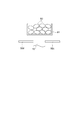
図1は、本発明の一実施形態にかかる凍結対象物の内部温度測定装置の構成を説明するための構成図であり、図2は、本発明の一実施形態にかかるマイクロ波共振器上に載置され粒状のバラ凍結食品を充填した容器の概略内部状態図であり、図3は、マイクロ波共振器内に試料を入れた場合と入れない場合における共振特性を説明するためのグラフである。
本発明の一実施形態にかかる凍結対象物の内部温度測定装置は、特に限定されないが、例えば、凍結対象物が複数のバラ凍結食品の他に、中身が詰まった中実凍結食品を測定可能なもの含まれる。
本実施形態の凍結対象物の内部温度測定装置1は、図1に示すように、マイクロ波を発振するマイクロ波発振器3、サーキュレータ5、減衰器7,8、マイクロ波を共振状態にするマイクロ波共振器10、マイクロ波を検出するマイクロ波検出器30、データ処理器40と、を有して構成される。
マイクロ波発振器3から発振されたマイクロ波は、同軸ケーブル50aを介してサーキュレータ5に供給される。サーキュレータ5は、マイクロ波発振器3から発振されたマイクロ波が反射してマイクロ波発振器3を損傷させる虞を防止するために、反射するマイクロ波がマイクロ波発振器3側へ伝播するのを規制する機能を有している。サーキュレータ5から出力されたマイクロ波は、同軸ケーブル50bを介して減衰器7に供給されてノイズが除去される。ノイズが除去されたマイクロ波は、同軸ケーブル50cを介してマイクロ波共振器10に供給される。
本実施形態では、図2に示すように、マイクロ波共振器10上に容器61内に収容された複数のバラ凍結食品60(例えば、豆類、貝類)が載置される。容器61は上部が開口した有底筒状に形成され、マイクロ波の透過が可能な材料(例えば、プリエチレン、ポリエステル等)で形成されている。なお、容器61は有底筒状に限るものではなく、バラ凍結食品60を内部に収容可能な袋状または非金属製トレイでもよい。
このように構成された凍結対象物の内部温度測定装置1は、マイクロ波共振器10内に同軸ケーブル50cを介してマイクロ波を導入すると、マイクロ波はマイクロ波共振器10内で反射してある周波数で共振する。このマイクロ波の共振電磁場に凍結対象物を入れると、図3に示すように、共振ピーク電圧が変化するとともに、共振周波数が変化(f0→f1)する。この共振ピーク電圧及び共振周波数が変化したマイクロ波を測定することで、共振ピーク電圧と凍結対象物の内部温度との間に相関があることを発見した。なお、図3は、縦軸が共振ピーク電圧を示し、横軸が共振周波数fを示している。
この発見から、本願の発明者は、共振ピーク電圧と凍結対象物の内部温度との相関を予め定めておけば、検出される共振ピーク電圧に対応する凍結対象物の内部温度を、凍結対象物の内部温度として算出することが可能になることを見出した。そして、この発見から、本願の発明者は、凍結対象物の内部温度を予測するにあたり、詳細は後述するが、凍結対象物の共振状態を説明変数とし、凍結対象物の内部温度を目的変数として回帰分析を行って算出される検量線から凍結対象物の内部温度を予測することができることを見出した。
さて、マイクロ波共振器10から出力されるマイクロ波は、図1に示すように、同軸ケーブル50dを介して減衰器8に供給されてノイズが除去される。ノイズが除去されたマイクロ波は、マイクロ波検出器30によって検出される。マイクロ波検出器30で検出されたマイクロ波の検出信号は、データ処理器40に送られる。
データ処理器40は、例えばパーソナルコンピュータ等の電子計算機であり、温度算出部43と表示部44とを備える。本実施形態では、温度算出部43は、凍結状態にある複数のバラ凍結食品60の共振ピーク電圧及び共振周波数を説明変数とし、複数のバラ凍結食品60の内部温度を目的変数として回帰分析を行って算出された検量線に、マイクロ波共振器10によって検出された共振ピーク電圧及び共振周波数を当てはめることで、凍結状態にある複数のバラ凍結食品60の内部温度を算出するように構成される。また、温度算出部43は、算出された複数のバラ凍結食品60の内部温度と、実測されたバラ凍結食品60の内部温度との相関の程度を表す値が閾値を超えているときに、複数のバラ凍結食品60を収容する容器61内での複数のバラ凍結食品60の密度を上げるために、表示部44に複数のバラ凍結食品60の再充填をさせる旨の表示をさせるように構成される。
本実施形態では、複数のバラ凍結食品60の算出された内部温度と実測された内部温度の相関の程度を表す閾値として、回帰分析の精度を表す決定係数(R2)が用いられ、温度算出部43は、決定係数が閾値(0.9)よりも小さいと判断すると、複数のバラ凍結食品60を再充填させる旨の表示を表示部44にさせる。なお、相関の程度を表す値として容器61内に充填された複数のバラ凍結食品60の充填率(V2/V1)や、RSME(平均二乗誤差)でもよい。充填率は、複数のバラ凍結食品60が収容された容器61の容積V1に対する収容された複数のバラ凍結食品60の容積V2の比で表される。
表示部44は、データ処理器40の温度算出部43によって容器61内の複数のバラ凍結食品60を再充填させる旨の判定がされたときに、再充填を告示する手段である。本実施形態では、表示部44は、液晶パネルであり、液晶パネルに再充填が必要である旨の文字、図形等を表示する。なお、表示部44は再充填が必要であるときに、ランプが点灯したり、ブザーが鳴ったりするものでもよい。
さて、図2には、マイクロ波共振器10上に載置された容器61内に凍結状態にある複数のバラ凍結食品60を入れた様子が示されている。バラ凍結食品60(凍結対象物)は、小さな粒状に形成された複数のえんどう豆である。このように容器61内に収容された複数のえんどう豆のバラ凍結食品60は、例えばグラタンやハンバーグ等の中実物と比較して、密度の低い状態で複数のえんどう豆のバラ凍結食品60が容器61内に収容されると(図4(b)参照)、えんどう豆間の隙間が大きくなり、隙間を通るマイクロ波が検出されて、えんどう豆のバラ凍結食品60の凍結状態を検出できなくなる虞がある。そこで、本願の発明者は、複数のえんどう豆のバラ凍結食品60を密度が高い状態で容器61内に充填し(図4(a)参照)、この状態で、凍結状態のえんどう豆のバラ凍結食品60の共振状態(共振周波数、共振ピーク電圧)を説明変数とし、凍結状態のえんどう豆のバラ凍結食品60の内部温度を目的変数として重回帰分析を行って算出される検量線からえんどう豆のバラ凍結食品60の内部温度を予測可能であることを見出した。
図5は、重回帰分析により検量線(予測式)を求めるためのフローチャートを示している。検量線(予測式)を求めるには、図5に示すように、測定対象物(えんどう豆のバラ凍結食品60)をマイクロ波共振器10上に設置して、マイクロ波発振器3から発振されたマイクロ波をマイクロ波共振器10上のバラ凍結食品60に照射する(ステップ300)。このとき、測定対象物であるえんどう豆のバラ凍結食品60は、密度が高い状態で容器61内に充填されている。また、凍結対象物の投影面積よりマイクロ波共振器投影面積が小さいので、マイクロ波共振器10により生成されるマイクロ波が測定対象物を透過せずに検出されるマイクロ波を無くすことができる。このため、測定対象物の共振状態を確実に検出することができる。
バラ凍結食品60にマイクロ波が照射されて透過したマイクロ波(透過波)は、図1に示すように、同軸ケーブル50d、50eを通ってマイクロ波検出器30によって検出される。この検出されたマイクロ波から作業者等によって共振ピーク電圧と共振周波数が求められる(ステップ301)。なお、ステップ301では、バラ凍結食品60(複数のえんどう豆)が入れられた容器61を複数準備し、それぞれの容器内のバラ凍結食品60に対して前述した方法で共振ピーク電圧と共振周波数を求めるとともに、実際の内部温度を測定する。内部温度の測定は、例えば、光ファイバー温度計を使用する。
そして、マイクロ波共振器10で検出された共振ピーク電圧及び共振周波数を説明変数とし、凍結対象物の内部温度を目的変数として重回帰分析を行って検量線(予測式)を算出する(ステップ302、検量線算出ステップ)。
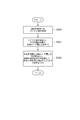
次に、重回帰分析で算出された検量線(予測式)に基づいて測定対象物の内部温度を測定する内部温度測定方法について、図6を参照しながら説明する。凍結状態にある複数のえんどう豆のバラ凍結食品60(図2参照)を容器61内に充填する(ステップ400、充填ステップ)。そして、容器61をマイクロ波共振器10上に設置し、マイクロ波発振器3から発振されたマイクロ波を複数のえんどう豆のバラ凍結食品60に照射する(ステップ401、配置ステップ)。
複数のえんどう豆のバラ凍結食品60にマイクロ波が照射されて透過したマイクロ波(透過波)は、マイクロ波検出器30によって検出される。この検出されたマイクロ波から作業者等によって共振ピーク電圧と共振周波数が求められる(ステップ402、状態検出ステップ、共振周波数検出ステップ)。
そして、前述した検量線(予測式)に、検出された共振ピーク電圧及び共振周波数を当てはめて、バラ凍結食品60の内部温度を推定する(ステップ403、温度算出ステップ)。そして、予測されたバラ凍結食品の予測内部温度と、実測されたバラ凍結食品の実測内部温度との相関の程度を表す値(例えば、決定係数R2)が閾値(例えば、決定係数R2=0.9)より小さい場合には(ステップ404)、表示部44に容器61内にバラ凍結食品60を再充填させる旨を告示させて、バラ凍結食品60を容器61に再充填させる(ステップ405、再充填ステップ)。具体的には、容器61に振動等を与えてバラ凍結食品60を密に充填する。そして、前述したステップ401以降を実施する。
図7には、重回帰分析によって凍結状態のバラ凍結食品60(えんどう豆)の内部温度を推定したときの予測内部温度と、凍結対象物の実際の内部温度を実測した実測内部温度との関係を示すグラフが記載されている。このグラフから予測内部温度と実測内部温度が略一致(決定係数R2=0.957)することが解る。
このように、粒状のバラ凍結食品60(例えば、えんどう豆)を複数収容した状態で、複数の凍結したえんどう豆の内部温度を高い精度で測定することができる。
図8には、重回帰分析によって凍結状態のバラ凍結食品60(グリーンピース)の内部温度を推定したときの予測内部温度と、凍結対象物の実際の内部温度を実測した実測内部温度との関係を示すグラフが記載されている。このグラフから予測内部温度と実測内部温度が略一致(決定係数R2=0.9411)することが解る。
このように、粒状のバラ凍結食品(例えば、グリーンピース)を複数収容した状態で、複数の凍結したグリーンピースの内部温度を高い精度で測定することができる。
図9には、重回帰分析によって凍結状態のバラ凍結食品60(水煮大豆)の内部温度を推定したときの予測内部温度と、凍結対象物の実際の内部温度を実測した実測内部温度との関係を示すグラフが記載されている。このグラフから予測内部温度と実測内部温度が略一致(決定係数R2=0.957)することが解る。
このように、粒状のバラ凍結食品(水煮大豆)を複数収容した状態で、複数の凍結した水煮大豆の内部温度を高い精度で測定することができる。
図10には、重回帰分析によって凍結状態のバラ凍結食品60(枝豆)の内部温度を推定したときの予測内部温度と、凍結対象物の実際の内部温度を実測した実測内部温度との関係を示すグラフが記載されている。このグラフから予測内部温度と実測内部温度が略一致(決定係数R2=0.94)することが解る。
このように、粒状のバラ凍結食品(枝豆)を複数収容した状態で、複数の凍結した枝豆の内部温度を高い精度で測定することができる。
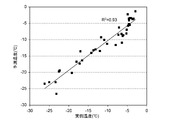
図11には、重回帰分析によって凍結状態のバラ凍結食品60(ブルーベリー)の内部温度を推定したときの予測内部温度と、凍結対象物の実際の内部温度を実測した実測内部温度との関係を示すグラフが記載されている。このグラフから予測内部温度と実測内部温度が略一致(決定係数R2=0.93)することが解る。
このように、粒状のバラ凍結食品(ブルーベリー)を複数収容した状態で、複数の凍結したブルーベリーの内部温度を高い精度で測定することができる。
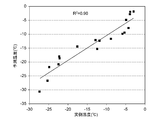
図12には、重回帰分析によって凍結状態のバラ凍結食品60(あさり)の内部温度を推定したときの予測内部温度と、凍結対象物の実際の内部温度を実測した実測内部温度との関係を示すグラフが記載されている。このグラフから予測内部温度と実測内部温度が略一致(決定係数R2=0.90)することが解る。
このように、粒状のバラ凍結食品(あさり)を複数収容した状態で、複数の凍結したあさりの内部温度を測定することができる。但し、あさりの決定係数R2は0.9であり、閾値0.9と同じ値であることから、あさりの内部温度を測定することができるとしている。
図13には、重回帰分析によって凍結状態のバラ凍結食品60(むきえび)の内部温度を推定したときの予測内部温度と、凍結対象物の実際の内部温度を実測した実測内部温度との関係を示すグラフが記載されている。このグラフから予測内部温度と実測内部温度が一致しない(決定係数R2=0.70)ことが解る。
このように、粒状のバラ凍結食品(むきえび)を複数収容した状態では、複数の凍結したむきえびの内部温度を高い精度で測定することができない。これは、むきえびの外形形状が湾曲状であるので、複数のむきえびを接近させても、むきえびの内側に形成された空間部を埋めることができないからと考えられる。
図14には、重回帰分析によって凍結状態のバラ凍結食品60(さいころ状に切断したいか)の内部温度を推定したときの予測内部温度と、凍結対象物の実際の内部温度を実測した実測内部温度との関係を示すグラフが記載されている。このグラフから予測内部温度と実測内部温度が一致しない(決定係数R2=0.68)ことが解る。
このように、粒状のバラ凍結食品60(さいころ状に切断した「いか」)を複数収容した状態では、複数の凍結した「いか」の内部温度を高い精度で測定することができない。いかの表面は粘着性を有しているので、さいころ状に切断した複数のいかを容器61内に入れた後に、容器等に振動を与えても、隣接するいか同士の相対位置が変化しにくく、隙間を埋めることが出来ないと考えられる。
図15には、上述した種類の異なるバラ凍結食品60の内部温度の測定の可否をまとめた表を示している。図15に示すように、エビ及びイカは決定係数R2が0.9よりも小さいので夫々の内部温度を測定することができない。一方、グリーンピース、水煮大豆、枝豆、ブルーベリーは、決定係数R2が0.9よりも大きいので夫々の内部温度を測定することができる。本実施形態では、あさりは、決定係数R2が0.9であり、閾値0.9と同じ値であることから、内部温度を測定することができるとした。
また、図15には、予測されたバラ凍結食品の内部温度と、実測されたバラ凍結食品の内部温度との相関の程度を表す手段として、決定係数R2の他に、前述した充填率とRMSEが記載されている。本実施形態では、充填率が50%よりも小さいときに内部温度の測定ができないとしている。なお、RMSEの場合には、RMSEの値が3.0よりも大きいときに内部温度の測定ができないとしている。本実施形態で、エビ、イカはRMSEの値が5.37および4.78で基準値の3.0以上であり、内部温度が測定できない結果と一致している。一方、あさりは、RMSEの値が2.99と基準値の3.0以下なので内部温度を測定できる範囲となっている。
以上、本発明の実施形態について説明したが、本発明は上記の形態に限定されるものではなく、本発明の目的を逸脱しない範囲での種々の変更が可能である。例えば、上述した各種実施形態を適宜組み合わせてもよい。
1 凍結対象物の内部温度測定装置
3 マイクロ波発振器
5 サーキュレータ
7、8 減衰器
10 マイクロ波共振器
30 マイクロ波検出器
40 データ処理器
43 温度算出部
44 表示部
50a、50b、50c、50d、50e 同軸ケーブル
60 バラ凍結食品
61 容器
3 マイクロ波発振器
5 サーキュレータ
7、8 減衰器
10 マイクロ波共振器
30 マイクロ波検出器
40 データ処理器
43 温度算出部
44 表示部
50a、50b、50c、50d、50e 同軸ケーブル
60 バラ凍結食品
61 容器
Claims (8)
- 凍結対象物の内部温度測定方法であって、
前記凍結対象物は、実の外側が皮で覆われた粒状の複数のバラ凍結食品を含み、
マイクロ波共振器を用いて生成されるマイクロ波の共振電磁場に前記凍結対象物を配置する配置ステップと、
前記マイクロ波共振器を用いて凍結状態の前記凍結対象物の共振ピーク電圧及び共振周波数を検出するとともに、温度測定器を用いて前記凍結対象物の内部温度を検出する状態検出ステップと、
前記状態検出ステップで検出される共振ピーク電圧及び共振周波数を説明変数とし、前記温度測定器で検出される前記凍結対象物の内部温度を目的変数として回帰分析を行って検量線を算出する検量線算出ステップと、
前記検量線算出ステップで算出された前記検量線に、前記状態検出ステップで検出された共振ピーク電圧及び共振周波数を当てはめて、凍結状態にある前記凍結対象物の内部温度を予測する温度算出ステップと、
前記温度算出ステップで予測された前記バラ凍結食品の内部温度と、実測された前記バラ凍結食品の内部温度との相関の程度を表す値が閾値を超えているときに前記複数のバラ凍結食品を充填した容器に該複数のバラ凍結食品を再充填して密度を高める再充填ステップと、
を備えることを特徴とする凍結対象物の内部温度測定方法。 - 前記マイクロ波共振器により生成されるマイクロ波の共振電磁場域が前記凍結対象物の全域を覆うように、前記凍結対象物の投影面積より前記マイクロ波共振器投影面積が小に設定されている
ことを特徴とする請求項1に記載の凍結対象物の内部温度測定方法。 - 前記凍結対象物のマイクロ波照射方向における厚さは、50mm以下である
ことを特徴とする請求項1又は2に記載の凍結対象物の内部温度測定方法。 - 前記バラ凍結食品は、豆類、肉質の果実類、及び貝類の少なくとも一つを含み、
前記豆類は、グリーンピース、水煮大豆、枝豆を含み、前記肉質の果実類はブルーベリーを含み、前記貝類は、あさり、シジミを含む
ことを特徴とする請求項1から3のいずれかに記載の凍結対象物の内部温度測定方法。 - 凍結対象物の内部温度測定装置であって、
前記凍結対象物は、実の外側が皮で覆われた粒状の複数のバラ凍結食品を含み、
凍結状態の前記凍結対象物の共振ピーク電圧及び共振周波数を検出するためのマイクロ波共振器と、
凍結状態にある前記凍結対象物の共振ピーク電圧及び共振周波数を説明変数とし、前記凍結対象物の内部温度を目的変数として回帰分析を行って算出された検量線に、前記マイクロ波共振器によって検出された前記共振ピーク電圧及び共振周波数を当てはめることで、凍結状態にある前記凍結対象物の内部温度を予測するように構成された温度算出部と、を備え、
前記温度算出部は、前記予測された前記バラ凍結食品の内部温度と、実測された前記バラ凍結食品の内部温度との相関の程度を表す値が閾値を超えているときに前記複数のバラ凍結食品を収容する容器内での該複数のバラ凍結食品の密度を上げるために前記複数のバラ凍結食品を再充填させるように構成される
ことを特徴とする凍結対象物の内部温度測定装置。 - 前記マイクロ波共振器は、該マイクロ波共振器により生成されるマイクロ波の共振電磁場域が前記凍結対象物の全域を覆うように、前記凍結対象物の投影面積より前記マイクロ波共振器投影面積が小に設定されている
ことを特徴とする請求項5に記載の凍結対象物の内部温度測定装置。 - 前記凍結対象物のマイクロ波照射方向における厚さは、50mm以下である
ことを特徴とする請求項5又は6に記載の凍結対象物の内部温度測定装置。 - 前記バラ凍結食品は、豆類、肉質の果実類、及び貝類の少なくとも一つを含み、
前記豆類は、グリーンピース、水に大豆、枝豆を含み、前記肉質の果実類はブルーベリーを含み、前記貝類は、あさり、シジミを含む
ことを特徴とする請求項5から7のいずれかに記載の凍結対象物の内部温度測定装置。
Priority Applications (2)
| Application Number | Priority Date | Filing Date | Title |
|---|---|---|---|
| PCT/JP2015/076966 WO2017051461A1 (ja) | 2015-09-24 | 2015-09-24 | 凍結対象物の内部温度測定方法及び凍結対象物の内部温度測定装置 |
| JP2017541200A JP6400854B2 (ja) | 2015-09-24 | 2015-09-24 | 凍結対象物の内部温度測定方法及び凍結対象物の内部温度測定装置 |
Applications Claiming Priority (1)
| Application Number | Priority Date | Filing Date | Title |
|---|---|---|---|
| PCT/JP2015/076966 WO2017051461A1 (ja) | 2015-09-24 | 2015-09-24 | 凍結対象物の内部温度測定方法及び凍結対象物の内部温度測定装置 |
Publications (1)
| Publication Number | Publication Date |
|---|---|
| WO2017051461A1 true WO2017051461A1 (ja) | 2017-03-30 |
Family
ID=58386404
Family Applications (1)
| Application Number | Title | Priority Date | Filing Date |
|---|---|---|---|
| PCT/JP2015/076966 Ceased WO2017051461A1 (ja) | 2015-09-24 | 2015-09-24 | 凍結対象物の内部温度測定方法及び凍結対象物の内部温度測定装置 |
Country Status (2)
| Country | Link |
|---|---|
| JP (1) | JP6400854B2 (ja) |
| WO (1) | WO2017051461A1 (ja) |
Citations (7)
| Publication number | Priority date | Publication date | Assignee | Title |
|---|---|---|---|---|
| JPS5721651B2 (ja) * | 1976-01-20 | 1982-05-08 | ||
| JP2002532239A (ja) * | 1998-12-17 | 2002-10-02 | パーソナル ケミストリー イ ウプサラ アーベー | 化学反応を行うためのマイクロ波装置及び方法 |
| WO2006004116A1 (ja) * | 2004-07-05 | 2006-01-12 | Riken | 水分含有物の冷凍解凍装置と方法 |
| JP2006266688A (ja) * | 2005-03-22 | 2006-10-05 | Matsushita Electric Ind Co Ltd | 相転移の判定装置と判定方法および判定プログラム |
| JP4121707B2 (ja) * | 1998-09-02 | 2008-07-23 | 株式会社前川製作所 | 食品の非接触型品温測定装置 |
| WO2012153793A1 (ja) * | 2011-05-10 | 2012-11-15 | 独立行政法人産業技術総合研究所 | 物質の状態の測定、検出方法及び検出装置 |
| WO2015146600A1 (ja) * | 2014-03-28 | 2015-10-01 | 株式会社前川製作所 | 凍結対象物の内部温度測定方法及び凍結対象物の内部温度測定装置 |
-
2015
- 2015-09-24 JP JP2017541200A patent/JP6400854B2/ja active Active
- 2015-09-24 WO PCT/JP2015/076966 patent/WO2017051461A1/ja not_active Ceased
Patent Citations (7)
| Publication number | Priority date | Publication date | Assignee | Title |
|---|---|---|---|---|
| JPS5721651B2 (ja) * | 1976-01-20 | 1982-05-08 | ||
| JP4121707B2 (ja) * | 1998-09-02 | 2008-07-23 | 株式会社前川製作所 | 食品の非接触型品温測定装置 |
| JP2002532239A (ja) * | 1998-12-17 | 2002-10-02 | パーソナル ケミストリー イ ウプサラ アーベー | 化学反応を行うためのマイクロ波装置及び方法 |
| WO2006004116A1 (ja) * | 2004-07-05 | 2006-01-12 | Riken | 水分含有物の冷凍解凍装置と方法 |
| JP2006266688A (ja) * | 2005-03-22 | 2006-10-05 | Matsushita Electric Ind Co Ltd | 相転移の判定装置と判定方法および判定プログラム |
| WO2012153793A1 (ja) * | 2011-05-10 | 2012-11-15 | 独立行政法人産業技術総合研究所 | 物質の状態の測定、検出方法及び検出装置 |
| WO2015146600A1 (ja) * | 2014-03-28 | 2015-10-01 | 株式会社前川製作所 | 凍結対象物の内部温度測定方法及び凍結対象物の内部温度測定装置 |
Also Published As
| Publication number | Publication date |
|---|---|
| JPWO2017051461A1 (ja) | 2018-04-12 |
| JP6400854B2 (ja) | 2018-10-03 |
Similar Documents
| Publication | Publication Date | Title |
|---|---|---|
| JP6276384B2 (ja) | 凍結対象物の内部温度測定方法及び凍結対象物の内部温度測定装置 | |
| US9414442B2 (en) | System, apparatus, and method for cooking using RF oven | |
| US9414444B2 (en) | Interface for controlling energy application apparatus | |
| JP6012107B2 (ja) | 空間的に制御されたエネルギ送出 | |
| CN108076552B (zh) | 在固态加热设备中建立rf激励信号参数 | |
| CN105722263B (zh) | 使用rf辐射的物体加工状态感测 | |
| Uyar et al. | Radio-frequency thawing of food products–A computational study | |
| US20180017507A1 (en) | Applying rf energy according to time variations in em feedback | |
| US9992824B2 (en) | Time estimation for energy application in an RF energy transfer device | |
| US20040195231A1 (en) | System and technique for ultrasonic determination of degree of cooking | |
| EP2734821A1 (en) | Temperature mimic probe for food products | |
| AU2005272237B2 (en) | Non-invasive temperature and composition sensor for partially aqueous targets | |
| EP1144985B1 (en) | Apparatus and method for determining dielectric properties of an electrically conductive fluid | |
| JPS5836252B2 (ja) | 凍結或は解凍状態検知装置 | |
| WO2017051461A1 (ja) | 凍結対象物の内部温度測定方法及び凍結対象物の内部温度測定装置 | |
| JP2005173675A (ja) | 物品管理および健康管理システム | |
| EP3779415B1 (en) | Dielectric constant estimation device and microwave heating apparatus provided with dielectric constant estimation device | |
| JP6652944B2 (ja) | 食品検査装置及び食品検査方法 | |
| WO2016147879A1 (ja) | 水分を含有する食品サンプルの相転移変化検出装置及び相転移変化検出方法 | |
| EP3344987B1 (en) | Apparatus and method for measuring water activity in food products | |
| WO2006004116A1 (ja) | 水分含有物の冷凍解凍装置と方法 | |
| JP2021508364A (ja) | 製品を過冷却するシステム及び方法 | |
| US20250258109A1 (en) | Wireless sensor for detecting ice-water state transition | |
| Bulusu et al. | Thaw: A UWB-based ice-water state detector | |
| Iaccheri et al. | Simple and efficient approach for shelf-life test on frozen spinach and parsley |
Legal Events
| Date | Code | Title | Description |
|---|---|---|---|
| 121 | Ep: the epo has been informed by wipo that ep was designated in this application |
Ref document number: 15904718 Country of ref document: EP Kind code of ref document: A1 |
|
| ENP | Entry into the national phase |
Ref document number: 2017541200 Country of ref document: JP Kind code of ref document: A |
|
| NENP | Non-entry into the national phase |
Ref country code: DE |
|
| 122 | Ep: pct application non-entry in european phase |
Ref document number: 15904718 Country of ref document: EP Kind code of ref document: A1 |