WO2017002164A1 - 情報処理装置、情報処理方法、プログラム、記憶媒体 - Google Patents
情報処理装置、情報処理方法、プログラム、記憶媒体 Download PDFInfo
- Publication number
- WO2017002164A1 WO2017002164A1 PCT/JP2015/068669 JP2015068669W WO2017002164A1 WO 2017002164 A1 WO2017002164 A1 WO 2017002164A1 JP 2015068669 W JP2015068669 W JP 2015068669W WO 2017002164 A1 WO2017002164 A1 WO 2017002164A1
- Authority
- WO
- WIPO (PCT)
- Prior art keywords
- question
- information
- user terminal
- data
- answer data
- Prior art date
- Legal status (The legal status is an assumption and is not a legal conclusion. Google has not performed a legal analysis and makes no representation as to the accuracy of the status listed.)
- Ceased
Links
Images







Classifications
-
- G—PHYSICS
- G06—COMPUTING OR CALCULATING; COUNTING
- G06Q—INFORMATION AND COMMUNICATION TECHNOLOGY [ICT] SPECIALLY ADAPTED FOR ADMINISTRATIVE, COMMERCIAL, FINANCIAL, MANAGERIAL OR SUPERVISORY PURPOSES; SYSTEMS OR METHODS SPECIALLY ADAPTED FOR ADMINISTRATIVE, COMMERCIAL, FINANCIAL, MANAGERIAL OR SUPERVISORY PURPOSES, NOT OTHERWISE PROVIDED FOR
- G06Q50/00—Information and communication technology [ICT] specially adapted for implementation of business processes of specific business sectors, e.g. utilities or tourism
- G06Q50/10—Services
Definitions
- the present invention relates to an information processing apparatus, an information processing method, a program, and a storage medium, and more particularly to a technical field regarding processing of presenting question information to a user terminal and acquiring input data.
- question information such as a questionnaire is transmitted from a server on a network to a user terminal, and an answer input from the user terminal is accepted.
- questionnaires regarding stores and products in the field of electronic commerce, questionnaires that investigate general user preferences, and the like.
- User terminals that respond to questionnaires include stationary devices such as desktop personal computers installed in users' homes, and portable information processing devices (portable devices) such as smartphones, tablet terminals, and wearable terminals. Is used.
- Patent Document 1 describes a technology that allows a user to enjoy a continuation with a device at home after the content is viewed halfway with a mobile terminal.
- the interruption history data is associated with the user ID so that the continuation of the content can be enjoyed even if the devices are different, and the content may be a questionnaire in addition to the video content A good effect is also disclosed.
- a questionnaire provider (a person who collects questionnaire responses and collects information) may want to specify a device to be used when the user answers. For example, this questionnaire or this question item has a request to be input by a portable device, or this questionnaire or this question item has a request to be input by a stationary device.
- a general user answers a questionnaire with an arbitrary device at an arbitrary time, and is usually not particularly aware of the device used.
- the questionnaire provider wants the user to complete the answer without stopping the questionnaire as much as possible, but the user does not like the troublesome answering operation. For example, if it is requested to change the device halfway and continue to input, it will often be stopped halfway.
- An information processing apparatus acquires, from a user terminal, presentation control processing for transmitting and presenting question information in which a plurality of question items are set to a user terminal, and input data before the input to the question information is completed. Whether there is a halfway answer data storing process corresponding to the user identification information and the question information as a halfway answer data and halfway answer data matching the user identification information and the question information corresponding to the question start request from the user terminal.
- a question processing unit that performs a presentation item determination process for determining a question item to be presented to the user terminal according to a process, and a final answer data generation process for generating final answer data for the question information based on input data or midway answer data;
- a device determination unit that determines the device type of the user terminal that transmits the input data for the question information is provided.
- the question processing unit supports device designation so that data input by the user terminal as a device that does not match the device designation information set for the question item is not included as valid data in the final answer data. Process. This prevents the answer data for the question item designating the device from being input by a non-designated device.
- the question processing unit selects and selects a question item that does not conflict with device designation information in the presentation control process as the device designation corresponding process. It is conceivable to perform a process of sending question information including question items to the user terminal for presentation. That is, when a user logs in with a certain device and inputs an answer to question information such as a questionnaire, at least questions of question items permitted for the device are asked.
- the question item allowed in this case is a question item corresponding to the device specified by the device designation information in the user terminal or a question item for which no device designation information is set (device designation is not performed). is there. Question items for which an answer input by another device is designated are not presented to the user terminal.
- the question processing unit as the device designation corresponding process, in the final answer data generation process, except for input data or midway answer data transmitted from a device that does not match the device designation information. It is conceivable to perform processing for generating data. In this case, an answer input from an unacceptable device is also accepted, but input data (or intermediate answer data in which intermediate input data is stored) contradicting the device designation information is not included in the final answer data. .
- the question processing unit as the device designation corresponding process, in the presentation control process, the user terminal sets the question information that the user terminal cannot input answers for question items that do not match the device designation information. It is conceivable to perform processing that is transmitted to and presented. In this case, a question item by an unacceptable device is presented, but an answer cannot be input. For this reason, input data (or halfway answer data storing halfway input data) by a device that is in conflict with the device designation information is not incorporated in the final answer data.
- the question processing unit alerts the user terminal when the device designation information of the question item presented in the presentation control process does not match the device as the user terminal as the device designation corresponding process. It is conceivable to send information. For example, the alert information prompts the user to input again with the designated device, notifies the user that the answer cannot be input to the question, or that the input does not result in an effective answer.
- the question processing unit as the presentation item determination process, when there is midway answer data that matches the user identification information and the question information corresponding to the question start request, the unanswered question The question item is determined so that the item is presented to the user terminal, and as the presenting control process, the determined question item is transmitted to the user terminal to be presented, and the input data of already answered that is stored as midway answer data It is conceivable to perform processing that is transmitted to the user terminal and presented. In other words, when resuming, unanswered question items such as from the resuming point are presented to ask for an answer, and the contents of the already answered are presented so that the user can check.
- the halfway answer data stored in the storage unit and deleted without any question start request based on the corresponding user identification information and question information for a predetermined period or longer is deleted from the storage unit.
- a midway information management unit for processing is also provided. That is, if the answer input is not resumed indefinitely after being interrupted, the halfway answer data is deleted.
- the answer information stored in the storage unit is the answer information that has acquired all the answer information about the question information that has passed the answer collection deadline or the final answer data of the target answer number
- a midway information management unit that performs a process of deleting all or part of the midway answer data from the storage unit is also provided.
- question information such as a questionnaire
- a delivery date may be set, and answer data that has not been completed even after the delivery date is unnecessary.
- the target number of answers may be set. In this case, it is not always necessary, but it can be determined that an answer that cannot be expected is unnecessary. So delete them.
- the question processing unit presents the question information to the user terminal, and when a predetermined time has passed without detecting a user operation, an answer prompt for transmitting an alert to the user terminal It is conceivable to perform processing. In other words, an alert that prompts the user to resume input is issued according to the elapsed time after the answer input by the user is interrupted (after the question item sending operation is interrupted).
- the question processing unit performs a movement determination process for determining a movement state of the user when the question information is transmitted to the user terminal and presented in the presentation control process, and the midway answer
- the data storage process it is conceivable to store information indicating the movement status together with the midway answer data. It is made to know whether input data such as a questionnaire has been answered while the user is moving.
- the question processing unit is a valid answer for input data or midway answer data in which the movement state is determined to be at least walking by the movement determination process in the final answer data generation process. It is conceivable that it is not data. In other words, invalidate input information while walking
- the information processing method includes a presentation control step for transmitting and presenting question information in which a plurality of question items are set to a user terminal, and determining a device type of the user terminal that transmits input data for the question information.
- Device determination step input data before completion of input to the question information is acquired from the user terminal and stored as intermediate response data corresponding to the user identification information and the question information, and from the user terminal Based on the input item or midway answer data, and a presentation item determination step for determining a question item to be presented to the user terminal according to the presence or absence of midway answer data that matches the user identification information and question information corresponding to the question start request
- Final answer data generation step for generating final answer data for question information, and for question items
- An information processing method in which the information processing apparatus performs a device designation corresponding step so that data input by a user terminal as a device that does not match the set device designation information is not included as valid data in the final response data.
- the program according to the present invention is a program that causes an information processing apparatus to execute a procedure corresponding to each of the above steps.
- a storage medium according to the present invention stores the above program. With these, the processing of the information processing apparatus described above is realized.
- the information processing apparatus when the information processing apparatus provides the question information and collects the response input from the user terminal, it is possible to obtain the response according to the request for the response from the designated device, and the user processing Processing that reduces the burden can be realized.
- FIG. 1 shows a configuration example of a network system according to the embodiment.
- the server 2 and the user terminal 5 can communicate with each other via the network 1.
- Various specific examples of such a system are conceivable.
- various systems such as an EC (electronic commerce) system that realizes a virtual shopping street with multiple stores, a content service system that downloads and distributes various contents, and a management system for companies and other organizations
- this embodiment can be applied.
- the server 2 and the user terminal 5 can communicate with each other.
- the server 2 provides question information as a questionnaire to the user terminal 5 and performs a process of accepting an answer input from the user terminal 5.
- the configuration of the network 1 is assumed.
- the Internet, intranet, extranet, LAN (Local Area Network), CATV (Community Antenna TeleVision) communication network, virtual private network, telephone line network, mobile communication network, satellite communication network, etc. are assumed.
- the Various examples of transmission media constituting all or part of the network 1 are also envisaged.
- IEEE Institute of Electrical and Electronics Engineers 1394, USB (Universal Serial Bus), power line carrier, telephone line, etc.
- IrDA Infrared Data Association
- Bluetooth registered trademark
- 802.11 wireless can also be used by radio such as a mobile phone network, satellite line, and digital terrestrial network.
- the user terminal 5 is a terminal device used by a user who makes a questionnaire response, and is a personal computer, a mobile phone, a smart phone, a wearable terminal, a tablet terminal, or the like. At least the user terminal 5 is a device that can browse and input a web page provided by the server 2, particularly a questionnaire page.
- the stationary user terminal 5 is referred to as “user terminal 5S”, and the portable user terminal is referred to as “user terminal 5P”.
- the server 2 is an information processing device that causes the user terminal 5 to present at least questionnaire information as question information and performs a process of collecting questionnaire responses input by the user terminal 5.
- the server 2 is, for example, a server that provides various websites to the user, and can present a questionnaire to the user on a specific web page to request an answer.
- HTTP Hypertext Transfer Protocol
- a browser is activated in the user terminal 5, and a processing request (HTTP request) is transmitted from the user terminal 5 to the server 2 through the browser.
- a processing result (HTTP response) corresponding to the above processing request is transmitted to the user terminal 5.
- page data described in a web page description language is transmitted to the user terminal 5.
- a web page (screen) based on the processing result is displayed on the display unit of the user terminal 5.
- the server 2 can present the questionnaire information on the web page, and the user can browse the web page on the user terminal 5 and arbitrarily start answering the questionnaire.
- FIG. 2 shows the hardware configuration of the information processing apparatus that constitutes the server 2 and the user terminal 5.
- Each device shown as the server 2 and the user terminal 5 can be realized as a computer device as shown in FIG. 2 capable of information processing and information communication.
- a CPU (Central Processing Unit) 101 of a computer apparatus performs various processes according to a program stored in a ROM (Read Only Memory) 102 or a program loaded from a storage unit 108 to a RAM (Random Access Memory) 103. Execute the process.
- the RAM 103 also appropriately stores data necessary for the CPU 101 to execute various processes.
- the CPU 101, ROM 102, and RAM 103 are connected to each other via a bus 104.
- An input / output interface 105 is also connected to the bus 104.
- An input unit 106, an output unit 107, a storage unit 108, and a communication unit 109 are connected to the input / output interface 105.
- the input unit 106 includes a keyboard, a mouse, a touch panel, and the like.
- the output unit 107 includes a display made up of an LCD (Liquid Crystal Display), a CRT (Cathode Ray Tube), an organic EL (Electroluminescence) panel, etc., and a speaker.
- the storage unit 108 includes an HDD (Hard Disk Drive), a flash memory device, or the like.
- a communication unit 109 performs communication processing and communication between devices via the network 1.
- a media drive 110 is also connected to the input / output interface 105 as necessary, and a removable medium 111 such as a magnetic disk, an optical disk, a magneto-optical disk, or a semiconductor memory is appropriately mounted, and information can be written to the removable medium 111. Reading is performed.
- a removable medium 111 such as a magnetic disk, an optical disk, a magneto-optical disk, or a semiconductor memory is appropriately mounted, and information can be written to the removable medium 111. Reading is performed.
- the information processing apparatus which comprises the server 2 and the user terminal 5 is not restricted to a single computer apparatus as shown in FIG. 2, and a plurality of computer apparatuses may be configured as a system.
- the plurality of computer devices may be systemized by a LAN or the like, or may be arranged at a remote place by a VPN using the Internet or the like.
- the server 2 includes functions as a questionnaire processing unit 2 a, a device determination unit 2 b, and a midway information management unit 2 c as functions for performing processing related to the questionnaire according to the embodiment.
- These functions as the questionnaire processing unit 2a, the device determination unit 2b, and the midway information management unit 2c are functions realized by processing executed by the CPU 101 in accordance with the program in the information processing apparatus. However, all or a part of the processing described below may be realized by hardware. Further, when each function is realized by software, each function need not be realized by an independent program. Processing of a plurality of functions may be executed by one program, or one function may be realized by cooperation of a plurality of program modules.
- the questionnaire processing unit 2a provides questionnaire information (question information) to the user terminal 5, acquires input data, generates final answer data for the questionnaire, and the like. Specifically, the questionnaire processing unit 2a performs a presentation control process for transmitting and presenting questionnaire information (question information) in which a plurality of question items are set to the user terminal 5. For example, when the questionnaire information is composed of a plurality of web pages, each page is sequentially presented. Further, the questionnaire processing unit 2a sequentially obtains input data before completion of input for the entire questionnaire information, for example, input data of answers to some question items, from the user terminal 5, and identifies the user identification information and the questionnaire.
- questionnaire information questions information
- the questionnaire processing unit 2a performs a presentation control process for transmitting and presenting questionnaire information (question information) in which a plurality of question items are set to the user terminal 5. For example, when the questionnaire information is composed of a plurality of web pages, each page is sequentially presented. Further, the questionnaire processing unit 2a sequentially obtains input data before completion of input for
- the midway answer data storage process to be stored in the midway information storage unit 8 described later as midway answer data is performed.
- the questionnaire processing unit 2a displays a question item to be presented to the user terminal 5 according to the presence / absence of midway answer data in which the identification information of the user and the identification information of the questionnaire corresponding to the question start request from the user terminal 5 match.
- the presentation item determination process to determine is performed.
- the questionnaire processing unit 2a performs final answer data generation processing for generating and storing final answer data for the question information based on the input data or midway answer data.
- the questionnaire processing unit 2a performs device designation so that data input by the user terminal 5 as a device that does not match the device designation information set for the question item is not included as valid data in the final response data. Perform the corresponding process.
- the questionnaire processing unit 2 a may perform processing for transmitting various alerts and messages to the user terminal 5.
- the questionnaire processing unit 2a may perform a movement determination process for determining the movement state of the user when the questionnaire information is transmitted to the user terminal 5 and presented in the presentation control process.
- the device determination unit 2b determines the device type of the user terminal 5 that has transmitted the input data for the questionnaire information.
- the device type can be determined by identification information exchanged in a session when the user terminal 5 accesses the server 2, information on a user agent included in the HTTP request, or an IP (Internet Protocol) address.
- the device determination unit 2b may determine a specific model, type, and the like for the user terminal 5, but may determine at least whether the user terminal 5P is a portable user terminal 5P or a stationary user terminal 5S.
- the midway information management unit 2c manages midway answer data stored in the midway information storage unit 8 to be described later. For example, the midway information management unit 2c performs a process of deleting midway answer data stored in the midway information storage unit 8 and having no question start request based on the corresponding user identification information and questionnaire information for a predetermined period or longer. Do. Further, for example, the midway information management unit 2c is the midway response data stored in the midway information storage unit 8, and all the midway response data for the questionnaire information whose response collection deadline has passed or the final response data of the target number of responses. Processing to delete all or part of the midway answer data for the acquired question questionnaire information is performed.
- Such a server 2 reads and writes information by accessing the storage area as the user database 6, the questionnaire database 7, the midway information storage unit 8, and the answer data storage unit 9 for processing related to the questionnaire.
- database is referred to as “DB”.
- the user DB 6 stores various registration information of users who use this network system. For example, for each registered user, user ID (identification), login password, address, name, attribute information such as sex and age, payment information, e-mail address, service usage history information, and the like are registered.
- the questionnaire DB 7 stores various types of questionnaire information.
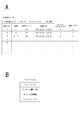
- the questionnaire information is an information group related to one unit of questionnaire including one or a plurality of question items created by, for example, a questionnaire provider who requests information collection through questionnaires from users. For example, the contents of one questionnaire information are shown in FIG. 3B.
- the questionnaire data is data of a configuration and image of a questionnaire page including one or a plurality of question items. That is, the server 2 actually generates a questionnaire screen based on the questionnaire data and displays it on the user terminal 5.
- the questionnaire ID is identification information of individual questionnaire information.
- the questionnaire attribute information is an attribute about the questionnaire.
- information on the questionnaire provider (organizer, creator, client, etc.), user-specified information for the questionnaire, start / end date / time information, delivery date information of the final response data of the questionnaire results, number of target responses and other setting information Etc. are included.
- the device designation information is information that can designate a device used for inputting an answer in a questionnaire information unit or a question item unit.
- Device specification information can be set arbitrarily. For example, when certain questionnaire information is desired to be answered by the portable user terminal 5P for all question items, information for designating a portable device may be used for the entire questionnaire information.
- information for designating a portable device may be used for the entire questionnaire information.
- each of the question items is designated as a stationary device and a portable terminal. What is necessary is to add device designation information called type device designation.
- the designation is not limited to portable / stationary type, but it is also possible to designate a device type, such as a notebook personal computer designation, a smart phone designation, or a specific model.
- a device type such as a notebook personal computer designation, a smart phone designation, or a specific model.
- device information may not be specified at all for questionnaire information that does not require a device to be used for an answer, and device specification may not be performed for some question items.
- the midway information storage unit 8 is a storage area for storing user input data sequentially acquired by the server 2 as midway answer data before the completion of questionnaire response input.
- the midway answer data is generated and stored for each combination of one questionnaire information and user information.
- FIG. 3A shows an example of data contents of midway answer data relating to a certain user for a certain questionnaire.
- One midway answer data includes midway information ID, user ID, questionnaire ID, and date / time information.
- the midway information ID is an identification code unique to each halfway answer data.
- the user ID is stored in order to identify the user targeted by the midway answer data, that is, to indicate who the midway answer data is in the middle of the answer.
- the user ID for example, the user ID in the user DB 6 is used as it is or a code associated with the user ID in the user DB 6 is used, so that the midway answer data and the target user information are linked.
- the questionnaire ID is stored in order to specify the target questionnaire ⁇ information.
- the questionnaire ID is identification information of questionnaire information registered in the questionnaire DB 7.
- the date / time information the first registration date / time or update date / time of the midway answer data is stored.
- the midway answer data information inputted for each question item of the questionnaire is stored as actual answer data. That is, information acquired for each question item indicated by the question number is stored.
- the answer information of the first question to the third question (question numbers 1 to 3) is stored.
- an answer, a device used, an answer date and time, a device non-corresponding flag, a walking flag, and the like are stored. It is not always necessary to store all of these, and necessary information is stored according to the processing of the embodiment described later.
- “Answer” is an answer selected by the user for the question item. For example, Y (YES) and N (NO) answers, numerical values / symbols of selected options, or text data in the case of free answers.
- the device type used when the user inputs an answer to the question item (when the server 2 obtains it) is stored.
- information that distinguishes “portable device” and “stationary device” may be used, or more specific types such as “desktop PC”, “notebook PC”, and “smart phone” may be indicated. Further, it may be information indicating a specific product code or the like.
- “Answer date” is date information when the answer information for the question item is acquired (stored in the midway information storage unit).
- the answer data storage unit 9 is a storage area for storing final answer data obtained for each questionnaire information. Each time the server 2 obtains final answer data from a certain user for a certain questionnaire, the server 2 stores it in the answer data storage unit 9. If necessary, the final answer data stored in the answer data storage unit 9 is organized, aggregated, and the like to generate delivery data and deliver it to the questionnaire provider (requester).
- the user DB 6, the questionnaire DB 7, the midway information storage unit 8, and the answer data storage unit 9 may be realized in any form as long as the server 2 can be accessed.
- all of the storage areas (6 to 9) may be formed in the storage unit in the same system as the server 2, or a part or all of each storage area (6 to 9) is a separate body, a remote place, etc.
- the computer system may be provided.
- each storage area (6 to 9) is formed in one device (for example, one HDD). Further, it is not necessary for each of the storage areas (6 to 9) to adopt an independent DB structure.
- the information stored as the user DB 6 may be stored and managed by a plurality of user DBs, or the intermediate information may be stored for each user in the user DB 6.
- the user DB 6, questionnaire DB 7, midway information storage unit 8, and answer data storage unit 9 are merely conceptual examples of information storage units related to the processing of the embodiment.
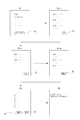
- FIG. 4 shows an example having a start page P1, question pages P2-1, P2-2... P2-m, a confirmation page P3, and a completion page P4. Normally, the server 2 sequentially advances these pages in response to an operation input at the user terminal 5.
- the start page P1 is a page that asks the user to start a questionnaire. Introduce the questionnaire title, contents, rules, etc. to the user. For example, when the user clicks the start button 30, the server 2 changes to the question page P2-1. In some cases, the question item is described on the start page P1 and also serves as the first question page.
- the question page P2 (P2-1, P2-2,..., P2-m) presents actual question items (Q1, Q2,%) And prepares check boxes and input fields for the answers. It is a page. For example, when the user inputs a necessary answer and clicks the next button 31, a transition is made to the next question page.
- the final question page P2-m is presented with a confirmation button 32, and when the user clicks the confirmation button 32, the page transitions to the confirmation page P3.
- the page number (m) of the question page P2 is the number of pages corresponding to the contents of the questionnaire.
- One question page P2 includes one or more question items.
- the contents of the user's answers on the question page P2 are displayed in a list so that the user can check his / her answers. If the user wants to change the answer content, the user may be able to return to the question page P2 by clicking the return button 34.
- the user confirms the contents of the question and clicks the completion button 33 the transition is made to the completion page P4. At this stage, final input data is transmitted to the server 2 and the fact that the questionnaire has been completed is presented to the user.
- the above is an example of the page configuration for the questionnaire progress.
- the structure of the questionnaire page such as the number of each page, the page contents, and the click button structure, can be considered in various ways.
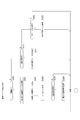
- FIG. 5 the process example between the user terminal 5 and the server 2 will be described by taking the questionnaire page configuration as shown in FIG. 4 as an example.
- the user logs in when accessing the web page provided by the server 2 or after accessing the web page.
- a login ID, a password, etc. are transmitted from the user terminal 5 to the server 2 in response to a user operation, and a login request is made (S1).
- the server 2 performs a login process (S20) and establishes a login state.
- the server 2 is in a state where the user can be specified.
- the questionnaire process does not necessarily need to be performed in the logged-in state, but in the embodiment, it is necessary to specify a user in order to store midway answer data for each combination of the user and the questionnaire information. If the user can be specified even if the user is not logged in, the login may be unnecessary.
- the user terminal 5 requests the server 2 for a web page as a questionnaire page (S2). For example, a questionnaire introduction on a certain web page or e-mail or the like is presented, and when the user clicks on it, a request operation for a web page as a questionnaire page is performed.
- the server 2 transmits web page screen data for questionnaire, for example, page data of the above-described start page P1 (S21). Thereby, the screen transition of the user terminal 5 is performed, for example, the start page P1 is displayed (S3).
- the user clicks the start button 30 while the start page P1 is displayed the user terminal 5 transmits a questionnaire start request to the server 2 (S4).
- the server 2 that has received the questionnaire start request confirms whether this questionnaire start request is the first request for the questionnaire for the login user or resumption (S22). This can be determined based on whether or not midway answer data exists in the midway information storage unit 8 in the combination of the survey ID and user ID related to the current survey start request. Further, the server 2 confirms the device type of the user terminal 5. Note that the device type of the user terminal 5 can be determined by checking information sent from the user terminal at the time of login or at the time of the first web request, and is used to store midway answer data in the step S12. You just need to know the device information. And the server 2 transmits the question page P2 according to the first time / resumption (S23).
- the screen data of the first question page P2-1 is usually transmitted.
- the question page P2 is displayed. The user can input an answer.
- the user arbitrarily inputs an answer to the displayed question page P2 and clicks the next button 31 after completing the input of the question page.
- the user terminal 5 transmits a next page request to the server.
- the user terminal 5 also transmits user input information about the current page.
- the server 2 receives the next page request, the server 2 obtains the transmitted input data, generates midway answer data in response to this, and stores it in the midway information storage unit 8 (S24).
- the screen data of the next question page P2 is transmitted (S25).
- the next question page P2 is displayed, and the user can input an answer (S7).
- steps S6, S7, S24, and S25 may be performed a plurality of times depending on the page configuration of the questionnaire information, or may not be performed when there is only one question page.
- the input data of the current page is transmitted to the server 2, but the input data is transmitted to the server 2 every time one question item is input.
- Such processing examples are also conceivable. That is, various examples of the timing at which the server 2 acquires intermediate input data are conceivable, and acquisition of intermediate input data may be in units of pages or in question items. Alternatively, any number of question items may be used.
- a confirmation request is transmitted from the user terminal 5 to the server 2 (S8).
- the input data of the last question page P2-m is also transmitted to the server 2.
- the server 2 acquires input data transmitted from the user terminal 5 (S26), further generates image data as a confirmation page, and transmits it to the user terminal 5 (S27). That is, the server 2 generates the image data of the confirmation page P3 that lists the answers for each question item by using the input data acquired so far or the midway answer data stored in the midway information storage unit 8. It transmits to the user terminal 5.
- the screen data as the confirmation page P3 is received, it is displayed and presented to the user (S9).
- the user confirms the confirmation page and clicks the completion button 33 if it is good.
- information on the completion operation is transmitted from the user terminal 5 to the server 2 (S10).
- the server 2 uses the confirmed final data as finalized input data (S28).
- the server 2 generates final answer data using the confirmed input data.
- the final answer data is data indicating the final answer of one user for one questionnaire.
- the server 2 stores the generated final answer data in the answer data storage unit (S29).
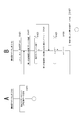
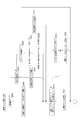
- FIG. 6 shows a questionnaire process by the server 2.
- FIG. 6 shows a specific example of processing after the questionnaire start request is transmitted from the user terminal 5 as step S4 in FIG. 5, that is, a specific example of processing for realizing steps S22 to S29.
- the server 2 executes the process of FIG. 6 mainly by the functions of the questionnaire processing unit 2a and the device determination unit 2b.
- the server 2 determines whether the current questionnaire start request is an initial start request or a restart request. Since the user is logged in at the time of this processing, the server 2 can specify the user ID, and can also specify the questionnaire ID at the time of the questionnaire start request. Therefore, the server 2 searches the midway information storage unit 8 to check whether midway answer data exists under the condition of the combination of the user ID and the questionnaire ID. If there is no midway answer data, it is the first questionnaire start request, and if it exists, it can be determined as a questionnaire restart request in which the user has input answers to some question items in the past.
- the server 2 performs device determination in step S103. That is, the server 2 determines the device type of the user terminal 5 that has transmitted the questionnaire start request. Here, it is determined whether at least the user terminal 5 is a portable user terminal 5P or a stationary user terminal 5S. As described above, since the device type can be determined at the time of web access from the user terminal 5 or the like, at this time, if the determined device type information is set as a flag or the like for the questionnaire process, for example, Good. Of course, actual device determination processing may be performed at this point.
- step S104 determines that it is the first questionnaire start request in the initial / restart determination in step S102. If the server 2 determines that it is the first questionnaire start request in the initial / restart determination in step S102, the server 2 proceeds from step S104 to S106. On the other hand, if it is determined to resume, the server 2 proceeds from step S104 to S105, and acquires midway answer data from the midway information storage unit 8. That is, the user's past input data is acquired for the questionnaire related to the questionnaire start request. Then, the process proceeds to step S106.
- step S ⁇ b> 106 the server 2 performs processing for transmitting a question page to the user terminal 5.
- the processing in step S106 is shown in detail in FIG.
- the question page transmission process branches depending on the situation at that time. The situation at that time is different from whether it is a restart time, a first start time, or a next page request time.
- the server 2 advances the process of FIG. 7 in steps S200 ⁇ S210 ⁇ S211. In this case, the server 2 transmits the page data of the first question page P2-1 of the questionnaire to the user terminal 5, and ends the question page transmission process of FIG.
- the server 2 advances the process of FIG. 7 from step S200 to step S201.
- the server 2 first determines the question page to be resumed in step S201.
- the server 2 confirms the midway answer data acquired in step S105, and confirms the input question item (question number) and the uninput question item.
- the question page P2- (x) to be resumed is specified so that the input can be resumed from the non-input, that is, the subsequent question items.
- the server 2 transmits the page data of the question page P2- (x) restarted in step S202 to the user terminal 5.
- step S ⁇ b> 203 the server 2 transmits a message to the user terminal 5.
- a message This is, for example, a content that asks the user whether to resume from an intermediate page and asks whether or not to display input data that has already been answered.
- a mode in which a message and an answer request are displayed as a modal screen on the question page P2- (x) can be considered.
- the user inputs an answer indicating whether a past answer is necessary.
- the server 2 receives the reply to the message and branches the process in step S204.
- step S205 the past answer information is transmitted to the user terminal 5. That is, display data is generated from the input data for each question item stored in the midway answer data, and is transmitted to the user terminal 5 so that the user can confirm his past input contents. Thereby, the user can remember the past input content at the time of resumption.
- steps S203 and S204 are not performed, and at the time of resumption, the past answer information may be transmitted and presented on the user terminal 5 without fail at step S205.
- step S220 “When the next page is requested in step S220” means that the operation returns to step S106 after the operation of the next button 31 is detected in step S107 of FIG. In this case, the server 2 proceeds from step S220 to S221 and transmits the page data of the question page next to the current question page to the user terminal 5. In the user terminal 5, for example, a page transition that switches from the question page P2-1 to P2-2 is performed.
- step S106 in FIG. 6 is performed as the processing in FIG. 7 described above, the server 2 monitors user operations and actions in steps S107, S108, S109, and S110.
- the user terminal 5 transmits the next page request and the input data input by the user for the question item on the current page (step S6 in FIG. 5).
- the server 2 receives the next page request, the process proceeds from step S107 to step S121 in FIG. 6, and first acquires input data on the current question page.
- step S122 the server 2 uses the acquired input data to generate and store update information of the midway answer data corresponding to the user ID and the questionnaire ID.
- this time is a restart time
- the content of the midway answer data acquired in step S105 is updated (addition of input data) and stored in the midway information storage unit 8. If this is the first time, midway answer data corresponding to the user ID and the questionnaire ID is newly generated and registered in the midway information storage unit 8 as new midway answer data. If the current page transition by the next button 31 is after the second time after the start of the current questionnaire, the content updated at the previous page transition is further updated and stored in the midway information storage unit 8.
- the halfway answer data includes not only the answer input data corresponding to the question item (question number) but also information on the device used, the answer date and time, and the device non-support flag.
- the device used is the device type determined in step S103.
- the answer date may be the current date (next page request reception date).
- step S123 the server 2 resets / starts the internal timer in step S123, and returns to step S106.
- This timer is a timer for time over measurement in step S110.
- step S106 a question page is transmitted in response to the next page request (S221 in FIG. 7).
- the server 2 receives the confirmation request, the process proceeds from step S108 to S131, and a confirmation page is generated.
- This is a process of generating page data of a confirmation page P3 in which answer inputs for each question item are displayed as a list based on input data already acquired in units of pages or input data stored as midway answer data. .
- the server 2 transmits the page data of the confirmation page P3 to the user terminal 5 in step S132.
- the confirmation page P3 is displayed on the user terminal 5.
- step S133 the server 2 resets / starts the internal timer for time over measurement, and returns to the monitoring process in steps S107 to S110.
- step S123 or S133 the server 2 ends the process from step S110.
- the user stops answering a questionnaire the midway answer data is stored in the midway information storage unit 8 in the process of step S122.
- the newly generated or updated midway reply data may be actually written to the midway information storage unit 8 when the time is over.
- the next button 31 and the completion button 33 is monitored.
- other operations such as the return button 34 may be actually prepared as in the confirmation page P3 of FIG. This is omitted in FIG. 6 for simplification of explanation.
- step S110 is to monitor the case where the time is over without any assumed operation being performed.
- step S10 When the user clicks the completion button 33 on the confirmation page P3, confirmation completion operation information is transmitted from the user terminal 5 to the server 2 (step S10 in FIG. 5).
- the server 2 proceeds from step S109 to S141, and obtains the confirmed input data. This is a process in which input data for each question item acquired so far is used as an answer input confirmed by the user.
- step S142 the server 2 generates final answer data.
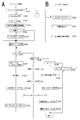
- the final answer data is information on a final answer that is determined by the user as the questionnaire. An example of the final response data generation process is shown in FIGS. 8A and 8B.
- FIG. 8A is an example in which the server 2 uses the determined input data as final answer data as it is in step S1420.
- FIG. 8B is an example in which the confirmed input data is not used as final answer data as it is.
- one object of the present embodiment is to prevent answer data for a question item designating a device from being input by a device not designated.
- FIG. 8B is an example including such device correspondence processing.
- step S1422 the server 2 confirms the answer of the nth question item and the device type at the time of inputting the answer.
- the answer to the question item in this case is the answer of the confirmed input data.
- the device type the device at the time of this input is the device determined in step S103.
- the answer of the question item (the answer that has become the finalized input data) is the answer stored in the midway answer data, it can be confirmed by the information on the device used stored in the midway answer data.
- step S1423 it is determined whether an answer has been made by the designated device. If midway answer data exists for the question item, the device non-correspondence flag may be confirmed.
- the device non-corresponding flag 0
- the response is made by the designated device (including no designation)
- the device non-corresponding flag 1
- the answer is not made by the designated device. If there is no midway answer data (for example, in the case of the question item on the last question page P2-m), whether or not the device currently used determined in step S103 matches the device designation information in the questionnaire information (designation) It is determined whether or not it is included).
- step S1424 the server 2 sets the confirmed input data of the answer for the nth question item as valid answer data. If it is determined that the designated device has not responded, the server 2 does not perform the process of step S1424. In other words, the confirmed input data of the answer for the nth question item is not regarded as valid answer data.
- step S1425 it is confirmed whether or not the variable n ⁇ N. If the variable n ⁇ N is not satisfied, the variable n is incremented in step S1426, and the process proceeds to the next question item in step S1422.
- step S1425 to S1427 the server 2 generates final answer data using valid answer data. That is, the server 2 determines the confirmed input data reflecting the device designation information as valid answer data, and generates final answer data using only the valid answer data. Accordingly, an answer input by a device that does not match the device designation information is not reflected in the final answer data.
- the server stores the final response data in the response data storage unit 9 in step S143 of FIG. That is, it is stored as one of records for the provided questionnaire information. For one questionnaire information, such final answer data is generated and stored in response to a number of user's answer inputs.
- the stored final response data is subjected to tabulation processing, information organization, and the like, and delivered from the server 2 to the questionnaire provider as a questionnaire result.
- the first embodiment described above is an example in which the device designation corresponding process is performed in the final response data generation process in step S142.
- Second Embodiment> A processing example of the second embodiment will be described with reference to FIG. This is an example in which the device designation handling process is performed in the question page transmission process of step S106 in FIG.
- the entire questionnaire process of the second embodiment is the same as that shown in FIG.
- the server 2 performs a process for transmitting the question page to the user terminal 5 as illustrated in FIG. 9.
- the question page transmission process sets page data to be transmitted depending on whether it is restarted, at the first start, or the next page request.
- the server 2 proceeds from step S200 to step S206, determines the question page (P2-x) to be restarted, and selects it as the page to be transmitted. If it is the first time, the server 2 proceeds from step S210 to step S215, and selects the first question page P2-1 as a page to be transmitted. If the next page is requested, the server 2 proceeds from step S220 to step S225, and checks whether or not there is an unanswered page, that is, a page for which the input data of the user has not been acquired before the current page.
- an unanswered page although it has already transmitted in the session with the user terminal 5 this time, there may be a page that remains unanswered. Therefore, here, for example, it is confirmed whether or not there is a page which is an unanswered page and has not been transmitted in the current session. If there is no unanswered and untransmitted question page, the next question page is selected as a page to be transmitted in step S227. If there is one or more unanswered and untransmitted pages, the server 2 selects one of the unanswered and untransmitted pages as a page to be transmitted in step S226. For example, a page with the lowest page number among unanswered and untransmitted pages may be selected.
- the server 2 confirms the designated device for the question item of the selected page in step S230, and whether the answer is OK with the current device determined in step S103 of FIG. Judge whether or not. For example, the device designation information is confirmed for one or more question items included in the selection page. If there is no device designation for one or a plurality of question items on the selection page, or if the current device matches the device designation, the server 2 proceeds to step S231 and displays the selection page on the user terminal. Send to 5.
- the server 2 proceeds to step S232 and prepares a selection page that cannot be entered. To do. If all the selection items on the selection page have a device designation that does not correspond to the current device, a selection page is prepared in which answer input is disabled for all selection items. For example, a selection page is prepared in which check boxes and input fields for answering all question items on the selection page are inactive. When a part of the selection items on the selection page is designated as a device that does not correspond to the current device, a selection page is prepared in which answer input is disabled for the selection item.
- step S233 the server 2 transmits to the user terminal 5 page data and a message of the selected page in which all or part of the server 2 cannot be answered.
- the message content is a content that notifies the user that all or some of the question items cannot be answered by the current user terminal 5 and that the question item that cannot be entered should be answered by which device.
- a selection page and a message are displayed, but the user can input only the question items that can be input or operate the next button 33 or the like.
- the next button 31 is operated to advance to the next page (step S107 ⁇ ... S106 in FIG. 6).
- the device may not match at the stage where the unsent page is the remaining one page.
- a questionnaire interruption button may be prepared on the selection disable page generated in step S232, and the user may perform a questionnaire interruption operation.
- the server 2 may finish the process from step S110 in FIG. 6 as in the case of time over. In that case, at a later time, the user may make a questionnaire resumption request using a device according to the device designation.
- the input data since the user can input answers only to the specified device for the question item in which the device specification information is set, the input data must be the device specification. It is input by the device that matches the information. For this reason, the answer data generation process in step S142 of FIG. 6 may be performed as long as the process of FIG. 8A is performed.
- step S232 is not performed as shown by a broken line in FIG. 9
- This does not generate the page data of the selected page that makes it impossible to input the answer of all or some of the question items, and transmits the selected page as it is (with the answer input enabled) to the user terminal 5 and transmits a message.
- the message notifies that all or some of the question items in this selection page are not valid answer data because the device does not match even if it is entered.
- the server 2 may perform the process of FIG. 8B as the response data generation process of step S142 of FIG.
- steps S200 and S206 when restarting
- S210 and S215 when starting for the first time
- S220 and S227 when requesting the next page
- steps S225A and S226A will be described later because they are slightly different from S225 and S226 of FIG.
- the server 2 confirms the designated device for the question item of the selected page in step S230, and whether or not the answer is OK with the current device determined in step S103 of FIG. Judging. If there is no device designation for one or a plurality of question items on the selection page, or if the current device matches the device designation, the server 2 proceeds to step S231 and displays the selection page on the user terminal. Send to 5.
- the questionnaire information is (1) Only one question item is always provided on one question page. (2) Although a plurality of question items are provided in one question page, each question item in one question page is always device designation information that can be handled by one device.
- the device designation information of each question item is all designated with the same device type or only with a certain device type and no device designation, and there is no question item that designates a different device within one page. ing. It is assumed that any one of the above is satisfied. Therefore, the case where the process proceeds to step S231 is a case where the current user terminal 5 can complete the answer input on the selected page.
- step S235 if there is a device designation for one or a plurality of question items on the selected page and it does not match the current device, the server 2 proceeds to step S235, and other unanswered, untransmitted and unselected Check if the page exists.
- the determination process in step S225A or S235 is a determination as to whether or not there is an unselected question page in addition to the unanswered and untransmitted condition in step S225 of FIG.
- Unselected means that the selected page has never been selected in any of steps S206, S215, S226A, and S227A in the current session.
- step S235 If it is determined in step S235 that there is an unanswered, untransmitted and unselected question page, the server 2 proceeds to step S226A and selects one such question page as a page to be transmitted. If one or more unanswered, untransmitted and unselected pages exist, the server 2 selects one of them as a page to be transmitted in step S226A. For example, the page with the youngest page number may be selected from unanswered, untransmitted and unselected pages. Then, the process proceeds to step S230.
- step S235 If it is determined in step S235 that there are no unanswered, untransmitted and unselected question pages, the server 2 proceeds to step S236 and checks whether there is a next page of the selected page. If it exists, the server 2 proceeds to step S227, selects the next question page as a page to be transmitted, and proceeds to step S230.
- step S236 If the next page does not exist in step S236, that is, if the currently selected question page is the last question page P2-m, the server 2 performs a process of transmitting a message page in step S237.
- the message in this case is a content that requests the user to switch to another device and resume the questionnaire because there are no questions that can be answered by the current device in this questionnaire.
- the question page in which device designation information is set is not transmitted to the user terminal 5 when the user terminal 5 is not a corresponding device.
- the transmission destination user terminal selects a question item (question page P2) that does not conflict with the device designation information, and transmits the question page P2 including the selected question item to the user terminal 5 to input a reply.
- the acquired input data is always input by a device that matches the device designation information.
- the answer data generation process of step S142 of FIG. 6 may be performed as long as the process of FIG.
- FIG. 11 shows an example of processing in the case of step S110 (time over determination) in FIG.
- the fourth embodiment is an example in which the process when the time is over in step S110 in the process of FIG. 6 is performed as shown in FIG.
- step S161 of FIG. This is an alert for instructing the user that the answer input of the questionnaire is not detected for a certain period of time.
- the user terminal 5 performs a pop-up screen, warning sound output, message output, etc. to notify the user that the questionnaire is interrupted.
- the server 2 performs withdrawal estimation in step S163 while monitoring whether or not any operation such as the operation of the next button 31 is detected in step S162.
- the fifth embodiment is an example of management processing of midway answer data in the midway information storage unit 8 that is executed by the server 2 mainly by the function of the midway information management unit 2c and is shown in FIG.
- This process is a process that may be performed at any time or periodically, for example, regardless of the above-described questionnaire session. In particular, it is a process of deleting unnecessary midway answer data.
- step S301 in FIG. 12 the server 2 selects one questionnaire information (questionnaire ID) to be processed.
- step S302 the server 2 acquires and confirms the questionnaire attribute information of the selected questionnaire information from the questionnaire DB 7, and confirms the delivery date of the answer data and the target answer number.
- step S303 the server 2 searches the midway information storage unit 8 and extracts midway answer data corresponding to the questionnaire ID of the selected questionnaire information.
- step S304 the server 2 determines whether or not the present time has passed the answer collection limit date and time of the questionnaire.
- the answer collection limit date and time is, for example, the deadline date of the answer data to be delivered to the questionnaire provider during the delivery date. Or it is good also as a date and time before a predetermined date from a deadline date. If the answer collection limit date is exceeded, the halfway answer data for the questionnaire is not normally used for final answer data generation, so the server 2 proceeds to step S306, and all the halfway answer data extracted in step S303. Is deleted from the midway information storage unit 8.
- the server 2 determines in step S305 that the number of final answer data for the corresponding questionnaire, that is, the number of final answer data stored in the answer data storage unit 9, is the target answer number. Check if it has been reached. If the target number of answers has not been reached, it is appropriate to use as much opportunity as possible to generate final answer data using midway answer data. That is, it is better to store the midway answer data as much as possible in case the user who has been interrupted resumes the questionnaire. However, on the other hand, if there is midway answer data that has been left without being resumed for a long period of time, it can be estimated that the user does not intend to resume.
- step S308 confirms the last update date and time stored as the date and time information of each extracted halfway answer data, and deletes the current date that has passed y days from the last update date and time. For example, when the questionnaire collection period is 3 months, for example, those that have been suspended for 2 months are deleted. If the target number of answers has not been reached, all midway answer data may be maintained without performing the process of step S308.
- the server 2 proceeds to step S307 and deletes midway answer data that has passed x days (y> x) from the last update date. For example, when the questionnaire collection period is 3 months, for example, those that have been interrupted for 3 weeks are deleted. If it is desired to increase the number of final response data as much as possible regardless of the target response number, all the midway response data may be maintained without performing the process of step S307. Alternatively, an example in which only the latest one week is maintained and the others are deleted can be considered.
- the processing of FIG. 12 is sequentially performed at a required time point for each questionnaire, for example, so that it is possible to avoid excessively increasing the amount of useless answer data and squeezing the storage capacity of the answer data storage unit 9.
- whether or not to execute steps S307 and S308 and the number of elapsed days may be determined according to the capacity status of the answer data storage unit 9, or may be determined according to the status change of the accumulated number, You may change the number of days setting.
- the halfway answer data stored in step S143 in FIG. 6 for the user is not necessary at that time. Therefore, the user's midway reply data in which the final reply data is stored may be deleted from the midway information storage unit 8 at the time of step S143 in FIG. 6 without waiting for the processing in FIG.
- FIG. 13A shows a questionnaire process according to the sixth embodiment.
- the same processes as those in FIG. 6 are denoted by the same step numbers and description thereof is omitted.
- the processing example in FIG. 13A is obtained by adding steps S150, S151, and S152 to the processing in FIG. These processes will be described.
- the server 2 starts acquisition of walking determination information as step S150. Thereafter, the server 2 sequentially acquires walking determination information from the user terminal 5.
- the acquisition processing of walking determination information is shown in FIG. 13B.
- the server 2 proceeds from step S160 to S161 according to the predetermined acquisition timing, and requests the user terminal 5 for location information.
- the position information transmitted from the user terminal 5 is acquired and stored together with the time information.
- the user terminal 5 includes a GPS receiver and can acquire latitude / longitude information as current position information.
- the server 2 requests the current position information from the user terminal 5 when necessary, and acquires it.
- the acquisition timing may be a regular timing during the execution of this questionnaire session, for example.
- the position information of the user terminal 5 may be acquired when information is transmitted from the user terminal 5, for example, when the next page request is received in step S107 or when the confirmation request is received in step S108.
- the server 2 When the server 2 receives the next page request in step S107, the server 2 performs a walking estimation process in step S151. This is a process of confirming the position information corresponding to the time information acquired and stored sequentially, and estimating whether or not the user was walking at the time of inputting the current question page P2.
- the “walking” estimated here may include not only a normal walking but also a running such as jogging or a bicycle. For example, when a relatively large change in position information at each time point is observed, it is estimated that the user has input an answer for the current page while walking. The reason for estimating the walking is to estimate whether or not the user is answering the questionnaire in a stationary state.
- the vehicle When it is estimated that the user is on a vehicle such as a train or an automobile, it is considered that the user answers the questionnaire in a stationary state. Therefore, for example, when the transition of the current position is collated with map information and moving on a track, or when moving on a road at a speed considered to be an automobile, it is preferable that the vehicle is not walking. It is.
- Step S152 is processing to end acquisition of walking determination information.
- the server 2 proceeds from step S109 to S152, and ends the walking determination information acquisition process of FIG. 13B. Then, similarly to FIG. 6, steps S141 (acquired confirmed input data) and S142 (generate final answer data) are performed. In step S143, the final answer data is stored. In this case, the server 2 executes the final answer data generation process as shown in FIG.
- step S1430 The process of FIG. 14 is obtained by adding step S1430 to the process of FIG. 8B.
- step S1422A the server 2 confirms the answer of the nth question item and the device type when the answer is input. Furthermore, in this case, it is confirmed whether or not it is estimated that each answer is input during walking. If the answer of the nth question item is an answer stored in the midway answer data, it can be confirmed by the walking flag stored in the midway answer data.
- step S1422A the change of the position information starts from the position information when the confirmation request is received in step S108. To estimate whether or not he was walking.
- step S1423 the process advances from step S1423 to S1430, and it is also confirmed whether the answer is a walking answer. If it is determined that the user is not walking, the process advances to step S1424, and the server 2 sets the confirmed input data of the answer for the nth question item as valid answer data. Even when the answer is made by the designated device, if it is estimated that the user is walking, the server 2 does not perform the process of step S1424. In other words, the confirmed input data of the answer for the nth question item is not regarded as valid answer data.
- the subsequent processing is the same as in FIG. 8B. That is, the server 2 determines that the confirmed input data that reflects the device designation information and is not answered during walking is valid answer data, and generates final answer data only from the valid answer data. (S1427). Accordingly, an answer input by a device that does not match the device designation information or an answer that is estimated to have been answered while walking is not reflected in the final answer data.
- the input data estimated to be walking is not reflected in the final answer data.
- only the input data estimated to be walking is collected to generate the final answer data.
- the answer input itself is possible even while walking.
- the question page P2 is not transmitted to the user terminal 5, or an alert is transmitted to the user terminal 5. Or send a message to the effect that the response is not valid.
- the server 2 uses a function of the questionnaire processing unit 2a (question processing unit) to transmit the questionnaire information in which a plurality of question items are set to the user terminal 5 for presentation, and a questionnaire
- An intermediate response data storage process (S122) for acquiring input data before completion of input of information from the user terminal 5 and storing it as intermediate response data corresponding to the user ID and questionnaire ID, and a question start request from the user terminal 5
- a presentation item determination process (S106: FIG. 7, FIG. 9, FIG. 10) for determining a question item to be presented to the user terminal 5 in accordance with the presence or absence of midway answer data in which the corresponding user ID and questionnaire ID match.
- Final response data generation processing for generating final response data for questionnaire information based on input data or midway response data ( 142) and perform.
- the server 2 performs the process (S103) which determines the device classification of the user terminal 5 which transmits the input data with respect to questionnaire information with the function of the device determination part 2b.
- the server 2 uses the function of the questionnaire processing unit 2a so that data input by the user terminal 5 as a device that does not match the device designation information set for the question item is not included as valid data in the final response data.
- the device designation corresponding process is performed (FIGS. 8, 9, and 10 of the first to third embodiments).
- the device designation is suitable when, for example, a questionnaire regarding usability of a specific terminal device is desired to obtain a questionnaire response by a user who is truly using the terminal device.
- the answer is something that the user thinks to some extent, there is also a desire to have the answer done by the stationary user terminal 5S.
- the processing of the embodiment is very suitable.
- the input data is sequentially stored as midway answer data, even if the user stops the answer midway, the input data of the answers up to that point remains.
- the question item is selected according to the past answer input that can be grasped from the midway answer data. That is, it is presented from the following question items, and the user may input an answer correspondingly.
- the user resumes the questionnaire it is possible to start from the middle using the midway answer data, and therefore it is preferable for the user that it is not necessary to start over from the beginning when resuming.
- the user does not have to bother to interrupt and resume. This also facilitates the collection of responses to device-specific questionnaires.
- the question page P2 is presented.
- the item has been decided, it is of course possible to use it as a question item unit. That is, it is possible to generate a question page that collects unanswered question items each time and set it as a question page to be presented to the user terminal 5 without setting a question page in advance.
- the input data of the current page is transmitted to the server 2.
- the user terminal 5 inputs the input data.
- Data may be transmitted to the server 2.
- a processing example in which the server 2 executes steps S121 and S122 in FIG. 6 each time input data is acquired can be considered.
- the destination user terminal 5 selects a question item that does not conflict with the device designation information, and the selected question item Is transmitted to the user terminal and presented to the user terminal. That is, when a user logs in with a certain device and inputs an answer to certain questionnaire information, at least questions of question items permitted for the device are asked.
- the question item allowed in this case is a question item corresponding to the device specified by the device designation information in the user terminal 5, or a question item for which no device designation information is set (device designation is not performed). It is. Question items for which an answer input by another device is designated are not presented to the user terminal 5.
- any non-device designated question item or question item corresponding to the device is input first. Become. For this reason, the input can be continued without changing the currently used device, which is convenient for the user. In addition, if device switching is forced in the middle, motivation for an answer may be reduced, which is a countermeasure.
- answers can only be entered with allowed devices, as a result, input data of answers input by devices that do not match the device specification information of the question items are not included as valid data in the final answer data. can do. Therefore, it is possible to obtain an answer using the target device correctly for the question item designating the input device.
- the user since it is possible to input an answer permitted by the current device regardless of the order of the question items with the current device logged in, the user can be motivated to answer the questionnaire.
- final answer data is generated excluding input data or midway answer data transmitted from a device that does not match the device designation information.
- the final answer data is generated only by the input that has been permitted by the device, and the input data of the answer input by a device that does not match the device designation information of the question item is not included as valid data in the final answer data. Therefore, it is possible to obtain an answer using the target device correctly for the question item designating the input device.
- the user terminal 5 transmits to the user terminal and presents the question information incapable of answer input for the question item that does not match the device designation information.
- FIG. 9 S232, S233.
- the question item by the device contrary to the designation is presented but the answer cannot be input.
- input data (or midway answer data) contrary to the device designation information is not incorporated in the final answer data. Therefore, since the final answer data is generated only by the input that was permitted by the device, it is possible to correctly obtain an answer using the target device for the question item designating the input device. In this case, there is an advantage that the user can see the question items even if the input is impossible, and it is easy to grasp the entire questionnaire.
- alert information is transmitted to the user terminal 5.
- S233 in FIG. 9 or a modified example of S230 ⁇ S233 indicated by a broken line the user can be prompted to input again with the designated device, the user can be notified that the answer cannot be input to the question, or the input cannot be an effective answer. Therefore, the user himself / herself can recognize that he / she is trying to input an answer from a device other than the designated device, and can guide the user to input in the designated device.
- the question item is made to present the unanswered question item to the user terminal 5.
- the determined question item is transmitted to the user terminal 5 to be presented, and the input data of the already answered answer stored as the halfway answer data is transmitted to the user terminal to be presented. (S203 to S205 in FIG. 7).
- the input of unanswered question items such as from the resuming point is requested, and the contents of the already answered can be presented and the user can confirm. If the interruption is present, the user may have forgotten the content of the already answered question. Therefore, it is possible to confirm past input contents and to prompt accurate input.
- the server 2 is a midway answer data stored in the midway information storage unit 8 by the midway information management unit 2c, and a questionnaire based on the corresponding user ID and questionnaire ID for a predetermined period or longer. Processing is performed to delete midway answer data for which there is no start request from the midway information storage unit 8 (FIG. 12: S308). That is, if the answer input is not resumed indefinitely after being interrupted, the halfway answer data is deleted. Since holding information on the way of the user who cannot expect to resume the response without fail leads to compression of the storage capacity of the server, this processing is taken as a countermeasure.
- the server 2 uses the midway information management unit 2c to provide all or part of the midway answer data for all the midway answer data for the question information for which the answer collection deadline has passed or the question information for which the final answer data for the target number of answers has been acquired. Is deleted from the midway information storage unit 8 (S306, S307 in FIG. 12). For question information such as a questionnaire, a delivery date may be set, and answer data that has not been completed even after the delivery date is unnecessary. In some cases, the target number of answers may be set. In this case, it is not always necessary, but it can be determined that an answer that cannot be expected is unnecessary. So delete them. As a result, it is possible to prevent the server storage capacity from being compressed by storing a large amount of midway answer data in a dark manner.
- the movement determination process (S150 to S151 in FIG. 13A, FIG. 13B) that determines the movement state of the user when the question page P2 is transmitted to the user terminal 5 and presented in the presentation control process.
- the midway answer data storage process information indicating the movement status (walking flag) is stored together with the midway answer data (S151, S122A).
- the reliability of the answer can be determined based on the movement status.
- the final answer data generation process (S142) input data or midway answer data whose movement state is determined to be at least walking by the movement determination process is not set as valid answer data (FIG. 14). . That is, the input information during walking is invalidated. Even if it is the input information by a designated device, if it is the input information during a walk, it will lack accuracy. By invalidating such input information, the accuracy of the answer can be ensured.
- the configuration, processing example, and application range of the present invention are not limited to the embodiments, and various modifications can be considered.
- the embodiment is an example applied to a questionnaire
- the present invention is not limited to a questionnaire and can be widely applied to question information.
- a test that the user receives while accessing the website using the user terminal 5
- it can be suitably applied when a specific device use is set as the test condition.
- the present invention is also suitable for a case where a specific device use is required for various investigations, user personal information input, and the like. In these cases, it is possible to prevent fraud by using an input at a specific device as a condition for acquiring information.
- the program according to the embodiment is a program that causes an information processing apparatus (CPU or the like) to execute processing of functions as the questionnaire processing unit 2a and the device determination unit 2b in the server 2 described above.
- the program according to the embodiment includes a presentation control procedure (S106) for transmitting and presenting questionnaire information in which a plurality of question items are set to the user terminal 5 and a device of the user terminal 5 that transmits input data for the questionnaire information.
- Device determination procedure for determining type (S103), and intermediate response data storage procedure for acquiring input data before completion of input for questionnaire information from the user terminal 5 and storing it as intermediate response data corresponding to the user ID and questionnaire ID (S122) and a presentation item determination procedure for determining a question item to be presented to the user terminal 5 according to the presence / absence of midway answer data in which the user ID and the questionnaire ID corresponding to the questionnaire start request from the user terminal 5 match S106: based on FIG. 7, FIG. 9, FIG.
- the final answer data generation procedure (S142) for generating the final answer data for the questionnaire information and the data input by the user terminal as the device that does not match the device designation information set for the question item are This is a program for causing an information processing apparatus to execute a device designation handling procedure (FIGS. 8, 9, and 10) that is not included as valid data.
- Such a program can be stored in advance in an HDD as a storage medium built in a device such as a computer device, a ROM in a microcomputer having a CPU, or the like. Alternatively, it can be stored (stored) temporarily or permanently in a removable storage medium such as a semiconductor memory, memory card, optical disk, magneto-optical disk, or magnetic disk. Such a removable storage medium can be provided as so-called package software. Further, such a program can be installed from a removable storage medium to a personal computer or the like, or can be downloaded from a download site via a network such as a LAN or the Internet.
Landscapes
- Business, Economics & Management (AREA)
- Tourism & Hospitality (AREA)
- Strategic Management (AREA)
- Physics & Mathematics (AREA)
- General Health & Medical Sciences (AREA)
- Human Resources & Organizations (AREA)
- Marketing (AREA)
- Primary Health Care (AREA)
- Health & Medical Sciences (AREA)
- Economics (AREA)
- General Business, Economics & Management (AREA)
- General Physics & Mathematics (AREA)
- Engineering & Computer Science (AREA)
- Theoretical Computer Science (AREA)
- Management, Administration, Business Operations System, And Electronic Commerce (AREA)
- Information Transfer Between Computers (AREA)
Abstract
複数の質問項目が設定された質問情報をユーザ端末で提示させ、ユーザ端末による途中の入力データを逐次取得しユーザ識別情報及び質問情報に対応させて中途回答データとして記憶する。ユーザ端末からの質問開始要求の際には、対応するユーザ識別情報及び質問情報が一致する中途回答データの有無に応じてユーザ端末に提示させる質問項目を決定する。最終的には入力データ又は中途回答データに基づいて質問情報に対する最終回答データを生成して記憶する。この過程で、ユーザ端末のデバイス種別を判定するとともに、質問項目に対して設定されたデバイス指定情報に合致しないデバイスとしてのユーザ端末によって入力されたデータが、最終回答データにおいて有効なデータとして含まれないようにするデバイス指定対応処理を行う。
Description
本発明は情報処理装置、情報処理方法、プログラム、記憶媒体に関し、特に質問情報のユーザ端末への提示及び入力データ取得の処理についての技術分野に関する。
ネットワーク上のサーバからユーザ端末に例えばアンケートなどとしての質問情報を送信し、ユーザ端末からの回答入力を受け付けることが広く行われている。
例えば電子商取引の分野における店舗や商品に関するアンケート、ユーザ一般の嗜好等を調査するアンケートなどがある。アンケートに回答するユーザ端末としては、ユーザの家庭等に設置されたデスクトップ型のパーソナルコンピュータ等の据置型デバイスや、スマートホンやタブレット端末、ウエアラブル端末などの携帯型情報処理装置(携帯型デバイス)などが用いられる。
例えば電子商取引の分野における店舗や商品に関するアンケート、ユーザ一般の嗜好等を調査するアンケートなどがある。アンケートに回答するユーザ端末としては、ユーザの家庭等に設置されたデスクトップ型のパーソナルコンピュータ等の据置型デバイスや、スマートホンやタブレット端末、ウエアラブル端末などの携帯型情報処理装置(携帯型デバイス)などが用いられる。
なお上記特許文献1には、主としてコンテンツの視聴等をモバイル端末で途中まで行った後、続きを家の装置で楽しむことができる技術が記載されている。このとき、デバイスが異なってもコンテンツの続きを楽しむことができるように中断履歴データをユーザIDと紐付けておくことが開示されており、さらに、コンテンツとしては映像コンテンツ以外にアンケートであってもよい旨も開示されている。
ところでアンケート等の質問情報に対する回答を求める場合においては、アンケート提供者(アンケートの回答を集めて情報収集を行う者)は、ユーザが回答する際に使用するデバイスを指定したい場合がある。例えばこのアンケート又はこの質問項目は、携帯型デバイスで入力してもらいたいという要望を持つ場合や、或いはこのアンケート又はこの質問項目は据置型デバイスで入力してもらいたいという要望を持つ場合である。
一方で、一般ユーザは任意のときに任意のデバイスでアンケートに対する回答を行うものであり、特に使用デバイスを意識しないことが通常である。
またアンケート提供者にとっては、なるべくユーザにアンケートを途中でやめずに回答を完了してもらいたいが、ユーザは回答操作が面倒になることを好まない。例えば途中でデバイスを変えて続けて入力することを求めると、途中でやめてしまうことも多くなる。
一方で、一般ユーザは任意のときに任意のデバイスでアンケートに対する回答を行うものであり、特に使用デバイスを意識しないことが通常である。
またアンケート提供者にとっては、なるべくユーザにアンケートを途中でやめずに回答を完了してもらいたいが、ユーザは回答操作が面倒になることを好まない。例えば途中でデバイスを変えて続けて入力することを求めると、途中でやめてしまうことも多くなる。
本発明では例えばこれらの事情のように、指定したデバイスによる回答を求める要望がある場合に、なるべく要望に応じた回答が得られ、かつユーザの処理負担も少なくなるような技術を提供することを目的とする。
本発明に係る情報処理装置は、複数の質問項目が設定された質問情報をユーザ端末に送信して提示させる提示制御処理と、質問情報に対する入力完了に至る前の入力データをユーザ端末から取得しユーザ識別情報及び質問情報に対応させて中途回答データとして記憶する中途回答データ記憶処理と、ユーザ端末からの質問開始要求の際に対応するユーザ識別情報及び質問情報が一致する中途回答データの有無に応じてユーザ端末に提示させる質問項目を決定する提示項目決定処理と、入力データ又は中途回答データに基づいて質問情報に対する最終回答データを生成する最終回答データ生成処理と、を行う質問処理部と、質問情報に対する入力データを送信してくるユーザ端末のデバイス種別を判定するデバイス判定部を備える。そして前記質問処理部は、質問項目に対して設定されたデバイス指定情報に合致しないデバイスとしてのユーザ端末によって入力されたデータが、最終回答データにおいて有効なデータとして含まれないようにするデバイス指定対応処理を行う。
これにより、デバイスを指定した質問項目に対する回答データが、指定外のデバイスによって入力されたものとならないようにする。
これにより、デバイスを指定した質問項目に対する回答データが、指定外のデバイスによって入力されたものとならないようにする。
上記した情報処理装置においては、前記質問処理部は前記デバイス指定対応処理として、前記提示制御処理において、送信先のユーザ端末が、デバイス指定情報と相反することにならない質問項目を選択し、選択した質問項目を含む質問情報をユーザ端末に送信して提示させる処理を行うことが考えられる。
つまりユーザは或るデバイスでログインしてアンケート等の質問情報に対する回答入力を行う場合に、少なくともそのデバイスにとって許容されている質問項目の質問が行われることになる。この場合に許容される質問項目とは、ユーザ端末が、デバイス指定情報で指定されているデバイスに相当する質問項目か、或いはデバイス指定情報が設定されていない(デバイス指定されていない)質問項目である。
他のデバイスによる回答入力が指定されている質問項目は、そのユーザ端末には提示されない。
つまりユーザは或るデバイスでログインしてアンケート等の質問情報に対する回答入力を行う場合に、少なくともそのデバイスにとって許容されている質問項目の質問が行われることになる。この場合に許容される質問項目とは、ユーザ端末が、デバイス指定情報で指定されているデバイスに相当する質問項目か、或いはデバイス指定情報が設定されていない(デバイス指定されていない)質問項目である。
他のデバイスによる回答入力が指定されている質問項目は、そのユーザ端末には提示されない。
上記した情報処理装置においては、前記質問処理部は前記デバイス指定対応処理として、前記最終回答データ生成処理において、デバイス指定情報に合致しないデバイスから送信された入力データ又は中途回答データを除いて最終回答データを生成する処理を行うことが考えられる。
この場合、許容されないデバイスからの回答入力も受け付けるが、デバイス指定情報とは相反するデバイスによる入力データ(又は途中の入力データを記憶した中途回答データ)は、最終回答データには組み入れないようにする。
この場合、許容されないデバイスからの回答入力も受け付けるが、デバイス指定情報とは相反するデバイスによる入力データ(又は途中の入力データを記憶した中途回答データ)は、最終回答データには組み入れないようにする。
上記した情報処理装置においては、前記質問処理部は前記デバイス指定対応処理として、前記提示制御処理において、ユーザ端末が、デバイス指定情報に合致しない質問項目については回答入力不能とした質問情報をユーザ端末に送信して提示させる処理を行うことが考えられる。
この場合、許容されないデバイスによる質問項目は提示されるが回答入力不能である。このためデバイス指定情報とは相反するデバイスによる入力データ(又は途中の入力データを記憶した中途回答データ)は、最終回答データには組み込まれない。
この場合、許容されないデバイスによる質問項目は提示されるが回答入力不能である。このためデバイス指定情報とは相反するデバイスによる入力データ(又は途中の入力データを記憶した中途回答データ)は、最終回答データには組み込まれない。
上記した情報処理装置においては、前記質問処理部は前記デバイス指定対応処理として、前記提示制御処理において提示した質問項目のデバイス指定情報が、ユーザ端末としてのデバイスと合致しない場合、該ユーザ端末にアラート情報を送信することが考えられる。
例えば、アラート情報により、指定デバイスで改めて入力を行うように促したり、質問に回答入力できないこと、或いは入力しても有効な回答とならないようなことなどをユーザに通知できるようにする。
例えば、アラート情報により、指定デバイスで改めて入力を行うように促したり、質問に回答入力できないこと、或いは入力しても有効な回答とならないようなことなどをユーザに通知できるようにする。
上記した情報処理装置においては、前記質問処理部は、前記提示項目決定処理として、質問開始要求の際に対応するユーザ識別情報及び質問情報が一致する中途回答データが存在する場合、未回答の質問項目をユーザ端末に提示させるように質問項目を決定し、前記提示制御処理として、決定した質問項目をユーザ端末に送信して提示させ、かつ中途回答データとして記憶されている既回答の入力データをユーザ端末に送信して提示させる処理を行うことが考えられる。
つまり再開時には、再開箇所から等の未回答の質問項目を提示して回答入力を求めるようにするとともに、既回答の内容を提示しユーザが確認できるようにする。
つまり再開時には、再開箇所から等の未回答の質問項目を提示して回答入力を求めるようにするとともに、既回答の内容を提示しユーザが確認できるようにする。
上記した情報処理装置においては、記憶部に記憶された中途回答データであって、所定期間以上、対応するユーザ識別情報及び質問情報による質問開始要求がない中途回答データを、前記記憶部から削除する処理を行う中途情報管理部を備えるようにもする。
つまり一旦中断された後、いつまでも回答入力が再開されないものは中途回答データを削除する。
つまり一旦中断された後、いつまでも回答入力が再開されないものは中途回答データを削除する。
上記した情報処理装置においては、記憶部に記憶された中途回答データであって、回答収集期限を経過した質問情報についての全ての中途回答データ、又は目標回答数の最終回答データを取得した質問情報についての中途回答データの全部又は一部を、前記記憶部から削除する処理を行う中途情報管理部を備えるようにもする。
アンケート等の質問情報は、納期が設定される場合があり、納期後の時点でも完了していない回答データは不要となる。また、目標回答数が設定される場合もあり、この場合、必ずしも不要とはならないが、回答を期待できないものなどは不要と判断できる。そこで、それらを削除する。
アンケート等の質問情報は、納期が設定される場合があり、納期後の時点でも完了していない回答データは不要となる。また、目標回答数が設定される場合もあり、この場合、必ずしも不要とはならないが、回答を期待できないものなどは不要と判断できる。そこで、それらを削除する。
上記した情報処理装置においては、前記質問処理部は、ユーザ端末に質問情報を提示した状態で、ユーザ操作を検知しないまま所定時間を経過した場合、該ユーザ端末に対してアラートを送信する回答督促処理を行うことが考えられる。
つまりユーザによる回答入力が中断してから(質問項目の送り操作が途絶えてから)の経過時間に応じてユーザに入力の再開を促すアラートを出す。
つまりユーザによる回答入力が中断してから(質問項目の送り操作が途絶えてから)の経過時間に応じてユーザに入力の再開を促すアラートを出す。
上記した情報処理装置においては、前記質問処理部は、前記提示制御処理で質問情報をユーザ端末に送信して提示させている際にユーザの移動状態を判定する移動判定処理を行い、前記中途回答データ記憶処理では、中途回答データとともに移動状況を示す情報を記憶させることが考えられる。
アンケート等の入力データが、ユーザが移動しながら回答したものか否かがわかるようにする。
アンケート等の入力データが、ユーザが移動しながら回答したものか否かがわかるようにする。
上記した情報処理装置においては、前記質問処理部は、前記最終回答データ生成処理において、前記移動判定処理により移動状態が少なくとも歩行中であるとされた入力データ又は中途回答データについては、有効な回答データとはしないことが考えられる。
つまり歩行中の入力情報を無効化する
つまり歩行中の入力情報を無効化する
本発明に係る情報処理方法は、複数の質問項目が設定された質問情報をユーザ端末に送信して提示させる提示制御ステップと、質問情報に対する入力データを送信してくるユーザ端末のデバイス種別を判定するデバイス判定ステップと、質問情報に対する入力完了に至る前の入力データをユーザ端末から取得しユーザ識別情報及び質問情報に対応させて中途回答データとして記憶する中途回答データ記憶ステップと、ユーザ端末からの質問開始要求の際に対応するユーザ識別情報及び質問情報が一致する中途回答データの有無に応じてユーザ端末に提示させる質問項目を決定する提示項目決定ステップと、入力データ又は中途回答データに基づいて質問情報に対する最終回答データを生成する最終回答データ生成ステップと、質問項目に対して設定されたデバイス指定情報に合致しないデバイスとしてのユーザ端末によって入力されたデータが、最終回答データにおいて有効なデータとして含まれないようにするデバイス指定対応ステップとを情報処理装置が行う情報処理方法である。
これにより情報処理装置によって質問情報の提供及びユーザ端末からの回答入力の収集を行う場合に、デバイスを指定した質問項目に対する回答データが、指定外のデバイスによって入力されたものとならないようにすることができる。
本発明に係るプログラムは、上記各ステップに相当する手順を情報処理装置に実行させるプログラムである。本発明に係る記憶媒体は、上記プログラムを記憶したものである。これらにより上述の情報処理装置の処理を実現する。
これにより情報処理装置によって質問情報の提供及びユーザ端末からの回答入力の収集を行う場合に、デバイスを指定した質問項目に対する回答データが、指定外のデバイスによって入力されたものとならないようにすることができる。
本発明に係るプログラムは、上記各ステップに相当する手順を情報処理装置に実行させるプログラムである。本発明に係る記憶媒体は、上記プログラムを記憶したものである。これらにより上述の情報処理装置の処理を実現する。
本発明によれば、情報処理装置が質問情報の提供及びユーザ端末からの回答入力の収集を行う場合に、指定したデバイスによる回答を求める要望に応じた回答が得られるようにしつつ、ユーザの処理負担も少なくなるような処理を実現できる。
以下、実施の形態を次の順序で説明する。
<1.システム構成>
<2.アンケートページ及び処理の流れ>
<3.第1の実施の形態>
<4.第2の実施の形態>
<5.第3の実施の形態>
<6.第4の実施の形態>
<7.第5の実施の形態>
<8.第6の実施の形態>
<9.まとめ及び変形例>
<10.プログラム及び記憶媒体>
<1.システム構成>
<2.アンケートページ及び処理の流れ>
<3.第1の実施の形態>
<4.第2の実施の形態>
<5.第3の実施の形態>
<6.第4の実施の形態>
<7.第5の実施の形態>
<8.第6の実施の形態>
<9.まとめ及び変形例>
<10.プログラム及び記憶媒体>
<1.システム構成>
図1に実施の形態のネットワークシステムの構成例を示す。このネットワークシステムは、ネットワーク1を介してサーバ2とユーザ端末5が通信可能とされている。このようなシステムの具体例は各種考えられる。例えば複数の店舗が出店する仮想的な商店街を実現するEC(electronic commerce(電子商取引))システム、各種コンテンツのダウンロードや配信を行うコンテンツサービスシステム、会社その他の組織の管理システムなど、各種のシステムにおいて本実施の形態は適用できる。いずれにしてもサーバ2とユーザ端末5が通信可能とされたものであればよい。
そして特にサーバ2は、ユーザ端末5に対してアンケートとしての質問情報を提供し、またユーザ端末5からの回答入力を受け付ける処理を行う。
図1に実施の形態のネットワークシステムの構成例を示す。このネットワークシステムは、ネットワーク1を介してサーバ2とユーザ端末5が通信可能とされている。このようなシステムの具体例は各種考えられる。例えば複数の店舗が出店する仮想的な商店街を実現するEC(electronic commerce(電子商取引))システム、各種コンテンツのダウンロードや配信を行うコンテンツサービスシステム、会社その他の組織の管理システムなど、各種のシステムにおいて本実施の形態は適用できる。いずれにしてもサーバ2とユーザ端末5が通信可能とされたものであればよい。
そして特にサーバ2は、ユーザ端末5に対してアンケートとしての質問情報を提供し、またユーザ端末5からの回答入力を受け付ける処理を行う。
ネットワーク1の構成は多様な例が想定される。例えば、インターネット、イントラネット、エキストラネット、LAN(Local Area Network)、CATV(Community Antenna TeleVision)通信網、仮想専用網(Virtual Private Network)、電話回線網、移動体通信網、衛星通信網等が想定される。
またネットワーク1の全部又は一部を構成する伝送媒体についても多様な例が想定される。例えばIEEE(Institute of Electrical and Electronics Engineers)1394、USB(Universal Serial Bus)、電力線搬送、電話線等の有線でも、IrDA(Infrared Data Association)のような赤外線、ブルートゥース(登録商標)、802.11無線、携帯電話網、衛星回線、地上波デジタル網等の無線でも利用可能である。
またネットワーク1の全部又は一部を構成する伝送媒体についても多様な例が想定される。例えばIEEE(Institute of Electrical and Electronics Engineers)1394、USB(Universal Serial Bus)、電力線搬送、電話線等の有線でも、IrDA(Infrared Data Association)のような赤外線、ブルートゥース(登録商標)、802.11無線、携帯電話網、衛星回線、地上波デジタル網等の無線でも利用可能である。
ユーザ端末5は、アンケート回答を行うユーザが利用する端末機器であり、パーソナルコンピュータ、携帯電話機、スマートホン、ウエアラブル端末、タブレット端末などである。少なくともユーザ端末5は、サーバ2が提供するウェブページ、特にはアンケートページを閲覧し、入力を行うことのできる機器である。
なお、据置型のユーザ端末5を「ユーザ端末5S」、携帯型のユーザ端末を「ユーザ端末5P」と表記する。
なお、据置型のユーザ端末5を「ユーザ端末5S」、携帯型のユーザ端末を「ユーザ端末5P」と表記する。
サーバ2は、少なくとも質問情報としてアンケート情報をユーザ端末5に提示させるとともに、ユーザ端末5によって入力されたアンケートの回答を収集する処理を行う情報処理装置である。サーバ2は例えば各種ウェブサイトをユーザに提供するサーバであり、特定のウェブページ上でユーザにアンケートを提示し、回答入力を求めることができる。
例えば、サーバ2ではHTTP(Hypertext Transfer Protocol)デーモンが起動される。またユーザ端末5ではブラウザが起動され、ユーザ端末5からは、ブラウザを介して処理要求(HTTPリクエスト)がサーバ2に送信される。サーバ2からは、上記の処理要求に対応する処理結果(HTTPレスポンス)がユーザ端末5に送信される。例えば、ウェブページ記述言語で記述されたページデータがユーザ端末5に送信される。そして、このページデータに基づいて、処理結果に基づくウェブページ(画面)がユーザ端末5の表示部に表示される。
サーバ2は、アンケート情報をウェブページ上で提示でき、ユーザは、ユーザ端末5でウェブページを閲覧して任意にアンケートに対する回答入力を開始できる。
例えば、サーバ2ではHTTP(Hypertext Transfer Protocol)デーモンが起動される。またユーザ端末5ではブラウザが起動され、ユーザ端末5からは、ブラウザを介して処理要求(HTTPリクエスト)がサーバ2に送信される。サーバ2からは、上記の処理要求に対応する処理結果(HTTPレスポンス)がユーザ端末5に送信される。例えば、ウェブページ記述言語で記述されたページデータがユーザ端末5に送信される。そして、このページデータに基づいて、処理結果に基づくウェブページ(画面)がユーザ端末5の表示部に表示される。
サーバ2は、アンケート情報をウェブページ上で提示でき、ユーザは、ユーザ端末5でウェブページを閲覧して任意にアンケートに対する回答入力を開始できる。
図2は、サーバ2やユーザ端末5を構成する情報処理装置のハードウエア構成を示している。サーバ2、ユーザ端末5として示した各装置は、情報処理および情報通信が可能な図2に示すようなコンピュータ装置として実現できる。
図2において、コンピュータ装置のCPU(Central Processing Unit)101は、ROM( Read Only Memory)102に記憶されているプログラム、または記憶部108からRAM( Random Access Memory )103にロードされたプログラムに従って各種の処理を実行する。RAM103にはまた、CPU101が各種の処理を実行する上において必要なデータなども適宜記憶される。
CPU101、ROM102、およびRAM103は、バス104を介して相互に接続されている。このバス104には、入出力インターフェース105も接続されている。
入出力インターフェース105には、入力部106、出力部107、記憶部108、通信部109が接続されている。
入力部106はキーボード、マウス、タッチパネルなどにより構成される。
出力部107はLCD(Liquid Crystal Display)、CRT(Cathode Ray Tube)、有機EL(Electroluminescence)パネルなどよりなるディスプレイ、並びにスピーカなどにより構成される。
記憶部108はHDD(Hard Disk Drive)やフラッシュメモリ装置などにより構成される。
通信部109はネットワーク1を介しての通信処理や機器間通信を行う。
入出力インターフェース105にはまた、必要に応じてメディアドライブ110が接続され、磁気ディスク、光ディスク、光磁気ディスク、或いは半導体メモリなどのリムーバブルメディア111が適宜装着され、リムーバブルメディア111に対する情報の書込や読出が行われる。
図2において、コンピュータ装置のCPU(Central Processing Unit)101は、ROM( Read Only Memory)102に記憶されているプログラム、または記憶部108からRAM( Random Access Memory )103にロードされたプログラムに従って各種の処理を実行する。RAM103にはまた、CPU101が各種の処理を実行する上において必要なデータなども適宜記憶される。
CPU101、ROM102、およびRAM103は、バス104を介して相互に接続されている。このバス104には、入出力インターフェース105も接続されている。
入出力インターフェース105には、入力部106、出力部107、記憶部108、通信部109が接続されている。
入力部106はキーボード、マウス、タッチパネルなどにより構成される。
出力部107はLCD(Liquid Crystal Display)、CRT(Cathode Ray Tube)、有機EL(Electroluminescence)パネルなどよりなるディスプレイ、並びにスピーカなどにより構成される。
記憶部108はHDD(Hard Disk Drive)やフラッシュメモリ装置などにより構成される。
通信部109はネットワーク1を介しての通信処理や機器間通信を行う。
入出力インターフェース105にはまた、必要に応じてメディアドライブ110が接続され、磁気ディスク、光ディスク、光磁気ディスク、或いは半導体メモリなどのリムーバブルメディア111が適宜装着され、リムーバブルメディア111に対する情報の書込や読出が行われる。
このようなコンピュータ装置では、通信部109による通信によりデータやプログラムのアップロード、ダウンロードが行われる。またリムーバブルメディア111を介したデータやプログラムの受け渡しが可能である。
CPU101が各種のプログラムに基づいて処理動作を行うことで、サーバ2やユーザ端末5としての必要な情報処理や通信が実行される。
なお、サーバ2、ユーザ端末5を構成する情報処理装置は、図2のようなコンピュータ装置が単一で構成されることに限らず、複数のコンピュータ装置がシステム化されて構成されてもよい。複数のコンピュータ装置は、LAN等によりシステム化されていてもよいし、インターネット等を利用したVPN等により遠隔地に配置されたものでもよい。
CPU101が各種のプログラムに基づいて処理動作を行うことで、サーバ2やユーザ端末5としての必要な情報処理や通信が実行される。
なお、サーバ2、ユーザ端末5を構成する情報処理装置は、図2のようなコンピュータ装置が単一で構成されることに限らず、複数のコンピュータ装置がシステム化されて構成されてもよい。複数のコンピュータ装置は、LAN等によりシステム化されていてもよいし、インターネット等を利用したVPN等により遠隔地に配置されたものでもよい。
図1に示すようにサーバ2は、実施の形態のアンケートに関する処理を行う機能として、アンケート処理部2a、デバイス判定部2b、中途情報管理部2cとしての機能を備える。
これらアンケート処理部2a、デバイス判定部2b、中途情報管理部2cとしての各機能は、情報処理装置においてCPU101でプログラムに応じて実行される処理により実現される機能である。但し以下説明する全部又は一部の各構成の処理をハードウエアにより実現してもよい。
また各機能をソフトウエアで実現する場合に、各機能がそれぞれ独立したプログラムで実現される必要はない。1つのプログラムにより複数の機能の処理が実行されてもよいし、1つの機能が複数のプログラムモジュールの連携で実現されてもよい。
これらアンケート処理部2a、デバイス判定部2b、中途情報管理部2cとしての各機能は、情報処理装置においてCPU101でプログラムに応じて実行される処理により実現される機能である。但し以下説明する全部又は一部の各構成の処理をハードウエアにより実現してもよい。
また各機能をソフトウエアで実現する場合に、各機能がそれぞれ独立したプログラムで実現される必要はない。1つのプログラムにより複数の機能の処理が実行されてもよいし、1つの機能が複数のプログラムモジュールの連携で実現されてもよい。
アンケート処理部2aは、ユーザ端末5へのアンケート情報(質問情報)の提供や、入力データの取得、アンケートに対する最終的な回答データの生成などを行う。
具体的には、アンケート処理部2aは、複数の質問項目が設定されたアンケート情報(質問情報)をユーザ端末5に送信して提示させる提示制御処理を行う。例えばアンケート情報が複数のウェブページで構成される場合、各ページ単位で順次提示させる。
またアンケート処理部2aは、アンケート情報の全体に対する入力完了に至る前の入力データ、例えば一部の質問項目に対する回答の入力データを、逐次、ユーザ端末5から取得し、ユーザの識別情報及びそのアンケートの識別情報の組み合わせに対応させて中途回答データとして後述する中途情報記憶部8に記憶させる中途回答データ記憶処理を行う。
またアンケート処理部2aは、ユーザ端末5からの質問開始要求の際に対応するユーザの識別情報及びアンケートの識別情報が一致する中途回答データの有無に応じて、ユーザ端末5に提示させる質問項目を決定する提示項目決定処理を行う。
またアンケート処理部2aは、入力データ又は中途回答データに基づいて質問情報に対する最終回答データを生成して記憶する最終回答データ生成処理を行う。
またアンケート処理部2aは、質問項目に対して設定されたデバイス指定情報に合致しないデバイスとしてのユーザ端末5によって入力されたデータが、最終回答データにおいて有効なデータとして含まれないようにするデバイス指定対応処理を行う。
またアンケート処理部2aは、ユーザ端末5に各種のアラート、メッセージを送信する処理を行う場合もある。
またアンケート処理部2aは、提示制御処理でアンケート情報をユーザ端末5に送信して提示させている際にユーザの移動状態を判定する移動判定処理を行う場合もある。
具体的には、アンケート処理部2aは、複数の質問項目が設定されたアンケート情報(質問情報)をユーザ端末5に送信して提示させる提示制御処理を行う。例えばアンケート情報が複数のウェブページで構成される場合、各ページ単位で順次提示させる。
またアンケート処理部2aは、アンケート情報の全体に対する入力完了に至る前の入力データ、例えば一部の質問項目に対する回答の入力データを、逐次、ユーザ端末5から取得し、ユーザの識別情報及びそのアンケートの識別情報の組み合わせに対応させて中途回答データとして後述する中途情報記憶部8に記憶させる中途回答データ記憶処理を行う。
またアンケート処理部2aは、ユーザ端末5からの質問開始要求の際に対応するユーザの識別情報及びアンケートの識別情報が一致する中途回答データの有無に応じて、ユーザ端末5に提示させる質問項目を決定する提示項目決定処理を行う。
またアンケート処理部2aは、入力データ又は中途回答データに基づいて質問情報に対する最終回答データを生成して記憶する最終回答データ生成処理を行う。
またアンケート処理部2aは、質問項目に対して設定されたデバイス指定情報に合致しないデバイスとしてのユーザ端末5によって入力されたデータが、最終回答データにおいて有効なデータとして含まれないようにするデバイス指定対応処理を行う。
またアンケート処理部2aは、ユーザ端末5に各種のアラート、メッセージを送信する処理を行う場合もある。
またアンケート処理部2aは、提示制御処理でアンケート情報をユーザ端末5に送信して提示させている際にユーザの移動状態を判定する移動判定処理を行う場合もある。
デバイス判定部2bは、アンケート情報に対する入力データを送信してきたユーザ端末5のデバイス種別を判定する。デバイス種別はユーザ端末5がサーバ2にアクセスした際のセッションでやりとりされる識別情報、HTTPリクエストに含まれているユーザエージェントの情報、或いはIP(Internet Protocol )アドレスなどにより判定可能である。
デバイス判定部2bはユーザ端末5について具体的な機種、種別等まで判定してもよいが、少なくとも携帯型のユーザ端末5Pか、据置型のユーザ端末5Sかを判別するものでもよい。
デバイス判定部2bはユーザ端末5について具体的な機種、種別等まで判定してもよいが、少なくとも携帯型のユーザ端末5Pか、据置型のユーザ端末5Sかを判別するものでもよい。
中途情報管理部2cは、後述する中途情報記憶部8に記憶された中途回答データの管理を行う。
例えば中途情報管理部2cは、中途情報記憶部8に記憶された中途回答データであって、所定期間以上、対応するユーザ識別情報及びアンケート情報による質問開始要求がない中途回答データを削除する処理を行う。
また例えば中途情報管理部2cは、中途情報記憶部8に記憶された中途回答データであって、回答収集期限を経過したアンケート情報についての全ての中途回答データ、又は目標回答数の最終回答データを取得した質問アンケート情報についての中途回答データの全部又は一部を削除する処理を行う。
例えば中途情報管理部2cは、中途情報記憶部8に記憶された中途回答データであって、所定期間以上、対応するユーザ識別情報及びアンケート情報による質問開始要求がない中途回答データを削除する処理を行う。
また例えば中途情報管理部2cは、中途情報記憶部8に記憶された中途回答データであって、回答収集期限を経過したアンケート情報についての全ての中途回答データ、又は目標回答数の最終回答データを取得した質問アンケート情報についての中途回答データの全部又は一部を削除する処理を行う。
このようなサーバ2は、アンケートに関する処理のために、ユーザデータベース6、アンケートデータベース7、中途情報記憶部8、回答データ記憶部9としての記憶領域にアクセスして情報の読出や書込を行う。
なお、以下「データベース」については「DB」と表記する。
なお、以下「データベース」については「DB」と表記する。
ユーザDB6は、本ネットワークシステムを利用するユーザの各種登録情報を記憶している。例えば登録されたユーザ毎に、ユーザID(identification)、ログインのパスワード、住所、氏名、性別や年齢等の属性情報、決済情報、電子メールアドレス、サービス利用履歴情報などが登録される。
アンケートDB7は、各種アンケート情報が記憶されている。アンケート情報とは、例えばユーザからのアンケートによる情報収集を求めるアンケート提供者が作成した、1又は複数の質問項目を含む1単位のアンケートに係る情報群である。
例えば1つのアンケート情報の内容を図3Bに示す。
アンケートデータとは、1又は複数の質問項目を含むアンケートページの構成、画像のデータである。即ちサーバ2は、アンケートデータに基づいて、実際にアンケート画面を生成してユーザ端末5で表示させることになる。
アンケートIDは、個々のアンケート情報の識別情報である。
アンケート属性情報は、そのアンケートについての属性である。例えばアンケート提供者(主催者、作成者、依頼者等)の情報、アンケート対象となるユーザの指定情報、開始/終了日時情報、アンケート結果の最終回答データの納期情報、目標回答数その他の設定情報などが含まれる。
例えば1つのアンケート情報の内容を図3Bに示す。
アンケートデータとは、1又は複数の質問項目を含むアンケートページの構成、画像のデータである。即ちサーバ2は、アンケートデータに基づいて、実際にアンケート画面を生成してユーザ端末5で表示させることになる。
アンケートIDは、個々のアンケート情報の識別情報である。
アンケート属性情報は、そのアンケートについての属性である。例えばアンケート提供者(主催者、作成者、依頼者等)の情報、アンケート対象となるユーザの指定情報、開始/終了日時情報、アンケート結果の最終回答データの納期情報、目標回答数その他の設定情報などが含まれる。
デバイス指定情報は、アンケート情報単位、又は質問項目単位で、回答入力に用いるデバイスを指定することができる情報としている。
デバイス指定情報は任意に設定できる。例えば或るアンケート情報が、全ての質問項目について携帯型のユーザ端末5Pで回答を希望する場合、アンケート情報全体について携帯型デバイスを指定する情報とすればよい。
またアンケート情報における複数の質問項目のうちで、一部は据置型のユーザ端末5S、一部は携帯型のユーザ端末5Pで回答を希望する場合、それぞれ質問項目毎に、据置型デバイス指定、携帯型デバイス指定というデバイス指定情報を付与すれば良い。
さらに、携帯型/据置型という指定に限らず、例えばノート型パーソナルコンピュータ指定、スマートホン指定など、機器タイプを指定したり、特定の機種を指定したりするなども可能である。
もちろん特に回答に用いるデバイスの希望がないアンケート情報については、全くデバイス指定を行わなくても良いし、一部の質問項目について、デバイス指定を行わないものとしてもよい。
デバイス指定情報は任意に設定できる。例えば或るアンケート情報が、全ての質問項目について携帯型のユーザ端末5Pで回答を希望する場合、アンケート情報全体について携帯型デバイスを指定する情報とすればよい。
またアンケート情報における複数の質問項目のうちで、一部は据置型のユーザ端末5S、一部は携帯型のユーザ端末5Pで回答を希望する場合、それぞれ質問項目毎に、据置型デバイス指定、携帯型デバイス指定というデバイス指定情報を付与すれば良い。
さらに、携帯型/据置型という指定に限らず、例えばノート型パーソナルコンピュータ指定、スマートホン指定など、機器タイプを指定したり、特定の機種を指定したりするなども可能である。
もちろん特に回答に用いるデバイスの希望がないアンケート情報については、全くデバイス指定を行わなくても良いし、一部の質問項目について、デバイス指定を行わないものとしてもよい。
中途情報記憶部8は、アンケートの回答入力が完了する前の段階においてサーバ2が逐次取得したユーザの入力データを中途回答データとして記憶しておく記憶領域である。
中途回答データは、1つのアンケート情報とユーザの情報の組み合わせ毎に生成されて記憶される。
図3Aに或るアンケートについて或るユーザに係る中途回答データのデータ内容例を示している。
中途回答データは、1つのアンケート情報とユーザの情報の組み合わせ毎に生成されて記憶される。
図3Aに或るアンケートについて或るユーザに係る中途回答データのデータ内容例を示している。
1つの中途回答データには、中途情報ID、ユーザID、アンケートID、日時情報が含まれる。
中途情報IDは中途回答データの個々にユニークな識別コードである。
ユーザIDは、その中途回答データが対象としているユーザを特定するため、つまり中途回答データが誰の回答途中の情報であるかを示すために記憶される。ユーザIDは例えばユーザDB6におけるユーザIDがそのまま用いられたり、ユーザDB6におけるユーザIDと対応づけられたコードとされたりすることで、中途回答データと対象のユーザの情報とが紐づけられる。
アンケートIDは対象のアンケート¥情報を特定するために記憶される。上述のようにアンケートIDは、アンケートDB7に登録されたアンケート情報の識別情報である。
日時情報としては、中途回答データの最初の登録日時や更新日時などが記憶される。
中途情報IDは中途回答データの個々にユニークな識別コードである。
ユーザIDは、その中途回答データが対象としているユーザを特定するため、つまり中途回答データが誰の回答途中の情報であるかを示すために記憶される。ユーザIDは例えばユーザDB6におけるユーザIDがそのまま用いられたり、ユーザDB6におけるユーザIDと対応づけられたコードとされたりすることで、中途回答データと対象のユーザの情報とが紐づけられる。
アンケートIDは対象のアンケート¥情報を特定するために記憶される。上述のようにアンケートIDは、アンケートDB7に登録されたアンケート情報の識別情報である。
日時情報としては、中途回答データの最初の登録日時や更新日時などが記憶される。
中途回答データにおいては、実際の回答データとして、アンケートの質問項目毎に入力された情報が記憶される。即ち質問ナンバで示される個々の質問項目毎に取得された情報が記憶される。この図の例では、第1問から第3問(質問ナンバ1~3)の回答情報が記憶されている状態を示している。
個々の質問項目に関する情報として、回答、使用デバイス、回答日時、デバイス非対応フラグ、歩行フラグ等が記憶される。なお、これら全てが必ず記憶される必要があるわけではなく、後述の実施の形態の処理に応じて必要な情報が記憶される。
「回答」は、質問項目に対してユーザが選んだ回答である。例えばY(YES)、N(NO)の回答や、選択した選択肢の数値/記号、或いは自由回答の場合のテキストデータなどである。
「使用デバイス」としては、その質問項目の回答をユーザが入力したとき(サーバ2が取得したとき)に使用していたデバイス種別が記憶される。例えば「携帯型デバイス」「据置型デバイス」を区別する情報でもよいし、より具体的な「デスクトップPC」「ノートPC」「スマートフォン」等の種別を示すものでもよい。さらには具体的な製品コード等を示す情報でもよい。
「回答日時」は、その質問項目についての回答情報が取得された(中途情報記憶部に記憶された)日時情報である。
個々の質問項目に関する情報として、回答、使用デバイス、回答日時、デバイス非対応フラグ、歩行フラグ等が記憶される。なお、これら全てが必ず記憶される必要があるわけではなく、後述の実施の形態の処理に応じて必要な情報が記憶される。
「回答」は、質問項目に対してユーザが選んだ回答である。例えばY(YES)、N(NO)の回答や、選択した選択肢の数値/記号、或いは自由回答の場合のテキストデータなどである。
「使用デバイス」としては、その質問項目の回答をユーザが入力したとき(サーバ2が取得したとき)に使用していたデバイス種別が記憶される。例えば「携帯型デバイス」「据置型デバイス」を区別する情報でもよいし、より具体的な「デスクトップPC」「ノートPC」「スマートフォン」等の種別を示すものでもよい。さらには具体的な製品コード等を示す情報でもよい。
「回答日時」は、その質問項目についての回答情報が取得された(中途情報記憶部に記憶された)日時情報である。
「デバイス非対応フラグ」は、使用デバイスとして記憶されたデバイスが、アンケートDBに登録されている、その質問項目についてのデバイス指定情報に適ったデバイスであるか否かを示すフラグである。例えば、適ったものであればデバイス非対応フラグ=0とされ、デバイス指定情報に対応していないデバイスが用いられた場合はデバイス非対応フラグ=1とされる。
例えば或る質問項目について、デバイス指定情報が「据置型デバイス」であるときに実際に据置型デバイスが使用された場合、或いはデバイス指定情報が設定されていなかった場合は、デバイス非対応フラグ=0とされる。
デバイス指定情報が「据置型デバイス」であるときに実際には携帯型デバイスが使用された場合(或いはその逆の場合)は、デバイス非対応フラグ=1とされる。
例えば或る質問項目について、デバイス指定情報が「据置型デバイス」であるときに実際に据置型デバイスが使用された場合、或いはデバイス指定情報が設定されていなかった場合は、デバイス非対応フラグ=0とされる。
デバイス指定情報が「据置型デバイス」であるときに実際には携帯型デバイスが使用された場合(或いはその逆の場合)は、デバイス非対応フラグ=1とされる。
「歩行フラグ」は、その質問項目についての中途回答が取得された際、つまりユーザが回答入力を行っている際に、ユーザが歩行している状態と推定されたか否かを示す情報とされる。例えば、歩行中ではないと推定された場合は歩行フラグ=0、歩行中と推定された場合は歩行フラグ=1とされる。
回答データ記憶部9は、各アンケート情報について得られた最終回答データを格納する記憶領域としている。
サーバ2は或るアンケートについて或るユーザからの最終回答データが得られる都度、回答データ記憶部9に記憶する。そして必要に応じて、回答データ記憶部9に記憶させた最終回答データの整理、集計等を行って納品データを生成し、アンケート提供者(依頼者)に納品する。
サーバ2は或るアンケートについて或るユーザからの最終回答データが得られる都度、回答データ記憶部9に記憶する。そして必要に応じて、回答データ記憶部9に記憶させた最終回答データの整理、集計等を行って納品データを生成し、アンケート提供者(依頼者)に納品する。
以上のユーザDB6、アンケートDB7、中途情報記憶部8、回答データ記憶部9は、サーバ2がアクセス可能とされていればどのような形態で実現されていてもよい。例えばサーバ2と同一システム内の記憶部に各記憶領域(6~9)のすべてが形成されていてもよいし、各記憶領域(6~9)の一部又は全部が別体、遠隔地等のコンピュータシステムに設けられていてもよい。もちろん各記憶領域(6~9)が一つの装置(例えば一つのHDD等)内に形成されている必要はない。また各記憶領域(6~9)のそれぞれが、それぞれ独立したDB構造を採る必要もない。例えばユーザDB6として記憶される情報が、複数のユーザDBにより記憶管理されてもよいし、ユーザDB6内においてユーザ毎に中途情報が記憶されるような形態でもよい。
上記のユーザDB6、アンケートDB7、中途情報記憶部8、回答データ記憶部9は、実施の形態の処理に関連する情報の記憶部をそれぞれ概念的に例示したものに過ぎない。
上記のユーザDB6、アンケートDB7、中途情報記憶部8、回答データ記憶部9は、実施の形態の処理に関連する情報の記憶部をそれぞれ概念的に例示したものに過ぎない。
<2.アンケートページ及び処理の流れ>
サーバ2がユーザ端末5に提供するアンケートページの構成例を図4で説明する。
アンケートはウェブページとして提供され、例えば複数のページ画面が進行する構成とされる。
図4では、開始ページP1,質問ページP2-1,P2-2・・・P2-m、確認ページP3、完了ページP4を有する例を示している。通常、サーバ2はユーザ端末5での操作入力に応じて順次これらのページを進行させる。
サーバ2がユーザ端末5に提供するアンケートページの構成例を図4で説明する。
アンケートはウェブページとして提供され、例えば複数のページ画面が進行する構成とされる。
図4では、開始ページP1,質問ページP2-1,P2-2・・・P2-m、確認ページP3、完了ページP4を有する例を示している。通常、サーバ2はユーザ端末5での操作入力に応じて順次これらのページを進行させる。
開始ページP1は、アンケートの開始をユーザに求めるページである。アンケートのタイトル、内容、規定などをユーザに紹介する。例えばユーザがスタートボタン30をクリックするとサーバ2は質問ページP2-1に遷移させる。なお、開始ページP1に質問項目が記載されて最初の質問ページを兼ねている場合もある。
質問ページP2(P2-1,P2-2・・・P2-m)は、実際の質問項目(Q1,Q2・・・)が提示されるとともに、その回答のチェックボックスや入力欄が用意されるページである。例えばユーザが必要な回答入力を行って次ボタン31をクリックすると、次の質問ページに遷移するようにされる。
なお最後の質問ページP2-mは、確認ボタン32が提示され、ユーザが確認ボタン32をクリックすると、確認ページP3に遷移する。
質問ページP2のページ数(m)は、アンケート内容に応じたページ数となる。また1つの質問ページP2には1以上の質問項目が配置される。
なお最後の質問ページP2-mは、確認ボタン32が提示され、ユーザが確認ボタン32をクリックすると、確認ページP3に遷移する。
質問ページP2のページ数(m)は、アンケート内容に応じたページ数となる。また1つの質問ページP2には1以上の質問項目が配置される。
確認ページP3は、質問ページP2におけるユーザの回答内容が一覧で示され、ユーザが自分の回答を確認できるようにされている。
回答内容を変更したい場合は、ユーザが戻るボタン34をクリックして質問ページP2に戻ることができるようにする場合もある。
ユーザが質問内容を確認して完了ボタン33をクリックしたら、完了ページP4に遷移する。この段階で最終的な入力データがサーバ2に送信されるとともに、ユーザにアンケートが完了した旨が提示される。
回答内容を変更したい場合は、ユーザが戻るボタン34をクリックして質問ページP2に戻ることができるようにする場合もある。
ユーザが質問内容を確認して完了ボタン33をクリックしたら、完了ページP4に遷移する。この段階で最終的な入力データがサーバ2に送信されるとともに、ユーザにアンケートが完了した旨が提示される。
以上は、アンケート進行のためのページ構成の一例である。各ページ数、ページ内容、クリックボタン構成など、アンケートページの構成は多様に考えられる。
図5では、以上の図4のようなアンケートページ構成の場合を例に挙げて、ユーザ端末5とサーバ2の間の処理例を説明する。
図5では、以上の図4のようなアンケートページ構成の場合を例に挙げて、ユーザ端末5とサーバ2の間の処理例を説明する。
この例では、ユーザはサーバ2が提供するウェブページにアクセスする際、もしくはアクセス後においてログインを行うものとしている。
ユーザ端末5からはユーザ操作に応じてサーバ2にログインID、パスワード等を送信しログイン要求を行う(S1)。これに応じてサーバ2はログイン処理を行い(S20)、ログイン状態を確立する。サーバ2はユーザを特定できる状態となる。
なお、アンケート処理は必ずしもログイン状態で行うことを必要とするものではないが、実施の形態では、ユーザとアンケート情報の組み合わせ毎に中途回答データを記憶するためにユーザを特定する必要がある。ログイン状態でなくとも、ユーザを特定できるのであればログインを不要としてもよい。
ユーザ端末5からはユーザ操作に応じてサーバ2にログインID、パスワード等を送信しログイン要求を行う(S1)。これに応じてサーバ2はログイン処理を行い(S20)、ログイン状態を確立する。サーバ2はユーザを特定できる状態となる。
なお、アンケート処理は必ずしもログイン状態で行うことを必要とするものではないが、実施の形態では、ユーザとアンケート情報の組み合わせ毎に中途回答データを記憶するためにユーザを特定する必要がある。ログイン状態でなくとも、ユーザを特定できるのであればログインを不要としてもよい。
ユーザの操作に応じてユーザ端末5はサーバ2に対し、アンケートページとしてのウェブページを要求する(S2)。例えば或るウェブページや電子メールなどでのアンケート紹介などが提示され、ユーザがそれをクリックすることがアンケートページとしてのウェブページの要求操作となる。
サーバ2はアンケートとしてのウェブページ要求に応じて、アンケート用のウェブページ画面データ、例えば上述の開始ページP1のページデータを送信する(S21)。これによりユーザ端末5の画面遷移が行われ、例えば開始ページP1が表示された状態となる(S3)。
そして開始ページP1が表示された状態でユーザがスタートボタン30をクリックすることで、ユーザ端末5はサーバ2に対してアンケート開始要求を送信する(S4)。
サーバ2はアンケートとしてのウェブページ要求に応じて、アンケート用のウェブページ画面データ、例えば上述の開始ページP1のページデータを送信する(S21)。これによりユーザ端末5の画面遷移が行われ、例えば開始ページP1が表示された状態となる(S3)。
そして開始ページP1が表示された状態でユーザがスタートボタン30をクリックすることで、ユーザ端末5はサーバ2に対してアンケート開始要求を送信する(S4)。
アンケート開始要求を受信したサーバ2は、このアンケート開始要求が、当該ログインユーザにとって当該アンケートについての初回の要求であるのか、再開であるのかを確認する(S22)。これは、今回のアンケート開始要求にかかるアンケートID、ユーザIDの組み合わせにおいて、中途回答データが中途情報記憶部8に存在するか否かで判別可能である。
またサーバ2はユーザ端末5のデバイス種別を確認する。なお、ユーザ端末5のデバイス種別はログイン時、或いは最初のウェブ要求時などにユーザ端末から送られている情報を確認することで判別でき、このステップS12の段階では中途回答データの記憶に用いるためにデバイス情報を把握すればよい。
そしてサーバ2は初回/再開に応じて、質問ページP2を送信する(S23)。初回のアンケート開始要求の場合は、通常は最初の質問ページP2-1の画面データを送信する。再開の場合は、続きの質問ページを送信することが考えられる。
画面データを受信したユーザ端末5では、質問ページP2が表示される。ユーザは回答入力が可能となる。
またサーバ2はユーザ端末5のデバイス種別を確認する。なお、ユーザ端末5のデバイス種別はログイン時、或いは最初のウェブ要求時などにユーザ端末から送られている情報を確認することで判別でき、このステップS12の段階では中途回答データの記憶に用いるためにデバイス情報を把握すればよい。
そしてサーバ2は初回/再開に応じて、質問ページP2を送信する(S23)。初回のアンケート開始要求の場合は、通常は最初の質問ページP2-1の画面データを送信する。再開の場合は、続きの質問ページを送信することが考えられる。
画面データを受信したユーザ端末5では、質問ページP2が表示される。ユーザは回答入力が可能となる。
ユーザは、表示された質問ページP2に対して任意に回答入力を行い、その質問ページの入力を終えると、次ボタン31をクリックする。これに応じてユーザ端末5はサーバに次ページ要求を送信する。このときユーザ端末5は、現在のページについてのユーザの入力情報も送信する。
サーバ2は次ページ要求を受信したら、送信されてくる入力データを取得し、これに応じて中途回答データを生成して、中途情報記憶部8に記憶する(S24)。
そして次の質問ページP2の画面データを送信する(S25)。画面データを受信したユーザ端末5では、次の質問ページP2が表示され、ユーザは回答入力が可能となる(S7)。
このステップS6,S7、S24,S25は、アンケート情報のページ構成に応じて複数回行われる場合もあるし、質問ページが1ページしかない場合は行われないことにもなる。
なお、この例では、次ページ要求の際に、現在ページの入力データがサーバ2に送信されるものとしているが、1つの質問項目の入力が行われるたびに、入力データがサーバ2に送信されるような処理例も考えられる。つまり、サーバ2が途中の入力データを取得するタイミングの例は多様に考えられ、また途中の入力データの取得はページ単位でもよいし、質問項目単位でもよい。或いは任意の質問項目数単位でもよい。
サーバ2は次ページ要求を受信したら、送信されてくる入力データを取得し、これに応じて中途回答データを生成して、中途情報記憶部8に記憶する(S24)。
そして次の質問ページP2の画面データを送信する(S25)。画面データを受信したユーザ端末5では、次の質問ページP2が表示され、ユーザは回答入力が可能となる(S7)。
このステップS6,S7、S24,S25は、アンケート情報のページ構成に応じて複数回行われる場合もあるし、質問ページが1ページしかない場合は行われないことにもなる。
なお、この例では、次ページ要求の際に、現在ページの入力データがサーバ2に送信されるものとしているが、1つの質問項目の入力が行われるたびに、入力データがサーバ2に送信されるような処理例も考えられる。つまり、サーバ2が途中の入力データを取得するタイミングの例は多様に考えられ、また途中の入力データの取得はページ単位でもよいし、質問項目単位でもよい。或いは任意の質問項目数単位でもよい。
最後の質問ページP2-mの入力を終えた場合、ユーザは確認ボタン32をクリックする。これによりユーザ端末5からサーバ2に確認要求が送信される(S8)。確認要求とともに、その最後の質問ページP2-mの入力データもサーバ2に送信される。
サーバ2はユーザ端末5から送信されてくる入力データを取得し(S26)、さらに確認ページとしての画像データを生成してユーザ端末5に送信する(S27)。つまりサーバ2は、これまで取得した入力データや、或いは中途情報記憶部8に記憶させた中途回答データを用いて、各質問項目についての回答を一覧にした確認ページP3の画像データを生成し、ユーザ端末5に送信する。
ユーザ端末5では、確認ページP3としての画面データを受信したら、それを表示させユーザに提示する(S9)。
ユーザは、確認ページを確認して、よければ完了ボタン33をクリックする。これによりユーザ端末5から完了操作の情報がサーバ2に送信される(S10)。サーバ2では、確認された最終的なデータを確定入力データとする(S28)。
そしてサーバ2は確定入力データを用いて最終回答データを生成する。最終回答データとは、1つのアンケートに対する一人のユーザの最終的な回答を示すデータである。サーバ2は生成した最終回答データを回答データ記憶部に記憶させる(S29)。
サーバ2はユーザ端末5から送信されてくる入力データを取得し(S26)、さらに確認ページとしての画像データを生成してユーザ端末5に送信する(S27)。つまりサーバ2は、これまで取得した入力データや、或いは中途情報記憶部8に記憶させた中途回答データを用いて、各質問項目についての回答を一覧にした確認ページP3の画像データを生成し、ユーザ端末5に送信する。
ユーザ端末5では、確認ページP3としての画面データを受信したら、それを表示させユーザに提示する(S9)。
ユーザは、確認ページを確認して、よければ完了ボタン33をクリックする。これによりユーザ端末5から完了操作の情報がサーバ2に送信される(S10)。サーバ2では、確認された最終的なデータを確定入力データとする(S28)。
そしてサーバ2は確定入力データを用いて最終回答データを生成する。最終回答データとは、1つのアンケートに対する一人のユーザの最終的な回答を示すデータである。サーバ2は生成した最終回答データを回答データ記憶部に記憶させる(S29)。
以上が1つのアンケート情報に対する一人のユーザの回答入力を収集する一連の処理となる。なお、確認ページP3を設けない場合は、ステップS7,S8,S9,S26,S27は不要となる。
<3.第1の実施の形態>
上記の図5のようにユーザ端末5とやりとりを行うサーバ2の具体的な処理例を以下、説明していく。まず第1の実施の形態のサーバ2の処理を図6,図7,図8で説明する。
図6はサーバ2によるアンケート処理を示している。この図6は、図5のステップS4としてユーザ端末5からのアンケート開始要求が送信された以降の処理例、即ちステップS22~S29を実現するための処理の具体例を示しているものである。
サーバ2は、主にアンケート処理部2a、デバイス判定部2bの機能により図6の処理を実行する。
上記の図5のようにユーザ端末5とやりとりを行うサーバ2の具体的な処理例を以下、説明していく。まず第1の実施の形態のサーバ2の処理を図6,図7,図8で説明する。
図6はサーバ2によるアンケート処理を示している。この図6は、図5のステップS4としてユーザ端末5からのアンケート開始要求が送信された以降の処理例、即ちステップS22~S29を実現するための処理の具体例を示しているものである。
サーバ2は、主にアンケート処理部2a、デバイス判定部2bの機能により図6の処理を実行する。
サーバ2はユーザ端末5からのアンケート開始要求を受信すると、処理をステップS101からS102に進め、まず、今回のアンケート開始要求が、初回の開始要求であるのか再開要求であるのかを判定する。
この処理の時点でユーザはログインしているのでサーバ2はユーザIDを特定できており、またアンケート開始要求の際にアンケートIDも特定できる。そこでサーバ2は、ユーザIDとアンケートIDの組み合わせの条件で中途回答データが存在するかを、中途情報記憶部8を検索して確認する。
中途回答データが存在しなければ、初回のアンケート開始要求であり、存在すればユーザが過去に一部の質問項目の回答を入力したアンケートの再開要求と判断できる。
この処理の時点でユーザはログインしているのでサーバ2はユーザIDを特定できており、またアンケート開始要求の際にアンケートIDも特定できる。そこでサーバ2は、ユーザIDとアンケートIDの組み合わせの条件で中途回答データが存在するかを、中途情報記憶部8を検索して確認する。
中途回答データが存在しなければ、初回のアンケート開始要求であり、存在すればユーザが過去に一部の質問項目の回答を入力したアンケートの再開要求と判断できる。
次にサーバ2はステップS103でデバイス判定を行う。即ちサーバ2はアンケート開始要求を送信してきたユーザ端末5のデバイス種別を判定する。ここでは少なくともユーザ端末5が携帯型のユーザ端末5Pであるのか、据置型のユーザ端末5Sであるのかを判別する。上述のようにデバイス種別は、ユーザ端末5からのウェブアクセス時等に判別できるため、この時点では判別済のデバイス種別の情報を、当該アンケート処理のために例えばフラグ等としてセットする処理とすればよい。もちろんこの時点で実際のデバイス判定処理を行うようにしてもよい。
サーバ2は、ステップS102の初回/再開判定で初回のアンケート開始要求と判定した場合はステップS104からS106に進む。一方再開と判定した場合は、サーバ2はステップS104からS105に進み、中途回答データを中途情報記憶部8から取得する。即ち、当該アンケート開始要求にかかるアンケートについて当該ユーザの過去の入力データを取得する。そしてステップS106に進む。
ステップS106ではサーバ2は、ユーザ端末5への質問ページの送信処理を行う。このステップS106の処理を図7に詳細に示す。
質問ページ送信処理は、その時点の状況に応じて処理が分岐される。その時点の状況とは、再開時であるのか、初回の開始時であるのか、或いは次ページ要求時であるのかの別である。
質問ページ送信処理は、その時点の状況に応じて処理が分岐される。その時点の状況とは、再開時であるのか、初回の開始時であるのか、或いは次ページ要求時であるのかの別である。
今回、初回のアンケート開始要求と判定された場合は、サーバ2は図7の処理をステップS200→S210→S211と進める。この場合サーバ2は、当該アンケートの最初の質問ページP2-1のページデータをユーザ端末5に送信して、図7の質問ページ送信処理を終える。
今回のアンケート開始要求が再開の要求と判定された場合は、サーバ2は図7の処理をステップS200→S201と進める。
この場合サーバ2は、まずステップS201で再開する質問ページを判定する。サーバ2はステップS105で取得した中途回答データを確認して、入力済の質問項目(質問ナンバ)、未入力の質問項目を確認する。そして未入力、つまり続きの質問項目からの入力再開ができるように、再開する質問ページP2-(x)を特定する。そしてサーバ2はステップS202で再開する質問ページP2-(x)のページデータをユーザ端末5に送信する。
この場合サーバ2は、まずステップS201で再開する質問ページを判定する。サーバ2はステップS105で取得した中途回答データを確認して、入力済の質問項目(質問ナンバ)、未入力の質問項目を確認する。そして未入力、つまり続きの質問項目からの入力再開ができるように、再開する質問ページP2-(x)を特定する。そしてサーバ2はステップS202で再開する質問ページP2-(x)のページデータをユーザ端末5に送信する。
ここで、破線で示すように、ステップS202で再開する質問ページP2-(x)のページデータをユーザ端末5に送信したら図7の質問ページ送信処理を終えてもよいが、図示のステップS203~S205を行っても良い。
ステップS203でサーバ2は、ユーザ端末5に対してメッセージ送信を行う。これは、例えば途中のページから再開することをユーザに伝えるとともに、既回答の入力データを表示するか否かを問う内容とする。例えばメッセージ及び回答要求を、質問ページP2-(x)上のモーダル画面として表示させるような態様が考えられる。
ユーザはこれに応じて、過去の回答が必要か否かの回答を入力する。サーバ2はメッセージに対する回答を受信して、ステップS204で処理を分岐する。即ち、不要の回答であれば、そのまま図7の処理を終える。一方、過去の回答の表示が必要との回答であれば過去回答が要求されたとしてステップS205に進み、過去の回答情報をユーザ端末5に送信する。即ち中途回答データに記憶されている各質問項目についての入力データにより表示データを生成し、ユーザ端末5に送信して、ユーザが過去の自分の入力内容を確認できるようにする。これにより、ユーザは再開時に、過去の入力内容を思い出すことができる。
ステップS203でサーバ2は、ユーザ端末5に対してメッセージ送信を行う。これは、例えば途中のページから再開することをユーザに伝えるとともに、既回答の入力データを表示するか否かを問う内容とする。例えばメッセージ及び回答要求を、質問ページP2-(x)上のモーダル画面として表示させるような態様が考えられる。
ユーザはこれに応じて、過去の回答が必要か否かの回答を入力する。サーバ2はメッセージに対する回答を受信して、ステップS204で処理を分岐する。即ち、不要の回答であれば、そのまま図7の処理を終える。一方、過去の回答の表示が必要との回答であれば過去回答が要求されたとしてステップS205に進み、過去の回答情報をユーザ端末5に送信する。即ち中途回答データに記憶されている各質問項目についての入力データにより表示データを生成し、ユーザ端末5に送信して、ユーザが過去の自分の入力内容を確認できるようにする。これにより、ユーザは再開時に、過去の入力内容を思い出すことができる。
なお、ステップS203,S204を行わず、再開時には必ずステップS205で過去の回答情報を送信してユーザ端末5で提示されるようにしてもよい。
ステップS220の次ページ要求時とは、図6のステップS107で次ボタン31の操作が検知されてからステップS106に戻った場合である。この場合、サーバ2はステップS220からS221に進んで、現在の質問ページの次の質問ページのページデータをユーザ端末5に送信する。ユーザ端末5では、例えば質問ページP2-1からP2-2に切り替わるようなページ遷移が行われる。
以上の図7の処理として図6のステップS106が行われた後は、サーバ2はステップS107,S108,S109,S110でユーザの操作や行動を監視している。
ユーザが次ボタン31をクリックした場合、ユーザ端末5からは次ページ要求と現在ページの質問項目についてユーザが入力した入力データが送信されてくる(図5のステップS6)。サーバ2は次ページ要求を受信すると図6のステップS107からS121に進み、まず現在の質問ページでの入力データを取得する。そしてステップS122でサーバ2は、取得した入力データを用いて、ユーザID及びアンケートIDに対応させた中途回答データの更新情報を生成して記憶する。
即ち、今回が再開時であれば、ステップS105で取得した中途回答データの内容の更新(入力データの追加)を行って、中途情報記憶部8に記憶する。
今回が初回であれば、ユーザID及びアンケートIDに対応させた中途回答データを新規生成し、中途情報記憶部8に新規の中途回答データとして登録する。
また、今回の次ボタン31によるページ遷移が、今回のアンケート開始後の2回目以降であれば、前回のページ遷移時に更新した内容をさらに更新して中途情報記憶部8に記憶することになる。
ユーザが次ボタン31をクリックした場合、ユーザ端末5からは次ページ要求と現在ページの質問項目についてユーザが入力した入力データが送信されてくる(図5のステップS6)。サーバ2は次ページ要求を受信すると図6のステップS107からS121に進み、まず現在の質問ページでの入力データを取得する。そしてステップS122でサーバ2は、取得した入力データを用いて、ユーザID及びアンケートIDに対応させた中途回答データの更新情報を生成して記憶する。
即ち、今回が再開時であれば、ステップS105で取得した中途回答データの内容の更新(入力データの追加)を行って、中途情報記憶部8に記憶する。
今回が初回であれば、ユーザID及びアンケートIDに対応させた中途回答データを新規生成し、中途情報記憶部8に新規の中途回答データとして登録する。
また、今回の次ボタン31によるページ遷移が、今回のアンケート開始後の2回目以降であれば、前回のページ遷移時に更新した内容をさらに更新して中途情報記憶部8に記憶することになる。
このとき、中途回答データとしては、質問項目(質問ナンバ)に対応する回答の入力データだけでなく、使用デバイス、回答日時、デバイス非対応フラグの各情報も含むものとする。使用デバイスはステップS103で判別したデバイス種別とする。回答日時は、現在日時(次ページ要求受信日時)とすればよい。デバイス非対応フラグは、アンケート情報のデバイス指定情報を参照し、各質問項目に指定されているデバイスと使用デバイスを比較して設定する。今回の使用デバイスが、或る質問項目に指定されているデバイスに対応しないものである場合、その質問項目に関してデバイス非対応フラグ=1とする。今回の使用デバイスが、或る質問項目に指定されているデバイスに対応するものである場合、もしくはデバイス指定がない場合は、その質問項目に関してデバイス非対応フラグ=0とする。
以上のように中途回答データを記憶させたら、サーバ2はステップS123で内部タイマをリセット/スタートさせ、ステップS106に戻る。このタイマは、ステップS110でのタイムオーバー計測のためのタイマである。
ステップS106では、次ページ要求に応じて質問ページ送信を行う(図7のS221)。
ステップS106では、次ページ要求に応じて質問ページ送信を行う(図7のS221)。
最後の質問ページP2-mにおいてユーザが確認ボタン32をクリックすると、ユーザ端末5からサーバ2に確認要求及び現在ページ(P2-m)の質問項目についてユーザが入力した入力データが送信されてくる(図5のステップS8)。サーバ2は確認要求を受信するとステップS108からS131に進み、確認ページ生成を行う。これは、既に各ページ単位で取得した入力データや、中途回答データとして記憶されていた入力データにより、各質問項目についての回答入力を一覧表示させた確認ページP3のページデータを生成する処理となる。
サーバ2はステップS132で確認ページP3のページデータをユーザ端末5に送信する。これによりユーザ端末5では確認ページP3が表示される。サーバ2はステップS133でタイムオーバー計測のための内部タイマをリセット/スタートさせ、ステップS107~S110の監視処理に戻る。
サーバ2はステップS132で確認ページP3のページデータをユーザ端末5に送信する。これによりユーザ端末5では確認ページP3が表示される。サーバ2はステップS133でタイムオーバー計測のための内部タイマをリセット/スタートさせ、ステップS107~S110の監視処理に戻る。
ユーザ端末5において質問ページP2や確認ページP3が表示されている状態のまま、次ボタン31や完了ボタン33等の操作が何も行われなかった場合、ステップS123又はS133で計数を開始したタイマがある時点でタイムオーバーとなる。この場合、サーバ2はステップS110から処理を終了する。
例えばユーザがアンケートの回答入力を途中でやめてしまったような場合である。この場合、アンケート処理は途中の状態で終了されるが、中途回答データはステップS122の処理で中途情報記憶部8に記憶されているので、その後、再開により対応が可能となる。
例えばユーザがアンケートの回答入力を途中でやめてしまったような場合である。この場合、アンケート処理は途中の状態で終了されるが、中途回答データはステップS122の処理で中途情報記憶部8に記憶されているので、その後、再開により対応が可能となる。
なお新規生成又は更新した中途回答データは、中途情報記憶部8への実際の書込自体は、タイムオーバーとされた時点で行っても良い。
また、ここでは次ボタン31や完了ボタン33の操作のみを監視する例としたが、実際には図4の確認ページP3のように戻りボタン34など、他の操作が用意される場合もあるが、説明の簡略化のため図6では省略している。あくまでもステップS110は、想定される操作が何も行われないままタイムオーバーとなった場合を監視していものである。
また、ここでは次ボタン31や完了ボタン33の操作のみを監視する例としたが、実際には図4の確認ページP3のように戻りボタン34など、他の操作が用意される場合もあるが、説明の簡略化のため図6では省略している。あくまでもステップS110は、想定される操作が何も行われないままタイムオーバーとなった場合を監視していものである。
確認ページP3においてユーザが完了ボタン33をクリックすると、ユーザ端末5からサーバ2に確認完了操作情報が送信されてくる(図5のステップS10)。サーバ2はこれを受信するとステップS109からS141に進み、確定入力データを取得する。これはこれまで取得していた各質問項目についての入力データを、ユーザの確定した回答入力とする処理である。
そしてステップS142でサーバ2は最終回答データを生成する。最終回答データとは、当該アンケートとしての当該ユーザの確定した最終的な回答の情報である。
この最終回答データ生成処理の例を図8A、図8Bに示す。
そしてステップS142でサーバ2は最終回答データを生成する。最終回答データとは、当該アンケートとしての当該ユーザの確定した最終的な回答の情報である。
この最終回答データ生成処理の例を図8A、図8Bに示す。
図8Aは、サーバ2がステップS1420として、確定された入力データをそのまま最終回答データとする例である。
一方図8Bは確定された入力データをそのまま最終回答データとはしない例である。
先に述べたように本実施の形態では、デバイスを指定した質問項目に対する回答データが、指定外のデバイスによって入力されたものとならないようにすることを1つの目的としている。図8Bは、このようなデバイス対応処理を含む例である。
一方図8Bは確定された入力データをそのまま最終回答データとはしない例である。
先に述べたように本実施の形態では、デバイスを指定した質問項目に対する回答データが、指定外のデバイスによって入力されたものとならないようにすることを1つの目的としている。図8Bは、このようなデバイス対応処理を含む例である。
サーバ2は図8BのステップS1421で、変数n=1、変数N=最終質問ナンバとする。つまり変数Nは当該アンケートの質問項目の数となる。そしてサーバ2はステップS1426で変数nをインクリメントしながらステップS1422~S1425の処理を行う。
サーバ2はステップS1422で第nの質問項目の回答と、その回答入力時のデバイス種別を確認する。この場合の質問項目の回答とは、確定入力データの回答のことである。なお、デバイス種別は、今回の入力時のデバイスはステップS103で判定したデバイスとなる。また、その質問項目の回答(確定入力データとなった回答)が、中途回答データに記憶された回答の場合は、中途回答データに記憶された使用デバイスの情報で確認できる。
そしてステップS1423で、指定デバイスで回答が行われたか否かを判定する。その質問項目について中途回答データが存在する場合、デバイス非対応フラグを確認すれば良い。デバイス非対応フラグ=0であれば指定デバイスで回答(指定無しも含む)であり、デバイス非対応フラグ=1であれば、指定デバイスで回答されたものではないことになる。中途回答データが存在しない場合(例えば最後の質問ページP2-mの質問項目の場合)は、ステップS103で判定した今回の使用デバイスが、アンケート情報のデバイス指定情報に合致するものであるか(指定無しも含む)否かを判定することになる。
そしてステップS1423で、指定デバイスで回答が行われたか否かを判定する。その質問項目について中途回答データが存在する場合、デバイス非対応フラグを確認すれば良い。デバイス非対応フラグ=0であれば指定デバイスで回答(指定無しも含む)であり、デバイス非対応フラグ=1であれば、指定デバイスで回答されたものではないことになる。中途回答データが存在しない場合(例えば最後の質問ページP2-mの質問項目の場合)は、ステップS103で判定した今回の使用デバイスが、アンケート情報のデバイス指定情報に合致するものであるか(指定無しも含む)否かを判定することになる。
指定デバイスで回答した、又はデバイス指定がなかったと判断した場合は、ステップS1424でサーバ2は、第nの質問項目についての回答の確定入力データを、有効な回答データとする。
指定デバイスで回答されなかったと判断した場合は、サーバ2はステップS1424の処理を行わない。つまり第nの質問項目についての回答の確定入力データを、有効な回答データとはしない。
ステップS1425で変数n≧Nであるか否かを確認し、変数n≧Nでなければ、ステップS1426で変数nをインクリメントしてステップS1422で次の質問項目についての処理に移る。
全質問項目についてのステップS1422~S1423の処理を終えると変数n≧NとなるためステップS1425からS1427に進み、サーバ2は有効な回答データを用いて最終回答データを生成する。
即ちサーバ2はデバイス指定情報を反映した確定入力データを、有効な回答データと判断し、その有効な回答データのみで最終回答データを生成する。従って、デバイス指定情報に合致しないデバイスで入力された回答は、最終回答データには反映されないことになる。
指定デバイスで回答されなかったと判断した場合は、サーバ2はステップS1424の処理を行わない。つまり第nの質問項目についての回答の確定入力データを、有効な回答データとはしない。
ステップS1425で変数n≧Nであるか否かを確認し、変数n≧Nでなければ、ステップS1426で変数nをインクリメントしてステップS1422で次の質問項目についての処理に移る。
全質問項目についてのステップS1422~S1423の処理を終えると変数n≧NとなるためステップS1425からS1427に進み、サーバ2は有効な回答データを用いて最終回答データを生成する。
即ちサーバ2はデバイス指定情報を反映した確定入力データを、有効な回答データと判断し、その有効な回答データのみで最終回答データを生成する。従って、デバイス指定情報に合致しないデバイスで入力された回答は、最終回答データには反映されないことになる。
以上の図8のように最終回答データを生成したら、サーバは図6のステップS143で最終回答データを回答データ記憶部9に記憶する。即ち提供したアンケート情報に対するレコードの1つとして記憶させる。
1つのアンケート情報については、このような最終回答データが多数のユーザの回答入力に応じて生成され、記憶される。記憶された最終回答データは、集計処理や情報整理などが行われて、アンケート結果としてサーバ2からアンケート提供者等に納品される。
1つのアンケート情報については、このような最終回答データが多数のユーザの回答入力に応じて生成され、記憶される。記憶された最終回答データは、集計処理や情報整理などが行われて、アンケート結果としてサーバ2からアンケート提供者等に納品される。
以上の第1の実施の形態は、ステップS142の最終回答データ生成処理においてデバイス指定対応処理が行われるようにした例である。
<4.第2の実施の形態>
第2の実施の形態の処理例を図9で説明する。これはデバイス指定対応処理が図6のステップS106の質問ページ送信処理の際に行われる例である。
第2の実施の形態のアンケート処理の全体は図6と同様である。図6のステップS106でサーバ2は、ユーザ端末5への質問ページの送信処理を図9のように行う。
第2の実施の形態の処理例を図9で説明する。これはデバイス指定対応処理が図6のステップS106の質問ページ送信処理の際に行われる例である。
第2の実施の形態のアンケート処理の全体は図6と同様である。図6のステップS106でサーバ2は、ユーザ端末5への質問ページの送信処理を図9のように行う。
質問ページ送信処理は、図7の場合と同様に再開時か、初回開始時か、次ページ要求かにより送信するページデータを設定することになる。
サーバ2は再開時であれは、ステップS200からS206に進み、再開する質問ページ(P2-x)を判定して、送信するページとして選択する。
初回開始時であれば、サーバ2はステップS210からS215に進み、先頭の質問ページP2-1を送信するページとして選択する。
次ページ要求時であれば、サーバ2はステップS220からS225に進み、現在のページより前に未回答ページ、つまり当該ユーザの入力データが取得されていないページが存在するか否かを確認する。なお未回答ページとしては、今回のユーザ端末5とのセッションで既に送信済であるが、依然として未回答のままのページもあり得る。したがってここでは、例えば未回答ページであって、かつ今回のセッションで送信していないページがあるか否かを確認する。
未回答かつ未送信の質問ページが存在しなければステップS227で次の質問ページを送信するページとして選択する。
もし、未回答かつ未送信のページが1又は複数存在したら、サーバ2はステップS226で未回答かつ未送信のページのうちの1つを送信するページとして選択する。例えば未回答かつ未送信ページのうちで最も若いページ番号のページを選択すればよい。
サーバ2は再開時であれは、ステップS200からS206に進み、再開する質問ページ(P2-x)を判定して、送信するページとして選択する。
初回開始時であれば、サーバ2はステップS210からS215に進み、先頭の質問ページP2-1を送信するページとして選択する。
次ページ要求時であれば、サーバ2はステップS220からS225に進み、現在のページより前に未回答ページ、つまり当該ユーザの入力データが取得されていないページが存在するか否かを確認する。なお未回答ページとしては、今回のユーザ端末5とのセッションで既に送信済であるが、依然として未回答のままのページもあり得る。したがってここでは、例えば未回答ページであって、かつ今回のセッションで送信していないページがあるか否かを確認する。
未回答かつ未送信の質問ページが存在しなければステップS227で次の質問ページを送信するページとして選択する。
もし、未回答かつ未送信のページが1又は複数存在したら、サーバ2はステップS226で未回答かつ未送信のページのうちの1つを送信するページとして選択する。例えば未回答かつ未送信ページのうちで最も若いページ番号のページを選択すればよい。
以上のように状況に応じて送信ページを選択したら、サーバ2はステップS230で、その選択ページの質問項目についての指定デバイスを確認し、図6のステップS103で判定した現在のデバイスで回答OKか否かを判断する。
例えば選択ページに含まれる1又は複数の質問項目について、デバイス指定情報を確認する。
そして当該選択ページの1又は複数の全ての質問項目について、デバイス指定がないか、もしくは現在のデバイスがデバイス指定に合致している場合は、サーバ2はステップS231に進み、当該選択ページをユーザ端末5に送信する。
例えば選択ページに含まれる1又は複数の質問項目について、デバイス指定情報を確認する。
そして当該選択ページの1又は複数の全ての質問項目について、デバイス指定がないか、もしくは現在のデバイスがデバイス指定に合致している場合は、サーバ2はステップS231に進み、当該選択ページをユーザ端末5に送信する。
一方、当該選択ページの1又は複数の質問項目について1つでも、デバイス指定があり、それが現在のデバイスに合致していない場合は、サーバ2はステップS232に進み、入力不能の選択ページを用意する。
当該選択ページの全ての選択項目が、現在のデバイスに相当しないデバイス指定がされている場合は、全ての選択項目について、回答入力を不能とした選択ページを用意する。例えば選択ページの全ての質問項目の回答入力のチェックボックスや入力欄を非アクティブとした選択ページを用意する。
当該選択ページの一部の選択項目が、現在のデバイスに相当しないデバイス指定がされている場合は、その一部の選択項目について、回答入力を不能とした選択ページを用意する。
そしてサーバ2はステップS233で、全部又は一部を回答不能とした選択ページのページデータ及びメッセージをユーザ端末5に送信する。
メッセージ内容は、全部又は一部の質問項目は、現在のユーザ端末5では回答できない旨、さらには入力不能な質問項目についてはどのようなデバイスで回答すべきかを、ユーザに通知する内容とする。
ユーザ端末5では、選択ページ及びメッセージが表示されるが、ユーザは入力可能な質問項目に対する入力か、次ボタン33等の操作のみが可能となる。
当該選択ページの全ての選択項目が、現在のデバイスに相当しないデバイス指定がされている場合は、全ての選択項目について、回答入力を不能とした選択ページを用意する。例えば選択ページの全ての質問項目の回答入力のチェックボックスや入力欄を非アクティブとした選択ページを用意する。
当該選択ページの一部の選択項目が、現在のデバイスに相当しないデバイス指定がされている場合は、その一部の選択項目について、回答入力を不能とした選択ページを用意する。
そしてサーバ2はステップS233で、全部又は一部を回答不能とした選択ページのページデータ及びメッセージをユーザ端末5に送信する。
メッセージ内容は、全部又は一部の質問項目は、現在のユーザ端末5では回答できない旨、さらには入力不能な質問項目についてはどのようなデバイスで回答すべきかを、ユーザに通知する内容とする。
ユーザ端末5では、選択ページ及びメッセージが表示されるが、ユーザは入力可能な質問項目に対する入力か、次ボタン33等の操作のみが可能となる。
このような処理を行うことで、ユーザは、ユーザ端末5がデバイス指定情報に合致しないデバイスとなる質問項目については、回答入力ができないことになる。従ってそのようなページについては、次ボタン31を操作して、次ページに進めることになる(図6のステップS107→・・・→S106)。
なお、未送信のページが残り1ページとなった段階で、デバイスが合致しないこともあり得る。そのような場合は、ステップS232で生成する入力不能の選択ページでは、アンケート中断ボタンを用意し、ユーザがアンケート中断操作を行うようにしてもよい。アンケート中断操作が行われた場合はサーバ2は、タイムオーバーの場合と同様に図6のステップS110から処理を終えれば良い。その場合、後の時点で、ユーザはデバイス指定に応じたデバイスを用いて、アンケート再開要求を行えば良い。
なお、未送信のページが残り1ページとなった段階で、デバイスが合致しないこともあり得る。そのような場合は、ステップS232で生成する入力不能の選択ページでは、アンケート中断ボタンを用意し、ユーザがアンケート中断操作を行うようにしてもよい。アンケート中断操作が行われた場合はサーバ2は、タイムオーバーの場合と同様に図6のステップS110から処理を終えれば良い。その場合、後の時点で、ユーザはデバイス指定に応じたデバイスを用いて、アンケート再開要求を行えば良い。
このような第2の実施の形態の処理によれば、デバイス指定情報が設定された質問項目については、ユーザは、指定されたデバイスでなければ回答入力ができないため、入力データは、必ずデバイス指定情報に合致したデバイスで入力されたものとなる。
なおこのため、図6のステップS142の回答データ生成処理は、図8Aの処理が行われれば良いことになる。
なおこのため、図6のステップS142の回答データ生成処理は、図8Aの処理が行われれば良いことになる。
ところで変形例として、図9に破線で示すようにステップS232を行わない例も考えられる。これは、全部又は一部の質問項目の回答入力を不能とした選択ページのページデータ生成を行わず、選択ページをそのまま(回答入力可能のまま)ユーザ端末5に送信するとともに、メッセージを送信する例である。メッセージは、この選択ページのうちの質問項目の全部又は一部については、入力してもデバイスが合致していないため、有効な回答データとはしない旨を通知するものとする。
この場合、デバイス違いに関わらず入力データが取得される場合もあるため、サーバ2は図6のステップS142の回答データ生成処理として図8Bの処理を行うようにすればよい。
この場合、デバイス違いに関わらず入力データが取得される場合もあるため、サーバ2は図6のステップS142の回答データ生成処理として図8Bの処理を行うようにすればよい。
<5.第3の実施の形態>
第3の実施の形態の処理例を図10で説明する。これもデバイス指定対応処理が図6のステップS106の質問ページ送信処理の際に行われる例である。
第3の実施の形態のアンケート処理の全体は図6と同様である。図6のステップS106でサーバ2は、ユーザ端末5への質問ページの送信処理を図10のように行う。
第3の実施の形態の処理例を図10で説明する。これもデバイス指定対応処理が図6のステップS106の質問ページ送信処理の際に行われる例である。
第3の実施の形態のアンケート処理の全体は図6と同様である。図6のステップS106でサーバ2は、ユーザ端末5への質問ページの送信処理を図10のように行う。
図10のステップS200,S206(再開時)、S210、S215(初回開始時)、S220,S227(次ページ要求時)の処理は図9と同様のため重複説明を避ける。但しステップS225A、S226Aは、図9のS225、S226と多少異なるため後述する。
以上の処理で送信する質問ページを選択したら、サーバ2はステップS230で、その選択ページの質問項目についての指定デバイスを確認し、図6のステップS103で判定した現在のデバイスで回答OKか否かを判断する。
そして当該選択ページの1又は複数の全ての質問項目について、デバイス指定がないか、もしくは現在のデバイスがデバイス指定に合致している場合は、サーバ2はステップS231に進み、当該選択ページをユーザ端末5に送信する。これも図9の処理と同様である。
但しこの第3の実施の形態は、アンケート情報が、
(1)1つの質問ページには、必ず1つの質問項目しか設けられない。
(2)1つの質問ページには、複数の質問項目が設けられるが、1つの質問ページ内の各質問項目は必ず1つのデバイスで対応可能なデバイス指定情報となっている。例えば、各質問項目のデバイス指定情報は、全て同じデバイス種別を指定か、或るデバイス種別とデバイス指定なしのみとなっており、1ページ内で異なるデバイスを指定した質問項目は存在しないものとなっている。
のいずれかが満たされていることを条件とする例とする。
従ってステップS231に進む場合とは、現在のユーザ端末5で、その選択ページの回答入力を完了できる場合となる。
そして当該選択ページの1又は複数の全ての質問項目について、デバイス指定がないか、もしくは現在のデバイスがデバイス指定に合致している場合は、サーバ2はステップS231に進み、当該選択ページをユーザ端末5に送信する。これも図9の処理と同様である。
但しこの第3の実施の形態は、アンケート情報が、
(1)1つの質問ページには、必ず1つの質問項目しか設けられない。
(2)1つの質問ページには、複数の質問項目が設けられるが、1つの質問ページ内の各質問項目は必ず1つのデバイスで対応可能なデバイス指定情報となっている。例えば、各質問項目のデバイス指定情報は、全て同じデバイス種別を指定か、或るデバイス種別とデバイス指定なしのみとなっており、1ページ内で異なるデバイスを指定した質問項目は存在しないものとなっている。
のいずれかが満たされていることを条件とする例とする。
従ってステップS231に進む場合とは、現在のユーザ端末5で、その選択ページの回答入力を完了できる場合となる。
一方、当該選択ページの1又は複数の質問項目についてデバイス指定があり、それが現在のデバイスに合致していない場合は、サーバ2はステップS235に進み、他の未回答かつ未送信かつ未選択のページが存在するか否かを確認する。これはステップS225Aと同一の処理である。
ステップS225A又はS235の判断処理は、図9のステップS225の未回答で未送信という条件に加えて、さらに未選択である質問ページが存在するかという判断となる。未選択とは、今回のセッションにおいて、ステップS206,S215,S226A,S227Aのいずれかで選択ページとされたことが一度もないという意味である。
ステップS225A又はS235の判断処理は、図9のステップS225の未回答で未送信という条件に加えて、さらに未選択である質問ページが存在するかという判断となる。未選択とは、今回のセッションにおいて、ステップS206,S215,S226A,S227Aのいずれかで選択ページとされたことが一度もないという意味である。
ステップS235で未回答かつ未送信かつ未選択の質問ページが存在すると判断した場合は、サーバ2はステップS226Aに進み、そのような質問ページの1つを送信するページとして選択する。
もし、未回答かつ未送信かつ未選択のページが1又は複数存在したら、サーバ2はステップS226Aでそれらのうちの1つを送信するページとして選択する。例えば未回答かつ未送信かつ未選択のページのうちで最も若いページ番号のページを選択すればよい。そしてステップS230に進む。
もし、未回答かつ未送信かつ未選択のページが1又は複数存在したら、サーバ2はステップS226Aでそれらのうちの1つを送信するページとして選択する。例えば未回答かつ未送信かつ未選択のページのうちで最も若いページ番号のページを選択すればよい。そしてステップS230に進む。
ステップS235で未回答かつ未送信かつ未選択の質問ページが存在しないと判断した場合は、サーバ2はステップS236に進み、選択ページの次ページが存在するか否かを確認する。存在する場合は、サーバ2はステップS227に進み、次の質問ページを送信するページとして選択してステップS230に進む。
ステップS236で次のページが存在しない、つまり現在選択している質問ページが最後の質問ページP2-mであった場合、サーバ2はステップS237でメッセージページを送信する処理を行う。
この場合のメッセージは、このアンケートでは、現在のデバイスで回答できる質問は残っていないため、他のデバイスに切り替えて、アンケートを再開することをユーザに要請する内容とする。
この場合のメッセージは、このアンケートでは、現在のデバイスで回答できる質問は残っていないため、他のデバイスに切り替えて、アンケートを再開することをユーザに要請する内容とする。
このような第3の実施の形態の処理によれば、デバイス指定情報が設定された質問ページについては、ユーザ端末5が該当のデバイスでない場合は、ユーザ端末5には送信されない。換言すれば、送信先のユーザ端末が、デバイス指定情報と相反することにならない質問項目(質問ページP2)を選択し、選択した質問項目を含む質問ページP2をユーザ端末5に送信して回答入力を求めるようにしている。
従って取得される入力データは、必ずデバイス指定情報に合致したデバイスで入力されたものとなる。
なおこのため、図6のステップS142の回答データ生成処理は、図8Aの処理が行われれば良い。
従って取得される入力データは、必ずデバイス指定情報に合致したデバイスで入力されたものとなる。
なおこのため、図6のステップS142の回答データ生成処理は、図8Aの処理が行われれば良い。
<6.第4の実施の形態>
第4の実施の形態を図11で説明する。この図11は図6のステップS110(タイムオーバー判定)の場合の処理例である。つまり第4の実施の形態は図6の処理においてステップS110でタイムオーバーと判定した場合の処理が図11に示すように行われる例である。
第4の実施の形態を図11で説明する。この図11は図6のステップS110(タイムオーバー判定)の場合の処理例である。つまり第4の実施の形態は図6の処理においてステップS110でタイムオーバーと判定した場合の処理が図11に示すように行われる例である。
この場合サーバ2はタイムオーバーと判定しても、直ぐに図6の処理を終了させずに、図11のステップS161でアラート送信を行う。これはアンケートの回答入力が一定時間以上検知されないことをユーザに教えるためのアラートである。ユーザ端末5ではサーバ2からのアラート送信に応じて、ポップアップ画面、警告音出力、メッセージ出力等を行って、ユーザにアンケートが中断していることを告知する。
サーバ2はステップS162で何らかの操作、例えば次ボタン31の操作等が検知されるか否かを監視しつつステップS163で離脱推定を行う。例えばアラート送信後、操作が検知されないまま所定時間を経過したら、既にユーザが今回のアンケートを続ける意思がないものとして、離脱と推定し、図11(図6)の処理を終える。
一方、離脱と推定する前に今回のアンケートに係るユーザ操作を検知したら、サーバ2はステップS162から図6のステップS107に戻る。
サーバ2はステップS162で何らかの操作、例えば次ボタン31の操作等が検知されるか否かを監視しつつステップS163で離脱推定を行う。例えばアラート送信後、操作が検知されないまま所定時間を経過したら、既にユーザが今回のアンケートを続ける意思がないものとして、離脱と推定し、図11(図6)の処理を終える。
一方、離脱と推定する前に今回のアンケートに係るユーザ操作を検知したら、サーバ2はステップS162から図6のステップS107に戻る。
このような処理により、タイムオーバーによって、直ぐにアンケート処理のセッションを終了させず、ユーザに注意喚起を行うようにしている。
<7.第5の実施の形態>
第5の実施の形態は、サーバ2が主に中途情報管理部2cの機能により実行する、中途情報記憶部8における中途回答データの管理処理例であり図12に示す。
この処理は、上述のアンケートセッションとは無関係に、例えば随時的又は定期的に行えばよい処理である。特には、不要な中途回答データを削除する処理である。
第5の実施の形態は、サーバ2が主に中途情報管理部2cの機能により実行する、中途情報記憶部8における中途回答データの管理処理例であり図12に示す。
この処理は、上述のアンケートセッションとは無関係に、例えば随時的又は定期的に行えばよい処理である。特には、不要な中途回答データを削除する処理である。
図12のステップS301でサーバ2は処理対象とする1つのアンケート情報(アンケートID)を選択する。
ステップS302でサーバ2は、選択したアンケート情報のアンケート属性情報をアンケートDB7から取得して確認し、回答データの納期や目標回答数を確認する。
ステップS303でサーバ2は、選択したアンケート情報のアンケートIDに該当する中途回答データを中途情報記憶部8を検索して抽出する。
ステップS302でサーバ2は、選択したアンケート情報のアンケート属性情報をアンケートDB7から取得して確認し、回答データの納期や目標回答数を確認する。
ステップS303でサーバ2は、選択したアンケート情報のアンケートIDに該当する中途回答データを中途情報記憶部8を検索して抽出する。
ステップS304でサーバ2は、現在が、当該アンケートの回答収集限界日時を過ぎているか否かを判断する。回答収集限界日時とは、例えば納期にアンケート提供者に受け渡す回答データの締め切り日である。または締め切り日より所定日時前の日時としても良い。
回答収集限界日時を越えた場合、そのアンケートについての中途回答データは、最終回答データ生成には通常は使用しなくなるため、サーバ2はステップS306に進んで、ステップS303で抽出した全ての中途回答データを中途情報記憶部8から削除する。
回答収集限界日時を越えた場合、そのアンケートについての中途回答データは、最終回答データ生成には通常は使用しなくなるため、サーバ2はステップS306に進んで、ステップS303で抽出した全ての中途回答データを中途情報記憶部8から削除する。
現在が回答収集限界日時に達していない場合は、サーバ2はステップS305で、該当のアンケートについての最終回答データ数、つまり回答データ記憶部9に記憶した最終回答データの数が、目標回答数に達しているか否かを確認する。
目標回答数に達していなければ、まだ中途回答データを用いて最終回答データを生成する機会をなるべく得られるようにすることが適切である。即ち、途中で中断したユーザがアンケートを再開するときのために、中途回答データをなるべく保存しておいた方がよい。しかし一方で、あまりに長期間、再開がなく放置されていた中途回答データが存在する場合、そのユーザは再開の意思がないものとも推定できる。そこでサーバ2はステップS308に進み、抽出した各中途回答データの日時情報として記憶されている最終更新日時を確認し、現在が、最終更新日時からy日経過したものを削除する。例えばアンケート収集期間が3ヶ月の場合に、例えば中断したまま2ヶ月経過したものは削除する。
なお、目標回答数に達していない場合、ステップS308の処理を行わずに、そのまま全ての中途回答データを維持してもよい。
目標回答数に達していなければ、まだ中途回答データを用いて最終回答データを生成する機会をなるべく得られるようにすることが適切である。即ち、途中で中断したユーザがアンケートを再開するときのために、中途回答データをなるべく保存しておいた方がよい。しかし一方で、あまりに長期間、再開がなく放置されていた中途回答データが存在する場合、そのユーザは再開の意思がないものとも推定できる。そこでサーバ2はステップS308に進み、抽出した各中途回答データの日時情報として記憶されている最終更新日時を確認し、現在が、最終更新日時からy日経過したものを削除する。例えばアンケート収集期間が3ヶ月の場合に、例えば中断したまま2ヶ月経過したものは削除する。
なお、目標回答数に達していない場合、ステップS308の処理を行わずに、そのまま全ての中途回答データを維持してもよい。
最終回答データの数が目標回答数に達していたら、今後は、中途回答データを用いて最終回答データを生成する必要性はさほどは強くはないといえる。
例えば、その後は、最終回答データは不要としてもよいが、一方でなるべく多くの最終回答データを生成するようにしてもよい。
そこで例えばサーバ2はステップS307に進み、最終更新日時からx日(y>x)経過した中途回答データを削除するようにする。例えばアンケート収集期間が3ヶ月の場合に、例えば中断したまま3週間経過したものは削除する。
なお、目標回答数に関わらずなるべく最終回答データ数を伸ばしたい場合は、ステップS307の処理を行わずに、そのまま全ての中途回答データを維持してもよい。
或いは、直近1週間のもののみ維持して他を削除するような例も考えられる。
例えば、その後は、最終回答データは不要としてもよいが、一方でなるべく多くの最終回答データを生成するようにしてもよい。
そこで例えばサーバ2はステップS307に進み、最終更新日時からx日(y>x)経過した中途回答データを削除するようにする。例えばアンケート収集期間が3ヶ月の場合に、例えば中断したまま3週間経過したものは削除する。
なお、目標回答数に関わらずなるべく最終回答データ数を伸ばしたい場合は、ステップS307の処理を行わずに、そのまま全ての中途回答データを維持してもよい。
或いは、直近1週間のもののみ維持して他を削除するような例も考えられる。
この図12の処理が、例えば各アンケートについて所要時点で逐次行われることで、無駄な中途回答データが増えすぎて、回答データ記憶部9の記憶容量を圧迫することを回避できる。その意味で、ステップS307,S308の実行有無や経過日数設定は、回答データ記憶部9の容量状況に応じて決めても良いし、或いは蓄積数の状況変化に応じて実行有無を決めたり、経過日数設定を変更してもよい。
なお図6のステップS143で最終回答データを記憶したユーザの中途回答データは、その時点で不要になる。従って最終回答データを記憶させたユーザの中途回答データは、図12の処理を待つまでもなく、図6のステップS143の時点で中途情報記憶部8から削除するようにしてもよい。
なお図6のステップS143で最終回答データを記憶したユーザの中途回答データは、その時点で不要になる。従って最終回答データを記憶させたユーザの中途回答データは、図12の処理を待つまでもなく、図6のステップS143の時点で中途情報記憶部8から削除するようにしてもよい。
<8.第6の実施の形態>
第6の実施の形態を図13,図14で説明する。
第6の実施の形態は、回答入力が歩行中に行われたか否かを考慮する例である。
図13Aに第6の実施の形態のアンケート処理を示す。図6と同一処理は同一のステップ番号を付し説明を省略する。
この図13Aの処理例は、図6の処理にステップS150、S151、S152を加えたものである。これらの処理について説明する。
第6の実施の形態を図13,図14で説明する。
第6の実施の形態は、回答入力が歩行中に行われたか否かを考慮する例である。
図13Aに第6の実施の形態のアンケート処理を示す。図6と同一処理は同一のステップ番号を付し説明を省略する。
この図13Aの処理例は、図6の処理にステップS150、S151、S152を加えたものである。これらの処理について説明する。
サーバ2はアンケート開始要求があった際に、ステップS150として、歩行判定情報の取得を開始する。これ以降、サーバ2は逐次、ユーザ端末5から歩行判定情報を取得する。
歩行判定情報の取得処理を図13Bに示す。
サーバ2は所定の取得タイミングとなることに応じて、処理をステップS160からS161に進め、ユーザ端末5に位置情報を要求する。そしてステップS162でユーザ端末5から送信されてくる位置情報を取得し、時間情報とともに記憶する。
例えばユーザ端末5がGPS受信器を備え、現在位置情報として緯度・経度情報を取得できるものであることを想定する。サーバ2はこのようなユーザ端末5に対して必要時に現在位置情報を要求し、これを取得するものとなる。
なお、取得タイミングは、例えばこのアンケートのセッション実行中における定期的なタイミングとすることが考えられる。但し、例えばユーザ端末5からの情報送信時、例えばステップS107の次ページ要求受信時や、ステップS108の確認要求受信時に、ユーザ端末5の位置情報を取得するものでもよい。
歩行判定情報の取得処理を図13Bに示す。
サーバ2は所定の取得タイミングとなることに応じて、処理をステップS160からS161に進め、ユーザ端末5に位置情報を要求する。そしてステップS162でユーザ端末5から送信されてくる位置情報を取得し、時間情報とともに記憶する。
例えばユーザ端末5がGPS受信器を備え、現在位置情報として緯度・経度情報を取得できるものであることを想定する。サーバ2はこのようなユーザ端末5に対して必要時に現在位置情報を要求し、これを取得するものとなる。
なお、取得タイミングは、例えばこのアンケートのセッション実行中における定期的なタイミングとすることが考えられる。但し、例えばユーザ端末5からの情報送信時、例えばステップS107の次ページ要求受信時や、ステップS108の確認要求受信時に、ユーザ端末5の位置情報を取得するものでもよい。
サーバ2はステップS107の次ページ要求を受信した際には、ステップS151で歩行推定処理を行う。これは、逐次取得して記憶した、時間情報に対応する位置情報を確認し、現在の質問ページP2の入力時にユーザが歩行していたか否かを推定する処理となる。
ここで推定する「歩行中」とは、通常の歩行中だけでなく、ジョギングなどの走行中、或いは自転車走行中なども含めるとよい。
例えば各時点の位置情報の比較的大きな変化が観測される場合は、そのユーザは歩行中に現在のページの回答入力を行ったと推定する。
なお、歩行推定を行うのは、ユーザが静止した状態でアンケートに答えているか否かを推定したいためである。電車や自動車等の車両に乗車中と推定される場合は、ユーザ自身は静止した状態でアンケートに答えていると考えられる。そこで、例えば現在位置の遷移を地図情報に照合して、線路上を移動している場合、道路上を自動車と思われる速度で移動している場合などは、歩行中ではないとすることが好適である。
ここで推定する「歩行中」とは、通常の歩行中だけでなく、ジョギングなどの走行中、或いは自転車走行中なども含めるとよい。
例えば各時点の位置情報の比較的大きな変化が観測される場合は、そのユーザは歩行中に現在のページの回答入力を行ったと推定する。
なお、歩行推定を行うのは、ユーザが静止した状態でアンケートに答えているか否かを推定したいためである。電車や自動車等の車両に乗車中と推定される場合は、ユーザ自身は静止した状態でアンケートに答えていると考えられる。そこで、例えば現在位置の遷移を地図情報に照合して、線路上を移動している場合、道路上を自動車と思われる速度で移動している場合などは、歩行中ではないとすることが好適である。
サーバ2はステップS122Aで中途回答データを中途情報記憶部8に記憶するが、このとき、今回中途回答データとして追加する質問項目について、図6のステップS122の場合の情報に加えて、歩行フラグをセットする(図3A参照)。例えば歩行中と推定した場合は歩行フラグ=1、歩行中ではないと推定した場合は歩行フラグ=0とする。
ステップS152は、歩行判定情報の取得を終了する処理である。サーバ2はユーザ端末5から確認完了操作情報が送信されてきたら、ステップS109からS152に進み、図13Bの歩行判定情報取得処理を終了させる。
そして図6と同様にステップS141(確定入力データ取得)、S142(最終回答データ生成)を行う。そしてステップS143で最終回答データを記憶する。
この場合サーバ2は、最終回答データ生成処理を図14のように実行する。
そして図6と同様にステップS141(確定入力データ取得)、S142(最終回答データ生成)を行う。そしてステップS143で最終回答データを記憶する。
この場合サーバ2は、最終回答データ生成処理を図14のように実行する。
図14の処理は図8Bの処理にステップS1430を加えたものである。同一処理は同一のステップ番号を付している。
サーバ2はステップS1421で変数n=1、変数N=最終質問ナンバとする。
ステップS1422Aでサーバ2は第nの質問項目の回答と、その回答入力時のデバイス種別を確認する。さらにこの場合、各回答入力時について歩行中と推定されたか否かを確認する。
回答入力時に歩行中であったか否かは、その第nの質問項目の回答が、中途回答データに記憶された回答の場合は、中途回答データに記憶された歩行フラグで確認できる。
中途回答データが存在しない場合、例えば最後の質問ページP2-mの質問項目の場合は、このステップS1422Aの時点で、ステップS108で確認要求が受信されたときの位置情報から溯って位置情報の変化を確認して、歩行中であったか否かの推定を行う。
サーバ2はステップS1421で変数n=1、変数N=最終質問ナンバとする。
ステップS1422Aでサーバ2は第nの質問項目の回答と、その回答入力時のデバイス種別を確認する。さらにこの場合、各回答入力時について歩行中と推定されたか否かを確認する。
回答入力時に歩行中であったか否かは、その第nの質問項目の回答が、中途回答データに記憶された回答の場合は、中途回答データに記憶された歩行フラグで確認できる。
中途回答データが存在しない場合、例えば最後の質問ページP2-mの質問項目の場合は、このステップS1422Aの時点で、ステップS108で確認要求が受信されたときの位置情報から溯って位置情報の変化を確認して、歩行中であったか否かの推定を行う。
そして指定デバイスで回答(又は指定がなかった場合)と判断した場合は、ステップS1423からS1430に進み、歩行中の回答であったか否かも確認する。
そして歩行中ではないと判断した場合にステップS1424に進み、サーバ2は第nの質問項目についての回答の確定入力データを、有効な回答データとする。
指定デバイスで回答された場合であっても、歩行中と推定された場合は、サーバ2はステップS1424の処理を行わない。つまり第nの質問項目についての回答の確定入力データを、有効な回答データとはしない。
そして歩行中ではないと判断した場合にステップS1424に進み、サーバ2は第nの質問項目についての回答の確定入力データを、有効な回答データとする。
指定デバイスで回答された場合であっても、歩行中と推定された場合は、サーバ2はステップS1424の処理を行わない。つまり第nの質問項目についての回答の確定入力データを、有効な回答データとはしない。
以降の処理は図8Bと同様である。
即ちサーバ2はデバイス指定情報を反映し、かつ歩行中に回答したものではないと推定される確定入力データを、有効な回答データと判断し、その有効な回答データのみで最終回答データを生成する(S1427)。従って、デバイス指定情報に合致しないデバイスで入力された回答や、歩行中に回答したと推定される回答は、最終回答データには反映されないことになる。
即ちサーバ2はデバイス指定情報を反映し、かつ歩行中に回答したものではないと推定される確定入力データを、有効な回答データと判断し、その有効な回答データのみで最終回答データを生成する(S1427)。従って、デバイス指定情報に合致しないデバイスで入力された回答や、歩行中に回答したと推定される回答は、最終回答データには反映されないことになる。
なお、この例では、歩行中と推定される入力データは、最終回答データに反映させないものとしたが、あえて歩行中と推定される入力データのみを集めて最終回答データを生成するような処理例も考えられる。
例えば歩行しながら答えてもらいたいようなアンケートを実施したいというアンケート提供者の要望があった場合に、歩行推定処理を利用して、真に歩行中の回答のみを集めることが可能となる。
また、この例では歩行中も回答入力自体は可能としているが、例えば歩行中と推定されるときは質問ページP2をユーザ端末5に送信しないようにする例や、ユーザ端末5にアラートを送信したり、有効な回答とはしない旨のメッセージを送ることも考えられる。
例えば歩行しながら答えてもらいたいようなアンケートを実施したいというアンケート提供者の要望があった場合に、歩行推定処理を利用して、真に歩行中の回答のみを集めることが可能となる。
また、この例では歩行中も回答入力自体は可能としているが、例えば歩行中と推定されるときは質問ページP2をユーザ端末5に送信しないようにする例や、ユーザ端末5にアラートを送信したり、有効な回答とはしない旨のメッセージを送ることも考えられる。
<9.まとめ及び変形例>
以上の実施の形態によれば以下のような効果が得られる。
実施の形態のサーバ2は、アンケート処理部2a(質問処理部)の機能により、複数の質問項目が設定されたアンケート情報をユーザ端末5に送信して提示させる提示制御処理(S106)と、アンケート情報に対する入力完了に至る前の入力データをユーザ端末5から取得しユーザID及びアンケートIDに対応させて中途回答データとして記憶する中途回答データ記憶処理(S122)と、ユーザ端末5からの質問開始要求の際に対応するユーザID及びアンケートIDが一致する中途回答データの有無に応じてユーザ端末5に提示させる質問項目を決定する提示項目決定処理(S106:図7、図9、図10)と、入力データ又は中途回答データに基づいてアンケート情報に対する最終回答データを生成する最終回答データ生成処理(S142)とを行う。
またサーバ2は、デバイス判定部2bの機能により、アンケート情報に対する入力データを送信してくるユーザ端末5のデバイス種別を判定する処理(S103)を行う。
そしてサーバ2はアンケート処理部2aの機能により、質問項目に対して設定されたデバイス指定情報に合致しないデバイスとしてのユーザ端末5によって入力されたデータが、最終回答データにおいて有効なデータとして含まれないようにするデバイス指定対応処理を行う(第1~第3の実施の形態の図8,図9,図10)。
以上の実施の形態によれば以下のような効果が得られる。
実施の形態のサーバ2は、アンケート処理部2a(質問処理部)の機能により、複数の質問項目が設定されたアンケート情報をユーザ端末5に送信して提示させる提示制御処理(S106)と、アンケート情報に対する入力完了に至る前の入力データをユーザ端末5から取得しユーザID及びアンケートIDに対応させて中途回答データとして記憶する中途回答データ記憶処理(S122)と、ユーザ端末5からの質問開始要求の際に対応するユーザID及びアンケートIDが一致する中途回答データの有無に応じてユーザ端末5に提示させる質問項目を決定する提示項目決定処理(S106:図7、図9、図10)と、入力データ又は中途回答データに基づいてアンケート情報に対する最終回答データを生成する最終回答データ生成処理(S142)とを行う。
またサーバ2は、デバイス判定部2bの機能により、アンケート情報に対する入力データを送信してくるユーザ端末5のデバイス種別を判定する処理(S103)を行う。
そしてサーバ2はアンケート処理部2aの機能により、質問項目に対して設定されたデバイス指定情報に合致しないデバイスとしてのユーザ端末5によって入力されたデータが、最終回答データにおいて有効なデータとして含まれないようにするデバイス指定対応処理を行う(第1~第3の実施の形態の図8,図9,図10)。
これによりアンケートの目的に沿った回答データが得られるようにすることができる。即ちデバイスを指定した質問項目に対する回答データが、指定外のデバイスによって入力されたものとならないようにできる。
デバイス指定は、例えば特定の端末装置の使用性についてのアンケートについて、その端末装置を真に使用しているユーザによるアンケート回答を求めたい場合に好適である。
また、回答がある程度ユーザが考えて行うものの場合、据置型のユーザ端末5Sで行ってもらいたいという要望もある。
このようにアンケート回答機器を指定したい要望は多々あり、それらの場合に実施の形態の処理は非常に好適となる。
デバイス指定は、例えば特定の端末装置の使用性についてのアンケートについて、その端末装置を真に使用しているユーザによるアンケート回答を求めたい場合に好適である。
また、回答がある程度ユーザが考えて行うものの場合、据置型のユーザ端末5Sで行ってもらいたいという要望もある。
このようにアンケート回答機器を指定したい要望は多々あり、それらの場合に実施の形態の処理は非常に好適となる。
また入力データは、逐次、中途回答データとして記憶されるため、ユーザが途中で回答を中止しても、それまでの回答の入力データは残される。
再開の場合、中途回答データから把握できる過去の回答入力に応じて質問項目が選択される。つまり続きの質問項目から提示され、ユーザはそれに対応して回答入力すればよい。
このようにユーザがアンケートを再開する場合、中途回答データを利用して途中から開始できるため、ユーザにとって再開時に最初からやり直す必要はなく好適となる。また特に、複数のデバイスで切り替えて回答を求めるアンケートの場合も、ユーザは中断や再開にさほどの面倒を感じないですむ。これによってデバイス指定のアンケートの回答収集も促進できる。
再開の場合、中途回答データから把握できる過去の回答入力に応じて質問項目が選択される。つまり続きの質問項目から提示され、ユーザはそれに対応して回答入力すればよい。
このようにユーザがアンケートを再開する場合、中途回答データを利用して途中から開始できるため、ユーザにとって再開時に最初からやり直す必要はなく好適となる。また特に、複数のデバイスで切り替えて回答を求めるアンケートの場合も、ユーザは中断や再開にさほどの面倒を感じないですむ。これによってデバイス指定のアンケートの回答収集も促進できる。
なお、実施の形態では、中途回答データの有無に応じてユーザ端末5に提示させる質問項目を決定する提示項目決定処理(S106:図7、図9、図10)として、質問ページP2単位で提示項目を決定したが、もちろん質問項目単位としてもよい。つまり予め質問ページを固定的に設定せずに、未回答の質問項目を集めた質問ページを都度生成し、それをユーザ端末5に提示させる質問ページとするような処理も可能である。
また、実施の形態では、次ページ要求の際に、現在ページの入力データがサーバ2に送信されるものとしたが、例えば1つの質問項目の入力が行われるたびに、ユーザ端末5がその入力データをサーバ2に送信するようにしてもよい。その場合、サーバ2は入力データの取得の度に図6のステップS121,S122を実行する処理例が考えられる。
また第3の実施の形態では、デバイス指定対応処理として、提示制御処理(S106)において、送信先のユーザ端末5が、デバイス指定情報と相反することにならない質問項目を選択し、選択した質問項目を含む質問情報をユーザ端末に送信して提示させる処理を行うようにしている。
つまりユーザが或るデバイスでログインして或るアンケート情報に対する回答入力を行う場合に、少なくともそのデバイスにとって許容されている質問項目の質問が行われることになる。この場合に許容される質問項目とは、ユーザ端末5が、デバイス指定情報で指定されているデバイスに相当する質問項目か、或いはデバイス指定情報が設定されていない(デバイス指定されていない)質問項目である。他のデバイスによる回答入力が指定されている質問項目は、そのユーザ端末5には提示されない。
特に図10の処理の場合、ユーザ端末5が或る質問項目にとっての指定デバイスでない場合には、非デバイス指定の質問項目やデバイスが該当する質問項目があれば、それらから先に入力させることになる。
このため現在の使用デバイスを変えずに入力を継続できるので、ユーザにとって利便性が高い。また、途中でデバイス切り替えを強要してしまうと回答へのモチベーションが低下する虞があるため、その対策にもなる。
また、許容されたデバイスでしか回答を入力できないため、結果として、質問項目のデバイス指定情報に合致しないデバイスによって入力された回答の入力データが、最終回答データにおいて有効なデータとして含まれないようにすることができる。従って入力デバイスを指定した質問項目に対して、正しく目的のデバイスを用いた回答を得ることができる。
またログインした現在のデバイスで、質問項目の順番にこだわらずに現在のデバイスで許容されている回答を入力できるため、ユーザにとって、アンケートの回答へのモチベーションを維持できる。
つまりユーザが或るデバイスでログインして或るアンケート情報に対する回答入力を行う場合に、少なくともそのデバイスにとって許容されている質問項目の質問が行われることになる。この場合に許容される質問項目とは、ユーザ端末5が、デバイス指定情報で指定されているデバイスに相当する質問項目か、或いはデバイス指定情報が設定されていない(デバイス指定されていない)質問項目である。他のデバイスによる回答入力が指定されている質問項目は、そのユーザ端末5には提示されない。
特に図10の処理の場合、ユーザ端末5が或る質問項目にとっての指定デバイスでない場合には、非デバイス指定の質問項目やデバイスが該当する質問項目があれば、それらから先に入力させることになる。
このため現在の使用デバイスを変えずに入力を継続できるので、ユーザにとって利便性が高い。また、途中でデバイス切り替えを強要してしまうと回答へのモチベーションが低下する虞があるため、その対策にもなる。
また、許容されたデバイスでしか回答を入力できないため、結果として、質問項目のデバイス指定情報に合致しないデバイスによって入力された回答の入力データが、最終回答データにおいて有効なデータとして含まれないようにすることができる。従って入力デバイスを指定した質問項目に対して、正しく目的のデバイスを用いた回答を得ることができる。
またログインした現在のデバイスで、質問項目の順番にこだわらずに現在のデバイスで許容されている回答を入力できるため、ユーザにとって、アンケートの回答へのモチベーションを維持できる。
また第1の実施の形態では、デバイス指定対応処理として、最終回答データ生成処理(S142)において、デバイス指定情報に合致しないデバイスから送信された入力データ又は中途回答データを除いて最終回答データを生成するようにしている(図8B)。
結果として、許容されたデバイスでした入力のみによって最終回答データが生成され、質問項目のデバイス指定情報に合致しないデバイスによって入力された回答の入力データは最終回答データにおいて有効なデータとして含まれない。従って入力デバイスを指定した質問項目に対して、正しく目的のデバイスを用いた回答を得ることができる。
結果として、許容されたデバイスでした入力のみによって最終回答データが生成され、質問項目のデバイス指定情報に合致しないデバイスによって入力された回答の入力データは最終回答データにおいて有効なデータとして含まれない。従って入力デバイスを指定した質問項目に対して、正しく目的のデバイスを用いた回答を得ることができる。
また第2の実施の形態では、デバイス指定対応処理として、提示制御処理において、ユーザ端末5が、デバイス指定情報に合致しない質問項目については回答入力不能とした質問情報をユーザ端末に送信して提示させるようにしている(図9:S232,S233)。
この場合、指定に反したデバイスによる質問項目は提示されるが回答入力不能である。このためデバイス指定情報に反する入力データ(又は中途回答データ)は、最終回答データには組み込まれない。
従って許容されたデバイスでした入力のみによって最終回答データが生成されるため、入力デバイスを指定した質問項目に対して、正しく目的のデバイスを用いた回答を得ることができる。
なお、この場合、入力不能であってもユーザは質問項目を見ることができ、アンケートの全体を把握することが容易となるという利点がある。
この場合、指定に反したデバイスによる質問項目は提示されるが回答入力不能である。このためデバイス指定情報に反する入力データ(又は中途回答データ)は、最終回答データには組み込まれない。
従って許容されたデバイスでした入力のみによって最終回答データが生成されるため、入力デバイスを指定した質問項目に対して、正しく目的のデバイスを用いた回答を得ることができる。
なお、この場合、入力不能であってもユーザは質問項目を見ることができ、アンケートの全体を把握することが容易となるという利点がある。
また第2の実施の形態では、デバイス指定対応処理として、提示制御処理により提示させた質問項目のデバイス指定情報が、ユーザ端末5としてのデバイスと合致しない場合、該ユーザ端末5にアラート情報を送信する(図9のS233、又は破線で示したS230→S233の変形例)。
この場合、例えば指定デバイスで改めて入力を行うように促したり、質問に回答入力できないこと、或いは入力しても有効な回答とならないようなことなどをユーザに通知できる。従ってユーザ自身が、自分が指定デバイス以外で回答入力を行おうとしていることが認識でき、指定デバイスで入力する方向への誘導を図ることができる。
この場合、例えば指定デバイスで改めて入力を行うように促したり、質問に回答入力できないこと、或いは入力しても有効な回答とならないようなことなどをユーザに通知できる。従ってユーザ自身が、自分が指定デバイス以外で回答入力を行おうとしていることが認識でき、指定デバイスで入力する方向への誘導を図ることができる。
またステップS106の提示項目決定処理として、アンケート開始要求の際に対応するユーザID及びアンケートIDが一致する中途回答データが存在する場合、未回答の質問項目をユーザ端末5に提示させるように質問項目を決定し、提示制御処理として、決定した質問項目をユーザ端末5に送信して提示させ、かつ中途回答データとして記憶されている既回答の入力データをユーザ端末に送信して提示させる処理を行うようにしている(図7のS203~S205)。
これにより再開時には、再開箇所から等の未回答の質問項目の入力を求めるようにするとともに、既回答の内容を提示しユーザが確認できる。中断が介在するとユーザは既回答の質問の内容を失念している可能性がある。そこで過去の入力内容を確認できるようにし、正確な入力を促すようにしている。
これにより再開時には、再開箇所から等の未回答の質問項目の入力を求めるようにするとともに、既回答の内容を提示しユーザが確認できる。中断が介在するとユーザは既回答の質問の内容を失念している可能性がある。そこで過去の入力内容を確認できるようにし、正確な入力を促すようにしている。
また第5の実施の形態のように、サーバ2は中途情報管理部2cにより、中途情報記憶部8に記憶された中途回答データであって、所定期間以上、対応するユーザID及びアンケートIDによるアンケート開始要求がない中途回答データを、中途情報記憶部8から削除する処理を行うようにしている(図12:S308)。
つまり一旦中断された後、いつまでも回答入力が再開されないものは中途回答データを削除する。回答再開を期待できないユーザの途中情報を無闇に保持していることはサーバの記憶容量圧迫に繋がるので、この処理で対策している。
つまり一旦中断された後、いつまでも回答入力が再開されないものは中途回答データを削除する。回答再開を期待できないユーザの途中情報を無闇に保持していることはサーバの記憶容量圧迫に繋がるので、この処理で対策している。
またサーバ2は中途情報管理部2cにより、回答収集期限を経過した質問情報についての全ての中途回答データ、又は目標回答数の最終回答データを取得した質問情報についての中途回答データの全部又は一部を、中途情報記憶部8から削除する処理を行うようにしている(図12のS306,S307)
アンケート等の質問情報は、納期が設定される場合があり、納期後までも完了していない回答データは不要となる。また、目標回答数が設定される場合もあり、この場合、必ずしも不要とはならないが、回答を期待できないものなどは不要と判断できる。そこで、それらを削除する。これにより中途回答データを無闇に大量に保存しておくことによりサーバ記憶容量が圧迫されてしまうことの防止を図る。
アンケート等の質問情報は、納期が設定される場合があり、納期後までも完了していない回答データは不要となる。また、目標回答数が設定される場合もあり、この場合、必ずしも不要とはならないが、回答を期待できないものなどは不要と判断できる。そこで、それらを削除する。これにより中途回答データを無闇に大量に保存しておくことによりサーバ記憶容量が圧迫されてしまうことの防止を図る。
また第4の実施の形態のように、ユーザ端末5に質問ページP2を提示した状態で、ユーザ操作を検知しないまま所定時間を経過した場合、該ユーザ端末5に対してアラートを送信する回答督促処理を行うようにしている(図11)。
ユーザによる回答入力が中断してから(質問項目の送り操作が途絶えてから)の経過時間に応じてユーザに入力の再開を促すアラートを出すことで、アンケートの回答の途中離脱やそれによる回答数低下の防止を図ることができる。
ユーザによる回答入力が中断してから(質問項目の送り操作が途絶えてから)の経過時間に応じてユーザに入力の再開を促すアラートを出すことで、アンケートの回答の途中離脱やそれによる回答数低下の防止を図ることができる。
また第6の実施の形態では、提示制御処理で質問ページP2をユーザ端末5に送信して提示させている際にユーザの移動状態を判定する移動判定処理(図13AのS150~S151、図13B)を行い、中途回答データ記憶処理では、中途回答データとともに移動状況を示す情報(歩行フラグ)を記憶させるようにしている(S151、S122A)。
これによりアンケートに対する入力データが、ユーザが歩行しながら回答したものか否かがわかり、移動状況によって回答の信頼性が判断できるようになる。
また最終回答データ生成処理(S142)において、移動判定処理により移動状態が少なくとも歩行中であるとされた入力データ又は中途回答データについては、有効な回答データとはしないようにしている(図14)。
つまり歩行中の入力情報を無効化する。指定デバイスによる入力情報であっても歩行中の入力情報であれば正確性に欠ける。そのような入力情報を無効化することで、回答の正確性を担保できる。
これによりアンケートに対する入力データが、ユーザが歩行しながら回答したものか否かがわかり、移動状況によって回答の信頼性が判断できるようになる。
また最終回答データ生成処理(S142)において、移動判定処理により移動状態が少なくとも歩行中であるとされた入力データ又は中途回答データについては、有効な回答データとはしないようにしている(図14)。
つまり歩行中の入力情報を無効化する。指定デバイスによる入力情報であっても歩行中の入力情報であれば正確性に欠ける。そのような入力情報を無効化することで、回答の正確性を担保できる。
本発明の構成、処理例、適用範囲は実施の形態に限られず各種の変形例が考えられる。
実施の形態はアンケートに適用した例であるが、本発明はアンケートに限らず、広く質問情報に適用できる。
例えばユーザがユーザ端末5を用いてウェブサイトにアクセスした状態で受ける試験として、特定のデバイス使用が受験条件とされる場合に好適に適用できる。
また各種の調査、ユーザの個人情報入力等の際に、特定のデバイス使用を求める場合なども本発明は好適である。
これらの場合、特定のデバイスでの入力を情報取得の条件とすることで不正を防止することも可能となる。
実施の形態はアンケートに適用した例であるが、本発明はアンケートに限らず、広く質問情報に適用できる。
例えばユーザがユーザ端末5を用いてウェブサイトにアクセスした状態で受ける試験として、特定のデバイス使用が受験条件とされる場合に好適に適用できる。
また各種の調査、ユーザの個人情報入力等の際に、特定のデバイス使用を求める場合なども本発明は好適である。
これらの場合、特定のデバイスでの入力を情報取得の条件とすることで不正を防止することも可能となる。
<10.プログラム及び記憶媒体>
実施の形態のプログラムは、上述したサーバ2におけるアンケート処理部2aやデバイス判定部2bとしての機能の処理を情報処理装置(CPU等)に実行させるプログラムである。
実施の形態のプログラムは、上述したサーバ2におけるアンケート処理部2aやデバイス判定部2bとしての機能の処理を情報処理装置(CPU等)に実行させるプログラムである。
実施の形態のプログラムは、複数の質問項目が設定されたアンケート情報をユーザ端末5に送信して提示させる提示制御手順(S106)と、アンケート情報に対する入力データを送信してくるユーザ端末5のデバイス種別を判定するデバイス判定手順(S103)と、アンケート情報に対する入力完了に至る前の入力データをユーザ端末5から取得しユーザID及びアンケートIDに対応させて中途回答データとして記憶する中途回答データ記憶手順(S122)と、ユーザ端末5からのアンケート開始要求の際に対応するユーザID及びアンケートIDが一致する中途回答データの有無に応じてユーザ端末5に提示させる質問項目を決定する提示項目決定手順(S106:図7、図9、図10)と、入力データ又は中途回答データに基づいてアンケート情報に対する最終回答データを生成する最終回答データ生成手順(S142)と、質問項目に対して設定されたデバイス指定情報に合致しないデバイスとしてのユーザ端末によって入力されたデータが、最終回答データにおいて有効なデータとして含まれないようにするデバイス指定対応手順と(図8,図9,図10)を情報処理装置に実行させるプログラムである。
このようなプログラムにより、上述したサーバ2としての情報処理装置を実現できる。
そしてこのようなプログラムはコンピュータ装置等の機器に内蔵されている記憶媒体としてのHDDや、CPUを有するマイクロコンピュータ内のROM等に予め記憶しておくことができる。あるいはまた、半導体メモリ、メモリカード、光ディスク、光磁気ディスク、磁気ディスクなどのリムーバブル記憶媒体に、一時的あるいは永続的に格納(記憶)しておくことができる。またこのようなリムーバブル記憶媒体は、いわゆるパッケージソフトウェアとして提供することができる。
また、このようなプログラムは、リムーバブル記憶媒体からパーソナルコンピュータ等にインストールする他、ダウンロードサイトから、LAN、インターネットなどのネットワークを介してダウンロードすることもできる。
そしてこのようなプログラムはコンピュータ装置等の機器に内蔵されている記憶媒体としてのHDDや、CPUを有するマイクロコンピュータ内のROM等に予め記憶しておくことができる。あるいはまた、半導体メモリ、メモリカード、光ディスク、光磁気ディスク、磁気ディスクなどのリムーバブル記憶媒体に、一時的あるいは永続的に格納(記憶)しておくことができる。またこのようなリムーバブル記憶媒体は、いわゆるパッケージソフトウェアとして提供することができる。
また、このようなプログラムは、リムーバブル記憶媒体からパーソナルコンピュータ等にインストールする他、ダウンロードサイトから、LAN、インターネットなどのネットワークを介してダウンロードすることもできる。
1 ネットワーク、2 サーバ、2a アンケート処理部、2b デバイス判定部、2c 中途情報管理部、5 ユーザ端末、6 ユーザDB、7 アンケートDB、8 中途情報記憶部、9 回答データ記憶部
Claims (14)
- 複数の質問項目が設定された質問情報をユーザ端末に送信して提示させる提示制御処理と、
質問情報に対する入力完了に至る前の入力データをユーザ端末から取得しユーザ識別情報及び質問情報に対応させて中途回答データとして記憶する中途回答データ記憶処理と、
ユーザ端末からの質問開始要求の際に対応するユーザ識別情報及び質問情報が一致する中途回答データの有無に応じてユーザ端末に提示させる質問項目を決定する提示項目決定処理と、
入力データ又は中途回答データに基づいて質問情報に対する最終回答データを生成する最終回答データ生成処理と、
を行う質問処理部と、
質問情報に対する入力データを送信してくるユーザ端末のデバイス種別を判定するデバイス判定部と、
を備え、
前記質問処理部は、質問項目に対して設定されたデバイス指定情報に合致しないデバイスとしてのユーザ端末によって入力されたデータが、最終回答データにおいて有効なデータとして含まれないようにするデバイス指定対応処理を行う
情報処理装置。 - 前記質問処理部は前記デバイス指定対応処理として、
前記提示制御処理において、送信先のユーザ端末が、デバイス指定情報と相反することにならない質問項目を選択し、選択した質問項目を含む質問情報をユーザ端末に送信して提示させる処理を行う
請求項1に記載の情報処理装置。 - 前記質問処理部は前記デバイス指定対応処理として、
前記最終回答データ生成処理において、デバイス指定情報に合致しないデバイスから送信された入力データ又は中途回答データを除いて最終回答データを生成する処理を行う
請求項1に記載の情報処理装置。 - 前記質問処理部は前記デバイス指定対応処理として、
前記提示制御処理において、ユーザ端末が、デバイス指定情報に合致しない質問項目については回答入力不能とした質問情報をユーザ端末に送信して提示させる処理を行う
請求項1に記載の情報処理装置。 - 前記質問処理部は前記デバイス指定対応処理として、
前記提示制御処理において提示した質問項目のデバイス指定情報が、ユーザ端末としてのデバイスと合致しない場合、該ユーザ端末にアラート情報を送信する
請求項1に記載の情報処理装置。 - 前記質問処理部は、
前記提示項目決定処理として、質問開始要求の際に対応するユーザ識別情報及び質問情報が一致する中途回答データが存在する場合、未回答の質問項目をユーザ端末に提示させるように質問項目を決定し、
前記提示制御処理として、決定した質問項目をユーザ端末に送信して提示させ、かつ中途回答データとして記憶されている既回答の入力データをユーザ端末に送信して提示させる処理を行う
請求項1乃至請求項5のいずれかに記載の情報処理装置。 - 記憶部に記憶された中途回答データであって、所定期間以上、対応するユーザ識別情報及び質問情報による質問開始要求がない中途回答データを、前記記憶部から削除する処理を行う中途情報管理部を備えた、
請求項1乃至請求項6のいずれかに記載の情報処理装置。 - 記憶部に記憶された中途回答データであって、回答収集期限を経過した質問情報についての全ての中途回答データ、又は目標回答数の最終回答データを取得した質問情報についての中途回答データの全部又は一部を、前記記憶部から削除する処理を行う中途情報管理部を備えた、
請求項1乃至請求項7のいずれかに記載の情報処理装置。 - 前記質問処理部は、ユーザ端末に質問情報を提示した状態で、ユーザ操作を検知しないまま所定時間を経過した場合、該ユーザ端末に対してアラートを送信する回答督促処理を行う
請求項1乃至請求項8のいずれかに記載の情報処理装置。 - 前記質問処理部は、
前記提示制御処理で質問情報をユーザ端末に送信して提示させている際にユーザの移動状態を判定する移動判定処理を行い、
前記中途回答データ記憶処理では、中途回答データとともに移動状況を示す情報を記憶させる
請求項1乃至請求項9のいずれかに記載の情報処理装置。 - 前記質問処理部は、
前記最終回答データ生成処理において、前記移動判定処理により移動状態が少なくとも歩行中であるとされた入力データ又は中途回答データについては、有効な回答データとはしない
請求項10に記載の情報処理装置。 - 複数の質問項目が設定された質問情報をユーザ端末に送信して提示させる提示制御ステップと、
質問情報に対する入力データを送信してくるユーザ端末のデバイス種別を判定するデバイス判定ステップと、
質問情報に対する入力完了に至る前の入力データをユーザ端末から取得しユーザ識別情報及び質問情報に対応させて中途回答データとして記憶する中途回答データ記憶ステップと、
ユーザ端末からの質問開始要求の際に対応するユーザ識別情報及び質問情報が一致する中途回答データの有無に応じてユーザ端末に提示させる質問項目を決定する提示項目決定ステップと、
入力データ又は中途回答データに基づいて質問情報に対する最終回答データを生成する最終回答データ生成ステップと、
質問項目に対して設定されたデバイス指定情報に合致しないデバイスとしてのユーザ端末によって入力されたデータが、最終回答データにおいて有効なデータとして含まれないようにするデバイス指定対応ステップと、
を情報処理装置が行う情報処理方法。 - 複数の質問項目が設定された質問情報をユーザ端末に送信して提示させる提示制御手順と、
質問情報に対する入力データを送信してくるユーザ端末のデバイス種別を判定するデバイス判定手順と、
質問情報に対する入力完了に至る前の入力データをユーザ端末から取得しユーザ識別情報及び質問情報に対応させて中途回答データとして記憶する中途回答データ記憶手順と、
ユーザ端末からの質問開始要求の際に対応するユーザ識別情報及び質問情報が一致する中途回答データの有無に応じてユーザ端末に提示させる質問項目を決定する提示項目決定手順と、
入力データ又は中途回答データに基づいて質問情報に対する最終回答データを生成する最終回答データ生成手順と、
質問項目に対して設定されたデバイス指定情報に合致しないデバイスとしてのユーザ端末によって入力されたデータが、最終回答データにおいて有効なデータとして含まれないようにするデバイス指定対応手順と、
を情報処理装置に実行させるプログラム。 - 複数の質問項目が設定された質問情報をユーザ端末に送信して提示させる提示制御手順と、
質問情報に対する入力データを送信してくるユーザ端末のデバイス種別を判定するデバイス判定手順と、
質問情報に対する入力完了に至る前の入力データをユーザ端末から取得しユーザ識別情報及び質問情報に対応させて中途回答データとして記憶する中途回答データ記憶手順と、
ユーザ端末からの質問開始要求の際に対応するユーザ識別情報及び質問情報が一致する中途回答データの有無に応じてユーザ端末に提示させる質問項目を決定する提示項目決定手順と、
入力データ又は中途回答データに基づいて質問情報に対する最終回答データを生成する最終回答データ生成手順と、
質問項目に対して設定されたデバイス指定情報に合致しないデバイスとしてのユーザ端末によって入力されたデータが、最終回答データにおいて有効なデータとして含まれないようにするデバイス指定対応手順と、
を情報処理装置に実行させるプログラムを記憶した記憶媒体。
Priority Applications (2)
| Application Number | Priority Date | Filing Date | Title |
|---|---|---|---|
| JP2015549697A JP5890078B1 (ja) | 2015-06-29 | 2015-06-29 | 情報処理装置、情報処理方法、プログラム、記憶媒体 |
| PCT/JP2015/068669 WO2017002164A1 (ja) | 2015-06-29 | 2015-06-29 | 情報処理装置、情報処理方法、プログラム、記憶媒体 |
Applications Claiming Priority (1)
| Application Number | Priority Date | Filing Date | Title |
|---|---|---|---|
| PCT/JP2015/068669 WO2017002164A1 (ja) | 2015-06-29 | 2015-06-29 | 情報処理装置、情報処理方法、プログラム、記憶媒体 |
Publications (1)
| Publication Number | Publication Date |
|---|---|
| WO2017002164A1 true WO2017002164A1 (ja) | 2017-01-05 |
Family
ID=55530522
Family Applications (1)
| Application Number | Title | Priority Date | Filing Date |
|---|---|---|---|
| PCT/JP2015/068669 Ceased WO2017002164A1 (ja) | 2015-06-29 | 2015-06-29 | 情報処理装置、情報処理方法、プログラム、記憶媒体 |
Country Status (2)
| Country | Link |
|---|---|
| JP (1) | JP5890078B1 (ja) |
| WO (1) | WO2017002164A1 (ja) |
Cited By (1)
| Publication number | Priority date | Publication date | Assignee | Title |
|---|---|---|---|---|
| CN109816576A (zh) * | 2018-12-14 | 2019-05-28 | 深圳壹账通智能科技有限公司 | 厕所信息共享方法、装置、计算机设备和存储介质 |
Families Citing this family (2)
| Publication number | Priority date | Publication date | Assignee | Title |
|---|---|---|---|---|
| JP6962184B2 (ja) * | 2017-12-27 | 2021-11-05 | トヨタ自動車株式会社 | 情報処理装置、情報処理方法、情報処理プログラム |
| JP7321959B2 (ja) * | 2020-03-25 | 2023-08-07 | 株式会社日立製作所 | 報告書執筆支援システム、報告書執筆支援方法 |
Citations (8)
| Publication number | Priority date | Publication date | Assignee | Title |
|---|---|---|---|---|
| JP2001265903A (ja) * | 2000-03-21 | 2001-09-28 | Fujitsu Fip Corp | アンケートシステムおよびアンケートサーバ並びにアンケートプログラムを記録した記録媒体 |
| JP2002092291A (ja) * | 2000-09-20 | 2002-03-29 | Ricoh Co Ltd | アンケート調査方法、アンケートシステム及び記録媒体 |
| JP2002183611A (ja) * | 2000-12-18 | 2002-06-28 | Canon Inc | アンケート回収課金処理装置、アンケート回収課金方法、及び記憶媒体 |
| JP2004192244A (ja) * | 2002-12-10 | 2004-07-08 | Ifusion Technologies Inc | 顧客固有のキャラクタを使用したマーケティングシステム |
| JP2006155044A (ja) * | 2004-11-26 | 2006-06-15 | So-Net M3 Kk | アンケート装置 |
| JP2007279864A (ja) * | 2006-04-04 | 2007-10-25 | Cns:Kk | 情報提供システムおよび方法ならびにプログラム、電子商取引システムおよび方法ならびにプログラム |
| JP2010282481A (ja) * | 2009-06-05 | 2010-12-16 | Nippon Telegr & Teleph Corp <Ntt> | ユーザ情報有効性確認システム、ユーザ情報有効性確認方法 |
| JP2013210917A (ja) * | 2012-03-30 | 2013-10-10 | Jsol Corp | アンケート実施システム、及びアンケート実施方法 |
-
2015
- 2015-06-29 WO PCT/JP2015/068669 patent/WO2017002164A1/ja not_active Ceased
- 2015-06-29 JP JP2015549697A patent/JP5890078B1/ja active Active
Patent Citations (8)
| Publication number | Priority date | Publication date | Assignee | Title |
|---|---|---|---|---|
| JP2001265903A (ja) * | 2000-03-21 | 2001-09-28 | Fujitsu Fip Corp | アンケートシステムおよびアンケートサーバ並びにアンケートプログラムを記録した記録媒体 |
| JP2002092291A (ja) * | 2000-09-20 | 2002-03-29 | Ricoh Co Ltd | アンケート調査方法、アンケートシステム及び記録媒体 |
| JP2002183611A (ja) * | 2000-12-18 | 2002-06-28 | Canon Inc | アンケート回収課金処理装置、アンケート回収課金方法、及び記憶媒体 |
| JP2004192244A (ja) * | 2002-12-10 | 2004-07-08 | Ifusion Technologies Inc | 顧客固有のキャラクタを使用したマーケティングシステム |
| JP2006155044A (ja) * | 2004-11-26 | 2006-06-15 | So-Net M3 Kk | アンケート装置 |
| JP2007279864A (ja) * | 2006-04-04 | 2007-10-25 | Cns:Kk | 情報提供システムおよび方法ならびにプログラム、電子商取引システムおよび方法ならびにプログラム |
| JP2010282481A (ja) * | 2009-06-05 | 2010-12-16 | Nippon Telegr & Teleph Corp <Ntt> | ユーザ情報有効性確認システム、ユーザ情報有効性確認方法 |
| JP2013210917A (ja) * | 2012-03-30 | 2013-10-10 | Jsol Corp | アンケート実施システム、及びアンケート実施方法 |
Cited By (1)
| Publication number | Priority date | Publication date | Assignee | Title |
|---|---|---|---|---|
| CN109816576A (zh) * | 2018-12-14 | 2019-05-28 | 深圳壹账通智能科技有限公司 | 厕所信息共享方法、装置、计算机设备和存储介质 |
Also Published As
| Publication number | Publication date |
|---|---|
| JPWO2017002164A1 (ja) | 2017-06-29 |
| JP5890078B1 (ja) | 2016-03-22 |
Similar Documents
| Publication | Publication Date | Title |
|---|---|---|
| US11153397B2 (en) | Enhanced push messaging | |
| US9203795B2 (en) | Mobile social interaction | |
| CN102792299B (zh) | 特定于用户的馈送推荐 | |
| KR101848111B1 (ko) | 소셜 네트워크용 고스트 프로필을 생성하는 시스템 및 방법 | |
| US9088625B1 (en) | Obtaining an image for a place of interest | |
| US20110238758A1 (en) | Method And Apparatus For Displaying Feeds Content Of Contact And Processing Apparatus And System Thereof | |
| CN111930454B (zh) | 一种界面显示方法、装置、终端设备及介质 | |
| KR101545303B1 (ko) | 위치-기반 콘텐트를 액세스하는 방법 및 시스템 | |
| CN106126570B (zh) | 信息服务系统 | |
| US20130339387A1 (en) | Location Based Query-response Management System | |
| US20150358414A1 (en) | Inference Based Event Notifications | |
| WO2015076028A1 (ja) | プッシュ通知管理装置、プッシュ通知管理方法およびプッシュ通知管理プログラム | |
| CN104854584A (zh) | 针对查询的社交网络回复 | |
| JP5890078B1 (ja) | 情報処理装置、情報処理方法、プログラム、記憶媒体 | |
| US20160253290A1 (en) | Post experiment power | |
| US9848053B2 (en) | Systems and methods for measuring user engagement | |
| CN117519522A (zh) | 一种页面显示方法、装置、电子设备及介质 | |
| JP7615292B1 (ja) | アンケートを管理する管理装置、管理方法、および、プログラム | |
| CN112269623A (zh) | 信息展示方法、装置、电子设备及存储介质 | |
| JP2016512623A (ja) | さまざまな認知能力レベルの人々のためのコンテクスト依存型アプリケーション/イベント起動 | |
| WO2023179575A1 (zh) | 一种数据处理方法及装置 | |
| US20190190877A1 (en) | Inverted fan-out for relevant notification of activity | |
| JP2021149435A (ja) | コンピュータプログラム | |
| JP7754177B2 (ja) | 文章理解支援装置、文章理解支援方法およびコンピュータプログラム | |
| US11531449B2 (en) | Information processing device, information processing method, program and storage medium for efficiently managing a browsing time of a window on a browser by another window |
Legal Events
| Date | Code | Title | Description |
|---|---|---|---|
| ENP | Entry into the national phase |
Ref document number: 2015549697 Country of ref document: JP Kind code of ref document: A |
|
| 121 | Ep: the epo has been informed by wipo that ep was designated in this application |
Ref document number: 15897091 Country of ref document: EP Kind code of ref document: A1 |
|
| NENP | Non-entry into the national phase |
Ref country code: DE |
|
| 122 | Ep: pct application non-entry in european phase |
Ref document number: 15897091 Country of ref document: EP Kind code of ref document: A1 |