WO2016167053A1 - 肌状態測定分析システムおよび肌状態測定分析方法 - Google Patents
肌状態測定分析システムおよび肌状態測定分析方法 Download PDFInfo
- Publication number
- WO2016167053A1 WO2016167053A1 PCT/JP2016/057276 JP2016057276W WO2016167053A1 WO 2016167053 A1 WO2016167053 A1 WO 2016167053A1 JP 2016057276 W JP2016057276 W JP 2016057276W WO 2016167053 A1 WO2016167053 A1 WO 2016167053A1
- Authority
- WO
- WIPO (PCT)
- Prior art keywords
- user
- evaluation
- score
- skin condition
- data
- Prior art date
- Legal status (The legal status is an assumption and is not a legal conclusion. Google has not performed a legal analysis and makes no representation as to the accuracy of the status listed.)
- Ceased
Links
Images





Classifications
-
- A—HUMAN NECESSITIES
- A61—MEDICAL OR VETERINARY SCIENCE; HYGIENE
- A61B—DIAGNOSIS; SURGERY; IDENTIFICATION
- A61B5/00—Measuring for diagnostic purposes; Identification of persons
-
- A—HUMAN NECESSITIES
- A61—MEDICAL OR VETERINARY SCIENCE; HYGIENE
- A61B—DIAGNOSIS; SURGERY; IDENTIFICATION
- A61B5/00—Measuring for diagnostic purposes; Identification of persons
- A61B5/103—Measuring devices for testing the shape, pattern, colour, size or movement of the body or parts thereof, for diagnostic purposes
- A61B5/107—Measuring physical dimensions, e.g. size of the entire body or parts thereof
-
- G—PHYSICS
- G06—COMPUTING OR CALCULATING; COUNTING
- G06Q—INFORMATION AND COMMUNICATION TECHNOLOGY [ICT] SPECIALLY ADAPTED FOR ADMINISTRATIVE, COMMERCIAL, FINANCIAL, MANAGERIAL OR SUPERVISORY PURPOSES; SYSTEMS OR METHODS SPECIALLY ADAPTED FOR ADMINISTRATIVE, COMMERCIAL, FINANCIAL, MANAGERIAL OR SUPERVISORY PURPOSES, NOT OTHERWISE PROVIDED FOR
- G06Q50/00—Information and communication technology [ICT] specially adapted for implementation of business processes of specific business sectors, e.g. utilities or tourism
- G06Q50/10—Services
Definitions
- the present invention relates to a skin condition measurement / analysis system and a skin condition measurement / analysis method for changing a score given to an evaluation object (user) corresponding to a category to which the evaluation object belongs.
- the skin image before starting skin care is compared with the current skin image to explain that the skin condition has been improved by skin care. Is used.
- the photographed skin image is uploaded using, for example, a smartphone to a server that provides a service for analyzing the skin image, and the server analyzes the skin image.
- a score as an index indicating the quality of the skin as an analysis result of the skin image.
- the evaluation subject when an objective score is assigned to the skin condition, the evaluation subject is concerned about the increase or decrease of the score, but not only that but also the current score itself. For example, when the score is 0 to 100, if the score is 30 or less, the evaluation subject may be discouraged or angry. In addition, the evaluation subject may be discouraged when the score is not 50 or more despite efforts to improve the skin.
- a teenage evaluation target person may have a high score of 80 points or more, but an evaluation target person in their 60s Then, the possibility that the score is 80 or more is low, and it is considered that there are very few evaluation subjects who score 80 or more.
- the result of measuring the skin condition despite the measurement of the skin condition for recommending skin care is discouraged by the evaluation subjects in their 60s who are confident in their skin condition, even if they are committed to skin care, and the score is low. Even if the score tends to increase, the low score may result in giving up skin care.
- An object of the present invention is to provide a skin condition measurement and analysis system and a skin condition measurement and analysis method for changing the score.
- the skin condition measurement / analysis system of the present invention is used by a user of a skin condition measuring apparatus and is connected to the skin condition measuring apparatus so as to be able to transmit / receive data, and is connected to a network to transmit / receive data.
- a user client equipped with a transmission / reception means;
- a data management server capable of transmitting and receiving data to and from the user client via the network, and storing information related to the user,
- the user client is User data transmission means for transmitting user data including information on user attributes input by the user to the data management server;
- measurement data transmission means for transmitting the input measurement data to the data management server;
- User evaluation score display means for displaying the evaluation score when an evaluation score is input from a data management server based on the measurement data;
- the data management server A user information database in which user data including information on the attribute of the user received from the user client is registered;
- a measurement data database in which the measurement data received from the user client is registered;
- a skin condition evaluation unit that analyzes
- the skin condition measurement and analysis method of the present invention is used by a user of a skin condition measuring apparatus and is connected to the skin condition measuring apparatus so as to be able to transmit and receive data, and is connected to a network to transmit and receive data.
- a skin condition measurement / analysis method in a skin condition measurement / analysis system comprising: a data management server capable of transmitting / receiving data to / from the user client via the network and storing information related to the user;
- the client A user data transmission step of transmitting user data including information related to a user attribute input by the user to the data management server;
- a measurement data transmission step of transmitting the input measurement data to the data management server When the measurement data of the user measured by the skin condition measurement device is input from the skin condition measurement device, a measurement data transmission step of transmitting the input measurement data to the data management server;
- a user evaluation score display step for displaying the evaluation score when an evaluation score is input from a data management server based on the measurement data;
- An output skin condition evaluation step is executed.
- the first evaluation point is based on information on a first evaluation point as an analysis result of the skin condition obtained by analyzing the measurement data and the attribute of the user.
- a second evaluation score obtained by changing the point is calculated, and at least the second evaluation score is output to the user client.
- the user transmits the skin condition measurement data measured by the skin condition measuring device connected to the user client to the data management server, and the data management server analyzes the user measurement data.
- an evaluation point can be given to the skin state according to the measurement data.
- the user attribute is sent from the user client to the data management server by the user, and the data management server calculates the first evaluation score that is the analysis result of the measurement data, and then calculates the first evaluation score based on the user attribute.
- the first evaluation score is changed and the second evaluation score is obtained and transmitted to the user client.
- the user client can display the received second evaluation score.
- the user attributes are, for example, age, residential area, skin type such as dry skin, and the like.
- the first evaluation point of the skin condition is the age depending on the type of the skin condition to be measured. There is a risk that the average of the first evaluation score is high in the teens, and the average score may be lower in the 60s.
- the first evaluation score is changed to the second evaluation score depending on the age so that a high evaluation score can be selected even if the age is high. it can.
- the second evaluation score is displayed on the user client, and it is possible to prevent a user who has confidence in the skin regardless of age from being dissatisfied with the low evaluation score.
- the first evaluation point is used, so that research on skin can be performed using measurement data of all users.
- the skin condition evaluation unit Relationship information storage means for storing relationship information indicating the relationship between the first evaluation score and the second evaluation score; It is preferable that the first evaluation score of the user is changed based on the relationship information, and a post-change score output unit that outputs a second evaluation score is provided.
- a relationship information storage step that stores relationship information indicating a relationship between the first evaluation score and the second evaluation score; It is preferable to execute a post-change score output step of changing the first evaluation score of the user based on the relationship information and outputting a second evaluation score.
- the relationship between the first evaluation score and the second evaluation score is shown, and the first evaluation score is quickly determined using the relationship information already stored based on the information related to the user attribute.
- the second evaluation point can be changed. That is, rather than collecting the measurement data of many users and performing statistical processing to obtain a normalized second evaluation score, the first evaluation score is used as the second evaluation score using the already determined relationship information. Since the change is made, the evaluation score can be quickly calculated after the measurement data is input.
- the skin condition evaluation unit Relationship information storage means for storing relationship information indicating the relationship between the first evaluation point and the second evaluation point set for each of a plurality of categories classified based on the information relating to the user attribute; And changing the first evaluation score of the user based on the relationship information set in the category to which the user belongs, and a post-change score output means for outputting a second evaluation score. preferable.
- a relationship information storage step that stores relationship information indicating a relationship between the first evaluation point and the second evaluation point set for each of the plurality of categories classified based on the information relating to the user attribute; It is preferable that the first evaluation score of the user is changed based on the relation information set in the category to which the user belongs, and a post-change score output step of outputting a second evaluation score is executed.
- the relationship between the first evaluation point and the second evaluation point obtained by changing the first evaluation point that is, the second evaluation point is determined from the first evaluation point. For this reason, since the relationship information for this purpose is stored in advance corresponding to each category determined by the user's attribute, the second evaluation point can be obtained from the first evaluation point for each category based on the relationship information.
- the first evaluation point is different in the representative value, maximum value, minimum value, etc. of the average score, etc. depending on each category, but the second evaluation point is representative value, maximum value, minimum value in each category. It is possible to make changes so as to be substantially the same. Thereby, it can suppress that an average score and a maximum value become low with a category, and can obtain a 2nd high evaluation score even if age is high as mentioned above.
- the user evaluation point display means displays information on the user attribute together with the second evaluation point.
- the user evaluation point display step displays information related to the user attribute together with the second evaluation point.
- the second evaluation score is obtained from the first evaluation score based on the information on the attribute of the user, and even if the first evaluation score of different users is the same, If the attributes are different, the second evaluation point obtained by changing the first evaluation point differs depending on the user. Therefore, by displaying the attribute as a factor that affects the user evaluation point, the user can easily understand the second evaluation point. Further, the user can confirm his / her attributes along with the second evaluation point.
- the skin condition measurement / analysis system of the present invention is used by a user of the skin condition measuring apparatus and is connected so as to be able to transmit / receive data to / from the skin condition measuring apparatus, and is connected to a network to transmit / receive data.
- a user client having a transmission / reception means for performing A data management server capable of transmitting and receiving data to and from the user client via the network; With The user client is When the measurement data of the user measured by the skin condition measurement device is input from the skin condition measurement device, the skin condition evaluation unit that analyzes the measurement data and outputs an evaluation score as a skin condition analysis result
- Evaluation point display means for displaying the evaluation point output from the skin condition evaluation unit, The skin condition evaluation unit changes the first evaluation score based on the first evaluation score as the analysis result of the skin condition obtained by analyzing the measurement data and the information on the user attribute. An evaluation score is calculated, and at least a second evaluation score is output.
- the skin condition measurement / analysis method of the present invention is used by a user of the skin condition measuring apparatus and is connected so as to be able to transmit / receive data to / from the skin condition measuring apparatus, and is connected to a network to transmit / receive data.
- a user client having a transmission / reception means for performing A data management server capable of transmitting and receiving data to and from the user client via the network;
- the user client is A skin condition evaluation step of analyzing the measurement data and outputting an evaluation score as a skin condition analysis result when measurement data of the user measured by the skin condition measurement device is input from the skin condition measurement device
- An evaluation score display step for displaying the evaluation score output in the skin condition evaluation step, and
- a first evaluation score as a skin condition analysis result obtained by analyzing the measurement data, and a second evaluation score that is changed based on information on the user attribute An evaluation score is calculated, and at least a second evaluation score is output.
- the second evaluation score is calculated by the data management server, whereas the second evaluation score is calculated by the smartphone.
- Data communication can be made efficient.
- the skin condition evaluation unit Relationship information storage means for storing relationship information indicating the relationship between the first evaluation score and the second evaluation score;
- a change score output means for changing the first evaluation score of the user based on the relationship information and outputting a second evaluation score;
- the relation information is preferably provided from the data management server.
- a relationship information storage step that stores relationship information indicating a relationship between the first evaluation score and the second evaluation score; Changing the first evaluation score of the user based on the relationship information and executing a post-change score output step of outputting a second evaluation score;
- the relation information is preferably provided from the data management server.
- the data management server not the data management server but the user client indicates the relationship between the first evaluation point and the second evaluation point, and the relationship information already stored based on the information regarding the user attribute is displayed. It is possible to quickly change the first evaluation score to the second evaluation score.
- the relationship information based on the user attributes is created using, for example, evaluation scores of a large number of users, so that it is difficult to create on the user client, and the data management server side that handles the data of a large number of users Thus, the relationship information is determined and provided to the user client. Further, since the relation information is created by the data management server based on the past data stored in the data management server and stored in the user client, the second evaluation can be quickly performed if the first evaluation point is obtained. Points can be calculated.
- the skin condition evaluation unit Relationship information storage means for storing relationship information indicating the relationship between the first evaluation point and the second evaluation point set for each of a plurality of categories classified based on the information relating to the user attribute; Changing the first evaluation score of the user based on the relationship information set in the category to which the user belongs, and a changed score output means for outputting a second evaluation score;
- the relation information is preferably provided from the data management server.
- a relationship information storage step that stores relationship information indicating a relationship between the first evaluation point and the second evaluation point set for each of the plurality of categories classified based on the information relating to the user attribute; Changing the first evaluation score of the user based on the relationship information set in the category to which the user belongs, and executing a post-change score output step of outputting a second evaluation score;
- the skin condition measurement analysis method according to claim 19, wherein the relation information is provided from the data management server.
- the second evaluation score is changed for each category, for example, the same evaluation score for each category. It is possible to make a distribution of
- the user client is User data transmission means for transmitting user data including information on user attributes input by the user to the data management server; Measurement data transmission means for transmitting the input measurement data to the data management server when the measurement data of the user measured by the skin condition measurement device is input from the skin condition measurement device.
- the data management server A user information database in which user data including information on the attribute of the user received from the user client is registered; And a measurement data database in which the measurement data received from the user client is registered.
- the user client A user data transmission step of transmitting user data including information related to a user attribute input by the user to the data management server;
- the data management server A user information database in which user data including information on the attribute of the user received from the user client is registered;
- the skin condition measurement analysis for calculating the second evaluation score by the user client
- the skin condition measurement analysis for calculating the second evaluation score by the data management server.
- the system and the skin condition measurement and analysis method and the basic configuration can be the same.
- the evaluation point display means displays information related to the user's attributes together with the second evaluation point.
- the evaluation point display step displays information related to the user attribute together with the second evaluation point.
- the second evaluation score is obtained from the first evaluation score based on the information on the attribute of the user, and even if the first evaluation score of different users is the same, If the attributes are different, the second evaluation point obtained by changing the first evaluation point differs depending on the user. Therefore, by displaying the attribute as a factor that affects the user evaluation point, the user can easily understand the second evaluation point. Further, the user can confirm his / her attributes along with the second evaluation point.
- the relation information stored in the relation information storage means is updated based on measurement data accumulated in the measurement data database.
- the relation information stored in the relation information storage step is updated based on measurement data accumulated in the measurement data database.
- the related information is updated based on, for example, the passage of a predetermined period, accumulation of a predetermined amount of measurement data, or the like.
- the relationship information is information for changing the first evaluation score to the second evaluation score.
- the relationship information is obtained, the first evaluation score is necessary, and the first evaluation score is measured data. Therefore, it is preferable to update the relationship information in response to the update of the multi-measurement data. For example, when the relationship information obtained based on last year's measurement data and the relationship information obtained based on this year's measurement data change, the relationship information is updated based on the measurement data stored sequentially. , More accurate relationship information can be obtained.
- the second evaluation point is displayed on the user client in a short time when each user uploads the measurement data to the data management server according to his / her convenience. Therefore, for example, the measurement data for one day uploaded by each user may be collected, and the first evaluation score set based on the collected measurement data may be normalized to calculate the second evaluation score. Have difficulty. Therefore, the above-mentioned relation information is obtained in advance, and the first evaluation point based on the measurement data is changed to the second evaluation point by using the relation information every time the measurement data is uploaded. Can be displayed on the user client in a short time. In this case, it is possible to cope with a change in the situation by sequentially updating the related information.
- the first evaluation score is an objective score given to all users using the same method
- the second evaluation score is It is preferable that the score is an objective score assigned to the user in the category to which the user belongs using the same method.
- the first evaluation score is an objective score assigned to all users using the same method
- the second evaluation score is the user. It is preferable that the score is an objective score assigned to the user in the category to which the user belongs.
- the first evaluation point since the first evaluation point is obtained by the same method for all users, it can be suitably used for data comparison of all users, statistical processing of data, etc., but between users of different categories The second score cannot be compared. However, it is possible to prevent the evaluation points from being biased depending on the category, and to assign almost the same score in different categories.
- the skin condition measurement device includes a camera and a conversion lens for taking close-up of the skin,
- a portable terminal having the camera incorporated in the user client having the transmission / reception means; It is preferable that the camera is connected so as to be able to transmit and receive data to and from the transmitting and receiving means within the portable terminal.
- the skin condition measurement device includes a camera and a conversion lens for taking close-up of the skin,
- a portable terminal having the camera incorporated in the user client having the transmission / reception means; It is preferable that the camera is connected so as to be able to transmit and receive data to and from the transmitting and receiving means within the portable terminal.
- the measurement data can be transmitted to the data management server via the Internet using a smartphone with a built-in camera as a user client to which the skin condition measurement device is connected.
- the post-change score output means includes a representative value and a maximum value in each category of the second evaluation points after the change of each category, which are substantially the same in each category It is preferable to change the first evaluation score so that
- the representative value and the maximum value in each category of the second evaluation point after the change of each category are substantially the same in each category. It is preferable to change the first evaluation score so that
- the second evaluation score is 0 to 100, the average is 50, and the score is such that there are 100 users in any category. It can be carried out. In other words, even if the age is in the teenage category or in the 60's category, it is possible to assign a score of 100 points. Depending on the category, for example, there are no more than 50 people, and the score is biased. Can be suppressed.
- the post-change score output means changes a raw score as a skin condition analysis result obtained by analyzing the measurement data to obtain a first evaluation score. Later change the first evaluation score to obtain a second evaluation score, It is preferable that the maximum value of the first evaluation score of each user before being divided into the categories is set to be substantially the same as the maximum value of each category of the second evaluation score.
- the said change score output step the raw score as an analysis result of the skin condition which analyzed the said measurement data was changed, and the 1st evaluation score was obtained. Later change the first evaluation score to obtain a second evaluation score, It is preferable that the maximum value of the first evaluation score of each user before being divided into the categories is set to be substantially the same as the maximum value of each category of the second evaluation score.
- the raw score obtained from the analysis result of the measurement data is not directly used as the first evaluation score, for example, after the score obtained by standardizing the raw score is set as the first evaluation score,
- the second evaluation score is obtained from one evaluation score, and the score can be easily read.
- both the first evaluation score and the second evaluation score are set to 100 points, and the data is easy to see. be able to.
- the score changing system is a score changing system that changes the score assigned to each evaluation object according to the category to which the evaluation object belongs, Relationship information storage means for storing relationship information indicating a relationship between the score before change and the score after change set for each category to which each evaluation object belongs, The score before change of the evaluation target is changed based on the relation information set in the category to which the evaluation target belongs, and a post-change score output means for outputting the score after the change is provided. May be.
- the score changing method is a score changing method for changing the score assigned to each evaluation object according to the category to which the evaluation object belongs, Storing relationship information indicating the relationship between the score before change and the score after change set for each category to which each evaluation object belongs, The score before the change of the evaluation target may be changed based on the relation information set for each category to which the evaluation target belongs, and the score after the change may be output.
- the score given to the evaluation target belonging to one category is high, and the score becomes a perfect score.
- the score given to the evaluation object belonging to the other category is low and the score does not reach a full score, the difference in score depending on the category can be suppressed.
- the relationship information storage means divides the score before change for each category, and displays the representative value and deviation of the score before change obtained for each category as the relationship information.
- the post-change score output means sets the score before change that is equal to or less than a second value obtained by subtracting a first value obtained by multiplying the deviation by a predetermined number from the representative value as the minimum value of the score after change, It is preferable that the score before change, which is equal to or greater than a third value obtained by adding the first value to the representative value, be the maximum value of the score after change.
- the score before change is divided for each category, and the representative value and deviation of the score before change for each category are stored as the relationship information
- the score before change that is equal to or less than a second value obtained by subtracting a first value obtained by multiplying the deviation by a predetermined number from the representative value is set as the minimum value of the score after change, and the representative value is set to the first value. It is preferable that the score before the change that is equal to or greater than the third value obtained by adding the values be the maximum value of the score after the change.
- the representative value (for example, median value, average value, mode value, etc.) of the score before the change for each category and the deviation indicating the variation of the score are stored as the relationship information.
- the number of points after the change can be determined by setting the representative value to 50, the representative value ⁇ (deviation ⁇ 3) or less as 0, and the representative value + (deviation ⁇ 3) or more as 100, for example.
- the score is a substantially normal distribution based on (deviation ⁇ 3)
- the post-change score output means displays a scale in the distribution map of the score after the change from the maximum value to the minimum value between the position of the maximum value and the position of the minimum value. It is preferable that the score before the change is changed to the score after the change based on the scale in the distribution diagram of the score after the change.
- the scale in the distribution map of the score after the change is a fourth value obtained by subtracting the minimum value from the maximum value between the position of the maximum value and the position of the minimum value. It is preferable to divide equally and change the score before the change to the score after the change based on the scale in the distribution map of the score after the change.
- the post-change score output means displays a scale in the distribution map of the score after the change from the maximum value to the minimum value between the position of the maximum value and the position of the representative value. Is divided equally by 1/2 of the fourth value, and the position between the representative value position and the minimum value position is divided by 1/2 of the fourth value. It is preferable to change the score before the change to the score after the change based on the scale in the distribution chart of the score after the change.
- the scale in the distribution map of the score after the change is a fourth value obtained by subtracting the minimum value from the maximum value between the position of the maximum value and the position of the representative value. It is assumed that it is equally divided by 1/2 and that the position between the representative value position and the minimum value position is divided by 1/2 of the fourth value, and the number of points after the change is It is preferable to change the score before the change to the score after the change based on the scale in the distribution diagram.
- the scale of the distribution map for the score after the change of the score before the change is created, and the score after the change is derived from the score before the change in the distribution map based on the scale. Can do. Also in these cases, since the maximum value and the minimum value of the scale are determined by the representative value and the deviation, it can be set so that there is an opportunity to get a perfect score for any category of evaluation target. For example, when the minimum value of the score after change is set to 0 and the maximum value is set to 100, for example, the median value as a representative value can be set to 50 in any category.
- the relation information storage means correlates each value on the scale of the distribution map of the score before the change and each value on the scale of the distribution map of the score after the change. Storing a conversion data table or conversion formula based on a relationship for each category as the relationship information; It is preferable that the post-change score output means changes the pre-change score to the post-change score using the conversion data table or the conversion formula.
- a conversion data table or a conversion formula based on a correlation between each value on the scale of the score before the change and each value on the scale after the change is the relation information.
- the score before change is preferably changed to the score after change by the conversion data table or the conversion formula.
- the conversion data table or conversion formula is used to change the score before the change to a score after the change that is less biased by the difference in the category and may be full in any category. It can be easily changed.
- this bias can be suppressed when the user's score (evaluation score) is uneven depending on the category.
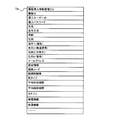
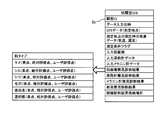
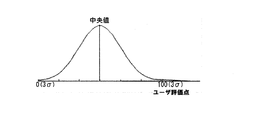
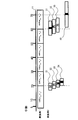
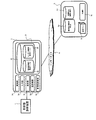
- FIG. 1 It is a schematic block diagram which shows the score change system of the 1st Embodiment of this invention. It is a figure for demonstrating the registration item of the customer personal information management database of a data management server. It is a figure for demonstrating the registration item of a skin history database similarly. It is a graph which shows distribution of a prime point similarly. It is a graph which shows distribution of an absolute evaluation score similarly. It is a graph which shows a user evaluation score (relative evaluation score) similarly.
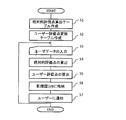
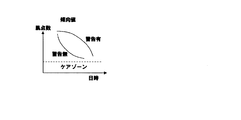
- 3 is a flowchart for explaining a score changing method. 3 is a flowchart for explaining a score changing method. 3 is a flowchart for explaining a score changing method. 3 is a flowchart for explaining a score changing method. It is a figure for demonstrating the output of a warning similarly.
- the skin condition measurement / analysis system (score change system) and skin condition measurement / analysis method (score change method) in the present embodiment are uploaded by allowing the user to upload a skin image obtained by photographing the user's skin.
- the system is applied to a system for analyzing the skin image, scoring the quality of the skin condition, and displaying the score indicating the skin condition to the user as an analysis result.
- the score changing system asks the user of the skin condition measuring device (user terminal) 1 who is a member to upload the data of the skin image captured by the skin camera as the measurement information of the skin condition measuring device 1, and this skin It utilizes a skin condition information management system that provides a service for obtaining measurement results (analysis results, analysis results) of a user's skin condition from image data (measurement information).
- skin image data captured and uploaded by the user is stored in the data management server 5 described later. Based on these data, the user can refer to the score as the data of his / her skin condition, the history of the data, the proposal of the skin care corresponding to the user's skin condition, etc.
- the advice data can be referred to by a user terminal such as a smartphone.
- the skin condition measuring apparatus 1 uses, for example, a skin camera connected to a smartphone (user client; portable terminal) 3 as a user terminal so that data communication is possible or a built-in camera of the smartphone 3 as a skin camera. This is a combination of a conversion lens that enables macro photography and the built-in camera.
- the skin condition measuring apparatus 1 is not limited to a device for photographing skin, and for example, a moisture meter that measures skin moisture, a known transpiration meter that measures transepidermal moisture transpiration, and skin melanin. A melanin meter for measuring the amount may be included. However, it is preferable that the skin condition measuring apparatus 1 includes a skin photographing device.
- the score changing system of the present embodiment includes a skin condition measuring device 1, a smartphone 3 (smartphone 3) as a user terminal including the skin condition measuring device 1, a smartphone 3 and the Internet 4 (network). And a data management server 5 that can be connected via the network.
- the skin condition measuring apparatus 1 may be, for example, a skin camera, but here, a digital camera built in the smartphone 3 is mounted with a lens module having a conversion lens and an LED for photographing illumination. .
- the smartphone 3 includes the above-described digital camera, a flash memory as a storage unit that stores image data captured by the digital camera, other data, an application (application), and the like, and a control unit (CPU that executes an OS and an application) Etc.), a display for displaying various data such as moving images, still images, and texts, a sound output device for outputting sound data, and data communication using WiFi or a public line for mobile phones And communication means connectable to the Internet.
- a flash memory as a storage unit that stores image data captured by the digital camera, other data, an application (application), and the like
- a control unit CPU that executes an OS and an application
- Etc. a control unit
- a display for displaying various data such as moving images, still images, and texts
- a sound output device for outputting sound data
- communication means connectable to the Internet.
- an image for measuring skin color, skin texture, and skin wrinkles is basically taken by normal photographing using LEDs as illumination, and further.
- a polarizing plate is used to shoot an image for measuring spots while suppressing reflection on the skin surface. Therefore, in one measurement, at least two photographings are performed, and the image data that can be evaluated as a score can be obtained by analyzing the texture, fine wrinkles, spots, pores, whitening degree, and transparency. It has become.
- texture is composed of skin grooves, which are grooves formed so as to intersect each other on the skin, and skin ridges that are raised and surrounded by these skin grooves.
- the state in which these skin grooves and skins are arranged in order is a textured state.
- the skin grooves and skin hills are disturbed. It is possible to judge whether the texture is good or bad by the appearance.
- the pores are located at the positions where the skin grooves intersect with each other, and in a good state, the pores are small and inconspicuous. However, in a bad state, the pores are conspicuous and the state of the pores can be expressed by points .
- the stain is formed from melanin accumulated not on the surface of the skin but in the surface layer.
- the presence of the presence or absence of the stain is detected by photographing using a polarizing plate so as to remove the reflection of light on the skin surface. It is possible to recognize the degree of the color of the stain and the area of the stain, and to score the quality of the stain.
- fine wrinkles can recognize wrinkles from the skin image, and the number of wrinkles within a predetermined range of the skin, the width of the shadows of each wrinkle, etc.
- the state can be determined and can be scored.
- the degree of whitening and transparency varies depending on the amount of melanin, the state of blood circulation, the state of dryness, etc., but for example, it is based on the skin color that is not tanned, not dry, and in good blood circulation As a result, it is possible to determine whether the skin color is good or bad, and it can be scored.
- the smartphone 3 as a user terminal can use, for example, a portable wireless telephone line for wireless communication, and can use a wireless LAN (WiFi), and the Internet 4 as a network using these wireless communications. It is possible to connect to a wireless mobile terminal.
- WiFi wireless LAN
- an application downloaded and installed can be executed.
- a skin condition measurement reference application is transferred from the data management server 5 to the smart phone 3 as the dedicated application 5i. It comes to download.
- the dedicated application 5i may be downloaded from a web page that is a distribution source of an application determined for each OS.
- the functions of the dedicated application (A) 5i executed on the smartphone 3 include skin photographing, photographing operation assistance, uploaded skin image upload, user personal information input and upload, and uploaded skin image. Receiving and displaying an analysis result for the user, transmitting a request for referring to data regarding the user's skin condition, receiving and displaying the requested data, and the like.
- the skin 3 can be photographed and the skin 3 can be photographed.
- the skin is photographed according to the voice and display by the application 5i.
- the photographed skin image data is uploaded to the data management server 5 by the dedicated application 5i based on a user operation.
- the data management server 5 allows a smartphone 3 serving as a large number of user terminals to perform data communication via the Internet 4, and registers and manages personal information and skin image data uploaded from the smartphone 3, Data created based on data uploaded to the user, such as skin image data measurement results (analysis results), is registered and managed. Further, the data management server 5 transmits data related to the user to the smartphone 3 according to the user's request so that the data can be viewed on the smartphone 3.
- the data management server 5 basically functions as a computer system including a plurality of databases and data tables in which data related to the above-described users are registered.
- a computer system a CPU, ROM, RAM And a control unit 5j including a storage such as a memory and a hard disk.
- the database and data table described below are stored in the storage of the control unit 5j or the storage outside the control unit 5j managed by the control unit 5j.
- Each database may be configured individually, or may exist as a group of data that can be individually searched on one database.
- the data management server 5 includes the above-described control unit 5j for functioning as a server.
- the customer personal information management database 5a As the above-described databases, the customer personal information management database 5a, the skin history database 5b, the change information database 5c, the absolute And a user evaluation score conversion table 5e.
- a simple skin diagnosis program 5f is installed in the data management server 5 and can be executed by the control unit 5j. In the example of FIG. 1, all the databases and the simple skin diagnosis program 5f are collected in one data management server 5, but the functions of the data management server 5 are divided into two and managed in different places.
- the present invention includes this embodiment.
- the customer personal information management database 5a and the skin history database 5b are used for the first data management server, and the change information database 5c, the absolute evaluation score calculation table 5d, and the user evaluation score conversion table 5e are used for the second data management server.
- the simple skin diagnosis program 5f may be arranged, and a control unit may be provided for each.
- the customer personal information management database 5a includes, as data input by the user using the smartphone 3, a customer ID, personal user ID, personal password, name, date of birth, age, gender, address 1 ( Country, address 2 (prefecture), address 3 (municipal town (ward)), address 4 (address (condominium name room number)), e-mail address, billing information (credit card information, etc.) are stored.
- the customer ID is an ID given on the data management server 5 side corresponding to the personal user ID, and the personal user ID is set on condition that the user does not overlap with the personal user ID of another user. ID.
- the personal password is used for user authentication together with the personal user ID.
- each database when data related to the user is stored in each database, all are managed by the customer ID, and each database storing the data related to each user is searched by the customer ID. All data related to each user can be searched and acquired. Therefore, in the customer personal information management database 5a, the data of each user is registered in association with each customer ID.
- the customer personal information management database 5a also stores data that is arbitrarily input by the user using a method such as a questionnaire via the dedicated application 5i.
- a method such as a questionnaire via the dedicated application 5i.
- the user's occupation type for example, office work
- occupation code working hours
- skin type dry skin, oily skin, oily and dry mixed skin, normal skin, etc.
- average outing time mainly day Time
- sleeping time categories described later, smoking information, drinking information, and the like are stored.
- the measurement data includes input skin image data.
- the skin condition measuring apparatus 1 normal photographing and photographing while suppressing reflection of surface reflection through a polarizing plate are performed for photographing one place on the skin, and the latter polarizing plate is used for photographing.
- the obtained skin image is used for spot analysis, and the former skin image obtained by normal photographing is used for determination of texture, wrinkles, pores, whitening degree, and transparency.
- data of each simple diagnosis (analysis) result (measurement result) is registered in association with the measurement data.
- each simple diagnosis result is registered and a comprehensive simple diagnosis is performed.
- the result of this comprehensive simple diagnosis is registered.
- the detailed diagnosis result data is notified to the detailed diagnosis result database (not shown) in association with the customer ID and the measurement date and time. Is registered in the skin history database 5b, and the storage address of the detailed diagnosis result corresponding to each customer ID in the detailed diagnosis result database (not shown) is registered.
- diagnosis in this specification is not limited to medical practice, but includes non-medical practice and is used in a broad sense including various types of analysis.
- the score given for each of the above-mentioned texture, fine wrinkles, spots, pores, whitening degree, and transparency is registered in the skin history database 5b as the skin image simple diagnosis result. Further, when the above-described comprehensive simple diagnosis is performed, the total score is registered as the total simple diagnosis score. These points are registered in, for example, the storage in the data management server 5, the external storage, the storage of another server capable of data communication, the download folder of the smartphone 3, or the like.
- a raw score, an absolute evaluation score (first evaluation score), and a user evaluation score (second evaluation score: relative evaluation score) are stored as the above-mentioned scores for each user. It is like that.
- the absolute evaluation score is the score before the change of the present invention
- the user evaluation score is the score after the change of the present invention
- the skin history database 5b for storing these is the score storage means before the change and the score after the change It functions as a storage means.
- the data management server 5 functions as a post-change score output means for outputting the user evaluation score as the post-change score.
- a simple skin diagnosis program 5f is installed in the data management server 5 and can be executed by the control unit 5j. In this simple skin diagnosis program 5f, texture, fine wrinkles, blemishes, pores, whiteness, and transparency are calculated based on values such as image recognition for the input skin image and RGB values and brightness on the input skin image.
- the input of the simple skin diagnosis program 5f is not limited to a skin image, and may be an input of an output value of a moisture meter, a transpiration meter, or a melanin meter, or a combination thereof.
- the absolute evaluation score is an objective score assigned to all users whose customer IDs are registered in the skin history database 5b by using the same method. Is better than the user's skin with a low score. For example, the user's skin color with a high whitening score is whiter than the user's skin color with a low whitening score. That is, an absolute evaluation score is an absolute evaluation score that can be compared by each user by being given in the same manner by each user. Such absolute evaluation points are stored in association with, for example, the date and time when the skin image was taken and the customer ID for each item of the above-mentioned texture, fine wrinkles, spots, pores, whitening degree, and transparency. . Since these absolute evaluation points are added and stored every time a skin image is photographed and uploaded to the data management server 5, they are stored for a plurality of measurement dates and times.
- User evaluation points are those that assign each user to multiple categories and change the absolute evaluation points in each category to make user evaluation points. Conversion formulas and conversions that can determine absolute evaluation points for each category The data table is converted (changed). Such user evaluation points are determined for each absolute evaluation point described above, and user evaluation points are determined and stored for each absolute evaluation point for each user. Therefore, each of the plurality of measurement dates and times is stored in the same manner as the absolute evaluation points described above. Details of absolute evaluation points and user evaluation points will be described later.
- a category to which the user belongs is stored in association with each customer ID.
- the categories in the present embodiment are those in which users are classified by skin type, residential area (address), and age (age).
- the user's skin types are classified into four types: dry skin, oily skin, mixed skin, and normal skin.
- the mixed skin is a skin type having properties of both dry and oily skin types.
- Normal skin is a skin type that is neither dry nor oily.
- the user's residential areas are classified into 10 areas: Hokkaido, Tohoku, Kanto, Tokai, Koshinetsu / Hokuriku, Kinki, China, Shikoku, Kyushu, and Okinawa.
- the ages are classified into six generations, ie, teens, 20s, 30s, 40s, 50s, and 60s.
- the user under 10 years old is included in the teenager, and the user over 70 years old is included in the 60s.
- 240 categories because the three items of skin type, residential area, and age are classified into 4, 10, and 6, respectively. That is, 240 categories are set.
- the skin type of each user is assigned to one of the four categories based on the simple diagnosis result of the skin history database or the questionnaire result for the user. Further, based on the address data in the customer personal information management database 5a, each user's residence area is assigned to one of the ten regions described above. Further, each user is assigned to one of the six ages based on the age or date of birth data in the customer personal information management database 5a.
- the skin type is set to 1 to 4 corresponding to four classifications
- the living area is set to 1 to 10 corresponding to 10 areas
- the age is set to 1 to 6 corresponding to 6 ages.
- a category may be indicated by three numbers, for example, a code may be assigned to each category for 240 categories, and a code from 001 to 240 may be assigned to each category.
- the process of assigning users to categories is executed in the data management server (control unit 5j) when user information is input from the smartphone 3 to the data management server 5, and the determined category is the customer personal information management database 5a. To be recorded. Depending on the user, the residence may be changed. In this case, the category of the customer personal information management database 5a is recorded including the category change history (the combination of the change date and the category). That's fine.
- the change information database 5c as the relationship information storage means storing the relationship information for changing the absolute evaluation score to the user evaluation score is the absolute evaluation score as the score before the change and the user evaluation as the score after the change.
- the relationship information used when changing the absolute evaluation score to the user evaluation score is stored in association with each category.
- the change information database 5c stores relation information used to change the absolute evaluation score to the user evaluation score for each category as described later in association with each of the 240 types of categories described above.
- the relation information includes the median value ( ⁇ ) and the variance ( ⁇ 2 ) or the deviation ( ⁇ ) as representative values in the normal distribution, as the user evaluation points of each category approximate to the normal distribution.
- the change information database 5c stores a user evaluation point conversion table 5e in which a median value ( ⁇ ) and a deviation ( ⁇ ) are associated with each category.
- the median value ( ⁇ ) is an average value and a mode value.
- an average value or mode value may be used instead of the median value ⁇ .
- the average value, the median value, and the mode value are representative values, and any one of the average value, the median value, the mode value, and the like may be used as long as it is a representative value.
- a conversion formula or a conversion data table for changing from an absolute evaluation score to a user evaluation score in association with each category is stored.
- a user evaluation point can be calculated by substituting an absolute evaluation point into the conversion formula.
- the conversion data table user evaluation points are stored in association with each absolute evaluation point, and the user evaluation points can be derived from the absolute evaluation points.
- the data management server 5 may be a score changing system.
- the smartphone 3 the absolute evaluation score before the change of the user of the smartphone 3 and the median ⁇ and deviation ⁇ of the category to which the user belongs
- the score change by the score change method of the present embodiment in the smartphone 3 Processing may be performed.
- the smartphone 3 can be regarded as a score changing system.
- the median ⁇ and deviation ⁇ of the category to which the user belongs or the above-described conversion formula (or conversion data table) is entered by the user through the smartphone 3 as attribute information such as skin type, address, and age.
- 5 may be output from the server 5 to the smartphone 3 and stored, or may be generated and stored based on internal data held in advance by the application 5i inside the smartphone. .
- the second method is a method for obtaining user evaluation points corresponding to users of each category from absolute evaluation points. That is, the second method is to derive the user evaluation points (points after change) so that the absolute evaluation points (points before change) are changed and differ for each category.
- the user evaluation points may be different values if the category to which the user belongs is different even if the raw score value for the user is the same.
- the raw score that is the score before the change is changed to the user evaluation score that is the score after the change through the absolute evaluation score, but the score change of the present embodiment
- the method may not include a step of calculating an absolute evaluation score from raw points.
- the raw points themselves are handled as absolute evaluation points, and user evaluation points are calculated from the raw points.
- the score changing method of the present embodiment may calculate the user evaluation score from the raw score or may calculate the user evaluation score from the absolute evaluation score.
- a raw score is attached to a skin image uploaded by a user, the raw score is changed to an absolute evaluation score, and then the absolute evaluation score is changed to a user evaluation score (relative evaluation score).
- a process of creating an absolute evaluation point calculation table 5d step S1
- a process of creating a user evaluation point conversion table 5e step S2
- a method of creating the absolute evaluation point calculation table 5d and the user evaluation point conversion table 5e will be described later.
- the absolute evaluation score calculation table 5d is basically a conversion data table or conversion expression as conversion data to be described later for calculating an absolute evaluation score from a raw point. Texture, fine wrinkles, spots, pores, whitening degree, transparent It is stored for each item of feeling.
- the user evaluation score conversion table 5e stores a conversion data table or a conversion formula for converting an absolute evaluation score into a user evaluation score linked to each item and each category as described later. As will be described later, the median value m and the deviation ⁇ based on the distribution of the absolute evaluation points divided for each item and each category are stored in the user evaluation point conversion table 5e, and based on the median value m and the deviation ⁇ , the above-described values are stored.
- the conversion data table and conversion formula for each category may be calculated.
- the skin images are sequentially uploaded from the user and based on the simple skin diagnosis program 5f from the skin images. Then, a raw point for each item is determined and input (step S3).
- an absolute evaluation score is calculated from the raw points using the conversion formula or the conversion data table stored in the absolute evaluation score calculation table 5d (step S4).
- the user evaluation score is calculated from the absolute evaluation score calculated in this way using the conversion formula or conversion data table linked to the category to which the user as the evaluation object belongs using the user evaluation score conversion table 5e (step) S5).
- the calculated absolute evaluation score, user evaluation score, and category at the time of measurement of the user are stored in the skin history database 5b in association with the customer ID (step S6). Further, the calculated user evaluation score is transmitted to the smartphone 3 and can be viewed on the smartphone 3 (step S7). In this score changing method, when a raw point is determined and input, an absolute evaluation point is obtained for this raw point, and then a process from step S3 to step S7 for obtaining a user evaluation point from the absolute evaluation point is performed. Repeatedly.
- an absolute evaluation point calculation method including the creation of the absolute evaluation point calculation table 5d will be described.
- the absolute evaluation score six basic points of texture, fine wrinkles, spots, pores, whitening degree, and transparency are obtained from the above-described skin image. For example, when pores are taken as an example, the number of pores in a predetermined range of skin in the skin image, the number of pores in which pores are accumulated (pores having an area larger than the predetermined area), etc. Calculate points.
- any scoring method may be used as the score calculation method as long as it can be scored, but it is preferable to select a scoring method that approximates the distribution of the score as close to the normal distribution as possible.
- the absolute evaluation score is 0 to 100 as described later and the median value is 50
- most of the raw points are in the range of 0 to 100 and around 50 (for example, 40 to 60). It is preferable that the raw points are determined so that the ratio of the raw points increases.
- pore prime points are determined according to a predetermined criterion, and a raw point distribution map is created.
- the scale on the horizontal axis is set as the value of the raw point
- the scale on the vertical axis is set as the number of users who have become the raw points.
- the distribution of the number of raw points is close to the normal distribution.
- the distribution of the raw points is in a state as shown in the graph of FIG. preferable.
- FIG. 4 is an example, and the distribution of the prime points is not limited to the state shown in FIG.
- the median ⁇ and deviation ⁇ of the raw points are calculated.
- the median is the average of the 500th and 501th primes in descending order of the primes. If the population is an odd number such as 999.
- the prime point of the user who is just in the middle is used as the median value.
- the deviation ⁇ of the raw point is obtained.
- the deviation ⁇ is an average square root of values obtained by subtracting the median value of these prime points from each prime point and squared.
- the raw score is changed to the absolute evaluation score by changing the scale on the horizontal axis. That is, as shown in FIG. 5, the scale of the raw points on the horizontal axis is changed to the scale of absolute evaluation points.
- the position of the median value ⁇ on the horizontal scale of the raw points is set to 50 on the absolute evaluation point scale. Further, by adding and subtracting 3 ⁇ , which is three times the deviation ⁇ obtained as described above, to the median ⁇ on the scale of the raw points, the scale position where 3 ⁇ is obtained from the median ⁇ at the two upper and lower positions is determined. .
- the scales of absolute evaluation points corresponding to raw points that are 3 ⁇ or more from the median ⁇ are 0 and 100.
- the absolute evaluation point scale at the position of the scale of the raw point at the position of ⁇ -3 ⁇ of the raw point scale is set to 0, and the raw points existing below the 0 scale position on the distribution map are subjected to the absolute evaluation.
- the point is set to 0, the scale of the absolute evaluation point at the position of ⁇ + 3 ⁇ of the scale of the raw point is set to 100, and the raw score existing above the 100 scale position on the distribution map is set to 100.
- the scale of the absolute evaluation points of the distribution map the area of 0 to 50 points is divided into 50, and the area of 50 to 100 points is divided into 50.
- the region of 0 to 100 points may be divided into 100.
- the values on the scale of the absolute evaluation points provided as described above can be read for the raw points of each user on the distribution map of the raw points.
- an absolute evaluation score can be obtained from the raw points.
- the scale of the absolute score is not read on the distribution map, but each scale of the score of the score is based on the correspondence between the scale of the score and the scale of the absolute score.
- Conversion data for converting the value into each value on the scale of the absolute evaluation score is created, and the absolute evaluation score is calculated from the raw point using this conversion data.
- the conversion data includes, for example, b1 to bn for each raw point, a1 to an for each absolute evaluation point, and f as a function capable of converting the scale of the raw point to the absolute evaluation point scale as described above.
- This conversion formula is a scale of the absolute evaluation points formed as described above on each distribution scale corresponding to each value of the scale of the raw points and each scale of the scale of the raw points. It is obtained from the correlation with each value.
- the conversion data may be a conversion data table in which each value of the scale of the corresponding absolute evaluation score is associated with each value of the scale of the raw point.
- the conversion formula or conversion data table as the conversion data obtained as described above is linked to each item of texture, fine wrinkles, pores, spots, whitening degree, and transparency in the absolute evaluation score calculation table 5d of the change information database 5c. It is registered with an attachment.
- the absolute evaluation score is 50 and the average is in the range of 0 to 100.
- the absolute evaluation score is derived from the raw points by the above processing, but once the absolute evaluation score is determined, the above conversion formula and conversion data table (correlation table) can be obtained.
- the data management server uses this conversion formula or correlation table to calculate an absolute evaluation score when the raw score of each item of each user is determined. Therefore, it is not necessary to perform the processing until obtaining the conversion formula and the conversion data table as described above, that is, the processing for creating the absolute evaluation score calculation table 5d every time the absolute evaluation score is calculated.
- the above-described conversion formula or conversion data table for calculating the absolute evaluation score from the raw points can be created.
- an absolute evaluation point is associated with each raw point, and an absolute evaluation point can be determined from the raw point.
- the conversion formula and the conversion data table are used when the data management server 5 calculates absolute evaluation points from raw points as simple diagnosis results from each skin image. For example, in the case of a stain, the skin image After obtaining a raw point using the number of spots in the predetermined range of the imaged skin, the area of each spot, the color of each spot, etc.
- An absolute evaluation score is calculated.
- the raw data is sequentially input based on the skin image input from the user, which is used when calculating the absolute evaluation score for the first time.
- the number of raw points is larger than the number of raw points in the population. Therefore, for example, a process for creating the above-described conversion formula and conversion data table for deriving an absolute evaluation score every predetermined period, that is, a process for creating the absolute evaluation score calculation table 5d is performed.
- the absolute evaluation point scale is determined as described above based on the raw point population including the new raw point, and the above conversion formula and conversion data are determined from the new absolute evaluation point scale.
- the conversion formula and the conversion data table may be updated by performing a process for creating the absolute evaluation score calculation table 5d having a table.
- the calculation of the absolute evaluation score is performed for each raw point of texture, fine wrinkle, whitening degree, and transparency as in the case of pores and spots.
- the process for creating the user evaluation score conversion table 5e There are 240 categories determined based on the above three items. For each user, the skin type data described above is acquired based on the customer ID in the skin history database 5b, and the data of age (age) and residential area (address) are converted from the customer personal information management database 5a to the customer ID. Based on these data, the category of each user is determined and stored in the skin history database as described above.
- sample data of absolute evaluation points that are a population for each category is obtained in advance (step S11).
- 50 sample data are prepared for each category as a population of absolute evaluation points.
- the following processing is sequentially performed for all categories (step S12).
- a distribution of absolute evaluation points of one category for example, the distribution is such that the horizontal axis is an absolute evaluation point and the vertical axis is the number of sample data.
- a distribution of absolute evaluation points of one category is regarded as a normal distribution, and a median m and a deviation ⁇ are obtained from this distribution as described later (step S14).
- the obtained median m and deviation ⁇ are linked to the category and stored in the user evaluation point conversion table 5e (step S15).
- the processing in steps S13 to S15 described above is performed for all categories, and the median value m and deviation ⁇ of the absolute evaluation point sample data in all categories are registered in the user evaluation point conversion table 5e.
- the median m and deviation ⁇ registered for each category in the user evaluation point conversion table 5e are used to obtain a conversion formula or conversion data table for changing the absolute evaluation point to a user evaluation point for each category.
- a conversion formula or a conversion data table for calculating the user evaluation points may be stored for each category in place of the above-described median m and deviation ⁇ .
- the horizontal axis of the distribution chart is the same as the case where the absolute evaluation score is obtained from the above-mentioned raw points.
- the scale Use the scale. That is, for each category, after creating the above distribution map of absolute evaluation points, the absolute evaluation points are changed by changing the scale of absolute evaluation points on the horizontal axis to the scale of user evaluation points shown in FIG. Change to user evaluation points for each category.
- the median ⁇ (category-specific median m) of the above distribution map of the absolute evaluation points of the skin as the measurement target (evaluation target) of each user belonging to each category is obtained.
- a category-specific deviation ⁇ is determined from the determined category-specific median m and each absolute evaluation point. That is, in each category, the value obtained by subtracting the median m from each absolute evaluation score is squared. Then, the average value is obtained by subtracting the median m from each absolute evaluation point and dividing the sum of squared values by the number of absolute evaluation points.
- the square root of this average value is defined as a category-specific deviation ⁇ .
- the average value before taking the square root is the variance ⁇ 2 .
- each category a distribution map of absolute evaluation points of the users belonging to each category among the users of the population, the median m, and the deviation ⁇ are obtained. That is, the median m and the deviation ⁇ are obtained for each category.
- the median value m and the deviation ⁇ for each category are stored as the user evaluation point conversion table 5e.
- a distribution map is reproduced from the median m of absolute evaluation points and deviation ⁇ stored for each category.
- the scale on the horizontal axis is the scale of absolute evaluation points.
- a relative evaluation point is calculated from the absolute evaluation point in substantially the same manner as the method for obtaining the absolute evaluation point from the above-described raw points.
- the scale of absolute evaluation points on the horizontal axis is changed to the scale of user evaluation points.
- 3 ⁇ which is three times the deviation ⁇ obtained as described above
- the scale position where 3 ⁇ is obtained from the median value ⁇ at the two upper and lower positions is obtained.
- the scales of the user evaluation points corresponding to the absolute evaluation points from the median ⁇ to 3 ⁇ are 0 and 100. That is, at the absolute evaluation point scale position, the scale of the user evaluation point at the position of ⁇ -3 ⁇ of the absolute evaluation point scale is set to 0, and the scale of the user evaluation point at the position of ⁇ + 3 ⁇ of the scale of the absolute evaluation point is set. 100.
- the user evaluation score is 100 when the absolute evaluation score is ⁇ + 3 ⁇ or more, and the user evaluation score is 0 when the absolute evaluation score is ⁇ 3 ⁇ or less.
- the area of the median ⁇ of 0 points to the absolute score is divided into 50, and similarly, in the scale of the user evaluation points in the distribution chart, the median of the absolute scores ⁇ to 100 points is divided.
- the area is divided into 50 parts.
- the area of 0 to 100 points may be divided into 100.
- a scale of user evaluation points was created on the horizontal axis.
- the value on the scale of the user evaluation point of the point corresponding to each user on the distribution chart for each category can be read.
- the distribution map is reproduced from the median m and the deviation ⁇ for each category, and since each absolute evaluation point is not drawn on the reproduced distribution map, the actual user's User evaluation points cannot be read from absolute evaluation points. Therefore, the absolute evaluation score is converted into the user evaluation score by the following processing. That is, based on the correspondence between the scale of the absolute evaluation points and the scale of the user evaluation points, a conversion formula for converting the value of each scale of the absolute evaluation points into the value of the scale of the user evaluation points is created. By using this conversion formula, the user evaluation score can be calculated from the actual absolute evaluation score instead of the scale value.
- This conversion formula is, for example, that each absolute evaluation point is a1 to an, each user evaluation point is a'1 to a'n, and the absolute evaluation point scale is converted to the user evaluation point scale as described above.
- create a conversion data table that shows the correspondence between the scale of the raw points and the scale of the absolute evaluation points, and the correlation between the scale of the absolute evaluation points and the scale of the user evaluation points in this conversion data table To determine the function f.
- a conversion data table is created in which the values of each scale of the absolute evaluation points correspond to the values of the scales of the user evaluation points, and the user evaluation points are calculated from the absolute evaluation points based on this conversion data table It is good.
- the median m and the deviation of the absolute evaluation score for each category ⁇ is stored, a conversion formula or conversion data table is calculated from the median m and deviation ⁇ as described above, and an absolute evaluation score is converted into a user evaluation score using this conversion formula or conversion data table.
- the conversion formula or conversion data table obtained from the median m and the deviation ⁇ as described above is stored as conversion data in the user evaluation point conversion table 5e, and this conversion formula or conversion data table is used.
- An absolute evaluation score may be converted into a user evaluation score.
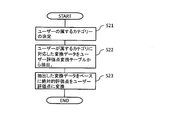
- the score changing method for changing from the absolute evaluation score to the user evaluation score is determined from the user's skin type, age, and address as described above, as shown in the flowchart of FIG. (Step S21).
- conversion data is extracted from the user evaluation point conversion table 5e based on the user category (step S22).
- the user's absolute evaluation score is changed to the user evaluation score of the user category (step S23).
- the absolute evaluation score is obtained from the raw score by the conversion formula or conversion data table for obtaining the absolute evaluation score from the raw score, and the user evaluation score is obtained from the absolute evaluation score. Therefore, the user evaluation score is obtained from the absolute evaluation score by the conversion formula or the conversion data table.
- a score changing system and a score changing method it is possible to prevent the median value or the maximum value of the score from being significantly different due to the difference in the category such as the user's age. That is, regardless of each category to which the user as the measurement target belongs, after determining the absolute evaluation score by the same method for all users, the median m and the deviation ⁇ are obtained for each category with respect to the absolute evaluation point, Based on the median m and the deviation ⁇ for each category, a new user evaluation point scale is created in the distribution diagram. Then, based on the correlation between the scale of the absolute evaluation points and the scale of the user evaluation points, a conversion data table and a conversion formula are created, and the absolute evaluation points obtained as described above are changed to user evaluation points. can do.
- the scale of the user evaluation points is created by the median m and the deviation ⁇ of the absolute evaluation points divided by category as described above.
- the median value of the points can be approximately 50 and the maximum value can be 100.
- the position of ⁇ 3 ⁇ is 0 and the position of ⁇ + 3 ⁇ is 100, but the position of ⁇ + 3 ⁇ is 10 and the evaluation point is 0-10. Good.
- the scale position that becomes 0, 100 is set to 2.5 ⁇ instead of 3 ⁇ , and the number of users who become 100 points is increased, or conversely, the scale position that becomes 0, 100 is set to 3.5 ⁇ , and the number of users who become 100 points becomes 100 points. The number may be reduced.
- the position of ⁇ 3 ⁇ may be about 30 to 40 points such as 37, and the score of 30 to 40 points or less such as 0 to 37 may be about 30 to 40 points.
- the absolute value or the minimum value or the maximum value of the user evaluation point and the magnification of the deviation ⁇ that becomes the minimum value or the maximum value are arbitrary and can be set freely.
- the position of the median value ⁇ of the prime point is set to 50. However, this may be changed or set arbitrarily using the median value ⁇ before the change. Good.
- the median m of the absolute evaluation point of each category in which the age (age) item of all categories is a teenager is, for example, 60 to 65 and the maximum While the value is 100, the median absolute evaluation score for each category in the 60s is 30-35 and the maximum value is 70-80. There is a possibility.
- the absolute evaluation score of a user in their 60s is considerably lower than that of a user in their teens, and when 100 is a perfect score, there is a possibility that a perfect score cannot be obtained. That is, a user in their 60s has a lower score than a user in their teens, and no matter how much skin care is performed, the evaluation score will not be a perfect score. In this case, some users in their 60s may lose interest in skin care. On the other hand, some teenage users may lose interest in skin care without feeling the need for skin care because of the high evaluation score.
- the median m and the deviation ⁇ are obtained in each category, and the absolute evaluation point scale ⁇ -3 ⁇ is calculated as described above.
- the scale of the user evaluation point at the position is 0, the scale of the user evaluation point at the position of ⁇ + 3 ⁇ of the absolute evaluation point scale to 100, and setting the median to 50 as described above, The user can also obtain 100 points (full score), and the user evaluation score of the user who becomes the median value in the 60's user is 50.
- the user evaluation score is lower than the absolute evaluation score for a teenage user, the user does not become overconfident, and therefore, it is possible to suppress losing interest in skin care.
- a conversion formula and conversion data table for deriving an absolute evaluation score from raw points for each item of the above-mentioned texture, stain, wrinkle, pores, whiteness, and transparency, and the above-mentioned center for each item category For each category of each item, the value m, the deviation ⁇ , and the conversion formula or conversion data table for calculating the user evaluation score from the absolute evaluation score, the skin corresponding to the skin image upload from the user
- a raw point as a simple diagnosis result for the image may be calculated and updated based on an increase in the data amount of the raw point.
- each of the above-described conversion data tables or conversion formulas may be re-created corresponding to the increase in raw data.
- the update of the above-mentioned median value m and deviation ⁇ as initial values for each category of items of texture, stain, wrinkles, pores, whiteness, and transparency is a stage where the number of data in the skin history database 5b has increased to some extent. Then, the data of the skin history database 5b is classified into each category, and the median value m and the deviation ⁇ are newly calculated from the set of data classified into each category, or the median value m and the deviation ⁇ as initial values are calculated. This is executed by newly calculating the median value m and the deviation ⁇ including the data set used for the calculation, and replacing the median value m and the deviation ⁇ as initial values stored in the user evaluation point conversion table. .
- the correction term bn may be added to the above-described equation to correct the correction term bn.
- bn Correction term based on user-specific situation For example, in a case where the user constantly has a skin disease or a case where the user lives in a living environment that adversely affects the skin, the user evaluation score However, since it is always easy to make a bad evaluation, there is a problem that it is easy to lose the motivation to continue skin measurement. If it is determined from the information input by the user that the case is the case, bn is determined and stored in, for example, the customer personal information management database in the server and referred to when determining the user evaluation score. Thus, the user evaluation score may be calculated.
- the method of calculating ⁇ and ⁇ for each category and calculating the absolute evaluation point and the user evaluation point based on this has been described, but the method is not limited to this method.
- values to be added determined for each category are registered in the user evaluation point conversion table, and user evaluation points are obtained.
- the user evaluation score is obtained by adding the value stored in the user evaluation score conversion table obtained corresponding to the category to which the user belongs to the absolute evaluation score.
- the user evaluation score is basically displayed.
- an absolute evaluation score can be set according to the user's request. It may be displayed. Further, it may be possible to select whether to always display user evaluation points or to always display absolute evaluation points.
- the user evaluation point display and the absolute evaluation point display may be switched at any time by touching the display position of the evaluation point of the smartphone.
- the attribute information of the category for example, Tohoku region, 30s, Information on dry skin may be displayed.
- the median m and the deviation ⁇ of each item of the category corresponding to the user are extracted from the above-described user evaluation point conversion table 5e.
- the median m and deviation ⁇ for each category may be obtained based on data for the past month, or may be obtained based on data for the previous year.
- a zone where the median m for each item is ⁇ 1 ⁇ or less from the median is “care zone”, and any user evaluation point (or absolute evaluation score) of the user is in the “care zone” of m ⁇ 1 ⁇ or less Outputs a care alert to the user.
- the “care zone” is basically a state where the absolute evaluation point or the user evaluation point described above is low, and here, it is preferable to perform some kind of care.
- the smartphone 3 that is the user terminal of the user whose user evaluation score or absolute evaluation score is in the “care zone” displays a warning when displaying the user evaluation score or the absolute evaluation score, for example.
- the fact that the user evaluation point or the absolute evaluation point is in the “care zone” is notified.
- care information such as a care method may be notified to the user.
- the “care zone” is not equal to or less than the above m ⁇ 1 ⁇ , but as shown in FIG. 10, the average value Xn of the lower blur width of the user evaluation point of each item of the user is calculated. If the user evaluation score is in the “care zone” when the value falls below / 2, a warning may be displayed on the smartphone 3 or care information may be output as described above.
- the average value Xn of the downward blur width of the user evaluation point is an evaluation point forming a downward peak among the evaluation points lower than the median value or the average value, that is, the average value of the evaluation points that are the vertices of the downward peak It is.
- a personal baseline is determined from the following information, and this baseline is compared with the current situation to Or care information may be output.
- the baseline is an absolute evaluation score or a user evaluation score obtained when the skin is photographed in a state where the skin is not tanned or the like in comparison with usual.
- the baseline measurement is basically performed when the user uses the data management server 5 or the skin condition measurement device 1 for the first time. It may be performed at an arbitrary timing in consideration of the situation such as the above-mentioned sunburn.
- the above “care zone” may be set using this baseline, and the baseline may be used in place of the median m in the above “care zone”.
- the warning or care information may be output when the user evaluation score or the absolute evaluation score tends to decrease in a plurality of evaluations.
- a warning or user information is basically output when the user evaluation score for the past two weeks is in a downward trend.
- FIG. 11 for example, when the difference between the previous user evaluation score and the next user evaluation score is decreasing, the difference tends to increase without outputting a warning or user information.
- a warning or user information may be output.
- the age (age) is used as one element to be allocated when each user is assigned to each of a plurality of categories. That is, the age is fixedly classified into six generations, such as teens, 20s, 30s, 40s, 50s, and 60s.
- a problem arises when the user changes age. That is, for example, as soon as a 19-year-old user becomes 20 years old, the user evaluation score decreases, or conversely, when a 39-year-old user becomes 40 years old, the user evaluation score suddenly increases. Conceivable. This can lead to loss of the motivation for continuous measurement of the user's skin or compromise the reliability of the system itself. This is a problem that can always occur in a system that categorizes based on automatically changing attribute data such as age.
- Example 1 corresponding to the first embodiment shown in FIG. 12, the ages are classified according to ages such as teens, twentieth, and thirties.
- ages such as teens, twentieth, and thirties.
- Example 2 corresponding to the second embodiment, m and ⁇ in a predetermined age range centered on the age are determined for each age. It is something to keep.
- m19 and ⁇ 19 are determined from user data in the range of 17 to 21 years, with ⁇ 2 years old centered on 19 years old, and the data management server 5 This is stored in the user evaluation point conversion table 5e.
- the range is 18 to 22 years old
- a range is 19 to 23 years old
- the age is 22
- m and ⁇ for each age are determined from user data in the range of 20 to 24 years and stored in the user evaluation point conversion table 5e.
- the user evaluation point conversion table 5e includes the skin type and the residential area. M and ⁇ are determined and stored for each region. For example, at age 19 ( ⁇ 2 years), a set of m and ⁇ is determined and stored for the classification of dry skin and Tohoku region. By comprising in this way, the discomfort of the user evaluation point which may arise when changing an age group when a age is changed is eliminated.
- m and ⁇ are determined as the target age ⁇ 2 years old, but ⁇ 2 years is ⁇ 1 year old, ⁇ 5 years old, depending on the age group with little skin change due to age and the age group with many changes.
- M and ⁇ may be determined as ⁇ 9 years old.
- 31 to 33 are examples of ⁇ 5 years old
- 41 of FIG. 12 is an example of ⁇ 9 years old.
- the number of users tends to be smaller than in the age range of 20 to 60 years old, so there are cases where appropriate m and ⁇ cannot be obtained. In such a case, a plus / minus range may be set to make the number of populations appropriate.
- the score changing system and the score changing method in the present embodiment are different from the first embodiment in which the skin image uploaded in the server is analyzed to score the quality of the skin, and the skin image is displayed on the smartphone 3. This is a system for scoring the quality of the skin condition.
- the score changing system is similar to the first embodiment in the skin condition measuring device 1 and the smartphone 3 (smartphone 3) as a user terminal including the skin condition measuring device 1. And a data management server 5 that can be connected to the smartphone 3 via the Internet 4 (network).
- This system asks the user of the skin condition measuring device (user terminal) 1 who is a member to acquire skin information data (measurement data) using the skin condition measuring device 1, and the skin information is stored inside the smartphone 3.
- the skin image is analyzed based on the data, and the condition of the skin is scored and displayed to the user.
- User data and skin information (measurement data) obtained via the smartphone 3 are respectively stored in the server 5. It is sent to and stored in the customer personal information management database 5a and the skin history database 5b.
- the customer personal information management database 5a includes customer ID, personal user ID, personal password, name, date of birth, age, sex, address 1 (country), address 2 (city) as data input by the user using the smartphone 3.
- the smartphone 3 includes an input unit 3b for inputting user data from the user, a display unit 3c for displaying the scored skin state, a transmission / reception unit 3d for exchanging data with the server 5 via the Internet 4, A memory for storing a change information database 5c having a simple skin diagnosis unit 3e that performs diagnosis / analysis based on skin information acquired using the skin condition measuring apparatus 1, an absolute evaluation point calculation table 5d, and a user evaluation point conversion table 5e.
- the unit 3i includes a control unit 3a that controls the above configuration. In the case where the skin condition measuring apparatus 1 is a conversion lens, the skin condition is acquired using a camera unit (not shown).
- the data management server 5 allows a smartphone 3 serving as a large number of user terminals to perform data communication via the Internet 4, and registers and manages personal information and skin image data uploaded from the smartphone 3, Data related to the user is transmitted to the smartphone 3 according to the user's request, and can be browsed on the smartphone 3.
- the data management server 5 basically functions as a computer system including a plurality of databases and data tables in which data related to the above-described user is registered.
- a CPU central processing unit
- ROM read-only memory
- RAM random access memory
- control unit 5j including a storage such as a memory and a hard disk.
- the data management server 5 includes a control unit 5j for functioning as a server, and includes a customer personal information management database 5a and a skin history database 5b as the above-described databases.
- the user inputs his / her skin information to the smartphone 3 using the skin condition measuring apparatus 1.
- the user's skin information input via the input unit 3b is diagnosed and analyzed by the simple skin diagnostic unit 3e.
- the simple skin diagnosis unit 3e as in the first embodiment, the absolute evaluation point calculation table 5d, the user evaluation point conversion table 5e stored in the storage unit 3i, the category to which the user belongs or the skin type for determining the category, the address Absolute evaluation points and user evaluation points are calculated using attribute information such as age.
- the display unit 3c notifies the result by displaying the calculated user evaluation score on the screen.
- the calculated absolute evaluation score and user evaluation score are sent to the data management server 5 via the transmission / reception unit 3d and the Internet 4, and registered in the skin history database 5b.
- the absolute evaluation point calculation table 5d and user evaluation point conversion table 5e inside the smartphone 3 are transferred from the server 5 and stored in the memory inside the smartphone when the application 5i is installed in the smartphone 3, but are necessary. It may be updated according to.
- ⁇ and ⁇ are determined for each category, and the method for calculating the user evaluation score as the absolute evaluation score based on this is described.
- the present invention is not limited to this method.
- a value to be added determined for each category (possibly a positive value or a negative value) is registered in the user evaluation score conversion table, and the user evaluation score is obtained.
- the user evaluation score is obtained by adding the value stored in the user evaluation score conversion table obtained corresponding to the category to which the user belongs to the absolute evaluation score.
- FIG. 14 is an example in which the contents of the user evaluation point conversion table in this case are summarized in a table for easy understanding.
- the addition point at the time of calculating the user evaluation score is determined according to the combination of each age, each residence, and each skin type.
- an addition point is calculated with reference to the corresponding addition point column from the age, place of residence, and skin type to which the user belongs with respect to the absolute evaluation point of the user of the measurement data.
- the relative evaluation point is calculated by adding the addition point to the absolute evaluation point. For example, if the user is a teenager, living in Hokkaido, or normal skin, the user evaluation score is calculated by adding ⁇ 20 points to the absolute evaluation score.
- the addition points are determined based on the attribute data of age, residence, and skin type, but other attribute data, for example, work environment (indoor, outdoor), etc. may be included or simplified.
- the user evaluation points may be determined by further processing the addition points determined in this table.
- a user evaluation point conversion table is configured including the table of FIG. 14 and the post-processing process.
Landscapes
- Health & Medical Sciences (AREA)
- Life Sciences & Earth Sciences (AREA)
- General Health & Medical Sciences (AREA)
- Engineering & Computer Science (AREA)
- Physics & Mathematics (AREA)
- Business, Economics & Management (AREA)
- Heart & Thoracic Surgery (AREA)
- Veterinary Medicine (AREA)
- Biomedical Technology (AREA)
- Biophysics (AREA)
- Medical Informatics (AREA)
- Molecular Biology (AREA)
- Surgery (AREA)
- Animal Behavior & Ethology (AREA)
- Public Health (AREA)
- Tourism & Hospitality (AREA)
- Pathology (AREA)
- General Physics & Mathematics (AREA)
- Dentistry (AREA)
- Economics (AREA)
- Human Resources & Organizations (AREA)
- Marketing (AREA)
- Primary Health Care (AREA)
- Strategic Management (AREA)
- General Business, Economics & Management (AREA)
- Oral & Maxillofacial Surgery (AREA)
- Theoretical Computer Science (AREA)
- Measuring And Recording Apparatus For Diagnosis (AREA)
- Measurement Of The Respiration, Hearing Ability, Form, And Blood Characteristics Of Living Organisms (AREA)
- Management, Administration, Business Operations System, And Electronic Commerce (AREA)
Abstract
点数を付けられるユーザをグループ分けした場合に、グループの違いによる評価対象の点数分布の違いを抑制するように点数を変更する肌状態測定分析システムおよび肌状態測定分析方法を提供する。 肌状態測定分析システムは、スマートフォン3と、データ管理サーバ5を備える。データ管理サーバ5は、肌履歴データベース5bと、変更情報データベース5cと、制御部5jとを備える。肌履歴データベース5bには、ユーザにそれぞれ付けられた変更前の点数が入力されて記憶される。変更情報データベース5cには、各ユーザがそれぞれ属するカテゴリ毎に設定された第1の評価点と第2の評価点との関係を示す関係情報が記憶されている。制御部5jは、ユーザの変更前の点数を、評価対象が属するカテゴリに設定された関係情報に基づいて変更する。
Description
本発明は、評価対象(ユーザ)に付けられた点数を評価対象の属するカテゴリに対応して変更する肌状態測定分析システムおよび肌状態測定分析方法に関する。
スキンケア等の分野においては、例えば、顔の肌を拡大撮影して、ユーザの現状の肌の状態を確認し、肌の状態に合ったスキンケア方法等を推奨することが行われている。また、ある程度の期間スキンケアを行った場合に、スキンケアを開始する前の肌画像と、現在の肌画像とを比較し、スキンケアにより肌の状態が改善していることを説明するのに肌の画像を利用している。
また、肌画像の撮影を高価な専用の撮影装置で行っていたのに対して、スマートフォン等に接続可能で比較的安価な専用の撮影装置や、スマートフォンの内蔵電子カメラに装着されるマクロ撮影用コンバージョンレンズを有するレンズユニットを用いて肌の撮影を行うことが提案されている(例えば特許文献1~4参照)。
この場合に、撮影された肌画像は、例えば、肌画像を解析するサービスを行っているサーバにスマートフォンを用いてアップロードされ、サーバでは、肌画像を解析する。この場合に、肌画像の解析結果として肌の状態の良し悪しを示す指標となる点数を付けることが考えられる。例えば、肌の状態の良し悪しを示す点数として肌の状態が良い場合に高くなり、肌の状態が悪い場合に低くなる点数を用いることが考えられる。
これにより、測定を継続的に続けた場合に、点数が増加傾向なのか減少傾向かによって、その間に行ったスキンケアが自分の肌に合っているか否かを簡単に判断することができる。
ところで、肌の状態に評価となる点数を客観的に付けた場合に、評価対象者は、点数の増加や減少が気になるが、それだけではなく、現状の点数自体が気になる。例えば、点数が0~100点で付けられるものとした場合に、30点以下だと評価対象者は落胆したり、怒ったりする虞がある。また、肌の改善に努力しているのにかかわらず50点以上とならない場合にも評価対象者が落胆する虞がある。
ここで、肌の状態として肌のキメの状態を客観的に点数化した場合に10代の評価対象者では、80点以上の高い点数となる可能性が十分あるのに60代の評価対象者では、80点以上となる可能性が低く、80点以上となる評価対象者が極めて少ないことも考えられる。
この場合に、肌の状態に自信がある60代の評価対象者がスキンケアに励んでも点数が低いことに落胆し、スキンケアを勧めるための肌状態の測定にも関わらず、肌状態を測定した結果、点数が増加傾向であっても、点数が低いことからスキンケアをあきらめてしまうような結果となることも考えられる。
以上のように評価対象者の全員に同じ評価方法で点数を付けた場合に、評価対象者を年齢や、居住環境や、労働環境等によりグループ分けすると、グループによって評価対象者の点数分布がかなり異なる虞がある。しかし、この場合に各グループで異なる評価方法を採用するようにすれば、グループによる点数分布の違いを緩和できる可能性がある。
しかし、この場合にグループによって評価方法を変えることから評価の処理が煩雑になるとともに、評価対象者全体で評価結果を統計的に解析するようなことが困難になる。
本発明は、上記事情に鑑みてなされたものであり、点数を付けられるユーザをグループ分けした場合(各カテゴリに分けた場合)に、グループの違いによる評価対象の点数分布の違いを抑制するように点数を変更する肌状態測定分析システムおよび肌状態測定分析方法を提供することを目的とする。
本発明の肌状態測定分析システムは、肌状態測定装置のユーザに使用され、かつ、前記肌状態測定装置とデータの送受信が行えるように接続されるとともに、ネットワークに接続してデータの送受信を行う送受信手段を備えたユーザクライアントと、
前記ユーザクライアントに対して前記ネットワークを介してデータの送受信が可能にされ、前記ユーザに関連する情報を記憶するデータ管理サーバと、を備え、
前記ユーザクライアントは、
前記ユーザにより入力されたユーザの属性に関する情報を含むユーザデータを前記データ管理サーバに送信するユーザデータ送信手段と、
前記肌状態測定装置により測定された前記ユーザの測定データが当該肌状態測定装置から入力された場合に、入力された前記測定データを前記データ管理サーバに送信する測定データ送信手段と、
前記測定データに基づいて評価点がデータ管理サーバから入力された場合に前記評価点を表示するユーザ評価点表示手段と、を備え、
前記データ管理サーバは、
前記ユーザクライアントから受信した前記ユーザの属性に関する情報を含むユーザデータが登録されるユーザ情報データベースと、
前記ユーザクライアントから受信した前記測定データが登録される測定データ用データベースと、
前記ユーザクライアントから受信した前記測定データを分析して肌状態の分析結果としての評価点を前記ユーザクライアントに出力する肌状態評価部と、を備え、
前記肌状態評価部は、前記測定データを分析した肌状態の分析結果としての第1の評価点と、前記ユーザの属性に関する情報に基づいて前記第1の評価点に変更を加えた第2の評価点とを算出し、少なくとも第2の評価点を前記ユーザクライアントに出力することを特徴とする。
前記ユーザクライアントに対して前記ネットワークを介してデータの送受信が可能にされ、前記ユーザに関連する情報を記憶するデータ管理サーバと、を備え、
前記ユーザクライアントは、
前記ユーザにより入力されたユーザの属性に関する情報を含むユーザデータを前記データ管理サーバに送信するユーザデータ送信手段と、
前記肌状態測定装置により測定された前記ユーザの測定データが当該肌状態測定装置から入力された場合に、入力された前記測定データを前記データ管理サーバに送信する測定データ送信手段と、
前記測定データに基づいて評価点がデータ管理サーバから入力された場合に前記評価点を表示するユーザ評価点表示手段と、を備え、
前記データ管理サーバは、
前記ユーザクライアントから受信した前記ユーザの属性に関する情報を含むユーザデータが登録されるユーザ情報データベースと、
前記ユーザクライアントから受信した前記測定データが登録される測定データ用データベースと、
前記ユーザクライアントから受信した前記測定データを分析して肌状態の分析結果としての評価点を前記ユーザクライアントに出力する肌状態評価部と、を備え、
前記肌状態評価部は、前記測定データを分析した肌状態の分析結果としての第1の評価点と、前記ユーザの属性に関する情報に基づいて前記第1の評価点に変更を加えた第2の評価点とを算出し、少なくとも第2の評価点を前記ユーザクライアントに出力することを特徴とする。
本発明の肌状態測定分析方法は、肌状態測定装置のユーザに使用され、かつ、前記肌状態測定装置とデータの送受信が行えるように接続されるとともに、ネットワークに接続してデータの送受信を行う送受信手段を備えたユーザクライアントと、
前記ユーザクライアントに対して前記ネットワークを介してデータの送受信が可能にされ、前記ユーザに関連する情報を記憶するデータ管理サーバとを備える肌状態測定分析システムにおける肌状態測定分析方法であって
前記ユーザクライアントは、
前記ユーザにより入力されたユーザの属性に関する情報を含むユーザデータを前記データ管理サーバに送信するユーザデータ送信ステップと、
前記肌状態測定装置により測定された前記ユーザの測定データが当該肌状態測定装置から入力された場合に、入力された前記測定データを前記データ管理サーバに送信する測定データ送信ステップと、
前記測定データに基づいて評価点がデータ管理サーバから入力された場合に前記評価点を表示するユーザ評価点表示ステップと、を実行し、
前記データ管理サーバは、
前記ユーザクライアントから受信した前記ユーザの属性に関する情報を含むユーザデータが登録されるユーザ情報データベースと、
前記ユーザクライアントから受信した前記測定データが登録される測定データ用データベースと、を備え
かつ、前記ユーザクライアントから受信した前記測定データを分析して肌状態の分析結果としての評価点を前記ユーザクライアントに出力する肌状態評価ステップを実行し
前記肌状態評価ステップでは、前記測定データを分析した肌状態の分析結果としての第1の評価点と、前記ユーザの属性に関する情報に基づいて前記第1の評価点に変更を加えた第2の評価点とを算出し、少なくとも第2の評価点を前記ユーザクライアントに出力することを特徴とする。
前記ユーザクライアントに対して前記ネットワークを介してデータの送受信が可能にされ、前記ユーザに関連する情報を記憶するデータ管理サーバとを備える肌状態測定分析システムにおける肌状態測定分析方法であって
前記ユーザクライアントは、
前記ユーザにより入力されたユーザの属性に関する情報を含むユーザデータを前記データ管理サーバに送信するユーザデータ送信ステップと、
前記肌状態測定装置により測定された前記ユーザの測定データが当該肌状態測定装置から入力された場合に、入力された前記測定データを前記データ管理サーバに送信する測定データ送信ステップと、
前記測定データに基づいて評価点がデータ管理サーバから入力された場合に前記評価点を表示するユーザ評価点表示ステップと、を実行し、
前記データ管理サーバは、
前記ユーザクライアントから受信した前記ユーザの属性に関する情報を含むユーザデータが登録されるユーザ情報データベースと、
前記ユーザクライアントから受信した前記測定データが登録される測定データ用データベースと、を備え
かつ、前記ユーザクライアントから受信した前記測定データを分析して肌状態の分析結果としての評価点を前記ユーザクライアントに出力する肌状態評価ステップを実行し
前記肌状態評価ステップでは、前記測定データを分析した肌状態の分析結果としての第1の評価点と、前記ユーザの属性に関する情報に基づいて前記第1の評価点に変更を加えた第2の評価点とを算出し、少なくとも第2の評価点を前記ユーザクライアントに出力することを特徴とする。
これらのような構成によれば、ユーザは、ユーザクライアントに接続された肌状態測定装置により測定された肌状態の測定データをデータ管理サーバに送信し、データ管理サーバは、ユーザの測定データを分析して測定データに応じて肌状態に評価点を付けることができる。
また、ユーザによりユーザクライアントからユーザの属性がデータ管理サーバに送られており、データ管理サーバは、測定データの分析結果である第1の評価点を算出した後に、ユーザの属性に基づいて、第1の評価点を変更して第2の評価点を求めてユーザクライアントに送信する。ユーザクライアントでは、受信した第2の評価点を表示することができる。
ここで、ユーザの属性とは、例えば、年齢、居住地域、乾燥肌等の肌タイプ等であるが、例えば、肌状態の第1の評価点は、測定される肌状態の種類によっては、年齢による影響が大きく出る虞があり、10代では、第1の評価点の平均が高く、それに比較して60代の方が、平均点が低くなる虞がある。この場合にユーザを落胆させないようにユーザの属性として、例えば、年齢によって、第1の評価点を第2の評価点に変更し、年齢が高くても高い評価点を選られるようにすることができる。ユーザクライアントには、第2の評価点が表示されることになり、年齢に係わらず肌に自信のあるユーザが、評価点が低いことに不満を持つのを防止することができる。また、評価点の比較や統計処理の際には、第1の評価点を用いることにより、全ユーザの測定データを用いって肌に関する研究を行うことができる。
また、ユーザによりユーザクライアントからユーザの属性がデータ管理サーバに送られており、データ管理サーバは、測定データの分析結果である第1の評価点を算出した後に、ユーザの属性に基づいて、第1の評価点を変更して第2の評価点を求めてユーザクライアントに送信する。ユーザクライアントでは、受信した第2の評価点を表示することができる。
ここで、ユーザの属性とは、例えば、年齢、居住地域、乾燥肌等の肌タイプ等であるが、例えば、肌状態の第1の評価点は、測定される肌状態の種類によっては、年齢による影響が大きく出る虞があり、10代では、第1の評価点の平均が高く、それに比較して60代の方が、平均点が低くなる虞がある。この場合にユーザを落胆させないようにユーザの属性として、例えば、年齢によって、第1の評価点を第2の評価点に変更し、年齢が高くても高い評価点を選られるようにすることができる。ユーザクライアントには、第2の評価点が表示されることになり、年齢に係わらず肌に自信のあるユーザが、評価点が低いことに不満を持つのを防止することができる。また、評価点の比較や統計処理の際には、第1の評価点を用いることにより、全ユーザの測定データを用いって肌に関する研究を行うことができる。
また、本発明の肌状態測定分析システムの前記構成において、前記肌状態評価部は、
第1の評価点と第2の評価点との関係を示す関係情報を記憶した関係情報記憶手段と、
前記ユーザの前記第1の評価点を、前記関係情報に基づいて変更し、第2の評価点を出力する変更後点数出力手段とを備えていることが好ましい。
第1の評価点と第2の評価点との関係を示す関係情報を記憶した関係情報記憶手段と、
前記ユーザの前記第1の評価点を、前記関係情報に基づいて変更し、第2の評価点を出力する変更後点数出力手段とを備えていることが好ましい。
また、本発明の肌状態測定分析方法の前記構成において、前記肌状態評価ステップでは、
第1の評価点と第2の評価点との関係を示す関係情報を記憶した関係情報記憶ステップと、
前記ユーザの前記第1の評価点を、前記関係情報に基づいて変更し、第2の評価点を出力する変更後点数出力ステップとを実行することが好ましい。
第1の評価点と第2の評価点との関係を示す関係情報を記憶した関係情報記憶ステップと、
前記ユーザの前記第1の評価点を、前記関係情報に基づいて変更し、第2の評価点を出力する変更後点数出力ステップとを実行することが好ましい。
これらの構成によれば、第1の評価点と第2の評価点との関係を示し、ユーザの属性に関する情報に基づいて既に記憶されている関係情報を用いて、第1の評価点を迅速に第2の評価点に変更することができる。すなわち、多くのユーザの測定データを集めて統計処理を行い正規化した第2の評価点を求めるのではなく、既に決められた関係情報を用いて第1の評価点を第2の評価点に変更するので、測定データが入力された後に迅速に評価点を算出できる。
また、本発明の肌状態測定分析システムの前記構成において、前記肌状態評価部は、
ユーザの属性に関する情報に基づいて分類された複数のカテゴリ毎に設定された第1の評価点と第2の評価点との関係を示す関係情報を記憶した関係情報記憶手段と、
前記ユーザの前記第1の評価点を、前記ユーザが属する前記カテゴリに設定された前記関係情報に基づいて変更し、第2の評価点を出力する変更後点数出力手段とを備えていることが好ましい。
ユーザの属性に関する情報に基づいて分類された複数のカテゴリ毎に設定された第1の評価点と第2の評価点との関係を示す関係情報を記憶した関係情報記憶手段と、
前記ユーザの前記第1の評価点を、前記ユーザが属する前記カテゴリに設定された前記関係情報に基づいて変更し、第2の評価点を出力する変更後点数出力手段とを備えていることが好ましい。
また、本発明の肌状態測定分析方法の前記構成において、前記肌状態評価ステップでは、
ユーザの属性に関する情報に基づいて分類された複数のカテゴリ毎に設定された第1の評価点と第2の評価点との関係を示す関係情報を記憶した関係情報記憶ステップと、
前記ユーザの前記第1の評価点を、前記ユーザが属する前記カテゴリに設定された前記関係情報に基づいて変更し、第2の評価点を出力する変更後点数出力ステップとを実行することが好ましい。
ユーザの属性に関する情報に基づいて分類された複数のカテゴリ毎に設定された第1の評価点と第2の評価点との関係を示す関係情報を記憶した関係情報記憶ステップと、
前記ユーザの前記第1の評価点を、前記ユーザが属する前記カテゴリに設定された前記関係情報に基づいて変更し、第2の評価点を出力する変更後点数出力ステップとを実行することが好ましい。
これらの構成によれば、第1の評価点と、当該第1の評価点を変更して求められる第2の評価点との関係、すなわち、第1の評価点から第2の評価点を決めるための関係情報が予めユーザの属性により決定された各カテゴリに対応して記憶されているので、カテゴリ毎に第1の評価点から関係情報に基づいて第2の評価点を求めることができる。
第1の評価点は、各カテゴリによって、平均点等の代表値や最大値、最小値等が異なる可能性が高いが、第2の評価点は、各カテゴリで代表値、最大値、最小値を互いに略同じにするような変更を行うことが可能である。これにより、カテゴリによって、平均点や最大値が低くなってしまうのを抑制し、上述のように例えば年齢が高くても、高い第2の評価点を得られるようにすることができる。
また、本発明の肌状態測定分析システムの前記構成において、前記ユーザ評価点表示手段は、前記第2の評価点とともに前記ユーザの属性に関する情報を表示することが好ましい。
また、本発明の肌状態測定分析方法の前記構成において、前記ユーザ評価点表示ステップでは、前記第2の評価点とともに前記ユーザの属性に関する情報を表示することが好ましい。
これらの構成によれば、第2の評価点は、ユーザの属性に関する情報に基づいて、第1の評価点から得られるものであり、異なるユーザの第1の評価点が同じであっても、属性が異なれば、第1の評価点を変更した第2の評価点がユーザによって異なるものとなる。よって、ユーザ評価点に影響を与える要因として属性を表示しておくことで、ユーザの第2の評価点に対する理解が容易になる。また、ユーザは第2の評価点とともに自分の属性を確認することができる。
また、本発明の肌状態測定分析システムは、肌状態測定装置のユーザに使用され、かつ、前記肌状態測定装置とデータの送受信が行えるように接続されるとともに、ネットワークに接続してデータの送受信を行う送受信手段を備えたユーザクライアントと、
前記ユーザクライアントに対して前記ネットワークを介してデータの送受信が可能にされたデータ管理サーバと、
を備え、
前記ユーザクライアントは、
前記肌状態測定装置により測定された前記ユーザの測定データが当該肌状態測定装置から入力された場合に、前記測定データを分析して肌状態の分析結果としての評価点を出力する肌状態評価部と、
前記肌状態評価部から出力され前記評価点を表示する評価点表示手段と、を備え、
前記肌状態評価部は、前記測定データを分析した肌状態の分析結果としての第1の評価点と、前記ユーザの属性に関する情報に基づいて前記第1の評価点に変更を加えた第2の評価点とを算出し、少なくとも第2の評価点を出力すること
を特徴とする。
前記ユーザクライアントに対して前記ネットワークを介してデータの送受信が可能にされたデータ管理サーバと、
を備え、
前記ユーザクライアントは、
前記肌状態測定装置により測定された前記ユーザの測定データが当該肌状態測定装置から入力された場合に、前記測定データを分析して肌状態の分析結果としての評価点を出力する肌状態評価部と、
前記肌状態評価部から出力され前記評価点を表示する評価点表示手段と、を備え、
前記肌状態評価部は、前記測定データを分析した肌状態の分析結果としての第1の評価点と、前記ユーザの属性に関する情報に基づいて前記第1の評価点に変更を加えた第2の評価点とを算出し、少なくとも第2の評価点を出力すること
を特徴とする。
また、本発明の肌状態測定分析方法は、肌状態測定装置のユーザに使用され、かつ、前記肌状態測定装置とデータの送受信が行えるように接続されるとともに、ネットワークに接続してデータの送受信を行う送受信手段を備えたユーザクライアントと、
前記ユーザクライアントに対して前記ネットワークを介してデータの送受信が可能にされたデータ管理サーバと、
を備え、
前記ユーザクライアントは、
前記肌状態測定装置により測定された前記ユーザの測定データが当該肌状態測定装置から入力された場合に、前記測定データを分析して肌状態の分析結果としての評価点を出力する肌状態評価ステップと、
前記肌状態評価ステップで出力され前記評価点を表示する評価点表示ステップと、を実行し、
前記肌状態評価ステップでは、前記測定データを分析した肌状態の分析結果としての第1の評価点と、前記ユーザの属性に関する情報に基づいて前記第1の評価点に変更を加えた第2の評価点とを算出し、少なくとも第2の評価点を出力することを特徴とする。
前記ユーザクライアントに対して前記ネットワークを介してデータの送受信が可能にされたデータ管理サーバと、
を備え、
前記ユーザクライアントは、
前記肌状態測定装置により測定された前記ユーザの測定データが当該肌状態測定装置から入力された場合に、前記測定データを分析して肌状態の分析結果としての評価点を出力する肌状態評価ステップと、
前記肌状態評価ステップで出力され前記評価点を表示する評価点表示ステップと、を実行し、
前記肌状態評価ステップでは、前記測定データを分析した肌状態の分析結果としての第1の評価点と、前記ユーザの属性に関する情報に基づいて前記第1の評価点に変更を加えた第2の評価点とを算出し、少なくとも第2の評価点を出力することを特徴とする。
これらの構成によれば、上述の発明において、第2の評価点をデータ管理サーバで算出しているのに対して、スマートフォンで第2の評価点を算出するので、データ通信量を削減してデータ通信を効率化することができる。
また、本発明の肌状態測定分析システムの前記構成において、前記肌状態評価部は、
第1の評価点と第2の評価点との関係を示す関係情報を記憶した関係情報記憶手段と、
前記ユーザの前記第1の評価点を、前記関係情報に基づいて変更し、第2の評価点を出力する変更後点数出力手段とを備え、
前記関係情報は前記データ管理サーバから提供されることが好ましい。
第1の評価点と第2の評価点との関係を示す関係情報を記憶した関係情報記憶手段と、
前記ユーザの前記第1の評価点を、前記関係情報に基づいて変更し、第2の評価点を出力する変更後点数出力手段とを備え、
前記関係情報は前記データ管理サーバから提供されることが好ましい。
また、本発明の肌状態測定分析方法の前記構成において、前記肌状態評価ステップでは、
第1の評価点と第2の評価点との関係を示す関係情報を記憶した関係情報記憶ステップと、
前記ユーザの前記第1の評価点を、前記関係情報に基づいて変更し、第2の評価点を出力する変更後点数出力ステップとを実行し、
前記関係情報は前記データ管理サーバから提供されることが好ましい。
第1の評価点と第2の評価点との関係を示す関係情報を記憶した関係情報記憶ステップと、
前記ユーザの前記第1の評価点を、前記関係情報に基づいて変更し、第2の評価点を出力する変更後点数出力ステップとを実行し、
前記関係情報は前記データ管理サーバから提供されることが好ましい。
これらの構成によれば、データ管理サーバでなく、ユーザクライアントで、第1の評価点と第2の評価点との関係を示し、ユーザの属性に関する情報に基づいて既に記憶されている関係情報を用いて、第1の評価点を迅速に第2の評価点に変更することができる。なお、ユーザの属性に基づく関係情報は、例えば、多数のユーザの評価点を利用して作成されるので、ユーザクライアントで作成することは困難であり、多数のユーザのデータを扱うデータ管理サーバ側で関係情報が決定され、ユーザクライアントに提供されることになる。また、関係情報は、データ管理サーバに記憶された過去のデータに基づいてデータ管理サーバで作成され、ユーザクライアントに記憶された状態なので、第1の評価点が求められれば迅速に第2の評価点を算出することができる。
また、本発明の肌状態測定分析システムの前記構成において、前記肌状態評価部は、
ユーザの属性に関する情報に基づいて分類された複数のカテゴリ毎に設定された第1の評価点と第2の評価点との関係を示す関係情報を記憶した関係情報記憶手段と、
前記ユーザの前記第1の評価点を、前記ユーザが属する前記カテゴリに設定された前記関係情報に基づいて変更し、第2の評価点を出力する変更後点数出力手段とを備え、
前記関係情報は前記データ管理サーバから提供されることが好ましい。
ユーザの属性に関する情報に基づいて分類された複数のカテゴリ毎に設定された第1の評価点と第2の評価点との関係を示す関係情報を記憶した関係情報記憶手段と、
前記ユーザの前記第1の評価点を、前記ユーザが属する前記カテゴリに設定された前記関係情報に基づいて変更し、第2の評価点を出力する変更後点数出力手段とを備え、
前記関係情報は前記データ管理サーバから提供されることが好ましい。
また、本発明の肌状態測定分析方法の前記構成において、 前記肌状態評価ステップでは、
ユーザの属性に関する情報に基づいて分類された複数のカテゴリ毎に設定された第1の評価点と第2の評価点との関係を示す関係情報を記憶した関係情報記憶ステップと、
前記ユーザの前記第1の評価点を、前記ユーザが属する前記カテゴリに設定された前記関係情報に基づいて変更し、第2の評価点を出力する変更後点数出力ステップとを実行し、
前記関係情報は前記データ管理サーバから提供されることを特徴とする請求項19に記載の肌状態測定分析方法。
ユーザの属性に関する情報に基づいて分類された複数のカテゴリ毎に設定された第1の評価点と第2の評価点との関係を示す関係情報を記憶した関係情報記憶ステップと、
前記ユーザの前記第1の評価点を、前記ユーザが属する前記カテゴリに設定された前記関係情報に基づいて変更し、第2の評価点を出力する変更後点数出力ステップとを実行し、
前記関係情報は前記データ管理サーバから提供されることを特徴とする請求項19に記載の肌状態測定分析方法。
これらのような構成によれば、上述のデータ管理サーバで第2の評価点を算出する場合と同様に、カテゴリ毎に第2の評価点を変更して、例えば、各カテゴリで同様の評価点の配分となるようにすることが可能となる。
また、本発明の肌状態測定分析システムの前記構成において、前記ユーザクライアントは、
前記ユーザにより入力されたユーザの属性に関する情報を含むユーザデータを前記データ管理サーバに送信するユーザデータ送信手段と、
前記肌状態測定装置により測定された前記ユーザの前記測定データが当該肌状態測定装置から入力された場合に、入力された前記測定データを前記データ管理サーバに送信する測定データ送信手段と、を備え、
前記データ管理サーバは、
前記ユーザクライアントから受信した前記ユーザの属性に関する情報を含むユーザデータが登録されるユーザ情報データベースと、
前記ユーザクライアントから受信した前記測定データが登録される測定データ用データベースと、を備えることが好ましい。
前記ユーザにより入力されたユーザの属性に関する情報を含むユーザデータを前記データ管理サーバに送信するユーザデータ送信手段と、
前記肌状態測定装置により測定された前記ユーザの前記測定データが当該肌状態測定装置から入力された場合に、入力された前記測定データを前記データ管理サーバに送信する測定データ送信手段と、を備え、
前記データ管理サーバは、
前記ユーザクライアントから受信した前記ユーザの属性に関する情報を含むユーザデータが登録されるユーザ情報データベースと、
前記ユーザクライアントから受信した前記測定データが登録される測定データ用データベースと、を備えることが好ましい。
また、本発明の肌状態測定分析方法の前記構成において、前記ユーザクライアントは、
前記ユーザにより入力されたユーザの属性に関する情報を含むユーザデータを前記データ管理サーバに送信するユーザデータ送信ステップと、
前記肌状態測定装置により測定された前記ユーザの前記測定データが当該肌状態測定装置から入力された場合に、入力された前記測定データを前記データ管理サーバに送信する測定データ送信ステップと、を実行し、
前記データ管理サーバは、
前記ユーザクライアントから受信した前記ユーザの属性に関する情報を含むユーザデータが登録されるユーザ情報データベースと、
前記ユーザクライアントから受信した前記測定データが登録される測定データ用データベースと、を備えることが好ましい。
前記ユーザにより入力されたユーザの属性に関する情報を含むユーザデータを前記データ管理サーバに送信するユーザデータ送信ステップと、
前記肌状態測定装置により測定された前記ユーザの前記測定データが当該肌状態測定装置から入力された場合に、入力された前記測定データを前記データ管理サーバに送信する測定データ送信ステップと、を実行し、
前記データ管理サーバは、
前記ユーザクライアントから受信した前記ユーザの属性に関する情報を含むユーザデータが登録されるユーザ情報データベースと、
前記ユーザクライアントから受信した前記測定データが登録される測定データ用データベースと、を備えることが好ましい。
これらのような構成によれば、ユーザクライアントで第2の評価点を算出する肌状態測定分析システムおよび肌状態測定分析方法においても、データ管理サーバで第2の評価点を算出する肌状態測定分析システムおよび肌状態測定分析方法と基本的な構成は同じものにできる。
また、本発明の肌状態測定分析システムの前記構成において、前記評価点表示手段は、前記第2の評価点とともに前記ユーザの属性に関する情報を表示することが好ましい。
また、本発明の肌状態測定分析方法の前記構成において、前記評価点表示ステップでは、前記第2の評価点とともに前記ユーザの属性に関する情報を表示することが好ましい。
これらの構成によれば、第2の評価点は、ユーザの属性に関する情報に基づいて、第1の評価点から得られるものであり、異なるユーザの第1の評価点が同じであっても、属性が異なれば、第1の評価点を変更した第2の評価点がユーザによって異なるものとなる。よって、ユーザ評価点に影響を与える要因として属性を表示しておくことで、ユーザの第2の評価点に対する理解が容易になる。また、ユーザは第2の評価点とともに自分の属性を確認することができる。
また、本発明の肌状態測定分析システムの前記構成において、前記関係情報記憶手段に記憶される前記関係情報は、前記測定データ用データベースに蓄積された測定データに基づき更新されることが好ましい。
また、本発明の肌状態測定分析方法の前記構成において、前記関係情報記憶ステップで記憶される前記関係情報は、前記測定データ用データベースに蓄積された測定データに基づき更新されることが好ましい。
これらの構成によれば、例えば、所定期間の経過や、所定量の測定データの蓄積等に基づいて、関係情報が更新される。関係情報は、第1の評価点を第2の評価点に変更するための情報であり、関係情報を求める際には、第1の評価点が必要であり、第1の評価点は測定データから求められることから多測定データの更新に対応して関係情報を更新することが好ましい。例えば、去年の測定データに基づいて得られる関係情報と、今年の測定データに基づいて得られる関係情報が変化するような場合に、順次記憶される測定データに基づいて関係情報を更新することで、より正確な関係情報を得ることができる。なお、本発明では、各ユーザが自分の都合に合わせて測定データをデータ管理サーバにアップした際に、短時間で第2の評価点がユーザクライアントで表示されることが好ましい。そのため、例えば、各ユーザがアップロードした1日分の測定データを集め、集めた測定データに基づく第1の評価点の集合を規格化して第2の評価点を算出するような構成とすることが困難である。したがって、先に上述の関係情報を求めておき、測定データがアップロードされる度に関係情報を使って測定データに基づく第1の評価点を第2の評価点に変更して第2の評価点を短時間でユーザクライアントに表示可能としている。この場合に関係情報を順次更新することで状況の変化等に対応することができる。
また、本発明の肌状態測定分析システムの前記構成において、前記第1の評価点は全てのユーザに対して同じ方法を用いて付けられた客観的な点数であり、前記第2の評価点は前記ユーザが属するカテゴリ内のユーザに対して同じ方法を用いて付けられた客観的な点数であることが好ましい。
本発明の肌状態測定分析方法の前記構成において、前記第1の評価点は全てのユーザに対して同じ方法を用いて付けられた客観的な点数であり、前記第2の評価点は前記ユーザが属するカテゴリ内のユーザに対して同じ方法を用いて付けられた客観的な点数であることが好ましい。
これらの構成によれば、第1の評価点は、全ユーザで同じ方法で求められるので、全ユーザのデータ比較やデータの統計処理等に好適に用いることができるが、異なるカテゴリのユーザ間で第2の評価点を比較することはできない。しかし、カテゴリによって評価点が偏るのを防止し、異なるカテゴリでほぼ同様の配点とすることができる。
また、本発明の肌状態測定分析システムの前記構成において、前記肌状態測定装置が、カメラと肌を接写するコンバージョンレンズとを備え、
前記送受信手段を有する前記ユーザクライアントに前記カメラを内蔵させた携帯端末を有し、
前記カメラが前記携帯端末内部で前記送受信手段とデータの送受信が行えるように接続されていることが好ましい。
前記送受信手段を有する前記ユーザクライアントに前記カメラを内蔵させた携帯端末を有し、
前記カメラが前記携帯端末内部で前記送受信手段とデータの送受信が行えるように接続されていることが好ましい。
また、本発明の肌状態測定分析方法の前記構成において、前記肌状態測定装置が、カメラと肌を接写するコンバージョンレンズとを備え、
前記送受信手段を有する前記ユーザクライアントに前記カメラを内蔵させた携帯端末を有し、
前記カメラが前記携帯端末内部で前記送受信手段とデータの送受信が行えるように接続されていることが好ましい。
前記送受信手段を有する前記ユーザクライアントに前記カメラを内蔵させた携帯端末を有し、
前記カメラが前記携帯端末内部で前記送受信手段とデータの送受信が行えるように接続されていることが好ましい。
このような構成によれば、例えば、カメラを内蔵するスマートフォンを肌状態測定装置が接続されたユーザクライアントとして、測定データを、インターネットを介してデータ管理サーバに送信することができる。
また、本発明の肌状態測定分析システムの前記構成において、前記変更後点数出力手段は、各カテゴリの変更後の第2の評価点の各カテゴリにおける代表値、最大値が各カテゴリで互いに略同じになるように、第1の評価点を変更すること
が好ましい。
が好ましい。
また、本発明の肌状態測定分析方法の前記構成において、前記変更後点数出力ステップでは、各カテゴリの変更後の第2の評価点の各カテゴリにおける代表値、最大値が各カテゴリで互いに略同じになるように、第1の評価点を変更することが好ましい。
これらの構成によれば、各カテゴリで、第2の評価点を0~100までとし、平均を50とするような配点とし、かつ、どのカテゴリにも100点となるユーザがいるような配点を行うことができる。すなわち、年齢が10代のカテゴリでも、60代のカテゴリでも100点となる人がいるような配点が可能になり、カテゴリによって、例えば50点以上の人がいないといったような、偏った配点となるのを抑制できる。
また、本発明の肌状態測定分析システムの前記構成において、前記変更後点数出力手段は、前記測定データを分析した肌状態の分析結果としての素点を変更して第1の評価点を得た後に第1の評価点を変更して第2の評価点を得るものとし、
前記カテゴリで分ける前の各ユーザの第1の評価点の最大値が、第2の評価点の各カテゴリにおける最大値と略同じになるように設定されていることが好ましい。
前記カテゴリで分ける前の各ユーザの第1の評価点の最大値が、第2の評価点の各カテゴリにおける最大値と略同じになるように設定されていることが好ましい。
また、本発明の肌状態測定分析方法の前記構成において、前記変更後点数出力ステップでは、前記測定データを分析した肌状態の分析結果としての素点を変更して第1の評価点を得た後に第1の評価点を変更して第2の評価点を得るものとし、
前記カテゴリで分ける前の各ユーザの第1の評価点の最大値が、第2の評価点の各カテゴリにおける最大値と略同じになるように設定されていることが好ましい。
前記カテゴリで分ける前の各ユーザの第1の評価点の最大値が、第2の評価点の各カテゴリにおける最大値と略同じになるように設定されていることが好ましい。
これらのような構成によれば、測定データの分析結果から得られる素点を直接第1の評価点とせずに、例えば、素点を規格化した点数を第1の評価点とした後に、第1の評価点から第2の評価点を求めることになり、読み取り易い点数とすることができ、例えば、第1の評価点および第2の評価点をいずれも100点を満点として見易いデータとすることができる。
点数変更システム(肌状態測定分析システム)は、評価対象にそれぞれ付けられた点数を、当該評価対象が属するカテゴリによって変更する点数変更システムであって、
各評価対象がそれぞれ属する前記カテゴリ毎に設定された変更前の前記点数と変更後の前記点数との関係を示す関係情報を記憶した関係情報記憶手段と、
前記評価対象の変更前の前記点数を、前記評価対象が属する前記カテゴリに設定された前記関係情報に基づいて変更し、変更後の前記点数を出力する変更後点数出力手段とを備えるものであってもよい。
各評価対象がそれぞれ属する前記カテゴリ毎に設定された変更前の前記点数と変更後の前記点数との関係を示す関係情報を記憶した関係情報記憶手段と、
前記評価対象の変更前の前記点数を、前記評価対象が属する前記カテゴリに設定された前記関係情報に基づいて変更し、変更後の前記点数を出力する変更後点数出力手段とを備えるものであってもよい。
また、点数変更方法(肌状態測定分析方法)は、評価対象にそれぞれ付けられた点数を、当該評価対象が属するカテゴリによって変更する点数変更方法であって、
各評価対象がそれぞれ属する前記カテゴリ毎に設定された変更前の前記点数と変更後の前記点数との関係を示す関係情報を記憶しておき、
前記評価対象の変更前の前記点数を、前記評価対象が属する前記カテゴリ毎に設定された前記関係情報に基づいて変更し、変更後の前記点数を出力するものであってもよい。
各評価対象がそれぞれ属する前記カテゴリ毎に設定された変更前の前記点数と変更後の前記点数との関係を示す関係情報を記憶しておき、
前記評価対象の変更前の前記点数を、前記評価対象が属する前記カテゴリ毎に設定された前記関係情報に基づいて変更し、変更後の前記点数を出力するものであってもよい。
これらのような構成によれば、例えば、評価対象を当該評価対象に関連する情報に基づいて、カテゴリ分した際に、一方のカテゴリに属する評価対象に付けられる点数が高く、点数が満点となる場合が多いのに対して、他方のカテゴリに属する評価対象に付けられる点数が低く、点数が満点となることがない場合に、カテゴリによる点数の違いを抑制することができる。
これにより、他方のカテゴリの評価対象のように評価が低い場合に、評価対象の関係者の意欲を削いだり、一方のカテゴリの評価対象のように評価が高い場合に評価対象の関係者を慢心させたりするのを抑制することができる。これにより、全関係者に評価を上げるように促したり、評価を受けることを継続させたりすることができる。すなわち、カテゴリによって、評価対象の点数に偏りがある場合に、この偏りを抑制することで、カテゴリによって評価が低過ぎたり高過ぎたりすることにより発生する問題を解決可能になる。
また、前記点数変更システムにおいて、前記関係情報記憶手段は、変更前の前記点数を前記カテゴリ毎に分けて、前記カテゴリ毎に求められた変更前の前記点数の代表値と偏差とを前記関係情報として記憶し、
前記変更後点数出力手段は、前記代表値から前記偏差に所定数を乗算した第1の値を減算した第2の値以下となる変更前の前記点数を変更後の前記点数の最小値とし、前記代表値に前記第1の値を加算した第3の値以上となる変更前の前記点数を変更後の前記点数の最大値とすることが好ましい。
前記変更後点数出力手段は、前記代表値から前記偏差に所定数を乗算した第1の値を減算した第2の値以下となる変更前の前記点数を変更後の前記点数の最小値とし、前記代表値に前記第1の値を加算した第3の値以上となる変更前の前記点数を変更後の前記点数の最大値とすることが好ましい。
また、前記点数変更方法において、変更前の前記点数を前記カテゴリ毎に分け、カテゴリ毎の変更前の前記点数の代表値と偏差とを前記関係情報として記憶し、
前記代表値から前記偏差に所定数を乗算した第1の値を減算した第2の値以下となる変更前の前記点数を変更後の前記点数の最小値とし、前記代表値に前記第1の値を加算した第3の値以上となる変更前の前記点数を変更後の前記点数の最大値とすることが好ましい。
前記代表値から前記偏差に所定数を乗算した第1の値を減算した第2の値以下となる変更前の前記点数を変更後の前記点数の最小値とし、前記代表値に前記第1の値を加算した第3の値以上となる変更前の前記点数を変更後の前記点数の最大値とすることが好ましい。
これらのような構成によれば、カテゴリ毎の変更前の点数の代表値(例えば、中央値、平均値、最頻値等)と点数のばらつきを示す偏差とを関係情報として記憶しているので、例えば、代表値を50、代表値-(偏差×3)以下を0、代表値+(偏差×3)以上を100とするなどして変更後の点数を決めることができる。この場合に、(偏差×3)に基づいて、点数が略正規分布となっていれば、100点となる評価対象が存在する可能性が高く、カテゴリによって、満点となる評価対象がなくなったり、代表値が低く成り過ぎたりするのを防止できる。
また、前記点数変更システムにおいて、前記変更後点数出力手段は、変更後の前記点数の分布図における目盛を、前記最大値の位置と前記最小値の位置との間を前記最大値から前記最小値を減算した第4の値で等分割したものとし、変更後の前記点数の前記分布図における前記目盛に基づいて、変更前の前記点数を変更後の前記点数に変更することが好ましい。
また、前記点数変更方法において、変更後の前記点数の分布図における目盛を、前記最大値の位置と前記最小値の位置との間を前記最大値から前記最小値を減算した第4の値で等分割したものとし、変更後の前記点数の前記分布図における前記目盛に基づいて、変更前の前記点数を変更後の前記点数に変更することが好ましい。
これらの構成によれば、変更前の点数を変更後の点数用の分布図の目盛を作成して、この目盛に基づいて分布図における変更前の点数から変更後の点数を導出することができる。これらの場合も、目盛の最大値と最小値が代表値と偏差により決定されることから、どのカテゴリの評価対象であっても、満点を取れる機会があるように設定することができる。
また、前記点数変更システムにおいて、前記変更後点数出力手段は、変更後の前記点数の分布図における目盛を、前記最大値の位置と前記代表値の位置との間を前記最大値から前記最小値を減算した第4の値の1/2で等分割したものとし、かつ、前記代表値の位置と前記最小値の位置との間を前記第4の値の1/2で当分割したものとし、変更後の前記点数の前記分布図における前記目盛に基づいて、変更前の前記点数を変更後の前記点数に変更することが好ましい。
また、前記点数変更方法において、変更後の前記点数の分布図における目盛を、前記最大値の位置と前記代表値の位置との間を前記最大値から前記最小値を減算した第4の値の1/2で等分割したものとし、かつ、前記代表値の位置と前記最小値の位置との間を前記第4の値の1/2で当分割したものとし、変更後の前記点数の前記分布図における前記目盛に基づいて、変更前の前記点数を変更後の前記点数に変更することが好ましい。
これらのような構成によれば、変更前の点数を変更後の点数用の分布図の目盛を作成して、この目盛に基づいて分布図における変更前の点数から変更後の点数を導出することができる。これらの場合も、目盛の最大値と最小値が代表値と偏差により決定されることから、どのカテゴリの評価対象であっても、満点を取れる機会があるように設定することができる。また、例えば、変更後の点数の最最小値を0とし、最大値を100とした場合に、いずれのカテゴリにおいても代表値としての例えば中央値を50とすることが可能となる。
また、前記点数変更システムにおいて、前記関係情報記憶手段は、変更前の前記点数の分布図の目盛上の各値と、変更後の前記点数の前記分布図の前記目盛上の各値との相関関係に基づく変換データテーブルまたは変換式を前記関係情報として前記カテゴリ毎に記憶し、
前記変更後点数出力手段は、前記変換データテーブルまたは前記変換式を用いて、変更前の前記点数を変更後の前記点数に変更することが好ましい。
前記変更後点数出力手段は、前記変換データテーブルまたは前記変換式を用いて、変更前の前記点数を変更後の前記点数に変更することが好ましい。
また、前記点数変更方法において、変更前の前記点数の前記目盛上の各値と、変更後の前記点数の前記目盛上の各値との相関関係に基づく変換データテーブルまたは変換式を前記関係情報として記憶し、変更前の前記点数を前記変換データテーブルまたは前記変換式により変更後の前記点数に変更することが好ましい。
これらの構成によれば、変更前の点数をカテゴリの違いによる偏りが少なく、いずれのカテゴリでも満点となる可能性がある変更後の点数に変更する際に、変換データテーブルまたは変換式を用いて容易に変更することができる。
本発明によれば、ユーザの点数(評価点)の高低がカテゴリによって偏る場合にこの偏りを抑制することができる。
[第1の実施の形態]
以下、図面を参照しながら本発明の第1の実施の形態について説明する。
本実施の形態における肌状態測定分析システム(点数変更システム)および肌状態測定分析方法(点数変更方法)は、本発明をユーザにユーザの肌を撮影させて撮影した肌画像をアップロードさせ、アップロードされた肌画像を解析して肌の状態の良し悪しを点数化し、解析結果として肌の状態を示す点数をユーザに表示するためのシステムに応用したものである。
以下、図面を参照しながら本発明の第1の実施の形態について説明する。
本実施の形態における肌状態測定分析システム(点数変更システム)および肌状態測定分析方法(点数変更方法)は、本発明をユーザにユーザの肌を撮影させて撮影した肌画像をアップロードさせ、アップロードされた肌画像を解析して肌の状態の良し悪しを点数化し、解析結果として肌の状態を示す点数をユーザに表示するためのシステムに応用したものである。
点数変更システムは、会員である肌状態測定装置(ユーザ端末)1のユーザに、肌状態測定装置1の測定情報としての肌用カメラで撮像された肌画像のデータをアップロードしてもらい、この肌画像のデータ(測定情報)からユーザの肌状態の測定結果(分析結果、解析結果)を得られるサービスを提供する肌状態情報管理システムを利用したものである。
本実施の形態で利用される肌状態情報管理システムでは、ユーザが撮影してアップロードした肌画像のデータや、当該データの解析結果のデータや、ユーザの個人情報が、後述のデータ管理サーバ5に記録され、これらデータに基づいてユーザに自身の肌状態のデータとしての点数の参照や、当該データの履歴の参照や、ユーザに対して作成され、ユーザの肌状態に対応したスキンケアの提案等のアドバイスのデータの参照をスマホ等のユーザ端末で可能とするようになっている。
肌状態測定装置1は、本実施の形態において、例えば、ユーザ端末としてのスマートフォン(ユーザクライアント;携帯端末)3にデータ通信可能に接続された肌用カメラまたはスマートフォン3の内蔵カメラを肌用カメラとしてマクロ撮影可能とするコンバージョンレンズと当該内蔵カメラを組み合わせたものである。なお、肌状態測定装置1は、肌撮影用の機器に限られるものではなく、例えば、肌の水分を計測する水分計や、経表皮水分蒸散量を測定する周知の蒸散計や、肌のメラニン量を計測するメラニン計を含んでもよい。但し、肌状態測定装置1に肌用撮影機器が含まれることが好ましい。
図1に示すように、本実施の形態の点数変更システムは、肌状態測定装置1と、肌状態測定装置1を備えるユーザ端末としてのスマートフォン3(スマホ3)と、スマホ3とインターネット4(ネットワーク)を介して接続可能なデータ管理サーバ5とを備える。
肌状態測定装置1は、例えば、肌用カメラであってもよいが、ここでは、スマートフォン3に内蔵されるデジタルカメラにコンバージョンレンズおよび撮影の照明用のLEDを有するレンズモジュールを装着したものである。
スマートフォン3は、上述のデジタルカメラと、デジタルカメラで撮影された画像データやその他のデータやアプリケーション(アプリ)等を記憶する記憶手段としてのフラッシュメモリと、OSやアプリケーションが実行される制御部(CPUを有する制御基板等)と、動画、静止画、テキスト等の各種データを表示するディスプレイと、音のデータを出力する音出力装置と、WiFiや携帯電話用公衆回線を用いてデータ通信を行うとともにインターネットに接続可能な通信手段とを備える。
なお、上述のレンズモジュールにおいては、基本的にLEDを照明とした通常の撮影により、肌の色と、肌のキメと、肌のシワを測定する画像を撮影し、さらに。偏光板を用いて肌表面の反射を抑えてシミを測定する画像を撮影するようになっている。したがって、1回の測定において、最低2回の撮影が行われて、キメ、微シワ、シミ、毛穴、美白度、透明感の状態が分析されて点数として評価可能な画像データを得られるようになっている。
なお、キメ(肌理)とは、肌上に互いに交差するように多数形成された溝である皮溝と、これら皮溝で囲まれて盛り上がった状態となった皮丘から構成されている。これら皮溝と皮丘が理路整然と配置された状態が、キメが整った状態となるが、乾燥等による肌荒れが生じると、皮溝や皮丘が乱れた状態となり、この皮溝や皮丘の見た目の状態でキメの良し悪しを判定可能である。
また、毛穴は、皮溝同士が交差する位置にあり、良い状態では小さく目立たないが、悪い状態では毛穴が大きく目立つことになり、毛穴の状態の良し悪しを点数で表現することが可能である。
シミは、例えば、肌の表面ではなく表層中に蓄積したメラニンより形成されたものであり、上述のように肌表面の光の反射を取り除くように偏光板を用いた撮影により、シミの有無やシミの色の程度やシミの面積を認識可能であり、シミの状態の良し悪しを点数化することができる。
シワがある場合に影が生じることから、微シワは、肌の画像からシワを認識することが可能であり、肌の所定範囲内のシワの数や、各シワの影の幅等からシワの状態を判定可能であり、点数化することが可能である。
美白度や透明感は、上述のメラニンの量や、血行の状態、乾燥の状態等により変化するが、例えば、日焼けしておらず、乾燥状態でなく、血行が良い状態の肌の色を基準として、肌の色の良し悪しを判定可能であり、点数化することができる。
ユーザ端末としてのスマートフォン3は、例えば、無線通信として携帯用の無線電話回線を使用できるとともに、無線LAN(WiFi)を使用できるようになっており、これらの無線通信を用いてネットワークとしてのインターネット4に接続可能になっており、無線携帯端末となっている。
また、スマートフォン3では、例えば、ダウンロードしてインストールしたアプリケーション(アプリ)を実行可能になっており、この実施の形態では、専用アプリ5iとして肌状態測定参照用アプリをデータ管理サーバ5からスマートフォン3にダウンロードするようになっている。なお、専用アプリ5iは、OS毎に決められているアプリの配布元となるウェブページからダウンロードするものとしてもよい。
スマートフォン3で実行される専用アプリ(A)5iの機能は、肌の撮影と、撮影操作のアシストと、撮影され肌画像のアップロートと、ユーザの個人情報の入力とアップロードと、アップロードした肌画像に対する分析結果の受信および表示と、ユーザの肌状態に関するデータの参照の要求の送信と、要求したデータの受信および表示等を行うことである。
基本的に肌の撮影は、例えば、スマホ3にコンバージョンレンズを装着するとともに専用アプリ5iを起動し、専用アプリ5iで肌の撮影を選択すると、スマホ3で肌の撮影が可能な状態となり、専用アプリ5iによる音声や表示にしたがって肌を撮影するようになっている。そして、撮影された肌の画像データは、ユーザの操作に基づいて専用アプリ5iによってデータ管理サーバ5にアップロードされる。
データ管理サーバ5は、多数のユーザ端末となるスマホ3がインターネット4を介してデータ通信可能となっており、スマホ3からアップロードされる個人情報や肌画像のデータが登録されて管理されるとともに、肌画像のデータの測定結果(解析結果)等のユーザにアップロードされたデータに基づいて作成されたデータが登録されて管理される。また、データ管理サーバ5は、ユーザに関するデータをユーザの要求にしたがって、スマホ3に送信し、スマホ3で閲覧可能としている。
データ管理サーバ5は、図1に示すように、基本的に上述のユーザに関するデータが登録されたデータベースやデータテーブルを複数備えるコンピュータシステムとして機能するものであり、コンピュータシステムとして、CPUやROM、RAM等のメモリ、ハードディスク等のストレージを備える制御部5jを有するものである。以下に、説明するデータベースやデータテーブルは、制御部5jのストレージまたは制御部5jに管理される制御部5jの外部のストレージに記憶されている。なお、各データベースは、それぞれ個別に構成されていても、1つのデータベース上で個別に検索可能なデータのグループとして存在するものであってもよい。
データ管理サーバ5は、図1に示すように、サーバとして機能するための上述の制御部5jを備え、上述のデータベースとして、顧客個人情報管理データベース5a、肌履歴データベース5b、変更情報データベース5c、絶対的評価点算出テーブル5d、ユーザ評価点変換テーブル5eを備える。さらに、データ管理サーバ5には、簡易肌診断プログラム5fがインストールされており、制御部5jで実行可能となっている。
なお、図1の例では1つのデータ管理サーバ5にすべてのデータベースや簡易肌診断プログラム5fが集約されているが、データ管理サーバ5の機能を2つに分けて異なる場所で管理されるものとしてもよく、本発明はこの形態をも含むものとする。例えば、第1のデータ管理サーバには顧客個人情報管理データベース5a、肌履歴データベース5b、第2のデータ管理サーバには、変更情報データベース5c、絶対的評価点算出テーブル5d、ユーザ評価点変換テーブル5eおよび簡易肌診断プログラム5fを配置し、それぞれに制御部を設けるものとしてもよい。
なお、図1の例では1つのデータ管理サーバ5にすべてのデータベースや簡易肌診断プログラム5fが集約されているが、データ管理サーバ5の機能を2つに分けて異なる場所で管理されるものとしてもよく、本発明はこの形態をも含むものとする。例えば、第1のデータ管理サーバには顧客個人情報管理データベース5a、肌履歴データベース5b、第2のデータ管理サーバには、変更情報データベース5c、絶対的評価点算出テーブル5d、ユーザ評価点変換テーブル5eおよび簡易肌診断プログラム5fを配置し、それぞれに制御部を設けるものとしてもよい。
顧客個人情報管理データベース5aは、図2に示すように、スマートフォン3を用いてユーザが入力したデータとして、顧客ID、個人ユーザID、個人パスワード、氏名、生年月日、年齢、性別、住所1(国)、住所2(都道府県)、住所3(市町村(区))、住所4(番地(マンション名部屋番号))、メールアドレス、課金情報(クレジットカード情報等)が記憶される。なお、顧客IDは、個人のユーザIDに対応して、データ管理サーバ5側で付されるIDであり、個人ユーザIDは、ユーザが他のユーザの個人ユーザIDと重ならないことを条件に設定するIDである。また、個人パスワードは、個人ユーザIDと合わせてユーザの認証に用いられる。
また、各データベースでユーザに関連するデータが記憶されている場合には、全て顧客IDで管理されており、各ユーザに関連するデータがそれぞれ記憶されている各データベースを顧客IDで検索することで、各ユーザに関連するデータを全て検索して取得できるようになっている。
したがって、顧客個人情報管理データベース5aにおいても、各顧客IDに関連付けて各ユーザのデータが登録されている。
したがって、顧客個人情報管理データベース5aにおいても、各顧客IDに関連付けて各ユーザのデータが登録されている。
また、顧客個人情報管理データベース5aには、専用アプリ5iを介して、アンケート等の手法を用いてユーザに任意に入力されたデータも登録されており、例えば、ユーザの職業の種類(例えば、事務、営業、技術、販売、建築等)をコード化した職業コードや、勤務時間帯、肌タイプ(乾燥肌、脂性肌、脂性と乾燥の混合肌、普通肌等)、平均外出時間(主に日に当たる時間)、睡眠時間、後述のカテゴリ、喫煙情報、飲酒情報等が記憶されるようになっている。
図3に示すように、肌履歴データベース5bには、顧客IDとデータ入力日時に関連付けて、各肌状態測定装置1から入力される測定データが登録される。図3に示すように測定データとしては入力肌画像のデータがある。肌状態測定装置1では、肌の一個所の撮影に対して、通常の撮影と、偏光板を介して表面反射の写り込みを抑えた撮影とが行われ、後者の偏光板を用いて撮影で得られた肌画像がシミの分析に用いられ、前者の通常の撮影による肌画像がキメ、シワ、毛穴、美白度、透明感の判定に用いられる。
また、この測定データに関連付けられて、各簡易診断(分析)結果(測定結果)のデータが登録される。なお、例えば、30分以内等の所定の時間範囲内で、複数種の肌状態測定装置1から測定データが入力された場合には、それぞれの簡易診断結果が登録されるとともに、総合簡易診断が行われ、この総合簡易診断の結果のデータが登録される。さらに、測定データに対して詳細診断が行われた場合には、詳細診断の結果が通知された後に、詳細診断結果データベース(図示略)に顧客IDと測定日時に関連付けて詳細診断の結果のデータが登録され、肌履歴データベース5bには、詳細診断結果データベース(図示略)の各顧客IDに対応する詳細診断結果の格納アドレスが登録される。
なお、本明細書における診断という文言は、医療行為に限定されるものではなく、非医療行為も含み、各種分析等を含む広い意味で用いられている。
また、この測定データに関連付けられて、各簡易診断(分析)結果(測定結果)のデータが登録される。なお、例えば、30分以内等の所定の時間範囲内で、複数種の肌状態測定装置1から測定データが入力された場合には、それぞれの簡易診断結果が登録されるとともに、総合簡易診断が行われ、この総合簡易診断の結果のデータが登録される。さらに、測定データに対して詳細診断が行われた場合には、詳細診断の結果が通知された後に、詳細診断結果データベース(図示略)に顧客IDと測定日時に関連付けて詳細診断の結果のデータが登録され、肌履歴データベース5bには、詳細診断結果データベース(図示略)の各顧客IDに対応する詳細診断結果の格納アドレスが登録される。
なお、本明細書における診断という文言は、医療行為に限定されるものではなく、非医療行為も含み、各種分析等を含む広い意味で用いられている。
本実施の形態では、肌履歴データベース5bに肌画像簡易診断結果として、上述のキメ、微シワ、シミ、毛穴、美白度、透明感について、それぞれ付けられた点数が登録されている。また、上述の総合簡易診断が行われた場合には、総合簡易診断の点数としてトータルの点数が登録される。これらの点数は例えばデータ管理サーバ5内のストレージや外部のストレージや他のデータ通信可能なサーバのストレージやスマホ3のダウンロードフォルダ等に登録される。また、本実施の形態において、ユーザ毎の上述の点数としては、素点と絶対的評価点(第1の評価点)とユーザ評価点(第2の評価点:相対評価点)が記憶されるようになっている。なお、絶対的評価点が本発明の変更前の点数であり、ユーザ評価点が本発明の変更後の点数であり、これらを記憶する肌履歴データベース5bは、変更前点数記憶手段および変更後点数記憶手段として機能する。また、データ管理サーバ5が、変更後の点数としてユーザ評価点を出力する変更後点数出力手段として機能する。データ管理サーバ5には、簡易肌診断プログラム5fがインストールされており、制御部5jで実行可能となっている。この簡易肌診断プログラム5fでは、キメ、微シワ、シミ、毛穴、美白度、透明感の素点を入力肌画像に対する画像認識や入力肌画像上のRGB値や輝度などの値に基づいて算出し、後述のように素点から絶対的評価点を介してユーザ評価点を求めるようになっている。簡易肌診断プログラム5fの入力は肌画像に限らず、水分計や蒸散計、メラニン計の出力値を入力するものであってもよいし、これらを併用するものであってもよい。
絶対的評価点は、肌履歴データベース5bに顧客IDが登録されている全てのユーザに対して同じ方法を用いて付けられた客観的な点数であり、基本的に点数の高いユーザの肌の方が点数の低いユーザの肌より良い状態となっている。例えば、美白度の点数が高いユーザの肌の色は、美白度の点数の低いユーザの肌の色より白くなっている。すなわち、絶対的評価点は、各ユーザで同じ方法で付けられることにより、各ユーザで比較可能な絶対的な評価点である。このような絶対的評価点は、上述のキメ、微シワ、シミ、毛穴、美白度、透明感の項目毎に、例えば、肌画像の撮影日時と、顧客IDに紐付けされて記憶されている。これら絶対的評価点は、肌画像が撮影されてデータ管理サーバ5にアップロードされる度に付けられるとともに記憶されるので、複数の測定日時に対してそれぞれ記憶されることになる。
ユーザ評価点は、各ユーザを複数のカテゴリ毎に割り振り、各カテゴリにおいて絶対的評価点を変更して、ユーザ評価点としたものであり、絶対的評価点をカテゴリ毎に決められる変換式や変換データテーブルにより変換(変更)したものである。このようなユーザ評価点は、上述の絶対的評価点毎に決定されるものであり、ユーザ毎に各絶対的評価点に対してそれぞれユーザ評価点が決定されて記憶されている。したがって、上述の絶対的評価点と同様に複数の測定日時に対してそれぞれ記憶されることになる。なお、絶対的評価点およびユーザ評価点の詳細については後述する。
また、顧客個人情報管理データベース5aには、各顧客IDに対応付けてユーザが属するカテゴリが記憶されている。本実施の形態におけるカテゴリは、ユーザを肌タイプと居住地域(住所)と年代(年齢)とで分類したものである。
本実施の形態では、ユーザの肌タイプを乾燥肌、脂性肌、混合肌、普通肌に4つに分類している。ここで、混合肌とは、乾燥肌と脂性肌との両方の肌タイプの性質を有する肌タイプである。また、普通肌は、乾燥肌でも脂性肌でもない肌タイプである。また、本実施の形態では、ユーザの居住地域を北海道、東北、関東、東海、甲信越・北陸、近畿、中国、四国、九州、沖縄の10個に分類している。また、本実施の形態では、年代を、10代、20代、30代、40代、50代、60代の6つに分類している。なお、10歳未満のユーザを10代に含め、70歳以上のユーザを60代に含める。
カテゴリは、これら肌タイプ、居住地域、年代の3項目をそれぞれ4、10、6に分類したことから240通りとなる。すなわち、カテゴリは240個設定されている。肌履歴データベース5bにおいては、肌履歴データベースの簡易診断結果またはユーザに対するアンケート結果に基づいて各ユーザの肌タイプを4つの分類のいずれかに振り分けている。また、顧客個人情報管理データベース5aにおける住所のデータに基づいて、各ユーザの居住地域を上述の10個の地方のいずかに振り分けている。また、顧客個人情報管理データベース5aにおける年齢または生年月日のデータに基づいて各ユーザを6つの年代のいずれかに振り分けている。
カテゴリとしては、例えば、肌タイプを4つの分類に対応して1~4とし、共住地域を10個の地域に対応して1~10とし、年代を6つの年代に対応して1~6として、3つの数字からカテゴリを示すものとしてもよいし、例えば、240のカテゴリに対して各カテゴリにコードを割り付けるものとしてもよく、例えば、各カテゴリに001~240までのコードを割り付けてもよい。ユーザをカテゴリに振り分ける処理は、ユーザの情報がスマホ3からデータ管理サーバ5に入力されてきた際にデータ管理サーバ内で実行(制御部5j)され、決定されたカテゴリが顧客個人情報管理データベース5aに記録される。ユーザによっては居住地が変更されることもありうるので、この場合には顧客個人情報管理データベース5aのカテゴリにはカテゴリの変更履歴(変更日とカテゴリの組み合わせ)も含めて記録されるようにすればよい。
絶対的評価点をユーザ評価点に変更するための関係情報を記憶した関係情報記憶手段としての変更情報データベース5cは、変更前の点数としての絶対的評価点と、変更後の点数としてのユーザ評価点との関係を示すとともに、絶対的評価点をユーザ評価点に変更する場合に用いる関係情報を各カテゴリに紐付けして記憶したものである。
例えば、変更情報データベース5cは、上述の240種類のカテゴリのそれぞれに対応付けて後述のように絶対的評価点をカテゴリ毎のユーザ評価点に変更するために用いられる関係情報が記憶される。関係情報は、各カテゴリのユーザ評価点が正規分布に近似するものとして、正規分布における代表値としての中央値(μ)と分散(σ2)または偏差(σ)とを含むものである。変更情報データベース5cは、各カテゴリに中央値(μ)と偏差(σ)を紐付けしたユーザ評価点変換テーブル5eを記憶している。なお、正規分布において、中央値(μ)は、平均値および最頻値でもあり、本実施の形態において、中央値μに代えて平均値や最頻値を用いてもよい。なお、平均値、中央値、最頻値は、代表値であり、代表値ならば平均値、中央値、最頻値等のいずれを使用するものとしてもよい。
例えば、変更情報データベース5cは、上述の240種類のカテゴリのそれぞれに対応付けて後述のように絶対的評価点をカテゴリ毎のユーザ評価点に変更するために用いられる関係情報が記憶される。関係情報は、各カテゴリのユーザ評価点が正規分布に近似するものとして、正規分布における代表値としての中央値(μ)と分散(σ2)または偏差(σ)とを含むものである。変更情報データベース5cは、各カテゴリに中央値(μ)と偏差(σ)を紐付けしたユーザ評価点変換テーブル5eを記憶している。なお、正規分布において、中央値(μ)は、平均値および最頻値でもあり、本実施の形態において、中央値μに代えて平均値や最頻値を用いてもよい。なお、平均値、中央値、最頻値は、代表値であり、代表値ならば平均値、中央値、最頻値等のいずれを使用するものとしてもよい。
また、変更情報データベース5cのユーザ評価点変換テーブル5eには、例えば、各カテゴリに紐付けして、絶対的評価点からユーザ評価点へ変更するための変換式または変換データテーブルが記憶されている。この場合に、変換式に絶対的評価点を代入するとユーザ評価点を算出できる。また、変換データテーブルでは、各絶対的評価点に紐付けしてユーザ評価点が記憶されており、絶対的評価点からユーザ評価点を導出可能となっている。
データ管理サーバ5の制御部5jでは、素点を、絶対的評価点を経て変更後のユーザ評価点に変換する本実施の形態の点数変更方法による点数変更処理が行われる。したがって、データ管理サーバ5を点数変更システムとしてもよい、また、スマホ3において、当該スマホ3のユーザの上述の変更前の絶対的評価点と、当該ユーザが属するカテゴリの中央値μと偏差σまたは上述の変換式(あるいは変換データテーブル)とを記憶するものとして、これらのデータから変更後の点数としてのユーザ評価点を算出するために、スマホ3において本実施の形態の点数変更方法による点数変更処理を行ってもよい。この場合にスマホ3を点数変更システムと見なすことも可能である。この場合、当該ユーザが属するカテゴリの中央値μと偏差σまたは上述の変換式(あるいは変換データテーブル)は、ユーザが肌タイプ、住所、年齢等の属性情報を、スマホ3を介して入力しサーバ5に転送した際に、サーバ5からスマホ3に出力され記憶されるようにしてもよいし、スマホ内部のアプリ5iで予め保有する内部データに基づいて生成して記憶されるようにしてもよい。
次に、点数変更システムにおける点数変更方法を説明する点数変更システムにおける点数変更方法は、大きく分けて2つの方法の組み合わせからなるものである。すなわち、1つ目の方法が肌画像を画像認識して肌の状態に基づいて素点が決定された後に、全てのユーザに対して共通の方法で素点から絶対的評価点を決定する方法である。絶対的評価点は、素点が同じ値のユーザ(肌:測定対象=評価対象)には、ユーザのカテゴリに係わらず同じ値の絶対的評価点が付けられる。
2つ目の方法が、絶対的評価点から各カテゴリのユーザに対応してユーザ評価点を求める方法である。すなわち、2つ目の方法は、絶対的評価点(変更前点数)を変更してカテゴリ毎に異なるようにユーザ評価点(変更後点数)を導出するものである。ユーザ評価点は、ユーザに対する素点の値が同じであっても、ユーザの属するカテゴリが異なると異なる値となる場合がある。
本実施の形態の点数変更方法では、変更前の点数である素点を、絶対的評価点を経て変更後の点数であるユーザ評価点に変更するものとしているが、本実施の形態の点数変更方法に素点から絶対的評価点を算出する工程を含まないのとしてもよい。この場合には、例えば、素点自体を絶対的評価点として取扱い、素点からユーザ評価点を算出する。言い換えれば、本実施の形態の点数変更方法は、素点からユーザ評価点を算出するものであっても、絶対的評価点からユーザ評価点を算出するものであってもよい。
素点からユーザ評価点を算出する点数変更方法の概要を図7のフローチャートを参照して説明する。これらの処理は変更情報データベース5cと簡易肌診断プログラム5fとから構成される肌診断部により実行される。本実施の形態の点数変更方法では、ユーザによりアップロードされた肌画像に素点を付けて、当該素点を絶対的評価点に変更し、次いで絶対的評価点をユーザ評価点(相対評価点)に変更する処理に際し、前処理として、絶対的評価点算出テーブル5dを作成する処理(ステップS1)と、ユーザ評価点変換テーブル5eを作成する処理(ステップS2)とが行われる。絶対的評価点算出テーブル5dとユーザ評価点変換テーブル5eの作成方法については後述する。
絶対的評価点算出テーブル5dは、基本的に素点から絶対的評価点を算出するための後述の変換データとしての変換データテーブルまたは変換式がキメ、微シワ、シミ、毛穴、美白度、透明感の項目毎に記憶されたものである。ユーザ評価点変換テーブル5eは、後述のように各項目と各カテゴリに紐付けされて絶対的評価点をユーザ評価点に変換する変換データテーブルまたは変換式が記憶されている。なお、後述のようにユーザ評価点変換テーブル5eに各項目と各カテゴリ別に分けた絶対的評価点の分布に基づく中央値mと偏差σが記憶され、これら中央値mおよび偏差σに基づいて上述のカテゴリ毎の変換データテーブルや変換式を算出するようになっていてもよい。
次に、前処理としての絶対的評価点算出テーブル5dおよびユーザ評価点変換テーブル5eの作成が終わっている状態で、ユーザから肌画像が順次アップロードされて当該肌画像から簡易肌診断プログラム5fに基づいて項目毎の素点が決定されて入力される(ステップS3)。
次に、素点から絶対的評価点算出テーブル5dに記憶された変換式または変換データテーブルを用いて絶対的評価点を算出する(ステップS4)。このように算出された絶対的評価点からユーザ評価点変換テーブル5eを用いて評価対象としてのユーザの属するカテゴリに紐付けされた変換式や変換データテーブルを用いてユーザ評価点を算出する(ステップS5)。次に、算出された絶対的評価点、ユーザ評価点、当該ユーザの測定時点でのカテゴリとともに肌履歴データベース5bに顧客IDに紐付けして記憶する(ステップS6)。また、算出されたユーザ評価点は、スマホ3に送信されてスマホ3で閲覧可能となる(ステップS7)。この点数変更方法では、素点が決定さて入力されると、この素点に対して絶対的評価点を求め、次いで、絶対的評価点からユーザ評価点を求めるステップS3からステップS7までの処理が繰り返し行われる。
次に、絶対的評価点算出テーブル5dの作成を含む絶対的評価点の算出方法を説明する。
絶対的評価点の算出においては、上述の肌画像からキメ、微シワ、シミ、毛穴、美白度、透明感の6項目の素点を求める。例えば、毛穴を例に取った場合に、肌画像中の肌の所定範囲における毛穴の数、当該毛穴中のうちの脂が溜まっている毛穴(所定面積より大きな面積の毛穴)の数等から素点を算出する。なお、素点の算出方法としては、点数化できるならばどのような採点方法を用いてもよいが、素点の分布ができるだけ正規分布に近似するような採点方法を選択することが好ましい。また、絶対的評価点を後述のように0~100とし、その中央値を50とした場合に、素点の多くが0から100の範囲であり、かつ、50前後(例えば、40~60)の素点の割合が多くなるように、素点が決定されることが好ましい。
絶対的評価点の算出においては、上述の肌画像からキメ、微シワ、シミ、毛穴、美白度、透明感の6項目の素点を求める。例えば、毛穴を例に取った場合に、肌画像中の肌の所定範囲における毛穴の数、当該毛穴中のうちの脂が溜まっている毛穴(所定面積より大きな面積の毛穴)の数等から素点を算出する。なお、素点の算出方法としては、点数化できるならばどのような採点方法を用いてもよいが、素点の分布ができるだけ正規分布に近似するような採点方法を選択することが好ましい。また、絶対的評価点を後述のように0~100とし、その中央値を50とした場合に、素点の多くが0から100の範囲であり、かつ、50前後(例えば、40~60)の素点の割合が多くなるように、素点が決定されることが好ましい。
例えば、母集団(1000人)について、所定の判定基準で毛穴の素点を決定し、素点の分布図を作成する。この際に、横軸の目盛を素点の値とし、縦軸の目盛を各素点になったユーザの数とする。この場合に、上述のように素点の点数の分布が正規分布に近いものにしておくことが好ましく、例えば、素点の分布は、図4のグラフに示すような状態となっていることが好ましい。但し、図4は一例であり、素点の分布が図4に示す状態に限られるわけではない。
次に、素点の中央値μと偏差σを算出する。なお、母集団をユーザ1000人の素点とした場合に中央値は、素点の大きい順または小さい順で、500番目の素点と、501番目の素点の平均である。なお、母集団が999等の奇数であれば。丁度真ん中の順位となるユーザの素点をそのまま中央値とする。次に。素点の偏差σを求める。偏差σは、各素点からこれら素点の中央値を減算して2乗した値の平均の平方根である。
次に、上述の分布図において、横軸の目盛を変更することにより素点から絶対的評価点に変更する。すなわち、図5に示すように、横軸の素点の目盛を絶対的評価点の目盛に変更する。まず、素点の横軸の目盛で中央値μの位置を絶対的評価点の目盛で50とする。また、素点の目盛で中央値μに上述のように求めた偏差σの3倍の値である3σを加算および減算して、上下2箇所の中央値μから3σとなる目盛位置を決定する。中央値μから3σ以上となる素点に対応する絶対的評価点の目盛を0と100とする。すなわち、素点の目盛位置で、素点の目盛のμ-3σの位置の絶対的評価点の目盛を0とし、分布図上でこの0の目盛位置以下に存在する素点は、絶対的評価点を0とし、素点の目盛のμ+3σの位置の絶対的評価点の目盛を100とし、分布図上でこの100の目盛位置以上に存在する素点は、絶対的評価点を100とする。
次に、分布図の絶対的評価点の目盛において、0点~50点の領域を50分割、50点~100点の領域を50分割する。または0点~100点の領域を100分割してもよい。
これにより素点の分布図上の各ユーザの素点に対して、上述のように設けられた絶対的評価点の目盛上の値を読み取ることができる。これにより、素点から絶対的評価点を求めることができる。この点数変更方法における処理においては、分布図上で絶対的評価点の目盛を読み取るのではなく、素点の目盛と、絶対的評価点の目盛の対応関係に基づいて、素点の目盛の各値を絶対的評価点の目盛の各値に変換する変換データ(関係情報)を作成し、この変換データを用いて素点から絶対的評価点を算出する。
この変換データは、例えば、各素点をb1~bnとし、各絶対的評価点をa1~anとし、上述のように素点の目盛を絶対的評価点の目盛に変換可能な関数をfとした場合に、an=f(bn)で表される変換式である。この変換式は、素点の分布図の素点の目盛の各値と、この素点の目盛の各値にそれぞれ対応する当該分布図上に上述のように形成された絶対的評価点の目盛の各値との相関関係から求められるものである。なお、変換データは、素点の目盛の各値に、対応する絶対的評価点の目盛の各値を紐付けした変換データテーブルであってもよい。以上のように求められる変換データとしての変換式または変換データテーブルが、変更情報データベース5cの絶対的評価点算出テーブル5dにキメ、微シワ、毛穴、シミ、美白度、透明感の各項目に紐付けして登録されている。
これにより素点の分布図上の各ユーザの素点に対して、上述のように設けられた絶対的評価点の目盛上の値を読み取ることができる。これにより、素点から絶対的評価点を求めることができる。この点数変更方法における処理においては、分布図上で絶対的評価点の目盛を読み取るのではなく、素点の目盛と、絶対的評価点の目盛の対応関係に基づいて、素点の目盛の各値を絶対的評価点の目盛の各値に変換する変換データ(関係情報)を作成し、この変換データを用いて素点から絶対的評価点を算出する。
この変換データは、例えば、各素点をb1~bnとし、各絶対的評価点をa1~anとし、上述のように素点の目盛を絶対的評価点の目盛に変換可能な関数をfとした場合に、an=f(bn)で表される変換式である。この変換式は、素点の分布図の素点の目盛の各値と、この素点の目盛の各値にそれぞれ対応する当該分布図上に上述のように形成された絶対的評価点の目盛の各値との相関関係から求められるものである。なお、変換データは、素点の目盛の各値に、対応する絶対的評価点の目盛の各値を紐付けした変換データテーブルであってもよい。以上のように求められる変換データとしての変換式または変換データテーブルが、変更情報データベース5cの絶対的評価点算出テーブル5dにキメ、微シワ、毛穴、シミ、美白度、透明感の各項目に紐付けして登録されている。
これにより、母集団の各人の絶対的評価点が決定される。なお、絶対的評価点は、平均が50で0~100の範囲となる。絶対的評価点は、素点から上述の処理により導出されたものであるが、一度絶対的評価点を決定した際に、上述の変換式や変換データテーブル(相関表)を得ることができるので、データ管理サーバでは、この変換式または相関表を用いて、各ユーザの各項目の素点が決定した際に絶対的評価点を算出する。したがって、上述のように変換式や変換データテーブルを得るまでの処理、すなわち、絶対的評価点算出テーブル5dを作成する処理を、絶対的評価点を算出する際に毎回行う必要はない。
なお、言い換えると、上述のように母集団の素点を、上述のように作成した絶対的評価点の目盛を読み取って絶対的評価点に変換した際に、素点と絶対的評価点の相関関係に基づいて、素点から絶対的評価点を算出する上述の変換式または変換データテーブルを作成することができる。変換データテーブルにおいては、各素点に対して絶対的評価点が関連付けられており、素点から絶対的評価点が決定できるようになっている。この変換式や変換データテーブルは、データ管理サーバ5において、各肌画像から簡易診断結果としての素点から絶対的評価点を算出する際に用いられるものであり、例えば、シミの場合に肌画像の画像認識により、撮像された肌の所定範囲におけるシミの数、各シミの面積、各シミの色等を用いて素点を求めた後に、上述の変換式や変換データテーブルにより、素点から絶対的評価点を算出する。なお、データ管理サーバ5を運営している状態では、ユーザから肌画像が入力することに基づいて素点のデータが順次入力することになり、最初に絶対的評価点を算出する際に用いた母集団の素点の数より素点の数が多くなる。そこで、例えば、所定期間毎に上述のように絶対的評価点を導出するための上述の変換式や変換データテーブルを作成する処理、すなわち、絶対的評価点算出テーブル5dを作成する処理を行うことが好ましい。すばわち、新たな素点を含む素点の母集団に基づいて上述のように絶対的評価点の目盛を決定し、この新たな絶対的評価点の目盛から上述の変換式や変換データテーブルを有する絶対的評価点算出テーブル5dを作成する処理を行って、変換式や変換データテーブルを更新するものとしてもよい。この絶対的評価点の算出は、毛穴やシミの場合と同様に、キメ、微シワ、美白度、透明感のそれぞれの素点に対しても行われる。
次に、絶対的評価点からカテゴリ毎にユーザ評価点を算出する方法を、ユーザ評価点変換テーブル5eの作成処理を含めて説明する。カテゴリは、上述の3項目に基づいて決定された240個である。各ユーザに対しては、上述の肌タイプのデータを肌履歴データベース5bにおいて顧客IDに基づいて取得し、年代(年齢)、居住地域(住所)のデータを顧客個人情報管理データベース5aから顧客IDに基づいて取得し、これらのデータから各ユーザのカテゴリが決定され、上述のように肌履歴データベースに記憶されている。
ユーザ評価点変換テーブル5eの作成方法の概要を図8のフローチャートを参照して説明する。まず、カテゴリ毎の母集団となる絶対的評価点のサンプルデータを予め求めておく(ステップS11)。ここでは、カテゴリ毎に絶対的評価点の母集団として例えば50件ずつサンプルデータを用意する。次に、以下の処理を全てのカテゴリに対して順次行う(ステップS12)。
1つのカテゴリの絶対的評価点の分布を取る(ステップS13)、分布は、例えば、横軸を絶対的評価点とし、縦軸をサンプルデータ数としたものである。次に、1つのカテゴリの絶対的評価点の分布を正規分布と見なしてこの分布から後述のように中央値mと偏差σを求める(ステップS14)。次に、求められた中央値mと偏差σをカテゴリに紐付けしてユーザ評価点変換テーブル5eに記憶する(ステップS15)。
全てのカテゴリに対して上述のステップS13~ステップS15の処理を行い、ユーザ評価点変換テーブル5eに全てのカテゴリにおける絶対的評価点のサンプルデータの中央値mと偏差σを登録する。なお、ユーザ評価点変換テーブル5eにカテゴリ毎に登録される中央値mと偏差σは、カテゴリ毎に絶対的評価点をユーザ評価点に変更するための変換式または変換データテーブルを求めるためのものであり、ユーザ評価点変換テーブル5eにカテゴリ毎に上述の中央値mと偏差σに代えてユーザ評価点を算出するための変換式または変換データテーブルを記憶してもよい。
全てのカテゴリに対して上述のステップS13~ステップS15の処理を行い、ユーザ評価点変換テーブル5eに全てのカテゴリにおける絶対的評価点のサンプルデータの中央値mと偏差σを登録する。なお、ユーザ評価点変換テーブル5eにカテゴリ毎に登録される中央値mと偏差σは、カテゴリ毎に絶対的評価点をユーザ評価点に変更するための変換式または変換データテーブルを求めるためのものであり、ユーザ評価点変換テーブル5eにカテゴリ毎に上述の中央値mと偏差σに代えてユーザ評価点を算出するための変換式または変換データテーブルを記憶してもよい。
本実施の形態のユーザ評価点を算出する方法、すなわち、絶対的評価点をユーザ評価点に変更する方法では、上述の素点から絶対的評価点を求めた場合と同様に分布図の横軸の目盛を使用する。すなわち、カテゴリ毎に、上述の絶対的評価点の分布図を作成した後に、横軸の絶対的評価点の目盛を図6に示すユーザ評価点の目盛に変更することにより、絶対的評価点をカテゴリ毎のユーザ評価点に変更する。
まず、カテゴリ毎に、各カテゴリに属する各ユーザの上述のキメ、微シワ、シミ、毛穴、美白度、透明感の各項目のそれぞれに対して、絶対的評価点の分布図を作成する。
各カテゴリに属する各ユーザの測定対象(評価対象)としての肌の上述の絶対的評価点の分布図の中央値μ(カテゴリ別中央値m)を求める。求められたカテゴリ別中央値mと各絶対的評価点からカテゴリ別偏差σを求める。すなわち、各カテゴリにおいて、各絶対的評価点から中央値mを減算した値を2乗する。そして、各絶対的評価点から中央値mを減算して2乗した値の総和を絶対的評価点の数で除算して平均値を求め。この平均値の平方根をカテゴリ別の偏差σとする。なお、平方根を取る前の平均値が分散σ2となる。
これにより各カテゴリにおいて母集団の各ユーザのうちの各カテゴリに属するユーザの絶対的評価点の分布図と、中央値mと、偏差σが得られることになる。
すなわち、カテゴリ毎に中央値mと偏差σが求められる。本実施形態のデータ管理サーバ5では、各項目において、カテゴリ毎の中央値mと偏差σが、ユーザ評価点変換テーブル5eとして記憶されている。
すなわち、カテゴリ毎に中央値mと偏差σが求められる。本実施形態のデータ管理サーバ5では、各項目において、カテゴリ毎の中央値mと偏差σが、ユーザ評価点変換テーブル5eとして記憶されている。
次に、上述のカテゴリ毎に記憶した絶対的評価点の中央値mと偏差σから分布図を再現する。この際に、横軸の目盛は、絶対的評価点の目盛とする。この状態で上述の素点から絶対的評価点を求めた手法とほぼ同様に、絶対的評価点から相対評価点を算出する。
すなわち、横軸の絶対的評価点の目盛をユーザ評価点の目盛に変更する。まず、絶対的評価点の目盛で中央値mに上述のように求めた偏差σの3倍の値である3σを加算および減算して、上下2箇所の中央値μから3σとなる目盛位置を決定する。中央値μから3σとなる絶対的評価点に対応するユーザ評価点の目盛を0と100とする。すなわち、絶対的評価点の目盛位置で、絶対的評価点の目盛のμ-3σの位置のユーザ評価点の目盛を0とし、絶対的評価点の目盛のμ+3σの位置のユーザ評価点の目盛を100とする。この際に絶対的評価点がμ+3σ以上をユーザ評価点が100とし、絶対的評価点がμ-3σ以下をユーザ評価点が0とする。
次に、分布図のユーザ評価点の目盛において、0点~絶対評点の中央値μの領域を50分割、同様に分布図のユーザ評価点の目盛において、絶対評点の中央値μ~100点の領域を50分割する。または0点~100点の領域を100分割でもよい。
これにより横軸にユーザ評価点の目盛が作成できたので、
カテゴリ毎の分布図上の各ユーザに対応する点のユーザ評価点の目盛上の値を読み取ることができる。なお、ここでは、分布図は、カテゴリ毎の中央値mと偏差σがとから再現したものであり、再現された分布図上に各絶対的評価点が描かれていないので実際の各ユーザの絶対的評価点からユーザ評価点を読み取ることができない。そこで、以下の処理により絶対的評価点をユーザ評価点に変換する。すなわち、絶対的評価点の目盛と、ユーザ評価点の目盛の対応関係に基づいて、絶対的評価点の各目盛の値をユーザ評価点の目盛の値に変換する変換式を作成する。この変換式を用いることにより、目盛の値に代えて実際の絶対的評価点からユーザ評価点を算出することができる。
カテゴリ毎の分布図上の各ユーザに対応する点のユーザ評価点の目盛上の値を読み取ることができる。なお、ここでは、分布図は、カテゴリ毎の中央値mと偏差σがとから再現したものであり、再現された分布図上に各絶対的評価点が描かれていないので実際の各ユーザの絶対的評価点からユーザ評価点を読み取ることができない。そこで、以下の処理により絶対的評価点をユーザ評価点に変換する。すなわち、絶対的評価点の目盛と、ユーザ評価点の目盛の対応関係に基づいて、絶対的評価点の各目盛の値をユーザ評価点の目盛の値に変換する変換式を作成する。この変換式を用いることにより、目盛の値に代えて実際の絶対的評価点からユーザ評価点を算出することができる。
この変換式は、例えば、各絶対的評価点をa1~anとし、各ユーザ評価点をa’1~a’nとし、上述のように絶対的評価点の目盛をユーザ評価点の目盛に変換可能な関数をfとした場合に、a’n=f(an)で表される。基本的には、素点の目盛と、絶対的評価点の目盛との対応を示す変換データテーブルを作成し、この変換データテーブルにおける絶対的評価点の目盛と、ユーザ評価点の目盛の相関関係から関数fを決定する。
また、絶対的評価点の各目盛の値を、ユーザ評価点の目盛の値に対応させた変換データテーブルを作成し、この変換データテーブルに基づいて絶対的評価点からユーザ評価点を算出するものとしてもよい。絶対的評価点からユーザ評価点を求める場合に、上述のように絶対的評価点をユーザ評価点に変換するために用いられる変換データとして、各カテゴリ毎の絶対的評価点の中央値mと偏差σを記憶しておき、この中央値mと偏差σから上述のように変換式や変換データテーブルを算出し、この変換式または変換データテーブルを用いて絶対的評価点をユーザ評価点に変換してもよいし、ユーザ評価点変換テーブル5eに変換データとして上述のように中央値mと偏差σから求めた変換式または変換データテーブルを記憶しておき、この変換式または変換データテーブルを用いて絶対的評価点をユーザ評価点に変換してもよい。
以上のことから絶対的評価点からユーザ評価点に変更する点数変更方法は、図9のフローチャートに示すように評価対象としてのユーザのカテゴリを上述のようにユーザの肌タイプ、年齢、住所から決定する(ステップS21)。次に、ユーザのカテゴリに基づいて、ユーザ評価点変換テーブル5eから変換データを抽出する(ステップS22)。次に
この変換データに基づいてユーザの絶対的評価点をユーザのカテゴリのユーザ評価点に変更する(ステップS23)。
この変換データに基づいてユーザの絶対的評価点をユーザのカテゴリのユーザ評価点に変更する(ステップS23)。
この点数変更方法では、上述のように素点から絶対的評価点を求めるための変換式または変換データテーブルにより、素点から絶対的評価点を求め、この絶対的評価点からユーザ評価点を求めるための変換式または変換データテーブルにより、絶対的評価点からユーザ評価点を求めることになる。
このような点数変更システムおよび点数変更方法によれば、ユーザの年齢等のカテゴリの違いにより、点数の中央値や最大値が大幅に異なる状態となるのを抑制することができる。すなわち、測定対象としてのユーザが属する各カテゴリに係わりなく、全ユーザで同じ方法で絶対的評価点を決定した後に、当該絶対的評価点に対してカテゴリ毎に中央値mと偏差σを求め、このカテゴリ別の中央値mと偏差σに基づいて、分布図において新たにユーザ評価点目盛を作成する。
そして、絶対的評価点の目盛と、ユーザ評価点の目盛との相関関係に基づいて変換データテーブルや、変換式を作成し、上述のように求められた絶対的評価点をユーザ評価点に変更することができる。
この際に、ユーザ評価点の目盛は、上述のようにカテゴリ別に分けられた絶対的評価点の中央値mと偏差σによって作成されるので、例えば、本実施の形態において、絶対的評価点およびユーザ評価点が0~100となる設定において、各カテゴリでは、ユーザ評価点の分布が略正規分布になる場合に、中央値が50、最小値が0、最大値が100となるようにすることが可能となる。
すなわち、年代が60代となるカテゴリにおいて、多くのユーザの評価点が絶対的評価点の中央値以下で、0点はいるけど100点はいない状況となるのを防止し、各カテゴリにおいて、評価点の中央値を略50とし、最大値を100とすることができる。
そして、絶対的評価点の目盛と、ユーザ評価点の目盛との相関関係に基づいて変換データテーブルや、変換式を作成し、上述のように求められた絶対的評価点をユーザ評価点に変更することができる。
この際に、ユーザ評価点の目盛は、上述のようにカテゴリ別に分けられた絶対的評価点の中央値mと偏差σによって作成されるので、例えば、本実施の形態において、絶対的評価点およびユーザ評価点が0~100となる設定において、各カテゴリでは、ユーザ評価点の分布が略正規分布になる場合に、中央値が50、最小値が0、最大値が100となるようにすることが可能となる。
すなわち、年代が60代となるカテゴリにおいて、多くのユーザの評価点が絶対的評価点の中央値以下で、0点はいるけど100点はいない状況となるのを防止し、各カテゴリにおいて、評価点の中央値を略50とし、最大値を100とすることができる。
これにより。カテゴリによって、当該カテゴリに属するユーザの平均点が低く100点も取れない状態となって、ユーザの意欲を削いだり、逆にカテゴリによって、当該カテゴリに属するユーザの平均点が高く100点を取るユーザが多い状態となることで、ユーザの油断を招いたりするのを防止することができる。
なお、上述の絶対的評価点の目盛およびユーザ評価点の目盛では、μ-3σの位置を0、μ+3σの位置を100としたが、μ+3σの位置を10として、評価点を0~10としてもよい。
また、例えば、0、100となる目盛位置を3σではなく、2.5σとして、100点となるユーザを増やしたり、逆に0,100となる目盛位置を3.5σとして100点となるユーザの数を減らしてもよい。また、μ―3σの位置を37等の30~40ぐらいの点として、0~37等の30~40点以下の点数を30~40点程度といてもよい。すなわち、ユーザは自分の評価点が低過ぎると、上述のように意欲が削がれるので、最低点を0より大きくして、点数によってユーザの意欲が極端に下がるような事態を抑制するものといてもよい。
すなわち、絶対的評価点やユーザ評価点の最小値や最大値と、これら最小値や最大値となる偏差σの倍率とは任意であり、自由に設定することができる。
また、例えば、0、100となる目盛位置を3σではなく、2.5σとして、100点となるユーザを増やしたり、逆に0,100となる目盛位置を3.5σとして100点となるユーザの数を減らしてもよい。また、μ―3σの位置を37等の30~40ぐらいの点として、0~37等の30~40点以下の点数を30~40点程度といてもよい。すなわち、ユーザは自分の評価点が低過ぎると、上述のように意欲が削がれるので、最低点を0より大きくして、点数によってユーザの意欲が極端に下がるような事態を抑制するものといてもよい。
すなわち、絶対的評価点やユーザ評価点の最小値や最大値と、これら最小値や最大値となる偏差σの倍率とは任意であり、自由に設定することができる。
また、絶対的評価点の目盛およびユーザ評価点の目盛では、素点の中央値μの位置を50としたがこれも変更前の中央値μの値を用いたり任意に設定したりしてもよい。
例えば、シミの絶対的評価点において、全カテゴリのうちの年代(年齢)の項目が10代となっている各カテゴリの絶対的評価点の中央値mが例えば60~65となっているとともに最大値が100になっているのに対して、年代の項目が60代となっている各カテゴリの絶対的評価点の中央値が30~35となっているとともに最大値が70~80となっている可能性がある。
すなわち、60代のユーザの絶対的評価点は、10代のユーザとして比較してかなり低くかつ、100点を満点とした場合に、満点を取ることができない可能性がある。すなわち、60代のユーザは、10代のユーザより点数が低く、かつ、いくらスキンケアを行っても評価点が満点となることがないことになる。この場合に60代のユーザによっては、スキンケアに興味を失ってしまう虞がある。
一方、10代のユーザによっては、評価点が高いことからスキンケアの必要性を感じずにスキンケアに対する興味を無くしてしまう虞がある。
例えば、シミの絶対的評価点において、全カテゴリのうちの年代(年齢)の項目が10代となっている各カテゴリの絶対的評価点の中央値mが例えば60~65となっているとともに最大値が100になっているのに対して、年代の項目が60代となっている各カテゴリの絶対的評価点の中央値が30~35となっているとともに最大値が70~80となっている可能性がある。
すなわち、60代のユーザの絶対的評価点は、10代のユーザとして比較してかなり低くかつ、100点を満点とした場合に、満点を取ることができない可能性がある。すなわち、60代のユーザは、10代のユーザより点数が低く、かつ、いくらスキンケアを行っても評価点が満点となることがないことになる。この場合に60代のユーザによっては、スキンケアに興味を失ってしまう虞がある。
一方、10代のユーザによっては、評価点が高いことからスキンケアの必要性を感じずにスキンケアに対する興味を無くしてしまう虞がある。
それに対して、上述のように絶対的評価点をユーザのカテゴリ別に分けてから、各カテゴリで中央値mと、偏差σとを求め、上述のように絶対的評価点の目盛のμ-3σの位置のユーザ評価点の目盛を0とし、絶対的評価点の目盛のμ+3σの位置のユーザ評価点の目盛を100とし、上述のように中央値が50となるようにすることで、60代のユーザでも100点(満点)を取ることが可能になるとともに、60代のユーザにおいて中央値となるユーザのユーザ評価点が50となる。これにより60代のユーザが不要に落胆したり気落ちしたりすることなく、肌の撮影やスキンケア等を継続する可能性が高くなる。
逆に10代のユーザでは、絶対的評価点よりユーザ評価点が低くなることから、ユーザが自信過剰となることないので、スキンケアに興味を無くしてしまうのを抑制できる。
逆に10代のユーザでは、絶対的評価点よりユーザ評価点が低くなることから、ユーザが自信過剰となることないので、スキンケアに興味を無くしてしまうのを抑制できる。
また、上述のキメ、シミ、シワ、毛穴、美白度、透明感の各項目について素点から絶対的評価点を導出するための変換式や変換データテーブルと、各項目のカテゴリ毎の上述の中央値mと偏差σと、各項目のカテゴリ毎に、絶対的評価点からユーザ評価点を算出するための変換式や変換データテーブルとを、ユーザからの肌画像のアップロートに対応して当該肌画像に対する簡易診断結果としての素点が算出され、素点のデータ量が増加するのに基づいて更新するものとしてもよい。すなわち、上述の各変換データテーブルまたは各変換式を素点のデータが増加するのに対応して作成しなおすものとしてもよい。
すなわち、キメ、シミ、シワ、毛穴、美白度、透明感の項目のカテゴリ毎の初期値としての上述の中央値mと偏差σの更新は、ある程度肌履歴データベース5bのデータ数が増えてきた段階で、肌履歴データベース5bのデータを各カテゴリに分類し、各カテゴリに分類されたデータの集合から新たに中央値mと偏差σを算出、あるいは、初期値としての中央値mと偏差σを算出するのに用いたデータ集合も含めて新たに中央値mと偏差σを算出して、ユーザ評価点変換テーブルに格納された初期値としての中央値mと偏差σを置換することにより実行される。
すなわち、キメ、シミ、シワ、毛穴、美白度、透明感の項目のカテゴリ毎の初期値としての上述の中央値mと偏差σの更新は、ある程度肌履歴データベース5bのデータ数が増えてきた段階で、肌履歴データベース5bのデータを各カテゴリに分類し、各カテゴリに分類されたデータの集合から新たに中央値mと偏差σを算出、あるいは、初期値としての中央値mと偏差σを算出するのに用いたデータ集合も含めて新たに中央値mと偏差σを算出して、ユーザ評価点変換テーブルに格納された初期値としての中央値mと偏差σを置換することにより実行される。
また、上述のユーザ評価点の決定時さらに補正項を考慮してもよく、絶対的評価点からユーザ評価点を算出する式を
a’n=f(an)+bn
として、上述の式に補正項bnを加えて、補正項bnにより補正するものとしてもよい。
bn :ユーザ固有の状況に基づく補正項
例えば、ユーザが恒常的に肌疾患を抱えているケースや、肌に悪影響を及ぼすような住環境で生活しているようなケースでは、ユーザ評価点であっても常に悪い評価がでやすいため、肌測定を継続する動機づけを失いやすいという問題がある。ユーザから入力された情報からそのようなケースであると判定された場合には、bnを決定し、サーバ内の例えば顧客個人情報管理データベースに格納しておき、ユーザ評価点の決定時参照するようにして、ユーザ評価点を算出するとよい。
a’n=f(an)+bn
として、上述の式に補正項bnを加えて、補正項bnにより補正するものとしてもよい。
bn :ユーザ固有の状況に基づく補正項
例えば、ユーザが恒常的に肌疾患を抱えているケースや、肌に悪影響を及ぼすような住環境で生活しているようなケースでは、ユーザ評価点であっても常に悪い評価がでやすいため、肌測定を継続する動機づけを失いやすいという問題がある。ユーザから入力された情報からそのようなケースであると判定された場合には、bnを決定し、サーバ内の例えば顧客個人情報管理データベースに格納しておき、ユーザ評価点の決定時参照するようにして、ユーザ評価点を算出するとよい。
これまで、カテゴリ毎にμとσを決定しておきこれに基づき絶対的評価点とユーザ評価点を算出する方法について説明したが、この方法に限られるものではない。例えば、最も簡単なユーザ評価点を得る方法として、カテゴリ毎に決定された加算すべき値(正の値、負の値がありうる)をユーザ評価点変換テーブルに登録しておき、ユーザ評価点を得る際に絶対的評価点に当該ユーザが属するカテゴリに対応して得られるユーザ評価点変換テーブルに格納された値を加算することにより、ユーザ評価点が得られる。
また、スマホ3上にユーザに対して上述の各項目の簡易診断結果としての点数を表示する場合に、基本的にはユーザ評価点を表示するが、例えば、ユーザの要求により絶対的評価点を表示してもよい。また、常時ユーザ評価点を表示するか、常時絶対的評価点を表示するかが選択可能になっていてもよい。また、スマホの評価点の表示位置をタッチすることなどにより、いつでもユーザ評価点の表示と絶対的評価点の表示とを切り替え可能となっていてもよい。
スマホ3上にユーザ評価点を表示する際には、その評価点は当該ユーザがどのカテゴリに属するものとしての評価なのかを示すために、そのカテゴリの属性情報、例えば、東北地方、30代、乾燥肌という情報を表示してもよい。
スマホ3上にユーザ評価点を表示する際には、その評価点は当該ユーザがどのカテゴリに属するものとしての評価なのかを示すために、そのカテゴリの属性情報、例えば、東北地方、30代、乾燥肌という情報を表示してもよい。
また、このような点数の表示を用いて、点数が低下傾向となる場合に、ユーザに注意を喚起するような表示(警告、アラート)等の出力を行うものとしてもよい。
上述のユーザ評価点変換テーブル5eから当該ユーザに対応したカテゴリの各項目の中央値mと偏差σを抽出する。なお、カテゴリ別の中央値mと偏差σを過去1ヶ月のデータに基づいて求めたものとしてもよいし、昨年の1年間のデータに基づいて求めたものとしてもよい。
上述のユーザ評価点変換テーブル5eから当該ユーザに対応したカテゴリの各項目の中央値mと偏差σを抽出する。なお、カテゴリ別の中央値mと偏差σを過去1ヶ月のデータに基づいて求めたものとしてもよいし、昨年の1年間のデータに基づいて求めたものとしてもよい。
各項目におけるカテゴリ毎の中央値mから-1σ以下となるゾーンを「ケアゾーン」とし、当該ユーザのいずれかのユーザ評価点(または絶対的評価点)がm-1σ以下の「ケアゾーン」にいる場合には、ユーザにケアのアラートを出力する。なお、「ケアゾーン」とは、基本的に上述の絶対的評価点またはユーザ評価点が低い状態であり、ここでは何等かのケアを行うことが好ましい状態である。本実施の形態では、ユーザ評価点または絶対的評価点が「ケアゾーン」となっている場合に、それを報知するようになっている。すなわち、ユーザ評価点または絶対的評価点が「ケアゾーン」にあるユーザのユーザ端末であるスマホ3は、例えばユーザ評価点や絶対的評価点を表示する際に、警告を示す表示を行い、ユーザにユーザ評価点または絶対的評価点が「ケアゾーン」にあることを報知するようになっている。なお、絶対的評価点またはユーザ評価点が「ケアゾーン」にある場合に、例えば、ケア方法等のケア情報をユーザに報知するものとしてもよい。
また、「ケアゾーン」を上述のm-1σ以下ではなく、図10に示すように、ユーザの各項目のユーザ評価点の下ブレ幅の平均値Xnを算出し、ユーザ評価点が平均点-Xn/2を超えて下回った場合にユーザ評価点が「ケアゾーン」にあるものとして、上述のようにスマホ3で警告を表示したり、ケア情報を出力したりしてもよい。
ユーザ評価点の下ブレ幅の平均値Xnとは、中央値または平均値を下回る評価点のうち下向きのピークを形成している評価点、すなわち、下向きのピークの頂点となる評価点の平均値である。
また、ケアゾーンとして、例えば、未だユーザ評価点の数が少ない新規ユーザに対して、以下の情報から個人のベースラインを決定し、このベースラインと現在の状況を比較するようにして、上述の警告やケア情報の出力を行ってもよい。
ベースラインは、特に普段比較して日焼け等をしていない状態で肌を撮影した際に得られた絶対的評価点またはユーザ評価点である。なお、ベースラインの測定は、基本的にユーザが初めてデータ管理サーバ5や肌状態測定装置1を利用した場合に行うことが好ましいが。上述の日焼け等の状況を考慮して任意のタイミングで行ってもよい。このベースラインを用いて上述の「ケアゾーン」を設定してもよく、上述の「ケアゾーン」において、中央値mに代えてベースラインを用いてもよい。
また、「ケアゾーン」に達する前に、ユーザ評価点または絶対的評価点が複数回の評価で低下傾向となる場合に上述の警告やケア情報の出力を行うものとしてもよい。この場合に、例えば、過去2週間のユーザ評価点が低下傾向である場合に基本的に警告やユーザ情報の出力を行う。この場合に、図11に示すように、例えば、前回のユーザ評価点と次回のユーザ評価点の差が減少傾向の場合に、警告やユーザ情報の出力を行わずに、前記差が増加傾向の場合に、警告やユーザ情報の出力を行うようにしてもよい。
[第2の実施の形態]
第1の実施の形態では、各ユーザを複数のカテゴリ毎に割り振る際に、振り分ける一つの要素として年代(年齢)を用いている。すなわち、年代を、10代、20代、30代、40代、50代、60代の6つに固定的に分類している。このようなカテゴリ分けにおいては、ユーザが年代を移る際に問題が生じる。すなわち、例えば19歳のユーザが20歳になったとたんに、ユーザ評価点が下がったり、逆に39歳のユーザが40歳になった場合に急にユーザ評価点が上昇してしまうという事態が考えられる。これは、ユーザの肌の継続的測定の動機を喪失させたり、システム自体への信頼性を損なうことにもなりかねない。これは年齢などの自動的に変更していく属性データに基づいてカテゴリ分けするシステムにおいては必ず生じうる問題である。
第1の実施の形態では、各ユーザを複数のカテゴリ毎に割り振る際に、振り分ける一つの要素として年代(年齢)を用いている。すなわち、年代を、10代、20代、30代、40代、50代、60代の6つに固定的に分類している。このようなカテゴリ分けにおいては、ユーザが年代を移る際に問題が生じる。すなわち、例えば19歳のユーザが20歳になったとたんに、ユーザ評価点が下がったり、逆に39歳のユーザが40歳になった場合に急にユーザ評価点が上昇してしまうという事態が考えられる。これは、ユーザの肌の継続的測定の動機を喪失させたり、システム自体への信頼性を損なうことにもなりかねない。これは年齢などの自動的に変更していく属性データに基づいてカテゴリ分けするシステムにおいては必ず生じうる問題である。
そこで、本実施例においては、図12に示される第1の実施形態に対応する実施例1のように、年齢を10代、20代、30代、のように年代毎に区分し、年代毎にm、σを決定しておくのではなく、第2の実施の形態に対応する実施例2として示されるように、年齢毎にその年齢を中心とする所定年齢範囲におけるm、σを決定しておくものである。
例えば、21に示すように年齢が19歳のユーザに対しては、19歳を中心として±2歳として17歳から21歳の範囲のユーザデータからm19、σ19を決定し、データ管理サーバ5のユーザ評価点変換テーブル5eに記憶しておく。同様に、22~24に示すように、年齢が20歳のユーザに対しては18歳から22歳の範囲、年齢が21歳のユーザに対しては19歳から23歳の範囲、年齢が22歳のユーザに対しては20歳から24歳の範囲のユーザデータから各年齢に対するm、σを決定し、ユーザ評価点変換テーブル5eに記憶しておく。
以上の説明では簡単のために、他の属性、例えば肌タイプ、居住地域については省略して説明しているが、実施例1と同様に、ユーザ評価点変換テーブル5eには、肌タイプ、居住地域毎にm、σが決定され格納されている。例えば、19歳(±2歳)で、乾燥肌、東北地方の分類に対して一組のm、σが決定され記憶されている。
このように構成することで、年代を遷移する場合、年齢グループを遷移する場合に生じうるユーザ評価点の違和感が解消される。
このように構成することで、年代を遷移する場合、年齢グループを遷移する場合に生じうるユーザ評価点の違和感が解消される。
また、上記説明においては対象年齢±2歳としてm、σを決定したが、年齢による肌の変化が少ない年齢層、変化が多い年齢層に応じて、±2歳を±1歳、±5歳、±9歳としてm、σを決定してもよい。図12の31~33は±5歳、図12の41は±9歳の例を示す。若年層や高年層では、20歳から60歳の範囲の層に比べてユーザ数が少なくなりがちであるため、適切なm、σを得ることができない場合がある。このような場合においては、母集団の数を適切にするためにプラスマイナスの範囲を設定するとよい。
[第3の実施の形態]
本実施の形態における点数変更システムおよび点数変更方法は、サーバにおいてアップロードされた肌画像を解析して肌の状態の良し悪しを点数化する第1の実施の形態とは異なり、スマホ3において肌画像を解析して肌の状態の良し悪しを点数化するシステムである。
本実施の形態における点数変更システムおよび点数変更方法は、サーバにおいてアップロードされた肌画像を解析して肌の状態の良し悪しを点数化する第1の実施の形態とは異なり、スマホ3において肌画像を解析して肌の状態の良し悪しを点数化するシステムである。
図13に示すように、本実施の形態の点数変更システムは、第1の実施の形態と同様に肌状態測定装置1と、肌状態測定装置1を備えるユーザ端末としてのスマートフォン3(スマホ3)と、スマホ3とインターネット4(ネットワーク)を介して接続可能なデータ管理サーバ5とを備える。
本システムは、会員である肌状態測定装置(ユーザ端末)1のユーザに、肌状態測定装置1を用いて肌情報のデータ(測定データ)を取得してもらい、スマホ3内部でその肌情報のデータに基づき肌画像を解析して肌の状態の良し悪しを点数化してユーザに表示するものであり、スマホ3を介して得られたユーザデータや肌情報(測定データ)はそれぞれサーバ5内の顧客個人情報管理データベース5a、肌履歴データベース5bに送られ記憶される。顧客個人情報管理データベース5aは、スマートフォン3を用いてユーザが入力したデータとして、顧客ID、個人ユーザID、個人パスワード、氏名、生年月日、年齢、性別、住所1(国)、住所2(都道府県)、住所3(市町村(区))、住所4(番地(マンション名部屋番号))、メールアドレス、課金情報(クレジットカード情報等)が記憶され、当該ユーザの入力情報に基づいてカテゴリが設定され記憶される。また、これらのユーザの入力データのうちユーザの属するカテゴリあるいはカテゴリ決定のための肌タイプ、住所、年齢等の属性情報は記憶部3iにも記憶されている。
スマートフォン3は、ユーザからのユーザデータを入力するための入力部3b、点数化した肌の状態を表示するための表示部3c、インターネット4を介してサーバ5とデータのやり取りを行う送受信部3d、肌状態測定装置1を用いて取得した肌情報に基づいて診断・分析を行う簡易肌診断部3e、絶対的評価点算出テーブル5dとユーザ評価点変換テーブル5eを有する変更情報データベース5cを記憶する記憶部3i、以上の構成を制御する制御部3aから構成されている。なお、肌状態測定装置1がコンバージョンレンズの場合にはさらに図示しないカメラ部を利用して、肌状態を取得するものとする。
データ管理サーバ5は、多数のユーザ端末となるスマホ3がインターネット4を介してデータ通信可能となっており、スマホ3からアップロードされる個人情報や肌画像のデータが登録されて管理されるとともに、ユーザに関するデータをユーザの要求にしたがって、スマホ3に送信し、スマホ3で閲覧可能としている。
データ管理サーバ5は、図13に示すように、基本的に上述のユーザに関するデータが登録されたデータベースやデータテーブルを複数備えるコンピュータシステムとして機能するものであり、コンピュータシステムとして、CPUやROM、RAM等のメモリ、ハードディスク等のストレージを備える制御部5jを有するものである。データ管理サーバ5は、サーバとして機能するための制御部5jを備え、上述のデータベースとして、顧客個人情報管理データベース5a、肌履歴データベース5bを備える。
本システムの動作を説明する。まず、ユーザは肌状態測定装置1を用いて自身の肌情報をスマホ3に入力する。入力部3bを介して入力されたユーザの肌情報は簡易肌診断部3eにおいて診断・分析される。簡易肌診断部3eでは、実施例1と同様に、記憶部3iに記憶された絶対的評価点算出テーブル5d、ユーザ評価点変換テーブル5e、ユーザの属するカテゴリあるいはカテゴリ決定のための肌タイプ、住所、年齢等の属性情報を用いて、絶対的評価点とユーザ評価点を算出する。表示部3cは算出されたユーザ評価点を画面に表示することにより結果を通知する。算出された絶対的評価点とユーザ評価点は送受信部3d、インターネット4を介してデータ管理サーバ5に送出され、肌履歴データベース5bに登録される。
スマホ3内部の絶対的評価点算出テーブル5d、ユーザ評価点変換テーブル5eは、アプリ5iのスマホ3へのインストール時にサーバ5から転送されてスマホ内部のメモリに記憶されているものであるが、必要に応じて更新されるものであってもよい。
[第4の実施の形態]
以上の実施例では、カテゴリ毎にμとσを決定しておきこれに基づき絶対的評価点を、ユーザ評価点を算出する方法について説明したが、この方法に限られるものではない。例えば、最も簡単にユーザ評価点を得る方法として、カテゴリ毎に決定された加算すべき値(正の値、負の値がありうる)をユーザ評価点変換テーブルに登録しておき、ユーザ評価点を得る際に絶対的評価点に当該ユーザが属するカテゴリに対応して得られるユーザ評価点変換テーブルに格納された値を加算することにより、ユーザ評価点が得られる。図14はこの場合のユーザ評価点変換テーブルの内容をわかりやすく表にまとめた例である。
ここでは、各年代、各居住地、各肌タイプの組み合わせに応じて、ユーザ評価点を算出する際の加算点が決定されている。このシステムでは、ユーザ評価点を算出する際、測定データのユーザの絶対的評価点に対して当該ユーザが属する年代、居住地、肌タイプから該当する加算点欄を参照して加算点を算出し、絶対的評価点に当該加算点を加算して相対評価点を算出するようになっている。例えば、ユーザが、10代、北海道居住、普通肌の場合には、絶対的評価点に―20点を加算してユーザ評価点が算出される。
ここでは、年代、居住地、肌タイプの属性データに基づいて加算点が決定されているが、他の属性データ、例えば職場環境(屋内、屋外)などを含めたり、より簡素化してもよい。
また、このテーブルで決定される加算点にさらに加工を加えてユーザ評価点を決定してもよい。この場合は、図14のテーブルと後加工工程を含めてユーザ評価点変換テーブルが構成される。
以上の実施例では、カテゴリ毎にμとσを決定しておきこれに基づき絶対的評価点を、ユーザ評価点を算出する方法について説明したが、この方法に限られるものではない。例えば、最も簡単にユーザ評価点を得る方法として、カテゴリ毎に決定された加算すべき値(正の値、負の値がありうる)をユーザ評価点変換テーブルに登録しておき、ユーザ評価点を得る際に絶対的評価点に当該ユーザが属するカテゴリに対応して得られるユーザ評価点変換テーブルに格納された値を加算することにより、ユーザ評価点が得られる。図14はこの場合のユーザ評価点変換テーブルの内容をわかりやすく表にまとめた例である。
ここでは、各年代、各居住地、各肌タイプの組み合わせに応じて、ユーザ評価点を算出する際の加算点が決定されている。このシステムでは、ユーザ評価点を算出する際、測定データのユーザの絶対的評価点に対して当該ユーザが属する年代、居住地、肌タイプから該当する加算点欄を参照して加算点を算出し、絶対的評価点に当該加算点を加算して相対評価点を算出するようになっている。例えば、ユーザが、10代、北海道居住、普通肌の場合には、絶対的評価点に―20点を加算してユーザ評価点が算出される。
ここでは、年代、居住地、肌タイプの属性データに基づいて加算点が決定されているが、他の属性データ、例えば職場環境(屋内、屋外)などを含めたり、より簡素化してもよい。
また、このテーブルで決定される加算点にさらに加工を加えてユーザ評価点を決定してもよい。この場合は、図14のテーブルと後加工工程を含めてユーザ評価点変換テーブルが構成される。
1 肌状態測定装置
3 スマートフォン(スマホ:ユーザクライアント:携帯端末:ユーザデータ送信手段:測定データ送信手段:ユーザ評価点表示手段:肌状態測定分析システム)
3a 制御部(肌状態評価部:変更後点数出力手段:関係情報記憶手段)
3d 送受信部(ユーザデータ送信手段:測定データ送信手段)
3c 表示部(ユーザ評価点表示手段:評価点表示手段)
4 インターネット(ネットワーク)
5 データ管理サーバ(肌状態測定分析システム)
5a 顧客個人情報管理データベース(ユーザ情報データベース)
5b 肌履歴データベース(測定データ用データベース)
5c 変更情報データベース(関係情報記憶手段)
5j 制御部(肌状態評価部:変更後点数出力手段)
3 スマートフォン(スマホ:ユーザクライアント:携帯端末:ユーザデータ送信手段:測定データ送信手段:ユーザ評価点表示手段:肌状態測定分析システム)
3a 制御部(肌状態評価部:変更後点数出力手段:関係情報記憶手段)
3d 送受信部(ユーザデータ送信手段:測定データ送信手段)
3c 表示部(ユーザ評価点表示手段:評価点表示手段)
4 インターネット(ネットワーク)
5 データ管理サーバ(肌状態測定分析システム)
5a 顧客個人情報管理データベース(ユーザ情報データベース)
5b 肌履歴データベース(測定データ用データベース)
5c 変更情報データベース(関係情報記憶手段)
5j 制御部(肌状態評価部:変更後点数出力手段)
Claims (28)
- 肌状態測定装置のユーザに使用され、かつ、前記肌状態測定装置とデータの送受信が行えるように接続されるとともに、ネットワークに接続してデータの送受信を行う送受信手段を備えたユーザクライアントと、
前記ユーザクライアントに対して前記ネットワークを介してデータの送受信が可能にされ、前記ユーザに関連する情報を記憶するデータ管理サーバと、を備え、
前記ユーザクライアントは、
前記ユーザにより入力されたユーザの属性に関する情報を含むユーザデータを前記データ管理サーバに送信するユーザデータ送信手段と、
前記肌状態測定装置により測定された前記ユーザの測定データが当該肌状態測定装置から入力された場合に、入力された前記測定データを前記データ管理サーバに送信する測定データ送信手段と、
前記測定データに基づいて評価点がデータ管理サーバから入力された場合に前記評価点を表示するユーザ評価点表示手段と、を備え、
前記データ管理サーバは、
前記ユーザクライアントから受信した前記ユーザの属性に関する情報を含むユーザデータが登録されるユーザ情報データベースと、
前記ユーザクライアントから受信した前記測定データが登録される測定データ用データベースと、
前記ユーザクライアントから受信した前記測定データを分析して肌状態の分析結果としての評価点を前記ユーザクライアントに出力する肌状態評価部と、を備え、
前記肌状態評価部は、前記測定データを分析した肌状態の分析結果としての第1の評価点と、前記ユーザの属性に関する情報に基づいて前記第1の評価点に変更を加えた第2の評価点とを算出し、少なくとも第2の評価点を前記ユーザクライアントに出力することを特徴とする肌状態測定分析システム。 - 前記肌状態評価部は、
第1の評価点と第2の評価点との関係を示す関係情報を記憶した関係情報記憶手段と、
前記ユーザの前記第1の評価点を、前記関係情報に基づいて変更し、第2の評価点を出力する変更後点数出力手段とを備えていることを特徴とする請求項1に記載の肌状態測定分析システム。 - 前記肌状態評価部は、
ユーザの属性に関する情報に基づいて分類された複数のカテゴリ毎に設定された第1の評価点と第2の評価点との関係を示す関係情報を記憶した関係情報記憶手段と、
前記ユーザの前記第1の評価点を、前記ユーザが属する前記カテゴリに設定された前記関係情報に基づいて変更し、第2の評価点を出力する変更後点数出力手段とを備えていることを特徴とする請求項1に記載の肌状態測定分析システム。 - 前記ユーザ評価点表示手段は、前記第2の評価点とともに前記ユーザの属性に関する情報を表示することを特徴とする請求項1に記載の肌状態測定分析システム。
- 肌状態測定装置のユーザに使用され、かつ、前記肌状態測定装置とデータの送受信が行えるように接続されるとともに、ネットワークに接続してデータの送受信を行う送受信手段を備えたユーザクライアントと、
前記ユーザクライアントに対して前記ネットワークを介してデータの送受信が可能にされたデータ管理サーバと、
を備え、
前記ユーザクライアントは、
前記肌状態測定装置により測定された前記ユーザの測定データが当該肌状態測定装置から入力された場合に、前記測定データを分析して肌状態の分析結果としての評価点を出力する肌状態評価部と、
前記肌状態評価部から出力され前記評価点を表示する評価点表示手段と、を備え、
前記肌状態評価部は、前記測定データを分析した肌状態の分析結果としての第1の評価点と、前記ユーザの属性に関する情報に基づいて前記第1の評価点に変更を加えた第2の評価点とを算出し、少なくとも第2の評価点を出力すること
を特徴とする肌状態測定分析システム。 - 前記肌状態評価部は、
第1の評価点と第2の評価点との関係を示す関係情報を記憶した関係情報記憶手段と、
前記ユーザの前記第1の評価点を、前記関係情報に基づいて変更し、第2の評価点を出力する変更後点数出力手段とを備え、
前記関係情報は前記データ管理サーバから提供されること
を特徴とする請求項5に記載の肌状態測定分析システム。 - 前記肌状態評価部は、
ユーザの属性に関する情報に基づいて分類された複数のカテゴリ毎に設定された第1の評価点と第2の評価点との関係を示す関係情報を記憶した関係情報記憶手段と、
前記ユーザの前記第1の評価点を、前記ユーザが属する前記カテゴリに設定された前記関係情報に基づいて変更し、第2の評価点を出力する変更後点数出力手段とを備え、
前記関係情報は前記データ管理サーバから提供されることを特徴とする請求項5に記載の肌状態測定分析システム。 - 前記ユーザクライアントは、
前記ユーザにより入力されたユーザの属性に関する情報を含むユーザデータを前記データ管理サーバに送信するユーザデータ送信手段と、
前記肌状態測定装置により測定された前記ユーザの前記測定データが当該肌状態測定装置から入力された場合に、入力された前記測定データを前記データ管理サーバに送信する測定データ送信手段と、を備え、
前記データ管理サーバは、
前記ユーザクライアントから受信した前記ユーザの属性に関する情報を含むユーザデータが登録されるユーザ情報データベースと、
前記ユーザクライアントから受信した前記測定データが登録される測定データ用データベースと、を備える
ことを特徴とする請求項5から請求項7のいずれか1項に記載の肌状態測定分析システム。 - 前記評価点表示手段は、前記第2の評価点とともに前記ユーザの属性に関する情報を表示することを特徴とする請求項5に記載の肌状態測定分析システム。
- 前記関係情報記憶手段に記憶される前記関係情報は、前記測定データ用データベースに蓄積された測定データに基づき更新されることを特徴とする請求項2または請求項3に記載の肌状態測定分析システム。
- 前記第1の評価点は全てのユーザに対して同じ方法を用いて付けられた客観的な点数であり、前記第2の評価点は前記ユーザが属するカテゴリ内のユーザに対して同じ方法を用いて付けられた客観的な点数であることを特徴とする請求項3または請求項7に記載の肌状態測定分析システム。
- 前記肌状態測定装置が、カメラと肌を接写するコンバージョンレンズとを備え、
前記送受信手段を有する前記ユーザクライアントに前記カメラを内蔵させた携帯端末を有し、
前記カメラが前記携帯端末内部で前記送受信手段とデータの送受信が行えるように接続されていることを特徴とする請求項1または請求項5に記載の肌状態測定分析システム。 - 前記変更後点数出力手段は、各カテゴリの変更後の第2の評価点の各カテゴリにおける代表値、最大値が各カテゴリで互いに略同じになるように、第1の評価点を変更することを特徴とする請求項3または請求項7に記載の肌状態測定分析システム。
- 前記変更後点数出力手段は、前記測定データを分析した肌状態の分析結果としての素点を変更して第1の評価点を得た後に第1の評価点を変更して第2の評価点を得るものとし、
前記カテゴリで分ける前の各ユーザの第1の評価点の最大値が、第2の評価点の各カテゴリにおける最大値と略同じになるように設定されていることを特徴とする請求項13に記載の肌状態測定分析システム。 - 肌状態測定装置のユーザに使用され、かつ、前記肌状態測定装置とデータの送受信が行えるように接続されるとともに、ネットワークに接続してデータの送受信を行う送受信手段を備えたユーザクライアントと、
前記ユーザクライアントに対して前記ネットワークを介してデータの送受信が可能にされ、前記ユーザに関連する情報を記憶するデータ管理サーバとを備える肌状態測定分析システムにおける肌状態測定分析方法であって
前記ユーザクライアントは、
前記ユーザにより入力されたユーザの属性に関する情報を含むユーザデータを前記データ管理サーバに送信するユーザデータ送信ステップと、
前記肌状態測定装置により測定された前記ユーザの測定データが当該肌状態測定装置から入力された場合に、入力された前記測定データを前記データ管理サーバに送信する測定データ送信ステップと、
前記測定データに基づいて評価点がデータ管理サーバから入力された場合に前記評価点を表示するユーザ評価点表示ステップと、を実行し、
前記データ管理サーバは、
前記ユーザクライアントから受信した前記ユーザの属性に関する情報を含むユーザデータが登録されるユーザ情報データベースと、
前記ユーザクライアントから受信した前記測定データが登録される測定データ用データベースと、を備え
かつ、前記ユーザクライアントから受信した前記測定データを分析して肌状態の分析結果としての評価点を前記ユーザクライアントに出力する肌状態評価ステップを実行し
前記肌状態評価ステップでは、前記測定データを分析した肌状態の分析結果としての第1の評価点と、前記ユーザの属性に関する情報に基づいて前記第1の評価点に変更を加えた第2の評価点とを算出し、少なくとも第2の評価点を前記ユーザクライアントに出力することを特徴とする肌状態測定分析方法。 - 前記肌状態評価ステップでは、
第1の評価点と第2の評価点との関係を示す関係情報を記憶した関係情報記憶ステップと、
前記ユーザの前記第1の評価点を、前記関係情報に基づいて変更し、第2の評価点を出力する変更後点数出力ステップとを実行することを特徴とする請求項15に記載の肌状態測定分析方法。 - 前記肌状態評価ステップでは、
ユーザの属性に関する情報に基づいて分類された複数のカテゴリ毎に設定された第1の評価点と第2の評価点との関係を示す関係情報を記憶した関係情報記憶ステップと、
前記ユーザの前記第1の評価点を、前記ユーザが属する前記カテゴリに設定された前記関係情報に基づいて変更し、第2の評価点を出力する変更後点数出力ステップとを実行することを特徴とする請求項15に記載の肌状態測定分析方法。 - 前記ユーザ評価点表示ステップでは、前記第2の評価点とともに前記ユーザの属性に関する情報を表示することを特徴とする請求項15に記載の肌状態測定分析方法。
- 肌状態測定装置のユーザに使用され、かつ、前記肌状態測定装置とデータの送受信が行えるように接続されるとともに、ネットワークに接続してデータの送受信を行う送受信手段を備えたユーザクライアントと、
前記ユーザクライアントに対して前記ネットワークを介してデータの送受信が可能にされたデータ管理サーバと、
を備え、
前記ユーザクライアントは、
前記肌状態測定装置により測定された前記ユーザの測定データが当該肌状態測定装置から入力された場合に、前記測定データを分析して肌状態の分析結果としての評価点を出力する肌状態評価ステップと、
前記肌状態評価ステップで出力され前記評価点を表示する評価点表示ステップと、を実行し、
前記肌状態評価ステップでは、前記測定データを分析した肌状態の分析結果としての第1の評価点と、前記ユーザの属性に関する情報に基づいて前記第1の評価点に変更を加えた第2の評価点とを算出し、少なくとも第2の評価点を出力することを特徴とする肌状態測定分析方法。 - 前記肌状態評価ステップでは、
第1の評価点と第2の評価点との関係を示す関係情報を記憶した関係情報記憶ステップと、
前記ユーザの前記第1の評価点を、前記関係情報に基づいて変更し、第2の評価点を出力する変更後点数出力ステップとを実行し、
前記関係情報は前記データ管理サーバから提供されること
を特徴とする請求項19に記載の肌状態測定分析方法。 - 前記肌状態評価ステップでは、
ユーザの属性に関する情報に基づいて分類された複数のカテゴリ毎に設定された第1の評価点と第2の評価点との関係を示す関係情報を記憶した関係情報記憶ステップと、
前記ユーザの前記第1の評価点を、前記ユーザが属する前記カテゴリに設定された前記関係情報に基づいて変更し、第2の評価点を出力する変更後点数出力ステップとを実行し、
前記関係情報は前記データ管理サーバから提供されることを特徴とする請求項19に記載の肌状態測定分析方法。 - 前記ユーザクライアントは、
前記ユーザにより入力されたユーザの属性に関する情報を含むユーザデータを前記データ管理サーバに送信するユーザデータ送信ステップと、
前記肌状態測定装置により測定された前記ユーザの前記測定データが当該肌状態測定装置から入力された場合に、入力された前記測定データを前記データ管理サーバに送信する測定データ送信ステップと、を実行し、
前記データ管理サーバは、
前記ユーザクライアントから受信した前記ユーザの属性に関する情報を含むユーザデータが登録されるユーザ情報データベースと、
前記ユーザクライアントから受信した前記測定データが登録される測定データ用データベースと、を備えることを特徴とする請求項19から請求項21のいずれか1項に記載の肌状態測定分析方法。 - 前記評価点表示ステップでは、前記第2の評価点とともに前記ユーザの属性に関する情報を表示することを特徴とする請求項19に記載の肌状態測定分析方法。
- 前記関係情報記憶ステップで記憶される前記関係情報は、前記測定データ用データベースに蓄積された測定データに基づき更新されることを特徴とする請求項16または請求項17に記載の肌状態測定分析方法。
- 前記第1の評価点は全てのユーザに対して同じ方法を用いて付けられた客観的な点数であり、前記第2の評価点は前記ユーザが属するカテゴリ内のユーザに対して同じ方法を用いて付けられた客観的な点数であることを特徴とする請求項17または請求項21に記載の肌状態測定分析方法。
- 前記肌状態測定装置が、カメラと肌を接写するコンバージョンレンズとを備え、
前記送受信手段を有する前記ユーザクライアントに前記カメラを内蔵させた携帯端末を有し、
前記カメラが前記携帯端末内部で前記送受信手段とデータの送受信が行えるように接続されていることを特徴とする請求項15または請求項19に記載の肌状態測定分析方法。 - 前記変更後点数出力ステップでは、各カテゴリの変更後の第2の評価点の各カテゴリにおける代表値、最大値が各カテゴリで互いに略同じになるように、第1の評価点を変更することを特徴とする請求項17または請求項21に記載の肌状態測定分析方法。
- 前記変更後点数出力ステップでは、前記測定データを分析した肌状態の分析結果としての素点を変更して第1の評価点を得た後に第1の評価点を変更して第2の評価点を得るものとし、
前記カテゴリで分ける前の各ユーザの第1の評価点の最大値が、第2の評価点の各カテゴリにおける最大値と略同じになるように設定されていることを特徴とする請求項27に記載の肌状態測定分析方法。
Priority Applications (1)
| Application Number | Priority Date | Filing Date | Title |
|---|---|---|---|
| JP2017512231A JP6411640B2 (ja) | 2015-04-13 | 2016-03-09 | 肌状態測定分析システムおよび肌状態測定分析方法 |
Applications Claiming Priority (2)
| Application Number | Priority Date | Filing Date | Title |
|---|---|---|---|
| JP2015-081647 | 2015-04-13 | ||
| JP2015081647 | 2015-04-13 |
Publications (1)
| Publication Number | Publication Date |
|---|---|
| WO2016167053A1 true WO2016167053A1 (ja) | 2016-10-20 |
Family
ID=57126033
Family Applications (1)
| Application Number | Title | Priority Date | Filing Date |
|---|---|---|---|
| PCT/JP2016/057276 Ceased WO2016167053A1 (ja) | 2015-04-13 | 2016-03-09 | 肌状態測定分析システムおよび肌状態測定分析方法 |
Country Status (3)
| Country | Link |
|---|---|
| JP (1) | JP6411640B2 (ja) |
| TW (1) | TWI682763B (ja) |
| WO (1) | WO2016167053A1 (ja) |
Cited By (2)
| Publication number | Priority date | Publication date | Assignee | Title |
|---|---|---|---|---|
| WO2017181293A1 (en) * | 2016-04-22 | 2017-10-26 | Fitskin Inc. | Systems and method for skin analysis using electronic devices |
| WO2020016775A1 (en) * | 2018-07-16 | 2020-01-23 | Skin Rejuventation Technologies (Pty) Ltd | A method and system for cosmetic recommendations |
Citations (4)
| Publication number | Priority date | Publication date | Assignee | Title |
|---|---|---|---|---|
| JP2010136884A (ja) * | 2008-12-11 | 2010-06-24 | Key Tranding Co Ltd | 皮膚状態測定ツール |
| WO2011114578A1 (ja) * | 2010-03-19 | 2011-09-22 | シャープ株式会社 | 測定装置および測定方法、ならびに、測定結果処理装置、測定システム、測定結果処理方法、制御プログラムおよび記録媒体 |
| WO2013122233A1 (ja) * | 2012-02-15 | 2013-08-22 | 日立マクセル株式会社 | 肌状態測定分析情報管理システムおよび肌状態測定分析情報管理方法 |
| WO2015029801A1 (ja) * | 2013-08-30 | 2015-03-05 | ソニー株式会社 | 情報処理装置、情報処理方法、及び、情報処理システム |
-
2016
- 2016-02-23 TW TW105105304A patent/TWI682763B/zh not_active IP Right Cessation
- 2016-03-09 WO PCT/JP2016/057276 patent/WO2016167053A1/ja not_active Ceased
- 2016-03-09 JP JP2017512231A patent/JP6411640B2/ja active Active
Patent Citations (4)
| Publication number | Priority date | Publication date | Assignee | Title |
|---|---|---|---|---|
| JP2010136884A (ja) * | 2008-12-11 | 2010-06-24 | Key Tranding Co Ltd | 皮膚状態測定ツール |
| WO2011114578A1 (ja) * | 2010-03-19 | 2011-09-22 | シャープ株式会社 | 測定装置および測定方法、ならびに、測定結果処理装置、測定システム、測定結果処理方法、制御プログラムおよび記録媒体 |
| WO2013122233A1 (ja) * | 2012-02-15 | 2013-08-22 | 日立マクセル株式会社 | 肌状態測定分析情報管理システムおよび肌状態測定分析情報管理方法 |
| WO2015029801A1 (ja) * | 2013-08-30 | 2015-03-05 | ソニー株式会社 | 情報処理装置、情報処理方法、及び、情報処理システム |
Cited By (2)
| Publication number | Priority date | Publication date | Assignee | Title |
|---|---|---|---|---|
| WO2017181293A1 (en) * | 2016-04-22 | 2017-10-26 | Fitskin Inc. | Systems and method for skin analysis using electronic devices |
| WO2020016775A1 (en) * | 2018-07-16 | 2020-01-23 | Skin Rejuventation Technologies (Pty) Ltd | A method and system for cosmetic recommendations |
Also Published As
| Publication number | Publication date |
|---|---|
| TWI682763B (zh) | 2020-01-21 |
| JP6411640B2 (ja) | 2018-10-24 |
| TW201701824A (zh) | 2017-01-16 |
| JPWO2016167053A1 (ja) | 2018-01-11 |
Similar Documents
| Publication | Publication Date | Title |
|---|---|---|
| US20230335288A1 (en) | Systems and methods for formulating personalized skincare products | |
| Escalé-Besa et al. | Exploring the potential of artificial intelligence in improving skin lesion diagnosis in primary care | |
| US11961608B2 (en) | Image processing systems and methods for caring for skin features | |
| KR20230101782A (ko) | 맞춤형 화장품 제공 방법 및 장치 | |
| US10265011B2 (en) | Mining social media for ultraviolet light exposure analysis | |
| AU2014271202B2 (en) | A system and method for remote medical diagnosis | |
| JP2022166318A (ja) | 医療情報処理システム | |
| AU2015201759B2 (en) | Electronic apparatus for providing health status information, method of controlling the same, and computer readable storage medium | |
| CN105592792B (zh) | 表面状态测定分析信息管理系统及表面状态测定分析信息管理方法 | |
| KR102165699B1 (ko) | 사용자 맞춤형 실시간 피부질환 관리시스템 | |
| US8700432B2 (en) | Method and system for cutaneous medicine diagnostics | |
| JP2017504370A (ja) | 創傷アセスメントおよびマネジメントのための方法およびシステム | |
| KR102177070B1 (ko) | 피부 맞춤 케어 서비스 중계 시스템 및 이를 이용한 피부 맞춤 케어 방법 | |
| KR20200046162A (ko) | 딥러닝과 빅데이터를 이용한 치주질환관리시스템 | |
| WO2019107118A1 (ja) | 健康管理支援装置、方法およびプログラム | |
| KR20220000851A (ko) | 딥러닝 기술을 활용한 피부과 시술 추천 시스템 및 방법 | |
| JP6411640B2 (ja) | 肌状態測定分析システムおよび肌状態測定分析方法 | |
| KR20190104660A (ko) | 스마트 폰을 이용한 두피, 피부 진단 장치 | |
| JP2017220181A (ja) | 案内表示システム、案内表示方法及び案内表示プログラム | |
| US20150324974A1 (en) | Computerized iridodiagnosis | |
| Brown et al. | Diabetic foot ulcer photography study: a study within a trial to assess the reliability of two-dimensional (2D) photography for the assessment of ulcer healing in patients with diabetes-related foot ulcers—protocol paper | |
| JP7635025B2 (ja) | 肌状態測定システム | |
| KR101595822B1 (ko) | 장기 보건의료복지 서비스를 위한 서비스 이용자의 정보 관리 방법 및 장치 | |
| US20140188518A1 (en) | Medical Screening System | |
| JP6637244B2 (ja) | コンテンツ推奨システムおよびコンテンツ推奨方法 |
Legal Events
| Date | Code | Title | Description |
|---|---|---|---|
| 121 | Ep: the epo has been informed by wipo that ep was designated in this application |
Ref document number: 16779845 Country of ref document: EP Kind code of ref document: A1 |
|
| ENP | Entry into the national phase |
Ref document number: 2017512231 Country of ref document: JP Kind code of ref document: A |
|
| NENP | Non-entry into the national phase |
Ref country code: DE |
|
| 122 | Ep: pct application non-entry in european phase |
Ref document number: 16779845 Country of ref document: EP Kind code of ref document: A1 |