WO2016143836A1 - 巨核球を含む培養物の製造方法及びこれを用いた血小板の製造方法 - Google Patents
巨核球を含む培養物の製造方法及びこれを用いた血小板の製造方法 Download PDFInfo
- Publication number
- WO2016143836A1 WO2016143836A1 PCT/JP2016/057467 JP2016057467W WO2016143836A1 WO 2016143836 A1 WO2016143836 A1 WO 2016143836A1 JP 2016057467 W JP2016057467 W JP 2016057467W WO 2016143836 A1 WO2016143836 A1 WO 2016143836A1
- Authority
- WO
- WIPO (PCT)
- Prior art keywords
- cells
- gene
- megakaryocyte
- megakaryocytes
- resistance gene
- Prior art date
- Legal status (The legal status is an assumption and is not a legal conclusion. Google has not performed a legal analysis and makes no representation as to the accuracy of the status listed.)
- Ceased
Links
Images




Classifications
-
- C—CHEMISTRY; METALLURGY
- C12—BIOCHEMISTRY; BEER; SPIRITS; WINE; VINEGAR; MICROBIOLOGY; ENZYMOLOGY; MUTATION OR GENETIC ENGINEERING
- C12N—MICROORGANISMS OR ENZYMES; COMPOSITIONS THEREOF; PROPAGATING, PRESERVING, OR MAINTAINING MICROORGANISMS; MUTATION OR GENETIC ENGINEERING; CULTURE MEDIA
- C12N5/00—Undifferentiated human, animal or plant cells, e.g. cell lines; Tissues; Cultivation or maintenance thereof; Culture media therefor
- C12N5/06—Animal cells or tissues; Human cells or tissues
- C12N5/0602—Vertebrate cells
- C12N5/0634—Cells from the blood or the immune system
- C12N5/0644—Platelets; Megakaryocytes
-
- C—CHEMISTRY; METALLURGY
- C12—BIOCHEMISTRY; BEER; SPIRITS; WINE; VINEGAR; MICROBIOLOGY; ENZYMOLOGY; MUTATION OR GENETIC ENGINEERING
- C12N—MICROORGANISMS OR ENZYMES; COMPOSITIONS THEREOF; PROPAGATING, PRESERVING, OR MAINTAINING MICROORGANISMS; MUTATION OR GENETIC ENGINEERING; CULTURE MEDIA
- C12N15/00—Mutation or genetic engineering; DNA or RNA concerning genetic engineering, vectors, e.g. plasmids, or their isolation, preparation or purification; Use of hosts therefor
- C12N15/09—Recombinant DNA-technology
-
- C—CHEMISTRY; METALLURGY
- C12—BIOCHEMISTRY; BEER; SPIRITS; WINE; VINEGAR; MICROBIOLOGY; ENZYMOLOGY; MUTATION OR GENETIC ENGINEERING
- C12N—MICROORGANISMS OR ENZYMES; COMPOSITIONS THEREOF; PROPAGATING, PRESERVING, OR MAINTAINING MICROORGANISMS; MUTATION OR GENETIC ENGINEERING; CULTURE MEDIA
- C12N5/00—Undifferentiated human, animal or plant cells, e.g. cell lines; Tissues; Cultivation or maintenance thereof; Culture media therefor
- C12N5/10—Cells modified by introduction of foreign genetic material
-
- C—CHEMISTRY; METALLURGY
- C12—BIOCHEMISTRY; BEER; SPIRITS; WINE; VINEGAR; MICROBIOLOGY; ENZYMOLOGY; MUTATION OR GENETIC ENGINEERING
- C12N—MICROORGANISMS OR ENZYMES; COMPOSITIONS THEREOF; PROPAGATING, PRESERVING, OR MAINTAINING MICROORGANISMS; MUTATION OR GENETIC ENGINEERING; CULTURE MEDIA
- C12N2500/00—Specific components of cell culture medium
- C12N2500/05—Inorganic components
- C12N2500/10—Metals; Metal chelators
- C12N2500/20—Transition metals
- C12N2500/24—Iron; Fe chelators; Transferrin
- C12N2500/25—Insulin-transferrin; Insulin-transferrin-selenium
-
- C—CHEMISTRY; METALLURGY
- C12—BIOCHEMISTRY; BEER; SPIRITS; WINE; VINEGAR; MICROBIOLOGY; ENZYMOLOGY; MUTATION OR GENETIC ENGINEERING
- C12N—MICROORGANISMS OR ENZYMES; COMPOSITIONS THEREOF; PROPAGATING, PRESERVING, OR MAINTAINING MICROORGANISMS; MUTATION OR GENETIC ENGINEERING; CULTURE MEDIA
- C12N2500/00—Specific components of cell culture medium
- C12N2500/30—Organic components
- C12N2500/38—Vitamins
-
- C—CHEMISTRY; METALLURGY
- C12—BIOCHEMISTRY; BEER; SPIRITS; WINE; VINEGAR; MICROBIOLOGY; ENZYMOLOGY; MUTATION OR GENETIC ENGINEERING
- C12N—MICROORGANISMS OR ENZYMES; COMPOSITIONS THEREOF; PROPAGATING, PRESERVING, OR MAINTAINING MICROORGANISMS; MUTATION OR GENETIC ENGINEERING; CULTURE MEDIA
- C12N2501/00—Active agents used in cell culture processes, e.g. differentation
- C12N2501/10—Growth factors
- C12N2501/125—Stem cell factor [SCF], c-kit ligand [KL]
-
- C—CHEMISTRY; METALLURGY
- C12—BIOCHEMISTRY; BEER; SPIRITS; WINE; VINEGAR; MICROBIOLOGY; ENZYMOLOGY; MUTATION OR GENETIC ENGINEERING
- C12N—MICROORGANISMS OR ENZYMES; COMPOSITIONS THEREOF; PROPAGATING, PRESERVING, OR MAINTAINING MICROORGANISMS; MUTATION OR GENETIC ENGINEERING; CULTURE MEDIA
- C12N2501/00—Active agents used in cell culture processes, e.g. differentation
- C12N2501/10—Growth factors
- C12N2501/145—Thrombopoietin [TPO]
-
- C—CHEMISTRY; METALLURGY
- C12—BIOCHEMISTRY; BEER; SPIRITS; WINE; VINEGAR; MICROBIOLOGY; ENZYMOLOGY; MUTATION OR GENETIC ENGINEERING
- C12N—MICROORGANISMS OR ENZYMES; COMPOSITIONS THEREOF; PROPAGATING, PRESERVING, OR MAINTAINING MICROORGANISMS; MUTATION OR GENETIC ENGINEERING; CULTURE MEDIA
- C12N2501/00—Active agents used in cell culture processes, e.g. differentation
- C12N2501/70—Enzymes
- C12N2501/72—Transferases [EC 2.]
- C12N2501/727—Kinases (EC 2.7.)
-
- C—CHEMISTRY; METALLURGY
- C12—BIOCHEMISTRY; BEER; SPIRITS; WINE; VINEGAR; MICROBIOLOGY; ENZYMOLOGY; MUTATION OR GENETIC ENGINEERING
- C12N—MICROORGANISMS OR ENZYMES; COMPOSITIONS THEREOF; PROPAGATING, PRESERVING, OR MAINTAINING MICROORGANISMS; MUTATION OR GENETIC ENGINEERING; CULTURE MEDIA
- C12N2501/00—Active agents used in cell culture processes, e.g. differentation
- C12N2501/998—Proteins not provided for elsewhere
-
- C—CHEMISTRY; METALLURGY
- C12—BIOCHEMISTRY; BEER; SPIRITS; WINE; VINEGAR; MICROBIOLOGY; ENZYMOLOGY; MUTATION OR GENETIC ENGINEERING
- C12N—MICROORGANISMS OR ENZYMES; COMPOSITIONS THEREOF; PROPAGATING, PRESERVING, OR MAINTAINING MICROORGANISMS; MUTATION OR GENETIC ENGINEERING; CULTURE MEDIA
- C12N2506/00—Differentiation of animal cells from one lineage to another; Differentiation of pluripotent cells
- C12N2506/45—Differentiation of animal cells from one lineage to another; Differentiation of pluripotent cells from artificially induced pluripotent stem cells
-
- C—CHEMISTRY; METALLURGY
- C12—BIOCHEMISTRY; BEER; SPIRITS; WINE; VINEGAR; MICROBIOLOGY; ENZYMOLOGY; MUTATION OR GENETIC ENGINEERING
- C12N—MICROORGANISMS OR ENZYMES; COMPOSITIONS THEREOF; PROPAGATING, PRESERVING, OR MAINTAINING MICROORGANISMS; MUTATION OR GENETIC ENGINEERING; CULTURE MEDIA
- C12N2510/00—Genetically modified cells
Definitions
- the present invention relates to a method for producing a culture containing megakaryocytes and a method for producing platelets using the same.
- platelets When treating blood-related diseases or performing surgical treatment, blood cells that are used for treatment are required.
- platelets platelet precursors (proplatelets), which are essential for blood coagulation (hemostasis), and megakaryocytes, which are cells that produce platelets, are cells with particularly high needs.
- platelets are in great demand for leukemia, bone marrow transplantation, anticancer treatment, etc., and the need for a stable supply is high.
- Pluripotent stem cells such as ES cells and iPS cells are used as a source for artificially producing blood cells such as platelets.
- iPS cells the usefulness of pluripotent stem cells has attracted more attention as an important source of cell therapy in regenerative medicine. So far, for example, Takayama et al. Have succeeded in inducing differentiation of megakaryocytes and platelets from human ES cells (Takayama N. et al., Blood, 111, pp.5298-5306, 2008).
- Cytokines such as thrombopoietin (TPO) can specifically induce hematopoietic progenitor cells to differentiate into megakaryocytes (Takayama N. et al., Blood (supra)).
- TPO thrombopoietin
- CD41a positive, CD42a positive, or CD42b positive differentiation traits
- the present inventors performed differentiation induction into megakaryocyte cells under conditions where only cells that do not express megakaryocyte-specific cell surface markers are lethal, and surprisingly, the obtained megakaryocyte cells were differentiated.
- the present inventors have found that a character can be stably maintained for a long period of time, and that the ability to produce platelets per cell is extremely high, thereby completing the present invention.
- a method for producing a culture of megakaryocytes or megakaryocyte progenitor cells which has the ability to differentiate into megakaryocytes or megakaryocytes under conditions where cells that do not express megakaryocyte-specific genes are lethal
- a method comprising culturing a cell group containing cells.
- the cell group is transformed with a resistance gene for a cytotoxic drug, and the drug resistance gene is placed under the control of a promoter of a gene that is specifically expressed by the megakaryocyte, The method according to [1], wherein the drug is added in the culturing step.
- the cell group is transformed with a gene that kills a cell that does not express the megakaryocyte-specific gene, and the gene is a cell that does not express the megakaryocyte-specific gene.
- the megakaryocyte-specific gene is a gene that encodes a megakaryocyte-specific cell surface marker.
- the cell surface marker specifically expressed in megakaryocytes is CD41a, CD42a and / or CD42b.
- the cells capable of differentiating into megakaryocytes are at least one selected from the group consisting of hematopoietic stem cells, hematopoietic progenitor cells, CD34 positive cells, and megakaryocyte progenitor cells.
- [1] to [5] The method in any one of.
- [7] The method according to any one of [1] to [6], wherein the culturing step is performed in the absence of serum and / or feeder cells.
- the megakaryocytes in the culture to be produced maintain a differentiation character and have increased platelet production ability.
- the drug resistance gene is a puromycin resistance gene, a neomycin resistance gene, a kanamycin resistance gene, a chloramphenicol resistance gene, an erythromycin resistance gene, a tetracycline resistance gene, a hygromycin resistance gene, an ampicillin resistance gene, a zeocin resistance gene, a blast
- the lethal gene is at least one selected from the group consisting of HSV-TK gene, cytochrome C gene, and Mule / ARF-BP-1 gene. the method of.
- the culturing step is performed in a culture solution containing TPO and SCF.
- the cell group includes cells produced by introducing c-MYC, BMI1 and BCL-xL into hematopoietic progenitor cells.
- a method for culturing megakaryocytes or megakaryocyte progenitor cells which is capable of differentiating into megakaryocytes or megakaryocytes under conditions where cells that do not express megakaryocyte-specifically expressing genes are lethal.
- a method comprising culturing a cell group containing the cell group.
- the cell group is transformed with a gene resistant to a drug exhibiting cytotoxicity, the drug resistance gene is arranged under the control of a promoter of a gene that is specifically expressed by the megakaryocyte, The method according to [15], wherein the drug is added in the culturing step.
- the megakaryocyte-specific gene is a gene encoding a megakaryocyte-specific cell surface marker.
- the megakaryocyte-specific cell surface marker is CD41a, CD42a and / or CD42b.
- the cells capable of differentiating into megakaryocytes are at least one selected from the group consisting of hematopoietic stem cells, hematopoietic progenitor cells, CD34 positive cells, and megakaryocyte progenitor cells.
- the method in any one of.
- the drug resistance gene is a puromycin resistance gene, neomycin resistance gene, kanamycin resistance gene, chloramphenicol resistance gene, erythromycin resistance gene, tetracycline resistance gene, hygromycin resistance gene, ampicillin resistance gene, zeocin resistance gene, blast
- megakaryocyte cells capable of maintaining a differentiation trait for a long time are produced.
- the megakaryocytes obtained by the present invention not only increase the amount of platelet production per cell population by eliminating cells that differentiate into other cell lines during the production process, but also increase the platelet production capacity per cell. It is extremely amazing. From these viewpoints, it can be said that the production method of the present invention is extremely advantageous as compared with the prior art.
- the production method of the present invention can also improve the establishment efficiency of a megakaryocyte cell line having self-proliferating ability. Furthermore, the production method of the present invention can proliferate megakaryocyte cell lines in large quantities without serum and feeder cells, so that the problem of immunogenicity is less likely to occur when the obtained platelets are used clinically. There is also. If cell culture or platelet production can be performed without using feeder cells, suspension culture in a flask or the like becomes possible. As a result, manufacturing costs can be suppressed and mass production of platelets becomes possible.
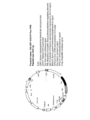
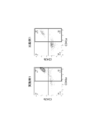
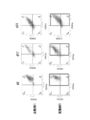
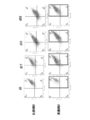
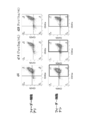
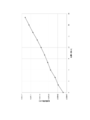
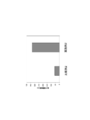
- CD41a promoter-puromycin lentiviral vector Confirmation of differentiation characteristics of megakaryocyte cells after introduction of CD41a promoter-puromycin resistance gene by flow cytometer. Confirmation of CD41a positive traits of megakaryocytes obtained in the presence of feeder cells by flow cytometer. Changes in the number of cells during the course of culture after CD41a promoter-puromycin resistance gene introduction. Confirmation of CD41a positive traits in megakaryocytes obtained in the absence of feeder cells by flow cytometer. Comparison of CD41a positive traits of megakaryocytes obtained in the presence and absence of feeder cells by flow cytometer. Comparison of changes in the number of cells during the course of culture after CD41a promoter-puromycin resistance gene introduction in the presence and absence of feeder cells.
- the method for producing megakaryocytes comprises culturing a cell group containing a megakaryocyte or a cell capable of differentiating into a megakaryocyte under conditions where a cell that does not express a megakaryocyte-specific gene is lethal. including.
- genes that are specifically expressed in megakaryocytes include cell surface markers such as CD41a, CD42a, CD42b, CD9, CD61, and CD62P, and GATA1, NF-E2, and ⁇ , which are genes that are specifically expressed in megakaryocytes.
- -Tubulin, Platelet Factor 4, etc. are exemplified.
- the lethal condition of cells that do not express megakaryocyte-specific genes is lethal only to cells other than megakaryocytes or cells that do not differentiate into megakaryocytes, cells that differentiate into megakaryocytes, megakaryocyte precursor cells There is no particular limitation as long as it does not show lethal action on megakaryocyte cells or mature megakaryocyte cells. For example, after imparting drug resistance only to megakaryocyte cells, megakaryocyte progenitor cells, etc., a system that kills undesired cells with the corresponding drug, or a system in which lethal genes are expressed only in undesired cells Is assumed.
- the cells differentiate into megakaryocytes in the presence of the corresponding drug.
- a culture system in which a drug resistance gene is driven by a promoter that is specifically activated by megakaryocytes, the cells differentiate into megakaryocytes in the presence of the corresponding drug.
- a culture system can be constructed, for example, by placing a drug resistance gene under the control of a promoter of a gene that expresses megakaryocyte-specific expression.
- drug resistance can be imparted only to cells that express megakaryocyte-specific cell surface markers.
- the drug resistance is imparted by introducing a vector in which a promoter and a drug resistance gene arranged downstream thereof are operatively linked to a cell before culture.
- promoters that are specifically activated by megakaryocytes include the promoter region of Integrin ⁇ IIB ⁇ 3 (CD41a) gene (Wilcox DA, et al., Blood (2000), Fang J., et al., Blood (2005) ).
- promoters such as CD42a gene and CD42b gene, which are cell surface markers specifically expressed in megakaryocytes, or GATA1, NF-E2, ⁇ -tubulin, Platelet ⁇ Factoract4, which are genes specifically expressed in megakaryocytes Promoters of genes encoding etc. may be used in the present invention.
- Examples of drug resistance genes include puromycin resistance gene, neomycin resistance gene, kanamycin resistance gene, chloramphenicol resistance gene, erythromycin resistance gene, tetracycline resistance gene, hygromycin resistance gene, ampicillin resistance gene, zeocin resistance gene, blast cystein Examples include a gin S resistance gene and a histidinol resistance gene. The drug corresponding to each gene is added to the medium after cells before culture are transformed with the gene.
- cells capable of differentiating into megakaryocytes in a culture system in which a lethal gene is driven by a promoter specific to cells that do not express megakaryocyte-specific genes are capable of differentiating into megakaryocytes in a culture system in which a lethal gene is driven by a promoter specific to cells that do not express megakaryocyte-specific genes.
- a promoter specific to cells that do not express megakaryocyte-specific genes for example, CD235 in the case of erythrocytes.
- the expression of drug resistance genes and lethal genes can be regulated by gene expression induction systems such as Tet-on (registered trademark) or Tet-off (registered trademark) system.
- megakaryocytes or a group of cells containing cells capable of differentiating into megakaryocytes is transformed with the target gene.
- the target gene is forcibly expressed in the cells in the culture step of the present invention, it can be carried out by methods known to those skilled in the art.
- the gene of interest may be introduced into cells and expressed using a gene transfer system such as a lentivirus or a retrovirus.
- the vector may contain a target gene operably linked downstream of an appropriate promoter.
- “operably linked” means that the promoter and the target gene are linked so that the target gene is controlled in cis by the promoter and the desired expression of the target gene is realized.
- a target gene may be expressed constitutively using a CMV promoter, EF1 promoter or the like, or an element whose activity is controlled by a trans factor such as a drug response element such as tetracycline.
- an appropriate promoter inducible promoter
- the target gene can be expressed inductively by controlling drug addition or the like.
- a person skilled in the art who intends to realize expression control of a desired target gene can easily select an appropriate system from among many gene expression systems.
- a commercially available kit or the like may be used.
- a drug resistance gene or lethal gene which is a target gene for expression control, and an oncogene described later may be inserted into separate vectors, or may be inserted into the same vector.
- suppression of gene expression in megakaryocyte cells may be achieved, for example, by releasing the induction of expression by the above-described inductive expression system by removing a drug or the like.
- the introduced oncogene or the like may be removed using a Cre / lox system or the like, and the expression of these genes may be controlled in a suppressive manner.
- commercially available kits can be used as appropriate.
- cells having the ability to differentiate into megakaryocytes means cells derived from hematopoietic stem cells, which can differentiate into megakaryocytes depending on differentiation induction conditions, Examples include hematopoietic stem cells, hematopoietic progenitor cells, CD34 positive cells, megakaryocyte / erythroblast progenitor cells (MEP), megakaryocyte progenitor cells, and the like.
- Cells capable of differentiating into megakaryocytes can be obtained by known methods. For example, in addition to isolation from bone marrow, umbilical cord blood, peripheral blood, etc., differentiation induction from pluripotent stem cells such as ES cells, iPS cells, etc. You can also.
- c-MYC, BMI1 and BCL-xL may be introduced into the cells in advance before the culture step of the present invention.
- Cells that do not express cell surface markers specific for megakaryocytes include CD41 negative / CD42 negative cells that do not ultimately differentiate into megakaryocytes, such as erythrocytes or their progenitor cells, but are not necessarily hematopoietic stem cell-derived cells. It is not limited. For example, in the embodiment using a drug resistance gene, since drug resistance is imparted only to cells having the ability to differentiate into megakaryocytes, all cells other than the cells can be excluded.
- Megakaryocytes in the culture produced according to the present invention include not only megakaryocytes but also cell populations including megakaryocyte progenitor cells with insufficient platelet-producing ability before maturation, megakaryocyte cells that have become multinucleated, etc. Can exist as The proportion of megakaryocytes or megakaryocyte progenitor cells, particularly megakaryocytes, in the total cells contained in the culture is preferably 50% or more, for example, 60%, 70%, 80%, 90% or more. The obtained megakaryocytes have a significantly higher ability to produce platelets per cell compared to megakaryocytes obtained by conventional methods that do not exclude cells that do not express cell surface markers specific for megakaryocytes.
- the increase in platelet production ability is calculated by comparing the amount of platelets produced by CD41 positive cells, preferably CD41a positive and CD42b positive cells per seeded cell. Whether the obtained platelets are functional or not is determined by a known method, for example, using PAC-1, which is an antibody that binds only to human Integrin ⁇ IIB ⁇ 3 on the activated platelet membrane, to determine the amount of activated platelets. This can be confirmed by measuring.
- the megakaryocytes obtained according to the present invention can stably maintain a differentiation trait for a long period of time compared to megakaryocytes induced by conventional methods.
- the maintenance of the differentiation trait can be evaluated by, for example, the ratio of cells that express megakaryocyte markers.
- Megakaryocytes obtained by the present invention have a higher percentage of megakaryocyte marker (CD41a, CD42a, CD42b, etc.) positive cells after a certain period of time compared to megakaryocytes induced by conventional methods.
- the megakaryocytes produced according to the present invention can maintain a more stable differentiation trait for 90 days or more as compared with megakaryocytes induced by conventional methods.
- the present invention can also improve the establishment efficiency of megakaryocyte cell lines having self-proliferating ability.
- the culture step used in the present invention can be performed in the presence or absence of feeder cells.
- the feeder cells are not particularly limited as long as they can induce megakaryocytes or megakaryocyte progenitor cells.
- C3H10T1 / 2 Keratagiri T, et al., Biochem Biophys Res Commun. 172, 295-299 (1990)).
- megakaryocyte progenitor cells improve the platelet-producing ability when feeder cells are used, but megakaryocytes produced according to the present invention produce the same level of platelets per cell regardless of whether or not feeder cells are used. This is advantageous in that
- the medium used in the present invention is not particularly limited, but a medium used for culturing animal cells can be prepared as a basal medium.
- basal media include IMDM medium, MediumMedi199 medium, Eagle's Minimum Essential Medium (EMEM) medium, ⁇ MEM medium, Dulbecco's modified Eagle's Medium (DMEM) medium, Ham's F12 medium, RPMI 1640 medium, Fischer Life's medium, Neurosal's medium And a mixed medium thereof.
- the medium may contain serum or may be serum-free.
- the medium can be, for example, albumin, insulin, transferrin, selenium, fatty acids, trace elements, 2-mercaptoethanol, thiolglycerol, lipids, amino acids, L-glutamine, non-essential amino acids, vitamins, growth factors, small molecules
- One or more substances such as compounds, antibiotics, antioxidants, pyruvate, buffers, inorganic salts, cytokines and the like may also be included.
- Cytokines are proteins that promote blood cell differentiation, and examples include VEGF, TPO, SCF, and the like.
- a preferable medium in the present invention is an IMDM medium containing serum, insulin, transferrin, serine, thiolglycerol, ascorbic acid, and TPO.
- it further contains SCF.
- a drug-responsive promoter such as Tet-on (registered trademark) or Tet-off (registered trademark) system
- a corresponding drug such as tetracycline or It is desirable to include doxycycline in the medium.
- the culture conditions are not particularly limited. For example, in the presence of TPO (10 to 200 ng / mL, preferably about 50 to 100 ng / mL), TPO (10 to 200 ng / mL, preferably about 50 to 100 ng / mL) And SCF (10 to 200 ng / mL, preferably about 50 ng / mL), or TPO (10 to 200 ng / mL, preferably about 50 to 100 ng / mL) and SCF (10 to 200 ng / mL, preferably May be cultured in the presence of Heparin (about 10 to 100 U / mL, preferably about 25 U / ml).
- the culture temperature is a temperature that does not damage the cells, for example, preferably 35.0 ° C to 42.0 ° C, more preferably 36.0 ° C to 40.0 ° C, and even more preferably 37.0 ° C to 39.0 ° C.
- the culture period can be appropriately determined by those skilled in the art while monitoring the number of megakaryocytes or megakaryocyte progenitor cells.
- the proportion of megakaryocyte cells in the culture can be determined by analyzing cell surface markers that are specifically expressed in megakaryocytes using flow cytometry, for example, total cells contained in the culture Among them, megakaryocytes or megakaryocyte progenitor cells, particularly megakaryocytes, may be cultured so that the ratio is 50% or more, for example, 60%, 70%, 80%, 90% or more.
- the number of days is not particularly limited as long as a desired megakaryocyte progenitor cell can be obtained.
- it is preferably 3 days or more, more preferably 6 days or more, and even more preferably 9 days or more.
- it may be 12 days or more, 18 days or more, 24 days or more, 30 days or more, 42 days or more, 48 days or more, 54 days or more, 60 days or more.
- drugs that can be used include puromycin, neomycin, kanamycin, chloramphenicol, erythromycin, tetracycline, hygromycin, ampicillin, zeocin, blasticidin S, or histidinol. Is mentioned.
- one embodiment of the method for producing megakaryocytes of the present invention further includes (a) a substance that inhibits the expression or function of the p53 gene product, (b) an actomyosin complex function inhibitor, (c) a ROCK inhibitor, and (d) The medium may further contain an HDAC inhibitor.
- the amount of megakaryocyte production can be increased by forcibly expressing an exogenous gene such as an oncogene such as c-MYC or the like or a polycomb gene as described in WO2011 / 034073.
- the production method of the present invention may further include a step of culturing megakaryocytes or megakaryocyte progenitor cells after stopping forced expression.
- a method of stopping forced expression for example, when forced expression is performed using a drug-responsive vector, it may be achieved by not contacting the corresponding drug with the cell.
- the above-mentioned vector containing LoxP it may be achieved by introducing Cre recombinase into the cell.
- a transient expression vector and RNA or protein introduction are used, the contact with the vector or the like may be stopped.
- the medium used in this step can be performed using the same medium as described above.
- the conditions for culturing after the forced expression is stopped are not particularly limited. For example, 35.0 ° C to 42.0 ° C is preferable, 36.0 ° C to 40.0 ° C is more preferable, and 37.0 ° C to 39.0 ° C is even more preferable.
- the culture period after the forced expression is stopped can be appropriately determined while monitoring the number of cells, particularly the number of megakaryocytes, but at least 2 days after the forced expression is stopped. Some are preferred, for example, 2 to 14 days.
- the culture period is more preferably 3 to 12 days, still more preferably 4 to 10 days. During the culture period, it is desirable to perform medium replacement or passage as appropriate.
- the megakaryocytes obtained by the present invention can efficiently produce functional platelets by being sufficiently matured.
- maturation of megakaryocytes means that megakaryocytes are sufficiently polynucleated and can produce functional platelets.
- Megakaryocyte maturation can also be confirmed by, for example, increased expression of megakaryocyte maturation-related genes such as GATA1, p45 NF-E2, and beta1-tubulin, formation of proplatelets, and intracellular multinucleation.
- the platelets have already been confirmed to have high thrombus formation ability in in vivo and in vitro.
- megakaryocytes and / or megakaryocyte progenitor cells can produce functional platelets even after thawing after cryopreservation.
- the megakaryocyte cell line created in the present invention can be distributed in a cryopreserved state.
- the method for producing platelets according to the present invention is characterized by using the culture produced by the above production method.
- the method for producing platelets according to the present invention comprises culturing megakaryocytes, megakaryocyte progenitor cells and / or megakaryocyte cell lines obtained by the above-described method, and collecting platelets from the culture. Process.
- the culture conditions are not limited. For example, in the presence of TPO (10 to 200 ng / mL, preferably about 50 to 100 ng / mL), or TPO (10 to 200 ng / mL, preferably 50 to 100 ng / mL). Degree), SCF (10 to 200 ng / mL, preferably about 50 ng / mL) and Heparin (10 to 100 U / mL, preferably about 25 U / ml) may be cultured.
- TPO 10 to 200 ng / mL, preferably about 50 to 100 ng / mL
- TPO 10 to 200 ng / mL, preferably 50 to 100 ng / mL
- Heparin 10 to 100 U / mL, preferably about 25 U / ml
- the culture period is desirably at least 3 days, but is not particularly limited as long as the function of the produced platelets is maintained.
- the culture period is 3 to 14 days.
- the culture period is preferably 4 to 12 days, more preferably 5 to 10 days.
- the culture temperature is not particularly limited and is, for example, 35.0 to 42.0 ° C.
- the culture temperature is preferably 36.0 ° C to 40 ° C, more preferably 37.0 ° C to 39.0 ° C.
- the step of culturing megakaryocytes may be performed under serum-free and / or feeder cell-free conditions.
- the method is carried out by culturing megakaryocytes produced according to the method of the present invention in a medium containing TPO.
- conditioned medium is not particularly limited and can be produced by a person skilled in the art according to a known method.
- the conditioned medium can be obtained by appropriately culturing feeder cells and removing the feeder cells from the culture with a filter.
- a ROCK inhibitor and / or an actomyosin complex function inhibitor is added to the medium.
- a ROCK inhibitor and an actomyosin complex function inhibitor the same thing as what was used by the manufacturing method of the multinucleated megakaryocyte mentioned above can be used.
- the ROCK inhibitor include Y27632, fasudil hydrochloride, H1152 dihydrochloride and the like.
- the actomyosin complex function inhibitor is, for example, a myosin ATPase activity inhibitor or a myosin light chain kinase inhibitor. Examples include blebbistatin, ML-7, and ML-9.
- a ROCK inhibitor or an actomyosin complex function inhibitor may be added alone, or a ROCK inhibitor and an actomyosin complex function inhibitor may be added in combination.
- the ROCK inhibitor and / or the actomyosin complex function inhibitor may be added at 0.1 ⁇ M to 30.0 ⁇ M, for example.
- the concentration of the inhibitor is preferably 0.5 ⁇ M to 25.0 ⁇ M, more preferably 1.0 ⁇ M to 20.0 ⁇ M, and even more preferably 5.0 ⁇ M to 15.0 ⁇ M.
- the culture period in which the ROCK inhibitor and / or the actomyosin complex function inhibitor is added can be, for example, 1 day to 15 days.
- the culture period is preferably 3 to 13 days, more preferably 5 to 11 days, and even more preferably 6, 7, 8, 9, and 10 days.
- Platelets can be isolated from the medium by methods known to those skilled in the art. Platelets obtained by the present invention are highly safe platelets that do not express foreign genes.
- the megakaryocyte obtained in the present invention is not particularly limited, but, for example, an exogenous apoptosis inhibitor gene and an oncogene may be expressed. In this case, in the platelet production process, the expression of the exogenous gene is suppressed.
- the platelets obtained in the present invention can be administered to patients as a preparation.
- platelets obtained by the method of the present invention are, for example, human plasma, infusion solution, citrate-containing physiological saline, a solution containing glucose-added acetate Ringer solution, PAS (platelet additive solution) (Gulliksson, H. et al., Transfusion, 32: 435-440, (1992)), etc.
- the storage period is about 14 days immediately after formulation. Preferably 10 days. More preferably, it is 8 days. As storage conditions, it is desirable to store with shaking and stirring at room temperature (20-24 ° C).
- hematopoietic progenitor cells from iPS cells
- Human iPS cells (692D2, 1108A2: human peripheral blood mononuclear cells established using episomal vectors described in Okita K, et al, Stem Cells 31, 458-66, 2012 Derived from iPS cells, TKDN SeV2: human fetal skin fibroblast-derived iPS cells established using Sendai virus), according to the method described in Takayama N., et al. J Exp Med. 2817-2830 (2010), Differentiation culture into blood cells was performed.
- human ES / iPS cell colonies were co-cultured with C3H10T1 / 2 feeder cells in the presence of 20 ng / mL VEGF (R & D SYSTEMS) for 14 days to prepare hematopoietic progenitor cells (HPC).
- the culture conditions were 20% O 2 and 5% CO 2 (the same conditions unless otherwise specified).
- basal media (15% Fetal Bovine Serum (GIBCO), 1% Penicillin-Streptomycin-Glutamine (GIBCO), 1% Insulin, Transferrin, Selenium Solution (ITS-G) (GIBCO), 0.45 mM 1-Thioglycerol (Sigma) -Aldrich), IMDM (Iscove's Modified Dulbecco's Medium) (Sigma-Aldrich)) containing 50 ⁇ g / mL L-Ascorbic Acid (Sigma-Aldrich)) 50 ng / mL Human thrombopoietin (TPO) (R & D SYSTEMS), 50 ng / ml Human A medium containing Stem Cell Factor (SCF) (R & D SYSTEMS) and 2 ⁇ g / mL Doxycycline (Dox) (hereinafter referred to as differentiation medium) and further added Protamine at a final concentration of 10 ug / / m
- the lentiviral vector is an inducible vector controlled by Tetracycline, and the mOKS cassette of LV-TRE-mOKS-Ubc-tTA-I2G (Kobayashi, T., et al. Cell 142, 787-799 (2010)) Produced by recombination with c-MYC, BMI1, and BCL-xL (LV-TRE-c-Myc-Ubc-tTA-I2G, LV-TRE-BMI1-Ubc-tTA-I2G, and LV-TRE-, respectively) BCL-xL-Ubc-tTA-I2G).
- Virus particles used for infection were prepared by expressing the above lentiviral vector in 293T cells.
- BCL-xL virus infection of megakaryocyte self-propagating strains BCL-XL was transfected into the virus-infected blood cells on the 14th day of culture by the lentivirus method. Viral particles were added to the medium so that the MOI was 10, and the cells were infected by spin infection (centrifugation at 32 ° C., 900 rpm, 60 minutes).
- Virus-infected blood cells obtained by the above-mentioned method were collected and centrifuged at 1200 rpm for 5 minutes. After centrifugation, the precipitated cells were suspended in a new differentiation medium, and then seeded on new C3H10T1 / 2 feeder cells at 2 ⁇ 10 5 cells / 2 mL / well (6 well plate).
- -Infection day 24 Passage After counting the number of cells, the cells were seeded in a 1 ⁇ 10 5 cells / 10 mL / 100 mm dish. Thereafter, subculture was performed every 4-7 days, and maintenance culture was performed.
- PB (BioLegend) antibody was immunostained with 2 ⁇ L, 1 ⁇ L, and 1 ⁇ L, respectively, and analyzed using FACS Verse (BD). A strain with a CD41a positive rate of 50% or more was observed even on the 24th day of infection. Megakaryocyte immortalized strain.
- the megakaryocyte immortalized cell lines are basal media (15% Fetal Bovine Serum (GIBCO), 1% Penicillin-Streptomycin-Glutamine (GIBCO), 1% Insulin, Transferrin, Selenium Solution (ITS-G) (GIBCO) , 0.45 mM 1-Thioglycerol (Sigma-Aldrich), IMDM (Iscove's Modified Dulbecco's Medium) (Sigma-Aldrich) containing 50 ⁇ g / mL L-Ascorbic Acid (Sigma-Aldrich)) (50 ng / mL Human thrombopoietin (TPO)) R & D SYSTEMS), 50ng / ml Human Stem Cell Factor (SCF) (R & D SYSTEMS) and 2 ⁇ g / mL Doxycycline (Dox) in a medium (differentiation medium) containing 2 ⁇ g / mL puromycin (puromycin)
- Example 1 derived from 692D2
- Example 2 derived from 1108A2
- Example 3 derived from TKDN SeV2
- a 1108A2-derived cell line in which a gene was introduced by a lentivirus having a CD41a promoter-puromycin resistance gene was prepared under the same conditions as in Example 1 except that feeder cells were not used during culture (Examples). 2).
- a cell line derived from 1108A2 not transfected with a gene was designated as Comparative Example 2. Even when cultured without using feeder cells, the culture obtained by culturing the cell group of Example 2 was able to show a higher CD41a positive rate than that of Comparative Example 2 (FIG. 5). .
- Example 1 derived from 692D2
- the concentration of puromycin contained in the cell line medium was increased to 5 ⁇ g / mL on the 14th day of culture and 10 ⁇ g / mL on the 28th day of culture, respectively.
- a high CD41a positive rate was observed under any pear condition (FIG. 6A).
- the change of the cell number of each time was measured. The number of cells was measured by diluting the cultured cells with 0.1% (v / v) trypan blue solution and using a hemocytometer (Wakken B-Tech). As a result, it became clear that the cells proliferated over time at the same rate regardless of the presence or absence of feeder cells (FIG. 6B).
- CD41a antibody Anti-CD41-APC; BioLegend
- CD42a antibody Anti-CD42a; eBioscience
- CD42b antibody Anti-CD42b; eBioscience
- flow cytometer BD Analysis with FACSVerse As a result, the CD41a promoter-puromycin resistance gene-introduced cell group (Example 1) compared to the non-introduced cell group (Comparative Example 1), the CD41a-positive CD42b-positive platelet production rate (platelet production per seeded cell). Number) was more than twice as high (Table 1, FIG. 9).
Landscapes
- Health & Medical Sciences (AREA)
- Engineering & Computer Science (AREA)
- Life Sciences & Earth Sciences (AREA)
- Biomedical Technology (AREA)
- Genetics & Genomics (AREA)
- Zoology (AREA)
- Chemical & Material Sciences (AREA)
- Organic Chemistry (AREA)
- Bioinformatics & Cheminformatics (AREA)
- Biotechnology (AREA)
- Wood Science & Technology (AREA)
- Hematology (AREA)
- General Engineering & Computer Science (AREA)
- Biochemistry (AREA)
- Microbiology (AREA)
- General Health & Medical Sciences (AREA)
- Cell Biology (AREA)
- Immunology (AREA)
- Physics & Mathematics (AREA)
- Biophysics (AREA)
- Molecular Biology (AREA)
- Plant Pathology (AREA)
- Micro-Organisms Or Cultivation Processes Thereof (AREA)
- Medicines Containing Material From Animals Or Micro-Organisms (AREA)
Abstract
Description
[1]巨核球又は巨核球前駆細胞の培養物の製造方法であって、巨核球特異的に発現する遺伝子を発現しない細胞が致死する条件下で、巨核球又は巨核球への分化能を有する細胞を含む細胞群を培養する工程を含む、方法。
[2]前記細胞群が、細胞毒性を示す薬剤に対する耐性遺伝子で形質転換されており、該薬剤耐性遺伝子が、前記巨核球特異的に発現する遺伝子のプロモーターの制御下に配置されており、前記培養工程で前記薬剤が添加される、[1]に記載の方法。
[3]前記細胞群が、前記巨核球特異的に発現する遺伝子を発現しない細胞を致死させる遺伝子で形質転換されており、該遺伝子が、前記巨核球特異的に発現する遺伝子を発現しない細胞で特異的に発現する遺伝子のプロモーターの制御下に配置されている、[1]に記載の方法。
[4]前記巨核球特異的に発現する遺伝子が、巨核球特異的に発現する細胞表面マーカーをコードする遺伝子である、[1]~[3]のいずれかに記載の方法。
[5]前記巨核球特異的に発現する細胞表面マーカーがCD41a、CD42a及び/又はCD42bである、[4]に記載の方法。
[6]前記巨核球への分化能を有する細胞が造血幹細胞、造血前駆細胞、CD34陽性細胞及び巨核球前駆細胞から成る群から選択される少なくとも1種以上である、[1]~[5]のいずれかに記載の方法。
[7]前記培養工程が血清及び/又はフィーダー細胞の不在下で実施される、[1]~[6]のいずれかに記載の方法。
[8]製造される培養物中の巨核球が分化形質を維持しており、且つその血小板産生能が増大している、[1]~[7]のいずれかに記載の方法。
[9]前記細胞群が前記プロモーターと前記薬剤耐性遺伝子又は致死遺伝子とを作用可能に連結したベクターで形質転換されている、[2]~[8]のいずれかに記載の方法。
[10]前記薬剤耐性遺伝子がピューロマイシン耐性遺伝子、ネオマイシン耐性遺伝子、カナマイシン耐性遺伝子、クロラムフェニコール耐性遺伝子、エリスロマイシン耐性遺伝子、テトラサイクリン耐性遺伝子、ハイグロマイシン耐性遺伝子、アンピシリン耐性遺伝子、ゼオシン耐性遺伝子、ブラストサイジンS耐性遺伝子、及びヒスチジノール耐性遺伝子から成る群から選択される少なくとも1種以上である、[2]、[4]~[9]のいずれかに記載の方法。
[11]前記致死遺伝子がHSV-TK遺伝子、シトクロムC遺伝子及びMule/ARF-BP-1遺伝子から成る群から選択される少なくとも1種以上である、[3]~[9]のいずれかに記載の方法。
[12]前記培養工程がTPOおよびSCFを含有する培養液中で実施される、[1]~[11]のいずれかに記載の方法。
[13]前記細胞群が、造血前駆細胞へc-MYC、BMI1及びBCL-xLを導入して製造される細胞を含む、請求項1に記載の方法。
[14]血小板の製造方法であって、[1]~[10]のいずれかに記載の方法で製造された巨核球を用いることを特徴とする、方法。
[15]巨核球又は巨核球前駆細胞の拡大培養方法であって、巨核球特異的に発現する遺伝子を発現しない細胞が致死する条件下で、巨核球又は巨核球への分化能を有する細胞を含む細胞群を培養する工程を含む、方法。
[16]前記細胞群が、細胞毒性を示す薬剤に対する耐性遺伝子で形質転換されており、該薬剤耐性遺伝子が、前記巨核球特異的に発現する遺伝子のプロモーターの制御下に配置されており、前記培養工程で前記薬剤が添加される、[15]に記載の方法。
[17]前記巨核球特異的に発現する遺伝子が、巨核球特異的に発現する細胞表面マーカーをコードする遺伝子である、[15]又は[16]に記載の方法。
[18]前記巨核球特異的に発現する細胞表面マーカーがCD41a、CD42a及び/又はCD42bである、[17]に記載の方法。
[19]前記巨核球への分化能を有する細胞が造血幹細胞、造血前駆細胞、CD34陽性細胞及び巨核球前駆細胞から成る群から選択される少なくとも1種以上である、[15]~[18]のいずれかに記載の方法。
[20]前記培養工程が血清及び/又はフィーダー細胞の不在下で実施される、[15]~[19]のいずれかに記載の方法。
[21]拡大培養後の巨核球が分化形質を維持しており、且つその血小板産生能が増大している、[15]~[20]のいずれかに記載の方法。
[22]前記細胞群が前記プロモーターと前記薬剤耐性遺伝子とを作用可能に連結したベクターで形質転換されている、[15]~[21]のいずれかに記載の方法。
[23]前記薬剤耐性遺伝子がピューロマイシン耐性遺伝子、ネオマイシン耐性遺伝子、カナマイシン耐性遺伝子、クロラムフェニコール耐性遺伝子、エリスロマイシン耐性遺伝子、テトラサイクリン耐性遺伝子、ハイグロマイシン耐性遺伝子、アンピシリン耐性遺伝子、ゼオシン耐性遺伝子、ブラストサイジンS耐性遺伝子、及びヒスチジノール耐性遺伝子から成る群から選択される少なくとも1種以上である、[15]~[22]のいずれかに記載の方法。
[24]前記培養工程がTPOおよびSCFを含有する培養液中で実施される、[15]~[23]のいずれかに記載の方法。
[25]前記細胞群が、造血前駆細胞へc-MYC、BMI1及びBCL-xLを導入して製造される細胞を含む、[15]~[24]のいずれかに記載の方法。
[26]巨核球特異的に発現する遺伝子を発現しない細胞が致死する条件下で、巨核球又は巨核球への分化能を有する細胞を含む細胞群を培養することによって製造される培養物。
本発明に係る巨核球の製造方法は、巨核球特異的に発現する遺伝子を発現しない細胞が致死する条件下で、巨核球又は巨核球への分化能を有する細胞を含む細胞群を培養する工程を含む。巨核球細胞に特異的に発現する遺伝子として、例えば、CD41a、CD42a、CD42b、CD9、CD61、CD62Pなどの細胞表面マーカーや、巨核球細胞特異的に発現する遺伝子であるGATA1、NF-E2、β-チューブリン(beta-tubulin)、Platelet Factor 4などが例示される。巨核球細胞特異的に発現する遺伝子を発現しない細胞の致死条件は、巨核球以外の細胞又は巨核球に分化しない細胞に対してのみ致死作用を示し、巨核球に分化する細胞、巨核球前駆細胞、巨核球細胞、又は成熟した巨核球細胞等に致死作用を示さないというような条件であれば特に限定されない。例えば、巨核球細胞、巨核球前駆細胞等にのみ薬剤耐性を付与した後、対応する薬剤で不所望の細胞を死滅させる系や、不所望の細胞においてのみ致死性の遺伝子が発現するような系が想定される。
本発明に係る血小板の製造方法は、上記製造方法で製造された培養物を用いることを特徴とする。より具体的な態様において、本発明に係る血小板の製造方法は、上述の方法で得られた巨核球、巨核球前駆細胞、及び/又は巨核球細胞株を培養し、培養物から血小板を回収する工程を含む。
ヒトiPS細胞(692D2、1108A2:Okita K, et al, Stem Cells 31, 458-66, 2012に記載のエピソーマルベクターを用いて樹立されたヒト末梢血単核球由来iPS細胞、TKDN SeV2:センダイウイルスを用いて樹立されたヒト胎児皮膚繊維芽細胞由来iPS細胞)から、Takayama N., et al. J Exp Med. 2817-2830 (2010)に記載の方法に従って、血球細胞への分化培養を実施した。即ち、ヒトES/iPS細胞コロニーを20ng/mL VEGF (R&D SYSTEMS)存在下でC3H10T1/2フィーダー細胞と14日間共培養して造血前駆細胞(Hematopoietic Progenitor Cells(HPC)) を作製した。培養条件は20% O2、5% CO2で実施した(特に記載がない限り、以下同条件)。
予めC3H10T1/2フィーダー細胞を播種した6 well plate上に、上記の方法で得られたHPCを5x10⁴cells/wellずつ播種し、レンチウイルス法にてc-MYCおよびBMI1を強制発現させた。このとき、細胞株1種類につき6 wellずつ使用した。即ち、それぞれMOI 20になるように培地中にウイルス粒子を添加し、スピンインフェクション(32℃ 900rpm, 60分間遠心)で感染させた。本操作は、12時間おきに2回実施した。このとき、基本培地(15% Fetal Bovine Serum (GIBCO)、1% Penicillin-Streptomycin-Glutamine (GIBCO)、1% Insulin, Transferrin, Selenium Solution (ITS-G) (GIBCO)、0.45mM 1-Thioglycerol (Sigma-Aldrich)、50μg/mL L-Ascorbic Acid (Sigma-Aldrich)を含有するIMDM (Iscove’s Modified Dulbecco’s Medium) (Sigma-Aldrich))へ50ng/mL Human thrombopoietin (TPO) (R&D SYSTEMS)、50ng/ml Human Stem Cell Factor (SCF) (R&D SYSTEMS)および2μg/mL Doxycycline (Dox)を含有した培地(以下、分化培地)に、更に、Protamineを最終濃度10ug/mL加えたものを使用した。なお、レンチウイルスベクターは、Tetracycline制御性のinducible vectorであり、LV-TRE-mOKS-Ubc-tTA-I2G(Kobayashi, T., et al. Cell 142, 787-799 (2010))のmOKSカセットをc-MYC、BMI1、BCL-xLに組み替えることで作製された(それぞれ、LV-TRE- c-Myc-Ubc-tTA-I2G、LV-TRE-BMI1-Ubc-tTA-I2G、およびLV-TRE-BCL-xL-Ubc-tTA-I2G)。感染に用いたウイルス粒子は、293T細胞へ上記レンチウイルスベクターを発現させて作製された。
上記の方法でcMYC及びBMI1ウイルス感染を実施した日を感染0日目として、以下の通り、cMYC及びBMI1遺伝子導入型巨核球細胞を培養することで、692D2及び1108A2由来の巨核球自己増殖株をそれぞれ作製した。
ピペッティングにて上記の方法で得られたウイルス感染済み血球細胞を回収し、1200rpm, 5分間遠心操作を行って上清を除去した後、新しい分化培地で懸濁して新しいC3H10T1/2フィーダー細胞上に播種した(6well plate)。感染9日目に同様の操作をすることによって継代を実施した。細胞数を計測後1×10⁵cells/ 2mL / wellでC3H10T1/2フィーダー細胞上に播種した(6well plate)。
感染2日目と同様の操作を実施した。細胞数を計測後3×10⁵cells/ 10mL / 100 mm dishでC3H10T1/2フィーダー細胞上に播種した(100mm dish)。
ウイルス感染済み血球細胞を回収し、細胞1.0×10⁵個あたり、抗ヒトCD41a-APC抗体(BioLegend)、抗ヒトCD42b-PE抗体(eBioscience)、抗ヒトCD235ab-pacific blue(BioLegend)抗体をそれぞれ2μL, 1μL, 1μLずつを用いて抗体反応した。反応後に、FACS Verse(BD)を用いて解析した。感染14日目において、CD41a陽性率が50%以上であった場合、巨核球自己増殖株の作成とした。
前記培養14日目のウイルス感染済み血球細胞に、レンチウイルス法にてBCL-XLを遺伝子導入した。MOI 10になるように培地中にウイルス粒子を添加し、スピンインフェクション(32℃ 900rpm, 60分間遠心)で感染させた。
・感染14目~感染18日目
前述の方法で得られたウイルス感染済み血球細胞を回収し、1200rpm, 5分間遠心操作を行った。遠心後、沈殿した細胞を新しい分化培地で懸濁した後、新しいC3H10T1/2フィーダー細胞上に2×105cells/ 2mL / wellで播種した(6well plate)。
細胞数を計測後、3×10⁵cells/ 10mL / 100 mm dishで播種した。
細胞数を計測後、1×10⁵cells/ 10mL / 100 mm dishで播種した。以後、4-7日毎に継代を行い、維持培養を行った。
その後、LV-TetONベクター(Clonetech)、KhES3細胞(京都大学樹立)からクローニングしたCD41aプロモーター配列(配列番号1)、及び、pENTR-DMD-Donor04_EF1a-Puroからサブクローニングしたピューロマイシン耐性遺伝子配列を、制限酵素EcoRI, XhoIで切断済みのCS-CDF-UG-PREに組み換えた。この際、In-Fusion Advance PCR cloning kit (Clonetech)を使用して組み換えた。その結果、CD41aプロモーター-ピューロマイシン耐性遺伝子を有するレンチウイルスベクター(図1)を調製することができた。
前記CD41aプロモーター-ピューロマイシンレンチウイルス耐性遺伝子を有するレンチウイルスベクターを、HEK293T細胞に遺伝子導入した。その後、遺伝子導入済みHEK293T細胞の培養上清から、CD41aプロモーター-ピューロマイシン耐性遺伝子を有するレンチウイルスを濃縮調製した。続いて、2x10⁶ cells/10ml/dishで、10cm-dishのC3H10T1/2細胞(フィーダー細胞)上に播種された前記巨核球不死化細胞株に対して、MOI10でCD41aプロモーター-ピューロマイシン耐性遺伝子を有するレンチウイルスを感染させた。感染後の巨核球不死化細胞株は、基本培地(15% Fetal Bovine Serum (GIBCO)、1% Penicillin-Streptomycin-Glutamine (GIBCO)、1% Insulin, Transferrin, Selenium Solution (ITS-G) (GIBCO)、0.45mM 1-Thioglycerol (Sigma-Aldrich)、50μg/mL L-Ascorbic Acid (Sigma-Aldrich)を含有するIMDM (Iscove’s Modified Dulbecco’s Medium) (Sigma-Aldrich))へ50ng/mL Human thrombopoietin (TPO) (R&D SYSTEMS)、50ng/ml Human Stem Cell Factor (SCF) (R&D SYSTEMS)および2μg/mL Doxycycline (Dox)を含有した培地(分化培地)に、2μg/mLのピューロマイシンを含有させた培地(ピューロマイシン含有分化培地)を使って、37℃、5%CO2条件下で静置培養した。
細胞をCD41a抗体(Anti-CD41-APC; BioLegend)、CD42b抗体(Anti-CD42b; eBioscience)CD235ab抗体(Anti-CD235ab-PB; BioLegend)を用いて染色し、フローサイトメーターBD FACSVerseで解析した。その結果、CD41aプロモーター-ピューロマイシン耐性遺伝子を有するレンチウイルスを導入した細胞群(実施例1)は導入していない細胞群(比較例1)と比較してCD41a陽性率が高くなった(図2)。その後の培養経過時においても、実施例1の細胞群を培養して得られた培養物は、比較例1に比べて高いCD41a陽性率を示した(図3)。実施例1のCD41a陽性細胞はその数も増加し続けた(図4)
培養時にフィーダー細胞を使用しなかった点を除き、実施例1と同様の条件で、CD41aプロモーター-ピューロマイシン耐性遺伝子を有するレンチウイルスによる遺伝子導入が行われた1108A2由来細胞株を調製した(実施例2)。遺伝子導入されていない1108A2由来由来の細胞株を比較例2とした。フィーダー細胞を使わずに培養した場合でも、実施例2の細胞群を培養して得られた培養物は、比較例2のものに比べて高いCD41a陽性率を示すことができた(図5)。
692D2由来の実施例1について、細胞株の培地に含まれるピューロマイシンの濃度をそれぞれ培養14日目に5μg/mLに、培養28日目に10μg/mLに増大させたときでも、フィーダー細胞アリ/ナシのいずれの条件においても、高いCD41a陽性率が見られた(図6A)。また、それぞれの経時的な細胞数の変化を測定した。細胞数は、培養細胞を0.1%(v/v)トリパンブルー溶液で希釈し、血球計算盤(和研ビーテック)を使って測定した。その結果、フィーダー細胞の有無に関係なく、同程度の速度で細胞が経時的に増殖することが明らかとなった(図6B)。
培養方法をフラスコ培養、及びバッグ培養とした点を除き、実施例1と同様の条件で、CD41aプロモーター-ピューロマイシン耐性遺伝子を有するレンチウイルスによる遺伝子導入が行われた692D2由来細胞株を調製した(フラスコ培養:実施例4;バッグ培養:実施例5)。その結果、実施例4及び実施例5の細胞群を培養して得られた培養物においては、CD41a陽性細胞率が顕著に向上した(図7(実施例4)、図8(実施例5))。
培養上清中に含まれる血小板をCD41a抗体(Anti-CD41-APC; BioLegend)、CD42a抗体(Anti-CD42a; eBioscience)及びCD42b抗体(Anti-CD42b; eBioscience)を用いて染色し、フローサイトメーターBD FACSVerseで解析した。その結果、CD41aプロモーター-ピューロマイシン耐性遺伝子を導入した細胞群(実施例1)は導入していない細胞群(比較例1)と比較してCD41a陽性CD42b陽性血小板生産率(播種細胞当たりの血小板生産数)が2倍以上高かった(表1、図9)。

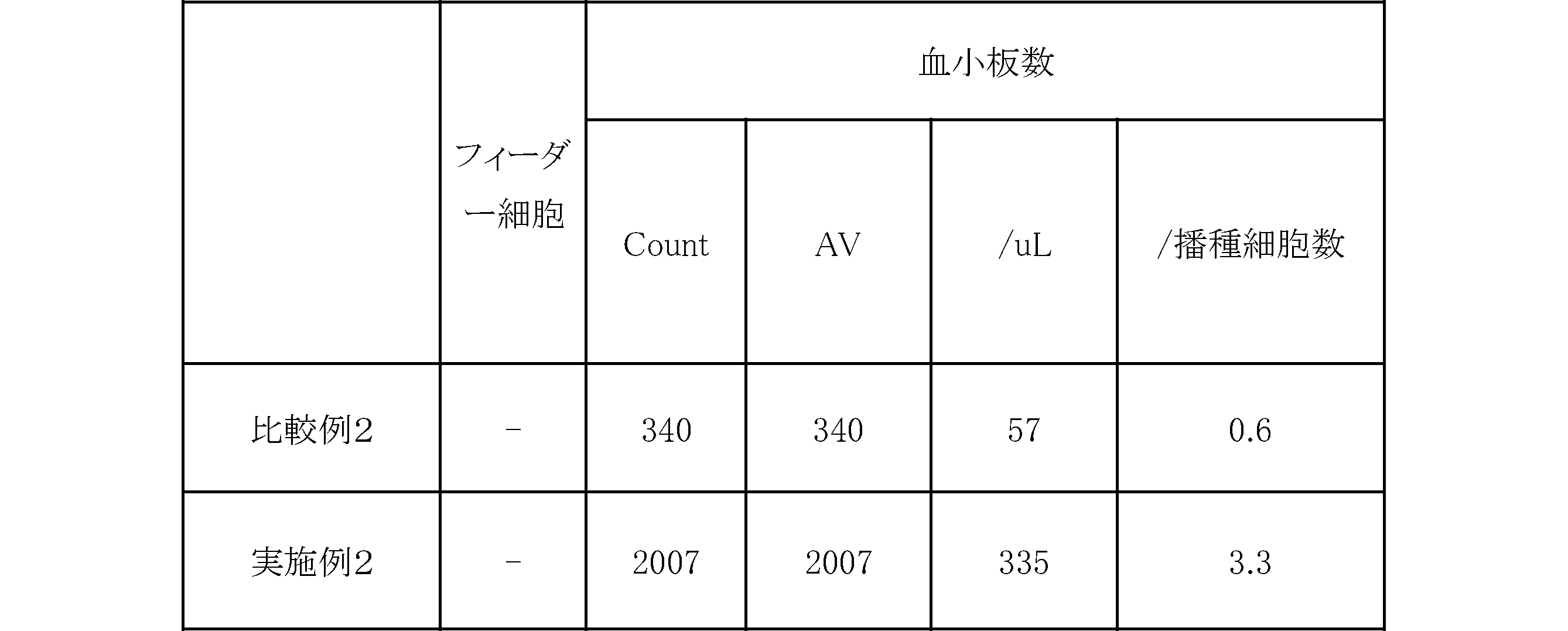
フィーダー細胞を使わずに血小板を生産させた場合でも、CD41a陽性CD42b陽性血小板生産率(播種細胞当たりの血小板生産数)の亢進が確認された。CD41aプロモーター-ピューロマイシン耐性遺伝子を導入した細胞群(実施例2)は導入していない細胞群(比較例2)と比較して血小板生産率が約5倍高かった(表2、図10)。
Claims (14)
- 巨核球又は巨核球前駆細胞を含む培養物の製造方法であって、巨核球特異的に発現する遺伝子を発現しない細胞が致死する条件下で、巨核球又は巨核球への分化能を有する細胞を含む細胞群を培養する工程を含む、方法。
- 前記細胞群が、細胞毒性を示す薬剤に対する耐性遺伝子で形質転換されており、該薬剤耐性遺伝子が、前記巨核球特異的に発現する遺伝子のプロモーターの制御下に配置されており、前記培養工程で前記薬剤が添加される、請求項1に記載の方法。
- 前記細胞群が、前記巨核球特異的に発現する遺伝子を発現しない細胞を致死させる遺伝子で形質転換されており、該遺伝子が、前記巨核球特異的に発現する遺伝子を発現しない細胞で特異的に発現する遺伝子のプロモーターの制御下に配置されている、請求項1に記載の方法。
- 前記巨核球特異的に発現する遺伝子が、巨核球特異的に発現する細胞表面マーカーをコードする遺伝子である、請求項1~3のいずれか1項に記載の方法。
- 前記巨核球特異的に発現する細胞表面マーカーが、CD41a、CD42a及び/又はCD42bである、請求項4に記載の方法。
- 前記巨核球への分化能を有する細胞が造血幹細胞、造血前駆細胞、CD34陽性細胞及び巨核球前駆細胞から成る群から選択される少なくとも1種以上である、請求項1~5のいずれか1項に記載の方法。
- 前記培養工程が血清及び/又はフィーダー細胞の不在下で実施される、請求項1~6のいずれか1項に記載の方法。
- 製造される培養物中の巨核球が分化形質を維持しており、且つ血小板産生能が増大している、請求項1~7のいずれか1項に記載の方法。
- 前記細胞群が前記プロモーターと前記薬剤耐性遺伝子又は致死遺伝子とを作用可能に連結したベクターで形質転換されている、請求項2~8のいずれか1項に記載の方法。
- 前記薬剤耐性遺伝子が、ピューロマイシン耐性遺伝子、ネオマイシン耐性遺伝子、カナマイシン耐性遺伝子、クロラムフェニコール耐性遺伝子、エリスロマイシン耐性遺伝子、テトラサイクリン耐性遺伝子、ハイグロマイシン耐性遺伝子、アンピシリン耐性遺伝子、ゼオシン耐性遺伝子、ブラストサイジンS耐性遺伝子、及びヒスチジノール耐性遺伝子から成る群から選択される少なくとも1種以上である、請求項2、4~9のいずれか1項に記載の方法。
- 血小板の製造方法であって、請求項1~10のいずれか1項に記載の方法で製造された巨核球を用いることを特徴とする、方法。
- 巨核球又は巨核球前駆細胞の拡大培養方法であって、巨核球特異的に発現する遺伝子を発現しない細胞が致死する条件下で、巨核球又は巨核球への分化能を有する細胞を含む細胞群を培養する工程を含む、方法。
- 前記細胞群が、細胞毒性を示す薬剤に対する耐性遺伝子で形質転換されており、該薬剤耐性遺伝子が、前記巨核球特異的に発現する遺伝子のプロモーターの制御下に配置されており、前記培養工程で前記薬剤が添加される、請求項12に記載の方法。
- 前記請求項1~10に記載の製造方法によって得られる、巨核球又は巨核球前駆細胞を含む培養物。
Priority Applications (9)
| Application Number | Priority Date | Filing Date | Title |
|---|---|---|---|
| EP16761803.2A EP3296393B1 (en) | 2015-03-09 | 2016-03-09 | Method for producing culture containing megakaryocytes, and method for producing platelets using same |
| US15/555,626 US20180044634A1 (en) | 2015-03-09 | 2016-03-09 | Method for Producing Culture Containing Megakaryocytes, and Method for Producing Platelets Using Same |
| KR1020177027736A KR20180015613A (ko) | 2015-03-09 | 2016-03-09 | 거핵구를 포함하는 배양물의 제조 방법 및 이를 사용한 혈소판의 제조 방법 |
| CN201680015062.7A CN107532145A (zh) | 2015-03-09 | 2016-03-09 | 含有巨核细胞的培养物的制造方法及使用该培养物的血小板的制造方法 |
| JP2017505387A JP6959135B2 (ja) | 2015-03-09 | 2016-03-09 | 巨核球を含む培養物の製造方法及びこれを用いた血小板の製造方法 |
| AU2016230059A AU2016230059A1 (en) | 2015-03-09 | 2016-03-09 | Method for producing culture containing megakaryocytes, and method for producing platelets using same |
| RU2017134282A RU2750740C2 (ru) | 2015-03-09 | 2016-03-09 | Способ получения культуры, содержащей мегакариоциты, и способ получения тромбоцитов с ее применением |
| CA2979173A CA2979173A1 (en) | 2015-03-09 | 2016-03-09 | Method for producing culture containing megakaryocytes, and method for producing platelets using same |
| US17/209,035 US11976301B2 (en) | 2015-03-09 | 2021-03-22 | Method for producing culture containing megakaryocytes, and method for producing platelets using same |
Applications Claiming Priority (2)
| Application Number | Priority Date | Filing Date | Title |
|---|---|---|---|
| JP2015046281 | 2015-03-09 | ||
| JP2015-046281 | 2015-03-09 |
Related Child Applications (2)
| Application Number | Title | Priority Date | Filing Date |
|---|---|---|---|
| US15/555,626 A-371-Of-International US20180044634A1 (en) | 2015-03-09 | 2016-03-09 | Method for Producing Culture Containing Megakaryocytes, and Method for Producing Platelets Using Same |
| US17/209,035 Continuation US11976301B2 (en) | 2015-03-09 | 2021-03-22 | Method for producing culture containing megakaryocytes, and method for producing platelets using same |
Publications (1)
| Publication Number | Publication Date |
|---|---|
| WO2016143836A1 true WO2016143836A1 (ja) | 2016-09-15 |
Family
ID=56879559
Family Applications (1)
| Application Number | Title | Priority Date | Filing Date |
|---|---|---|---|
| PCT/JP2016/057467 Ceased WO2016143836A1 (ja) | 2015-03-09 | 2016-03-09 | 巨核球を含む培養物の製造方法及びこれを用いた血小板の製造方法 |
Country Status (9)
| Country | Link |
|---|---|
| US (2) | US20180044634A1 (ja) |
| EP (1) | EP3296393B1 (ja) |
| JP (1) | JP6959135B2 (ja) |
| KR (1) | KR20180015613A (ja) |
| CN (1) | CN107532145A (ja) |
| AU (1) | AU2016230059A1 (ja) |
| CA (1) | CA2979173A1 (ja) |
| RU (1) | RU2750740C2 (ja) |
| WO (1) | WO2016143836A1 (ja) |
Cited By (3)
| Publication number | Priority date | Publication date | Assignee | Title |
|---|---|---|---|---|
| WO2017131228A1 (ja) * | 2016-01-29 | 2017-08-03 | 国立大学法人京都大学 | 血小板産生促進剤のスクリーニング方法 |
| WO2021117886A1 (ja) | 2019-12-12 | 2021-06-17 | 国立大学法人千葉大学 | 巨核球および血小板を含む凍結乾燥製剤 |
| WO2024210126A1 (ja) * | 2023-04-03 | 2024-10-10 | 大塚製薬株式会社 | 巨核球の製造方法 |
Families Citing this family (4)
| Publication number | Priority date | Publication date | Assignee | Title |
|---|---|---|---|---|
| JP2021509812A (ja) | 2018-01-05 | 2021-04-08 | プレートレット バイオジェネシス, インコーポレイテッド | 巨核球を産生するための組成物および方法 |
| EP3813853A4 (en) | 2018-06-29 | 2022-04-06 | Platelet Biogenesis, Inc. | DELIVERY COMPOSITIONS AND METHODS OF USE |
| CN113736824B (zh) * | 2021-08-19 | 2023-12-26 | 中南大学 | 一种重组载体及其制备方法和应用 |
| CN114032239B (zh) * | 2021-10-28 | 2024-06-21 | 北京美康基免生物科技有限公司 | 一种组织特异启动子及其应用 |
Citations (3)
| Publication number | Priority date | Publication date | Assignee | Title |
|---|---|---|---|---|
| WO2011071085A1 (ja) * | 2009-12-08 | 2011-06-16 | 国立大学法人東京大学 | 多能性幹細胞から分化誘導された細胞の生産方法 |
| WO2013051625A1 (ja) * | 2011-10-03 | 2013-04-11 | 日産化学工業株式会社 | 多能性幹細胞からの巨核球及び/又は血小板の製造方法 |
| WO2014123242A1 (ja) * | 2013-02-08 | 2014-08-14 | 国立大学法人京都大学 | 巨核球及び血小板の製造方法 |
Family Cites Families (4)
| Publication number | Priority date | Publication date | Assignee | Title |
|---|---|---|---|---|
| RU2158603C2 (ru) * | 1994-05-31 | 2000-11-10 | Амген Инк. | Способы и препараты для стимулирования роста и дифференцировки мегакариоцитов |
| EP1078042A1 (en) * | 1998-05-22 | 2001-02-28 | Osiris Therapeutics, Inc. | Production of megakaryocytes by co-culturing human mesenchymal stem cells with cd34+ cells |
| DK3159001T3 (da) * | 2009-09-15 | 2019-06-17 | Univ Tokyo | Hidtil ukendt fremgangsmåde til fremstilling af differentierede celler |
| GB201210857D0 (en) * | 2012-06-19 | 2012-08-01 | Cambridge Entpr Ltd | Transcription factor mediated programming towards megakaryocytes |
-
2016
- 2016-03-09 RU RU2017134282A patent/RU2750740C2/ru active
- 2016-03-09 AU AU2016230059A patent/AU2016230059A1/en not_active Abandoned
- 2016-03-09 CN CN201680015062.7A patent/CN107532145A/zh active Pending
- 2016-03-09 US US15/555,626 patent/US20180044634A1/en not_active Abandoned
- 2016-03-09 KR KR1020177027736A patent/KR20180015613A/ko not_active Ceased
- 2016-03-09 WO PCT/JP2016/057467 patent/WO2016143836A1/ja not_active Ceased
- 2016-03-09 CA CA2979173A patent/CA2979173A1/en active Pending
- 2016-03-09 JP JP2017505387A patent/JP6959135B2/ja active Active
- 2016-03-09 EP EP16761803.2A patent/EP3296393B1/en active Active
-
2021
- 2021-03-22 US US17/209,035 patent/US11976301B2/en active Active
Patent Citations (3)
| Publication number | Priority date | Publication date | Assignee | Title |
|---|---|---|---|---|
| WO2011071085A1 (ja) * | 2009-12-08 | 2011-06-16 | 国立大学法人東京大学 | 多能性幹細胞から分化誘導された細胞の生産方法 |
| WO2013051625A1 (ja) * | 2011-10-03 | 2013-04-11 | 日産化学工業株式会社 | 多能性幹細胞からの巨核球及び/又は血小板の製造方法 |
| WO2014123242A1 (ja) * | 2013-02-08 | 2014-08-14 | 国立大学法人京都大学 | 巨核球及び血小板の製造方法 |
Non-Patent Citations (4)
| Title |
|---|
| CHENG F. ET AL.: "Protecting against wayward human induced pluripotent stem cells with a suicide gene", BIOMATERIALS, vol. 33, 2012, pages 3195 - 3204, XP028414062 * |
| MARTIN P. ET AL.: "HEL cells: a new human erythroleukemia cell line with spontaneous and induced globin expression", SCIENCE, vol. 216, no. 4551, 1982, pages 1233 - 1235, XP008160201 * |
| RAVID K. ET AL.: "Selection of an HEL-derived cell line expressing high levels of platelet factor 4", BLOOD, vol. 81, no. 11, 1993, pages 2885 - 2890, XP055309409 * |
| See also references of EP3296393A4 * |
Cited By (5)
| Publication number | Priority date | Publication date | Assignee | Title |
|---|---|---|---|---|
| WO2017131228A1 (ja) * | 2016-01-29 | 2017-08-03 | 国立大学法人京都大学 | 血小板産生促進剤のスクリーニング方法 |
| US11016083B2 (en) | 2016-01-29 | 2021-05-25 | Kyoto University | Method for screening for platelet production promoters |
| US11977071B2 (en) | 2016-01-29 | 2024-05-07 | Kyoto University | Method for screening for platelet production promoters |
| WO2021117886A1 (ja) | 2019-12-12 | 2021-06-17 | 国立大学法人千葉大学 | 巨核球および血小板を含む凍結乾燥製剤 |
| WO2024210126A1 (ja) * | 2023-04-03 | 2024-10-10 | 大塚製薬株式会社 | 巨核球の製造方法 |
Also Published As
| Publication number | Publication date |
|---|---|
| US20210222124A1 (en) | 2021-07-22 |
| EP3296393A4 (en) | 2018-10-03 |
| RU2017134282A3 (ja) | 2019-09-23 |
| US20180044634A1 (en) | 2018-02-15 |
| EP3296393A1 (en) | 2018-03-21 |
| EP3296393B1 (en) | 2026-03-04 |
| KR20180015613A (ko) | 2018-02-13 |
| AU2016230059A1 (en) | 2017-09-28 |
| CN107532145A (zh) | 2018-01-02 |
| JP6959135B2 (ja) | 2021-11-02 |
| US11976301B2 (en) | 2024-05-07 |
| CA2979173A1 (en) | 2016-09-15 |
| RU2017134282A (ru) | 2019-04-03 |
| RU2750740C2 (ru) | 2021-07-02 |
| JPWO2016143836A1 (ja) | 2017-12-21 |
Similar Documents
| Publication | Publication Date | Title |
|---|---|---|
| US11976301B2 (en) | Method for producing culture containing megakaryocytes, and method for producing platelets using same | |
| JP6856537B2 (ja) | 往復動撹拌装置を用いた血小板の製造方法および血小板の製造に用いられる培養容器 | |
| JP7287634B2 (ja) | 精製血小板の製造方法 | |
| CA2912688C (en) | Enriched and expanded human cord blood stem cells for treatment of hematological disorders | |
| US20240191195A1 (en) | Method for producing platelets | |
| WO2016204256A1 (ja) | 高機能性血小板の製造方法 | |
| JP6851311B2 (ja) | 回転式撹拌培養法による血小板の製造方法 | |
| WO2014123242A1 (ja) | 巨核球及び血小板の製造方法 | |
| US20250027045A1 (en) | Establishment of erythroid precursor cell line capable of conditional maturation using gene overexpression | |
| EP4644539A1 (en) | Method for regulating degree of cell differentiation |
Legal Events
| Date | Code | Title | Description |
|---|---|---|---|
| 121 | Ep: the epo has been informed by wipo that ep was designated in this application |
Ref document number: 16761803 Country of ref document: EP Kind code of ref document: A1 |
|
| ENP | Entry into the national phase |
Ref document number: 2017505387 Country of ref document: JP Kind code of ref document: A |
|
| WWE | Wipo information: entry into national phase |
Ref document number: 15555626 Country of ref document: US |
|
| ENP | Entry into the national phase |
Ref document number: 2979173 Country of ref document: CA |
|
| NENP | Non-entry into the national phase |
Ref country code: DE |
|
| REEP | Request for entry into the european phase |
Ref document number: 2016761803 Country of ref document: EP |
|
| ENP | Entry into the national phase |
Ref document number: 2016230059 Country of ref document: AU Date of ref document: 20160309 Kind code of ref document: A Ref document number: 20177027736 Country of ref document: KR Kind code of ref document: A |
|
| WWE | Wipo information: entry into national phase |
Ref document number: 2017134282 Country of ref document: RU |