WO2016113986A1 - 通報受付システム及び通報受付方法 - Google Patents
通報受付システム及び通報受付方法 Download PDFInfo
- Publication number
- WO2016113986A1 WO2016113986A1 PCT/JP2015/081431 JP2015081431W WO2016113986A1 WO 2016113986 A1 WO2016113986 A1 WO 2016113986A1 JP 2015081431 W JP2015081431 W JP 2015081431W WO 2016113986 A1 WO2016113986 A1 WO 2016113986A1
- Authority
- WO
- WIPO (PCT)
- Prior art keywords
- violation
- information
- terminal
- violation information
- useful
- Prior art date
- Legal status (The legal status is an assumption and is not a legal conclusion. Google has not performed a legal analysis and makes no representation as to the accuracy of the status listed.)
- Ceased
Links
Images







Classifications
-
- G—PHYSICS
- G06—COMPUTING OR CALCULATING; COUNTING
- G06Q—INFORMATION AND COMMUNICATION TECHNOLOGY [ICT] SPECIALLY ADAPTED FOR ADMINISTRATIVE, COMMERCIAL, FINANCIAL, MANAGERIAL OR SUPERVISORY PURPOSES; SYSTEMS OR METHODS SPECIALLY ADAPTED FOR ADMINISTRATIVE, COMMERCIAL, FINANCIAL, MANAGERIAL OR SUPERVISORY PURPOSES, NOT OTHERWISE PROVIDED FOR
- G06Q50/00—Information and communication technology [ICT] specially adapted for implementation of business processes of specific business sectors, e.g. utilities or tourism
- G06Q50/10—Services
- G06Q50/26—Government or public services
-
- G—PHYSICS
- G08—SIGNALLING
- G08G—TRAFFIC CONTROL SYSTEMS
- G08G1/00—Traffic control systems for road vehicles
- G08G1/01—Detecting movement of traffic to be counted or controlled
- G08G1/017—Detecting movement of traffic to be counted or controlled identifying vehicles
-
- G—PHYSICS
- G08—SIGNALLING
- G08G—TRAFFIC CONTROL SYSTEMS
- G08G1/00—Traffic control systems for road vehicles
- G08G1/123—Traffic control systems for road vehicles indicating the position of vehicles, e.g. scheduled vehicles; Managing passenger vehicles circulating according to a fixed timetable, e.g. buses, trains, trams
- G08G1/127—Traffic control systems for road vehicles indicating the position of vehicles, e.g. scheduled vehicles; Managing passenger vehicles circulating according to a fixed timetable, e.g. buses, trains, trams to a central station ; Indicators in a central station
- G08G1/13—Traffic control systems for road vehicles indicating the position of vehicles, e.g. scheduled vehicles; Managing passenger vehicles circulating according to a fixed timetable, e.g. buses, trains, trams to a central station ; Indicators in a central station the indicator being in the form of a map
Definitions
- the present invention relates to a notification receiving system that receives violation information acquired by a mobile terminal or the like for the control of traffic violations and gives a reward to a reporter who has transmitted the violation information used for the control.
- Patent Document 1 discloses a violation vehicle notification system that identifies a registrant of a violating vehicle from a license plate image of the violating vehicle photographed by a mobile terminal.
- points are given to a reporter who has provided information on the violation vehicle so that the reporter can enjoy the benefits of the Road Traffic Law. .
- the violation vehicle notification system disclosed in Patent Document 1 has the following problems. That is, in the violation vehicle notification system of Patent Document 1, in general, the number of traffic violations reported is large, and there are a plurality of witnesses for the same traffic violation. In such a case, many images are reported in the violation vehicle notification system.
- An object of the present invention is to provide a reporter in a report reception system that accepts violation information acquired by a portable terminal or the like for the control of traffic violations and gives a reward to the reporter who transmitted the violation information used for the control. It is to give a reward without unfairness.
- the report reception system includes reception means, reporter identification means, and reward determination means.
- the accepting means accepts the violation information and the information of the reporter or the terminal information of the reporting terminal from the reporting terminal capable of transmitting the violation information regarding the vehicle that has committed the violation.
- the whistleblower identification means identifies the whistleblower of violation information based on the information received from the reporting terminal.
- the reward determining means is means for determining whether or not to give a reward to the reporter. When it is determined that the reward determination means has already been rewarded for the reporter (same person) who reported the violation information for the same violation as the violation information received by the reception means. Is determined not to give a duplicate return to the whistleblower.
- a report reception system in which violation information acquired using a report terminal is notified for cracking of a violation and the reward is given to the reporter has the following features.
- the reporter Do not give duplicate rewards.
- the reporter Do not give duplicate rewards.
- the same whistleblower may be controlled using other violation information. Will not give a reward. That is, only one reward is given to each whistleblower for one violation. As a result, it is possible to avoid unfairness such as giving a lot of reward to a reporter who has reported a plurality of violation information for one violation.
- the report acceptance system according to the second invention is the report acceptance system according to the first invention, further comprising a storage means.
- the storage means stores the received violation information as existing violation information.
- the reporter identifying means identifies the owner of the report terminal that has transmitted the existing violation information as the reporter. That is, a reward is given to the reporter of the existing violation information stored in the storage means. Thereby, for example, it is possible to select the violation information to be used for the control of the violation action from the existing violation information stored in the storage means and execute the control.
- the report reception system according to the third invention is the report reception system according to the second invention, wherein the reporter specifying means reports the violation information based on the information of the reporter received by the reception means. Is identified.
- the report reception system is the report reception system according to the second invention, wherein the reporter specifying means is a license associated with the terminal information of the report terminal received by the reception means in the registration information. From the certificate information, the owner of the reporting terminal that reports the violation information received by the receiving means is specified. Thereafter, the identified owner is identified as the whistleblower.
- the registration information is information in which terminal information related to the reporting terminal and license information related to the driving license owned by the owner of the reporting terminal are stored in association with each other.
- a report acceptance system is a report acceptance system according to the second invention, further comprising useful information determination means.
- the useful information determination unit determines whether or not the received violation information can be used for crackdown on the violation. When it is determined that the violation information cannot be used for crackdown, the useful information determination unit discards the violation information without storing it in the storage unit. As a result, only violation information that can be used to control violations can be stored in the storage means as existing violation information. As a result, the person in charge of crackdown can efficiently determine violation information to be used for crackdown without browsing the violation information that cannot be used for crackdown.
- a report acceptance system is the report acceptance system according to any one of the second to fifth aspects, wherein the storage means further stores registration information.
- the accepting means accepts only the violation information from the reporting terminal stored in the registration information.
- the report terminal which can transmit violation information can be restrict
- the report reception system is a report reception system according to any one of the second to sixth inventions, further comprising violation content determination means and violation information storage means.
- the violation content determination unit extracts violation content related to the violation act corresponding to the new violation information from the new violation information received by the reception unit.
- the violation content determination unit determines whether or not the existing violation information indicating the same violation content as the extracted violation content is already stored in the storage unit.
- Violation information storage means when existing violation information showing the same violation content as the extracted violation content has already been stored in the storage means, the new violation information shows the same violation content as the extracted violation content The information is stored in the storage means in association with the information.
- the new violation information received by the receiving means can be stored in the storage means in association with the existing violation information indicating the same violation content as the new violation information.
- the existing violation information indicating the same violation content as the new violation information.
- the report reception system of the eighth invention is the report reception system according to any one of the first to seventh inventions, and the return determination means recovers the traffic violation point given to the driver's driver's license. Is determined as a reward. Thereby, the whistleblower who contributed to the control of the violation can enjoy the merit in the Road Traffic Law.
- the report receiving method includes a receiving step, a reporter specifying step, and a reward determining step.
- the reception step the violation information and the information of the reporter or the terminal information of the reporting terminal are received from the reporting terminal capable of transmitting the violation information regarding the vehicle that has committed the violation.
- the reporter identification step the reporter of the violation information is identified based on the information from the report terminal.
- the reward determination step if it is determined that a reward has already been given to the reporter (same person) who has reported the violation information for the same violation as the violation information received, It is determined that no duplicate reward will be given to the whistleblower.
- the report receiving method has the following features.
- the reporter who has reported the violation information for the same violation act indicated by the received violation information has already been rewarded, no duplicate reward will be given to the reporter. .
- the same whistleblower may be controlled using other violation information. Will not give a reward. That is, only one reward is given to each whistleblower for one violation. As a result, it is possible to avoid unfairness such as giving a lot of reward to a reporter who has reported a plurality of violation information for one violation.
- the reporter can be rewarded without unfairness.
- the figure which shows the structure of a report reception system The figure which shows an example of the screen display in a cracking means.
- the flowchart (the 2) which shows the flow of the execution process of reward.
- the flowchart (the 3) which shows the flow of the execution process of reward.
- the figure which shows an example of a mode that the violation act which wants to be controlled in the control means is selected.
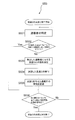
- the flowchart which shows the detailed flow of the execution process of reward.
- the notification receiving system 100 is a system that receives a traffic violation report from a driver driving a vehicle or a pedestrian walking on a road.
- the driver or the pedestrian acquires violation information including an image of a vehicle or the like performing a violation by using the reporting terminal T such as the portable terminal T1.
- the driver or the pedestrian who has acquired the violation information at the reporting terminal T he owns transmits the acquired violation information to the report reception server 1 (described later) as evidence of the violation.
- the image included in the violation information may be a moving image or a still image. For example, it is a moving image taken with the drive recorder in front of the vehicle, a moving image taken with a smartphone, or the like.
- the notification receiving server 1 extracts violation content related to the violation indicated by the received violation information (referred to as new violation information D). Thereafter, the violation content extracted from the new violation information D is compared with the violation content of the violation information (referred to as existing violation information) already stored in the storage means 11 (described later) of the notification receiving server 1. As a result of comparing the violation contents of the above two violation information, if there is existing violation information showing the same violation contents as the violation contents extracted from the new violation information D, the new violation information D The information is stored in the storage means 11 in association with the existing violation information indicating the same violation content as the information D. In other words, in the notification receiving server 1 of the present embodiment, the existing violation information indicating the same violation content is associated and stored in the storage unit 11.
- the report reception server 1 is typically installed in an organization that controls traffic violations such as a police station. Thereby, a person in charge (such as a police officer) who controls the traffic violation can browse the existing violation information stored in the report reception server 1 using the control means 3 accessible to the report reception server 1.
- the person in charge of traffic violations by browsing the existing violation information stored in the report reception server 1 using the control means 3 could not be controlled by, for example, unreported traffic violations or police enforcement. You can find traffic violations.
- the person in charge of traffic violation can find, for example, existing violation information regarding a specific violation (traffic violation) that is already known to have occurred. For example, for violations that have been reported by means other than the report reception system 100 (for example, a report to the police by phone to the violation report number (110 in Japan) and whose status is unknown) Existing violation information that can serve as evidence for the information can be found from the report reception server 1.
- the enforcement unit 3 can collectively extract only the existing violation information indicating the same violation content and display it on the display unit. Thereby, the person in charge of the crackdown can efficiently select the existing violation information used for the crackdown by using the cracking means 3 in which only the existing violation information of the same violation content is arranged and displayed. As a result, the efficiency of enforcement by the person in charge of enforcement can be improved.
- the report acceptance server 1 of the present embodiment gives a reward to a registered user who has reported the existing violation information used for the control, that is, a reporter.
- "Return” refers to the merit that the reporter of the existing violation information can enjoy for reporting the existing violation information used for crackdown.
- only one reward is given to each registered user for each violation. For example, even when one violation is controlled using a plurality of existing violation information reported by one registered user, only one reward is given to the one registered user. Thereby, it can be avoided that one registered user is given a plurality of rewards for one violation. As a result, it is possible to eliminate the unfairness that a registered user who has reported a lot of existing violation information for one violation is given more rewards.
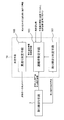
- the report reception system 100 includes a report reception server 1 and a control means 3.
- the report reception server 1 receives violation information from, for example, a portable terminal T1 such as a report mobile phone, a smartphone, or a tablet terminal and / or a device T2 such as a digital camera or a drive recorder.
- the portable terminal T1 and the device T2 will be collectively referred to as “report terminal T”.
- the registered user of the report reception server 1 acquires violation information by the report terminal T, and transmits the acquired violation information to the report reception server 1 via a network line such as the Internet.
- a digital camera or a drive recorder that does not have a communication function from a personal computer (PC) or smartphone connected to the terminal or device.
- Violation information can be sent.
- a drive recorder and a PC or smartphone are connected by wire or wireless (for example, Bluetooth (registered trademark), etc.), a captured video is temporarily stored in the PC or smartphone, and the video is transmitted from the PC or smartphone.
- photographed on the USB memory etc. which were connected to the drive recorder is preserve
- the report reception server 1 includes a CPU (Central Processing Unit), an SSD (Solid State Drive), an HDD (Hard Disk Drive), a RAM (Random Access Memory), and / or a ROM (Read Only Memory), and the like.
- CPU Central Processing Unit
- SSD Solid State Drive
- HDD Hard Disk Drive
- RAM Random Access Memory
- ROM Read Only Memory
- the notification receiving server 1 receives violation information from a large number of notification terminals T and processes a large number of violation information. For this reason, a computer system having a CPU with high processing capability may be used as the report receiving server 1. Alternatively, a computer system having a configuration capable of parallel processing (for example, a computer system equipped with a large number of CPU boards) may be used as the notification receiving server 1.
- the storage capacity of the storage device may be increased so that a large number of registration information RI (described later) and existing violation information can be stored.
- RI registration information
- existing violation information can be stored as a computer system having a high processing capacity of the CPU and a large storage capacity of the storage device.
- a computer system used as a large-scale server for example, there is a computer system used as a large-scale server.
- the function of each structure of the report reception server 1 demonstrated later may be implement
- the program may be stored in a storage device of a computer system.
- the report receiving server 1 receives new violation information D only from the report terminal T registered in the registration information RI.
- the report reception server 1 stores only the new useful violation information UD1, which is the new violation information D that has been determined to be usable for crackdown, among the new violation information D as the existing useful violation information UD2.
- the report reception server 1 detects that the existing useful violation information UD2 stored in the storage unit 11 is used for crackdown, it returns to the reporter who has reported the existing useful violation information UD2. give.
- the notification receiving server 1 stores the new useful violation information UD1 in the storage unit 11 (described later), the existing useful violation indicating the same violation content as the new useful violation information UD1 is displayed.
- the information is stored in the storage unit 11 in association with the information UD2.
- the new useful violation information UD1 is stored in the storage unit 11 in association with the existing useful violation information UD2, and thereafter, the new useful violation information UD1 is handled as the existing useful violation information UD2.
- the new useful violation information UD1 is stored in the storage unit 11 as new existing useful violation information UD2.
- the report reception server 1 can manage the existing useful violation information UD2 for each violation content (violation case).
- the report reception server 1 gives a reward to the reporter who reported the existing violation information used for the control.
- the report receiving server 1 gives only one reward per violation to one reporter. The configuration of the report reception server 1 will be described in detail later.
- the control means 3 is an information processing terminal such as a personal computer connected to the report receiving server 1 so as to be able to transmit and receive data.
- the cracking means 3 can read only the existing useful violation information UD2 indicating the violation content desired by the person in charge of the cracking from the notification receiving server 1, and can display the read existing useful violation information UD2 on the display means.
- the control unit 3 can extract the existing useful violation indicating the same specified violation content. Only the information UD2 can be displayed on the display means.
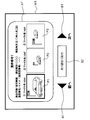
- a display window W1 as shown in FIG. .
- an area A1 for displaying the content of the existing useful violation information UD2 stored in the storage unit 11 of the report receiving server 1 is arranged.
- the violation content of the selected violation case (in the example shown in FIG. 2, the violation case of the case number 1 is displayed) is displayed.
- a signal ignorance that occurred on “Year ⁇ month ⁇ day” at the place “XXX” is displayed.
- images P1, P2, and P3 (sometimes referred to as report images) included in the existing useful violation information UD2 indicating the same selected violation content are displayed.
- the file names of the existing useful violation information UD2 including the notification images P1, P2, and P3 are “abc”, “def”, And “xyz”.
- the existing useful violation information UD2 including the displayed notification image can be specified.
- the item displayed on the notification image is not limited to the file name of the existing useful violation information UD2. For example, you may display the time when the said existing useful violation information UD2 was acquired.
- the terminal information of the reporting terminal T that transmitted the existing useful violation information UD2 the information related to the owner of the reporting terminal T, and the like may be displayed.
- the person in charge of crackdown can select the existing useful violation information UD2 used for crackdown while browsing the contents of the existing useful violation information UD2 by pressing the image selection button B1 with the input means of the crackdown means 3. Which of the existing useful violation information UD2 indicating the same violation content is currently selected in the area A1 can be recognized by highlighting the notification image included in the existing useful violation information UD2. In the example shown in FIG. 2, the notification image P1 is highlighted. That is, the existing useful violation information UD2 including the notification image P1 is currently selected.
- the person in charge of crackdown selects the existing useful violation information UD2 to be used for crackdown, and presses the button B2 described as “execution of crackdown” to execute the crackdown using the existing useful violation information UD2.
- the control unit 3 When the control unit 3 detects that the button B2 is pressed, the control unit 3 notifies the notification receiving server 1 of a signal (hereinafter referred to as a control execution notification) notifying that the control has been executed. Thereby, the report reception server 1 can specify the timing when the control is executed.
- a control execution notification a signal (hereinafter referred to as a control execution notification) notifying that the control has been executed.
- the timing for notifying the enforcement notification is not limited to the timing when the button B2 is pressed.
- the timing at which a fine is charged for a violation to be controlled by the selected existing useful violation information UD2 may be set as the timing at which the notification of the execution of the control is notified.
- the timing at which the violator who has performed the violation has received a fine money may be used as the timing to notify the control execution notification.
- the report reception system 100 has the above-described configuration, so that a new useful violation that can be used to control violations in the new violation information D acquired by the registered user using the notification terminal T and transmitted to the report reception server 1. It is possible to control violations using only the information UD1 and the existing useful violation information UD2. Further, in the control means 3 of the above-described report acceptance system 100, only the existing useful violation information UD2 relating to the selected violation case is displayed. As a result, the person in charge of the crack can efficiently select the existing useful violation information UD2 used for the cracking by browsing only the existing useful violation information UD2 showing the same violation content. As a result, the efficiency of enforcement by the person in charge of enforcement can be improved.
- the notification receiving server 1 of the present embodiment includes a storage unit 11, a registration unit 12, a receiving unit 13, a useful information determination unit 14, a storage unit 15, a determination unit 16, and a communication unit. And an interface 17.
- the storage unit 11 corresponds to a part or all of the data storage area of the storage device of the computer system constituting the notification receiving server 1.
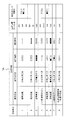
- the storage unit 11 stores information about registered users as registration information RI and RI ′ (FIGS. 3A and 3B).
- the registered user is the owner of the notification terminal T that can transmit the new violation information D to the notification reception server 1.
- the registration information RI of the present embodiment includes license information LI and terminal information TI.
- the terminal information TI is information regarding the reporting terminal T owned by the registered user.
- the terminal information TI includes terminal identification information TI1 and terminal type information TI2.
- the terminal identification information TI1 is information for identifying the reporting terminal T owned by the registered user.
- As the terminal identification information TI1 for example, SIM (Subscriber Identity Module) card information or a manufacturing number of the reporting terminal T can be used.
- the terminal type information TI2 is information related to the terminal type of the reporting terminal T.
- the terminal type information TI2 is the terminal type of the reporting terminal T such as “smartphone” or “drive recorder”.
- the terminal type information TI2 for example, character information indicating the terminal type as described above can be used.
- a number for identifying the terminal type of the reporting terminal T may be defined, and the defined number may be used as the terminal type information TI2.
- the license information LI is information related to the driving license owned by the registered user of the report reception server 1. That is, in the report reception server 1 of the present embodiment, registered users are managed by information included in the driver's license of the owner of the report terminal T.
- the license information LI includes registered user information LI1, license number information LI2, and license point information LI3.
- the registered user information LI1 is information related to the owner of the registered driver's license, that is, a registered user.
- the registered user information LI1 is the name of the owner (registered user) of the registered driver's license.
- the registered user information LI1 may include ID information, password information, and the like for the registered user to log in to the report receiving server 1.
- the license number information LI2 is a license number of a driving license owned by a registered user.
- the license point information LI3 is a point (for example, the number of violations) given to the driver's license owned by the registered user.
- the registration information RI ′ may include a plurality of terminal information TI and TI ′.
- the terminal type information TI2 ′ of the terminal information TI ′ is different from the terminal type information TI2 of the terminal information TI. That is, in the registration information RI shown in FIG. 3A, only one reporting terminal T can be registered for one registered user, whereas in the registration information RI ′ shown in FIG. A plurality of reporting terminals T having different terminal types can be registered with the registered user.
- the terminal information TI, TI ′ that can be registered for one registered user one registered user can avoid sending new violation information D from many reporting terminals T. it can. As a result, it is possible to avoid giving a lot of reward only to a specific registered user.
- the storage unit 11 stores the existing useful violation information UD2. That is, only the new useful violation information UD1 determined by the useful information determination unit 14 to be able to be used for crackdown is included in the storage unit 11 among the new violation information D received by the reception unit 13. And stored in the storage means 11 as existing useful violation information UD2.
- the existing useful violation information UD2 stored in the storage unit 11 is, for example, the terminal information TI of the reporting terminal T that has transmitted the existing useful violation information UD2 received by the receiving unit 13, and / or the ownership of the reporting terminal T. May be associated with the name of the person (registered user) (an example of the information of the reporter).
- a data file (referred to as report information) in which the file name of the existing useful violation information UD2 stored in the storage unit 11 is associated with the terminal information TI of the report terminal T that has transmitted the existing useful violation information UD2 is stored. It can be stored in the means 11.
- the file name of the existing useful violation information UD2 is associated with the information of the owner of the reporting terminal T that transmitted the existing useful violation information UD2 (for example, the name and license information of the owner of the reporting terminal T).
- Data files may be used as report information.
- the existing useful violation information UD2 indicating the same violation content is stored in association with each other.
- a table for managing existing useful violation information UD2 (referred to as a violation information management table TA) as shown in FIG.
- the useful violation information UD2 is associated.
- each violation case includes a violation, the date of occurrence of the violation, the location of the violation, and the name of the offender who committed the violation.
- the violation case of the case number 1 is associated with the violation content of the signal ignorance made by the violator “xxx” on “XX year month ⁇ day” at the location “XXX”.
- the existing violation information UD2 having the file names “abc”, “def”, and “xyz” is associated with the violation case of the case number 1.
- the violation information management table TA shown in FIG. 4 the violation content indicated by the violation case and which existing violation information UD2 is associated with which violation case. it can.
- the existing useful violation information UD2 indicating the same violation content can be associated by storing the existing useful violation information UD2 in a directory having a different name for each violation case. For example, by storing three existing useful violation information UD2 having file names “abc”, “def”, and “xyz” in a directory named “Matter No. 1”, FIG. Management similar to the management of the existing useful violation information UD2 using the violation information management table TA shown in FIG.
- the violation content indicated by the existing useful violation information UD2 stored in each directory is indicated by, for example, the existing useful violation information UD2 stored in the directory in addition to the existing useful violation information UD2. It is possible to know by storing a file describing the violation and referring to the file.
- the management method of the existing useful violation information UD2 by the violation information management table TA and the management method of storing the existing useful violation information UD2 indicating the same violation contents in the directory created for each violation case are combined. It may be used. For example, a directory is created for each violation case, and the existing useful violation information UD2 indicating the same violation content is stored in the directory with the name of the corresponding violation case. The violation content indicated by each violation case may be stored. Thereby, the violation content indicated by the selected violation case can be known by referring to the violation information management table TA. Moreover, the existing useful violation information UD2 indicating the same violation content can be read from the directory having the name of the violation case related to the violation content.
- the reception server 1 can function as a database of existing useful violation information UD2 that can be used to control violations. Further, by storing in the storage means 11 the report information that associates the existing useful violation information UD2 with the terminal information of the report terminal T that has transmitted the existing useful violation information UD2, or the information of the owner of the report terminal T, the existing useful violation information UD2 is stored. The registered user who transmitted the violation information UD2 can be easily identified.
- the existing useful violation information UD2 used for the crackdown can be efficiently selected without imposing a great load on the person in charge of the crackdown when cracking down the violation.
- the registration unit 12 uses the registration requesting terminal information that is the terminal information of the new reporting terminal to obtain the license of the owner of the new reporting terminal.
- the information is stored in the storage means 11 in association with the certificate information.
- the registration unit 12 newly registers If the license information of the owner of the new reporting terminal that wishes to be registered is not registered as the license information LI of the registration information RI, and the registration request terminal information is not registered as the terminal information TI of the registration information RI.
- the license information of the owner of the new reporting terminal and the registration request terminal information are associated with each other and stored in the storage unit 11 as new registration information RI.
- the registration information RI ′ as shown in FIG. 3B is stored in the storage unit 11, that is, when a plurality of reporting terminals T having different terminal types can be registered for one registered user, registration is performed. Even if the license information of the owner of the new reporting terminal that he wishes to newly register is registered as the license information LI of the registration information RI ′, the means 12 stores the license information LI of the owner. If the associated terminal type information TI2 is different from the terminal type of the new reporting terminal, the storage unit 11 associates the terminal information of the new reporting terminal with the license information LI of the owner as new terminal information TI ′. To remember.
- the accepting unit 13 receives new violation information D from the reporting terminal T via a network line (which may be a wired network line or a wireless network line).
- the accepting unit 13 transmits the new violation information D to the useful information determining unit 14.
- the accepting unit 13 accepts the new violation information D from the reporting terminal T only when the terminal information of the reporting terminal T is stored in the storage unit 11 as the registration information RI.
- the accepting means 13 may further receive information regarding the owner of the reporting terminal T from the reporting terminal T.
- the information regarding the owner is, for example, license information of the driver's license of the owner.
- the accepting means 13 receives the new violation information D from the reporting terminal T only when the received license information LI and the terminal information TI of the reporting terminal T are associated with each other and registered in the storage means 11. You may make it do. Thereby, for example, it is possible to prevent so-called “spoofing” in which the reporting terminal T registered by the registered user is lent to another person and the other person who lent the reporting terminal T is notified of the new violation information D.
- the above-mentioned license information of the owner of the reporting terminal T may be directly input by the owner on the reporting terminal T, or information on the driver's license is electronically obtained from the IC card compatible driver's license. You may acquire by extracting to. By obtaining the license information electronically from the IC card compatible driver's license, it is possible to prevent “spoofing” by entering fake license information.
- the useful information determination unit 14 determines whether or not the new violation information D received by the reception unit 13 can be used for crackdown on violations. Specifically, the useful information determination unit 14 first determines whether or not the report image included in the new violation information D is clear by image analysis or the like. For example, if there are a predetermined number or more of locations where the color difference of the contour portion in the notification image can be clearly determined, it can be determined that the notification image is clear.
- the useful information determination means 14 uses the image recognition process or the like to determine the vehicle that is in violation, the license plate of the vehicle, and the license plate number (number and number). It is determined whether the driver's face of the vehicle and other information that is evidence of the violation can be extracted from the notification image. “Other information that provides evidence of violation” is an image indicating that the signal is in a state that prohibits the passage of the vehicle, for example, a red signal, if the violation is related to signal ignorance. It is.
- the above information that should be extracted from the report image is determined by the violations entered in the new violation information D and entered by registered users, and the laws and regulations that establish the criteria for which information is necessary to prove the violation it can.
- the information to be extracted may be set based on laws or the like prescribed in each country or each local government, or may be different in each country or each local government.
- the useful information determination unit 14 determines that the report image is clear and information necessary for cracking down on the violation can be extracted from the report image, the new violation information D including the report image is included. Is transmitted to the storage means 15 as new useful violation information UD1.
- the useful information determination unit 14 It is determined that the new violation information D including the notification image as described above cannot be used for the control of the violation. Thereafter, the useful information determination unit 14 discards the new violation information D determined to be unable to be used for crackdown without storing it in the storage unit 11.
- the useful information determination unit 14 Since the useful information determination unit 14 has the above-described configuration, only the new useful violation information UD1 that can be used for the control of the violation can be stored in the storage unit 11 by the storage unit 15. In addition, the useful information determination means 14 may notify the notification terminal T which transmitted the said new violation information D of the determination result whether the new violation information D can be used for crackdown. Thereby, the registered user who transmitted the new violation information D using the reporting terminal T can know whether or not the new violation information D transmitted by himself / herself was useful.
- the storage unit 15 stores the new useful violation information UD1 received from the useful information determination unit 14 in the storage unit 11 as the existing useful violation information UD2. When storing the new useful violation information UD1, the storage unit 15 may store the plate number number and the like recognized by the image recognition process in the useful information determination unit 14 in the storage unit 11 together with the new useful violation information UD1.
- the reporter of the reporting terminal T that has transmitted the new useful violation information UD1 cannot confirm the license plate number of the violating vehicle or the facial features of the violator, and the driver information of the new useful violation information UD1 becomes blank.
- the license plate number recognized by the image recognition process, the facial features, etc. can be supplemented as the driver information of the new useful violation information UD1.
- the storage unit 15 extracts violation contents indicated by the new useful violation information UD1 from the new useful violation information UD1.
- the storage unit 15 stores the new useful violation information UD1 in the The information is stored in the storage unit 11 in association with the existing useful violation information UD2 indicating the same violation content as the new useful violation information UD1. Thereby, the existing useful violation information UD2 indicating the same violation content can be associated and stored in the storage means 11.
- the configuration of the storage unit 15 will be described in detail later.
- the determination unit 16 transmits the reporter of the existing useful violation information UD2 (the existing useful violation information UD2 is transmitted). Give a reward to registered users). The details of the configuration of the determination unit 16 will be described later.
- the communication interface 17 controls transmission / reception of data between the reporting terminal T and the report receiving server 1.
- the communication interface 17 for example, an Ethernet (registered trademark) card or the like can be used. Note that when a plurality of network lines are aggregated in the report reception server 1, the communication interface 17 may include a switching hub.
- the storage unit 15 includes a violation content determination unit 151 and a violation information storage unit 153.
- the violation content determination unit 151 extracts violation content from the new useful violation information UD1.
- the violation content determination means 151 includes information related to the violation indicated by the new useful violation information UD1, the date (the time may be included) when the violation occurred, The location where the violation occurred and the offender who committed the violation are extracted as violation details.
- Information relating to the violation act indicated by the new useful violation information UD1 can be extracted from information input by the registered user at the notification terminal T in the notification process (described later), for example.
- the information relating to the violation act can be extracted by the image recognition processing in the useful information determination unit 14, the information relating to the extracted violation action may be used as the information relating to the violation act indicated by the new useful violation information UD1.
- the date of occurrence of the violation may be extracted, for example, from information input by the registered user at the time of reporting the new useful violation information UD1, or obtained by image recognition from the notification image included in the new useful violation information UD1.
- the shooting date of the relevant notification image may be the date on which the violation occurred.
- the location where the violation occurred can be extracted from the information entered by the registered user when reporting the new useful violation information UD1, for example.
- GPS Global Positioning System
- GPS Global Positioning System
- the location determined based on the GPS information is in violation. It may be the place where it occurred. That is, the GPS information at the moment when the notification image is captured by the notification terminal T may be stored in the notification terminal T, and the GPS information may be transmitted at the time of notification.
- Violators who have committed violations are, for example, those of violators obtained by image recognition of the characteristics of violators entered by registered users at the time of reporting new useful violation information UD1 and the notification images included in new useful violation information UD1. It can be identified from characteristics. For example, from the computer system that manages the information on the driver's license, obtain the information on the driver's license that is affixed with a photo similar to the characteristics of the offender entered by the registered user, and describe it in the obtained driver's license The offender who committed the offense can be identified from the name.
- the violation content determination unit 151 determines whether or not the existing useful violation information UD2 indicating the same violation content as the extracted violation content is already stored in the storage unit 11. Specifically, when associating the existing useful violation information UD2 with each violation case using the violation information management table TA, the violation content determination unit 151 includes the violation content extracted as described above, and the violation information. When the violation content stored in the management table TA matches, it is determined that the existing useful violation information UD2 indicating the same violation content as the extracted violation content is already stored in the storage unit 11.
- the existing useful violation information UD2 indicating the same violation content is stored in the directory created for each violation case, the description content of the file describing the violation content indicated by the existing useful violation information UD2 stored in the directory and When the extracted violation content matches, it can be determined that the existing useful violation information UD2 indicating the same violation content as the extracted violation content is already stored in the directory having the name of the violation case related to the violation content.
- the characteristics of the offender tend to be vague information. This is because the characteristics of the violator may differ depending on the registered user who has witnessed the breach, and the characteristics obtained by image recognition of the notification image are not very accurate. For example, the characteristic of the violator tends to be only gender such as “male” or only the age range such as “between 30 and 50 years old”. In such a case, the violator cannot be identified as one person because of the extracted characteristics of the violator.
- the violation content determination unit 151 determines whether the “violator name” included in the extracted feature of the violator exists in the violation information management table TA and / or the extracted feature of the violator. If the file containing the content including the existing violation information UD2 exists in the directory for storing the existing useful violation information UD2, the existing useful violation information UD2 indicating the same violation content as the extracted violation content is already stored in the storage unit 11. It is determined that
- the violator name in the violation information management table TA Includes information on the characteristics of men included in the extracted age range of “male from 35 to 40 years old”, and the name that appears to be of a male named “XX male” and included in the extracted age range If the information indicating the age is stored, the violation content determination unit 151 has already stored the existing useful violation information UD2 indicating the same violation content as that of the new useful violation information UD1 in the storage unit 11. Is determined.
- the violation information storage unit 153 determines that the existing violation violation information UD2 indicating the same violation content as the violation content extracted from the new useful violation information UD1 is already stored in the storage unit 11 by the violation content determination unit 151.
- the new useful violation information UD1 is stored in the storage means 11 in association with the existing useful violation information UD2 indicating the same violation content as the extracted violation content.
- the violation information storage unit 153 sets the file of the new useful violation information UD1 to the violation information file name associated with the violation case having the violation content that matches the extracted violation content in the violation information management table TA. After adding the name, the new useful violation information UD1 is stored in the storage means 11 as the existing useful violation information UD2.
- the new useful violation information UD1 is stored in a directory in which a file in which description content that matches the extracted violation content is stored.
- the violation is “Overspeed”, the date of occurrence is “Year ⁇ Month ⁇ Date”, the location is “ ⁇ ”, and the name of the offender is It is assumed that the violation content “ ⁇ ” has been extracted. Further, it is assumed that the file name of the new useful violation information UD1 is “aac”.
- the violation information storage unit 153 has the violation action “exceeding speed”, the occurrence date is “ ⁇ year ⁇ month ⁇ day”, and the occurrence location is in the violation information management table TA shown in FIG. “Aac” is added to the violation information file name associated with the violation case (case number 2 in the example shown in FIG. 4) indicating the violation content with “ ⁇ ” and the violator name “ ⁇ ”. Add the file name.
- the violation information file names associated with the violation case with the case number 2 increase from two “fgh” and “ljk” to three “fgh”, “ljk”, and “aac”.
- the violation information storage unit 153 adds the file name of the new useful violation information UD1 to all violation cases including the corresponding offender name as violation contents.
- the violation information storage unit 153 includes the new useful violation information in all the directories in which the file is found. Save UD1.
- the storage unit 15 can store the existing useful violation information UD2 indicating the same violation content in the storage unit 11 in association with each other. That is, the existing useful violation information UD2 can be managed for each violation case. Thereby, it can be easily specified which existing useful violation information UD2 is the useful violation information UD regarding which violation case. As a result, when cracking down on a violation, the person in charge of crackdown can efficiently select the existing useful violation information UD2 used to crack down on the desired violation.
- the determination unit 16 includes an enforcement determination unit 161, a reporter identification unit 163, and a reward determination unit 165.
- the cracking determination means 161 determines whether or not a cracking action has been controlled using the existing useful violation information UD2. Specifically, when receiving the enforcement notification from the enforcement unit 3, the enforcement determination unit 161 determines that the violation has been enforced.
- the notifying person specifying means 163 specifies the registered user who has reported the existing useful violation information UD2 used for the control as the notifying person. Specifically, the reporter specifying unit 163 first acquires information on the existing useful violation information UD2 used for the control from the control unit 3. For example, the storage file name in the report reception server 1 of the existing useful violation information UD2 is acquired as information related to the existing useful violation information UD2.
- the reporter specifying means 163 refers to the content of the report information described above, for example, and the report terminal T of the report terminal T associated with the file name of the existing useful violation information UD2 used for the control in the report information.
- the information is specified as the terminal information of the reporting terminal T that has transmitted the existing useful violation information UD2 used for the control.
- the reporter identification unit 163 identifies the reporter of the existing useful violation information UD2 using the registration information RI and RI ′ stored in the storage unit 11.
- the notifying person can be specified by specifying the license information associated with the terminal information specified above from the registration information RI and RI ′.
- the report information is a data file in which the file name of the existing useful violation information UD2 is associated with the information of the owner of the reporting terminal T that has transmitted the existing useful violation information UD2 (license information of the owner of the reporting terminal T).
- the whistleblower specifying means 163 uses the owner of the reporting terminal T associated with the file name of the existing useful violation information UD2 used for crackdown in the notice information, and uses the existing useful violation information used for crackdown. It can be specified as a reporter of UD2.
- the reward determination unit 165 determines the content of the reward given to the reporter specified by the reporter specifying unit 163. In this embodiment, the reward determining unit 165 determines to recover the traffic violation points given to the driver's driver's license as the reward contents. The reward determination means 165 executes the determined reward assignment.
- the return determination means 165 recovers the traffic violation points given to the driver's driver's license as follows. That is, when the traffic violation points are cumulatively increased every time a traffic violation occurs, the reward determining unit 165 subtracts the points of the license point information LI3 included in the license information LI specified as the reporter. On the other hand, when the traffic violation points decrease every time a traffic violation occurs, the return determination means 165 adds the points of the license point information LI3 included in the specified license information LI.
- the return determination unit 165 may increase the rank of the driver's license owned by the reporter, for example.
- the rank of the reporter's license may be promoted to a gold license.
- the whistleblower already has a gold license, for example, the renewal period of the driver's license may be extended.
- the reward determining means 165 executes the determined reward by notifying the determined reward contents to the computer system that manages the information of the driver's license.
- the contents of the reward are not limited to the increase or decrease of the driver's license points or the promotion of the driver's license rank.
- presentation of a product or a certificate of commendation to the reporter of the existing useful violation information UD2 used for the control may be determined as a reward.
- the reward determining unit 165 displays, for example, information on the reporter who gives the reward on the display unit of the control unit 3, and urges the person in charge of the control to send a product or a certificate to the reporter. .
- the reward determining unit 165 determines which reporter is given a reward for which violation (violation case). Specifically, for example, as shown in FIG. 4, in the violation information management table TA, by recording the license information of the reporter who gave a reward for each violation case, the return determination means 165 can From the contents of the information management table TA, it is possible to determine which reporter is given a reward for which violation case. For example, in the case where information that matches the information about the reporter of each existing useful violation information UD2 used to control the violation is recorded in the location where the information related to the violation in the violation information management table TA is recorded. The reward determining means 165 can determine that the reporter has already been given a reward for the violation.
- the return determination means 165 It is determined that no reward will be given to the whistleblower. As a result, only one reward can be given to one reporter per violation case.
- the reward determination means 165 adds information on the reporter who gave the reward to the location where the violation act giving the reward in the violation information management table TA is recorded. In addition, about the recording of the information regarding a reporter in the above-mentioned reward determination means 165, it may be recorded when it is determined that the reward is given, or it is confirmed that the reward is actually provided to the reporter. You may make it record after doing.
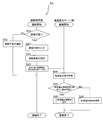
- the reporting terminal T transmits the terminal information to the reporting reception server 1.
- the terminal information transmitted from the reporting terminal T includes identification information for identifying the reporting terminal T (for example, SIM card information, individual number, and manufacturing number) and the terminal type of the reporting terminal T. .
- the report receiving server 1 receives the terminal information transmitted from the reporting terminal T (step S1), the receiving means 13 determines whether the terminal information received from the reporting terminal T has already been registered as registration information RI and RI ′. Is determined (step S2).
- the terminal identification information TI1, TI1 ′ matching the identification information included in the received terminal information and the terminal type information TI2, TI2 ′ matching the terminal type included in the received terminal information are associated with each other and stored. 11, it is determined that the received terminal information is registered as registration information RI and RI ′.
- the method for determining whether or not the received terminal information is registered as the registration information RI is not limited to the above method.
- license information related to the driving license of the owner of the reporting terminal T is also transmitted, and the received terminal information is associated with the received license information in the reporting reception server 1. If it is stored in the storage means 11, it may be determined that the received terminal information is registered as registration information RI, RI ′. Accordingly, it is possible to prevent “spoofing” in which a person who is not a registered user reports new violation information D using the registered reporting terminal T.
- the registration means 12 of the report receiving server 1 uses the received terminal information as a new report terminal.
- the registration process is executed using the desired registration terminal information (step S3). Specifically, when the registration information RI as shown in FIG.
- the license information of the owner of the new reporting terminal is not registered as the license information LI of the registration information RI
- the registration request terminal information is not registered as the terminal information TI of the registration information RI
- the license information of the owner of the new reporting terminal and the registration request terminal information are associated with each other and stored in the storage unit 11 as new registration information RI.
- the registration information RI ′ as shown in FIG. 3B is stored in the storage unit 11, that is, when a plurality of reporting terminals T having different terminal types can be registered for one registered user.
- the registration means 12 is associated with the license information LI of the owner even if the license information of the owner of the new reporting terminal is registered as the license information LI of the registration information RI ′. If the terminal type information TI2 is different from the terminal type of the registration-desired terminal information, the registration-desired terminal information is stored in the storage unit 11 as new terminal information TI ′ in association with the license information LI of the owner.
- the registration unit 12 If the registration request terminal information cannot be registered as new registration information RI or additional registration information RI ′, the registration unit 12 notifies the new notification terminal that the terminal information of the new reporting terminal could not be registered. It may be transmitted to the reporting terminal. Thereby, the owner of the new reporting terminal can know that his reporting terminal T is a reporting terminal T that cannot be registered.
- the notification receiving server 1 executes notification processing for receiving the new violation information D from the notification terminal T that is about to notify the new violation information D (step S4).
- the notification process will be described in detail later.
- a return execution process is executed in the determination means 16 (step S5).
- the contents of the reward for the reporter who is a registered user who has reported the existing useful violation information UD2 used for the crackdown are determined. Further, the determined reward is executed.
- the reward execution process in step S5 will be described in detail later.
- step S4 as the notification process and step S5 as the return process do not necessarily have to be performed continuously in time. After the notification process is completed and the new useful violation information UD1 is stored in the storage unit 11, a return process may be appropriately performed.
- the report receiving server 1 determines whether to stop the report receiving server 1 (step S6). For example, when the shutdown is instructed to the report reception server 1, it is determined that the report reception server 1 is stopped. When it is determined not to stop the report reception server 1 (in the case of “No” in step S6), the process in the report reception system 100 returns to step S1. That is, the processes in steps S1 to S5 are continued until the shutdown is commanded by the report receiving server 1. On the other hand, when it is determined that the report reception server 1 is to be stopped (in the case of “Yes” in step S6), the report reception server 1 stops after the stop process is executed in the report reception server 1.
- step S41 it is confirmed whether or not the reporting terminal T can transmit the new violation information D to the notification receiving server 1 (step S41). Specifically, when the reporting terminal T receives a reportable notification or a notification of successful registration of registration-desired terminal information from the reporting reception server 1, the reporting terminal T can determine that the new violation information D can be transmitted. On the other hand, when the reporting terminal T receives a notification that registration of desired registration terminal information is impossible, it is determined that the new violation information D cannot be transmitted from the reporting terminal T. This is because receiving a notification that registration of desired registration terminal information is impossible means that the notification terminal T that desires registration cannot be registered in the notification reception server 1.
- the reporting terminal T When it is determined that the new violation information D cannot be reported from the reporting terminal T (in the case of “No” in step S41), the reporting terminal T reports the new violation information D to the owner of the reporting terminal T. It is notified that it is impossible (step S42). Thereafter, the notification process is terminated.
- the owner of the reporting terminal T indicates that it is impossible to report the new violation information D by displaying a message saying “Violation information cannot be transmitted from this terminal” on the display screen of the reporting terminal T. Can be notified.
- the reporting terminal T when it is determined that the reporting terminal T that has transmitted the terminal information (or registration request terminal information) can transmit the new violation information D (“Yes” in step S41), the reporting terminal T A program for transmitting information D is executed.
- the program for transmitting the new violation information D is executed, a screen as shown in FIG. On the display screen shown in FIG. 9, a notification image captured using the imaging means of the notification terminal T is displayed at the display location P4 at the top of the display window W2.
- an input field F1 for inputting the violation type as character information and an input field F2 for inputting the sighting content as character information are arranged below the display location P4.
- the registered user who is going to transmit the new violation information D inputs the breach act (for example, “ignore signal”) witnessed in the input field F1.
- specific sighting contents for example, the plate number of the violating vehicle, the characteristics of the driver of the violating vehicle, etc.
- the method of inputting the witnessed violation is not limited to inputting the violation as character information in the input field F1.
- the witnessed violation may be selected from a list of violations prepared in advance. Thereby, it is possible to avoid erroneous input of violations.
- step S44 After entering the violation and / or witness details, select a notification image to be transmitted as new violation information D (step S44).
- the captured notification images By pressing one of the two triangular buttons B3 next to the display location P4, the captured notification images can be displayed one by one on the display location P4. Selection of the notification image to be transmitted as the new violation information D can be confirmed by pressing the button B4 described as “notification” in a state where the notification image to be transmitted included in the new violation information D is displayed on the display location P4. .
- the violation entered in the input field F1 the contents of the sightings entered in the input field F2, and the report image displayed in the display location P4 are transmitted to the report reception server 1 as new violation information D.
- the report reception server 1 the reception unit 13 transmits the new violation information D to the useful information determination unit 14.
- the useful information determination means 14 determines whether or not the new violation information D can be used for the control of the violation (step S47). Specifically, the useful information determination unit 14 determines that the new violation information D is new if the notification image included in the new violation information D is clear and all information necessary for crackdown can be extracted from the notification image. It is determined that the violation information D can be used to control violations. When it is determined that the new violation information D cannot be used to control the violation (in the case of “No” in step S47), the useful information determination unit 14 stores the new violation information D in the storage unit 11. If not, discard (step S48). Thereafter, the useful information determination unit 14 notifies that the new violation information D has been discarded as necessary. Thereafter, the notification processing process ends. Thus, the new violation information D that cannot be used to control violations is not stored in the storage unit 11.
- the useful information determination unit 14 sets the new violation information D as the new useful violation information UD1. It transmits to the preservation
- the new violation information D can be reported only from the reporting terminal T registered as the registration information RI in the storage unit 11 of the report receiving server 1.
- the number and kind of the notification terminal T which one registered user can transmit the new violation information D can be restrict
- each registered user can report new violation information D under the same conditions. Therefore, in the report reception system 100, a situation where a merit is imparted unfairly to some reporters is avoided.
- only the new violation information D determined to be usable for the control of the breach of the new violation information D transmitted from the notification terminal T, that is, the new useful violation information UD1 is stored. Stored in the means 11. As a result, the person in charge of crackdown does not need to browse to the new violation information D that cannot be used for crackdown. As a result, the burden on the person in charge of crackdown can be reduced.
- the new useful violation information UD1 is stored in the storage unit 11 as the existing useful violation information UD2 according to the flowchart shown in FIG.
- the saving process of the new useful violation information UD1 is executed in the report reception server 1.
- the violation content determination unit 151 first extracts the violation content from the new useful violation information UD1 (step S491). Specifically, by the method described above, information on the violation shown in the new useful violation information UD1, the date of occurrence of the violation, the place where the violation occurred, and the violation Violators (characteristics) who committed the act are extracted as violation contents.
- the violation content determination unit 151 determines whether or not the existing useful violation information UD2 indicating the same violation content as the extracted violation content is already stored in the storage unit 11 (step S492). Specifically, the violation information indicating the violation content that matches the extracted violation content is stored in the violation information management table TA, or the file containing the content that matches the extracted violation content is the existing useful violation information. If it exists in the directory in which UD2 is stored, it is determined that the existing useful violation information UD2 indicating the same violation content as the extracted violation content is already stored in the storage unit 11.
- the violation information storage unit 153 The useful violation information UD1 is stored in the storage unit 11 in association with the existing useful violation information UD2 indicating the violation content that matches the violation content extracted from the new useful violation information UD1 (step S493). Specifically, in the violation information management table TA, the file name of the new useful violation information UD1 is added to the item corresponding to the violation case indicating the violation content that matches the violation content extracted from the new useful violation information UD1. Thereafter, the new useful violation information UD1 is stored in the storage unit 11 as the existing useful violation information UD2.
- the new useful violation information UD1 is stored in a directory in which a file in which content that matches the violation content extracted from the new useful violation information UD1 exists.
- the violation information storage unit 153 the new useful violation information UD1 is stored in the storage unit 11 as new existing useful violation information UD2 (step S494).
- the new useful violation information UD1 is treated as the existing useful violation information UD2 after being stored in the storage unit 11. That is, it can be said that the existing useful violation information UD2 is the useful violation information UD transmitted from the reporting terminal T in the past.
- the extracted violation content and the file name of the new useful violation information UD1 are associated with each other as a new violation case, and the new violation case is set as the violation information.
- a new directory having the name of the violation case related to the violation content extracted from the new useful violation information UD1 is created in the storage means 11, and the file describing the violation content indicated by the new useful violation information UD1 in the new directory and the file New useful violation information UD1 is stored.
- the storage process of the new useful violation information UD1 ends.
- the existing useful violation information UD2 indicating the same violation content can be stored in the storage means 11 in association with each other. That is, the existing useful violation information UD2 can be associated with each violation case.
- the person in charge of crackdown can efficiently select the existing useful violation information UD2 to be used for cracking down on a desired violation.
- Flow of reward execution processing> The flow of the process for determining and executing the reward contents executed in step S5 of the flowchart shown in FIG. 6 (the reward execution process) will be described below with reference to the flowcharts of FIGS. 11A to 11C. is there.
- the existing useful violation information UD2 used for the control is selected according to the flowcharts shown in FIGS. 11A to 11C, and the existing useful violation information UD2 used for the control is given to the reporter who has reported it. Determine the contents of the reward and execute the reward.
- the existing useful violation information UD2 used for enforcement is selected (step S51).
- the existing useful violation information UD2 indicating the same violation content is associated and stored in the storage unit 11. Therefore, the enforcement means 3 can extract and display only the existing useful violation information UD2 indicating the violation content designated by the enforcement officer.
- a display as shown in (1) of FIG. 12 is displayed in the area A1 of the display window W1 of FIG.
- a list of violations stored in the violation information management table TA shown in FIG. 4 is displayed.
- how many violation cases indicating the corresponding violation are stored in the storage unit 11 is displayed.
- Each of the violations displayed in (1) of FIG. 12 is underlined, and the display color of the violation is different from the normal character display color (for example, the normal character display color) If the character display color is black, violations are displayed in blue or purple).
- the display of such violations means that a link is provided to the display of the violations. Specifically, if you specify the violation display (for example, move the mouse cursor over the desired violation display and click the mouse), the file associated with the violation display will be reported. It is downloaded from the reception server 1 and displayed on the enforcement means 3.
- an HTML (HyperText Markup Language) file for causing the control unit 3 to display such as (1) in FIG. 12 when a software (or Web browser) for executing the control is started. Will be downloaded.
- the display as shown in (1) of FIG. 12 is performed in the software or the Web browser.
- the HTML file is created by the report reception server 1 based on information stored in the violation information management table TA, for example.
- the display shown in (2) of FIG. 12 is made in the area A1 of the display window W1.
- the location displayed as “ignore signal” is specified, the date of occurrence associated with each violation case indicating the violation act “ignore signal” in the violation information management table TA,
- An HTML file that displays the name of the offender and the location of occurrence in the area A1 is downloaded to the control means 3.
- the display shown in (2) of FIG. 12 is made in the area A1.
- the HTML file for executing the display of (2) in FIG. 12 is also created by the report receiving server 1 based on the information stored in the violation information management table TA.
- a display with a link to “detailed material” is made beside each item displayed as a list.
- the date of occurrence is “ ⁇ year ⁇ month ⁇ day”
- the name of the offender is “xxx”
- the place of occurrence is “next place”.
- an HTML file for performing display as shown in (3) of FIG. As a result, a display window W1 as shown in FIG. Note that the HTML file for executing the display of (3) in FIG. 12 is also created by the report receiving server 1 based on the information stored in the violation information management table TA.
- the person in charge of crackdown can specify a violation case for which the crackdown is to be executed.
- the person in charge of the cracking occurs in the place “XXX” on “Y year ⁇ month ⁇ day”, and “XXX”
- the violation case relating to the signal ignorance made by the violator with the name “(case number 1 in the example of the violation information management table TA shown in FIG. 4)” is designated as the violation case to be controlled.
- the person in charge of cracking selects, for example, an optimal report image as evidence for cracking down the specified violation case, and clicks button B2 on display window W1.
- Push When the button B2 is pressed, the control means 3 uses the existing useful violation information UD2 (the existing useful violation information UD2 having the file name “abc” in the example shown in FIG. 2) including the selected notification image. And the existing useful violation information UD2 used to crack down on the designated violation case.
- the existing useful violation information UD2 having the file name “abc”
- a violation of the name “XXX” occurred at “XX” in the place “XXX”. Decides to crack down on signal ignorance made by a person.
- the report reception server 1 After the existing useful violation information UD2 for controlling the violation is determined, the report reception server 1 performs a return. In the present embodiment, there are three timings when the reward is executed.
- the timing when the above-mentioned button B2 is pressed and the existing useful violation information UD2 for cracking down on the violation is selected as the timing at which the reward is executed.
- the enforcement execution notification is transmitted from the enforcement means 3 at the timing when the button B2 of the display window W1 is pressed.
- step S52 If the enforcement determination unit 161 has not received the enforcement execution notification (“No” in step S52), the enforcement determination unit 161 determines that the existing useful violation information UD2 used for enforcement has not yet been selected. . In that case, the reward execution process returns to step S51. As a result, the enforcement determining means 161 stands by until the existing useful violation information UD2 used for enforcement is selected in the enforcement means 3. On the other hand, when the enforcement determination unit 161 receives the enforcement execution notification (in the case of “Yes” in step S52), the enforcement determination unit 161 determines that the existing useful violation information UD2 used for the enforcement is selected, and the reward execution process is as follows. Proceed to step S53. That is, a reward is executed. The reward execution process in step S53 will be described in detail later.
- the timing at which the penalty is charged is the timing at which the return is executed.
- the timing of requesting a fine is the timing at which a document for making a charge of the fine (foul money bill) is created.
- the cracking fee billing software is activated in the cracking means 3.
- the offense bill is created. The At the timing when the infringement bill is created, the enforcement execution notification is transmitted from the enforcement means 3.
- step S52 of FIG. 11B If the crack determination means 161 has not received a crack execution notification (“No” in step S52 of FIG. 11B), it is determined that a charge for a fine has not been made. At this time, the reward execution process ends. That is, in the case where a charge for a penalty has not been made, the return execution process is not performed. On the other hand, when the crack determination means 161 receives the crack execution notification (in the case of “Yes” in step S52 of FIG. 11B), it is determined that the penalty has been charged, and the return execution process in step S53 is executed.
- the timing at which the deposit of the foul money is made is the timing at which a return is made.
- the enforcement means 3 starts software for creating a fraudulent bill. After entering information on the offender (the offender's demandee) and the amount of the offense on the software that creates the offense, the offense bill is created.
- the control means 3 detects that the fine money has been deposited. At the timing when the payment of the penalty money is detected, the enforcement means 3 transmits an enforcement execution notification. If the crack determination unit 161 has not received a crack execution notification (“No” in step S52 of FIG. 11C), it is determined that no fine has been deposited. At this time, the reward execution process ends. That is, in the case where the penalty money has not been deposited, the return execution process is not performed.
- step S53 when the crack determination means 161 receives the crack execution notification (in the case of “Yes” in step S52 of FIG. 11C), it is determined that the penalty money has been deposited, and the return execution process in step S53 is executed.
- the reporter identification unit 163 identifies the reporter of the existing useful violation information UD2 used for the control by the method described above (step S531).
- the notifier specifying means 163 specifies the notifier for each existing useful violation information UD2 even when a plurality of existing useful violation information UD2 is used for the control of one violation. To do.
- the return determining means 165 determines whether or not the specified reporter has already been given a reward for the breach that has been controlled this time (step S532). Specifically, the return determination means 165 determines whether or not the information relating to the identified reporter is present at the location where information relating to the violation case for which a return is to be given in the violation information management table TA is stored.
- the reward determining means 165 determines that the specified reporter has already been rewarded for the violation case that has been controlled this time.
- step S532 If it is determined that a reward has already been given to the whistleblower identified for the violated act (violated case) this time ("Yes" in step S532), the reward determining means 165 , Decide not to give duplicate rewards to the identified whistleblower. In other words, the reward execution process proceeds to step S536 described later without giving a reward to the identified reporter.
- the reward determining means 165 has already provided a reward for any violation case associated with the one existing useful violation information UD2 if the reward has already been given to the identified reporter. It is determined that no refund will be given to the identified whistleblower for other violations other than the violation. Specifically, in the violation information management table TA, information regarding the identified whistleblower is recorded in any one of the locations where information related to a plurality of violation cases associated with the one existing useful violation information UD2 is recorded. If it exists, the reward determining means 165 determines not to give a reward to the identified reporter.
- the new violation information D when the new violation information D is transmitted, the violation type or the witness content is not input or the ambiguous content is input, and the new violation information D is associated with as many violation cases as possible.
- the new violation information D is associated with as many violation cases as possible.
- the return determination unit 165 determines the content of the reward given to the specified reporter as described above (step S533). After determining the contents of the reward, the reward determining means 165 notifies the identified reporter of the reward determined in step S533 by notifying the computer system that manages the information of the driver's license. Is executed (step S534).
- the reward determining means 165 stores in the storage means 11 that the reward has been given to the reporter who has identified the violation case that has been controlled this time (step S535). Specifically, information on the specified reporter is added to the location storing information on the violation case that has been controlled this time in the violation information management table TA. As a result, it is possible to memorize that one reward has been given to the reporter who has specified that a certain violation has been controlled.
- the reward determination means 165 After memorizing that one reward was given to the reporter identified as described above, or after determining that no reward was given to the reporter identified in step S532 above, the reward determination means 165 has one violation. It is determined whether or not the reporter has been specified for all existing useful violation information UD2 used for the control of the action (step S536). When it is determined that the reporter is not specified for all existing useful violation information UD2 used for the control of one violation (in the case of “No” in step 536), the reward execution process returns to step S531. That is, the above-described steps S531 to S535 are repeatedly executed until the reporter is specified for all existing useful violation information UD2 used for the crackdown and it is determined whether or not a reward is given for all the specified reporters.
- a case where enforcement is performed only once using a plurality of existing useful violation information UD2 There are cases where the existing useful violation information UD2 is used in a plurality of times and the control is executed a plurality of times. If the above steps S51 to S53 (steps S531 to S536) are executed, the same plurality of existing useful violation information UD2 can be used at a time or divided into a plurality of times. It is possible to appropriately determine whether or not to give a reward. This is because, as shown in FIGS. 11A to 11C, steps S531 to S536 (step S53) are executed every time the enforcement means 3 notifies the enforcement execution notification.
- the existing useful violation information UD2 used for the control is associated is determined when the reporter specifying means 163 specifies the file name of the existing useful violation information UD2 in the above step S531. When acquired, it can be specified by the reporter specifying means 163. Further, as described above, identification of the reporter in step S531 is executed for each existing useful violation information UD2. Thereby, in this embodiment, even if a plurality of existing useful violation information UD2 associated with different violation cases are used for the crackdown at once, each existing violation violation information UD2 is cracked down to which violation case. It is possible to appropriately determine whether it has been used.
- the reporter who has transmitted new useful violation information UD1 and contributed to the control of violations by looking back on the above steps S51 to S53 and steps S531 to S536 and executing it as an execution process has the merit of transmitting useful information Can be enjoyed.
- the number and types of reporting terminals T that each registered user can use for reporting the new violation information D are limited. Thereby, in the report reception system 100, a registered user cannot transmit many violation information using an unspecified many terminal. Therefore, in the report reception system 100, a situation where a merit is imparted unfairly to some reporters is avoided.
- the return determination means 165 gives one return to the one reporter. Can do.
- the reward determining means 165 determines the one person regarding the one violation.
- One reward can be given to the reporter.
- a return determination means 165 can give one reward to each reporter. As described above, by giving only one reward per violation to one whistleblower, there is to the whistleblower who reported the existing useful violation information UD2 used to crack down on the violation. The reward can be given equally to each whistleblower, without giving much money only to a specific whistleblower.
- the registration information RI when the registration information RI is stored in the storage unit 11, the registration information RI cannot be updated.
- the registration information registration process is not limited to the process described in the first embodiment.
- the registration information RI once registered may be updated.
- the terminal type included in the registration desired terminal information is associated with the license information LI. If it matches the terminal type information TI2 of the information TI, the terminal information TI may be rewritten with the registration desired terminal information.
- the currently registered reporting terminal T may be deleted, and a confirmation as to whether or not to register a new reporting terminal T may be made to the registered user. Thereby, the old terminal information TI can be updated to new registration desired terminal information.
- the registration information RI when the registration information RI can be updated as described above, the number of updates of the registration information RI may be limited, or the number of updates within a predetermined period may be limited.
- the registration information RI can be updated without limitation, the terminal information of the same terminal type can be rewritten (updated) many times. In such a case, one registered user can use a plurality of reporting terminals T of the same terminal type. By setting a limit on the number of times of updating the registered information RI, it is possible to prevent one registered user from using the reporting terminal T of the same terminal type and reporting the new violation information D as described above. Moreover, after the update, the reporting terminal T registered in the past may not be registered.
- the registration information RI relates to the terminal information TI of the reporting terminal T and the driver's license of the owner (registered user) of the reporting terminal T.
- the license information LI was stored in the storage means 11.
- the information included in the registration information RI is not limited to the terminal information TI and the license information LI.
- information used for biometric authentication such as a registered user's fingerprint and retinal pattern may be further stored (registered) as registered information RI.
- the execution process of the reward when the enforcement is actually executed in the enforcement means 3, that is, when the enforcement notification of the enforcement is notified, the execution process of the reward Was running.
- the start timing of the return execution process is not limited to the above.
- the reward execution process may be started at the timing when the reception unit 13 receives the new violation information D.
- steps S531 to S536 described in the first embodiment are executed.
- the whistleblower specifying means 163 extracts violation contents indicated by the new violation information D from the new violation information D. This can encourage registered users to report new violation information D. As a result, it is possible to expect an increase in the amount of notification of new violation information D and notification of powerful useful violation information UD leading to crackdown.
- the present invention can be widely applied to a report reception system that receives violation information acquired by a mobile terminal or the like and provides the violation information for traffic violation control.
- Report reception system 1 Report reception server 11 Storage unit 12 Registration unit 13 Reception unit 14 Useful information determination unit 15 Storage unit 151 Violation content determination unit 153 Violation information storage unit 16 Determination unit 161 Determination unit 163 Reporter identification unit 165 Determination unit 17 Communication interface 3 Control means T Reporting terminal T1 Mobile terminal T2 Device PC Personal computer D New violation information UD Useful violation information UD1 New use violation information UD2 Existing use violation information RI, RI 'Registration information LI License information LI1 Registration user information LI2 License Identification number information LI3 License point information TI, TI 'Terminal information TI1, TI1' Terminal identification information TI2, TI2 'Terminal type information TA Violation information management tables W1, W2 Display windows A1, A2 Area B1 Image selection buttons B2, B3, B4 Buttons F1, F2 Input fields P1, P2, P3 Image P4 Display location
Landscapes
- Business, Economics & Management (AREA)
- General Physics & Mathematics (AREA)
- Physics & Mathematics (AREA)
- Engineering & Computer Science (AREA)
- Tourism & Hospitality (AREA)
- Strategic Management (AREA)
- General Business, Economics & Management (AREA)
- Human Resources & Organizations (AREA)
- Marketing (AREA)
- Primary Health Care (AREA)
- Economics (AREA)
- Health & Medical Sciences (AREA)
- General Health & Medical Sciences (AREA)
- Educational Administration (AREA)
- Development Economics (AREA)
- Theoretical Computer Science (AREA)
- Radar, Positioning & Navigation (AREA)
- Remote Sensing (AREA)
- Management, Administration, Business Operations System, And Electronic Commerce (AREA)
- Traffic Control Systems (AREA)
Abstract
違反情報を送信した通報者に対して見返りを与える通報受付システムにおいて、通報者に不公平無く見返りを与える。通報受付システム100は、受付手段13と、通報者特定手段163と、見返り決定手段165と、を備える。受付手段13は、違反行為を行った車両に関する違反情報を送信可能な通報端末Tから、違反情報と、通報者の情報または通報端末の端末情報とを受け付ける。通報者特定手段163は、通報端末Tから受け付けた情報に基づいて、違反情報の通報者を特定する。見返り決定手段165は、受け付けた違反情報に対応する違反行為と同一の違反行為について当該違反情報を通報した通報者に対してすでに見返りが与えられていると判定された場合には、当該通報者に対して重複した見返りを与えないと決定する。
Description
本発明は、携帯端末などにより取得された違反情報を交通違反の取り締まりのために受け付けて、取り締まりに用いた違反情報を送信した通報者に対して見返りを与える通報受付システムに関する。
従来、携帯端末などにより交通違反車両などの画像を撮影し、撮影した画像を交通違反の取り締まりのために使用する通報受付システムが知られている。例えば、特許文献1には、携帯端末により撮影した違反車両のナンバープレート画像から違反車両の登録者を特定する違反車両通報システムが開示されている。これに加えて、特許文献1の違反車両通報システムでは、違反車両についての情報を提供した通報者に対してポイントを付与して、通報者が道路交通法上のメリットを享受できるようにしている。
しかし、特許文献1に開示された違反車両通報システムは、以下に示すような問題点を有している。
すなわち、特許文献1の違反車両通報システムにおいては、一般的には、通報される交通違反の件数は多く、また、同一の交通違反に対して複数の目撃者が存在する。このような場合、違反車両通報システムにおいては、多くの画像が通報されてくる。
すなわち、特許文献1の違反車両通報システムにおいては、一般的には、通報される交通違反の件数は多く、また、同一の交通違反に対して複数の目撃者が存在する。このような場合、違反車両通報システムにおいては、多くの画像が通報されてくる。
従来の違反車両通報システムにおいては、1人の通報者が同一の交通違反について複数の情報を提供した場合、複数の情報のそれぞれに対してポイントが付与されていた。すなわち、より多くの画像を違反車両通報システムに提供した通報者により多くのポイントが付与されていた。その結果、例えば、多くの携帯端末を有し、同一の交通違反についてより多くの画像を提供できる通報者のみが多くのポイントを受けることになる。すなわち、通報者の条件によって、与えられるポイント数について不公平が生じていた。
本発明の課題は、携帯端末などにより取得された違反情報を交通違反の取り締まりのために受け付けて、取り締まりに用いた違反情報を送信した通報者に対して見返りを与える通報受付システムにおいて、通報者に不公平無く見返りを与えることにある。
以下に、課題を解決するための手段として複数の態様を説明する。これら態様は、必要に応じて任意に組み合せることができる。
第1の発明に係る通報受付システムは、受付手段と、通報者特定手段と、見返り決定手段と、を備える。受付手段は、違反行為を行った車両に関する違反情報を送信可能な通報端末から、違反情報と、通報者の情報または通報端末の端末情報とを受け付ける。通報者特定手段は、通報端末から受け付けた情報に基づいて、違反情報の通報者を特定する。見返り決定手段は、通報者に対して見返りを与えるか否かを決定する手段である。見返り決定手段は、受付手段にて受け付けた違反情報に対応する違反行為と同一の違反行為について違反情報を通報した通報者(同一人物)に対してすでに見返りが与えられていると判定された場合には、当該通報者に対して重複した見返りを与えないと決定する。
第1の発明に係る通報受付システムは、受付手段と、通報者特定手段と、見返り決定手段と、を備える。受付手段は、違反行為を行った車両に関する違反情報を送信可能な通報端末から、違反情報と、通報者の情報または通報端末の端末情報とを受け付ける。通報者特定手段は、通報端末から受け付けた情報に基づいて、違反情報の通報者を特定する。見返り決定手段は、通報者に対して見返りを与えるか否かを決定する手段である。見返り決定手段は、受付手段にて受け付けた違反情報に対応する違反行為と同一の違反行為について違反情報を通報した通報者(同一人物)に対してすでに見返りが与えられていると判定された場合には、当該通報者に対して重複した見返りを与えないと決定する。
ここでは、通報端末を用いて取得された違反情報を違反行為の取り締まりために通報してもらい、その通報者に対して見返りを与える通報受付システムにおいて、以下のような特徴を備えている。
すなわち、受付手段にて受け付けた違反情報に対応する違反行為と同一の違反行為について当該違反情報を通報した通報者(同一人物)に対してすでに見返りが与えられている場合には、当該通報者に対して重複した見返りを与えない。例えば、1人の通報者が1つの違反行為につき複数の違反情報を通報した場合を考える。このとき、複数の違反情報のうち1つを用いて当該1つの違反行為を取り締まって1つの見返りを与えたら、他の違反情報を用いて同一の違反行為を取り締まっても、当該通報者に対しては見返りを与えない。すなわち、1人の通報者に対しては、1つの違反行為につき1つの見返りのみが与えられる。
これにより、1つの違反行為について複数の違反情報を通報した通報者に対して多くの見返りを与えるといった不公平が生じることを回避できる。
すなわち、受付手段にて受け付けた違反情報に対応する違反行為と同一の違反行為について当該違反情報を通報した通報者(同一人物)に対してすでに見返りが与えられている場合には、当該通報者に対して重複した見返りを与えない。例えば、1人の通報者が1つの違反行為につき複数の違反情報を通報した場合を考える。このとき、複数の違反情報のうち1つを用いて当該1つの違反行為を取り締まって1つの見返りを与えたら、他の違反情報を用いて同一の違反行為を取り締まっても、当該通報者に対しては見返りを与えない。すなわち、1人の通報者に対しては、1つの違反行為につき1つの見返りのみが与えられる。
これにより、1つの違反行為について複数の違反情報を通報した通報者に対して多くの見返りを与えるといった不公平が生じることを回避できる。
第2の発明に係る通報受付システムは、第1の発明に係る通報受付システムであって、記憶手段をさらに備える。記憶手段は、受け付けた違反情報を既存違反情報として記憶する。このとき、通報者特定手段は、既存違反情報を送信した通報端末の所有者を通報者として特定する。つまり、記憶手段に記憶された既存違反情報の通報者に対して見返りが与えられる。
これにより、例えば、違反行為の取り締まりに用いたい違反情報を記憶手段に記憶した既存違反情報から選択して、取り締まりを実行できる。
これにより、例えば、違反行為の取り締まりに用いたい違反情報を記憶手段に記憶した既存違反情報から選択して、取り締まりを実行できる。
第3の発明に係る通報受付システムは、第2の発明に係る通報受付システムであって、通報者特定手段は、受付手段で受け付けた通報者の情報に基づいて、違反情報を通報した通報者を特定する。
第4の発明に係る通報受付システムは、第2の発明に係る通報受付システムであって、通報者特定手段は、登録情報において、受付手段で受け付けた通報端末の端末情報と関連付けられている免許証情報から、受付手段で受け付けた違反情報を通報した通報端末の所有者を特定する。その後、当該特定された所有者を通報者と特定する。登録情報は、通報端末に関する端末情報と通報端末の所有者が所有する運転免許証に関する免許証情報とを関連づけて記憶した情報である。
第5の発明に係る通報受付システムは、第2の発明に係る通報受付システムであって、有用情報判定手段をさらに備える。有用情報判定手段は、受け付けた違反情報を違反行為の取り締まりに用いることが可能であるか否かを判定する。有用情報判定手段は、当該違反情報が違反行為の取り締まりに用いることができないと判定した場合には、当該違反情報を記憶手段に記憶することなく破棄する。
これにより、違反行為の取り締まりに用いることができる違反情報のみを、既存違反情報として記憶手段に記憶できる。その結果、取り締まりの担当者は、違反行為の取り締まりに使用できない違反情報を閲覧することなく、効率よく違反行為の取り締まりに用いる違反情報を決定できる。
これにより、違反行為の取り締まりに用いることができる違反情報のみを、既存違反情報として記憶手段に記憶できる。その結果、取り締まりの担当者は、違反行為の取り締まりに使用できない違反情報を閲覧することなく、効率よく違反行為の取り締まりに用いる違反情報を決定できる。
第6の発明に係る通報受付システムは、第2~第5のいずれかの発明に係る通報受付システムであって、記憶手段は、登録情報をさらに記憶する。また、受付手段は、登録情報に記憶されている通報端末からの違反情報のみを受け付ける。
これにより、違反情報を送信可能な通報端末を登録情報に登録されている通報端末のみに制限できる。その結果、不特定多数の通報端末から違反情報が送信されることを回避できる。
これにより、違反情報を送信可能な通報端末を登録情報に登録されている通報端末のみに制限できる。その結果、不特定多数の通報端末から違反情報が送信されることを回避できる。
第7の発明に係る通報受付システムは、第2~第6のいずれかの発明に係る通報受付システムであって、違反内容判定手段と、違反情報保存手段と、をさらに備える。違反内容判定手段は、受付手段にて受け付けた新規違反情報から当該新規違反情報に対応する違反行為に関する違反内容を抽出する。違反内容判定手段は、抽出した違反内容と同一の違反内容を示す既存違反情報がすでに記憶手段に記憶されているか否かを判定する。違反情報保存手段は、抽出した違反内容と同一の違反内容を示す既存違反情報がすでに記憶手段に記憶されていた場合に、新規違反情報を、抽出した違反内容と同一の違反内容を示す既存違反情報と関連づけて記憶手段に記憶する。
これにより、受付手段にて受け付けた新規違反情報を、当該新規違反情報が示す違反内容と同一の違反内容を示す既存違反情報と関連づけて記憶手段に記憶できる。その結果、既存違反情報を用いて所望の1つの違反行為の取り締まりを実行する際に、同一の通報者が通報した複数の既存有用違反情報を選択してしまうことを抑制できる。
第8の発明の通報受付システムは第1~第7のいずれかの発明に係る通報受付システムであって、見返り決定手段は、通報者の運転免許証に付与されている交通違反ポイントを回復することを、見返りの内容として決定する。
これにより、違反行為の取り締まりに貢献した通報者は、道路交通法上のメリットを享受できる。
これにより、違反行為の取り締まりに貢献した通報者は、道路交通法上のメリットを享受できる。
第9の発明に係る通報受付方法は、受付ステップと、通報者特定ステップと、見返り決定ステップと、を含む。受付ステップでは、違反行為を行った車両に関する違反情報を送信可能な通報端末から、違反情報と、通報者の情報または通報端末の端末情報とを受け付ける。通報者特定ステップでは、通報端末からの情報に基づいて、違反情報の通報者を特定する。見返り決定ステップでは、受け付けた違反情報に対応する違反行為と同一の違反行為について当該違反情報を通報した通報者(同一人物)に対してすでに見返りが与えられていると判定された場合には、当該通報者に対して重複した見返りを与えないと決定する。
ここでは、通報受付方法は、以下のような特徴を備えている。すなわち、受け付けた違反情報が示す違反行為と同一の違反行為について当該違反情報を通報した通報者に対してすでに見返りが与えられている場合には、当該通報者に対して重複した見返りを与えない。例えば、1人の通報者が1つの違反行為につき複数の違反情報を通報した場合を考える。このとき、複数の違反情報のうち1つを用いて当該1つの違反行為を取り締まって1つの見返りを与えたら、他の違反情報を用いて同一の違反行為を取り締まっても、当該通報者に対しては見返りを与えない。すなわち、1人の通報者に対しては、1つの違反行為につき1つの見返りのみが与えられる。
これにより、1つの違反行為について複数の違反情報を通報した通報者に対して多くの見返りを与えるといった不公平が生じることを回避できる。
これにより、1つの違反行為について複数の違反情報を通報した通報者に対して多くの見返りを与えるといった不公平が生じることを回避できる。
通報受付システムにおいて、通報者に不公平無く見返りを与えることができる。
<1、第1実施形態>
<1-1、通報受付システムの概要>
本発明の第1実施形態に係る通報受付システム100について、図1を用いて説明すれば以下の通りである。
本実施形態に係る通報受付システム100は、車両などを運転中の運転者や道路を歩行する歩行者などからの交通違反の通報を受け付けるシステムである。上記の運転者や歩行者は、違反行為を行っている車両などの画像を含む違反情報を携帯端末T1などの通報端末Tにより取得する。所有する通報端末Tにて違反情報を取得した運転者や歩行者は、取得した違反情報を違反行為の証拠として、通報受付サーバ1(後述)に送信する。
なお、違反情報に含まれる画像は、動画でもよいし静止画でもよい。例えば、ドライブレコーダで車両前方を撮影した動画や、スマートフォンなどで撮影した動画や静止画などである。
<1-1、通報受付システムの概要>
本発明の第1実施形態に係る通報受付システム100について、図1を用いて説明すれば以下の通りである。
本実施形態に係る通報受付システム100は、車両などを運転中の運転者や道路を歩行する歩行者などからの交通違反の通報を受け付けるシステムである。上記の運転者や歩行者は、違反行為を行っている車両などの画像を含む違反情報を携帯端末T1などの通報端末Tにより取得する。所有する通報端末Tにて違反情報を取得した運転者や歩行者は、取得した違反情報を違反行為の証拠として、通報受付サーバ1(後述)に送信する。
なお、違反情報に含まれる画像は、動画でもよいし静止画でもよい。例えば、ドライブレコーダで車両前方を撮影した動画や、スマートフォンなどで撮影した動画や静止画などである。
通報受付サーバ1では、受信した違反情報(新規違反情報Dと呼ぶ)が示す違反行為に関する違反内容を抽出する。その後、新規違反情報Dから抽出した違反内容と、通報受付サーバ1の記憶手段11(後述)にすでに記憶されている違反情報(既存違反情報と呼ぶ)の違反内容とを比較する。上記2つの違反情報の違反内容を比較した結果、新規違反情報Dから抽出した違反内容と同一の違反内容を示す既存違反情報が存在している場合に、当該新規違反情報Dを、当該新規違反情報Dと同一の違反内容を示す既存違反情報に関連づけて記憶手段11に記憶する。つまり、本実施形態の通報受付サーバ1においては、同一の違反内容を示す既存違反情報は関連づけられて記憶手段11に記憶されている。
通報受付サーバ1は、典型的には、警察署などの交通違反を取り締まる機関に設置される。これにより、交通違反を取り締まる担当者(警察官など)は、通報受付サーバ1にアクセス可能な取り締まり手段3を用いて、通報受付サーバ1に保存された既存違反情報を閲覧できる。
通報受付サーバ1に保存されている既存違反情報を、取り締まり手段3を用いて閲覧することにより、交通違反を取り締まる担当者は、例えば、未通報の交通違反や、警察署による取り締まりでは取り締まれなかった交通違反を発見できる。
または、交通違反を取り締まる担当者は、例えば、すでに発生したことは分かっている特定の違反行為(交通違反)に関する既存違反情報を見つけることもできる。例えば、通報受付システム100以外の手段(例えば、警察への違反通報番号への電話による通報(日本では、110番通報))により通報され、その状況が不明な違反行為について、当該違反行為の立証のための証拠となり得る既存違反情報を、通報受付サーバ1から見つけることができる。
または、交通違反を取り締まる担当者は、例えば、すでに発生したことは分かっている特定の違反行為(交通違反)に関する既存違反情報を見つけることもできる。例えば、通報受付システム100以外の手段(例えば、警察への違反通報番号への電話による通報(日本では、110番通報))により通報され、その状況が不明な違反行為について、当該違反行為の立証のための証拠となり得る既存違反情報を、通報受付サーバ1から見つけることができる。
上記のように、同一の違反内容を示す既存違反情報は互いに関連づけられているので、取り締まり手段3は、同一の違反内容を示す既存違反情報のみを一括抽出して表示手段に表示できる。これにより、取り締まりの担当者は、同一の違反内容の既存違反情報のみが整理されて表示された取り締まり手段3を用いて、効率的に取り締まりに用いる既存違反情報を選択できる。その結果、取り締まりの担当者による取り締まりの効率を向上できる。
本実施形態の通報受付サーバ1は、取り締まりに用いた既存違反情報を通報した登録ユーザ、すなわち通報者、に対して見返りを与える。「見返り」とは、違反行為の取り締まりに用いた既存違反情報を通報したことに対して、当該既存違反情報の通報者が享受できるメリットのことを言う。見返りを通報者に与えることにより、通報受付システム100の登録ユーザに対して、新規違反情報Dの通報を奨励できる。
本実施形態においては、1人の登録ユーザに対しては、1つの違反行為につき1つの見返りのみが与えられる。例えば、1人の登録ユーザが通報した複数の既存違反情報を用いて1つの違反行為を取り締まった場合でも、当該1人の登録ユーザに対しては1つの見返りのみが与えられる。これにより、1人の登録ユーザが1つの違反行為について重複して複数の見返りを与えられることを回避できる。その結果、1つの違反行為について多くの既存違反情報を通報した登録ユーザにより多くの見返りが与えられるという不公平を解消できる。
<1-2、通報受付システムの構成>
以下、本実施形態の通報受付システム100の具体的な構成について説明していく。通報受付システム100は、図1に示すように、通報受付サーバ1と、取り締まり手段3とを備えている。
通報受付サーバ1は、例えば、通報携帯電話、スマートフォン、タブレット端末などの携帯端末T1、及び/又は、デジタルカメラやドライブレコーダなどの機器T2から違反情報を受け付ける。上記の携帯端末T1及び機器T2を総称して「通報端末T」と呼ぶことにする。通報受付サーバ1の登録ユーザは、通報端末Tにより違反情報を取得し、取得した違反情報を、インターネットなどのネットワーク回線を介して、通報受付サーバ1へと送信する。
以下、本実施形態の通報受付システム100の具体的な構成について説明していく。通報受付システム100は、図1に示すように、通報受付サーバ1と、取り締まり手段3とを備えている。
通報受付サーバ1は、例えば、通報携帯電話、スマートフォン、タブレット端末などの携帯端末T1、及び/又は、デジタルカメラやドライブレコーダなどの機器T2から違反情報を受け付ける。上記の携帯端末T1及び機器T2を総称して「通報端末T」と呼ぶことにする。通報受付サーバ1の登録ユーザは、通報端末Tにより違反情報を取得し、取得した違反情報を、インターネットなどのネットワーク回線を介して、通報受付サーバ1へと送信する。
なお、デジタルカメラや通信機能を備えないドライブレコーダなど、インターネットワーク回線を介して通報受付システム100と直接通信できない端末や機器については、当該端末や機器を接続したパーソナルコンピュータ(PC)やスマートフォン等から違反情報などを送信できる。例えば、ドライブレコーダとPCやスマートフォンとを有線や無線(例えば、Bluetooth(登録商標)等)で接続し、撮影した動画を一旦PCやスマートフォンに記憶し、PCやスマートフォンから動画を送信する。また、ドライブレコーダに接続したUSBメモリ等に撮影した動画を保存し、その動画を含む違反情報をPCやスマートフォンから送信する。
通報受付サーバ1は、CPU(Central Processing Unit)と、SSD(Solid State Drive)、HDD(Hard Disk Drive)、RAM(Random Access Memory)、及び/又はROM(Read Only Memory)などの記憶装置と、各種インターフェースなどを有するコンピュータシステムである。
通報受付サーバ1は、CPU(Central Processing Unit)と、SSD(Solid State Drive)、HDD(Hard Disk Drive)、RAM(Random Access Memory)、及び/又はROM(Read Only Memory)などの記憶装置と、各種インターフェースなどを有するコンピュータシステムである。
通報受付サーバ1は、多数の通報端末Tから違反情報を受信したり、多数の違反情報を処理したりする。このため、通報受付サーバ1として、処理能力の高いCPUを有するコンピュータシステムを用いてもよい。あるいは、並列処理が可能な構成のコンピュータシステム(例えば、多数のCPUボードを搭載したコンピュータシステム)を通報受付サーバ1として用いてもよい。
通報受付サーバ1においては、多数の登録情報RI(後述)及び既存違反情報を記憶可能なように、記憶装置の記憶容量を大きくしてもよい。このように、CPUの処理能力が高く、かつ、記憶装置の記憶容量が大きいコンピュータシステムとしては、例えば、大規模サーバとして用いられるコンピュータシステムがある。
また、後ほど説明する通報受付サーバ1の各構成の機能は、上記のコンピュータシステムにて実行可能なプログラムにより実現されてもよい。また、当該プログラムは、コンピュータシステムの記憶装置に記憶されてもよい。
また、後ほど説明する通報受付サーバ1の各構成の機能は、上記のコンピュータシステムにて実行可能なプログラムにより実現されてもよい。また、当該プログラムは、コンピュータシステムの記憶装置に記憶されてもよい。
本実施形態において、通報受付サーバ1は、登録情報RIに登録されている通報端末Tのみから新規違反情報Dを受け付ける。通報受付サーバ1は、新規違反情報Dのうち、違反行為の取り締まりに用いることができると判定された新規違反情報Dである新規有用違反情報UD1のみを、既存有用違反情報UD2として記憶手段11に記憶する。また、通報受付サーバ1は、記憶手段11に記憶されている既存有用違反情報UD2が違反行為の取り締まりに用いられたことを検知した場合に、当該既存有用違反情報UD2を通報した通報者に見返りを与える。
さらに、通報受付サーバ1は、新規有用違反情報UD1を記憶手段11(後述)に記憶する際に、当該新規有用違反情報UD1を、当該新規有用違反情報UD1と同一の違反内容を示す既存有用違反情報UD2と関連づけて記憶手段11に記憶する。新規有用違反情報UD1は、既存有用違反情報UD2と関連づけて記憶手段11に記憶されることで、それ以降は既存有用違反情報UD2として扱われる。また、通報された新規有用違反情報UD1について、関連づけられる既存有用違反情報UD2が存在していない場合には、新規有用違反情報UD1は、新たな既存有用違反情報UD2として記憶手段11に記憶される。これにより、通報受付サーバ1は、既存有用違反情報UD2を違反内容(違反案件)毎に管理できる。
また、通報受付サーバ1は、取り締まりに用いた既存違反情報を通報した通報者に対して見返りを与える。本実施形態においては、通報受付サーバ1は、1人の通報者に対しては1つの違反行為につき1つの見返りのみを与える。なお、通報受付サーバ1の構成については、後ほど詳しく説明する。
取り締まり手段3は、通報受付サーバ1とデータ送受信可能に接続されたパーソナルコンピュータなどの情報処理端末である。取り締まり手段3は、取り締まりの担当者が所望する違反内容を示す既存有用違反情報UD2のみを通報受付サーバ1から読み出して、読み出した既存有用違反情報UD2を表示手段に表示できる。取り締まり手段3が指定された違反内容を示す既存有用違反情報UD2のみを通報受付サーバ1の記憶手段11から一括抽出することにより、取り締まり手段3は、指定された同一の違反内容を示す既存有用違反情報UD2のみを表示手段に表示できる。
具体的には、取り締まりの担当者が取り締まり手段3において取り締まりを行いたい違反行為を示す違反案件を選択後、取り締まり手段3の表示手段には、図2に示すような表示ウインドウW1が表示される。
表示ウインドウW1には、通報受付サーバ1の記憶手段11に記憶されている既存有用違反情報UD2の内容を表示する領域A1が配置されている。領域A1には、選択した違反案件(図2に示す例では、案件番号1の違反案件が表示されている)の違反内容が表示されている。図2に示す例においては、選択した違反案件の違反内容として、「○○○」という場所において「○年△月□日」に発生した信号無視が表示されている。
表示ウインドウW1には、通報受付サーバ1の記憶手段11に記憶されている既存有用違反情報UD2の内容を表示する領域A1が配置されている。領域A1には、選択した違反案件(図2に示す例では、案件番号1の違反案件が表示されている)の違反内容が表示されている。図2に示す例においては、選択した違反案件の違反内容として、「○○○」という場所において「○年△月□日」に発生した信号無視が表示されている。
また、領域A1には、選択された同一の違反内容を示す既存有用違反情報UD2に含まれる画像P1、P2、P3(通報画像と呼ぶこともある)が表示されている。領域A1に表示されている通報画像P1、P2、P3の上には、通報画像P1、P2、P3が含まれている既存有用違反情報UD2のファイル名がそれぞれ、「abc」、「def」、及び「xyz」と表示されている。これにより、表示されている通報画像が含まれている既存有用違反情報UD2を特定できる。
なお、通報画像の上に表示される項目は既存有用違反情報UD2のファイル名に限られない。例えば、当該既存有用違反情報UD2が取得された時間を表示してもよい。または、当該既存有用違反情報UD2を送信した通報端末Tの端末情報や、当該通報端末Tの所有者に関する情報などを表示してもよい。
なお、通報画像の上に表示される項目は既存有用違反情報UD2のファイル名に限られない。例えば、当該既存有用違反情報UD2が取得された時間を表示してもよい。または、当該既存有用違反情報UD2を送信した通報端末Tの端末情報や、当該通報端末Tの所有者に関する情報などを表示してもよい。
取り締まりの担当者は、取り締まり手段3の入力手段により画像選択ボタンB1を押すことにより、既存有用違反情報UD2の内容を閲覧しながら、取り締まりに用いる既存有用違反情報UD2を選択できる。領域A1において、同一の違反内容を示す既存有用違反情報UD2のいずれが現在選択されているかは、当該既存有用違反情報UD2に含まれている通報画像が強調表示されることにより認識できる。図2に示す例では、通報画像P1が強調表示されている。すなわち、通報画像P1を含む既存有用違反情報UD2が現在選択されている。
取り締まりの担当者は、取り締まりに用いたい既存有用違反情報UD2を選択後、「取り締まり実行」と記載されたボタンB2を押すことにより、当該既存有用違反情報UD2を用いて取り締まりを実行する。
取り締まり手段3は、上記ボタンB2が押されたことを検知すると、取り締まりを実行したことを通知する信号(以下、取り締まり実行通知と呼ぶ)を通報受付サーバ1に通知する。これにより、通報受付サーバ1は、取り締まりが実行されたタイミングを特定できる。
取り締まりの担当者は、取り締まりに用いたい既存有用違反情報UD2を選択後、「取り締まり実行」と記載されたボタンB2を押すことにより、当該既存有用違反情報UD2を用いて取り締まりを実行する。
取り締まり手段3は、上記ボタンB2が押されたことを検知すると、取り締まりを実行したことを通知する信号(以下、取り締まり実行通知と呼ぶ)を通報受付サーバ1に通知する。これにより、通報受付サーバ1は、取り締まりが実行されたタイミングを特定できる。
なお、上記の取り締まり実行通知を通知するタイミングは、ボタンB2が押されたタイミングに限られない。例えば、ボタンB2を押した後、選択した既存有用違反情報UD2により取り締まりを行いたい違反行為について反則金を請求するタイミングを、取り締まり実行通知を通知するタイミングとしてもよい。その他、選択した既存有用違反情報UD2により取り締まりを行った違反行為について、当該違反行為を行った違反者から反則金の入金があったタイミングを、取り締まり実行通知を通知するタイミングとしてもよい。
通報受付システム100が上記の構成を有することにより、登録ユーザが通報端末Tを用いて取得し通報受付サーバ1へ送信した新規違反情報Dのうち、違反行為の取り締まりに用いることができる新規有用違反情報UD1及び既存有用違反情報UD2のみを用いて、違反行為の取り締まりを実行できる。
また、上記の通報受付システム100の取り締まり手段3においては、選択した違反案件に関する既存有用違反情報UD2のみが表示される。これにより、取り締まりの担当者は、同じ違反内容を示す既存有用違反情報UD2のみを閲覧して、取り締まりに用いる既存有用違反情報UD2を効率よく選択できる。その結果、取り締まりの担当者による取り締まりの効率を向上できる。
また、上記の通報受付システム100の取り締まり手段3においては、選択した違反案件に関する既存有用違反情報UD2のみが表示される。これにより、取り締まりの担当者は、同じ違反内容を示す既存有用違反情報UD2のみを閲覧して、取り締まりに用いる既存有用違反情報UD2を効率よく選択できる。その結果、取り締まりの担当者による取り締まりの効率を向上できる。
同一の登録ユーザが1つの違反案件について複数の既存有用違反情報UD2を別々に通報してきたとしても、それらの情報は1つの違反案件に関する既存有用違反情報UD2としてまとめられるため、取り締まりの担当者の効率に影響しない。
また、既に取り締まりが実施された違反案件について新規有用違反情報UD1の通報があった場合、当該新規有用違反情報UD1は既に取り締まりに用いられた既存有用違反情報UD2と関連づけられるため、取り締まり担当者による取り締まり効率を低下させることがない。
また、既に取り締まりが実施された違反案件について新規有用違反情報UD1の通報があった場合、当該新規有用違反情報UD1は既に取り締まりに用いられた既存有用違反情報UD2と関連づけられるため、取り締まり担当者による取り締まり効率を低下させることがない。
<1-3、通報受付サーバの構成>
以下、本実施形態の通報受付サーバ1の具体的な構成について説明していく。本実施形態の通報受付サーバ1は、図1に示すように、記憶手段11と、登録手段12と、受付手段13と、有用情報判定手段14と、保存手段15と、決定手段16と、通信インターフェース17と、を備える。
記憶手段11は、通報受付サーバ1を構成するコンピュータシステムの記憶装置のデータ記憶領域の一部又は全部の領域に対応する。記憶手段11は、登録ユーザに関する情報を登録情報RI、RI’(図3A及び図3B)として記憶する。登録ユーザは、通報受付サーバ1に新規違反情報Dを送信可能な通報端末Tの所有者である。
以下、本実施形態の通報受付サーバ1の具体的な構成について説明していく。本実施形態の通報受付サーバ1は、図1に示すように、記憶手段11と、登録手段12と、受付手段13と、有用情報判定手段14と、保存手段15と、決定手段16と、通信インターフェース17と、を備える。
記憶手段11は、通報受付サーバ1を構成するコンピュータシステムの記憶装置のデータ記憶領域の一部又は全部の領域に対応する。記憶手段11は、登録ユーザに関する情報を登録情報RI、RI’(図3A及び図3B)として記憶する。登録ユーザは、通報受付サーバ1に新規違反情報Dを送信可能な通報端末Tの所有者である。
ここで、登録情報RI、RI’のデータ構造について、図3A及び図3Bを用いて説明する。図3Aに示すように、本実施形態の登録情報RIは、免許証情報LIと端末情報TIとを含んでいる。端末情報TIは、登録ユーザが所有する通報端末Tに関する情報である。端末情報TIは、端末識別情報TI1と端末種別情報TI2とを含んでいる。
端末識別情報TI1は、登録ユーザが所有する通報端末Tを識別するための情報である。端末識別情報TI1としては、例えば、通報端末TのSIM(Subscriber Identity Module)カード情報や製造番号などを用いることができる。
端末識別情報TI1は、登録ユーザが所有する通報端末Tを識別するための情報である。端末識別情報TI1としては、例えば、通報端末TのSIM(Subscriber Identity Module)カード情報や製造番号などを用いることができる。
端末種別情報TI2は、通報端末Tの端末種別に関する情報である。具体的には、端末種別情報TI2は、「スマホ」や「ドライブレコーダ」といった通報端末Tの端末種別である。端末種別情報TI2としては、例えば、上記のような端末種別を示す文字情報を用いることができる。その他、通報端末Tの端末種別を識別する番号を定義して、当該定義された番号を端末種別情報TI2としてもよい。
免許証情報LIは、通報受付サーバ1の登録ユーザが所有する運転免許証に関する情報である。すなわち、本実施形態の通報受付サーバ1では、通報端末Tの所有者の運転免許証に含まれる情報により、登録ユーザが管理されている。
本実施形態において、免許証情報LIは、登録ユーザ情報LI1と、免許証番号情報LI2と、免許証ポイント情報LI3とを含んでいる。登録ユーザ情報LI1は、登録されている運転免許証の所有者、すなわち、登録ユーザに関する情報である。本実施形態において、登録ユーザ情報LI1は、登録されている運転免許証の所有者(登録ユーザ)の氏名である。
本実施形態において、免許証情報LIは、登録ユーザ情報LI1と、免許証番号情報LI2と、免許証ポイント情報LI3とを含んでいる。登録ユーザ情報LI1は、登録されている運転免許証の所有者、すなわち、登録ユーザに関する情報である。本実施形態において、登録ユーザ情報LI1は、登録されている運転免許証の所有者(登録ユーザ)の氏名である。
その他、登録ユーザ情報LI1には、登録ユーザが通報受付サーバ1にログインするためのID情報やパスワード情報などが含まれていてもよい。
免許証番号情報LI2は、登録ユーザが所有する運転免許証の免許証番号である。免許証ポイント情報LI3は、登録ユーザが所有する運転免許証に付与されているポイント(例えば、違反点数など)である。
免許証番号情報LI2は、登録ユーザが所有する運転免許証の免許証番号である。免許証ポイント情報LI3は、登録ユーザが所有する運転免許証に付与されているポイント(例えば、違反点数など)である。
または、図3Bに示すように、登録情報RI’は複数の端末情報TI、TI’を含んでいてもよい。図3Bに示す例では、端末情報TI’の端末種別情報TI2’が端末情報TIの端末種別情報TI2とは異なっている。すなわち、図3Aにて示した登録情報RIにおいては1人の登録ユーザに対して1つの通報端末Tのみを登録可能であるのに対し、図3Bにて示した登録情報RI’においては1人の登録ユーザに対して端末種別の異なる複数の通報端末Tが登録可能となっている。
上記のように、1人の登録ユーザに対して登録可能な端末情報TI、TI’を限定することにより、1人の登録ユーザが多数の通報端末Tから新規違反情報Dを送信することを回避できる。その結果、特定の登録ユーザのみに多くの見返りが与えられることを回避できる。
上記のように、1人の登録ユーザに対して登録可能な端末情報TI、TI’を限定することにより、1人の登録ユーザが多数の通報端末Tから新規違反情報Dを送信することを回避できる。その結果、特定の登録ユーザのみに多くの見返りが与えられることを回避できる。
また、記憶手段11は、既存有用違反情報UD2を保存する。すなわち、記憶手段11には、受付手段13にて受け付けた新規違反情報Dのうち、有用情報判定手段14において違反行為の取り締まりに用いることが可能であると判定された新規有用違反情報UD1のみが、既存有用違反情報UD2として記憶手段11に記憶される。
なお、記憶手段11に記憶された既存有用違反情報UD2は、例えば、受付手段13にて受け付けた当該既存有用違反情報UD2を送信した通報端末Tの端末情報TI及び/又は当該通報端末Tの所有者(登録ユーザ)の氏名(通報者の情報の一例)と関連づけられていてもよい。例えば、記憶手段11に記憶されている既存有用違反情報UD2のファイル名と、当該既存有用違反情報UD2を送信した通報端末Tの端末情報TIとを関連づけたデータファイル(通報情報と呼ぶ)を記憶手段11に記憶できる。
または、上記の既存有用違反情報UD2のファイル名と、当該既存有用違反情報UD2を送信した通報端末Tの所有者の情報(例えば、通報端末Tの所有者の氏名や免許証情報)とを関連づけたデータファイルを、通報情報としてもよい。
なお、記憶手段11に記憶された既存有用違反情報UD2は、例えば、受付手段13にて受け付けた当該既存有用違反情報UD2を送信した通報端末Tの端末情報TI及び/又は当該通報端末Tの所有者(登録ユーザ)の氏名(通報者の情報の一例)と関連づけられていてもよい。例えば、記憶手段11に記憶されている既存有用違反情報UD2のファイル名と、当該既存有用違反情報UD2を送信した通報端末Tの端末情報TIとを関連づけたデータファイル(通報情報と呼ぶ)を記憶手段11に記憶できる。
または、上記の既存有用違反情報UD2のファイル名と、当該既存有用違反情報UD2を送信した通報端末Tの所有者の情報(例えば、通報端末Tの所有者の氏名や免許証情報)とを関連づけたデータファイルを、通報情報としてもよい。
また、記憶手段11において、同一の違反内容(違反案件)を示す既存有用違反情報UD2は関連づけられて記憶されている。本実施形態においては、図4に示すような既存有用違反情報UD2を管理するテーブル(違反情報管理テーブルTAと呼ぶことにする)を記憶手段11に記憶することにより、同一の違反内容を示す既存有用違反情報UD2を関連づけている。
図4に示す違反情報管理テーブルTAにおいては、合計8つの違反案件(案件番号1、案件番号2、・・・案件番号8)が存在する。また、違反情報管理テーブルTAにおいて、各違反案件には、違反行為と、当該違反行為の発生年月日と、当該違反行為の発生場所と、当該違反行為を犯した違反者名とが、違反内容として関連づけられている。
例えば、案件番号1の違反案件には、「○○○」という場所で「○年△月□日」に違反者「×××」が犯した信号無視が違反内容として関連づけられている。
図4に示す違反情報管理テーブルTAにおいては、合計8つの違反案件(案件番号1、案件番号2、・・・案件番号8)が存在する。また、違反情報管理テーブルTAにおいて、各違反案件には、違反行為と、当該違反行為の発生年月日と、当該違反行為の発生場所と、当該違反行為を犯した違反者名とが、違反内容として関連づけられている。
例えば、案件番号1の違反案件には、「○○○」という場所で「○年△月□日」に違反者「×××」が犯した信号無視が違反内容として関連づけられている。
また、図4に示すように、案件番号1の違反案件には、ファイル名がそれぞれ「abc」、「def」、及び「xyz」である3つの既存有用違反情報UD2が関連づけられている。その他の違反行為等についても同様にして、図4に示す違反情報管理テーブルTAから、違反案件が示す違反内容、及び、どの違反案件にどの既存有用違反情報UD2が関連づけられているかを知ることができる。
または、既存有用違反情報UD2を違反案件毎に異なる名称のディレクトリに保存することによっても、同一の違反内容を示す既存有用違反情報UD2を関連づけることができる。例えば、「案件番号1」との名称のディレクトリ中に、それぞれが「abc」、「def」、及び「xyz」というファイル名を持つ3つの既存有用違反情報UD2を保存することによっても、図4に示す違反情報管理テーブルTAを用いた既存有用違反情報UD2の管理と同様の管理を行える。なお、各ディレクトリに保存されている既存有用違反情報UD2が示す違反内容については、例えば、各ディレクトリに、既存有用違反情報UD2に加えて、当該ディレクトリに記憶されている既存有用違反情報UD2が示す違反内容を記載したファイルを保存し、当該ファイルを参照することにより知ることができる。
また、上記の違反情報管理テーブルTAによる既存有用違反情報UD2の管理方法と、上記の違反案件毎に作成したディレクトリに同一の違反内容を示す既存有用違反情報UD2を保存する管理方法とを組み合わせて用いてもよい。例えば、違反案件ごとにディレクトリを作成して、同一の違反内容を示す既存有用違反情報UD2を対応する違反案件の名称を付したディレクトリに保存する一方、違反情報管理テーブルTAには、違反案件と、各違反案件が示す違反内容とを記憶してもよい。これにより、選択された違反案件が示す違反内容は違反情報管理テーブルTAを参照することにより知ることができる。また、同一の違反内容を示す既存有用違反情報UD2は、当該違反内容に関する違反案件名を有するディレクトリから読み出すことができる。
上記のように、受信した新規違反情報Dのうち、違反行為の取り締まりに用いることが可能と判定された新規有用違反情報UD1のみを既存有用違反情報UD2として記憶手段11に記憶することにより、通報受付サーバ1は、違反行為の取り締まりに用いることが可能な既存有用違反情報UD2のデータベースとして機能できる。また、既存有用違反情報UD2と当該既存有用違反情報UD2を送信した通報端末Tの端末情報又は通報端末Tの所有者の情報とを関連づけた通報情報を記憶手段11に記憶することにより、既存有用違反情報UD2を送信した登録ユーザを簡単に特定できる。
さらに、上記のように、違反案件毎に既存有用違反情報UD2を関連づけて記憶手段11に記憶することにより、どの既存有用違反情報UD2がどの違反案件に関する有用違反情報UDかを特定しやすくなる。その結果、違反行為を取り締まる際に、取り締まりの担当者に多大な負荷をかけることなく、取り締まりに用いる既存有用違反情報UD2を効率的に選択できる。
登録手段12は、新たに登録を希望する新規通報端末を登録可能であると判定された場合に、当該新規通報端末の端末情報である登録希望端末情報を、当該新規通報端末の所有者の免許証情報に関連づけて記憶手段11に記憶する。
上記の図3Aに示すような登録情報RIが記憶手段11に記憶される場合、すなわち、1人の登録ユーザに対して1つの通報端末Tを登録可能な場合、登録手段12は、新たに登録を希望する新規通報端末の所有者の免許証情報が登録情報RIの免許証情報LIとして登録されておらず、かつ、登録希望端末情報が登録情報RIの端末情報TIとして登録されていない場合に、新規通報端末の所有者の免許証情報と登録希望端末情報とを関連づけて、新たな登録情報RIとして記憶手段11に記憶する。
上記の図3Aに示すような登録情報RIが記憶手段11に記憶される場合、すなわち、1人の登録ユーザに対して1つの通報端末Tを登録可能な場合、登録手段12は、新たに登録を希望する新規通報端末の所有者の免許証情報が登録情報RIの免許証情報LIとして登録されておらず、かつ、登録希望端末情報が登録情報RIの端末情報TIとして登録されていない場合に、新規通報端末の所有者の免許証情報と登録希望端末情報とを関連づけて、新たな登録情報RIとして記憶手段11に記憶する。
一方、上記の図3Bに示すような登録情報RI’が記憶手段11に記憶される場合、すなわち、1人の登録ユーザに対して端末種別が異なる複数の通報端末Tを登録可能な場合、登録手段12は、新たに登録を希望する新規通報端末の所有者の免許証情報が登録情報RI’の免許証情報LIとして登録されている場合であっても、当該所有者の免許証情報LIに関連づけられている端末種別情報TI2が新規通報端末の端末種別と異なっていれば、新規通報端末の端末情報を新たな端末情報TI’として、当該所有者の免許証情報LIと関連づけて記憶手段11に記憶する。
受付手段13は、ネットワーク回線(有線のネットワーク回線であってもよいし、無線のネットワーク回線であってもよい)を介して、通報端末Tから新規違反情報Dを受信する。受付手段13は、新規違反情報Dを有用情報判定手段14に送信する。
本実施形態において、受付手段13は、通報端末Tの端末情報が登録情報RIとして記憶手段11に記憶されている場合にのみ、当該通報端末Tからの新規違反情報Dを受け付ける。
本実施形態において、受付手段13は、通報端末Tの端末情報が登録情報RIとして記憶手段11に記憶されている場合にのみ、当該通報端末Tからの新規違反情報Dを受け付ける。
なお、受付手段13は、通報端末Tから、通報端末Tの所有者に関する情報をさらに受信してもよい。ここで、所有者に関する情報とは、例えば、当該所有者の運転免許証の免許証情報である。この場合、受付手段13は、受信した免許証情報LIと通報端末Tの端末情報TIとが関連づけられて記憶手段11に登録されている場合にのみ、当該通報端末Tから新規違反情報Dを受信するようにしてもよい。 これにより、例えば、登録ユーザが登録した通報端末Tを他人に貸し出して、当該通報端末Tを貸し出した他人に新規違反情報Dを通報させる、いわゆる「なりすまし」を防止できる。
上記の通報端末Tの所有者の免許証情報は、通報端末T上にて当該所有者により直接入力されてもよいし、ICカード対応型の運転免許証から当該運転免許証に関する情報を電子的に抽出することによって取得してもよい。ICカード対応型の運転免許証から免許証情報を電子的に取得することにより、偽の免許証情報を入力することによる「なりすまし」を防止できる。
有用情報判定手段14は、受付手段13にて受け付けた新規違反情報Dが、違反行為の取り締まりに用いることが可能か否かを判定する。具体的には、有用情報判定手段14は、まず、新規違反情報Dに含まれている通報画像が鮮明であるかどうかを、画像解析などにより判定する。例えば、通報画像中の輪郭部分の色の違いを明確に判別可能な箇所が所定の数以上あれば、通報画像が鮮明であると判定できる。
有用情報判定手段14は、受付手段13にて受け付けた新規違反情報Dが、違反行為の取り締まりに用いることが可能か否かを判定する。具体的には、有用情報判定手段14は、まず、新規違反情報Dに含まれている通報画像が鮮明であるかどうかを、画像解析などにより判定する。例えば、通報画像中の輪郭部分の色の違いを明確に判別可能な箇所が所定の数以上あれば、通報画像が鮮明であると判定できる。
新規違反情報Dに含まれる通報画像が鮮明であると判定したら、有用情報判定手段14は、画像認識処理などにより、違反行為を行っている車両、当該車両のナンバープレート及びナンバープレート番号(数字と文字とを両方含む)、当該車両の運転者の顔、及び違反行為の証拠となる他の情報などを、通報画像から抽出可能か判定する。「違反行為の証拠となる他の情報」は、違反内容が信号無視に関するものであれば、例えば、信号が車両の通行を禁止している状態、例えば赤信号、となっていることを示す像である。
通報画像から抽出すべき上記の情報は、新規違反情報Dに含まれ登録ユーザにより入力された違反内容や、どの情報が違反行為の立証に必要であるかの基準を定めている法令などにより決定できる。なお、上記の抽出すべき情報は、各国や各自治体において規定された法律等に基づいて設定されていてもよく、各国や各自治体で異なっていてもよい。
通報画像から抽出すべき上記の情報は、新規違反情報Dに含まれ登録ユーザにより入力された違反内容や、どの情報が違反行為の立証に必要であるかの基準を定めている法令などにより決定できる。なお、上記の抽出すべき情報は、各国や各自治体において規定された法律等に基づいて設定されていてもよく、各国や各自治体で異なっていてもよい。
有用情報判定手段14は、通報画像が鮮明であり、かつ、違反行為を取り締まるために必要な情報が当該通報画像から抽出可能であると判定した場合には、当該通報画像を含む新規違反情報Dを新規有用違反情報UD1として、保存手段15に送信する。
一方、通報画像が鮮明でないか、又は、通報画像は鮮明であるが違反行為を取り締まるために必要な情報が当該通報画像から抽出不可能であると判定した場合には、有用情報判定手段14は、上記のような通報画像を含む新規違反情報Dを、違反行為の取り締まりに用いることができないと判定する。その後、有用情報判定手段14は、違反行為の取り締まりに用いることができないと判定した新規違反情報Dを記憶手段11に記憶することなく破棄する。
一方、通報画像が鮮明でないか、又は、通報画像は鮮明であるが違反行為を取り締まるために必要な情報が当該通報画像から抽出不可能であると判定した場合には、有用情報判定手段14は、上記のような通報画像を含む新規違反情報Dを、違反行為の取り締まりに用いることができないと判定する。その後、有用情報判定手段14は、違反行為の取り締まりに用いることができないと判定した新規違反情報Dを記憶手段11に記憶することなく破棄する。
有用情報判定手段14が上記の構成を有することにより、違反行為の取り締まりに用いることが可能な新規有用違反情報UD1のみを、保存手段15により記憶手段11に記憶できる。なお、有用情報判定手段14は、新規違反情報Dが取り締まりに用いることができるか否かの判定結果を、当該新規違反情報Dを送信した通報端末Tに通知してもよい。これにより、通報端末Tを用いて新規違反情報Dを送信した登録ユーザは、自身が送信した新規違反情報Dが役に立つものであったかどうかを知ることができる。
保存手段15は、有用情報判定手段14から受信した新規有用違反情報UD1を、既存有用違反情報UD2として記憶手段11に記憶する。保存手段15は、新規有用違反情報UD1を記憶する際、有用情報判定手段14における画像認識処理により認識できたプレートナンバー番号などを、新規有用違反情報UD1とともに記憶手段11に記憶してもよい。
保存手段15は、有用情報判定手段14から受信した新規有用違反情報UD1を、既存有用違反情報UD2として記憶手段11に記憶する。保存手段15は、新規有用違反情報UD1を記憶する際、有用情報判定手段14における画像認識処理により認識できたプレートナンバー番号などを、新規有用違反情報UD1とともに記憶手段11に記憶してもよい。
例えば、新規有用違反情報UD1を送信した通報端末Tの通報者が違反車両のナンバープレート番号や違反者の顔の特徴などを確認できず、当該新規有用違反情報UD1の運転者情報が空白になっている場合などに、画像認識処理により認識できたナンバープレート番号や顔の特徴などを新規有用違反情報UD1の運転者情報として補完できる。
保存手段15は、新規有用違反情報UD1を記憶手段11に記憶する際に、新規有用違反情報UD1から当該新規有用違反情報UD1が示す違反内容を抽出する。新規有用違反情報UD1から抽出した違反内容と同一の違反内容を示す既存有用違反情報UD2が記憶手段11にすでに記憶されている場合には、保存手段15は、当該新規有用違反情報UD1を、当該新規有用違反情報UD1と同一の違反内容を示す既存有用違反情報UD2と関連づけて、記憶手段11に記憶する。これにより、同一の違反内容を示す既存有用違反情報UD2を関連づけて記憶手段11に記憶できる。なお、保存手段15の構成については、後ほど詳しく説明する。
保存手段15は、新規有用違反情報UD1を記憶手段11に記憶する際に、新規有用違反情報UD1から当該新規有用違反情報UD1が示す違反内容を抽出する。新規有用違反情報UD1から抽出した違反内容と同一の違反内容を示す既存有用違反情報UD2が記憶手段11にすでに記憶されている場合には、保存手段15は、当該新規有用違反情報UD1を、当該新規有用違反情報UD1と同一の違反内容を示す既存有用違反情報UD2と関連づけて、記憶手段11に記憶する。これにより、同一の違反内容を示す既存有用違反情報UD2を関連づけて記憶手段11に記憶できる。なお、保存手段15の構成については、後ほど詳しく説明する。
決定手段16は、記憶手段11に記憶された既存有用違反情報UD2を用いて違反行為の取り締まりが実行されたときに、当該既存有用違反情報UD2の通報者(当該既存有用違反情報UD2を送信した登録ユーザ)に対して見返りを与える。なお、決定手段16の構成の詳細については、後ほど説明する。
通信インターフェース17は、通報端末Tと通報受付サーバ1との間のデータの送受信を制御する。通信インターフェース17としては、例えば、イーサネット(Ethernet)(登録商標)カードなどを用いることができる。
なお、複数のネットワーク回線を通報受付サーバ1において集約する場合には、通信インターフェース17には、スイッチングハブが含まれていてもよい。
なお、複数のネットワーク回線を通報受付サーバ1において集約する場合には、通信インターフェース17には、スイッチングハブが含まれていてもよい。
<1-3-1、保存手段の構成>
保存手段15の詳細な構成について、図5を用いて説明すれば以下の通りである。
保存手段15は、違反内容判定手段151と、違反情報保存手段153と、を有している。違反内容判定手段151は、新規有用違反情報UD1から違反内容を抽出する。本実施形態において、違反内容判定手段151は、新規有用違反情報UD1により示されている違反行為に関する情報と、当該違反行為が発生した年月日(時間が含まれていてもよい)と、当該違反行為が発生した場所と、当該違反行為を犯した違反者と、を違反内容として抽出する。
保存手段15の詳細な構成について、図5を用いて説明すれば以下の通りである。
保存手段15は、違反内容判定手段151と、違反情報保存手段153と、を有している。違反内容判定手段151は、新規有用違反情報UD1から違反内容を抽出する。本実施形態において、違反内容判定手段151は、新規有用違反情報UD1により示されている違反行為に関する情報と、当該違反行為が発生した年月日(時間が含まれていてもよい)と、当該違反行為が発生した場所と、当該違反行為を犯した違反者と、を違反内容として抽出する。
新規有用違反情報UD1により示されている違反行為に関する情報は、例えば、通報処理(後述)において通報端末Tにて登録ユーザが入力した情報から抽出できる。または、有用情報判定手段14において画像認識処理により違反行為に関する情報が抽出できた場合には、当該抽出した違反行為に関する情報を新規有用違反情報UD1により示されている違反行為に関する情報として用いてもよい。
違反行為が発生した年月日は、例えば、新規有用違反情報UD1の通報時に登録ユーザが入力した情報から抽出してもよいし、新規有用違反情報UD1に含まれる通報画像から画像認識などにより取得可能な当該通報画像の撮影年月日を違反行為が発生した年月日としてもよい。
違反行為が発生した年月日は、例えば、新規有用違反情報UD1の通報時に登録ユーザが入力した情報から抽出してもよいし、新規有用違反情報UD1に含まれる通報画像から画像認識などにより取得可能な当該通報画像の撮影年月日を違反行為が発生した年月日としてもよい。
違反行為が発生した場所は、例えば、新規有用違反情報UD1の通報時に登録ユーザが入力した情報から抽出できる。その他、新規有用違反情報UD1を取得した通報端末Tから、新規有用違反情報UD1を取得した瞬間のGPS(Global Positioning System)情報を取得し、当該GPS情報に基づいて決定された場所を違反行為が発生した場所としてもよい。つまり、通報画像を通報端末Tで撮影した瞬間のGPS情報を通報端末Tに記憶しておき、当該GPS情報を通報時に送信するようにしてもよい。
違反行為を犯した違反者は、例えば、新規有用違反情報UD1の通報時に登録ユーザが入力した違反者の特徴や、新規有用違反情報UD1に含まれる通報画像を画像認識して得られる違反者の特徴などから特定できる。例えば、運転免許証の情報を管理しているコンピュータシステムから、登録ユーザが入力した違反者の特徴に近い写真が貼付されている運転免許証の情報を入手して、入手した運転免許証に記載されている名称から違反行為を犯した違反者を特定できる。
なお、登録ユーザが入力するか又は通報画像を画像認識することにより得られた違反者の特徴が少なすぎて違反行為を犯した違反者を特定できない場合は、抽出できた違反者の特徴を、違反行為を犯した違反者の情報としてもよい。
上記のようにして違反内容を抽出後、違反内容判定手段151は、抽出した違反内容と同一の違反内容を示す既存有用違反情報UD2がすでに記憶手段11に記憶されているか否かを判定する。具体的には、上記の違反情報管理テーブルTAを用いて違反案件毎に既存有用違反情報UD2を関連づける場合には、違反内容判定手段151は、上記のようにして抽出した違反内容と、違反情報管理テーブルTAに記憶されている違反内容とが一致したときに、抽出した違反内容と同一の違反内容を示す既存有用違反情報UD2がすでに記憶手段11に記憶されていると判定する。
その他、違反案件毎に作成されたディレクトリに同一の違反内容を示す既存有用違反情報UD2を保存する場合、ディレクトリに保存されている既存有用違反情報UD2が示す違反内容を記載したファイルの記載内容と抽出した違反内容とが一致する場合に、抽出した違反内容と同一の違反内容を示す既存有用違反情報UD2が、当該違反内容に関する違反案件の名称を有するディレクトリにすでに記憶されていると判定できる。
ところで、上記の抽出する違反内容のうち、違反者の特徴は曖昧な情報になる傾向にある。なぜなら、違反者の特徴は、違反行為を目撃した登録ユーザによっても異なることがあり、また、通報画像を画像認識して得られる特徴もあまり正確でないからである。例えば、違反者の特徴は、「男性」のように性別のみであったり、「30歳から50歳の間」のように年齢範囲のみであったりする傾向にある。このような場合、抽出できた違反者の特徴から、違反者を1人に特定できない。
しかしながら、新規有用違反情報UD1から違反行為に関する情報、違反行為の発生年月日、又は違反行為の発生場所のうちの一つ又はいくつかの情報を具体的に抽出できないために、違反者の特徴により当該新規有用違反情報UD1が示す違反内容を特定する場合がある。このような場合、違反内容判定手段151は、抽出できた違反者の特徴に含まれる「違反者名」が違反情報管理テーブルTAに存在するか、及び/又は、当該抽出できた違反者の特徴を含む内容が記載されたファイルが既存有用違反情報UD2を保存するディレクトリに存在していれば、抽出した違反内容と同一の違反内容を示す既存有用違反情報UD2がすでに記憶手段11に記憶されていると判定する。
例えば、新規有用違反情報UD1から「30代から50代の間の男性」という違反者の特徴は抽出できたが、その他の違反内容が抽出できなかった場合、違反情報管理テーブルTAの違反者名に「35歳から40歳の男性」という抽出した年齢範囲に含まれる男性の特徴を示す情報や、「○×▲男 45歳」という男性のものと思われる氏名と抽出した年齢範囲に含まれる年齢とを示す情報が記憶されていれば、違反内容判定手段151は、当該新規有用違反情報UD1の違反内容と同一の違反内容を示す既存有用違反情報UD2が記憶手段11にすでに記憶されていると判定する。
違反情報保存手段153は、新規有用違反情報UD1から抽出した違反内容と同一の違反内容を示す既存有用違反情報UD2がすでに記憶手段11に記憶されていると違反内容判定手段151によって判定された場合に、当該新規有用違反情報UD1を、抽出した違反内容と同一の違反内容を示す既存有用違反情報UD2と関連づけて記憶手段11に記憶する。
具体的には、違反情報保存手段153は、違反情報管理テーブルTAにおいて、抽出した違反内容と一致する違反内容を有する違反案件に関連づけられている違反情報ファイル名に、新規有用違反情報UD1のファイル名を追加後、当該新規有用違反情報UD1を既存有用違反情報UD2として記憶手段11に記憶する。または、抽出した違反内容と一致する記載内容が記載されたファイルが保存されたディレクトリに、新規有用違反情報UD1を保存する。
具体的には、違反情報保存手段153は、違反情報管理テーブルTAにおいて、抽出した違反内容と一致する違反内容を有する違反案件に関連づけられている違反情報ファイル名に、新規有用違反情報UD1のファイル名を追加後、当該新規有用違反情報UD1を既存有用違反情報UD2として記憶手段11に記憶する。または、抽出した違反内容と一致する記載内容が記載されたファイルが保存されたディレクトリに、新規有用違反情報UD1を保存する。
例えば、新規有用違反情報UD1から、違反行為が「速度超過」であり、発生年月日が「○年◇月×日」であり、発生場所が「□□□」であり、違反者名が「▲▲▲」である違反内容が抽出できたとする。また、当該新規有用違反情報UD1のファイル名が「aac」であるとする。
この場合、違反情報保存手段153は、図4に示す違反情報管理テーブルTAにおいて、違反行為が「速度超過」であり、発生年月日が「○年◇月×日」であり、発生場所が「□□□」であり、違反者名が「▲▲▲」である違反内容を示す違反案件(図4に示す例では案件番号2)に関連づけられている違反情報ファイル名に、「aac」というファイル名を追加する。その結果、案件番号2の違反案件に関連づけられている違反情報ファイル名が「fgh」と「ljk」の2つから、「fgh」と「ljk」と「aac」の3つに増加する。
この場合、違反情報保存手段153は、図4に示す違反情報管理テーブルTAにおいて、違反行為が「速度超過」であり、発生年月日が「○年◇月×日」であり、発生場所が「□□□」であり、違反者名が「▲▲▲」である違反内容を示す違反案件(図4に示す例では案件番号2)に関連づけられている違反情報ファイル名に、「aac」というファイル名を追加する。その結果、案件番号2の違反案件に関連づけられている違反情報ファイル名が「fgh」と「ljk」の2つから、「fgh」と「ljk」と「aac」の3つに増加する。
なお、上記のように、例えば、新規有用違反情報UD1から違反者の特徴のみが抽出され、かつ、抽出された当該違反者の特徴に含まれる「違反者名」が違反情報管理テーブルTA内に複数見つかった場合、違反情報保存手段153は、当該新規有用違反情報UD1のファイル名を、該当する違反者名を違反内容として含む全ての違反案件に追加する。
または、抽出された違反者の特徴に含まれる内容が記載されたファイルが複数のディレクトリに存在している場合、違反情報保存手段153は、当該ファイルが見つかった全てのディレクトリに当該新規有用違反情報UD1を保存する。
または、抽出された違反者の特徴に含まれる内容が記載されたファイルが複数のディレクトリに存在している場合、違反情報保存手段153は、当該ファイルが見つかった全てのディレクトリに当該新規有用違反情報UD1を保存する。
これにより、新規有用違反情報UD1から抽出できる違反内容が曖昧であっても、当該新規有用違反情報UD1を、当該新規有用違反情報UD1の違反内容と同一の違反内容を示すと考えられる全ての既存有用違反情報UD2と関連づけることができる。その結果、取り締まりの担当者は、当該新規有用違反情報UD1がどの違反案件に関する有用違反情報UDであるかについてある程度予測できる。
保存手段15が上記の構成を有することにより、保存手段15は、同一の違反内容を示す既存有用違反情報UD2を関連づけて記憶手段11に記憶できる。すなわち、違反案件毎に既存有用違反情報UD2を管理できる。これにより、どの既存有用違反情報UD2がどの違反案件に関する有用違反情報UDであるかを簡単に特定できる。その結果、違反行為を取り締まる際に、取り締まりの担当者は、所望の違反行為を取り締まるために用いる既存有用違反情報UD2を、多大な負荷をかけることなく効率的に選択できる。
<1-3-2、決定手段の構成>
決定手段16の詳細な構成について、図6を用いて説明すれば以下の通りである。
決定手段16は、取り締まり判定手段161と、通報者特定手段163と、見返り決定手段165と、を有している。
取り締まり判定手段161は、既存有用違反情報UD2を用いて違反行為の取り締まりが実行されたかどうかを判定する。具体的には、取り締まり判定手段161は、取り締まり手段3から取り締まり実行通知を受信したら、違反行為の取り締まりが実行されたと判定する。
決定手段16の詳細な構成について、図6を用いて説明すれば以下の通りである。
決定手段16は、取り締まり判定手段161と、通報者特定手段163と、見返り決定手段165と、を有している。
取り締まり判定手段161は、既存有用違反情報UD2を用いて違反行為の取り締まりが実行されたかどうかを判定する。具体的には、取り締まり判定手段161は、取り締まり手段3から取り締まり実行通知を受信したら、違反行為の取り締まりが実行されたと判定する。
通報者特定手段163は、取り締まりに用いられた既存有用違反情報UD2を通報した登録ユーザを、通報者として特定する。具体的には、通報者特定手段163は、まず、取り締まりに用いられた既存有用違反情報UD2に関する情報を、取り締まり手段3から取得する。例えば、既存有用違反情報UD2の通報受付サーバ1における保存ファイル名を、既存有用違反情報UD2に関する情報として取得する。
その後、通報者特定手段163は、例えば、上記にて説明した通報情報の内容を参照して、通報情報において、取り締まりに用いた既存有用違反情報UD2のファイル名に関連付けられた通報端末Tの端末情報を、取り締まりに用いた既存有用違反情報UD2を送信した通報端末Tの端末情報として特定する。次に、通報者特定手段163は、記憶手段11に記憶されている登録情報RI、RI’を用いて、当該既存有用違反情報UD2の通報者を特定する。具体的には、上記にて特定された端末情報に関連づけられている免許証情報を登録情報RI、RI’から特定することにより、通報者を特定できる。
なお、通報情報が、既存有用違反情報UD2のファイル名と当該既存有用違反情報UD2を送信した通報端末Tの所有者の情報(通報端末Tの所有者の免許証情報)とを関連付けたデータファイルである場合には、通報者特定手段163は、当該通報情報において取り締まりに用いた既存有用違反情報UD2のファイル名に関連付けられている通報端末Tの所有者を、取り締まりに用いた既存有用違反情報UD2の通報者として特定できる。
なお、通報情報が、既存有用違反情報UD2のファイル名と当該既存有用違反情報UD2を送信した通報端末Tの所有者の情報(通報端末Tの所有者の免許証情報)とを関連付けたデータファイルである場合には、通報者特定手段163は、当該通報情報において取り締まりに用いた既存有用違反情報UD2のファイル名に関連付けられている通報端末Tの所有者を、取り締まりに用いた既存有用違反情報UD2の通報者として特定できる。
見返り決定手段165は、通報者特定手段163にて特定された通報者に与える見返りの内容を決定する。本実施形態において、見返り決定手段165は、通報者の運転免許証に付与されている交通違反ポイントを回復することを、見返りの内容として決定する。見返り決定手段165は、決定した見返り付与を実行する。
具体的には、見返り決定手段165は、以下のようにして、通報者の運転免許証に付与されている交通違反ポイントを回復する。すなわち、交通違反を起こすたびに交通違反ポイントが累積的に増加する場合、見返り決定手段165は、通報者として特定された免許証情報LIに含まれる免許証ポイント情報LI3のポイントを差し引く。
一方、交通違反を起こすたびに交通違反ポイントが減少する場合、見返り決定手段165は、特定された免許証情報LIに含まれる免許証ポイント情報LI3のポイントを加算する。
一方、交通違反を起こすたびに交通違反ポイントが減少する場合、見返り決定手段165は、特定された免許証情報LIに含まれる免許証ポイント情報LI3のポイントを加算する。
その他、差し引いたり加算したりする交通違反ポイントがない場合などには、見返り決定手段165は、例えば、通報者が所有する運転免許証のランクを上げてもよい。例えば、通報者の免許証のランクをゴールド免許へ昇格してもよい。または、通報者がすでにゴールド免許を所有している場合には、例えば、運転免許証の更新期間を延長してもよい。
上記のようにして見返りの内容を決定後、見返り決定手段165は、決定した見返りの内容を、運転免許証の情報を管理するコンピュータシステムに通知することにより、決定した見返りを実行する。
上記のようにして見返りの内容を決定後、見返り決定手段165は、決定した見返りの内容を、運転免許証の情報を管理するコンピュータシステムに通知することにより、決定した見返りを実行する。
また、見返りの内容は、運転免許証のポイントの増減や、運転免許証のランクの昇格に限られない。例えば、取り締まりに用いた既存有用違反情報UD2の通報者に対して、商品や表彰状などを贈呈することを、見返りの内容と決定してもよい。この場合、見返り決定手段165は、例えば、見返りを与える通報者に関する情報を取り締まり手段3の表示手段に表示し、取り締まりの担当者に対して、当該通報者へ商品や表彰状を送付するように促す。
本実施形態においては、見返り決定手段165は、どの違反行為(違反案件)に対してどの通報者に見返りが与えられているかを判定する。具体的には、例えば、図4に示すように、違反情報管理テーブルTAにおいて、見返りを与えた通報者の免許証情報を違反案件毎に記録することにより、見返り決定手段165は、上記の違反情報管理テーブルTAの内容から、どの違反案件に対してどの通報者に見返りが与えられているかを判断できる。
例えば、違反行為を取り締まるために用いた各既存有用違反情報UD2の通報者に関する情報と一致する情報が、違反情報管理テーブルTAの取り締まった違反行為に関する情報を記録した箇所に記録されている場合に、見返り決定手段165は、当該通報者には当該違反行為について見返りがすでに与えられていると判定できる。
例えば、違反行為を取り締まるために用いた各既存有用違反情報UD2の通報者に関する情報と一致する情報が、違反情報管理テーブルTAの取り締まった違反行為に関する情報を記録した箇所に記録されている場合に、見返り決定手段165は、当該通報者には当該違反行為について見返りがすでに与えられていると判定できる。
既存有用違反情報UD2を用いて取り締まった違反案件と同一の違反案件について当該既存有用違反情報UD2を通報した通報者に対してすでに見返りが与えられていると判定した場合、見返り決定手段165は、当該通報者に対して見返りを与えないと決定する。これにより、1人の通報者に対しては、1つの違反案件につき1つの見返りのみを与えることができる。
通報者に対して見返りを与えた場合、見返り決定手段165は、見返りを与えた通報者に関する情報を、違反情報管理テーブルTAの見返りを与えた違反行為を記録する箇所に追加する。
なお、上記の見返り決定手段165における通報者に関する情報の記録については、見返りを与えると決定した時点で記録するようにしてもよいし、実際に通報者に対して見返りが提供されたことを確認した後に記録するようにしてもよい。
なお、上記の見返り決定手段165における通報者に関する情報の記録については、見返りを与えると決定した時点で記録するようにしてもよいし、実際に通報者に対して見返りが提供されたことを確認した後に記録するようにしてもよい。
<1-4、通報受付システムにおける処理の流れ>
本実施形態の通報受付システム100における具体的な処理の流れについて、図7のフローチャートを用いて説明すれば以下の通りである。
本実施形態の通報受付システム100では、図7に示すフローチャートに従って、新規違反情報Dの通報処理及び/又は見返りの実行処理がなされる。
以下では、通報受付システム100の登録ユーザが、所有する通報端末Tの撮影手段を用いて違反行為の現場の画像を撮影し、当該画像を新規違反情報Dとして通報したい場合を例にとって説明する。撮影した画像を新規違反情報Dとして通報したい登録ユーザは、まず、登録ユーザが所有する通報端末Tにて、新規違反情報Dを通報受付サーバ1に通報するためのソフトウェア(アプリケーション)を起動する。
本実施形態の通報受付システム100における具体的な処理の流れについて、図7のフローチャートを用いて説明すれば以下の通りである。
本実施形態の通報受付システム100では、図7に示すフローチャートに従って、新規違反情報Dの通報処理及び/又は見返りの実行処理がなされる。
以下では、通報受付システム100の登録ユーザが、所有する通報端末Tの撮影手段を用いて違反行為の現場の画像を撮影し、当該画像を新規違反情報Dとして通報したい場合を例にとって説明する。撮影した画像を新規違反情報Dとして通報したい登録ユーザは、まず、登録ユーザが所有する通報端末Tにて、新規違反情報Dを通報受付サーバ1に通報するためのソフトウェア(アプリケーション)を起動する。
新規違反情報Dを通報するためのソフトウェアを起動すると、通報端末Tは、端末情報を通報受付サーバ1へ送信する。通報端末Tから送信される端末情報には、当該通報端末Tを識別する識別情報(例えば、SIMカード情報、個体番号、及び製造番号)と、当該通報端末Tの端末種別とが含まれている。
通報受付サーバ1が通報端末Tから送信された端末情報を受信する(ステップS1)と、受付手段13は、通報端末Tから受信した端末情報が登録情報RI、RI’としてすでに登録されているかどうかを判定する(ステップS2)。
通報受付サーバ1が通報端末Tから送信された端末情報を受信する(ステップS1)と、受付手段13は、通報端末Tから受信した端末情報が登録情報RI、RI’としてすでに登録されているかどうかを判定する(ステップS2)。
例えば、受信した端末情報に含まれる識別情報と一致する端末識別情報TI1、TI1’と、当該受信した端末情報に含まれる端末種別と一致する端末種別情報TI2、TI2’とが関連づけられて記憶手段11にすでに登録されている場合に、受信した端末情報が登録情報RI、RI’として登録されていると判定する。
なお、受信した端末情報が登録情報RIとして登録されているかどうかの判定方法は、上記の方法に限られない。例えば、上記の端末情報を送信する際に通報端末Tの所有者の運転免許証に関する免許証情報も送信させ、通報受付サーバ1において、受信した端末情報と受信した免許証情報とが関連づけられて記憶手段11に記憶されていれば、受信した端末情報が登録情報RI、RI’として登録されていると判定してもよい。これにより、登録ユーザではない人物が、登録された通報端末Tを用いて新規違反情報Dを通報する「なりすまし」を防止できる。
なお、受信した端末情報が登録情報RIとして登録されているかどうかの判定方法は、上記の方法に限られない。例えば、上記の端末情報を送信する際に通報端末Tの所有者の運転免許証に関する免許証情報も送信させ、通報受付サーバ1において、受信した端末情報と受信した免許証情報とが関連づけられて記憶手段11に記憶されていれば、受信した端末情報が登録情報RI、RI’として登録されていると判定してもよい。これにより、登録ユーザではない人物が、登録された通報端末Tを用いて新規違反情報Dを通報する「なりすまし」を防止できる。
受信した端末情報が登録情報RI、RI’として登録されていないと判定された場合(ステップS2において「No」の場合)、通報受付サーバ1の登録手段12は、受信した端末情報を新規通報端末の登録希望端末情報として用いて、登録処理を実行する(ステップS3)。
具体的には、上記の図3Aに示すような登録情報RIが記憶手段11に記憶される場合、すなわち、1人の登録ユーザに対して1つの通報端末Tのみが登録可能な場合には、登録手段12は、新規通報端末の所有者の免許証情報が登録情報RIの免許証情報LIとして登録されておらず、かつ、登録希望端末情報が登録情報RIの端末情報TIとして登録されていない場合に、新規通報端末の所有者の免許証情報と登録希望端末情報とを関連づけて、新たな登録情報RIとして記憶手段11に記憶する。
具体的には、上記の図3Aに示すような登録情報RIが記憶手段11に記憶される場合、すなわち、1人の登録ユーザに対して1つの通報端末Tのみが登録可能な場合には、登録手段12は、新規通報端末の所有者の免許証情報が登録情報RIの免許証情報LIとして登録されておらず、かつ、登録希望端末情報が登録情報RIの端末情報TIとして登録されていない場合に、新規通報端末の所有者の免許証情報と登録希望端末情報とを関連づけて、新たな登録情報RIとして記憶手段11に記憶する。
一方、上記の図3Bに示すような登録情報RI’が記憶手段11に記憶される場合、すなわち、1人の登録ユーザに対して端末種別が異なる複数の通報端末Tを登録可能な場合には、登録手段12は、新規通報端末の所有者の免許証情報が登録情報RI’の免許証情報LIとして登録されている場合であっても、当該所有者の免許証情報LIに関連づけられている端末種別情報TI2が登録希望端末情報の端末種別と異なっていれば、当該登録希望端末情報を新たな端末情報TI’として、当該所有者の免許証情報LIと関連づけて記憶手段11に記憶する。
なお、上記の登録希望端末情報を新たな登録情報RI又は追加の登録情報RI’として登録できなかった場合、登録手段12は、新規通報端末の端末情報を登録できなかったことの通知を当該新規通報端末に送信してもよい。これにより、当該新規通報端末の所有者は、自身の通報端末Tが登録できない通報端末Tであると知ることができる。
なお、上記の登録希望端末情報を新たな登録情報RI又は追加の登録情報RI’として登録できなかった場合、登録手段12は、新規通報端末の端末情報を登録できなかったことの通知を当該新規通報端末に送信してもよい。これにより、当該新規通報端末の所有者は、自身の通報端末Tが登録できない通報端末Tであると知ることができる。
一方、受信した端末情報が登録情報RI、RI’として登録されていると判断された場合(ステップS2において「Yes」の場合)、又は、ステップS3における登録処理により登録希望端末情報を登録情報RIとして登録できた場合、通報受付サーバ1は、新規違反情報Dを通報しようとしている通報端末Tから新規違反情報Dを受信する通報処理を実行する(ステップS4)。なお、通報処理については、後ほど詳しく説明する。
受信した端末情報が登録情報RIとして登録されていると判定された場合、受付手段13は、当該端末情報を送信してきた通報端末Tに、通報可能通知を送信する。これにより、当該端末情報を送信してきた通報端末Tは、当該通報端末Tが新規違反情報Dを送信可能な端末であると認識できる。
受信した端末情報が登録情報RIとして登録されていると判定された場合、受付手段13は、当該端末情報を送信してきた通報端末Tに、通報可能通知を送信する。これにより、当該端末情報を送信してきた通報端末Tは、当該通報端末Tが新規違反情報Dを送信可能な端末であると認識できる。
通報処理の実行後、及び/又は、上記のステップS1~S4の実行と並行して、決定手段16において見返りの実行処理が実行される(ステップS5)。当該見返りの実行処理では、取り締まりに用いられた既存有用違反情報UD2を通報した登録ユーザである通報者に対する見返りの内容が決定される。また、決定された見返りの内容が実行される。なお、ステップS5における見返りの実行処理については、後ほど詳しく説明する。
なお、通報受付システム100においては、登録ユーザが新規違反情報Dを通報してくるタイミングと、見返りの内容を決定するタイミングとの間には、時間的な開きが存在する。そのため、上記の通報処理であるステップS4と見返り処理であるステップS5とは必ずしも時間的に連続に行われる必要はない。通報処理が完了して新規有用違反情報UD1が記憶手段11に記憶された後、適宜見返り処理が行われればよい。
見返りの実行後、及び/又は、上記のステップS1~S5の実行と並行して、通報受付サーバ1は通報受付サーバ1を停止するかどうかを判断する(ステップS6)。例えば、通報受付サーバ1に対してシャットダウンが指令された場合に、通報受付サーバ1を停止すると判断する。
通報受付サーバ1を停止しないと判断した場合(ステップS6において「No」の場合)、通報受付システム100における処理はステップS1に戻る。すなわち、通報受付サーバ1にてシャットダウンが指令されるまで、上記のステップS1~S5の処理を継続して実行する。
一方、通報受付サーバ1を停止すると判断した場合(ステップS6において「Yes」の場合)、通報受付サーバ1において停止処理を実行後に、通報受付サーバ1は停止する。
通報受付サーバ1を停止しないと判断した場合(ステップS6において「No」の場合)、通報受付システム100における処理はステップS1に戻る。すなわち、通報受付サーバ1にてシャットダウンが指令されるまで、上記のステップS1~S5の処理を継続して実行する。
一方、通報受付サーバ1を停止すると判断した場合(ステップS6において「Yes」の場合)、通報受付サーバ1において停止処理を実行後に、通報受付サーバ1は停止する。
<1-4-1、通報処理の流れ>
図7に示したフローチャートのステップS4において実行される通報処理の流れについて、図8のフローチャートを用いて説明すれば以下の通りである。
本実施形態の通報受付システム100では、図8に示すフローチャートに従って、登録ユーザが所有する通報端末Tにて取得した新規違反情報Dを通報する。通報処理においては、登録ユーザが所有する通報端末Tと通報受付サーバ1との間でデータのやりとりが行われる。
図7に示したフローチャートのステップS4において実行される通報処理の流れについて、図8のフローチャートを用いて説明すれば以下の通りである。
本実施形態の通報受付システム100では、図8に示すフローチャートに従って、登録ユーザが所有する通報端末Tにて取得した新規違反情報Dを通報する。通報処理においては、登録ユーザが所有する通報端末Tと通報受付サーバ1との間でデータのやりとりが行われる。
具体的には、まず、通報端末Tが通報受付サーバ1に新規違反情報Dを送信できるかどうか確認する(ステップS41)。具体的には、通報端末Tが通報受付サーバ1から通報可能通知又は登録希望端末情報の登録に成功した通知を受信した場合に、当該通報端末Tは新規違反情報Dを送信可能と判断できる。
一方、通報端末Tが登録希望端末情報の登録が不能である通知を受信した場合には、当該通報端末Tから新規違反情報Dを送信できないと判断する。なぜなら、登録希望端末情報の登録が不能である通知を受信したことは、登録を希望した通報端末Tを通報受付サーバ1に登録できないことを意味するからである。
一方、通報端末Tが登録希望端末情報の登録が不能である通知を受信した場合には、当該通報端末Tから新規違反情報Dを送信できないと判断する。なぜなら、登録希望端末情報の登録が不能である通知を受信したことは、登録を希望した通報端末Tを通報受付サーバ1に登録できないことを意味するからである。
通報端末Tから新規違反情報Dを通報できないと判定した場合(ステップS41において「No」の場合)、当該通報端末Tは、当該通報端末Tの所有者に対して、新規違反情報Dの通報が不可能であることを通知する(ステップS42)。その後、通報処理を終了する。例えば、通報端末Tの表示画面に「この端末からは違反情報を送信できません」との内容のメッセージを表示することにより、新規違反情報Dの通報が不可能であることを通報端末Tの所有者に通知できる。
一方、端末情報(又は登録希望端末情報)を送信した通報端末Tが新規違反情報Dを送信可能であると判断された場合(ステップS41において「Yes」の場合)、当該通報端末Tは新規違反情報Dを送信するためのプログラムを実行する。
新規違反情報Dを送信するためのプログラムを実行すると、通報端末Tに図9に示すような画面が表示される。図9に示す表示画面においては、表示ウインドウW2の上部の表示箇所P4に通報端末Tの撮像手段を用いて撮影した通報画像が表示される。
新規違反情報Dを送信するためのプログラムを実行すると、通報端末Tに図9に示すような画面が表示される。図9に示す表示画面においては、表示ウインドウW2の上部の表示箇所P4に通報端末Tの撮像手段を用いて撮影した通報画像が表示される。
また、表示ウインドウW2において、表示箇所P4の下には、違反種類を文字情報として入力するための入力フィールドF1と、目撃内容を文字情報として入力するための入力フィールドF2とが配置されている。新規違反情報Dを送信しようとしている登録ユーザは、入力フィールドF1に目撃した違反行為(例えば、「信号無視」)を入力する。また、目撃内容を入力する入力フィールドF2に、具体的な目撃内容(例えば、違反車両のプレートナンバーや、違反車両の運転者の特徴など)を入力する(ステップS43)。
なお、目撃した違反行為を入力する方法は、入力フィールドF1に違反行為を文字情報として入力する場合に限られない。例えば、予め用意されている違反行為のリストの中から目撃した違反行為を選択するようにしてもよい。これにより、違反行為を誤入力することを回避できる。
なお、目撃した違反行為を入力する方法は、入力フィールドF1に違反行為を文字情報として入力する場合に限られない。例えば、予め用意されている違反行為のリストの中から目撃した違反行為を選択するようにしてもよい。これにより、違反行為を誤入力することを回避できる。
違反行為及び/又は目撃内容を入力後、新規違反情報Dとして送信したい通報画像を選択する(ステップS44)。表示箇所P4の横の2つの三角形のボタンB3のいずれかを押すことにより、(複数枚)撮影した通報画像を1画像ずつ、表示箇所P4に表示できる。新規違反情報Dとして送信したい通報画像の選択は、新規違反情報Dに含めて送信したい通報画像を表示箇所P4に表示させた状態にて「通報」と記載されたボタンB4を押すことにより確定できる。
ボタンB4を押すと、入力フィールドF1に入力した違反行為と、入力フィールドF2に入力した目撃内容と、表示箇所P4に表示された通報画像とが、新規違反情報Dとして通報受付サーバ1へ送信される(ステップS45)。なお、1つの新規違反情報Dに同一の違反行為を撮影した複数の通報画像を含めてもよい。
送信された新規違反情報Dが通報受付サーバ1の受付手段13にて受信されると(ステップS46)、受付手段13は、新規違反情報Dを有用情報判定手段14へと送信する。
送信された新規違反情報Dが通報受付サーバ1の受付手段13にて受信されると(ステップS46)、受付手段13は、新規違反情報Dを有用情報判定手段14へと送信する。
新規違反情報Dを受信した有用情報判定手段14は、当該新規違反情報Dが違反行為の取り締まりに用いることが可能か否かを判定する(ステップS47)。具体的には、有用情報判定手段14は、新規違反情報Dに含まれる通報画像が鮮明であり、かつ、違反行為の取り締まりに必要な情報を当該通報画像から全て抽出可能であれば、当該新規違反情報Dを違反行為の取り締まりに用いることが可能と判定する。
新規違反情報Dを違反行為の取り締まりに用いることができないと判定された場合(ステップS47において「No」の場合)、有用情報判定手段14は、当該新規違反情報Dを記憶手段11に記憶することなく破棄する(ステップS48)。その後、有用情報判定手段14が必要に応じて新規違反情報Dを破棄したことを通知する。さらにその後、通報処理のプロセスは終了する。このように、違反行為の取り締まりに用いることができない新規違反情報Dは記憶手段11に記憶されない。
新規違反情報Dを違反行為の取り締まりに用いることができないと判定された場合(ステップS47において「No」の場合)、有用情報判定手段14は、当該新規違反情報Dを記憶手段11に記憶することなく破棄する(ステップS48)。その後、有用情報判定手段14が必要に応じて新規違反情報Dを破棄したことを通知する。さらにその後、通報処理のプロセスは終了する。このように、違反行為の取り締まりに用いることができない新規違反情報Dは記憶手段11に記憶されない。
一方、新規違反情報Dを違反の取り締まりに用いることができると判定された場合(ステップS47において「Yes」の場合)、有用情報判定手段14は、当該新規違反情報Dを新規有用違反情報UD1として保存手段15に送信する(ステップS49)。その後、通報処理のプロセスは終了する。
なお、ステップS49における新規有用違反情報UD1の保存処理については、後ほど詳しく説明する。
なお、ステップS49における新規有用違反情報UD1の保存処理については、後ほど詳しく説明する。
上記に説明したステップS41~S49を通報処理として実行することにより、通報受付サーバ1の記憶手段11に登録情報RIとして登録された通報端末Tのみから、新規違反情報Dを通報できる。これにより、本実施形態の通報受付システム100においては、1人の登録ユーザが新規違反情報Dを送信できる通報端末Tの数や種類を制限できる。その結果、本実施形態の通報受付システム100においては、各登録ユーザが同一の条件下にて新規違反情報Dを通報できる。したがって、通報受付システム100において、一部の通報者にメリットが不公平に与えられる事態が回避される。
また、上記の通報処理により、通報端末Tから送信されてきた新規違反情報Dのうち、違反行為の取り締まりに用いることができると判定された新規違反情報D、すなわち新規有用違反情報UD1のみが記憶手段11に記憶される。これにより、取り締まりの担当者は、取り締まりに用いることができない新規違反情報Dまで閲覧する必要がなくなる。その結果、取り締まりの担当者の負担を軽減できる。
また、上記の通報処理により、通報端末Tから送信されてきた新規違反情報Dのうち、違反行為の取り締まりに用いることができると判定された新規違反情報D、すなわち新規有用違反情報UD1のみが記憶手段11に記憶される。これにより、取り締まりの担当者は、取り締まりに用いることができない新規違反情報Dまで閲覧する必要がなくなる。その結果、取り締まりの担当者の負担を軽減できる。
<1-4-2、有用違反情報の保存処理の流れ>
図8に示したフローチャートのステップS49において実行される新規有用違反情報UD1の保存処理の流れについて、図10フローチャートを用いて説明すれば以下の通りである。
本実施形態の通報受付システム100では、図10に示すフローチャートに従って、新規有用違反情報UD1を既存有用違反情報UD2として記憶手段11に記憶する。新規有用違反情報UD1の保存処理は、通報受付サーバ1内にて実行される。
具体的には、まず、違反内容判定手段151が、新規有用違反情報UD1から違反内容を抽出する(ステップS491)。具体的には、上記にて説明した方法により、当該新規有用違反情報UD1に示されている違反行為に関する情報と、当該違反行為の発生年月日と、当該違反行為の発生場所と、当該違反行為を犯した違反者(の特徴)とを違反内容として抽出する。
図8に示したフローチャートのステップS49において実行される新規有用違反情報UD1の保存処理の流れについて、図10フローチャートを用いて説明すれば以下の通りである。
本実施形態の通報受付システム100では、図10に示すフローチャートに従って、新規有用違反情報UD1を既存有用違反情報UD2として記憶手段11に記憶する。新規有用違反情報UD1の保存処理は、通報受付サーバ1内にて実行される。
具体的には、まず、違反内容判定手段151が、新規有用違反情報UD1から違反内容を抽出する(ステップS491)。具体的には、上記にて説明した方法により、当該新規有用違反情報UD1に示されている違反行為に関する情報と、当該違反行為の発生年月日と、当該違反行為の発生場所と、当該違反行為を犯した違反者(の特徴)とを違反内容として抽出する。
違反内容を抽出後、違反内容判定手段151は、抽出した違反内容と同一の違反内容を示す既存有用違反情報UD2が記憶手段11にすでに記憶されているか否かを判定する(ステップS492)。具体的には、抽出した違反内容と一致する違反内容を示す違反案件が違反情報管理テーブルTAに記憶されているか、又は、抽出した違反内容と一致する内容が記載されたファイルが既存有用違反情報UD2を保存するディレクトリに存在していれば、抽出した違反内容と同一の違反内容を示す既存有用違反情報UD2が記憶手段11にすでに記憶されていると判定する。
抽出した違反内容と同一の違反内容を示す既存有用違反情報UD2が記憶手段11にすでに記憶されていると判定された場合(ステップS492において「Yes」の場合)、違反情報保存手段153は、新規有用違反情報UD1を、当該新規有用違反情報UD1から抽出した違反内容と一致する違反内容を示す既存有用違反情報UD2と関連づけて、記憶手段11に記憶する(ステップS493)。
具体的には、違反情報管理テーブルTAにおいて、新規有用違反情報UD1から抽出した違反内容と一致する違反内容を示す違反案件に対応する項目に、当該新規有用違反情報UD1のファイル名を追加する。その後、当該新規有用違反情報UD1を既存有用違反情報UD2として記憶手段11に記憶する。
具体的には、違反情報管理テーブルTAにおいて、新規有用違反情報UD1から抽出した違反内容と一致する違反内容を示す違反案件に対応する項目に、当該新規有用違反情報UD1のファイル名を追加する。その後、当該新規有用違反情報UD1を既存有用違反情報UD2として記憶手段11に記憶する。
または、新規有用違反情報UD1から抽出した違反内容と一致する内容が記載されたファイルが存在するディレクトリに、当該新規有用違反情報UD1を記憶する。
一方、抽出した違反内容と同一の違反内容を示す既存有用違反情報UD2が記憶手段11に記憶されていないと判定された場合(ステップS492において「No」の場合)、違反情報保存手段153は、新規有用違反情報UD1を、新たな既存有用違反情報UD2として記憶手段11に記憶する(ステップS494)。
なお、新規有用違反情報UD1は、記憶手段11に記憶された後は、既存有用違反情報UD2として扱われる。つまり、既存有用違反情報UD2は、過去において通報端末Tから送信された有用違反情報UDであると言える。
一方、抽出した違反内容と同一の違反内容を示す既存有用違反情報UD2が記憶手段11に記憶されていないと判定された場合(ステップS492において「No」の場合)、違反情報保存手段153は、新規有用違反情報UD1を、新たな既存有用違反情報UD2として記憶手段11に記憶する(ステップS494)。
なお、新規有用違反情報UD1は、記憶手段11に記憶された後は、既存有用違反情報UD2として扱われる。つまり、既存有用違反情報UD2は、過去において通報端末Tから送信された有用違反情報UDであると言える。
具体的には、新規有用違反情報UD1を記憶手段11に記憶後、抽出した違反内容と当該新規有用違反情報UD1のファイル名とを関連づけて新たな違反案件とし、当該新たな違反案件を違反情報管理テーブルTAに追加する。
または、新規有用違反情報UD1から抽出した違反内容に関する違反案件の名称を有する新たなディレクトリを記憶手段11に作成し、当該新たなディレクトリに新規有用違反情報UD1が示す違反内容を記載したファイルと当該新規有用違反情報UD1とを保存する。
または、新規有用違反情報UD1から抽出した違反内容に関する違反案件の名称を有する新たなディレクトリを記憶手段11に作成し、当該新たなディレクトリに新規有用違反情報UD1が示す違反内容を記載したファイルと当該新規有用違反情報UD1とを保存する。
上記のようにして、新規有用違反情報UD1を既存有用違反情報UD2として記憶手段11に記憶後、新規有用違反情報UD1の保存プロセスは終了する。
上記のステップS491~S494を新規有用違反情報UD1の保存処理として実行することにより、同一の違反内容を示す既存有用違反情報UD2を関連づけて記憶手段11に記憶できる。つまり、違反案件毎に既存有用違反情報UD2を関連づけることができる。これにより、どの既存有用違反情報UD2がどの違反案件に関する有用違反情報UDであるかを簡単に特定できる。その結果、違反行為を取り締まる際に、取り締まりの担当者は、所望の違反案件を取り締まるために用いる既存有用違反情報UD2を、多大な負荷がかかることなく効率的に選択できる。
上記のステップS491~S494を新規有用違反情報UD1の保存処理として実行することにより、同一の違反内容を示す既存有用違反情報UD2を関連づけて記憶手段11に記憶できる。つまり、違反案件毎に既存有用違反情報UD2を関連づけることができる。これにより、どの既存有用違反情報UD2がどの違反案件に関する有用違反情報UDであるかを簡単に特定できる。その結果、違反行為を取り締まる際に、取り締まりの担当者は、所望の違反案件を取り締まるために用いる既存有用違反情報UD2を、多大な負荷がかかることなく効率的に選択できる。
<1-4-3、見返りの実行処理の流れ>
図6に示したフローチャートのステップS5において実行される見返りの内容の決定と実行を行う処理(見返りの実行処理)の流れについて、図11A~図11Cのフローチャートを用いて説明すれば以下の通りである。
本実施形態の通報受付システム100では、図11A~図11Cに示すフローチャートに従って、取り締まりに用いる既存有用違反情報UD2を選択し、取り締まりに用いた既存有用違反情報UD2を通報した通報者に対して与える見返りの内容を決定し当該見返りを実行する。
図6に示したフローチャートのステップS5において実行される見返りの内容の決定と実行を行う処理(見返りの実行処理)の流れについて、図11A~図11Cのフローチャートを用いて説明すれば以下の通りである。
本実施形態の通報受付システム100では、図11A~図11Cに示すフローチャートに従って、取り締まりに用いる既存有用違反情報UD2を選択し、取り締まりに用いた既存有用違反情報UD2を通報した通報者に対して与える見返りの内容を決定し当該見返りを実行する。
具体的には、まず、取り締まり手段3において、取り締まりに用いる既存有用違反情報UD2が選択される(ステップS51)。本実施形態においては、同一の違反内容を示す既存有用違反情報UD2は関連づけられて記憶手段11に記憶されている。従って、取り締まり手段3は、取り締まりの担当者によって指定された違反内容を示す既存有用違反情報UD2のみを抽出して表示できる。
具体的には、取り締まり手段3において取り締まりを実行するためのソフトウェアを起動すると、例えば、図12の(1)に示すような表示が、図2の表示ウインドウW1の領域A1に表示される。図12の(1)に示す表示においては、図4に示した違反情報管理テーブルTAに記憶されている違反行為の一覧が表示されている。また、それぞれの違反行為の表示の横には、対応する違反行為を示す違反案件がいくつ記憶手段11に記憶されているかが表示されている。
また、図12の(1)に表示されている違反行為のそれぞれには、下線が引かれており、当該違反行為の表示色は、通常の文字表示色とは異なっている(例えば、通常の文字表示色が黒の場合、違反行為は青又は紫色にて表示されている)。
また、図12の(1)に表示されている違反行為のそれぞれには、下線が引かれており、当該違反行為の表示色は、通常の文字表示色とは異なっている(例えば、通常の文字表示色が黒の場合、違反行為は青又は紫色にて表示されている)。
このような違反行為の表示は、当該違反行為の表示にリンクが張られていることを意味している。具体的には、当該違反行為の表示を指定する(例えば、マウスカーソルを所望の違反行為の表示上に移動してマウスをクリックする)と、当該違反行為の表示に関連づけられたファイルが、通報受付サーバ1からダウンロードされて取り締まり手段3において表示される。
さらに具体的に説明すると、例えば、取り締まりを実行するためのソフトウェア(あるいはWebブラウザ)を起動すると、図12の(1)のような表示を取り締まり手段3においてさせるためのHTML(HyperText Markup Language)ファイルがダウンロードされる。その結果、上記のソフトウェア又はWebブラウザにおいて、図12の(1)のような表示がされる。
なお、上記のHTMLファイルは、例えば、違反情報管理テーブルTAに記憶されている情報などに基づいて、通報受付サーバ1によって作成される。
なお、上記のHTMLファイルは、例えば、違反情報管理テーブルTAに記憶されている情報などに基づいて、通報受付サーバ1によって作成される。
図12の(1)の表示において、例えば、「信号無視」と表示されている箇所が指定されると、図12の(2)に示すような表示が表示ウインドウW1の領域A1においてなされる。具体的には、「信号無視」と表示されている箇所が指定されると、違反情報管理テーブルTAにおいて「信号無視」という違反行為を示す各違反案件に関連づけられている発生年月日と、違反者名と、発生場所とを領域A1に表示させるHTMLファイルが取り締まり手段3にダウンロードされる。その結果、図12の(2)に示す表示が領域A1においてなされる。
なお、上記の図12の(2)の表示を実行するためのHTMLファイルも、違反情報管理テーブルTAに記憶されている情報などに基づいて、通報受付サーバ1によって作成される。
なお、上記の図12の(2)の表示を実行するためのHTMLファイルも、違反情報管理テーブルTAに記憶されている情報などに基づいて、通報受付サーバ1によって作成される。
図12の(2)に示す表示において一覧表示されている各項目の横には、「詳細資料」とのリンクが張られた表示がなされている。この場合、例えば、発生年月日が「○年△月□日」であり、違反者名が「×××」であり、発生場所が「○○○」である表示項目の横に配置されているリンクを指定すると、図12の(3)に示すような表示を領域A1において行うためのHTMLファイルが、取り締まり手段3にダウンロードされる。その結果、図2に示すような表示ウインドウW1が取り締まり手段3において最終的に表示される。
なお、上記の図12の(3)の表示を実行するためのHTMLファイルも、違反情報管理テーブルTAに記憶されている情報などに基づいて、通報受付サーバ1によって作成される。
なお、上記の図12の(3)の表示を実行するためのHTMLファイルも、違反情報管理テーブルTAに記憶されている情報などに基づいて、通報受付サーバ1によって作成される。
ステップS51において上記に説明したプロセスが取り締まりの担当者によって行われることにより、取り締まりの担当者は、取り締まりを実行したい違反案件を指定できる。上記に説明した図2又は図12の(3)に示した例において、取り締まりの担当者は、「○○○」という場所において「○年△月□日」に発生し、「×××」との氏名の違反者によってなされた信号無視に関する違反案件(図4に示す違反情報管理テーブルTAの例では案件番号1)を、取り締まりを実行したい違反案件として指定したことになる。
図2又は図12の(3)の表示がなされた状態において、取り締まりの担当者は、例えば、指定した違反案件を取り締まるための証拠として最適な通報画像を選択し、表示ウインドウW1のボタンB2を押す。ボタンB2が押されると、取り締まり手段3は、選択した通報画像が含まれている既存有用違反情報UD2(図2に示す例では、「abc」とのファイル名を有する既存有用違反情報UD2)を、指定した違反案件を取り締まるために用いる既存有用違反情報UD2と決定する。すなわち、「abc」とのファイル名を有する既存有用違反情報UD2を用いて、「○○○」という場所において「○年△月□日」に発生し、「×××」との氏名の違反者によってなされた信号無視を取り締まると決定する。
図2又は図12の(3)の表示がなされた状態において、取り締まりの担当者は、例えば、指定した違反案件を取り締まるための証拠として最適な通報画像を選択し、表示ウインドウW1のボタンB2を押す。ボタンB2が押されると、取り締まり手段3は、選択した通報画像が含まれている既存有用違反情報UD2(図2に示す例では、「abc」とのファイル名を有する既存有用違反情報UD2)を、指定した違反案件を取り締まるために用いる既存有用違反情報UD2と決定する。すなわち、「abc」とのファイル名を有する既存有用違反情報UD2を用いて、「○○○」という場所において「○年△月□日」に発生し、「×××」との氏名の違反者によってなされた信号無視を取り締まると決定する。
違反行為を取り締まるための既存有用違反情報UD2が決定された後、通報受付サーバ1において見返りの実行がなされる。本実施形態においては、見返りの実行がなされるタイミングとして、3つのタイミングがある。
1つめは、図11Aに示すように、上記のボタンB2が押されて違反行為を取り締まるための既存有用違反情報UD2が選択されたタイミングを、見返りの実行がなされるタイミングとする場合である。この場合、表示ウインドウW1のボタンB2が押されたタイミングにおいて、取り締まり手段3から取り締まり実行通知が送信される。
取り締まり判定手段161が上記の取り締まり実行通知を受信していない場合(ステップS52において「No」の場合)、取り締まり判定手段161は、取り締まりに用いる既存有用違反情報UD2がまだ選択されていないと判定する。その場合、見返りの実行プロセスはステップS51に戻る。これにより、取り締まり手段3において取り締まりに用いる既存有用違反情報UD2が選択されるまで、取り締まり判定手段161は待機する。
一方、取り締まり判定手段161が取り締まり実行通知を受信した場合(ステップS52において「Yes」の場合)、取り締まり判定手段161は取り締まりに用いる既存有用違反情報UD2が選択されたと判定し、見返りの実行プロセスはステップS53に進む。すなわち、見返りが実行される。なお、ステップS53における見返りの実行処理は後ほど詳しく説明する。
一方、取り締まり判定手段161が取り締まり実行通知を受信した場合(ステップS52において「Yes」の場合)、取り締まり判定手段161は取り締まりに用いる既存有用違反情報UD2が選択されたと判定し、見返りの実行プロセスはステップS53に進む。すなわち、見返りが実行される。なお、ステップS53における見返りの実行処理は後ほど詳しく説明する。
2つめは、図11Bに示すように、反則金の請求がなされたタイミングを見返りの実行がなされるタイミングとする場合である。本実施形態において、反則金の請求を行ったタイミングは、反則金の請求をするための書類(反則金請求書)を作成したタイミングである。
具体的には、上記のようにステップS51において取り締まりに用いる既存有用違反情報UD2が選択された後、取り締まり手段3において、反則金請求書の作成を行うためのソフトウェアが起動される。取り締まりを行いたい違反行為を犯した違反者(反則金の被請求人)に関する情報や反則金の金額を、反則金請求書の作成を行うソフトウェア上にて入力後、反則金請求書が作成される。反則金請求書が作成されたタイミングにおいて、取り締まり手段3から取り締まり実行通知が送信される。
具体的には、上記のようにステップS51において取り締まりに用いる既存有用違反情報UD2が選択された後、取り締まり手段3において、反則金請求書の作成を行うためのソフトウェアが起動される。取り締まりを行いたい違反行為を犯した違反者(反則金の被請求人)に関する情報や反則金の金額を、反則金請求書の作成を行うソフトウェア上にて入力後、反則金請求書が作成される。反則金請求書が作成されたタイミングにおいて、取り締まり手段3から取り締まり実行通知が送信される。
取り締まり判定手段161が取り締まり実行通知を受信していない場合(図11BのステップS52において「No」の場合)、反則金の請求がなされていないと判定される。このとき、見返りの実行プロセスは終了する。すなわち、反則金の請求がなされていない場合には、見返りの実行処理を行わない。
一方、取り締まり判定手段161が取り締まり実行通知を受信した場合(図11BのステップS52において「Yes」の場合)、反則金の請求がなされたと判定され、ステップS53の見返りの実行処理が実行される。
一方、取り締まり判定手段161が取り締まり実行通知を受信した場合(図11BのステップS52において「Yes」の場合)、反則金の請求がなされたと判定され、ステップS53の見返りの実行処理が実行される。
3つめは、図11Cに示すように、反則金の入金がなされたタイミングを見返りの実行がなされるタイミングとする場合である。
具体的には、上記のようにステップS51において取り締まりに用いる既存有用違反情報UD2が選択された後、取り締まり手段3において、反則金請求書の作成を行うためのソフトウェアが起動する。取り締まりを行いたい違反行為を行った違反者(反則金の被請求人)に関する情報や反則金の金額を、反則金請求書の作成を行うソフトウェア上にて入力後、反則金請求書が作成される。
具体的には、上記のようにステップS51において取り締まりに用いる既存有用違反情報UD2が選択された後、取り締まり手段3において、反則金請求書の作成を行うためのソフトウェアが起動する。取り締まりを行いたい違反行為を行った違反者(反則金の被請求人)に関する情報や反則金の金額を、反則金請求書の作成を行うソフトウェア上にて入力後、反則金請求書が作成される。
反則金請求書が反則金の被請求人に送付され、当該被請求人が反則金を入金したとき、取り締まり手段3が、反則金が入金されたことを検知する。当該反則金の入金を検知したタイミングにおいて、取り締まり手段3は取り締まり実行通知を送信する。
取り締まり判定手段161が取り締まり実行通知を受信していない場合(図11CのステップS52において「No」の場合)、反則金の入金がなされていないと判定される。このとき、見返りの実行プロセスは終了する。すなわち、反則金の入金がなされていない場合には、見返りの実行処理を行わない。
取り締まり判定手段161が取り締まり実行通知を受信していない場合(図11CのステップS52において「No」の場合)、反則金の入金がなされていないと判定される。このとき、見返りの実行プロセスは終了する。すなわち、反則金の入金がなされていない場合には、見返りの実行処理を行わない。
一方、取り締まり判定手段161が取り締まり実行通知を受信した場合(図11CのステップS52において「Yes」の場合)、反則金の入金がなされたと判定され、ステップS53の見返りの実行処理が実行される。
<1-4-4、見返りの実行処理の詳細>
図11A~図11Cに示したフローチャートのステップS53において実行される見返りの実行処理について、図13のフローチャートを用いてさらに詳しく説明すれば以下の通りである。以下においては、見返りが与えられた通報者に関する情報を、違反情報管理テーブルTAを用いて違反案件毎に管理する場合における見返りの実行処理について説明する。
具体的には、まず、通報者特定手段163が、取り締まりに用いた既存有用違反情報UD2の通報者を、上記にて説明した方法にて特定する(ステップS531)。本実施形態において、通報者特定手段163は、1つの違反行為の取り締まりについて複数の既存有用違反情報UD2が用いられている場合でも、1つの既存有用違反情報UD2毎に通報者を特定するものとする。
図11A~図11Cに示したフローチャートのステップS53において実行される見返りの実行処理について、図13のフローチャートを用いてさらに詳しく説明すれば以下の通りである。以下においては、見返りが与えられた通報者に関する情報を、違反情報管理テーブルTAを用いて違反案件毎に管理する場合における見返りの実行処理について説明する。
具体的には、まず、通報者特定手段163が、取り締まりに用いた既存有用違反情報UD2の通報者を、上記にて説明した方法にて特定する(ステップS531)。本実施形態において、通報者特定手段163は、1つの違反行為の取り締まりについて複数の既存有用違反情報UD2が用いられている場合でも、1つの既存有用違反情報UD2毎に通報者を特定するものとする。
通報者特定手段163により通報者を特定後、見返り決定手段165は、今回取り締まった違反行為について、特定した通報者に対してすでに見返りが与えられたか否かを判定する(ステップS532)。具体的には、見返り決定手段165は、特定した通報者に関する情報が、違反情報管理テーブルTAの見返りを与えたい違反案件に関する情報を記憶する箇所に存在しているか否かを判定する。
例えば、違反情報管理テーブルTAの案件番号1の違反案件について、「xyz」というファイル名の既存有用違反情報UD2を用いて取り締まりを実行した場合、ステップS531において特定した通報者に関する情報が「○△×」又は「●□△」のいずれかと一致したら、見返り決定手段165は、今回取り締まった違反案件について、特定した通報者に対してすでに見返りを与えたと判定する。
例えば、違反情報管理テーブルTAの案件番号1の違反案件について、「xyz」というファイル名の既存有用違反情報UD2を用いて取り締まりを実行した場合、ステップS531において特定した通報者に関する情報が「○△×」又は「●□△」のいずれかと一致したら、見返り決定手段165は、今回取り締まった違反案件について、特定した通報者に対してすでに見返りを与えたと判定する。
今回取り締まった違反行為(違反案件)について特定した通報者に対して見返りがすでに与えられたと判定された場合(ステップS532において「Yes」の場合)、見返り決定手段165は、今回取り締まった違反行為について、特定した通報者に対して重複した見返りを与えないと決定する。すなわち、当該特定した通報者に対して見返りを与えることなく、見返りの実行プロセスは後述するステップS536に進む。
一方、今回取り締まった違反行為(違反案件)について特定した通報者に対して見返りが与えられていないと判定された場合(ステップS532において「No」の場合)、見返り決定手段165は、今回取り締まった違反行為について、特定した通報者に対して見返りを与えると決定する。
なお、抽出できた違反内容に関する情報が少なかったり曖昧であったりして、1つの既存有用違反情報UD2が複数の違反案件に関連づけられている場合がある。この場合、見返り決定手段165は、当該1つの既存有用違反情報UD2が関連づけられたいずれかの違反案件について、特定された通報者に対して見返りがすでに与えられていれば、すでに見返りを与えた違反案件以外の他の違反案件について当該特定された通報者に対して見返りを与えないと判断する。
具体的には、違反情報管理テーブルTAにおいて、当該1つの既存有用違反情報UD2が関連づけられた複数の違反案件に関する情報を記録する箇所のうちのいずれか1箇所に、特定した通報者に関する情報が存在していれば、見返り決定手段165は、当該特定した通報者には見返りを与えないと決定する。
具体的には、違反情報管理テーブルTAにおいて、当該1つの既存有用違反情報UD2が関連づけられた複数の違反案件に関する情報を記録する箇所のうちのいずれか1箇所に、特定した通報者に関する情報が存在していれば、見返り決定手段165は、当該特定した通報者には見返りを与えないと決定する。
これにより、例えば、新規違反情報Dを送信する際に違反種類や目撃内容などを入力しなかったり曖昧な内容を入力したりして、当該新規違反情報Dをなるべく多くの違反案件に関連づけさせることにより、1人の登録ユーザ(通報者)が1つの既存有用違反情報UD2についてより多くの見返りを得ることを回避できる。
ステップS532において特定した通報者に対して見返りを与えると決定後、見返り決定手段165は、上記に説明したように、当該特定した通報者に対して与える見返りの内容を決定する(ステップS533)。
見返りの内容を決定後、見返り決定手段165は、ステップS533において決定した見返りの内容を、運転免許証の情報を管理するコンピュータシステムに通知するなどして、特定した通報者に対して決定した見返りを実行する(ステップS534)。
見返りの内容を決定後、見返り決定手段165は、ステップS533において決定した見返りの内容を、運転免許証の情報を管理するコンピュータシステムに通知するなどして、特定した通報者に対して決定した見返りを実行する(ステップS534)。
決定した見返りを実行後、見返り決定手段165は、今回取り締まった違反案件について特定した通報者に対して見返りを与えたことを、記憶手段11に記憶する(ステップS535)。具体的には、違反情報管理テーブルTAの今回取り締まった違反案件に関する情報を記憶する箇所に、特定した通報者に関する情報を追加する。これにより、ある1つの違反行為を取り締まったことについて特定した通報者に1つの見返りが与えられたことを記憶できる。
上記のようにして特定した通報者に1つの見返りを与えたことを記憶後、又は、上記のステップS532において特定した通報者に見返りを与えないと決定後、見返り決定手段165は、1つの違反行為の取り締まりに用いた全ての既存有用違反情報UD2について通報者を特定したか否かを判定する(ステップS536)。
1つの違反行為の取り締まりに用いた全ての既存有用違反情報UD2について通報者を特定していないと判定された場合(ステップ536において「No」の場合)、見返りの実行プロセスはステップS531に戻る。すなわち、取り締まりに用いた全ての既存有用違反情報UD2について通報者を特定し、特定した全ての通報者について見返りを与えるか否かを決定するまで、上記のステップS531~S535が繰り返し実行される。
1つの違反行為の取り締まりに用いた全ての既存有用違反情報UD2について通報者を特定していないと判定された場合(ステップ536において「No」の場合)、見返りの実行プロセスはステップS531に戻る。すなわち、取り締まりに用いた全ての既存有用違反情報UD2について通報者を特定し、特定した全ての通報者について見返りを与えるか否かを決定するまで、上記のステップS531~S535が繰り返し実行される。
一方、1つの違反行為の取り締まりに用いた全ての既存有用違反情報UD2について通報者を特定したと判定された場合(ステップ536において「Yes」の場合)、見返りの実行プロセスは終了する。
なお、本実施形態においては、1つの違反行為について複数の既存有用違反情報UD2が取り締まりに用いられる場合に、複数の既存有用違反情報UD2を用いて一度だけ取り締まりが実行される場合と、複数の既存有用違反情報UD2が複数回に分けて用いられて複数回取り締まりが実行される場合とがある。
上記のステップS51~S53(ステップS531~S536)を実行すれば、同じ複数の既存有用違反情報UD2が一度に用いられても、複数回に分けて用いられても、特定された通報者に対して見返りを与えるか否かを適切に判定できる。なぜなら、上記の図11A~図11Cに示すように、上記のステップS531~S536(ステップS53)は、取り締まり手段3が取り締まり実行通知を通知する毎に実行されるからである。
上記のステップS51~S53(ステップS531~S536)を実行すれば、同じ複数の既存有用違反情報UD2が一度に用いられても、複数回に分けて用いられても、特定された通報者に対して見返りを与えるか否かを適切に判定できる。なぜなら、上記の図11A~図11Cに示すように、上記のステップS531~S536(ステップS53)は、取り締まり手段3が取り締まり実行通知を通知する毎に実行されるからである。
また、取り締まりに用いた既存有用違反情報UD2がどの違反案件に関連づけられているかは、上記のステップS531において通報者を特定する際に、通報者特定手段163が既存有用違反情報UD2のファイル名を取得したときに、通報者特定手段163により特定できる。また、上記のように、ステップS531における通報者の特定は、1つの既存有用違反情報UD2毎に実行されている。これにより、本実施形態においては、互いに異なる違反案件に関連づけられた複数の既存有用違反情報UD2が一度に取り締まりに用いられた場合であっても、各既存有用違反情報UD2がどの違反案件の取り締まりに用いられたかを適切に判別できる。
上記のステップS51~S53及びステップS531~S536を見返り実行処理として実行することにより、新規有用違反情報UD1を送信して違反行為の取り締まりに貢献した通報者は、有用な情報を送信したことのメリットを享受できる。その結果、登録ユーザに対して、新規有用違反情報UD1の送信を奨励できる。
また、上記のように、各登録ユーザが新規違反情報Dの通報に用いることができる通報端末Tの数や種類は限定されている。これにより、通報受付システム100においては、登録ユーザが不特定多数の端末を用いて多数の違反情報を送信することができない。したがって、通報受付システム100において、一部の通報者にメリットが不公平に与えられる事態が回避される。
また、上記のように、各登録ユーザが新規違反情報Dの通報に用いることができる通報端末Tの数や種類は限定されている。これにより、通報受付システム100においては、登録ユーザが不特定多数の端末を用いて多数の違反情報を送信することができない。したがって、通報受付システム100において、一部の通報者にメリットが不公平に与えられる事態が回避される。
さらに、上記の見返り実行処理においては、既存有用違反情報UD2を用いて違反行為の取り締まりが実行されたときに、当該既存有用違反情報UD2を通報した通報者に対して見返りが実行されている。これにより、取り締まりに用いることができない新規違反情報Dを送信した登録ユーザのように、本来見返りを与えるべきでない通報者に見返りを与えることを回避できる。
また、上記の見返り実行処理を実行することにより、1人の通報者に対しては、1つの違反行為につき1つの見返りのみが与えられる。例えば、1つの違反行為を取り締まるために複数の既存有用違反情報UD2が取り締まり手段3において選択されている場合、見返り決定手段165は、当該1人の通報者に対しては1つの見返りを与えることができる。
また、例えば、1人の通報者が通報した1つの既存有用違反情報UD2のみを用いて1つの違反行為を取り締まっている場合には、見返り決定手段165は、当該1つの違反行為について当該1人の通報者に対して1つの見返りを与えることができる。
さらに、例えば、1つの違反行為を複数の既存有用違反情報UD2により取り締まった場合であっても、取り締まりに用いた複数の既存有用違反情報UD2のそれぞれの通報者が異なる場合には、見返り決定手段165は、各通報者に1つずつ見返りを与えることができる。
上記のように1人の通報者に対しては1つの違反行為につき1つの見返りのみを与えることにより、違反行為を取り締まるために用いた既存有用違反情報UD2を通報した通報者に対して、ある特定の通報者のみに多くの見返りが与えられることなく、各通報者に平等に見返りを与えることができる。
上記のように1人の通報者に対しては1つの違反行為につき1つの見返りのみを与えることにより、違反行為を取り締まるために用いた既存有用違反情報UD2を通報した通報者に対して、ある特定の通報者のみに多くの見返りが与えられることなく、各通報者に平等に見返りを与えることができる。
<2、他の実施形態>
以上、本発明の一実施形態について説明したが、本発明は上記実施形態に限定されるものではなく、発明の要旨を逸脱しない範囲で種々の変更が可能である。特に、本明細書に書かれた複数の実施形態及び変形例は必要に応じて任意に組み合せ可能である。また、上記の各実施形態において説明した処理における各ステップの順番や動作などは、本発明の範囲を超えない範囲にて適宜変更可能である。
各実施形態の構成は、他の実施形態に適宜適用可能である。また、各実施形態の方法は、他の実施形態に適宜適用可能である。
以上、本発明の一実施形態について説明したが、本発明は上記実施形態に限定されるものではなく、発明の要旨を逸脱しない範囲で種々の変更が可能である。特に、本明細書に書かれた複数の実施形態及び変形例は必要に応じて任意に組み合せ可能である。また、上記の各実施形態において説明した処理における各ステップの順番や動作などは、本発明の範囲を超えない範囲にて適宜変更可能である。
各実施形態の構成は、他の実施形態に適宜適用可能である。また、各実施形態の方法は、他の実施形態に適宜適用可能である。
(A)登録情報の登録処理に関する他の実施形態
上記の第1実施形態においては、登録情報RIを記憶手段11に記憶すると、当該登録情報RIの更新はできなかった。しかし、登録情報の登録処理は上記の第1実施形態において説明した処理に限られない。
例えば、一度登録した登録情報RIを更新可能としてもよい。例えば、新規通報端末の所有者の免許証情報が免許証情報LIとして記憶手段11に登録されている場合に、登録希望端末情報に含まれる端末種別が当該免許証情報LIに関連づけられている端末情報TIの端末種別情報TI2と一致していれば、当該端末情報TIを当該登録希望端末情報に書き換えてもよい。また、現在登録されている通報端末Tを削除し、新たな通報端末Tの登録を行うか否かの確認を登録ユーザに対して行ってもよい。これにより、古い端末情報TIを新たな登録希望端末情報に更新できる。
上記の第1実施形態においては、登録情報RIを記憶手段11に記憶すると、当該登録情報RIの更新はできなかった。しかし、登録情報の登録処理は上記の第1実施形態において説明した処理に限られない。
例えば、一度登録した登録情報RIを更新可能としてもよい。例えば、新規通報端末の所有者の免許証情報が免許証情報LIとして記憶手段11に登録されている場合に、登録希望端末情報に含まれる端末種別が当該免許証情報LIに関連づけられている端末情報TIの端末種別情報TI2と一致していれば、当該端末情報TIを当該登録希望端末情報に書き換えてもよい。また、現在登録されている通報端末Tを削除し、新たな通報端末Tの登録を行うか否かの確認を登録ユーザに対して行ってもよい。これにより、古い端末情報TIを新たな登録希望端末情報に更新できる。
上記のような端末情報TIの更新が可能となることにより、例えば、登録した通報端末Tを買い換えた場合(例えば、古いスマートフォンを新しいスマートフォンに買い換えた場合)に、新しくなった通報端末Tにより新規違反情報Dを通報できる。
また、上記のように登録情報RIを更新可能とした場合、登録情報RIの更新回数に制限を設けてもよいし、所定期間内の更新回数に制限を設けてもよい。無制限に登録情報RIを更新可能とした場合、同じ端末種別の端末情報を何度も書き換え(更新)可能となる。このような場合、1人の登録ユーザが同じ端末種別の複数の通報端末Tを使用可能となる。
登録情報RIの更新回数に制限を設けることにより、上記のように、1人の登録ユーザが同じ端末種別の通報端末Tを使い回して新規違反情報Dを通報することを回避できる。また、更新後には、過去に登録していた通報端末Tを登録できなくしてもよい。
登録情報RIの更新回数に制限を設けることにより、上記のように、1人の登録ユーザが同じ端末種別の通報端末Tを使い回して新規違反情報Dを通報することを回避できる。また、更新後には、過去に登録していた通報端末Tを登録できなくしてもよい。
(B)登録情報についての他の実施形態
上記の第1実施形態においては、登録情報RIとして、通報端末Tの端末情報TIと、当該通報端末Tの所有者(登録ユーザ)の運転免許証に関する免許証情報LIとが記憶手段11に記憶されていた。しかし、登録情報RIに含まれる情報は、端末情報TIと免許証情報LIのみに限られない。
例えば、登録ユーザの指紋や網膜パターンなどの生体認証に用いる情報をさらに登録情報RIとして記憶(登録)してもよい。生体認証に用いる情報をさらに登録情報RIとして登録することにより、例えば、登録ユーザ以外の他人が当該登録ユーザの免許証情報を入力することにより、当該他人が登録ユーザになりすますことを防止できる。
上記の第1実施形態においては、登録情報RIとして、通報端末Tの端末情報TIと、当該通報端末Tの所有者(登録ユーザ)の運転免許証に関する免許証情報LIとが記憶手段11に記憶されていた。しかし、登録情報RIに含まれる情報は、端末情報TIと免許証情報LIのみに限られない。
例えば、登録ユーザの指紋や網膜パターンなどの生体認証に用いる情報をさらに登録情報RIとして記憶(登録)してもよい。生体認証に用いる情報をさらに登録情報RIとして登録することにより、例えば、登録ユーザ以外の他人が当該登録ユーザの免許証情報を入力することにより、当該他人が登録ユーザになりすますことを防止できる。
(C)見返りを与えるタイミングに関する他の実施形態
上記の第1実施形態においては、取り締まり手段3において実際に取り締まりが実行されたとき、すなわち、取り締まりの実行通知が通知されたときに見返りの実行処理が実行されていた。しかし、見返りの実行処理の開始のタイミングは上記に限られない。例えば、受付手段13において新規違反情報Dを受信したタイミングにおいて見返りの実行処理を開始してもよい。
この場合、例えば、受付手段13が新規違反情報Dを受信したときに、上記の第1実施形態において説明したステップS531~S536が実行される。なお、この場合、通報者特定手段163は、新規違反情報Dから当該新規違反情報Dが示す違反内容を抽出する。これにより、登録ユーザに対して新規違反情報Dの通報を奨励できる。その結果、新規違反情報Dの通報量の増加や、取り締まりにつながる有力な有用違反情報UDの通報を期待することできる。
上記の第1実施形態においては、取り締まり手段3において実際に取り締まりが実行されたとき、すなわち、取り締まりの実行通知が通知されたときに見返りの実行処理が実行されていた。しかし、見返りの実行処理の開始のタイミングは上記に限られない。例えば、受付手段13において新規違反情報Dを受信したタイミングにおいて見返りの実行処理を開始してもよい。
この場合、例えば、受付手段13が新規違反情報Dを受信したときに、上記の第1実施形態において説明したステップS531~S536が実行される。なお、この場合、通報者特定手段163は、新規違反情報Dから当該新規違反情報Dが示す違反内容を抽出する。これにより、登録ユーザに対して新規違反情報Dの通報を奨励できる。その結果、新規違反情報Dの通報量の増加や、取り締まりにつながる有力な有用違反情報UDの通報を期待することできる。
本発明は、携帯端末などにより取得された違反情報を受信し、当該違反情報を交通違反の取り締まりのために提供する通報受付システムに広く適用できる。
100 通報受付システム
1 通報受付サーバ
11 記憶手段
12 登録手段
13 受付手段
14 有用情報判定手段
15 保存手段
151 違反内容判定手段
153 違反情報保存手段
16 決定手段
161 判定手段
163 通報者特定手段
165 決定手段
17 通信インターフェース
3 取り締まり手段
T 通報端末
T1 携帯端末
T2 機器
PC パーソナルコンピュータ
D 新規違反情報
UD 有用違反情報
UD1 新規有用違反情報
UD2 既存有用違反情報
RI、RI’ 登録情報
LI 免許証情報
LI1 登録ユーザ情報
LI2 免許証番号情報
LI3 免許証ポイント情報
TI、TI’ 端末情報
TI1、TI1’ 端末識別情報
TI2、TI2’ 端末種別情報
TA 違反情報管理テーブル
W1、W2 表示ウインドウ
A1、A2 領域
B1 画像選択ボタン
B2、B3、B4 ボタン
F1、F2 入力フィールド
P1、P2、P3 画像
P4 表示箇所
1 通報受付サーバ
11 記憶手段
12 登録手段
13 受付手段
14 有用情報判定手段
15 保存手段
151 違反内容判定手段
153 違反情報保存手段
16 決定手段
161 判定手段
163 通報者特定手段
165 決定手段
17 通信インターフェース
3 取り締まり手段
T 通報端末
T1 携帯端末
T2 機器
PC パーソナルコンピュータ
D 新規違反情報
UD 有用違反情報
UD1 新規有用違反情報
UD2 既存有用違反情報
RI、RI’ 登録情報
LI 免許証情報
LI1 登録ユーザ情報
LI2 免許証番号情報
LI3 免許証ポイント情報
TI、TI’ 端末情報
TI1、TI1’ 端末識別情報
TI2、TI2’ 端末種別情報
TA 違反情報管理テーブル
W1、W2 表示ウインドウ
A1、A2 領域
B1 画像選択ボタン
B2、B3、B4 ボタン
F1、F2 入力フィールド
P1、P2、P3 画像
P4 表示箇所
Claims (9)
- 違反行為を行った車両に関する違反情報を送信可能な通報端末から、前記違反情報と、通報者の情報または前記通報端末の端末情報とを受け付ける受付手段と、
前記通報端末からの情報に基づいて、前記違反情報の通報者を特定する通報者特定手段と、
前記通報者に対して見返りを与えるか否かを決定する手段であって、前記受付手段にて受け付けた違反情報に対応する違反行為と同一の違反行為について当該違反情報を通報した通報者に対してすでに見返りが与えられていると判定された場合には、当該通報者に対して重複した見返りを与えないと決定する見返り決定手段と、
を備える通報受付システム。 - 前記受け付けた違反情報を既存違反情報として記憶する記憶手段をさらに備え、
前記通報者特定手段は、前記既存違反情報を送信した通報端末の所有者を前記通報者として特定する、請求項1に記載の通報受付システム。 - 前記通報者特定手段は、前記受付手段で受け付けた前記通報者の情報から前記違反情報を通報した通報者を特定する、請求項2に記載の通報受付システム。
- 前記通報者特定手段は、前記通報端末に関する端末情報と前記通報端末の所有者が所有する運転免許証に関する免許証情報とを関連づけて記憶した登録情報において、前記受付手段で受け付けた通報端末の端末情報と関連付けられている前記免許証情報から、前記受付手段で受け付けた前記違反情報を通報した前記通報端末の所有者を特定し、当該所有者を通報者と特定する、請求項2に記載の通報受付システム。
- 前記受け付けた違反情報を違反行為の取り締まりに用いることが可能であるか否かを判定し、当該違反情報が違反行為の取り締まりに用いることができないと判定した場合には、当該違反情報を前記記憶手段に記憶することなく破棄する有用情報判定手段をさらに備える、
請求項2に記載の通報受付システム。 - 前記記憶手段は、前記通報端末に関する端末情報と前記通報端末の所有者が所有する運転免許証に関する免許証情報とを関連づけて記憶した登録情報をさらに記憶し、
前記受付手段は、前記登録情報に記憶されている通報端末からの違反情報のみを受け付ける、
請求項2~5のいずれかに記載の通報受付システム。 - 前記受付手段にて受け付けた新規違反情報から当該新規違反情報に対応する違反行為に関する違反内容を抽出し、抽出した違反内容と同一の違反内容を示す既存違反情報がすでに前記記憶手段に記憶されているか否かを判定する違反内容判定手段と、
前記抽出した違反内容と同一の違反内容を示す既存違反情報がすでに前記記憶手段に記憶されていた場合に、前記新規違反情報を、前記抽出した違反内容と同一の違反内容を示す既存違反情報と関連づけて前記記憶手段に記憶する違反情報保存手段と、
をさらに備える、請求項2~6のいずれかに記載の通報受付システム。 - 前記見返り決定手段は、前記通報者の運転免許証に付与されている交通違反ポイントを回復することを、前記見返りの内容として決定する、請求項1~7のいずれかに記載の通報受付システム。
- 違反行為を行った車両に関する違反情報を送信可能な通報端末から、前記違反情報と、通報者の情報または前記通報端末の端末情報とを受け付ける受付ステップと、
前記通報端末からの情報に基づいて、前記違反情報の通報者を特定する通報者特定ステップと、
受け付けた違反情報に対応する違反行為と同一の違反行為について当該違反情報を通報した通報者に対してすでに見返りが与えられていると判定された場合には、当該通報者に対して重複した見返りを与えないと決定する見返り決定ステップと、
を含む通報受付方法。
Priority Applications (2)
| Application Number | Priority Date | Filing Date | Title |
|---|---|---|---|
| CN201580052248.5A CN107111857A (zh) | 2015-01-14 | 2015-11-09 | 通报受理系统及通报受理方法 |
| JP2016569236A JPWO2016113986A1 (ja) | 2015-01-14 | 2015-11-09 | 通報受付システム及び通報受付方法 |
Applications Claiming Priority (2)
| Application Number | Priority Date | Filing Date | Title |
|---|---|---|---|
| JP2015005230 | 2015-01-14 | ||
| JP2015-005230 | 2015-01-14 |
Publications (1)
| Publication Number | Publication Date |
|---|---|
| WO2016113986A1 true WO2016113986A1 (ja) | 2016-07-21 |
Family
ID=56405543
Family Applications (1)
| Application Number | Title | Priority Date | Filing Date |
|---|---|---|---|
| PCT/JP2015/081431 Ceased WO2016113986A1 (ja) | 2015-01-14 | 2015-11-09 | 通報受付システム及び通報受付方法 |
Country Status (3)
| Country | Link |
|---|---|
| JP (1) | JPWO2016113986A1 (ja) |
| CN (1) | CN107111857A (ja) |
| WO (1) | WO2016113986A1 (ja) |
Cited By (2)
| Publication number | Priority date | Publication date | Assignee | Title |
|---|---|---|---|---|
| JPWO2020065708A1 (ja) * | 2018-09-25 | 2021-08-30 | 株式会社ウフル | コンピュータシステム、危険運転車両通知方法及びプログラム |
| JP2022078900A (ja) * | 2020-11-13 | 2022-05-25 | 有限会社相沢自動車ボデー工場 | 車両整備用の車両情報管理システム及び車両整備用の車両情報管理プログラム |
Families Citing this family (1)
| Publication number | Priority date | Publication date | Assignee | Title |
|---|---|---|---|---|
| CN112712702B (zh) * | 2019-10-24 | 2022-08-26 | 杭州海康威视系统技术有限公司 | 违法事件去重方法、装置、电子设备及机器可读存储介质 |
Citations (6)
| Publication number | Priority date | Publication date | Assignee | Title |
|---|---|---|---|---|
| WO2001091353A2 (en) * | 2000-05-24 | 2001-11-29 | Redflex Traffic Systems, Inc. | Automated traffic violation monitoring and reporting system |
| JP2002149853A (ja) * | 2000-11-14 | 2002-05-24 | Nippon N U S Kk | 情報共有サイト、情報共有サイトの運営方法、情報共有サイトの運営プログラムが記録された記録媒体 |
| JP2005301377A (ja) * | 2004-04-07 | 2005-10-27 | Nec Corp | 車両照会システム及びそれに用いる車両照会方法 |
| JP2006119767A (ja) * | 2004-10-19 | 2006-05-11 | Nec Corp | 違反車両通報システム、取締サーバ、及び違反車両通報プログラム |
| JP2006252139A (ja) * | 2005-03-10 | 2006-09-21 | Omron Corp | 車両照会システム |
| JP2006268658A (ja) * | 2005-03-25 | 2006-10-05 | Sumitomo Electric Ind Ltd | 違法駐車取締りシステムおよび方法 |
Family Cites Families (3)
| Publication number | Priority date | Publication date | Assignee | Title |
|---|---|---|---|---|
| CN102543125B (zh) * | 2012-01-17 | 2016-01-20 | 中兴通讯股份有限公司 | 一种基于视频识别技术提供增值服务的方法及系统 |
| CN104778831A (zh) * | 2014-04-14 | 2015-07-15 | 刘莎 | 一种高效、低成本交通违章监督系统和方法 |
| CN103956046A (zh) * | 2014-05-12 | 2014-07-30 | 公安部第三研究所 | 一种联合交通监管系统及其监管方法 |
-
2015
- 2015-11-09 WO PCT/JP2015/081431 patent/WO2016113986A1/ja not_active Ceased
- 2015-11-09 JP JP2016569236A patent/JPWO2016113986A1/ja active Pending
- 2015-11-09 CN CN201580052248.5A patent/CN107111857A/zh active Pending
Patent Citations (6)
| Publication number | Priority date | Publication date | Assignee | Title |
|---|---|---|---|---|
| WO2001091353A2 (en) * | 2000-05-24 | 2001-11-29 | Redflex Traffic Systems, Inc. | Automated traffic violation monitoring and reporting system |
| JP2002149853A (ja) * | 2000-11-14 | 2002-05-24 | Nippon N U S Kk | 情報共有サイト、情報共有サイトの運営方法、情報共有サイトの運営プログラムが記録された記録媒体 |
| JP2005301377A (ja) * | 2004-04-07 | 2005-10-27 | Nec Corp | 車両照会システム及びそれに用いる車両照会方法 |
| JP2006119767A (ja) * | 2004-10-19 | 2006-05-11 | Nec Corp | 違反車両通報システム、取締サーバ、及び違反車両通報プログラム |
| JP2006252139A (ja) * | 2005-03-10 | 2006-09-21 | Omron Corp | 車両照会システム |
| JP2006268658A (ja) * | 2005-03-25 | 2006-10-05 | Sumitomo Electric Ind Ltd | 違法駐車取締りシステムおよび方法 |
Cited By (2)
| Publication number | Priority date | Publication date | Assignee | Title |
|---|---|---|---|---|
| JPWO2020065708A1 (ja) * | 2018-09-25 | 2021-08-30 | 株式会社ウフル | コンピュータシステム、危険運転車両通知方法及びプログラム |
| JP2022078900A (ja) * | 2020-11-13 | 2022-05-25 | 有限会社相沢自動車ボデー工場 | 車両整備用の車両情報管理システム及び車両整備用の車両情報管理プログラム |
Also Published As
| Publication number | Publication date |
|---|---|
| CN107111857A (zh) | 2017-08-29 |
| JPWO2016113986A1 (ja) | 2017-06-22 |
Similar Documents
| Publication | Publication Date | Title |
|---|---|---|
| US11468196B2 (en) | Data processing systems for validating authorization for personal data collection, storage, and processing | |
| US20150127430A1 (en) | Method and system for identifying items and managing a collection of items | |
| KR101085943B1 (ko) | 광고 서비스 제공 방법 및 서버 장치 | |
| CN109389457A (zh) | 申请收款权限的入网方法、装置、设备及可读存储介质 | |
| JP2017023348A (ja) | ゲームシステム、スコア処理プログラム、ゲームシステムの管理装置及びスコア処理方法 | |
| WO2016113986A1 (ja) | 通報受付システム及び通報受付方法 | |
| JP6409882B2 (ja) | 通報受付システム及び通報受付方法 | |
| KR101626028B1 (ko) | 포털 사이트 시스템 | |
| JP6372574B2 (ja) | 通報受付システム及び通報受付方法 | |
| JPWO2016113991A1 (ja) | 違反情報選別システム、通報受付システム、及び違反情報選別方法 | |
| WO2016113985A1 (ja) | 通報受付システム及び通報受付方法 | |
| JP5662595B1 (ja) | ポータルサイトの利用実績収集システム及びポータルサイトにおける利用実績収集方法 | |
| JP5624230B1 (ja) | ポータルサイトの費用分配・回収システム | |
| KR20210061080A (ko) | 차량 관련 통합 중개 서비스 제공 서버 및 그 방법 | |
| JP2020119353A (ja) | サービス提供装置、サービス提供方法及びプログラム | |
| KR20230169734A (ko) | 차량 대여 관리 서버 | |
| JP2002163187A (ja) | 情報提供システム、情報提供方法および記録媒体 | |
| CN111461689A (zh) | 知识产权代理服务数据提供方法、系统、电子装置、及存储介质 | |
| WO2008056922A1 (en) | System and method for compensating royalty of copyright on online contents using user's editing rights of advertisements |
Legal Events
| Date | Code | Title | Description |
|---|---|---|---|
| 121 | Ep: the epo has been informed by wipo that ep was designated in this application |
Ref document number: 15877938 Country of ref document: EP Kind code of ref document: A1 |
|
| ENP | Entry into the national phase |
Ref document number: 2016569236 Country of ref document: JP Kind code of ref document: A |
|
| NENP | Non-entry into the national phase |
Ref country code: DE |
|
| 122 | Ep: pct application non-entry in european phase |
Ref document number: 15877938 Country of ref document: EP Kind code of ref document: A1 |