WO2016111523A2 - HNF4-α 길항제 및 이의 용도 - Google Patents
HNF4-α 길항제 및 이의 용도 Download PDFInfo
- Publication number
- WO2016111523A2 WO2016111523A2 PCT/KR2016/000055 KR2016000055W WO2016111523A2 WO 2016111523 A2 WO2016111523 A2 WO 2016111523A2 KR 2016000055 W KR2016000055 W KR 2016000055W WO 2016111523 A2 WO2016111523 A2 WO 2016111523A2
- Authority
- WO
- WIPO (PCT)
- Prior art keywords
- formula
- hnf4
- cancer
- antagonist
- group
- Prior art date
- Legal status (The legal status is an assumption and is not a legal conclusion. Google has not performed a legal analysis and makes no representation as to the accuracy of the status listed.)
- Ceased
Links
- 0 C*1(CCC1)*(C1)C1=C1CCCC1 Chemical compound C*1(CCC1)*(C1)C1=C1CCCC1 0.000 description 8
- FBKXFOWOTYCEKH-UHFFFAOYSA-N CC(C)C(C(NC1CC(C)(C)OP(O)(O)=O)=O)NC1=O Chemical compound CC(C)C(C(NC1CC(C)(C)OP(O)(O)=O)=O)NC1=O FBKXFOWOTYCEKH-UHFFFAOYSA-N 0.000 description 1
- NKGQWEMBLMTBPN-UHFFFAOYSA-N CC(OC(COP(O)(O)=O)C(F)F)=O Chemical compound CC(OC(COP(O)(O)=O)C(F)F)=O NKGQWEMBLMTBPN-UHFFFAOYSA-N 0.000 description 1
- NTCWRWXMHXFXAX-UHFFFAOYSA-N COC(C(CC(C1CCCCC1)=O)C(OC)=O)=O Chemical compound COC(C(CC(C1CCCCC1)=O)C(OC)=O)=O NTCWRWXMHXFXAX-UHFFFAOYSA-N 0.000 description 1
- XEPHMWMFVSLYAA-UHFFFAOYSA-N COc1cc2ccccc2c2c1[o]c(N)c2 Chemical compound COc1cc2ccccc2c2c1[o]c(N)c2 XEPHMWMFVSLYAA-UHFFFAOYSA-N 0.000 description 1
- XHVOKFDRMWAWQZ-UHFFFAOYSA-N NS(CCC(C1CCCCC1)=O)(=O)=O Chemical compound NS(CCC(C1CCCCC1)=O)(=O)=O XHVOKFDRMWAWQZ-UHFFFAOYSA-N 0.000 description 1
- GWCLKHVXVQIJGS-UHFFFAOYSA-N OC(CCOP(O)(O)=O)CC1CCCC1 Chemical compound OC(CCOP(O)(O)=O)CC1CCCC1 GWCLKHVXVQIJGS-UHFFFAOYSA-N 0.000 description 1
- LLIKPHIAHVVNRU-UHFFFAOYSA-N ONC(CCC(C1CCCCC1)=O)=O Chemical compound ONC(CCC(C1CCCCC1)=O)=O LLIKPHIAHVVNRU-UHFFFAOYSA-N 0.000 description 1
- UNCZADNINMPDMN-UHFFFAOYSA-N OP(O)(OCCC(CC1CCCC1)F)=O Chemical compound OP(O)(OCCC(CC1CCCC1)F)=O UNCZADNINMPDMN-UHFFFAOYSA-N 0.000 description 1
- AGNRYPPUXSXCSF-UHFFFAOYSA-N OP(O)(OCCC1(CC2CCCC2)COC1)=O Chemical compound OP(O)(OCCC1(CC2CCCC2)COC1)=O AGNRYPPUXSXCSF-UHFFFAOYSA-N 0.000 description 1
- LHGCCTAJQMYQAH-UHFFFAOYSA-N OP(O)(OCCCCC1CCCC1)=O Chemical compound OP(O)(OCCCCC1CCCC1)=O LHGCCTAJQMYQAH-UHFFFAOYSA-N 0.000 description 1
Images


Classifications
-
- A—HUMAN NECESSITIES
- A61—MEDICAL OR VETERINARY SCIENCE; HYGIENE
- A61K—PREPARATIONS FOR MEDICAL, DENTAL OR TOILETRY PURPOSES
- A61K31/00—Medicinal preparations containing organic active ingredients
- A61K31/33—Heterocyclic compounds
- A61K31/335—Heterocyclic compounds having oxygen as the only ring hetero atom, e.g. fungichromin
- A61K31/34—Heterocyclic compounds having oxygen as the only ring hetero atom, e.g. fungichromin having five-membered rings with one oxygen as the only ring hetero atom, e.g. isosorbide
- A61K31/343—Heterocyclic compounds having oxygen as the only ring hetero atom, e.g. fungichromin having five-membered rings with one oxygen as the only ring hetero atom, e.g. isosorbide condensed with a carbocyclic ring, e.g. coumaran, bufuralol, befunolol, clobenfurol, amiodarone
-
- A—HUMAN NECESSITIES
- A61—MEDICAL OR VETERINARY SCIENCE; HYGIENE
- A61K—PREPARATIONS FOR MEDICAL, DENTAL OR TOILETRY PURPOSES
- A61K31/00—Medicinal preparations containing organic active ingredients
- A61K31/16—Amides, e.g. hydroxamic acids
- A61K31/165—Amides, e.g. hydroxamic acids having aromatic rings, e.g. colchicine, atenolol, progabide
-
- A—HUMAN NECESSITIES
- A61—MEDICAL OR VETERINARY SCIENCE; HYGIENE
- A61K—PREPARATIONS FOR MEDICAL, DENTAL OR TOILETRY PURPOSES
- A61K31/00—Medicinal preparations containing organic active ingredients
- A61K31/185—Acids; Anhydrides, halides or salts thereof, e.g. sulfur acids, imidic, hydrazonic or hydroximic acids
- A61K31/19—Carboxylic acids, e.g. valproic acid
- A61K31/194—Carboxylic acids, e.g. valproic acid having two or more carboxyl groups, e.g. succinic, maleic or phthalic acid
-
- A—HUMAN NECESSITIES
- A61—MEDICAL OR VETERINARY SCIENCE; HYGIENE
- A61K—PREPARATIONS FOR MEDICAL, DENTAL OR TOILETRY PURPOSES
- A61K31/00—Medicinal preparations containing organic active ingredients
- A61K31/33—Heterocyclic compounds
- A61K31/335—Heterocyclic compounds having oxygen as the only ring hetero atom, e.g. fungichromin
- A61K31/365—Lactones
- A61K31/366—Lactones having six-membered rings, e.g. delta-lactones
-
- A—HUMAN NECESSITIES
- A61—MEDICAL OR VETERINARY SCIENCE; HYGIENE
- A61K—PREPARATIONS FOR MEDICAL, DENTAL OR TOILETRY PURPOSES
- A61K31/00—Medicinal preparations containing organic active ingredients
- A61K31/33—Heterocyclic compounds
- A61K31/335—Heterocyclic compounds having oxygen as the only ring hetero atom, e.g. fungichromin
- A61K31/365—Lactones
- A61K31/366—Lactones having six-membered rings, e.g. delta-lactones
- A61K31/37—Coumarins, e.g. psoralen
-
- A—HUMAN NECESSITIES
- A61—MEDICAL OR VETERINARY SCIENCE; HYGIENE
- A61K—PREPARATIONS FOR MEDICAL, DENTAL OR TOILETRY PURPOSES
- A61K31/00—Medicinal preparations containing organic active ingredients
- A61K31/33—Heterocyclic compounds
- A61K31/38—Heterocyclic compounds having sulfur as a ring hetero atom
- A61K31/381—Heterocyclic compounds having sulfur as a ring hetero atom having five-membered rings
-
- A—HUMAN NECESSITIES
- A61—MEDICAL OR VETERINARY SCIENCE; HYGIENE
- A61K—PREPARATIONS FOR MEDICAL, DENTAL OR TOILETRY PURPOSES
- A61K31/00—Medicinal preparations containing organic active ingredients
- A61K31/33—Heterocyclic compounds
- A61K31/395—Heterocyclic compounds having nitrogen as a ring hetero atom, e.g. guanethidine or rifamycins
- A61K31/41—Heterocyclic compounds having nitrogen as a ring hetero atom, e.g. guanethidine or rifamycins having five-membered rings with two or more ring hetero atoms, at least one of which being nitrogen, e.g. tetrazole
-
- A—HUMAN NECESSITIES
- A61—MEDICAL OR VETERINARY SCIENCE; HYGIENE
- A61K—PREPARATIONS FOR MEDICAL, DENTAL OR TOILETRY PURPOSES
- A61K31/00—Medicinal preparations containing organic active ingredients
- A61K31/33—Heterocyclic compounds
- A61K31/395—Heterocyclic compounds having nitrogen as a ring hetero atom, e.g. guanethidine or rifamycins
- A61K31/495—Heterocyclic compounds having nitrogen as a ring hetero atom, e.g. guanethidine or rifamycins having six-membered rings with two or more nitrogen atoms as the only ring heteroatoms, e.g. piperazine or tetrazines
-
- A—HUMAN NECESSITIES
- A61—MEDICAL OR VETERINARY SCIENCE; HYGIENE
- A61K—PREPARATIONS FOR MEDICAL, DENTAL OR TOILETRY PURPOSES
- A61K31/00—Medicinal preparations containing organic active ingredients
- A61K31/33—Heterocyclic compounds
- A61K31/395—Heterocyclic compounds having nitrogen as a ring hetero atom, e.g. guanethidine or rifamycins
- A61K31/495—Heterocyclic compounds having nitrogen as a ring hetero atom, e.g. guanethidine or rifamycins having six-membered rings with two or more nitrogen atoms as the only ring heteroatoms, e.g. piperazine or tetrazines
- A61K31/505—Pyrimidines; Hydrogenated pyrimidines, e.g. trimethoprim
- A61K31/513—Pyrimidines; Hydrogenated pyrimidines, e.g. trimethoprim having oxo groups directly attached to the heterocyclic ring, e.g. cytosine
- A61K31/515—Barbituric acids; Derivatives thereof, e.g. sodium pentobarbital
-
- A—HUMAN NECESSITIES
- A61—MEDICAL OR VETERINARY SCIENCE; HYGIENE
- A61K—PREPARATIONS FOR MEDICAL, DENTAL OR TOILETRY PURPOSES
- A61K31/00—Medicinal preparations containing organic active ingredients
- A61K31/66—Phosphorus compounds
- A61K31/661—Phosphorus acids or esters thereof not having P—C bonds, e.g. fosfosal, dichlorvos, malathion or mevinphos
-
- A—HUMAN NECESSITIES
- A61—MEDICAL OR VETERINARY SCIENCE; HYGIENE
- A61P—SPECIFIC THERAPEUTIC ACTIVITY OF CHEMICAL COMPOUNDS OR MEDICINAL PREPARATIONS
- A61P35/00—Antineoplastic agents
Definitions
- the present invention relates to an HNF4- ⁇ (Hepatocyte nuclear factor 4 alpha) antagonist and its use, and more particularly, an antagonist that specifically binds to the ligand binding domain of HNF4- ⁇ to inhibit HNF4- ⁇ activity and the HNF4 It relates to a composition for preventing and treating gastric cancer, comprising - ⁇ antagonist as an active ingredient.
- HNF4- ⁇ Hepatocyte nuclear factor 4 alpha
- Hepatocyte nuclear factor 4 alpha is a hepatocyte nuclear factor, a DNA binding protein present in the nucleus, and is known as a transcription factor that exists in the liver and regulates the expression of liver specific genes.
- HNF4- ⁇ is a transcription factor belonging to the steroid receptor family and activates the HNF1- ⁇ gene (Sladek, FM, et al., Genes Dev., 4: 2353, 1990).
- Previous studies have reported that HNF4- ⁇ activates the transcription of target genes in the absence of exogenous ligands, but then certain fatty acid acyl-CoAs activate HNF4- ⁇ , suggesting that HNF4- ⁇ is a specific ligand. It was found that activity is regulated by (Hertz, R., et al., Nature , 392: 512, 1998).
- HNF4- ⁇ is a gene involved in lipid transport such as MTP (microsomal triglyceride transfer protein), apoB (apolipoprotein B) and apoCIII (apolipoprotein CIII), PEPCK (phosphenolpyruvate carboxykinase) and G6Pase (glucose-6-phosphatase). It is known to really control the expression of genes involved in glucose metabolism, and is expressed in the kidney and small intestine as well as in the liver. Related.
- MTP microsomal triglyceride transfer protein
- apoB apolipoprotein B
- apoCIII apolipoprotein CIII
- PEPCK phosphenolpyruvate carboxykinase
- G6Pase glycose-6-phosphatase
- the HNF4- ⁇ not only regulates transcription of genes required for cholesterol, fatty acid and glucose metabolism and liver differentiation (Jian G et al., Molecular and cell biology, 15: 5131, 1995), but also represents a representative drug metabolism CYP2D6 ( Cytochrome P450 2D6), CYP2B6 (cytochrome P450 2B6), CYP3A4 (cytochrome P450 3A4) and CYP2C9 (cytochrome P450 2C9) are known to regulate transcription (William C et al., The Journal of Biological Chemistry , 271 (41)). : 25269, 1996).
- HNF4- ⁇ -deficient hepatic specificity reduced expression of MTP and apo protein, reduced serum cholesterol and serum triglycerides and reduced weight in the liver are recognized (Hayhurst, GP, et al., Mol . Cel . Biol ., 21: 1393, 2001). Therefore, it is speculated that inhibiting the activity of HNF4- ⁇ has a lipid metabolism control ability and a glucose metabolism control ability, and can be usefully used as an agent for preventing or improving hypertriglyceridemia, fatty liver and diabetes.
- HNF4- ⁇ has been reported to be inhibited by a small heterodimer partner (SHP), one of the target genes of the farnesoid X receptor (FXR) (Lee, Y., et al., Mol . Cell Biol.
- SHP small heterodimer partner
- FXR farnesoid X receptor
- a long-chain fatty acid acyl CoA (palmitoyl CoA, milli strikeyl-CoA, dodecanoyl-CoA, stearoyl-CoA, Na-CoA, as a ligand that acts on HNF4 ⁇ protein)
- Linoleoyl-CoA, riorenoir CoA, eicosapentaenoyl-CoA, docosahexaenoyl-CoA) have been reported (Nature, 392: 512, 1998).
- Gastric cancer includes gastric adenocarcinoma from gastric mucosal epithelium and malignant lymphoma, muscular sarcoma, and interstitial tumor from gastric mucosa, but gastric cancer is a gastric adenocarcinoma.
- Gastric adeno-carcinoma is the second leading cause of death in 700,349 people in 2000, the fourth most commonly diagnosed cancer in the world. It is considered a single heterogeneous disease with several epidemiological and histopathological features. Gastric cancer treatment is primarily based on clinical parameters such as tumor, node, metastasis staging, which determines whether the patient should be treated with surgery alone or with surgery and chemotherapy. Gastric cancer, unlike breast cancer and colon cancer, clearly varies from stage 1 to stage 4 according to the TNM staging system. In other words, the 5-year survival rate is greater than 90% in the first stage, and less than 20% in the fourth stage. Based on the staging system, gastric cancer can often be divided into early gastric cancer, locally advanced gastric cancer, locally advanced invasive gastric cancer, and metastatic gastric cancer. .
- HNF4- ⁇ is overexpressed in early gastric cancer to increase the expression of Wnt5a, using shRNA It was confirmed that suppressing the expression of the HNF4- ⁇ gene or treating the HNF4- ⁇ antagonist can suppress tumorigenesis by regulating the Wnt signal.
- the inventors of the present invention as a result of intensive efforts to select HNF4- ⁇ antagonists for the prevention and treatment of gastric cancer, screening compounds that specifically bind to the ligand binding domain of HNF4- ⁇ to inhibit the activity of HNF4- ⁇ It was confirmed that the selected compound specifically reduced the expression of Wnt5a and significantly inhibited the growth of gastric cancer cells, thus completing the present invention.
- the present invention has been made to solve the above problems, the present invention is a HNF4- ⁇ antagonist that specifically binds to the ligand binding domain of HNF4- ⁇ and gastric cancer prevention and comprising the HNF4- ⁇ antagonist as an active ingredient It provides a therapeutic pharmaceutical composition.
- the present invention at least one compound selected from the group consisting of Formula 1 and Formula 2; And salts thereof; Hepatocyte nuclear factor 4 alpha (HNF4- ⁇ ) containing at least one selected from among
- R 1 to R 5 each independently represent a hydrogen atom (H), an oxygen atom (O), a nitro group (NO 2 ), a halogen atom, 1 to 6 carbon atoms substituted with the same or different 1 to 6 halogen atoms Or an alkyl group having 1 to 6 carbon atoms.
- Chemical Formula 1 may be represented by the following Chemical Formula 3,
- Formula 2 may be represented by the following formula (4).
- Formula 1 and Formula 2 may specifically bind to the ligand binding domain of HNF4- ⁇ .
- the present invention also comprises at least one compound selected from the group consisting of the following general formula (5) and its derivatives (5-1 to 5-7); And salts thereof; Hepatocyte nuclear factor 4 alpha (HNF4- ⁇ ) containing one or more selected from among.
- HNF4- ⁇ Hepatocyte nuclear factor 4 alpha
- the present invention also comprises at least one compound selected from the group consisting of the following formula (6) and its derivatives (6-1 to 6-10); And salts thereof; Hepatocyte nuclear factor 4 alpha (HNF4- ⁇ ) containing one or more selected from among.
- HNF4- ⁇ Hepatocyte nuclear factor 4 alpha
- the present invention also comprises at least one compound selected from the group consisting of the general formula 7 and its derivatives 7-1 to 7-5; And salts thereof; Hepatocyte nuclear factor 4 alpha (HNF4- ⁇ ) containing one or more selected from among.
- HNF4- ⁇ Hepatocyte nuclear factor 4 alpha
- the present invention also provides one or more compounds selected from the group consisting of Formula 8-1 and Formula 8-1 which are derivatives thereof; And salts thereof; Hepatocyte nuclear factor 4 alpha (HNF4- ⁇ ) containing one or more selected from among.
- HNF4- ⁇ Hepatocyte nuclear factor 4 alpha
- the present invention also includes a pharmaceutical composition for preventing and treating cancer comprising the HNF4- ⁇ antagonist as an active ingredient, and the cancer preventing and improving health functional food comprising the HNF4- ⁇ antagonist as an active ingredient. .
- the HNF4- ⁇ antagonist may inhibit the HNF4- ⁇ activity to reduce the expression of wnt5a (Wingless-type MMTV integration site family, member 5A).
- the cancer may be one or more selected from the group consisting of stomach cancer, colon cancer, breast cancer, cervical cancer and liver cancer.
- the present invention relates to an HNF4- ⁇ (Hepatocyte nuclear factor 4 alpha) antagonist and its use, wherein the selected HNF4- ⁇ antagonist specifically binds to the ligand binding domain of HNF4- ⁇ to inhibit HNF4- ⁇ activity.
- the HNF4- ⁇ antagonist of the present invention significantly reduced the expression of Wnt5a and inhibited the growth of gastric cancer cells, compared to the known HNF4- ⁇ antagonists, thereby preventing and treating cancer.
- Not only can be used as a pharmaceutical composition or health functional food, it can be applied as a composition for the treatment or prevention of diseases caused by HNF4- ⁇ overexpression.
- FIG. 1 is a schematic diagram (A) of HNF4- ⁇ and a diagram (B) showing diseases that may occur due to HNF4- ⁇ overexpression.
- FIG. 2 is a schematic diagram showing the binding of the basic structure of Naphthofuran and Myristic Acid to the ligand binding domain of HNF4- ⁇ .
- FIG. 3 is data showing simulations of binding of the compounds represented by Formulas 3 and 4, which are HNF4- ⁇ antagonists, and BIM5078, which is a positive control, to the ligand binding domain of HNF4- ⁇ .
- HNF4- ⁇ antagonists represented by Formula 5 is data showing energy changes when HNF4- ⁇ antagonists represented by Formula 5 and its derivatives of Formulas 5-1 to 5-7 bind to the ligand binding domain of HNF4- ⁇ .
- FIG. 6 is data showing simulations of binding of the HNF4- ⁇ antagonist represented by Formula 5 and its derivatives of Formulas 5-1 to 5-7 to the ligand binding domain of HNF4- ⁇ .
- FIG. 8 is data showing a simulation of the binding of the HNF4- ⁇ antagonist represented by Formula 6 and its derivatives of Formulas 6-1 to 6-10 to the ligand binding domain of HNF4- ⁇ .
- FIG. 9 is data showing energy change when HNF4- ⁇ antagonists represented by Formula 7 and its derivatives of Formulas 7-1 to 7-5 bind to the ligand binding domain of HNF4- ⁇ .
- FIG. 10 is data showing a simulation of binding of the HNF4- ⁇ antagonist represented by Formula 7 and its derivatives of Formulas 7-1 to 7-5 to the ligand binding domain of HNF4- ⁇ .
- FIG. 11 is data showing simulations of energy change and binding state when the HNF4- ⁇ antagonist represented by Chemical Formula 8 and its derivative, Chemical Formula 8-1, is bound to the ligand binding domain of HNF4- ⁇ .
- FIG. 12 is a schematic diagram showing the HNF4- ⁇ and WNT pathways.
- FIG. 13 is a graph showing cancer cell killing effects when the compound represented by Chemical Formula 3 is treated in gastric cancer cell lines.
- HNF4- ⁇ antagonists that inhibit the activity of HNF4- ⁇
- the inventors of the present invention has been studied in advance (Hae Ryung Chang et al., Gut. , 0: 1, 2014), by inhibiting the activity of HNF4- ⁇ overexpressed in early gastric cancer, confirms that it can suppress tumor formation by regulating Wnt signal, HNF4- ⁇ antagonists were selected for the prevention and treatment of gastric cancer.
- the present inventors have sought to solve the above-mentioned problem by providing an HNF4- ⁇ antagonist that specifically binds to the ligand binding domain of HNF4- ⁇ to inhibit HNF4- ⁇ activity.
- HNF4- ⁇ antagonist known to significantly reduce the expression of Wnt5a specifically and can inhibit the growth of gastric cancer cells
- cancer composition or health functional food for cancer prevention and treatment comprising the HNF4- ⁇ antagonist Can be provided.
- the present invention is at least one compound selected from the group consisting of Formula 1 and Formula 2; And salts thereof; Hepatocyte nuclear factor 4 alpha (HNF4- ⁇ ) containing at least one selected from among
- R 1 to R 5 each independently represent a hydrogen atom (H), an oxygen atom (O), a nitro group (NO 2 ), a halogen atom, 1 to 6 carbon atoms substituted with the same or different 1 to 6 halogen atoms Or an alkyl group having 1 to 6 carbon atoms.
- the halogen atom may be, for example, one or more atoms selected from the group consisting of bromine (Br), chlorine (Cl), fluorine (F) and iodine (I), wherein the alkyl group having 1 to 6 carbon atoms is 1 to Saturated straight or branched hydrocarbons containing 6 carbon atoms, methyl, ethyl, n-propyl, isopropyl, n-butyl, iso-butyl, sec-butyl, tert-butyl, n-pentyl and n-hexyl groups It may be one or more selected from the group consisting of.
- alkyl group having 1 to 6 carbon atoms which may be substituted with the same or different 1 to 6 halogen atoms is, in addition to the "alkyl group having 1 to 6 carbon atoms", for example, trifluoromethyl group, trichloromethyl group, difluoromethyl group , Dichloromethyl group, dibromomethyl group, fluoromethyl group, chloromethyl group, bromomethyl group, iodomethyl group, 2,2,2-trichloroethyl group, 2,2,2-trifluoroethyl group, 2-bromoethyl group , 2-chloroethyl group, 2-fluoroethyl group, 3-chloropropyl group, 3,3,3-trifluoropropyl group, 4-fluorobutyl group, 3-fluoro-2-methylpropyl group, 3, Said "C1-6 alkyl group substituted by 1 to 3 said" halogen atoms ", identical or different, such as a 3,3-
- NO 2 may be located at R 2 or R 4 , or a halogen atom may be located at R 3 , and more preferably, may be represented by Formula 3 below.
- NO 2 may be located at R 3 , or an alkyl group having 1 to 6 carbon atoms that may be substituted with 1 to 6 halogen atoms, which may be the same as or different from R 2 or R 4 , and more preferably, May be represented by the following formula (4).
- the HNF4- ⁇ antagonist represented by Formula 1 and Formula 2 or HNF4- ⁇ antagonist represented by Formula 3 and Formula 4 may specifically bind to the ligand binding domain of HNF4- ⁇ , and the binding The activity of HNF4- ⁇ can be inhibited.
- HNF4- ⁇ Hepatocyte nuclear factor 4 alpha
- Figure 1A is a schematic diagram showing the structure of the HNF4- ⁇ protein, HNF4- ⁇ protein is composed of DNA binding domain (DNA binding domain), Ligand binding domain (Ligand binding domain) and the transactivation domain (transactivation domain), HNF4
- the - ⁇ antagonist specifically binds to the ligand binding domain of HNF4- ⁇ to inhibit HNF4- ⁇ activity.
- FIG. 1B is a schematic diagram of diseases that may occur due to HNF4- ⁇ overexpression.
- Diabetes atherosclerosis, hemophilia, thrombosis, hypoxia, It is known to cause diseases such as MCAD deficiency (medium chain acyl-CoA dehydrogenase deficiency), OTP deficient (Ornithine transcarbamylase deficiency) and cancer caused by hepatitis B virus (HBV).
- MCAD deficiency medium chain acyl-CoA dehydrogenase deficiency
- OTP deficient Ornithine transcarbamylase deficiency
- HBV hepatitis B virus
- HNF4- ⁇ antagonist In the present study (Hae Ryung Chang et al., Gut. , 0: 1, 2014), the inventors of the present invention, 1) inhibit the expression of HNF4- ⁇ using shRNA, 2) by adding an AMPK activator (metformin) Inhibition of HNF4- ⁇ activity and 3) induction of inhibition of HNF4- ⁇ activity using BIM5078 (US Patent No. 2010-0286220), known as HNF4- ⁇ antagonist, reduced the induction of death and tumor formation of gastric cancer cell lines. In the present invention, more effective HNF4- ⁇ antagonist was selected.
- 2648 each based on Naphthofuran and Myristic Acid, which are known to specifically bind to the ligand binding domain of HNF4- ⁇ to modulate HNF4- ⁇ , and 9269 compounds were prepared.
- Binding domain binding energies are -6.8 and -5.9, respectively.
- the binding energy means that the larger the "-" value, the stronger the bond.
- the compounds selected from Formula 3, which is Candidate 3, and the compounds represented by Formula 4, which are Candidate 11, are preferentially selected from the primary selected candidates, and BIM5078 (known as HNF4- ⁇ antagonist)
- BIM5078 known as HNF4- ⁇ antagonist
- binding simulation was performed with 4IQR, which is HNF4- ⁇ registered in Protein Data Bank (PDB, http://www.wwpdb.org/).
- FIG. 3 shows a simulation in which the compounds represented by Formula 3 and Formula 4, which are HNF4- ⁇ antagonists, and the positive control BIM5078 bind to the ligand binding domain of HNF4- ⁇ , wherein the compounds represented by Formula 3 and Formula 4 of the present invention It was confirmed that the binding to the ligand binding domain of HNF4- ⁇ , which means that the compounds can be used as an HNF4- ⁇ antagonist.
- the present invention also comprises at least one compound selected from the group consisting of the following general formula (5) and its derivatives (5-1 to 5-7); And salts thereof; Hepatocyte nuclear factor 4 alpha (HNF4- ⁇ ) containing one or more selected from among.
- HNF4- ⁇ Hepatocyte nuclear factor 4 alpha
- Formula 5 and its derivatives of Formulas 5-1 to 5-7 were further selected and synthesized, and FIGS. 5 and 6 are represented by Formula 5 and its derivatives of Formulas 5-1 to 5-7.
- the HNF4- ⁇ antagonist is a simulation of the energy change and binding state when bound to the ligand binding domain of HNF4- ⁇ , and the HNF4- ⁇ antagonist represented by Formula 5 and its derivatives of Formulas 5-1 to 5-7 Confirmed that specifically binds to the ligand binding domain of HNF4- ⁇ .
- the present invention also comprises at least one compound selected from the group consisting of the following formula (6) and its derivatives (6-1 to 6-10); And salts thereof; Hepatocyte nuclear factor 4 alpha (HNF4- ⁇ ) containing one or more selected from among.
- HNF4- ⁇ Hepatocyte nuclear factor 4 alpha
- the chemical formulas 6 and derivatives 6-6 to 6-10 and the derivatives thereof were further selected and synthesized, and FIGS.
- the HNF4- ⁇ antagonist is a simulation of the energy change and binding state when bound to the ligand binding domain of HNF4- ⁇ , and the HNF4- ⁇ antagonist represented by Chemical Formula 6 and its derivatives of Chemical Formulas 6-1 to 6-10 Confirmed that specifically binds to the ligand binding domain of HNF4- ⁇ .
- the present invention also comprises at least one compound selected from the group consisting of Formula 7 and Formula 7-1 to 7-5 thereof; And salts thereof; Hepatocyte nuclear factor 4 alpha (HNF4- ⁇ ) containing one or more selected from among.
- HNF4- ⁇ Hepatocyte nuclear factor 4 alpha
- HNF4- ⁇ antagonist is a simulation of the energy change and binding state when bound to the ligand binding domain of HNF4- ⁇
- HNF4- ⁇ antagonist represented by Formula 7 and its derivatives of Formulas 7-1 to 7-5 Confirmed that specifically binds to the ligand binding domain of HNF4- ⁇ .
- the present invention also provides one or more compounds selected from the group consisting of Formula 8-1 and Formula 8-1 which are derivatives thereof; And salts thereof; Hepatocyte nuclear factor 4 alpha (HNF4- ⁇ ) containing one or more selected from among.
- HNF4- ⁇ Hepatocyte nuclear factor 4 alpha
- FIG. 11 is a ligand of HNF4- ⁇ represented by the HNF4- ⁇ antagonist represented by Formula 8 and Formula 8-1 which is a derivative thereof. Simulation of the energy change and binding state when bound to the binding domain.
- the HNF4- ⁇ antagonist represented by the general formula (8) and its derivatives (8-1) specifically binds to the ligand binding domain of HNF4- ⁇ . Confirmed.
- the present invention also includes a pharmaceutical composition for preventing and treating cancer comprising the HNF4- ⁇ antagonist as an active ingredient, and the cancer preventing and improving health functional food comprising the HNF4- ⁇ antagonist as an active ingredient. .
- the HNF4- ⁇ antagonist may inhibit HNF4- ⁇ activity and reduce the expression of wnt5a (Wingless-type MMTV integration site family, member 5A).
- HNF4- ⁇ binds to the promoter portion of the wnt5a (Wingless-type MMTV integration site family, member 5A) gene to promote the expression of wnt5a
- HNF4- ⁇ antagonist ligand binding of HNF4- ⁇ Specific binding to the domain may inhibit HNF4- ⁇ from binding to the promoter portion of the wnt5a gene, resulting in decreased wnt5a expression and regulation of the wnt signal.
- the cancer may be at least one selected from the group consisting of gastric cancer, colorectal cancer, breast cancer, cervical cancer and liver cancer, preferably gastric cancer.
- gastric cancer cell line HNF4- ⁇ antagonist represented by the formula (3)
- the concentration-dependent death of gastric cancer cells was induced and about 50% of the cancer cell lines were killed at 50 ⁇ M compared with the control group.
- treatment of various gastric cancer cell lines with HNF4- ⁇ antagonists to confirm whether the HNF4- ⁇ antagonists selected in the present invention can be used as a prophylactic or therapeutic agent for gastric cancer resulted in inhibition of growth or apoptosis of gastric cancer cell lines. It was confirmed that the occurrence of wnt5a expression in each cell treated with HNF4- ⁇ antagonist was significantly reduced.
- the HNF4- ⁇ antagonist selected in the present invention specifically binds to the ligand binding domain of HNF4- ⁇ to inhibit HNF4- ⁇ activity
- the HNF4- ⁇ antagonist of the present invention is known as HNF4-.
- the ⁇ antagonist significantly reduced the expression of Wnt5a specifically and can inhibit the growth of gastric cancer cells, it was confirmed that it can be used as a pharmaceutical composition or health functional food for cancer prevention and treatment.
- the present invention can be applied as a composition for the treatment or prevention of diseases caused by HNF4- ⁇ antagonist HNF4- ⁇ overexpression selected.
- the HNF4- ⁇ antagonists selected in the present invention can be used for the manufacture of cancer therapeutic agents.
- the HNF4- ⁇ antagonist selected in the present invention is characterized by expressing wnt5a (Wingless-type MMTV integration site family, member 5A) by inhibiting HNF4- ⁇ activity.
- the cancer may be one or more selected from the group consisting of stomach cancer, colon cancer, breast cancer, cervical cancer and liver cancer.
- the HNF4- ⁇ antagonist selected in the present invention provides a method for treating cancer, which is administered to an individual in need thereof in an effective amount.
- the HNF4- ⁇ antagonist is characterized by inhibiting HNF4- ⁇ activity to express wnt5a (Wingless-type MMTV integration site family, member 5A), the cancer is a group consisting of gastric cancer, colorectal cancer, breast cancer, cervical cancer and liver cancer It may be one or more selected from.
- HNF4- ⁇ antagonists of the present invention and pharmaceutically acceptable salts thereof can be administered in an effective amount via several routes including oral, transdermal, subcutaneous, intravenous or intramuscular.
- the term 'effective amount' refers to an amount that exhibits a therapeutic and prophylactic effect or a cancer metastasis inhibiting effect when administered to a patient.
- the 'individual' may be an animal, preferably a mammal, particularly an animal including a human. It may be a cell, tissue, organ, etc. derived from the animal. The subject may be a patient in need of treatment.
- Suitable suitable dosages in single or separate doses required for the treatment of the compositions of the invention range from about 0.01 to 750 mg, preferably 0.1 to 100 mg, most preferably 0.5 to 25 mg per 1 kg of body weight per day.
- the specific dosage level for an individual patient may vary depending on the particular compound to be used, the patient's weight, sex, diet, the time of administration of the drug, the method of administration, the rate of excretion, the drug mixture, the condition and age of the patient, and the like.
- Cancer preventive or therapeutic pharmaceutical composition comprising the HNF4- ⁇ antagonist according to the present invention and health functional food for cancer prevention or improvement may further include other natural substances or compounds having an anticancer effect.
- the pharmaceutical composition of the present invention can be administered to mammals such as rats, mice, livestock, humans, etc. via various routes including oral, transdermal, subcutaneous, intravenous or intramuscular.
- the pharmaceutical composition for preventing or treating cancer comprising the HNF4- ⁇ antagonist according to the present invention as an active ingredient can be formulated into various formulations. When formulated, it may be formulated using conventional diluents or excipients such as fillers, extenders, binders, wetting agents, disintegrating agents and surfactants.
- Solid form preparations for oral administration include tablets, pills, powders, granules, capsules, and the like, which form at least one excipient (e.g., starch, sucrose, lactose and gelatin) to the HNF4- ⁇ antagonist. Etc. may be mixed. Lubricants may also be used in addition to simple excipients.
- Liquid preparations for oral administration include suspensions, solvents, emulsions, and syrups. In addition to commonly used simple diluents such as water and liquid paraffin, various excipients such as wetting agents, sweeteners, fragrances, and preservatives may be used. May be included.
- Formulations for parenteral administration may include sterile aqueous solutions, water-insoluble solvents, suspensions, emulsions, lyophilized formulations and suppositories.
- non-aqueous solvent and the suspension solvent propylene glycol, polyethylene glycol, vegetable oil such as olive oil, injectable ester such as ethyl oleate, and the like can be used.
- Glycerol and gelatin may be used as the base of the suppository.
- the dosage of the pharmaceutical composition may be differently applied depending on the age, sex, condition of the subject, absorption of the active ingredient in the body, inactivation rate and excretion rate, and the drug used in combination.
- the type of health functional food for cancer prevention and improvement including the HNF4- ⁇ antagonist of the present invention as an active ingredient is not particularly limited, and examples thereof include meat, sausage, bread, chocolate, candy, snacks, confectionary, pizza, Ramen, other noodles, gums, dairy products, including ice cream, various soups, beverages, tea, drinks, alcoholic beverages and vitamin complexes and the like.
- the health food is used with other food or food additives in addition to the HNF4- ⁇ antagonist, and may be appropriately used according to conventional methods.
- the cancer preventive and improvement beverage containing the HNF4- ⁇ antagonist as an active ingredient, in addition to the HNF4- ⁇ as an active ingredient, the addition of calcium, thorny skin concentrate, liquid fructose, purified water, etc. After sterilization by filling in, cooled to room temperature to prepare a beverage.
- a health supplement for preventing and improving cancer containing the HNF4- ⁇ antagonist as an active ingredient is a nutritional supplement (vitamin B1, B2, B5, B6, E and acetate ester, nicotinic acid amide), oligosaccharide, 50% ethanol and purified water are added and mixed to form granules, dried in a vacuum dryer, and then passed through 12 to 14 mesh to make granules uniformly, and extrusion molded by appropriate amounts to form tablets or powders or hard capsules. It can be prepared as a hard capsule product by filling.
- a nutritional supplement vitamin B1, B2, B5, B6, E and acetate ester, nicotinic acid amide
- oligosaccharide 50% ethanol and purified water are added and mixed to form granules, dried in a vacuum dryer, and then passed through 12 to 14 mesh to make granules uniformly, and extrusion molded by appropriate amounts to form tablets or powders or hard capsules. It can be prepared as
- An effective dose of the HNF4- ⁇ antagonist contained in the health food may be used according to the effective dose of the pharmaceutical composition, and the mixed amount of the active ingredient may be appropriately determined depending on the purpose of use, such as prophylactic or therapeutic treatment. In the case of long term intake for health and hygiene purposes or health control purposes, it may be less than the above range.
- a compound having a chemical structure similar to that of Naphthofuran and Myristic Acid which is known to specifically bind to the ligand binding domain of HNF4- ⁇ to regulate HNF4- ⁇ , is disclosed.
- database of million compounds and compounds with a Tanimoto score greater than 0.4, which selects similarity of chemical structures.
- 2648 and 9269 compounds having a chemical structure similar to Naphthofuran and Myristic Acid were selected.
- Main filtering has lower energy than naphthofuran and myristic acid, shows an energy value similar to BIM5078 (US Patent No. 2010-0286220), known as HNF4- ⁇ antagonist, and is smaller in size than myristic acid. Compounds with similar size to BIM5078 were selected.
- the selected candidates 1 to 20 include naphthofuran as a basic structure, and candidate materials 21 to 40 include myristic acid as a basic structure.
- the binding energy (docking energy) of the primary screened compound is -11.0 ⁇ -9.6 kcal / mol, the ligand of HNF4- ⁇ compared to naphthofuran and myristic acid as the basic structure It was confirmed that the binding to the binding domain stably, based on candidates 3, 4, 5, 6, 7, 10, 12 and 14 to derive the HNF4- ⁇ antagonist represented by the following formula 1, candidates 11, 17 And 18 based on the HNF4- ⁇ antagonist represented by the following Chemical Formula 2.
- R 1 to R 5 are each C 1-4 alkyl group substituted with H, NO 2 , a halogen atom or a halogen atom.
- the compound represented by the following formula (3) which is the candidate material 3 having the lowest binding energy among the substances having naphthofuran as a basic structure in the primary selected candidate material and the candidate material 11 are represented by the following formula (4)
- the compounds were first selected and synthesized by MediGen Co. Ltd., and combined with BIM5078 (US Patent No. 2010-0286220), known as HNF4- ⁇ antagonist, Protein Data Bank (PDB, http). Binding simulations were performed with 4IQR, HNF4- ⁇ registered at http://www.wwpdb.org/).
- the compounds represented by the formula (3) and formula (4) of the present invention is capable of binding to the ligand binding domain of HNF4- ⁇ , when the compounds bound to the ligand binding domain of HNF4- ⁇ As a result of measuring the energy change of, as shown in FIG. This means that the compounds can be used as HNF4- ⁇ antagonists.
- HNF4- ⁇ is specifically selected to specifically bind to the ligand binding domain of HNF4- ⁇ , thereby preparing a compound represented by the following Chemical Formulas 5 to 8.
- the HNF4- ⁇ antagonist is shown in the simulation of the energy change and binding state when bound to the ligand binding domain of HNF4- ⁇ , HNF4- represented by the formula It was confirmed that the ⁇ antagonist specifically binds to the ligand binding domain of HNF4- ⁇ .
- the HNF4- ⁇ antagonist selected in the present invention specifically binds to the ligand binding domain of HNF4- ⁇ to inhibit HNF4- ⁇ activity
- the HNF4- ⁇ antagonist of the present invention is known as HNF4-.
- the ⁇ antagonist significantly reduced the expression of Wnt5a specifically and can inhibit the growth of gastric cancer cells, it was confirmed that it can be used as a pharmaceutical composition or health functional food for cancer prevention and treatment.
- Gastric cancer cell death effect of the compound Dibenzo [b, d] furan-2-yl 4-chloro-3-nitrobenzoate represented by the formula (3) was confirmed.
- Three gastric cancer cell lines were used in the experiments: AGS, MKN45, NCI-N87. Each gastric cancer cell line was grown in a culture solution (HyClone, GE Healthcare) mixed with 10% PBS in RPMI medium.
- Each gastric cancer cell line was treated with a compound represented by Formula 3 at concentrations of 0, 20, 40 and 50 ⁇ M for 48 hours. Thereafter, the cells were incubated with the MTS assay solution for 2 hours and then measured. MTS assay solution was used to analyze cell viability and CellTiter 96 ® aqueous solution (promega) was used. The experiments of this example were performed three times in 96 well plates.
- the cell growth rate obtained in each experiment was calculated with the cell survival rate of 100% of the negative control without any treatment at the mean value of three experiments.
- the same result as in FIG. 13 is shown in FIG.
- the compound represented by Formula 3 killed gastric cancer cell lines in a concentration-dependent manner. 50 ⁇ M was found to kill gastric cancer cell lines by half.
- the present invention relates to an HNF4- ⁇ (Hepatocyte nuclear factor 4 alpha) antagonist and its use, wherein the selected HNF4- ⁇ antagonist specifically binds to the ligand binding domain of HNF4- ⁇ to inhibit HNF4- ⁇ activity.
- the HNF4- ⁇ antagonist of the present invention significantly reduced the expression of Wnt5a and inhibited the growth of gastric cancer cells, compared to the known HNF4- ⁇ antagonists, thereby preventing and treating cancer.
- Not only can be used as a pharmaceutical composition or health functional food, it can be applied as a composition for the treatment or prevention of diseases caused by HNF4- ⁇ overexpression.
Landscapes
- Health & Medical Sciences (AREA)
- Veterinary Medicine (AREA)
- Chemical & Material Sciences (AREA)
- Medicinal Chemistry (AREA)
- Pharmacology & Pharmacy (AREA)
- Life Sciences & Earth Sciences (AREA)
- Animal Behavior & Ethology (AREA)
- General Health & Medical Sciences (AREA)
- Public Health (AREA)
- Epidemiology (AREA)
- Chemical Kinetics & Catalysis (AREA)
- General Chemical & Material Sciences (AREA)
- Nuclear Medicine, Radiotherapy & Molecular Imaging (AREA)
- Organic Chemistry (AREA)
- Pharmaceuticals Containing Other Organic And Inorganic Compounds (AREA)
- Medicines That Contain Protein Lipid Enzymes And Other Medicines (AREA)
- Emergency Medicine (AREA)
- Coloring Foods And Improving Nutritive Qualities (AREA)
Abstract
본 발명은 HNF4-α(Hepatocyte nuclear factor 4 alpha) 길항제 및 이의 용도에 관한 것으로, 본 발명의 HNF4-α(Hepatocyte nuclear factor 4 alpha) 길항제 및 이의 용도에 관한 것으로, 본 발명에서 선별한 HNF4-α 길항제는 HNF4-α의 리간드 바인딩 도메인에 특이적으로 결합하여 HNF4-α의 활성을 억제시키는 것을 확인하였으며, 본 발명의 HNF4-α 길항제는 기존에 알려진 HNF4-α 길항제에 비해 현저하게 Wnt5a의 발현을 특이적으로 감소시키고, 위암세포의 성장을 억제할 수 있으므로, 암 예방 및 치료용 약학적 조성물 또는 건강기능식품으로 활용될 수 있을 뿐만 아니라, HNF4-α 과발현으로 인해 발생하는 질환의 치료 또는 예방용 조성물로 응용할 수 있다.
Description
본 출원은 2015년 1월 5일에 출원된 대한민국 특허출원 제10-2015-0000759 및 2016년 1월 5일에 출원된 대한민국 특허출원 제10-2016-0000813호를 우선권으로 주장하고, 상기 명세서 전체는 본 출원의 참고문헌이다.
본 발명은 HNF4-α(Hepatocyte nuclear factor 4 alpha) 길항제 및 이의 용도에 관한 것으로, 보다 상세하게는 HNF4-α의 리간드 바인딩 도메인에 특이적으로 결합하여 HNF4-α의 활성을 억제시키는 길항제 및 상기 HNF4-α 길항제를 유효성분으로 포함하는 위암 예방 및 치료용 조성물에 관한 것이다.
HNF4-α(Hepatocyte nuclear factor 4 alpha)는 간세포핵인자로, 핵 내에 존재하는 DNA 결합 단백질이며, 간 내에 많이 존재하여 간 특이적 유전자의 발현을 조절하는 전사인자로 알려져있다. 또한, HNF4-α는 스테로이드수용체 패밀리에 속하는 전사인자로, HNF1-α 유전자를 활성화시킨다(Sladek, F. M., et al., Genes Dev., 4:2353, 1990). 기존의 연구에서는 HNF4-α가 외인성 리간드의 비존재하에 표적 유전자의 전사를 활성화하는 것이 보고되었지만, 그 후에 특정의 지방산 아실-CoA 가 HNF4-α를 활성화하는 것으로 연구되어, HNF4-α가 특정 리간드에 의해 활성이 조절되는 것이 밝혀졌다 (Hertz, R., et al., Nature, 392:512, 1998).
또한, HNF4-α는 MTP(microsomal triglyceride transfer protein), apoB(apolipoprotein B) 및 apoCIII(apolipoprotein CIII) 등의 지질 수송에 관련되는 유전자나 PEPCK(phosphenolpyruvate carboxykinase) 및 G6Pase(glucose-6-phosphatase) 등의 당대사에 관련되는 유전자의 발현을 정말로 제어하는 것이 알려져 있으며, 간장 외에, 신장 및 소장에서도 발현이 되며, 지방산의 합성·수송·분비, 세포 주기의 조절 등 폭넓게 생체의 에너지 대사나 항상성의 유지에 관련되어있다.
상기 HNF4-α는 콜레스테롤, 지방산과 포도당 대사 및 간 분화 과정에서 필요한 유전자의 전사를 조절할 뿐만 아니라(Jian G et al., Molecular and cell biology, 15:5131, 1995), 대표적인 약물대사효소인 CYP2D6(cytochrome P450 2D6), CYP2B6(cytochrome P450 2B6), CYP3A4(cytochrome P450 3A4) 및 CYP2C9(cytochrome P450 2C9)의 전사를 조절하는 것으로 알려져있다 (William C et al., The Journal of Biological Chemistry, 271(41):25269, 1996).
실제로, 간장 특이적으로 HNF4-α(을)를 결실시킨 마우스에서는, 간장에 있어서의 MTP 및 apo 단백질의 발현 감소, 혈청 콜레스테롤 및 혈청 트리글리세라이드의 감소 및 체중 감소가 인정되고 있다 (Hayhurst, G. P., et al.,
Mol
.
Cel
.
Biol
., 21:1393, 2001). 따라서, HNF4-α의 활성을 억제시키면, 지질대사 조절능 및 당대사조절능을 가지며, 고트리글리세라이드혈증, 지방간, 당뇨병의 예방 혹은 개선제로서 유용하게 사용할 수 있다는 추측이 이루어지고 있다.
종래의 기술에서, HNF4-α의 전사 활성은, FXR(farnesoid X receptor)의 표적 유전자의 하나인 SHP(small heterodimer partner)에 의해 억제되는 것으로 보고되었으며(Lee, Y., et al.,
Mol
. Cell Biol., 20:187, 2000), HNF4α단백질에 작용하는 리간드로서 장쇄 지방산 아실 CoA(팔미토일 CoA, 밀리 파업 일-CoA, 도데카노일-CoA, 스테아로 일-CoA, 나 오일-CoA, 리노 레오 일-CoA, 리오레노이르 CoA, 에이코사펜타에노일-CoA, 도코사헥사에노일-CoA)가 보고된바 있다 (Nature, 392:512, 1998).
일본공개특허 제2008-133247호에서는 지방간 또는 당뇨병의 예방 또는 개선을 위해 HNF4-α활성 억제제인 니트로제니스테인이 보고되었으며, 일본국제공개특허 WO2002-024227에는 HNF4α 단백질은 대장암 조직에서 과발현되고 있으며, HNF4α 단백질의 발현을 억제하면 종양 세포 증식을 억제할 수 있다고 보고하였고, 미국공개특허 제2010-0286220호에는 HNF4-α 길항제인 BIM5078 화합물이 기재된바 있다.
한편, 위암(gastric cancer)은 위에 생기는 악성 종양에는 위 점막상피에서 생기는 위선암과 점막하층에서 생기는 악성림프종, 근육육종, 간질성 종양 등이 있으나, 대개 위암이라 하면 위선암(gastric adenocarcinoma)에 해당한다.
위선암(Gastric adeno-carcinoma)은 2000년 700,349명의 사망에서 두 번째 원인으로, 세계에서 가장 일반적으로 진단된 네 번째 암이다. 몇 가지 역학적 및 조직병리학적 특징들을 갖는 단일 이질적 질환으로 간주하고 있다. 위암 치료는 주로 환자를 수술 만으로 또는 수술과 화학요법으로 치료하여야 하는지를 결정하는 TNM(tumor, node, metastasis) 병기결정 같은 임상적 파라미터에 근거한다. 위암은 유방암과 대장암 등과 달리 TNM 병기 시스템에 따라서 1기에서 4기까지 명확하게 차이가 난다. 즉, 1기의 경우에는 5년 생존율이 90% 이상이며, 4기의 경우에는 20% 이하로 큰 차이를 보인다. 상기 병기 시스템에 기반을 두어 위암은 흔히 조기 위암(Early Gastric Cancer), 국소진행형(Locally Advanced Gastric Cancer), 국소 침윤형(Locally Advanced Invasive Gastric Cancer) 및 전이 위암(Metastatic Gastric Cancer) 등으로 나눌 수 있다.
본 발명의 발명자들은 선행 연구를 통해(Hae Ryung Chang et al., Gut., 0:1, 2014), 초기위암에서 HNF4-α은 과발현되어 Wnt5a의 발현을 증가시키는 것을 확인하였으며, shRNA를 이용하여 HNF4-α 유전자의 발현을 억제하거나, HNF4-α 길항제를 처리하면, Wnt 시그널을 조절하여 종양형성을 억제할 수 있는 것을 확인하였다.
이에, 본 발명의 발명자들은 위암의 예방 및 치료를 위한 HNF4-α길항제를 선별하기 위해 예의 노력한 결과, HNF4-α의 리간드 바인딩 도메인에 특이적으로 결합하여 HNF4-α의 활성을 억제시키는 화합물을 선별하였으며, 상기 선별된 화합물이 Wnt5a의 발현을 특이적으로 감소시키고, 위암세포의 성장을 현저하게 억제시키는 것을 확인하고, 본 발명을 완성하였다.
본 발명은 상기와 같은 문제점을 해결하기 위해 안출된 것으로, 본 발명은 HNF4-α의 리간드 바인딩 도메인에 특이적으로 결합하는 HNF4-α 길항제 및 상기 HNF4-α 길항제를 유효성분으로 포함하는 위암 예방 및 치료용 약학적 조성물을 제공하는데 있다.
상술한 본 발명의 과제를 해결하기 위해 본 발명은, 하기 화학식 1 및 화학식 2로 구성된 군에서 선택되는 1종 이상의 화합물; 및 이들의 염; 중에서 선택되는 1종 이상을 포함하는 HNF4-α(Hepatocyte nuclear factor 4 alpha) 길항제를 포함하며,
[화학식 1]

[화학식 2]

상기 R1 내지 R5는 각각 독립적으로 수소원자(H), 산소원자(O), 나이트로기(NO2), 할로겐 원자, 동일하거나 상이한 1 내지 6개의 할로겐 원자로 치환된 탄소수가 1 내지 6인 알킬기 또는 탄소수가 1 내지 6인 알킬기이다.
본 발명의 바람직한 일실시예에 따르면, 상기 화학식 1은 하기 화학식 3으로 표시될수 있으며,
[화학식 3]

상기 화학식 2는 하기 화학식 4로 표시될 수 있다.
[화학식 4]

본 발명의 바람직한 다른 실시예에 따르면, 상기 화학식 1 및 화학식 2는 HNF4-α의 리간드 바인딩 도메인에 특이적으로 결합할 수 있다.
본 발명은 또한, 하기 화학식 5 및 그의 유도체인 화학식 5-1 내지 5-7로 구성된 군에서 선택되는 1종 이상의 화합물; 및 이들의 염; 중에서 선택되는 1종 이상을 포함하는 HNF4-α(Hepatocyte nuclear factor 4 alpha) 길항제를 포함한다.
[화학식 5]

[화학식 5-1] [화학식 5-2]


[화학식 5-3] [화학식 5-4]


[화학식 5-5] [화학식 5-6]


[화학식 5-7]

본 발명은 또한, 하기 화학식 6 및 그의 유도체인 화학식 6-1 내지 6-10으로 구성된 군에서 선택되는 1종 이상의 화합물; 및 이들의 염; 중에서 선택되는 1종 이상을 포함하는 HNF4-α(Hepatocyte nuclear factor 4 alpha) 길항제를 포함한다.
[화학식 6]

[화학식 6-1] [화학식 6-2]


[화학식 6-3] [화학식 6-4]


[화학식 6-5] [화학식 6-6]


[화학식 6-7] [화학식 6-8]


[화학식 6-9] [화학식 6-10]


본 발명은 또한, 하기 화학식 7 및 이의 유도체인 화학식 7-1 내지 7-5로 구성된 군에서 선택되는 1종 이상의 화합물; 및 이들의 염; 중에서 선택되는 1종 이상을 포함하는 HNF4-α(Hepatocyte nuclear factor 4 alpha) 길항제를 포함한다.
[화학식 7]

[화학식 7-1]

[화학식 7-2]

[화학식 7-3]

[화학식 7-4]

[화학식 7-5]

본 발명은 또한, 하기 화학식 8 및 이의 유도체인 화학식 8-1로 구성된 군에서 선택되는 1종 이상의 화합물; 및 이들의 염; 중에서 선택되는 1종 이상을 포함하는 HNF4-α(Hepatocyte nuclear factor 4 alpha) 길항제를 포함한다.
[화학식 8]

[화학식 8-1]

본 발명은 또한, 상기 HNF4-α 길항제를 유효성분으로 포함하는 암 예방 및 치료용 약학적 조성물을 포함하며, 상기 HNF4-α 길항제를 유효성분으로 포함하는 암 예방 및 개선용 건강기능식품을 포함한다.
본 발명의 바람직한 일실시예에 따르면, 상기 HNF4-α 길항제는 HNF4-α 활성을 억제하여 wnt5a(Wingless-type MMTV integration site family, member 5A) 발현을 감소시킬 수 있다.
본 발명의 바람직한 일실시예에 따르면, 상기 암은 위암, 대장암, 유방암, 자궁경부암 및 간암으로 구성된 군에서 선택되는 1종 이상일 수 있다.
본 발명의 HNF4-α(Hepatocyte nuclear factor 4 alpha) 길항제 및 이의 용도에 관한 것으로, 본 발명에서 선별한 HNF4-α 길항제는 HNF4-α의 리간드 바인딩 도메인에 특이적으로 결합하여 HNF4-α의 활성을 억제시키는 것을 확인하였으며, 본 발명의 HNF4-α 길항제는 기존에 알려진 HNF4-α 길항제에 비해 현저하게 Wnt5a의 발현을 특이적으로 감소시키고, 위암세포의 성장을 억제할 수 있으므로, 암 예방 및 치료용 약학적 조성물 또는 건강기능식품으로 활용될 수 있을 뿐만 아니라, HNF4-α 과발현으로 인해 발생하는 질환의 치료 또는 예방용 조성물로 응용할 수 있다.
도 1은 HNF4-α의 구조 모식도(A) 및 HNF4-α 과발현으로 인해 발생할 수 있는 질병을 나타낸 모식도(B)이다.
도 2는 나프토퓨란(Naphthofuran) 및 미리스트산(Myristic Acid)의 기본 구조와 HNF4-α의 리간드 바인딩 도메인에 결합하는 모습을 나타낸 모식도이다.
도 3은 HNF4-α 길항제인 화학식 3 및 화학식 4로 표시되는 화합물 및 양성대조군인 BIM5078이 HNF4-α의 리간드 바인딩 도메인에 결합한 모습을 시뮬레이션으로 나타낸 데이터이다.
도 4는 HNF4-α 길항제인 화학식 3 및 화학식 4로 표시되는 화합물 및 양성대조군인 BIM5078이 HNF4-α의 리간드 바인딩 도메인에 결합하였을 때의 에너지 변화를 나타낸 데이터이다.
도 5는 화학식 5 및 이의 유도체인 화학식 5-1 내지 5-7로 표시되는 HNF4-α 길항제가 HNF4-α의 리간드 바인딩 도메인에 결합하였을 때의 에너지 변화를 나타낸 데이터이다.
도 6은 화학식 5 및 이의 유도체인 화학식 5-1 내지 5-7로 표시되는 HNF4-α 길항제가 HNF4-α의 리간드 바인딩 도메인에 결합한 모습을 시뮬레이션으로 나타낸 데이터이다.
도 7은 화학식 6 및 이의 유도체인 화학식 6-1 내지 6-10으로 표시되는 HNF4-α의 리간드 바인딩 도메인에 결합하였을 때의 에너지 변화를 나타낸 데이터이다.
도 8은 화학식 6 및 이의 유도체인 화학식 6-1 내지 6-10으로 표시되는 HNF4-α 길항제가 HNF4-α의 리간드 바인딩 도메인에 결합한 모습을 시뮬레이션으로 나타낸 데이터이다.
도 9는 화학식 7 및 이의 유도체인 화학식 7-1 내지 7-5로 표시되는 HNF4-α 길항제가 HNF4-α의 리간드 바인딩 도메인에 결합하였을 때의 에너지 변화를 나타낸 데이터이다.
도 10은 화학식 7 및 이의 유도체인 화학식 7-1 내지 7-5로 표시되는 HNF4-α 길항제가 HNF4-α의 리간드 바인딩 도메인에 결합한 모습을 시뮬레이션으로 나타낸 데이터이다.
도 11은 화학식 8 및 이의 유도체인 화학식 8-1로 표시되는 HNF4-α 길항제가 HNF4-α의 리간드 바인딩 도메인에 결합하였을 때의 에너지 변화 및 결합한 모습을 시뮬레이션으로 나타낸 데이터이다.
도 12는 HNF4-α와 WNT 경로를 나타낸 모식도이다.
도 13은 화학식 3으로 표시되는 화합물을 위암 세포주에 처리하였을 때, 암세포 사멸 효과를 나타낸 그래프이다.
이하, 본 발명을 더욱 상세히 설명한다.
상술한 바와 같이, 종래의 기술에서 HNF4-α 과발현으로 인해 발생하는 다양한 질병의 치료를 위해, HNF4-α의 활성을 억제하는 HNF4-α 길항제에 대해 연구된 바 있으며, 본 발명의 발명자들은 선행 연구를 통해(Hae Ryung Chang et al., Gut., 0:1, 2014), 초기위암에서 과발현된 HNF4-α의 활성을 억제하면, Wnt 시그널을 조절하여 종양 형성을 억제할 수 있는 것을 확인하고, 위암의 예방 및 치료를 위한 HNF4-α길항제를 선별하고자 하였다.
이에, 본 발명자들은 HNF4-α의 리간드 바인딩 도메인에 특이적으로 결합하여 HNF4-α의 활성을 억제시키는 HNF4-α 길항제를 제공함으로써 상술한 문제의 해결을 모색하였으며, 이를 통해 HNF4-α 길항제는 기존에 알려진 HNF4-α 길항제에 비해 현저하게 Wnt5a의 발현을 특이적으로 감소시키고, 위암세포의 성장을 억제할 수 있으므로, 상기 HNF4-α 길항제를 포함하는 암 예방 및 치료용 약학적 조성물 또는 건강기능식품을 제공할 수 있다.
따라서, 본 발명은 하기 화학식 1 및 화학식 2로 구성된 군에서 선택되는 1종 이상의 화합물; 및 이들의 염; 중에서 선택되는 1종 이상을 포함하는 HNF4-α(Hepatocyte nuclear factor 4 alpha) 길항제를 포함하며,
[화학식 1]

[화학식 2]

상기 R1 내지 R5는 각각 독립적으로 수소원자(H), 산소원자(O), 나이트로기(NO2), 할로겐 원자, 동일하거나 상이한 1 내지 6개의 할로겐 원자로 치환된 탄소수가 1 내지 6인 알킬기 또는 탄소수가 1 내지 6인 알킬기이다.
상기 할로겐 원자는 예를 들면 브롬(Br), 염소(Cl), 불소(F) 및 요오드(I)로 구성된 군에서 선택되는 1종 이상의 원자일 수 있으며, 탄소수가 1 내 6인 알킬기는 1 내지 6개의 탄소 원자를 포함하는 포화된 직쇄 또는 분지 탄화수소로서, 메틸, 에틸, n-프로필, 이소프로필, n-부틸, 이소-부틸, sec-부틸, tert-부틸, n-펜틸 및 n-헥실기로 구성된 군에서 선택되는 1종 이상일 수 있다.
상기 "동일하거나 상이한 1 내지 6개의 할로겐 원자로 치환될 수 있는 탄소수 1 내지 6개인 알킬기"는 상기 "탄소수 1 내지 6개인 알킬기" 이외에, 예를 들면트리플루오로메틸기, 트리클로로메틸기, 디플루오로메틸기, 디클로로메틸기, 디브로모메틸기, 플루오로메틸기, 클로로메틸기, 브로모메틸기, 요오도메틸기, 2,2,2-트리클로로에틸기, 2,2,2-트리플루오로에틸기, 2-브로모에틸기, 2- 클로로에틸기, 2-플루오로에틸기, 3-클로로프로필기, 3,3,3-트리플루오로프로필기, 4-플루오로부틸기, 3-플루오로-2-메틸프로필기, 3,3,3-트리플루오로-2-메틸프로필기, 6,6,6-트리클로로헥실기와 같은 동일하거나 상이한 1 내지 3개의 상기 "할로겐 원자"에 의해 치환된 상기 "탄소수 1 내지 6개인 알킬기"이고, 바람직하게는 동일하거나 상이한 1 내지 3개의 상기 "할로겐 원자"에 의해 치환될 수 있는 상기 "탄소수 1 내지 4개인 알킬기"이고, 보다 바람직하게는 동일하거나 상이한 1 내지 3개의 "불소 원자 또는 염소 원자"에 의해 치환될 수 있는 상기 "탄소수 1 내지 3개인 알킬기"이고, 더욱 바람직하게는 메틸기, 에틸기, 프로필기, 클로로메틸기 또는 트리플루오로메틸기이고, 특히 바람직하게는 메틸기, 에틸기 또는 트리플루오로메틸기이다.
상기 화학식 1은 바람직하게, R2 또는 R4에 NO2가 위치하거나, R3에 할로겐 원자가 위치할 수 있으며, 더 바람직하게는 하기 화학식 3으로 표시될 수 있다.
[화학식 3]

상기 화학식 2는 바람직하게, R3에 NO2가 위치하거나, R2 또는 R4에 동일하거나 상이한 1 내지 6개의 할로겐 원자로 치환될 수 있는 탄소수 1 내지 6개인 알킬기가 위치할 수 있으며, 더 바람직하게는 하기 화학식 4로 표시될 수 있다.
[화학식 4]

본 발명에 있어서, 상기 화학식 1 및 화학식 2로 표시되는 HNF4-α 길항제 또는 화학식 3 및 화학식 4로 표시되는 HNF4-α 길항제는 HNF4-α의 리간드 바인딩 도메인에 특이적으로 결합할 수 있으며, 상기 결합에 의해 HNF4-α의 활성이 억제될 수 있다.
본 발명에서 "HNF4-α(Hepatocyte nuclear factor 4 alpha)"는 핵 내에 존재하는 DNA 결합 단백질로 알려져 있다. 도 1A는 HNF4-α 단백질의 구조를 나타낸 모식도로, HNF4-α 단백질은 DNA 바인딩 도메인(DNA binding domain), 리간드 바인딩 도메인(Ligand binding domain) 및 전사촉진 도메인(transactivation domain)으로 구성되어 있으며, HNF4-α길항제는 HNF4-α의 리간드 바인딩 도메인에 특이적으로 결합하여 HNF4-α 활성을 억제하게 된다.
도 1B는 HNF4-α 과발현으로 인해 발생할 수 있는 질병을 나타낸 모식도로, HNF4-α에 의해 당뇨병(diabetes), 아테롬성 동맥 경화증(atherosclerosis), 혈우병(hemophilia), 혈전증(thrombosis), 저산소증(hypoxia), MCAD 결핍증(medium chain acyl-CoA dehydrogenase deficiency), OTP 결핍증(Ornithine transcarbamylase deficiency) 및 B형간염 바이러스(HBV)에 의한 암 발생 등의 질병을 야기하는 것으로 알려져 있다.
본 발명의 발명자들은 기존 연구(Hae Ryung Chang et al., Gut., 0:1, 2014)에서, 1) shRNA를 이용하여 HNF4-α의 발현 억제, 2) AMPK 활성화 물질(metformin)을 첨가하여 HNF4-α 활성 저해 및 3) HNF4-α 길항제로 알려진 BIM5078(미국공개특허 제2010-0286220호)를 이용하여 HNF4-α 활성 저해를 유도한 결과, 위암세포주의 사멸유도 및 종양 형성을 감소시키는 것을 확인하였으며, 본 발명에서는 보다 효과적인 HNF4-α 길항제를 선별하고자 하였다.
본 발명의 일양태에서, HNF4-α의 리간드 바인딩 도메인에 특이적으로 결합하여 HNF4-α를 조절하는 것으로 알려진 나프토퓨란(Naphthofuran) 및 미리스트산(Myristic Acid)을 기본으로 하여 각각 2648개 및 9269개의 화합물을 제조하였다.
도 2는 나프토퓨란(Naphthofuran) 및 미리스트산(Myristic Acid)의 기본 구조와 HNF4-α의 리간드 바인딩 도메인에 결합하는 모습을 나타낸 모식도로, 나프토퓨란 및 미리스트산의 HNF4-α의 리간드 바인딩 도메인 결합 에너지는 각각 -6.8 및 -5.9이다. 상기 결합에너지는 "-" 값이 클수록 더 강하게 결합하는 것을 의미한다.
본 발명에서는, 상기에서 나프토퓨란(Naphthofuran) 및 미리스트산(Myristic Acid)을 기본구조로 하여 합성한 화합물에서 HNF4-α의 리간드 바인딩 도메인에 특이적으로 결합할 수 있는 물질을 도출하기 위해, CADD(Computer-Aided Drug Design)를 이용하여 HNF4-α의 리간드 바인딩 도메인에 특이적으로 결합 가능성이 있는 HNF4-α 길항제 후보물질인 1 내지 40 개의 화합물을 1차 선별하였다.
표 2 내지 표 5에 나타난 바와 같이, 1차 선별된 화합물 모두 기본 구조인 나프토퓨란 및 미리스트산에 비해 HNF4-α의 리간드 바인딩 도메인에 특이적으로 결합하는 것을 확인하였으며, 후보물질 3, 4, 5, 6, 7, 10, 12 및 14를 바탕으로 상기 화학식 1로 표시되는 HNF4-α 길항제를 도출하였으며, 후보물질 11, 17 및 18을 바탕으로 상기 화학식 2로 표시되는 HNF4-α 길항제를 도출하였다.
본 발명의 일양태에서는 상기에서 1차 선별된 후보물질 중에서 후보물질 3인 화학식 3으로 표시되는 화합물 및 후보물질 11인 화학식 4로 표시되는 화합물을 우선적으로 선별하여, HNF4-α 길항제로 알려진 BIM5078(미국공개특허 제2010-0286220호)와 함께 단백질정보은행(Protein Data Bank; PDB, http://www.wwpdb.org/)에 등록된 HNF4-α인 4IQR과 결합 시뮬레이션(simulation)을 수행하였다.
도 3은 HNF4-α 길항제인 화학식 3 및 화학식 4로 표시되는 화합물 및 양성대조군인 BIM5078이 HNF4-α의 리간드 바인딩 도메인에 결합한 시뮬레이션을 나타낸 것으로, 본 발명의 화학식 3 및 화학식 4로 표시되는 화합물이 HNF4-α의 리간드 바인딩 도메인에 결합 가능한 것을 확인하였으며, 이는 상기 화합물들이 HNF4-α 길항제로 사용가능함을 의미한다.
또한, 상기 화합물들이 HNF4-α의 리간드 바인딩 도메인에 결합하였을 때의 에너지 변화를 측정한 결과, 도 4에 나타난 바와 같이 양성대조군인 BIM5078 보다 우수한 결합능을 보이는 것을 확인하였다.
본 발명은 또한, 하기 화학식 5 및 그의 유도체인 화학식 5-1 내지 5-7로 구성된 군에서 선택되는 1종 이상의 화합물; 및 이들의 염; 중에서 선택되는 1종 이상을 포함하는 HNF4-α(Hepatocyte nuclear factor 4 alpha) 길항제를 포함한다.
[화학식 5]

[화학식 5-1] [화학식 5-2]


[화학식 5-3] [화학식 5-4]

[화학식 5-5] [화학식 5-6]


[화학식 5-7]

본 발명의 일양태에서는 화학식 5 및 그의 유도체인 화학식 5-1 내지 5-7을 추가로 선별하여 합성하였으며, 도 5 및 도 6은 화학식 5 및 그의 유도체인 화학식 5-1 내지 5-7로 표시되는 HNF4-α 길항제가 HNF4-α의 리간드 바인딩 도메인에 결합하였을 때의 에너지 변화 및 결합한 모습을 시뮬레이션으로 나타낸 것으로, 화학식 5 및 그의 유도체인 화학식 5-1 내지 5-7로 표시되는 HNF4-α 길항제가 HNF4-α의 리간드 바인딩 도메인에 특이적으로 결합하는 것을 확인하였다.
본 발명은 또한, 하기 화학식 6 및 그의 유도체인 화학식 6-1 내지 6-10으로 구성된 군에서 선택되는 1종 이상의 화합물; 및 이들의 염; 중에서 선택되는 1종 이상을 포함하는 HNF4-α(Hepatocyte nuclear factor 4 alpha) 길항제를 포함한다.
[화학식 6]

[화학식 6-1] [화학식 6-2]


[화학식 6-3] [화학식 6-4]


[화학식 6-5] [화학식 6-6]


[화학식 6-7] [화학식 6-8]


[화학식 6-9] [화학식 6-10]


본 발명의 일양태에서는 화학식 6 및 그의 유도체인 화학식 6-1 내지 6-10을 추가로 선별하여 합성하였으며, 도 7 및 도 8은 화학식 6 및 그의 유도체인 화학식 6-1 내지 6-10으로 표시되는 HNF4-α 길항제가 HNF4-α의 리간드 바인딩 도메인에 결합하였을 때의 에너지 변화 및 결합한 모습을 시뮬레이션으로 나타낸 것으로, 화학식 6 및 그의 유도체인 화학식 6-1 내지 6-10으로 표시되는 HNF4-α 길항제가 HNF4-α의 리간드 바인딩 도메인에 특이적으로 결합하는 것을 확인하였다.
본 발명은 또한, 하기 화학식 7 및 이의 유도체인 화학식 7-1 내지 7-5로 구성된 군에서 선택되는 1종 이상의 화합물; 및 이들의 염; 중에서 선택되는 1종 이상을 포함하는 HNF4-α(Hepatocyte nuclear factor 4 alpha) 길항제를 포함한다.
[화학식 7]

[화학식 7-1]

[화학식 7-2]

[화학식 7-3]

[화학식 7-4]

[화학식 7-5]

본 발명의 일양태에서는 화학식 7 및 이의 유도체인 화학식 7-1 내지 7-5를 추가로 선별하여 합성하였으며, 도 9 및 도 10은 화학식 7 및 이의 유도체인 화학식 7-1 내지 7-5로 표시되는 HNF4-α 길항제가 HNF4-α의 리간드 바인딩 도메인에 결합하였을 때의 에너지 변화 및 결합한 모습을 시뮬레이션으로 나타낸 것으로, 화학식 7 및 이의 유도체인 화학식 7-1 내지 7-5로 표시되는 HNF4-α 길항제가 HNF4-α의 리간드 바인딩 도메인에 특이적으로 결합하는 것을 확인하였다.
본 발명은 또한, 하기 화학식 8 및 이의 유도체인 화학식 8-1로 구성된 군에서 선택되는 1종 이상의 화합물; 및 이들의 염; 중에서 선택되는 1종 이상을 포함하는 HNF4-α(Hepatocyte nuclear factor 4 alpha) 길항제를 포함한다.
[화학식 8]

[화학식 8-1]

본 발명의 일양태에서는 화학식 8 및 이의 유도체인 화학식 8-1을 추가로 선별하여 합성하였으며, 도 11은 화학식 8 및 이의 유도체인 화학식 8-1로 표시되는 HNF4-α 길항제가 HNF4-α의 리간드 바인딩 도메인에 결합하였을 때의 에너지 변화 및 결합한 모습을 시뮬레이션으로 나타낸 것으로, 화학식 8 및 이의 유도체인 화학식 8-1로 표시되는 HNF4-α 길항제가 HNF4-α의 리간드 바인딩 도메인에 특이적으로 결합하는 것을 확인하였다.
본 발명은 또한, 상기 HNF4-α 길항제를 유효성분으로 포함하는 암 예방 및 치료용 약학적 조성물을 포함하며, 상기 HNF4-α 길항제를 유효성분으로 포함하는 암 예방 및 개선용 건강기능식품을 포함한다.
상기 HNF4-α 길항제는 HNF4-α 활성을 억제하여 wnt5a(Wingless-type MMTV integration site family, member 5A) 발현을 감소시킬 수 있다.
도 12에 나타난 바와 같이, HNF4-α는 wnt5a(Wingless-type MMTV integration site family, member 5A) 유전자의 프로모터 부분에 결합하여 wnt5a의 발현을 촉진시키게 되므로, HNF4-α 길항제는 HNF4-α의 리간드 바인딩 도메인에 특이적으로 결합하여 HNF4-α가 wnt5a 유전자의 프로모터 부분에 결합하는 것을 저해할 수 있으므로, 결과적으로 wnt5a 발현이 감소되어 wnt 시그널을 조절하게 된다.
본 발명에 있어서, 상기 암을 위암, 대장암, 유방암, 자궁경부암 및 간암으로 구성된 군에서 선택되는 1종 이상일 수 있으며, 바람직하게는 위암이다.
도 13에 나타난 바와 같이, 화학식 3으로 표시되는 HNF4-α 길항제를 위암세포주에 처리하였을 때, 효과적으로 위암세포의 생장을 억제하였다. 농도 의존적으로 위암세포의 사멸을 유도하였으며, 대조군과 대비하였을 떄 50 μM에서 위암세포주의 절반가량을 사멸시켰다.
본 발명의 일양태에서, 본 발명에서 선별한 HNF4-α 길항제가 위암 예방 또는 치료제로 사용가능한지 확인하기 위해 다양한 위암 세포주에 HNF4-α 길항제를 처리한 결과, 위암세포주의 성장이 억제되거나 세포사멸이 일어나는 것을 확인하였으며, HNF4-α 길항제를 처리한 각각의 세포에서의 wnt5a 발현이 현저하게 감소하는 것을 확인하였다.
또한, 생체내(in vivo) 항암연구를 위해 면역능력이 결핍된 마우스의 옆구리에 위암세포를 이식하여 종양형성을 유도한 다음, HNF4-α 길항제를 경구투여 또는 종양조직에 직접적으로 주입한 결과, HNF4-α 길항제를 처리하지 않은 음성 대조군에 비해 현저하게 종양세포의 크기가 줄어드는 것을 확인하였다.
따라서, 본 발명에서 선별한 HNF4-α 길항제는 HNF4-α의 리간드 바인딩 도메인에 특이적으로 결합하여 HNF4-α의 활성을 억제시키는 것을 확인하였으며, 본 발명의 HNF4-α 길항제는 기존에 알려진 HNF4-α 길항제에 비해 현저하게 Wnt5a의 발현을 특이적으로 감소시키고, 위암세포의 성장을 억제할 수 있으므로, 암 예방 및 치료용 약학적 조성물 또는 건강기능식품으로 활용가능한 것을 확인하였다.
또한, 본 발명에서 선별한 HNF4-α 길항제 HNF4-α 과발현으로 인해 발생하는 질환의 치료 또는 예방용 조성물로 응용할 수 있다.
본 발명에서 선별한 HNF4-α 길항제는 암 치료제 제조를 위한 용도로 사용될 수 있다. 본 발명에서 선별한 HNF4-α 길항제는 HNF4-α 활성을 억제하여 wnt5a(Wingless-type MMTV integration site family, member 5A) 발현시키는 것을 특징으로 한다.
상기 암은 위암, 대장암, 유방암, 자궁경부암 및 간암으로 구성된 군에서 선택되는 1종 이상인 것일 수 있다.
본 발명에서 선별한 HNF4-α 길항제는 이를 필요로 하는 개체에 유효량으로 투여하는 것을 특징으로 하는 암 치료 방법을 제공한다.
상기 HNF4-α 길항제는 HNF4-α 활성을 억제하여 wnt5a(Wingless-type MMTV integration site family, member 5A) 발현시키는 것을 특징으로 하며, 상기 암은 위암, 대장암, 유방암, 자궁경부암 및 간암으로 구성된 군에서 선택되는 1종 이상인 것일 수 있다.
본 발명의 HNF4-α 길항제 및 이의 약학적으로 허용가능한 염은 유효량으로 경구, 경피, 피하, 정맥 또는 근육을 포함한 여러 경로를 통해 투여될 수 있다. 상기에서 ‘유효량’이란 환자에게 투여하였을 때, 암의 치료 및 예방 효과 또는 암 전이 억제효과를 나타내는 양을 말하며, 상기 ‘개체’란 동물, 바람직하게는 포유동물, 특히 인간을 포함하는 동물일 수 있으며, 동물에서 유래한 세포, 조직, 기관 등일 수도 있다. 상기 개체는 치료가 필요한 환자일 수 있다.
본 발명의 조성물에 대한 치료에 요구되는 단일용량 또는 분리용량으로 일반적인 적당한 투여량은 1일 체중 1Kg당 약 0.01 내지 750mg 범위이고, 바람직하게는 0.1 내지 100mg이며, 가장 바람직하게는 0.5 내지 25mg 범위이나, 개개 환자에 대한 특이적인 용량 수준은 사용될 특정 화합물, 환자의 체중, 성, 식이, 약제의 투여시간, 투여방법, 배설률, 약제혼합, 환자의 상태 및 연령등에 따라 변화될 수 있다.
본 발명에 따른 HNF4-α 길항제를 유효성분으로 포함하는 암 예방 또는 치료용 약학적 조성물 및 암 예방 또는 개선용 건강기능식품은 항암효과가 있는 다른 천연물질 또는 화합물을 추가로 포함할 수 있다.
본 발명의 약학적 조성물은 쥐, 생쥐, 가축, 인간 등의 포유동물에 경구, 경피, 피하, 정맥 또는 근육을 포함한 여러 경로를 통해 투여될 수 있다. 또한, 본 발명에 따른 HNF4-α 길항제를 유효성분으로 포함하는 암 예방 또는 치료용 약학적 조성물은 여러 가지 제형으로 제제화할 수 있다. 제제화할 경우에는 통상적으로 사용하는 충진제, 증량제, 결합제, 습윤제, 붕해제 및 계면활성제 등의 희석제 또는 부형제를 사용하여 제제화할 수 있다. 경구투여를 위한 고형 제제에는 정제, 환제, 산제, 과립제, 및 캡슐제 등이 포함되며, 이러한 고형 제제는 HNF4-α 길항제에 적어도 하나 이상의 부형제(예를 들면, 전분, 수크로스, 락토오스 및 젤라틴) 등이 섞여 조제될 수 있다. 또한 단순한 부형제 이외에 윤활제들도 사용될 수 있다. 경구 투여를 위한 액상제제로는 현탁제, 내용액제, 유제 및 시럽제 등을 들 수 있는데, 흔히 사용되는 단순 희석제인 물, 액체 파라핀 이외에 여러 가지 부형제, 예를 들면 습윤제, 감미제, 방향제 및 보존제 등이 포함될 수 있다. 비경구 투여를 위한 제제에는 멸균된 수용액, 비수용성 용제, 현탁제, 유제, 동결건조 제제 및 좌제가 포함될 수 있다. 비수용성용제와 현탁용제로는 프로필렌글리콜, 폴리에틸렌글리콜, 올리브 오일과 같은 식물성기름, 에틸올레이트와 같은 주사 가능한 에스테르 등이 사용될 수 있다. 좌제의 기제로는 글리세롤 및 젤라틴 등이 사용될 수 있다.
상기 약학적 조성물의 투여량은 대상의 연령, 성별, 상태, 체내에서 활성 성분의 흡수도, 불활성율 및 배설속도, 병용되는 약물에 따라 달리 적용될 수 있다.
또한, 본 발명의 HNF4-α 길항제를 유효성분으로 포함하는 암 예방 및 개선용 건강기능식품의 종류는 특별히 한정되지 않으며, 예를 들어 육류, 소세지, 빵, 쵸코렛, 캔디류, 스넥류, 과자류, 피자, 라면, 기타 면류, 껌류, 아이스크림류를 포함한 낙농제품, 각종 스프, 음료수, 차, 드링크제, 알콜 음료 및 비타민 복합제 등일 수 있다.
상기 건강식품은 상기 HNF4-α 길항제 이외에 다른 식품 또는 식품 첨가물과 함께 사용되고, 통상적인 방법에 따라 적절하게 사용될 수 있다. 예를 들어, 상기 HNF4-α 길항제를 유효 성분으로 함유하는 암 예방 및 개선용 음료는 HNF4-α가 유효성분으로 포함되는 것 이외에 칼슘, 가시오가피 농축액, 액상과당, 정제수 등을 첨가 혼합하여 드링크용 병에 충진하여 살균한 후 실온으로 냉각하여 음료를 제조할 수 있다. 또한, 상기 HNF4-α 길항제를 유효 성분으로 함유하는 암 예방 및 개선용 건강보조제는 HNF4-α 길항제에 영양보조성분(비타민 B1, B2, B5, B6, E 및 초산에스테르, 니코틴산 아미드), 올리고당, 50% 에탄올, 정제수를 첨가 혼합하여 과립상으로 성형하여 진공건조기에서 건조시킨 후, 12~14 메쉬(mesh)를 통과시켜 균일하게 과립을 제조하여 적당량씩 압출 성형하여 정제 또는 분말로 하거나 경질캡슐에 충전하여 경질캡슐제품으로 제조할 수 있다.
상기 건강식품에 함유된 상기 HNF4-α 길항제의 유효용량은 상기 약학조성물의 유효용량에 준해서 사용할 수 있으며, 유효성분의 혼합양은 예방 또는 치료적 처치 등의 사용 목적에 따라 적합하게 결정될 수 있다. 건강 및 위생을 목적으로 하거나 또는 건강 조절을 목적으로 하는 장기간의 섭취의 경우에는 상기 범위 이하일 수 있다.
이하 본 발명을 바람직한 실시예를 참고로 하여 본 발명이 속하는 기술분야에서 통상의 지식을 가진 자가 용이하게 실시할 수 있도록 상세히 설명한다. 그러나 본 발명은 여러 가지 상이한 형태로 구현될 수 있으며 여기에서 설명하는 실시예에 한정되는 것은 아니다.
[실시예1]
HNF4 -α의 리간드 바인딩 도메인 결합 가능 물질 합성 및 HNF4 -α 길항제 후보물질 선별
본 발명에서는 HNF4-α의 리간드 바인딩 도메인에 특이적으로 결합하여 HNF4-α를 조절하는 것으로 알려진 나프토퓨란(Naphthofuran) 및 미리스트산(Myristic Acid)과 유사한 화학식 구조를 가지고 있는 화합물을 pubchem (46 million compounds 가 저장된 데이터베이스)로부터 선택하였으며, 화학식 구조의 유사성을 선택하는 타니모토 점수(Tanimoto score)가 0.4 보다 큰 화합물을 선별하였다. 선별결과 나프토퓨란(Naphthofuran) 및 미리스트산(Myristic Acid)과 유사한 화학식 구조를 가지고 있는 화합물을 각각 2648개 및 9269개 선별하였다.
나프토퓨란(Naphthofuran) 및 미리스트산(Myristic Acid)을 기본구조로 하여 합성한 화합물에서 HNF4-α의 리간드 바인딩 도메인에 특이적으로 결합할 수 있는 물질을 도출하기 위해, CADD(Computer-Aided Drug Design)을 사용하였으며, 매뉴얼에 따라 단백질정보은행(Protein Data Bank; PDB, http://www.wwpdb.org/)에 등록된 HNF4-α인 3FS1과의 결합 시뮬레이션을 수행하여 각각의 화합물들에 대한 결합 에너지(docking energy)를 측정하였다.
도 2에 나타난 바와 같이, 나프토퓨란(Naphthofuran) 및 미리스트산(Myristic Acid)의 기본 구조와 HNF4-α의 리간드 바인딩 도메인에 결합이 가능하며, 나프토퓨란 및 미리스트산의 HNF4-α의 리간드 바인딩 도메인 결합 에너지는 각각 -6.8 및 -5.9로 확인되었다. 상기 에너지 값이 더 낮을수록 HNF4-α의 리간드 바인딩 도메인에 안정적으로 결합하는 것을 의미한다.
메인 필터링(main filtering)에서는 나프토퓨란 및 미리스트산 보다 에너지가 낮고, HNF4-α 길항제로 알려진 BIM5078(미국공개특허 제2010-0286220호)와 비슷한 에너지값을 보이며, 미리스트산보다 크기가 작고 BIM5078와 비슷한 크기를 가지는 화합물을 선별하였다.
또한 두번째 필터링(second filtering)에서는 하기 표 1의 조건에 부합하는 화합물을 선별하였다.

선별된 후보물질 1 내지 20은 나프토퓨란(Naphthofuran)을 기본구조로 포함하고 있으며, 후보물질 21 내지 40은 미리스트산(Myristic Acid)을 기본구조로 포함하고 있다.


표 2 내지 표 5에 나타난 바와 같이, 1차 선별된 화합물의 결합 에너지(docking energy)는 -11.0 ~ -9.6 kcal/mol으로, 기본 구조인 나프토퓨란 및 미리스트산에 비해 HNF4-α의 리간드 바인딩 도메인에 안정적으로 결합하는 것을 확인하였으며, 후보물질 3, 4, 5, 6, 7, 10, 12 및 14를 바탕으로 하기 화학식 1로 표시되는 HNF4-α 길항제를 도출하였으며, 후보물질 11, 17 및 18을 바탕으로 하기 화학식 2로 표시되는 HNF4-α 길항제를 도출하였다.
[화학식 1]

[화학식 2]

상기 R1 내지 R5는 각각 H, NO2, 할로겐 원자 또는 할로겐 원자로 치환된 C1~4 알킬기이다.
[실시예 2]
HNF4
-α 길항제 선별
본 발명에서는 상기에서 1차 선별된 후보물질에서 나프토퓨란을 기본 구조로 가지고 있는 물질 중 결합에너지가 가장 낮은 후보물질 3인 하기 화학식 3으로 표시되는 화합물 및 후보물질 11인 하기 화학식 4로 표시되는 화합물을 우선적으로 선별하여 메디진(MediGen Co. Ltd)에 의뢰하여 합성하였으며, HNF4-α 길항제로 알려진 BIM5078(미국공개특허 제2010-0286220호)와 함께 단백질정보은행(Protein Data Bank; PDB, http://www.wwpdb.org/)에 등록된 HNF4-α인 4IQR과 결합 시뮬레이션(simulation)을 수행하였다.
[화학식 3]

[화학식 4]

[BIM5078]

그 결과, 도 3에 나타난 바와 같이 본 발명의 화학식 3 및 화학식 4로 표시되는 화합물이 HNF4-α의 리간드 바인딩 도메인에 결합 가능한 것을 확인하였으며, 상기 화합물들이 HNF4-α의 리간드 바인딩 도메인에 결합하였을 때의 에너지 변화를 측정한 결과, 도 4에 나타난 바와 같이 양성대조군인 BIM5078 보다 우수한 결합능을 보이는 것을 확인하였다. 이는 상기 화합물들이 HNF4-α 길항제로 사용가능함을 의미한다.
[실시예 3]
HNF4
-α 길항제 선별 및
HNF4
-α와의 결합 에너지(docking energy) 측정
본 발명에서는 HNF4-α의 리간드 바인딩 도메인에 특이적으로 결합가능한 HNF4-α를 추가적으로 선별하여, 하기 화학식 5 내지 8로 표시되는 화합물을 제조하였다. 또한 화학식 5에 대한 유도체인 화학식 5-1 내지 5-7로 표시되는 화합물, 화학식 6에 대한 유도체인 화학식 6-1 내지 6-10로 표시되는 화합물, 화학식 7에 대한 유도체인 화학식 7-1 내지 7-5로 표시되는 화합물 및 화학식 8의 유도체인 화학식 8-1으로 표시되는 화합물을 추가로 제조하여, 각각의 화합물에 대한 HNF4-α와의 결합 에너지(docking energy)를 측정하였다.
[화학식 5]

[화학식 5-1] [화학식 5-2]
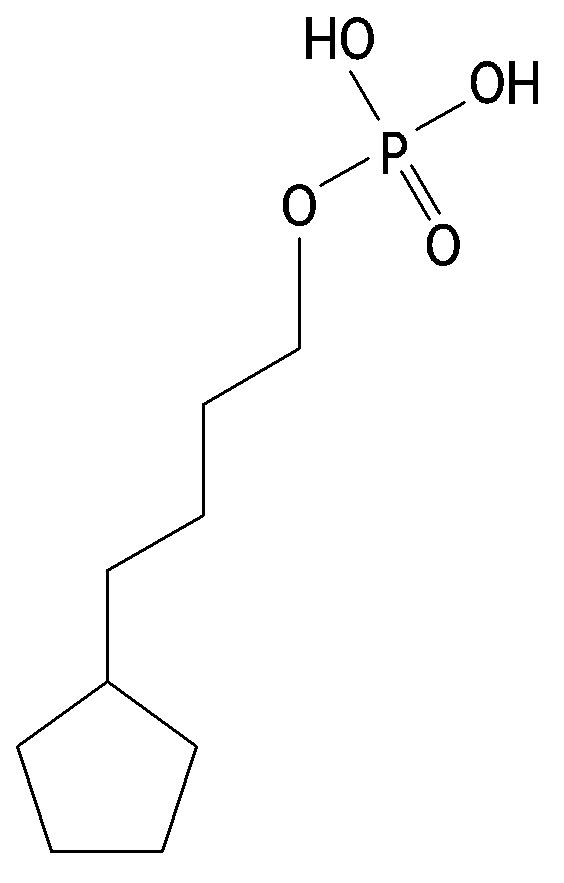

[화학식 5-3] [화학식 5-4]


[화학식 5-5] [화학식 5-6]


[화학식 5-7]

[화학식 6]

[화학식 6-1] [화학식 6-2]


[화학식 6-3] [화학식 6-4]


[화학식 6-5] [화학식 6-6]


[화학식 6-7] [화학식 6-8]


[화학식 6-9] [화학식 6-10]


[화학식 7]

[화학식 7-1]

[화학식 7-2]

[화학식 7-3]

[화학식 7-4]

[화학식 7-5]

[화학식 8]

[화학식 8-1]

그 결과, 도 5 내지 도 11에 나타난 바와 같이, 상기 HNF4-α 길항제가 HNF4-α의 리간드 바인딩 도메인에 결합하였을 때의 에너지 변화 및 결합한 모습을 시뮬레이션으로 나타낸 것으로, 상기 화학식들로 표시되는 HNF4-α 길항제가 HNF4-α의 리간드 바인딩 도메인에 특이적으로 결합하는 것을 확인하였다.
[실시예 4]
HNF4
-α 길항제의 합성
본 발명의 화학식 3으로 표시되는 화합물(Dibenzo[b,d]furan-2-yl 4-chloro-3-nitrobenzoate)의 위암세포 사멸효과를 확인하기 위하여 화합물을 합성하였다. 알드리치 CRP에서 화합물 Dibenzo[b,d]furan-2-ol를 구입하고, 메디젠(medigen)에서 화합물 4-Chloro-3-nitrobenzoyl chloride를 구입하였다. 구입한 두 화합물을 혼합한 후 TEA와 DMAP를 처리하여 하루동안 반응시켰다. 화학식 3으로 표시되는 화합물의 반응식은 하기 반응식1과 같다.
[반응식 1]

따라서, 본 발명에서 선별한 HNF4-α 길항제는 HNF4-α의 리간드 바인딩 도메인에 특이적으로 결합하여 HNF4-α의 활성을 억제시키는 것을 확인하였으며, 본 발명의 HNF4-α 길항제는 기존에 알려진 HNF4-α 길항제에 비해 현저하게 Wnt5a의 발현을 특이적으로 감소시키고, 위암세포의 성장을 억제할 수 있으므로, 암 예방 및 치료용 약학적 조성물 또는 건강기능식품으로 활용가능한 것을 확인하였다.
[실시예 5]
위암 세포 사멸 효과
화학식 3으로 표시되는 화합물 Dibenzo[b,d]furan-2-yl 4-chloro-3-nitrobenzoate의 위암 세포 사멸효과를 확인하였다. 실험에는 세가지 위암 세포주를 사용하였다: AGS, MKN45, NCI-N87. 각 위암세포주는 RPMI 배지에 10% PBS가 혼합된 배양액(HyClone, GE Healthcare)에서 성장시켰다.
각 위암세포주에 화학식 3으로 표시되는 화합물을 0, 20, 40 및 50 μM 농도로 48시간동안 처리하였다. 그 후, MTS 분석 용액과 함께 2시간동안 배양한 후 측정하였다. MTS 분석 용액은 세포 생존율을 분석하기 위하여 사용되었으며, CellTiter 96® 수용액 용액(프로메가)를 사용하였다. 본 실시예의 실험은 96웰 플레이트에서 3회 실시되었다.
각 실험에서 얻어진 세포 생장률은 3회의 실험의 평균값에서 아무런 처리도 하지 않은 음성 대조군의 세포 생존률을 100%로 두고 계산되었다. 그 결과, 도13과 같은 결과를 도 13에 나타내었다. 결과에 따르면, 화학식3으로 표시되는 화합물을 농도 의존적으로 위암세포주를 사멸시켰다. 50μM에서는 위암세포주를 절반 수준까지 사멸시키는 것으로 확인되었다.
이상으로, 본 발명 내용의 특정한 부분을 상세히 기술하였는바, 당업계의 통상의 지식을 가진 자에게 있어서, 이러한 구체적 기술은 단지 바람직한 실시양태일 뿐이며, 이에 의해 본 발명의 범위가 제한되는 것이 아닌 점은 명백할 것이다. 따라서 본 발명의 실질적인 범위는 첨부된 청구항들과 그것들의 등가물에 의하여 정의된다고 할 것이다.
본 발명의 HNF4-α(Hepatocyte nuclear factor 4 alpha) 길항제 및 이의 용도에 관한 것으로, 본 발명에서 선별한 HNF4-α 길항제는 HNF4-α의 리간드 바인딩 도메인에 특이적으로 결합하여 HNF4-α의 활성을 억제시키는 것을 확인하였으며, 본 발명의 HNF4-α 길항제는 기존에 알려진 HNF4-α 길항제에 비해 현저하게 Wnt5a의 발현을 특이적으로 감소시키고, 위암세포의 성장을 억제할 수 있으므로, 암 예방 및 치료용 약학적 조성물 또는 건강기능식품으로 활용될 수 있을 뿐만 아니라, HNF4-α 과발현으로 인해 발생하는 질환의 치료 또는 예방용 조성물로 응용할 수 있다.
Claims (20)
- 하기 화학식 1 및 화학식 2로 구성된 군에서 선택되는 1종 이상의 화합물; 및 이들의 염; 중에서 선택되는 1종 이상을 포함하는 HNF4-α(Hepatocyte nuclear factor 4 alpha) 길항제:[화학식 1];
 [화학식 2]
 상기 R1 내지 R5는 각각 독립적으로 수소원자(H), 산소원자(O), 나이트로기(NO2), 할로겐 원자, 동일하거나 상이한 1 내지 6개의 할로겐 원자로 치환된 탄소수가 1 내지 6인 알킬기 또는 탄소수가 1 내지 6인 알킬기이다.
 - 제1항에 있어서, 화학식 1은 하기 화학식 3으로 표시되는 것을 특징으로 하는 HNF4-α 길항제:[화학식 3].

- 제1항에 있어서, 화학식 2는 하기 화학식 4로 표시되는 것을 특징으로 하는 HNF4-α 길항제:[화학식 4].

- 제1항에 있어서, 화학식 1 및 화학식 2는 HNF4-α의 리간드 바인딩 도메인(ligand binding domain)에 특이적으로 결합하는 것을 특징으로 하는 HNF4-α 길항제.
- 하기 화학식 5 및 이의 유도체인 화학식 5-1 내지 5-7로 구성된 군에서 선택되는 1종 이상의 화합물; 및 이들의 염; 중에서 선택되는 1종 이상을 포함하는 HNF4-α(Hepatocyte nuclear factor 4 alpha) 길항제:[화학식 5];
 [화학식 5-1] [화학식 5-2];
 ;
; [화학식 5-3] [화학식 5-4];
 ;
; [화학식 5-5] [화학식 5-6];
 ;
; [화학식 5-7].
- 하기 화학식 6 및 이의 유도체인 화학식 6-1 내지 6-10으로 구성된 군에서 선택되는 1종 이상의 화합물; 및 이들의 염; 중에서 선택되는 1종 이상을 포함하는 HNF4-α(Hepatocyte nuclear factor 4 alpha) 길항제:[화학식 6];
 [화학식 6-1] [화학식 6-2];
 ;
; [화학식 6-3] [화학식 6-4];
 ;
; [화학식 6-5] [화학식 6-6];
 ;
; [화학식 6-7] [화학식 6-8];
 ;
; [화학식 6-9] [화학식 6-10];
 .
.
- 하기 화학식 7 및 이의 유도체인 화학식 7-1 내지 7-5로 구성된 군에서 선택되는 1종 이상의 화합물; 및 이들의 염; 중에서 선택되는 1종 이상을 포함하는 HNF4-α(Hepatocyte nuclear factor 4 alpha) 길항제:[화학식 7];
 [화학식 7-1];
 [화학식 7-2];
 [화학식 7-3];
 [화학식 7-4];
 [화학식 7-5].
- 하기 화학식 8 및 이의 유도체인 화학식 8-1로 구성된 군에서 선택되는 1종 이상의 화합물; 및 이들의 염; 중에서 선택되는 1종 이상을 포함하는 HNF4-α(Hepatocyte nuclear factor 4 alpha) 길항제:[화학식 8];
 [화학식 8-1].
- 제1항 내지 제8항 중 어느 한 항의 HNF4-α 길항제를 유효성분으로 포함하는 암 예방 및 치료용 약학적 조성물.
- 제9항에 있어서, 상기 HNF4-α 길항제는 HNF4-α 활성을 억제하여 wnt5a(Wingless-type MMTV integration site family, member 5A) 발현시키는 것을 특징으로 하는 암 예방 및 치료용 약학적 조성물.
- 제9항에 있어서, 상기 암은 위암, 대장암, 유방암, 자궁경부암 및 간암으로 구성된 군에서 선택되는 1종 이상인 것을 특징으로 하는 암 예방 및 치료용 약학적 조성물.
- 제1항 내지 제8항 중 어느 한 항의 HNF4-α 길항제의 암 치료제 제조를 위한 용도.
- 제12항에 있어서, 상기 HNF4-α 길항제는 HNF4-α 활성을 억제하여 wnt5a(Wingless-type MMTV integration site family, member 5A) 발현시키는 것을 특징으로 하는 암 치료제 제조를 위한 용도.
- 제12항에 있어서, 상기 암은 위암, 대장암, 유방암, 자궁경부암 및 간암으로 구성된 군에서 선택되는 1종 이상인 것을 특징으로 하는 암 치료제 제조를 위한 용도.
- 제1항 내지 제8항 중 어느 한 항의 HNF4-α 길항제를 이를 필요로 하는 개체에 유효량으로 투여하는 것을 특징으로 하는 암 치료 방법.
- 제15항에 있어서, 상기 HNF4-α 길항제는 HNF4-α 활성을 억제하여 wnt5a(Wingless-type MMTV integration site family, member 5A) 발현시키는 것을 특징으로 하는 암 치료 방법.
- 제15항에 있어서, 상기 암은 위암, 대장암, 유방암, 자궁경부암 및 간암으로 구성된 군에서 선택되는 1종 이상인 것을 특징으로 하는 암 치료 방법.
- 제1항 내지 제8항 중 어느 한 항의 HNF4-α 길항제를 유효성분으로 포함하는 암 예방 및 개선용 건강기능식품.
- 제18항에 있어서, 상기 HNF4-α 길항제는 HNF4-α 활성을 억제하여 wnt5a(Wingless-type MMTV integration site family, member 5A) 발현시키는 것을 특징으로 하는 암 예방 및 개선용 건강기능식품.
- 제18항에 있어서, 상기 암은 위암, 대장암, 유방암, 자궁경부암 및 간암으로 구성된 군에서 선택되는 1종 이상인 것을 특징으로 하는 암 예방 및 개선용 건강기능식품.
Applications Claiming Priority (4)
| Application Number | Priority Date | Filing Date | Title |
|---|---|---|---|
| KR20150000759 | 2015-01-05 | ||
| KR10-2015-0000759 | 2015-01-05 | ||
| KR1020160000813A KR101758208B1 (ko) | 2015-01-05 | 2016-01-05 | HNF4-α 길항제 및 이의 용도 |
| KR10-2016-0000813 | 2016-01-05 |
Publications (2)
| Publication Number | Publication Date |
|---|---|
| WO2016111523A2 true WO2016111523A2 (ko) | 2016-07-14 |
| WO2016111523A3 WO2016111523A3 (ko) | 2017-02-16 |
Family
ID=56285902
Family Applications (1)
| Application Number | Title | Priority Date | Filing Date |
|---|---|---|---|
| PCT/KR2016/000055 Ceased WO2016111523A2 (ko) | 2015-01-05 | 2016-01-05 | HNF4-α 길항제 및 이의 용도 |
Country Status (2)
| Country | Link |
|---|---|
| US (2) | US20160193238A1 (ko) |
| WO (1) | WO2016111523A2 (ko) |
Families Citing this family (4)
| Publication number | Priority date | Publication date | Assignee | Title |
|---|---|---|---|---|
| WO2020206055A1 (en) * | 2019-04-02 | 2020-10-08 | Yale University | Methods of treatment of diseases and disorders associated with increased tet level, increased h19 level, increased level of tgf signaling, or any combination thereof |
| US20210106525A1 (en) * | 2019-10-11 | 2021-04-15 | Massachusetts Institute Of Technology | Formulations for gastrointestinal delivery of oligonucleotides |
| WO2021124272A1 (en) * | 2019-12-19 | 2021-06-24 | Liminal Biosciences Limited | Cycloalkyl-containing carboxylic acids and uses thereof |
| CN112426420B (zh) * | 2020-12-01 | 2021-12-28 | 浙江大学 | 香豆素-二硫代氨基甲酸酯衍生物在制备抗肿瘤药物中的应用 |
Family Cites Families (8)
| Publication number | Priority date | Publication date | Assignee | Title |
|---|---|---|---|---|
| US48638A (en) * | 1865-07-11 | Improved foot-rest | ||
| AU2001290241A1 (en) | 2000-09-20 | 2002-04-02 | Kyowa Hakko Kogyo Co. Ltd. | Tumor cell proliferation inhibitors |
| JP5004331B2 (ja) | 2006-11-29 | 2012-08-22 | 花王株式会社 | HNF−4α活性抑制剤 |
| US20120100609A1 (en) * | 2009-03-27 | 2012-04-26 | Crawford Brett E | N-linked glycan biosynthesis modulators |
| WO2010111711A2 (en) * | 2009-03-27 | 2010-09-30 | Zacharon Pharmaceuticals, Inc. | Ganglioside biosynthesis modulators |
| WO2010127264A2 (en) | 2009-04-30 | 2010-11-04 | Burnham Institute For Medical Research | HNF4α ANTAGONISTS AND METHODS OF USE |
| CN102164905B (zh) * | 2009-07-15 | 2014-04-30 | 北京贝美拓新药研发有限公司 | 作为体内缺氧模拟剂的化合物,组合物,及其应用 |
| EP2611929B1 (en) * | 2010-09-01 | 2016-01-13 | Promega Corporation | Oxidized glutathione assay |
-
2016
- 2016-01-05 US US14/988,124 patent/US20160193238A1/en not_active Abandoned
- 2016-01-05 WO PCT/KR2016/000055 patent/WO2016111523A2/ko not_active Ceased
-
2017
- 2017-03-20 US US15/464,178 patent/US9795586B2/en active Active
Also Published As
| Publication number | Publication date |
|---|---|
| WO2016111523A3 (ko) | 2017-02-16 |
| US9795586B2 (en) | 2017-10-24 |
| US20170189371A1 (en) | 2017-07-06 |
| US20160193238A1 (en) | 2016-07-07 |
Similar Documents
| Publication | Publication Date | Title |
|---|---|---|
| WO2024158242A1 (ko) | Kras g12d 돌연변이 억제용 화합물 및 이를 유효성분으로 포함하는 암질환 예방 또는 치료용 조성물 | |
| WO2009139576A2 (ko) | 신규 벤즈옥사졸로 치환된 피리딘 유도체 또는 이의 약학적으로 허용가능한 염, 이의 제조방법 및 이를 유효성분으로 함유하는 이상세포 성장 질환의 예방 및 치료용 약학적 조성물 | |
| WO2021230600A1 (ko) | 대사항암제를 포함하는 항암용 조성물 | |
| WO2021167389A1 (ko) | 엠토르 신호전달 억제제를 유효성분으로 포함하는 암의 예방 또는 치료용 약제학적 조성물 | |
| WO2015160192A1 (ko) | 티에노피리미딘 유도체 또는 이의 약학적으로 허용가능한 염을 포함하는 백혈병 치료 및 예방용 약학 조성물 | |
| WO2011159137A2 (ko) | 신규한 티오우레아 또는 우레아 유도체, 이의 제조방법 및 이를 유효성분으로 함유하는 aids 예방 또는 치료용 약학 조성물 | |
| WO2016080796A2 (ko) | 세스퀴테르펜 화합물을 포함하는, stat3 매개 질환의 예방 또는 치료용 약학적 조성물 및 이의 용도 | |
| WO2015037778A1 (ko) | 리그난 화합물을 유효 성분으로 포함하는 암의 예방 또는 치료용 조성물 | |
| WO2012053768A2 (en) | Aryloxyphenoxyacetyl-based compound having hif-1 inhibition activity, preparation method thereof and pharmaceutical composition containing the same as an active ingredient | |
| WO2021010715A1 (ko) | 골질환 예방 또는 치료용 약학 조성물 | |
| WO2012064159A2 (ko) | 항암용 조성물 | |
| WO2019088311A1 (ko) | Stat3 저해활성을 갖는 화합물 및 이의 용도 | |
| WO2020055129A1 (ko) | 베르베논 유도체를 포함하는 암 치료 또는 예방용 조성물 | |
| WO2024215162A1 (ko) | 단일 융합 단백질 및 이를 포함하는 약학적 조성물 | |
| WO2019231261A1 (ko) | 신규 바이페닐 유도체 화합물 및 이의 용도 | |
| WO2020111325A1 (ko) | Plk1의 활성 억제제를 유효성분으로 포함하는 암 예방 또는 치료용 약학적 조성물 | |
| WO2019182322A1 (ko) | 신규 염, 이의 제조 방법 및 이를 포함하는 약학 조성물 | |
| WO2019208980A1 (ko) | 글리세롤 유도체, 이의 제조방법 및 이를 유효성분으로 함유하는 면역조절제 | |
| WO2010064817A2 (ko) | 신규 쿠마린계 화합물, 이의 제조방법 및 이를 유효성분으로 함유하는 다약제내성 억제용 약학적 조성물 | |
| WO2021054510A1 (ko) | 셀레노사마필린 a를 유효성분으로 포함하는 유방암 예방 및 치료용 조성물 | |
| WO2019231262A1 (ko) | 신규 바이페닐 유도체 화합물 및 이의 용도 | |
| WO2021085991A1 (ko) | Fxr 활성효과를 가지는 시나믹아마이드 유도체, 이를 유효성분으로 함유하는 약학적 조성물 및 이의 제조방법 | |
| WO2023287241A1 (ko) | 신규한 벤즈옥사졸아민 유도체 화합물 및 이를 포함하는 암의 예방 또는 치료용 약학 조성물 | |
| WO2019083288A1 (ko) | 수베르산을 유효성분으로 포함하는 탈모 방지 또는 발모 촉진용 조성물 | |
| WO2023043208A1 (ko) | 신규 2-아미노벤조티아졸 유도체 및 이의 제조방법 |
Legal Events
| Date | Code | Title | Description |
|---|---|---|---|
| 121 | Ep: the epo has been informed by wipo that ep was designated in this application |
Ref document number: 16735144 Country of ref document: EP Kind code of ref document: A2 |
|
| NENP | Non-entry into the national phase |
Ref country code: DE |
|
| 122 | Ep: pct application non-entry in european phase |
Ref document number: 16735144 Country of ref document: EP Kind code of ref document: A2 |