WO2016104212A1 - 乳幼児用センサー装置及びプログラム - Google Patents
乳幼児用センサー装置及びプログラム Download PDFInfo
- Publication number
- WO2016104212A1 WO2016104212A1 PCT/JP2015/084902 JP2015084902W WO2016104212A1 WO 2016104212 A1 WO2016104212 A1 WO 2016104212A1 JP 2015084902 W JP2015084902 W JP 2015084902W WO 2016104212 A1 WO2016104212 A1 WO 2016104212A1
- Authority
- WO
- WIPO (PCT)
- Prior art keywords
- infant
- sensor unit
- icon
- sensor
- sensor device
- Prior art date
- Legal status (The legal status is an assumption and is not a legal conclusion. Google has not performed a legal analysis and makes no representation as to the accuracy of the status listed.)
- Ceased
Links
Images






Classifications
-
- G—PHYSICS
- G16—INFORMATION AND COMMUNICATION TECHNOLOGY [ICT] SPECIALLY ADAPTED FOR SPECIFIC APPLICATION FIELDS
- G16H—HEALTHCARE INFORMATICS, i.e. INFORMATION AND COMMUNICATION TECHNOLOGY [ICT] SPECIALLY ADAPTED FOR THE HANDLING OR PROCESSING OF MEDICAL OR HEALTHCARE DATA
- G16H40/00—ICT specially adapted for the management or administration of healthcare resources or facilities; ICT specially adapted for the management or operation of medical equipment or devices
- G16H40/60—ICT specially adapted for the management or administration of healthcare resources or facilities; ICT specially adapted for the management or operation of medical equipment or devices for the operation of medical equipment or devices
- G16H40/67—ICT specially adapted for the management or administration of healthcare resources or facilities; ICT specially adapted for the management or operation of medical equipment or devices for the operation of medical equipment or devices for remote operation
-
- A—HUMAN NECESSITIES
- A61—MEDICAL OR VETERINARY SCIENCE; HYGIENE
- A61B—DIAGNOSIS; SURGERY; IDENTIFICATION
- A61B5/00—Measuring for diagnostic purposes; Identification of persons
-
- A—HUMAN NECESSITIES
- A61—MEDICAL OR VETERINARY SCIENCE; HYGIENE
- A61B—DIAGNOSIS; SURGERY; IDENTIFICATION
- A61B5/00—Measuring for diagnostic purposes; Identification of persons
- A61B5/02—Detecting, measuring or recording for evaluating the cardiovascular system, e.g. pulse, heart rate, blood pressure or blood flow
Definitions
- the present invention relates to an infant sensor device and a program.
- Patent Document 1 describes a configuration in which a portable fitness monitoring device is worn on the arm of a subject and the body condition is monitored.
- the monitored data is personalized. It also describes the technology used by communicating with computers.
- Patent Document 1 is intended for adults such as athletes and is not intended for infants.
- An object of the present invention is to provide a technique that can be handled in a sanitary manner.
- a main invention for achieving the above object is an infant sensor device for outputting information acquired from an infant to a computer, a mounting member for mounting on an infant's hand or foot, and acquiring the information.
- a sensor unit including at least one sensor that is detachable from the mounting member.
- the infant sensor device can be handled in a sanitary manner.
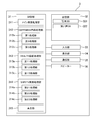
- FIG. 3 is a block diagram illustrating a functional configuration of a computer 3.
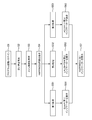
- FIG. It is a flowchart figure showing the flow which shows the infant's mood state. It is a figure explaining the login screen 500 of the computer 3.
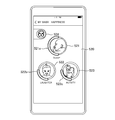
- FIG. It is a figure explaining the main screen.
- FIG. It is a figure explaining the HAPPINES screen 520.
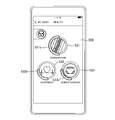
- FIG. It is a figure explaining the HEALTH screen 530.
- An infant sensor device for outputting information acquired from an infant to a computer, A mounting member for mounting on an infant's hand or foot; A sensor unit including at least one sensor for obtaining the information; Have The sensor unit for infants, wherein the sensor unit is detachable from the mounting member.
- Such an infant sensor device comprises a mounting member and a sensor unit, which are mounted directly on the infant's body, as separate members. Therefore, by removing the sensor unit from the mounting member, it is possible to wash only the mounting member that is easily soiled (or replace only the mounting member). Therefore, the infant sensor device can be handled in a sanitary manner.
- the mounting member has an accommodating portion for accommodating the sensor unit.
- the sensor unit is housed in the mounting member by housing the sensor unit in the housing portion. Therefore, the sensor unit can be handled in a sanitary manner because the sensor unit, which is difficult to wash, can be prevented from being soiled. Further, since the sensor unit is not exposed to the outside, there is a low possibility of injury even if the sensor device accidentally hits the infant's body.
- the housing portion has an opening for entering and exiting the sensor unit, and the opening can be opened and closed with the sensor unit in the housing portion. It is desirable.
- the opening can be closed in a state in which the sensor unit is included in the mounting member by providing the opening in the accommodating portion and enabling the opening and closing. Therefore, it is difficult to remove the sensor unit from the mounting member. Moreover, since it is difficult for the sensor unit to come off, it is possible to reduce the possibility that an infant accidentally swallows the sensor unit.
- the attachment member has a pair of engageable belt members, and the engagement position of the belt member can be changed according to the size of the hand or foot of the infant. It is desirable that
- the mounting member is washable.
- the sensor device since it is only necessary to wash the mounting member with water, the sensor device can be kept hygienic by a simple method.
- the mounting member is made of cloth.
- the mounting member is made of cloth so that it does not corrode even when washed with water. Moreover, it is comfortable for the infant by making the part which touches the infant's skin directly into a cloth having a good touch.
- a hook-and-loop fastener is provided inside the opening, and the hook-and-loop fastener may not be exposed to the outside when the opening is closed using the hook-and-loop fastener. desirable.
- Such an infant sensor device wherein the sensor unit includes an exterior case, the sensor includes a microphone that collects voices of infants, and the sensor unit includes a microphone in a direction of entering and exiting the mounting member. It is desirable that a hole is formed on the side where the microphone is disposed.
- Such an infant sensor device makes it easier to acquire the voice of the infant.
- the sensor unit includes a warning unit for performing a predetermined warning to the outside, and the warning unit is a warning transmitted from the computer when there is no output from the sensor for a predetermined time. It is desirable to perform the predetermined warning based on a signal.
- Such an infant sensor device makes it easier for mothers to notice that the sensor device has been disconnected from the infant.
- the computer that can communicate with the infant sensor device processes the signal output from the sensor unit to evaluate the number of sleep states of the infant, and is output from the sensor unit.
- a second process for processing the signal to evaluate the number of laughing states of the infant and a signal output from the sensor unit to evaluate the number of moving states of the infant At least two of the third processes, a process of displaying a main icon with a main indicator indicating the degree of goodness of the infant on the computer screen, and the main icon are tapped.
- a first level indicating the degree of sleep state of the infant on the computer screen based on the at least two processes.
- a program for displaying at least two icons corresponding to the at least two processes among the third icons having the main icon is indicated by the main indicator.
- the program level is determined based on the level indicated by each indicator provided on the at least two icons.
- the computer that can communicate with the infant sensor device processes the signal output from the sensor unit to perform first processing for evaluating the body temperature of the infant, and processes the signal output from the sensor unit. And at least two of the second process for evaluating the heart rate of the infant and the third process for evaluating the frequency of changing the diaper of the infant by processing the signal output from the sensor unit.
- the degree indicated by the main indicator is based on the degree indicated by each indicator provided in the at least two icons.
- infants' body temperature and heart rate are direct indications of their health, and if the diaper worn by the infant is not frequently replaced, the skin will be irritated, causing rough skin. Therefore, body temperature, heart rate, and diaper change frequency are very important factors for knowing the infant's health. According to such a program, since the infant's health condition is indicated based on the values indicated by at least two indicators, a highly reliable evaluation can be performed.
- FIG. 1 is a schematic diagram showing an infant monitoring system 1 according to the embodiment.
- the infant monitoring system 1 includes a sensor device 2 and a computer 3. Communication between the sensor device 2 and the computer 3 can be performed in real time by wireless or wired communication.
- the sensor device 2 is a device that is attached to an infant's hand or foot and outputs various information acquired from the infant to the computer 3 (details will be described later).
- FIG. 1 shows an example in which the sensor device 2 is attached to an infant's hand.
- the sensor device 2 is an example of a “sensor device for infants”.
- an infant means a child before attending elementary school, for example, a child under 6 years old.
- the computer 3 receives the information output from the sensor device 2, performs various processes, and displays the result on the display unit 3a.
- the computer 3 is, for example, a smartphone or a tablet terminal.
- the computer 3 executes various processes related to childcare support by executing the downloaded program.
- the sensor device 2 includes a mounting member 10 and a sensor unit 20.
- the sensor unit 20 is detachable from the mounting member 10.
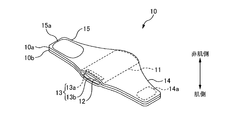
- FIG. 2 is a view showing the appearance of the mounting member 10.
- FIG. 3 is a diagram illustrating an appearance of the sensor unit 20.
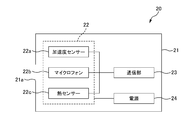
- FIG. 4 is a schematic diagram showing the internal configuration of the sensor unit 20.
- the mounting member 10 is a member for mounting the sensor device 2 on the hand or foot of an infant.
- the mounting member 10 in the present embodiment is formed by stacking a thin first member 10a and a second member 10b.
- the first member 10a is located on the opposite side (non-skin side) from the infant's skin when the attachment member 10 is attached to the infant's hand or foot.
- the second member 10b is located on the skin side of the infant when the mounting member 10 is mounted on the hand or foot of the infant.
- the mounting member 10 need not be composed of a plurality of members such as the first member 10a and the second member 10b, and may be composed of one member.
- the mounting member 10 (the first member 10a and the second member 10b) can be made of various materials such as cotton, polyester, and metal. Different materials may be used for the first member 10a and the second member 10b.
- the mounting member 10 is preferably made of a material that can be washed with water.
- the mounting member 10 can be kept hygienic by a simple method of washing with water. More specifically, the mounting member 10 is preferably made of cloth.
- the cloth mounting member 10 does not corrode even when washed with water. Moreover, even if it is a case where the sensor apparatus 2 is mounted
- the 2nd member 10b which touches at least the infant's skin directly among the mounting members 10 should just be a cloth.
- the first member 10a is also touched like a cloth in consideration of the possibility that the sensor device 2 may hit the infant's skin. It is desirable that the material is good.
- the mounting member 10 at least a portion in contact with the infant's skin can be made of a material thinner than other portions.
- the second member 10b is made of a material thinner than the first member 10a.
- a material with high waterproofness may be used as the material of the mounting member 10 so that the sensor unit 20 included in the housing portion 11 (described later) does not break down due to permeation of infant saliva or the like.
- a waterproof sheet on the inner side of the first member 10a and the second member 10b made of cloth it is possible to provide the mounting member 10 that has a good outer feel and a high waterproof property on the inner side. .
- the mounting member 10 has an accommodating portion 11 for accommodating the sensor unit 20.
- the accommodating portion 11 is a space portion formed by the first member 10a and the second member 10b (see FIG. 2 and the like).
- the sensor unit 20 is included in the mounting member 10 (see FIG. 5). Therefore, since the dirt of the sensor unit 20 that is difficult to wash can be prevented, the sensor device 2 can be handled in a sanitary manner. Further, since the sensor unit 20 is not exposed to the outside of the sensor device 2, there is a low possibility of injury even if the sensor device 2 accidentally hits the infant's body.
- the accommodating part 11 is provided with an opening 12 for entering and exiting the sensor unit 20.
- the opening 12 can be opened and closed with the sensor unit 20 in the housing 11.
- the opening 12 can be closed in a state in which the sensor unit 20 is included in the mounting member 10 by providing the opening 12 in the accommodating portion 11 and enabling opening and closing (see FIG. 5). Therefore, it is difficult to remove the sensor unit 20 from the mounting member 10. Therefore, the possibility that the infant accidentally swallows the sensor unit 20 separated from the mounting member 10 can also be reduced.
- an opening / closing part 13 is provided inside the opening 12 (on the accommodating part 11 side).
- an opening / closing part 13a is provided on the skin-side surface of the first member 10a, and is a non-skin-side surface of the second member 10b, which is opposed to the opening / closing part 13a. Is provided with an opening / closing part 13b.
- the opening / closing part 13 can use a hook-and-loop fastener, an elastic member such as rubber, a metal fastener, a button, or the like.
- an elastic member such as rubber, a metal fastener, a button, or the like.
- the opening / closing portion 13 is made of a material that does not easily corrode, for example, a hook-and-loop fastener.
- the opening / closing part 13 (opening / closing part 13a and opening / closing part 13b) is provided at a position where the opening 12 is not exposed to the outside when the opening 12 is closed (inside the end of the opening 12) (FIG. 2). And FIG. 5).
- the opening / closing part 13 is not exposed to the outside with the opening 12 closed, the opportunity for the opening / closing part 13 to touch the skin of the infant can be reduced.
- the mounting member 10 includes a pair of belt members (the belt member 14 and the belt member 15).
- the belt member 14 and the belt member 15 in the present embodiment are configured by a first member 10a and a second member 10b.
- the belt member 14 has an engaging portion 14a on the skin side surface of the second member 10b.
- the belt member 15 has an engaging portion 15a on the non-skin side surface of the first member 10a.
- the engaging part 14a and the engaging part 15a can be engaged with each other.
- the engaging portion 14 a and the engaging portion 15 a are configured by a hook-and-loop fastener or the like, similar to the opening / closing portion 13.
- the engaging position of the belt member 14 and the belt member 15 can be changed according to the size of the hand or foot of the infant. As a specific example, by providing an area of at least one engaging portion 15a larger than an area of the other engaging portion 14a, the other engaging portion 14a is engaged with one engaging portion 15a.
- the position can be made variable. Therefore, the mounting member 10 can be securely mounted even on infants with different limb sizes.
- the sensor unit 20 includes at least one sensor that acquires various types of information from an infant.
- the sensor unit 20 can be taken in and out of the housing portion 11 formed in the mounting member 10 through the opening 12.
- the direction in which the sensor unit 20 is inserted into and removed from the mounting member 10 is referred to as “in / out direction” (see FIG. 6).
- the sensor unit 20 includes an exterior case 21, a sensor 22, a communication unit 23, and a power source 24 (see FIGS. 3 and 4).
- the exterior case 21 is a member that includes the sensor 22, the communication unit 23, and the power supply 24.
- the outer case 21 is made of plastic, metal, or the like.
- the outer case 21 has a hole 21a on the side where a microphone 22b (described later) is arranged in the direction of access.
- the sensor 22 includes an acceleration sensor 22a, a microphone 22b, and a thermal sensor 22c.
- the acceleration sensor 22a detects the movement of the infant based on the acceleration.
- the microphone 22b collects infant voices.
- the heat sensor 22c detects the body temperature of the infant.
- the hole 21a is provided on the side where the microphone 22b is disposed. Thus, by providing the hole 21a in the vicinity of the microphone 22b, it becomes easy to acquire the voice of the infant.
- the sensor 22 is not limited to the above example.
- a heart rate meter for detecting the heart rate of the infant may be included as the sensor 22.
- the communication unit 23 transmits the data acquired by the sensor 22 to the computer 3.
- the power supply 24 supplies power to various components in the sensor unit 20.
- the power source 24 is a rechargeable battery, for example, and has a socket (not shown) for charging from the outside.
- FIG. 5 is a diagram illustrating a state where the sensor device 2 is mounted on the hand of an infant.
- FIG. 6 is a view showing a state where the sensor unit 20 is taken out from the mounting member 10.
- the sensor device 2 is attached to an infant's hand in a state where the sensor unit 20 is included in the housing portion 11 of the attachment member 10 (see FIG. 5).
- the mounting member 10 becomes dirty by repeated use in the state of FIG. In this case, the mother or the like removes the sensor device 2 from the infant, opens the opening 12 (opening / closing part 12a), and takes out the sensor unit 20 (see FIG. 6).
- the mounting member 10 from which the sensor unit 20 has been taken out can be washed with water.
- the sensor unit 20 taken out can be used by being inserted again into the mounting member 10 after being washed and dried. Alternatively, by attaching the sensor unit 20 to another attachment member, the sensor device 2 can be immediately attached to an infant.
- the mounting member 10 may be marked with a display indicating a desired wearing direction (for example, the side where the hole 21a is located is indicated by an arrow, a character, or the like).
- the mounting member 10 and the sensor unit 20 that are directly mounted on the infant's body are configured as separate members. Therefore, by removing the sensor unit 20 from the mounting member 10, it is possible to wash only the mounting member 10 that is easily soiled (or replace only the mounting member 10 with a new mounting member). Therefore, it becomes possible to handle the sensor device 2 in a sanitary manner.
- ⁇ Modification of sensor device> For example, when the infant moves, the sensor device 2 may come off the limb. On the other hand, the infant cannot tell the mother or the like that the sensor device 2 has been disconnected. Therefore, it is possible to provide the sensor device 2 with means for indicating that the sensor device 2 has been detached from the infant.
- a warning unit is provided in the sensor unit 20.
- the warning unit issues a predetermined warning to the outside of the sensor unit 20.
- the warning unit is, for example, an acoustic device including a speaker that emits sound to the outside.
- the warning unit is a light emitting device that emits light to the outside.
- the warning unit performs a predetermined warning based on a warning signal transmitted from the computer 3 when there is no output from the sensor 22 for a predetermined time. For example, when the sensor device 2 is detached from the infant's limb, the output value from the acceleration sensor 22a is zero.
- the computer 3 transmits a warning signal to the sensor device 2 when the output from the acceleration sensor 22a remains zero for a predetermined time.
- the warning unit receives a warning signal via the communication unit 23 and issues a warning.
- the sensor 22 serving as a reference for sending the warning signal is not limited to the acceleration sensor 22a but may be a thermal sensor 22c or the like.
- the computer 3 that can communicate with the sensor unit 20 attached to the infant processes the signal output from the sensor unit 20 to evaluate the number of sleep states of the infant, and the first process S51, which is output from the sensor unit 20.
- Second signal S52 for evaluating the number of laughing states of the infant and the signal output from the sensor unit 20 to evaluate the number of moving states of the infant.
- a tap operation is performed, a large number of infants' sleep states are displayed on the screen of the computer 3 based on at least two processes.
- the degree indicated by the main indicator 511a is determined based on the degree indicated by each indicator provided in at least two icons.
- the at least two processes are a first process S51, a second process S52, and a third process S53
- the at least two icons are a first icon 521, a second icon 522, and a third icon.
- the level indicated by the main indicator 511a is the level indicated by the first indicator 521a, the level indicated by the second indicator 522b, and the level indicated by the third indicator 523c. It is a degree determined based on.
- an infant is displayed on a screen that displays the main icon 511 and a screen that displays at least two icons of the first icon 521, the second icon 522, and the third icon 523 among the screens of the computer 3. Display a photo showing the.
- the second process S52 and the third process S53 are executed at the same time, and based on the third process S53 according to the number of states where the infant evaluated by the second process S52 is laughing.
- the value of the displayed third indicator 523c is changed.
- the computer 3 processes the signal output from the sensor unit 20 to store the voice of the infant's laughing state in the computer 3, and displays the main icon 511 on the screen of the computer 3.
- a process S1 for displaying a login screen is executed.
- an input unit 502 for inputting information necessary for login and an icon 503 representing a predetermined pattern are displayed.
- the main icon 511 is displayed on the computer 3 to reproduce the voice of the infant laughing. Is executed.
- the symbol represents a character associated with the absorbent article used by the infant
- the computer 3 has an icon 503 representing the character, an input unit 502, and an infant on the login screen 500.
- the process of displaying the photograph 501 is executed.
- the sensor unit 20 includes a microphone 22b, and when the signal output from the microphone 22b satisfies a predetermined condition, the infant's laughing voice is re-saved. If the symbol icon 503 on the login screen 500 is tapped after the re-save, the computer 3 is caused to execute a process of playing back the laughed voice of the re-saved infant.
- the sensor unit 20 includes an acceleration sensor 22a and a microphone 22b, and processes a signal output from the acceleration sensor 22a to evaluate the number of sleep states of the infant and the first process S51.
- the second processing S52 for processing the signals output from the acceleration sensor 22a and the microphone 22b to evaluate the number of laughing states of the infant and the signal output from the acceleration sensor 22a,
- the computer 3 is caused to execute a third process S53 for evaluating the number of moving states.
- the first process S51 is a process for evaluating the number of sleep states of the infant based on the time of the infant sleep state within a predetermined time
- the second process S52 is a laughter of the infant. This is a process of evaluating the number of laughing states on the basis of the laughing time of the infant in a time obtained by subtracting the sleep state time of the infant from a predetermined time.
- an icon 512 having an indicator 512b indicating the degree of good health of the infant and a main icon 511 having a main indicator 511a indicating the degree of goodness of the infant on the screen of the computer 3 is provided. Then, the computer 3 is caused to execute a process of displaying an icon 513 having an indicator 513c indicating the degree of safety of the infant.
- the number of icons on the screen displayed after login and the number of icons on the screen displayed after the tap operation of the main icon 511 are the same, the arrangement of the icons on the screen displayed after login, When displayed after a tap operation on the main icon 511, the arrangement of the icons on the screen is different.
- the computer 3 that can communicate with the sensor unit 20 and at least two of the third step of evaluating the number of moving states of the infant using the detection result of the sensor unit 20
- the first indicator 521a indicating the degree of the sleep state of the infant is provided on the screen.
- the degree is a degree determined based on the degree indicated by each indicator provided on at least two icons.
- the first processing unit 312a which is a childcare support system capable of communicating with a sensor unit 20 attached to an infant, processes signals output from the sensor unit 20, and evaluates the number of sleep states of the infant, the sensor unit
- the second processing unit 312b that evaluates the number of laughing states of the infant by processing the signal output from the 20 and the signal output from the sensor unit 20 to process the infant moving state
- the screen of the computer 3 is based on at least two processes.
- the degree indicated by the main indicator 511a is determined based on the degree indicated by each indicator provided in at least two icons.
- the computer 3 communicable with the sensor unit 20 attached to the infant processes the signal output from the sensor unit 20 to process the signal output from the sensor unit 20. And at least two of the twelfth process for evaluating the heart rate of the infant and the thirteenth process for evaluating the frequency of changing the diaper of the infant by processing the signal output from the sensor unit 20, and a computer 3 on the screen of FIG. 3, when a HEALTH icon 512 having a HEALTH indicator 512b indicating the degree of good health of the infant is displayed, and when the HEALTH icon 512 is tapped, the computer is based on at least two processes.
- TEMPERAT showing the infant's temperature on the screen of 3 TEMPERATURE icon 531 with RE indicator 531a, HEARTBEAT icon 532 with infant heart rate 532b, and DIAPER CHANGES icon 533 with infant diaper change frequency diaper change icons 533c
- the degree indicated by the HEALTH indicator 512b is provided in at least two icons. The degree determined based on the degree indicated by each indicator.
- At least two processes are an eleventh process, a twelfth process, and a thirteenth process.
- At least two icons are a TEMPERATURE icon 531, a HEARTBEAT icon 532, and a DIAPER CHANGES icon 533, and a process for displaying a HEALTH icon 512.
- the degree indicated by the HEALTH indicator 512b is preferably the degree determined based on the degree indicated by the TEMPERATURE indicator 531a, the degree indicated by the HEARTBEAT indicator 532b, and the degree indicated by the DIAPER CHANGES indicator 533c.
- the thirteenth process is a process for evaluating the number of tap operations of the DIAPER CHANGES icon 533 as the number of times the infant has been changed.
- the computer 3 When it is determined that the baby's diaper replacement has not been performed for a predetermined time, it is preferable to cause the computer 3 to execute a process of changing the value of the DIAPER CHANGES indicator 533c displayed based on the thirteenth process.
- the SAFETY indicator 513c is provided. It is preferable to cause the computer 3 to execute a process of displaying a warning using the SAFETY icon 513.
- the computer 3 it is preferable to cause the computer 3 to execute a process of changing the value of the HAPPINES indicator 511a regardless of the frequency of changing the baby diaper evaluated by the thirteenth process.
- the body temperature of the infant is evaluated to be out of the predetermined range in the eleventh process.
- the computer 3 it is preferable to cause the computer 3 to execute a process of displaying a warning on the screen of the computer 3.
- said embodiment is realizable by making a computer or a microprocessor perform the various processes which the program mentioned above.
- all the processes may be prepared as a program, or a part of the processes may be processed by hardware and the remaining processes may be prepared as a program.
- the program can be supplied to the computer by using a non-transitory computer readable medium with an executable program stored therein. Examples of non-transitory computer-readable media include magnetic recording media (for example, flexible disks, magnetic tapes, hard disk drives), CD-ROMs (Read Only Memory), and the like.
- the above embodiment is presented as an example and does not limit the scope of the invention.
- the configuration in which the entire sensor unit is included in the mounting member has been described, but the sensor unit does not necessarily have to be included in the mounting member.
- the sensor unit may be attached to and detached from the mounting member, for example, by connecting the sensor unit and the mounting member with a mechanical connector configuration.
Landscapes
- Health & Medical Sciences (AREA)
- Engineering & Computer Science (AREA)
- Life Sciences & Earth Sciences (AREA)
- Biomedical Technology (AREA)
- Medical Informatics (AREA)
- Public Health (AREA)
- General Health & Medical Sciences (AREA)
- Biophysics (AREA)
- Molecular Biology (AREA)
- Veterinary Medicine (AREA)
- Physics & Mathematics (AREA)
- Animal Behavior & Ethology (AREA)
- Surgery (AREA)
- Pathology (AREA)
- Heart & Thoracic Surgery (AREA)
- Business, Economics & Management (AREA)
- Primary Health Care (AREA)
- General Business, Economics & Management (AREA)
- Epidemiology (AREA)
- Cardiology (AREA)
- Physiology (AREA)
- Measuring And Recording Apparatus For Diagnosis (AREA)
- User Interface Of Digital Computer (AREA)
- Medical Treatment And Welfare Office Work (AREA)
- Measuring Pulse, Heart Rate, Blood Pressure Or Blood Flow (AREA)
Abstract
乳幼児から取得される情報をコンピューターに出力するための乳幼児用センサー装置であって、乳幼児の手または足に装着するための装着部材と、前記情報を取得する少なくとも一つのセンサーを含むセンサーユニットと、を有し、前記センサーユニットは前記装着部材に対して着脱可能である。
Description
本発明は、乳幼児用センサー装置及びプログラムに関する。
乳幼児は、言葉によるコミュニケーションが不十分であるため、育児に不慣れな者にとっては、乳幼児の状態を把握することが困難である。
ここで、たとえば特許文献1には、対象者の腕等に携帯型フィットネスモニタリングデバイスを装着し、体の状態をモニタリングする構成が記載されている、また、特許文献1では、モニターしたデータをパーソナルコンピューター等と通信させて利用する技術も記載されている。
しかし、特許文献1の構成は、アスリートなどの大人を対象としたものであり、乳幼児を対象としたものではない。
特に、乳幼児は衛生面で配慮することが望まれるところ、特許文献1のような構成では、デバイスが汚れた場合であっても洗うことができず、衛生面で問題がある。
本発明の目的は、衛生的に取り扱うことが可能な技術を提供することにある。
上記目的を達成するための主たる発明は、乳幼児から取得される情報をコンピューターに出力するための乳幼児用センサー装置であって、乳幼児の手または足に装着するための装着部材と、前記情報を取得する少なくとも一つのセンサーを含むセンサーユニットと、を有し、前記センサーユニットは前記装着部材に対して着脱可能である。
本発明によれば、乳幼児用センサー装置を衛生的に取り扱うことができる。
本明細書及び添付図面の記載により、少なくとも以下の事項が明らかとなる。
乳幼児から取得される情報をコンピューターに出力するための乳幼児用センサー装置であって、
乳幼児の手または足に装着するための装着部材と、
前記情報を取得する少なくとも一つのセンサーを含むセンサーユニットと、
を有し、
前記センサーユニットは前記装着部材に対して着脱可能であることを特徴とする乳幼児用センサー装置。
乳幼児から取得される情報をコンピューターに出力するための乳幼児用センサー装置であって、
乳幼児の手または足に装着するための装着部材と、
前記情報を取得する少なくとも一つのセンサーを含むセンサーユニットと、
を有し、
前記センサーユニットは前記装着部材に対して着脱可能であることを特徴とする乳幼児用センサー装置。
このような乳幼児用センサー装置は、乳幼児の身体に直接装着する装着部材とセンサーユニットとを別部材で構成している。よって、装着部材からセンサーユニットを取り外すことで、汚れやすい装着部材のみを洗う(または装着部材のみを取り替える)ことができる。よって、乳幼児用センサー装置を衛生的に取り扱うことが可能となる。
かかる乳幼児用センサー装置であって、前記装着部材は、前記センサーユニットを収容するための収容部を有することが望ましい。
このような乳幼児センサー装置によれば、収容部にセンサーユニットを収容することで、センサーユニットは装着部材に内包される。よって、洗うことが困難であるセンサーユニットの汚れを防げることから、センサー装置を衛生的に取り扱うことができる。また、センサーユニットが外部に露出しないため、センサー装置が誤って乳幼児の体に当った場合でも怪我をする可能性が低い。
かかる乳幼児用センサー装置であって、前記収容部は、前記センサーユニットを出入するための開口部を有し、前記開口部は、前記収容部に前記センサーユニットを入れた状態で開閉可能となっていることが望ましい。
このような乳幼児センサー装置によれば、収容部に開口部を設け、且つ開閉可能とすることで、センサーユニットを装着部材に内包した状態で開口部を閉じることができる。よって、装着部材からセンサーユニットを外れ難くできる。また、センサーユニットが外れ難いことから、乳幼児がセンサーユニットを誤飲する恐れも低減できる。
かかる乳幼児用センサー装置であって、前記装着部材は、係合可能な一対のベルト部材を有し、前記ベルト部材は、前記乳幼児の手または足のサイズに応じて係合位置が変更可能となっていることが望ましい。
このような乳幼児センサー装置によれば、ベルト部材を設けることにより、手足のサイズが異なる乳幼児に対しても装着部材を確実に装着させることができる。
かかる乳幼児用センサー装置であって、前記装着部材は、水洗い可能であることが望ましい。
このような乳幼児センサー装置によれば、装着部材を水洗いするだけでよいため、簡易な方法によりセンサー装置を衛生的に保つことができる。
かかる乳幼児用センサー装置であって、前記装着部材は、布製であることが望ましい。
このような乳幼児センサー装置によれば、装着部材を布製とすることにより、水洗いしても腐食することがない。また、乳幼児の肌に直接触れる部分を肌触りが良い布製とすることで乳幼児にとって快適である。
かかる乳幼児用センサー装置であって、前記開口部の内側には面ファスナーが設けられており、前記開口部が前記面ファスナーを用いて閉じられた際に、当該面ファスナーは外部に露出しないことが望ましい。
このような乳幼児センサー装置によれば、開口部が閉じられた際に面ファスナーが外部に露出しないので、面ファスナーが乳幼児の肌に触れる機会を低減できる。
かかる乳幼児用センサー装置であって、前記センサーユニットは、外装ケースを含み、前記センサーは、乳幼児の声を収集するマイクロフォンを含み、前記センサーユニットの前記装着部材に対する出入方向において、前記外装ケースの、前記マイクロフォンが配置されている側に、穴が形成されていることが望ましい。
このような乳幼児センサー装置によれば、乳幼児の声を取得し易くなる。
かかる乳幼児用センサー装置であって、前記センサーユニットは外部に対して所定の警告を行う警告部を含み、前記警告部は、前記センサーからの出力が所定時間無い場合に前記コンピューターから送信される警告信号に基づいて前記所定の警告を行うことが望ましい。
このような乳幼児センサー装置によれば、母親等が乳幼児からセンサー装置が外れたことに気が付きやすくなる。
また、上記の乳幼児用センサー装置と通信可能なコンピューターに、前記センサーユニットから出力された信号を処理して、前記乳幼児の睡眠状態の多さを評価する第1処理、前記センサーユニットから出力された信号を処理して、前記乳幼児の笑っている状態の多さを評価する第2処理、及び前記センサーユニットから出力された信号を処理して、前記乳幼児の動いている状態の多さを評価する第3処理のうちの、少なくとも二つの処理と、前記コンピューターの画面に、前記乳幼児の気分状態の良さの程度を示す主インジケーターを備えた主アイコンを表示させる処理と、前記主アイコンがタップ操作された場合に、前記少なくとも二つの処理に基づいて、前記コンピューターの画面に、前記乳幼児の睡眠状態の多さの程度を示す第1インジケーターを備えた第1アイコン、前記乳幼児の笑っている状態の多さの程度を示す第2インジケーターを備えた第2アイコン、及び前記乳幼児の動いている状態の多さの程度を示す第3インジケーターを備えた第3アイコンのうちの、前記少なくとも二つの処理に対応する少なくとも二つのアイコンを表示させる処理と、を実行させるプログラムであって、前記主アイコンを表示させる処理において、前記主インジケーターによって示される程度は、前記少なくとも二つのアイコンに備えられた各インジケーターによって示される程度に基づいて決定された程度であることを特徴とするプログラム。
乳幼児が「楽しい、幸せ」と感じることが脳の発達を促すとも考えられており、一般的に、よく眠り、よく笑い、よく遊ぶことが乳幼児の体の成長にも脳の成長にもよいとされている。しかし、これらはいずれか一つが多い状態というのは好ましくなく、バランスよく睡眠、笑い、遊びを行うことが好ましい。
このようなプログラムによれば、乳幼児の気分状態を少なくとも二つ以上のインジケーターで示された値に基づいて示すため、信頼性の高い評価を行うことができる。
このようなプログラムによれば、乳幼児の気分状態を少なくとも二つ以上のインジケーターで示された値に基づいて示すため、信頼性の高い評価を行うことができる。
また、上記の乳幼児用センサー装置と通信可能なコンピューターに、前記センサーユニットから出力された信号を処理して、前記乳幼児の体温を評価する第1処理、前記センサーユニットから出力された信号を処理して、前記乳幼児の心拍数を評価する第2処理、及び前記センサーユニットから出力された信号を処理して、前記乳幼児のおむつ交換の頻度を評価する第3処理のうちの、少なくとも二つの処理と、前記コンピューターの画面に、前記乳幼児の健康状態の良さの程度を示す主インジケーターを備えた主アイコンを表示させる処理と、前記主アイコンがタップ操作された場合に、前記少なくとも二つの処理に基づいて、前記コンピューターの画面に、前記乳幼児の体温を示す第1インジケーターを備えた第1アイコン、前記乳幼児の心拍数を示す第2インジケーターを備えた第2アイコン、及び前記乳幼児のおむつ交換の頻度を示す第3インジケーターを備えた第3アイコンのうちの、前記少なくとも二つの処理に対応する少なくとも二つのアイコンを表示させる処理と、を実行させるプログラムであって、前記主アイコンを表示させる処理において、前記主インジケーターによって示される程度は、前記少なくとも二つのアイコンに備えられた各インジケーターによって示される程度に基づいて決定された程度であることを特徴とするプログラム。
乳幼児の体温や心拍数の数値は直接的に健康状態を示す目安であり、また、乳幼児が着用しているおむつの交換頻度が少ないと肌がかぶれてしまい、肌荒れを引き起こす原因となってしまう。したがって、体温、心拍数、及びおむつの交換頻度は、幼児の健康状態を知るために、非常に重要な要因である。
このようなプログラムによれば、乳幼児の健康状態を少なくとも二つ以上のインジケーターで示された値に基づいて示すため、信頼性の高い評価を行うことができる。
このようなプログラムによれば、乳幼児の健康状態を少なくとも二つ以上のインジケーターで示された値に基づいて示すため、信頼性の高い評価を行うことができる。
===実施形態===
<乳幼児用モニタリングシステムの構成>
図1は、実施形態に係る乳幼児用モニタリングシステム1を示す概略図である。乳幼児用モニタリングシステム1は、センサー装置2とコンピューター3とを含んで構成される。センサー装置2とコンピューター3との通信は、無線または有線によりリアルタイムで行うことができる。
<乳幼児用モニタリングシステムの構成>
図1は、実施形態に係る乳幼児用モニタリングシステム1を示す概略図である。乳幼児用モニタリングシステム1は、センサー装置2とコンピューター3とを含んで構成される。センサー装置2とコンピューター3との通信は、無線または有線によりリアルタイムで行うことができる。
センサー装置2は、乳幼児の手または足に装着され、乳幼児から取得される各種情報をコンピューター3に出力するための装置である(詳細は後述)。図1では、センサー装置2が乳幼児の手に装着された例を示す。センサー装置2は、「乳幼児用センサー装置」の一例である。本実施形態において、乳幼児とは、小学校に就学する前の子供をいい、例えば、6歳未満の児をいう。
コンピューター3は、センサー装置2から出力された情報を受信し、各種の処理を行い、その結果を表示部3aに表示させる。コンピューター3は、たとえばスマートフォンやタブレット端末である。コンピューター3は、ダウンロードしたプログラムを実行することで育児支援に関する各種の処理を実行する。
<センサー装置の構成>
次に、図2~図4を参照して本実施形態に係るセンサー装置2の構成について説明を行う。センサー装置2は、装着部材10及びセンサーユニット20を含んで構成されている。センサーユニット20は装着部材10に対して着脱可能である。図2は、装着部材10の外観を示す図である。図3は、センサーユニット20の外観を示す図である。図4は、センサーユニット20の内部構成を示す概略図である。
次に、図2~図4を参照して本実施形態に係るセンサー装置2の構成について説明を行う。センサー装置2は、装着部材10及びセンサーユニット20を含んで構成されている。センサーユニット20は装着部材10に対して着脱可能である。図2は、装着部材10の外観を示す図である。図3は、センサーユニット20の外観を示す図である。図4は、センサーユニット20の内部構成を示す概略図である。
(装着部材)
装着部材10は、センサー装置2を乳幼児の手または足に装着するための部材である。
装着部材10は、センサー装置2を乳幼児の手または足に装着するための部材である。
図2に示すように、本実施形態における装着部材10は、薄型の第1の部材10a及び第2の部材10bを重ねて形成されている。第1の部材10aは、装着部材10を乳幼児の手または足に装着した際に乳幼児の肌と反対側(非肌側)に位置する。第2の部材10bは、装着部材10を乳幼児の手または足に装着した際に乳幼児の肌側に位置する。なお、装着部材10を第1の部材10a及び第2の部材10bのような複数の部材で構成する必要はなく、一の部材で構成してもよい。
装着部材10(第1の部材10a及び第2の部材10b)は、綿やポリエステル、金属等、様々な材料で構成することが可能である。また、第1の部材10aと第2の部材10bとで異なる材料を用いてもよい。
装着部材10は、水洗いできる材料で構成されていることが望ましい。水洗いという簡易な方法により、装着部材10を衛生的に保つことができる。より具体的には、装着部材10は布製であることが望ましい。布製の装着部材10は、水洗いを行っても腐食することが無い。また、乳幼児の肌に直接触れる装着部材10を肌触りの良い布製とすることで、センサー装置2を装着した場合であっても乳幼児は快適に過ごすことができる。
なお、本実施形態の構成においては、装着部材10のうち少なくとも乳幼児の肌に直接触れる第2の部材10bが布製であればよい。一方、センサー装置2を手または足に装着した状態で乳幼児が手や足を動かした場合、センサー装置2が乳幼児の肌に当る可能性を考慮すると、第1の部材10aも布のような肌触りの良い材料であることが望ましい。
また、装着部材10において、少なくとも乳幼児の肌に接する部分をそれ以外の部分よりも薄い材料で構成することも可能である。具体例として、第2の部材10bを第1の部材10aよりも薄い材料で構成する。このような構成を用いることにより、たとえば、センサーユニット20で乳幼児の体温を検出する場合、肌とセンサーユニット20との距離が近くなるため、より正確な検出が可能となる。また、図2において、第1の部材10aは無地で示しているが、様々なデザインが施されていてもよい。このように乳幼児の手または足に装着した状態において視認可能な場所にデザインを施すことにより、乳幼児のかわいらしさ等を演出できる。また、乳幼児の唾液等が浸透することで、収容部11(後述)に内包されるセンサーユニット20が故障しないよう、装着部材10の材料として防水性の高いものを用いてもよい。なお、布製の第1の部材10aと第2の部材10bの内側に防水性のシートを設けることで、外側の肌触りがよく且つ内側は防水性の高い装着部材10を提供することも可能である。
装着部材10は、センサーユニット20を収容するための収容部11を有する。本実施形態において、収容部11は、第1の部材10aと第2の部材10bとによって形成される空間部分である(図2等参照)。第1の部材10a及び第2の部材10bの収容部11以外の領域は接着剤等により接着されている。収容部11にセンサーユニット20を収容することで、センサーユニット20は装着部材10に内包される(図5参照)。よって、洗うことが難しいセンサーユニット20の汚れを防止できるため、センサー装置2を衛生的に取り扱うことができる。また、センサーユニット20がセンサー装置2の外部に露出しないため、センサー装置2が誤って乳幼児の体に当った場合でも怪我をする可能性が低い。
更に、収容部11には、センサーユニット20を出入するための開口部12が設けられている。開口部12は、収容部11にセンサーユニット20を入れた状態で開閉可能となっている。
収容部11に開口部12を設け、且つ開閉可能とすることで、センサーユニット20を装着部材10に内包した状態で開口部12を閉じることができる(図5参照)。よって、装着部材10からセンサーユニット20を外れ難くできる。そのため、乳幼児が装着部材10から分離したセンサーユニット20を誤飲する恐れも低減できる。
開口部12を開閉可能とする構成として、開口部12の内側(収容部11側)に開閉部13が設けられている。本実施形態では、開口部12において、第1の部材10aの肌側の面に開閉部13aが設けられ、第2の部材10bの非肌側の面であって、開閉部13aと対向する位置に開閉部13bが設けられている。
開閉部13は、面ファスナー、ゴム等の弾性部材、金属製のファスナー、ボタン等を用いることが可能である。但し、装着部材10を水洗いすることを考慮すると、開閉部13は、腐食し難いもの、たとえば、面ファスナーで構成することが望ましい。
また、開閉部13(開閉部13a及び開閉部13b)は、開口部12が閉じられた際に、外部に露出しない位置(開口部12の端部よりも内側)に設けられている(図2及び図5参照)。このように、開口部12を閉じた状態で開閉部13が外部に露出しないことで、開閉部13が乳幼児の肌に触れる機会を低減できる。
装着部材10は、一対のベルト部材(ベルト部材14及びベルト部材15)を含む。本実施形態におけるベルト部材14及びベルト部材15は、第1の部材10a及び第2の部材10bにより構成されている。ベルト部材14は、第2の部材10bの肌側の面に係合部14aを有する。ベルト部材15は、第1の部材10aの非肌側の面に係合部15aを有する。係合部14a及び係合部15aは、互いに係合可能となっている。係合部14a及び係合部15aは、開閉部13と同様、面ファスナー等で構成されている。
ベルト部材14及びベルト部材15は、乳幼児の手または足のサイズに応じて係合位置が変更可能となっている。具体例として、少なくとも一方の係合部15aの面積を他方の係合部14aの面積よりも広く設けておくことにより、一方の係合部15aに対して他方の係合部14aを係合させる位置を可変にできる。よって、手足のサイズが異なる乳幼児に対しても装着部材10を確実に装着させることができる。
(センサーユニット)
センサーユニット20は、乳幼児から各種の情報を取得する少なくとも1つのセンサーを含む。本実施形態において、センサーユニット20は、装着部材10に形成された収容部11に開口部12を介して出し入れできる。装着部材10に対してセンサーユニット20を出し入れする方向を「出入方向」という(図6参照)。
センサーユニット20は、乳幼児から各種の情報を取得する少なくとも1つのセンサーを含む。本実施形態において、センサーユニット20は、装着部材10に形成された収容部11に開口部12を介して出し入れできる。装着部材10に対してセンサーユニット20を出し入れする方向を「出入方向」という(図6参照)。
センサーユニット20は、外装ケース21、センサー22、通信部23及び電源24を含んで構成されている(図3及び図4参照)。
外装ケース21は、センサー22、通信部23及び電源24を内包する部材である。外装ケース21は、プラスチックや金属等により形成されている。外装ケース21は、出入方向において、マイクロフォン22b(後述)が配置されている側に穴21aが形成されている。
センサー22は、乳幼児の各種情報を取得する。本実施形態において、センサー22は、加速度センサー22a、マイクロフォン22b及び熱センサー22cを含む。加速度センサー22aは加速度に基づいて乳幼児の動きを検出する。マイクロフォン22bは乳幼児の声を収集する。熱センサー22cは乳幼児の体温を検出する。図4に示すように、穴21aはマイクロフォン22bが配置されている側に設けられている。このように、マイクロフォン22bの近傍に穴21aを設けることにより、乳幼児の声を取得し易くなる。
なお、センサー22は上記例に限られない。たとえば、乳幼児の心拍を検出するための心拍計をセンサー22として含んでいてもよい。
通信部23は、センサー22で取得されたデータをコンピューター3に送信する。電源24は、センサーユニット20内の各種構成に対して電力を供給する。電源24はたとえば充電池であって、外部から充電するためのソケット(図示無し)を有する。
<センサーユニットと装着部材との着脱>
次に、図5及び図6を参照して装着部材10とセンサーユニット20との着脱について説明する。図5は、センサー装置2を乳幼児の手に装着した状態を示す図である。図6は、センサーユニット20を装着部材10から取り出した状態を示す図である。
次に、図5及び図6を参照して装着部材10とセンサーユニット20との着脱について説明する。図5は、センサー装置2を乳幼児の手に装着した状態を示す図である。図6は、センサーユニット20を装着部材10から取り出した状態を示す図である。
センサー装置2は、装着部材10の収容部11にセンサーユニット20を内包した状態で乳幼児の手に装着される(図5参照)。
図5の状態で使用を重ねることで、装着部材10は汚れてくる。この場合、母親等は乳幼児からセンサー装置2を外し、開口部12(開閉部12a)を開放してセンサーユニット20を取り出す(図6参照)。センサーユニット20を取り出した装着部材10は、水洗い等が可能となる。
取り出したセンサーユニット20は、水洗い及び乾燥した後の装着部材10に再度挿入して利用することができる。或いは、センサーユニット20を別の装着部材に取り付けることで、センサー装置2を直ぐに乳幼児に装着させることができる。
なお、センサー装置2を乳幼児に装着する際、外装ケース21の穴21aが設けられている側が乳幼児の顔側に向くように装着することで、乳幼児の声をより拾い易くできる。そのため、装着部材10には望ましい着用方向を示す表示(たとえば、穴21aが位置する側を矢印、文字等で示す)が記されていてもよい。
このように、本実施形態に係るセンサー装置2は、乳幼児の身体に直接装着する装着部材10とセンサーユニット20とを別部材で構成している。よって、装着部材10からセンサーユニット20を取り外すことで、汚れやすい装着部材10のみを洗う(または装着部材10のみを新たな装着部材と取り替える)ことができる。よって、センサー装置2を衛生的に取り扱うことが可能となる。
<センサー装置の変形例>
たとえば、乳幼児が動いた場合、センサー装置2が手足から外れる可能性がある。一方、乳幼児はセンサー装置2が外れたことを母親等に伝えることができない。そこで、センサー装置2に乳幼児から外れたことを示す手段を設けることも可能である。
たとえば、乳幼児が動いた場合、センサー装置2が手足から外れる可能性がある。一方、乳幼児はセンサー装置2が外れたことを母親等に伝えることができない。そこで、センサー装置2に乳幼児から外れたことを示す手段を設けることも可能である。
この場合、センサーユニット20内に警告部を設ける。警告部は、センサーユニット20外部に対して所定の警告を行う。警告部は、たとえば、外部に対して音を発するスピーカー等を含む音響装置である。或いは、警告部は、外部に対して光を発する発光装置である。
警告部は、センサー22からの出力が所定時間無い場合にコンピューター3から送信される警告信号に基づいて所定の警告を行う。たとえば、乳幼児の手足からセンサー装置2が外れた場合、加速度センサー22aからの出力値はゼロとなる。コンピューター3は、加速度センサー22aからの出力がゼロの状態が所定時間続いた場合には、センサー装置2に警告信号を送信する。警告部は、通信部23を介して警告信号を受信し、警告を発する。
このような警告部を設けることにより、センサー装置2が乳幼児の手足から外れたことを母親等が認識しやすくなる。なお、警告信号を送る基準となるセンサー22は、加速度センサー22aに限らず、熱センサー22c等でもよい。
<コンピューター>
図7~図12を参照しつつ、コンピューター3の概略構成を説明する。
図7~図12を参照しつつ、コンピューター3の概略構成を説明する。
乳幼児に装着されたセンサーユニット20と通信可能なコンピューター3に、センサーユニット20から出力された信号を処理して、乳幼児の睡眠状態の多さを評価する第1処理S51、センサーユニット20から出力された信号を処理して、乳幼児の笑っている状態の多さを評価する第2処理S52、及びセンサーユニット20から出力された信号を処理して、乳幼児の動いている状態の多さを評価する第3処理S53のうちの、少なくとも二つの処理と、コンピューター3の画面に、乳幼児の気分状態の良さの程度を示す主インジケーター511aを備えた主アイコン511を表示させる処理S7と、主アイコン511がタップ操作された場合に、少なくとも二つの処理に基づいて、コンピューター3の画面に、乳幼児の睡眠状態の多さの程度を示す第1インジケーター521aを備えた第1アイコン521、乳幼児の笑っている状態の多さの程度を示す第2インジケーター522bを備えた第2アイコン522、及び乳幼児の動いている状態の多さの程度を示す第3インジケーター523cを備えた第3アイコン523のうちの、少なくとも二つの処理に対応する少なくとも二つのアイコンを表示させる処理(S61~S63)と、を実行させるプログラムであって、主アイコン511を表示させる処理S7において、主インジケーター511aによって示される程度は、少なくとも二つのアイコンに備えられた各インジケーターによって示される程度に基づいて決定された程度である。
より好ましいプログラムにおいては、少なくとも二つの処理は、第1処理S51、第2処理S52、及び第3処理S53であり、少なくとも二つのアイコンは、第1アイコン521、第2アイコン522、及び第3アイコン523であり、主アイコン511を表示させる処理において、主インジケーター511aによって示される程度は、第1インジケーター521aによって示される程度、第2インジケーター522bによって示される程度、及び第3インジケーター523cによって示される程度に基づいて決定された程度である。
より好ましいプログラムにおいては、コンピューター3の画面のうち、主アイコン511を表示させる画面、又は第1アイコン521と第2アイコン522と第3アイコン523のうちの少なくとも二つのアイコンを表示させる画面の、少なくとも一つの画面に、乳幼児を写した写真を表示させる。
より好ましいプログラムにおいては、コンピューター3の画面のうち、主アイコン511を表示させる画面、及び第1アイコン521と第2アイコン522と第3アイコン523のうちの少なくとも二つのアイコンを表示させる画面に、乳幼児を写した写真を表示させる。
より好ましいプログラムにおいては、第2処理S52と第3処理S53が同時に実行されており、第2処理S52によって評価された乳幼児が笑っている状態の多さに応じて、第3処理S53に基づいて表示した第3インジケーター523cの値を変化させる。
より好ましいプログラムにおいては、コンピューター3に、センサーユニット20から出力された信号を処理して、乳幼児の笑っている状態の声をコンピューター3に保存させる処理と、コンピューター3の画面に主アイコン511を表示させる前に、ログイン画面を表示させる処理S1を実行させ、ログイン画面500には、ログインのために必要な情報を入力する入力部502と、所定の図柄が表されたアイコン503が表示され、ログイン画面500の入力部502に情報が入力され、図柄が表されたアイコン503がタップ操作されると、コンピューター3に、主アイコン511を表示させて、乳幼児の笑っている状態の声を再生させる処理を実行させる。
より好ましいプログラムにおいては、図柄は、乳幼児が使用する吸収性物品に関連付けられたキャラクターを表したものであり、コンピューター3に、ログイン画面500において、キャラクターを表したアイコン503、入力部502、及び乳幼児の写真501を表示させる処理を実行させる。
より好ましいプログラムにおいては、センサーユニット20は、マイクロフォン22bを備えており、マイクロフォン22bから出力された信号が所定の条件を満たした場合に、乳幼児の笑っている状態の声を再保存することとし、再保存後に、ログイン画面500の図柄のアイコン503がタップ操作された場合には、コンピューター3に、再保存した乳幼児の笑っている状態の声を再生させる処理を実行させる。
より好ましいプログラムにおいては、センサーユニット20は、加速度センサー22a及びマイクロフォン22bを備えており、加速度センサー22aから出力された信号を処理して、乳幼児の睡眠状態の多さを評価する第1処理S51と、加速度センサー22a及びマイクロフォン22bから出力された信号を処理して、乳幼児の笑っている状態の多さを評価する前記第2処理S52と、加速度センサー22aから出力された信号を処理して、乳幼児の動いている状態の多さを評価する第3処理S53を、コンピューター3に実行させる。
より好ましいプログラムにおいては、第1処理S51は、乳幼児の睡眠状態の多さを、所定時間内における、乳幼児の睡眠状態の時間に基づいて評価する処理であり、第2処理S52は、乳幼児の笑っている状態の多さを、所定時間から前記乳幼児の睡眠状態の時間を除いた時間内における、乳幼児の笑っている時間に基づいて評価する処理である。
より好ましいプログラムにおいては、コンピューター3の画面に、乳幼児の気分状態の良さの程度を示す主インジケーター511aを備えた主アイコン511とともに、乳幼児の健康状態の良さの程度を示すインジケーター512bを備えたアイコン512と、乳幼児の安全状態の良さの程度を示すインジケーター513cを備えたアイコン513とを表示させる処理をコンピューター3に実行させる。
より好ましいプログラムにおいては、ログイン後に表示された画面のアイコンの数と、主アイコン511のタップ操作後に表示された画面のアイコンの数は同じであり、ログイン後に表示された画面のアイコンの配置と、主アイコン511のタップ操作後に表示されたときに画面のアイコンの配置は異なる。
乳幼児に装着されたセンサーユニット20の検知結果を用いて、乳幼児の睡眠状態の多さを評価する第1ステップ、センサーユニット20の検知結果を用いて、乳幼児の笑っている状態の多さを評価する第2ステップ、及びセンサーユニット20の検知結果を用いて、乳幼児の動いている状態の多さを評価する第3ステップのうちの、少なくとも二つのステップと、センサーユニット20と通信可能なコンピューター3の画面に、乳幼児の気分状態の良さの程度を示す主インジケーター511aを備えた主アイコン511を表示させるステップと、主アイコン511がタップ操作された場合に、少なくとも二つのステップに基づいて、コンピューター3の画面に、乳幼児の睡眠状態の多さの程度を示す第1インジケーター521aを備えた第1アイコン521、乳幼児の笑っている状態の多さの程度を示す第2インジケーター522bを備えた第2アイコン522、及び乳幼児の動いている状態の多さの程度を示す第3インジケーター523cを備えた第3アイコン523のうちの、少なくとも二つのステップに対応する少なくとも二つのアイコンを表示させるステップと、を備えた育児支援方法であって、主アイコン511を表示させるステップにおいて、主インジケーター511aによって示される程度は、少なくとも二つのアイコンに備えられた各インジケーターによって示される程度に基づいて決定された程度である。
乳幼児に装着されたセンサーユニット20と通信可能な育児支援システムであって、センサーユニット20から出力された信号を処理して、乳幼児の睡眠状態の多さを評価する第1処理部312a、センサーユニット20から出力された信号を処理して、乳幼児の笑っている状態の多さを評価する第2処理部312b、及びセンサーユニット20から出力された信号を処理して、乳幼児の動いている状態の多さを評価する第3処理部312cのうちの、少なくとも二つの処理部と、コンピューター3の画面に、乳幼児の気分状態の良さの程度を示す主インジケーター511aを備えた主アイコン511を表示させる処理部311と、主アイコン511がタップ操作された場合に、少なくとも二つの処理に基づいて、コンピューター3の画面に、乳幼児の睡眠状態の多さの程度を示す第1インジケーター521aを備えた第1アイコン521、乳幼児の笑っている状態の多さの程度を示す第2インジケーター522bを備えた第2アイコン522、及び乳幼児の動いている状態の多さの程度を示す第3インジケーター523cを備えた第3アイコン523のうちの、少なくとも二つの処理に対応する少なくとも二つのアイコンを表示させる処理部312と、を備え、主アイコン511を表示させる処理部311において、主インジケーター511aによって示される程度は、少なくとも二つのアイコンに備えられた各インジケーターによって示される程度に基づいて決定された程度である。
乳幼児に装着されたセンサーユニット20と通信可能なコンピューター3に、センサーユニット20から出力された信号を処理して、乳幼児の体温を評価する第11処理、センサーユニット20から出力された信号を処理して、乳幼児の心拍数を評価する第12処理、及びセンサーユニット20から出力された信号を処理して、乳幼児のおむつ交換の頻度を評価する第13処理のうちの、少なくとも二つの処理と、コンピューター3の画面に、乳幼児の健康状態の良さの程度を示すHEALTHインジケーター512bを備えたHEALTHアイコン512を表示させる処理と、HEALTHアイコン512がタップ操作された場合に、少なくとも二つの処理に基づいて、コンピューター3の画面に、乳幼児の体温を示すTEMPERATUREインジケーター531aを備えたTEMPERATUREアイコン531、乳幼児の心拍数を示すHEARTBEATインジケーター532bを備えたHEARTBEATアイコン532、及び乳幼児のおむつ交換の頻度を示すDIAPER CHANGESインジケーター533cを備えたDIAPER CHANGESアイコン533のうちの、少なくとも二つの処理に対応する少なくとも二つのアイコンを表示させる処理と、を実行させるプログラムであって、HEALTHアイコン512を表示させる処理において、HEALTHインジケーター512bによって示される程度は、少なくとも二つのアイコンに備えられた各インジケーターによって示される程度に基づいて決定された程度である。
少なくとも二つの処理は、第11処理、第12処理、及び第13処理であり、少なくとも二つのアイコンは、TEMPERATUREアイコン531、HEARTBEATアイコン532、及びDIAPER CHANGESアイコン533であり、HEALTHアイコン512を表示させる処理において、HEALTHインジケーター512bによって示される程度は、TEMPERATUREインジケーター531aによって示される程度、HEARTBEATインジケーター532bによって示される程度、及びDIAPER CHANGESインジケーター533cによって示される程度に基づいて決定された程度であることが好ましい。
また、第13処理は、DIAPER CHANGESアイコン533のタップ操作の回数を、乳幼児のおむつ交換を行った回数として評価する処理であることが好ましい。
乳幼児のおむつ交換が所定時間行われなかったと判定した場合に、第13処理に基づいて表示したDIAPER CHANGESインジケーター533cの値を変化させる処理を、コンピューター3に実行させることが好ましい。
乳幼児のおむつ交換が所定時間行われなかったと判定した場合であって、センサーユニットから出力された信号を処理して、乳幼児が泣いている状態であると判定した場合は、SAFETYインジケーター513cを備えたSAFETYアイコン513を用いて警告表示させる処理を、コンピューター3に実行させることが好ましい。
さらに、第13処理によって評価された乳幼児のおむつ交換の頻度と無関係に、HAPPINESSインジケーター511aの値を変化させる処理をコンピューター3に実行させることが好ましい。
コンピューター3の画面に、HEALTHアイコン512、TEMPERATUREアイコン531、及びHEARTBEATアイコン532のいずれのアイコンも表示されていない場合であっても、第11処理において乳幼児の体温が所定の範囲外と評価された場合、又は、第12処理において乳幼児の心拍数が所定の範囲外と評価された場合には、コンピューター3の画面に警告表示を行う処理を、コンピューター3に実行させることが好ましい。
また、上記の実施形態は、プログラムが前述した各種の処理をコンピューター又はマイクロプロセッサに実行させることにより実現可能である。この場合、全ての処理をプログラムとして準備していてもよいし、一部の処理をハードウェアに処理させ残りの処理をプログラムとして準備していてもよい。
また、実行可能なプログラムが記憶された非一時的なコンピューター可読媒体(non-transitory computer readable medium with an executable program thereon)を用いて、コンピューターにプログラムを供給することも可能である。なお、非一時的なコンピューターの可読媒体の例は、磁気記録媒体(例えばフレキシブルディスク、磁気テープ、ハードディスクドライブ)、CD-ROM(Read Only Memory)等がある。
また、実行可能なプログラムが記憶された非一時的なコンピューター可読媒体(non-transitory computer readable medium with an executable program thereon)を用いて、コンピューターにプログラムを供給することも可能である。なお、非一時的なコンピューターの可読媒体の例は、磁気記録媒体(例えばフレキシブルディスク、磁気テープ、ハードディスクドライブ)、CD-ROM(Read Only Memory)等がある。
上記実施形態は、例として提示したものであり、発明の範囲を限定するものではない。たとえば、上記実施形態では、装着部材にセンサーユニット全てを内包する構成について述べたが、必ずしもセンサーユニットが装着部材に内包されている必要はない。また、センサーユニットの装着部材への着脱についても、たとえば、機械的なコネクタ構成によりセンサーユニットと装着部材と連結することでもよい。これらの構成は、適宜組み合わせて実施することが可能であり、発明の要旨を逸脱しない範囲で、種々の省略、置き換え、変更を行うことができる。それらの実施形態やその変形は、発明の範囲や要旨に含まれると同様に、特許請求の範囲に記載された発明とその均等の範囲に含まれる。
1 乳幼児用モニタリングシステム
2 センサー装置
3 コンピューター
10 装着部材
10a 第1の部材
10b 第2の部材
11 収容部
12 開口部
13、13a、13b 開閉部
14、15 ベルト部材
14a、15a 係合部
20 センサーユニット
21 外装ケース
21a 穴
22 センサー
22a 加速度センサー
22b マイクロフォン
22c 熱センサー
23 通信部
24 電源
2 センサー装置
3 コンピューター
10 装着部材
10a 第1の部材
10b 第2の部材
11 収容部
12 開口部
13、13a、13b 開閉部
14、15 ベルト部材
14a、15a 係合部
20 センサーユニット
21 外装ケース
21a 穴
22 センサー
22a 加速度センサー
22b マイクロフォン
22c 熱センサー
23 通信部
24 電源
Claims (11)
- 乳幼児から取得される情報をコンピューターに出力するための乳幼児用センサー装置であって、
乳幼児の手または足に装着するための装着部材と、
前記情報を取得する少なくとも一つのセンサーを含むセンサーユニットと、
を有し、
前記センサーユニットは前記装着部材に対して着脱可能であることを特徴とする乳幼児用センサー装置。 - 前記装着部材は、前記センサーユニットを収容するための収容部を有することを特徴とする請求項1記載の乳幼児用センサー装置。
- 前記収容部は、前記センサーユニットを出入するための開口部を有し、
前記開口部は、前記収容部に前記センサーユニットを入れた状態で開閉可能となっていることを特徴とする請求項2記載の乳幼児用センサー装置。 - 前記装着部材は、係合可能な一対のベルト部材を有し、
前記ベルト部材は、前記乳幼児の手または足のサイズに応じて係合位置が変更可能となっていることを特徴とする請求項1から3のいずれか一つに記載の乳幼児用センサー装置。 - 前記装着部材は、水洗い可能であることを特徴とする請求項1から4のいずれか一つに記載の乳幼児用センサー装置。
- 前記装着部材は、布製であることを特徴とする請求項5記載の乳幼児用センサー装置。
- 前記開口部の内側には面ファスナーが設けられており、
前記開口部が前記面ファスナーを用いて閉じられた際に、当該面ファスナーは外部に露出しないことを特徴とする請求項3記載の乳幼児センサー装置。 - 前記センサーユニットは、外装ケースを含み、
前記センサーは、乳幼児の声を収集するマイクロフォンを含み、
前記センサーユニットの前記装着部材に対する出入方向において、前記外装ケースの、前記マイクロフォンが配置されている側に、穴が形成されていることを特徴とする請求項1~7のいずれか一つに記載の乳幼児用センサー装置。 - 前記センサーユニットは外部に対して所定の警告を行う警告部を含み、
前記警告部は、前記センサーからの出力が所定時間無い場合に前記コンピューターから送信される警告信号に基づいて前記所定の警告を行うことを特徴とする請求項1~8のいずれか一つに記載の乳幼児用センサー装置。 - 請求項1~9のいずれか一つに記載の乳幼児用センサー装置と通信可能なコンピューターに、
前記センサーユニットから出力された信号を処理して、前記乳幼児の睡眠状態の多さを評価する第1処理、前記センサーユニットから出力された信号を処理して、前記乳幼児の笑っている状態の多さを評価する第2処理、及び前記センサーユニットから出力された信号を処理して、前記乳幼児の動いている状態の多さを評価する第3処理のうちの、少なくとも二つの処理と、
前記コンピューターの画面に、前記乳幼児の気分状態の良さの程度を示す主インジケーターを備えた主アイコンを表示させる処理と、
前記主アイコンがタップ操作された場合に、前記少なくとも二つの処理に基づいて、前記コンピューターの画面に、前記乳幼児の睡眠状態の多さの程度を示す第1インジケーターを備えた第1アイコン、前記乳幼児の笑っている状態の多さの程度を示す第2インジケーターを備えた第2アイコン、及び前記乳幼児の動いている状態の多さの程度を示す第3インジケーターを備えた第3アイコンのうちの、前記少なくとも二つの処理に対応する少なくとも二つのアイコンを表示させる処理と、
を実行させるプログラムであって、
前記主アイコンを表示させる処理において、前記主インジケーターによって示される程度は、前記少なくとも二つのアイコンに備えられた各インジケーターによって示される程度に基づいて決定された程度であることを特徴とするプログラム。 - 請求項1~9のいずれか一つに記載の乳幼児用センサー装置と通信可能なコンピューターに、
前記センサーユニットから出力された信号を処理して、前記乳幼児の体温を評価する第1処理、前記センサーユニットから出力された信号を処理して、前記乳幼児の心拍数を評価する第2処理、及び前記センサーユニットから出力された信号を処理して、前記乳幼児のおむつ交換の頻度を評価する第3処理のうちの、少なくとも二つの処理と、
前記コンピューターの画面に、前記乳幼児の健康状態の良さの程度を示す主インジケーターを備えた主アイコンを表示させる処理と、
前記主アイコンがタップ操作された場合に、前記少なくとも二つの処理に基づいて、前記コンピューターの画面に、前記乳幼児の体温を示す第1インジケーターを備えた第1アイコン、前記乳幼児の心拍数を示す第2インジケーターを備えた第2アイコン、及び前記乳幼児のおむつ交換の頻度を示す第3インジケーターを備えた第3アイコンのうちの、前記少なくとも二つの処理に対応する少なくとも二つのアイコンを表示させる処理と、
を実行させるプログラムであって、
前記主アイコンを表示させる処理において、前記主インジケーターによって示される程度は、前記少なくとも二つのアイコンに備えられた各インジケーターによって示される程度に基づいて決定された程度であることを特徴とするプログラム。
Priority Applications (1)
| Application Number | Priority Date | Filing Date | Title |
|---|---|---|---|
| CN201580071212.1A CN107106034B (zh) | 2014-12-26 | 2015-12-14 | 婴幼儿用监测装置和程序 |
Applications Claiming Priority (2)
| Application Number | Priority Date | Filing Date | Title |
|---|---|---|---|
| JP2014-263878 | 2014-12-26 | ||
| JP2014263878A JP6475977B2 (ja) | 2014-12-26 | 2014-12-26 | 乳幼児用モニタリングシステム及びプログラム |
Publications (1)
| Publication Number | Publication Date |
|---|---|
| WO2016104212A1 true WO2016104212A1 (ja) | 2016-06-30 |
Family
ID=56150241
Family Applications (1)
| Application Number | Title | Priority Date | Filing Date |
|---|---|---|---|
| PCT/JP2015/084902 Ceased WO2016104212A1 (ja) | 2014-12-26 | 2015-12-14 | 乳幼児用センサー装置及びプログラム |
Country Status (3)
| Country | Link |
|---|---|
| JP (1) | JP6475977B2 (ja) |
| CN (1) | CN107106034B (ja) |
| WO (1) | WO2016104212A1 (ja) |
Families Citing this family (3)
| Publication number | Priority date | Publication date | Assignee | Title |
|---|---|---|---|---|
| KR102200556B1 (ko) | 2016-03-25 | 2021-01-08 | 주식회사 비햅틱스 | 촉각자극 제공 장치 |
| EP4344567B1 (en) * | 2017-06-13 | 2025-11-12 | Bhaptics Inc. | Tactile stimulus providing apparatus |
| JP7707259B2 (ja) | 2023-10-24 | 2025-07-14 | 花王株式会社 | 睡眠支援システム |
Citations (3)
| Publication number | Priority date | Publication date | Assignee | Title |
|---|---|---|---|---|
| JP2004049797A (ja) * | 2002-07-24 | 2004-02-19 | Anzai Medical Kk | 呼吸状態検出センサの固定用ベルト |
| JP2004181218A (ja) * | 2002-11-21 | 2004-07-02 | Seiko Instruments Inc | 乳幼児の状況監視システムおよび状況監視方法 |
| WO2006104480A1 (en) * | 2005-03-25 | 2006-10-05 | Jung Kook Lee | Baby health monitoring system |
Family Cites Families (6)
| Publication number | Priority date | Publication date | Assignee | Title |
|---|---|---|---|---|
| US5188120A (en) * | 1992-03-16 | 1993-02-23 | Child Sexual Abuse Team, Wake Ahec | Measuring device for measuring the diameter of the hymenal orifice |
| US7482935B2 (en) * | 2003-10-28 | 2009-01-27 | Jung Kook Lee | Baby health monitoring system |
| US20060241971A1 (en) * | 2005-04-25 | 2006-10-26 | Ferguson Fred S | My SmileGuide |
| CN102499662A (zh) * | 2011-10-12 | 2012-06-20 | 深圳市赢时通电子有限公司 | 婴幼儿远程监测的方法、系统、传感器及监测器 |
| US20140121473A1 (en) * | 2012-10-31 | 2014-05-01 | Matt Banet | Vital sign monitoring system featuring electronic diaper |
| CN203353699U (zh) * | 2013-05-18 | 2013-12-25 | 周毅 | 体温监测便捷婴儿服 |
-
2014
- 2014-12-26 JP JP2014263878A patent/JP6475977B2/ja not_active Expired - Fee Related
-
2015
- 2015-12-14 WO PCT/JP2015/084902 patent/WO2016104212A1/ja not_active Ceased
- 2015-12-14 CN CN201580071212.1A patent/CN107106034B/zh not_active Expired - Fee Related
Patent Citations (3)
| Publication number | Priority date | Publication date | Assignee | Title |
|---|---|---|---|---|
| JP2004049797A (ja) * | 2002-07-24 | 2004-02-19 | Anzai Medical Kk | 呼吸状態検出センサの固定用ベルト |
| JP2004181218A (ja) * | 2002-11-21 | 2004-07-02 | Seiko Instruments Inc | 乳幼児の状況監視システムおよび状況監視方法 |
| WO2006104480A1 (en) * | 2005-03-25 | 2006-10-05 | Jung Kook Lee | Baby health monitoring system |
Also Published As
| Publication number | Publication date |
|---|---|
| JP2016123436A (ja) | 2016-07-11 |
| CN107106034A (zh) | 2017-08-29 |
| CN107106034B (zh) | 2020-10-30 |
| JP6475977B2 (ja) | 2019-02-27 |
Similar Documents
| Publication | Publication Date | Title |
|---|---|---|
| CN104756166B (zh) | 无线的婴儿健康监控器 | |
| JP6454822B2 (ja) | 乳児のための授乳システム及び斯かるシステムを用いる方法 | |
| CN206946665U (zh) | 智能监护器及婴幼儿智能监护系统 | |
| US20190266911A1 (en) | Conditioned response toilet training systems and methods | |
| JP6282984B2 (ja) | 睡眠姿勢警告装置及び方法 | |
| JP5180906B2 (ja) | 睡眠状態判定装置、プログラム及び睡眠状態判定システム | |
| JP6475976B2 (ja) | 育児支援のために用いられるプログラム、育児支援方法、育児支援システム、及び乳幼児用センサー装置 | |
| JP2020000651A (ja) | 手洗い支援装置、方法およびプログラム | |
| CN107111853A (zh) | 儿童保育支持用程序、儿童保育支持方法、儿童保育支持系统和婴幼儿用监测装置 | |
| US20210121136A1 (en) | Screenless Wristband with Virtual Display and Edge Machine Learning | |
| JP6475977B2 (ja) | 乳幼児用モニタリングシステム及びプログラム | |
| JP6475978B2 (ja) | 育児支援のために用いられるプログラム、育児支援方法、育児支援システム、及び乳幼児用センサー装置 | |
| JP2018519612A (ja) | 着用可能幼児監視装置、幼児の健康監視、幼児のための環境条件の適性を監視するシステム、幼児の向きを判断するシステム、養護者監視装置、幼児の動きの判定、及び発達年齢に基づいてカスタマイズされた幼児向け学習コンテンツの提示 | |
| US20250009303A1 (en) | Infant and child monitoring system, intelligent changing pad system, health tracking system, and methods of use | |
| US20230073313A1 (en) | Modular and hygienic rfid training sleeve | |
| CN204926443U (zh) | 人体久坐状态检测装置的控制系统 | |
| CN204133439U (zh) | 一种儿童专用头戴式体温计 | |
| CN204274430U (zh) | 一种孕妇健康环境监测装置 | |
| CN204307023U (zh) | 一种带有新生儿安抚功能的育婴箱 | |
| JP2006302173A (ja) | 乳幼児監視装置 | |
| CN102106721A (zh) | 一种婴幼儿健康实时监护装置 | |
| CN211610519U (zh) | 一种限制摘除的医用手腕表 | |
| CN205268143U (zh) | 一种自动提醒的电子体温计 | |
| CN203314951U (zh) | 便携式生理参数记录仪 | |
| TWI568410B (zh) | 生理訊號感測裝置 |
Legal Events
| Date | Code | Title | Description |
|---|---|---|---|
| 121 | Ep: the epo has been informed by wipo that ep was designated in this application |
Ref document number: 15872781 Country of ref document: EP Kind code of ref document: A1 |
|
| NENP | Non-entry into the national phase |
Ref country code: DE |
|
| 122 | Ep: pct application non-entry in european phase |
Ref document number: 15872781 Country of ref document: EP Kind code of ref document: A1 |