WO2015194505A1 - 無線通信システム、無線通信基地局、及び端末装置 - Google Patents
無線通信システム、無線通信基地局、及び端末装置 Download PDFInfo
- Publication number
- WO2015194505A1 WO2015194505A1 PCT/JP2015/067189 JP2015067189W WO2015194505A1 WO 2015194505 A1 WO2015194505 A1 WO 2015194505A1 JP 2015067189 W JP2015067189 W JP 2015067189W WO 2015194505 A1 WO2015194505 A1 WO 2015194505A1
- Authority
- WO
- WIPO (PCT)
- Prior art keywords
- information
- unit
- operator
- network
- license
- Prior art date
- Legal status (The legal status is an assumption and is not a legal conclusion. Google has not performed a legal analysis and makes no representation as to the accuracy of the status listed.)
- Ceased
Links
Images



Classifications
-
- H—ELECTRICITY
- H04—ELECTRIC COMMUNICATION TECHNIQUE
- H04W—WIRELESS COMMUNICATION NETWORKS
- H04W48/00—Access restriction; Network selection; Access point selection
- H04W48/08—Access restriction or access information delivery, e.g. discovery data delivery
- H04W48/10—Access restriction or access information delivery, e.g. discovery data delivery using broadcasted information
Definitions
- the present invention relates to a radio communication system, a radio communication base station, and a terminal device, and more particularly to a radio communication system used in a mobile phone network.
- LTE Long Term Evolution
- LTE-A LTE-Advanced
- the unlicensed band is a frequency band that can be used without requiring authorization from the authorities.
- An unlicensed band is also called a license-free frequency band.
- a frequency band that can be used by authorization by an authority is called a licensed band or a frequency band that requires a license.
- LTE and LTE-A are both typical communication standards for mobile phones.
- this communication service can be realized by using a license-free band (for example, 5 GHz band, etc.) common to each country even for a communication carrier that does not have a license band. Further, since this communication service uses a license-free band, it is expected to be provided relatively economically or free of charge. For this reason, it is expected that the number of users who want to use the communication service by preferentially selecting the network of the communication carrier in the service providing area of the communication carrier providing the communication service is expected. .
- a license-free band for example, 5 GHz band, etc.
- MCC Mobile Country Code
- MNC Mobile Network Code
- a SIM Subscriber Identity Module
- One aspect of the present invention has been made in view of the above points, and provides a terminal device that can be efficiently connected to a network of a communication carrier using a license-free band.
- One aspect of the present invention has been made to solve the above problems, and one aspect of the present invention is a wireless communication system including a base station device and a terminal device, wherein the base station device has a license. Broadcast information including common identification information indicating a network operator using an unnecessary band is transmitted to the terminal device, the terminal device receives the broadcast information from the base station device, and determines a license unnecessary band from the broadcast information. It is a wireless communication system for identifying a used network operator.
- FIG. 1 is a conceptual diagram illustrating an example of a communication system 1 in the present embodiment.
- the communication system 1 includes base station apparatuses Ua, Ub, Lb and a terminal apparatus Tm.
- An ellipse surrounding each base station apparatus indicates a cell that is a range in which radio waves from each base station apparatus reach.
- Cells X-Ua, Y-Ub, and Y-Lb are cells of base station apparatuses Ua, Ub, and Lb, respectively.
- Cells X-Ua, Y-Ub, and Y-Lb may mean base station apparatuses Ua, Ub, and Lb, respectively.
- a broken-line arrow starting from each base station device indicates that each base station device transmits a broadcast signal by radio waves at a predetermined time interval (for example, 50 ms).
- the notification signal is a signal indicating network system information (System Information).
- System Information includes network operator (operator) information.
- Solid arrows indicate that communication is being performed between the devices shown at both ends.
- the base station device Ua is the base station device of the business operator X, and is connected to the core network of the business operator X.
- the base station apparatus Ua can provide a communication service using the license-free band U1.
- the base station apparatus Ua uses the license-unnecessary band U1 to transmit a notification signal indicating that the business operator X is a business operator having a license-unnecessary band.
- the base station apparatuses Ub and Lb are the base station apparatuses of the operator Y, and are connected to each other via, for example, the X interface and connected to the core network of the operator Y.
- the base station apparatuses Ub and Lb can provide communication services by transmitting user data using the license unnecessary band U1 and the license band L1, respectively.
- the base station apparatuses Ub and Lb transmit broadcast signals using the license unnecessary band U1 and the license band L1, respectively.
- These notification signals may be notification signals based on existing regulations. However, the former notification signal may not be transmitted.
- the terminal device Tm is equipped with a SIM card that stores business information of the business operator Y according to a contract signed by the user of the terminal device Tm with the business operator Y.
- This card may be a USIM (Universal Subscriber Identity Module) card.
- the terminal device Tm performs communication using the network (HPLMN: Home Public Land Mobile Network) of the operator Y detected on the license band L1.
- the terminal device Tm is located in a region where the cells X-Ua, Y-Ub, and Y-Lb overlap.
- the terminal device Tm can detect the network of the operator Y on the license band L1, and can detect the networks of the operators X and Y on the license-unnecessary band U1.
- different frequency bands on the license unnecessary band U1 are used between the operators X and Y.
- the terminal device Tm selects the network of the operator X among the detected networks, the terminal device Tm can transmit data using the selected network.
- the terminal device Tm can use a relatively economical communication service using the license-free band U1 by the operator X. According to the present embodiment, it is possible to efficiently connect the operator X to the network with the configuration described below.
- FIG. 1 illustrates an example in which the base station apparatuses Ub and Lb that transmit signals using the license unnecessary band U1 and the license band L1 of the operator Y are separate, but the base station apparatuses Ub and Lb , It may be configured as one integrated base station apparatus ULb.
- the number of base station apparatuses Ua, Ub, and Lb is 3 and the number of terminal apparatuses Tm is 1 for the sake of explanation.
- the number of base station devices may be greater than 1, 2, or 3, and the number of terminal devices may be greater than 1.
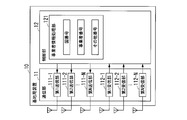
- FIG. 2 is a schematic block diagram illustrating a configuration of the base station apparatus 10 according to the present embodiment.
- the base station apparatus 10 provides a communication service by transmitting data using a license-free band like the base station apparatus Ua (FIG. 1).
- the base station device 10 is, for example, a base station device that is used by an operator who does not have a license band and can use only a license-unnecessary band.
- the base station apparatus 10 includes a communication unit 11 and a control unit 12.
- the communication unit 11 performs wireless communication with a terminal device 20 (described later) using a predetermined method (for example, LTE, LTE-A).
- the communication unit 11 includes N transmission units (N is an integer greater than or equal to 1, for example, 2), that is, the first transmission unit 111-1 to the Nth transmission unit 111-N, and the N reception units. That is, the first receiving unit 112-1 to the Nth receiving unit 112-N are included.
- the first transmission unit 111-1 to the Nth transmission unit 111-N may be referred to as the transmission unit 111 unless otherwise distinguished, and the first reception unit 112-1 to the Nth reception unit 112 may be referred to. If -N is not particularly distinguished, it may be simply referred to as the receiving unit 112.
- the first transmitting unit 111-1 to the Nth transmitting unit 111-N transmit various types of data by radio waves from the antennas using license-free bands U1 to UN having different frequencies, respectively.
- the first receiving unit 112-1 to the Nth receiving unit 112-N receive various types of data using radio waves in the license-unnecessary bands U1 to UN having different frequencies via the antennas.
- the license-unnecessary bands U1 to UN may be license-free frequency bands defined by a predetermined communication standard.
- the license-unnecessary bands U1 and U2 are a 5.0 MHz band and a 2.4 MHz band.
- the parts that can be shared by the first transmission unit 111-1 to the Nth transmission unit 111-N and the first reception unit 112-1 to the Nth reception unit 112-N may be shared. Further, the parts that can be shared within the frequency band that can be used by the transmission unit 111 and the reception unit 112 may be shared.
- the control part 12 is comprised including the provider information processing part 121, and performs the various processes regarding communication. Such processing includes, for example, allocation of radio resources to the terminal devices located in the area, control of the carrier frequency and bandwidth at the transmission unit 111 and the reception unit 112, and transmission of received data received from the terminal devices to the core network There are transmission data transmission from the core network to the terminal device, generation and transmission of a notification signal, and the like.
- the broadcast signal is transmitted at an interval of 50 ms using, for example, a broadcast control channel (BCCH: Broadcast Control Channel).
- the control unit 12 includes, for example, a processing device such as a CPU (Central Processing Unit) and a storage device such as a RAM (Random Access Memory).
- the carrier information processing unit 121 reads carrier information indicating a network of a telecommunications carrier preset in the storage device, and sends notification signals including the carrier information to the first transmission unit 111-1 to the Nth transmission unit. Transmit into the cell via 111-N.
- the carrier information includes, for example, a country code (MCC: Mobile Country Code), a carrier number (MNC: Mobile Network Code), and other numbers.
- any one of (1) to (3) is set as business information of a business operator that does not have a license band and has only a license-unnecessary band.
- a specific common identification number representing a license-unnecessary band is used as a country code (MCC).
- MCC country code
- business information including business number is generated.
- the specific common identification number used as the country code (MCC) may not be the actual country code.
- the actual country code is the country code of the country where the business is established or the country where the main business is located.
- a specific common identification number representing a license-unnecessary band is used as a carrier number (MNC).
- MCC country code
- MNC operator number
- the specific common identification number used as the business operator number (MNC) may not be used even if the business operator number is assigned to the business operator.
- the business operator information processing unit 121 uses the specific common identification number as a specific common identification number using only a predetermined part of the business number (for example, the last digit). Digits may be used as business numbers. This makes it possible to identify both the business operator and the use of the license-free band based on the business operator number.
- a specific common identification number representing a license-unnecessary band is used as a country code (MCC) and an operator number (MNC).
- MCC country code
- MNC company number
- Business information including the country code and business number is generated.
- FIG. 3 is a schematic block diagram illustrating a configuration of the terminal device 20 according to the present embodiment.
- the terminal device 20 is an electronic device that can communicate with a counterpart device via the base station device 10, for example, a mobile phone (including a smartphone), a tablet terminal device, a communication card, and the like.
- the terminal device 20 can transmit and receive data via the base station device 10 using a license-unnecessary band like the terminal device Tm (FIG. 1).
- the terminal device 20 includes a communication unit 21 and a control unit 22, and includes a connector (not shown) that removably fixes the SIM card 23.
- the communication unit 21 performs wireless communication with the base station apparatus 10 using a predetermined method (for example, LTE, LTE-A).
- the communication unit 21 includes M (M is an integer of 2 or larger, eg, 3) first transmission units 211-1 to 211-M and M first reception units 212-1. To M-th receiving section 212-M.
- the first transmission unit 211-1 to the M-th transmission unit 211-M they are referred to as the transmission unit 211, and the first reception unit 212-1 to the M-th reception unit 212-
- M is not particularly distinguished, it is referred to as a receiving unit 212.
- the first transmission unit 211-1 to the M-th transmission unit 211 -M transmit various types of data from the antenna using radio waves using different frequency bands.
- the first receiving unit 212-1 to M-th receiving unit 212-M use various frequency bands and receive various types of data using radio waves having different frequency bands via the antenna.
- the frequency bands used by the first transmission unit 211-1 to M-th transmission unit 211-M and the first reception unit 212-1 to M-th reception unit 212-M include at least one license unnecessary band U1, U2,. And at least one license band L1, L2,...
- the license-unnecessary bands U1, U2,... May be license-free frequency bands defined by a predetermined communication standard.
- the license unnecessary band U1 is a 5.0 MHz band.
- the license bands L1 and L2 are Band1 (2.0 MHz band) and Band2 (800 MHz band) defined by LTE.
- the parts that can be shared by the first transmission unit 211-1 to the Mth transmission unit 211-M and the first reception unit 212-1 to the Mth reception unit 212-M may be shared. Further, the parts that can be shared within the frequency band that can be used by the transmission unit 211 and the reception unit 212 may be shared.
- the control unit 22 functions as a cell candidate detection unit 221, an operator identification unit 222, a network selection unit 223, and a location registration unit 224, and executes various processes related to communication.
- the control unit 22 includes a processing device such as a CPU (Central Processing Unit) and a main storage device such as a RAM (Random Access Memory).
- the cell candidate detection unit 221 measures the intensity for each frequency band of the reception signal received by the reception unit 212, and detects a signal having a frequency band component whose measured intensity is higher than a preset intensity. As a result, a cell candidate in which the device itself may be located is detected (cell search). A broadcast signal transmitted from each base station apparatus is used as a received signal. In the example shown in FIG. 1, cell X-Ua of business operator X and cells Y-Ub and Y-Lb of business operator Y are detected.
- the business operator identification unit 222 extracts business operator information from each of the signals detected by the cell candidate detection unit 221, and either or both of the country code and the business enterprise number indicated by the extracted business operator information represent a license-free band. It is determined whether or not it matches a specific common identification number. In the business operator identification unit 222, a predetermined country code (MCC), a business operator number (MNC), or both, which are specific common identification numbers representing license-free bands, are set in advance. If it is determined that they match, the business operator identification unit 222 determines that information indicating a business operator that uses only the license-unnecessary band is included.
- MCC country code
- MNC business operator number
- the business entity identification unit 222 determines that information indicating that the business operator uses only the license-unnecessary band is not included. As a result, it is identified whether or not the detected cell candidate carrier is a carrier that uses only a license-free band.
- the network selection unit 223 selects an operator's network to be used for communication. When a carrier that uses only a license-unnecessary band is identified for the detected cell candidate carrier, the network selection unit 223 selects the network of the carrier. If the detected cell candidate operator does not identify the operator that uses only the license-unnecessary band, the network selection unit 223 reads the operator information according to the order stored in the SIM card 23. The network selection unit 223 selects the provider network indicated by the provider information extracted by the provider identification unit 222, which is the provider information that matches the read provider information.
- the location registration unit 224 selects the frequency band of the operator selected by the network selection unit 223. Specifically, when an operator that uses only a license-unnecessary band is identified, the location registration unit 224 selects a frequency band of a signal having operator information including a specific common identification number that represents the license-unnecessary band. To do. When the operator that uses only the license-free band is not identified, the frequency band of the signal having the operator information that matches the read operator information and is extracted by the operator identifying unit 222 Select.
- the location registration unit 224 performs location registration on the network of the selected business operator.
- the location registration unit 224 transmits a location registration request signal to the network of the carrier selected through the base station apparatus using the signal in the selected frequency band.
- the location registration unit 224 selects the roaming contract between the provider related to the provider information stored in the SIM card 23 and the other provider. Even if a location registration is performed with a location registration server in the network of the operator contracted by the user via the base station device 10 of the other operator using a signal in the frequency band of another operator using only the license-free band. It doesn't matter.
- location registration completion information (attach accept) is received via a base station device from a network that has performed location registration within a predetermined time (for example, within 90 seconds) after transmission of the location registration request signal
- the location registration unit 224 determines that the position registration has failed.
- the SIM card 23 stores a set in which business information of a business contracted with a subscriber is associated with identification information (for example, a telephone number, etc.) used when communicating on the business operator's network. ing. If there are multiple such sets, they are stored in descending order of priority.
- FIG. 4 is a flowchart showing communication processing according to the present embodiment.
- Step S101 The control unit 22 of the terminal device 20 is activated in response to power being turned on.
- the control unit 22 reads a predetermined program from the main storage device and starts executing the read program. Thereafter, the process proceeds to step S102.
- Step S ⁇ b> 102 The cell candidate detection unit 221 detects a signal of a frequency band component that is a cell candidate in which the device itself may be located by performing a cell search. Thereafter, the process proceeds to step S103.
- Step S103 The business operator identification unit 222 extracts business information from the signal detected by the cell candidate detection unit 221, and the extracted business information uses information on a business that uses only a license-free band (represents a license-free band). It is determined whether or not a common identification number is included. When it is determined that it is included (step S103: YES), the process proceeds to step S104. If it is determined not to be included (NO in step S103), the process proceeds to step S105.
- Step S104 The network selection unit 223 selects a network of a business operator that uses only a license-unnecessary band. Thereafter, the process proceeds to step S106.
- Step S105 The network selection unit 223 reads the business operator information according to the connection priority stored in the SIM card 23, and the read business operator information matches the business operator information extracted by the business operator identification unit 222. It is determined whether or not. The network selection unit 223 selects the network of the business operator that has been determined to match. Thereafter, the process proceeds to step S106.
- Step S106 The location registration unit 224 selects the frequency band of the operator selected by the network selection unit 223. Thereby, an available cell of the selected operator is selected. Thereafter, the process proceeds to step S107.
- Step S107 The location registration unit 224 performs location registration on the network of the selected operator. If the location registration is successful, the location registration unit 224 receives location registration completion information from the network. Thereafter, the processing shown in FIG. 4 is terminated, and a standby state is established in which communication can be performed using the network. In step S107, if location registration to the network selected in step S104 fails, the process may proceed to step S105.
- the terminal device 20 includes the cell candidate detection unit 221 that detects a cell that may be present based on the received signal.
- the terminal device 20 includes an operator identification unit 222 that identifies information indicating an operator that uses a license-unnecessary band from a received signal received from a cell detected by the cell candidate detection unit 221.
- the terminal device 20 includes a location registration unit 224 that preferentially registers a location in the network of the business operator that uses the license-free band identified by the business operator identification unit 222.
- the carrier identification unit 222 determines whether or not the carrier information included in the signal received by the cell candidate detection unit 221 includes predetermined identification information indicating a carrier using a license-unnecessary band. With this configuration, it is possible to identify an operator's network that uses a license-free band without increasing the amount of information of the entire broadcast information transmitted by the base station device 10.
- a communication system 1a (not shown) according to the present embodiment includes at least one base station device 10a and a terminal device 20a.
- FIG. 5 is a schematic block diagram showing the configuration of the base station apparatus 10a according to this embodiment.
- the base station apparatus 10a includes a communication unit 11 and a control unit 12a. Similar to the control unit 12 (FIG. 2), the control unit 12a includes a processing device and a main storage device, and executes various processes related to communication.
- the control part 12a implement
- the business operator success / failure information notification processing unit 121a stores business operator success / failure information and business operator information in advance.
- the carrier validity information is information indicating whether or not the communication carrier of the base station apparatus 10a is a carrier network that uses only a license-free band. For example, it is 1-bit information in which “1” is set for a business using only a license-free band, and “0” is set otherwise.
- the carrier information stored in advance includes the country code (MCC) assigned to the country in which the telecommunications carrier of the base station device 10a has the principal place of business, and the business assigned to the telecommunications carrier, as in the conventional base station device. This is business information indicating a company number (MNC).
- the business success / failure information notification processing unit 121a reads business success / failure information and business information stored in advance, and reads the business success / failure information and business information read at first time intervals from the first transmission unit 111-1 to the first transmission unit 111-1. Transmit into the cell via the N transmitter 111-N.
- the business propriety information notification processing unit 121a uses the following signals (1) to (3) when transmitting the business propriety information and business information.
- the company propriety information notification processing unit 121a includes the company propriety information and the company information in the notification signal and transmits the notification signal.
- the business propriety information and the business enterprise information are transmitted using BCCH.
- the business operator success / failure information notification processing unit 121a includes business operator success / failure information and business operator information in a control signal common to the users, and transmits the control signal.
- the business propriety information and the business operator information are transmitted using PDCCH (Physical Downlink Control Channel).
- the business operator success / failure information notification processing unit 121a may transmit information indicating the MNC as a notification signal as in the past.
- the business operator success / failure information notification processing unit 121a includes business operator success / failure information and business operator information in a control signal unique to each user, and transmits the control signal.
- the operator success / failure information and the operator information are transmitted using PDSCH (Physical Downlink Shared Channel).
- PDSCH Physical Downlink Shared Channel
- the business operator success / failure information notification processing unit 121a may transmit information indicating the MNC as a notification signal as in the past.
- FIG. 6 is a schematic block diagram showing the configuration of the terminal device 20a according to this embodiment.
- the terminal device 20a includes a communication unit 21 and a control unit 22a. Similar to the control unit 22 (FIG. 3), the control unit 22a includes a processing device and a main storage device, and executes various processes related to communication.
- the control unit 22a functions as a cell candidate detection unit 221, an operator identification unit 222, a network selection unit 223, a location registration unit 224, and an operator propriety information acquisition unit 225a.
- the business operator pass / fail information acquisition unit 225a acquires the business operator pass / fail information by extracting the business operator pass / fail information from a notification signal or a control signal that is a signal detected by the cell candidate detection unit 221.
- the provider identification part 222 extracts provider information from the alerting signal or control signal which the cell candidate detection part 221 detected, does the extracted provider information contain the specific common identification number showing a license unnecessary band? It is not necessary to perform the process of determining whether or not.
- FIG. 7 is a flowchart showing communication processing according to the present embodiment.
- the process shown in FIG. 7 includes steps S101, S102, S103a, S104 to S107, and S111a. After steps S101 and S102 are completed, the process proceeds to step S111a.
- Step S ⁇ b> 111 a The operator success / failure information acquisition unit 225 a acquires the operator success / failure information from a notification signal or a control signal that is a signal detected by the cell candidate detection unit 221.
- the provider identification unit 222 extracts the provider information from the notification signal or control signal detected by the cell candidate detection unit 221. Thereafter, the process proceeds to step S103a.
- Step S103a The business operator identifying unit 222 determines whether the business operator pass / fail information acquired by the business operator pass / fail information acquiring unit 225a is information (eg, “1”) of the business operator using only the license-unnecessary band (for example, "0"). If it is determined that the service provider uses only a license-free band (for example, “1”) (YES in step S103a), the process proceeds to step S104. If it is determined that this is not the case (for example, “0”) (NO in step S103a), the process proceeds to step S105. After the processes in steps S104 to S107 are completed, the process shown in FIG. 7 is terminated.
- the terminal device 20a further includes the business operator acceptance information acquisition unit 225a that acquires information indicating whether or not the network is a business operator that uses a license-unnecessary band.
- the business operator acceptance information acquisition unit 225a acquires information indicating whether or not the network is a business operator that uses a license-unnecessary band.
- a communication system 1b (not shown) according to the present embodiment includes at least one base station device 10a and a terminal device 20b.
- FIG. 8 is a schematic block diagram showing the configuration of the terminal device 20b according to the present embodiment.
- the terminal device 20b includes a communication unit 21, a control unit 22b, an operation input unit 24b, and a display unit 25b.
- control unit 22b includes a processing device and a main storage device, and executes various processes related to communication.
- the control unit 22b functions as a cell candidate detection unit 221, an operator identification unit 222, a network selection unit 223, a location registration unit 224, an operator validity information acquisition unit 225a, and an operation mode setting processing unit 226b.
- a plurality of operation modes are set in the operation mode setting processing unit 226b in advance, and any one of the plurality of operation modes is selected according to the input signal input from the operation input unit 24b.
- the plurality of operation modes are, for example, a normal mode (mode 1) and a license-free operator priority mode (mode 2).
- the normal mode (mode 1) the location registration in the operator network indicated by the operator information is performed in the order in which the operator information is stored in the SIM card 23 without giving priority to the network of the license-free operator. This is the mode of operation to try. That is, when the normal mode is selected, the control unit 22b skips the processes of steps S111a and S103a after the process of step S102 is completed in the communication process shown in FIG. 7, and proceeds to step S105.
- the license-free business operator priority mode (mode 2) is an operation mode in which location registration is attempted with priority given to the network of the license-free business operator. That is, when the license-free business operator priority mode is selected, the control unit 22b attempts to connect to the network by the communication process shown in FIG.
- the operation input unit 24b receives an operation input by the user and generates an input signal corresponding to the received operation input.
- the operation input unit 24b outputs the generated input signal to the control unit 22b.
- the operation input unit 24b includes, for example, a pointing device such as a touch sensor, a keyboard, or the like that detects coordinates with which an operation object such as a user's finger or stylus pen comes into contact.
- the display unit 25b displays an image based on the display signal input from the control unit 22b.
- the display unit 25b displays various setting screens such as an image and text received from the counterpart device, and an operation mode setting screen.
- the display unit 25b is, for example, a liquid crystal display (LCD), an organic EL display (Organic Electroluminescence Display), or the like.
- the display unit 25b may be configured as a touch panel integrated with the operation input unit 24b.
- FIG. 9 is a diagram illustrating an example of the operation mode setting screen.
- the terminal device 20b includes a touch panel in which an operation input unit 24b and a display unit 25b are integrated on one surface of a housing, and an operation mode setting screen is displayed on the display unit 25b.
- the setting image signal indicating the operation mode setting screen is set in advance in the operation mode setting processing unit 226b (FIG. 8).
- the operation mode setting processing unit 226b When the operation mode setting is instructed by the input signal input from the operation input unit 24b, the operation mode setting processing unit 226b outputs the set image signal set to the display unit 25b, thereby displaying the operation mode setting screen.
- the operation mode setting screen includes a character string “Please select a terminal mode” as a display for prompting selection of the operation mode, and two buttons indicating selectable operation modes. Character strings indicating “1. normal mode” and “2. license-unnecessary operator priority mode” are displayed on the two buttons, respectively. The display of “1. Normal mode” and “2. License-free business operator priority mode” indicates that the normal mode and the license-free business operator can be selected by being instructed by operation.
- the operation mode setting processing unit 226b selects an operation mode related to the button displayed in the display area when the display area of each button is instructed (pressed) by an input signal. For example, when the display area of “2. License-less company priority mode” is pressed, the operation mode setting processing unit 226b selects the license-less company priority mode. Note that the operation mode setting processing unit 226b may select a corresponding operation mode based on an input signal generated by a key operation on the same number key. For example, when the number key “2” is pressed, the operation mode setting processing unit 226b may select the license-free business operator priority mode.
- the terminal device 20b sets, based on the operation input, whether or not to perform location registration in preference to the network of the carrier that uses the license-free band identified by the carrier identification unit 222.
- the operation mode setting processing unit 226b is provided. With this configuration, the user can arbitrarily select whether or not to use the license-free band preferentially when performing communication.
- the communication system 1b may include at least one base station device 10 (FIG. 2) and a terminal device 20b.
- the control unit 22b includes a processing device and a main storage device, and includes a cell candidate detection unit 221, an operator identification unit 222, a network selection unit 223, and a location registration unit. 224 and the operation mode setting processing unit 226b.
- the cell candidate detection unit 221 (FIGS. 3, 6, and 8) measures an index indicating other signal quality instead of the intensity for each frequency band of the received signal, and the measured index is higher than the preset index. However, it is also possible to detect a signal having a frequency band component that is good. As such an index, for example, a signal-to-interference noise ratio (SINR: Signal to Interference plus Noise Ratio), a peak-to-average power ratio (PAPR: Peak to Average Power Ratio), or the like can be used.
- SINR Signal to Interference plus Noise Ratio
- PAPR Peak to Average Power Ratio
- the network selection unit 223 (FIGS. 3, 6, and 8) detects a plurality of operator networks that use only the license-unnecessary band, one of the detected networks may be selected. .
- the network selection unit 223 may select a network in which the above-described index indicating signal quality indicates the best signal quality, or a network in which the usage fee is most economical.
- the terminal devices 20, 20a, and 20b communicate with each other in any of the standby states. It can be carried out. For example, it is assumed that when the roaming is possible between the network X of the business operator X and the network Y of the business operator Y, the terminal devices 20, 20a, and 20b are in a standby state on the network X. When data is transmitted from the counterpart device to the terminal devices 20, 20 a, and 20 b via the network Y, the transmitted data is transferred from the network Y to the network X. The terminal devices 20, 20 a, and 20 b can receive data from the counterpart device via the network X.
- the terminal devices 20, 20a, 20b are provided with a SIM card 23 in which specific business operator information indicating a specific common identification number representing a license-unnecessary band and an identification number of the own device are stored in association with each other. Communication is always possible using the license-free band of the operator.
- curd 23 can be abbreviate
- a wireless communication system including a base station device and a terminal device, wherein the base station device transmits broadcast information including common identification information indicating a network operator using a license-unnecessary band to the terminal device.
- the terminal device is a wireless communication system that receives the broadcast information from the base station device and identifies a network operator using a license-free band from the broadcast information.
- the broadcast information includes network operator information indicating a network operator
- the network operator information includes the common identification information as operator number information of the network operator.
- a wireless communication base station comprising: a carrier information processing unit that transmits carrier information through the communication unit.
- a detection unit that detects a cell that may be located based on a received signal, and a network that indicates a network operator that uses a license-free band from the received signal received from the cell detected by the detection unit
- a terminal device comprising: a business operator identifying unit that identifies business operator information; and a network selecting unit that selects a business operator network indicated by the network business operator information identified by the business operator identifying unit.
- the base station devices 10 and 10a and the terminal devices 20, 20a, and 20b for example, the control units 12, 12a, 22, 22a, and 22b may be realized by a computer.
- the program for realizing the control function may be recorded on a computer-readable recording medium, and the program recorded on the recording medium may be read by the computer system and executed.
- Each functional block of the base station devices 10 and 10a and part of the terminal devices 20, 20a and 20b may be individually processorized, or a part or all of them may be integrated into a processor.
- the method of circuit integration is not limited to LSI, and may be realized by a dedicated circuit or a general-purpose processor.
- an integrated circuit based on the technology may be used.
- One embodiment of the present invention can be applied to a wireless communication system, a wireless communication base station, a terminal device, and the like that need to be efficiently connected to a network of a telecommunications carrier that provides a communication service using a license-free band. it can.
Landscapes
- Engineering & Computer Science (AREA)
- Computer Security & Cryptography (AREA)
- Computer Networks & Wireless Communication (AREA)
- Signal Processing (AREA)
- Mobile Radio Communication Systems (AREA)
- Telephone Function (AREA)
Abstract
基地局装置は、ライセンス不要帯域を使用したネットワーク事業者を示す共通識別情報を含む報知情報を前記端末装置に送信し、端末装置は、基地局装置から前記報知情報を受信し、前記報知情報からライセンス不要帯域を使用したネットワーク事業者を識別する。本実施形態は、基地局装置と端末装置を備えた通信システムとしても実施することができる。
Description
本発明は、無線通信システム、無線通信基地局、及び端末装置、特に携帯電話網で用いられる無線通信システムに関する。
本願は、2014年6月18日に、日本に出願された特願2014-125820号に基づき優先権を主張し、その内容をここに援用する。
本願は、2014年6月18日に、日本に出願された特願2014-125820号に基づき優先権を主張し、その内容をここに援用する。
第3世代パートナーシッププロジェクト(3GPP:3rd Generation Partnership Project)では、ライセンス不要バンド(unlicensed band)でLTE(Long Term Evolution)またはLTE-Advanced(LTE-A)を使用した通信サービス(以下、本通信サービスと呼ぶ)の導入が検討されている。ライセンス不要バンドは、当局による許認可を要することなく利用できる周波数帯域である。ライセンス不要バンドは、免許不要の周波数帯域とも呼ばれる。これに対し、当局による許認可により利用できる周波数帯域は、ライセンスバンド(licensed band)、又は、免許を要する周波数帯域と呼ばれる。また、LTE、LTE-Aは、いずれも携帯電話の代表的な通信規格である。つまり、本通信サービスは、ライセンスバンドを有しない通信事業者であっても、各国共通のライセンス不要バンド(例えば、5GHz帯、等)を使用することによって可能となる。
また、本通信サービスは、ライセンス不要バンドを利用するため、比較的経済的、あるいは無償で提供されることが期待される。そのため、本通信サービスを提供している通信事業者のサービス提供エリアにおいて、その通信事業者のネットワークを優先的に選択して、本通信サービスを利用したいと考えるユーザが増加することが予想される。
また、本通信サービスは、ライセンス不要バンドを利用するため、比較的経済的、あるいは無償で提供されることが期待される。そのため、本通信サービスを提供している通信事業者のサービス提供エリアにおいて、その通信事業者のネットワークを優先的に選択して、本通信サービスを利用したいと考えるユーザが増加することが予想される。
3GPP TS 23.122,3rd Generation Partnership Project,2014年3月,V12.4.0
本通信サービスを提供する通信事業者のネットワークを選択するためには、その通信事業者の国番号(MCC:Mobile Country Code)と事業者番号(MNC:Mobile Network Code)とを対応付けた対応表を端末装置やSIM(Subscriber Identity Module)カード等に予め記憶しておく必要がある(非特許文献1参照)。そのため、本通信サービスが世界的に普及すると、多数の通信事業者について、それぞれ国番号と事業者番号を対応表に記憶する必要がある。さらに、本通信サービスが認可される国や、本通信サービスを提供する通信事業者が現れるごとに、対応表に国番号と事業者番号を追加することが必要になる。
他方、端末装置が本通信サービスを利用するには、例えば、送受信可能な全周波数帯域から対応表に記憶された通信事業者が提供するネットワークの周波数帯域を探し出し、位置登録を行う必要がある(特許文献1参照)。対応表に記憶された通信事業者を示す国番号や事業者番号の数が多くなると、サーチに要する時間や、消費電力が大きくなる。
本発明の一態様は上記の点に鑑みてなされたものであり、ライセンス不要バンドを用いる通信事業者のネットワークに効率よく接続することができる端末装置を提供する。
本発明の一態様は上記の課題を解決するためになされたものであり、本発明の一態様は、基地局装置と端末装置とを備える無線通信システムであって、前記基地局装置は、ライセンス不要帯域を使用したネットワーク事業者を示す共通識別情報を含む報知情報を前記端末装置に送信し、前記端末装置は、前記基地局装置から前記報知情報を受信し、前記報知情報からライセンス不要帯域を使用したネットワーク事業者を識別する無線通信システムである。
本発明の一態様によれば、ライセンス不要バンドを用いる通信事業者のネットワークに効率よく接続することができる。
(第1の実施形態)
図1は、本実施形態における通信システム1の一例を示す概念図である。
通信システム1は、基地局装置Ua、Ub、Lb及び端末装置Tmを含んで構成される。各基地局装置を囲む楕円は、各基地局装置からの電波が届く範囲であるセルを示す。セルX-Ua、Y-Ub、Y-Lbは、それぞれ基地局装置Ua、Ub、Lbのセルである。セルX-Ua、Y-Ub、Y-Lbは、それぞれ基地局装置Ua、Ub、Lbを意味することがある。
各基地局装置を起点とする破線の矢印は、各基地局装置が所定の時間間隔(例えば、50ms)で報知信号を電波で送信することを示す。報知信号は、ネットワークのシステム情報(System Information)を示す信号である。システム情報は、ネットワーク事業者(オペレータ)情報を含む。実線の両矢印は、その両端に示される機器間で通信中であることを示す。
図1は、本実施形態における通信システム1の一例を示す概念図である。
通信システム1は、基地局装置Ua、Ub、Lb及び端末装置Tmを含んで構成される。各基地局装置を囲む楕円は、各基地局装置からの電波が届く範囲であるセルを示す。セルX-Ua、Y-Ub、Y-Lbは、それぞれ基地局装置Ua、Ub、Lbのセルである。セルX-Ua、Y-Ub、Y-Lbは、それぞれ基地局装置Ua、Ub、Lbを意味することがある。
各基地局装置を起点とする破線の矢印は、各基地局装置が所定の時間間隔(例えば、50ms)で報知信号を電波で送信することを示す。報知信号は、ネットワークのシステム情報(System Information)を示す信号である。システム情報は、ネットワーク事業者(オペレータ)情報を含む。実線の両矢印は、その両端に示される機器間で通信中であることを示す。
基地局装置Uaは、事業者Xの基地局装置であり、事業者Xのコアネットワークに接続されている。基地局装置Uaは、ライセンス不要バンドU1を用いて通信サービスを提供することができる。基地局装置Uaは、ライセンス不要バンドU1を用いて、事業者Xがライセンス不要バンドを有する事業者であることを示す報知信号を送信する。
基地局装置Ub、Lbは、事業者Yの基地局装置であり、例えば、Xインタフェースを介して相互に接続され、それぞれ事業者Yのコアネットワークに接続されている。基地局装置Ub、Lbは、それぞれライセンス不要バンドU1、ライセンスバンドL1を用いてユーザデータを伝送することにより通信サービスを提供することができる。基地局装置Ub、Lbは、それぞれライセンス不要バンドU1、ライセンスバンドL1を用いて、報知信号を送信する。これらの報知信号は、既存の規定に基づいた報知信号であってもよい。
ただし、前者の報知信号は、特に送信していなくてもかまわない。
ただし、前者の報知信号は、特に送信していなくてもかまわない。
端末装置Tmには、端末装置Tmのユーザが事業者Yと結んだ契約により、事業者Yの事業者情報を記憶したSIMカードが装着されている。このカードは、USIM(Universal Subscriber Identity Module)カードであってもよい。従来の構成であれば、端末装置Tmは、ライセンスバンドL1上で検出される事業者Yのネットワーク(HPLMN:Home Public Land Mobile Network)を用いて通信を行う。
これに対し、図1に示す例では、端末装置Tmは、セルX-Ua、Y-Ub、及びY-Lbが重複する領域に位置する。この位置では、端末装置Tmは、ライセンスバンドL1上で事業者Yのネットワークを検出し、ライセンス不要バンドU1上で事業者X、Yのネットワークをそれぞれ検出することが可能である。ただし、事業者X、Y間において、ライセンス不要バンドU1上のそれぞれ異なった周波数帯域が使用される。端末装置Tmは、検出したネットワークのうち事業者Xのネットワークを選択した場合は、選択したネットワークを用いてデータを伝送することができる。これにより、端末装置Tmは、事業者Xによるライセンス不要バンドU1を用いた比較的経済的な通信サービスを利用することができる。本実施形態によれば、以下に説明する構成により事業者Xのネットワークへの接続を効率的に行うことが可能になる。
これに対し、図1に示す例では、端末装置Tmは、セルX-Ua、Y-Ub、及びY-Lbが重複する領域に位置する。この位置では、端末装置Tmは、ライセンスバンドL1上で事業者Yのネットワークを検出し、ライセンス不要バンドU1上で事業者X、Yのネットワークをそれぞれ検出することが可能である。ただし、事業者X、Y間において、ライセンス不要バンドU1上のそれぞれ異なった周波数帯域が使用される。端末装置Tmは、検出したネットワークのうち事業者Xのネットワークを選択した場合は、選択したネットワークを用いてデータを伝送することができる。これにより、端末装置Tmは、事業者Xによるライセンス不要バンドU1を用いた比較的経済的な通信サービスを利用することができる。本実施形態によれば、以下に説明する構成により事業者Xのネットワークへの接続を効率的に行うことが可能になる。
なお、図1は、事業者Yのライセンス不要バンドU1、ライセンスバンドL1をそれぞれ用いて信号を送信する基地局装置Ub、Lbが別個である場合を例にするが、基地局装置Ub、Lbは、一体化された1個の基地局装置ULbとして構成されてもよい。
図1に示す例では、説明のため基地局装置Ua、Ub、Lbの数が3、端末装置Tmの数が1であるが、これには限られない。基地局装置の数は、1、2、又は3より多い数、端末装置の数は1より多い数であってもよい。
図1に示す例では、説明のため基地局装置Ua、Ub、Lbの数が3、端末装置Tmの数が1であるが、これには限られない。基地局装置の数は、1、2、又は3より多い数、端末装置の数は1より多い数であってもよい。
(基地局装置の構成)
次に、本実施形態に係る基地局装置10の構成について説明する。
図2は、本実施形態に係る基地局装置10の構成を示す概略ブロック図である。
基地局装置10は、基地局装置Ua(図1)のようにライセンス不要バンドを用いてデータを伝送することにより通信サービスを提供する。基地局装置10は、例えば、ライセンスバンドを有さず、ライセンス不要バンドのみを使用できる事業者に利用される基地局装置である。
次に、本実施形態に係る基地局装置10の構成について説明する。
図2は、本実施形態に係る基地局装置10の構成を示す概略ブロック図である。
基地局装置10は、基地局装置Ua(図1)のようにライセンス不要バンドを用いてデータを伝送することにより通信サービスを提供する。基地局装置10は、例えば、ライセンスバンドを有さず、ライセンス不要バンドのみを使用できる事業者に利用される基地局装置である。
基地局装置10は、通信部11及び制御部12を含んで構成される。
通信部11は、端末装置20(後述)との無線通信を、所定の方式(例えば、LTE、LTE-A)を用いて行う。通信部11は、N(Nは、1またはそれより大きな整数、例えば、2)個の送信部、即ち第1送信部111-1~第N送信部111-Nと、N個の受信部、即ち、第1受信部112-1~第N受信部112-Nを含んで構成される。以降の説明において、第1送信部111-1~第N送信部111-Nを特に区別しない場合には、送信部111と呼ぶことがあり、第1受信部112-1~第N受信部112-Nを特に区別しない場合には、単に受信部112と呼ぶことがある。
通信部11は、端末装置20(後述)との無線通信を、所定の方式(例えば、LTE、LTE-A)を用いて行う。通信部11は、N(Nは、1またはそれより大きな整数、例えば、2)個の送信部、即ち第1送信部111-1~第N送信部111-Nと、N個の受信部、即ち、第1受信部112-1~第N受信部112-Nを含んで構成される。以降の説明において、第1送信部111-1~第N送信部111-Nを特に区別しない場合には、送信部111と呼ぶことがあり、第1受信部112-1~第N受信部112-Nを特に区別しない場合には、単に受信部112と呼ぶことがある。
第1送信部111-1~第N送信部111-Nは、それぞれ異なる周波数のライセンス不要バンドU1~UNを使用して、各種のデータをアンテナから電波で送信する。また、第1受信部112-1~第N受信部112-Nは、アンテナを介してそれぞれ異なる周波数のライセンス不要バンドU1~UNの電波で各種のデータを受信する。
ライセンス不要バンドU1~UNは、所定の通信規格で規定されているライセンス不要の周波数帯域であってもよい。例えば、ライセンス不要バンドU1、U2は、5.0MHz帯、2.4MHz帯である。
なお、第1送信部111-1~第N送信部111-Nと第1受信部112-1~第N受信部112-Nにおいて共通化可能な部位については共通化してよい。また、送信部111及び受信部112が利用可能な周波数帯域内で共通化可能な部位についても共通化してもよい。
ライセンス不要バンドU1~UNは、所定の通信規格で規定されているライセンス不要の周波数帯域であってもよい。例えば、ライセンス不要バンドU1、U2は、5.0MHz帯、2.4MHz帯である。
なお、第1送信部111-1~第N送信部111-Nと第1受信部112-1~第N受信部112-Nにおいて共通化可能な部位については共通化してよい。また、送信部111及び受信部112が利用可能な周波数帯域内で共通化可能な部位についても共通化してもよい。
制御部12は、事業者情報処理部121を含んで構成され、通信に関わる各種の処理を実行する。かかる処理には、例えば、在圏している端末装置に対する無線リソースの割り当て、送信部111や受信部112でのキャリア周波数や帯域幅の制御、端末装置から受信した受信データのコアネットワークへの送信、コアネットワークから端末装置への送信データの送信、報知信号の生成及び送信、等がある。報知信号は、例えば、報知制御チャネル(BCCH:Broadcast Control Channel)を用いて50ms間隔で伝送される。
制御部12は、例えば、CPU(Central Processing Unit)などの処理装置や、RAM(Random Access Memory)などの記憶装置を含んで構成される。
制御部12は、例えば、CPU(Central Processing Unit)などの処理装置や、RAM(Random Access Memory)などの記憶装置を含んで構成される。
事業者情報処理部121は、その記憶装置に予め設定されている通信事業者のネットワークを示す事業者情報を読み出し、事業者情報を含む報知信号を第1送信部111-1~第N送信部111-Nを介してセル内に送信する。
事業者情報は、例えば、国番号(MCC:Mobile Country Code)、事業者番号(MNC:Mobile Network Code)、その他番号、を含んで形成される。
事業者情報は、例えば、国番号(MCC:Mobile Country Code)、事業者番号(MNC:Mobile Network Code)、その他番号、を含んで形成される。
事業者情報処理部121は、ライセンスバンドを有さず、ライセンス不要バンドのみを有する事業者の事業者情報として、(1)~(3)のいずれかが設定されている。
(1)ライセンス不要バンドを表す特定の共通識別番号を国番号(MCC)として用いる。
事業者情報処理部121には、例えば、いずれの国にも割り当てられていない国番号(MCC)と、その事業者に割り当てられた事業者番号(MNC)とを設定しておき、その国番号と事業者番号とを含む事業者情報を生成する。その国番号、事業者番号は、例えば、MCC=999、MNC=90である。国番号(MCC)として用いられる特定の共通識別番号は、現実の国番号でなくともよい。現実の国番号とは、その事業者が設立された国や主たる事業所を有する国の国番号である。
(1)ライセンス不要バンドを表す特定の共通識別番号を国番号(MCC)として用いる。
事業者情報処理部121には、例えば、いずれの国にも割り当てられていない国番号(MCC)と、その事業者に割り当てられた事業者番号(MNC)とを設定しておき、その国番号と事業者番号とを含む事業者情報を生成する。その国番号、事業者番号は、例えば、MCC=999、MNC=90である。国番号(MCC)として用いられる特定の共通識別番号は、現実の国番号でなくともよい。現実の国番号とは、その事業者が設立された国や主たる事業所を有する国の国番号である。
(2)ライセンス不要バンドを表す特定の共通識別番号を事業者番号(MNC)として用いる。
事業者情報処理部121には、例えば、現実の国番号(MCC)と、いずれの事業者にも割り当てられていない事業者番号(MNC)とを設定しておき、その国番号と事業者番号とを含む事業者情報を生成する。その国番号、事業者番号は、例えば、MCC=440、MNC=99である。MCC=440は、日本国に割り当てられた国番号である。事業者番号(MNC)として用いられる特定の共通識別番号は、その事業者に事業者番号が割り当てられている場合であっても、割り当てられた事業者番号が用いられなくともよい。
なお、事業者情報処理部121は、特定の共通識別番号を事業者番号の所定の一部の桁(例えば、下一桁)のみを、特定の共通識別番号として用い、事業者番号の残りの桁を、事業者番号として用いてもよい。これにより、事業者番号に基づいて事業者と、ライセンス不要バンドを用いることとの両者が識別可能になる。
事業者情報処理部121には、例えば、現実の国番号(MCC)と、いずれの事業者にも割り当てられていない事業者番号(MNC)とを設定しておき、その国番号と事業者番号とを含む事業者情報を生成する。その国番号、事業者番号は、例えば、MCC=440、MNC=99である。MCC=440は、日本国に割り当てられた国番号である。事業者番号(MNC)として用いられる特定の共通識別番号は、その事業者に事業者番号が割り当てられている場合であっても、割り当てられた事業者番号が用いられなくともよい。
なお、事業者情報処理部121は、特定の共通識別番号を事業者番号の所定の一部の桁(例えば、下一桁)のみを、特定の共通識別番号として用い、事業者番号の残りの桁を、事業者番号として用いてもよい。これにより、事業者番号に基づいて事業者と、ライセンス不要バンドを用いることとの両者が識別可能になる。
(3)ライセンス不要バンドを表す特定の共通識別番号を国番号(MCC)及び事業者番号(MNC)として用いる。
事業者情報処理部121には、例えば、いずれの国にも割り当てられていない国番号(MCC)と、いずれの事業者にも割り当てられていない事業者番号(MNC)とを設定しておき、その国番号と事業者番号とを含む事業者情報を生成する。その国番号、事業者番号は、例えば、MCC=999、MNC=99である。
事業者情報処理部121には、例えば、いずれの国にも割り当てられていない国番号(MCC)と、いずれの事業者にも割り当てられていない事業者番号(MNC)とを設定しておき、その国番号と事業者番号とを含む事業者情報を生成する。その国番号、事業者番号は、例えば、MCC=999、MNC=99である。
(端末装置の構成)
次に、本実施形態に係る端末装置20の構成について説明する。
図3は、本実施形態に係る端末装置20の構成を示す概略ブロック図である。
端末装置20は、基地局装置10を介して相手先の機器との間で通信を行うことができる電子機器、例えば、携帯電話機(スマートフォンを含む)、タブレット端末装置、通信カード、等である。端末装置20は、端末装置Tm(図1)のようにライセンス不要バンドを用いて基地局装置10を介してデータを送信及び受信することができる。
次に、本実施形態に係る端末装置20の構成について説明する。
図3は、本実施形態に係る端末装置20の構成を示す概略ブロック図である。
端末装置20は、基地局装置10を介して相手先の機器との間で通信を行うことができる電子機器、例えば、携帯電話機(スマートフォンを含む)、タブレット端末装置、通信カード、等である。端末装置20は、端末装置Tm(図1)のようにライセンス不要バンドを用いて基地局装置10を介してデータを送信及び受信することができる。
端末装置20は、通信部21及び制御部22を含んで構成され、また、SIMカード23を着脱可能に固定するコネクタ(図示せず)を備える。
通信部21は、基地局装置10との無線通信を、所定の方式(例えば、LTE、LTE-A)を用いて行う。
通信部21は、M(Mは、2またはそれより大きい整数、例えば、3)個の第1送信部211-1~第M送信部211-Mと、M個の第1受信部212-1~第M受信部212-Mを含んで構成される。なお、以降の説明において、第1送信部211-1~第M送信部211-Mを特に区別しない場合には、送信部211と呼び、第1受信部212-1~第M受信部212-Mを特に区別しない場合には受信部212と呼ぶ。
通信部21は、基地局装置10との無線通信を、所定の方式(例えば、LTE、LTE-A)を用いて行う。
通信部21は、M(Mは、2またはそれより大きい整数、例えば、3)個の第1送信部211-1~第M送信部211-Mと、M個の第1受信部212-1~第M受信部212-Mを含んで構成される。なお、以降の説明において、第1送信部211-1~第M送信部211-Mを特に区別しない場合には、送信部211と呼び、第1受信部212-1~第M受信部212-Mを特に区別しない場合には受信部212と呼ぶ。
第1送信部211-1~第M送信部211-Mは、それぞれ異なる周波数帯域を使用して、各種のデータをアンテナから電波で送信する。第1受信部212-1~第M受信部212-Mは、それぞれ異なる周波数帯域を使用して、アンテナを介してそれぞれ異なる周波数帯域の電波で各種のデータを受信する。
第1送信部211-1~第M送信部211-M、第1受信部212-1~第M受信部212-Mが使用する周波数帯域には、少なくとも1つのライセンス不要バンドU1、U2、…と、少なくとも1つのライセンスバンドL1、L2、…と、が含まれる。ライセンス不要バンドU1、U2、…は、所定の通信規格で規定されているライセンス不要の周波数帯域であってもよい。例えば、ライセンス不要バンドU1は、5.0MHz帯である。ライセンスバンドL1、L2、…は、所定の通信規格で規定されているライセンスを要する周波数帯域であってもよい。例えば、ライセンスバンドL1、L2は、LTEで規定されたBand1(2.0MHz帯)、Band2(800MHz帯)である。
なお、第1送信部211-1~第M送信部211-Mと第1受信部212-1~第M受信部212-Mにおいて共通化可能な部位については共通化してよい。また、送信部211及び受信部212が利用可能な周波数帯域内で共通化可能な部位についても共通化してもよい。
第1送信部211-1~第M送信部211-M、第1受信部212-1~第M受信部212-Mが使用する周波数帯域には、少なくとも1つのライセンス不要バンドU1、U2、…と、少なくとも1つのライセンスバンドL1、L2、…と、が含まれる。ライセンス不要バンドU1、U2、…は、所定の通信規格で規定されているライセンス不要の周波数帯域であってもよい。例えば、ライセンス不要バンドU1は、5.0MHz帯である。ライセンスバンドL1、L2、…は、所定の通信規格で規定されているライセンスを要する周波数帯域であってもよい。例えば、ライセンスバンドL1、L2は、LTEで規定されたBand1(2.0MHz帯)、Band2(800MHz帯)である。
なお、第1送信部211-1~第M送信部211-Mと第1受信部212-1~第M受信部212-Mにおいて共通化可能な部位については共通化してよい。また、送信部211及び受信部212が利用可能な周波数帯域内で共通化可能な部位についても共通化してもよい。
制御部22は、セル候補検出部221、事業者識別部222、ネットワーク選択部223、及び位置登録部224として機能し、通信に関わる各種の処理を実行する。制御部22は、例えばCPU(Central Processing Unit)などの処理装置や、RAM(Random Access Memory)などの主記憶装置を含んで構成される。
セル候補検出部221は、受信部212が受信した受信信号の周波数帯域毎の強度を計測し、計測した強度が予め設定した強度よりも高い周波数帯域の成分の信号を検出する。
これにより、自装置が在圏している可能性があるセル候補を検出する(セルサーチ)。受信信号として各基地局装置が送信する報知信号が用いられる。図1に示す例では、事業者XのセルX-Ua、事業者YのセルY-Ub、Y-Lbが検出される。
これにより、自装置が在圏している可能性があるセル候補を検出する(セルサーチ)。受信信号として各基地局装置が送信する報知信号が用いられる。図1に示す例では、事業者XのセルX-Ua、事業者YのセルY-Ub、Y-Lbが検出される。
事業者識別部222は、セル候補検出部221が検出した信号のそれぞれから事業者情報を抽出し、抽出した事業者情報が示す国番号及び事業者番号のいずれか又は両者がライセンス不要バンドを表す特定の共通識別番号と一致するか否かを判定する。事業者識別部222には、ライセンス不要バンドを表す特定の共通識別番号である所定の国番号(MCC)、事業者番号(MNC)、又はその両者を予め設定しておく。
一致すると判定した場合、事業者識別部222は、ライセンス不要バンドのみ使用した事業者である情報が含まれていると判定する。一致しないと判定した場合、事業者識別部222は、ライセンス不要バンドのみ使用した事業者である情報が含まれていないと判定する。これにより、検出したセル候補の事業者がライセンス不要バンドのみ使用した事業者であるか否かが識別される。
一致すると判定した場合、事業者識別部222は、ライセンス不要バンドのみ使用した事業者である情報が含まれていると判定する。一致しないと判定した場合、事業者識別部222は、ライセンス不要バンドのみ使用した事業者である情報が含まれていないと判定する。これにより、検出したセル候補の事業者がライセンス不要バンドのみ使用した事業者であるか否かが識別される。
ネットワーク選択部223は、通信に用いようとする事業者のネットワークを選択する。
検出したセル候補の事業者がライセンス不要バンドのみ使用する事業者が識別された場合、ネットワーク選択部223は、その事業者のネットワークを選択する。
検出したセル候補の事業者がライセンス不要バンドのみ使用する事業者が識別されなかった場合、ネットワーク選択部223は、SIMカード23に記憶された順位に応じて事業者情報を読み出す。ネットワーク選択部223は、読み出した事業者情報に一致する事業者情報であって、事業者識別部222で抽出された事業者情報が示す事業者のネットワークを選択する。
検出したセル候補の事業者がライセンス不要バンドのみ使用する事業者が識別された場合、ネットワーク選択部223は、その事業者のネットワークを選択する。
検出したセル候補の事業者がライセンス不要バンドのみ使用する事業者が識別されなかった場合、ネットワーク選択部223は、SIMカード23に記憶された順位に応じて事業者情報を読み出す。ネットワーク選択部223は、読み出した事業者情報に一致する事業者情報であって、事業者識別部222で抽出された事業者情報が示す事業者のネットワークを選択する。
位置登録部224は、ネットワーク選択部223で選択した事業者の周波数帯域を選択する。具体的には、ライセンス不要バンドのみ使用した事業者が識別された場合には、位置登録部224は、ライセンス不要バンドを表す特定の共通識別番号を含む事業者情報を有する信号の周波数帯域を選択する。ライセンス不要バンドのみ使用した事業者が識別されなかった場合には、読み出した事業者情報に一致する事業者情報であって、事業者識別部222で抽出された事業者情報を有する信号の周波数帯域を選択する。
位置登録部224は、選択した事業者のネットワークに位置登録を行う。ここで、位置登録部224は、選択した周波数帯域の信号を用いて基地局装置を介して選択した事業者のネットワークに位置登録要求信号を送信する。SIMカード23に記憶された事業者情報に係る事業者(ユーザが契約した事業者)と他の事業者との間でローミング契約を結ばれている場合には、位置登録部224は、選択したライセンス不要バンドのみ使用した他の事業者の周波数帯域の信号を用いて、その事業者の基地局装置10を介してユーザが契約した事業者のネットワーク内の位置登録サーバーに位置登録を行ってもかまわない。位置登録要求信号の送信後、所定時間(例えば、90秒以内に、位置登録を行ったネットワークから基地局装置を介して位置登録完了情報(attach accept)を受信した場合、位置登録部224は、位置登録に成功したと判定する。それ以外の場合、位置登録部224は、位置登録に失敗したと判定する。
SIMカード23には、加入者と契約した事業者の事業者情報とその事業者のネットワークで通信する際に用いられる識別情報(例えば、電話番号、等)とが対応付けられたセットが記憶されている。このようなセットが複数ある場合には、その優先度の降順に記憶される。
(通信処理)
次に、本実施形態に係る通信処理について説明する。
図4は、本実施形態に係る通信処理を示すフローチャートである。
(ステップS101)端末装置20の制御部22は、電源が投入されたことに応じて起動する。制御部22は、主記憶装置から所定のプログラムを読み出し、読み出したプログラムの実行を開始する。その後、ステップS102に進む。
(ステップS102)セル候補検出部221は、セルサーチを行うことにより自装置が在圏している可能性があるセル候補となる周波数帯域の成分の信号を検出する。その後、ステップS103に進む。
次に、本実施形態に係る通信処理について説明する。
図4は、本実施形態に係る通信処理を示すフローチャートである。
(ステップS101)端末装置20の制御部22は、電源が投入されたことに応じて起動する。制御部22は、主記憶装置から所定のプログラムを読み出し、読み出したプログラムの実行を開始する。その後、ステップS102に進む。
(ステップS102)セル候補検出部221は、セルサーチを行うことにより自装置が在圏している可能性があるセル候補となる周波数帯域の成分の信号を検出する。その後、ステップS103に進む。
(ステップS103)事業者識別部222は、セル候補検出部221が検出した信号から事業者情報を抽出し、抽出した事業者情報がライセンス不要バンドのみを用いる事業者の情報(ライセンス不要バンドを表す共通識別番号)を含むか否かを判定する。含むと判定された場合(ステップS103 YES)、ステップS104に進む。含まないと判定された場合(ステップS103 NO)、ステップS105に進む。
(ステップS104)ネットワーク選択部223は、ライセンス不要バンドのみを用いる事業者のネットワークを選択する。その後、ステップS106に進む。
(ステップS105)ネットワーク選択部223は、SIMカード23に記憶された接続優先順位に応じて事業者情報を読み出し、読み出した事業者情報が、事業者識別部222で抽出された事業者情報と一致するか否かを判定する。ネットワーク選択部223は、一致すると判定した事業者のネットワークを選択する。その後、ステップS106に進む。
(ステップS105)ネットワーク選択部223は、SIMカード23に記憶された接続優先順位に応じて事業者情報を読み出し、読み出した事業者情報が、事業者識別部222で抽出された事業者情報と一致するか否かを判定する。ネットワーク選択部223は、一致すると判定した事業者のネットワークを選択する。その後、ステップS106に進む。
(ステップS106)位置登録部224は、ネットワーク選択部223で選択した事業者の周波数帯域を選択する。これにより、選択した事業者の利用可能なセルが選択される。
その後、ステップS107に進む。
(ステップS107)位置登録部224は、選択した事業者のネットワークに位置登録を行う。位置登録が成功すると、位置登録部224は、ネットワークから位置登録完了情報を受信する。その後、図4に示す処理を終了し、そのネットワークを用いて通信を行うことができる待ち受け状態となる。
なお、ステップS107において、ステップS104で選択したネットワークへの位置登録が失敗した場合には、ステップS105に進んでもよい。
その後、ステップS107に進む。
(ステップS107)位置登録部224は、選択した事業者のネットワークに位置登録を行う。位置登録が成功すると、位置登録部224は、ネットワークから位置登録完了情報を受信する。その後、図4に示す処理を終了し、そのネットワークを用いて通信を行うことができる待ち受け状態となる。
なお、ステップS107において、ステップS104で選択したネットワークへの位置登録が失敗した場合には、ステップS105に進んでもよい。
上述したように、本実施形態に係る端末装置20は、受信信号に基づいて在圏している可能性があるセルを検出するセル候補検出部221を備える。また、端末装置20は、セル候補検出部221が検出したセルから受信した受信信号からライセンス不要バンドを使用する事業者を示す情報を識別する事業者識別部222を備える。また、端末装置20は、事業者識別部222が識別したライセンス不要バンドを使用する事業者のネットワークに優先的に位置登録を行う位置登録部224を備える。
この構成により、ライセンス不要バンドを用いる事業者のネットワークを優先的に選択することができ、選択されたネットワークに位置登録を行うことで、そのネットワークに効率よく接続することができる。また、そのために個々の国番号、事業者番号等の事業者情報をSIMカード23に予め記憶しておく必要がなくなる。
この構成により、ライセンス不要バンドを用いる事業者のネットワークを優先的に選択することができ、選択されたネットワークに位置登録を行うことで、そのネットワークに効率よく接続することができる。また、そのために個々の国番号、事業者番号等の事業者情報をSIMカード23に予め記憶しておく必要がなくなる。
また、事業者識別部222は、セル候補検出部221が受信した信号に含まれる事業者情報が、ライセンス不要バンドを用いる事業者を示す所定の識別情報を含むか否かを判定する。
この構成により、基地局装置10が送信する報知情報全体の情報量を増加させずに、ライセンス不要バンドを用いる事業者のネットワークを識別することができる。
この構成により、基地局装置10が送信する報知情報全体の情報量を増加させずに、ライセンス不要バンドを用いる事業者のネットワークを識別することができる。
(第2の実施形態)
次に、本発明の第2の実施形態について説明する。上述した実施形態と同一の構成については、同一の符号を付して説明を援用する。
本実施形態に係る通信システム1a(図示せず)は、少なくとも1個の基地局装置10a及び端末装置20aを含んで構成される。
次に、本発明の第2の実施形態について説明する。上述した実施形態と同一の構成については、同一の符号を付して説明を援用する。
本実施形態に係る通信システム1a(図示せず)は、少なくとも1個の基地局装置10a及び端末装置20aを含んで構成される。
(基地局装置の構成)
次に、本実施形態に係る基地局装置10aの構成について説明する。
図5は、本実施形態に係る基地局装置10aの構成を示す概略ブロック図である。
基地局装置10aは、通信部11及び制御部12aを含んで構成される。
制御部12aは、制御部12(図2)と同様に、処理装置及び主記憶装置を含んで構成され、通信に関わる各種の処理を実行する。制御部12aは、事業者当否情報通知処理部121aの機能を実現する。
次に、本実施形態に係る基地局装置10aの構成について説明する。
図5は、本実施形態に係る基地局装置10aの構成を示す概略ブロック図である。
基地局装置10aは、通信部11及び制御部12aを含んで構成される。
制御部12aは、制御部12(図2)と同様に、処理装置及び主記憶装置を含んで構成され、通信に関わる各種の処理を実行する。制御部12aは、事業者当否情報通知処理部121aの機能を実現する。
事業者当否情報通知処理部121aには、予め事業者当否情報と事業者情報を記憶しておく。事業者当否情報は、基地局装置10aの通信事業者がライセンス不要バンドのみを使用した事業者のネットワークであるか否かを示す情報である。例えば、ライセンス不要バンドのみを使用した事業者である場合は、“1”を、そうでない場合には“0”とした、1ビットの情報である。予め記憶された事業者情報は、従来の基地局装置と同様に基地局装置10aの通信事業者が主たる事業所を有する国に割り当てられた国番号(MCC)と通信事業者に割り当てられた事業者番号(MNC)を示す事業者情報である。
事業者当否情報通知処理部121aは、予め記憶した事業者当否情報と事業者情報を読み取り、読みとった事業者当否情報と事業者情報を、所定の時間間隔で第1送信部111-1~第N送信部111-Nを介してセル内に送信する。
事業者当否情報通知処理部121aは、予め記憶した事業者当否情報と事業者情報を読み取り、読みとった事業者当否情報と事業者情報を、所定の時間間隔で第1送信部111-1~第N送信部111-Nを介してセル内に送信する。
事業者当否情報通知処理部121aは、事業者当否情報と事業者情報を送信する際、次の(1)~(3)のいずれかの信号を用いる。
(1)事業者当否情報通知処理部121aは、事業者当否情報と事業者情報を報知信号に含め、その報知信号を送信する。事業者当否情報と事業者情報は、例えば、LTE方式では、BCCHを用いて送信される。
(2)事業者当否情報通知処理部121aは、事業者当否情報と事業者情報をユーザ共通の制御信号に含め、その制御信号を送信する。事業者当否情報と事業者情報は、例えば、LTE方式では、PDCCH(Physical Downlink Control Channel)を用いて送信される。ただし、事業者情報については、事業者当否情報通知処理部121aは、従来通りにMNCを示す情報を報知信号で送信してもかまわない。
(3)事業者当否情報通知処理部121aは、事業者当否情報と事業者情報を個々のユーザに固有の制御信号に含め、その制御信号を送信する。事業者当否情報と事業者情報は、例えば、LTE方式では、PDSCH(Physical Downlink Shared Channel)を用いて送信される。ただし、事業者情報については、事業者当否情報通知処理部121aは、従来通りにMNCを示す情報を報知信号で送信してもかまわない。
(1)事業者当否情報通知処理部121aは、事業者当否情報と事業者情報を報知信号に含め、その報知信号を送信する。事業者当否情報と事業者情報は、例えば、LTE方式では、BCCHを用いて送信される。
(2)事業者当否情報通知処理部121aは、事業者当否情報と事業者情報をユーザ共通の制御信号に含め、その制御信号を送信する。事業者当否情報と事業者情報は、例えば、LTE方式では、PDCCH(Physical Downlink Control Channel)を用いて送信される。ただし、事業者情報については、事業者当否情報通知処理部121aは、従来通りにMNCを示す情報を報知信号で送信してもかまわない。
(3)事業者当否情報通知処理部121aは、事業者当否情報と事業者情報を個々のユーザに固有の制御信号に含め、その制御信号を送信する。事業者当否情報と事業者情報は、例えば、LTE方式では、PDSCH(Physical Downlink Shared Channel)を用いて送信される。ただし、事業者情報については、事業者当否情報通知処理部121aは、従来通りにMNCを示す情報を報知信号で送信してもかまわない。
(端末装置の構成)
次に、本実施形態に係る端末装置20aの構成について説明する。
図6は、本実施形態に係る端末装置20aの構成を示す概略ブロック図である。
端末装置20aは、通信部21及び制御部22aを含んで構成される。
制御部22aは、制御部22(図3)と同様に、処理装置及び主記憶装置を含んで構成され、通信に関わる各種の処理を実行する。制御部22aは、セル候補検出部221、事業者識別部222、ネットワーク選択部223、位置登録部224、及び事業者当否情報取得部225aとして機能する。
次に、本実施形態に係る端末装置20aの構成について説明する。
図6は、本実施形態に係る端末装置20aの構成を示す概略ブロック図である。
端末装置20aは、通信部21及び制御部22aを含んで構成される。
制御部22aは、制御部22(図3)と同様に、処理装置及び主記憶装置を含んで構成され、通信に関わる各種の処理を実行する。制御部22aは、セル候補検出部221、事業者識別部222、ネットワーク選択部223、位置登録部224、及び事業者当否情報取得部225aとして機能する。
事業者当否情報取得部225aは、セル候補検出部221が検出した信号である報知信号又は制御信号から事業者当否情報を抽出することにより取得する。
なお、事業者識別部222は、セル候補検出部221が検出した報知信号又は制御信号から事業者情報を抽出するが、抽出した事業者情報がライセンス不要バンドを表す特定の共通識別番号を含むか否かを判定する処理を行わなくてもよい。
なお、事業者識別部222は、セル候補検出部221が検出した報知信号又は制御信号から事業者情報を抽出するが、抽出した事業者情報がライセンス不要バンドを表す特定の共通識別番号を含むか否かを判定する処理を行わなくてもよい。
(通信処理)
次に、本実施形態に係る通信処理について説明する。
図7は、本実施形態に係る通信処理を示すフローチャートである。
図7に示す処理は、ステップS101、S102、S103a、S104~S107、及びS111aを有する。
ステップS101、S102が終了した後、ステップS111aに進む。
(ステップS111a)事業者当否情報取得部225aは、セル候補検出部221が検出した信号である報知信号又は制御信号から事業者当否情報を取得する。なお、事業者識別部222は、セル候補検出部221が検出した報知信号又は制御信号から事業者情報を抽出する。その後、ステップS103aに進む。
(ステップS103a)事業者識別部222は、事業者当否情報取得部225aが取得した事業者当否情報がライセンス不要バンドのみを用いる事業者の情報(例えば“1”)であるか、そうでない(例えば“0”)か、を判定する。ライセンス不要バンドのみを用いる事業者の情報(例えば“1”)と判定された場合(ステップS103a YES)、ステップS104に進む。そうでない(例えば“0”)と判定された場合(ステップS103a NO)、ステップS105に進む。
ステップS104~S107の処理が終了した後、図7に示す処理を終了する。
次に、本実施形態に係る通信処理について説明する。
図7は、本実施形態に係る通信処理を示すフローチャートである。
図7に示す処理は、ステップS101、S102、S103a、S104~S107、及びS111aを有する。
ステップS101、S102が終了した後、ステップS111aに進む。
(ステップS111a)事業者当否情報取得部225aは、セル候補検出部221が検出した信号である報知信号又は制御信号から事業者当否情報を取得する。なお、事業者識別部222は、セル候補検出部221が検出した報知信号又は制御信号から事業者情報を抽出する。その後、ステップS103aに進む。
(ステップS103a)事業者識別部222は、事業者当否情報取得部225aが取得した事業者当否情報がライセンス不要バンドのみを用いる事業者の情報(例えば“1”)であるか、そうでない(例えば“0”)か、を判定する。ライセンス不要バンドのみを用いる事業者の情報(例えば“1”)と判定された場合(ステップS103a YES)、ステップS104に進む。そうでない(例えば“0”)と判定された場合(ステップS103a NO)、ステップS105に進む。
ステップS104~S107の処理が終了した後、図7に示す処理を終了する。
上述したように、本実施形態に係る端末装置20aは、ライセンス不要バンドを使用する事業者のネットワークであるか否かを表す情報を取得する事業者当否情報取得部225aをさらに備える。
この構成により、ライセンス不要バンドを用いる事業者のネットワークを識別し、かつ個々の事業者のネットワークを識別することができる。
この構成により、ライセンス不要バンドを用いる事業者のネットワークを識別し、かつ個々の事業者のネットワークを識別することができる。
(第3の実施形態)
次に、本発明の第3の実施形態について説明する。上述した実施形態と同一の構成については、同一の符号を付して説明を援用する。
本実施形態に係る通信システム1b(図示せず)は、少なくとも1個の基地局装置10a及び端末装置20bを含んで構成される。
次に、本発明の第3の実施形態について説明する。上述した実施形態と同一の構成については、同一の符号を付して説明を援用する。
本実施形態に係る通信システム1b(図示せず)は、少なくとも1個の基地局装置10a及び端末装置20bを含んで構成される。
(端末装置の構成)
次に、本実施形態に係る端末装置20bの構成について説明する。
図8は、本実施形態に係る端末装置20bの構成を示す概略ブロック図である。
端末装置20bは、通信部21、制御部22b、操作入力部24b、及び表示部25bを含んで構成される。
次に、本実施形態に係る端末装置20bの構成について説明する。
図8は、本実施形態に係る端末装置20bの構成を示す概略ブロック図である。
端末装置20bは、通信部21、制御部22b、操作入力部24b、及び表示部25bを含んで構成される。
制御部22bは、制御部22a(図6)と同様に、処理装置及び主記憶装置を含んで構成され、通信に関わる各種の処理を実行する。制御部22bは、セル候補検出部221、事業者識別部222、ネットワーク選択部223、位置登録部224、事業者当否情報取得部225a、及び動作モード設定処理部226bとして機能する。
動作モード設定処理部226bには、予め複数の動作モードが設定され、操作入力部24bから入力された入力信号に応じて複数の動作モードのうちのいずれかを選択する。
動作モード設定処理部226bには、予め複数の動作モードが設定され、操作入力部24bから入力された入力信号に応じて複数の動作モードのうちのいずれかを選択する。
複数の動作モードは、例えば、通常モード(モード1)とライセンス不要事業者優先モード(モード2)である。通常モード(モード1)とは、特にライセンス不要事業者のネットワークを優先することなく、SIMカード23に事業者情報が記憶された順序で、事業者情報が示す事業者のネットワークへの位置登録を試みる動作モードである。即ち、通常モードが選択された場合、制御部22bは、図7に示す通信処理においてステップS102の処理が終了した後、ステップS111a及びS103aの処理を省略してステップS105に進む。
ライセンス不要事業者優先モード(モード2)とは、ライセンス不要事業者のネットワークを優先して位置登録を試みる動作モードである。即ち、ライセンス不要事業者優先モードが選択された場合、制御部22bは、図7に示す通信処理によりネットワークへの接続を試みる。
ライセンス不要事業者優先モード(モード2)とは、ライセンス不要事業者のネットワークを優先して位置登録を試みる動作モードである。即ち、ライセンス不要事業者優先モードが選択された場合、制御部22bは、図7に示す通信処理によりネットワークへの接続を試みる。
操作入力部24bは、利用者による操作入力を受け付け、受け付けた操作入力に応じた入力信号を生成する。操作入力部24bは、生成した入力信号を制御部22bに出力する。操作入力部24bは、例えば、利用者の指やスタイラスペン等の操作物が接触した座標を検知するタッチセンサ、キーボード、等のポインティングデバイスを含んで構成される。
表示部25bは、制御部22bから入力された表示用信号に基づく画像を表示する。表示部25bは、例えば、相手先の機器から受信した画像やテキスト、動作モード設定画面等、各種の設定画面を表示する。表示部25bは、例えば、液晶ディスプレイ(LCD:Liquid Crystal Display)、有機ELディスプレイ(Organic Electroluminescence Display)等である。表示部25bは、操作入力部24bと一体化したタッチパネルとして構成されていてもよい。
表示部25bは、制御部22bから入力された表示用信号に基づく画像を表示する。表示部25bは、例えば、相手先の機器から受信した画像やテキスト、動作モード設定画面等、各種の設定画面を表示する。表示部25bは、例えば、液晶ディスプレイ(LCD:Liquid Crystal Display)、有機ELディスプレイ(Organic Electroluminescence Display)等である。表示部25bは、操作入力部24bと一体化したタッチパネルとして構成されていてもよい。
(動作モード設定画面の例)
図9は、動作モード設定画面の一例を示す図である。
図9に示す例では、端末装置20bは、筐体の一面に操作入力部24bと表示部25bとが一体化されたタッチパネルを備え、表示部25bに動作モード設定画面が表示される。動作モード設定画面を示す設定画像信号は、予め動作モード設定処理部226b(図8)に設定させておく。操作入力部24bから入力された入力信号により動作モード設定が指示されたとき、動作モード設定処理部226bが設定された設定画像信号を表示部25bに出力することにより、動作モード設定画面が表示される。
図9は、動作モード設定画面の一例を示す図である。
図9に示す例では、端末装置20bは、筐体の一面に操作入力部24bと表示部25bとが一体化されたタッチパネルを備え、表示部25bに動作モード設定画面が表示される。動作モード設定画面を示す設定画像信号は、予め動作モード設定処理部226b(図8)に設定させておく。操作入力部24bから入力された入力信号により動作モード設定が指示されたとき、動作モード設定処理部226bが設定された設定画像信号を表示部25bに出力することにより、動作モード設定画面が表示される。
動作モード設定画面は、動作モードの選択を促す表示として「端末モードを選択してください」との文字列と、選択可能な動作モードを示すボタンを2個含んで構成される。2個のボタンには、それぞれ「1.通常モード」、「2.ライセンス不要事業者優先モード」を示す文字列が表示されている。「1.通常モード」、「2.ライセンス不要事業者優先モード」との表示は、それぞれが操作により指示されることによって通常モード、ライセンス不要事業者が選択可能であることを示す。
動作モード設定処理部226bは、それぞれのボタンの表示領域が入力信号により指示(押下)されたとき、その表示領域に表示されたボタンに係る動作モードを選択する。例えば、「2.ライセンス不要事業者優先モード」の表示領域が押下されたとき、動作モード設定処理部226bは、ライセンス不要事業者優先モードを選択する。なお、動作モード設定処理部226bは、同一の番号キーへのキー操作によって生成された入力信号により、対応する動作モードを選択してもよい。例えば、番号キー「2」が押下されたとき、動作モード設定処理部226bは、ライセンス不要事業者優先モードを選択してもよい。
上述したように、本実施形態に係る端末装置20bは、事業者識別部222が識別したライセンス不要バンドを使用する事業者のネットワークに優先して位置登録を行う否かを操作入力に基づいて設定する動作モード設定処理部226bを備える。
この構成により、利用者は、通信を行う際にライセンス不要バンドを優先して用いるか否かを任意に選択することができる。
この構成により、利用者は、通信を行う際にライセンス不要バンドを優先して用いるか否かを任意に選択することができる。
(変形例)
以上、図面を参照してこの発明の一実施形態について詳しく説明してきたが、具体的な構成は上述のものに限られることはなく、この発明の要旨を逸脱しない範囲内において様々な設計変更等をすることが可能である。
通信システム1b(図示せず)は、少なくとも1個の基地局装置10(図2)及び端末装置20bを含んで構成されてもよい。
また、制御部22bは、制御部22(図3)と同様に、処理装置及び主記憶装置を含んで構成され、セル候補検出部221、事業者識別部222、ネットワーク選択部223、位置登録部224、及び動作モード設定処理部226bとして機能してもよい。
以上、図面を参照してこの発明の一実施形態について詳しく説明してきたが、具体的な構成は上述のものに限られることはなく、この発明の要旨を逸脱しない範囲内において様々な設計変更等をすることが可能である。
通信システム1b(図示せず)は、少なくとも1個の基地局装置10(図2)及び端末装置20bを含んで構成されてもよい。
また、制御部22bは、制御部22(図3)と同様に、処理装置及び主記憶装置を含んで構成され、セル候補検出部221、事業者識別部222、ネットワーク選択部223、位置登録部224、及び動作モード設定処理部226bとして機能してもよい。
セル候補検出部221(図3、6、8)は、受信信号の周波数帯域毎の強度に代えて、その他の信号品質を示す指標を計測し、計測した指標が予め設定した指標よりも信号品質が良好な周波数帯域の成分の信号を検出してもよい。そのような指標には、例えば、信号対干渉雑音比(SINR:Signal to Interference plus Noise Ratio)、ピーク対平均パワー比(PAPR:Peak to Average Power Ratio)等が利用可能である。
また、ネットワーク選択部223(図3、6、8)が、ライセンス不要バンドのみを用いる事業者のネットワークを複数検出した場合には、検出したネットワークのうちのいずれか1つを選択してもよい。ネットワーク選択部223は、例えば、上述した信号品質を示す指標が最も良好な信号品質を示すネットワーク、又は利用料金が最も経済的なネットワークを選択してもよい。
なお、上述した実施形態では、複数のネットワーク間でローミングが可能な場合には、それらのネットワークの何れに待ち受け状態であっても、端末装置20、20a、20bは、それらのネットワーク間で通信を行うことができる。例えば、事業者XのネットワークXと、事業者YのネットワークYとの間でローミングが可能である場合に、端末装置20、20a、20bがネットワークXで待ち受け状態である場合を仮定する。ネットワークYを経由して相手先の機器から端末装置20、20a、20b宛にデータが送信された場合、送信されたデータは、ネットワークYからネットワークXに転送される。そして、端末装置20、20a、20bは、ネットワークXを介して相手先の機器からのデータを着信することができる。
また、端末装置20、20a、20bは、ライセンス不要バンドを表す特定の共通識別番号を示す特定の事業者情報と自装置の識別番号とを予め対応付けて記憶したSIMカード23を備えることで、常にその事業者のライセンス不要バンドを用いて通信することができる。また、端末装置20、20a、20bの記憶部に、予めそれらの情報を記憶しておくことで、SIMカード23を省略することができる。
なお、上述した実施形態は、次の態様でも実施することができる。
(1)基地局装置と端末装置とを備える無線通信システムであって、前記基地局装置は、ライセンス不要帯域を使用したネットワーク事業者を示す共通識別情報を含む報知情報を前記端末装置に送信し、前記端末装置は、前記基地局装置から前記報知情報を受信し、前記報知情報からライセンス不要帯域を使用したネットワーク事業者を識別する無線通信システム。
(1)基地局装置と端末装置とを備える無線通信システムであって、前記基地局装置は、ライセンス不要帯域を使用したネットワーク事業者を示す共通識別情報を含む報知情報を前記端末装置に送信し、前記端末装置は、前記基地局装置から前記報知情報を受信し、前記報知情報からライセンス不要帯域を使用したネットワーク事業者を識別する無線通信システム。
(2)前記報知情報は、ネットワーク事業者を示すネットワーク事業者情報を含み、前記ネットワーク事業者情報は、前記ネットワーク事業者の国番号情報として前記共通識別情報を含む(1)の無線通信システム。
(3)前記報知情報は、ネットワーク事業者を示すネットワーク事業者情報を含み、前記ネットワーク事業者情報は、前記ネットワーク事業者の事業者番号情報として前記共通識別情報を含む(1)の無線通信システム。
(4)ライセンス不要帯域を使用したネットワークで端末装置と通信を行う通信部と、ライセンス不要帯域を使用したネットワーク事業者であるか否かを示す情報を含むネットワーク事業者情報を生成し、前記ネットワーク事業者情報を、前記通信部を通じて送信する事業者情報処理部と、を備える無線通信基地局。
(5)受信信号に基づいて在圏している可能性があるセルを検出する検出部と、前記検出部が検出したセルから受信した受信信号からライセンス不要バンドを使用するネットワーク事業者を示すネットワーク事業者情報を識別する事業者識別部と、前記事業者識別部が識別したネットワーク事業者情報が示す事業者のネットワークを選択するネットワーク選択部と、を備える端末装置。
なお、基地局装置10、10a、端末装置20、20a、20bの一部、例えば、制御部12、12a、22、22a、22bは、コンピュータで実現するようにしてもよい。
その場合、この制御機能を実現するためのプログラムをコンピュータ読み取り可能な記録媒体に記録して、この記録媒体に記録されたプログラムをコンピュータシステムに読み込ませ、実行することによって実現してもよい。
また、上述した実施形態における基地局装置10、10a、端末装置20、20a、20bの一部、または全部を、LSI(Large Scale Integration)等の集積回路として実現してもよい。基地局装置10、10a、端末装置20、20a、20bの一部、の各機能ブロックは個別にプロセッサ化してもよいし、一部、または全部を集積してプロセッサ化してもよい。また、集積回路化の手法はLSIに限らず専用回路、または汎用プロセッサで実現してもよい。また、半導体技術の進歩によりLSIに代替する集積回路化の技術が出現した場合、当該技術による集積回路を用いてもよい。
その場合、この制御機能を実現するためのプログラムをコンピュータ読み取り可能な記録媒体に記録して、この記録媒体に記録されたプログラムをコンピュータシステムに読み込ませ、実行することによって実現してもよい。
また、上述した実施形態における基地局装置10、10a、端末装置20、20a、20bの一部、または全部を、LSI(Large Scale Integration)等の集積回路として実現してもよい。基地局装置10、10a、端末装置20、20a、20bの一部、の各機能ブロックは個別にプロセッサ化してもよいし、一部、または全部を集積してプロセッサ化してもよい。また、集積回路化の手法はLSIに限らず専用回路、または汎用プロセッサで実現してもよい。また、半導体技術の進歩によりLSIに代替する集積回路化の技術が出現した場合、当該技術による集積回路を用いてもよい。
本発明の一態様は、ライセンス不要バンドを用いた通信サービスを提供する通信事業者のネットワークに効率よく接続することが必要な無線通信システム、無線通信基地局、及び端末装置などに適用することができる。
1、1a、1b…通信システム、
10、10a…基地局装置、11…通信部、
111(111-1~111-N)…送信部、
112(112-1~112-N)…受信部、
12、12a…制御部、
121…事業者情報処理部、121a…事業者当否情報通知処理部、
20、20a、20b…端末装置、21…通信部、
211(211-1~211-M)…送信部、
212(212-1~212-M)…受信部、
22、22a、22b…制御部、
221…セル候補検出部、222…事業者識別部、223…ネットワーク選択部、
224…位置登録部、225a…事業者当否情報取得部、
226b…動作モード設定処理部、
23…SIMカード、24b…操作入力部、25b…表示部
10、10a…基地局装置、11…通信部、
111(111-1~111-N)…送信部、
112(112-1~112-N)…受信部、
12、12a…制御部、
121…事業者情報処理部、121a…事業者当否情報通知処理部、
20、20a、20b…端末装置、21…通信部、
211(211-1~211-M)…送信部、
212(212-1~212-M)…受信部、
22、22a、22b…制御部、
221…セル候補検出部、222…事業者識別部、223…ネットワーク選択部、
224…位置登録部、225a…事業者当否情報取得部、
226b…動作モード設定処理部、
23…SIMカード、24b…操作入力部、25b…表示部
Claims (5)
- 基地局装置と端末装置とを備える無線通信システムであって、
前記基地局装置は、
ライセンス不要帯域を使用したネットワーク事業者を示す共通識別情報を含む報知情報を前記端末装置に送信し、
前記端末装置は、前記基地局装置から前記報知情報を受信し、
前記報知情報からライセンス不要帯域を使用したネットワーク事業者を識別する
無線通信システム。 - 前記報知情報は、ネットワーク事業者を示すネットワーク事業者情報を含み、
前記ネットワーク事業者情報は、前記ネットワーク事業者の国番号情報として前記共通識別情報を含む
請求項1に記載の無線通信システム。 - 前記報知情報は、ネットワーク事業者を示すネットワーク事業者情報を含み、
前記ネットワーク事業者情報は、前記ネットワーク事業者の事業者番号情報として前記共通識別情報を含む
請求項1に記載の無線通信システム。 - ライセンス不要帯域を使用したネットワークで端末装置と通信を行う通信部と、
ライセンス不要帯域を使用したネットワーク事業者であるか否かを示す情報を含むネットワーク事業者情報を生成し、
前記ネットワーク事業者情報を、前記通信部を通じて送信する事業者情報処理部と、を備える
無線通信基地局。 - 受信信号に基づいて在圏している可能性があるセルを検出する検出部と、
前記検出部が検出したセルから受信した受信信号からライセンス不要バンドを使用するネットワーク事業者を示すネットワーク事業者情報を識別する事業者識別部と、
前記事業者識別部が識別したネットワーク事業者情報が示す事業者のネットワークを選択するネットワーク選択部と、
を備える端末装置。
Priority Applications (1)
| Application Number | Priority Date | Filing Date | Title |
|---|---|---|---|
| JP2016529330A JP6400096B2 (ja) | 2014-06-18 | 2015-06-15 | 無線通信システム及び端末装置 |
Applications Claiming Priority (2)
| Application Number | Priority Date | Filing Date | Title |
|---|---|---|---|
| JP2014125820 | 2014-06-18 | ||
| JP2014-125820 | 2014-06-18 |
Publications (1)
| Publication Number | Publication Date |
|---|---|
| WO2015194505A1 true WO2015194505A1 (ja) | 2015-12-23 |
Family
ID=54935491
Family Applications (1)
| Application Number | Title | Priority Date | Filing Date |
|---|---|---|---|
| PCT/JP2015/067189 Ceased WO2015194505A1 (ja) | 2014-06-18 | 2015-06-15 | 無線通信システム、無線通信基地局、及び端末装置 |
Country Status (2)
| Country | Link |
|---|---|
| JP (1) | JP6400096B2 (ja) |
| WO (1) | WO2015194505A1 (ja) |
Citations (3)
| Publication number | Priority date | Publication date | Assignee | Title |
|---|---|---|---|---|
| US20090156253A1 (en) * | 2007-12-18 | 2009-06-18 | Palm, Inc. | Apparatus and Methods for Providing Fully Qualified Domain Name Resolution for Home Network Realm Based on International Mobile Subscriber Identity |
| WO2012078565A1 (en) * | 2010-12-06 | 2012-06-14 | Interdigital Patent Holdings, Inc. | Method to enable wireless operation in license exempt spectrum |
| US20130121218A1 (en) * | 2011-11-15 | 2013-05-16 | Mediatek Inc. | Methods for performing an efficient network search and communications apparatuses utilizing the same |
Family Cites Families (4)
| Publication number | Priority date | Publication date | Assignee | Title |
|---|---|---|---|---|
| JP2007110758A (ja) * | 2007-01-12 | 2007-04-26 | Mitsubishi Electric Corp | 通信端末 |
| JP2013255081A (ja) * | 2012-06-06 | 2013-12-19 | Sharp Corp | 通信装置、通信方法、制御プログラム、および記録媒体 |
| JP2014011781A (ja) * | 2012-07-03 | 2014-01-20 | Panasonic Corp | 通信端末装置及び処理制限方法 |
| US10314077B2 (en) * | 2013-05-20 | 2019-06-04 | Qualcomm Incorporated | Gating scheme for wireless communication over unlicensed spectrum |
-
2015
- 2015-06-15 JP JP2016529330A patent/JP6400096B2/ja active Active
- 2015-06-15 WO PCT/JP2015/067189 patent/WO2015194505A1/ja not_active Ceased
Patent Citations (3)
| Publication number | Priority date | Publication date | Assignee | Title |
|---|---|---|---|---|
| US20090156253A1 (en) * | 2007-12-18 | 2009-06-18 | Palm, Inc. | Apparatus and Methods for Providing Fully Qualified Domain Name Resolution for Home Network Realm Based on International Mobile Subscriber Identity |
| WO2012078565A1 (en) * | 2010-12-06 | 2012-06-14 | Interdigital Patent Holdings, Inc. | Method to enable wireless operation in license exempt spectrum |
| US20130121218A1 (en) * | 2011-11-15 | 2013-05-16 | Mediatek Inc. | Methods for performing an efficient network search and communications apparatuses utilizing the same |
Also Published As
| Publication number | Publication date |
|---|---|
| JP6400096B2 (ja) | 2018-10-03 |
| JPWO2015194505A1 (ja) | 2017-04-20 |
Similar Documents
| Publication | Publication Date | Title |
|---|---|---|
| KR101124482B1 (ko) | 듀얼 모드를 지원하는 이동통신 단말기의 동작 방법 및 장치 | |
| US8792825B2 (en) | Terminal apparatus and communication method, information processing apparatus and method, non-transitory storing medium storing program, and information processing system | |
| US9125166B2 (en) | Methods for performing an efficient network search and communications apparatuses utilizing the same | |
| KR100659253B1 (ko) | 휴대용 단말기에서 블루투스 장치 검색 방법 | |
| US20140057598A1 (en) | Automatic access to network nodes | |
| CN103262490A (zh) | 用于ip多媒体系统的卡应用工具包支持 | |
| JP5969312B2 (ja) | 移動通信システムにおけるアクセスクラス制限リストを用いるサービス状態提供装置及び方法 | |
| JP6347032B2 (ja) | 匿名ペアリングされたデバイスの検出装置および方法 | |
| EP3637946A1 (en) | Apparatus and method for providing access point function in portable communication system | |
| WO2023006015A1 (zh) | 定位参考信号处理方法、终端及网络侧设备 | |
| WO2017166951A1 (zh) | 移动终端网络重选控制方法及装置、计算机存储介质 | |
| CN107889101A (zh) | 可以隐藏手机号码和位置的安全usim卡、通信方法和装置 | |
| US20220061054A1 (en) | Electronic device, wireless communication method, and computer readable medium | |
| CN107241729A (zh) | 伪基站识别方法及装置 | |
| JP6400096B2 (ja) | 無線通信システム及び端末装置 | |
| KR20110045154A (ko) | 휴대용 단말기에서 억세스 포인트와 연결하기 위한 장치 및 방법 | |
| KR102114113B1 (ko) | 근거리 무선 통신을 수행하는 사용자 단말기들 및 그것과 연결되는 클라이언트 서버 | |
| US20180332526A1 (en) | Optimizing MuLTEfire Network Discovery | |
| CN107241719B (zh) | 移动终端网络切换控制方法及装置 | |
| CN114244483B (zh) | 同步信号块传输方法、系统、通信设备和存储介质 | |
| CN107079489B (zh) | 信号传输方法和网络设备 | |
| US10085114B2 (en) | System and method for using multiple networks to estimate a location of a mobile communication terminal | |
| JP6331139B2 (ja) | 端末装置 | |
| WO2017166952A1 (zh) | 移动终端开机注册网络的方法及装置、计算机存储介质 | |
| US12587829B2 (en) | Temporary transfer of embedded subscriber identity module (eSIM) profile |
Legal Events
| Date | Code | Title | Description |
|---|---|---|---|
| 121 | Ep: the epo has been informed by wipo that ep was designated in this application |
Ref document number: 15809534 Country of ref document: EP Kind code of ref document: A1 |
|
| ENP | Entry into the national phase |
Ref document number: 2016529330 Country of ref document: JP Kind code of ref document: A |
|
| NENP | Non-entry into the national phase |
Ref country code: DE |
|
| 122 | Ep: pct application non-entry in european phase |
Ref document number: 15809534 Country of ref document: EP Kind code of ref document: A1 |