WO2015129203A1 - 航法メッセージ受信装置及び簡易認証システム - Google Patents
航法メッセージ受信装置及び簡易認証システム Download PDFInfo
- Publication number
- WO2015129203A1 WO2015129203A1 PCT/JP2015/000743 JP2015000743W WO2015129203A1 WO 2015129203 A1 WO2015129203 A1 WO 2015129203A1 JP 2015000743 W JP2015000743 W JP 2015000743W WO 2015129203 A1 WO2015129203 A1 WO 2015129203A1
- Authority
- WO
- WIPO (PCT)
- Prior art keywords
- satellite
- navigation message
- information
- authenticated
- authentication
- Prior art date
- Legal status (The legal status is an assumption and is not a legal conclusion. Google has not performed a legal analysis and makes no representation as to the accuracy of the status listed.)
- Ceased
Links
Images






Classifications
-
- G—PHYSICS
- G01—MEASURING; TESTING
- G01S—RADIO DIRECTION-FINDING; RADIO NAVIGATION; DETERMINING DISTANCE OR VELOCITY BY USE OF RADIO WAVES; LOCATING OR PRESENCE-DETECTING BY USE OF THE REFLECTION OR RERADIATION OF RADIO WAVES; ANALOGOUS ARRANGEMENTS USING OTHER WAVES
- G01S19/00—Satellite radio beacon positioning systems; Determining position, velocity or attitude using signals transmitted by such systems
- G01S19/01—Satellite radio beacon positioning systems transmitting time-stamped messages, e.g. GPS [Global Positioning System], GLONASS [Global Orbiting Navigation Satellite System] or GALILEO
- G01S19/13—Receivers
- G01S19/21—Interference related issues ; Issues related to cross-correlation, spoofing or other methods of denial of service
- G01S19/215—Interference related issues ; Issues related to cross-correlation, spoofing or other methods of denial of service issues related to spoofing
-
- G—PHYSICS
- G01—MEASURING; TESTING
- G01S—RADIO DIRECTION-FINDING; RADIO NAVIGATION; DETERMINING DISTANCE OR VELOCITY BY USE OF RADIO WAVES; LOCATING OR PRESENCE-DETECTING BY USE OF THE REFLECTION OR RERADIATION OF RADIO WAVES; ANALOGOUS ARRANGEMENTS USING OTHER WAVES
- G01S19/00—Satellite radio beacon positioning systems; Determining position, velocity or attitude using signals transmitted by such systems
- G01S19/01—Satellite radio beacon positioning systems transmitting time-stamped messages, e.g. GPS [Global Positioning System], GLONASS [Global Orbiting Navigation Satellite System] or GALILEO
- G01S19/03—Cooperating elements; Interaction or communication between different cooperating elements or between cooperating elements and receivers
- G01S19/08—Cooperating elements; Interaction or communication between different cooperating elements or between cooperating elements and receivers providing integrity information, e.g. health of satellites or quality of ephemeris data
-
- G—PHYSICS
- G08—SIGNALLING
- G08G—TRAFFIC CONTROL SYSTEMS
- G08G1/00—Traffic control systems for road vehicles
- G08G1/09—Arrangements for giving variable traffic instructions
- G08G1/091—Traffic information broadcasting
- G08G1/092—Coding or decoding of the information
-
- G—PHYSICS
- G08—SIGNALLING
- G08G—TRAFFIC CONTROL SYSTEMS
- G08G1/00—Traffic control systems for road vehicles
- G08G1/09—Arrangements for giving variable traffic instructions
- G08G1/0962—Arrangements for giving variable traffic instructions having an indicator mounted inside the vehicle, e.g. giving voice messages
- G08G1/0968—Systems involving transmission of navigation instructions to the vehicle
-
- H—ELECTRICITY
- H04—ELECTRIC COMMUNICATION TECHNIQUE
- H04L—TRANSMISSION OF DIGITAL INFORMATION, e.g. TELEGRAPHIC COMMUNICATION
- H04L9/00—Cryptographic mechanisms or cryptographic arrangements for secret or secure communications; Network security protocols
- H04L9/32—Cryptographic mechanisms or cryptographic arrangements for secret or secure communications; Network security protocols including means for verifying the identity or authority of a user of the system or for message authentication, e.g. authorization, entity authentication, data integrity or data verification, non-repudiation, key authentication or verification of credentials
- H04L9/3236—Cryptographic mechanisms or cryptographic arrangements for secret or secure communications; Network security protocols including means for verifying the identity or authority of a user of the system or for message authentication, e.g. authorization, entity authentication, data integrity or data verification, non-repudiation, key authentication or verification of credentials using cryptographic hash functions
- H04L9/3242—Cryptographic mechanisms or cryptographic arrangements for secret or secure communications; Network security protocols including means for verifying the identity or authority of a user of the system or for message authentication, e.g. authorization, entity authentication, data integrity or data verification, non-repudiation, key authentication or verification of credentials using cryptographic hash functions involving keyed hash functions, e.g. message authentication codes [MACs], CBC-MAC or HMAC
-
- H—ELECTRICITY
- H04—ELECTRIC COMMUNICATION TECHNIQUE
- H04L—TRANSMISSION OF DIGITAL INFORMATION, e.g. TELEGRAPHIC COMMUNICATION
- H04L2209/00—Additional information or applications relating to cryptographic mechanisms or cryptographic arrangements for secret or secure communication H04L9/00
- H04L2209/34—Encoding or coding, e.g. Huffman coding or error correction
Definitions
- the present disclosure relates to a navigation message receiving apparatus that receives a navigation message from an artificial satellite used in a satellite positioning system, and a simple authentication system including the navigation message receiving apparatus.
- Patent Document 1 discloses a technique for authenticating whether a navigation message received by a receiver is a regular navigation message from an artificial satellite used in a satellite positioning system.
- the receiver accesses the authentication center database, and acquires data used for authentication of the target artificial satellite from the satellite number and the satellite time included in the navigation message received from the artificial satellite. To do.
- the receiver uses the data acquired from the authentication center to authenticate whether the received navigation message is a regular navigation message from an artificial satellite used in the satellite positioning system.
- Patent Document 1 The inventor of the present application has found the following regarding the technique disclosed in Patent Document 1.
- an object thereof is to suppress a communication processing load of an authentication center used for authenticating whether a navigation message from an artificial satellite used in a satellite positioning system is legitimate.
- an object of the present invention is to provide a navigation message receiving apparatus and a simple authentication system that make it possible to determine whether a navigation message from an artificial satellite is legitimate.
- a navigation message receiving apparatus is a navigation message receiving apparatus including a satellite receiver that receives a navigation message from an artificial satellite used in a satellite positioning system, and corresponds to the navigation message received from the artificial satellite.
- a satellite information acquisition unit that acquires authenticated satellite information, which is information about an artificial satellite that is the source of a navigation message that has been authenticated, from a positioning device that receives authentication information from an authentication center and performs authentication.
- a simple determination unit that determines whether the navigation message received by the satellite receiver is legitimate using the authenticated satellite information acquired by the unit.
- the authenticated satellite information about the artificial satellite from which the navigation message has been authenticated in the positioning device that has received the authentication information corresponding to the navigation message received from the artificial satellite from the authentication center is used to determine whether the navigation message received by the satellite receiver is legitimate. Therefore, even if the device itself does not receive authentication information from the authentication center, it can determine whether the navigation message received by the satellite receiver is legitimate. Therefore, the communication processing load of the authentication center can be reduced by the amount that the own apparatus does not have to receive authentication information from the authentication center.
- a simple authentication system is used in a first mobile body to receive a navigation message from an artificial satellite used in a satellite positioning system, and a first satellite receiver
- the authentication information receiving unit that receives the authentication information corresponding to the navigation message received from the authentication center and whether the navigation message received by the first satellite receiver is legitimate or the authentication information receiving unit
- a center use authentication unit that performs authentication using the received authentication information, and a satellite information transmission that transmits authenticated satellite information that is information about the artificial satellite that is the source of the navigation message that has been authenticated by the center use authentication unit
- a second navigation message receiving device including a simple determination unit that determines whether the navigation message received by the satellite receiver is legitimate using the authenticated satellite information.
- the second navigation message receiver using the authenticated satellite information about the satellite from which the navigation message has been authenticated using the authentication information received from the authentication center in the first navigation message receiver, it is determined whether the navigation message received by the satellite receiver is genuine. Therefore, the second navigation message receiving device can determine whether the navigation message received by the satellite receiver is genuine without receiving authentication information from the authentication center. Therefore, the communication processing load of the authentication center can be reduced by the amount that the second navigation message receiving device does not need to receive authentication information from the authentication center.
- the authentication information transmitted by the first navigation message receiver used in the first mobile unit is temporarily accumulated by the roadside device and transmitted to the second navigation message receiver used in the second mobile unit. can do. Therefore, even when the first moving body and the second moving body are not located in the vicinity of the roadside unit at the same timing, the authentication information transmitted by the first navigation message receiving device comes to the vicinity of the roadside unit later. In addition, the second navigation message receiving device can obtain the information.
- the authentication information received by the roadside machine from the first navigation message receiver is an artificial information that can receive a navigation message in the vicinity of the roadside machine. It becomes authentication information about the satellite. Therefore, the second navigation message receiving apparatus can receive only the authentication information for the artificial satellite that can receive the navigation message in the vicinity where the roadside unit is provided among the artificial satellites used in the satellite positioning system. It becomes like this.
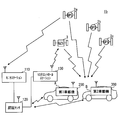
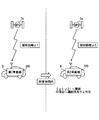
- FIG. 1 is a diagram illustrating an example of a schematic configuration of a simple authentication system according to the first embodiment.
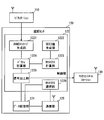
- FIG. 2 is a block diagram illustrating an example of a schematic configuration of the authentication center.
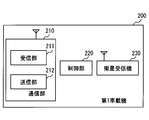
- FIG. 3 is a block diagram illustrating an example of a schematic configuration of the first in-vehicle device.
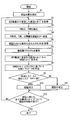
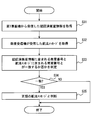
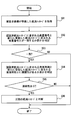
- FIG. 4 is a flowchart illustrating an example of the flow of authentication-related processing in the first in-vehicle device in the first embodiment.
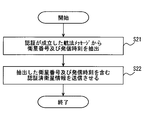
- FIG. 5 is a flowchart illustrating an example of a flow of authenticated satellite information transmission processing in the first in-vehicle device in the first embodiment.
- FIG. 1 is a diagram illustrating an example of a schematic configuration of a simple authentication system according to the first embodiment.
- FIG. 2 is a block diagram illustrating an example of a schematic configuration of the authentication center.
- FIG. 3 is a block diagram illustrating an example of a schematic configuration of the first in-vehicle device.
- FIG. 4 is a flow
- FIG. 6 is a block diagram illustrating an example of a schematic configuration of the second in-vehicle device.
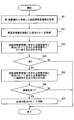
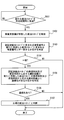
- FIG. 7 is a flowchart illustrating an example of a flow of the first simple determination process in the second in-vehicle device in the first embodiment.
- FIG. 8 is a diagram illustrating an example of a schematic configuration of the simple authentication system in the first modification.
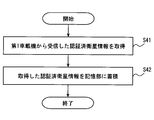
- FIG. 9 is a flowchart illustrating an example of the flow of accumulation processing in the roadside device in the first modification.
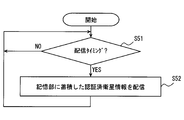
- FIG. 10 is a flowchart illustrating an example of a flow of distribution processing in the roadside device in the first modification.
- FIG. 11 is a flowchart illustrating an example of the flow of the first simple determination process in the second vehicle-mounted device in the third modification.
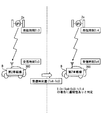
- FIG. 12 is a schematic diagram for explaining an example of the process of S65.
- FIG. 13 is a diagram illustrating an example of a schematic configuration of a simple authentication system according to the second embodiment.
- FIG. 14 is a flowchart illustrating an example of the flow of authentication-related processing in the second in-vehicle device in the second embodiment.
- FIG. 15 is a flowchart illustrating an example of the flow of the second simple determination process in the second vehicle-mounted device according to the second embodiment.
- FIG. 16 is a schematic diagram for explaining an example of the process of S94.
- FIG. 17 is a flowchart illustrating an example of the flow of the second simple determination process in the second in-vehicle device in the fourth modification.
- FIG. 18 is a schematic diagram for explaining an example of the process of S105.
- FIG. 19 is a flowchart illustrating an example of a flow of a third simple determination process in the second in-vehicle device in the third embodiment.
- FIG. 20 is a schematic diagram for explaining an example of the process of S112.
- FIG. 21 is a flowchart illustrating an example of the flow of the third simple determination process in the second in-vehicle device in the fifth modification.
- the simple authentication system 1 includes a monitor station 110, an authentication center 120, a master control station 130, a first in-vehicle device 200, and a second in-vehicle device 300.
- a vehicle using the first in-vehicle device 200 is a vehicle A
- a vehicle using the second in-vehicle device 300 is a vehicle B.
- the first in-vehicle device 200 corresponds to a positioning device
- the second in-vehicle device 300 corresponds to a navigation message receiving device.
- the monitor station 110 receives GPS radio waves transmitted from the GPS satellites 2a to 2c included in the GPS which is one of the satellite positioning systems.
- the GPS satellites 2a to 2c correspond to artificial satellites.
- the GPS satellites 2a to 2c are expressed as GPS satellites 2 if they are not distinguished from each other.
- navigation messages are included in GPS radio waves.
- the monitor station 110 demodulates the received GPS radio wave, extracts a navigation message, and sends it to the authentication center 120.
- GPS radio waves are received from a plurality of GPS satellites 2
- a navigation message is extracted from each GPS radio wave and sent to the authentication center 120.
- the authentication center 120 creates parity data from the navigation message and the H matrix that is the encryption key. Then, a signal including this parity data is sent to the master control station 130. In addition, communication is performed with the first in-vehicle device 200. A detailed description of the authentication center 120 will be given later with reference to FIG.
- the master control station 130 transmits the parity data received from the authentication center 120 to the quasi-zenith satellite (hereinafter, QZS satellite) 3.
- the QZS satellite 3 broadcasts a navigation message including parity data toward the ground.
- the first in-vehicle device 200 is a navigation message authentication type (NMA: Navigation Message Authentication) in-vehicle device.
- NMA Navigation Message Authentication
- the first vehicle-mounted device 200 communicates with the authentication center 120 and authenticates that the navigation message received from the GPS satellite 2 is a regular navigation message. Details of the authentication will be described later with reference to FIG.
- the first in-vehicle device 200 measures the current position of the own device using the navigation message received from the plurality of GPS satellites 2. Navigation messages received from at least three GPS satellites 2 are used for positioning the current position.
- the first in-vehicle device 200 transmits information about the GPS satellite 2 that is the source of the navigation message that has been authenticated (hereinafter, “authenticated satellite information”) to the outside by wireless communication.
- authentication satellite information information about the GPS satellite 2 that is the source of the navigation message that has been authenticated
- the second vehicle-mounted device 300 receives the authenticated satellite information transmitted from the first vehicle-mounted device 200, and uses the authenticated satellite information, so that the navigation received from the GPS satellite 2 without using the authentication center 120. Determine whether the message is a legitimate navigation message.
- the detailed description of the second in-vehicle device 300 will be given later with reference to FIG.
- the authentication center 120 includes a control unit 122, a data storage unit 124, and a communication unit 126.
- the control unit 122 is a computer including a CPU, a ROM, a RAM, and the like, and controls the data storage unit 124 and the communication unit 126.
- the CPU executes a program stored in the ROM while using the temporary storage function of the RAM, so that the RAND message generation unit 1221, the SEED value generation unit 1222, the H matrix calculation unit 1223, the parity calculation unit 1224, It functions as the signal processing unit 1225.
- the functions of these units 1221 to 1225 may include the functions disclosed in Patent Document 1.
- the RAND message generator 1221 creates a RAND message from the navigation message acquired from the monitor station 110.
- the bit string data of TOW (time of week) and the clock correction parameters TOC, AF0, and AF1 of the ephemeris data are arranged in order from the bit string of the navigation message.
- TOW, TOC, AF0, and AF1 are data specifying the signal transmission time, and correspond to the transmission time.
- an ASAFlag that is an anti-spoof flag and a PRN (Pseudo Random Noise) ID that is a satellite number are added.
- RAND including TOW and PRN ID is data indicating which GPS satellite has transmitted when. Further, since TOW changes every 6 seconds and includes PRN ID, RAND is generated for every GPS satellite 2 received by monitor station 110 and every 6 seconds.
- the SEED value generation unit 1222 generates a SEED value by generating a random number with the PC clock as an input.
- the H matrix calculation unit 1223 uses the SEED value generated by the SEED value generation unit 1222 and calculates an H matrix corresponding to the SEED value on a one-to-one basis.
- a known hash function may be used.
- a parity check matrix for performing LDPC (Low Density Parity Check) encoding may be used.
- a generator matrix determined from a parity check matrix may be used.
- the parity calculator 1224 calculates parity data based on the RAND message generated by the RAND message generator 1221 and the H matrix calculated by the H matrix calculator 1223.
- the signal processing unit 1225 inserts the parity data calculated by the parity calculation unit 1224 and the RAND message used for the calculation into the navigation message transmitted from the QZS satellite 3. Then, the inserted navigation message is sent to the master control station 130.
- the signal processing unit 1225 associates the parity data calculated by the parity calculation unit 1224, the RAND message used for calculating the parity data, the H matrix, and the SEED value used for the calculation of the H matrix in accordance with the signal insertion. And stored in the data storage unit 124.
- the signal processing unit 1225 inserts the RAND message and parity data into the navigation message that causes the QZS satellite 3 to transmit each time the RAND message generation unit 1221 generates the RAND message. Therefore, the RAND message generation unit 1221, the SEED value generation unit 1222, the H matrix calculation unit 1223, and the parity calculation unit 1224 also execute processing each time the RAND message generation unit 1221 generates a RAND message.
- the H matrix selection unit 1226 receives the PRN received from the H matrix stored in the data storage unit 124 when the communication unit 126 receives the PRN ID, TOW, and public key transmitted from the first in-vehicle device 200.
- the H matrix corresponding to ID and TOW is selected.
- the selected H matrix is encrypted with the public key, and the encrypted H matrix is returned to the first in-vehicle device 200.
- first in-vehicle device 200 The navigation message broadcast by the QZS satellite 3 is received by the receiving unit 211 included in the communication unit 210 of the first in-vehicle device 200.
- the first in-vehicle device 200 includes a communication unit 210, a control unit 220, and a satellite receiver 230.
- the communication unit 210 includes a reception unit 211 and a transmission unit 212.
- the communication unit 210 has a narrow area communication function and a wide area communication function.
- the narrow area communication function has a communication distance of several hundred meters, for example.
- the wide-area communication function has a communication distance of several kilometers, for example, and can communicate with other communication devices in the communication area of the public communication network by communicating with the base station of the public communication network.
- the narrow-area communication function performs so-called vehicle-to-vehicle communication with the communication unit 310 of the second in-vehicle device 300, and the wide-area communication function performs communication with the communication unit 126 of the authentication center 120.
- the satellite receiver 230 receives radio waves transmitted from the GPS satellite 2 and the QZS satellite 3 at regular intervals.
- the control unit 220 is a computer including a CPU, a ROM, a RAM, and the like, and controls the communication unit 210 and the satellite receiver 230. Further, the CPU executes the program stored in the ROM while using the temporary storage function of the RAM, thereby executing the authentication related process shown in FIG. 4 and the authenticated satellite information transmission process shown in FIG.
- authentication-related processing executed by the control unit 220 of the first in-vehicle device 200, that is, the signal received by the satellite receiver 230 is an authorized navigation message received from the GPS satellite 2 (hereinafter referred to as authentication-related processing). ) Will be described using the flowchart shown in FIG. The flowchart in FIG. 4 may be executed every time the satellite receiver 230 receives GPS radio waves from three or more GPS satellites 2, for example.
- the satellite receiver 230 mistakenly transmits a signal from a repeater that duplicates a signal from the GPS satellite 2 or a simulator that can artificially generate a signal from the GPS satellite 2 as a navigation message included in the GPS radio wave. It may be received.
- step S1 the current position of the own device is determined based on a navigation message included in GPS radio waves received from a plurality of three or more GPS satellites 2.
- step S2 the navigation message received from the QZS satellite 3 is acquired from the receiving unit 211.
- step S3 the PRN ID and TOW are extracted from the navigation message acquired in S1.
- step S4 the PRN ID and TOW extracted in S3 are transmitted from the transmission unit 212 to the authentication center 120 together with the public key.
- the authentication center 120 encrypts the H matrix determined by the PRN ID and TOW with the public key and transmits the encrypted H matrix to the first in-vehicle device 200.
- the H matrix determined by the PRN ID and TOW transmitted from the first in-vehicle device 200 to the authentication center 120 corresponds to the authentication information.
- step S5 the H matrix transmitted from the authentication center 120 is acquired from the receiving unit 211. That is, the H matrix corresponding to the navigation message received from the GPS satellite 2 is received from the authentication center 120.
- step S6 the encrypted H matrix acquired in S5 is decrypted with the secret key.
- step S7 a RAND message is created from the navigation message including the same PRN ID as the PRN ID transmitted in S4 among the navigation messages included in the GPS radio wave received from the GPS satellite 2.
- step S8 comparison parity data is created based on the RAND message created in S7 and the H matrix decoded in S6.
- step S9 it is determined whether or not the comparison parity data created in S8 matches the parity data extracted in S3.
- the H matrix decrypted in S6 is the same as the H matrix used by the authentication center 120 to create parity data.
- the parity calculation unit 1224 of the authentication center 120 calculates parity data based on the H matrix and the RAND message.
- step S10 if the comparison parity data created in S8 matches the parity data extracted in S3 (YES in S9), the process proceeds to step S10 and authentication is established. On the other hand, if the two parity data do not match (NO in S9), the process proceeds to step S11 and authentication is not established. As described above, in the authentication-related processing, authentication is performed using the H matrix (that is, authentication information) received from the authentication center 120 in accordance with the navigation message received from the GPS satellite 2. After S10 and S11, the process proceeds to step S12.
- H matrix that is, authentication information
- step S12 when it is determined whether or not authentication has been established for all the navigation messages used for positioning in S1 (YES in S12), the processing in FIG. 4 ends. On the other hand, if it is determined that at least one of all the navigation messages used for positioning in S1 has not been authenticated (NO in S12), the process returns to S2 and the process is repeated.
- FIG. 5 a flowchart shown in FIG. 5 is shown for processing (hereinafter, authenticated satellite information transmission processing) related to transmission of authentication satellite information to the second on-vehicle device 300, which is executed by the control unit 220 of the first on-vehicle device 200.
- the processing shown in the flowchart of FIG. 5 and the processing shown in the flowchart of FIG. 4 are performed in parallel, and even if the authentication in the flowchart of FIG. 4 is not completed for all the navigation messages used for positioning, FIG. It is assumed that the flowchart is started. Moreover, what is necessary is just to set it as the structure which starts the flowchart of FIG. 5, for example with a fixed period.
- the authenticated satellite information including the satellite number and the transmission time of the GPS satellite 2 that is the source of the navigation message that has been authenticated is transmitted.
- the authenticated satellite information transmitted from the first in-vehicle device 200 is used in the second in-vehicle device 300 to determine whether the received navigation message is legitimate.
- step S21 PRN ID (that is, satellite number) and TOW, TOC, AF0, and AF1 (that is, transmission time) are extracted from the navigation message that has been authenticated in the flowchart of FIG.
- step S22 the authenticated satellite information including the satellite number and the transmission time extracted in S21 is transmitted by the narrow area communication function of the transmission unit 212, and the process ends.
- the authenticated satellite information transmitted from the transmission unit 212 will be described below on the assumption that it is received by the second in-vehicle device 300 in the present embodiment.
- the transmitting unit 212 may be configured to transmit the current position measured in S1 in addition to the authenticated satellite information.
- the configuration may be such that authenticated satellite information about the GPS satellite 2 used for positioning of the current position and the current position are linked and transmitted.
- the second in-vehicle device 300 includes a communication unit 310, a control unit 320, and a satellite receiver 330.
- the communication unit 310 performs wireless communication with the communication unit 210 included in the first in-vehicle device 200.
- the communication unit 310 includes a reception unit 311 and a transmission unit 312.
- the communication unit 310 has the narrow-area communication function described above, and communicates with the communication unit 210 of the first in-vehicle device 200 using the narrow-area communication function.
- Satellite receiver 330 receives radio waves transmitted by GPS satellite 2 and QZS satellite 3 at a constant period.
- a radio wave transmitted from the GPS satellite 2 is received will be described as an example.
- the control unit 320 is a computer including a CPU, a ROM, a RAM, and the like, and controls the communication unit 310 and the satellite receiver 330. Further, the CPU executes the first simple determination process shown in FIG. 7 by executing the program stored in the ROM while using the temporary storage function of the RAM.
- the 1st simple judgment process which the control part 320 of the 2nd vehicle equipment 300 performs is demonstrated using the flowchart shown in FIG.
- the authentication center 120 uses the authenticated satellite information transmitted from the first in-vehicle device 200, the authentication center 120 determines whether or not the navigation message received by the satellite receiver 330 of its own device is authentic. Judge without access.
- the flowchart of FIG. 7 may be configured to start when the communication unit 310 of the second in-vehicle device 300 receives the authenticated satellite information transmitted from the first in-vehicle device 200, for example.
- step S31 the authenticated satellite information received by the communication unit 310 is acquired from the communication unit 310.
- This S31 corresponds to a satellite information acquisition unit.
- the authenticated satellite information includes the satellite number and the transmission time of the GPS satellite 2 that is the transmission source of the navigation message that has been authenticated.
- step S ⁇ b> 32 the navigation message received from the GPS satellite 2 by the satellite receiver 330 that was output most recently from the satellite receiver 330 is acquired. If the satellite receiver 330 has received navigation messages from a plurality of GPS satellites 2 within a predetermined period, the satellite receiver 330 outputs the received plurality of navigation messages.
- step S33 it is determined whether the satellite number included in the authenticated satellite information acquired in S31 matches the satellite number included in the navigation message received in S32. That is, whether the satellite number of the GPS satellite 2 that is the source of the navigation message that has been authenticated by the first in-vehicle device 200 matches the satellite number of the GPS satellite 2 that received the navigation message in the second in-vehicle device 300. Determine whether. The satellite number corresponds to the identification information.
- step S34 If it is determined in step S34 that the satellite numbers match (YES in S34), the process proceeds to step S35, where the satellite receiver 330 includes the authenticated satellite information in the navigation message received from the GPS satellite 2.
- the navigation message that is determined to match the satellite number and the satellite number is determined to be a regular navigation message, and the process ends.
- the navigation message determined not to match is not determined to be a regular navigation message, and the process ends.
- S33 to S35 correspond to a simple determination unit.
- the control unit 320 when the current position of the own device is determined based on the navigation message included in the GPS radio wave received from the GPS satellite 2, the navigation message that is determined to be a regular navigation message by the first simple determination process is displayed.
- the configuration may be such that it is handled in the same manner as a navigation message for which authentication has been established.
- the current position of the own device measured based on the navigation message determined to be a normal navigation message in the first simple determination process may be determined as the normal current position that has not been falsified. .
- the second in-vehicle device 300 is the source of the navigation message that has been authenticated using the H matrix received from the authentication center 120 in the first in-vehicle device 200 and cannot be acquired in advance. Whether the navigation message received by the satellite receiver 330 is genuine or not is determined based on whether the satellite number of the GPS satellite 2 matches the satellite number of the navigation message received by the satellite receiver 330.
- the navigation message received from the same GPS satellite 2 as the navigation message for which authentication has already been established may be a legitimate navigation message than the navigation message received from the same GPS satellite 2 for which the authentication has not been established. Is expensive. Therefore, even if the second in-vehicle device 300 does not receive the H matrix from the authentication center 120, it is possible to determine whether the navigation message received by the satellite receiver 330 is legitimate. Therefore, the communication processing load of the authentication center 120 can be reduced by the amount that the second in-vehicle device 300 does not have to receive the H matrix from the authentication center 120.
- the navigation message from the GPS satellite 2 is legitimate while suppressing the communication processing load of the authentication center 120 used for authenticating whether the navigation message from the GPS satellite 2 used in the satellite positioning system is legitimate. It becomes possible to judge whether it is a thing.
- Embodiment 1 demonstrated the structure in case the 2nd vehicle equipment 300 receives the authenticated satellite information transmitted from the 1st vehicle equipment 200 directly, it does not necessarily restrict to this.
- a configuration in which the roadside device 400 receives and accumulates the authenticated satellite information transmitted from the first in-vehicle device 200, and distributes the accumulated authenticated satellite information from the roadside device 400 to the second in-vehicle device 300 (hereinafter, referred to as the following) Modification 1) may be used.
- the roadside device 400 relays the point including the roadside device 400 and the authenticated satellite information transmitted from the first onboard device 200, and the distributed authenticated satellite information is transmitted to the second onboard device. Except for the point 300 receives, it is the same as the simple authentication system 1 in the first embodiment.
- the simple authentication system 1 a in the first modification includes a monitor station 110, an authentication center 120, a master control station 130, a first in-vehicle device 200, a second in-vehicle device 300, and a roadside device 400.
- the first vehicle-mounted device 200 executes the authentication-related process shown in FIG. 4 and the authenticated satellite information transmission process shown in FIG. Therefore, the first in-vehicle device 200 corresponds to the first navigation message receiver, and the satellite receiver 230 of the first in-vehicle device 200 corresponds to the first satellite receiver. Further, S5 described above corresponds to an authentication information receiving unit, S9 to S11 described above correspond to a center use authentication unit, and S22 described above corresponds to a satellite information transmitting unit.
- the second in-vehicle device 300 executes the first simple determination process shown in FIG. Accordingly, the second in-vehicle device 300 corresponds to the second navigation message receiving device, and the satellite receiver 330 of the second in-vehicle device 300 corresponds to the second satellite receiver.
- the communication unit 310 of the second in-vehicle device 300 receives the authenticated satellite information relayed by the roadside device 400. Therefore, S31 described above corresponds to the satellite information acquisition unit, and S33 to S35 described above correspond to the simple determination unit.
- the roadside machine 400 is provided on the road, and includes a communication unit 410, a control unit 420, and a storage unit 430 as shown in FIG.
- the communication unit 410 performs so-called road-to-vehicle communication with the communication unit 210 included in the first vehicle-mounted device 200 and the communication unit 310 included in the second vehicle-mounted device 300 using the narrow-area communication function.
- the control unit 420 is a computer including a CPU, a ROM, a RAM, and the like, and controls the communication unit 410 and accumulates authenticated satellite information received from the first in-vehicle device 200 in the storage unit 430. Further, the CPU executes the storage process shown in FIG. 9 and the distribution process shown in FIG. 10 by executing the program stored in the ROM while using the temporary storage function of the RAM.
- a storage process executed by the control unit 420 of the roadside device 400 to store the authenticated satellite information received from the first vehicle-mounted device 200 will be described with reference to the flowchart shown in FIG.
- the flowchart in FIG. 9 may be configured to start when, for example, authenticated satellite information is received from the first in-vehicle device 200 by the communication unit 410 of the roadside device 400.
- step S41 the authenticated satellite information transmitted from the first vehicle-mounted device 200 is received via the communication unit 410. Therefore, S41 corresponds to a satellite information receiving unit.
- step S42 the authenticated satellite information received in S41 is stored in the storage unit 430, and the process ends. Therefore, the storage unit 430 corresponds to an accumulation unit. For example, when authenticated satellite information with the same satellite number is already stored in the storage unit 430, the older transmission time is deleted and the newer one is stored in the storage unit 430. do it.
- the second in-vehicle device can be obtained by limiting the authenticated satellite information stored in the storage unit 430 to a relatively new one, such as deleting from the storage unit 430 if the transmission time is older than a predetermined time such as one hour. It is good also as a structure which raises the precision which judges in the 1st simple judgment process in 300 as a regular navigation message. This is because the navigation message received from the same GPS satellite 2 as the origination GPS satellite 2 of the authenticated navigation message within a relatively short time within the range of the range of road-to-vehicle communication is the probability of impersonation. Is lower and more likely to be a legitimate navigation message.
- the flowchart of FIG. 10 may be configured to start when the power of the roadside device 400 is turned on and to end when the power of the roadside device 400 is turned off.
- step S51 it is determined whether or not it is a distribution timing of authenticated satellite information accumulated in the storage unit 430.
- the distribution timing of the authenticated satellite information may be set to a certain period, for example. If it is determined that the distribution timing is reached (YES in S51), the process proceeds to step S52. On the other hand, when it is determined that it is not the delivery timing (NO in S51), the process of step S51 is repeated.
- step S52 the authenticated satellite information stored in the storage unit 430 is distributed via the communication unit 410, and the process returns to S51 and is repeated. If authenticated satellite information for a plurality of GPS satellites 2 is stored in the storage unit 430, the authenticated satellite information for the plurality of GPS satellites 2 may be distributed.
- the second in-vehicle device 300 determines whether the navigation message received by the satellite receiver 330 is authentic even if it does not receive the H matrix from the authentication center 120. It becomes possible to do. Therefore, the communication processing load of the authentication center 120 can be reduced by the amount that the second in-vehicle device 300 does not have to receive the H matrix from the authentication center 120.
- the authenticated satellite information which the 1st vehicle equipment 200 transmitted is the roadside machine 400. Is accumulated and distributed, the second in-vehicle device 300 that comes to the vicinity of the roadside device 400 later in time than the first in-vehicle device 200 can acquire.
- the authenticated satellite information that the roadside device 400 receives from the first in-vehicle device 200 may receive a navigation message in the vicinity where the roadside device 400 is provided. It is narrowed down to the authenticated satellite information about the GPS satellite 2 that can be. Therefore, the roadside device 400 can distribute the GPS satellites 2 to the authenticated satellite information about the GPS satellites 2 that can receive the navigation message in the vicinity where the roadside device 400 is provided. As a result, the second in-vehicle device 300 that receives the authenticated satellite information from the roadside device 400 is efficiently focused on the authenticated satellite information about the GPS satellite 2 that can receive the navigation message in the vicinity where the vehicle is located. Can be received.
- ⁇ Modification 2> the configuration is shown in which the authenticated satellite information transmitted from the first in-vehicle device 200 is received and accumulated by the roadside device 400, and the accumulated authentication satellite information is distributed from the roadside device 400. Not exclusively. For example, like the first vehicle-mounted device 200, authentication-related processing is performed in the roadside device 400, and the authenticated satellite information about the GPS satellite 2 that is the source of the navigation message that has been authenticated is distributed. It is good also as a structure which receives information with the 2nd vehicle equipment 300.
- the configuration may be such that authenticated satellite information is transmitted from the first vehicle-mounted device 200 or the roadside device 400 via the public communication line network, and the transmitted authenticated satellite information is received by the second vehicle-mounted device 300.
- the communication unit 310 of the second in-vehicle device 300 may be configured to receive authenticated satellite information via a public communication network by providing a wide-area communication function.
- ⁇ Modification 3> it is received depending on whether or not the satellite number included in the authenticated satellite information received from the first in-vehicle device 200 matches the satellite number included in the navigation message received by the satellite receiver 330.
- the configuration for determining whether the navigation message is genuine has been described, the configuration is not necessarily limited thereto. In order to further improve the accuracy of determining a regular navigation message, it is preferable to adopt the configuration of Modification 3 below.
- Modification 3 is the same as Embodiment 1 except that the processing in the control unit 220 of the first in-vehicle device 200 is partially different from that of the control unit 320 in the second in-vehicle device 300. It is. Specifically, in Modification 3, whether or not there is continuity between the transmission time included in the authenticated satellite information received from the first in-vehicle device 200 and the transmission time included in the navigation message received by the satellite receiver 330. Is different from the first embodiment in that it is determined whether the received navigation message is legitimate.
- the authenticated satellite information transmission process in the modified example 3 in addition to the satellite number and the transmission time extracted from the navigation message for which authentication has been established, the reception of the navigation message for which authentication has been established received by the satellite receiver 230 of the first in-vehicle device 200 is received.
- the authenticated satellite information including the time is transmitted.
- the flowchart of FIG. 11 may be configured to start when the communication unit 310 of the second in-vehicle device 300 receives the authenticated satellite information transmitted from the first in-vehicle device 200, for example.
- the flowchart of FIG. 11 is configured such that when the authenticated satellite information transmitted from the first vehicle-mounted device 200 includes information on a plurality of GPS satellites 2, the processing is performed on each of the plurality of GPS satellites 2. do it.
- the authenticated satellite information received by the communication unit 310 is acquired from the communication unit 310.
- S61 also corresponds to a satellite information acquisition unit.
- the authenticated satellite information includes the satellite number, transmission time, and reception time of the GPS satellite 2 that is the transmission source of the navigation message that has been authenticated.
- step S62 the navigation message that was output most recently from the satellite receiver 330 and received by the satellite receiver 330 from the GPS satellite 2 and the reception time of the navigation message are acquired. If the satellite receiver 330 has received navigation messages from a plurality of GPS satellites 2 within a predetermined period, the satellite receiver 330 outputs the received plurality of navigation messages.
- step S63 it is determined whether the satellite number included in the authenticated satellite information acquired in S61 matches the satellite number included in the navigation message received in S62.
- step S64 If it is determined in step S64 that the satellite numbers match (YES in S64), the process proceeds to S65. On the other hand, if it is determined that the satellite numbers do not match (NO in S64), the process ends.
- step S65 the authenticated satellite information and the navigation message determined to have the same satellite number in S64 are included in the transmission time included in the authenticated satellite information acquired in S61 and the navigation message received in S62. It is determined whether there is continuity with the transmission time. In other words, for the same GPS satellite 2, the authenticated satellite is included in the transmission time included in the authenticated satellite information received from the first in-vehicle device 200 and the transmission time included in the navigation message received in the second in-vehicle device 300. It is determined whether or not there is continuity according to the reception time difference from the reception time included in the information to the reception time of the navigation message. S65 corresponds to a first continuity determination unit.
- authentication using the authentication center 120 is established in the first in-vehicle device 200 for the navigation message transmitted from the GPS satellite 2a, and the authenticated satellite information for the navigation message is obtained from the first in-vehicle device 200. It is assumed that it has been transmitted to the second in-vehicle device 300. Furthermore, it is assumed that the second in-vehicle device 300 receives a navigation message transmitted from the GPS satellite 2a thereafter.
- the transmission time of the navigation message from the GPS satellite 2a that has been authenticated by the first in-vehicle device 200 is Ti1
- the reception time of the navigation message in the first in-vehicle device 200 is To1
- the second in-vehicle device 300 The transmission time of the navigation message received from the GPS satellite 2a is Ti2, and the reception time is To2.
- the reception time (To1) included in the authenticated satellite information acquired in S61 is subtracted from the reception time (To2) of the navigation message acquired in S62, and the reception included in the authenticated satellite information acquired in S61.
- a reception time difference (To2-To1) from the time to the reception time of the navigation message acquired in S62 is calculated.
- the calculated reception time difference (To2-To1) is added to the transmission time (Ti1) included in the authenticated satellite information acquired in S61 (Ti1 + (To2-To1)) and the navigation acquired in S62. It is determined whether or not the transmission time (Ti2) included in the message matches.
- the term “match” includes not only the case of a complete match but also the case of a close match within an error range.
- a configuration for determining whether or not a time (Ti2-Ti1) obtained by subtracting the transmission time (Ti1) included in the authenticated satellite information acquired in S61 from the transmission time (Ti2) included in the acquired navigation message matches. It is good.
- the transmission time included in the authenticated satellite information acquired in S61 and the navigation message acquired in S62 are included.
- step S66 when it is determined that the transmission time included in the authenticated satellite information acquired in S61 and the transmission time included in the navigation message acquired in S62 are continuous (YES in S66). ) Proceeds to step S67.
- step S67 the navigation message including the transmission time determined to be continuous with the transmission time included in the authenticated satellite information is determined to be a regular navigation message, and the process ends.
- the second in-vehicle device 300 determines whether the navigation message received by the satellite receiver 330 is legitimate without receiving the H matrix from the authentication center 120. It becomes possible to do. Therefore, the communication processing load of the authentication center 120 can be reduced by the amount that the second in-vehicle device 300 does not have to receive the H matrix from the authentication center 120.
- this navigation message when there is no continuity according to the reception time difference between the transmission time included in the authenticated satellite information and the transmission time of the navigation message received by the second in-vehicle device 300, this navigation message is displayed. It is not judged as a regular navigation message. Therefore, when a repeater or a simulator is used, the received navigation message can be prevented from being determined as a regular navigation message, and the accuracy of determination as a regular navigation message can be improved.
- Embodiment 2 will be described with reference to the drawings.
- members having the same functions as those shown in the drawings used in the description of the above-described embodiment are denoted by the same reference numerals, and description thereof is omitted.
- the simple authentication system 1b of the second embodiment accesses the authentication center 120 even in the second in-vehicle device 300 and authenticates the received navigation message once, and the navigation in which authentication has been established in the past in the second in-vehicle device 300.
- the simple authentication according to the first embodiment is used except that the message is used to determine whether the navigation message received by the satellite receiver 330 of the second in-vehicle device 300 is genuine without accessing the authentication center 120. Similar to system 1.
- the simple authentication system 1 a includes a monitor station 110, an authentication center 120, a master control station 130, a first in-vehicle device 200, and a second in-vehicle device 300.
- the first vehicle-mounted device 200 executes the authentication-related process shown in FIG. 4 and the authenticated satellite information transmission process shown in FIG.
- the second in-vehicle device 300 executes the authentication-related process shown in FIG. 14 and the second simple determination process shown in FIG. 15 in addition to the first simple determination process shown in FIG.
- the processing from step S71 to step S82 of the authentication related processing shown in FIG. 14 is performed in the same manner as S1 to S12 of the authentication related processing shown in FIG. Therefore, S75 corresponds to the authentication information receiving unit, and S79 to S81 correspond to the center use authentication unit.
- the second in-vehicle device 300 associates the reception time of the navigation message (hereinafter, authenticated navigation message) that has been authenticated in the authentication-related processing shown in FIG. 14 with the authenticated navigation message, and the backup RAM of the control unit 320
- the configuration may be such that it is stored in a non-volatile memory such as.
- it is good also as a structure narrowed down to the satellite number and transmission time which are linked
- the flowchart of FIG. 15 may be configured to start when the satellite receiver 330 of the second in-vehicle device 300 receives a navigation message from the GPS satellite 2, for example.
- the flow chart of FIG. 15 shows that the navigation message of a plurality of GPS satellites 2 is received by the satellite receiver 330 within one cycle of the output sequentially performed from the satellite receiver 330 to the control unit 320. What is necessary is just to set it as the structure which each processes about the navigation message of GPS satellite 2.
- step S91 the navigation message received by the satellite receiver 330 is acquired from the satellite receiver 330.
- step S92 it is determined whether or not the satellite number included in the navigation message acquired in S91 matches the satellite number included in the authenticated navigation message stored in the memory of the control unit 320.
- step S93 If it is determined in step S93 that the satellite numbers match (YES in S93), the process proceeds to S94. On the other hand, if it is determined that the satellite numbers do not match (NO in S93), the process ends.
- the case where it is determined that the satellite numbers do not match also includes the case where no authenticated navigation message is stored in the memory of the control unit 320.
- step S94 it is determined whether or not there is continuity between the navigation message acquired in S91 and the authenticated navigation message determined that the satellite numbers match in S93. Specifically, from when an authenticated navigation message is received until a new navigation message is received at the transmission time included in the navigation message newly received by the satellite receiver 330 and the transmission time included in the authenticated navigation message. It is determined whether or not there is continuity according to the reception time difference.
- This S94 corresponds to a second continuity determination unit.
- the transmission time of the navigation message (that is, the authenticated navigation message) for which the authentication using the authentication center 120 is established in the second in-vehicle device 300 is Ti3, and the reception time of the navigation message in the second in-vehicle device 300 is To3. Then, the transmission time of the navigation message newly received from the GPS satellite 2a by the second in-vehicle device 300 is Ti4 and the reception time is To4.
- the reception time (To3) of the authenticated navigation message is subtracted from the reception time (To4) of the navigation message acquired in S91, and the reception time of the navigation message acquired in S91 from the reception time of the authenticated navigation message. Difference in reception time (To4-To3) is calculated.
- the calculated reception time difference (To4-To3) is added to the transmission time (Ti3) included in the authenticated navigation message (Ti3 + (To4-To3)) and included in the navigation message acquired in S91. It is determined whether or not the transmission time (Ti4) matches.
- the term “match” includes not only the case of a complete match but also the case of a close match within an error range.
- the term “match” as used herein can be rephrased as being consistent.
- the time (To4-To3) obtained by subtracting the reception time (To3) of the authenticated navigation message from the reception time (To4) of the navigation message acquired in S91 is included in the navigation message acquired in S91. It may be configured to determine whether or not the time (Ti4-Ti3) obtained by subtracting the transmission time (Ti3) included in the authenticated navigation message matches the transmission time (Ti4) transmitted.
- step S95 if it is determined that the transmission time included in the authenticated navigation message and the transmission time included in the navigation message acquired in S91 are continuous (YES in S95), Proceed to step S96.
- step S96 it is determined that the navigation message acquired in S91 is a regular navigation message, and the process ends.
- the first in-vehicle device when the authenticated navigation message including the satellite number that matches the satellite number included in the navigation message acquired in S91 is not obtained, the first in-vehicle device The first simple determination process using the authenticated satellite information transmitted from 200 may be performed.
- the authenticated navigation message stored in the memory of the control unit 320 is determined to match the time and time in the processing of S94 with the clock that measures the reception time of the navigation message by the satellite receiver 330.
- a configuration may be adopted in which erasing is performed when a period in which a deviation exceeding the range is generated has elapsed.
- the navigation message newly received from the same GPS satellite 2 may be authenticated using the authentication center 120, and the navigation message that has been authenticated is stored in the memory as an authenticated navigation message. .
- ⁇ Summary of Embodiment 2> once authentication of the navigation message is established in the second in-vehicle device 300 using the authentication center 120, the navigation message newly received from the same GPS satellite 2 as the source of the navigation message is described. Based on the authenticated navigation message stored in the memory and its reception time, it can be determined whether it is genuine. Therefore, the communication processing load of the authentication center 120 can be reduced by the amount that the second in-vehicle device 300 does not have to receive the H matrix from the authentication center 120 for the newly received navigation message.
- the second embodiment when there is no continuity according to the reception time difference between the transmission time included in the authenticated navigation message and the transmission time of the navigation message newly received by the second in-vehicle device 300, this navigation is performed.
- the message is not considered a regular navigation message. Therefore, a repeater or a simulator is used so that the navigation message can be prevented from being determined as a regular navigation message, and the accuracy with which it is determined as a regular navigation message can be increased.
- ⁇ Modification 4> In the second embodiment, for the same GPS satellite 2, a continuous time according to the reception time difference between the transmission time included in the authenticated navigation message and the transmission time of the navigation message newly received by the second in-vehicle device 300.
- the received navigation depends on whether there is continuity between the pseudo distance determined from the transmission time and reception time of the authenticated navigation message and the pseudo distance determined from the transmission time and reception time of the newly received navigation message. It may be configured to determine whether the message is genuine (hereinafter, modified example 4).
- the modification 4 is the same as that of Embodiment 2 except that the processing in the control unit 320 of the second in-vehicle device 300 is partially different. Specifically, in the fourth modification, a part of the second simple determination process in the control unit 320 is different from that in the second embodiment.
- FIG. 17 may also be configured to start when the satellite receiver 330 of the second in-vehicle device 300 receives a navigation message from the GPS satellite 2, for example.
- the navigation message of the plurality of GPS satellites 2 is received by the satellite receiver 330 within one cycle of the output sequentially performed from the satellite receiver 330 to the control unit 320, What is necessary is just to set it as the structure which each processes about the navigation message of GPS satellite 2.
- FIG. 17 when the navigation message of the plurality of GPS satellites 2 is received by the satellite receiver 330 within one cycle of the output sequentially performed from the satellite receiver 330 to the control unit 320, What is necessary is just to set it as the structure which each processes about the navigation message of GPS satellite 2.
- step S101 the reception time difference from the reception time of the authenticated navigation message stored in the memory of the control unit 320 to the reception time of the navigation message newly received by the satellite receiver 330 was within a predetermined time. In the case (YES in S101), the process proceeds to S102. On the other hand, if the predetermined time has been exceeded (NO in S101), the navigation message newly received by the satellite receiver 330 is not determined to be a regular navigation message, and the process ends.
- the predetermined time here refers to a navigation message from the GPS satellite 2 when a repeater that duplicates the signal from the GPS satellite 2 or a simulator that can generate a signal from the GPS satellite 2 in a pseudo manner is not used. Is a value that is estimated to be unlikely to cause a difference greater than or equal to a threshold used in step S105 described later in the pseudo-range determined from the transmission time of the navigation message and the reception time of the navigation message at the satellite receiver 330, It is a value that can be set arbitrarily.
- the pseudorange is calculated by adding the speed of light to the propagation time determined from the transmission time from the GPS satellite 2 and the reception time at the satellite receiver 330, and calculated from the GPS satellite 2 and the satellite receiver 330. Distance.
- step S105 it is determined whether or not there is continuity between the navigation message newly received by the satellite receiver 330, which has been determined to match the satellite number in S104, and the authenticated navigation message. Specifically, the pseudo distance obtained from the transmission time included in the authenticated navigation message and the reception time of the authenticated navigation message, the transmission time included in the navigation message newly received by the satellite receiver 330, and the navigation message It is determined whether or not there is continuity in the pseudo distance obtained from the reception time of. S105 also corresponds to the second continuity determination unit.
- the pseudo-range here means that the GPS satellite 2 and the satellite are calculated by adding the speed of light to the propagation time determined from the transmission time from the GPS satellite 2 and the reception time at the satellite receiver 330. The distance from the receiver 330.
- the pseudo distance obtained from the time of sending the authenticated navigation message and the time of receiving the certified navigation message is ⁇ 1, and then the time of sending the navigation message newly received from the GPS satellite 2a by the satellite receiver 330, and its navigation
- the pseudo distance obtained from the message reception time is represented by ⁇ 2.
- the speed of light is added to the propagation time determined from the transmission time of the authenticated navigation message and the reception time of the authenticated navigation message, and the pseudorange ( ⁇ 1) is calculated. Further, the speed of light is added to the propagation time determined from the transmission time of the navigation message newly received by the satellite receiver 330 and the reception time of the navigation message, and the pseudorange ( ⁇ 2) is calculated.
- ) obtained by subtracting the pseudorange ( ⁇ 2) from the pseudorange ( ⁇ 1) is less than a threshold value.
- the threshold mentioned here is the upper limit of the change in the pseudorange between the GPS satellite 2 and the satellite receiver 330 that is estimated to be generated by the elapse of the predetermined time in S101 when the above-described repeater or simulator is not used. About the value.
- step S106 when it is determined that the authenticated navigation message and the navigation message newly received by the satellite receiver 330 are continuous (YES in S106), the process proceeds to step S107.
- step S107 the navigation message newly received by the satellite receiver 330 is determined to be a regular navigation message, and the process ends.
- the predetermined time of S101 is provided as a condition for determining that there is continuity for the navigation message in which the above repeater or simulator is not used in the determination of continuity in S106. Is.
- the pseudo distance determined from the transmission time included in the authenticated navigation message and the reception time of the authenticated navigation message the pseudo distance determined from the transmission time of the newly received navigation message and the reception time of the navigation message, If there is no continuity between the two, the newly received navigation message is not determined as a regular navigation message. Therefore, when a repeater or a simulator is used, the navigation message can be prevented from being determined as a regular navigation message, and the accuracy with which it is determined as a regular navigation message can be increased.
- Embodiment 3 will be described with reference to the drawings.
- members having the same functions as those shown in the drawings used in the description of the above-described embodiment are denoted by the same reference numerals, and description thereof is omitted.
- the simple authentication system 1b uses the navigation message that has been authenticated by the second in-vehicle device 300, and the satellite receiver 330 receives the other GPS satellites 2 received at almost the same timing as the navigation message. Except for determining whether the navigation message is legitimate without access to the authentication center 120, this is the same as the simple authentication system 1b of the second embodiment.
- the simple authentication system 1b in the third embodiment also includes the monitor station 110, the authentication center 120, the master control station 130, the first in-vehicle device 200, and the second in-vehicle device 300, as shown in the second embodiment.
- the first vehicle-mounted device 200 executes the authentication-related process shown in FIG. 4 and the authenticated satellite information transmission process shown in FIG.
- the second in-vehicle device 300 executes the authentication related process shown in FIG. 14 in addition to the first simple determination process shown in FIG. Moreover, the 3rd simple judgment process shown in FIG. 19 is performed instead of the 2nd simple judgment process demonstrated in Embodiment 2.
- FIG. 19 is performed instead of the 2nd simple judgment process demonstrated in Embodiment 2.
- the satellite receiver 330 of the second in-vehicle device 300 outputs the navigation message received from the GPS satellite 2 within one cycle to the control unit 320 of the second in-vehicle device 300 at regular intervals. Therefore, when navigation messages are received from three or more GPS satellites 2 within one period, navigation messages for these GPS satellites 2 are output to the control unit 320.
- positioning is performed based on the navigation messages for the three or more GPS satellites 2 received by the satellite receiver 330 within the above-described one period, and the navigation message used for positioning is used.
- Authentication-related processing is performed until authentication is established for at least one of the above.
- authentication is established for one navigation message, it is determined whether the other navigation message is authentic without access to the authentication center 120 by the third simple determination process. Note that the plurality of navigation messages received within one period described above can be said to be navigation messages received at substantially the same timing.
- the flowchart in FIG. 19 may be configured to start when authentication is established in the authentication-related processing for at least one navigation message among a plurality of navigation messages used for positioning.
- the flowchart of FIG. 19 may be configured to perform processing for each navigation message that has not yet been authenticated in the authentication-related processing among the plurality of navigation messages used for positioning.
- step S111 a navigation message (hereinafter referred to as an unauthenticated navigation message) other than a navigation message (ie, an authenticated navigation message) for which authentication has been established among the navigation messages used for positioning is acquired.
- an unauthenticated navigation message a navigation message (hereinafter referred to as an unauthenticated navigation message) other than a navigation message (ie, an authenticated navigation message) for which authentication has been established among the navigation messages used for positioning is acquired.
- step S112 it is determined whether or not the transmission time included in the unauthenticated navigation message acquired in S111 matches the transmission time included in the authenticated navigation message.
- the term “match” includes not only the case of a complete match but also the case of a close match within an error range.
- the transmission time included in the authenticated navigation message corresponds to the matching information, and S112 corresponds to the consistency determining unit.
- the navigation message transmitted from the GPS satellite 2a is authenticated by the second in-vehicle device 300 using the authentication center 120, and the GPS satellite 2b. It is assumed that the navigation message transmitted from is not yet authenticated.
- the transmission time of the navigation message (that is, authenticated navigation message) transmitted from the GPS satellite 2a is Ti5
- the transmission time of the navigation message (that is, unauthenticated navigation message) transmitted from the GPS satellite 2b is Ti6.
- a plurality of navigation messages received within one cycle at the satellite receiver 330 are transmitted unless a repeater that duplicates a signal from the GPS satellite 2 or a simulator that can artificially generate a signal from the GPS satellite 2 is used. There is a relationship in which the times match.
- step S113 If it is determined in step S113 that the transmission times match (YES in S113), a transmission time that is consistent with the transmission time included in the authenticated navigation message is included in the unauthenticated navigation message. Determine and proceed to S114. In S114, it is determined that the unauthenticated navigation message acquired in S111 is a regular navigation message, and the process ends. On the other hand, if it is determined that the transmission times do not match (NO in S113), the unauthenticated navigation message acquired in S111 is not determined to be a regular navigation message, and the process ends. S113 to S114 also correspond to the simple determination unit.
- the unauthenticated navigation message acquired in S111 may be determined not to be a regular navigation message.
- the third simple determination process is performed to reinforce the determination result by the first simple determination process, or the first simple determination process is performed to reinforce the determination result by the third simple determination process. What is necessary is just to be the structure to do.
- the third simple determination process is performed to reinforce the determination result of the second simple determination process, or the determination result of the third simple determination process is determined. In order to reinforce the above, the second simple determination process may be performed.
- ⁇ Summary of Embodiment 3> when authentication is established in the second in-vehicle device 300 using the authentication center 120 for one navigation message among a plurality of navigation messages used for positioning, other navigation messages used for positioning are used. It is possible to determine whether it is genuine based on the transmission time. Accordingly, the communication processing load of the authentication center 120 can be reduced by the amount that the second in-vehicle device 300 does not have to receive the H matrix from the authentication center 120 for other navigation messages used for positioning.
- the transmission times included in the plurality of navigation messages used for positioning match.
- the transmission time is determined to be a legitimate navigation message based on whether or not the authentication is successful, the legitimate navigation message is used when a repeater or a simulator is used. It can be determined not to be a message. Therefore, it is possible to improve the accuracy of determining a regular navigation message.
- the unauthenticated navigation message is determined depending on whether or not the transmission time included in the authenticated navigation message and the transmission time included in the unauthenticated navigation message match among the plurality of navigation messages used for positioning.
- the satellite position determined from the orbit information of the GPS satellite 2 included in the authenticated navigation message and the transmission time included in the authenticated navigation message, and the GPS satellite 2 included in the unauthenticated navigation message As a configuration for determining whether the unauthenticated navigation message is genuine (hereinafter, modified example 5) based on whether or not the satellite position determined from the orbit information and the transmission time included in the unauthenticated navigation message matches. Good.
- the modified example 5 is the same as that of the third embodiment except that the processing in the control unit 320 of the second in-vehicle device 300 is partially different. Specifically, in the fifth modification, a part of the third simple determination process in the control unit 320 is different from that in the third embodiment.
- the navigation message includes ephemeris data and almanac data as is well known.
- the almanac data includes orbit information about all the GPS satellites 2 in the orbit, not limited to the GPS satellite 2 that is the origin of the navigation message. From this orbit information and the origination time of the navigation message, all GPS satellites are included. 2 satellite positions can be calculated.
- the ephemeris data includes orbit information about the GPS satellite 2 that is the origin of the navigation message. From this orbit information and the origination time of the navigation message, the ephemeris data has a higher accuracy of the GPS satellite 2 that is the origin of the navigation message. High satellite position can be calculated.
- Modification 5 uses the trajectory information included in the almanac data among the trajectory information included in the almanac data and the trajectory information included in the ephemeris data.
- the trajectory information included in the almanac data is simply referred to as trajectory information.
- the flowchart of FIG. 21 may also be configured to start when authentication is established in the authentication-related processing for at least one navigation message among a plurality of navigation messages used for positioning.
- the flowchart of FIG. 21 may also be configured to perform processing for each navigation message that has not yet been authenticated by authentication-related processing among the plurality of navigation messages used for positioning.
- the GPS satellite 2 that is the source of the authenticated navigation message is the GPS satellite 2a.
- step S121 an unauthenticated navigation message other than the authenticated navigation message is acquired from the navigation messages used for positioning in the same manner as in S111 described above.
- step S122 the position of the GPS satellite 2a is calculated from the transmission time included in the authenticated navigation message used for positioning and the orbit information of the GPS satellite 2a included in the authenticated navigation message. Therefore, the transmission time and orbit information correspond to the satellite position calculation information.
- step S123 the position of the GPS satellite 2a is calculated from the transmission time included in the unauthenticated navigation message used for positioning and the orbit information of the GPS satellite 2a included in the unauthenticated navigation message.
- the reason why the satellite position of the GPS satellite 2a can be calculated from the orbit information included in the unauthenticated navigation message received from the GPS satellite 2 other than the GPS satellite 2a that has transmitted the authenticated navigation message is as follows. GPS satellites 2 other than the GPS satellite 2a from which the authenticated navigation message is transmitted correspond to unauthenticated satellites.
- the orbit information included in the almanac data includes orbit information for GPS satellites 2a other than the GPS satellite 2 that is the source of the unauthenticated navigation message.
- a plurality of navigation messages received within one cycle by the satellite receiver 330 are in a relationship in which the transmission times coincide unless the repeater or simulator described above is used. Therefore, the satellite position of the GPS satellite 2a can be calculated from the transmission time and the orbit information included in the unauthenticated navigation message.
- step S124 it is determined whether or not the satellite position of the GPS satellite 2a calculated in S122 matches the satellite position of the GPS satellite 2a calculated in S123.
- the term “match” includes not only the case of a complete match but also the case of a close match within an error range. This S124 corresponds to a consistency determination unit.
- the unauthenticated navigation message used for positioning and the authenticated navigation message should have the same transmission time. Therefore, if no repeater or simulator is used, the satellite position of the GPS satellite 2a calculated from the transmission time and the orbit information included in the authenticated navigation message from the transmission time and the orbit information included in the unauthenticated navigation message. The same satellite position can be calculated. Therefore, if no repeater or simulator is used, the satellite position of the GPS satellite 2a calculated in S122 matches the satellite position of the GPS satellite 2a calculated in S123.
- step S125 If it is determined in step S125 that the satellite positions match (YES in S125), the orbit information and the transmission time that are consistent with the orbit information and the transmission time included in the authenticated navigation message are not authenticated. It is determined that it is included in the navigation message, and the process proceeds to S126. In S126, it is determined that the unauthenticated navigation message acquired in S121 is a regular navigation message, and the process ends. On the other hand, if it is determined that the satellite positions do not match (NO in S125), the unauthenticated navigation message acquired in S121 is not determined to be a regular navigation message, and the process ends. S125 to S126 also correspond to the simple determination unit.
- the unauthenticated navigation message acquired in S121 may be determined not to be a regular navigation message.
- the third simple determination process is performed to reinforce the determination result by the first simple determination process, or the first simple determination process is performed to reinforce the determination result by the third simple determination process. What is necessary is just to be the structure to do. Further, when the second simple determination process is configured in the fifth modification, the third simple determination process is performed to reinforce the determination result by the second simple determination process, or the determination result by the third simple determination process. In order to reinforce the above, the second simple determination process may be performed.
- the transmission times included in the plurality of navigation messages used for positioning do not match, and the satellite positions of the same GPS satellites 2 calculated from the transmission times and the orbit information do not match. It becomes like this.
- the satellite position is determined to be a legitimate navigation message based on whether or not the navigation message has been authenticated, when the repeater or simulator is used, the navigation message is changed to the legitimate navigation message. It can be determined not to be a message. Therefore, it is possible to improve the accuracy of determining a regular navigation message.
- the satellite position of the GPS satellite 2a that is the origin of the authenticated navigation message is used as the satellite position for determining the match has been described as an example.
- a satellite position other than the GPS satellite 2a may be used.
- ⁇ Modification 6> In the above-described embodiment, an example in which only the navigation message received from the GPS satellite 2 is used for positioning has been described. However, the navigation message received from the QZS satellite 3 may be used for positioning. . In this case, the navigation message received from the QZS satellite 3 may be authenticated in the same manner as the GPS satellite 2.
- a RAND message is generated from the navigation message received by the monitor station 110 from the QZS satellite 3, and the parity data is created by the authentication center 120 based on the RAND message. Then, the created parity data is sent to the master control station 130, and the parity data is transmitted from the master control station 130 to the QZS satellite 3.
- the QZS satellite 3 broadcasts a navigation message including the parity data toward the ground.
- the first in-vehicle device 200 and the second in-vehicle device 300 in the second and subsequent embodiments create a RAND message from the navigation message received from the QZS satellite 3, and compare parity data from this RAND message and the H matrix acquired from the authentication center 120. Create Then, a configuration in which authentication is performed by comparing the created comparison parity data with the parity data received from the QZS satellite 3 may be adopted.
- ⁇ Modification 7> The navigation message authentication type authentication method described in the above embodiment is merely an example, and any other authentication method (hereinafter, modified example 7) may be used as long as it is an authentication method that requires access to a certification authority. Good.
- the first in-vehicle device 200 and the second in-vehicle device 300 used in the vehicle have been described as examples.
- the present invention is not necessarily limited thereto.
- a navigation message receiver similar to the first in-vehicle device 200 and the second in-vehicle device 300 may be applied to a portable terminal or the like carried by the user.
- embodiment and composition concerning this indication are not limited to each embodiment and each composition mentioned above.
- Embodiments and configurations obtained by appropriately combining technical elements disclosed in different embodiments and configurations are also included in the scope of the embodiments and configurations according to the present disclosure.
Landscapes
- Engineering & Computer Science (AREA)
- Radar, Positioning & Navigation (AREA)
- Remote Sensing (AREA)
- Physics & Mathematics (AREA)
- General Physics & Mathematics (AREA)
- Computer Security & Cryptography (AREA)
- Computer Networks & Wireless Communication (AREA)
- Power Engineering (AREA)
- Multimedia (AREA)
- Signal Processing (AREA)
- Position Fixing By Use Of Radio Waves (AREA)
- Navigation (AREA)
- Mobile Radio Communication Systems (AREA)
- Traffic Control Systems (AREA)
Abstract
衛星受信機(330)と、衛星情報取得部(S31、S61)と、簡易判断部(S33~S35、S66、S67、S95、S96、S106、S107、S113、S114、S125、S126)と、を備える航法メッセージ受信装置(300)を提供する。衛星受信機は、衛星測位システムで用いられる人工衛星からの航法メッセージを受信する。衛星情報取得部は、人工衛星から受信した航法メッセージに応じた認証用情報を認証センタから受信して認証を行う測位装置(200)から、認証が成立した航法メッセージの発信元の人工衛星についての情報である認証済衛星情報を取得する。簡易判断部は、衛星情報取得部で取得した認証済衛星情報を用いて、衛星受信機で受信した航法メッセージが正規のものであるかを判断する。
Description
本出願は、2014年2月27日に出願された日本国特許出願2014-37044号に基づくものであり、これをここに参照により援用する。
本開示は、衛星測位システムで用いられる人工衛星から航法メッセージを受信する航法メッセージ受信装置、及びその航法メッセージ受信装置を含む簡易認証システムに関するものである。
従来、衛星測位システムで用いられる人工衛星から発信される航法メッセージを受信機によって受信し、位置を測位する技術が知られている。
しかしながら、近年では、人工衛星からの信号を複製するリピータや、人工衛星からの信号を擬似的に生成可能なシミュレータ等の開発により、悪意の行為者による位置情報の改竄やなりすましが発生してきている。
これに対して、特許文献1には、受信機が受信した航法メッセージが、衛星測位システムで用いられる人工衛星からの正規の航法メッセージであるかの認証を行う技術が開示されている。特許文献1に開示の技術では、受信機は、認証センタのデータベースにアクセスし、人工衛星から受信した航法メッセージに含まれる衛星番号と衛星時刻から、対象とする人工衛星の認証に用いるデータを取得する。そして、受信機は、認証センタから取得したデータを用いて、受信した航法メッセージが、衛星測位システムで用いられる人工衛星からの正規の航法メッセージであるかの認証を行う。
本願発明者は、特許文献1に開示の技術に関し、以下を見出した。
特許文献1に開示の技術では、受信機が複数ある場合、各受信機が測位のたびに、測位に用いた複数の人工衛星からの航法メッセージの個々について、認証センタと通信を行って正規の航法メッセージであるかの認証を行う必要がある。よって、各受信機と認証センタとが頻繁に通信を行う必要が生じ、認証センタの通信処理負荷が膨大になってしまう。
本開示は、上記に鑑みなされたものであって、その目的は、衛星測位システムで用いられる人工衛星からの航法メッセージが正規のものであるかの認証に用いられる認証センタの通信処理負荷を抑えながらも、人工衛星からの航法メッセージが正規のものであるかを判断することを可能にする航法メッセージ受信装置及び簡易認証システムを提供することにある。
本開示の一例に係る航法メッセージ受信装置は、衛星測位システムで用いられる人工衛星からの航法メッセージを受信する衛星受信機を備える航法メッセージ受信装置であって、人工衛星から受信した航法メッセージに応じた認証用情報を認証センタから受信して認証を行う測位装置から、認証が成立した航法メッセージの発信元の人工衛星についての情報である認証済衛星情報を取得する衛星情報取得部と、衛星情報取得部で取得した認証済衛星情報を用いて、衛星受信機で受信した航法メッセージが正規のものであるかを判断する簡易判断部とを備える。
上述の航法メッセージ受信装置によれば、人工衛星から受信した航法メッセージに応じた認証用情報を認証センタから受信した測位装置において認証が成立した航法メッセージの発信元の人工衛星についての認証済衛星情報を用いて、衛星受信機で受信した航法メッセージが正規のものであるかを判断する。よって、自装置は認証センタから認証用情報を受信しなくても、衛星受信機で受信した航法メッセージが正規のものであるかを判断することが可能になる。従って、自装置が認証センタから認証用情報を受信しなくてもよくなる分だけ、認証センタの通信処理負荷を軽減できる。
本開示の一例に係る簡易認証システムは、第1の移動体で用いられて、衛星測位システムで用いられる人工衛星からの航法メッセージを受信する第1の衛星受信機と、第1の衛星受信機で受信した航法メッセージに応じた認証用情報を、認証センタから受信する認証用情報受信部と、第1の衛星受信機で受信した航法メッセージが正規のものであるか、認証用情報受信部で受信した認証用情報を用いて認証を行うセンタ使用認証部と、センタ使用認証部での認証が成立した航法メッセージの発信元の人工衛星についての情報である認証済衛星情報を送信する衛星情報送信部とを備える第1の航法メッセージ受信装置と、路上に設けられて、衛星情報送信部から送信される認証済衛星情報を受信する衛星情報受信部と、衛星情報受信部で受信した認証済衛星情報を蓄積する蓄積部と、蓄積部に蓄積した情報を配信する配信部とを備える路側機と、第2の移動体で用いられて、衛星測位システムで用いられる人工衛星からの航法メッセージを受信する第2の衛星受信機と、路側機の配信部から配信される認証済衛星情報を受信することで認証済衛星情報を取得する衛星情報取得部と、衛星情報取得部で取得した認証済衛星情報を用いて、衛星受信機で受信した航法メッセージが正規のものであるかを判断する簡易判断部とを備える第2の航法メッセージ受信装置とを含む。
上述の簡易認証システムによれば、第1の航法メッセージ受信装置において認証センタから受信した認証用情報を用いて認証が成立した航法メッセージの発信元の人工衛星についての認証済衛星情報を用いて、第2の航法メッセージ受信装置において、衛星受信機で受信した航法メッセージが正規のものであるかを判断する。よって、第2の航法メッセージ受信装置は認証センタから認証用情報を受信しなくても、衛星受信機で受信した航法メッセージが正規のものであるかを判断することが可能になる。従って、第2の航法メッセージ受信装置が認証センタから認証用情報を受信しなくてもよくなる分だけ、認証センタの通信処理負荷を軽減できる。
また、第1の移動体で用いられる第1の航法メッセージ受信装置が送信した認証用情報を、路側機が一旦蓄積して、第2の移動体で用いられる第2の航法メッセージ受信装置に送信することができる。よって、第1の移動体と第2の移動体とが同じタイミングで路側機の近辺に位置しない場合でも、第1の航法メッセージ受信装置が送信した認証用情報を、後から路側機近辺に来た第2の航法メッセージ受信装置が取得することが可能になる。
他にも、路側機は路上に設けられているため、路側機が第1の航法メッセージ受信装置から受信する認証用情報は、路側機が設けられた近辺で航法メッセージを受信することができる人工衛星についての認証用情報になる。よって、第2の航法メッセージ受信装置が、衛星測位システムで用いられる人工衛星のうち、路側機が設けられた近辺で航法メッセージを受信することができる人工衛星についての認証用情報に絞って受信できるようになる。
本開示についての上記および他の目的、特徴や利点は、添付の図面を参照した下記の詳細な説明から、より明確になる。添付図面において
図1は、実施形態1における簡易認証システムの概略的な構成の一例を示す図である。
図2は、認証センタの概略的な構成の一例を示すブロック図である。
図3は、第1車載機の概略的な構成の一例を示すブロック図である。
図4は、実施形態1における第1車載機での認証関連処理の流れの一例を示すフローチャートである。
図5は、実施形態1における第1車載機での認証済衛星情報送信処理の流れの一例を示すフローチャートである。
図6は、第2車載機の概略的な構成の一例を示すブロック図である。
図7は、実施形態1における第2車載機での第1簡易判断処理の流れの一例を示すフローチャートである。
図8は、変形例1における簡易認証システムの概略的な構成の一例を示す図である。
図9は、変形例1における路側機での蓄積処理の流れの一例を示すフローチャートである。
図10は、変形例1における路側機での配信処理の流れの一例を示すフローチャートである。
図11は、変形例3における第2車載機での第1簡易判断処理の流れの一例を示すフローチャートである。
図12は、S65の処理の一例について説明を行うための模式図である。
図13は、実施形態2における簡易認証システムの概略的な構成の一例を示す図である。
図14は、実施形態2における第2車載機での認証関連処理の流れの一例を示すフローチャートである。
図15は、実施形態2における第2車載機での第2簡易判断処理の流れの一例を示すフローチャートである。
図16は、S94の処理の一例について説明を行うための模式図である。
図17は、変形例4における第2車載機での第2簡易判断処理の流れの一例を示すフローチャートである。
図18は、S105の処理の一例について説明を行うための模式図である。
図19は、実施形態3における第2車載機での第3簡易判断処理の流れの一例を示すフローチャートである。
図20は、S112の処理の一例について説明を行うための模式図である。
図21は、変形例5における第2車載機での第3簡易判断処理の流れの一例を示すフローチャートである。
以下、本開示の実施形態について図面を用いて説明する。
(実施形態1)
図1に示すように、実施形態1における簡易認証システム1は、モニタステーション110、認証センタ120、マスタコントロールステーション130、第1車載機200、及び第2車載機300を含む。第1車載機200を用いる車両を車両A、第2車載機300を用いる車両を車両Bとする。第1車載機200が測位装置に相当し、第2車載機300が航法メッセージ受信装置に相当する。
図1に示すように、実施形態1における簡易認証システム1は、モニタステーション110、認証センタ120、マスタコントロールステーション130、第1車載機200、及び第2車載機300を含む。第1車載機200を用いる車両を車両A、第2車載機300を用いる車両を車両Bとする。第1車載機200が測位装置に相当し、第2車載機300が航法メッセージ受信装置に相当する。
<簡易認証システム1の概略構成>
モニタステーション110は、衛星測位システムの一つであるGPSが備えるGPS衛星2a~2cが発信するGPS電波を受信する。GPS衛星2a~2cが人工衛星に相当する。以降では、GPS衛星2a~2cの個々を区別しない場合にはGPS衛星2と表現する。周知のように、GPS電波には航法メッセージが含まれている。モニタステーション110は、受信したGPS電波を復調して航法メッセージを抽出し、認証センタ120へ送る。複数のGPS衛星2からGPS電波を受信した場合には、それぞれのGPS電波から航法メッセージを抽出して、認証センタ120へ送る。
モニタステーション110は、衛星測位システムの一つであるGPSが備えるGPS衛星2a~2cが発信するGPS電波を受信する。GPS衛星2a~2cが人工衛星に相当する。以降では、GPS衛星2a~2cの個々を区別しない場合にはGPS衛星2と表現する。周知のように、GPS電波には航法メッセージが含まれている。モニタステーション110は、受信したGPS電波を復調して航法メッセージを抽出し、認証センタ120へ送る。複数のGPS衛星2からGPS電波を受信した場合には、それぞれのGPS電波から航法メッセージを抽出して、認証センタ120へ送る。
認証センタ120は、航法メッセージと暗号キーであるHマトリクスとからパリティデータを作成する。そして、このパリティデータを含む信号をマスタコントロールステーション130に送る。また、第1車載機200との間で通信も行う。この認証センタ120の詳細な説明は図2を用いて後に行う。
マスタコントロールステーション130は、認証センタ120から受信したパリティデータを準天頂衛星(以下、QZS衛星)3に送信する。QZS衛星3は、パリティデータを含んだ航法メッセージを地上に向けて放送する。
第1車載機200は、航法メッセージ認証型(NMA:Navigation Message Authentication)車載機である。第1車載機200は、認証センタ120と通信を行い、GPS衛星2から受信した航法メッセージが正規の航法メッセージであることの認証を行う。認証の詳細な説明については、図4を用いて後に行う。
また、第1車載機200は、複数のGPS衛星2から受信した航法メッセージを用いて自機器の現在位置を測位する。現在位置の測位には、最低でも3つのGPS衛星2から受信した航法メッセージを用いる。
さらに、第1車載機200は、認証が成立した航法メッセージの発信元のGPS衛星2についての情報(以下、認証済衛星情報)を、無線通信によって外部に送信する。第1車載機200の詳細な説明は、図3を用いて後に行う。
第2車載機300は、第1車載機200から送信される認証済衛星情報を受信し、この認証済衛星情報を利用することで、認証センタ120を用いずに、GPS衛星2から受信した航法メッセージが正規の航法メッセージであるか否かを判断する。第2車載機300の詳細な説明は、図6を用いて後に行う。
<認証センタ120の詳細構成>
図2に示すように、認証センタ120は、制御部122、データ記憶部124、通信部126を備える。
図2に示すように、認証センタ120は、制御部122、データ記憶部124、通信部126を備える。
制御部122は、CPU、ROM、RAM等を備えたコンピュータであり、データ記憶部124、通信部126を制御する。また、CPUが、RAMの一時記憶機能を利用しつつROMに記憶されているプログラムを実行することで、RANDメッセージ生成部1221、SEED値生成部1222、Hマトリクス計算部1223、パリティ計算部1224、信号加工部1225として機能する。なお、これら、各部1221~1225の機能は、特許文献1に開示されている機能を含んでいてもよい。
RANDメッセージ生成部1221は、モニタステーション110から取得する航法メッセージから、RANDメッセージを作成する。RANDメッセージは、航法メッセージのビット列の中から、TOW(time of week)のビット列のデータとエフェメリスデータのうちのクロック補正パラメータであるTOC、AF0、AF1とが順番に並んでいる。TOW、TOC、AF0、AF1が信号の発信時刻を特定するデータであって、発信時刻に相当する。さらに、その後に、アンチスプーフフラグであるAS Flag、衛星番号であるPRN(Pseudo Random Noise)IDが追加されている。
TOWとPRN IDを含んでいるRANDは、どのGPS衛星がいつ発信したかを示すデータであると言える。また、TOWが6秒ごとに変化し、また、PRN IDを含んでいるので、モニタステーション110が受信したGPS衛星2ごと、かつ、6秒ごとにRANDを生成することになる。
SEED値生成部1222は、PCクロックを入力として乱数を発生させることで、SEED値を生成する。
Hマトリクス計算部1223は、SEED値生成部1222が生成したSEED値を使い、このSEED値に一対一に対応するHマトリクスを計算する。Hマトリクスとしては、周知のハッシュ関数を用いればよく、例えばLDPC(Low Density Parity Check)符号化を行うためのパリティ検査行列を用いればよい。さらに、パリティ検査行列から決定される生成行列を用いてもよい。
パリティ計算部1224は、RANDメッセージ生成部1221が生成したRANDメッセージと、Hマトリクス計算部1223が計算したHマトリクスに基づいて、パリティデータを計算する。
信号加工部1225は、パリティ計算部1224が計算したパリティデータ、及びその計算に使用したRANDメッセージを、QZS衛星3から発信させる航法メッセージに挿入する。そして、挿入済みの航法メッセージをマスタコントロールステーション130に送る。
さらに、信号加工部1225は、信号の挿入に合せて、パリティ計算部1224が計算したパリティデータ、パリティデータの計算に用いたRANDメッセージ、Hマトリクス、Hマトリクスの計算に用いたSEED値を対応付けて、データ記憶部124に記憶する。
この信号加工部1225は、RANDメッセージ生成部1221がRANDメッセージを生成するごとに、RANDメッセージとパリティデータをQZS衛星3に送信させる航法メッセージに挿入する。よって、RANDメッセージ生成部1221、SEED値生成部1222、Hマトリクス計算部1223、パリティ計算部1224も、RANDメッセージ生成部1221がRANDメッセージを生成するごとに、処理を実行する。
Hマトリクス選択部1226は、第1車載機200から送信されてきたPRN ID、TOW、公開キーを通信部126で受信した場合に、データ記憶部124に記憶されているHマトリクスから、受信したPRN ID、TOWに対応するHマトリクスを選択する。そして、選択したHマトリクスを公開鍵で暗号化し、暗号化したHマトリクスを第1車載機200へ返信する。
<第1車載機200の詳細構成>
QZS衛星3が放送した航法メッセージは、第1車載機200の通信部210が備える受信部211に受信される。図3に示すように、この第1車載機200は、通信部210、制御部220、衛星受信機230を備える。
QZS衛星3が放送した航法メッセージは、第1車載機200の通信部210が備える受信部211に受信される。図3に示すように、この第1車載機200は、通信部210、制御部220、衛星受信機230を備える。
通信部210は、受信部211と送信部212とを備える。通信部210は、狭域通信機能と広域通信機能を備えている。狭域通信機能は、例えば、通信距離が数百メートルである。広域通信機能は、例えば、通信距離が数キロメートルであり、公衆通信回線網の基地局と通信を行うことにより、公衆通信回線網の通信圏内にある他の通信機器と通信することができる。狭域通信機能により、第2車載機300の通信部310といわゆる車車間通信を行い、広域通信機能により、認証センタ120の通信部126との間で通信を行う。
衛星受信機230は、GPS衛星2、QZS衛星3が発信する電波を一定周期で受信する。
制御部220は、CPU、ROM、RAM等を備えたコンピュータであり、通信部210、衛星受信機230を制御する。また、CPUが、RAMの一時記憶機能を利用しつつROMに記憶されているプログラムを実行することで、図4に示す認証関連処理や図5に示す認証済衛星情報送信処理を実行する。
<認証関連処理>
続いて、第1車載機200の制御部220が実行する、衛星受信機230で受信した信号がGPS衛星2から受信した正規の航法メッセージであることの認証に関連する処理(以下、認証関連処理)について、図4に示すフローチャートを用いて説明を行う。図4のフローチャートは、例えば衛星受信機230が3つ以上のGPS衛星2からGPS電波を受信するごとに実行する構成とすればよい。
続いて、第1車載機200の制御部220が実行する、衛星受信機230で受信した信号がGPS衛星2から受信した正規の航法メッセージであることの認証に関連する処理(以下、認証関連処理)について、図4に示すフローチャートを用いて説明を行う。図4のフローチャートは、例えば衛星受信機230が3つ以上のGPS衛星2からGPS電波を受信するごとに実行する構成とすればよい。
ここで、衛星受信機230は、GPS衛星2からの信号を複製するリピータや、GPS衛星2からの信号を擬似的に生成可能なシミュレータからの信号を、GPS電波に含まれる航法メッセージと誤って受信している場合もあるものとする。
まず、ステップS1では、3つ以上の複数のGPS衛星2から受信したGPS電波に含まれる航法メッセージに基づいて自装置の現在位置を測位する。
ステップS2では、QZS衛星3から受信した航法メッセージを、受信部211から取得する。ステップS3では、S1で取得した航法メッセージから、PRN ID、TOWを抽出する。
ステップS4では、S3で抽出したPRN IDとTOWを公開鍵とともに、送信部212から認証センタ120へ送信する。前述したように、認証センタ120は、このPRN IDとTOWとにより定まるHマトリクスを、公開鍵により暗号化して第1車載機200へ送信する。第1車載機200から認証センタ120に送信したPRN IDとTOWとにより定まるHマトリクスが、認証用情報に相当する。
ステップS5では、認証センタ120から送信されたHマトリクスを受信部211から取得する。つまり、GPS衛星2から受信した航法メッセージに応じたHマトリクスを認証センタ120から受信する。ステップS6では、S5で取得した、暗号化されたHマトリクスを秘密鍵で復号する。
ステップS7では、GPS衛星2から受信したGPS電波に含まれる航法メッセージのうち、S4で送信したPRN IDと同じPRN IDを含んでいる航法メッセージから、RANDメッセージを作成する。
ステップS8では、S7で作成したRANDメッセージと、S6で復号したHマトリクスとに基づいて、比較パリティデータを作成する。ステップS9では、S8で作成した比較パリティデータと、S3で抽出したパリティデータとが一致するか否かを判断する。
S6で復号したHマトリクスは、認証センタ120がパリティデータの作成に使用したHマトリクスと同じである。そして、認証センタ120のパリティ計算部1224は、このHマトリクスとRANDメッセージとに基づいてパリティデータを計算している。
よって、S8で作成した比較パリティデータが、S3で抽出したパリティデータと一致する場合、S7で作成したRANDメッセージが、認証センタ120が作成したRANDメッセージと同じであると考えることができる。
そこで、S8で作成した比較パリティデータと、S3で抽出したパリティデータとが一致する場合(S9でYES)には、ステップS10に進み、認証成立とする。一方、2つのパリティデータが一致しない場合(S9でNO)には、ステップS11に進み、認証不成立とする。このように、認証関連処理では、GPS衛星2から受信した航法メッセージに応じて認証センタ120から受信したHマトリクス(つまり、認証用情報)を用いて認証を行う。S10、S11の後は、ステップS12に進む。
ステップS12では、S1での測位に用いた全ての航法メッセージについて、認証成立か不成立かの判断が完了した場合(S12でYES)には、図4の処理を終了する。一方、S1での測位に用いた全ての航法メッセージのうちの、1つでも認証成立か不成立かの判断が完了していない場合(S12でNO)には、S2に戻って処理を繰り返す。
<認証済衛星情報送信処理>
続いて、第1車載機200の制御部220が実行する、第2車載機300への認証衛星情報の送信に関連する処理(以下、認証済衛星情報送信処理)について、図5に示すフローチャートを用いて説明を行う。図5のフローチャートで示す処理と、図4のフローチャートで示す処理とは並行に行われ、図4のフローチャートにおける認証が、測位に用いた全ての航法メッセージについて完了していない場合でも、図5のフローチャートが開始されるものとする。また、図5のフローチャートは、例えば一定の周期で開始する構成とすればよい。
続いて、第1車載機200の制御部220が実行する、第2車載機300への認証衛星情報の送信に関連する処理(以下、認証済衛星情報送信処理)について、図5に示すフローチャートを用いて説明を行う。図5のフローチャートで示す処理と、図4のフローチャートで示す処理とは並行に行われ、図4のフローチャートにおける認証が、測位に用いた全ての航法メッセージについて完了していない場合でも、図5のフローチャートが開始されるものとする。また、図5のフローチャートは、例えば一定の周期で開始する構成とすればよい。
図5のフローチャートで示す認証済衛星情報送信処理では、認証が成立した航法メッセージの発信元のGPS衛星2の衛星番号や発信時刻を含む認証済衛星情報を送信する。第1車載機200から送信する認証済衛星情報は、第2車載機300において、受信した航法メッセージが正規のものであるか判断するのに用いられる。
まず、ステップS21では、図4のフローチャートにおいて認証が成立した航法メッセージからPRN ID(つまり、衛星番号)、及びTOW、TOC、AF0、AF1(つまり、発信時刻)を抽出する。ステップS22では、S21で抽出した衛星番号及び発信時刻を含む認証済衛星情報を、送信部212の狭域通信機能によって送信させ、処理を終了する。送信部212から送信された認証済衛星情報は、本実施形態では第2車載機300で受信されるものとして以降の説明を行う。
なお、送信部212からは、認証済衛星情報の他に、S1で測位した現在位置も送信させる構成としてもよい。この場合、現在位置の測位に用いたGPS衛星2についての認証済衛星情報と、現在位置とを紐付けして送信させる構成とすればよい。
<第2車載機300の詳細構成>
第2車載機300は、図6に示すように、通信部310、制御部320、衛星受信機330を備える。通信部310は、第1車載機200が備える通信部210と無線通信を行う。
第2車載機300は、図6に示すように、通信部310、制御部320、衛星受信機330を備える。通信部310は、第1車載機200が備える通信部210と無線通信を行う。
通信部310は、受信部311と送信部312とを備える。通信部310は、前述した狭域通信機能を備えており、狭域通信機能により、第1車載機200の通信部210と通信を行う。
衛星受信機330は、GPS衛星2、QZS衛星3が発信する電波を一定周期で受信する。以下では、便宜上、GPS衛星2が発信する電波を受信する場合を例に挙げて説明を行う。
制御部320は、CPU、ROM、RAM等を備えたコンピュータであり、通信部310、衛星受信機330を制御する。また、CPUが、RAMの一時記憶機能を利用しつつROMに記憶されているプログラムを実行することで、図7に示す第1簡易判断処理を実行する。
<第1簡易判断処理>
ここで、第2車載機300の制御部320が実行する第1簡易判断処理について、図7に示すフローチャートを用いて説明を行う。第1簡易判断処理では、第1車載機200から送信されてくる認証済衛星情報を用いて、自装置の衛星受信機330で受信した航法メッセージが正規のものであるかを、認証センタ120へのアクセスなしに判断する。図7のフローチャートは、例えば、第1車載機200から送信される認証済衛星情報を第2車載機300の通信部310が受信したときに開始する構成とすればよい。
ここで、第2車載機300の制御部320が実行する第1簡易判断処理について、図7に示すフローチャートを用いて説明を行う。第1簡易判断処理では、第1車載機200から送信されてくる認証済衛星情報を用いて、自装置の衛星受信機330で受信した航法メッセージが正規のものであるかを、認証センタ120へのアクセスなしに判断する。図7のフローチャートは、例えば、第1車載機200から送信される認証済衛星情報を第2車載機300の通信部310が受信したときに開始する構成とすればよい。
まず、ステップS31では、通信部310が受信した認証済衛星情報を、通信部310から取得する。このS31が衛星情報取得部に相当する。認証済衛星情報には、認証が成立した航法メッセージの発信元のGPS衛星2の衛星番号や発信時刻が含まれている。
ステップS32では、衛星受信機330から直近に出力された、衛星受信機330がGPS衛星2から受信した航法メッセージを取得する。衛星受信機330は、一定期間内に複数のGPS衛星2から航法メッセージを受信していた場合には、受信した複数の航法メッセージを出力する。
ステップS33では、S31で取得した認証済衛星情報に含まれる衛星番号と、S32で受信した航法メッセージに含まれる衛星番号とが一致しているか否かを判定する。すなわち、第1車載機200で認証が成立した航法メッセージの発信元のGPS衛星2の衛星番号と、第2車載機300で航法メッセージを受信したGPS衛星2の衛星番号とが一致しているか否かを判定する。衛星番号が識別情報に相当する。
ステップS34では、衛星番号が一致していると判定した場合(S34でYES)には、ステップS35に進み、衛星受信機330がGPS衛星2から受信した航法メッセージのうち、認証済衛星情報に含まれる衛星番号と衛星番号が一致していると判定した航法メッセージを、正規の航法メッセージであると判断し、処理を終了する。一方、衛星番号が一致していないと判定した場合(S34でNO)には、一致していないと判定した航法メッセージを、正規の航法メッセージであると判断せず、処理を終了する。このS33~S35が簡易判断部に相当する。
制御部320では、GPS衛星2から受信したGPS電波に含まれる航法メッセージに基づいて自装置の現在位置を測位する場合に、第1簡易判断処理で正規の航法メッセージであると判断した航法メッセージを、認証が成立した航法メッセージと同様に扱う構成とすればよい。一例としては、第1簡易判断処理で正規の航法メッセージであると判断した航法メッセージに基づいて測位した自装置の現在位置を、改竄されていない正規の現在位置と判断する構成などとすればよい。
<実施形態1のまとめ>
実施形態1によれば、第2車載機300は、第1車載機200において認証センタ120から受信した、予め取得しておくことのできないHマトリクスを用いて認証が成立した航法メッセージの発信元のGPS衛星2の衛星番号と、衛星受信機330で受信した航法メッセージの衛星番号とが一致するか否かによって、衛星受信機330で受信した航法メッセージが正規のものであるかを判断する。
実施形態1によれば、第2車載機300は、第1車載機200において認証センタ120から受信した、予め取得しておくことのできないHマトリクスを用いて認証が成立した航法メッセージの発信元のGPS衛星2の衛星番号と、衛星受信機330で受信した航法メッセージの衛星番号とが一致するか否かによって、衛星受信機330で受信した航法メッセージが正規のものであるかを判断する。
既に認証が成立している航法メッセージと同じGPS衛星2から受信した航法メッセージは、認証が成立していない航法メッセージと同じGPS衛星2から受信した航法メッセージよりも、正規の航法メッセージである可能性が高い。よって、第2車載機300は認証センタ120からHマトリクスを受信しなくても、衛星受信機330で受信した航法メッセージが正規のものであるかを判断することが可能になる。従って、第2車載機300が認証センタ120からHマトリクスを受信しなくてもよくなる分だけ、認証センタ120の通信処理負荷を軽減できる。
その結果、衛星測位システムで用いられるGPS衛星2からの航法メッセージが正規のものであるかの認証に用いられる認証センタ120の通信処理負荷を抑えながらも、GPS衛星2からの航法メッセージが正規のものであるかを判断することが可能になる。
<変形例1>
実施形態1では、第1車載機200から送信された認証済衛星情報を、第2車載機300が直接受信する場合の構成について説明したが、必ずしもこれに限らない。例えば、第1車載機200から送信された認証済衛星情報を、路側機400が受信して蓄積し、蓄積した認証済衛星情報を路側機400から第2車載機300へ配信する構成(以下、変形例1)としてもよい。
実施形態1では、第1車載機200から送信された認証済衛星情報を、第2車載機300が直接受信する場合の構成について説明したが、必ずしもこれに限らない。例えば、第1車載機200から送信された認証済衛星情報を、路側機400が受信して蓄積し、蓄積した認証済衛星情報を路側機400から第2車載機300へ配信する構成(以下、変形例1)としてもよい。
ここで、変形例1における簡易認証システム1aについて、図面を用いて説明を行う。なお、説明の便宜上、前述の実施形態の説明に用いた図に示した部材と同一の機能を有する部材については、同一の符号を付し、その説明を省略する。
簡易認証システム1aは、路側機400を含む点、及び第1車載機200から送信された認証済衛星情報を路側機400が中継して配信し、配信された認証済衛星情報を第2車載機300が受信する点を除けば、実施形態1における簡易認証システム1と同様である。
<変形例1における簡易認証システム1aの概略構成>
図8に示すように、変形例1における簡易認証システム1aは、モニタステーション110、認証センタ120、マスタコントロールステーション130、第1車載機200、第2車載機300、路側機400を含む。
図8に示すように、変形例1における簡易認証システム1aは、モニタステーション110、認証センタ120、マスタコントロールステーション130、第1車載機200、第2車載機300、路側機400を含む。
第1車載機200は、前述の図4に示す認証関連処理や図5に示す認証済衛星情報送信処理を実行する。よって、第1車載機200が第1の航法メッセージ受信装置に相当し、第1車載機200の衛星受信機230が第1の衛星受信機に相当する。また、前述のS5が認証用情報受信部に相当し、前述のS9~S11がセンタ使用認証部に相当し、前述のS22が衛星情報送信部に相当する。
第2車載機300は、前述の図7に示す第1簡易判断処理を実行する。よって、第2車載機300が第2の航法メッセージ受信装置に相当し、第2車載機300の衛星受信機330が第2の衛星受信機に相当する。変形例1では、第2車載機300の通信部310は、路側機400によって中継された認証済衛星情報を受信する。よって、前述のS31が衛星情報取得部に相当し、前述のS33~S35が簡易判断部に相当する。
<変形例1における路側機400の詳細構成>
路側機400は、路上に設けられ、図8に示すように通信部410と制御部420と記憶部430とを備える。通信部410は、狭域通信機能により、第1車載機200が備える通信部210や、第2車載機300が備える通信部310と、いわゆる路車間通信を行う。
路側機400は、路上に設けられ、図8に示すように通信部410と制御部420と記憶部430とを備える。通信部410は、狭域通信機能により、第1車載機200が備える通信部210や、第2車載機300が備える通信部310と、いわゆる路車間通信を行う。
制御部420は、CPU、ROM、RAM等を備えたコンピュータであり、通信部410を制御したり、第1車載機200から受信する認証済衛星情報を記憶部430に蓄積したりする。また、CPUが、RAMの一時記憶機能を利用しつつROMに記憶されているプログラムを実行することで、図9に示す蓄積処理や図10に示す配信処理を実行する。
<蓄積処理>
路側機400の制御部420が実行する、第1車載機200から受信した認証済衛星情報を蓄積する蓄積処理について、図9に示すフローチャートを用いて説明を行う。図9のフローチャートは、例えば第1車載機200から認証済衛星情報を、路側機400の通信部410で受信したときに開始する構成とすればよい。
路側機400の制御部420が実行する、第1車載機200から受信した認証済衛星情報を蓄積する蓄積処理について、図9に示すフローチャートを用いて説明を行う。図9のフローチャートは、例えば第1車載機200から認証済衛星情報を、路側機400の通信部410で受信したときに開始する構成とすればよい。
まず、ステップS41では、第1車載機200から送信されてきた認証済衛星情報を、通信部410を介して受信する。よって、S41が衛星情報受信部に相当する。
ステップS42では、S41で受信した認証済衛星情報を記憶部430に蓄積し、処理を終了する。よって、記憶部430が蓄積部に相当する。例えば、含まれる衛星番号が同じ認証済衛星情報が既に記憶部430に蓄積済みの場合には、含まれる発信時刻がより古いものを消去して、より新しいものを記憶部430に蓄積する構成とすればよい。
他にも、発信時刻が1時間などの所定時間以上古いものは記憶部430から消去するなど、記憶部430に蓄積する認証済衛星情報を比較的新しいものに限定することで、第2車載機300での第1簡易判断処理において正規の航法メッセージと判断する精度を高める構成としてもよい。これは、路車間通信の範囲程度の領域内で比較的短い時間の間に、認証が成立した航法メッセージの発信元のGPS衛星2と同一のGPS衛星2から受信する航法メッセージは、なりすましの確率がより低く、正規の航法メッセージである可能性がより高いことによる。
<配信処理>
続いて、路側機400の制御部420が実行する、蓄積処理で蓄積した認証済衛星情報を配信する配信処理について、図10に示すフローチャートを用いて説明を行う。図10のフローチャートは、路側機400の電源がオンになったときに開始し、路側機400の電源がオフになったときに終了する構成とすればよい。
続いて、路側機400の制御部420が実行する、蓄積処理で蓄積した認証済衛星情報を配信する配信処理について、図10に示すフローチャートを用いて説明を行う。図10のフローチャートは、路側機400の電源がオンになったときに開始し、路側機400の電源がオフになったときに終了する構成とすればよい。
まず、ステップS51では、記憶部430に蓄積した認証済衛星情報の配信タイミングである場合か否かを判定する。認証済衛星情報の配信タイミングは、例えば一定周期などとすればよい。そして、配信タイミングと判定した場合(S51でYES)には、ステップS52に進む。一方、配信タイミングでないと判定した場合(S51でNO)には、ステップS51の処理を繰り返す。
ステップS52では、記憶部430に蓄積した認証済衛星情報を、通信部410を介して配信し、S51に戻って処理を繰り返す。複数のGPS衛星2についての認証済衛星情報が記憶部430に蓄積されている場合には、その複数のGPS衛星2についての認証済衛星情報を配信する構成とすればよい。
<変形例1のまとめ>
変形例1によっても、実施形態1と同様に、第2車載機300は認証センタ120からHマトリクスを受信しなくても、衛星受信機330で受信した航法メッセージが正規のものであるかを判断することが可能になる。従って、第2車載機300が認証センタ120からHマトリクスを受信しなくてもよくなる分だけ、認証センタ120の通信処理負荷を軽減できる。
変形例1によっても、実施形態1と同様に、第2車載機300は認証センタ120からHマトリクスを受信しなくても、衛星受信機330で受信した航法メッセージが正規のものであるかを判断することが可能になる。従って、第2車載機300が認証センタ120からHマトリクスを受信しなくてもよくなる分だけ、認証センタ120の通信処理負荷を軽減できる。
また、変形例1によれば、第1車載機200と第2車載機300とが車車間通信できる距離に位置しなくても、第1車載機200が送信した認証済衛星情報を路側機400が一旦蓄積して配信することで、第1車載機200よりも時間的に後から路側機400近辺に来た第2車載機300が取得することが可能になる。
他にも、路側機400は路上に設けられているため、路側機400が第1車載機200から受信する認証済衛星情報は、路側機400が設けられた近辺で航法メッセージを受信することができるGPS衛星2についての認証済衛星情報に絞られることになる。よって、路側機400は、GPS衛星2のうち、路側機400が設けられた近辺で航法メッセージを受信することができるGPS衛星2についての認証済衛星情報に絞って配信することが可能になる。その結果、路側機400から認証済衛星情報を受信する第2車載機300は、自車が位置する近辺で航法メッセージを受信することができるGPS衛星2についての認証済衛星情報に絞って効率的に受信することが可能になる。
<変形例2>
変形例1では、第1車載機200から送信される認証済衛星情報を路側機400で受信して蓄積し、蓄積した認証衛星情報を路側機400から配信する構成を示したが、必ずしもこれに限らない。例えば、第1車載機200のように、路側機400において認証関連処理を行い、認証が成立した航法メッセージの発信元のGPS衛星2についての認証済衛星情報を配信し、配信された認証済衛星情報を第2車載機300で受信する構成としてもよい。
変形例1では、第1車載機200から送信される認証済衛星情報を路側機400で受信して蓄積し、蓄積した認証衛星情報を路側機400から配信する構成を示したが、必ずしもこれに限らない。例えば、第1車載機200のように、路側機400において認証関連処理を行い、認証が成立した航法メッセージの発信元のGPS衛星2についての認証済衛星情報を配信し、配信された認証済衛星情報を第2車載機300で受信する構成としてもよい。
他にも、第1車載機200や路側機400から、公衆通信回線網を介して、認証済衛星情報を送信し、送信された認証済衛星情報を第2車載機300で受信する構成としてもよい。この場合には、第2車載機300の通信部310は、広域通信機能も備えることで、公衆通信回線網を介して認証済衛星情報を受信する構成とすればよい。
<変形例3>
実施形態1では、第1車載機200から受信する認証済衛星情報に含まれる衛星番号と、衛星受信機330で受信した航法メッセージに含まれる衛星番号とが一致しているか否かによって、受信した航法メッセージが正規のものかを判断する構成を説明したが、必ずしもこれに限らない。正規の航法メッセージと判断する精度をさらに高めるためには、以下の変形例3の構成とすることが好ましい。
実施形態1では、第1車載機200から受信する認証済衛星情報に含まれる衛星番号と、衛星受信機330で受信した航法メッセージに含まれる衛星番号とが一致しているか否かによって、受信した航法メッセージが正規のものかを判断する構成を説明したが、必ずしもこれに限らない。正規の航法メッセージと判断する精度をさらに高めるためには、以下の変形例3の構成とすることが好ましい。
変形例3は、第1車載機200の制御部220での処理が一部異なる点と、第2車載機300の制御部320での処理が一部異なる点を除けば、実施形態1と同様である。詳しくは、変形例3では、第1車載機200から受信する認証済衛星情報に含まれる発信時刻と、衛星受信機330で受信した航法メッセージに含まれる発信時刻とに連続性があるか否かによって、受信した航法メッセージが正規のものかを判断する点が実施形態1と異なっている。
<変形例3における認証済衛星情報送信処理>
変形例3では、第1車載機200の制御部220での認証関連処理は、実施形態1と同様であるが、認証済衛星情報送信処理は一部異なっている。ここで、変形例3における認証済衛星情報送信処理について説明を行う。
変形例3では、第1車載機200の制御部220での認証関連処理は、実施形態1と同様であるが、認証済衛星情報送信処理は一部異なっている。ここで、変形例3における認証済衛星情報送信処理について説明を行う。
変形例3における認証済衛星情報送信処理では、認証が成立した航法メッセージから抽出した衛星番号及び発信時刻に加え、認証が成立した航法メッセージを第1車載機200の衛星受信機230で受信した受信時刻も含む認証済衛星情報を送信させる。
<変形例3における第1簡易判断処理>
続いて、変形例3における第2車載機300の制御部320が実行する第1簡易判断処理について、図11に示すフローチャートを用いて説明を行う。図11のフローチャートも、例えば、第1車載機200から送信される認証済衛星情報を第2車載機300の通信部310が受信したときに開始する構成とすればよい。図11のフローチャートは、第1車載機200から送信される認証済衛星情報に、複数のGPS衛星2についての情報を含んでいる場合には、その複数のGPS衛星2についてそれぞれ処理を行う構成とすればよい。
続いて、変形例3における第2車載機300の制御部320が実行する第1簡易判断処理について、図11に示すフローチャートを用いて説明を行う。図11のフローチャートも、例えば、第1車載機200から送信される認証済衛星情報を第2車載機300の通信部310が受信したときに開始する構成とすればよい。図11のフローチャートは、第1車載機200から送信される認証済衛星情報に、複数のGPS衛星2についての情報を含んでいる場合には、その複数のGPS衛星2についてそれぞれ処理を行う構成とすればよい。
まず、ステップS61では、通信部310が受信した認証済衛星情報を、通信部310から取得する。このS61も衛星情報取得部に相当する。認証済衛星情報には、認証が成立した航法メッセージの発信元のGPS衛星2の衛星番号や発信時刻や受信時刻が含まれている。
ステップS62では、衛星受信機330から直近に出力された、衛星受信機330がGPS衛星2から受信した航法メッセージと、その航法メッセージの受信時刻を取得する。衛星受信機330は、一定期間内に複数のGPS衛星2から航法メッセージを受信していた場合には、受信した複数の航法メッセージを出力する。
ステップS63では、S61で取得した認証済衛星情報に含まれる衛星番号と、S62で受信した航法メッセージに含まれる衛星番号とが一致しているか否かを判定する。
ステップS64では、衛星番号が一致していると判定した場合(S64でYES)には、S65に進む。一方、衛星番号が一致していないと判定した場合(S64でNO)には、処理を終了する。
ステップS65では、S64で衛星番号が一致していると判定した認証済衛星情報と航法メッセージとについて、S61で取得した認証済衛星情報に含まれる発信時刻と、S62で受信した航法メッセージに含まれる発信時刻とに連続性があるか否かを判定する。言い換えると、同一のGPS衛星2について、第1車載機200から受信した認証済衛星情報に含まれる発信時刻と、第2車載機300で受信した航法メッセージに含まれる発信時刻とに、認証済衛星情報に含まれる受信時刻からその航法メッセージの受信時刻までの受信時刻差に応じた連続性があるか否かを判定する。このS65が第1連続性判定部に相当する。
ここで、S65の処理の一例について、図12を用いて説明を行う。図12の例では、GPS衛星2aから発信された航法メッセージについて、第1車載機200で認証センタ120を用いた認証が成立し、この航法メッセージについての認証済衛星情報が第1車載機200から第2車載機300に送信されているものとする。さらに、その後に第2車載機300がGPS衛星2aから発信された航法メッセージを受信しているものとする。
また、第1車載機200で認証が成立したGPS衛星2aからの航法メッセージの発信時刻をTi1、その航法メッセージの第1車載機200での受信時刻をTo1とし、その後に第2車載機300でGPS衛星2aから受信した航法メッセージの発信時刻をTi2、受信時刻をTo2とする。
S65の処理では、S62で取得した航法メッセージの受信時刻(To2)から、S61で取得した認証済衛星情報に含まれる受信時刻(To1)を差し引き、S61で取得した認証済衛星情報に含まれる受信時刻からS62で取得した航法メッセージの受信時刻までの受信時刻差(To2-To1)を算出する。
続いて、算出した受信時刻差(To2-To1)を、S61で取得した認証済衛星情報に含まれる発信時刻(Ti1)に加えた時刻(Ti1+(To2-To1))と、S62で取得した航法メッセージに含まれる発信時刻(Ti2)とが一致するか否かを判定する。ここで言うところの一致とは、完全に一致する場合だけでなく、誤差程度の範囲内で略一致する場合も含むものとする。
そして、時刻(Ti1+(To2-To1))と発信時刻(Ti2)とが一致すると判定した場合には、S61で取得した認証済衛星情報に含まれる発信時刻と、S62で取得した航法メッセージに含まれる発信時刻とに連続性があると判定する。一方、一致しないと判定した場合には、連続性がないと判定する。
なお、S65の処理では、S62で取得した航法メッセージの受信時刻(To2)から、S61で取得した認証済衛星情報に含まれる受信時刻(To1)を差し引いた時間(To2-To1)と、S62で取得した航法メッセージに含まれる発信時刻(Ti2)から、S61で取得した認証済衛星情報に含まれる発信時刻(Ti1)を差し引いた時間(Ti2-Ti1)とが一致するか否かを判定する構成としてもよい。
そして、時間(To2-To1)と、時間(Ti2-Ti1)とが一致すると判定した場合には、S61で取得した認証済衛星情報に含まれる発信時刻と、S62で取得した航法メッセージに含まれる発信時刻とに連続性があると判定し、一致しないと判定した場合には、連続性がないと判定する構成としてもよい。
図11に戻って、ステップS66では、S61で取得した認証済衛星情報に含まれる発信時刻と、S62で取得した航法メッセージに含まれる発信時刻とに連続性があると判定した場合(S66でYES)には、ステップS67に進む。ステップS67では、認証済衛星情報に含まれる発信時刻と連続性があると判定した発信時刻を含む航法メッセージを、正規の航法メッセージであると判断し、処理を終了する。
一方、S61で取得した認証済衛星情報に含まれる発信時刻と、S62で取得した航法メッセージに含まれる発信時刻とに連続性がないと判定した場合(S66でNO)には、認証済衛星情報に含まれる発信時刻と連続性がないと判定した発信時刻を含む航法メッセージを、正規の航法メッセージであると判断せず、処理を終了する。このS66~S67が簡易判断部に相当する。
なお、S66でNOであった場合には、認証済衛星情報に含まれる発信時刻と連続性がないと判定した発信時刻を含む航法メッセージを、正規の航法メッセージでないと判断する構成としてもよい。
<変形例3のまとめ>
変形例3によっても、実施形態1と同様に、第2車載機300は認証センタ120からHマトリクスを受信しなくても、衛星受信機330で受信した航法メッセージが正規のものであるかを判断することが可能になる。従って、第2車載機300が認証センタ120からHマトリクスを受信しなくてもよくなる分だけ、認証センタ120の通信処理負荷を軽減できる。
変形例3によっても、実施形態1と同様に、第2車載機300は認証センタ120からHマトリクスを受信しなくても、衛星受信機330で受信した航法メッセージが正規のものであるかを判断することが可能になる。従って、第2車載機300が認証センタ120からHマトリクスを受信しなくてもよくなる分だけ、認証センタ120の通信処理負荷を軽減できる。
GPS衛星2からの信号を複製するリピータが用いられた場合には、正規の航法メッセージとの間で、航法メッセージの受信時刻に遅延が生じる。また、GPS衛星2からの信号を擬似的に生成可能なシミュレータが用いられた場合には、正規の航法メッセージとの間で、航法メッセージの発信時刻や受信時刻に齟齬が生じる。つまり、リピータやシミュレータが用いられた場合には、認証済衛星情報に含まれる発信時刻と第2車載機300で受信した航法メッセージの発信時刻との間で、受信時刻差に応じた連続性が得られなくなる。
変形例3では、認証済衛星情報に含まれる発信時刻と第2車載機300で受信した航法メッセージの発信時刻との間に、受信時刻差に応じた連続性がない場合に、この航法メッセージを正規の航法メッセージと判断しない。よって、リピータやシミュレータが用いられた場合には、受信した航法メッセージを正規の航法メッセージと判断しないようにすることができ、正規の航法メッセージと判断する精度を高めることができる。
(実施形態2)
以下では、実施形態2について図面を用いて説明を行う。なお、説明の便宜上、前述の実施形態の説明に用いた図に示した部材と同一の機能を有する部材については、同一の符号を付し、その説明を省略する。
以下では、実施形態2について図面を用いて説明を行う。なお、説明の便宜上、前述の実施形態の説明に用いた図に示した部材と同一の機能を有する部材については、同一の符号を付し、その説明を省略する。
実施形態2の簡易認証システム1bは、第2車載機300でも認証センタ120へアクセスし、受信した航法メッセージの認証を1回は行う点と、第2車載機300で過去に認証が成立した航法メッセージを用いて、第2車載機300の衛星受信機330で受信した航法メッセージが正規のものであるかを、認証センタ120へのアクセスなしに判断する点を除けば、実施形態1の簡易認証システム1と同様である。
<実施形態2における簡易認証システム1bの概略構成>
図13に示すように、実施形態2における簡易認証システム1aは、モニタステーション110、認証センタ120、マスタコントロールステーション130、第1車載機200、及び第2車載機300を含む。
図13に示すように、実施形態2における簡易認証システム1aは、モニタステーション110、認証センタ120、マスタコントロールステーション130、第1車載機200、及び第2車載機300を含む。
第1車載機200は、前述の図4に示す認証関連処理や図5に示す認証済衛星情報送信処理を実行する。
第2車載機300は、前述の図7に示す第1簡易判断処理を実行する他に、図14に示す認証関連処理及び図15に示す第2簡易判断処理を実行する。図14に示す認証関連処理のステップS71からステップS82までの処理は、図4に示す認証関連処理のS1~S12と同様にして行う。よって、S75が認証用情報受信部に相当し、S79~S81がセンタ使用認証部に相当する。
第2車載機300は、図14に示す認証関連処理で認証が成立した航法メッセージ(以下、認証済航法メッセージ)の受信時刻を、その認証済航法メッセージと紐付けて、制御部320のバックアップRAM等の不揮発性メモリに記憶する構成とすればよい。なお、受信時刻と紐付けて記憶するのは、認証済航法メッセージに含まれる衛星番号及び発信時刻に絞る構成としてもよい。
<実施形態2における第2簡易判断処理>
続いて、実施形態2における第2車載機300の制御部320が実行する第2簡易判断処理について、図15に示すフローチャートを用いて説明を行う。図15のフローチャートは、例えば、第2車載機300の衛星受信機330がGPS衛星2からの航法メッセージを受信したときに開始する構成とすればよい。図15のフローチャートは、衛星受信機330から制御部320へ逐次行われる出力の1周期内に、複数のGPS衛星2の航法メッセージを衛星受信機330で受信していた場合には、その複数のGPS衛星2の航法メッセージについてそれぞれ処理を行う構成とすればよい。
続いて、実施形態2における第2車載機300の制御部320が実行する第2簡易判断処理について、図15に示すフローチャートを用いて説明を行う。図15のフローチャートは、例えば、第2車載機300の衛星受信機330がGPS衛星2からの航法メッセージを受信したときに開始する構成とすればよい。図15のフローチャートは、衛星受信機330から制御部320へ逐次行われる出力の1周期内に、複数のGPS衛星2の航法メッセージを衛星受信機330で受信していた場合には、その複数のGPS衛星2の航法メッセージについてそれぞれ処理を行う構成とすればよい。
まず、ステップS91では、衛星受信機330が受信した航法メッセージを、衛星受信機330から取得する。
ステップS92では、S91で取得した航法メッセージに含まれる衛星番号と、制御部320のメモリに記憶済みの認証済航法メッセージに含まれる衛星番号とが一致しているか否かを判定する。
ステップS93では、衛星番号が一致していると判定した場合(S93でYES)には、S94に進む。一方、衛星番号が一致していないと判定した場合(S93でNO)には、処理を終了する。なお、衛星番号が一致していないと判定される場合とは、制御部320のメモリに認証済航法メッセージが1つも記憶されていない場合も含まれる。
ステップS94では、S93で衛星番号が一致していると判定した、S91で取得した航法メッセージと、認証済航法メッセージとに連続性があるか否かを判定する。詳しくは、衛星受信機330で新たに受信した航法メッセージに含まれる発信時刻と、認証済航法メッセージに含まれる発信時刻とに、認証済航法メッセージを受信してから新たに航法メッセージを受信するまでの受信時刻差に応じた連続性があるか否かを判定する。このS94が第2連続性判定部に相当する。
ここで、S94の処理の一例について、図16を用いて説明を行う。図16の例では、GPS衛星2aから発信された航法メッセージについて、第2車載機300で認証センタ120を用いた認証が成立し、その後に第2車載機300がGPS衛星2aから発信された航法メッセージを受信しているものとする。
また、第2車載機300で認証センタ120を用いた認証が成立した航法メッセージ(つまり、認証済航法メッセージ)の発信時刻をTi3、その航法メッセージの第2車載機300での受信時刻をTo3とし、その後に第2車載機300でGPS衛星2aから新たに受信した航法メッセージの発信時刻をTi4、受信時刻をTo4とする。
S94の処理では、S91で取得した航法メッセージの受信時刻(To4)から、認証済航法メッセージの受信時刻(To3)を差し引き、認証済航法メッセージの受信時刻からS91で取得した航法メッセージの受信時刻までの受信時刻差(To4-To3)を算出する。
続いて、算出した受信時刻差(To4-To3)を、認証済航法メッセージに含まれる発信時刻(Ti3)に加えた時刻(Ti3+(To4-To3))と、S91で取得した航法メッセージに含まれる発信時刻(Ti4)とが一致するか否かを判定する。ここで言うところの一致とは、完全に一致する場合だけでなく、誤差程度の範囲内で略一致する場合も含むものとする。ここで言うところの一致するとは、整合性が取れていると言い換えることもできる。
そして、時刻(Ti3+(To4-To3))と発信時刻(Ti4)とが一致すると判定した場合には、認証済航法メッセージに含まれる発信時刻と、S91で取得した航法メッセージに含まれる発信時刻とに連続性があると判定する。一方、一致しないと判定した場合には、連続性がないと判定する。
なお、S94の処理では、S91で取得した航法メッセージの受信時刻(To4)から、認証済航法メッセージの受信時刻(To3)を差し引いた時間(To4-To3)と、S91で取得した航法メッセージに含まれる発信時刻(Ti4)から、認証済航法メッセージに含まれる発信時刻(Ti3)を差し引いた時間(Ti4-Ti3)とが一致するか否かを判定する構成としてもよい。
そして、時間(To4-To3)と、時間(Ti4-Ti3)とが一致すると判定した場合には、認証済航法メッセージに含まれる発信時刻と、S91で取得した航法メッセージに含まれる発信時刻とに連続性があると判定し、一致しないと判定した場合には、連続性がないと判定する構成としてもよい。
図15に戻って、ステップS95では、認証済航法メッセージに含まれる発信時刻と、S91で取得した航法メッセージに含まれる発信時刻とに連続性があると判定した場合(S95でYES)には、ステップS96に進む。ステップS96では、S91で取得した航法メッセージを、正規の航法メッセージであると判断し、処理を終了する。
一方、認証済航法メッセージに含まれる発信時刻と、S91で取得した航法メッセージに含まれる発信時刻とに連続性がないと判定した場合(S95でNO)には、S91で取得した航法メッセージを、正規の航法メッセージであると判断せず、処理を終了する。このS95~S96も簡易判断部に相当する。
なお、S95でNOであった場合には、S91で取得した航法メッセージを、正規の航法メッセージでないと判断する構成としてもよい。
また、実施形態2では、例えば、第2簡易判断処理において、S91で取得した航法メッセージに含まれる衛星番号と一致する衛星番号を含む認証済航法メッセージが得られなかった場合に、第1車載機200から送信される認証済衛星情報を用いる第1簡易判断処理を行う構成とすればよい。
他にも、実施形態2では、制御部320のメモリに記憶した認証済航法メッセージは、衛星受信機330で航法メッセージの受信時刻を計時する時計に、S94の処理において時刻や時間が一致すると判定される範囲を超える程度のずれが生じる期間が経過した場合に消去する構成とすればよい。消去した後は、同一のGPS衛星2から新たに受信した航法メッセージについて、認証センタ120を用いた認証を行い、認証が成立した航法メッセージを認証済航法メッセージとしてメモリに記憶する構成とすればよい。
<実施形態2のまとめ>
実施形態2によれば、一旦、認証センタ120を用いて第2車載機300で航法メッセージの認証が成立すると、その航法メッセージの発信元と同一のGPS衛星2から新たに受信する航法メッセージについては、メモリに記憶しておいた認証済航法メッセージとその受信時刻とをもとに、正規のものであるかを判断することが可能になる。従って、新たに受信する航法メッセージについて、第2車載機300が認証センタ120からHマトリクスを受信しなくてもよくなる分だけ、認証センタ120の通信処理負荷を軽減できる。
実施形態2によれば、一旦、認証センタ120を用いて第2車載機300で航法メッセージの認証が成立すると、その航法メッセージの発信元と同一のGPS衛星2から新たに受信する航法メッセージについては、メモリに記憶しておいた認証済航法メッセージとその受信時刻とをもとに、正規のものであるかを判断することが可能になる。従って、新たに受信する航法メッセージについて、第2車載機300が認証センタ120からHマトリクスを受信しなくてもよくなる分だけ、認証センタ120の通信処理負荷を軽減できる。
リピータやシミュレータが用いられた場合には、認証済航法メッセージに含まれる発信時刻と第2車載機300で新たに受信した航法メッセージの発信時刻との間で、受信時刻差に応じた連続性が得られなくなる。
実施形態2では、認証済航法メッセージに含まれる発信時刻と第2車載機300で新たに受信した航法メッセージの発信時刻との間に、受信時刻差に応じた連続性がない場合に、この航法メッセージを正規の航法メッセージと判断しない。よって、リピータやシミュレータが用いられ航法メッセージを正規の航法メッセージと判断しないようにすることができ、正規の航法メッセージと判断する精度を高めることができる。
<変形例4>
実施形態2では、同一のGPS衛星2についての、認証済航法メッセージに含まれる発信時刻と第2車載機300で新たに受信した航法メッセージの発信時刻との間に、受信時刻差に応じた連続性があるか否かによって、受信した航法メッセージが正規のものかを判断する構成を説明したが、必ずしもこれに限らない。
実施形態2では、同一のGPS衛星2についての、認証済航法メッセージに含まれる発信時刻と第2車載機300で新たに受信した航法メッセージの発信時刻との間に、受信時刻差に応じた連続性があるか否かによって、受信した航法メッセージが正規のものかを判断する構成を説明したが、必ずしもこれに限らない。
例えば、認証済航法メッセージの発信時刻と受信時刻とから定まる擬似距離と、新たに受信する航法メッセージの発信時刻と受信時刻とから定まる擬似距離とに連続性があるか否かによって、受信した航法メッセージが正規のものかを判断する構成(以下、変形例4)としてもよい。変形例4は、第2車載機300の制御部320での処理が一部異なる点を除けば、実施形態2と同様である。詳しくは、変形例4では、制御部320での第2簡易判断処理の一部が、実施形態2と異なっている。
<変形例4における第2簡易判断処理>
ここで、変形例4における第2車載機300の制御部320が実行する第2簡易判断処理について、図17に示すフローチャートを用いて説明を行う。図17のフローチャートも、例えば、第2車載機300の衛星受信機330がGPS衛星2からの航法メッセージを受信したときに開始する構成とすればよい。図17のフローチャートも、衛星受信機330から制御部320へ逐次行われる出力の1周期内に、複数のGPS衛星2の航法メッセージを衛星受信機330で受信していた場合には、その複数のGPS衛星2の航法メッセージについてそれぞれ処理を行う構成とすればよい。
ここで、変形例4における第2車載機300の制御部320が実行する第2簡易判断処理について、図17に示すフローチャートを用いて説明を行う。図17のフローチャートも、例えば、第2車載機300の衛星受信機330がGPS衛星2からの航法メッセージを受信したときに開始する構成とすればよい。図17のフローチャートも、衛星受信機330から制御部320へ逐次行われる出力の1周期内に、複数のGPS衛星2の航法メッセージを衛星受信機330で受信していた場合には、その複数のGPS衛星2の航法メッセージについてそれぞれ処理を行う構成とすればよい。
まず、ステップS101では、制御部320のメモリに記憶済みの認証済航法メッセージの受信時刻から、衛星受信機330で新たに受信した航法メッセージの受信時刻までの受信時刻差が所定時間以内であった場合(S101でYES)には、S102に進む。一方、所定時間を越えていた場合(S101でNO)には、衛星受信機330で新たに受信した航法メッセージを、正規の航法メッセージであると判断せず、処理を終了する。
ここで言うところの所定時間とは、GPS衛星2からの信号を複製するリピータやGPS衛星2からの信号を擬似的に生成可能なシミュレータが用いられていない場合に、GPS衛星2からの航法メッセージの発信時刻と衛星受信機330でのその航法メッセージの受信時刻とから定まる擬似距離に、後述のステップS105で用いる閾値以上の差が生じる可能性が低いと推定される程度の値であって、任意に設定可能な値である。
言うまでもないが、擬似距離とは、GPS衛星2からの発信時刻と衛星受信機330での受信時刻とから決まる伝搬時間に光速を積算して算出される、GPS衛星2と衛星受信機330との距離である。
ステップS102~ステップS104までの処理は、S91~S93までの処理と同様である。ステップS105では、S104で衛星番号が一致していると判定した、衛星受信機330で新たに受信した航法メッセージと、認証済航法メッセージとに連続性があるか否かを判定する。詳しくは、認証済航法メッセージに含まれる発信時刻、及びその認証済航法メッセージの受信時刻とから求まる擬似距離と、衛星受信機330で新たに受信した航法メッセージに含まれる発信時刻、及びその航法メッセージの受信時刻とから求まる擬似距離とに連続性があるか否かを判定する。このS105も第2連続性判定部に相当する。
言うまでもないが、ここで言うところの擬似距離とは、GPS衛星2からの発信時刻と衛星受信機330での受信時刻とから決まる伝搬時間に光速を積算して算出される、GPS衛星2と衛星受信機330との距離である。
ここで、S105の処理の一例について、図18を用いて説明を行う。図18の例では、GPS衛星2aから発信された航法メッセージについて、第2車載機300で認証センタ120を用いた認証が成立し、その後に第2車載機300がGPS衛星2aから発信された航法メッセージを受信しているものとする。
また、認証済航法メッセージの発信時刻、及びその認証済航法メッセージの受信時刻から求まる擬似距離をρ1、その後に衛星受信機330でGPS衛星2aから新たに受信した航法メッセージの発信時刻、及びその航法メッセージの受信時刻から求まる擬似距離をρ2とする。
S105の処理では、認証済航法メッセージの送信時刻及びその認証済航法メッセージの受信時刻から決まる伝搬時間に光速を積算し、擬似距離(ρ1)を算出する。また、衛星受信機330で新たに受信した航法メッセージの送信時刻及びその航法メッセージの受信時刻から決まる伝搬時間に光速を積算し、擬似距離(ρ2)を算出する。
続いて、擬似距離(ρ1)から擬似距離(ρ2)を差し引いた値の絶対値(|ρ1-ρ2|)が、閾値未満か否かを判定する。ここで言うところの閾値とは、前述のリピータやシミュレータが用いられていない場合に、S101の所定時間の経過によって生じると推定されるGPS衛星2と衛星受信機330との擬似距離の変化の上限値程度とする。
そして、閾値未満と判定した場合には、認証済航法メッセージと、衛星受信機330で新たに受信した航法メッセージとに連続性があると判定する。一方、閾値以上と判定した場合には、連続性がないと判定する。
図17に戻って、ステップS106では、認証済航法メッセージと衛星受信機330で新たに受信した航法メッセージとに連続性があると判定した場合(S106でYES)には、ステップS107に進む。ステップS107では、衛星受信機330で新たに受信した航法メッセージを、正規の航法メッセージであると判断し、処理を終了する。
S101の所定時間は、このS106での連続性の有無の判定において、前述のリピータやシミュレータが用いられていない航法メッセージについて連続性があると判定されるようにするための条件として設けられているものである。
一方、認証済航法メッセージと衛星受信機330で新たに受信した航法メッセージとに連続性がないと判定した場合(S106でNO)には、衛星受信機330で新たに受信した航法メッセージを、正規の航法メッセージであると判断せず、処理を終了する。このS106~S107も簡易判断部に相当する。
<変形例4のまとめ>
変形例4によっても、実施形態2と同様に、一旦、認証センタ120を用いて第2車載機300で航法メッセージの認証が成立すると、その航法メッセージの発信元と同一のGPS衛星2から新たに受信する航法メッセージについては、メモリに記憶しておいた認証済航法メッセージとその受信時刻とをもとに、正規のものであるかを判断することが可能になる。従って、新たに受信する航法メッセージについて、第2車載機300が認証センタ120からHマトリクスを受信しなくてもよくなる分だけ、認証センタ120の通信処理負荷を軽減できる。
変形例4によっても、実施形態2と同様に、一旦、認証センタ120を用いて第2車載機300で航法メッセージの認証が成立すると、その航法メッセージの発信元と同一のGPS衛星2から新たに受信する航法メッセージについては、メモリに記憶しておいた認証済航法メッセージとその受信時刻とをもとに、正規のものであるかを判断することが可能になる。従って、新たに受信する航法メッセージについて、第2車載機300が認証センタ120からHマトリクスを受信しなくてもよくなる分だけ、認証センタ120の通信処理負荷を軽減できる。
GPS衛星2からの信号を複製するリピータが用いられた場合には、正規の航法メッセージとの間で、航法メッセージの受信時刻に遅延が生じる。また、GPS衛星2からの信号を擬似的に生成可能なシミュレータが用いられた場合には、正規の航法メッセージとの間で、航法メッセージの発信時刻や受信時刻に齟齬が生じる。つまり、リピータやシミュレータが用いられた場合には、発信時刻と受信時刻とから定まる擬似距離が大きく変動し、連続性を失うことになる。
変形例4では、認証済航法メッセージに含まれる発信時刻及びその認証済航法メッセージの受信時刻から定まる擬似距離と、新たに受信した航法メッセージの発信時刻及びその航法メッセージの受信時刻から定まる擬似距離との間に連続性がない場合に、新たに受信した航法メッセージを正規の航法メッセージと判断しない。よって、リピータやシミュレータが用いられた場合には、航法メッセージを正規の航法メッセージと判断しないようにすることができ、正規の航法メッセージと判断する精度を高めることができる。
(実施形態3)
以下では、実施形態3について図面を用いて説明を行う。なお、説明の便宜上、前述の実施形態の説明に用いた図に示した部材と同一の機能を有する部材については、同一の符号を付し、その説明を省略する。
以下では、実施形態3について図面を用いて説明を行う。なお、説明の便宜上、前述の実施形態の説明に用いた図に示した部材と同一の機能を有する部材については、同一の符号を付し、その説明を省略する。
実施形態3の簡易認証システム1bは、第2車載機300で認証が成立した航法メッセージを用いて、衛星受信機330により、その航法メッセージとほぼ同じタイミングで受信していた他のGPS衛星2の航法メッセージが正規のものであるかを、認証センタ120へのアクセスなしに判断する点を除けば、実施形態2の簡易認証システム1bと同様である。
<実施形態3における簡易認証システム1bの概略構成>
実施形態3における簡易認証システム1bも、実施形態2で示したのと同様に、モニタステーション110、認証センタ120、マスタコントロールステーション130、第1車載機200、及び第2車載機300を含む。
実施形態3における簡易認証システム1bも、実施形態2で示したのと同様に、モニタステーション110、認証センタ120、マスタコントロールステーション130、第1車載機200、及び第2車載機300を含む。
第1車載機200は、前述の図4に示す認証関連処理や図5に示す認証済衛星情報送信処理を実行する。第2車載機300は、前述の図7に示す第1簡易判断処理を実行する他に、前述の図14に示す認証関連処理を実行する。また、実施形態2で説明した第2簡易判断処理の代わりに、図19に示す第3簡易判断処理を実行する。
第2車載機300の衛星受信機330は、一定の周期ごとに、1周期内にGPS衛星2から受信した航法メッセージを第2車載機300の制御部320に出力する。よって、1周期内に3つ以上のGPS衛星2から航法メッセージを受信していた場合には、これらのGPS衛星2についての航法メッセージを制御部320に出力することになる。
実施形態3における第2車載機300では、衛星受信機330で前述の1周期内に受信した3つ以上のGPS衛星2についての航法メッセージをもとに測位を行うとともに、測位に用いた航法メッセージのうちの少なくとも1つについて認証が成立するまで認証関連処理を行う。そして、1つの航法メッセージについて認証が成立した場合には、他の航法メッセージについては、第3簡易判断処理によって、認証センタ120へのアクセスなしに正規のものであるかを判断する。なお、前述の1周期内に受信した複数の航法メッセージは、ほぼ同じタイミングで受信した航法メッセージと言える。
<実施形態3における第3簡易判断処理>
ここで、実施形態3における第2車載機300の制御部320が実行する第3簡易判断処理について、図19に示すフローチャートを用いて説明を行う。図19のフローチャートは、測位に用いた複数の航法メッセージのうち、少なくとも1つの航法メッセージについて認証関連処理で認証が成立したときに開始する構成とすればよい。図19のフローチャートは、測位に用いた複数の航法メッセージのうち、認証関連処理で認証を未だに行っていない航法メッセージについてそれぞれ処理を行う構成とすればよい。
ここで、実施形態3における第2車載機300の制御部320が実行する第3簡易判断処理について、図19に示すフローチャートを用いて説明を行う。図19のフローチャートは、測位に用いた複数の航法メッセージのうち、少なくとも1つの航法メッセージについて認証関連処理で認証が成立したときに開始する構成とすればよい。図19のフローチャートは、測位に用いた複数の航法メッセージのうち、認証関連処理で認証を未だに行っていない航法メッセージについてそれぞれ処理を行う構成とすればよい。
まず、ステップS111では、測位に用いた航法メッセージのうち、認証関連処理で認証が成立した航法メッセージ(つまり、認証済航法メッセージ)以外の航法メッセージ(以下、未認証航法メッセージ)を取得する。
ステップS112では、S111で取得した未認証航法メッセージに含まれる発信時刻と、認証済航法メッセージに含まれる発信時刻とが一致しているか否かを判定する。ここで言うところの一致とは、完全に一致する場合だけでなく、誤差程度の範囲内で略一致する場合も含むものとする。認証済航法メッセージに含まれる発信時刻が整合情報に相当し、S112が整合性判定部に相当する。
ここで、S112の処理の一例について、図20を用いて説明を行う。図20の例では、測位に用いられたGPS衛星のうち、GPS衛星2aから発信された航法メッセージについては、第2車載機300で認証センタ120を用いた認証が成立しており、GPS衛星2bから発信された航法メッセージについては認証が未だ行われていないものとする。
また、GPS衛星2aから発信された航法メッセージ(つまり、認証済航法メッセージ)の発信時刻をTi5とし、GPS衛星2bから発信された航法メッセージ(つまり、未認証航法メッセージ)の発信時刻をTi6とする。S112の処理では、認証済航法メッセージの発信時刻(Ti5)と未認証航法メッセージの発信時刻(Ti6)とが一致しているか否かを判定する。
衛星受信機330において1周期内に受信する複数の航法メッセージは、GPS衛星2からの信号を複製するリピータやGPS衛星2からの信号を擬似的に生成可能なシミュレータが用いられていなければ、発信時刻が一致する関係にある。
ステップS113では、発信時刻が一致していると判定した場合(S113でYES)には、認証済航法メッセージに含まれていた発信時刻と整合性が取れる発信時刻が未認証航法メッセージに含まれると判定し、S114に進む。S114では、S111で取得した未認証航法メッセージを、正規の航法メッセージであると判断し、処理を終了する。一方、発信時刻が一致していないと判定した場合(S113でNO)には、S111で取得した未認証航法メッセージを、正規の航法メッセージであると判断せず、処理を終了する。このS113~S114も簡易判断部に相当する。
なお、S113でNOであった場合には、S111で取得した未認証航法メッセージを、正規の航法メッセージでないと判断する構成としてもよい。
実施形態3では、例えば、第1簡易判断処理による判断結果を補強するために第3簡易判断処理を行ったり、第3簡易判断処理による判断結果を補強するために第1簡易判断処理を行ったりする構成とすればよい。また、実施形態3において第2簡易判断処理も行う構成とする場合には、第2簡易判断処理による判断結果を補強するために第3簡易判断処理を行ったり、第3簡易判断処理による判断結果を補強するために第2簡易判断処理を行ったりする構成とすればよい。
<実施形態3のまとめ>
実施形態3によれば、測位に用いた複数の航法メッセージのうち、1つの航法メッセージについて、認証センタ120を用いて第2車載機300で認証が成立すると、測位に用いたその他の航法メッセージについては、発信時刻をもとに、正規のものであるかを判断することが可能になる。従って、測位に用いたその他の航法メッセージについて、第2車載機300が認証センタ120からHマトリクスを受信しなくてもよくなる分だけ、認証センタ120の通信処理負荷を軽減できる。
実施形態3によれば、測位に用いた複数の航法メッセージのうち、1つの航法メッセージについて、認証センタ120を用いて第2車載機300で認証が成立すると、測位に用いたその他の航法メッセージについては、発信時刻をもとに、正規のものであるかを判断することが可能になる。従って、測位に用いたその他の航法メッセージについて、第2車載機300が認証センタ120からHマトリクスを受信しなくてもよくなる分だけ、認証センタ120の通信処理負荷を軽減できる。
リピータやシミュレータが用いられなければ、測位に用いた複数の航法メッセージに含まれる発信時刻は一致する。実施形態3では、この発信時刻が、認証が成立した航法メッセージと一致するか否かによって、正規の航法メッセージかを判断するので、リピータやシミュレータが用いられた場合に、航法メッセージを正規の航法メッセージと判断しないようにすることができる。よって、正規の航法メッセージと判断する精度を高めることができる。
<変形例5>
実施形態3では、測位に用いた複数の航法メッセージのうちの、認証済航法メッセージに含まれる発信時刻と未認証航法メッセージに含まれる発信時刻とが一致するか否かによって、未認証航法メッセージが正規のものかを判断する構成を説明したが、必ずしもこれに限らない。
<変形例5>
実施形態3では、測位に用いた複数の航法メッセージのうちの、認証済航法メッセージに含まれる発信時刻と未認証航法メッセージに含まれる発信時刻とが一致するか否かによって、未認証航法メッセージが正規のものかを判断する構成を説明したが、必ずしもこれに限らない。
例えば、同一のGPS衛星2について、認証済航法メッセージに含まれるGPS衛星2の軌道情報及びその認証済航法メッセージに含まれる発信時刻とから定まる衛星位置と、未認証航法メッセージに含まれるGPS衛星2の軌道情報及びその未認証航法メッセージに含まれる発信時刻とから定まる衛星位置とが一致するか否かによって、未認証航法メッセージが正規のものかを判断する構成(以下、変形例5)としてもよい。変形例5は、第2車載機300の制御部320での処理が一部異なる点を除けば、実施形態3と同様である。詳しくは、変形例5では、制御部320での第3簡易判断処理の一部が、実施形態3と異なっている。
航法メッセージには、周知のようにエフェメリスデータやアルマナックデータが含まれる。アルマナックデータには、航法メッセージの発信元のGPS衛星2に限らない、軌道上の全てのGPS衛星2についての軌道情報が含まれ、この軌道情報と航法メッセージの発信時刻とから、全てのGPS衛星2の衛星位置が算出できる。また、エフェメリスデータには、航法メッセージの発信元のGPS衛星2についての軌道情報が含まれ、この軌道情報と航法メッセージの発信時刻とから、この航法メッセージの発信元のGPS衛星2のより精度の高い衛星位置が算出できる。
変形例5では、このアルマナックデータに含まれる軌道情報と、エフェメリスデータに含まれる軌道情報のうち、アルマナックデータに含まれる軌道情報を用いる。以降では、アルマナックデータに含まれる軌道情報を単に軌道情報と呼ぶ。
<変形例5における第3簡易判断処理>
ここで、変形例5における第2車載機300の制御部320が実行する第3簡易判断処理について、図21に示すフローチャートを用いて説明を行う。図21のフローチャートも、測位に用いた複数の航法メッセージのうち、少なくとも1つの航法メッセージについて認証関連処理で認証が成立したときに開始する構成とすればよい。図21のフローチャートも、測位に用いた複数の航法メッセージのうち、認証関連処理で認証を未だに行っていない航法メッセージについてそれぞれ処理を行う構成とすればよい。
ここで、変形例5における第2車載機300の制御部320が実行する第3簡易判断処理について、図21に示すフローチャートを用いて説明を行う。図21のフローチャートも、測位に用いた複数の航法メッセージのうち、少なくとも1つの航法メッセージについて認証関連処理で認証が成立したときに開始する構成とすればよい。図21のフローチャートも、測位に用いた複数の航法メッセージのうち、認証関連処理で認証を未だに行っていない航法メッセージについてそれぞれ処理を行う構成とすればよい。
図21の例では、認証済航法メッセージの発信元のGPS衛星2がGPS衛星2aである場合を例に挙げて説明を行う。
まず、ステップS121では、前述のS111と同様にして、測位に用いた航法メッセージのうち、認証済航法メッセージ以外の未認証航法メッセージを取得する。
ステップS122では、測位に用いた認証済航法メッセージに含まれる発信時刻と、認証済航法メッセージに含まれるGPS衛星2aの軌道情報から、GPS衛星2aの位置を算出する。よって、発信時刻及び軌道情報が衛星位置算出用情報に相当する。
ステップS123では、測位に用いた未認証航法メッセージに含まれる発信時刻と、未認証航法メッセージに含まれるGPS衛星2aの軌道情報から、GPS衛星2aの位置を算出する。認証済航法メッセージの発信元のGPS衛星2a以外のGPS衛星2から受信した未認証航法メッセージに含まれる軌道情報からGPS衛星2aの衛星位置が算出できる理由は以下の通りである。認証済航法メッセージの発信元のGPS衛星2a以外のGPS衛星2が未認証衛星に相当する。
アルマナックデータに含まれる軌道情報には、未認証航法メッセージの発信元のGPS衛星2以外のGPS衛星2aについての軌道情報も含まれている。また、衛星受信機330において1周期内に受信する複数の航法メッセージは、前述のリピータやシミュレータが用いられていなければ、発信時刻が一致する関係にある。よって、未認証航法メッセージに含まれる発信時刻と軌道情報とからでも、GPS衛星2aの衛星位置が算出できる。
ステップS124では、S122で算出したGPS衛星2aの衛星位置と、S123で算出したGPS衛星2aの衛星位置とが一致しているか否かを判定する。ここで言うところの一致とは、完全に一致する場合だけでなく、誤差程度の範囲内で略一致する場合も含むものとする。このS124が整合性判定部に相当する。
前述のリピータやシミュレータが用いられていなければ、測位に用いられた未認証航法メッセージと認証済航法メッセージとは発信時刻が一致する筈である。従って、リピータやシミュレータが用いられていなければ、未認証航法メッセージに含まれる発信時刻と軌道情報とから、認証済航法メッセージに含まれる発信時刻と軌道情報とから算出されるGPS衛星2aの衛星位置と同じ衛星位置が算出できる。従って、リピータやシミュレータが用いられていなければ、S122で算出したGPS衛星2aの衛星位置と、S123で算出したGPS衛星2aの衛星位置とが一致することになる。
ステップS125では、衛星位置が一致していると判定した場合(S125でYES)には、認証済航法メッセージに含まれていた軌道情報及び発信時刻と整合性が取れる軌道情報及び発信時刻が未認証航法メッセージに含まれると判定し、S126に進む。S126では、S121で取得した未認証航法メッセージを、正規の航法メッセージであると判断し、処理を終了する。一方、衛星位置が一致していないと判定した場合(S125でNO)には、S121で取得した未認証航法メッセージを、正規の航法メッセージであると判断せず、処理を終了する。このS125~S126も簡易判断部に相当する。
なお、S125でNOであった場合には、S121で取得した未認証航法メッセージを、正規の航法メッセージでないと判断する構成としてもよい。
変形例5でも、例えば、第1簡易判断処理による判断結果を補強するために第3簡易判断処理を行ったり、第3簡易判断処理による判断結果を補強するために第1簡易判断処理を行ったりする構成とすればよい。また、変形例5において第2簡易判断処理も行う構成とする場合には、第2簡易判断処理による判断結果を補強するために第3簡易判断処理を行ったり、第3簡易判断処理による判断結果を補強するために第2簡易判断処理を行ったりする構成とすればよい。
<変形例5のまとめ>
変形例5によっても、実施形態3と同様に、測位に用いた複数の航法メッセージのうち、1つの航法メッセージについて、認証センタ120を用いて第2車載機300で認証が成立すると、測位に用いたその他の航法メッセージについては、軌道情報及び発信時刻から算出される衛星位置から、正規のものであるかを判断することが可能になる。従って、測位に用いたその他の航法メッセージについて、第2車載機300が認証センタ120からHマトリクスを受信しなくてもよくなる分だけ、認証センタ120の通信処理負荷を軽減できる。
変形例5によっても、実施形態3と同様に、測位に用いた複数の航法メッセージのうち、1つの航法メッセージについて、認証センタ120を用いて第2車載機300で認証が成立すると、測位に用いたその他の航法メッセージについては、軌道情報及び発信時刻から算出される衛星位置から、正規のものであるかを判断することが可能になる。従って、測位に用いたその他の航法メッセージについて、第2車載機300が認証センタ120からHマトリクスを受信しなくてもよくなる分だけ、認証センタ120の通信処理負荷を軽減できる。
リピータやシミュレータが用いられると、測位に用いた複数の航法メッセージに含まれる発信時刻が一致しないようになり、発信時刻と軌道情報とから算出される同一のGPS衛星2の衛星位置についても一致しないようになる。実施形態3では、この衛星位置が、認証が成立した航法メッセージと一致するか否かによって、正規の航法メッセージかを判断するので、リピータやシミュレータが用いられた場合に、航法メッセージを正規の航法メッセージと判断しないようにすることができる。よって、正規の航法メッセージと判断する精度を高めることができる。
なお、変形例5では、一致を判定する衛星位置として、認証済航法メッセージの発信元のGPS衛星2aの衛星位置を用いる場合を例に挙げて説明を行ったが、測位に用いた航法メッセージの発信元のGPS衛星2であれば、GPS衛星2a以外の衛星位置を用いる構成としてもよい。
<変形例6>
なお、前述の実施形態では、GPS衛星2から受信した航法メッセージのみを測位に用いた場合の例を挙げて説明を行ったが、QZS衛星3から受信した航法メッセージを測位に用いる構成としてもよい。この場合、QZS衛星3から受信した航法メッセージの認証についても、GPS衛星2の場合と同様にして行う構成とすればよい。
なお、前述の実施形態では、GPS衛星2から受信した航法メッセージのみを測位に用いた場合の例を挙げて説明を行ったが、QZS衛星3から受信した航法メッセージを測位に用いる構成としてもよい。この場合、QZS衛星3から受信した航法メッセージの認証についても、GPS衛星2の場合と同様にして行う構成とすればよい。
変形例6の一例としては、QZS衛星3からモニタステーション110で受信した航法メッセージからRANDメッセージを生成し、このRANDメッセージをもとに認証センタ120でパリティデータを作成する。そして、作成したパリティデータをマスタコントロールステーション130に送り、そのパリティデータをマスタコントロールステーション130からQZS衛星3に送信する。QZS衛星3は、そのパリティデータを含んだ航法メッセージを地上に向けて放送する。
第1車載機200や実施形態2以降の第2車載機300は、QZS衛星3から受信した航法メッセージからRANDメッセージを作成し、このRANDメッセージと認証センタ120から取得するHマトリクスとから比較パリティデータを作成する。そして、作成した比較パリティデータと、QZS衛星3から受信したパリティデータとを比較することで認証を行う構成とすればよい。
<変形例7>
前述の実施形態で説明した航法メッセージ認証型の認証方法はあくまで一例であり、認証機関へのアクセスが必要な認証方法であれば、他の認証方法を用いる構成(以下、変形例7)としてもよい。
前述の実施形態で説明した航法メッセージ認証型の認証方法はあくまで一例であり、認証機関へのアクセスが必要な認証方法であれば、他の認証方法を用いる構成(以下、変形例7)としてもよい。
<変形例8>
前述の実施形態では、車両で用いられる第1車載機200及び第2車載機300を例に挙げて説明を行ったが、必ずしもこれに限らない。例えば、第1車載機200や第2車載機300と同様の航法メッセージ受信装置を、ユーザに携帯される携帯端末等に適用する構成としてもよい。
前述の実施形態では、車両で用いられる第1車載機200及び第2車載機300を例に挙げて説明を行ったが、必ずしもこれに限らない。例えば、第1車載機200や第2車載機300と同様の航法メッセージ受信装置を、ユーザに携帯される携帯端末等に適用する構成としてもよい。
以上、本開示に係る実施形態および構成を例示したが、本開示に係る実施形態および構成は、上述した各実施形態および各構成に限定されるものではない。異なる実施形態および構成にそれぞれ開示された技術的要素を適宜組み合わせて得られる実施形態および構成についても本開示に係る実施形態および構成の範囲に含まれる。
Claims (10)
- 衛星測位システムで用いられる人工衛星からの航法メッセージを受信する衛星受信機(330)と、
前記人工衛星から受信した航法メッセージに応じた認証用情報を認証センタから受信して前記認証を行う測位装置(200)から、前記認証が成立した前記航法メッセージの発信元の前記人工衛星についての情報である認証済衛星情報を取得する衛星情報取得部(S31、S61)と、
前記衛星情報取得部で取得した前記認証済衛星情報を用いて、前記衛星受信機で受信した前記航法メッセージが正規のものであるかを判断する簡易判断部(S33~S35、S66、S67、S95、S96、S106、S107、S113、S114、S125、S126)とを備える航法メッセージ受信装置。 - 請求項1において、
前記航法メッセージには、個々の前記人工衛星を識別できる識別情報が含まれており、
前記認証済衛星情報には、前記認証が成立した前記航法メッセージの発信元の前記人工衛星を識別できる前記識別情報が含まれており、
前記簡易判断部(S33~S35)は、前記衛星受信機で受信した航法メッセージに含まれる識別情報が、前記衛星情報取得部(S31)で取得した前記認証済衛星情報に含まれる識別情報と一致する場合に、前記衛星受信機で受信した前記航法メッセージが正規のものであると判断する一方、
前記簡易判断部は、前記衛星受信機で受信した航法メッセージに含まれる識別情報が、前記衛星情報取得部で取得した前記認証済衛星情報に含まれる識別情報と一致しない場合には、前記衛星受信機で受信した前記航法メッセージが正規のものであると判断しない航法メッセージ受信装置。 - 請求項1において、
前記認証済衛星情報には、前記認証が成立した前記航法メッセージを前記人工衛星が発信した発信時刻、及びその航法メッセージを前記測位装置が受信した受信時刻が含まれており、
前記衛星情報取得部(S61)で取得した前記認証済衛星情報に含まれる前記発信時刻と、前記認証が成立した前記航法メッセージの発信元の前記人工衛星から前記衛星受信機で受信した航法メッセージに含まれる発信時刻との間に、前記認証済衛星情報に含まれる航法メッセージの受信時刻から前記衛星受信機で前記認証が成立した前記航法メッセージの発信元の人工衛星の航法メッセージを受信した時刻までの、受信時刻差に応じた連続性があるか否かを判定する第1連続性判定部(S65)を備え、
前記簡易判断部(S66、S67)は、前記第1連続性判定部で連続性があると判定した場合には、前記衛星受信機で受信した前記航法メッセージが正規のものであると判断する一方、
前記簡易判断部は、前記第1連続性判定部で連続性がないと判定した場合には、前記衛星受信機で受信した前記航法メッセージが正規のものであると判断しない航法メッセージ受信装置。 - 請求項1又は2において、
前記認証用情報を、前記認証センタから受信する認証用情報受信部(S75)と、
前記衛星受信機で受信した前記航法メッセージが正規のものであることを、前記認証用情報受信部で受信した認証用情報を用いて認証を行うセンタ使用認証部(S79~S81)と、
前記センタ使用認証部で認証が成立した前記航法メッセージの発信元の前記人工衛星から、前記衛星受信機で新たな航法メッセージを受信した場合に、前記センタ使用認証部で認証が成立した前記航法メッセージと前記新たな航法メッセージとの間に連続性があるか否かを判定する第2連続性判定部(S94、S105)とをさらに備え、
前記簡易判断部(S95、S96、S106、S107)は、前記第2連続性判定部で連続性があると判定した場合にも、前記衛星受信機で受信した前記航法メッセージが正規のものであると判断する一方、
前記簡易判断部は、前記第2連続性判定部で連続性がないと判定した場合には、前記衛星受信機で受信した前記航法メッセージが正規のものであると判断しない航法メッセージ受信装置。 - 請求項4において、
前記航法メッセージには、航法メッセージの発信時刻が含まれており、
前記第2連続性判定部は、
前記センタ使用認証部で認証が成立した前記航法メッセージに含まれる発信時刻と、前記新たな航法メッセージに含まれる発信時刻との間に、認証が成立した前記航法メッセージの受信時刻から前記新たな航法メッセージの受信時刻までの受信時刻差に応じた連続性があるか否かを判定する航法メッセージ受信装置。 - 請求項4において、
前記航法メッセージには、航法メッセージの発信時刻が含まれており、
前記新たな航法メッセージは、前記センタ使用認証部で認証が成立した前記航法メッセージの受信時刻から所定時間以内に前記衛星受信機で受信したものであって、
前記第2連続性判定部(S105)は、
前記センタ使用認証部で認証が成立した前記航法メッセージに含まれる発信時刻とその航法メッセージの受信時刻とから定まる擬似距離と、前記新たな航法メッセージに含まれる発信時刻とその新たな航法メッセージの受信時刻とから定まる擬似距離との差が閾値未満である場合に、前記センタ使用認証部で認証が成立した前記航法メッセージと前記新たな航法メッセージとの間に連続性があると判定する航法メッセージ受信装置。 - 請求項1又は2において、
前記航法メッセージには、複数の前記人工衛星間で整合性が取れる整合情報が含まれており、
前記人工衛星から受信した前記航法メッセージに応じた前記認証用情報を、認証センタから受信する認証用情報受信部(S75)と、
前記衛星受信機で受信した前記航法メッセージが正規の航法メッセージであることの認証を、その航法メッセージに応じて前記認証用情報受信部で受信した認証用情報を用いて行うセンタ使用認証部(S79~S81)とをさらに備え、
前記センタ使用認証部で認証が成立した航法メッセージに含まれる整合情報と整合性が取れる情報が、前記センタ使用認証部で認証が成立した航法メッセージの発信元とは異なる前記人工衛星である未認証衛星から前記衛星受信機で受信した航法メッセージに含まれるか否かを判定する整合性判定部(S112、S124)とを備え、
前記簡易判断部(S113、S114、S125、S126)は、前記整合性判定部で前記整合性が取れる情報が前記未認証衛星から受信した航法メッセージに含まれると判定した場合にも、前記衛星受信機で受信した前記航法メッセージが正規のものであると判断する一方、
前記簡易判断部は、前記整合性判定部で前記整合性が取れる情報が前記未認証衛星から受信した航法メッセージに含まれていないと判定した場合には、前記衛星受信機で受信した前記航法メッセージが正規のものであると判断しない航法メッセージ受信装置。 - 請求項7において、
前記整合情報は、前記航法メッセージの発信時刻であって、
前記整合性判定部(S112)は、前記センタ使用認証部で認証が成立した航法メッセージに含まれる発信時刻と、前記未認証衛星から前記衛星受信機で受信した航法メッセージに含まれる発信時刻とが一致するか否かによって、前記整合性が取れる情報が含まれているか否かを判定する航法メッセージ受信装置。 - 請求項7において、
前記航法メッセージには、当該航法メッセージの発信元の前記人工衛星だけでなく、当該人工衛星以外の前記人工衛星の衛星位置を算出できる衛星位置算出用情報が含まれており、
前記整合情報は、前記衛星位置算出用情報であって、
前記整合性判定部(S124)は、前記センタ使用認証部で認証が成立した航法メッセージに含まれる前記衛星位置算出用情報から算出できる前記未認証衛星の衛星位置と、前記未認証衛星から前記衛星受信機で受信した航法メッセージに含まれる前記衛星位置算出用情報から算出できる前記未認証衛星の衛星位置とが一致するか否かによって、前記整合性が取れる情報が含まれているか否かを判定する航法メッセージ受信装置。 - 第1の移動体で用いられて、
衛星測位システムで用いられる人工衛星からの航法メッセージを受信する第1の衛星受信機(230)と、
前記第1の衛星受信機で受信した前記航法メッセージに応じた認証用情報を、認証センタから受信する認証用情報受信部(S5)と、
前記第1の衛星受信機で受信した前記航法メッセージが正規のものであるか、前記認証用情報受信部で受信した前記認証用情報を用いて認証を行うセンタ使用認証部(S9~S11)と、
前記センタ使用認証部での前記認証が成立した前記航法メッセージの発信元の前記人工衛星についての情報である認証済衛星情報を送信する衛星情報送信部(S22)とを備える第1の航法メッセージ受信装置(200)と、
路上に設けられて、
前記衛星情報送信部から送信される前記認証済衛星情報を受信する衛星情報受信部(S41)と、
前記衛星情報受信部で受信した前記認証済衛星情報を蓄積する蓄積部(430)と、
前記蓄積部に蓄積した情報を配信する配信部(S52)とを備える路側機(400)と、
第2の移動体で用いられて、
前記衛星測位システムで用いられる人工衛星からの航法メッセージを受信する第2の衛星受信機(330)と、
前記路側機の配信部から配信される前記認証済衛星情報を受信することで前記認証済衛星情報を取得する衛星情報取得部(S31、S61)と、
前記衛星情報取得部で取得した前記認証済衛星情報を用いて、前記衛星受信機で受信した前記航法メッセージが正規のものであるかを判断する簡易判断部(S33~S35、S66、S67、S95、S96、S106、S107、S113、S114、S125、S126)とを備える第2の航法メッセージ受信装置(300)とを含む簡易認証システム。
Priority Applications (3)
| Application Number | Priority Date | Filing Date | Title |
|---|---|---|---|
| SG11201606725TA SG11201606725TA (en) | 2014-02-27 | 2015-02-18 | Navigation message reception device and simple authentication system |
| CN201580010543.4A CN106030341B (zh) | 2014-02-27 | 2015-02-18 | 导航消息接收装置以及简易认证系统 |
| DE112015001048.3T DE112015001048B4 (de) | 2014-02-27 | 2015-02-18 | Navigationsnachrichtenempfangsvorrichtung und vereinfachtes Authentifizierungssystem |
Applications Claiming Priority (2)
| Application Number | Priority Date | Filing Date | Title |
|---|---|---|---|
| JP2014-037044 | 2014-02-27 | ||
| JP2014037044A JP6252245B2 (ja) | 2014-02-27 | 2014-02-27 | 航法メッセージ受信装置及び簡易認証システム |
Publications (1)
| Publication Number | Publication Date |
|---|---|
| WO2015129203A1 true WO2015129203A1 (ja) | 2015-09-03 |
Family
ID=54008540
Family Applications (1)
| Application Number | Title | Priority Date | Filing Date |
|---|---|---|---|
| PCT/JP2015/000743 Ceased WO2015129203A1 (ja) | 2014-02-27 | 2015-02-18 | 航法メッセージ受信装置及び簡易認証システム |
Country Status (5)
| Country | Link |
|---|---|
| JP (1) | JP6252245B2 (ja) |
| CN (1) | CN106030341B (ja) |
| DE (1) | DE112015001048B4 (ja) |
| SG (1) | SG11201606725TA (ja) |
| WO (1) | WO2015129203A1 (ja) |
Families Citing this family (1)
| Publication number | Priority date | Publication date | Assignee | Title |
|---|---|---|---|---|
| JP2017173067A (ja) | 2016-03-23 | 2017-09-28 | カシオ計算機株式会社 | 測位装置、測位方法及びプログラム |
Citations (4)
| Publication number | Priority date | Publication date | Assignee | Title |
|---|---|---|---|---|
| JP2002183188A (ja) * | 2000-12-19 | 2002-06-28 | Fuji Xerox Co Ltd | 位置認証システム |
| US20100134352A1 (en) * | 2008-12-01 | 2010-06-03 | Andrew Llc | System and method for protecting against spoofed a-gnss measurement data |
| JP2013130395A (ja) * | 2011-12-20 | 2013-07-04 | Hitachi Information & Control Solutions Ltd | 位置情報認証システムおよび位置情報認証方法 |
| JP2013529289A (ja) * | 2010-03-22 | 2013-07-18 | クアルコム,インコーポレイテッド | アンチスプーフィング検出システム |
Family Cites Families (7)
| Publication number | Priority date | Publication date | Assignee | Title |
|---|---|---|---|---|
| KR20060135868A (ko) * | 2004-04-08 | 2006-12-29 | 미쓰비시덴키 가부시키가이샤 | 위치 보증 서버, 위치 보증 시스템 및 위치 보증 방법 |
| JP4036217B2 (ja) * | 2004-10-27 | 2008-01-23 | セイコーエプソン株式会社 | 測位システム、端末装置、測位装置及びプログラム |
| JP2007335961A (ja) * | 2006-06-12 | 2007-12-27 | Hitachi Ltd | 認証システム |
| JP5400529B2 (ja) | 2009-08-12 | 2014-01-29 | 株式会社日立情報制御ソリューションズ | 秘匿された暗号コードを用いた位置情報認証方法および位置情報認証システム |
| EP2397868A1 (en) | 2010-06-15 | 2011-12-21 | The European Union, represented by the European Commission | Method of providing an authenticable time-and-location indication |
| EP2606375A1 (fr) | 2010-06-30 | 2013-06-26 | Antonio Pujante Cuadrupani | Methode, dispositif et reseau pour l'authentification de la position d'un recepteur de navigation |
| CN103946721B (zh) | 2011-11-18 | 2016-11-02 | 高通股份有限公司 | 卫星定位系统认证 |
-
2014
- 2014-02-27 JP JP2014037044A patent/JP6252245B2/ja not_active Expired - Fee Related
-
2015
- 2015-02-18 CN CN201580010543.4A patent/CN106030341B/zh not_active Expired - Fee Related
- 2015-02-18 WO PCT/JP2015/000743 patent/WO2015129203A1/ja not_active Ceased
- 2015-02-18 SG SG11201606725TA patent/SG11201606725TA/en unknown
- 2015-02-18 DE DE112015001048.3T patent/DE112015001048B4/de active Active
Patent Citations (4)
| Publication number | Priority date | Publication date | Assignee | Title |
|---|---|---|---|---|
| JP2002183188A (ja) * | 2000-12-19 | 2002-06-28 | Fuji Xerox Co Ltd | 位置認証システム |
| US20100134352A1 (en) * | 2008-12-01 | 2010-06-03 | Andrew Llc | System and method for protecting against spoofed a-gnss measurement data |
| JP2013529289A (ja) * | 2010-03-22 | 2013-07-18 | クアルコム,インコーポレイテッド | アンチスプーフィング検出システム |
| JP2013130395A (ja) * | 2011-12-20 | 2013-07-04 | Hitachi Information & Control Solutions Ltd | 位置情報認証システムおよび位置情報認証方法 |
Also Published As
| Publication number | Publication date |
|---|---|
| SG11201606725TA (en) | 2016-10-28 |
| DE112015001048B4 (de) | 2024-08-29 |
| JP2015161588A (ja) | 2015-09-07 |
| CN106030341A (zh) | 2016-10-12 |
| DE112015001048T5 (de) | 2016-12-08 |
| JP6252245B2 (ja) | 2017-12-27 |
| CN106030341B (zh) | 2017-12-08 |
Similar Documents
| Publication | Publication Date | Title |
|---|---|---|
| CN105940318B (zh) | 导航消息认证型位置测定装置 | |
| RU2013127396A (ru) | Аутентификация радиоприемника спутниковой связи на основе сфокусированного луча | |
| US10667100B2 (en) | Communication system and in-vehicle communication apparatus | |
| KR102534209B1 (ko) | 차량용 업데이트 시스템 및 제어 방법 | |
| JP6344970B2 (ja) | 位置情報検証装置、中継装置、移動体装置、位置情報検証プログラム、中継プログラムおよび移動体プログラム | |
| TWI525332B (zh) | A location information authentication system, a positioning terminal, and a location information acquisition device | |
| JP6427889B2 (ja) | 航法メッセージ認証システム、受信端末、及び認証処理装置 | |
| JP6291883B2 (ja) | 測位端末 | |
| JP6252245B2 (ja) | 航法メッセージ受信装置及び簡易認証システム | |
| JP6269123B2 (ja) | 測位機能付き装置、測位結果受信装置、及び測位結果利用システム | |
| JP6252247B2 (ja) | 航法メッセージ受信装置 | |
| JP6252246B2 (ja) | 航法メッセージ受信装置 | |
| JP6379503B2 (ja) | 航法メッセージ認証型測位装置 | |
| RU2663817C1 (ru) | Способ активирования функций в радиоприемнике |
Legal Events
| Date | Code | Title | Description |
|---|---|---|---|
| 121 | Ep: the epo has been informed by wipo that ep was designated in this application |
Ref document number: 15755289 Country of ref document: EP Kind code of ref document: A1 |
|
| WWE | Wipo information: entry into national phase |
Ref document number: 112015001048 Country of ref document: DE |
|
| 122 | Ep: pct application non-entry in european phase |
Ref document number: 15755289 Country of ref document: EP Kind code of ref document: A1 |