WO2015129164A1 - 車両用操作提案装置 - Google Patents
車両用操作提案装置 Download PDFInfo
- Publication number
- WO2015129164A1 WO2015129164A1 PCT/JP2015/000494 JP2015000494W WO2015129164A1 WO 2015129164 A1 WO2015129164 A1 WO 2015129164A1 JP 2015000494 W JP2015000494 W JP 2015000494W WO 2015129164 A1 WO2015129164 A1 WO 2015129164A1
- Authority
- WO
- WIPO (PCT)
- Prior art keywords
- primary
- unit
- proposal
- output
- determined
- Prior art date
- Legal status (The legal status is an assumption and is not a legal conclusion. Google has not performed a legal analysis and makes no representation as to the accuracy of the status listed.)
- Ceased
Links
Images




Classifications
-
- B—PERFORMING OPERATIONS; TRANSPORTING
- B60—VEHICLES IN GENERAL
- B60H—ARRANGEMENTS OF HEATING, COOLING, VENTILATING OR OTHER AIR-TREATING DEVICES SPECIALLY ADAPTED FOR PASSENGER OR GOODS SPACES OF VEHICLES
- B60H1/00—Heating, cooling or ventilating devices
- B60H1/00642—Control systems or circuits; Control members or indication devices for heating, cooling or ventilating devices
-
- B—PERFORMING OPERATIONS; TRANSPORTING
- B60—VEHICLES IN GENERAL
- B60R—VEHICLES, VEHICLE FITTINGS, OR VEHICLE PARTS, NOT OTHERWISE PROVIDED FOR
- B60R16/00—Electric or fluid circuits specially adapted for vehicles and not otherwise provided for; Arrangement of elements of electric or fluid circuits specially adapted for vehicles and not otherwise provided for
- B60R16/02—Electric or fluid circuits specially adapted for vehicles and not otherwise provided for; Arrangement of elements of electric or fluid circuits specially adapted for vehicles and not otherwise provided for electric constitutive elements
- B60R16/037—Electric or fluid circuits specially adapted for vehicles and not otherwise provided for; Arrangement of elements of electric or fluid circuits specially adapted for vehicles and not otherwise provided for electric constitutive elements for occupant comfort, e.g. for automatic adjustment of appliances according to personal settings, e.g. seats, mirrors, steering wheel
-
- E—FIXED CONSTRUCTIONS
- E05—LOCKS; KEYS; WINDOW OR DOOR FITTINGS; SAFES
- E05F—DEVICES FOR MOVING WINGS INTO OPEN OR CLOSED POSITION; CHECKS FOR WINGS; WING FITTINGS NOT OTHERWISE PROVIDED FOR, CONCERNED WITH THE FUNCTIONING OF THE WING
- E05F15/00—Power-operated mechanisms for wings
- E05F15/60—Power-operated mechanisms for wings using electrical actuators
- E05F15/603—Power-operated mechanisms for wings using electrical actuators using rotary electromotors
- E05F15/665—Power-operated mechanisms for wings using electrical actuators using rotary electromotors for vertically-sliding wings
- E05F15/689—Power-operated mechanisms for wings using electrical actuators using rotary electromotors for vertically-sliding wings specially adapted for vehicle windows
- E05F15/695—Control circuits therefor
-
- E—FIXED CONSTRUCTIONS
- E05—LOCKS; KEYS; WINDOW OR DOOR FITTINGS; SAFES
- E05F—DEVICES FOR MOVING WINGS INTO OPEN OR CLOSED POSITION; CHECKS FOR WINGS; WING FITTINGS NOT OTHERWISE PROVIDED FOR, CONCERNED WITH THE FUNCTIONING OF THE WING
- E05F15/00—Power-operated mechanisms for wings
- E05F15/70—Power-operated mechanisms for wings with automatic actuation
- E05F15/71—Power-operated mechanisms for wings with automatic actuation responsive to temperature changes, rain, wind or noise
Definitions
- the present disclosure relates to a vehicle operation proposal device that is used in a vehicle and proposes an operation of a device to a driver.
- Patent Document 1 A device that predicts weather that causes inconvenience to passengers and passengers such as rain and automatically closes windows in advance is known (for example, Patent Document 1).
- Closing the windows according to this proposal may cause the cabin to become hot or the windows to be fogged.
- the window becomes cloudy, it is assumed that even if the air conditioner is turned on, the window will be immediately whipped without being removed. Even in this case, there is a possibility that it would be better not to close the window. There is also a possibility that the air conditioner should have been activated early.
- the operation of the vehicle window and the activation of the air conditioner are examples, and it is preferable that when performing a certain primary operation, it is possible to determine whether the primary operation is performed in consideration of a secondary operation that needs to be performed by the primary operation.
- the present disclosure has been made on the basis of the above circumstances, and the purpose of the present disclosure is to consider the secondary operation that needs to be performed by performing the primary operation, so that the driver can perform the primary operation, the secondary operation, and the like.
- a vehicle operation proposal device capable of determining whether or not to execute an operation is provided.
- a vehicle operation proposing device for achieving the above object is used in a vehicle, and future state items necessary for determining whether or not a preset type of operation should be proposed to a driver.
- a primary prediction unit that predicts the state of the primary item, a primary proposal determination unit that determines a primary operation to be proposed to the driver based on the future state of the state item predicted by the primary prediction unit, and a primary decision determined by the primary proposal determination unit
- the secondary prediction unit that predicts the state after the primary operation that is the state of the state item after the operation is performed, and the secondary operation to be proposed to the driver is determined based on the state after the primary operation predicted by the secondary prediction unit
- a proposal output processing unit that outputs the secondary operation determined by the secondary proposal determination unit from a predetermined output unit together with the primary operation determined by the primary proposal determination unit.
- the driver since the secondary operation is output from the output unit together with the primary operation, the driver performs the primary operation and the secondary operation in consideration of the possibility of performing the secondary operation. You can decide whether to do it.
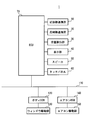
- FIG. 1 is a block diagram illustrating a configuration of the vehicle operation proposing device according to the first embodiment of the present disclosure.
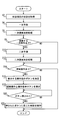
- FIG. 2 is a flowchart showing a process executed by the ECU of FIG.
- FIG. 3 is a first display example displayed on the display unit in step S18 of FIG.
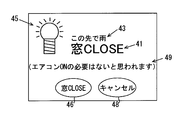
- FIG. 4 is a second display example displayed on the display unit in step S18 of FIG.
- FIG. 5 is a third display example displayed on the display unit in step S18 of FIG.
- FIG. 6 is a flowchart showing preference learning processing executed by the ECU in the second embodiment of the present disclosure.
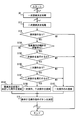
- FIG. 7 is a flowchart showing processing executed by the ECU of the second embodiment instead of the flowchart of FIG.
- FIG. 8 is a diagram illustrating another example of the primary operation and the secondary operation.
- the vehicle operation proposing device 1 of the first embodiment includes a short-range communication unit 10, a wide-area communication unit 20, a position detection unit 30, a display unit 40, a speaker 50, a touch panel 60, and an ECU 70. Yes.
- This vehicle operation proposing device 1 is mounted on a vehicle.
- a vehicle in which the vehicle operation proposal device 1 is mounted is referred to as a host vehicle.
- the short-range communication unit 10 performs vehicle-to-vehicle communication with a short-range communication unit provided in another vehicle using radio waves in a predetermined frequency band such as 5.8 GHz band and 700 MHz band, Road-to-vehicle communication is performed with a short-range communication unit included in a roadside device set on the roadside. Through these vehicle-to-vehicle communication and road-to-vehicle communication, the short-range communication unit 10 receives various information such as traffic information around the host vehicle.
- a predetermined frequency band such as 5.8 GHz band and 700 MHz band
- the wide area communication unit 20 communicates with a communication unit provided in a server installed outside the host vehicle using a public communication line network.
- the wide area communication unit 20 receives traffic information, weather information, and the like around the host vehicle from a server or the like.
- the short-range communication unit 10 may communicate with the server via a roadside device.
- the information received via the short-range communication unit 10 and the wide-area communication unit 20 is a state item necessary for performing primary prediction and secondary prediction described later.
- state items necessary for performing primary prediction and secondary prediction include weather and traffic information. For example, if the state item is weather, the state of the state item is clear or rainy. If the state item is traffic information, the state item state includes a traffic jam and an area where the traffic jam may occur.
- the position detection unit 30 sequentially detects the current position of the host vehicle.
- the position detection unit 30 includes a GNSS receiver used in a GNSS (Global Navigation Satellite System) that detects the position of its own device based on radio waves from a satellite. And the present position is detected based on the signal which this GNSS receiver received.
- GNSS Global Navigation Satellite System
- the display unit 40 corresponds to an output unit and includes a display screen. As will be described in detail later, a primary operation message 41, a secondary operation message 42, an operation instruction button 46, a composite operation instruction button 47, a cancel button 48, etc. are displayed on the display screen as illustrated in FIG.
- the speaker 50 outputs a notification sound for notifying the driver that the above-described primary operation, secondary operation, etc. are displayed on the display unit 40. Further, instead of the display unit 40 or in addition to the display unit 40, the speaker 50 may be used as an output unit, and primary operation and secondary operation may be output by sound.
- the touch panel 60 is provided as an input unit, and is disposed on the display screen of the display unit 40.
- the primary operation instruction button 46, the composite operation instruction button 47, and the cancel button 48 are displayed on the display screen, when an input operation is performed on the upper part of those buttons on the touch panel 60, the ECU 70 performs the input operation. It is determined that the button corresponding to the part has been operated.
- the ECU 70 is a computer including a CPU, a ROM, a RAM, and the like, and the ECU 70 executes the program stored in the ROM while using the temporary storage function of the RAM, so that the ECU 70 performs the processing shown in FIG. Execute. Note that some or all of the functions executed by the ECU 70 may be configured in hardware by one or a plurality of ICs.
- the ECU 70 can communicate with other ECUs provided in the host vehicle such as the body ECU 120 and the air conditioner ECU 140 via the in-vehicle LAN 110.
- Various sensor signals such as a vehicle speed signal detected by the vehicle speed sensor can also be acquired via the in-vehicle LAN 110.
- the body ECU 120 is connected to the window driving unit 130 and controls the window driving unit 130.
- the body ECU 120 can also determine the vertical position of the vehicle window from the driving amount of the window driving unit 130.
- the window position sensor which detects this position of an up-down direction is provided, you may judge the position of the up-down direction of a vehicle window from the detection value of the window position sensor.
- the window drive unit 130 is an actuator that moves the window of the host vehicle up and down.
- the body ECU 120 also controls other devices not shown such as a door lock mechanism.
- the air conditioner ECU 140 is connected to the air conditioner driving unit 150.
- the air conditioner driving unit 150 is a device for adjusting the temperature in the passenger compartment, such as a compressor or an inverter.
- the process shown in FIG. 2 is executed at predetermined intervals in a state where the vehicle is powered on.
- Steps S2 and S4 are processes corresponding to the primary prediction unit.
- step S2 the current or future state of a state item necessary for determining for each operation whether or not a plurality of preset operations should be proposed to the driver is acquired.
- the operation for determining whether or not to propose to the driver is hereinafter referred to as a proposal candidate operation.
- State items necessary for determining whether or not to propose this proposal candidate operation include an external state item that is a state item related to a state outside the vehicle and an in-vehicle state item that is a state item related to the state inside the vehicle. .
- External condition items include, for example, weather, outside temperature, outside air humidity, traffic jam, traffic regulation, and the like.
- the state of these external state items is acquired by communicating with the outside using the short-range communication unit 10 and the wide-area communication unit 20.
- the state of the external state item varies depending on the region.
- the area from which the state is acquired is determined based on the current position detected by the position detection unit 30.
- the state of the external state item is acquired within a circle having a predetermined radius from the current position.
- the state of the in-vehicle state item is acquired via the in-vehicle LAN 110.
- the in-vehicle state items include, for example, an open / close state of a window, an ON / OFF state of an air conditioner, and ON / OFF states of other various switches. For these in-vehicle state items, the current state is acquired.
- step S4 primary prediction is performed.
- the primary prediction is based on the current state of the state item acquired in step S2, the current position of the host vehicle, the traveling direction, and the vehicle speed. Predict the state of
- the state item for predicting the future state in the primary prediction is weather. It is possible to set various periods for the future, for example, 1 hour. Then, a range to be reached within one hour is determined from the current position of the host vehicle, the traveling direction, and the average speed when traveling on each planned road. The weather within one hour in the determined range is a future state predicted in this primary prediction for the proposed candidate operation of closing the window.
- the subsequent step S6 corresponds to a primary proposal determination unit, and performs a primary proposal determination process.
- This primary proposal determination process is a process of determining one or more primary operations to be proposed to the driver from the proposal candidate operations based on the future state of the state item predicted in step S4. For example, when it is raining in front of the traveling direction and the window of the host vehicle is open, the primary operation of closing the window is determined. Depending on the future state of the state item predicted in step S4, it may be determined that there is no primary operation to be proposed.
- step S8 it is determined whether a primary operation to be proposed to the driver has been determined, that is, whether at least one primary operation has been determined in step S6. If this judgment is NO, it will progress to Step S14, without performing Steps S10 and S12. On the other hand, if determination of step S8 is YES, it will progress to step S10.
- step S10 secondary prediction is performed.
- this secondary prediction assuming that the primary operation determined in the primary proposal determination process in step S6 is performed, the state after the primary operation that is the state of the state item after the primary operation is performed is predicted.
- the state of the state item after the window is closed is predicted on the assumption that the window is closed.
- This predicted state is the state after the primary operation.
- the state items predicted as the state after the primary operation include, for example, the temperature in the vehicle interior, the humidity of the outside air, the humidity in the vehicle interior, and the temperature of the inner surface of the vehicle window.
- ⁇ Use outside temperature and weather to predict the temperature in the passenger compartment.
- the amount of solar radiation may be used instead of the weather.
- For the humidity of the outside air a predicted value predicted outside the vehicle is acquired by communication with the outside.
- the humidity in the passenger compartment is predicted from the humidity of the outside air, whether the window is opened or closed, and whether the inside / outside air switching mode is the outside air introduction mode or the inside air circulation mode. Since the temperature of the inner surface of the vehicle window is close to the temperature of the outside air, it is predicted from the outside air temperature.
- the outside air temperature a predicted value predicted outside the vehicle is acquired by communication with the outside.
- ⁇ Various periods can be set to predict the state after the primary operation. For example, the period is the same as the primary prediction.
- Step S12 corresponds to a secondary proposal determination unit, and performs a secondary proposal determination process.
- this secondary proposal determination process one or more secondary operations to be proposed to the driver are determined from the proposed candidate operations based on the post-primary operation state determined in step S10. For example, when the air temperature in the passenger compartment determined in the state after the primary operation falls within a preset recommended air conditioner temperature range, the air conditioner ON is determined as the secondary operation. In addition, from the humidity in the vehicle interior determined in the state after the primary operation and the temperature of the inner surface of the vehicle window, dew condensation occurs on the inner surface of the vehicle window, that is, it can be determined that the inner surface of the vehicle window is cloudy. Air conditioner ON is determined as the secondary operation. Depending on the state after the primary operation predicted in step S10, it may be determined that there is no secondary operation to be proposed.
- step S14 it is determined whether there is a proposal operation.
- the suggested operation is a primary operation or a primary operation and a secondary operation. If there is no suggestion operation, the determination in S14 is NO. In this case, the process in FIG. If there is a suggestion operation, the determination in S14 is YES. In this case, the process proceeds to step S16.
- an operation instruction button to be displayed on the display unit 40 is determined in order to receive an instruction from the driver regarding whether or not to perform the primary operation and the secondary operation.
- the operation instruction buttons include a primary operation instruction button 46 for the driver to instruct execution of only the primary operation, and a composite operation instruction button 47 for the driver to instruct execution of the primary operation and the secondary operation at the same time.
- a proposal candidate operation is determined as a primary operation, but it is determined that there is no secondary operation, in this step S16, two operation instruction buttons to be displayed on the display unit 40 are a primary operation instruction button 46 and a cancel button 48.
- the operation instruction buttons displayed on the display unit 40 are the primary operation instruction button 46, the cancel button 48, There are three composite operation instruction buttons 47.
- step S18 a message indicating the suggested operation and the operation instruction button determined in step S16 are displayed on the display unit 40.
- the message is configured using at least one of a character, a symbol other than a character, and a graphic other than a symbol.
- the display example in FIG. 3 is a display example in which the operation of closing the window is determined as the primary operation, and the operation of turning on the air conditioner is determined as the secondary operation.
- the display example of FIG. 3 includes “window CLOSE” which is a primary operation message 41 indicating a primary operation and “+ air conditioner ON” which is a secondary operation message 42 indicating a secondary operation.
- a primary operation reason message 43 and a secondary operation reason message 44 indicating the reason for proposing the primary operation and the secondary operation are also displayed above each message.
- the secondary operation reason message 44 also indicates a state after the primary operation.
- the proposed figure 45 is a light bulb that is lit in the example of FIG. Other figures may be used as the suggested figure 45.
- the primary operation instruction button 46 illustrated in FIG. 3 has a horizontally long elliptical shape, and the contents of the primary operation are represented by characters in the ellipse.
- the composite operation instruction button 47 is also a horizontally long ellipse.
- the size of the composite operation instruction button 47 is larger.
- the size and position of the composite operation instruction button 47 is the size and position that completely includes the primary operation instruction button 46.
- characters indicating the contents of the primary operation and the secondary operation are displayed. As described above, since this character is displayed on the composite operation instruction button 47 and the composite operation instruction button 47 includes the primary operation instruction button 46, the composite operation instruction button 47 is changed to the primary operation. It is easy to understand that the buttons can instruct secondary operations at the same time.
- FIG. 4 is a display example different from FIG. 3 and is a display example when the primary operation is the same as FIG. 3 but the secondary operation is determined to be none.
- a primary operation message 41 an operation reason message 43, a suggested graphic 45, a primary operation instruction button 46, and a cancel button 48 are displayed.
- the composite operation instruction button 47 shown in FIG. 3 is not displayed in the display example of FIG. Instead, an operation unnecessary message 49 is shown indicating that there is no secondary operation to be proposed.
- the operation unnecessary message 49 in FIG. 4 indicates a secondary operation that is often proposed in relation to the primary operation, and is a message that means that the secondary operation is unnecessary.
- the present invention is not limited to this example, and an operation unnecessary message of a message indicating that there is no secondary operation to be proposed may be displayed without showing a specific secondary operation.
- FIG. 5 is a display example different from FIGS. 3 and 4, and the primary operation is the same as FIG. 3, but is a display example when the operation to turn on the defroster is determined as the secondary operation.
- the operation to turn on the defroster is determined as the secondary operation when it is predicted that the inner surface of the vehicle window will be clouded.
- the example in which the air conditioner ON is determined as the secondary operation when it is predicted that the inner surface of the vehicle window is fogged is shown.
- the operation for turning on the defroster may be determined in this way.
- the defroster is a device that is activated after the window starts to become cloudy
- the secondary operation message 42a in FIG. 5 is a message with a condition “when it starts to cloud” for performing the operation.
- the secondary operation message 42a shown in FIG. 5 includes an operation switch graphic 42a1 in the shape of a defroster switch. That is, the secondary operation message 42a indicates a proposal to turn on the operation state of the operation target device called the defroster, and also indicates an operation method of the defroster.
- step S20 it is determined whether or not the operation instruction button has been pressed.
- the operation instruction button means a button displayed on the display unit 40 among the primary operation instruction button 46, the composite operation instruction button 47, and the cancel button 48. If this determination is NO, the determination in step S20 is repeated again.
- step S22 control corresponding to the pressed operation instruction button is executed. For example, when the composite operation instruction button 47 is pressed, both the control determined by the primary operation and the control determined by the secondary operation are executed. For example, if the primary operation is an operation of closing the window and the secondary operation is an operation of turning on the air conditioner, in order to close the window, the body ECU 120 is provided with the window drive unit 130 so that the window as the operation target device is closed. Instruct to control. In addition, it instructs the air conditioner ECU 140 to turn on the air conditioner.
- the vehicle operation proposing device 1 determines that there is a primary operation, and further determines that there is a secondary operation, and then displays the primary operation message indicating the primary operation on the display screen of the display unit 40.
- a secondary operation message 42 indicating the secondary operation is displayed together with 41 (S18). By viewing this display screen, the driver can determine whether or not to perform the primary operation and the secondary operation in consideration of the possibility that the secondary operation needs to be performed.
- a secondary operation reason message 44 indicating the state after the primary operation is also displayed on the display screen. Therefore, the driver can determine whether or not to perform the primary operation and the secondary operation in consideration of the state of the primary operation.
- the vehicle operation proposing device 1 of the present embodiment determines that there is a primary operation, and if it is determined that there is a secondary operation, in addition to the primary operation instruction button 46 and the cancel button 48 on the display screen.
- the composite operation instruction button 47 is displayed. When the composite operation instruction button 47 is pressed, both the primary operation and the secondary operation are executed. Therefore, the driver can perform two operations simply by pressing the composite operation instruction button 47.
- the composite operation instruction button 47 has a shape including the primary operation instruction button 46, the driver is a button that allows the composite operation instruction button 47 to instruct the primary operation and the secondary operation at the same time. Can be easily understood.
- steps S24 and S26 shown in FIG. 6 are executed.
- Step S24 corresponds to a primary operation preference learning unit.
- the driver's preference for the primary operation is learned.
- the preference for the primary operation of the driver is a past driver operation result indicating whether or not the driver has performed the primary operation when the primary operation is proposed, and the operation result is stored in a predetermined storage unit.
- This learning is performed separately for the case where only the primary operation is proposed and the case where the secondary operation is proposed together with the primary operation. Whether or not the driver has performed the primary operation is determined by whether or not the primary operation instruction button 46 or the composite operation instruction button 47 has been pressed.
- the subsequent step S26 corresponds to a secondary operation preference learning unit.
- the preference for the secondary operation of the driver is learned.
- the driver's preference for the secondary operation is a past driver operation result indicating whether or not the driver has executed the secondary operation when the secondary operation is proposed, and is stored in a predetermined storage unit. The operation result is stored. This learning is performed for each combination of primary operation and secondary operation. Whether or not the driver has performed a secondary operation is determined by whether or not the composite operation instruction button 47 has been pressed. Note that these steps S24 and S26 may be executed for each driver by identifying the driver. For identification of the driver, various known methods such as ID input are used.
- FIG. 7 is a part of a flowchart showing the processing executed by the ECU 70 in the second embodiment, and the omitted parts are the same as those in FIG.
- step S15A it is determined whether or not the driver's preference for the proposal operation determined in steps S6 and S12 has been learned.
- the learned operation means that a predetermined number or more of whether or not the execution of the operation is instructed in the storage unit is stored. If this determination is NO, the process proceeds to step S15B.
- step S15B it is determined that the operation determined in the proposal process, that is, the operation determined in steps S6 and S12 is proposed.
- step S15A determines whether or not to execute the primary operation determined in the primary proposal determination process (S6).
- step S15C If the determination in step S15C is NO, there is no point in proposing a primary operation that is not executed by the driver, and the process in FIG.
- step S15C determines whether there is a secondary operation. If this determination is NO, the process proceeds to step S15E. In step S15E, it is decided to propose only the primary operation.
- step S15F the driver determines whether to perform the secondary operation based on the learned preference. In this determination, the combination of the primary operation and the secondary operation determined in steps S6 and S12 is referred to among the learned secondary operation preferences. As a result of the reference, when the ratio at which the driver performs the secondary operation is equal to or greater than the predetermined ratio, the driver determines to execute the secondary operation (S15F: YES). On the other hand, when the ratio at which the driver performs the secondary operation is smaller than the predetermined ratio, the driver determines that the primary operation is not performed (S15F: NO).
- step S15F determines whether the primary operation is proposed. If the determination in step S15F is NO, the process proceeds to step S15E described above. Therefore, only the primary operation is proposed. On the other hand, if determination of step S15F is YES, it will progress to step S15G. In step S15G, it is decided to propose a primary operation and a secondary operation.
- Step S15B, S15E, and S15G are processing of the proposal output processing unit.
- the driver's preference for the primary operation and the secondary operation is learned (S24, S26).
- the learning result is used to determine whether the driver executes the primary operation when the primary operation is proposed. If the driver determines that the primary operation is not executed even if the primary operation is proposed (S15C: NO), the primary operation is not proposed even if the primary operation is determined. Further, although it is determined that the primary operation is executed (S15C: YES), when it is determined that the secondary operation is not executed (S15F: NO), the secondary operation is not proposed even if the secondary operation is determined. . Thus, it is possible to prevent the driver from feeling troublesome by proposing an operation not to be performed to the driver.
- the primary operation and the secondary operation are not limited to the above-described embodiment.
- FIG. 8 shows an example of a primary operation and a secondary operation different from the primary operation and the secondary operation described so far.
- the primary prediction is a prediction that an uncomfortable area will be entered.
- An unpleasant area is an area that has a bad odor.
- the primary operation is an operation of changing to a route that avoids the uncomfortable area.
- Secondary prediction is prediction that the arrival time at the destination will be delayed.
- the secondary operation is an operation of notifying that the arrival is delayed.
- the driver communicates the route change and the arrival delay, so the driver can avoid the discomfort area even if the arrival is late, or enter the discomfort area to avoid the arrival delay. You can choose to enter. That is, it is possible to determine whether or not to change the route, which is the primary operation, in consideration of the delay in arrival.
- the primary prediction is the prediction that the traffic jam will be involved.
- the primary operation is an operation called route change for avoiding traffic jams.
- Secondary prediction is prediction that the arrival time at the destination will be delayed.
- the secondary operation is an operation of notifying that the arrival is delayed.
- Modification 2 In the above-described embodiment, the prediction is performed only up to the secondary prediction, and the operation is determined only up to the secondary operation. However, the third-order or higher prediction may be performed to determine the third-order or higher operation.
Landscapes
- Physics & Mathematics (AREA)
- Thermal Sciences (AREA)
- Engineering & Computer Science (AREA)
- Mechanical Engineering (AREA)
- Navigation (AREA)
Abstract
車両で用いられる車両用操作提案装置は、予め設定された種類の操作をドライバに提案すべきかを判断するために必要な状態項目の今後の状態を予測する一次予測部(S2、S4)と、状態項目の今後の状態に基づいて、ドライバに提案すべき一次操作を決定する一次提案決定部(S6)と、一次提案決定部が決定した一次操作を行った後の状態項目の状態である一次操作後状態を予測する二次予測部(S8、S10)と、二次予測部が予測した一次操作後状態に基づいて、ドライバに提案すべき二次操作を決定する二次提案決定部(S12)と、一次提案決定部が決定した一次操作とともに、二次提案決定部が決定した二次操作を所定の出力部から出力する提案出力処理部(S14、S15、S16、S18)と、を備える。
Description
本開示は、2014年2月27日に出願された日本出願番号2014-037049号に基づくもので、ここにその記載内容を援用する。
本開示は、車両で用いられ、ドライバに機器の操作を提案する車両用操作提案装置に関する。
雨等の車室内や乗員に対して不都合を生じさせる天気を予測し、予め窓などを自動的に閉じる装置が知られている(たとえば特許文献1)。
窓を閉めることが好きではないドライバがいるなど、個々のドライバにより好みが異なる。そのため、窓を閉めるなどの制御を自動的に行なってしまうと、ドライバに不快感を与えてしまう恐れがある。
そこで、窓を閉めるなどの制御を自動的に行うのではなく、窓を閉めるなどの操作を提案するまでに留めることが考えられる。この提案に従って窓を閉めたことにより、車室内が暑くなったり、窓が曇ったりすることもある。
車室内が暑くなったり、窓が曇ったりすることを避けるため、エアコンを起動させることが考えられる。しかし、エアコンを起動させることがあまり好きではないドライバは、車室内が暑くなると、エアコンを起動させるのではなく、再び窓を開けることも考えられる。この場合、窓を閉めなければよかったと考えてしまう恐れがある。
また、窓が曇ってしまった場合には、エアコンを起動しても即座には窓の曇りは解消せずに慌ててしまうことも想定される。この場合にも、窓を閉めない方がよかったと考えてしまう可能性がある。また、早めにエアコンを起動しておけばよかったと考える可能性もある。
車両の窓の操作とエアコンの起動は一例であり、ある一次操作をしたときには、その一次操作により行う必要が生じる二次操作も考慮して、一次操作を行うかを判断できることが好ましい。
しかし、ドライバが車を運転しているときは、運転操作を行うことに高い意識があるため、ある一次操作をしたときに、その一次操作を行ったことにより、どのような二次操作を行う必要が生じるかをドライバ自身が想定することは困難な場合も多い。
本開示は、上記事情に基づいて成されたものであり、その目的とするところは、一次操作を行うことにより、行う必要がある二次操作も考慮して、ドライバが、一次操作、二次操作を実行するかどうかを判断することができる車両用操作提案装置を提供する。
上記目的を達成するための本開示の一態様による車両用操作提案装置は、車両で用いられ、予め設定された種類の操作をドライバに提案すべきかどうかを判断するために必要な状態項目の今後の状態を予測する一次予測部と、一次予測部が予測した状態項目の今後の状態に基づいて、ドライバに提案すべき一次操作を決定する一次提案決定部と、一次提案決定部が決定した一次操作を行った後の状態項目の状態である一次操作後状態を予測する二次予測部と、二次予測部が予測した一次操作後状態に基づいて、ドライバに提案すべき二次操作を決定する二次提案決定部と、一次提案決定部が決定した一次操作とともに、二次提案決定部が決定した二次操作を所定の出力部から出力する提案出力処理部と、を備える。
上記車両用操作提案装置によれば、一次操作とともに、二次操作が出力部から出力されるので、ドライバは、二次操作を行う必要が生じる可能性も考慮して一次操作、二次操作を行うかどうかを判断することができる。
本開示についての上記目的およびその他の目的、特徴や利点は、添付の図面を参照しながら下記の詳細な記述により、より明確になる。その図面は、
図1は、本開示の第1実施形態による車両用操作提案装置の構成を示すブロック図である。
図2は、図1のECUが実行する処理を示すフローチャートであり、
図3は、図2のステップS18で表示部に表示する第1の表示例であり、
図4は、図2のステップS18で表示部に表示する第2の表示例であり、
図5は、図2のステップS18で表示部に表示する第3の表示例であり、
図6は、本開示の第2実施形態で、ECUが実行する嗜好学習処理を示すフローチャートであり、
図7は、図2のフローチャートに代えて、第2実施形態のECUが実行する処理を示すフローチャートであり、
図8は、一次操作、二次操作の別例を示す図である。
(第1実施形態)
以下、本開示の実施形態を図面に基づいて説明する。図1に示すように、第1実施形態の車両用操作提案装置1は、近距離通信部10、広域通信部20、位置検出部30、表示部40、スピーカ50、タッチパネル60、ECU70を備えている。この車両用操作提案装置1は車両に搭載される。以下、この車両用操作提案装置1が搭載されている車両を自車両という。
以下、本開示の実施形態を図面に基づいて説明する。図1に示すように、第1実施形態の車両用操作提案装置1は、近距離通信部10、広域通信部20、位置検出部30、表示部40、スピーカ50、タッチパネル60、ECU70を備えている。この車両用操作提案装置1は車両に搭載される。以下、この車両用操作提案装置1が搭載されている車両を自車両という。
近距離通信部10は、たとえば、5.8GHz帯、700MHz帯などの所定の周波数帯の電波を用いて、他車両が備えている近距離通信部との間で車車間通信を行い、また、路側に設定されている路側機が備える近距離通信部との間で路車間通信を行う。これら車車間通信、路車間通信により、近距離通信部10は自車両の周辺の交通情報等の種々の情報を受信する。
広域通信部20は、公衆通信回線網を利用して、自車両の外部に設置されているサーバが備える通信部などと通信を行う。この広域通信部20は、サーバ等から、自車両周辺の交通情報、天気情報などを受信する。なお、近距離通信部10が路側機を介してサーバと通信を行ってもよい。
これら近距離通信部10、広域通信部20を介して受信する情報は、後述する一次予測、二次予測を行うために必要な状態項目の状態である。一次予測、二次予測を行うために必要な状態項目を例示すると、天気、交通情報などがある。その状態項目の状態は、たとえば、状態項目が天気であれば、晴れ、雨等になる。状態項目が交通情報であれば、状態項目の状態は渋滞およびその渋滞が生じえいる地域などである。
どのような具体的状態項目が一次予測、二次予測を行うために必要であるかは予め設定されている。これらの予測に必要な状態項目が得られれば、近距離通信部10、広域通信部20のいずれか一方のみを備えていてもよい。
位置検出部30は、自車両の現在位置を逐次検出する。たとえば、位置検出部30は、衛星からの電波に基づいて自装置の位置を検出するGNSS(Global Navigation Satellite System)で用いられるGNSS受信機を備えている。そして、このGNSS受信機が受信した信号に基づいて現在位置を検出する。
表示部40は、出力部に相当するものであり、表示画面を備えている。後に詳しく説明するが、この表示画面に、図3に例示しているような、一次操作メッセージ41、二次操作メッセージ42、操作指示ボタン46、複合操作指示ボタン47、キャンセルボタン48などが表示される。
スピーカ50は、表示部40に、上述の一次操作、二次操作などが表示されたことをドライバに知らせるための報知音が出力される。また、上記表示部40に代えて、あるいは、表示部40に加えて、このスピーカ50を出力部として用い、一次操作、二次操作を音により出力してもよい。
タッチパネル60は、入力部として備えているものであり、表示部40の表示画面の上に配置される。表示画面に一次操作指示ボタン46、複合操作指示ボタン47、キャンセルボタン48が表示されている状態で、タッチパネル60におけるそれらのボタンの上部部分に入力操作を行うと、ECU70は、入力操作がされた部分に対応するボタンが操作されたと判断する。
ECU70は、CPU、ROM、RAM等を備えたコンピュータであり、CPUが、RAMの一時記憶機能を利用しつつROMに記憶されているプログラムを実行することで、ECU70は、図2に示す処理を実行する。なお、ECU70が実行する機能の一部または全部を、一つあるいは複数のIC等によりハードウェア的に構成してもよい。
このECU70は、車内LAN110を介して、ボディECU120、エアコンECU140など、自車両に備えられている他のECUとの間で通信が可能になっている。また、この車内LAN110を介して、車速センサが検出した車速信号など種々のセンサ信号も取得できる。
ボディECU120は、ウィンドウ駆動部130と接続されており、このウィンドウ駆動部130の制御を行う。また、ボディECU120は、ウィンドウ駆動部130の駆動量から、車両窓の上下方向の位置を判断することもできる。なお、この上下方向の位置を検出する窓位置センサが設けられている場合には、その窓位置センサの検出値から、車両窓の上下方向の位置を判断してもよい。ウィンドウ駆動部130は、自車両の窓を上下させるアクチュエータである。なお、ボディECU120は、ドアロック機構など図示していない他の装置の制御も行う。
エアコンECU140は、エアコン駆動部150と接続されている。このエアコン駆動部150は、コンプレッサーやインバータ等、車室内の温度を調整するための装置である。
次に図2に示す処理を説明する。図2に示す処理は、車両の電源がONになっている状態で、予め設定されている一定周期ごとに実行する。
ステップS2、ステップS4は一次予測部に相当する処理である。ステップS2では、予め設定された複数の操作をドライバに提案すべきかどうかを、操作ごとに判断するために必要な状態項目の現在または将来の状態を取得する。なお、ドライバに提案すべきかどうかを判断する操作を、以下では提案候補操作という。
この提案候補操作を提案すべきかどうかを判断するために必要な状態項目には、車両外部の状態に関する状態項目である外部状態項目と、車両内の状態に関する状態項目である車両内状態項目がある。
外部状態項目には、たとえば、天気、外気温、外気の湿度、渋滞、交通規制などがある。これら外部状態項目については、取得可能なものについては、現在および将来の状態を取得する。これら外部状態項目の状態は、近距離通信部10、広域通信部20を用いて外部と通信することで取得する。また、外部状態項目の状態は地域により異なる。状態を取得する地域は位置検出部30が検出した現在位置に基づいて決定する。たとえば、現在位置を中心とする半径所定距離の円内について、外部状態項目の状態を取得する。状態を取得する地域の他の例としては、現在位置を中心とする半径所定距離の円のうち、進行方向前方の半円内がある。また、この半径を車速により変化させてもよい。
車両内状態項目の状態は、車内LAN110を介して取得する。車両内状態項目には、たとえば、窓の開閉状態、エアコンのON/OFF状態、その他各種スイッチのON/OFF状態などがある。これら車両内状態項目については、現在の状態を取得する。
ステップS4では、一次予測を行う。一次予測は、ステップS2で取得した状態項目の現在の状態と、自車両の現在位置、進行方向、車速に基づいて、提案候補操作を提案すべきかどうかを判断するために必要な状態項目の今後の状態を予測する。
たとえば、提案候補操作が窓を閉める操作であれば、一次予測において今後の状態を予測する状態項目は天気である。どのぐらいの期間を今後とするかは種々に設定可能であるが、たとえば1時間とする。そして、自車両の現在位置、進行方向、走行予定の各道路を走行する際の平均的な速度から、1時間内に到達する範囲を決定する。この決定した範囲の1時間以内の天気が、窓を閉める操作という提案候補操作に対してこの一次予測において予測する今後の状態である。
続くステップS6は一次提案決定部に相当しており、一次提案決定処理を行う。この一次提案決定処理は、ステップS4で予測した状態項目の今後の状態に基づいて、ドライバに提案すべき1つまたは複数の一次操作を、提案候補操作の中から決定する処理である。たとえば、進行方向前方で雨が降っており、自車両の窓が開いている場合には、窓を閉めるという一次操作を決定する。なお、ステップS4で予測した状態項目の今後の状態によっては、提案すべき一次操作がないと決定することもある。
続くステップS8、S10は二次予測部に相当している。ステップS8では、ドライバに提案すべき一次操作を決定したか、すなわち、ステップS6で少なくとも一つの一次操作を決定したか否かを判断する。この判断がNOであれば、ステップS10、S12を実行せずにステップS14へ進む。一方、ステップS8の判断がYESであればステップS10に進む。
ステップS10では、二次予測を行う。この二次予測では、ステップS6の一次提案決定処理で決定した一次操作を行ったとして、その一次操作を行った後の状態項目の状態である一次操作後状態を予測する。
たとえば、一次操作として窓を閉めるという操作を決定した場合には、窓が閉められたと仮定して、窓が閉められた後の状態項目の状態を予測する。この予測した状態が一次操作後状態である。一次操作後状態として予測する状態項目としては、たとえば、車室内の気温、外気の湿度、車室内の湿度、車両窓の内表面の温度などがある。
車室内の気温を予測するためには、外気温と天気を用いる。また天気に代えて日射量を用いてもよい。外気の湿度は、外部との通信により、車両外で予測された予測値を取得する。車室内の湿度は、外気の湿度と、窓の開閉状態、内外気切り替えモードが外気導入モードとなっているか内気循環モードとなっているか、から予測する。車両窓の内表面の温度は、外気の温度に近くなるので、外気温から予測する。外気温は、外部との通信により、車両外で予測された予測値を取得する。
一次操作後状態を予測する期間は種々に設定可能である。たとえば、一次予測と同じ期間とする。
ステップS12は二次提案決定部に相当しており、二次提案決定処理を行う。この二次提案決定処理では、ステップS10で決定した一次操作後状態に基づいて、ドライバに提案すべき1つまたは複数の二次操作を、提案候補操作の中から決定する。たとえば、一次操作後状態で決定した車室内の気温が、予め設定されているエアコン推奨温度範囲に入る場合、エアコンONを二次操作として決定する。また、一次操作後状態で決定した車室内の湿度と、車両窓の内表面の温度から、車両窓の内表面に結露が生じる、すなわち、車両窓の内表面が曇ると判断できる場合にも、エアコンONを二次操作として決定する。なお、ステップS10で予測した一次操作後状態によっては、提案すべき二次操作がないと決定することもある。
続くステップS14~S18は提案出力処理部に相当する。ステップS14では、提案操作があるかどうかを判断する。提案操作とは、一次操作または、一次操作および二次操作のことである。提案操作がなければ、S14の判断がNOとなる。この場合には、図2の処理を終了する。提案操作があれば、S14の判断がYESとなる。この場合にはステップS16へ進む。
ステップS16では、一次操作、二次操作を行うかどうかについてドライバの指示を受けるために、表示部40に表示する操作指示ボタンを決定する。この操作指示ボタンには、一次操作のみの実行をドライバが指示するための一次操作指示ボタン46と、一次操作と二次操作の実行を同時にドライバが指示するための複合操作指示ボタン47と、いずれの操作も不要であることをドライバが指示するためのキャンセルボタン48がある。
ある提案候補操作を一次操作として決定したが、二次操作はなしと決定した場合、このステップS16では、表示部40に表示する操作指示ボタンを、一次操作指示ボタン46とキャンセルボタン48の2つとする。また、ある提案候補操作を一次操作として決定し、二次操作にもある提案候補操作を決定した場合には、表示部40に表示する操作指示ボタンを、一次操作指示ボタン46、キャンセルボタン48、複合操作指示ボタン47の3つとする。一次操作も二次操作もなしと決定した場合には、表示部40に表示する操作指示ボタンはなしとする。
ステップS18では、提案操作を示すメッセージと、ステップS16で決定した操作指示ボタンを表示部40に表示する。なお、メッセージは、文字、文字以外の記号、記号以外の図形の少なくとも1つを用いて構成される。
図3の表示例は、一次操作として窓を閉めるという操作を決定し、二次操作としてエアコンONという操作を決定した場合を例とした表示例である。この図3の表示例には、一次操作を示す一次操作メッセージ41である「窓CLOSE」、二次操作を示す二次操作メッセージ42である「+エアコンON」が含まれている。また、それらのメッセージ41、42に加えて、各メッセージの上に、一次操作、二次操作を提案している理由を示す一次操作理由メッセージ43、二次操作理由メッセージ44も表されている。二次操作理由メッセージ44は、一次操作後状態を示していることにもなる。
これらのメッセージ41~44の横には、提案であることを表すための提案図形45が表されている。この提案図形45は、図3の例では点灯している状態の電球である。提案図形45として、他の図形を用いてもよい。
また、メッセージ41~44の下方には、一次操作指示ボタン46、複合操作指示ボタン47、キャンセルボタン48が表されている。図3に例示した一次操作指示ボタン46は、横長の楕円形状であり、楕円内に一次操作の内容が文字で表されている。複合操作指示ボタン47も、一次操作指示ボタン46と同様、横長の楕円形である。ただし、大きさは複合操作指示ボタン47のほうが大きい。複合操作指示ボタン47の大きさおよび位置は、一次操作指示ボタン46を完全に包含する大きさ、位置になっている。そして、複合操作指示ボタン47の一次操作指示ボタン46が重畳していない部分には、一次操作と二次操作の内容をそれぞれ示す文字が表示されている。このように、複合操作指示ボタン47にこの文字が表示されていること、および、複合操作指示ボタン47が一次操作指示ボタン46を包含していることで、複合操作指示ボタン47が、一次操作と二次操作を同時に指示することができるボタンであることが分かりやすくなっている。
図4は、図3とは別の表示例であり、一次操作は図3と同じであるが、二次操作はなしと決定した場合の表示例である。この図4の例では、一次操作メッセージ41、操作理由メッセージ43、提案図形45、一次操作指示ボタン46、キャンセルボタン48が表示されている。しかし、二次操作なしと決定しているので、図3に示している複合操作指示ボタン47は、図4の表示例には表示されていない。代わりに、提案すべき二次操作はないことを示している操作不要メッセージ49が表されている。図4における操作不要メッセージ49は、一次操作に関連してよく提案している二次操作を示して、その二次操作が不要であることを意味するメッセージになっている。もちろん、この例に限らず、具体的な二次操作を示さずに、提案すべき二次操作がないことを示すメッセージの操作不要メッセージを表示してもよい。
図5は、図3、4とは別の表示例であり、一次操作は図3と同じであるが、二次操作として、デフロスタをONにする操作を決定した場合の表示例である。デフロスタをONにする操作を二次操作として決定するのは、車両窓の内表面が曇ると予測した場合である。
前述の例では、車両窓の内表面が曇ると予測した場合にはエアコンONを二次操作として決定する例を示していたが、このように、デフロスタをONにする操作を決定してもよい。ただし、デフロスタは、窓が曇り始めた後に起動させる装置であるので、図5の二次操作メッセージ42aは、その操作を行う条件「曇り始めたら」を付したメッセージとなっている。加えて、図5に示している二次操作メッセージ42aは、デフロスタスイッチの形状の操作スイッチ図形42a1を含んでいる。すなわち、二次操作メッセージ42aは、デフロスタという操作対象機器の操作状態をONにするという提案を示していることに加えて、デフロスタの操作方法も示している。
ステップS20では、操作指示ボタンが押されたか否かを判断する。ここでの操作指示ボタンは、一次操作指示ボタン46、複合操作指示ボタン47、キャンセルボタン48のうち、表示部40に表示されているボタンを意味する。この判断がNOであれば、再度、ステップS20の判断を繰り返す。
ステップS20の判断がYESになった場合、ステップS22に進む。ステップS22では、押された操作指示ボタンに応じた制御を実行する。たとえば、複合操作指示ボタン47が押された場合には、一次操作により定まる制御と、二次操作により定まる制御を両方とも実行する。たとえば、一次操作が窓を閉めるという操作であり、二次操作がエアコンONという操作であれば、窓を閉めるために、ボディECU120に、操作対象機器である窓が閉まるようにウィンドウ駆動部130を制御することを指示する。加えて、エアコンECU140に、エアコンをONにするように指示する。
以上、説明した第1実施形態の車両用操作提案装置1は、一次操作ありと決定し、さらに、二次操作ありと決定した場合、表示部40の表示画面に、一次操作を示す一次操作メッセージ41とともに、二次操作を示す二次操作メッセージ42を表示する(S18)。この表示画面を見ることにより、ドライバは、二次操作を行う必要が生じる可能性も考慮して一次操作、二次操作を行うかどうかを判断することができる。
また、これら一次操作メッセージ41、二次操作メッセージ42に加えて、一次操作後状態を示している二次操作理由メッセージ44も、表示画面に表示する。そのため、一次操作を行ったら、どういう状態になるかも考慮して、ドライバは、一次操作、二次操作を行うかどうかを判断することができる。
一方、一次操作ありと決定したが、提案すべき二次操作はないと決定した場合、一次操作メッセージ41を表示するだけでなく、提案すべき二次操作がないことを示す操作不要メッセージ49も表示する。ドライバは、この操作不要メッセージ49を見ることにより、二次操作が不要であることを明確に認識することができる。よって、ドライバは、二次操作を行う必要がないとして一次操作を行うかどうかを判断することができる。
また、図5に示すように、操作対象機器であるデフロスタの操作方法を示している操作スイッチ図形42a1を含んでいる二次操作メッセージ42aが表示されると、その操作対象器の操作方法を知らないドライバであっても、操作方法に迷わないで済む。
また、本実施形態の車両用操作提案装置1は、一次操作ありと決定し、さらに、二次操作ありと決定した場合には、表示画面に、一次操作指示ボタン46、キャンセルボタン48に加えて、複合操作指示ボタン47を表示する。そして、複合操作指示ボタン47が押された場合には、一次操作と二次操作をともに実行する。そのため、ドライバは、複合操作指示ボタン47を押すだけで、2つの操作を行うことができる。
また、複合操作指示ボタン47は、一次操作指示ボタン46を包含している形状であるので、ドライバは、複合操作指示ボタン47が、一次操作と二次操作を同時に指示することができるボタンであることを容易に理解することができる。
(第2実施形態)
次に、第2実施形態を説明する。この第2実施形態以下の説明において、それまでに使用した符号と同一番号の符号を有する要素は、特に言及する場合を除き、それ以前の実施形態における同一符号の要素と同一である。また、構成の一部のみを説明している場合、構成の他の部分については先に説明した実施形態を適用することができる。
次に、第2実施形態を説明する。この第2実施形態以下の説明において、それまでに使用した符号と同一番号の符号を有する要素は、特に言及する場合を除き、それ以前の実施形態における同一符号の要素と同一である。また、構成の一部のみを説明している場合、構成の他の部分については先に説明した実施形態を適用することができる。
第2実施形態では、図2のステップS22を実行した後、図6に示すステップS24、S26を実行する。
ステップS24は一次操作嗜好学習部に相当している。このステップS24では、ドライバの一次操作に対する嗜好を学習する。ドライバの一次操作に対する嗜好は、具体的には、一次操作を提案した場合に、ドライバが一次操作を実行したか否かを表す過去のドライバの操作結果であり、所定の記憶部にこの操作結果を記憶する。この学習は、一次操作のみを提案した場合と、一次操作とともに二次操作を提案した場合とに分けて行う。ドライバが一次操作を行ったかどうかは、一次操作指示ボタン46、または複合操作指示ボタン47が押されたか否かで決定する。
続くステップS26は二次操作嗜好学習部に相当している。このステップS26では、ドライバの二次操作に対する嗜好を学習する。ドライバの二次操作に対する嗜好は、具体的には、二次操作を提案した場合に、ドライバが二次操作を実行したか否かを表す過去のドライバの操作結果であり、所定の記憶部にこの操作結果を記憶する。この学習は、一次操作と二次操作の組み合わせ別に行う。ドライバが二次操作を行ったかどうかは、複合操作指示ボタン47が押されたか否かで決定する。なお、これらステップS24、S26は、ドライバを識別して、ドライバ別に実行してもよい。ドライバの識別は、IDの入力等、公知の種々の手法を用いる。
次に、図7を説明する。図7は、第2実施形態においてECU70が実行する処理を示すフローチャートの一部であり、省略している部分は、図2と同じである。
ステップS15Aでは、ステップS6、S12で決定した提案操作に対するドライバの嗜好を学習済みであるか否かを判断する。学習済みの操作とは、記憶部に、操作の実行が指示されたか否かが所定数以上、記憶されている操作であることをいう。この判断がNOである場合には、ステップS15Bに進む。
ステップS15Bでは、提案処理で決定した操作、すなわちステップS6、S12で決定した操作を提案すると決定する。
ステップS15Aの判断がYESである場合には、ステップS15Cに進む。ステップS15Cでは、学習した嗜好に基づいて、ドライバが、一次提案決定処理(S6)で決定した一次操作を実行するかどうかを判断する。
この判断においては、ステップS6、S12で一次操作と二次操作をともに提案すると決定している場合には、ステップS6、S12で決定している一次操作と二次操作の組み合わせに対して学習した一次操作の嗜好を参照する。参照した結果、一次操作をドライバが実行している比率が所定比率以上である場合には、ドライバが、一次提案決定処理(S6)で決定した一次操作を実行すると判断する(S15C:YES)。反対に、一次操作をドライバが実行している比率が所定比率より小さい場合には、ドライバは、一次提案決定処理(S6)で決定した一次操作を実行しないと判断する(S15C:NO)。
ステップS15Cの判断がNOであれば、ドライバが実行しない一次操作を提案しても意味がないため、図7の処理を終了する。
ステップS15Cの判断がYESの場合、ステップS15Dに進む。ステップS15Dでは、二次操作があるかどうかを判断する。この判断がNOである場合には、ステップS15Eに進む。ステップS15Eでは、一次操作のみを提案することに決定する。
ステップS15Dの判断がYESであれば、ステップS15Fに進む。ステップS15Fでは、学習した嗜好に基づいて、ドライバが、二次操作を実行するかどうかを判断する。この判断においては、学習した二次操作の嗜好のうち、ステップS6、S12で決定している一次操作と二次操作の組み合わせを参照する。参照した結果、二次操作をドライバが実行している比率が所定比率以上である場合には、ドライバが、二次操作を実行すると判断する(S15F:YES)。反対に、二次操作をドライバが実行している比率が所定比率より小さい場合には、ドライバは、一次操作を実行しないと判断する(S15F:NO)。
ステップS15Fの判断がNOであれば、前述のステップS15Eに進む。よって、一次操作のみを提案することになる。一方、ステップS15Fの判断がYESであれば、ステップS15Gに進む。ステップS15Gでは、一次操作、二次操作を提案することに決定する。
ステップS15B、S15E、S15Gのいずれかを実行した場合には、ステップS16へ進む。ステップS16以降は、第1実施形態と同じである。なお、ステップS15A~S15Gは提案出力処理部の処理である。
以上、説明した第2実施形態では、一次操作、二次操作に対するドライバの嗜好を学習している(S24、S26)。そして、学習結果を利用し、一次操作を提案した場合に、ドライバが一次操作を実行するかを判断している。そして、一次操作を提案してもドライバが一次操作を実行しないと判断した場合には(S15C:NO)、一次操作を決定していても、一次操作を提案しない。また、一次操作は実行すると判断したが(S15C:YES)、二次操作は実行しないと判断した場合には(S15F:NO)、二次操作を決定していても、二次操作を提案しない。これらにより、実行しない操作をドライバに提案してしまい、ドライバに煩わしさを感じさせてしまうことを抑制できる。
二次操作に対する学習、および、二次操作を実行するかどうかの判断を、一次操作と二次操作の組み合わせ別に行っている。また、一次操作に対する学習、および、一次操作を実行するかどうかの判断も、一次操作と二次操作の組み合わせ別に行っている。これにより、一次操作、二次操作を提案した場合に、ドライバがそれら一次操作、二次操作を実行するかどうかの判断精度が向上する。
以上、本開示の実施形態を説明したが、本開示は上述の実施形態に限定されるものではなく、次の変形例も本開示の技術的範囲に含まれ、さらに、下記以外にも要旨を逸脱しない範囲内で種々変更して実施することができる。
(変形例1)
たとえば、一次操作、二次操作は、前述の実施形態に限られない。図8に、これまで説明した一次操作、二次操作とは別の一次操作、二次操作の例を示す。別例1では、一次予測が不快エリアを進入するという予測である。不快エリアとは、悪臭がするエリアである。一次操作は、その不快エリアを回避するートに変更するという操作である。二次予測は、目的地への到着時刻が遅くなるという予測である。二次操作は、到着が遅れることを連絡するという操作である。
たとえば、一次操作、二次操作は、前述の実施形態に限られない。図8に、これまで説明した一次操作、二次操作とは別の一次操作、二次操作の例を示す。別例1では、一次予測が不快エリアを進入するという予測である。不快エリアとは、悪臭がするエリアである。一次操作は、その不快エリアを回避するートに変更するという操作である。二次予測は、目的地への到着時刻が遅くなるという予測である。二次操作は、到着が遅れることを連絡するという操作である。
この別例1では、ドライバは、ルート変更と、到着が遅れることを連絡することが提案されるので、到着が遅れても不快エリアを回避するか、到着が遅れることを避けるため、不快エリアに進入するかを選択することができる。すなわち、到着が遅れることを考慮して、一次操作であるルート変更をするかどうかを判断することができる。
別例2では、一次予測が事故渋滞に巻き込まれるという予測である。一次操作は、渋滞を回避するためのルート変更という操作である。二次予測は、目的地への到着時刻が遅くなるという予測である。二次操作は、到着が遅れることを連絡するという操作である。
この別例2では、ルート変更という提案とともに、到着が遅れることを連絡するという提案もされることで、ドライバは、その連絡を行ったほうがよいかどうかを、早めに考えることができる。
(変形例2)
前述の実施形態では、予測は二次予測までしかしておらず、操作も二次操作までしか決定していなかったが、三次以上の予測を行い、三次以上の操作を決定してもよい。
前述の実施形態では、予測は二次予測までしかしておらず、操作も二次操作までしか決定していなかったが、三次以上の予測を行い、三次以上の操作を決定してもよい。
(変形例3)
前述の実施形態では、一次操作メッセージ41、二次操作メッセージ42に加えて、一次操作理由メッセージ43、二次操作理由メッセージ44も表示していたが、これら一次操作理由メッセージ43、二次操作理由メッセージ44の一方または両方を表示しなくてもよい。
前述の実施形態では、一次操作メッセージ41、二次操作メッセージ42に加えて、一次操作理由メッセージ43、二次操作理由メッセージ44も表示していたが、これら一次操作理由メッセージ43、二次操作理由メッセージ44の一方または両方を表示しなくてもよい。
(変形例4)
また、一次操作指示ボタン46、複合操作指示ボタン47、キャンセルボタン48を表示することも必須ではない。これらのボタン46、47、48を表示しなくても、ドライバは、各操作対象機器を操作するために備えられている専用の操作部を操作すればよいからである。
本開示は、実施例に準拠して記述されたが、本開示は当該実施例や構造に限定されるものではないと理解される。本開示は、様々な変形例や均等範囲内の変形をも包含する。加えて、様々な組み合わせや形態、さらには、それらに一要素のみ、それ以上、あるいはそれ以下、を含む他の組み合わせや形態をも、本開示の範畴や思想範囲に入るものである。
また、一次操作指示ボタン46、複合操作指示ボタン47、キャンセルボタン48を表示することも必須ではない。これらのボタン46、47、48を表示しなくても、ドライバは、各操作対象機器を操作するために備えられている専用の操作部を操作すればよいからである。
本開示は、実施例に準拠して記述されたが、本開示は当該実施例や構造に限定されるものではないと理解される。本開示は、様々な変形例や均等範囲内の変形をも包含する。加えて、様々な組み合わせや形態、さらには、それらに一要素のみ、それ以上、あるいはそれ以下、を含む他の組み合わせや形態をも、本開示の範畴や思想範囲に入るものである。
Claims (9)
- 車両で用いられ、
予め設定された種類の操作をドライバに提案すべきかどうかを判断するために必要な状態項目の今後の状態を予測する一次予測部(S2、S4)と、
前記一次予測部が予測した前記状態項目の今後の状態に基づいて、ドライバに提案すべき一次操作を決定する一次提案決定部(S6)と、
前記一次提案決定部が決定した一次操作を行った後の前記状態項目の状態である一次操作後状態を予測する二次予測部(S8、S10)と、
前記二次予測部が予測した前記一次操作後状態に基づいて、ドライバに提案すべき二次操作を決定する二次提案決定部(S12)と、
前記一次提案決定部が決定した一次操作を示す一次操作メッセージとともに、前記二次提案決定部が決定した二次操作を示す二次操作メッセージを所定の出力部から出力する提案出力処理部(S14、S15、S16、S18)と、
を備える車両用操作提案装置。 - 請求項1において、
前記提案出力処理部は、前記一次操作メッセージ、前記二次操作メッセージとともに、前記二次予測部が予測した前記一次操作後状態を、前記出力部から出力する車両用操作提案装置。 - 請求項1または2において、
前記提案出力処理部は、前記二次提案決定部が、提案すべき前記二次操作がないと決定した場合、前記一次操作メッセージを前記出力部から出力し、前記二次操作メッセージは前記出力部から出力しない車両用操作提案装置。 - 請求項3において、
前記提案出力処理部は、前記二次操作メッセージを出力しない場合には、提案すべき前記二次操作がないことを、前記一次操作メッセージとともに、前記出力部から出力する車両用操作提案装置。 - 請求項1または2において、
前記提案出力処理部は、前記出力部から出力する二次操作メッセージとして、前記二次操作を行う対象機器およびその対象機器の操作状態を示すメッセージに加えて、その対象機器の操作方法を出力する車両用操作提案装置。 - 請求項1~5のいずれか1項において、
前記提案出力処理部が前記一次操作メッセージおよび前記二次操作メッセージを前記出力部から出力した後、前記ドライバが前記二次操作を行ったか否かに基づいて、前記ドライバの前記二次操作に対する嗜好を、前記一次操作と前記二次操作の組み合わせ別に学習する二次操作嗜好学習部(S26)をさらに備え、
前記提案出力処理部は、前記二次操作嗜好学習部が学習した結果と、前記一次提案決定部が決定した一次操作と、前記二次提案決定部が決定した二次操作とに基づいて、前記二次提案決定部が決定した二次操作を前記ドライバが行わないと判断した場合、前記一次操作メッセージは前記出力部から出力するが、前記二次操作メッセージは、前記出力部から出力しない車両用操作提案装置。 - 請求項1~6のいずれか1項において、
前記提案出力処理部が前記一次操作メッセージおよび二次操作メッセージを前記出力部から出力した後、前記ドライバが前記一次操作を行ったか否かに基づいて、前記ドライバの前記一次操作に対する嗜好を、前記一次操作と前記二次操作の組み合わせ別に学習する一次操作嗜好学習部(S24)をさらに備え、
前記提案出力処理部は、前記一次操作嗜好学習部が学習した結果と、前記一次提案決定部が決定した一次操作と、前記二次提案決定部が決定した二次操作とに基づいて、前記一次提案決定部が決定した一次操作と、前記二次提案決定部が決定した二次操作の組み合わせである場合、前記一次操作を前記ドライバが行わないと判断したことに基づいて、前記一次操作メッセージ、前記二次操作メッセージを、前記出力部から出力しない車両用操作提案装置。 - 請求項1~7のいずれか1項において、
前記出力部として表示部(40)を備え、
前記提案出力処理部は、前記一次操作メッセージ、前記二次操作メッセージに加えて、前記一次操作の実行を指示する一次操作指示ボタン(46)と、前記一次操作と前記二次操作の実行を指示する複合操作指示ボタン(48)とを、前記表示部に表示する車両用操作提案装置。 - 請求項8において、
前記提案出力処理部は、前記一次操作指示ボタンを包含している形状の前記複合操作指示ボタンを表示する車両用操作提案装置。
Applications Claiming Priority (2)
| Application Number | Priority Date | Filing Date | Title |
|---|---|---|---|
| JP2014037049A JP6340829B2 (ja) | 2014-02-27 | 2014-02-27 | 車両用操作提案装置 |
| JP2014-037049 | 2014-02-27 |
Publications (1)
| Publication Number | Publication Date |
|---|---|
| WO2015129164A1 true WO2015129164A1 (ja) | 2015-09-03 |
Family
ID=54008502
Family Applications (1)
| Application Number | Title | Priority Date | Filing Date |
|---|---|---|---|
| PCT/JP2015/000494 Ceased WO2015129164A1 (ja) | 2014-02-27 | 2015-02-04 | 車両用操作提案装置 |
Country Status (2)
| Country | Link |
|---|---|
| JP (1) | JP6340829B2 (ja) |
| WO (1) | WO2015129164A1 (ja) |
Cited By (2)
| Publication number | Priority date | Publication date | Assignee | Title |
|---|---|---|---|---|
| US20180222281A1 (en) * | 2017-02-03 | 2018-08-09 | Toyota Jidosha Kabushiki Kaisha | Remote air conditioning start system and center server |
| JP2019131125A (ja) * | 2018-02-02 | 2019-08-08 | アイシン・エィ・ダブリュ株式会社 | 車両窓制御システムおよび車両窓制御プログラム |
Families Citing this family (2)
| Publication number | Priority date | Publication date | Assignee | Title |
|---|---|---|---|---|
| CN110914129B (zh) | 2017-10-03 | 2021-06-15 | 谷歌有限责任公司 | 使用基于传感器的验证的车辆功能控制 |
| JP7064805B2 (ja) * | 2018-02-02 | 2022-05-11 | トヨタ自動車株式会社 | 車両窓制御システムおよび車両窓制御プログラム |
Citations (3)
| Publication number | Priority date | Publication date | Assignee | Title |
|---|---|---|---|---|
| JP2006001305A (ja) * | 2004-06-15 | 2006-01-05 | Denso Corp | 車載機器統合制御システム |
| JP2007230422A (ja) * | 2006-03-02 | 2007-09-13 | Denso It Laboratory Inc | 車載機器制御装置 |
| JP2008201146A (ja) * | 2007-02-16 | 2008-09-04 | Denso Corp | 車両用操作案内装置 |
Family Cites Families (1)
| Publication number | Priority date | Publication date | Assignee | Title |
|---|---|---|---|---|
| JP2007237789A (ja) * | 2006-03-06 | 2007-09-20 | Denso Corp | 開閉制御装置、開閉制御システム、及びプログラム |
-
2014
- 2014-02-27 JP JP2014037049A patent/JP6340829B2/ja not_active Expired - Fee Related
-
2015
- 2015-02-04 WO PCT/JP2015/000494 patent/WO2015129164A1/ja not_active Ceased
Patent Citations (3)
| Publication number | Priority date | Publication date | Assignee | Title |
|---|---|---|---|---|
| JP2006001305A (ja) * | 2004-06-15 | 2006-01-05 | Denso Corp | 車載機器統合制御システム |
| JP2007230422A (ja) * | 2006-03-02 | 2007-09-13 | Denso It Laboratory Inc | 車載機器制御装置 |
| JP2008201146A (ja) * | 2007-02-16 | 2008-09-04 | Denso Corp | 車両用操作案内装置 |
Cited By (7)
| Publication number | Priority date | Publication date | Assignee | Title |
|---|---|---|---|---|
| US20180222281A1 (en) * | 2017-02-03 | 2018-08-09 | Toyota Jidosha Kabushiki Kaisha | Remote air conditioning start system and center server |
| CN108382157A (zh) * | 2017-02-03 | 2018-08-10 | 丰田自动车株式会社 | 远程空气调节启动系统和中央服务器 |
| US11135898B2 (en) * | 2017-02-03 | 2021-10-05 | Toyota Jidosha Kabushiki Kaisha | Remote air conditioning start system and center server |
| CN108382157B (zh) * | 2017-02-03 | 2021-12-21 | 丰田自动车株式会社 | 远程空气调节启动系统和中央服务器 |
| DE102018101378B4 (de) * | 2017-02-03 | 2025-06-05 | Toyota Jidosha Kabushiki Kaisha | Klimaanlagenfernbedienungsstartsystem und zentraler Server |
| JP2019131125A (ja) * | 2018-02-02 | 2019-08-08 | アイシン・エィ・ダブリュ株式会社 | 車両窓制御システムおよび車両窓制御プログラム |
| JP7009243B2 (ja) | 2018-02-02 | 2022-01-25 | トヨタ自動車株式会社 | 車両窓制御システムおよび車両窓制御プログラム |
Also Published As
| Publication number | Publication date |
|---|---|
| JP2015160522A (ja) | 2015-09-07 |
| JP6340829B2 (ja) | 2018-06-13 |
Similar Documents
| Publication | Publication Date | Title |
|---|---|---|
| JP6645587B2 (ja) | 運転支援方法及び運転支援装置 | |
| US10107888B1 (en) | Vehicle status monitoring system and vehicle | |
| CN108349507B (zh) | 驾驶辅助装置、驾驶辅助方法及移动体 | |
| US11021103B2 (en) | Method for enriching a field of view of a driver of a transportation vehicle with additional information, device for use in an observer transportation vehicle, device for use in an object, and transportation vehicle | |
| US20190004513A1 (en) | Driving assistance control apparatus | |
| JP6317315B2 (ja) | 標識情報表示装置及び方法 | |
| US20220024491A1 (en) | Vehicle control method | |
| US20170098364A1 (en) | Apparatus, method and mobile terminal for providing object loss prevention service in vehicle | |
| JP6690581B2 (ja) | 運転モード切替制御装置、方法およびプログラム | |
| KR101813529B1 (ko) | 차량, 차량 소프트웨어 업데이트 시스템 및 차량 소프트웨어 업데이트 방법 | |
| JPWO2020035896A1 (ja) | 車両の走行制御方法及び走行制御装置 | |
| CN114013452B (zh) | 自动驾驶控制方法、系统、可读存储介质及车辆 | |
| US9982645B2 (en) | Remote engine starting system | |
| US10911589B2 (en) | Vehicle control device | |
| JP2019073078A (ja) | 自動運転時情報伝達方法および車載情報提示装置 | |
| JP6340829B2 (ja) | 車両用操作提案装置 | |
| US20170174080A1 (en) | Vehicle traveling support control apparatus | |
| US11668582B2 (en) | Navigation system and display method of a navigation map | |
| JP2018075987A (ja) | 車両用自動運転制御装置 | |
| CN112601689A (zh) | 车辆的行驶控制方法及行驶控制装置 | |
| JP7221145B2 (ja) | 運転連携装置、運転連携方法、及び運転連携プログラム | |
| JP2009173182A (ja) | 車両搭載機器の制御装置及び制御方法 | |
| JP2010070171A (ja) | 車載機器の制御装置及び制御方法 | |
| CN110239539B (zh) | 车辆用控制装置以及车辆 | |
| JP2021094970A (ja) | 運転支援制御装置 |
Legal Events
| Date | Code | Title | Description |
|---|---|---|---|
| 121 | Ep: the epo has been informed by wipo that ep was designated in this application |
Ref document number: 15755179 Country of ref document: EP Kind code of ref document: A1 |
|
| NENP | Non-entry into the national phase |
Ref country code: DE |
|
| 122 | Ep: pct application non-entry in european phase |
Ref document number: 15755179 Country of ref document: EP Kind code of ref document: A1 |