WO2015125481A1 - ネットワーク中継装置並びに情報提供システム及び方法 - Google Patents
ネットワーク中継装置並びに情報提供システム及び方法 Download PDFInfo
- Publication number
- WO2015125481A1 WO2015125481A1 PCT/JP2015/000796 JP2015000796W WO2015125481A1 WO 2015125481 A1 WO2015125481 A1 WO 2015125481A1 JP 2015000796 W JP2015000796 W JP 2015000796W WO 2015125481 A1 WO2015125481 A1 WO 2015125481A1
- Authority
- WO
- WIPO (PCT)
- Prior art keywords
- content
- data
- storage unit
- network relay
- relay device
- Prior art date
- Legal status (The legal status is an assumption and is not a legal conclusion. Google has not performed a legal analysis and makes no representation as to the accuracy of the status listed.)
- Ceased
Links
Images





Classifications
-
- H—ELECTRICITY
- H04—ELECTRIC COMMUNICATION TECHNIQUE
- H04N—PICTORIAL COMMUNICATION, e.g. TELEVISION
- H04N21/00—Selective content distribution, e.g. interactive television or video on demand [VOD]
- H04N21/20—Servers specifically adapted for the distribution of content, e.g. VOD servers; Operations thereof
- H04N21/23—Processing of content or additional data; Elementary server operations; Server middleware
- H04N21/231—Content storage operation, e.g. caching movies for short term storage, replicating data over plural servers, prioritizing data for deletion
Definitions
- the present invention relates to a network relay device used in a network for distributing content.
- the present invention also relates to a content distribution method using a network relay device, and an information providing system and method.
- the basic communication model of the Internet is designed based on a location-oriented communication model that places emphasis on “where” to communicate. From the point of view of content distribution, the user is interested in the content itself, and is not interested in where the content can be obtained from. That is, the user expects content based on the content-oriented communication model.
- CCN Content-centric network
- ICN Information-centric network
- a user transmits an interest including a content name to CCN.
- the CCN routes the interest based on the content name, finds the network node that holds the requested content, and forwards the content from the network node to the user.
- the CCN router relays the interest transmitted by the user and the content transferred to the user. At that time, the CCN router caches the content. When there is a request for the same content from another user, the CCN router acquires the content from the cache and transfers it to the user. Since the user can acquire content from nearby CCN routers, the amount of network traffic can be reduced.
- the distribution destination is limited to some extent. For example, content that is specific to a certain region is expected to have high demand in that region, while demand in other regions is low. If such content can be deployed in a CCN router associated with the area, efficient content distribution is possible. However, in a normal CCN including Patent Document 1, the CCN router only caches the content that has passed once, and it is not possible to deploy specific content in a specific region.
- an object of the present invention is to provide a network relay device that enables efficient content distribution in a region where content distribution destinations are limited to some extent. It is another object of the present invention to provide a content distribution method using such a network relay device, and an information providing system and method.
- the present invention relates to a communication unit that communicates with at least one of a user terminal device, a content provider device, and another network relay device via a network, and a content distribution destination.
- a content storage unit that stores content data having a content name including the distribution destination information
- a request receiving unit that receives a content request transmitted from the user terminal device through the communication unit, and content data of the requested content.
- a data transmission unit that determines whether or not the content is stored in the content storage unit, and reads the content data from the content storage unit and transmits the content data to the user terminal device that requested the content when it is determined that the content is stored.
- a data receiving unit for receiving content data through the communication unit; Based on the delivery destination information included in the content name of the received content data, it is determined whether to store the received content data in a content storage unit, and when it is determined to store, the received content data is There is provided a network relay device comprising a data storage unit for storing in a content storage unit.
- the distribution destination information may include geographical information.
- the data storage unit may determine to store the content data when the geographical information included in the distribution destination information matches the place where the device is installed.
- the request reception unit receives a content acquisition request including information specifying a geographical range
- the data transmission unit receives content data of content included in the geographical range included in the content acquisition request. You may read from the said content memory
- the distribution destination information may include the name of a moving body that moves with the passage of time or the name of a person that moves with the passage of time.
- the data storage unit may inquire whether or not to store content data by transmitting a content name to a management device that manages information for managing the movement schedule of the mobile object or person.
- the reception time and retention time of the content data are specified, and the data storage unit may store the content data in the content storage unit only during the specified reception time and retention time.
- the network relay device of the present invention further includes a request transfer unit that transfers the received request to another network relay device when content data of the requested content is not stored in the content storage unit. There may be.
- the present invention is also an information providing system including a plurality of network relay devices, wherein the network relay device receives a registration request for content data having a content name including geographical information from the information provider device. Based on the receiving unit and the geographical information included in the content name, it is determined whether or not to store the content data for which the registration request has been received in the content storage unit.
- a data storage unit that stores the received content data in the content storage unit, a registration request transfer unit that transfers the received registration request to another network relay device, and a geographical range transmitted from the user terminal device.
- a request receiving unit that receives a content request including the geographical information included in the content name;
- An information providing system comprising: a data transmission unit that reads content data of content that matches a geographical range included in the content request from the content storage unit and transmits the content data to a user terminal device that has requested the content. provide.
- the present invention is a content distribution method using a network relay device, wherein the network relay device receives content data having a content name including distribution destination information related to a content distribution destination; When the relay device determines whether or not to store the received content data in the content storage unit based on the delivery destination information included in the content name of the received content data, Storing the content data in the content storage unit; receiving the content request transmitted from the user terminal device by the network relay device; and receiving the content data of the requested content from the network relay device. Stored in the content storage The content data is read out from the content storage unit and transmitted to the user terminal device that has requested the content when it is determined that the content data is stored. Provide delivery method.
- the present invention is an information providing method using a network relay device, wherein the network relay device accepts a registration request for content data having a content name including geographical information; and Based on the geographical information included in the content name, it is determined whether or not the content data for which the registration request has been accepted is stored in a content storage unit, and the content data for which the registration request has been accepted when it is determined to be stored
- the network relay device receiving a content request including a geographical range from a user terminal device, and the network relay device includes geographical information included in a content name. Containers that match the geographic scope included in the content request. Read Tsu content data from the content storage unit, it provides an information providing method characterized by a step of transmitting toward the user terminal that requested the content.
- a content name including distribution information is used.
- the network relay device determines whether to store the content data in the content storage unit based on the distribution destination information. In this way, the content data can be held in the network relay device in the area specified by the distribution destination information, and if the distribution destination area of the content is limited to some extent, the content distribution in that area is performed. Can be implemented efficiently.
- the network relay device accepts a registration request for content data having a content name including geographical information, and stores the content data for which the registration request is accepted based on the geographical information. Determine whether or not to store in the section. For example, the network relay device stores the content data of the content in which the installation location of the own device matches the geographical information included in the content name in the content storage unit. By doing in this way, the content linked
- the content request including the geographical range is received from the user, and the content data of the content whose geographical information matches the geographical range included in the content request is transmitted to the user terminal device.
- content data associated with the location can be acquired from a nearby network relay device.
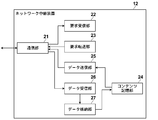
- FIG. 1 is a block diagram showing a content distribution system according to a first embodiment of the present invention.
- the block diagram which shows a network relay apparatus.
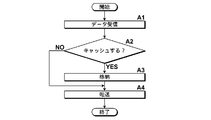
- the flowchart which shows the operation
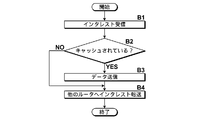
- the flowchart which shows the operation
- the sequence diagram which shows the flow of content delivery.
- the figure which shows the format of the content name used with a disaster information provision system.
- the block diagram which shows the content delivery system which concerns on 2nd Embodiment of this invention.
- the block diagram which shows a scheduler.
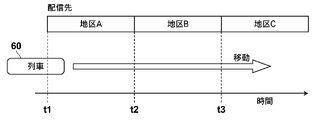
- the block diagram which shows the relationship between time and the district of a delivery destination.
- FIG. 1 is a block diagram showing a content distribution system according to the first embodiment of the present invention.
- the content distribution system 10 includes a plurality of network relay devices 12 and a content server 13.
- the plurality of network relay devices 12 constitute a CCN (Content Centric Network) 11.
- the network is not limited to CCN, but may be another network of the same type, for example, ICN (Information Centric Network).
- the content server 13 is a content provider device and is a server device of the content provider.
- the user terminal device 14 is a device such as a mobile phone such as a smartphone used by the user, a tablet terminal device, or a personal computer.
- the user requests content from the CCN 11 using the user terminal device 14.
- the user terminal device 14 transmits an interest including the content name.
- the CCN 11 transmits content data provided by the content server 13 to the user terminal device 14 in response to a request from the user. More specifically, the CCN 11 finds a node that holds the requested content by routing the interest by the content name, and transmits the content data from the node to the user terminal device 14.
- FIG. 2 is a block diagram showing the network relay device 12.
- the network relay device (router) 12 includes a communication unit 21, a request reception unit 22, a request transfer unit 23, a content storage unit 24, a data transmission unit 25, a data reception unit 26, and a data storage unit 27.
- the communication unit 21 communicates with at least one of the user terminal device 14 (see FIG. 1), the content server 13, and the other network relay device 12.
- the content storage unit 24 stores content data.
- Content data is identified by a content name.
- the content name includes distribution destination information related to the distribution destination of the content. In the present embodiment, geographical information is used as distribution destination information.
- the request receiving unit 22 receives the content request transmitted from the user terminal device 14 through the communication unit 21.
- the data transmission unit 25 determines whether the content data of the requested content is stored in the content storage unit 24.
- the data transmission unit 25 reads the content data from the content storage unit 24 and transmits the content data to the user terminal device 14 that has requested the content through the communication unit 21.
- the request transfer unit 23 transfers the request received by the request reception unit 22 to another network relay device 12 when the content data of the requested content is not stored in the content storage unit 24. At that time, the request transfer unit 23 refers to a routing table (FIB: Forwarding Information Base) having the content name as an entry, and transfers the request to the network relay device 12 or the content server 13 holding the corresponding content data. .
- the FIB is created by a naming-based routing protocol that advertises the content name covered by each network relay device 12 as a prefix.
- the data receiving unit 26 receives content data through the communication unit 21. For example, when the content server 13 registers content with the CCN 11, the data receiving unit 26 receives content data directly from the content server 13 or via another network relay device 12. The data reception unit 26 may receive content data from the other network relay device 12 after the request transfer unit 23 transfers the content request to the other network relay device 12.
- the data storage unit 27 determines whether to store the received content data in the content storage unit 24 based on the distribution destination information included in the content name of the content data received by the data receiving unit 26. For example, when the geographical information included in the distribution destination information matches the installation location of the network relay device 12, the data storage unit 27 determines to store the content data. When the data storage unit 27 determines to store, the content storage unit 27 stores the content data in the content storage unit 24.
- the data storage unit 27 may store content data relayed between the node having the content and the user terminal device 14 in the content storage unit 24 by a normal cache operation.
- the content data may be stored in the content storage unit 24 by a normal cache operation.
- the data storage unit 27 may store the content data in the content storage unit 24 only during the specified reception time and retention time.
- FIG. 3 is a flowchart showing an operation procedure of the network relay device 12 when content data is received.
- the content server 13 transmits content data to the CCN 11 in order to deploy the content to the CCN 11 before a request from the user is generated.
- the data receiving unit 26 of the network relay device 12 configuring the CCN 11 receives the content data through the communication unit 21 (step A1).
- the data storage unit 27 determines whether to cache the content data received in step A1 based on the distribution destination information included in the content name (step A2).
- the network relay device 12 holds information on the location where the own device is installed in a memory (not shown) or the like.
- the data storage unit 27 determines whether or not to cache the content data based on whether or not the geographical information indicated by the distribution destination information included in the content name matches the geographical information of the installation location of the own device. To do.
- the geographical information includes, for example, at least one of a name such as a country name, a prefecture name, a city name, and a latitude / longitude.
- the data storage unit 27 decides to cache in step A2, the data storage unit 27 stores the content data received in step A1 in the content storage unit 24 (step A3). By storing the content data in the content storage unit 24, the content data can be distributed from the own network relay device 12 to the user terminal device 14.
- the data transmission unit 25 transfers the content data to the other network relay device 12 through the communication unit 21 (step A4).
- the transfer destination network relay device 12 also determines whether to cache the content data in the same procedure. If the number of transfers exceeds a certain limit, the content data need not be transferred.
- FIG. 4 is a flowchart showing an operation procedure of the network relay device 12 during content distribution.
- the request receiving unit 22 receives the content request (interest) transmitted from the user terminal device 14 through the communication unit 21 (step B1).
- the data transmission unit 25 determines whether the content data of the requested content is cached in the content storage unit 24 (step B2). If cached, the data transmission unit 25 reads the content data from the content storage unit 24, and transmits the content data to the user terminal device 14 that is the request transmission source through the communication unit 21 (step B3). If it is determined in step B2 that it is not cached, the request transfer unit 23 transfers the interest to another network relay device 12 (step B4).
- the user may include information specifying the geographical range in the content acquisition request.
- the request receiving unit 22 receives a content acquisition request including information specifying the geographical range from the user terminal device 14, the data transmitting unit 25 includes the distribution destination information in the geographical range included in the content acquisition request.
- the content data of one or more content items may be read from the content storage unit 24 and transmitted to the user terminal device 14.
- FIG. 5 is a sequence diagram showing the flow of content distribution.
- the content server 13 transmits the content data to, for example, the router (network relay device) 12C, and registers the content in the CCN 11 (see FIG. 1) (step S1).
- the content name of this content includes, for example, the name of a specific prefecture P as distribution destination information. It is assumed that the router 12A and the router 12B are installed in the area of the prefecture P designated as the distribution destination, and the router 12C is installed outside the area of the prefecture P.
- the data storage unit 27 of the router 12C determines whether to cache the content data transmitted from the content server 13 in its own device based on the delivery destination information included in the content name. Since the installation location of the router 12C is a region different from the region of the prefecture P included in the distribution destination information, the data storage unit 27 determines not to cache (step S2).
- the router 12C transmits the content data to the router 12B (step S3).
- the data storage unit 27 of the router 12B determines whether to cache the content data transferred from the router 12C in its own device based on the delivery destination information included in the content name. Since the installation location of the router 12B corresponds to the area of the prefecture P included in the distribution destination information, the data storage unit 27 caches the content data in the content storage unit 24 (step S4).
- the router 12B transmits the content data to the router 12A (step S5).
- the data storage unit 27 of the router 12A determines whether or not to cache the content data transferred from the router 12B in its own device based on the distribution destination information included in the content name. Since the installation location of the router 12A corresponds to the region of the prefecture P included in the distribution destination information, the data storage unit 27 caches the content data in the content storage unit 24 (step S6). Through the steps so far, the content data is deployed in the router 12A and the router 12B, and the content data can be distributed from these routers.
- the user terminal device 14 transmits a content request to the CCN 11 (step S7).
- the content request is received by a nearby router 12A, for example.
- the router 12A caches the content data in step S6, and the content data of the content requested by the user exists in the content storage unit 24 (step S8).
- the data transmission unit 25 of the router 12A reads the content data from the content storage unit 24 and transmits it to the user terminal device 14 (step S9). Even when another user who uses the user terminal device 14 in the prefecture P requests content from the router 12B, the content data can be distributed from the router 12B to the user.
- distribution destination information is included in the content name.
- the network relay device 12 determines whether or not to store the content data in the content storage unit 24 based on the distribution destination information included in the content name.
- a content acquisition request transmitted by a user in an area specified by distribution destination information is often received by a network relay device installed in that area.
- the network relay device 12 stores content data of content whose installation location matches geographical information used as distribution destination information in the content storage unit 24, and the user receives the CCN 11 from the user.
- the content can be distributed from a position close to the user.
- the content distribution area is limited to some extent, the content distribution in the area can be efficiently performed.
- a content having a content name including geographical information is registered in the CCN 11, a content acquisition request including information specifying a geographical range is transmitted to the CCN, and the geographical request requested by the CCN is transmitted.
- An information providing system that returns content data of content included in a range is conceivable.
- an example in which such an information providing system is used for providing disaster information will be described.
- FIG. 6 is a diagram showing a format of a content name used in the disaster information providing system.
- the content name% city% is a place where the name of the city is described.
- % district% is the place where the district name is written, and% machi% is the place where the town name is written.
- Latitude is described in # latitude #, and longitude is described in # longitude #. For example, if the location information is Shinjuku-ku, Nishiwaseda, Tokyo, and the detailed location information is 35 degrees 42 minutes 32 seconds north and 139 degrees 43 minutes 03 seconds east longitude, /Dinfo/tokyo/shinjuku/nishiwaseda/35.42. Registered in CCN 11 with the content name 32 / 139.43.03 /.
- FIG. 7 is a diagram showing the format of the content name included in the interest.
- % city%,% district%, and% machi% are the same as the content name.
- # latitude-range # indicates the latitude range you want to get.
- # longitude-range # indicates the range of longitude desired to be acquired. For example, in the disaster information of Shinjuku-ku and Nishi-Waseda in Tokyo, it is in the range of 35 ° 4'00'N to 35 ° 42'99'N If the user wishes to acquire disaster information in the range of, the user transmits an interest including the content name /Dinfo/tokyo/shinjuku/nishiwaseda/35.42.00-35.42.99/139.43.00-139.43.99/.
- the data receiving unit 26 (see FIG. 2) of the network relay device 12 also functions as a registration request receiving unit that receives a registration request for content data having a content name including geographical information from the information provider device.
- the information provider transmits a content registration request indicating the disaster information associated with the geographical information to the CCN 11.
- the registration request transmitted by the information provider is received by the data receiving unit 26 together with the content data.
- the data storage unit 27 determines whether to store the content indicating the disaster information in the content storage unit 24 based on the geographical information of the content name.
- the data transmission unit 25 also functions as a registration request transfer unit, and transfers the content data registration request to another network relay device.
- Each network relay device 12 stores the disaster information associated with the vicinity of the place where the network relay device 12 is installed in the content storage unit 24.
- the user transmits a content acquisition request including information specifying the geographical range to the CCN 11.
- the request receiving unit 22 receives a content request including a geographical range transmitted from the user terminal device 14.
- the data transmission unit 25 reads content data of content whose geographical information included in the content name matches the geographical range included in the content request from the content storage unit 24, toward the user terminal device 14 that requested the content. Send. For example, when a latitude / longitude range is designated as the geographical range, disaster information associated with a point in the range is read from the content storage unit 24 and transmitted.
- FIG. 8 is a diagram showing a display example of disaster information.
- the user is in the disaster information of Shinjuku-ku and Nishi-Waseda in Tokyo, and ranges from 35 degrees 42:00 north latitude to 35 degrees 42 minutes 90 seconds north latitude 139 degrees 43:00 east longitude 139 degrees 43 minutes 90 east longitude Requests acquisition of disaster information in the range up to seconds.
- the data transmission unit 25 transmits four contents to the user terminal device 14 as disaster information that matches the range.
- the disaster information is plotted by latitude / longitude as shown in FIG. The user selects one of the four displayed disaster information and displays the content indicating the disaster information.
- each network relay device determines whether to cache the content indicating disaster information based on the geographical information.
- the network relay apparatus 12 can hold
- FIG. 9 is a block diagram showing a content distribution system according to the second embodiment of the present invention.
- the content distribution system 10a according to the present embodiment includes a scheduler (management device) 15 in addition to the configuration of the content distribution system 10 according to the first embodiment illustrated in FIG.
- the distribution destination information includes the name of a moving body that moves with the passage of time or the name of a person who moves with the passage of time.
- the scheduler 15 manages a moving schedule of a moving object or person.
- the data storage unit 27 (see FIG. 2) of the network relay device 12 transmits a content name to the scheduler 15 and inquires whether or not to store the content data.
- FIG. 10 is a block diagram showing the scheduler 15.
- the scheduler 15 includes a communication unit 51, an inquiry reception unit 52, a schedule information storage unit 53, and a determination unit 54.
- the communication unit 51 communicates with the network relay device 12 (see FIG. 9).
- the schedule information storage unit 53 stores schedule information related to a moving schedule of a moving body or a person. For example, if the moving body is a train, the schedule information storage unit 53 stores a train route, a stop station, a stop time of each stop station, and the like.
- the inquiry reception unit 52 receives an inquiry from the network relay device 12 for determining whether to store content data.
- the determination unit 54 refers to the schedule information storage unit 53 and determines whether or not the network relay device that has received the inquiry stores content data. For example, when the determination unit 54 determines that the installation location of the network relay device of the inquiry source is included in the area to which the train is moved at the time of the inquiry, the determination unit 54 determines to store it. The determination unit 54 returns the determination result to the network relay device 12. The network relay device 12 determines whether or not to store the content data according to the determination result from the scheduler 15.
- FIG. 11 is a block diagram showing the relationship between time and the delivery destination district.
- the train 60 moves with time.
- a user who gets on the train 60 requests the CCN 11 to acquire content.
- the user also includes information for identifying the train that has boarded the content acquisition request.
- the scheduler 15 decides to store the content with the content name having the train 60 as the delivery destination when the network relay device 12 deployed in the district A receives an inquiry from time t1 to time t2. Send. From time t2 to time t3, when there is an inquiry from the network relay device 12 deployed in the district B, a decision to store the content is transmitted. After time t3, when there is an inquiry from the network relay device 12 deployed in the district C, a decision to store the content is transmitted. In this way, the content can be held in the network relay device at the destination of the train.
- the name of a moving object or person that can move with the passage of time is used for the distribution destination information.
- a user who gets on a train transmits a content acquisition request from the train using the user terminal device 14.
- the network relay device 12 that receives the content acquisition request changes as the train moves.
- content data can be stored in the destination network relay device 12 in accordance with the movement of the user. Content can be distributed efficiently.
- the network relay device the content distribution method, and the information providing system and method of the present invention are not limited to the above-described embodiments. Those in which various modifications and changes are made from the configuration of the embodiments are also included in the scope of the present invention.
Landscapes
- Engineering & Computer Science (AREA)
- Multimedia (AREA)
- Signal Processing (AREA)
- Information Transfer Between Computers (AREA)
- Two-Way Televisions, Distribution Of Moving Picture Or The Like (AREA)
Abstract
【課題】コンテンツ配信を効率的に実施することを可能とする。 【解決手段】コンテンツ記憶部(24)は、コンテンツの配信先に関連した配信先情報を含むコンテンツ名のコンテンツデータを記憶する。データ送信部(25)は、ユーザが要求したコンテンツのコンテンツデータがコンテンツ記憶部(24)からコンテンツデータを読み出しユーザ端末装置へ向けて送信する。データ格納部(27)は、コンテンツデータのコンテンツ名に含まれる配信先情報に基づいて、コンテンツデータをコンテンツ記憶部(24)に格納するか否かを決定する。
Description
本発明は、コンテンツを配信するネットワークに用いられるネットワーク中継装置に関する。また、本発明は、ネットワーク中継装置を用いたコンテンツ配信方法、並びに情報提供システム及び方法に関する。
現在、インターネットを流れるトラヒックの多くは、ウェブトラヒックやP2Pトラヒックなどコンテンツ流通に関連するトラヒックである。一方で、インターネットの基本通信モデルは、「どこと」通信するかに重きを置いたロケーションオリエンテッド通信モデルに基づいて設計されている。コンテンツ流通という観点で見れば、ユーザはコンテンツそのものに関心があり、どこからコンテンツが得られるかという点には関心がない。すなわち、ユーザはコンテンツオリエンテッド通信モデルによるコンテンツを期待している。
これまでに、アプリケーション層でコンテンツオリエンテッドな通信サービスをサポートする様々な取り組みがなされてきた。しかしながら、そのような通信サービスを支える情報転送基盤(ネットワーク)は依然としてロケーションオリエンテッドなアーキテクチャに基づいており、上下階層の乖離が生じていた。近年、この乖離がもたらす問題点を解決する手法として、送受信されるデータを中心としたネットワークであるコンテンツオリエンテッドネットワークの研究が活発に進められている。
コンテンツオリエンテッドネットワークの一種として、CCN(Content centric network)又はICN(Information Centric Network)が知られている(例えば特許文献1を参照)。例えばCCNでは、ユーザは、コンテンツ名を含むインタレストをCCNに送信する。CCNは、コンテンツ名に基づいてインタレストをルーティングし、要求されたコンテンツを保有するネットワークノードを発見して、そのネットワークノードからユーザにコンテンツを転送する。
CCNでは、CCNルータが、ユーザが送信したインタレスト及びユーザに転送するコンテンツを中継する。その際、CCNルータはコンテンツをキャッシュする。CCNルータは、他のユーザから同じコンテンツに対する要求があったときは、キャッシュからコンテンツを取得してユーザに転送する。ユーザは近くのCCNルータからコンテンツを取得できるため、ネットワークのトラヒック量を削減することができる。
ところで、コンテンツ配信に際しては、配信先がある程度限定されることが考えられる。例えばある地域に特化した内容のコンテンツは、その地域における需要が高く、一方、他の地域での需要は低いと見込まれる。そのようなコンテンツについて、その地域に関連付けられるCCNルータに配備しておくことができれば、効率のよいコンテンツ配信が可能となる。しかし、特許文献1を含め、通常のCCNでは、CCNルータは一度通過したコンテンツをキャッシュするだけであり、特定の地域に特定のコンテンツを配備しておくことはできない。
本発明は、上記に鑑み、コンテンツの配信先の地域がある程度限られている場合に、その地域におけるコンテンツ配信を効率的に実施することを可能とするネットワーク中継装置を提供することを目的とする。また、本発明はそのようなネットワーク中継装置を用いたコンテンツ配信方法、並びに情報提供システム及び方法を提供することを目的とする。
上記目的を達成するために、本発明は、ネットワークを介して、ユーザ端末装置、コンテンツ提供者装置、及び他のネットワーク中継装置のうちの少なくとも1つと通信する通信部と、コンテンツの配信先に関連した配信先情報を含むコンテンツ名のコンテンツデータを記憶するコンテンツ記憶部と、前記ユーザ端末装置から送信されたコンテンツ要求を前記通信部を通じて受信する要求受信部と、前記要求されたコンテンツのコンテンツデータが前記コンテンツ記憶部に格納されているか否かを判断し、格納されていると判断したとき、前記コンテンツデータを前記コンテンツ記憶部から読み出し、コンテンツを要求したユーザ端末装置へ向けて送信するデータ送信部と、前記通信部を通じてコンテンツデータを受信するデータ受信部と、前記受信したコンテンツデータのコンテンツ名に含まれる配信先情報に基づいて、前記受信したコンテンツデータをコンテンツ記憶部に格納するか否かを決定し、格納すると決定したとき、前記受信したコンテンツデータを前記コンテンツ記憶部に格納するデータ格納部とを備えたことを特徴とするネットワーク中継装置を提供する。
本発明では、前記配信先情報は地理的情報を含んでいてもよい。この場合、前記データ格納部は、前記配信先情報に含まれる地理的情報が、自装置が設置された場所に合致するときは、コンテンツデータを格納すると決定することとしてもよい。
前記要求受信部は、地理的範囲を指定する情報を含むコンテンツ取得要求を受信し、データ送信部は、前記配信先情報が、コンテンツ取得要求に含まれる地理的範囲に含まれるコンテンツのコンテンツデータを前記コンテンツ記憶部から読み出して前記ユーザ端末装置に送信してもよい。
前記配信先情報は、時間経過と共に移動する移動体の名称又は時間経過と共に移動する人の名称を含んでいてもよい。その場合、前記データ格納部は、前記移動体又は人の移動スケジュールを管理する情報を管理する管理装置にコンテンツ名を送信してコンテンツデータを格納するか否かの決定を問い合わせてもよい。
上記において、問い合わせの時点で、自装置の設置場所が前記移動体又は人の移動先のエリアに含まれると判断されるときに、前記コンテンツデータを格納すると決定する旨の返答を前記管理装置から受信するようにしてもよい。
前記コンテンツデータの受信時間及び保持時間が指定されており、前記データ格納部は、前記指定された受信時間及び保持時間の間だけ、前記コンテンツデータを前記コンテンツ記憶部に格納してもよい。
本発明のネットワーク中継装置は、前記要求されたコンテンツのコンテンツデータが前記コンテンツ記憶部に格納されていないとき、前記受信した要求を他のネットワーク中継装置に転送する要求転送部を更に備えた構成であってもよい。
本発明は、また、複数のネットワーク中継装置を備えた情報提供システムであって、前記ネットワーク中継装置が、情報提供者装置から、地理的情報を含むコンテンツ名のコンテンツデータの登録依頼を受け付ける登録依頼受付け部と、前記コンテンツ名に含まれている地理的情報に基づいて、前記登録依頼を受け付けたコンテンツデータをコンテンツ記憶部に格納するか否かを決定し、格納すると決定したとき、前記登録依頼を受け付けたコンテンツデータを前記コンテンツ記憶部に格納するデータ格納部と、前記受け付けた登録依頼を他のネットワーク中継装置に転送する登録依頼転送部と、ユーザ端末装置から送信された、地理的範囲を含むコンテンツ要求を受信する要求受信部と、コンテンツ名に含まれる地理的情報が、前記コンテンツ要求に含まれる地理的範囲に合致するコンテンツのコンテンツデータを前記コンテンツ記憶部から読み出し、コンテンツを要求したユーザ端末装置へ向けて送信するデータ送信部とを有することを特徴とする情報提供システムを提供する。
さらに、本発明は、ネットワーク中継装置を用いたコンテンツ配信方法であって、前記ネットワーク中継装置が、コンテンツの配信先に関連した配信先情報を含むコンテンツ名のコンテンツデータを受信するステップと、前記ネットワーク中継装置が、前記受信したコンテンツデータのコンテンツ名に含まれる配信先情報に基づいて、前記受信したコンテンツデータをコンテンツ記憶部に格納するか否かを決定し、格納すると決定したとき、前記受信したコンテンツデータを前記コンテンツ記憶部に格納するステップと、前記ネットワーク中継装置が、ユーザ端末装置から送信されたコンテンツ要求を受信するステップと、前記ネットワーク中継装置が、前記要求されたコンテンツのコンテンツデータが前記コンテンツ記憶部に格納されているか否かを判断し、格納されていると判断したとき、前記コンテンツデータを前記コンテンツ記憶部から読み出し、コンテンツを要求したユーザ端末装置へ向けて送信するステップとを有することを特徴とするコンテンツ配信方法を提供する。
さらに、本発明は、ネットワーク中継装置を用いた情報提供方法であって、前記ネットワーク中継装置が、地理的情報を含むコンテンツ名のコンテンツデータの登録依頼を受け付けるステップと、前記ネットワーク中継装置が、前記コンテンツ名に含まれている地理的情報に基づいて、前記登録依頼を受け付けたコンテンツデータをコンテンツ記憶部に格納するか否かを決定し、格納すると決定したとき、前記登録依頼を受け付けたコンテンツデータを前記コンテンツ記憶部に格納するステップと、前記ネットワーク中継装置が、ユーザ端末装置から地理的範囲を含むコンテンツ要求を受信するステップと、前記ネットワーク中継装置が、コンテンツ名に含まれる地理的情報が、前記コンテンツ要求に含まれる地理的範囲に合致するコンテンツのコンテンツデータを前記コンテンツ記憶部から読み出し、コンテンツを要求したユーザ端末装置へ向けて送信するステップとを有することを特徴とする情報提供方法を提供する。
本発明のネットワーク中継装置では、配信情報を含むコンテンツ名を使用する。ネットワーク中継装置は、配信先情報に基づいて、コンテンツデータをコンテンツ記憶部に格納するか否かを決定する。このようにすることで、配信先情報で指定される地域のネットワーク中継装置にコンテンツデータを保持させることができ、コンテンツの配信先の地域がある程度限られている場合に、その地域におけるコンテンツ配信を効率的に実施することができる。
また、本発明の情報提供システム及び方法では、ネットワーク中継装置が、地理的情報を含むコンテンツ名のコンテンツデータの登録依頼を受け付け、地理的情報に基づいて、登録依頼を受け付けたコンテンツデータをコンテンツ記憶部に格納するか否かを決定する。ネットワーク中継装置は、例えば自装置の設置場所がコンテンツ名に含まれる地理的情報に合致するコンテンツのコンテンツデータをコンテンツ記憶部に格納する。このようにすることで、ネットワーク中継装置に、自装置の設置場所の近くに関連付けられたコンテンツを配備できる。ユーザからは、地理的範囲を含むコンテンツ要求を受信し、地理的情報が、コンテンツ要求に含まれる地理的範囲に合致するコンテンツのコンテンツデータをユーザ端末装置に向けて送信する。ユーザが、自身が存在する場所の近くの範囲をしてコンテンツを要求した場合、近くのネットワーク中継装置から、その場所に関連付けられたコンテンツデータを取得することができる。
以下、図面を参照し、本発明の実施の形態を詳細に説明する。図1は、本発明の第1実施形態に係るコンテンツ配信システムを示すブロック図である。コンテンツ配信システム10は、複数のネットワーク中継装置12とコンテンツサーバ13とを有する。複数のネットワーク中継装置12は、CCN(Content Centric Network)11を構成する。ネットワークはCCNには限られず、同種の他のネットワーク、例えばICN(Information Centric Network)であってもよい。コンテンツサーバ13は、コンテンツ提供者装置であり、コンテンツ提供者のサーバ装置である。ユーザ端末装置14は、例えばユーザが使用するスマートフォンなどの携帯電話機、タブレット端末装置、或いはパーソナルコンピュータなどの装置である。
ユーザは、ユーザ端末装置14を用いてCCN11にコンテンツを要求する。ユーザ端末装置14は、コンテンツの要求では、コンテンツ名を含むインタレストを送信する。CCN11は、ユーザからの要求に応じて、コンテンツサーバ13が提供するコンテンツデータをユーザ端末装置14に送信する。より詳細には、CCN11は、コンテンツ名でインタレストをルーティングして要求されたコンテンツを保持するノードを発見し、そのノードからコンテンツデータをユーザ端末装置14に送信する。
図2は、ネットワーク中継装置12を示すブロック図である。ネットワーク中継装置(ルータ)12は、通信部21、要求受信部22、要求転送部23、コンテンツ記憶部24、データ送信部25、データ受信部26、及びデータ格納部27を有する。通信部21は、ユーザ端末装置14(図1を参照)、コンテンツサーバ13、及び他のネットワーク中継装置12のうちの少なくとも1つと通信する。コンテンツ記憶部24は、コンテンツデータを記憶する。コンテンツデータはコンテンツ名で識別される。コンテンツ名は、コンテンツの配信先に関連した配信先情報を含む。本実施形態では、配信先情報として地理的情報を用いる。
要求受信部22は、ユーザ端末装置14から送信されたコンテンツ要求を通信部21を通じて受信する。データ送信部25は、要求受信部22がコンテンツ要求を受信すると、要求されたコンテンツのコンテンツデータがコンテンツ記憶部24に格納されているか否かを判断する。データ送信部25は、格納されていると判断したとき、コンテンツデータをコンテンツ記憶部24から読み出し、通信部21を通じてコンテンツを要求したユーザ端末装置14に送信する。
要求転送部23は、要求されたコンテンツのコンテンツデータがコンテンツ記憶部24に格納されていないとき、要求受信部22が受信した要求を他のネットワーク中継装置12に転送する。その際、要求転送部23は、コンテンツ名をエントリとして持つルーティングテーブル(FIB:Forwarding Information Base)を参照して、該当するコンテンツデータを保持するネットワーク中継装置12又はコンテンツサーバ13側に要求を転送する。FIBは、各ネットワーク中継装置12がカバーするコンテンツ名をプレフィックス広告するnaming-basedルーティングプロトコルにより作成される。
データ受信部26は、通信部21を通じてコンテンツデータを受信する。データ受信部26は、例えばコンテンツサーバ13がCCN11に対してコンテンツの登録を行うときに、コンテンツサーバ13から直接に、或いは他のネットワーク中継装置12を介してコンテンツデータを受信する。データ受信部26は、要求転送部23が他のネットワーク中継装置12にコンテンツ要求を転送した後に、他のネットワーク中継装置12からコンテンツデータを受信してもよい。
データ格納部27は、データ受信部26が受信したコンテンツデータのコンテンツ名に含まれる配信先情報に基づいて、受信されたコンテンツデータをコンテンツ記憶部24に格納するか否かを決定する。データ格納部27は、例えば配信先情報に含まれる地理的情報が、ネットワーク中継装置12が設置の場所に合致するときは、コンテンツデータを格納すると決定する。データ格納部27は、格納すると決定すると、コンテンツデータをコンテンツ記憶部24に格納する。
なお、データ格納部27は、上記の動作とは別に、通常のキャッシュの動作により、コンテンツを保有するノードとユーザ端末装置14との間で中継するコンテンツデータをコンテンツ記憶部24に格納してもよい。例えばコンテンツ名に配信先情報が含まれていないときは、通常のキャッシュ動作により、コンテンツデータをコンテンツ記憶部24に格納してもよい。コンテンツデータの受信時間及び保持時間が指定されている場合、データ格納部27は、指定された受信時間及び保持時間の間だけ、コンテンツデータをコンテンツ記憶部24に格納してもよい。
図3は、コンテンツデータ受信時のネットワーク中継装置12の動作手順を示すフローチャートである。コンテンツサーバ13は、例えばユーザからの要求が発生する前にCCN11にコンテンツを配備するために、コンテンツデータをCCN11に向けて送信する。CCN11を構成するネットワーク中継装置12のデータ受信部26は、通信部21を通じてコンテンツデータを受信する(ステップA1)。
データ格納部27は、コンテンツ名に含まれる配信先情報に基づいて、ステップA1で受信されたコンテンツデータをキャッシュするか否かを決定する(ステップA2)。ネットワーク中継装置12は、図示しないメモリなどに自装置が設置された場所の情報を保持している。データ格納部27は、コンテンツ名に含まれる配信先情報が示す地理的情報が、自装置の設置場所の地理的情報と一致するか否かに基づいて、コンテンツデータをキャッシュするか否かを決定する。地理的情報は、例えば国名、都道府県名、市町村名などの名称、及び緯度/経度のうちの少なくとも1つを含む。
データ格納部27は、ステップA2でキャッシュすると決定すると、ステップA1で受信されたコンテンツデータをコンテンツ記憶部24に格納する(ステップA3)。コンテンツデータがコンテンツ記憶部24に格納されることにより、そのコンテンツデータは、自ネットワーク中継装置12からユーザ端末装置14に配信可能となる。データ送信部25は、通信部21を通じてコンテンツデータを他のネットワーク中継装置12に転送する(ステップA4)。転送先のネットワーク中継装置12においても、同様な手順によりコンテンツデータをキャッシュするか否かが判断される。なお、転送回数が一定限度を超える場合などは、コンテンツデータを転送しなくてもよい。
図4は、コンテンツ配信時のネットワーク中継装置12の動作手順を示すフローチャートである。要求受信部22は、通信部21を通じてユーザ端末装置14から送信されたコンテンツ要求(インタレスト)を受信する(ステップB1)。データ送信部25は、コンテンツ記憶部24に要求されたコンテンツのコンテンツデータがキャッシュされているか否かを判断する(ステップB2)。キャッシュされている場合、データ送信部25はコンテンツ記憶部24からコンテンツデータを読み出し、通信部21を通じて要求送信元のユーザ端末装置14に向けてコンテンツデータを送信する(ステップB3)。ステップB2でキャッシュされていないと判断された場合は、要求転送部23が他のネットワーク中継装置12にインタレストを転送する(ステップB4)。
ユーザは、コンテンツ取得要求に、地理的範囲を指定する情報を含めてもよい。要求受信部22が、ユーザ端末装置14から地理的範囲を指定する情報を含むコンテンツ取得要求を受信した場合、データ送信部25は、配信先情報が、コンテンツ取得要求に含まれる地理的範囲に含まれる1以上のコンテンツのコンテンツデータをコンテンツ記憶部24から読み出してユーザ端末装置14に送信してもよい。
図5は、コンテンツ配信の流れを示すシーケンス図である。コンテンツサーバ13は、コンテンツデータを、例えばルータ(ネットワーク中継装置)12Cに送信し、コンテンツをCCN11(図1を参照)に登録する(ステップS1)。このコンテンツのコンテンツ名は、配信先情報として例えば特定の県Pの名称を含む。ルータ12A及びルータ12Bは、配信先として指定されている県Pの地域内に設置されており、ルータ12Cはその県Pの地域外に設置されているものとする。
ルータ12Cのデータ格納部27は、コンテンツ名に含まれる配信先情報に基づいて、コンテンツサーバ13から送信されたコンテンツデータを自装置にキャッシュするか否かを決定する。ルータ12Cの設置場所は、配信先情報に含まれる県Pの地域とは異なる地域であるので、データ格納部27は、キャッシュしないと決定する(ステップS2)。
ルータ12Cは、コンテンツデータをルータ12Bに送信する(ステップS3)。ルータ12Bのデータ格納部27は、コンテンツ名に含まれる配信先情報に基づいて、ルータ12Cから転送されたコンテンツデータを自装置にキャッシュするか否かを決定する。ルータ12Bの設置場所は、配信先情報に含まれる県Pの地域に該当するので、データ格納部27は、コンテンツデータをコンテンツ記憶部24にキャッシュする(ステップS4)。
ルータ12Bは、コンテンツデータをルータ12Aに送信する(ステップS5)。ルータ12Aのデータ格納部27は、コンテンツ名に含まれる配信先情報に基づいて、ルータ12Bから転送されたコンテンツデータを自装置にキャッシュするか否かを決定する。ルータ12Aの設置場所は、配信先情報に含まれる県Pの地域に該当するので、データ格納部27は、コンテンツデータをコンテンツ記憶部24にキャッシュする(ステップS6)。ここまでのステップで、ルータ12Aとルータ12Bとにコンテンツデータが配備され、それらルータからコンテンツデータの配信が可能な状態となる。
ユーザ端末装置14は、コンテンツ要求をCCN11に送信する(ステップS7)。ユーザが上記の特定の県Pの地域内でユーザ端末装置14を使用していたとき、コンテンツ要求は近くの例えばルータ12Aで受信される。ルータ12Aは、ステップS6でコンテンツデータをキャッシュしており、コンテンツ記憶部24にユーザが要求したコンテンツのコンテンツデータが存在している(ステップS8)。ルータ12Aのデータ送信部25は、コンテンツ記憶部24からコンテンツデータを読み出してユーザ端末装置14に送信する(ステップS9)。県P内でユーザ端末装置14を使用する他のユーザがルータ12Bに対してコンテンツを要求した場合にも、ルータ12Bからそのユーザにコンテンツデータの配信が可能である。
本実施形態では、コンテンツ名に配信先情報を含める。ネットワーク中継装置12は、コンテンツ名に含まれる配信先情報に基づいて、コンテンツデータをコンテンツ記憶部24に格納するか否かを決定する。配信先情報で指定される地域のユーザが送信したコンテンツ取得要求は、その地域に設置されたネットワーク中継装置で受信されることが多い。本実施形態では、ネットワーク中継装置12は、自身の設置場所が、配信先情報として用いられる地理的情報に合致するコンテンツのコンテンツデータをコンテンツ記憶部24に格納しており、ユーザからCCN11に対してコンテンツ取得要求があったときに、ユーザに近い位置からコンテンツを配信することが可能となる。このように、本実施形態では、コンテンツの配信先の地域がある程度限られている場合に、その地域におけるコンテンツ配信を効率的に実施することできる。
上記コンテンツ配信システムの応用として、地理的情報を含むコンテンツ名のコンテンツをCCN11に登録し、CCNに対して地理的範囲を指定する情報を含むコンテンツ取得要求を送信し、CCNから要求された地理的範囲に含まれるコンテンツのコンテンツデータを返送する情報提供システムが考えられる。以下、そのような情報提供システムを災害情報の提供に用いた例を説明する。
図6は、災害情報提供システムで使用するコンテンツ名の書式を示す図である。コンテンツ名の%city%には都市の名称を記述する箇所である。%district%は地区の名称を記述する箇所であり、%machi%は町名を記述する箇所である。#latitude#には緯度が、#longitude#には経度が記述される。例えば、東京都の新宿区、西早稲田の災害情報で、詳細な位置情報が北緯35度42分32秒、東経139度43分03秒であれば、/Dinfo/tokyo/shinjuku/nishiwaseda/35.42.32/139.43.03/というコンテンツ名でCCN11に登録される。
図7は、インタレストに含まれるコンテンツ名の書式を示す図である。%city%、%district%、%machi%は、コンテンツ名と同様である。#latitude-range#は取得を希望する緯度の範囲を示す。また、#longitude-range#は取得を希望する経度の範囲を示す。例えば、東京都の新宿区、西早稲田の災害情報で、北緯35度42分00秒から北緯35度42分99秒の範囲でかつ東経139度43分00秒から東経139度43分99秒までの範囲の災害情報の取得を希望する場合、ユーザは、/Dinfo/tokyo/shinjuku/nishiwaseda/35.42.00-35.42.99/139.43.00-139.43.99/というコンテンツ名を含むインタレストを送信する。
ネットワーク中継装置12のデータ受信部26(図2を参照)は、情報提供者装置から、地理的情報を含むコンテンツ名のコンテンツデータの登録依頼を受け付ける登録依頼受付け部としても働く。情報提供者は、地理的情報に関連付けられた災害情報を示すコンテンツの登録依頼をCCN11に送信する。情報提供者が送信した登録依頼は、コンテンツデータと共にデータ受信部26で受信される。データ格納部27は、コンテンツ名の地理的情報に基づいて、災害情報を示すコンテンツをコンテンツ記憶部24に格納するか否か決定する。データ送信部25は、登録依頼転送部としても働き、コンテンツデータの登録依頼を他のネットワーク中継装置に転送する。各ネットワーク中継装置12は、自身が設置された場所の近くに関連付けられる災害情報をコンテンツ記憶部24に格納していく。
ユーザは、地理的範囲を指定する情報を含むコンテンツ取得要求をCCN11に対して送信する。要求受信部22は、ユーザ端末装置14から送信された、地理的範囲を含むコンテンツ要求を受信する。データ送信部25は、コンテンツ名に含まれる地理的情報が、コンテンツ要求に含まれる地理的範囲に合致するコンテンツのコンテンツデータをコンテンツ記憶部24から読み出し、コンテンツを要求したユーザ端末装置14へ向けて送信する。例えば地理的範囲として緯度/経度の範囲が指定されているときは、その範囲内の地点に関連付けられた災害情報をコンテンツ記憶部24から読み出して送信する。
図8は、災害情報の表示例を示す図である。例えばユーザは、東京都の新宿区、西早稲田の災害情報で、北緯35度42分00秒から北緯35度42分90秒の範囲でかつ東経139度43分00秒から東経139度43分90秒までの範囲の災害情報の取得を要求する。データ送信部25は、その範囲に合致する災害情報として4つのコンテンツをユーザ端末装置14に送信する。ユーザ端末装置14の表示画面上には、図8に示すように、災害情報が緯度/経度によってプロットされる。ユーザは、表示された4つの災害情報のうちの1つを選択して、災害情報を示すコンテンツを表示する。
上記情報提供システムでは、災害情報を示すコンテンツのコンテンツ名に地理的情報を含め、各ネットワーク中継装置は、地理的情報に基づいて災害情報を示すコンテンツをキャッシュするか否かを決定する。このようにすることで、ネットワーク中継装置12は、自身の設置場所に近い位置に関連付けられた災害情報を示すコンテンツを保持することができる。多くの場合、ユーザにとって最も関心が高いのは、自身がいる地域の災害情報であると考えられる。上記情報提供システムでは、ユーザに近い位置のネットワーク中継装置から、災害情報を示すコンテンツを配信することが可能となる。
特に大災害が発生したときなどは、一度の多くのコンテンツ取得要求が発生すると考えられる。その場合に、従来のクライアント-サーバ方式で災害情報を示すコンテンツを配信すると、サーバに負荷が集中し、コンテンツの取得が不可能になるおそれがある。上記情報提供システムでは、コンテンツ配信にCCN11を用いるため、特定のサーバに負荷をかけることなく災害情報を示すコンテンツを配信可能である。また、災害情報に関連付けられる場所に近いネットワークノードから災害情報を示すコンテンツを配備できるため、効率的なコンテンツ配信が可能である。
続いて、本発明の第2実施形態を説明する。図9は、本発明の第2実施形態に係るコンテンツ配信システムを示すブロック図である。本実施形態に係るコンテンツ配信システム10aは、図1に示す第1実施形態のコンテンツ配信システム10の構成に加えて、スケジューラ(管理装置)15を備える。本実施形態では、配信先情報が時間経過と共に移動する移動体の名称又は時間経過と共に移動する人の名称を含む。スケジューラ15は、移動体又は人の移動スケジュールを管理する。ネットワーク中継装置12のデータ格納部27(図2を参照)は、スケジューラ15にコンテンツ名を送信し、コンテンツデータを格納するか否かの決定を問い合わせる。
図10は、スケジューラ15を示すブロック図である。スケジューラ15は、通信部51、問い合わせ受付け部52、スケジュール情報記憶部53、及び判定部54を有する。通信部51は、ネットワーク中継装置12(図9を参照)との間で通信を行う。スケジュール情報記憶部53は、移動体又は人の移動スケジュールに関するスケジュール情報を記憶する。スケジュール情報記憶部53は、例えば移動体が列車であれば、列車の経路、停車駅、各停車駅の停車時刻などを記憶する。
問い合わせ受付け部52は、ネットワーク中継装置12から、コンテンツデータを格納するか否かの決定の問い合わせを受け付ける。判定部54は、スケジュール情報記憶部53を参照し、問い合わせを受けたネットワーク中継装置がコンテンツデータを格納するか否かを決定する。判定部54は、例えば問い合わせがあった時点で、問い合わせ元のネットワーク中継装置の設置場所が列車の移動先のエリアに含まれると判断したときは、格納すると決定する。判定部54は、判定結果をネットワーク中継装置12に返送する。ネットワーク中継装置12は、スケジューラ15からの判定結果に従って、コンテンツデータを格納するかしないかを決定する。
図11は、時間と配信先の地区との関係を示すブロック図である。列車60は時間経過と共に移動する。列車60に乗車したユーザは、CCN11にコンテンツ取得を要求する。このとき、ユーザは、コンテンツ取得要求に乗車した列車を識別する情報も含める。スケジューラ15は、列車60を配信先とするコンテンツ名のコンテンツについて、時刻t1からt2までの間は、地区Aに配備されたネットワーク中継装置12から問い合わせがあったときに、コンテンツを格納するとする決定を送信する。時刻t2から時刻t3の間は、地区Bに配備されたネットワーク中継装置12から問い合わせがあったときに、コンテンツを格納するとする決定を送信する。時刻t3以降は、地区Cに配備されたネットワーク中継装置12から問い合わせがあったときに、コンテンツを格納するとする決定を送信する。このようにすることで、列車の移動先のネットワーク中継装置にコンテンツを保持させることができる。
本実施形態では、配信先情報に、時間経過と共に移動し得る移動体又は人の名称を用いる。例えば列車に乗車したユーザは、ユーザ端末装置14を用いて列車の中からコンテンツ取得要求を送信する。この場合、コンテンツ取得要求を受信するネットワーク中継装置12は、列車の移動と共に変化する。本実施形態では、列車の移動スケジュールを管理するスケジューラ15を用いることで、ユーザの移動に合わせて、移動先のネットワーク中継装置12にコンテンツデータを格納することができ、列車に乗車したユーザに、コンテンツを効率的に配信できる。
以上、本発明をその好適な実施形態に基づいて説明したが、本発明のネットワーク中継装置、コンテンツ配信方法、並びに情報提供システム及び方法は、上記実施形態にのみ限定されるものではなく、上記実施形態の構成から種々の修正及び変更を施したものも、本発明の範囲に含まれる。
Claims (11)
- ネットワークを介して、ユーザ端末装置、コンテンツ提供者装置、及び他のネットワーク中継装置のうちの少なくとも1つと通信する通信部と、
コンテンツの配信先に関連した配信先情報を含むコンテンツ名のコンテンツデータを記憶するコンテンツ記憶部と、
前記ユーザ端末装置から送信されたコンテンツ要求を前記通信部を通じて受信する要求受信部と、
前記要求されたコンテンツのコンテンツデータが前記コンテンツ記憶部に格納されているか否かを判断し、格納されていると判断したとき、前記コンテンツデータを前記コンテンツ記憶部から読み出し、コンテンツを要求したユーザ端末装置へ向けて送信するデータ送信部と、
前記通信部を通じてコンテンツデータを受信するデータ受信部と、
前記受信したコンテンツデータのコンテンツ名に含まれる配信先情報に基づいて、前記受信したコンテンツデータをコンテンツ記憶部に格納するか否かを決定し、格納すると決定したとき、前記受信したコンテンツデータを前記コンテンツ記憶部に格納するデータ格納部とを備えたことを特徴とするネットワーク中継装置。 - 前記配信先情報が地理的情報を含む請求項1に記載のネットワーク中継装置。
- 前記データ格納部は、前記配信先情報に含まれる地理的情報が、自装置が設置された場所に合致するときは、コンテンツデータを格納すると決定する請求項2に記載のネットワーク中継装置。
- 前記要求受信部は、地理的範囲を指定する情報を含むコンテンツ取得要求を受信し、データ送信部は、前記配信先情報が、コンテンツ取得要求に含まれる地理的範囲に含まれるコンテンツのコンテンツデータを前記コンテンツ記憶部から読み出して前記ユーザ端末装置に送信する請求項1から3何れか1項に記載のネットワーク中継装置。
- 前記配信先情報が時間経過と共に移動する移動体の名称又は時間経過と共に移動する人の名称を含み、
前記データ格納部は、前記移動体又は人の移動スケジュールを管理する情報を管理する管理装置にコンテンツ名を送信してコンテンツデータを格納するか否かの決定を問い合わせる請求項1に記載のネットワーク中継装置。 - 問い合わせの時点で、自装置の設置場所が前記移動体又は人の移動先のエリアに含まれると判断されるときに、前記コンテンツデータを格納すると決定する旨の返答を前記管理装置から受信する請求項5に記載のネットワーク中継装置。
- 前記コンテンツデータの受信時間及び保持時間が指定されており、前記データ格納部は、前記指定された受信時間及び保持時間の間だけ、前記コンテンツデータを前記コンテンツ記憶部に格納する請求項1から6何れか1項に記載のネットワーク中継装置。
- 前記要求されたコンテンツのコンテンツデータが前記コンテンツ記憶部に格納されていないとき、前記受信した要求を他のネットワーク中継装置に転送する要求転送部を更に備えた請求項1から6何れか1項に記載のネットワーク中継装置。
- 複数のネットワーク中継装置を備えた情報提供システムであって、
前記ネットワーク中継装置が、
情報提供者装置から、地理的情報を含むコンテンツ名のコンテンツデータの登録依頼を受け付ける登録依頼受付け部と、
前記コンテンツ名に含まれている地理的情報に基づいて、前記登録依頼を受け付けたコンテンツデータをコンテンツ記憶部に格納するか否かを決定し、格納すると決定したとき、前記登録依頼を受け付けたコンテンツデータを前記コンテンツ記憶部に格納するデータ格納部と、
前記受け付けた登録依頼を他のネットワーク中継装置に転送する登録依頼転送部と、
ユーザ端末装置から送信された、地理的範囲を含むコンテンツ要求を受信する要求受信部と、
コンテンツ名に含まれる地理的情報が、前記コンテンツ要求に含まれる地理的範囲に合致するコンテンツのコンテンツデータを前記コンテンツ記憶部から読み出し、コンテンツを要求したユーザ端末装置へ向けて送信するデータ送信部とを有することを特徴とする情報提供システム。 - ネットワーク中継装置を用いたコンテンツ配信方法であって、
前記ネットワーク中継装置が、コンテンツの配信先に関連した配信先情報を含むコンテンツ名のコンテンツデータを受信するステップと、
前記ネットワーク中継装置が、前記受信したコンテンツデータのコンテンツ名に含まれる配信先情報に基づいて、前記受信したコンテンツデータをコンテンツ記憶部に格納するか否かを決定し、格納すると決定したとき、前記受信したコンテンツデータを前記コンテンツ記憶部に格納するステップと、
前記ネットワーク中継装置が、ユーザ端末装置から送信されたコンテンツ要求を受信するステップと、
前記ネットワーク中継装置が、前記要求されたコンテンツのコンテンツデータが前記コンテンツ記憶部に格納されているか否かを判断し、格納されていると判断したとき、前記コンテンツデータを前記コンテンツ記憶部から読み出し、コンテンツを要求したユーザ端末装置へ向けて送信するステップとを有することを特徴とするコンテンツ配信方法。 - ネットワーク中継装置を用いた情報提供方法であって、
前記ネットワーク中継装置が、地理的情報を含むコンテンツ名のコンテンツデータの登録依頼を受け付けるステップと、
前記ネットワーク中継装置が、前記コンテンツ名に含まれている地理的情報に基づいて、前記登録依頼を受け付けたコンテンツデータをコンテンツ記憶部に格納するか否かを決定し、格納すると決定したとき、前記登録依頼を受け付けたコンテンツデータを前記コンテンツ記憶部に格納するステップと、
前記ネットワーク中継装置が、ユーザ端末装置から地理的範囲を含むコンテンツ要求を受信するステップと、
前記ネットワーク中継装置が、コンテンツ名に含まれる地理的情報が、前記コンテンツ要求に含まれる地理的範囲に合致するコンテンツのコンテンツデータを前記コンテンツ記憶部から読み出し、コンテンツを要求したユーザ端末装置へ向けて送信するステップとを有することを特徴とする情報提供方法。
Applications Claiming Priority (2)
| Application Number | Priority Date | Filing Date | Title |
|---|---|---|---|
| JP2014029313A JP2015153359A (ja) | 2014-02-19 | 2014-02-19 | ネットワーク中継装置並びに情報提供システム及び方法 |
| JP2014-029313 | 2014-02-19 |
Publications (1)
| Publication Number | Publication Date |
|---|---|
| WO2015125481A1 true WO2015125481A1 (ja) | 2015-08-27 |
Family
ID=53877999
Family Applications (1)
| Application Number | Title | Priority Date | Filing Date |
|---|---|---|---|
| PCT/JP2015/000796 Ceased WO2015125481A1 (ja) | 2014-02-19 | 2015-02-19 | ネットワーク中継装置並びに情報提供システム及び方法 |
Country Status (2)
| Country | Link |
|---|---|
| JP (1) | JP2015153359A (ja) |
| WO (1) | WO2015125481A1 (ja) |
Cited By (1)
| Publication number | Priority date | Publication date | Assignee | Title |
|---|---|---|---|---|
| JP2017049644A (ja) * | 2015-08-31 | 2017-03-09 | パナソニック インテレクチュアル プロパティ コーポレーション オブ アメリカPanasonic Intellectual Property Corporation of America | 通信方法及び通信装置 |
Families Citing this family (1)
| Publication number | Priority date | Publication date | Assignee | Title |
|---|---|---|---|---|
| JP2019047384A (ja) * | 2017-09-04 | 2019-03-22 | 日本電信電話株式会社 | Fib検索器、fib検索方法、及びプログラム |
Citations (4)
| Publication number | Priority date | Publication date | Assignee | Title |
|---|---|---|---|---|
| JPH11112541A (ja) * | 1997-09-12 | 1999-04-23 | Internatl Business Mach Corp <Ibm> | メッセージ中継方法及びメッセージ処理方法、ルータ装置、ネットワークシステム、ルータ装置を制御するプログラムを格納した記憶媒体 |
| JP2000090036A (ja) * | 1998-09-16 | 2000-03-31 | Nippon Telegr & Teleph Corp <Ntt> | 位置関連情報の提供方法およびその収集蓄積方法ならびにそれらの方法を実行するためのプログラムを記録した記録媒体 |
| JP2010231798A (ja) * | 2010-05-26 | 2010-10-14 | Thomson Licensing | サービスをダウンロードするためのホットスポットにおけるキャッシュサーバ |
| JP2013546280A (ja) * | 2010-11-30 | 2013-12-26 | サムスン エレクトロニクス カンパニー リミテッド | コンテンツ指向ネットワーキング環境における端末と中間ノード、及びそれらの通信方法 |
-
2014
- 2014-02-19 JP JP2014029313A patent/JP2015153359A/ja active Pending
-
2015
- 2015-02-19 WO PCT/JP2015/000796 patent/WO2015125481A1/ja not_active Ceased
Patent Citations (4)
| Publication number | Priority date | Publication date | Assignee | Title |
|---|---|---|---|---|
| JPH11112541A (ja) * | 1997-09-12 | 1999-04-23 | Internatl Business Mach Corp <Ibm> | メッセージ中継方法及びメッセージ処理方法、ルータ装置、ネットワークシステム、ルータ装置を制御するプログラムを格納した記憶媒体 |
| JP2000090036A (ja) * | 1998-09-16 | 2000-03-31 | Nippon Telegr & Teleph Corp <Ntt> | 位置関連情報の提供方法およびその収集蓄積方法ならびにそれらの方法を実行するためのプログラムを記録した記録媒体 |
| JP2010231798A (ja) * | 2010-05-26 | 2010-10-14 | Thomson Licensing | サービスをダウンロードするためのホットスポットにおけるキャッシュサーバ |
| JP2013546280A (ja) * | 2010-11-30 | 2013-12-26 | サムスン エレクトロニクス カンパニー リミテッド | コンテンツ指向ネットワーキング環境における端末と中間ノード、及びそれらの通信方法 |
Cited By (1)
| Publication number | Priority date | Publication date | Assignee | Title |
|---|---|---|---|---|
| JP2017049644A (ja) * | 2015-08-31 | 2017-03-09 | パナソニック インテレクチュアル プロパティ コーポレーション オブ アメリカPanasonic Intellectual Property Corporation of America | 通信方法及び通信装置 |
Also Published As
| Publication number | Publication date |
|---|---|
| JP2015153359A (ja) | 2015-08-24 |
Similar Documents
| Publication | Publication Date | Title |
|---|---|---|
| US10484877B2 (en) | System and method for a customized fifth generation (5G) network | |
| US20060206610A1 (en) | Method, system and apparatus for location-aware content push service and location-based dynamic attachment | |
| US11463513B2 (en) | CDN-based client messaging | |
| WO2015125481A1 (ja) | ネットワーク中継装置並びに情報提供システム及び方法 | |
| US20220094723A1 (en) | Content delivery via device-to-device communication | |
| JP2015153360A (ja) | コンテンツ配信システム及び方法 | |
| JP2002111702A (ja) | 移動体通信装置、移動体通信システム、及び移動体通信方法 | |
| JPWO2016136242A1 (ja) | ネットワーク装置、ネットワークシステム、及びその作動方法 | |
| JP2011055236A (ja) | 通信システム、マッピング情報通知装置、マッピング情報通知方法及びプログラム | |
| US10425499B2 (en) | Server and method for providing content to users | |
| JP2014035601A (ja) | サーバ装置、通信装置及びプログラム | |
| CN102957668B (zh) | 标识网中获取位置信息的方法和接入服务路由器 | |
| KR20220073422A (ko) | 정보 중심 네트워크에서 프로듀서 이동성 지원을 위한 패킷 경로 설정 방법 및 장치 | |
| KR20160129816A (ko) | 무선망을 통한 씨디엔 서비스 방법 및 시스템 | |
| Raissi et al. | Named data networking architecture for vanet | |
| Pacella et al. | Geolocation Compass: Geolocalized Data Registry and Forwarding for ICN Networks | |
| JP5083823B2 (ja) | ランドマーク識別子に基づいてパケットを中継する中継方法、管理サーバ、中継装置及びプログラム | |
| KR20130029548A (ko) | 무선망을 통한 씨디엔 서비스 방법 및 시스템 | |
| Elshenawy | Hierarchical location-aware content delivery in a vehicular environment. | |
| JP2008059350A (ja) | 通信システム及び管理サーバ | |
| JP2016195296A (ja) | システムおよびその制御方法 | |
| KR20130090431A (ko) | 국가/도시별 오프라인 지도 다운로드 방식의 모바일 서비스 구현 방법 및 시스템 | |
| KR20140050528A (ko) | 핸드오프시 통신 단절 방지를 위한 사용자 단말과 통신 장치 및 그 방법 | |
| JP2015207829A (ja) | ゲートウェイ装置及びプログラム |
Legal Events
| Date | Code | Title | Description |
|---|---|---|---|
| 121 | Ep: the epo has been informed by wipo that ep was designated in this application |
Ref document number: 15751516 Country of ref document: EP Kind code of ref document: A1 |
|
| NENP | Non-entry into the national phase |
Ref country code: DE |
|
| 122 | Ep: pct application non-entry in european phase |
Ref document number: 15751516 Country of ref document: EP Kind code of ref document: A1 |