WO2015083466A1 - 放送受信装置、放送通信連携システム、制御方法、プログラム、および記録媒体 - Google Patents
放送受信装置、放送通信連携システム、制御方法、プログラム、および記録媒体 Download PDFInfo
- Publication number
- WO2015083466A1 WO2015083466A1 PCT/JP2014/078790 JP2014078790W WO2015083466A1 WO 2015083466 A1 WO2015083466 A1 WO 2015083466A1 JP 2014078790 W JP2014078790 W JP 2014078790W WO 2015083466 A1 WO2015083466 A1 WO 2015083466A1
- Authority
- WO
- WIPO (PCT)
- Prior art keywords
- program
- application
- broadcast
- information
- unit
- Prior art date
- Legal status (The legal status is an assumption and is not a legal conclusion. Google has not performed a legal analysis and makes no representation as to the accuracy of the status listed.)
- Ceased
Links
Images





Classifications
-
- H—ELECTRICITY
- H04—ELECTRIC COMMUNICATION TECHNIQUE
- H04H—BROADCAST COMMUNICATION
- H04H20/00—Arrangements for broadcast or for distribution combined with broadcast
- H04H20/86—Arrangements characterised by the broadcast information itself
- H04H20/93—Arrangements characterised by the broadcast information itself which locates resources of other pieces of information, e.g. URL [Uniform Resource Locator]
-
- H—ELECTRICITY
- H04—ELECTRIC COMMUNICATION TECHNIQUE
- H04H—BROADCAST COMMUNICATION
- H04H60/00—Arrangements for broadcast applications with a direct linking to broadcast information or broadcast space-time; Broadcast-related systems
- H04H60/09—Arrangements for device control with a direct linkage to broadcast information or to broadcast space-time; Arrangements for control of broadcast-related services
- H04H60/13—Arrangements for device control affected by the broadcast information
-
- H—ELECTRICITY
- H04—ELECTRIC COMMUNICATION TECHNIQUE
- H04N—PICTORIAL COMMUNICATION, e.g. TELEVISION
- H04N21/00—Selective content distribution, e.g. interactive television or video on demand [VOD]
- H04N21/40—Client devices specifically adapted for the reception of or interaction with content, e.g. set-top-box [STB]; Operations thereof
- H04N21/43—Processing of content or additional data, e.g. demultiplexing additional data from a digital video stream; Elementary client operations, e.g. monitoring of home network or synchronising decoder's clock; Client middleware
- H04N21/435—Processing of additional data, e.g. decrypting of additional data, reconstructing software from modules extracted from the transport stream
-
- H—ELECTRICITY
- H04—ELECTRIC COMMUNICATION TECHNIQUE
- H04N—PICTORIAL COMMUNICATION, e.g. TELEVISION
- H04N21/00—Selective content distribution, e.g. interactive television or video on demand [VOD]
- H04N21/40—Client devices specifically adapted for the reception of or interaction with content, e.g. set-top-box [STB]; Operations thereof
- H04N21/45—Management operations performed by the client for facilitating the reception of or the interaction with the content or administrating data related to the end-user or to the client device itself, e.g. learning user preferences for recommending movies, resolving scheduling conflicts
- H04N21/462—Content or additional data management e.g. creating a master electronic programme guide from data received from the Internet and a Head-end or controlling the complexity of a video stream by scaling the resolution or bit-rate based on the client capabilities
-
- H—ELECTRICITY
- H04—ELECTRIC COMMUNICATION TECHNIQUE
- H04N—PICTORIAL COMMUNICATION, e.g. TELEVISION
- H04N21/00—Selective content distribution, e.g. interactive television or video on demand [VOD]
- H04N21/40—Client devices specifically adapted for the reception of or interaction with content, e.g. set-top-box [STB]; Operations thereof
- H04N21/47—End-user applications
- H04N21/488—Data services, e.g. news ticker
Definitions
- the present invention relates to a broadcast receiving apparatus that receives broadcast waves, a broadcast communication cooperation system, and the like.
- an application information table (AIT: Application Information Table) is transmitted from a transmission device as an elementary stream (ES: Elementary Stream) constituting a broadcast program in a section format. Multiplexed to TransportStream) and transmitted.
- the AIT is data including additional control information for specifying an application (hereinafter abbreviated as an application) and controlling the application.
- the receiving device extracts the AIT from the received broadcast wave, and the application is loaded and executed for the application specified by the AIT based on the control information (control code) such as activation and termination described in the AIT.
- control information control code
- the application and information related to application control are temporarily stored in the receiving device, and the application is operated at an arbitrary timing independently of the broadcast program.
- an attack of a team supported by a user who is watching a sports program has ended, and another channel has been selected to start watching another program, but the score may be anxious.
- an application related to the original sports program for example, an application for displaying a score
- the user may want to watch only when a favorite singer appears and otherwise watch another program.
- it is convenient for the user to be able to execute an application related to the original song program for example, an application that displays a performer list for each time zone of the song program while viewing another program.
- the present invention has been made in view of the above problems, and broadcast reception capable of displaying information related to the program content of another program provided by an application related to another program together with the display of the program. It is an object to provide an apparatus.
- a broadcast receiving apparatus includes: a broadcast receiving unit that receives a selected broadcast wave; and the broadcast receiving unit that receives a broadcast wave of a first program. Based on the location information, an execution information acquisition unit that acquires location information indicating the location of the first program-related application that presents related information related to the program content of one program, and control information of the first program-related application.
- the broadcast acquisition unit receives the broadcast wave of the second program after the broadcast wave of the first program
- the application acquisition unit that acquires the first program related application and the first program-related application based on the control information
- the application execution unit for executing the application, and the related information presented by the first program related application executed by the application execution unit together with the second program. Characterized by comprising a composite display unit to be displayed on the display unit.
- the control method of the present invention provides a first program that presents related information related to the program content of the first program when the broadcast receiving unit receives the broadcast wave of the first program.
- the broadcast receiving unit receives the broadcast wave of the second program after the broadcast wave of the first program, an application execution step for executing the first program-related application based on the control information, and the second program
- Composite display for displaying the related information presented by the first program-related application executed in the application execution step on the display unit Characterized in that it comprises a step.
- the same effect as the broadcast receiving apparatus according to the present invention can be obtained, and related information related to the program content of the first program can be displayed together with the second program.
- the broadcast receiving apparatus may be realized by a computer.
- Such computer-readable recording media also fall within the scope of the present invention.
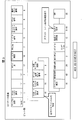
- FIG. 1 is a diagram showing a configuration of a broadcasting / communication cooperation system 1 according to the present embodiment.
- the broadcasting / communication cooperation system 1 is a system that provides a broadcast program (hereinafter abbreviated as a program) and information presented by an application to a user (program viewer).
- the application hereinafter abbreviated as “application”
- application is software that operates using a broadcast communication cooperative reception device (broadcast reception device) 40 described later as an execution environment.
- apps linked to programs program-linked apps
- apps not linked to programs program-unlinked apps
- a program-linked application is an application that is executed (operated) in conjunction with a program.
- the program non-linkage application is an application that moves independently of the program.
- the program link application includes a front program application and a back program application (first program related application).
- the front program application is an application that is executed when a broadcast wave program received by the broadcast communication cooperative receiver 40 described later is displayed and presents information related to the program content of the displayed program.
- the back program application receives a broadcast wave different from the broadcast wave that has been received so far by the broadcasting / communication cooperation receiving device 40, and from the broadcast wave program (first program) that has been received so far, By displaying another broadcast wave program (second program), the first program that has been displayed so far becomes a back program (a program that is not displayed), that is, when the user views the second program. It is an app that runs on
- the back program application is an application that presents related information related to the program content of the first program that is the back (back program).
- the back program is described as a non-displayed program that is broadcast in the same time zone as the program (table program) currently displayed on the broadcasting / communication cooperation receiver 40.
- the back program application will be described as an application that presents information linked to the program content of the back program broadcast in the same time zone as the front program (information changed as the back program progresses).
- the back program is a program broadcast in the past by the broadcasting / communication cooperation receiving device 40, and the back program application may be an application that presents information related to the program contents of the program broadcast in the past. Good.
- a broadcasting / communication cooperation system 1 includes a broadcasting transmission apparatus 10, an application execution information server 20, an application server 30, and a broadcasting / communication cooperation receiving apparatus 40 connected via a communication line N. Composed. A plurality of these components are provided.
- the communication line N may be wired or wireless.
- the broadcast transmission device 10 is installed in a broadcast station and transmits (broadcasts) a program and information related to the program to the broadcast communication cooperative reception device 40 via the broadcast wave W. Furthermore, the broadcast transmitting apparatus 10 adds application execution information necessary for controlling the program-linked application to the broadcast wave W, and transmits the broadcast execution information to the broadcast / communication cooperation receiving apparatus 40.
- the application execution information is location information for identifying an application such as an application identifier (ID), an application placement location, and control information for controlling the application. This application execution information will be described in detail later.
- the broadcast transmission apparatus 10 is described as a form that transmits a program or the like as a broadcast wave W, but may be transmitted via a cable (not shown) or a communication line N.
- the application execution information server 20 is a server that provides application execution information.
- the application execution information server 20 manages application execution information that is not transmitted from the broadcast transmitting apparatus 10. For example, it is installed in an authentication organization (third party organization) that holds only application execution information corresponding to an application (A [Authorized] application) that verifies an application created in advance by a service provider and gives approval.
- an application created by a service provider including a general user or the like may be used to hold application execution information corresponding to an application (general application) that is not approved by a certification authority.
- the application server 30 is a server that provides an application created by a service provider, and may be installed by a broadcasting station, a third party, or an individual service provider.
- the application stored in the application server 30 is downloaded and executed by the broadcasting / communication cooperation receiving device 40.
- the broadcasting / communication cooperation receiving device 40 presents a broadcast program to the user, and an application associated with the program that the user is viewing (program-linked application) or an application associated with a program that the user is not viewing (program-linked application). ) Or an application not linked to the program (program non-linkage application) is operated and presented to the user.
- program-linked application an application associated with the program that the user is viewing
- program-linked application an application associated with a program that the user is not viewing
- an application not linked to the program program non-linkage application
- the user can view the broadcast program and operate the application (program-linked application, program-nonlinked application).
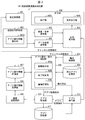
- FIG. 2 is a block diagram showing a configuration of the broadcasting / communication cooperation receiving device 40 according to the present embodiment.
- the broadcasting / communication cooperation receiving device 40 recognizes the program-linking application by the application execution information arranged in the event information table (EIT: Event Information Table) in the digital broadcasting signal transmitted via the broadcast wave W.
- EIT Event Information Table
- the broadcast communication cooperative receiving device 40 includes a broadcast receiving unit 401, a broadcast signal analyzing unit 402, a video / audio decoding unit 403, a data broadcast decoding unit 404, a communication transmitting / receiving unit 405, an application execution information acquiring unit 406, Application execution information storage unit 407, application management / execution control unit 408, execution application storage unit 409, application acquisition unit (application acquisition unit) 410, application storage unit 411, and application execution unit (application execution unit) 412 And an operation control unit 413 and a composite display unit 414.
- solid arrows indicate the flow of data
- broken arrows indicate the flow of control signals.
- the broadcast receiving unit 401 selects and receives broadcast data (broadcast signal) transmitted as a broadcast wave W via an antenna (not shown), and is, for example, a tuner.
- the broadcast receiving unit 401 receives and demodulates the selected broadcast data (by selecting a channel by the user), performs error correction, TMCC (Transmission Multiplexing Configuration Control) decoding, etc., and MPEG2 transport It outputs to the broadcast signal analysis part 402 as a stream (TS: Transport
- TMCC Transmission Multiplexing Configuration Control
- the broadcast receiving unit 401 is not limited to receiving a broadcast signal by radio waves, but may be one that receives via a cable. Alternatively, a broadcast signal may be received as communication data.
- the broadcast signal analyzing unit 402 analyzes PSI / SI (Program Specific Information [Program Specific Information] / Service Information [Program Sequence Information]) in the stream data (transport stream) demodulated by the broadcast receiving unit 401, Data such as video, audio and data corresponding to the selected channel is extracted. The channel selection is performed based on a channel switching instruction notified from an operation control unit 413 described later.
- PSI / SI Program Specific Information [Program Specific Information] / Service Information [Program Sequence Information]
- the broadcast signal analysis unit 402 converts the extracted video and audio data in the PES (Packetized Elementary Stream) format and the section format data such as data broadcast data into the video / audio decoding unit 403 and the data, respectively.
- the data is output to the broadcast decoding unit 404.
- the broadcast signal analysis unit 402 includes an application execution information extraction unit (execution information acquisition unit) 402a.
- the application execution information extraction unit 402a includes, from the stream data demodulated by the broadcast reception unit 401, application execution information included in an EIT descriptor (application execution information descriptor) that is one of SI (program sequence information). Is extracted.
- EIT application execution information descriptor
- SI program sequence information
- the application execution information extraction unit 402a writes and stores the extracted application execution information in the application execution information storage unit 407 in association with information (program identification information) for specifying a program by EIT. In addition, when the application execution information is extracted, the application execution information extraction unit 402a indicates that the application execution information has been notified (execution information notification), together with information for identifying the application (application ID), and an application management / execution control unit 408 is notified.
- FIG. 3 shows an example in which application execution information is added to the EIT defined by ARIB STD-B10.
- the application execution information is added as an “application execution information descriptor” to the descriptor area of the EIT.
- the broadcast channel corresponding to the application execution information to be transmitted is specified by “original network identification”, “transport stream identification”, and “service identification” in the data structure of EIT.
- “Original network identification” is an identifier for identifying a broadcasting network (network) such as terrestrial digital broadcasting or BS digital broadcasting.
- Transport stream identification is an identifier for identifying a transport stream (TS).
- Service identification is an identifier for identifying a broadcast channel for each transport stream.
- the broadcast communication cooperation receiving device 40 can recognize the application execution information associated with the program.
- the other data in the EIT data structure is defined by ARIB STD-B10, and therefore the description is omitted here.
- the application execution information added to the EIT is data including control information for controlling the application together with information for specifying the application, and is information corresponding to the conventional AIT. To do.
- the information identifying the application includes the name of the application, the organization ID that created the application, the application ID that uniquely identifies the application, the location of the application (address, URL), and the like.
- additional information used by the application for example, the location (address, URL) of metadata, image data, or the like may be used.
- the control information for controlling the application includes an application control code for controlling the state of the application.
- the application control code takes a value defined by ARIB STD-B23 as shown in FIG.
- “AUTOSTART” indicates that the broadcasting / communication cooperation receiver 40 is an application that is automatically activated (immediately activated) regardless of the user's operation.
- “PRESENT” indicates that the application is not automatically started but is in a startable (standby) state.
- “DESTROY” and “KILL” are control codes for instructing termination of the application. Whether the termination is normal termination (for example, termination after user confirmation) or forced termination (for example, user confirmation is performed). Immediately exit).
- this application control code is basically the same as that defined in ARIB STD-B23, but in this embodiment, “BACKGROUNDSTART” is further added.
- This “BACKGROUNDDSTART” is an application that automatically starts when the displayed program becomes a reverse program, that is, when the user views another program (front program), in the broadcasting / communication cooperation receiver 40. Indicates.
- the video / audio decoding unit 403 decodes the video / audio (video stream and audio stream) extracted by the broadcast signal analysis unit 402.
- the data broadcast decoding unit 404 decodes the data broadcast data extracted by the broadcast signal analysis unit 402.
- the data broadcast decoding unit 404 has a function of a BML browser that analyzes BML (Broadcast Markup Language) and converts the BML into an output format that can be displayed, and combines the converted display data (data broadcast data) To 414.
- BML Broadcast Markup Language
- the communication transmitting / receiving unit 405 performs data communication with the outside via the communication line N (see FIG. 1).
- the communication transmitting / receiving unit 405 receives data such as an application and application execution information.
- the application execution information acquisition unit 406 acquires application execution information via the communication transmission / reception unit 405.
- the application execution information acquisition unit 406 acquires the application execution information of the program-linked application via the communication transmission / reception unit 405. For example, every time a user selects a channel (channel switching), the application execution information having the same content as the above-described application execution information descriptor is acquired from a predetermined server (the application execution information server 20 (see FIG. 1)).
- the acquired application execution information is written and stored in the application execution information storage unit 407.
- the application execution information may be acquired by notifying the application execution information server 20 of the IP address of the broadcasting / communication cooperation receiving device 40 in advance and receiving a push transmission from the application execution information server 20. Alternatively, every time the power is turned on or the application ends, the next application of the same channel may be acquired.
- the information acquired by the application execution information extraction unit 402a and the application execution information acquisition unit 406 is equivalent information.
- the application execution information storage unit 407 is a storage medium such as a semiconductor memory that stores application execution information in association with information (program identification information) for specifying a program. Specifically, the application execution information extraction unit 402a writes the extracted application execution information in association with the program specified by the EIT. Further, the acquired application execution information is written in the application execution information storage unit 407 in association with the program specified by the application execution information acquisition unit 406.
- the application execution information storage unit 407 stores a program and application execution information in association with each other.
- the program linked application execution information for the front program linked to the broadcast program of Ch101 (the application execution information for the front program of Ch101) is associated with the program of Ch101.
- this Ch 101 is a value composed of the identifier values of “original network identification”, “transport stream identification”, and “service identification” described in FIG.
- the application execution information storage unit 407 clearly indicates that the application execution information (back program application execution information) associated with the program of the channel that is not currently selected is for the back program, and the program and the application are executed. Information is stored in association with each other. For example, if the channel that is not currently selected is Ch102, the program-linked application execution information for the back program associated with the broadcast program of Ch102 (the application execution information for the back program of Ch102) is associated with the program of Ch102. And remember. As a result, the execution information of the program-linked application that is to be executed can be accumulated.
- “application accumulation state” is stored in the application execution information storage unit 407.
- This application accumulation state is information indicating whether or not an application is accumulated in the application storage unit 411 (described later) (“accumulated” or “unstored”), and is written by the accumulation management unit 408c described later.
- the application management / execution control unit 408 controls the life cycle of the application (the process from when the application is loaded and executed until it ends).
- the application management / execution control unit 408 includes an activation control unit 408a, an end control unit 408b, and an accumulation management unit 408c.
- the activation control unit 408a controls activation of the program-linked application. Specifically, the activation control unit 408a corresponds to the application ID that is stored together with the execution information notification stored in the application execution information storage unit 407 when the execution information notification is notified from the application execution information extraction unit 402a.
- the application control code described in the application execution information to be executed is “AUTOSTART”
- the application is started. That is, when the application control code is “AUTOSTART” or “BACKGROUNDSTART”, the activation control unit 408a notifies the application execution unit 412 that the application is to be executed (execution instruction).
- This execution instruction includes information (application ID, location, etc.) that identifies the application described in the application execution information.
- the program-linked application is automatically activated without any user operation.
- the application management / execution control unit 408 accumulates the application in the application storage unit 411, and identifies the type of application included in the application execution information corresponding to the application. As a result, the front program application to be started in conjunction with the program being displayed, or the back program application to be started when the displayed program is no longer displayed (becomes a back program), It is identified whether the app is not linked to the program.
- the identification of the front program application or the back program application is not limited to the above. For example, even if the application control information is identified by confirming “AUTOSTART” or “BACKGROUNDSTART”, the application execution information A new flag may be set to identify.
- the activation control unit 408a notifies the application execution unit 412 of the application execution unit 412 regardless of the value of the application control code when the operation control unit 413 receives an application activation notification for the back program instead of the normal channel selection. (Execution instruction) is notified. As a result, the back program application linked to the programs of all channels not currently selected is started.
- the termination control unit 408b performs termination control of the running application. Specifically, when the application execution information is notified from the application execution information extraction unit 402a, the end control unit 408b executes the application execution corresponding to the application ID of the currently executing application stored in the application execution information storage unit 407. When the application control code described in the information is “DESTROY” or “KILL”, the application execution unit 412 is instructed to normally or forcibly terminate the application being executed. In addition, when channel switching is notified via the operation control unit 413, the end control unit 408b is linked to the program of the channel being selected, and the channel program application that is being executed and the channel that has not been selected If there is an application for the back program being executed associated with the program, the program is terminated.
- the back program application that is executed in association with a program of a channel that has not been selected may be left running.
- the channel program being selected is the B program, and at that time, the front program app for the B program and the back program app for the A program are executed, and then the C program is switched by channel switching.
- execution of the front program app for the B program and the back program app for the A program may be terminated and only the back program app for the B program may be executed, or the front program app for the B program , And the back program app for the A program may be executed as it is, and the back program app for the B program may be executed.
- the accumulation management unit 408c performs control to accumulate (install) the application in the application storage unit 411.
- the accumulation management unit 408c is described in the application execution information when notified through the operation control unit 413 that the application storage unit 411 stores the application together with information (application ID) for specifying the program-linked application.
- the application acquisition unit 410 is notified that the application is acquired from the location of the current application and is written to the application storage unit 411 (application acquisition instruction). As a result, the application is accumulated in the application storage unit 411.
- the storage management unit 408c When the application management unit 408c stores (installs) the application in the application storage unit 411, the storage management unit 408c writes and manages the state that the application is stored in the application execution information storage unit 407 (see FIG. 5).
- the application acquisition unit 410 acquires an application from the application server 30 (see FIG. 1) connected to the communication line N via the communication transmission / reception unit 405.
- the application acquisition unit 410 acquires the specified application from the location information of the application notified by the instruction, and sends the acquired application to the application execution unit 412. Output.
- the application acquisition unit 410 acquires the specified application from the location information of the application notified by the instruction, and stores the acquired application in the application The data is written and accumulated in the unit 411.
- the application storage unit 411 stores the application acquired by the application acquisition unit 410, and is a storage medium such as a hard disk.
- the application stored in the application storage unit 411 is read and executed by the application execution unit 412.
- the application main body When the application main body is multiplexed with a broadcast wave and transmitted together with the application execution information, the application execution information is extracted and stored by the application execution information extraction unit 402a, and at the same time, the application main body is stored in the application storage unit 411 by the application acquisition unit 410. To store.
- the application execution unit 412 starts and ends the application based on an instruction (execution instruction) from the application management / execution control unit 408.
- execution instruction execution instruction
- the application and the application are identified based on information (application ID, location, etc.) specifying the application included in the execution information.
- Data necessary for executing for example, metadata, icon data, etc. is acquired from the acquisition source of the application.
- the application execution unit 412 develops (loads) the application in a memory (not shown), and executes the application (startup, termination, etc.).
- the acquisition source of the application included in the application execution information reads and executes the application from the application storage unit 411 that is a local disk. Further, display data accompanying the execution operation of the application is output to the composite display unit 414.
- the application executing unit 412 ends the instructed application.
- the operation control unit 413 controls a user operation (for example, channel change or the like) on the broadcasting / communication cooperation receiving device 40 via an input unit such as an external remote controller Ri. Specifically, when channel switching is instructed from an external remote controller Ri or the like, the selected channel number is notified to the broadcast receiving unit 401 and at the same time to the application management / execution control unit 408. Thereby, the activation and termination of the application are controlled in conjunction with channel switching (program change).
- a user operation for example, channel change or the like
- the composition display unit 414 synthesizes and displays video and audio. Specifically, the video / audio data decoded by the video / audio decoding unit 403, the data broadcast data decoded by the data broadcast decoding unit 404, and the display data of the application generated by the application execution unit 412 are combined and displayed. To do. In particular, the composition display unit 414 synthesizes and displays the video data of the program received by the broadcast reception unit 401 and the information provided when the application is executed. When the back program application is executed, the video data of the front program received by the broadcast receiving unit 401 and the information presented by the back program application are combined and displayed. As shown in FIG.
- the composite display unit 414 divides the video data of the program received by the broadcast receiving unit 401 into the video area 41 of the display unit 400a and the information presented by the application into the application display area 42. And display.
- information presented by the application may be displayed by being superimposed on video data of a program received by the broadcast receiving unit 401.
- a plurality of applications are displayed at a time as shown in FIG. It may be.
- the synthesized sound is output as an audio signal to the externally connected audio output unit 400b, and the synthesized video and image are output as a video signal to the externally connected display unit 400a.
- the application management / execution control unit 408 first determines from the application execution information stored in the application execution information storage unit 407 when the power is turned ON.
- the broadcast reception unit 401 extracts and activates an application corresponding to the channel program received or the channel program after switching.
- the composite display unit 414 displays information presented by the application on the display unit 400a with a predetermined screen configuration, for example.
- the composite display unit 414 may simultaneously display applications corresponding to programs before and after channel switching.
- an application that is selected by the operation control unit 413 or instructed to be activated by the application control code in the application execution information stored in the application execution information storage unit 407 by the activation control unit 408a.
- the application execution unit 412 is instructed to be acquired and started from the location information described in the application execution information.
- the application acquisition unit 410 acquires the application via the communication transmission / reception unit 405, and then the application execution unit 412 executes the application.
- the application stored in the application storage unit 411 is executed by the application execution unit 412. Then, the information presented by executing the application is displayed on the display unit 400a by the composite display unit 414 with a predetermined screen configuration.
- the location information indicating the location of the application and the activation information for controlling the activation among the control information are extracted while the broadcast receiving unit 401 is receiving the broadcast wave.
- control information other than the back program application main body and the activation information is acquired by the application server 30 after being back.
- application execution information including location information and control information may be received from the communication server 405 via the network from the application server 30, or may be different from the broadcast receiver 401.
- a broadcast receiving unit (back program dedicated tuner) may be provided for reception.
- the broadcast reception unit 401 may extract them while receiving the broadcast wave.
- the location information and activation information of the back program application are extracted during broadcast reception by the broadcast receiving unit 401, and after the reverse program application main body and the control signal are pushed from the application server 30 May be received.
- the broadcasting / communication cooperation receiving device 40 while watching a program, is connected to a program of a channel being selected or a program of a channel not selected (a program for a front program and a back program). App) can be executed.
- the back program application is executed when the displayed program becomes a back program, but is executed after the displayed program ends. May be. That is, the back program application may be executed after the end of the broadcast time.
- This can be used, for example, when the back program application of the recorded program A and the currently broadcast program B are simultaneously displayed and the recorded program A is displayed as a front program at a desired timing.
- the application main body and the information related to the execution of the application are stored in the broadcasting / communication cooperation receiving device 40 together with the time stamp, or are sequentially received from the application server 30 and changed with the progress of the recorded program A. Present information.
- the back program application does not display information that changes as the back program progresses (information that guides the user to the back program). For example, a performer of program A that has already been broadcast (past) If it displays information for purchasing clothes worn by, it can be used as follows.
- the back program application is not limited to a program currently being broadcast or a program that has been broadcast in the past, and any application that presents related information related to the contents of the program may be used.
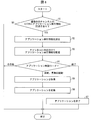
- the broadcasting / communication cooperative receiving apparatus 40 analyzes the stream data received and demodulated by the broadcast receiving unit 401 by the broadcast signal analyzing unit 402, and the broadcast wave program currently being received by the broadcast receiving unit 401 (during channel selection). It is determined whether or not an application execution information descriptor exists in the EIT corresponding to (program of channel No. 1) (step 1, hereinafter abbreviated as S1). This determination determines whether application execution information has been notified.
- the application execution information extraction unit 402a extracts the application execution information from the EIT (S2), and extracts the application execution information extracted in association with the program specified by the EIT. Is stored in the application execution information storage unit 407 (S3).
- the broadcasting / communication cooperation receiving device 40 ends the activation / termination operation of the application by the EIT and continues the analysis operation of the broadcast wave (as a step) Not shown).
- the application execution information extracting unit 402a notifies the application management / execution control unit 408 that the application execution information has been received (execution information notification), and the activation control unit 408a Then, the application control code of the application execution information is analyzed (S4).
- the application control code is a code indicating activation (“AUTOSTART”) (“activation” in S4)
- the broadcasting / communication cooperation receiving device 40 uses the application acquisition unit 410 for the table program whose location information is notified by the application execution information. An application is acquired via the communication transmission / reception part 405 (S5).
- the broadcast communication cooperation receiving device 40 is notified of the location information by the application execution information by the application acquisition unit 410.
- the back program application is acquired via the communication transceiver 405 (S5).
- the application (front program application or back program application) acquired by the application execution unit 412 in step S5 is executed in accordance with an instruction (execution instruction) from the activation control unit 408a (S6). ).
- the broadcast communication cooperative reception device 40 is executed by the application execution unit 412 by the end control unit 408b.
- the application being executed is normally terminated or forcibly terminated (S7).
- the broadcasting / communication cooperation receiving device 40 terminates the activation / termination processing of the application by EIT and continues the analysis operation of the broadcast signal. (Not shown as a step).
- the broadcasting / communication cooperation receiving device 40 can start and end the front program application or the back program application based on the application execution information.
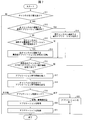
- the application management / execution control unit 408 determines whether or not the program has been changed based on the channel switching instruction notified from the operation control unit 413 (the channel is switched). (S11).
- the termination control unit 408b refers to the execution application storage unit 409 that stores the application being executed, and the program before the change ( It is determined whether or not a front program application (normal application) linked to the previous program is activated (S12).
- the broadcast communication cooperation receiving apparatus 40 complete
- the end control unit 408b When the front program application linked to the previous program is being executed (YES in S12), the end control unit 408b notifies the application execution unit 412 that the front program application is to be ended (end control instruction). The front program application is terminated (S16). If the front program application linked to the previous program is not executed (NO in S12), it is further determined whether there is application execution information of the back program application linked to the previous program (S13). If there is application execution information for the back program application linked to the previous program (YES in S13), the activation control unit 408a notifies the application execution unit 412 to acquire and activate the back program application (S14). .
- the application execution information is obtained from the EIT of the program receiving the broadcast wave (channel being selected) by the broadcast receiving unit 401.
- the process of extracting is started.
- the subsequent processes S15 to S22 are the same as S1 to S7 described in FIG.
- the broadcasting / communication cooperation receiving apparatus 40 when the program B is received after the program A is received (when the displayed program is switched from the program A to the program B), the program Along with B, information presented by executing the back program application of program A is displayed (see FIGS. 8 and 9). Further, when program C is received after program B is received, the information presented by executing the back program app for program A together with program C, and the back program app for program B are executed Is displayed (see FIG. 10).
- the explanation was given of displaying information presented by executing two back program apps in response to two program switching, but in response to switching of three or more programs, It can be easily understood that the information presented by executing three or more back program applications can be displayed. In this case, in consideration of visibility, the upper limit number of applications to be simultaneously started may be determined, and for example, the execution may be terminated in order from the oldest one.
- the broadcast communication cooperative receiving device 40 shown in FIG. 2 includes a sub broadcast receiving unit (not shown) in addition to the broadcast receiving unit 401.
- the sub broadcast receiving unit cyclically receives broadcast waves from all receivable broadcast transmitting apparatuses 10.
- the application execution information extraction unit 402a extracts a back program application for all broadcast programs
- the composite display unit 414 displays the front program in the video area 41 and the application display area 42 as shown in FIG. Information presented by the back program application corresponding to the broadcast program is displayed.
- the instruction of the cyclic reception of the sub broadcast receiving unit may be given by the user from the external remote controller Ri or the like.
- the sub-broadcast receiving unit is provided as described above.
- the IP address of the broadcasting / communication cooperation receiving device 40 is notified to each application server 30 in advance, and the push transmission from each application server is received. May be.
- broadcast waves from all broadcast transmitting apparatuses 10 that can be received by the sub broadcast receiving unit are cyclically received, the back program application corresponding to all broadcast programs is extracted, and the back program corresponding to all broadcast programs is extracted.
- Information presented by the application for use is displayed in the application display area 42.
- an application for a back program corresponding to all broadcast programs (all channels) that can be received cyclically by receiving broadcast waves from all broadcast transmission apparatuses 10 that can be received by the sub broadcast receiving unit is used as an application.
- the execution information extraction unit 402a extracts the information.
- additional data related information (metadata, image data, etc.) used by the back program application corresponding to all broadcast programs can be acquired from the application server 30 by the application acquisition unit 410 and classified according to a predetermined classification standard. If there is, it is classified and displayed in the application display area 42.
- An example of the additional data related information used by the back program application displayed in the application display area 42 is shown in FIG. In the example of FIG. 12, information on the program name, performer, program content, and viewing ranking of the program is displayed as additional data related information used by the back program application.
- the application display area 42 for example, when a user selects an area in which 6 channel (6 ch) program additional data related information is displayed, 6 ch is selected and a 6 ch program is displayed in the video area 41. .
- the broadcasting / communication cooperation receiving device 40 may be realized by a logic circuit (hardware) formed in an integrated circuit (IC chip) or the like, or may be realized by software using a CPU (Central Processing Unit).
- a logic circuit hardware
- IC chip integrated circuit
- CPU Central Processing Unit
- the broadcasting / communication cooperation receiving device 40 includes a CPU that executes instructions of a program that is software that realizes each function, and a ROM (Read Only) in which the program and various data are recorded so as to be readable by the computer (or CPU).
- Memory or a storage device (these are referred to as “recording media”), a RAM (Random Access Memory) for expanding the program, and the like.
- the objective of this invention is achieved when a computer (or CPU) reads the said program from the said recording medium and runs it.
- a “non-temporary tangible medium” such as a tape, a disk, a card, a semiconductor memory, a programmable logic circuit, or the like can be used.
- the program may be supplied to the computer via an arbitrary transmission medium (such as a communication network or a broadcast wave) that can transmit the program.
- a transmission medium such as a communication network or a broadcast wave
- the present invention can also be realized in the form of a data signal embedded in a carrier wave in which the program is embodied by electronic transmission.
- a broadcast receiving device (broadcast communication cooperative receiving device 40) according to aspect 1 of the present invention includes a broadcast receiving unit (401) that receives a selected broadcast wave, and the broadcast receiving unit that receives a broadcast wave of a first program.
- An execution information acquisition unit (app execution information) for acquiring location information indicating the location of the first program related application that presents related information related to the program content of the first program and control information of the first program related application
- an application execution unit (application execution unit 412) that executes the first program-related application based on the control information. Comprising the, along with the second program, the relevant information executed the first program-related applications presented by the application executing unit, the composite display unit to be displayed on the display section (414), the.
- the user who gets tired of the first program switches to receiving the second program and displays the first displayed while viewing the second program.
- the content to be viewed is displayed in the related information related to the program content of the program, it is possible to return to viewing of the first program by switching reception (switching the channel).
- switching reception switching the channel
- the second program is replaced with the first program in the above configuration, so that when the third program is received after the second program, the second program together with the third program is received.
- Related information related to the contents of the program can be displayed. At this time, related information related to the program content of the previous first program may be displayed.
- related information related to program contents of programs other than the program being received can be displayed at a time. Therefore, the user can follow related information related to the program contents of other programs while watching the program, and can help to prevent oversight. Of course, the same applies to the reception of programs after the third program.
- the broadcast receiving apparatus is the broadcast receiving apparatus according to aspect 1, further comprising a communication transmitting / receiving unit that performs data communication via a network, wherein the execution information acquisition unit includes the location information and the control information. And starting information for starting the first program-related application is extracted from the broadcast wave of the first program, and control information other than information for starting the first program-related application is included in the control information.
- the application acquisition unit receives the first program-related application from the outside via the communication transmission / reception unit, or receives the first program-related application from the outside via the communication transmission / reception unit. Extract and obtain from broadcast waves.
- the location information and activation information of the first program-related application are extracted and acquired from the broadcast wave of the first program.
- control information other than the activation information in the control information is received and acquired from the outside via the communication transceiver.
- the broadcast receiving unit is receiving the broadcast wave of the second program, so the broadcast wave of the first program cannot be received, but the information for controlling the first program-related application is connected to the network.
- the first program related application can be controlled while the second program is being displayed.
- the first program-related application may be received from the outside connected to the network, or may be extracted from the broadcast wave of the first program.
- the outside you may receive and acquire at any time.
- extracting from the broadcast wave of the first program it may be acquired during reception of the broadcast wave of the first program.
- the broadcast receiving device is the broadcast receiving device according to aspect 1, wherein the broadcast receiving unit includes a sub-broadcast receiving unit that receives another program during reception of the second program, and the execution information acquisition is performed. The unit extracts and acquires the location information and the control information from the broadcast wave of the first program received by the sub broadcast receiving unit.
- the sub-broadcast receiving unit receives the broadcast wave of the first program, so that the location information of the first program related application is received.
- the control information can be extracted and acquired from the broadcast wave of the first program.
- the sub broadcast receiving unit cyclically receives all receivable broadcast waves.
- the sub broadcast receiving unit cyclically receives all receivable broadcast waves. Therefore, it is possible to display related information related to the program contents of all receivable programs other than the program being received (viewed by the user) at the receiving unit at a time. Therefore, the user can follow related information related to the program contents of other programs while viewing the program, and can help prevent oversight.
- the broadcast receiving apparatus is the broadcast receiving apparatus according to aspect 1, further comprising a communication transmitting / receiving unit that performs data communication via a network, and the execution information acquiring unit is configured to store the location information and the control information. And received from the outside via the communication transceiver.
- the broadcast receiving unit is used to receive the broadcast wave of the second program, the location information and control information of the first program related application can be received and acquired from the outside via the communication transmitting / receiving unit.
- the broadcast receiving apparatus is the broadcast receiving apparatus according to any one of aspects 1 to 5, wherein the first program-related application presents information that is changed as the first program progresses. Is an application.
- the user can check information to be updated as the first program progresses while viewing the second program.
- the score information is changed as information that is changed as the first program progresses.
- the display can be used in real time. In this case, the user can confirm the score of the first program in real time while viewing the second program, which is convenient.
- a broadcasting / communication cooperation system includes a broadcast receiving device according to aspect 2 and a first program-related application that presents information related to the program content of the first program to the broadcast wave of the first program.
- a first broadcast transmitting apparatus that transmits the location information indicating the location of the first program-related application and information for starting the first program-related application among the control information for controlling the first program-related application, and broadcasting the second program Control other than information that activates the first program-related application among the control information via the network, a second broadcast transmission device that transmits waves, an application server that transmits the first program-related application via the network, A control information server for transmitting information.
- related information related to the program content of the first program can be displayed together with the second program on the broadcast receiving apparatus. Therefore, it is possible to provide a broadcasting / communication cooperation system that is highly convenient for the user.
- a control method is a control method in a broadcast receiving apparatus including a broadcast receiving unit that receives a selected broadcast wave, and the broadcast receiving unit receives a broadcast wave of a first program.
- the related information ® down presents, and a composite display step of displaying on the display unit.
- the same effect as the broadcast receiving apparatus according to the present invention can be obtained, and related information related to the program content of the first program can be displayed together with the second program.
- the broadcast receiving apparatus may be realized by a computer.
- Such computer-readable recording media also fall within the scope of the present invention.
- the present invention can be used for a broadcast receiving apparatus that receives broadcast waves.
- Broadcast communication cooperation system 10 Broadcast transmission apparatus 20 Application execution information server 30, 30a, 30b, 30c Application server 40 Broadcast communication cooperation reception apparatus (broadcast reception apparatus) 400a Display unit 401 Broadcast receiving unit 402a Application execution information extraction unit (execution information acquisition unit) 406 Application execution information acquisition unit (execution information acquisition unit) 405 Communication transceiver 410 Application acquisition unit (application acquisition unit) 412 Application execution unit 414 Composite display unit
Landscapes
- Engineering & Computer Science (AREA)
- Signal Processing (AREA)
- Multimedia (AREA)
- Databases & Information Systems (AREA)
- Two-Way Televisions, Distribution Of Moving Picture Or The Like (AREA)
Abstract
放送受信部(401)が第2番組の放送波を第1番組の放送波の後に受信すると、合成表示部(414)は、第2番組と共に、アプリ実行部(412)により実行された第1番組関連アプリケーションが提示する第1番組の放送内容に関連する情報を、表示部(400a)に表示する。
Description
本発明は、放送波を受信する放送受信装置、および放送通信連携システム等に関する。
放送のデジタル化と通信のブロードバンド化とに伴い、欧州のHbbTV(Hybrid Broadcast Broadband TV:ハイブリッドブロードキャストブロードバンドテレビ)や日本のHybridcast(ハイブリッドキャスト)と言った放送通信連携サービスの実現に向けた研究開発が進められている。このような放送通信連携サービスにおいて、送信装置(放送局)から発信される放送波(放送信号)により、受信装置での各種情報表示やアプリケーションの起動を制御する技術が知られている。
例えば、非特許文献1に開示された技術では、送信装置から、アプリケーション情報テーブル(AIT:Application Information Table)を、放送番組を構成するエレメンタリストリーム(ES:Elementary Stream)としてセクション形式で放送TS(TransportStream)に多重化して伝送する。AITは、アプリケーション(以下では、アプリと省略する)を特定するとともに、アプリを制御するための付加的な制御情報を含んだデータである。受信装置は、受信した放送波からAITを抽出し、AITで特定されたアプリケーションに対して、AITに記述されている起動、終了などの制御情報(制御コード)に基づき、アプリがロード、実行されて終了までの遷移を制御する。このように、AITの仕組みを利用した従来技術では、送信装置から、受信装置でのアプリの起動、終了などの遷移を放送番組と連携して制御することができる。
一方、例えば、特許文献1に開示されている技術では、アプリやアプリの制御に関わる情報を一旦受信装置内に蓄積して、放送番組と独立して任意のタイミングでアプリを動作させる。
(社)電波産業会、"デジタル放送におけるアプリケーション実行環境 標準規格 ARIB STD-B23 1.2版"、平成21年7月29日、p.39~54
従来技術では、放送番組(番組)と連携したアプリを動作(実行)させるには、放送波に多重化されたアプリを特定する情報や制御情報を受信する必要がある。すなわち、その放送番組の放送波を受信している必要がある。よって、チャンネルを切り替えると、あるいはその放送番組が終わると、アプリケーションは終了する。一方で、特許文献1に記載の技術では、放送番組に関連しないアプリケーションを受信装置に蓄積し、ユーザ指示により任意のタイミングでアプリケーションを動作させる。
ところで、放送番組の番組内容と関連したアプリであっても、ユーザは、放送番組を視聴しているか否かに関わらず動作させたいという要望がある。
例えば、スポーツ番組を視聴しているユーザが応援するチームの攻撃が終わり、別のチャンネルを選局し別の番組を視聴し始めたが、スコアが気になる場合がある。このような場合、別の番組を表示中に元のスポーツ番組に関連したアプリ、例えば、スコアを表示するアプリを実行できると、ユーザにとって利便性が高いと考えられる。また、歌番組などでは、ユーザは、好みの歌手が出ているときだけ視聴し、それ以外は別の番組を視聴したい場合がある。このような場合、別の番組を視聴しながら、元の歌番組に関連したアプリ、例えば、歌番組の時間帯ごとの出演者名簿を表示するアプリを実行できると、ユーザにとって好都合である。
また、チャンネルAの放送番組A1を視聴しながら、同時間帯のチャンネルBの放送番組B1と連携して動作するアプリ(放送番組B1に紐付いているアプリ)を実行して、アプリが提示する情報を確認したい、あるいは、放送番組A1の番組内容と関連したアプリを放送番組A1の放送後に実行したいと、ユーザが希望することも考えられる。
しかし、現状の放送通信連携サービスにおいて、放送番組の番組内容と関連した情報を提供するアプリは、ユーザが放送番組を視聴しながら、つまり、リアルタイムに受信しながら、利用されることが想定されている。そのため、選局されていないチャンネル(視聴していない)の放送番組の番組内容と関連したアプリが提供する情報を表示させることはできない。
そこで、本発明は、上記の問題点に鑑みてなされ、番組の表示と共に、別の番組に関連するアプリケーションが提供する当該別の番組の番組内容と関連した情報を表示することが可能な放送受信装置を提供することを課題とする。
本発明の一態様に係る放送受信装置は、上記課題を解決するために、選局した放送波を受信する放送受信部と、上記放送受信部が第1番組の放送波を受信すると、当該第1番組の番組内容に関連する関連情報を提示する第1番組関連アプリケーションの所在を示す所在情報と、当該第1番組関連アプリケーションの制御情報とを取得する実行情報取得部と、上記所在情報を基に上記第1番組関連アプリケーションを取得するアプリケーション取得部と、上記放送受信部が第2番組の放送波を上記第1番組の放送波の後に受信すると、上記制御情報を基に上記第1番組関連アプリケーションを実行させるアプリ実行部と、上記第2番組と共に、上記アプリ実行部により実行された上記第1番組関連アプリケーションが提示する上記関連情報を、表示部に表示する合成表示部と、を備えたことを特徴とする。
上記構成によると、第2番組を受信すると、第1番組の番組内容と関連した関連情報を提供するアプリケーションを実行させて、第2番組と共に、第1番組の番組内容に関連した関連情報を表示することができる。そのため、ユーザは、第2番組を視聴しながら、第1番組の番組内容に関連した関連情報を確認することができる。
また、本発明の制御方法は、上記課題を解決するために、上記放送受信部が第1番組の放送波を受信すると、当該第1番組の番組内容に関連する関連情報を提示する第1番組関連アプリケーションの所在を示す所在情報と、当該第1番組関連アプリケーションの制御情報とを取得する実行情報取得ステップと、上記所在情報を基に上記第1番組関連アプリケーションを取得するアプリケーション取得ステップと、上記放送受信部が第2番組の放送波を上記第1番組の放送波の後に受信すると、上記制御情報を基に上記第1番組関連アプリケーションを実行させるアプリ実行ステップと、上記第2番組と共に、上記アプリ実行ステップにて実行された上記第1番組関連アプリケーションが提示する上記関連情報を、表示部に表示する合成表示ステップとを含むことを特徴とする。
上記方法によると、上記本発明に係る放送受信装置と同様の効果を奏し、第2番組と共に、第1番組の番組内容に関連した関連情報を表示することができる。
なお、本発明に係る放送受信装置は、コンピュータによって実現してもよく、この場合には、コンピュータを上記各部として動作させることにより上記放送受信装置をコンピュータにて実現させるプログラム、及びそのプログラムを記録したコンピュータ読み取り可能な記録媒体も、本発明の範疇に入る。
上記構成によると、第2番組を受信すると、第1番組の番組内容と関連した関連情報を提供するアプリケーションを実行させて、第2番組と共に、第1番組の番組内容に関連した関連情報を表示することができる。そのため、ユーザは、第2番組を視聴しながら、第1番組の番組内容に関連した関連情報を確認することができる。よって、上記構成によると、ユーザに利便性の高い放送受信装置を提供することができる。
以下に、本発明の実施の形態について、図を参照に詳細に説明する。
〔実施の形態1〕
<放送通信連携システムの全体構成>
図1は、本実施の形態の放送通信連携システム1の構成を示す図である。放送通信連携システム1は、放送番組(以下、番組と略す)とアプリケーションが提示する情報をユーザ(番組の視聴者)に提供するシステムである。ここで、アプリケーション(以下、アプリと略す)とは、後記する放送通信連携受信装置(放送受信装置)40を実行環境として動作するソフトウェアである。アプリには、番組に紐付いたアプリ(番組連動アプリ)と、番組に紐付いていないアプリ(番組非連動アプリ)とがある。
<放送通信連携システムの全体構成>
図1は、本実施の形態の放送通信連携システム1の構成を示す図である。放送通信連携システム1は、放送番組(以下、番組と略す)とアプリケーションが提示する情報をユーザ(番組の視聴者)に提供するシステムである。ここで、アプリケーション(以下、アプリと略す)とは、後記する放送通信連携受信装置(放送受信装置)40を実行環境として動作するソフトウェアである。アプリには、番組に紐付いたアプリ(番組連動アプリ)と、番組に紐付いていないアプリ(番組非連動アプリ)とがある。
番組連動アプリは、番組とは連動して実行される(動作する)アプリである。番組非連動アプリは、番組とは独立して動くアプリである。
さらに、本実施の形態では、番組連動アプリには、表番組用アプリと裏番組用アプリ(第1番組関連アプリケーション)とが含まれる。表番組用アプリとは、後述の放送通信連携受信装置40にて受信された放送波の番組の表示時に実行され、表示された番組の番組内容に関連する情報を提示するアプリである。裏番組用アプリは、放送通信連携受信装置40にて、今まで受信していた放送波とは別の放送波を受信し、今まで受信していた放送波の番組(第1番組)から、別の放送波の番組(第2番組)を表示することで、今まで表示されていた第1番組が裏番組(表示されない番組)になった際、すなわち、ユーザが第2番組を視聴する際に実行されるアプリである。裏番組用アプリは、裏(裏番組)となった第1番組の番組内容に関連する関連情報を提示するアプリである。
本実施の形態では、裏番組とは、放送通信連携受信装置40にて現在表示される番組(表番組)と同じ時間帯に放送される表示されない番組として説明する。また、裏番組用アプリとは、表番組と同じ時間帯に放送される裏番組の番組内容に連動した情報(裏番組の進行に伴い変更される情報)を、提示するアプリとして説明する。しかし、裏番組は、放送通信連携受信装置40にて過去に放送された番組であり、裏番組用アプリは、過去に放送された番組の番組内容に関連した情報を提示するアプリであってもよい。
図1に示すように、放送通信連携システム1は、放送送信装置10と、アプリ実行情報サーバ20と、アプリサーバ30と、放送通信連携受信装置40とが、通信回線Nを介して接続されて構成される。これら構成要素は、それぞれ複数設けられる。なお、通信回線Nは、有線、無線のいずれであっても構わない。
放送送信装置10は、放送局に設置され、番組や、番組に関連する情報を、放送波Wを介して放送通信連携受信装置40に送信(放送)するものである。さらに、放送送信装置10は、放送波Wに番組連動アプリを制御するために必要なアプリ実行情報を付加して、放送通信連携受信装置40に送信する。
ここで、アプリ実行情報とは、アプリの識別子(ID)、アプリの配置場所等のアプリを特定するための所在情報、及びアプリを制御するための制御情報である。このアプリ実行情報については、後で詳細に説明を行う。
なお、本実施の形態では、放送送信装置10は、番組等を放送波Wとして送信する形態で説明するが、ケーブル(図示せず)や、通信回線Nを介して送信してもよい。
アプリ実行情報サーバ20は、アプリ実行情報を提供するサーバである。このアプリ実行情報サーバ20は、放送送信装置10から送信しないアプリ実行情報を管理するものである。例えば、予めサービス提供者が作成したアプリを検証し、承認を与えたアプリ(A〔Authorized〕アプリケーション)に対応したアプリ実行情報のみを保持する認証機関(第三者機関)に設置される。あるいは、サービス提供者(一般ユーザを含む)が作成したアプリケーション等で、認証機関の承認を受けていないアプリ(一般アプリケーション)に対応したアプリ実行情報を保持するものであってもよい。
アプリサーバ30は、サービス事業者が作成したアプリケーションを提供するサーバであり、放送局、第三者機関、または、個別のサービス事業者が設置しても構わない。アプリサーバ30に蓄積されているアプリケーションは、放送通信連携受信装置40によってダウンロードされ実行される。
放送通信連携受信装置40は、放送番組をユーザに提示するとともに、ユーザが視聴中の番組に紐付いたアプリケーション(番組連動アプリ)、あるいは、ユーザが視聴中でない番組に紐づいたアプリケーション(番組連動アプリ)、あるいは、番組に紐付いていないアプリケーション(番組非連動アプリ)、を動作させてユーザに提示するものである。この放送通信連携受信装置40の構成及び動作については、後で詳細に説明を行う。
このように放送通信連携システム1を構成することで、放送通信連携受信装置40において、ユーザは、放送番組を視聴するとともに、アプリケーション(番組連動アプリ、番組非連動アプリ)を動作させることができる。
<放送通信連携受信装置の構成>
次に、放送通信連携受信装置40の詳細について説明する。図2は、本実施の形態に係る放送通信連携受信装置40の構成を示すブロック図である。
次に、放送通信連携受信装置40の詳細について説明する。図2は、本実施の形態に係る放送通信連携受信装置40の構成を示すブロック図である。
放送通信連携受信装置40は、番組連動アプリを、放送波Wを介して送信されるデジタル放送の信号内のイベント情報テーブル(EIT:Event Information Table)に配置されているアプリ実行情報によって認識する。
放送通信連携受信装置40は、放送受信部401と、放送信号解析部402と、映像・音声復号部403と、データ放送復号部404と、通信送受信部405と、アプリ実行情報取得部406と、アプリ実行情報記憶部407と、アプリ管理・実行制御部408と、実行アプリ記憶部409と、アプリ取得部(アプリケーション取得部)410と、アプリ記憶部411と、アプリ実行部(アプリ実行部)412と、操作制御部413と、合成表示部414と、を備えている。なお、図中、実線矢印はデータの流れを示し、破線矢印は制御信号の流れを示している。
放送受信部401は、アンテナ(図示せず)を介して、放送波Wとして送信される放送データ(放送信号)を選局して受信するものであり、例えば、チューナである。放送受信部401は、(ユーザによりチャンネルが選択されることで)選局した放送データを受信、復調し、誤り訂正やTMCC(Transmission and Multiplexing Configuration Control)復号等の復号を行い、MPEG2のトランスポートストリーム(TS:Transport Stream)として、放送信号解析部402に出力する。
なお、放送受信部401は、電波によって放送信号を受信するものに限定されず、ケーブルを介して受信するものであってもよい。あるいは、通信データとして放送信号を受信するものであってもよい。
放送信号解析部402は、放送受信部401で復調されたストリームデータ(トランスポートストリーム)において、PSI/SI(Program Specific Information〔番組特定情報〕/Service Information〔番組配列情報〕)を解析し、現在選局されているチャンネルに対応する映像、音声、データ等のデータを抽出するものである。なお、選局は、後記する操作制御部413から通知されるチャンネル切り替え指示に基づいて行われる。
放送信号解析部402は、抽出した映像、音声等のデータであるPES(Packetized Elementary Stream)形式のデータ、及びデータ放送等のデータであるセクション形式のデータを、それぞれ映像・音声復号部403、データ放送復号部404に出力する。さらに、放送信号解析部402は、アプリ実行情報抽出部(実行情報取得部)402aを備えている。
アプリ実行情報抽出部402aは、放送受信部401で復調されたストリームデータから、SI(番組配列情報)の一つであるEITの記述子(アプリケーション実行情報記述子)に含まれているアプリ実行情報を抽出するものである。このEITは、放送局の放送送信装置10(図1参照)が、番組に紐付いたアプリに対応するアプリ実行情報を、放送送信装置10の図示しない番組情報埋込部によって、EITの記述子領域に埋め込むことで生成されたものである。
アプリ実行情報抽出部402aは、EITによって番組を特定する情報(番組識別情報)に対応付けて、抽出したアプリ実行情報をアプリ実行情報記憶部407に書き込み記憶させる。また、アプリ実行情報抽出部402aは、アプリ実行情報を抽出した場合、アプリ実行情報が通知された旨(実行情報通知)を、アプリを識別する情報(アプリID)とともに、アプリ管理・実行制御部408に通知する。
ここで、図3を参照して、アプリ実行情報を埋め込んだEITのデータ構造の例について説明する。図3は、ARIB STD-B10で規定されているEITに、アプリ実行情報を付加する例を示している。ここでは、アプリ実行情報を、EITの記述子領域に“アプリケーション実行情報記述子”として付加する。
図3に示すように、EITのデータ構造のうち、“オリジナルネットワーク識別”、“トランスポートストリーム識別”及び“サービス識別”によって、送信するアプリケーション実行情報に対応する放送チャンネルが特定される。“オリジナルネットワーク識別”は、地上デジタル放送、BSデジタル放送等の放送網(ネットワーク)を識別するための識別子である。また、“トランスポートストリーム識別”は、トランスポートストリーム(TS)を識別するための識別子である。また、“サービス識別”は、トランスポートストリームごとの放送チャンネルを識別するための識別子である。
このように、EITにアプリ実行情報(アプリケーション実行情報記述子)を付加することで、放送通信連携受信装置40において、番組に紐付いたアプリ実行情報を認識することができる。なお、EITのデータ構造における他のデータについては、ARIB STD-B10で規定されているものであるため、ここでは説明を省略する。また、EITに付加するアプリ実行情報は、アプリを特定する情報とともに、アプリを制御するための制御情報を含んだデータであって、従来のAITに相当する情報であるため、ここでは説明を省略する。
アプリを特定する情報としては、アプリ名、アプリを作成した組織ID、アプリを一意に特定するアプリID、アプリの所在(アドレス、URL)等がある。これら以外にも、アプリが利用する付加的な情報、例えば、メタデータ、画像データ等の所在(アドレス、URL)であってもよい。
アプリを制御するための制御情報としては、アプリの状態を制御するアプリケーション制御コードが含まれる。アプリケーション制御コードは、例えば、図4に示すような、ARIB STD-B23で規定されている値をとる。例えば、“AUTOSTART”は、放送通信連携受信装置40において、ユーザの操作によらず、自動起動(即時起動)するアプリであることを示す。また、“PRESENT”は、自動で起動するアプリケーションではないが、起動可能(スタンバイ)状態であることを示す。また、“DESTROY”、“KILL”は、アプリの終了を指示する制御コードであって、通常終了(例えば、ユーザの確認を行って終了)であるのか、強制終了(例えば、ユーザの確認を行わずに即時終了)であるのかを示す。
これらように、このアプリケーション制御コードは、基本的にはARIB STD-B23で規定されているものと同様であるが、本実施の形態では、さらに、“BACKGROUNDSTART”を付加している。この“BACKGROUNDSTART”は、放送通信連携受信装置40において、表示していた番組が裏番組になった際、すなわちユーザが別の番組(表番組)を視聴する際に、自動起動するアプリであることを示す。
図2に戻り、放送通信連携受信装置40の構成について説明を続ける。映像・音声復号部403は、放送信号解析部402で抽出された映像・音声(映像ストリーム及び音声ストリーム)を復号するものである。この映像・音声復号部403は、映像・音声が、例えば、MPEG2の符号化方式によって符号化されている場合、MPEG2の復号を行い表示可能な出力形式の映像・音声データとして、合成表示部414に出力する。
データ放送復号部404は、放送信号解析部402で抽出されたデータ放送のデータを復号するものである。このデータ放送復号部404は、BML(Broadcast MarkupLanguage)を解析し、当該BMLを表示可能な出力形式に変換するBMLブラウザの機能を有し、変換した表示データ(データ放送データ)を、合成表示部414に出力する。
通信送受信部405は、通信回線N(図1参照)を介して、外部とのデータ通信を行うものである。通信送受信部405は、アプリケーション、アプリケーション実行情報等のデータを受信する。
アプリ実行情報取得部406は、通信送受信部405を介して、アプリケーション実行情報を取得するものである。アプリ実行情報取得部406は、通信送受信部405を介して、番組連動アプリのアプリ実行情報を取得する。例えば、ユーザが選局(チャンネル切り替え)する度に、予め定めたサーバ(アプリ実行情報サーバ20(図1参照))から、前述のアプリケーション実行情報記述子と同じ内容のアプリ実行情報を取得し、取得したアプリ実行情報をアプリ実行情報記憶部407に書き込み記憶する。なお、アプリ実行情報を取得は、予め放送通信連携受信装置40のIPアドレスをアプリ実行情報サーバ20に通知しておき、アプリ実行情報サーバ20からのプッシュ送信を受信することで行ってもよい。あるいは、電源オン、またはアプリが終了する度に同じチャンネルの次のアプリを取得しに行ってもよい。
なお、アプリ実行情報抽出部402aとアプリ実行情報取得部406とが取得する情報は、同等な情報である。
アプリ実行情報記憶部407は、アプリ実行情報を、番組を特定する情報(番組識別情報)に対応付けて記憶する半導体メモリなどの記憶媒体である。具体的には、アプリ実行情報抽出部402aによって、EITで特定される番組に対応付けて、抽出されたアプリ実行情報が書き込まれる。また、アプリ実行情報記憶部407には、アプリ実行情報取得部406によって特定される番組に対応付けて、取得されたアプリケーション実行情報が書き込まれる。
ここで、図5を参照して、アプリ実行情報記憶部407に記憶されるデータ構造の例について説明する。図5に示すように、アプリ実行情報記憶部407は、番組とアプリ実行情報とを対応付けて記憶する。例えば、現在選局されているチャンネルがCh101であれば、Ch101の放送番組に紐付いた表番組用の番組連動アプリ実行情報(Ch101の表番組用アプリ実行情報)を、Ch101の番組に対応付けて記憶する。なお、このCh101は、より具体的には、図3で説明した“オリジナルネットワーク識別”、“トランスポートストリーム識別”、及び“サービス識別”の各識別子の値で構成される値である。
また、アプリ実行情報記憶部407は、現在選局中でないチャンネルの番組に紐付いているアプリ実行情報(裏番組用アプリ実行情報)については、裏番組用であることを明示し、番組とアプリ実行情報とを対応付けて記憶する。例えば、現在選局されていないチャンネルがCh102であれば、当該Ch102の放送番組に紐付いた裏番組用の番組連動アプリ実行情報(Ch102の裏番組用アプリ実行情報)を、Ch102の番組に対応付けて記憶する。これによって、実行させたい番組連動アプリの実行情報を蓄積することができる。
また、アプリ実行情報記憶部407に、“アプリの蓄積状態”を記憶することとしている。このアプリ蓄積状態は、後記するアプリ記憶部411にアプリケーションが蓄積されているか否か(“蓄積”または“未蓄積”)を示す情報であって、後記する蓄積管理部408cによって書き込まれる。
図2に戻って、放送通信連携受信装置40の構成について説明を続ける。
アプリ管理・実行制御部408は、アプリのライフサイクル(アプリがロード、実行されて終了するまでの過程)を制御するものである。ここでは、アプリ管理・実行制御部408は、起動制御部408aと、終了制御部408bと、蓄積管理部408cとを備えている。
起動制御部408aは、番組連動アプリの起動を制御するものである。具体的には、起動制御部408aは、アプリ実行情報抽出部402aから実行情報通知が通知された際、アプリ実行情報記憶部407に記憶されている、実行情報通知とともに通知されるアプリIDに対応するアプリ実行情報に記述されているアプリケーション制御コードが“AUTOSTART”の場合、アプリを起動させる。すなわち、起動制御部408aは、アプリケーション制御コードが“AUTOSTART”、または“BACKGROUNDSTART”の場合、アプリ実行部412に当該アプリを実行する旨(実行指示)を通知する。この実行指示には、アプリ実行情報に記述されているアプリを特定する情報(アプリID、所在位置等)が含まれる。これによって、番組連動アプリがユーザの操作によらず、自動起動される。
アプリ管理・実行制御部408によって、アプリをアプリ記憶部411に蓄積し、当該アプリに対応するアプリ実行情報に含まれるアプリのタイプが識別される。これにより、表示中の番組と連動して起動すべき表番組用アプリか、表示されていた番組が表示されなくなった(裏番組となった)場合に起動すべき裏番組用アプリか、番組に連動しない番組非連動アプリか、が識別される。なお、表番組用アプリか裏番組用アプリかの識別は、上記に限定されず、例えば、上記したアプリケーション制御コードの”AUTOSTART”又は”BACKGROUNDSTART”を確認することで識別しても、アプリ実行情報に新たなフラグを立てて識別してもよい。
また、起動制御部408aは、操作制御部413から、通常の選局ではなく、裏番組用アプリ起動通知がなされた際には、アプリケーション制御コードの値によらず、アプリ実行部412に当該アプリを実行する旨(実行指示)を通知する。これによって、現在選局中でないすべてのチャンネルの番組に連動する裏番組用アプリが起動される。
終了制御部408bは、実行中のアプリの終了制御を行うものである。具体的には、終了制御部408bは、アプリ実行情報抽出部402aからアプリ実行情報が通知された際、アプリ実行情報記憶部407に記憶されている、実行中アプリのアプリIDに対応するアプリ実行情報に記述されているアプリケーション制御コードが“DESTROY”または“KILL”の場合に、実行中のアプリを通常または強制終了させる旨、アプリ実行部412に指示する。また、終了制御部408bは、操作制御部413を介して、チャンネル切り替えが通知された場合、選局中のチャンネルの番組に紐付いて実行されている表番組用アプリ、及び選局されていないチャンネルの番組に紐付いている実行されている裏番組用アプリがあれば、終了させる。あるいは、選局されていないチャンネルの番組に紐付いて実行されている裏番組用アプリは、実行させたままであってもよい。具体的には、選局中のチャンネルの番組がB番組であり、その時、B番組の表番組用アプリとA番組の裏番組用アプリとが実行されており、その後、チャンネル切り替えにてC番組にした際、B番組の表番組用アプリ及びA番組の裏番組用アプリの実行を終了させて、かつ、B番組の裏番組用アプリのみ実行させてもよいし、B番組の表番組用アプリを終了させて、A番組の裏番組用アプリはそのまま実行させ、かつ、B番組の裏番組用アプリを実行させてもよい。
蓄積管理部408cは、アプリ記憶部411にアプリを蓄積(インストール)する制御を行うものである。蓄積管理部408cは、操作制御部413を介して、番組連動アプリを特定する情報(アプリID)とともに、アプリ記憶部411にアプリを蓄積させる旨を通知された場合に、アプリ実行情報に記述されているアプリの所在からそのアプリを取得し、アプリ記憶部411に書き込む旨(アプリ取得指示)を、アプリ取得部410に通知する。これによって、アプリ記憶部411にアプリが蓄積される。
蓄積管理部408cは、アプリ記憶部411にアプリを蓄積(インストール)した場合、アプリ実行情報記憶部407にアプリが蓄積されている旨の状態を書き込み管理することとする(図5参照)。
このようにアプリ管理・実行制御部408を構成することで、番組連動アプリに対して、アプリ実行情報、またはユーザ指示によって、起動・終了の制御を行うことができる。
アプリ取得部410は、通信送受信部405を介して、通信回線Nに接続されたアプリサーバ30(図1参照)から、アプリを取得するものである。アプリ取得部410は、起動制御部408aからアプリ取得指示を通知された場合、当該指示で通知されるアプリの所在情報から、指定されたアプリを取得し、その取得したアプリをアプリ実行部412に出力する。アプリ取得部410は、アプリ管理・実行制御部408からアプリ取得指示を通知された場合、当該指示で通知されるアプリの所在情報から、指定されたアプリケーションを取得し、その取得したアプリをアプリ記憶部411に書き込み蓄積する。
アプリ記憶部411は、アプリ取得部410で取得されたアプリケーションを記憶するもので、ハードディスク等の記憶媒体である。このアプリ記憶部411に記憶されているアプリケーションは、アプリ実行部412によって読み出され、実行される。
なお、アプリ実行情報と共にアプリ本体が放送波に多重化して送信された場合、アプリ実行情報抽出部402aによってアプリ実行情報を抽出、記憶すると同時に、アプリ取得部410によって、アプリ本体をアプリ記憶部411に格納する。
アプリ実行部412は、アプリ管理・実行制御部408からの指示(実行指示)に基づいて、アプリケーションの起動及び終了を行うものである。アプリ実行部412は、起動制御部408aから通知されるアプリケーションを実行する旨が指示された場合、実行情報に含まれるアプリケーションを特定する情報(アプリケーションID、所在位置等)に基づいて、アプリケーション及びアプリケーションを実行する際に必要となるデータ(例えば、メタデータ、アイコンデータ等)をアプリケーションの取得元から取得する。
そして、アプリ実行部412は、図示しないメモリにアプリケーションを展開(ロード)し、アプリを実行する(起動、終了等)。
なお、アプリ実行情報に含まれるアプリの取得元は、ローカルディスクであるアプリ記憶部411からアプリを読み出し実行する。また、アプリの実行動作に伴う表示データは、合成表示部414に出力される。
また、アプリ実行部412は、終了制御部408bから通知されるアプリを終了する旨が指示された場合、指示されたアプリを終了させる。
操作制御部413は、外部のリモコン装置Ri等の入力手段を介して、放送通信連携受信装置40に対するユーザの操作(例えば、チャンネル変更等)を制御するものである。具体的には、外部のリモコン装置Ri等からチャンネル切り替えが指示された場合、選択されたチャンネル番号を放送受信部401に通知すると同時に、アプリ管理・実行制御部408にも通知する。これにより、チャンネルの切り替え(番組の変更)に連動してアプリの起動や終了が制御されるようになる。
合成表示部414は、映像・音声を合成して表示するものである。具体的には、映像・音声復号部403で復号された映像・音声データ、データ放送復号部404で復号されたデータ放送データ、アプリ実行部412で生成されたアプリの表示データを合成して表示する。特に、合成表示部414は、放送受信部401が受信している番組の映像データと、アプリが実行されることで提供される情報を合成して表示する。裏番組用アプリが実行される際には、放送受信部401が受信している表の番組の映像データと、裏番組用アプリが提示する情報を合成して表示する。合成表示部414は、図8に示すように、放送受信部401が受信している番組の映像データを、表示部400aの映像領域41に、アプリが提示する情報を、アプリ表示領域42に分割して表示する。あるいは、図9に示すように、放送受信部401が受信している番組の映像データに重畳させて、アプリが提示する情報を表示してもよい。また、選局(番組切り替え)する度に裏番組用アプリが増えていく等して、実行されるアプリが複数ある場合には、図10に示すように、複数のアプリを一度に表示するようにしてもよい。
なお、合成された音声は、音声信号として外部接続された音声出力部400bに出力し、合成された映像及び画像は、映像信号として外部接続された表示部400aに出力する。
このように、操作制御部413によって、電源ON、あるいはチャンネル切り替え指示を受けると、アプリ管理・実行制御部408は、アプリ実行情報記憶部407に蓄積されたアプリ実行情報から、電源ON時に最初に放送受信部401受信したチャンネルの番組、あるいは切り替えた後のチャンネルの番組に対応するアプリを抽出し起動させる。それと同時に、直前までに放送受信部401にて受信し表示部400aにて表示していた番組(前番組)があれば、この前番組に対応する裏番組用アプリに切り替え起動する。そして、合成表示部414は、例えば予め決められた画面構成にて、アプリが提示する情報を表示部400aに表示する。合成表示部414は、チャンネル切り替え前後の番組に対応したアプリを同時に表示してもよい。
また、アプリ起動の際、起動制御部408aによって、アプリ実行情報記憶部407に記憶されたアプリ実行情報において、操作制御部413で選択された、または、アプリケーション制御コードによって起動が指示されたアプリを、アプリ実行情報に記述されている所在情報から取得して起動させる旨をアプリ実行部412に指示する。この際、アプリが未取得の場合、アプリ取得部410によって、通信送受信部405を介して、アプリが取得された後、アプリ実行部412によって、アプリが実行される。一方、アプリが取得済の場合、アプリ実行部412によって、アプリ記憶部411に記憶されているアプリが実行される。そして、アプリを実行することによって提示される情報は、合成表示部414によって、予め決められた画面構成にて表示部400aに表示される。
本実施の形態では、裏番組用アプリの実行情報の内、アプリの所在を示す所在情報、制御情報のうち起動を制御する起動情報は、放送受信部401で放送波の受信中にそれらを抽出しておき、裏になった後に、裏番組用アプリ本体や起動情報以外の制御情報をアプリサーバ30に取得しに行くものとする。しかし、これに限定されず、例えば、所在情報及び制御情報を含むアプリ実行情報を、通信送受信部405からネットワークを介してアプリサーバ30から受信してもよいし、放送受信部401とは異なる副放送受信部(裏番組専用チューナ)を設けて受信してもよい。また、裏番組用アプリ本体が放送波に含まれている場合には、放送受信部401で放送波の受信中にそれらを抽出しておいてもよい。あるいは、裏番組用アプリの所在情報及び起動情報は、放送受信部401で放送受信中に抽出しておき、裏になった後に、裏番組用アプリ本体や制御信号はアプリサーバ30からのプッシュ送信を受信してもよい。
以上で説明したように、放送通信連携受信装置40は、番組視聴中に、選局中のチャンネルの番組または選局していないチャンネルの番組に紐付いた番組連動アプリ(表番組用アプリ及び裏番組用アプリ)を実行させることができる。
なお、本実施の形態では、裏番組用アプリは、表示していた番組が裏番組になった際に実行されるものとしたが、表示していた番組が終了した後に実行されるものであってもよい。つまり、放送時間の終了後に裏番組用アプリを実行してもよい。これは、例えば、録画番組Aの裏番組用アプリと、現在放送されている放送番組Bとを同時に表示させ、所望のタイミングで録画番組Aを表番組として表示させるような場合に利用できる。この場合、アプリ本体とアプリの実行に関わる情報とがタイムスタンプと伴に放送通信連携受信装置40内に記憶されているか、逐次アプリサーバ30から受信することで、録画番組Aの進行とともに変更される情報を提示する。
あるいは、例えば、ユーザが、現在放送されている放送番組Bを視聴中に、放送が既に終了した番組Aの裏番組用アプリが表示する情報を見たくなった(例えば、スポーツのスコア(結果)を確認したくなった)場合にも利用できる。あるいは、裏番組用アプリが、裏番組の進行に伴い変更される情報(裏番組にユーザを誘導させる情報)を表示するものではなく、例えば、既に放送された(過去の)番組Aの出演者が着ていた洋服を購入するための情報を表示するものであった場合、次のように利用できる。つまり、ユーザが、現在放送されている放送番組Bを視聴中に、過去の番組Aに関する洋服を急に購入したくなった場合、放送番組Bを見ながら、過去の番組Aの裏番組用アプリを実行させることで対応できる。このように、裏番組用アプリは、現在放送中の番組か過去に放送された番組かに限定されず、番組内容に関連する関連情報を提示するものであればよい。
次に、図6~図7を参照して、放送通信連携受信装置40の動作について説明する。
<アプリ実行情報によるアプリの起動・終了処理>
図6を参照(構成については適宜図2を参照)して、放送通信連携受信装置40において、アプリ実行情報を用いて、アプリを起動または終了させる処理について説明する。
図6を参照(構成については適宜図2を参照)して、放送通信連携受信装置40において、アプリ実行情報を用いて、アプリを起動または終了させる処理について説明する。
まず、放送通信連携受信装置40は、放送信号解析部402によって、放送受信部401で受信し復調されたストリームデータを解析し、現在放送受信部401により受信中の放送波の番組(選局中のチャンネルの番組)に対応するEIT内に、アプリケーション実行情報記述子が存在するか否か判定する(ステップ1、以下ではS1のように略す)。この判定により、アプリケーション実行情報が通知されたか否かを判定する。
アプリ実行情報が通知された場合(S1でYES)、アプリ実行情報抽出部402aによって、EITからアプリ実行情報を抽出し(S2)、EITによって特定される番組に対応付けて、抽出したアプリ実行情報をアプリ実行情報記憶部407に記憶する(S3)。
一方、EITにアプリケーション実行情報記述子が存在しない場合(S1でNO)、放送通信連携受信装置40は、EITによるアプリの起動・終了動作を終了し、放送波の解析動作を継続する(ステップとして図示せず)。
そして、放送通信連携受信装置40では、アプリ実行情報抽出部402aから、アプリ管理・実行制御部408に対して、アプリ実行情報を受信したことを通知(実行情報通知)し、起動制御部408aによって、アプリ実行情報のアプリケーション制御コードを解析する(S4)。アプリケーション制御コードが起動を示すコード(“AUTOSTART”)の場合(S4で“起動”)、放送通信連携受信装置40は、アプリ取得部410によって、アプリ実行情報で所在情報が通知された表番組用アプリを、通信送受信部405を介して取得する(S5)。また、アプリケーション制御コードが起動を示すコード(“BACKGROUNDSTART”)の場合(S4で“裏番組起動”)、放送通信連携受信装置40は、アプリ取得部410によって、アプリ実行情報で所在情報が通知された裏番組用アプリを、通信送受信部405を介して取得する(S5)。
そして、放送通信連携受信装置40では、起動制御部408aからの指示(実行指示)により、アプリ実行部412がステップS5で取得したアプリ(表番組用アプリまたは裏番組用アプリ)を実行する(S6)。
一方、アプリケーション制御コードが終了を示すコード(“DESTROY”または“KILL”)である場合(S4で“終了”)、放送通信連携受信装置40は、終了制御部408bによって、アプリ実行部412で実行されているアプリを通常終了、または強制終了させる(S7)。
なお、アプリケーション制御コードが起動や終了を示すコードでない場合(S4で“その他”)、放送通信連携受信装置40は、EITによるアプリの起動・終了処理を終了し、放送信号の解析動作を継続する(ステップとして図示せず)。
以上、図6で説明した処理によって、放送通信連携受信装置40は、アプリ実行情報によって、表番組用アプリまたは裏番組用アプリを起動・終了させることができる。
<チャンネル切り替え動作によるアプリの起動・終了処理>
次に、図7を参照して、放送通信連携受信装置40における、チャンネルの切り替え(選局)動作によるアプリケーションの起動・終了処理について説明する。
次に、図7を参照して、放送通信連携受信装置40における、チャンネルの切り替え(選局)動作によるアプリケーションの起動・終了処理について説明する。
図7に示すように、放送通信連携受信装置40では、アプリ管理・実行制御部408が、操作制御部413から通知されるチャンネル切り替え指示に基づき、番組が変更されたか否か(チャンネルが切り替えられたか)を判定する(S11)。番組が変更された場合(S11においてYES)、放送通信連携受信装置40では、終了制御部408bが、実行中のアプリを記憶している実行アプリ記憶部409を参照して、変更前の番組(前番組)に連動した表番組用アプリ(通常アプリ)が起動しているか否かを判定する(S12)。なお、番組の変更がない場合(S11でNO)、放送通信連携受信装置40は、処理を終了する。
前番組に連動した表番組用アプリが実行されている場合(S12でYES)、終了制御部408bは、当該表番組用アプリを終了させる旨(終了制御指示)を、アプリ実行部412に通知し、表番組用アプリを終了させる(S16)。前番組に連動した表番組用アプリが実行されていない場合(S12でNO)に、さらに前番組に連動した裏番組用アプリのアプリ実行情報があるか否かを判定する(S13)。前番組に連動した裏番組用アプリのアプリ実行情報がある場合(S13でYES)は、起動制御部408aが、アプリ実行部412に通知し、裏番組用アプリを取得し、起動させる(S14)。前番組に連動した裏番組用アプリのアプリ実行情報がない場合(S13でNO)は、放送受信部401にて放送波を受信中の(選局中のチャンネル)の番組のEITからアプリ実行情報を抽出する処理に入る。これ以降の処理S15~22の処理は、図6で述べたS1~7と同じため省略する。
以上から分かるように、本実施の形態の放送通信連携受信装置40では、番組Aの受信後に番組Bが受信されると(表示される番組が、番組Aから番組Bに切り替えられると)、番組Bと共に、番組Aの裏番組用アプリが実行されることで提示される情報が、表示される(図8、9参照)。さらに、番組Bの受信後に番組Cが受信されると、番組Cと共に、番組Aの裏番組用アプリが実行されることで提示される情報及び、番組Bの裏番組用アプリが実行されることで提示される情報表示される(図10参照)。ここでは、2回の番組切り替えに対応して、2つの裏番組用アプリが実行されることで提示される情報を表示する説明を行ったが、3つ以上の番組の切り替えに対応して、3つ以上の裏番組用アプリが実行されることで、それらにより提示される情報を表示できることは、容易に理解できる。この場合、視認性を考慮し、同時に立ち上げるアプリの上限数を決めて、例えば、実行されたのが古い方から順に終了させるようにしてもよい。
〔実施の形態2〕
本発明の別の実施の形態について、図11に基づいて説明すれば、以下の通りである。なお、説明の便宜上、実施の形態1にて説明した図面と同じ機能を有する部材については、同じ符号を付記し、その説明を省略する。
本発明の別の実施の形態について、図11に基づいて説明すれば、以下の通りである。なお、説明の便宜上、実施の形態1にて説明した図面と同じ機能を有する部材については、同じ符号を付記し、その説明を省略する。
実施の形態2では、図2に示した放送通信連携受信装置40において、放送受信部401に加え、副放送受信部(図示せず)を備える。副放送受信部は、受信できる全ての放送送信装置10からの放送波を巡回受信する。そして、アプリ実行情報抽出部402aは、全放送番組に対する裏番組用アプリを抽出し、合成表示部414は、図11に示すように、映像領域41に表番組を、アプリ表示領域42に、全放送番組に対応する裏番組用アプリが提示する情報を表示させる。
ここで、副放送受信部の巡回受信の指示は、ユーザが外部のリモコン装置Ri等から行ってもよい。
本実施の形態では、上記のように副放送受信部を設けたが、予め、放送通信連携受信装置40のIPアドレスを各アプリサーバ30に通知しておき、各アプリサーバからのプッシュ送信を受信してもよい。
〔実施の形態3〕
本発明のさらに別の実施の形態について、図12に基づいて説明すれば、以下の通りである。なお、説明の便宜上、実施の形態1にて説明した図面と同じ機能を有する部材については、同じ符号を付記し、その説明を省略する。
本発明のさらに別の実施の形態について、図12に基づいて説明すれば、以下の通りである。なお、説明の便宜上、実施の形態1にて説明した図面と同じ機能を有する部材については、同じ符号を付記し、その説明を省略する。
実施の形態2では、副放送受信部が受信できる全ての放送送信装置10からの放送波を巡回受信し、全放送番組に対応する裏番組用アプリを抽出し、全放送番組に対応する裏番組用アプリが提示する情報をアプリ表示領域42に表示させた。それに対して、本実施の形態では、副放送受信部が受信できる全ての放送送信装置10からの放送波を巡回受信し、受信できる全放送番組(全チャンネル)に対応する裏番組用アプリをアプリ実行情報抽出部402aが抽出する。そして、全放送番組に対応する裏番組用アプリが利用する付加データ関連情報(メタデータ、画像データなど)を、アプリ取得部410がアプリサーバ30から取得し、所定の分類基準で分類可能なものがあれば分類し、アプリ表示領域42に表示する。アプリ表示領域42に表示された裏番組用アプリが利用する付加データ関連情報の例を図12に示す。図12の例では、裏番組用アプリが利用する付加データ関連情報として、番組の、番組名、出演者、番組内容、視聴ランキング、の情報が表示されている。アプリ表示領域42において、例えば6チャンネル(6ch)の番組付加データ関連情報が表示されている領域がユーザにより選択されると、6chが選局されて、映像領域41に6chの番組が表示される。
〔実施の形態4〕
放送通信連携受信装置40は、集積回路(ICチップ)等に形成された論理回路(ハードウェア)によって実現してもよいし、CPU(Central Processing Unit)を用いてソフトウェアによって実現してもよい。
放送通信連携受信装置40は、集積回路(ICチップ)等に形成された論理回路(ハードウェア)によって実現してもよいし、CPU(Central Processing Unit)を用いてソフトウェアによって実現してもよい。
後者の場合、放送通信連携受信装置40は、各機能を実現するソフトウェアであるプログラムの命令を実行するCPU、上記プログラム及び各種データがコンピュータ(またはCPU)で読み取り可能に記録されたROM(Read Only Memory)または記憶装置(これらを「記録媒体」と称する)、上記プログラムを展開するRAM(Random Access Memory)などを備えている。そして、コンピュータ(またはCPU)が上記プログラムを上記記録媒体から読み取って実行することにより、本発明の目的が達成される。上記記録媒体としては、「一時的でない有形の媒体」、例えば、テープ、ディスク、カード、半導体メモリ、プログラマブルな論理回路などを用いることができる。また、上記プログラムは、該プログラムを伝送可能な任意の伝送媒体(通信ネットワークや放送波等)を介して上記コンピュータに供給されてもよい。なお、本発明は、上記プログラムが電子的な伝送によって具現化された、搬送波に埋め込まれたデータ信号の形態でも実現され得る。
本発明は上述した各実施の形態に限定されるものではなく、種々の変更が可能である。すなわち、本発明の要旨を逸脱しない範囲内において適宜変更した技術的手段を組み合わせて得られる実施の形態についても本発明の技術的範囲に含まれる。
〔まとめ〕
本発明の態様1に係る放送受信装置(放送通信連携受信装置40)は、選局した放送波を受信する放送受信部(401)と、上記放送受信部が第1番組の放送波を受信すると、当該第1番組の番組内容に関連する関連情報を提示する第1番組関連アプリケーションの所在を示す所在情報と、当該第1番組関連アプリケーションの制御情報とを取得する実行情報取得部(アプリ実行情報抽出部402a,アプリ実行情報取得部406)と、上記所在情報を基に上記第1番組関連アプリケーションを取得するアプリケーション取得部(アプリ取得部410)と、上記放送受信部が第2番組の放送波を上記第1番組の放送波の後に受信すると、上記制御情報を基に上記第1番組関連アプリケーションを実行させるアプリ実行部(アプリ実行部412)と、上記第2番組と共に、上記アプリ実行部により実行された上記第1番組関連アプリケーションが提示する上記関連情報を、表示部に表示する合成表示部(414)と、を備える。
本発明の態様1に係る放送受信装置(放送通信連携受信装置40)は、選局した放送波を受信する放送受信部(401)と、上記放送受信部が第1番組の放送波を受信すると、当該第1番組の番組内容に関連する関連情報を提示する第1番組関連アプリケーションの所在を示す所在情報と、当該第1番組関連アプリケーションの制御情報とを取得する実行情報取得部(アプリ実行情報抽出部402a,アプリ実行情報取得部406)と、上記所在情報を基に上記第1番組関連アプリケーションを取得するアプリケーション取得部(アプリ取得部410)と、上記放送受信部が第2番組の放送波を上記第1番組の放送波の後に受信すると、上記制御情報を基に上記第1番組関連アプリケーションを実行させるアプリ実行部(アプリ実行部412)と、上記第2番組と共に、上記アプリ実行部により実行された上記第1番組関連アプリケーションが提示する上記関連情報を、表示部に表示する合成表示部(414)と、を備える。
上記構成によると、第2番組を受信すると、第1番組の番組内容と関連した関連情報を提供するアプリケーションを実行させて、第2番組と共に、第1番組の番組内容に関連した関連情報を表示することができる。そのため、ユーザは、第2番組を視聴しながら、第1番組の番組内容に関連した関連情報を確認することができる。
例えば、第1番組と第2番組とが同じ時間帯での放送である場合、第1番組に飽きたユーザが、第2番組の受信に切り替え、第2番組の視聴中、表示された第1番組の番組内容に関連した関連情報において視聴したい内容が表示されたら、受信を切り替える(チャンネルの切り替え)ことにより、第1番組の視聴に戻るといった使い方ができる。また、例えば第1番組が第2番組よりも前の時間帯での放送である場合、第2番組の視聴中、過去の第1番組の番組内容に関連した関連情報を確認することができる。
さらに、第2番組の放送波を受信すると、当該第2番組を上記構成における第1番組と置き換えることで、第2番組の後に第3番組を受信した場合に、第3番組と共に、第2番組の番組内容に関連した関連情報を表示することができる。この時、さらに前の第1番組の番組内容に関連した関連情報を表示してもよい。また、受信(ユーザが視聴)中の番組以外の番組の番組内容に関連した関連情報を一度に表示することができる。よって、ユーザは番組を視聴しながら他の番組の番組内容に関連した関連情報をフォローすることができ、見逃し防止に役立てることができる。もちろん、第3番組以降の番組受信においても同様にできる。
以上のように、上記構成によると、ユーザに利便性の高い放送受信装置を提供することができる。
本発明の態様2に係る放送受信装置は、上記態様1の放送受信装置において、ネットワークを介したデータ通信を行う通信送受信部を備え、上記実行情報取得部は、上記所在情報と、上記制御情報のうち上記第1番組関連アプリケーションを起動させる起動情報とを、上記第1番組の放送波から抽出して取得し、上記制御情報のうち上記第1番組関連アプリケーションを起動させる情報以外の制御情報を、上記通信送受信部を介して外部から受信して取得し、上記アプリケーション取得部は、上記第1番組関連アプリケーションを、上記通信送受信部を介して外部から受信して、または、上記第1番組の放送波から抽出して、取得する。
上記構成によると、第1番組関連アプリケーションの所在情報と起動情報とを、第1番組の放送波から抽出して取得する。他方、制御情報のうち起動情報以外の制御情報を、通信送受信部を介して外部から受信して取得する。第2番組を表示中は、放送受信部は第2番組の放送波を受信中であるため、第1番組の放送波は受信できないが、第1番組関連アプリケーションを制御する情報を、ネットワーク接続した外部から受信して取得することで、第2番組を表示中に第1番組関連アプリケーションを制御することができる。
一方、第1番組関連アプリケーションは、ネットワーク接続した外部から受信してもよいし、第1番組の放送波から抽出してもよい。外部から受信する場合にはどの時点で受信して取得してもよい。第1番組の放送波から抽出する場合には、第1番組の放送波受信中に取得すればよい。
本発明の態様3に係る放送受信装置は、上記態様1の放送受信装置において、上記放送受信部が第2番組の受信中に他の番組を受信する副放送受信部を備え、上記実行情報取得部は、上記所在情報及び上記制御情報を、上記副放送受信部が受信した上記第1番組の放送波から抽出して取得する。
上記構成に依ると、放送受信部が第2番組の放送波の受信に使用されていても、副放送受信部が第1番組の放送波を受信することにより、第1番組関連アプリケーションの所在情報及び制御情報を、第1番組の放送波から抽出して取得できる。
本発明の態様4に係る放送受信装置は、上記態様3の放送受信装置において、上記副放送受信部は、受信できる全ての放送波を巡回受信する。
上記構成によると、副放送受信部は、受信できる全ての放送波を巡回受信する。よって、受信部にて受信(ユーザが視聴)中の番組以外の、受信できる全番組の番組内容に関連した関連情報を一度に表示することができる。そのため、ユーザは番組を視聴しながら他の番組の番組内容に関連した関連情報をフォローすることができ、見逃し防止に役立てることができる。
本発明の態様5に係る放送受信装置は、上記態様1の放送受信装置において、ネットワークを介したデータ通信を行う通信送受信部を備え、上記実行情報取得部は、上記所在情報及び上記制御情報を、上記通信送受信部を介して外部から受信する。
上記構成によると、放送受信部が第2番組の放送波の受信に使用されていても、通信送受信部を介して外部から第1番組関連アプリケーションの所在情報及び制御情報を受信して取得できる。
本発明の態様6に係る放送受信装置は、上記態様1から5のいずれか1つの放送受信装置において、上記第1番組関連アプリケーションは、上記第1番組の進行に伴い変更される情報を提示するアプリケーションである。
上記構成によると、第2番組の表示と伴に、第1番組の進行に伴い変更される情報を表示することができる。よって、ユーザは第2番組視聴中に、第1番組の進行に伴い更新する情報を確認することができる。例えば、第1番組と第2番組とが同時間帯の放送であり、第1番組がスポーツ番組である場合に、第1番組の進行に伴い変更される情報としてスコアの情報を、第2番組表示にリアルタイムで表示する、といった使用ができる。この場合、ユーザは、第2番組視聴中に、リアルタイムで第1番組のスコアを確認でき、利便性がよい。
本発明の態様7に係る放送通信連携システムは、態様2に記載の放送受信装置と、第1番組の放送波に、当該第1番組の番組内容に関連する情報を提示する第1番組関連アプリケーションの所在を示す所在情報と、当該第1番組関連アプリケーションを制御する制御情報のうち上記第1番組関連アプリケーションを起動させる情報と、を含めて送信する第1放送送信装置と、第2番組の放送波を送信する第2放送送信装置と、ネットワークを介して上記第1番組関連アプリケーションを送信するアプリサーバと、ネットワークを介して上記制御情報のうち上記第1番組関連アプリケーションを起動させる情報以外の制御情報を送信する制御情報サーバと、を備える。
上記方法によると、放送受信装置にて、第2番組と共に、第1番組の番組内容に関連した関連情報を表示することができる。よって、ユーザにとって利便性の高い放送通信連携システムを提供することができる。
本発明の態様8に係る制御方法は、選局した放送波を受信する放送受信部を備えた放送受信装置での制御方法であって、上記放送受信部が第1番組の放送波を受信すると、当該第1番組の番組内容に関連する関連情報を提示する第1番組関連アプリケーションの所在を示す所在情報と、当該第1番組関連アプリケーションの制御情報とを取得する実行情報取得ステップと、上記所在情報を基に上記第1番組関連アプリケーションを取得するアプリケーション取得ステップと、上記放送受信部が第2番組の放送波を上記第1番組の放送波の後に受信すると、上記制御情報を基に上記第1番組関連アプリケーションを実行させるアプリ実行ステップと、上記第2番組と共に、上記アプリ実行ステップにて実行された上記第1番組関連アプリケーションが提示する上記関連情報を、表示部に表示する合成表示ステップとを含む。
上記方法によると、上記本発明に係る放送受信装置と同様の効果を奏し、第2番組と共に、第1番組の番組内容に関連した関連情報を表示することができる。
なお、本発明に係る放送受信装置は、コンピュータによって実現してもよく、この場合には、コンピュータを上記各部として動作させることにより上記放送受信装置をコンピュータにて実現させるプログラム、及びそのプログラムを記録したコンピュータ読み取り可能な記録媒体も、本発明の範疇に入る。
本発明は、放送波を受信する放送受信装置等に利用することができる。
1 放送通信連携システム
10 放送送信装置
20 アプリ実行情報サーバ
30,30a,30b,30c アプリサーバ
40 放送通信連携受信装置(放送受信装置)
400a 表示部
401 放送受信部
402a アプリ実行情報抽出部(実行情報取得部)
406 アプリ実行情報取得部(実行情報取得部)
405 通信送受信部
410 アプリ取得部(アプリケーション取得部)
412 アプリ実行部
414 合成表示部
10 放送送信装置
20 アプリ実行情報サーバ
30,30a,30b,30c アプリサーバ
40 放送通信連携受信装置(放送受信装置)
400a 表示部
401 放送受信部
402a アプリ実行情報抽出部(実行情報取得部)
406 アプリ実行情報取得部(実行情報取得部)
405 通信送受信部
410 アプリ取得部(アプリケーション取得部)
412 アプリ実行部
414 合成表示部
Claims (10)
- 選局した放送波を受信する放送受信部と、
上記放送受信部が第1番組の放送波を受信すると、当該第1番組の番組内容に関連する関連情報を提示する第1番組関連アプリケーションの所在を示す所在情報と、当該第1番組関連アプリケーションの制御情報とを取得する実行情報取得部と、
上記所在情報を基に上記第1番組関連アプリケーションを取得するアプリケーション取得部と、
上記放送受信部が第2番組の放送波を上記第1番組の放送波の後に受信すると、上記制御情報を基に上記第1番組関連アプリケーションを実行させるアプリ実行部と、
上記第2番組と共に、上記アプリ実行部により実行された上記第1番組関連アプリケーションが提示する上記関連情報を、表示部に表示する合成表示部と、を備えたことを特徴とする放送受信装置。 - ネットワークを介したデータ通信を行う通信送受信部を備え、
上記実行情報取得部は、上記所在情報と、上記制御情報のうち上記第1番組関連アプリケーションを起動させる情報とを、上記第1番組の放送波から抽出して取得し、上記制御情報のうち上記第1番組関連アプリケーションを起動させる情報以外の制御情報を、上記通信送受信部を介して外部から受信して取得し、
上記アプリケーション取得部は、上記第1番組関連アプリケーションを、上記通信送受信部を介して外部から受信して、または、上記第1番組の放送波から抽出して、取得することを特徴とする請求項1に記載の放送受信装置。 - 上記放送受信部が第2番組の受信中に他の番組を受信する副放送受信部を備え、
上記実行情報取得部は、上記所在情報及び上記制御情報を、上記副放送受信部が受信した上記第1番組の放送波から抽出して取得することを特徴とする請求項1に記載の放送受信装置。 - 上記副放送受信部は、受信できる全ての放送波を巡回受信することを特徴とする請求項3に記載の放送受信装置。
- ネットワークを介したデータ通信を行う通信送受信部を備え、
上記実行情報取得部は、上記所在情報及び上記制御情報を、上記通信送受信部を介して外部からのプッシュ送信を受信することを特徴とする請求項1に記載の放送受信装置。 - 上記第1番組関連アプリケーションは、上記第1番組の進行に伴い変更される情報を表示するアプリケーションであることを特徴とする請求項1から5の何れか1項に記載の放送受信装置。
- 請求項2に記載の放送受信装置と、
第1番組の放送波に、当該第1番組の番組内容に関連する情報を提示する第1番組関連アプリケーションの所在を示す所在情報と、当該第1番組関連アプリケーションを制御する制御情報のうち上記第1番組関連アプリケーションを起動させる情報と、を含めて送信する第1放送送信装置と、
第2番組の放送波を送信する第2放送送信装置と、
ネットワークを介して上記第1番組関連アプリケーションを送信するアプリサーバと、
ネットワークを介して上記制御情報のうち上記第1番組関連アプリケーションを起動させる情報以外の制御情報を送信する制御情報サーバと、を備えたことを特徴とする放送通信連携システム。
- 選局した放送波を受信する放送受信部を備えた放送受信装置での制御方法であって、
上記放送受信部が第1番組の放送波を受信すると、当該第1番組の番組内容に関連する関連情報を提示する第1番組関連アプリケーションの所在を示す所在情報と、当該第1番組関連アプリケーションの制御情報とを取得する実行情報取得ステップと、
上記所在情報を基に上記第1番組関連アプリケーションを取得するアプリケーション取得ステップと、
上記放送受信部が第2番組の放送波を上記第1番組の放送波の後に受信すると、上記制御情報を基に上記第1番組関連アプリケーションを実行させるアプリ実行ステップと、
上記第2番組と共に、上記アプリ実行ステップにて実行された上記第1番組関連アプリケーションが提示する上記関連情報を、表示部に表示する合成表示ステップと、を含むことを特徴とする制御方法。 - 請求項1から6のいずれか1項に記載の放送受信装置を動作させるためのプログラムであって、コンピュータを上記各部として機能させるプログラム。
- 請求項9に記載のプログラムを記録したコンピュータ読み取り可能な記録媒体。
Priority Applications (1)
| Application Number | Priority Date | Filing Date | Title |
|---|---|---|---|
| JP2015551427A JPWO2015083466A1 (ja) | 2013-12-04 | 2014-10-29 | 放送受信装置、放送通信連携システム、制御方法、プログラム、および記録媒体 |
Applications Claiming Priority (2)
| Application Number | Priority Date | Filing Date | Title |
|---|---|---|---|
| JP2013-251529 | 2013-12-04 | ||
| JP2013251529 | 2013-12-04 |
Publications (1)
| Publication Number | Publication Date |
|---|---|
| WO2015083466A1 true WO2015083466A1 (ja) | 2015-06-11 |
Family
ID=53273239
Family Applications (1)
| Application Number | Title | Priority Date | Filing Date |
|---|---|---|---|
| PCT/JP2014/078790 Ceased WO2015083466A1 (ja) | 2013-12-04 | 2014-10-29 | 放送受信装置、放送通信連携システム、制御方法、プログラム、および記録媒体 |
Country Status (2)
| Country | Link |
|---|---|
| JP (1) | JPWO2015083466A1 (ja) |
| WO (1) | WO2015083466A1 (ja) |
Citations (3)
| Publication number | Priority date | Publication date | Assignee | Title |
|---|---|---|---|---|
| JP2005204009A (ja) * | 2004-01-15 | 2005-07-28 | Sharp Corp | テレビジョン受信機及びテレビジョン受信方法 |
| JP2007104346A (ja) * | 2005-10-05 | 2007-04-19 | Sanyo Electric Co Ltd | 受信機 |
| JP2013008355A (ja) * | 2011-05-20 | 2013-01-10 | Nippon Hoso Kyokai <Nhk> | 受信機 |
-
2014
- 2014-10-29 JP JP2015551427A patent/JPWO2015083466A1/ja active Pending
- 2014-10-29 WO PCT/JP2014/078790 patent/WO2015083466A1/ja not_active Ceased
Patent Citations (3)
| Publication number | Priority date | Publication date | Assignee | Title |
|---|---|---|---|---|
| JP2005204009A (ja) * | 2004-01-15 | 2005-07-28 | Sharp Corp | テレビジョン受信機及びテレビジョン受信方法 |
| JP2007104346A (ja) * | 2005-10-05 | 2007-04-19 | Sanyo Electric Co Ltd | 受信機 |
| JP2013008355A (ja) * | 2011-05-20 | 2013-01-10 | Nippon Hoso Kyokai <Nhk> | 受信機 |
Also Published As
| Publication number | Publication date |
|---|---|
| JPWO2015083466A1 (ja) | 2017-03-16 |
Similar Documents
| Publication | Publication Date | Title |
|---|---|---|
| JP6034595B2 (ja) | 放送通信連携受信装置、放送通信連携システム及び事業者識別マーク制御プログラム | |
| US20140173673A1 (en) | Information processing apparatus, information processing method, program, and application information table transmitting apparatus | |
| US20150249850A1 (en) | Method for transmitting and receiving a broadcast signal and a broadcast receiver using the method | |
| US20140201800A1 (en) | Information processing apparatus, information processing method, and program | |
| WO2012105552A1 (ja) | 受信装置、放送システム及びプログラム | |
| WO2013099101A1 (ja) | 情報処理装置、情報処理方法、プログラム、アプリケーション情報テーブル供給装置およびアプリケーション情報テーブル供給方法 | |
| JP5979646B2 (ja) | 受信機 | |
| WO2012161120A1 (ja) | 放送通信連携受信装置 | |
| KR20120091117A (ko) | 확장된 서비스/프로그램 가이드를 수신하는 방법 및 장치 | |
| JP5854637B2 (ja) | 受信機 | |
| JP5615482B2 (ja) | デジタル放送の受信装置および受信制御方法、デジタル放送送信装置 | |
| JP2013118643A (ja) | 受信機、プログラム及び放送システム | |
| WO2015083466A1 (ja) | 放送受信装置、放送通信連携システム、制御方法、プログラム、および記録媒体 | |
| US10523997B2 (en) | Broadcast reception device, broadcast reception method, and broadcast reception program | |
| JP5901425B2 (ja) | 放送通信連携受信装置 | |
| JP2013009356A (ja) | 放送通信連携受信装置 | |
| WO2012157753A1 (ja) | 放送通信連携受信装置 | |
| JP5846761B2 (ja) | 受信機 | |
| JP2013009353A (ja) | 放送通信連携受信装置 | |
| JP4573733B2 (ja) | ディジタル放送受信装置 | |
| KR100697407B1 (ko) | 디지털 텔레비젼 수신기의 데이터 방송 어플리케이션 정보표시방법 | |
| JP6500956B2 (ja) | 受信装置、テレビジョン装置、プログラム、記憶媒体、及び制御方法 | |
| JP5901424B2 (ja) | 放送通信連携受信装置 | |
| JP5584729B2 (ja) | 放送通信連携受信装置 | |
| JP6031257B2 (ja) | 放送通信連携受信装置 |
Legal Events
| Date | Code | Title | Description |
|---|---|---|---|
| 121 | Ep: the epo has been informed by wipo that ep was designated in this application |
Ref document number: 14868003 Country of ref document: EP Kind code of ref document: A1 |
|
| ENP | Entry into the national phase |
Ref document number: 2015551427 Country of ref document: JP Kind code of ref document: A |
|
| NENP | Non-entry into the national phase |
Ref country code: DE |
|
| 122 | Ep: pct application non-entry in european phase |
Ref document number: 14868003 Country of ref document: EP Kind code of ref document: A1 |