WO2015075826A1 - システム、方法、及びプログラム - Google Patents
システム、方法、及びプログラム Download PDFInfo
- Publication number
- WO2015075826A1 WO2015075826A1 PCT/JP2013/081558 JP2013081558W WO2015075826A1 WO 2015075826 A1 WO2015075826 A1 WO 2015075826A1 JP 2013081558 W JP2013081558 W JP 2013081558W WO 2015075826 A1 WO2015075826 A1 WO 2015075826A1
- Authority
- WO
- WIPO (PCT)
- Prior art keywords
- user
- electronic device
- program
- identification information
- channel
- Prior art date
- Legal status (The legal status is an assumption and is not a legal conclusion. Google has not performed a legal analysis and makes no representation as to the accuracy of the status listed.)
- Ceased
Links
Images








Classifications
-
- H—ELECTRICITY
- H04—ELECTRIC COMMUNICATION TECHNIQUE
- H04N—PICTORIAL COMMUNICATION, e.g. TELEVISION
- H04N21/00—Selective content distribution, e.g. interactive television or video on demand [VOD]
- H04N21/40—Client devices specifically adapted for the reception of or interaction with content, e.g. set-top-box [STB]; Operations thereof
- H04N21/47—End-user applications
- H04N21/472—End-user interface for requesting content, additional data or services; End-user interface for interacting with content, e.g. for content reservation or setting reminders, for requesting event notification, for manipulating displayed content
-
- H—ELECTRICITY
- H04—ELECTRIC COMMUNICATION TECHNIQUE
- H04H—BROADCAST COMMUNICATION
- H04H60/00—Arrangements for broadcast applications with a direct linking to broadcast information or broadcast space-time; Broadcast-related systems
- H04H60/76—Arrangements characterised by transmission systems other than for broadcast, e.g. the Internet
- H04H60/78—Arrangements characterised by transmission systems other than for broadcast, e.g. the Internet characterised by source locations or destination locations
- H04H60/80—Arrangements characterised by transmission systems other than for broadcast, e.g. the Internet characterised by source locations or destination locations characterised by transmission among terminal devices
-
- H—ELECTRICITY
- H04—ELECTRIC COMMUNICATION TECHNIQUE
- H04N—PICTORIAL COMMUNICATION, e.g. TELEVISION
- H04N21/00—Selective content distribution, e.g. interactive television or video on demand [VOD]
- H04N21/40—Client devices specifically adapted for the reception of or interaction with content, e.g. set-top-box [STB]; Operations thereof
- H04N21/43—Processing of content or additional data, e.g. demultiplexing additional data from a digital video stream; Elementary client operations, e.g. monitoring of home network or synchronising decoder's clock; Client middleware
- H04N21/436—Interfacing a local distribution network, e.g. communicating with another STB or one or more peripheral devices inside the home
- H04N21/43615—Interfacing a Home Network, e.g. for connecting the client to a plurality of peripherals
-
- H—ELECTRICITY
- H04—ELECTRIC COMMUNICATION TECHNIQUE
- H04N—PICTORIAL COMMUNICATION, e.g. TELEVISION
- H04N21/00—Selective content distribution, e.g. interactive television or video on demand [VOD]
- H04N21/40—Client devices specifically adapted for the reception of or interaction with content, e.g. set-top-box [STB]; Operations thereof
- H04N21/43—Processing of content or additional data, e.g. demultiplexing additional data from a digital video stream; Elementary client operations, e.g. monitoring of home network or synchronising decoder's clock; Client middleware
- H04N21/438—Interfacing the downstream path of the transmission network originating from a server, e.g. retrieving encoded video stream packets from an IP network
- H04N21/4383—Accessing a communication channel
Definitions
- Embodiments described herein relate generally to a system, a method, and a program.
- Communicating with distant people in real time is easy due to the spread of social networking services. For this reason, when communicating with various people through a social networking service or the like, the topic of the currently broadcast program may be raised.
- One embodiment of the present invention provides a system, a method, and a program that facilitate channel switching for viewing a program.
- the system of the embodiment includes a receiving unit and a transmitting unit.
- the receiving unit receives, from the second electronic device, first identification information for identifying the first user or the first electronic device and information relating to the first broadcast station or the first program.
- the transmission unit includes a first broadcast station or a first program and a list of broadcast stations that can be received by the first electronic device.
- a first command for switching to the channel of the second broadcasting station specified based on the first command is transmitted.
- FIG. 1 is a diagram illustrating an outline of a control system according to the first embodiment.
- FIG. 2 is a diagram illustrating a configuration example of the management server according to the first embodiment.
- FIG. 3 is a diagram illustrating an example of a table structure of the user information storage unit according to the first embodiment.
- FIG. 4 is a diagram illustrating a table structure of the device information storage unit according to the first embodiment.
- FIG. 5 is a diagram illustrating a table structure of the broadcast station correspondence storage unit according to the first embodiment.
- FIG. 6 is a diagram illustrating a table structure of the area-specific EPG storage unit according to the first embodiment.
- FIG. 7 is a diagram illustrating a table structure of the connection status storage unit according to the first embodiment.
- FIG. 1 is a diagram illustrating an outline of a control system according to the first embodiment.
- FIG. 2 is a diagram illustrating a configuration example of the management server according to the first embodiment.
- FIG. 3 is a diagram illustrating an example of a
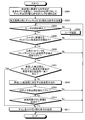
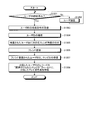
- FIG. 8 is a flowchart illustrating a processing procedure until the channel is switched in the management server according to the first embodiment.
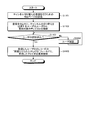
- FIG. 9 is a flowchart illustrating a processing procedure until the channel is switched based on the received program name in the management server according to the first embodiment.
- FIG. 10 is a diagram illustrating an overview of channel control in the control system of the second embodiment.
- FIG. 11 is a flowchart illustrating the procedure of the registration process of the television broadcast display device to be switched in the management server according to the second embodiment.
- FIG. 12 is a flowchart illustrating a processing procedure from friend registration to registration of a channel switching target television broadcast display device in the management server of the second embodiment.
- FIG. 13 is a flowchart illustrating a processing procedure in the case of recommending channel switching to the user from the viewing history in the management server according to the second embodiment.
- FIG. 14 is a flowchart illustrating a processing procedure when channel switching is set via SNS in the management server according to the second embodiment.
- FIG. 1 is a diagram illustrating an outline of a control system according to the present embodiment.
- a tablet terminal 150 and a television broadcast display device 151 are connected to a public network 180 via a network adapter 153 in the home.
- the management server 100 of the control system 1 is also connected to the public network 180. Therefore, the management server 100 can send and receive information to and from the tablet terminal 150 and the television broadcast display device 151 in the home.
- control system 1 is comprised by the management server 100, it does not restrict
- the user can use the social network service by operating the tablet terminal 150 via a social networking service server (not shown).
- the link “channel switching” 191 includes at least a broadcasting station “AA” or a program name, a user ID or a TV ID serving as a channel switching destination, and a channel switching command. Note that the embedding of a link for switching channels (for example, “channel switching” 191) is automatically performed corresponding to the character string of the broadcast station or program included in the display screen. The embedding may be performed on the social networking service side, or may be performed on the control system 1 side using an API provided by the social networking service.
- the broadcast station “AA” may not be broadcasting in the user's area. Therefore, when the broadcast station “AA” is not broadcasting in the user area, the management server 100 is an affiliated station of the broadcast station “AA” (a broadcast station corresponding to the broadcast station “AA”), and A channel switching command is transmitted to the television broadcast display device 151 so as to switch to the channel of the broadcasting station “ZZ” broadcasting in the area. Next, the configuration of the management server 100 will be described.
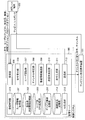
- FIG. 2 is a diagram illustrating a configuration example of the management server 100 according to the present embodiment.
- the management server 100 includes a user information storage unit 201, a broadcast station correspondence storage unit 202, an area-specific EPG storage unit 203, and a device information storage unit 204 on a storage medium such as an HDD. And a connection status storage unit 214.
- the management server 100 executes the control program, thereby receiving the receiving unit 205, the command receiving unit 206, the user authenticating unit 207, the channel specifying unit 208, the program information confirming unit 209, and the transmission destination extracting unit 210.
- the management server 100 of the control system 1 stores information on the user registered as a user in the user information storage unit 201.
- the user information storage unit 201 stores information related to users registered as users for channel switching.
- FIG. 3 is a diagram illustrating a table structure example of the user information storage unit 201.
- the user information storage unit 201 stores a user ID, an authentication password, user information, an associated television ID, an SNS account, and history information in association with each other.
- the user ID is an ID for identifying a user who logs in to the control system 1.
- the authentication password is a password for authenticating with the control system 1.
- the user information is information related to the user.
- the associated TV ID is an ID for identifying a switching destination electronic device (for example, a television broadcast display device) when the user switches channels.
- the SNS account is account information of a social networking service registered by the user.
- the history information is a viewing history of a program viewed by the user.
- the channel switching destination is not limited to the television broadcast display device, but may be any electronic device that can receive a television broadcast and display a program, such as a tablet terminal equipped with a tuner. good.
- the management server 100 of the control system 1 stores information on the electronic device (for example, a television broadcast display device) that is a target of channel switching control in the device information storage unit 204.
- the device information storage unit 204 stores information on electronic devices (for example, television broadcast display devices) that are channel switching destinations.
- FIG. 4 is a diagram illustrating a table structure of the device information storage unit 204.
- the device information storage unit 204 stores a TV ID, a list of broadcast stations, area information, a PIN code, and an IP address in association with each other.
- the TV ID is an ID uniquely assigned for the management server 100 to identify an electronic device (for example, a television broadcast display device) that switches channels.
- the broadcast station list is list information of broadcast stations that can be received by the electronic device (television broadcast display device) identified by the TV ID.
- the area information is information representing an area where an electronic device (television broadcast display device) identified by the television ID exists.
- the PIN code is a personal identification number for controlling the television broadcast display device identified by the television ID.
- the IP address is an address for communicating with the television broadcast display device.
- the IP address of the electronic device can be acquired based on the television ID. Thereby, a channel switching command can be transmitted to the electronic device.
- the control system 1 of the present embodiment is a broadcast station in an area where the user does not actually live because the broadcast station received from the tablet terminal 150 is information acquired from a social networking service or the like as the channel switching destination. There is. Therefore, in the present embodiment, the received broadcast station is converted into a broadcast station in the area where the user actually lives. The relationship of affiliated stations used for this conversion is held in the broadcast station correspondence storage unit 202.
- the broadcast station correspondence storage unit 202 stores the correspondence of affiliated stations for broadcast stations that differ from area to area.
- FIG. 5 is a diagram showing a table structure of the broadcast station correspondence storage unit 202. As shown in FIG. As shown in FIG. 5, the broadcast station correspondence storage unit 202 stores the correspondence relationship of affiliated stations for broadcast stations for each area (first area, second area, and third area).
- the control system 1 of the present embodiment holds the electronic program guide of the broadcasting station for each area in the EPG storage unit 203 by area.
- the area-specific EPG storage unit 203 stores EPG (electronic program guide) information for each area where receivable broadcasting stations are different.
- FIG. 6 is a diagram showing a table structure of the area-specific EPG storage unit 203. As shown in FIG. 6, the area-specific EPG storage unit 203 stores area information, a list of broadcast stations broadcasting in the area, and an electronic program guide broadcast in the area in association with each other. is doing.
- the EPG for each area with different receivable broadcast stations stored in the area-specific EPG storage unit 203 is provided on the public network 180 with a server that provides the EPG for each area. Then, the receiving unit 205 receives the EPG for each area from the server and registers it in the EPG storage unit 203 for each area.
- the connection status storage unit 214 stores a connection status of an electronic device (for example, a television broadcast display device) that is a channel switching destination.
- FIG. 7 is a diagram showing a table structure of the connection status storage unit 214. As illustrated in FIG. 7, the connection status storage unit 214 stores a TV ID and a connection status of an electronic device identified by the TV ID in association with each other.
- the receiving unit 205 receives information from the tablet terminal 150 and the television broadcast display device 151 connected via the public network 180.
- the receiving unit 205 of the present embodiment from the tablet terminal 150, together with a command for switching the channel of the television broadcast display device 151, a broadcast station for specifying a user ID (or TV ID) and a switching destination channel And receive programs. Further, the receiving unit 205 may optionally receive a channel switching time and a PIN code necessary for controlling the television broadcast display device 151.
- the command receiving unit 206 receives various commands from the tablet terminal 150 and the television broadcast display device 151 via the receiving unit 205. Examples of commands accepted in the present embodiment include a channel switching command.
- the user authentication unit 207 performs user authentication when the user logs in to the control system 1.
- a password stored in the user information storage unit 201 is used as the user authentication method, but any method including a known method may be used as the authentication method.
- the transmission destination extraction unit 210 extracts the electronic device that is the transmission destination of the channel switching command. For example, when the reception unit 205 has received a user ID, the transmission destination extraction unit 210 refers to the user information storage unit 201 to extract a television ID associated with the user ID, and An electronic device (for example, a television broadcast display device 151) identified by the ID is set as a transmission destination (channel switching destination). In addition, when the reception unit 205 has received a television ID, the transmission destination extraction unit 210 transmits an electronic device (for example, the television broadcast display device 151) identified by the television ID to a transmission destination (channel switching destination). And Then, the transmission destination extraction unit 210 refers to the device information storage unit 204 to obtain an IP address associated with the television ID that is the transmission destination.
- the channel specifying unit 208 determines whether the channel switching destination electronic device (for example, the television broadcast display device 151) is based on the broadcast station or program received together with the channel switching command. Broadcast stations that can be received by an electronic device (for example, the television broadcast display device 151) based on the list of broadcast stations that can be received (list of broadcast stations in the device information storage unit 204) and the broadcast station correspondence storage unit 202. Identify your channel. The detailed processing procedure will be described later.
- the program information confirmation unit 209 confirms whether the broadcast station and the broadcast station specified by the channel specifying unit 208 are broadcasting the same program. Alternatively, when the program information confirmation unit 209 receives a program together with a channel switching command, the program information confirmation unit 209 confirms whether the program matches the program currently broadcast on the broadcast station identified by the channel identification unit 208. To do.
- the command generation unit 211 generates a command to be transmitted by the transmission unit 213.
- the command generation unit 211 according to the present exemplary embodiment generates a command that can be recognized by the transmission destination extracted by the transmission destination extraction unit 210.
- the command generation unit 211 generates a command to switch to the channel specified by the channel specification unit 208 as a command that can be recognized by the transmission destination electronic device. Thereby, the transmission destination electronic device can switch the channel in accordance with the command.
- the UI generation unit 212 generates a user interface screen (for example, a web page) for the tablet terminal 150 and the television broadcast display device 151 to perform various settings and the like, an email, and the like.
- a user interface screen for example, a web page
- the UI generation unit 212 of the present embodiment displays a program and a screen displayed on the social networking service when logging in to the social networking service with an SNS (social networking service) account stored in the user information storage unit 201.
- SNS social networking service
- an API provided by the social networking service is called to embed a link representing an instruction to switch channels in the display screen.
- the tablet terminal 150 transmits a channel switching command to the management server 100.
- the registration control unit 215 controls various databases. For example, the registration control unit 215 registers information about the user in the user information storage unit 201.
- the transmission unit 213 transmits information to the tablet terminal 150 and the television broadcast display device 151 connected via the public network 180. For example, the transmission unit 213 transmits a channel switching command generated by the command generation unit 211 to the television broadcast display device 151.
- the channel switching command can be received by the EPG stored in the area-specific EPG storage unit 203, the broadcast station correspondence storage unit 202, the broadcast station or program received from the tablet terminal 150, and the television broadcast display device 151. It is an instruction for switching to the channel of the broadcasting station specified based on the list of broadcasting stations.
- FIG. 8 is a flowchart showing a procedure of the above-described processing in the management server 100 according to the present embodiment.
- the UI generation unit 212 provides the SNS via the transmission unit 213.
- the link of the command to switch channels is embedded in the display screen (step S801).
- the tablet terminal 150 transmits a channel switching command to the management server 100. At least a user ID or a TV ID and a broadcast station are associated with the command for switching the channel.
- the receiving unit 205 receives from the tablet terminal 150 a command for switching channels between the user ID or the TV ID and the broadcasting station (step S802).
- the command received by the receiving unit 205 is received by the command receiving unit 206.
- the user authentication unit 207 determines whether or not the login authentication of the user from the electronic device (tablet terminal 150) that has transmitted the instruction to switch the channel has been completed (step S803).
- the login authentication has not been completed (step S803: No)
- the user authentication unit 207 authenticates the user with the electronic device (for example, the tablet terminal 150) that has transmitted the command for switching the channel (step S804). . Thereafter, the processing is performed again from step S803.
- the transmission destination extraction unit 210 determines whether there is a television broadcast display device related to the user (step S805). In the present embodiment, whether or not the TV ID is included in the information transmitted together with the instruction to switch the channel, and whether or not there is a TV ID associated with the user ID authenticated in the user information storage unit 201. Determine. When it is determined that there is no television broadcast display device related to the user (the transmitted information does not include the TV ID and there is no TV ID associated with the user ID in the user information storage unit 201) (step S805: No), the process ends.
- the transmission destination extraction unit 210 has a television broadcast display device related to the user (the television ID is included in the transmitted information or the television ID associated with the user ID in the user information storage unit 201). If it is determined (Yes in step S805), it is determined whether the television broadcast display device related to the user can be recognized on the public network 180 via the transmission unit 213 (step S806). .
- the television broadcast display device may be confirmed by accessing the IP address extracted by referring to the device information storage unit 204, or the television receiver may be checked by referring to the connection status storage unit 214. The John broadcast display device may be confirmed. If the television broadcast display device cannot be confirmed (step S806: No), the process ends.
- the channel specifying unit 208 extracts the broadcast station received by the reception unit 205 from the extracted television. It is determined whether the John broadcast display apparatus is in a list of receivable broadcast stations (step S807). In the present embodiment, with reference to the device information storage unit 204, whether or not the received broadcast station is included in the broadcast station list associated with the TV ID for identifying the recognized television broadcast display device is determined. Determine.
- step S807 determines that the received broadcast station is in the list of broadcast stations that can be received by the television broadcast display device.
- step S807 when the channel specifying unit 208 determines that the received broadcast station is not in the list of broadcast stations that can be received by the television broadcast display device (step S807: No), refer to the broadcast station correspondence storage unit 202. In the area that can be received by the television broadcast display device, a broadcast station corresponding to the received broadcast station (in other words, an affiliated station) is extracted (step S808).
- the channel identification unit 208 determines whether or not the corresponding broadcast station has been extracted (step S809). If it cannot be extracted (step S809: No), the process ends.
- step S809 when the program information confirmation unit 209 can extract the corresponding broadcast station (step S809: Yes), the same reference is made to the received broadcast station and the extracted broadcast station with reference to the area-specific EPG storage unit 203. It is determined whether or not a program is being broadcast (step S810). If the same program is not broadcast (step S810: No), the process is terminated.
- step S810 determines that the same program is being broadcast (step S810: Yes)
- the transmission unit 213 switches to the channel of the extracted broadcast station for the recognized television broadcast display device.
- the command is transmitted (step S811).
- FIG. 9 is a flowchart showing the above-described processing procedure in the management server 100 according to the present embodiment.
- the UI generation unit 212 displays the API provided by the SNS via the transmission unit 213. Calling and embedding a link of a command to switch channels in the display screen (step S901). Then, when the user selects the link on the tablet terminal 150, the tablet terminal 150 transmits a channel switching command to the management server 100. At least the user ID or the TV ID and the program (name) are associated with the command for switching the channel.
- the receiving unit 205 receives a command for switching the channel of the television broadcast display device together with the user ID or the TV ID and the program from the tablet terminal 150 (step S902).
- the command received by the receiving unit 205 is received by the command receiving unit 206.
- the user authentication unit 207 determines whether or not the login authentication of the user from the electronic device (tablet terminal 150) that has transmitted the instruction to switch the channel has been completed (step S903).
- the login authentication has not been completed (step S903: No)
- the user authentication unit 207 authenticates the user with the electronic device (for example, the tablet terminal 150) that has transmitted the command for switching the channel (step S904). . Thereafter, the processing is performed again from step S903.
- step S903 when the login authentication has been completed (step S903: Yes), the transmission destination extraction unit 210 determines whether there is a television display device related to the user (step S905).
- the determination method the same method as in FIG. 8 is used. And when it determines with there being no television broadcast display apparatus relevant to a user (step S905: No), a process is complete
- step S905 when it is determined that there is a television broadcast display device related to the user (step S905: Yes), the transmission destination extraction unit 210 receives a television related to the user from the transmission unit 213 via the public network 180. It is determined whether or not the broadcast display device can be recognized (step S906). As the recognition method, the same method as in FIG. 8 is used. If the television broadcast display device cannot be confirmed (step S906: No), the process ends.
- the program information confirmation unit 209 can receive the received program on the television broadcast display device. It is determined whether or not the broadcasting station included in the list of broadcasting stations is broadcasting (step S907).
- the device information storage unit 204 includes the broadcast station list associated with the television ID of the television broadcast display device and the area-specific EPG storage unit 203, and is included in the broadcast station list. The program currently being broadcast by each broadcasting station is confirmed, and it is determined whether or not the television broadcast display device can receive the program.
- step S907 When it is determined that the program information confirmation unit 209 is not broadcasting on a broadcast station included in the list of receivable broadcast stations (step S907: No), the program information confirmation unit 209 ends the process.
- the transmission unit 213. Transmits a command to switch to the channel of the broadcasting station broadcasting the program to the recognized television broadcast display device (step S908).
- the channel switching target is not limited to an electronic device possessed by a user operating the tablet terminal 150. Therefore, in the second embodiment, an example will be described in which a television broadcast display device possessed by another user is also a channel switching target.
- FIG. 10 is a diagram illustrating an overview of channel control in the control system 1 of the present embodiment.
- a television broadcast display device 1001 is added to the control system according to the first embodiment described above.
- the same components as those in the first embodiment described above are denoted by the same reference numerals, and description thereof is omitted.
- the registration control unit 215 associates the user information storage unit 201 with the user ID of the user who is operating the tablet terminal 150, and the electronic device to be operated (for example, a television broadcast display). By additionally registering the TV ID of the device 1001), the number of electronic devices to be operated can be increased. In addition, when registering the TV ID, a period for allowing channel switching may be set.
- the transmission destination extracting unit 210 refers to the user information storage unit 201 and is associated with the received user ID. The processes in steps S805 to S811 in FIG. 8 or steps S905 to S908 in FIG. Thereby, channel switching of a plurality of television broadcast display devices can be realized.
- a user registers a user ID that provides channel switching and a television ID of a television broadcast display device that is a channel switching destination for a Web page generated by the UI generation unit 212.
- a method can be considered.
- FIG. 11 is a flowchart illustrating the above-described processing procedure in the management server 100 according to the present embodiment.
- the transmission unit 213 transmits a Web page generated by the UI generation unit 212 for registering channel switching (step S1101). On the Web page, it is possible to input the TV ID of the television broadcast display device that is the channel switching destination and the user ID that permits the channel switching.
- the user obtains the TV ID of his / her television broadcast display device and the user ID of the user who provides channel switching for friends, etc., on the Web screen displayed on the electronic device (for example, tablet terminal). Enter and press the send button.
- the user ID needs to be taught in advance by a friend or the like. Accordingly, the electronic device transmits a television ID, a user ID, and a television ID registration command to the management server 100.
- the receiving unit 205 obtains a user ID of a user who provides channel switching and a TV ID to be registered (which is a TV ID for identifying an electronic device used by a user different from the user) together with a registration command. Are received (step S1102).
- the user authentication unit 207 determines whether or not the login authentication of the user who has transmitted the registration command has been completed (step S1103).
- the login authentication has not been completed (step S1103: No)
- the user authentication unit 207 authenticates the user with the electronic device (for example, the tablet terminal 150) that has transmitted the registration (step S1104). Thereafter, the processing is performed again from step S1103.
- the registration control unit 215 sends the user information storage unit 201 to the “associated TV ID” field of the received user ID record (The received TV ID (used by a user different from the user ID) is additionally registered (step S1105).
- the transmission unit 213 is additionally registered.
- the channel of the broadcasting station specified based on the received broadcasting station or program for the electronic device identified by the TV ID and the list of programs that can be received by the electronic device identified by the additionally registered television ID.
- a second command for switching to is transmitted to the electronic device.
- the user ID and the TV ID are registered in association with each other, and the channel of the television broadcast display device identified by the television ID is changed by the channel switching operation of the user identified by the user ID. Can be switched according to.
- the channel of the television broadcast display device identified by the television ID is set. Can be switched.
- control system 1 of the present embodiment provides a function for registering friends between registered users. For example, it is conceivable that only a user who has registered as a friend can receive a friend's channel switching provision, although the channel switching is not normally provided.
- FIG. 12 is a flowchart illustrating a procedure of the above-described processing in the management server 100 according to the present embodiment.
- the user authentication unit 207 determines whether or not the login authentication of the user has been completed in the electronic device that has accessed the management server 100 (step S1201). If the login authentication has not been completed (step S1201: No), the user authentication unit 207 authenticates the user with the electronic device (for example, the tablet terminal 150) that has transmitted the registration (step S1202). Thereafter, the processing is performed again from step S1201.
- the transmission unit 213 transmits the Web page generated by the UI generation unit 212 to the electronic device that has been authenticated.
- Various information is displayed on the Web page. For example, there is a user ID search screen for friend registration.
- the receiving unit 205 receives a user ID search command based on the search screen from the electronic device (step S1203). Then, the registration control unit 215 searches for a user ID according to the received search command (step S1204).
- the UI generation unit 212 generates a Web page including the search result, and the transmission unit 213 transmits the Web page to the electronic device.
- a button for registering the searched user and friend is displayed on the Web page.
- the receiving unit 205 receives friend registration for the searched user ID from the electronic device via the Web page (step S1205).
- the registration control unit 215 performs friend registration with the user information storage unit 201 when permission to become friends is given (step S1206).
- the friend relationship is managed in the “user information” field of the user information storage unit 201. Therefore, the registration control unit 215 additionally writes the user ID registered as a friend in the “user information” field of the user information storage unit 201 as a friend.
- a user performs the setting for accepting channel switching from the user who registered as a friend from the Web page generated by the UI generation unit 212.
- the receiving unit 205 receives the user ID of the user registered as a friend and the television ID of the television broadcast display device to be switched (step S1207).
- the registration control unit 215 additionally registers the received television ID in the “associated television ID” field of the received user ID record in the user information storage unit 201 (step S1208).
- channel switching control can be received from a user who is registered as a friend for the television broadcast display device.
- the present embodiment does not limit the channel switching to be set according to the user's request, and the management server 100 may recommend the channel switching to the user.
- FIG. 13 is a flowchart illustrating a procedure of the above-described processing in the management server 100 according to the present embodiment.
- the registration control unit 215 refers to the user information storage unit 201 to match viewing information of programs viewed by each user (step S1301).
- the transmission unit 213 transmits the user information to each user's electronic device as a user recommended as a friend registration by using a user whose viewing history is similar (step S1302).
- the user information to be transmitted may be an email or a web page.
- the user information to be transmitted includes at least a user ID.
- the receiving part 205 receives the friend registration with respect to the transmitted user ID from an electronic device (step S1303). Thereby, the registration control part 215 performs friend registration with respect to the user information storage part 201 (step S1304).
- the user ID registered as a friend is written in the “user information” field of the user information storage unit 201.
- the receiving unit 205 receives the user ID of the user registered as a friend and the television ID of the television broadcast display device to be switched (step S1305).
- the registration control unit 215 additionally registers the received television ID in the “associated television ID” field of the received user ID record in the user information storage unit 201 (step S1306).
- FIG. 14 is a flowchart illustrating a procedure of the above-described processing in the management server 100 according to the present embodiment.
- the receiving unit 205 receives the SNS account information and the television ID of the television broadcast display device to be switched together with the fact that the provision of channel switching is permitted via the SNS (step S1401). .
- the processing performed on the social networking service side may be any processing, for example, by calling an API of the social networking service and generating and providing a service for the UI generation unit 212 to switch channels. May be.
- the registration control unit 215 determines whether or not the received SNS account information is included in the user information storage unit 201 (step S1402). If it is determined that it is not included (step S1402: No), the process ends.
- the registration control unit 215 determines that the received SNS account information is included in the user information storage unit 201 (step S1402: Yes)
- the registration control unit 215 transmits the SNS account information and the SNS account information to the user information storage unit 201.
- the received television ID is additionally registered in the “associated television ID” field of the record of the associated user ID (step S1403).
- registration of channel switching control can be received via the SNS to the television broadcast display device.
- the procedure up to registration has been described. However, when registering, a time zone in which channel switching is permitted, the number of days, and the like may be specifically set. Then, the registration control unit 215 updates the user information storage unit 201 according to the setting.
- the management server performs communication using the IP address when communicating with the television broadcast display device.
- the embodiment described above does not limit the use of an IP address as identification information for identifying a television broadcast display device when performing communication.
- a communication path associated with a television ID is used.
- the identifier may be used.
- communication may be performed using the identifier of the communication path, and transmission is not necessarily performed in units of IP addresses. There is no need to manage the destination.
- the channel switching control performed after registration is the same as that in the first embodiment except that the channel switching control is performed for a plurality of electronic devices, and thus description thereof is omitted.
- it can switch the channel of not only the television broadcast display apparatus 151 of the user who is operating the tablet terminal 150 but another television broadcast display apparatus.
- a certain user swells up a program that is a social networking service
- a certain user pays attention to the program and switches channels
- the channel of the John broadcast display device can be switched.
- the program can be further excited in the social networking service.
- the operation is not limited to the user's operation, but from the program that collects information from the Internet such as Bot. You may perform control which switches a channel according to a command.
Landscapes
- Engineering & Computer Science (AREA)
- Signal Processing (AREA)
- Multimedia (AREA)
- Databases & Information Systems (AREA)
- Human Computer Interaction (AREA)
- Two-Way Televisions, Distribution Of Moving Picture Or The Like (AREA)
Abstract
実施形態のシステムは、受信部と、送信部と、を備える。受信部は、第1のユーザ又は第1の電子機器を識別するための第1の識別情報と、第1の放送局又は第1の番組に関する情報と、を第2の電子機器から受信する。送信部は、第1の識別情報に基づいて特定される第1の電子機器に対して、第1の放送局又は第1の番組と、第1の電子機器が受信可能な放送局一覧とに基づいて特定された第2の放送局のチャンネルに切り替えるための第1の命令を送信する。
Description
本発明の実施形態は、システム、方法、及びプログラムに関する。
ソーシャルネットワーキングサービス等の普及により、遠方の人とリアルタイムにコミュニケーションすることが容易となっている。このため、ソーシャルネットワーキングサービス等で様々な人とコミュニケーションをとっている場合に、現在放送している番組の話題で盛り上がることもある。
しかしながら、従来技術においては、ソーシャルネットワーキングサービス等で、リアルタイムにテレビの番組で盛り上がっている場合に、エリア毎に放送局等が異なるため、盛り上がっている番組にユーザを誘導するのが難しい場合もあった。
本発明の一形態は、番組の視聴するためのチャンネル切り替えが容易になるシステム、方法、及びプログラムを提供する。
実施形態のシステムは、受信部と、送信部と、を備える。受信部は、第1のユーザ又は第1の電子機器を識別するための第1の識別情報と、第1の放送局又は第1の番組に関する情報と、を第2の電子機器から受信する。送信部は、第1の識別情報に基づいて特定される第1の電子機器に対して、第1の放送局又は第1の番組と、第1の電子機器が受信可能な放送局一覧とに基づいて特定された第2の放送局のチャンネルに切り替えるための第1の命令を送信する。
(第1の実施形態)
図1は、本実施形態の制御システムの概要を例示した図である。図1に示されるように、家庭内にタブレット端末150と、テレビジョン放送表示装置151と、がネットワークアダプタ153を介して、公衆ネットワーク180に接続されている。制御システム1の管理サーバ100も公衆ネットワーク180と接続されている。このため、管理サーバ100は、家庭内にタブレット端末150及びテレビジョン放送表示装置151と情報の送受信を行うことができる。
図1は、本実施形態の制御システムの概要を例示した図である。図1に示されるように、家庭内にタブレット端末150と、テレビジョン放送表示装置151と、がネットワークアダプタ153を介して、公衆ネットワーク180に接続されている。制御システム1の管理サーバ100も公衆ネットワーク180と接続されている。このため、管理サーバ100は、家庭内にタブレット端末150及びテレビジョン放送表示装置151と情報の送受信を行うことができる。
なお、本実施形態は、制御システム1が管理サーバ100で構成されている例について説明するが、制御システム1が管理サーバ100一台で構成されていることに制限するものではなく、複数台のサーバで構成されても良い。
ユーザは、タブレット端末150を操作することで、(図示しない)ソーシャルネットワーキングサービスのサーバを介して、ソーシャルネットワークサービスを利用することができる。
図1に示す例では、ユーザは、ソーシャルネットワーキングサービス“○○-SNS”で他のユーザ“△△”さんによる“AA局でやっている××面白い”という書き込みを閲覧したものとする。これにより、ユーザは、放送局“AA”で現在放送している番組“××”が盛り上がっていることを認識する。そこで、ユーザは、ソーシャルネットワーキングサービスで表示されているリンク“チャンネル切り替え”191を選択することで、制御システム1の管理サーバ100に対して、チャンネル切り替え命令が送信される。そして、制御システム1の管理サーバ100は、当該ユーザのテレビジョン放送表示装置151に対して、チャンネル切り替え命令を送信する。
リンク“チャンネル切り替え”191には、少なくとも、放送局“AA”又は番組名と、当該ユーザID又はチャンネル切り替え先となるテレビIDと、チャンネル切り替え命令と、が含まれている。なお、チャンネルを切り替えるためのリンク(例えば、“チャンネル切り替え”191)の埋め込みは、表示画面に含まれる放送局又は番組の文字列に対応して自動的に行われる。当該埋め込みは、ソーシャルネットワーキングサービス側が行っても良いし、ソーシャルネットワーキングサービスが提供しているAPIを用いて制御システム1側で行っても良い。
ところで、放送局“AA”は、当該ユーザのエリアで放送していない可能性がある。そこで、管理サーバ100は、放送局“AA”がユーザのエリアで放送していない場合に、放送局“AA”の系列局(放送局“AA”に対応する放送局)であって、ユーザのエリアで放送している放送局“ZZ”のチャンネルに切り替えるように、テレビジョン放送表示装置151にチャンネル切り替え命令を送信する。次に、管理サーバ100の構成について説明する。
図2は、本実施形態の管理サーバ100の構成例を示した図である。図2に示されるように、管理サーバ100は、HDDなどの記憶媒体上に、ユーザ情報記憶部201と、放送局対応関係記憶部202と、エリア別EPG記憶部203と、デバイス情報記憶部204と、接続状況記憶部214と、を備えている。さらに、管理サーバ100は、制御プログラムを実行することで、受信部205と、命令受付部206と、ユーザ認証部207と、チャンネル特定部208と、番組情報確認部209と、送信先抽出部210と、命令生成部211と、UI生成部212と、送信部213と、登録制御部215と、を実現する。
本実施形態では、制御システム1を利用してテレビジョン放送表示装置のチャンネルを切り替えるために、ユーザが制御システム1にユーザ登録しておく必要がある。そして、本実施形態の制御システム1の管理サーバ100は、ユーザ登録されたユーザに関する情報をユーザ情報記憶部201に記憶する。
ユーザ情報記憶部201は、チャンネル切り替えのためにユーザ登録したユーザに関する情報を記憶する。図3は、ユーザ情報記憶部201のテーブル構造例を示した図である。図3に示されるように、ユーザ情報記憶部201は、ユーザIDと、認証用パスワードと、ユーザ情報と、関連付けられたテレビIDと、SNSアカウントと、履歴情報と、を対応付けて記憶する。ユーザIDは、制御システム1にログインするユーザを識別するためのIDとする。認証用パスワードは、制御システム1で認証するためのパスワードとする。ユーザ情報は、当該ユーザに関連する情報とする。関連付けられたテレビIDは、当該ユーザがチャンネルを切り替える場合に切り替え先の電子機器(例えばテレビジョン放送表示装置)を識別するためのIDとする。SNSアカウントは、当該ユーザが登録しているソーシャルネットワーキングサービスのアカウント情報とする。履歴情報は、当該ユーザが視聴した番組の視聴履歴とする。本実施形態では、チャンネルの切り替え先を、テレビジョン放送表示装置に制限するものではなく、テレビジョン放送を受信し、番組を表示できる電子機器であれば良く、例えばチューナを搭載したタブレット端末等でも良い。
本実施形態の制御システム1においては、チャンネルの切り替え制御の対象となる電子機器(例えば、テレビジョン放送表示装置)を予め登録しておく必要がある。そこで、本実施形態の制御システム1の管理サーバ100は、チャンネルの切り替え制御の対象となる電子機器(例えば、テレビジョン放送表示装置)に関する情報を、デバイス情報記憶部204に記憶する。
デバイス情報記憶部204は、チャンネル切り替え先の電子機器(例えば、テレビジョン放送表示装置)の情報を記憶している。図4は、デバイス情報記憶部204のテーブル構造を示した図である。図4に示されるように、デバイス情報記憶部204は、テレビIDと、放送局一覧と、エリア情報と、PINコードと、IPアドレスと、を対応付けて記憶している。テレビIDは、管理サーバ100がチャンネルを切り替える電子機器(例えばテレビジョン放送表示装置)を識別するためにユニークに割り当てられたIDとする。放送局一覧は、当該テレビIDで識別される電子機器(テレビジョン放送表示装置)で受信可能な放送局の一覧情報とする。エリア情報は、当該テレビIDで識別される電子機器(テレビジョン放送表示装置)が存在するエリアを表す情報とする。PINコードは、当該テレビIDで識別されるテレビジョン放送表示装置を制御するための暗証番号とする。IPアドレスは、テレビジョン放送表示装置と通信するためのアドレスとする。
本実施形態では、デバイス情報記憶部204を参照することで、テレビIDに基づいて、電子機器のIPアドレスを取得できる。これにより、チャンネル切り替え命令を電子機器に送信できる。
本実施形態の制御システム1は、チャンネル切り替え先として、タブレット端末150から受信した放送局が、ソーシャルネットワーキングサービス等から取得した情報であるため、ユーザが実際に住んでいないエリアの放送局である場合がある。そこで、本実施形態では、受信した放送局から、ユーザが実際に住んでいるエリアの放送局に変換する。この変換に用いる系列局の関係を、放送局対応関係記憶部202で保持する。
放送局対応関係記憶部202は、エリア毎に異なる放送局について、系列局の対応関係を記憶する。図5は、放送局対応関係記憶部202のテーブル構造を示した図である。図5に示されるように、放送局対応関係記憶部202は、エリア毎(第1エリア、第2エリア、第3エリア)の放送局について、系列局の対応関係を記憶している。
また、ユーザが実際に住んでいるエリアの放送局で、ソーシャルネットワーキングサービスで盛り上がっている番組を放送していない可能性もある。そこで、番組が放送しているか否かを確認するために、本実施形態の制御システム1は、エリア毎の放送局の電子番組表をエリア別EPG記憶部203で保持することとした。
エリア別EPG記憶部203は、受信可能な放送局が異なるエリア毎のEPG(電子番組ガイド)の情報を記憶している。図6は、エリア別EPG記憶部203のテーブル構造を示した図である。図6に示されるように、エリア別EPG記憶部203は、エリア情報と、当該エリアで放送を行っている放送局一覧と、当該エリアで放送されている電子番組表と、を対応付けて記憶している。
エリア別EPG記憶部203に記憶される、受信可能な放送局が異なるエリア毎のEPGは、当該エリア毎のEPGを提供するサーバが、公衆ネットワーク180上に設けられている。そして、受信部205が、当該サーバから、エリア毎のEPGを受信し、エリア別EPG記憶部203に登録する。
接続状況記憶部214は、チャンネル切り替え先の電子機器(例えば、テレビジョン放送表示装置)の接続状況を記憶している。図7は、接続状況記憶部214のテーブル構造を示した図である。図7に示されるように、接続状況記憶部214は、テレビIDと、当該テレビIDで識別される電子機器の接続状況と、を対応付けて記憶している。
受信部205は、公衆ネットワーク180を介して接続されているタブレット端末150や、テレビジョン放送表示装置151から、情報を受信する。
例えば、本実施形態の受信部205は、タブレット端末150から、テレビジョン放送表示装置151のチャンネルを切り替えるための命令と共に、ユーザID(又はテレビID)、切り替え先のチャンネルを特定するための放送局や番組を受信する。さらに、受信部205は、オプションとして、チャンネルを切り替える時刻や、テレビジョン放送表示装置151を制御するために必要なPINコードを受信しても良い。
命令受付部206は、受信部205を介して、タブレット端末150や、テレビジョン放送表示装置151から、各種命令を受け付ける。本実施形態で受け付ける命令としては、例えば、チャンネルの切り替え命令などがある。
ユーザ認証部207は、制御システム1にユーザがログインする際に、ユーザ認証を行う。本実施形態では、ユーザ認証手法として、ユーザ情報記憶部201に記憶されているパスワードを用いるが、認証手法としては、周知の手法を含めて、どのような手法を用いても良い。
送信先抽出部210は、チャンネルの切り替え命令の送信先の電子機器を抽出する。例えば、受信部205がユーザIDを受信していた場合に、送信先抽出部210は、ユーザ情報記憶部201を参照して、当該ユーザIDと対応付けられているテレビIDを抽出し、当該テレビIDで識別される電子機器(例えば、テレビジョン放送表示装置151)を送信先(チャンネル切り替え先)とする。また、受信部205がテレビIDを受信していた場合に、送信先抽出部210は、当該テレビIDで識別される電子機器(例えば、テレビジョン放送表示装置151)を送信先(チャンネル切り替え先)とする。そして、送信先抽出部210は、デバイス情報記憶部204を参照することで、送信先となるテレビIDと対応付けられているIPアドレスを取得する。
チャンネル特定部208は、命令受付部206がチャンネル切り替え命令を受信した場合に、当該チャンネル切り替え命令と共に受信した放送局又は番組から、チャンネル切り替え先の電子機器(例えば、テレビジョン放送表示装置151)が受信可能な放送局一覧(デバイス情報記憶部204の放送局一覧)と、放送局対応関係記憶部202と、に基づいて、電子機器(例えば、テレビジョン放送表示装置151)が受信可能な放送局のチャンネルを特定する。なお、詳細な処理手順については後述する。
番組情報確認部209は、チャンネル切り替え命令と共に放送局を受信した場合に、当該放送局と、チャンネル特定部208により特定された放送局と、が同じ番組を放送しているか否かを確認する。または、番組情報確認部209は、チャンネル切り替え命令と共に番組を受信した場合に、当該番組と、チャンネル特定部208により特定された放送局で現在放送している番組とが一致するか否かを確認する。
命令生成部211は、送信部213で送信する命令を生成する。本実施形態の命令生成部211は、送信先抽出部210により抽出された送信先で認識可能な命令を生成する。例えば、命令生成部211は、送信先の電子機器が認識可能な命令として、チャンネル特定部208に特定されたチャンネルへの切り替え命令を生成する。これにより、送信先の電子機器が、当該命令に従って、チャンネルを切り替えることができる。
UI生成部212は、タブレット端末150やテレビジョン放送表示装置151が様々な設定等を行うためのユーザインターフェース画面(例えばWebページ)や、メール等を生成する。
本実施形態のUI生成部212は、ユーザ情報記憶部201に記憶されたSNS(ソーシャルネットワーキングサービス)アカウントでソーシャルネットワーキングサービスにログインしている時に、当該ソーシャルネットワーキングサービスで表示される画面に、番組及び放送局に関連する文字列が含まれている場合に、ソーシャルネットワーキングサービスが提供しているAPIを呼び出して、チャンネルを切り替える命令が表されたリンクを表示画面に埋め込む。タブレット端末150で当該リンクをクリックすることで、タブレット端末150が、管理サーバ100に対して、チャンネル切り替え命令を送信する。
登録制御部215は、各種データベースを制御する。例えば、登録制御部215は、ユーザ情報記憶部201にユーザに関する情報を登録する。
送信部213は、公衆ネットワーク180を介して接続されているタブレット端末150や、テレビジョン放送表示装置151に対して、情報を送信する。例えば、送信部213は、テレビジョン放送表示装置151に対して、命令生成部211により生成されたチャンネルの切り替え命令を送信する。当該チャンネルの切り替え命令は、エリア別EPG記憶部203に記憶されたEPGと、放送局対応関係記憶部202と、タブレット端末150から受信した放送局又は番組と、テレビジョン放送表示装置151が受信可能な放送局一覧とに基づいて特定された放送局のチャンネルに切り替えるため命令とする。
次に、本実施形態にかかる管理サーバ100における、チャンネルを切り替えるまでの処理について説明する。図8は、本実施形態にかかる管理サーバ100における上述した処理の手順を示すフローチャートである。
まず、ソーシャルネットワーキングサービス(以下、SNSとも称す)で表示される画面に放送局に関連する文字列が含まれている場合に、UI生成部212は、送信部213を介して、SNSが提供しているAPIを呼び出して、チャンネルを切り替える命令のリンクを表示画面に埋め込む(ステップS801)。そして、ユーザが、タブレット端末150で当該リンクを選択することで、タブレット端末150が、チャンネルの切り替え命令を、管理サーバ100に送信する。このチャンネルを切り替える命令には、少なくともユーザID又はテレビIDと、放送局と、が対応付けられている。
次に、受信部205が、タブレット端末150から、ユーザID又はテレビIDと、放送局と、共にチャンネルを切り替える命令を受信する(ステップS802)。受信部205が受信した命令は、命令受付部206が受け付ける。
そして、ユーザ認証部207は、チャンネルを切り替える命令を送信してきた電子機器(タブレット端末150)からのユーザのログイン認証が済んでいるか否かを判定する(ステップS803)。ログイン認証が済んでいない場合(ステップS803:No)、ユーザ認証部207は、チャンネルを切り替える命令を送信してきた電子機器(例えばタブレット端末150)との間で、ユーザの認証を行う(ステップS804)。その後、再びステップS803から処理を行う。
一方、ログイン認証が済んでいる場合(ステップS803:Yes)、送信先抽出部210は、当該ユーザに関連するテレビジョン放送表示装置があるか否かを判定する(ステップS805)。本実施形態では、チャンネルを切り替える命令と共に送信された情報にテレビIDが含まれているか否か、及びユーザ情報記憶部201において認証されたユーザIDと対応付けられたテレビIDが存在するか否かを判定する。ユーザに関連するテレビジョン放送表示装置がない(送信された情報にテレビIDが含まれてなく、ユーザ情報記憶部201においてユーザIDと対応付けられたテレビIDがない)と判定された場合(ステップS805:No)、処理を終了する。
一方、送信先抽出部210は、ユーザに関連するテレビジョン放送表示装置がある(送信された情報にテレビIDが含まれている、又はユーザ情報記憶部201においてユーザIDと対応付けられたテレビIDがある)と判定された場合(ステップS805:Yes)、送信部213を介して、公衆ネットワーク180上で、ユーザに関連するテレビジョン放送表示装置を認識できたか否かを判定する(ステップS806)。本実施形態では、デバイス情報記憶部204を参照して抽出されたIPアドレスにアクセスすることで、テレビジョン放送表示装置の確認を行ってもよいし、接続状況記憶部214を参照して、テレビジョン放送表示装置の確認を行っても良い。テレビジョン放送表示装置の確認ができなかった場合(ステップS806:No)、処理を終了する。
一方、送信先抽出部210が、ユーザに関連するテレビジョン放送表示装置を認識できた場合(ステップS806:Yes)、チャンネル特定部208が、受信部205が受信した放送局が、抽出されたテレビジョン放送表示装置が受信可能な放送局一覧にあるか否かを判定する(ステップS807)。本実施形態では、デバイス情報記憶部204を参照して、認識できたテレビジョン放送表示装置を識別するテレビIDと対応付けられている放送局一覧に、受信した放送局が含まれているか否かを判定する。
そして、チャンネル特定部208が、受信した放送局が、テレビジョン放送表示装置が受信可能な放送局一覧にあると判定した場合(ステップS807:Yes)、ステップS811に進む。
一方、チャンネル特定部208が、受信した放送局が、テレビジョン放送表示装置が受信可能な放送局一覧にないと判定した場合(ステップS807:No)、放送局対応関係記憶部202を参照して、テレビジョン放送表示装置が受信可能なエリアにおいて、受信した放送局に対応する(換言すれば系列局である)、放送局を抽出する(ステップS808)。
そして、チャンネル特定部208は、対応する放送局を抽出できたか否か判定する(ステップS809)。抽出できなかった場合(ステップS809:No)、処理を終了する。
一方、番組情報確認部209が、対応する放送局を抽出できた場合(ステップS809:Yes)、エリア別EPG記憶部203を参照して、受信した放送局と、抽出した放送局とで、同じ番組を放送しているか否かを判定する(ステップS810)。同じ番組を放送していない場合(ステップS810:No)、処理を終了する。
番組情報確認部209が同じ番組を放送していると判断した場合(ステップS810:Yes)、送信部213が、認識できたテレビジョン放送表示装置に対して、抽出した放送局のチャンネルへの切り替え命令を送信する(ステップS811)。
上述した処理手順により、SNSで参照した放送局に基づいて、同じ番組を放送している放送局のチャンネルへの切り替えを実現できる。なお、本実施形態では、同じ番組を放送している場合に、チャンネルを切り替える例について説明したが、同じ番組を放送している場合にチャンネルを切り替えることに制限するものではなく、関連している放送局を抽出できた段階(換言すれば、ステップS810の処理を除いて)でチャンネルの切り替え制御を行っても良い。
図8で示す処理手順においては、チャンネルの切り替え命令と共に、放送局を受信した例について説明した。しかしながら、放送局を受信せずに、番組(名)を受信する場合もある。そこで、次に、本実施形態にかかる管理サーバ100における、受信した番組(名)に基づいてチャンネルを切り替えるまでの処理について説明する。図9は、本実施形態にかかる管理サーバ100における上述した処理の手順を示すフローチャートである。
まず、図8と同様に、SNSで表示される画面に番組に関連する文字列が含まれている場合に、UI生成部212は、送信部213を介して、SNSが提供しているAPIを呼び出して、チャンネルを切り替える命令のリンクを表示画面に埋め込む(ステップS901)。そして、ユーザが、タブレット端末150で当該リンクを選択することで、タブレット端末150が、チャンネルの切り替え命令を、管理サーバ100に送信する。このチャンネルを切り替える命令には、少なくともユーザID又はテレビIDと、番組(名)と、が対応付けられている。
次に、受信部205が、タブレット端末150から、ユーザID又はテレビIDと、番組と、共にテレビジョン放送表示装置のチャンネルを切り替える命令を受信する(ステップS902)。受信部205が受信した命令は、命令受付部206が受け付ける。
そして、ユーザ認証部207は、チャンネルを切り替える命令を送信してきた電子機器(タブレット端末150)からのユーザのログイン認証が済んでいるか否かを判定する(ステップS903)。ログイン認証が済んでいない場合(ステップS903:No)、ユーザ認証部207は、チャンネルを切り替える命令を送信してきた電子機器(例えばタブレット端末150)との間で、ユーザの認証を行う(ステップS904)。その後、再びステップS903から処理を行う。
一方、ログイン認証が済んでいる場合(ステップS903:Yes)、送信先抽出部210は、当該ユーザに関連するテレビジョン表示装置があるか否かを判定する(ステップS905)。判定手法は、図8と同様の手法を用いるものとする。そして、ユーザに関連するテレビジョン放送表示装置がないと判定された場合(ステップS905:No)、処理を終了する。
一方、送信先抽出部210は、ユーザに関連するテレビジョン放送表示装置があると判定された場合(ステップS905:Yes)、送信部213から、公衆ネットワーク180を介して、ユーザに関連するテレビジョン放送表示装置を認識できたか否かを判定する(ステップS906)。認識手法は、図8と同様の手法を用いるものとする。テレビジョン放送表示装置の確認ができなかった場合(ステップS906:No)、処理を終了する。
一方、送信先抽出部210が、ユーザに関連するテレビジョン放送表示装置を認識できた場合(ステップS906:Yes)、番組情報確認部209は、受信した番組が、テレビジョン放送表示装置が受信可能な放送局一覧に含まれている放送局で放送しているか否かを判定する(ステップS907)。本実施形態では、デバイス情報記憶部204で当該テレビジョン放送表示装置のテレビIDと対応付けられている放送局一覧と、エリア別EPG記憶部203と、に基づいて、当該放送局一覧に含まれている各放送局で現在放送している番組を確認し、テレビジョン放送表示装置が当該番組を受信可能か否か判定する。
番組情報確認部209は、受信可能な放送局一覧に含まれている放送局で放送されていないと判定された場合(ステップS907:No)、処理を終了する。
一方、番組情報確認部209は、受信した番組が、テレビジョン放送表示装置が受信可能な放送局一覧に含まれる放送局で放送されていると判定した場合(ステップS907:Yes)、送信部213は、認識できたテレビジョン放送表示装置に対して、当該番組を放送している放送局のチャンネルへの切り替え命令を送信する(ステップS908)。
上述した処理手順により、SNSで参照した番組に基づいて、同じ番組を放送している放送局のチャンネルへの切り替えを実現できる。
(第2の実施形態)
第1の実施形態では、タブレット端末150を操作しているユーザが所持している電子機器(テレビジョン放送表示装置151)をチャンネルの切り替え対象とした例について説明した。しかしながら、上述した実施形態では、チャンネルの切り替え対象を、タブレット端末150を操作しているユーザが所持している電子機器に制限するものではない。そこで、第2の実施形態では、他のユーザが所持しているテレビジョン放送表示装置もチャンネルの切り替え対象とした例について説明する。
第1の実施形態では、タブレット端末150を操作しているユーザが所持している電子機器(テレビジョン放送表示装置151)をチャンネルの切り替え対象とした例について説明した。しかしながら、上述した実施形態では、チャンネルの切り替え対象を、タブレット端末150を操作しているユーザが所持している電子機器に制限するものではない。そこで、第2の実施形態では、他のユーザが所持しているテレビジョン放送表示装置もチャンネルの切り替え対象とした例について説明する。
図10は、本実施形態の制御システム1におけるチャンネル制御の概要を例示した図である。図10に示される制御システム1は、上述した第1の実施形態にかかる制御システムに、テレビジョン放送表示装置1001が追加されている。以下の説明では、上述した第1の実施形態と同一の構成要素には同一の符号を付してその説明を省略している。
ところで、ユーザがチャンネルを切り替える際に、他のユーザと一緒に盛り上がりたい場合がある。そこで、本実施形態では、当該ユーザとは異なるユーザのテレビジョン放送表示装置のチャンネルを切り替える例とする。
図10に示す例では、ユーザは、ソーシャルネットワーキングサービス“○○-SNS”で△△さんの“AA局でやっている××面白い”という書き込みを閲覧したものとする。これにより、ユーザは、放送局“AA”で現在放送している番組“××”が盛り上がっていることを認識する。そこで、ユーザは、ソーシャルネットワーキングサービスで表示されているリンク“チャンネル切り替え”191を選択することで、制御システム1の管理サーバ100に対して、チャンネル切り替え命令が送信される。そして、制御システム1の管理サーバ100は、当該ユーザのテレビジョン放送表示装置151に対して、チャンネル切り替え命令を送信する。その際に、管理サーバ100は、当該ユーザと異なるユーザが利用しているテレビジョン放送表示装置1001に対しても、チャンネル切り替え命令を送信する。これにより複数のユーザが同時に同じチャンネルの視聴を開始できる。
本実施形態の登録制御部215が、当該ユーザ情報記憶部201に対して、タブレット端末150を操作しているユーザのユーザIDと対応付けて、操作対象となる電子機器(例えば、テレビジョン放送表示装置1001)のテレビIDを追加登録することで、操作対象となる電子機器を増やすことができる。また、テレビIDを登録する際に、チャンネルの切り替えを許容する期間等を設定しても良い。
そして、受信部205が、タブレット端末150からチャンネルを切り替える命令を受信した場合に、送信先抽出部210が、ユーザ情報記憶部201を参照して、受信したユーザIDと対応付けられているテレビIDの数だけ、図8のステップS805~S811、又は図9のステップS905~ステップS908の処理を繰り返す。これにより、複数のテレビジョン放送表示装置のチャンネル切り替えを実現できる。
次に、チャンネルの操作対象の登録手順について説明する。本実施形態では、ユーザが、UI生成部212が生成するWebページに対して、チャンネルの切り替えを提供するユーザIDと、チャンネルの切り替え先となるテレビジョン放送表示装置のテレビIDとを、登録する手法が考えられる。
次に、本実施形態にかかる管理サーバ100における、チャンネル切り替え対象のテレビジョン放送表示装置の登録処理について説明する。図11は、本実施形態にかかる管理サーバ100における上述した処理の手順を示すフローチャートである。
まず、送信部213が、UI生成部212により生成された、チャンネル切り替えの登録を行うためのWebページを送信する(ステップS1101)。当該Webページでは、チャンネル切り替え先のテレビジョン放送表示装置のテレビIDと、チャンネル切り替えを許可するユーザIDと、を入力可能とする。
そして、ユーザは、電子機器(例えばタブレット端末)等に表示されたWeb画面に対して、自分のテレビジョン放送表示装置のテレビIDと、友人などのチャンネル切り替えを提供するユーザのユーザIDと、を入力して、送信ボタンを押下する。なお、ユーザIDは、予め友人等から教えてもらう等が必要となる。これにより、電子機器は、管理サーバ100に対して、テレビIDと、ユーザIDと、テレビIDの登録命令と、を送信する。
そして、受信部205は、登録命令と共に、チャンネルの切り替えを提供するユーザのユーザIDと、(当該ユーザと異なるユーザが利用する電子機器を識別するテレビIDであって)登録対象のテレビIDとを、受信する(ステップS1102)。
そして、ユーザ認証部207は、登録命令を送信してきたユーザのログイン認証が済んでいるか否かを判定する(ステップS1103)。ログイン認証が済んでいない場合(ステップS1103:No)、ユーザ認証部207は、登録送信してきた電子機器(例えばタブレット端末150)との間で、ユーザの認証を行う(ステップS1104)。その後、再びステップS1103から処理を行う。
一方、ログイン認証が済んでいる場合(ステップS1103:Yes)、登録制御部215が、ユーザ情報記憶部201に対して、受信したユーザIDのレコードの“関連付けられたテレビID”フィールドに、(当該ユーザIDと異なるユーザが利用している)受信したテレビIDを追加登録する(ステップS1105)。
これにより、当該ユーザIDで識別されるユーザがタブレット端末151でチャンネルを切り替えるためのリンクを選択して、管理サーバ100にチャンネル切り替え命令が送信された場合に、送信部213が、追加登録されたテレビIDで識別される電子機器に対して、受信した放送局又は番組と、追加登録されたテレビIDで識別される電子機器が受信可能な番組一覧と、に基づいて特定された放送局のチャンネルに切り替えるための第2の命令を、当該電子機器に対して送信する。
上述した処理手順により、ユーザIDとテレビIDとが対応付けて登録されることになり、当該テレビIDで識別されるテレビジョン放送表示装置のチャンネルが、ユーザIDで識別されるユーザのチャンネル切り替え操作に従って切り替えられる。また、第1の実施形態と同様に、当該ユーザIDで識別されるユーザがSNSで盛り上がっている番組や放送局をクリックした際にも、テレビIDで識別されるテレビジョン放送表示装置のチャンネルが切り替えられる。
また、本実施形態の制御システム1は、登録したユーザ同士で、フレンド登録をする機能を提供している。例えば、通常はチャンネルの切り替えを提供していないが、フレンド登録したユーザだけ、フレンドのチャンネルの切り替えの提供を受け取ることができる等が考えられる。
そこで、本実施形態にかかる管理サーバ100における、フレンド登録からチャンネル切り替え対象のテレビジョン放送表示装置の登録までの処理について説明する。図12は、本実施形態にかかる管理サーバ100における上述した処理の手順を示すフローチャートである。
まず、ユーザ認証部207は、管理サーバ100にアクセスしてきた電子機器において、ユーザのログイン認証が済んでいるか否かを判定する(ステップS1201)。ログイン認証が済んでいない場合(ステップS1201:No)、ユーザ認証部207は、登録送信してきた電子機器(例えばタブレット端末150)との間で、ユーザの認証を行う(ステップS1202)。その後、再びステップS1201から処理を行う。
ユーザ認証部207がログイン認証が済んでいると判定した場合(ステップS1201:Yes)、送信部213が、UI生成部212により生成されたWebページを、認証が行われた電子機器に送信する。当該Webページには、様々な情報が表示されている。例えば、フレンド登録するためのユーザIDの検索画面がある。
そこで、受信部205は、電子機器から、検索画面に基づくユーザIDの検索命令を受信する(ステップS1203)。そして、登録制御部215は、受信した検索命令に従って、ユーザIDを検索する(ステップS1204)。
そして、UI生成部212が、検索結果を含むWebページを生成して、送信部213が、電子機器にWebページを送信する。また、当該Webページには、検索されたユーザとフレンド登録するためのボタン等が表示されているものとする。
そして、受信部205は、電子機器から、Webページを介して、検索されたユーザIDに対するフレンド登録を受け付ける(ステップS1205)。フレンド登録を受け付けた際に、お互いにフレンドになる許可が行われた場合に、登録制御部215が、ユーザ情報記憶部201に対してフレンド登録を行う(ステップS1206)。本実施形態では、フレンドの関係は、ユーザ情報記憶部201の“ユーザ情報”フィールドで管理する。そこで、登録制御部215は、フレンド登録されたユーザIDを、ユーザ情報記憶部201の“ユーザ情報”フィールドにフレンドとして追加書き込みを行う。
そして、本実施形態では、ユーザが、UI生成部212が生成したWebページから、フレンド登録したユーザからのチャンネル切り替えを受け付けるための設定を行う。
これにより、受信部205が、フレンド登録されたユーザのユーザIDと、切り替え対象のテレビジョン放送表示装置のテレビIDとを、受信する(ステップS1207)。
そして、登録制御部215が、ユーザ情報記憶部201に対して、受信したユーザIDのレコードの“関連付けられたテレビID”フィールドに、受信したテレビIDを追加登録する(ステップS1208)。
上述した処理手順により、テレビジョン放送表示装置に対して、フレンド登録されたユーザから、チャンネルの切り替え制御を受け付けることができる。
また、本実施形態は、チャンネルの切り替えを、ユーザの要求に応じて設定することに制限するものではなく、管理サーバ100からチャンネルの切り替えをユーザに対して推奨してもよい。
そこで、本実施形態にかかる管理サーバ100における、視聴履歴からユーザに対してチャンネル切り替えを推奨する場合の処理について説明する。図13は、本実施形態にかかる管理サーバ100における上述した処理の手順を示すフローチャートである。
まず、登録制御部215が、ユーザ情報記憶部201を参照して、各ユーザが視聴した番組の視聴情報のマッチングを行う(ステップS1301)。
次に、送信部213が、各ユーザの電子機器に対して、視聴した番組の履歴が類似しているユーザを、フレンド登録おすすめのユーザとしてユーザの情報を送信する(ステップS1302)。送信する当該ユーザの情報は、メールでも良いし、Webページでも良い。なお、送信するユーザの情報には、少なくともユーザIDが含まれている。
そして、受信部205は、電子機器から、送信したユーザIDに対するフレンド登録を受け付ける(ステップS1303)。これにより、登録制御部215が、ユーザ情報記憶部201に対してフレンド登録を行う(ステップS1304)。本実施形態では、フレンド登録されたユーザIDが、ユーザ情報記憶部201の“ユーザ情報”フィールドに書き込まれる。
これにより、受信部205が、フレンド登録されたユーザのユーザIDと、切り替え対象のテレビジョン放送表示装置のテレビIDとを、受信する(ステップS1305)。
そして、登録制御部215が、ユーザ情報記憶部201に対して、受信したユーザIDのレコードの“関連付けられたテレビID”フィールドに、受信したテレビIDを追加登録する(ステップS1306)。
上述した処理手順により、視聴履歴が同じユーザからチャンネル切り替えの提供を受け付けることができるので、ユーザが好みの番組の視聴し忘れ等を抑止できる。
また、チャンネルの切り替えのための登録を、SNS経由で行っても良い。そこで、本実施形態にかかる管理サーバ100における、SNS経由でチャンネル切り替えを設定する場合について説明する。図14は、本実施形態にかかる管理サーバ100における上述した処理の手順を示すフローチャートである。
まず、受信部205は、SNSを介して、チャンネルの切り替えの提供を許可された旨と共に、SNSアカウント情報と、切り替え対象となるテレビジョン放送表示装置のテレビIDとを、受信する(ステップS1401)。なお、ソーシャルネットワーキングサービス側で行われる処理については、どのような処理でも良く、例えば、ソーシャルネットワーキングサービスのAPIを呼び出して、UI生成部212がチャンネルの切り替えを行うためのサービスを生成して提供しても良い。
そして、登録制御部215は、受信したSNSアカウント情報が、ユーザ情報記憶部201に含まれているか否かを判定する(ステップS1402)。含まれていないと判定した場合(ステップS1402:No)、処理を終了する。
一方、登録制御部215は、受信したSNSアカウント情報が、ユーザ情報記憶部201に含まれていると判定した場合(ステップS1402:Yes)、ユーザ情報記憶部201に対して、当該SNSアカウント情報と対応付けられたユーザIDのレコードの、“関連付けられたテレビID”フィールドに対して、受信したテレビIDを追加登録する(ステップS1403)。
上述した処理手順により、テレビジョン放送表示装置に対して、SNS経由で、チャンネルの切り替え制御の登録を受け付けることができる。
また、本実施形態では、登録までの手順について説明したが、登録する際に、チャンネルの切り替えを許可する時間帯や、日数などを具体的に設定しても良い。そして、登録制御部215は、当該設定に応じて、ユーザ情報記憶部201に対する更新を行う。
上述した実施形態では、管理サーバが、テレビジョン放送表示装置と通信を行う際、IPアドレスを用いて通信を行う例について説明した。しかしながら、上述した実施形態は、通信を行う際にテレビジョン放送表示装置を識別するための識別情報として、IPアドレスを用いることに制限するものではなく、例えばテレビIDと対応付けられている通信路の識別子を用いても良い。さらには、管理サーバと、テレビジョン放送表示装置との間で通信路が常に確保されている場合には、当該通信路の識別子を用いて通信を行えば良く、必ずしもIPアドレスという単位で、送信先を管理する必要は無い。
登録された後に行われるチャンネルの切り替え制御は、複数の電子機器に対してチャンネルの切り替え制御を行う他は、第1の実施形態と同様なので説明を省略する。これにより、第2の実施形態においては、タブレット端末150を操作しているユーザのテレビジョン放送表示装置151に限らず、他のテレビジョン放送表示装置のチャンネルの切り替えを行うことができる。これにより、あるユーザがソーシャルネットワーキングサービスである番組が盛り上がった際に、あるユーザが当該番組に注目してチャンネルを切り替える際に、ユーザ自身のテレビジョン放送表示装置だけでなく、他のユーザのテレビジョン放送表示装置のチャンネルを切り替えることができる。これにより、複数のユーザが同じ番組を視聴することが容易になるので、さらにソーシャルネットワーキングサービスにおいて、当該番組を盛り上げることができる。
従来、ソーシャルネットワーキングサービスなどでテレビの番組について盛り上がった際に、視聴している人がソーシャルネットワーキングサービスで書き込むことはできても、視聴していない人を当該番組に誘導する手段がなかった。特にエリア毎に放送している放送局が異なる場合に、どのチャンネルに切り替えればよいか分からなかった。上述した実施形態では、エリアの違いを考慮した上で、盛り上がっている番組を放送しているチャンネルを切り替えることができる。これにより、ユーザは、盛り上がっている番組を視聴することが可能となる。
ところで、系列の放送局では、番組が必ずしも同一時間帯に放送されているわけではないため、話題となっている番組がある地域では放送されていない可能性もある。このため、盛り上がっている番組を放送している放送局の系列局に切り替えたとしても、番組を視聴できない場合もある。そこで、上述した実施形態では、同じ番組が放送しているか否かを確認してからチャンネルを切り替えることとした。これにより、ユーザが、盛り上がっている番組が放送していないにも拘わらず、チャンネルが切り替わるのを抑止した。これにより、チャンネルが切り替わったにもかかわらず番組が放送していないため、ユーザが混乱する状況を抑止すると共に、利便性が向上する。
また、上述した実施形態では、ソーシャルネットワーキングサービスからユーザの操作に従ってチャンネルを切り替える例について説明したが、ユーザが操作することに制限するものではなく、Botなどのインターネット等から情報を収集するプログラムからの命令に従って、チャンネルを切り替える制御を行っても良い。
本発明のいくつかの実施形態を説明したが、これらの実施形態は、例として提示したものであり、発明の範囲を限定することは意図していない。これら新規な実施形態は、その他の様々な形態で実施されることが可能であり、発明の要旨を逸脱しない範囲で、種々の省略、置き換え、変更を行うことができる。これら実施形態やその変形は、発明の範囲や要旨に含まれるとともに、請求の範囲に記載された発明とその均等の範囲に含まれる。
Claims (15)
- 第1のユーザ又は第1の電子機器を識別するための第1の識別情報と、第1の放送局又は第1の番組に関する情報と、を第2の電子機器から受信する受信部と、
前記第1の識別情報に基づいて特定される前記第1の電子機器に対して、前記第1の放送局又は前記第1の番組と、当該第1の電子機器が受信可能な放送局一覧とに基づいて特定された第2の放送局のチャンネルに切り替えるための第1の命令を送信する送信部と、
を備えるシステム。 - 受信部は、さらに、受信可能な放送局が異なるエリア毎の番組表情報を受信し、
前記送信部は、前記第1の放送局又は前記第1の番組に関する情報と、前記エリア毎の番組表情報と、前記第1の電子機器が受信可能な放送局一覧と、に基づいて特定された前記第2の放送局のチャンネルに切り替えるための前記第1の命令を送信する、
請求項1に記載のシステム。 - 前記受信部は、さらに、前記第1のユーザを識別するための前記第1の識別情報と、当該前記第1のユーザと異なる第2のユーザが利用する第3の電子機器を識別するための第2の識別情報と、を受信し、
前記送信部は、さらに、前記第2の識別情報で識別される前記第3の電子機器に対して、前記第1の放送局又は前記第1の番組と、当該第3の電子機器が受信可能な番組一覧と、に基づいて特定された第3の放送局のチャンネルに切り替えるための第2の命令を送信する、
請求項1又は2に記載のシステム。 - 前記送信部は、前記第1の識別情報と、前記第2のユーザが利用する前記第3の電子機器を識別するための前記第2の識別情報と、を入力可能な表示画面を送信し、
前記受信部は、前記表示画面を介して入力された、前記第1の識別情報と、前記第2の識別情報と、を受信する、
請求項3に記載のシステム。 - 前記送信部は、ソーシャルネットワーキングサービスが提供しているAPIを呼び出して、ソーシャルネットワーキングサービスで表示される画面に対して、前記第1の識別情報と、前記第1の放送局又は前記第1の番組と、を送信するためのリンクを埋め込む、
請求項1乃至4のいずれか1つに記載のシステム。 - 第1のユーザ又は第1の電子機器を識別するための第1の識別情報と、第1の放送局又は第1の番組に関する情報と、を第2の電子機器から受信し、
前記第1の識別情報に基づいて特定される前記第1の電子機器に対して、前記第1の放送局又は前記第1の番組と、当該第1の電子機器が受信可能な放送局一覧とに基づいて特定された第2の放送局のチャンネルに切り替えるための第1の命令を送信する、
方法。 - 受信可能な放送局が異なるエリア毎の番組表情報を、さらに受信し、
前記第1の放送局又は前記第1の番組に関する情報と、前記エリア毎の番組表情報と、前記第1の電子機器が受信可能な放送局一覧と、に基づいて特定された前記第2の放送局のチャンネルに切り替えるための前記第1の命令を送信する、
請求項6に記載の方法。 - さらに、前記第1のユーザを識別するための前記第1の識別情報と、当該前記第1のユーザと異なる第2のユーザが利用する第3の電子機器を識別するための第2の識別情報と、を受信し、
さらに、前記第2の識別情報で識別される前記第3の電子機器に対して、前記第1の放送局又は前記第1の番組と、当該第3の電子機器が受信可能な番組一覧と、に基づいて特定された第3の放送局のチャンネルに切り替えるための第2の命令を送信する、
請求項6又は7に記載の方法。 - 前記第1の識別情報と、前記第2のユーザが利用する前記第3の電子機器を識別するための前記第2の識別情報と、を入力可能な表示画面を送信し、
前記表示画面を介して入力された、前記第1の識別情報と、前記第2の識別情報と、を受信する、
請求項8に記載の方法。 - ソーシャルネットワーキングサービスが提供しているAPIを呼び出して、ソーシャルネットワーキングサービスで表示される画面に対して、前記第1の識別情報と、前記第1の放送局又は前記第1の番組と、を送信するためのリンクを埋め込む、
請求項6乃至9のいずれか1つに記載の方法。 - 第1のユーザ又は第1の電子機器を識別するための第1の識別情報と、第1の放送局又は第1の番組に関する情報と、を第2の電子機器から受信する受信ステップと、
前記第1の識別情報に基づいて特定される前記第1の電子機器に対して、前記第1の放送局又は前記第1の番組と、当該第1の電子機器が受信可能な放送局一覧とに基づいて特定された第2の放送局のチャンネルに切り替えるための第1の命令を送信する送信ステップと、
をコンピュータに実行させるためのプログラム。 - 受信ステップは、さらに、受信可能な放送局が異なるエリア毎の番組表情報を受信し、
前記送信ステップは、前記第1の放送局又は前記第1の番組に関する情報と、前記エリア毎の番組表情報と、前記第1の電子機器が受信可能な放送局一覧と、に基づいて特定された前記第2の放送局のチャンネルに切り替えるための前記第1の命令を送信する、
請求項11に記載のプログラム。 - 前記受信ステップは、さらに、前記第1のユーザを識別するための前記第1の識別情報と、当該前記第1のユーザと異なる第2のユーザが利用する第3の電子機器を識別するための第2の識別情報と、を受信し、
前記送信ステップは、さらに、前記第2の識別情報で識別される前記第3の電子機器に対して、前記第1の放送局又は前記第1の番組と、当該第3の電子機器が受信可能な番組一覧と、に基づいて特定された第3の放送局のチャンネルに切り替えるための第2の命令を送信する、
請求項11又は12に記載のプログラム。 - 前記送信ステップは、前記第1の識別情報と、前記第2のユーザが利用する前記第3の電子機器を識別するための前記第2の識別情報と、を入力可能な表示画面を送信し、
前記受信ステップは、前記表示画面を介して入力された、前記第1の識別情報と、前記第2の識別情報と、を受信する、
請求項13に記載のプログラム。 - 前記送信ステップは、ソーシャルネットワーキングサービスが提供しているAPIを呼び出して、ソーシャルネットワーキングサービスで表示される画面に対して、前記第1の識別情報と、前記第1の放送局又は前記第1の番組と、を送信するためのリンクを埋め込む、
請求項11乃至14のいずれか1つに記載のプログラム。
Priority Applications (1)
| Application Number | Priority Date | Filing Date | Title |
|---|---|---|---|
| PCT/JP2013/081558 WO2015075826A1 (ja) | 2013-11-22 | 2013-11-22 | システム、方法、及びプログラム |
Applications Claiming Priority (1)
| Application Number | Priority Date | Filing Date | Title |
|---|---|---|---|
| PCT/JP2013/081558 WO2015075826A1 (ja) | 2013-11-22 | 2013-11-22 | システム、方法、及びプログラム |
Publications (1)
| Publication Number | Publication Date |
|---|---|
| WO2015075826A1 true WO2015075826A1 (ja) | 2015-05-28 |
Family
ID=53179129
Family Applications (1)
| Application Number | Title | Priority Date | Filing Date |
|---|---|---|---|
| PCT/JP2013/081558 Ceased WO2015075826A1 (ja) | 2013-11-22 | 2013-11-22 | システム、方法、及びプログラム |
Country Status (1)
| Country | Link |
|---|---|
| WO (1) | WO2015075826A1 (ja) |
Citations (4)
| Publication number | Priority date | Publication date | Assignee | Title |
|---|---|---|---|---|
| JP2001333411A (ja) * | 2000-05-18 | 2001-11-30 | Fujitsu Ltd | 情報視聴支援装置 |
| JP2007336094A (ja) * | 2006-06-13 | 2007-12-27 | Canon Inc | 視聴システム及びその制御方法、視聴装置及びその制御方法、並びに制御プログラム |
| JP2009147684A (ja) * | 2007-12-14 | 2009-07-02 | Mitsubishi Electric Corp | 番組記録システム |
| JP2012244242A (ja) * | 2011-05-16 | 2012-12-10 | Nippon Hoso Kyokai <Nhk> | 情報通知装置、プログラム、報知端末及び発光装置 |
-
2013
- 2013-11-22 WO PCT/JP2013/081558 patent/WO2015075826A1/ja not_active Ceased
Patent Citations (4)
| Publication number | Priority date | Publication date | Assignee | Title |
|---|---|---|---|---|
| JP2001333411A (ja) * | 2000-05-18 | 2001-11-30 | Fujitsu Ltd | 情報視聴支援装置 |
| JP2007336094A (ja) * | 2006-06-13 | 2007-12-27 | Canon Inc | 視聴システム及びその制御方法、視聴装置及びその制御方法、並びに制御プログラム |
| JP2009147684A (ja) * | 2007-12-14 | 2009-07-02 | Mitsubishi Electric Corp | 番組記録システム |
| JP2012244242A (ja) * | 2011-05-16 | 2012-12-10 | Nippon Hoso Kyokai <Nhk> | 情報通知装置、プログラム、報知端末及び発光装置 |
Similar Documents
| Publication | Publication Date | Title |
|---|---|---|
| JP5503933B2 (ja) | 携帯無線通信端末、コンテンツ視聴システム、携帯無線通信端末の制御方法、携帯無線通信端末の制御プログラム | |
| US9497143B2 (en) | Method and system for providing on-air service using official account | |
| KR101363454B1 (ko) | Tv로부터 출력되는 음향 신호에 기초한 사용자 맞춤형 광고 제공 시스템, 사용자 맞춤형 광고를 제공하는 방법, 및 mim 서비스 프로그램을 기록한 컴퓨터로 읽을 수 있는 기록매체 | |
| JP5944920B2 (ja) | 端末、電子機器のログイン設定情報の入力方法、コンピュータ読み取り可能な情報記録媒体、電子機器 | |
| US8959440B2 (en) | Inner-circle social sourcing | |
| JP6055904B2 (ja) | ハンド・ヘルド・デバイスによるメディア記録の予約 | |
| US20160099947A1 (en) | Information processing apparatus, communications method, and system | |
| JP2018514955A (ja) | メディアアセットの部分を識別し記憶するためのシステムおよび方法 | |
| WO2017092358A1 (zh) | 视频推荐方法、系统、终端以及服务器 | |
| CN105554588B (zh) | 支持闭路字幕的内容接收装置和显示装置 | |
| JP6115987B2 (ja) | 映像表示装置、映像表示方法、およびプログラム | |
| US11201944B2 (en) | System and method for connecting mobile device users | |
| JP5596094B2 (ja) | システムおよび電子機器 | |
| CN108028956B (zh) | 移动终端及其控制方法 | |
| JP2023139032A (ja) | 複数のデバイスを使用してメディアコンテンツアイテムを提示するための方法、システム、およびメディア | |
| US20180041553A1 (en) | Transmission system, transmission terminal, method, and program | |
| JP2008129860A (ja) | 情報処理機器、サービス提供サーバ及び遠隔操作装置 | |
| JP2014236391A (ja) | 表示制御装置、文書管理サーバ、及び放送送出装置 | |
| JP5468858B2 (ja) | リモコン装置、コンテンツ視聴システム、リモコン装置の制御方法、リモコン装置の制御プログラム | |
| KR102036384B1 (ko) | 연관 서비스 제공 방법 및 장치 | |
| US20120240175A1 (en) | Content receiving apparatus, data processing apparatus, content reception method | |
| KR20140126046A (ko) | 채팅 서비스 제공 시스템, 장치, 방법 및 기록매체 | |
| JP4749674B2 (ja) | 情報処理装置、携帯端末、情報処理プログラム、このプログラムを記録したコンピュータ読取可能な記録媒体、携帯端末制御プログラム、及びこのプログラムを記録したコンピュータ読取可能な記録媒体 | |
| JP6940673B2 (ja) | 表示装置 | |
| JP6495477B2 (ja) | 情報処理方法、及び表示装置 |
Legal Events
| Date | Code | Title | Description |
|---|---|---|---|
| 121 | Ep: the epo has been informed by wipo that ep was designated in this application |
Ref document number: 13898023 Country of ref document: EP Kind code of ref document: A1 |
|
| NENP | Non-entry into the national phase |
Ref country code: DE |
|
| NENP | Non-entry into the national phase |
Ref country code: JP |
|
| 122 | Ep: pct application non-entry in european phase |
Ref document number: 13898023 Country of ref document: EP Kind code of ref document: A1 |