WO2015041004A1 - 認識装置および認識装置の制御方法 - Google Patents
認識装置および認識装置の制御方法 Download PDFInfo
- Publication number
- WO2015041004A1 WO2015041004A1 PCT/JP2014/072160 JP2014072160W WO2015041004A1 WO 2015041004 A1 WO2015041004 A1 WO 2015041004A1 JP 2014072160 W JP2014072160 W JP 2014072160W WO 2015041004 A1 WO2015041004 A1 WO 2015041004A1
- Authority
- WO
- WIPO (PCT)
- Prior art keywords
- input
- locus
- character
- unit
- display
- Prior art date
- Legal status (The legal status is an assumption and is not a legal conclusion. Google has not performed a legal analysis and makes no representation as to the accuracy of the status listed.)
- Ceased
Links
Images


Classifications
-
- G—PHYSICS
- G06—COMPUTING OR CALCULATING; COUNTING
- G06F—ELECTRIC DIGITAL DATA PROCESSING
- G06F3/00—Input arrangements for transferring data to be processed into a form capable of being handled by the computer; Output arrangements for transferring data from processing unit to output unit, e.g. interface arrangements
- G06F3/01—Input arrangements or combined input and output arrangements for interaction between user and computer
- G06F3/048—Interaction techniques based on graphical user interfaces [GUI]
- G06F3/0487—Interaction techniques based on graphical user interfaces [GUI] using specific features provided by the input device, e.g. functions controlled by the rotation of a mouse with dual sensing arrangements, or of the nature of the input device, e.g. tap gestures based on pressure sensed by a digitiser
- G06F3/0488—Interaction techniques based on graphical user interfaces [GUI] using specific features provided by the input device, e.g. functions controlled by the rotation of a mouse with dual sensing arrangements, or of the nature of the input device, e.g. tap gestures based on pressure sensed by a digitiser using a touch-screen or digitiser, e.g. input of commands through traced gestures
- G06F3/04883—Interaction techniques based on graphical user interfaces [GUI] using specific features provided by the input device, e.g. functions controlled by the rotation of a mouse with dual sensing arrangements, or of the nature of the input device, e.g. tap gestures based on pressure sensed by a digitiser using a touch-screen or digitiser, e.g. input of commands through traced gestures for inputting data by handwriting, e.g. gesture or text
-
- G—PHYSICS
- G06—COMPUTING OR CALCULATING; COUNTING
- G06V—IMAGE OR VIDEO RECOGNITION OR UNDERSTANDING
- G06V30/00—Character recognition; Recognising digital ink; Document-oriented image-based pattern recognition
- G06V30/10—Character recognition
- G06V30/32—Digital ink
- G06V30/333—Preprocessing; Feature extraction
- G06V30/347—Sampling; Contour coding; Stroke extraction
Definitions
- the present invention relates to a technique for recognizing handwritten input characters or figures.
- a handwritten input using an indicator such as a stylus pen, a mouse, or a user's fingertip is accepted, and a character or figure written (drawn) by a user (hereinafter referred to as “character etc.”) from the locus (handwriting) of the handwritten input.
- Recognizing devices for recognizing ") are known.
- the recognizing device presents on the GUI (Graphical User Interface) provided in its own device what kind of character or the like is recognized by the handwritten input locus.
- FIG. 1 of Patent Document 1 show a method for presenting a locus of handwritten input and characters or the like as a recognition result.
- (a) of the figure shows a method of providing a predetermined presentation area on the GUI and presenting the recognition result in the presentation area.
- (b) in the figure shows a method of presenting a handwritten input locus by replacing it with a recognition result.
- (c) of the same figure shows the method of presenting a recognition result to the area near the locus
- Japanese Patent Publication Japanese Patent Laid-Open No. 2010-108377 (Publication Date: May 13, 2010)”
- the present application has been made in view of the above problems, and the purpose of the present invention is to provide a recognition apparatus and a recognition apparatus that can easily compare a handwritten input trajectory and a recognition result of the input without securing a new display area.
- An object is to provide a control method.
- a recognition apparatus includes a trajectory detection unit that detects a trajectory of a handwritten input from a handwritten input received by a reception unit, and a trajectory detected by the trajectory detection unit.
- Recognizing means for recognizing as a character or figure
- a display control means for controlling the display unit so as to superimpose and display the locus of the handwritten input and the locus of the character or figure recognized by the recognizing means.
- FIGS. 1 to 5 For convenience of explanation, members having the same functions as those shown in the embodiments are denoted by the same reference numerals, and description thereof is omitted as appropriate.
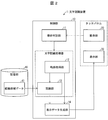
- FIG. 2 is a block diagram showing a main configuration of the character recognition device 1 according to the first embodiment of the present invention. In the figure, configurations that are not directly related to the configuration of the invention are omitted.
- the character recognition device 1 (recognition device) according to the present embodiment has a function of accepting a user's handwritten input, detecting a locus of the handwritten input, and recognizing a character or the like (indicated by the locus) corresponding to the locus.
- the character recognition apparatus 1 in this embodiment will recognize the character which the locus
- the character recognition device 1 may recognize a figure or the like from the locus of handwriting input.
- characters are recognized from characters (handwritten characters) input by handwriting.
- the character recognition apparatus 1 is provided with the control part 10, the operation part 20 (accepting part), the display part 30, and the memory
- the operation unit 20 receives handwritten input by an indicator such as a stylus pen, a mouse, or a user's fingertip.
- the information of the handwriting input is transmitted to the operation determination unit 11 of the control unit 10.
- the operation unit 20 may be configured to accept various operations on the character recognition device 1 in addition to handwriting input.
- the display unit 30 displays an image under the control of the control unit 10.
- the display unit 30 is realized by a display device such as an LCD (Liquid Crystal Display).
- the operation unit 20 and the display unit 30 are integrally formed as a touch panel.
- the touch panel is not an essential configuration, and the operation unit 20 only needs to accept user operations including handwritten input, and the display unit 30 only needs to display an image.
- the control unit 10 controls the character recognition device 1 in an integrated manner.
- the control unit 10 includes an operation determination unit 11 (trajectory detection unit), a trajectory acquisition unit 12, a recognition unit 13 (recognition unit), and a display data generation unit 14 (display control unit).
- the trajectory acquisition unit 12 and the recognition unit 13 are combined to form a character recognition processing unit that performs character recognition processing of the character recognition device 1.
- the operation discriminating unit 11 discriminates the type of operation in the operation unit 20. Specifically, when the handwriting input information is received from the operation unit 20, the operation determination unit 11 detects a handwriting input locus indicated by the information. Then, the operation determination unit 11 determines whether the locus indicates a handwritten character input operation or a handwritten character erase operation.
- the determination method is not particularly limited. For example, the type of operation indicated by the locus may be determined based on the shape and length of the locus, the position coordinates on the screen, and the like. The determined type of operation is notified to the character recognition processing unit (the trajectory acquisition unit 12 and the recognition unit 13), and the handwritten input trajectory is transmitted to the trajectory acquisition unit 12.
- the operation determination unit 11 determines that the input is an erasing operation when a predetermined locus is input in handwriting input.
- the erasing operation is not necessarily a handwritten input.
- the erasing operation may be performed when a delete button or the like is pressed.
- the operation determination unit 11 determines the end of handwritten character input or erase operation.
- the determination method is not particularly limited, for example, when an operation for a predetermined period is not detected in the operation unit 20, or a predetermined operation other than handwriting input (such as touching a predetermined button) in the operation unit 20 ) Is performed, it may be determined that the previous operation (input or erase operation of handwritten characters) has been completed. The result of the determination is transmitted to the trajectory acquisition unit 12.
- the trajectory acquisition unit 12 acquires and holds a handwritten input trajectory.
- the trajectory acquisition unit 12 receives and holds the locus of the handwritten character from the operation determination unit 11 and transmits it to the display data generation unit 14.
- the trajectory acquisition unit 12 transmits the handwritten character trajectory held at that time to the recognition unit 13.
- the trajectory acquisition unit 12 acquires the trajectory of the erasing operation from the operation determination unit 11 and together with the handwritten character trajectory held at that time. To the recognition unit 13.
- the recognition unit 13 recognizes a handwritten input character or the like or an erasing operation. Specifically, the recognition unit 13 first extracts feature points of the locus from the locus of handwritten input (input or erase operation of handwritten characters). Next, the recognition unit 13 specifies the character indicated by the feature point from the feature point of the locus of the handwritten character. The recognizing unit 13 identifies and erases a portion to be erased from a character string of a handwritten character and a character string of a recognition result from the feature points of the locus of the erasing operation.
- the recognition unit 13 acquires a handwritten character trajectory from the trajectory acquisition unit 12 and extracts a feature point of the trajectory.
- the feature point if it is a character, means various features of the handwriting such as the shape and length of each trajectory, a stop in each trajectory, splashing, and peeling.
- the recognition unit 13 reads the recognition candidate data 41 from the storage unit 40 and collates the extracted feature points with the recognition candidate data 41 to recognize a character (character string) corresponding to the locus of the handwritten character. Determine as.
- the character or the character string determined by the above collation is simply referred to as “recognition result”.
- the determined recognition result is transmitted to the display data generation unit 14.
- the trajectory acquisition unit 12 extracts the feature points of the acquired trajectory (the trajectory of the erase operation). Specifically, the start point, end point, length, and the like of the trajectory are extracted, and the location to be erased is specified from the feature points.
- the display data generation unit 14 holds a locus of handwritten characters and a recognition result, and creates display data to be displayed on the display unit 30 from these data.
- the display data generation unit 14 receives the locus of handwritten characters from the locus acquisition unit 12.
- the display data generation unit 14 also receives a handwritten character trajectory and a recognition result character string from the recognition unit 13.
- the display data generating unit 14 When the display data generating unit 14 receives at least one of the locus of handwritten characters or the character string of the recognition result, that is, when the information of the retained locus or the character string is updated, the display data Create The display data generation unit 14 may also receive the locus of the erasing operation from the recognition unit 13 and include it in the display data.
- the display data is image data for one screen (one frame) of the display unit 30 and indicates data including at least one of a locus of handwritten characters and a recognition result of the locus as an image.
- the display data generation unit 14 generates display data each time the information held by itself is updated by the trajectory acquisition unit 12 or the recognition unit 13 as described above, and transmits the display data to the display unit 30. Update the display screen.
- the display data generation unit 14 generates display data including a locus of handwritten input (at least one of handwritten characters and erasing operations) and a recognition result (a locus of characters or figures recognized by the recognition unit 13). When doing so, the locus of the handwriting input and the recognition result are displayed in an overlapping manner. In other words, the display data generation unit 14 controls the display unit 30 so that the locus of the handwriting input and the recognition result are displayed in an overlapping manner.
- the display data generation unit 14 controls the display unit 30 so that one character of the recognition result and a locus of handwritten characters corresponding to the one character are superimposed and displayed.
- the storage unit 40 stores various data used in the character recognition device 1.
- the storage unit 40 stores recognition candidate data 41.
- the recognition candidate data 41 is information indicating characters that are candidates for the recognition result, which is used when the recognition unit 13 obtains a recognition result from the locus of handwritten characters (feature points of the locus).
- the recognition candidate data 41 may be any data that can obtain at least one recognition result by collating the locus of handwriting input with the data, and the format is not particularly limited.
- the recognition candidate data 41 there is information that associates the character or the like of the recognition result with the feature point of the recognition result.
- FIG. 3 shows a display state when handwritten character input, erasure, and re-input operations are performed on the character recognition device 1.
- the character recognition device 1 is configured to recognize each handwritten character by writing handwritten characters one by one in four input fields. The form is not limited to this. The same applies to the subsequent figures.
- 3A shows a display state when a handwritten character is input to a predetermined input field (input surface of the operation unit 20) of the touch panel by a user's finger or an indicator.
- a handwritten character is input
- the input locus is displayed. While the input of handwritten characters continues (while a new locus is input), the display state is updated as needed, and the input locus is displayed.
- the character recognition device 1 when input of handwritten characters is terminated by not performing input of handwritten characters for a certain period of time or by performing a predetermined end operation, the character recognition device 1 (particularly, the character recognition processing unit) inputs until then. A character string corresponding to the locus of the handwritten character is recognized and displayed as a recognition result.
- FIG. 3B shows a screen on which the input of handwritten characters is completed and the recognition result is displayed. As shown in the figure, the locus of the handwritten character “Akarini” and the corresponding recognition result character “Akaini” are displayed in an overlapping state.
- the character recognition device 1 displays the locus of the handwritten character and the recognition result of the device itself in an overlapping manner. Thereby, the character recognition apparatus 1 can confirm the character etc. which were input by handwriting, and its recognition result, without ensuring the new display area for displaying a recognition result. That is, the character recognition device 1 can easily compare the handwriting input locus by the user with the recognition result of the input.
- the character recognition device 1 displays the recognition result of each character “a”, “ka”, “i”, “ni” and the locus of the handwritten character of the portion corresponding to each recognition result in an overlapping manner. Yes. Thereby, the character recognition device 1 can indicate to the user which part of the locus of the handwritten character is recognized as which character (recognition result). Therefore, it is possible to more easily compare the handwritten character trajectory with the recognition result.
- FIG. 3 shows a display state when the erasing operation is performed by the user.
- the character recognition device 1 acquires the trajectory of the erasing operation, and from the trajectory, Decide whether to delete characters (recognition results).
- FIG. 3C two characters “I” and “NI” are to be erased.
- FIG. 3D the character recognition device 1 erases the recognition result to be erased and the locus corresponding to the recognition result.
- FIGS. 3E to 3F show display states when handwritten characters are input again after the erasing operation.
- the re-entry trajectory is displayed together with the handwritten character trajectory that has not been erased and the recognition result.
- the handwritten character (trajectory b1) re-input by the user is the same as the one shown in FIG.
- the character recognition device 1 When the re-input is completed, the character recognition device 1 recognizes the character corresponding to the re-input handwritten character locus b1 and displays the recognition result. In FIG. 3F, the recognition result b2 corresponding to the trajectory b1 is “RI”. In this way, the character recognition device 1 finally presents the correct recognition result (recognition result intended by the user) “light” by allowing the user to input, erase, and re-input the handwritten character.
- the character recognition device 1 causes the user to perform an erasing operation from the state in which the locus of the handwritten character and the recognition result of the device itself are displayed in an overlapping manner. For this reason, the user can easily determine which character should be corrected. In addition, it is possible to present which handwritten character is erroneously recognized as what character.
- the character recognition device 1 presents the screen shown in FIG. 3B so that even if the user does not remember the character that he / she entered, Good things can be easily judged.
- the handwriting intended for “RI” is erroneously recognized as “I”. Therefore, it is possible to prompt the user to perform handwriting input that can avoid misrecognition (for example, to re-input “RI” with a handwriting that is not mistaken for “I”).
- the display form such as color, shading, size, and line thickness is changed. It is desirable to display. Thereby, it is possible to clarify the trajectory of the handwritten character and the recognition result and the trajectory corresponding to the trajectory. Further, it is desirable that the display form is changed and displayed so that the recognition result is more conspicuous than the locus of the handwritten character.
- the locus of handwritten characters is displayed lightly, while the recognition result is displayed darkly.
- the handwritten character trajectory may be displayed in black and the recognition result may be displayed in red, the handwritten character trajectory may be reduced, the recognition result may be displayed larger, or the handwritten character trajectory may be narrow.
- the recognition result may be displayed with a thick line.
- various display forms as described above may be combined. Thus, the user can easily grasp the recognition result by changing the display form so that the recognition result is more conspicuous than the locus of handwritten characters.
- the locus a of the erasing operation is displayed on the screen, but the display of the locus a is not essential. The same applies to the subsequent drawings.
- FIG. 1 is a flowchart showing a flow of processing performed by the character recognition device 1.
- the operation unit 20 When handwriting input is performed on the input surface of the operation unit 20 by the user, the operation unit 20 receives the handwriting input and transmits information on the handwriting input to the operation determination unit 11.
- the operation determination unit 11 receives the information from the operation unit 20, the operation determination unit 11 detects a handwriting input locus from the information (S10, locus detection step). Thereafter, the operation determination unit 11 determines the type of operation indicated by the trajectory.
- the operation determination unit 11 transmits the locus of the handwritten characters to the locus acquisition unit 12.
- the trajectory acquisition unit 12 acquires the trajectory of the handwritten character (S14) and transmits it to the display data generation unit 14.
- the display data generation unit 14 generates display data including the received locus and displays it on the display unit 30 (S14). Thereafter, the trajectory acquisition by the trajectory acquisition unit 12 and the display data generation by the display data generation unit 14 (update of the display of the trajectory) are sequentially performed at predetermined time intervals until the input of handwritten characters is completed. .
- the recognition unit 13 acquires the locus of the handwritten character from the locus acquisition unit 12, and transmits it to the recognition unit 13. Further, the recognition unit 13 extracts a feature point from the locus of the handwritten character, and determines the recognition result by comparing the feature point with the recognition candidate data 41 (S18, recognition step). The determined recognition result is transmitted to the display data generation unit 14 together with the locus of handwritten characters.
- the display data generation unit 14 generates display data including the locus of handwritten characters and the recognition result received from the recognition unit 13.
- the display data generated by the display data generation unit 14 is screen data on which the recognition result is displayed superimposed on the locus of the handwritten character.
- the display data generation unit 14 transmits the display data to the display unit 30 to cause the display unit 30 to display the recognition result on the locus of the handwritten character. (S20, display control step).
- the trajectory acquiring unit 12 acquires the trajectory of the erasing operation from the operation determining unit 11 (S26), and the recognizing unit. 13 to send.
- the recognizing unit 13 extracts the feature points from the locus of the erasing operation to identify the recognition result corresponding to the locus of the erasing operation and the location of the locus of the handwritten character (the location to be erased), and from the respective data The part is deleted (S28).
- the locus of the handwritten character after the erasing operation and the recognition result thereof are transmitted to the display data generation unit 14, the display data generation unit 14 generates display data, and the display on the display unit 30 is updated. Thereafter, the operations S26 to S28 are repeated until the operation determination unit 11 determines that the erasing operation has been completed (YES in S30).
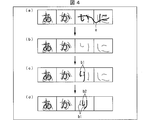
- FIG. 4 shows a display state when a character recognition device 1 according to the second embodiment of the present invention performs handwritten character input, erase, and re-input operations.
- both the recognition result corresponding to the locus of the erasing operation and the locus of the handwritten character are erased from the display screen (FIG. 1). S28, (d) of FIG.
- the character recognition device erases the recognition result corresponding to the erase operation trajectory from the display screen, but does not erase the handwritten character trajectory corresponding to the erased recognition result. ing.
- the processing and display state of the character recognition device in such a case will be described with reference to (a) to (d) of FIG.
- FIG. 4A shows a display state when the user performs an erasing operation (trajectory a), as in FIG. 3C.
- the character recognition device according to the present embodiment, as shown in FIG. 4B, only the recognition result corresponding to the locus of the erasing operation from the display screen (display data). Is deleted, and the locus of handwritten characters remains displayed.
- the recognition unit 13 when the recognizing unit 13 acquires the locus of the erasing operation from the trajectory acquiring unit 12, the recognition unit 13 erases the portion corresponding to the locus of the erasing operation from the recognition result, and the recognition result obtained by erasing the above portion and the locus What is necessary is just to transmit the locus
- the character recognition device converts the handwritten character (trajectory b1) re-input by the user to the previous time. It is displayed over the locus of the handwritten character (before the erase operation). Specifically, the trajectory acquisition unit 12 holds both the previous handwritten character trajectory and the re-input trajectory b1, and transmits them to the display data generation unit 14 to overlap the two trajectories. Display data to be displayed may be created.
- the character recognition device recognizes the character corresponding to the re-input handwritten character locus b1, displays the recognition result, and displays the previous handwritten character locus. finish. That is, as shown in FIG. 4 (d), the trajectory b1 and the recognition result “ri” corresponding to the trajectory are displayed in an overlapping manner and displayed before the erase operation displayed in the input field. Erase the trace of handwritten characters from the display. Specifically, when the trajectory acquisition unit 12 finishes re-input of handwritten characters (S16 in FIG. 1), the stored trajectory of the handwritten characters is updated so as to be only the trajectory related to re-input. Good.
- the character recognition device continues to display the handwriting input locus (trajectory corresponding to “i” and “ni”) corresponding to the erased recognition result even after performing the erasing operation.
- the recognition device continues to display the trajectory of the previously input handwritten character until the user reinputs the handwritten character.
- the character recognizing device can cause the user to perform re-input while referring to the previous input content, and can reduce the possibility that the re-input character is erroneously recognized again.
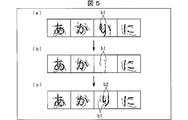
- FIG. 5 shows a display state when a character recognition device 1 according to the third embodiment of the present invention performs handwritten character input, erase, and re-input operations.
- the character recognition device according to the present embodiment when a handwritten character is overwritten by the user, the overwriting is re-input of the handwritten character, and the recognition result is overwritten. The recognition result corresponding to the trajectory has been changed.
- FIG. 5 shows a display state when the user re-enters (overwrites) the handwritten character (trajectory b1) in the third input field whose recognition result is “Yes”.
- the character recognition device 1 deletes the locus of the handwritten character before re-input and the recognition result corresponding to the locus from the display screen, as shown in FIG. Then, as shown in FIG. 5C, the overwritten handwritten character trajectory b1 and the recognition result b2 (“RI”) corresponding to the trajectory b1 are displayed in the third input field.
- control blocks (particularly the recognition unit 13 and the display data generation unit 14) of the character recognition device 1 may be realized by a logic circuit (hardware) formed in an integrated circuit (IC chip) or the like, or a CPU (Central Processing). Unit) and may be realized by software.
- a logic circuit hardware
- IC chip integrated circuit
- CPU Central Processing
- the character recognition device 1 includes a CPU that executes instructions of a program that is software that realizes each function, and a ROM (Read Only Memory) in which the program and various data are recorded so as to be readable by a computer (or CPU)
- a storage device (these are referred to as “recording media”), a RAM (Random Access Memory) for expanding the program, and the like are provided.
- the objective of this invention is achieved when a computer (or CPU) reads the said program from the said recording medium and runs it.
- a “non-temporary tangible medium” such as a tape, a disk, a card, a semiconductor memory, a programmable logic circuit, or the like can be used.
- the program may be supplied to the computer via an arbitrary transmission medium (such as a communication network or a broadcast wave) that can transmit the program.
- a transmission medium such as a communication network or a broadcast wave
- the present invention can also be realized in the form of a data signal embedded in a carrier wave in which the program is embodied by electronic transmission.
- the recognition device character recognition device 1 according to aspect 1 of the present invention includes a locus detection unit (operation determination unit 11) that detects a locus of the handwritten input from the handwritten input received by the reception unit (operation unit 20), and The recognition means (recognition unit 13) for recognizing the locus detected by the locus detection means as a character or a figure, the locus of the handwritten input, and the locus (recognition result) of the character or figure recognized by the recognition means are superimposed.
- Display control means display data generation unit 14 for controlling the display unit (display unit 30) so as to display is provided.
- the display control unit causes the display unit to display the locus of handwriting input and the character or the like as the recognition result of the handwriting input in an overlapping manner.
- the recognition apparatus can confirm the character etc. which were input by handwriting, and its recognition result, without ensuring the new display area for displaying a recognition result. Therefore, the recognition device can easily compare the handwriting input locus by the user with the recognition result of the input.
- the display control means includes: a trajectory of the character or figure recognized by the recognition means; and a trajectory of handwriting input corresponding to each of the character or figure among the trajectories of the handwriting input detected by the trajectory detection means. It is desirable to overlay and display. Thereby, the recognition apparatus can indicate to the user which part of the locus of handwriting input is recognized as which character (recognition result). Therefore, it is possible to more easily compare the handwriting input locus and the recognition result.
- the recognition device is the recognition apparatus according to aspect 1, wherein the display control unit displays the handwriting input displayed on the display unit before the re-input after the reception unit receives the re-input of the handwriting input.
- the display of the locus may be terminated.
- the recognition device ends the display of the locus of the handwritten input displayed before the reinput after the acceptance of the reinput of the handwritten input ends.
- the handwriting input locus (the previous handwriting input locus) input before the re-input is displayed.
- Ending the display of the handwriting input trajectory before re-input means that the re-input trajectory is recognized and the re-input trajectory is recognized when the re-input is completed. It suffices to carry out until the point of displaying the images in a superimposed manner.
- the reception unit accepts a predetermined erasing operation in addition to the handwriting input
- the display control unit is configured to accept the re-input before the reception unit accepts the re-input.
- the effect of the recognition device according to the second aspect can be reliably achieved.
- the display control unit recognizes the display unit that is displayed on the display unit before the re-input after the reception unit receives the re-input.
- the display of the trajectory of characters or figures may be terminated.
- the handwriting input trajectory and the recognition result trajectory displayed before re-inputting are displayed. Therefore, since the user can re-input while referring to the previous input content and the recognition result, the possibility that the re-input character or the like is erroneously recognized again can be further reduced.
- the display control means controls the display unit so that the recognized character or figure locus is more conspicuous than the handwritten input locus. It is preferable to do.
- the user can easily grasp the recognized character or figure trajectory.
- the display unit so as to stand out, it is only necessary to control the display unit so that the handwriting input locus and the character or figure locus differ from each other.
- Examples of the display form include color, shading, size, line thickness, and the like.
- the control method of the recognition apparatus which concerns on aspect 6 of this invention is a control method of the recognition apparatus which recognizes the character or figure input by handwriting, Comprising: The locus
- a detection step (S10) A detection step (S10), a recognition step (S18) for recognizing the locus detected in the locus detection step as a character or a figure, a locus of the handwriting input, and the character or figure recognized in the recognition step
- the same effects as those of the first aspect are obtained.
- the recognition apparatus may be realized by a computer.
- the recognition apparatus that causes the character recognition apparatus to be realized by the computer by causing the computer to operate as each unit included in the recognition apparatus.
- These control programs and computer-readable recording media on which the control programs are recorded also fall within the scope of the present invention.
- the present invention is used in a recognition device for recognizing handwritten input characters or figures, and can be suitably used particularly for a recognition device having a touch panel.
Landscapes
- Engineering & Computer Science (AREA)
- Theoretical Computer Science (AREA)
- Computer Vision & Pattern Recognition (AREA)
- Physics & Mathematics (AREA)
- General Physics & Mathematics (AREA)
- General Engineering & Computer Science (AREA)
- Multimedia (AREA)
- Human Computer Interaction (AREA)
- Character Discrimination (AREA)
- Position Input By Displaying (AREA)
- User Interface Of Digital Computer (AREA)
Abstract
本発明の文字認識装置は、操作部が受け付けた手書き文字から当該手書き文字の軌跡を検出すると(S10)、検出された軌跡から認識結果を決定し(S18)、決定された認識結果を、手書き文字の軌跡に重ねて表示するように表示部を制御する(S20)。
Description
本発明は、手書き入力された文字または図形を認識する技術に関するものである。
従来から、スタイラスペンやマウス、ユーザの指先などの指示体を用いた手書き入力を受け付け、当該手書き入力の軌跡(筆跡)から、ユーザが書いた(描いた)文字または図形(以下、「文字等」と称する。)を認識する認識装置が知られている。認識装置は、手書き入力された軌跡がどのような文字等に認識されたかを、自装置に備えたGUI(Graphical User Interface)上に提示する。
例えば、特許文献1の図1の(a)~(c)には、手書き入力の軌跡と、その認識結果である文字等との提示方法が示されている。具体的には、同図の(a)には、GUI上に所定の提示エリアを設け、該提示エリアに認識結果を提示する方法が示されている。また、同図の(b)には、手書き入力の軌跡を認識結果に置き換えて提示する方法が示されている。そして、同図の(c)には、上記手書き入力の軌跡の近傍のエリアに認識結果を提示する方法が示されている。
しかしながら、特許文献1における図1の(a)・(c)の場合、上記認識結果を提示するためのエリアを、上記手書き入力の軌跡を提示するエリアの他に確保する必要がある。また、同文献における図1の(b)の場合、手書き入力の軌跡が認識結果の文字等に置き換わってしまうので、手書き入力した軌跡と、当該軌跡に対応する認識結果とを対比することが困難である。
本願は、上記問題に鑑みてなされたものであり、その目的は、新たな表示エリアを確保することなく、手書き入力の軌跡と当該入力の認識結果とを容易に対比できる認識装置および認識装置の制御方法を提供することを目的とする。
上記の課題を解決するために、本発明の一態様に係る認識装置は、受付部が受け付けた手書き入力から当該手書き入力の軌跡を検出する軌跡検出手段と、上記軌跡検出手段が検出した軌跡を、文字または図形として認識する認識手段と、上記手書き入力の軌跡と、上記認識手段が認識した文字または図形の軌跡とを重ねて表示するように表示部を制御する表示制御手段とを備えることを特徴とする。
本発明の一態様によれば、新たな提示エリアを確保することなく、手書き入力の軌跡と当該入力の認識結果とを容易に対比できるという効果を奏する。
本発明の実施形態について、図1~図5に基づいて説明すれば、以下のとおりである。なお、説明の便宜上、各実施形態に示した部材と同一の機能を有する部材については、同一の符号を付記し、適宜その説明を省略する。
〔実施形態1〕
図2は、本発明の第1の実施形態に係る文字認識装置1の要部構成を示すブロック図である。なお、同図では、発明の構成に直接関係のない構成は省略した。
図2は、本発明の第1の実施形態に係る文字認識装置1の要部構成を示すブロック図である。なお、同図では、発明の構成に直接関係のない構成は省略した。
≪要部構成≫
本実施形態に係る文字認識装置1(認識装置)は、ユーザの手書き入力を受け付け、当該手書き入力の軌跡を検出し、当該軌跡に対応する(軌跡が示す)文字等を認識する機能を備えた装置である。なお、本実施形態における文字認識装置1は、手書き入力から当該手書き入力の軌跡(筆跡)が示す文字を認識することとするが、文字認識装置1が軌跡から認識可能なものは、文字に限定されない。具体的には、文字認識装置1は、手書き入力の軌跡から、図形などを認識してもよい。なお、本実施形態では、手書き入力された文字(手書き文字)から文字を認識することとする。
本実施形態に係る文字認識装置1(認識装置)は、ユーザの手書き入力を受け付け、当該手書き入力の軌跡を検出し、当該軌跡に対応する(軌跡が示す)文字等を認識する機能を備えた装置である。なお、本実施形態における文字認識装置1は、手書き入力から当該手書き入力の軌跡(筆跡)が示す文字を認識することとするが、文字認識装置1が軌跡から認識可能なものは、文字に限定されない。具体的には、文字認識装置1は、手書き入力の軌跡から、図形などを認識してもよい。なお、本実施形態では、手書き入力された文字(手書き文字)から文字を認識することとする。
文字認識装置1は図示の通り、制御部10と、操作部20(受付部)と、表示部30と、記憶部40とを備えている。
操作部20は、スタイラスペンやマウス、ユーザの指先などの指示体による手書き入力を受け付けるものである。上記手書き入力の情報は、制御部10の操作判別部11へ送信される。なお、操作部20は、手書き入力の他にも、文字認識装置1に対する種々の操作を受け付ける構成であってよい。表示部30は、制御部10の制御に従い画像を表示するものである。表示部30は、例えば、LCD(液晶ディスプレイ)などの表示装置で実現される。なお、本実施形態では、操作部20と表示部30とはタッチパネルとして一体に形成されている。しかしながら、本発明においてタッチパネルは必須の構成ではなく、操作部20は手書き入力を含むユーザの操作を受け付け可能であればよく、表示部30は画像を表示可能であればよい。
制御部10は、文字認識装置1を統括的に制御するものである。制御部10は、操作判別部11(軌跡検出手段)と、軌跡取得部12と、認識部13(認識手段)と、表示データ生成部14(表示制御手段)とを含む。また、軌跡取得部12と認識部13とを併せて、文字認識装置1の文字認識処理を行う文字認識処理部を形成している。
操作判別部11は、操作部20における操作の種類を判別するものである。具体的には、操作判別部11は、操作部20から手書き入力の情報を受信すると、当該情報が示す手書き入力の軌跡を検出する。そして、操作判別部11は、当該軌跡が手書き文字の入力操作を示すのか、手書き文字の消去操作を示すのかを判別する。当該判別の方法は特に限定しないが、例えば、軌跡の形状や長さ、画面上での位置座標などにより、当該軌跡が示す操作の種類を判別すればよい。判別された操作の種類は、文字認識処理部(軌跡取得部12および認識部13)に通知され、手書き入力の軌跡は軌跡取得部12へ送信される。
なお、本実施形態において操作判別部11は、手書き入力において所定の軌跡を入力すると、当該入力を消去操作であると判別することとした。しかしながら、上記消去操作は必ずしも手書き入力である必要はなく、例えば削除ボタンなどを押下した場合に上記消去操作が行われたとしてもよい。
また、操作判別部11は、手書き文字の入力または消去操作の終了を判定する。当該判定の方法も特に限定しないが、例えば、操作部20において所定の期間操作が検出されなかった場合や、操作部20において、手書き入力以外の予め定められた操作(所定のボタンをタッチするなど)が行われた場合などに、直前の操作(手書き文字の入力または消去操作)を終了させたと判定すればよい。当該判定の結果は軌跡取得部12へ送信される。
軌跡取得部12は、手書き入力の軌跡を取得し保持するものである。操作判別部11が入力操作を、手書き文字の入力であると判別した場合、軌跡取得部12は操作判別部11から手書き文字の軌跡を受信し保持すると共に、表示データ生成部14へ送信する。また、操作判別部11にて手書き文字の入力操作が終了したと判定されると、軌跡取得部12はその時点で保持している手書き文字の軌跡を、認識部13へ送信する。
また、操作部20にて手書き文字の消去操作が行われた場合、軌跡取得部12は、操作判別部11から当該消去操作の軌跡を取得し、その時点で保持している手書き文字の軌跡と共に、認識部13へ送信する。
認識部13は、手書き入力された文字等または消去操作を認識するものである。具体的には、認識部13は、まず、手書き入力(手書き文字の入力または消去操作)の軌跡から、該軌跡の特徴点を抽出する。次に、認識部13は、手書き文字の軌跡の特徴点から、当該特徴点が示す文字を特定する。また、認識部13は、消去操作の軌跡の特徴点から、手書き文字の文字列および認識結果の文字列のうち、消去対象となる箇所を特定し、消去するものである。
より具体的には、操作部20にて手書き文字の入力操作が行われた場合、認識部13は、軌跡取得部12から手書き文字の軌跡を取得し、当該軌跡の特徴点を抽出する。ここで、特徴点とは、文字であれば、各軌跡の形状および長さ、各軌跡における止め、はね、はらいなど、筆跡の各種特徴を意味する。
さらに、認識部13は、記憶部40から認識候補データ41を読み出し、抽出した特徴点と、認識候補データ41とを照合することにより、手書き文字の軌跡に対応する文字(文字列)を認識結果として決定する。以降、上記照合により決定された文字または文字列のことを、単に「認識結果」と呼称する。決定された認識結果は、表示データ生成部14へ送信される。
操作部20にて手書き文字の消去操作が行われた場合、軌跡取得部12は、取得した軌跡(消去操作の軌跡)の特徴点を抽出する。具体的には、軌跡の始点および終点、長さなどを抽出し、当該特徴点から消去対象となる箇所を特定する。そして、認識部13は、手書き文字の軌跡および認識結果(文字列)から、該当箇所の手書き文字の軌跡および認識結果の文字を消去する。その後、認識部13は、該当箇所を消去した手書き文字の軌跡および認識結果の文字を、表示データ生成部14へ送信する。なお、このとき、認識部13は消去操作の軌跡を表示データ生成部14に送信してもよい。
表示データ生成部14は、手書き文字の軌跡と、認識結果とを保持し、これらのデータから表示部30に表示させる表示データを作成するものである。表示データ生成部14は、軌跡取得部12から手書き文字の軌跡を受信する。また、表示データ生成部14は、認識部13から手書き文字の軌跡と、認識結果の文字列とを受信する。
表示データ生成部14は、手書き文字の軌跡、または認識結果の文字列の少なくとも1方を受信したとき、すなわち、保持している上記軌跡または上記文字列の情報が更新されたときに、表示データを作成する。表示データ生成部14はまた、認識部13から消去操作の軌跡を受信し、これも表示データに含めてもよい。
ここで、表示データとは、表示部30の1画面(1フレーム)分の画像データであり、手書き文字の軌跡および当該軌跡の認識結果の少なくとも1方が画像として含まれているデータを示す。表示データ生成部14は、上述のように自己の保持する情報が軌跡取得部12または認識部13により更新される毎に表示データを生成し、表示部30に送信することにより、表示部30の表示画面を更新させる。
本実施形態では、表示データ生成部14は、手書き入力(手書き文字および消去操作の少なくとも一方)の軌跡と、認識結果(認識部13が認識した文字または図形の軌跡)とを含む表示データを生成する場合、上記手書き入力の軌跡と、上記認識結果とが重ねて表示されるようにする。換言すると、表示データ生成部14は、上記手書き入力の軌跡と、上記認識結果とが重なって表示されるように、表示部30を制御する。
さらに、表示データ生成部14は表示部30を、認識結果1文字と、当該1文字に対応する分の手書き文字の軌跡とを重ねて表示されるように制御することが望ましい。
記憶部40は、文字認識装置1にて使用する各種データを記憶するものである。本実施形態では、記憶部40は、認識候補データ41を記憶する。認識候補データ41は、認識部13が、手書き文字の軌跡(軌跡の特徴点)から認識結果を得る際に用いる、当該認識結果の候補となる文字を示す情報である。認識候補データ41は、手書き入力の軌跡と当該データとを照合することにより、少なくとも1つの認識結果を得ることができるようなデータであればよく、その形式は特に限定しない。認識候補データ41の一例としては、認識結果の文字等と、当該認識結果の特徴点とを対応づけた情報などが挙げられる。
≪画面例≫
次に、上記構成の文字認識装置1における表示動作の一例を、図3を用いて説明する。図3は、文字認識装置1に対し手書き文字の入力、消去、および再入力操作を行った場合の、表示状態を示している。なお、図3では、4つの入力欄に、1文字ずつ手書き文字を書き込むことにより、文字認識装置1が各手書き文字の認識を行う構成としているが、本発明の表示形態、および手書き入力の認識形態はこれに限定されない。以降の図も同様である。
次に、上記構成の文字認識装置1における表示動作の一例を、図3を用いて説明する。図3は、文字認識装置1に対し手書き文字の入力、消去、および再入力操作を行った場合の、表示状態を示している。なお、図3では、4つの入力欄に、1文字ずつ手書き文字を書き込むことにより、文字認識装置1が各手書き文字の認識を行う構成としているが、本発明の表示形態、および手書き入力の認識形態はこれに限定されない。以降の図も同様である。
図3の(a)は、ユーザの指または指示体などにより、タッチパネルの所定の入力欄(操作部20の入力面)に手書き文字が入力されたときの表示状態を示している。図示の通り、手書き文字が入力されると、当該入力の軌跡(手書きの筆跡)が表示される。手書き文字の入力が続く間(新たに軌跡が入力されている間)、表示状態は随時更新され、入力の軌跡が表示されていく。
ここで、一定時間手書き文字の入力を行わない、または、所定の終了操作を行うことなどにより、手書き文字の入力が終了すると、文字認識装置1(特に、文字認識処理部)は、それまで入力された手書き文字の軌跡から、当該軌跡に対応する文字列を認識し、認識結果として表示する。図3の(b)は、手書き文字の入力が終了し、認識結果が表示された画面を示している。図示の通り、手書き文字「あかりに」の軌跡と、それに対応する認識結果の文字「あかいに」とが重なった状態で表示される。
このように、文字認識装置1は、手書き文字の軌跡と、自装置の認識結果とを重ねて表示する。これにより、文字認識装置1は、認識結果を表示するための新たな表示エリアを確保することなく、手書き入力された文字等とその認識結果とを確認させることができる。つまり、文字認識装置1は、ユーザによる手書き入力の軌跡と当該入力の認識結果との対比を容易にすることができる。
また、文字認識装置1は、「あ」「か」「い」「に」というそれぞれ1文字ずつの認識結果と、各認識結果に対応する部分の、手書き文字の軌跡とを重ねて表示している。これにより、文字認識装置1はユーザに、手書き文字の軌跡のどの部分が、どの文字(認識結果)として認識されたかを示すことができる。したがって、手書き文字の軌跡と、その認識結果との対比をより容易にさせることができる。
図3の(b)の通り、最初の手書き文字の認識では、手書き文字の誤認識や、ユーザの書き損じ(4つ目の欄に「に」に相当する余分な軌跡を入力した)などにより、意図した認識結果「あかり」が得られなかった。このような場合、文字認識装置1では、ユーザが所定の消去操作を行うことにより、認識結果および対応する軌跡を消去し、再度手書き入力する(認識結果を修正する)ことができる。以下、図3の(b)に続いて、誤認識の箇所を修正した場合の画面例を、図3の(c)~(f)を用いて説明する。なお、以降の説明では、手書き入力において、認識結果の文字が表示されている上から、予め定められた長さ以上の横線を引く操作を行った場合、当該操作を消去操作と判定することとする。
図3の(c)は、ユーザにより消去操作が行われた場合の表示状態を示している。ユーザにより、認識結果「い」と「に」が表示されている入力欄をまたぐような軌跡aが入力されると、文字認識装置1は当該消去操作の軌跡を取得し、当該軌跡から、どの文字(認識結果)を消去するかを決定する。図3の(c)の場合、消去対象となるのは、「い」と「に」の2文字である。そして、文字認識装置1は、図3の(d)に示すように、消去対象となる認識結果と、当該認識結果に対応する軌跡とを消去する。
続いて、再度手書き文字の入力が行われるときの画面例を説明する。図3の(e)~(f)は、消去操作の後、再度手書き文字の入力を行った場合の表示状態を示している。
ユーザにより手書き文字が再入力されると、当該再入力の軌跡が、消去されていない手書き文字の軌跡、およびその認識結果と共に表示される。具体的には、図3の(e)に示すように、ユーザにより再入力された手書き文字(軌跡b1)が、同図の(b)において表示されていた軌跡および認識結果のうち、同図の(c)~(d)で消去されなかった認識結果「あ」と「か」、およびそれに対応する軌跡と共に表示される。
そして、上記再入力が終了すると、文字認識装置1は、上記再入力された手書き文字の軌跡b1に対応する文字を認識し、認識結果を表示する。図3の(f)では、上記軌跡b1に対応する認識結果b2は「り」である。このように、文字認識装置1はユーザに手書き文字の入力、消去、再入力を行わせることにより、最終的に正しい認識結果(ユーザが意図した認識結果)「あかり」を提示する。
このように、文字認識装置1は、手書き文字の軌跡と、自装置の認識結果とを重ねて表示した状態から、ユーザに消去操作を行わせる。このため、ユーザに、どの文字を修正すればよいかを容易に判断させることができる。また、どの手書き文字がどのような文字に誤認識されているのかを提示することができる。
具体的には、文字認識装置1は、図3の(b)に示す画面を提示することにより、ユーザが、自分が入力した文字を覚えていなくとも、「い」を「り」に書き換えればよいことを容易に判断させることができる。また、図3の(b)の表示状態では、「り」を意図した筆跡が、「い」に誤認識されていることが明らかである。そのため、ユーザに誤認識を回避できるような手書き入力を促す(例えば、「い」と間違われないような筆跡で「り」と再入力させる)ことができる。
なお、図3の(b)などのように、手書き文字の軌跡と、それに対応する認識結果とを重ねて表示するときは、色、濃淡、大きさ、線の太さなど表示形態を変えて表示することが望ましい。これにより、手書き文字の軌跡と、当該軌跡に対応する認識結果と軌跡との区別を明確にすることができる。さらに、上記手書き文字の軌跡よりも上記認識結果の方が目立つように、上記表示形態を変えて表示することが望ましい。
図示の例では、手書き文字の軌跡を淡く表示する一方、認識結果を濃く表示している。他にも、例えば手書き文字の軌跡を黒色で、認識結果を赤色で表示することとしてもよいし、手書き文字の軌跡を小さく、認識結果を大きく表示してもよいし、手書き文字の軌跡を細い線で、認識結果を太い線で表示してもよい。さらには、上述したような各種表示形態を組み合わせてもよい。このように、手書き文字の軌跡よりも認識結果の方が目立つように表示形態を変えて表示することにより、ユーザは、上記認識結果を容易に把握することができる。
また、図3の(c)では、消去操作の軌跡aを画面上に表示することとしたが、軌跡aの表示は必須ではない。以降の図でも同様である。
≪処理の流れ≫
次に、文字認識装置1における文字認識に係る処理の流れについて、図1を用いて説明する。図1は、文字認識装置1が行う処理の流れを示すフローチャートである。
次に、文字認識装置1における文字認識に係る処理の流れについて、図1を用いて説明する。図1は、文字認識装置1が行う処理の流れを示すフローチャートである。
ユーザにより、操作部20の入力面に対し手書き入力が行われると、操作部20は当該手書き入力を受け付け、当該手書き入力の情報を操作判別部11へ送信する。操作判別部11は操作部20から上記情報を受信すると、当該情報から手書き入力の軌跡を検出する(S10、軌跡検出ステップ)。その後、操作判別部11は、軌跡が示す操作の種類を判別する。操作の種類が手書き文字の入力である場合(S12で「手書き文字の入力」)、操作判別部11は手書き文字の軌跡を軌跡取得部12へ送信する。軌跡取得部12は、上記手書き文字の軌跡を取得し(S14)、表示データ生成部14へ送信する。表示データ生成部14は、受信した上記軌跡を含む表示データを生成し、表示部30に表示させる(S14)。以降、軌跡取得部12における軌跡の取得、および、表示データ生成部14における表示データの生成(軌跡の表示の更新)は、手書き文字の入力が終了するまで順次、所定の時間間隔にて行われる。
操作判別部11において、手書き文字の入力が終了したと判定されると(S16でYES)、認識部13は、軌跡取得部12から手書き文字の軌跡を取得し、認識部13へ送信する。また、認識部13は、手書き文字の軌跡から特徴点を抽出し、当該特徴点と、認識候補データ41とを照合することにより、認識結果を決定する(S18、認識ステップ)。決定した認識結果は、手書き文字の軌跡と共に、表示データ生成部14へ送信される。
表示データ生成部14は、認識部13から受信した、手書き文字の軌跡およびその認識結果を含む表示データを生成する。ここで、表示データ生成部14が生成する表示データは、上記認識結果が、上記手書き文字の軌跡に重ねて表示されるような画面のデータである。表示データ生成部14は、当該表示データを表示部30へ送信することにより、表示部30に、認識結果を手書き文字の軌跡に重ねて表示させる。(S20、表示制御ステップ)。
一方、操作判別部11が判別した操作の種類が消去操作であった場合(S12で「消去」)、軌跡取得部12は操作判別部11から消去操作の軌跡を取得し(S26)、認識部13へ送信する。認識部13は、消去操作の軌跡から特徴点を抽出することにより、消去操作の軌跡に対応する認識結果および手書き文字の軌跡の箇所(消去対象となる箇所)を特定し、それぞれのデータから当該箇所を消去する(S28)。消去操作を行った後の手書き文字の軌跡、およびその認識結果は表示データ生成部14へ送信され、表示データ生成部14により表示データが生成され、表示部30の表示が更新される。以降、操作判別部11が、消去操作が終了したと判定する(S30でYES)まで、S26~S28の処理を繰り返す。
〔実施形態2〕
図4は、本発明の第2実施形態に係る文字認識装置1に対し手書き文字の入力、消去、および再入力操作を行った場合の、表示状態を示している。
図4は、本発明の第2実施形態に係る文字認識装置1に対し手書き文字の入力、消去、および再入力操作を行った場合の、表示状態を示している。
実施形態1に係る文字認識装置1では、消去操作が行われると、当該消去操作の軌跡に対応する認識結果と、手書き文字の軌跡との両方を表示画面から消去することとした(図1のS28、図3の(d))。
これに対し、本実施形態における文字認識装置は、消去操作の軌跡に対応する認識結果を表示画面から消去する一方、当該消去した認識結果に対応する手書き文字の軌跡は消去せず、引き続き表示している。このような場合における文字認識装置の処理および表示状態について、図4の(a)~(d)を用いて説明する。
図4の(a)は、図3の(c)と同様に、ユーザにより消去操作(軌跡a)が行われた際の表示状態を示している。このような消去操作が行われた場合、本実施形態に係る文字認識装置は、図4の(b)に示すように、表示画面(表示データ)から上記消去操作の軌跡に対応する認識結果のみを消去し、手書き文字の軌跡は表示したままとする。具体的には、認識部13は、軌跡取得部12より消去操作の軌跡を取得すると、認識結果のうち消去操作の軌跡に対応する箇所を消去し、上記箇所が消去された認識結果と、軌跡取得部12から取得した手書き文字の軌跡とを表示データ生成部14へ送信し、表示データを作成させればよい。
そして、図4の(c)に示すように、ユーザにより手書き文字の再入力(軌跡b1)がなされると、文字認識装置は、ユーザにより再入力された手書き文字(軌跡b1)を、前回の(消去操作を行う前の)手書き文字の軌跡の上に重ねて表示する。具体的には、軌跡取得部12は、前回の手書き文字の軌跡と、再入力された軌跡b1とを共に保持しておき、それらを表示データ生成部14へ送信し、2つの軌跡を重ねて表示するような表示データを作成させればよい。
そして、手書き文字の再入力が終了すると、文字認識装置は、上記再入力された手書き文字の軌跡b1に対応する文字を認識し、認識結果を表示すると共に、前回の手書き文字の軌跡の表示を終了する。すなわち、図4の(d)に示すように、軌跡b1と、当該軌跡に対応する認識結果「り」とを重ねて表示すると共に、当該入力欄に表示されていた、消去操作を行う前の手書き文字の軌跡を表示から消去する。具体的には、軌跡取得部12が、手書き文字の再入力が終了したときに(図1のS16)、保持している手書き文字の軌跡を再入力に係る軌跡のみとなるように更新すればよい。
上記構成によれば、文字認識装置は、消去操作を行った後も消去された認識結果に対応する手書き入力の軌跡(「い」および「に」に対応する軌跡)を引き続き表示する。換言すると、認識装置は、図4の(c)に示したように、ユーザにより手書き文字の再入力が行われるまで、前回入力した手書き文字の軌跡を表示し続ける。
そのため、文字認識装置は、ユーザに前回の入力内容を参照させながら再入力を行わせることができ、再入力した文字等が再び誤認識される可能性を減少させることができる。
〔実施形態3〕
図5は、本発明の第3実施形態に係る文字認識装置1に対し手書き文字の入力、消去、および再入力操作を行った場合の、表示状態を示している。本実施形態に係る文字認識装置は、第2実施形態の文字認識装置1に比べて、ユーザにより手書き文字が上書きされたときに、当該上書きを手書き文字の再入力とし、認識結果を、上書きされた軌跡に対応する認識結果に変更している。
図5は、本発明の第3実施形態に係る文字認識装置1に対し手書き文字の入力、消去、および再入力操作を行った場合の、表示状態を示している。本実施形態に係る文字認識装置は、第2実施形態の文字認識装置1に比べて、ユーザにより手書き文字が上書きされたときに、当該上書きを手書き文字の再入力とし、認識結果を、上書きされた軌跡に対応する認識結果に変更している。
図5の(a)は、認識結果が「い」である3つ目の入力欄にユーザが手書き文字(軌跡b1)を再入力(上書き)した場合の表示状態を示している。再入力が行われると、文字認識装置1は、同図の(b)に示すように、再入力前の手書き文字の軌跡と、当該軌跡に対応する認識結果とを表示画面から消去する。そして、同図の(c)に示すように、3つ目の入力欄に、当該上書きした手書き文字の軌跡b1と、軌跡b1に対応する認識結果b2(「り」)とを表示する。
上記の構成によれば、ユーザに前回の入力内容および認識結果を参照させながら再入力を行わせることができるので、再入力した文字等が再び誤認識される可能性をさらに減少させることができる。
〔ソフトウェアによる実現例〕
文字認識装置1の制御ブロック(特に認識部13および表示データ生成部14)は、集積回路(ICチップ)等に形成された論理回路(ハードウェア)によって実現してもよいし、CPU(Central Processing Unit)を用いてソフトウェアによって実現してもよい。
文字認識装置1の制御ブロック(特に認識部13および表示データ生成部14)は、集積回路(ICチップ)等に形成された論理回路(ハードウェア)によって実現してもよいし、CPU(Central Processing Unit)を用いてソフトウェアによって実現してもよい。
後者の場合、文字認識装置1は、各機能を実現するソフトウェアであるプログラムの命令を実行するCPU、上記プログラムおよび各種データがコンピュータ(またはCPU)で読み取り可能に記録されたROM(Read Only Memory)または記憶装置(これらを「記録媒体」と称する)、上記プログラムを展開するRAM(Random Access Memory)などを備えている。そして、コンピュータ(またはCPU)が上記プログラムを上記記録媒体から読み取って実行することにより、本発明の目的が達成される。上記記録媒体としては、「一時的でない有形の媒体」、例えば、テープ、ディスク、カード、半導体メモリ、プログラマブルな論理回路などを用いることができる。また、上記プログラムは、該プログラムを伝送可能な任意の伝送媒体(通信ネットワークや放送波等)を介して上記コンピュータに供給されてもよい。なお、本発明は、上記プログラムが電子的な伝送によって具現化された、搬送波に埋め込まれたデータ信号の形態でも実現され得る。
〔まとめ〕
本発明の態様1に係る認識装置(文字認識装置1)は、受付部(操作部20)が受け付けた手書き入力から当該手書き入力の軌跡を検出する軌跡検出手段(操作判別部11)と、上記軌跡検出手段が検出した軌跡を、文字または図形として認識する認識手段(認識部13)と、上記手書き入力の軌跡と、上記認識手段が認識した文字または図形の軌跡(認識結果)とを重ねて表示するように表示部(表示部30)を制御する表示制御手段(表示データ生成部14)とを備えている。
本発明の態様1に係る認識装置(文字認識装置1)は、受付部(操作部20)が受け付けた手書き入力から当該手書き入力の軌跡を検出する軌跡検出手段(操作判別部11)と、上記軌跡検出手段が検出した軌跡を、文字または図形として認識する認識手段(認識部13)と、上記手書き入力の軌跡と、上記認識手段が認識した文字または図形の軌跡(認識結果)とを重ねて表示するように表示部(表示部30)を制御する表示制御手段(表示データ生成部14)とを備えている。
上記構成によれば、表示制御手段は、表示部に、手書き入力の軌跡と、当該手書き入力の認識結果である文字等とを重ねて表示させる。これにより、認識装置は、認識結果を表示するための新たな表示エリアを確保することなく、手書き入力された文字等とその認識結果とを確認させることができる。したがって、認識装置は、ユーザによる手書き入力の軌跡と当該入力の認識結果との対比を容易にすることができる。
なお、上記表示制御手段は、上記認識手段が認識した上記文字または図形の軌跡と、上記軌跡検出手段が検出した上記手書き入力の軌跡のうち、当該文字または図形それぞれに対応する手書き入力の軌跡とを重ねて表示することが望ましい。これにより、認識装置はユーザに、手書き入力の軌跡のどの部分が、どの文字等(認識結果)として認識されたかを示すことができる。したがって、手書き入力の軌跡と、その認識結果との対比をより容易にさせることができる。
本発明の態様2に係る認識装置は、上記態様1において、上記表示制御手段は、上記受付部が手書き入力の再入力を受け付けた後に、上記再入力前に表示部に表示させていた手書き入力の軌跡の表示を終了させてもよい。
上記構成によれば、認識装置は、手書き入力の再入力の受け付けが終了した後に、再入力前に表示していた手書き入力の軌跡の表示を終了する。換言すると、再入力中には、当該再入力前に入力した手書き入力の軌跡(前回の手書き入力の軌跡)が表示されている。
このように、ユーザに前回の入力内容を参照させながら再入力を行わせることができるので、再入力した文字等が再び誤認識される可能性を減少させることができる。
なお、上記再入力前の手書き入力の軌跡の表示を終了することは、上記再入力の受け付けを終了した時点から、上記再入力の軌跡が認識され、認識された軌跡と上記再入力の軌跡とを重ねて表示する時点までの間に行われればよい。
本発明の態様3に係る認識装置は、上記態様2において、上記受付部は、上記手書き入力に加え所定の消去操作を受け付け、上記表示制御手段は、上記受付部が上記再入力を受け付ける前に上記消去操作を受け付けると、上記再入力前に表示部に表示させていた、上記認識した文字または図形の軌跡の表示を終了させてもよい。
上記の構成によれば、手書き入力の再入力前に消去操作を行うと、認識された文字等の軌跡の表示が消去されるが、手書き入力の軌跡は表示されたままである。従って、第2態様に係る認識装置の効果を確実に奏することができる。
本発明の態様4に係る認識装置は、上記態様2において、上記表示制御手段は、上記受付部が上記再入力を受け付けた後に、上記再入力前に表示部に表示させていた、上記認識した文字または図形の軌跡の表示を終了させてもよい。
上記の構成によれば、手書き入力の再入力中には、再入力前に表示していた手書き入力の軌跡および認識結果の軌跡が表示されている。従って、ユーザに前回の入力内容および認識結果を参照させながら再入力を行わせることができるので、再入力した文字等が再び誤認識される可能性をさらに減少させることができる。
なお、上記再入力前の文字または図形の軌跡の表示を終了することは、上記再入力の受け付けが終了した時点から、上記再入力の軌跡が認識され、認識された文字または図形の軌跡と上記再入力の軌跡とを重ねて表示する時点までの間に終了されればよい。
本発明の態様5に係る認識装置は、上記態様1から4において、上記表示制御手段は、上記手書き入力の軌跡よりも、上記認識した文字または図形の軌跡の方が目立つように表示部を制御することが好ましい。
上記構成によれば、認識された文字または図形の軌跡をユーザは容易に把握することができる。なお、上記目立つように表示部を制御するには、上記手書き入力の軌跡と、上記文字または図形の軌跡との表示形態がそれぞれ異なるように、表示部を制御すればよい。上記表示形態の例としては、色、濃淡、大きさ、線の太さなどが挙げられる。
本発明の態様6に係る認識装置の制御方法は、手書き入力された文字または図形を認識する認識装置の制御方法であって、受付部が受け付けた手書き入力から当該手書き入力の軌跡を検出する軌跡検出ステップ(S10)と、上記軌跡検出ステップにて検出された軌跡を、文字または図形として認識する認識ステップ(S18)と、上記手書き入力の軌跡と、上記認識ステップにて認識された文字または図形の軌跡とを重ねて表示するように表示部を制御する表示制御ステップ(S20)とを含む。この場合、上記態様1と同様の効果を奏する。
本発明の各態様に係る認識装置は、コンピュータによって実現してもよく、この場合には、コンピュータを上記認識装置が備える各手段として動作させることにより上記文字認識装置をコンピュータにて実現させる認識装置の制御プログラム、およびそれを記録したコンピュータ読み取り可能な記録媒体も、本発明の範疇に入る。
本発明は上述した各実施形態に限定されるものではなく、請求項に示した範囲で種々の変更が可能であり、異なる実施形態にそれぞれ開示された技術的手段を適宜組み合わせて得られる実施形態についても本発明の技術的範囲に含まれる。さらに、各実施形態にそれぞれ開示された技術的手段を組み合わせることにより、新しい技術的特徴を形成することができる。
本発明は、手書き入力された文字または図形などを認識する認識装置に用いられ、特に、タッチパネルを有する認識装置に好適に用いることができる。
1 文字認識装置(認識装置)、11 操作判別部(軌跡検出手段)、12 軌跡取得部、13 認識部(認識手段)、14 表示データ生成部(表示制御手段)、20 操作部(受付部)、30 表示部、40 記憶部、41 認識候補データ
Claims (6)
- 受付部が受け付けた手書き入力から当該手書き入力の軌跡を検出する軌跡検出手段と、
上記軌跡検出手段が検出した軌跡を、文字または図形として認識する認識手段と、
上記手書き入力の軌跡と、上記認識手段が認識した文字または図形の軌跡とを重ねて表示するように表示部を制御する表示制御手段とを備えることを特徴とする認識装置。 - 上記表示制御手段は、上記受付部が手書き入力の再入力を受け付けた後に、上記再入力前に表示部に表示させていた手書き入力の軌跡の表示を終了させることを特徴とする請求項1に記載の認識装置。
- 上記受付部は、上記手書き入力に加え所定の消去操作を受け付け、
上記表示制御手段は、上記受付部が上記再入力を受け付ける前に上記消去操作を受け付けると、上記再入力前に表示部に表示させていた、上記認識した文字または図形の軌跡の表示を終了させることを特徴とする、請求項2に記載の認識装置。 - 上記表示制御手段は、上記受付部が上記再入力を受け付けた後に、上記再入力前に表示部に表示させていた、上記認識した文字または図形の軌跡の表示を終了させることを特徴とする、請求項2に記載の認識装置。
- 上記表示制御手段は、上記手書き入力の軌跡よりも、上記認識した文字または図形の軌跡の方が目立つように表示部を制御することを特徴とする請求項1から4の何れか1項に記載の認識装置。
- 手書き入力された文字または図形を認識する認識装置の制御方法であって、
受付部が受け付けた手書き入力から当該手書き入力の軌跡を検出する軌跡検出ステップと、
上記軌跡検出ステップにて検出された軌跡を、文字または図形として認識する認識ステップと、
上記手書き入力の軌跡と、上記認識ステップにて認識された文字または図形の軌跡とを重ねて表示するように表示部を制御する表示制御ステップとを含む認識装置の制御方法。
Applications Claiming Priority (2)
| Application Number | Priority Date | Filing Date | Title |
|---|---|---|---|
| JP2013194693A JP2015060470A (ja) | 2013-09-19 | 2013-09-19 | 認識装置 |
| JP2013-194693 | 2013-09-19 |
Publications (1)
| Publication Number | Publication Date |
|---|---|
| WO2015041004A1 true WO2015041004A1 (ja) | 2015-03-26 |
Family
ID=52688659
Family Applications (1)
| Application Number | Title | Priority Date | Filing Date |
|---|---|---|---|
| PCT/JP2014/072160 Ceased WO2015041004A1 (ja) | 2013-09-19 | 2014-08-25 | 認識装置および認識装置の制御方法 |
Country Status (2)
| Country | Link |
|---|---|
| JP (1) | JP2015060470A (ja) |
| WO (1) | WO2015041004A1 (ja) |
Families Citing this family (1)
| Publication number | Priority date | Publication date | Assignee | Title |
|---|---|---|---|---|
| JP7559397B2 (ja) | 2020-07-22 | 2024-10-02 | 株式会社リコー | 情報処理装置およびプログラム |
Citations (5)
| Publication number | Priority date | Publication date | Assignee | Title |
|---|---|---|---|---|
| JPH0512495A (ja) * | 1991-06-28 | 1993-01-22 | Toshiba Corp | 手書き文字入力装置 |
| JPH05143780A (ja) * | 1991-11-18 | 1993-06-11 | Canon Inc | 文字認識装置 |
| JP2001014096A (ja) * | 1999-06-25 | 2001-01-19 | Toshiba Corp | ペン入力装置、及び同装置に於ける文字入力方法 |
| JP2006106906A (ja) * | 2004-09-30 | 2006-04-20 | Toshiba Corp | 文字読取装置 |
| JP2013012134A (ja) * | 2011-06-30 | 2013-01-17 | Sharp Corp | 手書き入力機能付表示装置 |
Family Cites Families (2)
| Publication number | Priority date | Publication date | Assignee | Title |
|---|---|---|---|---|
| JP2539066B2 (ja) * | 1990-01-19 | 1996-10-02 | 富士通株式会社 | 手書き入力処理装置 |
| JP5737797B2 (ja) * | 2009-07-31 | 2015-06-17 | カシオ計算機株式会社 | 文字読取装置、その制御方法及びプログラム |
-
2013
- 2013-09-19 JP JP2013194693A patent/JP2015060470A/ja active Pending
-
2014
- 2014-08-25 WO PCT/JP2014/072160 patent/WO2015041004A1/ja not_active Ceased
Patent Citations (5)
| Publication number | Priority date | Publication date | Assignee | Title |
|---|---|---|---|---|
| JPH0512495A (ja) * | 1991-06-28 | 1993-01-22 | Toshiba Corp | 手書き文字入力装置 |
| JPH05143780A (ja) * | 1991-11-18 | 1993-06-11 | Canon Inc | 文字認識装置 |
| JP2001014096A (ja) * | 1999-06-25 | 2001-01-19 | Toshiba Corp | ペン入力装置、及び同装置に於ける文字入力方法 |
| JP2006106906A (ja) * | 2004-09-30 | 2006-04-20 | Toshiba Corp | 文字読取装置 |
| JP2013012134A (ja) * | 2011-06-30 | 2013-01-17 | Sharp Corp | 手書き入力機能付表示装置 |
Non-Patent Citations (1)
| Title |
|---|
| YASUAKI IWATA ET AL.: "Aggregating Visual Confirmation Method for Character Recognition Result", IEICE TECHNICAL REPORT, vol. 111, no. 378, 12 January 2012 (2012-01-12), pages 1 - 6 * |
Also Published As
| Publication number | Publication date |
|---|---|
| JP2015060470A (ja) | 2015-03-30 |
Similar Documents
| Publication | Publication Date | Title |
|---|---|---|
| US10572779B2 (en) | Electronic information board apparatus, information processing method, and computer program product | |
| US8619045B2 (en) | Calculator and computer-readable medium | |
| JP5423525B2 (ja) | 手書き入力装置、手書き入力方法及び手書き入力プログラム | |
| US20100066691A1 (en) | Input apparatus and computer readable recording medium recorded with image processing program | |
| TWI497402B (zh) | 手寫輸入識別系統及方法 | |
| US20090073137A1 (en) | Mobile phone and method | |
| US8581910B2 (en) | Input display apparatus, input display method, and recording medium | |
| CN111814885A (zh) | 一种管理图像框的方法、系统、设备及介质 | |
| US10684772B2 (en) | Document viewing apparatus and program | |
| CN104778194A (zh) | 基于触摸操作的搜索方法和装置 | |
| KR20130091874A (ko) | 필기 인식을 위한 필기 입력 가이드 장치 및 방법 | |
| EP2712433B1 (en) | User interface for drawing with electronic devices | |
| CN108874216A (zh) | 显示装置、显示控制方法和记录介质 | |
| CN104704464A (zh) | 显示控制设备、瘦客户端系统、显示控制方法和记录介质 | |
| CN106845190B (zh) | 显示控制系统及方法 | |
| KR101399401B1 (ko) | 터치스크린 단말기를 이용한 전자서명 시스템 및 그 방법 | |
| US10444984B2 (en) | Device processing method and electronic device | |
| WO2015041004A1 (ja) | 認識装置および認識装置の制御方法 | |
| KR20210023434A (ko) | 디스플레이장치 및 그 제어방법 | |
| EP3125089A1 (en) | Terminal device, display control method, and program | |
| TW201423563A (zh) | 手寫輸入識別系統及方法 | |
| US20150022460A1 (en) | Input character capture on touch surface using cholesteric display | |
| JP6408273B2 (ja) | 情報処理装置、情報処理プログラムおよび情報処理方法 | |
| US20140104299A1 (en) | Mobile terminal and control method based on user input for the same | |
| JP2019023888A (ja) | 情報処理装置、情報処理プログラムおよび情報処理方法 |
Legal Events
| Date | Code | Title | Description |
|---|---|---|---|
| 121 | Ep: the epo has been informed by wipo that ep was designated in this application |
Ref document number: 14846187 Country of ref document: EP Kind code of ref document: A1 |
|
| NENP | Non-entry into the national phase |
Ref country code: DE |
|
| 122 | Ep: pct application non-entry in european phase |
Ref document number: 14846187 Country of ref document: EP Kind code of ref document: A1 |