WO2014123208A1 - 植物への高効率遺伝子導入能を付与したアグロバクテリウム菌 - Google Patents
植物への高効率遺伝子導入能を付与したアグロバクテリウム菌 Download PDFInfo
- Publication number
- WO2014123208A1 WO2014123208A1 PCT/JP2014/052844 JP2014052844W WO2014123208A1 WO 2014123208 A1 WO2014123208 A1 WO 2014123208A1 JP 2014052844 W JP2014052844 W JP 2014052844W WO 2014123208 A1 WO2014123208 A1 WO 2014123208A1
- Authority
- WO
- WIPO (PCT)
- Prior art keywords
- gene
- agrobacterium
- plant
- gaba aminotransferase
- vector
- Prior art date
- Legal status (The legal status is an assumption and is not a legal conclusion. Google has not performed a legal analysis and makes no representation as to the accuracy of the status listed.)
- Ceased
Links
Images


Classifications
-
- C—CHEMISTRY; METALLURGY
- C12—BIOCHEMISTRY; BEER; SPIRITS; WINE; VINEGAR; MICROBIOLOGY; ENZYMOLOGY; MUTATION OR GENETIC ENGINEERING
- C12N—MICROORGANISMS OR ENZYMES; COMPOSITIONS THEREOF; PROPAGATING, PRESERVING, OR MAINTAINING MICROORGANISMS; MUTATION OR GENETIC ENGINEERING; CULTURE MEDIA
- C12N15/00—Mutation or genetic engineering; DNA or RNA concerning genetic engineering, vectors, e.g. plasmids, or their isolation, preparation or purification; Use of hosts therefor
- C12N15/09—Recombinant DNA-technology
- C12N15/63—Introduction of foreign genetic material using vectors; Vectors; Use of hosts therefor; Regulation of expression
- C12N15/79—Vectors or expression systems specially adapted for eukaryotic hosts
- C12N15/82—Vectors or expression systems specially adapted for eukaryotic hosts for plant cells, e.g. plant artificial chromosomes (PACs)
- C12N15/8201—Methods for introducing genetic material into plant cells, e.g. DNA, RNA, stable or transient incorporation, tissue culture methods adapted for transformation
- C12N15/8202—Methods for introducing genetic material into plant cells, e.g. DNA, RNA, stable or transient incorporation, tissue culture methods adapted for transformation by biological means, e.g. cell mediated or natural vector
- C12N15/8205—Agrobacterium mediated transformation
-
- C—CHEMISTRY; METALLURGY
- C12—BIOCHEMISTRY; BEER; SPIRITS; WINE; VINEGAR; MICROBIOLOGY; ENZYMOLOGY; MUTATION OR GENETIC ENGINEERING
- C12N—MICROORGANISMS OR ENZYMES; COMPOSITIONS THEREOF; PROPAGATING, PRESERVING, OR MAINTAINING MICROORGANISMS; MUTATION OR GENETIC ENGINEERING; CULTURE MEDIA
- C12N9/00—Enzymes; Proenzymes; Compositions thereof; Processes for preparing, activating, inhibiting, separating or purifying enzymes
- C12N9/10—Transferases (2.)
- C12N9/1096—Transferases (2.) transferring nitrogenous groups (2.6)
-
- C—CHEMISTRY; METALLURGY
- C12—BIOCHEMISTRY; BEER; SPIRITS; WINE; VINEGAR; MICROBIOLOGY; ENZYMOLOGY; MUTATION OR GENETIC ENGINEERING
- C12N—MICROORGANISMS OR ENZYMES; COMPOSITIONS THEREOF; PROPAGATING, PRESERVING, OR MAINTAINING MICROORGANISMS; MUTATION OR GENETIC ENGINEERING; CULTURE MEDIA
- C12N9/00—Enzymes; Proenzymes; Compositions thereof; Processes for preparing, activating, inhibiting, separating or purifying enzymes
- C12N9/14—Hydrolases (3)
- C12N9/78—Hydrolases (3) acting on carbon to nitrogen bonds other than peptide bonds (3.5)
-
- C—CHEMISTRY; METALLURGY
- C12—BIOCHEMISTRY; BEER; SPIRITS; WINE; VINEGAR; MICROBIOLOGY; ENZYMOLOGY; MUTATION OR GENETIC ENGINEERING
- C12Y—ENZYMES
- C12Y206/00—Transferases transferring nitrogenous groups (2.6)
- C12Y206/01—Transaminases (2.6.1)
- C12Y206/01019—4-Aminobutyrate—2-oxoglutarate transaminase (2.6.1.19)
-
- C—CHEMISTRY; METALLURGY
- C12—BIOCHEMISTRY; BEER; SPIRITS; WINE; VINEGAR; MICROBIOLOGY; ENZYMOLOGY; MUTATION OR GENETIC ENGINEERING
- C12Y—ENZYMES
- C12Y305/00—Hydrolases acting on carbon-nitrogen bonds, other than peptide bonds (3.5)
- C12Y305/99—Hydrolases acting on carbon-nitrogen bonds, other than peptide bonds (3.5) in other compounds (3.5.99)
- C12Y305/99007—1-Aminocyclopropane-1-carboxylate deaminase (3.5.99.7)
Definitions
- This technology relates to Agrobacterium having improved gene transfer efficiency into plants and its use.
- the gene introduction method (Agrobacterium method) into the plant via Agrobacterium which is one of the soil bacteria, can be carried out by a simple procedure without requiring any special technique or apparatus.
- genes can be introduced into plants in a complete form and with a small copy number. For this reason, it is used more frequently in the production of transformed plants than other plant gene introduction methods.
- Patent Document 1 Reported on Agrobacterium (super Agrobacterium) that has improved the efficiency of gene transfer into plants by holding a plasmid containing the ACC deaminase gene that gives Agrobacterium the ability to suppress ethylene production
- Patent Document 2 Reported on Agrobacterium (super Agrobacterium) that has improved the efficiency of gene transfer into plants by holding a plasmid containing the ACC deaminase gene that gives Agrobacterium the ability to suppress ethylene production
- Patent Document 2 Reported on Agrobacterium (super Agrobacterium) that has improved the efficiency of gene transfer into plants by holding a plasmid containing the ACC deaminase gene that gives Agrobacterium the ability to suppress ethylene production
- Patent Document 2 Reported on Agrobacterium (super Agrobacterium) that has improved the efficiency of gene transfer into plants by holding a plasmid containing the ACC deaminase gene that gives Agrobacterium the ability to suppress ethylene production
- Patent Document 2 Reported on
- GABA ⁇ -aminobutyric acid
- Non-patent Document 2 GABA ( ⁇ -aminobutyric acid) is produced in plants due to injury to plants or infection with Agrobacterium.
- Non-patent Document 3 high GABA-producing plants have low infection susceptibility to Agrobacterium tumefaciens C58 strain.
- plant GABA is known to suppress the quorum sensing signal of Agrobacterium and to suppress the replication of Ti plasmid necessary for gene transfer and horizontal propagation between Agrobacterium (non-patented). References 4 and 5).
- An object of the present invention is to provide Agrobacterium having high gene transfer efficiency.
- the present inventors have greatly improved the efficiency of gene introduction into plants by Agrobacterium by giving GABA aminotransferase activity to Agrobacterium. As a result, the present invention has been completed.
- the present invention includes the following.
- a transformed Agrobacterium that retains an exogenous GABA aminotransferase gene and exhibits improved gene transfer efficiency.
- the transformed Agrobacterium of the present invention preferably further retains an exogenous ACC deaminase gene.
- the transformed Agrobacterium of the present invention preferably retains the GABA aminotransferase gene and / or the ACC deaminase gene in the form of a vector.
- the transformed Agrobacterium of the present invention may further contain a binary vector containing a T-DNA region.
- the GABA aminotransferase gene is preferably derived from bacteria. It is also preferred that the ACC deaminase gene is derived from bacteria.
- a method for producing a transformed plant which comprises introducing a gene into a plant using the transformed Agrobacterium of [1] above.
- the plant can be a monocotyledonous plant or a dicotyledonous plant.
- the monocotyledonous plant is preferably a gramineous plant, for example.
- the dicotyledonous plant is preferably a solanaceous plant, for example.
- a target gene can be efficiently introduced into a plant host genome.
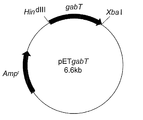
- FIG. 1 shows a plasmid map of pETgabT having a GABA aminotransferase gene (gabT).
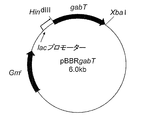
- FIG. 2 shows a plasmid map of the expression vector pBBRgabT having a GABA aminotransferase gene.
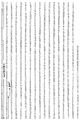
- FIG. 3 shows the base sequence encoding GABA aminotransferase protein (gabT) in pBBRgabT. The range (lacZ partial fragment) encoding 33 amino acids derived from ⁇ -galactosidase is shown in the figure.
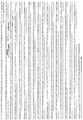
- FIG. 4 shows the base sequence of gabT fragment 2 (SEQ ID NO: 9) amplified by PCR using pBBRgabT as a template and primers acdS-for and gabT-Rev.
- FIG. 5 shows a plasmid map of the vector pBBRacdS / gabT that co-expresses the ACC deaminase gene and the GABA aminotransferase gene.
- FIG. 6 shows the measurement results of gabT enzyme activity in Agrobacterium.
- FIG. 7 shows the efficiency of gene introduction into tomato by Agrobacterium.
- A shows the frequency of gene transfer in tomato explants infected with Agrobacterium by a distribution of 6 levels of GUS staining.
- MCS Agrobacterium strain GV2260 (pBBR1MCS-5, pEKH 2 ), gabT: Agrobacterium strain GV2260 (pBBRgabT, pEKH 2 ).
- B shows examples of GUS staining levels 0-5.
- FIG. 8 shows the efficiency of gene introduction into Elianthus by Agrobacterium.
- the present invention provides a transformed Agrobacterium having improved gene transfer efficiency to a plant infected with GABA aminotransferase activity to Agrobacterium. More specifically, the transformed Agrobacterium according to the present invention is a transformed Agrobacterium that retains an exogenous GABA aminotransferase gene. The transformed Agrobacterium according to the present invention exhibits improved gene transfer efficiency into plants in Agrobacterium-mediated transformation, compared with that before GABA aminotransferase gene transfer.
- the term “exogenous” GABA aminotransferase gene refers to a GABA aminotransferase gene introduced from the outside into Agrobacterium, or a GABA amino acid maintained in the progeny of the Agrobacterium. Refers to the transferase gene.
- the GABA aminotransferase gene used in the present invention is a nucleic acid encoding a GABA aminotransferase protein.
- GABA aminotransferase has an activity of metabolizing GABA ( ⁇ -aminobutyric acid) to succinic semialdehyde and glutamic acid.
- GABA aminotransferase has an activity of metabolizing GABA ( ⁇ -aminobutyric acid) to succinic semialdehyde and glutamic acid.
- GABA aminotransferase ⁇ -aminobutyric acid
- plants are also known to have GABA aminotransferase gene, but natural Agrobacterium is Does not have GABA aminotransferase gene.
- the GABA aminotransferase gene used in the present invention may be a gene derived from any species having a GABA aminotransferase, such as bacteria, plants, fungi, or animals.
- Escherichia genus such as Escherichia coli, Rhizobium (Shinorizobium ilmeriloti, etc.), Pseudomonas genus (Pseudomonas syringae, Pseudomonas stutzeri etc.), Clinarium bacterium (Crinalium epipsammum etc.), Cyanobacteria genus (Cyanobacterium ), Streptomyces genus (Streptomyces rimosus etc.), Entrobacter genus (Entrobacter cloacae subsp.
- a GABA aminotransferase gene derived from a bacterium such as a bacterium (Mycobacterium marinum etc.) can be preferably used.
- a nucleic acid fragment containing a base sequence encoding the amino acid sequence (SEQ ID NO: 2) of GABA aminotransferase from Escherichia coli Escherichia coli K12 strain for example, the base sequence shown in SEQ ID NO: 1 is converted into an open reading frame (ORF).
- ORF open reading frame
- an open reading frame (ORF) refers to a nucleic acid sequence encoding a protein from a start codon to a stop codon.
- a nucleic acid fragment consisting of a base sequence encoding a protein having identity and having GABA aminotransferase activity may be used as the GABA aminotransferase gene.
- the amino acid sequence shown in SEQ ID NO: 2 consists of an amino acid sequence in which 1 to 50, preferably 1 to 10, for example, 1 to 5 amino acids are deleted, substituted or added, and has GABA aminotransferase activity.
- a nucleic acid fragment consisting of a base sequence encoding the protein possessed may be used as the GABA aminotransferase gene. Furthermore, it is 70% or more, preferably 80% or more, preferably 85% or more, more preferably 90% or more, for example 95%, 98% or 99% or more of the amino acid sequence shown in SEQ ID NO: 2 (full length).
- a nucleic acid fragment consisting of an amino acid sequence having identity and a base sequence encoding a protein having GABA aminotransferase activity may be used as the GABA aminotransferase gene.
- the GABA aminotransferase activity can be confirmed using a known GABA aminotransferase activity measuring method, and can be measured, for example, according to the method described in Example 5 described later. Specifically, the protein was added to the reaction solution (0.1M Bicine-NaOH, 0.1M pyridoxal phosphate, 10mM 2-ketoglutarate, 10mM GABA) and incubated at 37 ° C. After a certain reaction time The amount of glutamic acid that is a reaction product of the GABA aminotransferase reaction may be measured.
- the reaction solution 0.1M Bicine-NaOH, 0.1M pyridoxal phosphate, 10mM 2-ketoglutarate, 10mM GABA
- the measurement of the amount of glutamic acid is not limited, but can be measured using any commercially available kit exhibiting sufficient measurement sensitivity, for example, Yamasa L-glutamic acid measurement kit II (Yamasa Soy Sauce Co., Ltd.). If it is detected that the amount of glutamic acid has increased over time, it can be determined that GABA aminotransferase activity has been confirmed.
- the “nucleic acid fragment” may be DNA or RNA. In the present invention, the “nucleic acid fragment” may also include a modified nucleic acid or an artificial nucleic acid.
- nucleic acid fragment encoding a GABA aminotransferase protein having an amino acid sequence that does not affect enzyme activity added to the N-terminus or C-terminus can also be used.
- a nucleic acid fragment consisting of a base sequence encoding a protein having 1 to 50, for example, 1 to 33 amino acids added to the N-terminus of the GABA aminotransferase protein may be used as the GABA aminotransferase gene.
- Such an amino acid sequence that does not affect the enzyme activity can be, for example, a selectable marker gene product or a reporter gene product, or a fragment thereof, and preferred examples include ⁇ -galactosidase-derived protein fragments (for example, 1 to 1 of SEQ ID NO: 6). Amino acid sequence at position 33).
- a GABA aminotransferase protein containing such an additional sequence is, for example, a protein consisting of the amino acid sequence shown in SEQ ID NO: 6, and an example of a nucleic acid fragment encoding such a protein includes the base sequence shown in SEQ ID NO: 5. It is a nucleic acid fragment.
- the GABA aminotransferase gene of the present invention can be isolated from a biological nucleic acid by a conventional method based on its base sequence (in the case of Escherichia coli, for example, the base sequence of SEQ ID NO: 1). Designed based on the GABA aminotransferase gene sequence using, for example, total mRNA prepared from organisms such as bacteria by conventional methods, cDNA obtained from RT-PCR by RT-PCR, cDNA library, etc. as a template By performing PCR using the primer set, the GABA aminotransferase gene can be obtained as a DNA amplified fragment. The obtained DNA amplified fragment can be extracted and purified by a conventional method.
- a probe is prepared using a GABA aminotransferase gene (for example, a DNA consisting of the nucleotide sequence of SEQ ID NO: 1) or a part thereof, and the whole mRNA prepared from a living organism such as a bacterium by a conventional method
- a GABA aminotransferase gene can also be obtained as a clone by hybridizing to RNA such as cDNA or cDNA library obtained by RT-PCR from RNA.
- the GABA aminotransferase gene of the present invention may also be synthesized using chemical synthesis methods.
- a GABA aminotransferase gene can also be produced by modifying a GABA aminotransferase gene isolated or synthesized from a natural source by a mutation-introducing method such as site-directed mutagenesis. .
- a mutation-introducing method such as site-directed mutagenesis.
- a known method such as the Kunkel method, the Gapped duplex method, or a similar method can be employed. Mutation introduction into a gene can be easily performed by those skilled in the art using, for example, a commercially available site-directed mutagenesis kit.
- nucleotide sequence can be determined by a known method such as a Maxam-Gilbert chemical modification method or a dideoxynucleotide chain termination method, but it may be usually performed using an automatic nucleotide sequencer (eg, DNA sequencer manufactured by ABI).
- the GABA aminotransferase gene is not intended to introduce the GABA aminotransferase gene into the plant genome by including it in the T-DNA region, but to introduce the gene into Agrobacterium and retain the activity of the gene product. It is intended to improve (enhance) the gene transfer efficiency (gene transfer ability) to plants in Agrobacterium. Therefore, in the present invention, the GABA aminotransferase gene is preferably introduced into Agrobacterium using a vector that does not contain a T-DNA region.
- the T-DNA region is a region between the right border sequence (RB) and the left border sequence (LB) that exists in the extrachromosomal vector of Agrobacterium. It is a region that is cut out from a vector and integrated into the plant genome upon conversion.
- the vector that does not contain a T-DNA region preferably used in the present invention is not a vector having a T-DNA region that can be inserted into a plant genome via Agrobacterium (typically a binary vector).
- Agrobacterium typically a binary vector.
- These include an expression vector for inducing expression of a target gene in Agrobacterium and a homologous recombination vector for incorporating the target gene into the Agrobacterium genome.
- the vector used in the present invention is preferably a plasmid vector.
- the vector used in the present invention is also preferably a broad host range vector. Examples of the wide host range vector that can be suitably used in the present invention include, but are not limited to, pBBR1MCS-5, pBBR122, and RK2, and derivatives thereof.
- the GABA aminotransferase gene introduced into Agrobacterium is preferably placed under the control of a promoter in a vector, preferably a vector that does not contain a T-DNA region.
- the promoter used here may be any promoter that can function in bacteria, in particular Agrobacterium, and may be a constitutive promoter, an inducible promoter, a transient promoter, an organ, tissue or cell specific promoter. May be.
- these genes when a plurality of genes are contained under the control of a single promoter, these genes have the same orientation at short intervals (for example, 100 bp or less, preferably 50 bp or less) so as to be controlled by the same promoter. It is preferable that it is connected.
- Agrobacterium into which the GABA aminotransferase gene is introduced is not limited, but includes Agrobacterium tumefaciens, Agrobacterium vitis, Agrobacterium rhizogenes. ), And any Agrobacterium that can be used in the Agrobacterium method, such as Agrobacterium radiobacter.
- Agrobacterium tumefaciens GV2260, Agrobacterium tumefaciens C58 strain, Agrobacterium vitis S4 strain, Agrobacterium rhigenes (Agrobacterium rhigenes) ) A4 strain, and Agrobacterium actradiobacter K84 strain, and their derivatives, and other Agrobacterium strains used for plant transformation can be suitably used, for example, , GV2260, C58C1RifR, GV3850, GV3101, EHA101, EHA105, AGL1, LBA4404, and K84N6 strains, but are not limited thereto.
- Agrobacterium having a vector containing a vir region involved in gene transfer into a plant cell or a genomic region is preferred for use in plant transformation.
- the introduction of a vector containing a GABA aminotransferase gene into Agrobacterium is not limited, but can typically be performed by electroporation.
- the transformed Agrobacterium can be selected by culturing the vector-introduced Agrobacterium in a selective medium containing an antibiotic corresponding to a selection marker such as a drug resistance gene contained in the vector, for example.
- the introduced GABA aminotransferase gene may be retained by culturing the selected transformed Agrobacterium in a selective medium.
- the introduced GABA aminotransferase gene may be retained in the form of a vector outside the chromosome (in a state contained in a vector such as a plasmid) in the resulting transformed Agrobacterium, It may be integrated and retained in the genome.
- the GABA aminotransferase gene is introduced into Agrobacterium using an expression vector, the GABA aminotransferase gene is retained in the state of being contained in the autonomously replicating expression vector. It is preferred to express the protein.
- the GABA aminotransferase gene is introduced into Agrobacterium using a homologous recombination vector targeting the Agrobacterium genome, the GABA aminotransferase gene is retained in the genome.
- an Agrobacterium having an introduced GABA aminotransferase gene or a descendant thereof, which is capable of exhibiting GABA aminotransferase activity relates to the present invention.
- a transformed Agrobacterium is used.
- exogenous ACC deaminase gene refers to an ACC deaminase gene introduced from the outside into Agrobacterium or an ACC deaminase gene maintained in the progeny of the Agrobacterium.
- the ACC deaminase gene used in the present invention encodes ACC deaminase.
- ACC deaminase can decompose ethylene biosynthesis intermediate ACC (1-aminocyclopropane-1-carboxylic acid) into ⁇ -ketobutyric acid and ammonia, thereby suppressing intracellular ethylene production.
- Plants produce ethylene as a defense against pathogenic bacteria, and ethylene has the action of suppressing the expression of the vir gene of Agrobacterium. Therefore, by suppressing ethylene production by the action of ACC deaminase, The suppression of the expression of the vir gene can be released, and as a result, the efficiency of gene introduction into cells via Agrobacterium can be further increased. Ethylene production is a defense mechanism common to plants.
- the ACC deaminase gene used in the present invention may be a gene encoding an enzyme having ACC degrading activity derived from any biological species.
- Pseudomonas sp. ACP strain Pseudomonas fluorescens, Pseudomonas putida, Pseudomonas stutzeri, Pseudomonas entomophila PS-PJH strain, etc.
- Panonibacter genus Panonibacter genus (Pannonibacter phragmatetus PB-Rt1.
- Enterobacter genus Enterobacter genus (Enterobacter cloacae LH-R2 etc.) ACC deaminase genes derived from soil microorganisms such as bacteria such as Bacter spp. (Achromobacter sp, etc.), Sinorizobium spp. (Sinorhizobium sp. BL3 etc.), Mesorhizobium spp. (Mesorhizobium loti, etc.) it can.
- an ACC deaminase gene suitable for use in combination with a GABA aminotransferase gene for example, a nucleic acid fragment derived from Pseudomonas sp.
- ACP strain and containing a base sequence encoding the amino acid sequence shown in SEQ ID NO: 14, such as SEQ ID NO: 13 A nucleic acid fragment having the indicated base sequence as an open reading frame (ORF) may be used as the ACC deaminase gene.
- a nucleic acid fragment consisting of a base sequence encoding a protein having identity and having ACC deaminase activity may be used as the ACC deaminase gene.
- a protein having an ACC deaminase activity comprising an amino acid sequence in which 1 to 50, preferably 1 to 10, for example, 1 to 5 amino acids have been deleted, substituted or added in the amino acid sequence shown in SEQ ID NO: 14;
- a nucleic acid fragment consisting of the encoded base sequence may be used as the ACC deaminase gene. Furthermore, it is 70% or more, preferably 80% or more, preferably 85% or more, more preferably 90% or more, for example 95%, 98% or 99% or more of the amino acid sequence shown in SEQ ID NO: 14 (full length).
- a nucleic acid fragment consisting of an amino acid sequence having identity and a base sequence encoding a protein having ACC deaminase activity may be used as the ACC deaminase gene.
- the ACC deaminase activity can be confirmed using a known ACC deaminase activity measuring method. Specifically, for example, 1-aminocyclopropanecarboxylic acid (ACC) and pyridoxal-5′-phosphate (PLP) are added to a protein solution having ACC deaminase activity and incubated at 30 ° C.
- ACC 1-aminocyclopropanecarboxylic acid
- PDP pyridoxal-5′-phosphate
- ⁇ -ketobutyric acid is produced from 1-aminocyclopropanecarboxylic acid (ACC) by the catalytic action of ACC deaminase, it has been shown that the amount of ⁇ -ketobutyric acid increases as the amount of protein increases. Thus, it can be determined that ACC deaminase activity has been confirmed. Furthermore, a nucleic acid fragment encoding an ACC deaminase protein in which an amino acid sequence that does not affect enzyme activity is added to the N-terminus or C-terminus may be used.
- a nucleic acid fragment consisting of a base sequence encoding a protein having 1 to 50, for example, 1 to 33 amino acids added to the N-terminus of the ACC deaminase protein may be used as the ACC deaminase gene.
- Such an amino acid sequence that does not affect the enzyme activity can be, for example, a selectable marker gene product or a reporter gene product, or a fragment thereof, and preferred examples include ⁇ -galactosidase-derived protein fragments (for example, 1 to 1 of SEQ ID NO: 6). Amino acid sequence at position 33).
- the ACC deaminase gene can be obtained according to the method for obtaining the GABA aminotransferase gene described above.
- the ACC deaminase gene introduced into Agrobacterium is preferably placed under the control of a promoter in a vector, preferably a vector that does not contain a T-DNA region.
- a promoter the promoter mentioned above regarding the GABA aminotransferase gene can be used preferably.
- One or two or more copies of the ACC deaminase gene may be included under the control of the promoter, and this is also as described above for the GABA aminotransferase gene.
- the introduced ACC deaminase gene may express the ACC deaminase protein in a state in which it is retained in the form of a vector outside the chromosome (contained in a vector such as a plasmid) in the resulting transformed Agrobacterium.
- the ACC deaminase protein may be expressed in a state of being incorporated and retained in the genome of Agrobacterium.
- the GABA aminotransferase gene and the ACC deaminase gene may be introduced into Agrobacterium by including them in separate vectors.
- the GABA aminotransferase gene and the ACC deaminase gene may be introduced in a single vector.
- each gene may be arranged in tandem under the control of one promoter, but it is more preferable to arrange a promoter upstream of each gene. .
- These promoters may be the same as or different from each other, but it is also preferable to use the lac promoter.
- the introduction of the ACC deaminase gene into Agrobacterium can be performed by the same method as described above for the method of introducing the GABA aminotransferase gene into Agrobacterium.
- the GABA aminotransferase gene and / or ACC deaminase gene is preferably introduced into Agrobacterium along with one or more other foreign genes such as a marker gene in a vector.
- the GABA aminotransferase gene and the ACC deaminase gene are preferably arranged upstream of other foreign genes in the vector.
- Suitable marker genes include drug resistance genes such as gentamicin resistance gene, neomycin resistance gene, hygromycin resistance gene, puromycin resistance gene, zeocin resistance gene, blasticidin resistance gene, dihydrofolate reductase gene, and ampicillin resistance gene.
- a reporter gene such as a gene encoding a fluorescent protein may be used.
- a sequence that stably holds the plasmid in Agrobacterium cells is used as another foreign gene, such as GABA aminotransferase gene and / or ACC.
- the “other foreign gene” is a gene other than the GABA aminotransferase gene and the ACC deaminase gene, and encodes a protein or functional RNA, and the host Agrobacterium is naturally present. Means a gene that does not.
- a transcription termination sequence exists between the GABA aminotransferase gene and / or ACC deaminase gene and the other foreign gene. It is preferable.
- the transcription termination sequence is not particularly limited as long as it can function as a transcription termination signal of mRNA.
- a transcription termination sequence that each gene naturally has downstream may be used, or a transcription termination sequence existing downstream of any known gene may be prepared by PCR amplification or the like.
- Specific examples include a transcription termination sequence of an ampicillin drug resistance gene.
- the transcription termination sequence of the ampicillin drug resistance gene for example, the base sequence shown in SEQ ID NO: 12, or 80% or more, preferably 90% or more, more preferably 95% or more, such as 98% or 99% or more, relative to the sequence. And a base sequence having a terminator activity.
- gene introduction into a plant can be performed with high efficiency.
- the gene introduction into the plant using the transformed Agrobacterium according to the present invention can be performed according to the procedure of a normal Agrobacterium method. Specifically, for example, between the right border sequence (RB) and the left border sequence (LB) of a vector such as a plasmid having a T-DNA region for plant transformation (typically a binary vector), a promoter and a terminator An arbitrary gene (target gene) to be introduced into a plant under control is incorporated, and the vector is introduced into the transformed Agrobacterium according to the present invention by a conventional method and used for gene introduction into the plant.
- a marker gene as described above may be incorporated into the T-DNA region together with the target gene.
- the present invention includes a vector containing a T-DNA region into which a target gene has been inserted (preferably a binary vector containing a T-DNA region) in addition to a vector containing a GABA aminotransferase gene and / or an ACC deaminase gene.
- a transformed Agrobacterium is also provided.
- the binary vector containing the T-DNA region for example, pIG121-Hm, pEKH 2, pRI 909, pRI 910, a number of well-known T-DNA binary vector such BIBAC1 (Lee, LY and Gelvin, SB (2008) T -DNA Binary Vectors and Systems, Pant Physiology 146: 325-332 etc.).
- pIG121-Hm has a GUS gene placed under the 35S promoter control in the T-DNA region
- pEKH 2 has a GUS gene placed under the Ubi promoter control from maize in the T-DNA region.
- the transformed Agrobacterium according to the present invention must retain the vir region involved in gene transfer into plant cells in a state where it can be expressed.
- a helper vector having the vir region is also introduced. You can do it.
- the GABA aminotransferase gene and / or the ACC deaminase gene may be incorporated into a helper vector having a vir region in Agrobacterium.
- the co-culture medium used for co-culture is not particularly limited, but a medium based on MS medium is also preferable.
- the co-culture medium preferably contains acetosyringone (for example, 50 ⁇ M to 500 ⁇ M, preferably 100 ⁇ M to 300 ⁇ M) and glucose (for example, 0.5 to 10%, preferably 1 to 5%).
- the Agrobacterium-mediated transformation method using the transformed Agrobacterium of the present invention can be carried out on any plant that can be infected by Agrobacterium.
- the plant to be transformed using the Agrobacterium according to the present invention may be a dicotyledonous plant or a monocotyledonous plant.
- the corresponding plant is not particularly limited, but, for example, eggplant (Solanum melongena L.), tomato (Solanum lycopersicum), pepper (Capsicum annuum L. var.
- Angulosum Mill. Red pepper (Capsicum annuum L.), Tobacco (Nicotiana tabacum L.)], Gramineae [Oryza sativa), wheat (Triticum aestivum L.), barley (Hordeum vulgare L.), maize (Zea mays L.), sorghum (Sorghum bicolor (L.
- Moench Moench
- Eliansus ravennae Guinea grass (Panicum maximum Jacq.), Miscanthus (Miscanthus spp)
- Sugar cane Saccharum officinarum L.
- Napiergrass Piergrass
- Pampas grass Crop f
- Perennial ryegrass Liumenperenne L.
- Italian ryegrass Lium multiflorum Lam.
- Meadow fescue Festuca pratensis Huds.
- legumes [soybean (Glycine max), azuki bean (Vigna angularis Willd.), Green beans (Phaseolus vulgaris L.), broad bean (Vicia faba L.), etc.], cucurbitaceae (Cucumis sativus L.), melon (Cucumis melo L.), watermelon (Citrullus vulgaris Sch ), Pumpkin (C. moschata Duch., C.
- the plant tissue, plant cell (callus, etc.), seed, etc. in which the target gene is incorporated into the genome via the Agrobacterium according to the present invention can be regenerated into a plant body by a known method.
- a transformed plant cell into which a target gene has been incorporated is cultured in a selective medium according to a conventionally known plant tissue culture method, and surviving callus is transformed into a regeneration medium (an appropriate concentration of plant hormones (auxin, cytokinin, (Including gibberellin, abscisic acid, ethylene, brassinolide, etc.)), the transformed plant body (especially shoot) can be regenerated.
- a regeneration medium an appropriate concentration of plant hormones (auxin, cytokinin, (Including gibberellin, abscisic acid, ethylene, brassinolide, etc.)
- An example of cytokinin is zeatin.
- the regenerated plant can be further transplanted to a rooting medium for growth.
- Whether the target gene has been inserted into the plant genome is determined by examining the transformant based on the activity of the gene product of the target gene, or the activity of the marker gene product when the marker gene is integrated into the plant genome together with the target gene. This can be confirmed by testing the transformant based on the above.
- the target gene and / or marker gene introduced into the genome can be specifically confirmed by PCR amplification and determining the nucleotide sequence.
- the gene transfer efficiency refers to the ratio of host explants or host cells showing the phenotype generated by gene transfer out of the number of host explants or host cells contacted with Agrobacterium. .
- the gene transfer efficiency in the present invention can also be expressed as the proportion of transformed individuals in which the gene transfer into the genome has been confirmed among the number of host explants contacted with Agrobacterium.
- the evaluation of gene transfer efficiency is performed using different methods depending on the type of target gene or marker gene to be transferred, but can basically be performed as described in Examples 6 to 8.
- the level of improvement in gene transfer efficiency is not limited, but is, for example, an improvement of 10% or more, preferably 20% or more, more preferably 50% or more, still more preferably 100% or more, particularly 200% or more.
- the transformed Agrobacterium having the GABA aminotransferase gene introduced therein as described above is used in the Agrobacterium-mediated transformation (gene introduction) method, so that the plant cells are remarkably highly efficient.
- a target gene can be introduced to produce a transformed plant efficiently.
- the target gene can also be introduced into plant cells with higher efficiency by using a transformed Agrobacterium having both the GABA aminotransferase gene and the ACC deaminase gene introduced therein.
- a sufficient effect can be obtained by the existing transformation method (Patent Document 1) in which an ACC deaminase gene is independently introduced into Agrobacterium according to the type of plant such as Elianthus. Even if it is not possible, gene transfer efficiency can be significantly improved.
- Patent Document 1 a large improvement in gene transfer efficiency is observed just by introducing a GABA aminotransferase gene alone into Agrobacterium, but by introducing the GABA aminotransferase gene in combination with the ACC deaminase gene, Furthermore, gene transfer efficiency can be further improved.
- succinic semialdehyde a metabolite of GABA
- succinic semialdehyde a metabolite of GABA
- the transformation according to the present invention In the development process of Agrobacterium, succinic semialdehyde could inhibit gene transfer by metabolizing GABA with GABA aminotransferase.
- the present inventors can greatly improve gene transfer efficiency without causing significant inhibition by GABA metabolites by imparting GABA aminotransferase activity to Agrobacterium. showed that.
- the present invention also provides a method for producing such a transformed plant.
- the GABA aminotransferase gene was cloned from Escherichia coli K12 strain.
- Escherichia coli K12 strain was grown and maintained in LB medium at 37 ° C.
- Total DNA was extracted from E. coli K12 by the method of Sambrook et al. (2001) and used as a PCR template.
- gabT GABA aminotransferase
- PCR was performed using the total DNA extracted above and these primers under the following conditions: 94 ° C, heat denaturation for 2 minutes, 94 ° C for 45 seconds, 58 ° C for 45 seconds, and 72 ° C. The 2 minute temperature cycle was repeated 35 times.
- the expected 1294 bp PCR product (gabT fragment 1) was cloned into the cloning vector pET-21b (+) (Promega, USA) (pETgabT) (FIG. 1).
- the base sequence was determined using DNA sequencer ABI310 and DNA Sequencing Kit Big Dye Terminator cycle sequencing Ready Reaction (Applied Biosystems, Tokyo), and the registered sequence (accession number NC_010473.
- Example 2 Construction of gabT expression vector Plasmid pETgabT was extracted from the recombinant Escherichia coli E. coli DH5 ⁇ (pETgabT) obtained in Example 1 according to a conventional method, and the GABA aminotransferase gene (gabT) was isolated with restriction enzyme HindIII. It was excised with XbaI and subcloned into the multiple cloning site of the broad host range vector pBBR1MCS-5 (Kovach et al., 1995, Gene 166, 175-176) (pBBRgabT, FIG. 2).
- the GABA aminotransferase protein expressed from this recombinant plasmid has 33 amino acids derived from ⁇ -galactosidase encoded by a sequence (fragment of lacZ gene) in pBBR1MCS-5 added to its N-terminus. (FIG. 3, nucleotide sequence: SEQ ID NO: 5, amino acid sequence: SEQ ID NO: 6).
- the 33 amino acids derived from ⁇ -galactosidase added to the N-terminus do not affect the activity of GABA aminotransferase.
- Expression of the gabT gene on this plasmid is placed under the control of the lac promoter.
- Example 3 Construction of expression vector for co-expression of GABA aminotransferase gene and ACC deaminase gene Using the pBBRgabT expression vector prepared in Example 2 as a template, primer acdS-for (5'-tctgcgcgtaatctgctgcttgagcgcaacgcaattaatg-3 '(sequence) No. 7)) and a primer gabT-Rev (5′-cgattctagactactgcttcgcctcatcaaaac-3 ′ (SEQ ID NO: 8)) was used to amplify a DNA fragment containing the GABA aminotransferase gene (gabT) by PCR.
- the obtained amplified fragment (gabT fragment 2; SEQ ID NO: 9) was subjected to GABA degradation in which a 5 'untranslated region containing a lac promoter (including a ribosome binding sequence) and 33 amino acids derived from ⁇ -galactosidase were added to the N-terminus.
- a sequence encoding the enzyme protein is included ( Figure 4).
- the obtained two amplified fragments gabT fragment 2 and amp-term fragment were ligated by fusion PCR using primers amp_ter-for2 and gabT-Rev.
- the obtained PCR product was digested with restriction enzymes EcoRI and XbaI.
- Example 4 Gene introduction into Agrobacterium
- the plasmid vector pBBRgabT constructed in Example 2 and the plasmid vector pBBRacdS / gabT constructed in Example 3 were each an Agrobacterium strain carrying the binary plasmid pIG121-Hm.
- Agrobacterium tumefaciens GV2260 or Agrobacterium strains Agrobacterium tumefaciens GV2260 which holds the binary plasmid PEKH 2 was introduced by electroporation Paule Deployment method.
- GV2260 has a helper plasmid having a vir region.
- the GUS (uidA) gene is inserted into these binary plasmids and can be used as an index for gene introduction into plants.
- Agrobacterium strain GV2260 (pBBRgabT, pIG121-Hm), Agrobacterium strain GV2260 (pBBRgabT, pEKH 2 ), Agrobacterium strain GV2260 (pBBRacdS / gabT, pIG121-Hm), and Agrobacterium strain carrying the transfer vector GV2260 (pBBRacdS / gabT, pEKH 2 ) is an LB medium containing the antibiotics gentamicin 50 mg / L, kanamycin 100 mg / L, and ampicillin 100 mg / L, or gentamicin 50 mg / L, spectinomycin 50 mg / L, and ampicillin 100 mg. It was obtained by culturing and maintaining in LB medium containing / L.
- Agrobacterium has two types of plasmids at the same time by direct PCR using colony as a template, primers gabTF and gabTR for detection of gabT gene, and primer GUSF (5'-atccacgccgtattcgg- for detection of uidA) 3 ′ (SEQ ID NO: 15)) and primer GUSR (5′-catgaagatgcggacttacg-3 ′ (SEQ ID NO: 16)) were used for confirmation.
- Agrobacterium strain GV2260 (pBBR1MCS-5, pIG121-Hm) carrying plasmid vector pBBR1MCS-5 that does not contain the gabT gene was used in the same manner as described above except that plasmid vector pBBR1MCS-5 was introduced.
- Agrobacterium strain GV2260 (pBBR1MCS-5, pEKH 2 ) was obtained.
- Agrobacterium strain GV2260 (pBBRacdS, pIG121-Hm) carrying the ACC deaminase gene expression plasmid vector pBBRacdS was obtained in the same manner as described above except that the plasmid vector pBBRacdS was introduced.
- Example 5 Measurement of GABA aminotransferase activity
- the gabT activity in Agrobacterium strain GV2260 (pBBRgabT, pEKH 2 ) and Agrobacterium strain GV2260 (pBBRacdS / gabT, pEKH 2 ) prepared in Example 4 was measured.
- the gabT activity of Agrobacterium strain GV2260 (pBBR1MCS-5, pEKH 2 ) was also measured.
- These Agrobacterium are cultured in LB medium containing gentamicin 50 mg / L, spectinomycin 50 mg / L, and ampicillin 100 mg / L.
- Agrobacterium 22 hours after the start of culture The cells were collected and lysed using a bacteria-derived protein extraction reagent BugBuster Master mix (Novagene). A protease inhibitor (Protease Inhibitor Cocktail set II, Novagen) was added, and the mixture was rotated and mixed at room temperature for 20 minutes. Thereafter, the mixture was centrifuged at 16,000 ⁇ g for 20 minutes, and the supernatant was transferred to a new tube. Subsequently, the protein concentration of the supernatant was measured using a protein assay kit BCA Protein Assay kit (Novabene).
- reaction solution 0.1 M Bicine-NaOH, 0.1 M pyridoxal phosphate, 10 mM 2-ketoglutarate, 10 mM GABA
- the enzyme reaction was performed at 37 ° C., and the reaction times were 0 minutes, 10 minutes, 20 minutes, 30 minutes, 60 minutes, 120 minutes, and 180 minutes.
- the amount of glutamic acid as a reaction product was measured using Yamasa L-glutamic acid measurement kit II (Yamasa Soy Sauce Co., Ltd.).
- the L-glutamate oxidase included in the kit oxidizes the glutamic acid of the reaction product to generate hydrogen peroxide, and a blue dye is formed from the hydrogen peroxide by a peroxidase reaction.
- the amount of glutamic acid in the reaction solution is measured by measuring with Yamasa L-glutamic acid measurement kit II (Yamasa Soy Sauce Co., Ltd.).
- Agrobacterium strain As a result of the enzymatic reaction, when using the crude enzyme extract obtained from Agrobacterium strain GV2260 (pBBRgabT, pEKH 2 ) and Agrobacterium strain GV2260 (pBBRacdS / gabT, pEKH 2 ), Agrobacterium strain as a control
- the amount of glutamic acid, a reaction product was measured more than when a crude enzyme extract derived from GV2260 (pBBR1MCS-5, pEKH 2 ) was used, and it was shown that it increased with increasing reaction time (Fig. 6). This indicates that the GABA aminotransferase derived from E.
- coli is stably expressed in the Agrobacterium cell and has activity from the vector introduced into the Agrobacterium cell. Thus, it was shown that the activity can be imparted to Agrobacterium by introducing the GABA aminotransferase gene into Agrobacterium.
- Example 6 Evaluation of gene transfer efficiency into plants-1 About Agrobacterium strain GV2260 (pBBRgabT, pIG121-Hm), Agrobacterium strain GV2260 (pBBRgabT, pEKH 2 ), and Agrobacterium strain GV2260 (pBBRacdS / gabT, pEKH 2 ) introduced with the GABA aminotransferase gene, The ability of gene transfer into plants was evaluated.
- the gene to be introduced into the plant is a GUS gene contained in the T-DNA region of the binary vectors pIG121-Hm and pEKH 2 and used as a marker for gene introduction into the plant (Hiei et al., Plant J., 6 (2): 271-282 (1994)).
- Agrobacterium strain GV2260 (pBBRgabT, pIG121-Hm) and Agrobacterium strain GV2260 (pBBR1MCS-5, pIG121-Hm) as a control, respectively.
- dicotyledon tomato Solanumcolycopersicum 'Money Maker'
- Tomato seeds were aseptically sown on 1 / 2MS (Murasige-Skoog) 1.5% sucrose medium, and the cotyledons obtained by growing the seeds were cut off from the top and bottom, and the two-divided sections were used as tomato explants.
- the tomato explants were immersed in the prepared bacterial solution for 20 minutes, and then co-cultured at 28 ° C. under dark conditions for 72 hours.
- the co-culture medium used was prepared by adding 3% glucose, 200 ⁇ M acetosyringone, 1.5 mg / L zeatin to MS medium.
- tomato cotyledon explants were GUS-stained to evaluate gene transfer efficiency. Specifically, tomato cotyledon explants after co-cultivation were prepared using EDTA (10 mM), ferricyan potassium (5 mM), potassium ferrocyanide (5% mM), Triton X-100 (0.1%), and 5- It was immersed in a 100 mM phosphate buffer containing bromo-4-chloro-3-indoxyl-glucuronide (X-Glu) (0.5 mg / L) and incubated overnight at 37 ° C. As a result, in the cells into which the GUS gene has been introduced, the substrate X-Glu is decomposed and stained dark blue by the function of the GUS gene product.
- X-Glu bromo-4-chloro-3-indoxyl-glucuronide
- GUS gene into tomato of Agrobacterium strain GV2260 (pBBRgabT, pIG121-Hm) imparted with gabT activity
- introduction of GUS gene into tomato of Agrobacterium strain GV2260 (pBBR1MCS-5, pIG121-Hm) as a control
- the ratio of the number of explants in which GUS spots were observed (%) and the average frequency of appearance of GUS spots per sheet were significantly increased in Agrobacterium strains with gabT activity (FIG. 7A). From this, it was shown that an Agrobacterium strain having an excellent ability to introduce a gene into a plant can be produced by imparting GABA aminotransferase activity to Agrobacterium.
- Example 7 Evaluation of gene transfer efficiency into plants-2 Next, Agrobacterium strain GV2260 (pBBRgabT, pEKH 2 ) imparted with GABA aminotransferase activity, Agrobacterium strain GV2260 (pBBRacdS / gabT, pEKH 2 ) imparted with GABA aminotransferase activity and ACC deaminase activity Agrobacterium strain GV2260 (pBBRacdS, pEKH 2 ) imparted with ACC deaminase activity and Agrobacterium strain GV2260 (pBBR1MCS-5, pEKH 2 ) as a control group were used, respectively, ) To evaluate the efficiency of introduction of the GUS gene into.
- Elianthus were cultured in MS medium containing 3% maltose, 2 mg / L 2,4-dichlorophenoxyacetic acid, 0.2% bacterial alkaline phosphatase (BAP) and 0.3% gellite to induce callus.
- Elian Saskars was placed on fresh medium 3 days before infection with Agrobacterium.
- the collected Agrobacterium was resuspended in liquid MS medium and the turbidity was adjusted to OD600 0.4-0.5. The treatment of placing Elian Saskars into Agrobacterium suspension and placing it under 0.8 MPa for 10 minutes was repeated twice. Next, Erian sascal callus soaked in Agrobacterium solution was collected and co-cultured at 28 ° C. under dark conditions for 72 hours. The co-culture medium was prepared by adding 3% glucose and 200 ⁇ M acetosyringone to MS medium.
- Erian sascalus was stained with GUS to evaluate gene transfer efficiency. Specifically, Erianthus callus after co-cultivation was performed using EDTA (10 mM), potassium ferricyanide (5 mM), potassium ferrocyanide (5 mM), Triton X-100 (0.1%), and 5-bromo-4 -Soaked in 100 mM phosphate buffer containing -chloro-3-indoxyl-glucuronide (X-Glu) (0.5 mg / L) and incubated overnight at 37 ° C. As a result, in the cells into which the GUS gene has been introduced, the substrate X-Glu is decomposed and stained dark blue by the function of the GUS gene product.
- EDTA 10 mM
- potassium ferricyanide 5 mM
- potassium ferrocyanide 5 mM
- Triton X-100 0.1%)
- Example 8 Evaluation of gene transfer efficiency into plants-3 Gene transfer efficiency to dicotyledonous tomato plants using Agrobacterium strain GV2260 (pBBRgabT, pIG121-Hm) and Agrobacterium strain GV2260 (pBBRacdS / gabT, pIG121-Hm) introduced with GABA aminotransferase gene was evaluated.
- the genes to be introduced into plants are the GUS gene, kanamycin resistance gene, and hygromycin resistance gene contained in the T-DNA region of the binary vector pIG121-Hm (Hiei et al., Plant J., 6 (2): 271-282 (1994)).
- a kanamycin resistance gene was used as a marker for gene introduction.
- Agrobacterium strain GV2260 (pBBRgabT, pIG121-Hm), Agrobacterium strain GV2260 (pBBRacdS / gabT, pIG121-Hm) and Agrobacterium strain GV2260 (pBBR1MCS-5, pIG121-Hm) as a control, Agrobacterium
- the dicotyledonous plant tomato (Solanumcolycopersicum 'Micro Tom') was transformed with each of E. coli strains GV2260 (pBBRacdS, pIG121-Hm), and the production efficiency of stable transformants was evaluated.
- tomato seeds were aseptically sown on 1 / 2MS (Murasige-Skoog) 1.5% sucrose medium, and the top and bottom of the cotyledons obtained by growing it were cut off, and the section divided into two was cut into tomato explants. Used for gene transfer (test section).
- the tomato explants were immersed in the prepared bacterial solution for 20 minutes, and then co-cultured at 28 ° C. under dark conditions for 72 hours.
- the co-culture medium used was prepared by adding 3% glucose, 200 ⁇ M acetosyringone, 1.5 mg / L zeatin, and 0.3% gellan gum to MS medium to pH 5.2.
- the tomato explants were placed on a sterilization and callus induction medium.
- the sterilization and callus induction medium was adjusted to pH 5.8 by adding 3% sucrose, 1.5 mg / L zeatin, 0.3% gellan gum, 100 mg / L kanamycin, and 375 mg / L augmentin to MS medium.
- Shoots were formed after tomato explants were cultivated for 3 to 4 weeks at 25 ° C. under a light condition of 60 ⁇ mol ⁇ 2 S ⁇ 1 in a sterilized and callus medium for 16 hours. Callus that formed shoots were transplanted to shoot elongation medium.
- the shoot elongation medium was prepared by adding 3% sucrose, 1.0 mg / L zeatin, 0.3% gellan gum, 100 mg / L kanamycin, 375 mg / L augmentin to MS medium and adjusting the pH to 5.8. After the shoots extended to 1 to 2 cm, the shoots were cut off and transplanted to the rooting medium. The rooting medium was adjusted to pH 5.8 by adding 15% sucrose, 0.3% gellan gum, 100 mg / L kanamycin, 375 mg / L augmentin to 1 / 2MS medium. Individuals (rooted individuals) rooted within 2 weeks in the rooting medium were selected as transformant candidates. A rooted individual was taken from the main root. Among rooting individuals, diploid ones were selected using a flow cytometer.
- Genomes were extracted from diploid individuals, and Southern hybridization was performed using each transgene fragment as a probe to confirm gene introduction into the genome. Several experiments were performed, and the average value of the ratio of transgenic individuals (positive for Southern hybridization) (transformation efficiency) to the number of test sections (80 to 156 used per strain for each experiment) was calculated. (Table 1).
- Agrobacterium strain GV2260 (pBBRgabT, pIG121-Hm) to which gabT activity was imparted, transformation efficiency (individual genome) was compared with the case of using Agrobacterium strain VGV2260 (pBBR1MCS-5, pIG121-Hm) as a control. Gene transfer efficiency) increased significantly to about 235%. Furthermore, in Agrobacterium strain GV2260 (pBBRacdS / gabT, pIG121-Hm) into which both genes acdS and gabT were introduced, only one of the control (GV2260 (pBBR1MCS-5, pIG121-Hm)) and acdS or gabT was introduced.
- the present invention can be used to improve gene transfer efficiency in plant transformation based on the Agrobacterium method. For example, in order to improve the production efficiency of recombinant plants in plant species that have been reported to have been introduced with Agrobacterium, recombinant plants have been used in plant species that have previously been difficult to introduce genes. To produce it, the Agrobacterium of the present invention and the method of the present invention can be used. The present invention makes it possible to improve varieties using genetic recombination in a wide range of plant species.
- SEQ ID NO: 1 Base sequence encoding GABA aminotransferase protein derived from Escherichia coli strain
- SEQ ID NO: 2 GABA aminotransferase protein
- SEQ ID NO: 3 Primer gabTF Sequence number 4: Primer gabTR
- SEQ ID NO: 5 Base sequence encoding GABA aminotransferase protein added with 33 amino acids derived from ⁇ -galactosidase
- SEQ ID NO: 6 GABA aminotransferase protein added with 33 amino acids derived from ⁇ -galactosidase
- SEQ ID NO: 7 Primer acdS- for Sequence number 8: Primer gabT-Rev SEQ ID NO: 9: gabT fragment 2
- Sequence number 10 Primer amp_ter-for2 Sequence number 11: Primer amp_ter-rev2 SEQ ID NO: 12: amp-term fragment
- SEQ ID NO: 13 ACC deaminase gene
- SEQ ID NO: 14 ACC deamina
Landscapes
- Health & Medical Sciences (AREA)
- Life Sciences & Earth Sciences (AREA)
- Engineering & Computer Science (AREA)
- Genetics & Genomics (AREA)
- Chemical & Material Sciences (AREA)
- Organic Chemistry (AREA)
- Bioinformatics & Cheminformatics (AREA)
- Biomedical Technology (AREA)
- Wood Science & Technology (AREA)
- Zoology (AREA)
- Biotechnology (AREA)
- Molecular Biology (AREA)
- General Engineering & Computer Science (AREA)
- Microbiology (AREA)
- Biochemistry (AREA)
- General Health & Medical Sciences (AREA)
- Medicinal Chemistry (AREA)
- Cell Biology (AREA)
- Physics & Mathematics (AREA)
- Biophysics (AREA)
- Plant Pathology (AREA)
- Breeding Of Plants And Reproduction By Means Of Culturing (AREA)
- Micro-Organisms Or Cultivation Processes Thereof (AREA)
Abstract
Description
本実施例では、GABAアミノ基転移酵素遺伝子を大腸菌Escherichia coli K12株からクローニングした。まず、Escherichia coli K12株を37℃にてLB培地で増殖させ、維持した。E. coli K12株から、トータルDNAをSambrook et al.(2001)の方法により抽出して、PCRの鋳型とした。本株のゲノム情報(http://www.ncbi.nlm.nih.gov/nuccore/NC_010473.1, NCBI GenBankデータベース)に基づいて、GABAアミノ基転移酵素(gabT)遺伝子をクローニングするための2つのプライマーgabTF(5’-aagcttaatgaacagcaataaagagtt-3’(配列番号3))及びgabTR(5’-tctagactactgcttcgcctcatcaaaac-3’(配列番号4))を設計し合成した。上記で抽出したトータルDNAとこれらのプライマーを用いて、以下の条件でPCRを行った:94℃、2分間の熱変性の後、94℃で45秒間、58℃で45秒間、及び72℃で2分間の温度サイクルを35回繰り返した。期待した大きさ1294 bpのPCR産物(gabT断片1)を、クローニングベクターpET-21b(+)(Promega, USA)にクローニングした(pETgabT)(図1)。クローン化DNA断片については、DNAシークエンサーABI310及びDNA Sequencing Kit Big Dye Terminator cycle sequencing Ready Reaction(Applied Biosystems, Tokyo)を用いて、塩基配列の決定を行い、GenBankデータベース上の登録配列(アクセッション番号NC_010473.1、Gene ID:6061113、gabT)と同一の配列であることを確認した。得られたクローン化DNAに含まれるGABAアミノ基転移酵素遺伝子gabTのオープンリーディングフレーム(ORF)の塩基配列を配列番号1に、その塩基配列によってコードされるGABAアミノ基転移酵素タンパク質のアミノ酸配列を配列番号2に示す。
実施例1で得た組換え大腸菌E. coli DH5α(pETgabT)からプラスミドpETgabTを常法に従って抽出し、GABAアミノ基転移酵素遺伝子(gabT)を制限酵素HindIIIとXbaIで切り出し、広宿主域ベクターpBBR1MCS-5(Kovach et al., 1995, Gene 166, 175-176)のマルチクローニングサイトにサブクローニングした(pBBRgabT、図2)。この組換えプラスミドから発現されるGABAアミノ基転移酵素タンパク質は、そのN末端に付加された、pBBR1MCS-5中の配列(lacZ遺伝子の断片)にコードされたβガラクトシダーゼ由来の33アミノ酸を有している(図3、塩基配列:配列番号5、アミノ酸配列:配列番号6)。なおN末端に付加されたβガラクトシダーゼ由来の33アミノ酸は、GABAアミノ基転移酵素の活性に影響を及ぼさない。このプラスミド上でgabT遺伝子の発現は、lacプロモーターの制御下に置かれる。
実施例2で作製したpBBRgabT発現ベクターを鋳型として、プライマーacdS-for(5’-tctgcgcgtaatctgctgcttgagcgcaacgcaattaatg-3’(配列番号7))及びプライマーgabT-Rev(5’-cgattctagactactgcttcgcctcatcaaaac-3’(配列番号8))を用いてPCRによりGABAアミノ基転移酵素酵素遺伝子(gabT)を含むDNA断片を増幅した。得られた増幅断片(gabT断片2;配列番号9)には、lacプロモーターを含む5’非翻訳領域(リボソーム結合配列を含む)、及びβガラクトシダーゼ由来の33アミノ酸がN末端に付加されたGABA分解酵素タンパク質をコードする配列が含まれる(図4)。
実施例2で構築したプラスミドベクターpBBRgabT、及び実施例3で構築したプラスミドベクターpBBRacdS/gabTを、それぞれ、バイナリープラスミドpIG121-Hmを保持するアグロバクテリウム菌株Agrobacterium tumefaciens GV2260又はバイナリープラスミドpEKH2を保持するアグロバクテリウム菌株Agrobacterium tumefaciens GV2260へエレクトロポーレション法により導入した。なおGV2260はvir領域を持つヘルパープラスミドを有している。それらのバイナリープラスミドにはGUS(uidA)遺伝子が挿入されており、植物への遺伝子導入の指標として利用することができる。導入ベクターを保持するアグロバクテリウム菌株GV2260(pBBRgabT, pIG121-Hm)、アグロバクテリウム菌株GV2260(pBBRgabT, pEKH2)、アグロバクテリウム菌株GV2260(pBBRacdS/gabT, pIG121-Hm)、及びアグロバクテリウム菌株GV2260(pBBRacdS/gabT, pEKH2)は、抗生物質ゲンタマイシン50 mg/L、カナマイシン100mg/L、及びアンピシリン100mg/Lを含むLB培地、又はゲンタマイシン50mg/L、スペクチノマイシン50mg/L、及びアンピシリン100mg/Lを含むLB培地で培養し維持することにより取得した。
実施例4で作成したアグロバクテリウム菌株GV2260(pBBRgabT, pEKH2)及びアグロバクテリウム菌株GV2260(pBBRacdS/gabT, pEKH2)におけるgabT活性を測定した。対照として、アグロバクテリウム菌株GV2260(pBBR1MCS-5, pEKH2)のgabT活性も測定した。これらのアグロバクテリウム菌を、ゲンタマイシン50mg/L、スペクチノマイシン50mg/L、及びアンピシリン100mg/Lを含むLB培地で培養し、培養開始から22時間後のアグロバクテリウム菌(O.D.600=0.8)を集菌し、菌由来タンパク質抽出試薬BugBuster Master mix(Novagene)を用いて溶菌した。プロテアーゼインヒビター(Protease Inhibitor Cocktail setII, Novagen)を添加し、20分間室温で回転混和した。その後、16,000×gで20分遠心分離し、上澄みを新しいチューブに移した。次いで、タンパク質アッセイキットBCA Protein Assay kit(Novabene)を用いて上澄みのタンパク質の濃度を測定した。さらに、反応液(0.1M Bicine-NaOH、0.1M リン酸ピリドキサール、10mM 2-ケトグルタレート、10mM GABA)に上澄み(粗抽出酵素タンパク質)を100ng加えてGABAアミノ基転移酵素反応を引き起こした。酵素反応は、37℃で行い、反応時間は、0分、10分、20分、30分、60分、120分、180分とした。
GABAアミノ基転移酵素遺伝子を導入したアグロバクテリウム菌株GV2260(pBBRgabT, pIG121-Hm)、アグロバクテリウム菌株GV2260(pBBRgabT, pEKH2)、及びアグロバクテリウム菌株GV2260(pBBRacdS/gabT, pEKH2)について、植物への遺伝子導入能力の評価を行った。ここで植物に導入する遺伝子は、バイナリーベクターpIG121-Hm及びpEKH2のT-DNA領域中に含まれ、植物への遺伝子導入のマーカーとして用いられているGUS遺伝子である(Hiei et al., Plant J., 6(2): 271-282 (1994))。
次に、GABAアミノ基転移酵素活性を付与したアグロバクテリウム菌株GV2260(pBBRgabT, pEKH2)、GABAアミノ基転移酵素活性とACCデアミナーゼ活性を付与したアグロバクテリウム菌株GV2260(pBBRacdS/gabT, pEKH2)、ACCデアミナーゼ活性を付与したアグロバクテリウム菌株GV2260(pBBRacdS, pEKH2)、及び対照区であるアグロバクテリウム菌株GV2260(pBBR1MCS-5, pEKH2)をそれぞれ用いて、単子葉植物エリアンサス(Eriansus ravennae)へのGUS遺伝子の導入効率を評価した。エリアンサスの完熟種子を、3% マルトース、2 mg/L 2,4-ジクロロフェノキシ酢酸、0.2% 細菌アルカリホスファターゼ(BAP)及び0.3% ゲルライトを含むMS培地で培養してカルスを誘導した。エリアンサスカルスはアグロバクテリウム菌の感染3日前に新しい培地へ置床した。アグロバクテリウム菌はゲンタマイシン50mg/L、スペクチノマイシン50mg/L、及びアンピシリン100mg/Lを含むLB培地2mLで培養し、定常状態に達するまで培養した(前培養)。その後、前培養物を1000倍希釈して、本培養を開始した。本培養の開始から22時間後、O.D.600=0.8に達した時点で集菌した。集菌したアグロバクテリウム菌は、液体MS培地に再懸濁し、濁度をO.D.600 0.4~0.5に調整した。エリアンサスカルスをアグロバクテリウム菌懸濁液へ入れ、0.8 MPa下に10分間置く処理を2回繰り返した。次いで、アグロバクテリウム菌液に浸したエリアンサスカルスを回収し、28℃、暗条件で72時間共存培養を行った。共存培地は、MS培地に3% グルコース、200 μM アセトシリンゴンを加えて調製したものを用いた。
GABAアミノ基転移酵素遺伝子を導入したアグロバクテリウム菌株GV2260(pBBRgabT, pIG121-Hm)、及びアグロバクテリウム菌株GV2260(pBBRacdS/gabT, pIG121-Hm)を用いて、双子葉植物トマトへの遺伝子導入効率の評価を行った。ここで植物に導入する遺伝子は、バイナリーベクターpIG121-HmのT-DNA領域中に含まれているGUS遺伝子、カナマイシン耐性遺伝子、及びハイグロマイシン耐性遺伝子である(Hiei et al., Plant J., 6(2): 271-282 (1994))。トマトの場合、ハイグロマイシンによる選抜は不可能なので、本実施例においては、カナマイシン耐性遺伝子を遺伝子導入のマーカーとして用いた。

配列番号2:GABAアミノ基転移酵素タンパク質
配列番号3:プライマーgabTF
配列番号4:プライマーgabTR
配列番号5:βガラクトシダーゼ由来33アミノ酸が付加されたGABAアミノ基転移酵素タンパク質をコードする塩基配列
配列番号6:βガラクトシダーゼ由来33アミノ酸が付加されたGABAアミノ基転移酵素タンパク質
配列番号7:プライマーacdS-for
配列番号8:プライマーgabT-Rev
配列番号9:gabT断片2
配列番号10:プライマーamp_ter-for2
配列番号11:プライマーamp_ter-rev2
配列番号12:amp-term断片
配列番号13:ACCデアミナーゼ遺伝子
配列番号14:ACCデアミナーゼタンパク質
配列番号15:プライマーGUSF
配列番号16:プライマーGUSR
Claims (10)
- 外来性のGABAアミノ基転移酵素遺伝子を保持する、向上した遺伝子導入効率を示す形質転換アグロバクテリウム菌。
- 外来性のACCデアミナーゼ遺伝子をさらに保持する、請求項1に記載の形質転換アグロバクテリウム菌。
- GABAアミノ基転移酵素遺伝子及び/又はACCデアミナーゼ遺伝子をベクター形態で保持する、請求項1又は2に記載の形質転換アグロバクテリウム菌。
- T-DNA領域を含むバイナリーベクターをさらに含有する、請求項1~3のいずれか1項に記載の形質転換アグロバクテリウム菌。
- GABAアミノ基転移酵素遺伝子が細菌由来である、請求項1~4のいずれか1項に記載の形質転換アグロバクテリウム菌。
- ACCデアミナーゼ遺伝子が細菌由来である、請求項1~5のいずれか1項に記載の形質転換アグロバクテリウム菌。
- 請求項1~6のいずれか1項に記載の形質転換アグロバクテリウム菌を用いて、植物への遺伝子導入を行うことを特徴とする、形質転換植物の作製方法。
- 植物が単子葉植物又は双子葉植物である、請求項7に記載の方法。
- 単子葉植物がイネ科植物である、請求項8に記載の方法。
- 双子葉植物がナス科植物である、請求項8に記載の方法。
Priority Applications (2)
| Application Number | Priority Date | Filing Date | Title |
|---|---|---|---|
| US14/766,340 US9944936B2 (en) | 2013-02-08 | 2014-02-07 | Agrobacterium having highly efficient gene transfer ability to plant imparted thereto |
| JP2014560812A JP6300377B2 (ja) | 2013-02-08 | 2014-02-07 | 植物への高効率遺伝子導入能を付与したアグロバクテリウム菌 |
Applications Claiming Priority (2)
| Application Number | Priority Date | Filing Date | Title |
|---|---|---|---|
| JP2013023726 | 2013-02-08 | ||
| JP2013-023726 | 2013-02-08 |
Publications (1)
| Publication Number | Publication Date |
|---|---|
| WO2014123208A1 true WO2014123208A1 (ja) | 2014-08-14 |
Family
ID=51299799
Family Applications (1)
| Application Number | Title | Priority Date | Filing Date |
|---|---|---|---|
| PCT/JP2014/052844 Ceased WO2014123208A1 (ja) | 2013-02-08 | 2014-02-07 | 植物への高効率遺伝子導入能を付与したアグロバクテリウム菌 |
Country Status (3)
| Country | Link |
|---|---|
| US (1) | US9944936B2 (ja) |
| JP (1) | JP6300377B2 (ja) |
| WO (1) | WO2014123208A1 (ja) |
Cited By (2)
| Publication number | Priority date | Publication date | Assignee | Title |
|---|---|---|---|---|
| US11180770B2 (en) | 2017-03-07 | 2021-11-23 | BASF Agricultural Solutions Seed US LLC | HPPD variants and methods of use |
| US11371056B2 (en) | 2017-03-07 | 2022-06-28 | BASF Agricultural Solutions Seed US LLC | HPPD variants and methods of use |
Citations (1)
| Publication number | Priority date | Publication date | Assignee | Title |
|---|---|---|---|---|
| JP2005312345A (ja) * | 2004-04-28 | 2005-11-10 | Univ Of Tsukuba | 植物へ遺伝子を導入する効率が向上したアグロバクテリウム菌およびその作製方法 |
Family Cites Families (1)
| Publication number | Priority date | Publication date | Assignee | Title |
|---|---|---|---|---|
| JP2013183659A (ja) | 2012-03-06 | 2013-09-19 | Univ Of Tsukuba | 向上した遺伝子導入効率を有するアグロバクテリウム及びその使用 |
-
2014
- 2014-02-07 US US14/766,340 patent/US9944936B2/en active Active
- 2014-02-07 WO PCT/JP2014/052844 patent/WO2014123208A1/ja not_active Ceased
- 2014-02-07 JP JP2014560812A patent/JP6300377B2/ja active Active
Patent Citations (1)
| Publication number | Priority date | Publication date | Assignee | Title |
|---|---|---|---|---|
| JP2005312345A (ja) * | 2004-04-28 | 2005-11-10 | Univ Of Tsukuba | 植物へ遺伝子を導入する効率が向上したアグロバクテリウム菌およびその作製方法 |
Non-Patent Citations (5)
| Title |
|---|
| CHEVROT R. ET AL.: "GABA controls the level of quorum-sensing signal in Agrobacterium tumefaciens", PROC. NATL. ACAD. SCI. USA, vol. 103, no. 19, 2006, pages 7460 - 7464 * |
| DATABASE GENBANK 17 March 2008 (2008-03-17), "DEFINITION: 4-aminobutyrate aminotransferase", retrieved from https://www.ncbi.nlm.nih.gov/ protein/170082249?sat=12&satkey=2926708# feature_170082249_CDS_0 accession no. P_001731569 * |
| NONAKA S. ET AL.: "1-Aminocyclopropane-1- Carboxylate Deaminase Enhances Agrobacterium tumefaciens-Mediated Gene Transfer into Plant Cells", APPL. ENVIRON. MICROBIOL., vol. 74, no. 8, 2008, pages 2526 - 2528 * |
| SIMPSON J. P . ET AL.: "y-Aminobutyrate transaminase limits the catabolism of y- aminobutyrate in cold-stressed Arabidopsis plants: insights from an overexpression mutant", BOTANY, vol. 88, 2010, pages 522 - 527 * |
| TATSUHIKO SOMEYA ET AL.: "Ethylene Hassei Yokusei Koso o Hoji saseta Agrobacterium no Ribensei to Yukosei no Kento", DAI 29 KAI JAPANESE SOCIETY FOR PLANT CELL AND MOLECULAR BIOLOGY (FUKUOKA) TAIKAI SYMPOSIUM KOEN YOSHISHU, 2011, pages 155 * |
Cited By (2)
| Publication number | Priority date | Publication date | Assignee | Title |
|---|---|---|---|---|
| US11180770B2 (en) | 2017-03-07 | 2021-11-23 | BASF Agricultural Solutions Seed US LLC | HPPD variants and methods of use |
| US11371056B2 (en) | 2017-03-07 | 2022-06-28 | BASF Agricultural Solutions Seed US LLC | HPPD variants and methods of use |
Also Published As
| Publication number | Publication date |
|---|---|
| US20150368658A1 (en) | 2015-12-24 |
| US9944936B2 (en) | 2018-04-17 |
| JP6300377B2 (ja) | 2018-03-28 |
| JPWO2014123208A1 (ja) | 2017-02-02 |
Similar Documents
| Publication | Publication Date | Title |
|---|---|---|
| JP3329819B2 (ja) | 未熟胚の胚盤を用いた単子葉植物の形質転換方法 | |
| Escobar et al. | Silencing crown gall disease in walnut (Juglans regia L.) | |
| JP6530887B2 (ja) | 植物形質転換率を高めるように改変されたアグロバクテリウム(Agrobacterium)株 | |
| JP5874949B2 (ja) | 変異体植物、その製造方法及び遺伝的組換え頻度を上昇させる方法 | |
| JPWO1995006722A1 (ja) | 未熟胚の胚盤を用いた単子葉植物の形質転換方法 | |
| WO1994000977A1 (fr) | Procede de transformation d'une monocotyledone | |
| US12516334B2 (en) | Agrobacterium tumefaciens strains | |
| Chai et al. | L-methionine sulfoximine as a novel selection agent for genetic transformation of orchids | |
| JP6300377B2 (ja) | 植物への高効率遺伝子導入能を付与したアグロバクテリウム菌 | |
| Jelenska et al. | Streptothricin resistance as a novel selectable marker for transgenic plant cells | |
| Bond et al. | Soybean transformation to study molecular physiology | |
| Lacroix et al. | A grobacterium T‐DNA‐encoded protein A tu6002 interferes with the host auxin response | |
| CN106459884A (zh) | 土壤杆菌及使用土壤杆菌的转化植物的制造方法 | |
| Bevan et al. | Design and use of Agrobacterium transformation vectors | |
| WO2004113545A1 (en) | Method for biosynthesizing the serotonin derivatives in plants | |
| KR20220086039A (ko) | 식물체의 재분화 효율을 조절하는 애기장대 유래 esr2 유전자 및 이의 용도 | |
| AU2003221268A1 (en) | Method for Efficiently Producing Transgenic Plant Using Auxin Precursor | |
| JPH03187381A (ja) | グルタミンシンテターゼインヒビター耐性に関するダイズ植物の遺伝子操作方法 | |
| AU2004245837B2 (en) | Novel vector | |
| JP2013183659A (ja) | 向上した遺伝子導入効率を有するアグロバクテリウム及びその使用 | |
| Long | tRNA is the source of cytokinin secretion by plant-associated members of the genus Methylobacterium | |
| JP4534034B2 (ja) | 植物へ遺伝子を導入する効率が向上したアグロバクテリウム菌およびその作製方法 | |
| Singh et al. | Development of Transgenic Plants against Biotic Stress through Agrobacterium Mediated Gene Transfer Method | |
| WO2025206265A1 (ja) | Ipt発現核酸構築物 | |
| JP2017153426A (ja) | 形質転換植物体の獲得効率の向上剤、及び形質転換植物体の獲得効率向上方法 |
Legal Events
| Date | Code | Title | Description |
|---|---|---|---|
| 121 | Ep: the epo has been informed by wipo that ep was designated in this application |
Ref document number: 14749666 Country of ref document: EP Kind code of ref document: A1 |
|
| DPE1 | Request for preliminary examination filed after expiration of 19th month from priority date (pct application filed from 20040101) | ||
| ENP | Entry into the national phase |
Ref document number: 2014560812 Country of ref document: JP Kind code of ref document: A |
|
| WWE | Wipo information: entry into national phase |
Ref document number: 14766340 Country of ref document: US |
|
| NENP | Non-entry into the national phase |
Ref country code: DE |
|
| 122 | Ep: pct application non-entry in european phase |
Ref document number: 14749666 Country of ref document: EP Kind code of ref document: A1 |