WO2014002749A1 - 移動局装置、基地局装置、通信方法およびプログラム - Google Patents
移動局装置、基地局装置、通信方法およびプログラム Download PDFInfo
- Publication number
- WO2014002749A1 WO2014002749A1 PCT/JP2013/066067 JP2013066067W WO2014002749A1 WO 2014002749 A1 WO2014002749 A1 WO 2014002749A1 JP 2013066067 W JP2013066067 W JP 2013066067W WO 2014002749 A1 WO2014002749 A1 WO 2014002749A1
- Authority
- WO
- WIPO (PCT)
- Prior art keywords
- cell
- unit
- restriction state
- restriction
- peripheral
- Prior art date
- Legal status (The legal status is an assumption and is not a legal conclusion. Google has not performed a legal analysis and makes no representation as to the accuracy of the status listed.)
- Ceased
Links
Images



Classifications
-
- H—ELECTRICITY
- H04—ELECTRIC COMMUNICATION TECHNIQUE
- H04W—WIRELESS COMMUNICATION NETWORKS
- H04W36/00—Hand-off or reselection arrangements
- H04W36/0005—Control or signalling for completing the hand-off
- H04W36/0055—Transmission or use of information for re-establishing the radio link
- H04W36/0061—Transmission or use of information for re-establishing the radio link of neighbour cell information
-
- H—ELECTRICITY
- H04—ELECTRIC COMMUNICATION TECHNIQUE
- H04W—WIRELESS COMMUNICATION NETWORKS
- H04W12/00—Security arrangements; Authentication; Protecting privacy or anonymity
- H04W12/08—Access security
-
- H—ELECTRICITY
- H04—ELECTRIC COMMUNICATION TECHNIQUE
- H04W—WIRELESS COMMUNICATION NETWORKS
- H04W48/00—Access restriction; Network selection; Access point selection
- H04W48/16—Discovering, processing access restriction or access information
-
- H—ELECTRICITY
- H04—ELECTRIC COMMUNICATION TECHNIQUE
- H04W—WIRELESS COMMUNICATION NETWORKS
- H04W36/00—Hand-off or reselection arrangements
- H04W36/16—Performing reselection for specific purposes
- H04W36/22—Performing reselection for specific purposes for handling the traffic
-
- H—ELECTRICITY
- H04—ELECTRIC COMMUNICATION TECHNIQUE
- H04W—WIRELESS COMMUNICATION NETWORKS
- H04W36/00—Hand-off or reselection arrangements
- H04W36/34—Reselection control
- H04W36/36—Reselection control by user or terminal equipment
- H04W36/362—Conditional handover
Definitions
- the present invention relates to a mobile station device, a base station device, a communication method, and a program.
- Non-Patent Document 1 As a countermeasure against congestion due to concentration of access from a terminal to a specific base station, for example, there is a technique disclosed in the LTE-A (Long Term Evolution-Advanced) standard (for example, Non-Patent Document 1). .
- congestion is avoided by limiting the access to the base station and reducing the number of terminals that can access the base station according to the access class of the terminal.
- the technique for avoiding congestion by the restriction according to the access class causes a problem that a terminal that cannot access the base station is generated.
- Patent Document 1 There is a method disclosed in Patent Document 1 as a congestion countermeasure for avoiding such problems.
- the access target of the terminal is different from the base station of one type of RAT. It extends to the base stations of different types of RATs and distributes access targets. Furthermore, congestion is avoided by exchanging load information (Resource Status) of each RAT in the service cell between base stations of different RATs so that access is not concentrated on one type of RAT base station. is doing.
- load information Resource Status
- the present invention has been made in view of such circumstances, and provides a mobile station device, a base station device, a communication method, and a program capable of suppressing a load on a base station for processing for avoiding congestion.
- a mobile station apparatus comprising: a cell search processing unit that performs a cell search for neighboring cells; and a cell selection unit that selects a destination cell based on a result of the cell search.
- the other aspect of the present invention is the above-described mobile station apparatus, wherein the surrounding restriction state acquisition unit receives broadcast information of a cell in the service area, and receives the broadcast cell information from the broadcast information.
- the regulation state is acquired.
- another aspect of the present invention is the above-described mobile station apparatus, wherein the cell search processing unit performs communication that the mobile station apparatus is going to perform or is currently performed by the mobile station apparatus. It is determined for each of the neighboring cells based on the regulation state whether or not a communication is subject to regulation, and a cell search is performed for a neighboring cell that is judged not to be regulated. .
- the mobile station apparatus described above wherein the cell search processing unit is subject to restriction in a cell in which the mobile station apparatus is about to perform communication. Or the cell search is performed when communication currently being performed by the mobile station apparatus becomes a restriction target in a cell in the service area.
- the other aspect of this invention is the alerting
- a wireless transmission unit that wirelessly transmits the generated broadcast information.
- the above-described base station device including a restriction state notification unit that transmits information indicating a restriction state of the base station device to another device, and the peripheral restriction state
- the acquisition unit receives information indicating a restriction state of the neighboring cell from another device.
- a first process of acquiring a neighboring cell restriction state and a second process of performing a cell search for a neighboring cell selected based on the obtained restriction state.
- a first process of acquiring a restriction state of a neighboring cell, and a second process of generating broadcast information including information indicating the acquired restriction state of the neighboring cell A communication method comprising: a third step of wirelessly transmitting the generated broadcast information.
- a mobile station apparatus computer includes a peripheral restriction state acquisition unit that acquires a restriction state of a peripheral cell, and a cell targeted for a peripheral cell selected based on the acquired restriction state
- a cell search processing unit for performing a search, and a program for functioning as a cell selection unit for selecting a destination cell based on a result of the cell search.
- a base station apparatus computer obtains broadcast information including information indicating a restriction state of a peripheral cell, a peripheral restriction state acquisition unit that acquires the restriction state of the peripheral cell.
- the load on the base station for processing to avoid congestion can be suppressed.
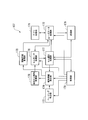
- FIG. 1 is a schematic block diagram showing a configuration of a communication system 100 according to an embodiment of the present invention. It is a schematic block diagram which shows the structure of eNB102a in the embodiment. It is a schematic block diagram which shows the structure of NodeB106a in the embodiment. It is a schematic block diagram which shows the structure of UE107 in the embodiment. It is a figure which shows the example of a format of the periphery cell information in alerting
- FIG. 1 is a schematic block diagram showing a configuration of a communication system 100 according to an embodiment of the present invention.
- the communication system 100 includes an MME 101, eNBs 102a and 102b, SGSN 103, MSC / VLR 104, RNCs 105a and 105b, NodeBs 106a and 106b, and a UE 107.
- the communication system 100 includes an E-UTRAN (Evolved Universal Terrestrial Radio Access Network), a mobile network that accommodates E-UTRAN, a UTRAN (UMTS (Universal Mobile Telecommunications Network) Terrestrial Radio Access Network), and a core network that accommodates UTRAN. Including.
- the mobile network and the core network are communicably connected.
- the MME 101 is a mobility management device (Mobile Management Entity) and is arranged in a mobile network.
- the MME 101 manages to which base station (eNB; E-UTRAN Node B) the mobile station device (UE; User Equipment) is located.
- the eNBs 102a and 102b are radio base station devices (eNB; E-UTRAN Node B) and are arranged in the E-UTRAN.
- the eNBs 102a and 102b perform radio communication with the UE 107 using RAT (Radio Access Technology) based on the LTE-A standard. Further, the eNB 102a and the eNB 102b are communicably connected via an X2 interface.
- RAT Radio Access Technology
- the SGSN 103 is a packet switch (SGSN; Serving General packet radio service Support Node) and is arranged in the core network.
- the MSC / VLR 104 is a circuit switch and a location register, and is arranged in the core network.
- the RNCs 105a and 105b are radio network control stations (Radio Network Controller) and are arranged in UTRAN.
- Node Bs 106a and 106b are radio base station apparatuses (UTRAN Node B), which are arranged in UTRAN.
- the NodeBs 106a and 106b wirelessly communicate with the UE 107 using RAT (Radio Access Technology) based on the W-CDMA (registered trademark) standard.
- RAT Radio Access Technology
- the UE 107 is a mobile station device and supports both RAT conforming to the LTE-A standard and RAT conforming to the W-CDMA (registered trademark) standard.
- the cell CEa is a cell of the eNB 102a.
- the cell CEb is a cell under the eNB 102b.
- the cell CUa is a cell under the NodeB 106a.
- the cell CUb is a cell under the NodeB 106b.
- the cell CEa, the cell CEb, the cell CUa, and the cell CUb are arranged so as to overlap each other geographically. Therefore, the cell CEa, the cell CEb, and the cell CUa are included in the peripheral cells of the cell CUb.
- the cell CEa, the cell CEb, and the cell CUb are included in the peripheral cells of the cell CUa.
- Cell CEa, cell CUa, and cell CUb are included in the peripheral cells of cell CEb.
- Cell CEb, cell CUa, and cell CUb are included in the peripheral cells of cell CEa.
- FIG. 2 is a schematic block diagram showing the configuration of the eNB 102a. Since the eNB 102b has the same configuration as the eNB 102a, the description thereof is omitted.
- the eNB 102a includes a communication unit 120, a neighboring cell information storage unit 121, a neighboring cell management unit 122, a paging signal generation unit 123, a broadcast information generation unit 124, a restriction management unit 125, a location registration processing unit 126, a user data transfer unit 127, and LTE.
- -A wireless transmission unit 128 and LTE-A wireless reception unit 129 are included.
- the communication unit 120 communicates with another radio base station (here, eNB 102b) and the MME 101 arranged in the E-UTRAN. Note that the communication unit 120 may use an X2 interface when communicating with other radio base stations arranged in the E-UTRAN.
- the neighboring cell information storage unit 121 stores neighboring cell information of the radio base station. This neighboring cell storage information includes the cell ID of each neighboring cell, information indicating the frequency, and information indicating the restriction state.
- the peripheral cell management unit 122 (peripheral restriction state acquisition unit) causes the peripheral cell information storage unit 121 to store information indicating the restriction state of the peripheral cell received by the communication unit 120. Then, the neighboring cell management unit 122 requests the broadcast information generation unit 124 to generate new broadcast information.
- the communication unit 120 receives information indicating the restriction state of neighboring cells from another radio base station (here, eNB 102b) or MME 101 arranged in the E-UTRAN.
- the paging signal generation unit 123 In response to the request from the broadcast information generation unit 124, the paging signal generation unit 123 generates a paging signal that notifies the mobile station device that the broadcast information has been updated, and outputs the paging signal to the LTE-A radio transmission unit 128.
- the broadcast information generation unit 124 receives the neighboring cell information stored in the neighboring cell information storage unit 121 and the regulation of the base station managed by the regulation management unit 125. Broadcast information including information indicating a state is generated. At this time, the notification information generation unit 124 requests the paging signal generation unit 123 to generate a paging signal for notifying that the notification information has been updated. The broadcast information generation unit 124 periodically outputs the generated broadcast information to the LET-A radio transmission unit 128.
- the regulation management unit 125 manages the regulation state of the own device. Specifically, the restriction management unit 125 determines whether the access class is restricted in the packet switching domain (PS; Packet Switch) or the restriction state in the EAB (Extended Access Barring) defined in the LTE-A standard. to manage. When there is a change in the restriction state of the own device, the restriction management unit 125 (restriction state notification unit), via the communication unit 120, the radio base station (here, eNB 102b) of the neighboring cell arranged in the E-UTRAN ) And MME 101 are notified of a new restriction state (restriction information change).
- PS Packet Switch
- EAB Extended Access Barring
- the MME 101 notifies the regulation information change to the RNCs 105a and 105b via the SGSN 103 and the MSC / VLR 104, and directly notifies the other base station (eNB 102b). Further, when there is a change in the restriction state of the own device, the restriction management unit 125 requests the notification information generation unit 124 to generate new notification information.
- the location registration processing unit 126 performs location registration by communicating with the MME 101 via the communication unit 120 in accordance with the location registration request received from the mobile station apparatus by the LTE-A wireless reception unit 129.
- the user data transfer unit 127 outputs the user data received by the communication unit 120 to the LTE-A radio transmission unit 128 and transfers it to the mobile station apparatus. Also, the user data received by the LTE-A wireless reception unit 129 is output to the communication unit 120 and transferred to the destination device.
- the LTE-A wireless transmission unit 128 conforms to the LTE-A standard by using the paging signal output by the paging signal generation unit 123, the notification information output by the notification information generation unit 124, and the user data output by the user data transfer unit 127. It transmits to a mobile station apparatus using RAT.
- the LTE-A wireless reception unit 129 receives user data and a location registration request signal transmitted by the mobile station apparatus using the RAT conforming to the LTE-A standard.
- FIG. 3 is a schematic block diagram showing the configuration of the RNC 105a and the NodeB 106a.
- the RNC 105b has the same configuration as that of the RNC 105a
- the NodeB 106b has the same configuration as that of the NodeB 106a.
- the same reference numerals (121 to 123, 124, 127) are assigned to the portions corresponding to the respective portions in FIG. 2, and the description thereof is omitted.
- the RNC 105a includes a communication unit 160, a neighboring cell information storage unit 121, a neighboring cell management unit 122, a paging signal generation unit 123, a notification information generation unit 124, a restriction management unit 165, a location registration processing unit 166, and a user data transfer unit 127. Consists of.
- the NodeB 106a includes a 3G wireless transmission unit 168 and a 3G wireless reception unit 169.
- the communication unit 160 of the RNC 105a communicates with the SGSN 103 and the MSC / VLR 104.
- the communication unit 160 receives, from the SGSN 103, information related to the circuit switching domain (CS; Circuit Switch) among the information indicating the restriction state of the neighboring cells, and receives information related to the packet switching domain (PS; Packet Switch) from the MSC / VLR 104.
- receives from the SGSN 103
- the restriction management unit 165 manages the restriction state of the own device. Specifically, the restriction management unit 165 manages the access class restriction state in the circuit switching domain (CS; Circuit Switch) and the access class restriction state in the packet switching domain (PS; Packet Switch).
- the restriction management unit 165 When there is a change in the restriction state of the own device, the restriction management unit 165 (restriction state notifying unit), via the communication unit 160, a new restriction state (restriction information change) related to the circuit switching domain (CS; Circuit Switch) Information is notified to the SGSN 103 and new restriction state (restriction information change) information regarding the packet switching domain (PS; PacketPackSwitch) is notified to the MSC / VLR 104. These restriction information changes are notified to other base stations (eNBs 102a, 102b, NodeB 106b) via the SGSN 103, MSC / VLR 104, and further via the other RNC 105b, MME 101, and the like. In addition, when there is a change in the restriction state of the own device, the restriction management unit 165 requests the notification information generation unit 124 to generate new notification information.
- CS Circuit Switch
- PS PacketPackSwitch
- the location registration processing unit 166 performs location registration by communicating with the SGSN 103 or the MSC / VLR via the communication unit 160 in accordance with the location registration request received by the 3G wireless reception unit 169 from the mobile station device.
- the 3G wireless transmission unit 168 converts the paging signal output from the paging signal generation unit 123, the notification information output from the notification information generation unit 124, and the user data output from the user data transfer unit 127 into the W-CDMA (registered trademark) standard. It transmits to a mobile station apparatus using RAT which followed.
- the 3G wireless reception unit 169 receives user data and a location registration request signal transmitted by the mobile station apparatus using RAT conforming to the W-CDMA (registered trademark) standard.
- FIG. 4 is a schematic block diagram showing the configuration of the UE 107.
- the UE 107 includes a restriction state management unit 170, an application processing unit 171, a user data processing unit 172, a paging detection unit 173, a broadcast information extraction unit 174, a neighboring cell information storage unit 175, and a cell search processing unit 176.
- the restriction state management unit 170 manages the restriction state of the cell in the service area based on the restriction state extracted by the broadcast information extraction unit 174.
- the application processing unit 171 executes an application that performs a call, web browsing, mail transmission / reception, and the like.
- the application processing unit 171 outputs user data to be transmitted to another device to the user data processing unit 172, and acquires user data received from the other device from the user data processing unit 172.
- the user data processing unit 172 outputs the user data received from the application processing unit 171 to the transmission unit 179 for wireless transmission. At this time, the user data processing unit 172 acquires the restricted state of the cell in the area from the restriction state management unit 170, and determines whether or not the user data can be transmitted to the cell in the area. For example, when a cell in the region has set an access class to be regulated in the circuit switching domain, the user data is call user data, that is, transmission to the circuit switching domain, and the UE 107 If the access class is a restriction target, it is determined that transmission is not possible. Alternatively, when the cell in the area is restricted by the access class and the access class of the UE 107 is a restriction target, it is determined that user data cannot be transmitted.
- the user data processing unit 172 performs the above-described determination at least before starting transmission of user data. Further, the user data processing unit 172 performs the same determination when the restriction state of the cell in the service area changes during the transmission of the user data.
- the user data processing unit 172 determines that the user data can be transmitted, the user data processing unit 172 causes the transmission unit 179 to output and transmit the user data as it is.
- the user data processing unit 172 requests the cell search processing unit 176 to perform a cell search and waits until the cell selection processing unit 177 instructs to resume user data transmission. To do.
- the user data processing unit 172 notifies the cell search processing unit 176 of restriction target information for determining whether transmission of the user data is subject to restriction in the neighboring cells together with the cell search request. .
- the restriction states of neighboring cells include restriction by an access class using EAB, restriction by an access class for a packet switching domain, and restriction by an access class for a circuit switching domain.
- the restriction target information includes information indicating whether the user data is transmission to the packet switching domain or transmission to the circuit switching domain, and information indicating the access class of the device.
- the paging detection unit 173 detects a paging signal from the signal received by the reception unit 178. When the detected paging signal indicates update of the notification information, the paging detection unit 173 notifies the notification information extraction unit 174 of the update of the notification information.
- the notification information extraction unit 174 (peripheral restriction state acquisition unit) extracts notification information from the signal received by the reception unit 178. Further, the broadcast information extraction unit 174 stores the peripheral cell information included in the extracted broadcast information in the peripheral cell information storage unit 175. Further, the broadcast information extraction unit 174 outputs information indicating the restriction state of the cell in the service area included in the extracted broadcast information to the restriction state management unit 170.
- the broadcast information extraction unit 174 extracts broadcast information when notification of update of broadcast information is notified from the paging detection unit 173 and when update of a cell in the service area is notified from the cell selection processing unit 177. . Even if the regulation state is changed, the base station does not transmit a paging signal, or the mobile station is regulated in a regulation state in which the base station does not transmit a paging signal even if there is a change. In response to a request from the user data processing unit 172 when transmitting user data, the notification information extraction unit 174 extracts notification information from the received signal.
- the neighboring cell information storage unit 175 stores neighboring cell information.
- the neighboring cell information includes information indicating the regulation state of each neighboring cell in addition to the cell ID and frequency of each neighboring cell, which is information necessary for the cell search.
- the neighboring cell information includes information on a RAT cell different from the cell in the service area.
- the cell search processing unit 176 When the cell search processing unit 176 is requested by the user data processing unit 172, the cell search processing unit 176 performs a cell search for the peripheral cell selected based on the information indicating the restriction state stored in the peripheral cell information storage unit 175. Specifically, the cell search processing unit 176 first reads information indicating the restriction state of each neighboring cell from the neighboring cell information storage unit 175. Then, the cell search processing unit 176 collates information indicating the restriction state of each neighboring cell with the restriction target information acquired from the user data processing unit 172, and the transmission performed by the user data processing unit 172 is not restricted. A cell is selected as a cell search target. The cell search processing unit 176 reads the cell ID and frequency of each selected neighboring cell from the neighboring cell information storage unit 175. The cell search processing unit 176 controls the receiving unit 178 based on these pieces of information to perform cell search.
- the cell selection processing unit 177 determines, for example, the cell having the best reception quality as the destination cell based on the cell search result of the cell search processing unit 176.
- the cell selection processing unit 177 notifies the reception unit 178 and the transmission unit 179 of the RAT of the destination cell. Then, the cell selection processing unit 177 outputs a location registration request for the destination cell to the transmission unit 179 for transmission.
- the cell selection processing unit 177 instructs the user data processing unit 172 to resume user data transmission.
- the notification information extraction unit 174 is notified that the cell in the service area has been updated.
- the reception unit 178 receives the transmissions transmitted by the base station devices (here, eNBs 102a and 102b, NodeBs 106a and 106b). Note that the reception unit 178 performs processing corresponding to the RAT notified from the cell selection processing unit 177 on the received signal.
- the transmission unit 179 transmits the user data output from the user data processing unit 172 to the base station devices (here, eNBs 102a and 102b, NodeBs 106a and 106b). Note that the transmission unit 179 performs processing on the user data according to the RAT notified from the cell selection processing unit 177, and generates a signal to be transmitted.
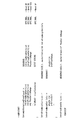
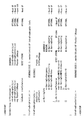
- FIG. 5 is a diagram showing a format example of neighboring cell information in the broadcast information.
- the example shown in FIG. 5 is an excerpt from 3GPP TS 36.311 V10.1.0 and is System Information Block Type 4 of E-UTRAN.
- inraFreqNeighCellList is a list of neighboring cell information of neighboring cells having the same frequency.
- InfraFreqNeighCellList has an IntraFreqNeighCellInfo type array, and each IntraFreqNeighCellInfo type includes a physCellId that is a cell ID.
- information indicating the restriction state is included in the IntraFreqNeighCellInfo type.
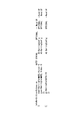
- FIG. 6 is a diagram illustrating a format example of information indicating a restriction state included in the IntraFreqNeighCellInfo type.
- FIG. 7 is a diagram illustrating another format example of information indicating a restriction state included in the IntraFreqNeighCellInfo type.
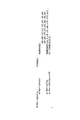
- FIG. 8 shows the AC-BARRINGConfig type in FIGS. 6 and 7.
- FIG. 9 by including the AC-BARRINGInfo type and the LateNonCriticalExtension type in the IntraFreqNeighCellInfo type of the neighboring cell information, it becomes possible to include the restriction states of those cells in the neighboring cell information.
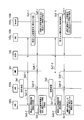
- FIG. 10 is a sequence diagram for explaining the operation of the communication system 100.
- the sequence diagram illustrated in FIG. 10 illustrates an operation example when the restriction state changes in the eNB 102a.
- the restriction management unit 125 of the eNB 102a transmits a restriction information change indicating the generated restriction state to the neighboring cell (eNB 102b) that can communicate with the MME 101 via the X2 interface via the communication unit 120. Transmit (Sa2-1, Sa2-2).
- the MME 101 transfers this restriction information change to the SGSN 103.
- the SGSN 103 transfers to the RNCs 105a and 105b.
- the RNCs 105a and 105b transfer the data to the NodeBs 106a and 106b, respectively (Sa2-1).
- the neighboring cell management unit 122 of each base station (eNB 102b, NodeB 106a, 106b) that has received this regulation information update indicates the regulation state of the neighboring cell information of the eNB 102a stored in the neighboring cell information storage unit 121 according to this regulation information update. Information is changed (Sa3-1, Sa3-2). Then, as a response, the neighboring cell management unit 122 transmits a restriction information change response through the reverse path (Sa4-1, Sa4-2).
- each base station (eNB 102b, NodeB 106a, 106b) generates broadcast information including information indicating the updated restriction state, and each radio transmission unit (LTE-A radio transmission unit 128, Transmission is performed from the 3G wireless transmission unit 168) (Sa5-1, Sa5-2).
- each radio transmission unit LTE-A radio transmission unit 128, Transmission is performed from the 3G wireless transmission unit 168) (Sa5-1, Sa5-2).
- the restriction management unit 125 of the eNB 102a communicates the restriction information change indicating the state in which the restriction is released via the communication unit 120 with the MME 101 via the X2 interface. It transmits to the neighboring cell (eNB 102b) that can be made (Sa7-1, Sa7-2).
- the MME 101 transfers this restriction information change to the SGSN 103.
- the SGSN 103 transfers to the RNCs 105a and 105b.
- the RNCs 105a and 105b transfer the data to the NodeBs 106a and 106b, respectively (Sa7-1).
- the neighboring cell management unit 122 of each base station (eNB 102b, NodeB 106a, 106b) that has received this regulation information update indicates the regulation state of the neighboring cell information of the eNB 102a stored in the neighboring cell information storage unit 121 according to this regulation information update.
- Information is changed (Sa8-1, Sa8-2). That is, the information is changed to information indicating that the restriction is released. Then, as a response, the neighboring cell management unit 122 transmits a restriction information change response through the reverse route (Sa9-1, Sa9-2).
- each base station (eNB 102b, NodeB 106a, 106b) generates broadcast information including information indicating that the restriction is released, and each radio transmission unit (LTE-A radio transmission unit) 128, 3G wireless transmission unit 168) (Sa10-1, Sa10-2).
- each radio transmission unit LTE-A radio transmission unit 128, 3G wireless transmission unit 168) (Sa10-1, Sa10-2).
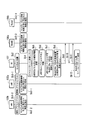
- FIG. 11 is another sequence diagram for explaining the operation of the communication system 100.
- the sequence diagram shown in FIG. 11 shows an operation example when the UE 107 performs packet transmission.
- restrictions on access classes occur in the cells CEa and CEb (Sb1-1 and Sb1-2).
- the UE 107 is located in the cell CEa of the eNB 102a (Sb2).
- the eNBs 102a and 102b and the NodeBs 106a and 106b transmit broadcast information (Sb3-1, Sb3-2, Sb3-3, Sb3-4).
- the broadcast information of the eNB 102a includes peripheral information indicating that the regulation is occurring in the cell CEb.
- the broadcast information of the eNB 102b includes peripheral information indicating that the regulation is occurring in the cell CEa.
- the broadcast information of the NodeBs 106a and 106b includes peripheral information indicating that the regulation is occurring in the cells CEa and CEb.
- the application processing unit 171 of the UE 107 transmits an email (packet) (Sb4).
- the user data processing unit 172 of the UE 107 acquires user data for transmitting this e-mail from the application processing unit 171.
- the broadcast information extraction unit 174 of the UE 107 receives broadcast information regarding the cell CEa (eNB 102a) in the service area via the reception unit 178 (Sb5).
- the broadcast information extraction unit 174 extracts the neighboring cell information from the broadcast information and stores it in the neighboring cell information storage unit 175.
- the notification information extraction unit 174 extracts information indicating the restriction state of the cell CEa in the service area from the notification information and notifies the restriction state management unit 170 of the information.
- a case where the paging signal is not transmitted even when the regulation state is changed is taken as an example.
- notification information may be received only when notified by the paging signal.
- the restriction state of each cell stored in the neighboring cell information storage unit 175 and the restriction state management unit 170 is the latest, the following determination is performed using these pieces of information when transmitting user data.
- the user data processing unit 172 acquires information indicating the restriction state of the cell CEa, which is a cell in the service area, from the restriction state management unit 170, and determines whether or not an email can be transmitted.
- the user data processing unit 172 determines that transmission of an email is not possible (access is not possible) (Sb6).
- the user data processing unit 172 requests the cell search processing unit 176 to perform a cell search.
- the cell search processing unit 176 refers to the neighboring cell information stored in the neighboring cell information storage unit 175, the cell CEb of the eNB 102b is inaccessible from the restricted state, and the cells CUa and CUb of the NodeBs 106a and 106b are not restricted. It is determined that access is possible (Sb7).
- the cell search processing unit 176 performs cell search (reception quality measurement) for the cells CUa and CUb determined to be accessible.
- the cell selection processing unit 177 compares the cell search results, and selects the cell (in this case, the cell CUa) with the better reception quality (Sb8).
- the cell selection processing unit 177 transmits a location registration request signal for the NodeB 106a, which is the base station of the selected cell CUa, via the transmission unit 179 (Sb9). Prior to this transmission, cell selection processing section 177 designates W-CDMA (registered trademark), which is the RAT of cell CUa, to transmitting section 179 and receiving section 178. Also, Routing Area Update is used as the location registration request.
- W-CDMA registered trademark
- the location registration processing unit 126 of the NodeB 106a that has received this location registration request signal via the 3G wireless reception unit 169 transfers the location registration request signal to the RNC 105a via the communication unit 160.
- the location registration processing unit 126 transfers the UE 107 via the 3G wireless transmission unit 168 (Sb10).
- the cell selection processing unit 177 of the UE 107 transmits a location registration completion signal to the NodeB 106 via the transmitting unit 179 (Sb11).
- the cell selection processing unit 177 instructs the user data processing unit 172 to resume user data transmission.
- the user data processing unit 172 outputs user data for transmitting the e-mail to the transmitting unit 179 and transmits it to the NodeB 106 (Sb12).
- the eNB 102 may notify the paging signal for updating the broadcast information, receive the broadcast information, and the sequence Sb7 and subsequent sequences may be performed using the detection of the restriction of the cell in the service area as a trigger.
- the cell search for the neighboring cells selected based on the regulation state of each neighboring cell is performed, and the destination cell is determined, so suppressing the load on the base station side, Processing for avoiding congestion can be performed.
- the selection is based on the neighboring cell to be subjected to the cell search and the regulation state of the neighboring cell, it is possible to prevent the regulation at the destination.
- part or all of the MME 101, eNB 102a, SGSN 103, MSC / VLR 104, RNC 105a, NodeB 106a, and UE 107 in FIG. 1 may be typically realized as an LSI that is an integrated circuit.
- Each functional block of the MME 101, eNB 102a, SGSN 103, MSC / VLR 104, RNC 105a, NodeB 106a, and UE 107 may be individually chipped, or a part or all of them may be integrated into a chip.
- the method of circuit integration is not limited to LSI, and implementation using a dedicated circuit or a general-purpose processor is also possible. Either hybrid or monolithic may be used. Some of the functions may be realized by hardware and some by software.
- an integrated circuit based on the technology can be used.
- the program for realizing the functions of MME 101, eNB 102a, SGSN 103, MSC / VLR 104, RNC 105a, NodeB 106a, UE 107 in FIG. 1 or a part of each function is recorded on a computer-readable recording medium.
- These devices may be realized by causing a computer system to read and execute a program recorded on a medium.
- the “computer system” includes an OS and hardware such as peripheral devices.
- the “computer-readable recording medium” means a storage device such as a flexible disk, a magneto-optical disk, a portable medium such as a ROM and a CD-ROM, and a hard disk incorporated in a computer system. Furthermore, the “computer-readable recording medium” dynamically holds a program for a short time like a communication line when transmitting a program via a network such as the Internet or a communication line such as a telephone line. In this case, a volatile memory in a computer system serving as a server or a client in that case, and a program that holds a program for a certain period of time are also included.
- the program may be a program for realizing a part of the functions described above, and may be a program capable of realizing the functions described above in combination with a program already recorded in a computer system.
- Communication system 101 ... MME 102a, 102b ... eNB 103 ... SGSN 104 ... MSC / VLR 105a, 105b ... RNC 106a, 106b ... NodeB 107 ... UE DESCRIPTION OF SYMBOLS 120,160 ... Communication part 121 ... Neighboring cell information storage part 122 ... Neighboring cell management part 123 ... Paging signal generation part 124 ... Broadcasting information generation part 125,165 ... Regulation management part 126,166 ... Location registration process part 127 ... User data Transfer unit 128 ... LTE-A radio transmission unit 129 ... LTE-A radio reception unit 168 ... 3G radio transmission unit 169 ...
- 3G radio reception unit 170 ... restriction state management unit 171 ... application processor 172 ... user data processor 173 ... paging Detection unit 174 ... Notification information extraction unit 175 ... Neighboring cell information storage unit 176 ... Cell search processing unit 177 ... Cell selection processing unit 178 ... Reception unit 179 ... Transmission unit
Landscapes
- Engineering & Computer Science (AREA)
- Computer Networks & Wireless Communication (AREA)
- Signal Processing (AREA)
- Computer Security & Cryptography (AREA)
- Mobile Radio Communication Systems (AREA)
Abstract
周辺セルの規制状態を取得する周辺規制状態取得部と、前記取得した規制状態に基づき選択した周辺セルを対象とするセルサーチを行うセルサーチ処理部と、前記セルサーチの結果に基づき、移動先のセルを選択するセル選択部とを具備することで、輻輳を回避するための処理の基地局における負荷を抑えることができる移動局装置。
Description
本発明は、移動局装置、基地局装置、通信方法およびプログラムに関する。
本願は、2012年6月28日に、日本に出願された特願2012-145461号に基づき優先権を主張し、その内容をここに援用する。
本願は、2012年6月28日に、日本に出願された特願2012-145461号に基づき優先権を主張し、その内容をここに援用する。
端末からの特定の基地局へのアクセスの集中による輻輳への対策としては、例えば、LTE-A(Long Term Evolution-Advanced)の規格に開示されている技術がある(例えば、非特許文献1)。この技術では、端末のアクセスクラスに応じて、基地局へのアクセスを制限して基地局にアクセスできる端末の数を減らすことで、輻輳を回避している。しかしながら、このアクセスクラスに応じた制限により輻輳を回避する技術では、基地局にアクセスができない端末を生じさせてしまうと言う問題が発生する。
このような問題点を回避する輻輳対策として、特許文献1に開示されている方法がある。この方法では、サービスセルが複数の異なるRAT(Radio Access Technology:無線通信接続技術)で重複使用されている場合には、端末のアクセスの対象を、1種類のRATの基地局だけでなく、異なる種類のRATの基地局にも拡大して、アクセスの対象を分散させる。さらに、異なるRATの基地局間で、該サービスセルでの各RATの負荷情報(Resource Status)の交換を行い、1種類のRATの基地局にアクセスが集中しないようにすることで、輻輳を回避している。
"Consideration on EAB content for LTE"、3GPP R2-115799
しかしながら、特許文献1の技術においては、端末の遷移先の決定は基地局側に委ねられている。このため、基地局側は、輻輳による高負荷状態であるにもかかわらず、セル内の複数(大量)の端末の中からどの端末をどのセルに遷移させるのかを決定する作業を行うという負荷がさらに生じてしまうという問題がある。
本発明は、このような事情に鑑みてなされたもので、輻輳を回避するための処理の基地局における負荷を抑えることができる移動局装置、基地局装置、通信方法およびプログラムを提供する。
(1)この発明は上述した課題を解決するためになされたもので、本発明の一態様は、周辺セルの規制状態を取得する周辺規制状態取得部と、前記取得した規制状態に基づき選択した周辺セルを対象とするセルサーチを行うセルサーチ処理部と、前記セルサーチの結果に基づき、移動先のセルを選択するセル選択部とを具備することを特徴とする移動局装置である。
(2)また、本発明の他の態様は、上述の移動局装置であって、前記周辺規制状態取得部は、在圏中のセルの報知情報を受信し、該報知情報から前記周辺セルの規制状態を取得することを特徴とする。
(3)また、本発明の他の態様は、上述の移動局装置であって、前記セルサーチ処理部は、当該移動局装置が行おうとしている通信、あるいは、当該移動局装置が現在行っている通信が規制対象であるか否を、前記規制状態に基づき、前記周辺セルの各々について判定し、前記通信が規制対象でないと判定した周辺セルを対象とするセルサーチを行うことを特徴とする。
(4)また、本発明の他の態様は、上述の移動局装置であって、前記セルサーチ処理部は、当該移動局装置がこれから行おうとしている通信が、在圏中のセルにおいて規制対象であるとき、あるいは、当該移動局装置が現在行っている通信が、在圏中のセルにおいて規制対象となったときに、前記セルサーチを行うことを特徴とする。
(5)また、本発明の他の態様は、周辺セルの規制状態を取得する周辺規制状態取得部と、前記取得した周辺セルの規制状態を示す情報を含む報知情報を生成する報知情報生成部と、前記生成した報知情報を、無線送信する無線送信部とを具備することを特徴とする基地局装置である。
(6)また、本発明の他の態様は、上述の基地局装置であって、当該基地局装置の規制状態を示す情報を他装置に送信する規制状態通知部を具備し、前記周辺規制状態取得部は、他装置から該周辺セルの規制状態を示す情報を受信することを特徴とする。
(7)また、本発明の他の態様は、周辺セルの規制状態を取得する第1の過程と、前記取得した規制状態に基づき選択した周辺セルを対象とするセルサーチを行う第2の過程と、前記セルサーチの結果に基づき、移動先のセルを選択する第3の過程とを有することを特徴とする通信方法である。
(8)また、本発明の他の態様は、周辺セルの規制状態を取得する第1の過程と、前記取得した周辺セルの規制状態を示す情報を含む報知情報を生成する第2の過程と、前記生成した報知情報を、無線送信する第3の過程とを有することを特徴とする通信方法である。
(9)また、本発明の他の態様は、移動局装置のコンピュータを、周辺セルの規制状態を取得する周辺規制状態取得部、前記取得した規制状態に基づき選択した周辺セルを対象とするセルサーチを行うセルサーチ処理部、前記セルサーチの結果に基づき、移動先のセルを選択するセル選択部として機能させるためのプログラムである。
(10)また、本発明の他の態様は、基地局装置のコンピュータを、周辺セルの規制状態を取得する周辺規制状態取得部、前記取得した周辺セルの規制状態を示す情報を含む報知情報を生成する報知情報生成部、前記生成した報知情報を、無線送信させる無線送信部として機能させるためのプログラムである。
この発明によれば、輻輳を回避するための処理の基地局における負荷を抑えることができる。
以下、図面を参照して、本発明の実施の形態について説明する。図1は、この発明の一実施形態による通信システム100の構成を示す概略ブロック図である。図1に示すように、通信システム100は、MME101、eNB102a、102b、SGSN103、MSC/VLR104、RNC105a、105b、NodeB106a、106b、UE107を含んで構成される。通信システム100は、E-UTRAN(Evolved Universal Terrestrial Radio Access Network)と、E-UTRANを収容するモバイルネットワークと、UTRAN(UMTS(Universal Mobile Telecommunications Network)Terrestrial Radio Access Network)と、UTRANを収容するコアネットワークとを含む。
また、モバイルネットワークと、コアネットワークとは通信可能に接続されている。
また、モバイルネットワークと、コアネットワークとは通信可能に接続されている。
MME101は、移動管理装置(Mobile Management Entity)であり、モバイルネットワークに配置されている。MME101は、移動局装置(UE;User Equipment)が、いずれの基地局(eNB;E-UTRAN Node B)に在圏しているかを管理する。eNB102a、102bは、無線基地局装置(eNB;E-UTRAN Node B)であり、E-UTRANに配置されている。eNB102a、102bは、LTE-A規格に準拠したRAT(RadioAccess Technology;無線通信接続技術)を用いて、UE107と無線通信する。また、eNB102aと、eNB102bとの間は、X2インターフェースにより通信可能に接続されている。
SGSN103は、パケット交換機(SGSN;Serving General packet radio service Support Node)であり、コアネットワークに配置されている。MSC/VLR104は、回線交換機およびロケーションレジスタであり、コアネットワークに配置されている。RNC105a、105bは、無線回線制御局(Radio Network Controller)であり、UTRANに配置されている。また、NodeB106a、106bは、無線基地局装置(UTRAN Node B)であり、UTRANに配置されている。NodeB106a、106bは、W-CDMA(登録商標)規格に準拠したRAT(Radio Access Technology;無線通信接続技術)を用いて、UE107と無線通信する。
また、UE107は、移動局装置であり、LTE-A規格に準拠したRATと、W-CDMA(登録商標)規格に準拠したRATとの双方に対応している。また、図1において、セルCEaは、eNB102aのセルである。セルCEbは、eNB102b配下のセルである。セルCUaは、NodeB106a配下のセルである。セルCUbは、NodeB106b配下のセルである。セルCEa、セルCEb、セルCUa、セルCUbは、互いに地理的に重畳するように配置されている。そのため、セルCEa、セルCEb、セルCUaは、セルCUbの周辺セルに含まれる。同様に、セルCEa、セルCEb、セルCUbは、セルCUaの周辺セルに含まれる。セルCEa、セルCUa、セルCUbは、セルCEbの周辺セルに含まれる。セルCEb、セルCUa、セルCUbは、セルCEaの周辺セルに含まれる。
図2は、eNB102aの構成を示す概略ブロック図である。eNB102bは、eNB102aと同様の構成であるので、説明を省略する。eNB102aは、通信部120、周辺セル情報記憶部121、周辺セル管理部122、ページング信号生成部123、報知情報生成部124、規制管理部125、位置登録処理部126、ユーザデータ転送部127、LTE-A無線送信部128、LTE-A無線受信部129を含んで構成される。
通信部120は、E-UTRANに配置された他の無線基地局(ここでは、eNB102b)およびMME101と通信する。なお、通信部120は、E-UTRANに配置された他の無線基地局と通信するときは、X2インターフェースを用いてもよい。周辺セル情報記憶部121は、当該無線基地局の周辺セル情報を記憶する。この周辺セル記憶情報には、周辺セル各々のセルIDと、周波数を示す情報と、規制状態を示す情報とを含む。
周辺セル管理部122(周辺規制状態取得部)は、通信部120が受信した周辺セルの規制状態を示す情報を、周辺セル情報記憶部121に記憶させる。そして、周辺セル管理部122は、報知情報生成部124に対して、新しい報知情報の生成を要求する。なお、通信部120は、周辺セルの規制状態を示す情報を、E-UTRANに配置された他の無線基地局(ここでは、eNB102b)またはMME101から受信する。ページング信号生成部123は、報知情報生成部124からの要求を受けて、移動局装置に報知情報が更新されたことを通知するページング信号を生成し、LTE-A無線送信部128に出力する。
周辺セル管理部122(周辺規制状態取得部)は、通信部120が受信した周辺セルの規制状態を示す情報を、周辺セル情報記憶部121に記憶させる。そして、周辺セル管理部122は、報知情報生成部124に対して、新しい報知情報の生成を要求する。なお、通信部120は、周辺セルの規制状態を示す情報を、E-UTRANに配置された他の無線基地局(ここでは、eNB102b)またはMME101から受信する。ページング信号生成部123は、報知情報生成部124からの要求を受けて、移動局装置に報知情報が更新されたことを通知するページング信号を生成し、LTE-A無線送信部128に出力する。
報知情報生成部124は、周辺セル管理部122または規制管理部125からの要求を受けて、周辺セル情報記憶部121が記憶する周辺セル情報と、規制管理部125が管理する当該基地局の規制状態を示す情報とを含む報知情報を生成する。このとき、報知情報生成部124は、ページング信号生成部123に対して報知情報が更新されたことを通知するページング信号の生成を要求する。報知情報生成部124は、生成した報知情報を、定期的にLET-A無線送信部128に出力する。
規制管理部125は、自装置の規制状態を管理する。具体的には、規制管理部125は、パケット交換ドメイン(PS;Packet Switch)におけるアクセスクラスの規制の状態、LTE-A規格にて規定されているEAB(Extended Access Barring)における規制の状態かを管理する。規制管理部125(規制状態通知部)は、自装置の規制状態に変化があったときは、通信部120を介して、E-UTRANに配置された周辺セルの無線基地局(ここでは、eNB102b)およびMME101に、新しい規制状態(規制情報変更)を通知する。MME101は、この規制情報変更を、RNC105a、105bには、SGSN103、MSC/VLR104を介して通知し、他の基地局(eNB102b)には、直接通知する。また、規制管理部125は、自装置の規制状態に変化があったときは、報知情報生成部124に、新しい報知情報の生成を要求する。
位置登録処理部126は、LTE-A無線受信部129が移動局装置から受信した位置登録要求に従い、通信部120を介してMME101と通信して位置登録を行う。ユーザデータ転送部127は、通信部120が受信したユーザデータを、LTE-A無線送信部128に出力して、移動局装置に転送する。また、LTE-A無線受信部129が受信したユーザデータを、通信部120に出力して、宛先の装置に転送する。
LTE-A無線送信部128は、ページング信号生成部123が出力したページング信号、報知情報生成部124が出力した報知情報、ユーザデータ転送部127が出力したユーザデータを、LTE-A規格に準拠したRATを用いて、移動局装置に送信する。LTE-A無線受信部129は、移動局装置がLTE-A規格に準拠したRATを用いて送信したユーザデータや位置登録要求の信号を受信する。
図3は、RNC105aおよびNodeB106aの構成を示す概略ブロック図である。RNC105bは、RNC105aと同様の構成であり、NodeB106bは、NodeB106aと同様の構成であるので、説明を省略する。また、同図において図2の各部に対応する部分には同一の符号(121~123、124、127)を付け、その説明を省略する。RNC105aは、通信部160、周辺セル情報記憶部121、周辺セル管理部122、ページング信号生成部123、報知情報生成部124、規制管理部165、位置登録処理部166、ユーザデータ転送部127を含んで構成される。NodeB106aは、3G無線送信部168、3G無線受信部169を含んで構成される。
RNC105aの通信部160は、SGSN103、MSC/VLR104と通信する。なお、通信部160は、周辺セルの規制状態を示す情報のうち回線交換ドメイン(CS;Circuit Switch)に関する情報を、SGSN103から受信し、パケット交換ドメイン(PS;Packet Switch)に関する情報をMSC/VLR104から受信する。規制管理部165は、自装置の規制状態を管理する。具体的には、規制管理部165は、回線交換ドメイン(CS;Circuit Switch)におけるアクセスクラスの規制の状態、パケット交換ドメイン(PS;Packet Switch)におけるアクセスクラスの規制の状態を管理する。
規制管理部165(規制状態通知部)は、自装置の規制状態に変化があったときは、通信部160を介して、回線交換ドメイン(CS;Circuit Switch)に関する新しい規制状態(規制情報変更)情報をSGSN103に、パケット交換ドメイン(PS;Packet Switch)に関する新しい規制状態(規制情報変更)情報をMSC/VLR104に通知する。これらの規制情報変更は、SGSN103、MSC/VLR104を介し、さらに他のRNC105b、MME101などを介して、他の基地局(eNB102a、102b、NodeB106b)に通知される。また、規制管理部165は、自装置の規制状態に変化があったときは、報知情報生成部124に、新しい報知情報の生成を要求する。
位置登録処理部166は、3G無線受信部169が移動局装置から受信した位置登録要求に従い、通信部160を介してSGSN103またはMSC/VLRと通信して位置登録を行う。3G無線送信部168は、ページング信号生成部123が出力したページング信号、報知情報生成部124が出力した報知情報、ユーザデータ転送部127が出力したユーザデータを、W-CDMA(登録商標)規格に準拠したRATを用いて、移動局装置に送信する。3G無線受信部169は、移動局装置がW-CDMA(登録商標)規格に準拠したRATを用いて送信したユーザデータや位置登録要求の信号を受信する。
図4は、UE107の構成を示す概略ブロック図である。図4に示すように、UE107は、規制状態管理部170、アプリ処理部171、ユーザデータ処理部172、ページング検出部173、報知情報抽出部174、周辺セル情報記憶部175、セルサーチ処理部176、セル選択処理部177、受信部178、送信部179を含んで構成される。
規制状態管理部170は、在圏中のセルの規制状態を、報知情報抽出部174が抽出した規制状態に基づき管理する。アプリ処理部171は、通話、Webブラウジング、メール送受信などを行うアプリケーションを実行する。アプリ処理部171は、他装置に送信するユーザデータを、ユーザデータ処理部172に出力し、他装置から受信したユーザデータをユーザデータ処理部172から取得する。
ユーザデータ処理部172は、アプリ処理部171から受けたユーザデータを、無線送信させるために送信部179に出力する。このとき、ユーザデータ処理部172は、規制状態管理部170から在圏中のセルの規制状態を取得し、該ユーザデータを在圏中のセルに送信できるか否かを判定する。例えば、在圏中のセルが、回線交換ドメインにおいて規制するアクセスクラスを設定しているときは、該ユーザデータが通話のユーザデータである、すなわち回線交換ドメインに対する送信であり、かつ、当該UE107のアクセスクラスが規制対象であれば、送信できないと判定する。あるいは、在圏中のセルがアクセスクラスによる規制をしており、当該UE107のアクセスクラスが規制対象であるときは、ユーザデータを送信できないと判定する。
なお、ユーザデータ処理部172は、少なくともユーザデータの送信開始前に、上述の判定を行う。また、ユーザデータ処理部172は、該ユーザデータの送信中に、在圏中のセルの規制状態が変わったときにも、同様の判定を行う。ユーザデータ処理部172は、該ユーザデータを送信できると判定したときは、そのまま送信部179に、該ユーザデータを出力して送信させる。また、該ユーザデータを送信できないと判定したときは、ユーザデータ処理部172は、セルサーチ処理部176にセルサーチを要求し、セル選択処理部177からユーザデータ送信の再開を指示されるまで待機する。なお、ユーザデータ処理部172は、該セルサーチの要求とともに、該ユーザデータの送信が周辺セルにて規制対象となるか否かを判定するための規制対象情報をセルサーチ処理部176に通知する。
本実施形態では、周辺セルの規制状態として、EABを用いたアクセスクラスによる規制と、パケット交換ドメインに対するアクセスクラスによる規制と、回線交換ドメインに対するアクセスクラスによる規制とがある。そのため、規制対象情報としては、該ユーザデータが、パケット交換ドメインに対する送信であるか、回線交換ドメインに対する送信であるかを示す情報と、当該装置のアクセスクラスを示す情報とがある。
ページング検出部173は、受信部178が受信した信号から、ページング信号を検出する。検出したページング信号が報知情報の更新を示すときは、ページング検出部173は、報知情報抽出部174に、報知情報の更新を通知する。報知情報抽出部174(周辺規制状態取得部)は、受信部178が受信した信号から、報知情報を抽出する。さらに、報知情報抽出部174は、抽出した報知情報に含まれる周辺セル情報を、周辺セル情報記憶部175に記憶させる。また、報知情報抽出部174は、抽出した報知情報に含まれる在圏中のセルの規制状態を示す情報を、規制状態管理部170に出力する。
なお、報知情報抽出部174は、ページング検出部173から報知情報の更新を通知されたときと、セル選択処理部177から在圏するセルの更新が通知されたときに、報知情報の抽出を行う。なお、規制状態が変更されても、基地局がページング信号を送信しない場合、あるいは、当該移動局が、規制状態のうち、変更があっても基地局がページング信号を送信しない規制状態で規制される装置の場合は、ユーザデータの送信時にユーザデータ処理部172からの要求を受けて、報知情報抽出部174は、受信信号からの報知情報の抽出を行う。
周辺セル情報記憶部175は、周辺セル情報を記憶する。なお、この周辺セル情報には、セルサーチに必要な情報である、周辺セル各々のセルID、周波数に加え、周辺セル各々の規制状態を示す情報を含む。また、この周辺セル情報には、在圏中のセルとは異なるRATのセルに関する情報も含まれる。
セルサーチ処理部176は、ユーザデータ処理部172からセルサーチを要求されると、周辺セル情報記憶部175が記憶する規制状態を示す情報に基づき選択した周辺セルを対象とするセルサーチを行う。具体的には、セルサーチ処理部176は、まず、周辺セル情報記憶部175から周辺セル各々の規制状態を示す情報を読み出す。そして、セルサーチ処理部176は、周辺セル各々の規制状態を示す情報と、ユーザデータ処理部172から取得した規制対象情報とを照合し、ユーザデータ処理部172が行う送信が規制対象とならない周辺セルを、セルサーチの対象として選択する。セルサーチ処理部176は、選択した周辺セル各々のセルID、周波数を周辺セル情報記憶部175から読み出す。セルサーチ処理部176は、これらの情報に基づき受信部178を制御して、セルサーチを行う。
セル選択処理部177(セル選択部)は、セルサーチ処理部176のセルサーチの結果に基づき、例えば、最も受信品質の良いセルを、移動先のセルとして決定する。セル選択処理部177は、移動先のセルのRATを受信部178と送信部179に通知する。そして、セル選択処理部177は、移動先のセルに対する位置登録要求を、送信させるために送信部179に出力する。セル選択処理部177は、該位置登録が完了すると、ユーザデータ処理部172に対して、ユーザデータ送信の再開を指示する。また、報知情報抽出部174に在圏するセルが更新されたことを通知する。
受信部178は、基地局装置(ここでは、eNB102a、102b、NodeB106a、106b)が送信した受信をする。なお、受信部178は、受信した信号に対して、セル選択処理部177から通知されたRATに応じた処理を行う。送信部179は、ユーザデータ処理部172が出力したユーザデータを、基地局装置(ここでは、eNB102a、102b、NodeB106a、106b)に送信する。なお、送信部179は、ユーザデータに対して、セル選択処理部177から通知されたRATに応じた処理を行い、送信する信号を生成する。
図5は、報知情報における周辺セル情報のフォーマット例を示す図である。図5に示す例は、3GPP TS36.311 V10.1.0からの抜粋であり、E-UTRANのSystemInformationBlockType4である。図5に示すフォーマット例では、inraFreqNeighCellListは、同一周波数の周辺セルの周辺セル情報のリストである。そして、inraFreqNeighCellListは、IntraFreqNeighCellInfo型の配列になっており、各IntraFreqNeighCellInfo型は、セルIDであるphysCellIdを含んでいる。本実施形態では、このIntraFreqNeighCellInfo型に、規制状態を示す情報を含める。
図6は、IntraFreqNeighCellInfo型に含める規制状態を示す情報のフォーマット例を示す図である。また、図7は、IntraFreqNeighCellInfo型に含める規制状態を示す情報の別のフォーマット例を示す図である。図8は、図6、図7中のAC-BARRINGConfig型を示したものである。以上をまとめると、図9に示すように周辺セル情報のIntraFreqNeighCellInfo型にAC-BARRINGInfo型およびLateNonCritecalExtension型を含めることにより、周辺セル情報にそれらのセルの規制状態を含めることが可能となる。
なお、ここでは同一周波数の周辺セルの場合を示したが、周波数の異なる周辺セル(Inter-Frequency)や、UTRANなどRATの異なる周辺セルについても同様に、周辺セル情報を記載するフォーマットが規定されているので、規制状態を示す情報を同様にして挿入する。
なお、ここでは同一周波数の周辺セルの場合を示したが、周波数の異なる周辺セル(Inter-Frequency)や、UTRANなどRATの異なる周辺セルについても同様に、周辺セル情報を記載するフォーマットが規定されているので、規制状態を示す情報を同様にして挿入する。
図10は、通信システム100の動作を説明するシーケンス図である。図10に示すシーケンス図は、eNB102aにおいて規制状態が変わったときの動作例を示す。eNB102aにおいて規制が発生すると(Sa1)、eNB102aの規制管理部125は、通信部120を介して、発生した規制状態を示す規制情報変更を、MME101とX2インターフェースで通信できる周辺セル(eNB102b)とに送信する(Sa2-1、Sa2-2)。MME101は、この規制情報変更をSGSN103に転送する。SGSN103は、RNC105a、105bに転送する。RNC105a、105bは、それぞれNodeB106a、106bに転送する(Sa2-1)。
この規制情報更新を受信した各基地局(eNB102b、NodeB106a、106b)の周辺セル管理部122は、この規制情報更新に従い、周辺セル情報記憶部121が記憶するeNB102aの周辺セル情報の規制状態を示す情報を変更する(Sa3-1、Sa3-2)。そして、周辺セル管理部122は、その応答として、規制情報変更応答を逆の経路で送信する(Sa4-1、Sa4-2)。また、各基地局(eNB102b、NodeB106a、106b)の報知情報生成部124は、更新された規制状態を示す情報を含む報知情報を生成し、それぞれの無線送信部(LTE-A無線送信部128、3G無線送信部168)から送信する(Sa5-1、Sa5-2)。
次に、eNB102aにおける規制が解除されると(Sa6)、eNB102aの規制管理部125は、通信部120を介して、規制状が解除された状態を示す規制情報変更を、MME101とX2インターフェースで通信できる周辺セル(eNB102b)とに送信する(Sa7-1、Sa7-2)。MME101は、この規制情報変更をSGSN103に転送する。SGSN103は、RNC105a、105bに転送する。RNC105a、105bは、それぞれNodeB106a、106bに転送する(Sa7-1)。
この規制情報更新を受信した各基地局(eNB102b、NodeB106a、106b)の周辺セル管理部122は、この規制情報更新に従い、周辺セル情報記憶部121が記憶するeNB102aの周辺セル情報の規制状態を示す情報を変更する(Sa8-1、Sa8-2)。すなわち、規制が解除されていることを示す情報に変更する。そして、周辺セル管理部122は、その応答として、規制情報変更応答を逆の経路で送信する(Sa9-1、Sa9-2)。また、各基地局(eNB102b、NodeB106a、106b)の報知情報生成部124は、規制が解除されていることを示す情報を含む報知情報を生成し、それぞれの無線送信部(LTE-A無線送信部128、3G無線送信部168)から送信する(Sa10-1、Sa10-2)。
図11は、通信システム100の動作を説明する別のシーケンス図である。図11に示すシーケンス図は、UE107がパケット送信を行うときの動作例を示す。まず、eNB102a、102bともに、そのセルCEa、CEbでは、アクセスクラスによる規制が発生している(Sb1-1、Sb1-2)。また、UE107は、eNB102aのセルCEaに在圏している(Sb2)。eNB102a、102b、NodeB106a、106bは報知情報を送信している(Sb3-1、Sb3-2、Sb3-3、Sb3-4)。このとき、eNB102aの報知情報は、セルCEbにおいて規制が発生していること示す周辺情報を含んでいる。eNB102bの報知情報は、セルCEaにおいて規制が発生していること示す周辺情報を含んでいる。NodeB106a、106bの報知情報は、セルCEa、CEbにおいて規制が発生していること示す周辺情報を含んでいる。
このような状態のときに、UE107のアプリ処理部171がEメール(パケット)の送信を行う(Sb4)。UE107のユーザデータ処理部172は、このEメールを送信するためのユーザデータをアプリ処理部171から取得する。次に、UE107の報知情報抽出部174は、受信部178を介して、在圏中のセルCEa(eNB102a)に関する報知情報を受信する(Sb5)。報知情報抽出部174は、該報知情報から周辺セル情報を抽出して、周辺セル情報記憶部175に記憶させる。また、報知情報抽出部174は、該報知情報から在圏中のセルCEaの規制状態を示す情報を抽出し、規制状態管理部170に通知する。なお、ここでは、規制状態に変更があってもページング信号が送信されない場合を例にしている。規制状態に変更があったときは、ページング信号が送信される場合は、報知情報の受信はページング信号にて通知されたときのみでよい。この場合、周辺セル情報記憶部175および規制状態管理部170が記憶する各セルの規制状態は最新のものであるので、ユーザデータ送信時には、これらの情報を用いて以下の判定を行う。
ユーザデータ処理部172は、在圏中のセルであるセルCEaの規制状態を示す情報を、規制状態管理部170から取得し、Eメールの送信が可能か否かを判定する。ここでは、UE107が、セルCEaにおけるアクセスクラスによる規制の対象となっているとする。そのため、ユーザデータ処理部172は、Eメールの送信は不可(アクセス不可)と判断する(Sb6)。次に、ユーザデータ処理部172は、セルサーチ処理部176にセルサーチを要求する。セルサーチ処理部176は、周辺セル情報記憶部175が記憶する周辺セル情報を参照し、eNB102bのセルCEbは、その規制状態からアクセス不可であり、NodeB106a、106bのセルCUa、CUbは、規制なしであり、アクセス可と判定する(Sb7)。
セルサーチ処理部176は、アクセス可と判定したセルCUa、CUbを対象として、セルサーチ(受信品質の測定)を行う。セル選択処理部177は、セルサーチの結果を比較し、受信品質が良い方のセル(ここでは、セルCUa)を選択する(Sb8)。セル選択処理部177は、選択したセルCUaの基地局であるNodeB106aに対する位置登録要求信号を、送信部179を介して送信する(Sb9)。なお、この送信の前に、セル選択処理部177はセルCUaのRATであるW-CDMA(登録商標)を送信部179および受信部178に指定する。また、位置登録要求として、Routing Area Updateを用いる。
これは、Eメール(パケット)の送信であったので、E-UTRAのセルであるセルCEaからUTRANのセルであるセルCUaのパケット交換ドメインへの移動であったからである。E-UTRAのセルへの移動であれば、位置登録要求として、Tracking Area Updateを用いる。また、UTRANセルのPS/CS Combinedへの移動であれば、Routing Area Updateを用い、UTRANセルのパケット交換ドメインへの移動であれば、Location Updateとなる。
3G無線受信部169を介して、この位置登録要求信号を受けたNodeB106aの位置登録処理部126は、通信部160を介して、RNC105aに位置登録要求信号を転送する。また、通信部160を介して、位置登録要求信号に対する応答である位置登録応答信号をRNC105aから受けると、位置登録処理部126は、3G無線送信部168を介してUE107に転送する(Sb10)。UE107のセル選択処理部177は、受信部178を介して、この位置登録応答信号を受けると、位置登録完了信号を、送信部179を介してNodeB106に送信する(Sb11)。
これにより、UE107は、セルCUaに在圏中となるので、セル選択処理部177は、ユーザデータ処理部172にユーザデータ送信の再開を指示する。該指示を受けたユーザデータ処理部172は、Eメールを送信するためのユーザデータを、送信部179に出力して、NodeB106に送信させる(Sb12)。
なお、図11では、UE107からのEメールの送信をトリガとして、周辺セルへ遷移するシーケンスを示した。eNB102から報知情報更新のページング信号が通知されるなどして、報知情報を受信し、在圏中のセルの規制を検出したことをトリガとして、シーケンスSb7以降のシーケンスを行うようにしてもよい。
このように、移動局側にて、各周辺セルの規制状態に基づき選択した周辺セルを対象とするセルサーチを行い、移動先のセルを決定するので、基地局側にかかる負荷を抑えつつ、輻輳を回避するための処理を行うことができる。このとき、セルサーチの対象とする周辺セルと、該周辺セルの規制状態に基づき選択しているので、移動先で規制されてしまうことを防ぐことができる。
また、図1におけるMME101、eNB102a、SGSN103、MSC/VLR104、RNC105a、NodeB106a、UE107の一部、または全部を典型的には、集積回路であるLSIとして実現してもよい。MME101、eNB102a、SGSN103、MSC/VLR104、RNC105a、NodeB106a、UE107の各機能ブロックは個別にチップ化してもよいし、一部、または全部を集積してチップ化してもよい。また、集積回路化の手法はLSIに限らず、専用回路、または汎用プロセッサで実現しても良い。ハイブリッド、モノリシックのいずれでも良い。一部は、ハードウェアにより、一部はソフトウェアにより機能を実現させても良い。
また、半導体技術の進歩により、LSIに代替する集積回路化等の技術が出現した場合、当該技術による集積回路を用いることも可能である。
また、半導体技術の進歩により、LSIに代替する集積回路化等の技術が出現した場合、当該技術による集積回路を用いることも可能である。
また、図1におけるMME101、eNB102a、SGSN103、MSC/VLR104、RNC105a、NodeB106a、UE107各々の機能あるいは各々の一部の機能を実現するためのプログラムをコンピュータ読み取り可能な記録媒体に記録して、この記録媒体に記録されたプログラムをコンピュータシステムに読み込ませ、実行することにより、これらの装置を実現してもよい。なお、ここでいう「コンピュータシステム」とは、OSや周辺機器等のハードウェアを含むものとする。
また、「コンピュータ読み取り可能な記録媒体」とは、フレキシブルディスク、光磁気ディスク、ROM、CD-ROM等の可搬媒体、コンピュータシステムに内蔵されるハードディスク等の記憶装置のことをいう。さらに「コンピュータ読み取り可能な記録媒体」とは、インターネット等のネットワークや電話回線等の通信回線を介してプログラムを送信する場合の通信線のように、短時間の間、動的にプログラムを保持するもの、その場合のサーバやクライアントとなるコンピュータシステム内部の揮発性メモリのように、一定時間プログラムを保持しているものも含むものとする。また上記プログラムは、前述した機能の一部を実現するためのものであっても良く、さらに前述した機能をコンピュータシステムにすでに記録されているプログラムとの組み合わせで実現できるものであっても良い。
以上、この発明の実施形態を図面を参照して詳述してきたが、具体的な構成はこの実施形態に限られるものではなく、この発明の要旨を逸脱しない範囲の設計変更等も含まれる。
100…通信システム
101…MME
102a、102b…eNB
103…SGSN
104…MSC/VLR
105a、105b…RNC
106a、106b…NodeB
107…UE
120、160…通信部
121…周辺セル情報記憶部
122…周辺セル管理部
123…ページング信号生成部
124…報知情報生成部
125、165…規制管理部
126、166…位置登録処理部
127…ユーザデータ転送部
128…LTE-A無線送信部
129…LTE-A無線受信部
168…3G無線送信部
169…3G無線受信部
170…規制状態管理部
171…アプリ処理部
172…ユーザデータ処理部
173…ページング検出部
174…報知情報抽出部
175…周辺セル情報記憶部
176…セルサーチ処理部
177…セル選択処理部
178…受信部
179…送信部
101…MME
102a、102b…eNB
103…SGSN
104…MSC/VLR
105a、105b…RNC
106a、106b…NodeB
107…UE
120、160…通信部
121…周辺セル情報記憶部
122…周辺セル管理部
123…ページング信号生成部
124…報知情報生成部
125、165…規制管理部
126、166…位置登録処理部
127…ユーザデータ転送部
128…LTE-A無線送信部
129…LTE-A無線受信部
168…3G無線送信部
169…3G無線受信部
170…規制状態管理部
171…アプリ処理部
172…ユーザデータ処理部
173…ページング検出部
174…報知情報抽出部
175…周辺セル情報記憶部
176…セルサーチ処理部
177…セル選択処理部
178…受信部
179…送信部
Claims (10)
- 周辺セルの規制状態を取得する周辺規制状態取得部と、
前記取得した規制状態に基づき選択した周辺セルを対象とするセルサーチを行うセルサーチ処理部と、
前記セルサーチの結果に基づき、移動先のセルを選択するセル選択部と
を具備することを特徴とする移動局装置。 - 前記周辺規制状態取得部は、在圏中のセルの報知情報を受信し、該報知情報から前記周辺セルの規制状態を取得することを特徴とする請求項1に記載の移動局装置。
- 前記セルサーチ処理部は、当該移動局装置が行おうとしている通信、あるいは、当該移動局装置が現在行っている通信が規制対象であるか否を、前記規制状態に基づき、前記周辺セルの各々について判定し、前記通信が規制対象でないと判定した周辺セルを対象とするセルサーチを行うことを特徴とする請求項1に記載の移動局装置。
- 前記セルサーチ処理部は、当該移動局装置がこれから行おうとしている通信が、在圏中のセルにおいて規制対象であるとき、あるいは、当該移動局装置が現在行っている通信が、在圏中のセルにおいて規制対象となったときに、前記セルサーチを行うことを特徴とする請求項3に記載の移動局装置。
- 周辺セルの規制状態を取得する周辺規制状態取得部と、
前記取得した周辺セルの規制状態を示す情報を含む報知情報を生成する報知情報生成部と、
前記生成した報知情報を、無線送信する無線送信部と
を具備することを特徴とする基地局装置。 - 当該基地局装置の規制状態を示す情報を他装置に送信する規制状態通知部を具備し、
前記周辺規制状態取得部は、他装置から該周辺セルの規制状態を示す情報を受信すること
を特徴とする請求項5に記載の基地局装置。 - 周辺セルの規制状態を取得する第1の過程と、
前記取得した規制状態に基づき選択した周辺セルを対象とするセルサーチを行う第2の過程と、
前記セルサーチの結果に基づき、移動先のセルを選択する第3の過程と
を有することを特徴とする通信方法。 - 周辺セルの規制状態を取得する第1の過程と、
前記取得した周辺セルの規制状態を示す情報を含む報知情報を生成する第2の過程と、
前記生成した報知情報を、無線送信する第3の過程と
を有することを特徴とする通信方法。 - 移動局装置のコンピュータを、
周辺セルの規制状態を取得する周辺規制状態取得部、
前記取得した規制状態に基づき選択した周辺セルを対象とするセルサーチを行うセルサーチ処理部、
前記セルサーチの結果に基づき、移動先のセルを選択するセル選択部
として機能させるためのプログラム。 - 基地局装置のコンピュータを、
周辺セルの規制状態を取得する周辺規制状態取得部、
前記取得した周辺セルの規制状態を示す情報を含む報知情報を生成する報知情報生成部、
前記生成した報知情報を、無線送信させる無線送信部
として機能させるためのプログラム。
Priority Applications (1)
| Application Number | Priority Date | Filing Date | Title |
|---|---|---|---|
| US14/410,683 US20150195756A1 (en) | 2012-06-28 | 2013-06-11 | Mobile station device, base station device, communication method, and recording medium |
Applications Claiming Priority (2)
| Application Number | Priority Date | Filing Date | Title |
|---|---|---|---|
| JP2012-145461 | 2012-06-28 | ||
| JP2012145461A JP2014011548A (ja) | 2012-06-28 | 2012-06-28 | 移動局装置、基地局装置、通信方法およびプログラム |
Publications (1)
| Publication Number | Publication Date |
|---|---|
| WO2014002749A1 true WO2014002749A1 (ja) | 2014-01-03 |
Family
ID=49782913
Family Applications (1)
| Application Number | Title | Priority Date | Filing Date |
|---|---|---|---|
| PCT/JP2013/066067 Ceased WO2014002749A1 (ja) | 2012-06-28 | 2013-06-11 | 移動局装置、基地局装置、通信方法およびプログラム |
Country Status (3)
| Country | Link |
|---|---|
| US (1) | US20150195756A1 (ja) |
| JP (1) | JP2014011548A (ja) |
| WO (1) | WO2014002749A1 (ja) |
Families Citing this family (2)
| Publication number | Priority date | Publication date | Assignee | Title |
|---|---|---|---|---|
| JP6052898B2 (ja) * | 2014-02-18 | 2016-12-27 | 日本電信電話株式会社 | 無線通信接続制御システムおよびその方法 |
| JP6468354B2 (ja) * | 2015-05-14 | 2019-02-13 | 富士通株式会社 | 無線通信装置、無線通信システムおよび無線通信方法 |
Citations (4)
| Publication number | Priority date | Publication date | Assignee | Title |
|---|---|---|---|---|
| JPH0918927A (ja) * | 1995-06-29 | 1997-01-17 | Nec Corp | 無線セル選択方法 |
| JP2009206860A (ja) * | 2008-02-28 | 2009-09-10 | Kyocera Corp | 無線端末装置および無線ネットワークシステム |
| JP2009212847A (ja) * | 2008-03-04 | 2009-09-17 | Fujitsu Ltd | 基地局、移動通信端末および移動無線通信システム |
| JP2012070074A (ja) * | 2010-09-21 | 2012-04-05 | Sumitomo Electric Ind Ltd | 隣接セル処理装置および隣接セル処理方法 |
Family Cites Families (4)
| Publication number | Priority date | Publication date | Assignee | Title |
|---|---|---|---|---|
| DE602004013575D1 (de) * | 2004-08-18 | 2008-06-19 | Research In Motion Ltd | Vorrichtung und Verfahren zum Messen in einem Teilnehmergerät für ein mobiles Telekommunikationssystem |
| JP5103113B2 (ja) * | 2007-09-21 | 2012-12-19 | 株式会社エヌ・ティ・ティ・ドコモ | ユーザ装置 |
| US8792890B2 (en) * | 2009-11-04 | 2014-07-29 | Blackberry Limited | Methods and apparatus to monitor a channel to determine neighbor cell information |
| EP2355589A1 (en) * | 2010-01-28 | 2011-08-10 | ST-Ericsson SA | Cell selection and reselection in a telecommunication network |
-
2012
- 2012-06-28 JP JP2012145461A patent/JP2014011548A/ja active Pending
-
2013
- 2013-06-11 US US14/410,683 patent/US20150195756A1/en not_active Abandoned
- 2013-06-11 WO PCT/JP2013/066067 patent/WO2014002749A1/ja not_active Ceased
Patent Citations (4)
| Publication number | Priority date | Publication date | Assignee | Title |
|---|---|---|---|---|
| JPH0918927A (ja) * | 1995-06-29 | 1997-01-17 | Nec Corp | 無線セル選択方法 |
| JP2009206860A (ja) * | 2008-02-28 | 2009-09-10 | Kyocera Corp | 無線端末装置および無線ネットワークシステム |
| JP2009212847A (ja) * | 2008-03-04 | 2009-09-17 | Fujitsu Ltd | 基地局、移動通信端末および移動無線通信システム |
| JP2012070074A (ja) * | 2010-09-21 | 2012-04-05 | Sumitomo Electric Ind Ltd | 隣接セル処理装置および隣接セル処理方法 |
Non-Patent Citations (1)
| Title |
|---|
| "3rd Generation Partnership Project;Technical Specification Group Radio Access Network; Evolved Universal Terrestrial Radio Access (E- UTRA);Radio Resource Control (RRC);Protocol specification(Release 10)", 3GPP TS 36.331 V10. 5.0, March 2012 (2012-03-01), pages 5.3.3.11 * |
Also Published As
| Publication number | Publication date |
|---|---|
| JP2014011548A (ja) | 2014-01-20 |
| US20150195756A1 (en) | 2015-07-09 |
Similar Documents
| Publication | Publication Date | Title |
|---|---|---|
| EP3592035B1 (en) | Mobile network switching method and communication device | |
| JP6461913B2 (ja) | 無線アクセス・ネットワークにより定義されたページング領域 | |
| JP5281048B2 (ja) | ロケーションサービスを処理する方法及びそれに関連する通信装置 | |
| JP6013372B2 (ja) | 隣接セルについて伝達する方法および装置 | |
| US10123242B2 (en) | Method, apparatus and system for dual connectivity handover | |
| EP3811654B1 (en) | Automatic neighbor relation enhancements for dual connectivity | |
| EP3504893B1 (en) | Identification of potentially neighboring network nodes in a wireless communication network | |
| JP6967491B2 (ja) | 中継伝送路を含んだハンドオーバが実行される無線通信システムにおける端末装置、基地局装置、その制御方法、及びプログラム | |
| EP3934323B1 (en) | Network access management method and apparatus for terminal device | |
| EP4210391A1 (en) | Cell selection method and apparatus, and paging method and apparatus | |
| JPWO2018169070A1 (ja) | 通信端末及びネットワーク装置 | |
| WO2018065527A1 (en) | Entity and user equipment for a mobile telecommunications system | |
| US10880760B2 (en) | Identification of neighboring network nodes in a wireless communication network | |
| WO2019187338A1 (ja) | 端末装置による自律的ハンドオーバのための端末装置、基地局装置、制御方法、及びプログラム | |
| CN106572477A (zh) | 一种获取邻区频段信息及移动性管理的方法和装置 | |
| US10575222B2 (en) | Serving cell management | |
| KR20170072283A (ko) | 인터페이스 구축 방법 및 장치 | |
| WO2023153359A1 (ja) | セル再選択方法 | |
| US20160037407A1 (en) | Radio Network Node, a Base Station and Methods Therein | |
| JP7048775B2 (ja) | 端末装置による自律的ハンドオーバのための端末装置、基地局装置、制御方法、及びプログラム | |
| WO2014002749A1 (ja) | 移動局装置、基地局装置、通信方法およびプログラム | |
| US20220167169A1 (en) | Methods, UE and Nodes for Handling System Information Protection | |
| CN106576306B (zh) | 用于管理小区参考符号的功率的网络节点和方法 | |
| WO2014013646A1 (ja) | 移動通信システム、無線局、移動通信制御方法、及び移動通信制御プログラムが格納された非一時的なコンピュータ可読媒体 | |
| WO2019097652A1 (ja) | 無線通信システム及び無線基地局 |
Legal Events
| Date | Code | Title | Description |
|---|---|---|---|
| 121 | Ep: the epo has been informed by wipo that ep was designated in this application |
Ref document number: 13809122 Country of ref document: EP Kind code of ref document: A1 |
|
| DPE1 | Request for preliminary examination filed after expiration of 19th month from priority date (pct application filed from 20040101) | ||
| WWE | Wipo information: entry into national phase |
Ref document number: 14410683 Country of ref document: US |
|
| NENP | Non-entry into the national phase |
Ref country code: DE |
|
| 122 | Ep: pct application non-entry in european phase |
Ref document number: 13809122 Country of ref document: EP Kind code of ref document: A1 |