WO2014002199A1 - 分散型資源配分における資源配分交渉方法、交渉規則検査方法 - Google Patents
分散型資源配分における資源配分交渉方法、交渉規則検査方法 Download PDFInfo
- Publication number
- WO2014002199A1 WO2014002199A1 PCT/JP2012/066319 JP2012066319W WO2014002199A1 WO 2014002199 A1 WO2014002199 A1 WO 2014002199A1 JP 2012066319 W JP2012066319 W JP 2012066319W WO 2014002199 A1 WO2014002199 A1 WO 2014002199A1
- Authority
- WO
- WIPO (PCT)
- Prior art keywords
- negotiation
- inspector
- information
- resource
- inspection
- Prior art date
- Legal status (The legal status is an assumption and is not a legal conclusion. Google has not performed a legal analysis and makes no representation as to the accuracy of the status listed.)
- Ceased
Links
Images





Classifications
-
- G—PHYSICS
- G06—COMPUTING OR CALCULATING; COUNTING
- G06Q—INFORMATION AND COMMUNICATION TECHNOLOGY [ICT] SPECIALLY ADAPTED FOR ADMINISTRATIVE, COMMERCIAL, FINANCIAL, MANAGERIAL OR SUPERVISORY PURPOSES; SYSTEMS OR METHODS SPECIALLY ADAPTED FOR ADMINISTRATIVE, COMMERCIAL, FINANCIAL, MANAGERIAL OR SUPERVISORY PURPOSES, NOT OTHERWISE PROVIDED FOR
- G06Q50/00—Information and communication technology [ICT] specially adapted for implementation of business processes of specific business sectors, e.g. utilities or tourism
- G06Q50/06—Energy or water supply
-
- G—PHYSICS
- G06—COMPUTING OR CALCULATING; COUNTING
- G06Q—INFORMATION AND COMMUNICATION TECHNOLOGY [ICT] SPECIALLY ADAPTED FOR ADMINISTRATIVE, COMMERCIAL, FINANCIAL, MANAGERIAL OR SUPERVISORY PURPOSES; SYSTEMS OR METHODS SPECIALLY ADAPTED FOR ADMINISTRATIVE, COMMERCIAL, FINANCIAL, MANAGERIAL OR SUPERVISORY PURPOSES, NOT OTHERWISE PROVIDED FOR
- G06Q10/00—Administration; Management
- G06Q10/06—Resources, workflows, human or project management; Enterprise or organisation planning; Enterprise or organisation modelling
- G06Q10/063—Operations research, analysis or management
- G06Q10/0631—Resource planning, allocation, distributing or scheduling for enterprises or organisations
Definitions
- the present invention relates to a negotiation method for resource allocation among a plurality of business entities.
- the present invention relates to a method for compensating for resource shortages and continuing to use services by providing resources between different operators for providing infrastructure services such as electric power, water supply, and railways.
- a mechanism called demand response not only prepares the amount of power generation that corresponds to the power usage predicted in advance, but also the equipment each person has in cooperation with customers and other service providers.
- To effectively balance supply and demand For example, if power shortage is predicted, request each customer to reduce power consumption (power saving), and consumers who can save power will respond to the request and contribute to the stability of power supply. In addition, you will receive a reward according to the results from the power supplier.
- CEMS Community Energy Management System
- power is inadequate while using multiple private power generators, solar power generators, and storage batteries in combination with power saving by multiple customers in the region. Aiming to maintain a balance of power supply and demand in the region by cooperating with consumers and surplus customers.
- the customer and the infrastructure service provider coordinate resource supply and demand in this way, they request the customer to provide surplus resources or reduce the amount of usage with compensation such as monetary compensation.
- the customer or the service provider who receives the request judges and responds to the acceptance / rejection of the request according to the influence and purpose of each life and business.
- Patent Document 1 discloses both demand information of a customer and application information of a supplier in an electric power transaction system that mediates an electric power transaction between a supplier and a customer, targeting power supply and demand adjustment. , Mediate negotiations on power provision. At that time, each customer and the supplier will disclose the items decided in advance and apply for power transactions according to the rules of application.
- the power transaction mediation system mediates negotiation applications from consumers by providing registration information (demand information) from consumers to suppliers and disclosing application information from suppliers to consumers.
- Patent Document 1 it is assumed that when the negotiation between the supplier and the consumer is successful, the power supply is correctly completed. However, if the supplier accepts a transaction that exceeds the original supply capacity, or if the customer applies for a negotiation that exceeds the transaction capacity, it is assumed that the negotiation will not be established or that the established negotiation will not be completed correctly. Is done. Assuming infrastructure services such as electricity, the situation where negotiations are not carried out correctly is not limited to the parties involved in the transaction, and may cause failures in a wide range such as the suspension of the entire infrastructure service, and must be prevented in advance. It is.
- the trading participant when there are multiple suppliers with different supply capacities, and when the power supplier and the power user are not fixed and the customer plays the role of power supply through private power generation or power saving, the trading participant Therefore, it is effective to evaluate and inspect the supply capability and transaction capability of trading participants to prevent the occurrence of power supply failures in advance.
- Patent Document 1 As described above, in the technology described in Patent Document 1, there is a large difference in the supply capability of the supplier, and it is necessary to eliminate the negotiations that may cause the failure of resource interchange in advance and ensure the stability of the infrastructure. It is difficult to apply in some cases.
- the object of the present invention is to determine resource allocation based on the goals of each operator and the cooperation between the operators while guaranteeing the negotiation rules negotiated in advance in the resource interchange negotiations.
- only operators that comply with the negotiation rules agreed in advance are allowed to participate in the negotiation, and only the contents of negotiations according to the negotiation rules can be agreed.
- the purpose is to ensure the correctness of the information in advance and to ensure the stability of the infrastructure.
- the negotiation proponent is most informed by the negotiation proponent because of the requirements for resource interchange and the relationship between the negotiating operator and other operators.
- An operator that is difficult to conceal is selected and designated as a rule inspector, and each negotiator provides only the information necessary for the inspection of the negotiation rule to the inspector, and the inspector checks the conformity with the negotiation rule.
- Each negotiator receives only the check result of the negotiating partner from the inspector, and starts negotiation only when the rules are met.
- the business operator requesting the negotiation selects the business entity that is the negotiating partner, and the disclosure of information from the business operator that is the negotiating partner to another business entity. Predict accuracy.
- an inspector of the negotiation rule is selected from another business entity, and the contents of the negotiation and the information of the inspector are transmitted to the business entity of the negotiation destination.
- the negotiating business entity transmits information necessary for the examination of the negotiation rules to the inspector.
- the inspector compares the information necessary for the transmitted inspection with the negotiation rule, calculates the inspection result, and transmits the inspection result of the rule to the requester of the negotiation.
- the business operator requesting the negotiation starts the resource accommodation negotiation with the accommodation request destination only when the negotiation is possible based on the inspection result. *
- the availability of surplus resources can be effectively utilized by promoting the availability of resources by separating the availability of negotiations on availability of resources and the availability of disclosure of information related to rule inspection.
- the power of multiple companies can be accommodated by increasing the power supply or reducing the power usage to other companies that can accommodate power. Adjust power supply and demand within the group.
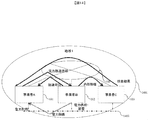
- FIG. 14 is a conceptual diagram showing power supply and demand adjustment, which is an example of an embodiment of the present invention.
- a business operator (101) detects a shortage of power among multiple business operators 102, 102, and 103 who share power supply infrastructure 1402 such as low-voltage distribution lines and private networks in the region 1401, other business operators An attempt is made to solve the power shortage by transmitting a power interchange request by reducing the amount of power used to 102 or by supplying power from a power device such as a distributed power source via communication channel 100.
- the auction-type method can be used to distribute compensation information such as the power purchase price to businesses within the group and recruit businesses that respond to power interchange, or select businesses that are likely to respond to power interchange.
- compensation information such as the power purchase price
- businesses within the group and recruit businesses that respond to power interchange or select businesses that are likely to respond to power interchange.
- one-to-one negotiations may lead to power interchange.
- a negotiation participant who is easy to disclose information or who is difficult to modify is selected from a party other than the negotiation participant, and the inspection of the negotiation rule is realized by requesting the inspection.
- a power supply method including power saving is requested when the business operator B102 asks other business operators to negotiate power, negotiates and decides whether to allow power, and agrees to power interchange.
- the business operator A101 who requested the interchange can use the power.
- another business operator C103 examines internal information such as the surplus power of the business operator B102 and the equipment to be held, and inspects whether it has the ability to respond to the power interchange or whether the power interchange can be implemented correctly.
- the business operator C103 assigns the business operator B if the internal information can be disclosed to another business operator C103. By performing the inspection, it becomes possible to implement power interchange between the business operator A101 and the business operator B102.
- FIG. 1 is a typical hardware configuration diagram in this embodiment
- FIG. 2 is a typical software configuration diagram that operates on the hardware configuration
- 3 to 9 are software processing flows in the software configuration
- FIGS. 10 to 13 are tables showing tables in the present embodiment.
- FIG. 1 is a hardware configuration diagram according to the present invention.
- the system is composed of an operator A system 101 which is a system group owned by the operator A and an operator B system 102 which is a system group owned by the operator B, and is connected by a wide area communication network 100.
- the system is configured by the systems of two business operators, the business operator A system 101 and the business operator B system 102, but a larger number of business operator systems may be included.
- the business operator A system 101 is a set of systems owned by the business operator A and used to supply and use infrastructure services such as power supply and use, and includes a resource management server 103, a monitoring control server 105, and controller groups 107 and 108. And power device groups 111, 112, and 113.
- the resource management server 103 monitors the excess and deficiency of the resources inside the operator A, drafts and transmits the control plan of the lower monitoring control server group 105, and also relates to the resource interchange of the infrastructure service with the operator B system 102.
- a computer that manages negotiations includes a CPU 120, a secondary storage 117, a main storage 119, an input / output device 118, and a communication device 121. Programs for the negotiation and inspection methods in the present embodiment are stored in the main memory 119 and the secondary memory 117 and executed by the CPU 120. Further, the communication apparatus 121 cooperates with the business operator B system 102 via the wide area communication network 100.
- the input / output device 118 is a device for the operator to operate the resource management server 103, check the execution result, and update the program, and may be a user interface device such as a keyboard, a mouse, a touch panel, a CD drive, A data input / output device such as a floppy (registered trademark) disk drive may be used.
- the monitoring control server 105 is a computer that performs monitoring control related to infrastructure services in cooperation with the controller groups 107 and 108.
- the monitoring control server 105 is configured by a single computer, but may be configured by a plurality of monitoring control servers corresponding to the target range of monitoring control.
- the monitoring control server 105 includes a CPU 127, a secondary storage 123, a main storage 126, an input / output device 124, and a communication device 128. Based on the plan from the resource management server 103, monitoring control for the controller groups 107 and 108 is executed.
- the monitoring control program is stored in the secondary storage 123 and the main storage 126 and executed by the CPU 127.
- the communication device 128 cooperates with the resource management server 103 via the LAN, receives the monitoring results of the controller groups 107 and 108, and transmits a control instruction.
- the input / output device 124 is a device for the operator to operate the monitoring control server, check the execution result, and update the program.
- the input / output device 124 may be a user interface device such as a keyboard, a mouse, a touch panel, or a CD drive, etc.
- a data input / output device may be used.
- the controller groups 107 and 108 are control devices that control and measure the power device groups 111, 112, and 113, and include a plurality of controllers corresponding to the devices to be controlled.
- the configuration is made up of a plurality of controllers, but a configuration with only a single controller 107 is also possible, and there is no controller, and a configuration in which the monitoring control server 105 directly controls the power device groups 111, 112, and 113 collectively. It is also good.
- the controller 107 includes a CPU 130, a main memory 129, and a communication device 131, and the CPU 130 executes a control program stored in the main memory 129.
- the communication device 131 cooperates with the monitoring control server 105 via the LAN, and controls the power device groups 111, 112, and 113.
- the power equipment groups 111, 112, 113 are equipment for supplying or using infrastructure services such as power, and may be power supply facilities such as thermal power generators, solar power generators, storage batteries, substation equipment, It may be a power transmission / distribution facility such as a transformer or a switch, or a power utilization device such as a production facility, an air conditioner, or a home appliance.
- the business operator B system 102 and other business operator systems have the same hardware configuration as the business operator A system 101.
- FIG. 2 shows a software configuration executed in the hardware configuration shown in FIG.
- a resource usage management processing unit 200 hereinafter referred to as resource usage management
- an accommodation negotiation management processing unit 201 hereinafter referred to as accommodation negotiation management
- information Disclosure management processing unit 202 hereinafter referred to as information disclosure management
- negotiation rule inspection management processing unit 203 hereinafter referred to as negotiation rule inspection management
- inspector selection processing unit 204 hereinafter referred to as inspector selection)
- information is accumulated and managed in the negotiation rule management DB 206, other business operator information DB 207, resource utilization plan / history DB 208, and negotiation plan / history DB 209.
- the resource usage management 200 manages the planning of the business executed by the business operator A system 101, the supply and usage of the infrastructure, and transmits the business plan to the monitoring control server 210.
- the interchange negotiation management 201 creates and transmits a resource interchange request to the other operator system 102 when a shortage of resources such as electric power is predicted in the business plan drafted by the resource use management 200.
- the acceptance or rejection of the power request is determined in consideration of the influence on the business due to the surplus amount of power and the reduction of power usage.
- the information disclosure management 202 transmits internal information such as resource information such as a surplus amount of electricity and a history of interchange negotiations to other business operators that negotiate resource interchange.
- resource information such as a surplus amount of electricity and a history of interchange negotiations
- the information transmitted from the information disclosure management 202 of the other company is received and stored in the other company information DB 207.
- Each business operator makes a plan for resource accommodation negotiation, such as selecting a negotiation partner for resource accommodation in the accommodation negotiation management 201 from the information of other businesses disclosed in the information disclosure management 202.
- the negotiation rule inspection management 203 inspects whether the negotiation rules such as the restriction on participation in the resource interchange negotiation set in advance or the other business operator conforms.
- the negotiation rule inspection management 203 is requested by another business operator to inspect another business operator, receives the disclosure of internal information from another business operator, and performs the inspection.
- conformity to own negotiation rules and direct negotiation partners may be inspected.
- the inspector selection 204 selects another business operator (inspector) that inspects the negotiation rules for the business operator with whom the resource interchange is negotiated.
- the business partner of the negotiation partner is easy to disclose the internal information correctly (or is likely to be correctly disclosed), or is difficult to modify the information when disclosed (or low probability of modification)
- the selection ensures the correctness of the negotiation rules.
- the negotiation rule management DB 206 stores negotiation rule information inspected by the negotiation rule inspection management 202.
- the negotiation rules shall be established and distributed before the negotiation for resource accommodation, for example, at the time of a contract in which a business group that implements resource accommodation is formed.
- the other company DB 207 stores the disclosure information of other companies received by the information disclosure management 202.
- the accommodation negotiation management 201 creates a plan for resource accommodation negotiation such as selecting a partner for resource accommodation from other company information stored in the other company DB 207.
- the resource use plan / history DB 208 stores a business plan prepared by the resource use management 200 and transmitted to the monitoring control server 210, and stores a monitoring control result received from the monitoring control server 210. In particular, it manages the supply and demand plan for power resources and other resources and information on their performance.
- the negotiation plan / history DB 209 stores information on the resource accommodation request received from the other operator system 102 and the plan and results of the resource accommodation negotiation with the other operator, which are planned and transmitted by the accommodation negotiation management 201. The selection result of the inspector and the inspection request history are stored.
- the software is executed on the single resource management server 103.
- each software is distributed to a plurality of servers and each server is connected via a network to cooperate with each other. It is also possible to execute it.
- resource utilization management 200 for planning resource utilization for planning resource utilization
- accommodation negotiation management 201 for negotiating resource accommodation with other operators for negotiating resource accommodation with other operators
- negotiation rule inspection management 203 for examining conformity to the negotiation rules are provided.
- it is only necessary to have one of the software for example, it does not conduct interchange negotiations, but is an inspection-only business operator that performs only negotiation rule inspection, and has only negotiation rule management 203 and negotiation rule management DB 206 There may be a business operator.
- FIG. 3 is an outline of a resource accommodation method executed by the resource management server 103, and shows a processing flow of a requesting business operator who requests other business operators for resource accommodation.
- FIG. 4 is a processing flow of the requesting business operator that has received the request from the requesting business operator.
- FIG. 5 is a processing flow of the inspector who inspects whether the requesting business operator or the requested business operator conforms to the negotiation rules.
- step 301 is a process for detecting a shortage of resources.
- the business plan and the resource usage plan designed in the resource usage management 200 are compared with the available resource supply amount.
- the processing after step 302 is executed.
- the amount of resource use is a plan value of resource use required based on the business plan of each business operator, for example, a predicted value or plan value of power use amount.
- the suppliable amount may be a maximum power usage amount contracted in advance with a power company if it is a power service recipient, or may be a target value of power usage amount or power saving amount planned by itself. Further, if the power supplier itself is a power provider or the like, the maximum power supply amount obtained by summing up the power generator capabilities may be used.
- a resource accommodation plan is prepared by the accommodation management 201.
- Resource interchange is to increase the amount of resources that can be used by requesting, negotiating with other businesses and transporting or lending resources, or by reducing the amount of resources used by other businesses.
- the resource accommodation plan includes at least the business operator that is the resource accommodation source, the time zone for implementing the resource accommodation, and the amount of resources to be accommodated.
- the information disclosure management 202 when it is possible to acquire information of other business operators, for example, a plan for negotiating by selecting business operators that are easily adaptable from the surplus amount of resources during the time when resources are scarce. Stand up.
- inspectors are selected in order to check conformity with the negotiation rules for all the requested business operators selected in the resource accommodation plan in the inspector selection 204 (step 303).
- inspector selection 204 evaluates information disclosure and accuracy of inspection between the requested business operator and another business operator.
- accuracy evaluation method it is easy to disclose information accurately based on the capital relationship and business relationship between the requested business operator and another business operator, and geographical proximity, etc. Any method may be used as long as it is highly appreciated by businesses that are difficult to modify.
- evaluation may be performed from history information. For example, the evaluation value between the requesting business operator and the inspector when resource interchange is correctly implemented after resource interchange negotiation is increased. Then, the accuracy of the inspection between the client company and the inspector is evaluated by reducing the evaluation value between the client company and the inspector when the resource accommodation is not implemented after the resource interchange negotiation.
- an inspector is selected for each requested business operator from the information disclosure and the evaluation result of the accuracy of the inspection in the inspector selection 204.
- the operator with the highest accuracy evaluation calculated in step 304 may be the inspector, and if cost information such as remuneration and inspection time can be obtained for each inspector, contribution can be made in the cost information and resource interchange plan Can be selected by taking into account the cost of inspection and the time until the implementation time, and any method can be used as long as the operator with high accuracy of inspection is easily selected as the inspector. good.
- step 306 information on the inspector selected in step 305 is transmitted to the requested business operator in the negotiation rule inspection management 203.
- the requested business operator inspects the inspector for compliance with the negotiation rules.
- the processing of the requested business operator after the inspector transmission in step 306 will be described with reference to the processing flow of FIG.
- step 307 the negotiating rule inspection management 203 receives the inspector from the requested business operator.
- the requesting business operator selects an inspector in the same manner as steps 304 to 306 of the requesting business operator, and transmits it to the requesting business operator.
- the processing of the business operator requested by the inspector will be described with reference to FIG.
- step 308 internal information necessary for the inspection and a transmission destination of the inspection result are transmitted to the inspector transmitted by the information disclosure management 202.
- the internal information required for inspection is information on resource supply and demand, information on owned facilities, and information on business operations that use resources, which are necessary for checking compliance with the negotiation rules.
- the management 202 may include confidential information that is not disclosed to other companies. For example, if it is set as a rule for participating in resource accommodation negotiations that the resource surplus at the time of accommodation is a certain level or more, the resource utilization plan and resource for calculating the resource surplus for the inspector Send supply plan.
- the inspector receives information necessary for the inspection, performs the inspection, and transmits the inspection result to the inspection result transmission destination. The processing contents of the inspector will be described with reference to FIG.
- the negotiating rule inspection management 203 receives the inspection result from the inspector transmitted in step 306.
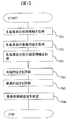
- the inspection result is the inspection result of the requesting business operator. If the inspection result is “conforming”, the resource accommodation negotiation is possible and the request content is transmitted based on the resource accommodation plan (step 310).
- FIG. 4 is a processing flow of the requesting business operator that receives the request from the requesting business operator executed by the resource management server 103.
- step 401 is a process of receiving a resource accommodation request in the accommodation management 201, and receives the information of the inspector transmitted by the requesting company shown in FIG.
- step 402 the information disclosure between the requesting business operator and another business operator and the accuracy of the inspection are evaluated in the inspector selection 204.
- the accuracy evaluation method is easy to disclose information accurately based on the capital relationship and business relationship between the requesting business operator and another business operator, and geographical proximity, or Any method may be used as long as it is highly appreciated by a business operator who is difficult to modify information.
- an inspector for the requesting business operator is selected from the information disclosure and the evaluation result of the accuracy of the inspection in the inspector selection 204.
- the operator with the highest accuracy evaluation calculated in step 402 may be the inspector, and if cost information such as remuneration and inspection time can be obtained for each inspector, it can be contributed in the cost information and resource interchange plan Can be selected by taking into account the cost of inspection and the time until the implementation time, and any method can be used as long as the operator with high accuracy of inspection is easily selected as the inspector. good.
- step 404 information on the inspector selected in step 403 is transmitted to the requesting business operator in the negotiation rule inspection management 203.
- the requested business operator receives the inspector information in step 307 and inspects conformity to the negotiation rules.
- step 405 the negotiating rule inspection management 203 receives the inspector from the requesting operator.
- the requesting business operator selects an inspector in steps 304 to 306 and transmits it to the requesting business operator.
- step 406 internal information necessary for the inspection and a transmission destination of the inspection result are transmitted to the inspector transmitted by the information disclosure management 202.
- the internal information required for inspection is information on resource supply and demand, information on owned facilities, and information on business operations that use resources, which are necessary for checking compliance with the negotiation rules.
- the management 202 may include confidential information that is not disclosed to other companies. For example, if it is set as a rule for participating in resource accommodation negotiations that the resource surplus at the time of accommodation is a certain level or more, the resource utilization plan and resource for calculating the resource surplus for the inspector Send supply plan.
- the inspector receives information necessary for the inspection, performs the inspection, and transmits the inspection result to the inspection result transmission destination. The processing contents of the inspector will be described with reference to FIG.
- the negotiation result inspection management 203 receives the inspection result transmitted from the inspector in step 404.
- the inspection result is the inspection result of the requesting business operator, and if the inspection result is “conformity”, it is possible to negotiate resource accommodation, and negotiate and judge whether to respond to resource accommodation based on the contents of the request from the requesting business operator. (Step 408).
- FIG. 5 is a processing flow of the inspector who inspects whether the requesting business operator or the requested business operator conforms to the negotiation rules in the negotiation rule inspection management 203.
- step 501 an inspection request is received from a business operator that negotiates resource interchange.
- the business operator who transmitted the request is the business subject to the inspection, and transmits the inspection request to the inspector selected by the business operator of the negotiation partner in Step 308 and Step 406.
- step 502 information necessary for the inspection and the transmission destination of the inspection result are received from the inspection target company.
- the transmission destination of the inspection result includes at least the business operator that is a negotiating partner of the business subject to the inspection shown in FIGS.
- the information required for the inspection is compared with the negotiation rules determined and distributed in advance, and the inspection is performed.
- the inspection method and the negotiation rule may be any method and rule for inspecting whether the operator to be inspected is capable of resource interchange in advance. For example, whether or not to participate in resource interchange negotiations. It is inspected whether or not it is qualified to request the contents of the resource accommodation, and if the contents of the resource accommodation are agreed, the resource accommodation can be surely performed.
- step 504 the result of the inspection is transmitted to the operator to whom the inspection result is transmitted.
- step 309 or step 407 the inspection result is transmitted to the requesting operator and the requesting operator of the resource interchange negotiation, and notified whether the negotiation partner operator conforms to the negotiation rules.
- the business operator receiving the resource accommodation transmits the resource accommodation request, but the business operator performing the resource accommodation that wishes to effectively use the resource surplus is provided.
- Negotiations may be initiated by sending a resource accommodation request.
- a single business operator is extracted as an inspector, but by specifying multiple inspectors and integrating multiple inspection results by majority vote etc., improve inspection certainty It is also good.
- FIGS. 6, 7, and 8 are process flowcharts showing detailed examples of the method of selecting an inspector in steps 304 and 305 and steps 402 and 403 executed in the inspector selection 204.
- FIG. 6 shows a method for selecting an inspector in consideration of resource accommodation requirements and cost information at the time of requesting inspection from each business operator.
- the requesting business operator or the requesting business operator who selects the inspector obtains the resource accommodation requirements.
- the resource accommodation requirement is information regarding constraints on the request for resource accommodation, costs related to the implementation, accuracy, etc.
- the resource accommodation requirement may include an upper limit of compensation that can be contributed or received at the time of accommodation, A deadline until the negotiation is concluded may be included, or urgency information related to a failure that occurs when the interchange fails.
- step 602 cost information required for the inspection is acquired for each business operator as the inspector.
- the cost information may be any information as long as it is a monetary or time constraint required for the inspection.
- the cost information may include a remuneration paid to the inspector at the time of the inspection.
- the time required for response may also be included.
- step 304 evaluate the intimacy between the requesting business subject to be inspected or the requesting business operator and another business operator.
- step 304 there is an operator that is easy to disclose information accurately or difficult to modify information based on the capital relationship, transaction relationship, geographical proximity, etc. between the requested operator and another operator. Any method may be used as long as it is highly evaluated. A specific example of processing will be described with reference to FIGS.
- the accommodation requirement is compared with the cost information to inspect whether the cost information satisfies the accommodation requirement. Any method may be used as long as the cost and accuracy constraints described in the accommodation conditions satisfy the monetary and time constraints described in the cost information. For example, the cost information is described in the cost information. If the inspection fee is less than or equal to the upper limit of remuneration described in the requirements for accommodation, it is determined that the inspection fee is met.
- a business operator whose cost information satisfies the accommodation requirement is recorded as an inspector candidate.
- operators whose cost information satisfies the flexibility requirements are considered as inspector candidates, and those who do not meet the requirements are excluded from the inspector candidates.
- operators whose cost information satisfies the flexibility requirements are selected as inspectors. Any method can be used as long as it is easy to use, and the number of requirements that meet the requirements of the flexibility is counted and ranked in descending order. It is also possible to assign a point by adding the weights to the accommodation requirements with appropriate values according to the importance and adding the weights every time they are matched, and the operators having a certain value or more may be used as inspector candidates.
- step 607 a requester operator to be inspected or an inspector candidate who is close to the requester operator is selected as an inspector from the operators included in the inspector candidate.
- FIG. 7 is a detailed flowchart of an example of the method for evaluating the intimacy between businesses shown in step 304 and step 603, and shows a static business such as the location of the business and the business content to the proximity of the business form. Evaluate the intimacy between each operator from the attributes of the operator. In the inspection method of the present invention shown in FIGS. 3, 6, etc., an operator with a high degree of closeness determines that there is a high probability that correct information will be disclosed as information related to the inspection.
- step 701 is processing for acquiring geographical information of business operators existing in a business operator group that performs resource accommodation.
- the geographical information includes, for example, location information such as an operator's address, resource accommodation implementation method such as a position on a power distribution line, and route information.
- step 702 information regarding the business content of each business operator is acquired.
- the business content may be any information as long as it is information that characterizes the business content of the target business operator, for example, the type of business performed by the target business operator, information on the items being produced, etc. Includes information on capital relationships with operators.
- step 703 information on the business relationship between the operators is acquired.
- Acquire information on the relationship between each business operator's original business such as ordering of production items, delivery relations, production consignment, contract-related information within the business group.
- Geographic information, business information, and transaction information may be acquired from the other company's system via the communication path 100 and the information disclosure management 202, or may be acquired from public information outside the system or from another system. May be stored in advance.
- step 704 the closeness is evaluated from the proximity between the operators based on the geographical information. Businesses that are geographically close to each other know to some extent internal information related to inspections such as business details and facility information, or highly evaluate their closeness because they are difficult to conceal or modify.
- step 705 the intimacy between the operators is evaluated from the business information and the transaction information. Based on business information, businesses with similar business content are evaluated as having a business competitive relationship, and the intimacy is evaluated low, and businesses with capital relationships are evaluated as having a business cooperation relationship with high affinity. . Further, a business operator who has a business relationship with the business information highly evaluates the degree of intimacy because he knows a certain amount of internal information such as the contents of business, or is difficult to conceal or modify.
- the intimacy may be a value determined according to the intimacy calculated from the geographical information and the intimacy calculated from the business information and the transaction information.
- the geographical information It may be a value obtained by weighting and adding the intimacy calculated from business information and business information and transaction information, or from the high intimacy calculated from geographical information and the business information and transaction information.
- the maximum value or the minimum value of the calculated familiarity may be used as the value.
- FIG. 8 is a detailed flow diagram of another example of the method for evaluating the intimacy between the operators shown in Step 304 and Step 603. Based on the past interchange negotiation history and inspection history, Assess density.
- a business operator having a high degree of closeness determines that there is a high probability that correct information will be disclosed as information related to the inspection.
- step 801 a history of resource accommodation performed by each business operator in the past is acquired.
- the interchange history is the result of negotiations for resource interchange conducted in the past by at least the requested business operator, or the business enterprise including any one or more of the requested business operator and inspector, and implementation of the negotiation results. Contains information on the success or failure of resource accommodation. Moreover, when resource interchange fails, the classification result of the reason of failure collected and analyzed at that time or afterwards may be included.
- Step 802 the intimacy between the businesses having a history of accommodation is increased.
- an interchange history exists as an initial value set in advance for the intimacy between the operators or a value at the time of the previous processing, the value is increased by a certain value.
- step 803 the history of inspections conducted in the past between each business operator is acquired.
- the inspection history includes at least the presence / absence of inspection between each business operator, the inspection result, and the success / failure of negotiation after the inspection.
- step 804 From the examination history and the accommodation history, if the accommodation negotiation is agreed after the past examination and the accommodation is successful (step 804), the closeness is increased by a certain value (step 805). From the inspection history and the accommodation history, if the negotiating agreement has reached an agreement after the past inspection and the accommodation fails for some reason (step 806), the reason for the failure can be detected in advance, such as a lack of compensation. (Step 807), the familiarity is subtracted by a certain value (step 808). The closeness between each business operator is calculated by calculating the intimacy from the business history, the inspection history and the success / failure of the business among all business operators.
- FIG. 9 is a detailed flow of creating a resource accommodation plan executed by the accommodation management 201 shown in step 302.
- a method of applying the inspection method according to the present invention executed in the inspector selection 204 to the method for selecting a resource accommodation request destination will be described.
- the prediction of the negotiation acceptance probability may be any method as long as it calculates the likelihood of responding to the negotiation from the past history or the current disclosure information, and the negotiation success rate in the past resource accommodation request history is defined as the acceptance probability. If the information on the resource usage of the request destination, for example, the resource surplus amount can be acquired, the acceptance probability may be predicted from the resource surplus amount.
- step 902 the probability of successful implementation of the accommodation after the agreement on resource accommodation is predicted. Any method can be used for predicting the accommodation success probability, as long as it is a method for calculating the likelihood of successful accommodation from the past history and current disclosure information, and the success rate in the past resource accommodation history is regarded as the success probability. good.
- step 904 an optimal inspector is selected for each business operator, and in step 905, the accuracy of the inspection is calculated.
- the inspector selection method is selected based on the closeness with each business operator shown in FIG. 3, FIG. 7, and FIG.
- the acceptance probability, the success probability, and the inspection accuracy are integrated for all the operators to calculate the accommodation probability, and the combination of the client / inspector having the high accommodation probability is selected.
- the accommodation probability is a value obtained by multiplying the acceptance probability and the success probability by the accuracy of the inspection, and if the inspection is performed correctly, the operator who cannot carry out the accommodation is excluded in advance. Assuming that the success probability can be improved, the success probability is upwardly corrected according to the accuracy of the examination.
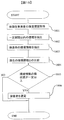
- step 16 is a flowchart showing steps 304 and 305 executed in the inspector selection 204 and another processing method in the inspector selection method shown in FIG. If the inspection history of the requested business operator, which is the inspection target, can be acquired, the business operator that performed the latest inspection is selected as the inspector. In step 1601, the inspection history of the requested business operator is acquired. In step 1602, the inspection history up to a predetermined period before is acquired from the acquired inspection history. It is sufficient that there is a probability that it is assumed that the internal information of the requested business operator has not changed significantly during the set period.
- step 1603 the extracted environment information at the time of inspection is acquired.
- the environmental information is more likely to be judged and assumed that the internal information of the requested operator has not changed significantly compared to the current environmental information. For example, weather information, season, day of the week, etc. May include calendar information.
- step 1604 the current environmental information is acquired and compared with the environmental information at the time of inspection (step 1605).
- the extracted inspector is set as the inspector in the current negotiation (step 1606).
- FIG. 10 is an example of a table showing a list of business operator groups that implement resource accommodation according to the inspection method of the present invention. Each business operator mutually holds the business operator list information shown in FIG. 10 and selects the requested business operator and the inspector from within this table, thereby realizing the inspection method and resource interchange of the present invention.
- a column 1001 “contractor name” is a name of the business operator, and indicates a business operator that negotiates resource accommodation and inspects a negotiation rule.
- the column 1002 “business type” is classification information indicating the business content of the relevant business operator, and indicates business content from the classification types set in advance, and constitutes business information shown in step 702 of FIG. .
- a column 1003 “contracted power consumption” indicates the maximum power usage amount that can be used by each business operator as information on the resources to be accommodated by each business operator.
- a column 1004 “inspection cost” and a column 1005 “inspection time” are values indicating restrictions in performing the inspection, and constitute the inspection cost information shown in step 602 of FIG.
- FIG. 11 is a table showing an example of negotiation rules according to the inspection method of the present invention.
- Step 503 refers to the negotiation rule of this table and outputs the inspection result.
- a column 1101 “item name” is a name for explaining a negotiation rule of each row.
- the column 1102 “target” indicates the type of business operator to be inspected for the negotiation rule. For example, the rule for the “requester” receiving resource accommodation or the resource accommodation upon request from the client “ Indicates whether it is a rule for “accommodator”.
- a column 1103 “related information” is a definition of information necessary for the examination of the negotiation rule. As shown in step 308, the original data of the related information is disclosed from the operator to be inspected to the inspector.
- a column 1104 “participation rule” is one of the main bodies of this negotiation rule, and is an inspection rule whether or not it has the right to participate in negotiating resource accommodation. Although it is described as a constraint expression using related information here, it may be described as a logical expression, a script-type programming language, or a reference to compiled software logic. Any format may be used as long as it can output the availability of participation in the negotiation by inputting related information.
- the column 1105 “accommodation rule” is one of the main bodies of this negotiation rule similar to the participation rule, and indicates a limit value of the resource accommodation amount.
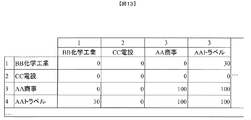
- FIGS. 12 and 13 are tables showing an example of the intimacy between the operators according to the inspection method of the present invention, and are intimacy calculated in the processing of FIGS. 7 and 8.
- the column 1201 “operator 1” and the column 1202 “enterprise 2” are combinations of target businesses, and each enterprise has familiarity information on the previous combinations of other businesses.
- Columns 1203 to 1205 are the intimacy regarding the static business contents of the operator.
- Column 1203 “Geographic information” is a familiarity indicating the geographical relationship between the two operators, for example, the proximity of the geographical proximity and the power distribution route such as the distribution network
- column 1204 “Business information” This is a familiarity indicating the distance of the business type
- column 1205 “capital information” is a familiarity according to the presence / absence of a capital relationship between the operators.
- Columns 1206 to 1208 are intimacy regarding negotiation, accommodation, and inspection history.
- Column 1206 “Number of agreements” is the frequency of past negotiations reaching agreement
- Column 1207 “Number of interchanges” is the past interchange frequency
- Column 1208 “Number of inspections” is the past inspection frequency.
- FIG. 13 is a table showing prediction accuracy prediction indexes for combinations between all the two operators calculated from the familiarity information shown in FIG. For example, by adding together the intimacy shown in FIG. 12 by appropriate weighting, an index of inspection accuracy corresponding to the degree of intimacy between the two operators is calculated.
- the inspection method for resource accommodation With the inspection method for resource accommodation according to the present embodiment, the information necessary for examining the ability to perform resource accommodation can be disclosed without concealing or modifying the information, and the possibility that the accommodation will be implemented surely increases. .
- the parties involved in resource interchange and the inspector it becomes possible for each operator to provide resource interchange for businesses that cannot disclose internal information, and the effective use of surplus resources in the region is possible. Promoted.
- resource interchange is possible without introducing a center system that mediates all the negotiations in the region and expands and increases reliability.
- FIG. 15 is a conceptual diagram showing this embodiment.
- a PPS operator 1502 When power saving or power supply cannot be implemented up to the specified power saving target, or when the power company 1501 detects a shortage of power supply in the area, to the local companies 101, 102, 103 and PPS company 1503 The power supply / demand balance of the power grid 1402 is adjusted by requesting power supply / demand adjustment (power saving).
- another business operator 102 or another PPC business operator 1504 inspects the power saving capability and power supply capability of the requested business entity 101 and PPS business operator 1503.
- the operator to perform the inspection is determined based on the intimacy and the accuracy of the inspection inferred from the familiarity based on the business relationship with the requested operator 101 and the PPS operator 1503 and the past power interchange history.
- the An inspector selection method and an inspector method are performed in the same manner as the method described in the first embodiment.
- 100 Wide area communication network
- 101 Operator A system
- 102 Operator B system
- 103 Resource management server
- 104 Resource management server
- 105 Monitoring control server
- 106 Monitoring control server
- 107 Controller
Landscapes
- Business, Economics & Management (AREA)
- Human Resources & Organizations (AREA)
- Engineering & Computer Science (AREA)
- Economics (AREA)
- Strategic Management (AREA)
- Entrepreneurship & Innovation (AREA)
- Physics & Mathematics (AREA)
- Theoretical Computer Science (AREA)
- Health & Medical Sciences (AREA)
- Marketing (AREA)
- General Physics & Mathematics (AREA)
- General Business, Economics & Management (AREA)
- Tourism & Hospitality (AREA)
- Educational Administration (AREA)
- Quality & Reliability (AREA)
- Operations Research (AREA)
- Game Theory and Decision Science (AREA)
- Development Economics (AREA)
- Public Health (AREA)
- Water Supply & Treatment (AREA)
- General Health & Medical Sciences (AREA)
- Primary Health Care (AREA)
- Management, Administration, Business Operations System, And Electronic Commerce (AREA)
Description
本発明は、複数事業主体間の資源配分のための交渉方法に関するものである。特に、電力、水道、鉄道などのインフラサービスの提供に関して異なる事業者間の資源融通により資源不足を補いサービスを継続利用するための方法に関するものである。
電力、水、鉄道等のインフラサービスにおいては、需要に対応する供給を事前に用意することで安定したインフラサービスを提供するだけでなく、需要側と協調することでより効率的なサービス提供を可能とする方法が注目されている。
例えば、電力供給においては、デマンドレスポンスと呼ばれる仕組みにより、事前に予測した電力利用量に見合った発電量を用意するだけではなく、需要家や他のサービス提供者との協調により各者が持つ設備を有効利用し、需給のバランスを保つ。例えば、電力不足が予測される場合には、各需要家に対して電力利用量の削減(節電)を依頼し、節電が可能な需要家は依頼に応じることにより、電力供給の安定に寄与すると伴に電力供給者から結果に応じた報酬を受け取ること。また、地域内の電力管理(CEMS : Community Energy Management System)においては、地域内の複数の需要家による節電と伴に、保有する自家発電器、太陽光発電器、蓄電池を活用しながら、電力不足の需要家と電力余剰の需要家が協調し地域内での電力の需給バランスを保つことを目指す。
こうした、需要家とインフラサービス提供者が協調して資源需給を調整する際には、余剰資源の提供、又は、利用量削減を需要家に対して金銭報酬等の補償と伴に依頼し、依頼を受けた需要家やサービス提供者は各々の生活や事業への影響、目的に応じて依頼に対する受諾/拒否を判断、応答する。
例えば、特許文献1では、電力需給調整を対象として、供給事業者と需要家との電力取引の仲介をする電力取引システムにおいて、需要家の需要情報と供給事業者の応募情報を双方に開示し、電力の提供に関する交渉希望を仲介する。その際に、各需要家、及び、供給事業者は、事前に取り決められた項目を開示し、応募の規則に従って電力取引を応募する。電力取引仲介システムは、需要家からの登録情報(需要情報)を供給事業者へ提供し、供給事業者からの応募情報を需要家へ開示することで、需要家からの交渉申込を仲介する。
しかしながら、特許文献1に記載の技術では、供給事業者と需要家の間で交渉が成立した場合、その電力提供は正しく完遂されると想定されている。しかし、供給事業者が本来の供給能力を超えた取引を受け付けた場合や、需要家が取引能力以上の交渉を申し込んだ場合、交渉が成立しない、又は、成立した交渉が正しく完遂されないことが想定される。電力などのインフラサービスを想定した場合には、交渉が正しく実施されない状況は取引の当事者だけではなく、インフラサービス全体の停止などの広い範囲で障害を引き起こす可能性があり事前に防止することが必要である。
特に、複数の供給能力が異なる供給事業者が混在する場合、さらには、電力供給者と電力利用者が固定的ではなく需要家が自家発電や節電を通して電力供給の役割を担う場合、取引参加者の能力は各々大きく異なることが想定され、取引参加者の供給能力や取引能力を評価、検査し電力供給の失敗の発生を事前に抑えることが有効となる。
このため、資源融通交渉において、交渉参加資格や融通内容に関する規則(例えば、限界値)を事前に取り決め、交渉を行う際に規則への適合を検査する。その際、取引成立前、又は、資源融通の実施前に規則への適合検査を実施するためには以下の考慮点がある。 各交渉参加者が検査のために情報を開示した場合、その情報が正しく報告されるとは限らない。例えば、一定量以上の資源供給能力を交渉参加の条件とすると、交渉に参加するため供給能力を過大に報告する可能性がある。また、太陽光発電による電力供給は天候によっては供給が見込めないため、供給能力に含めないとすると、交渉に参加するため設備内容を隠蔽、又は、改変して報告する恐れもある。更に、各供給者が持つ設備や資源の利用計画は営業上の秘密として外部に公開できない場合も考えられる。
のように、特許文献1に記載の技術では、供給事業者の供給能力に大きな差があり、資源融通が失敗する可能性のある交渉を事前に排除してインフラの安定性を確保する必要がある場合に適用することは困難である。
本発明の目的は、資源融通交渉において、事前に取り決められた交渉規則を保証しつつ、各事業者の目標と事業者間の協調に基づいて資源配分を決定することである。特に、事前に取り決められた交渉規則に則った事業者のみ交渉参加を認め、また、交渉規則に則った交渉内容のみ合意可能とする際に、各事業者が公開する規則の検査結果や検査のための情報の正しさを事前に確保し、インフラの安定性確保することを目的とする。
本発明の目的を達成するため、交渉を開始する時点で、資源融通の要件と、交渉相手の事業者と他事業者との関係性から、交渉提案者が交渉相手の事業者が最も情報を隠蔽しにくい事業者を選定して規則検査者として指定し、各交渉者は検査者に対してのみ交渉規則の検査に必要となる情報を提供し、検査者は交渉規則への適合をチェックし、各交渉者は検査者から交渉相手のチェック結果のみを受け取り、規則に適合する場合のみ交渉を開始する。
より具体的には、資源の融通交渉を行う場合に、交渉の依頼元の事業者は交渉先の事業主体を選定し、交渉先の事業者主体者からまた別の事業主体への情報公開の正確性を予測する。次に、別の事業主体者の中から交渉規則の検査者を選定し、交渉先の事業主体者へ交渉内容と検査者の情報を送信する。交渉先の事業主体者は、検査者へ交渉規則の検査に必要となる情報を送信する。検査者は送信された検査に必要となる情報と交渉規則を比較し、検査結果を算出し、交渉の依頼元へ規則の検査結果を送信する。交渉の依頼元の事業者は検査結果に基づいて交渉が可能な場合のみ融通依頼先への資源融通交渉を開始する。
本発明によれば、資源融通の交渉の可否と、規則検査に係る情報公開の可否を分離することで、資源融通を促進し余剰資源を有効利用可能とする。
また、地域/グループ全体の安定性を補償可能なセンタシステムの計算能力、権限が存在しない環境でも、地域/グループの安定性を保証可能とする。また、特定のシステムに依存しないため、高い拡張性と信頼性を確保可能である。
まず、実施形態の概要について説明する。
本実施形態においては、自家発電器、太陽光発電器、蓄電池などの電力供給設備と生産設備、オフィス機器などの電力消費機器を持つ複数の工場において、電力利用量がある基準値、例えば、事前に電力事業者と契約された最大電力使用量、に近づいた場合、電力の融通可能な他事業者に対して電力供給の増加や電力使用量の減少により電力を融通することで複数事業者のグループの中で電力需給を調整する。
図14は、本発明における実施形態の一例である電力需給調整を示す概念図である。地域1401に低圧の配電線や自営網などの電力供給インフラ1402を共有する複数の事業者間102、102、103において、ある事業者(101)が電力不足を検知した際に、他の事業者102に対して電力使用量の削減や、分散電源などの電力機器からの電力供給による電力融通依頼を通信路100を介して送信し、電力不足を解消しようと試みる。その際に、オークション型の方法で電力買い取り価格等の報酬情報をグループ内の事業者へ配信し電力融通に応じる事業者を募っても良いし、電力融通に応じる可能性の高い事業者を選定し1対1の交渉によって電力融通を同意に導いても良い。しかし、オークションや交渉に合意した事業者が実際に電力融通可能な電力設備や節電余力を保持しているかは不明であり、交渉合意後に正しく電力融通が実施されない可能性がある。
そのため、事前に交渉への参加可否を事前に交渉規則として設定し、交渉(融通)内容と現在の電力需給の状況に応じて参加権を検査し、交渉規則に適合し参加権を持つ事業者のみ交渉に参加可能とすることで電力融通の実施、及び、グループ、地域内の電力インフラの安定性を確保する。その際、交渉に参加する各事業者は自身の電力余剰や利用計画、保有設備などの内部情報を検査者に開示し、交渉規則に適合していることの検査を受ける。 その際に、営業上の秘密や私的な情報を特定の検査者へ開示することは禁止、又は、忌避され、一部の情報を隠蔽、又は、改変して開示して検査を受けることが考えられる。これにより、交渉規則の検査の意味が無く電力融通が正しく実施されない恐れがある。また、別の場合には、情報の開示を避けるため融通交渉そのものが避けられ、円滑かつ効果的な電力余剰の活用が行われない恐れがある。
本実施例では、交渉参加者が情報を開示しやすい、または、改変がし難い事業者を交渉参加者以外から選定し、検査を依頼することで確実な交渉規則の検査を実現する。例えば、事業者101において電力が不足する場合には他事業者へ電力融通を依頼、交渉し融通可否を決定し、電力融通に同意した場合は融通元の事業者B102が節電を含む電力供給方法によって、融通を依頼した事業者A101が電力を利用可能とする。その際に、また別の事業者C103が事業者B102の電力余剰や保持する設備などの内部情報を検査し、電力融通に応じる能力を有するか、電力融通が正しく実施可能か検査する。これにより、事業者B102が事業者A101に電力余剰や設備情報などの内部情報を開示できない場合にも、別の事業者C103に内部情報を開示可能な場合には事業者C103が事業者Bを検査することで、事業者A101と事業者B102の間の電力融通を実施することが可能となる。
以下、図面を用いて本発明の実施形態を説明する。
図1は、本実施例における代表的なハードウェア構成図であり、図2は、ハードウェア構成上で動作する代表的なソフトウェア構成図である。 図3から図9は、ソフトウェア構成におけるソフトウェア処理フローであり、図10から図13は本実施例におけるテーブルを示す図である。
まず、図1、及び、図2を参照しながら本実施例における交渉規則検査方法の代表的な構成例を説明する。
図1は、本発明におけるハードウェア構成図である。
事業者Aが所有するシステム群である事業者Aシステム101と事業者Bが所有するシステム群の事業者Bシステム102から構成され、広域通信網100で接続される。ここで、図1では事業者Aシステム101と事業者Bシステム102の2つの事業者のシステムで構成することとしたが、さらに多数の事業者システムを含んでも良い。
事業者Aが所有するシステム群である事業者Aシステム101と事業者Bが所有するシステム群の事業者Bシステム102から構成され、広域通信網100で接続される。ここで、図1では事業者Aシステム101と事業者Bシステム102の2つの事業者のシステムで構成することとしたが、さらに多数の事業者システムを含んでも良い。
事業者Aシステム101は、事業者Aが所有し、電力供給、利用などのインフラサービスの利用と供給を行うシステム群の集合であり、資源管理サーバ103と監視制御サーバ105とコントローラ群107、108と電力機器群111、112、113から構成される。
資源管理サーバ103は、事業者A内部の資源の過不足を監視し、下位の監視制御サーバ群105の制御計画を立案、送信すると伴に、事業者Bシステム102とのインフラサービスの資源融通に関する交渉を管理する計算機であり、CPU120、2次記憶117、主記憶119、入出力装置118、通信装置121から構成される。主記憶119、及び、2次記憶117に本実施例における交渉、検査方法のためのプログラムを記憶し、CPU120にて実行する。また、通信装置121により広域通信網100を介して事業者Bシステム102と連携する。また、入出力装置118はオペレータが資源管理サーバ103の操作、実行結果の確認、プログラムの更新を実施するための装置であり、キーボード、マウス、タッチパネルなどのユーザインターフェース装置でも良いし、シーディードライブ、フロッピー(登録商標)ディスクドライブなどのデータ入出力装置でも良い。
監視制御サーバ105は、コントローラ群107、108と連携し、インフラサービスに関わる監視制御を行う計算機である。ここで、監視制御サーバ105は単一の計算機で構成されることとしたが、監視制御の対象範囲に対応する複数の監視制御サーバで構成しても良い。監視制御サーバ105は、CPU127、2次記憶123、主記憶126、入出力装置124、通信装置128から構成される。資源管理サーバ103からの計画に基づいてコントローラ群107、108に対する監視制御を実行する。2次記憶123、及び、主記憶126に監視制御のプログラムを記憶し、CPU127にて実行する。また、通信装置128はLANを介して資源管理サーバ103連携し、また、コントローラ群107、108の監視結果を受信し、制御指示を送信する。また、入出力装置124はオペレータが監視制御サーバの操作、実行結果の確認、プログラムの更新を実施するための装置であり、キーボード、マウス、タッチパネルなどのユーザインターフェース装置でも良いし、シーディードライブなどのデータ入出力装置でも良い。
コントローラ群107、108は電力機器群111、112、113を制御、計測する制御装置であり、制御対象の機器に対応して複数のコントローラから構成される。ここで、複数のコントローラによる構成としたが、単一のコントローラ107のみの構成でも良いし、コントローラは置かず、監視制御サーバ105が電力機器群111、112、113を一括して直接制御する構成としても良い。コントローラ107は、CPU130、主記憶129、通信装置131から構成され、主記憶129に記憶された制御プログラムをCPU130にて実行する。また、通信装置131はLANを介して監視制御サーバ105と連携し、また、電力機器群111、112、113を制御する。
電力機器群111、112、113は、電力などのインフラサービスを供給、または、利用するための機器であり、火力発電器、太陽光発電器、蓄電池などの電力供給設備でも良いし、変電装置、変圧器、開閉器などの送配電設備でも良いし、生産設備、空調機器、家電などの電力利用機器でも良い。
電力機器群111、112、113は、電力などのインフラサービスを供給、または、利用するための機器であり、火力発電器、太陽光発電器、蓄電池などの電力供給設備でも良いし、変電装置、変圧器、開閉器などの送配電設備でも良いし、生産設備、空調機器、家電などの電力利用機器でも良い。
事業者Bシステム102、及び、その他の事業者のシステムも事業者Aシステム101と同様のハードウェア構成を持つ。
図2は、図1のハードウェア構成において実行されるソフトウェアの構成である。
事業者Aシステム101において、資源管理サーバ103上ではソフトウェアとして資源利用管理処理部200(以下、資源利用管理と表現する)、融通交渉管理処理部201(以下、融通交渉管理と表現する)、情報開示管理処理部202(以下、情報開示管理と表現する)、交渉規則検査管理処理部203(以下、交渉規則検査管理と表現する)、検査者選定処理部204(以下、検査者選定と表現する)が実行される。また、交渉規則管理DB206、他事業者情報DB207、資源利用計画/履歴DB208、交渉計画/履歴DB209にて情報を蓄積、管理する。
事業者Aシステム101において、資源管理サーバ103上ではソフトウェアとして資源利用管理処理部200(以下、資源利用管理と表現する)、融通交渉管理処理部201(以下、融通交渉管理と表現する)、情報開示管理処理部202(以下、情報開示管理と表現する)、交渉規則検査管理処理部203(以下、交渉規則検査管理と表現する)、検査者選定処理部204(以下、検査者選定と表現する)が実行される。また、交渉規則管理DB206、他事業者情報DB207、資源利用計画/履歴DB208、交渉計画/履歴DB209にて情報を蓄積、管理する。
資源利用管理200は、事業者Aシステム101にて実行される業務の計画立案とインフラの供給、利用状況を管理し、業務計画を監視制御サーバ210へ送信する。
融通交渉管理201は、資源利用管理200で立案された業務計画において電力などの資源不足が予測される場合に、他事業者システム102に対する資源融通依頼を作成、送信する。また、他事業者から資源融通の依頼を受信した場合、電力余剰量や電力使用量削減による業務への影響を考慮して電力の依頼への受諾、又は、拒否を判断する。
情報開示管理202は、資源融通交渉を行う他事業者に対して、電力余剰量などの資源情報や融通交渉履歴等の内部情報を送信する。また、他事業者の情報開示管理202から送信された情報を受信し、他事業者情報DB207へ格納する。各事業者は情報開示管理202で開示された他事業者の情報から融通交渉管理201にて資源融通の交渉相手を選定するなど資源融通交渉の計画を立案する。
交渉規則検査管理203は、事前設定された資源融通交渉への参加制約などの交渉規則に自身、又は、他事業者が適合しているかを検査する。本実施例では、交渉規則検査管理203は、別事業者からまた別の事業者の検査を依頼され、別の事業者より内部情報の開示を受信し検査を実施する。また、自身の交渉規則への適合や直接の交渉相手を検査しても良い。
検査者選定204は、資源融通の交渉相手の事業者に対して交渉規則の検査を行うまた別の事業者(検査者)を選定する。その際に、交渉相手の事業者が、内部情報を正しく開示し易い(又は正しく開示する確率が高い)、又は、開示する際に情報を改変しにくい(又は改変する確率が低い)事業者を選定することで交渉規則の検査の正しさを確保する。
交渉規則管理DB206は、交渉規則検査管理202にて検査される交渉規則情報を格納する。交渉規則は、資源融通交渉を実施する前、例えば、資源融通を実施する事業グループが結成される契約時に制定され配布されるものとする。
他事業者DB207は、情報開示管理202が受信した他事業者の開示情報を格納する。他事業者DB207に格納された他事業者情報から融通交渉管理201は、資源融通の交渉相手を選定するなど資源融通交渉の計画を立案する。
資源利用計画/履歴DB208は、資源利用管理200が立案し監視制御サーバ210へ送信した業務計画を格納し、又、監視制御サーバ210から受信した監視制御結果を格納する。特に、電力などの資源の需給計画とその実績の情報を管理する。
交渉計画/履歴DB209は、融通交渉管理201によって計画、送信した他事業者との資源融通交渉の計画と実績、及び、他事業者システム102から受信した資源融通依頼の情報を格納する。また、検査者の選定結果と検査の依頼履歴を格納する。
なお、図1,及び、図2では、ソフトウェアは単一の資源管理サーバ103上にて実行されることとしたが、各ソフトウェアを複数のサーバへ分散配置し各サーバをネットワークで繋いで連携して実行することとしても良い。また、図2では、資源の利用を計画する資源利用管理200と、他事業者との資源融通を交渉する融通交渉管理201と、交渉規則への適合を検査する交渉規則検査管理203をそれぞれ揃えることとしたが、そのいずれかのソフトウェアを備えるだけでも良く、例えば、融通交渉は実施しないが、交渉規則検査のみ行う検査専業の事業者であって交渉規則管理203と交渉規則管理DB206のみを持つ事業者が存在しても良い。
次ぎに、図3から図5により、主に融通交渉管理201、交渉規則検査管理203、検査者選定204の各ソフトウェアにおける処理内容の概要について説明する。
図3は、資源管理サーバ103にて実行される資源融通方法の概要であり、他事業者に資源融通を依頼する依頼元事業者の処理フローである。図4は、依頼元事業者から依頼を受け取った依頼先の事業者の処理フローである。図5は、依頼元事業者、又は、依頼先事業者が交渉規則に適合しているかを検査する検査者の処理フローである。
図3について、処理を詳細に説明する。まず、ステップ301は、資源不足を検出する処理であり、資源利用管理200において立案された事業計画と資源利用計画と利用可能な資源供給量を比較し、資源利用の量が多い、又は、事前に設定された余剰量よりも供給量と利用量の差が多い場合にステップ302以降の処理を実行する。ここで、資源利用の量とは、各事業者の業務計画に基づいて必要となる資源利用の計画値であり、例えば電力利用量の予測値や計画値である。また、供給可能量とは、自身が電力サービス受容者であれば電力事業者と事前に契約した最大電力使用量でも良いし、自身が立案した電力利用量や節電量の目標値でも良い。また、自身が電力事業者などの電力供給者であれば発電器の能力を集計した最大電力供給量でも良い。
次にステップ302では、融通管理201にて資源融通計画を立案する。資源融通とは、他事業者へ依頼、交渉し資源の輸送、又は、貸借、又は、他事業者の資源利用量の削減により自身の利用可能な資源の利用量を増加することである。資源融通計画には、少なくとも資源融通元となる事業者と、資源融通を実施する時間帯と、融通される資源量を含む。ここで、情報開示管理202において、他事業者の情報を取得可能な場合はその情報、例えば、資源の余剰量から資源の不足する時間帯に融通に応じやすい事業者を選定して交渉する計画を立てる。
次に、検査者選定204にて資源融通計画にて選定された全ての依頼先の事業者に対して(ステップ303)、交渉規則への適合を検査するため、検査者を選定する。
次に、検査者選定204にて資源融通計画にて選定された全ての依頼先の事業者に対して(ステップ303)、交渉規則への適合を検査するため、検査者を選定する。
ステップ304では、検査者選定204にて依頼先の事業者と別の事業者間の情報開示と検査の正確性を評価する。個々で正確性の評価方法としては、依頼先の事業者と別の事業者間の資本関係や取引関係を、及び、地理的な近さなどから情報を正確に開示しやすい、又は、情報を改変し難い事業者が高く評価される方法であれば何れの方法でも良い。また、過去の交渉や検査履歴が取得可能な場合、履歴情報から評価して良く、例えば、資源融通交渉後に正しく資源融通が実施された際の依頼先事業者と検査者間の評価値を上昇し、資源融通交渉後に資源融通が実施されなかった際の依頼先事業者と検査者間の評価値を減少することで依頼先事業者と検査者の間の検査の正確性を評価する。
次に、ステップ305では、検査者選定204にて情報開示と検査の正確性の評価結果から、各依頼先事業者に検査者を選定する。例えば、ステップ304で算出した正確性評価が最も高い事業者を検査者としても良いし、検査者毎に報酬や検査時間等のコスト情報が取得可能であればコスト情報と資源融通計画において拠出可能な検査費や、融通実施時間帯までの時間を加味して検査者を選定しても良いし、検査の正確性の高い事業者が検査者として選ばれやすい検査方法であれば何れの方法でも良い。
ステップ306では、交渉規則検査管理203にて依頼先の事業者へステップ305で選定した検査者の情報を伝える。依頼先の事業者は検査者に対して交渉規則への適合を検査する。ステップ306での検査者伝達以降の依頼先の事業者の処理については図4の処理フローで説明する。
ステップ307では、交渉規則検査管理203にて依頼先の事業者より検査者を受信する。依頼先の事業者は依頼元の事業者のステップ304から306と同様に検査者を選定し、依頼元事業者へ伝達する。検査者が依頼先の事業者の処理は図4で説明する。
ステップ308では、情報開示管理202にて伝達された検査者に対して、検査に必要となる内部情報と、検査結果の伝達先を送信する。ここで、検査に必要となる内部情報とは、交渉規則に合致を検査するために必要となる資源需給に関する情報、保有設備の情報、資源を利用する業務内容に関する情報であり、通常は情報開示管理202によって他事業者へは開示されない秘匿情報を含む場合がある。例えば、資源融通交渉に参加するための規則として融通対象時刻の資源余剰量が一定以上であることが設定されていた場合、検査者に対して資源余剰量を算出するための資源利用計画と資源供給計画を送信する。検査者は検査に必要となる情報を受け取り、検査を実施し、検査結果伝達先へ検査結果を送信する。検査者の処理内容は図5で説明する。
ステップ309では、交渉規則検査管理203にてステップ306で伝達した検査者より検査結果を受信する。検査結果は依頼先事業者の検査結果であり、検査結果が「適合」であれば、資源融通交渉が可能として資源融通計画に基づいて依頼内容を送信する(ステップ310)。
図4は、資源管理サーバ103にて実行される依頼元事業者から依頼を受け取った依頼先の事業者の処理フローである。
まず、ステップ401は、融通管理201にて資源融通依頼を受信する処理であり、図3で示した依頼元の事業者が306で送信した検査者の情報を受信する。
次にステップ402では、検査者選定204にて依頼元の事業者と別の事業者間の情報開示と検査の正確性を評価する。ステップ304と同様に正確性の評価方法としては、依頼元の事業者と別の事業者間の資本関係や取引関係を、及び、地理的な近さなどから情報を正確に開示しやすい、又は、情報を改変し難い事業者が高く評価される方法であれば何れの方法でも良い。
次に、ステップ403では、検査者選定204にて情報開示と検査の正確性の評価結果から、依頼元の事業者に対する検査者を選定する。例えば、ステップ402で算出した正確性評価が最も高い事業者を検査者としても良いし、検査者毎に報酬や検査時間等のコスト情報が取得可能であればコスト情報と資源融通計画において拠出可能な検査費や、融通実施時間帯までの時間を加味して検査者を選定しても良いし、検査の正確性の高い事業者が検査者として選ばれやすい検査方法であれば何れの方法でも良い。
ステップ404では、交渉規則検査管理203にて依頼元の事業者へステップ403で選定した検査者の情報を伝える。依頼先の事業者はステップ307にて当該検査者情報を受信し、交渉規則への適合を検査する。
ステップ405では、交渉規則検査管理203にて依頼元の事業者より検査者を受信する。依頼元の事業者はステップ304から306にて検査者を選定し、依頼先事業者へ伝達する。
ステップ406では、情報開示管理202にて伝達された検査者に対して、検査に必要となる内部情報と、検査結果の伝達先を送信する。ここで、検査に必要となる内部情報とは、交渉規則に合致を検査するために必要となる資源需給に関する情報、保有設備の情報、資源を利用する業務内容に関する情報であり、通常は情報開示管理202によって他事業者へは開示されない秘匿情報を含む場合がある。例えば、資源融通交渉に参加するための規則として融通対象時刻の資源余剰量が一定以上であることが設定されていた場合、検査者に対して資源余剰量を算出するための資源利用計画と資源供給計画を送信する。検査者は検査に必要となる情報を受け取り、検査を実施し、検査結果伝達先へ検査結果を送信する。検査者の処理内容は図5で説明する。
ステップ407では、交渉規則検査管理203にてステップ404で伝達した検査者より検査結果を受信する。検査結果は依頼元事業者の検査結果であり、検査結果が「適合」であれば、資源融通交渉が可能として、依頼元事業者からの依頼内容を元に資源融通に応じるかを交渉、判断する(ステップ408)。
図5は、交渉規則検査管理203にて依頼元事業者、又は、依頼先事業者が交渉規則に適合しているかを検査する検査者の処理フローである。
まず、ステップ501は資源融通交渉を行う事業者から検査の依頼を受け取る。依頼を送信した事業者は、検査の対象となる事業者であり、ステップ308、及び、ステップ406にてその交渉相手の事業者によって選ばれた検査者に対して検査の依頼を送信する。
次に、ステップ502では、検査対象の事業者より、検査に必要となる情報と、検査結果の伝達先を受信する。ここで検査結果の伝達先とは、図3,図4で示した、検査対象となる事業者の交渉相手の事業者を少なくとも含む。
ステップ503では、検査に必要となる情報と、事前に決定、配布されている交渉規則を比較し、検査を実施する。検査方法と交渉規則は、検査対象となる事業者が資源融通を可能であるかを事前に検査するための方法と規則であれば何れの方法でも良く、例えば、資源融通交渉への参加可否や、当該の資源融通内容を依頼する資格があるか、資源融通内容に同意した場合に資源融通を確実に実施することが可能かを検査する。
ステップ504では、検査の結果は、検査結果の伝達先の事業者へ送信される。検査結果は、ステップ309、又は、ステップ407にて資源融通交渉の依頼元事業者、及び、依頼先事業者へ伝えられ、それぞれ交渉相手の事業者が交渉規則に適合しているかを通知される。 ここで、図3,及び、図4のフローでは、資源融通を受ける事業者が資源融通依頼を送信することを想定したが、資源余剰を有効利用することを希望する資源融通を行う事業者が資源融通依頼を送信することで交渉を開始しても良い。また、図3,及び、図4では単一の事業者を検査者として抽出したが、複数の検査者を指定し、複数の検査結果を多数決などで統合することで検査確実性を向上することとしても良い。
次に、図6から図9の処理フロー図によって、本実施例に係る検査方法の詳細を示す。 図6、図7,及び、図8は、検査者選定204にて実行されるステップ304、305、及び、ステップ402、403における検査者の選定方法の詳細例を示す処理フロー図である。
図6は、資源融通の要件と、各事業者に検査依頼した際のコスト情報を加味して検査者を選定する方法である。
まず、ステップ601では、検査者を選定する依頼元事業者、又は、依頼先事業者が資源融通の要件を取得する。資源融通要件とは、資源融通の依頼、実施内容に関わるコスト、精度などの制約に関する情報であり、例えば、融通を受ける、又は、融通を行う際に拠出可能な報酬上限を含んでも良いし、交渉を妥結するまでの期限を含んでも良いし、融通が失敗した際に生じる不具合に関連する緊急度の情報を含んでも良い。
次にステップ602にて、検査者となる事業者毎に検査に要するコスト情報を取得する。コスト情報は、検査に要する金銭的、又は、時間的な制約で有れば何れの情報でも良く、例えば、検査時に検査者へ支払われる報酬を含んでも良いし、検査内容に対して検査処理、及び、応答に要する時間を含んでも良い。
次に、検査対象となる依頼先事業者、又は、依頼元事業者とまた別の事業者との親密度を評価する。ステップ304と同様に依頼先の事業者と別の事業者間の資本関係や取引関係、及び、地理的な近さなどから情報を正確に開示しやすい、又は、情報を改変し難い事業者が高く評価される方法であれば何れの方法でも良い。具体的な処理の例は図7、及び、図8で説明する。
検査者となりうる全ての事業者について(ステップ604)、融通要件とコスト情報を比較し、コスト情報が融通要件を満たすかを検査する。融通条件に記載されたコスト、精度制約が、コスト情報に記載された金銭的、時間的な制約を満たしているかを検査する方法であれば何れの方法でも良く、例えば、コスト情報に記載された検査報酬が融通要件に記載された報酬上限以下で有れば適合すると判断する。
次にステップ606では、コスト情報が融通要件を満たす事業者を検査者候補として記録する。ここで、コスト情報が融通要件を満たす事業者は検査者候補とし、満たさない事業者は検査者候補から外すこととしたが、コスト情報が融通要件を満たしている事業者が検査者に選ばれやすくなる方法であれば何れの方法でも良く、融通要件の中で適合している要件の個数を数え上げて、下り順でランキング付けして一定ランク以上の事業者を検査者候補者としても良いし、融通要件を重要度に応じて適当な値で重み付けし適合する毎に重みを合算することでポイント付して一定値以上の事業者を検査者候補としても良い。
最後にステップ607で、検査者候補の中に含まれる事業者の中から検査対象となる依頼先事業者、又は、依頼元事業者との親密度が高い検査者候補を検査者として選定する。
図7は、ステップ304、及び、ステップ603で示した事業者間の親密度を評価する方法例の詳細フロー図であり、事業者の所在地、事業内容から事業形態の近しさといった静的な事業者の属性から各事業者間の親密度を評価する。図3,図6等で示した本発明の検査方法では親密度の高い事業者は検査に関連する情報として正しい情報が開示される蓋然性が高いと判断する。
まず、ステップ701は、資源融通を行う事業者グループ内に存在する事業者の地理的な情報を取得する処理である。地理的な情報とは、例えば、事業者の住所などの所在地情報や、電力配電線上の位置などの資源融通の実施方法、経路の情報を含む。
次に、ステップ702では、各事業者の事業内容に関する情報を取得する。事業内容とは、対象となる事業者の業務内容を特徴付けする情報であれば何れの情報でも良く、例えば、対象となる事業者が実施する業務の種別、生産している品目の情報、他事業者との資本関係の情報を含む。
次に、ステップ702では、各事業者の事業内容に関する情報を取得する。事業内容とは、対象となる事業者の業務内容を特徴付けする情報であれば何れの情報でも良く、例えば、対象となる事業者が実施する業務の種別、生産している品目の情報、他事業者との資本関係の情報を含む。
ステップ703では、各事業者間の取引関係の情報を取得する。事業者グループ内に生産品目の発注、納入関係や生産委託、請負関係の情報など各事業者の本来業務間の関係性の情報を取得する。
なお、地理情報、事業情報、取引情報は通信経路100と情報開示管理202を介して他事業者のシステムより取得しても良いし、システム外の公開情報や別システムより取得し他事業者DB207に事前に格納しても良い。
なお、地理情報、事業情報、取引情報は通信経路100と情報開示管理202を介して他事業者のシステムより取得しても良いし、システム外の公開情報や別システムより取得し他事業者DB207に事前に格納しても良い。
ステップ704では、地理情報より事業者間の近さから親密度を評価する。地理的に近い事業者はお互いの事業内容、設備情報など検査に関わる内部情報を或る程度知っている、又は、隠蔽、改変しにくいとして親密度を高く評価する。
また、ステップ705では、事業情報と取引情報から事業者間の親密度を評価する。事業情報より、業務内容が類似する事業者間は事業的な競合関係にあるとして親密度を低く評価し、資本関係が存在する事業者は事業的な協力関係にあるとして親密度を高く評価する。また、取引情報より取引関係にある事業者は、業務の内容などの内部情報を或る程度知っている、又は、隠蔽、改変しにくいとして親密度を高く評価する。
最後にステップ706にて、ステップ704、及び、ステップ705での評価結果を統合し各事業者間の親密度を算出する。親密度は、地理的情報からの算出した親密度の高さと、事業情報、取引情報より算出した親密度の高さに応じて高さが決定される値であれば良く、例えば、地理的情報からの算出した親密度と、事業情報、取引情報より算出した親密度を重み付けして足し合わせた値でも良いし、記地理的情報からの算出した親密度の高さと、事業情報、取引情報より算出した親密度の最大値、又は、最小値を値としても良い。
図8は、ステップ304、及び、ステップ603で示した事業者間の親密度を評価するまた別の方法例の詳細フロー図であり、過去の融通交渉履歴と検査履歴から各事業者間の親密度を評価する。図3,図6等で示した本発明の検査方法では、親密度の高い事業者は検査に関連する情報として正しい情報が開示される蓋然性が高いと判断する。
まず、ステップ801では、各事業者が過去に実施した資源融通の履歴を取得する。融通履歴は、少なくとも依頼先の事業者、又は、依頼元の事業者、検査者の何れか1つ以上を含む事業者が過去に行った資源融通のための交渉の結果と、その交渉結果実施された資源融通の成否の情報を含む。また、資源融通が失敗となった場合には、その時点、又は、事後的に収集、分析された失敗理由の分類結果を含んでも良い。
次にステップ802では、過去に融通履歴が存在する事業者間の親密度を増加する。各事業者間の親密度に事前に設定された初期値、又は、前回処理時の値として融通履歴が存在する場合には、一定の値だけ増加する。
次にステップ803では、各事業者間での過去に行った検査履歴を取得する。検査履歴には、少なくとも各事業者間での検査実施の有無と、検査結果と、検査後の融通の交渉の成否を含む。
検査履歴、及び、融通履歴から、過去の検査後に融通交渉が合意に達し融通が成功した場合には(ステップ804)、親密度を一定値増加する(ステップ805)。
検査履歴、及び、融通履歴から、過去の検査後に融通交渉が合意に達し融通が何らかの理由で失敗した場合には(ステップ806)、その失敗理由が報酬金の不足などの事前に検知可能な事由を原因とする場合には(ステップ807)、親密度を一定値減算する(ステップ808)。融通履歴、検査履歴と融通の成否からの親密度算出を全ての事業者間で算出することで各事業者間の近しさを算出する。
検査履歴、及び、融通履歴から、過去の検査後に融通交渉が合意に達し融通が何らかの理由で失敗した場合には(ステップ806)、その失敗理由が報酬金の不足などの事前に検知可能な事由を原因とする場合には(ステップ807)、親密度を一定値減算する(ステップ808)。融通履歴、検査履歴と融通の成否からの親密度算出を全ての事業者間で算出することで各事業者間の近しさを算出する。
図9は、ステップ302にて示した融通管理201にて実行される資源融通計画の立案の詳細フローである。特に、資源融通依頼先の選定方法に検査者選定204にて実行される本発明に係る検査方法を応用する方法について説明する。
資源融通を行う事業者グループ内に存在する全事業者に対して(ステップ901)、まず交渉の受諾確率を予測する。交渉の受諾確率の予測は、過去の履歴や現在の開示情報から交渉に応じる尤もらしさを算出する方法であれば何れの方法でも良く、過去の資源融通の依頼履歴における交渉成功率を受諾確率と見なしても良いし、依頼先の資源利用に関する情報、例えば、資源余剰量を取得可能な場合には、資源余剰量から受諾確率を予測しても良い。
資源融通を行う事業者グループ内に存在する全事業者に対して(ステップ901)、まず交渉の受諾確率を予測する。交渉の受諾確率の予測は、過去の履歴や現在の開示情報から交渉に応じる尤もらしさを算出する方法であれば何れの方法でも良く、過去の資源融通の依頼履歴における交渉成功率を受諾確率と見なしても良いし、依頼先の資源利用に関する情報、例えば、資源余剰量を取得可能な場合には、資源余剰量から受諾確率を予測しても良い。
次にステップ902にて、資源融通を合意後に融通の実施が成功する確率を予測する。融通成功確率の予測は、過去の履歴や現在の開示情報から融通が成功する尤もらしさを算出する方法であれば何れの方法でも良く、過去の資源融通履歴における成功率を成功確率と見なしても良い。
次にステップ904にて、各事業者に最適な検査者を選定し、ステップ905にてその検査の正確性を算出する。検査者選定方法は、図3、及び、図7、図8で示した各事業者との親密度の高さと、融通要件に対するコスト情報の適合から選定する。
最後にステップ906にて、全ての事業者について、受諾確率と、成功確率と、検査正確性を統合して融通確率を算出し、融通確率の高い依頼先-検査者の組合せを選定する。融通確率は、受諾確率と成功確率を掛け合わせた値を検査の正確性にて補正した値であり、検査が正しく行われた場合には、融通が実施できない事業者を事前に排除することで成功確率を向上することが可能であると仮定し、検査の正確性の高さに応じて成功確率を上方修正する。
図16は、検査者選定204にて実行されるステップ304、ステップ305、及び、図5で示した検査者の選定方法におけるまた別の処理方法を示すフロー図である。検査対象である依頼先事業者の検査履歴が取得可能な場合、直近で検査を実施した事業者を検査者として選定する。
ステップ1601では、依頼先事業者の検査履歴を取得する。
ステップ1602では、取得した検査履歴の中から、事前に設定した一定期間前までの検査履歴を取得する。設定した期間は依頼先事業者の内部情報が大きく変化していないことを仮定することに蓋然性があれば良い。
ステップ1601では、依頼先事業者の検査履歴を取得する。
ステップ1602では、取得した検査履歴の中から、事前に設定した一定期間前までの検査履歴を取得する。設定した期間は依頼先事業者の内部情報が大きく変化していないことを仮定することに蓋然性があれば良い。
ステップ1603では、抽出した検査時の環境情報を取得する。環境情報とは現在の環境情報と比較して、依頼先事業者の内部情報が大きくは変化していないことを仮定、判断することに蓋然性があれば良く、例えば、天候情報、季節や曜日などのカレンダー情報などを含んでも良い。
ステップ1604では現在の環境情報を取得し、検査時の環境情報と比較する(ステップ1605)。
もし、比較した結果、類似度が一定値以上であれば、抽出した検査時の検査者を現在の交渉における検査者とする(ステップ1606)。
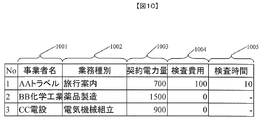
図10は、本発明の検査方法に係る資源融通を実施する事業者グループの一覧を示すテーブルの例である。各事業者は図10に示す事業者一覧情報を相互に保持し、本テーブル内から依頼先事業者と検査者を選定することで本発明の検査方法と資源融通を実現する。列1001「契約者名」は事業者の名称であり、資源融通の交渉と交渉規則の検査を行う事業者を示す。列1002「業務種別」は、当該の事業者の業務内容を示す分類情報であり、事前に設定された分類種別の中から業務内容を示し、図7のステップ702で示した事業情報を構成する。列1003「契約電力量」は、各事業者が保有する融通対象の資源に関する情報として、各事業者が利用可能な最大電力利用量を示す。列1004「検査費用」と列1005「検査時間」は、検査を行う際の制約を示す値であり、図6のステップ602で示した検査コスト情報を構成する。
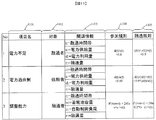
図11は、本発明の検査方法に係る、交渉規則の一例を示すテーブルである。ステップ503は本テーブルの交渉規則を参照し検査結果を出力する。列1101「項目名」は、各行の交渉規則を説明する呼称である。列1102「対象」は、当該の交渉規則を検査する対象となる事業者の種別であり、例えば、資源融通を受ける「依頼者」に対する規則か、依頼者から依頼を受けて資源融通を行う「融通者」に対する規則かを示す。列1103「関連情報」は、当該交渉規則の検査に必要となる情報の定義である。関連情報の元データはステップ308で示したように検査対象の事業者より検査者へ開示される。列1104「参加規則」は、本交渉規則の本体の1つであり、資源融通を交渉するための参加権を有するかの検査規則である。ここでは、関連情報を利用した制約式として記載したが、論理式で記載しても良いし、スクリプト型のプログラミング言語で記載しても良いし、コンパイル済みのソフトウェアロジックへの参照を記載しても良く、関連情報を入力として交渉への参加可否を出力可能な形式であれば何れの形式でも良い。列1105「融通規則」は、参加規則と同様の本交渉規則の本体の1つであり、資源融通量の限界値を示す規則である。
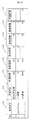
図12、13は、本発明の検査方法に係る各事業者間の親密度の一例を示すテーブルであり、図7,及び、図8の処理において算出する親密度である。列1201「事業者1」及び列1202「事業者2」は、対象となる事業者の組合せであり、各事業者は他事業者の前組合せについて親密度情報を持つ。列1203から列1205は、事業者の静的な事業内容に関する親密度である。列1203「地理情報」は、2事業者間の地理的な関係性、例えば、地理的な近さや配電網などの融通経路の近さを示す親密度であり、列1204「業務情報」は、業務種別の遠さを示す親密度であり、列1205「資本情報」は各事業者間の資本関係の有無による親密度である。また、列1206から列1208は、交渉、融通、検査履歴に関する親密度である。列1206「合意回数」は過去の交渉が合意に達して頻度であり、列1207「融通回数」は過去の融通頻度であり、列1208「検査回数」であり過去の検査頻度である。
図13は、図12に示した親密度の情報から算出した全2事業者間の組合せに検査正確性の予測指標を示すテーブルである。例えば、図12で示した各親密度を適切な重み付けによって合算することで、2事業者間の親密度の高さに応じた検査正確性の指標を算出する。
本実施例に係る資源融通における検査方法によって、資源融通を行う能力を検査するために必要となる情報を隠蔽、改変することなく開示されようになり、確実に融通が実施される可能性が高まる。また、資源融通の当事者と検査者を分離することにより、各事業者が内部情報を開示することが出来ない事業者に対しても資源融通が可能となり、地域内での余剰資源の有効活用が促進される。また、検査処理を地域内事業者で分担して実施することで、地域内の全交渉を仲介して検査するセンタシステムを導入することなく資源融通が可能となり拡張性、信頼性が高まる。
次に、本発明のまた別の実施形態の概要について説明する。
図15は、本実施形態を示す概念図である。本実施形態においては、電力網の管理と電力供給を行う電力事業者1501と、地域内でアグリゲーションサービスを行う1つ以上のPPS事業者1502、1503が存在する地域において、或るPPS事業者1502が規定の節電目標まで節電や電力供給を実施出来ず場合や、電力事業者1501が地域内での電力供給不足を検知した場合に、地域内の事業者101、102、103やPPS事業者1503へ電力需給調整(節電)を依頼することで電力網1402の需給バランスを調整する。
その際に、依頼先の事業者101やPPS事業者1503の節電能力や電力供給能力を別の事業者102や、また別のPPC事業者1504が検査する。検査を行う事業者は、依頼先の事業者101やPPS事業者1503との事業の関係性や過去の電力融通履歴から、親密度と親密度から推測される検査の正確性に基づいて決定される。検査者の選定方法と検査者方法は実施例1にて説明した方法と同様に実施する。
100:広域通信網、101:事業者Aシステム、102:事業者Bシステム、103:資源管理サーバ、104:資源管理サーバ、105:監視制御サーバ、106:監視制御サーバ、107:コントローラ
Claims (9)
- 複数の計算機を用いた、複数の事業主体間で資源融通する際の融通相手となる事業主体を決めるための資源融通交渉方法であって、
資源融通相手としての交渉相手候補とは別の検査者を前記複数の事業主体の中から選定する選定ステップと、
前記検査者に前記交渉相手候補が融通能力を保持しているかの検査を依頼する依頼情報を送信する依頼ステップと、
前記検査者の検査の結果、検査に適合した交渉相手候補を交渉相手として、決定する交渉相手決定ステップと、
を備えることを特徴とする資源融通交渉方法。 - 請求項1に記載の資源融通交渉方法において、
前記依頼ステップの後に、前記交渉相手候補から前記検査者に検査に必要な情報を送信する情報送信ステップを備え、
前記情報送信ステップでは、交渉相手候補へ交渉内容と前記検査者に関する情報を送信し、交渉相手候補は、前記検査者へ前記送信された交渉内容に基き検査に必要となる情報を送信し、
前記検査者は前記送信された検査に必要となる情報に基づき検査を実行することを特徴とする資源融通交渉方法。 - 請求項1又は2に記載の資源融通交渉方法において、
前記選定ステップは、前記交渉相手候補と前記検査者の親密度情報と、前記交渉相手候補と前記検査者の間で行われる情報公開の正確性と、前記検査における所要時間と、前記検査における所要費用の少なくとも何れか1つを含むコスト情報を取得し、当該コスト情報から前記検査者を選定することを特徴とする資源融通交渉方法。 - 請求項3に記載の資源融通交渉方法において、
更に、情報公開の正確性を予測するステップを備え、
前記交渉相手候補と前記検査者の所在地の近さと、
前記交渉相手候補と前記検査者の事業内容の類似度と、
前記交渉相手候補と前記検査者の資本関係と有無と、
前記交渉相手候補と前記検査者の取引関係と、
の少なくとも何れか1つ以上に応じて情報公開の正確性を予測する、
ことを特徴とする資源融通交渉方法。 - 請求項1から請求項4のいずれか一項に記載の資源融通交渉方法において、
過去の資源融通交渉において前記交渉相手候補を前記検査者が検査した頻度と、
前記交渉相手候補を前記検査者が検査した際に資源融通が正常に実施された頻度と、
前記交渉相手候補と前記検査者間での資源融通の頻度と、
前記交渉相手候補と前記検査者間での資源融通が正常に実施された頻度と、
の少なくとも何れか1つ以上の大きさに応じて前記交渉相手候補と前記検査者間の親密度を評価する、
ことを特徴とする資源融通交渉方法。 - 請求項1に記載の資源融通交渉方法において、
情報公開の正確性から検査の正確性を予測し、
前記交渉相手候補の過去の資源融通交渉の履歴から依頼に対する受諾確率と、依頼を受諾した際に正常に融通が実施される確率を評価し、
融通実施確率を検査の正確性が大きい場合は加算し、検査の正確性が小さい場合は減算することで補正し、
受諾確率と補正された融通実施確率から融通の成功確率を算出し、
融通の成功確率が一定以上となる少なくとも1組以上の前記交渉相手候補と検査者を選定する、
ことを特徴とする資源融通交渉方法。 - 請求項1から請求項3のいずれか一項に記載の資源融通交渉方法において、
前記交渉相手候補における資源融通履歴と検査履歴を取得し、
直近の資源融通時における前記交渉相手候補の検査者を取得し、
前記検査者が直近で検査を実施した時点における環境情報と、現在の環境情報を比較し、
環境情報を比較した類似度が一定値以下であり、かつ、直近で検査を実施した時点からの経過時間が一定値以下であれば検査者を現在の交渉における検査者に選定する、
ことを特徴とする資源融通交渉方法。 - 請求項1から請求項7のいずれか一項に記載の資源融通交渉方法において、
複数の事業者間の交渉結果に応じて電力を融通する際に、
依頼先の事業主体は電力の調整能力に関する情報として、少なくもと蓄電池容量と発電設備の定格発電量と自動停止又は遠隔停止可能な電力利用機器の定格負荷の何れか1つを検査者に開示し、
検査者は電力の調整能力関する情報から融通が実施される時刻までに、電力融通可能な電力量を判断して検査結果として電力融通の交渉の可否を検査する、
ことを特徴とする資源融通交渉方法。 - 請求項1又は8に記載の資源融通交渉方法において、
複数の事業者間の交渉結果に応じて電力を融通する際に、
電力アグリゲータを含む電力事業主体が地域内の事業主体に節電を依頼する際に、
依頼先の事業主体と親密度の高い別の電力事業主体を選定し、
別の電力事業主体に依頼先の事業主体の節電能力の評価を依頼する、
ことを特徴とする資源融通交渉方法。
Priority Applications (1)
| Application Number | Priority Date | Filing Date | Title |
|---|---|---|---|
| PCT/JP2012/066319 WO2014002199A1 (ja) | 2012-06-27 | 2012-06-27 | 分散型資源配分における資源配分交渉方法、交渉規則検査方法 |
Applications Claiming Priority (1)
| Application Number | Priority Date | Filing Date | Title |
|---|---|---|---|
| PCT/JP2012/066319 WO2014002199A1 (ja) | 2012-06-27 | 2012-06-27 | 分散型資源配分における資源配分交渉方法、交渉規則検査方法 |
Publications (1)
| Publication Number | Publication Date |
|---|---|
| WO2014002199A1 true WO2014002199A1 (ja) | 2014-01-03 |
Family
ID=49782431
Family Applications (1)
| Application Number | Title | Priority Date | Filing Date |
|---|---|---|---|
| PCT/JP2012/066319 Ceased WO2014002199A1 (ja) | 2012-06-27 | 2012-06-27 | 分散型資源配分における資源配分交渉方法、交渉規則検査方法 |
Country Status (1)
| Country | Link |
|---|---|
| WO (1) | WO2014002199A1 (ja) |
Cited By (2)
| Publication number | Priority date | Publication date | Assignee | Title |
|---|---|---|---|---|
| WO2016208206A1 (ja) * | 2015-06-26 | 2016-12-29 | 京セラ株式会社 | サーバ、電力管理システム、及び電力管理方法 |
| JP2019192165A (ja) * | 2018-04-27 | 2019-10-31 | 株式会社日立製作所 | エネルギー運用支援システムおよびその方法 |
Citations (2)
| Publication number | Priority date | Publication date | Assignee | Title |
|---|---|---|---|---|
| JP2002366615A (ja) * | 2001-06-11 | 2002-12-20 | Tokyo Electric Power Co Inc:The | 電力資源取引システム及び電力資源取引サーバ |
| JP2008065617A (ja) * | 2006-09-07 | 2008-03-21 | Toshiba Corp | 電力取引システム、電力取引システムのプログラム及び電力取引システムに用いられる需要家端末並びに供給事業者端末 |
-
2012
- 2012-06-27 WO PCT/JP2012/066319 patent/WO2014002199A1/ja not_active Ceased
Patent Citations (2)
| Publication number | Priority date | Publication date | Assignee | Title |
|---|---|---|---|---|
| JP2002366615A (ja) * | 2001-06-11 | 2002-12-20 | Tokyo Electric Power Co Inc:The | 電力資源取引システム及び電力資源取引サーバ |
| JP2008065617A (ja) * | 2006-09-07 | 2008-03-21 | Toshiba Corp | 電力取引システム、電力取引システムのプログラム及び電力取引システムに用いられる需要家端末並びに供給事業者端末 |
Cited By (5)
| Publication number | Priority date | Publication date | Assignee | Title |
|---|---|---|---|---|
| WO2016208206A1 (ja) * | 2015-06-26 | 2016-12-29 | 京セラ株式会社 | サーバ、電力管理システム、及び電力管理方法 |
| JP2019192165A (ja) * | 2018-04-27 | 2019-10-31 | 株式会社日立製作所 | エネルギー運用支援システムおよびその方法 |
| WO2019207984A1 (ja) * | 2018-04-27 | 2019-10-31 | 株式会社日立製作所 | エネルギー運用支援システムおよびその方法 |
| US11456619B2 (en) | 2018-04-27 | 2022-09-27 | Hitachi, Ltd. | Energy operation support system and method thereof |
| JP7169088B2 (ja) | 2018-04-27 | 2022-11-10 | 株式会社日立製作所 | エネルギー運用支援システムおよびその方法 |
Similar Documents
| Publication | Publication Date | Title |
|---|---|---|
| Parhizi et al. | Market-based versus price-based microgrid optimal scheduling | |
| CN103959322B (zh) | 基于不同主体间协作的资源融通方式 | |
| Dinesha et al. | Conceptualization of blockchain enabled interconnected smart microgrids | |
| Guo et al. | Colocation data center demand response using Nash bargaining theory | |
| Patel et al. | Modeling the Green Cloud Continuum: integrating energy considerations into Cloud–Edge models | |
| CN111178682A (zh) | 一种基于区块链技术的需求响应管理平台的控制方法 | |
| Cioara et al. | Optimized flexibility management enacting data centres participation in smart demand response programs | |
| JP2014531658A (ja) | ネットワークサーバを用いてdr信号を通信する拡張可能なウェブ利用drプラットフォーム | |
| US20230387682A1 (en) | Control Method, Management Device, Non-Transitory Computer-Readable Storage Medium and Power System | |
| Truong et al. | Multi-use of stationary battery storage systems with blockchain based markets | |
| Khorasany et al. | Paving the path for two-sided energy markets: An overview of different approaches | |
| Moghaddam et al. | On coordination of smart grid and cooperative cloud providers | |
| Ding et al. | Federated architecture for secure and transactive distributed energy resource management solutions (fast-derms) | |
| WO2014002199A1 (ja) | 分散型資源配分における資源配分交渉方法、交渉規則検査方法 | |
| Lipman et al. | Open-Source, Open-Architecture SoftwarePlatform for Plug-InElectric Vehicle SmartCharging in California | |
| Basmadjian et al. | Data centres’ power profile selecting policies for demand response: insights of green supply demand agreement | |
| Abada et al. | Rebate auction mechanisms for bidirectional grid balancing using cloud workload migrations | |
| Patel et al. | Formal Models for the Energy-Aware Cloud-Edge Computing Continuum: Analysis and Challenges | |
| Perrault et al. | Efficient coordinated power distribution on private infrastructure | |
| Ikeyama et al. | International standardizations related to energy management and its influences to industrial automation | |
| Giacobbe et al. | An Energy-aware Brokering Algorithm to Improve Sustainability in Community Cloud. | |
| Brillian Tangka et al. | Enabling Sustainable Energy Communities in ASEAN: A Systematic Approach to P2P Energy Transactions on Matakus Island Using IoT and Blockchain | |
| WO2015025375A1 (ja) | 資源取引支援システム及び方法 | |
| Yang et al. | A Two-Stage Investment Behavior-Based Approach for Efficient Allocation of Electrical Energy With Shared Energy Storage Station | |
| Nuaimi et al. | Managing QoS in IoTs: a survey |
Legal Events
| Date | Code | Title | Description |
|---|---|---|---|
| 121 | Ep: the epo has been informed by wipo that ep was designated in this application |
Ref document number: 12880169 Country of ref document: EP Kind code of ref document: A1 |
|
| NENP | Non-entry into the national phase |
Ref country code: DE |
|
| 122 | Ep: pct application non-entry in european phase |
Ref document number: 12880169 Country of ref document: EP Kind code of ref document: A1 |
|
| NENP | Non-entry into the national phase |
Ref country code: JP |