WO2013187175A1 - サービス提供システム、サービス計算機、及び端末 - Google Patents
サービス提供システム、サービス計算機、及び端末 Download PDFInfo
- Publication number
- WO2013187175A1 WO2013187175A1 PCT/JP2013/063552 JP2013063552W WO2013187175A1 WO 2013187175 A1 WO2013187175 A1 WO 2013187175A1 JP 2013063552 W JP2013063552 W JP 2013063552W WO 2013187175 A1 WO2013187175 A1 WO 2013187175A1
- Authority
- WO
- WIPO (PCT)
- Prior art keywords
- identification information
- terminal
- user
- application
- service
- Prior art date
- Legal status (The legal status is an assumption and is not a legal conclusion. Google has not performed a legal analysis and makes no representation as to the accuracy of the status listed.)
- Ceased
Links
Images






Classifications
-
- H—ELECTRICITY
- H04—ELECTRIC COMMUNICATION TECHNIQUE
- H04L—TRANSMISSION OF DIGITAL INFORMATION, e.g. TELEGRAPHIC COMMUNICATION
- H04L67/00—Network arrangements or protocols for supporting network services or applications
- H04L67/01—Protocols
- H04L67/10—Protocols in which an application is distributed across nodes in the network
-
- G—PHYSICS
- G06—COMPUTING OR CALCULATING; COUNTING
- G06F—ELECTRIC DIGITAL DATA PROCESSING
- G06F11/00—Error detection; Error correction; Monitoring
- G06F11/30—Monitoring
-
- G—PHYSICS
- G06—COMPUTING OR CALCULATING; COUNTING
- G06F—ELECTRIC DIGITAL DATA PROCESSING
- G06F21/00—Security arrangements for protecting computers, components thereof, programs or data against unauthorised activity
- G06F21/60—Protecting data
- G06F21/62—Protecting access to data via a platform, e.g. using keys or access control rules
- G06F21/6218—Protecting access to data via a platform, e.g. using keys or access control rules to a system of files or objects, e.g. local or distributed file system or database
- G06F21/6245—Protecting personal data, e.g. for financial or medical purposes
- G06F21/6254—Protecting personal data, e.g. for financial or medical purposes by anonymising data, e.g. decorrelating personal data from the owner's identification
-
- H—ELECTRICITY
- H04—ELECTRIC COMMUNICATION TECHNIQUE
- H04L—TRANSMISSION OF DIGITAL INFORMATION, e.g. TELEGRAPHIC COMMUNICATION
- H04L67/00—Network arrangements or protocols for supporting network services or applications
- H04L67/2866—Architectures; Arrangements
- H04L67/30—Profiles
- H04L67/306—User profiles
-
- H—ELECTRICITY
- H04—ELECTRIC COMMUNICATION TECHNIQUE
- H04L—TRANSMISSION OF DIGITAL INFORMATION, e.g. TELEGRAPHIC COMMUNICATION
- H04L67/00—Network arrangements or protocols for supporting network services or applications
- H04L67/50—Network services
- H04L67/51—Discovery or management thereof, e.g. service location protocol [SLP] or web services
-
- G—PHYSICS
- G06—COMPUTING OR CALCULATING; COUNTING
- G06F—ELECTRIC DIGITAL DATA PROCESSING
- G06F2221/00—Indexing scheme relating to security arrangements for protecting computers, components thereof, programs or data against unauthorised activity
- G06F2221/21—Indexing scheme relating to G06F21/00 and subgroups addressing additional information or applications relating to security arrangements for protecting computers, components thereof, programs or data against unauthorised activity
- G06F2221/2117—User registration
Definitions
- the present invention relates to a service providing system that provides a service to a user, and more particularly, to a service providing system that inherits anonymous personal data before user registration generated to provide a service after user registration.
- Patent Document 1 JP-A-2004-178517
- Patent Document 1 states that “a user terminal (11) used by a user and one or more notification destination terminals (21 to 23) to be notified of the personal information of the user are connected via a network.
- the user terminal (11) A first step of transmitting personal information and the like to (12), a second step of synchronously updating personal information and the like held by the user terminal (12) based on the received personal information and the like, and a user terminal (12) has a third step of transmitting personal information and the like to the notification destination terminal ”(see summary).
- a service server that provides a service to the user stores anonymous personal data (anonymous personal data) for providing the service without requesting the user ID and password from the user, and provides the service to the user.
- anonymous personal data anonymous personal data
- Patent Document 1 discloses a method of synchronizing terminal-independent data registered in one terminal to the other terminal via a server, but does not disclose any method of taking over personal data before user registration after user registration. It has not been.
- an object of the present invention is to make user personal data before user registration available after user registration.
- a representative example of the present invention is a service providing system that provides a service to a user, the first terminal used by the user, the service, and anonymous personal data from the first terminal.
- a service computer for storing; and a user registration unit for receiving an input for user registration, wherein the first terminal provides the service and executes an application to which the first identification information is assigned.
- the recording unit acquires the second identification information when the third identification information that is the identification information of the user is input for the user registration, and acquires the acquired second identification information and the input third information
- User registration data including identification information is transmitted to the service computer, and when the service computer receives the anonymous personal data transmitted by the anonymous personal data transmission unit, the first identification included in the anonymous personal data
- the user registration data transmitted by the user registration unit and the anonymous personal data storage unit that stores the information, the second identification information, and the anonymous personal data in association with each other are stored in the storage area
- the user registration data Concealing the anonymous personal data into the third identification information by associating and storing the second identification information and the third identification information included It characterized by having a a personal data aggregating unit.
- FIG. 1 is an explanatory diagram of the configuration of the service providing system according to the first embodiment of the present invention.
- the service providing system includes a terminal A1 (first terminal), a terminal B2 (third terminal), a service server 11, and an application server 21.
- the terminal A1, the terminal B2, the service server 11, and the application server 21 are connected via a communication line 31 such as the Internet.
- the terminal A1 executes applications 4A and 4B (hereinafter collectively referred to as application 4) that provide services to the user.
- the terminal A1 includes an application management unit 3 that manages the application 4.
- An application ID (first identification information) that is unique identification information is assigned to the application 4, and a virtual device ID (second identification information) that is unique identification information is assigned to the application management unit 3.
- Terminal B2 has a browser 5.
- the browser 5 connects to the service server 11, displays the anonymous personal data stored in the anonymous personal data storage unit 17 of the service server 11, and accepts input of information transmitted to the service server 11. That is, in this embodiment, the terminal B2 functions as a user registration unit that receives input of information related to user registration.
- the terminal A1 is a terminal that can use the service without requiring user registration in the service server 11.
- the terminal A1 is a mobile terminal such as a smartphone or a high-performance mobile phone, and an in-vehicle terminal such as a car navigation system.
- the terminal B2 is a terminal that starts use of the service after user registration for the service.
- the terminal B2 is a terminal such as a PC.
- the service server 11 includes a service distribution processing unit 15, an anonymous personal data storage unit 17, a virtual device ID distribution processing unit 12, an application ID distribution processing unit 13, a user registration processing unit 14, and an ID storage unit 16.
- the service distribution processing unit 15 distributes the service to the terminal A1 and the terminal B2. For example, the service distribution processing unit 15 performs a process corresponding to the request of the application 4 executed on the terminal A1, and transmits the processing result to the terminal A1, thereby distributing the service.
- the anonymous personal data storage unit 17 is a storage area for storing anonymous personal data of the user of the terminal A1. Details of the anonymous personal data storage unit 17 will be described with reference to FIG.
- the virtual device ID distribution processing unit 12 assigns a virtual device ID to the application management unit 3 included in the terminal A1.
- the application ID distribution processing unit 13 assigns an application ID to the application 4.
- the user registration processing unit 14 accepts registration of a user ID (third identification information) and a password, which are user identification information, from the terminal A1 or the terminal B2, and receives the anonymous personal data stored in the anonymous personal data storage unit 17 as a user ID.
- the ID storage unit 16 is a storage area that stores a virtual device ID, an application ID, and a user ID, and stores a user registration management table 18.
- the user registration management table 18 is a table for associating a user ID with a virtual device ID when user registration is performed, and details will be described with reference to FIG.
- the application server 21 has an application distribution processing unit 22.
- the application distribution processing unit 22 transmits the application 4 for using the service of the service server 11 to the terminal A1. Further, when receiving the distribution request from the application management unit 3 transmitted by the terminal A1, the application distribution processing unit 22 transmits a program for realizing the application management unit 3 to the terminal A1.
- Application 4 transmits an application ID acquisition request to application ID distribution processing unit 13 at the first activation.
- the terminal A1 receives the application ID from the application ID distribution processing unit 13, and assigns the received application ID to the application 4.
- Application 4 may generate an application ID by itself at the first activation, and give the generated application ID to itself. Note that the application 4 may generate the application ID in a format compliant with the universal unique identifier (Universal Unique ID). Details of the universal unique identifier are described in P. “Leach,” “A Universal, Unique, Identifier (UUID), URN, Namespace,” 2005>.
- the application 4 transmits anonymous personal data to the service server 11
- the application 4 acquires the virtual device ID assigned to the application management unit 3, and services the acquired virtual device ID, its own application ID, and anonymous personal data.
- Anonymous personal data refers to personal data generated during user registration.
- the application management unit 3 transmits a virtual device ID acquisition request to the virtual device ID distribution processing unit 12 at the first activation.
- the terminal A1 receives the virtual device ID from the virtual device ID distribution processing unit 12, and assigns the received virtual device ID to the application management unit 3.
- the application management unit 3 may generate a virtual device ID by itself at the first activation and assign the generated virtual device ID to itself. Note that the application management unit 3 may generate the virtual device ID in a format compliant with the universal unique identifier (Universal Unique ID).
- the application management unit 3 passes the virtual device ID to the application.
- the application management unit 3 receives an input for user registration, transmits the virtual device ID to the user registration processing unit 14.
- the browser 5 When the user inputs information related to user registration to the terminal B2, the browser 5 presents a message prompting the user to input a virtual device ID, and receives user registration data including the input virtual device ID, user ID, and password. It transmits to the service server 11.
- the user registration data is described as including a password, but the user registration data does not necessarily include a password.
- the service distribution processing unit 15 stores the anonymous personal data transmitted from the application 4 of the terminal 1 in the anonymous personal data storage unit 17 in association with the virtual device ID and application ID transmitted from the application 4.
- the user registration processing unit 14 When the user registration processing unit 14 receives the user registration data transmitted from the browser 5, the user registration processing unit 14 associates the user ID included in the user registration data with the virtual device ID, and registers the associated user ID and virtual device ID information as a user registration. Register in the management table 18.
- the anonymous personal data that matches the virtual device ID included in the user registration data among the anonymous personal data stored in the anonymous personal data storage unit 17 can be associated with the user ID, and the anonymous personal data is used as the user ID. Can be aggregated. That is, anonymous personal data before user registration can be taken over after user registration.
- FIG. 1 illustrates that the terminal A1 executes the applications 4A and 4B, in the present embodiment, the terminal A1 only needs to execute at least one application 4.
- FIG. 2 is an explanatory diagram of the hardware configuration of the terminal A1 and the terminal B2 according to the first embodiment of this invention.
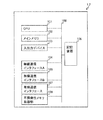
- the terminal A1 and the terminal B2 include a CPU 101, a main memory 102, an input / output device (display, speaker, touch panel, etc.) 103, a wireless communication interface A104, a wireless communication interface B105, a storage device 106, a wired communication interface 107, and a nonvolatile memory. Part 109 is provided. These are connected to each other by a communication line 108 such as a bus.
- the CPU 101 executes various processes by reading a program stored in the storage device 106 into the main memory 102 and executing it. Further, the program executed by the CPU 101 and the data used by the CPU 101 may be stored in advance in the storage device 106, or may be stored in a storage medium such as a CD-ROM, or via the communication line 31. May be downloaded from other devices. In addition, the function realized by the CPU 101 executing the program may be realized by dedicated hardware.
- the main memory 102 is loaded with a program executed by the CPU 101 and data used by the CPU 101.
- the input / output device 103 is an input device (for example, a keyboard, a mouse, and a touch panel) that receives input from the user, and an output device (for example, a speaker, a display, and the like) that outputs information to the user.
- the wireless communication interface A104 is an interface for connecting the terminal A1 and the terminal B2 to the communication line 31 wirelessly.
- the wireless communication interface B105 is an interface for wirelessly connecting the terminal A1 and the terminal B2 to an external device existing at a short distance from the terminals A1 and B2.
- the wired communication interface 107 is an interface for connecting the terminal A1 and the terminal B2 to an external device in a wired manner.
- the nonvolatile memory accommodating unit 109 accommodates a portable nonvolatile memory.
- the terminal A1 and the terminal B2 can be connected to each other by a wireless communication interface B105 such as Bluetooth or a wired communication interface 107 such as USB.
- a wireless communication interface B105 such as Bluetooth
- a wired communication interface 107 such as USB.
- the terminal A1 and the terminal B2 can transmit data via a nonvolatile memory.
- the data of one terminal is stored in the nonvolatile memory accommodated in the nonvolatile memory accommodating unit 109
- the nonvolatile memory is accommodated in the nonvolatile memory accommodating unit 109 of the other terminal
- the other terminal Reads data stored in the nonvolatile memory, whereby data is transmitted between the terminal A1 and the terminal B2.
- FIG. 2 an example in which the terminal A1 and the terminal B2 are connected to the communication line 31 by the wireless communication interface A104 is illustrated, but the present invention is not limited to this, and the terminal A1 and the terminal B2 are connected to the communication line 31 by the wired communication interface 107. May be.
- FIG. 3 is an explanatory diagram of the hardware configuration of the service server 11 and the application server 21 according to the first embodiment of this invention.
- the service server 11 and the application server 21 include a CPU 201, a main memory 202, an input / output device 203, a storage device 206, and a wired communication interface 207. These are connected to each other by a communication line 208 such as a bus.
- the CPU 201 is the same as the CPU 101 shown in FIG. 2
- the main memory 202 is the same as the main memory 102 shown in FIG. 2
- the input / output device 203 is the same as the input / output device 103 shown in FIG. 2 is the same as the storage device 106 shown in FIG. 2
- the wired communication interface 207 is the same as the wired communication interface 107 shown in FIG.
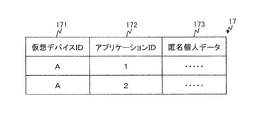
- FIG. 4 is an explanatory diagram of anonymous personal data stored in the anonymous personal data storage unit 17 of the first embodiment of the present invention.
- the anonymous personal data includes a virtual device ID 171, an application ID 172, and anonymous personal data 173.
- the virtual device ID 171 the virtual device ID assigned to the application management unit 3 of the terminal A1 is registered.
- the application ID 172 an application ID given to the application 4 executed on the terminal A1 is registered.
- Anonymous personal data is registered in the anonymous personal data 173.
- the anonymous personal data may be generated by the application 4 and transmitted by the terminal A1, or may be generated by the service server 11 based on a request from the application 4.
- the terminal A1 transmits the virtual device ID and the application ID together with the anonymous personal data to the service server 11. Therefore, when the service server 11 receives anonymous personal data, the service server 11 adds a new entry to the anonymous personal data stored in the anonymous personal data storage unit 17 and receives the virtual device ID received in the virtual device ID 171 of the added entry. , The received application ID is registered in the application ID 172, and the received anonymous personal data is registered in the anonymous personal data 173.
- the request by the application 4 includes a virtual device ID and an application ID.
- the service server 11 When the service server 11 generates anonymous personal data, the service server 11 adds a new entry to the anonymous personal data stored in the anonymous personal data storage unit 17, and the virtual device ID 171 of the added entry is included in the request by the application 4.
- the device ID is registered, the application ID included in the request by the application 4 is registered in the application ID 172, and the generated anonymous personal data is registered in the anonymous personal data 173.
- the anonymous personal data is stored in association with the virtual device ID and the application ID.
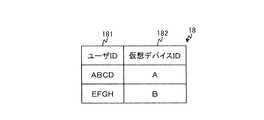
- FIG. 5 is an explanatory diagram of the user registration management table 18 according to the first embodiment of this invention.
- the user registration management table 18 includes a user ID 181 and a virtual device ID 182.
- the user ID 181 the user ID of the user of the service provided by the service server 11 is registered.
- the virtual device ID 182 a virtual device ID associated with the user is registered.
- the user registration processing unit 14 When the user registration processing unit 14 receives user registration data that is transmitted by the terminal B2 and includes the user ID and the virtual device ID, the user registration processing unit 14 adds a new entry to the user registration management table 18 and receives it to the user ID 181 of the added entry.
- the user ID included in the user registration data is registered, and the virtual device ID included in the received user registration data is registered in the virtual device ID 182.
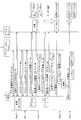
- FIG. 6 is a sequence diagram of service providing processing according to the first embodiment of this invention.
- FIG. 6 illustrates a method of taking over anonymous personal data when the user performs user registration from the terminal B2 after the user uses the service without user registration at the terminal A1, and the terminal B2 also uses the service.
- Step 1-1 When the terminal A1 receives a predetermined operation from the user, the terminal A1 transmits a download request from the application management unit 3 to the application server 21.
- the application server 21 transmits a program for realizing the application management unit 3 to the terminal A1.
- the terminal A1 acquires the application management unit 3 from the application server 21 by receiving the program for realizing the application management unit 3 transmitted by the application server 21 (61).
- the application management unit 3 transmits a virtual device ID assignment request to the service server 11.
- the virtual device ID distribution processing unit 12 When the service server 11 receives the virtual device ID assignment request, the virtual device ID distribution processing unit 12 generates a unique virtual device ID and transmits the generated virtual device ID to the terminal A1.
- the terminal A1 receives the virtual device ID and assigns the received virtual device ID to the application management unit 3 (62).
- the virtual device ID is for the service server 11 to identify the application management unit 3.
- the application management unit 3 may generate its own virtual device ID and assign the generated virtual device ID to itself.
- the terminal A1 is, for example, a smartphone, a high-function mobile phone, an in-vehicle terminal, or the like.
- Step 1-2 When the terminal A1 receives a predetermined operation from the user, the terminal A1 transmits a download request for the application 4 for using the service provided by the service server 11 to the application server 21.
- the application server 21 receives a download request for the application 4 4
- the application server 21 transmits the application 4 to the terminal A1.
- the terminal A1 acquires the application 4 by receiving the application 4 transmitted by the application server 21.
- the terminal A1 acquires the application 4A (63) and acquires the application 4B (64).
- the terminal A1 does not have to acquire the application 4 from the application server 21.
- Step 1-3 The user starts the application 4 and inputs a predetermined operation to the application 4 to start using the service provided by the service server 11 (65, 67).
- the application 4 When the application 4 is activated for the first time, the application 4 transmits an application ID acquisition request to the service server 11. When receiving the application ID acquisition request, the service server 11 generates an application ID and transmits the generated application ID to the terminal A1. When the terminal A1 receives the application ID transmitted by the service server 11, the terminal A1 gives the received application ID to the application 4.
- the application 4 may generate its own application ID and give the generated application ID to itself.
- the terminal A1 When anonymous personal data is generated by executing the application 4, the terminal A1 obtains the anonymous personal data, the virtual device ID assigned to the application management unit 3, and the application ID of the application 4 that generated the anonymous personal data. It transmits to the service server 11 (66, 68).
- the service server 11 receives the virtual device ID, application ID, and anonymous personal data transmitted by the terminal A1, the service server 11 adds and adds a new entry to the anonymous personal data stored in the anonymous personal data storage unit 17.
- the received virtual device ID is registered in the entry virtual device ID 171
- the received application ID is registered in the application ID 172
- the received anonymous personal data is registered in the anonymous personal data 173.
- the anonymous personal data is stored in association with the virtual device ID and the application ID.
- Step 1-4 the user performs user registration with respect to the service server 11 from the terminal B2.
- the user inputs user registration data including the user ID, password, and virtual device ID to the browser 5 of the terminal B2.
- the terminal A1 receives a predetermined operation from the user, the terminal A1 presents the virtual device ID assigned to the application management unit 3 thereof to the user.
- the user inputs the virtual device ID to the browser 5 of the terminal B2 while confirming the virtual device ID presented by the terminal A1.
- the terminal B2 transmits the user registration data input to the browser 5 to the service server 11 (69).
- the service server 11 receives the user registration data transmitted by the terminal B2
- the service server 11 associates the user ID included in the received user registration data with the virtual device ID and registers the user ID in the user registration management table 18.
- the terminal B 2 transmits a request for using anonymous personal data to the service server 11.
- This use request includes a user ID.
- the service server 11 receives a request for using anonymous personal data transmitted by the terminal B2
- the service server 11 refers to the user registration management table 18 and refers to the virtual device associated with the user ID included in the received request for using anonymous personal data. Get an ID.
- the service server 11 makes available the anonymous personal data in which the virtual device ID acquired in the virtual device ID 171 is registered among the anonymous personal data stored in the anonymous personal data storage unit 17.
- the anonymous personal data generated by the terminal A1 without user registration is associated with the user ID, and the anonymous personal data can be used also from the terminal B2 after user registration. That is, anonymous personal data can be taken over even after user registration.
- the terminal A1 transmits a request for using anonymous personal data to the service server 11.
- This use request includes a user ID.
- the use request including the user ID may not include the virtual device ID.
- the process of the service server 11 in this case is the same as the process when the service server 11 receives a request for using anonymous personal data including the user ID from the terminal B2, the description is omitted.
- the request for using anonymous personal data transmitted by the terminal A1 may include a virtual device ID without including a user ID.
- the service server 11 receives a request for using anonymous personal data
- the virtual device ID included in the use request is registered in the virtual device ID 171 among the anonymous personal data stored in the anonymous personal data storage unit 17.
- Anonymous personal data can be used.
- anonymous personal data before user registration can be continuously used from the terminal A1 even after user registration.
- Step 1-5) processing when the user performs user registration from the terminal C2 after the user performs user registration from the terminal B2 will be described.
- the terminal C6 is a smartphone or the like similar to the terminal A1, the application management unit 3 and the application 4 are downloaded to the terminal C6, the virtual device ID is assigned to the application management unit 3, and the application ID is assigned to the application 4. It shall be granted.
- terminal C6 second terminal
- the user inputs the same user ID and password as the user ID and password input to the terminal B2 to the terminal C6.
- the terminal C6 acquires the virtual device ID from the application management unit 3, and stores the input user ID and password and the user registration data including the acquired virtual device ID as a service server. 11 (70).
- the service server 11 When the service server 11 receives user registration data from the terminal C6, the service server 11 refers to the user registration management table 18 and determines whether the number of virtual device IDs associated with the user ID included in the received user registration data is greater than a predetermined value. Determine whether.
- the service server 11 determines that the number of virtual device IDs associated with the user ID is greater than the predetermined value, the service server 11 displays a message indicating that the user ID and the virtual device ID cannot be associated (state 1). Transmit to terminal C6.
- the terminal C6 receives the message indicating that it is in the state 1 transmitted from the service server 11, it indicates that the anonymous personal data associated with the virtual device ID of the other terminal (terminal A1) cannot be taken over. Display the screen.
- the service server 11 determines that the number of virtual device IDs associated with the user ID is equal to or less than a predetermined value, the service server 11 indicates that the user ID can be associated with the virtual device ID (state 2). Send the message to terminal C6.
- the terminal C6 When the terminal C6 receives the message indicating that the state 2 is transmitted from the service server 11, the user inputs anonymous personal data associated with the virtual device ID of the other terminal (terminal A1) to the terminal C6. A screen for obtaining the user's consent to consolidate the user IDs is displayed. When the terminal C6 receives an approval operation from the user, the terminal C6 transmits a message indicating the approval to the service server 11.
- the service server 11 When the service server 11 receives a message indicating consent from the terminal C6, the service server 11 associates the user ID included in the user registration data with the virtual device ID and stores them in the user registration management table 18. If the service server 11 does not receive a message indicating approval from the terminal C6 within a predetermined time after transmitting the message indicating the state 2, the service server 11 discards the received user registration data.
- the anonymous personal data associated with the virtual device ID of the terminal A1 can be taken over from the terminal C6.
- the terminal B2 When the user tries to input user registration data to the browser 5 of the terminal B2, the terminal B2 presents to the user that anonymous personal data can still be used after user registration if the user registration is performed from the terminal A1. The user is guided from the terminal 1 to perform user registration.
- the terminal A1 When the user performs user registration from the terminal A1, the user does not need to input a virtual device ID. Specifically, when a user ID and a password are input, the terminal A1 acquires a virtual device ID from the application management unit 3, and uses the input user ID and password and the acquired virtual device ID as user registration data. It transmits to the service server 11.
- the user does not need to input the virtual device ID, so that user registration is simplified.
- the terminal A1 When performing user registration from the user terminal B1, the terminal A1 writes the virtual device ID given to the application management unit 3 of the terminal A1 in the nonvolatile memory accommodated in the nonvolatile memory accommodation unit 109. And a user takes out the non-volatile memory accommodated in the non-volatile memory accommodating part 109 of terminal A1, and accommodates it in the non-illustrated non-volatile memory accommodating part with which terminal B2 is equipped.
- the terminal B ⁇ b> 2 reads the virtual device ID stored in the nonvolatile memory accommodated in the nonvolatile memory accommodation unit, and delivers the read virtual device ID to the browser 5. Then, the terminal B2 transmits user registration data including the user ID and password input by the user and the virtual device ID handed over to the browser 5 to the service server 11.
- the virtual device ID is delivered from the terminal A1 to the terminal B2 via the nonvolatile memory.
- the virtual device ID may be delivered from the terminal A1 to the terminal B2 via wired communication or wireless communication. .
- the terminal A1 or the terminal B2 transmits a request for issuing an ID with an expiration date, which is guaranteed to be unique only for a predetermined time, to the service server 11.
- This issue request includes the virtual device ID.
- the terminal B2 obtains the virtual device ID request using the second method.
- the service server 11 When the service server 11 receives a request for issuing an ID with an expiration date, the service server 11 generates an ID with an expiration date, and associates the generated ID with an expiration date with the virtual device ID included in the received request for an ID with an expiration date And remember. Further, the service server 11 transmits the generated ID with an expiration date to the terminal B2.
- the service server 11 generates an ID with an expiration date so that the number of digits of the ID with an expiration date is smaller than the number of digits of the virtual device ID. For example, the service server 11 generates a hash value having the virtual device ID included in the received request for issuing an ID with an expiration date as an input element as an ID with an expiration date.
- the terminal A1 or the terminal B2 that has transmitted the request for issuing an ID with an expiration date receives the ID with an expiration date, the terminal ID with the expiration date is displayed.
- the user inputs the user ID, the password, and the ID with an expiration date as user registration data to the browser 5 of the terminal B2, while checking the ID with the expiration date displayed on the terminal A1 or the terminal B2.
- the terminal B2 transmits the input user registration data to the service server 11.
- the service server 11 When the service server 11 receives the user registration data, the service server 11 selects a virtual device ID associated with the ID with an expiration date included in the received user registration data. Then, the service server 11 associates the selected virtual device ID with the user ID included in the received user registration data, and stores the association in the user registration management table 18.
- the user only needs to input an ID with an expiration date smaller than the number of digits of the virtual device ID in the terminal B2 instead of the virtual device ID.
- User registration can be simplified.
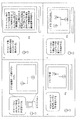
- FIG. 7 is an explanatory diagram of a use scene according to the first embodiment of the present invention.
- the user downloads the program that realizes the application management unit 3 and the application 4 called “drive plan” to the terminal A1 (for example, a smartphone), executes the application 4, and makes a drive plan.
- the terminal A1 for example, a smartphone
- the terminal B2 for example, PC.
- the terminal B2 displays a message indicating that the past drive plan can still be used after user registration by inputting the virtual device ID of the terminal A1.
- the terminal B2 When the user views the message displayed on the terminal B2 and inputs the user ID, password, and virtual device ID to the terminal B2, the terminal B2 receives the user registration data including the user ID, password, and virtual device ID on the service server 11. Send to.
- the service server 11 receives the user registration data
- the service server 11 associates the user ID and the virtual device ID included in the received user registration data, and stores them in the user registration management table 18.
- the user After the user registration, the user makes a drive plan using the service of the service server 11 from the terminal B.
- the terminal B2 By transmitting a request for using anonymous personal data from the terminal B2 to the service server 11 after the user registration, the terminal B2 acquires the anonymous personal data established in the past from the service server 11 via the terminal A1, and acquires the anonymous Personal data can be displayed.
- anonymous personal data generated without user registration from the terminal A1 can be taken over after user registration.
- the service providing system of the second embodiment is required to include a terminal A1 having a plurality of applications 4 and an application management unit 3, and a service server 11, and the terminal B2 shown in FIG. .
- FIG. 8 is a sequence diagram of service providing processing according to the second embodiment of the present invention.
- the same processes as the service providing processes shown in FIG. 6 of the first embodiment are denoted by the same reference numerals and description thereof is omitted.
- the process up to the user registration of the service providing process of the second embodiment (Step 1-1 to Step 1-3 (61-68)), and the user registration from another terminal C6 after the user registration
- the processing (Step 1-5 (70)) for this is the same processing as the service provision of the first embodiment.
- the user performs user registration from the terminal A1.
- the user inputs the user ID and password to the terminal A1.
- the terminal A1 functions as a user registration unit that accepts input of information related to user registration.
- the terminal A1 acquires a virtual device ID from the application management unit 3, and transmits user registration data including the input user ID and password and the acquired virtual device ID to the service server 11. (71).
- the service server 11 When the service server 11 receives the user registration data transmitted from the terminal A1, the service server 11 associates the user ID included in the received user registration data with the virtual device ID and registers the user ID in the user registration management table 18.
- the terminal A1 does not transmit the anonymous personal data use request including the virtual device ID, but sends the user ID to the anonymous personal data use request. If you include it, you can use anonymous personal data. Further, since the user ID and the virtual device ID are associated with each other, anonymous personal data generated by the application 4 of the terminal A1 can be used from another terminal C6 as in Step 1-5.
- FIG. 9 is an explanatory diagram of a use scene according to the second embodiment of the present invention.
- the user downloads the application management unit 3 and the plurality of applications 4 to the terminal A1 (for example, a smartphone).
- the plurality of downloaded applications 4 can be used without user registration.
- the terminal A1 transmits the anonymous personal data generated by each application 4 to the service server 11 together with the virtual device ID assigned to the application management unit 3 and the application ID assigned to each application 4, and is anonymous to the service server 11. Store personal data.
- the user inputs the user ID and password to the terminal A1 and performs user registration.
- the terminal A1 transmits user registration data including a user ID, a password, and a virtual device ID to the service server 11, and the service server 11 associates the user ID with the virtual device ID to complete the user registration.
- the terminal A1 displays that user registration has been completed and that anonymous personal data generated before user registration can be used continuously.
- the terminal A1 is to transmit the user registration data including a user ID and a virtual device ID to the service server 11, in this modification, the terminal A1 includes, in addition to the user ID and the virtual device ID, the user User registration data including application identifiable information for limiting anonymous personal data to be aggregated in the ID is transmitted to the service server 11.
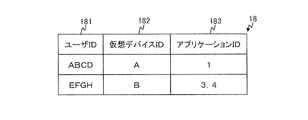
- FIG. 10 is an explanatory diagram of the user registration management table 18 according to a modification of the second embodiment of this invention.
- the user registration management table 18 includes a user ID 181, a virtual device ID 182, and an application ID 183.
- the user ID 181 and the virtual device ID 182 are the same as in FIG.
- the user ID registered in the user ID 181 and the application ID associated with the virtual device ID registered in the virtual device ID 182 are registered.
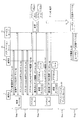
- FIG. 11 is a sequence diagram of service providing processing according to a modification of the second embodiment of the present invention.
- Step 3-4 the user registration processing from the terminal A1 after Step 1-1 ⁇ Step 1-3 is performed (Step 3-4), and the user registration process from another terminal C6 for (Step3-5) will be described.
- Step 3-4 When the user performs user registration from the terminal A1, in addition to the user ID and password, the user inputs an application ID desired to be associated with the virtual device ID to the terminal A1 as application identifiable information.
- Terminal A1 if the user ID, password, and the application identifiable information is entered, the virtual acquires the virtual device ID from the application managing unit 3, the input user ID, password, and the application identifiable information, as well as acquired User registration data including the device ID is transmitted to the service server 11 (81).
- the application ID 1 given to the application 4A is input as the application identifiable information.
- Service server 11 when receiving the user registration data transmitted by terminal A1, associates the user ID included in the user registration data, a virtual device ID, an application ID, registers the association in the user registration management table 18 To do.
- the service server 11 adds a new entry to the user registration management table 18. Then, the service server 11 registers the user ID included in the received user registration data in the user ID 181 of the added entry, and registers the virtual device ID included in the received user registration data in the virtual device ID 182 of the added entry.
- the application ID included as the application identifiable information is registered in the application ID 183 of the added entry.
- anonymous personal data of application 4A of application ID1 and application 4B of application ID2 is stored, but only anonymous personal data of application ID1 is associated with the user ID.
- the service server 11 When the service server 11 receives a request for using anonymous personal data including a user ID or a virtual device ID from the terminal A1 after user registration, the service server 11 makes the anonymous personal data corresponding to the received use request available.
- the service server 11 refers to the user registration management table 18, the user ID181 or virtual device ID182 obtains an entry that matches the user ID or the virtual device ID included in the usage request received. Then, the service server 11 refers to the anonymous personal data stored in the anonymous personal data storage unit 17, and the virtual device ID 171 and the application ID 172 are added to the virtual device ID and application ID 183 registered in the virtual device ID 182 of the acquired entry. Anonymous personal data with an entry that matches the registered application ID is made available to the terminal A1.
- the user can specify the application 4 that has generated the anonymous personal data to be aggregated in the user ID at the time of user registration.
- Step 3-5 A case where the user performs user registration from the terminal C6 after user registration will be described.
- Terminal C6 When the user ID and password are entered, acquires the virtual device ID from the application managing unit 3, the input user ID and password, as well as to the service server 11 to user registration data that includes a virtual device ID acquired to send (82).
- the service server 11 When the service server 11 receives the user registration data, the service server 11 refers to the user registration management table 18 as in the first and second embodiments, and the virtual device ID associated with the user ID included in the received user registration data. It is determined whether the number of is greater than a predetermined value.
- the service server 11 adds a new entry to the user registration management table 18, and the user ID 181 in the user registration management table 18 is registered in the application ID 183 of the entry that matches the user ID included in the user registration data. Get the application ID. Then, the service server 11 registers the user ID included in the user registration data in the user ID 181 of the added entry, registers the virtual device ID included in the user registration data in the virtual device ID 182 of the added entry, and adds the added entry. The acquired application ID is registered in the application ID 183.
- the terminal C6 can use the anonymous personal data that the terminal A1 can use after user registration after the user registration from the terminal C6.
- the user When the user performs user registration from the terminal C6, the user inputs the application ID of the terminal A1 that is desired to be associated with the virtual device ID of the terminal C6 in addition to the user ID and password as application identifiable information. Also good. This case will be described in detail.
- the terminal C6 transmits user registration data including a user ID, a password, a virtual device ID, and application identifiable information to the service server 11.
- the service server 11 When the service server 11 receives the user registration data, the service server 11 associates the user ID, the virtual device ID, and the application ID included in the received user registration data, and registers them in the user registration management table 18.
- the service server 11 adds a new entry to the user registration management table 18, registers the user ID included in the user registration data in the user ID 181 of the added entry, and adds it to the virtual device ID 182 of the added entry.
- the virtual device ID included in the user registration data is registered, and the application ID that is application identifiable information included in the user registration data is registered in the application ID 183 of the added entry.
- the user can designate an application of anonymous personal data that can be used after user registration from the terminal C6.
- the application ID is a unique identifier of the application downloaded to the terminal A1
- the application ID is identification information given to each application 4, and the application ID is different for each downloaded terminal even if the application 4 provides the same service.
- the user in order to input the application ID at the time of user registration, the user must operate the terminal A1 to check the application ID assigned to the application 4 downloaded to the terminal A1.
- the user may input a service ID that is service identification information provided by the application 4 as the application identifiable information.
- the case where the user inputs the service ID to the terminal A1 as the application identifiable information will be described in detail.
- the service server 11 has a service management table 19 for specifying the application ID from the service ID.
- FIG. 12 is an explanatory diagram of the service management table 19 according to a modification of the second embodiment of this invention.
- the service management table 19 includes a service ID 191, a virtual device ID 192, and an application ID 193.
- the service ID is registered in the service ID 191.
- Registered in the virtual device ID 192 is the virtual device ID of the terminal A1 from which the application 4 providing the service identified by the service ID registered in the service ID 191 has been downloaded.
- the application ID 193 the application ID of the application 4 that provides the service identified by the service ID registered in the service ID 191 is registered.
- the service server 11 When the service server 11 generates an application ID in Step 1-3, the service server 11 specifies a service provided by the application 4 that generates the application ID, associates the service ID of the specified service with the generated application ID, and performs FIG. Are stored in the service management table 19 shown in FIG.
- the terminal A1 transmits the service ID provided by the application 4 to which the application ID is assigned and the virtual device ID included in the application ID acquisition request. It is assumed that the service ID is given to the application 4 when the application 4 is downloaded.
- Service server 11 when receiving the acquisition request for the application ID transmitted by the terminal A1, generated an application ID, the service ID and the virtual device ID included in the request for acquisition of the application ID, and the generated application ID Register in the service management table 19.
- the service server 11 searches for an entry in which the service ID included in the received application ID acquisition request is registered in the service ID 191. If there is a matching entry, the service server 11 receives the entry in the virtual device ID 192 of the entry. The virtual device ID included in the application ID acquisition request is registered, and the generated application ID is registered in the application ID 193 of the entry.
- the service server 11 adds a new entry to the service management table 19, registers the service ID included in the received application ID acquisition request in the service ID 191 of the added entry, and adds The virtual device ID included in the received application ID acquisition request is registered in the virtual device ID 192 of the entry, and the generated application ID is registered in the application ID 193 of the added entry.
- the user inputs the user ID, password, and service ID to the terminal A1.
- the terminal A1 transmits user registration data including the user ID, password, virtual device ID, and service ID to the service server 11 (81).
- the service server 11 When the service server 11 receives user registration data including the service ID as the user ID, password, virtual device ID, and application identifiable information, the service server 11 refers to the service management table 19 and determines the service ID and virtual included in the user registration data. An application ID corresponding to the device ID is specified.
- the service server 11 registers the user ID and virtual device ID included in the received user registration data and the identified application ID in the user registration management table 18.
- the user can specify the application 4 that has generated the anonymous personal data that can be used only by inputting the service ID without inputting the application ID.
- the rank is set in the terminal A1 used by the user, and an anonymous personal data service that permits aggregation of the user ID for each rank is set in advance.
- the service server 11 has a rank management table 30 for managing the rank and the service ID of the service that the rank permits to aggregate in addition to the service management table 19 described above.
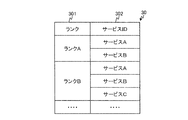
- FIG. 13 is an explanatory diagram of the rank management table 30 according to a modification of the second embodiment of this invention.
- the rank management table 30 includes a rank 301 and a service ID 302.
- a rank ID which is rank identification information
- Registered in the service ID 302 is a service ID of a service that allows the rank identified by the rank ID registered in the rank 301 to be aggregated to the user ID.
- anonymous personal data generated by the application 4 that provides two services (services A and B) is allowed to be aggregated in the user ID, and in rank B, three services (service A, service A, B) are permitted. Allow anonymous personal data generated by the application 4 providing B and C) to be aggregated into a user ID.
- the fee for subscribing to rank B may be set higher than the fee for subscribing to rank A.
- the terminal A1 transmits user registration data including the user ID, password, virtual device ID, and rank ID to the service server 11 (81).
- the rank ID may be set in advance in the terminal A1, or may be input by the user.
- the service server 11 When the service server 11 receives the user registration data transmitted by the terminal A1, the service server 11 refers to the rank management table 30 and acquires a service ID corresponding to the rank included in the received user registration data. Specifically, the service server 11 stores all the service IDs registered in the service ID 302 of the entry whose rank ID registered in the rank 301 of the rank management table 30 matches the rank ID included in the received user registration data. get.
- the service server 11 refers to the service management table 19 and acquires the acquired service ID and the application ID corresponding to the virtual device ID included in the received user registration data.
- the service server 11 registers the user ID and virtual device ID included in the received user registration data and the acquired application ID in the user registration management table 18. Specifically, the service server 11 adds a new entry to the user registration management table 18, registers the user ID included in the received user registration data in the user ID 181 of the added entry, and adds the virtual device of the added entry.
- the virtual device ID included in the received user registration data is registered in the ID 182 and the acquired application ID is registered in the application ID 183 of the added entry.
- anonymous personal data generated by the uninstalled application 4 can also be collected in the user ID.
- FIG. 14 is a sequence diagram of service providing processing according to the third embodiment of the present invention.
- the same processes as those of the service providing process shown in FIG. 6 of the first embodiment are given the same reference numerals and the description thereof is omitted.
- the terminal A1 uninstalls the application 4A in Step 1-6 (91) .
- step 1-4 the user performs user registration from the terminal B2.
- Step 1-4 the terminal B2 transmits user registration data including the user ID, password, and virtual device ID input by the user to the service server 11.
- the service server 11 When the service server 11 receives the user registration data, the service server 11 registers the received user ID and virtual device ID in the user registration management table 18.
- FIG. 14 shows an example in which the third embodiment is applied to the first embodiment. However, the third embodiment can also be applied to the second embodiment.
- this invention is not limited to the above-mentioned Example, Various modifications are included.
- the above-described embodiments have been described in detail for easy understanding of the present invention, and are not necessarily limited to those having all the configurations described.
- a part of the configuration of a certain embodiment can be replaced with the configuration of another embodiment, and the configuration of another embodiment can be added to the configuration of a certain embodiment.
- each of the above-described configurations, functions, processing units, processing means, and the like may be realized by hardware by designing a part or all of them with, for example, an integrated circuit.
- Each of the above-described configurations, functions, and the like may be realized by software by interpreting and executing a program that realizes each function by the processor.
- Information such as programs, tables, and files for realizing each function can be stored in a recording device such as a memory, a hard disk, an SSD (Solid State Drive), or a recording medium such as an IC card, an SD card, or a DVD.
Landscapes
- Engineering & Computer Science (AREA)
- Theoretical Computer Science (AREA)
- Bioethics (AREA)
- General Health & Medical Sciences (AREA)
- Health & Medical Sciences (AREA)
- Signal Processing (AREA)
- Computer Networks & Wireless Communication (AREA)
- General Engineering & Computer Science (AREA)
- General Physics & Mathematics (AREA)
- Physics & Mathematics (AREA)
- Medical Informatics (AREA)
- Software Systems (AREA)
- Computer Security & Cryptography (AREA)
- Computer Hardware Design (AREA)
- Databases & Information Systems (AREA)
- Quality & Reliability (AREA)
- Management, Administration, Business Operations System, And Electronic Commerce (AREA)
- Telephonic Communication Services (AREA)
Priority Applications (3)
| Application Number | Priority Date | Filing Date | Title |
|---|---|---|---|
| EP13804887.1A EP2863318B1 (en) | 2012-06-13 | 2013-05-15 | Service provision system, service computer, and terminal |
| US14/405,476 US9641602B2 (en) | 2012-06-13 | 2013-05-15 | Service provision system |
| CN201380029934.1A CN104364779B (zh) | 2012-06-13 | 2013-05-15 | 服务提供系统、服务计算机及终端 |
Applications Claiming Priority (2)
| Application Number | Priority Date | Filing Date | Title |
|---|---|---|---|
| JP2012-133945 | 2012-06-13 | ||
| JP2012133945A JP5806167B2 (ja) | 2012-06-13 | 2012-06-13 | サービス提供システム、サービス計算機、及び端末 |
Publications (1)
| Publication Number | Publication Date |
|---|---|
| WO2013187175A1 true WO2013187175A1 (ja) | 2013-12-19 |
Family
ID=49758007
Family Applications (1)
| Application Number | Title | Priority Date | Filing Date |
|---|---|---|---|
| PCT/JP2013/063552 Ceased WO2013187175A1 (ja) | 2012-06-13 | 2013-05-15 | サービス提供システム、サービス計算機、及び端末 |
Country Status (5)
| Country | Link |
|---|---|
| US (1) | US9641602B2 (enExample) |
| EP (1) | EP2863318B1 (enExample) |
| JP (1) | JP5806167B2 (enExample) |
| CN (1) | CN104364779B (enExample) |
| WO (1) | WO2013187175A1 (enExample) |
Families Citing this family (8)
| Publication number | Priority date | Publication date | Assignee | Title |
|---|---|---|---|---|
| US9860142B2 (en) * | 2014-06-23 | 2018-01-02 | Synchronoss Technologies, Inc. | Apparatus, system and method of data collection after software removal |
| WO2017047172A1 (ja) * | 2015-09-17 | 2017-03-23 | ソニー株式会社 | 情報処理装置、情報処理方法、プログラム及びマッピングサーバ |
| US10460129B2 (en) * | 2017-01-12 | 2019-10-29 | Ca, Inc. | System and method for managing cooperative synthetic identities for privacy protection through identity obfuscation and synthesis |
| US10592693B2 (en) * | 2017-01-12 | 2020-03-17 | Ca, Inc. | System and method for analyzing cooperative synthetic identities |
| EP3629167A1 (en) * | 2018-09-27 | 2020-04-01 | Ricoh Company, Ltd. | Information processing system, information processing apparatus, method of processing information, and carrier means |
| JP7293812B2 (ja) * | 2019-04-01 | 2023-06-20 | 日本電気株式会社 | 電子レシート提供システム、電子レシート提供方法、およびプログラム |
| CN112383510B (zh) * | 2020-10-23 | 2022-10-11 | 北京易观智库网络科技有限公司 | 一种唯一识别用户关联的方法及装置 |
| US12229803B2 (en) * | 2022-03-09 | 2025-02-18 | Promoted.ai, Inc. | Unified presentation of cross-platform content to a user visiting a platform |
Citations (3)
| Publication number | Priority date | Publication date | Assignee | Title |
|---|---|---|---|---|
| JP2004178517A (ja) | 2002-11-29 | 2004-06-24 | Nippon Telegr & Teleph Corp <Ntt> | 個人情報分散管理方法及びシステム |
| JP2006018361A (ja) * | 2004-06-30 | 2006-01-19 | Dowango:Kk | 認証処理方法、サーバ装置、端末装置、認証処理プログラムおよび認証処理システム |
| JP2007179124A (ja) * | 2005-12-27 | 2007-07-12 | Ntt Docomo Inc | Pcクライアントソフト認証システム及びpcクライアントソフト認証方法 |
Family Cites Families (7)
| Publication number | Priority date | Publication date | Assignee | Title |
|---|---|---|---|---|
| JP2004171107A (ja) * | 2002-11-18 | 2004-06-17 | Sony Corp | ソフトウエア提供システム、ソフトウエア提供装置および方法、記録媒体、並びにプログラム |
| JP4333455B2 (ja) * | 2004-04-09 | 2009-09-16 | ソニー株式会社 | コンテンツ再生装置,プログラム及びコンテンツ再生制御方法 |
| US8467766B2 (en) * | 2006-07-06 | 2013-06-18 | Qualcomm Incorporated | Methods and systems for managing payment sources in a mobile environment |
| JP5146283B2 (ja) * | 2008-11-27 | 2013-02-20 | 株式会社リコー | 画像形成装置、情報処理装置、情報処理システム、情報処理方法、及びプログラム |
| US8595058B2 (en) * | 2009-10-15 | 2013-11-26 | Visa U.S.A. | Systems and methods to match identifiers |
| CN102158426B (zh) * | 2011-03-17 | 2013-06-26 | 袁鹏 | 一种使用无线通信的社交网络服务导航方法及其系统 |
| CN102299968B (zh) * | 2011-09-16 | 2014-08-20 | 四川长虹电器股份有限公司 | 多终端信息共享系统及方法 |
-
2012
- 2012-06-13 JP JP2012133945A patent/JP5806167B2/ja active Active
-
2013
- 2013-05-15 WO PCT/JP2013/063552 patent/WO2013187175A1/ja not_active Ceased
- 2013-05-15 US US14/405,476 patent/US9641602B2/en active Active
- 2013-05-15 EP EP13804887.1A patent/EP2863318B1/en active Active
- 2013-05-15 CN CN201380029934.1A patent/CN104364779B/zh active Active
Patent Citations (3)
| Publication number | Priority date | Publication date | Assignee | Title |
|---|---|---|---|---|
| JP2004178517A (ja) | 2002-11-29 | 2004-06-24 | Nippon Telegr & Teleph Corp <Ntt> | 個人情報分散管理方法及びシステム |
| JP2006018361A (ja) * | 2004-06-30 | 2006-01-19 | Dowango:Kk | 認証処理方法、サーバ装置、端末装置、認証処理プログラムおよび認証処理システム |
| JP2007179124A (ja) * | 2005-12-27 | 2007-07-12 | Ntt Docomo Inc | Pcクライアントソフト認証システム及びpcクライアントソフト認証方法 |
Non-Patent Citations (1)
| Title |
|---|
| See also references of EP2863318A4 |
Also Published As
| Publication number | Publication date |
|---|---|
| CN104364779B (zh) | 2017-03-08 |
| US9641602B2 (en) | 2017-05-02 |
| EP2863318A1 (en) | 2015-04-22 |
| US20150142865A1 (en) | 2015-05-21 |
| EP2863318A4 (en) | 2016-06-22 |
| JP2013258601A (ja) | 2013-12-26 |
| EP2863318B1 (en) | 2019-09-11 |
| CN104364779A (zh) | 2015-02-18 |
| JP5806167B2 (ja) | 2015-11-10 |
Similar Documents
| Publication | Publication Date | Title |
|---|---|---|
| JP5806167B2 (ja) | サービス提供システム、サービス計算機、及び端末 | |
| JP2015007983A (ja) | アプリケーションの携帯端末機間移動及びインストール方法 | |
| CN108205623B (zh) | 用于共享目录的方法和装置 | |
| JP6440571B2 (ja) | SaaS間データ連携支援システムおよびSaaS間データ連携支援方法 | |
| US20140149194A1 (en) | Granting of benefits | |
| JP6289004B2 (ja) | 情報処理システム、情報処理方法、ユーザ端末および情報処理プログラム | |
| WO2019031162A1 (ja) | センサ管理ユニット、センサ装置、センサ管理方法及びセンサ管理プログラム | |
| US8510423B2 (en) | Install system and install method | |
| JP2016520900A (ja) | オンライン共有のためのクラウドサービスの統合 | |
| CN115543409A (zh) | 应用的安装来源确定方法、装置、可读介质及电子设备 | |
| US20210011736A1 (en) | Method and apparatus for managing application | |
| KR20190098516A (ko) | 어플리케이션과 관련된 데이터를 관리하기 위한 방법 및 그 전자 장치 | |
| CN109871715B (zh) | 分布式存储文件的访问方法、装置及存储介质 | |
| US20150163269A1 (en) | Method for downloading contents of electronic device and electronic device thereof | |
| US20150052145A1 (en) | Electronic device and method capable of searching application | |
| CN113254948B (zh) | 数据访问控制程序、数据访问控制方法和授权服务器 | |
| CN111597564B (zh) | 数据访问和权限配置方法、装置、终端及存储介质 | |
| US11017029B2 (en) | Data transfer system, data transfer apparatus, data transfer method, and computer-readable recording medium | |
| JP2019032801A (ja) | センサ管理ユニット、センサ装置、センサ管理方法及びセンサ管理プログラム | |
| JP6041276B2 (ja) | サービス提供システム | |
| KR20220005795A (ko) | 개인 의료 정보 관리를 위한 정보 경매 방법 및 시스템 | |
| US20160162972A1 (en) | Systems and methods of curation and recommendation of applications and accessory devices to provide expanded user experience | |
| JP2017097485A (ja) | 統括装置、会員システム、携帯端末、これらを用いた方法、およびこれらに用いられるプログラム | |
| CN117271632A (zh) | 数据接口管理方法、装置、电子设备及存储介质 | |
| CN115687358A (zh) | 字段配置方法、装置以及存储介质 |
Legal Events
| Date | Code | Title | Description |
|---|---|---|---|
| 121 | Ep: the epo has been informed by wipo that ep was designated in this application |
Ref document number: 13804887 Country of ref document: EP Kind code of ref document: A1 |
|
| WWE | Wipo information: entry into national phase |
Ref document number: 14405476 Country of ref document: US Ref document number: 2013804887 Country of ref document: EP |
|
| NENP | Non-entry into the national phase |
Ref country code: DE |