WO2012165089A1 - 画像化コンテンツ補正装置、方法ならびに画像化コンテンツ配信システム - Google Patents
画像化コンテンツ補正装置、方法ならびに画像化コンテンツ配信システム Download PDFInfo
- Publication number
- WO2012165089A1 WO2012165089A1 PCT/JP2012/061043 JP2012061043W WO2012165089A1 WO 2012165089 A1 WO2012165089 A1 WO 2012165089A1 JP 2012061043 W JP2012061043 W JP 2012061043W WO 2012165089 A1 WO2012165089 A1 WO 2012165089A1
- Authority
- WO
- WIPO (PCT)
- Prior art keywords
- brightness
- information
- image
- unit
- acquisition unit
- Prior art date
- Legal status (The legal status is an assumption and is not a legal conclusion. Google has not performed a legal analysis and makes no representation as to the accuracy of the status listed.)
- Ceased
Links
Images




Classifications
-
- H—ELECTRICITY
- H04—ELECTRIC COMMUNICATION TECHNIQUE
- H04N—PICTORIAL COMMUNICATION, e.g. TELEVISION
- H04N1/00—Scanning, transmission or reproduction of documents or the like, e.g. facsimile transmission; Details thereof
- H04N1/46—Colour picture communication systems
- H04N1/56—Processing of colour picture signals
- H04N1/60—Colour correction or control
- H04N1/6027—Correction or control of colour gradation or colour contrast
Definitions
- the present invention relates to a technique for distributing imaged Web content, and more particularly to a technique for correcting the imaged Web content according to visual conditions.
- Patent Document 1 extracts an outline that is difficult for a color blind person to see from an input image, and displays the extracted outline together with the image.
- Patent Document 2 adjusts brightness or contrast in addition to color adjustment by identifying day and night or indoor and outdoor.
- the communication network of mobile terminals is poor compared to wired LAN lines and has low specifications compared to personal computers. For this reason, there is a limit to display control that makes it easy to identify the color of the content according to the usage environment of the mobile terminal.
- the present invention has been made in view of such problems, and corrects an image viewed on a mobile terminal used under various conditions in accordance with the use condition, and is visually recognized by a color blind person or a normal person. Improve sexiness.
- the present invention provides a Web content acquisition unit that acquires Web content, an image conversion unit that converts the Web content acquired by the Web content acquisition unit into an image, and a brightness-related information acquisition unit that acquires brightness-related information from a client.
- the brightness information acquisition unit that acquires brightness information indicating the brightness of the surroundings of the client based on the brightness related information acquired by the brightness related information acquisition unit, and the brightness information acquired by the brightness information acquisition unit Accordingly, there is provided an imaging content correction apparatus including a correction unit that corrects the image converted by the image conversion unit.
- the brightness related information acquisition unit acquires the position information of the client, and the brightness information acquisition unit predicts the brightness corresponding to the position information, and acquires the predicted brightness as the brightness information.
- the brightness related information acquisition unit acquires image information via the imaging device, and the brightness information acquisition unit acquires brightness information as brightness information from the image information acquired by the brightness related information acquisition unit. To do.
- the correction unit corrects the brightness of the image converted by the image conversion unit in accordance with the brightness information acquired by the brightness information acquisition unit.
- the image conversion unit includes a determination unit that determines whether there is a color combination that is difficult to identify from the converted image, and the correction unit includes an image that is determined by the determination unit to have a color combination that is difficult to identify.
- the color information is corrected according to the brightness information acquired by the brightness information acquisition unit.
- the correction unit superimposes a halftone pattern having an intensity according to the brightness information acquired by the brightness information acquisition unit on one color region of the color combination that is difficult to identify.
- the correction unit inserts a line having a thickness according to the brightness information acquired by the brightness information acquisition unit in a boundary region where the combination of colors that are difficult to identify touches.
- the color information correction unit shifts the hue of each color combination that is difficult to identify along the hue ring by an amount corresponding to the brightness information acquired by the brightness information acquisition unit.
- a transmission unit that transmits the image corrected by the correction unit to the client is provided.
- the information processing apparatus acquires the Web content, converts the acquired Web content into an image, acquires the brightness related information from the client, and the acquired brightness related information.
- an imaging content correction method for executing brightness information indicating brightness around a client and correcting an image converted according to the acquired brightness information.
- a computer-readable non-transitory recording medium (a non-transitory computer-readable medium) on which an image content correction program for causing the information processing apparatus to execute the image content correction method is also included in the present invention.
- the present invention relates to a client that notifies brightness-related information, a Web content acquisition unit that acquires Web content requested by the client, an image conversion unit that converts the Web content acquired by the Web content acquisition unit into an image, and a client A brightness-related information acquisition unit that acquires brightness-related information, and a brightness information acquisition unit that acquires brightness information indicating brightness around the client based on the brightness-related information acquired by the brightness-related information acquisition unit And a correction unit that corrects the image converted by the image conversion unit according to the brightness information acquired by the brightness information acquisition unit, and a transmission unit that transmits the image corrected by the correction unit to the client.
- a distribution system that specifies a distribution system.
- the Web content converted into the image is corrected according to the brightness around the client, the visibility of the Web content by a color blind person or a healthy person can be improved.
- FIG. 1 Schematic configuration diagram of content distribution system Figure showing an example of an image file
- FIG. 1 shows a configuration of a content distribution system according to a preferred first embodiment of the present invention.
- This system includes an image server 2 and a client 3.
- the image server 2 is configured by a computer (information processing device) including an arithmetic device (CPU), a storage device, an input / output circuit, and the like.
- the image server 2 includes a Web content acquisition unit 21, an image conversion unit 22, a color information analysis unit 23, a color information correction unit 24, a lightness correction unit 25, a Web content distribution unit 27, a luminance information management DB 28, An inside / outside prediction unit 29 is provided.
- the image conversion unit 22, the color information analysis unit 23, the color information correction unit 24, the brightness correction unit 25, and the indoor / outdoor prediction unit 29 are collectively referred to as a correction unit 200.
- the control unit 26 is composed of a CPU and the like, and performs overall control of each unit in response to a request for Web content from the client 3.
- the brightness information management DB 28 is configured by a storage device such as a hard disk or a memory, and stores information necessary for processing such as various variables such as brightness thresholds and programs.
- the Web content acquisition unit 21 is connected to one or more Web servers 1 via a network, and in response to a request for content from the client 3, HTML, CSS, Java (registered trademark) script, image, video
- the web content configured by the above is requested, and the transmitted web content is acquired.
- the Web content that can be requested from the client 3 may be anything as long as it can be transmitted from the Web server 1.
- the content request is made by specifying a URL.
- the image conversion unit 22 converts (renders) the Web content into an image file.
- This image file conforms to a format (JPEG or the like) that can be browsed by the client 3.
- Various known techniques can be adopted as the image conversion method.
- the color information analysis unit 23 is composed of an image analysis engine or the like, analyzes image information of Web content, and acquires color information such as color and brightness.
- the color information is graphed by connecting the colors constituting the object (subject) in the image and the ratio of each color by “nodes” and adjacent objects by “links”.
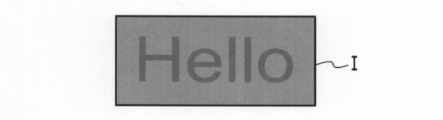
- FIG. 2 is an example of an image file I
- FIG. 3 is an example of a set N1 of color information graphed with respect to the image and a node connected by a link.
- the color information correction unit 24 and the lightness correction unit 25 are configured by a CPU or the like. These perform various image corrections such as hue correction, lightness correction, saturation correction, graphic replacement and superposition on the Web content itself acquired by the Web content acquisition unit 21 or video information of the Web content, and Web The data is output to the content distribution unit 27. Image correction by the color information correction unit 24 and the lightness correction unit 25 may be performed either alone or in combination.
- the Web content distribution unit 27 transmits the Web content corrected by the color information correction unit 24 and the brightness correction unit 25 to the client 3 connected via the network.
- the client 3 is an information terminal including display means capable of reproducing an image, communication means, arithmetic device (CPU), storage device, input / output circuit, operation means, imaging device, and the like.
- the client 3 is a smartphone or a tablet computer. Composed. Note that the client 3 accessing the image server 2 may be an unspecified number.
- the client 3 includes a control unit 31, a luminance detection unit 32, a browsing unit, and a position information acquisition unit 34.
- the control unit 31 and the luminance detection unit 32 are configured by an information processing device such as a CPU, and the browsing unit 33 includes display means and video generation means for the display means.
- the position information acquisition unit 34 is configured by a GPS receiver or the like.
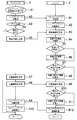
- FIG. 4 is a flowchart of content distribution processing executed by the content distribution system.
- a program for executing this processing is stored in a non-transitory computer-readable storage medium such as a memory of the image server 2 and the client 3, and is executed by each block of the Web server 1 and the client 3. Thereafter, the client 3 executes processes A1 to A10, and the image server executes processes B1 to B12.
- control unit 31 of the client 3 accepts a content acquisition request by specifying a URL from the user.
- control unit 31 of the client 3 requests the image server to transmit the content for which the request has been accepted.
- control unit 26 of the image server 2 requests the content requested from the client 3 to the Web server 1, and acquires the content transmitted from the Web server 1 in response to the request.
- the image conversion unit 22 of the image server 2 converts the acquired content into an image file.
- control unit 31 of the client 3 proceeds to A4 in response to receiving the start of the brightness correction application activation from the user.
- the control unit 31 of the client 3 controls the luminance detection unit 32 to periodically detect the luminance.
- the luminance detection unit 32 acquires ambient luminance information with an imaging device such as a CCD camera or a CMOS camera at predetermined time intervals.
- the control unit 31 determines whether or not the luminance has changed by comparing the luminances acquired at different points in time. If the control unit 31 determines that the luminance has changed, the control unit 31 proceeds to A5.
- control unit 31 of the client 3 transmits luminance information to the image server 2.
- image information including luminance and color difference may be sent from the client 3 to the image server 2 and the image server 2 may extract the luminance from the image information.
- control unit 26 of the image server 2 receives the luminance information from the client 3.
- control unit 26 of the image server 2 analyzes the color information of the converted image file.
- the control unit 26 of the image server 2 determines whether or not color correction is necessary based on the analyzed color information. For example, the control unit 26 determines that color correction is necessary when a combination of color information between nodes connected by a link corresponds to a predefined combination of color information that is difficult to view. For example, in FIG. 3, the combination of color information that is difficult to visually recognize is green and red N1.
- the color information correction unit 24 of the image server 2 performs correction of color information that facilitates visual recognition corresponding to a combination of color information that is difficult to visually recognize according to the received luminance information.
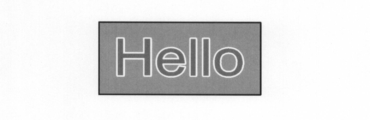
- FIG. 5 For example, in FIG. 5, for a set of green and red, a line of a predetermined color (white) is inserted at the boundary where green and red touch so that colors that are difficult to identify can be easily distinguished from each other. Yes.
- the thickness of this line is determined according to the luminance information. That is, the brighter the brightness information received from the client 3, the thicker the boundary line.
- FIG. 6 is a graph showing the color information after this color insertion.
- FIG. 7 for the group of green and red, a shaded pattern is superimposed on the green area.
- FIG. 8 is a graph showing the color information after the shading insertion.
- the strength of the halftone pattern (the line thickness of the stitch pattern, the size of the stitch pattern, the strength of the color of the stitch pattern, etc.) is determined according to the luminance information. For example, the brighter the luminance information from the client 3, the thicker the shaded line.
- each hue of the set of color information that is difficult to identify is corrected by shifting along the hue circle.
- the amount of shift is determined according to the luminance information from the client 3.
- the shift direction may be counterclockwise or clockwise.
- FIG. 10 shows an example of a hue circle.
- FIG. 11 according to a predetermined conversion table, each hue of a set of color information that is difficult to identify is converted and corrected to another corresponding hue.
- the conversion table defines the same content as the hue shift on the hue circle.
- the control unit 26 of the image server 2 compares the received luminance information with the threshold value of the luminance information stored in the luminance information management DB 28, and determines whether or not the received luminance information exceeds the threshold value. Judging. If the luminance information exceeds the threshold value, it is determined that brightness (brightness) correction is necessary, and the process proceeds to B8. If the luminance information does not exceed the threshold value, it is determined that brightness correction is unnecessary and the process proceeds to B9.
- the brightness correction unit 25 of the image server 2 performs correction to increase the brightness (brightness) of the image by a value corresponding to the change in luminance.
- the position information acquisition unit 34 of the client 3 acquires the current position information.
- the position information acquisition unit 34 of the client 3 transmits the acquired position information and the acquisition date and time to the image server 2.
- the location information cannot be acquired because the client 3 is in the room. In this case, it is determined that the location is indoors, and information for substituting the location information is generated. 2 may be transmitted.
- the indoor / outdoor prediction unit 29 of the image server 2 receives the position information of the client 3 and its acquisition date and time.
- the current position information of the client 3 may include the detection value of the gravity sensor in addition to the coordinate information on the ground surface. For example, if the display surface of the client 3 faces vertically upward, the indoor / outdoor prediction unit 29 adds a predetermined positive correction value to the brightness determined by the predetermined table, so that the display surface of the client 3 moves vertically downward. If it is suitable, a predetermined negative correction value is added to the brightness determined by the predetermined table. In this way, the brightness can be predicted according to the display position.
- the brightness correction unit 25 of the image server 2 determines whether or not the predicted brightness has exceeded a predetermined threshold value. If Yes, it is determined that the brightness of the image needs to be corrected and proceeds to B11. If No, go to B12.
- the brightness correction unit 25 of the image server 2 performs a correction for incrementing the luminance of the image by a value corresponding to the predicted brightness.
- the Web content distribution unit 27 of the image server 2 transmits the Web content image whose brightness and color are corrected in B6, 8, and 11 to the client 3.
- control unit 31 of the client 3 receives an image.
- the browsing unit 33 of the client 3 displays an image.
- this image colors and patterns are added to make it easy to distinguish combinations of colors that are difficult to see.
- this image is corrected so as to increase the brightness corresponding to the variation in the brightness of the place where the client 3 is used, when displayed on the browsing unit 33, it is easy to see even in a bright place. For this reason, according to various use conditions of the client 3, not only a color blind person but a healthy person can improve the visibility of a web content.
- the determination of the necessity of color information / brightness correction and the image color information / brightness correction shown in the first embodiment may be executed by the client 3.
- This is realized by providing the client 3 with processing blocks related to the correction unit 200 of the image server 2.
- the color information analysis unit 23, the color information correction unit 24, the brightness correction unit 25, and the luminance information management DB 28 may be provided in the client 3.
- the client 3 can correct itself an image received from the image server 2, an image stored in its own memory, an image captured by its own camera, or an image acquired from a portable medium or various networks.
- the correction unit 200 is provided in the client 3, there may be a case where the position information cannot be acquired due to reasons such as being in the room. In this case, the position information is obtained by determining that the place is indoors. It can be replaced.
Landscapes
- Engineering & Computer Science (AREA)
- Multimedia (AREA)
- Signal Processing (AREA)
- Image Processing (AREA)
- Two-Way Televisions, Distribution Of Moving Picture Or The Like (AREA)
- Facsimile Image Signal Circuits (AREA)
- Color Image Communication Systems (AREA)
Abstract
Webコンテンツを取得し(B1)、取得したWebコンテンツを画像に変換し(B2)、クライアントから明るさ関連情報を取得し(B3,B9)、前記取得した明るさ関連情報に基づいて前記クライアントの周囲の明るさを示す明るさ情報を取得して、前記取得した明るさ情報に応じて前記変換した画像を補正する(B8,B11)。
Description
本発明は、画像化されたWebコンテンツを配信する技術に関し、特に、該画像化されたWebコンテンツを視覚条件に応じて補正する技術に関する。
特許文献1は、入力された画像から色覚異常者にとって見えがたい輪郭を抽出し、抽出した輪郭を画像とともに表示する。
特許文献2は、昼夜または屋内外を識別することで、配色の調整に加えて、輝度またはコントラストを調整する。
近年、携帯電話やスマートフォンを初めとするブラウザを搭載したモバイル端末が数多く普及している。モバイル端末では、テキストデータ、jpeg(Joint Photographic Experts Group)などの圧縮画像データ、HTMLデータなどのデータ形式は、ほとんど視聴できる。モバイル端末は様々な場所に持ち運んで利用されるため、閲覧の条件が定まらず、コンテンツの色合いの識別を分かりにくくしている。
一方、一部の色の組み合わせに対して判別をつけるのが難しい人(色覚異常者)は、日本だけでも300万人いるといわれている。インターネットを使って情報を得る際、Webサイトに代表されるコンテンツは、色覚異常者に十分な配慮をしているとはいえない。また、健常者でも、使用条件、例えば明るい屋外などでは、コンテンツの視覚が困難である。そこで、使用条件に応じた画像の補正が求められる。
しかし、モバイル端末の通信網は、有線LAN回線と比べると貧弱であり、パソコンと比べると低スペックである。このため、モバイル端末の使用環境に応じ、コンテンツの色合いの識別を容易にする表示制御も限界がある。
さらにモバイル端末は、その可搬性から、様々な条件下で使用されるため、一概に画像の補正条件を設定しその条件で画像を補正すれば視認性が高まるものではない。
本発明はこのような問題点に鑑みてなされたもので、様々な条件下で使用されるモバイル端末で閲覧される画像に、使用条件にあった補正を施し、色覚異常者や健常者による視認性を向上させる。
本発明は、Webコンテンツを取得するWebコンテンツ取得部と、Webコンテンツ取得部の取得したWebコンテンツを画像に変換する画像変換部と、クライアントから明るさ関連情報を取得する明るさ関連情報取得部と、明るさ関連情報取得部の取得した明るさ関連情報に基づいてクライアントの周囲の明るさを示す明るさ情報を取得する明るさ情報取得部と、明るさ情報取得部の取得した明るさ情報に応じて画像変換部の変換した画像を補正する補正部と、を備える画像化コンテンツ補正装置を提供する。
好ましくは、明るさ関連情報取得部は、クライアントの位置情報を取得し、明るさ情報取得部は、位置情報に対応する明るさを予測し、明るさ情報として予測した明るさを取得する。
好ましくは、明るさ関連情報取得部は、撮像装置を介して画像情報を取得し、明るさ情報取得部は、明るさ関連情報取得部の取得した画像情報から、明るさ情報として輝度情報を取得する。
好ましくは、補正部は、明るさ情報取得部の取得した明るさ情報に応じて画像変換部の変換した画像の明度を補正する。
好ましくは、画像変換部の変換した画像から識別の困難な色の組み合わせの有無を判断する判断部を備え、記補正部は、判断部が識別の困難な色の組み合わせがあると判断した画像の色情報を、明るさ情報取得部の取得した明るさ情報に応じて補正する。
好ましくは、補正部は、識別の困難な色の組み合わせの一方の色の領域に、明るさ情報取得部の取得した明るさ情報に応じた強度の網かけ模様を重畳する。
好ましくは、補正部は、識別の困難な色の組み合わせの接する境界領域に、明るさ情報取得部の取得した明るさ情報に応じた太さの線を挿入する。
好ましくは、色情報補正部は、色相環に沿って、識別の困難な色の組み合わせの各々の色相を、明るさ情報取得部の取得した明るさ情報に応じた量だけシフトさせる。
好ましくは、補正部の補正した画像をクライアントに送信する送信部を備える。
本発明は、情報処理装置が、Webコンテンツを取得するステップと、取得したWebコンテンツを画像に変換するステップと、クライアントから明るさ関連情報を取得するステップと、取得した明るさ関連情報に基づいてクライアントの周囲の明るさを示す明るさ情報を取得するステップと、取得した明るさ情報に応じて変換した画像を補正するステップと、を実行する画像化コンテンツ補正方法を提供する。
この画像化コンテンツ補正方法を情報処理装置に実行させるための画像化コンテンツ補正プログラムを記録したコンピュータ読み取り可能な非一時的記録媒体(a non-transitory computer-readable medium)も本発明に含まれる。
本発明は、明るさ関連情報を通知するクライアントと、クライアントの要求したWebコンテンツを取得するWebコンテンツ取得部と、Webコンテンツ取得部の取得したWebコンテンツを画像に変換する画像変換部と、クライアントから明るさ関連情報を取得する明るさ関連情報取得部と、明るさ関連情報取得部の取得した明るさ関連情報に基づいてクライアントの周囲の明るさを示す明るさ情報を取得する明るさ情報取得部と、明るさ情報取得部の取得した明るさ情報に応じて画像変換部の変換した画像を補正する補正部と、補正部の補正した画像をクライアントに送信する送信部と、を備える画像化コンテンツ配信システムを提供する。
本発明では、画像に変換されたWebコンテンツに、クライアント周囲の明るさにあった補正を施すため、色覚異常者や健常者によるWebコンテンツの視認性を向上させることができる。
<第1実施形態>
図1は本発明の好ましい第1実施形態に係るコンテンツ配信システムの構成を示す。このシステムは、画像サーバ2とクライアント3とを含む。画像サーバ2は、演算装置(CPU)、記憶装置、入出力回路などを備えたコンピュータ(情報処理装置)で構成される。
図1は本発明の好ましい第1実施形態に係るコンテンツ配信システムの構成を示す。このシステムは、画像サーバ2とクライアント3とを含む。画像サーバ2は、演算装置(CPU)、記憶装置、入出力回路などを備えたコンピュータ(情報処理装置)で構成される。
具体的には、画像サーバ2は、Webコンテンツ取得部21、画像変換部22、色情報解析部23、色情報補正部24、明度補正部25、Webコンテンツ配信部27、輝度情報管理DB28、屋内外予測部29を備える。画像変換部22、色情報解析部23、色情報補正部24、明度補正部25、屋内外予測部29は、まとめて補正部200と呼ばれる。
制御部26は、CPUなどで構成され、クライアント3からのWebコンテンツの要求などに応じ、各部を統括制御する。輝度情報管理DB28は、ハードディスクやメモリなどの記憶装置で構成され、輝度のしきい値などの各種変数やプログラムなど処理に必要な情報を記憶する。
Webコンテンツ取得部21は、ネットワーク経由で1以上のWebサーバ1と接続されており、クライアント3からのコンテンツの要求などに従って、Webサーバ1にHTML、CSS、Java(登録商標)script、画像、動画などによって構成されるWebコンテンツを要求し、送信されたWebコンテンツを取得する。クライアント3から要求できるWebコンテンツは、Webサーバ1から送信しうるものである限り何でもよい。また、コンテンツの要求は、URLの指定などで行われる。
画像変換部22は、Webコンテンツを画像ファイルに変換(レンダリング)する。この画像ファイルは、クライアント3で閲覧可能な形式(JPEGなど)に適合する。画像変換の手法は各種の公知技術が採用されうる。
色情報解析部23は、画像解析エンジンなどで構成され、Webコンテンツの画像情報を解析し、色や明度などの色情報を取得する。色情報とは、画像内のオブジェクト(被写体)を構成する色とその各色の割合を「ノード」、隣接するオブジェクト同士を「リンク」で接続することでグラフ化したものである。図2は、画像ファイルIの一例であり、図3は、該画像に関してグラフ化された色情報と、リンクで接続されたノードの組N1の一例である。
色情報補正部24、明度補正部25は、CPUなどで構成される。これらは、Webコンテンツ取得部21の取得したWebコンテンツそのもの、あるいはそのWebコンテンツの映像情報に対し、色相補正、明度補正、彩度補正、グラフィックの置換や重畳など、各種の画像補正を施し、Webコンテンツ配信部27に出力する。色情報補正部24、明度補正部25による画像補正は、いずれか一方で単独で行われてもよいし、双方の組み合わせで行われてもよい。
Webコンテンツ配信部27は、ネットワーク経由で接続されたクライアント3に、色情報補正部24、明度補正部25で補正されたWebコンテンツを送信する。
クライアント3は、画像を再生可能な表示手段、通信手段、演算装置(CPU)、記憶装置、入出力回路、操作手段、撮像装置などを備えた情報端末であり、例えば、スマートフォンやタブレット型コンピュータで構成される。なお、画像サーバ2にアクセスするクライアント3は不特定多数であってもよいものとする。具体的には、クライアント3は、制御部31、輝度検出部32、ブラウジング部、位置情報取得部34を備える。制御部31、輝度検出部32は、CPUなどの情報処理装置で構成され、ブラウジング部33は表示手段とそれに対する映像の生成手段を含む。位置情報取得部34は、GPS受信機などで構成される。
図4はコンテンツ配信システムの実行するコンテンツ配信処理のフローチャートである。この処理を実行するためのプログラムは画像サーバ2およびクライアント3のメモリなどの非一時的コンピュータ読み取り可能な記憶媒体に記憶され、Webサーバ1およびクライアント3の各ブロックによって実行される。以下、クライアント3はA1~A10の処理、画像サーバはB1~B12の処理を実行する。
A1では、クライアント3の制御部31は、ユーザからURLの指定などによるコンテンツ取得要求を受け付ける。
A2では、クライアント3の制御部31は、要求を受け付けたコンテンツの送信を画像サーバに要求する。
B1では、画像サーバ2の制御部26は、クライアント3から要求されたコンテンツをWebサーバ1に要求し、その要求に応じてWebサーバ1から送信されたコンテンツを取得する。
B2では、画像サーバ2の画像変換部22は、取得したコンテンツを画像ファイルに変換する。
A3では、クライアント3の制御部31は、ユーザから明るさ補正アプリ起動の開始を受け付けたことに応じ、A4に進む。
A4では、クライアント3の制御部31は、輝度検出部32が定期的に輝度を検出するよう制御する。例えば、輝度検出部32は、所定の時間おきに、CCDカメラやCMOSカメラなどの撮像装置で周囲の輝度情報を取得する。制御部31は、異なる時点で取得された輝度同士を比較することで、輝度が変化したか否かを判断し、輝度が変化したと判断した場合、A5に進む。
A5では、クライアント3の制御部31は、輝度情報を画像サーバ2に送信する。なお、輝度と色差を含む画像情報をクライアント3から画像サーバ2に送り、画像サーバ2にて画像情報から輝度を抽出してもよい。
B3では、画像サーバ2の制御部26は、クライアント3から、輝度情報を受信する。
B4では、画像サーバ2の制御部26は、変換された画像ファイルの色情報を解析する。
B5では、画像サーバ2の制御部26は、解析された色情報に基づき、色補正の必要があるか否かを判断する。例えば、制御部26は、リンクで接続されたノード間の色情報の組み合わせが、予め規定された視覚が困難な色情報の組み合わせに該当する場合、色補正の必要があると判断する。例えば、図3では、視覚が困難な色情報の組み合わせは、緑と赤N1である。
B6では、画像サーバ2の色情報補正部24は、視覚が困難な色情報の組み合わせに対応した、視覚が容易となる色情報の補正を、受信した輝度情報に応じた程度に施す。
例えば、図5では、緑と赤の組に対しては、緑と赤の接する境界に、所定の色(白)の線を挿入し、識別し難い色同士が容易に区別されるようにしている。この線の太さは、輝度情報に応じて決まる。すなわち、クライアント3から受信した輝度情報が明るいほど、境界の線を太くする。図6は、この色挿入後の色情報をグラフで表している。
図7では、緑と赤の組に対しては、緑の領域に網かけ模様を重畳している。図8は、この網かけ挿入後の色情報をグラフで表している。この網かけ模様の強度(編み目模様の線太さ、編み目模様の大小、編み目模様の色味の強さなど)は、輝度情報に応じて決まる。例えば、クライアント3からの輝度情報が明るいほど、網かけ模様の線を太くする。
あるいは、図9では、色相環に従い、識別の困難な色情報の組の各々の色相を色相環に沿ってシフトさせて補正している。シフトの量は、クライアント3からの輝度情報に応じて決まる。シフト方向は左回りでも右回りでもよい。図10は色相環の一例を示す。あるいは、図11では、所定の変換表に従い、識別の困難な色情報の組の各々の色相を対応する別の色相に変換して補正している。変換表は、色相環上の色相のシフトと同等の内容を規定している。
B7では、画像サーバ2の制御部26は、受信した輝度情報と輝度情報管理DB28に記憶された輝度情報のしきい値とを比較し、受信した輝度情報がしきい値を超えているか否かを判断する。輝度情報がしきい値を超えているならば、明るさ(明度)補正が必要と判断してB8に進む。輝度情報がしきい値を超えていないならば、明るさ補正が不要と判断してB9に進む。
B8では、画像サーバ2の明度補正部25は、画像の明るさ(明度)を、輝度の変動に対応した値だけ増分する補正を施す。
A7では、クライアント3の位置情報取得部34は、現在の位置情報を取得する。
A8では、クライアント3の位置情報取得部34は、取得した位置情報とその取得日時を画像サーバ2に送信する。なお、クライアント3が室内にいるなどの原因で位置情報を取得できない場合があるが、その場合は、場所は屋内であると判断するなどして、位置情報に代替する情報を生成し、画像サーバ2に送信すればよい。
B9は、画像サーバ2の屋内外予測部29は、クライアント3の位置情報とその取得日時を受信する。
B10では、画像サーバ2の屋内外予測部29は、クライアント3の現在の位置情報とその取得日時に基づき、クライアント3の周囲の明るさを予測する。例えば、屋内外予測部29は、クライアント3の現在の位置情報とその取得時刻に対応する天候を、気象情報を提供するWebサーバ1から受信し、その天候に対応する明るさを、所定のテーブルを基準に予測する。例えば、テーブルが、午前10時晴れ屋外=120、000ルクス、午前10時曇り屋外=35、000ルクス、午前10時晴れ屋内=200ルクス・・、などと規定しており、クライアント3の位置情報と時刻「午前10時屋外」に対応する天候が「晴れ」ならば、明るさは「120、000ルクス」と予測する。
クライアント3の現在の位置情報には、地表面での座標情報の他、重力センサの検出値が含まれてもよい。例えば、屋内外予測部29は、クライアント3のディスプレイ面が鉛直上方を向いていれば、上記所定のテーブルで決まる明るさに所定の正の補正値を加え、クライアント3のディスプレイ面が鉛直下方を向いていれば、上記所定のテーブルで決まる明るさに所定の負の補正値を加える。こうすることでディスプレイのポジションに合わせた明るさ予測ができる。
画像サーバ2の明度補正部25は、予測した明るさが、所定のしきい値を超えたか否かを判断し、Yesならば画像の明るさの補正が必要とみなしてB11に進む。NoならばB12に進む。
B11では、画像サーバ2の明度補正部25は、予測された明るさに対応した値だけ、画像の輝度を増分する補正を施す。
B12では、画像サーバ2のWebコンテンツ配信部27は、B6・8・11で明るさや色の補正されたWebコンテンツの画像をクライアント3に送信する。
A9では、クライアント3の制御部31は、画像を受信する。
A10では、クライアント3のブラウジング部33は、画像を表示する。この画像は、見にくい色の組み合わせを区別しやすくするよう色や模様が加えられている。また、この画像は、クライアント3が使用される場所の明るさの変動に対応し明るさが増すよう補正されているため、ブラウジング部33で表示した場合、明るい場所であっても見やすい。このため、クライアント3の様々な使用条件に応じ、色覚異常者のみならず健常者にとっても、Webコンテンツの視認性を高めることができる。
<第2実施形態>
第1実施形態に示す、色情報・明るさの補正の要否の判断と画像の色情報・明るさ補正は、クライアント3で実行されてもよい。これは、画像サーバ2の補正部200の関係する処理ブロックをクライアント3に設けることで実現される。例えば、B8の処理をクライアント3で行うには、色情報解析部23、色情報補正部24、明度補正部25、輝度情報管理DB28をクライアント3に設ければよい。この場合、クライアント3は、画像サーバ2から受信した画像、自らのメモリに保管する画像、自らのカメラで撮像した画像、あるいは可搬性メディアや各種ネットワークから取得した画像を自ら補正できる。なお、クライアント3に補正部200を設けた場合でも、室内にいるなどの原因で位置情報を取得できない場合があるが、その場合は、場所は屋内であると判断するなどして、位置情報を代替すればよい。
第1実施形態に示す、色情報・明るさの補正の要否の判断と画像の色情報・明るさ補正は、クライアント3で実行されてもよい。これは、画像サーバ2の補正部200の関係する処理ブロックをクライアント3に設けることで実現される。例えば、B8の処理をクライアント3で行うには、色情報解析部23、色情報補正部24、明度補正部25、輝度情報管理DB28をクライアント3に設ければよい。この場合、クライアント3は、画像サーバ2から受信した画像、自らのメモリに保管する画像、自らのカメラで撮像した画像、あるいは可搬性メディアや各種ネットワークから取得した画像を自ら補正できる。なお、クライアント3に補正部200を設けた場合でも、室内にいるなどの原因で位置情報を取得できない場合があるが、その場合は、場所は屋内であると判断するなどして、位置情報を代替すればよい。
1…Webサーバ、2…画像サーバ、3…クライアント、21…Webコンテンツ取得部、22…画像変換部、23…色情報解析部、24…色情報補正部、25…明度補正部、26…制御部
Claims (12)
- Webコンテンツを取得するWebコンテンツ取得部と、
前記Webコンテンツ取得部の取得したWebコンテンツを画像に変換する画像変換部と、
クライアントから明るさ関連情報を取得する明るさ関連情報取得部と、
前記明るさ関連情報取得部の取得した明るさ関連情報に基づいて前記クライアントの周囲の明るさを示す明るさ情報を取得する明るさ情報取得部と、
前記明るさ情報取得部の取得した明るさ情報に応じて前記画像変換部の変換した画像を補正する補正部と、
を備える画像化コンテンツ補正装置。 - 前記明るさ関連情報取得部は、前記クライアントの位置情報を取得し、
前記明るさ情報取得部は、前記位置情報に対応する明るさを予測し、前記明るさ情報として前記予測した明るさを取得する請求項1に記載の画像化コンテンツ補正装置。 - 前記明るさ関連情報取得部は、撮像装置を介して画像情報を取得し、
前記明るさ情報取得部は、前記明るさ関連情報取得部の取得した画像情報から、前記明るさ情報として輝度情報を取得する請求項1に記載の画像化コンテンツ補正装置。 - 前記補正部は、前記明るさ情報取得部の取得した明るさ情報に応じて前記画像変換部の変換した画像の明度を補正する請求項1~3のいずれかに記載の画像化コンテンツ補正装置。
- 前記画像変換部の変換した画像から識別の困難な色の組み合わせの有無を判断する判断部を備え、
前記補正部は、前記判断部が識別の困難な色の組み合わせが有ると判断した画像の色情報を、前記明るさ情報取得部の取得した明るさ情報に応じて補正する請求項1~4のいずれかに記載の画像化コンテンツ補正装置。 - 前記補正部は、前記識別の困難な色の組み合わせの一方の色の領域に、前記明るさ情報取得部の取得した明るさ情報に応じた強度の網かけ模様を重畳する請求項5に記載の画像化コンテンツ補正装置。
- 前記補正部は、前記識別の困難な色の組み合わせの接する境界領域に、前記明るさ情報取得部の取得した明るさ情報に応じた太さの線を挿入する請求項5に記載の画像化コンテンツ補正装置。
- 前記色情報補正部は、色相環に沿って、前記識別の困難な色の組み合わせの各々の色相を、前記明るさ情報取得部の取得した明るさ情報に応じた量だけシフトさせる請求項5に記載の画像化コンテンツ補正装置。
- 前記補正部の補正した画像を前記クライアントに送信する送信部を備える請求項1~8のいずれかに記載の画像化コンテンツ補正装置。
- 情報処理装置が、
Webコンテンツを取得するステップと、
前記取得したWebコンテンツを画像に変換するステップと、
クライアントから明るさ関連情報を取得するステップと、
前記取得した明るさ関連情報に基づいて前記クライアントの周囲の明るさを示す明るさ情報を取得するステップと、
前記取得した明るさ情報に応じて前記変換した画像を補正するステップと、
を実行する画像化コンテンツ補正方法。 - 請求項10に記載の画像化コンテンツ補正方法を情報処理装置が実行するための画像化コンテンツ補正プログラムを記録したコンピュータ読み取り可能な記録媒体。
- 明るさ関連情報を通知するクライアントと、
前記クライアントの要求したWebコンテンツを取得するWebコンテンツ取得部と、
前記Webコンテンツ取得部の取得したWebコンテンツを画像に変換する画像変換部と、
前記クライアントから明るさ関連情報を取得する明るさ関連情報取得部と、
前記明るさ関連情報取得部の取得した明るさ関連情報に基づいて前記クライアントの周囲の明るさを示す明るさ情報を取得する明るさ情報取得部と、
前記明るさ情報取得部の取得した明るさ情報に応じて前記画像変換部の変換した画像を補正する補正部と、
前記補正部の補正した画像を前記クライアントに送信する送信部と、
を備える画像化コンテンツ配信システム。
Applications Claiming Priority (2)
| Application Number | Priority Date | Filing Date | Title |
|---|---|---|---|
| JP2011-122294 | 2011-05-31 | ||
| JP2011122294A JP2012252382A (ja) | 2011-05-31 | 2011-05-31 | 画像化コンテンツ補正装置、方法およびプログラムならびに画像化コンテンツ配信システム |
Publications (1)
| Publication Number | Publication Date |
|---|---|
| WO2012165089A1 true WO2012165089A1 (ja) | 2012-12-06 |
Family
ID=47258953
Family Applications (1)
| Application Number | Title | Priority Date | Filing Date |
|---|---|---|---|
| PCT/JP2012/061043 Ceased WO2012165089A1 (ja) | 2011-05-31 | 2012-04-25 | 画像化コンテンツ補正装置、方法ならびに画像化コンテンツ配信システム |
Country Status (2)
| Country | Link |
|---|---|
| JP (1) | JP2012252382A (ja) |
| WO (1) | WO2012165089A1 (ja) |
Citations (8)
| Publication number | Priority date | Publication date | Assignee | Title |
|---|---|---|---|---|
| WO2001059957A1 (en) * | 2000-02-10 | 2001-08-16 | Sharp Kabushiki Kaisha | Server device, communication terminal, relay server, conversion rule management server, and recording medium storing program |
| JP2001293926A (ja) * | 2000-04-17 | 2001-10-23 | Seiko Epson Corp | プリンタ、プリンタホスト、これらを備えたプリンタシステム、及びプリンタホストの動作プログラムが記憶されている記憶媒体 |
| JP2002055671A (ja) * | 2000-08-11 | 2002-02-20 | Mitsubishi Electric Corp | カラー表示システム及びカラー表示方法 |
| JP2003037852A (ja) * | 2001-07-25 | 2003-02-07 | Fujitsu Ltd | 画像表示装置 |
| JP2005524154A (ja) * | 2002-04-26 | 2005-08-11 | エレクトロニクス アンド テレコミュニケーションズ リサーチ インスチチュート | ビジュアルコンテンツをターミナル使用者の色覚特性に適するように適応変換させる方法およびシステム |
| WO2008047470A1 (fr) * | 2006-10-13 | 2008-04-24 | Wako Denki Co., Ltd. | Système de distribution d'informations et procédé de distribution d'informations utilisant un terminal d'affichage d'informations |
| JP2009530985A (ja) * | 2006-03-22 | 2009-08-27 | テネブラックス コーポレイション | 色盲の人が様々な色を区別することを可能にする技術 |
| JP2009206745A (ja) * | 2008-02-27 | 2009-09-10 | Toshiba Corp | 表示装置 |
-
2011
- 2011-05-31 JP JP2011122294A patent/JP2012252382A/ja not_active Withdrawn
-
2012
- 2012-04-25 WO PCT/JP2012/061043 patent/WO2012165089A1/ja not_active Ceased
Patent Citations (8)
| Publication number | Priority date | Publication date | Assignee | Title |
|---|---|---|---|---|
| WO2001059957A1 (en) * | 2000-02-10 | 2001-08-16 | Sharp Kabushiki Kaisha | Server device, communication terminal, relay server, conversion rule management server, and recording medium storing program |
| JP2001293926A (ja) * | 2000-04-17 | 2001-10-23 | Seiko Epson Corp | プリンタ、プリンタホスト、これらを備えたプリンタシステム、及びプリンタホストの動作プログラムが記憶されている記憶媒体 |
| JP2002055671A (ja) * | 2000-08-11 | 2002-02-20 | Mitsubishi Electric Corp | カラー表示システム及びカラー表示方法 |
| JP2003037852A (ja) * | 2001-07-25 | 2003-02-07 | Fujitsu Ltd | 画像表示装置 |
| JP2005524154A (ja) * | 2002-04-26 | 2005-08-11 | エレクトロニクス アンド テレコミュニケーションズ リサーチ インスチチュート | ビジュアルコンテンツをターミナル使用者の色覚特性に適するように適応変換させる方法およびシステム |
| JP2009530985A (ja) * | 2006-03-22 | 2009-08-27 | テネブラックス コーポレイション | 色盲の人が様々な色を区別することを可能にする技術 |
| WO2008047470A1 (fr) * | 2006-10-13 | 2008-04-24 | Wako Denki Co., Ltd. | Système de distribution d'informations et procédé de distribution d'informations utilisant un terminal d'affichage d'informations |
| JP2009206745A (ja) * | 2008-02-27 | 2009-09-10 | Toshiba Corp | 表示装置 |
Also Published As
| Publication number | Publication date |
|---|---|
| JP2012252382A (ja) | 2012-12-20 |
Similar Documents
| Publication | Publication Date | Title |
|---|---|---|
| CN111476780B (zh) | 一种图像检测方法、装置、电子设备以及存储介质 | |
| JP6068384B2 (ja) | 収集された情報に基づいた映像処理方法及びその装置 | |
| US9536479B2 (en) | Image display device and method | |
| CN107179889B (zh) | 界面色彩调节方法、网页色彩调节方法及装置 | |
| JP6381215B2 (ja) | 画像処理装置、画像処理方法、表示装置、表示装置の制御方法、及び、プログラム | |
| US8471924B2 (en) | Information processing apparatus for remote operation of an imaging apparatus and control method therefor | |
| US10825158B2 (en) | Moving object monitoring device, server device, and moving object monitoring system | |
| CN105611188A (zh) | 基于自动曝光的摄像头遮挡检测方法及装置 | |
| JPWO2014050190A1 (ja) | 画像処理装置、撮像装置、コンピュータ及びプログラム | |
| JP2014042160A (ja) | 表示端末、動体検知の対象領域の設定方法及びプログラム | |
| JP6042034B2 (ja) | 画像処理装置、撮像装置、画像処理方法及びプログラム | |
| EP3293960A1 (en) | Information processing device, information processing method, and program | |
| CN107004390B (zh) | 显示亮度控制 | |
| US20200029016A1 (en) | Moving object monitoring device and moving object monitoring system | |
| JP6286944B2 (ja) | 情報処理装置、撮像装置、情報処理方法、およびプログラム | |
| US10567634B2 (en) | Image capturing apparatus, communication apparatus, and control methods thereof | |
| CN103024470A (zh) | 图像显示方法、服务器及图像显示系统 | |
| CN103369245A (zh) | 一种图像处理方法、装置和终端 | |
| WO2012165089A1 (ja) | 画像化コンテンツ補正装置、方法ならびに画像化コンテンツ配信システム | |
| US20160055657A1 (en) | Electronic Color Processing Devices, Systems and Methods | |
| JP2018180714A (ja) | 動体検知システム、動体検知装置、動体検知方法、およびプログラム | |
| JP2019129494A (ja) | 映像送信装置、情報処理装置、システム、情報処理方法及びプログラム | |
| JP2012253446A (ja) | 補正装置、補正方法、補正プログラム及び記録媒体 | |
| CN113676663A (zh) | 相机白平衡调整方法、装置、存储介质及终端设备 | |
| JP6592024B2 (ja) | 文字認識システム、文字認識方法、及び文字認識サーバ |
Legal Events
| Date | Code | Title | Description |
|---|---|---|---|
| 121 | Ep: the epo has been informed by wipo that ep was designated in this application |
Ref document number: 12792152 Country of ref document: EP Kind code of ref document: A1 |
|
| NENP | Non-entry into the national phase |
Ref country code: DE |
|
| 122 | Ep: pct application non-entry in european phase |
Ref document number: 12792152 Country of ref document: EP Kind code of ref document: A1 |