WO2012157519A1 - 無線ネットワークにおけるセル間干渉調整方法、基地局および無線ネットワーク - Google Patents
無線ネットワークにおけるセル間干渉調整方法、基地局および無線ネットワーク Download PDFInfo
- Publication number
- WO2012157519A1 WO2012157519A1 PCT/JP2012/062006 JP2012062006W WO2012157519A1 WO 2012157519 A1 WO2012157519 A1 WO 2012157519A1 JP 2012062006 W JP2012062006 W JP 2012062006W WO 2012157519 A1 WO2012157519 A1 WO 2012157519A1
- Authority
- WO
- WIPO (PCT)
- Prior art keywords
- base station
- transmission
- normal base
- throughput
- user
- Prior art date
- Legal status (The legal status is an assumption and is not a legal conclusion. Google has not performed a legal analysis and makes no representation as to the accuracy of the status listed.)
- Ceased
Links
Images






Classifications
-
- H—ELECTRICITY
- H04—ELECTRIC COMMUNICATION TECHNIQUE
- H04L—TRANSMISSION OF DIGITAL INFORMATION, e.g. TELEGRAPHIC COMMUNICATION
- H04L5/00—Arrangements affording multiple use of the transmission path
- H04L5/003—Arrangements for allocating sub-channels of the transmission path
- H04L5/0058—Allocation criteria
- H04L5/0073—Allocation arrangements that take into account other cell interferences
-
- H—ELECTRICITY
- H04—ELECTRIC COMMUNICATION TECHNIQUE
- H04W—WIRELESS COMMUNICATION NETWORKS
- H04W52/00—Power management, e.g. Transmission Power Control [TPC] or power classes
- H04W52/04—Transmission power control [TPC]
- H04W52/18—TPC being performed according to specific parameters
- H04W52/24—TPC being performed according to specific parameters using SIR [Signal to Interference Ratio] or other wireless path parameters
- H04W52/243—TPC being performed according to specific parameters using SIR [Signal to Interference Ratio] or other wireless path parameters taking into account interferences
- H04W52/244—Interferences in heterogeneous networks, e.g. among macro and femto or pico cells or other sector / system interference [OSI]
-
- H—ELECTRICITY
- H04—ELECTRIC COMMUNICATION TECHNIQUE
- H04W—WIRELESS COMMUNICATION NETWORKS
- H04W72/00—Local resource management
- H04W72/50—Allocation or scheduling criteria for wireless resources
- H04W72/535—Allocation or scheduling criteria for wireless resources based on resource usage policies
Definitions
- the present invention relates to the field of wireless communication, and more particularly to a method for adjusting inter-cell interference in a wireless network, a base station, and a wireless network.
- Heterogeneous network is the development direction of the current wireless network coverage technology.
- many low-power base stations eg, pico base stations (pico eNBs), femto bases, etc.
- normal base stations eg, macro base stations (macro eNBs) used for 2G and 3G networks
- a station (femto eNB), a remote radio head (RRH: Remote Radio Head) of a base station, a relay (Relay), a micro base station (Micro eNB), and the like are also arranged.
- These low power base stations can improve the total cell throughput and the cell coverage.
- the user connected to the low power base station receives strong interference from the macro base station covering the same area. Therefore, it is necessary to use enhanced inter-cell interference coordination (eICIC) in heterogeneous networks.
- eICIC enhanced inter-cell interference coordination
- an inter-cell interference adjustment method, a base station, and a radio network in a radio network are provided so that the performance of inter-cell interference adjustment is better guaranteed.
- a method for adjusting inter-cell interference in a wireless network including at least a normal base station and one or more low power base stations within a coverage area of the normal base station as transmission points, A step A in which the normal base station performs scheduling based on feedback information of the normal base station user to obtain a user scheduling result of the normal base station including parameters related to actual transmission characteristics of the normal base station; Parameters relating to actual transmission characteristics of each low power base station in each of the one or more low power base stations without normal base station transmission and with normal base station transmission in the normal base station Step B for obtaining included performance estimation parameters; Based on the performance estimation parameter and the user scheduling result of the normal base station, the normal base station is weighted throughput of all transmission points when there is no normal base station transmission, and when there is normal base station transmission. Determining a weighted throughput of all transmission points of A step D in which the normal base station compares the weighted throughputs of all the transmission points to obtain a transmission determination result, and performs data transmission based on the transmission determination result.
- Step B includes The normal base station receives feedback information of a low power base station user from the one or more low power base stations, and performs user scheduling of the low power base station when there is no normal base station transmission.
- the first user set A Pj is obtained, and when the normal base station transmission is performed, the user scheduling of the low power base station is performed to obtain the second user set B Pj , and the first user set A Pj and Including performing performance estimation on the second user set BPj to obtain corresponding performance estimation parameters.
- the normal base station feeds back the transmission determination result to the one or more low power base stations;
- the low-power base station further includes transmitting data by performing user scheduling of the local station based on the transmission determination result.
- each low power base station performs pre-scheduling based on the feedback information of the user of its own station, and the first user set AP Pj when there is no normal base station transmission and the case where there is normal base station transmission Obtain a second user set B Pj
- the low power base station further performs performance estimation for the first user set A Pj and the second user set B Pj , respectively, and feeds back the obtained performance estimation parameters to the normal base station. .
- the method The normal base station feeds back the transmission determination result to the one or more low power base stations;
- Each of the low power base stations further includes determining a corresponding user set from the first user set A Pj and the second user set B Pj based on the transmission determination result, and performing data transmission. .
- Step C includes The normal base station has the formula To determine the weighted throughput of all transmission points when there is no normal base station transmission, and To determine the weighted throughput of all transmission points in the case of normal base station transmission,
- t represents the current time
- i is the user number of the normal base station or each low power base station
- j is the number of the low power base station
- P j is the jth low power.
- N PeNB is the number of low power base stations
- N m is the number of users of normal base stations
- f (N m ) is a function of N m
- N Pj is the number of users of the jth low power base station
- f (N Pj ) is a function of N Pj
- Is the throughput of the i th user in the corresponding user set of the j th low power base station in the case of no normal base station transmission Is the throughput of the i th user in the corresponding user set of the j th low power base station with normal base station transmission
- R m i is the throughput of the i th user in the corresponding user set of the normal base station
- a Pj represents the first set of users that are scheduled in the j-th low
- Step C includes The normal base station has the formula To determine the weighted throughput of all transmission points when there is no normal base station transmission, and To determine the weighted throughput of all transmission points in the case of normal base station transmission,
- t represents the current time
- i is the user number of the normal base station or each low power base station
- j is the number of the low power base station
- P j is the jth low power.
- N PeNB is the number of low power base stations
- R m, i is the i-th in the corresponding user set of the normal base station.
- User throughput Is the average throughput of the jth low power base station, And Is usually the average throughput of the base station, And A Pj represents the first set of users that are scheduled in the j-th low-power base station in the case of no transmission usually base station, B Pj is the case with sending normal base station in the j-th low-power base station
- B Pj is the case with sending normal base station in the j-th low-power base station
- M m represents the regular base station user set scheduled in the regular base station.
- the method further includes the normal base station storing its own frame number information.
- Step C includes The normal base station has the formula To determine the weighted throughput of all transmission points when there is no normal base station transmission, and To determine the weighted throughput of all transmission points in the case of normal base station transmission,
- t represents the current time
- i is the user number of the normal base station or each low power base station
- j is the number of the low power base station
- P j is the jth low power.
- N PeNB is the number of low power base stations
- R m, i is the i-th in the corresponding user set of the normal base station.
- a Pj represents the first set of users that are scheduled in the j-th low-power base station in the case of no transmission usually base station
- B Pj is the case with sending normal base station in the j-th low-power base station
- T is the total number of frames
- T m is the number of frames without transmission of the normal base station
- T n is the number of frames with transmission of the normal base station
- f 2 (T, T m , T n ) are all functions of T, T m , and T n .
- Step C includes The normal base station has the formula To determine the weighted throughput of all transmission points when there is no normal base station transmission, and To determine the weighted throughput of all transmission points in the case of normal base station transmission,
- t represents the current time
- i is the user number of the normal base station or each low power base station
- j is the number of the low power base station
- P j is the jth low power.
- N PeNB is the number of low power base stations
- R m i is the throughput of the i th user in the corresponding user set of the normal base station
- a Pj represents the first set of users that are scheduled in the j-th low-power base station in the case of no transmission usually base station
- B Pj is the case with sending normal base station in the j-th low-power base station
- T is the total number of frames
- T m is the number of
- Step C includes The normal base station has a mathematical formula To determine the weighted throughput of all transmission points when there is no normal base station transmission, and To determine the weighted throughput of all transmission points in the case of normal base station transmission,
- W Pj, i (t) represents the total amount of data that should be transmitted to the i-th user in the corresponding user set of the j-th low power base station
- f (W Pj, i (t)) Is a function of W Pj, i (t), where W m, i (t) represents the total amount of data that should be transmitted to the i-th user in the corresponding user set of the normal base station, and f (W m, i (t)) is a function of W m, i (t).
- Step C includes The normal base station has the formula To determine the weighted throughput of all transmission points when there is no normal base station transmission, and To determine the weighted throughput of all transmission points in the case of normal base station transmission,
- S Pj, i (t) represents the total amount of data that should be transmitted from the i-th user in the corresponding user set of the j-th low power base station
- f (S Pj, i (t)) Is a function of S Pj, i (t), where S m, i (t) represents the total amount of data that should be transmitted from the i-th user in the corresponding user set of the normal base station, and f (S m, i (t)) is a function of S m, i (t).
- a base station in a wireless network A user scheduling module that performs scheduling based on feedback information of a normal base station user and obtains a user scheduling result of the normal base station including parameters relating to actual transmission characteristics of the normal base station; Obtain performance estimation parameters including parameters related to actual transmission characteristics of each low-power base station for one or more low-power base stations without normal base station transmission and with normal base station transmission Based on the performance estimation parameter and the normal base station user scheduling result, the weighted throughput of all transmission points when there is no normal base station transmission and all transmissions when there is normal base station transmission A transmission determination module that determines a weighted throughput of points and compares the weighted throughput of all the transmission points to obtain a transmission determination result.
- the base station The first user set is configured to receive low-power base station user feedback information from the one or more low-power base stations, perform user scheduling of the low-power base station for the case of no normal base station transmission, and A Pj is obtained, and the user scheduling of the low power base station is performed for the case where normal base station transmission is performed to obtain the second user set B Pj , and the first user set A Pj and the second user set B It further includes a performance estimation module that performs performance estimation on Pj to obtain corresponding performance estimation parameters.
- the base station A transmission switch for turning on or off data transmission of the normal base station based on the transmission determination result is further included.
- the transmission determination module is a mathematical formula. To determine the weighted throughput of all transmission points when there is no normal base station transmission, and By determining the weighted throughput of all transmission points in the case of normal base station transmission,
- t represents the current time
- i is the user number of the normal base station or each low power base station
- j is the number of the low power base station
- P j is the jth low power.
- N PeNB is the number of low power base stations
- N m is the number of users of normal base stations
- f (N m ) is a function of N m
- N Pj is the number of users of the jth low power base station
- f (N Pj ) is a function of N Pj
- Is the throughput of the i th user in the corresponding user set of the j th low power base station in the case of no normal base station transmission Is the throughput of the i th user in the corresponding user set of the j th low power base station with normal base station transmission
- R m i is the throughput of the i th user in the corresponding user set of the normal base station
- a Pj represents the first set of users that are scheduled in the j-th low
- the transmission determination module is a mathematical formula. To determine the weighted throughput of all transmission points when there is no normal base station transmission, and By determining the weighted throughput of all transmission points in the case of normal base station transmission,
- t represents the current time
- i is the user number of the normal base station or each low power base station
- j is the number of the low power base station
- P j is the jth low power.
- N PeNB is the number of low power base stations
- R m, i is the i-th in the corresponding user set of the normal base station.
- User throughput Is the average throughput of the jth low power base station, And Is usually the average throughput of the base station, And A Pj represents the first set of users that are scheduled in the j-th low-power base station in the case of no transmission usually base station, B Pj is the case with sending normal base station in the j-th low-power base station The scheduled second user set is represented, and M m represents the regular base station user set scheduled in the regular base station.
- the base station further includes a transmission storage module for storing the frame number information of the normal base station,
- the transmission determination module is a mathematical formula. To determine the weighted throughput of all transmission points when there is no normal base station transmission, and By determining the weighted throughput of all transmission points in the case of normal base station transmission,
- t represents the current time
- i is the user number of the normal base station or each low power base station
- j is the number of the low power base station
- P j is the jth low power.
- N PeNB is the number of low power base stations
- R m, i is the i-th in the corresponding user set of the normal base station.
- a Pj represents the first set of users that are scheduled in the j-th low-power base station in the case of no transmission usually base station
- B Pj is the case with sending normal base station in the j-th low-power base station
- T is the total number of frames
- T m is the number of frames without transmission of the normal base station
- T n is the number of frames with transmission of the normal base station
- f 2 (T, T m , T n ) are all functions of T, T m , and T n .
- the base station further includes a transmission storage module for storing the frame number information of the normal base station,
- the transmission determination module is a mathematical formula. To determine the weighted throughput of all transmission points when there is no normal base station transmission, and By determining the weighted throughput of all transmission points in the case of normal base station transmission,
- t represents the current time
- i is the user number of the normal base station or each low power base station
- j is the number of the low power base station
- P j is the jth low power.
- N PeNB is the number of low power base stations
- R m i is the throughput of the i th user in the corresponding user set of the normal base station
- a Pj represents the first set of users that are scheduled in the j-th low-power base station in the case of no transmission usually base station
- B Pj is the case with sending normal base station in the j-th low-power base station
- T is the total number of frames
- T m is the number of
- the transmission determination module is a mathematical formula. To determine the weighted throughput of all transmission points when there is no normal base station transmission, and By determining the weighted throughput of all transmission points in the case of normal base station transmission,
- W Pj, i (t) represents the total amount of data that should be transmitted to the i-th user in the corresponding user set of the j-th low power base station
- f (W Pj, i (t)) Is a function of W Pj, i (t), where W m, i (t) represents the total amount of data that should be transmitted to the i-th user in the corresponding user set of the normal base station, and f (W m, i (t)) is a function of W m, i (t).
- the transmission determination module is a mathematical formula. To determine the weighted throughput of all transmission points when there is no normal base station transmission, and By determining the weighted throughput of all transmission points in the case of normal base station transmission,
- S Pj, i (t) represents the total amount of data that should be transmitted from the i-th user in the corresponding user set of the j-th low power base station
- f (S Pj, i (t)) Is a function of S Pj, i (t), where S m, i (t) represents the total amount of data that should be transmitted from the i-th user in the corresponding user set of the normal base station, and f (S m, i (t)) is a function of S m, i (t).
- a wireless network Based on the feedback information of the normal base station user, scheduling is performed to obtain a user scheduling result of the normal base station including parameters related to actual transmission characteristics of the normal base station, and within the coverage of the normal base station A performance estimation parameter including parameters related to actual transmission characteristics of each low power base station in each of the case where there is no normal base station transmission and the case where there is normal base station transmission of one or a plurality of low power base stations. Based on the performance estimation parameter and the normal base station user scheduling result, and the weighted throughput of all transmission points when there is no normal base station transmission, and all when there is normal base station transmission And determine the weighted throughput of the transmission points, and the weighting sloop of all the transmission points.
- a normal base station for data transmission, Based on feedback information of the user of the own station, pre-scheduling is performed, and the first user set A Pj when there is no normal base station transmission and the second user set B Pj when there is normal base station transmission And performing the performance estimation on the first user set A Pj and the second user set B Pj , respectively, and feeding back the obtained performance estimation parameters to the normal base station.
- Low power base station The normal base station further feeds back the transmission determination result to the one or more low power base stations, The low power base station further determines a corresponding user set from the first user set A Pj and the second user set B Pj based on the transmission determination result, and performs data transmission.
- a method for adjusting inter-cell interference in a wireless network including at least a normal base station and one or more low power base stations within a coverage area of the normal base station as transmission points, Step A in which the normal base station determines the throughput at the first time t1 of the normal base station based on the transmission determination result at the current time t; Step B where the normal base station obtains the throughput at the first time t1 of the one or more low-power base stations; Based on the comparison result of the throughput at the first time t1 of all transmission points and the throughput at the second time t2 before the first time, the normal base station determines the transmission determination result at the next time t + 1. And determining that the operation according to the absence of normal base station transmission or the presence of normal base station transmission can be executed at the next time t + 1 based on the transmission determination result.
- Step A includes If the transmission determination result at the current time t is no normal base station transmission, the normal base station sets the estimated throughput C m (t) at the current time t to 0, When the transmission determination result at the current time t is normal base station transmission, the normal base station performs user scheduling of the normal base station to obtain the estimated throughput C m (t) at the current time t. including.
- Step B includes If the transmission determination result at the current time t is that there is no normal base station transmission, the normal base station performs user scheduling of the low power base station according to the absence of normal base station transmission, and the one or more Total estimated throughput of low power base station at current time t And If the transmission determination result at the current time t is normal base station transmission, the normal base station performs user scheduling of the low power base station according to the normal base station transmission, and the one or more Total estimated throughput of low power base station at current time t Including that.
- Step B includes If the transmission determination result at the current time t is that there is no normal base station transmission, each low power base station performs user scheduling of the low power base station according to the absence of normal base station transmission, Obtain an estimated throughput C Pj (t) at time t and send it to the normal base station; When the transmission determination result at the current time t is that there is normal base station transmission, each low power base station performs user scheduling of the low power base station according to the presence of normal base station transmission, Obtaining an estimated throughput C Pj (t) at time t and transmitting it to the normal base station.
- Step C includes The normal base station determines the total estimated throughput at the current time t. And the total estimated throughput at the previous time t-1. And compare The normal base station sets the transmission determination result at the next time t + 1 according to the transmission determination result at the current time t, The normal base station sets the transmission determination result at the next time t + 1 to be opposite to the transmission determination result at the current time t.
- Step C includes The normal base station performs actual throughput at the first time t- ⁇ . And actual throughput at the second time t ⁇ 1 And compare When the actual throughput at the first time t- ⁇ is larger than the actual throughput at the second time t- ⁇ -1, the normal base station determines that at the next time t + 1, as the transmission determination result at the current time t. Set the transmission judgment result of If the actual throughput at the first time t- ⁇ is not greater than the actual throughput at the second time t- ⁇ -1, the normal base station determines the transmission determination result at the next time t + 1 as the current time t + 1.
- D m, i is the actual transmission data amount of the i-th user of the normal base station
- D Pj, i is the actual transmission data amount of the i-th user of the j-th low power base station.
- AN m, i is the correct reception instruction information of the corresponding data of the i-th user of the normal base station
- AN Pj, i is the corresponding data of the i-th user of the j-th low-power base station.
- the accurate reception instruction information, and ⁇ is a feedback time delay of the accurate reception instruction information.
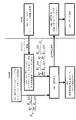
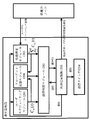
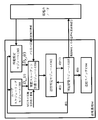
- 6 is a flowchart of a method for adjusting interference between cells in a heterogeneous network according to an embodiment of the present invention.
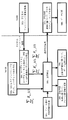
- 6 is a flowchart of a method for adjusting interference between cells in a heterogeneous network according to an embodiment of the present invention.
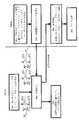
- 6 is a flowchart of a method for adjusting interference between cells in a heterogeneous network according to an embodiment of the present invention.
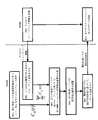
- 6 is a flowchart of a method for adjusting interference between cells in a heterogeneous network according to an embodiment of the present invention.
- 6 is a flowchart of a method for adjusting interference between cells in a heterogeneous network according to an embodiment of the present invention.
- 6 is a flowchart of a method for adjusting interference between cells in a heterogeneous network according to an embodiment of the present invention.
- 6 is a flowchart of a method for adjusting interference between cells in a heterogeneous network according to an embodiment of the present invention.
- 6 is a flowchart of a method for adjusting interference between cells in a heterogeneous network according to an embodiment of the present invention.
- 6 is a flowchart of a method for adjusting interference between cells in a heterogeneous network according to an embodiment of the present invention.
- 6 is a flowchart of a method for adjusting interference between cells in a heterogeneous network according to an embodiment of the present invention. It is a figure which shows the structure of the normal base station in one Example of this invention. It is a figure which shows the structure of the normal base station in one Example of this invention. It is a figure which shows the structure of the normal base station in one Example of this invention. It is a figure which shows the structure of the normal base
- Dynamic inter-cell interference coordination dynamically determines the open / closed state of a macro base station at each TTI or multiple TTIs to improve the total cell throughput. There is a performance improvement.
- dynamic eICIC determines the open / close state of a macro base station, it is necessary to compare the cell performance in two cases of no macro base station transmission (macro mute) and macro base station transmission (macro non-mute).
- the closed state of the macro base station corresponds to the case where there is no macro base station transmission
- the open state of the macro base station corresponds to the case where macro base station transmission is present.
- each transmission point or base station in a heterogeneous network eg, a normal base station such as a macro base station or a low power base station such as a pico base station
- PF proportional fair
- the macro base station performs transmission decision (mutation decision)
- the macro base station calculates the sum of the priority values of all transmission points in the two cases of no macro base station transmission and macro base station transmission. In comparison, a state having a high priority is selected.
- the present invention provides an inter-cell interference adjustment method in a wireless network.
- the wireless network includes at least the following transmission points: a normal base station and one or more low power base stations that are within the coverage area of the normal base station.
- the method A step A in which the normal base station performs scheduling based on feedback information of the normal base station user to obtain a user scheduling result of the normal base station including parameters related to actual transmission characteristics of the normal base station; Parameters relating to actual transmission characteristics of each low power base station in each of the one or more low power base stations without normal base station transmission and with normal base station transmission in the normal base station Step B for obtaining included performance estimation parameters;
- the normal base station is weighted throughput of all transmission points when there is no normal base station transmission, and when there is normal base station transmission. Determining a weighted throughput of all transmission points of A step D in which the normal base station compares the weighted throughputs of all the transmission points to obtain a transmission determination result, and perform
- the wireless network may be a heterogeneous network or another type of network.
- the actual transmission characteristics of different transmission points include the number of connected users at each transmission point, the total throughput of all users at each transmission point, information on the number of frames related to the presence or absence of normal base station transmission, the user at each transmission point.
- the total amount of data to be transmitted the total amount of data to be transmitted from the user of each transmission point, or a function of any of the above parameters.
- the transmission decision results provided in the embodiments of the present invention are more fair and reasonable because the actual transmission characteristics of different transmission points are taken into account. Thereby, the performance of inter-cell interference adjustment is better guaranteed.
- FIG. 1 shows a method for adjusting inter-cell interference in a heterogeneous network in one embodiment of the present invention. The method includes the following steps.
- step 101 the macro base station (MeNB) performs scheduling based on feedback information of the macro base station user (MUE) to obtain a user set M.
- step 101 can be realized by a MUE scheduling module provided in the MeNB, and the user set M includes MUEs scheduled in the MeNB.
- the pico base station acquires the feedback information of the pico base station user (PUE) and provides it to the MeNB.
- the PUE feedback information can include, for example, each PUE's channel quality indication (CQI: channel quality indicator), precoding matrix indication (PMI: precoding matrix indicator), and the like.
- CQI channel quality indicator
- PMI precoding matrix indicator
- the MeNB performs scheduling for each of the two cases of no macro base station transmission (MeNB mute) and macro base station transmission (MeNB non-mute), and A set A and a user set B are generated, and performance estimation is performed for each of the two user sets to obtain corresponding performance estimation parameters.
- the user set A includes a PUE scheduled at the PeNB in the case of the MeNB mute. The user set is determined based on feedback information of all PUEs in the case of MeNB mute.
- User set B includes PUEs scheduled at the PeNB in the case of MeNB non-mute. The user set is determined based on feedback information of all PUEs in the case of MeNB non-mute.
- the performance estimation parameter is the following parameter, that is, the weighted sum of the throughputs of all users in the user set A: Weighted sum of throughput of all users in user set B (also called weighted throughput without PeNB macro base station transmission) (Also referred to as weighted throughput with PeNB macro base station transmission) and at least one of the number of connected users N Pj (representing the number of PUEs of the j-th PeNB).
- t represents the current time
- i is a user number
- j is a PeNB number
- P j represents a j-th PeNB
- a Pj is a j-th PeNB user set.
- a and B Pj represents the user set B of the j-th PeNB, Represents the throughput of the i-th user in the corresponding user set of the j-th PeNB with no macro base station transmission, Represents the throughput of the i-th user in the corresponding user set of the j-th PeNB with macro base station transmission, Represents the average throughput of the i-th user in the corresponding user set of the j-th PeNB.
- Step 103 can be realized by a PUE performance estimation module provided in the MeNB.
- the MeNB determines two MeNB mute and MeNB non-mute based on the performance estimation parameter of one or more PeNBs in the coverage area of the MeNB and the scheduling result of the MeNB to the MUE.
- the priority in each case is compared, and the transmission determination result is obtained from the comparison of the priorities. For example, when the priority in the case of no macro base station transmission is high, the transmission determination result is a result that the MeNB does not transmit data, and in the opposite case, the transmission determination result is a result that the MeNB transmits data. become.
- step 104 can be realized by a transmission determination module provided in the MeNB.
- the performance estimation parameter of one or more PeNBs may be transmitted to the transmission determination module by the PUE performance estimation module, and the following scheduling result, that is, scheduling by the MeNB is performed by the MUE scheduling module.
- Weighted sum of all users' throughput At least one of the number of connected users N m (also referred to as the number of MUEs) (also referred to as a weighted throughput with MeNB macro base station transmission) may be transmitted to the transmission determination module.
- M m represents the user set M scheduled in the MeNB
- R m represents the throughput of the i-th user in the corresponding user set of the MeNB in the case of macro base station transmission
- one priority calculation method in the case of MeNB mute is as follows. That is, the sum of the values obtained by dividing the weighted throughput without macro base station transmission of all PeNBs by the number of PUEs of corresponding PeNBs, and the priority in the case of MeNB mute Get.
- N PeNB is the number of PeNB
- f (N Pj) is a function of N Pj.
- One priority calculation method in the case of MeNB non-mute is as follows. That is, adding the value obtained by dividing the weighted throughput with MeNB macro base station transmission by the number of PUEs of the corresponding PeNB to the sum of the weighted throughput with macro base station transmission of all PeNBs divided by the number of PUEs of the corresponding PeNB Priority in case of MeNB non-mute Get.
- f (N m ) is a function of N m .
- step 105 the transmission determination module transmits the transmission determination result to the transmission switch in the MeNB. Thereby, the data transmission of the MeNB is controlled accordingly.
- the transmission determination module of the MeNB feeds back the transmission determination result to one or a plurality of PeNBs, and the PeNB performs PUE scheduling based on the received result and performs corresponding data transmission. To do.
- steps 102 and 103 and the execution of step 101 are independent of each other and are not related to the order of preceding and following.
- steps 106 and 107 and the execution of step 105 are not related to the order before and after.
- FIG. 2 also shows a method for adjusting inter-cell interference in a heterogeneous network in one embodiment of the present invention.
- steps 201 to 204 correspond to steps 101 to 104 in FIG. 1, respectively. That is, step 201 is similar to step 101, step 202 is similar to step 102, step 203 is similar to step 103, and step 204 is similar to step 104. What should be explained is the following difference from each step in FIG.
- the MUE scheduling module in the MeNB performs scheduling based on the feedback information of the macro base station user, and then performs the following scheduling result, that is, the total throughput of all users scheduled in the MeNB. (Also called throughput with MeNB macro base station transmission), average throughput of MeNB in the past Is transmitted to the transmission determination module in the MeNB.
- the PUE performance estimation module of the MeNB performs performance estimation based on the feedback information of the PUE acquired from the PeNB in step 202 to obtain one or more PeNB performance estimation parameters, and the MeNB To the transmission determination module.
- the performance estimation parameter of each PeNB is the following parameter, that is, the total throughput of all users in the user set A (Also called throughput without PeNB macro base station transmission), total throughput of all users in user set B (Also called throughput with macro base station transmission of PeNB), average throughput of PeNB in past time At least one of them.
- the transmission determination module obtains a transmission determination result by calculating priorities in two cases of MeNB mute and MeNB non-mute according to the following method.
- the priority calculation method in the case of MeNB mute is as follows. That is, the sum of the values obtained by dividing the macro base station transmission throughput of all PeNBs by the average throughput of the corresponding PeNB, and the priority in the case of MeNB mute Get.
- the priority calculation method in the case of MeNB non-mute is as follows. That is, add the value obtained by dividing the throughput with macro base station transmission of all PeNBs by the average throughput of the corresponding PeNB to the sum of the values obtained by dividing the throughput with macro base station transmission of all PeNBs by the average throughput of the MeNB. Priority in case of non-mute Get. here, And It is.
- steps 205 to 207 are the same as steps 105 to 107 in FIG. 1, and a description thereof will be omitted here.
- the transmission determination result takes into account the sum of average throughputs of all users at different transmission points. Based on a value obtained by dividing the throughput after proportional fair scheduling of each transmission point (including the MeNB and one or more PeNBs) by the sum of the average throughput of all users of the corresponding transmission point, and the MeNB mute The priority in the two cases of MeNB non-mute is determined. Of course, in the above formula You may change. In other words, when determining the priority, a function of the sum of average throughputs of all users at different transmission points may be considered.
- FIG. 3 shows a method for adjusting interference between cells in a heterogeneous network in one embodiment of the present invention. The method includes the following steps.
- the transmission storage module in the MeNB transmits at least one of the following frame number information, that is, the total frame number T, the transmission frame number T n , and the transmission non-transmission frame number T m to the transmission determination in the MeNB. Transmit to the module.
- Steps 302 to 305 correspond to steps 101 to 104 in FIG.
- the MUE scheduling module in the MeNB determines the following scheduling result, ie, the total throughput of all users scheduled in the MeNB. (Also referred to as a throughput with MeNB macro base station transmission) is transmitted to the transmission determination module in the MeNB.
- the MeNB PUE performance estimation module performs performance estimation based on the PUE feedback information obtained from the PeNB in step 303, and transmits one or more PeNB performance estimation parameters to the MeNB transmission. Transmit to the judgment module.
- the performance estimation parameter includes the following parameters, that is, the total throughput of all users in the user set A: (Also called throughput without PeNB macro base station transmission), total throughput of all users in user set B At least one of them (also referred to as throughput with PeNB macro base station transmission).
- the transmission determination module obtains a transmission determination result by calculating priorities in the two cases of MeNB mute and MeNB non-mute according to the following method.
- the priority calculation method in the case of MeNB mute is as follows. That is, the priority in the case of MeNB mute is calculated by multiplying the sum of the throughput without macro base station transmission of all PeNBs by the difference between the total number of frames and the number of non-transmission frames. Get.
- the priority calculation method in the case of MeNB non-mute is as follows. That is, in the case of MeNB non-mute, the sum of the total throughput of all the PeNB macro base stations and the throughput of the MeNB macro base station transmission is multiplied by the difference between the total number of frames and the number of frames with transmission. Priority Get.
- f 1 (T, T m , T n ) and f 2 (T, T m , T n ) are all functions of T, T m , and T n .
- Steps 306 to 308 are the same as steps 105 to 107 in FIG. 1, and description thereof is omitted here.
- the transmission determination module provides the transmission determination result to the transmission storage module of the MeNB, and the transmission storage module updates the frame number information.
- the transmission determination result indicates that there is no macro base station transmission
- the total frame number T is incremented by 1, and the non-transmission frame number T m is also incremented by one.
- the frame number T is incremented by 1, and the transmitted frame number T n is also incremented by 1.
- the transmission history of the macro base station is taken into consideration.
- there is relatively no macro base station transmission there is a low probability that no macro base station transmission will occur again, but when there is no macro base station transmission, there is no macro base station transmission. The probability of doing is high.
- FIG. 4 shows a method for adjusting interference between cells in a heterogeneous network according to one embodiment of the present invention. The method includes the following steps.
- Step 401 is the same as step 301 in FIG. 3, and a description thereof will be omitted here.
- the MUE scheduling module in the MeNB receives the following scheduling result, ie, a weighted sum of the throughputs of all users scheduled in the MeNB. (Also referred to as weighted throughput without MeNB macro base station transmission) is transmitted to the transmission determination module in the MeNB.
- the PUE performance estimation module of the MeNB performs performance estimation based on the feedback information of the PUE acquired from the PeNB in step 403, and the following performance estimation parameters of one or more PeNBs, that is, the user Weighted sum of throughput of all users in set A Weighted sum of throughput of all users in user set B (also called weighted throughput without PeNB macro base station transmission) At least one of the PeNBs (also called weighted throughput with macro base station transmission) is transmitted to the transmission determination module in the MeNB.
- the transmission determination module obtains the transmission determination result by calculating the priority in the two cases of MeNB mute and MeNB non-mute according to the following method.
- the priority calculation method in the case of MeNB mute is as follows. That is, the priority in the case of MeNB mute is obtained by multiplying the sum of the weighted throughput without transmission of macro base station of all PeNBs by the difference between the total number of frames and the number of frames without transmission. Get.
- the priority calculation method in the case of MeNB non-mute is as follows. That is, the sum of the weighted throughput with macro base station transmission of all PeNBs and the sum of the weighted throughput with macro base station transmission of MeNB is multiplied by the difference between the total number of frames and the number of frames with transmission, and MeNB non-mute Priority in case of Get.
- f 1 (T, T m , T n ) and f 2 (T, T m , T n ) are all functions of T, T m , and T n .
- Steps 406 to 409 are the same as steps 306 to 309 in FIG. 3, and a description thereof will be omitted here.
- FIG. 5 to FIG. 8 correspond to FIG. 1 to FIG. 4, respectively, and the difference is that in FIG. 5 to FIG. 8, the PeNB directly provides performance estimation parameters to the MeNB.
- the MeNB does not need to perform performance estimation for one or more PeNBs.
- FIG. 5 shows a method for adjusting interference between cells in a heterogeneous network in one embodiment of the present invention. The method includes the following steps.
- the MUE scheduling module in the MeNB performs scheduling based on the feedback information of the MUE to obtain a user set M, and the following scheduling result, that is, a weighted sum of throughputs of all users scheduled in the MeNB.
- At least one of the number of connected users N m (also called the number of MUEs) (also called weighted throughput with MeNB macro base station transmission) is transmitted to the transmission determination module in the MeNB.
- the PeNB based on the feedback information of the PUE (for example, CUE of the PUE, PMI, etc.), the macro base station transmission not (MeNB mute) and the macro base station transmission presence (MeNB non-mute) For each case, pre-scheduling is performed to generate user set A and user set B.
- the PUE for example, CUE of the PUE, PMI, etc.
- the macro base station transmission not for example, CUE of the PUE, PMI, etc.
- MeNB non-mute the macro base station transmission presence
- the user set A is determined based on feedback information of all PUEs in the case of MeNB mute, and includes PUEs scheduled in the PeNB in the case of MeNB mute.
- the user set B is determined based on feedback information of all the PUEs in the case of the MeNB non-mute, and includes the PUEs scheduled by the PeNB in the case of the MeNB non-mute.
- the PeNB performs the following performance estimation parameter, ie, a weighted sum of the throughputs of all users in user set A.
- Weighted sum of throughput of all users in user set B also called weighted throughput without PeNB macro base station transmission
- At least one of the number of connected users N Pj (also referred to as the number of PUEs) is also fed back to the MeNB.
- the transmission determination module determines whether the MeNB mute and the MeNB non-mute 2 based on the feedback of one or more PeNBs in the coverage area of the MeNB and the scheduling result transmitted from the MUE scheduling module.
- the priority in the two cases is compared, and the transmission determination result is obtained from the comparison of the priorities. For example, when the priority in the case of no macro base station transmission is high, the transmission determination result is a result that the MeNB does not transmit data, and in the opposite case, the transmission determination result is a result that the MeNB transmits data. become.
- one priority calculation method in the case of MeNB mute is as follows. That is, the priority in the case of MeNB mute is obtained by adding the values obtained by dividing the weighted throughput without macro base station transmission fed back from all PeNBs by the number of PUEs of the corresponding PeNBs. Get.
- One priority calculation method in the case of MeNB non-mute is as follows. That is, the value obtained by dividing the weighted throughput with macro base station transmission fed back from all PeNBs by the number of PUEs of the corresponding PeNB and the weighted throughput with MeNB macro base station transmission divided by the number of MUEs of the MeNB And priority in the case of MeNB non-mute Get.
- step 505 the transmission determination module transmits the transmission determination result to the transmission switch in the MeNB. Thereby, the data transmission of the MeNB is controlled accordingly.
- the transmission switch turns off data transmission of the MeNB
- the transmission switch turns on data transmission of the MeNB.
- the transmission determination module feeds back the transmission determination result to one or a plurality of PeNBs, and the PeNB performs data transmission based on the received results.
- the PeNB schedules users based on the user set A and transmits data.
- the PeNB performs data transmission based on the user set B.
- the PeNB does not need to perform PUE scheduling, but directly determines a corresponding user set from the user set A and the user set B, and performs data transmission.
- the number of connected users at each transmission point and the signal-to-interference plus noise ratio (SINR) of the connected users are considered.
- SINR signal-to-interference plus noise ratio
- the transmission determination is Become more fair. That is, by adopting the method of the present embodiment, it is possible to overcome the problem that the ratio of no macro base station transmission due to the difference in the number of connected users and / or the difference in SINR is high or low.
- FIG. 6 shows a method for adjusting inter-cell interference in a heterogeneous network in one embodiment of the present invention. The method includes the following steps.
- Steps 601 to 604 correspond to steps 501 to 504 in FIG.
- the MUE scheduling module in the MeNB performs scheduling based on feedback information of the macro base station user, and then performs the following scheduling result, that is, throughput of all users scheduled in the MeNB. total (Also called throughput with MeNB macro base station transmission), average throughput of MeNB in the past Is transmitted to the transmission determination module in the MeNB.
- the PeNB determines the following performance estimation parameters, ie, the total throughput of all users in user set A: (Also called throughput without PeNB macro base station transmission), total throughput of all users in user set B (Also called throughput with macro base station transmission of PeNB), average throughput of PeNB in past time At least one of them is fed back to the MeNB.
- the transmission determination module obtains a transmission determination result by calculating priorities in the two cases of MeNB mute and MeNB non-mute according to the following method.
- the priority calculation method in the case of MeNB mute is as follows. That is, the priority in the case of MeNB mute is obtained by adding the values obtained by dividing the macro base station non-transmission throughput fed back from all PeNBs by the average throughput of the corresponding PeNB. Get.
- the priority calculation method in the case of MeNB non-mute is as follows. That is, the value obtained by dividing the throughput with the transmission of the macro base station of the MeNB by the average throughput of the MeNB is added to the sum of the values obtained by dividing the throughput with the transmission of the macro base station fed back from all the PeNBs by the average throughput of the corresponding PeNB.
- Priority in case of MeNB non-mute Get. Steps 605 to 607 are the same as steps 505 to 507 in FIG. 5, and a description thereof will be omitted here.
- FIG. 7 shows a method for adjusting inter-cell interference in a heterogeneous network in one embodiment of the present invention. The method includes the following steps.
- step 701 the transmission storage module in the MeNB determines transmission of at least one of the following frame number information, that is, the total frame number T, the transmission frame number T n , and the transmission non-transmission frame number T m in the MeNB. Transmit to the module.
- Steps 702 to 705 correspond to steps 501 to 504 in FIG.
- the MUE scheduling module in the MeNB determines the following scheduling result, that is, the total throughput of all users scheduled in the MeNB. (Also referred to as a throughput with MeNB macro base station transmission) is transmitted to the transmission determination module in the MeNB.
- the PeNB determines the following performance estimation parameters, ie, the total throughput of all users in user set A. (Also called throughput without PeNB macro base station transmission), total throughput of all users in user set B At least one of the PeNBs (also called throughput with macro base station transmission) is fed back to the MeNB.
- the transmission determination module obtains a transmission determination result by calculating priorities in the case of MeNB mute and MeNB non-mute according to the following method.
- the priority calculation method in the case of MeNB mute is as follows. That is, the priority in the case of MeNB mute is obtained by multiplying the sum of the macro base station transmission-free throughputs fed back from all PeNBs by the difference between the total number of frames and the number of non-transmission frames. Get.
- the priority calculation method in the case of MeNB non-mute is as follows. That is, the sum of the throughput with macro base station transmission fed back from all the PeNBs and the throughput with the macro base station transmission of the MeNB is multiplied by the difference between the total number of frames and the number of frames with transmission, and the MeNB non-mute Priority in case of Get.
- Steps 706 to 708 are the same as steps 505 to 507 in FIG. 5, and a description thereof will be omitted here.
- step 709 the transmission determination module provides the transmission determination result to the transmission storage module of the MeNB, and the transmission storage module updates the frame number information.
- FIG. 8 shows a method for adjusting interference between cells in a heterogeneous network in one embodiment of the present invention. The method includes the following steps.
- Step 801 is the same as Step 701 in FIG. 7, and a description thereof is omitted here.
- Steps 802 to 805 correspond to steps 501 to 504 in FIG.
- the MUE scheduling module in the MeNB determines the following scheduling result, ie, a weighted sum of the throughputs of all users scheduled in the MeNB. (Also referred to as weighted throughput with MeNB macro base station transmission) is transmitted to the transmission determination module in the MeNB.
- the PeNB performs the following performance estimation parameter, ie, a weighted sum of the throughputs of all users in user set A.
- Weighted sum of throughput of all users in user set B also called weighted throughput without PeNB macro base station transmission
- At least one of the PeNBs is fed back to the MeNB.
- step 805 the transmission determination module obtains the transmission determination result by calculating the priority in the case of MeNB mute and in the case of MeNB non-mute according to the following method.
- one priority calculation method in the case of MeNB mute is as follows. That is, the priority in the case of MeNB mute is obtained by multiplying the sum of the weighted throughput without macro base station transmission fed back from all PeNBs by the difference between the total number of frames and the number of frames without transmission. Get.
- One priority calculation method in the case of MeNB non-mute is as follows. That is, the sum of the weighted throughput with macro base station transmission fed back from all PeNBs and the weighted throughput with MeNB macro base station transmission is multiplied by the difference between the total number of frames and the number of frames with transmission, and MeNB non -Priority in the case of mute Get. Steps 806 to 809 are the same as steps 706 to 709 in FIG. 7, and a description thereof will be omitted here.
- the normal base station To determine the priority when there is no normal base station transmission, and thus, it is possible to determine the priority when there is normal base station transmission.
- W Pj, i (t) represents the total amount of data that should be transmitted to the i-th user in the corresponding user set of the j-th low power base station
- f (W Pj, i (t)) Is a function of W Pj, i (t), where W m, i (t) represents the total amount of data that should be transmitted to the i-th user in the corresponding user set of the normal base station, and f (W m, i (t)) is a function of W m, i (t).
- the normal base station needs to further acquire parameters such as W Pj, i (t), W m, i (t).
- the normal base station To determine the priority when there is no normal base station transmission, and thus, it is possible to determine the priority when there is normal base station transmission.
- S Pj, i (t) represents the total amount of data that should be transmitted from the i-th user in the corresponding user set of the j-th low power base station
- f (S Pj, i (t)) Is a function of S Pj, i (t), where S m, i (t) represents the total amount of data that should be transmitted from the i-th user in the corresponding user set of the normal base station, and f (S m, i (t)) is a function of S m, i (t).
- the normal base station needs to further acquire parameters such as S Pj, i (t) and S m, i (t).
- FIG. 9 shows a method for adjusting interference between cells of a heterogeneous network in one embodiment of the present invention. The method includes the following steps.
- step 901 based on the transmission determination result d (t) at the current time t obtained from the determination storage module, the MUE scheduling module in the MeNB calculates the throughput C m (t) of the MeNB at the current time t. It is determined and provided to the transmission determination module and the throughput storage module in the MeNB.
- the MeNB sets the throughput C m (t) at the current time t to 0, and the transmission determination result at the current time t is When there is MeNB transmission, the MeNB performs MeNB user scheduling to obtain the throughput C m (t) at the current time t.
- one or more PeNBs provide PUE feedback information to the MeNB.
- step 903 based on the transmission determination result at the current time t obtained from the determination storage module, the PUE performance estimation module in the MeNB determines from the feedback information of the PUE at the current time t of the one or more PeNBs. Total throughput Are provided to the transmission determination module and the throughput storage module in the MeNB, respectively.
- the MeNB when the transmission determination result at the current time t is no MeNB transmission, the MeNB performs PeNB user scheduling according to the absence of MeNB transmission, and at the current time t of the one or more PeNBs. Total throughput
- the MeNB performs PeNB user scheduling according to the presence of MeNB transmission, and at the current time t of the one or more PeNBs Total throughput Get.
- step 904 the transmission determination module in the MeNB Thus, the transmission determination result d (t + 1) at the next time t + 1 is determined.
- the transmission determination module in the MeNB is the total throughput at the current time t. And the total throughput at the previous time t-1 obtained from the throughput storage module And compare.
- the transmission determination module in the MeNB sets the transmission determination result at the next time t + 1 according to the transmission determination result at the current time t obtained from the determination storage module.
- the MeNB sets the transmission determination result at the next time t + 1 to be opposite to the transmission determination result at the current time t obtained from the determination storage module. That is, when the transmission determination result at the current time t is MeNB transmission, the transmission determination result at the next time t + 1 is opposite to the transmission determination result at the current time t, and is set to no MeNB transmission.
- the transmission determination result at the current time t is that there is no MeNB transmission
- the transmission determination result at the next time t + 1 is set as having MeNB transmission.
- step 905 the transmission determination module stores the transmission determination result at the next time t + 1 determined in step 904 in the determination storage module of the MeNB. As a result, at the next time t + 1, an operation corresponding to the absence of MeNB transmission or the presence of MeNB transmission can be executed.
- step 906 the determination storage module in the MeNB transmits the transmission determination result at the current time t to the transmission switch in the MeNB. Thereby, the data transmission of the MeNB is controlled accordingly.
- step 907 the determination storage module feeds back the transmission determination result at the current time t to the one or more PeNBs, and the PeNB performs PUE scheduling based on the received result, and transmits the corresponding data transmission. Execute.
- step 907 can be executed simultaneously with step 901.
- steps 902 and 903 need not be performed.
- each PeNB When PeNB user scheduling is performed to obtain the throughput C Pj (t) of the current station at the current time t and transmitted to the transmission determination module of the MeNB, and the transmission determination result at the current time t is MeNB transmission, Each PeNB performs the PeNB user scheduling according to the presence of MeNB transmission, obtains a throughput C Pj (t) at the current time t of the local station, and transmits the throughput to the transmission determination module of the MeNB.
- FIG. 10 shows a method for adjusting inter-cell interference in a heterogeneous network in one embodiment of the present invention. The method includes the following steps.
- step 1001 based on the transmission determination result d (t) at the current time t obtained from the determination storage module, the MUE scheduling module in the MeNB determines the transmission data amount D m, i (t) of the MeNB. .
- one or more PeNBs provide PUE feedback information to the MeNB.
- the PeNB provides CQI, PMI, etc. to the PUE performance estimation module in the MeNB, and provides the PUE accurate reception instruction information ACK / NACK to the actual throughput calculation module in the MeNB.
- ACK indicates that the PUE has correctly received the data transmitted from the PeNB
- NACK indicates that the PUE has not correctly received the data transmitted from the PeNB.
- the PUE performance estimation module determines one or more PeNB transmission data amounts D Pj, i (t) based on the obtained PUE feedback information.
- step 1004 the actual throughput calculation module in the MeNB determines the total actual throughput of all transmission points at times t- ⁇ and t- ⁇ -1.
- step 1005 the transmission determination module adopts the following method at the current time t to determine the transmission determination result d (t + 1) at the next time t + 1.
- ⁇ is a feedback time delay of accurate reception instruction information
- D m, i (t ⁇ ) is a transmission data amount at time t ⁇ of the i-th user in a corresponding user set of MeNB
- D Pj, i (t ⁇ ) is the amount of transmission data at time t ⁇ of the i-th user in the corresponding user set of the j-th PeNB.
- AN m, i (t ⁇ ) is the correct reception instruction information at time t ⁇ of the i th user in the corresponding user set of MeNB
- AN Pj, i (t ⁇ ) is the j th This is the correct reception instruction information at the time t- ⁇ of the i-th user in the corresponding user set of the PeNB, and both of these values are 0 or 1.
- the value of AN m, i (t ⁇ ) or AN Pj, i (t ⁇ ) is 1, and when NACK is received, AN m, i (t ⁇ ) ) Or AN Pj, i (t ⁇ ) has a value of 0.
- Steps 1006 to 1008 are the same as steps 905 to 907 in FIG. 9, and the description thereof is omitted here.
- a normal base station is also provided.
- the normal base station A user scheduling module 1101 that performs scheduling based on feedback information of a normal base station user to obtain a user scheduling result of the normal base station; Obtaining performance estimation parameters for one or a plurality of low-power base stations without normal base station transmission and with normal base station transmission, respectively, and the performance estimation parameters and user scheduling results of the normal base station; To determine the priority in the absence of normal base station transmission and the priority in the presence of normal base station transmission regarding the actual transmission characteristics of different transmission points, and compare the priorities And a transmission determination module 1102 for obtaining a transmission determination result.
- the transmission determination module 1102 can determine the priority according to the mathematical formulas and steps shown in the flow of FIGS. 1 to 8, and the description thereof is omitted here.
- the normal base station The first user set receives low-power base station user feedback information from the one or more low-power base stations and performs user scheduling of the low-power base station for the case of no normal base station transmission.
- a Pj is obtained, and the user scheduling of the low power base station is performed for the case where normal base station transmission is performed to obtain the second user set B Pj , and the first user set A Pj and the second user set B
- a performance estimation module 1103 that performs performance estimation on Pj to obtain corresponding performance estimation parameters.
- the performance estimation parameter can be directly fed back to the transmission determination module 1102 of the normal base station by the low power base station.
- the specific flow will be omitted here with reference to FIGS.
- the normal base station A transmission switch 1104 that turns on or off data transmission of the normal base station based on the transmission determination result is also included.
- heterogeneous networks are also provided.
- the heterogeneous network is Based on feedback information of the normal base station user, scheduling is performed to obtain a user scheduling result of the normal base station, and the normal base of one or more low power base stations within the coverage of the normal base station Performance estimation parameters are acquired for each of the cases where there is no station transmission and normal base station transmission, and the actual transmission characteristics of different transmission points are obtained based on the performance estimation parameters and the user scheduling result of the normal base station.
- Low power base station Low power base station.
- the normal base station can determine the priority according to the mathematical formulas and steps shown in the flow of FIGS. 1 to 8, and the description thereof is omitted here.
- the normal base station further feeds back the transmission determination result to the one or more low power base stations.
- the low power base station further determines a corresponding user set from the first user set A Pj and the second user set B Pj based on the transmission determination result, and performs data transmission.
- the normal base station A user scheduling module 1201 that determines an estimated throughput C m (t) of the normal base station at the current time t based on a transmission determination result at the current time t;
- the estimated throughput C m (t) of the normal base station and the estimated throughput at the current time t of the one or more low-power base stations Sum with And the sum of the estimated throughputs at the previous time t ⁇ 1
- the normal base station when the transmission determination result at the current time t is that there is no normal base station transmission, the normal base station is a user of the low power base station according to the absence of normal base station transmission. Scheduling to estimate the total throughput of the one or more low-power base stations at the current time t If the transmission determination result at the current time t is normal base station transmission is performed, user scheduling of the low power base station is performed according to the presence of normal base station transmission, and the one or more low power bases Total estimated throughput of the station at the current time t A performance estimation module 1203 is further included.
- the normal base station further includes a transmission switch 1204 for turning on or off data transmission of the normal base station based on a transmission determination result at the current time t.
- the normal base station stores a transmission determination result at each time, and provides a determination storage module 1205 that provides the transmission determination result at the current time t to the transmission determination module 1202.
- the determination storage module 1205 can provide the transmission determination result at the current time t to the user scheduling module 1201 and the performance estimation module 1203.
- the transmission determination module 1202 calculates the total estimated throughput at the current time t. And the total estimated throughput at the previous time t-1. And compare The normal base station sets the transmission determination result at the next time t + 1 according to the transmission determination result at the current time t, The normal base station sets the transmission determination result at the next time t + 1 to be opposite to the transmission determination result at the current time t.
- the normal base station is provided by C m (t) provided by the user scheduling module 1201 and provided by the performance estimation module 1203. And the sum of the estimated throughputs at the previous time t ⁇ 1 Is further included in the throughput storage module 1206.
- the normal base station includes a user scheduling module 1301 and a transmission determination module 1302. Further, the normal base station also includes a performance estimation module 1303, a transmission switch 1304, a determination storage module 1305, and an actual throughput calculation module 1306. As to be described, the operations executed in each module of the normal base station in FIG. 13 will be omitted here with reference to the flow of FIG.
- the parameters described above are the same as those in FIGS. 10 and 13 except that the parameter for determining the transmission determination result is the actual throughput. Either may be an estimated throughput.
- the priority can refer to the weighted throughput of all transmission points in the corresponding case. For example, when there is MeNB transmission, the priority is the sum of weighted throughputs of the MeNB and one or more PeNBs. In the case of no MeNB transmission, the priority is the sum of the weighted throughputs of one or more PeNBs.
- PeNB pico base station
- MeNB macro base station
- the solving means of the present invention is not limited to this.
- PeNB may be replaced with another low power base station
- MeNB may be replaced with another normal base station.
- the plurality of low-power base stations located in the same normal base station cover area may be different types of base stations such as PeNB and femto eNB.
- the method of the present invention based on the performance estimation parameters of one or a plurality of low power base stations without normal base station transmission and with normal base station transmission, respectively, The priority when there is no station transmission and the priority when there is normal base station transmission are determined, and a transmission determination result is obtained. In this way, the transmission rate of the normal base station can be adjusted better. This improves the performance of inter-cell interference adjustment.
Landscapes
- Engineering & Computer Science (AREA)
- Signal Processing (AREA)
- Computer Networks & Wireless Communication (AREA)
- Mobile Radio Communication Systems (AREA)
Abstract
Description
前記通常基地局が、通常基地局ユーザのフィードバック情報に基づいて、スケジューリングを行って、該通常基地局の実際の伝送特性に関するパラメータが含まれる該通常基地局のユーザスケジューリング結果を得るステップAと、
前記通常基地局が、前記1つまたは複数の低電力基地局の、通常基地局送信無しの場合および通常基地局送信有りの場合それぞれでの、各低電力基地局の実際の伝送特性に関するパラメータが含まれる性能推定パラメータを取得するステップBと、
前記性能推定パラメータと前記通常基地局のユーザスケジューリング結果とに基づいて、前記通常基地局が、通常基地局送信無しの場合での全ての送信ポイントの重み付けスループットと、通常基地局送信有りの場合での全ての送信ポイントの重み付けスループットとを決定するステップCと、
前記通常基地局が、前記全ての送信ポイントの重み付けスループットを比較して、送信判定結果を得、前記送信判定結果に基づいて、データ送信を行うステップDと、を含む。
前記通常基地局が、前記1つまたは複数の低電力基地局から、低電力基地局ユーザのフィードバック情報を受信し、通常基地局送信無しの場合に対して、低電力基地局のユーザスケジューリングを行って、第1ユーザセットAPjを得、通常基地局送信有りの場合に対して、低電力基地局のユーザスケジューリングを行って、第2ユーザセットBPjを得、前記第1ユーザセットAPjおよび前記第2ユーザセットBPjに対して、性能推定をぞれぞれ行って、相応の性能推定パラメータを得る、ことを含む。
該方法は、
前記通常基地局が、前記送信判定結果を前記1つまたは複数の低電力基地局へフィードバックし、
前記低電力基地局が、前記送信判定結果に基づいて、自局のユーザスケジューリングを行って、データを送信する、ことをさらに含む。
各低電力基地局が、自局のユーザのフィードバック情報に基づいて、プリスケジューリングを行って、通常基地局送信無しの場合での第1ユーザセットAPjと、通常基地局送信有りの場合での第2ユーザセットBPjを得、
前記低電力基地局が、第1ユーザセットAPjおよび第2ユーザセットBPjに対して、性能推定をそれぞれ行って、得られた性能推定パラメータを前記通常基地局へフィードバックする、ことをさらに含む。
前記通常基地局が、前記送信判定結果を前記1つまたは複数の低電力基地局へフィードバックし、
各低電力基地局が、前記送信判定結果に基づいて、第1ユーザセットAPjおよび第2ユーザセットBPjの中から、相応のユーザセットを決定して、データ送信を行う、ことをさらに含む。
前記通常基地局が、数式


ここで、tは、現在時刻を表し、iは、前記通常基地局または各低電力基地局のユーザ番号であり、jは、低電力基地局の番号であり、Pjは、j番目の低電力基地局を表し、NPeNBは、低電力基地局の数であり、Nmは、通常基地局のユーザ数であり、f(Nm)は、Nmの関数であり、NPjは、j番目の低電力基地局のユーザ数であり、f(NPj)は、NPjの関数であり、



APjは、通常基地局送信無しの場合にj番目の低電力基地局でスケジューリングされた第1ユーザセットを表し、BPjは、通常基地局送信有りの場合にj番目の低電力基地局でスケジューリングされた第2ユーザセットを表し、Mmは、通常基地局でスケジューリングされた通常基地局ユーザセットを表す。
前記通常基地局が、数式


ここで、tは、現在時刻を表し、iは、前記通常基地局または各低電力基地局のユーザ番号であり、jは、低電力基地局の番号であり、Pjは、j番目の低電力基地局を表し、NPeNBは、低電力基地局の数であり、





APjは、通常基地局送信無しの場合にj番目の低電力基地局でスケジューリングされた第1ユーザセットを表し、BPjは、通常基地局送信有りの場合にj番目の低電力基地局でスケジューリングされた第2ユーザセットを表し、Mmは、通常基地局でスケジューリングされた通常基地局ユーザセットを表す。
該方法は、前記通常基地局が自局のフレーム数情報を記憶する、ことをさらに含む。
前記通常基地局が、数式


ここで、tは、現在時刻を表し、iは、前記通常基地局または各低電力基地局のユーザ番号であり、jは、低電力基地局の番号であり、Pjは、j番目の低電力基地局を表し、NPeNBは、低電力基地局の数であり、


APjは、通常基地局送信無しの場合にj番目の低電力基地局でスケジューリングされた第1ユーザセットを表し、BPjは、通常基地局送信有りの場合にj番目の低電力基地局でスケジューリングされた第2ユーザセットを表し、
Tは、総フレーム数であり、Tmは、通常基地局の送信無しフレーム数であり、Tnは、通常基地局の送信有りフレーム数であり、f1(T,Tm,Tn)およびf2(T,Tm,Tn)は、いずれもT、Tm、Tnの関数である。
前記通常基地局が、数式


ここで、tは、現在時刻を表し、iは、前記通常基地局または各低電力基地局のユーザ番号であり、jは、低電力基地局の番号であり、Pjは、j番目の低電力基地局を表し、NPeNBは、低電力基地局の数であり、




APjは、通常基地局送信無しの場合にj番目の低電力基地局でスケジューリングされた第1ユーザセットを表し、BPjは、通常基地局送信有りの場合にj番目の低電力基地局でスケジューリングされた第2ユーザセットを表し、
Tは、総フレーム数であり、Tmは、通常基地局の送信無しフレーム数であり、Tnは、通常基地局の送信有りフレーム数であり、f1(T,Tm,Tn)およびf2(T,Tm,Tn)は、いずれもT、Tm、Tnの関数である。
前記通常基地局は、数式

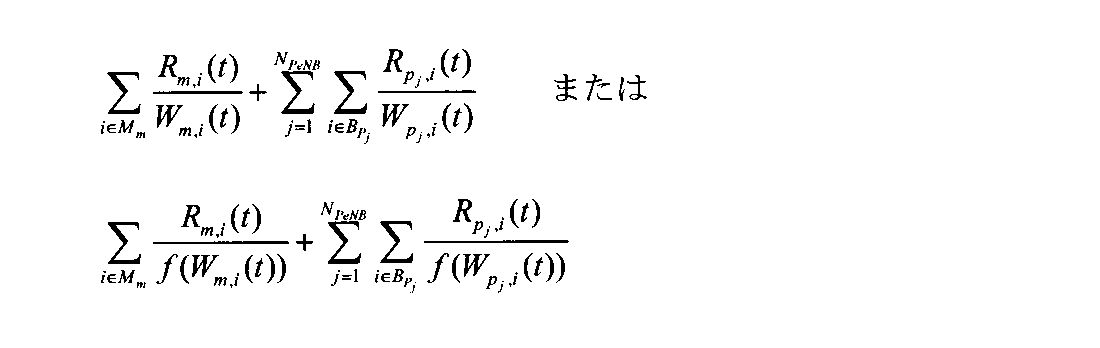
ここで、WPj,i(t)は、j番目の低電力基地局の相応のユーザセットにおけるi番目のユーザを伝送先とすべきデータ総量を表し、f(WPj,i(t))は、WPj,i(t)の関数であり、Wm,i(t)は、通常基地局の相応のユーザセットにおけるi番目のユーザを伝送先とすべきデータ総量を表し、f(Wm,i(t))は、Wm,i(t)の関数である。
前記通常基地局が、数式


ここで、SPj,i(t)は、j番目の低電力基地局の相応のユーザセットにおけるi番目のユーザを伝送元とすべきデータ総量を表し、f(SPj,i(t))は、SPj,i(t)の関数であり、Sm,i(t)は、通常基地局の相応のユーザセットにおけるi番目のユーザを伝送元とすべきデータ総量を表し、f(Sm,i(t))は、Sm,i(t)の関数である。
通常基地局ユーザのフィードバック情報に基づいて、スケジューリングを行って、該通常基地局の実際の伝送特性に関するパラメータが含まれる該通常基地局のユーザスケジューリング結果を得るユーザスケジューリングモジュールと、
1つまたは複数の低電力基地局の、通常基地局送信無しの場合および通常基地局送信有りの場合それぞれでの、各低電力基地局の実際の伝送特性に関するパラメータが含まれる性能推定パラメータを取得し、前記性能推定パラメータと前記通常基地局のユーザスケジューリング結果とに基づいて、通常基地局送信無しの場合での全ての送信ポイントの重み付けスループットと、通常基地局送信有りの場合での全ての送信ポイントの重み付けスループットとを決定し、前記全ての送信ポイントの重み付けスループットを比較して、送信判定結果を得る送信判定モジュールと、を含む。
前記1つまたは複数の低電力基地局から、低電力基地局ユーザのフィードバック情報を受信し、通常基地局送信無しの場合に対して、低電力基地局のユーザスケジューリングを行って、第1ユーザセットAPjを得、通常基地局送信有りの場合に対して、低電力基地局のユーザスケジューリングを行って、第2ユーザセットBPjを得、前記第1ユーザセットAPjおよび前記第2ユーザセットBPjに対して、性能推定をぞれぞれ行って、相応の性能推定パラメータを得る性能推定モジュールを、さらに含む。
前記送信判定結果に基づいて、前記通常基地局のデータ送信をオンまたはオフにする送信スイッチを、さらに含む。


ここで、tは、現在時刻を表し、iは、前記通常基地局または各低電力基地局のユーザ番号であり、jは、低電力基地局の番号であり、Pjは、j番目の低電力基地局を表し、NPeNBは、低電力基地局の数であり、Nmは、通常基地局のユーザ数であり、f(Nm)は、Nmの関数であり、NPjは、j番目の低電力基地局のユーザ数であり、f(NPj)は、NPjの関数であり、




APjは、通常基地局送信無しの場合にj番目の低電力基地局でスケジューリングされた第1ユーザセットを表し、BPjは、通常基地局送信有りの場合にj番目の低電力基地局でスケジューリングされた第2ユーザセットを表し、Mmは、通常基地局でスケジューリングされた通常基地局ユーザセットを表す。


ここで、tは、現在時刻を表し、iは、前記通常基地局または各低電力基地局のユーザ番号であり、jは、低電力基地局の番号であり、Pjは、j番目の低電力基地局を表し、NPeNBは、低電力基地局の数であり、






APjは、通常基地局送信無しの場合にj番目の低電力基地局でスケジューリングされた第1ユーザセットを表し、BPjは、通常基地局送信有りの場合にj番目の低電力基地局でスケジューリングされた第2ユーザセットを表し、Mmは、通常基地局でスケジューリングされた通常基地局ユーザセットを表す。
前記送信判定モジュールは、数式


ここで、tは、現在時刻を表し、iは、前記通常基地局または各低電力基地局のユーザ番号であり、jは、低電力基地局の番号であり、Pjは、j番目の低電力基地局を表し、NPeNBは、低電力基地局の数であり、


APjは、通常基地局送信無しの場合にj番目の低電力基地局でスケジューリングされた第1ユーザセットを表し、BPjは、通常基地局送信有りの場合にj番目の低電力基地局でスケジューリングされた第2ユーザセットを表し、
Tは、総フレーム数であり、Tmは、通常基地局の送信無しフレーム数であり、Tnは、通常基地局の送信有りフレーム数であり、f1(T,Tm,Tn)およびf2(T,Tm,Tn)は、いずれもT、Tm、Tnの関数である。
前記送信判定モジュールは、数式


ここで、tは、現在時刻を表し、iは、前記通常基地局または各低電力基地局のユーザ番号であり、jは、低電力基地局の番号であり、Pjは、j番目の低電力基地局を表し、NPeNBは、低電力基地局の数であり、




APjは、通常基地局送信無しの場合にj番目の低電力基地局でスケジューリングされた第1ユーザセットを表し、BPjは、通常基地局送信有りの場合にj番目の低電力基地局でスケジューリングされた第2ユーザセットを表し、
Tは、総フレーム数であり、Tmは、通常基地局の送信無しフレーム数であり、Tnは、通常基地局の送信有りフレーム数であり、f1(T,Tm,Tn)およびf2(T,Tm,Tn)は、いずれもT、Tm、Tnの関数である。


ここで、WPj,i(t)は、j番目の低電力基地局の相応のユーザセットにおけるi番目のユーザを伝送先とすべきデータ総量を表し、f(WPj,i(t))は、WPj,i(t)の関数であり、Wm,i(t)は、通常基地局の相応のユーザセットにおけるi番目のユーザを伝送先とすべきデータ総量を表し、f(Wm,i(t))は、Wm,i(t)の関数である。

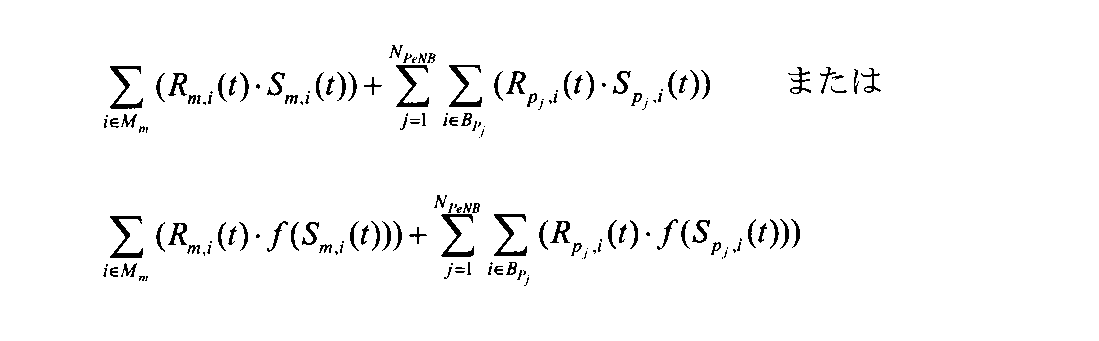
ここで、SPj,i(t)は、j番目の低電力基地局の相応のユーザセットにおけるi番目のユーザを伝送元とすべきデータ総量を表し、f(SPj,i(t))は、SPj,i(t)の関数であり、Sm,i(t)は、通常基地局の相応のユーザセットにおけるi番目のユーザを伝送元とすべきデータ総量を表し、f(Sm,i(t))は、Sm,i(t)の関数である。
通常基地局ユーザのフィードバック情報に基づいて、スケジューリングを行って、該通常基地局の実際の伝送特性に関するパラメータが含まれる該通常基地局のユーザスケジューリング結果を得、該通常基地局のカバー範囲内にある1つまたは複数の低電力基地局の、通常基地局送信無しの場合および通常基地局送信有りの場合それぞれでの、各低電力基地局の実際の伝送特性に関するパラメータが含まれる性能推定パラメータを取得し、前記性能推定パラメータと前記通常基地局のユーザスケジューリング結果とに基づいて、通常基地局送信無しの場合での全ての送信ポイントの重み付けスループットと、通常基地局送信有りの場合での全ての送信ポイントの重み付けスループットとを決定し、前記全ての送信ポイントの重み付けスループットを比較して、送信判定結果を得、前記送信判定結果に基づいて、データ送信を行う通常基地局と、
自局のユーザのフィードバック情報に基づいて、プリスケジューリングを行って、通常基地局送信無しの場合での第1ユーザセットAPjと、通常基地局送信有りの場合での第2ユーザセットBPjとを得、第1ユーザセットAPjおよび第2ユーザセットBPjに対して、性能推定をぞれぞれ行って、得られた性能推定パラメータを前記通常基地局へフィードバックする前記1つまたは複数の低電力基地局と、を含む。
前記通常基地局は、さらに、前記送信判定結果を前記1つまたは複数の低電力基地局へフィードバックし、
前記低電力基地局は、さらに、前記送信判定結果に基づいて、第1ユーザセットAPjおよび第2ユーザセットBPjの中から、相応のユーザセットを決定して、データ送信を行う。
前記通常基地局が、現在時刻tでの送信判定結果に基づいて、該通常基地局の第1時刻t1でのスループットを決定するステップAと、
前記通常基地局が、前記1つまたは複数の低電力基地局の第1時刻t1でのスループットを取得するステップBと、
前記通常基地局が、全ての送信ポイントの第1時刻t1でのスループットと、第1時刻より前の第2時刻t2でのスループットとの比較結果に基づいて、次の時刻t+1での送信判定結果を決定することにより、前記送信判定結果に基づいて、次の時刻t+1で、通常基地局送信無しまたは通常基地局送信有りに応じる動作が実行できるようにするステップCと、を含む。
現在時刻tでの送信判定結果が通常基地局送信無しである場合、前記通常基地局が、現在時刻tでの推定スループットCm(t)を0に設定し、
現在時刻tでの送信判定結果が通常基地局送信有りである場合、前記通常基地局が、通常基地局のユーザスケジューリングを行って、現在時刻tでの推定スループットCm(t)を得る、ことを含む。
現在時刻tでの送信判定結果が通常基地局送信無しである場合、前記通常基地局が、通常基地局送信無しに応じて、低電力基地局のユーザスケジューリングを行って、前記1つまたは複数の低電力基地局の現在時刻tでの推定スループット合計

現在時刻tでの送信判定結果が通常基地局送信有りである場合、前記通常基地局が、通常基地局送信有りに応じて、低電力基地局のユーザスケジューリングを行って、前記1つまたは複数の低電力基地局の現在時刻tでの推定スループット合計

現在時刻tでの送信判定結果が通常基地局送信無しである場合、各低電力基地局が、通常基地局送信無しに応じて、該低電力基地局のユーザスケジューリングを行って、自局の現在時刻tでの推定スループットCPj(t)を得て、前記通常基地局に送信し、
現在時刻tでの送信判定結果が通常基地局送信有りである場合、各低電力基地局が、通常基地局送信有りに応じて、該低電力基地局のユーザスケジューリングを行って、自局の現在時刻tでの推定スループットCPj(t)を得て、前記通常基地局に送信する、ことを含む。
前記通常基地局が、現在時刻tでの総推定スループット


前記通常基地局が、第1時刻t-τでの実際スループット


第1時刻t-τでの実際スループットが第2時刻t-τ-1での実際スループットより大きい場合、前記通常基地局が、現在時刻tでの送信判定結果の通りに、次の時刻t+1での送信判定結果を設定し、
第1時刻t-τでの実際スループットが第2時刻t-τ-1での実際スループットより大きくない場合、前記通常基地局が、次の時刻t+1での送信判定結果を、現在時刻tでの送信判定結果と反対になるように設定する、ことを含み、
ここで、Dm,iは、通常基地局のi番目のユーザの実際の送信データ量であり、DPj,iは、j番目の低電力基地局のi番目のユーザの実際の送信データ量であり、ANm,iは、通常基地局のi番目のユーザの相応データの正確受信指示情報であり、ANPj,iは、j番目の低電力基地局のi番目のユーザの相応データの正確受信指示情報であり、τは、正確受信指示情報のフィードバック時間遅延である。
前記通常基地局が、通常基地局ユーザのフィードバック情報に基づいて、スケジューリングを行って、該通常基地局の実際の伝送特性に関するパラメータが含まれる該通常基地局のユーザスケジューリング結果を得るステップAと、
前記通常基地局が、前記1つまたは複数の低電力基地局の、通常基地局送信無しの場合および通常基地局送信有りの場合それぞれでの、各低電力基地局の実際の伝送特性に関するパラメータが含まれる性能推定パラメータを取得するステップBと、
前記性能推定パラメータと前記通常基地局のユーザスケジューリング結果とに基づいて、前記通常基地局が、通常基地局送信無しの場合での全ての送信ポイントの重み付けスループットと、通常基地局送信有りの場合での全ての送信ポイントの重み付けスループットとを決定するステップCと、
前記通常基地局が、前記全ての送信ポイントの重み付けスループットを比較して、送信判定結果を得、前記送信判定結果に基づいて、データ送信を行うステップDと、を含む。








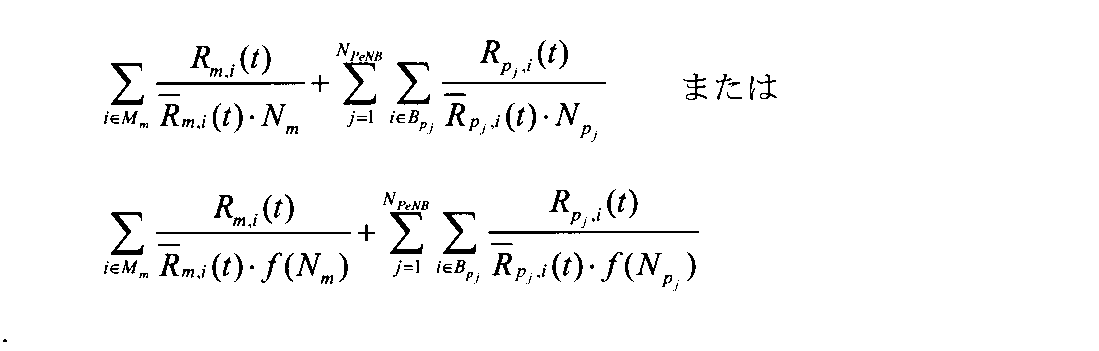
説明すべきものとして、図1における各ステップと異なるのは、下記の通りである。





















ステップ603で、PeNBは、下記の性能推定パラメータ、即ち、ユーザセットAにおける全てのユーザのスループット合計
















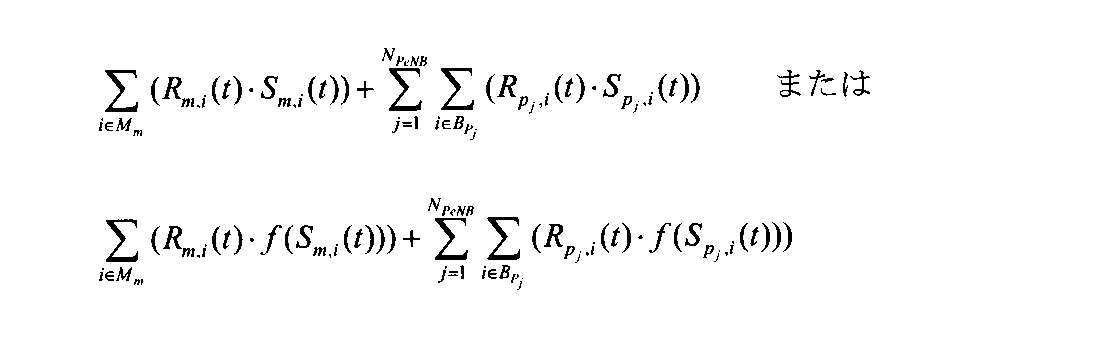










通常基地局ユーザのフィードバック情報に基づいて、スケジューリングを行って、該通常基地局のユーザスケジューリング結果を得るユーザスケジューリングモジュール1101と、
1つまたは複数の低電力基地局の、通常基地局送信無しの場合および通常基地局送信有りの場合それぞれでの性能推定パラメータを取得し、前記性能推定パラメータと前記通常基地局のユーザスケジューリング結果とに基づいて、異なる送信ポイントの実際の伝送特性に関する、通常基地局送信無しの場合での優先度と通常基地局送信有りの場合での優先度とを決定して、前記優先度を比較することで、送信判定結果を得る送信判定モジュール1102と、を含む。
前記1つまたは複数の低電力基地局から、低電力基地局ユーザのフィードバック情報を受信し、通常基地局送信無しの場合に対して、低電力基地局のユーザスケジューリングを行って、第1ユーザセットAPjを得、通常基地局送信有りの場合に対して、低電力基地局のユーザスケジューリングを行って、第2ユーザセットBPjを得、前記第1ユーザセットAPjおよび前記第2ユーザセットBPjに対して、性能推定をぞれぞれ行って、相応の性能推定パラメータを得る性能推定モジュール1103も含む。
前記送信判定結果に基づいて、前記通常基地局のデータ送信をオンまたはオフにする送信スイッチ1104も含む。
通常基地局ユーザのフィードバック情報に基づいて、スケジューリングを行って、該通常基地局のユーザスケジューリング結果を得、該通常基地局のカバー範囲内にある1つまたは複数の低電力基地局の、通常基地局送信無しの場合および通常基地局送信有りの場合それぞれでの性能推定パラメータを取得し、前記性能推定パラメータと前記通常基地局のユーザスケジューリング結果とに基づいて、異なる送信ポイントの実際の伝送特性に関する、通常基地局送信無しの場合での優先度と通常基地局送信有りの場合での優先度とを決定して、前記優先度を比較することで、送信判定結果を得、前記送信判定結果に基づいて、データ送信を行う通常基地局と、
自局のユーザのフィードバック情報に基づいて、プリスケジューリングを行って、通常基地局送信無しの場合での第1ユーザセットAPjと、通常基地局送信有りの場合での第2ユーザセットBPjとを得、第1ユーザセットAPjおよび第2ユーザセットBPjに対して、性能推定をぞれぞれ行って、得られた性能推定パラメータを前記通常基地局へフィードバックする前記1つまたは複数の低電力基地局と、を含む。
現在時刻tでの送信判定結果に基づいて、該通常基地局の前記現在時刻tでの推定スループットCm(t)を決定するユーザスケジューリングモジュール1201と、
通常基地局の推定スループットCm(t)と、前記1つまたは複数の低電力基地局の前記現在時刻tでの推定スループット合計











Claims (29)
- 通常基地局と該通常基地局のカバー領域内にある1つまたは複数の低電力基地局とを送信ポイントとして少なくとも含む無線ネットワークにおけるセル間干渉調整方法であって、
前記通常基地局が、通常基地局ユーザのフィードバック情報に基づいて、スケジューリングを行って、該通常基地局の実際の伝送特性に関するパラメータが含まれる該通常基地局のユーザスケジューリング結果を得るステップAと、
前記通常基地局が、前記1つまたは複数の低電力基地局の、通常基地局送信無しの場合および通常基地局送信有りの場合それぞれでの、各低電力基地局の実際の伝送特性に関するパラメータが含まれる性能推定パラメータを取得するステップBと、
前記性能推定パラメータと前記通常基地局のユーザスケジューリング結果とに基づいて、前記通常基地局が、通常基地局送信無しの場合での全ての送信ポイントの重み付けスループットと、通常基地局送信有りの場合での全ての送信ポイントの重み付けスループットとを決定するステップCと、
前記通常基地局が、前記全ての送信ポイントの重み付けスループットを比較して、送信判定結果を得、前記送信判定結果に基づいて、データ送信を行うステップDと、
を含むことを特徴とする方法。 - 前記ステップBは、
前記通常基地局が、前記1つまたは複数の低電力基地局から、低電力基地局ユーザのフィードバック情報を受信し、通常基地局送信無しの場合に対して、低電力基地局のユーザスケジューリングを行って、第1ユーザセットAPjを得、通常基地局送信有りの場合に対して、低電力基地局のユーザスケジューリングを行って、第2ユーザセットBPjを得、前記第1ユーザセットAPjおよび前記第2ユーザセットBPjに対して、性能推定をぞれぞれ行って、相応の性能推定パラメータを得る、
ことを含むことを特徴とする請求項1に記載の方法。 - 前記通常基地局が、前記送信判定結果を前記1つまたは複数の低電力基地局へフィードバックし、
前記低電力基地局が、前記送信判定結果に基づいて、自局のユーザスケジューリングを行って、データを送信する、
ことをさらに含むことを特徴とする請求項2に記載の方法。 - ステップBの前に、
各低電力基地局が、自局のユーザのフィードバック情報に基づいて、プリスケジューリングを行って、通常基地局送信無しの場合での第1ユーザセットAPjと、通常基地局送信有りの場合での第2ユーザセットBPjを得、
前記低電力基地局が、第1ユーザセットAPjおよび第2ユーザセットBPjに対して、性能推定をそれぞれ行って、得られた性能推定パラメータを前記通常基地局へフィードバックする、
ことをさらに含むことを特徴とする請求項1に記載の方法。 - 前記通常基地局が、前記送信判定結果を前記1つまたは複数の低電力基地局へフィードバックし、
各低電力基地局が、前記送信判定結果に基づいて、第1ユーザセットAPjおよび第2ユーザセットBPjの中から、相応のユーザセットを決定して、データ送信を行う、
ことをさらに含むことを特徴とする請求項4に記載の方法。 - 前記ステップCは、
前記通常基地局が、数式

数式
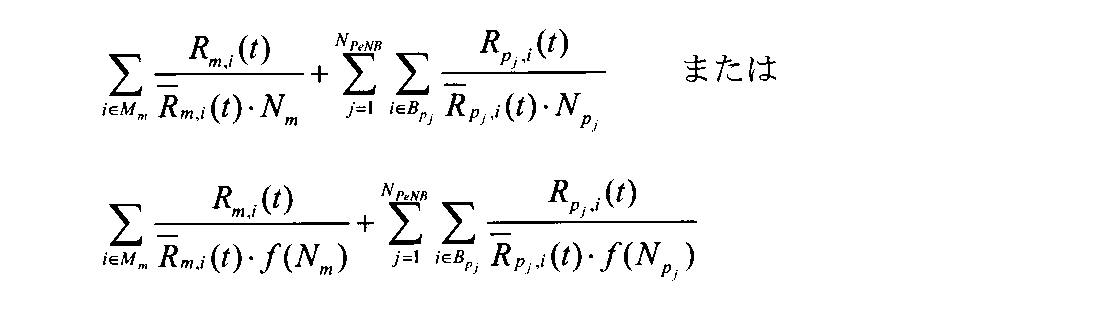
ここで、tは、現在時刻を表し、iは、前記通常基地局または各低電力基地局のユーザ番号であり、jは、低電力基地局の番号であり、Pjは、j番目の低電力基地局を表し、NPeNBは、低電力基地局の数であり、Nmは、通常基地局のユーザ数であり、f(Nm)は、Nmの関数であり、NPjは、j番目の低電力基地局のユーザ数であり、f(NPj)は、NPjの関数であり、




APjは、通常基地局送信無しの場合にj番目の低電力基地局でスケジューリングされた第1ユーザセットを表し、BPjは、通常基地局送信有りの場合にj番目の低電力基地局でスケジューリングされた第2ユーザセットを表し、Mmは、通常基地局でスケジューリングされた通常基地局ユーザセットを表す、
ことを特徴とする請求項1~5のいずれか1項に記載の方法。 - 前記ステップCは、
前記通常基地局が、数式


ここで、tは、現在時刻を表し、iは、前記通常基地局または各低電力基地局のユーザ番号であり、jは、低電力基地局の番号であり、Pjは、j番目の低電力基地局を表し、NPeNBは、低電力基地局の数であり、






APjは、通常基地局送信無しの場合にj番目の低電力基地局でスケジューリングされた第1ユーザセットを表し、BPjは、通常基地局送信有りの場合にj番目の低電力基地局でスケジューリングされた第2ユーザセットを表し、Mmは、通常基地局でスケジューリングされた通常基地局ユーザセットを表す、
ことを特徴とする請求項1~5のいずれか1項に記載の方法。 - 前記通常基地局が自局のフレーム数情報を記憶する、ことをさらに含むことを特徴とする請求項1~5のいずれか1項に記載の方法。
- 前記ステップCは、
前記通常基地局が、数式

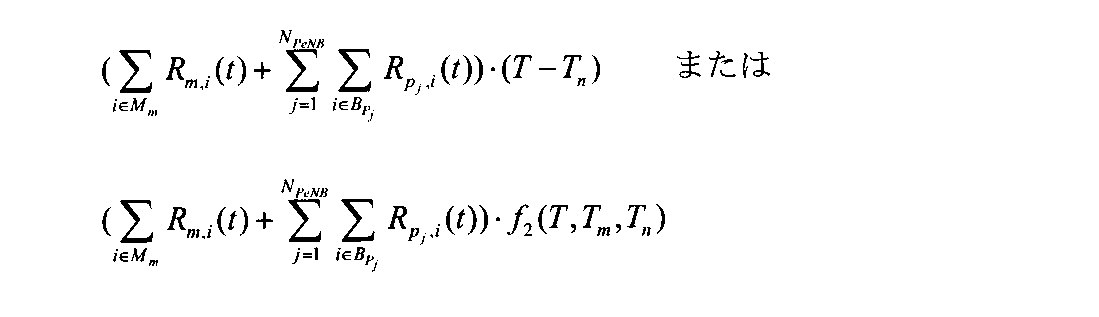
ここで、tは、現在時刻を表し、iは、前記通常基地局または各低電力基地局のユーザ番号であり、jは、低電力基地局の番号であり、Pjは、j番目の低電力基地局を表し、NPeNBは、低電力基地局の数であり、


APjは、通常基地局送信無しの場合にj番目の低電力基地局でスケジューリングされた第1ユーザセットを表し、BPjは、通常基地局送信有りの場合にj番目の低電力基地局でスケジューリングされた第2ユーザセットを表し、
Tは、総フレーム数であり、Tmは、通常基地局の送信無しフレーム数であり、Tnは、通常基地局の送信有りフレーム数であり、f1(T,Tm,Tn)およびf2(T,Tm,Tn)は、いずれもT、Tm、Tnの関数である、
ことを特徴とする請求項8に記載の方法。 - 前記ステップCは、
前記通常基地局が、数式

決定し、かつ、数式
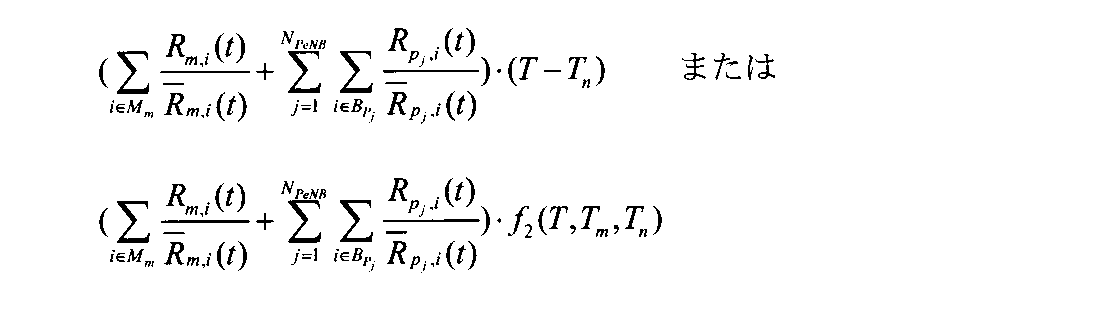
ここで、tは、現在時刻を表し、iは、前記通常基地局または各低電力基地局のユーザ番号であり、jは、低電力基地局の番号であり、Pjは、j番目の低電力基地局を表し、NPeNBは、低電力基地局の数であり、




APjは、通常基地局送信無しの場合にj番目の低電力基地局でスケジューリングされた第1ユーザセットを表し、BPjは、通常基地局送信有りの場合にj番目の低電力基地局でスケジューリングされた第2ユーザセットを表し、
Tは、総フレーム数であり、Tmは、通常基地局の送信無しフレーム数であり、Tnは、通常基地局の送信有りフレーム数であり、f1(T,Tm,Tn)およびf2(T,Tm,Tn)は、いずれもT、Tm、Tnの関数である、
ことを特徴とする請求項8に記載の方法。 - 前記ステップCは、
前記通常基地局は、数式


ここで、WPj,i(t)は、j番目の低電力基地局の相応のユーザセットにおけるi番目のユーザを伝送先とすべきデータ総量を表し、f(WPj,i(t))は、WPj,i(t)の関数であり、Wm,i(t)は、通常基地局の相応のユーザセットにおけるi番目のユーザを伝送先とすべきデータ総量を表し、f(Wm,i(t))は、Wm,i(t)の関数である、
ことを特徴とする請求項1~5のいずれか1項に記載の方法。 - 前記ステップCは、
前記通常基地局が、数式

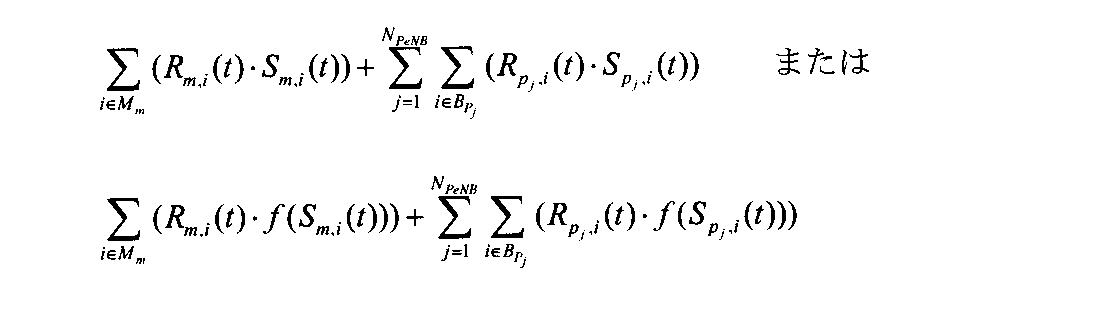
ここで、SPj,i(t)は、j番目の低電力基地局の相応のユーザセットにおけるi番目のユーザを伝送元とすべきデータ総量を表し、f(SPj,i(t))は、SPj,i(t)の関数であり、Sm,i(t)は、通常基地局の相応のユーザセットにおけるi番目のユーザを伝送元とすべきデータ総量を表し、f(Sm,i(t))は、Sm,i(t)の関数である、
ことを特徴とする請求項1~5のいずれか1項に記載の方法。 - 無線ネットワークにおける基地局であって、
通常基地局ユーザのフィードバック情報に基づいて、スケジューリングを行って、該通常基地局の実際の伝送特性に関するパラメータが含まれる該通常基地局のユーザスケジューリング結果を得るユーザスケジューリングモジュールと、
1つまたは複数の低電力基地局の、通常基地局送信無しの場合および通常基地局送信有りの場合それぞれでの、各低電力基地局の実際の伝送特性に関するパラメータが含まれる性能推定パラメータを取得し、前記性能推定パラメータと前記通常基地局のユーザスケジューリング結果とに基づいて、通常基地局送信無しの場合での全ての送信ポイントの重み付けスループットと、通常基地局送信有りの場合での全ての送信ポイントの重み付けスループットとを決定し、前記全ての送信ポイントの重み付けスループットを比較して、送信判定結果を得る送信判定モジュールと、
を含むことを特徴とする基地局。 - 前記1つまたは複数の低電力基地局から、低電力基地局ユーザのフィードバック情報を受信し、通常基地局送信無しの場合に対して、低電力基地局のユーザスケジューリングを行って、第1ユーザセットAPjを得、通常基地局送信有りの場合に対して、低電力基地局のユーザスケジューリングを行って、第2ユーザセットBPjを得、前記第1ユーザセットAPjおよび前記第2ユーザセットBPjに対して、性能推定をぞれぞれ行って、相応の性能推定パラメータを得る性能推定モジュールを、
さらに含むことを特徴とする請求項13に記載の基地局。 - 前記送信判定結果に基づいて、前記通常基地局のデータ送信をオンまたはオフにする送信スイッチを、
さらに含むことを特徴とする請求項13に記載の基地局。 - 前記送信判定モジュールは、数式

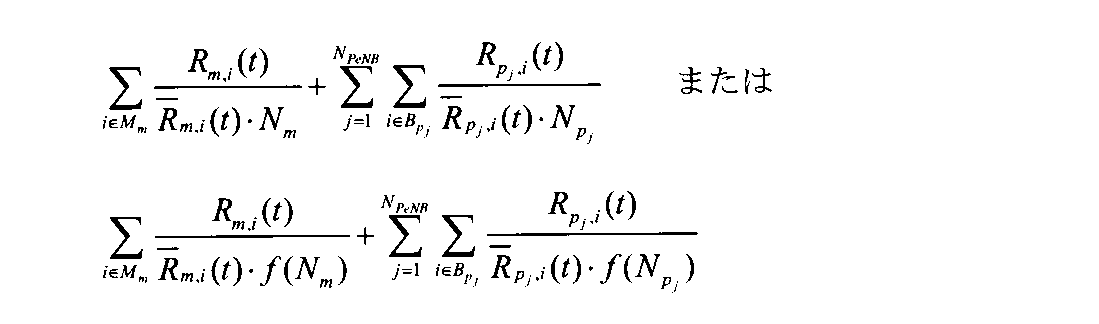
ここで、tは、現在時刻を表し、iは、前記通常基地局または各低電力基地局のユーザ番号であり、jは、低電力基地局の番号であり、Pjは、j番目の低電力基地局を表し、NPeNBは、低電力基地局の数であり、Nmは、通常基地局のユーザ数であり、f(Nm)は、Nmの関数であり、NPjは、j番目の低電力基地局のユーザ数であり、f(NPj)は、NPjの関数であり、




APjは、通常基地局送信無しの場合にj番目の低電力基地局でスケジューリングされた第1ユーザセットを表し、BPjは、通常基地局送信有りの場合にj番目の低電力基地局でスケジューリングされた第2ユーザセットを表し、Mmは、通常基地局でスケジューリングされた通常基地局ユーザセットを表す、
ことを特徴とする請求項13~15のいずれか1項に記載の基地局。 - 前記送信判定モジュールは、数式


ここで、tは、現在時刻を表し、iは、前記通常基地局または各低電力基地局のユーザ番号であり、jは、低電力基地局の番号であり、Pjは、j番目の低電力基地局を表し、NPeNBは、低電力基地局の数であり、






APjは、通常基地局送信無しの場合にj番目の低電力基地局でスケジューリングされた第1ユーザセットを表し、BPjは、通常基地局送信有りの場合にj番目の低電力基地局でスケジューリングされた第2ユーザセットを表し、Mmは、通常基地局でスケジューリングされた通常基地局ユーザセットを表す、
ことを特徴とする請求項13~15のいずれか1項に記載の基地局。 - 該通常基地局のフレーム数情報を記憶する送信記憶モジュールをさらに含み、
前記送信判定モジュールは、数式

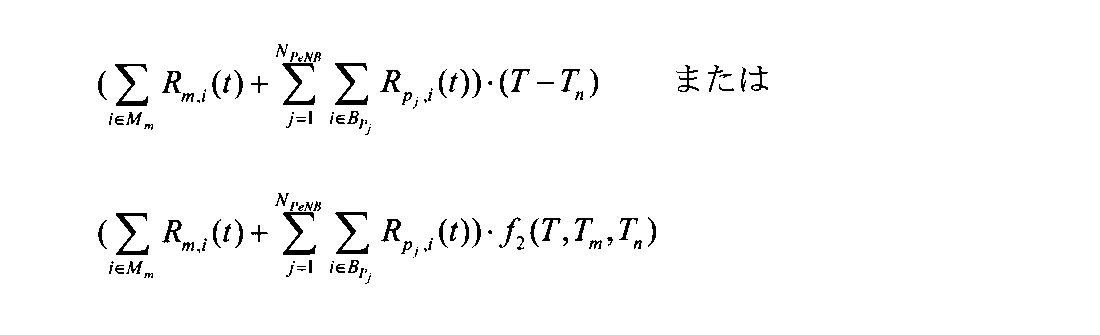
ここで、tは、現在時刻を表し、iは、前記通常基地局または各低電力基地局のユーザ番号であり、jは、低電力基地局の番号であり、Pjは、j番目の低電力基地局を表し、NPeNBは、低電力基地局の数であり、


APjは、通常基地局送信無しの場合にj番目の低電力基地局でスケジューリングされた第1ユーザセットを表し、BPjは、通常基地局送信有りの場合にj番目の低電力基地局でスケジューリングされた第2ユーザセットを表し、
Tは、総フレーム数であり、Tmは、通常基地局の送信無しフレーム数であり、Tnは、通常基地局の送信有りフレーム数であり、f1(T,Tm,Tn)およびf2(T,Tm,Tn)は、いずれもT、Tm、Tnの関数である、
ことを特徴とする請求項13~15のいずれか1項に記載の基地局。 - 該通常基地局のフレーム数情報を記憶する送信記憶モジュールをさらに含み、
前記送信判定モジュールは、数式

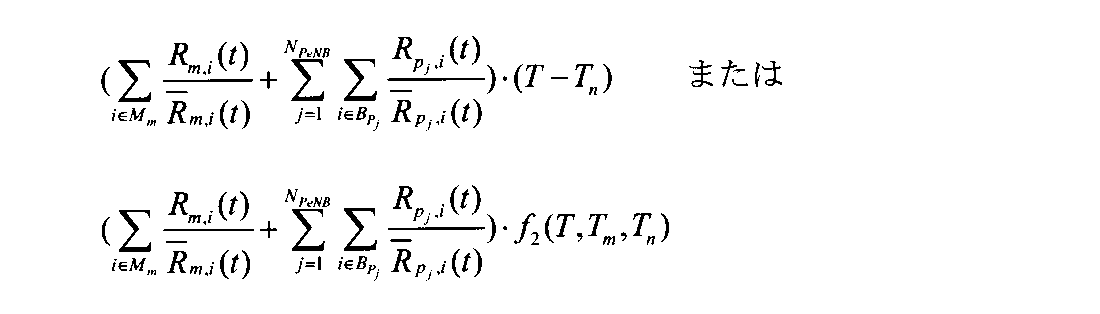
ここで、tは、現在時刻を表し、iは、前記通常基地局または各低電力基地局のユーザ番号であり、jは、低電力基地局の番号であり、Pjは、j番目の低電力基地局を表し、NPeNBは、低電力基地局の数であり、



APjは、通常基地局送信無しの場合にj番目の低電力基地局でスケジューリングされた第1ユーザセットを表し、BPjは、通常基地局送信有りの場合にj番目の低電力基地局でスケジューリングされた第2ユーザセットを表し、
Tは、総フレーム数であり、Tmは、通常基地局の送信無しフレーム数であり、Tnは、通常基地局の送信有りフレーム数であり、f1(T,Tm,Tn)およびf2(T,Tm,Tn)は、いずれもT、Tm、Tnの関数である、
ことを特徴とする請求項13~15のいずれか1項に記載の基地局。 - 前記送信判定モジュールは、数式


ここで、WPj,i(t)は、j番目の低電力基地局の相応のユーザセットにおけるi番目のユーザを伝送先とすべきデータ総量を表し、f(WPj,i(t))は、WPj,i(t)の関数であり、Wm,i(t)は、通常基地局の相応のユーザセットにおけるi番目のユーザを伝送先とすべきデータ総量を表し、f(Wm,i(t))は、Wm,i(t)の関数である、
ことを特徴とする請求項13~15のいずれか1項に記載の基地局。 - 前記送信判定モジュールは、数式

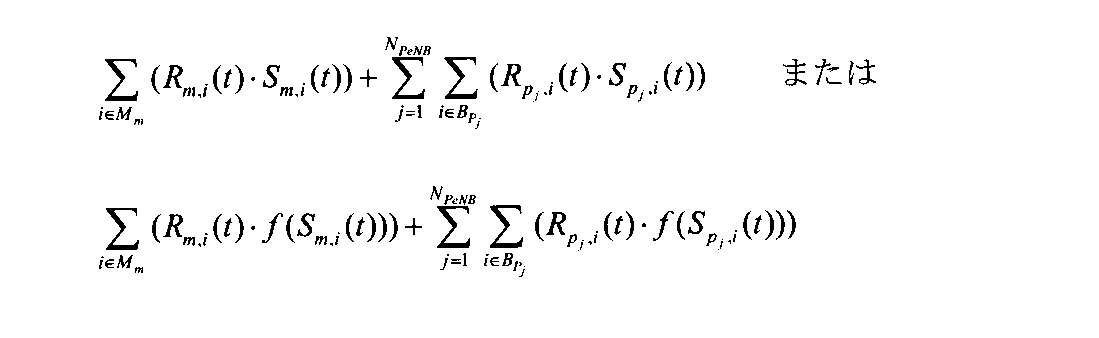
ここで、SPj,i(t)は、j番目の低電力基地局の相応のユーザセットにおけるi番目のユーザを伝送元とすべきデータ総量を表し、f(SPj,i(t))は、SPj,i(t)の関数であり、Sm,i(t)は、通常基地局の相応のユーザセットにおけるi番目のユーザを伝送元とすべきデータ総量を表し、f(Sm,i(t))は、Sm,i(t)の関数である、
ことを特徴とする請求項13~15のいずれか1項に記載の基地局。 - 無線ネットワークであって、
通常基地局ユーザのフィードバック情報に基づいて、スケジューリングを行って、該通常基地局の実際の伝送特性に関するパラメータが含まれる該通常基地局のユーザスケジューリング結果を得、該通常基地局のカバー範囲内にある1つまたは複数の低電力基地局の、通常基地局送信無しの場合および通常基地局送信有りの場合それぞれでの、各低電力基地局の実際の伝送特性に関するパラメータが含まれる性能推定パラメータを取得し、前記性能推定パラメータと前記通常基地局のユーザスケジューリング結果とに基づいて、通常基地局送信無しの場合での全ての送信ポイントの重み付けスループットと、通常基地局送信有りの場合での全ての送信ポイントの重み付けスループットとを決定し、前記全ての送信ポイントの重み付けスループットを比較して、送信判定結果を得、前記送信判定結果に基づいて、データ送信を行う通常基地局と、
自局のユーザのフィードバック情報に基づいて、プリスケジューリングを行って、通常基地局送信無しの場合での第1ユーザセットAPjと、通常基地局送信有りの場合での第2ユーザセットBPjとを得、第1ユーザセットAPjおよび第2ユーザセットBPjに対して、性能推定をぞれぞれ行って、得られた性能推定パラメータを前記通常基地局へフィードバックする前記1つまたは複数の低電力基地局と、
を含むことを特徴とする無線ネットワーク。 - 前記通常基地局は、さらに、前記送信判定結果を前記1つまたは複数の低電力基地局へフィードバックし、
前記低電力基地局は、さらに、前記送信判定結果に基づいて、第1ユーザセットAPjおよび第2ユーザセットBPjの中から、相応のユーザセットを決定して、データ送信を行う、
ことを特徴とする請求項22に記載の無線ネットワーク。 - 通常基地局と該通常基地局のカバー領域内にある1つまたは複数の低電力基地局とを送信ポイントとして少なくとも含む無線ネットワークにおけるセル間干渉調整方法であって、
前記通常基地局が、現在時刻tでの送信判定結果に基づいて、該通常基地局の第1時刻t1でのスループットを決定するステップAと、
前記通常基地局が、前記1つまたは複数の低電力基地局の第1時刻t1でのスループットを取得するステップBと、
前記通常基地局が、全ての送信ポイントの第1時刻t1でのスループットと、第1時刻より前の第2時刻t2でのスループットとの比較結果に基づいて、次の時刻t+1での送信判定結果を決定することにより、前記送信判定結果に基づいて、次の時刻t+1で、通常基地局送信無しまたは通常基地局送信有りに応じる動作が実行できるようにするステップCと、
を含むことを特徴とする方法。 - 前記ステップAは、
現在時刻tでの送信判定結果が通常基地局送信無しである場合、前記通常基地局が、現在時刻tでの推定スループットCm(t)を0に設定し、
現在時刻tでの送信判定結果が通常基地局送信有りである場合、前記通常基地局が、通常基地局のユーザスケジューリングを行って、現在時刻tでの推定スループットCm(t)を得る、
ことを含むことを特徴とする請求項24に記載の方法。 - 前記ステップBは、
現在時刻tでの送信判定結果が通常基地局送信無しである場合、前記通常基地局が、通常基地局送信無しに応じて、低電力基地局のユーザスケジューリングを行って、前記1つまたは複数の低電力基地局の現在時刻tでの推定スループット合計

現在時刻tでの送信判定結果が通常基地局送信有りである場合、前記通常基地局が、通常基地局送信有りに応じて、低電力基地局のユーザスケジューリングを行って、前記1つまたは複数の低電力基地局の現在時刻tでの推定スループット合計

ことを含むことを特徴とする請求項24に記載の方法。 - 前記ステップBは、
現在時刻tでの送信判定結果が通常基地局送信無しである場合、各低電力基地局が、通常基地局送信無しに応じて、該低電力基地局のユーザスケジューリングを行って、自局の現在時刻tでの推定スループットCPj(t)を得て、前記通常基地局に送信し、
現在時刻tでの送信判定結果が通常基地局送信有りである場合、各低電力基地局が、通常基地局送信有りに応じて、該低電力基地局のユーザスケジューリングを行って、自局の現在時刻tでの推定スループットCPj(t)を得て、前記通常基地局に送信する、
ことを含むことを特徴とする請求項24に記載の方法。 - 前記ステップCは、
前記通常基地局が、現在時刻tでの総推定スループット




ことを含むことを特徴とする請求項24~27のいずれか1項に記載の方法。 - 前記ステップCは、
前記通常基地局が、第1時刻t-τでの実際スループット


第1時刻t-τでの実際スループットが第2時刻t-τ-1での実際スループットより大きい場合、前記通常基地局が、現在時刻tでの送信判定結果の通りに、次の時刻t+1での送信判定結果を設定し、
第1時刻t-τでの実際スループットが第2時刻t-τ-1での実際スループットより大きくない場合、前記通常基地局が、次の時刻t+1での送信判定結果を、現在時刻tでの送信判定結果と反対になるように設定する、ことを含み、
ここで、Dm,iは、通常基地局のi番目のユーザの実際の送信データ量であり、DPj,iは、j番目の低電力基地局のi番目のユーザの実際の送信データ量であり、ANm,iは、通常基地局のi番目のユーザの相応データの正確受信指示情報であり、ANPj,iは、j番目の低電力基地局のi番目のユーザの相応データの正確受信指示情報であり、τは、正確受信指示情報のフィードバック時間遅延である、
ことを特徴とする請求項24に記載の方法。
Priority Applications (2)
| Application Number | Priority Date | Filing Date | Title |
|---|---|---|---|
| JP2013515106A JP5563156B2 (ja) | 2011-05-17 | 2012-05-10 | 無線ネットワークにおけるセル間干渉調整方法、基地局および無線ネットワーク |
| US14/117,686 US20140133419A1 (en) | 2011-05-17 | 2012-05-10 | Method for coordinating inter-cell interference in radio network, base station and radio network |
Applications Claiming Priority (2)
| Application Number | Priority Date | Filing Date | Title |
|---|---|---|---|
| CN201110137290.0 | 2011-05-17 | ||
| CN201110137290.0A CN102790973B (zh) | 2011-05-17 | 2011-05-17 | 无线网络中小区间干扰协调的方法、基站以及无线网络 |
Publications (1)
| Publication Number | Publication Date |
|---|---|
| WO2012157519A1 true WO2012157519A1 (ja) | 2012-11-22 |
Family
ID=47156253
Family Applications (1)
| Application Number | Title | Priority Date | Filing Date |
|---|---|---|---|
| PCT/JP2012/062006 Ceased WO2012157519A1 (ja) | 2011-05-17 | 2012-05-10 | 無線ネットワークにおけるセル間干渉調整方法、基地局および無線ネットワーク |
Country Status (4)
| Country | Link |
|---|---|
| US (1) | US20140133419A1 (ja) |
| JP (1) | JP5563156B2 (ja) |
| CN (1) | CN102790973B (ja) |
| WO (1) | WO2012157519A1 (ja) |
Cited By (2)
| Publication number | Priority date | Publication date | Assignee | Title |
|---|---|---|---|---|
| JP2015015714A (ja) * | 2013-07-04 | 2015-01-22 | 株式会社Nttドコモ | 複数の時間領域リソース上でセルに対して干渉協調を行う方法及びデバイス |
| JP2016526308A (ja) * | 2013-04-26 | 2016-09-01 | テレフオンアクチーボラゲット エルエム エリクソン(パブル) | アクセスネットワーク間のネットワークアクセス選択 |
Families Citing this family (6)
| Publication number | Priority date | Publication date | Assignee | Title |
|---|---|---|---|---|
| DK2847907T3 (en) * | 2012-05-11 | 2017-04-18 | ERICSSON TELEFON AB L M (publ) | Method and device in a wireless communication system |
| US9480070B1 (en) * | 2013-08-30 | 2016-10-25 | Sprint Spectrum L.P. | Bearer data power boosting in a wireless communication system |
| CN104469796A (zh) * | 2014-11-26 | 2015-03-25 | 北京邮电大学 | 基于用户公平性的异构网络时域干扰协调方法及系统 |
| CN106257955B (zh) * | 2015-06-23 | 2021-12-14 | 中兴通讯股份有限公司 | Mac流量调度方法、装置及基站 |
| US10667267B2 (en) * | 2016-12-22 | 2020-05-26 | Qualcomm Incorporated | Traffic-priority-based transmission power fallback for interference mitigation |
| US12267859B2 (en) | 2019-03-25 | 2025-04-01 | Telefonaktiebolaget Lm Ericsson (Publ | Resource allocation in MU-MIMO OFDMA wireless systems |
Citations (3)
| Publication number | Priority date | Publication date | Assignee | Title |
|---|---|---|---|---|
| JP2008118656A (ja) * | 2006-11-01 | 2008-05-22 | Ntt Docomo Inc | セルラー通信システムにおける上りリンク資源のスケジューリング方法 |
| WO2009129413A2 (en) * | 2008-04-16 | 2009-10-22 | Qualcomm Incorporated | Methods and apparatus for uplink and downlink inter-cell interference coordination |
| JP2011071993A (ja) * | 2009-09-24 | 2011-04-07 | Ntt Docomo Inc | セル間資源スケジューリング方法、基地局、ユーザ設備及び移動通信システム |
Family Cites Families (1)
| Publication number | Priority date | Publication date | Assignee | Title |
|---|---|---|---|---|
| US20140369336A1 (en) * | 2009-05-08 | 2014-12-18 | Qualcomm Incorporated | Apparatus and method for distributed updating of a self organizing network |
-
2011
- 2011-05-17 CN CN201110137290.0A patent/CN102790973B/zh not_active Expired - Fee Related
-
2012
- 2012-05-10 JP JP2013515106A patent/JP5563156B2/ja not_active Expired - Fee Related
- 2012-05-10 US US14/117,686 patent/US20140133419A1/en not_active Abandoned
- 2012-05-10 WO PCT/JP2012/062006 patent/WO2012157519A1/ja not_active Ceased
Patent Citations (3)
| Publication number | Priority date | Publication date | Assignee | Title |
|---|---|---|---|---|
| JP2008118656A (ja) * | 2006-11-01 | 2008-05-22 | Ntt Docomo Inc | セルラー通信システムにおける上りリンク資源のスケジューリング方法 |
| WO2009129413A2 (en) * | 2008-04-16 | 2009-10-22 | Qualcomm Incorporated | Methods and apparatus for uplink and downlink inter-cell interference coordination |
| JP2011071993A (ja) * | 2009-09-24 | 2011-04-07 | Ntt Docomo Inc | セル間資源スケジューリング方法、基地局、ユーザ設備及び移動通信システム |
Cited By (2)
| Publication number | Priority date | Publication date | Assignee | Title |
|---|---|---|---|---|
| JP2016526308A (ja) * | 2013-04-26 | 2016-09-01 | テレフオンアクチーボラゲット エルエム エリクソン(パブル) | アクセスネットワーク間のネットワークアクセス選択 |
| JP2015015714A (ja) * | 2013-07-04 | 2015-01-22 | 株式会社Nttドコモ | 複数の時間領域リソース上でセルに対して干渉協調を行う方法及びデバイス |
Also Published As
| Publication number | Publication date |
|---|---|
| CN102790973B (zh) | 2017-09-26 |
| JP5563156B2 (ja) | 2014-07-30 |
| US20140133419A1 (en) | 2014-05-15 |
| CN102790973A (zh) | 2012-11-21 |
| JPWO2012157519A1 (ja) | 2014-07-31 |
Similar Documents
| Publication | Publication Date | Title |
|---|---|---|
| JP5563156B2 (ja) | 無線ネットワークにおけるセル間干渉調整方法、基地局および無線ネットワーク | |
| Simsek et al. | Learning based frequency-and time-domain inter-cell interference coordination in HetNets | |
| JP5654128B2 (ja) | 異種ネットワークにおけるセル間干渉調整方法および異種ネットワーク | |
| Lee et al. | Intercell interference coordination for LTE systems | |
| TWI451797B (zh) | Communication control method and small and medium scale base station | |
| KR20100105589A (ko) | 간섭-오버-서멀(IoT) 부하 제어를 구비한 업링크 파워 제어 | |
| CN103152808A (zh) | 控制无线通信系统内的小区间干扰的上行链路资源分配 | |
| Soret et al. | Centralized and distributed solutions for fast muting adaptation in LTE-advanced HetNets | |
| JP5540824B2 (ja) | 通信制御方法、通信システム、および管理サーバ | |
| Beylerian et al. | Multi-point fairness in resource allocation for C-RAN downlink CoMP transmission | |
| Müller et al. | Cooperative interference prediction for enhanced link adaptation in the 3GPP LTE uplink | |
| WO2015081570A1 (en) | Method for scheduling user equipment in a heterogeneous network | |
| Kaneko et al. | Distributed resource allocation with local CSI overhearing and scheduling prediction for OFDMA heterogeneous networks | |
| CN114828193A (zh) | 一种无线网络上下行多业务并发功率分配方法及存储介质 | |
| Zhang et al. | Calibrated learning for online distributed power allocation in small-cell networks | |
| Wang et al. | Uplink power control in LTE heterogeneous networks | |
| Sciancalepore et al. | A multi-traffic inter-cell interference coordination scheme in dense cellular networks | |
| Gulati et al. | Performance analysis of distributed multi-cell coordinated scheduler | |
| Sciancalepore et al. | A semi-distributed mechanism for inter-cell interference coordination exploiting the absf paradigm | |
| Safjan et al. | Automatic methods for HetNet uplink power control optimization under fractional load | |
| CN102045778A (zh) | 一种基于QoS的多基站自适应协作传输方法 | |
| Combes et al. | On the use of packet scheduling in self-optimization processes: application to coverage-capacity optimization | |
| Ozcan | Resource management in next generation cellular networks | |
| Choi et al. | Location-Aware Self-Optimization for Interference Management in Ultra-Dense Small Cell Networks | |
| Tesema et al. | Comparison of abstract resource management model for SON algorithm of eICIC with real radio resource management |
Legal Events
| Date | Code | Title | Description |
|---|---|---|---|
| 121 | Ep: the epo has been informed by wipo that ep was designated in this application |
Ref document number: 12786787 Country of ref document: EP Kind code of ref document: A1 |
|
| ENP | Entry into the national phase |
Ref document number: 2013515106 Country of ref document: JP Kind code of ref document: A |
|
| NENP | Non-entry into the national phase |
Ref country code: DE |
|
| WWE | Wipo information: entry into national phase |
Ref document number: 14117686 Country of ref document: US |
|
| 122 | Ep: pct application non-entry in european phase |
Ref document number: 12786787 Country of ref document: EP Kind code of ref document: A1 |