WO2012105616A1 - ペプチド・ライブラリー - Google Patents
ペプチド・ライブラリー Download PDFInfo
- Publication number
- WO2012105616A1 WO2012105616A1 PCT/JP2012/052304 JP2012052304W WO2012105616A1 WO 2012105616 A1 WO2012105616 A1 WO 2012105616A1 JP 2012052304 W JP2012052304 W JP 2012052304W WO 2012105616 A1 WO2012105616 A1 WO 2012105616A1
- Authority
- WO
- WIPO (PCT)
- Prior art keywords
- peptide
- amino acid
- derivative
- nucleotide
- target molecule
- Prior art date
- Legal status (The legal status is an assumption and is not a legal conclusion. Google has not performed a legal analysis and makes no representation as to the accuracy of the status listed.)
- Ceased
Links
Images


Classifications
-
- C—CHEMISTRY; METALLURGY
- C07—ORGANIC CHEMISTRY
- C07K—PEPTIDES
- C07K14/00—Peptides having more than 20 amino acids; Gastrins; Somatostatins; Melanotropins; Derivatives thereof
- C07K14/435—Peptides having more than 20 amino acids; Gastrins; Somatostatins; Melanotropins; Derivatives thereof from animals; from humans
- C07K14/52—Cytokines; Lymphokines; Interferons
- C07K14/525—Tumour necrosis factor [TNF]
-
- C—CHEMISTRY; METALLURGY
- C07—ORGANIC CHEMISTRY
- C07K—PEPTIDES
- C07K14/00—Peptides having more than 20 amino acids; Gastrins; Somatostatins; Melanotropins; Derivatives thereof
- C07K14/435—Peptides having more than 20 amino acids; Gastrins; Somatostatins; Melanotropins; Derivatives thereof from animals; from humans
- C07K14/705—Receptors; Cell surface antigens; Cell surface determinants
- C07K14/715—Receptors; Cell surface antigens; Cell surface determinants for cytokines; for lymphokines; for interferons
- C07K14/7151—Receptors; Cell surface antigens; Cell surface determinants for cytokines; for lymphokines; for interferons for tumor necrosis factor [TNF], for lymphotoxin [LT]
-
- C—CHEMISTRY; METALLURGY
- C40—COMBINATORIAL TECHNOLOGY
- C40B—COMBINATORIAL CHEMISTRY; LIBRARIES, e.g. CHEMICAL LIBRARIES
- C40B40/00—Libraries per se, e.g. arrays, mixtures
- C40B40/04—Libraries containing only organic compounds
- C40B40/10—Libraries containing peptides or polypeptides, or derivatives thereof
-
- C—CHEMISTRY; METALLURGY
- C40—COMBINATORIAL TECHNOLOGY
- C40B—COMBINATORIAL CHEMISTRY; LIBRARIES, e.g. CHEMICAL LIBRARIES
- C40B40/00—Libraries per se, e.g. arrays, mixtures
- C40B40/02—Libraries contained in or displayed by microorganisms, e.g. bacteria or animal cells; Libraries contained in or displayed by vectors, e.g. plasmids; Libraries containing only microorganisms or vectors
Definitions
- the present invention comprises a peptide, a derivative of the peptide, a nucleotide corresponding to the peptide or the peptide contained in the peptide, a vector containing the nucleotide, a cell into which the vector or nucleotide has been introduced, and a step of culturing the cell.
- Method for producing peptide or derivative thereof, peptide library comprising the peptide and / or derivative thereof, method for identifying peptide that binds to target molecule and / or derivative thereof, production of peptide that binds to target molecule or derivative thereof A method, a method for determining whether a test peptide or a derivative thereof binds to a target molecule, a nucleotide library comprising the nucleotide, the peptide or a derivative thereof, the nucleotide, the vector or the cell
- a composition comprising the peptide Ku relates reagents consisting include derivatives thereof, said nucleotide, said vector or said cell.
- TACI is a member of the TNF superfamily and is known to function as a B cell key regulator.
- TACI has two cysteine-rich domains (hereinafter referred to as “CRDs”) in its extracellular region, and binds to two ligands (APRIL and BAFF).
- CRDs cysteine-rich domains
- APRIL and BAFF two ligands
- TACI_d2 the C-terminal CDR
- TACI_d2 alone exhibits binding activity equivalent to that of the entire extracellular region (TACI_d1d2) for both ligands.
- TACI_d2 shows high binding activity to molecules other than endogenous ligands.
- the inventors have completed the present invention by, for example, creating a library containing peptides exhibiting high binding activity to molecules other than endogenous ligands.
- the present invention is (1) A peptide selected from the following (i) or (ii): (I) a peptide having the amino acid sequence represented by SEQ ID NO: 1 in the sequence listing; and (Ii) In the amino acid sequence represented by SEQ ID NO: 1 in the sequence listing, 1 to 28 amino acids other than the first to eleventh Xaa counted from the amino terminus are conservative amino acid substitutions, deletions, additions or A peptide having an inserted amino acid sequence, (2) The peptide according to (1), wherein the first to eleventh Xaas counted from the amino terminus are each any amino acid except cysteine; (3) The peptide according to (1) or (2), wherein the first to eleventh Xaa counted from the amino terminus is an arbitrary amino acid except proline, (4) Any of conservative amino acid substitutions selected from a hydrophobic amino acid group, a neutral hydrophilic amino acid group, an acidic amino acid group, a basic amino acid group, a group of amino acids that affect the direction of
- the ninth Xaa from the amino terminus is an amino acid selected from the group consisting of asparagine, serine, tyrosine, glutamic acid, alanine, glycine, lysine, and histidine.
- the tenth Xaa counted from the amino terminus is an amino acid selected from the group consisting of aspartic acid, histidine, tryptophan, phenylalanine, asparagine, valine and leucine, according to any one of (1) to (13) Peptides, (15) The eleventh Xaa counted from the amino terminus is an amino acid selected from the group consisting of isoleucine, tyrosine, histidine, glutamic acid, aspartic acid, leucine, alanine, methionine, phenylalanine and valine, (1) to (14) The peptide according to any one of the following: (16) The peptide according to any one of (1) to (15), which has the amino acid sequence represented by any one of SEQ ID NOS: 1 to 16 in the sequence listing; (17) A derivative of the peptide, wherein the peptide according to any one of (1) to (16) is chemically or biologically modified
- composition comprising (35) It comprises the peptide according to any one of (1) to (16), the derivative of the peptide according to (17), the nucleotide according to (18), the vector according to (19) or the cell according to (20).
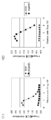
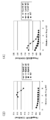
- the target molecules used for panning are BSA and hEphA2 in (1) and (2) of FIG. (1) and (2) in FIG. 1 (A) are examples of polyclones.
- the target molecules used for panning are hEGFR / Fc and hErbB2 / Fc in FIG. 1 (B) (3) and (4), respectively. (3) and (4) in FIG. 1 (B) are examples of polyclones.
- FIG. 1 (C), (5) and (6) are examples of single clones.
- or # 3 (henceforth, (alpha) -EphA2 TACI_d2 # 1 thru
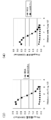
- hEphA2 and BSA were used in (1) and (2) of FIG. 2 (A), respectively.
- or # 3 (henceforth, (alpha) -EphA2 TACI_d2 # 1 thru
- hBAFF and mEphA2 / Fc were used in (3) and (4) of FIG.
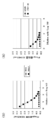
- FIG. 3 The figure which compared the binding property to the human EhpA2 expression cell of (alpha)-EphA2 TACI_d2 # 1 and # 2.
- (1) and (2) in FIG. 3 (A) show the results of assaying for ⁇ -EphA2 TACI_d2 # 1 ( ⁇ -EphA2 # 1) and ⁇ -EphA2 TACI_d2 # 2 ( ⁇ -EphA2 # 2), respectively.
- human EphA2-expressing cells (a) and human ErbB2-expressing cells (b) were used, respectively.
- ⁇ -EphA2 TACI_d2 # 1 and # 2 ( ⁇ -EphA2 # 1 and ⁇ -EphA2 # 2) specifically bound to human EphA2-expressing cells.
- (3) and (4) of FIG. 3 (B) show the results of assaying for ⁇ -EphA2 TACI_d2 # 3 ( ⁇ -EphA2 # 3) and wild type TACI_d2 (WT), respectively.
- human EphA2-expressing cells (a) and human ErbB2-expressing cells (b) were used, respectively.
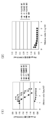
- the part marked with * indicates that the corresponding amino acid Ser does not exist (is deleted).
- WT indicates the wild type amino acid sequence.
- X location marked with corresponds to Xaa (position) in the amino acid sequence shown in SEQ ID NO: 1.
- the present invention has a peptide, a peptide derivative, a peptide library, a nucleotide, a vector, a cell, a method for producing a peptide and / or a derivative thereof, a method for identifying a peptide having a desired property and / or a derivative thereof, and a desired property
- a method for producing a peptide and / or a derivative thereof, a method for determining whether a test peptide or a derivative thereof binds to a target molecule, a nucleotide library, a composition, a reagent, and the like are provided.
- Various aspects of the present invention are described below, but the aspects of the present invention are not limited thereto.
- Peptides The present invention provides peptides.
- peptide of the present invention includes “polypeptide” and “protein” in its meaning.
- peptide also includes “a peptide contained in a derivative of a peptide” in its meaning.
- the peptide has the amino acid sequence represented by SEQ ID NO: 1 in the sequence listing.
- the first to eleventh Xaas counted from the amino terminus are each any amino acid, preferably any amino acid except cysteine, and more preferably any amino acid except cysteine and proline. It is an amino acid.
- the first Xaa (corresponding to the 11th amino acid of SEQ ID NO: 1) counted from the amino terminus in the amino acid sequence is glutamine, methionine, histidine, serine, glutamic acid, asparagine.
- the peptide is substituted, deleted, added or inserted in the amino acid sequence represented by SEQ ID NO: 1 in the sequence listing, except for the first to eleventh amino acids counted from the amino terminus. It has an amino acid sequence.
- the number of amino acids substituted, deleted, added or inserted in the amino acid sequence shown in SEQ ID NO: 1 in the sequence listing other than the first to eleventh Xaa counted from the amino terminus should be 1 or more and 28 or less.
- the lower limit is one.
- the upper limit is 28, 26, 24, 22, 20, 18, 16, 14, 12, 10, 8, 6, 5, 4, 3, 3, 2 And at least one.
- the first to eleventh Xaas counted from the amino terminus are each any amino acid, preferably any amino acid except cysteine, more preferably any amino acid except cysteine and proline. It is an amino acid, and more preferably an amino acid selected from each of the above groups, or a conservative amino acid substitution of the amino acid.
- Constant amino acid substitution means substitution with a functionally equivalent or similar amino acid.
- a conservative amino acid substitution in a peptide results in a static change in the amino acid sequence of the peptide.
- one or more amino acids with similar polarity act functionally equivalent, resulting in a static change in the amino acid sequence of such peptides.
- substitutions within a group can be considered conservative in structure and function.
- the role played by a particular amino acid residue can be determined in the context of the three-dimensional structure of the molecule containing that amino acid.
- cysteine residues can take the oxidized (disulfide) form, which is less polar compared to the reduced (thiol) form.
- the long aliphatic part of the arginine side chain can constitute structurally and functionally important features.
- side chains containing aromatic rings can contribute to ion-aromatic interactions or cation-pi interactions.
- substitution of amino acids having these side chains with amino acids belonging to acidic or non-polar groups can be structurally and functionally conservative.
- Residues such as proline, glycine, and cysteine (disulfide form) can directly affect the conformation of the main chain and often cannot be substituted without structural distortion.
- Nonpolar amino acid groups alanine (hereinafter “Ala” or simply “A”), valine (hereinafter “Val” or simply “V”), leucine (hereinafter “Leu” or simply “V”) L ”), isoleucine (hereinafter“ Ile ”or simply“ I ”), proline (hereinafter“ Pro ”or simply“ P ”), phenylalanine (“ Phe ”or simply“ F ”) ), Tryptophan (hereinafter referred to as “Trp” or simply “W”), methionine (hereinafter referred to as “Met” or simply “M”)
- Uncharged polar amino acid group glycine (hereinafter “Gly” or simply “G”), serine (hereinafter “Ser” or simply “S”), threonine (hereinafter “Thr” or simply “G”) "T”), cysteine (hereinafter “Cys” or simply “C”), tyrosine (hereinafter “Ty
- Hydrophobic amino acid group Norleucine, Met, Ala, Val, Leu, Ile
- Neutral hydrophilic amino acid group Cys, Ser, Thr, Asn, Gln
- Acidic amino acid group Asp
- Glu (4) Basic amino acid group: His, Lys, Arg
- Amino acid groups that affect the direction of the main chain Gly, Pro
- Aromatic amino acid group Trp, Tyr, Phe Examples of conservative substitution are shown below, but the conservative amino acid substitution of the present invention is not limited thereto.
- Ala can be substituted with, for example, Val, Leu, Ile, Met, norleucine, Pro, Phe, Trp.
- Arg can be replaced with, for example, Lys or His.
- Asn can be replaced with, for example, Cys, Ser, Thr, Gln, Tyr, Gly.
- Asp can be replaced with, for example, Glu.
- Cys can be replaced with, for example, Gly, Ser, Thr, Tyr, Asn, Gln.
- Gln can be replaced with, for example, Gly, Ser, Thr, Cys, Tyr, Asn.
- Glu can be replaced with, for example, Asp.
- Gly can be replaced with, for example, Ser, Cys, Thr, Tyr, Asn, Gln, Pro, Asp, Glu.
- His can be replaced with, for example, Lys or Arg.
- Ile can be replaced with, for example, Leu, Val, Met, Pro, Ala, Phe, Trp, norleucine.
- Leu can be substituted with, for example, norleucine, Ile, Val, Pro, Met, Ala, Phe, Trp, and Met.
- Lys can be substituted with, for example, Arg and His.
- Met can be substituted with, for example, Ala, Val, Leu, Phe, Ile, Pro, Trp, norleucine.
- Norleucine can be substituted with, for example, Met, Ala, Val, Leu, Ile, Pro, Phe, Trp.
- Phe can be replaced with, for example, Trp, Leu, Val, Ile, Ala, Tyr, Pro, and Met.
- Pro can be replaced with, for example, Ala, Val, Leu, Ile, Phe, Trp, Met, Gly.
- Ser can be replaced with, for example, Thr, Cys, Asn, Gln, Gly, Tyr.
- Thr can be replaced with, for example, Val, Ser, Gly, Cys, Tyr, Asn, Gln.
- Trp can be replaced with, for example, Tyr, Phe, Ala, Val, Leu, Ile, Pro, and Met.
- Tyr can be replaced with, for example, Gly, Cys, Asn, Gln, Trp, Phe, Thr, Ser.
- Val can be substituted with, for example, Ile, Leu, Met, Trp, Phe, Ala, norleucine, Pro.
- amino acid sequence possessed by the peptide of the present invention having an amino acid sequence composed of such amino acids include the following, but the amino acid sequence possessed by the peptide of the present invention is not limited thereto. .
- SLSCRKEQGKQYWREKMDCECASKCGNHPDICAYFCEN (Sequence ID No. 1: 1 in FIG. 4) SLSCRKEQGKQYLLREWDCDSCASECGSHPHYCAYFCEN (SEQ ID NO: 2 in the sequence listing: 2 in FIG. 4) SLSCRKEQGKMYLLKEWDCASCASACGNHPHYCAYFCEN (sequence number 3 in the sequence listing: 3 in FIG. 4) SLSCRKEQGKHYLLKEYDCDSCASECGYHPDYCAYFCEN (SEQ ID NO: 4 in the sequence listing: 4 in FIG.
- SLSCRKEQGKSYGAIMYDCSSCASYCGEHPWHCAYFCEN sequence number 5 in the sequence listing: 5 in FIG.
- SLSCRKEQGKEYGAIAWDCSSCASYCGAHPFECAYFCEN sequence number 6 in the sequence listing: 6 in FIG.
- SLSCRKEQGKNYIHQQWDCASCASECGGHPNYCAYFCEN SEQ ID NO: 7 in the sequence listing: 7 in FIG.
- SLSCRKEQGKWYMTWESDCKSCASWCGSHPFDCAYFCEN sequence number 8 in the sequence listing: 8 in FIG.
- SLSCRKEQGKMYDLYGFDCRSCASMCGKHPDLCAYFCEN SEQ ID NO: 9 in the sequence listing: 9 in FIG.
- SLSCRKEQGKMYMVWTQDCKSCASWCGAHPVACAYFCEN sequence number 10 in the sequence listing: 10 in FIG.
- SLSCRKEQGKIYNQYGFDCKSCASWCGKHPDMCAYFCEN SEQ ID NO: 11 in the sequence listing: 11 in FIG. 4)
- SLSCRKEQGKIYMTWHDDCHSCASLCGSHPLFCAYFCEN sequence number 12 in the sequence listing: 12 in FIG.
- an amino acid is an L-amino acid, a D-amino acid, or a mixture thereof (DL-amino acid), but means an L-amino acid unless otherwise specified.
- the amino acid may be an amino acid other than those described above (hereinafter collectively referred to as “abnormal amino acid” for convenience).
- Abnormal amino acids include, for example, selenocysteine, N-formylmethionine, pyrrolidine, pyroglutamic acid, cystine, hydroxyproline, hydroxylysine, thyroxine, O-phosphoserine, desmosine, ⁇ -alanine, sarcosine, found in natural peptides and proteins.
- Ornithine, creatine, ⁇ -aminobutyric acid, opain, theanine, tricolominic acid, kainic acid, domoic acid, acromelic acid and the like can be mentioned.
- Non-natural amino acids include Ac-amino acids, Boc-amino acids, Fmoc-amino acids, Trt- N-terminal protected amino acids such as amino acids and Z-amino acids, amino acid t-butyl esters, benzyl esters, cyclohexyl esters, fluorenyl esters and other C-terminal protected amino acids, diamines, ⁇ amino acids, ⁇ amino acids , Gamma amino acids, Tic derivatives of amino acids, can be mentioned other amino acids or the like including an amino phosphonic acid, but is not limited to them.
- the peptide of the present invention can be prepared by methods well known to those skilled in the art as methods for producing peptides and proteins, such as chemical synthesis, gene recombination, and in vitro translation.
- peptides selected from the library of the present invention by the identification method of the present invention can also be prepared by those methods.
- Examples of the chemical synthesis method include the t-butoxycarbonyl (Boc) method and the 9-fluorenylmethoxycarbonyl (Fmoc) method, but are not limited thereto. is not.
- the Fmoc method has features such as mild deprotection conditions and easy peptide cleaving from the resin (Fmoc solid phase peptide synthesis: a practicalractapproach, ed. By W. C. Chan , P. D. White Eds., DsOxford University Press, New York, 2000.).
- peptide derivative and “peptide derivative” mean those obtained by subjecting the peptide of the present invention to chemical modification or biological modification.
- the chemical modification means that the substance is changed into a substance different from the original peptide by a chemical reaction, that is, formation or cleavage of an atom-atom bond in or on the peptide of the present invention.
- Biological modification means a biological reaction in the peptide of the present invention or on a peptide, that is, a protein (enzyme, cytokine, etc.) derived from an organism, a nucleic acid (ribozyme, etc.), cell, tissue, organ or non-human individual. Or by their direct or indirect action to produce a substance different from the original peptide.
- Such a “derivative” is not particularly limited as long as it is a substance different from the original peptide.
- a naturally occurring sugar chain or an artificially created sugar chain polyethylene glycol (PEG)
- PEG polyethylene glycol
- Such as those containing polymers such as those containing synthetic or natural compounds, those labeled, those containing a moiety necessary for immobilization, those having a signal peptide linked to the amino terminal side, purification or isolation
- a combination including a tag used when performing, a peptide that is a phenotype and a genotype corresponding to the phenotype are directly or indirectly linked, and a combination of two or more of them You can list things.
- the peptide derivative of the present invention is subjected to methods well known to those skilled in the art as methods for chemically or biologically modifying peptides and proteins, such as chemical reactions, biochemical reactions, post-translational modifications, etc., using the peptide of the present invention as a raw material. Can be prepared.
- peptide derivatives selected from the library of the present invention by the identification method of the present invention can also be prepared by those methods.
- the peptide derivative of the present invention subjected to such post-translational modification can also be prepared by gene recombination using cells having the desired ability to modify a translation word.
- the peptide derivative of the present invention containing the modified amino acid can be prepared by adding the modified amino acid to the in vitro translation system.
- Examples of the PEGylation method include, but are not limited to, a method of reacting a peptide or protein with N-Hydroxysuccinester Ester (NHS) -PEG.
- NHS N-Hydroxysuccinester Ester
- the peptide of the present invention and derivatives thereof bind to a target molecule in a preferred embodiment.
- Possible forms of the peptides and derivatives thereof of the present invention include, for example, isolated forms (lyophilized preparations, solutions, etc.), forms bound to other molecules (solid-phase forms, fusion proteins, foreign molecules) On the surface of cells (including the peptide library of the present invention) and the cell surface (such as the cell surface of Escherichia coli and yeast).
- Forms expressed or presented (synonymous with display) (including cells of the present invention), forms expressed or presented on virus particles (synonymous with display), etc. can be mentioned, but are not limited thereto
- a form suitable for the purpose of use, storage and the like can be arbitrarily selected.
- nucleotides The present invention provides nucleotides.
- nucleotide is a mononucleotide, oligonucleotide or polynucleotide, and is also called “nucleic acid” or “gene”.
- nucleotide of the present invention include, but are not limited to, DNA, cDNA, RNA, mRNA, cRNA, probe, oligonucleotide, polynucleotide, primer, vector and the like.
- the nucleotide of the present invention may be any of a single-stranded nucleotide, a double-stranded nucleotide and an aggregate of three or more nucleotides, a hybrid single-stranded nucleotide comprising DNA and RNA, the nucleotide and its complement It also includes a double strand consisting of a strand, a hybrid double strand consisting of single-stranded DNA and single-stranded RNA, a double-stranded RNA, a single-stranded nucleotide that may have a double-stranded structure in the molecule, and the like.
- the nucleotides of the present invention may contain one or more bases or mononucleotides (artificially created) other than naturally occurring bases or mononucleotides.
- nucleotides of the present invention include nucleotides comprising a nucleotide sequence comprising the amino acid sequence of the peptide of the present invention, nucleotides comprising a nucleotide sequence encoding the amino acid sequence of the peptide of the present invention, etc. Can give. Such suitable nucleotides may contain a base sequence other than the base sequence encoding the amino acid sequence of the peptide of the present invention and / or a non-nucleotide portion, and may be chemically or biologically modified (others of the present invention). (Described in the part) may be applied. They are all encompassed by “nucleotide”.
- the nucleotide of the present invention also includes a nucleotide consisting of a base sequence encoding the amino acid sequence of the peptide of the present invention.
- nucleotide corresponding to (such) peptide when the amino acid sequence of the peptide of the present invention is encoded by a part or all of the nucleotide sequence of a certain nucleotide, such nucleotide is referred to as “a nucleotide corresponding to (such) peptide”. Are referred to as “peptides corresponding to (such) nucleotides”.
- the nucleotide corresponding to the peptide of the present invention includes, for example, a nucleotide comprising a nucleotide sequence encoding the amino acid sequence of the peptide of the present invention, and a base sequence encoding the amino acid sequence of the peptide of the present invention. And nucleotides consisting of a base sequence encoding the amino acid sequence of the peptide of the present invention, but are not limited thereto.
- the peptide corresponding to the nucleotide of the present invention includes a peptide comprising a peptide consisting of an amino acid sequence encoded by a part or all of the nucleotide sequence of the present invention, and a part or all of the nucleotide sequence of the present invention.
- the expression “genotype corresponding to phenotype” is also used in the same meaning as “nucleotide corresponding to peptide”. Similarly, the expression “phenotype corresponding to genotype” is also used in the same meaning as “peptide corresponding to nucleotide”.
- nucleotide of the present invention As a more preferred nucleotide of the present invention, among the above-mentioned preferred nucleotides, a nucleotide comprising a nucleotide sequence encoding an amino acid sequence of the peptide of the present invention that binds to a target molecule, or a target molecule is bound. Examples thereof include nucleotides comprising a base sequence encoding the amino acid sequence of the peptide of the present invention, nucleotides comprising a base sequence encoding the amino acid sequence of the peptide of the present invention that binds to the target molecule, and the like.
- a base sequence encoding a single amino acid sequence possessed by a certain peptide or protein can have a plurality of variations.
- a codon can be appropriately selected according to the codon usage (codon usage) of the genotype corresponding to the peptide, that is, the cell (host cell) into which the nucleotide containing the base sequence is introduced.
- the frequency or rate of codon usage can be adjusted as appropriate.
- E. coli is used as a cell (host cell)
- a base sequence can be designed using codons that are frequently used in E. coli.
- nucleotides of the present invention can be prepared by methods well known to those skilled in the art as methods for producing nucleotides such as chemical synthesis and gene recombination.
- nucleotides corresponding to peptides recovered (including selection, concentration, and isolation) from the library of the present invention by the identification method of the present invention can also be prepared by those methods.
- Examples of the form of the nucleotide of the present invention include an isolated form (lyophilized preparation, solution, etc.), a form bound to other molecules (solid phase form, etc.), and a set containing the nucleotide.
- Replacement vector the vector of the present invention
- the nucleotide or a cell into which the vector is introduced the cell of the present invention
- a form contained in a virus or virus particle including a form contained as a vector of the present invention
- other nucleotides And the like including the nucleotide library of the present invention
- a form suitable for the purpose of use, storage, etc. is arbitrarily selected. be able to.
- Vector The present invention provides a recombinant vector (hereinafter also simply referred to as “vector”).
- the vector of the present invention is not particularly limited as long as it contains the nucleotide of the present invention and is a means for introducing the nucleotide of the present invention into a cell, microorganism or individual, but preferably a nucleic acid such as a phagemid, a cosmid or a plasmid. You can give a vector.
- the vector of the present invention may be a virus or viral vector that infects prokaryotic cells or eukaryotic cells.
- phagemid means a bacterial plasmid containing a second origin of replication derived from a single-stranded bacteriophage in addition to the origin of plasmid replication.
- Cells with such phagemids can replicate the phagemid through a single-stranded replication mode in superinfection with M13 or similar helper bacteriophage. That is, single-stranded phagemid DNA is packaged in infectious particles coated with bacteriophage coating protein.
- phagemid DNA can be formed as a clone double-stranded DNA plasmid in the infected bacterium, and phagemid can be formed as bacteriophage-like particles from the culture supernatant of superinfected cells.
- the particles themselves can be reformed as plasmids by injecting the bacteriophage-like particles into the bacteria in order to infect the bacteria with F-fibrotic bacteria.
- a fusion gene comprising a nucleotide corresponding to the peptide of the present invention and a bacteriophage coat protein gene is inserted into the phagemid to infect bacteria and the cells are cultured, the peptide is converted into the peptide. It can be expressed or displayed (synonymous with display) on bacteria or phage-like particles, or can be produced in phage particles or in the culture supernatant of the bacteria as a fusion protein with the coating protein.
- a fusion gene comprising a nucleotide corresponding to the peptide of the present invention and the bacteriophage coat protein gene gpIII is inserted into a phagemid and co-infected with E. coli with M13 or a similar helper phage, the peptide and The fusion protein comprising the coating protein can be produced in the culture supernatant of the E. coli.
- a circular or non-circular vector preferably a viral vector
- a peptide encoded by the nucleotide sequence of the nucleotide of the present invention contained in the vector is obtained according to a method well known to those skilled in the art. It can be expressed or presented (synonymous with display) on cells or virus-like particles into which the vector has been introduced, or can be produced in the culture supernatant of the cells.
- the vector (recombinant vector) of the present invention can be prepared by methods well known to those skilled in the art, such as gene recombination.
- Possible forms of the vector of the present invention include, for example, isolated forms (lyophilized preparations, solutions, etc.), forms bound to other molecules (solid forms, etc.), and introduced into cells. Examples include, but are not limited to, forms (including recombinant cells of the present invention), physical assemblies including other vectors, etc. (including specific embodiments of the nucleotide library of the present invention), etc. However, it is possible to arbitrarily select a form suitable for the purpose of use, storage and the like.
- the present invention provides a recombinant cell (hereinafter, also simply referred to as “cell”).
- the cell of the present invention is a cell containing a nucleotide corresponding to the peptide of the present invention and expressing the peptide.
- the host cell of such a cell is not particularly limited as long as it is a eukaryotic cell (including established cells, primary cultured cells, subcultured cells) and prokaryotic cells.
- prokaryotic cells include, but are not limited to, bacterial cells such as Escherichia coli and Bacillus subtilis.
- Examples of eukaryotic cells include animal cells, insect cells, yeasts, fungi, and the like.
- animal cells include COS cells that are monkey cells (Glutzmann, Cell, Vol. 23, published in 1981, 175-182: Gluzman, Y., Cell (1981), vol.23, pp175-182: American Type Culture Collection No. ATCC CRL-1650, Mouse Fibroblast NIH3T3 (American Type Culture Collection) No. ATCC CRL-1658), Chinese hamster ovary cells (CHO cells: American Type Culture Collection No.
- the cell of the present invention can be prepared by introducing the nucleotide or vector of the present invention into a host cell.
- the vector of the present invention is introduced into the host cell by transfection, transformation, transduction or the like. Can be prepared.
- a host cell suitable for post-translational modification of the peptide of the present invention can also be used as the cell of the present invention.
- the cell of the present invention to which such a host cell is applied can be used in a method for preparing the peptide derivative of the present invention.
- the cell of the present invention can take include, for example, an isolated form (frozen specimen, lyophilized specimen, solution, etc.), a form bound to other molecules (solid phase form, etc.), a book A cell into which the nucleotide or vector of the invention has been introduced (contained in the cell of the present invention), a cell in which the peptide of the present invention is expressed or presented (synonymous with display) (contained in the cell of the present invention), etc. (Including specific embodiments of the nucleotide library and peptide library of the present invention) and the like including, but not limited to, use, storage, etc. A form suitable for the purpose can be arbitrarily selected.
- the manufacturing method of a peptide This invention provides the manufacturing method of the peptide of this invention as another aspect.
- the peptide of the present invention can be prepared by methods well known to those skilled in the art as methods for producing peptides and proteins, such as chemical synthesis, gene recombination, and in vitro translation.
- peptides recovered (including selection, concentration, and isolation) from the library of the present invention by the identification method of the present invention can also be prepared by those methods.
- the method for producing a peptide of the present invention comprises the following steps (1-1) and (1-2): (1-1) culturing a cell containing the nucleotide corresponding to the peptide of the present invention and expressing the peptide or the like (cell of the present invention); (1-2) A step of recovering the peptide from the culture.
- the method for producing a peptide of the present invention comprises the following steps (2-1) and (2-2): (2-1) determining the amino acid sequence of the peptide of the present invention that binds to the target molecule; and (2-2) A step of preparing a peptide comprising the amino acid sequence by chemical synthesis or genetic recombination.
- the method for producing a peptide of the present invention comprises the following steps (3-1) and (3-2): (3-1) preparing a corresponding mRNA corresponding to the peptide of the present invention; and (3-2) A step of preparing the peptide by in vitro translation using the mRNA obtained in (3-1) as a template.
- these manufacturing methods can be appropriately combined with the identification method of the present invention as a preliminary step. That is, first, the steps included in the identification method of the present invention can be performed, and then the steps included in the manufacturing method of the present invention can be performed.
- the method for producing the peptide of the present invention includes such a method further comprising the identification method (each step) of the present invention.
- Such a method for producing a peptide of the present invention comprises, for example, the following steps (4-1) to (4-3): (4-1) contacting the peptide contained in the peptide library of the present invention with a target molecule; (4-2) recovering a peptide that binds to the target molecule; and (4-3) preparing the recovered peptide by chemical synthesis, genetic recombination, or in vitro translation.
- the determination method of the present invention can be appropriately combined with these manufacturing methods as a preliminary step. That is, first, the steps included in the determination method of the present invention can be performed, and then the steps included in the manufacturing method of the present invention can be performed.
- the method for producing a peptide or the like of the present invention includes such a method further comprising the determination method (each step) of the present invention.
- Such a method for producing a peptide or the like of the present invention includes, for example, the following steps (5-1) to (5-3): (5-1) A step of bringing the test peptide of the present invention into contact with the target molecule; (5-2) determining that the test peptide is positive when the test peptide binds to the target molecule; and (5-3) A step of preparing the peptide by chemical synthesis, genetic recombination or in vitro translation when it is determined in (5-2) that the test peptide is positive.
- the present invention also provides a method for producing a peptide derivative (peptide derivative).
- the peptide derivative of the present invention can be prepared by preparing a peptide contained in the derivative by the above method (peptide production method) and then subjecting it to a chemical reaction, biochemical reaction, post-translational modification or the like.
- Examples of the method for producing the peptide derivative of the present invention include the above (1-1) and (1-2), (2-1) and (2-2), (3-1) and (3-2).
- a step of preparing the peptide derivative of the present invention using the peptide of the present invention as a raw material ( Hereinafter, a method including “derivative preparation step”) may be mentioned, but the method is not limited thereto.
- the peptide conductor of the present invention can also be prepared as a peptide having the desired post-translational modification by using cells having the desired post-translational modification ability in the method for producing the peptide of the present invention.
- cells having the desired post-translational modification ability are used as the cells in the above steps (1-1) and (1-2), or (2-2), (4-3) and (5 As a cell (or host cell) applied to gene recombination in -3), a peptide derivative having a desired post-translational modification can be prepared by using each cell.
- the method for preparing post-translational modifications of peptides is not limited thereto.
- Library The present invention provides a library.
- library means a physical collection (collection) of molecules that are similar but not identical. Such collections, for example, coexist in one container but may exist physically separated as a group or as individual molecules in different locations on different containers or solid supports. Multiple libraries may be included in the same set.
- the library of the present invention is not limited as long as it is a physical assembly of non-identical peptides and / or nucleotides of the present invention.
- a phage display library, a ribosome display library examples include nucleic acid display libraries.
- Phage display refers to linking a foreign peptide or protein to a coat protein such as filamentous phage (filamentous phage) and expressing or presenting it on a phage-like particle as a fusion protein (synonymous with display). Means technology (method and means for it). In addition, the recovery (including selection, concentration, isolation) of nucleotides corresponding to the peptide or protein using such a technique is also included in the meaning of “phage display”.
- a phage display library is an embodiment of the library of the invention used in such techniques.
- Ribosome display refers to expression of a peptide or protein in the form of a complex comprising the three components mRNA-ribosome-peptide or protein formed during translation reaction in in vitro translation. It means the technique (method and means for it) to be presented (synonymous with display).
- the peptide or protein is a translation product of the mRNA.
- the recovery (including selection, concentration, isolation) of nucleotides corresponding to the peptide or protein by such a technique is also included in the meaning of “ribosome display”.
- a ribosome display library is another embodiment of the library of the present invention used in such technology.
- Nucleic acid display is a technique (method) for expressing or presenting (synonymous with display) a peptide or protein in the form of a complex comprising a nucleotide (synonymous with nucleic acid) and a peptide or protein corresponding to the nucleotide. And means for that) (Kiefe and Szostak, Nature, 410, 715-718, 2001 publication: Keefe, AD and Szostak, JW, Nature, vol.410 (2001), pp715-718). In addition, recovery (including selection, concentration, isolation) of nucleotides corresponding to the peptide or protein by such a technique is also included in the meaning of “nucleic acid display”.
- a nucleic acid display library is yet another aspect of the library of the present invention used in such techniques.
- nucleic acid display examples include, but are not limited to, mRNA display.
- mRNA display is a technology in which a peptide or protein is presented (synonymous with display) in the form of a complex formed by linking mRNA and its translation product peptide or protein with an intervening portion sandwiched between them (Kiefe and Suzostak, Nature, 410, 715-718, published 2001: Keefe, AD and Szostak, JW, Nature, vol. 410 (2001), pp715-718).
- a physical assembly of cells including a physical assembly of non-identical peptides and / or nucleotides of the present invention, the physics of microorganisms (including viruses, phages, phage-like molecules, particles of any of them), etc. And the physical assembly of naturally occurring or artificially created vectors (including phagemids, cosmids, plasmids, etc.), and the physical assembly of their fragments, and scientific and / or Physical collections of biological modifications are also encompassed within the meaning of “library”.
- a base sequence encoding a single amino acid sequence possessed by a certain peptide or protein can have a plurality of variations.
- a codon can be appropriately selected according to the codon usage (codon usage) of the genotype corresponding to the peptide, that is, the cell (host cell) into which the nucleotide containing the base sequence is introduced. The frequency or rate of codon usage can be adjusted as appropriate.
- nucleotides of a base sequence encoding a single amino acid sequence can have a plurality of variations. That is, the nucleotide library of the present invention may contain a physical assembly of nucleotides including a base sequence encoding an amino acid sequence of a certain peptide. The physical collection of nucleotides corresponding to such a specific peptide can itself form a single nucleotide library.
- the library of the present invention includes a plurality of molecules that are similar but not identical.
- the number of similar molecules contained in a library is called “library diversity”.
- diversity of the library consisting of 100 kinds of similar molecules is 10 2.
- the diversity of the library is not particularly limited, but the higher the value, the better.
- the diversity of the peptide library used in the identification method of the present invention and the peptide production method including the steps of the identification method is 1 ⁇ 10 5 or more, 2 ⁇ 10 5 or more, 5 ⁇ 10 5 or more, 1 ⁇ 10 6 or more, 2 ⁇ 10 6 or more, 5 ⁇ 10 6 or more, 1 ⁇ 10 7 or more, 2 ⁇ 10 7 or more, 5 ⁇ 10 7 or more, 1 ⁇ 10 8 or more, 2 ⁇ 10 8 or more, 5 ⁇ 10 8 or more, 1 ⁇ 10 9 or more, 2 ⁇ 10 9 or more, 5 ⁇ 10 9 or more, 1 ⁇ 10 10 or more, 2 ⁇ 10 10 or more, 5 ⁇ 10 10 or more, 1 ⁇ 10 11 or more, 2 ⁇ 10 11 or more 5 ⁇ 10 11 or more, 1 ⁇ 10 12 or more, 2 ⁇ 10 12 or more, 5 ⁇ 10 12 or more, 1 ⁇ 10 13 or more, 2 ⁇ 10 13 or more, 5 ⁇ 10 13 or more, 1 ⁇ 10 14 or more
- the present invention provides a method for identifying peptides and / or peptide derivatives that bind to a target molecule.
- Target molecule means a substance existing in an individual of a human or non-human animal or an exogenous substance that can be taken into a living body to which the peptide of the present invention binds.
- the target molecule of the invention is preferably either endogenous or extrinsic that may be directly or indirectly involved in the onset or exacerbation of a disease that such individuals may be affected, or that correlates or inversely correlates with such disease.
- the target molecule of the present invention may be a non-natural substance such as a mineral, a polymer, a plastic, or a synthetic low molecular compound.
- the target molecule of the present invention is used when a peptide that binds to the target molecule is selected from the peptide library of the present invention.
- a target molecule may be a full-length molecule or a fragment thereof, or a derivative to which any amino acid, peptide, protein, sugar chain, polymer, carrier or the like is added. Further, such a target molecule may be immobilized.
- the target molecule of the present invention can be used after being isolated and purified from a diseased tissue or cell.
- the target molecule of the present invention can be prepared by methods well known to those skilled in the art as methods for producing peptides or proteins, such as chemical synthesis, gene recombination, and in vitro translation. From the target molecule thus obtained, a derivative as described above may be prepared as necessary.
- peptides or proteins are in vitro translation, that is, nucleotides such as DNA and cDNA corresponding to such peptides or proteins or vectors containing the nucleotides, enzymes, substrates, energy substances, etc. necessary for transcription and translation.
- a method of synthesizing a desired peptide or protein in vitro by incubating in a solution containing, obtained by genetic recombination, ie, introducing the nucleotide or vector into a prokaryotic or eukaryotic cell (host cell) After culturing the recombinant cells, it can be prepared by a method of recovering a desired peptide or protein from the culture, chemical synthesis, or the like.
- the target molecule is a protein present in the cell membrane or a domain thereof
- a fusion protein formed by linking the extracellular region of the protein or domain and an immunoglobulin (Ig) constant region is expressed in an appropriate host-vector system.
- Ig immunoglobulin
- the nucleotide corresponding to the target molecule can be obtained by, for example, an expression cloning method, but is not limited thereto.
- a cDNA expression library containing a nucleotide sequence encoding the amino acid sequence of a peptide or protein is constructed, and primers that specifically amplify the full length or a part of the cDNA are prepared using such a cDNA library as a template.
- the polymerase chain reaction hereinafter referred to as “PCR”: Saiki et al., Science, 239, pp. 487-489, published in 1988: Saiki, R. K., et al., Science (1988), 239vol.239, pp487-489) to clone cDNA corresponding to the peptide or protein.
- kits and reagents applicable to in vitro translation include a rapid translation system (RTS) manufactured by Roche Diagnostics.
- RTS rapid translation system
- a prokaryotic or eukaryotic cell applicable as a host cell for preparing the cell of the present invention can be appropriately selected.
- Recombinant cells obtained by gene recombination can be cultured according to methods well known to those skilled in the art, and a desired peptide or protein can be introduced into the culture or in such cells. Can be produced.
- the medium used for such culture can be appropriately selected from those conventionally used depending on the host cell.
- an antibiotic such as ampicillin or IPTG can be added to the LB medium and used for culture as necessary.
- the desired peptide or protein produced inside or outside the recombinant cell by such culture is purified and appropriately combined with known fractionation methods utilizing its physical, chemical and / or biological properties. It can be isolated.
- Such fractionation techniques include, for example, salting out, treatment with protein precipitants, dialysis, ultrafiltration, molecular sieve (gel filtration) chromatography, adsorption chromatography, ion exchange chromatography, affinity chromatography, partition chromatography. And hydrophobic chromatography and the like, but are not limited thereto.
- a desired peptide or protein can be efficiently purified by previously linking or adding a portion useful for purification to the peptide or protein.
- a desired peptide or protein can be efficiently purified by nickel affinity chromatography by previously linking a histidine tag consisting of 6 residues.
- the desired peptide or protein can be purified efficiently by protein A affinity chromatography.
- the identification method of the present invention includes a step of contacting a peptide and / or a derivative thereof with a target molecule.
- the peptide and / or its derivative may be contained in a peptide library. That is, the identification method of the present invention may include a step of bringing the peptide and / or derivative thereof contained in the peptide library into contact with the target molecule.
- contact means that two or more substances are brought close to a distance allowing interaction between two or more of the substances.
- Examples of such interaction include covalent bond, coordination bond, metal-metal bond, ionic bond, metal bond, hydrogen bond, van der Waals bond (hereinafter referred to as “chemical bond”), and bond by Coulomb force.
- chemical bond van der Waals bond
- Coulomb force Interactions between ions, hydrogen bonds, dipole interactions, interactions based on electrostatic interactions such as van der Waals forces (hereinafter referred to as “intermolecular forces”), other interactions, charge transfer interactions Examples include, but are not limited to, transannular interactions, hydrophobic interactions, associations of peptides and biomolecules, and the like.
- two or more substances are not particularly limited as long as they contain a target molecule and a test substance.
- the test substance is not particularly limited as long as it is a substance that binds to the target molecule.
- the peptide of the present invention, a derivative of the peptide, a carrier on which any of them is immobilized their Examples thereof include cells, virus particles or virus-like particles (including phages and phagemids) in which any one of them is expressed or displayed (synonymous with display).
- the identification method of the present invention comprises a step of selecting peptides and / or peptide derivatives having desired properties, preferably peptides and / or peptide derivatives that bind to a target molecule.
- binding means that two or more substances can interact with each other (described in other parts of the present invention) under certain conditions. It means close or meeting.
- the target molecule is brought into contact with the test substance under a certain condition, and then the test substance non-specifically adsorbed to the target molecule and the test substance not bound or adsorbed to the target molecule If the test substance is present in the fraction even after the sample is removed from the fraction containing the test substance, it can be understood that the test substance “binds” to the target molecule.
- the “binding” between the peptide or the derivative thereof and the target molecule can be determined in the same manner as the measurement of the “binding” between the antibody and the antigen.
- the presence or absence can be measured.
- the presence or absence of “binding” can be determined by measuring an indicator of binding activity or affinity. Examples of the binding affinity index include a dissociation constant and a binding constant.
- Kd [A] [B] / [AB]
- [A], [B], and [AB] mean the concentrations of A, B, and AB (aggregate), respectively.
- Kd means the ratio of dissociated A and B to non-dissociated AB, and the reciprocal of Kd is the coupling constant (Ka).
- Dissociation constant used in the present invention mainly means an equilibrium dissociation constant of a peptide and / or peptide derivative for binding to a certain target molecule.
- the dissociation constant is calculated by measuring the concentrations of dissociated substances (peptides, peptide derivatives, target molecules, etc.) and non-dissociated substances (peptides and / or peptide derivatives-target molecule aggregates, etc.). can do.
- the method for measuring and calculating the dissociation constant is not particularly limited as long as it is a method well known to those skilled in the art, and examples thereof include a method using surface plasmon resonance and an isothermal titration calorimetry method.
- the interaction between the target molecule and the peptide and / or derivative thereof bound to the target molecule can be measured and calculated as follows: a series of surface plasmon resonances at a plurality of peptide concentrations.
- the binding / dissociation reaction is detected; the obtained series of binding / dissociation reactions are analyzed; the dissociation constant is calculated from the various rate constants obtained.
- Examples of the surface plasmon resonance measurement-calculation system include, but are not limited to, a Biacore system (GE ⁇ Healthcare) and the like.
- the procedure when using the Biacore system is as follows: Immobilize the target molecule on the sensor chip of the Biacore system by amine coupling; contacting the target molecule with the peptide at multiple peptide concentrations The interaction between the two is detected by surface plasmon resonance; a series of binding / dissociation reactions are plotted as sensorgrams with the horizontal axis representing time and the vertical axis representing the amount of binding (RU); drawn at multiple peptide concentrations Using the BIAevaluation software (manufactured by GE Healthcare), a 1: 1 Langmuir model is fitted from the sensorgram, and various velocity parameters are calculated; the dissociation constant is calculated from the various velocity parameters.
- the interaction between the target molecule and the peptide and / or its derivative bound to the target molecule can be measured and calculated as follows: the peptide solution is dropped into the solution containing the target molecule (or vice versa). ); Measure the amount of heat generated by the interaction and draw a bond isotherm; from the bond isotherm, the dissociation constant (K D ), the reaction bond ratio (N), the enthalpy change ( ⁇ H), and the entropy change ( ⁇ S) are obtained. It is done.
- a MicroCal system As a system for directly measuring a minute heat change (exothermic change or endothermic change) associated with an intermolecular interaction, for example, a MicroCal system (GE Healthcare) can be exemplified, but is not limited thereto. is not.
- the procedure for using the MicroCal system is as follows: Titrate the ligand solution into a sample cell kept at a constant temperature and stir; heat generation or absorption directly proportional to the amount of binding occurs due to intermolecular interactions.
- CFB cell feedback network
- the identification method and / or determination method (described later) of the present invention for example, 100 ⁇ M or less, 50 ⁇ M or less, 20 ⁇ M or less, 10 ⁇ M or less, 5 ⁇ M or less, 2 ⁇ M or less, 1 ⁇ M or less, 500 nM (0.5 ⁇ M) with respect to the target molecule.
- a test substance showing a dissociation constant of 2 pM or less or 1 pnM or less can be determined to bind to the target molecule, that is, positive, but the reference value of the dissociation constant and the presence or absence of “binding” are determined. However, the criteria for doing so are not limited to these.
- the “selection” step is also a step of collecting the test substance that binds to the target molecule, and the test substance that binds to the target molecule is contained or concentrated in the product.
- a product may be either a product composed only of a substance that binds to the target molecule or a substance that contains a substance that does not bind to the target molecule.
- the test substance that binds to the target molecule contained or concentrated in the product may be a single substance or a mixture of two or more kinds.
- the selection step in the identification method of the present invention means a step of recovering a fraction containing or concentrated a substance that binds to the target molecule.
- a step is not particularly limited as long as it is a fractionation-purification method well known to those skilled in the art in the technical field of the present invention, but the substance bound to the target molecule and the substance not bound to the target molecule and A step of separating the substance adsorbed nonspecifically on the target molecule from the target molecule (including fraction), a step of eluting the substance bound to the target molecule (separating from the target molecule), and the like may be included.
- it is not necessary to provide a criterion for determination such as dissociation constant for the presence or absence of binding.
- “selection” included in the identification method of the present invention may be called “panning”.
- “panning” includes bringing the peptide and / or peptide derivative of the present invention into contact with a target molecule and recovering (selecting, concentrating, and isolating) the peptide and / or peptide derivative that binds to the target molecule. ) Means.
- a method well known to those skilled in the art can be applied, and examples thereof include a solid phase panning method and a liquid phase panning method, but are not limited thereto.
- the solid-phase panning method for example, the target molecule is solid-phased, then the peptide contained in the liquid phase is brought into contact with the target molecule, and then the peptide not bound to the target molecule and the non-specifically bound peptide are removed. Then, by selectively separating the peptide bound to the target molecule from the solid phase (the target molecule bound to the target molecule), a peptide having a desired binding activity can be selected. The operation is not limited to this.
- liquid phase panning method for example, a peptide is brought into contact with the target molecule in a solution, and then a peptide that has not bound to the target molecule and a non-specifically bound peptide are removed, and then the peptide that has bound to the target molecule. Can be selectively separated from the target to select a peptide having a desired binding activity, but the operation of the liquid phase panning method is not limited thereto.
- a peptide that binds to a target molecule is used.
- Nucleotides corresponding to “including peptides contained in”) can be efficiently selected, and thus the peptides can be efficiently prepared.
- the link between a phenotype and the corresponding genotype may be either direct or indirect.
- a phenotype and a genotype are“ directly linked ” means that the behavior of the phenotype and the genotype are the same. Even if there is a certain distance between the phenotype and the genotype, even if there is a certain distance, if the behavior of the two matches, it is included in the meaning of “directly linked”. That is, it is not essential that the two are physically adjacent.
- “behavior is consistent” between the phenotype and the genotype means that the peptide, nucleotide, vector, cell, production method, identification method, determination method, peptide library, nucleotide library of the present invention
- “behavior” may be wholly or partially due to internal factors, external factors, combinations thereof, or other factors. Even if lost, it is included in the meaning of “behavior is consistent”.
- Examples of the direct link between phenotype and genotype include, for example, a ribosome display library, a nucleic acid display library, and nucleotides corresponding to the peptides of the present invention linked directly or indirectly. And / or derivatives thereof, peptide libraries comprising such peptides and / or derivatives thereof, and the like.
- indirectly linked between the phenotype and the genotype means that the behavior of the two does not necessarily match, but the genotype corresponding to the phenotype can be accessed from a specific phenotype.
- indirectly linked phenotypes and genotypes include, but are not limited to, phage display libraries, cDNA libraries used for expression cloning, and the like.
- the behavior of the peptide as a phenotype or a derivative thereof and the corresponding nucleotide behavior as a genotype do not match, but the peptide included in the library and / or Alternatively, the derivative is contacted with the target molecule, and after removing phage-like particles that have not bound to the target molecule or adsorbed nonspecifically to the target molecule, the phage-like particles bound to the target molecule are selectively eluted.
- a peptide that binds to the target molecule and / or a derivative thereof can be selected and a corresponding genotype, that is, such a peptide
- purify and isolate nucleotides corresponding to their derivatives It is possible to determine the nucleotide sequences.
- the benefits of accessing such phenotypes to their corresponding genotypes are not limited to “directly linked” phenotypes and genotypes, such as phage display. Can also be enjoyed when linked to.
- peptides and / or derivatives thereof that bind to a target molecule can be obtained by newly constructing a peptide library from the peptides and / or peptide derivatives recovered in the selection step, and performing the contact and selection steps. Higher concentration is possible.
- peptides and / or derivatives thereof that bind to the target molecule can be enriched to a higher degree and ultimately increase the efficiency of isolating them.
- the peptide and / or derivative thereof that binds to the target molecule is further highly concentrated, so that a binder with higher affinity can be isolated.
- a high concentration of peptides and / or derivatives thereof that bind to a target molecule is obtained by comparing non-specifically binding with peptides and / or derivatives thereof that bind to a target in the steps included in the identification method of the present invention. It can also be achieved by more powerful separation. Such separation methods include, for example, increasing the number of steps to remove non-specifically bound peptides, etc., and more powerful reagents (surfactants, etc.) used to remove non-specifically bound peptides. Change to something.
- the peptide of the present invention or a derivative thereof is a monomer, homo- or hetero-dimer, trimer, tetramer, pentamer, hexamer, heptamer, octamer, or nine or more. It can take any form of a multimer composed of these monomers.
- the number of molecules of the peptide of the present invention or a derivative thereof that binds to one target molecule or one target site may be 1, 2, 3, 4, 5, 6, 7, 8, or 9 or more.
- a derivative thereof is a monomer, a homo- or hetero-dimer, trimer, tetramer, pentamer, hexamer, heptamer, octamer, or nine or more monomers
- the target molecule may be bound in any form of a multimer composed of:
- the number of target molecules or the number of target sites to which one molecule of the peptide of the present invention or a derivative thereof binds may be 1, 2, 3, 4, 5, 6, 7, 8, or 9 or more.
- composition The present invention provides a composition.
- composition of the present invention comprises the peptide of the present invention, a peptide derivative, a nucleotide, a vector, or a cell.
- a composition comprising a peptide of the present invention or a derivative thereof can be used to detect a target molecule to which the peptide or derivative thereof binds. it can.
- a composition comprising the nucleotide, vector or cell of the present invention is used for preparing a peptide having an amino acid sequence encoded by the nucleotide sequence of the nucleotide of the present invention contained in the nucleotide, the vector or the cell. Can be used. Such a composition can also be used to detect nucleotides, vectors, cells and the like containing the nucleotides.
- composition is subjected to the peptide of the present invention, a derivative of the peptide, a nucleotide, a vector or a cell by a preparation method such as a buffer, salt, metal, preservative, surfactant, freezing or lyophilization, as necessary.
- a preparation method such as a buffer, salt, metal, preservative, surfactant, freezing or lyophilization, as necessary.
- a substance or the like for reducing or preventing damage can be contained.
- Reagent The present invention provides a reagent.
- the reagent of the present invention comprises the peptide of the present invention, a peptide derivative, a nucleotide, a vector, or a cell.
- the reagent comprising the peptide of the present invention or a derivative thereof can be used for detecting a target molecule to which the peptide or the derivative thereof binds.
- the amount of HER2 protein present in the tumor tissue is measured by a test called immunohistochemical analysis (IHC).
- IHC immunohistochemical analysis
- the test result is determined in a range from 0 (negative) to 3+ (strong positive). Patients with IHC tumors 3+ are more likely to benefit from treatment with Herceptin, and patients with tumors 0 or 1+ are less likely to benefit from this treatment. Patients whose tumor is 2+ often undergo an additional test called fluorescence in situ hybridization (FISH method) to more accurately determine whether the tumor is HER2 positive.
- FISH method is a method for measuring the copy number of a gene, and a tumor containing multiple copies of the HER2 gene is determined to be HER2 positive by the FISH method.
- the reagent comprising the nucleotide, vector or cell of the present invention can be used for detecting a nucleotide, vector, cell or the like containing the nucleotide.
- the reagent of the present invention may be a composition.
- a kit containing such a reagent is also included in the reagent of the present invention.
- the peptides, peptide derivatives of the present invention, cells on which they are presented, and the like can be used as biosensors for such substances as elements that recognize substances such as target molecules.
- the present invention also provides a method for determining whether or not a test substance binds to a target molecule.
- the same or appropriately modified steps as those included in the identification method of the present invention can be used.
- the test substance to be subjected to such a determination method may not be included in a collection such as a library.
- the test peptide or test peptide derivative to be subjected to the determination method is not limited to the peptide or peptide derivative contained in the peptide library, but a single peptide or peptide derivative separated from other peptides, It may be a mixture containing them.
- the identification method of the present invention is mainly suitable as a method for selecting a substance having a desired property from a physical collection of test substances, whereas the determination method of the present invention is a specific test substance. It is also suitable as an assay method for examining whether or not has a desired property.
- the determination method of the present invention for example, in the step of determining whether or not a test substance binds to a target molecule, whether or not a condition relating to an affinity index such as a dissociation constant is satisfied is used as a criterion for determination. Can do. Moreover, if the test substance is recovered as a substance that binds to the target molecule in the same selection process as the identification method of the present invention, the test substance can be determined as positive.
- NNN includes 18 amino acids excluding Cys and Pro (Ala, Glu, Gln, Asp, Asn, His, Trp, Arg, Lys, Val, Leu, Ile, Phe, Tyr, Ser, Met, Gly, Thr. ) Are included with almost equal probability (each 3.0% to 8.2%). As a result, the computational diversity of the random mutation TACI_d2 is 6.4 ⁇ 10 13 .
- DNA polymerase includes KOD-plus-ver. 2 (manufactured by Toyobo Co., Ltd.) was used, and the reaction was carried out according to the instructions at an annealing temperature of 64 ° C., an elongation temperature of 68 ° C., and a cycle number of 10.
- the PCR product was digested with restriction enzymes NotI-HF (NEB) and SfiI (NEB) and used as an insert for ligation described later.
- the phagemid vector pCANTAB 5E vector (formerly Pharmacia-currently GE Healthcare) was digested with restriction enzymes NotI-HF (NEB) and SfiI (NEB). Subsequently, dephosphorylation treatment was performed on the vector fragment digested with the restriction enzyme using E. coli-derived Alkaline Phosphatase (manufactured by Takara Bio Inc.), and this was used as a vector for ligation described later.
- the above insert and vector were ligated using T4 DNA Ligase (manufactured by NEB) (molar ratio of vector to insert was 1: 3). Using this ligation product, E.
- coli TG-1 strain was transformed by electroporation (using a BTX Electro Cell Manipulator 600 manufactured by BTX, voltage 1.98 kV, electric resistance 186 ohm), 100 ⁇ g / mL Ampicillin, By inoculating on an LB medium containing 1% Glucose (hereinafter referred to as LB / Amp / 1% Glu) plate and culturing at 30 ° C. for 12 hours or more, 3.5 ⁇ 10 10 E. coli colonies can be obtained. It was.
- the precipitated phage was suspended in Phosphate Buffered saline (hereinafter referred to as “PBS”) and used as a random mutant TACI-displayed phage library in the following experiments.
- PBS Phosphate Buffered saline
- This phage solution was infected with Escherichia coli TG-1 strain and inoculated on an LB / Amp / 1% Glu plate, and the number of formed colonies was measured.
- the titer of such phage library was 1.2 ⁇ 10 13 phage / mL.
- TACI_d2 mutants that bind to the target molecule 1
- the target protein was biotinylated using EZ-Link NHS-Chromogenic Biotin Reagent (manufactured by Thermo SCIENTIFIC) according to the instructions.
- TACI_d2 mutant-displayed phage was added and allowed to react overnight or 2 hours.
- a random mutant TACI_d2-displayed phage library was used in the first round of liquid phase panning, and the phages prepared from the E. coli colony group obtained in the previous round (randomly) in the second and subsequent rounds.
- TACI_d2 display phage library was used respectively.
- Dynabeads M-280 Streptavidin manufactured by Invitrogen: hereinafter referred to as “Dynabeads”
- PBST PBS containing 0.05% Tween-20
- TACI_d2 mutant-displayed phage bound to biotinylated target molecules on the Dynabeads surface is 0.1 M Glycine.
- the eluted phage was immediately neutralized with 1M Tris-HCl (pH 8.0), infected with E. coli TG-1 strain, seeded on LB / Amp / 1% Glu plate, and cultured at 30 ° C. for 12 hours or more.
- TACI_d2 mutant-displayed phage was added to the Maxisorp plate and reacted for 2 hours.
- TACI_d2 mutant-displayed phage a random mutant TACI_d2 mutant-displayed phage was used in the first round of solid-phase panning, and the phage prepared from the E. coli colony group obtained in the previous round (random mutation) in the second and subsequent rounds.
- TACI_d2 display phage library was used respectively.
- TACI mutant-displayed phage bound to the target molecule immobilized on Maxisorp plate was eluted with 0.1 M Glycine-HCl / 500 mM NaCl (pH 2.2). The eluted phage was immediately neutralized with 1M Tris-HCl (pH 8.0), infected with E. coli TG-1 strain, seeded on LB / Amp / 1% Glu plate, and cultured at 30 ° C. for 12 hours or more.
- TACI_d2 mutants that bind to the target molecule IgG-Free, Protease-Free Bovine Serum Albumin (Jackson ImmunoResearch Laboratories, Inc .: hereinafter referred to as “BSA”), RecombinantHumRD Hereinafter referred to as “hEphA2”), Recombinant Human EGF R / Fc Chimera, CF (manufactured by R & D systems: hereinafter referred to as “hEGFR / Fc”), Recombinant Human ErbB2 / Fc Chimera, CF (hereinafter referred to as “R & D systems F / B: R & D systems F: B”) "called), Recombinant Human VEGF 165 ( (Eprotech: hereinafter referred to as “hVEGF”), Recombinant Human TNF- ⁇ (manufactured by Peprotech: hereinafter referred to as “hTNF- ⁇ ”), any one of six types
- TACI mutants (groups) that bind to each target molecule were selected or concentrated from the TACI_d2 random mutation library by panning operation.
- helper phage M13K07 was added to infect at 37 ° C. for 30 minutes.
- 2 ⁇ YT / Amp / Kan / 0.25 mM IPTG was added to E. coli infected with helper phage and cultured overnight at 22 ° C. with shaking. Phage was precipitated by adding a 20% PEG / 2.5M NaCl solution to the collected culture supernatant, and the precipitated phage was suspended in PBS. This phage stock solution and the one obtained by repeating the 2-fold dilution with PBS several times were used for the phage ELISA.
- E. coli TG-1 strain having the pCANTAB5E vector containing the wild type TACI_d2 gene phages were prepared in the same manner.
- hIgG1 human immunoglobulin G1
- mEphA2 / Fc a polypeptide comprising up to amino acids Ligated: “mEphA2 / Fc”
- TACI_d2 mutant-displayed phage was added to these Maxisorp plates and allowed to react for 2 hours.
- the Maxisorp plate was washed again with TBST, and the amount of phage bound to the protein immobilized on the plate was detected by ELISA POD as absorbance at a wavelength of 405 nm. did.
- Results are shown in FIGS. 2 (A) and (B). Variants of TACI_d2 that bind to hEphA2, ⁇ -EphA2 # 1 to # 3 were obtained. Of these, ⁇ -EphA2 # 1 to # 3 all lost the ability to bind to hBAFF, the endogenous ligand of wild-type TACI_d2. In addition, the cross-reactivity to mEphA2 was comparable to wild-type TACI_d2 in ⁇ -EphA2 # 2 and # 3, but ⁇ -EphA2 # 1 was stronger than those.
- DMEM Dulbecco's modified Eagle medium
- FBS Dulbecco's modified Eagle medium
- DMEM-10% FBS Dulbecco's modified Eagle medium
- the hBAFF was used as an endogenous TACI binding molecule.
- EGFR Epidermal growth factor receptor
- a TACI_d2 mutant that binds to the extracellular domain of human EGFR was selected, and amino acid sequence analysis of the obtained peptide was performed.
- VEGF Vascular endothelial growth factor
- human isoform VEGF165 (Registry Number 1217406-67-1 of CAS Registry File: hVEGF described above) was used.
- TNF- ⁇ Tumor necrosis factor ⁇
- human TNF (Registry Number 1228062-30-3 of CAS Registry File: hTNF- ⁇ described above) was used.
- TACI_d2 mutants that bind to human TNF ⁇ were selected, and the amino acid sequences of the three peptides obtained were analyzed. As a result, they were as shown in SEQ ID NO: 14 to 16 (14 to 16 in FIG. 4) in the sequence listing.
- SEQ ID NO: 14 to 16 14 to 16 in FIG. 4
- the 78th Phe in the TACI_d2 structure that is, the 11th Phe in SEQ ID NO: 1 in the sequence listing Have been replaced with other amino acids.
- MERCK Escherichia coli Origami TM B strain
- the cultured Escherichia coli was sonicated and the supernatant obtained by centrifugation was purified by applying HisTALON TM column (Clontech). Thioredoxin-tag and His-tag were added to the mutants that were expressed, but these were cleaved using a Thrombin cleavage capture kit and removed by applying again to HisTALON TM column.
- the purified mutant was subjected to size exclusion chromatography (Superdex 75 HR 10/30 columun, GE Healthcare), and a peak corresponding to the molecular weight of the mutant (monomer) was collected and subjected to affinity analysis. The affinity of the mutant was determined by the surface plasmon resonance method using Biacore 3000 (GE Healthcare).
- the peptide library of the present invention is useful for selecting peptides that bind to a target molecule.
Landscapes
- Chemical & Material Sciences (AREA)
- Health & Medical Sciences (AREA)
- Life Sciences & Earth Sciences (AREA)
- Organic Chemistry (AREA)
- Medicinal Chemistry (AREA)
- Molecular Biology (AREA)
- Biochemistry (AREA)
- Toxicology (AREA)
- General Health & Medical Sciences (AREA)
- Genetics & Genomics (AREA)
- Zoology (AREA)
- Biophysics (AREA)
- Proteomics, Peptides & Aminoacids (AREA)
- Gastroenterology & Hepatology (AREA)
- Cell Biology (AREA)
- Immunology (AREA)
- Chemical Kinetics & Catalysis (AREA)
- General Chemical & Material Sciences (AREA)
- Peptides Or Proteins (AREA)
- Micro-Organisms Or Cultivation Processes Thereof (AREA)
- Preparation Of Compounds By Using Micro-Organisms (AREA)
Abstract
Description
(1)
下記(i)または(ii)から選択されるペプチド:
(i)配列表の配列番号1で示されるアミノ酸配列を有するペプチド;および、
(ii)配列表の配列番号1で示されるアミノ酸配列において、アミノ末端から数えて1番目乃至11番目のXaa以外の、1個以上28個以下のアミノ酸が保存的アミノ酸置換、欠失、付加又は挿入してなるアミノ酸配列を有するペプチド、
(2)
アミノ末端から数えて1番目乃至11番目のXaaが、それぞれ、システインを除く任意のアミノ酸である、(1)記載のペプチド、
(3)
アミノ末端から数えて1番目乃至11番目のXaaが、それぞれ、プロリンを除く任意のアミノ酸である、(1)または(2)記載のペプチド、
(4)
保存的アミノ酸置換が、疎水性アミノ酸グループ、中性親水性アミノ酸グループ、酸性アミノ酸グループ、塩基性アミノ酸グループ、主鎖の方角に影響を与えるアミノ酸のグループ、および、芳香族アミノ酸グループから選択されるいずれかのグループ内において行われることを特徴とする、(1)乃至(3)のいずれか一つに記載のペプチド、
(5)
アミノ末端から数えて1番目のXaaが、グルタミン、メチオニン、ヒスチジン、セリン、グルタミン酸、アスパラギン、トリプトファン、イソロイシン、アスパラギン酸およびスレオニンからなる群から選択されるアミノ酸である、(1)乃至(4)のいずれか一つに記載のペプチド、
(6)
アミノ末端から数えて2番目のXaaが、トリプトファン、ロイシン、グリシン、イソロイシン、メチオニン、アスパラギン酸、アスパラギンおよびスレオニンからなる群から選択されるアミノ酸である、(1)乃至(5)のいずれか一つに記載のペプチド、
(7)
アミノ末端から数えて3番目のXaaが、アルギニン、ロイシン、アラニン、ヒスチジン、スレオニン、バリン、グルタミン、グルタミン酸およびセリンからなる群から選択されるアミノ酸である、(1)乃至(6)のいずれか一つに記載のペプチド、
(8)
アミノ末端から数えて4番目のXaaが、グルタミン酸、アルギニン、リジン、イソロイシン、グルタミン、トリプトファン、チロシン、グリシンおよびフェニルアラニンからなる群から選択されるアミノ酸である、(1)乃至(7)のいずれか一つに記載のペプチド、
(9)
アミノ末端から数えて5番目のXaaが、リジン、グルタミン酸、メチオニン、アラニン、グルタミン、グリシン、スレオニン、ヒスチジンおよびトリプトファンからなる群から選択されるアミノ酸である、(1)乃至(8)のいずれか一つに記載のペプチド、
(10)
アミノ末端から数えて6番目のXaaが、メチオニン、トリプトファン、チロシン、セリン、フェニルアラニン、グルタミンおよびアスパラギン酸からなる群から選択されるアミノ酸である、(1)乃至(9)のいずれか一つに記載のペプチド、
(11)
アミノ末端から数えて7番目のXaaが、グルタミン酸、アスパラギン酸、アラニン、セリン、リジン、アルギニン、ヒスチジンおよびアスパラギンからなる群から選択されるアミノ酸である、(1)乃至(10)のいずれか一つに記載のペプチド、
(12)
アミノ末端から数えて8番目のXaaが、リジン、グルタミン酸、アラニン、チロシン、トリプトファン、メチオニン、ロイシン、アルギニンおよびグリシンからなる群から選択されるアミノ酸である、(1)乃至(11)のいずれか一つに記載のペプチド、
(13)
アミノ末端から数えて9番目のXaaが、アスパラギン、セリン、チロシン、グルタミン酸、アラニン、グリシン、リジンおよびヒスチジンからなる群から選択されるアミノ酸である、(1)乃至(12)のいずれか一つに記載のペプチド、
(14)
アミノ末端から数えて10番目のXaaが、アスパラギン酸、ヒスチジン、トリプトファン、フェニルアラニン、アスパラギン、バリンおよびロイシンからなる群から選択されるアミノ酸である、(1)乃至(13)のいずれか一つに記載のペプチド、
(15)
アミノ末端から数えて11番目のXaaが、イソロイシン、チロシン、ヒスチジン、グルタミン酸、アスパラギン酸、ロイシン、アラニン、メチオニン、フェニルアラニンおよびバリンからなる群から選択されるアミノ酸である、(1)乃至(14)のいずれか一つに記載のペプチド、
(16)
配列表の配列番号1乃至16のいずれか一つで示されるアミノ酸配列を有する、(1)乃至(15)のいずれか一つに記載のペプチド、
(17)
(1)乃至(16)のいずれか一つに記載のペプチドに化学的修飾または生物学的修飾が施されてなる該ペプチドの誘導体、
(18)
下記(i)乃至(iii)のいずれか一つに記載のヌクレオチド:
(i)(1)乃至(16)のいずれか一つに記載のペプチドの有するアミノ酸配列をコードする塩基配列からなるヌクレオチドを含んでなるヌクレオチド;
(ii)(1)乃至(16)のいずれか一つに記載のペプチドの有するアミノ酸配列をコードする塩基配列を含んでなるヌクレオチド;および、
(iii)(1)乃至(16)のいずれか一つに記載のペプチドの有するアミノ酸配列をコードする塩基配列からなるヌクレオチド、
(19)
(18)記載のヌクレオチドを含んでなるベクター、
(20)
(18)記載のヌクレオチドまたは(19)記載のベクターが導入された細胞、
(21)
下記工程(i)および(ii)を含んでなる(1)乃至(16)のいずれか一つに記載のペプチドの製造方法:
(i)(20)記載の細胞を培養する工程;および、
(ii)工程(i)で得られた培養物から該ペプチドを回収する工程、
(22)
(1)乃至(16)のいずれか一つに記載のペプチドおよび/または(17)記載のペプチドの誘導体を含んでなるペプチド・ライブラリー、
(23)
ペプチドおよび/またはペプチドの誘導体が、(21)記載の工程(i)および(ii)を含んでなる方法により調製されたものであることを特徴とする、(22)記載のライブラリー、
(24)
ライブラリーにおいて、表現型(phenotype)である該ペプチド又はペプチド誘導体および該表現型に対応する遺伝型(genotype)であるヌクレオチドが直接的または間接的にリンクしていることを特徴とする、(22)または(23)記載のライブラリー、
(25)
ヌクレオチドが(18)に記載のヌクレオチドである、(22)乃至(24)のいずれか一つに記載のライブラリー、
(26)
ファージ・ディスプレイ・ライブラリー、リボゾーム・ディスプレイ・ライブラリー若しくは核酸ディスプレイ・ライブラリーである、(22)乃至(25)のいずれか一つに記載のライブラリー、
(27)
下記(i)および(ii)の工程を含んでなる、標的分子に結合する、(1)乃至(16)のいずれか一つに記載のペプチドまたは(17)記載のペプチド誘導体の同定方法:
(i)(22)乃至(26)のいずれか一つに記載のライブラリーに含まれるペプチドまたはペプチド誘導体と該標的分子とを接触させる工程;および、
(ii)該標的分子に結合するペプチドまたはペプチド誘導体を回収する工程、
(28)
下記(i)乃至(iii)の工程を含んでなる、標的分子に結合する、(1)乃至(16)のいずれか一つに記載のペプチドまたは(17)記載のペプチド誘導体の製造方法:
(i)(22)乃至(26)のいずれか一つに記載のライブラリーに含まれるペプチドまたはペプチド誘導体と該標的分子とを接触させる工程;および、
(ii)該標的分子に結合するペプチドまたはペプチド誘導体を回収する工程;および、
(iii)前記(ii)において回収された該ペプチドまたはペプチド誘導体に含まれるペプチドを化学合成、遺伝子組換えまたはイン・ビトロ翻訳により調製する工程、
(29)
下記(i)および(ii)の工程を含んでなる、(1)乃至(16)のいずれか一つに記載のペプチドまたは(17)記載のペプチドの誘導体が標的分子に結合するか否かを判定する方法:
(i)(1)乃至(16)のいずれか一つに記載の被検ペプチドまたは(17)記載の被検ペプチド誘導体と該標的分子とを接触させる工程;および、
(ii)被検ペプチドまたは被検ペプチド誘導体が該標的分子に結合する場合、該ペプチドまたは被検ペプチド誘導体は陽性であると決定する工程、
(30)
下記(i)乃至(iii)の工程を含んでなる、標的分子に結合する、(1)乃至(16)のいずれか一つに記載のペプチドまたは(17)記載のペプチドの誘導体の製造方法:
(i)(1)乃至(16)のいずれか一つに記載の被検ペプチドまたは(17)記載の被検ペプチド誘導体と該標的分子とを接触させる工程;
(ii)被検ペプチドまたは被検ペプチド誘導体が該標的分子に結合する場合、該ペプチドまたは被検ペプチド誘導体は陽性であると決定する工程;および、
(iii)前記(ii)において被検ペプチドまたはペプチド誘導体が陽性と判定された場合、該ペプチドまたはペプチド誘導体に含まれるペプチドを化学合成、遺伝子組換えまたはイン・ビトロ翻訳により調製する工程、
(31)
(18)に記載のヌクレオチドを含んでなるヌクレオチド・ライブラリー、
(32)
ヌクレオチドがファージミド、コスミドもしくはプラスミドまたはその断片である、(31)記載のライブラリー、
(33)
ヌクレオチドが原核もしくは真核細胞内、または、ウイルスDNAまたはRNA上もしくはウイルス粒子中に存在する、(31)または(32)記載のヌクレオチド・ライブラリー、
(34)
(1)乃至(16)のいずれか一つに記載のペプチド、(17)記載のペプチドの誘導体、(18)記載のヌクレオチド、(19)記載のベクターまたは(20)記載の細胞を含むことからなる組成物、および、
(35)
(1)乃至(16)のいずれか一つに記載のペプチド、(17)記載のペプチドの誘導体、(18)記載のヌクレオチド、(19)記載のベクターまたは(20)記載の細胞を含むことからなる試薬、
等に関する。
本発明はペプチドを提供する。
(1)非極性アミノ酸グループ:アラニン(以下、「Ala」または単に「A」と記す)、バリン(以下、「Val」または単に「V」と記す)、ロイシン(以下、「Leu」または単に「L」と記す)、イソロイシン(以下、「Ile」または単に「I」と記す)、プロリン(以下、「Pro」または単に「P」と記す)、フェニルアラニン(「Phe」または単に「F」と記す)、トリプトファン(以下、「Trp」または単に「W」と記す)、メチオニン(以下、「Met」または単に「M」と記す)
(2)非荷電極性アミノ酸グループ:グリシン(以下、「Gly」または単に「G」と記す)、セリン(以下、「Ser」または単に「S」と記す)、スレオニン(以下、「Thr」または単に「T」と記す)、システイン(以下、「Cys」または単に「C」と記す)、チロシン(以下、「Tyr」または単に「Y」と記す)、アスパラギン(以下、「Asn」または単に「N」と記す)、グルタミン(以下、「Gln」または単に「Q」と記す)
(3)酸性アミノ酸グループ:アスパラギン酸(以下、「Asp」または単に「D」と記す)、グルタミン酸(以下、「Glu」または単に「E」と記す)
(4)塩基性アミノ酸グループ:リジン(以下、「Lys」または単に「K」と記す)、アルギニン(以下、「Arg」または単に「R」と記す)、ヒスチジン(以下、「His」または単に「H」と記す)
また、天然界に存在するアミノ酸は、その共通する側鎖の性質に基づいて次のようなグループに分けることができる。
(1)疎水性アミノ酸グループ:ノルロイシン(Norleucine)、Met、Ala、Val,Leu,Ile
(2)中性親水性アミノ酸グループ:Cys、Ser、Thr、Asn、Gln
(3)酸性アミノ酸グループ:Asp、Glu
(4)塩基性アミノ酸グループ:His、Lys、Arg
(5)主鎖の方角に影響を与えるアミノ酸のグループ:Gly、Pro
(6)芳香族アミノ酸グループ:Trp、Tyr、Phe
以下に、保存的置換の例を示すが、本発明の保存的アミノ酸置換はこれらに限定されるものではない。
Lysは、例えば、Arg、Hisと置換し得る。
SLSCRKEQGKQYLLREWDCDSCASECGSHPHYCAYFCEN(配列表の配列番号2:図4の2)
SLSCRKEQGKMYLLKEWDCASCASACGNHPHYCAYFCEN(配列表の配列番号3:図4の3)
SLSCRKEQGKHYLLKEYDCDSCASECGYHPDYCAYFCEN(配列表の配列番号4:図4の4)
SLSCRKEQGKSYGAIMYDCSSCASYCGEHPWHCAYFCEN(配列表の配列番号5:図4の5)
SLSCRKEQGKEYGAIAWDCSSCASYCGAHPFECAYFCEN(配列表の配列番号6:図4の6)
SLSCRKEQGKNYIHQQWDCASCASECGGHPNYCAYFCEN(配列表の配列番号7:図4の7)
SLSCRKEQGKWYMTWESDCKSCASWCGSHPFDCAYFCEN(配列表の配列番号8:図4の8)
SLSCRKEQGKMYDLYGFDCRSCASMCGKHPDLCAYFCEN(配列表の配列番号9:図4の9)
SLSCRKEQGKMYMVWTQDCKSCASWCGAHPVACAYFCEN(配列表の配列番号10:図4の10)
SLSCRKEQGKIYNQYGFDCKSCASWCGKHPDMCAYFCEN(配列表の配列番号11:図4の11)
SLSCRKEQGKIYMTWHDDCHSCASLCGSHPLFCAYFCEN(配列表の配列番号12:図4の12)
SLSCRKEQGKDYMVFGQDCHSCASWCGKHPVACAYFCEN(配列表の配列番号13:図4の13)
SLSCRKEQGKQYMAGHFDCNSCASRYGHHPLMCAYFCEN(配列表の配列番号14:図4の14)
SLSCRKEQDKTYIEYGFDCRSCASGCGGHPLMCAYFCEN(配列表の配列番号15:図4の15)
SLSCRKEQGKSYTSEWFDCASCASKYGKHPLVCAYFCEN(配列表の配列番号16:図4の16)
本発明において、アミノ酸は、L-アミノ酸、D-アミノ酸、またはその混合物(DL-アミノ酸)であるが、特に明記しない限りL-アミノ酸を意味する。
本発明はヌクレオチドを提供する。
本発明は組換えベクター(以下、単に「ベクター」ともよぶ)を提供する。
本発明は、その一つの態様において、組換え細胞(以下、単に「細胞」ともよぶ)を提供する。
本発明は、また他の態様として、本発明のペプチドの製造方法を提供する。
(1-1)本発明のペプチドに対応するヌクレオチドを含み且つ該ペプチド等を発現する細胞(本発明の細胞)を培養する工程;および、
(1-2)該培養物から該ペプチドを回収する工程。
(2-1)標的分子に結合する本発明のペプチドのアミノ酸配列を決定する工程;および、
(2-2)該アミノ酸配列からなるペプチドを化学合成または遺伝子組換えにより調製する工程。
(3-1)本発明のペプチドに対応する対応するmRNAを調製する工程;および、
(3-2)前記(3-1)で得られたmRNAを鋳型として、イン・ビトロ翻訳により、該ペプチドを調製する工程。
(4-1)本発明のペプチド・ライブラリーに含まれるペプチドと標的分子とを接触させる工程;
(4-2)該標的分子に結合するペプチドを回収する工程;および
(4-3)回収されたペプチドを、化学合成、遺伝子組換えまたはイン・ビトロ翻訳により調製する工程。
(5-1)本発明の被検ペプチドと標的分子とを接触させる工程;
(5-2)被検ペプチドが該標的分子に結合する場合、該ペプチドは陽性であると決定する工程;および、
(5-3)前記(5-2)において被検ペプチドは陽性であると決定された場合、該ペプチドを化学合成、遺伝子組換えまたはイン・ビトロ翻訳により調製する工程。
6.ライブラリー
本発明はライブラリーを提供する。
mRNAディスプレイは、mRNAとその翻訳産物であるペプチドまたは蛋白質が介在部分を挟んで連結してなる複合体としての形態で、ペプチドまたは蛋白質を提示(ディスプレイと同義)させる技術である(キーフェとスゾスタク、ネイチャー、410巻、715乃至718頁、2001年刊行:Keefe, A.D and Szostak, J.W., Nature, vol.410 (2001), pp715-718)。
本発明は、標的分子に結合するペプチドおよび/またはペプチド誘導体の同定方法を提供する。
本発明において「標的分子」とは、本発明のペプチドが結合する、ヒトもしくは非ヒト動物の個体に内在する物質または生体内に取り込まれ得る外因性の物質を意味する。本発明の標的分子は、好適には、かかる個体が罹患し得る疾患の発症もしくは増悪に直接または間接的に関与し得るか、または、かかる疾患と相関もしくは逆相関を示す、内在するかあるいは外因性の酵素、受容体、該受容体のリガンド、サイトカイン等の液性因子、その他の生体高分子、シグナル伝達物質、細胞、病原体、毒素、または、それらのいずれか一つもしくはそれ以上に由来する物質、例えば、その断片、分解物、代謝産物、加工物等である。また、本発明の標的分子は、鉱物、ポリマー、プラスチック、合成低分子化合物等の非天然物質であってもよい。
本発明の標的分子は、疾患に罹患した組織、細胞から単離、精製して使用することができる。また、本発明の標的分子は、化学合成、遺伝子組換え、イン・ビトロ翻訳等、ペプチドまたは蛋白質の製造方法として当業者に周知の方法により調製することができる。このようにして得られた標的分子から、必要に応じて、前述のような誘導体を調製してもよい。
(3)標的分子とペプチドおよび/またはペプチド誘導体との接触
本発明の同定方法は、ペプチドおよび/またはその誘導体と標的分子とを接触させる工程を含む。ここで、該ペプチドおよび/またはその誘導体は、ペプチド・ライブラリーに含まれていてもよい。すなわち、本発明の同定方法は、ペプチド・ライブラリーに含まれるペプチドおよび/またはその誘導体と標的分子とを接触させる工程を含んでもよい。
(4)選抜
本発明の同定方法は所望の性質を有するペプチドおよび/またはペプチド誘導体、好適には標的分子に結合するペプチドおよび/またはペプチド誘導体を選抜する工程を含む。
抗体と抗原の「結合」を測定する方法としては、フローサイトメトリー等により測定を行う蛍光抗体法(直接法、間接法)、ラジオイムノアッセイ、エンザイムイムノアッセイ(均一法、不均一法)、ELISA、ELISPOT等が広く使用されている。これらの方法において、被検抗体および抗原を本発明のペプチドまたはその誘導体および標的分子に置き換えれば、抗体と抗原の「結合」の測定と同様に、ペプチドまたはその誘導体と標的分子の「結合」の有無を測定することができる。
また、「結合」の有無は、結合活性または親和性の指標を測定することにより、決定することができる。結合親和性の指標としては、解離定数、結合定数等をあげることができる。

解離定数(dissociation constant:Kd)は次の式により算出することができる:
Kd=[A][B]/[AB]
ここで[A]、[B]および[AB]は、A、BおよびAB(会合体)の濃度をそれぞれ意味する。Kdは解離したAおよびBと解離していないABとの比を意味するものであり、Kdの逆数は結合定数(Ka)である。
本発明は組成物を提供する。
本発明は試薬を提供する。
本発明は、被検物質が、標的分子に結合するか否かを判定する方法をも提供する。
1)ランダム変異TACI_d2オリゴヌクレオチドの合成
下記のオリゴヌクレオチド(183bp)を合成した。
上記配列は5‘末端から、5’末primer結合領域、制限酵素SfiI認識配列(SfiIサイト)、ランダム変異を加えたTACI_d2のコード配列、NotIサイト、3‘末端primer結合領域の順に並んでいる。また、NNNにはCys、Proを除く18種のアミノ酸(Ala、Glu、Gln、Asp、Asn、His、Trp、Arg、Lys、Val、Leu、Ile、Phe、Tyr、Ser、Met、Gly、Thr)をコードするコドンがほぼ等確率(各3.0%~8.2%)で含まれている。これによりランダム変異TACI_d2の計算上の多様性は6.4×10¹³となる。
前記1)で合成したオリゴヌクレオチド(計2μg)を鋳型として、以下の二種類のプライマー(Sigma genosys社合成)を用いたPCRを行った。
Primer reverse 1: TGACCGATGGAACGTGGACTC(配列表の配列番号19)
DNAポリメラーゼにはKOD-plus-ver.2(東洋紡績株式会社製)を使用し、アニーリング温度64℃、伸長温度68℃、サイクル数10で説明書に従って反応を行った。PCR産物を制限酵素NotI-HF(NEB社製)およびSfiI(NEB社製)で消化し、これをインサートとして後述のライゲーションに使用した。
ファージミドベクターpCANTAB 5E vector(旧Pharmacia社-現GE Healthcare社製)を制限酵素NotI-HF(NEB社製)およびSfiI(NEB社製)で消化した。続いて、大腸菌由来Alkaline Phosphatase(タカラバイオ株式会社製)を用いて制限酵素により消化されたベクター断片に脱リン酸化処理を行い、これをベクターとして後述のライゲーションに使用した。
上記のインサートおよびベクターを、T4 DNA Ligase(NEB社製)を用いてライゲーションさせた(ベクターとインサートのモル比は1:3)。このライゲーション産物を用いて、エレクトロポレーション法により大腸菌TG-1株を形質転換し(BTX社製のBTX Electro Cell Manipulator 600を使用、電圧1.98kV、電気抵抗186オーム)、100μg/mL Ampicillin、1%Glucose、を含むLB培地(以下、LB/Amp/1%Glu)プレートに播種して、30℃にて12時間以上培養することにより、3.5×1010個の大腸菌コロニーが得られた。
2)の大腸菌コロニー群から100μg/mL Ampicillin、1%Glucoseを含む2×YT培地(以下、2×YT/Amp/1%Glu)を用いてOD600nm=0.3の大腸菌懸濁液を調製した。37℃にて振とう培養を行いOD600nm=0.5になるまで増殖させ、十分量のHYPERPHAGE M13K07 ΔpIII(Progen社製)を加えて37℃にて30分間感染させた。次いで、該大腸菌に100μg/mL Ampicillin、100μg/mL Kanamycin、0.25mM IPTG(以下「2×YT/Amp/Kan/0.25mM IPTG」という)を加えて22℃で一晩振とう培養した。回収した培養上清に1/4量の20%Polyethylene Glycol 6000、2.5M NaCl溶液(以下「20%PEG/2.5M NaCl溶液」という)を加えてファージを沈殿させた。沈殿したファージをPhosphate Buffered saline(以下「PBS」という)で懸濁し、ランダム変異 TACI提示ファージライブラリーとして以下の実験に用いた。
このファージ溶液を大腸菌TG-1株に感染させてLB/Amp/1%Gluプレートに播種し、形成したコロニー数を測定した。かかるファージライブラリーのタイターは1.2×1013phage/mLであった。
1)液相パニング法
EZ-Link NHS-Chromogenic Biotin Reagent(Thermo SCIENTIFIC社製)を用いて、説明書に従い標的蛋白質(標的分子)をビオチン化した。この標的分子に、TACI_d2変異体提示ファージを添加して、一晩または2時間反応させた。TACI_d2変異体提示ファージとしては、液相パニングの第1ラウンドには、ランダム変異TACI_d2提示ファージライブラリーを、第2ラウンド以降には、前のラウンドで得られた大腸菌コロニー群から調製したファージ(ランダム変異TACI_d2提示ファージライブラリー)をそれぞれ使用した。この混合溶液にDynabeads M-280 Streptavidin(Invitrogen社製:以下「Dynabeads」という)を加えて、Dynabeadsにビオチン化標的分子を結合させた。0.05%Tween-20を含むPBS(以下「PBST」という)でDynabeadsを所定の回数洗浄した後、Dynabeads表面のビオチン化した標的分子に結合しているTACI_d2変異体提示ファージを0.1M Glycine-HCl/500mM NaCl(pH2.2)で溶出させた。溶出したファージを直ちに1M Tris-HCl(pH8.0)で中和し、大腸菌TG-1株へ感染させてLB/Amp/1%Gluプレートに播種して30℃にて12時間以上培養した。
Nunc Maxisorp flat-bottom 96 well plate(Nunc)(以下、Maxisorp plate)に標的蛋白質(標的分子)を加え、4℃にて一晩固相化した。該Maxisorp plateにTACI_d2変異体提示ファージを添加して、2時間反応させた。TACI_d2変異体提示ファージとしては、固相パニングの第1ラウンドにはランダム変異TACI_d2変異体提示ファージを、第2ラウンド以降には、前のラウンドで得られた大腸菌コロニー群から調製したファージ(ランダム変異TACI_d2提示ファージライブラリー)をそれぞれ使用した。PBSTでMaxisorp plateを所定の回数洗浄した後、Maxisorp plateに固相化された標的分子に結合したTACI変異体提示ファージを0.1M Glycine-HCl/500mM NaCl(pH2.2)で溶出させた。溶出したファージを直ちに1M Tris-HCl(pH8.0)で中和し、大腸菌TG-1株へ感染させてLB/Amp/1%Gluプレートに播種して30℃にて12時間以上培養した。
次ラウンドのパニングにより得られた大腸菌コロニー群から2×YT/Amp/1%Gluを用いてOD600nm=0.3の大腸菌懸濁液を調製した。37℃にて振とう培養を行いOD600nm=0.5になるまで増殖させ、十分量のヘルパーファージM13K07を加えて37℃にて30分間感染させた。ヘルパーファージを感染させた大腸菌に2×YT/Amp/Kan/0.25mM IPTGを加えて22℃にて一晩振とう培養した。回収した培養上清に20%PEG/2.5M NaCl溶液を加えてファージを沈殿させた。沈殿したファージをPBSで懸濁し、次ラウンドのパニングに使用した。
IgG-Free,Protease-Free Bovine Serum Alubmin(Jackson ImmunoResearch Laboratories, Inc.社製:以下「BSA」という)、Recombinant Human EphA2,CF(R&D systems社製:以下「hEphA2」という)、Recombinant Human EGF R/Fc Chimera,CF(R&D systems社製:以下「hEGFR/Fc」という)、Recombinant Human ErbB2/Fc Chimera,CF(R&D systems社製:以下「hErbB2/Fc」という)、Recombinant Human VEGF165(Peprotech社製:以下「hVEGF」という)、Recombinant Human TNF-α(Peprotech社製:以下「hTNF-α」という)の6種類の組換え蛋白質のいずれか一つを標的分子として、液相もしくは固相パニングを3または4ラウンド行った。
1)phage ELISAに使用するファージの調製(1)
最終ラウンドのパニングにより得られた大腸菌コロニー群全体から2×YT/Amp/1%Gluを用いてOD600nm=0.3の大腸菌懸濁液を調製した。37℃にて振とう培養を行いOD600nm=0.5になるまで増殖させ、十分量のヘルパーファージM13K07を加えて37℃にて30分間感染させた。ヘルパーファージを感染させた大腸菌に2×YT/Amp/Kan/0.25mM IPTGを加えて22℃にて一晩振とう培養した。回収した培養上清に20%PEG/2.5M NaCl溶液を加えてファージを沈殿させ、これをPBSで懸濁した。このファージの原液およびPBSで2倍希釈を数回繰り返したものをphage ELISAに使用した。
最終ラウンドのパニングにより得られた大腸菌コロニー群からシングルコロニーを一つ選び、2×YT/Amp/1%Gluに植菌する。37℃にて振とう培養を行いOD600nm=0.5になるまで増殖させ、十分量のヘルパーファージM13K07を加えて37℃にて30分間感染させた。ヘルパーファージを感染させた大腸菌に2×YT/Amp/Kan/0.25mM IPTGを加えて22℃にて一晩振とう培養した。回収した培養上清に20%PEG/2.5M NaCl溶液を加えてファージを沈殿させ、沈殿したファージをPBSで懸濁した。このファージの原液およびPBSで2倍希釈を数回繰り返したものをphage ELISAに使用した。
Maxisorp plateに標的分子またはネガティブコントロール蛋白質(BSAを標的分子とした場合はhEphA2、その他の蛋白質を標的分子とした場合はBSA)を加え、4℃にて一晩固相化した。この標的蛋白質またはネガティブコントロール用蛋白質を固相化したMaxisorp plateに、実施例2の1)と2)で調製したTACI変異体提示ファージを添加して2時間反応させた。0.05%Tween-20を含むTris buffered saline(以下、TBST)でMaxisorp plateを洗浄した後、5000倍に希釈したHRP/Anti-M13 Monoclonal Conjugate(GE Healthcare社製)(以下、「Anti-M13 antibody」という)を添加した。再度TBSTで洗浄した後、ELISA POD Substrate A.B.T.S. Kit(ナカライテスク社製)(以下、「ELISA POD」という)により標的分子に結合したファージ量を波長405nmの吸光度として検出した。
1)phage ELISAに使用するファージの調製
hEphA2を標的分子とする最終ラウンドのパニング後の大腸菌コロニー群から選んだ3つのクローン(α-EphA2 #1乃至#3:配列表の配列番号2乃至4、図4の2乃至4にそれぞれ対応する)について、2×YT/Amp/1%Gluを用いてOD600nm=0.3の大腸菌懸濁液を調製した。これらの大腸菌をそれぞれ37℃にて振とう培養を行いOD600nm=0.5になるまで増殖させ、十分量のヘルパーファージM13K07を加えて37℃にて30分間感染させた。ヘルパーファージを感染させた大腸菌に2×YT/Amp/Kan/0.25mM IPTGを加えて22℃にて一晩振とう培養した。回収した培養上清に20%PEG/2.5M NaCl溶液を加えてファージを沈殿させ、沈殿したファージをPBSで懸濁させた。このファージの原液、およびPBSによる2倍希釈を数回繰り返して得られたものを、phage ELISAに使用した。野生型TACI_d2遺伝子を含むpCANTAB5Eベクターを有する大腸菌TG-1株についても、同様の操作によりファージを調製した。
Maxisorp plateにhEphA2、BSA、Recombinant Human BAFF/BLyS/TNFSF13B(R&D systems:ヒトBAFF((UniProtKB/Swiss-Prot Accession # Q9Y275)の134番目のAlaから285番目のLeuまでのアミノ酸からなるポリペプチドのN末端にヒスチジン・タグ等を連結したもの:以下「hBAFF」という)、Recombinant Mouse EphA2/Fc Chimera, CF(R&D systems:マウスEphA2(NCBI Accession No. #AAA82113)の22番目のAlaから535番目のAlaまでのアミノ酸からなるポリペプチドのC末端にヒト免疫グロブリンG1(以下、「hIgG1」という)のFc領域(100番目のProから330番目のLysまで)を連結したもの:以下「mEphA2/Fc」という)をそれぞれ加え、4℃で一晩固相化した。これらのMaxisorp plateにTACI_d2変異体提示ファージを添加して2時間反応させた。Maxisorp plateをTBSTで洗浄した後、5000倍に希釈したAnti-M13 antibodyを添加した。Maxisorp plateを再度TBSTで洗浄した後、ELISA PODによりプレートに固相化した蛋白質に結合したファージ量を波長405nmの吸光度として検出した。
1)細胞培養および培地
ヒト胎児腎臓細胞(HEK293T細胞)は、10%ウシ胎児血清(FBS)を含む、ダルベッコ変法イーグル培地(以下、「DMEM」という:GIBCO社製)(以下、かかる培地を「DMEM-10%FBS」という)を用いて37℃にて、5%CO2存在下で培養した。トランスフェクションやフローサイトメトリーに使用する際には、0.05%トリプシン-EDTA(GIBCO)を用いて培養用プレートから剥離させた後、細胞懸濁物を遠心分離して細胞を回収し、DMEM-10%FBSに再度懸濁して用いた。
Lipofectamin2000(インビトロジェン社製)を用いて、説明書に従い、ヒトEphA2遺伝子またはネガティブコントロールとして、ヒトErbB2遺伝子が挿入されたpcDNA-DEST40 Gatewayベクター(インビトロジェン社製)をHEK293T細胞にトランスフェクトした。
トランスフェクションした細胞を回収し、細胞をFACSバッファー(5%FBSを含むPBS)に懸濁してナイロンメッシュに通した。5×10⁵cells/ウェルで96 Well Cell Culture Cluster Round Bottom With Lid(Coster社製)に分注し、遠心して上清を除去した。この細胞に、実施例4の1)で調製したファージの原液を50μLずつ加え、4℃にて30分間静置した。150μL/ウェルのFACSバッファーを添加して遠心により上清を除き、再度200μL/ウェルのFACSバッファーを添加して遠心により上清を除いた(以下、細胞の洗浄は同様に行った)。得られた細胞に一次抗体として100倍に希釈したAnti-M13 antibodyを50μL/ウェルで加えて4℃にて30分間静置した後、細胞を洗浄した。続いて、二次抗体として1000倍に希釈したFLUORESCEIN-CONJUGATED GOAT IGG FRACTION TO MOUSE IGG(CAPPEL社製)を加えて4℃で30分間静置した後、細胞を洗浄した。得られた細胞を250μLのFACSバッファーで懸濁し、Cytomics FC 500 Flow Cytometry System(BECKMAN COULTER社製)に供し、蛍光染色された細胞を検出した。
実施例3の2)、3)と同様にして、各種標的分子に対する結合が確認されたTACI_d2変異体ペプチドについて、該ペプチドを発現した大腸菌を単離し2xYT培地にて37℃で一晩培養した。QIAGEN Plasmid Mini Kit(QIAGEN社製)を用い、回収した大腸菌から該ペプチドをコードする遺伝子が挿入されたpCANTAB 5Eベクターを調製した。該ベクターについて、pCANTAB-S1 primer(5’-CAACGTAAAAAATTATTATTCGC-3’:配列表の配列番号20)を用いて塩基配列を決定した。
(1)上皮成長因子受容体(epidermal growth factor receptor:EGFR)
ヒトEGFRの細胞外ドメインに結合するTACI_d2変異体を選抜し、得られたペプチドのアミノ酸配列解析を行った。
(2)血管内皮成長因子(VEGF)
VEGFとして、ヒトアイソフォームVEGF165(CAS Registry FileのRegistry Number 1217406-67-1:前記のhVEGF)を使用した。
(3)腫瘍壊死因子α(TNF-α)
TNF-αとして、ヒトTNF(CAS Registry FileのRegistry Number 1228062-30-3:前記のhTNF-α)を使用した。
(4)上記(1)乃至(3)において得られた、標的分子に結合するいずれのTACI_d2変異体においても、TACI_d2構造内部にある78番目、すなわち配列表の配列番号1のうち11番目のPheが、他のアミノ酸へ置換されていた。
実施例2において得られたhVEGF結合性TACI_d2変異体(図4の9番:配列表の配列番号9番)の遺伝子をPCR法により増幅し、大腸菌発現用ベクターpET-32a(Novagen社)へ挿入した。このベクターを用いて大腸菌OrigamiTMB株(MERCK社)を形質転換し、OD600nm=0.7となるまで37℃で振とう培養した。終濃度1mMとなるようIPTGを添加して該変異体の発現を誘導した後、16℃で12時間以上振とう培養した。培養した大腸菌を超音波破砕し、遠心して得られた上清をHisTALONTMcolomn(clontech社)にかけて精製した。発現させた該変異体にはThioredoxin-tagおよびHis-tagが付加されていたが、これらはThrombin cleavage capture kitを用いて切断し、再度HisTALONTMcolomnにかけることで除去した。精製した該変異体をサイズ排除クロマトグラフィー(Superdex75 HR 10/30 colomun,GE Healthcare社)にかけ、該変異体(単量体)の分子量に相当するピークを回収して、アフィニティー解析に供した。該変異体のアフィニティーはBiacore 3000(GE Healthcare)を用いた表面プラズモン共鳴法により決定した。センサーチップ上に固定化したhVEGFに種々の濃度の該変異体を流し、得られたセンサーグラムから該変異体のhVEGFに対する解離定数を決定した。その結果、該変異体のhVEGFに対する解離定数は14μMであった。
配列番号3 - ヒトEphA2結合性ペプチド α-EphA2 #2 のアミノ酸配列
配列番号4 - ヒトEphA2結合性ペプチド α-EphA2 #3 のアミノ酸配列
配列番号5 - ヒトEGFR結合性ペプチド(1)のアミノ酸配列
配列番号6 - ヒトEGFR結合性ペプチド(2)のアミノ酸配列
配列番号7 - ヒトEGFR結合性ペプチド(3)のアミノ酸配列
配列番号8 - ヒトVEGF結合性ペプチド(1)のアミノ酸配列
配列番号9 - ヒトVEGF結合性ペプチド(2)のアミノ酸配列
配列番号10 - ヒトVEGF結合性ペプチド(3)のアミノ酸配列
配列番号11 - ヒトVEGF結合性ペプチド(4)のアミノ酸配列
配列番号12 - ヒトVEGF結合性ペプチド(5)のアミノ酸配列
配列番号13 - ヒトVEGF結合性ペプチド(6)のアミノ酸配列
配列番号14 - ヒトTNFα結合性ペプチド(1)のアミノ酸配列
配列番号15 - ヒトTNFα結合性ペプチド(2)のアミノ酸配列
配列番号16 - ヒトTNFα結合性ペプチド(3)のアミノ酸配列
配列番号17 - ランダム変異TACI_d2オリゴヌクレオチドの塩基配列
配列番号18 - PCRプライマー Primer Forward 1 の塩基配列
配列番号19 - PCRプライマー Primer Reverse 1 の塩基配列
配列番号20 - 塩基配列決定用プライマー pCANTAB-S1 primer の塩基配列
Claims (35)
- 下記(i)または(ii)から選択されるペプチド:
(i)配列表の配列番号1で示されるアミノ酸配列を有するペプチド;および、
(ii)配列表の配列番号1で示されるアミノ酸配列において、アミノ末端から数えて1番目乃至11番目のXaa以外の、1個以上28個以下のアミノ酸が保存的アミノ酸置換、欠失、付加又は挿入してなるアミノ酸配列を有するペプチド。 - アミノ末端から数えて1番目乃至11番目のXaaが、それぞれ、システインを除く任意のアミノ酸である、請求項1記載のペプチド。
- アミノ末端から数えて1番目乃至11番目のXaaが、それぞれ、プロリンを除く任意のアミノ酸である、請求項1または2記載のペプチド。
- 保存的アミノ酸置換が、疎水性アミノ酸グループ、中性親水性アミノ酸グループ、酸性アミノ酸グループ、塩基性アミノ酸グループ、主鎖の方角に影響を与えるアミノ酸のグループ、および、芳香族アミノ酸グループから選択されるいずれかのグループ内において行われることを特徴とする、請求項1乃至3のいずれか一つに記載のペプチド。
- アミノ末端から数えて1番目のXaaが、グルタミン、メチオニン、ヒスチジン、セリン、グルタミン酸、アスパラギン、トリプトファン、イソロイシン、アスパラギン酸およびスレオニンからなる群から選択されるアミノ酸である、請求項1乃至4のいずれか一つに記載のペプチド。
- アミノ末端から数えて2番目のXaaが、トリプトファン、ロイシン、グリシン、イソロイシン、メチオニン、アスパラギン酸、アスパラギンおよびスレオニンからなる群から選択されるアミノ酸である、請求項1乃至5のいずれか一つに記載のペプチド。
- アミノ末端から数えて3番目のXaaが、アルギニン、ロイシン、アラニン、ヒスチジン、スレオニン、バリン、グルタミン、グルタミン酸およびセリンからなる群から選択されるアミノ酸である、請求項1乃至6のいずれか一つに記載のペプチド。
- アミノ末端から数えて4番目のXaaが、グルタミン酸、アルギニン、リジン、イソロイシン、グルタミン、トリプトファン、チロシン、グリシンおよびフェニルアラニンからなる群から選択されるアミノ酸である、請求項1乃至7のいずれか一つに記載のペプチド。
- アミノ末端から数えて5番目のXaaが、リジン、グルタミン酸、メチオニン、アラニン、グルタミン、グリシン、スレオニン、ヒスチジンおよびトリプトファンからなる群から選択されるアミノ酸である、請求項1乃至8のいずれか一つに記載のペプチド。
- アミノ末端から数えて6番目のXaaが、メチオニン、トリプトファン、チロシン、セリン、フェニルアラニン、グルタミンおよびアスパラギン酸からなる群から選択されるアミノ酸である、請求項1乃至9のいずれか一つに記載のペプチド。
- アミノ末端から数えて7番目のXaaが、グルタミン酸、アスパラギン酸、アラニン、セリン、リジン、アルギニン、ヒスチジンおよびアスパラギンからなる群から選択されるアミノ酸である、請求項1乃至10のいずれか一つに記載のペプチド。
- アミノ末端から数えて8番目のXaaが、リジン、グルタミン酸、アラニン、チロシン、トリプトファン、メチオニン、ロイシン、アルギニンおよびグリシンからなる群から選択されるアミノ酸である、請求項1乃至11のいずれか一つに記載のペプチド。
- アミノ末端から数えて9番目のXaaが、アスパラギン、セリン、チロシン、グルタミン酸、アラニン、グリシン、リジンおよびヒスチジンからなる群から選択されるアミノ酸である、請求項1乃至12のいずれか一つに記載のペプチド。
- アミノ末端から数えて10番目のXaaが、アスパラギン酸、ヒスチジン、トリプトファン、フェニルアラニン、アスパラギン、バリンおよびロイシンからなる群から選択されるアミノ酸である、請求項1乃至13のいずれか一つに記載のペプチド。
- アミノ末端から数えて11番目のXaaが、イソロイシン、チロシン、ヒスチジン、グルタミン酸、アスパラギン酸、ロイシン、アラニン、メチオニン、フェニルアラニンおよびバリンからなる群から選択されるアミノ酸である、請求項1乃至14のいずれか一つに記載のペプチド。
- 配列表の配列番号1乃至16のいずれか一つで示されるアミノ酸配列を有する、請求項1乃至15のいずれか一つに記載のペプチド。
- 請求項1乃至16のいずれか一つに記載のペプチドに化学的修飾または生物学的修飾が施されてなる該ペプチドの誘導体。
- 下記(i)乃至(iii)のいずれか一つに記載のヌクレオチド:
(i)請求項1乃至16のいずれか一つに記載のペプチドの有するアミノ酸配列をコードする塩基配列からなるヌクレオチドを含んでなるヌクレオチド;
(ii)請求項1乃至16のいずれか一つに記載のペプチドの有するアミノ酸配列をコードする塩基配列を含んでなるヌクレオチド;および、
(iii)請求項1乃至16のいずれか一つに記載のペプチドの有するアミノ酸配列をコードする塩基配列からなるヌクレオチド。 - 請求項18記載のヌクレオチドを含んでなるベクター。
- 請求項18記載のヌクレオチドまたは請求項19記載のベクターが導入された細胞。
- 下記工程(i)および(ii)を含んでなる請求項1乃至16のいずれか一つに記載のペプチドの製造方法:
(i)請求項20記載の細胞を培養する工程;および、
(ii)工程(i)で得られた培養物から該ペプチドを回収する工程。 - 請求項1乃至16のいずれか一つに記載のペプチドおよび/または請求項17記載のペプチドの誘導体を含んでなるペプチド・ライブラリー。
- ペプチドおよび/またはペプチドの誘導体が、請求項21記載の工程(i)および(ii)を含んでなる方法により調製されたものであることを特徴とする、請求項22記載のライブラリー。
- ライブラリーにおいて、表現型(phenotype)である該ペプチド又はペプチド誘導体および該表現型に対応する遺伝型(genotype)であるヌクレオチドが直接的または間接的にリンクしていることを特徴とする、請求項22または23記載のライブラリー。
- ヌクレオチドが請求項18に記載のヌクレオチドである、請求項22乃至24のいずれか一つに記載のライブラリー。
- ファージ・ディスプレイ・ライブラリー、リボゾーム・ディスプレイ・ライブラリー若しくは核酸ディスプレイ・ライブラリーである、請求項22乃至25のいずれか一つに記載のライブラリー。
- 下記(i)および(ii)の工程を含んでなる、標的分子に結合する、請求項1乃至16のいずれか一つに記載のペプチドまたは請求項17記載のペプチド誘導体の同定方法:
(i)請求項22乃至26のいずれか一つに記載のライブラリーに含まれるペプチドまたはペプチド誘導体と該標的分子とを接触させる工程;および、
(ii)該標的分子に結合するペプチドまたはペプチド誘導体を回収する工程。 - 下記(i)乃至(iii)の工程を含んでなる、標的分子に結合する、請求項1乃至16のいずれか一つに記載のペプチドまたは請求項17記載のペプチド誘導体の製造方法:
(i)請求項22乃至26のいずれか一つに記載のライブラリーに含まれるペプチドまたはペプチド誘導体と該標的分子とを接触させる工程;および、
(ii)該標的分子に結合するペプチドまたはペプチド誘導体を回収する工程;および、
(iii)前記(ii)において回収された該ペプチドまたはペプチド誘導体に含まれるペプチドを化学合成、遺伝子組換えまたはイン・ビトロ翻訳により調製する工程。 - 下記(i)および(ii)の工程を含んでなる、請求項1乃至16のいずれか一つに記載のペプチドまたは請求項17記載のペプチドの誘導体が標的分子に結合するか否かを判定する方法:
(i)請求項1乃至16のいずれか一つに記載の被検ペプチドまたは請求項17記載の被検ペプチド誘導体と該標的分子とを接触させる工程;および、
(ii)被検ペプチドまたは被検ペプチド誘導体が該標的分子に結合する場合、該ペプチドまたは被検ペプチド誘導体は陽性であると決定する工程。 - 下記(i)乃至(iii)の工程を含んでなる、標的分子に結合する、請求項1乃至16のいずれか一つに記載のペプチドまたは請求項17記載のペプチドの誘導体の製造方法:
(i)請求項1乃至16のいずれか一つに記載の被検ペプチドまたは請求項17記載の被検ペプチド誘導体と該標的分子とを接触させる工程;
(ii)被検ペプチドまたは被検ペプチド誘導体が該標的分子に結合する場合、該ペプチドまたは被検ペプチド誘導体は陽性であると決定する工程;および、
(iii)前記(ii)において被検ペプチドまたはペプチド誘導体が陽性と判定された場合、該ペプチドまたはペプチド誘導体に含まれるペプチドを化学合成、遺伝子組換えまたはイン・ビトロ翻訳により調製する工程。 - 請求項18に記載のヌクレオチドを含んでなるヌクレオチド・ライブラリー。
- ヌクレオチドがファージミド、コスミドもしくはプラスミドまたはその断片である、請求項31記載のライブラリー。
- ヌクレオチドが原核もしくは真核細胞内、または、ウイルスDNAまたはRNA上もしくはウイルス粒子中に存在する、請求項31または32記載のヌクレオチド・ライブラリー。
- 請求項1乃至16のいずれか一つに記載のペプチド、請求項17記載のペプチドの誘導体、請求項18記載のヌクレオチド、請求項19記載のベクターまたは請求項20記載の細胞を含むことからなる組成物。
- 請求項1乃至16のいずれか一つに記載のペプチド、請求項17記載のペプチドの誘導体、請求項18記載のヌクレオチド、請求項19記載のベクターまたは請求項20記載の細胞を含むことからなる試薬。
Priority Applications (7)
| Application Number | Priority Date | Filing Date | Title |
|---|---|---|---|
| AU2012211725A AU2012211725A1 (en) | 2011-02-02 | 2012-02-01 | Peptide library |
| JP2012555935A JP6017317B2 (ja) | 2011-02-02 | 2012-02-01 | ペプチド・ライブラリー |
| EP12742385.3A EP2671947A4 (en) | 2011-02-02 | 2012-02-01 | PEPTIDE LIBRARY |
| CA2826579A CA2826579A1 (en) | 2011-02-02 | 2012-02-01 | Peptide library |
| IL227816A IL227816A0 (en) | 2011-02-02 | 2013-08-01 | Peptide library, constructs containing them and their uses |
| US13/956,916 US9708382B2 (en) | 2011-02-02 | 2013-08-01 | Peptide library |
| US15/645,623 US20170305988A1 (en) | 2011-02-02 | 2017-07-10 | Method of using a peptide library |
Applications Claiming Priority (2)
| Application Number | Priority Date | Filing Date | Title |
|---|---|---|---|
| JP2011-020559 | 2011-02-02 | ||
| JP2011020559 | 2011-02-02 |
Related Child Applications (1)
| Application Number | Title | Priority Date | Filing Date |
|---|---|---|---|
| US13/956,916 Continuation US9708382B2 (en) | 2011-02-02 | 2013-08-01 | Peptide library |
Publications (1)
| Publication Number | Publication Date |
|---|---|
| WO2012105616A1 true WO2012105616A1 (ja) | 2012-08-09 |
Family
ID=46602822
Family Applications (1)
| Application Number | Title | Priority Date | Filing Date |
|---|---|---|---|
| PCT/JP2012/052304 Ceased WO2012105616A1 (ja) | 2011-02-02 | 2012-02-01 | ペプチド・ライブラリー |
Country Status (8)
| Country | Link |
|---|---|
| US (2) | US9708382B2 (ja) |
| EP (1) | EP2671947A4 (ja) |
| JP (2) | JP6017317B2 (ja) |
| AU (1) | AU2012211725A1 (ja) |
| CA (1) | CA2826579A1 (ja) |
| IL (1) | IL227816A0 (ja) |
| TW (1) | TW201309720A (ja) |
| WO (1) | WO2012105616A1 (ja) |
Cited By (6)
| Publication number | Priority date | Publication date | Assignee | Title |
|---|---|---|---|---|
| WO2018117244A1 (ja) | 2016-12-22 | 2018-06-28 | 第一三共株式会社 | 加齢黄斑変性症治療用ペプチド |
| WO2019017338A1 (ja) | 2017-07-18 | 2019-01-24 | 第一三共株式会社 | 活性型mmp-9結合ペプチド |
| WO2019049933A1 (ja) | 2017-09-07 | 2019-03-14 | 第一三共株式会社 | Klk1、klk4、又は、klk4及びklk8を阻害するペプチド |
| WO2019245012A1 (ja) | 2018-06-21 | 2019-12-26 | 第一三共株式会社 | 網膜色素変性症治療用ペプチド |
| JP2024518163A (ja) * | 2021-05-07 | 2024-04-25 | アルパイン イミューン サイエンシズ インコーポレイテッド | TACI-Fc融合免疫調節タンパク質を用いた投薬および処置の方法 |
| EP4317175A4 (en) * | 2021-03-31 | 2025-12-03 | Jiangsu Hengrui Pharmaceuticals Co Ltd | TRUNCATED TACI POLYPEPTIDE AND FUSION PROTEIN AND THEIR USES |
Families Citing this family (1)
| Publication number | Priority date | Publication date | Assignee | Title |
|---|---|---|---|---|
| US9040046B2 (en) | 2011-01-31 | 2015-05-26 | Kai Xu | Sodium pump antibody agonists and methods of treating heart disease using the same |
Citations (1)
| Publication number | Priority date | Publication date | Assignee | Title |
|---|---|---|---|---|
| WO2006052493A1 (en) | 2004-11-04 | 2006-05-18 | Genentech, Inc. | Polypeptides that bind baff and/or april |
Family Cites Families (2)
| Publication number | Priority date | Publication date | Assignee | Title |
|---|---|---|---|---|
| EP1254227A2 (en) * | 2000-02-11 | 2002-11-06 | Amgen Inc. | Fusion receptor from tnf family |
| GB0011278D0 (en) | 2000-05-10 | 2000-06-28 | Univ London | Repair of nerve damage |
-
2012
- 2012-02-01 AU AU2012211725A patent/AU2012211725A1/en not_active Abandoned
- 2012-02-01 JP JP2012555935A patent/JP6017317B2/ja not_active Expired - Fee Related
- 2012-02-01 CA CA2826579A patent/CA2826579A1/en not_active Abandoned
- 2012-02-01 WO PCT/JP2012/052304 patent/WO2012105616A1/ja not_active Ceased
- 2012-02-01 TW TW101103180A patent/TW201309720A/zh unknown
- 2012-02-01 EP EP12742385.3A patent/EP2671947A4/en not_active Withdrawn
-
2013
- 2013-08-01 US US13/956,916 patent/US9708382B2/en not_active Expired - Fee Related
- 2013-08-01 IL IL227816A patent/IL227816A0/en unknown
-
2016
- 2016-07-19 JP JP2016141214A patent/JP2017000154A/ja not_active Ceased
-
2017
- 2017-07-10 US US15/645,623 patent/US20170305988A1/en not_active Abandoned
Patent Citations (1)
| Publication number | Priority date | Publication date | Assignee | Title |
|---|---|---|---|---|
| WO2006052493A1 (en) | 2004-11-04 | 2006-05-18 | Genentech, Inc. | Polypeptides that bind baff and/or april |
Non-Patent Citations (11)
| Title |
|---|
| "Fmoc solid phase peptide synthesis: a practical approach", 2000, OXFORD UNIVERSITY PRESS |
| FRIED AJ ET AL.: "Functional analysis of transmembrane activator and calcium-modulating cyclophilin ligand interactor (TACI) mutations associated with common variable immunodeficiency", J. ALLERGY CLIN. IMMUNOL., vol. 128, no. 1, July 2011 (2011-07-01), pages 226 - 228, XP055120001 * |
| GLUZMAN, Y., CELL, vol. 23, 1981, pages 175 - 182 |
| HYMOWITZ SG ET AL.: "Structures of APRIL- receptor complexes: like BCMA, TACI employs only a single cysteine-rich domain for high affinity ligand binding", J. BIOL. CHEM., vol. 280, no. 8, 2005, pages 7218 - 7227, XP002373779 * |
| KEEFE, A.D; SZOSTAK, J.W., NATURE, vol. 410, 2001, pages 715 - 718 |
| L. LEHNINGER: "Biochemistry", 1975, WORTH PUBLISHER, pages: 73 - 75 |
| MELISSA A. STAROVASNIK, J. BIOL. CHEM., vol. 280, no. 8, 2005, pages 7218 - 7227 |
| SAIKI, R. K. ET AL., SCIENCE, vol. 239, 1988, pages 487 - 489 |
| See also references of EP2671947A4 |
| URLAUB, G.; CHASIN, L. A., PROC. NATL. ACAD. SCI. USA, vol. 77, 1980, pages 4126 - 4220 |
| YAMAGUCHI, J. ET AL., NUCLEIC ACIDS RESEARCH, vol. 37, no. 16 E10, 2009, pages 1 - 13 |
Cited By (6)
| Publication number | Priority date | Publication date | Assignee | Title |
|---|---|---|---|---|
| WO2018117244A1 (ja) | 2016-12-22 | 2018-06-28 | 第一三共株式会社 | 加齢黄斑変性症治療用ペプチド |
| WO2019017338A1 (ja) | 2017-07-18 | 2019-01-24 | 第一三共株式会社 | 活性型mmp-9結合ペプチド |
| WO2019049933A1 (ja) | 2017-09-07 | 2019-03-14 | 第一三共株式会社 | Klk1、klk4、又は、klk4及びklk8を阻害するペプチド |
| WO2019245012A1 (ja) | 2018-06-21 | 2019-12-26 | 第一三共株式会社 | 網膜色素変性症治療用ペプチド |
| EP4317175A4 (en) * | 2021-03-31 | 2025-12-03 | Jiangsu Hengrui Pharmaceuticals Co Ltd | TRUNCATED TACI POLYPEPTIDE AND FUSION PROTEIN AND THEIR USES |
| JP2024518163A (ja) * | 2021-05-07 | 2024-04-25 | アルパイン イミューン サイエンシズ インコーポレイテッド | TACI-Fc融合免疫調節タンパク質を用いた投薬および処置の方法 |
Also Published As
| Publication number | Publication date |
|---|---|
| AU2012211725A1 (en) | 2013-08-29 |
| CA2826579A1 (en) | 2012-08-09 |
| JPWO2012105616A1 (ja) | 2014-07-03 |
| TW201309720A (zh) | 2013-03-01 |
| US20170305988A1 (en) | 2017-10-26 |
| US20130316929A1 (en) | 2013-11-28 |
| EP2671947A1 (en) | 2013-12-11 |
| IL227816A0 (en) | 2013-09-30 |
| US9708382B2 (en) | 2017-07-18 |
| EP2671947A4 (en) | 2014-12-17 |
| JP2017000154A (ja) | 2017-01-05 |
| JP6017317B2 (ja) | 2016-10-26 |
Similar Documents
| Publication | Publication Date | Title |
|---|---|---|
| JP7429765B2 (ja) | 酵母に発現または提示されたペプチド・ライブラリー及びその使用 | |
| JP2017000154A (ja) | ペプチド・ライブラリー | |
| US5723584A (en) | Biotinylation of proteins | |
| KR20220101738A (ko) | 생체자기 마이크로스피어 및 이의 제조 방법과 용도 | |
| JP2003525487A (ja) | 抗体模倣物および他の結合タンパク質のタンパク質骨格 | |
| JP2019163270A (ja) | 親和性タンパク質及びその使用 | |
| CN107903307B (zh) | 一种高亲和力edb-fn蛋白靶向肽及其应用 | |
| CN115850507B (zh) | 一种正交、双组份蛋白质自组装偶联体系及其构建方法 | |
| CN110938610B (zh) | 一种转座酶突变体、融合蛋白、其制备方法和应用 | |
| KR20190039788A (ko) | E-카드헤린 결합형 핵산 앱타머를 사용하는 세포 스캐폴드 재료 |
Legal Events
| Date | Code | Title | Description |
|---|---|---|---|
| 121 | Ep: the epo has been informed by wipo that ep was designated in this application |
Ref document number: 12742385 Country of ref document: EP Kind code of ref document: A1 |
|
| ENP | Entry into the national phase |
Ref document number: 2012555935 Country of ref document: JP Kind code of ref document: A |
|
| ENP | Entry into the national phase |
Ref document number: 2826579 Country of ref document: CA |
|
| NENP | Non-entry into the national phase |
Ref country code: DE |
|
| WWE | Wipo information: entry into national phase |
Ref document number: 2012742385 Country of ref document: EP |
|
| ENP | Entry into the national phase |
Ref document number: 2012211725 Country of ref document: AU Date of ref document: 20120201 Kind code of ref document: A |