WO2012014469A1 - 基地局、通信システム及びハンドオーバ先決定方法 - Google Patents
基地局、通信システム及びハンドオーバ先決定方法 Download PDFInfo
- Publication number
- WO2012014469A1 WO2012014469A1 PCT/JP2011/004256 JP2011004256W WO2012014469A1 WO 2012014469 A1 WO2012014469 A1 WO 2012014469A1 JP 2011004256 W JP2011004256 W JP 2011004256W WO 2012014469 A1 WO2012014469 A1 WO 2012014469A1
- Authority
- WO
- WIPO (PCT)
- Prior art keywords
- base station
- mimo
- communication
- adjacent base
- adjacent
- Prior art date
- Legal status (The legal status is an assumption and is not a legal conclusion. Google has not performed a legal analysis and makes no representation as to the accuracy of the status listed.)
- Ceased
Links
Images



Classifications
-
- H—ELECTRICITY
- H04—ELECTRIC COMMUNICATION TECHNIQUE
- H04W—WIRELESS COMMUNICATION NETWORKS
- H04W36/00—Hand-off or reselection arrangements
- H04W36/0005—Control or signalling for completing the hand-off
- H04W36/0083—Determination of parameters used for hand-off, e.g. generation or modification of neighbour cell lists
- H04W36/00835—Determination of neighbour cell lists
- H04W36/008357—Determination of target cell based on access point [AP] properties, e.g. AP service capabilities
-
- H—ELECTRICITY
- H04—ELECTRIC COMMUNICATION TECHNIQUE
- H04B—TRANSMISSION
- H04B7/00—Radio transmission systems, i.e. using radiation field
- H04B7/02—Diversity systems; Multi-antenna system, i.e. transmission or reception using multiple antennas
- H04B7/04—Diversity systems; Multi-antenna system, i.e. transmission or reception using multiple antennas using two or more spaced independent antennas
- H04B7/0413—MIMO systems
-
- H—ELECTRICITY
- H04—ELECTRIC COMMUNICATION TECHNIQUE
- H04L—TRANSMISSION OF DIGITAL INFORMATION, e.g. TELEGRAPHIC COMMUNICATION
- H04L5/00—Arrangements affording multiple use of the transmission path
- H04L5/0001—Arrangements for dividing the transmission path
- H04L5/0014—Three-dimensional division
- H04L5/0023—Time-frequency-space
-
- H—ELECTRICITY
- H04—ELECTRIC COMMUNICATION TECHNIQUE
- H04L—TRANSMISSION OF DIGITAL INFORMATION, e.g. TELEGRAPHIC COMMUNICATION
- H04L5/00—Arrangements affording multiple use of the transmission path
- H04L5/0091—Signalling for the administration of the divided path, e.g. signalling of configuration information
Definitions
- the present invention relates to a base station, a communication system, and a handover destination determination method, and more particularly to a base station capable of MIMO communication, a communication system, and a handover destination determination method.
- LTE Long Term Evolution
- 3GPP Third Generation Partnership Project
- the LTE system includes a radio communication terminal UE (User Equipment), a base station eNB (evolved Node B), and an EPC (Evolved Packet Core) that is an IP (Internet Protocol) -based core network.
- UE User Equipment
- eNB evolved Node B
- EPC Evolved Packet Core
- MIMO Multiple Input Multiple Multiple Output
- MIMO is a technique for extending a data transmission / reception band by combining a plurality of transmission antennas and a plurality of reception antennas, thereby realizing high-speed communication.
- MIMO communication is not always possible between the wireless communication terminal and the base station. Even if the MIMO communication is performed, the MIMO communication may be interrupted if the base station that is the communication destination of the wireless communication terminal changes due to the handover.
- the wireless communication terminal measures the radio field intensity between the base station (source base station (Source eNB)) and the adjacent base stations A and B (Measurement) and communicates the measurement result with a measurement report (Measurement Report) message. Transmit to the destination source base station.
- the source base station receives the measurement report message and determines whether to change the communication destination of the wireless communication terminal from the radio wave intensity, that is, whether to perform handover.
- the source base station determines the adjacent base station as a handover destination (target base station (Target eNB)). Thereafter, the wireless communication terminal establishes a wireless link with the target base station and starts communication.
- target base station target base station
- MIMO communication can be performed between the wireless communication terminal and the target base station.
- the conventional handover destination determination method whether or not MIMO communication is possible is not one of the elements for determining the target base station (handover destination). That is, the conventional handover does not guarantee MIMO communication after completion of the handover. For this reason, when a wireless communication terminal that performs large-capacity communication using MIMO communication performs a handover, even if the user desires to continue the MIMO communication, the MIMO communication may be interrupted by the handover. Throughput is reduced due to the interruption of MIMO communication.
- an object of the present invention made in view of the above-described problems of the prior art is to provide a base station, a communication system, and a handover destination determination method for determining a target base station that is highly likely to perform MIMO communication. It is to provide.
- the base station In order to solve the above-mentioned problems, the base station according to the first aspect is In a base station performing MIMO (Multiple Input Multiple Output) communication with a wireless communication terminal, In order for the radio communication terminal to perform handover, an adjacent base station capable of MIMO communication is set as a handover destination based on position information of the radio communication terminal and MIMO communication available area information of an adjacent base station adjacent to the own station. And a base station controller to be determined.
- MIMO Multiple Input Multiple Output
- the base station A base station communication unit communicating with the adjacent base station;
- a base station storage unit that stores the MIMO communicable area information of the adjacent base station that the base station communication unit receives from the adjacent base station;
- the MIMO communicable area information of the adjacent base station is updated based on position information of a wireless communication terminal in which the adjacent base station has performed MIMO communication in the past.
- the communication system is In a communication system including a wireless communication terminal, a base station performing MIMO (Multiple Input Multiple Output) communication with the wireless communication terminal, and an adjacent base station adjacent to the base station,
- the base station A base station communication unit communicating with the adjacent base station;
- a base station controller that determines an adjacent base station capable of MIMO communication as a handover destination in order for the wireless communication terminal to perform handover,
- the adjacent base station is An adjacent base station communication unit communicating with the base station;
- An adjacent base station storage unit that stores the MIMO communication possible area information of the own station;
- the adjacent base station communication unit receives the location information of the wireless communication terminal from the base station communication unit, from the location information and the MIMO communicable area information stored in the adjacent base station storage unit, It is determined whether a wireless communication terminal is located in the MIMO communication available area, and if the wireless communication terminal is located in the MIMO communication available area, the local station is an adjacent base station capable of MIMO communication.
- an adjacent base station control unit that controls the adjacent base
- the MIMO communicable area information of the adjacent base station is updated based on position information of a wireless communication terminal in which the adjacent base station has performed MIMO communication in the past.
- the solution of the present invention has been described as an apparatus.
- the present invention can be realized as a method, a program, and a storage medium that stores the program substantially corresponding to these, and the scope of the present invention. It should be understood that these are also included.
- a handover destination determination method that implements the first invention of the present invention as a method is as follows: In a handover destination determination method in a communication system including a wireless communication terminal, a base station performing MIMO (Multiple Input Multiple Output) communication with the wireless communication terminal, and an adjacent base station adjacent to the base station, The method includes a step of determining an adjacent base station capable of MIMO communication as a handover destination based on location information of the wireless communication terminal and MIMO communication available area information of the adjacent base station.
- MIMO Multiple Input Multiple Output
- the wireless communication terminal can perform MIMO communication from the position information of the wireless communication terminal and the MIMO communication available area information of the adjacent base station.
- An adjacent base station included in the possible area is specified, and the specified adjacent base station is determined as a handover destination.
- the radio communication terminal can continue the MIMO communication even after the handover.
- FIG. 1 is a schematic communication network diagram according to an embodiment of the present invention.
- FIG. 2 is a functional block diagram showing a schematic configuration of the base station according to the embodiment of the present invention.
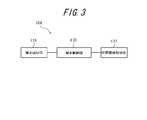
- FIG. 3 is a functional block diagram showing a schematic configuration of a wireless communication terminal according to an embodiment of the present invention.
- FIG. 4 is a flowchart showing processing of the base station according to the embodiment of the present invention.
- FIG. 5 is a sequence diagram until a handover destination base station is determined according to an embodiment of the present invention.
- FIG. 6 is a sequence diagram until a conventional handover destination base station is determined.
- FIG. 1 is a schematic communication network diagram according to an embodiment of the present invention.
- the communication network 11 includes a wireless communication terminal 101 and base stations 103a, 103b, and 103c.
- the wireless communication terminal 101 is, for example, a mobile phone terminal or a PHS (Personal Handy-phone System) terminal.
- the base stations 103a to 103c establish a wireless link with the wireless communication terminal 101 to perform communication, and are base stations capable of MIMO communication depending on the communication environment.
- Base station 103a performing MIMO communication with wireless communication terminal 101 is referred to as a source base station, and base stations 103b and c adjacent to the source base station are referred to as adjacent base stations.
- the number of adjacent base stations is two, but the number of adjacent base stations of the present invention is not limited to two.
- An area 113a indicates a range (cell) within which the radio wave of the base station 103a can reach.
- An area 113b indicates a range in which radio waves from the base station 103b can reach.
- An area 113c indicates a range where radio waves of the base station 103c can reach. That is, the area A where the areas 113a to 113c overlap is an area where radio waves from the three base stations 103a, 103b and 103c reach.
- the fact that base stations are adjacent to each other means that cells of the base stations overlap each other.
- FIG. 2 is a functional block diagram showing a schematic configuration of a base station according to an embodiment of the present invention.
- the base station 103 of the present invention includes a first communication unit 121, a second communication unit 123, a storage unit 125, and a control unit 127.
- a first communication unit 121 for communicating with the base stations 103a to 103c in FIG.
- a second communication unit 123 for communicating with the base stations 103a to 103c in FIG.
- the second communication unit 123a of the source base station 103a is the base station communication unit in the claims
- the storage unit 125a of the source base station 103a is the base station storage unit in the claims
- the control unit 127a of the source base station 103a Is a base station controller in the claims.
- the second communication unit 123b or c of the adjacent base station 103b or c is the adjacent base station communication unit in the claims
- the storage unit 125b or c of the adjacent base station 103b or c is the adjacent base station storage in the claims.
- the control unit 127b or c of the adjacent base station 103b or c is an adjacent base station control unit in the claims.
- the first communication unit 121 transmits and receives various information to and from the wireless communication terminal 101, and receives a measurement report message from the wireless communication terminal 101, for example.
- the measurement report message includes the radio field intensity of the base stations 103a to 103c and the position information of the wireless communication terminal 101.
- the second communication unit 123 transmits / receives data to / from adjacent base stations 103b and 103c connected to the base station 103a via the network, and is, for example, an X2 interface.
- the X2 interface is an inter-base station interface defined by 3GPP.
- the storage unit 125 stores various information such as position information of the wireless communication terminal 101 and MIMO communication possible area information, and also functions as a work memory.
- the MIMO communicable area information is configured by position information of the radio communication terminal 101 capable of performing MIMO communication with the base station 103.
- the MIMO communicable area information may be static information or dynamic information. Static information is, for example, a theoretical value or measured at a certain point in time (such as when a base station is newly installed), and is not updated.
- the dynamic information is, for example, updated according to changes in the wireless environment.
- acquisition of dynamic MIMO communicable area information by the base station 103 will be described.
- the first communication unit 121 of the base station 103 receives a measurement report message including the position information of the wireless communication terminal 101 from the wireless communication terminal 101 performing MIMO communication. And the memory
- the base station 103 stores the position information of the wireless communication terminal 101 for each MIMO communication performed in the past
- the storage unit 125 stores a plurality of pieces of position information capable of MIMO communication.
- These MIMO communicable location information constitutes MIMO communicable area information, so that dynamic MIMO communicable area information can be obtained.
- an area obtained by linearly interpolating the positions of two points acquired during MIMO communication can be included in the MIMO communicable area information.
- the storage unit 125 may not store the MIMO communicable location information after a certain period.
- Each of the base stations 103a, 103b, and 103c has MIMO communication possible area information regarding its own station.
- the control unit 127 controls and manages the entire base station 103 including each functional block of the base station 103.
- the control unit 127 is configured as software executed on any suitable processor such as a CPU (Central Processing Unit) or a dedicated processor specialized for each process (for example, DSP (Digital Signal Processor)). Can be configured.
- a CPU Central Processing Unit
- DSP Digital Signal Processor
- FIG. 3 is a functional block diagram showing a schematic configuration of the wireless communication terminal according to the embodiment of the present invention.
- the wireless communication terminal 101 of the present invention includes a terminal communication unit 131, a position information acquisition unit 133, and a terminal control unit 135.
- the terminal communication unit 131 transmits and receives various types of information to and from the base stations 103a to 103c. For example, the terminal communication unit 131 transmits a measurement report message to the base stations 103a to 103c.
- the position information acquisition unit 133 acquires position information of the wireless communication terminal 101 and is, for example, a GPS receiver that receives a signal from a GPS satellite in GPS (Global Positioning System).
- the terminal control unit 135 controls and manages the entire wireless communication terminal 101 including each functional block of the wireless communication terminal 101.
- the terminal control unit 135 is configured as software executed on an arbitrary suitable processor such as a CPU (Central Processing Unit), or a dedicated processor specialized for each process (for example, a DSP (Digital Signal Processor). ). The processing performed by the terminal control unit 135 will be described in detail with reference to FIGS. 4 and 5 described later.
- FIG. 4 is a flowchart showing processing of the base station according to the embodiment of the present invention.
- FIG. 5 is a sequence diagram until a handover destination base station is determined according to an embodiment of the present invention.
- the wireless communication terminal 101 moves to a region A where the radio waves of the base stations 103a to 103c reach from the position where the radio waves of only the base station 103a reach, as shown in FIG. 1, while performing MIMO communication with the base station 103a.
- the terminal communication unit 131 of the wireless communication terminal 101 receives the radio waves of the base stations 103a to 103c, and the terminal control unit 135 uses, for example, RSSI (Received Signal Signal Strength Indicator) as received signal strength from the received radio waves. ) Is calculated (1 in FIG. 5).
- RSSI Receiveived Signal Signal Strength Indicator
- the position information acquisition unit 133 acquires the position information of the wireless communication terminal 101.
- the terminal control unit 135 controls the terminal communication unit 131 to transmit a measurement report message including the radio wave intensity and position information to the base station 103a (2 in FIG. 5).
- the first communication unit 121a of the base station 103a receives the measurement report message (step S101). Then, the control unit 127a acquires the radio field intensity of the base stations 103a to 103c and the position information of the wireless communication terminal 101 from the measurement report message (step S102). Then, the control unit 127a determines whether to change the communication destination of the wireless communication terminal 101 based on the radio wave intensity, that is, whether to perform a handover (step S103 and 3 in FIG. 5). For example, the control unit 127a can determine that the handover should be performed when there is an adjacent base station having a higher radio field intensity than the base station 103a. Hereinafter, it is assumed that the control unit 127a determines that handover should be performed to one of the adjacent base stations 103b and c.
- Step S104 the control unit 127a determines whether the MIMO communication possible area information of the adjacent base stations 103b and c is stored in the storage unit 125a.
- the base station 103a communicates with the base stations 103b and c in advance via the second communication unit 123a and receives the MIMO communicable area information from the base stations 103b and c, the storage unit 125a Thus, the MIMO communicable area information is stored.
- the control unit 127a transmits the position information of the wireless communication terminal 101 to the adjacent base stations 103b and c.
- the second communication unit 123a is controlled (step S105 and 4 in FIG. 5).
- the transmission is realized by transmitting a RESOURCE STATUS REQUEST message by X2AP (X2 Application Protocol: a control protocol for performing base station communication).
- X2AP X2 Application Protocol: a control protocol for performing base station communication
- a threshold value relating to RSSI is provided, and position information can be transmitted only to neighboring base stations whose RSSI value is equal to or greater than the threshold value.
- An adjacent base station with a smaller RSSI value is more likely to be unable to perform MIMO communication. Therefore, it is possible to confirm whether or not MIMO communication is possible only for base stations that are highly likely to be able to perform MIMO communication, and it is possible to reduce the processing load in the method.
- the base station 103b receives the position information of the wireless communication terminal 101 via the second communication unit 123b. Then, the control unit 127b determines that the wireless communication terminal 101 is located within the MIMO communicable area of the local station from the MIMO communicable area information stored in each storage unit 125b and the received position information. Judgment is made.
- the control unit 127b determines that the base station 103b is a base station that can continue MIMO communication even if it is selected as a handover destination. Then, the control unit 127b controls the second communication unit 123b so as to transmit information indicating that the base station 103b is an adjacent base station capable of MIMO communication.
- the information can be configured, for example, by adding a new parameter to the RESOURCE STATUS RESPONSE message by X2AP and setting the value of the parameter to 1.
- the control unit 127b determines that the base station 103b is a base station that cannot continue MIMO communication even if it is selected as a handover destination. . Then, the control unit 127b controls the second communication unit 123b so as to transmit information indicating that the base station 103b is an adjacent base station incapable of MIMO communication.
- the information can be configured, for example, by setting the value of the parameter added to the RESOURCE STATUS RESPONSE message by X2AP to 0.
- the second communication unit 123a of the base station 101a receives information about whether or not MIMO communication is possible after handover from the neighboring base stations 103b and c (step 106 and 5 in FIG. 5).
- the control unit 127a determines an adjacent base station capable of MIMO communication as a handover destination (step S107 and 6 in FIG. 5).
- the control unit 127a can determine, as a handover destination, a base station having high radio field strength among the adjacent base stations capable of MIMO communication.
- step S104 when the storage unit 125a stores the MIMO communicable area information of the adjacent base stations 103b and c (Yes in step S104), the control unit 127a includes the wireless communication terminal 101 in the MIMO communicable area. An adjacent base station is specified (step S108). Then, the control unit 127a determines an adjacent base station capable of MIMO communication as a handover destination (step S107).
- the control unit 127a can perform MIMO communication with the wireless communication terminal 101.
- An adjacent base station included in the area is specified, and the specified adjacent base station is determined as a handover destination.
- the source base station 103a can select an adjacent base station capable of MIMO communication as a handover destination (target base station). Therefore, the wireless communication terminal 101 can continue the MIMO communication after the handover.
- the control unit 127b or c of the adjacent base station 103b or c uses the received location information of the wireless communication terminal 101 and the MIMO communicable area information stored in the storage unit 125b or c. It is determined whether the wireless communication terminal 101 is located within the MIMO communication possible area. When the wireless communication terminal 101 is located in the MIMO communicable area, the control unit 127b or c transmits information indicating that the adjacent base station 103b or c is an adjacent base station capable of MIMO communication. The second communication unit 123b or c is controlled. When the second communication unit 123a of the source base station 103a receives the information, the control unit 127a can identify an adjacent base station capable of MIMO communication.
- the source base station 103a can select an adjacent base station capable of MIMO communication as a handover destination (target base station).
- the process of determining whether or not the wireless communication terminal 101 is located in the MIMO communicable area is not performed by the source base station, but is performed by each adjacent base station.
- the source base station performs a process of selecting one as a handover destination from neighboring base stations that are determined to be capable of MIMO communication. Therefore, it is possible to avoid a situation where the processing load is concentrated only on the source base station. Since the processing load is distributed to the source base station and adjacent base stations, the stability of the entire system is improved.
- the MIMO communicable area information is updated based on the position information of the wireless communication terminal 101 in which the adjacent base station 103b or c has performed MIMO communication in the past. That is, the MIMO communicable area information is updated every time the adjacent base station 103b or c performs MIMO communication with the wireless communication terminal 101. Therefore, changes in the communication environment are reflected in the MIMO communicable area information. Therefore, even if the MIMO communicable area changes due to a change in the communication environment, the source base station 103a can specify an adjacent base station capable of MIMO communication.
- each member, each means, each step, etc. can be rearranged so as not to be logically contradictory, and a plurality of means, steps, etc. can be combined into one or divided. Is possible.
- the position information of the wireless communication terminal is acquired by the position information acquisition unit of the wireless communication terminal, but the wireless communication terminal is limited to acquiring the position information. is not.
- the source base station if the source base station has the position information of its own station and adjacent base stations and the transmission output value of the radio wave, the source base station wirelessly uses the radio wave intensity of each base station included in the measurement report message received from the radio communication terminal.
- the position information of the communication terminal can be calculated.
Landscapes
- Engineering & Computer Science (AREA)
- Computer Networks & Wireless Communication (AREA)
- Signal Processing (AREA)
- Mobile Radio Communication Systems (AREA)
Abstract
MIMO通信を行うことのできる可能性が高いターゲット基地局を決定する基地局、通信システム及びハンドオーバ先決定方法を提供する。 本発明に係る基地局103aは、無線通信端末101がハンドオーバするために、無線通信端末101の位置情報と、自局に隣接する隣接基地局103b及びcのMIMO通信可能エリア情報とに基づいて、MIMO通信が可能な隣接基地局をハンドオーバ先に決定する基地局制御部127aとを有する。
Description
本出願は、日本国特許出願2010-169829号(2010年7月28日出願)の優先権を主張するものであり、当該出願の開示全体を、ここに参照のために取り込む。
本発明は、基地局、通信システム及びハンドオーバ先決定方法に関し、特に、MIMO通信可能な基地局、通信システム及びハンドオーバ先決定方法に関する。
次世代の世界標準の無線通信方式として、LTE(Long Term Evolution)システムが3GPP(3rd Generation Partnership Project)で標準化されている。LTEシステムは、無線通信端末UE(User Equipment)と、基地局eNB(evolved Node B)と、IP(Internet Protocol)ベースのコアネットワークであるEPC(Evolved Packet Core)とによって構成されている。
LTEシステムにおいては、大量のデータを送受信するためにMIMO(Multiple Input Multiple Output)通信が行われる。MIMOとは、複数の送信アンテナ及び複数の受信アンテナをそれぞれ組み合わせてデータ送受信の帯域を広げる技術であり、これにより通信の高速化が実現される。しかし、MIMO通信を行うためには、複数のアンテナ同士が電波を送受信でき、且つアンテナ同士の相関性が高いことが必要となる。従って、無線通信端末と基地局との間で常にMIMO通信が可能であるとは限らない。MIMO通信が行われていても、ハンドオーバによって無線通信端末の通信先である基地局が変わると、MIMO通信は中断されるおそれがある。
ここで、LTEシステムにおけるハンドオーバの仕組みについて図6を参照して説明する(例えば、非特許文献1及び2参照)。無線通信端末は、通信先である基地局(ソース基地局(Source eNB))と隣接基地局A及びBとの電波強度を測定し(Measurement)、測定結果をメジャメントレポート(Measurement Report)メッセージにより通信先であるソース基地局に送信する。ソース基地局は、メジャメントレポートメッセージを受信し、電波強度から無線通信端末の通信先を変更すべきか、つまりハンドオーバを行うべきかを判断する。ソース基地局は、ソース基地局よりも電波強度の高い隣接基地局が存在する場合、当該隣接基地局をハンドオーバ先(ターゲット基地局(Target eNB))に決定する。その後、無線通信端末はターゲット基地局と無線リンクを確立し、通信を開始する。ハンドオーバ先であるターゲット基地局の複数のアンテナが電波を送受信でき、且つアンテナ同士の相関性が高い場合には、無線通信端末とターゲット基地局との間でMIMO通信が可能となる。
3GPP TS 36.331
3GPP TS 36.423
しかし、従来のハンドオーバ先決定方法では、MIMO通信が可能であるか否かは、ターゲット基地局(ハンドオーバ先)を決定するための要素の一つになっていない。つまり、従来のハンドオーバは、ハンドオーバ完了後のMIMO通信を保証するものではない。このため、MIMO通信での大容量通信を行っている無線通信端末がハンドオーバした場合、ユーザがMIMO通信の継続を希望していたとしても、ハンドオーバによってMIMO通信は中断されるおそれがある。MIMO通信の中断により、スループットが低下する。
従って、上記のような従来技術の問題点に鑑みてなされた本発明の目的は、MIMO通信を行うことのできる可能性が高いターゲット基地局を決定する基地局、通信システム及びハンドオーバ先決定方法を提供することにある。
上述した諸課題を解決すべく、第1の観点による基地局は、
無線通信端末とMIMO(Multiple Input Multiple Output)通信を行っている基地局において、
前記無線通信端末がハンドオーバするために、前記無線通信端末の位置情報と、自局に隣接する隣接基地局のMIMO通信可能エリア情報とに基づいて、MIMO通信が可能な隣接基地局をハンドオーバ先に決定する基地局制御部とを有するものである。
無線通信端末とMIMO(Multiple Input Multiple Output)通信を行っている基地局において、
前記無線通信端末がハンドオーバするために、前記無線通信端末の位置情報と、自局に隣接する隣接基地局のMIMO通信可能エリア情報とに基づいて、MIMO通信が可能な隣接基地局をハンドオーバ先に決定する基地局制御部とを有するものである。
また、前記基地局は、
前記隣接基地局と通信する基地局通信部と、
前記基地局通信部が前記隣接基地局から受信する前記隣接基地局の前記MIMO通信可能エリア情報を記憶する基地局記憶部とを備え、
前記基地局制御部は、
‐ 前記位置情報と前記基地局記憶部に記憶されている前記MIMO通信可能エリア情報とから、前記無線通信端末をMIMO通信可能エリア内に含む隣接基地局を特定し、
‐ 前記特定された隣接基地局をMIMO通信が可能な隣接基地局としてハンドオーバ先に決定することが望ましい。
前記隣接基地局と通信する基地局通信部と、
前記基地局通信部が前記隣接基地局から受信する前記隣接基地局の前記MIMO通信可能エリア情報を記憶する基地局記憶部とを備え、
前記基地局制御部は、
‐ 前記位置情報と前記基地局記憶部に記憶されている前記MIMO通信可能エリア情報とから、前記無線通信端末をMIMO通信可能エリア内に含む隣接基地局を特定し、
‐ 前記特定された隣接基地局をMIMO通信が可能な隣接基地局としてハンドオーバ先に決定することが望ましい。
また、前記隣接基地局の前記MIMO通信可能エリア情報は、前記隣接基地局が過去にMIMO通信を行った無線通信端末の位置情報に基づいて更新されることが望ましい。
また、第2の観点による通信システムは、
無線通信端末と、当該無線通信端末とMIMO(Multiple Input Multiple Output)通信を行っている基地局と、当該基地局に隣接する隣接基地局とを含む通信システムにおいて、
前記基地局は、
前記隣接基地局と通信する基地局通信部と、
前記無線通信端末がハンドオーバするために、MIMO通信が可能な隣接基地局をハンドオーバ先に決定する基地局制御部と
を有し、
前記隣接基地局は、
前記基地局と通信する隣接基地局通信部と、
自局のMIMO通信可能エリア情報を記憶する隣接基地局記憶部と、
前記隣接基地局通信部が前記無線通信端末の前記位置情報を前記基地局通信部から受信すると、前記位置情報と前記隣接基地局記憶部に記憶されている前記MIMO通信可能エリア情報とから、前記無線通信端末が前記MIMO通信可能エリア内に位置しているか判断し、前記無線通信端末が前記MIMO通信可能エリア内に位置している場合、自局はMIMO通信が可能な隣接基地局である旨を示す情報を前記基地局通信部に送信するように前記隣接基地局通信部を制御する隣接基地局制御部と
を有するものである。
無線通信端末と、当該無線通信端末とMIMO(Multiple Input Multiple Output)通信を行っている基地局と、当該基地局に隣接する隣接基地局とを含む通信システムにおいて、
前記基地局は、
前記隣接基地局と通信する基地局通信部と、
前記無線通信端末がハンドオーバするために、MIMO通信が可能な隣接基地局をハンドオーバ先に決定する基地局制御部と
を有し、
前記隣接基地局は、
前記基地局と通信する隣接基地局通信部と、
自局のMIMO通信可能エリア情報を記憶する隣接基地局記憶部と、
前記隣接基地局通信部が前記無線通信端末の前記位置情報を前記基地局通信部から受信すると、前記位置情報と前記隣接基地局記憶部に記憶されている前記MIMO通信可能エリア情報とから、前記無線通信端末が前記MIMO通信可能エリア内に位置しているか判断し、前記無線通信端末が前記MIMO通信可能エリア内に位置している場合、自局はMIMO通信が可能な隣接基地局である旨を示す情報を前記基地局通信部に送信するように前記隣接基地局通信部を制御する隣接基地局制御部と
を有するものである。
また、前記隣接基地局の前記MIMO通信可能エリア情報は、前記隣接基地局が過去にMIMO通信を行った無線通信端末の位置情報に基づいて更新されることが望ましい。
上述したように本発明の解決手段を装置として説明してきたが、本発明はこれらに実質的に相当する方法、プログラム、プログラムを記録した記憶媒体としても実現し得るものであり、本発明の範囲にはこれらも包含されるものと理解されたい。
例えば、本発明の第1の発明を方法として実現させたハンドオーバ先決定方法は、
無線通信端末と、当該無線通信端末とMIMO(Multiple Input Multiple Output)通信を行っている基地局と、当該基地局に隣接する隣接基地局とを含む通信システムにおけるハンドオーバ先決定方法において、
前記無線通信端末の位置情報と、前記隣接基地局のMIMO通信可能エリア情報とに基づいて、MIMO通信が可能な隣接基地局をハンドオーバ先に決定するステップ
を含むものである。
無線通信端末と、当該無線通信端末とMIMO(Multiple Input Multiple Output)通信を行っている基地局と、当該基地局に隣接する隣接基地局とを含む通信システムにおけるハンドオーバ先決定方法において、
前記無線通信端末の位置情報と、前記隣接基地局のMIMO通信可能エリア情報とに基づいて、MIMO通信が可能な隣接基地局をハンドオーバ先に決定するステップ
を含むものである。
上記のように構成された本発明に係る基地局、通信システム及びハンドオーバ先決定方法によれば、無線通信端末の位置情報と隣接基地局のMIMO通信可能エリア情報とから、無線通信端末をMIMO通信可能エリア内に含む隣接基地局が特定され、当該特定された隣接基地局がハンドオーバ先に決定される。これにより、無線通信端末は、ハンドオーバ後もMIMO通信を継続することができる。
以下、本発明の実施形態について、図面を参照して説明する。
図1は、本発明の一実施形態に係る概略的な通信ネットワーク図である。通信ネットワーク11は、無線通信端末101と、基地局103a、103b及び103cとから構成されている。無線通信端末101は、例えば、携帯電話端末やPHS(Personal Handy-phone System)端末である。基地局103a~cは、無線通信端末101と無線リンクを確立し、通信を行うものであり、通信環境によってはMIMO通信が可能な基地局である。無線通信端末101とMIMO通信を行っている基地局103aをソース基地局、当該ソース基地局に隣接する基地局103b及びcを隣接基地局と称する。なお、本実施形態では、隣接基地局の数を2つとしているが、本発明の隣接基地局の数は2つに限定されるわけではない。領域113aは、基地局103aの電波が届く範囲(セル)を示している。領域113bは、基地局103bの電波が届く範囲を示している。領域113cは、基地局103cの電波が届く範囲を示している。つまり、領域113a~cが重なり合う領域Aは、3つの基地局103a、103b及び103cからの電波が届く領域である。基地局同士が隣接するとは、当該基地局のセル同士が重なり合っていることを意味する。
図2は、本発明の一実施形態に係る基地局の概略構成を示す機能ブロック図である。本発明の基地局103は、第1通信部121と、第2通信部123と、記憶部125と、制御部127とを有する。以降の説明では、図1の基地局103a~cに示した各機能ブロックに関する参照符号について、基地局103aに関する機能ブロックの参照符号にはaを、基地局103bに関する機能ブロックの参照符号にはbを、基地局103cに関する機能ブロックの参照符号にはcを付して説明する。ソース基地局103aの第2通信部123aは、請求項における基地局通信部であり、ソース基地局103aの記憶部125aは、請求項における基地局記憶部であり、ソース基地局103aの制御部127aは、請求項における基地局制御部である。また、隣接基地局103b又はcの第2通信部123b又はcは、請求項における隣接基地局通信部であり、隣接基地局103b又はcの記憶部125b又はcは、請求項における隣接基地局記憶部であり、隣接基地局103b又はcの制御部127b又はcは、請求項における隣接基地局制御部である。
第1通信部121は、無線通信端末101と各種情報を送受信するものであり、例えば、無線通信端末101からメジャメントレポートメッセージを受信する。メジャメントレポートメッセージには、基地局103a~cの電波強度や無線通信端末101の位置情報が含まれる。第2通信部123は、ネットワークを介して基地局103aに接続されている隣接基地局103b及び103cとデータを送受信するものであり、例えばX2インタフェースである。X2インタフェースとは、3GPPで規定された基地局間インタフェースのことである。
記憶部125は、無線通信端末101の位置情報やMIMO通信可能エリア情報などの各種情報を記憶するとともに、ワークメモリなどとしても機能する。MIMO通信可能エリア情報とは、基地局103とMIMO通信可能な無線通信端末101の位置情報により構成されるものである。MIMO通信可能エリア情報は、静的な情報であっても、動的な情報であってもよい。静的な情報とは、例えば、理論値であったり、ある時点(基地局新設時など)において測定されたもので、更新されることはない。動的な情報とは、例えば、無線環境の変化に応じて更新されるものである。ここで、基地局103による動的なMIMO通信可能エリア情報の取得について説明する。基地局103の第1通信部121は、MIMO通信を行っている無線通信端末101から、当該無線通信端末101の位置情報を含むメジャメントレポートメッセージを受信する。そして、記憶部125は、取得した位置情報をMIMO通信可能位置情報として記憶する。基地局103が過去に行われたMIMO通信ごとに無線通信端末101の位置情報を記憶することにより、記憶部125には複数のMIMO通信可能位置情報が記憶されることになる。これらのMIMO通信可能位置情報がMIMO通信可能エリア情報を構成することにより、動的なMIMO通信可能エリア情報が得られる。また、MIMO通信中に取得された2点の位置を線形補間することにより得られるエリアもMIMO通信可能エリア情報に含めることができる。更に、MIMO通信可能位置情報は、古いほど現在の無線環境を反映するものではなくなるため、記憶部125は、ある一定期間を経過したMIMO通信可能位置情報を記憶しないこともできる。基地局103a、103b及び103cは、それぞれ自局に関するMIMO通信可能エリア情報を有している。
制御部127は、基地局103の各機能ブロックをはじめとして基地局103の全体を制御及び管理する。ここで、制御部127は、CPU(中央処理装置)等の任意の好適なプロセッサ上で実行されるソフトウェアとして構成したり、処理ごとに特化した専用のプロセッサ(例えばDSP(デジタルシグナルプロセッサ))によって構成したりすることができる。制御部127の行う処理については、後述の図4及び図5の説明にて詳述する。
図3は、本発明の一実施形態に係る無線通信端末の概略構成を示す機能ブロック図である。本発明の無線通信端末101は、端末通信部131と、位置情報取得部133と、端末制御部135とを有する。
端末通信部131は、基地局103a~cと各種情報を送受信するものであり、例えば、基地局103a~cにメジャメントレポートメッセージを送信する。位置情報取得部133は、無線通信端末101の位置情報を取得するもので、例えば、GPS(Global Positioning System)において、GPS衛星からの信号を受信するGPS受信機である。端末制御部135は、無線通信端末101の各機能ブロックをはじめとして無線通信端末101の全体を制御及び管理する。ここで、端末制御部135は、CPU(中央処理装置)等の任意の好適なプロセッサ上で実行されるソフトウェアとして構成したり、処理ごとに特化した専用のプロセッサ(例えばDSP(デジタルシグナルプロセッサ))によって構成したりすることができる。端末制御部135の行う処理については、後述の図4及び図5の説明にて詳述する。
次に、通信システム11におけるハンドオーバ先決定方法について、図4及び図5を参照して説明する。図4は、本発明の一実施形態に係る基地局の処理を示すフローチャートである。図5は、本発明の一実施形態に係る、ハンドオーバ先の基地局が決定されるまでのシーケンス図である。
無線通信端末101は、基地局103aとMIMO通信を行いながら、図1のように、基地局103aのみの電波が届く位置から、基地局103a~cの電波が届く領域Aに移動したとする。
まず、無線通信端末101の端末通信部131は、基地局103a~cの電波を受信し、端末制御部135は、受信した電波から電波強度として、例えば、RSSI(Received Signal Strength Indicator:受信信号強度)を算出する(図5の1)。電波強度の取得と併せて、位置情報取得部133は、無線通信端末101の位置情報を取得する。そして、端末制御部135は、電波強度及び位置情報を含むメジャメントレポートメッセージを基地局103aに送信するように端末通信部131を制御する(図5の2)。
基地局103aの第1通信部121aは、メジャメントレポートメッセージを受信する(ステップS101)。そして、制御部127aは、メジャメントレポートメッセージから基地局103a~cの電波強度及び無線通信端末101の位置情報を取得する(ステップS102)。そして、制御部127aは、電波強度から無線通信端末101の通信先を変更すべきか、つまりハンドオーバを行うべきかを判断する(ステップS103及び図5の3)。例えば、制御部127aは、基地局103aよりも電波強度の高い隣接基地局が存在する場合、ハンドオーバを行うべきと判断することができる。以下、制御部127aは、隣接基地局103b及びcのいずれかにハンドオーバすべきと判断したとする。
制御部127aがハンドオーバを行うべきと判断すると(ステップS103のYes)、制御部127aは、記憶部125aに隣接基地局103b及びcのMIMO通信可能エリア情報が記憶されているか確認する(ステップS104)。基地局103aが、第2通信部123aを介して、予め基地局103b及びcと通信を行い、基地局103b及びcから、それぞれが有するMIMO通信可能エリア情報を受信していると、記憶部125aにMIMO通信可能エリア情報が記憶されていることになる。
記憶部125aが隣接基地局103b及びcのMIMO通信可能エリア情報を記憶していない場合(ステップS104のNo)、制御部127aは、隣接基地局103b及びcに無線通信端末101の位置情報を送信するように第2通信部123aを制御する(ステップS105及び図5の4)。当該送信は、X2AP(X2 Application Protocol:基地局通信を行うための制御プロトコル)によるRESOURCE STATUS REQUESTメッセージの送信により実現される。なお、無線通信端末101の位置情報の送信先は、ハンドオーバ先の候補である全ての隣接基地局に限定されるわけではない。例えば、RSSIに関する閾値を設け、RSSIの値が当該閾値以上である隣接基地局にのみ、位置情報を送信することができる。RSSIの値が小さい隣接基地局ほど、MIMO通信できない可能性が高い。そのため、MIMO通信できる可能性の高い基地局のみにMIMO通信の可否を確認することができ、当該方法における処理負荷を減らすことが可能となる。
以下、基地局103bと103cとの処理は同じであるため、基地局103bの処理についてのみ記載する。基地局103bは、第2通信部123bを介して無線通信端末101の位置情報を受信する。そして、制御部127bは、各々の記憶部125bに記憶されている自局のMIMO通信可能エリア情報と受信した位置情報とから、無線通信端末101が自局のMIMO通信可能エリア内に位置しているか判断する。
無線通信端末101が基地局103bのMIMO通信可能エリア内に位置している場合、制御部127bは、基地局103bを、ハンドオーバ先として選ばれてもMIMO通信を継続できる基地局と判断する。そして、制御部127bは、基地局103bはMIMO通信が可能な隣接基地局である旨を示す情報を送信するように第2通信部123bを制御する。当該情報とは、例えば、X2APによるRESOURCE STATUS RESPONSEメッセージに新たなパラメータを追加し、当該パラメータの値を1に設定することにより構成することができる。
また、無線通信端末101が基地局103bのMIMO通信可能エリア内に位置していない場合、制御部127bは、基地局103bを、ハンドオーバ先として選ばれてもMIMO通信を継続できない基地局と判断する。そして、制御部127bは、基地局103bはMIMO通信が不可能な隣接基地局である旨を示す情報を送信するように第2通信部123bを制御する。当該情報とは、例えば、X2APによるRESOURCE STATUS RESPONSEメッセージに追加されたパラメータの値を0に設定することにより構成することができる。
そして、基地局101aの第2通信部123aは、隣接基地局103b及びcからハンドオーバ後もMIMO通信が可能か否かについての情報を受信する(ステップ106及び図5の5)。制御部127aは、MIMO通信が可能な隣接基地局をハンドオーバ先に決定する(ステップS107及び図5の6)。MIMO通信が可能な隣接基地局が複数存在する場合は、制御部127aは、例えば、MIMO通信が可能な隣接基地局のうち電波強度の高い基地局をハンドオーバ先に決定することができる。
ステップS104において、記憶部125aが隣接基地局103b及びcのMIMO通信可能エリア情報を記憶している場合(ステップS104のYes)、制御部127aは、無線通信端末101をMIMO通信可能エリア内に含む隣接基地局を特定する(ステップS108)。そして、制御部127aは、MIMO通信が可能な隣接基地局をハンドオーバ先に決定する(ステップS107)。
このように本実施形態では、ソース基地局103aの記憶部125aに、隣接基地局103b又はcのMIMO通信可能エリア情報が記憶されている場合、制御部127aは、無線通信端末101をMIMO通信可能エリア内に含む隣接基地局を特定し、特定された隣接基地局をハンドオーバ先に決定する。これにより、ソース基地局103aは、MIMO通信可能な隣接基地局を、ハンドオーバ先(ターゲット基地局)に選択することができる。よって、無線通信端末101は、ハンドオーバ後、MIMO通信を継続することができる。
また、本実施形態では、隣接基地局103b又はcの制御部127b又はcは、受信した無線通信端末101の位置情報と、記憶部125b又はcに記憶されているMIMO通信可能エリア情報とから、無線通信端末101がMIMO通信可能エリア内に位置しているか判断する。そして、無線通信端末101がMIMO通信可能エリア内に位置している場合、制御部127b又はcは、隣接基地局103b又はcがMIMO通信可能な隣接基地局である旨を示す情報を送信するように第2通信部123b又はcを制御する。ソース基地局103aの第2通信部123aが当該情報を受信することにより、制御部127aは、MIMO通信可能な隣接基地局を特定できる。これにより、ソース基地局103aは、MIMO通信可能な隣接基地局を、ハンドオーバ先(ターゲット基地局)に選択することができる。MIMO通信可能エリア内に無線通信端末101が位置しているか否かの判断処理は、ソース基地局によっては行われずに、各隣接基地局によって行われる。ソース基地局は、MIMO通信可能であると判断された隣接基地局からハンドオーバ先として一つを選択する処理を行う。よって、処理負荷がソース基地局のみに集中する状況を避けることができる。処理負荷がソース基地局及び隣接基地局へ分散されるため、システム全体の安定性が高まる。
また、本実施形態では、MIMO通信可能エリア情報は、隣接基地局103b又はcが、過去にMIMO通信を行った無線通信端末101の位置情報に基づいて更新されるものである。つまり、MIMO通信可能エリア情報が、隣接基地局103b又はcが無線通信端末101とMIMO通信を行う毎に、MIMO通信可能エリア情報が更新されることになる。よって、MIMO通信可能エリア情報に通信環境の変化が反映される。従って、通信環境の変化によりMIMO通信可能エリアが変化したとしても、ソース基地局103aは、MIMO通信可能な隣接基地局を特定することができる。
本発明を諸図面や実施例に基づき説明してきたが、当業者であれば本開示に基づき種々の変形や修正を行うことが容易であることに注意されたい。従って、これらの変形や修正は本発明の範囲に含まれることに留意されたい。例えば、各部材、各手段、各ステップ等に含まれる機能等は論理的に矛盾しないように再配置可能であり、複数の手段やステップ等を1つに組み合わせたり、或いは分割したりすることが可能である。
上述した本発明の実施形態では、無線通信端末の位置情報は、無線通信端末の位置情報取得部により取得されると説明したが、無線通信端末が当該位置情報を取得することに限定されるものではない。例えば、ソース基地局は、自局及び隣接基地局の位置情報と電波の送信出力値とを有していれば、無線通信端末から受信するメジャメントレポートメッセージに含まれる各基地局の電波強度から無線通信端末の位置情報を算出することができる。
11 通信ネットワーク
101 無線通信端末
103 基地局
103a ソース基地局
103b、103c 隣接基地局
113a、113b、113c セル
121 第1通信部
123 第2通信部
125 記憶部
127 制御部
131 端末通信部
133 位置情報取得部
135 端末制御部
A 領域
101 無線通信端末
103 基地局
103a ソース基地局
103b、103c 隣接基地局
113a、113b、113c セル
121 第1通信部
123 第2通信部
125 記憶部
127 制御部
131 端末通信部
133 位置情報取得部
135 端末制御部
A 領域
Claims (6)
- 無線通信端末とMIMO(Multiple Input Multiple Output)通信を行っている基地局において、
前記無線通信端末がハンドオーバするために、前記無線通信端末の位置情報と、自局に隣接する隣接基地局のMIMO通信可能エリア情報とに基づいて、MIMO通信が可能な隣接基地局をハンドオーバ先に決定する基地局制御部とを有する基地局。 - 請求項1に記載の基地局において、更に、
前記隣接基地局と通信する基地局通信部と、
前記基地局通信部が前記隣接基地局から受信する前記隣接基地局の前記MIMO通信可能エリア情報を記憶する基地局記憶部とを備え、
前記基地局制御部は、
‐ 前記位置情報と前記基地局記憶部に記憶されている前記MIMO通信可能エリア情報とから、前記無線通信端末をMIMO通信可能エリア内に含む隣接基地局を特定し、
‐ 前記特定された隣接基地局をMIMO通信が可能な隣接基地局としてハンドオーバ先に決定する
ことを特徴とする基地局。 - 請求項1に記載の基地局において、前記隣接基地局の前記MIMO通信可能エリア情報は、前記隣接基地局が過去にMIMO通信を行った無線通信端末の位置情報に基づいて更新されることを特徴とする基地局。
- 無線通信端末と、当該無線通信端末とMIMO(Multiple Input Multiple Output)通信を行っている基地局と、当該基地局に隣接する隣接基地局とを含む通信システムにおいて、
前記基地局は、
前記隣接基地局と通信する基地局通信部と、
前記無線通信端末がハンドオーバするために、MIMO通信が可能な隣接基地局をハンドオーバ先に決定する基地局制御部と
を有し、
前記隣接基地局は、
前記基地局と通信する隣接基地局通信部と、
自局のMIMO通信可能エリア情報を記憶する隣接基地局記憶部と、
前記隣接基地局通信部が前記無線通信端末の前記位置情報を前記基地局通信部から受信すると、前記位置情報と前記隣接基地局記憶部に記憶されている前記MIMO通信可能エリア情報とから、前記無線通信端末が前記MIMO通信可能エリア内に位置しているか判断し、前記無線通信端末が前記MIMO通信可能エリア内に位置している場合、自局はMIMO通信が可能な隣接基地局である旨を示す情報を前記基地局通信部に送信するように前記隣接基地局通信部を制御する隣接基地局制御部と
を有する通信システム。 - 請求項4に記載の通信システムにおいて、前記隣接基地局の前記MIMO通信可能エリア情報は、前記隣接基地局が過去にMIMO通信を行った無線通信端末の位置情報に基づいて更新されることを特徴とする通信システム。
- 無線通信端末とMIMO(Multiple Input Multiple Output)通信を行っている基地局におけるハンドオーバ先決定方法において、
前記無線通信端末がハンドオーバするために、前記無線通信端末の位置情報と、前記基地局に隣接する隣接基地局のMIMO通信可能エリア情報とに基づいて、MIMO通信が可能な隣接基地局をハンドオーバ先に決定するステップ
を含むハンドオーバ先決定方法。
Priority Applications (1)
| Application Number | Priority Date | Filing Date | Title |
|---|---|---|---|
| US13/812,425 US20130165127A1 (en) | 2010-07-28 | 2011-07-27 | Base station, communication system and handover destination determination method |
Applications Claiming Priority (2)
| Application Number | Priority Date | Filing Date | Title |
|---|---|---|---|
| JP2010-169829 | 2010-07-28 | ||
| JP2010169829A JP5443293B2 (ja) | 2010-07-28 | 2010-07-28 | 基地局、通信システム及びハンドオーバ先決定方法 |
Publications (1)
| Publication Number | Publication Date |
|---|---|
| WO2012014469A1 true WO2012014469A1 (ja) | 2012-02-02 |
Family
ID=45529700
Family Applications (1)
| Application Number | Title | Priority Date | Filing Date |
|---|---|---|---|
| PCT/JP2011/004256 Ceased WO2012014469A1 (ja) | 2010-07-28 | 2011-07-27 | 基地局、通信システム及びハンドオーバ先決定方法 |
Country Status (3)
| Country | Link |
|---|---|
| US (1) | US20130165127A1 (ja) |
| JP (1) | JP5443293B2 (ja) |
| WO (1) | WO2012014469A1 (ja) |
Families Citing this family (6)
| Publication number | Priority date | Publication date | Assignee | Title |
|---|---|---|---|---|
| US9049668B2 (en) | 2012-09-06 | 2015-06-02 | Qualcomm Incorporated | D2D relays as an underlay in LTE uplink |
| US9072000B2 (en) * | 2012-10-19 | 2015-06-30 | Qualcomm Incorporated | Power efficient relay discovery protocol |
| WO2014082669A1 (en) * | 2012-11-29 | 2014-06-05 | Telefonaktiebolaget L M Ericsson (Publ) | A method and apparatus for controlling association of a station with a wlan |
| US9900931B2 (en) | 2013-05-02 | 2018-02-20 | Qualcomm Incorporated | Method and apparatus for device to device relay selection |
| US9699784B2 (en) * | 2014-06-13 | 2017-07-04 | Apple Inc. | Systems and methods for establishing wireless communications between wireless circuitry and multiple base stations |
| JPWO2024106450A1 (ja) * | 2022-11-15 | 2024-05-23 |
Citations (2)
| Publication number | Priority date | Publication date | Assignee | Title |
|---|---|---|---|---|
| WO2008041894A1 (en) * | 2006-10-05 | 2008-04-10 | Telefonaktiebolaget Lm Ericsson (Publ) | Mimo mode selection at handover |
| JP2009231983A (ja) * | 2008-03-19 | 2009-10-08 | Kddi R & D Laboratories Inc | 無線基地局制御装置および無線基地局制御方法 |
Family Cites Families (3)
| Publication number | Priority date | Publication date | Assignee | Title |
|---|---|---|---|---|
| KR100678096B1 (ko) * | 2006-02-14 | 2007-02-02 | 삼성전자주식회사 | 다중 입력 다중 출력 방식을 이용한 광대역 분산 네트워크시스템의 핸드오프 제어방법 |
| US20110255526A1 (en) * | 2008-12-25 | 2011-10-20 | Shoji Kaneko | Cellular mobile communication system, base station control device, and interstation-cooperated communication control method |
| TWI400980B (zh) * | 2009-05-21 | 2013-07-01 | Mstar Semiconductor Inc | 更新參考通道資訊的無線通訊方法及其系統 |
-
2010
- 2010-07-28 JP JP2010169829A patent/JP5443293B2/ja not_active Expired - Fee Related
-
2011
- 2011-07-27 US US13/812,425 patent/US20130165127A1/en not_active Abandoned
- 2011-07-27 WO PCT/JP2011/004256 patent/WO2012014469A1/ja not_active Ceased
Patent Citations (2)
| Publication number | Priority date | Publication date | Assignee | Title |
|---|---|---|---|---|
| WO2008041894A1 (en) * | 2006-10-05 | 2008-04-10 | Telefonaktiebolaget Lm Ericsson (Publ) | Mimo mode selection at handover |
| JP2009231983A (ja) * | 2008-03-19 | 2009-10-08 | Kddi R & D Laboratories Inc | 無線基地局制御装置および無線基地局制御方法 |
Also Published As
| Publication number | Publication date |
|---|---|
| JP2012034060A (ja) | 2012-02-16 |
| JP5443293B2 (ja) | 2014-03-19 |
| US20130165127A1 (en) | 2013-06-27 |
Similar Documents
| Publication | Publication Date | Title |
|---|---|---|
| US12096265B2 (en) | Electronic device and method for wireless communications | |
| US10972924B2 (en) | Beam-based multi-connection communication method, terminal device, and network device | |
| CN116419360B (zh) | 通感一体化系统的移动性管理方法、装置及存储介质 | |
| RU2683582C1 (ru) | Способ осуществления связи и устройство связи | |
| US10321363B2 (en) | Radio network nodes and methods for enabling mobility between said nodes | |
| US20190037463A1 (en) | Data transmission method, base station, and terminal equipment | |
| CN108353330B (zh) | 用于实现移动性过程的方法和节点 | |
| KR102479423B1 (ko) | 간섭 처리 방법, 장치 및 시스템 | |
| CN104303585A (zh) | 减少直接设备至设备通信导致的干扰的动态资源选择 | |
| JP2021517751A (ja) | セカンダリセルを構成するための方法、装置及びコンピュータ記憶媒体 | |
| CN116325605B (zh) | Tci状态列表更新方法、装置、设备及存储介质 | |
| JP5443293B2 (ja) | 基地局、通信システム及びハンドオーバ先決定方法 | |
| JP2013197828A (ja) | 無線通信システム、無線基地局装置、無線通信システムにおけるハンドオーバ方法 | |
| JP2020530723A (ja) | ビームトレーニング方法および装置、ならびに通信システム | |
| WO2019187134A1 (ja) | 基地局装置、端末装置、無線通信システム及びデータ送信方法 | |
| CN109792664B (zh) | 用于管理链路的方法和装置 | |
| US10812156B2 (en) | Synchronization beam sending and receiving method, network device, terminal, and system | |
| JPWO2009147940A1 (ja) | ハンドオーバ方法、無線基地局および移動端末 | |
| CN112399459A (zh) | 一种带宽部分的测量配置方法、终端及网络设备 | |
| CN109479223B (zh) | 切换方法和装置 | |
| CN117941399A (zh) | 基站装置、中继器装置及无线通信系统以及它们的控制方法及程序 | |
| JP5351546B2 (ja) | 端末についてハンドオーバを実行しなければならないかを判断するための方法、デバイス、及びコンピュータプログラム | |
| JP2023036366A (ja) | 基地局装置、リピータ装置、および無線通信システム、ならびにこれらの制御方法およびプログラム | |
| JP5466083B2 (ja) | 移動局、無線通信システム、移動局のパラメータ値送信方法及び無線通信システムにおける基地局のパラメータ値設定方法 | |
| CN112312492A (zh) | 切换方法、用于切换的系统和终端设备 |
Legal Events
| Date | Code | Title | Description |
|---|---|---|---|
| 121 | Ep: the epo has been informed by wipo that ep was designated in this application |
Ref document number: 11812071 Country of ref document: EP Kind code of ref document: A1 |
|
| NENP | Non-entry into the national phase |
Ref country code: DE |
|
| WWE | Wipo information: entry into national phase |
Ref document number: 13812425 Country of ref document: US |
|
| 122 | Ep: pct application non-entry in european phase |
Ref document number: 11812071 Country of ref document: EP Kind code of ref document: A1 |