WO2010106669A1 - 電子文書暗号化装置、電子文書暗号化方法及び電子文書暗号化プログラムならびに電子文書復号装置 - Google Patents
電子文書暗号化装置、電子文書暗号化方法及び電子文書暗号化プログラムならびに電子文書復号装置 Download PDFInfo
- Publication number
- WO2010106669A1 WO2010106669A1 PCT/JP2009/055483 JP2009055483W WO2010106669A1 WO 2010106669 A1 WO2010106669 A1 WO 2010106669A1 JP 2009055483 W JP2009055483 W JP 2009055483W WO 2010106669 A1 WO2010106669 A1 WO 2010106669A1
- Authority
- WO
- WIPO (PCT)
- Prior art keywords
- electronic document
- area
- character string
- concealment
- unit
- Prior art date
- Legal status (The legal status is an assumption and is not a legal conclusion. Google has not performed a legal analysis and makes no representation as to the accuracy of the status listed.)
- Ceased
Links
Images




Classifications
-
- G—PHYSICS
- G06—COMPUTING OR CALCULATING; COUNTING
- G06F—ELECTRIC DIGITAL DATA PROCESSING
- G06F21/00—Security arrangements for protecting computers, components thereof, programs or data against unauthorised activity
- G06F21/60—Protecting data
- G06F21/62—Protecting access to data via a platform, e.g. using keys or access control rules
- G06F21/6209—Protecting access to data via a platform, e.g. using keys or access control rules to a single file or object, e.g. in a secure envelope, encrypted and accessed using a key, or with access control rules appended to the object itself
-
- G—PHYSICS
- G06—COMPUTING OR CALCULATING; COUNTING
- G06F—ELECTRIC DIGITAL DATA PROCESSING
- G06F40/00—Handling natural language data
- G06F40/10—Text processing
- G06F40/166—Editing, e.g. inserting or deleting
Definitions
- Embodiments disclosed herein include an electronic document encryption device, an electronic document encryption method, an electronic document encryption program, and an electronic document encryption program that conceal part or all of an electronic document, and decrypting an electronic document that is partially or entirely concealed
- the present invention relates to an electronic document decryption apparatus.
- a concealment processing apparatus using one of such techniques sets a concealment area in a part of the original electronic document.
- the hidden area is stored in the storage unit as mask data.
- the concealment processing device develops a bit map of the character code in the original electronic document and creates intermediate data by covering a part thereof with mask data.
- the concealment processing device creates an electronic document in which a part of the area is concealed by converting the intermediate data into an electronic document of a predetermined format.
- a user who wants to edit an electronic document may edit the electronic document after setting a concealment area in a part of the electronic document. For example, the user may delete a part of a sentence or a figure located before the hidden area, or add a new sentence or figure before the hidden area.
- the position of the set concealment area is shifted from the position of the part that is originally desired to be concealed.
- the position of the set concealment area deviates from the position of the part originally intended to be concealed, the user has to reset the concealment area. Therefore, a technique for reducing such user workload is desired.
- the present specification provides an electronic document encryption apparatus that does not require resetting of the hidden area even if the user edits the electronic document after the hidden area is set in part or all of the electronic document.
- the purpose is to do.
- an electronic document encryption device includes an operation unit that edits an electronic document represented as electronic data, and a processing unit that sets a concealment area that conceals a character string or an object included in at least a part of the electronic document.
- the processing unit sets a region on the electronic document input via the operation unit as a concealment region, and stores a table recording the position and size of the concealment region on the electronic document in a predetermined region of the electronic document.
- the position of the character string or object to be hidden by the hidden area varies depending on the function and the position of the hidden area or the position of the inserted or deleted character string or object, the movement of the character string or object to be hidden
- a function of correcting the position of the hidden area according to the amount and recording the corrected position of the hidden area in the table is realized.
- an electronic document decryption apparatus is an electronic document represented as electronic data, and a character string included in at least a part of the electronic document or a concealment area for concealing an object is set, and a character string included in the concealment area
- an object is encrypted
- an input unit that obtains an electronic document having a table that records the position and size of the hidden area on the electronic document and a processing unit that decrypts the electronic document are included.
- the processing unit realizes a function of decrypting the encrypted character string or object and a function of relocating the decrypted character string or object at the current position of the hidden area with reference to the table.
- an electronic document encryption method for encrypting a character string or an object included in at least a part of an electronic document represented as electronic data.
- an area on the electronic document input via the operation unit is set as a hidden area, and a table recording the position and size of the hidden area on the electronic document is stored in a predetermined area of the electronic document.
- the position of the character string or object to be concealed by the concealment area changes from the position of the concealment area and the position of the deleted character string or object, depending on the movement amount of the character string or object to be concealed
- the position of the concealment area is corrected, and the position of the concealment area after correction is recorded on the table.
- an electronic document encryption program having instructions for causing a computer to execute encryption of a character string or an object included in at least a part of an electronic document represented as electronic data.
- This electronic document encryption program sets a region on an electronic document input via the operation unit as a concealment region, and stores a table recording the position and size of the concealment region on the electronic document in a predetermined region of the electronic document.
- the concealment area changes from the position of the concealment area and the position of the deleted character string or object, depending on the movement amount of the character string or object to be concealed To correct the position of the concealment area and record the position of the concealment area after correction on the computer. To row.
- the electronic document encryption apparatus disclosed herein, after a hidden area is set in part or all of an electronic document, the user does not need to edit the electronic document or reset the hidden area. There is an effect.
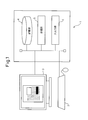
- FIG. 1 is a schematic configuration diagram of an electronic document encryption apparatus according to an embodiment.
- FIG. 2 is a functional block diagram of the processing unit of the electronic document encryption apparatus showing functions realized for executing processing for concealing part or all of the electronic document.
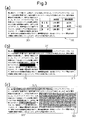
- FIG. 3A is a diagram illustrating an example of an original document in which a hidden area is not set.
- FIG. 3B is a diagram illustrating an example of an encrypted document in which a concealment area on an original document is filled with black.
- FIG. 3C is a diagram illustrating an example of an encrypted document in which an encryption process as an image is performed on a hidden area on an original document.
- FIG. 4A is a diagram illustrating an example of a hidden area set in an electronic document.
- FIG. 4A is a diagram illustrating an example of a hidden area set in an electronic document.
- FIG. 4B is a diagram illustrating an example of the divided concealment area when the electronic document is edited after the concealment area is set.
- FIG. 5 is a diagram illustrating an example of a hidden area management table.
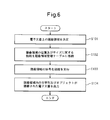
- FIG. 6 is a diagram showing an operation flowchart of encryption processing when a concealment area is set, which is controlled by a computer program executed on the processing unit of the electronic document encryption apparatus.
- FIG. 7 is a diagram showing an operational flowchart of a hidden area correction process when an electronic document in which a hidden area is set, which is controlled by a computer program executed on the processing unit of the electronic document encryption apparatus, is edited. .
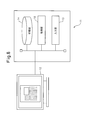
- FIG. 8 is a schematic configuration diagram of an electronic document decryption apparatus according to one embodiment.
- FIG. 8 is a schematic configuration diagram of an electronic document decryption apparatus according to one embodiment.
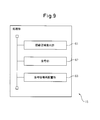
- FIG. 9 is a functional block diagram of a processing unit of the electronic document decryption apparatus showing functions realized for executing the process of decrypting the electronic document.
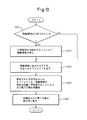
- FIG. 10 is a diagram showing an operation flowchart of a decryption process controlled by a computer program executed on the processing unit of the electronic document decryption apparatus.
- This electronic document encryption apparatus is configured such that, after a hidden area is set, when a character string or object located before the hidden area or in the middle of the hidden area is edited, the portion to be hidden is positioned after editing. At the same time, the position of the hidden area is corrected.
- the electronic document encryption device stores a table in which the latest position and size of the concealment area are recorded in association with the position of the concealment area at the time of setting in the predetermined area of the electronic document, thereby editing the electronic document after editing. It is not necessary to reset the hidden area.
- FIG. 1 is a schematic configuration diagram of an electronic document encryption apparatus according to an embodiment.
- the electronic document encryption apparatus 1 includes an operation unit 2, a display unit 3, a storage unit 4, a processing unit 5, and an input / output unit 6.
- the operation unit 2 has an input device such as a keyboard, a mouse, or a touch pad, for example.
- the operation unit 2 is used by the user to set a concealment area at an arbitrary location of the electronic document displayed on the display unit 3. Then, a signal indicating a region input via the operation unit 2 is passed to the processing unit 5.
- the operation unit 2 is also used by a user to edit an electronic document. A signal representing a character or the like input via the operation unit 2 is also passed to the processing unit 5.
- the display unit 3 includes a display device such as a liquid crystal display or a CRT monitor. Then, the display unit 3 displays an electronic document that is a target for setting a hidden area. When the concealment area input via the operation unit 2 is set for the electronic document, the display unit 3 displays the electronic document including the set concealment area. Further, the display unit 3 displays operation buttons or menus for editing the electronic document, such as an icon for setting a hidden area in the electronic document.
- the storage unit 4 includes, for example, at least one of a semiconductor memory and a magnetic disk device.
- the storage unit 4 is a computer program such as an electronic document editing application executed by the electronic document encryption apparatus 1, an electronic document to be encrypted, an electronic document encrypted by the electronic document encryption apparatus 1, or the like. Store the data. Then, the storage unit 4 outputs a predetermined program or data to the processing unit 5 in accordance with a control signal from the processing unit 5. The storage unit 4 stores data received from the processing unit 5.
- the input / output unit 6 acquires from the portable recording medium an electronic document that is a target for setting a hidden area. Further, the input / output unit 6 outputs an electronic document in which a concealment area is set to a portable recording medium.
- the input / output unit 6 includes an access device or an interface circuit for a portable recording medium such as a CD, a DVD, a floppy disk (registered trademark), or a universal serial bus (USB) memory. Then, the input / output unit 6 reads an electronic document that is a target for setting a concealment area from a portable recording medium attached to the input / output unit 6 and passes the electronic document to the processing unit 5.
- the input / output unit 6 writes the electronic document set with the concealment area received from the processing unit 5 to a portable recording medium attached to the input / output unit 6. Further, the input / output unit 6 acquires an electronic document that is a target for setting a concealment area through a communication network that complies with a communication standard such as Ethernet (registered trademark), or receives an electronic document in which the concealment area is set as another You may output to an apparatus.
- the input / output unit 6 includes a communication interface for connecting the electronic document encryption device 1 to a communication network and its control circuit.
- the processing unit 5 includes one or a plurality of processors and their peripheral circuits.
- the processing unit 5 executes the electronic document editing application, so that the user operates the electronic document acquired via the input / output unit 6 or read from the storage unit 4 via the operation unit 2. Editable. Further, the processing unit 5 executes a process of concealing part or all of the electronic document in accordance with an instruction from the operation unit 2 for the electronic document. Further, the processing unit 5 controls the entire electronic document encryption apparatus 1.
- FIG. 2 is a functional block diagram of the processing unit 5 showing functions realized for executing a process of concealing part or all of the electronic document.
- the processing unit 5 includes a hidden area setting unit 51, an encryption unit 52, a document editing information acquisition unit 53, and a hidden area management unit 54.
- Each of these units included in the processing unit 5 is a functional module implemented by a computer program executed on a processor included in the processing unit 5.
- the hidden area setting unit 51 sets an area input by the user via the operation unit 2 as a hidden area. For example, when the user clicks a concealment region setting icon displayed on the display unit 3 using the mouse of the operation unit 2, the processing unit 5 starts the concealment region setting process. Then, after the hidden area setting process is started, the hidden area setting unit 51 operates the coordinates on the screen of the display unit 3 of the upper left point and the lower right point of the hidden area set by the user on the electronic document using the mouse. Obtained from part 2. Note that the concealment area may be set not only in the body of the electronic document but also in any of a header, a footer, a comment area, and a user extension area.
- the hidden area setting unit 51 determines the position and size of the hidden area on the electronic document from the relationship between the coordinates of the upper left end point and the lower right end point of the hidden area and the position on the display unit 3 of the electronic document. Then, the hidden area setting unit 51 associates the position and size of the hidden area with the area ID number uniquely determined for each hidden area, and records it in the hidden area management table for recording information related to the hidden area.
- the position of the concealment area is represented by, for example, a combination of a page number, a line number, and the number of characters from the left end in each line.
- the page number may be omitted.
- the size of the concealment area is represented by, for example, character point units or the number of characters included in the concealment area in each of the horizontal and vertical directions.
- the hidden area setting unit 51 stores the hidden area management table in the header, footer, comment area, or user extension area of the electronic document in which the hidden area is set.
- the hidden area setting unit 51 passes information representing the position and size of the hidden area on the electronic document to the encryption unit 52.
- the encryption unit 52 encrypts an object such as a character string or an image, a mathematical expression, or a table included in the hidden area set by the hidden area setting unit 51. At that time, when only the character string is included in the concealment area, the encryption unit 52 encrypts the character string included in the concealment area or encrypts the entire concealment area as an image. When one or more objects are included in the hidden area, the encryption unit 52 encrypts the entire hidden area as an image.
- the encryption unit 52 When encrypting the character string included in the concealment area, the encryption unit 52 creates, for example, a character string in which all characters included in the concealment area are connected in a predetermined order.
- the encryption unit 52 encrypts the character string by replacing the code of each character included in the character string with another character code according to a predetermined algorithm using a bit string called a key.
- the encryption unit 52 encrypts a character string included in the hidden area according to a common key method such as Data Encryption Standard (DES) or Advanced Encryption Standard (AES).
- DES Data Encryption Standard
- AES Advanced Encryption Standard
- the encryption unit 52 may encrypt the character string included in the hidden area according to a public key method such as RSA encryption.
- the predetermined order may be any order as long as the apparatus that decrypts the electronic document encrypted by the electronic document encryption apparatus 1 can know the order.
- the predetermined order may be arranged in order from the character closest to the beginning of the electronic document in the hidden area, or may be arranged in order from the character closest to the tail of the electronic document in the hidden area.
- the encryption unit 52 stores the encrypted character string in the header, footer, comment area, or user extension area of the electronic document.
- the encryption unit 52 stores the encrypted character string in an area on the electronic document that is not printed on the medium such as a user extension area when the electronic document is printed on a medium such as paper. Is preferred.
- the electronic document encryption device 1 can improve the security of the electronic document.
- the encryption unit 52 also conceals the character string or object in the concealment area with a document component different from the character string or object contained in the concealment area in order to conceal the information written in the concealment area.
- the document component is a minimum unit component that can be edited on an electronic document, such as a character and an indivisible object.
- the encryption unit 52 arranges a graphic object that is painted with a specific color (for example, black or white) or has a pattern such as hatching in the hidden area.
- the encryption unit 52 may replace each character included in the hidden area with a predetermined character. Further, the encryption unit 52 may replace each character included in the hidden area with a plurality of characters different from the character.
- the encryption unit 52 may replace each of a predetermined number of two or more characters included in the concealment region with one character different from those characters. In this way, the number of characters different from the number of characters included in the character string in the concealment area is arranged in the concealment area, so that the encryption unit 52 estimates the character string included in the concealment area. To make it more difficult to do.
- the encryption unit 52 When encrypting the hidden area as an image, the encryption unit 52 converts the hidden area into a bitmap, for example.
- the encryption unit 52 divides the concealment area into a plurality of blocks, and sets a unique number for each block. For example, the encryption unit 52 divides the concealment region into a total of 12 blocks of 3 vertical ⁇ 4 horizontal, and assigns numbers 1 to 12 to the respective blocks.
- the encryption unit 52 executes a scramble process for exchanging the position of each block using the encryption key. For this purpose, the encryption unit 52 creates a correspondence table representing the positional relationship between the blocks before and after conversion from the encryption key. For example, assume that the block number before conversion is represented by x and the block number after conversion is represented by y.
- the block conversion formula corresponding to the scramble processing is expressed by the following formula.
- the encryption unit 52 may arrange the encrypted image as it is in the hidden area.
- the encryption unit 52 may store the encrypted image in the header, footer, comment area, or user extension area of the electronic document. Also in this case, the encryption unit 52 stores the encrypted image in an area on the electronic document that is not printed on the medium such as a user extension area when the electronic document is printed on a medium such as paper. Is preferred. Even when the encrypted unit 52 stores the encrypted image in an area on the electronic document different from the hidden area, the encryption unit 52 converts the character string or object in the hidden area to the character string or object included in the hidden area.
- the encryption unit 52 may provide a pattern for specifying the area where the encryption process has been performed around the encrypted concealment area. Further, the encryption unit 52 may invert the value of a pixel at a predetermined position in each block in order to specify the position of each block. The encryption unit 52 may encrypt the hidden area using another image encryption method.
- FIGS. 3A to 3C show the original document, the encrypted document in which the concealment area on the original document is painted in black, and the encryption process as an image for the concealment area on the original document, respectively.
- An example of an encrypted document in which is executed is shown.
- the original document 300 includes a character string 301 and a table 302.
- concealment areas 311 and 312 are set in two places in the character string 301 of the original document 300, and a concealment area 313 is set so as to conceal the table 302.
- the hidden areas 311 to 313 are painted black, and the character strings and tables in the hidden areas are unreadable.
- the concealment areas 321 to 323 corresponding to the concealment areas 311 to 313 shown in FIG. 3B are encrypted as images.
- the encryption unit 52 returns an electronic document obtained by encrypting the character string or object included in the set hidden area to the processing unit 5.
- the processing unit 5 displays the electronic document in which the hidden area is set on the display unit 3. At that time, the processing unit 5 displays the set hidden area together with the original character string or object before being encrypted on the display unit 3 so that the user can edit the character string or object in the hidden area. You may display the outline. Alternatively, the processing unit 5 may make the color or pattern of the original character string or the background of the object before being encrypted different from other parts on the display unit 3 for which the hidden area is set. Further, the processing unit 5 may store the electronic document in which the concealment area is set in a portable recording medium via the input / output unit 6 or store the electronic document in the storage unit 14.
- the document editing information acquisition unit 53 displays the position and size of the character string or object corrected by the editing work on the electronic document. Obtained from an electronic document editing application. Specifically, the document editing information acquisition unit 53 acquires the number of characters, font size, and position of the character string included in the character string inserted into or deleted from the electronic document from the electronic document editing application. . The document editing information acquisition unit 53 acquires the size and position of an object inserted into the electronic document or deleted from the electronic document from the electronic document editing application. Then, the document editing information acquisition unit 53 passes the position and size of the character string or object corrected in the editing operation on the electronic document to the hidden area management unit 54.
- the hidden area management unit 54 When the hidden area management unit 54 receives the position and size of the character string or the object on the electronic document corrected by the editing work from the document editing information acquisition unit 53, the hidden area management unit 54 corrects the hidden area based on the position and size. Therefore, the hidden area management unit 54 compares the position of the character string or object corrected in the editing operation on the electronic document with the position of each hidden area stored in the hidden area management table. Then, when the character string or object modified by the editing operation is located before or in the concealment area, the concealment area management unit 54 moves the character string or object to be concealed generated by the modification. Only move the hidden area.
- the hidden area management unit 54 Moves the concealment area backward by an amount corresponding to the predetermined number of characters. Then, the hidden area management unit 54 records the current position of the hidden area after movement in the hidden area management table.
- a line break may occur in the middle of a hidden character string or object by editing the electronic document.
- the character string to be concealed may be divided into a part that remains without line breaks and a part that moves to the next line after line breaks.
- the character string to be concealed may be divided into two parts before and after the inserted character string. Therefore, when the character string or object concealed by the concealment area is divided, the concealment area management unit 54 also divides the concealment area in accordance with the front part and the rear part of the character string or object.
- the hidden area setting unit 51 may divide the hidden area for each document component included in the hidden area.
- the electronic document encryption apparatus 1 determines the correspondence between each part of the encrypted character string or object included in the concealment area and each division area. Need to record.
- the concealment area management unit 54 reconstructs the original concealment area by recombining the divided areas, and for each divided area, the initial setting position of the concealment area, the position after movement, and the division area Is recorded in the hidden area management table.
- FIG. 4A and FIG. 4B are diagrams showing examples of the concealment area set in the electronic document and the concealment area after division when the electronic document is edited after the concealment area is set. It is.
- one hidden area 401 is set in the electronic document 400.
- the upper left point of the hidden area 401 is the third line from the top and the fifth character from the left
- the lower right end point of the hidden area 401 is the fourth line from the top and the sixth character from the left.
- Each character included in the concealment area is replaced with another symbol “ ⁇ ”.
- FIG. 4A one hidden area 401 is set in the electronic document 400.
- the upper left point of the hidden area 401 is the third line from the top and the fifth character from the left
- the lower right end point of the hidden area 401 is the fourth line from the top and the sixth character from the left.
- Each character included in the concealment area is replaced with another symbol “ ⁇ ”.
- the character string to be concealed in the concealment area 401 is the third line and It is divided into the right end of the fourth row and the left end of the fourth and fifth rows. Therefore, the hidden area management unit 54 also divides the hidden area 401 into hidden areas 411 to 414. As described above, even if a line break occurs in the middle of a character string to be concealed by editing the electronic document, or another character string is inserted in the middle of the character string, the electronic document encryption apparatus 1 The character string to be concealed can be concealed accurately.
- FIG. 5 is a diagram showing an example of a concealment area management table corresponding to the concealment area 401 shown in FIGS. 4 (a) and 4 (b).
- the hidden area management table 500 has information related to one hidden area for each row.
- the hidden area management table 500 records the storage positions of data such as the area ID number, the number of divisions, the coordinates before movement, the coordinates after movement, the area size, and the encrypted character string in order from the left column.
- the number of divisions is the number of divided areas created by dividing the hidden area. Therefore, if the concealment area is not divided, the division number is 1.
- the pre-movement coordinates represent the position of the hidden area on the electronic document at the first setting time of the hidden area.
- the coordinates before movement represent the position on the electronic document for each division area.
- the post-movement coordinate represents the position of the hidden area on the electronic document in the latest state of the electronic document. If the concealment area is divided, the post-movement coordinates represent positions on the electronic document for each division area.
- the area size represents the size of the hidden area. When the hidden area is divided, the area size represents the size of each divided area.
- the hidden area information 501 stored in the first line of the hidden area management table 500 is information related to the hidden area 401 shown in FIGS. 4 (a) and 4 (b).
- the item of the number of divisions in the hidden area information 501 indicates that the hidden area 401 is divided into four divided areas.
- the item of the pre-movement coordinate in the hidden area information 501 indicates that the position 511 of the divided area 411 at the beginning of setting the hidden area 401 is the third line from the top and the fifth character from the left, for example.
- the post-movement coordinate item of the hidden area information 501 indicates that the current position 521 of the divided area 411 is the third line from the top and the sixth character from the left.
- the area size item of the hidden area information 501 indicates that, for example, the size 531 of the divided area 411 is 10 points in both the horizontal direction and the vertical direction.
- the item of the storage location of the hidden area information 501 indicates that the code obtained by encrypting the character string included in the hidden area 401 is arranged first in the user extension area.
- FIG. 6 shows an operational flowchart of encryption processing when a hidden area is set, which is controlled by a computer program executed on the processing unit 5 of the electronic document encryption apparatus 1.
- the processing unit 5 acquires an electronic document that is a target for setting a concealment area via the input / output unit 6 or reads it from the storage unit 4.
- the processing unit 5 activates an electronic document editing application and causes the display unit 3 to display the electronic document.
- the processing unit 5 starts an encryption process.
- the concealment area setting unit 51 of the processing unit 5 determines the concealment area on the electronic document based on the area input by the user via the operation unit 2 (step S101). Then, the hidden area setting unit 51 stores information on the position and size of the hidden area in the hidden area management table (step S102). The hidden area setting unit 51 passes information on the position and size of the hidden area to the encryption unit 52 of the processing unit 5. The encryption unit 52 encrypts the character string or object included in the hidden area (step S103). When encrypting the character string included in the hidden area, the encryption unit 52 stores the encrypted character string in the header, footer, comment area, or user extension area of the electronic document.
- the encryption unit 52 replaces the character string or object in the hidden area with another object so that the character string or object in the hidden area is hidden on the display unit 3.
- the encryption unit 52 may encrypt the hidden area as an image.
- the processing unit 5 outputs the electronic document in which the character string and the object in the hidden area are hidden via the input / output unit 6 (step S104). Further, the processing unit 5 displays the electronic document on the display unit 3. Further, the processing unit 5 may store the electronic document in the storage unit 4. Thereafter, the processing unit 5 ends the encryption process.
- FIG. 7 shows an operational flowchart of a hidden area correction process when an electronic document in which a hidden area is set, which is controlled by a computer program executed on the processing unit 5 of the electronic document encryption apparatus 1, is edited.
- the processing unit 5 starts the hidden area correction process.
- the document editing information acquisition unit 53 of the processing unit 5 acquires the position and size of the character string or object corrected by editing the electronic document from the electronic document editing application being executed on the processing unit 5 ( Step S201).
- the document editing information acquisition unit 53 passes the position and size of the character string or object corrected in the editing operation on the electronic document to the hidden area management unit 54 of the processing unit 5.
- the concealment area management unit 54 determines whether or not the character string or object that should be concealed by the concealment area that has already been set is moved by the character string or object that has been corrected by the editing operation (step S202). . If the character string or object to be concealed does not move due to the editing operation (step S202-No), the processing unit 5 ends the concealment area correction process.
- the concealment area management unit 54 determines whether the character string or object included in the concealment area is divided in the middle. (Step S203). When the character string or object included in the concealment area is not divided (step S203—No), the concealment area management unit 54 moves the concealment area by the amount of movement of the character string or object to be concealed that has occurred due to the editing operation. To do. Then, the hidden area management unit 54 records the current position of the hidden area after the movement in the hidden area management table (step S204).
- step S203 when the character string or object included in the concealment area is divided in the middle (step S203—Yes), the concealment area management unit 54 divides the character string or object into the front part and the rear part. Accordingly, the concealment area is divided (step S205).
- the hidden area management unit 54 records the current position and size of each divided area in the hidden area management table (step S206).
- step S204 or S206 the processing unit 5 outputs the electronic document in which the position of the hidden area is corrected via the input / output unit 6 (step S207). Further, the processing unit 5 displays the electronic document on the display unit 3. Further, the processing unit 5 may store the electronic document in the storage unit 4. Thereafter, the processing unit 5 ends the hidden area correction process.
- the processing unit 5 executes the processes in steps S201 to S206 described above for each concealment area.
- step S207 the processing unit 5 outputs the electronic document corrected for all the concealment areas via the input / output unit 6.
- FIG. 8 is a schematic configuration diagram of an electronic document decryption apparatus according to one embodiment. As illustrated in FIG. 8, the electronic document decryption apparatus 11 includes a display unit 12, an input unit 13, a storage unit 14, and a processing unit 15.
- the display unit 12 includes a display device such as a liquid crystal display or a CRT monitor.
- the display unit 12 displays the electronic document in which the hidden area is set or the electronic document in which the character string or the object included in the hidden area is decoded by the processing unit 15.
- the input unit 13 acquires an electronic document in which a hidden area is set, and passes the electronic document to the processing unit 15.
- the input unit 13 includes an access device or an interface circuit for a portable recording medium such as a CD, a DVD, a floppy disk (registered trademark), or a USB memory. Then, the input unit 13 reads an electronic document in which a concealment area is set from a portable recording medium attached to the input unit 13 and passes it to the processing unit 15. Further, the input unit 13 may acquire an electronic document in which a concealment area is set through a communication network according to a communication standard such as Ethernet (registered trademark). In this case, the input unit 13 includes a communication interface for connecting the electronic document decryption apparatus 11 to a communication network and its control circuit.
- the storage unit 14 includes, for example, at least one of a semiconductor memory and a magnetic disk device.
- the storage unit 4 is a computer program such as an electronic document editing application executed by the electronic document decryption device 11, an electronic document encrypted by the electronic document encryption device 1, or an electronic data decrypted by the electronic document decryption device 11. Stores data such as documents.
- the storage unit 14 outputs a predetermined program or data to the processing unit 15 in accordance with a control signal from the processing unit 15.
- the storage unit 14 stores data received from the processing unit 15.
- the processing unit 15 has one or a plurality of processors and their peripheral circuits. Then, the processing unit 15 decrypts the electronic document in which the hidden area is set. Further, the processing unit 15 controls the entire electronic document decryption apparatus 11.
- FIG. 9 is a functional block diagram of the processing unit 15 showing functions realized for executing the process of decrypting the electronic document.
- the processing unit 15 includes a concealed area restoration unit 61, a decoding unit 62, and a decoded information rearrangement unit 63.
- Each of these units included in the processing unit 15 is a functional module implemented by a computer program executed on a processor included in the processing unit 15.
- the hidden area restoration unit 61 recombines the divided areas.
- the hidden area restoration unit 61 refers to the hidden area management table and acquires the pre-movement coordinates and sizes corresponding to the respective divided areas.
- the hidden area restoration unit 61 rearranges the divided areas in accordance with the corresponding coordinates and size before movement in the memory area of the processing unit 15 secured separately from the electronic document to be decrypted, and reconfigures the divided areas as one area. By combining, the hidden area is restored.
- the hidden area restoration unit 61 passes the restored hidden area to the decoding unit 62.
- the decryption unit 62 decrypts the character string or object included in the hidden area.
- the decrypting unit 62 decrypts the encrypted character string using the decryption algorithm and the key corresponding to the algorithm used in the encryption processing. To do.
- the concealment area is encrypted as an image
- the decryption unit 62 performs a descrambling process on each block included in the encrypted image, thereby returning the block to the original block position. Reconstruct the corresponding original image.
- the decryption unit 62 uses the expression (1) for converting the encryption key and the block position when the scramble process is executed, and the position of the block after the scramble process is y in the encryption area.
- the original position x of the block can be determined. Then, the decryption unit 62 can reconstruct the original image by moving each block in the encryption area to the obtained original block position. The decryption unit 62 passes the decrypted character string or object to the decryption information rearrangement unit 63.
- the decryption information rearrangement unit 63 rearranges the decrypted character string and object at the current position of the hidden area with reference to the hidden area management table. For example, when a character string included in the concealment area is decrypted, the decryption information rearrangement unit 63 returns each character included in the character string to the original position according to the order in which the characters are aligned. Then, the decryption information rearrangement unit 63 inserts the decrypted character string or object into the concealed area specified by the item of the post-movement position in the concealment area management table, or the document structure for information concealment Replace with an element.
- the decoding information rearrangement unit 63 refers to the area size item of the hidden area management table and calculates the number of characters or the size or number of objects included in each divided area. Then, based on the calculated number of characters or the size or number of objects, the decoding information rearrangement unit 63 determines the number of character strings or object parts or objects included in each divided region. For each divided area, the decryption information rearrangement unit 63 inserts the decoded character string or object included in the divided area at the position of the divided area specified by the item of the moved position in the concealed area management table. Replace with encrypted image or document component for information hiding.
- the decryption information rearrangement unit 63 reconstructs an electronic document displaying the same content as the original electronic document.
- the decryption information rearrangement unit 63 passes the reconstructed electronic document to the processing unit 15.
- the processing unit 15 causes the display unit 13 to display the reconstructed electronic document. Further, the processing unit 15 stores the reconstructed electronic document in the storage unit 14.
- the processing unit 15 may display the decrypted character string or object in a window separate from the window where the decrypted electronic document is displayed on the display unit 13.
- the decryption information rearrangement unit 63 returns to the processing unit 15 document data in which the character string or object included in the hidden area is arranged according to the state at the time of setting the hidden area.
- the hidden area on the electronic document is displayed on the display unit 13 in the same state as before being decrypted.
- the processing unit 15 stores the decrypted character string or object in the header, footer, comment area, or user extension area of the electronic document in which the hidden area is set, and stores the electronic document in the storage unit 14. Good.
- FIG. 10 shows an operational flowchart of a decryption process controlled by a computer program executed on the processing unit 15 of the electronic document decryption apparatus 11.
- the processing unit 15 acquires an electronic document in which a hidden area is set
- the processing unit 15 starts a decryption process.
- the hidden area restoration unit 61 of the processing unit 15 refers to the item of the number of divisions in the hidden area management table to determine whether or not the hidden area is divided (step S301).
- step S301—No the processing unit 15 shifts the control to step S303.
- the hidden area restoring unit 61 restores the hidden area by recombining the divided areas (step S302). Then, the hidden area restoration unit 61 passes the restored hidden area to the decoding unit 62 of the processing unit 15.
- the decryption unit 62 decrypts the character string or object included in the hidden area (step S303). Then, the decryption unit 62 passes the decrypted character string or object to the decryption information rearrangement unit 63 of the processing unit 15. The decryption information rearrangement unit 63 reconstructs the original electronic document by rearranging the decrypted character string or object to the current position of the hidden area (step S304). Then, the decryption information rearrangement unit 63 returns the reconstructed electronic document to the processing unit 15. The processing unit 15 displays the reconstructed electronic document received from the decryption information rearrangement unit 63 on the display unit 13 (step S305). The processing unit 15 may store the reconstructed electronic document in the storage unit 14.
- the processing unit 15 ends the decoding process. If a plurality of concealment areas are set for one electronic document, the processing unit 15 repeats the processes of steps S301 to S304 for each concealment area. Then, in step S ⁇ b> 305, the processing unit 15 displays on the display unit 13 the electronic document in which all the concealment areas have been decoded and reconstructed.
- the electronic document encryption apparatus after a hidden area is set, a character string or an object located before the hidden area or in the middle of the hidden area is edited. In this case, the hidden area is moved in accordance with the position of the character string or object to be hidden after the editing.
- the concealment area when a character string or object included in the concealment area is divided by editing the electronic document, the concealment area is also a part of the front side of the divided character string or object. And split to fit the rear part.
- the electronic document encryption apparatus records the concealed area at the time of setting in a recoverable manner by managing the position and size of the concealed area after editing in association with the position of the concealed area at the time of setting.
- an electronic document decryption apparatus that decrypts an electronic document in which a concealment area is set by the electronic document encryption apparatus restores the concealment area at the time of setting with reference to a concealment area management table stored in the electronic document. Therefore, this electronic document decryption apparatus decrypts a character string or an object in the hidden area even if the hidden area set in the electronic document is divided by editing the electronic document after the setting. Electronic documents can be reconstructed.
- a computer program that causes a computer to realize the functions of the hidden area setting unit, the encryption unit, the document editing information acquisition unit, and the hidden area management unit included in the processing unit of the electronic document encryption apparatus is readable by the computer. It may be provided in a recorded form on a medium.
- a computer program that causes a computer to realize the functions of the hidden area restoration unit, the decoding unit, and the decryption information rearrangement unit included in the processing unit of the electronic document decryption apparatus is provided in a form recorded on a computer-readable medium. May be.
Landscapes
- Engineering & Computer Science (AREA)
- Theoretical Computer Science (AREA)
- Physics & Mathematics (AREA)
- General Health & Medical Sciences (AREA)
- Health & Medical Sciences (AREA)
- General Physics & Mathematics (AREA)
- General Engineering & Computer Science (AREA)
- Computer Hardware Design (AREA)
- Software Systems (AREA)
- Computer Security & Cryptography (AREA)
- Bioethics (AREA)
- Artificial Intelligence (AREA)
- Audiology, Speech & Language Pathology (AREA)
- Computational Linguistics (AREA)
- Document Processing Apparatus (AREA)
- Storage Device Security (AREA)
Abstract
電子文書暗号化装置は、電子データとして表される電子文書を編集する操作部と、電子文書の少なくとも一部に含まれる文字列あるいはオブジェクトを隠蔽する隠蔽領域を設定する処理部とを有する。その処理部は、操作部を介して入力された電子文書上の領域を隠蔽領域として設定し、隠蔽領域の電子文書上の位置及びサイズを記録したテーブルを電子文書の所定領域に格納する機能と、隠蔽領域に含まれる文字列あるいはオブジェクトを暗号化する機能と、隠蔽領域が設定された後に、電子文書が編集されると、その編集により挿入あるいは削除された文字列あるいはオブジェクトの位置を取得する機能と、挿入あるいは削除された文字列あるいはオブジェクトの位置と隠蔽領域の位置関係から、隠蔽領域により隠蔽されるべき文字列あるいはオブジェクトの位置が変動する場合、隠蔽されるべき文字列あるいはオブジェクトの移動量に応じて隠蔽領域の位置を修正し、修正後の隠蔽領域の位置をテーブルに記録する機能とを実現する。
Description
ここに開示される実施形態は、電子文書の一部または全てを隠蔽する電子文書暗号化装置、電子文書暗号化方法及び電子文書暗号化プログラム、ならびに一部または全てが隠蔽された電子文書を復号する電子文書復号装置に関する。
近年における書類の電子化により、機密書類が電子文書として保管されたり、あるいは、電子文書として配布されることが増えている。しかし、機密書類が不特定多数の人に見られることは望ましくない。そこで、電子文書のうちの機密情報が記された部分を隠蔽する技術が提案されている。そのような技術のうちの一つを用いた隠蔽処理装置は、原本電子文書上の一部に隠蔽領域を設定する。隠蔽領域はマスクデータとして格納部に格納される。そしてその隠蔽処理装置は、原本電子文書内の文字コードをビットマップ展開し、その一部をマスクデータで覆うことにより中間データを作成する。その後、その隠蔽処理装置は、その中間データを所定の形式の電子文書に変換することにより、一部の領域が隠蔽された電子文書を作成する。
しかしながら、電子文書を編集しようとするユーザは、電子文書中の一部に隠蔽領域を設定した後に、その電子文書を編集することもある。例えば、ユーザは、隠蔽領域よりも前に位置する文章の一部あるいは図を削除したり、または、隠蔽領域よりも前に、新しい文章あるいは図を追加することがある。このように、隠蔽領域が既に設定された電子文書が編集された場合、従来の隠蔽処理装置では、設定された隠蔽領域の位置が、本来隠蔽したい部分の位置とずれてしまうおそれがあった。そして設定された隠蔽領域の位置が、本来隠蔽したい部分の位置とずれた場合、ユーザは、隠蔽領域を再設定しなければならない。そこで、そのようなユーザの作業負荷を減らす技術が望まれている。
そこで、本明細書は、電子文書の一部または全てに隠蔽領域が設定された後に、ユーザがその電子文書を編集しても、隠蔽領域を再設定する必要がない電子文書暗号化装置を提供することを目的とする。
一つの実施形態によれば、電子文書暗号化装置が提供される。この電子文書暗号化装置は、電子データとして表される電子文書を編集する操作部と、電子文書の少なくとも一部に含まれる文字列あるいはオブジェクトを隠蔽する隠蔽領域を設定する処理部とを有する。その処理部は、操作部を介して入力された電子文書上の領域を隠蔽領域として設定し、隠蔽領域の電子文書上の位置及びサイズを記録したテーブルを電子文書の所定領域に格納する機能と、隠蔽領域に含まれる文字列あるいはオブジェクトを暗号化する機能と、隠蔽領域が設定された後に、電子文書が編集されると、その編集により挿入あるいは削除された文字列あるいはオブジェクトの位置を取得する機能と、挿入あるいは削除された文字列あるいはオブジェクトの位置と隠蔽領域の位置関係から、隠蔽領域により隠蔽されるべき文字列あるいはオブジェクトの位置が変動する場合、隠蔽されるべき文字列あるいはオブジェクトの移動量に応じて隠蔽領域の位置を修正し、修正後の隠蔽領域の位置をテーブルに記録する機能とを実現する。
また、他の実施形態によれば、電子文書復号装置が提供される。この電子文書復号装置は、電子データとして表される電子文書であって、電子文書の少なくとも一部に含まれる文字列あるいはオブジェクトを隠蔽する隠蔽領域が設定され、かつその隠蔽領域に含まれる文字列あるいはオブジェクトが暗号化されるとともに、その隠蔽領域の電子文書上の位置及びサイズを記録したテーブルを有する電子文書を取得する入力部と、電子文書を復号する処理部とを有する。その処理部は、暗号化された文字列あるいはオブジェクトを復号する機能と、復号された文字列あるいはオブジェクトを、テーブルを参照して隠蔽領域の現在の位置に再配置する機能とを実現する。
さらに他の実施形態によれば、電子データとして表される電子文書の少なくとも一部に含まれる文字列あるいはオブジェクトを暗号化する電子文書暗号化方法が提供される。この電子文書暗号化方法は、操作部を介して入力された電子文書上の領域を隠蔽領域として設定し、隠蔽領域の電子文書上の位置及びサイズを記録したテーブルを電子文書の所定領域に格納し、隠蔽領域に含まれる文字列あるいはオブジェクトを暗号化し、隠蔽領域が設定された後に、電子文書が編集されると、その編集により挿入あるいは削除された文字列あるいはオブジェクトの位置を取得し、挿入あるいは削除された文字列あるいはオブジェクトの位置と隠蔽領域の位置関係から、隠蔽領域により隠蔽されるべき文字列あるいはオブジェクトの位置が変動する場合、その隠蔽されるべき文字列あるいはオブジェクトの移動量に応じて隠蔽領域の位置を修正し、修正後の隠蔽領域の位置をテーブルに記録することを含む。
さらに他の実施形態によれば、電子データとして表される電子文書の少なくとも一部に含まれる文字列あるいはオブジェクトを暗号化することをコンピュータに実行させる命令を有する電子文書暗号化プログラムが提供される。この電子文書暗号化プログラムは、操作部を介して入力された電子文書上の領域を隠蔽領域として設定し、隠蔽領域の電子文書上の位置及びサイズを記録したテーブルを電子文書の所定領域に格納し、隠蔽領域に含まれる文字列あるいはオブジェクトを暗号化し、隠蔽領域が設定された後に、電子文書が編集されると、その編集により挿入あるいは削除された文字列あるいはオブジェクトの位置を取得し、挿入あるいは削除された文字列あるいはオブジェクトの位置と隠蔽領域の位置関係から、隠蔽領域により隠蔽されるべき文字列あるいはオブジェクトの位置が変動する場合、その隠蔽されるべき文字列あるいはオブジェクトの移動量に応じて隠蔽領域の位置を修正し、修正後の隠蔽領域の位置をテーブルに記録することをコンピュータに実行させる。
本発明の目的及び利点は、請求項において特に指摘されたエレメント及び組み合わせにより実現され、かつ達成される。
上記の一般的な記述及び下記の詳細な記述の何れも、例示的かつ説明的なものであり、請求項のように、本発明を制限するものではないことを理解されたい。
上記の一般的な記述及び下記の詳細な記述の何れも、例示的かつ説明的なものであり、請求項のように、本発明を制限するものではないことを理解されたい。
ここに開示される電子文書暗号化装置は、電子文書の一部または全てに隠蔽領域が設定された後に、ユーザはその電子文書を編集しても、隠蔽領域を再設定しなくてもよいという効果を奏する。
1 電子文書暗号化装置
2 操作部
3 表示部
4 記憶部
5 処理部
6 入出力部
51 隠蔽領域設定部
52 暗号化部
53 文書編集情報取得部
54 隠蔽領域管理部
11 電子文書復号装置
12 表示部
13 入力部
14 記憶部
15 処理部
61 隠蔽領域復元部
62 復号部
63 復号情報再配置部
2 操作部
3 表示部
4 記憶部
5 処理部
6 入出力部
51 隠蔽領域設定部
52 暗号化部
53 文書編集情報取得部
54 隠蔽領域管理部
11 電子文書復号装置
12 表示部
13 入力部
14 記憶部
15 処理部
61 隠蔽領域復元部
62 復号部
63 復号情報再配置部
以下、図を参照しつつ、一つの実施形態による、電子文書暗号化装置について説明する。この電子文書暗号化装置は、隠蔽領域が設定された後に、隠蔽領域よりも前、あるいは隠蔽領域の途中に位置する文字列あるいはオブジェクトが編集された場合、隠蔽すべき部分の編集後の位置に合わせて隠蔽領域の位置を修正する。そしてこの電子文書暗号化装置は、隠蔽領域の最新の位置及びサイズを設定時における隠蔽領域の位置と関連付けて記録したテーブルを、その電信文書の所定領域に格納することにより、電子文書編集後における隠蔽領域の再設定を不要とする。
図1は、一つの実施形態による電子文書暗号化装置の概略構成図である。図1に示すように、電子文書暗号化装置1は、操作部2と、表示部3と、記憶部4と、処理部5と、入出力部6とを有する。
操作部2は、例えば、キーボード、マウス、またはタッチパッドなどの入力デバイスを有する。そして操作部2は、ユーザが表示部3に表示された電子文書の任意の場所に、隠蔽領域を設定するために使用される。そして操作部2を介して入力された領域を示す信号は、処理部5へ渡される。また操作部2は、ユーザが電子文書を編集するためにも使用される。操作部2を介して入力された文字などを表す信号も処理部5へ渡される。
表示部3は、例えば、液晶ディスプレイまたはCRTモニタなどの表示装置を有する。そして表示部3は、隠蔽領域の設定対象となる電子文書を表示する。またその電子文書に対して、操作部2を介して入力された隠蔽領域が設定されている場合、表示部3は、設定された隠蔽領域を含む電子文書を表示する。さらに表示部3は、電子文書に隠蔽領域を設定するためのアイコンなど、電子文書を編集するための操作ボタンあるいはメニューを表示する。
記憶部4は、例えば、半導体メモリまたは磁気ディスク装置のうちの少なくとも何れか一つを有する。そして記憶部4は、電子文書暗号化装置1で実行される、電子文書編集用アプリケーションなどのコンピュータプログラム、暗号化対象となる電子文書または電子文書暗号化装置1により暗号化された電子文書などのデータを記憶する。そして記憶部4は、処理部5からの制御信号に従って、所定のプログラムあるいはデータを処理部5へ出力する。また記憶部4は、処理部5から受け取ったデータを保存する。
入出力部6は、隠蔽領域の設定対象となる電子文書を可搬記録媒体から取得する。また、入出力部6は、隠蔽領域が設定された電子文書を可搬記録媒体に出力する。そのために、入出力部6は、例えば、CD、DVD、フロッピーディスク(登録商標)あるいはUniversal Serial Bus(USB)メモリなどの可搬記録媒体に対するアクセス装置あるいはインターフェース回路を有する。そして入出力部6は、入出力部6に装着された可搬記録媒体から隠蔽領域の設定対象となる電子文書を読み込み、処理部5に渡す。また入出力部6は、処理部5から受け取った隠蔽領域が設定された電子文書を、入出力部6に装着された可搬記録媒体に書き込む。
また入出力部6は、イーサネット(登録商標)などの通信規格に従った通信ネットワークを通じて、隠蔽領域の設定対象となる電子文書を取得したり、あるいは、隠蔽領域が設定された電子文書を他の機器へ出力してもよい。この場合、入出力部6は、電子文書暗号化装置1を通信ネットワークに接続するための通信インターフェース及びその制御回路を有する。
また入出力部6は、イーサネット(登録商標)などの通信規格に従った通信ネットワークを通じて、隠蔽領域の設定対象となる電子文書を取得したり、あるいは、隠蔽領域が設定された電子文書を他の機器へ出力してもよい。この場合、入出力部6は、電子文書暗号化装置1を通信ネットワークに接続するための通信インターフェース及びその制御回路を有する。
処理部5は、1個または複数個のプロセッサ及びその周辺回路を有する。そして処理部5は、電子文書編集用アプリケーションを実行することにより、入出力部6を介して取得した、あるいは記憶部4から読み込んだ電子文書を、ユーザが操作部2を介して操作することにより編集可能とする。また処理部5は、その電子文書に対して、操作部2からの指示に従ってその電子文書の一部または全てを隠蔽する処理を実行する。さらに処理部5は、電子文書暗号化装置1全体を制御する。
図2は、電子文書の一部または全てを隠蔽する処理を実行するために実現される機能を示す処理部5の機能ブロック図である。図2に示されるように、処理部5は、隠蔽領域設定部51と、暗号化部52と、文書編集情報取得部53と、隠蔽領域管理部54とを有する。処理部5が有するこれらの各部は、処理部5が有するプロセッサ上で実行されるコンピュータプログラムによって実装される機能モジュールである。
隠蔽領域設定部51は、操作部2を介してユーザにより入力された領域を隠蔽領域として設定する。例えば、ユーザが、表示部3上に表示された隠蔽領域設定用のアイコンを操作部2のマウスを用いてクリックすると、処理部5は隠蔽領域設定処理を開始する。そして隠蔽領域設定部51は、隠蔽領域設定処理が開始された後に、ユーザが電子文書上にマウスを用いて設定した隠蔽領域の左上端点及び右下端点の表示部3の画面上の座標を操作部2から取得する。なお、隠蔽領域は、電子文書の本文だけでなく、ヘッダ、フッタ、コメント領域あるいはユーザ拡張領域の何れに設定されてもよい。
隠蔽領域設定部51は、隠蔽領域の左上端点及び右下端点の座標と、その電子文書の表示部3上の位置との関係から、隠蔽領域の電子文書上の位置及びサイズを決定する。そして隠蔽領域設定部51は、隠蔽領域の位置及びサイズを、隠蔽領域ごとに一意に定められる領域ID番号と関連付け、隠蔽領域に関する情報を記録するための隠蔽領域管理テーブルに記録する。なお、隠蔽領域の位置は、例えば、ページ番号、行番号及び各行内の左端からの文字数の組み合わせにより表される。ただし、隠蔽領域が設定された文書が、1ページしか持たない文書である場合、ページ番号は省略されてもよい。また隠蔽領域のサイズは、例えば、横方向及び縦方向のそれぞれについて、文字のポイント単位、あるいは隠蔽領域に含まれる文字数で表される。
さらに隠蔽領域設定部51は、その隠蔽領域管理テーブルを、隠蔽領域が設定された電子文書のヘッダ、フッタ、コメント領域あるいはユーザ拡張領域に格納する。また隠蔽領域設定部51は、電子文書上の隠蔽領域の位置及びサイズを表す情報を、暗号化部52に渡す。
さらに隠蔽領域設定部51は、その隠蔽領域管理テーブルを、隠蔽領域が設定された電子文書のヘッダ、フッタ、コメント領域あるいはユーザ拡張領域に格納する。また隠蔽領域設定部51は、電子文書上の隠蔽領域の位置及びサイズを表す情報を、暗号化部52に渡す。
暗号化部52は、隠蔽領域設定部51により設定された隠蔽領域内に含まれる文字列あるいはイメージ、数式あるいは表などのオブジェクトを暗号化する。その際、隠蔽領域内に文字列のみが含まれる場合、暗号化部52は、隠蔽領域内に含まれる文字列を暗号化するか、あるいは、隠蔽領域全体を画像として暗号化する。また、隠蔽領域内に一つ以上のオブジェクトが含まれる場合、暗号化部52は、隠蔽領域全体を画像として暗号化する。
暗号化部52は、隠蔽領域内に含まれる文字列を暗号化する場合、例えば、隠蔽領域内に含まれる全ての文字を、所定の順序で一列につなげた文字列を作成する。そして暗号化部52は、その文字列に含まれる各文字のコードを、鍵と呼ばれるビット列を用いて所定のアルゴリズムに従って他の文字コードに置換することにより、その文字列を暗号化する。具体的には、暗号化部52は、Data Encryption Standard(DES)あるいはAdvanced Encryption Standard(AES)のような共通鍵方式に従って隠蔽領域に含まれる文字列を暗号化する。あるいは、暗号化部52は、RSA暗号のような公開鍵方式に従って隠蔽領域に含まれる文字列を暗号化してもよい。また所定の順序は、電子文書暗号化装置1により暗号化された電子文書を復号する装置がその順序を知ることができるのであれば、どのような順序であってもよい。例えば、所定の順序は、隠蔽領域内において電子文書の先頭に近い文字から順に並べるものでもよく、あるいは隠蔽領域内において電子文書の後尾に近い文字から順に並べるものであってもよい。
暗号化部52は、暗号化された文字列を、電子文書のヘッダ、フッタ、コメント領域あるいはユーザ拡張領域に格納する。ここで、暗号化部52は、暗号化された文字列を、電子文書を紙などの媒体に印刷したときに、その媒体上に印刷されない電子文書上の領域、例えばユーザ拡張領域に格納することが好ましい。これにより、第三者が隠蔽領域が設定された電子文書が印刷された媒体を入手しても、その第三者は、隠蔽領域内に記された情報を知ることができなくなる。そのため、電子文書暗号化装置1は、電子文書のセキュリティ性を向上できる。
また、暗号化部52は、隠蔽領域内に記された情報を隠蔽するために、隠蔽領域内の文字列あるいはオブジェクトを、その隠蔽領域に含まれていた文字列あるいはオブジェクトと異なる文書構成要素で置換する。なお、文書構成要素は、文字及び分割不能なオブジェクトなど、電子文書上で編集可能な最小単位の構成要素である。
例えば、暗号化部52は、隠蔽領域に、特定色(例えば、黒色または白色)で一色に塗りつぶされたり、ハッチングなどの模様が付された図形オブジェクトを配置する。あるいは、暗号化部52は、隠蔽領域内に含まれる各文字を、予め定められた所定の文字に置換してもよい。さらに暗号化部52は、隠蔽領域内に含まれる一つの文字ごとに、その文字と異なる複数の文字で置換してもよい。逆に暗号化部52は、隠蔽領域内に含まれる2以上の所定数の文字ごとに、それらの文字と異なる一つの文字で置換してもよい。このように、隠蔽領域内の文字列に含まれる文字の数と異なる数の文字が隠蔽領域に配置されることにより、暗号化部52は、第三者が隠蔽領域に含まれる文字列を推定することをより困難にすることができる。
例えば、暗号化部52は、隠蔽領域に、特定色(例えば、黒色または白色)で一色に塗りつぶされたり、ハッチングなどの模様が付された図形オブジェクトを配置する。あるいは、暗号化部52は、隠蔽領域内に含まれる各文字を、予め定められた所定の文字に置換してもよい。さらに暗号化部52は、隠蔽領域内に含まれる一つの文字ごとに、その文字と異なる複数の文字で置換してもよい。逆に暗号化部52は、隠蔽領域内に含まれる2以上の所定数の文字ごとに、それらの文字と異なる一つの文字で置換してもよい。このように、隠蔽領域内の文字列に含まれる文字の数と異なる数の文字が隠蔽領域に配置されることにより、暗号化部52は、第三者が隠蔽領域に含まれる文字列を推定することをより困難にすることができる。
暗号化部52は、隠蔽領域を画像として暗号化する場合、例えば、隠蔽領域をビットマップに変換する。そして暗号化部52は、隠蔽領域を複数のブロックに分割し、各ブロックに固有の番号を設定する。例えば、暗号化部52は、隠蔽領域を縦3個×横4個の合計12個のブロックに分割し、それぞれのブロックに1~12の番号を付す。次に、暗号化部52は、暗号鍵を用いて各ブロックの位置を入れ替えるスクランブル処理を実行する。そのために、暗号化部52は、暗号鍵から変換前と変換後のブロックの位置関係を表す対応テーブルを作成する。例えば、変換前のブロックの番号がxで表され、変換後のブロックの番号がyで表されるとする。このとき、スクランブル処理に対応するブロックの変換式は次式で表される。

(1)式において、p及びqは、それぞれ、暗号鍵が表す素数である。例えば、p=7、q=13であれば、xが1のとき、対応するyの値は7となる。したがって、暗号化部52は、変換前のブロック番号xが1であるブロックを、スクランブル処理により、変換後のブロック番号yが7であるブロックの位置へ移動する。
隠蔽領域が画像として暗号化された場合、その暗号化された画像自体が表示されても、隠蔽領域内の文字列あるいはオブジェクトは判読不能である。そのため、この場合には、暗号化部52は、隠蔽領域にそのまま暗号化された画像を配置してもよい。
また暗号化部52は、暗号化された画像を、電子文書のヘッダ、フッタ、コメント領域あるいはユーザ拡張領域に格納してもよい。この場合も、暗号化部52は、暗号化された画像を、電子文書を紙などの媒体に印刷したときに、その媒体上に印刷されない電子文書上の領域、例えばユーザ拡張領域に格納することが好ましい。そして暗号化部52は、暗号化された画像を隠蔽領域と異なる電子文書上の領域に格納する場合にも、隠蔽領域内の文字列あるいはオブジェクトを、その隠蔽領域に含まれていた文字列あるいはオブジェクトと異なるオブジェクトで置換する。
なお、暗号化部52は、暗号化された隠蔽領域の周囲に、暗号化処理が実行された領域を特定するためのパターンを設けてもよい。さらに暗号化部52は、各ブロックの位置を特定するために、各ブロック内の所定位置の画素の値を反転させてもよい。
また暗号化部52は、他の画像暗号化方法を用いて隠蔽領域を暗号化してもよい。
また暗号化部52は、暗号化された画像を、電子文書のヘッダ、フッタ、コメント領域あるいはユーザ拡張領域に格納してもよい。この場合も、暗号化部52は、暗号化された画像を、電子文書を紙などの媒体に印刷したときに、その媒体上に印刷されない電子文書上の領域、例えばユーザ拡張領域に格納することが好ましい。そして暗号化部52は、暗号化された画像を隠蔽領域と異なる電子文書上の領域に格納する場合にも、隠蔽領域内の文字列あるいはオブジェクトを、その隠蔽領域に含まれていた文字列あるいはオブジェクトと異なるオブジェクトで置換する。
なお、暗号化部52は、暗号化された隠蔽領域の周囲に、暗号化処理が実行された領域を特定するためのパターンを設けてもよい。さらに暗号化部52は、各ブロックの位置を特定するために、各ブロック内の所定位置の画素の値を反転させてもよい。
また暗号化部52は、他の画像暗号化方法を用いて隠蔽領域を暗号化してもよい。
図3(a)~図3(c)は、それぞれ、原文書、原文書上の隠蔽領域が黒色に塗りつぶされた暗号化文書、及び原文書上の隠蔽領域に対して画像としての暗号化処理が実行された暗号化文書の一例を示す。図3(a)に示されるように、原文書300は、文字列301と表302とを含んでいる。図3(b)では、この原文書300の文字列301のうちの2箇所に隠蔽領域311及び312が設定され、かつ、表302を隠蔽するように隠蔽領域313が設定されている。そして隠蔽領域311~313は、黒色に塗りつぶされており、その隠蔽領域内の文字列及び表は判読不能となっている。また図3(c)では、図3(b)に示された隠蔽領域311~313に対応する隠蔽領域321~323が、画像として暗号化されている。
暗号化部52は、設定された隠蔽領域に含まれる文字列あるいはオブジェクトを暗号化した電子文書を処理部5に返す。処理部5は、隠蔽領域が設定された電子文書を表示部3に表示する。その際、処理部5は、隠蔽領域内の文字列あるいはオブジェクトをユーザが編集可能なように、表示部3上では、暗号化される前の元の文字列あるいはオブジェクトとともに、設定された隠蔽領域の輪郭を表示してもよい。あるいは処理部5は、表示部3上で、隠蔽領域が設定された部分について、暗号化される前の元の文字列あるいはオブジェクトの背景の色または模様を他の部分と異ならせてもよい。
さらに処理部5は、隠蔽領域が設定された電子文書を入出力部6を介して可搬記録媒体に保存したり、あるいは、その電子文書を記憶部14に記憶してもよい。
さらに処理部5は、隠蔽領域が設定された電子文書を入出力部6を介して可搬記録媒体に保存したり、あるいは、その電子文書を記憶部14に記憶してもよい。
文書編集情報取得部53は、隠蔽領域が設定された電子文書をユーザが操作部2を介して編集した場合、その編集作業により修正された文字列あるいはオブジェクトの電子文書上の位置及びサイズを、電子文書編集用アプリケーションから取得する。具体的には、文書編集情報取得部53は、電子文書に挿入され、あるいは電子文書から削除された文字列に含まれる文字数、フォントサイズ及びその文字列の位置を電子文書編集用アプリケーションから取得する。また文書編集情報取得部53は、電子文書に挿入され、あるいは電子文書から削除されたオブジェクトのサイズと位置を電子文書編集用アプリケーションから取得する。
そして文書編集情報取得部53は、編集作業により修正された文字列あるいはオブジェクトの電子文書上の位置及びサイズを隠蔽領域管理部54に渡す。
そして文書編集情報取得部53は、編集作業により修正された文字列あるいはオブジェクトの電子文書上の位置及びサイズを隠蔽領域管理部54に渡す。
隠蔽領域管理部54は、文書編集情報取得部53から編集作業により修正された文字列あるいはオブジェクトの電子文書上の位置及びサイズを受け取ると、その位置及びサイズに基づいて隠蔽領域を修正する。
そこで、隠蔽領域管理部54は、編集作業により修正された文字列あるいはオブジェクトの電子文書上の位置と、隠蔽領域管理テーブルに格納されている各隠蔽領域の位置とを比較する。そして隠蔽領域管理部54は、編集作業により修正された文字列あるいはオブジェクトが隠蔽領域よりも前、あるいは隠蔽領域内に位置する場合、その修正によって生じた隠蔽されるべき文字列あるいはオブジェクトの移動量だけ隠蔽領域を移動する。例えば、編集作業により、隠蔽領域よりも前に所定数の文字が挿入され、その新たに挿入された文字と隠蔽領域の間に改行コードあるいは改ページコードが存在しなければ、隠蔽領域管理部54は、その所定数の文字に相当する量だけ隠蔽領域を後方に移動する。そして隠蔽領域管理部54は、移動後の隠蔽領域の現在の位置を隠蔽領域管理テーブルに記録する。
そこで、隠蔽領域管理部54は、編集作業により修正された文字列あるいはオブジェクトの電子文書上の位置と、隠蔽領域管理テーブルに格納されている各隠蔽領域の位置とを比較する。そして隠蔽領域管理部54は、編集作業により修正された文字列あるいはオブジェクトが隠蔽領域よりも前、あるいは隠蔽領域内に位置する場合、その修正によって生じた隠蔽されるべき文字列あるいはオブジェクトの移動量だけ隠蔽領域を移動する。例えば、編集作業により、隠蔽領域よりも前に所定数の文字が挿入され、その新たに挿入された文字と隠蔽領域の間に改行コードあるいは改ページコードが存在しなければ、隠蔽領域管理部54は、その所定数の文字に相当する量だけ隠蔽領域を後方に移動する。そして隠蔽領域管理部54は、移動後の隠蔽領域の現在の位置を隠蔽領域管理テーブルに記録する。
ここで、電子文書の編集により、隠蔽される文字列あるいはオブジェクトの途中で改行が生じる場合がある。例えば、隠蔽領域よりも前に文章が挿入されることにより、隠蔽されるべき文字列が、改行されずに残った部分と、改行されて次の行に移動した部分に分割されることがある。また、隠蔽領域が設定された文章の途中に新たな文字列が挿入されることにより、隠蔽されるべき文字列がその挿入された文字列の前後の二つに分割されることがある。
そこで隠蔽領域管理部54は、隠蔽領域により隠蔽される文字列あるいはオブジェクトが分割された場合、隠蔽領域もその文字列あるいはオブジェクトの前側の部分と後側の部分とに合わせて分割する。あるいは、隠蔽領域設定部51は、隠蔽領域内に含まれる文書構成要素ごとに、その隠蔽領域を分割してもよい。
このように、隠蔽領域が分割されると、電子文書暗号化装置1は、その隠蔽領域に含まれる、暗号化された文字列またはオブジェクトのうちのそれぞれの部分と各分割領域との対応関係を記録する必要がある。特に、隠蔽領域が画像として暗号化され、その暗号化された画像が分割されている場合、電子文書暗号化装置1により暗号化された電子文書を復号する装置は、直接的にその画像中の文字列あるいはオブジェクトを復号することは困難となる。
そこで、隠蔽領域管理部54は、分割された領域を再結合して元の隠蔽領域を復元できるように、分割された領域ごとに、隠蔽領域の最初の設定位置、移動後の位置及び分割領域のサイズを隠蔽領域管理テーブルに記録する。
そこで隠蔽領域管理部54は、隠蔽領域により隠蔽される文字列あるいはオブジェクトが分割された場合、隠蔽領域もその文字列あるいはオブジェクトの前側の部分と後側の部分とに合わせて分割する。あるいは、隠蔽領域設定部51は、隠蔽領域内に含まれる文書構成要素ごとに、その隠蔽領域を分割してもよい。
このように、隠蔽領域が分割されると、電子文書暗号化装置1は、その隠蔽領域に含まれる、暗号化された文字列またはオブジェクトのうちのそれぞれの部分と各分割領域との対応関係を記録する必要がある。特に、隠蔽領域が画像として暗号化され、その暗号化された画像が分割されている場合、電子文書暗号化装置1により暗号化された電子文書を復号する装置は、直接的にその画像中の文字列あるいはオブジェクトを復号することは困難となる。
そこで、隠蔽領域管理部54は、分割された領域を再結合して元の隠蔽領域を復元できるように、分割された領域ごとに、隠蔽領域の最初の設定位置、移動後の位置及び分割領域のサイズを隠蔽領域管理テーブルに記録する。
図4(a)及び図4(b)は、それぞれ、電子文書に設定された隠蔽領域、及び、隠蔽領域設定後にその電子文書が編集された場合における、分割後の隠蔽領域の一例を示す図である。図4(a)に示されるように、電子文書400において、一つの隠蔽領域401が設定されている。この隠蔽領域401の左上端点は、上から3行目かつ左から5文字目であり、隠蔽領域401の右下端点は、上から4行目かつ左から6文字目となっている。また隠蔽領域内に含まれる各文字は、それぞれ、他の記号'○'で置換されている。ここで、図4(b)に示されるように、3行目の3文字目に、新たな文字402が挿入されると、隠蔽領域401にて隠蔽されるべき文字列は、3行目及び4行目の右端と4行目及び5行目の左端に分割される。そこで隠蔽領域管理部54も隠蔽領域401を隠蔽領域411~414に分割する。このように、電子文書が編集されることによって、隠蔽されるべき文字列の途中で改行が生じたり、その文字列の途中に別の文字列が挿入されても、電子文書暗号化装置1は、隠蔽されるべき文字列を正確に隠蔽できる。
図5は、図4(a)及び図4(b)に示された隠蔽領域401に対応する隠蔽領域管理テーブルの一例を示す図である。図5に示されるように、隠蔽領域管理テーブル500は、各行ごとに、一つの隠蔽領域に関する情報を有する。そして隠蔽領域管理テーブル500は、左側の列から順に、領域ID番号、分割数、移動前座標、移動後座標、領域サイズ及び暗号化された文字列などのデータの格納位置を記録する。なお、分割数は、隠蔽領域が分割されることにより作成された分割領域の数である。従って、隠蔽領域が分割されていなければ、分割数は1である。また移動前座標は、隠蔽領域の最初の設定時点における、隠蔽領域の電子文書上の位置を表す。ここで隠蔽領域が分割されている場合には、移動前座標は分割領域ごとの電子文書上の位置を表す。一方、移動後座標は、電子文書の最新の状態における、隠蔽領域の電子文書上の位置を表す。そして隠蔽領域が分割されている場合には、移動後座標は分割領域ごとの電子文書上の位置を表す。領域サイズは、隠蔽領域のサイズを表す。そして隠蔽領域が分割されている場合には、領域サイズは各分割領域のサイズを表す。
隠蔽領域管理テーブル500の1行目に格納された隠蔽領域情報501は、図4(a)及び図4(b)に示された隠蔽領域401に関する情報である。そして隠蔽領域情報501の分割数の項目は、隠蔽領域401が4個の分割領域に分割されていることを示している。また隠蔽領域情報501の移動前座標の項目は、例えば、隠蔽領域401の設定当初における分割領域411の位置511が上から3行目、左から5文字目であることを示している。さらに、隠蔽領域情報501の移動後座標の項目は、分割領域411の現在の位置521が上から3行目、左から6文字目であることを示している。
さらに、隠蔽領域情報501の領域サイズの項目は、例えば、分割領域411のサイズ531が、横方向、縦方向の何れについても10ポイントであることを示している。また隠蔽領域情報501の格納位置の項目は、隠蔽領域401に含まれる文字列が暗号化されたコードがユーザ拡張領域の1番目に配置されていることを示している。
さらに、隠蔽領域情報501の領域サイズの項目は、例えば、分割領域411のサイズ531が、横方向、縦方向の何れについても10ポイントであることを示している。また隠蔽領域情報501の格納位置の項目は、隠蔽領域401に含まれる文字列が暗号化されたコードがユーザ拡張領域の1番目に配置されていることを示している。
図6は、電子文書暗号化装置1の処理部5上で実行されるコンピュータプログラムにより制御される、隠蔽領域が設定されたときの暗号化処理の動作フローチャートを示す。
先ず、処理部5は、隠蔽領域の設定対象となる電子文書を入出力部6を介して取得し、あるいは記憶部4から読み出す。そして処理部5は、電子文書編集用アプリケーションを起動して、その電子文書を表示部3に表示させる。そしてユーザが操作部2を介して隠蔽領域を入力すると、処理部5は、暗号化処理を開始する。
先ず、処理部5は、隠蔽領域の設定対象となる電子文書を入出力部6を介して取得し、あるいは記憶部4から読み出す。そして処理部5は、電子文書編集用アプリケーションを起動して、その電子文書を表示部3に表示させる。そしてユーザが操作部2を介して隠蔽領域を入力すると、処理部5は、暗号化処理を開始する。
図6に示されるように、処理部5の隠蔽領域設定部51は、操作部2を介してユーザにより入力された領域に基づいて、電子文書上の隠蔽領域を決定する(ステップS101)。そして隠蔽領域設定部51は、その隠蔽領域の位置及びサイズに関する情報を隠蔽領域管理テーブルに格納する(ステップS102)。隠蔽領域設定部51は、その隠蔽領域の位置及びサイズに関する情報を処理部5の暗号化部52に渡す。暗号化部52は、隠蔽領域に含まれる文字列あるいはオブジェクトを暗号化する(ステップS103)。暗号化部52は、隠蔽領域内に含まれる文字列を暗号化する場合、暗号化された文字列を、電子文書のヘッダ、フッタ、コメント領域あるいはユーザ拡張領域に格納する。さらに、暗号化部52は、表示部3上で隠蔽領域内の文字列またはオブジェクトが隠蔽されるように、隠蔽領域内の文字列あるいはオブジェクトを、他のオブジェクトで置換する。あるいは、暗号化部52は、隠蔽領域を画像として暗号化してもよい。
そして処理部5は、隠蔽領域内の文字列及びオブジェクトが隠蔽された電子文書を入出力部6を介して出力する(ステップS104)。また処理部5は、その電子文書を表示部3に表示させる。さらに処理部5は、その電子文書を記憶部4に記憶してもよい。その後、処理部5は暗号化処理を終了する。
そして処理部5は、隠蔽領域内の文字列及びオブジェクトが隠蔽された電子文書を入出力部6を介して出力する(ステップS104)。また処理部5は、その電子文書を表示部3に表示させる。さらに処理部5は、その電子文書を記憶部4に記憶してもよい。その後、処理部5は暗号化処理を終了する。
図7は、電子文書暗号化装置1の処理部5上で実行されるコンピュータプログラムにより制御される、隠蔽領域が設定された電子文書が編集されたときの隠蔽領域修正処理の動作フローチャートを示す。
図7に示されるように、ユーザが操作部2を介して隠蔽領域が設定された電子文書を編集すると、処理部5は、隠蔽領域修正処理を開始する。そして処理部5の文書編集情報取得部53は、電子文書が編集されることにより修正された文字列またはオブジェクトの位置及びサイズを、処理部5上で実行中の電子文書編集アプリケーションから取得する(ステップS201)。そして文書編集情報取得部53は、その編集作業により修正された文字列あるいはオブジェクトの電子文書上の位置及びサイズを処理部5の隠蔽領域管理部54に渡す。
図7に示されるように、ユーザが操作部2を介して隠蔽領域が設定された電子文書を編集すると、処理部5は、隠蔽領域修正処理を開始する。そして処理部5の文書編集情報取得部53は、電子文書が編集されることにより修正された文字列またはオブジェクトの位置及びサイズを、処理部5上で実行中の電子文書編集アプリケーションから取得する(ステップS201)。そして文書編集情報取得部53は、その編集作業により修正された文字列あるいはオブジェクトの電子文書上の位置及びサイズを処理部5の隠蔽領域管理部54に渡す。
次に、隠蔽領域管理部54は、編集作業により修正された文字列あるいはオブジェクトにより、既に設定されている隠蔽領域により隠蔽されるべき文字列あるいはオブジェクトが移動するか否か判定する(ステップS202)。その編集作業によっても、隠蔽されるべき文字列あるいはオブジェクトが移動しない場合(ステップS202-No)、処理部5は、隠蔽領域修正処理を終了する。
一方、その編集作業によって隠蔽されるべき文字列あるいはオブジェクトが移動する場合(ステップS202-Yes)、隠蔽領域管理部54は、隠蔽領域に含まれる文字列あるいはオブジェクトが途中で分割されたか否か判定する(ステップS203)。隠蔽領域に含まれる文字列あるいはオブジェクトが分割されていない場合(ステップS203-No)、隠蔽領域管理部54は、編集作業により生じた隠蔽されるべき文字列あるいはオブジェクトの移動量だけ隠蔽領域を移動する。そして隠蔽領域管理部54は、その移動後における、隠蔽領域の現在の位置を隠蔽領域管理テーブルに記録する(ステップS204)。
一方、隠蔽領域に含まれる文字列あるいはオブジェクトが途中で分割された場合(ステップS203-Yes)、隠蔽領域管理部54は、分割された文字列あるいはオブジェクトの前側の部分と後側の部分とに応じて隠蔽領域を分割する(ステップS205)。そして隠蔽領域管理部54は、各分割領域の現在の位置及びサイズを隠蔽領域管理テーブルに記録する(ステップS206)。
ステップS204またはS206の後、処理部5は、隠蔽領域の位置が修正された電子文書を入出力部6を介して出力する(ステップS207)。また処理部5は、その電子文書を表示部3に表示させる。さらに処理部5は、その電子文書を記憶部4に記憶してもよい。その後、処理部5は隠蔽領域修正処理を終了する。
なお、処理部5は、一つの電子文書に対して複数の隠蔽領域が設定されている場合、上記のステップS201~206の処理を、隠蔽領域ごとに実行する。そして処理部5は、ステップS207において、全ての隠蔽領域について修正された電子文書を入出力部6を介して出力する。
ステップS204またはS206の後、処理部5は、隠蔽領域の位置が修正された電子文書を入出力部6を介して出力する(ステップS207)。また処理部5は、その電子文書を表示部3に表示させる。さらに処理部5は、その電子文書を記憶部4に記憶してもよい。その後、処理部5は隠蔽領域修正処理を終了する。
なお、処理部5は、一つの電子文書に対して複数の隠蔽領域が設定されている場合、上記のステップS201~206の処理を、隠蔽領域ごとに実行する。そして処理部5は、ステップS207において、全ての隠蔽領域について修正された電子文書を入出力部6を介して出力する。
次に、電子文書暗号化装置1により隠蔽領域が設定された電子文書を復号する電子文書復号装置について説明する。
図8は、一つの実施形態による電子文書復号装置の概略構成図である。図8に示すように、電子文書復号装置11は、表示部12と、入力部13と、記憶部14と、処理部15とを有する。
表示部12は、例えば、液晶ディスプレイまたはCRTモニタなどの表示装置を有する。そして表示部12は、隠蔽領域が設定された電子文書、あるいは、処理部15により、隠蔽領域に含まれる文字列あるいはオブジェクトが復号された電子文書を表示する。
入力部13は、隠蔽領域が設定された電子文書を取得し、その電子文書を処理部15に渡す。そのために、入力部13は、例えば、CD、DVD、フロッピーディスク(登録商標)あるいはUSBメモリなどの可搬記録媒体に対するアクセス装置あるいはインターフェース回路を有する。そして入力部13は、入力部13に装着された可搬記録媒体から隠蔽領域が設定された電子文書を読み込み、処理部15に渡す。
また入力部13は、イーサネット(登録商標)などの通信規格に従った通信ネットワークを通じて隠蔽領域が設定された電子文書を取得してもよい。この場合、入力部13は、電子文書復号装置11を通信ネットワークに接続するための通信インターフェース及びその制御回路を有する。
また入力部13は、イーサネット(登録商標)などの通信規格に従った通信ネットワークを通じて隠蔽領域が設定された電子文書を取得してもよい。この場合、入力部13は、電子文書復号装置11を通信ネットワークに接続するための通信インターフェース及びその制御回路を有する。
記憶部14は、例えば、半導体メモリまたは磁気ディスク装置のうちの少なくとも何れか一つを有する。そして記憶部4は、電子文書復号装置11で実行される、電子文書編集用アプリケーションなどのコンピュータプログラム、電子文書暗号化装置1により暗号化された電子文書あるいは電子文書復号装置11により復号された電子文書などのデータを記憶する。そして記憶部14は、処理部15からの制御信号に従って、所定のプログラムあるいはデータを処理部15へ出力する。また記憶部14は、処理部15から受け取ったデータを保存する。
処理部15は、1個または複数個のプロセッサ及びその周辺回路を有する。そして処理部15は、隠蔽領域が設定された電子文書を復号する。さらに処理部15は、電子文書復号装置11全体を制御する。
図9は、電子文書を復号する処理を実行するために実現される機能を示す処理部15の機能ブロック図である。図9に示されるように、処理部15は、隠蔽領域復元部61と、復号部62と、復号情報再配置部63とを有する。処理部15が有するこれらの各部は、処理部15が有するプロセッサ上で実行されるコンピュータプログラムによって実装される機能モジュールである。
隠蔽領域復元部61は、隠蔽領域が複数の領域に分割されている場合、その分割された領域を再結合する。特に、暗号化された隠蔽領域の画像において、スクランブル処理の実行単位であるブロックの幾つかが複数の分割領域に分断されていても、電子文書復号装置11は、再結合された隠蔽領域に基づいて隠蔽領域を復号できる。そこで、隠蔽領域復元部61は、隠蔽領域管理テーブルを参照して、各分割領域に対応する移動前座標及びサイズを取得する。そして隠蔽領域復元部61は、復号する電子文書とは別個に確保した処理部15のメモリ領域内で、各分割領域を、対応する移動前座標及びサイズに従って並び替えた上で一つの領域に再結合することにより、隠蔽領域を復元する。
隠蔽領域復元部61は、復元された隠蔽領域を復号部62に渡す。
隠蔽領域復元部61は、復元された隠蔽領域を復号部62に渡す。
復号部62は、隠蔽領域に含まれる文字列あるいはオブジェクトを復号する。ここで、隠蔽領域に含まれる文字列が暗号化されている場合、復号部62は、その暗号化処理で用いられたアルゴリズムに対応する復号アルゴリズム及び鍵を用いて暗号化された文字列を復号する。
一方、隠蔽領域が画像として暗号化されている場合、復号部62は、暗号化された画像に含まれる各ブロックを逆スクランブル処理することにより、元のブロックの位置に戻すことで、隠蔽領域に対応する原画像を再構成する。具体的には、復号部62は、スクランブル処理を実行したときの暗号鍵及びブロック位置を変換する(1)式を用いて、スクランブル処理実行後のブロックの位置がyとなる、暗号化領域内のブロックの元の位置xを決定できる。そして復号部62は、暗号化領域内の各ブロックを、得られた元のブロック位置に移動させることにより、原画像を再構成できる。
復号部62は、復号された文字列あるいはオブジェクトを復号情報再配置部63に渡す。
一方、隠蔽領域が画像として暗号化されている場合、復号部62は、暗号化された画像に含まれる各ブロックを逆スクランブル処理することにより、元のブロックの位置に戻すことで、隠蔽領域に対応する原画像を再構成する。具体的には、復号部62は、スクランブル処理を実行したときの暗号鍵及びブロック位置を変換する(1)式を用いて、スクランブル処理実行後のブロックの位置がyとなる、暗号化領域内のブロックの元の位置xを決定できる。そして復号部62は、暗号化領域内の各ブロックを、得られた元のブロック位置に移動させることにより、原画像を再構成できる。
復号部62は、復号された文字列あるいはオブジェクトを復号情報再配置部63に渡す。
復号情報再配置部63は、復号された文字列及びオブジェクトを、隠蔽領域管理テーブルを参照して現在の隠蔽領域の位置に再配置する。例えば、復号情報再配置部63は、隠蔽領域内に含まれる文字列が復号された場合、その文字列に含まれる各文字を、暗号化の際に並べた順序に従って、元の位置に戻す。そして復号情報再配置部63は、復号された文字列あるいはオブジェクトを、隠蔽領域管理テーブルの移動後位置の項目により特定された隠蔽領域の位置に挿入された暗号化画像または情報隠蔽用の文書構成要素と置換する。
特に隠蔽領域が分割されている場合、復号情報再配置部63は、隠蔽領域管理テーブルの領域サイズの項目を参照して、分割領域ごとに含まれる文字数あるいはオブジェクトのサイズ若しくは数を算出する。そして復号情報再配置部63は、算出された文字数あるいはオブジェクトのサイズ若しくは数に基づいて、分割領域ごとに含まれる文字列あるいはオブジェクトの部分あるいはオブジェクトの数を決定する。
復号情報再配置部63は、分割領域ごとに、その分割領域に含まれる復号された文字列あるいはオブジェクトを、隠蔽領域管理テーブルの移動後位置の項目により特定された分割領域の位置に挿入された暗号化画像または情報隠蔽用の文書構成要素と置換する。これにより、復号情報再配置部63は、元の電子文書と同じ内容が表示された電子文書を再構成する。
復号情報再配置部63は、再構成された電子文書を処理部15に渡す。そして処理部15は、再構成された電子文書を表示部13に表示させる。さらに処理部15は、再構成された電子文書を記憶部14に記憶する。
復号情報再配置部63は、分割領域ごとに、その分割領域に含まれる復号された文字列あるいはオブジェクトを、隠蔽領域管理テーブルの移動後位置の項目により特定された分割領域の位置に挿入された暗号化画像または情報隠蔽用の文書構成要素と置換する。これにより、復号情報再配置部63は、元の電子文書と同じ内容が表示された電子文書を再構成する。
復号情報再配置部63は、再構成された電子文書を処理部15に渡す。そして処理部15は、再構成された電子文書を表示部13に表示させる。さらに処理部15は、再構成された電子文書を記憶部14に記憶する。
なお、処理部15は、復号された文字列あるいはオブジェクトを、表示部13上で復号される電子文書が表示されるウインドウとは別個のウインドウに表示してもよい。この場合、復号情報再配置部63は、隠蔽領域内に含まれる文字列あるいはオブジェクトを隠蔽領域設定時の状態通りに配置した文書データを処理部15に返す。また、電子文書上の隠蔽領域は、復号される前と同じ状態で表示部13に表示される。そして処理部15は、復号された文字列あるいはオブジェクトを、隠蔽領域が設定された電子文書のヘッダ、フッタ、コメント領域あるいはユーザ拡張領域に格納し、その電子文書を記憶部14に記憶してもよい。
図10は、電子文書復号装置11の処理部15上で実行されるコンピュータプログラムにより制御される、復号処理の動作フローチャートを示す。
図10に示されるように、処理部15は、隠蔽領域が設定された電子文書を取得すると、復号処理を開始する。そして処理部15の隠蔽領域復元部61は、隠蔽領域管理テーブルの分割数の項目を参照することにより、隠蔽領域が分割されているか否か判定する(ステップS301)。隠蔽領域が分割されていない場合(ステップS301-No)、処理部15は制御をステップS303に移行する。一方、隠蔽領域が分割されている場合(ステップS301-Yes)、隠蔽領域復元部61は、分割領域を再結合することにより、隠蔽領域を復元する(ステップS302)。そして隠蔽領域復元部61は、復元された隠蔽領域を処理部15の復号部62に渡す。
図10に示されるように、処理部15は、隠蔽領域が設定された電子文書を取得すると、復号処理を開始する。そして処理部15の隠蔽領域復元部61は、隠蔽領域管理テーブルの分割数の項目を参照することにより、隠蔽領域が分割されているか否か判定する(ステップS301)。隠蔽領域が分割されていない場合(ステップS301-No)、処理部15は制御をステップS303に移行する。一方、隠蔽領域が分割されている場合(ステップS301-Yes)、隠蔽領域復元部61は、分割領域を再結合することにより、隠蔽領域を復元する(ステップS302)。そして隠蔽領域復元部61は、復元された隠蔽領域を処理部15の復号部62に渡す。
復号部62は、隠蔽領域に含まれる文字列あるいはオブジェクトを復号する(ステップS303)。そして復号部62は、復号された文字列あるいはオブジェクトを処理部15の復号情報再配置部63に渡す。
復号情報再配置部63は、復号された文字列あるいはオブジェクトを、隠蔽領域の現在の位置へ再配置することにより、元の電子文書を再構成する(ステップS304)。そして復号情報再配置部63は、再構成された電子文書を処理部15に返す。処理部15は、復号情報再配置部63から受け取った、再構成された電子文書を表示部13に表示する(ステップS305)。また処理部15は、再構成された電子文書を記憶部14に記憶してもよい。そして処理部15は、復号処理を終了する。
なお、一つの電子文書に対して複数の隠蔽領域が設定されている場合、処理部15は、各隠蔽領域に対してステップS301~S304の処理を繰り返す。そして処理部15は、ステップS305において、全ての隠蔽領域が復号され、そして再構成された電子文書を表示部13に表示する。
復号情報再配置部63は、復号された文字列あるいはオブジェクトを、隠蔽領域の現在の位置へ再配置することにより、元の電子文書を再構成する(ステップS304)。そして復号情報再配置部63は、再構成された電子文書を処理部15に返す。処理部15は、復号情報再配置部63から受け取った、再構成された電子文書を表示部13に表示する(ステップS305)。また処理部15は、再構成された電子文書を記憶部14に記憶してもよい。そして処理部15は、復号処理を終了する。
なお、一つの電子文書に対して複数の隠蔽領域が設定されている場合、処理部15は、各隠蔽領域に対してステップS301~S304の処理を繰り返す。そして処理部15は、ステップS305において、全ての隠蔽領域が復号され、そして再構成された電子文書を表示部13に表示する。
以上に説明してきたように、一つの実施形態に係る電子文書暗号化装置は、隠蔽領域が設定された後に、隠蔽領域よりも前あるいは隠蔽領域の途中に位置する文字列またはオブジェクトが編集された場合、その編集後における、隠蔽すべき文字列あるいはオブジェクトの位置に合わせて隠蔽領域を移動する。特に、この電子文書暗号化装置は、電子文書が編集されることにより、隠蔽領域に含まれる文字列あるいはオブジェクトが分割された場合、隠蔽領域も、その分割された文字列あるいはオブジェクトの前側の部分と後側の部分に合わせて分割する。そしてこの電子文書暗号化装置は、編集後の隠蔽領域の位置及びサイズを、設定時の隠蔽領域の位置と関連付けて管理することにより、設定時の隠蔽領域を復元可能に記録する。そのため、この電子文書暗号化装置は、電子文書上に隠蔽領域が設定された後に、ユーザがその電子文書を編集したとしても、ユーザが隠蔽領域を再設定する手間を省くことができる。さらに、この電子文書暗号化装置により隠蔽領域が設定された電子文書を復号する電子文書復号装置は、電子文書中に格納された隠蔽領域管理テーブルを参照して設定時の隠蔽領域を復元する。そのため、この電子文書復号装置は、電子文書中に設定された隠蔽領域が、その設定後における電子文書の編集により分割されていたとしても、隠蔽領域内の文字列あるいはオブジェクトを復号し、元の電子文書を再構成することができる。
なお、本発明は、上記の実施形態に限定されるものではない。例えば、この電子文書暗号化装置の処理部が有する隠蔽領域設定部、暗号化部、文書編集情報取得部、及び隠蔽領域管理部の各機能をコンピュータに実現させるコンピュータプログラムは、コンピュータによって読み取り可能な媒体に記録された形で提供されてもよい。また、この電子文書復号装置の処理部が有する隠蔽領域復元部、復号部及び復号情報再配置部の各機能をコンピュータに実現させるコンピュータプログラムは、コンピュータによって読み取り可能な媒体に記録された形で提供されてもよい。
ここに挙げられた全ての例及び特定の用語は、読者が、本発明及び当該技術の促進に対する本発明者により寄与された概念を理解することを助ける、教示的な目的において意図されたものであり、本発明の優位性及び劣等性を示すことに関する、本明細書の如何なる例の構成、そのような特定の挙げられた例及び条件に限定しないように解釈されるべきものである。本発明の実施形態は詳細に説明されているが、本発明の精神及び範囲から外れることなく、様々な変更、置換及び修正をこれに加えることが可能であることを理解されたい。
Claims (10)
- 電子データとして表される電子文書を編集する操作部と、
前記電子文書の少なくとも一部に含まれる文字列あるいはオブジェクトを隠蔽する隠蔽領域を設定する処理部であって、
前記操作部を介して入力された前記電子文書上の領域を隠蔽領域として設定し、該隠蔽領域の前記電子文書上の位置及びサイズを記録したテーブルを前記電子文書の所定領域に格納する機能と、
前記隠蔽領域に含まれる文字列あるいはオブジェクトを暗号化する機能と、
前記隠蔽領域が設定された後に、前記電子文書が編集されると、当該編集により挿入あるいは削除された文字列あるいはオブジェクトの位置を取得する機能と、
前記挿入あるいは削除された文字列あるいはオブジェクトの位置と前記隠蔽領域の位置関係から、前記隠蔽領域により隠蔽されるべき文字列あるいはオブジェクトの位置が変動する場合、前記隠蔽されるべき文字列あるいはオブジェクトの移動量に応じて前記隠蔽領域の位置を修正し、該修正後の前記隠蔽領域の位置を前記テーブルに記録する機能と、
を実現する処理部と、
を有する電子文書暗号化装置。 - 前記隠蔽領域を修正する機能は、前記挿入あるいは削除された文字列あるいはオブジェクトにより、前記隠蔽領域に含まれる文字列あるいはオブジェクトが分割された場合、前記隠蔽領域を当該分割された文字列あるいはオブジェクトに応じて分割し、該分割された隠蔽領域のそれぞれの位置及びサイズを、対応する隠蔽領域の分割される前の位置と関連付けて、前記テーブルに記録する、請求項1に記載の電子文書暗号化装置。
- 前記隠蔽領域に含まれる文字列あるいはオブジェクトを暗号化する機能は、暗号化された前記文字列あるいはオブジェクトを、前記電子文書を媒体に印刷したときに該媒体上に表示されない領域に格納し、かつ、前記電子文書上の前記隠蔽領域の位置に、当該隠蔽領域に含まれる文字列あるいはオブジェクトと異なる文書構成要素を配置する、請求項1または2に記載の電子文書暗号化装置。
- 前記隠蔽領域に含まれる文字列あるいはオブジェクトを暗号化する機能は、前記隠蔽領域を画像に変換し、該画像を複数のブロックに分割し、所定の変換式に従って各ブロックの位置を置換する、請求項1~3の何れか一項に記載の電子文書暗号化装置。
- 電子データとして表される電子文書であって、当該電子文書の少なくとも一部に含まれる文字列あるいはオブジェクトを隠蔽する隠蔽領域が設定され、かつ当該隠蔽領域に含まれる文字列あるいはオブジェクトが暗号化されるとともに、該隠蔽領域の前記電子文書上の位置及びサイズを記録したテーブルを有する電子文書を取得する入力部と、
前記電子文書を復号する処理部であって、
前記暗号化された文字列あるいはオブジェクトを復号する機能と、
前記復号された文字列あるいはオブジェクトを、前記テーブルを参照して前記隠蔽領域の現在の位置に再配置する機能と、
を実現する処理部と、
を有する電子文書復号装置。 - 前記テーブルは、前記隠蔽領域が複数の分割領域に分割されている場合、該分割領域のそれぞれの位置及びサイズを、対応する隠蔽領域の分割される前の位置と関連付けて記憶し、
前記処理部は、前記隠蔽領域が複数の分割領域に分割されている場合には、前記テーブルを参照して当該複数の分割領域を再結合することにより、前記隠蔽領域を復元する機能をさらに実現する、請求項5に記載の電子文書復号装置。 - 電子データとして表される電子文書の少なくとも一部に含まれる文字列あるいはオブジェクトを隠蔽する電子文書暗号化方法であって、
操作部を介して入力された前記電子文書上の領域を隠蔽領域として設定し、
前記隠蔽領域の前記電子文書上の位置及びサイズを記録したテーブルを前記電子文書の所定領域に格納し、
前記隠蔽領域に含まれる文字列あるいはオブジェクトを暗号化し、
前記隠蔽領域が設定された後に、前記電子文書が編集されると、当該編集により挿入あるいは削除された文字列あるいはオブジェクトの位置を取得し、
前記挿入あるいは削除された文字列あるいはオブジェクトの位置と前記隠蔽領域の位置関係から、前記隠蔽領域により隠蔽されるべき文字列あるいはオブジェクトの位置が変動する場合、前記隠蔽されるべき文字列あるいはオブジェクトの移動量に応じて前記隠蔽領域の位置を修正し、該修正後の前記隠蔽領域の位置を前記テーブルに記録する、
ことを含む電子文書暗号化方法。 - 前記隠蔽領域を修正することは、前記挿入あるいは削除された文字列あるいはオブジェクトにより、前記隠蔽領域に含まれる文字列あるいはオブジェクトが分割された場合、前記隠蔽領域を当該分割された文字列あるいはオブジェクトに応じて分割し、該分割された隠蔽領域のそれぞれの位置及びサイズを、対応する隠蔽領域の分割される前の位置と関連付けて、前記テーブルに記録する、請求項7に記載の電子文書暗号化方法。
- 電子データとして表される電子文書の少なくとも一部に含まれる文字列あるいはオブジェクトを暗号化することをコンピュータに実行させる電子文書暗号化プログラムであって、
操作部を介して入力された前記電子文書上の領域を隠蔽領域として設定し、
前記隠蔽領域の前記電子文書上の位置及びサイズを記録したテーブルを前記電子文書の所定領域に格納し、
前記隠蔽領域に含まれる文字列あるいはオブジェクトを暗号化し、
前記隠蔽領域が設定された後に、前記電子文書が編集されると、当該編集により挿入あるいは削除された文字列あるいはオブジェクトの位置を取得し、
前記挿入あるいは削除された文字列あるいはオブジェクトの位置と前記隠蔽領域の位置関係から、前記隠蔽領域により隠蔽されるべき文字列あるいはオブジェクトの位置が変動する場合、前記隠蔽されるべき文字列あるいはオブジェクトの移動量に応じて前記隠蔽領域の位置を修正し、該修正後の前記隠蔽領域の位置を前記テーブルに記録する、
ことをコンピュータに実行させる電子文書暗号化プログラム。 - 前記隠蔽領域を修正することは、前記挿入あるいは削除された文字列あるいはオブジェクトにより、前記隠蔽領域に含まれる文字列あるいはオブジェクトが分割された場合、前記隠蔽領域を当該分割された文字列あるいはオブジェクトに応じて分割し、該分割された隠蔽領域のそれぞれの位置及びサイズを、対応する隠蔽領域の分割される前の位置と関連付けて、前記テーブルに記録する、請求項9に記載の電子文書暗号化プログラム。
Priority Applications (1)
| Application Number | Priority Date | Filing Date | Title |
|---|---|---|---|
| PCT/JP2009/055483 WO2010106669A1 (ja) | 2009-03-19 | 2009-03-19 | 電子文書暗号化装置、電子文書暗号化方法及び電子文書暗号化プログラムならびに電子文書復号装置 |
Applications Claiming Priority (1)
| Application Number | Priority Date | Filing Date | Title |
|---|---|---|---|
| PCT/JP2009/055483 WO2010106669A1 (ja) | 2009-03-19 | 2009-03-19 | 電子文書暗号化装置、電子文書暗号化方法及び電子文書暗号化プログラムならびに電子文書復号装置 |
Publications (1)
| Publication Number | Publication Date |
|---|---|
| WO2010106669A1 true WO2010106669A1 (ja) | 2010-09-23 |
Family
ID=42739338
Family Applications (1)
| Application Number | Title | Priority Date | Filing Date |
|---|---|---|---|
| PCT/JP2009/055483 Ceased WO2010106669A1 (ja) | 2009-03-19 | 2009-03-19 | 電子文書暗号化装置、電子文書暗号化方法及び電子文書暗号化プログラムならびに電子文書復号装置 |
Country Status (1)
| Country | Link |
|---|---|
| WO (1) | WO2010106669A1 (ja) |
Cited By (3)
| Publication number | Priority date | Publication date | Assignee | Title |
|---|---|---|---|---|
| JP2016012271A (ja) * | 2014-06-30 | 2016-01-21 | 株式会社エクサ | 機密情報隠蔽システム |
| JP2021197182A (ja) * | 2020-06-15 | 2021-12-27 | アイキュー、ワークス、リミテッドIq Works Limited | 画像を処理するためのシステムおよび方法 |
| JP2022137950A (ja) * | 2021-03-09 | 2022-09-22 | 株式会社ジェーシービー | 情報処理装置、情報処理方法及びコンピュータープログラム |
Citations (3)
| Publication number | Priority date | Publication date | Assignee | Title |
|---|---|---|---|---|
| JP2003203005A (ja) * | 2002-01-08 | 2003-07-18 | Sony Corp | 情報処理システム、情報処理装置および方法、記録媒体、並びにプログラム |
| JP2006133870A (ja) * | 2004-11-02 | 2006-05-25 | Sharp Corp | レイアウト装置、コンピュータプログラム、及び記録媒体 |
| JP2008124971A (ja) * | 2006-11-15 | 2008-05-29 | Research Organization Of Information & Systems | デジタルコンテンツ登録配信装置、システム及び方法 |
-
2009
- 2009-03-19 WO PCT/JP2009/055483 patent/WO2010106669A1/ja not_active Ceased
Patent Citations (3)
| Publication number | Priority date | Publication date | Assignee | Title |
|---|---|---|---|---|
| JP2003203005A (ja) * | 2002-01-08 | 2003-07-18 | Sony Corp | 情報処理システム、情報処理装置および方法、記録媒体、並びにプログラム |
| JP2006133870A (ja) * | 2004-11-02 | 2006-05-25 | Sharp Corp | レイアウト装置、コンピュータプログラム、及び記録媒体 |
| JP2008124971A (ja) * | 2006-11-15 | 2008-05-29 | Research Organization Of Information & Systems | デジタルコンテンツ登録配信装置、システム及び方法 |
Cited By (4)
| Publication number | Priority date | Publication date | Assignee | Title |
|---|---|---|---|---|
| JP2016012271A (ja) * | 2014-06-30 | 2016-01-21 | 株式会社エクサ | 機密情報隠蔽システム |
| JP2021197182A (ja) * | 2020-06-15 | 2021-12-27 | アイキュー、ワークス、リミテッドIq Works Limited | 画像を処理するためのシステムおよび方法 |
| JP7767034B2 (ja) | 2020-06-15 | 2025-11-11 | アイキュー、ワークス、リミテッド | 画像を処理するためのシステムおよび方法 |
| JP2022137950A (ja) * | 2021-03-09 | 2022-09-22 | 株式会社ジェーシービー | 情報処理装置、情報処理方法及びコンピュータープログラム |
Similar Documents
| Publication | Publication Date | Title |
|---|---|---|
| JP5110202B2 (ja) | マーカ生成プログラム、復元プログラム、マーカ生成装置、復元装置およびマーカ生成方法 | |
| JP5645725B2 (ja) | データ処理装置およびデータ処理システムおよびその制御方法 | |
| JP2015176583A (ja) | 画像処理装置、画像処理方法及びプログラム | |
| US12504842B2 (en) | Input system | |
| CN102415087B (zh) | 图像加密解密装置、方法以及程序 | |
| KR102136656B1 (ko) | 스프레드시트에 입력된 메모에 대한 조건부 보안 설정 처리가 가능한 전자 단말 장치 및 그 동작 방법 | |
| JP6445796B2 (ja) | 画像難読化装置、画像難読化方法、プログラム、及び、記録媒体 | |
| WO2010106669A1 (ja) | 電子文書暗号化装置、電子文書暗号化方法及び電子文書暗号化プログラムならびに電子文書復号装置 | |
| CN111832031A (zh) | 族文件处理方法、装置、计算机设备和存储介质 | |
| JPWO2014002281A1 (ja) | 文書処理システム、文書処理方法及びプログラム | |
| US12306961B2 (en) | Image processing apparatus and control method | |
| JP2006259046A (ja) | データ暗号化システム、データ暗号化装置、データ復号化装置、データ暗号化プログラム、データ復号化プログラム、データ暗号化方法および画像データ構造 | |
| JP5646382B2 (ja) | コンテンツ編集装置、コンテンツ編集方法及びコンテンツ編集プログラム | |
| JP5321217B2 (ja) | ファイルの暗号処理システム | |
| CN116841490A (zh) | 一种显示方法及系统 | |
| JP6660193B2 (ja) | 電子サイン管理システム | |
| CN104718764A (zh) | 信息处理设备 | |
| CN106650479A (zh) | 一种加密便签处理方法及移动终端 | |
| WO2010061456A1 (ja) | 情報処理装置、画像処理方法および画像処理用プログラム | |
| JP4013747B2 (ja) | 情報処理装置およびプログラム | |
| JP6370857B2 (ja) | データ保管装置及びデータ保管プログラム | |
| JP2002229858A (ja) | コンピュータ、及びプログラム | |
| JP2005322966A (ja) | 情報埋込装置および情報埋込方法、並びに、情報抽出装置および情報抽出方法、並びに、情報埋込抽出システム、並びに、プログラムおよび記録媒体 | |
| WO2019069415A1 (ja) | 画像提供装置、画像提供方法および画像提供プログラム |
Legal Events
| Date | Code | Title | Description |
|---|---|---|---|
| 121 | Ep: the epo has been informed by wipo that ep was designated in this application |
Ref document number: 09841874 Country of ref document: EP Kind code of ref document: A1 |
|
| NENP | Non-entry into the national phase |
Ref country code: DE |
|
| 122 | Ep: pct application non-entry in european phase |
Ref document number: 09841874 Country of ref document: EP Kind code of ref document: A1 |
|
| NENP | Non-entry into the national phase |
Ref country code: JP |