WO2010101228A1 - 無線端末及びハンドオーバ制御方法 - Google Patents
無線端末及びハンドオーバ制御方法 Download PDFInfo
- Publication number
- WO2010101228A1 WO2010101228A1 PCT/JP2010/053583 JP2010053583W WO2010101228A1 WO 2010101228 A1 WO2010101228 A1 WO 2010101228A1 JP 2010053583 W JP2010053583 W JP 2010053583W WO 2010101228 A1 WO2010101228 A1 WO 2010101228A1
- Authority
- WO
- WIPO (PCT)
- Prior art keywords
- communication
- base station
- handover
- application
- communication delay
- Prior art date
- Legal status (The legal status is an assumption and is not a legal conclusion. Google has not performed a legal analysis and makes no representation as to the accuracy of the status listed.)
- Ceased
Links
Images



Classifications
-
- H—ELECTRICITY
- H04—ELECTRIC COMMUNICATION TECHNIQUE
- H04W—WIRELESS COMMUNICATION NETWORKS
- H04W36/00—Hand-off or reselection arrangements
- H04W36/24—Reselection being triggered by specific parameters
- H04W36/26—Reselection being triggered by specific parameters by agreed or negotiated communication parameters
Definitions
- the present invention relates to a radio terminal and a handover control method capable of performing handover between different cells or different communication systems.
- a wireless terminal performs handover (also referred to as handoff) for switching a connection destination from a first base station to a second base station having better wireless communication quality than the first base station during movement or the like. )I do.
- handover between different cells and handover between base stations of different wireless communication methods (hereinafter referred to as “heterogeneous communication methods”).
- a wireless terminal corresponding to “inter-handover” is provided.
- a wireless terminal performs a handover, for example, between a macro cell base station and a femto cell base station (see Patent Document 1).
- the femtocell base station is a small base station mainly installed indoors.
- a wireless terminal performs handover between base stations that use different wireless communication schemes among radio communication schemes such as OFDMA, CDMA, and TDMA.
- a wireless terminal that can perform handover between different cells or different communication methods may not always be able to execute an application under the same conditions as before the handover, depending on the type of application being executed. Absent.
- a wireless terminal executes an application with limited communication delay (voice communication such as VoIP)
- voice communication such as VoIP
- the wireless terminal performs a handover to a base station with a large communication delay or a base station with which the communication delay is not guaranteed
- the performance of the application cannot be fully exhibited, and there is a problem that the convenience of the user is impaired.
- an application file download application
- the wireless terminal performs a handover to a base station with a small communication capacity, the same problem as described above occurs.
- the present invention provides a wireless terminal capable of avoiding that the performance of the application cannot be sufficiently exhibited due to handover even when handover is performed between different cells or different communication methods while executing the application.
- An object is to provide a handover control method.
- a feature of the wireless terminal of the present invention is a wireless terminal that performs communication via a connection-destination base station, and controls a handover that switches the connection destination from the first base station to the second base station. And the control unit regulates the handover according to a switching destination communication delay that is a communication delay when the communication is performed by connecting to the second base station.
- control unit is a case where an application to be controlled is an application whose communication delay is limited, and the switching destination communication delay is connected to the first base station to perform the communication. If it is larger than the switching source communication delay which is the communication delay in the case, the handover is restricted.
- the control unit regulates the handover.
- control unit cancels the handover restriction when the wireless communication quality between the first base station and the wireless terminal falls below a predetermined level in a state where the handover is restricted. To do.
- control unit detects the switching destination communication delay based on a cell type of the second base station.
- the control unit when the application to be controlled is an application that requires a communication capacity that is equal to or greater than a predetermined capacity, the control unit is a communication capacity when the communication is performed by connecting to the first base station. Detecting a switching source communication capacity and a switching destination communication capacity that is a communication capacity when connecting to the second base station and performing the communication, and the detected switching destination communication capacity is greater than the switching source communication capacity If it is smaller, the handover is restricted.
- control unit detects the switching destination communication capacity based on a wireless communication method used by the second base station.
- the control unit regulates the handover, and the femto A cell base station is a base station connected to a backbone communication network via a public communication network with indefinite communication delay.
- a feature of the handover control method of the present invention is a handover control method for controlling handover of a wireless terminal that performs communication via a connection destination base station, wherein the connection destination is changed from a first base station to a second base station. And a step of controlling a handover to be switched, wherein the step of controlling regulates the handover according to a switching destination communication delay which is a communication delay when the communication is performed by connecting to the second base station.
- a terminal and a handover control method can be provided.
- FIG. 1 is a schematic configuration diagram of a communication system including a wireless terminal according to an embodiment of the present invention.
- FIG. 2 is a block diagram showing the configuration of the wireless terminal according to the embodiment of the present invention.
- FIG. 3 is a diagram illustrating base station information stored in the wireless terminal according to the embodiment of the present invention.
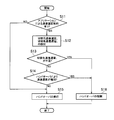
- FIG. 4 is a flowchart showing a basic operation of the wireless terminal according to the embodiment of the present invention.
- FIG. 5 is a flowchart showing an additional operation of the wireless terminal according to the embodiment of the present invention.
- FIG. 1 is a schematic configuration diagram of a communication system 1 including a wireless terminal 100 according to the present embodiment.
- the radio terminal 100 is a radio terminal that supports both handovers between different types of cells and handover between different types of communication schemes.
- the radio terminal 100 is wirelessly connected to any one of the macrocell base station 10, the femtocell base station 20, and the macrocell base station 30, and directly or indirectly connected to the backbone communication network 40 via the connection destination base station.
- Packet communication is performed with the communication destination device 50.
- a voice call application, a file download application, an interactive game application, or a mail application is used for the packet communication.
- Each of the macrocell base station 10, the femtocell base station 20, and the macrocell base station 30 forms a cell that is a communicable area.
- the macro cell base station 10 and the macro cell base station 30 form a large cell (macro cell) of about several hundred meters to several kilometers.
- the femtocell base station 20 is a small base station that is mainly installed indoors, and forms a small cell (femtocell) of about several meters to several tens of meters.
- the femtocell base station 20 may be arranged in a macro cell.
- the femtocell base station 20 is connected to the backbone communication network 40 via a public communication network 25 that is a commercial line such as FTTH, DSL, or CATV. Since the backbone communication network 40 is managed by a communication carrier and configured using a dedicated line, the upper limit of communication delay is guaranteed. On the other hand, in the public communication network 25, the upper limit of communication delay is generally not guaranteed.
- the macrocell base station 10 and the femtocell base station 20 are configured according to LTE (E-UTRAN) which is one of 3.9 generation mobile phone systems.
- the macrocell base station 30 is configured according to GSM, which is a second generation mobile phone system.
- LTE the OFDMA method is used as a wireless communication method.
- LTE a large communication capacity of up to about 100 Mbps (downstream theoretical value) is provided.
- GSM the TDMA method is used as a wireless communication method.
- GSM a small communication capacity of about 171 kbps (downstream theoretical value) is provided.
- the communication capacity (theoretical value) of LTE is nearly 600 times the communication capacity (theoretical value) of GSM, and the difference in communication capacity is large.
- the wireless communication unit 110 includes an LNA, a power amplifier, an up converter, a down converter, and the like, and transmits and receives wireless signals to and from a wireless base station to which the wireless communication unit 110 is wirelessly connected.
- the wireless communication unit 110 has a configuration corresponding to a plurality of wireless communication methods.
- the wireless communication unit 110 receives a signal (for example, a pilot signal) broadcast from a neighboring base station.
- the control unit 120 is configured by a CPU, for example, and controls various functions provided in the wireless terminal 100.
- the storage unit 130 is configured by a memory, for example, and stores various types of information used for control and the like in the wireless terminal 100.
- the microphone 140 collects sound and inputs sound data based on the collected sound to the control unit 120.
- the speaker 150 outputs sound based on the sound data acquired from the control unit 120.
- the display unit 160 displays an image received through the control unit 120 and displays operation details.
- the input unit 170 is configured by a numeric keypad, function keys, and the like, and is an interface used for inputting user operation details.
- the control unit 120 includes a wireless communication quality measurement unit 121, an application execution unit 122, a detection unit 123, and a handover control unit 124.
- the wireless communication quality measuring unit 121 measures the wireless communication quality (for example, received SNR or RSSI) from the signal received by the wireless communication unit 110.
- the wireless communication quality measured by the wireless communication quality measuring unit 121 is notified to the handover control unit 124.
- the handover control unit 124 controls handover for switching the connection destination from the neighboring base stations to a base station with better radio communication quality based on the radio communication quality corresponding to each base station.
- the application execution unit 122 corresponds to the highest layer in the communication protocol stack, and executes the application as described above. Information regarding the application being executed in the application execution unit 122 is notified to the handover control unit 124.
- the detection unit 123 includes a switching source communication delay that is a communication delay when performing communication via a base station (hereinafter referred to as a switching source base station) to which the wireless communication unit 110 is wirelessly connected, and A switching destination communication delay that is a communication delay when communication is performed by connecting to any one (hereinafter referred to as a switching destination base station) is detected.
- the communication delay detected by the detection unit 123 is notified to the handover control unit 124.
- the application executed in the application execution unit 122 is an application whose communication delay is limited, and the switching destination communication delay is larger than the switching source communication delay or the switching destination communication delay is indefinite. In this case, the handover to the switching destination base station is restricted.
- the detection unit 123 has a switching source communication capacity that is a communication capacity when communication is performed by connecting to the switching source base station, and a communication capacity when communication is performed by connecting to the switching destination base station. The switching destination communication capacity is further detected.
- the detection unit 123 may detect the communication capacity of the switching source base station from the communication capacity (actually measured value) in actual communication.
- the detection unit 123 may detect the communication capacity using only the wireless communication method information in the attribute information.
- the communication capacity detected by the detection unit 123 is notified to the handover control unit 124.
- the handover control unit 124 Regulate handover.
- the handover control unit 124 may cancel the handover restriction when the wireless communication quality between the switching source base station and the wireless terminal 100 falls below a predetermined level in a state where the handover is restricted.
- FIG. 4 is a flowchart showing the basic operation of the radio terminal 100.
- the handover control unit 124 starts this operation flow when the handover to the switching destination base station becomes possible based on the wireless communication quality measured with the wireless communication quality measuring unit 121 and the switching destination base station. To do.
- the state where handover is possible is a state where, for example, the wireless communication quality with the switching destination base station is better than the wireless communication quality with the switching source base station.
- step S12 the detection unit 123 detects the switching source communication delay and the switching destination communication delay by the above method.
- step S13 the handover control unit 124 determines whether or not the switching destination communication delay is indefinite. That is, it is determined whether the upper limit of the switching destination communication delay is guaranteed. If it is determined that the switching destination communication delay is indefinite, the process proceeds to step S16. Otherwise, the process proceeds to step S14.
- step S14 the handover control unit 124 determines whether or not the switching destination communication delay is larger than the switching source communication delay. If it is determined that the switching destination communication delay is greater than the switching source communication delay, the process proceeds to step S16. Otherwise, the process proceeds to step S15.
- step S15 the handover control unit 124 executes handover to the switching destination base station. Specifically, the handover control unit 124 transmits a handover request to the switching destination base station, and then connects to the switching destination base station and disconnects from the switching source base station.
- step S16 the handover control unit 124 regulates handover to the switching destination base station. That is, the handover control unit 124 stops the handover to the switching destination base station and waits until another switching destination base station is found. When another switching destination base station is found, this operation flow is applied again.
- FIG. 5 is a flowchart showing the additional operation of the wireless terminal 100.
- the wireless terminal 100 can execute the operation flow of FIG. 5 in addition to the operation flow of FIG.
- FIG. 5 may be executed in parallel with the operation flow of FIG. 4 or may be executed only while an application requiring a large capacity is being executed.
- the handover control unit 124 determines whether or not the application being executed in the application execution unit 122 is an application that requires a large capacity. For example, the handover control unit 124 performs the determination by acquiring application identification information from the application execution unit 122 or acquiring information indicating the presence or absence of capacity restriction from the application execution unit 122.
- step S22 the detection unit 123 detects the switching source communication capacity and the switching destination communication capacity by the above method.
- step S23 the handover control unit 124 determines whether or not the switching destination communication capacity is smaller than the switching source communication capacity. If it is determined that the switching destination communication capacity is smaller than the switching source communication capacity, the process proceeds to step S25; otherwise, the process proceeds to step S24.
- step S25 the handover control unit 124 regulates handover to the switching destination base station. That is, the handover control unit 124 stops the handover to the switching destination base station and waits until another switching destination base station is found. When another switching destination base station is found, this operation flow is applied again.
- the wireless terminal 100 when the wireless terminal 100 that is executing an application that requires a large capacity is connected to the macro cell base station 10, handover to the macro cell base station 30 can be regulated.
- the switching destination communication delay is larger than the switching source communication delay.
- the handover control unit 124 regulates the handover to the switching destination base station, so that it is possible to avoid the performance of the application from being sufficiently exhibited due to the handover.
- the handover control unit 124 A handover to the switching destination base station can also be executed.
- the handover control unit 124 cancels the handover restriction when the wireless communication quality between the switching source base station and the wireless terminal 100 falls below a predetermined level in a state where the handover is restricted. For this reason, the application can be continued by the handover before the application cannot be executed in the switching source base station.
- the detection unit 123 detects a switching destination communication delay based on the cell type of the switching destination base station. Therefore, the switching destination communication delay can be easily detected without actually connecting to the switching destination base station and measuring the communication capacity.
- the handover control unit 124 determines that the switching destination communication capacity is smaller than the switching source communication capacity. Restricts handovers. As a result, it is possible to avoid that the performance of the application cannot be sufficiently exhibited due to handover.
- the detection unit 123 detects the switching destination communication capacity based on the wireless communication scheme used by the switching destination base station. Therefore, the switching destination communication capacity can be easily detected without actually connecting to the switching destination base station and measuring the communication capacity.
- the handover control unit 124 regulates handover when the application executed in the application execution unit 122 is an application with a limited communication delay and the switching destination base station is a femtocell base station. To do. Thereby, the hand-over to a femtocell base station can be prevented more reliably.
- the present invention has been described according to the embodiment. However, it should not be understood that the description and drawings constituting a part of this disclosure limit the present invention. From this disclosure, various alternative embodiments, examples and operational techniques will be apparent to those skilled in the art.
- the macro cell base station is exemplified as the base station whose communication delay is limited.
- the base station is not limited to the macro cell base station and is connected to the backbone communication network without going through the public communication network.
- a microcell base station may be used.
- handover between LTE and GSM is taken as an example of handover between different types of communication methods, but not limited to between LTE and GSM, any combination is possible as long as it is a handover between different wireless communication methods.
- UTRAN W-CDMA
- cdma2000 defined by 3GPP2
- a wireless communication system such as WiMAX or wireless LAN may be used.
- the terminal initiated handover has been described, but the present invention may be applied to a base station initiated handover.
- the switching destination base station is designated by the switching source base station.
- the radio terminal 100 applies the above-described handover control to the designated switching destination base station, and when the designated switching destination base station does not satisfy the application restrictions, the handover to the switching destination base station is performed. Can be refused. That is, the radio terminal 100 executes a handover to the switching destination base station only when the switching destination base station designated by the switching source base station satisfies the application restrictions.
- the wireless terminal and the handover control method according to the present invention have sufficient performance of the application along with the handover even when the handover is performed between different cells or different communication systems while the application is being executed. Therefore, it is useful in wireless communication such as mobile communication.
Landscapes
- Engineering & Computer Science (AREA)
- Computer Networks & Wireless Communication (AREA)
- Signal Processing (AREA)
- Mobile Radio Communication Systems (AREA)
Abstract
接続先の基地局を介して、所定のアプリケーションを用いた通信を行う無線端末100において、接続先を第1基地局から第2基地局に切り替えるハンドオーバを制御する制御部120は、当該所定のアプリケーションが通信遅延の制限されたアプリケーションである場合、第1基地局に接続して通信を行う場合の通信遅延である切換元通信遅延と、第2基地局に接続して通信を行う場合の通信遅延である切換先通信遅延とを検知し、検知された切換先通信遅延が切換元通信遅延よりも大きい、又は切換先通信遅延が不定である場合、ハンドオーバを規制する。
Description
本発明は、異種セル間又は異種通信方式間でハンドオーバを行うことができる無線端末及びハンドオーバ制御方法に関する。
一般的な無線通信システムでは、無線端末は、移動中などにおいて、第1基地局から、当該第1基地局よりも無線通信品質の良好な第2基地局へ接続先を切り替えるハンドオーバ(ハンドオフとも呼ばれる)を行う。
近年では、無線通信技術の発達によって、セル種別の異なる基地局間のハンドオーバ(以下、「異種セル間ハンドオーバ」と称する)や、無線通信方式の異なる基地局間のハンドオーバ(以下、「異種通信方式間ハンドオーバ」と称する)に対応した無線端末が提供されている。
異種セル間ハンドオーバでは、無線端末は、例えばマクロセル基地局とフェムトセル基地局との間でハンドオーバを行う(特許文献1参照)。ここでフェムトセル基地局とは、主に屋内に設置される小型の基地局である。異種通信方式間ハンドオーバでは、無線端末は、例えばOFDMA、CDMA又はTDMAなどの無線通信方式のうち、異なる無線通信方式を使用する基地局間でハンドオーバを行う。
しかしながら、異種セル間又は異種通信方式間でハンドオーバを行うことができる無線端末は、実行しているアプリケーションの種別によっては、ハンドオーバ後において、必ずしもハンドオーバ前と同等の条件でアプリケーションを実行できるとは限らない。
例えば、無線端末が通信遅延の制限されたアプリケーション(VoIPなどの音声通話)を実行する場合、通信遅延の大きい基地局や通信遅延の保証されない基地局へのハンドオーバを無線端末が行うと、ハンドオーバ後において当該アプリケーションの性能が十分に発揮できなくなり、ユーザの利便性が損なわれる問題があった。なお、大きな通信容量を必要とするアプリケーション(ファイルダウンロードアプリケーション)を無線端末が実行する場合に、通信容量の小さい基地局へのハンドオーバを無線端末が行うと、上記と同様の問題が生じる。
そこで、本発明は、アプリケーションを実行中に異種セル間又は異種通信方式間でハンドオーバを行う場合であっても、ハンドオーバに伴って当該アプリケーションの性能が十分に発揮できなくなることを回避できる無線端末及びハンドオーバ制御方法を提供することを目的とする。
上述した課題を解決するために、本発明は以下のような特徴を有している。まず、本発明の無線端末に係る特徴は、接続先の基地局を介して、通信を行う無線端末であって、接続先を第1基地局から第2基地局に切り替えるハンドオーバを制御する制御部を備え、前記制御部は、前記第2基地局に接続して前記通信を行う場合の通信遅延である切換先通信遅延に応じて前記ハンドオーバを規制することを要旨とする。
上記の特徴において、前記制御部は、制御対象となるアプリケーションが通信遅延の制限されたアプリケーションである場合であって、前記切換先通信遅延が、前記第1基地局に接続して前記通信を行う場合の通信遅延である切換元通信遅延よりも大きい場合、前記ハンドオーバを規制する。
上記の特徴において、前記制御部は、制御対象となるアプリケーションが通信遅延の制限されたアプリケーションである場合であって、前記切換先通信遅延が不定である場合、前記ハンドオーバを規制する。
上記の特徴において、前記制御部は、前記ハンドオーバを規制している状態において、前記第1基地局と前記無線端末との間の無線通信品質が所定レベルを下回った場合、前記ハンドオーバの規制を解除する。
上記の特徴において、前記制御部は、前記第2基地局のセル種別に基づいて、前記切換先通信遅延を検知する。
上記の特徴において、前記制御部は、制御対象となるアプリケーションが所定容量以上の通信容量を必要とするアプリケーションである場合、前記第1基地局に接続して前記通信を行う場合の通信容量である切換元通信容量と、前記第2基地局に接続して前記通信を行う場合の通信容量である切替先通信容量とを検知し、検知された前記切替先通信容量が前記切換元通信容量よりも小さい場合、前記ハンドオーバを規制する。
上記の特徴において、前記制御部は、前記第2基地局が使用する無線通信方式に基づいて、前記切替先通信容量を検知する。
上記の特徴において、前記制御部は、制御対象となるアプリケーションが通信遅延の制限されたアプリケーションであり、且つ、前記第2基地局がフェムトセル基地局である場合、前記ハンドオーバを規制し、前記フェムトセル基地局とは、通信遅延が不定である公衆通信網を介して基幹通信網に接続される基地局である。
本発明のハンドオーバ制御方法に係る特徴は、接続先の基地局を介して、通信を行う無線端末のハンドオーバを制御するハンドオーバ制御方法であって、接続先を第1基地局から第2基地局に切り替えるハンドオーバを制御するステップを備え、前記制御するステップは、前記第2基地局に接続して前記通信を行う場合の通信遅延である切換先通信遅延に応じて前記ハンドオーバを規制することを要旨とする。
本発明の特徴によれば、アプリケーションを実行中に異種セル間又は異種通信方式間でハンドオーバを行う場合であっても、ハンドオーバに伴って当該アプリケーションの性能が十分に発揮できなくなることを回避できる無線端末及びハンドオーバ制御方法を提供できる。
次に、図面を参照して、本発明の実施形態を説明する。具体的には、(1)通信システムの概略構成、(2)無線端末の構成、(3)無線端末の動作、(4)作用効果、(5)その他の実施形態について説明する。
以下の実施形態における図面の記載において、同一又は類似の部分には同一又は類似の符号を付している。
(1)通信システムの概略構成
図1は、本実施形態に係る無線端末100を含む通信システム1の概略構成図である。
(1)通信システムの概略構成
図1は、本実施形態に係る無線端末100を含む通信システム1の概略構成図である。
本実施形態では、無線端末100は、異種セル間ハンドオーバ及び異種通信方式間ハンドオーバの両ハンドオーバに対応した無線端末である。無線端末100は、マクロセル基地局10、フェムトセル基地局20、及びマクロセル基地局30の何れかに無線接続し、接続先の基地局を介して、基幹通信網40に直接的又は間接的に接続された通信先装置50とパケット通信を行う。当該パケット通信には、例えば、音声通話アプリケーション、ファイルダウンロードアプリケーション、双方向ゲームアプリケーション、又はメールアプリケーションなどが用いられる。
音声通話アプリケーションは、通信遅延の制限されたアプリケーションであって、大容量(所定容量以上の通信容量)を必要としないアプリケーションである。ファイルダウンロードアプリケーションは、通信遅延の制限がないアプリケーションであって、大容量を必要とするアプリケーションである。双方向ゲームアプリケーションは、通信遅延の制限されたアプリケーションであって、大容量を必要とするアプリケーションである。メールアプリケーション又は通信遅延の制限がないアプリケーションであって、大容量を必要としないアプリケーションである。
マクロセル基地局10、フェムトセル基地局20及びマクロセル基地局30のそれぞれは、通信可能エリアであるセルを形成する。マクロセル基地局10及びマクロセル基地局30は、数100m~数km程度の大きいセル(マクロセル)を形成する。一方、フェムトセル基地局20は、主に屋内に設置される小型の基地局であり、数m~数10m程度の小さいセル(フェムトセル)を形成する。フェムトセル基地局20は、マクロセル内に配置されることもある。
フェムトセル基地局20は、FTTH,DSL又はCATVなどの商用回線である公衆通信網25を介して基幹通信網40に接続される。基幹通信網40は、通信キャリアによって管理され、専用回線を用いて構成されるため、通信遅延の上限が保証される。一方、公衆通信網25においては、通信遅延の上限が保証されないことが一般的である。
マクロセル基地局10及びフェムトセル基地局20は、3.9世代携帯電話システムの1つであるLTE(E-UTRAN)に従って構成されている。マクロセル基地局30は、第2世代携帯電話システムであるGSMに従って構成されている。LTEでは無線通信方式としてOFDMA方式が用いられる。LTEにおいては、最大100Mbps(下り理論値)程度の大きな通信容量が提供される。GSMでは無線通信方式としてTDMA方式が用いられる。GSMにおいては、最大171kbps(下り理論値)程度の小さな通信容量が提供される。このように、LTEの通信容量(理論値)は、GSMの通信容量(理論値)の600倍近くであり、通信容量の差が大きい。
(2)無線端末の構成
図2は、無線端末100の構成を示すブロック図である。図2に示すように、無線端末100は、無線通信部110、制御部120、記憶部130、マイクロフォン140、スピーカ150、表示部160、及び入力部170を有する。
(2)無線端末の構成
図2は、無線端末100の構成を示すブロック図である。図2に示すように、無線端末100は、無線通信部110、制御部120、記憶部130、マイクロフォン140、スピーカ150、表示部160、及び入力部170を有する。
無線通信部110は、LNA、パワーアンプ、アップコンバータ及びダウンコンバータなどを含み、無線通信部110が無線接続している無線基地局と無線信号を送受信する。本実施形態では、無線通信部110は、複数の無線通信方式に対応した構成を有している。無線通信部110は、周辺の基地局からブロードキャストされる信号(例えば、パイロット信号)を受信する。制御部120は、例えばCPUによって構成され、無線端末100が具備する各種機能を制御する。記憶部130は、例えばメモリによって構成され、無線端末100における制御などに用いられる各種情報を記憶する。
マイクロフォン140は、音声を集音し、集音された音声に基づく音声データを制御部120に入力する。スピーカ150は、制御部120からの取得した音声データに基づいて音声を出力する。表示部160は、制御部120を介して受信した画像を表示したり、操作内容を表示したりする。入力部170は、テンキーやファンクションキーなどによって構成され、ユーザの操作内容を入力するために用いられるインタフェースである。
制御部120は、無線通信品質測定部121、アプリケーション実行部122、検知部123、及びハンドオーバ制御部124を有する。
無線通信品質測定部121は、無線通信部110が受信した信号から無線通信品質(例えば、受信SNRやRSSI)を測定する。無線通信品質測定部121によって測定された無線通信品質は、ハンドオーバ制御部124に通知される。
ハンドオーバ制御部124は、各基地局に対応する無線通信品質に基づいて、周辺の基地局の中から、より無線通信品質の良好な基地局へ接続先を切り替えるためのハンドオーバを制御する。
アプリケーション実行部122は、通信プロトコルスタックにおける最上位のレイヤに相当し、上記のようなアプリケーションを実行する。アプリケーション実行部122において実行されているアプリケーションに関する情報は、ハンドオーバ制御部124に通知される。
記憶部130は、図3に示すような基地局情報を予め記憶している。基地局情報は、基地局の属性(無線通信方式及びセル種別)と通信遅延と通信容量とを対応付ける情報である。
図3の例では、OFDMA(LTE)のマクロセル基地局に対して、通信遅延“小”と通信容量“大”とが対応付けられている。OFDMA(LTE)のフェムトセル基地局に対して、通信遅延“大(あるいは不定)”と通信容量“大”とが対応付けられている。TDMA(GSM)のマクロセル基地局に対して、通信遅延“小”と通信容量“小”とが対応付けられている。
検知部123は、無線通信部110が無線接続している基地局(以下、切換元基地局)を介して通信を行う場合の通信遅延である切換元通信遅延と、周辺の基地局のうちの何れか(以下、切替先基地局)に接続して通信を行う場合の通信遅延である切換先通信遅延とを検知する。
各基地局からブロードキャストされる信号には、当該基地局の属性を示す属性情報が含まれているため、検知部123は、ある基地局からの信号に含まれる属性情報と、記憶部130に記憶された基地局情報とに基づいて、当該属性情報に対応する通信遅延を当該基地局の通信遅延として検知することができる。
ただし、検知部123は、切換元基地局の通信遅延については、実際の通信における通信遅延(実測値)から検知してもよい。また、検知部123は、属性情報のうちのセル種別の情報のみを用いて通信遅延を検知してもよい。
検知部123によって検知された通信遅延は、ハンドオーバ制御部124に通知される。ハンドオーバ制御部124は、アプリケーション実行部122において実行されているアプリケーションが通信遅延の制限されたアプリケーションであり、且つ、切換先通信遅延が切換元通信遅延よりも大きい又は切換先通信遅延が不定である場合、切替先基地局へのハンドオーバを規制する。
本実施形態では、検知部123は、切替元基地局に接続して通信を行う場合の通信容量である切換元通信容量と、切替先基地局に接続して通信を行う場合の通信容量である切替先通信容量とをさらに検知する。
具体的には、検知部123は、ある基地局からの信号に含まれる属性情報と、記憶部130に記憶された基地局情報とに基づいて、当該属性情報に対応する通信容量を当該基地局の通信容量として検知することができる。
ただし、検知部123は、切換元基地局の通信容量については、実際の通信における通信容量(実測値)から検知してもよい。検知部123は、属性情報のうちの無線通信方式の情報のみを用いて通信容量を検知してもよい。
検知部123によって検知された通信容量は、ハンドオーバ制御部124に通知される。ハンドオーバ制御部124は、アプリケーション実行部122において実行されているアプリケーションが大容量を必要とするアプリケーションであり、且つ、切替先通信容量が切換元通信容量よりも小さい場合に、切替先基地局へのハンドオーバを規制する。
ハンドオーバ制御部124は、ハンドオーバを規制している状態において、切替元基地局と無線端末100との間の無線通信品質が所定レベルを下回った場合、ハンドオーバの規制を解除してもよい。
また、ハンドオーバ制御部124は、アプリケーション実行部122において実行されているアプリケーションが通信遅延の制限されたアプリケーションであり、且つ、切替先基地局がフェムトセル基地局である場合に、切替先基地局へのハンドオーバを規制してもよい。
(3)無線端末の動作
次に、無線端末100の動作について、(3.1)基本動作、(3.2)追加動作の順に説明する。
(3.1)基本動作
図4は、無線端末100の基本動作を示すフローチャートである。
(3)無線端末の動作
次に、無線端末100の動作について、(3.1)基本動作、(3.2)追加動作の順に説明する。
(3.1)基本動作
図4は、無線端末100の基本動作を示すフローチャートである。
ハンドオーバ制御部124は、無線通信品質測定部121が測定した、切替先基地局との間の無線通信品質に基づいて、切替先基地局へのハンドオーバが可能な状態になると、本動作フローを開始する。ハンドオーバが可能な状態とは、例えば、切替先基地局との間の無線通信品質が、切替元基地局との間の無線通信品質よりも良好になった状態である。
ステップS11において、ハンドオーバ制御部124は、アプリケーション実行部122において実行されているアプリケーションが、通信遅延の制限されたアプリケーションであるか否かを判定する。例えば、ハンドオーバ制御部124は、アプリケーション実行部122からアプリケーション識別情報を取得する、あるいは、アプリケーション実行部122から遅延制限の有無を示す情報を取得することにより、当該判定を行う。
ステップS12において、検知部123は、上記の方法により、切換元通信遅延及び切換先通信遅延を検知する。
ステップS13において、ハンドオーバ制御部124は、切換先通信遅延が不定であるか否かを判定する。すなわち、切換先通信遅延の上限が保証されているか否かを判定する。切換先通信遅延が不定であると判定した場合、処理がステップS16に進み、それ以外の場合には処理がステップS14に進む。
ステップS14において、ハンドオーバ制御部124は、切換先通信遅延が切換元通信遅延よりも大きいか否かを判定する。切換先通信遅延が切換元通信遅延よりも大きいと判定した場合、処理がステップS16に進み、それ以外の場合には処理がステップS15に進む。
ステップS15において、ハンドオーバ制御部124は、切替先基地局へのハンドオーバを実行する。具体的には、ハンドオーバ制御部124は、ハンドオーバ要求を切替先基地局に送信した後、切替先基地局に接続し、且つ、切換元基地局との接続を切断する。
ステップS16において、ハンドオーバ制御部124は、切替先基地局へのハンドオーバを規制する。すなわち、ハンドオーバ制御部124は、切替先基地局へのハンドオーバを中止し、別の切替先基地局が発見されるまで待つ。そして、別の切替先基地局が発見されると、改めて本動作フローが適用される。
このような動作フローにより、例えば、通信遅延の制限されたアプリケーションを実行中の無線端末100がマクロセル基地局10に接続している場合に、フェムトセル基地局20へのハンドオーバを規制することができる。
(3.2)追加動作
図5は、無線端末100の追加動作を示すフローチャートである。無線端末100は、図4の動作フローに加えて、図5の動作フローを実行することができる。
(3.2)追加動作
図5は、無線端末100の追加動作を示すフローチャートである。無線端末100は、図4の動作フローに加えて、図5の動作フローを実行することができる。
なお、図5の動作フローは、図4の動作フローと平行して実行されてもよく、大容量が必要とされるアプリケーションを実行中にのみ実行されてもよい。
ステップS21において、ハンドオーバ制御部124は、アプリケーション実行部122において実行されているアプリケーションが、大容量を必要とするアプリケーションであるか否かを判定する。例えば、ハンドオーバ制御部124は、アプリケーション実行部122からアプリケーション識別情報を取得する、あるいは、アプリケーション実行部122から容量制約の有無を示す情報を取得することにより、当該判定を行う。
ステップS22において、検知部123は、上記の方法により、切換元通信容量及び切換先通信容量を検知する。
ステップS23において、ハンドオーバ制御部124は、切換先通信容量が切換元通信容量よりも小さいか否かを判定する。切換先通信容量が切換元通信容量よりも小さいと判定した場合、処理がステップS25に進み、それ以外の場合には処理がステップS24に進む。
ステップS24において、ハンドオーバ制御部124は、切替先基地局へのハンドオーバを実行する。具体的には、ハンドオーバ制御部124は、ハンドオーバ要求を切替先基地局に送信した後、切替先基地局に接続し、且つ、切換元基地局との接続を切断する。
ステップS25において、ハンドオーバ制御部124は、切替先基地局へのハンドオーバを規制する。すなわち、ハンドオーバ制御部124は、切替先基地局へのハンドオーバを中止し、別の切替先基地局が発見されるまで待つ。そして、別の切替先基地局が発見されると、改めて本動作フローが適用される。
このような動作フローにより、例えば、大容量を必要とするアプリケーションを実行中の無線端末100がマクロセル基地局10に接続している場合に、マクロセル基地局30へのハンドオーバを規制することができる。
(4)作用効果
以上説明したように、無線端末100によれば、通信遅延の制限されたアプリケーションをアプリケーション実行部122が実行している際に、切換先通信遅延が切換元通信遅延よりも大きい又は切換先通信遅延が不定である場合、ハンドオーバ制御部124が切替先基地局へのハンドオーバを規制するため、ハンドオーバに伴って当該アプリケーションの性能が十分に発揮できなくなることを回避できる。
(4)作用効果
以上説明したように、無線端末100によれば、通信遅延の制限されたアプリケーションをアプリケーション実行部122が実行している際に、切換先通信遅延が切換元通信遅延よりも大きい又は切換先通信遅延が不定である場合、ハンドオーバ制御部124が切替先基地局へのハンドオーバを規制するため、ハンドオーバに伴って当該アプリケーションの性能が十分に発揮できなくなることを回避できる。
切替先基地局へのハンドオーバが規制されている間において、新たな切替先基地局が発見され、当該切替先基地局の通信遅延が切換元通信遅延以下であれば、ハンドオーバ制御部124は、当該切替先基地局へのハンドオーバを実行することもできる。
本実施形態では、ハンドオーバ制御部124は、ハンドオーバを規制している状態において、切替元基地局と無線端末100との間の無線通信品質が所定レベルを下回った場合、ハンドオーバの規制を解除する。このため、切換元基地局においてアプリケーションが実行不可能になる前に、ハンドオーバによりアプリケーションを継続させることができる。
本実施形態では、検知部123は、切替先基地局のセル種別に基づいて、切換先通信遅延を検知する。このため、切替先基地局に実際に接続して通信容量を測定することなく、切換先通信遅延を容易に検知することができる。
本実施形態では、ハンドオーバ制御部124は、大容量を必要とするアプリケーションをアプリケーション実行部122が実行している際に、切替先通信容量が切換元通信容量よりも小さい場合、切替先基地局へのハンドオーバを規制する。これにより、ハンドオーバに伴って当該アプリケーションの性能が十分に発揮できなくなることを回避できる。
本実施形態では、検知部123は、切替先基地局が使用する無線通信方式に基づいて、切替先通信容量を検知する。このため、切替先基地局に実際に接続して通信容量を測定することなく、切替先通信容量を容易に検知することができる。
本実施形態では、ハンドオーバ制御部124は、アプリケーション実行部122において実行されているアプリケーションが通信遅延の制限されたアプリケーションであり、且つ、切替先基地局がフェムトセル基地局である場合、ハンドオーバを規制する。これにより、フェムトセル基地局へのハンドオーバをより確実に防止できる。
(5)その他の実施形態
上記のように、本発明は実施形態によって記載したが、この開示の一部をなす論述及び図面はこの発明を限定するものであると理解すべきではない。この開示から当業者には様々な代替実施形態、実施例及び運用技術が明らかとなる。
(5)その他の実施形態
上記のように、本発明は実施形態によって記載したが、この開示の一部をなす論述及び図面はこの発明を限定するものであると理解すべきではない。この開示から当業者には様々な代替実施形態、実施例及び運用技術が明らかとなる。
例えば、上述した実施形態では、通信遅延の上限された基地局としてマクロセル基地局を例に挙げたが、マクロセル基地局に限らず、公衆通信網を介さずに基幹通信網に接続される基地局であればよく、例えばマイクロセル基地局などであってもよい。
上述した実施形態では、異種通信方式間ハンドオーバとしてLTE-GSM間のハンドオーバを例に挙げたが、LTE-GSM間に限らず、異なる無線通信方式間のハンドオーバであれば、組み合わせは何でも良い。例えば、3GPPで規定されているUTRAN(W-CDMA)、3GPP2で規定されているcdma2000、またはWiMAXや無線LANといった無線通信方式でもよい。
上述した実施形態では、端末主導のハンドオーバについて説明したが、基地局主導のハンドオーバに本発明を適用してもよい。基地局主導のハンドオーバでは、切替先基地局が切換元基地局によって指定される。無線端末100は、指定された切替先基地局に対して上述したハンドオーバ制御を適用し、当該指定された切替先基地局がアプリケーションの制約を満たさない場合には、当該切替先基地局へのハンドオーバを拒否することができる。すなわち、無線端末100は、切換元基地局から指定された切替先基地局がアプリケーションの制約を満たす場合に限り、当該切替先基地局へのハンドオーバを実行する。
このように本発明は、ここでは記載していない様々な実施形態等を包含するということを理解すべきである。したがって、本発明はこの開示から妥当な特許請求の範囲の発明特定事項によってのみ限定されるものである。
なお、日本国特許出願第2009-051378号(2009年3月4日出願)の全内容が、参照により、本願明細書に組み込まれている。
以上のように、本発明に係る無線端末及びハンドオーバ制御方法は、アプリケーションを実行中に異種セル間又は異種通信方式間でハンドオーバを行う場合であっても、ハンドオーバに伴って当該アプリケーションの性能が十分に発揮できなくなることを回避できるため、移動体通信などの無線通信において有用である。
Claims (9)
- 接続先の基地局を介して、通信を行う無線端末であって、
接続先を第1基地局から第2基地局に切り替えるハンドオーバを制御する制御部を備え、
前記制御部は、
前記第2基地局に接続して前記通信を行う場合の通信遅延である切換先通信遅延に応じて前記ハンドオーバを規制する無線端末。 - 前記制御部は、制御対象となるアプリケーションが通信遅延の制限されたアプリケーションである場合であって、前記切換先通信遅延が、前記第1基地局に接続して前記通信を行う場合の通信遅延である切換元通信遅延よりも大きい場合、前記ハンドオーバを規制する請求項1に記載の無線端末。
- 前記制御部は、制御対象となるアプリケーションが通信遅延の制限されたアプリケーションである場合であって、前記切換先通信遅延が不定である場合、前記ハンドオーバを規制する請求項1に記載の無線端末。
- 前記制御部は、前記ハンドオーバを規制している状態において、前記第1基地局と前記無線端末との間の無線通信品質が所定レベルを下回った場合、前記ハンドオーバの規制を解除する請求項1に記載の無線端末。
- 前記制御部は、前記第2基地局のセル種別に基づいて、前記切換先通信遅延を検知する請求項1に記載の無線端末。
- 前記制御部は、制御対象となるアプリケーションが所定容量以上の通信容量を必要とするアプリケーションである場合、
前記第1基地局に接続して前記通信を行う場合の通信容量である切換元通信容量と、前記第2基地局に接続して前記通信を行う場合の通信容量である切替先通信容量とを検知し、
検知された前記切替先通信容量が前記切換元通信容量よりも小さい場合、前記ハンドオーバを規制する請求項1に記載の無線端末。 - 前記制御部は、前記第2基地局が使用する無線通信方式に基づいて、前記切替先通信容量を検知する請求項6に記載の無線端末。
- 前記制御部は、制御対象となるアプリケーションが通信遅延の制限されたアプリケーションであり、且つ、前記第2基地局がフェムトセル基地局である場合、前記ハンドオーバを規制し、
前記フェムトセル基地局とは、通信遅延が不定である公衆通信網を介して基幹通信網に接続される基地局である請求項1に記載の無線端末。 - 接続先の基地局を介して、通信を行う無線端末のハンドオーバ制御方法であって、
接続先を第1基地局から第2基地局に切り替えるハンドオーバを制御するステップを備え、
前記制御するステップは、前記第2基地局に接続して前記通信を行う場合の通信遅延である切換先通信遅延に応じて前記ハンドオーバを規制するハンドオーバ制御方法。
Priority Applications (1)
| Application Number | Priority Date | Filing Date | Title |
|---|---|---|---|
| JP2011502809A JP5361986B2 (ja) | 2009-03-04 | 2010-03-04 | 無線端末及びハンドオーバ制御方法 |
Applications Claiming Priority (2)
| Application Number | Priority Date | Filing Date | Title |
|---|---|---|---|
| JP2009-051378 | 2009-03-04 | ||
| JP2009051378 | 2009-03-04 |
Publications (1)
| Publication Number | Publication Date |
|---|---|
| WO2010101228A1 true WO2010101228A1 (ja) | 2010-09-10 |
Family
ID=42709782
Family Applications (1)
| Application Number | Title | Priority Date | Filing Date |
|---|---|---|---|
| PCT/JP2010/053583 Ceased WO2010101228A1 (ja) | 2009-03-04 | 2010-03-04 | 無線端末及びハンドオーバ制御方法 |
Country Status (2)
| Country | Link |
|---|---|
| JP (1) | JP5361986B2 (ja) |
| WO (1) | WO2010101228A1 (ja) |
Cited By (4)
| Publication number | Priority date | Publication date | Assignee | Title |
|---|---|---|---|---|
| JP2012100106A (ja) * | 2010-11-02 | 2012-05-24 | Kyocera Corp | 基地局装置およびハンドオーバ方法 |
| KR20130142509A (ko) * | 2012-06-19 | 2013-12-30 | 주식회사 케이티 | 서비스 제공 방법, 이를 지원하는 단말 및 서비스 제어 장치 |
| JPWO2020202382A1 (ja) * | 2019-03-29 | 2020-10-08 | ||
| JPWO2020202381A1 (ja) * | 2019-03-29 | 2020-10-08 |
Citations (3)
| Publication number | Priority date | Publication date | Assignee | Title |
|---|---|---|---|---|
| JPH10191419A (ja) * | 1996-12-27 | 1998-07-21 | Matsushita Electric Ind Co Ltd | 移動局装置 |
| JP2006020270A (ja) * | 2004-06-04 | 2006-01-19 | Ntt Docomo Inc | ハンドオーバー制御装置、無線リソース管理装置、ネットワークリソース管理装置、移動通信システム及びハンドオーバー制御方法 |
| JP2008135939A (ja) * | 2006-11-28 | 2008-06-12 | Kyocera Corp | 無線通信端末および通信方法 |
-
2010
- 2010-03-04 WO PCT/JP2010/053583 patent/WO2010101228A1/ja not_active Ceased
- 2010-03-04 JP JP2011502809A patent/JP5361986B2/ja not_active Expired - Fee Related
Patent Citations (3)
| Publication number | Priority date | Publication date | Assignee | Title |
|---|---|---|---|---|
| JPH10191419A (ja) * | 1996-12-27 | 1998-07-21 | Matsushita Electric Ind Co Ltd | 移動局装置 |
| JP2006020270A (ja) * | 2004-06-04 | 2006-01-19 | Ntt Docomo Inc | ハンドオーバー制御装置、無線リソース管理装置、ネットワークリソース管理装置、移動通信システム及びハンドオーバー制御方法 |
| JP2008135939A (ja) * | 2006-11-28 | 2008-06-12 | Kyocera Corp | 無線通信端末および通信方法 |
Cited By (10)
| Publication number | Priority date | Publication date | Assignee | Title |
|---|---|---|---|---|
| JP2012100106A (ja) * | 2010-11-02 | 2012-05-24 | Kyocera Corp | 基地局装置およびハンドオーバ方法 |
| KR20130142509A (ko) * | 2012-06-19 | 2013-12-30 | 주식회사 케이티 | 서비스 제공 방법, 이를 지원하는 단말 및 서비스 제어 장치 |
| KR101894588B1 (ko) * | 2012-06-19 | 2018-09-03 | 주식회사 케이티 | 서비스 제공 방법, 이를 지원하는 단말 및 서비스 제어 장치 |
| JPWO2020202382A1 (ja) * | 2019-03-29 | 2020-10-08 | ||
| WO2020202382A1 (ja) * | 2019-03-29 | 2020-10-08 | 本田技研工業株式会社 | 端末装置、通信システム、通信方法、及びプログラム |
| JPWO2020202381A1 (ja) * | 2019-03-29 | 2020-10-08 | ||
| CN113574933A (zh) * | 2019-03-29 | 2021-10-29 | 本田技研工业株式会社 | 终端装置、通信系统、通信方法以及程序 |
| JP7285918B2 (ja) | 2019-03-29 | 2023-06-02 | 本田技研工業株式会社 | 端末装置、通信システム、通信方法、及びプログラム |
| CN113574933B (zh) * | 2019-03-29 | 2023-12-12 | 本田技研工业株式会社 | 终端装置、通信系统、通信方法以及存储介质 |
| US12047818B2 (en) | 2019-03-29 | 2024-07-23 | Honda Motor Co., Ltd. | Terminal apparatus, communication system, communication method, and computer-readable storage medium |
Also Published As
| Publication number | Publication date |
|---|---|
| JPWO2010101228A1 (ja) | 2012-09-10 |
| JP5361986B2 (ja) | 2013-12-04 |
Similar Documents
| Publication | Publication Date | Title |
|---|---|---|
| RU2590902C2 (ru) | Устройство для управления связью, способ управления связью, система связи и терминал связи | |
| KR101236815B1 (ko) | 펨토 셀들을 위한 저전력 모드들 | |
| CN103583065B (zh) | 在多模式接入点处的无线接入技术之间的切换 | |
| CN106550412B (zh) | 无线通信系统中的电子设备和无线通信方法 | |
| CN110784899A (zh) | 无线通信系统中的电子设备和无线通信方法 | |
| CN103703834A (zh) | 异构移动网络中的ue测量过程 | |
| JP2011523329A (ja) | フェムトセル機能をもつモバイル・デバイス | |
| US9661639B2 (en) | Adaptive filter used for radio resource management | |
| JP2006005597A (ja) | 移動通信システム及び移動通信端末 | |
| JP5439486B2 (ja) | 無線基地局及びハンドオーバ制御方法 | |
| KR20130023944A (ko) | 휴대용 단말기의 핸드오버 장치 및 그 방법 | |
| WO2012106847A1 (zh) | 异构网络中的小区选择方法及装置 | |
| JP2008270919A (ja) | 無線制御装置、無線基地局、移動局及び強制ハンドオーバー方法 | |
| JP5361986B2 (ja) | 無線端末及びハンドオーバ制御方法 | |
| CN102273248A (zh) | 基站装置、移动站装置、通信系统、基站装置控制方法、移动站装置控制方法以及存储程序的记录介质 | |
| CN104025660B (zh) | 基站和通信系统 | |
| JP5798850B2 (ja) | ユーザ端末、及び通信方法 | |
| JP2012100106A (ja) | 基地局装置およびハンドオーバ方法 | |
| JP5353420B2 (ja) | 移動通信システム、基地局、移動局、基地局の制御方法、移動局の制御方法、及びプログラム | |
| WO2011124013A1 (zh) | 执行小区选择的方法和装置 | |
| CN101873653B (zh) | 一种小区重定向的方法和系统 | |
| CN103139837A (zh) | 一种动态调整互操作参数的方法 | |
| JP4829331B2 (ja) | 移動通信システムとその制御装置 | |
| JP2006229384A (ja) | 移動通信システム、基地局制御装置及びそれらに用いる移動局差別化方法並びにそのプログラム | |
| JP2013143664A (ja) | 無線端末装置、通信システム、通信制御方法および通信制御プログラム |
Legal Events
| Date | Code | Title | Description |
|---|---|---|---|
| 121 | Ep: the epo has been informed by wipo that ep was designated in this application |
Ref document number: 10748821 Country of ref document: EP Kind code of ref document: A1 |
|
| WWE | Wipo information: entry into national phase |
Ref document number: 2011502809 Country of ref document: JP |
|
| NENP | Non-entry into the national phase |
Ref country code: DE |
|
| 122 | Ep: pct application non-entry in european phase |
Ref document number: 10748821 Country of ref document: EP Kind code of ref document: A1 |