WO2010090441A2 - Pharmaceutical composition for the prevention and treatment of irritable bowel syndrome - Google Patents
Pharmaceutical composition for the prevention and treatment of irritable bowel syndrome Download PDFInfo
- Publication number
- WO2010090441A2 WO2010090441A2 PCT/KR2010/000658 KR2010000658W WO2010090441A2 WO 2010090441 A2 WO2010090441 A2 WO 2010090441A2 KR 2010000658 W KR2010000658 W KR 2010000658W WO 2010090441 A2 WO2010090441 A2 WO 2010090441A2
- Authority
- WO
- WIPO (PCT)
- Prior art keywords
- pharmaceutical composition
- extract
- bowel syndrome
- irritable bowel
- composition according
- Prior art date
- Legal status (The legal status is an assumption and is not a legal conclusion. Google has not performed a legal analysis and makes no representation as to the accuracy of the status listed.)
- Ceased
Links
Images
Classifications
-
- A—HUMAN NECESSITIES
- A61—MEDICAL OR VETERINARY SCIENCE; HYGIENE
- A61K—PREPARATIONS FOR MEDICAL, DENTAL OR TOILETRY PURPOSES
- A61K36/00—Medicinal preparations of undetermined constitution containing material from algae, lichens, fungi or plants, or derivatives thereof, e.g. traditional herbal medicines
- A61K36/18—Magnoliophyta (angiosperms)
- A61K36/88—Liliopsida (monocotyledons)
- A61K36/896—Liliaceae (Lily family), e.g. daylily, plantain lily, Hyacinth or narcissus
-
- A—HUMAN NECESSITIES
- A23—FOODS OR FOODSTUFFS; TREATMENT THEREOF, NOT COVERED BY OTHER CLASSES
- A23L—FOODS, FOODSTUFFS OR NON-ALCOHOLIC BEVERAGES, NOT OTHERWISE PROVIDED FOR; PREPARATION OR TREATMENT THEREOF
- A23L33/00—Modifying nutritive qualities of foods; Dietetic products; Preparation or treatment thereof
- A23L33/10—Modifying nutritive qualities of foods; Dietetic products; Preparation or treatment thereof using additives
- A23L33/105—Plant extracts, their artificial duplicates or their derivatives
-
- A—HUMAN NECESSITIES
- A61—MEDICAL OR VETERINARY SCIENCE; HYGIENE
- A61P—SPECIFIC THERAPEUTIC ACTIVITY OF CHEMICAL COMPOUNDS OR MEDICINAL PREPARATIONS
- A61P1/00—Drugs for disorders of the alimentary tract or the digestive system
- A61P1/10—Laxatives
-
- A—HUMAN NECESSITIES
- A61—MEDICAL OR VETERINARY SCIENCE; HYGIENE
- A61P—SPECIFIC THERAPEUTIC ACTIVITY OF CHEMICAL COMPOUNDS OR MEDICINAL PREPARATIONS
- A61P1/00—Drugs for disorders of the alimentary tract or the digestive system
- A61P1/12—Antidiarrhoeals
Definitions
- the present invention relates to a pharmaceutical composition for the prevention and treatment of irritable bowel syndrome comprising Liriopis tuber extract as an active ingredient.
- IBS Irritable bowel syndrome
- Medications for IBS may be classified into drugs that improve overall symptoms and those for individual symptoms.
- the drugs for abdominal pain include smooth muscle relaxant, antidepressant, opioid agonist, etc.
- the drugs for constipation-predominant IBS include fiber, laxative, 5-HT4 agonist, etc.
- the drugs for diarrhea-predominant IBS include antidiarrheal, 5-HT 3 antagonist, etc.
- NK Neurokinin receptors
- SP substance P
- neurokinin A neurokinin A
- neurokinin B which are neuropeptides acting in the central and peripheral nervous systems
- the NK receptors are uniformly distributed in the central nervous system (e.g., amygdala, hippocampus, hypothalamus and striatum of the brain, and spinal cord) and in the peripheral nervous system (e.g., skin, inflammatory cells, digestive system, respiratory system, cardiovascular system, etc.) and are closely related to important physiological functions as neuromodulator or neurotransmitter, in particular, bowel movement, visceral hypersensitivity, or the like [JH. La et al., World J. Gastroenterol. , 11(2), p. 237-241, 2005; MS Kramer, Science , 281(5383) p. 1624-1625. 1998; G. J. Sanger., Br. J. Pharmacol. , 141, p.
- the central nervous system e.g., amygdala, hippocampus, hypothalamus and striatum of the brain, and spinal cord
- peripheral nervous system e.g., skin, inflammatory cells, digestive system, respiratory system
- NK receptor antagonists As a new target for IBS treatment [R. A. Duffy, Expert Opin. Emerg. Drugs , 9(1), 2004; M. Camilleri, Br. J. Pharmacol. , 141, p. 1237-1248, 2004; G. J. Sanger., Br. J. Pharmacol. , 141, p. 1303-1312, 2004 ; A. Lecci et al., Br. J. Pharmacol. , 141, p1249-1263, 2004].
- Liriopis tuber refers to the tuberous root (enlarged root) of Liriope platyphylla Wang et Tang or Ophiopogon japonicus Ker-Gawler.
- Related plants of the genus Liriope include Liriope spicata ( Liriope koreana ) and Liriope minor , and those of the genus Ophiopogon include Ophiopogon jaburan .
- Ophiopogon japonicas is used for medicinal purposes and Liriope spicata is used as a substitute.
- Liriope platyphylla is used for medicinal purposes [J. S. Shin, J. Crop. Sci. , 47(3), p. 236-239, 2002; Korean Pharmacopeia; KFDA Good Agricultural and Collection Practices].
- Liriope platyphylla is a grass-like perennial which grows 15 to 40 cm tall and has thin and long creeping stem underground. Roots are fibrous and thick and develop as tubers. The tuber resembles sweet potato, being round at the bottom and sharp at the top. The skin is thin and pale yellowish-brown, and the fleshy tuber is succulent, slightly translucent and glutinous [Encyclopedia of Oriental Herbal Medicine; Korean Pharmacopeia; KFDA Good Agricultural and Collection Practices]. Known pharmacological effects include antidiabetic, antibacterial, antiinflammatory and antithrombotic activities. The tuber contains several steroid saponins including ophiopogonin A, B, C and D and ophiopogon C.
- Liriopis tuber extract suppresses hypersensitivity to visceral pain and thus may be useful for a composition for the prevention and treatment of IBS, and completed the present invention.
- An object of the present invention is to provide a pharmaceutical composition for the prevention and treatment of irritable bowel syndrome (IBS) including Liriopis tuber extract as an active ingredient.
- IBS irritable bowel syndrome
- Another object of the present invention is to provide a health functional food for preventing and improving IBS including Liriopis tuber extract as an active ingredient.
- the present invention provides a pharmaceutical composition for the prevention and treatment of irritable bowel syndrome (IBS) including Liriopis tuber extract as an active ingredient.
- IBS irritable bowel syndrome
- the present invention also provides a health functional food for preventing and improving IBS including Liriopis tuber extract as an active ingredient.
- extract refers to an extract of Liriopis tuber solubilized in water including purified water, C 1 -C 4 low alcohol, a nonpolar solvent or a mixture solvent, preferably in ethanol.
- the IBS includes one or more disease(s) selected from diarrhea-predominant IBS, constipation-predominant IBS and pain-predominant IBS.
- the Liriopis tuber extract of the present invention is excellent in suppressing visceral hypersensitivity and stress or in improving change in bowel habit caused by visceral hypersensitivity. Thus, it may be useful for a pharmaceutical composition and a health functional food for the prevention and treatment of irritable bowel syndrome (IBS).
- IBS irritable bowel syndrome
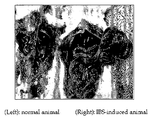
- Fig. 1 compares the large intestine of the normal group with that of the colitis-induced group
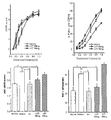
- Fig. 2 shows the effect of Liriopis tuber extract (LITT) in the colorectal distension (CRD) model.
- LITT Liriopis tuber extract
- CCD colorectal distension
- Alo positive control group (oral administration of alosetron at 20 mg/kg)
- LITT 100 mg oral administration of Liriopis tuber extract at 100 mg/kg
- LITT 300 mg oral administration of Liriopis tuber extract at 300 mg/kg )
- the herbal extract of the present invention may be prepared as follows.
- Liriopis tuber is dried in the shade and then triturated.
- the dried Liriopis tuber is extracted by agitation extraction, hot extraction, cold extraction, reflux cooling extraction, ultrasonic extraction or supercritical fluid extraction, preferably by hot extraction, at 80 oC for about 1 to 6 hours, preferably for 2 to 4 hours, using a solvent selected from water, C 1 -C 4 low alcohol, nonpolar solvent and a mixture solvent thereof about 1 to 20 times, preferably about 3 to 10 times, the weight of the dried Liriopis tuber .
- a solvent selected from water, C 1 -C 4 low alcohol, nonpolar solvent and a mixture solvent thereof about 1 to 20 times, preferably about 3 to 10 times the weight of the dried Liriopis tuber .
- the nonpolar solvent may be one or more of dichloromethane, chloroform, diethyl ether, ethyl acetate, hexane and a supercritical fluid.
- an aqueous alcohol solution when used as the mixture solvent, it may be an aqueous alcohol solution comprising water and the low alcohol at a proportion of 5% (v/v) to 95% (v/v), more preferably 30% (v/v) to 70% (v/v).
- the present invention provides a pharmaceutical composition for the prevention and treatment of irritable bowel syndrome (IBS) comprising the herbal extract of Liriopis tuber obtained as above as an active ingredient.
- IBS irritable bowel syndrome
- composition of the present invention comprises the herbal extract in an amount of 0.1 to 50 wt% based on the total weight of the composition.
- the content may be changed depending on the physical condition of the patient and the kind and progress of the disease.
- composition comprising the Liriopis tuber extract of the present invention may further comprise an adequate vehicle, excipient or diluent commonly used for the preparation of pharmaceutical compositions.
- composition comprising the extract of the present invention may be formulated into formulations for oral administration, such as powder, granule, tablet, capsule, suspension, emulsion, syrup, aerosol, etc., or as formulation for external application, suppository and sterile injectable solution, according to common methods.
- Examples of the vehicle, excipient or diluent that may be included in the composition comprising the extract include lactose, dextrose, sucrose, sorbitol, mannitol, xylitol, erythritol, maltitol, starch, gum acacia, alginate, gelatin, calcium phosphate, calcium silicate, cellulose, methyl cellulose, microcrystalline cellulose, polyvinylpyrrolidone, water, methyl hydroxybenzoate, propyl hydroxybenzoate, talc, magnesium stearate and mineral oil.
- Solid formulations for oral administration include tablet, pill, powder, granule, capsule, or the like.
- the solid formulation is prepared by mixing the extract with at least one excipient, e.g., starch, calcium carbonate, sucrose, lactose, gelatin, etc.
- a lubricant such as magnesium stearate may be used.
- Liquid formulations for oral administration include suspension, solution, emulsion, syrup, or the like.
- various excipients e.g., wetting agent, sweetener, aromatic, preservative, etc., may be included.
- Formulations for parenteral administration include sterilized aqueous solution, non-aqueous solution, suspension, emulsion, freeze-dried preparation and suppository.
- the non-aqueous solution or suspension may include propylene glycol, polyethylene glycol, vegetable oil such as olive oil, injectable ester such as ethyl oleate, or the like.
- a base for the suppository may be witepsol, macrogol, Tween 61, cocoa butter, laurin butter, glycerogelatin, etc.
- a preferred administration dose of the extract of the present invention may be determined adequately by those skilled in the art, considering the physical condition and body weight of the patient, severity of the disease, drug type, administration route and administration period.
- the extract of the present invention may be administrated at a dose of 0.01 mg/kg to 10 g/kg per day, preferably 1 mg/kg to 1 g/kg per day.
- the administration may be made once a day or several times a day.
- the aforesaid administration dose does not limit the scope of the present invention by any means.
- composition of the present invention may be administered to mammals, including rat, mouse, cattle and human via various routes. All administration methods may be expected. For example, it may be administered orally, rectally, intravenously, intramuscularly, subcutaneously, intrauterinally or intracerebroventricularly.
- the present invention also provides a health functional food for preventing or improving IBS comprising the Liriopis tuber extract having an effect of preventing or improving IBS and a sitologically allowed food supplement additive.
- composition comprising the extract of the present invention may be prepared into drugs, foods and drinks for preventing or improving IBS.
- the Liriopis tuber extract of the present invention may be added, for example, to various foods, drinks, gums, teas, vitamin supplements, dietary supplements, etc., and may be prepared in the forms of powders, granules, tablets, capsules or drinks.
- Liriopis tuber extract of the present invention Since the Liriopis tuber extract of the present invention has little toxicity and few side effects, it may be safely taken for a long time for preventive purposes.
- the extract of the present invention may be added to food or drink for the purpose of preventing or improving IBS.
- the extract may be generally added in an amount of 0.01 to 15 wt% based on the total weight of the food composition or in an amount of 0.02 to 10 g, preferably 0.3 to 1 g, based on 100 mL of the drink composition.
- the health drink composition of the present invention may comprise liquid ingredients without limitations, in addition to the extract as an essential ingredient. Like other ordinary drinks, it may comprise various flavorings, natural carbohydrates, or the like.
- natural carbohydrate include monosaccharides, e.g., glucose, fructose, etc., disaccharides, e.g., maltose, sucrose, etc., polysaccharides, e.g., dextrin, cyclodextrin, etc., common sugars, and sugar alcohols, e.g., xylitol, sorbitol, erythritol, etc.
- the flavoring may be either a naturally occurring flavoring (thaumatin, stevia extract (e.g., rebaudioside A, glycyrrhizin, etc.)) or a synthetic flavoring (saccharin, aspartame, etc.).
- the natural carbohydrate may be used in an amount of about 1 to 20 g, preferably about 5 to 12 g, based on 100 mL of the composition of the present invention.
- the composition of the present invention may comprise various nutrients, vitamins, minerals (electrolytes), synthetic and natural flavor agents, coloring agents, improving agents (cheese, chocolate, etc.), pectic acid and salts thereof, alginic acid and salts thereof, organic acids, protective colloidal thickening agents, pH controlling agents, stabilizers, preservatives, glycerin, alcohol, carbonizing agents used in carbonated drinks, or the like.
- the composition of the present invention may include fruit pulp as used in preparing natural fruit juices, fruit juice drinks and vegetable drinks. These components may be used independently or in combination. Although the percentage of the additive is not of great importance, it is generally selected from a range of 0 to about 20 parts by weight per 100 parts by weight of the composition of the present invention.
- Liriopis tuber purchased from the Kyungdong Market (Seoul, Korea) was dried in the shade, cut finely, and then subjected to hot extraction while agitating well for 4 hours after adding 50% ethanol aqueous solution (0.7 L). After filtration, followed by concentration and drying, 61 g of Liriopis tuber extract (LITT) was obtained.
- LITT Liriopis tuber extract
- Test Example 1 s effect of relieving visceral pain in colorectal distension (CRD) model
- mice Male Sprague-Dawley rats (Charles River) weighing 250-300 g were used. The rats were housed in an air-conditioned unit maintained at 25 oC and 50% humidity with 12 hour dark-light cycle, two in a cage. Food and water were available ad libitum. After accommodation for 5 days, colitis was induced. Supply of food was stopped 24 hours before inducing colitis and, after anesthetizing with isoflurane, a rubber catheter (PE 50) was inserted intrarectally to 8 cm from the anus.
- PE 50 rubber catheter
- a 2 cm-long rubber balloon was inserted into the colon of the test animal. After inflating the balloon by filling water at 37 oC gradually from 0.1 mL to 1.0 mL, the response of the animal was assessed.
- the AWR scores were used to assess the visceral pain.
- pulse at the caudal artery was measured as an auxiliary index using a pulse measurement device.
- AWR score Characteristic response 0 No behavioral response to distension 1 Brief head movements followed by immobility 2 Contraction of abdominal muscle without lifting of abdomen 3 Lifting of abdomen 4 Body arching and lifting of abdomen and pelvic structure
- LITT prepared in Example 1 was dissolved in 0.5% CMC aqueous solution and orally administered at a dose of 100 mg/kg and 300 mg/kg.
- alosetron alosetron HCl; Jiangyin Yongda Chemical Co., Ltd.
- CRD was performed and AWR score and pulse rate change were recorded.
- the areas under the curve (AUC) of AWR score and pulse rate change were calculated for the vehicle group, the positive control group and the LITT group.
- Statistical analysis was performed using Student's t-test. Significance was tested with p ⁇ 0.05.
- Fig. 2 “Normal” refers to the colitis-noninduced normal group, “Vehicle” refers to the colitis-induced group to which only the vehicle was orally administered, “Alo” refers to the colitis-induced group to which alosetron was orally administered at a dose of 20 mg/kg, “LITT 100 mg” refers to the colitis-induced group to which LITT was orally administered at a dose of 100 mg, and “LITT 300 mg” refers to the colitis-induced group to which LITT was orally administered at a dose of 300 mg.
- LITT 300 mg/kg decreased both the AWR score and the pulse rate change in the IBS-induced group and resulted in superior visceral pain relieving effect as compared to alosetron (20 mg/kg), with an AWR score of about 65% and a pulse rate of 77% [Fig. 2].
- Test Example 2 Inhibition activity against neurokinin receptor
- a cell line overexpressing neurokinin receptor, particularly NK type-1, (U-373MG glioma cell line) was purchased from the Korean Cell Line Bank and cultured (5% CO 2 ) using a culture medium (RPMI 1640 90%, fetal bovine serum 10%, penicillin 100 IU/mL, streptomycin 100 ⁇ g/mL, l-glutamine 2 mM, sodium pyruvate 1.0 mM) and subcultured every 6-8 days using 0.25% trypsin solution.
- a culture medium RPMI 1640 90%, fetal bovine serum 10%, penicillin 100 IU/mL, streptomycin 100 ⁇ g/mL, l-glutamine 2 mM, sodium pyruvate 1.0 mM
- LITT was dissolved in DMSO (final concentration ⁇ 0.1%), diluted with distilled water, passed through a millipore membrane (0.22 ⁇ m, Millex-GV, U.S.A.) to create a sterile condition, and then administered at different concentrations (10 ⁇ g/mL and 50 ⁇ g/mL).
- the control cells were treated with vehicle (0.1% DMSO) and then treated with vehicle (DW) instead of SP.
- the SP-only group was pretreated with vehicle (0.1% DMSO) and then treated with SP (50 nM).
- the treatment group was pretreated for 1 hour, and treated with SP (50 nM) followed by L-733060 (50 nM) and SP (50 nM).
- LITT showed superior inhibition activity of about 83% (L-733060: ⁇ 73%) at 50 ⁇ g/mL.
- composition comprising the extract of the present invention.
- the above ingredients are mixed and made into tablet according to a common tablet-making method.
- the above ingredients are mixed and filled into a gelatin capsule.
- Injection is prepared with the above ingredients per ampule (2 mL) according to a common injection preparation method.
- the above ingredients are dissolved in purified water. After adding adequate amount of lemon flavor and mixing, purified water is added to make 100 mL. The solution is filled in a brown bottle.
- Vitamin A acetate 70 ⁇ g
- Vitamin B 1 0.13 mg
- Vitamin B 2 0.15 mg
- Vitamin B 6 0.5 mg
- Vitamin B 12 0.2 ⁇ g
- the vitamin and mineral mixtures are added to improve health. Their contents may be varied. According to a common health food preparation method, the above ingredients are mixed and prepared into granule.
- the above ingredients are mixed and heated at 85 oC for about 1 hour under agitation.
- the resultant solution is filtered and collected in a 2 L container. It is sealed, sterilized and stored in a refrigerator until preparation of a health drink composition.
- the above contents may be varied considering regional or ethnic preferences, such as age, country, purpose, or the like.
Landscapes
- Health & Medical Sciences (AREA)
- Life Sciences & Earth Sciences (AREA)
- Natural Medicines & Medicinal Plants (AREA)
- Chemical & Material Sciences (AREA)
- Engineering & Computer Science (AREA)
- Pharmacology & Pharmacy (AREA)
- Veterinary Medicine (AREA)
- Public Health (AREA)
- General Health & Medical Sciences (AREA)
- Medicinal Chemistry (AREA)
- Animal Behavior & Ethology (AREA)
- Botany (AREA)
- Mycology (AREA)
- General Chemical & Material Sciences (AREA)
- Epidemiology (AREA)
- Medical Informatics (AREA)
- Biotechnology (AREA)
- Alternative & Traditional Medicine (AREA)
- Bioinformatics & Cheminformatics (AREA)
- Microbiology (AREA)
- Nuclear Medicine, Radiotherapy & Molecular Imaging (AREA)
- Chemical Kinetics & Catalysis (AREA)
- Organic Chemistry (AREA)
- Nutrition Science (AREA)
- Food Science & Technology (AREA)
- Polymers & Plastics (AREA)
- Medicines Containing Plant Substances (AREA)
- Coloring Foods And Improving Nutritive Qualities (AREA)
Abstract
Disclosed is a pharmaceutical composition for the prevention and treatment of irritable bowel syndrome including Liriopis tuber (tuber of Liriope platyphylla Wang et Tang, Ophiopogon japonicus Ker-Gawler or related plants of the same genuses) extract as an active ingredient. The Liriopis tuber extract has an excellent effect of suppressing visceral hypersensitivity and may be used for pharmaceutical compositions and health functional foods for the prevention and treatment of.
Description
The present invention relates to a pharmaceutical composition for the prevention and treatment of irritable bowel syndrome comprising Liriopis tuber extract as an active ingredient.
Irritable bowel syndrome (IBS) is a chronic bowel disorder characterized by chronic abdominal pain, discomfort, bloating, and alteration of bowel habits including diarrhea and constipation in the absence of any detectable organic cause. Its symptoms are often aggravated by mental factors or social environments causing stresses. Of the patients who visit hospitals because of digestive diseases, 27.8% are IBS patients. Women patients outnumber men by 2 to 4 times. Of the patients who visit hospitals in Korea, those with diarrhea-predominant IBS are 30.8%, those with constipation-predominant IBS are 24.6%, and those with diarrhea-constipation alternating (or pain-predominant) IBS are 44.6%. Medication is used to relieve the symptoms. However, the medication therapy for IBS is not satisfactory and therapeutic gain is not large as compared to placebo. Medications for IBS may be classified into drugs that improve overall symptoms and those for individual symptoms. The drugs for abdominal pain include smooth muscle relaxant, antidepressant, opioid agonist, etc., the drugs for constipation-predominant IBS include fiber, laxative, 5-HT4 agonist, etc., and the drugs for diarrhea-predominant IBS include antidiarrheal, 5-HT3 antagonist, etc. [Oh-Young Lee, Korean Journal of Gastroenterology, 47, p. 111-119, 2006; Poong-Lyul Lee, Korean Journal of Gastroenterology, 47, p. 94-100, 2006; Myung-Gyu Choi, Korean Journal of Gastroenterology, 47, p. 125-130; Hyo-Jin Park, Korean Journal of Gastroenterology, 47, p. 101-110, 2006; TT. Ashburn et al., Nat. Rev. Drug Discov., 5(2), p 99-100, 2006; MJG Farthing, BMJ, 330, p. 429-430, 2005; MJG. Farthing, Best Pract. Res. Clin. Gastroenterol., 18(4), p. 773-786, 2004].
Neurokinin receptors (NK), which are classified into NK1, NK2 and NK3 subtypes, are receptors to which tachykinins, including substance P (SP), neurokinin A and neurokinin B which are neuropeptides acting in the central and peripheral nervous systems, bind [S. Harrison et al., Int. J. Biochem. Cell Biol., 33: p. 555-576, 2001]. The NK receptors are uniformly distributed in the central nervous system (e.g., amygdala, hippocampus, hypothalamus and striatum of the brain, and spinal cord) and in the peripheral nervous system (e.g., skin, inflammatory cells, digestive system, respiratory system, cardiovascular system, etc.) and are closely related to important physiological functions as neuromodulator or neurotransmitter, in particular, bowel movement, visceral hypersensitivity, or the like [JH. La et al., World J. Gastroenterol., 11(2), p. 237-241, 2005; MS Kramer, Science, 281(5383) p. 1624-1625. 1998; G. J. Sanger., Br. J. Pharmacol., 141, p. 1303-1312, 2004]. Accordingly, researches are actively carried out on NK receptor antagonists as a new target for IBS treatment [R. A. Duffy, Expert Opin. Emerg. Drugs, 9(1), 2004; M. Camilleri, Br. J. Pharmacol., 141, p. 1237-1248, 2004; G. J. Sanger., Br. J. Pharmacol., 141, p. 1303-1312, 2004 ; A. Lecci et al., Br. J. Pharmacol., 141, p1249-1263, 2004].
Liriopis tuber refers to the tuberous root (enlarged root) of Liriope platyphylla Wang et Tang or Ophiopogon japonicus Ker-Gawler. Related plants of the genus Liriope include Liriope spicata (Liriope koreana) and Liriope minor, and those of the genus Ophiopogon include Ophiopogon jaburan. In China and Japan, Ophiopogon japonicas is used for medicinal purposes and Liriope spicata is used as a substitute. In Korea, Liriope platyphylla is used for medicinal purposes [J. S. Shin, J. Crop. Sci., 47(3), p. 236-239, 2002; Korean Pharmacopeia; KFDA Good Agricultural and Collection Practices].
Liriope platyphylla is a grass-like perennial which grows 15 to 40 cm tall and has thin and long creeping stem underground. Roots are fibrous and thick and develop as tubers. The tuber resembles sweet potato, being round at the bottom and sharp at the top. The skin is thin and pale yellowish-brown, and the fleshy tuber is succulent, slightly translucent and glutinous [Encyclopedia of Oriental Herbal Medicine; Korean Pharmacopeia; KFDA Good Agricultural and Collection Practices]. Known pharmacological effects include antidiabetic, antibacterial, antiinflammatory and antithrombotic activities. The tuber contains several steroid saponins including ophiopogonin A, B, C and D and ophiopogon C. Besides, it is known to contain β-sitosterol, stigmasterol, etc. [Encyclopedia of Oriental Herbal Medicine; J. Kou et al., Biol. Pharm. Bull., 29(6) p. 1267-1270, 2006; Watanabe et al., Chem. Pharm. Bull., 25(11), p. 3049-3055, 1977; H. F. Dai et al., Journal of Integrative Plant Biology, 47(9), p. 1148-1152, 2005; H. F. Dai et al., Arch. Pharm. Res., Vol. 28, No. 11, p. 1236-1238, 2005].
The inventors of the present invention found out that Liriopis tuber extract suppresses hypersensitivity to visceral pain and thus may be useful for a composition for the prevention and treatment of IBS, and completed the present invention.
An object of the present invention is to provide a pharmaceutical composition for the prevention and treatment of irritable bowel syndrome (IBS) including Liriopis tuber extract as an active ingredient.
Another object of the present invention is to provide a health functional food for preventing and improving IBS including Liriopis tuber extract as an active ingredient.
The present invention provides a pharmaceutical composition for the prevention and treatment of irritable bowel syndrome (IBS) including Liriopis tuber extract as an active ingredient.
The present invention also provides a health functional food for preventing and improving IBS including Liriopis tuber extract as an active ingredient.
As defined herein, the term “extract” refers to an extract of Liriopis tuber solubilized in water including purified water, C1-C4 low alcohol, a nonpolar solvent or a mixture solvent, preferably in ethanol.
The IBS includes one or more disease(s) selected from diarrhea-predominant IBS, constipation-predominant IBS and pain-predominant IBS.
The Liriopis tuber extract of the present invention is excellent in suppressing visceral hypersensitivity and stress or in improving change in bowel habit caused by visceral hypersensitivity. Thus, it may be useful for a pharmaceutical composition and a health functional food for the prevention and treatment of irritable bowel syndrome (IBS).
The above and other objects, features and advantages of the present invention will become apparent from the following description of preferred embodiments given in conjunction with the accompanying drawings, in which:
Fig. 1 compares the large intestine of the normal group with that of the colitis-induced group; and
Fig. 2 shows the effect of Liriopis tuber extract (LITT) in the colorectal distension (CRD) model. ( Normal: normal group (IBS-noninduced)
Vehicle: IBS-induced group
Alo: positive control group (oral administration of alosetron at 20 mg/kg)
LITT 100 mg: oral administration of Liriopis tuber extract at 100 mg/kg
LITT 300 mg: oral administration of Liriopis tuber extract at 300 mg/kg )
Hereinafter, the embodiments of the present invention will be described in detail.
The herbal extract of the present invention may be prepared as follows.
Liriopis tuber is dried in the shade and then triturated. The dried Liriopis tuber is extracted by agitation extraction, hot extraction, cold extraction, reflux cooling extraction, ultrasonic extraction or supercritical fluid extraction, preferably by hot extraction, at 80 ºC for about 1 to 6 hours, preferably for 2 to 4 hours, using a solvent selected from water, C1-C4 low alcohol, nonpolar solvent and a mixture solvent thereof about 1 to 20 times, preferably about 3 to 10 times, the weight of the dried Liriopis tuber. Thus obtained extract is filtered, concentrated under reduced pressure or dried to obtain the herbal extract of the present invention.
The nonpolar solvent may be one or more of dichloromethane, chloroform, diethyl ether, ethyl acetate, hexane and a supercritical fluid.
When an aqueous alcohol solution is used as the mixture solvent, it may be an aqueous alcohol solution comprising water and the low alcohol at a proportion of 5% (v/v) to 95% (v/v), more preferably 30% (v/v) to 70% (v/v).
The present invention provides a pharmaceutical composition for the prevention and treatment of irritable bowel syndrome (IBS) comprising the herbal extract of Liriopis tuber obtained as above as an active ingredient.
The composition of the present invention comprises the herbal extract in an amount of 0.1 to 50 wt% based on the total weight of the composition.
However, the content may be changed depending on the physical condition of the patient and the kind and progress of the disease.
The composition comprising the Liriopis tuber extract of the present invention may further comprise an adequate vehicle, excipient or diluent commonly used for the preparation of pharmaceutical compositions.
The composition comprising the extract of the present invention may be formulated into formulations for oral administration, such as powder, granule, tablet, capsule, suspension, emulsion, syrup, aerosol, etc., or as formulation for external application, suppository and sterile injectable solution, according to common methods. Examples of the vehicle, excipient or diluent that may be included in the composition comprising the extract include lactose, dextrose, sucrose, sorbitol, mannitol, xylitol, erythritol, maltitol, starch, gum acacia, alginate, gelatin, calcium phosphate, calcium silicate, cellulose, methyl cellulose, microcrystalline cellulose, polyvinylpyrrolidone, water, methyl hydroxybenzoate, propyl hydroxybenzoate, talc, magnesium stearate and mineral oil. During formulation, commonly used filler, extender, binder, wetting agent, disintegrant, surfactant, etc. are used as diluent or excipient. Solid formulations for oral administration include tablet, pill, powder, granule, capsule, or the like. The solid formulation is prepared by mixing the extract with at least one excipient, e.g., starch, calcium carbonate, sucrose, lactose, gelatin, etc. Also, a lubricant such as magnesium stearate may be used. Liquid formulations for oral administration include suspension, solution, emulsion, syrup, or the like. In addition to commonly used simple diluents such as water and liquid paraffin, various excipients, e.g., wetting agent, sweetener, aromatic, preservative, etc., may be included. Formulations for parenteral administration include sterilized aqueous solution, non-aqueous solution, suspension, emulsion, freeze-dried preparation and suppository. The non-aqueous solution or suspension may include propylene glycol, polyethylene glycol, vegetable oil such as olive oil, injectable ester such as ethyl oleate, or the like. A base for the suppository may be witepsol, macrogol, Tween 61, cocoa butter, laurin butter, glycerogelatin, etc.
A preferred administration dose of the extract of the present invention may be determined adequately by those skilled in the art, considering the physical condition and body weight of the patient, severity of the disease, drug type, administration route and administration period. Preferably, in order to attain a desired effect, the extract of the present invention may be administrated at a dose of 0.01 mg/kg to 10 g/kg per day, preferably 1 mg/kg to 1 g/kg per day. The administration may be made once a day or several times a day. The aforesaid administration dose does not limit the scope of the present invention by any means.
The composition of the present invention may be administered to mammals, including rat, mouse, cattle and human via various routes. All administration methods may be expected. For example, it may be administered orally, rectally, intravenously, intramuscularly, subcutaneously, intrauterinally or intracerebroventricularly.
The present invention also provides a health functional food for preventing or improving IBS comprising the Liriopis tuber extract having an effect of preventing or improving IBS and a sitologically allowed food supplement additive.
The composition comprising the extract of the present invention may be prepared into drugs, foods and drinks for preventing or improving IBS. The Liriopis tuber extract of the present invention may be added, for example, to various foods, drinks, gums, teas, vitamin supplements, dietary supplements, etc., and may be prepared in the forms of powders, granules, tablets, capsules or drinks.
Since the Liriopis tuber extract of the present invention has little toxicity and few side effects, it may be safely taken for a long time for preventive purposes.
The extract of the present invention may be added to food or drink for the purpose of preventing or improving IBS. In this case, the extract may be generally added in an amount of 0.01 to 15 wt% based on the total weight of the food composition or in an amount of 0.02 to 10 g, preferably 0.3 to 1 g, based on 100 mL of the drink composition.
The health drink composition of the present invention may comprise liquid ingredients without limitations, in addition to the extract as an essential ingredient. Like other ordinary drinks, it may comprise various flavorings, natural carbohydrates, or the like. Examples of the natural carbohydrate include monosaccharides, e.g., glucose, fructose, etc., disaccharides, e.g., maltose, sucrose, etc., polysaccharides, e.g., dextrin, cyclodextrin, etc., common sugars, and sugar alcohols, e.g., xylitol, sorbitol, erythritol, etc. The flavoring may be either a naturally occurring flavoring (thaumatin, stevia extract (e.g., rebaudioside A, glycyrrhizin, etc.)) or a synthetic flavoring (saccharin, aspartame, etc.). In general, the natural carbohydrate may be used in an amount of about 1 to 20 g, preferably about 5 to 12 g, based on 100 mL of the composition of the present invention.
Besides, the composition of the present invention may comprise various nutrients, vitamins, minerals (electrolytes), synthetic and natural flavor agents, coloring agents, improving agents (cheese, chocolate, etc.), pectic acid and salts thereof, alginic acid and salts thereof, organic acids, protective colloidal thickening agents, pH controlling agents, stabilizers, preservatives, glycerin, alcohol, carbonizing agents used in carbonated drinks, or the like. Moreover, the composition of the present invention may include fruit pulp as used in preparing natural fruit juices, fruit juice drinks and vegetable drinks. These components may be used independently or in combination. Although the percentage of the additive is not of great importance, it is generally selected from a range of 0 to about 20 parts by weight per 100 parts by weight of the composition of the present invention.
The examples and experiments will now be described. The following examples and experiments are for illustrative purposes only and not intended to limit the scope of this disclosure.
Example 1: Preparation of
Liriopis tuber
extract (LITT)
100 g of Liriopis tuber purchased from the Kyungdong Market (Seoul, Korea) was dried in the shade, cut finely, and then subjected to hot extraction while agitating well for 4 hours after adding 50% ethanol aqueous solution (0.7 L). After filtration, followed by concentration and drying, 61 g of Liriopis tuber extract (LITT) was obtained.
Test Example 1: s effect of relieving visceral pain in colorectal distension (CRD) model
Animal test using colorectal distension (CRD) model [JH. La et al., World J. Gastroenterol., Dec., 9(12): p. 2791-2795, 2003; Y.D. Choi et al., Dig. Dis. Sci., Mar 21, Epub ahead of print, 2008] was carried out as follows in order to investigate the visceral pain relieving effect of the LITT obtained in Example 1.
Male Sprague-Dawley rats (Charles River) weighing 250-300 g were used. The rats were housed in an air-conditioned unit maintained at 25 ºC and 50% humidity with 12 hour dark-light cycle, two in a cage. Food and water were available ad libitum. After accommodation for 5 days, colitis was induced. Supply of food was stopped 24 hours before inducing colitis and, after anesthetizing with isoflurane, a rubber catheter (PE 50) was inserted intrarectally to 8 cm from the anus.
After injecting 3.5% acetic acid (in 0.9% saline, 1 mL) into the lumen of the colon through the catheter and blocking the anus to prevent leakage, 0.9% saline (1 mL) was injected into the lumen of the colon through the same catheter 30 seconds later to rinse out the acetic acid solution. After inducement of inflammation, the rats were housed again in the cage and then observed. Inducement of inflammation was checked 2 days later. Occurrence of bloody excrement or diarrhea was regarded as induced inflammation. Upon opening of the abdominal cavity, soft stool was observed in the bowel, in contrast to the normal group. With the lapse of time after the inflammation inducement, bloody excrement and diarrhea stopped and the perianal areas were clean and not wet [Fig. 1].
On the 7th day after the colitis inducement, CRD was performed on the rats and visceral hypersensitivity was observed. s effect of relieving visceral hypersensitivity was assessed by screening out the animals that showed IBS-like symptoms [JH. La et al., World J. Gastroenterol., Dec., 9(12): p. 2791-2795, 2003].
A 2 cm-long rubber balloon was inserted into the colon of the test animal. After inflating the balloon by filling water at 37 ºC gradually from 0.1 mL to 1.0 mL, the response of the animal was assessed. In order to quantify the characteristic response of the test animals during CRD, i.e. abdominal withdrawal reflex (AWR), the AWR scores were used to assess the visceral pain. In addition to AWR score recording [E. D. Al-Chaer et al., Gastroenterology, Nov., 119(5), p. 1276-1285. 2000], pulse at the caudal artery was measured as an auxiliary index using a pulse measurement device.
| AWR score | |
| 0 | No behavioral response to distension |
| 1 | Brief head movements followed by immobility |
| 2 | Contraction of abdominal muscle without lifting of abdomen |
| 3 | Lifting of |
| 4 | Body arching and lifting of abdomen and pelvic structure |
LITT prepared in Example 1 was dissolved in 0.5% CMC aqueous solution and orally administered at a dose of 100 mg/kg and 300 mg/kg. As positive control, alosetron (alosetron HCl; Jiangyin Yongda Chemical Co., Ltd.) was administered at a dose of 20 mg/kg. After stabilization for 50-60 minutes, CRD was performed and AWR score and pulse rate change were recorded. The areas under the curve (AUC) of AWR score and pulse rate change were calculated for the vehicle group, the positive control group and the LITT group. Statistical analysis was performed using Student's t-test. Significance was tested with p < 0.05.
In Fig. 2, “Normal” refers to the colitis-noninduced normal group, “Vehicle” refers to the colitis-induced group to which only the vehicle was orally administered, “Alo” refers to the colitis-induced group to which alosetron was orally administered at a dose of 20 mg/kg, “LITT 100 mg” refers to the colitis-induced group to which LITT was orally administered at a dose of 100 mg, and “LITT 300 mg” refers to the colitis-induced group to which LITT was orally administered at a dose of 300 mg. LITT (300 mg/kg) decreased both the AWR score and the pulse rate change in the IBS-induced group and resulted in superior visceral pain relieving effect as compared to alosetron (20 mg/kg), with an AWR score of about 65% and a pulse rate of 77% [Fig. 2].
Test Example 2: Inhibition activity against neurokinin receptor
A cell line overexpressing neurokinin receptor, particularly NK type-1, (U-373MG glioma cell line) was purchased from the Korean Cell Line Bank and cultured (5% CO2) using a culture medium (RPMI 1640 90%, fetal bovine serum 10%, penicillin 100 IU/mL, streptomycin 100 μg/mL, l-glutamine 2 mM, sodium pyruvate 1.0 mM) and subcultured every 6-8 days using 0.25% trypsin solution.
The U-373MG glioma cell line was seeded on a 24-well plate after dilution at various concentrations. After treating with probe-bound substance P (SP) at various concentrations 48 hours later and allowing to react, the binding of the fluorescent probe-bound SP (Oregon Green®488 conjugate, Molecular Probes, Eugene, OR) to the receptor was measured using a fluorescence spectrometer and the optimized condition was established [VJ. Bennett et al., BMC Chem. Biol., 1: 1, 2001]. L-733060 (estimated affinity = 0.8 nM), which is a non-peptide antagonist selectively binding to the receptor, was used as control substance [R. Bang et al., J. Pharmacol. Exp. Ther., 305, p. 31-39, 2003].
LITT was dissolved in DMSO (final concentration ≤ 0.1%), diluted with distilled water, passed through a millipore membrane (0.22 μm, Millex-GV, U.S.A.) to create a sterile condition, and then administered at different concentrations (10 μg/mL and 50 μg/mL). The control cells were treated with vehicle (0.1% DMSO) and then treated with vehicle (DW) instead of SP. The SP-only group was pretreated with vehicle (0.1% DMSO) and then treated with SP (50 nM). The treatment group was pretreated for 1 hour, and treated with SP (50 nM) followed by L-733060 (50 nM) and SP (50 nM). After allowing to react in an incubator for 1 hour, the cells were washed with serum-free medium and dissolved in 5% Triton X-100. Then, fluorescence was measured (Ex 485/Em 528) on a black opaque 96-well plate. For each sample (n = 2), experiment was repeated 3 times independently. Statistical analysis was conducted by means of student’s t-test compared to vehicle group ( ** p < 0.01).
As seen in Table 2, LITT showed superior inhibition activity of about 83% (L-733060: ~73%) at 50 μg/mL.
| Sample | Concentration | Relative inhibitory activity (%) |
| Control | 100 | |
| Vehicle | 0 | |
| L-733060 | 50 nM | 72 ± 8** |
| |
10 μg/mL | 11 ± 2 |
| 50 μg/mL | 82 ± 7** |
Exemplary, non-limiting formulation examples of the composition comprising the extract of the present invention are described below.
Formulation Example 1: Preparation of powder
Extract prepared in Example 1 20 mg
Lactose 100 mg
The above ingredients are mixed and filled in an airtight pouch.
Formulation Example 2: Preparation of tablet
Extract prepared in Example 1 10 mg
Cornstarch 100 mg
Lactose 100 mg
Magnesium stearate 2 mg
The above ingredients are mixed and made into tablet according to a common tablet-making method.
Formulation Example 3: Preparation of capsule
Extract prepared in Example 1 10 mg
Crystalline cellulose 3 mg
Lactose 14.8 mg
Magnesium stearate 0.2 mg
According to a common capsule-making method, the above ingredients are mixed and filled into a gelatin capsule.
Formulation Example 4: Preparation of injection
Extract prepared in Example 1 10 mg
Mannitol 180 mg
Sterile distilled water for injection 2,974 mg
Na2HPO4·12H2O 26 mg
Injection is prepared with the above ingredients per ampule (2 mL) according to a common injection preparation method.
Formulation Example 5: Preparation of solution
Extract prepared in Example 1 20 mg
Isomerized sugar 10 g
Mannitol 5 g
Purified water adequate
According to a common solution preparation method, the above ingredients are dissolved in purified water. After adding adequate amount of lemon flavor and mixing, purified water is added to make 100 mL. The solution is filled in a brown bottle.
Formulation Example 6: Preparation of health food
Extract prepared in Example 1 1,000 mg
Vitamin mixture adequate
Vitamin A acetate 70 μg
Vitamin E 1.0 mg
Vitamin B1 0.13 mg
Vitamin B2 0.15 mg
Vitamin B6 0.5 mg
Vitamin B12 0.2 μg
Biotin 10 μg
Nicotinamide 1.7 mg
Folic acid 50 μg
Calcium pantothenate 0.5 mg
Mineral mixture adequate
Ferrous sulfate 1.75 mg
Zinc oxide 0.82 mg
Magnesium carbonate 25.3 mg
Potassium phosphate monobasic 15 mg
Calcium phosphate dibasic 55 mg
Potassium citrate 90 mg
Calcium carbonate 100 mg
Magnesium chloride 24.8 mg
The vitamin and mineral mixtures are added to improve health. Their contents may be varied. According to a common health food preparation method, the above ingredients are mixed and prepared into granule.
Formulation Example 7: Preparation of health drink
Extract prepared in Example 1 1,000 mg
Citric acid 1,000 mg
Oligosaccharide 100 g
Plum concentrate 2 g
Taurine 1 g
Purified water to make 900 mL
According to a common health drink preparation method, the above ingredients are mixed and heated at 85 ºC for about 1 hour under agitation. The resultant solution is filtered and collected in a 2 L container. It is sealed, sterilized and stored in a refrigerator until preparation of a health drink composition.
The above contents may be varied considering regional or ethnic preferences, such as age, country, purpose, or the like.
The present application contains subject matter related to Korean Patent Application No. 2009-0008678, filed in the Korean Intellectual Property Office on February 4, 2009, the entire contents of which is incorporated herein by reference.
While the present invention has been described with respect to the specific embodiments, it will be apparent to those skilled in the art that various changes and modifications may be made without departing from the spirit and scope of the invention as defined in the following claims.
Claims (11)
- A pharmaceutical composition for the prevention and treatment of irritable bowel syndrome comprising Liriopis tuber extract as an active ingredient.
- The pharmaceutical composition according to claim 1, wherein the Liriopis tuber is a tuber of at least one selected from Ophiopogon japonicus Ker-Gawler, Liriope platyphylla Wang et Tang and related plants of the same genuses.
- The pharmaceutical composition according to claim 1, wherein the extract is soluble in a solvent selected from water, C1-C4 low alcohol, a nonpolar solvent and a mixture solvent thereof.
- The pharmaceutical composition according to claim 3, wherein the mixture solvent comprises water and the C1-C4 low alcohol at a proportion of 5% (v/v) to 95% (v/v).
- The pharmaceutical composition according to claim 3, wherein the nonpolar solvent is dichloromethane, chloroform, diethyl ether, ethyl acetate, hexane or a supercritical fluid.
- The pharmaceutical composition according to any one of claims 1 to 5, wherein the extract is obtained by agitation extraction, hot extraction, cold extraction, reflux cooling extraction, ultrasonic extraction or supercritical fluid extraction using an extraction solvent about 1 to 20 times the weight of dried Liriopis tuber.
- The pharmaceutical composition according to any one of claims 1 to 5, which is prepared into a formulation for oral or parenteral administration.
- The pharmaceutical composition according to any one of claims 1 to 5, wherein the irritable bowel syndrome is at least one selected from diarrhea-predominant irritable bowel syndrome, constipation-predominant irritable bowel syndrome and pain-predominant irritable bowel syndrome.
- The pharmaceutical composition according to any one of claims 1 to 5, wherein the extract inhibits NK receptor.
- A health functional food for preventing or improving irritable bowel syndrome comprising Liriopis tuber extract as an active ingredient.
- The health functional food according to claim 10, which is in the form of powder, granule, tablet, capsule or drink.
Applications Claiming Priority (2)
| Application Number | Priority Date | Filing Date | Title |
|---|---|---|---|
| KR1020090008678A KR101555882B1 (en) | 2009-02-04 | 2009-02-04 | Composition for preventing and treating irritable bowel syndrome |
| KR10-2009-0008678 | 2009-02-04 |
Publications (2)
| Publication Number | Publication Date |
|---|---|
| WO2010090441A2 true WO2010090441A2 (en) | 2010-08-12 |
| WO2010090441A3 WO2010090441A3 (en) | 2010-12-29 |
Family
ID=42542503
Family Applications (1)
| Application Number | Title | Priority Date | Filing Date |
|---|---|---|---|
| PCT/KR2010/000658 Ceased WO2010090441A2 (en) | 2009-02-04 | 2010-02-03 | Pharmaceutical composition for the prevention and treatment of irritable bowel syndrome |
Country Status (2)
| Country | Link |
|---|---|
| KR (1) | KR101555882B1 (en) |
| WO (1) | WO2010090441A2 (en) |
Cited By (1)
| Publication number | Priority date | Publication date | Assignee | Title |
|---|---|---|---|---|
| CN106589048A (en) * | 2016-12-28 | 2017-04-26 | 华宝香精股份有限公司 | Extraction method of ophiopogonin for improving antioxidant activity |
Family Cites Families (3)
| Publication number | Priority date | Publication date | Assignee | Title |
|---|---|---|---|---|
| US5225203C1 (en) * | 1987-07-01 | 2001-05-15 | Kim Won Kyq Son | Pharmaceutical liquid composition containing bezoar bovis |
| JPH08127538A (en) * | 1994-10-31 | 1996-05-21 | Masakiyo Takahashi | Antidiabetic agent |
| JP4677191B2 (en) | 2004-02-16 | 2011-04-27 | あすか製薬株式会社 | Treatment for irritable bowel syndrome |
-
2009
- 2009-02-04 KR KR1020090008678A patent/KR101555882B1/en not_active Expired - Fee Related
-
2010
- 2010-02-03 WO PCT/KR2010/000658 patent/WO2010090441A2/en not_active Ceased
Cited By (2)
| Publication number | Priority date | Publication date | Assignee | Title |
|---|---|---|---|---|
| CN106589048A (en) * | 2016-12-28 | 2017-04-26 | 华宝香精股份有限公司 | Extraction method of ophiopogonin for improving antioxidant activity |
| CN106589048B (en) * | 2016-12-28 | 2019-03-22 | 华宝香精股份有限公司 | A kind of extracting method for the ophiopogon saponin improving antioxidant activity |
Also Published As
| Publication number | Publication date |
|---|---|
| KR20100089437A (en) | 2010-08-12 |
| WO2010090441A3 (en) | 2010-12-29 |
| KR101555882B1 (en) | 2015-09-30 |
Similar Documents
| Publication | Publication Date | Title |
|---|---|---|
| KR101738912B1 (en) | Composition For Anti-obesity And Diet | |
| US10813973B2 (en) | Composition comprising the extract of herbal combination for preventing or treating diabetic peripheral neuropathy | |
| CN104688791B (en) | The composition for the saponin improved with bioavilability | |
| CN107080250A (en) | A kind of composition of auxiliary hyperglycemic, beverage and preparation method thereof | |
| US8168237B2 (en) | Medicinal herbal extract having anti-obesity effect | |
| US20180055902A1 (en) | Composition for preventing, treating and improving of voiding dysfunction comprising extract from Piper longum L. | |
| KR101269208B1 (en) | Composition comprising sauchinone as an active ingredient for preventing or treating insulin resistance | |
| KR100524385B1 (en) | Composition comprising the extracts of Longanae arillus, Zizyphi spinosae semen, Polygalae radix and Poria cocos for the enhancement of memory and the improvement of juvenile learning | |
| RU2540511C2 (en) | Pharmaceutical composition and food functional therapeutic composition for preventing, treating or relieving gastrointestinal dysmotilities | |
| US20120128807A1 (en) | Composition for preventing or treating irritable bowel syndrome | |
| WO2010090441A2 (en) | Pharmaceutical composition for the prevention and treatment of irritable bowel syndrome | |
| KR100585562B1 (en) | Herbal composition for the treatment or improvement of inflammatory diseases | |
| KR101910013B1 (en) | A composition for improving, preventing and treating of pain comprising herb extract | |
| US20120308673A1 (en) | Composition comprising the extract of prunella vulgaris l. for preventing and treating adhd disease and the use thereof | |
| US10286025B2 (en) | Composition comprising combined extracts of Schisandra fructus, Eucommiae cortex and Lycii fructus for preventing or treating metabolic bone diseases | |
| KR20220163840A (en) | Composition Containing Complex Extracts of Salviae Miltiorrhizae Radix, Atractylodis Rhizoma, Astragali Radix and Scrophulariae Radix for Prevention or Treatment of Metabolic disease | |
| KR20100049272A (en) | Composition for preventing and treating irritable bowel syndrome | |
| KR20170103602A (en) | Composition of the extract of combined herb including the peel extract of mandarin fructus for preventing and treating constipation | |
| KR101330688B1 (en) | Composition for treating and preventing prediabetes and diabetes containing oriental herbal extracts | |
| KR20120113879A (en) | A herbal extract improved digestive functions | |
| KR20040062274A (en) | Composition comprising the extracts of Longanae arillus, Zizyphi spinosae semen, Polygalae radix, Poria cocos and Ginkgo biloba leaf for the enhancement of memory and the prevention and treatment of dementia | |
| WO2019009354A1 (en) | Composition for amelioration of dysuria | |
| CN101129474A (en) | New use of humulus scandens merr in preparing medicament against cardiovascular disease |
Legal Events
| Date | Code | Title | Description |
|---|---|---|---|
| 121 | Ep: the epo has been informed by wipo that ep was designated in this application |
Ref document number: 10738725 Country of ref document: EP Kind code of ref document: A2 |
|
| NENP | Non-entry into the national phase |
Ref country code: DE |
|
| 32PN | Ep: public notification in the ep bulletin as address of the adressee cannot be established |
Free format text: NOTING OF LOSS OF RIGHTS PURSUANT TO RULE 112(1) EPC (EPO FORM 1205A DATED 13/10/2011) |
|
| 122 | Ep: pct application non-entry in european phase |
Ref document number: 10738725 Country of ref document: EP Kind code of ref document: A2 |