US9834545B2 - Modulators of chemokine receptors - Google Patents
Modulators of chemokine receptors Download PDFInfo
- Publication number
- US9834545B2 US9834545B2 US15/353,889 US201615353889A US9834545B2 US 9834545 B2 US9834545 B2 US 9834545B2 US 201615353889 A US201615353889 A US 201615353889A US 9834545 B2 US9834545 B2 US 9834545B2
- Authority
- US
- United States
- Prior art keywords
- alkyl
- mmol
- group
- compound
- pharmaceutically acceptable
- Prior art date
- Legal status (The legal status is an assumption and is not a legal conclusion. Google has not performed a legal analysis and makes no representation as to the accuracy of the status listed.)
- Active
Links
- 0 *C.*C.*C1(*)C2=C(C(=O)N1[4*])C(NC1=C(N[C@](*)(B)C([7*])(C)C)C(=O)C1=O)=CC=C2 Chemical compound *C.*C.*C1(*)C2=C(C(=O)N1[4*])C(NC1=C(N[C@](*)(B)C([7*])(C)C)C(=O)C1=O)=CC=C2 0.000 description 32
- YTYIPVHLFXXFAV-FTBISJDPSA-N O=C=O.[H]C(C)N1CC2=C(Cl)/C=C\C(NC3=C(N[C@@H](C4=CC=C(C)O4)C(C)(C)C)C(=O)C3=O)=C\2C1=O Chemical compound O=C=O.[H]C(C)N1CC2=C(Cl)/C=C\C(NC3=C(N[C@@H](C4=CC=C(C)O4)C(C)(C)C)C(=O)C3=O)=C\2C1=O YTYIPVHLFXXFAV-FTBISJDPSA-N 0.000 description 3
- BIZOMJLWVXUDNA-PXNJSWJFSA-N CC(C)(C)[C@@H](NC1=C(NC2=CC=C(Cl)C3=C2C(=O)NC3)C(=O)C1=O)C1=CC=C(Cl)O1.CC1=CC(N2CC3=C(Cl)C=CC(NC4=C(N[C@@H](C5=CC(C)=C(C)O5)C(C)(C)C)C(=O)C4=O)=C3C2=O)=C(C(=O)O)C=C1.CC1=CC=C([C@H](NC2=C(NC3=C(F)C=CC4=C3C(=O)NC4C)C(=O)C2=O)C(C)(C)C)O1.CC1=CC=C([C@H](NC2=C(NC3=C(F)C=CC4=C3C(=O)N[C@@H]4C)C(=O)C2=O)C(C)(C)C)O1.CC1=CC=C([C@H](NC2=C(NC3=C(F)C=CC4=C3C(=O)N[C@H]4C)C(=O)C2=O)C(C)(C)C)O1.CC1=CC=C([C@H](NC2=C(NC3=C4C(=O)N(CCN5N=NNC5=O)CC4=C(Cl)C=C3)C(=O)C2=O)C(C)(C)C)O1 Chemical compound CC(C)(C)[C@@H](NC1=C(NC2=CC=C(Cl)C3=C2C(=O)NC3)C(=O)C1=O)C1=CC=C(Cl)O1.CC1=CC(N2CC3=C(Cl)C=CC(NC4=C(N[C@@H](C5=CC(C)=C(C)O5)C(C)(C)C)C(=O)C4=O)=C3C2=O)=C(C(=O)O)C=C1.CC1=CC=C([C@H](NC2=C(NC3=C(F)C=CC4=C3C(=O)NC4C)C(=O)C2=O)C(C)(C)C)O1.CC1=CC=C([C@H](NC2=C(NC3=C(F)C=CC4=C3C(=O)N[C@@H]4C)C(=O)C2=O)C(C)(C)C)O1.CC1=CC=C([C@H](NC2=C(NC3=C(F)C=CC4=C3C(=O)N[C@H]4C)C(=O)C2=O)C(C)(C)C)O1.CC1=CC=C([C@H](NC2=C(NC3=C4C(=O)N(CCN5N=NNC5=O)CC4=C(Cl)C=C3)C(=O)C2=O)C(C)(C)C)O1 BIZOMJLWVXUDNA-PXNJSWJFSA-N 0.000 description 2
- SZGQNHPHIYOPSX-UHFFFAOYSA-N CC(C)C1=C(C(C)C)C(C(C)C)=C(Cl)C=C1.CC(C)C1=C(C(C)C)C(C(C)C)=C(F)C=C1.CC(C)C1=C(F)C=C(Cl)C(C(C)C)=C1C(C)C.CC(C)C1=C(F)C=C(F)C(C(C)C)=C1C(C)C.CC(C)C1=CC(Cl)=CC(C(C)C)=C1C(C)C.CC(C)C1=CC=C(Br)C(C(C)C)=C1C(C)C.CC(C)C1=CC=C(Cl)C(C(C)C)=C1C(C)C.CC(C)C1=CC=C(F)C(C(C)C)=C1C(C)C.CC(C)C1=CC=CC(C(C)C)=C1C(C)C.CC1=CC(F)=C(C(C)C)C(C(C)C)=C1C(C)C.CC1=CC=C(C(C)C)C(C(C)C)=C1C(C)C.CC1=CC=C(C(C)C)C(C(C)C)=C1C(C)C.CCC1=CC(F)=C(C(C)C)C(C(C)C)=C1C(C)C.CCC1=CC=C(C(C)C)C(C(C)C)=C1C(C)C.O=C=O.[C-]#[N+]C1=CC=C(C(C)C)C(C(C)C)=C1C(C)C.[H]C1=CC=C(C(C)C)C(C(C)C)=C1C(C)C Chemical compound CC(C)C1=C(C(C)C)C(C(C)C)=C(Cl)C=C1.CC(C)C1=C(C(C)C)C(C(C)C)=C(F)C=C1.CC(C)C1=C(F)C=C(Cl)C(C(C)C)=C1C(C)C.CC(C)C1=C(F)C=C(F)C(C(C)C)=C1C(C)C.CC(C)C1=CC(Cl)=CC(C(C)C)=C1C(C)C.CC(C)C1=CC=C(Br)C(C(C)C)=C1C(C)C.CC(C)C1=CC=C(Cl)C(C(C)C)=C1C(C)C.CC(C)C1=CC=C(F)C(C(C)C)=C1C(C)C.CC(C)C1=CC=CC(C(C)C)=C1C(C)C.CC1=CC(F)=C(C(C)C)C(C(C)C)=C1C(C)C.CC1=CC=C(C(C)C)C(C(C)C)=C1C(C)C.CC1=CC=C(C(C)C)C(C(C)C)=C1C(C)C.CCC1=CC(F)=C(C(C)C)C(C(C)C)=C1C(C)C.CCC1=CC=C(C(C)C)C(C(C)C)=C1C(C)C.O=C=O.[C-]#[N+]C1=CC=C(C(C)C)C(C(C)C)=C1C(C)C.[H]C1=CC=C(C(C)C)C(C(C)C)=C1C(C)C SZGQNHPHIYOPSX-UHFFFAOYSA-N 0.000 description 2
- PMSYMOLZLZCAIW-UHFFFAOYSA-N CC(C)C1=C(C(C)C)C(C(C)C)=C(F)C=C1.CC(C)C1=C(F)C=C(Cl)C(C(C)C)=C1C(C)C.CC(C)C1=C(F)C=C(F)C(C(C)C)=C1C(C)C.CC(C)C1=CC=C(Cl)C(C(C)C)=C1C(C)C.CC1=CC(F)=C(C(C)C)C(C(C)C)=C1C(C)C Chemical compound CC(C)C1=C(C(C)C)C(C(C)C)=C(F)C=C1.CC(C)C1=C(F)C=C(Cl)C(C(C)C)=C1C(C)C.CC(C)C1=C(F)C=C(F)C(C(C)C)=C1C(C)C.CC(C)C1=CC=C(Cl)C(C(C)C)=C1C(C)C.CC1=CC(F)=C(C(C)C)C(C(C)C)=C1C(C)C PMSYMOLZLZCAIW-UHFFFAOYSA-N 0.000 description 2
- NMPKRRGADMFQIF-UHFFFAOYSA-N CC(C)C1=CC=C(C(F)(F)F)O1.CC(C)C1=CC=C(Cl)O1.CC1=C(C)OC(C(C)C)=C1.CC1=C(F)C=CC(C(C)C)=C1.CC1=CC=C(C(C)C)O1.CC1=CC=C(C(C)C)S1.CC1=CC=CC(C(C)C)=C1.CC1=CC=CC(C(C)C)=C1.CC1=CC=CC(C(C)C)=N1.CC1=CC=CC=C1C(C)C.CC1=CN=C(C(C)C)O1.CCC1=CC=C(C(C)C)O1.COC1=CC=CC=C1C(C)C Chemical compound CC(C)C1=CC=C(C(F)(F)F)O1.CC(C)C1=CC=C(Cl)O1.CC1=C(C)OC(C(C)C)=C1.CC1=C(F)C=CC(C(C)C)=C1.CC1=CC=C(C(C)C)O1.CC1=CC=C(C(C)C)S1.CC1=CC=CC(C(C)C)=C1.CC1=CC=CC(C(C)C)=C1.CC1=CC=CC(C(C)C)=N1.CC1=CC=CC=C1C(C)C.CC1=CN=C(C(C)C)O1.CCC1=CC=C(C(C)C)O1.COC1=CC=CC=C1C(C)C NMPKRRGADMFQIF-UHFFFAOYSA-N 0.000 description 2
- UCFNSODVHOSGOC-UHFFFAOYSA-N CC(C)C1=CC=C(Cl)O1.CC1=C(C)OC(C(C)C)=C1.CC1=CC=C(C(C)C)O1 Chemical compound CC(C)C1=CC=C(Cl)O1.CC1=C(C)OC(C(C)C)=C1.CC1=CC=C(C(C)C)O1 UCFNSODVHOSGOC-UHFFFAOYSA-N 0.000 description 2
- NVQUQBGRGCEZLA-UHFFFAOYSA-N CC(C)CCN1N=NN(C)C1=O.CC(C)CCN1N=NNC1=O.CC1=CC=C(C(=O)O)C(C(C)C)=C1.CC1=CC=C(C(=O)O)C(C(C)C)=N1.CC1=NNC(C(C)C)=C1 Chemical compound CC(C)CCN1N=NN(C)C1=O.CC(C)CCN1N=NNC1=O.CC1=CC=C(C(=O)O)C(C(C)C)=C1.CC1=CC=C(C(=O)O)C(C(C)C)=N1.CC1=NNC(C(C)C)=C1 NVQUQBGRGCEZLA-UHFFFAOYSA-N 0.000 description 2
- NEBRBTBOSMFJSO-LHMGVQCHSA-N CC1=C(C)OC([C@H](NC2=C(NC3=C(F)C=CC4=C3C(=O)NC4C)C(=O)C2=O)C(C)(C)C)=C1.CC1=C(C)OC([C@H](NC2=C(NC3=C(F)C=CC4=C3C(=O)N[C@@H]4C)C(=O)C2=O)C(C)(C)C)=C1.CC1=C(C)OC([C@H](NC2=C(NC3=C(F)C=CC4=C3C(=O)N[C@H]4C)C(=O)C2=O)C(C)(C)C)=C1 Chemical compound CC1=C(C)OC([C@H](NC2=C(NC3=C(F)C=CC4=C3C(=O)NC4C)C(=O)C2=O)C(C)(C)C)=C1.CC1=C(C)OC([C@H](NC2=C(NC3=C(F)C=CC4=C3C(=O)N[C@@H]4C)C(=O)C2=O)C(C)(C)C)=C1.CC1=C(C)OC([C@H](NC2=C(NC3=C(F)C=CC4=C3C(=O)N[C@H]4C)C(=O)C2=O)C(C)(C)C)=C1 NEBRBTBOSMFJSO-LHMGVQCHSA-N 0.000 description 2
- XYKSFZPPRZZMGU-JMBDZFAUSA-N CC1=C(C)OC([C@H](NC2=C(NC3=C4C(=O)NC(C)C4=C(C)C=C3F)C(=O)C2=O)C(C)(C)C)=C1.CC1=C(C)OC([C@H](NC2=C(NC3=C4C(=O)N[C@@H](C)C4=C(C)C=C3F)C(=O)C2=O)C(C)(C)C)=C1.CC1=CC(F)=C(NC2=C(N[C@@H](C3=CC(C)=C(C)O3)C(C)(C)C)C(=O)C2=O)C2=C1[C@@H](C)NC2=O.CCC(C)(C)[C@@H](NC1=C(NC2=C(F)C=CC3=C2C(=O)NC3C)C(=O)C1=O)C1=CC=C(C)O1.CCC(C)(C)[C@@H](NC1=C(NC2=C(F)C=CC3=C2C(=O)N[C@@H]3C)C(=O)C1=O)C1=CC=C(C)O1.CCC(C)(C)[C@@H](NC1=C(NC2=C3C(=O)N[C@@H](C)C3=CC=C2F)C(=O)C1=O)C1=CC=C(C)O1 Chemical compound CC1=C(C)OC([C@H](NC2=C(NC3=C4C(=O)NC(C)C4=C(C)C=C3F)C(=O)C2=O)C(C)(C)C)=C1.CC1=C(C)OC([C@H](NC2=C(NC3=C4C(=O)N[C@@H](C)C4=C(C)C=C3F)C(=O)C2=O)C(C)(C)C)=C1.CC1=CC(F)=C(NC2=C(N[C@@H](C3=CC(C)=C(C)O3)C(C)(C)C)C(=O)C2=O)C2=C1[C@@H](C)NC2=O.CCC(C)(C)[C@@H](NC1=C(NC2=C(F)C=CC3=C2C(=O)NC3C)C(=O)C1=O)C1=CC=C(C)O1.CCC(C)(C)[C@@H](NC1=C(NC2=C(F)C=CC3=C2C(=O)N[C@@H]3C)C(=O)C1=O)C1=CC=C(C)O1.CCC(C)(C)[C@@H](NC1=C(NC2=C3C(=O)N[C@@H](C)C3=CC=C2F)C(=O)C1=O)C1=CC=C(C)O1 XYKSFZPPRZZMGU-JMBDZFAUSA-N 0.000 description 2
- KGGHERGVKXMIPL-NDEPHWFRSA-N CC1=CC(N2CC3=C(Cl)/C=C\C(NC4=C(N[C@@H](C5=CC=C(C)O5)C(C)(C)C)C(=O)C4=O)=C\3C2=O)=C(C#N)C=C1 Chemical compound CC1=CC(N2CC3=C(Cl)/C=C\C(NC4=C(N[C@@H](C5=CC=C(C)O5)C(C)(C)C)C(=O)C4=O)=C\3C2=O)=C(C#N)C=C1 KGGHERGVKXMIPL-NDEPHWFRSA-N 0.000 description 2
- HQCDWYUVWVPYJW-MHZLTWQESA-N CC1=CC(N2CC3=C(Cl)/C=C\C(NC4=C(N[C@@H](C5=CC=C(C)O5)C(C)(C)C)C(=O)C4=O)=C\3C2=O)=C(C(=O)O)C=C1 Chemical compound CC1=CC(N2CC3=C(Cl)/C=C\C(NC4=C(N[C@@H](C5=CC=C(C)O5)C(C)(C)C)C(=O)C4=O)=C\3C2=O)=C(C(=O)O)C=C1 HQCDWYUVWVPYJW-MHZLTWQESA-N 0.000 description 2
- UPMMOVJCRNLAKX-NDEPHWFRSA-N CC1=CC=C(C(=O)O)C(N2CC3=C(C)/C=C\C(NC4=C(N[C@@H](C5=CC=C(C)O5)C(C)(C)C)C(=O)C4=O)=C\3C2=O)=C1 Chemical compound CC1=CC=C(C(=O)O)C(N2CC3=C(C)/C=C\C(NC4=C(N[C@@H](C5=CC=C(C)O5)C(C)(C)C)C(=O)C4=O)=C\3C2=O)=C1 UPMMOVJCRNLAKX-NDEPHWFRSA-N 0.000 description 2
- SIXUNADGYZZKNW-LJAQVGFWSA-N CC1=CC=C([C@H](NC2=C(NC3=C4/C(=O)N(C5=C(C(=O)O)C=CC(OC(C)C)=C5)C/C4=C(Cl)/C=C\3)C(=O)C2=O)C(C)(C)C)O1 Chemical compound CC1=CC=C([C@H](NC2=C(NC3=C4/C(=O)N(C5=C(C(=O)O)C=CC(OC(C)C)=C5)C/C4=C(Cl)/C=C\3)C(=O)C2=O)C(C)(C)C)O1 SIXUNADGYZZKNW-LJAQVGFWSA-N 0.000 description 2
- VTACYIWIGASVML-SANMLTNESA-N CC1=CC=C([C@H](NC2=C(NC3=C4/C(=O)N(C5=C(C(=O)O)C=CC=C5)C/C4=C(F)/C=C\3)C(=O)C2=O)C(C)(C)C)O1 Chemical compound CC1=CC=C([C@H](NC2=C(NC3=C4/C(=O)N(C5=C(C(=O)O)C=CC=C5)C/C4=C(F)/C=C\3)C(=O)C2=O)C(C)(C)C)O1 VTACYIWIGASVML-SANMLTNESA-N 0.000 description 2
- ANBHRNWUZVCUFX-NDEPHWFRSA-N CC1=CC=C([C@H](NC2=C(NC3=C4/C(=O)N(C5=C(CC(=O)O)C=CC=C5)C/C4=C(F)/C=C\3)C(=O)C2=O)C(C)(C)C)O1 Chemical compound CC1=CC=C([C@H](NC2=C(NC3=C4/C(=O)N(C5=C(CC(=O)O)C=CC=C5)C/C4=C(F)/C=C\3)C(=O)C2=O)C(C)(C)C)O1 ANBHRNWUZVCUFX-NDEPHWFRSA-N 0.000 description 2
- HCDVIORJWOXAKC-MHZLTWQESA-N CC1=CC=C([C@H](NC2=C(NC3=C4/C(=O)N(C5=C(CO)C=CC=C5)C/C4=C(Cl)/C=C\3)C(=O)C2=O)C(C)(C)C)O1 Chemical compound CC1=CC=C([C@H](NC2=C(NC3=C4/C(=O)N(C5=C(CO)C=CC=C5)C/C4=C(Cl)/C=C\3)C(=O)C2=O)C(C)(C)C)O1 HCDVIORJWOXAKC-MHZLTWQESA-N 0.000 description 2
- UTIZAKFEOANPGA-SANMLTNESA-N CC1=CC=C([C@H](NC2=C(NC3=C4/C(=O)N(C5CCN(C)CC5)C/C4=C(Cl)/C=C\3)C(=O)C2=O)C(C)(C)C)O1 Chemical compound CC1=CC=C([C@H](NC2=C(NC3=C4/C(=O)N(C5CCN(C)CC5)C/C4=C(Cl)/C=C\3)C(=O)C2=O)C(C)(C)C)O1 UTIZAKFEOANPGA-SANMLTNESA-N 0.000 description 2
- WXSMIUXVRBOCLW-FQEVSTJZSA-N CC1=CC=C([C@H](NC2=C(NC3=C4/C(=O)NC/C4=C(Cl)/C=C\3)C(=O)C2=O)C(C)(C)C)O1 Chemical compound CC1=CC=C([C@H](NC2=C(NC3=C4/C(=O)NC/C4=C(Cl)/C=C\3)C(=O)C2=O)C(C)(C)C)O1 WXSMIUXVRBOCLW-FQEVSTJZSA-N 0.000 description 2
- YIZZVZSXSKCXCK-NRFANRHFSA-N CC1=CC=C([C@H](NC2=C(NC3=C4\C(=O)N(C)C\C4=C\C=C\3)C(=O)C2=O)C(C)(C)C)O1 Chemical compound CC1=CC=C([C@H](NC2=C(NC3=C4\C(=O)N(C)C\C4=C\C=C\3)C(=O)C2=O)C(C)(C)C)O1 YIZZVZSXSKCXCK-NRFANRHFSA-N 0.000 description 2
- XCQFLYRWAAPYPQ-SANMLTNESA-N CC1=CC=C([C@H](NC2=C(NC3=C4\C(=O)N(C5=C(C(=O)O)C=CC=C5)C\C4=C\C=C\3)C(=O)C2=O)C(C)(C)C)O1 Chemical compound CC1=CC=C([C@H](NC2=C(NC3=C4\C(=O)N(C5=C(C(=O)O)C=CC=C5)C\C4=C\C=C\3)C(=O)C2=O)C(C)(C)C)O1 XCQFLYRWAAPYPQ-SANMLTNESA-N 0.000 description 2
- FIWRPLAGZMHSNL-AKYCERMASA-N CC1=CC=C([C@H](NC2=C(NC3=C4\C(=O)NC\C4=C/C=C\3F)C(=O)C2=O)C23CC(C2)C3)O1 Chemical compound CC1=CC=C([C@H](NC2=C(NC3=C4\C(=O)NC\C4=C/C=C\3F)C(=O)C2=O)C23CC(C2)C3)O1 FIWRPLAGZMHSNL-AKYCERMASA-N 0.000 description 2
- PUUPQRRZBPKBDK-NDEPHWFRSA-N CCC1=CC=C([C@H](NC2=C(NC3=C4/C(=O)N(C5=C(C(=O)O)C=CC(C)=C5)C/C4=C(Cl)/C=C\3)C(=O)C2=O)C(C)(C)C)O1 Chemical compound CCC1=CC=C([C@H](NC2=C(NC3=C4/C(=O)N(C5=C(C(=O)O)C=CC(C)=C5)C/C4=C(Cl)/C=C\3)C(=O)C2=O)C(C)(C)C)O1 PUUPQRRZBPKBDK-NDEPHWFRSA-N 0.000 description 2
- RNJSGOHXKLESOF-JDMGRSRBSA-N CCC1NC(=O)C2=C(NC3=C(N[C@@H](C4=CC=C(C)O4)C(C)(C)C)C(=O)C3=O)/C(F)=C\C=C\21 Chemical compound CCC1NC(=O)C2=C(NC3=C(N[C@@H](C4=CC=C(C)O4)C(C)(C)C)C(=O)C3=O)/C(F)=C\C=C\21 RNJSGOHXKLESOF-JDMGRSRBSA-N 0.000 description 2
- RUJZWIIZVYAOGX-VWLOTQADSA-N COCCN1N=NN(CCN2CC3=C(Cl)/C=C\C(NC4=C(N[C@@H](C5=CC=C(C)O5)C(C)(C)C)C(=O)C4=O)=C\3C2=O)C1=O Chemical compound COCCN1N=NN(CCN2CC3=C(Cl)/C=C\C(NC4=C(N[C@@H](C5=CC=C(C)O5)C(C)(C)C)C(=O)C4=O)=C\3C2=O)C1=O RUJZWIIZVYAOGX-VWLOTQADSA-N 0.000 description 2
- DKXDYQIKSDGQMK-VFAPOCFKSA-M *.*.*.CC(C)(C)[C@@H](N)C1=CC=C(Cl)O1.CC(C)(C)[C@@H](NC1=C(NC2=C(F)C=C(Cl)C3=C2C(=O)NC3)C(=O)C1=O)C1=CC=C(Cl)O1.CC(C)(C)[C@@H](N[S@](=O)C(C)(C)C)C1=CC=C(Cl)O1.CC(C)(C)[Mg]Cl.CC(C)(C)[S@@](=O)/N=C/C1=CC=C(Cl)O1.CC(C)(C)[S@](N)=O.CCO.CCO[Tl](OCC)OCC.COC1=C(NC2=C(F)C=C(Cl)C3=C2C(=O)NC3)C(=O)C1=O.O=CC1=CC=C(Cl)O1 Chemical compound *.*.*.CC(C)(C)[C@@H](N)C1=CC=C(Cl)O1.CC(C)(C)[C@@H](NC1=C(NC2=C(F)C=C(Cl)C3=C2C(=O)NC3)C(=O)C1=O)C1=CC=C(Cl)O1.CC(C)(C)[C@@H](N[S@](=O)C(C)(C)C)C1=CC=C(Cl)O1.CC(C)(C)[Mg]Cl.CC(C)(C)[S@@](=O)/N=C/C1=CC=C(Cl)O1.CC(C)(C)[S@](N)=O.CCO.CCO[Tl](OCC)OCC.COC1=C(NC2=C(F)C=C(Cl)C3=C2C(=O)NC3)C(=O)C1=O.O=CC1=CC=C(Cl)O1 DKXDYQIKSDGQMK-VFAPOCFKSA-M 0.000 description 1
- JXXUDHCZDCLYQY-KVHUQFJGSA-N *.*.CC(C)(C)OC(=O)N1CC2=CC=C(F)C=C2C1=O.CC(C)C1CC[C@@H](C)C[C@H]1OC(=O)Cl.CC1=C(C)OC([C@H](N)C(C)(C)C)=C1.CC1=C(C)OC([C@H](NC2=C(N/C3=C(F)/C=C\C4=C3C(=O)N[C@@H]4C)C(=O)C2=O)C(C)(C)C)=C1.CC1=C(C)OC([C@H](NC2=C(N/C3=C(F)/C=C\C4=C3C(=O)N[C@H]4C)C(=O)C2=O)C(C)(C)C)=C1.CC1NC(=O)C2=CC(F)=CC=C21.COC1=C(C)C(=O)C1=O.COC1=C(N/C2=C(F)/C=C\C3=C2C(=O)N[C@@H]3C)C(=O)C1=O.COC1=C(N/C2=C(F)/C=C\C3=C2C(=O)N[C@H]3C)C(=O)C1=O.C[C@@H]1NC(=O)C2=C(N)C(F)=CC=C21.C[C@@H]1NC(=O)C2=CC(F)=CC=C21.C[C@H]1NC(=O)C2=C(N)C(F)=CC=C21.C[C@H]1NC(=O)C2=CC(F)=CC=C21.Cl.O=C1NCC2=CC=C(F)C=C12.S Chemical compound *.*.CC(C)(C)OC(=O)N1CC2=CC=C(F)C=C2C1=O.CC(C)C1CC[C@@H](C)C[C@H]1OC(=O)Cl.CC1=C(C)OC([C@H](N)C(C)(C)C)=C1.CC1=C(C)OC([C@H](NC2=C(N/C3=C(F)/C=C\C4=C3C(=O)N[C@@H]4C)C(=O)C2=O)C(C)(C)C)=C1.CC1=C(C)OC([C@H](NC2=C(N/C3=C(F)/C=C\C4=C3C(=O)N[C@H]4C)C(=O)C2=O)C(C)(C)C)=C1.CC1NC(=O)C2=CC(F)=CC=C21.COC1=C(C)C(=O)C1=O.COC1=C(N/C2=C(F)/C=C\C3=C2C(=O)N[C@@H]3C)C(=O)C1=O.COC1=C(N/C2=C(F)/C=C\C3=C2C(=O)N[C@H]3C)C(=O)C1=O.C[C@@H]1NC(=O)C2=C(N)C(F)=CC=C21.C[C@@H]1NC(=O)C2=CC(F)=CC=C21.C[C@H]1NC(=O)C2=C(N)C(F)=CC=C21.C[C@H]1NC(=O)C2=CC(F)=CC=C21.Cl.O=C1NCC2=CC=C(F)C=C12.S JXXUDHCZDCLYQY-KVHUQFJGSA-N 0.000 description 1
- XJJNHUZQKVHKFQ-AMQDRLBESA-M C.C.C.C.C.C.C.C.C.CC1(C)OB(C2=CCCC2)OC1(C)C.CC1=CC=C([C@H](N)C(C)(C)C)O1.CC1=CC=C([C@H](NC2=C(NC3=C(F)C=C(Cl)C4=C3C(=O)NC43CCCC3)C(=O)C2=O)C(C)(C)C)O1.COC(=O)C1=CC(F)=CC=C1Br.COC(=O)C1=CC(F)=CC=C1C1=CCCC1.COC(=O)C1=CC(F)=CC=C1C1CCCC1.COC1=C(C)C(=O)C1=O.COC1=C(NC2=C(F)C=C(Cl)C3=C2C(=O)NC32CCCC2)C(=O)C1=O.CON1C(=O)C2=CC(F)=CC=C2C12CCCC2.CONC(=O)C1=CC(F)=CC=C1C1CCCC1.IC1=C(C2=CC=CC=C2)C=CC=C1.NC1=C2C(=O)NC3(CCCC3)C2=C(Cl)C=C1F.NC1=C2C(=O)NC3(CCCC3)C2=CC=C1F.O=C(O)C1=CC(F)=CC=C1C1CCCC1.O=C1NC2(CCCC2)C2=CC=C(F)C([N+](=O)[O-])=C12.O=C1NC2(CCCC2)C2=CC=C(F)C=C12.[Li]O.[NaH] Chemical compound C.C.C.C.C.C.C.C.C.CC1(C)OB(C2=CCCC2)OC1(C)C.CC1=CC=C([C@H](N)C(C)(C)C)O1.CC1=CC=C([C@H](NC2=C(NC3=C(F)C=C(Cl)C4=C3C(=O)NC43CCCC3)C(=O)C2=O)C(C)(C)C)O1.COC(=O)C1=CC(F)=CC=C1Br.COC(=O)C1=CC(F)=CC=C1C1=CCCC1.COC(=O)C1=CC(F)=CC=C1C1CCCC1.COC1=C(C)C(=O)C1=O.COC1=C(NC2=C(F)C=C(Cl)C3=C2C(=O)NC32CCCC2)C(=O)C1=O.CON1C(=O)C2=CC(F)=CC=C2C12CCCC2.CONC(=O)C1=CC(F)=CC=C1C1CCCC1.IC1=C(C2=CC=CC=C2)C=CC=C1.NC1=C2C(=O)NC3(CCCC3)C2=C(Cl)C=C1F.NC1=C2C(=O)NC3(CCCC3)C2=CC=C1F.O=C(O)C1=CC(F)=CC=C1C1CCCC1.O=C1NC2(CCCC2)C2=CC=C(F)C([N+](=O)[O-])=C12.O=C1NC2(CCCC2)C2=CC=C(F)C=C12.[Li]O.[NaH] XJJNHUZQKVHKFQ-AMQDRLBESA-M 0.000 description 1
- OTDZMGXRWJUJCU-UHFFFAOYSA-N C.C.CC(C)(C)OC(=O)N(C(=O)OC(C)(C)C)C1=C2C(=O)N(CCN3N=NNC3=O)CC2=C(Cl)C=C1.CC1=CC=C(C(N)C(C)(C)C)O1.CC1=CC=C(C(NC2=C(N/C3=C/C=C(/Cl)C4=C3C(=O)N(CCN3N=NN(C)C3=O)C4)C(=O)C2=O)C(C)(C)C)O1.CN1N=NN(CCN2CC3=C(Cl)C=CC(N(C(=O)OC(C)(C)C)C(=O)OC(C)(C)C)=C3C2=O)C1=O.CN1N=NN(CCN2CC3=C(Cl)C=CC(N)=C3C2=O)C1=O.COC1=C(C)C(=O)C1=O.COC1=C(N/C2=C/C=C(/Cl)C3=C2C(=O)N(CCN2N=NN(C)C2=O)C3)C(=O)C1=O Chemical compound C.C.CC(C)(C)OC(=O)N(C(=O)OC(C)(C)C)C1=C2C(=O)N(CCN3N=NNC3=O)CC2=C(Cl)C=C1.CC1=CC=C(C(N)C(C)(C)C)O1.CC1=CC=C(C(NC2=C(N/C3=C/C=C(/Cl)C4=C3C(=O)N(CCN3N=NN(C)C3=O)C4)C(=O)C2=O)C(C)(C)C)O1.CN1N=NN(CCN2CC3=C(Cl)C=CC(N(C(=O)OC(C)(C)C)C(=O)OC(C)(C)C)=C3C2=O)C1=O.CN1N=NN(CCN2CC3=C(Cl)C=CC(N)=C3C2=O)C1=O.COC1=C(C)C(=O)C1=O.COC1=C(N/C2=C/C=C(/Cl)C3=C2C(=O)N(CCN2N=NN(C)C2=O)C3)C(=O)C1=O OTDZMGXRWJUJCU-UHFFFAOYSA-N 0.000 description 1
- VIBURWIACVZUPZ-MQWAPGSVSA-N C.C.CC1=CC=C([C@H](N)C(C)(C)C)O1.CC1=CC=C([C@H](NC2=C(NC3=C(F)C=CC4=C3C(=O)NC4)C(=O)C2=O)C(C)(C)C)O1.COC(=O)C1=CC(F)=CC=C1Br.COC(=O)C1=CC(F)=CC=C1C#N.COC1=C(C)C(=O)C1=O.COC1=C(NC2=C(F)C=CC3=C2C(=O)NC3)C(=O)C1=O.N#C[Cu].NC1=C2C(=O)NCC2=CC=C1F.O=C1NCC2=C1C([N+](=O)[O-])=C(F)C=C2.O=C1NCC2=C1C=C(F)C=C2 Chemical compound C.C.CC1=CC=C([C@H](N)C(C)(C)C)O1.CC1=CC=C([C@H](NC2=C(NC3=C(F)C=CC4=C3C(=O)NC4)C(=O)C2=O)C(C)(C)C)O1.COC(=O)C1=CC(F)=CC=C1Br.COC(=O)C1=CC(F)=CC=C1C#N.COC1=C(C)C(=O)C1=O.COC1=C(NC2=C(F)C=CC3=C2C(=O)NC3)C(=O)C1=O.N#C[Cu].NC1=C2C(=O)NCC2=CC=C1F.O=C1NCC2=C1C([N+](=O)[O-])=C(F)C=C2.O=C1NCC2=C1C=C(F)C=C2 VIBURWIACVZUPZ-MQWAPGSVSA-N 0.000 description 1
- LNHHJFBNOWHSAI-IMPQNKIJSA-N C.C.CC1=CC=C([C@H](N)C(C)(C)C)O1.CC1=CC=C([C@H](NC2=C(NC3=CC=C(Cl)C4=C3C(=O)N(C3=CC(C)=NN3)C4)C(=O)C2=O)C(C)(C)C)O1.CC1=NCC(N)=C1.CC1=NNC(N2CC3=C(C2=O)C(N)=CC=C3Cl)=C1.CC1=NNC(N2CC3=C(C2=O)C([N+](=O)[O-])=CC=C3Cl)=C1.CCN(CC)CC.COC(=O)C1=C([N+](=O)[O-])C=CC(Cl)=C1CBr.COC1=C(C)C(=O)C1=O.COC1=C(NC2=CC=C(Cl)C3=C2C(=O)N(C2=CC(C)=NN2)C3)C(=O)C1=O Chemical compound C.C.CC1=CC=C([C@H](N)C(C)(C)C)O1.CC1=CC=C([C@H](NC2=C(NC3=CC=C(Cl)C4=C3C(=O)N(C3=CC(C)=NN3)C4)C(=O)C2=O)C(C)(C)C)O1.CC1=NCC(N)=C1.CC1=NNC(N2CC3=C(C2=O)C(N)=CC=C3Cl)=C1.CC1=NNC(N2CC3=C(C2=O)C([N+](=O)[O-])=CC=C3Cl)=C1.CCN(CC)CC.COC(=O)C1=C([N+](=O)[O-])C=CC(Cl)=C1CBr.COC1=C(C)C(=O)C1=O.COC1=C(NC2=CC=C(Cl)C3=C2C(=O)N(C2=CC(C)=NN2)C3)C(=O)C1=O LNHHJFBNOWHSAI-IMPQNKIJSA-N 0.000 description 1
- VTEKKMRZTUJQAH-ULBZEWGCSA-N C.C1CCOC1.CC(C)(C)OC(=O)NN1CC2=C(Cl)C=CC(N)=C2C1=O.CC(C)(C)OC(=O)NN1CC2=C(Cl)C=CC([N+](=O)[O-])=C2C1=O.CC1=C(C)OC([C@H](ClN)C(C)(C)C)=C1.CC1=C(C)OC([C@H](NC2=C(NC3=CC=C(Cl)C4=C3C(=O)N(C)C4)C(=O)C2=O)C(C)(C)C)=C1.CC1=C(C)OC([C@H](NC2=C(NC3=CC=C(Cl)C4=C3C(=O)N(N)C4)C(=O)C2=O)C(C)(C)C)=C1.COC(=O)C1=C([N+](=O)[O-])C=CC(Cl)=C1CBr.COC1=C(C)C(=O)C1=O.COC1=C(N/C2=C/C=C(/Cl)C3=C2C(=O)N(C)C3)C(=O)C1=O Chemical compound C.C1CCOC1.CC(C)(C)OC(=O)NN1CC2=C(Cl)C=CC(N)=C2C1=O.CC(C)(C)OC(=O)NN1CC2=C(Cl)C=CC([N+](=O)[O-])=C2C1=O.CC1=C(C)OC([C@H](ClN)C(C)(C)C)=C1.CC1=C(C)OC([C@H](NC2=C(NC3=CC=C(Cl)C4=C3C(=O)N(C)C4)C(=O)C2=O)C(C)(C)C)=C1.CC1=C(C)OC([C@H](NC2=C(NC3=CC=C(Cl)C4=C3C(=O)N(N)C4)C(=O)C2=O)C(C)(C)C)=C1.COC(=O)C1=C([N+](=O)[O-])C=CC(Cl)=C1CBr.COC1=C(C)C(=O)C1=O.COC1=C(N/C2=C/C=C(/Cl)C3=C2C(=O)N(C)C3)C(=O)C1=O VTEKKMRZTUJQAH-ULBZEWGCSA-N 0.000 description 1
- XSDPFUJUMXQBGL-RRLXBOHFSA-N C.CC(C)(C)/C=N/[S@](=O)C(C)(C)C.CC(C)(C)[S@](N)=O.CC1=CC=C([C@H](N)C(C)(C)C)O1.CC1=CC=C([C@H](NC2=C(C)C(=O)C2=O)C(C)(C)C)O1.CC1=CC=C([C@H](N[S@](=O)C(C)(C)C)C(C)(C)C)O1.CC1=CC=CO1.CCOC1=C(C)C(=O)C1=O.CCO[Ti](OCC)(OCC)OCC.[H]C(=O)C(C)(C)C Chemical compound C.CC(C)(C)/C=N/[S@](=O)C(C)(C)C.CC(C)(C)[S@](N)=O.CC1=CC=C([C@H](N)C(C)(C)C)O1.CC1=CC=C([C@H](NC2=C(C)C(=O)C2=O)C(C)(C)C)O1.CC1=CC=C([C@H](N[S@](=O)C(C)(C)C)C(C)(C)C)O1.CC1=CC=CO1.CCOC1=C(C)C(=O)C1=O.CCO[Ti](OCC)(OCC)OCC.[H]C(=O)C(C)(C)C XSDPFUJUMXQBGL-RRLXBOHFSA-N 0.000 description 1
- VLFNOQHALSPFFA-BQJPMQOSSA-M C1CCOC1.CC1=C(C)OC([C@H](N)C(C)(C)C)=C1.CC1=C(C)OC([C@H](NC2=C(NC3=CC=C(Cl)C4=C3C(=O)N(C)C4)C(=O)C2=O)C(C)(C)C)=C1.COC(=O)C1=C([N+](=O)[O-])C=CC(Cl)=C1CBr.COC1=C(C)C(=O)C1=O.COC1=C(N/C2=C/C=C(/Cl)C3=C2C(=O)N(C)C3)C(=O)C1=O.CON1CC2=C(Cl)C=CC(N)=C2C1=O.CON1CC2=C(Cl)C=CC([N+](=O)[O-])=C2C1=O.Cl[Fe].N Chemical compound C1CCOC1.CC1=C(C)OC([C@H](N)C(C)(C)C)=C1.CC1=C(C)OC([C@H](NC2=C(NC3=CC=C(Cl)C4=C3C(=O)N(C)C4)C(=O)C2=O)C(C)(C)C)=C1.COC(=O)C1=C([N+](=O)[O-])C=CC(Cl)=C1CBr.COC1=C(C)C(=O)C1=O.COC1=C(N/C2=C/C=C(/Cl)C3=C2C(=O)N(C)C3)C(=O)C1=O.CON1CC2=C(Cl)C=CC(N)=C2C1=O.CON1CC2=C(Cl)C=CC([N+](=O)[O-])=C2C1=O.Cl[Fe].N VLFNOQHALSPFFA-BQJPMQOSSA-M 0.000 description 1
- COIJYYCHGJEUIW-RLCBSOIJSA-N CB1OB(C)OB(C)O1.CC1(C)NC(=O)C2=C(N)C(F)=CC(I)=C21.CC1(C)NC(=O)C2=C(N)C(F)=CC=C21.CC1(C)NC(=O)C2=C([N+](=O)[O-])C(F)=CC=C21.CC1(C)NC(=O)C2=CC(F)=CC=C21.CC1=C2C(=C(N)C(F)=C1)C(=O)NC2(C)C.CCC(C)(C)[C@@H](N)C1=CC(C)=C(C)O1.CCC(C)(C)[C@@H](NC1=C(NC2=C(F)C=C(C)C3=C2C(=O)NC3(C)C)C(=O)C1=O)C1=CC(C)=C(C)O1.COC(=O)C1=CC(F)=CC=C1CBr.COC1=C(C)C(=O)C1=O.COC1=C(NC2=C(F)C=C(C)C3=C2C(=O)NC3(C)C)C(=O)C1=O.COC1=CC=C(CN2C(=O)C3=CC(F)=CC=C3C2(C)C)C=C1.COC1=CC=C(CN2CC3=CC=C(F)C=C3C2=O)C=C1 Chemical compound CB1OB(C)OB(C)O1.CC1(C)NC(=O)C2=C(N)C(F)=CC(I)=C21.CC1(C)NC(=O)C2=C(N)C(F)=CC=C21.CC1(C)NC(=O)C2=C([N+](=O)[O-])C(F)=CC=C21.CC1(C)NC(=O)C2=CC(F)=CC=C21.CC1=C2C(=C(N)C(F)=C1)C(=O)NC2(C)C.CCC(C)(C)[C@@H](N)C1=CC(C)=C(C)O1.CCC(C)(C)[C@@H](NC1=C(NC2=C(F)C=C(C)C3=C2C(=O)NC3(C)C)C(=O)C1=O)C1=CC(C)=C(C)O1.COC(=O)C1=CC(F)=CC=C1CBr.COC1=C(C)C(=O)C1=O.COC1=C(NC2=C(F)C=C(C)C3=C2C(=O)NC3(C)C)C(=O)C1=O.COC1=CC=C(CN2C(=O)C3=CC(F)=CC=C3C2(C)C)C=C1.COC1=CC=C(CN2CC3=CC=C(F)C=C3C2=O)C=C1 COIJYYCHGJEUIW-RLCBSOIJSA-N 0.000 description 1
- NOCVAIDKQNWQAB-GOLFCDTHSA-N CB1OB(C)OB(C)O1.CC1=C2C(=C(N)C(F)=C1)C(=O)N[C@@H]2C.CC1=C2C(=C(N)C(F)=C1)C(=O)N[C@H]2C.CCC(C)(C)[C@@H](N)C1=CC(C)=C(C)O1.CCC(C)(C)[C@@H](NC1=C(N/C2=C(F)/C=C(/C)C3=C2C(=O)N[C@@H]3C)C(=O)C1=O)C1=CC(C)=C(C)O1.CCC(C)(C)[C@@H](NC1=C(N/C2=C(F)/C=C(/C)C3=C2C(=O)N[C@H]3C)C(=O)C1=O)C1=CC(C)=C(C)O1.COC1=C(C)C(=O)C1=O.COC1=C(N/C2=C(F)/C=C(/C)C3=C2C(=O)N[C@@H]3C)C(=O)C1=O.COC1=C(N/C2=C(F)/C=C(/C)C3=C2C(=O)N[C@H]3C)C(=O)C1=O.C[C@@H]1NC(=O)C2=C(N)C(F)=CC(I)=C21.C[C@@H]1NC(=O)C2=C(N)C(F)=CC=C21.C[C@H]1NC(=O)C2=C(N)C(F)=CC(I)=C21.C[C@H]1NC(=O)C2=C(N)C(F)=CC=C21 Chemical compound CB1OB(C)OB(C)O1.CC1=C2C(=C(N)C(F)=C1)C(=O)N[C@@H]2C.CC1=C2C(=C(N)C(F)=C1)C(=O)N[C@H]2C.CCC(C)(C)[C@@H](N)C1=CC(C)=C(C)O1.CCC(C)(C)[C@@H](NC1=C(N/C2=C(F)/C=C(/C)C3=C2C(=O)N[C@@H]3C)C(=O)C1=O)C1=CC(C)=C(C)O1.CCC(C)(C)[C@@H](NC1=C(N/C2=C(F)/C=C(/C)C3=C2C(=O)N[C@H]3C)C(=O)C1=O)C1=CC(C)=C(C)O1.COC1=C(C)C(=O)C1=O.COC1=C(N/C2=C(F)/C=C(/C)C3=C2C(=O)N[C@@H]3C)C(=O)C1=O.COC1=C(N/C2=C(F)/C=C(/C)C3=C2C(=O)N[C@H]3C)C(=O)C1=O.C[C@@H]1NC(=O)C2=C(N)C(F)=CC(I)=C21.C[C@@H]1NC(=O)C2=C(N)C(F)=CC=C21.C[C@H]1NC(=O)C2=C(N)C(F)=CC(I)=C21.C[C@H]1NC(=O)C2=C(N)C(F)=CC=C21 NOCVAIDKQNWQAB-GOLFCDTHSA-N 0.000 description 1
- FGFSSZNPFAOYSJ-RGUMOTQQSA-N CB1OB(C)OB(C)O1.CC1=C2CNC(=O)C2=C(N)C(F)=C1.CC1=CC=C([C@H](N)C(C)(C)C)O1.CC1=CC=C([C@H](NC2=C(NC3=C(F)C=C(C)C4=C3C(=O)NC4)C(=O)C2=O)C(C)(C)C)O1.COC1=C(C)C(=O)C1=O.COC1=C(NC2=C(F)C=C(C)C3=C2C(=O)NC3)C(=O)C1=O.NC1=C2C(=O)NCC2=C(I)C=C1F.NC1=C2C(=O)NCC2=CC=C1F.SN=[IH] Chemical compound CB1OB(C)OB(C)O1.CC1=C2CNC(=O)C2=C(N)C(F)=C1.CC1=CC=C([C@H](N)C(C)(C)C)O1.CC1=CC=C([C@H](NC2=C(NC3=C(F)C=C(C)C4=C3C(=O)NC4)C(=O)C2=O)C(C)(C)C)O1.COC1=C(C)C(=O)C1=O.COC1=C(NC2=C(F)C=C(C)C3=C2C(=O)NC3)C(=O)C1=O.NC1=C2C(=O)NCC2=C(I)C=C1F.NC1=C2C(=O)NCC2=CC=C1F.SN=[IH] FGFSSZNPFAOYSJ-RGUMOTQQSA-N 0.000 description 1
- DUCFPZDFRJQHSU-DEOSSOPVSA-N CC(=O)NCCN1CC2=C(Cl)/C=C\C(NC3=C(N[C@@H](C4=CC=C(C)O4)C(C)(C)C)C(=O)C3=O)=C\2C1=O Chemical compound CC(=O)NCCN1CC2=C(Cl)/C=C\C(NC3=C(N[C@@H](C4=CC=C(C)O4)C(C)(C)C)C(=O)C3=O)=C\2C1=O DUCFPZDFRJQHSU-DEOSSOPVSA-N 0.000 description 1
- PFQBZZUEPMLRSS-LXTKGNAESA-N CC(=O)NCCN1CC2=C(Cl)/C=C\C(NC3=C(N[C@@H](C4=CC=C(C)O4)C(C)(C)C)C(=O)C3=O)=C\2C1=O.CC1=CC=C([C@H](NC2=C(NC3=C4/C(=O)N(CC5=NC=CN5)C/C4=C(Cl)/C=C\3)C(=O)C2=O)C(C)(C)C)O1.CC1=CC=C([C@H](NC2=C(NC3=C4/C(=O)N(CCNC=O)C/C4=C(Cl)/C=C\3)C(=O)C2=O)C(C)(C)C)O1.CC1=CC=C([C@H](NC2=C(NC3=C4/C(=O)N([C@H](C)C(N)=O)C/C4=C(Cl)/C=C\3)C(=O)C2=O)C(C)(C)C)O1.O=C=O.[H]C(C)N1CC2=C(Cl)/C=C\C(NC3=C(N[C@@H](C4=CC=C(C)O4)C(C)(C)C)C(=O)C3=O)=C\2C1=O Chemical compound CC(=O)NCCN1CC2=C(Cl)/C=C\C(NC3=C(N[C@@H](C4=CC=C(C)O4)C(C)(C)C)C(=O)C3=O)=C\2C1=O.CC1=CC=C([C@H](NC2=C(NC3=C4/C(=O)N(CC5=NC=CN5)C/C4=C(Cl)/C=C\3)C(=O)C2=O)C(C)(C)C)O1.CC1=CC=C([C@H](NC2=C(NC3=C4/C(=O)N(CCNC=O)C/C4=C(Cl)/C=C\3)C(=O)C2=O)C(C)(C)C)O1.CC1=CC=C([C@H](NC2=C(NC3=C4/C(=O)N([C@H](C)C(N)=O)C/C4=C(Cl)/C=C\3)C(=O)C2=O)C(C)(C)C)O1.O=C=O.[H]C(C)N1CC2=C(Cl)/C=C\C(NC3=C(N[C@@H](C4=CC=C(C)O4)C(C)(C)C)C(=O)C3=O)=C\2C1=O PFQBZZUEPMLRSS-LXTKGNAESA-N 0.000 description 1
- JYRBOZYVRZUZKC-ZJLJBHNXSA-M CC(C)(C)/C=N/[S@](=O)C(C)(C)C.CC1=C(C)OC([C@H](N)C(C)(C)C)=C1.CC1=C(C)OC([C@H](N[S@](=O)C(C)(C)C)C(C)(C)C)=C1.CC1=C(C)OC=C1.CC1=CC=C(C(=O)O)C(N2CC3=C(C2=O)C(NC2=C(N[C@@H](C4=CC(C)=C(C)O4)C(C)(C)C)C(=O)C2=O)=C(F)C=C3Cl)=C1.COC(=O)C1=CC=C(C)C=C1N1CC2=C(C1=O)C(NC1=C(N[C@@H](C3=CC(C)=C(C)O3)C(C)(C)C)C(=O)C1=O)=C(F)C=C2Cl.COC(=O)C1=CC=C(C)C=C1N1CC2=C(C1=O)C(NC1=C(OC)C(=O)C1=O)=C(F)C=C2Cl.[Li]O Chemical compound CC(C)(C)/C=N/[S@](=O)C(C)(C)C.CC1=C(C)OC([C@H](N)C(C)(C)C)=C1.CC1=C(C)OC([C@H](N[S@](=O)C(C)(C)C)C(C)(C)C)=C1.CC1=C(C)OC=C1.CC1=CC=C(C(=O)O)C(N2CC3=C(C2=O)C(NC2=C(N[C@@H](C4=CC(C)=C(C)O4)C(C)(C)C)C(=O)C2=O)=C(F)C=C3Cl)=C1.COC(=O)C1=CC=C(C)C=C1N1CC2=C(C1=O)C(NC1=C(N[C@@H](C3=CC(C)=C(C)O3)C(C)(C)C)C(=O)C1=O)=C(F)C=C2Cl.COC(=O)C1=CC=C(C)C=C1N1CC2=C(C1=O)C(NC1=C(OC)C(=O)C1=O)=C(F)C=C2Cl.[Li]O JYRBOZYVRZUZKC-ZJLJBHNXSA-M 0.000 description 1
- VTFSSQFJCWICFN-UHFFFAOYSA-N CC(C)(C)C(NC1=C(NC2=C3/C(=O)NC/C3=C(Cl)/C=C\2)C(=O)C1=O)C1=CC=CC=C1 Chemical compound CC(C)(C)C(NC1=C(NC2=C3/C(=O)NC/C3=C(Cl)/C=C\2)C(=O)C1=O)C1=CC=CC=C1 VTFSSQFJCWICFN-UHFFFAOYSA-N 0.000 description 1
- YOVUKOIRZLLEJU-UHFFFAOYSA-N CC(C)(C)OC(=O)N(C(=O)OC(C)(C)C)C1=C2C(=O)N(CCC(=O)Cl)CC2=C(Cl)C=C1.CC(C)(C)OC(=O)N(C(=O)OC(C)(C)C)C1=C2C(=O)N(CCC(=O)O)CC2=C(Cl)C=C1.CC(C)(C)OC(=O)N(C(=O)OC(C)(C)C)C1=C2C(=O)N(CCN3N=NNC3=O)CC2=C(Cl)C=C1.CC1=CC=C(C(N)C(C)(C)C)O1.CC1=CC=C(C(NC2=C(NC3=CC=C(Cl)C4=C3C(=O)N(CCN3N=NNC3=O)C4)C(=O)C2=O)C(C)(C)C)O1.CCOC(=O)CCN.CCOC(=O)CCN1CC2=C(Cl)C=CC(N(C(=O)OC(C)(C)C)C(=O)OC(C)(C)C)=C2C1=O.CCOC(=O)CCN1CC2=C(Cl)C=CC(N)=C2C1=O.CCOC(=O)CCN1CC2=C(Cl)C=CC([N+](=O)[O-])=C2C1=O.COC(=O)C1=C([N+](=O)[O-])C=CC(Cl)=C1CBr.COC1=C(C)C(=O)C1=O.COC1=C(NC2=CC=C(Cl)C3=C2C(=O)N(CCN2N=NNC2=O)C3)C(=O)C1=O.Cl.NC1=C2C(=O)N(CCN3N=NNC3=O)CC2=C(Cl)C=C1.O=C(Cl)C(=O)Cl Chemical compound CC(C)(C)OC(=O)N(C(=O)OC(C)(C)C)C1=C2C(=O)N(CCC(=O)Cl)CC2=C(Cl)C=C1.CC(C)(C)OC(=O)N(C(=O)OC(C)(C)C)C1=C2C(=O)N(CCC(=O)O)CC2=C(Cl)C=C1.CC(C)(C)OC(=O)N(C(=O)OC(C)(C)C)C1=C2C(=O)N(CCN3N=NNC3=O)CC2=C(Cl)C=C1.CC1=CC=C(C(N)C(C)(C)C)O1.CC1=CC=C(C(NC2=C(NC3=CC=C(Cl)C4=C3C(=O)N(CCN3N=NNC3=O)C4)C(=O)C2=O)C(C)(C)C)O1.CCOC(=O)CCN.CCOC(=O)CCN1CC2=C(Cl)C=CC(N(C(=O)OC(C)(C)C)C(=O)OC(C)(C)C)=C2C1=O.CCOC(=O)CCN1CC2=C(Cl)C=CC(N)=C2C1=O.CCOC(=O)CCN1CC2=C(Cl)C=CC([N+](=O)[O-])=C2C1=O.COC(=O)C1=C([N+](=O)[O-])C=CC(Cl)=C1CBr.COC1=C(C)C(=O)C1=O.COC1=C(NC2=CC=C(Cl)C3=C2C(=O)N(CCN2N=NNC2=O)C3)C(=O)C1=O.Cl.NC1=C2C(=O)N(CCN3N=NNC3=O)CC2=C(Cl)C=C1.O=C(Cl)C(=O)Cl YOVUKOIRZLLEJU-UHFFFAOYSA-N 0.000 description 1
- XUTXKVGEOUHAOI-XOQRFNCLSA-N CC(C)(C)[C@@H](N)C1=CC=C(Cl)O1.CC1=CC=C(C(=O)O)C(N2CC3=C(C2=O)C(N)=CC=C3Cl)=N1.CC1=CC=C(C(=O)O)C(N2CC3=C(C2=O)C(NC2=C(N[C@@H](C4=CC=C(Cl)O4)C(C)(C)C)C(=O)C2=O)=CC=C3Cl)=N1.COC(=O)C1=C(Cl)N=C(OC)C=C1.COC(=O)C1=CC=C(C)N=C1N1CC2=C(C1=O)C(N)=CC=C2Cl.COC1=C(NC2=CC=C(Cl)C3=C2C(=O)N(C2=NC(C)=CC=C2C(=O)O)C3)C(=O)C1=O.COC1=C(OC)C(=O)C1=O.NC1=CC=C(Cl)C2=C1C(=O)NC2 Chemical compound CC(C)(C)[C@@H](N)C1=CC=C(Cl)O1.CC1=CC=C(C(=O)O)C(N2CC3=C(C2=O)C(N)=CC=C3Cl)=N1.CC1=CC=C(C(=O)O)C(N2CC3=C(C2=O)C(NC2=C(N[C@@H](C4=CC=C(Cl)O4)C(C)(C)C)C(=O)C2=O)=CC=C3Cl)=N1.COC(=O)C1=C(Cl)N=C(OC)C=C1.COC(=O)C1=CC=C(C)N=C1N1CC2=C(C1=O)C(N)=CC=C2Cl.COC1=C(NC2=CC=C(Cl)C3=C2C(=O)N(C2=NC(C)=CC=C2C(=O)O)C3)C(=O)C1=O.COC1=C(OC)C(=O)C1=O.NC1=CC=C(Cl)C2=C1C(=O)NC2 XUTXKVGEOUHAOI-XOQRFNCLSA-N 0.000 description 1
- TVSHZPOFKFFZMC-NRFANRHFSA-N CC(C)(C)[C@@H](NC1=C(N/C2=C/C=C(/Cl)C3=C2C(=O)NC3)C(=O)C1=O)C1=CC(C(F)(F)F)=CC=C1 Chemical compound CC(C)(C)[C@@H](NC1=C(N/C2=C/C=C(/Cl)C3=C2C(=O)NC3)C(=O)C1=O)C1=CC(C(F)(F)F)=CC=C1 TVSHZPOFKFFZMC-NRFANRHFSA-N 0.000 description 1
- HYUOZZGFDSZGBU-ANRGJWQPSA-N CC(C)(C)[C@@H](NC1=C(N/C2=C/C=C(/Cl)C3=C2C(=O)NC3)C(=O)C1=O)C1=CC(C(F)(F)F)=CC=C1.CC1=C(C)OC([C@H](NC2=C(N/C3=C/C=C(/F)C4=C3C(=O)NC4)C(=O)C2=O)C(C)(C)C)=C1.CC1=CC=CC([C@H](NC2=C(N/C3=C/C=C(/Cl)C4=C3C(=O)NC4)C(=O)C2=O)C(C)(C)C)=C1.O=C=O.[2H][C@@](NC1=C(NC2=C3/C(=O)N(C)C(C)(C)/C3=C(Cl)/C=C\2)C(=O)C1=O)(C1=CC=C(C)O1)C(C)(C)C.[C-]#[N+]/C1=C/C=C(/NC2=C(N[C@@H](C3=CC=C(C)O3)C(C)(C)C)C(=O)C2=O)C2=C1CN(C)C2=O.[H]C(C)N1CC2=C(Cl)/C=C\C(NC3=C(N[C@@H](C4=CC=C(C)O4)C(C)(C)C)C(=O)C3=O)=C\2C1=O Chemical compound CC(C)(C)[C@@H](NC1=C(N/C2=C/C=C(/Cl)C3=C2C(=O)NC3)C(=O)C1=O)C1=CC(C(F)(F)F)=CC=C1.CC1=C(C)OC([C@H](NC2=C(N/C3=C/C=C(/F)C4=C3C(=O)NC4)C(=O)C2=O)C(C)(C)C)=C1.CC1=CC=CC([C@H](NC2=C(N/C3=C/C=C(/Cl)C4=C3C(=O)NC4)C(=O)C2=O)C(C)(C)C)=C1.O=C=O.[2H][C@@](NC1=C(NC2=C3/C(=O)N(C)C(C)(C)/C3=C(Cl)/C=C\2)C(=O)C1=O)(C1=CC=C(C)O1)C(C)(C)C.[C-]#[N+]/C1=C/C=C(/NC2=C(N[C@@H](C3=CC=C(C)O3)C(C)(C)C)C(=O)C2=O)C2=C1CN(C)C2=O.[H]C(C)N1CC2=C(Cl)/C=C\C(NC3=C(N[C@@H](C4=CC=C(C)O4)C(C)(C)C)C(=O)C3=O)=C\2C1=O HYUOZZGFDSZGBU-ANRGJWQPSA-N 0.000 description 1
- MBKRSPRXLXKKIF-IBGZPJMESA-N CC(C)(C)[C@@H](NC1=C(N/C2=C/C=C(/Cl)C3=C2C(=O)NC3)C(=O)C1=O)C1=CC=C(C(F)(F)F)O1 Chemical compound CC(C)(C)[C@@H](NC1=C(N/C2=C/C=C(/Cl)C3=C2C(=O)NC3)C(=O)C1=O)C1=CC=C(C(F)(F)F)O1 MBKRSPRXLXKKIF-IBGZPJMESA-N 0.000 description 1
- YBBGEIKAWVOXRY-PCABPEPZSA-N CC(C)(C)[C@@H](NC1=C(N/C2=C/C=C(/Cl)C3=C2C(=O)NC3)C(=O)C1=O)C1=CC=C(C(F)(F)F)O1.CC(C)(C)[C@@H](NC1=C(N/C2=C/C=C(/Cl)C3=C2C(=O)NC3)C(=O)C1=O)C1=CC=C(Cl)O1.CC(C)(C)[C@@H](NC1=C(N/C2=C/C=C(/F)C3=C2C(=O)NC3)C(=O)C1=O)C1=CC=C(Cl)O1.CC(C)(C)[C@@H](NC1=C(N/C2=C/C=C\C3=C2C(=O)NC3)C(=O)C1=O)C1=CC=C(Cl)O1.CC1=CC=C([C@H](NC2=C(NC3=C4/C(=O)NC(C)(C)/C4=C(Cl)/C=C\3)C(=O)C2=O)C(C)(C)C)O1.CC1=CC=C([C@H](NC2=C(NC3=C4/C(=O)NC/C4=C(Cl)/C=C\3)C(=O)C2=O)C(C)(C)C)O1 Chemical compound CC(C)(C)[C@@H](NC1=C(N/C2=C/C=C(/Cl)C3=C2C(=O)NC3)C(=O)C1=O)C1=CC=C(C(F)(F)F)O1.CC(C)(C)[C@@H](NC1=C(N/C2=C/C=C(/Cl)C3=C2C(=O)NC3)C(=O)C1=O)C1=CC=C(Cl)O1.CC(C)(C)[C@@H](NC1=C(N/C2=C/C=C(/F)C3=C2C(=O)NC3)C(=O)C1=O)C1=CC=C(Cl)O1.CC(C)(C)[C@@H](NC1=C(N/C2=C/C=C\C3=C2C(=O)NC3)C(=O)C1=O)C1=CC=C(Cl)O1.CC1=CC=C([C@H](NC2=C(NC3=C4/C(=O)NC(C)(C)/C4=C(Cl)/C=C\3)C(=O)C2=O)C(C)(C)C)O1.CC1=CC=C([C@H](NC2=C(NC3=C4/C(=O)NC/C4=C(Cl)/C=C\3)C(=O)C2=O)C(C)(C)C)O1 YBBGEIKAWVOXRY-PCABPEPZSA-N 0.000 description 1
- DAXZQHOQAUANAP-IBGZPJMESA-N CC(C)(C)[C@@H](NC1=C(N/C2=C/C=C(/F)C3=C2C(=O)NC3)C(=O)C1=O)C1=CC=C(Cl)O1 Chemical compound CC(C)(C)[C@@H](NC1=C(N/C2=C/C=C(/F)C3=C2C(=O)NC3)C(=O)C1=O)C1=CC=C(Cl)O1 DAXZQHOQAUANAP-IBGZPJMESA-N 0.000 description 1
- VUFKPNDZRUTLHP-IBGZPJMESA-N CC(C)(C)[C@@H](NC1=C(N/C2=C/C=C\C3=C2C(=O)NC3)C(=O)C1=O)C1=CC=C(Cl)O1 Chemical compound CC(C)(C)[C@@H](NC1=C(N/C2=C/C=C\C3=C2C(=O)NC3)C(=O)C1=O)C1=CC=C(Cl)O1 VUFKPNDZRUTLHP-IBGZPJMESA-N 0.000 description 1
- FSEQOKHHZNYYOY-VWLOTQADSA-N CC(C)(C)[C@@H](NC1=C(NC2=C3/C(=O)N(C4=C(C(=O)O)C=CC=C4)C/C3=C(F)/C=C\2)C(=O)C1=O)C1=CC=C(Cl)O1 Chemical compound CC(C)(C)[C@@H](NC1=C(NC2=C3/C(=O)N(C4=C(C(=O)O)C=CC=C4)C/C3=C(F)/C=C\2)C(=O)C1=O)C1=CC=C(Cl)O1 FSEQOKHHZNYYOY-VWLOTQADSA-N 0.000 description 1
- MWVLIEJGPIHSIO-YUTWJGFDSA-N CC(C)(C)[C@@H](NC1=C(NC2=C3/C(=O)N(C4=C(C(=O)O)C=CC=C4)C/C3=C(F)/C=C\2)C(=O)C1=O)C1=CC=C(Cl)O1.CC1=CC=C([C@H](NC2=C(NC3=C4/C(=O)N(C5=C(C(=O)O)C=CC(F)=C5)C/C4=C(F)/C=C\3)C(=O)C2=O)C(C)(C)C)O1.CC1=CC=C([C@H](NC2=C(NC3=C4/C(=O)N(C5=C(C(=O)O)C=CC=C5)C/C4=C(C)/C=C\3)C(=O)C2=O)C(C)(C)C)O1.CC1=CC=C([C@H](NC2=C(NC3=C4/C(=O)N(C5=C(C(=O)O)C=CC=C5)C/C4=C(F)/C=C\3)C(=O)C2=O)C(C)(C)C)O1.O=C=O.[H]C(CC)N1CC2=C(F)/C=C(F)\C(NC3=C(N[C@@H](C4=CC=C(C)O4)C(C)(C)C)C(=O)C3=O)=C\2C1=O Chemical compound CC(C)(C)[C@@H](NC1=C(NC2=C3/C(=O)N(C4=C(C(=O)O)C=CC=C4)C/C3=C(F)/C=C\2)C(=O)C1=O)C1=CC=C(Cl)O1.CC1=CC=C([C@H](NC2=C(NC3=C4/C(=O)N(C5=C(C(=O)O)C=CC(F)=C5)C/C4=C(F)/C=C\3)C(=O)C2=O)C(C)(C)C)O1.CC1=CC=C([C@H](NC2=C(NC3=C4/C(=O)N(C5=C(C(=O)O)C=CC=C5)C/C4=C(C)/C=C\3)C(=O)C2=O)C(C)(C)C)O1.CC1=CC=C([C@H](NC2=C(NC3=C4/C(=O)N(C5=C(C(=O)O)C=CC=C5)C/C4=C(F)/C=C\3)C(=O)C2=O)C(C)(C)C)O1.O=C=O.[H]C(CC)N1CC2=C(F)/C=C(F)\C(NC3=C(N[C@@H](C4=CC=C(C)O4)C(C)(C)C)C(=O)C3=O)=C\2C1=O MWVLIEJGPIHSIO-YUTWJGFDSA-N 0.000 description 1
- WPHVDDQHLIAALF-HOCJLEFESA-N CC(C)(C)[C@@H](NC1=C(NC2=C3/C(=O)NC/C3=C(Cl)/C=C\2)C(=O)C1=O)C1=CC=CC=C1.CC1=CC=C([C@H](NC2=C(NC3=C4/C(=O)N(C)C(C)(C)/C4=C(Cl)/C=C\3)C(=O)C2=O)C(C)(C)C)O1.CC1=CC=C([C@H](NC2=C(NC3=C4/C(=O)N(C)C/C4=C(Cl)/C=C\3)C(=O)C2=O)C(C)(C)C)O1.CC1=CC=C([C@H](NC2=C(NC3=C4/C(=O)N(CC(N)=O)C/C4=C(Cl)/C=C\3)C(=O)C2=O)C(C)(C)C)O1.CC1=CC=C([C@H](NC2=C(NC3=C4/C(=O)NC(=O)/C4=C(Cl)/C=C\3)C(=O)C2=O)C(C)(C)C)O1.[2H][C@@](NC1=C(NC2=C3/C(=O)NC/C3=C(F)/C=C\2)C(=O)C1=O)(C1=CC=C(C)O1)C(C)(C)C Chemical compound CC(C)(C)[C@@H](NC1=C(NC2=C3/C(=O)NC/C3=C(Cl)/C=C\2)C(=O)C1=O)C1=CC=CC=C1.CC1=CC=C([C@H](NC2=C(NC3=C4/C(=O)N(C)C(C)(C)/C4=C(Cl)/C=C\3)C(=O)C2=O)C(C)(C)C)O1.CC1=CC=C([C@H](NC2=C(NC3=C4/C(=O)N(C)C/C4=C(Cl)/C=C\3)C(=O)C2=O)C(C)(C)C)O1.CC1=CC=C([C@H](NC2=C(NC3=C4/C(=O)N(CC(N)=O)C/C4=C(Cl)/C=C\3)C(=O)C2=O)C(C)(C)C)O1.CC1=CC=C([C@H](NC2=C(NC3=C4/C(=O)NC(=O)/C4=C(Cl)/C=C\3)C(=O)C2=O)C(C)(C)C)O1.[2H][C@@](NC1=C(NC2=C3/C(=O)NC/C3=C(F)/C=C\2)C(=O)C1=O)(C1=CC=C(C)O1)C(C)(C)C WPHVDDQHLIAALF-HOCJLEFESA-N 0.000 description 1
- YJQRXCFDSFFBNL-DTFFQTAJSA-N CC(C)(C)[C@H](NC1=C(NC2=CC=C(Cl)C3=C2C(=O)NC3)C(=O)C1=O)C1=CC=C(Cl)O1.CC1=CC(F)=C(NC2=C(N[C@H](C3=CC(C)=C(C)O3)C(C)(C)C)C(=O)C2=O)C2=C1[C@@H](C)NC2=O.CC1=CC(N2CC3=C(C2=O)C(NC2=C(N[C@H](C4=CC(C)=C(C)O4)C(C)(C)C)C(=O)C2=O)=CC=C3Cl)=C(C(=O)O)C=C1.CC1=CC=C([C@@H](NC2=C(NC3=CC=C(Cl)C4=C3C(=O)N(CCN3N=NNC3=O)C4)C(=O)C2=O)C(C)(C)C)O1.CCC(C)(C)[C@H](NC1=C(NC2=C(F)C=CC3=C2C(=O)N[C@@H]3C)C(=O)C1=O)C1=CC=C(C)O1 Chemical compound CC(C)(C)[C@H](NC1=C(NC2=CC=C(Cl)C3=C2C(=O)NC3)C(=O)C1=O)C1=CC=C(Cl)O1.CC1=CC(F)=C(NC2=C(N[C@H](C3=CC(C)=C(C)O3)C(C)(C)C)C(=O)C2=O)C2=C1[C@@H](C)NC2=O.CC1=CC(N2CC3=C(C2=O)C(NC2=C(N[C@H](C4=CC(C)=C(C)O4)C(C)(C)C)C(=O)C2=O)=CC=C3Cl)=C(C(=O)O)C=C1.CC1=CC=C([C@@H](NC2=C(NC3=CC=C(Cl)C4=C3C(=O)N(CCN3N=NNC3=O)C4)C(=O)C2=O)C(C)(C)C)O1.CCC(C)(C)[C@H](NC1=C(NC2=C(F)C=CC3=C2C(=O)N[C@@H]3C)C(=O)C1=O)C1=CC=C(C)O1 YJQRXCFDSFFBNL-DTFFQTAJSA-N 0.000 description 1
- YYMGVKIFOCCNBK-SANMLTNESA-N CC(C)(C)[C@H](c1ccc(C)[o]1)NC(C(C1=O)=O)=C1Nc(c(C1=O)c2CN1c1cccc(OC)n1)ccc2Cl Chemical compound CC(C)(C)[C@H](c1ccc(C)[o]1)NC(C(C1=O)=O)=C1Nc(c(C1=O)c2CN1c1cccc(OC)n1)ccc2Cl YYMGVKIFOCCNBK-SANMLTNESA-N 0.000 description 1
- NFHOLLRGDQIOGM-QFIPXVFZSA-N CC(C)(C)[C@H](c1ccc(C)[o]1)NC(C(C1=O)=O)=C1Nc(c1c2CN(CCNC(C(F)(F)F)=O)C1=O)ccc2Cl Chemical compound CC(C)(C)[C@H](c1ccc(C)[o]1)NC(C(C1=O)=O)=C1Nc(c1c2CN(CCNC(C(F)(F)F)=O)C1=O)ccc2Cl NFHOLLRGDQIOGM-QFIPXVFZSA-N 0.000 description 1
- QJDQKUOCFOWFIU-OABUXTAZSA-N CC(C)(C)[S@](N)=O.CC1=CC=CO1.CCC(C)(C)[C@@H](N)C1=CC=C(C)O1.CCC(C)(C)[C@@H](NC1=C(NC2=C(F)C=CC3=C2C(=O)NC3)C(=O)C1=O)C1=CC=C(C)O1.CCC(C)(C)[C@@H](N[S@](=O)C(C)(C)C)C1=CC=C(C)O1.CCO.CCO[Tl](OCC)OCC.COC1=C(NC2=C(F)C=CC3=C2C(=O)NC3)C(=O)C1=O.Cl.[H]/C(=N\[S@](=O)C(C)(C)C)C(C)(C)CC.[H]C(=O)C(C)(C)CC Chemical compound CC(C)(C)[S@](N)=O.CC1=CC=CO1.CCC(C)(C)[C@@H](N)C1=CC=C(C)O1.CCC(C)(C)[C@@H](NC1=C(NC2=C(F)C=CC3=C2C(=O)NC3)C(=O)C1=O)C1=CC=C(C)O1.CCC(C)(C)[C@@H](N[S@](=O)C(C)(C)C)C1=CC=C(C)O1.CCO.CCO[Tl](OCC)OCC.COC1=C(NC2=C(F)C=CC3=C2C(=O)NC3)C(=O)C1=O.Cl.[H]/C(=N\[S@](=O)C(C)(C)C)C(C)(C)CC.[H]C(=O)C(C)(C)CC QJDQKUOCFOWFIU-OABUXTAZSA-N 0.000 description 1
- SEYZYSBYVARATO-UTLMEKBXSA-N CC1(C)NC(=O)C2=C(N)C(F)=CC(Cl)=C21.CC1(C)NC(=O)C2=C(N)C(F)=CC=C21.CC1(C)NC(=O)C2=C([N+](=O)[O-])C(F)=CC=C21.CC1(C)NC(=O)C2=CC(F)=CC=C21.CC1=CC=C([C@H](N)C(C)(C)C)O1.CC1=CC=C([C@H](NC2=C(NC3=C(F)C=C(Cl)C4=C3C(=O)NC4(C)C)C(=O)C2=O)C(C)(C)C)O1.COC(=O)C1=CC(F)=CC=C1Br.COC(=O)C1=CC(F)=CC=C1C#N.COC1=C(C)C(=O)C1=O.COC1=C(NC2=C(F)C=C(Cl)C3=C2C(=O)NC3(C)C)C(=O)C1=O.N#CC1=CC=C(F)C=C1C(=O)O Chemical compound CC1(C)NC(=O)C2=C(N)C(F)=CC(Cl)=C21.CC1(C)NC(=O)C2=C(N)C(F)=CC=C21.CC1(C)NC(=O)C2=C([N+](=O)[O-])C(F)=CC=C21.CC1(C)NC(=O)C2=CC(F)=CC=C21.CC1=CC=C([C@H](N)C(C)(C)C)O1.CC1=CC=C([C@H](NC2=C(NC3=C(F)C=C(Cl)C4=C3C(=O)NC4(C)C)C(=O)C2=O)C(C)(C)C)O1.COC(=O)C1=CC(F)=CC=C1Br.COC(=O)C1=CC(F)=CC=C1C#N.COC1=C(C)C(=O)C1=O.COC1=C(NC2=C(F)C=C(Cl)C3=C2C(=O)NC3(C)C)C(=O)C1=O.N#CC1=CC=C(F)C=C1C(=O)O SEYZYSBYVARATO-UTLMEKBXSA-N 0.000 description 1
- KSVNQNXGWFIAQM-FQEVSTJZSA-N CC1(C)NC(=O)C2=C1/C(Cl)=C\C=C/2NC1=C(N[C@@H](C2=CC=C(Cl)O2)C(C)(C)C)C(=O)C1=O Chemical compound CC1(C)NC(=O)C2=C1/C(Cl)=C\C=C/2NC1=C(N[C@@H](C2=CC=C(Cl)O2)C(C)(C)C)C(=O)C1=O KSVNQNXGWFIAQM-FQEVSTJZSA-N 0.000 description 1
- GDWXYWWHDQSWOK-UUWLHPSESA-N CC1(C)NC(=O)C2=C1/C(Cl)=C\C=C/2NC1=C(N[C@@H](C2=CC=C(Cl)O2)C(C)(C)C)C(=O)C1=O.CC1=CC=C([C@H](NC2=C(NC3=C4/C(=O)N(CC(N)=O)C/C4=C(Cl)/C=C\3)C(=O)C2=O)C(C)(C)C)O1.CC1=CC=C([C@H](NC2=C(NC3=C4/C(=O)N(CCN(C)C)C/C4=C(Cl)/C=C\3)C(=O)C2=O)C(C)(C)C)O1.CCOC(=O)CN1CC2=C(Cl)/C=C\C(NC3=C(N[C@@H](C4=CC=C(C)O4)C(C)(C)C)C(=O)C3=O)=C\2C1=O.COCCN1CC2=C(C1=O)/C(NC1=C(N[C@H](C3=CC=C(Cl)O3)C(C)(C)C)C(=O)C1=O)=C\C=C/2Cl.[2H][C@@](NC1=C(NC2=C3/C(=O)NC(C)(C)/C3=C(Cl)/C=C\2)C(=O)C1=O)(C1=CC=C(C)O1)C(C)(C)C Chemical compound CC1(C)NC(=O)C2=C1/C(Cl)=C\C=C/2NC1=C(N[C@@H](C2=CC=C(Cl)O2)C(C)(C)C)C(=O)C1=O.CC1=CC=C([C@H](NC2=C(NC3=C4/C(=O)N(CC(N)=O)C/C4=C(Cl)/C=C\3)C(=O)C2=O)C(C)(C)C)O1.CC1=CC=C([C@H](NC2=C(NC3=C4/C(=O)N(CCN(C)C)C/C4=C(Cl)/C=C\3)C(=O)C2=O)C(C)(C)C)O1.CCOC(=O)CN1CC2=C(Cl)/C=C\C(NC3=C(N[C@@H](C4=CC=C(C)O4)C(C)(C)C)C(=O)C3=O)=C\2C1=O.COCCN1CC2=C(C1=O)/C(NC1=C(N[C@H](C3=CC=C(Cl)O3)C(C)(C)C)C(=O)C1=O)=C\C=C/2Cl.[2H][C@@](NC1=C(NC2=C3/C(=O)NC(C)(C)/C3=C(Cl)/C=C\2)C(=O)C1=O)(C1=CC=C(C)O1)C(C)(C)C GDWXYWWHDQSWOK-UUWLHPSESA-N 0.000 description 1
- UOVZMIVQRNIKJC-UHFFFAOYSA-N CC1=C(C(NC2=C(NC3=C4/C(=O)NC/C4=C(Cl)/C=C\3)C(=O)C2=O)C(C)(C)C)C=CC=C1 Chemical compound CC1=C(C(NC2=C(NC3=C4/C(=O)NC/C4=C(Cl)/C=C\3)C(=O)C2=O)C(C)(C)C)C=CC=C1 UOVZMIVQRNIKJC-UHFFFAOYSA-N 0.000 description 1
- QKLOQOZIORVHCI-FGJQBABTSA-N CC1=C(C)OC(C(ClN)C(C)(C)C)=C1.CC1=C(C)OC([C@H](NC2=C(NC3=C(F)C=CC4=C3C(=O)NC4)C(=O)C2=O)C(C)(C)C)=C1.COC1=C(NC2=C(F)C=CC3=C2C(=O)NC3)C(=O)C1=O Chemical compound CC1=C(C)OC(C(ClN)C(C)(C)C)=C1.CC1=C(C)OC([C@H](NC2=C(NC3=C(F)C=CC4=C3C(=O)NC4)C(=O)C2=O)C(C)(C)C)=C1.COC1=C(NC2=C(F)C=CC3=C2C(=O)NC3)C(=O)C1=O QKLOQOZIORVHCI-FGJQBABTSA-N 0.000 description 1
- NYDKCXCFBYBDOE-MYQVJQMLSA-N CC1=C(C)OC([C@@H](NC2=C(NC3=C(F)C=CC4=C3C(=O)N[C@@H]4C)C(=O)C2=O)C(C)(C)C)=C1.CC1=CC=C([C@@H](NC2=C(NC3=C(F)C=CC4=C3C(=O)N[C@@H]4C)C(=O)C2=O)C(C)(C)C)O1 Chemical compound CC1=C(C)OC([C@@H](NC2=C(NC3=C(F)C=CC4=C3C(=O)N[C@@H]4C)C(=O)C2=O)C(C)(C)C)=C1.CC1=CC=C([C@@H](NC2=C(NC3=C(F)C=CC4=C3C(=O)N[C@@H]4C)C(=O)C2=O)C(C)(C)C)O1 NYDKCXCFBYBDOE-MYQVJQMLSA-N 0.000 description 1
- ZKAKMMOGEKCILT-WPRFOJMWSA-N CC1=C(C)OC([C@H](N)C(C)(C)C)=C1.CC1=C(C)OC([C@H](NC2=C(N/C3=C(F)/C=C(/C)C4=C3C(=O)N[C@@H]4C)C(=O)C2=O)C(C)(C)C)=C1.CC1=C(C)OC([C@H](NC2=C(N/C3=C(F)/C=C(/C)C4=C3C(=O)N[C@H]4C)C(=O)C2=O)C(C)(C)C)=C1.CO.COC1=C(N/C2=C(F)/C=C(/C)C3=C2C(=O)N[C@@H]3C)C(=O)C1=O.COC1=C(N/C2=C(F)/C=C(/C)C3=C2C(=O)N[C@H]3C)C(=O)C1=O Chemical compound CC1=C(C)OC([C@H](N)C(C)(C)C)=C1.CC1=C(C)OC([C@H](NC2=C(N/C3=C(F)/C=C(/C)C4=C3C(=O)N[C@@H]4C)C(=O)C2=O)C(C)(C)C)=C1.CC1=C(C)OC([C@H](NC2=C(N/C3=C(F)/C=C(/C)C4=C3C(=O)N[C@H]4C)C(=O)C2=O)C(C)(C)C)=C1.CO.COC1=C(N/C2=C(F)/C=C(/C)C3=C2C(=O)N[C@@H]3C)C(=O)C1=O.COC1=C(N/C2=C(F)/C=C(/C)C3=C2C(=O)N[C@H]3C)C(=O)C1=O ZKAKMMOGEKCILT-WPRFOJMWSA-N 0.000 description 1
- OTOYMWRJQBTZQV-UWOOYSAYSA-N CC1=C(C)OC([C@H](N)C(C)(C)C)=C1.CC1=C(C)OC([C@H](NC2=C(NC3=C(F)C=C(Cl)C4=C3C(=O)NC4(C)C)C(=O)C2=O)C(C)(C)C)=C1.COC1=C(NC2=C(F)C=C(Cl)C3=C2C(=O)NC3(C)C)C(=O)C1=O Chemical compound CC1=C(C)OC([C@H](N)C(C)(C)C)=C1.CC1=C(C)OC([C@H](NC2=C(NC3=C(F)C=C(Cl)C4=C3C(=O)NC4(C)C)C(=O)C2=O)C(C)(C)C)=C1.COC1=C(NC2=C(F)C=C(Cl)C3=C2C(=O)NC3(C)C)C(=O)C1=O OTOYMWRJQBTZQV-UWOOYSAYSA-N 0.000 description 1
- YDXZYSHZBFOVHL-MPWAOCEYSA-M CC1=C(C)OC([C@H](N)C(C)(C)C)=C1.CC1=CC=C(C(=O)O)C(N2CC3=C(C2=O)C(NC2=C(N[C@@H](C4=CC(C)=C(C)O4)C(C)(C)C)C(=O)C2=O)=C(F)C=C3Cl)=C1.COC(=O)C1=CC=C(C)C=C1Br.COC(=O)C1=CC=C(C)C=C1N1CC2=C(Cl)C=CC(N)=C2C1=O.COC(=O)C1=CC=C(C)C=C1N1CC2=C(Cl)C=CC(N)=C2C1=O.COC1=C(C)C(=O)C1=O.COC1=C(NC2=C(F)C=C(Cl)C3=C2C(=O)N(C2=CC(C)=CC=C2C(=O)O)C3)C(=O)C1=O.NC1=C2C(=O)NCC2=C(Cl)C=C1.[Li]O Chemical compound CC1=C(C)OC([C@H](N)C(C)(C)C)=C1.CC1=CC=C(C(=O)O)C(N2CC3=C(C2=O)C(NC2=C(N[C@@H](C4=CC(C)=C(C)O4)C(C)(C)C)C(=O)C2=O)=C(F)C=C3Cl)=C1.COC(=O)C1=CC=C(C)C=C1Br.COC(=O)C1=CC=C(C)C=C1N1CC2=C(Cl)C=CC(N)=C2C1=O.COC(=O)C1=CC=C(C)C=C1N1CC2=C(Cl)C=CC(N)=C2C1=O.COC1=C(C)C(=O)C1=O.COC1=C(NC2=C(F)C=C(Cl)C3=C2C(=O)N(C2=CC(C)=CC=C2C(=O)O)C3)C(=O)C1=O.NC1=C2C(=O)NCC2=C(Cl)C=C1.[Li]O YDXZYSHZBFOVHL-MPWAOCEYSA-M 0.000 description 1
- LOBSYRBESHZNEZ-SLJUKZDOSA-N CC1=C(C)OC([C@H](N)C(C)(C)C)=C1.CC1=CC=C(C(=O)O)C(N2CC3=C(C2=O)C(NC2=C(N[C@@H](C4=CC(C)=C(C)O4)C(C)(C)C)C(=O)C2=O)=CC=C3Cl)=N1.COC1=C(NC2=CC=C(Cl)C3=C2C(=O)N(C2=NC(C)=CC=C2C(=O)O)C3)C(=O)C1=O Chemical compound CC1=C(C)OC([C@H](N)C(C)(C)C)=C1.CC1=CC=C(C(=O)O)C(N2CC3=C(C2=O)C(NC2=C(N[C@@H](C4=CC(C)=C(C)O4)C(C)(C)C)C(=O)C2=O)=CC=C3Cl)=N1.COC1=C(NC2=CC=C(Cl)C3=C2C(=O)N(C2=NC(C)=CC=C2C(=O)O)C3)C(=O)C1=O LOBSYRBESHZNEZ-SLJUKZDOSA-N 0.000 description 1
- ZXPUJCNHIDIFJW-NRFANRHFSA-N CC1=C(C)OC([C@H](NC2=C(N/C3=C/C=C(/Cl)C4=C3C(=O)NC4)C(=O)C2=O)C(C)(C)C)=C1 Chemical compound CC1=C(C)OC([C@H](NC2=C(N/C3=C/C=C(/Cl)C4=C3C(=O)NC4)C(=O)C2=O)C(C)(C)C)=C1 ZXPUJCNHIDIFJW-NRFANRHFSA-N 0.000 description 1
- BVJYWNYZKTZICR-ATAQZTPWSA-N CC1=C(C)OC([C@H](NC2=C(N/C3=C/C=C(/Cl)C4=C3C(=O)NC4)C(=O)C2=O)C(C)(C)C)=C1.CC1=CC=C([C@H](NC2=C(NC3=C4/C(=O)NC/C4=C(Br)/C=C\3)C(=O)C2=O)C(C)(C)C)O1.CC1=CC=C([C@H](NC2=C(NC3=C4/C(=O)NC/C4=C(C)/C=C\3)C(=O)C2=O)C(C)(C)C)O1.CC1=CC=C([C@H](NC2=C(NC3=C4/C(=O)NC/C4=C(F)/C=C\3)C(=O)C2=O)C(C)(C)C)O1.CC1=CC=C([C@H](NC2=C(NC3=C4C(=O)NCCC4=CC=C3)C(=O)C2=O)C(C)(C)C)O1.CC1=CC=C([C@H](NC2=C(NC3=C4\C(=O)NC\C4=C\C=C\3)C(=O)C2=O)C(C)(C)C)O1.CCN1CC2=C/C=C/C(NC3=C(N[C@@H](C4=CC=C(C)O4)C(C)(C)C)C(=O)C3=O)=C\2C1=O Chemical compound CC1=C(C)OC([C@H](NC2=C(N/C3=C/C=C(/Cl)C4=C3C(=O)NC4)C(=O)C2=O)C(C)(C)C)=C1.CC1=CC=C([C@H](NC2=C(NC3=C4/C(=O)NC/C4=C(Br)/C=C\3)C(=O)C2=O)C(C)(C)C)O1.CC1=CC=C([C@H](NC2=C(NC3=C4/C(=O)NC/C4=C(C)/C=C\3)C(=O)C2=O)C(C)(C)C)O1.CC1=CC=C([C@H](NC2=C(NC3=C4/C(=O)NC/C4=C(F)/C=C\3)C(=O)C2=O)C(C)(C)C)O1.CC1=CC=C([C@H](NC2=C(NC3=C4C(=O)NCCC4=CC=C3)C(=O)C2=O)C(C)(C)C)O1.CC1=CC=C([C@H](NC2=C(NC3=C4\C(=O)NC\C4=C\C=C\3)C(=O)C2=O)C(C)(C)C)O1.CCN1CC2=C/C=C/C(NC3=C(N[C@@H](C4=CC=C(C)O4)C(C)(C)C)C(=O)C3=O)=C\2C1=O BVJYWNYZKTZICR-ATAQZTPWSA-N 0.000 description 1
- JRTCWSIPIPQDKJ-NRFANRHFSA-N CC1=C(C)OC([C@H](NC2=C(N/C3=C/C=C(/F)C4=C3C(=O)NC4)C(=O)C2=O)C(C)(C)C)=C1 Chemical compound CC1=C(C)OC([C@H](NC2=C(N/C3=C/C=C(/F)C4=C3C(=O)NC4)C(=O)C2=O)C(C)(C)C)=C1 JRTCWSIPIPQDKJ-NRFANRHFSA-N 0.000 description 1
- RBPFHGNIVALQET-PMERELPUSA-N CC1=C(C)OC([C@H](NC2=C(NC3=C4/C(=O)N(C5=C(C(=O)O)C=CC(OC(C)C)=C5)C/C4=C(Cl)/C=C\3)C(=O)C2=O)C(C)(C)C)=C1 Chemical compound CC1=C(C)OC([C@H](NC2=C(NC3=C4/C(=O)N(C5=C(C(=O)O)C=CC(OC(C)C)=C5)C/C4=C(Cl)/C=C\3)C(=O)C2=O)C(C)(C)C)=C1 RBPFHGNIVALQET-PMERELPUSA-N 0.000 description 1
- YLTAXTPVAAHJIH-IQBMKZEOSA-N CC1=C(C)OC([C@H](NC2=C(NC3=C4/C(=O)N(C5=C(C(=O)O)C=CC(OC(C)C)=C5)C/C4=C(Cl)/C=C\3)C(=O)C2=O)C(C)(C)C)=C1.CC1=C(C)OC([C@H](NC2=C(NC3=C4\C(=O)N[C@@H](C)\C4=C/C=C\3F)C(=O)C2=O)C(C)(C)C)=C1.CC1=CC=C([C@H](NC2=C(NC3=C4/C(=O)N(CCN5N=NNC5=O)C/C4=C(Cl)/C=C\3F)C(=O)C2=O)C(C)(C)C)O1.CC1=CC=C([C@H](NC2=C(NC3=C4/C(=O)NC/C4=C(C)/C=C\3F)C(=O)C2=O)C(C)(C)C)O1.CC1=CC=C([C@H](NC2=C(NC3=C4\C(=O)N[C@@H](C)\C4=C\C=C\3F)C(=O)C2=O)C(C)(C)C)O1.CCC(C)(C)[C@@H](NC1=C(NC2=C3\C(=O)N[C@@H](C)\C3=C\C=C\2F)C(=O)C1=O)C1=CC=C(C)O1 Chemical compound CC1=C(C)OC([C@H](NC2=C(NC3=C4/C(=O)N(C5=C(C(=O)O)C=CC(OC(C)C)=C5)C/C4=C(Cl)/C=C\3)C(=O)C2=O)C(C)(C)C)=C1.CC1=C(C)OC([C@H](NC2=C(NC3=C4\C(=O)N[C@@H](C)\C4=C/C=C\3F)C(=O)C2=O)C(C)(C)C)=C1.CC1=CC=C([C@H](NC2=C(NC3=C4/C(=O)N(CCN5N=NNC5=O)C/C4=C(Cl)/C=C\3F)C(=O)C2=O)C(C)(C)C)O1.CC1=CC=C([C@H](NC2=C(NC3=C4/C(=O)NC/C4=C(C)/C=C\3F)C(=O)C2=O)C(C)(C)C)O1.CC1=CC=C([C@H](NC2=C(NC3=C4\C(=O)N[C@@H](C)\C4=C\C=C\3F)C(=O)C2=O)C(C)(C)C)O1.CCC(C)(C)[C@@H](NC1=C(NC2=C3\C(=O)N[C@@H](C)\C3=C\C=C\2F)C(=O)C1=O)C1=CC=C(C)O1 YLTAXTPVAAHJIH-IQBMKZEOSA-N 0.000 description 1
- LHOBPVDOWPUVOL-UHMTVJEZSA-N CC1=C(C)OC([C@H](NC2=C(NC3=C4/C(=O)N(C5=C(C(=O)O)C=CC(OC(C)C)=C5)C/C4=C(Cl)/C=C\3)C(=O)C2=O)C(C)(C)C)=C1.CC1=CC(N2CC3=C(Cl)/C=C\C(NC4=C(N[C@@H](C5=CC=C(C)O5)C(C)(C)C)C(=O)C4=O)=C\3C2=O)=C(C(N)=O)C=C1.CC1=CC=C([C@H](NC2=C(NC3=C4/C(=O)N(C5=C(C(=O)O)C=CN=C5)C/C4=C(Cl)/C=C\3)C(=O)C2=O)C(C)(C)C)O1.CC1=CC=C([C@H](NC2=C(NC3=C4/C(=O)N(C5=C(C(=O)O)N=CC=C5)C/C4=C(Cl)/C=C\3)C(=O)C2=O)C(C)(C)C)O1.CC1=CC=C([C@H](NC2=C(NC3=C4/C(=O)N(C5=C(C(=O)O)N=CN=C5)C/C4=C(Cl)/C=C\3)C(=O)C2=O)C(C)(C)C)O1 Chemical compound CC1=C(C)OC([C@H](NC2=C(NC3=C4/C(=O)N(C5=C(C(=O)O)C=CC(OC(C)C)=C5)C/C4=C(Cl)/C=C\3)C(=O)C2=O)C(C)(C)C)=C1.CC1=CC(N2CC3=C(Cl)/C=C\C(NC4=C(N[C@@H](C5=CC=C(C)O5)C(C)(C)C)C(=O)C4=O)=C\3C2=O)=C(C(N)=O)C=C1.CC1=CC=C([C@H](NC2=C(NC3=C4/C(=O)N(C5=C(C(=O)O)C=CN=C5)C/C4=C(Cl)/C=C\3)C(=O)C2=O)C(C)(C)C)O1.CC1=CC=C([C@H](NC2=C(NC3=C4/C(=O)N(C5=C(C(=O)O)N=CC=C5)C/C4=C(Cl)/C=C\3)C(=O)C2=O)C(C)(C)C)O1.CC1=CC=C([C@H](NC2=C(NC3=C4/C(=O)N(C5=C(C(=O)O)N=CN=C5)C/C4=C(Cl)/C=C\3)C(=O)C2=O)C(C)(C)C)O1 LHOBPVDOWPUVOL-UHMTVJEZSA-N 0.000 description 1
- RIIHKKYWJXPSGK-NDEPHWFRSA-N CC1=C(C)OC([C@H](NC2=C(NC3=C4/C(=O)N(C5=C(C(=O)O)C=CC=C5)C/C4=C(C)/C=C\3)C(=O)C2=O)C(C)(C)C)=C1 Chemical compound CC1=C(C)OC([C@H](NC2=C(NC3=C4/C(=O)N(C5=C(C(=O)O)C=CC=C5)C/C4=C(C)/C=C\3)C(=O)C2=O)C(C)(C)C)=C1 RIIHKKYWJXPSGK-NDEPHWFRSA-N 0.000 description 1
- OOTGJWOCUZYPAN-IEHYQASTSA-N CC1=C(C)OC([C@H](NC2=C(NC3=C4/C(=O)N(C5=C(C(=O)O)C=CC=C5)C/C4=C(C)/C=C\3)C(=O)C2=O)C(C)(C)C)=C1.CC1=CC(N2CC3=C(C)/C=C\C(NC4=C(N[C@@H](C5=CC=C(C)O5)C(C)(C)C)C(=O)C4=O)=C\3C2=O)=C(C(=O)O)C=C1.CC1=CC=C([C@H](NC2=C(NC3=C4/C(=O)N(C5=C(C(=O)O)C=C(F)C=C5)C/C4=C(F)/C=C\3)C(=O)C2=O)C(C)(C)C)O1.CC1=CC=C([C@H](NC2=C(NC3=C4/C(=O)N(C5=C(C(=O)O)C=CC(Cl)=C5)C/C4=C(Cl)/C=C\3)C(=O)C2=O)C(C)(C)C)O1.CCC1=CC=C([C@H](NC2=C(NC3=C4/C(=O)N(C5=C(C(=O)O)C=CC=C5)C/C4=C(Cl)/C=C\3)C(=O)C2=O)C(C)(C)C)O1 Chemical compound CC1=C(C)OC([C@H](NC2=C(NC3=C4/C(=O)N(C5=C(C(=O)O)C=CC=C5)C/C4=C(C)/C=C\3)C(=O)C2=O)C(C)(C)C)=C1.CC1=CC(N2CC3=C(C)/C=C\C(NC4=C(N[C@@H](C5=CC=C(C)O5)C(C)(C)C)C(=O)C4=O)=C\3C2=O)=C(C(=O)O)C=C1.CC1=CC=C([C@H](NC2=C(NC3=C4/C(=O)N(C5=C(C(=O)O)C=C(F)C=C5)C/C4=C(F)/C=C\3)C(=O)C2=O)C(C)(C)C)O1.CC1=CC=C([C@H](NC2=C(NC3=C4/C(=O)N(C5=C(C(=O)O)C=CC(Cl)=C5)C/C4=C(Cl)/C=C\3)C(=O)C2=O)C(C)(C)C)O1.CCC1=CC=C([C@H](NC2=C(NC3=C4/C(=O)N(C5=C(C(=O)O)C=CC=C5)C/C4=C(Cl)/C=C\3)C(=O)C2=O)C(C)(C)C)O1 OOTGJWOCUZYPAN-IEHYQASTSA-N 0.000 description 1
- KYDHBXAFULAMTR-MHZLTWQESA-N CC1=C(C)OC([C@H](NC2=C(NC3=C4/C(=O)N(C5=C(C(=O)O)C=CC=C5)C/C4=C(Cl)/C=C\3)C(=O)C2=O)C(C)(C)C)=C1 Chemical compound CC1=C(C)OC([C@H](NC2=C(NC3=C4/C(=O)N(C5=C(C(=O)O)C=CC=C5)C/C4=C(Cl)/C=C\3)C(=O)C2=O)C(C)(C)C)=C1 KYDHBXAFULAMTR-MHZLTWQESA-N 0.000 description 1
- UUVZUQCLVHQLGP-ATPNEUNQSA-N CC1=C(C)OC([C@H](NC2=C(NC3=C4/C(=O)N(C5=C(C(=O)O)C=CC=C5)C/C4=C(Cl)/C=C\3)C(=O)C2=O)C(C)(C)C)=C1.CC1=CC(N2CC3=C(Cl)/C=C\C(NC4=C(N[C@@H](C5=CC=C(C)O5)C(C)(C)C)C(=O)C4=O)=C\3C2=O)=C(C#N)C=C1.CC1=CC(N2CC3=C(Cl)/C=C\C(NC4=C(N[C@@H](C5=CC=C(Cl)O5)C(C)(C)C)C(=O)C4=O)=C\3C2=O)=C(C(=O)O)C=C1.CC1=CC=C([C@H](NC2=C(NC3=C4/C(=O)N(C5=C(C(=O)O)C=CC(OC(C)C)=C5)C/C4=C(Cl)/C=C\3)C(=O)C2=O)C(C)(C)C)O1.CCOC1=CC(N2CC3=C(Cl)/C=C\C(NC4=C(N[C@@H](C5=CC(C)=C(C)O5)C(C)(C)C)C(=O)C4=O)=C\3C2=O)=C(C(=O)O)C=C1 Chemical compound CC1=C(C)OC([C@H](NC2=C(NC3=C4/C(=O)N(C5=C(C(=O)O)C=CC=C5)C/C4=C(Cl)/C=C\3)C(=O)C2=O)C(C)(C)C)=C1.CC1=CC(N2CC3=C(Cl)/C=C\C(NC4=C(N[C@@H](C5=CC=C(C)O5)C(C)(C)C)C(=O)C4=O)=C\3C2=O)=C(C#N)C=C1.CC1=CC(N2CC3=C(Cl)/C=C\C(NC4=C(N[C@@H](C5=CC=C(Cl)O5)C(C)(C)C)C(=O)C4=O)=C\3C2=O)=C(C(=O)O)C=C1.CC1=CC=C([C@H](NC2=C(NC3=C4/C(=O)N(C5=C(C(=O)O)C=CC(OC(C)C)=C5)C/C4=C(Cl)/C=C\3)C(=O)C2=O)C(C)(C)C)O1.CCOC1=CC(N2CC3=C(Cl)/C=C\C(NC4=C(N[C@@H](C5=CC(C)=C(C)O5)C(C)(C)C)C(=O)C4=O)=C\3C2=O)=C(C(=O)O)C=C1 UUVZUQCLVHQLGP-ATPNEUNQSA-N 0.000 description 1
- FQAFKGVCTUDKBD-MHZLTWQESA-N CC1=C(C)OC([C@H](NC2=C(NC3=C4/C(=O)N(C5=C(C(=O)O)C=CC=C5)C/C4=C(F)/C=C\3)C(=O)C2=O)C(C)(C)C)=C1 Chemical compound CC1=C(C)OC([C@H](NC2=C(NC3=C4/C(=O)N(C5=C(C(=O)O)C=CC=C5)C/C4=C(F)/C=C\3)C(=O)C2=O)C(C)(C)C)=C1 FQAFKGVCTUDKBD-MHZLTWQESA-N 0.000 description 1
- GQMGEGLDSFMJAM-HGGNHJFLSA-N CC1=C(C)OC([C@H](NC2=C(NC3=C4/C(=O)N(C5=C(C(=O)O)C=CC=C5)C/C4=C(F)/C=C\3)C(=O)C2=O)C(C)(C)C)=C1.CC1=CC(C(=O)O)=C(N2CC3=C(F)/C=C\C(NC4=C(N[C@@H](C5=CC=C(C)O5)C(C)(C)C)C(=O)C4=O)=C\3C2=O)C=C1.CC1=CC=C([C@H](NC2=C(NC3=C4/C(=O)N(C5=C(CC(=O)O)C=CC=C5)C/C4=C(F)/C=C\3)C(=O)C2=O)C(C)(C)C)O1.CC1=CC=C([C@H](NC2=C(NC3=C4\C(=O)N(C5=C(C(=O)O)C=CC=C5)C\C4=C(Cl)/C=C\3F)C(=O)C2=O)C(C)(C)C)O1.CC1=CC=C([C@H](NC2=C(NC3=C4\C(=O)N(C5=C(C(=O)O)C=CC=C5)C\C4=C\C=C\3F)C(=O)C2=O)C(C)(C)C)O1 Chemical compound CC1=C(C)OC([C@H](NC2=C(NC3=C4/C(=O)N(C5=C(C(=O)O)C=CC=C5)C/C4=C(F)/C=C\3)C(=O)C2=O)C(C)(C)C)=C1.CC1=CC(C(=O)O)=C(N2CC3=C(F)/C=C\C(NC4=C(N[C@@H](C5=CC=C(C)O5)C(C)(C)C)C(=O)C4=O)=C\3C2=O)C=C1.CC1=CC=C([C@H](NC2=C(NC3=C4/C(=O)N(C5=C(CC(=O)O)C=CC=C5)C/C4=C(F)/C=C\3)C(=O)C2=O)C(C)(C)C)O1.CC1=CC=C([C@H](NC2=C(NC3=C4\C(=O)N(C5=C(C(=O)O)C=CC=C5)C\C4=C(Cl)/C=C\3F)C(=O)C2=O)C(C)(C)C)O1.CC1=CC=C([C@H](NC2=C(NC3=C4\C(=O)N(C5=C(C(=O)O)C=CC=C5)C\C4=C\C=C\3F)C(=O)C2=O)C(C)(C)C)O1 GQMGEGLDSFMJAM-HGGNHJFLSA-N 0.000 description 1
- MCRXUUAZLOTNLX-SANMLTNESA-N CC1=C(C)OC([C@H](NC2=C(NC3=C4/C(=O)N(C5CCNCC5)C/C4=C(Cl)/C=C\3)C(=O)C2=O)C(C)(C)C)=C1 Chemical compound CC1=C(C)OC([C@H](NC2=C(NC3=C4/C(=O)N(C5CCNCC5)C/C4=C(Cl)/C=C\3)C(=O)C2=O)C(C)(C)C)=C1 MCRXUUAZLOTNLX-SANMLTNESA-N 0.000 description 1
- LAULQOPSOHSYMD-WMHSFFGVSA-N CC1=C(C)OC([C@H](NC2=C(NC3=C4/C(=O)N(C5CCNCC5)C/C4=C(Cl)/C=C\3)C(=O)C2=O)C(C)(C)C)=C1.CC1=C(C)OC([C@H](NC2=C(NC3=C4\C(=O)NC(C)(C)\C4=C/C=C\3F)C(=O)C2=O)C(C)(C)C)=C1.CC1=CC=C([C@H](NC2=C(NC3=C4/C(=O)N(C5=CC(C6CC6)=NN5)C/C4=C(Cl)/C=C\3)C(=O)C2=O)C(C)(C)C)O1.CC1=CC=C([C@H](NC2=C(NC3=C4/C(=O)N(C5=NC=CC=N5)C/C4=C(Cl)/C=C\3)C(=O)C2=O)C(C)(C)C)O1.COC1=CN=C(N2CC3=C(Cl)/C=C\C(NC4=C(N[C@@H](C5=CC=C(C)O5)C(C)(C)C)C(=O)C4=O)=C\3C2=O)N=C1 Chemical compound CC1=C(C)OC([C@H](NC2=C(NC3=C4/C(=O)N(C5CCNCC5)C/C4=C(Cl)/C=C\3)C(=O)C2=O)C(C)(C)C)=C1.CC1=C(C)OC([C@H](NC2=C(NC3=C4\C(=O)NC(C)(C)\C4=C/C=C\3F)C(=O)C2=O)C(C)(C)C)=C1.CC1=CC=C([C@H](NC2=C(NC3=C4/C(=O)N(C5=CC(C6CC6)=NN5)C/C4=C(Cl)/C=C\3)C(=O)C2=O)C(C)(C)C)O1.CC1=CC=C([C@H](NC2=C(NC3=C4/C(=O)N(C5=NC=CC=N5)C/C4=C(Cl)/C=C\3)C(=O)C2=O)C(C)(C)C)O1.COC1=CN=C(N2CC3=C(Cl)/C=C\C(NC4=C(N[C@@H](C5=CC=C(C)O5)C(C)(C)C)C(=O)C4=O)=C\3C2=O)N=C1 LAULQOPSOHSYMD-WMHSFFGVSA-N 0.000 description 1
- XJUCEDBYMVAEFA-IGTVGGESSA-N CC1=C(C)OC([C@H](NC2=C(NC3=C4/C(=O)N(N)C/C4=C(Cl)/C=C\3)C(=O)C2=O)C(C)(C)C)=C1.CC1=CC(N2CC3=C(Cl)/C=C\C(NC4=C(N[C@@H](C5=CC=C(C)O5)C(C)(C)C)C(=O)C4=O)=C\3C2=O)=C(C#N)C=C1.CC1=CC=C([C@H](NC2=C(NC3=C4/C(=O)N(C5=C(C#N)C=CC=C5)C/C4=C(Cl)/C=C\3)C(=O)C2=O)C(C)(C)C)O1.CC1=CC=C([C@H](NC2=C(NC3=C4/C(=O)N(C5=C(C(=O)O)C=CC(C(C)C)=C5)C/C4=C(Cl)/C=C\3)C(=O)C2=O)C(C)(C)C)O1.CC1=CC=C([C@H](NC2=C(NC3=C4/C(=O)N(O)C/C4=C(Cl)/C=C\3)C(=O)C2=O)C(C)(C)C)O1 Chemical compound CC1=C(C)OC([C@H](NC2=C(NC3=C4/C(=O)N(N)C/C4=C(Cl)/C=C\3)C(=O)C2=O)C(C)(C)C)=C1.CC1=CC(N2CC3=C(Cl)/C=C\C(NC4=C(N[C@@H](C5=CC=C(C)O5)C(C)(C)C)C(=O)C4=O)=C\3C2=O)=C(C#N)C=C1.CC1=CC=C([C@H](NC2=C(NC3=C4/C(=O)N(C5=C(C#N)C=CC=C5)C/C4=C(Cl)/C=C\3)C(=O)C2=O)C(C)(C)C)O1.CC1=CC=C([C@H](NC2=C(NC3=C4/C(=O)N(C5=C(C(=O)O)C=CC(C(C)C)=C5)C/C4=C(Cl)/C=C\3)C(=O)C2=O)C(C)(C)C)O1.CC1=CC=C([C@H](NC2=C(NC3=C4/C(=O)N(O)C/C4=C(Cl)/C=C\3)C(=O)C2=O)C(C)(C)C)O1 XJUCEDBYMVAEFA-IGTVGGESSA-N 0.000 description 1
- YETXQWOAHYPTAB-AUQFXNNBSA-N CC1=C(C)OC([C@H](NC2=C(NC3=C4/C(=O)NC(C)(C)/C4=C(Cl)/C=C\3F)C(=O)C2=O)C(C)(C)C)=C1.CC1=C(C)OC([C@H](NC2=C(NC3=C4\C(=O)N[C@H](C)\C4=C/C=C\3F)C(=O)C2=O)C(C)(C)C)=C1.CC1=NC(N2CC3=C(Cl)/C=C\C(NC4=C(N[C@@H](C5=CC(C)=C(C)O5)C(C)(C)C)C(=O)C4=O)=C\3C2=O)=C(C(=O)O)C=C1.CC1=NC(N2CC3=C(Cl)/C=C\C(NC4=C(N[C@@H](C5=CC=C(Cl)O5)C(C)(C)C)C(=O)C4=O)=C\3C2=O)=C(C(=O)O)C=C1.CCC1NC(=O)C2=C(NC3=C(N[C@@H](C4=CC=C(C)O4)C(C)(C)C)C(=O)C3=O)/C(F)=C/C=C\21 Chemical compound CC1=C(C)OC([C@H](NC2=C(NC3=C4/C(=O)NC(C)(C)/C4=C(Cl)/C=C\3F)C(=O)C2=O)C(C)(C)C)=C1.CC1=C(C)OC([C@H](NC2=C(NC3=C4\C(=O)N[C@H](C)\C4=C/C=C\3F)C(=O)C2=O)C(C)(C)C)=C1.CC1=NC(N2CC3=C(Cl)/C=C\C(NC4=C(N[C@@H](C5=CC(C)=C(C)O5)C(C)(C)C)C(=O)C4=O)=C\3C2=O)=C(C(=O)O)C=C1.CC1=NC(N2CC3=C(Cl)/C=C\C(NC4=C(N[C@@H](C5=CC=C(Cl)O5)C(C)(C)C)C(=O)C4=O)=C\3C2=O)=C(C(=O)O)C=C1.CCC1NC(=O)C2=C(NC3=C(N[C@@H](C4=CC=C(C)O4)C(C)(C)C)C(=O)C3=O)/C(F)=C/C=C\21 YETXQWOAHYPTAB-AUQFXNNBSA-N 0.000 description 1
- SQLLIAPGACUUFU-SLBUAACQSA-N CC1=C(C)OC([C@H](NC2=C(NC3=C4/C(=O)NC(C)/C4=C(C)/C=C\3F)C(=O)C2=O)C(C)(C)C)=C1 Chemical compound CC1=C(C)OC([C@H](NC2=C(NC3=C4/C(=O)NC(C)/C4=C(C)/C=C\3F)C(=O)C2=O)C(C)(C)C)=C1 SQLLIAPGACUUFU-SLBUAACQSA-N 0.000 description 1
- MJASQIXPSSGTAF-YFYRFYDYSA-N CC1=C(C)OC([C@H](NC2=C(NC3=C4/C(=O)NC(C)/C4=C(C)/C=C\3F)C(=O)C2=O)C(C)(C)C)=C1.CC1=CC=C([C@H](NC2=C(N/C3=C(F)/C=C\C4=C3C(=O)NC4)C(=O)C2=O)C(C)(C)C)S1.CC1=CC=C([C@H](NC2=C(NC3=C4\C(=O)NC\C4=C\C=C\3F)C(=O)C2=O)C(C)(C)C(F)(F)F)O1.CCC(C)(C)[C@@H](NC1=C(NC2=C3/C(=O)NC(C)(C)/C3=C(C)/C=C\2F)C(=O)C1=O)C1=CC(C)=C(C)O1.CCC1=C2\CNC(=O)\C2=C(NC2=C(N[C@@H](C3=CC=C(C)O3)C(C)(C)C)C(=O)C2=O)/C(F)=C\1.CCC1NC(=O)C2=C(NC3=C(N[C@@H](C4=CC=C(C)O4)C(C)(C)CC)C(=O)C3=O)/C(F)=C\C=C\21 Chemical compound CC1=C(C)OC([C@H](NC2=C(NC3=C4/C(=O)NC(C)/C4=C(C)/C=C\3F)C(=O)C2=O)C(C)(C)C)=C1.CC1=CC=C([C@H](NC2=C(N/C3=C(F)/C=C\C4=C3C(=O)NC4)C(=O)C2=O)C(C)(C)C)S1.CC1=CC=C([C@H](NC2=C(NC3=C4\C(=O)NC\C4=C\C=C\3F)C(=O)C2=O)C(C)(C)C(F)(F)F)O1.CCC(C)(C)[C@@H](NC1=C(NC2=C3/C(=O)NC(C)(C)/C3=C(C)/C=C\2F)C(=O)C1=O)C1=CC(C)=C(C)O1.CCC1=C2\CNC(=O)\C2=C(NC2=C(N[C@@H](C3=CC=C(C)O3)C(C)(C)C)C(=O)C2=O)/C(F)=C\1.CCC1NC(=O)C2=C(NC3=C(N[C@@H](C4=CC=C(C)O4)C(C)(C)CC)C(=O)C3=O)/C(F)=C\C=C\21 MJASQIXPSSGTAF-YFYRFYDYSA-N 0.000 description 1
- YPHIHJRMUCFZGA-NMVNVLQWSA-N CC1=C(C)OC([C@H](NC2=C(NC3=C4/C(=O)NC(C)/C4=C(Cl)/C=C\3F)C(=O)C2=O)C(C)(C)C)=C1 Chemical compound CC1=C(C)OC([C@H](NC2=C(NC3=C4/C(=O)NC(C)/C4=C(Cl)/C=C\3F)C(=O)C2=O)C(C)(C)C)=C1 YPHIHJRMUCFZGA-NMVNVLQWSA-N 0.000 description 1
- NGBFVCLKMMPTGM-AYYRCDDCSA-N CC1=C(C)OC([C@H](NC2=C(NC3=C4/C(=O)NC(C)/C4=C(Cl)/C=C\3F)C(=O)C2=O)C(C)(C)C)=C1.CC1=CC=C([C@H](NC2=C(NC3=C4/C(=O)NC(C)(C)/C4=C(Cl)/C=C\3F)C(=O)C2=O)C(C)(C)C)O1.CC1=CC=C([C@H](NC2=C(NC3=C4/C(=O)NC(C)/C4=C(C)/C=C\3F)C(=O)C2=O)C(C)(C)C)O1.CC1=CC=C([C@H](NC2=C(NC3=C4/C(=O)NC(C)/C4=C(Cl)/C=C\3F)C(=O)C2=O)C(C)(C)C)O1.CC1=CC=C([C@H](NC2=C(NC3=C4/C(=O)NC5(CCCC5)/C4=C(Cl)/C=C\3F)C(=O)C2=O)C(C)(C)C)O1 Chemical compound CC1=C(C)OC([C@H](NC2=C(NC3=C4/C(=O)NC(C)/C4=C(Cl)/C=C\3F)C(=O)C2=O)C(C)(C)C)=C1.CC1=CC=C([C@H](NC2=C(NC3=C4/C(=O)NC(C)(C)/C4=C(Cl)/C=C\3F)C(=O)C2=O)C(C)(C)C)O1.CC1=CC=C([C@H](NC2=C(NC3=C4/C(=O)NC(C)/C4=C(C)/C=C\3F)C(=O)C2=O)C(C)(C)C)O1.CC1=CC=C([C@H](NC2=C(NC3=C4/C(=O)NC(C)/C4=C(Cl)/C=C\3F)C(=O)C2=O)C(C)(C)C)O1.CC1=CC=C([C@H](NC2=C(NC3=C4/C(=O)NC5(CCCC5)/C4=C(Cl)/C=C\3F)C(=O)C2=O)C(C)(C)C)O1 NGBFVCLKMMPTGM-AYYRCDDCSA-N 0.000 description 1
- JAIIEXUGNYNHBY-PUTJTVETSA-N CC1=C(C)OC([C@H](NC2=C(NC3=C4/C(=O)N[C@@H](C)/C4=C(C)/C=C\3F)C(=O)C2=O)C(C)(C)C)=C1.CC1=CC(N2CC3=C(Cl)/C=C\C(NC4=C(N[C@@H](C5=CC(C)=C(C)O5)C(C)(C)C)C(=O)C4=O)=C\3C2=O)=C(C(=O)O)C=C1.CC1=CC=C([C@H](NC2=C(N/C3=C(F)/C=C\C4=C3C(=O)N[C@H]4C)C(=O)C2=O)C(C)(C)C)O1.CC1=CC=C([C@H](NC2=C(NC3=C4/C(=O)N(CCN5N=NNC5=O)C/C4=C(Cl)/C=C\3)C(=O)C2=O)C(C)(C)C)O1.CCC(C)(C)[C@@H](NC1=C(NC2=C3\C(=O)N[C@@H](C)\C3=C\C=C\2F)C(=O)C1=O)C1=CC=C(C)O1 Chemical compound CC1=C(C)OC([C@H](NC2=C(NC3=C4/C(=O)N[C@@H](C)/C4=C(C)/C=C\3F)C(=O)C2=O)C(C)(C)C)=C1.CC1=CC(N2CC3=C(Cl)/C=C\C(NC4=C(N[C@@H](C5=CC(C)=C(C)O5)C(C)(C)C)C(=O)C4=O)=C\3C2=O)=C(C(=O)O)C=C1.CC1=CC=C([C@H](NC2=C(N/C3=C(F)/C=C\C4=C3C(=O)N[C@H]4C)C(=O)C2=O)C(C)(C)C)O1.CC1=CC=C([C@H](NC2=C(NC3=C4/C(=O)N(CCN5N=NNC5=O)C/C4=C(Cl)/C=C\3)C(=O)C2=O)C(C)(C)C)O1.CCC(C)(C)[C@@H](NC1=C(NC2=C3\C(=O)N[C@@H](C)\C3=C\C=C\2F)C(=O)C1=O)C1=CC=C(C)O1 JAIIEXUGNYNHBY-PUTJTVETSA-N 0.000 description 1
- IOEQREUPPUTWOE-MNRQXXGVSA-N CC1=C(C)OC([C@H](NC2=C(NC3=C4/C(=O)N[C@@H](C)/C4=C(C)/C=C\3F)C(=O)C2=O)C(C)(C)C)=C1.CC1=CC=C([C@H](NC2=C(NC3=C4/C(=O)N(CCN5N=NN(C)C5=O)C/C4=C(Cl)/C=C\3)C(=O)C2=O)C(C)(C)C)O1.CC1=CC=C([C@H](NC2=C(NC3=C4\C(=O)N[C@H](C)\C4=C\C=C\3F)C(=O)C2=O)C(C)(C)C)O1.CCC(C)(C)[C@@H](NC1=C(NC2=C3/C(=O)N[C@@H](C)/C3=C(C)/C=C\2F)C(=O)C1=O)C1=CC(C)=C(C)O1.CCC(C)(C)[C@@H](NC1=C(NC2=C3\C(=O)NC\C3=C\C=C\2F)C(=O)C1=O)C1=CC=C(C)O1.COC(=O)C1=C(N2CC3=C(Cl)/C=C\C(NC4=C(N[C@@H](C5=CC(C)=C(C)O5)C(C)(C)C)C(=O)C4=O)=C\3C2=O)C=C(C)C=C1 Chemical compound CC1=C(C)OC([C@H](NC2=C(NC3=C4/C(=O)N[C@@H](C)/C4=C(C)/C=C\3F)C(=O)C2=O)C(C)(C)C)=C1.CC1=CC=C([C@H](NC2=C(NC3=C4/C(=O)N(CCN5N=NN(C)C5=O)C/C4=C(Cl)/C=C\3)C(=O)C2=O)C(C)(C)C)O1.CC1=CC=C([C@H](NC2=C(NC3=C4\C(=O)N[C@H](C)\C4=C\C=C\3F)C(=O)C2=O)C(C)(C)C)O1.CCC(C)(C)[C@@H](NC1=C(NC2=C3/C(=O)N[C@@H](C)/C3=C(C)/C=C\2F)C(=O)C1=O)C1=CC(C)=C(C)O1.CCC(C)(C)[C@@H](NC1=C(NC2=C3\C(=O)NC\C3=C\C=C\2F)C(=O)C1=O)C1=CC=C(C)O1.COC(=O)C1=C(N2CC3=C(Cl)/C=C\C(NC4=C(N[C@@H](C5=CC(C)=C(C)O5)C(C)(C)C)C(=O)C4=O)=C\3C2=O)C=C(C)C=C1 IOEQREUPPUTWOE-MNRQXXGVSA-N 0.000 description 1
- SQLLIAPGACUUFU-SPSFWMDKSA-N CC1=C(C)OC([C@H](NC2=C(NC3=C4/C(=O)N[C@H](C)/C4=C(C)/C=C\3F)C(=O)C2=O)C(C)(C)C)=C1 Chemical compound CC1=C(C)OC([C@H](NC2=C(NC3=C4/C(=O)N[C@H](C)/C4=C(C)/C=C\3F)C(=O)C2=O)C(C)(C)C)=C1 SQLLIAPGACUUFU-SPSFWMDKSA-N 0.000 description 1
- NDDDROCGHUENHT-LKYSXELJSA-N CC1=C(C)OC([C@H](NC2=C(NC3=C4/C(=O)N[C@H](C)/C4=C(C)/C=C\3F)C(=O)C2=O)C(C)(C)C)=C1.CC1=CC=C([C@H](NC2=C(NC3=C4\C(=O)N(C)C\C4=C\C=C\3)C(=O)C2=O)C(C)(C)C)O1.CCC(C)(C)[C@@H](NC1=C(NC2=C3/C(=O)N[C@H](C)/C3=C(C)/C=C\2F)C(=O)C1=O)C1=CC(C)=C(C)O1.CCC(C)(C)[C@@H](NC1=C(NC2=C3\C(=O)NC(C)\C3=C\C=C\2F)C(=O)C1=O)C1=CC(C)=C(C)O1.CCC(C)(C)[C@@H](NC1=C(NC2=C3\C(=O)N[C@H](C)\C3=C\C=C\2F)C(=O)C1=O)C1=CC(C)=C(C)O1.COCCN1N=NN(CCN2CC3=C(Cl)/C=C\C(NC4=C(N[C@@H](C5=CC=C(C)O5)C(C)(C)C)C(=O)C4=O)=C\3C2=O)C1=O Chemical compound CC1=C(C)OC([C@H](NC2=C(NC3=C4/C(=O)N[C@H](C)/C4=C(C)/C=C\3F)C(=O)C2=O)C(C)(C)C)=C1.CC1=CC=C([C@H](NC2=C(NC3=C4\C(=O)N(C)C\C4=C\C=C\3)C(=O)C2=O)C(C)(C)C)O1.CCC(C)(C)[C@@H](NC1=C(NC2=C3/C(=O)N[C@H](C)/C3=C(C)/C=C\2F)C(=O)C1=O)C1=CC(C)=C(C)O1.CCC(C)(C)[C@@H](NC1=C(NC2=C3\C(=O)NC(C)\C3=C\C=C\2F)C(=O)C1=O)C1=CC(C)=C(C)O1.CCC(C)(C)[C@@H](NC1=C(NC2=C3\C(=O)N[C@H](C)\C3=C\C=C\2F)C(=O)C1=O)C1=CC(C)=C(C)O1.COCCN1N=NN(CCN2CC3=C(Cl)/C=C\C(NC4=C(N[C@@H](C5=CC=C(C)O5)C(C)(C)C)C(=O)C4=O)=C\3C2=O)C1=O NDDDROCGHUENHT-LKYSXELJSA-N 0.000 description 1
- QLXPDLCXTAXAIO-QFIPXVFZSA-N CC1=C(C)OC([C@H](NC2=C(NC3=C4\C(=O)NC(C)(C)\C4=C/C=C\3F)C(=O)C2=O)C(C)(C)C)=C1 Chemical compound CC1=C(C)OC([C@H](NC2=C(NC3=C4\C(=O)NC(C)(C)\C4=C/C=C\3F)C(=O)C2=O)C(C)(C)C)=C1 QLXPDLCXTAXAIO-QFIPXVFZSA-N 0.000 description 1
- IGCWLFWYLHGBPS-ZGHVZGLQSA-N CC1=C(C)OC([C@H](NC2=C(NC3=C4\C(=O)NC\C4=C\C=C\3F)C(=O)C2=O)C(C)(C)C)=C1.CC1=CC=C([C@H](NC2=C(NC3=C4/C(=O)N(C5=C(C(=O)O)C=CC(C)=N5)C/C4=C(Cl)/C=C\3)C(=O)C2=O)C(C)(C)C)O1.CC1=CC=C([C@H](NC2=C(NC3=C4/C(=O)N(C5=CC(C)=NN5)C/C4=C(Cl)/C=C\3)C(=O)C2=O)C(C)(C)C)O1.CC1=NC(N2CC3=C(Cl)/C=C\C(NC4=C(N[C@@H](C5=CC(C)=C(C)O5)C(C)(C)C)C(=O)C4=O)=C\3C2=O)=C(C(=O)O)C=C1.CC1=NC(N2CC3=C(Cl)/C=C\C(NC4=C(N[C@@H](C5=CC=C(Cl)O5)C(C)(C)C)C(=O)C4=O)=C\3C2=O)=C(C(=O)O)C=C1.CCC(C)(C)[C@@H](NC1=C(NC2=C3\C(=O)N[C@@H](C)\C3=C\C=C\2F)C(=O)C1=O)C1=CC(C)=C(C)O1 Chemical compound CC1=C(C)OC([C@H](NC2=C(NC3=C4\C(=O)NC\C4=C\C=C\3F)C(=O)C2=O)C(C)(C)C)=C1.CC1=CC=C([C@H](NC2=C(NC3=C4/C(=O)N(C5=C(C(=O)O)C=CC(C)=N5)C/C4=C(Cl)/C=C\3)C(=O)C2=O)C(C)(C)C)O1.CC1=CC=C([C@H](NC2=C(NC3=C4/C(=O)N(C5=CC(C)=NN5)C/C4=C(Cl)/C=C\3)C(=O)C2=O)C(C)(C)C)O1.CC1=NC(N2CC3=C(Cl)/C=C\C(NC4=C(N[C@@H](C5=CC(C)=C(C)O5)C(C)(C)C)C(=O)C4=O)=C\3C2=O)=C(C(=O)O)C=C1.CC1=NC(N2CC3=C(Cl)/C=C\C(NC4=C(N[C@@H](C5=CC=C(Cl)O5)C(C)(C)C)C(=O)C4=O)=C\3C2=O)=C(C(=O)O)C=C1.CCC(C)(C)[C@@H](NC1=C(NC2=C3\C(=O)N[C@@H](C)\C3=C\C=C\2F)C(=O)C1=O)C1=CC(C)=C(C)O1 IGCWLFWYLHGBPS-ZGHVZGLQSA-N 0.000 description 1
- PBBIAFOBDOMOAL-XFNZEKPQSA-N CC1=C(C)OC([C@H](NC2=C(NC3=C4\C(=O)N[C@H](C)\C4=C/C=C\3F)C(=O)C2=O)C(C)(C)C)=C1 Chemical compound CC1=C(C)OC([C@H](NC2=C(NC3=C4\C(=O)N[C@H](C)\C4=C/C=C\3F)C(=O)C2=O)C(C)(C)C)=C1 PBBIAFOBDOMOAL-XFNZEKPQSA-N 0.000 description 1
- WIHXXPPFFUWYBF-BAAOSDIWSA-M CC1=C(Cl)C=C([N+](=O)[O-])C=C1C(=O)O.CC1=C(Cl)C=CC([N+](=O)[O-])=C1C(=O)O.CC1=C(Cl)C=CC=C1C(=O)O.CC1=CC=C([C@H](NC2=C(C)C(=O)C2=O)C(C)(C)C)O1.CC1=CC=C([C@H](NC2=C(NC3=CC=C(Cl)C4=C3C(=O)C(C3=CC=CC=C3C(=O)O)C4)C(=O)C2=O)C(C)(C)C)O1.COC(=O)C1=C([N+](=O)[O-])C=CC(Cl)=C1C.COC(=O)C1=C([N+](=O)[O-])C=CC(Cl)=C1CBr.COC(=O)C1=CC([N+](=O)[O-])=CC(Cl)=C1.COC(=O)C1=CC=CC=C1C1CC2=C(C1=O)C(NC1=C(N[C@@H](C3=CC=C(C)O3)C(C)(C)C)C(=O)C1=O)=CC=C2Cl.COC(=O)C1=CC=CC=C1N1CC2=C(C1=O)C(N)=CC=C2Cl.COC(=O)C1=CC=CC=C1N1CC2=C(C1=O)C([N+](=O)[O-])=CC=C2Cl.O=C(OC1(C2=CC=CC=C2)OO1)C1=CC=CC=C1.[Li]O Chemical compound CC1=C(Cl)C=C([N+](=O)[O-])C=C1C(=O)O.CC1=C(Cl)C=CC([N+](=O)[O-])=C1C(=O)O.CC1=C(Cl)C=CC=C1C(=O)O.CC1=CC=C([C@H](NC2=C(C)C(=O)C2=O)C(C)(C)C)O1.CC1=CC=C([C@H](NC2=C(NC3=CC=C(Cl)C4=C3C(=O)C(C3=CC=CC=C3C(=O)O)C4)C(=O)C2=O)C(C)(C)C)O1.COC(=O)C1=C([N+](=O)[O-])C=CC(Cl)=C1C.COC(=O)C1=C([N+](=O)[O-])C=CC(Cl)=C1CBr.COC(=O)C1=CC([N+](=O)[O-])=CC(Cl)=C1.COC(=O)C1=CC=CC=C1C1CC2=C(C1=O)C(NC1=C(N[C@@H](C3=CC=C(C)O3)C(C)(C)C)C(=O)C1=O)=CC=C2Cl.COC(=O)C1=CC=CC=C1N1CC2=C(C1=O)C(N)=CC=C2Cl.COC(=O)C1=CC=CC=C1N1CC2=C(C1=O)C([N+](=O)[O-])=CC=C2Cl.O=C(OC1(C2=CC=CC=C2)OO1)C1=CC=CC=C1.[Li]O WIHXXPPFFUWYBF-BAAOSDIWSA-M 0.000 description 1
- BFOILIPIPBQIQL-YUQLOXJLSA-N CC1=C(F)C=CC([C@H](NC2=C(N/C3=C/C=C(/Cl)C4=C3C(=O)NC4)C(=O)C2=O)C(C)(C)C)=C1.CC1=CC=C([C@H](NC2=C(NC3=C4/C(=O)N(CCO)C/C4=C(Cl)/C=C\3)C(=O)C2=O)C(C)(C)C)O1.CC1=CC=C([C@H](NC2=C(NC3=C4\C(=O)NC(=O)\C4=C\C=C\3)C(=O)C2=O)C(C)(C)C)O1.CC1=NC([C@H](NC2=C(N/C3=C/C=C(/Cl)C4=C3C(=O)NC4)C(=O)C2=O)C(C)(C)C)=CC=C1.COC1=C(C(NC2=C(NC3=C4/C(=O)NC/C4=C(Cl)/C=C\3)C(=O)C2=O)C(C)(C)C)C=CC=C1.[2H][C@@](NC1=C(NC2=C3/C(=O)NC/C3=C(Cl)/C=C\2)C(=O)C1=O)(C1=CC=C(C)O1)C(C)(C)C Chemical compound CC1=C(F)C=CC([C@H](NC2=C(N/C3=C/C=C(/Cl)C4=C3C(=O)NC4)C(=O)C2=O)C(C)(C)C)=C1.CC1=CC=C([C@H](NC2=C(NC3=C4/C(=O)N(CCO)C/C4=C(Cl)/C=C\3)C(=O)C2=O)C(C)(C)C)O1.CC1=CC=C([C@H](NC2=C(NC3=C4\C(=O)NC(=O)\C4=C\C=C\3)C(=O)C2=O)C(C)(C)C)O1.CC1=NC([C@H](NC2=C(N/C3=C/C=C(/Cl)C4=C3C(=O)NC4)C(=O)C2=O)C(C)(C)C)=CC=C1.COC1=C(C(NC2=C(NC3=C4/C(=O)NC/C4=C(Cl)/C=C\3)C(=O)C2=O)C(C)(C)C)C=CC=C1.[2H][C@@](NC1=C(NC2=C3/C(=O)NC/C3=C(Cl)/C=C\2)C(=O)C1=O)(C1=CC=C(C)O1)C(C)(C)C BFOILIPIPBQIQL-YUQLOXJLSA-N 0.000 description 1
- LNZQCWKDYZXUMA-QFIPXVFZSA-N CC1=C(F)C=CC([C@H](NC2=C(NC3=C4/C(=O)NC/C4=C(Cl)/C=C\3)C(=O)C2=O)C(C)(C)C)=C1 Chemical compound CC1=C(F)C=CC([C@H](NC2=C(NC3=C4/C(=O)NC/C4=C(Cl)/C=C\3)C(=O)C2=O)C(C)(C)C)=C1 LNZQCWKDYZXUMA-QFIPXVFZSA-N 0.000 description 1
- LBRPGWFXYIEROL-IZZVDGKUSA-N CC1=C([C@H](NC2=C(NC3=C4/C(=O)NC/C4=C(Cl)/C=C\3)C(=O)C2=O)C(C)(C)C)C=CC=C1.CC1=CC=C([C@H](NC2=C(NC3=C4/C(=O)N(C(C)(C)C(=O)O)C/C4=C(Cl)/C=C\3)C(=O)C2=O)C(C)(C)C)O1.CC1=CC=C([C@H](NC2=C(NC3=C4/C(=O)N([C@@H](C)C(N)=O)C/C4=C(Cl)/C=C\3)C(=O)C2=O)C(C)(C)C)O1.CC1=CC=C([C@H](NC2=C(NC3=C4\C(=O)NC\C4=C\C=C\3Cl)C(=O)C2=O)C(C)(C)C)O1.O=C=O.[H]CCN1CC2=C(Cl)/C=C\C(NC3=C(N[C@@H](C4=CC=C(C)O4)C(C)(C)C)C(=O)C3=O)=C\2C1=O Chemical compound CC1=C([C@H](NC2=C(NC3=C4/C(=O)NC/C4=C(Cl)/C=C\3)C(=O)C2=O)C(C)(C)C)C=CC=C1.CC1=CC=C([C@H](NC2=C(NC3=C4/C(=O)N(C(C)(C)C(=O)O)C/C4=C(Cl)/C=C\3)C(=O)C2=O)C(C)(C)C)O1.CC1=CC=C([C@H](NC2=C(NC3=C4/C(=O)N([C@@H](C)C(N)=O)C/C4=C(Cl)/C=C\3)C(=O)C2=O)C(C)(C)C)O1.CC1=CC=C([C@H](NC2=C(NC3=C4\C(=O)NC\C4=C\C=C\3Cl)C(=O)C2=O)C(C)(C)C)O1.O=C=O.[H]CCN1CC2=C(Cl)/C=C\C(NC3=C(N[C@@H](C4=CC=C(C)O4)C(C)(C)C)C(=O)C3=O)=C\2C1=O LBRPGWFXYIEROL-IZZVDGKUSA-N 0.000 description 1
- HBMHMNKEQMMADP-MHZLTWQESA-N CC1=CC(C(=O)O)=C(N2CC3=C(F)/C=C\C(NC4=C(N[C@@H](C5=CC=C(C)O5)C(C)(C)C)C(=O)C4=O)=C\3C2=O)C=C1 Chemical compound CC1=CC(C(=O)O)=C(N2CC3=C(F)/C=C\C(NC4=C(N[C@@H](C5=CC=C(C)O5)C(C)(C)C)C(=O)C4=O)=C\3C2=O)C=C1 HBMHMNKEQMMADP-MHZLTWQESA-N 0.000 description 1
- SEQSWIOOHKEHFK-LJAQVGFWSA-N CC1=CC(N2CC3=C(C)/C=C\C(NC4=C(N[C@@H](C5=CC(C)=C(C)O5)C(C)(C)C)C(=O)C4=O)=C\3C2=O)=C(C(=O)O)C=C1 Chemical compound CC1=CC(N2CC3=C(C)/C=C\C(NC4=C(N[C@@H](C5=CC(C)=C(C)O5)C(C)(C)C)C(=O)C4=O)=C\3C2=O)=C(C(=O)O)C=C1 SEQSWIOOHKEHFK-LJAQVGFWSA-N 0.000 description 1
- UXFHTKOTRBBILX-MFVUWRPXSA-N CC1=CC(N2CC3=C(C)/C=C\C(NC4=C(N[C@@H](C5=CC(C)=C(C)O5)C(C)(C)C)C(=O)C4=O)=C\3C2=O)=C(C(=O)O)C=C1.CC1=CC(N2CC3=C(Cl)/C=C\C(NC4=C(N[C@@H](C5=CC=C(C)O5)C(C)(C)C)C(=O)C4=O)=C\3C2=O)=C(C(=O)O)C=C1.CC1=CC=C(C(=O)O)C(N2CC3=C(C)/C=C\C(NC4=C(N[C@@H](C5=CC=C(C)O5)C(C)(C)C)C(=O)C4=O)=C\3C2=O)=C1.CC1=CC=C([C@H](NC2=C(NC3=C4/C(=O)N(C5=C(C(=O)O)C=CC(F)=C5)C/C4=C(Cl)/C=C\3)C(=O)C2=O)C(C)(C)C)O1.COC1=CC(C(=O)O)=C(N2CC3=C(F)/C=C\C(NC4=C(N[C@@H](C5=CC=C(C)O5)C(C)(C)C)C(=O)C4=O)=C\3C2=O)C=C1 Chemical compound CC1=CC(N2CC3=C(C)/C=C\C(NC4=C(N[C@@H](C5=CC(C)=C(C)O5)C(C)(C)C)C(=O)C4=O)=C\3C2=O)=C(C(=O)O)C=C1.CC1=CC(N2CC3=C(Cl)/C=C\C(NC4=C(N[C@@H](C5=CC=C(C)O5)C(C)(C)C)C(=O)C4=O)=C\3C2=O)=C(C(=O)O)C=C1.CC1=CC=C(C(=O)O)C(N2CC3=C(C)/C=C\C(NC4=C(N[C@@H](C5=CC=C(C)O5)C(C)(C)C)C(=O)C4=O)=C\3C2=O)=C1.CC1=CC=C([C@H](NC2=C(NC3=C4/C(=O)N(C5=C(C(=O)O)C=CC(F)=C5)C/C4=C(Cl)/C=C\3)C(=O)C2=O)C(C)(C)C)O1.COC1=CC(C(=O)O)=C(N2CC3=C(F)/C=C\C(NC4=C(N[C@@H](C5=CC=C(C)O5)C(C)(C)C)C(=O)C4=O)=C\3C2=O)C=C1 UXFHTKOTRBBILX-MFVUWRPXSA-N 0.000 description 1
- VSADXFDGVWAASQ-JSYPTKDXSA-N CC1=CC(N2CC3=C(Cl)/C=C\C(NC4=C(N[C@@H](C5=CC(C)=C(C)O5)C(C)(C)C)C(=O)C4=O)=C\3C2=O)=C(C(=O)O)C=C1.CC1=CC(N2CC3=C(Cl)/C=C\C(NC4=C(N[C@@H](C5=CC=C(C)O5)C(C)(C)C)C(=O)C4=O)=C\3C2=O)=C(F)C=C1.CC1=CC=C([C@H](NC2=C(NC3=C4/C(=O)N(C5=C(C(=O)O)C=C(C)C(C)=C5)C/C4=C(Cl)/C=C\3)C(=O)C2=O)C(C)(C)C)O1.CC1=CC=C([C@H](NC2=C(NC3=C4/C(=O)N(C5=C(C(=O)O)C=NC=C5)C/C4=C(Cl)/C=C\3)C(=O)C2=O)C(C)(C)C)O1.CCC1=CC(N2CC3=C(Cl)/C=C\C(NC4=C(N[C@@H](C5=CC=C(C)O5)C(C)(C)C)C(=O)C4=O)=C\3C2=O)=C(C(=O)O)C=C1 Chemical compound CC1=CC(N2CC3=C(Cl)/C=C\C(NC4=C(N[C@@H](C5=CC(C)=C(C)O5)C(C)(C)C)C(=O)C4=O)=C\3C2=O)=C(C(=O)O)C=C1.CC1=CC(N2CC3=C(Cl)/C=C\C(NC4=C(N[C@@H](C5=CC=C(C)O5)C(C)(C)C)C(=O)C4=O)=C\3C2=O)=C(F)C=C1.CC1=CC=C([C@H](NC2=C(NC3=C4/C(=O)N(C5=C(C(=O)O)C=C(C)C(C)=C5)C/C4=C(Cl)/C=C\3)C(=O)C2=O)C(C)(C)C)O1.CC1=CC=C([C@H](NC2=C(NC3=C4/C(=O)N(C5=C(C(=O)O)C=NC=C5)C/C4=C(Cl)/C=C\3)C(=O)C2=O)C(C)(C)C)O1.CCC1=CC(N2CC3=C(Cl)/C=C\C(NC4=C(N[C@@H](C5=CC=C(C)O5)C(C)(C)C)C(=O)C4=O)=C\3C2=O)=C(C(=O)O)C=C1 VSADXFDGVWAASQ-JSYPTKDXSA-N 0.000 description 1
- WYOFRSFMMGXIHN-IFFMJPRKSA-N CC1=CC(N2CC3=C(Cl)/C=C\C(NC4=C(N[C@@H](C5=CC(C)=C(C)O5)C(C)(C)C)C(=O)C4=O)=C\3C2=O)=C(C(=O)O)C=C1.CC1=CC=C([C@H](NC2=C(NC3=C4/C(=O)N(C5=C(C(=O)O)C=CC(C(F)(F)F)=C5)C/C4=C(Cl)/C=C\3)C(=O)C2=O)C(C)(C)C)O1.CC1=CC=C([C@H](NC2=C(NC3=C4/C(=O)N(CCN5N=NN(CCO)C5=O)C/C4=C(Cl)/C=C\3)C(=O)C2=O)C(C)(C)C)O1.CCC(C)(C)[C@@H](NC1=C(NC2=C3/C(=O)N(CCN4N=NNC4=O)C/C3=C(Cl)/C=C\2)C(=O)C1=O)C1=CC=C(C)O1 Chemical compound CC1=CC(N2CC3=C(Cl)/C=C\C(NC4=C(N[C@@H](C5=CC(C)=C(C)O5)C(C)(C)C)C(=O)C4=O)=C\3C2=O)=C(C(=O)O)C=C1.CC1=CC=C([C@H](NC2=C(NC3=C4/C(=O)N(C5=C(C(=O)O)C=CC(C(F)(F)F)=C5)C/C4=C(Cl)/C=C\3)C(=O)C2=O)C(C)(C)C)O1.CC1=CC=C([C@H](NC2=C(NC3=C4/C(=O)N(CCN5N=NN(CCO)C5=O)C/C4=C(Cl)/C=C\3)C(=O)C2=O)C(C)(C)C)O1.CCC(C)(C)[C@@H](NC1=C(NC2=C3/C(=O)N(CCN4N=NNC4=O)C/C3=C(Cl)/C=C\2)C(=O)C1=O)C1=CC=C(C)O1 WYOFRSFMMGXIHN-IFFMJPRKSA-N 0.000 description 1
- NCRRWGGQELEGOK-RLGPOKIHSA-N CC1=CC(N2CC3=C(Cl)/C=C\C(NC4=C(N[C@@H](C5=CC(C)=C(C)O5)C(C)(C)C)C(=O)C4=O)=C\3C2=O)=C(C(=O)O)C=C1.CC1=CC=C([C@H](NC2=C(NC3=C4/C(=O)N(C5=C(C(=O)O)C=NC=C5)C/C4=C(Cl)/C=C\3)C(=O)C2=O)C(C)(C)C)O1.CCC1=CC(N2CC3=C(Cl)/C=C\C(NC4=C(N[C@@H](C5=CC=C(C)O5)C(C)(C)C)C(=O)C4=O)=C\3C2=O)=C(C(=O)O)C=C1.CCC1=CC=C([C@H](NC2=C(NC3=C4/C(=O)N(C5=C(C(=O)O)C=CC(C)=C5)C/C4=C(Cl)/C=C\3)C(=O)C2=O)C(C)(C)C)O1.CCC1=CC=C([C@H](NC2=C(NC3=C4/C(=O)N(C5=C(C(=O)O)C=CC(C)=C5)C/C4=C(Cl)/C=C\3)C(=O)C2=O)C(C)(C)C)O1 Chemical compound CC1=CC(N2CC3=C(Cl)/C=C\C(NC4=C(N[C@@H](C5=CC(C)=C(C)O5)C(C)(C)C)C(=O)C4=O)=C\3C2=O)=C(C(=O)O)C=C1.CC1=CC=C([C@H](NC2=C(NC3=C4/C(=O)N(C5=C(C(=O)O)C=NC=C5)C/C4=C(Cl)/C=C\3)C(=O)C2=O)C(C)(C)C)O1.CCC1=CC(N2CC3=C(Cl)/C=C\C(NC4=C(N[C@@H](C5=CC=C(C)O5)C(C)(C)C)C(=O)C4=O)=C\3C2=O)=C(C(=O)O)C=C1.CCC1=CC=C([C@H](NC2=C(NC3=C4/C(=O)N(C5=C(C(=O)O)C=CC(C)=C5)C/C4=C(Cl)/C=C\3)C(=O)C2=O)C(C)(C)C)O1.CCC1=CC=C([C@H](NC2=C(NC3=C4/C(=O)N(C5=C(C(=O)O)C=CC(C)=C5)C/C4=C(Cl)/C=C\3)C(=O)C2=O)C(C)(C)C)O1 NCRRWGGQELEGOK-RLGPOKIHSA-N 0.000 description 1
- IVETWUWPTUHMPS-HYPSPILTSA-N CC1=CC(N2CC3=C(Cl)/C=C\C(NC4=C(N[C@@H](C5=CC=C(C)O5)C(C)(C)C)C(=O)C4=O)=C\3C2=O)=C(C(=O)O)C=C1.CC1=CC=C([C@H](NC2=C(NC3=C4/C(=O)N(C5=C(C(=O)O)C=CC=C5C)C/C4=C(Cl)/C=C\3)C(=O)C2=O)C(C)(C)C)O1.CC1=CC=C([C@H](NC2=C(NC3=C4/C(=O)N(C5=C(C(=O)O)C=CC=C5F)C/C4=C(Cl)/C=C\3)C(=O)C2=O)C(C)(C)C)O1.CC1=CC=C([C@H](NC2=C(NC3=C4\C(=O)N(C5=C(C(=O)O)C=CC=C5)C\C4=C\C=C\3)C(=O)C2=O)C(C)(C)C)O1.COC1=C2\CN(C3=C(C(=O)O)C=CC=C3)C(=O)\C2=C(NC2=C(N[C@@H](C3=CC=C(C)O3)C(C)(C)C)C(=O)C2=O)/C=C\1 Chemical compound CC1=CC(N2CC3=C(Cl)/C=C\C(NC4=C(N[C@@H](C5=CC=C(C)O5)C(C)(C)C)C(=O)C4=O)=C\3C2=O)=C(C(=O)O)C=C1.CC1=CC=C([C@H](NC2=C(NC3=C4/C(=O)N(C5=C(C(=O)O)C=CC=C5C)C/C4=C(Cl)/C=C\3)C(=O)C2=O)C(C)(C)C)O1.CC1=CC=C([C@H](NC2=C(NC3=C4/C(=O)N(C5=C(C(=O)O)C=CC=C5F)C/C4=C(Cl)/C=C\3)C(=O)C2=O)C(C)(C)C)O1.CC1=CC=C([C@H](NC2=C(NC3=C4\C(=O)N(C5=C(C(=O)O)C=CC=C5)C\C4=C\C=C\3)C(=O)C2=O)C(C)(C)C)O1.COC1=C2\CN(C3=C(C(=O)O)C=CC=C3)C(=O)\C2=C(NC2=C(N[C@@H](C3=CC=C(C)O3)C(C)(C)C)C(=O)C2=O)/C=C\1 IVETWUWPTUHMPS-HYPSPILTSA-N 0.000 description 1
- XLGUYTFDPYVFMC-MHZLTWQESA-N CC1=CC(N2CC3=C(Cl)/C=C\C(NC4=C(N[C@@H](C5=CC=C(C)O5)C(C)(C)C)C(=O)C4=O)=C\3C2=O)=C(C(N)=O)C=C1 Chemical compound CC1=CC(N2CC3=C(Cl)/C=C\C(NC4=C(N[C@@H](C5=CC=C(C)O5)C(C)(C)C)C(=O)C4=O)=C\3C2=O)=C(C(N)=O)C=C1 XLGUYTFDPYVFMC-MHZLTWQESA-N 0.000 description 1
- QMQOWHPGNCRGJT-MHZLTWQESA-N CC1=CC(N2CC3=C(Cl)/C=C\C(NC4=C(N[C@@H](C5=CC=C(C)O5)C(C)(C)C)C(=O)C4=O)=C\3C2=O)=C(F)C=C1 Chemical compound CC1=CC(N2CC3=C(Cl)/C=C\C(NC4=C(N[C@@H](C5=CC=C(C)O5)C(C)(C)C)C(=O)C4=O)=C\3C2=O)=C(F)C=C1 QMQOWHPGNCRGJT-MHZLTWQESA-N 0.000 description 1
- YJHPADFPDSQCHP-NKHIBMCWSA-N CC1=CC(N2CC3=C(Cl)/C=C\C(NC4=C(N[C@@H](C5=CC=C(C)O5)C(C)(C)C)C(=O)C4=O)=C\3C2=O)=C(F)C=C1.CC1=CC=C([C@H](NC2=C(NC3=C4/C(=O)N(C5=C(C(=O)O)C=C(C)C(C)=C5)C/C4=C(Cl)/C=C\3)C(=O)C2=O)C(C)(C)C)O1.CC1=CC=C([C@H](NC2=C(NC3=C4/C(=O)N(C5=C(C(=O)O)C=CC(OC(F)(F)F)=C5)C/C4=C(Cl)/C=C\3)C(=O)C2=O)C(C)(C)C)O1.CC1=CC=C([C@H](NC2=C(NC3=C4/C(=O)N(C5=C(CO)C=CC=C5)C/C4=C(Cl)/C=C\3)C(=O)C2=O)C(C)(C)C)O1 Chemical compound CC1=CC(N2CC3=C(Cl)/C=C\C(NC4=C(N[C@@H](C5=CC=C(C)O5)C(C)(C)C)C(=O)C4=O)=C\3C2=O)=C(F)C=C1.CC1=CC=C([C@H](NC2=C(NC3=C4/C(=O)N(C5=C(C(=O)O)C=C(C)C(C)=C5)C/C4=C(Cl)/C=C\3)C(=O)C2=O)C(C)(C)C)O1.CC1=CC=C([C@H](NC2=C(NC3=C4/C(=O)N(C5=C(C(=O)O)C=CC(OC(F)(F)F)=C5)C/C4=C(Cl)/C=C\3)C(=O)C2=O)C(C)(C)C)O1.CC1=CC=C([C@H](NC2=C(NC3=C4/C(=O)N(C5=C(CO)C=CC=C5)C/C4=C(Cl)/C=C\3)C(=O)C2=O)C(C)(C)C)O1 YJHPADFPDSQCHP-NKHIBMCWSA-N 0.000 description 1
- GIZPOAPZGOHZEM-SANMLTNESA-N CC1=CC(N2CC3=C(Cl)/C=C\C(NC4=C(N[C@@H](C5=CC=C(Cl)O5)C(C)(C)C)C(=O)C4=O)=C\3C2=O)=C(C(=O)O)C=C1 Chemical compound CC1=CC(N2CC3=C(Cl)/C=C\C(NC4=C(N[C@@H](C5=CC=C(Cl)O5)C(C)(C)C)C(=O)C4=O)=C\3C2=O)=C(C(=O)O)C=C1 GIZPOAPZGOHZEM-SANMLTNESA-N 0.000 description 1
- YROHBALFZGRUTF-AGETUJRQSA-N CC1=CC(N2CC3=C(Cl)/C=C\C(NC4=C(N[C@@H](C5=CC=C(Cl)O5)C(C)(C)C)C(=O)C4=O)=C\3C2=O)=C(C(=O)O)C=C1.CC1=CC=C([C@H](NC2=C(NC3=C4/C(=O)N(C5=C(C(=O)O)C=C(F)C(F)=C5)C/C4=C(Cl)/C=C\3)C(=O)C2=O)C(C)(C)C)O1.CC1=CC=C([C@H](NC2=C(NC3=C4/C(=O)N(C5=C(C(=O)O)C=CC(OC(C)C)=C5)C/C4=C(Cl)/C=C\3)C(=O)C2=O)C(C)(C)C)O1.CCOC1=CC(N2CC3=C(Cl)/C=C\C(NC4=C(N[C@@H](C5=CC=C(C)O5)C(C)(C)C)C(=O)C4=O)=C\3C2=O)=C(C(=O)O)C=C1.[C-]#[N+]C1=CC(N2CC3=C(Cl)/C=C\C(NC4=C(N[C@@H](C5=CC=C(C)O5)C(C)(C)C)C(=O)C4=O)=C\3C2=O)=C(C(=O)O)C=C1 Chemical compound CC1=CC(N2CC3=C(Cl)/C=C\C(NC4=C(N[C@@H](C5=CC=C(Cl)O5)C(C)(C)C)C(=O)C4=O)=C\3C2=O)=C(C(=O)O)C=C1.CC1=CC=C([C@H](NC2=C(NC3=C4/C(=O)N(C5=C(C(=O)O)C=C(F)C(F)=C5)C/C4=C(Cl)/C=C\3)C(=O)C2=O)C(C)(C)C)O1.CC1=CC=C([C@H](NC2=C(NC3=C4/C(=O)N(C5=C(C(=O)O)C=CC(OC(C)C)=C5)C/C4=C(Cl)/C=C\3)C(=O)C2=O)C(C)(C)C)O1.CCOC1=CC(N2CC3=C(Cl)/C=C\C(NC4=C(N[C@@H](C5=CC=C(C)O5)C(C)(C)C)C(=O)C4=O)=C\3C2=O)=C(C(=O)O)C=C1.[C-]#[N+]C1=CC(N2CC3=C(Cl)/C=C\C(NC4=C(N[C@@H](C5=CC=C(C)O5)C(C)(C)C)C(=O)C4=O)=C\3C2=O)=C(C(=O)O)C=C1 YROHBALFZGRUTF-AGETUJRQSA-N 0.000 description 1
- IDZUTVWBSZJLHO-LYLFYYDASA-N CC1=CC(N2CC3=C(Cl)/C=C\C(NC4=C(N[C@@H](C5=CC=C(Cl)O5)C(C)(C)C)C(=O)C4=O)=C\3C2=O)=C(C(=O)O)C=C1.CC1=CC=C([C@H](NC2=C(NC3=C4/C(=O)N(C5=C(C(=O)O)C=C(F)C(F)=C5)C/C4=C(Cl)/C=C\3)C(=O)C2=O)C(C)(C)C)O1.CCC1=CC=C([C@H](NC2=C(NC3=C4/C(=O)N(C5=C(C(=O)O)C=CC(C)=C5)C/C4=C(Cl)/C=C\3)C(=O)C2=O)C(C)(C)C)O1.CCC1=CC=C([C@H](NC2=C(NC3=C4/C(=O)N(C5=C(C(=O)O)C=CC(C)=C5)C/C4=C(Cl)/C=C\3)C(=O)C2=O)C(C)(C)C)O1.CCOC1=CC(N2CC3=C(Cl)/C=C\C(NC4=C(N[C@@H](C5=CC=C(C)O5)C(C)(C)C)C(=O)C4=O)=C\3C2=O)=C(C(=O)O)C=C1 Chemical compound CC1=CC(N2CC3=C(Cl)/C=C\C(NC4=C(N[C@@H](C5=CC=C(Cl)O5)C(C)(C)C)C(=O)C4=O)=C\3C2=O)=C(C(=O)O)C=C1.CC1=CC=C([C@H](NC2=C(NC3=C4/C(=O)N(C5=C(C(=O)O)C=C(F)C(F)=C5)C/C4=C(Cl)/C=C\3)C(=O)C2=O)C(C)(C)C)O1.CCC1=CC=C([C@H](NC2=C(NC3=C4/C(=O)N(C5=C(C(=O)O)C=CC(C)=C5)C/C4=C(Cl)/C=C\3)C(=O)C2=O)C(C)(C)C)O1.CCC1=CC=C([C@H](NC2=C(NC3=C4/C(=O)N(C5=C(C(=O)O)C=CC(C)=C5)C/C4=C(Cl)/C=C\3)C(=O)C2=O)C(C)(C)C)O1.CCOC1=CC(N2CC3=C(Cl)/C=C\C(NC4=C(N[C@@H](C5=CC=C(C)O5)C(C)(C)C)C(=O)C4=O)=C\3C2=O)=C(C(=O)O)C=C1 IDZUTVWBSZJLHO-LYLFYYDASA-N 0.000 description 1
- NKWWMRRFKAAGTP-MHZLTWQESA-N CC1=CC(N2CC3=C(F)/C=C\C(NC4=C(N[C@@H](C5=CC=C(C)O5)C(C)(C)C)C(=O)C4=O)=C\3C2=O)=C(C(=O)O)C=C1 Chemical compound CC1=CC(N2CC3=C(F)/C=C\C(NC4=C(N[C@@H](C5=CC=C(C)O5)C(C)(C)C)C(=O)C4=O)=C\3C2=O)=C(C(=O)O)C=C1 NKWWMRRFKAAGTP-MHZLTWQESA-N 0.000 description 1
- CQEIHVYDOMNIRU-ZNGNNKOGSA-N CC1=CC(N2CC3=C(F)/C=C\C(NC4=C(N[C@@H](C5=CC=C(C)O5)C(C)(C)C)C(=O)C4=O)=C\3C2=O)=C(C(=O)O)C=C1.CC1=CC=C([C@H](NC2=C(NC3=C4/C(=O)N(C5=C(C(=O)O)C=CC(Cl)=C5)C/C4=C(F)/C=C\3)C(=O)C2=O)C(C)(C)C)O1.CCC1=C2\CN(C3=C(C(=O)O)C=CC=C3)C(=O)\C2=C(NC2=C(N[C@@H](C3=CC=C(C)O3)C(C)(C)C)C(=O)C2=O)/C=C\1.CCC1=CC=C([C@H](NC2=C(NC3=C4/C(=O)N(C5=C(C(=O)O)C=CC=C5)C/C4=C(C)/C=C\3)C(=O)C2=O)C(C)(C)C)O1.COC1=CC(C(=O)O)=C(N2CC3=C(Cl)/C=C\C(NC4=C(N[C@@H](C5=CC=C(C)O5)C(C)(C)C)C(=O)C4=O)=C\3C2=O)C=C1 Chemical compound CC1=CC(N2CC3=C(F)/C=C\C(NC4=C(N[C@@H](C5=CC=C(C)O5)C(C)(C)C)C(=O)C4=O)=C\3C2=O)=C(C(=O)O)C=C1.CC1=CC=C([C@H](NC2=C(NC3=C4/C(=O)N(C5=C(C(=O)O)C=CC(Cl)=C5)C/C4=C(F)/C=C\3)C(=O)C2=O)C(C)(C)C)O1.CCC1=C2\CN(C3=C(C(=O)O)C=CC=C3)C(=O)\C2=C(NC2=C(N[C@@H](C3=CC=C(C)O3)C(C)(C)C)C(=O)C2=O)/C=C\1.CCC1=CC=C([C@H](NC2=C(NC3=C4/C(=O)N(C5=C(C(=O)O)C=CC=C5)C/C4=C(C)/C=C\3)C(=O)C2=O)C(C)(C)C)O1.COC1=CC(C(=O)O)=C(N2CC3=C(Cl)/C=C\C(NC4=C(N[C@@H](C5=CC=C(C)O5)C(C)(C)C)C(=O)C4=O)=C\3C2=O)C=C1 CQEIHVYDOMNIRU-ZNGNNKOGSA-N 0.000 description 1
- OKZYTIHFXQTXLF-MFZCTBHOSA-M CC1=CC=C(C(=O)O)C(N2CC3=C(C2=O)C(NC2=C(N[C@@H](C4=CC=C(C)O4)C(C)(C)C)C(=O)C2=O)=CC=C3Cl)=C1.CC1=CC=C([C@H](N)C(C)(C)C)O1.COC(=O)C1=CC=C(C)C=C1Br.COC(=O)C1=CC=C(C)C=C1N1CC2=C(C1=O)C(NC1=C(N[C@@H](C3=CC=C(C)O3)C(C)(C)C)C(=O)C1=O)=CC=C2Cl.COC(=O)C1=CC=C(C)C=C1N1CC2=C(C1=O)C(NC1=C(OC)C(=O)C1=O)=CC=C2Cl.COC(=O)C1=CC=C(OC)C=C1N1CC2=C(Cl)C=CC(N)=C2C1=O.COC1=C(C)C(=O)C1=O.NC1=C2C(=O)NCC2=C(Cl)C=C1.O=C1NCC2=C(Cl)C=CC([N+](=O)[O-])=C12.O=C1NCC2=C(Cl)C=CC=C12.[Li]O Chemical compound CC1=CC=C(C(=O)O)C(N2CC3=C(C2=O)C(NC2=C(N[C@@H](C4=CC=C(C)O4)C(C)(C)C)C(=O)C2=O)=CC=C3Cl)=C1.CC1=CC=C([C@H](N)C(C)(C)C)O1.COC(=O)C1=CC=C(C)C=C1Br.COC(=O)C1=CC=C(C)C=C1N1CC2=C(C1=O)C(NC1=C(N[C@@H](C3=CC=C(C)O3)C(C)(C)C)C(=O)C1=O)=CC=C2Cl.COC(=O)C1=CC=C(C)C=C1N1CC2=C(C1=O)C(NC1=C(OC)C(=O)C1=O)=CC=C2Cl.COC(=O)C1=CC=C(OC)C=C1N1CC2=C(Cl)C=CC(N)=C2C1=O.COC1=C(C)C(=O)C1=O.NC1=C2C(=O)NCC2=C(Cl)C=C1.O=C1NCC2=C(Cl)C=CC([N+](=O)[O-])=C12.O=C1NCC2=C(Cl)C=CC=C12.[Li]O OKZYTIHFXQTXLF-MFZCTBHOSA-M 0.000 description 1
- ZSLNGVAHGQTHDL-BFZWAIEHSA-N CC1=CC=C([C@H](N)C(C)(C)C)O1.CC1=CC=C([C@H](NC2=C(N/C3=C(F)/C=C\C4=C3C(=O)N[C@@H]4C)C(=O)C2=O)C(C)(C)C)O1.CC1=CC=C([C@H](NC2=C(N/C3=C(F)/C=C\C4=C3C(=O)N[C@H]4C)C(=O)C2=O)C(C)(C)C)O1.COC1=C(N/C2=C(F)/C=C\C3=C2C(=O)N[C@@H]3C)C(=O)C1=O.COC1=C(N/C2=C(F)/C=C\C3=C2C(=O)N[C@H]3C)C(=O)C1=O.Cl Chemical compound CC1=CC=C([C@H](N)C(C)(C)C)O1.CC1=CC=C([C@H](NC2=C(N/C3=C(F)/C=C\C4=C3C(=O)N[C@@H]4C)C(=O)C2=O)C(C)(C)C)O1.CC1=CC=C([C@H](NC2=C(N/C3=C(F)/C=C\C4=C3C(=O)N[C@H]4C)C(=O)C2=O)C(C)(C)C)O1.COC1=C(N/C2=C(F)/C=C\C3=C2C(=O)N[C@@H]3C)C(=O)C1=O.COC1=C(N/C2=C(F)/C=C\C3=C2C(=O)N[C@H]3C)C(=O)C1=O.Cl ZSLNGVAHGQTHDL-BFZWAIEHSA-N 0.000 description 1
- VRHHSOLNWKKLHU-MGQWITSGSA-M CC1=CC=C([C@H](N)C(C)(C)C)O1.CC1=CC=C([C@H](NC2=C(NC3=CC=C(Cl)C4=C3C(=O)N(O)C4)C(=O)C2=O)C(C)(C)C)O1.CCN(CC)CC.COC(=O)C1=C([N+](=O)[O-])C=CC(Cl)=C1CBr.COC1=C(C)C(=O)C1=O.COC1=C(N/C2=C/C=C(/Cl)C3=C2C(=O)N(O)C3)C(=O)C1=O.Cl.Cl[Fe].N.NC1=C2C(=O)N(O)CC2=C(Cl)C=C1.O=C1C2=C([N+](=O)[O-])C=CC(Cl)=C2CN1O Chemical compound CC1=CC=C([C@H](N)C(C)(C)C)O1.CC1=CC=C([C@H](NC2=C(NC3=CC=C(Cl)C4=C3C(=O)N(O)C4)C(=O)C2=O)C(C)(C)C)O1.CCN(CC)CC.COC(=O)C1=C([N+](=O)[O-])C=CC(Cl)=C1CBr.COC1=C(C)C(=O)C1=O.COC1=C(N/C2=C/C=C(/Cl)C3=C2C(=O)N(O)C3)C(=O)C1=O.Cl.Cl[Fe].N.NC1=C2C(=O)N(O)CC2=C(Cl)C=C1.O=C1C2=C([N+](=O)[O-])C=CC(Cl)=C2CN1O VRHHSOLNWKKLHU-MGQWITSGSA-M 0.000 description 1
- AZOAZOKOKWCZQI-FQEVSTJZSA-N CC1=CC=C([C@H](NC2=C(N/C3=C(F)/C=C\C4=C3C(=O)NC4)C(=O)C2=O)C(C)(C)C)S1 Chemical compound CC1=CC=C([C@H](NC2=C(N/C3=C(F)/C=C\C4=C3C(=O)NC4)C(=O)C2=O)C(C)(C)C)S1 AZOAZOKOKWCZQI-FQEVSTJZSA-N 0.000 description 1
- YDASTIVNIGVNHT-QFIPXVFZSA-N CC1=CC=C([C@H](NC2=C(NC3=C4/C(=O)N(C(C)(C)C(=O)O)C/C4=C(Cl)/C=C\3)C(=O)C2=O)C(C)(C)C)O1 Chemical compound CC1=CC=C([C@H](NC2=C(NC3=C4/C(=O)N(C(C)(C)C(=O)O)C/C4=C(Cl)/C=C\3)C(=O)C2=O)C(C)(C)C)O1 YDASTIVNIGVNHT-QFIPXVFZSA-N 0.000 description 1
- QTNLOKNUQALDIP-QFIPXVFZSA-N CC1=CC=C([C@H](NC2=C(NC3=C4/C(=O)N(C)C(C)(C)/C4=C(Cl)/C=C\3)C(=O)C2=O)C(C)(C)C)O1 Chemical compound CC1=CC=C([C@H](NC2=C(NC3=C4/C(=O)N(C)C(C)(C)/C4=C(Cl)/C=C\3)C(=O)C2=O)C(C)(C)C)O1 QTNLOKNUQALDIP-QFIPXVFZSA-N 0.000 description 1
- XZSNAMQFIZVCOL-NRFANRHFSA-N CC1=CC=C([C@H](NC2=C(NC3=C4/C(=O)N(C)C/C4=C(Cl)/C=C\3)C(=O)C2=O)C(C)(C)C)O1 Chemical compound CC1=CC=C([C@H](NC2=C(NC3=C4/C(=O)N(C)C/C4=C(Cl)/C=C\3)C(=O)C2=O)C(C)(C)C)O1 XZSNAMQFIZVCOL-NRFANRHFSA-N 0.000 description 1
- BEIGCVGCLQYTIU-MHZLTWQESA-N CC1=CC=C([C@H](NC2=C(NC3=C4/C(=O)N(C5=C(C#N)C=CC=C5)C/C4=C(Cl)/C=C\3)C(=O)C2=O)C(C)(C)C)O1 Chemical compound CC1=CC=C([C@H](NC2=C(NC3=C4/C(=O)N(C5=C(C#N)C=CC=C5)C/C4=C(Cl)/C=C\3)C(=O)C2=O)C(C)(C)C)O1 BEIGCVGCLQYTIU-MHZLTWQESA-N 0.000 description 1
- HSFFUZIUEBWHTP-NDEPHWFRSA-N CC1=CC=C([C@H](NC2=C(NC3=C4/C(=O)N(C5=C(C(=O)O)C=C(C)C(C)=C5)C/C4=C(Cl)/C=C\3)C(=O)C2=O)C(C)(C)C)O1 Chemical compound CC1=CC=C([C@H](NC2=C(NC3=C4/C(=O)N(C5=C(C(=O)O)C=C(C)C(C)=C5)C/C4=C(Cl)/C=C\3)C(=O)C2=O)C(C)(C)C)O1 HSFFUZIUEBWHTP-NDEPHWFRSA-N 0.000 description 1
- XCZROUUDBYVUDD-SANMLTNESA-N CC1=CC=C([C@H](NC2=C(NC3=C4/C(=O)N(C5=C(C(=O)O)C=C(Cl)C=C5)C/C4=C(F)/C=C\3)C(=O)C2=O)C(C)(C)C)O1 Chemical compound CC1=CC=C([C@H](NC2=C(NC3=C4/C(=O)N(C5=C(C(=O)O)C=C(Cl)C=C5)C/C4=C(F)/C=C\3)C(=O)C2=O)C(C)(C)C)O1 XCZROUUDBYVUDD-SANMLTNESA-N 0.000 description 1
- QHYOIBGXYJHGKP-BBNUDVFOSA-N CC1=CC=C([C@H](NC2=C(NC3=C4/C(=O)N(C5=C(C(=O)O)C=C(Cl)C=C5)C/C4=C(F)/C=C\3)C(=O)C2=O)C(C)(C)C)O1.CC1=CC=C([C@H](NC2=C(NC3=C4/C(=O)N(C5=C(C(=O)O)C=CC=C5)C/C4=C(F)/C=C\3F)C(=O)C2=O)C(C)(C)C)O1.CC1=CC=C([C@H](NC2=C(NC3=C4/C(=O)N(C5=C(C(=O)O)C=CC=N5)C/C4=C(Cl)/C=C\3)C(=O)C2=O)C(C)(C)C)O1.CC1=CN=C([C@H](NC2=C(NC3=C4\C(=O)NC\C4=C\C=C\3F)C(=O)C2=O)C(C)(C)C)O1.COC1=CC(N2CC3=C(F)/C=C\C(NC4=C(N[C@@H](C5=CC=C(C)O5)C(C)(C)C)C(=O)C4=O)=C\3C2=O)=C(C(=O)O)C=C1 Chemical compound CC1=CC=C([C@H](NC2=C(NC3=C4/C(=O)N(C5=C(C(=O)O)C=C(Cl)C=C5)C/C4=C(F)/C=C\3)C(=O)C2=O)C(C)(C)C)O1.CC1=CC=C([C@H](NC2=C(NC3=C4/C(=O)N(C5=C(C(=O)O)C=CC=C5)C/C4=C(F)/C=C\3F)C(=O)C2=O)C(C)(C)C)O1.CC1=CC=C([C@H](NC2=C(NC3=C4/C(=O)N(C5=C(C(=O)O)C=CC=N5)C/C4=C(Cl)/C=C\3)C(=O)C2=O)C(C)(C)C)O1.CC1=CN=C([C@H](NC2=C(NC3=C4\C(=O)NC\C4=C\C=C\3F)C(=O)C2=O)C(C)(C)C)O1.COC1=CC(N2CC3=C(F)/C=C\C(NC4=C(N[C@@H](C5=CC=C(C)O5)C(C)(C)C)C(=O)C4=O)=C\3C2=O)=C(C(=O)O)C=C1 QHYOIBGXYJHGKP-BBNUDVFOSA-N 0.000 description 1
- BMKSHDJZXWECDF-SANMLTNESA-N CC1=CC=C([C@H](NC2=C(NC3=C4/C(=O)N(C5=C(C(=O)O)C=C(F)C(F)=C5)C/C4=C(Cl)/C=C\3)C(=O)C2=O)C(C)(C)C)O1 Chemical compound CC1=CC=C([C@H](NC2=C(NC3=C4/C(=O)N(C5=C(C(=O)O)C=C(F)C(F)=C5)C/C4=C(Cl)/C=C\3)C(=O)C2=O)C(C)(C)C)O1 BMKSHDJZXWECDF-SANMLTNESA-N 0.000 description 1
- YNAAPBLFRGEUAJ-SANMLTNESA-N CC1=CC=C([C@H](NC2=C(NC3=C4/C(=O)N(C5=C(C(=O)O)C=C(F)C=C5)C/C4=C(F)/C=C\3)C(=O)C2=O)C(C)(C)C)O1 Chemical compound CC1=CC=C([C@H](NC2=C(NC3=C4/C(=O)N(C5=C(C(=O)O)C=C(F)C=C5)C/C4=C(F)/C=C\3)C(=O)C2=O)C(C)(C)C)O1 YNAAPBLFRGEUAJ-SANMLTNESA-N 0.000 description 1
- RGBRZTMXOQPVJW-LJAQVGFWSA-N CC1=CC=C([C@H](NC2=C(NC3=C4/C(=O)N(C5=C(C(=O)O)C=CC(C(C)C)=C5)C/C4=C(Cl)/C=C\3)C(=O)C2=O)C(C)(C)C)O1 Chemical compound CC1=CC=C([C@H](NC2=C(NC3=C4/C(=O)N(C5=C(C(=O)O)C=CC(C(C)C)=C5)C/C4=C(Cl)/C=C\3)C(=O)C2=O)C(C)(C)C)O1 RGBRZTMXOQPVJW-LJAQVGFWSA-N 0.000 description 1
- HPIIKDHYDRFJOE-SANMLTNESA-N CC1=CC=C([C@H](NC2=C(NC3=C4/C(=O)N(C5=C(C(=O)O)C=CC(C(F)(F)F)=C5)C/C4=C(Cl)/C=C\3)C(=O)C2=O)C(C)(C)C)O1 Chemical compound CC1=CC=C([C@H](NC2=C(NC3=C4/C(=O)N(C5=C(C(=O)O)C=CC(C(F)(F)F)=C5)C/C4=C(Cl)/C=C\3)C(=O)C2=O)C(C)(C)C)O1 HPIIKDHYDRFJOE-SANMLTNESA-N 0.000 description 1
- JPSIYDLMLCCBCK-MHZLTWQESA-N CC1=CC=C([C@H](NC2=C(NC3=C4/C(=O)N(C5=C(C(=O)O)C=CC(CC(F)(F)F)=C5)C/C4=C(Cl)/C=C\3)C(=O)C2=O)C(C)(C)C)O1 Chemical compound CC1=CC=C([C@H](NC2=C(NC3=C4/C(=O)N(C5=C(C(=O)O)C=CC(CC(F)(F)F)=C5)C/C4=C(Cl)/C=C\3)C(=O)C2=O)C(C)(C)C)O1 JPSIYDLMLCCBCK-MHZLTWQESA-N 0.000 description 1
- RGHXPRQBKYPLFS-SANMLTNESA-N CC1=CC=C([C@H](NC2=C(NC3=C4/C(=O)N(C5=C(C(=O)O)C=CC(Cl)=C5)C/C4=C(Cl)/C=C\3)C(=O)C2=O)C(C)(C)C)O1 Chemical compound CC1=CC=C([C@H](NC2=C(NC3=C4/C(=O)N(C5=C(C(=O)O)C=CC(Cl)=C5)C/C4=C(Cl)/C=C\3)C(=O)C2=O)C(C)(C)C)O1 RGHXPRQBKYPLFS-SANMLTNESA-N 0.000 description 1
- FJMBXUZDDQGCHE-SANMLTNESA-N CC1=CC=C([C@H](NC2=C(NC3=C4/C(=O)N(C5=C(C(=O)O)C=CC(Cl)=C5)C/C4=C(F)/C=C\3)C(=O)C2=O)C(C)(C)C)O1 Chemical compound CC1=CC=C([C@H](NC2=C(NC3=C4/C(=O)N(C5=C(C(=O)O)C=CC(Cl)=C5)C/C4=C(F)/C=C\3)C(=O)C2=O)C(C)(C)C)O1 FJMBXUZDDQGCHE-SANMLTNESA-N 0.000 description 1
- RTAIOVUHXCCJKO-SANMLTNESA-N CC1=CC=C([C@H](NC2=C(NC3=C4/C(=O)N(C5=C(C(=O)O)C=CC(F)=C5)C/C4=C(Cl)/C=C\3)C(=O)C2=O)C(C)(C)C)O1 Chemical compound CC1=CC=C([C@H](NC2=C(NC3=C4/C(=O)N(C5=C(C(=O)O)C=CC(F)=C5)C/C4=C(Cl)/C=C\3)C(=O)C2=O)C(C)(C)C)O1 RTAIOVUHXCCJKO-SANMLTNESA-N 0.000 description 1
- CCOQPPKMPHEJSR-SANMLTNESA-N CC1=CC=C([C@H](NC2=C(NC3=C4/C(=O)N(C5=C(C(=O)O)C=CC(F)=C5)C/C4=C(F)/C=C\3)C(=O)C2=O)C(C)(C)C)O1 Chemical compound CC1=CC=C([C@H](NC2=C(NC3=C4/C(=O)N(C5=C(C(=O)O)C=CC(F)=C5)C/C4=C(F)/C=C\3)C(=O)C2=O)C(C)(C)C)O1 CCOQPPKMPHEJSR-SANMLTNESA-N 0.000 description 1
- WMEWJXKZFQYADB-CLVJTFGHSA-N CC1=CC=C([C@H](NC2=C(NC3=C4/C(=O)N(C5=C(C(=O)O)C=CC(OC(F)(F)F)=C5)C/C4=C(Cl)/C=C\3)C(=O)C2=O)C(C)(C)C)O1.CC1=CC=C([C@H](NC2=C(NC3=C4/C(=O)N(C5=C(C(=O)O)C=CN=C5)C/C4=C(Cl)/C=C\3)C(=O)C2=O)C(C)(C)C)O1.CC1=CC=C([C@H](NC2=C(NC3=C4/C(=O)N(C5=C(C(=O)O)N=CC=C5)C/C4=C(Cl)/C=C\3)C(=O)C2=O)C(C)(C)C)O1.CC1=CC=C([C@H](NC2=C(NC3=C4/C(=O)N(C5=C(C(=O)O)N=CN=C5)C/C4=C(Cl)/C=C\3)C(=O)C2=O)C(C)(C)C)O1.CC1=CC=C([C@H](NC2=C(NC3=C4/C(=O)N(C5=C(CO)C=CC=C5)C/C4=C(Cl)/C=C\3)C(=O)C2=O)C(C)(C)C)O1 Chemical compound CC1=CC=C([C@H](NC2=C(NC3=C4/C(=O)N(C5=C(C(=O)O)C=CC(OC(F)(F)F)=C5)C/C4=C(Cl)/C=C\3)C(=O)C2=O)C(C)(C)C)O1.CC1=CC=C([C@H](NC2=C(NC3=C4/C(=O)N(C5=C(C(=O)O)C=CN=C5)C/C4=C(Cl)/C=C\3)C(=O)C2=O)C(C)(C)C)O1.CC1=CC=C([C@H](NC2=C(NC3=C4/C(=O)N(C5=C(C(=O)O)N=CC=C5)C/C4=C(Cl)/C=C\3)C(=O)C2=O)C(C)(C)C)O1.CC1=CC=C([C@H](NC2=C(NC3=C4/C(=O)N(C5=C(C(=O)O)N=CN=C5)C/C4=C(Cl)/C=C\3)C(=O)C2=O)C(C)(C)C)O1.CC1=CC=C([C@H](NC2=C(NC3=C4/C(=O)N(C5=C(CO)C=CC=C5)C/C4=C(Cl)/C=C\3)C(=O)C2=O)C(C)(C)C)O1 WMEWJXKZFQYADB-CLVJTFGHSA-N 0.000 description 1
- BHXMBTWSTHWLBH-MHZLTWQESA-N CC1=CC=C([C@H](NC2=C(NC3=C4/C(=O)N(C5=C(C(=O)O)C=CC=C5)C/C4=C(C)/C=C\3)C(=O)C2=O)C(C)(C)C)O1 Chemical compound CC1=CC=C([C@H](NC2=C(NC3=C4/C(=O)N(C5=C(C(=O)O)C=CC=C5)C/C4=C(C)/C=C\3)C(=O)C2=O)C(C)(C)C)O1 BHXMBTWSTHWLBH-MHZLTWQESA-N 0.000 description 1
- SYFDDAZHXCOQCY-SRAUTIRBSA-N CC1=CC=C([C@H](NC2=C(NC3=C4/C(=O)N(C5=C(C(=O)O)C=CC=C5)C/C4=C(Cl)/C=C\3)C(=O)C2=O)C(C)(C)C)O1.CC1=CC=C([C@H](NC2=C(NC3=C4/C(=O)N(C5=CC=NN5)C/C4=C(Cl)/C=C\3)C(=O)C2=O)C(C)(C)C)O1.CC1=CC=C([C@H](NC2=C(NC3=C4/C(=O)N(CC5=CC=NN5)C/C4=C(Cl)/C=C\3)C(=O)C2=O)C(C)(C)C)O1.CC1=CC=C([C@H](NC2=C(NC3=C4/C(=O)N(CC5=NNN=N5)C/C4=C(Cl)/C=C\3)C(=O)C2=O)C(C)(C)C)O1.O=C=O.[H]C(CC)N1CC2=C(Cl)/C=C\C(NC3=C(N[C@@H](C4=CC=C(C)O4)C(C)(C)C)C(=O)C3=O)=C\2C1=O Chemical compound CC1=CC=C([C@H](NC2=C(NC3=C4/C(=O)N(C5=C(C(=O)O)C=CC=C5)C/C4=C(Cl)/C=C\3)C(=O)C2=O)C(C)(C)C)O1.CC1=CC=C([C@H](NC2=C(NC3=C4/C(=O)N(C5=CC=NN5)C/C4=C(Cl)/C=C\3)C(=O)C2=O)C(C)(C)C)O1.CC1=CC=C([C@H](NC2=C(NC3=C4/C(=O)N(CC5=CC=NN5)C/C4=C(Cl)/C=C\3)C(=O)C2=O)C(C)(C)C)O1.CC1=CC=C([C@H](NC2=C(NC3=C4/C(=O)N(CC5=NNN=N5)C/C4=C(Cl)/C=C\3)C(=O)C2=O)C(C)(C)C)O1.O=C=O.[H]C(CC)N1CC2=C(Cl)/C=C\C(NC3=C(N[C@@H](C4=CC=C(C)O4)C(C)(C)C)C(=O)C3=O)=C\2C1=O SYFDDAZHXCOQCY-SRAUTIRBSA-N 0.000 description 1
- KJUHJPBNSQVYCB-SANMLTNESA-N CC1=CC=C([C@H](NC2=C(NC3=C4/C(=O)N(C5=C(C(=O)O)C=CC=C5)C/C4=C(Cl)/C=C\3F)C(=O)C2=O)C(C)(C)C)O1 Chemical compound CC1=CC=C([C@H](NC2=C(NC3=C4/C(=O)N(C5=C(C(=O)O)C=CC=C5)C/C4=C(Cl)/C=C\3F)C(=O)C2=O)C(C)(C)C)O1 KJUHJPBNSQVYCB-SANMLTNESA-N 0.000 description 1
- HXKNMXUYKYELAA-MHZLTWQESA-N CC1=CC=C([C@H](NC2=C(NC3=C4/C(=O)N(C5=C(C(=O)O)C=CC=C5C)C/C4=C(Cl)/C=C\3)C(=O)C2=O)C(C)(C)C)O1 Chemical compound CC1=CC=C([C@H](NC2=C(NC3=C4/C(=O)N(C5=C(C(=O)O)C=CC=C5C)C/C4=C(Cl)/C=C\3)C(=O)C2=O)C(C)(C)C)O1 HXKNMXUYKYELAA-MHZLTWQESA-N 0.000 description 1
- WALQPMVSCNKZLZ-SANMLTNESA-N CC1=CC=C([C@H](NC2=C(NC3=C4/C(=O)N(C5=C(C(=O)O)C=CC=C5F)C/C4=C(Cl)/C=C\3)C(=O)C2=O)C(C)(C)C)O1 Chemical compound CC1=CC=C([C@H](NC2=C(NC3=C4/C(=O)N(C5=C(C(=O)O)C=CC=C5F)C/C4=C(Cl)/C=C\3)C(=O)C2=O)C(C)(C)C)O1 WALQPMVSCNKZLZ-SANMLTNESA-N 0.000 description 1
- JOCSANCZEMYOOG-DEOSSOPVSA-N CC1=CC=C([C@H](NC2=C(NC3=C4/C(=O)N(C5=C(C(=O)O)C=CC=N5)C/C4=C(Cl)/C=C\3)C(=O)C2=O)C(C)(C)C)O1 Chemical compound CC1=CC=C([C@H](NC2=C(NC3=C4/C(=O)N(C5=C(C(=O)O)C=CC=N5)C/C4=C(Cl)/C=C\3)C(=O)C2=O)C(C)(C)C)O1 JOCSANCZEMYOOG-DEOSSOPVSA-N 0.000 description 1
- KDPRELGUWBZTDJ-VWLOTQADSA-N CC1=CC=C([C@H](NC2=C(NC3=C4/C(=O)N(C5=C(C(=O)O)C=CN=C5)C/C4=C(Cl)/C=C\3)C(=O)C2=O)C(C)(C)C)O1 Chemical compound CC1=CC=C([C@H](NC2=C(NC3=C4/C(=O)N(C5=C(C(=O)O)C=CN=C5)C/C4=C(Cl)/C=C\3)C(=O)C2=O)C(C)(C)C)O1 KDPRELGUWBZTDJ-VWLOTQADSA-N 0.000 description 1
- NCKCMLOZNZSKJF-VWLOTQADSA-N CC1=CC=C([C@H](NC2=C(NC3=C4/C(=O)N(C5=C(C(=O)O)C=NC=C5)C/C4=C(Cl)/C=C\3)C(=O)C2=O)C(C)(C)C)O1 Chemical compound CC1=CC=C([C@H](NC2=C(NC3=C4/C(=O)N(C5=C(C(=O)O)C=NC=C5)C/C4=C(Cl)/C=C\3)C(=O)C2=O)C(C)(C)C)O1 NCKCMLOZNZSKJF-VWLOTQADSA-N 0.000 description 1
- ZFHQCEYZMRZGQM-VWLOTQADSA-N CC1=CC=C([C@H](NC2=C(NC3=C4/C(=O)N(C5=C(C(=O)O)N=CC=C5)C/C4=C(Cl)/C=C\3)C(=O)C2=O)C(C)(C)C)O1 Chemical compound CC1=CC=C([C@H](NC2=C(NC3=C4/C(=O)N(C5=C(C(=O)O)N=CC=C5)C/C4=C(Cl)/C=C\3)C(=O)C2=O)C(C)(C)C)O1 ZFHQCEYZMRZGQM-VWLOTQADSA-N 0.000 description 1
- GJYRVTZXJQNXRO-DEOSSOPVSA-N CC1=CC=C([C@H](NC2=C(NC3=C4/C(=O)N(C5=C(C(=O)O)N=CN=C5)C/C4=C(Cl)/C=C\3)C(=O)C2=O)C(C)(C)C)O1 Chemical compound CC1=CC=C([C@H](NC2=C(NC3=C4/C(=O)N(C5=C(C(=O)O)N=CN=C5)C/C4=C(Cl)/C=C\3)C(=O)C2=O)C(C)(C)C)O1 GJYRVTZXJQNXRO-DEOSSOPVSA-N 0.000 description 1
- NPZYLFPSEOKADY-SANMLTNESA-N CC1=CC=C([C@H](NC2=C(NC3=C4/C(=O)N(C5=CC(C(=O)O)=CC=C5)C/C4=C(Cl)/C=C\3)C(=O)C2=O)C(C)(C)C)O1 Chemical compound CC1=CC=C([C@H](NC2=C(NC3=C4/C(=O)N(C5=CC(C(=O)O)=CC=C5)C/C4=C(Cl)/C=C\3)C(=O)C2=O)C(C)(C)C)O1 NPZYLFPSEOKADY-SANMLTNESA-N 0.000 description 1
- WXLNWYFPFVDVDM-ZTHCNFAWSA-N CC1=CC=C([C@H](NC2=C(NC3=C4/C(=O)N(C5=CC(C(=O)O)=CC=C5)C/C4=C(Cl)/C=C\3)C(=O)C2=O)C(C)(C)C)O1.CC1=CC=C([C@H](NC2=C(NC3=C4/C(=O)N(C5=CC=C(OC=O)C=C5)C/C4=C(Cl)/C=C\3)C(=O)C2=O)C(C)(C)C)O1.CC1=CC=C([C@H](NC2=C(NC3=C4/C(=O)N(C5=CC=NN5C)C/C4=C(Cl)/C=C\3)C(=O)C2=O)C(C)(C)C)O1.CC1=CC=C([C@H](NC2=C(NC3=C4/C(=O)NC/C4=C(Cl)/C=C\3F)C(=O)C2=O)C(C)(C)C)O1.O=C=O.[H]C(C(C)C)N1CC2=C(Cl)/C=C\C(NC3=C(N[C@@H](C4=CC=C(C)O4)C(C)(C)C)C(=O)C3=O)=C\2C1=O Chemical compound CC1=CC=C([C@H](NC2=C(NC3=C4/C(=O)N(C5=CC(C(=O)O)=CC=C5)C/C4=C(Cl)/C=C\3)C(=O)C2=O)C(C)(C)C)O1.CC1=CC=C([C@H](NC2=C(NC3=C4/C(=O)N(C5=CC=C(OC=O)C=C5)C/C4=C(Cl)/C=C\3)C(=O)C2=O)C(C)(C)C)O1.CC1=CC=C([C@H](NC2=C(NC3=C4/C(=O)N(C5=CC=NN5C)C/C4=C(Cl)/C=C\3)C(=O)C2=O)C(C)(C)C)O1.CC1=CC=C([C@H](NC2=C(NC3=C4/C(=O)NC/C4=C(Cl)/C=C\3F)C(=O)C2=O)C(C)(C)C)O1.O=C=O.[H]C(C(C)C)N1CC2=C(Cl)/C=C\C(NC3=C(N[C@@H](C4=CC=C(C)O4)C(C)(C)C)C(=O)C3=O)=C\2C1=O WXLNWYFPFVDVDM-ZTHCNFAWSA-N 0.000 description 1
- YBPOKRPIRMEFBN-SANMLTNESA-N CC1=CC=C([C@H](NC2=C(NC3=C4/C(=O)N(C5=CC(C6CC6)=NN5)C/C4=C(Cl)/C=C\3)C(=O)C2=O)C(C)(C)C)O1 Chemical compound CC1=CC=C([C@H](NC2=C(NC3=C4/C(=O)N(C5=CC(C6CC6)=NN5)C/C4=C(Cl)/C=C\3)C(=O)C2=O)C(C)(C)C)O1 YBPOKRPIRMEFBN-SANMLTNESA-N 0.000 description 1
- NMMDFZIPONTXJA-MHZLTWQESA-N CC1=CC=C([C@H](NC2=C(NC3=C4/C(=O)N(C5=CC=C(OC=O)C=C5)C/C4=C(Cl)/C=C\3)C(=O)C2=O)C(C)(C)C)O1 Chemical compound CC1=CC=C([C@H](NC2=C(NC3=C4/C(=O)N(C5=CC=C(OC=O)C=C5)C/C4=C(Cl)/C=C\3)C(=O)C2=O)C(C)(C)C)O1 NMMDFZIPONTXJA-MHZLTWQESA-N 0.000 description 1
- XOLRHDPVFQLGEY-SANMLTNESA-N CC1=CC=C([C@H](NC2=C(NC3=C4/C(=O)N(C5=CC=CC(C)=N5)C/C4=C(Cl)/C=C\3)C(=O)C2=O)C(C)(C)C)O1 Chemical compound CC1=CC=C([C@H](NC2=C(NC3=C4/C(=O)N(C5=CC=CC(C)=N5)C/C4=C(Cl)/C=C\3)C(=O)C2=O)C(C)(C)C)O1 XOLRHDPVFQLGEY-SANMLTNESA-N 0.000 description 1
- HUWGOSSDKHNMIV-QHCPKHFHSA-N CC1=CC=C([C@H](NC2=C(NC3=C4/C(=O)N(C5=CC=NN5)C/C4=C(Cl)/C=C\3)C(=O)C2=O)C(C)(C)C)O1 Chemical compound CC1=CC=C([C@H](NC2=C(NC3=C4/C(=O)N(C5=CC=NN5)C/C4=C(Cl)/C=C\3)C(=O)C2=O)C(C)(C)C)O1 HUWGOSSDKHNMIV-QHCPKHFHSA-N 0.000 description 1
- VXLOAGASSMBSCM-DEOSSOPVSA-N CC1=CC=C([C@H](NC2=C(NC3=C4/C(=O)N(C5=CC=NN5C)C/C4=C(Cl)/C=C\3)C(=O)C2=O)C(C)(C)C)O1 Chemical compound CC1=CC=C([C@H](NC2=C(NC3=C4/C(=O)N(C5=CC=NN5C)C/C4=C(Cl)/C=C\3)C(=O)C2=O)C(C)(C)C)O1 VXLOAGASSMBSCM-DEOSSOPVSA-N 0.000 description 1
- DMBQRPKOKXYUFS-QHCPKHFHSA-N CC1=CC=C([C@H](NC2=C(NC3=C4/C(=O)N(C5=CNN=C5)C/C4=C(Cl)/C=C\3)C(=O)C2=O)C(C)(C)C)O1 Chemical compound CC1=CC=C([C@H](NC2=C(NC3=C4/C(=O)N(C5=CNN=C5)C/C4=C(Cl)/C=C\3)C(=O)C2=O)C(C)(C)C)O1 DMBQRPKOKXYUFS-QHCPKHFHSA-N 0.000 description 1
- WWAQQKLIIYCFRT-WACRKONZSA-N CC1=CC=C([C@H](NC2=C(NC3=C4/C(=O)N(C5=CNN=C5)C/C4=C(Cl)/C=C\3)C(=O)C2=O)C(C)(C)C)O1.CC1=CC=C([C@H](NC2=C(NC3=C4/C(=O)N(CC(N)=O)C/C4=C(F)/C=C\3)C(=O)C2=O)C(C)(C)C)O1.CC1=CC=C([C@H](NC2=C(NC3=C4/C(=O)N(CCN)C/C4=C(Cl)/C=C\3)C(=O)C2=O)C(C)(C)C)O1.CC1=CC=C([C@H](NC2=C(NC3=C4/C(=O)NC/C4=C(Cl)/C=C\3Cl)C(=O)C2=O)C(C)(C)C)O1.CNC(=O)CN1CC2=C(Cl)/C=C\C(NC3=C(N[C@@H](C4=CC=C(C)O4)C(C)(C)C)C(=O)C3=O)=C\2C1=O Chemical compound CC1=CC=C([C@H](NC2=C(NC3=C4/C(=O)N(C5=CNN=C5)C/C4=C(Cl)/C=C\3)C(=O)C2=O)C(C)(C)C)O1.CC1=CC=C([C@H](NC2=C(NC3=C4/C(=O)N(CC(N)=O)C/C4=C(F)/C=C\3)C(=O)C2=O)C(C)(C)C)O1.CC1=CC=C([C@H](NC2=C(NC3=C4/C(=O)N(CCN)C/C4=C(Cl)/C=C\3)C(=O)C2=O)C(C)(C)C)O1.CC1=CC=C([C@H](NC2=C(NC3=C4/C(=O)NC/C4=C(Cl)/C=C\3Cl)C(=O)C2=O)C(C)(C)C)O1.CNC(=O)CN1CC2=C(Cl)/C=C\C(NC3=C(N[C@@H](C4=CC=C(C)O4)C(C)(C)C)C(=O)C3=O)=C\2C1=O WWAQQKLIIYCFRT-WACRKONZSA-N 0.000 description 1
- FBNGMMRGKUQHLT-QHCPKHFHSA-N CC1=CC=C([C@H](NC2=C(NC3=C4/C(=O)N(C5=NC=CC=N5)C/C4=C(Cl)/C=C\3)C(=O)C2=O)C(C)(C)C)O1 Chemical compound CC1=CC=C([C@H](NC2=C(NC3=C4/C(=O)N(C5=NC=CC=N5)C/C4=C(Cl)/C=C\3)C(=O)C2=O)C(C)(C)C)O1 FBNGMMRGKUQHLT-QHCPKHFHSA-N 0.000 description 1
- ZOFDDVOWBAHUJJ-KESSSICBSA-N CC1=CC=C([C@H](NC2=C(NC3=C4/C(=O)N(C5CCNC5=O)C/C4=C(Cl)/C=C\3)C(=O)C2=O)C(C)(C)C)O1 Chemical compound CC1=CC=C([C@H](NC2=C(NC3=C4/C(=O)N(C5CCNC5=O)C/C4=C(Cl)/C=C\3)C(=O)C2=O)C(C)(C)C)O1 ZOFDDVOWBAHUJJ-KESSSICBSA-N 0.000 description 1
- CCLRPYUOUWDTKG-AXLPQXBMSA-N CC1=CC=C([C@H](NC2=C(NC3=C4/C(=O)N(C5CCNC5=O)C/C4=C(Cl)/C=C\3)C(=O)C2=O)C(C)(C)C)O1.CC1=CC=C([C@H](NC2=C(NC3=C4/C(=O)N(CC(=O)N(C)C)C/C4=C(Cl)/C=C\3)C(=O)C2=O)C(C)(C)C)O1.CC1=CC=C([C@H](NC2=C(NC3=C4/C(=O)N([C@@H](C)C(=O)NCCO)C/C4=C(Cl)/C=C\3)C(=O)C2=O)C(C)(C)C)O1.CC1=CC=C([C@H](NC2=C(NC3=C4\C(=O)NC\C4=C\C(Cl)=C\3)C(=O)C2=O)C(C)(C)C)O1.[H]OC(=O)C1=C2\CN(C)C(=O)\C2=C(NC2=C(N[C@@H](C3=CC=C(C)O3)C(C)(C)C)C(=O)C2=O)/C=C\1 Chemical compound CC1=CC=C([C@H](NC2=C(NC3=C4/C(=O)N(C5CCNC5=O)C/C4=C(Cl)/C=C\3)C(=O)C2=O)C(C)(C)C)O1.CC1=CC=C([C@H](NC2=C(NC3=C4/C(=O)N(CC(=O)N(C)C)C/C4=C(Cl)/C=C\3)C(=O)C2=O)C(C)(C)C)O1.CC1=CC=C([C@H](NC2=C(NC3=C4/C(=O)N([C@@H](C)C(=O)NCCO)C/C4=C(Cl)/C=C\3)C(=O)C2=O)C(C)(C)C)O1.CC1=CC=C([C@H](NC2=C(NC3=C4\C(=O)NC\C4=C\C(Cl)=C\3)C(=O)C2=O)C(C)(C)C)O1.[H]OC(=O)C1=C2\CN(C)C(=O)\C2=C(NC2=C(N[C@@H](C3=CC=C(C)O3)C(C)(C)C)C(=O)C2=O)/C=C\1 CCLRPYUOUWDTKG-AXLPQXBMSA-N 0.000 description 1
- IWLAEGFYCDGFPY-DEOSSOPVSA-N CC1=CC=C([C@H](NC2=C(NC3=C4/C(=O)N(CC(=O)N(C)C)C/C4=C(Cl)/C=C\3)C(=O)C2=O)C(C)(C)C)O1 Chemical compound CC1=CC=C([C@H](NC2=C(NC3=C4/C(=O)N(CC(=O)N(C)C)C/C4=C(Cl)/C=C\3)C(=O)C2=O)C(C)(C)C)O1 IWLAEGFYCDGFPY-DEOSSOPVSA-N 0.000 description 1
- QPWCPNDGHZIPPP-QFIPXVFZSA-N CC1=CC=C([C@H](NC2=C(NC3=C4/C(=O)N(CC(=O)O)C/C4=C(Cl)/C=C\3)C(=O)C2=O)C(C)(C)C)O1 Chemical compound CC1=CC=C([C@H](NC2=C(NC3=C4/C(=O)N(CC(=O)O)C/C4=C(Cl)/C=C\3)C(=O)C2=O)C(C)(C)C)O1 QPWCPNDGHZIPPP-QFIPXVFZSA-N 0.000 description 1
- NVKWPANHQYOGJC-QFIPXVFZSA-N CC1=CC=C([C@H](NC2=C(NC3=C4/C(=O)N(CC(N)=O)C/C4=C(Cl)/C=C\3)C(=O)C2=O)C(C)(C)C)O1 Chemical compound CC1=CC=C([C@H](NC2=C(NC3=C4/C(=O)N(CC(N)=O)C/C4=C(Cl)/C=C\3)C(=O)C2=O)C(C)(C)C)O1 NVKWPANHQYOGJC-QFIPXVFZSA-N 0.000 description 1
- ULAVHXRXZOEWRU-QFIPXVFZSA-N CC1=CC=C([C@H](NC2=C(NC3=C4/C(=O)N(CC(N)=O)C/C4=C(F)/C=C\3)C(=O)C2=O)C(C)(C)C)O1 Chemical compound CC1=CC=C([C@H](NC2=C(NC3=C4/C(=O)N(CC(N)=O)C/C4=C(F)/C=C\3)C(=O)C2=O)C(C)(C)C)O1 ULAVHXRXZOEWRU-QFIPXVFZSA-N 0.000 description 1
- VIXQPYGZIMXNSH-DEOSSOPVSA-N CC1=CC=C([C@H](NC2=C(NC3=C4/C(=O)N(CC5=CC=NN5)C/C4=C(Cl)/C=C\3)C(=O)C2=O)C(C)(C)C)O1 Chemical compound CC1=CC=C([C@H](NC2=C(NC3=C4/C(=O)N(CC5=CC=NN5)C/C4=C(Cl)/C=C\3)C(=O)C2=O)C(C)(C)C)O1 VIXQPYGZIMXNSH-DEOSSOPVSA-N 0.000 description 1
- LXMJLGUWRUSCJT-DEOSSOPVSA-N CC1=CC=C([C@H](NC2=C(NC3=C4/C(=O)N(CC5=NC=CN5)C/C4=C(Cl)/C=C\3)C(=O)C2=O)C(C)(C)C)O1 Chemical compound CC1=CC=C([C@H](NC2=C(NC3=C4/C(=O)N(CC5=NC=CN5)C/C4=C(Cl)/C=C\3)C(=O)C2=O)C(C)(C)C)O1 LXMJLGUWRUSCJT-DEOSSOPVSA-N 0.000 description 1
- DDWODAFMEIEEIB-QFIPXVFZSA-N CC1=CC=C([C@H](NC2=C(NC3=C4/C(=O)N(CC5=NNN=N5)C/C4=C(Cl)/C=C\3)C(=O)C2=O)C(C)(C)C)O1 Chemical compound CC1=CC=C([C@H](NC2=C(NC3=C4/C(=O)N(CC5=NNN=N5)C/C4=C(Cl)/C=C\3)C(=O)C2=O)C(C)(C)C)O1 DDWODAFMEIEEIB-QFIPXVFZSA-N 0.000 description 1
- LKFGCPPJLHMBJT-DEOSSOPVSA-N CC1=CC=C([C@H](NC2=C(NC3=C4/C(=O)N(CCN(C)C)C/C4=C(Cl)/C=C\3)C(=O)C2=O)C(C)(C)C)O1 Chemical compound CC1=CC=C([C@H](NC2=C(NC3=C4/C(=O)N(CCN(C)C)C/C4=C(Cl)/C=C\3)C(=O)C2=O)C(C)(C)C)O1 LKFGCPPJLHMBJT-DEOSSOPVSA-N 0.000 description 1
- SSGCRSIEAQRUMY-QFIPXVFZSA-N CC1=CC=C([C@H](NC2=C(NC3=C4/C(=O)N(CCN)C/C4=C(Cl)/C=C\3)C(=O)C2=O)C(C)(C)C)O1 Chemical compound CC1=CC=C([C@H](NC2=C(NC3=C4/C(=O)N(CCN)C/C4=C(Cl)/C=C\3)C(=O)C2=O)C(C)(C)C)O1 SSGCRSIEAQRUMY-QFIPXVFZSA-N 0.000 description 1
- YIPSQFGFHHALSV-DEOSSOPVSA-N CC1=CC=C([C@H](NC2=C(NC3=C4/C(=O)N(CCN5N=NN(CCO)C5=O)C/C4=C(Cl)/C=C\3)C(=O)C2=O)C(C)(C)C)O1 Chemical compound CC1=CC=C([C@H](NC2=C(NC3=C4/C(=O)N(CCN5N=NN(CCO)C5=O)C/C4=C(Cl)/C=C\3)C(=O)C2=O)C(C)(C)C)O1 YIPSQFGFHHALSV-DEOSSOPVSA-N 0.000 description 1
- MHPNWNBDPVSFPF-QHCPKHFHSA-N CC1=CC=C([C@H](NC2=C(NC3=C4/C(=O)N(CCNC=O)C/C4=C(Cl)/C=C\3)C(=O)C2=O)C(C)(C)C)O1 Chemical compound CC1=CC=C([C@H](NC2=C(NC3=C4/C(=O)N(CCNC=O)C/C4=C(Cl)/C=C\3)C(=O)C2=O)C(C)(C)C)O1 MHPNWNBDPVSFPF-QHCPKHFHSA-N 0.000 description 1
- LKAKIURMIVDKBZ-QHCPKHFHSA-N CC1=CC=C([C@H](NC2=C(NC3=C4/C(=O)N(CCNS(C)(=O)=O)C/C4=C(Cl)/C=C\3)C(=O)C2=O)C(C)(C)C)O1 Chemical compound CC1=CC=C([C@H](NC2=C(NC3=C4/C(=O)N(CCNS(C)(=O)=O)C/C4=C(Cl)/C=C\3)C(=O)C2=O)C(C)(C)C)O1 LKAKIURMIVDKBZ-QHCPKHFHSA-N 0.000 description 1
- VUADBNICRAOSPM-JLTYBLOLSA-N CC1=CC=C([C@H](NC2=C(NC3=C4/C(=O)N(CCNS(C)(=O)=O)C/C4=C(Cl)/C=C\3)C(=O)C2=O)C(C)(C)C)O1.CC1=CC=C([C@H](NC2=C(NC3=C4/C(=O)NC/C4=C(F)/C=C\3F)C(=O)C2=O)C(C)(C)C)O1.CC1=CC=C([C@H](NC2=C(NC3=C4\C(=O)NC\C4=C\C=C\3F)C(=O)C2=O)C(C)(C)C)O1.CC[C@@H](C(N)=O)N1CC2=C(Cl)/C=C\C(NC3=C(N[C@@H](C4=CC=C(C)O4)C(C)(C)C)C(=O)C3=O)=C\2C1=O.COC(=O)C1=C(N2CC3=C(Cl)/C=C\C(NC4=C(N[C@@H](C5=CC=C(C)O5)C(C)(C)C)C(=O)C4=O)=C\3C2=O)C=CC=C1 Chemical compound CC1=CC=C([C@H](NC2=C(NC3=C4/C(=O)N(CCNS(C)(=O)=O)C/C4=C(Cl)/C=C\3)C(=O)C2=O)C(C)(C)C)O1.CC1=CC=C([C@H](NC2=C(NC3=C4/C(=O)NC/C4=C(F)/C=C\3F)C(=O)C2=O)C(C)(C)C)O1.CC1=CC=C([C@H](NC2=C(NC3=C4\C(=O)NC\C4=C\C=C\3F)C(=O)C2=O)C(C)(C)C)O1.CC[C@@H](C(N)=O)N1CC2=C(Cl)/C=C\C(NC3=C(N[C@@H](C4=CC=C(C)O4)C(C)(C)C)C(=O)C3=O)=C\2C1=O.COC(=O)C1=C(N2CC3=C(Cl)/C=C\C(NC4=C(N[C@@H](C5=CC=C(C)O5)C(C)(C)C)C(=O)C4=O)=C\3C2=O)C=CC=C1 VUADBNICRAOSPM-JLTYBLOLSA-N 0.000 description 1
- NSWVGLKHKVEOPH-QFIPXVFZSA-N CC1=CC=C([C@H](NC2=C(NC3=C4/C(=O)N(CCO)C/C4=C(Cl)/C=C\3)C(=O)C2=O)C(C)(C)C)O1 Chemical compound CC1=CC=C([C@H](NC2=C(NC3=C4/C(=O)N(CCO)C/C4=C(Cl)/C=C\3)C(=O)C2=O)C(C)(C)C)O1 NSWVGLKHKVEOPH-QFIPXVFZSA-N 0.000 description 1
- RICLEFXVWBOKAE-BSEYFRJRSA-N CC1=CC=C([C@H](NC2=C(NC3=C4/C(=O)N([C@@H](C)C(=O)NCCO)C/C4=C(Cl)/C=C\3)C(=O)C2=O)C(C)(C)C)O1 Chemical compound CC1=CC=C([C@H](NC2=C(NC3=C4/C(=O)N([C@@H](C)C(=O)NCCO)C/C4=C(Cl)/C=C\3)C(=O)C2=O)C(C)(C)C)O1 RICLEFXVWBOKAE-BSEYFRJRSA-N 0.000 description 1
- AJNWEZWDNDKSQZ-YTEVENLXSA-N CC1=CC=C([C@H](NC2=C(NC3=C4/C(=O)N([C@@H](C)C(N)=O)C/C4=C(Cl)/C=C\3)C(=O)C2=O)C(C)(C)C)O1 Chemical compound CC1=CC=C([C@H](NC2=C(NC3=C4/C(=O)N([C@@H](C)C(N)=O)C/C4=C(Cl)/C=C\3)C(=O)C2=O)C(C)(C)C)O1 AJNWEZWDNDKSQZ-YTEVENLXSA-N 0.000 description 1
- AJNWEZWDNDKSQZ-IPQOISQHSA-N CC1=CC=C([C@H](NC2=C(NC3=C4/C(=O)N([C@H](C)C(N)=O)C/C4=C(Cl)/C=C\3)C(=O)C2=O)C(C)(C)C)O1 Chemical compound CC1=CC=C([C@H](NC2=C(NC3=C4/C(=O)N([C@H](C)C(N)=O)C/C4=C(Cl)/C=C\3)C(=O)C2=O)C(C)(C)C)O1 AJNWEZWDNDKSQZ-IPQOISQHSA-N 0.000 description 1
- HTVAHSWESRXMQX-FZGXAJRXSA-N CC1=CC=C([C@H](NC2=C(NC3=C4/C(=O)N([C@H]5CCCC[C@H]5C(=O)O)C/C4=C(Cl)/C=C\3)C(=O)C2=O)C(C)(C)C)O1 Chemical compound CC1=CC=C([C@H](NC2=C(NC3=C4/C(=O)N([C@H]5CCCC[C@H]5C(=O)O)C/C4=C(Cl)/C=C\3)C(=O)C2=O)C(C)(C)C)O1 HTVAHSWESRXMQX-FZGXAJRXSA-N 0.000 description 1
- RJCXSPGKCDOLIX-IBGZPJMESA-N CC1=CC=C([C@H](NC2=C(NC3=C4/C(=O)NC(=O)/C4=C(Cl)/C=C\3)C(=O)C2=O)C(C)(C)C)O1 Chemical compound CC1=CC=C([C@H](NC2=C(NC3=C4/C(=O)NC(=O)/C4=C(Cl)/C=C\3)C(=O)C2=O)C(C)(C)C)O1 RJCXSPGKCDOLIX-IBGZPJMESA-N 0.000 description 1
- BZXYLTKGTDOKIT-NRFANRHFSA-N CC1=CC=C([C@H](NC2=C(NC3=C4/C(=O)NC(C)(C)/C4=C(Cl)/C=C\3)C(=O)C2=O)C(C)(C)C)O1 Chemical compound CC1=CC=C([C@H](NC2=C(NC3=C4/C(=O)NC(C)(C)/C4=C(Cl)/C=C\3)C(=O)C2=O)C(C)(C)C)O1 BZXYLTKGTDOKIT-NRFANRHFSA-N 0.000 description 1
- KGMVBHMJJRFVQJ-BOSPWLJNSA-N CC1=CC=C([C@H](NC2=C(NC3=C4/C(=O)NC(C)/C4=C(C)/C=C\3F)C(=O)C2=O)C(C)(C)C)O1 Chemical compound CC1=CC=C([C@H](NC2=C(NC3=C4/C(=O)NC(C)/C4=C(C)/C=C\3F)C(=O)C2=O)C(C)(C)C)O1 KGMVBHMJJRFVQJ-BOSPWLJNSA-N 0.000 description 1
- WNEFEZGMRTZXBC-MNKSETBFSA-N CC1=CC=C([C@H](NC2=C(NC3=C4/C(=O)NC(C)/C4=C(Cl)/C=C\3F)C(=O)C2=O)C(C)(C)C)O1 Chemical compound CC1=CC=C([C@H](NC2=C(NC3=C4/C(=O)NC(C)/C4=C(Cl)/C=C\3F)C(=O)C2=O)C(C)(C)C)O1 WNEFEZGMRTZXBC-MNKSETBFSA-N 0.000 description 1
- XFCALSWCLXDCIY-FQEVSTJZSA-N CC1=CC=C([C@H](NC2=C(NC3=C4/C(=O)NC/C4=C(Br)/C=C\3)C(=O)C2=O)C(C)(C)C)O1 Chemical compound CC1=CC=C([C@H](NC2=C(NC3=C4/C(=O)NC/C4=C(Br)/C=C\3)C(=O)C2=O)C(C)(C)C)O1 XFCALSWCLXDCIY-FQEVSTJZSA-N 0.000 description 1
- IQBKGMHZKGTKQF-NRFANRHFSA-N CC1=CC=C([C@H](NC2=C(NC3=C4/C(=O)NC/C4=C(C)/C=C\3)C(=O)C2=O)C(C)(C)C)O1 Chemical compound CC1=CC=C([C@H](NC2=C(NC3=C4/C(=O)NC/C4=C(C)/C=C\3)C(=O)C2=O)C(C)(C)C)O1 IQBKGMHZKGTKQF-NRFANRHFSA-N 0.000 description 1
- FPUOSTTZSXHDTC-FQEVSTJZSA-N CC1=CC=C([C@H](NC2=C(NC3=C4/C(=O)NC/C4=C(Cl)/C=C\3Cl)C(=O)C2=O)C(C)(C)C)O1 Chemical compound CC1=CC=C([C@H](NC2=C(NC3=C4/C(=O)NC/C4=C(Cl)/C=C\3Cl)C(=O)C2=O)C(C)(C)C)O1 FPUOSTTZSXHDTC-FQEVSTJZSA-N 0.000 description 1
- APNOPYNXVBHLRR-FQEVSTJZSA-N CC1=CC=C([C@H](NC2=C(NC3=C4/C(=O)NC/C4=C(Cl)/C=C\3F)C(=O)C2=O)C(C)(C)C)O1 Chemical compound CC1=CC=C([C@H](NC2=C(NC3=C4/C(=O)NC/C4=C(Cl)/C=C\3F)C(=O)C2=O)C(C)(C)C)O1 APNOPYNXVBHLRR-FQEVSTJZSA-N 0.000 description 1
- CMNRKBDORIAGDK-FQEVSTJZSA-N CC1=CC=C([C@H](NC2=C(NC3=C4/C(=O)NC/C4=C(F)/C=C\3)C(=O)C2=O)C(C)(C)C)O1 Chemical compound CC1=CC=C([C@H](NC2=C(NC3=C4/C(=O)NC/C4=C(F)/C=C\3)C(=O)C2=O)C(C)(C)C)O1 CMNRKBDORIAGDK-FQEVSTJZSA-N 0.000 description 1
- AKDSYKXMXZJKQH-NRFANRHFSA-N CC1=CC=C([C@H](NC2=C(NC3=C4C(=O)NCCC4=CC=C3)C(=O)C2=O)C(C)(C)C)O1 Chemical compound CC1=CC=C([C@H](NC2=C(NC3=C4C(=O)NCCC4=CC=C3)C(=O)C2=O)C(C)(C)C)O1 AKDSYKXMXZJKQH-NRFANRHFSA-N 0.000 description 1
- UHYDCKJLHXYSTR-SANMLTNESA-N CC1=CC=C([C@H](NC2=C(NC3=C4\C(=O)N(C5=C(C(=O)O)C=CC=C5)C\C4=C/C=C\3F)C(=O)C2=O)C(C)(C)C)O1 Chemical compound CC1=CC=C([C@H](NC2=C(NC3=C4\C(=O)N(C5=C(C(=O)O)C=CC=C5)C\C4=C/C=C\3F)C(=O)C2=O)C(C)(C)C)O1 UHYDCKJLHXYSTR-SANMLTNESA-N 0.000 description 1
- GIRDWXVTVJKWRK-IBGZPJMESA-N CC1=CC=C([C@H](NC2=C(NC3=C4\C(=O)NC(=O)\C4=C\C=C\3)C(=O)C2=O)C(C)(C)C)O1 Chemical compound CC1=CC=C([C@H](NC2=C(NC3=C4\C(=O)NC(=O)\C4=C\C=C\3)C(=O)C2=O)C(C)(C)C)O1 GIRDWXVTVJKWRK-IBGZPJMESA-N 0.000 description 1
- MSQKNRQSDQGXEG-FQEVSTJZSA-N CC1=CC=C([C@H](NC2=C(NC3=C4\C(=O)NC\C4=C/C(Cl)=C\3)C(=O)C2=O)C(C)(C)C)O1 Chemical compound CC1=CC=C([C@H](NC2=C(NC3=C4\C(=O)NC\C4=C/C(Cl)=C\3)C(=O)C2=O)C(C)(C)C)O1 MSQKNRQSDQGXEG-FQEVSTJZSA-N 0.000 description 1
- HZXAWLQZUOQILN-FQEVSTJZSA-N CC1=CC=C([C@H](NC2=C(NC3=C4\C(=O)NC\C4=C/C=C\3Cl)C(=O)C2=O)C(C)(C)C)O1 Chemical compound CC1=CC=C([C@H](NC2=C(NC3=C4\C(=O)NC\C4=C/C=C\3Cl)C(=O)C2=O)C(C)(C)C)O1 HZXAWLQZUOQILN-FQEVSTJZSA-N 0.000 description 1
- FJGTYDOWVJJWRX-IBGZPJMESA-N CC1=CC=C([C@H](NC2=C(NC3=C4\C(=O)NC\C4=C/C=C\3F)C(=O)C2=O)C(C)(C)C(F)(F)F)O1 Chemical compound CC1=CC=C([C@H](NC2=C(NC3=C4\C(=O)NC\C4=C/C=C\3F)C(=O)C2=O)C(C)(C)C(F)(F)F)O1 FJGTYDOWVJJWRX-IBGZPJMESA-N 0.000 description 1
- MTHXBAMBSRHVMY-FQEVSTJZSA-N CC1=CC=C([C@H](NC2=C(NC3=C4\C(=O)NC\C4=C\C=C\3)C(=O)C2=O)C(C)(C)C)O1 Chemical compound CC1=CC=C([C@H](NC2=C(NC3=C4\C(=O)NC\C4=C\C=C\3)C(=O)C2=O)C(C)(C)C)O1 MTHXBAMBSRHVMY-FQEVSTJZSA-N 0.000 description 1
- MQWHIZSWCKJBMV-QFIPXVFZSA-N CC1=CC=CC([C@H](NC2=C(N/C3=C/C=C(/Cl)C4=C3C(=O)NC4)C(=O)C2=O)C(C)(C)C)=C1 Chemical compound CC1=CC=CC([C@H](NC2=C(N/C3=C/C=C(/Cl)C4=C3C(=O)NC4)C(=O)C2=O)C(C)(C)C)=C1 MQWHIZSWCKJBMV-QFIPXVFZSA-N 0.000 description 1
- MJMOETJOZKVFKA-SFHVURJKSA-N CC1=CN=C([C@H](NC2=C(NC3=C4\C(=O)NC\C4=C/C=C\3F)C(=O)C2=O)C(C)(C)C)O1 Chemical compound CC1=CN=C([C@H](NC2=C(NC3=C4\C(=O)NC\C4=C/C=C\3F)C(=O)C2=O)C(C)(C)C)O1 MJMOETJOZKVFKA-SFHVURJKSA-N 0.000 description 1
- XXSUKBFTIHSPJA-SANMLTNESA-N CC1=NC(N2CC3=C(Cl)/C=C\C(NC4=C(N[C@@H](C5=CC(C)=C(C)O5)C(C)(C)C)C(=O)C4=O)=C\3C2=O)=C(C(=O)O)C=C1 Chemical compound CC1=NC(N2CC3=C(Cl)/C=C\C(NC4=C(N[C@@H](C5=CC(C)=C(C)O5)C(C)(C)C)C(=O)C4=O)=C\3C2=O)=C(C(=O)O)C=C1 XXSUKBFTIHSPJA-SANMLTNESA-N 0.000 description 1
- JHUWFFKEMCEWSN-DEOSSOPVSA-N CC1=NC(N2CC3=C(Cl)/C=C\C(NC4=C(N[C@@H](C5=CC=C(Cl)O5)C(C)(C)C)C(=O)C4=O)=C\3C2=O)=C(C(=O)O)C=C1 Chemical compound CC1=NC(N2CC3=C(Cl)/C=C\C(NC4=C(N[C@@H](C5=CC=C(Cl)O5)C(C)(C)C)C(=O)C4=O)=C\3C2=O)=C(C(=O)O)C=C1 JHUWFFKEMCEWSN-DEOSSOPVSA-N 0.000 description 1
- XQFMIWCPZHCPGU-NRFANRHFSA-N CC1=NC([C@H](NC2=C(N/C3=C/C=C(/Cl)C4=C3C(=O)NC4)C(=O)C2=O)C(C)(C)C)=CC=C1 Chemical compound CC1=NC([C@H](NC2=C(N/C3=C/C=C(/Cl)C4=C3C(=O)NC4)C(=O)C2=O)C(C)(C)C)=CC=C1 XQFMIWCPZHCPGU-NRFANRHFSA-N 0.000 description 1
- UYAZQBNFHRWHLX-QHCPKHFHSA-N CCC(C)(C)[C@@H](NC1=C(NC2=C3/C(=O)N(CCN4N=NNC4=O)C/C3=C(Cl)/C=C\2)C(=O)C1=O)C1=CC=C(C)O1 Chemical compound CCC(C)(C)[C@@H](NC1=C(NC2=C3/C(=O)N(CCN4N=NNC4=O)C/C3=C(Cl)/C=C\2)C(=O)C1=O)C1=CC=C(C)O1 UYAZQBNFHRWHLX-QHCPKHFHSA-N 0.000 description 1
- ALTSXJVLRFUUJD-PUCHIXIPSA-N CCC(C)(C)[C@@H](NC1=C(NC2=C3/C(=O)NC(C)/C3=C(C)/C=C\2F)C(=O)C1=O)C1=CC(C)=C(C)O1 Chemical compound CCC(C)(C)[C@@H](NC1=C(NC2=C3/C(=O)NC(C)/C3=C(C)/C=C\2F)C(=O)C1=O)C1=CC(C)=C(C)O1 ALTSXJVLRFUUJD-PUCHIXIPSA-N 0.000 description 1
- ALTSXJVLRFUUJD-OZAJXLCCSA-N CCC(C)(C)[C@@H](NC1=C(NC2=C3/C(=O)N[C@H](C)/C3=C(C)/C=C\2F)C(=O)C1=O)C1=CC(C)=C(C)O1 Chemical compound CCC(C)(C)[C@@H](NC1=C(NC2=C3/C(=O)N[C@H](C)/C3=C(C)/C=C\2F)C(=O)C1=O)C1=CC(C)=C(C)O1 ALTSXJVLRFUUJD-OZAJXLCCSA-N 0.000 description 1
- HAOOCNJSTNCYSW-QFIPXVFZSA-N CCC(C)(C)[C@@H](NC1=C(NC2=C3\C(=O)NC\C3=C/C=C\2F)C(=O)C1=O)C1=CC(C)=C(C)O1 Chemical compound CCC(C)(C)[C@@H](NC1=C(NC2=C3\C(=O)NC\C3=C/C=C\2F)C(=O)C1=O)C1=CC(C)=C(C)O1 HAOOCNJSTNCYSW-QFIPXVFZSA-N 0.000 description 1
- WWGJFPXFLCLLDF-NDEPHWFRSA-N CCC1=C2\CN(C3=C(C(=O)O)C=CC=C3)C(=O)\C2=C(NC2=C(N[C@@H](C3=CC=C(C)O3)C(C)(C)C)C(=O)C2=O)/C=C\1 Chemical compound CCC1=C2\CN(C3=C(C(=O)O)C=CC=C3)C(=O)\C2=C(NC2=C(N[C@@H](C3=CC=C(C)O3)C(C)(C)C)C(=O)C2=O)/C=C\1 WWGJFPXFLCLLDF-NDEPHWFRSA-N 0.000 description 1
- FCYZWABIZRHMLC-QFIPXVFZSA-N CCC1=C2\CNC(=O)\C2=C(NC2=C(N[C@@H](C3=CC=C(C)O3)C(C)(C)C)C(=O)C2=O)/C(F)=C\1 Chemical compound CCC1=C2\CNC(=O)\C2=C(NC2=C(N[C@@H](C3=CC=C(C)O3)C(C)(C)C)C(=O)C2=O)/C(F)=C\1 FCYZWABIZRHMLC-QFIPXVFZSA-N 0.000 description 1
- CFQWEBDGYBZLKY-NDEPHWFRSA-N CCC1=CC(N2CC3=C(Cl)/C=C\C(NC4=C(N[C@@H](C5=CC=C(C)O5)C(C)(C)C)C(=O)C4=O)=C\3C2=O)=C(C(=O)O)C=C1 Chemical compound CCC1=CC(N2CC3=C(Cl)/C=C\C(NC4=C(N[C@@H](C5=CC=C(C)O5)C(C)(C)C)C(=O)C4=O)=C\3C2=O)=C(C(=O)O)C=C1 CFQWEBDGYBZLKY-NDEPHWFRSA-N 0.000 description 1
- NFDWTYUTTVRJDY-NDEPHWFRSA-N CCC1=CC=C([C@H](NC2=C(NC3=C4/C(=O)N(C5=C(C(=O)O)C=CC=C5)C/C4=C(C)/C=C\3)C(=O)C2=O)C(C)(C)C)O1 Chemical compound CCC1=CC=C([C@H](NC2=C(NC3=C4/C(=O)N(C5=C(C(=O)O)C=CC=C5)C/C4=C(C)/C=C\3)C(=O)C2=O)C(C)(C)C)O1 NFDWTYUTTVRJDY-NDEPHWFRSA-N 0.000 description 1
- KJJKKQQEKCUVIU-MHZLTWQESA-N CCC1=CC=C([C@H](NC2=C(NC3=C4/C(=O)N(C5=C(C(=O)O)C=CC=C5)C/C4=C(Cl)/C=C\3)C(=O)C2=O)C(C)(C)C)O1 Chemical compound CCC1=CC=C([C@H](NC2=C(NC3=C4/C(=O)N(C5=C(C(=O)O)C=CC=C5)C/C4=C(Cl)/C=C\3)C(=O)C2=O)C(C)(C)C)O1 KJJKKQQEKCUVIU-MHZLTWQESA-N 0.000 description 1
- JFIDZTAPJXKXCR-GMTBNIFVSA-N CCC1NC(=O)C2=C(NC3=C(N[C@@H](C4=CC=C(C)O4)C(C)(C)CC)C(=O)C3=O)/C(F)=C\C=C\21 Chemical compound CCC1NC(=O)C2=C(NC3=C(N[C@@H](C4=CC=C(C)O4)C(C)(C)CC)C(=O)C3=O)/C(F)=C\C=C\21 JFIDZTAPJXKXCR-GMTBNIFVSA-N 0.000 description 1
- KBJLEGBMMDYWOV-QFIPXVFZSA-N CCN1CC2=C/C=C/C(NC3=C(N[C@@H](C4=CC=C(C)O4)C(C)(C)C)C(=O)C3=O)=C\2C1=O Chemical compound CCN1CC2=C/C=C/C(NC3=C(N[C@@H](C4=CC=C(C)O4)C(C)(C)C)C(=O)C3=O)=C\2C1=O KBJLEGBMMDYWOV-QFIPXVFZSA-N 0.000 description 1
- ZLJPGMAQIIWBGE-DEOSSOPVSA-N CCOC(=O)CN1CC2=C(Cl)/C=C\C(NC3=C(N[C@@H](C4=CC=C(C)O4)C(C)(C)C)C(=O)C3=O)=C\2C1=O Chemical compound CCOC(=O)CN1CC2=C(Cl)/C=C\C(NC3=C(N[C@@H](C4=CC=C(C)O4)C(C)(C)C)C(=O)C3=O)=C\2C1=O ZLJPGMAQIIWBGE-DEOSSOPVSA-N 0.000 description 1
- XRMFFZRNVXOWIT-NDEPHWFRSA-N CCOC1=CC(N2CC3=C(Cl)/C=C\C(NC4=C(N[C@@H](C5=CC=C(C)O5)C(C)(C)C)C(=O)C4=O)=C\3C2=O)=C(C(=O)O)C=C1 Chemical compound CCOC1=CC(N2CC3=C(Cl)/C=C\C(NC4=C(N[C@@H](C5=CC=C(C)O5)C(C)(C)C)C(=O)C4=O)=C\3C2=O)=C(C(=O)O)C=C1 XRMFFZRNVXOWIT-NDEPHWFRSA-N 0.000 description 1
- XRUNFERTVMPNSZ-HJPURHCSSA-N CC[C@@H](C(N)=O)N1CC2=C(Cl)/C=C\C(NC3=C(N[C@@H](C4=CC=C(C)O4)C(C)(C)C)C(=O)C3=O)=C\2C1=O Chemical compound CC[C@@H](C(N)=O)N1CC2=C(Cl)/C=C\C(NC3=C(N[C@@H](C4=CC=C(C)O4)C(C)(C)C)C(=O)C3=O)=C\2C1=O XRUNFERTVMPNSZ-HJPURHCSSA-N 0.000 description 1
- HUPIIBIIVQSWNN-QHCPKHFHSA-N CNC(=O)CN1CC2=C(Cl)/C=C\C(NC3=C(N[C@@H](C4=CC=C(C)O4)C(C)(C)C)C(=O)C3=O)=C\2C1=O Chemical compound CNC(=O)CN1CC2=C(Cl)/C=C\C(NC3=C(N[C@@H](C4=CC=C(C)O4)C(C)(C)C)C(=O)C3=O)=C\2C1=O HUPIIBIIVQSWNN-QHCPKHFHSA-N 0.000 description 1
- AQYSVVOEZGYYGM-LJAQVGFWSA-N COC(=O)C1=C(N2CC3=C(Cl)/C=C\C(NC4=C(N[C@@H](C5=CC(C)=C(C)O5)C(C)(C)C)C(=O)C4=O)=C\3C2=O)C=C(C)C=C1 Chemical compound COC(=O)C1=C(N2CC3=C(Cl)/C=C\C(NC4=C(N[C@@H](C5=CC(C)=C(C)O5)C(C)(C)C)C(=O)C4=O)=C\3C2=O)C=C(C)C=C1 AQYSVVOEZGYYGM-LJAQVGFWSA-N 0.000 description 1
- LAYNOQDCBQLRGS-MHZLTWQESA-N COC(=O)C1=C(N2CC3=C(Cl)/C=C\C(NC4=C(N[C@@H](C5=CC=C(C)O5)C(C)(C)C)C(=O)C4=O)=C\3C2=O)C=CC=C1 Chemical compound COC(=O)C1=C(N2CC3=C(Cl)/C=C\C(NC4=C(N[C@@H](C5=CC=C(C)O5)C(C)(C)C)C(=O)C4=O)=C\3C2=O)C=CC=C1 LAYNOQDCBQLRGS-MHZLTWQESA-N 0.000 description 1
- SLHIATVZRLYVME-UHFFFAOYSA-N COC1=C(C(NC2=C(NC3=C4/C(=O)NC/C4=C(Cl)/C=C\3)C(=O)C2=O)C(C)(C)C)C=CC=C1 Chemical compound COC1=C(C(NC2=C(NC3=C4/C(=O)NC/C4=C(Cl)/C=C\3)C(=O)C2=O)C(C)(C)C)C=CC=C1 SLHIATVZRLYVME-UHFFFAOYSA-N 0.000 description 1
- SCSPDLNULNHWPP-MHZLTWQESA-N COC1=C2\CN(C3=C(C(=O)O)C=CC=C3)C(=O)\C2=C(NC2=C(N[C@@H](C3=CC=C(C)O3)C(C)(C)C)C(=O)C2=O)/C=C\1 Chemical compound COC1=C2\CN(C3=C(C(=O)O)C=CC=C3)C(=O)\C2=C(NC2=C(N[C@@H](C3=CC=C(C)O3)C(C)(C)C)C(=O)C2=O)/C=C\1 SCSPDLNULNHWPP-MHZLTWQESA-N 0.000 description 1
- DYGXKEKPKDWPBK-MHZLTWQESA-N COC1=CC(C(=O)O)=C(N2CC3=C(Cl)/C=C\C(NC4=C(N[C@@H](C5=CC=C(C)O5)C(C)(C)C)C(=O)C4=O)=C\3C2=O)C=C1 Chemical compound COC1=CC(C(=O)O)=C(N2CC3=C(Cl)/C=C\C(NC4=C(N[C@@H](C5=CC=C(C)O5)C(C)(C)C)C(=O)C4=O)=C\3C2=O)C=C1 DYGXKEKPKDWPBK-MHZLTWQESA-N 0.000 description 1
- HSFARPYCKVSKQF-MHZLTWQESA-N COC1=CC(C(=O)O)=C(N2CC3=C(F)/C=C\C(NC4=C(N[C@@H](C5=CC=C(C)O5)C(C)(C)C)C(=O)C4=O)=C\3C2=O)C=C1 Chemical compound COC1=CC(C(=O)O)=C(N2CC3=C(F)/C=C\C(NC4=C(N[C@@H](C5=CC=C(C)O5)C(C)(C)C)C(=O)C4=O)=C\3C2=O)C=C1 HSFARPYCKVSKQF-MHZLTWQESA-N 0.000 description 1
- DDBMJDJGIQZXIS-MHZLTWQESA-N COC1=CC(N2CC3=C(F)/C=C\C(NC4=C(N[C@@H](C5=CC=C(C)O5)C(C)(C)C)C(=O)C4=O)=C\3C2=O)=C(C(=O)O)C=C1 Chemical compound COC1=CC(N2CC3=C(F)/C=C\C(NC4=C(N[C@@H](C5=CC=C(C)O5)C(C)(C)C)C(=O)C4=O)=C\3C2=O)=C(C(=O)O)C=C1 DDBMJDJGIQZXIS-MHZLTWQESA-N 0.000 description 1
- IIGSIXNKJKBUGR-DEOSSOPVSA-N COC1=CN=C(N2CC3=C(Cl)/C=C\C(NC4=C(N[C@@H](C5=CC=C(C)O5)C(C)(C)C)C(=O)C4=O)=C\3C2=O)N=C1 Chemical compound COC1=CN=C(N2CC3=C(Cl)/C=C\C(NC4=C(N[C@@H](C5=CC=C(C)O5)C(C)(C)C)C(=O)C4=O)=C\3C2=O)N=C1 IIGSIXNKJKBUGR-DEOSSOPVSA-N 0.000 description 1
- KVFVVTLRICXSBD-QHCPKHFHSA-N COCCN1CC2=C(C1=O)C(NC1=C(N[C@@H](C3=CC=C(C)O3)C(C)(C)C)C(=O)C1=O)=CC=C2Cl Chemical compound COCCN1CC2=C(C1=O)C(NC1=C(N[C@@H](C3=CC=C(C)O3)C(C)(C)C)C(=O)C1=O)=CC=C2Cl KVFVVTLRICXSBD-QHCPKHFHSA-N 0.000 description 1
- MLSGIBKYXNCENR-JIDHJSLPSA-N O=C=O.[H]C(C(C)C)N1CC2=C(Cl)/C=C\C(NC3=C(N[C@@H](C4=CC=C(C)O4)C(C)(C)C)C(=O)C3=O)=C\2C1=O Chemical compound O=C=O.[H]C(C(C)C)N1CC2=C(Cl)/C=C\C(NC3=C(N[C@@H](C4=CC=C(C)O4)C(C)(C)C)C(=O)C3=O)=C\2C1=O MLSGIBKYXNCENR-JIDHJSLPSA-N 0.000 description 1
- LIDDPSXCFKKRPF-BQAIUKQQSA-N O=C=O.[H]C(CC)N1CC2=C(Cl)/C=C\C(NC3=C(N[C@@H](C4=CC=C(C)O4)C(C)(C)C)C(=O)C3=O)=C\2C1=O Chemical compound O=C=O.[H]C(CC)N1CC2=C(Cl)/C=C\C(NC3=C(N[C@@H](C4=CC=C(C)O4)C(C)(C)C)C(=O)C3=O)=C\2C1=O LIDDPSXCFKKRPF-BQAIUKQQSA-N 0.000 description 1
- DUIDZHBLYYIQKM-BQAIUKQQSA-N O=C=O.[H]C(CC)N1CC2=C(F)/C=C(F)\C(NC3=C(N[C@@H](C4=CC=C(C)O4)C(C)(C)C)C(=O)C3=O)=C\2C1=O Chemical compound O=C=O.[H]C(CC)N1CC2=C(F)/C=C(F)\C(NC3=C(N[C@@H](C4=CC=C(C)O4)C(C)(C)C)C(=O)C3=O)=C\2C1=O DUIDZHBLYYIQKM-BQAIUKQQSA-N 0.000 description 1
- QTNLOKNUQALDIP-OQKMICCFSA-N [2H][C@@](NC1=C(NC2=C3/C(=O)N(C)C(C)(C)/C3=C(Cl)/C=C\2)C(=O)C1=O)(C1=CC=C(C)O1)C(C)(C)C Chemical compound [2H][C@@](NC1=C(NC2=C3/C(=O)N(C)C(C)(C)/C3=C(Cl)/C=C\2)C(=O)C1=O)(C1=CC=C(C)O1)C(C)(C)C QTNLOKNUQALDIP-OQKMICCFSA-N 0.000 description 1
- BZXYLTKGTDOKIT-YTKXJTHNSA-N [2H][C@@](NC1=C(NC2=C3/C(=O)NC(C)(C)/C3=C(Cl)/C=C\2)C(=O)C1=O)(C1=CC=C(C)O1)C(C)(C)C Chemical compound [2H][C@@](NC1=C(NC2=C3/C(=O)NC(C)(C)/C3=C(Cl)/C=C\2)C(=O)C1=O)(C1=CC=C(C)O1)C(C)(C)C BZXYLTKGTDOKIT-YTKXJTHNSA-N 0.000 description 1
- WXSMIUXVRBOCLW-BZGIEZEASA-N [2H][C@@](NC1=C(NC2=C3/C(=O)NC/C3=C(Cl)/C=C\2)C(=O)C1=O)(C1=CC=C(C)O1)C(C)(C)C Chemical compound [2H][C@@](NC1=C(NC2=C3/C(=O)NC/C3=C(Cl)/C=C\2)C(=O)C1=O)(C1=CC=C(C)O1)C(C)(C)C WXSMIUXVRBOCLW-BZGIEZEASA-N 0.000 description 1
- CMNRKBDORIAGDK-BZGIEZEASA-N [2H][C@@](NC1=C(NC2=C3/C(=O)NC/C3=C(F)/C=C\2)C(=O)C1=O)(C1=CC=C(C)O1)C(C)(C)C Chemical compound [2H][C@@](NC1=C(NC2=C3/C(=O)NC/C3=C(F)/C=C\2)C(=O)C1=O)(C1=CC=C(C)O1)C(C)(C)C CMNRKBDORIAGDK-BZGIEZEASA-N 0.000 description 1
- GTEZVOVMWQQCAN-QFIPXVFZSA-N [C-]#[N+]/C1=C/C=C(/NC2=C(N[C@@H](C3=CC=C(C)O3)C(C)(C)C)C(=O)C2=O)C2=C1CN(C)C2=O Chemical compound [C-]#[N+]/C1=C/C=C(/NC2=C(N[C@@H](C3=CC=C(C)O3)C(C)(C)C)C(=O)C2=O)C2=C1CN(C)C2=O GTEZVOVMWQQCAN-QFIPXVFZSA-N 0.000 description 1
- LLZWLFRMCOQHBR-MHZLTWQESA-N [C-]#[N+]C1=CC(N2CC3=C(Cl)/C=C\C(NC4=C(N[C@@H](C5=CC=C(C)O5)C(C)(C)C)C(=O)C4=O)=C\3C2=O)=C(C(=O)O)C=C1 Chemical compound [C-]#[N+]C1=CC(N2CC3=C(Cl)/C=C\C(NC4=C(N[C@@H](C5=CC=C(C)O5)C(C)(C)C)C(=O)C4=O)=C\3C2=O)=C(C(=O)O)C=C1 LLZWLFRMCOQHBR-MHZLTWQESA-N 0.000 description 1
- KSRVVHZJGFELID-SANMLTNESA-N [C-]#[N+]C1=CC(N2CC3=C(Cl)/C=C\C(NC4=C(N[C@@H](C5=CC=C(Cl)O5)C(C)(C)C)C(=O)C4=O)=C\3C2=O)=C(C(=O)O)C=C1 Chemical compound [C-]#[N+]C1=CC(N2CC3=C(Cl)/C=C\C(NC4=C(N[C@@H](C5=CC=C(Cl)O5)C(C)(C)C)C(=O)C4=O)=C\3C2=O)=C(C(=O)O)C=C1 KSRVVHZJGFELID-SANMLTNESA-N 0.000 description 1
- GPXIYHOCRSZXHS-NRFANRHFSA-N [H]OC(=O)C1=C2\CN(C)C(=O)\C2=C(NC2=C(N[C@@H](C3=CC=C(C)O3)C(C)(C)C)C(=O)C2=O)/C=C\1 Chemical compound [H]OC(=O)C1=C2\CN(C)C(=O)\C2=C(NC2=C(N[C@@H](C3=CC=C(C)O3)C(C)(C)C)C(=O)C2=O)/C=C\1 GPXIYHOCRSZXHS-NRFANRHFSA-N 0.000 description 1
Images


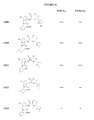


Classifications
-
- C—CHEMISTRY; METALLURGY
- C07—ORGANIC CHEMISTRY
- C07D—HETEROCYCLIC COMPOUNDS
- C07D405/00—Heterocyclic compounds containing both one or more hetero rings having oxygen atoms as the only ring hetero atoms, and one or more rings having nitrogen as the only ring hetero atom
- C07D405/14—Heterocyclic compounds containing both one or more hetero rings having oxygen atoms as the only ring hetero atoms, and one or more rings having nitrogen as the only ring hetero atom containing three or more hetero rings
-
- C—CHEMISTRY; METALLURGY
- C07—ORGANIC CHEMISTRY
- C07D—HETEROCYCLIC COMPOUNDS
- C07D405/00—Heterocyclic compounds containing both one or more hetero rings having oxygen atoms as the only ring hetero atoms, and one or more rings having nitrogen as the only ring hetero atom
- C07D405/02—Heterocyclic compounds containing both one or more hetero rings having oxygen atoms as the only ring hetero atoms, and one or more rings having nitrogen as the only ring hetero atom containing two hetero rings
- C07D405/12—Heterocyclic compounds containing both one or more hetero rings having oxygen atoms as the only ring hetero atoms, and one or more rings having nitrogen as the only ring hetero atom containing two hetero rings linked by a chain containing hetero atoms as chain links
-
- A—HUMAN NECESSITIES
- A61—MEDICAL OR VETERINARY SCIENCE; HYGIENE
- A61K—PREPARATIONS FOR MEDICAL, DENTAL OR TOILETRY PURPOSES
- A61K31/00—Medicinal preparations containing organic active ingredients
- A61K31/33—Heterocyclic compounds
- A61K31/335—Heterocyclic compounds having oxygen as the only ring hetero atom, e.g. fungichromin
- A61K31/34—Heterocyclic compounds having oxygen as the only ring hetero atom, e.g. fungichromin having five-membered rings with one oxygen as the only ring hetero atom, e.g. isosorbide
- A61K31/341—Heterocyclic compounds having oxygen as the only ring hetero atom, e.g. fungichromin having five-membered rings with one oxygen as the only ring hetero atom, e.g. isosorbide not condensed with another ring, e.g. ranitidine, furosemide, bufetolol, muscarine
-
- A—HUMAN NECESSITIES
- A61—MEDICAL OR VETERINARY SCIENCE; HYGIENE
- A61K—PREPARATIONS FOR MEDICAL, DENTAL OR TOILETRY PURPOSES
- A61K31/00—Medicinal preparations containing organic active ingredients
- A61K31/33—Heterocyclic compounds
- A61K31/395—Heterocyclic compounds having nitrogen as a ring hetero atom, e.g. guanethidine or rifamycins
- A61K31/40—Heterocyclic compounds having nitrogen as a ring hetero atom, e.g. guanethidine or rifamycins having five-membered rings with one nitrogen as the only ring hetero atom, e.g. sulpiride, succinimide, tolmetin, buflomedil
- A61K31/403—Heterocyclic compounds having nitrogen as a ring hetero atom, e.g. guanethidine or rifamycins having five-membered rings with one nitrogen as the only ring hetero atom, e.g. sulpiride, succinimide, tolmetin, buflomedil condensed with carbocyclic rings, e.g. carbazole
- A61K31/4035—Isoindoles, e.g. phthalimide
-
- A—HUMAN NECESSITIES
- A61—MEDICAL OR VETERINARY SCIENCE; HYGIENE
- A61K—PREPARATIONS FOR MEDICAL, DENTAL OR TOILETRY PURPOSES
- A61K31/00—Medicinal preparations containing organic active ingredients
- A61K31/33—Heterocyclic compounds
- A61K31/395—Heterocyclic compounds having nitrogen as a ring hetero atom, e.g. guanethidine or rifamycins
- A61K31/41—Heterocyclic compounds having nitrogen as a ring hetero atom, e.g. guanethidine or rifamycins having five-membered rings with two or more ring hetero atoms, at least one of which being nitrogen, e.g. tetrazole
- A61K31/415—1,2-Diazoles
- A61K31/4155—1,2-Diazoles non condensed and containing further heterocyclic rings
-
- A—HUMAN NECESSITIES
- A61—MEDICAL OR VETERINARY SCIENCE; HYGIENE
- A61K—PREPARATIONS FOR MEDICAL, DENTAL OR TOILETRY PURPOSES
- A61K31/00—Medicinal preparations containing organic active ingredients
- A61K31/33—Heterocyclic compounds
- A61K31/395—Heterocyclic compounds having nitrogen as a ring hetero atom, e.g. guanethidine or rifamycins
- A61K31/435—Heterocyclic compounds having nitrogen as a ring hetero atom, e.g. guanethidine or rifamycins having six-membered rings with one nitrogen as the only ring hetero atom
- A61K31/44—Non condensed pyridines; Hydrogenated derivatives thereof
- A61K31/4427—Non condensed pyridines; Hydrogenated derivatives thereof containing further heterocyclic ring systems
- A61K31/4439—Non condensed pyridines; Hydrogenated derivatives thereof containing further heterocyclic ring systems containing a five-membered ring with nitrogen as a ring hetero atom, e.g. omeprazole
-
- A—HUMAN NECESSITIES
- A61—MEDICAL OR VETERINARY SCIENCE; HYGIENE
- A61K—PREPARATIONS FOR MEDICAL, DENTAL OR TOILETRY PURPOSES
- A61K31/00—Medicinal preparations containing organic active ingredients
- A61K31/33—Heterocyclic compounds
- A61K31/395—Heterocyclic compounds having nitrogen as a ring hetero atom, e.g. guanethidine or rifamycins
- A61K31/435—Heterocyclic compounds having nitrogen as a ring hetero atom, e.g. guanethidine or rifamycins having six-membered rings with one nitrogen as the only ring hetero atom
- A61K31/44—Non condensed pyridines; Hydrogenated derivatives thereof
- A61K31/445—Non condensed piperidines, e.g. piperocaine
- A61K31/4523—Non condensed piperidines, e.g. piperocaine containing further heterocyclic ring systems
- A61K31/454—Non condensed piperidines, e.g. piperocaine containing further heterocyclic ring systems containing a five-membered ring with nitrogen as a ring hetero atom, e.g. pimozide, domperidone
-
- A—HUMAN NECESSITIES
- A61—MEDICAL OR VETERINARY SCIENCE; HYGIENE
- A61K—PREPARATIONS FOR MEDICAL, DENTAL OR TOILETRY PURPOSES
- A61K31/00—Medicinal preparations containing organic active ingredients
- A61K31/33—Heterocyclic compounds
- A61K31/395—Heterocyclic compounds having nitrogen as a ring hetero atom, e.g. guanethidine or rifamycins
- A61K31/435—Heterocyclic compounds having nitrogen as a ring hetero atom, e.g. guanethidine or rifamycins having six-membered rings with one nitrogen as the only ring hetero atom
- A61K31/47—Quinolines; Isoquinolines
- A61K31/472—Non-condensed isoquinolines, e.g. papaverine
- A61K31/4725—Non-condensed isoquinolines, e.g. papaverine containing further heterocyclic rings
-
- A—HUMAN NECESSITIES
- A61—MEDICAL OR VETERINARY SCIENCE; HYGIENE
- A61K—PREPARATIONS FOR MEDICAL, DENTAL OR TOILETRY PURPOSES
- A61K31/00—Medicinal preparations containing organic active ingredients
- A61K31/33—Heterocyclic compounds
- A61K31/395—Heterocyclic compounds having nitrogen as a ring hetero atom, e.g. guanethidine or rifamycins
- A61K31/495—Heterocyclic compounds having nitrogen as a ring hetero atom, e.g. guanethidine or rifamycins having six-membered rings with two or more nitrogen atoms as the only ring heteroatoms, e.g. piperazine or tetrazines
- A61K31/505—Pyrimidines; Hydrogenated pyrimidines, e.g. trimethoprim
- A61K31/506—Pyrimidines; Hydrogenated pyrimidines, e.g. trimethoprim not condensed and containing further heterocyclic rings
-
- A—HUMAN NECESSITIES
- A61—MEDICAL OR VETERINARY SCIENCE; HYGIENE
- A61K—PREPARATIONS FOR MEDICAL, DENTAL OR TOILETRY PURPOSES
- A61K45/00—Medicinal preparations containing active ingredients not provided for in groups A61K31/00 - A61K41/00
- A61K45/06—Mixtures of active ingredients without chemical characterisation, e.g. antiphlogistics and cardiaca
-
- A—HUMAN NECESSITIES
- A61—MEDICAL OR VETERINARY SCIENCE; HYGIENE
- A61P—SPECIFIC THERAPEUTIC ACTIVITY OF CHEMICAL COMPOUNDS OR MEDICINAL PREPARATIONS
- A61P11/00—Drugs for disorders of the respiratory system
-
- A—HUMAN NECESSITIES
- A61—MEDICAL OR VETERINARY SCIENCE; HYGIENE
- A61P—SPECIFIC THERAPEUTIC ACTIVITY OF CHEMICAL COMPOUNDS OR MEDICINAL PREPARATIONS
- A61P17/00—Drugs for dermatological disorders
- A61P17/06—Antipsoriatics
-
- A—HUMAN NECESSITIES
- A61—MEDICAL OR VETERINARY SCIENCE; HYGIENE
- A61P—SPECIFIC THERAPEUTIC ACTIVITY OF CHEMICAL COMPOUNDS OR MEDICINAL PREPARATIONS
- A61P19/00—Drugs for skeletal disorders
- A61P19/02—Drugs for skeletal disorders for joint disorders, e.g. arthritis, arthrosis
-
- A—HUMAN NECESSITIES
- A61—MEDICAL OR VETERINARY SCIENCE; HYGIENE
- A61P—SPECIFIC THERAPEUTIC ACTIVITY OF CHEMICAL COMPOUNDS OR MEDICINAL PREPARATIONS
- A61P27/00—Drugs for disorders of the senses
- A61P27/02—Ophthalmic agents
-
- A—HUMAN NECESSITIES
- A61—MEDICAL OR VETERINARY SCIENCE; HYGIENE
- A61P—SPECIFIC THERAPEUTIC ACTIVITY OF CHEMICAL COMPOUNDS OR MEDICINAL PREPARATIONS
- A61P29/00—Non-central analgesic, antipyretic or antiinflammatory agents, e.g. antirheumatic agents; Non-steroidal antiinflammatory drugs [NSAID]
-
- A—HUMAN NECESSITIES
- A61—MEDICAL OR VETERINARY SCIENCE; HYGIENE
- A61P—SPECIFIC THERAPEUTIC ACTIVITY OF CHEMICAL COMPOUNDS OR MEDICINAL PREPARATIONS
- A61P35/00—Antineoplastic agents
-
- A—HUMAN NECESSITIES
- A61—MEDICAL OR VETERINARY SCIENCE; HYGIENE
- A61P—SPECIFIC THERAPEUTIC ACTIVITY OF CHEMICAL COMPOUNDS OR MEDICINAL PREPARATIONS
- A61P35/00—Antineoplastic agents
- A61P35/02—Antineoplastic agents specific for leukemia
-
- A—HUMAN NECESSITIES
- A61—MEDICAL OR VETERINARY SCIENCE; HYGIENE
- A61P—SPECIFIC THERAPEUTIC ACTIVITY OF CHEMICAL COMPOUNDS OR MEDICINAL PREPARATIONS
- A61P35/00—Antineoplastic agents
- A61P35/04—Antineoplastic agents specific for metastasis
-
- A—HUMAN NECESSITIES
- A61—MEDICAL OR VETERINARY SCIENCE; HYGIENE
- A61P—SPECIFIC THERAPEUTIC ACTIVITY OF CHEMICAL COMPOUNDS OR MEDICINAL PREPARATIONS
- A61P37/00—Drugs for immunological or allergic disorders
- A61P37/02—Immunomodulators
-
- A—HUMAN NECESSITIES
- A61—MEDICAL OR VETERINARY SCIENCE; HYGIENE
- A61P—SPECIFIC THERAPEUTIC ACTIVITY OF CHEMICAL COMPOUNDS OR MEDICINAL PREPARATIONS
- A61P9/00—Drugs for disorders of the cardiovascular system
- A61P9/10—Drugs for disorders of the cardiovascular system for treating ischaemic or atherosclerotic diseases, e.g. antianginal drugs, coronary vasodilators, drugs for myocardial infarction, retinopathy, cerebrovascula insufficiency, renal arteriosclerosis
-
- C—CHEMISTRY; METALLURGY
- C07—ORGANIC CHEMISTRY
- C07D—HETEROCYCLIC COMPOUNDS
- C07D209/00—Heterocyclic compounds containing five-membered rings, condensed with other rings, with one nitrogen atom as the only ring hetero atom
- C07D209/02—Heterocyclic compounds containing five-membered rings, condensed with other rings, with one nitrogen atom as the only ring hetero atom condensed with one carbocyclic ring
- C07D209/44—Iso-indoles; Hydrogenated iso-indoles
- C07D209/46—Iso-indoles; Hydrogenated iso-indoles with an oxygen atom in position 1
-
- C—CHEMISTRY; METALLURGY
- C07—ORGANIC CHEMISTRY
- C07D—HETEROCYCLIC COMPOUNDS
- C07D307/00—Heterocyclic compounds containing five-membered rings having one oxygen atom as the only ring hetero atom
- C07D307/02—Heterocyclic compounds containing five-membered rings having one oxygen atom as the only ring hetero atom not condensed with other rings
- C07D307/34—Heterocyclic compounds containing five-membered rings having one oxygen atom as the only ring hetero atom not condensed with other rings having two or three double bonds between ring members or between ring members and non-ring members
- C07D307/38—Heterocyclic compounds containing five-membered rings having one oxygen atom as the only ring hetero atom not condensed with other rings having two or three double bonds between ring members or between ring members and non-ring members with substituted hydrocarbon radicals attached to ring carbon atoms
- C07D307/52—Radicals substituted by nitrogen atoms not forming part of a nitro radical
-
- C—CHEMISTRY; METALLURGY
- C07—ORGANIC CHEMISTRY
- C07D—HETEROCYCLIC COMPOUNDS
- C07D401/00—Heterocyclic compounds containing two or more hetero rings, having nitrogen atoms as the only ring hetero atoms, at least one ring being a six-membered ring with only one nitrogen atom
- C07D401/02—Heterocyclic compounds containing two or more hetero rings, having nitrogen atoms as the only ring hetero atoms, at least one ring being a six-membered ring with only one nitrogen atom containing two hetero rings
- C07D401/12—Heterocyclic compounds containing two or more hetero rings, having nitrogen atoms as the only ring hetero atoms, at least one ring being a six-membered ring with only one nitrogen atom containing two hetero rings linked by a chain containing hetero atoms as chain links
-
- C—CHEMISTRY; METALLURGY
- C07—ORGANIC CHEMISTRY
- C07D—HETEROCYCLIC COMPOUNDS
- C07D409/00—Heterocyclic compounds containing two or more hetero rings, at least one ring having sulfur atoms as the only ring hetero atoms
- C07D409/02—Heterocyclic compounds containing two or more hetero rings, at least one ring having sulfur atoms as the only ring hetero atoms containing two hetero rings
- C07D409/12—Heterocyclic compounds containing two or more hetero rings, at least one ring having sulfur atoms as the only ring hetero atoms containing two hetero rings linked by a chain containing hetero atoms as chain links
-
- C—CHEMISTRY; METALLURGY
- C07—ORGANIC CHEMISTRY
- C07D—HETEROCYCLIC COMPOUNDS
- C07D413/00—Heterocyclic compounds containing two or more hetero rings, at least one ring having nitrogen and oxygen atoms as the only ring hetero atoms
- C07D413/02—Heterocyclic compounds containing two or more hetero rings, at least one ring having nitrogen and oxygen atoms as the only ring hetero atoms containing two hetero rings
- C07D413/12—Heterocyclic compounds containing two or more hetero rings, at least one ring having nitrogen and oxygen atoms as the only ring hetero atoms containing two hetero rings linked by a chain containing hetero atoms as chain links
Definitions
- Chemokines are chemotactic cytokines that are released by a wide variety of cells to attract macrophages, lymphocytes, eosinophils, basophils and neutrophils to sites of inflammation (reviewed in Schall, Cytokine, 3:165-183 (1991), Schall, et al., Curr Opin. Immunol. 6:865-873 (1994) and Murphy, Rev. Immun., 12:593-633 (1994)).
- chemokines in addition to stimulating chemotaxis, other changes can be selectively induced by chemokines in responsive cells, including changes in cell shape, transient rises in the concentration of intracellular free calcium ions ([Ca 2+ ]), granule exocytosis, integrin upregulation, formation of bioactive lipids (e.g., leukotrienes) and respiratory burst, which is associated with leukocyte activation.
- the chemokines are early triggers of the inflammatory response, causing inflammatory mediator release, chemotaxis and extravasation to sites of infection or inflammation.
- CXC alpha
- CXCL8 interleukin-8, IL-8
- beta-chemokines such as CCL5 (RANTES) and CCL20 (LARC, MIP-3 ⁇ )
- T cells B cells, macrophages, eosinophils and basophils (Deng, et al., Nature, 381:661-666 (1996)).
- chemokines bind specific cell-surface receptors belonging to the family of G-protein-coupled seven-transmembrane-domain proteins (reviewed in Horuk, Trends Pharm. Sci., 15:159-165 (1994)) which are termed “chemokine receptors.”
- chemokine receptors On binding their cognate ligands, chemokine receptors transduce an intracellular signal through the associated trimeric G protein, resulting in a rapid increase in intracellular calcium concentration.
- CX3CR1 fractalkine receptor
- CX3CR1 can bind to the fractalkine chemokine, which is distinguished by a series of three amino acids between the first two cysteines.
- Chemokine receptors have been implicated as being important mediators of inflammatory and immunoregulatory disorders and diseases, including asthma and allergic diseases, as well as autoimmune pathologies such as rheumatoid arthritis and atherosclerosis.
- the chemokine receptor CCR6 is known to be expressed by memory (but not na ⁇ ve) CD4 T cells, IL17-secreting ⁇ T cells, IL17-secreting ⁇ T cells, regulatory T cells, B cells and dendritic cells. Its only known ligand is CCL20 (MIP-3 ⁇ , LARC), for which it shows strong binding. It is expressed on approximately 30-60% of adult peripheral blood effector/memory CD4+ T cells.
- CCR6 is involved in leukocyte homing to inflamed tissue, particularly the skin, lungs and gut; and is co-expressed on a subset of T cells that have a skin homing phenotype (i.e., T cells that express the cutaneous lymphocyte antigen (CLA) and CCR4).
- CLA cutaneous lymphocyte antigen
- CCR6 may be an important player in skin pathologies in which leukocytes participate.
- CCR6 expression has been linked to psoriasis.
- IL17-expressing skin-homing CD4 T cells in the peripheral blood express CCR6 (Homey, et. al., JI, 2000).
- IL17 secreting cells are central agents in several inflammatory diseases. T cells, such as ⁇ T cells and TH17 T cells produce IL17 after activation.
- the pathogenic effects of IL17 have been associated with human diseases such as rheumatoid arthritis (Patel D D et. al., Ann Rheum Dis 2013), multiple sclerosis (Zepp J, Wu L, and X Li Trends Immunol 2011), and psoriasis (Martin D A et.
- CCR6+ T cells isolated from psoriatic patients preferentially secrete IL-17A, IL22, and TNF ⁇ when compared to healthy controls (Kagami, et. al., J. Invest. Dermatol., 2010).
- ccl20 mRNA was up-regulated in lesional psoriatic skin samples (Homey, et. al., JI, 2000; Val-Nosjean, et. al., JEM, 2000).
- CCR6 knock-out mice were protected from IL-23 driven psoriasis (Hedrick M. N. et. al. JCI, 2009).
- CCR6 is also expressed by dendritic cells at critical stages during their development, and is important for their migration through tissues (Sozzani et al, J Leuk Biol, 66:1, 1999). Dendritic cells are responsible for presenting antigens to T cells within lymph nodes, and thus inhibition of dendritic cell trafficking can have a dampening effect on T cell mediated inflammatory responses (Banchereau and Steinman, Nature, 392:245, 1998).
- CCR6 is expressed by B cells, and it has recently been demonstrated that CCR6-mediated B cell migration is required for B cells to engage is memory responses to soluble antigen (Elgueta et al., J Immunol, 194:505, 2015). Inhibiting such B cell migration via CCR6 blockade can therefore potentially dampen B cell mediated (and therefore antibody-mediated) inflammatory responses in disorders such as lupus, rheumatoid arthritis and pemphagus.
- CCR6 is often expressed by colorectal cancer (CRC) cells. High expression of this receptor is associated with poor outcome for CRC patients, and CCR6 itself has been proposed to contribute to migration of CRC cells leading to metastasis (Liu J. et. al. PLOSone 20149 (6):e101137).
- Chemokines that bind to a separate receptor, CXCR2 promote the accumulation and activation of neutrophils. These chemokines are implicated in a wide range of acute and chronic inflammatory disorders such as psoriasis, rheumatoid arthritis, radiation-induced fibrotic lung disease, autoimmune bullous dermatoses (AIBD), chronic obstructive pulmonary disease (COPD) and ozone-induced airway inflammation (see, Baggiolini et al., FEBS Lett. 307:97 (1992); Miller et al., Crit. Rev. Immunol. 12:17 (1992); Oppenheim et al., Annu. Rev. Immunol.
- CXCR2 ligand chemokines including CXCL1, CXCL2, CXCL3, and CXCL5 have been implicated in the induction of tumor angiogenesis (Strieter et al. JBC 270: 27348-27357 (1995)).
- Some CXCR2 ligand chemokines are exacerbating agents during ischemic stroke (Connell et al., Neurosci. Lett., 15:30111 (2015). Their angiogenic activity is possibly due to the activation of CXCR2 expressed on the surface of vascular endothelial cells (ECs) in surrounding vessels by the chemokines.
- ECs vascular endothelial cells
- CXCR2 ligand chemokines Many types of tumors are known to produce CXCR2 ligand chemokines. The production of these chemokines correlates with a more aggressive phenotype (Inoue et al. Clin Cancer Res 6:2104-2119 (2000)) and poor prognosis (Yoneda et. al. J Nat Cancer Inst 90:447-454 (1998)). As the chemokines are potent chemotactic factors for EC chemotaxis, they probably induce chemotaxis of endothelial cells toward their site of production in the tumor. This may be a critical step in the induction of tumor angiogenesis.
- Inhibitors of CXCR2 will inhibit the angiogenic activity of the ELR-CXC chemokines and therefore block the tumor growth. This anti-tumor activity has been demonstrated for antibodies to CXCL8 (Arenberg et al. J Clin Invest 97:2792-2802 (1996)), ENA-78 (Arenberg et al. J Clin Invest 102:465-72 (1998)), and CXCL1 (Haghnegahdar et al. J. Leukoc Biology 67:53-62 (2000)).
- CXCR2 Many tumor cells express CXCR2 and tumor cells may stimulate their own growth by secreting ELR-CXC chemokines. Thus, in addition to decreasing angiogenesis within tumors, CXCR2 inhibitors may directly inhibit the growth of tumor cells.
- CXCR2 is often expressed by myeloid-derived suppressor cells (MDSC) within the microenvironment of tumors. MDSC are implicated in the suppression of tumor immune responses, and migration of MDSC in response to CXCR2 ligand chemokines is most likely responsible for attracting these cells into tumors (Marvel and Gabrilovich, J. Clin. Invest. 13:1 (2015) and Mackall et al., Sci. Trans. Med. 6:237 (2014)). Thus, CXCR2 inhibitors may reverse suppressive processes and thereby allow immune cells to more effectively reject the tumor.
- MDSC myeloid-derived suppressor cells
- CXC-chemokine receptors have proven useful as a combination therapy with checkpoint inhibitors in suppressing tumor growth, suggesting that CXCR2 blockade may also enhance tumor rejection in combination with other anti-tumor therapies, including but not limited to vaccines or traditional cytotoxic chemotherapies (see Highfill et al., Science Translational Medicine, 6:237 (2014)).
- CCR6 and CXCR2 have each been associated with poor outcome in certain cancer types including CRC, although each is likely to work through a different, potentially complementary, mechanism (Nandi et al., PLoS One, 9:e97566, 2014; Liu et al, PLoS One, 9:e101137, 2014; Cheluvappa, Int J Colorectal Dis, 29:1181, 2014; Zhang, Biomed Pharmacother. 69:242, 2014; Lee et al, Int J Cancer, 135:232, 2014; Wang and DuBois, Oncoimmunology, 29:e28581, 2014; Wu et al, Int J Clin Exp Med, 8:5883, 2015).
- R 3 , R 4 , R 5a , R 5b , R 6a , R 6b , R 7 , B and the subscript n have the meanings provided in the Detailed Description below.
- the compounds have utility in the treatment of diseases or conditions modulated at least in part by CCR6 and can also be used in the treatment of diseases or conditions modulated at least in part by CXCR2.
- compositions of the compounds of formula (A) are also provided.
- FIG. 1A-1AJ provides structures and biological activity for compounds described herein.
- FIG. 2 provides compound 1.023 in the IL-23 Induced ear swelling model.
- FIG. 3 provides a PASI score in mice treated with Compound 1.129 in the imiquimod induced psoriasis model.
- FIG. 4 provides thickness, erythema and scaling scores ⁇ 3 in mice treated with Compound 1.129 compared to vehicle treated mice in the imiquimod induced psoriasis model.
- the present invention derives from the discovery that compounds of formula (A), (A1), (A2), (I) and (Ia1) act as potent antagonists of the CCR6 receptor and/or the CXCR2 receptor.
- the compounds have in vivo anti-inflammatory activity and have superior pharmacokinetic properties. Accordingly, the compounds provided herein are useful in pharmaceutical compositions, methods for the treatment of CCR6-mediated diseases and/or CXCR2-mediated diseases, and as controls in assays for the identification of CCR6 and/or CXCR2 antagonists.
- alkyl by itself or as part of another substituent, means, unless otherwise stated, a straight or branched chain hydrocarbon radical, having the number of carbon atoms designated (i.e. C 1-8 means one to eight carbons).
- alkyl groups include methyl, ethyl, n-propyl, isopropyl, n-butyl, t-butyl, isobutyl, sec-butyl, n-pentyl, n-hexyl, n-heptyl, n-octyl, and the like.
- cycloalkyl refers to hydrocarbon rings having the indicated number of ring atoms (e.g., C 3-6 cycloalkyl) and being fully saturated or having no more than one double bond between ring vertices. “Cycloalkyl” is also meant to refer to bicyclic and polycyclic hydrocarbon rings such as, for example, bicyclo[2.2.1]heptane, bicyclo[2.2.2]octane, etc.
- cycloheteroalkyl refers to a cycloalkyl ring having the indicated number of ring vertices (or members) and having from one to five heteroatoms selected from N, O, and S, which replace one to five of the carbon vertices, and wherein the nitrogen and sulfur atoms are optionally oxidized, and the nitrogen atom(s) are optionally quaternized.
- the cycloheteroalkyl may be a monocyclic, a bicyclic or a polycylic ring system.
- Non limiting examples of cycloheteroalkyl groups include pyrrolidine, imidazolidine, pyrazolidine, butyrolactam, valerolactam, imidazolidinone, hydantoin, dioxolane, phthalimide, piperidine, 1,4-dioxane, morpholine, thiomorpholine, thiomorpholine-S-oxide, thiomorpholine-S,S-oxide, piperazine, pyran, pyridone, 3-pyrroline, thiopyran, pyrone, tetrahydrofuran, tetrahydrothiophene, quinuclidine, and the like.
- a cycloheteroalkyl group can be attached to the remainder of the molecule through a ring carbon or a heteroatom.
- a wavy line, “ ”, that intersects a single, double or triple bond in any chemical structure depicted herein, represent the point attachment of the single, double, or triple bond to the remainder of the molecule.
- a bond extending to the center of a ring e.g., a phenyl ring
- a representation is meant to include either orientation (forward or reverse).
- —C(O)NH— is meant to include a linkage in either orientation: —C(O)NH— or —NHC(O)—
- —O—CH 2 CH 2 — is meant to include both —O—CH 2 CH 2 — and —CH 2 CH 2 —O—.
- alkoxy alkylamino and “alkylthio” (or thioalkoxy) are used in their conventional sense, and refer to those alkyl groups attached to the remainder of the molecule via an oxygen atom, an amino group, or a sulfur atom, respectively. Additionally, for dialkylamino groups, the alkyl portions can be the same or different and can also be combined to form a 3-7 membered ring with the nitrogen atom to which each is attached. Accordingly, a group represented as dialkylamino or —NR a R b is meant to include piperidinyl, pyrrolidinyl, morpholinyl, azetidinyl and the like.
- halo or “halogen,” by themselves or as part of another substituent, mean, unless otherwise stated, a fluorine, chlorine, bromine, or iodine atom. Additionally, terms such as “haloalkyl,” are meant to include monohaloalkyl and polyhaloalkyl.
- C 1-4 haloalkyl is mean to include trifluoromethyl, 2,2,2-trifluoroethyl, 4-chlorobutyl, 3-bromopropyl, and the like.
- aryl means, unless otherwise stated, a polyunsaturated, typically aromatic, hydrocarbon group which can be a single ring or multiple rings (up to three rings) which are fused together or linked covalently.
- Non-limiting examples of aryl groups include phenyl, naphthyl and biphenyl.
- heteroaryl refers to aryl groups (or rings) that contain from one to five heteroatoms selected from N, O, and S, wherein the nitrogen and sulfur atoms are optionally oxidized, and the nitrogen atom(s) are optionally quaternized.
- a heteroaryl group can be attached to the remainder of the molecule through a heteroatom.
- heteroaryl groups include pyridyl, pyridazinyl, pyrazinyl, pyrimindinyl, triazinyl, quinolinyl, quinoxalinyl, quinazolinyl, cinnolinyl, phthalazinyl, benzotriazinyl, purinyl, benzimidazolyl, benzopyrazolyl, benzotriazolyl, benzisoxazolyl, isobenzofuryl, isoindolyl, indolizinyl, benzotriazinyl, thienopyridinyl, thienopyrimidinyl, pyrazolopyrimidinyl, imidazopyridines, benzothiaxolyl, benzofuranyl, benzothienyl, indolyl, quinolyl, isoquinolyl, isothiazolyl, pyrazolyl, indazolyl, p
- Optional substituents for the alkyl radicals can be a variety of groups selected from: halogen, —OR′, —NR′R′′, —SR′, —SiR′R′′R′′′, —OC(O)R′, —C(O)R′, —CO 2 R′, —CONR′R′′, —OC(O)NR′R′′, —NR′′C(O)R′, —NR′—C(O)NR′′R′′′, —NR′′C(O) 2 R′, —NH—C(NH 2 ) ⁇ NH, —NR′C(NH 2 ) ⁇ NH, —NH—C(NH 2 ) ⁇ NR′, —S(O)R′, —S(O) 2 R′, —S(O) 2 NR′R′′, —NR′S(O) 2 R′′, —CN
- R′, R′′ and R′′′ each independently refer to hydrogen, unsubstituted C 1-8 alkyl, unsubstituted aryl, aryl substituted with 1-3 halogens, unsubstituted C 1-8 alkyl, C 1-8 alkoxy or C 1-8 thioalkoxy groups, or unsubstituted aryl-C 1-4 alkyl groups.
- R′ and R′′ are attached to the same nitrogen atom, they can be combined with the nitrogen atom to form a 3-, 4-, 5-, 6-, or 7-membered ring.
- —NR′R′′ is meant to include 1-pyrrolidinyl and 4-morpholinyl.
- optional substituents for the aryl and heteroaryl groups are varied and are generally selected from: -halogen, —OR′, —OC(O)R′, —NR′R′′, —SR′, —R′, —CN, —NO 2 , —CO 2 R′, —CONR′R′′, —C(O)R′, —OC(O)NR′R′′, —NR′′C(O)R′, —NR′′C(O) 2 R′, —NR′—C(O)NR′′R′′′, —NH—C(NH 2 ) ⁇ NH, —NR′C(NH 2 ) ⁇ NH, —NH—C(NH 2 ) ⁇ NR′, —S(O)R′, —S(O) 2 R′, —S(O) 2 NR′R′′, —NR′S(O) 2 R′′, —N 3 , perfluoro(C 1 -C 4 )alkoxy, and perfluor
- Two of the substituents on adjacent atoms of the aryl or heteroaryl ring may optionally be replaced with a substituent of the formula -T-C(O)—(CH 2 ) q —U—, wherein T and U are independently —NH—, —O—, —CH 2 — or a single bond, and q is an integer of from 0 to 2.
- two of the substituents on adjacent atoms of the aryl or heteroaryl ring may optionally be replaced with a substituent of the formula -A-(CH 2 ) 1 —B—, wherein A and B are independently —CH 2 —, —O—, —NH—, —S—, —S(O)—, —S(O) 2 —, —S(O) 2 NR′— or a single bond, and r is an integer of from 1 to 3.
- One of the single bonds of the new ring so formed may optionally be replaced with a double bond.
- two of the substituents on adjacent atoms of the aryl or heteroaryl ring may optionally be replaced with a substituent of the formula —(CH 2 ) s —X—(CH 2 ) t —, where s and t are independently integers of from 0 to 3, and X is —O—, —NR′—, —S—, —S(O)—, —S(O) 2 —, or —S(O) 2 NR′—.
- the substituent R′ in —NR′— and —S(O) 2 NR′— is selected from hydrogen or unsubstituted C 1-6 alkyl.
- heteroatom is meant to include oxygen (O), nitrogen (N), sulfur (S) and silicon (Si).
- variable e. g., R 1 or R a
- its definition on each occurrence is independent of its definition at every other occurrence. Additionally, combinations of substituents and/or variables are permissible only if such combinations result in stable compounds.
- salts are meant to include salts of the active compounds which are prepared with relatively nontoxic acids or bases, depending on the particular substituents found on the compounds described herein.
- base addition salts can be obtained by contacting the neutral form of such compounds with a sufficient amount of the desired base, either neat or in a suitable inert solvent.
- salts derived from pharmaceutically-acceptable inorganic bases include aluminum, ammonium, calcium, copper, ferric, ferrous, lithium, magnesium, manganic, manganous, potassium, sodium, zinc and the like.
- Salts derived from pharmaceutically-acceptable organic bases include salts of primary, secondary and tertiary amines, including substituted amines, cyclic amines, naturally-occurring amines and the like, such as arginine, betaine, caffeine, choline, N,N′-dibenzylethylenediamine, diethylamine, 2-diethylaminoethanol, 2-dimethylaminoethanol, ethanolamine, ethylenediamine, N-ethylmorpholine, N-ethylpiperidine, glucamine, glucosamine, histidine, hydrabamine, isopropylamine, lysine, methylglucamine, morpholine, piperazine, piperidine, polyamine resins, procaine, purines, theobromine, triethylamine, trimethylamine, tripropylamine, tromethamine and the like.
- acid addition salts can be obtained by contacting the neutral form of such compounds with a sufficient amount of the desired acid, either neat or in a suitable inert solvent.
- pharmaceutically acceptable acid addition salts include those derived from inorganic acids like hydrochloric, hydrobromic, nitric, carbonic, monohydrogencarbonic, phosphoric, monohydrogenphosphoric, dihydrogenphosphoric, sulfuric, monohydrogensulfuric, hydriodic, or phosphorous acids and the like, as well as the salts derived from relatively nontoxic organic acids like acetic, propionic, isobutyric, malonic, benzoic, succinic, suberic, fumaric, mandelic, phthalic, benzenesulfonic, p-tolylsulfonic, citric, tartaric, methanesulfonic, and the like.
- salts of amino acids such as arginate and the like, and salts of organic acids like glucuronic or galactunoric acids and the like (see, for example, Berge, S. M., et al, “Pharmaceutical Salts”, Journal of Pharmaceutical Science, 1977, 66, 1-19).
- Certain specific compounds of the present invention contain both basic and acidic functionalities that allow the compounds to be converted into either base or acid addition salts.
- the neutral forms of the compounds may be regenerated by contacting the salt with a base or acid and isolating the parent compound in the conventional manner.
- the parent form of the compound differs from the various salt forms in certain physical properties, such as solubility in polar solvents, but otherwise the salts are equivalent to the parent form of the compound for the purposes of the present invention.
- the present invention provides compounds which are in a prodrug form.
- Prodrugs of the compounds described herein are those compounds that readily undergo chemical changes under physiological conditions to provide the compounds of the present invention.
- prodrugs can be converted to the compounds of the present invention by chemical or biochemical methods in an ex vivo environment. For example, prodrugs can be slowly converted to the compounds of the present invention when placed in a transdermal patch reservoir with a suitable enzyme or chemical reagent.
- Certain compounds of the present invention can exist in unsolvated forms as well as solvated forms, including hydrated forms. In general, the solvated forms are equivalent to unsolvated forms and are intended to be encompassed within the scope of the present invention. Certain compounds of the present invention may exist in multiple crystalline or amorphous forms. In general, all physical forms are equivalent for the uses contemplated by the present invention and are intended to be within the scope of the present invention.
- Certain compounds of the present invention possess asymmetric carbon atoms (optical centers) or double bonds; the racemates, diastereomers, geometric isomers, regioisomers and individual isomers (e.g., separate enantiomers) are all intended to be encompassed within the scope of the present invention.
- a stereochemical depiction it is meant to refer the compound in which one of the isomers is present and substantially free of the other isomer.
- ‘Substantially free of’ another isomer indicates at least an 80/20 ratio of the two isomers, more preferably 90/10, or 95/5 or more. In some embodiments, one of the isomers will be present in an amount of at least 99%.
- the compounds of the present invention may also contain unnatural proportions of atomic isotopes at one or more of the atoms that constitute such compounds.
- Unnatural proportions of an isotope may be defined as ranging from the amount found in nature to an amount consisting of 100% of the atom in question.
- the compounds may incorporate radioactive isotopes, such as for example tritium ( 3 H), iodine-125 ( 125 I) or carbon-14 ( 14 C), or non-radioactive isotopes, such as deuterium ( 2 H) or carbon-13 ( 13 C).
- radioactive isotopes such as for example tritium ( 3 H), iodine-125 ( 125 I) or carbon-14 ( 14 C), or non-radioactive isotopes, such as deuterium ( 2 H) or carbon-13 ( 13 C).
- isotopic variations can provide additional utilities to those described elsewhere within this application.
- isotopic variants of the compounds of the invention may find additional utility, including but not limited to, as diagnostic and/or imaging reagents, or as cytotoxic/radiotoxic therapeutic agents. Additionally, isotopic variants of the compounds of the invention can have altered pharmacokinetic and pharmacodynamic characteristics which can contribute to enhanced safety, tolerability or efficacy during treatment. All isotopic variations of the compounds of the present invention, whether radioactive or not, are intended to be encompassed within the scope of the present invention.
- patient or “subject” are used interchangeably to refer to a human or a non-human animal (e.g., a mammal).
- administration refers to contact of, for example, an antagonist of CCR6 and/or CXCR2, a pharmaceutical composition comprising same, or a diagnostic agent to the subject, cell, tissue, organ, or biological fluid.
- administration includes contact (e.g., in vitro or ex vivo) of a reagent to the cell, as well as contact of a reagent to a fluid, where the fluid is in contact with the cell.
- treat refers to a course of action (such as administering an antagonist of CCR6 and/or CXCR2, or a pharmaceutical composition comprising same) initiated after a disease, disorder or condition, or a symptom thereof, has been diagnosed, observed, and the like so as to eliminate, reduce, suppress, mitigate, or ameliorate, either temporarily or permanently, at least one of the underlying causes of a disease, disorder, or condition afflicting a subject, or at least one of the symptoms associated with a disease, disorder, condition afflicting a subject.
- treatment includes inhibiting (e.g., arresting the development or further development of the disease, disorder or condition or clinical symptoms association therewith) an active disease.
- in need of treatment refers to a judgment made by a physician or other caregiver that a subject requires or will benefit from treatment. This judgment is made based on a variety of factors that are in the realm of the physician's or caregiver's expertise.
- prevent refers to a course of action (such as administering an antagonist of CCR6 and/or CXCR2, or a pharmaceutical composition comprising same) initiated in a manner (e.g., prior to the onset of a disease, disorder, condition or symptom thereof) so as to prevent, suppress, inhibit or reduce, either temporarily or permanently, a subject's risk of developing a disease, disorder, condition or the like (as determined by, for example, the absence of clinical symptoms) or delaying the onset thereof, generally in the context of a subject predisposed to having a particular disease, disorder or condition.
- the terms also refer to slowing the progression of the disease, disorder or condition or inhibiting progression thereof to a harmful or otherwise undesired state.
- in need of prevention refers to a judgment made by a physician or other caregiver that a subject requires or will benefit from preventative care. This judgment is made based on a variety of factors that are in the realm of a physician's or caregiver's expertise.
- therapeutically effective amount refers to the administration of an agent to a subject, either alone or as part of a pharmaceutical composition and either in a single dose or as part of a series of doses, in an amount capable of having any detectable, positive effect on any symptom, aspect, or characteristic of a disease, disorder or condition when administered to the subject.
- the therapeutically effective amount can be ascertained by measuring relevant physiological effects, and it can be adjusted in connection with the dosing regimen and diagnostic analysis of the subject's condition, and the like.
- measurement of the serum level of an antagonist of CCR6 and/or CXCR2 (or, e.g., a metabolite thereof) at a particular time post-administration may be indicative of whether a therapeutically effective amount has been used.
- in a sufficient amount to effect a change means that there is a detectable difference between a level of an indicator measured before (e.g., a baseline level) and after administration of a particular therapy.
- Indicators include any objective parameter (e.g., serum concentration) or subjective parameter (e.g., a subject's feeling of well-being).
- small molecules refers to chemical compounds having a molecular weight that is less than about 10 kDa, less than about 2 kDa, or less than about 1 kDa.
- Small molecules include, but are not limited to, inorganic molecules, organic molecules, organic molecules containing an inorganic component, molecules comprising a radioactive atom, and synthetic molecules. Therapeutically, a small molecule may be more permeable to cells, less susceptible to degradation, and less likely to elicit an immune response than large molecules.
- inhibitors and “antagonists”, or “activators” and “agonists” refer to inhibitory or activating molecules, respectively, for example, for the activation of, e.g., a ligand, receptor, cofactor, gene, cell, tissue, or organ.
- Inhibitors are molecules that decrease, block, prevent, delay activation, inactivate, desensitize, or down-regulate, e.g., a gene, protein, ligand, receptor, or cell.
- Activators are molecules that increase, activate, facilitate, enhance activation, sensitize, or up-regulate, e.g., a gene, protein, ligand, receptor, or cell.
- An inhibitor may also be defined as a molecule that reduces, blocks, or inactivates a constitutive activity.
- An “agonist” is a molecule that interacts with a target to cause or promote an increase in the activation of the target.
- An “antagonist” is a molecule that opposes the action(s) of an agonist.
- An antagonist prevents, reduces, inhibits, or neutralizes the activity of an agonist, and an antagonist can also prevent, inhibit, or reduce constitutive activity of a target, e.g., a target receptor, even where there is no identified agonist.
- modulate refers to the ability of a molecule (e.g., an activator or an inhibitor) to increase or decrease the function or activity of CCR6 and/or CXCR2, either directly or indirectly.
- a modulator may act alone, or it may use a cofactor, e.g., a protein, metal ion, or small molecule.
- the “activity” of a molecule may describe or refer to the binding of the molecule to a receptor; to catalytic activity; to the ability to stimulate gene expression or cell signaling, differentiation, or maturation; to antigenic activity; to the modulation of activities of other molecules; and the like.
- “comparable”, “comparable activity”, “activity comparable to”, “comparable effect”, “effect comparable to”, and the like are relative terms that can be viewed quantitatively and/or qualitatively. The meaning of the terms is frequently dependent on the context in which they are used.
- two agents that both activate a receptor can be viewed as having a comparable effect from a qualitative perspective, but the two agents can be viewed as lacking a comparable effect from a quantitative perspective if one agent is only able to achieve 20% of the activity of the other agent as determined in an art-accepted assay (e.g., a dose-response assay) or in an art-accepted animal model.
- an art-accepted assay e.g., a dose-response assay
- “comparable” frequently means that one result deviates from a reference standard by less than 35%, by less than 30%, by less than 25%, by less than 20%, by less than 15%, by less than 10%, by less than 7%, by less than 5%, by less than 4%, by less than 3%, by less than 2%, or by less than 1%.
- one result is comparable to a reference standard if it deviates by less than 15%, by less than 10%, or by less than 5% from the reference standard.
- the activity or effect may refer to efficacy, stability, solubility, or immunogenicity.
- substantially pure indicates that a component makes up greater than about 50% of the total content of the composition, and typically greater than about 60% of the total content of the composition. More typically, “substantially pure” refers to compositions in which at least 75%, at least 85%, at least 90% or more of the total composition is the component of interest. In some cases, the component of interest will make up greater than about 90%, or greater than about 95% of the total content of the composition.
- the compound of formula I is a compound wherein B is furanyl or oxazolyl, which is which is optionally substituted with R 1a and R 1b , which are independently selected from the group consisting of halogen, CN, C 1-4 alkyl, C 1-4 alkoxy and C 1-4 haloalkyl.
- R 1a and R 1b are independently selected from the group consisting of halogen, CN, C 1-4 alkyl, C 1-4 alkoxy and C 1-4 haloalkyl.
- R 1a is CH 3 .
- R 3 is H.
- each of R 5a and R 5b is independently selected from H, Cl and F.
- each of R 6a and R 6b is independently selected from H and C 1-4 alkyl.
- R 4 is Y.
- R 4 is selected from H and optionally substituted aryl or heteroaryl groups.
- R 1a is selected from CH 3 and Cl; and R 1b is absent or is CH 3 .
- R 1a is selected from CH 3 and Cl; R 1b is absent (replaced by H) or is CH 3 ; R 3 is H or D; R 4 is H or an optionally substituted aryl or heteroaryl group; R 5a and R 5b are each independently selected from H, F, Cl, Br and CH 3 ; and R 6a and R 6b are each independently selected from H and CH 3 .
- compounds of formula (Ia1) are provided wherein R 1a is CH 3 ; R 1b is absent (replaced by H) or is CH 3 ; R 3 is H or D; R 4 is H or an optionally substituted aryl or heteroaryl group; R 5a is H or Cl or Br; R 5b is H or F; and R 6a and R 6b are each H; or a pharmaceutically acceptable salt, solvate or hydrate, thereof.
- B is selected from the group consisting of:
- B is selected from the group consisting of:
- B is furanyl or oxazolyl, each of which is optionally substituted with R 1a and R 1b , which are independently selected from the group consisting of halogen, CN, C 1-4 alkyl, C 1-4 alkoxy and C 1-4 haloalkyl.
- B is furanyl substituted with R 1a which is CH 3 or Cl and optionally substituted with R 1b which is CH 3 .
- R 3 is H.
- each of R 5a and R 5b is independently selected from the group consisting of H, CH 3 , Cl and F.
- each of R 6a and R 6b is independently selected from the group consisting of H and C 1-2 alkyl.
- R 4 is H, C 1-3 alkyl or Y, wherein the C 1-3 alkyl is substituted with tetrazolyl or tetrazolonyl, wherein the tetrazolyl or tetrazolonyl is optionally substituted with C 1-6 alkyl, C 1-6 hydroxyalkyl, or C 1-4 alkyl-O—C 1-4 alkyl wherein Y is selected from the group consisting of pyridinyl, pyrazolyl, and phenyl wherein the pyridinyl, pyrazolyl, and phenyl have from one to three substituents each of which is independently selected from —C 1-4 alkyl, —C 1-4 alkoxy and —CO 2 H.
- R 4 is H.
- R 4 is C 1-6 alkyl wherein the C 1-6 alkyl is substituted with tetrazolyl or tetrazolonyl, wherein the tetrazolyl or tetrazolonyl is optionally substituted with —C 1-6 alkyl, —C 1-6 alkoxy, —C 1-6 hydroxyalkyl, —C 1-6 haloalkyl, O—C 1-6 haloalkyl, —C 1-4 alkyl-O—C 1-4 alkyl, —C 1-6 alkyl-NR a R b , —C 1-6 alkyl-CO 2 H, —C 1-6 alkyl-CO 2 R a , —C 1-6 alkyl-CONR a R b , —C 1-6 alkyl-C(O)R a , —C 1-6 alkyl-OC(O)NR a R b , —C 1-6 alkyl-NR a
- R 4 is C 1-3 alkyl wherein the C 1-3 alkyl is substituted with tetrazolyl or tetrazolonyl, wherein the tetrazolyl or tetrazolonyl is optionally substituted with —C 1-6 alkyl, —C 1-6 alkoxy, —C 1-6 hydroxyalkyl, —C 1-6 haloalkyl, —C 1-4 alkyl-O—C 1-4 alkyl, —C 1-6 alkyl-NR a R b , or —C 1-6 alkyl-CO 2 H.
- R 4 is C 1-3 alkyl wherein the C 1-3 alkyl is substituted with tetrazolyl or tetrazolonyl, wherein the tetrazolyl or tetrazolonyl is optionally substituted with C 1-3 alkyl, C 1-3 hydroxyalkyl, or C 1-3 alkyl-O—C 1-3 alkyl.
- R 4 is selected from the group consisting of pyridinyl, pyrazolyl, and phenyl wherein the pyridinyl, pyrazolyl, and phenyl have from one to three substituents each of which is independently selected from —C 1-4 alkyl, —C 1-4 alkoxy and —CO 2 H.
- R 4 is C 1-3 alkyl substituted with tetrazolyl or tetrazolonyl, wherein the tetrazolyl or tetrazolonyl is optionally substituted with C 1-3 alkyl.
- R 4 is selected from the group consisting of:
- R 7 is selected from the group consisting of methyl, ethyl and CF 3 . In some embodiments, R 7 is methyl.
- a compound of formula (A1) is provided:
- R 1a is selected from CH 3 and Cl; R 1b is absent or is CH 3 ; R 3 is H or D; R 4 is H or Y; R 5a and R 5b are each independently selected from H, F, Cl, Br and CH 3 ; R 6a and R 6b are each independently selected from H and CH 3 ; and R 7 is methyl or ethyl; or a pharmaceutically acceptable salt, solvate or hydrate, thereof.
- R 1a is CH 3 ; R 1b is absent or is CH 3 ; R 3 is H or D; R 4 is H; R 5a is H, F, Me or Cl or Br; R 5b is H or F; R 6a and R 6b are each H; and R 7 is methyl or ethyl; or a pharmaceutically acceptable salt, solvate or hydrate, thereof.
- the compound is substantially free of other isomers at the carbon atom bearing R 3 .
- R 4 is Y.
- a compound of formula (A2) is provided:
- R 1a is selected from CH 3 and Cl; R 1b is H or CH 3 ; R 3 is H or D; R 4a and R 4b are independently selected from halogen, —CN, —C 1-4 alkyl, —C 1-4 alkoxy, —C 1-4 hydroxyalkyl, —C 1-4 haloalkyl, OCF 3 , —CO 2 R a , —CONR a R b , —C(O)R a , —OC(O)NR a R b , —NR a C(O)R b , —CH 2 CO 2 R a , and R a and R b are independently selected from hydrogen, C 1-4 alkyl, C 1-4 hydroxyalkyl and C 1-4 haloalkyl; R 5a and R 5b are each independently selected from H, F, Cl, Br and CH 3 ; R 6a and R 6b are each independently selected from H and CH 3 ; and R 7 is selected from the group
- a compound, or a pharmaceutically acceptable salt thereof is provided, selected from the group consisting of:
- a compound, or a pharmaceutically acceptable salt thereof is provided, selected from the group consisting of:
- a compound, or a pharmaceutically acceptable salt thereof is provided, selected from the group consisting of:
- compositions for modulating CCR6 and/or CXCR2 activity in humans and animals will typically contain a pharmaceutical carrier or diluent.
- composition as used herein is intended to encompass a product comprising the specified ingredients in the specified amounts, as well as any product which results, directly or indirectly, from combination of the specified ingredients in the specified amounts.
- pharmaceutically acceptable it is meant the carrier, diluent or excipient must be compatible with the other ingredients of the formulation and not deleterious to the recipient thereof.
- compositions for the administration of the compounds of this invention may conveniently be presented in unit dosage form and may be prepared by any of the methods well known in the art of pharmacy and drug delivery. All methods include the step of bringing the active ingredient into association with the carrier which constitutes one or more accessory ingredients.
- the pharmaceutical compositions are prepared by uniformly and intimately bringing the active ingredient into association with a liquid carrier or a finely divided solid carrier or both, and then, if necessary, shaping the product into the desired formulation.
- the active object compound is included in an amount sufficient to produce the desired effect upon the process or condition of diseases.
- compositions containing the active ingredient may be in a form suitable for oral use, for example, as tablets, troches, lozenges, aqueous or oily suspensions, dispersible powders or granules, emulsions and self emulsifications as described in U.S. Pat. No. 6,451,339, hard or soft capsules, syrups, elixirs, solutions, buccal patch, oral gel, chewing gum, chewable tablets, effervescent powder and effervescent tablets.
- compositions intended for oral use may be prepared according to any method known to the art for the manufacture of pharmaceutical compositions and such compositions may contain one or more agents selected from the group consisting of sweetening agents, flavoring agents, coloring agents, antioxidants and preserving agents in order to provide pharmaceutically elegant and palatable preparations.
- Tablets contain the active ingredient in admixture with non-toxic pharmaceutically acceptable excipients which are suitable for the manufacture of tablets.
- excipients may be for example, inert diluents, such as cellulose, silicon dioxide, aluminum oxide, calcium carbonate, sodium carbonate, glucose, mannitol, sorbitol, lactose, calcium phosphate or sodium phosphate; granulating and disintegrating agents, for example, corn starch, or alginic acid; binding agents, for example PVP, cellulose, PEG, starch, gelatin or acacia, and lubricating agents, for example magnesium stearate, stearic acid or talc.
- the tablets may be uncoated or they may be coated, enterically or otherwise, by known techniques to delay disintegration and absorption in the gastrointestinal tract and thereby provide a sustained action over a longer period.
- a time delay material such as glyceryl monostearate or glyceryl distearate may be employed. They may also be coated by the techniques described in the U.S. Pat. Nos. 4,256,108; 4,166,452; and 4,265,874 to form osmotic therapeutic tablets for control release.
- Formulations for oral use may also be presented as hard gelatin capsules wherein the active ingredient is mixed with an inert solid diluent, for example, calcium carbonate, calcium phosphate or kaolin, or as soft gelatin capsules wherein the active ingredient is mixed with water or an oil medium, for example peanut oil, liquid paraffin, or olive oil.
- emulsions can be prepared with a non-water miscible ingredient such as oils and stabilized with surfactants such as mono-diglycerides, PEG esters and the like.
- Aqueous suspensions contain the active materials in admixture with excipients suitable for the manufacture of aqueous suspensions.
- excipients are suspending agents, for example sodium carboxymethylcellulose, methylcellulose, hydroxy-propylmethylcellulose, sodium alginate, polyvinyl-pyrrolidone, gum tragacanth and gum acacia; dispersing or wetting agents may be a naturally-occurring phosphatide, for example lecithin, or condensation products of an alkylene oxide with fatty acids, for example polyoxy-ethylene stearate, or condensation products of ethylene oxide with long chain aliphatic alcohols, for example heptadecaethyleneoxycetanol, or condensation products of ethylene oxide with partial esters derived from fatty acids and a hexitol such as polyoxyethylene sorbitol monooleate, or condensation products of ethylene oxide with partial esters derived from fatty acids and hexitol anhydrides, for example polyethylene sorbitan mono
- the aqueous suspensions may also contain one or more preservatives, for example ethyl, or n-propyl, p-hydroxybenzoate, one or more coloring agents, one or more flavoring agents, and one or more sweetening agents, such as sucrose or saccharin.
- preservatives for example ethyl, or n-propyl, p-hydroxybenzoate
- coloring agents for example ethyl, or n-propyl, p-hydroxybenzoate
- coloring agents for example ethyl, or n-propyl, p-hydroxybenzoate
- flavoring agents for example ethyl, or n-propyl, p-hydroxybenzoate
- sweetening agents such as sucrose or saccharin.
- Oily suspensions may be formulated by suspending the active ingredient in a vegetable oil, for example arachis oil, olive oil, sesame oil or coconut oil, or in a mineral oil such as liquid paraffin.
- the oily suspensions may contain a thickening agent, for example beeswax, hard paraffin or cetyl alcohol. Sweetening agents such as those set forth above, and flavoring agents may be added to provide a palatable oral preparation. These compositions may be preserved by the addition of an anti-oxidant such as ascorbic acid.
- Dispersible powders and granules suitable for preparation of an aqueous suspension by the addition of water provide the active ingredient in admixture with a dispersing or wetting agent, suspending agent and one or more preservatives.
- a dispersing or wetting agent e.g., glycerol, glycerol, glycerol, glycerol, glycerol, glycerol, glycerin, glycerin, glycerin, glycerin, glycerin, sorbitol, sorbitol, sorbitol, sorbitol, sorbitol, sorbitol, sorbitol, sorbitol, sorbitol, sorbitol, glycerol, glycerol, glycerol, glycerol, glycerol, glycerol, glycerol, glycerol, glycerol
- the pharmaceutical compositions of the invention may also be in the form of oil-in-water emulsions.
- the oily phase may be a vegetable oil, for example olive oil or arachis oil, or a mineral oil, for example liquid paraffin or mixtures of these.
- Suitable emulsifying agents may be naturally-occurring gums, for example gum acacia or gum tragacanth, naturally-occurring phosphatides, for example soy bean, lecithin, and esters or partial esters derived from fatty acids and hexitol anhydrides, for example sorbitan monooleate, and condensation products of the said partial esters with ethylene oxide, for example polyoxyethylene sorbitan monooleate.
- the emulsions may also contain sweetening and flavoring agents.
- Syrups and elixirs may be formulated with sweetening agents, for example glycerol, propylene glycol, sorbitol or sucrose. Such formulations may also contain a demulcent, a preservative, flavoring and/or coloring agents.
- Oral solutions can be prepared in combination with, for example, cyclodextrin, PEG and surfactants.
- the pharmaceutical compositions may be in the form of a sterile injectable aqueous or oleagenous suspension.
- This suspension may be formulated according to the known art using those suitable dispersing or wetting agents and suspending agents which have been mentioned above.
- the sterile injectable preparation may also be a sterile injectable solution or suspension in a non-toxic parenterally-acceptable diluent or solvent, for example as a solution in 1,3-butane diol.
- the acceptable vehicles and solvents that may be employed are water, Ringer's solution and isotonic sodium chloride solution.
- sterile, fixed oils are conventionally employed as a solvent or suspending medium.
- any bland fixed oil may be employed including synthetic mono- or diglycerides.
- fatty acids such as oleic acid find use in the preparation of injectables.
- the compounds of the present invention may also be administered in the form of suppositories for rectal administration of the drug.
- These compositions can be prepared by mixing the drug with a suitable non-irritating excipient which is solid at ordinary temperatures but liquid at the rectal temperature and will therefore melt in the rectum to release the drug.
- a suitable non-irritating excipient which is solid at ordinary temperatures but liquid at the rectal temperature and will therefore melt in the rectum to release the drug.
- Such materials include cocoa butter and polyethylene glycols.
- the compounds can be administered via ocular delivery by means of solutions or ointments.
- transdermal delivery of the subject compounds can be accomplished by means of iontophoretic patches and the like.
- creams, ointments, jellies, solutions or suspensions, etc., containing the compounds of the present invention are employed.
- topical application is also meant to include the use of mouth washes and gargles.
- the compounds of the invention may be formulated for depositing into a medical device, which may include any of variety of conventional grafts, stents, including stent grafts, catheters, balloons, baskets or other device that can be deployed or permanently implanted within a body lumen.
- a medical device which may include any of variety of conventional grafts, stents, including stent grafts, catheters, balloons, baskets or other device that can be deployed or permanently implanted within a body lumen.
- a medical device may include any of variety of conventional grafts, stents, including stent grafts, catheters, balloons, baskets or other device that can be deployed or permanently implanted within a body lumen.
- the inhibitory agent of this invention may be deposited within a medical device, such as a stent, and delivered to the treatment site for treatment of a portion of the body.
- Stents have been used as delivery vehicles for therapeutic agents (i.e., drugs).
- Intravascular stents are generally permanently implanted in coronary or peripheral vessels.
- Stent designs include those of U.S. Pat. No. 4,733,655 (Palmaz), U.S. Pat. No. 4,800,882 (Gianturco), or U.S. Pat. No. 4,886,062 (Wiktor).
- Such designs include both metal and polymeric stents, as well as self-expanding and balloon-expandable stents.
- Stents may also used to deliver a drug at the site of contact with the vasculature, as disclosed in U.S. Pat. No. 5,102,417 (Palmaz) and in International Patent Application Nos.
- WO 91/12779 Medtronic, Inc.
- WO 90/13332 Cedars-Sinai Medical Center
- U.S. Pat. No. 5,419,760 Narciso, Jr.
- U.S. Pat. No. 5,429,634 Narciso, Jr.
- Stents have also been used to deliver viruses to the wall of a lumen for gene delivery, as disclosed in U.S. Pat. No. 5,833,651 (Donovan et al.).
- the inhibitory agent may be incorporated with polymer compositions during the formation of biocompatible coatings for medical devices, such as stents.
- the coatings produced from these components are typically homogeneous and are useful for coating a number of devices designed for implantation.
- the polymer may be either a biostable or a bioabsorbable polymer depending on the desired rate of release or the desired degree of polymer stability, but a bioabsorbable polymer is preferred for this embodiment since, unlike a biostable polymer, it will not be present long after implantation to cause any adverse, chronic local response.
- Bioabsorbable polymers that could be used include, but are not limited to, poly(L-lactic acid), polycaprolactone, polyglycolide (PGA), poly(lactide-co-glycolide) (PLLA/PGA), poly(hydroxybutyrate), poly(hydroxybutyrate-co-valerate), polydioxanone, polyorthoester, polyanhydride, poly(glycolic acid), poly(D-lactic acid), poly(L-lactic acid), poly(D,L-lactic acid), poly(D,L-lactide) (PLA), poly (L-lactide) (PLLA), poly(glycolic acid-co-trimethylene carbonate) (PGA/PTMC), polyethylene oxide (PEO), polydioxanone (PDS), polyphosphoester, polyphosphoester urethane, poly(amino acids), cyanoacrylates, poly(trimethylene carbonate), poly(iminocarbonate), copoly(ether-esters) (e.g.,
- biostable polymers with a relatively low chronic tissue response such as polyurethanes, silicones, and polyesters could be used and other polymers could also be used if they can be dissolved and cured or polymerized on the medical device such as polyolefins, polyisobutylene and ethylene-alphaolefin copolymers; acrylic polymers and copolymers, vinyl halide polymers and copolymers, such as polyvinyl chloride; polyvinylpyrrolidone; polyvinyl ethers, such as polyvinyl methyl ether; polyvinylidene halides, such as polyvinylidene fluoride and polyvinylidene chloride; polyacrylonitrile, polyvinyl ketones; polyvinyl aromatics, such as polystyrene, polyvinyl esters, such as polyvinyl acetate; copolymers of vinyl monomers with each other and olefins, such as ethylene-methyl methacrylate copo
- Polymers and semipermeable polymer matrices may be formed into shaped articles, such as valves, stents, tubing, prostheses and the like.
- the inhibitory agent of the invention is coupled to a polymer or semipermeable polymer matrix that is formed as a stent or stent-graft device.
- polymers are applied to the surface of an implantable device by spin coating, dipping or spraying. Additional methods known in the art can also be utilized for this purpose. Methods of spraying include traditional methods as well as microdeposition techniques with an inkjet type of dispenser. Additionally, a polymer can be deposited on an implantable device using photo-patterning to place the polymer on only specific portions of the device. This coating of the device provides a uniform layer around the device which allows for improved diffusion of various analytes through the device coating.
- the inhibitory agent is formulated for release from the polymer coating into the environment in which the medical device is placed.
- the inhibitory agent is released in a controlled manner over an extended time frame (e.g., months) using at least one of several well-known techniques involving polymer carriers or layers to control elution. Some of these techniques were previously described in U.S. Patent Application 20040243225A1.
- the reagents and reaction conditions of the polymer compositions can be manipulated so that the release of the inhibitory agent from the polymer coating can be controlled.
- the diffusion coefficient of the one or more polymer coatings can be modulated to control the release of the inhibitory agent from the polymer coating.
- the diffusion coefficient of the one or more polymer coatings can be controlled to modulate the ability of an analyte that is present in the environment in which the medical device is placed (e.g.
- Yet another embodiment of the invention includes a device having a plurality of polymer coatings, each having a plurality of diffusion coefficients. In such embodiments of the invention, the release of the inhibitory agent from the polymer coating can be modulated by the plurality of polymer coatings.
- the release of the inhibitory agent from the polymer coating is controlled by modulating one or more of the properties of the polymer composition, such as the presence of one or more endogenous or exogenous compounds, or alternatively, the pH of the polymer composition.
- the properties of the polymer composition such as the presence of one or more endogenous or exogenous compounds, or alternatively, the pH of the polymer composition.
- certain polymer compositions can be designed to release a inhibitory agent in response to a decrease in the pH of the polymer composition.
- certain polymer compositions can be designed to release the inhibitory agent in response to the presence of hydrogen peroxide.
- a pharmaceutical composition comprising a compound of the present disclosure.
- the pharmaceutical composition further comprises one or more additional therapeutic agents.
- the one or more additional therapeutic agent is selected from the group consisting of cytotoxic chemotherapy, anti-cancer or anti-tumor vaccines, anti-immunocytokine therapies, immunocytokine therapies, chimeric antigen receptor (CAR) T cell receptors, gene transfer therapy, checkpoint inhibitors, corticosteroids, retinoid-like agents, antineoplastics, and interferons analogs.
- the one or more additional therapeutic agent is selected from the group consisting of a TNF alpha ligand inhibitor, a TNF binding agent, an IL-1 ligand inhibitor; an IL-6 ligand inhibitor, an IL-8 ligand inhibitor; an IL-17 antagonist, a calcineurin inhibitor, a TNF antagonist, a Retinoic acid receptor gamma antagonist, an IL-17A ligand inhibitor; an IL-17F ligand inhibitor, a RIP-1 kinase inhibitor, a sphingosine-1-phosphate receptor-1 antagonist, a sphingosine-1-phosphate receptor-1 modulator, a Rho associated protein kinase 2 inhibitor, an IL-12 antagonist; an IL-23 antagonist, a type II TNF receptor modulator, an IL-23A inhibitor, a PDE 4 inhibitor, a JAK tyrosine kinase inhibitor, a Jak1 tyrosine kinase inhibitor; a Jak
- the present invention provides methods of treating or preventing a CCR6-mediated condition or disease and/or a CXCR2-mediated condition or disease by administering to a subject having such a condition or disease, a therapeutically effective amount of any compound of the invention.
- Preferred compounds for use in the present methods are those compounds provided above as preferred embodiments, as well as compounds specifically exemplified in the Examples below, and provided with specific structures herein.
- the “subject” is defined herein to include animals such as mammals, including, but not limited to, primates (e.g., humans), cows, sheep, goats, horses, dogs, cats, rabbits, rats, mice and the like. In preferred embodiments, the subject is a human.
- CCR6-mediated condition or disease and related phrases and terms refer to a condition or disease characterized by inappropriate, e.g., less than or greater than normal, CCR6 functional activity.
- Inappropriate CCR6 functional activity might arise as the result of CCR6 expression in cells which normally do not express CCR6, increased CCR6 expression (leading to, e.g., inflammatory and immunoregulatory disorders and diseases) or decreased CCR6 expression.
- Inappropriate CCR6 functional activity might also arise as the result of CCL20 secretion by cells which normally do not secrete CCL20, increased CCL20 expression (leading to, e.g., inflammatory and immunoregulatory disorders and diseases) or decreased CCL20 expression.
- a CCR6-mediated condition or disease may be completely or partially mediated by inappropriate CCR6 functional activity.
- a CCR6-mediated condition or disease is one in which modulation of CCR6 results in some effect on the underlying condition or disease (e.g., a CCR6 antagonist results in some improvement in patient well-being in at least some patients).
- CXCR2-mediated condition or disease refers to a condition or disease characterized by inappropriate, e.g., less than or greater than normal, CXCR2 functional activity. Inappropriate CXCR2 functional activity might arise as the result of CXCR2 expression in cells which normally do not express CXCR2, increased CXCR2 expression (leading to, e.g., inflammatory and immunoregulatory disorders and diseases) or decreased CXCR2 expression.
- a CXCR2-mediated condition or disease may be completely or partially mediated by inappropriate CXCR2 functional activity.
- a CXCR2-mediated condition or disease is one in which modulation of CXCR2 results in some effect on the underlying condition or disease (e.g., a CXCR2 antagonist results in some improvement in patient well-being in at least some patients).
- terapéuticaally effective amount means the amount of the subject compound that will elicit the biological or medical response of a tissue, system, animal or human that is being sought by the researcher, veterinarian, medical doctor or other clinician.
- diseases or conditions associated with inflammation, infection and cancer can be treated or prevented with the present compounds and compositions.
- diseases or conditions including chronic diseases, of humans or other species can be treated with inhibitors of CCR6 function.
- diseases or conditions include: (1) allergic diseases such as systemic anaphylaxis or hypersensitivity responses, drug allergies, insect sting allergies and food allergies, (2) inflammatory bowel diseases, such as Crohn's disease, ulcerative colitis, ileitis and enteritis, (3) vaginitis, (4) psoriasis and inflammatory dermatoses such as dermatitis, eczema, atopic dermatitis, allergic contact dermatitis, urticaria and pruritus, Vitiligo (5) vasculitis, (6) spondyloarthropathies, (7) scleroderma, (8) asthma and respiratory allergic diseases such as allergic asthma, allergic rhinitis, hypersensitivity lung diseases and the like, (9) autoimmune diseases, such as arthritis (including r
- the present methods are directed to the treatment of diseases or conditions selected from allergic diseases, psoriasis, skin conditions such as atopic dermatitis and asthma and scleroderma.
- modulation of CCR6 dependent regulatory T cell trafficking may be modulated to treat diseases or conditions including cancers, infectious diseases (viral infections, e.g., HIV infection, and bacterial infections) and immunosuppressive diseases such as organ transplant conditions and skin transplant conditions.
- infectious diseases viral infections, e.g., HIV infection, and bacterial infections
- immunosuppressive diseases such as organ transplant conditions and skin transplant conditions.
- organ transplant conditions is meant to include bone marrow transplant conditions and solid organ (e.g., kidney, liver, lung, heart, pancreas or combination thereof) transplant conditions.
- compounds of the invention are useful in the treatment of conditions or diseases mediated by CXCR2, for example inflammatory or allergic conditions or diseases, particularly chronic obstructive pulmonary airways or lung disease (COPD, COAD or COLD), including chronic bronchitis or dyspnea associated therewith, emphysema, bronchiolitis obliterans syndrome and severe asthma.
- COPD chronic obstructive pulmonary airways or lung disease
- COAD chronic obstructive pulmonary airways or lung disease
- bronchitis or dyspnea associated therewith including chronic bronchitis or dyspnea associated therewith, emphysema, bronchiolitis obliterans syndrome and severe asthma.
- Compounds of the present invention are further useful in the treatment of various diseases, such as cancer, e.g. colorectal cancer, ovarian cancer, prostate cancer, melanoma including metastatic melanoma, lung cancer, e.g. non-small cell lung cancer, renal cell carcinoma; tumor angiogenesis, ischemia/reperfusion injury, delayed graft function, osteoarthritis, myeloid metaplasia with myelofibrosis, Adenomyosis, contact hypersensitivity (skin). and in wound healing.
- Treatment in accordance with the invention may be symptomatic or prophylactic.
- Prophylactic efficacy in the treatment of chronic bronchitis or COPD will be evidenced by reduced frequency or severity, will provide symptomatic relief and reduce disease progression, improvement in lung function. It may further be evidenced by reduced requirement for other, symptomatic therapy, i.e. therapy for or intended to restrict or abort symptomatic attack when it occurs, for example anti-inflammatory (e.g. corticosteroid) or bronchodilatory.
- symptomatic therapy i.e. therapy for or intended to restrict or abort symptomatic attack when it occurs, for example anti-inflammatory (e.g. corticosteroid) or bronchodilatory.
- inflammatory or obstructive airways diseases and conditions to which the invention is applicable include acute lung injury (ALI), acute/adult respiratory distress syndrome (ARDS), idiopathic pulmonary fibrosis, fibroid lung, airway hyperresponsiveness, dyspnea, pulmonary fibrosis, allergic airway inflammation, small airway disease, lung carcinoma, acute chest syndrome in patients with sickle cell disease and pulmonary hypertension, as well as exacerbation of airways hyperreactivity consequent to other drug therapy, in particular other inhaled drug therapy.
- the invention is also applicable to the treatment of bronchitis of whatever type or genesis including, e.g., acute, arachidic, catarrhal, croupus, chronic or phthinoid bronchitis.
- pneumoconiosis an inflammatory, commonly occupational, disease of the lungs, frequently accompanied by airways obstruction, whether chronic or acute, and occasioned by repeated inhalation of dusts
- pneumoconiosis an inflammatory, commonly occupational, disease of the lungs, frequently accompanied by airways obstruction, whether chronic or acute, and occasioned by repeated inhalation of dusts
- aluminosis an inflammatory, commonly occupational, disease of the lungs, frequently accompanied by airways obstruction, whether chronic or acute, and occasioned by repeated inhalation of dusts
- aluminosis anthracosis
- asbestosis chalicosis
- ptilosis ptilosis
- siderosis silicosis
- tabacosis tabacosis and byssinosis.
- Compounds of the invention are also useful for treating respiratory viral infections, which exacerbate underlying chronic conditions such as asthma, chronic bronchitis, COPD, otitis media, and sinusitis.
- the respiratory viral infection treated may be associated with secondary bacterial infection, such as otitis media, sinusitis or pneumonia.
- Compounds of the invention are also useful in the treatment of inflammatory conditions of the skin, for example psoriasis, atopic dermatitis, lupus erythematosus, and other inflammatory or allergic conditions of the skin.
- Compounds of the invention may also be used for the treatment of other diseases or conditions, in particular diseases or conditions having an inflammatory component, for example, diseases affecting the nose including allergic rhinitis, e.g. atrophic, chronic, or seasonal rhinitis, inflammatory conditions of the gastrointestinal tract, for example inflammatory bowel disease such as ulcerative colitis and Crohn's disease, diseases of the bone and joints including rheumatoid arthritis, psoriatic arthritis, and other diseases such as atherosclerosis, multiple sclerosis, and acute and chronic allograft rejection, e.g. following transplantation of heart, kidney, liver, lung or bone marrow.
- diseases or conditions having an inflammatory component for example, diseases affecting the nose including allergic rhinitis, e.g. atrophic, chronic, or seasonal rhinitis, inflammatory conditions of the gastrointestinal tract, for example inflammatory bowel disease such as ulcerative colitis and Crohn's disease, diseases of the bone and joints including rheumato
- Compounds of the invention are also useful in the treatment of endotoxic shock, glomerulonephritis, cerebral and cardiac ischemia, Alzheimer's disease, cystic fibrosis, virus infections and the exacerbations associated with them, acquired immune deficiency syndrome (AIDS), multiple sclerosis (MS), Helicobacter pylori associated gastritis, and cancers, particularly the growth of ovarian cancer.
- AIDS acquired immune deficiency syndrome
- MS multiple sclerosis
- Helicobacter pylori associated gastritis and cancers, particularly the growth of ovarian cancer.
- Compounds of the invention are also useful for treating symptoms caused by viral infection in a human which is caused by the human rhinovirus, other enterovirus, coronavirus, herpes viruses, influenza virus, parainfluenza virus, respiratory syncytial virus or an adenovirus. Compounds of the invention are also useful for treating pancreatitis.
- a compound of the invention in inhibiting inflammatory conditions, for example in inflammatory airways diseases, may be demonstrated in an animal model, e.g. mouse, rat or rabbit model, of airway inflammation or other inflammatory conditions, for example as described by Wada et al, J. Exp. Med 180:1135-40 (1994); Sekido et al, Nature 365:654-57 (1993); Modelska et al., Am. J. Respir. Crit. Care. Med 160:1450-56 (1999); and Laffon et al Am. J. Respir. Crit. Care Med. 160:1443-49 (1999).
- kits for the treatment of a condition or disease mediated by CXCR2, for example an inflammatory or allergic condition, particularly an inflammatory or obstructive airways disease which comprises administering to a subject, particularly a human subject, in need thereof an effective amount of a compound of formula (A), (A1), (A2), (I) or (Ia1) in a free or pharmaceutically acceptable salt form as hereinbefore described.
- the invention provides the use of a compound of formula (A), (A1), (A2), (I) or (Ia1), in free or pharmaceutically acceptable salt form, as hereinbefore described for the manufacture of a medicament for the treatment of a condition or disease mediated by CXCR2, for example an inflammatory or allergic condition or disease, particularly an inflammatory or obstructive airways disease.
- the compounds of formula (A), (A1), (A2), (I) and (Ia1) described herein are also useful as co-therapeutic compounds for use in combination with other drug substances such as anti-inflammatory, bronchodilatory, antihistamine or anti-tussive drug substances, particularly in the treatment of obstructive or inflammatory airways diseases such as those mentioned hereinbefore, for example as potentiators of therapeutic activity of such drugs or as a means of reducing required dosaging or potential side effects of such drugs.
- a compound of the invention may be mixed with the other drug substance in a fixed pharmaceutical composition or it may be administered separately, before, simultaneously with or after the other drug substance.
- the compounds of the present invention may be administered by oral, parenteral (e.g., intramuscular, intraperitoneal, intravenous, ICV, intracisternal injection or infusion, subcutaneous injection, or implant), inhalation, nasal, vaginal, rectal, sublingual, or topical routes of administration and may be formulated, alone or together, in suitable dosage unit formulations containing conventional non-toxic pharmaceutically acceptable carriers, adjuvants and vehicles appropriate for each route of administration.
- the present invention also contemplates administration of the compounds of the present invention in a depot formulation.
- agents that modulate CCR6 activity can be combined in treatment regimens with other therapeutic agents and/or with chemotherapeutic agents or radiation.
- the amount of chemotherapeutic agent or radiation is an amount which would be sub-therapeutic if provided without combination with a composition of the invention.
- “combinations” can involve combinations in treatments (i.e., two or more drugs can be administered as a mixture, or at least concurrently or at least introduced into a subject at different times but such that both are in the bloodstream of a subject at the same time).
- compositions of the current invention may be administered prior to or subsequent to a second therapeutic regimen, for instance prior to or subsequent to a dose of chemotherapy or irradiation.
- the compounds of the present invention are accordingly useful in the prevention and treatment of a wide variety of inflammatory and immunoregulatory disorders and diseases.
- an appropriate dosage level will generally be about 0.001 to 100 mg per kg patient body weight per day which can be administered in single or multiple doses.
- the dosage level will be about 0.01 to about 25 mg/kg per day; more preferably about 0.05 to about 10 mg/kg per day.
- a suitable dosage level may be about 0.01 to 25 mg/kg per day, about 0.05 to 10 mg/kg per day, or about 0.1 to 5 mg/kg per day. Within this range the dosage may be 0.005 to 0.05, 0.05 to 0.5 or 0.5 to 5.0 mg/kg per day.
- compositions are preferably provided in the form of tablets containing 1.0 to 1000 milligrams of the active ingredient, particularly 1.0, 5.0, 10.0, 15.0. 20.0, 25.0, 50.0, 75.0, 100.0, 150.0, 200.0, 250.0, 300.0, 400.0, 500.0, 600.0, 750.0, 800.0, 900.0, and 1000.0 milligrams of the active ingredient for the symptomatic adjustment of the dosage to the patient to be treated.
- the compounds may be administered on a regimen of 1 to 4 times per day, preferably once or twice per day.
- the specific dose level and frequency of dosage for any particular patient may be varied and will depend upon a variety of factors including the activity of the specific compound employed, the metabolic stability and length of action of that compound, the age, body weight, hereditary characteristics, general health, sex and diet of the subject, as well as the mode and time of administration, rate of excretion, drug combination, and the severity of the particular condition for the subject undergoing therapy.
- the compounds and compositions of the present invention can be combined with other compounds and compositions having related utilities to prevent and treat the condition or disease of interest, such as inflammatory or autoimmune disorders, conditions and diseases, including inflammatory bowel disease, rheumatoid arthritis, osteoarthritis, psoriatic arthritis, polyarticular arthritis, multiple sclerosis, allergic diseases, psoriasis, atopic dermatitis and asthma, and those pathologies noted above.
- inflammatory or autoimmune disorders including inflammatory bowel disease, rheumatoid arthritis, osteoarthritis, psoriatic arthritis, polyarticular arthritis, multiple sclerosis, allergic diseases, psoriasis, atopic dermatitis and asthma, and those pathologies noted above.
- the present compounds and compositions may be used in conjunction with an anti-inflammatory or analgesic agent such as an opiate agonist, a lipoxygenase inhibitor, such as an inhibitor of 5-lipoxygenase, a cyclooxygenase inhibitor, such as a cyclooxygenase-2 inhibitor, an interleukin inhibitor, such as an interleukin-1 inhibitor, an NMDA antagonist, an inhibitor of nitric oxide or an inhibitor of the synthesis of nitric oxide, a non-steroidal anti-inflammatory agent, or a cytokine-suppressing anti-inflammatory agent, for example with a compound such as acetaminophen, aspirin, codeine, fentanyl, ibuprofen, indomethacin, ketorolac, morphine, naproxen, phenacetin, piroxicam, a steroidal analgesic,
- an anti-inflammatory or analgesic agent such as an opiate agonist, a
- the instant compounds and compositions may be administered with an analgesic listed above; a potentiator such as caffeine, an H2 antagonist (e.g., ranitidine), simethicone, aluminum or magnesium hydroxide; a decongestant such as phenylephrine, phenylpropanolamine, pseudoephedrine, oxymetazoline, ephinephrine, naphazoline, xylometazoline, propylhexedrine, or levo desoxy ephedrine; an antitussive such as codeine, hydrocodone, caramiphen, carbetapentane, or dextromethorphan; a diuretic; and a sedating or non-sedating antihistamine.
- a potentiator such as caffeine, an H2 antagonist (e.g., ranitidine), simethicone, aluminum or magnesium hydroxide
- a decongestant such as phenylephrine, phenylprop
- compounds and compositions of the present invention may be used in combination with other drugs that are used in the treatment, prevention, suppression or amelioration of the diseases or conditions for which compounds and compositions of the present invention are useful.
- Such other drugs may be administered, by a route and in an amount commonly used therefor, contemporaneously or sequentially with a compound or composition of the present invention.
- a pharmaceutical composition containing such other drugs in addition to the compound or composition of the present invention is preferred.
- the pharmaceutical compositions of the present invention include those that also contain one or more other active ingredients or therapeutic agents, in addition to a compound or composition of the present invention.
- Examples of other therapeutic agents that may be combined with a compound or composition of the present invention, either administered separately or in the same pharmaceutical compositions, include, but are not limited to: (a) VLA-4 antagonists, (b) corticosteroids, such as beclomethasone, methylprednisolone, betamethasone, prednisone, prenisolone, dexamethasone, fluticasone, hydrocortisone, budesonide, triamcinolone, salmeterol, salmeterol, salbutamol, formeterol; (c) immunosuppressants such as cyclosporine (cyclosporine A, Sandimmune®, Neoral®), tacrolirnus (FK-506, Prograf®), rapamycin (sirolimus, Rapamune®), Tofacitinib (Xeljanz®) and other FK-506 type immunosuppressants, and mycophenolate, e.g., mycophenolate mofetil (Cell
- the weight ratio of the compound of the present invention to the second active ingredient may be varied and will depend upon the effective dose of each ingredient. Generally, an effective dose of each will be used. Thus, for example, when a compound of the present invention is combined with an NSAID the weight ratio of the compound of the present invention to the NSAID will generally range from about 1000:1 to about 1:1000, preferably about 200:1 to about 1:200. Combinations of a compound of the present invention and other active ingredients will generally also be within the aforementioned range, but in each case, an effective dose of each active ingredient should be used.
- a method of treating a CXCR2- and/or CCR6-mediated disease or condition in a subject in need thereof comprising administering an effective amount of a compound of the present disclosure or a pharmaceutically acceptable salt thereof, or a pharmaceutical composition comprising a compound of the present disclosure, to said subject.
- the disease or condition is an acute or chronic inflammatory disorder.
- the acute or chronic inflammatory disorder is psoriasis, dry eye disease, atherosclerosis, discoid lupus erythematosus, rheumatoid arthritis, lupus, radiation induced fibrotic lung disease, autoimmune bullous dermatosis (AIBD), chronic obstructive pulmonary disease, or ozone-induced airway inflammation.
- the acute or chronic inflammatory disorder is psoriasis.
- the disease is a cancer.
- the cancer is selected from the group consisting of cutaneous T-cell lymphoma, non-Hodgkin lymphoma, Mycosis fungoides, Pagetoid reticulosis, Sézary syndrome, Granulomatous slack skin, Lymphomatoid papulosis, Pityriasis lichenoides chronica, Pityriasis lichenoides et varioliformis acuta, CD30+ cutaneous T-cell lymphoma, Secondary cutaneous CD30+ large cell lymphoma, non-mycosis fungoides CD30 cutaneous large T-cell lymphoma, Pleomorphic T-cell lymphoma, Lennert lymphoma, subcutaneous T-cell lymphoma, angiocentric lymphoma, blastic NK-cell lymphoma, B-cell Lymphomas, hodgkins Lymphoma (HL), Head and neck tumor; Squa
- the compound is used alone or in combination with one or more other anti-cancer therapies.
- the compound is used in combination with one or more of a cytotoxic chemotherapy, an anti-cancer vaccine, an anti-tumor vaccine, an anti-immunocytokine therapy, an immunocytokine therapy, a checkpoint inhibitor, and a chimeric antigen receptor (CAR) T cell receptors, gene transfer therapy.
- the compound is used in combination with at least a checkpoint inhibitor.
- the compound is used in combination with one or more of a compound that blocks the activity of CTLA-4 (CD152), PD-1 (CD279), PDL-1 (CD274), TIM-3, LAG-3 (CD223), VISTA, KIR, NKG2A, BTLA, PD-1H, TIGIT, CD96, 4-1BB (CD137), 4-1BBL (CD137L), GARP, CSF-1R, A2AR, CD73, CD47, tryptophan 2,3-dioxygenase (TDO) or indoleamine 2,3 dioxygenase (IDO).
- the compound is used in combination with one or more of an agonist of OX40, GITR, 4-1BB, ICOS, STING or CD40.
- the compounds of the disclosure, or a pharmaceutically acceptable salt and/or a prodrug thereof, or compositions of the disclosure are administered to treat colorectal cancer, metastasis, advanced cutaneous T-cell lymphoma, pancreatic cancer, non-Hodgkin lymphoma, mycosis fungoides, pagetoid reticulosis, Sézary syndrome, granulomatous slack skin, lymphomatoid papulosis, pityriasis lichenoides chronica, pityriasis lichenoides et varioliformis acuta, CD30+ cutaneous T-cell lymphoma, secondary cutaneous CD30+ large cell lymphoma, non-mycosis fungoides CD30 ⁇ cutaneous large T-cell lymphoma, pleomorphic T-cell lymphoma, lennert lymphoma, subcutaneous T-cell lymphoma, angiocentric lymphoma, blastic NK-
- the compounds of the disclosure, or a pharmaceutically acceptable salt and/or a prodrug thereof, or compositions of the disclosure are administered to treat insulin dependent diabetes, cystitis, islet cell transplant rejection; kidney transplant rejection; liver transplant rejection; lung transplant rejection, COPD, or influenza.
- the compounds of the disclosure, or a pharmaceutically acceptable salt and/or a prodrug thereof, or compositions of the disclosure are administered to treat melanoma, glioblastoma, esophagus tumor, nasopharyngeal carcinoma, uveal melanoma, lymphoma, lymphocytic lymphoma, primary CNS lymphoma, T-cell lymphoma, diffuse large B-cell lymphoma, primary mediastinal large B-cell lymphoma, prostate cancer, castration-resistant prostate cancer, chronic myelocytic leukemia, Kaposi's sarcoma fibrosarcoma, liposarcoma, chondrosarcoma, osteogenic sarcoma, angiosarcoma, lymphangiosarcoma, synovioma, meningioma, leiomyosarcoma, rhabdomyosarcoma, sarcoma of soft tissue, sar
- the compounds of the disclosure can be supplied alone or in conjunction with one or more other drugs.
- Possible combination partners can include, additional anti-angiogenic factors and/or chemotherapeutic agents (e.g., cytotoxic agents) or radiation, a cancer vaccine, an immunomodulatory agent, a checkpoint inhibitor, an anti-vascular agent, a signal transduction inhibitor, an antiproliferative agent, an apoptosis inducer, an alkylation agent, a nitrosourea agent, an antimetabolite, an anticancer antibiotic, a vegetable-origin alkaloid, a topoisomerase inhibitor, an hormone drug, an hormone antagonist, an aromatase inhibitor, a P-glycoprotein inhibitor, a platinum complex derivative, an anti-fibrotic agent, radiotherapy, a radiotherapeutic agent and a gene expression modulatory agent.
- chemotherapeutic agents e.g., cytotoxic agents
- a cancer vaccine e.g., an immunomodulatory agent, a checkpoint inhibitor, an anti
- Examples of other therapeutic agents that may be combined with a compound or composition of the present disclosure, either administered separately or in the same pharmaceutical composition include, but are not limited to: modulators of CCR1, CCR2, CCR3, CCR4, CCR5, CCR6, CCR7, CCR8, CCR9, CCR10, CCR11, CXCR1, CXCR2, CXCR3, CXCR4, CXCR5, CXCR6, CXCR7, CX3CR1, ChemR23, C5aR, C5a, and C5, or any combination thereof.
- the modulator is an antagonist.
- Examples of other therapeutic agents that may be combined with a compound or composition of the present disclosure, either administered separately or in the same pharmaceutical compositions, include, but are not limited to: a therapeutic antibody, a bispecific antibody and “antibody-like” therapeutic protein (such as DARTs®, Duobodies®, Bites®, XmAbs®, TandAbs®, Fab derivatives), an antibody-drug conjugate (ADC), a virus, an oncolytic virus, gene modifiers or editors such as CRISPR (including CRISPR Cas9), zinc finger nucleases or synthetic nucleases (TALENs), a CAR (chimeric antigen receptor) T-cell immunotherapeutic agent, cytokines, vaccines, vaccine adjuvants, GM-CSF, M-CSF, G-CSF, interferon-a, beta, or gamma, IL-1, IL-2, IL-3, IL-12, Poly (I:C), CPG, cyclophosphamide, analogs of cyclo
- Examples of other therapeutic agents that may be combined with a compound or composition of the present disclosure, either administered separately or in the same pharmaceutical composition include, but are not limited to: MP-1032, secukinumab, betamethasone, ciclosporin, certolizumab, certolizumab pegol, VTP-43742, bimekizumab, GSK-2982772, amiselimod, KD-025, ustekinumab, etanercept, guselkumab, apremilast, dimethyl fumarate+ethyl hydrogen fumarate calcium+ethyl hydrogen fumarate magnesium+ethyl hydrogen fumarate zinc, infliximab, risankizumab, ixekizumab, mometasone, brodalumab, adalimumab, tofacitinib, olopatadine, tazarotene, dimethyl fumarate, Trichuris suis ova, B
- kits comprising a compound of Formula (A), (A1), (A2), (I) or (Ia1), or a pharmaceutically acceptable salt thereof, and instructions for its administration are provided.
- kits comprising a compound of Formula (A), (A1), (A2), (I) and (Ia1), or a pharmaceutically acceptable salt thereof, in combination with one or more (e.g., one, two, three, one or two, or one to three) additional therapeutic agents and instructions for their administration are provided.
- the compounds of this disclosure are formulated into administration units which are packaged in a single packaging.
- the single packaging encompasses but is not limited to a bottle, a child-resistant bottle, an ampoule, and a tube.
- the compounds of this disclosure and optionally additional therapeutic agents are formulated into administration units and every single administration unit is individually packaged in a single packaging.
- Such individually packaged units may contain the pharmaceutical composition in any form including but not limited to liquid form, solid form, powder form, granulate form, an effervescent powder or tablet, hard or soft capsules, emulsions, suspensions, syrup, suppositories, tablet, troches, lozenges, solution, buccal patch, thin film, oral gel, chewable tablet, chewing gum, and single-use syringes.
- Such individually packaged units may be combined in a package made of one or more of paper, cardboard, paperboard, metal foil and plastic foil, for example a blister pack.
- One or more administration units may be administered once or several times a day.
- One or more administration units may be administered three times a day.
- One or more administration units may be administered twice a day.
- One or more administration units may be administered on a first day and one or more administration units may be administered on the following days.
- the embodiments are also directed to processes and intermediates useful for preparing the subject compounds or pharmaceutically acceptable salts thereof.
- Schemes 1 and 2 are provided as further embodiment of the disclosure and illustrate general methods which were used to prepare compounds of the present disclosure including compounds of Formula (A), (A1), (A2), (I) and (Ia1), and which can be used to prepare additional compounds having the Formula (A), (A1), (A2), (I) and (Ia1).
- the methodology is compatible with a wide variety of functionalities.
- the amino group of B1 can be reacted with 3,4-dimethoxycyclobut-3-ene-1,2-dione to provide B2.
- B2 can then be reacted with the amino group of B3 to provide B4.
- B7 can be obtained by reduction of the cyano group in B6, for example by hydrogenation, followed by cyclization.
- B5 (where X represents a leaving group such as a halogen or a tosylate and where R is an alkyl group), can be reacted with NH 3 to form the cyclized product B7.
- B7 can be reacted with HNO 3 to introduce the nitro group in presence of an acid such as sulfuric acid to give B8.
- Subsequent reduction of the nitro group in B8 by for example hydrogenation can provide B9.
- Reagents and solvents used below can be obtained from commercial sources such as Aldrich Chemical Co. (Milwaukee, Wis., USA).
- 1 H-NMR were recorded on a Varian Mercury 400 MHz NMR spectrometer. Significant peaks are provided relative to TMS and are tabulated in the order: multiplicity (s, singlet; d, doublet; t, triplet; q, quartet; m, multiplet) and number of protons.
- Mass spectrometry results are reported as the ratio of mass over charge, followed by the relative abundance of each ion (in parenthesis). In tables, a single m/e value is reported for the M+H (or, as noted, M ⁇ H) ion containing the most common atomic isotopes.
- Electrospray ionization (ESI) mass spectrometry analysis was conducted on a Hewlett-Packard MSD electrospray mass spectrometer using the HP1100 HPLC equipped with an Agilent Zorbax SB-C18, 2.1 ⁇ 50 mm, 5 ⁇ column for sample delivery. Normally the analyte was dissolved in methanol at 0.1 mg/mL and 1 microliter was infused with the delivery solvent into the mass spectrometer, which scanned from 100 to 1500 daltons. All compounds could be analyzed in the positive ESI mode, using acetonitrile/water with 1% formic acid as the delivery solvent. The compounds provided below could also be analyzed in the negative ESI mode, using 2 mM NH 4 OAc in acetonitrile/water as delivery system.
- Step b
- Step b
- Step f
- Step g
- Step b
- Step f
- Step b
- Step f
- Step g
- Step b
- Step f
- Step b
- Step b
- Step b
- Et 3 N (0.072 mL, 0.52 mmol) was added to a mixture of squarate (72 mg, 0.26 mmol) and (1R)-2,2-dimethyl-1-(5-methyl-2-furyl)butan-1-amine hydrochloride (57 mg, 0.26 mmol) in MeOH (1.3 mL). The reaction was stirred at 60° C. for 4 h, then at room temperature overnight. Silica gel was added to the reaction, the mixture was concentrated, and this was purified by silica gel chromatography (1% to 10% MeOH in CH 2 Cl 2 ) to give the product.
- Step b
- Step b
- Step b
- Step f
- Step g
- Step b
- Step b
- Step f
- Step g
- Step b
- Step f
- Azidotrimethylsilane was added in one portion to the above acid chloride at room temperature while under a nitrogen atmosphere. The mixture was heated to 100° C. for 2 h and then allowed to cool to room temperature. The mixture was then concentrated to dryness to remove excess azidotrimethylsilane.
- Step g
- Step b
- Step b
- Step b
- Step f
- Step g
- Step j
- Step k
- Triethylamine (983 mg, 9.71 mmol) was added to a mixture of Methyl 2-(bromomethyl)-3-chloro-6-nitro-benzoate (1.5 g, 4.87 mmol) and tert-butyl N-hydroxycarbamate (710 mg, 5.35 mmol) in THF (10 mL), and this mixture was heated to 65° C. for 16 hours. After completion, the reaction was diluted with EtOAc and washed with H 2 O (3 ⁇ ). The organic layer was dried with Na 2 SO 4 , filtered, and concentrated to give the product, which was used immediately in the next step.
- Step b
- Step b
- Step b
- Example 24 Synthesis of 3-((((R)-1-(4,5-dimethylfuran-2-yl)-2,2-dimethylpropyl)amino)-4-(((S)-5-fluoro-1-methyl-3-oxoisoindolin-4-yl)amino)cyclobut-3-ene-1,2-dione and 3-(((R)-1-(4,5-dimethylfuran-2-yl)-2,2-dimethylpropyl)amino)-4-(((R)-5-fluoro-1-methyl-3-oxoisoindolin-4-yl)amino)cyclobut-3-ene-1,2-dione
- Step b
- reaction mixture was then allowed to warm to room temperature and stirred for 3 h. After completion of the reaction, the reaction mixture was quenched with saturated aqueous NH 4 Cl, extracted with EtOAc (2 ⁇ 75 mL), and the combined organic layer was then washed with H 2 O, then brine solution, dried over Na 2 SO 4 , filtered, and concentrated in vacuo.
- the crude compound was purified by silica gel chromatography to give (1S)-(1R,2S,5R)-2-isopropyl-5-methylcyclohexyl 5-fluoro-1-methyl-3-oxoisoindoline-2-carboxylate and (1R)-(1R,2S,5R)-2-isopropyl-5-methylcyclohexyl 5-fluoro-1-methyl-3-oxoisoindoline-2-carboxylate separately.
- Step f
- Example 25 3-(((R)-1-(4,5-dimethylfuran-2-yl)-2,2-dimethylbutyl)amino)-4-(((S)-5-fluoro-1,7-dimethyl-3-oxoisoindolin-4-yl)amino)cyclobut-3-ene-1,2-dione and 3-(((R)-1-(4,5-dimethylfuran-2-yl)-2,2-dimethylbutyl)amino)-4-((R)-5-fluoro-1,7-dimethyl-3-oxoisoindolin-4-yl)amino)cyclobut-3-ene-1,2-dione
- Step b
- step a To a solution of one of the compounds obtained in step a (248 mg, 0.81 mmol) in dioxane (8.1 mL) was added CsF (493 mg, 3.24 mmol), 2,4,6-trimethyl-1,3,5,2,4,6-trioxatriborinane (305 mg, 2.43 mmol) and [1,1′-bis(diphenylphosphino)ferrocene]-dichloropalladium(II) (66 mg, 0.08 mmol). The resulting mixture was stirred at 80° C. overnight. The reaction was partitioned between water (20 mL) and ethyl acetate (30 mL).
- step b A mixture of one of the compounds obtained in step b (127 mg, 0.65 mmol) and 3,4-dimethoxycyclobut-3-ene-1,2-dione (186 mg, 1.3 mmol) in anhydrous methanol (3 mL) was stirred at 60° C. overnight and then at 80° C. for 5 h. The reaction mixture was concentrated and purified by silica gel chromatography (0-100% ethyl acetate in hexanes) to give the desired product. MS: (ES) m/z calculated for C 15 H 13 FN 2 O 4 [M+H] + 305.1. found 305.1. The other enantiomer was treated similarly to give the other desired product.
- Example 26 3-(((R)-1-(4,5-dimethylfuran-2-yl)-2,2-dimethylpropyl)amino)-4-(((S)-5-fluoro-1,7-dimethyl-3-oxoisoindolin-4-yl)amino)cyclobut-3-ene-1,2-dione and 3-(((R)-1-(4,5-dimethylfuran-2-yl)-2,2-dimethylpropyl)amino)-4-(((R)-5-fluoro-1,7-dimethyl-3-oxoisoindolin-4-yl)amino)cyclobut-3-ene-1,2-dione
- Example 27 Synthesis of 3-(((R)-2,2-dimethyl-1-(5-methylfuran-2-yl)propyl)amino)-4-(((S)-5-fluoro-1-methyl-3-oxoisoindolin-4-yl)amino)cyclobut-3-ene-1,2-dione and 3-(((R)-2,2-dimethyl-1-(5-methylfuran-2-yl)propyl)amino)-4-(((R)-5-fluoro-1-methyl-3-oxoisoindolin-4-yl)amino)cyclobut-3-ene-1,2-dione
- Example 28 Synthesis of 3-[[(1R)-2,2-dimethyl-1-(5-methyl-2-furyl)butyl]amino]-4-]](1S)-5-fluoro-1-methyl-3-oxo-isoindolin-4-yl]amino]cyclobut-3-ene-1,2-dione and 3-[[(1R)-2,2-dimethyl-1-(5-methyl-2-furyl)butyl]amino]-4-[[(1R)-5-fluoro-1-methyl-3-oxo-isoindolin-4-yl]amino]cyclobut-3-ene-1,2-dione
- Triethylamine (0.025 mL, 0.18 mmol) was added to a mixture of one of the enantiomers of 3-((5-fluoro-1-methyl-3-oxoisoindolin-4-yl)amino)-4-methoxycyclobut-3-ene-1,2-dione (26 mg, 0.09 mmol) and (1R)-2,2-dimethyl-1-(5-methyl-2-furyl)butan-1-amine hydrochloride (20 mg, 0.09 mmol) in MeOH (1.0 mL). The reaction was stirred at room temperature for 18 h.
- ligand binding assay was used to determine the ability of potential CXCR2 antagonists to block the interaction between CXCR2 and any of its ligands.
- HEK-293 cells stably expressing CXCR2 or Human Neutrophils expressing CXCR2 were centrifuged and resuspended in assay buffer (20 mM HEPES pH 7.1, 140 mM NaCl, 1 mM CaCl 2 , 5 mM MgCl 2 , 0.1% sodium azide and with 0.1% bovine serum albumin) to a concentration of 5 ⁇ 10 5 cells/mL.
- Binding assays were set up as follows: Compounds for screening were serially diluted from a maximum of 20 ⁇ M, and 0.1 mL of cells containing 5 ⁇ 10 4 cells (for the HEK-293 cells) or 3 ⁇ 10 4 cells (for the human neutrophils) was added to each well containing compound. Then 0.1 mL of 125 I labeled CXCL8 (obtained from PerkinElmer; Waltham, Mass.) diluted in assay buffer to a final concentration of ⁇ 50 pM, yielding ⁇ 1 ⁇ Ci per well was added, and the plates were sealed and incubated for approximately 3 hours at 25° C. on a shaker platform.
- IC 50 values are those concentrations required to reduce the binding of labeled CXCR8 to the receptor by 50%.
- Compounds in FIG. 1 having an IC 50 value in the binding assay of less than 100 nM are labeled (+++); from 100-1000 nM are labeled (++); and less than or equal to 20 ⁇ M but above 1000 nM are labeled (+).
- a serum chemotaxis assay can be used to determine the efficacy of potential receptor antagonists at blocking the migration mediated through chemokine receptors, such as CXCR2.
- This assay is routinely performed using the ChemoTX® microchamber system with a 5- ⁇ m pore-sized polycarbonate membrane.
- chemokine-receptor expressing cells in this case neutrophils isolated from human whole blood
- DMSO solvent
- recombinant human CXCL5 (ENA-78) at its EC 50 concentration (10 nM) is placed in the lower wells of the ChemoTX® plate.
- the 5- ⁇ m (pore size) polycarbonate membrane is placed onto the plate, and 20 ⁇ L of the cell/compound mixture is transferred onto each well of the membrane.
- the plates are incubated at 37° C. for 45 minutes, after which the polycarbonate membranes are removed and 5 ⁇ l of the DNA-intercalating agent CyQUANT (Invitrogen, Carlsbad, Calif.) is added to the lower wells.
- the amount of fluorescence corresponding to the number of migrated cells, is measured using a Spectrafluor Plus plate reader (TECAN, San Jose, Calif.).
- a serum chemotaxis assay was used to determine the efficacy of potential receptor antagonists at blocking the migration mediated through chemokine receptors, such as CCR6.
- This assay was routinely performed using the ChemoTX® microchamber system with a 5- ⁇ m pore-sized polycarbonate membrane.
- chemokine-receptor expressing cells in this case KHYG-1 cells, Yagita et al., Leukemia, 14:922, 2000
- the compound being tested was serially diluted from a maximum final concentration of 10 ⁇ M (or an equivalent volume of its solvent (DMSO)) and was then added to the cell/serum mixture.
- DMSO recombinant human CCL20
- MIP-3 ⁇ /LARC recombinant human CCL20
- EC 50 concentration (10 nM) was placed in the lower wells of the ChemoTX® plate.
- the 5- ⁇ m (pore size) polycarbonate membrane was placed onto the plate, and 20 ⁇ L of the cell/compound mixture was transferred onto each well of the membrane. The plates were incubated at 37° C.
- mice An intradermal injection of IL-23 into the ear of mice can cause a swelling of the ear which is CCR6 dependent (Hedrick M. N et. al. J. Clinical Investigation. 2009. 119:2317-2329).
- C57Bl/6 mice were given intradermal injections of IL-23 in the right ear.
- PBS was given by intradermal injection into the left ear as a control.
- Compound 1.023 (synthesized in example 6) was dosed by sub-cutaneous route. The compound was dosed in a therapeutic manner, after 3 intradermal injections of IL-23 and upon initiation of moderate ear swelling. The degree of swelling was measured using calipers.
- Compound 1.023 was able to completely inhibit IL-23 induced ear swelling and was capable of reducing the swelling back to baseline levels ( FIG. 2 ).
- Topical application of imiquimod cream to the shaved back of a mouse causes the development of psoriasis like lesions with characteristics similar to that of human psoriasis i.e. skin erythema, skin thickness and scaling.
- psoriasis like lesions with characteristics similar to that of human psoriasis i.e. skin erythema, skin thickness and scaling.
- Compound 1.129 was dosed prophylactically by the oral route to achieve appropriate plasma concentrations throughout the study.
- the development of psoriasis-like lesions was determined in a blinded manner by measuring 3 aspects of the skin disease, i.e.
Landscapes
- Health & Medical Sciences (AREA)
- Chemical & Material Sciences (AREA)
- Organic Chemistry (AREA)
- General Health & Medical Sciences (AREA)
- Pharmacology & Pharmacy (AREA)
- Life Sciences & Earth Sciences (AREA)
- Animal Behavior & Ethology (AREA)
- Medicinal Chemistry (AREA)
- Public Health (AREA)
- Veterinary Medicine (AREA)
- Epidemiology (AREA)
- Chemical Kinetics & Catalysis (AREA)
- General Chemical & Material Sciences (AREA)
- Nuclear Medicine, Radiotherapy & Molecular Imaging (AREA)
- Engineering & Computer Science (AREA)
- Bioinformatics & Cheminformatics (AREA)
- Dermatology (AREA)
- Immunology (AREA)
- Rheumatology (AREA)
- Oncology (AREA)
- Urology & Nephrology (AREA)
- Cardiology (AREA)
- Physical Education & Sports Medicine (AREA)
- Pulmonology (AREA)
- Ophthalmology & Optometry (AREA)
- Hematology (AREA)
- Vascular Medicine (AREA)
- Orthopedic Medicine & Surgery (AREA)
- Heart & Thoracic Surgery (AREA)
- Pain & Pain Management (AREA)
- Pharmaceuticals Containing Other Organic And Inorganic Compounds (AREA)
- Plural Heterocyclic Compounds (AREA)
- Medicines That Contain Protein Lipid Enzymes And Other Medicines (AREA)
- Indole Compounds (AREA)
Priority Applications (4)
| Application Number | Priority Date | Filing Date | Title |
|---|---|---|---|
| US15/353,889 US9834545B2 (en) | 2015-11-19 | 2016-11-17 | Modulators of chemokine receptors |
| US15/794,800 US10336736B2 (en) | 2015-11-19 | 2017-10-26 | Modulators of chemokine receptors |
| US16/414,272 US10988464B2 (en) | 2015-11-19 | 2019-05-16 | Modulators of chemokine receptors |
| US17/192,810 US11820759B2 (en) | 2015-11-19 | 2021-03-04 | Modulators of chemokine receptors |
Applications Claiming Priority (3)
| Application Number | Priority Date | Filing Date | Title |
|---|---|---|---|
| US201562257389P | 2015-11-19 | 2015-11-19 | |
| US201662277711P | 2016-01-12 | 2016-01-12 | |
| US15/353,889 US9834545B2 (en) | 2015-11-19 | 2016-11-17 | Modulators of chemokine receptors |
Related Child Applications (1)
| Application Number | Title | Priority Date | Filing Date |
|---|---|---|---|
| US15/794,800 Continuation US10336736B2 (en) | 2015-11-19 | 2017-10-26 | Modulators of chemokine receptors |
Publications (2)
| Publication Number | Publication Date |
|---|---|
| US20170144997A1 US20170144997A1 (en) | 2017-05-25 |
| US9834545B2 true US9834545B2 (en) | 2017-12-05 |
Family
ID=58717803
Family Applications (4)
| Application Number | Title | Priority Date | Filing Date |
|---|---|---|---|
| US15/353,889 Active US9834545B2 (en) | 2015-11-19 | 2016-11-17 | Modulators of chemokine receptors |
| US15/794,800 Active US10336736B2 (en) | 2015-11-19 | 2017-10-26 | Modulators of chemokine receptors |
| US16/414,272 Active US10988464B2 (en) | 2015-11-19 | 2019-05-16 | Modulators of chemokine receptors |
| US17/192,810 Active 2037-06-15 US11820759B2 (en) | 2015-11-19 | 2021-03-04 | Modulators of chemokine receptors |
Family Applications After (3)
| Application Number | Title | Priority Date | Filing Date |
|---|---|---|---|
| US15/794,800 Active US10336736B2 (en) | 2015-11-19 | 2017-10-26 | Modulators of chemokine receptors |
| US16/414,272 Active US10988464B2 (en) | 2015-11-19 | 2019-05-16 | Modulators of chemokine receptors |
| US17/192,810 Active 2037-06-15 US11820759B2 (en) | 2015-11-19 | 2021-03-04 | Modulators of chemokine receptors |
Country Status (16)
| Country | Link |
|---|---|
| US (4) | US9834545B2 (OSRAM) |
| EP (1) | EP3383386B8 (OSRAM) |
| JP (1) | JP6923522B2 (OSRAM) |
| KR (1) | KR102741609B1 (OSRAM) |
| CN (1) | CN108697684A (OSRAM) |
| AU (1) | AU2016357413B2 (OSRAM) |
| CA (1) | CA3005656A1 (OSRAM) |
| EA (1) | EA035666B1 (OSRAM) |
| IL (1) | IL259342B (OSRAM) |
| MA (1) | MA43382A (OSRAM) |
| MX (1) | MX378735B (OSRAM) |
| NZ (1) | NZ742809A (OSRAM) |
| PH (1) | PH12018501096A1 (OSRAM) |
| SG (1) | SG11201804133PA (OSRAM) |
| TW (1) | TWI734715B (OSRAM) |
| WO (1) | WO2017087607A1 (OSRAM) |
Cited By (15)
| Publication number | Priority date | Publication date | Assignee | Title |
|---|---|---|---|---|
| US10336736B2 (en) | 2015-11-19 | 2019-07-02 | Chemocentryx, Inc. | Modulators of chemokine receptors |
| US10370363B2 (en) | 2015-11-19 | 2019-08-06 | Chemocentryx, Inc. | Inhibitors of CXCR2 |
| US11207294B2 (en) * | 2018-01-08 | 2021-12-28 | Chemocentryx, Inc. | Methods of treating generalized pustular psoriasis with an antagonist of CCR6 or CXCR2 |
| US11311576B2 (en) | 2018-01-22 | 2022-04-26 | Seattle Children's Hospital | Methods of use for CAR T cells |
| US11344578B2 (en) | 2017-04-19 | 2022-05-31 | Board Of Regents, The University Of Texas System | Immune cells expressing engineered antigen receptors |
| US20220218702A1 (en) * | 2020-09-10 | 2022-07-14 | Bio-Pharm Solutions Co., Ltd. | Sulfamate derivative compounds for use in treating or alleviating a psychiatric disorder |
| US11649288B2 (en) | 2017-02-07 | 2023-05-16 | Seattle Children's Hospital | Phospholipid ether (PLE) CAR T cell tumor targeting (CTCT) agents |
| US11759480B2 (en) | 2017-02-28 | 2023-09-19 | Endocyte, Inc. | Compositions and methods for CAR T cell therapy |
| US12144850B2 (en) | 2016-04-08 | 2024-11-19 | Purdue Research Foundation | Methods and compositions for car T cell therapy |
| US12150981B2 (en) | 2012-12-20 | 2024-11-26 | Purdue Research Foundation | Chimeric antigen receptor-expressing T cells as anti-cancer therapeutics |
| US12240870B2 (en) | 2018-02-23 | 2025-03-04 | Purdue Research Foundation | Sequencing method for CAR T cell therapy |
| US12312416B2 (en) | 2018-02-06 | 2025-05-27 | Seattle Children's Hospital | Fluorescein-specific cars exhibiting optimal t cell function against FL-PLE labelled tumors |
| US12331320B2 (en) | 2018-10-10 | 2025-06-17 | The Research Foundation For The State University Of New York | Genome edited cancer cell vaccines |
| US12397060B2 (en) | 2019-01-28 | 2025-08-26 | University Of Rhode Island Board Of Trustees | pHLIP®-mediated intracellular delivery of immuno-stimulatory compounds |
| US12466867B2 (en) | 2018-02-21 | 2025-11-11 | Board Of Regents, The University Of Texas System | Methods for activation and expansion of natural killer cells and uses thereof |
Families Citing this family (26)
| Publication number | Priority date | Publication date | Assignee | Title |
|---|---|---|---|---|
| GB0811643D0 (en) | 2008-06-25 | 2008-07-30 | Cancer Rec Tech Ltd | New therapeutic agents |
| GB201517216D0 (en) | 2015-09-29 | 2015-11-11 | Cancer Res Technology Ltd And Astex Therapeutics Ltd | Pharmaceutical compounds |
| GB201517217D0 (en) | 2015-09-29 | 2015-11-11 | Astex Therapeutics Ltd And Cancer Res Technology Ltd | Pharmaceutical compounds |
| TWI794171B (zh) | 2016-05-11 | 2023-03-01 | 美商滬亞生物國際有限公司 | Hdac抑制劑與pd-l1抑制劑之組合治療 |
| TWI808055B (zh) | 2016-05-11 | 2023-07-11 | 美商滬亞生物國際有限公司 | Hdac 抑制劑與 pd-1 抑制劑之組合治療 |
| GB201704965D0 (en) | 2017-03-28 | 2017-05-10 | Astex Therapeutics Ltd | Pharmaceutical compounds |
| GB201704966D0 (en) | 2017-03-28 | 2017-05-10 | Astex Therapeutics Ltd | Pharmaceutical compounds |
| US11130740B2 (en) | 2017-04-25 | 2021-09-28 | Arbutus Biopharma Corporation | Substituted 2,3-dihydro-1H-indene analogs and methods using same |
| CN107271592B (zh) * | 2017-06-07 | 2023-12-01 | 江苏悦兴医药技术有限公司 | 一种盐酸替吡拉西与其相关杂质完全分离的液相色谱纯度检测方法 |
| RU2020106383A (ru) | 2017-08-14 | 2021-09-16 | Аллерган, Инк. | 3,4-двузамещенные 3-циклобутен-1,2-дионы и их применение |
| FR3079232A1 (fr) * | 2018-03-26 | 2019-09-27 | Galderma Research & Development | Nouveaux composes squaramides inhibiteurs de hdac et leurs utilisations pour le traitement des lymphomes cutanes a cellules t (ctcl) |
| US12083118B2 (en) | 2018-03-29 | 2024-09-10 | Arbutus Biopharma Corporation | Substituted 1,1′-biphenyl compounds, analogues thereof, and methods using same |
| US11833137B2 (en) | 2018-04-01 | 2023-12-05 | The Wistar Institute | Substituted chromenones, IRE1 inhibitors, and methods of using same |
| UA128700C2 (uk) | 2018-09-21 | 2024-10-02 | Пфайзер Інк. | N-заміщені діоксоциклобутеніламіно-3-гідроксипіколінаміди, прийнятні як інгібітори ccr6 |
| CN112190708B (zh) * | 2019-07-08 | 2023-09-05 | 上海交通大学医学院附属瑞金医院 | 趋化因子受体ccr6抑制剂在预防银屑病复发中的新应用 |
| MX2022000318A (es) | 2019-07-10 | 2022-02-10 | Chemocentryx Inc | Indanos como inhibidores de pd-l1. |
| CN114585359B (zh) | 2019-10-16 | 2025-08-12 | 凯莫森特里克斯股份有限公司 | 用于治疗pd-l1疾病的杂芳基联苯酰胺 |
| MX2022004450A (es) | 2019-10-16 | 2022-05-03 | Chemocentryx Inc | Aminas de heteroaril-bifenilo para el tratamiento de enfermedades pd-l1. |
| WO2021092593A1 (en) * | 2019-11-08 | 2021-05-14 | The University Of North Carolina At Chapel Hill | Use of agonists to augment car t function in solid tumors |
| WO2021099616A1 (en) | 2019-11-22 | 2021-05-27 | Ab Science | Masitinib for the treatment of sickle cell disease |
| CN113018438B (zh) * | 2019-12-24 | 2022-06-17 | 四川大学 | Cxcr2抑制剂在制备治疗鼻咽癌的药物中的用途 |
| EP4143179B1 (en) | 2020-04-30 | 2025-10-22 | Idorsia Pharmaceuticals Ltd | Azetidin-3-ylmethanol derivatives as ccr6 receptor modulators for the treatment of cancer |
| CN113713092A (zh) * | 2021-08-05 | 2021-11-30 | 齐鲁工业大学 | 趋化因子受体ccr6在制备抗肿瘤药物中的应用 |
| WO2023057548A1 (en) | 2021-10-07 | 2023-04-13 | Idorsia Pharmaceuticals Ltd | Ccr6 receptor modulators |
| WO2023072924A1 (en) | 2021-10-26 | 2023-05-04 | Idorsia Pharmaceuticals Ltd | Ccr6 receptor modulators |
| KR20240090693A (ko) | 2021-10-28 | 2024-06-21 | 이도르시아 파마슈티컬스 리미티드 | Ccr6 수용체 조절인자 |
Citations (40)
| Publication number | Priority date | Publication date | Assignee | Title |
|---|---|---|---|---|
| US6166050A (en) | 1998-12-14 | 2000-12-26 | American Home Products Corporation | 3,4-diamino-3-cyclobutene-1,2-dione derivatives which inhibit leukocyte adhesion mediated by VLA-4 |
| WO2001064208A1 (en) | 2000-03-01 | 2001-09-07 | Smithkline Beecham Corporation | Il-8 receptor antagonists |
| WO2001092202A1 (en) | 2000-05-30 | 2001-12-06 | Smithkline Beecham Corporation | Il-8 receptor antagonists |
| WO2002057230A1 (en) | 2001-01-16 | 2002-07-25 | Smithkline Beecham Corporation | Il-8 receptor antagonists |
| WO2002067919A1 (en) | 2001-01-16 | 2002-09-06 | Smithkline Beecham Corporation | Il-8 receptor antagonists |
| WO2002076926A1 (en) | 2001-02-02 | 2002-10-03 | Schering Corporation | 3,4-di-substituted cyclobutene-1, 2-diones as cxc chemokine receptor antagonists |
| WO2002083624A1 (en) | 2001-04-16 | 2002-10-24 | Schering Corporation | 3,4-di-substituted cyclobutene-1,2-diones as cxc-chemokine receptor ligands |
| WO2003080053A1 (en) | 2002-03-18 | 2003-10-02 | Schering Corporation | Combination treatments for chemokine-mediated diseases |
| US20030204085A1 (en) | 2001-02-02 | 2003-10-30 | Taveras Arthur G. | 3, 4-Di-substituted cyclobutene-1,2-diones as CXC-chemokine receptor antagonists |
| WO2004011418A1 (en) | 2002-07-30 | 2004-02-05 | Schering Corporation | 3,4-di-substituted cyclobutene-1, 2-diones as cxc-chemokine receptor ligands |
| US20040097547A1 (en) | 2001-04-16 | 2004-05-20 | Taveras Arthur G. | 3,4-Di-substituted cyclobutene-1,2-diones as CXC-chemokine receptor ligands |
| US20040147559A1 (en) | 2001-04-16 | 2004-07-29 | Schering Corporation And Pharmacopeia, Inc. | 3,4-Di-substituted cyclobutene-1,2-diones as CXC-chemokine receptor ligands |
| US20040209946A1 (en) | 2003-04-18 | 2004-10-21 | Schering Corporation | Synthesis of 2-hydroxy-N,N-dimethyl-3-[[2-[1(R)-(5-methyl-2-furanyl)propyl]amino]-3,4-dioxo-1-cyclobuten-1-l]aminobenzamide |
| WO2005075447A1 (en) | 2004-01-30 | 2005-08-18 | Schering Corporation | Crystalline polymorphs of a cxc-chemokine receptor ligand |
| WO2006021544A1 (de) | 2004-08-20 | 2006-03-02 | Boehringer Ingelheim International Gmbh | 2,4-di(amimopheyl) pyrimidine als plk inhibitoren |
| WO2008005570A1 (en) | 2006-07-07 | 2008-01-10 | Schering Corporation | 3,4-di-substituted cyclobutene-1,2-diones as cxc-chemokine receptor ligands |
| WO2008109178A1 (en) | 2007-03-07 | 2008-09-12 | Alantos Pharmaceuticals Holding, Inc. | Metalloprotease inhibitors containing a squaramide moiety |
| US20080261917A1 (en) | 2004-09-02 | 2008-10-23 | Hendrika Maria Gerarda Willems | Isoindolin-1-One Derivatives |
| WO2008148790A1 (en) | 2007-06-06 | 2008-12-11 | Novartis Ag | Anti -inflammatory substituted cyclobutenedione compounds |
| WO2009005802A1 (en) | 2007-07-05 | 2009-01-08 | Schering Corporation | Process for controlled crystal size in 1,2-substituted 3,4-dioxo-1-cyclobutene compounds |
| WO2009005801A1 (en) | 2007-07-03 | 2009-01-08 | Schering Corporation | Process and intermediates for the synthesis of 1,2-substituted 3,4-dioxo-1-cyclobutene compounds |
| WO2009012375A2 (en) | 2007-07-19 | 2009-01-22 | Wyeth | Squarate kinase inhibitors |
| WO2009073683A2 (en) | 2007-12-04 | 2009-06-11 | Schering Corporation | Methods of treating copd |
| WO2009156421A1 (en) | 2008-06-24 | 2009-12-30 | Topotarget A/S | Squaric acid derivatives as inhibitors of the nicotinamide |
| US20100029670A1 (en) | 2008-08-04 | 2010-02-04 | Urs Baettig | Organic compounds |
| WO2010045303A2 (en) | 2008-10-16 | 2010-04-22 | Schering Corporation | Pyrrolidine, piperidine and piperazine derivatives and methods of use thereof |
| WO2010063802A1 (en) | 2008-12-05 | 2010-06-10 | Novartis Ag | 3, 4-di-substituted cyclobutene- 1, 2 -diones as cxcr2 receptor antagonists |
| WO2010091543A1 (en) | 2009-02-10 | 2010-08-19 | Merck Sharp & Dohme Corp. | Novel hydrazino-cyclobut-3-ene-1, 2-dione derivatives as cxcr2 antagonists |
| US20100267712A1 (en) | 2007-09-27 | 2010-10-21 | The United States of America, as represented by the Secretary, Department of Health and | Isoindoline compounds for the treatment of spinal muscular atrophy and other uses |
| WO2010131145A1 (en) | 2009-05-12 | 2010-11-18 | Pfizer Limited | Cyclobutenedione derivatives |
| WO2012001076A1 (en) | 2010-06-29 | 2012-01-05 | Galderma Research & Development | Use of squaramide in the prevention and/or treatment of rosacea |
| WO2012080457A1 (en) | 2010-12-17 | 2012-06-21 | Boehringer Ingelheim International Gmbh | Bicyclic ring system substituted sulfonamide functionalised phenols as medicaments |
| WO2012080456A1 (en) | 2010-12-17 | 2012-06-21 | Boehringer Ingelheim International Gmbh | Bicyclic ring system substituted amide functionalised phenols as medicaments |
| WO2013030803A1 (en) | 2011-09-02 | 2013-03-07 | Novartis Ag | Choline salt of an anti - inflammatory substituted cyclobutenedione compound |
| WO2013061005A1 (fr) | 2011-10-28 | 2013-05-02 | Galderma Research & Development | Composés di-substitués de la diamino-3,4-cyclobutène-3-dione-1,2 utiles dans le traitement de pathologies médiées par des chimiokines |
| WO2013061004A1 (fr) | 2011-10-28 | 2013-05-02 | Galderma Research & Development | Nouveaux composés di-substitués de la diamino-3,4-cyclobutène-3-dione-1,2 utiles dans le traitement de pathologies médiées par des chimiokines |
| WO2013061002A1 (fr) | 2011-10-28 | 2013-05-02 | Galderma Research & Development | Nouveaux composés di-substitués de la diamino-3,4-cyclobutène-3-dione-1,2 utiles dans le traitement de pathologies médiées par des chimiokines |
| WO2013174947A1 (en) | 2012-05-23 | 2013-11-28 | Stemergie Biotechnology Sa | Inhibitors of the activity of complex (iii) of the mitochondrial electron transport chain and use thereof |
| WO2016079049A1 (en) | 2014-11-17 | 2016-05-26 | Medimmune Limited | Therapeutic combinations and methods for treating neoplasia |
| US20170144996A1 (en) | 2015-11-19 | 2017-05-25 | Chemocentryx, Inc. | Inhibitors of cxcr2 |
Family Cites Families (19)
| Publication number | Priority date | Publication date | Assignee | Title |
|---|---|---|---|---|
| US4166452A (en) | 1976-05-03 | 1979-09-04 | Generales Constantine D J Jr | Apparatus for testing human responses to stimuli |
| US4256108A (en) | 1977-04-07 | 1981-03-17 | Alza Corporation | Microporous-semipermeable laminated osmotic system |
| US4265874A (en) | 1980-04-25 | 1981-05-05 | Alza Corporation | Method of delivering drug with aid of effervescent activity generated in environment of use |
| LU86084A1 (fr) | 1985-09-20 | 1987-04-02 | Faco Sa | Apparei de massage electrique |
| US5102417A (en) | 1985-11-07 | 1992-04-07 | Expandable Grafts Partnership | Expandable intraluminal graft, and method and apparatus for implanting an expandable intraluminal graft |
| US4800882A (en) | 1987-03-13 | 1989-01-31 | Cook Incorporated | Endovascular stent and delivery system |
| US4886062A (en) | 1987-10-19 | 1989-12-12 | Medtronic, Inc. | Intravascular radially expandable stent and method of implant |
| WO1990013332A1 (en) | 1989-05-11 | 1990-11-15 | Cedars-Sinai Medical Center | Stent with sustained drug delivery |
| DE69110787T2 (de) | 1990-02-28 | 1996-04-04 | Medtronic, Inc., Minneapolis, Minn. | Intraluminale prothese mit wirkstoffeluierung. |
| US5419760A (en) | 1993-01-08 | 1995-05-30 | Pdt Systems, Inc. | Medicament dispensing stent for prevention of restenosis of a blood vessel |
| US5429634A (en) | 1993-09-09 | 1995-07-04 | Pdt Systems | Biogenic implant for drug delivery and method |
| US6774278B1 (en) | 1995-06-07 | 2004-08-10 | Cook Incorporated | Coated implantable medical device |
| US5833651A (en) | 1996-11-08 | 1998-11-10 | Medtronic, Inc. | Therapeutic intraluminal stents |
| US6294192B1 (en) | 1999-02-26 | 2001-09-25 | Lipocine, Inc. | Triglyceride-free compositions and methods for improved delivery of hydrophobic therapeutic agents |
| US6770729B2 (en) | 2002-09-30 | 2004-08-03 | Medtronic Minimed, Inc. | Polymer compositions containing bioactive agents and methods for their use |
| DE102005035742A1 (de) * | 2005-07-29 | 2007-02-01 | Merck Patent Gmbh | Quadratsäurederivate II |
| WO2015170430A1 (ja) | 2014-05-08 | 2015-11-12 | 学校法人慶應義塾 | 大動脈解離後の炎症性障害抑制剤 |
| TWI734715B (zh) | 2015-11-19 | 2021-08-01 | 美商卡默森屈有限公司 | 趨化因子受體調節劑 |
| IL275839B2 (en) | 2018-01-08 | 2024-02-01 | Chemocentryx Inc | Methods for the treatment of generalized abscess psoriasis using a CCR6 or CXCR2 antagonist |
-
2016
- 2016-11-14 TW TW105137000A patent/TWI734715B/zh active
- 2016-11-17 KR KR1020187017287A patent/KR102741609B1/ko active Active
- 2016-11-17 AU AU2016357413A patent/AU2016357413B2/en active Active
- 2016-11-17 CA CA3005656A patent/CA3005656A1/en active Pending
- 2016-11-17 NZ NZ742809A patent/NZ742809A/en unknown
- 2016-11-17 JP JP2018526119A patent/JP6923522B2/ja active Active
- 2016-11-17 SG SG11201804133PA patent/SG11201804133PA/en unknown
- 2016-11-17 EA EA201891209A patent/EA035666B1/ru not_active IP Right Cessation
- 2016-11-17 CN CN201680068079.9A patent/CN108697684A/zh active Pending
- 2016-11-17 EP EP16867098.2A patent/EP3383386B8/en active Active
- 2016-11-17 MA MA043382A patent/MA43382A/fr unknown
- 2016-11-17 WO PCT/US2016/062417 patent/WO2017087607A1/en not_active Ceased
- 2016-11-17 MX MX2018006150A patent/MX378735B/es unknown
- 2016-11-17 US US15/353,889 patent/US9834545B2/en active Active
-
2017
- 2017-10-26 US US15/794,800 patent/US10336736B2/en active Active
-
2018
- 2018-05-14 IL IL259342A patent/IL259342B/en unknown
- 2018-05-21 PH PH12018501096A patent/PH12018501096A1/en unknown
-
2019
- 2019-05-16 US US16/414,272 patent/US10988464B2/en active Active
-
2021
- 2021-03-04 US US17/192,810 patent/US11820759B2/en active Active
Patent Citations (50)
| Publication number | Priority date | Publication date | Assignee | Title |
|---|---|---|---|---|
| US6166050A (en) | 1998-12-14 | 2000-12-26 | American Home Products Corporation | 3,4-diamino-3-cyclobutene-1,2-dione derivatives which inhibit leukocyte adhesion mediated by VLA-4 |
| WO2001064208A1 (en) | 2000-03-01 | 2001-09-07 | Smithkline Beecham Corporation | Il-8 receptor antagonists |
| WO2001092202A1 (en) | 2000-05-30 | 2001-12-06 | Smithkline Beecham Corporation | Il-8 receptor antagonists |
| WO2002057230A1 (en) | 2001-01-16 | 2002-07-25 | Smithkline Beecham Corporation | Il-8 receptor antagonists |
| WO2002067919A1 (en) | 2001-01-16 | 2002-09-06 | Smithkline Beecham Corporation | Il-8 receptor antagonists |
| US20030204085A1 (en) | 2001-02-02 | 2003-10-30 | Taveras Arthur G. | 3, 4-Di-substituted cyclobutene-1,2-diones as CXC-chemokine receptor antagonists |
| WO2002076926A1 (en) | 2001-02-02 | 2002-10-03 | Schering Corporation | 3,4-di-substituted cyclobutene-1, 2-diones as cxc chemokine receptor antagonists |
| US20040147559A1 (en) | 2001-04-16 | 2004-07-29 | Schering Corporation And Pharmacopeia, Inc. | 3,4-Di-substituted cyclobutene-1,2-diones as CXC-chemokine receptor ligands |
| WO2002083624A1 (en) | 2001-04-16 | 2002-10-24 | Schering Corporation | 3,4-di-substituted cyclobutene-1,2-diones as cxc-chemokine receptor ligands |
| US20040097547A1 (en) | 2001-04-16 | 2004-05-20 | Taveras Arthur G. | 3,4-Di-substituted cyclobutene-1,2-diones as CXC-chemokine receptor ligands |
| US20040106794A1 (en) | 2001-04-16 | 2004-06-03 | Schering Corporation | 3,4-Di-substituted cyclobutene-1,2-diones as CXC-chemokine receptor ligands |
| US20090306079A1 (en) | 2001-04-16 | 2009-12-10 | Schering Corporation | 3,4-di-substituted cyclobutene-1,2-diones as cxc-chemokine receptor ligands |
| US20110213029A1 (en) | 2001-04-16 | 2011-09-01 | Schering Corporation | 3,4-Di-Substituted Cyclobutene-1,2-Diones as CXC-Chemokine Receptor Ligands |
| WO2003080053A1 (en) | 2002-03-18 | 2003-10-02 | Schering Corporation | Combination treatments for chemokine-mediated diseases |
| WO2004011418A1 (en) | 2002-07-30 | 2004-02-05 | Schering Corporation | 3,4-di-substituted cyclobutene-1, 2-diones as cxc-chemokine receptor ligands |
| US20040209946A1 (en) | 2003-04-18 | 2004-10-21 | Schering Corporation | Synthesis of 2-hydroxy-N,N-dimethyl-3-[[2-[1(R)-(5-methyl-2-furanyl)propyl]amino]-3,4-dioxo-1-cyclobuten-1-l]aminobenzamide |
| WO2005075447A1 (en) | 2004-01-30 | 2005-08-18 | Schering Corporation | Crystalline polymorphs of a cxc-chemokine receptor ligand |
| US20110086842A1 (en) | 2004-08-20 | 2011-04-14 | Boehringer Ingelheim International Gmbh | Pyrimidines as PLK inhibitors |
| WO2006021544A1 (de) | 2004-08-20 | 2006-03-02 | Boehringer Ingelheim International Gmbh | 2,4-di(amimopheyl) pyrimidine als plk inhibitoren |
| US20080261917A1 (en) | 2004-09-02 | 2008-10-23 | Hendrika Maria Gerarda Willems | Isoindolin-1-One Derivatives |
| WO2008005570A1 (en) | 2006-07-07 | 2008-01-10 | Schering Corporation | 3,4-di-substituted cyclobutene-1,2-diones as cxc-chemokine receptor ligands |
| WO2008109179A1 (en) | 2007-03-07 | 2008-09-12 | Alantos Pharmaceuticals Holding, Inc. | Metalloprotease inhibitors containing a squaramide moiety |
| WO2008109178A1 (en) | 2007-03-07 | 2008-09-12 | Alantos Pharmaceuticals Holding, Inc. | Metalloprotease inhibitors containing a squaramide moiety |
| WO2008148790A1 (en) | 2007-06-06 | 2008-12-11 | Novartis Ag | Anti -inflammatory substituted cyclobutenedione compounds |
| WO2009005801A1 (en) | 2007-07-03 | 2009-01-08 | Schering Corporation | Process and intermediates for the synthesis of 1,2-substituted 3,4-dioxo-1-cyclobutene compounds |
| WO2009005802A1 (en) | 2007-07-05 | 2009-01-08 | Schering Corporation | Process for controlled crystal size in 1,2-substituted 3,4-dioxo-1-cyclobutene compounds |
| WO2009012375A2 (en) | 2007-07-19 | 2009-01-22 | Wyeth | Squarate kinase inhibitors |
| US20100267712A1 (en) | 2007-09-27 | 2010-10-21 | The United States of America, as represented by the Secretary, Department of Health and | Isoindoline compounds for the treatment of spinal muscular atrophy and other uses |
| WO2009073683A2 (en) | 2007-12-04 | 2009-06-11 | Schering Corporation | Methods of treating copd |
| WO2009156421A1 (en) | 2008-06-24 | 2009-12-30 | Topotarget A/S | Squaric acid derivatives as inhibitors of the nicotinamide |
| US20100029670A1 (en) | 2008-08-04 | 2010-02-04 | Urs Baettig | Organic compounds |
| WO2010045303A2 (en) | 2008-10-16 | 2010-04-22 | Schering Corporation | Pyrrolidine, piperidine and piperazine derivatives and methods of use thereof |
| WO2010063802A1 (en) | 2008-12-05 | 2010-06-10 | Novartis Ag | 3, 4-di-substituted cyclobutene- 1, 2 -diones as cxcr2 receptor antagonists |
| WO2010091543A1 (en) | 2009-02-10 | 2010-08-19 | Merck Sharp & Dohme Corp. | Novel hydrazino-cyclobut-3-ene-1, 2-dione derivatives as cxcr2 antagonists |
| WO2010131145A1 (en) | 2009-05-12 | 2010-11-18 | Pfizer Limited | Cyclobutenedione derivatives |
| WO2010131147A1 (en) | 2009-05-12 | 2010-11-18 | Pfizer Limited | Cyclobutenedione derivatives |
| US20130231393A1 (en) | 2010-06-29 | 2013-09-05 | Galderma Research & Development | Use of squaramide in the prevention and/or treatment of rosacea |
| WO2012001076A1 (en) | 2010-06-29 | 2012-01-05 | Galderma Research & Development | Use of squaramide in the prevention and/or treatment of rosacea |
| WO2012080457A1 (en) | 2010-12-17 | 2012-06-21 | Boehringer Ingelheim International Gmbh | Bicyclic ring system substituted sulfonamide functionalised phenols as medicaments |
| WO2012080456A1 (en) | 2010-12-17 | 2012-06-21 | Boehringer Ingelheim International Gmbh | Bicyclic ring system substituted amide functionalised phenols as medicaments |
| WO2013030803A1 (en) | 2011-09-02 | 2013-03-07 | Novartis Ag | Choline salt of an anti - inflammatory substituted cyclobutenedione compound |
| WO2013061005A1 (fr) | 2011-10-28 | 2013-05-02 | Galderma Research & Development | Composés di-substitués de la diamino-3,4-cyclobutène-3-dione-1,2 utiles dans le traitement de pathologies médiées par des chimiokines |
| WO2013061004A1 (fr) | 2011-10-28 | 2013-05-02 | Galderma Research & Development | Nouveaux composés di-substitués de la diamino-3,4-cyclobutène-3-dione-1,2 utiles dans le traitement de pathologies médiées par des chimiokines |
| WO2013061002A1 (fr) | 2011-10-28 | 2013-05-02 | Galderma Research & Development | Nouveaux composés di-substitués de la diamino-3,4-cyclobutène-3-dione-1,2 utiles dans le traitement de pathologies médiées par des chimiokines |
| US20140296254A1 (en) | 2011-10-28 | 2014-10-02 | Galderma Research & Development | Novel disubstituted 3,4-diamino-3-cyclobutene-1,2-dione compounds for use in the treatment of chemokine-mediated diseases |
| US20140309208A1 (en) | 2011-10-28 | 2014-10-16 | Galderma Research & Development | Disubstituted 3,4-diamino-3-cyclobutene-1,2-dione compounds for use in the treatment of chemokine-mediated pathologies |
| US20150087675A1 (en) | 2011-10-28 | 2015-03-26 | Gladerma Research & Development | Novel disubstituted 3,4-diamino-3-cyclobutene-1,2-dione compounds for use in the treatment of chemokine-mediated diseases |
| WO2013174947A1 (en) | 2012-05-23 | 2013-11-28 | Stemergie Biotechnology Sa | Inhibitors of the activity of complex (iii) of the mitochondrial electron transport chain and use thereof |
| WO2016079049A1 (en) | 2014-11-17 | 2016-05-26 | Medimmune Limited | Therapeutic combinations and methods for treating neoplasia |
| US20170144996A1 (en) | 2015-11-19 | 2017-05-25 | Chemocentryx, Inc. | Inhibitors of cxcr2 |
Non-Patent Citations (22)
| Title |
|---|
| Aki, Cynthia et al., "Diaminocyclobutenediones as potent and orally available CXCR2 receptor antagonists: SAR in the phenolic amide region," Bioorganic & Medicinal Chemistry Letters (available online May 18, 2009); 19:4446-4449. |
| Asadollahi, Tahereh et al., "QSAR Models for CXCR2 Receptor Antagonists Based on the Genetic Algorithm for Data Preprocessing Prior to Application of the PLS Linear Regression Method and Design of the New Compounds Using In Silico Virtual Screening," Molecules (Feb. 25, 2011); 16:1928-1955. |
| Barbosa, Maria Leticia de Castro et al., "Therapeutic approaches for tumor necrosis factor inhibition," Brazilian Journal of Pharmaceutical Sciences (Jul./Sep. 2011; accepted for pub May 25, 2011); 47:427-446. |
| Biju, Purakkattle et al., "3,4-Diamino-1,2,5-thiadizole as potent and selective CXCR2 antagonists," Bioorganic & Medicinal Chemistry Letters (available online Jan. 15, 2009); 19:1434-1437. |
| Biju, Purakkattle et al., "3,4-Diamino-2,5-thiadiazole-1-oxides as potent CXCR2/CXCR1 antagonists," Bioorganic & Medicinal Chemistry Letters (2008; available online Oct. 30, 2007); 18:228-231. |
| Biju, Purakkattle et al., "Fluoroalkyl α side chain containing 3,4-diamino-cyclobutenediones as potent and orally bioavailable CXCR2-CXCR1 dual antagonists," Bioorganic & Medicinal Chemistry Letters (available online Jan. 15, 2009); 19:1431-1433. |
| Busch-Petersen, Jakob et al., "Phenol-containing antagonists of the CXCR2 receptor," Expert Opin. Ther. Patents (published online May 26, 2008); 18(6):629-637. |
| Chao, Jianhua et al., "C(4)-alkyl substituted furanyl cyclobutenediones as potent, orally bioavailable CXCR2 and CXCR1 receptor antagonists," Bioorganic & Medicinal Chemistry Letters (available online Apr. 10, 2007); 17:3778-3783. |
| Dwyer, Michael P. et al., "Discovery of 2-Hydrozy-N,N-dimethyl-3-12-[[(R)-1-(5-methylfuran-2-yl)propyl]amino]-3,4-dioxo-cyclobut-1-enylamino)benzamide (SCH 527123): A Potent, Orally Bioavailable CXCR2/CXCR1 Receptor Antagonist," J. Med. Chem. (Aug. 9, 2006); 49(26):7603-7606. |
| Ebsworth, Karen et al., "Chemokine Receptor Inhibition as a Novel Therapeutic Approach for Psoriasis," Poster No. 521 ChemoCentryx, Inc., Mountain View, CA (May 12, 2016); 2 pages. |
| Gunda, Shravan Kumar et al., "Structural investigations of CXCR2 receptor antagonists by CoMFA, CoMSIA and flexible docking studies," Acta Pharm (Jul. 17, 2012); 62:287-304. |
| International Search Report and Written Opinion corresponding to PCT Application No. PCT/US2016/062417 dated Jan. 12, 2017, 12 pages. |
| International Search Report and Written Opinion corresponding to PCT Application No. PCT/US2016/062427 dated Feb. 21, 2017; 9 pages. |
| Lai, Gaifa et al., "Synthesis and structure-activity relationships of new disubstiuted phenyl-containing 3,4-diamino-3-cyclobutene-1,2-diones as CXCR2 receptor antagonists," Bioorganic & Medicinal Chemistry Letters (available online Feb. 10, 2008); 18:1864-1868. |
| Liu, Shilan et al., "Design, synthesis, and evaluation of novel 3-amino-4-hydrazine-cyclobut-3-ene-1,2-diones as potent and selective CXCR2 chemokine receptor antagonists," Bioorganic & Medicinal Chemistry Letters (available online Aug. 7, 2009); 19:5741-5745. |
| McCleland, Brent W. et al., "Comparison of N,N′-diarylsquaramides and N,N′-diarylureas as antagonists of the CXCR2 chemokine receptor," Bioorganic & Medicinal Chemistry Letters (2007; available online Dec. 23, 2006); 17:1713-1717. |
| Merritt, J. Robert et al., "Synthesis and structure-activity relationships of 3,4-diaminocyclobut-3-ene-1,2-dione CXCR2 antagonists," Bioorganic & Medicinal Chemistry Letters (available online May 11, 2006); 16:4107-4110. |
| Nieuwenhuis, S. A. M. et al., "Structure of the YD Tyrosine Radical in Photosystem II. Determination of the Orientation of the Phenoxyl Ring by Enantioselective Deuteration of the Methylene Group," J. Am. Chem. Soc. (Jan. 16, 1998); 120:829-830. |
| Wijtmans, Maikel et al., "Therapeutic targeting of chemokine receptors by small molecules," Drug Discovery Today: Technologies (2012; http://dx.doi.org/10.1016/j.ddtec.2012.03.004); 9(4):e229-e236. |
| Yu, Younong et al., "Synthesis and structure-activity relationships of heteroaryl substituted-3,4-diamino-3-cyclobut-3-ene-1,2-dione CXCR2/CXCR1 receptor antagonists," Bioorganic & Medicinal Chemistry Letters (available online Jan. 11, 2008); 18:1318-1322. |
| Zhang, Shuang et al., "Comparative Analysis of Pharmacophore Features and Quantitative Structure-Activity Relationships for CD38 Covalent and Non-covalent Inhibitors," Chemical Biology & Drug Design (Dec. 2015; first published Jul. 14, 2015); 86(6):1411-1424. |
| Zhou, Yi et al., "Design, Synthesis and Biological Evaluation of Noncovalent Inhibitors of Human CD38 NADase," ChemMedChem (Feb. 6, 2012); 7(2):223-228. |
Cited By (25)
| Publication number | Priority date | Publication date | Assignee | Title |
|---|---|---|---|---|
| US12150981B2 (en) | 2012-12-20 | 2024-11-26 | Purdue Research Foundation | Chimeric antigen receptor-expressing T cells as anti-cancer therapeutics |
| US11820759B2 (en) | 2015-11-19 | 2023-11-21 | Chemocentryx, Inc. | Modulators of chemokine receptors |
| US10370363B2 (en) | 2015-11-19 | 2019-08-06 | Chemocentryx, Inc. | Inhibitors of CXCR2 |
| US10988464B2 (en) | 2015-11-19 | 2021-04-27 | Chemocentryx, Inc. | Modulators of chemokine receptors |
| US11040960B2 (en) | 2015-11-19 | 2021-06-22 | Chemocentryx, Inc. | Inhibitors of CXCR2 |
| US10336736B2 (en) | 2015-11-19 | 2019-07-02 | Chemocentryx, Inc. | Modulators of chemokine receptors |
| US11945805B2 (en) | 2015-11-19 | 2024-04-02 | Chemocentryx, Inc | Inhibitors of CXCR2 |
| US12144850B2 (en) | 2016-04-08 | 2024-11-19 | Purdue Research Foundation | Methods and compositions for car T cell therapy |
| US11649288B2 (en) | 2017-02-07 | 2023-05-16 | Seattle Children's Hospital | Phospholipid ether (PLE) CAR T cell tumor targeting (CTCT) agents |
| US11850262B2 (en) | 2017-02-28 | 2023-12-26 | Purdue Research Foundation | Compositions and methods for CAR T cell therapy |
| US11759480B2 (en) | 2017-02-28 | 2023-09-19 | Endocyte, Inc. | Compositions and methods for CAR T cell therapy |
| US11344578B2 (en) | 2017-04-19 | 2022-05-31 | Board Of Regents, The University Of Texas System | Immune cells expressing engineered antigen receptors |
| US11684606B2 (en) | 2018-01-08 | 2023-06-27 | Chemocentryx, Inc. | Methods of treating generalized pustular psoriasis with an antagonist of CCR6 or CXCR2 |
| US11207294B2 (en) * | 2018-01-08 | 2021-12-28 | Chemocentryx, Inc. | Methods of treating generalized pustular psoriasis with an antagonist of CCR6 or CXCR2 |
| US11779602B2 (en) | 2018-01-22 | 2023-10-10 | Endocyte, Inc. | Methods of use for CAR T cells |
| US11311576B2 (en) | 2018-01-22 | 2022-04-26 | Seattle Children's Hospital | Methods of use for CAR T cells |
| US12269862B2 (en) | 2018-01-22 | 2025-04-08 | Endocyte, Inc. | Methods of use for CAR T cells |
| US12312416B2 (en) | 2018-02-06 | 2025-05-27 | Seattle Children's Hospital | Fluorescein-specific cars exhibiting optimal t cell function against FL-PLE labelled tumors |
| US12473336B2 (en) | 2018-02-21 | 2025-11-18 | Board Of Regents, The University Of Texas System | Methods for activation and expansion of natural killer cells and uses thereof |
| US12466867B2 (en) | 2018-02-21 | 2025-11-11 | Board Of Regents, The University Of Texas System | Methods for activation and expansion of natural killer cells and uses thereof |
| US12240870B2 (en) | 2018-02-23 | 2025-03-04 | Purdue Research Foundation | Sequencing method for CAR T cell therapy |
| US12331320B2 (en) | 2018-10-10 | 2025-06-17 | The Research Foundation For The State University Of New York | Genome edited cancer cell vaccines |
| US12397060B2 (en) | 2019-01-28 | 2025-08-26 | University Of Rhode Island Board Of Trustees | pHLIP®-mediated intracellular delivery of immuno-stimulatory compounds |
| US20220218702A1 (en) * | 2020-09-10 | 2022-07-14 | Bio-Pharm Solutions Co., Ltd. | Sulfamate derivative compounds for use in treating or alleviating a psychiatric disorder |
| US11896593B2 (en) * | 2020-09-10 | 2024-02-13 | Bio-Pharm Solutions Co., Ltd. | Sulfamate derivative compounds for use in treating or alleviating a psychiatric disorder |
Also Published As
Similar Documents
| Publication | Publication Date | Title |
|---|---|---|
| US11820759B2 (en) | Modulators of chemokine receptors | |
| US11945805B2 (en) | Inhibitors of CXCR2 | |
| US10117865B2 (en) | CCR6 compounds | |
| HK1262134A1 (en) | Modulators of chemokine receptors | |
| HK1262134B (en) | Modulators of chemokine receptors | |
| BR112018009880B1 (pt) | Compostos e composições farmacêuticas moduladores dos receptores de quimiocina e seus usos | |
| HK1260688B (en) | Inhibitors of cxcr2 | |
| HK1260688A1 (en) | Inhibitors of cxcr2 |
Legal Events
| Date | Code | Title | Description |
|---|---|---|---|
| AS | Assignment |
Owner name: CHEMOCENTRYX, INC., CALIFORNIA Free format text: ASSIGNMENT OF ASSIGNORS INTEREST;ASSIGNORS:CHEN, XI;DRAGOLI, DEAN R.;FAN, JUNFA;AND OTHERS;SIGNING DATES FROM 20161223 TO 20170106;REEL/FRAME:041468/0155 |
|
| STCF | Information on status: patent grant |
Free format text: PATENTED CASE |
|
| MAFP | Maintenance fee payment |
Free format text: PAYMENT OF MAINTENANCE FEE, 4TH YR, SMALL ENTITY (ORIGINAL EVENT CODE: M2551); ENTITY STATUS OF PATENT OWNER: SMALL ENTITY Year of fee payment: 4 |
|
| MAFP | Maintenance fee payment |
Free format text: PAYMENT OF MAINTENANCE FEE, 8TH YR, SMALL ENTITY (ORIGINAL EVENT CODE: M2552); ENTITY STATUS OF PATENT OWNER: SMALL ENTITY Year of fee payment: 8 |
|
| FEPP | Fee payment procedure |
Free format text: ENTITY STATUS SET TO UNDISCOUNTED (ORIGINAL EVENT CODE: BIG.); ENTITY STATUS OF PATENT OWNER: LARGE ENTITY |