US9468666B2 - Treatment of heart failure and related conditions - Google Patents
Treatment of heart failure and related conditions Download PDFInfo
- Publication number
- US9468666B2 US9468666B2 US14/112,748 US201214112748A US9468666B2 US 9468666 B2 US9468666 B2 US 9468666B2 US 201214112748 A US201214112748 A US 201214112748A US 9468666 B2 US9468666 B2 US 9468666B2
- Authority
- US
- United States
- Prior art keywords
- endoglin
- heart failure
- mice
- eng
- expression
- Prior art date
- Legal status (The legal status is an assumption and is not a legal conclusion. Google has not performed a legal analysis and makes no representation as to the accuracy of the status listed.)
- Active, expires
Links
Images




Classifications
-
- A—HUMAN NECESSITIES
- A61—MEDICAL OR VETERINARY SCIENCE; HYGIENE
- A61K—PREPARATIONS FOR MEDICAL, DENTAL OR TOILETRY PURPOSES
- A61K45/00—Medicinal preparations containing active ingredients not provided for in groups A61K31/00 - A61K41/00
-
- A—HUMAN NECESSITIES
- A61—MEDICAL OR VETERINARY SCIENCE; HYGIENE
- A61K—PREPARATIONS FOR MEDICAL, DENTAL OR TOILETRY PURPOSES
- A61K38/00—Medicinal preparations containing peptides
- A61K38/16—Peptides having more than 20 amino acids; Gastrins; Somatostatins; Melanotropins; Derivatives thereof
- A61K38/17—Peptides having more than 20 amino acids; Gastrins; Somatostatins; Melanotropins; Derivatives thereof from animals; from humans
- A61K38/18—Growth factors; Growth regulators
- A61K38/1841—Transforming growth factor [TGF]
-
- A—HUMAN NECESSITIES
- A61—MEDICAL OR VETERINARY SCIENCE; HYGIENE
- A61K—PREPARATIONS FOR MEDICAL, DENTAL OR TOILETRY PURPOSES
- A61K31/00—Medicinal preparations containing organic active ingredients
- A61K31/70—Carbohydrates; Sugars; Derivatives thereof
- A61K31/7088—Compounds having three or more nucleosides or nucleotides
-
- A—HUMAN NECESSITIES
- A61—MEDICAL OR VETERINARY SCIENCE; HYGIENE
- A61K—PREPARATIONS FOR MEDICAL, DENTAL OR TOILETRY PURPOSES
- A61K31/00—Medicinal preparations containing organic active ingredients
- A61K31/70—Carbohydrates; Sugars; Derivatives thereof
- A61K31/7088—Compounds having three or more nucleosides or nucleotides
- A61K31/713—Double-stranded nucleic acids or oligonucleotides
-
- A—HUMAN NECESSITIES
- A61—MEDICAL OR VETERINARY SCIENCE; HYGIENE
- A61K—PREPARATIONS FOR MEDICAL, DENTAL OR TOILETRY PURPOSES
- A61K38/00—Medicinal preparations containing peptides
- A61K38/16—Peptides having more than 20 amino acids; Gastrins; Somatostatins; Melanotropins; Derivatives thereof
- A61K38/17—Peptides having more than 20 amino acids; Gastrins; Somatostatins; Melanotropins; Derivatives thereof from animals; from humans
- A61K38/177—Receptors; Cell surface antigens; Cell surface determinants
-
- A—HUMAN NECESSITIES
- A61—MEDICAL OR VETERINARY SCIENCE; HYGIENE
- A61K—PREPARATIONS FOR MEDICAL, DENTAL OR TOILETRY PURPOSES
- A61K38/00—Medicinal preparations containing peptides
- A61K38/16—Peptides having more than 20 amino acids; Gastrins; Somatostatins; Melanotropins; Derivatives thereof
- A61K38/17—Peptides having more than 20 amino acids; Gastrins; Somatostatins; Melanotropins; Derivatives thereof from animals; from humans
- A61K38/177—Receptors; Cell surface antigens; Cell surface determinants
- A61K38/1774—Immunoglobulin superfamily (e.g. CD2, CD4, CD8, ICAM molecules, B7 molecules, Fc-receptors, MHC-molecules)
-
- A—HUMAN NECESSITIES
- A61—MEDICAL OR VETERINARY SCIENCE; HYGIENE
- A61K—PREPARATIONS FOR MEDICAL, DENTAL OR TOILETRY PURPOSES
- A61K38/00—Medicinal preparations containing peptides
- A61K38/16—Peptides having more than 20 amino acids; Gastrins; Somatostatins; Melanotropins; Derivatives thereof
- A61K38/17—Peptides having more than 20 amino acids; Gastrins; Somatostatins; Melanotropins; Derivatives thereof from animals; from humans
- A61K38/177—Receptors; Cell surface antigens; Cell surface determinants
- A61K38/179—Receptors; Cell surface antigens; Cell surface determinants for growth factors; for growth regulators
-
- A—HUMAN NECESSITIES
- A61—MEDICAL OR VETERINARY SCIENCE; HYGIENE
- A61P—SPECIFIC THERAPEUTIC ACTIVITY OF CHEMICAL COMPOUNDS OR MEDICINAL PREPARATIONS
- A61P43/00—Drugs for specific purposes, not provided for in groups A61P1/00-A61P41/00
-
- A—HUMAN NECESSITIES
- A61—MEDICAL OR VETERINARY SCIENCE; HYGIENE
- A61P—SPECIFIC THERAPEUTIC ACTIVITY OF CHEMICAL COMPOUNDS OR MEDICINAL PREPARATIONS
- A61P9/00—Drugs for disorders of the cardiovascular system
- A61P9/04—Inotropic agents, i.e. stimulants of cardiac contraction; Drugs for heart failure
-
- C—CHEMISTRY; METALLURGY
- C07—ORGANIC CHEMISTRY
- C07K—PEPTIDES
- C07K16/00—Immunoglobulins [IG], e.g. monoclonal or polyclonal antibodies
- C07K16/18—Immunoglobulins [IG], e.g. monoclonal or polyclonal antibodies against material from animals or humans
- C07K16/22—Immunoglobulins [IG], e.g. monoclonal or polyclonal antibodies against material from animals or humans against growth factors ; against growth regulators
-
- C—CHEMISTRY; METALLURGY
- C07—ORGANIC CHEMISTRY
- C07K—PEPTIDES
- C07K16/00—Immunoglobulins [IG], e.g. monoclonal or polyclonal antibodies
- C07K16/18—Immunoglobulins [IG], e.g. monoclonal or polyclonal antibodies against material from animals or humans
- C07K16/28—Immunoglobulins [IG], e.g. monoclonal or polyclonal antibodies against material from animals or humans against receptors, cell surface antigens or cell surface determinants
- C07K16/2896—Immunoglobulins [IG], e.g. monoclonal or polyclonal antibodies against material from animals or humans against receptors, cell surface antigens or cell surface determinants against molecules with a "CD"-designation, not provided for elsewhere
-
- A—HUMAN NECESSITIES
- A61—MEDICAL OR VETERINARY SCIENCE; HYGIENE
- A61K—PREPARATIONS FOR MEDICAL, DENTAL OR TOILETRY PURPOSES
- A61K2300/00—Mixtures or combinations of active ingredients, wherein at least one active ingredient is fully defined in groups A61K31/00 - A61K41/00
Definitions
- the invention relates to treatment of heart failure and methods for reducing fibrosis, particularly cardiac fibrosis.
- Heart failure is a major cause of morbidity and mortality that affects over 24 million individuals worldwide (Rosamond et al., Circulation 117:e25-146, 2008, Cowie et al., Eur. Heart. J. 18:208-25, 1997, Davies et al., Lancet 358:439-44, 2001).
- LV left ventricular
- This hemodynamic stimulus activates several signaling cascades, which alter cardiac structure and function, a process known as cardiac remodeling.
- Persistent hemodynamic overload leads to cardiomyocyte hypertrophy and interstitial fibrosis, followed by myocyte necrosis and worsening replacement fibrosis.
- various signaling cascades are implicated (Berk et al., J. Clin. Invest. 117:568-75, 2007).
- TGF ⁇ 1-mediated signaling through the Endoglin receptor promotes damage to cardiac tissue, particularly cardiac fibrosis, that is observed in individuals suffering from heart failure.
- the inventors have also discovered that the soluble form of Endoglin (sEng) is protective against these effects, presumably by its ability to bind TGF ⁇ 1 and thus decrease signaling through the membrane-bound receptor form of Endoglin (mEng).
- sEng soluble form of Endoglin
- mEng membrane-bound receptor form of Endoglin
- the investigators have identified that reducing expression or activity of mEng also limits TGF ⁇ 1 signaling in the heart, resulting in limited fibrosis and improved survival.
- the invention features a method for treating or prophylactically treating heart failure (e.g., congestive heart failure, systolic heart failure, or diastolic heart failure), left ventricle dysfunction (e.g., asymptomatic left ventricular dysfunction or left ventricular dysfunction following myocardial infarction), right ventricle dysfunction, hypertension (e.g., adult or pediatric), acute myocardial infarction, or post myocardial infarction in a subject in need thereof.
- the methods include administering to the subject a therapeutically effective amount of a composition that inhibits Endoglin activity and thereby limits TGF ⁇ 1 signaling.
- the composition may include a soluble polypeptide, where the polypeptide includes the amino acid sequence of soluble Endoglin, e.g., amino acids 26 to 586 of SEQ ID NO:1 or SEQ ID NO:2, or a TGF ⁇ 1-inhibitory fragment or analog thereof.
- the soluble Endoglin analog has an amino acid sequence substantially (e.g., at least 70%, 80%, 85%, 90%, 95%, 96%, 97%, 98%, or 99%) identical to amino acids 26 to 586 of SEQ ID NO:1 or SEQ ID NO:2.
- the composition includes an antibody, or an antigen-binding fragment thereof (e.g., any antibody or antibody fragment described herein such as a single chain antibody (scFv), Fab, Fab′2, scFv, SMIP, diabody, nanobody, aptamer, or domain antibody).
- the antibody may be an antagonist of any component of the Endoglin receptor, e.g., that binds mEng.
- the composition includes an siRNA molecule that is capable of reducing mEng expression.
- administration of the composition results in a reduction of cardiac fibrosis.
- the subject is or has suffered from coronary artery disease, congenital heart disease, a heart attack, heart valve disease, or an arrhythmia.
- administration is intravenous, oral, intramuscular, intraarticular, subcutaneous, intraperitoneal, or intralesional.
- the invention features a kit including (a) a composition that inhibits Endoglin activity (e.g., any composition described herein or the first aspect of the invention, such as soluble Endoglin, or a fragment or analog thereof); and (b) instructions for administration of the composition for treatment of heart failure, left ventricle dysfunction, right ventricle dysfunction, hypertension, acute myocardial infarction, post myocardial infarction or any other condition or disease described herein.
- a composition that inhibits Endoglin activity e.g., any composition described herein or the first aspect of the invention, such as soluble Endoglin, or a fragment or analog thereof
- the invention features a method for reducing fibrosis (e.g., cardiac fibrosis) in a subject.
- the method includes administering (e.g., intravenously, orally, intramuscularly, intraarticularly, subcutaneously, intraperitoneally, or intralesionally) to the subject an effective amount of a composition that inhibits TGF ⁇ 1-mediated Endoglin signaling.
- the composition may include a soluble polypeptide, where the polypeptide includes the amino acid sequence of soluble Endoglin or a TGF ⁇ 1-inhibitory fragment or analog thereof, for example, where the soluble Endoglin includes amino acids 26 to 586 of SEQ ID NO:1 or SEQ ID NO:2 or where the soluble Endoglin analog has an amino acid sequence at least 90% identical to the naturally occurring human soluble Endoglin sequence.
- the composition includes an antibody, or an antigen-binding fragment thereof (e.g., where the antibody is an antagonist of the Endoglin receptor, such as an antibody that binds the Endoglin receptor).
- the composition includes an siRNA molecule that is capable of reducing Endoglin expression.
- the subject may be suffering from a condition selected from the group consisting of heart failure (e.g., congestive, systolic, or diastolic heart failure), left ventricle dysfunction (e.g., asymptomatic left ventricular dysfunction or left ventricular dysfunction following myocardial infarction), right ventricle dysfunction, hypertension (e.g., adult hypertension or pediatric hypertension), acute myocardial infarction, or post myocardial infarction.
- heart failure e.g., congestive, systolic, or diastolic heart failure
- left ventricle dysfunction e.g., asymptomatic left ventricular dysfunction or left ventricular dysfunction following myocardial infarction
- right ventricle dysfunction e.g., hypertension (e.g., adult hypertension or pediatric hypertension), acute myocardial infarction, or post myocardial infarction.
- hypertension e.g., adult hypertension or pediatric hypertension
- subject is meant a human or non-human animal (e.g., a mammal).
- treating a disease, disorder, or condition in a subject is meant reducing at least one symptom of the disease, disorder, or condition by administrating a therapeutic agent to the subject.
- treating prophylactically a disease, disorder, or condition in a subject is meant reducing the frequency of occurrence of or reducing the severity of a disease, disorder or condition by administering a therapeutic agent to the subject prior to the onset of disease symptoms.
- soluble Endoglin is meant a polypeptide that includes the extracellular domain of Endoglin, but does not include the transmembrane or cytoplasmic domains of Endoglin and has the ability to decrease TGF ⁇ 1-mediated activation of the Endoglin receptor. Soluble Endoglin can include amino acids 26 to 586 of SEQ ID NO:1 or SEQ ID NO:2 shown in FIG. 10 .
- soluble Endoglin fragment is meant a fragment of at least 4, 5, 6, 8, 10, 15, 20, 25, 30, 40, 50, 60, 70, 80, 100, 125, 150, 175, 200, 225, 250, 300, 350, 400, or 450 amino acids of soluble Endoglin.
- mEng membrane-bound Endoglin
- substantially identical is meant a polypeptide or polynucleotide sequence that has the same polypeptide or polynucleotide sequence, respectively, as a reference sequence, or has a specified percentage of amino acid residues or nucleotides, respectively, that are the same at the corresponding location within a reference sequence when the two sequences are optimally aligned.
- an amino acid sequence that is “substantially identical” to a reference sequence has at least 50%, 60%, 70%, 75%, 80%, 85%, 90%, 95%, 96%, 97%, 98%, 99%, or 100% identity to the reference amino acid sequence.
- the length of comparison sequences will generally be at least 5, 6, 7, 8, 9, 10, 11, 12, 13, 14, 15, 16, 17, 18, 19, 20, 25, 50, 75, 90, 100, 150, 200, 250, 300, or 350 contiguous amino acids (e.g., a full-length sequence).
- the length of comparison sequences will generally be at least 5, 10, 11, 12, 13, 14, 15, 16, 17, 18, 19, 20, 21, 22, 23, 24, or 25 contiguous nucleotides (e.g., the full-length nucleotide sequence).
- Sequence identity may be measured using sequence analysis software on the default setting (e.g., Sequence Analysis Software Package of the Genetics Computer Group, University of Wisconsin Biotechnology Center, 1710 University Avenue, Madison, Wis. 53705). Such software may match similar sequences by assigning degrees of homology to various substitutions, deletions, and other modifications.
- FIGS. 1A-1H are graphs and images showing that reduced Endoglin expression correlates with improved cardiac function and survival in pressure overload-induced heart failure.
- FIG. 1A is a representative western blot of Endoglin expression in isolated mouse endothelium, cardiomyocytes, and cardiac fibroblasts.
- FIGS. 1C and 1D are graphs showing that left ventricular Endoglin mRNA and protein expression are increased in WT mice after thoracic aortic constriction (TAC).
- TAC thoracic aortic constriction
- FIG. 1F is an M-mode echocardiogram showing progressive LV dilatation in WT mice compared to preserved LV function in Eng +/ ⁇ mice after TAC.
- FIG. 1G is a graph showing representative left ventricular pressure-volume loops after four weeks of TAC, which show less volume overload and higher LV systolic pressure in Eng +/ ⁇ mice compared to WT mice after TAC.
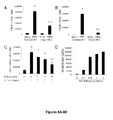
- FIG. 2 is a graph showing that increased Endoglin mRNA expression in the LV, but not in the distal aorta, of WT mice that have been subjected to TAC.
- FIGS. 3A-3H are images and graphs showing that reduced Endoglin expression does not affect cardiac hypertrophy but is associated with increased myocardial capillarity.
- FIG. 3A is a photomicrograph showing representative histologic staining and
- FIG. 3B is a bar graph of left ventricular cardiomyocyte cross-sectional area showing hypertrophy in both WT and Eng +/ ⁇ mice after four weeks of TAC.
- FIGS. 3C and 3D are graphs showing LV expression of fetal genes associated with cardiac hypertrophy ( ⁇ -MHC and SERCa) show similar patterns in WT and Eng +/ ⁇ mice after four weeks of TAC.
- FIG. 3E is a graph showing LV protein expression of calcineurin in WT and Eng ⁇ / ⁇ mice after four weeks of TAC.
- FIG. 3F is a photomicrograph showing representative histologic staining of LV myocardial capillaries using an anti-CD31 antibody demonstrating increased capillary density in Eng +/ ⁇ mice, as compared to WT mice, after four weeks of TAC.
- FIGS. 3G and 3H are bar graphs showing quantitation of myocardial capillarity in the LV after four weeks of TAC in WT and Eng +/ ⁇ mice.
- FIGS. 4A-4B are graphs showing similar changes in ⁇ -MHC and SERCa in WT and Eng +/ ⁇ mice after ten weeks of TAC.
- FIGS. 5A-5F are images and graphs showing reduced cardiac fibrosis in Eng +/ ⁇ mice after pressure overload-induced heart failure.
- FIG. 5A is a photomicrograph of representative histologic staining of left ventricular collagen abundance in WT and Eng +/ ⁇ mice after TAC.
- FIG. 5A is a photomicrograph of representative histologic staining of left ventricular collagen abundance in WT and Eng +/ ⁇ mice after TAC.
- FIG. 5B is a graph showing quantitation of percent LV fibrosis showing significantly less fibrosis in Eng +/ ⁇ mice compared to WT after T
- FIG. 5E is a graph showing increased levels of TGF ⁇ 1 mRNA in both WT and Eng +/ ⁇ mice after four weeks of TAC.
- FIG. 5F is a graph and western blot image showing increased pSmad-2/3 expression in WT mice after TAC. There was no change in pSmad-2/3 expression in Eng +/ ⁇ mice after TAC.
- FIGS. 6A-6D are graphs.
- FIG. 6A shows type I collagen mRNA expression after ten weeks of TAC in WT and Eng +/ ⁇ mice.
- FIG. 6B is a graph showing levels of active TGF ⁇ 1 protein expression in LV tissue lysates after four weeks of TAC.
- FIG. 6C shows that mRNA expression of the downstream target of TGF ⁇ 1 activity, PAI-1, is significantly attenuated in Eng +/ ⁇ mice subjected to TAC as compared to WT controls.
- FIGS. 7A-7F are graphs and images showing the opposing roles of mEng and sEng as modulators of TGF ⁇ 1-induced type I collagen synthesis in human cardiac fibroblasts (hCF).
- FIG. 7A shows that treatment with an anti-Endoglin antibody reduced type I collagen mRNA (bar graph) and protein expression (western blot) in hCF.
- FIG. 7B shows that silencing Endoglin expression attenuated TGF ⁇ 1 induced type I collagen mRNA (bar graph) and protein expression (western blot) in hCF.
- FIG. 7A shows that treatment with an anti-Endoglin antibody reduced type I collagen mRNA (bar graph) and protein expression (western blot) in hCF.
- FIG. 7B shows that silencing Endoglin expression attenuated TGF ⁇ 1 induced type I collagen mRNA (bar graph) and protein expression (western blot) in hCF.
- FIG. 7C is an image of a western blot showing that adenoviral mediated overexpression of full-length Endoglin (Ad-FL-Eng) attenuates TGF ⁇ 1-induced type I collagen protein synthesis in hCF.
- FIG. 7D shows levels of soluble Endoglin in conditioned media from hCF transfected with Ad-FL-Eng.
- FIG. 7E shows that recombinant human soluble Endoglin (RhsEng) attenuates TGF ⁇ 1-induced type I collagen protein expression in a dose-dependent manner (quantitation of western blot shown in bar graph).
- FIGS. 8A-8D are graphs.
- FIGS. 8A-8B show that silencing Endoglin expression attenuates TGF ⁇ 1-induced PAI-1 and CTGF mRNA expression in human cardiac fibroblasts.
- FIG. 8C shows that recombinant human soluble Endoglin (RhsEng) attenuates TGF ⁇ 1-induced Type I collagen mRNA expression in a dose dependent manner in hCF.
- FIG. 8D shows that COS-7 cells transfected with AdhsEng demonstrate a dose-dependent increase in levels of sEng detected in the culture media.
- FIGS. 9A-9D are graphs, images, and a schematic diagram showing that over-expressing human sEng limits cardiac fibrosis in vivo.
- FIG. 9A is a graph showing that intravenous injections of AdhsEng increased circulating levels of human soluble Endoglin in WT mice without affecting levels of mouse sEng.
- FIG. 9B is a representative histologic image showing reduced picrosirius red staining for collagen in WT mice treated with AdhsEng compared to mice treated with a null adenovirus (AdNull).
- FIG. 9C is a graph showing that levels of LV type I collagen mRNA were significantly reduced in WT mice treated with AdhsEng as compared to AdNull controls.
- FIG. 9A is a graph showing that intravenous injections of AdhsEng increased circulating levels of human soluble Endoglin in WT mice without affecting levels of mouse sEng.
- FIG. 9B is a representative hist
- FIG. 9D is a schematic diagram demonstrating that reduced mEng expression in Eng +/ ⁇ mice attenuates TGF ⁇ 1 induced pSmad-2/3 and type I collagen expression, thereby limiting cardiac fibrosis.
- Treatment with sEng replicates the Endoglin-deficient condition by reducing pSmad-2/3 and type I collagen expression. Soluble Endoglin may therefore serve as a ligand trap for TGF ⁇ 1.
- FIG. 10 is the amino acid sequences of Endoglin isoform 1 precursor and the Endoglin isoform 2 precursor.
- soluble Endoglin acts as a negative regulator of TGF ⁇ 1-signaling through the Endoglin receptor and that inhibition using soluble Endoglin (sEng) results in a reduction in the pathophysiology associated with heart failure, particularly cardiac fibrosis.
- the present invention features methods for treating heart failure by administering a composition that inhibits TGF ⁇ 1 signaling through the Endoglin receptor pathway, such as soluble Endoglin.
- Endoglin (Eng; CD105) is a 180 kDa membrane-associated dimeric glycoprotein (mEng) that is also found as a circulating form composed of the extracellular domain, known as soluble Endoglin (sEng). Endoglin plays an important role in vascular remodeling. Under basal conditions the vascular endothelium responds to TGF ⁇ 1 through the TGF- ⁇ type II receptor in association with either of two type I signaling receptors known as activin like kinase (ALK)1 and ALK5, which promote either a proliferative or quiescent phenotype respectively. Endoglin modulates responses to TGF- ⁇ 1 and is implicated in the regulation of the switch from ALK5 to ALK1 signaling pathways.
- ALK activin like kinase
- Endoglin As a modulator of TGF- ⁇ 1 signaling in cardiac fibroblasts and heart failure, where fibrosis plays a major role, prior to the present invention, had not been explored. While several lines of evidence suggest that Endoglin plays a critical role in maintaining vascular homeostasis (Lopez-Novoa et al., Am. J. Physiol. Heart Circ. Physiol. 299:H959-74, 2010), the role of Endoglin in cardiac remodeling and heart failure had remained largely ignored.
- TGF ⁇ 1 is a powerful cytokine positioned centrally among critical processes known to modulate cardiomyocyte hypertrophy and fibrosis.
- Endoglin plays an important role in the pathophysiology of cardiac remodeling in pressure overload-induced heart failure.
- cardiac expression of Endoglin a critical regulatory protein for TGF ⁇ 1 signaling, is primarily restricted to non-cardiomyocyte cell populations, we were able study the effects of reduced TGF ⁇ 1 signaling in cardiac fibroblasts in vivo. Similar to our observations in human subjects with heart failure, we observed increased mEng and sEng expression in a mouse model of pressure overload-induced heart failure.
- Soluble Endoglin is believed to result from proteolytic cleavage of the Endoglin extracellular domain by matrix metalloproteinase 14 (MT1-MMP). Once released, over-expression of the Endoglin extracellular domain negatively regulates TGF ⁇ 1 activity (Venkatesha et al., Nat. Med. 12:642-9, 2006, Letamendia et al., J. Biol. Chem. 273:33011-9, 1998), where sEng may serve as a ligand trap for TGF ⁇ 1 (Venkatesha et al., Nat. Med. 12:642-9, 2006) ( FIG. 5D ).
- sEng is an important negative regulator of TGF ⁇ 1 activity in human cardiac fibroblasts, as evidenced by reduced pSmad-2/3 and type 1 collagen expression. Shedding of sEng in heart failure may thus serve as a protective mechanism to reduce stimulation of cardiac fibrosis by TGF ⁇ 1.
- sEng may also bind to pro-angiogenic TGF ⁇ -family members such as BMP9 and thereby negatively regulate tissue angiogenesis (Castonguay et al., J. Biol. Chem. 286:30034-46, 2011), which is consistent with our observations, as we noted increased myocardial capillary density in Eng +/ ⁇ mice, who manifested significantly lower levels of sEng throughout all phases of cardiac pressure overload, despite variable expression of mEng at each time point.
- pro-angiogenic TGF ⁇ -family members such as BMP9
- mice with conditional knockdown of the Type II TGF ⁇ -receptor (TBR2 CKD ) subjected to TAC demonstrate reduced cardiac interstitial fibrosis, enhanced myocardial capillarity, and preserved cardiac function (Huang et al., Hypertension 55:1165-71, 2010).
- levels of pSmad3 were also reduced in TBR2 CKD mice after TAC. Because Endoglin requires TBRII for effective TGF ⁇ 1-ligand binding (Barbara et al., J. Biol. Chem.
- Ligands for BMPR-2 such as BMP7 have also demonstrated a potent anti-fibrotic effect in mouse models of heart failure (Long et al., Circulation 119:566-76, 2009), further supporting the concept that promoting pSmad-1/5/8 activity may have beneficial effects on cardiac function.
- the findings associated with the TBRII CKD and BMPR2 ⁇ / ⁇ mouse models highlight the beneficial effects of reduced Smad-2/3 and enhanced Smad-1/5/8 signaling.
- Endoglin may bind ligands associated with both TBRII and BMPR2, such as TGF ⁇ 1 and BMPs-2, -4, -7, and -9 (Zeisberg et al., Nat. Med. 13:952-61, 2007), thus positioning this auxiliary receptor in a critical location between these important Type II receptors that signal through Smad-2/3 and Smad-1/5/8 respectively.
- Endoglin regulates cardiac remodeling in response to LV pressure overload.
- Our results highlight the opposing roles of mEng and sEng as modulators of TGF ⁇ 1 activity in cardiac fibroblasts.
- the redundancy of ligands, receptors, and downstream Smad-effector proteins further supports the importance of our observation that Endoglin plays an important role in mediating TGF ⁇ 1 signaling via pSmad-2/3.
- therapies targeting Endoglin biology in heart failure may improve clinical outcomes in individuals affected by this devastating condition.
- the methods of the present invention may be used to treat subjects suffering from heart failure or a related condition, particularly those that are associated with or caused by cardiac fibrosis.
- Heart failure occurs when the heart can no longer pump enough blood to the rest of the body. Heart failure is most commonly caused by coronary artery disease but can result from other causes as well, including cardiomyopathy (weakening of heart muscle by infection), congenital heart disease, heart attack, heart valve disease, and certain arrhythmias. Other diseases that can contribute to heart failure include emphysema, overactive thyroid, severe anemia, and underactive thyroid. The methods described herein may involve treatment or prophylactic treatment of a subject that is suffering from any of these conditions or diseases.
- Symptoms of heart failure include cough, fatigue, weakness, faintness, loss of appetite, need to urinate at night, fast or irregular pulse or heart palpitations, shortness of breath following activity or after lying down, swollen liver or abdomen, swollen feet, ankles, or legs, waking up from sleep after a couple of hours due to shortness of breath, weight gain, distended neck veins, and fluid buildup in lungs.
- the method described herein may treat any one or more of these symptoms.
- left ventricle dysfunction e.g., asymptomatic or following myocardial infarction
- hypertension e.g., adult or pediatric
- acute myocardial infarction e.g., acute myocardial infarction
- post myocardial infarction e.g., post myocardial infarction
- the methods of the invention can, in certain embodiments, employ soluble Endoglin, a soluble Endoglin fragment, or a soluble Endoglin analog, e.g., a fragment or an analog that retains the ability to bind TGF ⁇ 1.
- Full length Endoglin is a 180 kDa homodimeric co-receptor for members of the TGF- ⁇ superfamily.
- Two isoforms of Endoglin are known: a 633 amino acid protein and 600 amino acid protein. These two forms differ in the length of their cytoplasmic tail; the longer form has 47 amino acid tail (L-mEng), whereas the shorter form has a 14 amino acid cytoplasmic tail (S-mEng).
- the amino acid sequences of Endoglin are described in NCBI accession numbers NP_001108225 and NP_000109.1 and are shown in FIG. 10 .
- the mature endoglin sequences include amino acids 26 to 658 of isoform 1 and amino acids 26-625 of isoform 2.
- amino acids 587 to 611 are predicted to be the transmembrane domain.
- the corresponding extracellular region (amino acids 26 to 586 or 27 to 586) of Endoglin, fragments thereof, or analogs thereof may therefore be used in the invention.
- the methods described herein can also use a fragment of soluble Endoglin (e.g., any of those described herein.
- Preferred fragments are capable of binding TGF ⁇ 1, e.g., with at least 1%, 5%, 10%, 15%, 20%, 25%, 35%, 50%, 75%, 80%, 85%, 90%, 95%, 97%, or 99% of the binding affinity of soluble Endoglin or the naturally occurring form of soluble Endoglin.
- the methods described herein can also use a soluble Endoglin analog.
- the analog has at least 60%, 70%, 80%, 85%, 90%, 95%, 96%, 97%, 98%, or 99% sequence identity to soluble Endoglin or to a soluble Endoglin fragment.
- Preferred analogs are capable of binding TGF ⁇ 1, e.g., with at least 1%, 5%, 10%, 15%, 20%, 25%, 35%, 50%, 75%, 80%, 85%, 90%, 95%, 97%, or 99% of the binding affinity of soluble Endoglin.
- the methods of the invention can employ an antibody that prevents Endoglin activity by TGF ⁇ 1 or an antigen-binding fragment thereof.
- the antibody specifically binds to mEng or to sEng.
- the antibody can bind specifically to the extracellular domain (ECD) of mEng, the residual membrane-associated component of mEng after cleavage of the ECD, or to circulating sEng.
- ECD extracellular domain
- the antibody can be a monoclonal or a polyclonal antibody.
- the antibody is humanized.
- the antibody or antibody fragment can be a single chain antibody (scFv), Fab, Fab′2, scFv, SMIP, diabody, nanobody, aptamer, or domain antibody.
- Antibodies against Endoglin (e.g., antagonistic antibodies) can be made using any of the numerous methods for making antibodies known in the art.
- the relevant Endoglin sequence is produced as a C-terminal fusion with glutathione S-transferase (GST) (Smith et al., Gene 67:31-40, 1988).
- GST glutathione S-transferase
- the fusion protein is purified on glutathione-Sepharose beads, eluted with glutathione, cleaved with thrombin (at an engineered cleavage site), and purified for immunization of rabbits.
- monoclonal antibodies that specifically bind Endoglin can be prepared using standard hybridoma technology (see, e.g., Kohler et al., Nature 256:495-7, 1975; Kohler et al., Eur. J. Immunol. 6:511-9, 1976; Kohler et al., Eur. J. Immunol. 6:292-5, 1976; Hammerling et al., Monoclonal Antibodies and T Cell Hybridomas , Elsevier, N.Y., 1981). Once produced, monoclonal antibodies can also be tested for specific recognition by Western blot or immunoprecipitation analysis. Alternatively, monoclonal antibodies can be prepared using the polypeptide of the invention described above and a phage display library (Vaughan et al., Nat. Biotechnol. 14:309-14, 1996).
- Polyclonal antibodies can be isolated from the milk or colostrum of, e.g., immunized cows. Bovine colostrum contains 28 g of IgG per liter, while bovine milk contains 1.5 g of IgG per liter (Ontsouka et al., J. Dairy Sci. 86:2005-11, 2003). Polyclonal antibodies can also be isolated from the yolk of eggs from immunized chickens (Sarker et al., J. Pediatr. Gastroenterol. Nutr. 32: 19-25, 2001).
- Useful antibodies can be identified in several different screening assays. First, antibodies are assayed by ELISA to determine whether they are specific for the immunizing antigen (i.e., Endoglin). Using standard techniques, ELISA plates are coated with immunogen, the antibody is added to the plate, washed, and the presence of bound antibody detected by using a second antibody specific for the Ig of the species in which the antibody was generated.
- immunizing antigen i.e., Endoglin
- RNA interference is a mechanism of post-transcriptional gene silencing (PTGS) in which double-stranded RNA (dsRNA) corresponding to a gene or mRNA of interest is introduced into an organism, resulting in the degradation of the corresponding mRNA.
- dsRNA double-stranded RNA
- dsRNA double-stranded RNA
- both the sense and anti-sense strands of a dsRNA molecule are processed into small RNA fragments or segments ranging in length from 21 to 23 nucleotides (nt) and having 2-nucleotide 3′ tails.
- dsRNAs which are 21 to 23 nt in length and have 2-nucleotide 3′ tails
- 21 to 23 nt dsRNAs are known as “guide RNAs” or “short interfering RNAs” (siRNAs).
- siRNA duplexes then bind to a nuclease complex composed of proteins that target and destroy endogenous mRNAs having homology to the siRNA within the complex.
- the complex functions by targeting the homologous mRNA molecule through base pairing interactions between one of the siRNA strands and the endogenous mRNA.
- the mRNA is then cleaved approximately 12 nt from the 3′ terminus of the siRNA and degraded. In this manner, specific genes can be targeted and degraded, thereby resulting in a loss of protein expression from the targeted gene.
- siRNAs can also be chemically synthesized or obtained from a company that chemically synthesizes siRNAs (e.g., Dharmacon Research Inc., Pharmacia, or ABI).
- Endoglin RNAi molecules are commercially available and can be obtained from a variety of sources, including Santa Cruz Biotechnology (siRNA; Cat. No. sc-35302).
- the methods described herein feature administration of a composition that inhibits TGF ⁇ 1-mediated Endoglin signaling.
- the composition can be formulated for use in a variety of drug delivery systems.
- One or more physiologically acceptable excipients or carriers can also be included in the composition for proper formulation.
- Suitable formulations for use in the present invention are found in Remington's Pharmaceutical Sciences , Mack Publishing Company, Philadelphia, Pa., 17th ed., 1985.
- Langer Science 249:1527-1533, 1990).
- the pharmaceutical composition can be used for parenteral, intranasal, topical, oral, or local administration, such as by a transdermal means, for prophylactic and/or therapeutic treatment.
- the pharmaceutical composition can be administered parenterally (e.g., by intravenous, intramuscular, or subcutaneous injection), or by oral ingestion, or by topical application or intraarticular injection at areas affected by the vascular or cancer condition. Additional routes of administration include intravascular, intra-arterial, intratumor, intraperitoneal, intraventricular, intraepidural, as well as nasal, ophthalmic, intrascleral, intraorbital, rectal, topical, or aerosol inhalation administration.
- compositions for parenteral administration that include the above mention agents dissolved or suspended in an acceptable carrier, preferably an aqueous carrier, e.g., water, buffered water, saline, PBS, and the like.
- an acceptable carrier preferably an aqueous carrier
- the compositions may contain pharmaceutically acceptable auxiliary substances as required to approximate physiological conditions, such as pH adjusting and buffering agents, tonicity adjusting agents, wetting agents, detergents and the like.
- the invention also provides compositions for oral delivery, which may contain inert ingredients such as binders or fillers for the formulation of a tablet, a capsule, and the like.
- compositions for local administration which may contain inert ingredients such as solvents or emulsifiers for the formulation of a cream, an ointment, and the like.
- compositions may be sterilized by conventional sterilization techniques or may be sterile filtered.
- the resulting aqueous solutions may be packaged for use as is or lyophilized, the lyophilized preparation being combined with a sterile aqueous carrier prior to administration.
- the pH of the preparations typically will be between 3 and 11, more preferably between 5 and 9 or between 6 and 8, and most preferably between 7 and 8, such as 7 to 7.5.
- the resulting compositions in solid form may be packaged in multiple single dose units, each containing a fixed amount of the above-mentioned agent or agents, such as in a sealed package of tablets or capsules.
- the composition in solid form can also be packaged in a container for a flexible quantity, such as in a squeezable tube designed for a topically applicable cream or ointment.
- compositions containing an effective amount can be administered for prophylactic or therapeutic treatments.
- compositions can be administered to a subject diagnosed as being at risk for heart failure (e.g., having lower levels of soluble Endoglin, as described in U.S. patent application Ser. No. 13/288,493).
- Compositions of the invention can be administered to the subject (e.g., a human) in an amount sufficient to delay, reduce, or preferably prevent the onset of the disorder.
- compositions are administered to a subject (e.g., a human) already suffering from heart failure of any of the disorders described herein in an amount sufficient to cure or at least partially arrest the symptoms of the disorder and its complications.
- an amount adequate to accomplish this purpose is defined as a “therapeutically effective amount,” an amount of a compound sufficient to substantially improve at least one symptom associated with the disease or a medical condition.
- a therapeutically effective amount an amount of a compound sufficient to substantially improve at least one symptom associated with the disease or a medical condition.
- an agent or compound that decreases, delays, suppresses, or arrests any symptom of the condition would be therapeutically effective.
- a therapeutically effective amount of an agent or compound is not required to cure a disease or condition but will provide a treatment for a disease or condition such that the onset of the disease or condition is delayed, hindered, or prevented, or the disease or condition symptoms are ameliorated, or the term of the disease or condition is changed or, for example, is less severe or recovery is accelerated in an individual.
- Amounts effective for this use may depend on the severity of the disease or condition and the weight and general state of the subject.
- the therapeutically effective amount of the compositions of the invention and used in the methods of this invention applied to mammals can be determined by the treating physician with consideration of individual differences in age, weight, and the condition of the mammal.
- the agents of the invention are administered to a subject (e.g. a mammal, such as a human) in an effective amount, which is an amount that produces a desirable result in a treated subject (e.g., reduction of cardiac fibrosis).
- Therapeutically effective amounts can also be determined empirically by those of skill in the art.
- compositions of the invention including an effective amount can be carried out with dose levels and pattern being selected by the treating physician.
- the dose and administration schedule can be determined and adjusted based on the severity of the disease or condition in the subject, which may be monitored throughout the course of treatment according to the methods commonly practiced by clinicians or those described herein.
- the compounds of the present invention may be used in combination with either conventional methods of treatment or therapy or may be used separately from conventional methods of treatment or therapy.
- compositions according to the present invention may be comprised of a combination of a compound of the present invention in association with a pharmaceutically acceptable excipient, as described herein, and another therapeutic or prophylactic agent known in the art.
- Endoglin is primarily expressed by isolated non-cardiomyocyte populations including cardiac fibroblasts and endothelium ( FIG. 1A ).
- TAC thoracic aortic constriction
- tissue characterization at two, four, and ten weeks of heart failure.
- FIG. 1B baseline Endoglin expression in the LV was significantly lower in Eng +/ ⁇ mice.
- LV mEng mRNA and protein expression were significantly increased by two weeks, then remained elevated up to four weeks after TAC, and returned to near normal by ten weeks in WT mice ( FIGS.
- Eng +/ ⁇ mice demonstrated preserved cardiac function by echocardiography and pressure volume loop analysis and improved survival compared to WT mice after TAC (88% versus 50%, respectively, p ⁇ 0.01) ( FIGS. 1I-1J ). Consistent with these observations, WT mice manifest significantly reduced total body weight at both four and ten weeks after TAC, while Eng +/ ⁇ mice did not (Table 1).
- LVSP LV systolic
- LVEDP end-diastolic pressure
- LV contractility significantly decreased in a time-dependent manner in WT mice after TAC, but remained unchanged across all phases of cardiac pressure overload in Eng +/ ⁇ mice (Table 1).
- Echocardiography demonstrated a significant time-dependent reduction in LV fractional shortening (FS %) in WT, but not in Eng +/ ⁇ mice after TAC.
- FS fractional shortening
- PWT LV posterior wall thickness
- FIGS. 5A-5B Compared to sham-operated controls, quantitation of histologically evident collagen deposition in the LV increased in a time-dependent manner in WT mice, whereas there was no significant change in Eng +/ ⁇ mice ( FIGS. 5A-5B ).
- Type I collagen mRNA ( FIG. 5C ) and protein expression ( FIG. 5D ) were similarly increased in WT mice after TAC, while Eng +/ ⁇ mice exhibited only a small increase in Type 1 collagen expression during the late stages of pressure overload-induced heart failure ( FIGS. 5C and 6A ).
- TGF ⁇ 1 mRNA FIG. 5E
- active TGF ⁇ 1 protein FIG.
- Endoglin Over-Expression Mirrors the Endoglin-Deficient Condition, Likely Due to Increased Soluble Endoglin
- hCF were transfected with an adenovirus over-expressing full-length Endoglin (Ad-FL-Eng) or a control adenovirus expressing no transgene (AdNull).
- Ad-FL-Eng adenovirus over-expressing full-length Endoglin
- AdNull a control adenovirus expressing no transgene
- hCF treated with TGF ⁇ 1 in the presence of conditioned media from AdhsEng-transfected COS (AdhsEng-COS) cells also demonstrated a dose-dependent decrease in both TGF ⁇ 1-induced pSmad-2/3 expression and Type I collagen expression ( FIG. 8F ).
- Soluble Endoglin Attenuates Cardiac Fibrosis in Pressure Overload-Induced Heart Failure
- mice were treated with intravenous injections of AdhsEng and observed significantly increased levels of human sEng in the circulation with no change in basal expression of mouse sEng ( FIG. 9A ).
- WT mice with AdhsEng one day prior to induction of cardiac pressure overload.
- mice treated with AdhsEng exhibited less cardiac fibrosis ( FIG. 9B ) and reduced LV expression of Type I collagen ( FIG. 9C ) compared to AdNull treated controls, thereby indicating sEng as a negative regulator of cardiac fibrosis in pressure overload-induced heart failure.
- RV Right ventricular
- PAC pulmonary artery constriction
- Transthoracic echocardiography was performed on mice anesthetized with a 10 ⁇ l/g intraperitoneal injection of Avidin using a Sonos 5500 echocardiography machine (Hewlett-Packard) equipped with a 15 mHz transducer (Acuson). Parasternal short axis views were obtained through the left ventricle at the papillary muscle level. M-mode tracings were recorded for LA cross-sectional area, LV posterior wall thickness, LV end-diastolic, and end-systolic dimensions. Dimensions were averaged across three cardiac cycles. Hemodynamic assessment was performed at each harvesting time point as previously described by our laboratory using a conductance catheter for measurement of pressure-volume loops (Donaldson et al., Circ. Res. 104:265-75, 2009).
- hCF were isolated from myocardial tissue harvested during cardiac surgery at Tufts Medical Center as previously described (Neuss et al., Cell Tissue Res. 286:145-53, 1996). Cells were cultured in fibroblast growth media containing 2% bovine serum albumin (FGM-2, Lonza). Fibroblast phenotype was confirmed using immunostaining for fibroblast specific peptide and discoidin domain receptor 2 (DDR2). All in vitro experiments used cells passaged less than 4 times. hCF were cultured to 80% confluence, then serum-starved for 24 hours. TGF ⁇ 1 (Sigma-Aldrich Cat. No. T7039) was prepared as a 50 ⁇ g/ml stock solution in 3 ⁇ M HCl.
- RNA, protein lysates, and conditioned media were harvested for subsequent analysis of collagen and Endoglin expression.
- RT-PCR Real-Time Quantitative Polymerase Chain Reaction
- Trizol Invitrogen
- tissue-based RT-PCR total RNA was extracted from homogenized tissue samples using Trizol reagent.
- RT reaction One tenth of the RT reaction was used as a PCR template using Platinum PFX enzyme (Invitrogen), 0.5 mM magnesium, and the primers for human and mouse Endoglin, type I collagen, TGF ⁇ 1, PAI-1, and CTGF.
- Platinum PFX enzyme Invitrogen
- 0.5 mM magnesium the primers for human and mouse Endoglin, type I collagen, TGF ⁇ 1, PAI-1, and CTGF.
- samples were quantified in triplicate using 40 cycles performed at 94° C. for 30 sec, 60° C. for 45 sec, 72° C. for 45 sec using an ABI Prism® 7900 Sequence Detection System.
- Tissue homogenates or cultured cells washed with phosphate-buffered saline (PBS) were lysed on ice in RIPA buffer (50 mM Tris/HCl, pH 7.5; 150 mM NaCl; 1% Nonidet P-40; 0.5% deoxycholate; 0.1% SDS) containing protease and phosphatase inhibitors (1 mM PMSF; 1 mM EDTA; 1 ⁇ g/ml of leupeptin, aprotinin, and pepstatin A; 1 mM sodium orthovanadate; 50 mM sodium fluoride; 40 mM ⁇ -glycerophosphate) and then centrifuged at 18,000 g for 10 min at 4° C.
- PBS phosphate-buffered saline
- Total protein was quantified using a standard curve (Bio-Rad). Twenty five ⁇ g of protein was electrophoresed through 4 to 12% SDS-PAGE gels and then transferred onto Immobilon-P (PVDF) membranes (Millipore, Bedford, Mass.). After blocking overnight, blots were incubated with 1:1000 dilutions of the appropriate primary antibody (see below) followed by incubation with a 1:5,000 dilution of the corresponding horseradish peroxidase-labeled secondary antibody (Amersham). Immunoreactive bands were detected by autoradiography using enhanced chemiluminescence (ECL-Plus; Amersham) and quantified by densitometric analysis using UN-SCAN-IT software (Silk Scientific).
- Blots may be stripped with a stripping buffer (100 mM 2-mercaptoethanol, 2% SDS, 62.5 mM Tris/HCl, pH 6.7) at 60° C. for 20 min and then re-probed to standardize the amounts of immunoprecipitated protein. Resulting bands were densitometrically analyzed an image software program.
- Antibodies for human and mouse targeted proteins included Endoglin, COL1, pSmad2/3, pSmad1/5/8, total Smad3, total Smad1, CD-31, and calcineurin.
- siRNA constructs 50 ⁇ M siRNA stock (Ambion) was diluted to a working concentration of 1.0 nM in Optimem (Invitrogen). This working dilution was combined with 21.0 of the cationic lipid transfection reagent Lipofectamine (Invitrogen) diluted in 98 ⁇ l of Optimem. After 20 minutes incubation, cultured cells were exposed to the siRNA/Lipofectamine combination. Cells were then treated with human Endoglin siRNA (Ambion Cat. No. 145527). All siRNA experiments were controlled with scrambled siRNA (negative control; Ambion Cat. No.
- protein lysates was be harvested at 36-48 hours after transfection and analyzed using western blot analysis as described above.
- Serum-starved cardiac fibroblasts were cultured to 80% confluence, and then treated with recombinant human soluble Endoglin (R&D Systems) derived from the full-length sequence of the extracellular domain of Endoglin for 24 hours. Cells were then stimulated with 10 ng/ml TGF ⁇ 1 (Sigma) for an additional 24-48 hours prior to isolation of total RNA and protein lysates for RT-PCR and immunoblot analysis.
- ELISA kits human Endoglin (R&D Systems, Cat. No. DNDG00); mouse Endoglin (R&D Systems, Cat. No. DY1320) were used to analyze conditioned media and serum samples from mouse experiments.
- a first-generation adenovirus expressing the full-length cDNA of human Endoglin was kindly provided by Dr. Calvin Vary of the Maine Medical Center.
- Ad-hs-Eng a first generation adenovirus expressing the full length cDNA for the extracellular domain of human Endoglin
- Ad-hs-Eng a first generation adenovirus expressing the full length cDNA for the extracellular domain of human Endoglin
- Cardiac fibroblasts were first grown to 80% confluence on 12-well dishes in 2 ml FGM-2. Virus was thawed on ice and added using a typical MOI dose curve (0, 50, 100, 200, 500, 1000 MOI). Virus-infected cells were incubated for 24 hours at 37° C. Total RNA and protein lysates were extracted for RT-PCR and western blot analysis for human Endoglin.
- COS-7 cells were transfected with increasing concentrations of Ad-hs-Eng or AdNull for 24 hours.
- Conditioned media was isolated and human sEng levels confirmed by ELISA.
- Conditioned media was then transferred into 12-well dishes containing serum starved hCF, which were then stimulated with TGF ⁇ 1 (10 ng/ml).
Landscapes
- Health & Medical Sciences (AREA)
- Life Sciences & Earth Sciences (AREA)
- Chemical & Material Sciences (AREA)
- General Health & Medical Sciences (AREA)
- Medicinal Chemistry (AREA)
- Animal Behavior & Ethology (AREA)
- Veterinary Medicine (AREA)
- Public Health (AREA)
- Pharmacology & Pharmacy (AREA)
- Engineering & Computer Science (AREA)
- Bioinformatics & Cheminformatics (AREA)
- Immunology (AREA)
- Epidemiology (AREA)
- Proteomics, Peptides & Aminoacids (AREA)
- Organic Chemistry (AREA)
- Gastroenterology & Hepatology (AREA)
- Zoology (AREA)
- Molecular Biology (AREA)
- Cell Biology (AREA)
- Biochemistry (AREA)
- Cardiology (AREA)
- Chemical Kinetics & Catalysis (AREA)
- General Chemical & Material Sciences (AREA)
- Nuclear Medicine, Radiotherapy & Molecular Imaging (AREA)
- Genetics & Genomics (AREA)
- Biophysics (AREA)
- Hospice & Palliative Care (AREA)
- Heart & Thoracic Surgery (AREA)
- Medicines That Contain Protein Lipid Enzymes And Other Medicines (AREA)
- Pharmaceuticals Containing Other Organic And Inorganic Compounds (AREA)
- Medicines Containing Antibodies Or Antigens For Use As Internal Diagnostic Agents (AREA)
- Peptides Or Proteins (AREA)
Priority Applications (1)
| Application Number | Priority Date | Filing Date | Title |
|---|---|---|---|
| US14/112,748 US9468666B2 (en) | 2011-08-01 | 2012-07-31 | Treatment of heart failure and related conditions |
Applications Claiming Priority (4)
| Application Number | Priority Date | Filing Date | Title |
|---|---|---|---|
| US201161513930P | 2011-08-01 | 2011-08-01 | |
| US201161578477P | 2011-12-21 | 2011-12-21 | |
| PCT/US2012/049018 WO2013019805A1 (en) | 2011-08-01 | 2012-07-31 | Treatment of heart failure and related conditions |
| US14/112,748 US9468666B2 (en) | 2011-08-01 | 2012-07-31 | Treatment of heart failure and related conditions |
Publications (2)
| Publication Number | Publication Date |
|---|---|
| US20140234319A1 US20140234319A1 (en) | 2014-08-21 |
| US9468666B2 true US9468666B2 (en) | 2016-10-18 |
Family
ID=47629655
Family Applications (1)
| Application Number | Title | Priority Date | Filing Date |
|---|---|---|---|
| US14/112,748 Active 2032-12-24 US9468666B2 (en) | 2011-08-01 | 2012-07-31 | Treatment of heart failure and related conditions |
Country Status (7)
| Country | Link |
|---|---|
| US (1) | US9468666B2 (de) |
| EP (2) | EP2739645B1 (de) |
| JP (1) | JP2014524417A (de) |
| CN (1) | CN104011069A (de) |
| CA (1) | CA2843535C (de) |
| ES (1) | ES2714373T3 (de) |
| WO (1) | WO2013019805A1 (de) |
Cited By (3)
| Publication number | Priority date | Publication date | Assignee | Title |
|---|---|---|---|---|
| US10214590B2 (en) | 2013-09-20 | 2019-02-26 | Tufts Medical Center, Inc. | Inhibitors of endoglin activity for the treatment of fibrosis |
| US11590201B2 (en) * | 2013-10-25 | 2023-02-28 | Acceleron Pharma, Inc. | Endoglin peptides to treat fibrotic diseases |
| US12295580B2 (en) | 2018-12-11 | 2025-05-13 | Revamp Medical Ltd. | Systems, devices, and methods for adjusting blood flow in a body lumen |
Families Citing this family (13)
| Publication number | Priority date | Publication date | Assignee | Title |
|---|---|---|---|---|
| US8221753B2 (en) | 2009-09-30 | 2012-07-17 | Tracon Pharmaceuticals, Inc. | Endoglin antibodies |
| CA2833747C (en) | 2011-04-20 | 2022-10-18 | Asya Grinberg | Endoglin polypeptides and uses thereof |
| UA115789C2 (uk) | 2012-09-05 | 2017-12-26 | Трейкон Фармасутікалз, Інк. | Композиція антитіла до cd105 та її застосування |
| AU2014308751B2 (en) | 2013-08-22 | 2020-03-05 | Acceleron Pharma, Inc. | TGF-beta receptor type II variants and uses thereof |
| EP3685848B1 (de) | 2013-11-21 | 2021-09-15 | The Brigham and Women's Hospital, Inc. | Zusammensetzungen und verfahren zur behandlung pulmonaler hypertonie |
| CN106794233B (zh) | 2014-08-01 | 2021-11-12 | 布里格姆及妇女医院股份有限公司 | 与肺动脉高压的治疗有关的组合物和方法 |
| US9926375B2 (en) | 2014-11-12 | 2018-03-27 | Tracon Pharmaceuticals, Inc. | Anti-endoglin antibodies and uses thereof |
| US10155820B2 (en) | 2014-11-12 | 2018-12-18 | Tracon Pharmaceuticals, Inc. | Anti-endoglin antibodies and uses thereof |
| AU2016301380B2 (en) | 2015-08-04 | 2021-07-01 | Acceleron Pharma Inc. | Methods for treating myeloproliferative disorders |
| EP3576776A4 (de) * | 2017-02-06 | 2020-10-14 | Acceleron Pharma Inc. | Zusammensetzungen und verfahren zur behandlung von herzfehlern |
| EP4241848A3 (de) | 2017-05-04 | 2023-11-01 | Acceleron Pharma Inc. | Fusionsproteine vom tgf-beta-rezeptor typ ii und verwendungen davon |
| CN108939048A (zh) * | 2018-08-10 | 2018-12-07 | 上海交通大学医学院附属仁济医院 | 核受体RORα在制备抗心力衰竭药物中的应用 |
| US12522665B2 (en) | 2019-12-13 | 2026-01-13 | Aggamin Llc | Methods and systems for treating or preventing pregnancy-related hypertensive disorders |
Citations (6)
| Publication number | Priority date | Publication date | Assignee | Title |
|---|---|---|---|---|
| US20090170767A1 (en) | 2006-05-31 | 2009-07-02 | Beth Israel Deaconess Medical Center | Soluble Endoglin Compounds for the Treatment and Prevention of Cancer |
| US20090286271A1 (en) | 2006-05-31 | 2009-11-19 | Karumanchi Ananth S | Methods of Diagnosing and Treating Complications of Pregnancy |
| US20110076263A1 (en) | 2009-09-30 | 2011-03-31 | Tracon Pharmaceuticals, Inc. | Endoglin Antibodies |
| US20110129551A1 (en) | 2009-11-30 | 2011-06-02 | University Of Pittsburgh - Of The Commonwealth System Of Higher Education | Soluble cd117 (sc-kit) for diagnosis of preeclampsia and eclampsia |
| WO2011088047A1 (en) | 2010-01-12 | 2011-07-21 | Beth Israel Deaconess Medical Center | Soluble endoglin and uses thereof |
| WO2012145539A1 (en) | 2011-04-20 | 2012-10-26 | Acceleron Pharma, Inc. | Endoglin polypeptides and uses thereof |
Family Cites Families (5)
| Publication number | Priority date | Publication date | Assignee | Title |
|---|---|---|---|---|
| NZ553687A (en) | 2000-03-30 | 2010-03-26 | Whitehead Biomedical Inst | RNA sequence-specific mediators of RNA interference |
| WO2006034507A2 (en) | 2004-09-24 | 2006-03-30 | Beth Israel - Deaconess Medical Center | Methods of diagnosing and treating complications of pregnancy |
| CN101517078A (zh) * | 2006-05-31 | 2009-08-26 | 貝丝以色列女执事医疗中心 | 诊断和治疗妊娠并发症的方法 |
| WO2008024300A1 (en) * | 2006-08-21 | 2008-02-28 | Yale University | SEMAPHORIN 7A PLAYS A CRITICAL ROLE IN TGF-β1-INDUCED PULMONARY FIBROSIS AND ALVEOLAR DESTRUCTION |
| US8420614B2 (en) * | 2007-02-16 | 2013-04-16 | Albany Medical College | Compositions and methods for inhibiting or reversing fibrotic disorders |
-
2012
- 2012-07-31 EP EP12820719.8A patent/EP2739645B1/de not_active Not-in-force
- 2012-07-31 ES ES12820719T patent/ES2714373T3/es active Active
- 2012-07-31 CN CN201280048253.5A patent/CN104011069A/zh active Pending
- 2012-07-31 CA CA2843535A patent/CA2843535C/en not_active Expired - Fee Related
- 2012-07-31 JP JP2014524031A patent/JP2014524417A/ja active Pending
- 2012-07-31 EP EP18213558.2A patent/EP3530275A1/de not_active Withdrawn
- 2012-07-31 WO PCT/US2012/049018 patent/WO2013019805A1/en not_active Ceased
- 2012-07-31 US US14/112,748 patent/US9468666B2/en active Active
Patent Citations (8)
| Publication number | Priority date | Publication date | Assignee | Title |
|---|---|---|---|---|
| US20090170767A1 (en) | 2006-05-31 | 2009-07-02 | Beth Israel Deaconess Medical Center | Soluble Endoglin Compounds for the Treatment and Prevention of Cancer |
| US20090286271A1 (en) | 2006-05-31 | 2009-11-19 | Karumanchi Ananth S | Methods of Diagnosing and Treating Complications of Pregnancy |
| US20110076263A1 (en) | 2009-09-30 | 2011-03-31 | Tracon Pharmaceuticals, Inc. | Endoglin Antibodies |
| US8221753B2 (en) * | 2009-09-30 | 2012-07-17 | Tracon Pharmaceuticals, Inc. | Endoglin antibodies |
| US20110129551A1 (en) | 2009-11-30 | 2011-06-02 | University Of Pittsburgh - Of The Commonwealth System Of Higher Education | Soluble cd117 (sc-kit) for diagnosis of preeclampsia and eclampsia |
| WO2011088047A1 (en) | 2010-01-12 | 2011-07-21 | Beth Israel Deaconess Medical Center | Soluble endoglin and uses thereof |
| WO2012145539A1 (en) | 2011-04-20 | 2012-10-26 | Acceleron Pharma, Inc. | Endoglin polypeptides and uses thereof |
| CN103781798A (zh) | 2011-04-20 | 2014-05-07 | 阿塞勒隆制药公司 | 内皮糖蛋白多肽及其用途 |
Non-Patent Citations (10)
| Title |
|---|
| Extended European Search Report for 12820719.8, dated Mar. 17, 2015 (11 pages). |
| International Preliminary Report on Patentability for PCT/US2012/049018, issued Feb. 4, 2014 (6 pages). |
| International Search Report and Written Opinion for International Application No. PCT/US12/49018, mailed Nov. 26, 2012 (15 pages). |
| Jiang et al., "Abstract 4828: Effect of atorvastatin on pulmonary hypertension and lung function and remodeling in heart failure," Circulation. 118:S945 (2008). |
| Kapur et al., "Abstract 1: Opposing roles for endoglin and soluble endoglin in cardiac remodeling and heart failure," Presented at AHA BCVS Meeting Jul. 20, 2011. Abstract Published in Circulation Research. 109: A1 (2011). |
| Kapur et al., "Reducing endoglin activity limits calcineurin and TRPC-6 expression and improves survival in a mouse model of right ventricular pressure overload," J Am Heart Assoc. 3(4):e000965 (2014) (16 pages). |
| Kapur, "Osler, Weber, and Rendu: Providing insights into cardiac remodeling a century later," Hematology Reports, 9th International Hereditary Hemorrhagic Telanglectasia Scientific Conference, May 20-24, Kemer, Antalya, Turkey. 3(2s): 29 (2011) (abstract only). |
| Notice of Reasons for Rejection for Japanese Patent Application No. 2014-524031, mailed Apr. 25, 2016 (12 pages). |
| Office Action for Chinese Patent Application No. 201280048253.5 , dated Jun. 2, 2015 (18 pages). |
| Shyu et al., "Mechanism of the inhibitory effect of atorvastatin on endoglin expression induced by transforming growth factor-beta1 in cultured cardiac fibroblasts," Eur J Heart Fail. 12(13):219-226 (2010). |
Cited By (4)
| Publication number | Priority date | Publication date | Assignee | Title |
|---|---|---|---|---|
| US10214590B2 (en) | 2013-09-20 | 2019-02-26 | Tufts Medical Center, Inc. | Inhibitors of endoglin activity for the treatment of fibrosis |
| US10703820B2 (en) | 2013-09-20 | 2020-07-07 | Tufts Medical Center, Inc. | Methods and compositions for reducing cardiac damage and other conditions |
| US11590201B2 (en) * | 2013-10-25 | 2023-02-28 | Acceleron Pharma, Inc. | Endoglin peptides to treat fibrotic diseases |
| US12295580B2 (en) | 2018-12-11 | 2025-05-13 | Revamp Medical Ltd. | Systems, devices, and methods for adjusting blood flow in a body lumen |
Also Published As
| Publication number | Publication date |
|---|---|
| US20140234319A1 (en) | 2014-08-21 |
| CA2843535C (en) | 2021-04-06 |
| EP2739645B1 (de) | 2018-12-19 |
| JP2014524417A (ja) | 2014-09-22 |
| ES2714373T3 (es) | 2019-05-28 |
| EP3530275A1 (de) | 2019-08-28 |
| CN104011069A (zh) | 2014-08-27 |
| CA2843535A1 (en) | 2013-02-07 |
| EP2739645A4 (de) | 2015-04-15 |
| EP2739645A1 (de) | 2014-06-11 |
| WO2013019805A1 (en) | 2013-02-07 |
Similar Documents
| Publication | Publication Date | Title |
|---|---|---|
| US9468666B2 (en) | Treatment of heart failure and related conditions | |
| Gan et al. | The SGK1 inhibitor EMD638683, prevents Angiotensin II–induced cardiac inflammation and fibrosis by blocking NLRP3 inflammasome activation | |
| EP3515934B1 (de) | Zusammensetzungen mit sasp-modulatoren und seneszenzattenuatoren sowie verwendungen davon zur modulation der zellulären seneszenz | |
| US20150093375A1 (en) | Methods for inhibiting ocular angiogenesis | |
| WO2007033216A2 (en) | Methods and compositions for the treatment and diagnosis of diseases characterized by vascular leak, hypotension, or a procoagulant state | |
| CN103228295B (zh) | 一种限制急性心肌缺血后微血管损伤的方法 | |
| US9861694B2 (en) | EGFR antagonist for the treatment of heart disease | |
| Wu et al. | STING mediates SU5416/hypoxia-induced pulmonary arterial hypertension in rats by regulating macrophage NLRP3 inflammasome activation | |
| Xue et al. | CD146 as a promising therapeutic target for retinal and choroidal neovascularization diseases | |
| US20240199755A1 (en) | Antagonists and agonists of the transferrin receptor-2 for use in the treatment of diseases of the bone | |
| DK2904009T3 (en) | RELATIONSHIPS FOR TREATING THE REMYELINIZATION BLOCK IN DISEASES RELATED TO THE EXPRESSION OF HERV-W COAT PROTEIN | |
| WO2011118928A2 (ko) | 심부전 예방 또는 치료용 약제학적 조성물 및 심부전 예방 또는 치료제의 스크리닝 방법 | |
| JP7702152B2 (ja) | 血中コレステロール低下用、心血管代謝疾患の予防又は治療用及び抗炎症用薬学的組成物 | |
| US20110275563A1 (en) | Use of CTGF as a Cardioprotectant | |
| US20240342244A1 (en) | Isthmin Protein Therapeutics for the Treatment of Non-Alcoholic Fatty Liver Disease | |
| US9718878B2 (en) | Kit for detecting Cthrc1 in a sample | |
| WO2020077030A1 (en) | Aggf1 and aggf1-primed cells for treating diseases and conditions | |
| WO2025106913A1 (en) | Peptides for promoting neovascularization and wound healing and methods using the same | |
| KR102351688B1 (ko) | Taz 단백질 또는 이의 변이체를 포함하는 간 질환 예방 또는 치료용 약학적 조성물 | |
| Lin et al. | Cardiomyocyte IL-IR2 Protects Heart From Ischemia/Reperfusion Injury by Attenuating NLRP3 Inflammasome Activation and IL-17RA-Mediated Apoptosis | |
| Sengers et al. | Ambrisentan reduces pulmonary arterial hypertension |
Legal Events
| Date | Code | Title | Description |
|---|---|---|---|
| AS | Assignment |
Owner name: TUFTS MEDICAL CENTER, INC., MASSACHUSETTS Free format text: ASSIGNMENT OF ASSIGNORS INTEREST;ASSIGNORS:KAPUR, NAVIN K.;KARAS, RICHARD H.;SIGNING DATES FROM 20140220 TO 20140224;REEL/FRAME:032617/0571 |
|
| AS | Assignment |
Owner name: NATIONAL INSTITUTES OF HEALTH (NIH), U.S. DEPT. OF Free format text: CONFIRMATORY LICENSE;ASSIGNOR:TUFTS MEDICAL CENTER;REEL/FRAME:034715/0625 Effective date: 20141124 |
|
| STCF | Information on status: patent grant |
Free format text: PATENTED CASE |
|
| MAFP | Maintenance fee payment |
Free format text: PAYMENT OF MAINTENANCE FEE, 4TH YR, SMALL ENTITY (ORIGINAL EVENT CODE: M2551); ENTITY STATUS OF PATENT OWNER: SMALL ENTITY Year of fee payment: 4 |
|
| MAFP | Maintenance fee payment |
Free format text: PAYMENT OF MAINTENANCE FEE, 8TH YR, SMALL ENTITY (ORIGINAL EVENT CODE: M2552); ENTITY STATUS OF PATENT OWNER: SMALL ENTITY Year of fee payment: 8 |