US9388443B2 - Lactonase derived from Candida bombicola and uses thereof - Google Patents
Lactonase derived from Candida bombicola and uses thereof Download PDFInfo
- Publication number
- US9388443B2 US9388443B2 US14/363,722 US201214363722A US9388443B2 US 9388443 B2 US9388443 B2 US 9388443B2 US 201214363722 A US201214363722 A US 201214363722A US 9388443 B2 US9388443 B2 US 9388443B2
- Authority
- US
- United States
- Prior art keywords
- sophorolipids
- lactonase
- seq
- fatty acids
- acidic
- Prior art date
- Legal status (The legal status is an assumption and is not a legal conclusion. Google has not performed a legal analysis and makes no representation as to the accuracy of the status listed.)
- Active, expires
Links
- 101000693619 Starmerella bombicola Lactone esterase Proteins 0.000 title claims description 112
- 241001278026 Starmerella bombicola Species 0.000 title abstract description 54
- 239000000203 mixture Chemical class 0.000 claims abstract description 66
- 150000004665 fatty acids Chemical class 0.000 claims abstract description 49
- 235000014113 dietary fatty acids Nutrition 0.000 claims abstract description 46
- 229930195729 fatty acid Natural products 0.000 claims abstract description 46
- 239000000194 fatty acid Substances 0.000 claims abstract description 46
- 150000001875 compounds Chemical class 0.000 claims abstract description 26
- 150000001720 carbohydrates Chemical class 0.000 claims abstract description 21
- 150000002632 lipids Chemical class 0.000 claims abstract description 18
- 150000001991 dicarboxylic acids Chemical class 0.000 claims abstract description 17
- 150000001298 alcohols Chemical class 0.000 claims abstract description 16
- 230000000379 polymerizing effect Effects 0.000 claims abstract description 6
- 108090000765 processed proteins & peptides Proteins 0.000 claims description 47
- 102000004196 processed proteins & peptides Human genes 0.000 claims description 40
- 230000000694 effects Effects 0.000 claims description 31
- 239000012634 fragment Substances 0.000 claims description 30
- 238000000034 method Methods 0.000 claims description 28
- 229920001184 polypeptide Polymers 0.000 claims description 22
- 230000002378 acidificating effect Effects 0.000 abstract description 65
- 102000004190 Enzymes Human genes 0.000 abstract description 36
- 108090000790 Enzymes Proteins 0.000 abstract description 36
- 230000015572 biosynthetic process Effects 0.000 abstract description 20
- 229920000642 polymer Polymers 0.000 abstract description 3
- 108090000623 proteins and genes Proteins 0.000 description 53
- 238000004519 manufacturing process Methods 0.000 description 50
- 102000004169 proteins and genes Human genes 0.000 description 41
- ZTOKUMPYMPKCFX-CZNUEWPDSA-N (E)-17-[(2R,3R,4S,5S,6R)-6-(acetyloxymethyl)-3-[(2S,3R,4S,5S,6R)-6-(acetyloxymethyl)-3,4,5-trihydroxyoxan-2-yl]oxy-4,5-dihydroxyoxan-2-yl]oxyoctadec-9-enoic acid Chemical compound OC(=O)CCCCCCC/C=C/CCCCCCC(C)O[C@@H]1O[C@H](COC(C)=O)[C@@H](O)[C@H](O)[C@H]1O[C@H]1[C@H](O)[C@@H](O)[C@H](O)[C@@H](COC(C)=O)O1 ZTOKUMPYMPKCFX-CZNUEWPDSA-N 0.000 description 40
- 235000018102 proteins Nutrition 0.000 description 38
- WEVYAHXRMPXWCK-UHFFFAOYSA-N Acetonitrile Chemical compound CC#N WEVYAHXRMPXWCK-UHFFFAOYSA-N 0.000 description 33
- 230000002018 overexpression Effects 0.000 description 31
- 150000001413 amino acids Chemical group 0.000 description 30
- 210000004027 cell Anatomy 0.000 description 30
- 239000002609 medium Substances 0.000 description 23
- 150000007523 nucleic acids Chemical class 0.000 description 23
- 235000001014 amino acid Nutrition 0.000 description 22
- LFQSCWFLJHTTHZ-UHFFFAOYSA-N Ethanol Chemical compound CCO LFQSCWFLJHTTHZ-UHFFFAOYSA-N 0.000 description 21
- 108090001060 Lipase Proteins 0.000 description 20
- 238000007273 lactonization reaction Methods 0.000 description 19
- 240000004808 Saccharomyces cerevisiae Species 0.000 description 18
- 238000004458 analytical method Methods 0.000 description 18
- 238000007824 enzymatic assay Methods 0.000 description 18
- KRKNYBCHXYNGOX-UHFFFAOYSA-K Citrate Chemical compound [O-]C(=O)CC(O)(CC([O-])=O)C([O-])=O KRKNYBCHXYNGOX-UHFFFAOYSA-K 0.000 description 17
- 102000004882 Lipase Human genes 0.000 description 17
- 239000004367 Lipase Substances 0.000 description 16
- 235000019421 lipase Nutrition 0.000 description 16
- 108020004707 nucleic acids Proteins 0.000 description 16
- 102000039446 nucleic acids Human genes 0.000 description 16
- 235000019484 Rapeseed oil Nutrition 0.000 description 15
- 235000014680 Saccharomyces cerevisiae Nutrition 0.000 description 15
- 238000002474 experimental method Methods 0.000 description 14
- 239000000758 substrate Substances 0.000 description 14
- 238000004128 high performance liquid chromatography Methods 0.000 description 13
- 230000035772 mutation Effects 0.000 description 13
- 239000013598 vector Substances 0.000 description 13
- WQZGKKKJIJFFOK-GASJEMHNSA-N Glucose Natural products OC[C@H]1OC(O)[C@H](O)[C@@H](O)[C@@H]1O WQZGKKKJIJFFOK-GASJEMHNSA-N 0.000 description 12
- FAPWRFPIFSIZLT-UHFFFAOYSA-M Sodium chloride Chemical compound [Na+].[Cl-] FAPWRFPIFSIZLT-UHFFFAOYSA-M 0.000 description 12
- WQZGKKKJIJFFOK-VFUOTHLCSA-N beta-D-glucose Chemical compound OC[C@H]1O[C@@H](O)[C@H](O)[C@@H](O)[C@@H]1O WQZGKKKJIJFFOK-VFUOTHLCSA-N 0.000 description 12
- 239000000872 buffer Substances 0.000 description 12
- 229960001031 glucose Drugs 0.000 description 12
- 238000000855 fermentation Methods 0.000 description 11
- 230000004151 fermentation Effects 0.000 description 11
- 239000008103 glucose Substances 0.000 description 11
- 150000002596 lactones Chemical class 0.000 description 11
- OKKJLVBELUTLKV-UHFFFAOYSA-N Methanol Chemical compound OC OKKJLVBELUTLKV-UHFFFAOYSA-N 0.000 description 10
- 238000011534 incubation Methods 0.000 description 10
- 239000003550 marker Substances 0.000 description 10
- 239000013587 production medium Substances 0.000 description 10
- XEKOWRVHYACXOJ-UHFFFAOYSA-N Ethyl acetate Chemical compound CCOC(C)=O XEKOWRVHYACXOJ-UHFFFAOYSA-N 0.000 description 9
- 241000235058 Komagataella pastoris Species 0.000 description 9
- 239000002253 acid Substances 0.000 description 9
- 235000014633 carbohydrates Nutrition 0.000 description 9
- KRKNYBCHXYNGOX-UHFFFAOYSA-N citric acid Chemical compound OC(=O)CC(O)(C(O)=O)CC(O)=O KRKNYBCHXYNGOX-UHFFFAOYSA-N 0.000 description 9
- 238000000105 evaporative light scattering detection Methods 0.000 description 9
- 239000000463 material Substances 0.000 description 9
- 241000222120 Candida <Saccharomycetales> Species 0.000 description 8
- WYURNTSHIVDZCO-UHFFFAOYSA-N Tetrahydrofuran Chemical compound C1CCOC1 WYURNTSHIVDZCO-UHFFFAOYSA-N 0.000 description 8
- 239000003876 biosurfactant Substances 0.000 description 8
- 229910052799 carbon Inorganic materials 0.000 description 8
- 239000000499 gel Substances 0.000 description 8
- 239000003921 oil Substances 0.000 description 8
- 235000019198 oils Nutrition 0.000 description 8
- 239000000047 product Substances 0.000 description 8
- 238000002415 sodium dodecyl sulfate polyacrylamide gel electrophoresis Methods 0.000 description 8
- OKTJSMMVPCPJKN-UHFFFAOYSA-N Carbon Chemical compound [C] OKTJSMMVPCPJKN-UHFFFAOYSA-N 0.000 description 7
- 108020004414 DNA Proteins 0.000 description 7
- 108091028043 Nucleic acid sequence Proteins 0.000 description 7
- 238000003556 assay Methods 0.000 description 7
- 238000005119 centrifugation Methods 0.000 description 7
- 238000006243 chemical reaction Methods 0.000 description 7
- 230000014509 gene expression Effects 0.000 description 7
- QTBSBXVTEAMEQO-UHFFFAOYSA-N Acetic acid Chemical compound CC(O)=O QTBSBXVTEAMEQO-UHFFFAOYSA-N 0.000 description 6
- 241001278052 Starmerella Species 0.000 description 6
- 239000007983 Tris buffer Substances 0.000 description 6
- 229940041514 candida albicans extract Drugs 0.000 description 6
- 239000006260 foam Substances 0.000 description 6
- 230000007062 hydrolysis Effects 0.000 description 6
- 238000006460 hydrolysis reaction Methods 0.000 description 6
- 230000002209 hydrophobic effect Effects 0.000 description 6
- RAXXELZNTBOGNW-UHFFFAOYSA-N imidazole Natural products C1=CNC=N1 RAXXELZNTBOGNW-UHFFFAOYSA-N 0.000 description 6
- 230000037431 insertion Effects 0.000 description 6
- 238000003780 insertion Methods 0.000 description 6
- 238000004895 liquid chromatography mass spectrometry Methods 0.000 description 6
- VLKZOEOYAKHREP-UHFFFAOYSA-N n-Hexane Chemical compound CCCCCC VLKZOEOYAKHREP-UHFFFAOYSA-N 0.000 description 6
- ZQPPMHVWECSIRJ-KTKRTIGZSA-N oleic acid Chemical compound CCCCCCCC\C=C/CCCCCCCC(O)=O ZQPPMHVWECSIRJ-KTKRTIGZSA-N 0.000 description 6
- 125000000636 p-nitrophenyl group Chemical group [H]C1=C([H])C(=C([H])C([H])=C1*)[N+]([O-])=O 0.000 description 6
- 239000011780 sodium chloride Substances 0.000 description 6
- 239000000243 solution Substances 0.000 description 6
- -1 sophorolipid ester Chemical class 0.000 description 6
- 241000894007 species Species 0.000 description 6
- LENZDBCJOHFCAS-UHFFFAOYSA-N tris Chemical compound OCC(N)(CO)CO LENZDBCJOHFCAS-UHFFFAOYSA-N 0.000 description 6
- XLYOFNOQVPJJNP-UHFFFAOYSA-N water Substances O XLYOFNOQVPJJNP-UHFFFAOYSA-N 0.000 description 6
- 239000012138 yeast extract Substances 0.000 description 6
- 229930186217 Glycolipid Natural products 0.000 description 5
- HIWPGCMGAMJNRG-ACCAVRKYSA-N Sophorose Natural products O([C@H]1[C@@H](O)[C@@H](O)[C@@H](CO)O[C@H]1O)[C@H]1[C@H](O)[C@@H](O)[C@@H](O)[C@@H](CO)O1 HIWPGCMGAMJNRG-ACCAVRKYSA-N 0.000 description 5
- HIWPGCMGAMJNRG-UHFFFAOYSA-N beta-sophorose Natural products OC1C(O)C(CO)OC(O)C1OC1C(O)C(O)C(O)C(CO)O1 HIWPGCMGAMJNRG-UHFFFAOYSA-N 0.000 description 5
- 230000037430 deletion Effects 0.000 description 5
- 238000012217 deletion Methods 0.000 description 5
- 238000000605 extraction Methods 0.000 description 5
- 230000012010 growth Effects 0.000 description 5
- 150000002500 ions Chemical class 0.000 description 5
- 238000000746 purification Methods 0.000 description 5
- 238000003786 synthesis reaction Methods 0.000 description 5
- YBADLXQNJCMBKR-UHFFFAOYSA-M (4-nitrophenyl)acetate Chemical compound [O-]C(=O)CC1=CC=C([N+]([O-])=O)C=C1 YBADLXQNJCMBKR-UHFFFAOYSA-M 0.000 description 4
- 241000588724 Escherichia coli Species 0.000 description 4
- 102000007056 Recombinant Fusion Proteins Human genes 0.000 description 4
- 108010008281 Recombinant Fusion Proteins Proteins 0.000 description 4
- 230000006696 biosynthetic metabolic pathway Effects 0.000 description 4
- 125000004432 carbon atom Chemical group C* 0.000 description 4
- 230000015556 catabolic process Effects 0.000 description 4
- 238000010367 cloning Methods 0.000 description 4
- 230000000875 corresponding effect Effects 0.000 description 4
- 238000006731 degradation reaction Methods 0.000 description 4
- 230000002538 fungal effect Effects 0.000 description 4
- PEDCQBHIVMGVHV-UHFFFAOYSA-N glycerol Substances OCC(O)CO PEDCQBHIVMGVHV-UHFFFAOYSA-N 0.000 description 4
- BDAGIHXWWSANSR-UHFFFAOYSA-N methanoic acid Natural products OC=O BDAGIHXWWSANSR-UHFFFAOYSA-N 0.000 description 4
- 230000003647 oxidation Effects 0.000 description 4
- 238000007254 oxidation reaction Methods 0.000 description 4
- DVDUMIQZEUTAGK-UHFFFAOYSA-N p-nitrophenyl butyrate Chemical compound CCCC(=O)OC1=CC=C([N+]([O-])=O)C=C1 DVDUMIQZEUTAGK-UHFFFAOYSA-N 0.000 description 4
- 235000019624 protein content Nutrition 0.000 description 4
- 238000000926 separation method Methods 0.000 description 4
- 238000012163 sequencing technique Methods 0.000 description 4
- HIWPGCMGAMJNRG-RTPHMHGBSA-N sophorose Chemical compound O[C@H]1[C@H](O)[C@@H](CO)OC(O)[C@@H]1O[C@H]1[C@H](O)[C@@H](O)[C@H](O)[C@@H](CO)O1 HIWPGCMGAMJNRG-RTPHMHGBSA-N 0.000 description 4
- 239000000126 substance Substances 0.000 description 4
- YLQBMQCUIZJEEH-UHFFFAOYSA-N tetrahydrofuran Natural products C=1C=COC=1 YLQBMQCUIZJEEH-UHFFFAOYSA-N 0.000 description 4
- 230000009466 transformation Effects 0.000 description 4
- HVCOBJNICQPDBP-UHFFFAOYSA-N 3-[3-[3,5-dihydroxy-6-methyl-4-(3,4,5-trihydroxy-6-methyloxan-2-yl)oxyoxan-2-yl]oxydecanoyloxy]decanoic acid;hydrate Chemical compound O.OC1C(OC(CC(=O)OC(CCCCCCC)CC(O)=O)CCCCCCC)OC(C)C(O)C1OC1C(O)C(O)C(O)C(C)O1 HVCOBJNICQPDBP-UHFFFAOYSA-N 0.000 description 3
- 108010031797 Candida antarctica lipase B Proteins 0.000 description 3
- 230000005526 G1 to G0 transition Effects 0.000 description 3
- 102000000340 Glucosyltransferases Human genes 0.000 description 3
- 108010055629 Glucosyltransferases Proteins 0.000 description 3
- DHMQDGOQFOQNFH-UHFFFAOYSA-N Glycine Chemical compound NCC(O)=O DHMQDGOQFOQNFH-UHFFFAOYSA-N 0.000 description 3
- 241001514713 Pseudohyphozyma bogoriensis Species 0.000 description 3
- MTCFGRXMJLQNBG-UHFFFAOYSA-N Serine Natural products OCC(N)C(O)=O MTCFGRXMJLQNBG-UHFFFAOYSA-N 0.000 description 3
- HEMHJVSKTPXQMS-UHFFFAOYSA-M Sodium hydroxide Chemical compound [OH-].[Na+] HEMHJVSKTPXQMS-UHFFFAOYSA-M 0.000 description 3
- 241001149679 [Candida] apicola Species 0.000 description 3
- 238000002835 absorbance Methods 0.000 description 3
- 125000002777 acetyl group Chemical group [H]C([H])([H])C(*)=O 0.000 description 3
- 239000012190 activator Substances 0.000 description 3
- 125000004429 atom Chemical group 0.000 description 3
- 230000008901 benefit Effects 0.000 description 3
- 238000012512 characterization method Methods 0.000 description 3
- 238000000502 dialysis Methods 0.000 description 3
- 229940093499 ethyl acetate Drugs 0.000 description 3
- 235000019439 ethyl acetate Nutrition 0.000 description 3
- 235000021588 free fatty acids Nutrition 0.000 description 3
- 238000011081 inoculation Methods 0.000 description 3
- 230000010354 integration Effects 0.000 description 3
- 238000005259 measurement Methods 0.000 description 3
- 239000012528 membrane Substances 0.000 description 3
- 239000002773 nucleotide Substances 0.000 description 3
- 125000003729 nucleotide group Chemical group 0.000 description 3
- 238000002360 preparation method Methods 0.000 description 3
- QLNJFJADRCOGBJ-UHFFFAOYSA-N propionamide Chemical compound CCC(N)=O QLNJFJADRCOGBJ-UHFFFAOYSA-N 0.000 description 3
- 229940080818 propionamide Drugs 0.000 description 3
- 230000006798 recombination Effects 0.000 description 3
- 238000005215 recombination Methods 0.000 description 3
- 230000001105 regulatory effect Effects 0.000 description 3
- 230000028327 secretion Effects 0.000 description 3
- 239000002904 solvent Substances 0.000 description 3
- 125000003152 sophorose group Chemical group 0.000 description 3
- 238000001228 spectrum Methods 0.000 description 3
- 230000002269 spontaneous effect Effects 0.000 description 3
- 238000003756 stirring Methods 0.000 description 3
- 239000011550 stock solution Substances 0.000 description 3
- 239000006228 supernatant Substances 0.000 description 3
- 238000013518 transcription Methods 0.000 description 3
- 230000035897 transcription Effects 0.000 description 3
- 230000014616 translation Effects 0.000 description 3
- 150000003626 triacylglycerols Chemical class 0.000 description 3
- 108091032973 (ribonucleotides)n+m Proteins 0.000 description 2
- OSWFIVFLDKOXQC-UHFFFAOYSA-N 4-(3-methoxyphenyl)aniline Chemical compound COC1=CC=CC(C=2C=CC(N)=CC=2)=C1 OSWFIVFLDKOXQC-UHFFFAOYSA-N 0.000 description 2
- FWMNVWWHGCHHJJ-SKKKGAJSSA-N 4-amino-1-[(2r)-6-amino-2-[[(2r)-2-[[(2r)-2-[[(2r)-2-amino-3-phenylpropanoyl]amino]-3-phenylpropanoyl]amino]-4-methylpentanoyl]amino]hexanoyl]piperidine-4-carboxylic acid Chemical compound C([C@H](C(=O)N[C@H](CC(C)C)C(=O)N[C@H](CCCCN)C(=O)N1CCC(N)(CC1)C(O)=O)NC(=O)[C@H](N)CC=1C=CC=CC=1)C1=CC=CC=C1 FWMNVWWHGCHHJJ-SKKKGAJSSA-N 0.000 description 2
- BTJIUGUIPKRLHP-UHFFFAOYSA-N 4-nitrophenol Chemical compound OC1=CC=C([N+]([O-])=O)C=C1 BTJIUGUIPKRLHP-UHFFFAOYSA-N 0.000 description 2
- IJGRMHOSHXDMSA-UHFFFAOYSA-N Atomic nitrogen Chemical compound N#N IJGRMHOSHXDMSA-UHFFFAOYSA-N 0.000 description 2
- 238000007399 DNA isolation Methods 0.000 description 2
- 108090000371 Esterases Proteins 0.000 description 2
- 241000238631 Hexapoda Species 0.000 description 2
- VEXZGXHMUGYJMC-UHFFFAOYSA-N Hydrochloric acid Chemical compound Cl VEXZGXHMUGYJMC-UHFFFAOYSA-N 0.000 description 2
- 101710098554 Lipase B Proteins 0.000 description 2
- 241001661345 Moesziomyces antarcticus Species 0.000 description 2
- 102000011755 Phosphoglycerate Kinase Human genes 0.000 description 2
- 229940124158 Protease/peptidase inhibitor Drugs 0.000 description 2
- 238000012228 RNA interference-mediated gene silencing Methods 0.000 description 2
- KEAYESYHFKHZAL-UHFFFAOYSA-N Sodium Chemical compound [Na] KEAYESYHFKHZAL-UHFFFAOYSA-N 0.000 description 2
- 239000012505 Superdex™ Substances 0.000 description 2
- 101001099217 Thermotoga maritima (strain ATCC 43589 / DSM 3109 / JCM 10099 / NBRC 100826 / MSB8) Triosephosphate isomerase Proteins 0.000 description 2
- 229920004890 Triton X-100 Polymers 0.000 description 2
- 102000004142 Trypsin Human genes 0.000 description 2
- 108090000631 Trypsin Proteins 0.000 description 2
- XSQUKJJJFZCRTK-UHFFFAOYSA-N Urea Chemical compound NC(N)=O XSQUKJJJFZCRTK-UHFFFAOYSA-N 0.000 description 2
- 241001674426 [Candida] batistae Species 0.000 description 2
- 241000192409 [Candida] floricola Species 0.000 description 2
- 241000966650 [Candida] riodocensis Species 0.000 description 2
- 241000192286 [Candida] stellata Species 0.000 description 2
- 108020002494 acetyltransferase Proteins 0.000 description 2
- 230000009471 action Effects 0.000 description 2
- 108091006088 activator proteins Proteins 0.000 description 2
- 230000003321 amplification Effects 0.000 description 2
- 230000000845 anti-microbial effect Effects 0.000 description 2
- 230000000692 anti-sense effect Effects 0.000 description 2
- 239000007864 aqueous solution Substances 0.000 description 2
- 230000001651 autotrophic effect Effects 0.000 description 2
- 230000003139 buffering effect Effects 0.000 description 2
- 238000004587 chromatography analysis Methods 0.000 description 2
- 230000029087 digestion Effects 0.000 description 2
- 238000010790 dilution Methods 0.000 description 2
- 239000012895 dilution Substances 0.000 description 2
- 239000003480 eluent Substances 0.000 description 2
- 238000001952 enzyme assay Methods 0.000 description 2
- 235000019253 formic acid Nutrition 0.000 description 2
- 230000009368 gene silencing by RNA Effects 0.000 description 2
- 108091006104 gene-regulatory proteins Proteins 0.000 description 2
- DCAYPVUWAIABOU-UHFFFAOYSA-N hexadecane Chemical compound CCCCCCCCCCCCCCCC DCAYPVUWAIABOU-UHFFFAOYSA-N 0.000 description 2
- 239000007788 liquid Substances 0.000 description 2
- 230000000813 microbial effect Effects 0.000 description 2
- 230000004048 modification Effects 0.000 description 2
- 238000012986 modification Methods 0.000 description 2
- 238000003199 nucleic acid amplification method Methods 0.000 description 2
- 230000003287 optical effect Effects 0.000 description 2
- 239000000137 peptide hydrolase inhibitor Substances 0.000 description 2
- 239000013612 plasmid Substances 0.000 description 2
- 239000002243 precursor Substances 0.000 description 2
- 230000008569 process Effects 0.000 description 2
- 239000011541 reaction mixture Substances 0.000 description 2
- 108091008146 restriction endonucleases Proteins 0.000 description 2
- 238000012552 review Methods 0.000 description 2
- 238000007142 ring opening reaction Methods 0.000 description 2
- 238000005070 sampling Methods 0.000 description 2
- 238000006467 substitution reaction Methods 0.000 description 2
- 238000004885 tandem mass spectrometry Methods 0.000 description 2
- 238000013519 translation Methods 0.000 description 2
- 238000011282 treatment Methods 0.000 description 2
- 239000012588 trypsin Substances 0.000 description 2
- 238000000108 ultra-filtration Methods 0.000 description 2
- WRIDQFICGBMAFQ-UHFFFAOYSA-N (E)-8-Octadecenoic acid Natural products CCCCCCCCCC=CCCCCCCC(O)=O WRIDQFICGBMAFQ-UHFFFAOYSA-N 0.000 description 1
- 102000040650 (ribonucleotides)n+m Human genes 0.000 description 1
- LGIFCELMJBBHMO-SGQFWHNCSA-N 13-sophorosyloxydocosanoate 6',6''-diacetate Chemical compound OC(=O)CCCCCCCCCCCC(CCCCCCCCC)O[C@@H]1O[C@H](COC(C)=O)[C@@H](O)[C@H](O)[C@H]1O[C@H]1[C@H](O)[C@@H](O)[C@H](O)[C@@H](COC(C)=O)O1 LGIFCELMJBBHMO-SGQFWHNCSA-N 0.000 description 1
- LQJBNNIYVWPHFW-UHFFFAOYSA-N 20:1omega9c fatty acid Natural products CCCCCCCCCCC=CCCCCCCCC(O)=O LQJBNNIYVWPHFW-UHFFFAOYSA-N 0.000 description 1
- 108091027075 5S-rRNA precursor Proteins 0.000 description 1
- QSBYPNXLFMSGKH-UHFFFAOYSA-N 9-Heptadecensaeure Natural products CCCCCCCC=CCCCCCCCC(O)=O QSBYPNXLFMSGKH-UHFFFAOYSA-N 0.000 description 1
- QTBSBXVTEAMEQO-UHFFFAOYSA-M Acetate Chemical compound CC([O-])=O QTBSBXVTEAMEQO-UHFFFAOYSA-M 0.000 description 1
- 229920001817 Agar Polymers 0.000 description 1
- 108091023037 Aptamer Proteins 0.000 description 1
- 241000235349 Ascomycota Species 0.000 description 1
- 241000894006 Bacteria Species 0.000 description 1
- 241000221198 Basidiomycota Species 0.000 description 1
- FERIUCNNQQJTOY-UHFFFAOYSA-M Butyrate Chemical compound CCCC([O-])=O FERIUCNNQQJTOY-UHFFFAOYSA-M 0.000 description 1
- FERIUCNNQQJTOY-UHFFFAOYSA-N Butyric acid Natural products CCCC(O)=O FERIUCNNQQJTOY-UHFFFAOYSA-N 0.000 description 1
- OYPRJOBELJOOCE-UHFFFAOYSA-N Calcium Chemical compound [Ca] OYPRJOBELJOOCE-UHFFFAOYSA-N 0.000 description 1
- 102000053642 Catalytic RNA Human genes 0.000 description 1
- 108090000994 Catalytic RNA Proteins 0.000 description 1
- 108091026890 Coding region Proteins 0.000 description 1
- 102000012410 DNA Ligases Human genes 0.000 description 1
- 108010061982 DNA Ligases Proteins 0.000 description 1
- 101000760085 Daucus carota 21 kDa protein Proteins 0.000 description 1
- 241000196324 Embryophyta Species 0.000 description 1
- 241000620209 Escherichia coli DH5[alpha] Species 0.000 description 1
- 108050001049 Extracellular proteins Proteins 0.000 description 1
- 238000004252 FT/ICR mass spectrometry Methods 0.000 description 1
- 241000233866 Fungi Species 0.000 description 1
- 239000004471 Glycine Substances 0.000 description 1
- QNAYBMKLOCPYGJ-REOHCLBHSA-N L-alanine Chemical compound C[C@H](N)C(O)=O QNAYBMKLOCPYGJ-REOHCLBHSA-N 0.000 description 1
- 101710105351 Lactone esterase Proteins 0.000 description 1
- 241000218378 Magnolia Species 0.000 description 1
- 241000256810 Nasonia vitripennis Species 0.000 description 1
- 108010084311 Novozyme 435 Proteins 0.000 description 1
- 239000005642 Oleic acid Substances 0.000 description 1
- ZQPPMHVWECSIRJ-UHFFFAOYSA-N Oleic acid Natural products CCCCCCCCC=CCCCCCCCC(O)=O ZQPPMHVWECSIRJ-UHFFFAOYSA-N 0.000 description 1
- 108700026244 Open Reading Frames Proteins 0.000 description 1
- 239000002033 PVDF binder Substances 0.000 description 1
- 241000235648 Pichia Species 0.000 description 1
- 108010076504 Protein Sorting Signals Proteins 0.000 description 1
- 101710113948 Putative esterase Proteins 0.000 description 1
- VYPSYNLAJGMNEJ-UHFFFAOYSA-N Silicium dioxide Chemical compound O=[Si]=O VYPSYNLAJGMNEJ-UHFFFAOYSA-N 0.000 description 1
- 108010003723 Single-Domain Antibodies Proteins 0.000 description 1
- 108020004459 Small interfering RNA Proteins 0.000 description 1
- DBMJMQXJHONAFJ-UHFFFAOYSA-M Sodium laurylsulphate Chemical compound [Na+].CCCCCCCCCCCCOS([O-])(=O)=O DBMJMQXJHONAFJ-UHFFFAOYSA-M 0.000 description 1
- 235000019486 Sunflower oil Nutrition 0.000 description 1
- IXKSXJFAGXLQOQ-XISFHERQSA-N WHWLQLKPGQPMY Chemical compound C([C@@H](C(=O)N[C@@H](CC=1C2=CC=CC=C2NC=1)C(=O)N[C@@H](CC(C)C)C(=O)N[C@@H](CCC(N)=O)C(=O)N[C@@H](CC(C)C)C(=O)N1CCC[C@H]1C(=O)NCC(=O)N[C@@H](CCC(N)=O)C(=O)N[C@@H](CC(O)=O)C(=O)N1CCC[C@H]1C(=O)N[C@@H](CCSC)C(=O)N[C@@H](CC=1C=CC(O)=CC=1)C(O)=O)NC(=O)[C@@H](N)CC=1C2=CC=CC=C2NC=1)C1=CNC=N1 IXKSXJFAGXLQOQ-XISFHERQSA-N 0.000 description 1
- 241000193624 Wickerhamiella Species 0.000 description 1
- 241000193622 Wickerhamiella domercqiae Species 0.000 description 1
- HCHKCACWOHOZIP-UHFFFAOYSA-N Zinc Chemical compound [Zn] HCHKCACWOHOZIP-UHFFFAOYSA-N 0.000 description 1
- YVNQAIFQFWTPLQ-UHFFFAOYSA-O [4-[[4-(4-ethoxyanilino)phenyl]-[4-[ethyl-[(3-sulfophenyl)methyl]amino]-2-methylphenyl]methylidene]-3-methylcyclohexa-2,5-dien-1-ylidene]-ethyl-[(3-sulfophenyl)methyl]azanium Chemical compound C1=CC(OCC)=CC=C1NC1=CC=C(C(=C2C(=CC(C=C2)=[N+](CC)CC=2C=C(C=CC=2)S(O)(=O)=O)C)C=2C(=CC(=CC=2)N(CC)CC=2C=C(C=CC=2)S(O)(=O)=O)C)C=C1 YVNQAIFQFWTPLQ-UHFFFAOYSA-O 0.000 description 1
- 238000010521 absorption reaction Methods 0.000 description 1
- 238000000862 absorption spectrum Methods 0.000 description 1
- 230000010933 acylation Effects 0.000 description 1
- 238000005917 acylation reaction Methods 0.000 description 1
- 238000001042 affinity chromatography Methods 0.000 description 1
- 239000008272 agar Substances 0.000 description 1
- 235000004279 alanine Nutrition 0.000 description 1
- 238000005904 alkaline hydrolysis reaction Methods 0.000 description 1
- AVKUERGKIZMTKX-NJBDSQKTSA-N ampicillin Chemical compound C1([C@@H](N)C(=O)N[C@H]2[C@H]3SC([C@@H](N3C2=O)C(O)=O)(C)C)=CC=CC=C1 AVKUERGKIZMTKX-NJBDSQKTSA-N 0.000 description 1
- 229960000723 ampicillin Drugs 0.000 description 1
- 210000004102 animal cell Anatomy 0.000 description 1
- 230000001093 anti-cancer Effects 0.000 description 1
- 239000012131 assay buffer Substances 0.000 description 1
- QVGXLLKOCUKJST-UHFFFAOYSA-N atomic oxygen Chemical compound [O] QVGXLLKOCUKJST-UHFFFAOYSA-N 0.000 description 1
- 238000003705 background correction Methods 0.000 description 1
- 230000001580 bacterial effect Effects 0.000 description 1
- HIWPGCMGAMJNRG-BTLHAWITSA-N beta-sophorose Chemical compound O[C@H]1[C@H](O)[C@@H](CO)O[C@@H](O)[C@@H]1O[C@H]1[C@H](O)[C@@H](O)[C@H](O)[C@@H](CO)O1 HIWPGCMGAMJNRG-BTLHAWITSA-N 0.000 description 1
- 230000003851 biochemical process Effects 0.000 description 1
- 230000033228 biological regulation Effects 0.000 description 1
- 238000011095 buffer preparation Methods 0.000 description 1
- 229910052791 calcium Inorganic materials 0.000 description 1
- 239000011575 calcium Substances 0.000 description 1
- 239000004202 carbamide Substances 0.000 description 1
- 150000001721 carbon Chemical group 0.000 description 1
- 125000003178 carboxy group Chemical group [H]OC(*)=O 0.000 description 1
- 230000010261 cell growth Effects 0.000 description 1
- 230000003833 cell viability Effects 0.000 description 1
- 210000002421 cell wall Anatomy 0.000 description 1
- 230000006790 cellular biosynthetic process Effects 0.000 description 1
- 230000001413 cellular effect Effects 0.000 description 1
- 239000002738 chelating agent Substances 0.000 description 1
- 239000003795 chemical substances by application Substances 0.000 description 1
- 238000003776 cleavage reaction Methods 0.000 description 1
- 239000000084 colloidal system Substances 0.000 description 1
- 230000001332 colony forming effect Effects 0.000 description 1
- 238000004737 colorimetric analysis Methods 0.000 description 1
- 238000007398 colorimetric assay Methods 0.000 description 1
- 230000000052 comparative effect Effects 0.000 description 1
- 239000002299 complementary DNA Substances 0.000 description 1
- 238000012790 confirmation Methods 0.000 description 1
- 238000012937 correction Methods 0.000 description 1
- 230000002596 correlated effect Effects 0.000 description 1
- 239000002537 cosmetic Substances 0.000 description 1
- 239000013078 crystal Substances 0.000 description 1
- 238000012136 culture method Methods 0.000 description 1
- WHHGLZMJPXIBIX-UHFFFAOYSA-N decabromodiphenyl ether Chemical compound BrC1=C(Br)C(Br)=C(Br)C(Br)=C1OC1=C(Br)C(Br)=C(Br)C(Br)=C1Br WHHGLZMJPXIBIX-UHFFFAOYSA-N 0.000 description 1
- 230000002950 deficient Effects 0.000 description 1
- 230000000593 degrading effect Effects 0.000 description 1
- 238000013461 design Methods 0.000 description 1
- 238000001514 detection method Methods 0.000 description 1
- 239000003599 detergent Substances 0.000 description 1
- 239000008121 dextrose Substances 0.000 description 1
- BNIILDVGGAEEIG-UHFFFAOYSA-L disodium hydrogen phosphate Chemical compound [Na+].[Na+].OP([O-])([O-])=O BNIILDVGGAEEIG-UHFFFAOYSA-L 0.000 description 1
- 229910000397 disodium phosphate Inorganic materials 0.000 description 1
- 238000004520 electroporation Methods 0.000 description 1
- 238000005516 engineering process Methods 0.000 description 1
- 230000007613 environmental effect Effects 0.000 description 1
- 238000006911 enzymatic reaction Methods 0.000 description 1
- 239000006167 equilibration buffer Substances 0.000 description 1
- 238000005886 esterification reaction Methods 0.000 description 1
- 150000002148 esters Chemical class 0.000 description 1
- IDGUHHHQCWSQLU-UHFFFAOYSA-N ethanol;hydrate Chemical compound O.CCO IDGUHHHQCWSQLU-UHFFFAOYSA-N 0.000 description 1
- 238000011156 evaluation Methods 0.000 description 1
- 239000013604 expression vector Substances 0.000 description 1
- 239000000284 extract Substances 0.000 description 1
- 238000013100 final test Methods 0.000 description 1
- 239000000796 flavoring agent Substances 0.000 description 1
- 235000019634 flavors Nutrition 0.000 description 1
- PTCGDEVVHUXTMP-UHFFFAOYSA-N flutolanil Chemical compound CC(C)OC1=CC=CC(NC(=O)C=2C(=CC=CC=2)C(F)(F)F)=C1 PTCGDEVVHUXTMP-UHFFFAOYSA-N 0.000 description 1
- 238000005187 foaming Methods 0.000 description 1
- 235000013305 food Nutrition 0.000 description 1
- 230000004927 fusion Effects 0.000 description 1
- 239000007789 gas Substances 0.000 description 1
- 102000034356 gene-regulatory proteins Human genes 0.000 description 1
- 102000035122 glycosylated proteins Human genes 0.000 description 1
- 108091005608 glycosylated proteins Proteins 0.000 description 1
- 230000013595 glycosylation Effects 0.000 description 1
- 238000006206 glycosylation reaction Methods 0.000 description 1
- 238000004442 gravimetric analysis Methods 0.000 description 1
- 239000001963 growth medium Substances 0.000 description 1
- IPCSVZSSVZVIGE-UHFFFAOYSA-N hexadecanoic acid Chemical compound CCCCCCCCCCCCCCCC(O)=O IPCSVZSSVZVIGE-UHFFFAOYSA-N 0.000 description 1
- 238000002744 homologous recombination Methods 0.000 description 1
- 230000006801 homologous recombination Effects 0.000 description 1
- XLYOFNOQVPJJNP-UHFFFAOYSA-M hydroxide Chemical compound [OH-] XLYOFNOQVPJJNP-UHFFFAOYSA-M 0.000 description 1
- 125000002887 hydroxy group Chemical group [H]O* 0.000 description 1
- 230000033444 hydroxylation Effects 0.000 description 1
- 238000005805 hydroxylation reaction Methods 0.000 description 1
- VBCVPMMZEGZULK-NRFANRHFSA-N indoxacarb Chemical compound C([C@@]1(OC2)C(=O)OC)C3=CC(Cl)=CC=C3C1=NN2C(=O)N(C(=O)OC)C1=CC=C(OC(F)(F)F)C=C1 VBCVPMMZEGZULK-NRFANRHFSA-N 0.000 description 1
- 230000001939 inductive effect Effects 0.000 description 1
- 238000001802 infusion Methods 0.000 description 1
- 230000002452 interceptive effect Effects 0.000 description 1
- 238000005040 ion trap Methods 0.000 description 1
- QXJSBBXBKPUZAA-UHFFFAOYSA-N isooleic acid Natural products CCCCCCCC=CCCCCCCCCC(O)=O QXJSBBXBKPUZAA-UHFFFAOYSA-N 0.000 description 1
- 238000004989 laser desorption mass spectroscopy Methods 0.000 description 1
- 230000006372 lipid accumulation Effects 0.000 description 1
- 238000001294 liquid chromatography-tandem mass spectrometry Methods 0.000 description 1
- 238000011068 loading method Methods 0.000 description 1
- 230000007246 mechanism Effects 0.000 description 1
- 230000001404 mediated effect Effects 0.000 description 1
- 239000013028 medium composition Substances 0.000 description 1
- 108020004999 messenger RNA Proteins 0.000 description 1
- 229910021645 metal ion Inorganic materials 0.000 description 1
- 108091070501 miRNA Proteins 0.000 description 1
- 239000002679 microRNA Substances 0.000 description 1
- 238000002156 mixing Methods 0.000 description 1
- 231100000350 mutagenesis Toxicity 0.000 description 1
- 238000010844 nanoflow liquid chromatography Methods 0.000 description 1
- 239000002105 nanoparticle Substances 0.000 description 1
- 229910052757 nitrogen Inorganic materials 0.000 description 1
- 239000001301 oxygen Substances 0.000 description 1
- 229910052760 oxygen Inorganic materials 0.000 description 1
- 230000001717 pathogenic effect Effects 0.000 description 1
- 239000008188 pellet Substances 0.000 description 1
- 229920003023 plastic Polymers 0.000 description 1
- 239000004033 plastic Substances 0.000 description 1
- 238000007747 plating Methods 0.000 description 1
- 238000006116 polymerization reaction Methods 0.000 description 1
- 229920002981 polyvinylidene fluoride Polymers 0.000 description 1
- 239000013641 positive control Substances 0.000 description 1
- 238000001556 precipitation Methods 0.000 description 1
- 230000002035 prolonged effect Effects 0.000 description 1
- 230000001737 promoting effect Effects 0.000 description 1
- 230000000644 propagated effect Effects 0.000 description 1
- 238000001742 protein purification Methods 0.000 description 1
- 230000017854 proteolysis Effects 0.000 description 1
- 238000010188 recombinant method Methods 0.000 description 1
- 230000009467 reduction Effects 0.000 description 1
- 238000009877 rendering Methods 0.000 description 1
- 230000000717 retained effect Effects 0.000 description 1
- 238000004366 reverse phase liquid chromatography Methods 0.000 description 1
- 108091092562 ribozyme Proteins 0.000 description 1
- 238000006798 ring closing metathesis reaction Methods 0.000 description 1
- 229920006395 saturated elastomer Polymers 0.000 description 1
- 230000007017 scission Effects 0.000 description 1
- 238000012216 screening Methods 0.000 description 1
- 238000012807 shake-flask culturing Methods 0.000 description 1
- 238000002741 site-directed mutagenesis Methods 0.000 description 1
- 150000003384 small molecules Chemical class 0.000 description 1
- 239000011734 sodium Substances 0.000 description 1
- 235000019333 sodium laurylsulphate Nutrition 0.000 description 1
- 150000003396 sophoroses Chemical class 0.000 description 1
- 239000003549 soybean oil Substances 0.000 description 1
- 235000012424 soybean oil Nutrition 0.000 description 1
- 230000000638 stimulation Effects 0.000 description 1
- 239000002600 sunflower oil Substances 0.000 description 1
- 239000004094 surface-active agent Substances 0.000 description 1
- 238000012360 testing method Methods 0.000 description 1
- 238000011144 upstream manufacturing Methods 0.000 description 1
- 239000002435 venom Substances 0.000 description 1
- 210000001048 venom Anatomy 0.000 description 1
- 231100000611 venom Toxicity 0.000 description 1
- 108700026220 vif Genes Proteins 0.000 description 1
- 239000003643 water by type Substances 0.000 description 1
- 239000012224 working solution Substances 0.000 description 1
- 229910052725 zinc Inorganic materials 0.000 description 1
- 239000011701 zinc Substances 0.000 description 1
Images




Classifications
-
- C—CHEMISTRY; METALLURGY
- C12—BIOCHEMISTRY; BEER; SPIRITS; WINE; VINEGAR; MICROBIOLOGY; ENZYMOLOGY; MUTATION OR GENETIC ENGINEERING
- C12P—FERMENTATION OR ENZYME-USING PROCESSES TO SYNTHESISE A DESIRED CHEMICAL COMPOUND OR COMPOSITION OR TO SEPARATE OPTICAL ISOMERS FROM A RACEMIC MIXTURE
- C12P19/00—Preparation of compounds containing saccharide radicals
- C12P19/44—Preparation of O-glycosides, e.g. glucosides
-
- C—CHEMISTRY; METALLURGY
- C12—BIOCHEMISTRY; BEER; SPIRITS; WINE; VINEGAR; MICROBIOLOGY; ENZYMOLOGY; MUTATION OR GENETIC ENGINEERING
- C12N—MICROORGANISMS OR ENZYMES; COMPOSITIONS THEREOF; PROPAGATING, PRESERVING, OR MAINTAINING MICROORGANISMS; MUTATION OR GENETIC ENGINEERING; CULTURE MEDIA
- C12N9/00—Enzymes; Proenzymes; Compositions thereof; Processes for preparing, activating, inhibiting, separating or purifying enzymes
- C12N9/14—Hydrolases (3)
- C12N9/16—Hydrolases (3) acting on ester bonds (3.1)
- C12N9/18—Carboxylic ester hydrolases (3.1.1)
-
- C—CHEMISTRY; METALLURGY
- C12—BIOCHEMISTRY; BEER; SPIRITS; WINE; VINEGAR; MICROBIOLOGY; ENZYMOLOGY; MUTATION OR GENETIC ENGINEERING
- C12P—FERMENTATION OR ENZYME-USING PROCESSES TO SYNTHESISE A DESIRED CHEMICAL COMPOUND OR COMPOSITION OR TO SEPARATE OPTICAL ISOMERS FROM A RACEMIC MIXTURE
- C12P19/00—Preparation of compounds containing saccharide radicals
- C12P19/44—Preparation of O-glycosides, e.g. glucosides
- C12P19/445—The saccharide radical is condensed with a heterocyclic radical, e.g. everninomycin, papulacandin
-
- C—CHEMISTRY; METALLURGY
- C12—BIOCHEMISTRY; BEER; SPIRITS; WINE; VINEGAR; MICROBIOLOGY; ENZYMOLOGY; MUTATION OR GENETIC ENGINEERING
- C12Y—ENZYMES
- C12Y301/00—Hydrolases acting on ester bonds (3.1)
- C12Y301/01—Carboxylic ester hydrolases (3.1.1)
- C12Y301/01025—1,4-Lactonase (3.1.1.25)
-
- Y—GENERAL TAGGING OF NEW TECHNOLOGICAL DEVELOPMENTS; GENERAL TAGGING OF CROSS-SECTIONAL TECHNOLOGIES SPANNING OVER SEVERAL SECTIONS OF THE IPC; TECHNICAL SUBJECTS COVERED BY FORMER USPC CROSS-REFERENCE ART COLLECTIONS [XRACs] AND DIGESTS
- Y02—TECHNOLOGIES OR APPLICATIONS FOR MITIGATION OR ADAPTATION AGAINST CLIMATE CHANGE
- Y02P—CLIMATE CHANGE MITIGATION TECHNOLOGIES IN THE PRODUCTION OR PROCESSING OF GOODS
- Y02P20/00—Technologies relating to chemical industry
- Y02P20/50—Improvements relating to the production of bulk chemicals
- Y02P20/52—Improvements relating to the production of bulk chemicals using catalysts, e.g. selective catalysts
Definitions
- the disclosure relates to an enzyme derived from Candida bombicola that is capable of lactonizing or polymerizing carbohydrate-containing compounds, lipids, fatty acids, hydroxylated fatty acids, alcohols, dicarboxylic acids or mixtures thereof.
- host cells comprising the latter enzyme can be used, via the formation of intra- or inter-molecular ester-bounds, to produce, for example, lactonized sophorolipids or polymers of acidic sophorolipids.
- host cells having lost their capability to produce a functional enzyme of the present disclosure can be used to produce 100% acidic sophorolipids.
- the non-pathogenic yeast Candida ( Starmerella ) bombicola ATCC 22214 (CBS 6009) is commercially applied for the production of sophorolipids.
- These glycolipid biosurfactants are constituted of a sophorose head group (2-O- ⁇ -D-glucopyranosyl-D-glucopyranose) attached to a (sub)terminal hydroxylated C 18 or C 16 fatty acid by a glycosidic linkage between the anomeric C-atom of the sugar and the hydroxyl group of the fatty acid.
- Sophorolipids are typically produced by fermentation in the presence of a hydrophobic carbon source and are always constituted of a mixture of structurally related molecules with variation in 1) degree of fatty acid saturation (saturated, mono-unsaturated or di-unsaturated), 2) presence or absence of acetyl groups at C6′ and/or C6′′ atoms, 3) lactonization between the carboxyl end of the fatty acid and either the C4′′, C6′ or C6′′ atom of the sophorose group resulting in a lactonic sophorolipid or absence of this lactonization, resulting in an open or acidic sophorolipid, 4) fatty acid chain length and 5) ( ⁇ ) or ( ⁇ -1) hydroxylation of the fatty acid (Asmer et al., 1988).
- sophorolipids Due to this structural variation, sophorolipids show many interesting applications in a wide range of industrial fields (Banat et al., 2010; Franzetti et al., 2010; Kralova and Sjoblom, 2009; Mulligan, 2009). Since structural composition is reflected in the physico-chemical properties, several industries are particularly interested in specific structural variants. Lactonized sophorolipids have different biological and physicochemical properties compared to acidic forms. In general, lactonic sophorolipids have better surface tension lowering and antimicrobial activity, whereas the acidic ones display a better foam production and solubility (Lang et al., 2000)
- acidic sophorolipids have been used as starting molecules for the synthesis of, e.g., dispersible nanoparticles (Kasture et al., 2007) and glycolipid derivatives (Azim et al., 2006; Zerkowski et al., 2006) or have served as source molecules for the production of glucolipids and specialty fatty acids (Rau et al., 2001; Saerens et al., 2009), which are on their turn used for synthesis of polymers (Zerkowski et al., 2007) or precursors for plastics and flavors (Rau et al., 2001). Lactonization reduces the rotational freedom of the molecule; dominance of this type of sophorolipids very often results in the formation of crystals instead of the more common viscous oil, rendering the sophorolipids relatively easy to isolate.
- sophorolipids In a typical C. bombicola fermentation on glucose and oleic acid, 62% of the sophorolipids are composed of diacetylated lactonic forms, 4% is composed of monoacetylated lactonic forms, and 4% is composed of unacetylated lactonic forms, while the other compounds are constituted of 1′,6′ lactones and 1′,6′′ lactones (4%), acidic sophorolipids (8%), and other lipids at the end of the cultivation period (Asmer et al., 1988). Hu and Ju (2001b) observed a maximum relative percentage of lactonic forms of 50% using soybean oil and 80% using hexadecane.
- yeast extract concentration and presence of citric acid influence the ratio of lactonic to acidic sophorolipids too: when yeast extract concentration was 1 g/L, 65% of the sophorolipids occurred in the lactonic form; but when the concentration was increased to 20 g/L, only about 2% were in the acidic form.
- yeast extract concentration is negatively correlated to sophorolipid yield; indeed, with 1 g/L, 76 g/L sophorolipids were obtained at the end of the cultivation period, while this was only 13 g/L for the set-up with 20 g/L (Casas and Garcia-Ochoa, 1999).
- Addition of 5 g/L of citric acid to the medium increased the percentage of lactonic forms in the sophorolipid mixture of Candida apicola (Hommel et al., 1994).
- SLs acidic sophorolipids
- Citrate is a chelating agent, and metal ions like zinc or calcium could be necessary for the action of a hypothetical enzyme responsible for ring opening. The presence of citrate would in this hypothesis prevent ring opening and, as such, favor the predominance of lactonic SLs in the cultivation medium.
- citric acid has some kind of regulatory effect as was described for the regulation of lipid accumulation in oleaginous yeasts (Evans and Ratledge, 1985).
- sophorolipids produced by C. batistae for instance, the acidic forms make up about 60% of mixture compared to 34% for C. bombicola (Konishi et al., 2008). The same trend is observed for C. riodocensis, C. stellata and Candida sp. NRRL Y-27208, which produced predominantly free acid sophorolipids when compared to C. bombicola and C. apicola .
- Imura et al. (2010 and JP2008247845) isolated the strain Candida floricola TM 1502, which preferentially gives diacetylated acid-form sophorolipids without including lactone-form sophorolipids. The latter strain is the only one described to produce 100% acidic sophorolipids. However, total sophorolipid production is significantly lower when compared to the amounts obtained with C. bombicola , hampering the industrial application of this strain.
- the disclosure relates to the identification of a single enzyme responsible for an efficient lactonization offering great potential in the control of structural variability in the sophorolipid production and production of a specific, less heterogeneous sophorolipid mixture without the need of additional chemical treatments.
- C. bombicola In order to try to identify an alternative enzyme responsible for an efficient lactonization, the annotated genome of C. bombicola was screened in the presence of putative lipases. Twenty-five (25) predicted proteins displayed putative lipase domains and nine of them were annotated as putative lipases sensu stricto. One of the nine putative lipases was evaluated as a lipase belonging to Class 3, which is composed of enzymes that are not closely related to other lipases and, therefore, might possess other (secondary) activities. However, knocking out this gene in C. bombicola did not result in the partial or complete loss of the lactonizing abilities of the mutant and the mutant did not lose its ability to hydrolyze rapeseed oil triglycerides as well.
- rapeseed oil can still serve as a carbon source or hydrophobic substrate for sophorolipid production in the lactonase negative strain.
- the disclosure thus relates to the identification of a lactonase gene from Candida ( Starmerella ) bombicola which is, on its own, fully responsible for the lactonization of sophorolipids. Indeed, deletion of the gene surprisingly results in a yeast species producing only acidic sophorolipids (see FIG. 1 ).
- the created mutant offers a one-step production technology for the fermentative synthesis of industrially important molecules making use of cheap, renewable substrates. Up to date, it was not possible to produce a sophorolipid mixture with this structural composition with C. bombicola . Due to the higher foaming capacity and better water solubility of the mutant mixture, these compounds have unique properties and show better performances for several applications such as use as detergent, in pharmaceutical applications, in cosmetic applications, etc.
- the disclosure thus relates to a polypeptide comprising an amino acid sequence given by SEQ ID NO:2 having lactonase activity, or a fragment thereof retaining the lactonase activity or a variant thereof having at least 34% sequence identity with SEQ ID NO:2 and having the lactonase activity. It is further clear that the polypeptide comprising an amino acid sequence given by SEQ ID NO:2 or a fragment or a variant thereof is/are fully responsible for the lactonization of sophorolipids in C. bombicola . More specifically, the disclosure relates to a variant as indicated above comprising an amino acid sequence given by SEQ ID NO:33. The latter amino acid sequence corresponds to the lactonase of C.
- the disclosure relates to a fragment or a variant as indicated above wherein the fragment or variant comprises the amino acid serine on the amino acid position corresponding to position 181 of SEQ ID NO:33.
- the amino acid is an important amino acid that is preferably present in the polypeptides, fragments and/or variants of the disclosure.
- the disclosure further relates to a nucleic acid encoding for a polypeptide, fragment or variant as indicated above and, more specifically, to a nucleic acid as indicated above wherein the nucleic acid consists of the nucleic acid sequence given by SEQ ID NO:1 or SEQ ID NO:32.
- SEQ ID NO:32 is disclosed in detail in Example 4.
- the disclosure further relates to any vector comprising a nucleic acid as indicated above and any host cell comprising the latter vector.
- SEQ ID NO:1 The nucleic acid sequence as depicted by SEQ ID NO:1 corresponds to the following open reading frame of 1233 base pairs and the protein sequence of the enzyme of the disclosure is depicted by the following 410 amino acid sequence SEQ ID NO:2:
- nucleic acid and a “fragment” or a “variant” thereof corresponds, for example, to DNA, cDNA, RNA, sense and anti-sense nucleic acids and the like.
- fragment specifically refers to a nucleic acid sequence containing fewer nucleotides than the nucleic acid sequence as depicted by SEQ ID NO:1 or SEQ ID NO:32 and that encodes for a protein retaining the lactonase activity.
- the teem “variant” specifically refers to a nucleic acid encoding for a protein having at least 34% sequence identity, preferably having at least 51 to 70% sequence identity, more preferably having at least 71 to 90% sequence identity or, most preferably, having at least 91, 92, 93, 94, 95, 96, 97, 98 or 99% sequence identity with SEQ ID NO:2 or SEQ ID NO:32 or with a fragment thereof, and, that encodes for a protein retaining the lactonase activity.
- fragment further refers to a protein (or peptide or polypeptide) containing fewer amino acids than the amino acid sequence as depicted by SEQ ID NO:2 and that retains the lactonase activity.
- Such fragment can, for example, be a protein with a deletion of 10% or less of the total number of amino acids at the C- and/or N-terminus.
- Some specific fragments of the disclosure comprise the amino acid serine on the amino acid position corresponding to position 181 of SEQ ID NO:33 as indicated above.
- variant refers to a protein having at least 34% sequence identity, preferably having at least 51 to 70% sequence identity, more preferably having at least 71 to 90% sequence identity or, most preferably, having at least 91, 92, 93, 94, 95, 96, 97, 98 or 99% sequence identity with SEQ ID NO:2 or with a fragment thereof, and that encodes for a protein retaining the lactonase activity.
- a specific variant of the disclosure is the polypeptide comprising an amino acid sequence given by SEQ ID NO:33 as indicated above.
- orthologues or genes in other genera and species (than the strain Candida bombicola ATCC 22214 from which SEQ ID NOS:1 and 2 are derived) that encode for a polypeptide with at least 34% identity at amino acid level, and having the described function are part of the disclosure.
- the percentage of amino acid sequence identity is determined by alignment of the two sequences and identification of the number of positions with identical amino acids divided by the number of amino acids in the shorter of the sequences ⁇ 100.
- the latter variant may also differ from the protein as depicted by SEQ ID NO:2, only in conservative substitutions and/or modifications, such that the ability of the protein to have lactonase activity is retained.
- a “conservative substitution” is one in which an amino acid is substituted for another amino acid that has similar properties, such that one skilled in the art of protein chemistry would expect the nature of the protein to be substantially unchanged.
- the following groups of amino acids represent conservative changes: (1) ala, pro, gly, glu, asp, gln, asn, ser, thr; (2) cys, ser, tyr, thr; (3) val, ile, leu, met, ala, phe; (4) lys, arg, his; and (5) phe, tyr, trp, his.
- Variants may also (or alternatively) be proteins as described herein modified by, for example, the deletion or addition of amino acids that have minimal influence on the lactonase activity as defined above, secondary structure and hydropathic nature of the enzyme.
- the teen “variants” also refers to any glycosylated protein or fragments thereof as described above.
- the identification of the lactonase gene as the single gene responsible for lactonization of sophorolipids enables the creation of an overexpression mutant where lactonized sophorolipids are remarkably enriched, with the mutant mixture thus being deprived of acidic sophorolipids. Because of the significantly better surface tension lowering and antimicrobial activity, such mutant mixture attracts the attention of the pharmaceutical and medical industries.
- the disclosure relates to the usage of a polypeptide, a fragment and/or a variant as defined above to lactonize or to polymerize carbohydrate-containing compounds, lipids, fatty acids, hydroxylated fatty acids, alcohols, dicarboxylic acids or mixtures thereof and, more specifically, to the usage as defined above wherein the carbohydrate-containing compounds are preferably sophorolipids.
- the disclosure further relates to methods to lactonize or to polymerize carbohydrate-containing compounds, lipids, fatty acids, hydroxylated fatty acids, alcohols, dicarboxylic acids or mixtures thereof comprising: a) providing an isolated polypeptide, fragment or variant as defined above, and b) contacting the carbohydrate-containing compounds, lipids, fatty acids, hydroxylated fatty acids, alcohols, dicarboxylic acids or mixtures thereof with the isolated polypeptide, fragment or variant as defined above.
- the latter carbohydrate-containing compounds are preferably sophorolipids.
- Example 3 relating to the usage of a lactonase overexpressing yeast
- Example 5 relating to activity assays with the lactonase
- the disclosure thus also relates to a modified host cell that is transformed with an exogenous nucleic acid as defined above or that over-expresses an endogenous nucleic acid as defined above.
- the disclosure relates to the usage of the proteins/polypeptides/peptides/fragments/variants having lactonase activity as described above to lactonize carbohydrate-containing compounds (such as sophorolipids, cellobioselipids, or alkylglucosides), or lipids, fatty acids, or hydroxylated fatty acids. In other words, to form intra-molecular ester-bounds.
- the disclosure relates to the usage of the proteins with a (partial) sequence identical or similar to SEQ ID NO:2 or SEQ ID NO:33 for the polymerization of acidic sophorolipids, glycolipids, fatty acids, hydroxylated fatty acids, dicarboxylic acids or mixtures thereof.
- the disclosure relates to the formation of inter-molecular ester-bounds.
- lactonase activity thus relates to the formation of intra-molecular or inter-molecular ester-bounds as indicated above.
- the disclosure relates to the usage of a modified host strain expressing a protein having lactonase activity as described above to lactonize or polymerize carbohydrate-containing compounds (such as sophorolipids, cellobioselipids, or alkylglucosides), or lipids, fatty acids, hydroxylated fatty acids, alcohols, dicarboxylic acids or mixtures thereof.
- carbohydrate-containing compounds such as sophorolipids, cellobioselipids, or alkylglucosides
- the disclosure relates to the usage as described above wherein the modified host strain is transformed with an exogenous nucleic acid sequence as described above or wherein the modified host strain over-expresses an endogenous nucleic acid sequence as described above.
- the disclosure relates to the usage as described above, wherein the modified host strain is a bacterium, a fungus, a yeast, an insect cell, a plant cell or an animal cell.
- the disclosure further relates to the usage of a modified host cell as described above to produce sophorolipids or, more specifically, to produce at least 90% lactonic sophorolipids of the total sophorolipid production.
- the disclosure describes (see, e.g., Example 3) that usage of an overexpression mutant of this disclosure is capable of resulting in a commercially important increase of the total yield of sophorolipids.
- the disclosure described herein further discloses (see also, e.g., Example 3) that the sophorolipids produced by the overexpression mutants were strongly enriched in the lactonic forms.
- strongly enriched is meant more than 50%, 60% or 70%, preferably more than 75%, 80% or 85%, and most preferably more than 90%, 95% or 99% of lactonic forms versus the total amount of sophorolipids.
- the disclosure further relates to the usage of a modified host cell as described above to produce at least 50% lactonic sophorolipids in a medium lacking citrate.
- a modified host cell as described above to produce at least 50% lactonic sophorolipids in a medium lacking citrate.
- a specific, non-limiting embodiment of the latter aspect of the disclosure is described further in Example 3 (result 3.2.1).
- the disclosure further relates to a modified host cell comprising a nucleic acid as defined above that has lost its capability to encode for a polypeptide, fragment or variant as defined above, or, wherein the polypeptide, fragment or variant as defined above has lost its lactonase activity.
- the disclosure further relates to the usage of a modified host cell as defined above to produce acidic sophorolipids.
- the disclosure further specifically relates, as is also described further, to the usage of a modified host cell as defined above to produce at least 50%, 60%, 70%, 80%, 90%, or, most preferably, 100% of acidic sophorolipids compared to the total amount of sophorolipids that are produced by the host cell.
- host cell relates to any possible host cell but specifically relates to a “fungal species capable of producing sophorolipids” referring to a phylogenetically diverse group of yeasts (predominantly Ascomycetes and few Basidiomycetes), which spontaneously synthesize sophorolipids constituted of the sugar sophorose attached to a hydroxylated fatty acid (see FIG. 2 ).
- the phylogenetically diverse group of yeasts comprises the species Candida apicola (Gorin et al., 1961), which was initially identified as Torulopsis magnolia, C.
- Candida ( Starmerella ) bombicola is the strain Candida ( Starmerella ) bombicola ATCC 22214 (CBS 6009).
- modified specifically refers to a modified yeast species or yeast strain characterized in having at least one mutation in a nucleic acid molecule of the disclosure encoding for a lactonase of the disclosure.
- mutation refers to a spontaneous mutation and/or to an induced mutation in the genome of the yeast strain.
- the mutation can be a point mutation, deletion, insertion or any other type of mutation.
- “Mutation” most specifically refers to knock outs (KO) via insertion of a KO cassette.
- Inducing a mutation in the genome of a yeast strain can be undertaken by any method in the art known by a skilled person, such as the insertion of a KO cassette into a gene of interest.
- tracing or detecting whether there is a mutation in the genome of a modified strain, compared to a wild-type strain can also be determined by any method known in the art.
- sophorolipids refers to carbohydrate-based, amphiphilic biosurfactants that are constituted of the sugar sophorose attached to a hydroxylated fatty acid/alkyl chain, i.e., hydroxylated fatty acid/alkyl chains, wherein the fatty acid/alkyl chain contains 5 to 26 carbon atoms.
- the fatty acid chain is composed of 16 or 18 C-atoms.
- sophorolipids refers to glycolipid biosurfactants that are constituted of a sophorose head group(2-O- ⁇ -D-glucopyranosyl- ⁇ -D-glucopyranose) from which the anomeric C-atom is attached to an ( ⁇ ) or ( ⁇ 1) hydroxylated C 10 , C 12 , C 14 , C 16 , C 18 , C 22 or C 24 fatty acid. They occur either as open-ring structures (acidic form) or as lactones (closed-ring structures or lactonic form or lactonized form) with an intra-esterification between the fatty acid carboxyl group and the 4′′, 6′ or 6′′ carbon atom of the sophorose head group.
- acetyl groups can be attached at the 6′ and/or 6′′ positions (Asmer et al., 1988).
- acid sophorolipids refers to sophorolipids without a free fatty acid carboxylic ending, so the fatty acid carboxylic ending is not being intra-molecularly esterified at the C4′′, C6′′, C6′ or any other atom.
- the production of acidic sophorolipids refers to the production of a mixture that is less complex (as shown in FIG. 1 ) as compared to the mixture that one obtains in a typical wild-type Candida bombicola fermentation (Asmer et al., 1988). Indeed, the mixture of the disclosure is preferably deprived from lactonic forms. In other words, no lactonic forms can be detected, using well-known methods, in the mixture of the disclosure.
- the mixture of the disclosure comprises at least 50%, i.e., 50, 55, 60, 65, 70, 75, 80, 85, 90, 95, 96, 97, 98, 99 or 100% of acidic sophorolipids.
- the disclosure thus relates to a modified fungal strain belonging to a fungal species capable of producing sophorolipids as described above, characterized in that the fungal strain, compared to an unmodified wild-type strain: a) has at least one mutation in the gene encoding for the lactonase of the disclosure, and b) produces a mixture comprising at least 50% entirely acidic sophorolipids, preferably 100% entirely acidic sophorolipids.
- the disclosure relates to the usages as described above, wherein the mutation is a deletion in the lactonase of the disclosure.
- the disclosure thus relates to the usage of a nucleic acid molecule as defined above, having lost its capability to encode for a functional lactonase or to the usage of a polypeptide as defined above, having lost its lactonase activity to produce a mixture comprising entirely unacetylated sophorolipids.
- a nucleic acid molecule having lost its capability to encode for a functional lactonase as defined above can be obtained by mutation or by any known means to silence the transcription or translation of the nucleic acid, such as the insertion of a nucleic acid fragment, a marker gene or others in the functional coding or non-coding part of the lactonase gene, a mutation or removal of the functional coding or non-coding part of the lactonase gene, the usage of specific siRNAs, miRNAs, combinations thereof, or any other way.
- a polypeptide as defined above, having lost its lactonase activity can be obtained by any (small) compound or other means to disrupt the function of the lactonase of the disclosure.
- Means to silence the transcription or translation or means to disrupt the function of the lactonase of the disclosure or means to disrupt the function of a necessary regulator/activator protein of the lactonase thus comprise the usage of any molecule such as, but not limited to, an antibody, an amino acid, a peptide, a small molecule, an aptamer, a ribozyme, an oligoribonucleotide sequence such as dsRNA used to initiate RNA interference (RNAi) or an anti-sense nucleic acid.
- RNAi RNA interference
- Such a molecule is thus capable of binding with a lactonase protein or an activator/regulator protein thereof or is capable of interfering with the cellular synthesis of lactonase or of an activator/regulator thereof by, for example, binding and degrading mRNA's encoding for a lactonase protein or an activator/regulator thereof.
- FIG. 1 The major, but not the sole, components of the new sophorolipid mixture produced by the lactonase-negative strain. R ⁇ H or COCH 3 (Panel a) acidic 17-O-sophorosyl-octadecanoic acid; (Panel b) acidic 17-O-sophorosyl-octadecenoic acid.
- FIGS. 2A and 2B Sophorolipids typically produced during fermentation are considered to be a mixture of compounds represented by formulas ( FIG. 2A ) acidic form and ( FIG. 2B ) lactonic form.
- FIG. 3 The identified peptides of a putative lipase are marked in bold. The peptides cover 14% of the sequence.
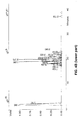
- FIGS. 4A and 4B HLPC-ELSD chromatogram of sophorolipids produced by the wild-type ( FIG. 4A (upper part)) and lactonase knock-out strain ( FIG. 4B (lower part)) without the addition of rapeseed oil. Lactonic sophorolipids elute between 25 and 31 minutes, acid ones between 17 and 24 minutes. LC-MS analysis identified the peaks at 19.4 and 20.3 minutes as non-acetylated acid sophorolipids with a C18:1 and C18:0 fatty acid chain, respectively. The peaks between 20.4 and 23.6 originated from mono- and di-acetylated acidic sophorolipids. The peak at 28.8 is generated by di-acetylated lactonic C18:1 sophorolipids.
- FIGS. 5A and 5B HLPC-ELSD chromatogram of sophorolipids produced by the wild-type ( FIG. 5A (upper)) and lactonase knock-out strain ( FIG. 5B (lower)) with addition of rapeseed oil. Lactonic sophorolipids elute between 25 and 31 minutes, acid ones between 17 and 24 minutes. Free fatty acids derived from rapeseed oil elute between 30 and 40 minutes.
- LC-MS analysis identified the peaks at 19.3 and 20.1 minutes as non-acetylated acid sophorolipids with a C18:1 and C18:0 fatty acid chain, respectively. The peaks between 20.4 and 23.6 originated from mono- and di-acetylated acidic sophorolipids. The peak at 27.4 is generated by diacetylated lactonic C18:1 sophorolipids.
- FIG. 6 Important parameters for growth and SL production of Candida bombicola wild-type (open) and a lipase overexpression transformant (filled) cultivated on production medium. pH ( ⁇ and ⁇ ) glucose concentration ( ⁇ and ⁇ ) and optical density ( ⁇ and ⁇ ) are depicted in function of time. These results are the mean of two separate experiments.
- FIG. 7 HPLC-ELSD chromatograms of samples obtained from a C. bombicola overexpression mutant (row a) and wild-type (row b) cultivated on production medium without citrate after eight days of incubation. Samples were extracted with ethanol to not discriminate certain kinds of sophorolipids.
- FIG. 8 HPLC-ELSD chromatograms of samples obtained from a C. bombicola wild-type strain (row a) and an overexpression transformant (row b) cultivated on standard production medium after eight days of incubation. Samples were extracted with ethanol to not discriminate certain kinds of SLs.
- FIG. 9 SDS-PAGE representing a pooled lactonase fraction from SD 200 separation (used for analysis in 4.1.2.1). S: sample, M: marker.
- FIG. 10 HPLC chromatograms of the products extracted from the enzymatic assay with 0.6 ⁇ g/ml lactonase at pH 3.5 with a mixture of the acidic SL from the lactonase KO.
- FIG. 11 HPLC chromatograms of the products extracted from the enzymatic assay with 0.6 ⁇ g/ml lactonase at pH 6 with a mixture of the acidic SL from the lactonase KO.
- FIGS. 12A and 12B The activity of the recombinant lactonase from Candida bombicola (1 mg/ml) toward p-nitrophenyl butyrate (pnpb) in a final volume of 120 ⁇ l ( FIG. 12A ) and 200 ⁇ l ( FIG. 12B ), monitored over time. Background corrections for the multi-well plate, as well as for the slightly yellowish color of the concentrated enzyme, were performed.
- FIG. 13 The activity of the recombinant lactonase from Candida bombicola (1 mg/ml) over time toward p-nitrophenyl acetate (pnpa).
- the p-nitrophenol release in the blank is due to natural hydrolysis of (pnpa).
- proteins were further concentrated by ultrafiltration in VIVASPIN® 15R columns (MWCO 10 kDa, Vivaproducts) to a volume of 5 ml.
- the centrifugation was performed at 4,000 rpm at 4° C. and the sample was mixed every 15 minutes to avoid precipitation.
- the total SDS-PAGE gel lane was divided into 17 fractions.
- the gel pieces were destained by 3 ⁇ 20-minute incubation cycles at 30° C. with 150 ⁇ l of a 50% acetonitrile (ACN)/200 mM (NH 4 ) 2 CO 3 mixture.
- the proteins were digested in gel (according to Shevchenko et al., 2007) by adding 8 ⁇ l of 0.002 ⁇ g/ ⁇ l trypsin (Promega) in 50 mM (NH 4 ) 2 CO 3 during overnight incubation in 37° C.
- the peptides were collected from the supernatant.
- the gel pieces were further extracted with 60 ⁇ l of 60% ACN/0.1% FA during a 20-minute incubation at 30° C.
- Mobile phase B was 99.9% acetonitrile with 0.1% formic acid.
- the LC eluent was directly coupled to a T RIVERSA N ANOMATE ® ESI source (Advion, Ithaca, N.Y.), working in the nanoLC mode and being equipped with D-chips upon which a 1.55-kV voltage was applied.
- the FT-ICR mass analyzer acquired MS scans at 100,000 resolution during the LC separation.
- the three most intense precursor peptides for each MS scan were automatically selected and fragmented by the LTQ ion trap mass analyzer.
- Raw LC-MS/MS data received from the FT-ICR MS measurements were analyzed using Mascot Daemon version 2.3.2. To identify proteins, Mascot version 2.3.01 searches were performed against the in-house available primary annotated C. bombicola genome containing 4617 genes, predicted from three contigs using the Augustus algorithm, together with its decoy database created on the flight by Mascot software. The MS/MS data from the 17 SDS-PAGE bands were merged into one single search file. The following search settings were applied: data were imported with the Thermo Finnigan LCQ/DECA RAW filter, maximum two missed cleavages of trypsin were allowed, and an oxidation (M) was set up as variable modification.
- M oxidation
- the ESI-FTICR instrument was selected with a possible MS/MS error tolerance of 0.5 Da and peptides error tolerance of 10 ppm. All peptides with a significance threshold higher than 0.01 and an ion score cutoff lower than 30 were discarded. We accepted proteins with two or more peptide hits within the above criteria.
- the Mascot software automatically calculates the anemPAI factor for each protein.
- the calculated emPAI factor is 1.39, which corresponds to 3.72 mol % and 3.17 weight %, respectively, of the protein content of the eight-day-old secretome.
- Candida bombicola ATCC 22214 was used as the parental or wild-type strain.
- Candida bombicola PT36 an ura3 autotrophic mutant, was derived from this parental strain and used to construct both the knock-out and overexpression strains.
- sophorolipid production was intended, the medium described by Lang et al. (2000) was used. 37.5 g/L rapeseed oil was added two days after inoculation. Yeast cultures were incubated at 30° C. and 200 rpm for a total time of ten days.
- Escherichia coli DH5 ⁇ cells were used in all cloning experiments and were grown in Luria-Bertani (LB) medium 1% trypton, 0.5% yeast extract and 0.5% sodium chloride) supplemented with 100 mg/L ampicillin. Liquid E. coli cultures were incubated at 37° C. and 200 rpm.
- Bacterial plasmid DNA was isolated with the QIA PREP ® Spin M INIPREP TM Kit (QIAGEN®). All DNA sequences were determined at LGC Genomics (Berlin, Germany).
- C. bombicola cells were transformed by electroporation. Transformants were selected on synthetic dextrose (SD) plates (0.67% yeast nitrogen base without amino acids (DIFCO) and 2% glucose). E. coli cells were transformed as described by Inoue et al. (1990).
- a total fragment of 1944 bp comprising the complete lactonase CDS was amplified with the primers lip2for3 and lip2rev3 (Table 2) and cloned into the pGEM-T® vector (Promega).
- the created vector of 4946 bp was digested with MfeI and NarI, in this way deleting 282 bp of the lactonase coding region.
- the Candida bombicola Ura3 autotrophic marker (Van Bogaert et al., 2008a) was amplified with the primers ura3MFeIFor and ura3NarIrev (Table 2), harboring the restriction sites for, respectively, MfeI and NarI in their 5′ extensions.
- the purified PCR fragment of 2064 bp was cut with mentioned restriction enzymes and ligated into the digested vector.
- the resulting vector of 6717 bp was used as a template to generate the lactonase knock-out cassette with the primers lip2for3 and lip2rev3.
- the fragment of 3806 bp contains the ura3 marker with approximately 0.8 kb of the lactonase sequence on each site, required for homologues recombination at the lactonase locus. This linear fragment was used to transform Candida bombicola PT36.
- sophorolipid samples were extracted as follows: 3 mL of ethanol was added to 1 mL culture broth and shaken vigorously for 5 minutes. After centrifugation at 9,000 g for 5 minutes, the supernatant was collected. At the end of the incubation period, 3 volumes ethanol were added to the culture broth for total extraction of sophorolipids. Cell debris was removed by centrifugation at 1500 g during 10 minutes.
- the supernatans water-ethanol mixture of the total extraction was evaporated. Two volumes of ethanol were added to dissolve the sophorolipids and the residual hydrophobic carbon source. The mixture was filtrated to remove the water-soluble compounds and was evaporated again. One volume of water was added and set at pH 7, then 1 volume of hexane was added. After vigorous shaking, the mixture was allowed to separate. The different fractions were collected, evaporated and the mass was determined. The hexane phase will contain residual oil, while the water phase contains the sophorolipids.
- Glucose concentration in the culture supernatans was determined by analysis with the 2700 Select Biochemistry Analyzer (YSI Inc.).
- Colony-forming units were determined by plating decimal dilutions on agar plates with 10% glucose, 1% yeast extract and 0.1% urea, which were incubated at 30° C. for three days.
- Sophorolipid samples were analyzed by HPLC on a Varian Prostar HPLC system using a CHROMOLITH® Performance RP-18e 100-4.6 mm column from Merck KGaA at 30° C. and Evaporative Light Scattering Detection (Alltech).
- the gradient started at 5% acetonitrile and linearly increased until 95% in 40 minutes. The mixture was kept this way for 10 minutes and was then brought back to 5% acetonitrile in 5 minutes. A flow rate of 1 mL/minute was applied.
- dilutions of a standard were analyzed in parallel.
- LCMS Liquid chromatography mass spectrometry
- the lactonase knock-out cassette was constructed as described in the Materials and Methods section. This linear fragment was used to transform the ura3-negative Candida bombicola PT36 strain. The genotype of the transformants was checked by yeast colony PCR with two primer pairs (Table 2).
- the first combination verifies the upstream recombination event; koLip2FlankFor binds the genomic DNA preceding the integration region and ura3OutBeginRev binds the marker gene of the disruption cassette.
- the second pair checks the downstream part in the same way: KoLip2FlankRev binds the genomic region, whereas ura3OutEndFor binds the marker gene. Several correct mutants were obtained.
- sophorolipid production of the knock-out was compared to the wild-type, both on medium with and without addition of rapeseed oil. Cell growth and viability were not affected; CFU for mutants were not significantly different from the wild-type and this was for the full production period. Furthermore, the glucose consumption rate was comparable to the wild-type, indicating that sophorolipid synthesis is taking place; a biochemical process consuming a lot of glucose.
- sophorolipid samples were collected.
- single knock-out of the lactonase gene resulted in complete absence of any lactonic form in any sample and this was both in the supplemented and non-oil supplemented set-up ( FIGS. 4A-5B ).
- the experiments were repeated several times at different times and for the cultivations without addition of oil, between 20 and 30 g/L of sophorolipids were obtained, while, confirmed with the literature, the yield was higher when rapeseed oil was added. In this latter case, between 45 and 60 g/L were obtained.
- sophorolipid mixture enriched in lactonic sophorolipid molecules is obtained by the usage of a sophorolipid-producing yeast strain as a host for overexpression of the C. bombicola lactonase gene.
- a sophorolipid-producing yeast strain for example, an overexpression cassette is created in which the lactonase gene is under control of the constitutive and highly active GKI (phosphoglycerate kinase) promoter.
- GKI phosphoglycerate kinase
- bombicola URA3 selection marker with up- and downstream sequences for recombination in the genome (Van Bogaert et al., 2008a) and are subsequently used for transformation of a ura3-deficient C. bombicola strain. Expressing the lactonase in this way leads to a sophorolipid mixture remarkably enriched in the lactonic forms.
- Bioreactor experiments were carried out in a BIOSTAT® B culture vessel (Sartorius-BBI Systems) with a maximum working volume of 1.5 to 3 L. Temperature (30° C.), pH (3.5), stirring rate (800 rpm) and airflow rate (1 win) were controlled by the BIOSTAT® B control unit. 100 mL of an overnight grown shake flask culture was used to inoculate the fermentor. For maintaining pH at 3.5, 5 N NaOH was used. There was no correction for a too alkaline pH and fermentations started at pH 5.8 and were consequently allowed to drop spontaneously until 3.5. Feeding of the hydrophobic carbon source was started 48 hours after inoculation, and from then on, 25 g of rapeseed oil was added every 24 hours. Additional glucose was added 150 hours after inoculation. For the wild-type fermentations, the stirring rate had to be lowered to 600 rpm after five days of cultivation to control foam formation as the addition of the hydrophobic carbon source no longer helped.
- the complete GKI promotor sequence was amplified from genomic DNA of Candida bombicola using the primers P124_FOR_pGKI_extinfuSpeI and P125_REV_pGKI_extlipase.
- the lactonase gene sequence was amplified from genomic DNA using primers P126_FOR_lipase_extpGKI and P127_REV_termlac_extInfuBamHI and both fragments were subsequently fused using fusion PCR.
- the abovementioned linear fragment was subsequently inserted into the cut vector using the Infusion Advantage PCR cloning kit (CLONTECH®).
- the resulting vector of 7896 bp is used as a template to generate the lactonase overexpression cassette with the primers P1_FOR_URA3v and P32_REV_cassette.
- the fragment of 4904 bp was used to transform the ura3- Candida bombicola PT36 strain and integration occurred at the ura3 locus.
- the resulting strain thus harbored two copies of the lactonase gene; one under its own regulatory sequences unaltered in the genome and a second one under control of the strong constitutive GKI promoter at the ura3 locus.
- CFU and glucose were determined as described in section 2.1.5.
- Samples (1 mL) are withdrawn from the culture medium during cultivation and sophorolipids are extracted by addition of 440 ⁇ L ethyl acetate and 11 ⁇ L acidic acid. After vigorously shaking, the fractions are separated by centrifugation, the solvent fraction (300 ⁇ L) is diluted with 700 ⁇ L ethanol and analyzed on HPLC and Evaporative Light Scattering Detection.
- Optical density (OD) of cultures was measured at 600 nm using the JASCO® V 630 bio spectrophotometer (Jasco Europe). Growth was also evaluated by determining the cell dry weight (CDW).
- citrate is described to influence lactonization. Therefore, a modified production medium was used for cultivation of the wild-type and the obtained overexpression mutant. This medium did not contain citrate but was otherwise identical to the one described by Lang. pH, glucose consumption and OD are depicted in FIG. 6 .
- the lactonase of C. bombicola is produced extracellularly in P. pastoris .
- the recombinant protein possesses a His-tag that allows purification with a Talon column and later with a SD200 column.
- the Edman degradation and MS analysis were used to confirm the correctness of expressed protein sequence.
- Genomic DNA of Candida bombicola ATCC 22214 was used to pick up the mature form of the lactonase.
- the primers LacForvextSacII: CGTCGACTGTATGAGTTGAGT (SEQ ID NO:36) and LacRevextPstI: GCTGCAGGACTCCCTTTAGGCC (SEQ ID NO:37) were used to create a PCR fragment with two additional restriction sites of PstI and SalI. After gel purification, the PCR product was subcloned into the pCR2.1-TOPO vector (INVITROGEN®) and propagated in Escherichia coli TOP10 cells (INVITROGEN®).
- the insert was cut out with PstI and SalI.
- the expression vector ⁇ pPiczB (INVITROGEN®) was linearized with the same restriction enzymes and purified from the gel (innuPREP DOUBLEpure kit).
- the insert was ligated to ⁇ pPiczB using T4DNA ligase and contract was transformed into one shot TOP10 electrocompetent E. coli .
- the best clone was purified with chromatography (QIAGEN®) and confirmed by multiple restriction digestion with XmnI+HindIII, NcoI and SfoI+EcoRV.
- BMGY Buffered-Glycerol Complex
- BMMY Buffered-Methanol Complex
- the collected medium (1 L) was filtrated through a 0.22 ⁇ m bottle top filter (Corning) and divided in ten dialysis membranes with 6-8 kDa cut-off (Spectra por).
- the dialysis was performed in 10 L of Na 2 HPO 4 50 mM; NaCl 300 mM pH 7.5 buffer in 4° C. for 24 hours.
- the dialyzed medium was pooled, filtrated through a 0.22 ⁇ m bottle top filter (Corning), and loaded on a Talon Superflow column (GE Healthcare) with a bed volume of 20 ml connected to Akta-purifier (GE Healthcare) system and equilibrated with the same buffer as used for dialysis.
- the column was washed with equilibration buffer containing 5 mM imidazole.
- the His-tag protein was eluted with buffer containing 200 mM imidazole.
- the protein was concentrated to 2 ml using VIVASPIN® columns with a MW cut-off 10 kDa (Sartorius).
- the partially purified lactonase was injected into a SUPERDEX® 200 column (GE Healthcare) running in 20 mM Tris; 150 mM NaCl pH 7.5 buffer. The fractions containing the lactonase were collected and stored in ⁇ 80° C.
- SEQ ID NO: 32 nucleotides different from SEQ ID NO: 1 are marked in bold: GCAGGA CTCCCTTTAGGCTATACTGCGGCCCCCGCTGAATCATTCTATTT TTGGCCAGAGAACATATCCAGCCTCCAAGCTGGCGAGATTTTTAGAAAAC GGGAACTCTTAACTCTCCCAGACATCTTTGACTTTGGCCCTAATCTGGAA AAGGTCGTACAAGTGGCTTACAAAACCCGTCTCACCGATGGCAATGACTC GTTTTCCATCGCCAGTATCTTTATCCCTAAGAATCCAAGCCCAGAACTCA AACTTTACTCTTATCAGACGTTTGAGGATGCCGTGCAGCTTGATTGTGCC CCAAGCTATGCTTTAGAAGTGGGTAACAAGTCCAGCAACTATCTTCCTGT CACTAGCAATTTATCTGCCATCAGTCGAGAACTTGAGAAAGGACGTCACT GCATTATCCCTGATCACGAGGGCTATATTTCAGGATTCTTTGCAGGACGG CAGGATATGCT
- the lipase/esterase activity of lactonase was investigated.
- the colorimetric tests were based on the release of p-nitrophenol upon hydrolysis of three p-nitrophenyl derivatives with different chain lengths, being p-nitrophenyl acetate (pnpa) and p-nitrophenyl butyrate (pnpb) (Jung and Park, 2008; Lopes et al., 2011).
- natrium citrate natrium citrate
- natrium hydroxide natrium hydroxide
- hydrochloric acid natrium citrate, natrium hydroxide and hydrochloric acid
- SL Different types of SL were obtained by production by C. bombicola strains. If required, specific purification steps or chemical treatments known by the person skilled in the art were applied in order to obtain a specific form. About 100 mM stock solution in water was prepared for the enzymatic assays. Because most of the times a SL mixture was used, the average estimated molecular weight of 675.4 g/mol and a density of 1.05 g/ml were applied.
- Candida antarctica lipase B was purchased from Sigma. The substrates pnpa and pnpb, and sodium dodecyl sulphate, TRITON® X-100, Tris as well. The solvents acetonitrile and tetrahydrofuran were received from Biosolve and Riedel de Ha ⁇ n, respectively. Sodium chloride was purchased from Merck.
- 135 mg of dried SL was dissolved in 2 ml water to prepare a 100 mM stock solution used in the enzymatic assays.
- Five different purified protein concentrations were prepared: 0.6 ⁇ g/ml; 1.6 ⁇ g/ml; 3.2 ⁇ g/ml; 6 ⁇ g/ml; 9.2 ⁇ g/ml (stock concentration 60 ⁇ g/ml).
- the protein was incubated with about 5 mM of a mixture of di-, mono-, and un-acetylated acidic sophorolipids (obtained from the lactonase KO mutant) in a total volume of 1 ml.
- 0.6 ⁇ g/ml purified protein was incubated with ⁇ 5 mM of different SL preparations, i.e., a mix of wild-type SL; enriched lactone SL form from a standard production; pure, chemically prepared non-acetylated acidic SL and non- and mono-acetylated acidic SL produced by the KO lactonase mutant.
- SL preparations i.e., a mix of wild-type SL; enriched lactone SL form from a standard production; pure, chemically prepared non-acetylated acidic SL and non- and mono-acetylated acidic SL produced by the KO lactonase mutant.
- the conditions for incubation and extraction are the same as described in 5.1.2.1.
- Candida Antarctica lipase B work solutions were derived from a 1.2 mg/ml stock solution in the same enzyme buffer that was used for lactonase.
- ppna p-nitrophenyl acetate
- pnpb p-nitrophenyl butyrate
- Candida Antarctica lipase B was used as a positive control for hydrolyses of all substrates.
- FIGS. 10 and 11 present the results of the enzymatic assay at pH 3.5 and pH 6 with a mixture of mono-, di-, non-acetylated acidic SL.
- the black arrows mark the formed products (0.6 ⁇ g/ml lactonase): peaks eluting at 26.047 minutes and 27.494 minutes, which are not present in the blank.
- Those peaks correspond to the di-acetylated lactonic form of the SL with fatty acids C16 and C18:1, as determined by LC-MS (2.1.6).
- the same pattern was visible in assay with five different purified protein concentrations: 0.6 ⁇ g/ml; 1.6 ⁇ g/ml; 3.2 ⁇ g/ml; 6 ⁇ g/ml; and 9.2 ⁇ g/ml.
- FIGS. 12A and 12B show the spectra for the 1 mg/ml lactonase in combination with p-nitrophenyl butyrate, in a final test volume set-up of, respectively, 120 and 200 ⁇ l.
- a slow release of p-nitrophenyl can be established, which points to some hydrolysis activity of the enzyme on the C 4 substrate.
- the enzymatic assays with sophorolipids demonstrate that the lactonase is responsible for lactonization of the sophorolipids.
- di-acetylated acidic SL are the best substrates for the lactonase.
- the present disclosure shows that to form a lactonic SL, preferably a low concentration of the enzyme is needed: 0.6 ⁇ g/ml.
- SL lactone was produced in the assays at both pH 3.5 and pH 6, which indicates that the enzyme is active in a wide pH range.
- the ⁇ pPiczB construct (INVITROGEN®) with the lactonase (sequence ID NO:32) described in section 4.1.1.1 was sent to Genscript where site-directed mutagenesis of one amino acid was performed. Ser (181) from the conservative motif GYSGGA (SEQ ID NO:44) coded by the nucleotides AGT was replaced with Ala coded by GCT.
- the enzymatic assay with 5 mM mixture of mono-, di-, and non-acetylated acidic SL was performed with 6 ⁇ g/ml of lactonase and lactonase Ser mutant at pH 3.5 and pH 6.
- Ser (181) is important for the SL lactone formation.
Landscapes
- Chemical & Material Sciences (AREA)
- Organic Chemistry (AREA)
- Life Sciences & Earth Sciences (AREA)
- Engineering & Computer Science (AREA)
- Zoology (AREA)
- Wood Science & Technology (AREA)
- Health & Medical Sciences (AREA)
- Genetics & Genomics (AREA)
- Bioinformatics & Cheminformatics (AREA)
- General Health & Medical Sciences (AREA)
- Biochemistry (AREA)
- General Engineering & Computer Science (AREA)
- Microbiology (AREA)
- Biotechnology (AREA)
- Chemical Kinetics & Catalysis (AREA)
- General Chemical & Material Sciences (AREA)
- Medicinal Chemistry (AREA)
- Molecular Biology (AREA)
- Biomedical Technology (AREA)
- Preparation Of Compounds By Using Micro-Organisms (AREA)
- Micro-Organisms Or Cultivation Processes Thereof (AREA)
Applications Claiming Priority (4)
| Application Number | Priority Date | Filing Date | Title |
|---|---|---|---|
| EP11194538 | 2011-12-20 | ||
| EP11194538.2 | 2011-12-20 | ||
| EP11194538 | 2011-12-20 | ||
| PCT/EP2012/075571 WO2013092421A1 (en) | 2011-12-20 | 2012-12-14 | A lactonase derived from candida bombicola and uses thereof |
Related Parent Applications (1)
| Application Number | Title | Priority Date | Filing Date |
|---|---|---|---|
| PCT/EP2012/075571 A-371-Of-International WO2013092421A1 (en) | 2011-12-20 | 2012-12-14 | A lactonase derived from candida bombicola and uses thereof |
Related Child Applications (1)
| Application Number | Title | Priority Date | Filing Date |
|---|---|---|---|
| US14/743,852 Division US9394559B2 (en) | 2011-12-20 | 2015-06-18 | Lactonase derived from candida bombicola and uses thereof |
Publications (2)
| Publication Number | Publication Date |
|---|---|
| US20140335567A1 US20140335567A1 (en) | 2014-11-13 |
| US9388443B2 true US9388443B2 (en) | 2016-07-12 |
Family
ID=47429801
Family Applications (2)
| Application Number | Title | Priority Date | Filing Date |
|---|---|---|---|
| US14/363,722 Active 2032-12-30 US9388443B2 (en) | 2011-12-20 | 2012-12-14 | Lactonase derived from Candida bombicola and uses thereof |
| US14/743,852 Active US9394559B2 (en) | 2011-12-20 | 2015-06-18 | Lactonase derived from candida bombicola and uses thereof |
Family Applications After (1)
| Application Number | Title | Priority Date | Filing Date |
|---|---|---|---|
| US14/743,852 Active US9394559B2 (en) | 2011-12-20 | 2015-06-18 | Lactonase derived from candida bombicola and uses thereof |
Country Status (5)
| Country | Link |
|---|---|
| US (2) | US9388443B2 (pl) |
| EP (1) | EP2794865B1 (pl) |
| ES (1) | ES2673124T3 (pl) |
| PL (1) | PL2794865T3 (pl) |
| WO (1) | WO2013092421A1 (pl) |
Families Citing this family (10)
| Publication number | Priority date | Publication date | Assignee | Title |
|---|---|---|---|---|
| EP2794865B1 (en) | 2011-12-20 | 2018-04-25 | Universiteit Gent | A lactonase derived from candida bombicola and uses thereof |
| EP3039154A1 (en) * | 2013-08-26 | 2016-07-06 | Universiteit Gent | Methods to produce bolaamphiphilic glycolipids |
| WO2015153476A1 (en) * | 2014-03-31 | 2015-10-08 | The Regents Of The University Of California | Methods of producing glycolipids |
| KR20200024940A (ko) * | 2017-07-27 | 2020-03-09 | 로커스 아이피 컴퍼니 엘엘씨 | 의약품, 보충제 및 섭취된 물질의 생체 이용률을 향상시키기 위한 조성물 |
| MX2021012552A (es) * | 2019-04-16 | 2021-11-12 | Locus Ip Co Llc | Aditivos alimentarios emulsionantes basados en microbios. |
| TR201906951A2 (tr) | 2019-05-09 | 2019-05-21 | Ankara Ueniversitesi Rektoerluegue | Enzimatik İşlemlerle Nar Suyu Kusurlarının Giderilmesi İçin Yöntem |
| AU2021275871A1 (en) | 2020-05-20 | 2022-05-19 | Locus Ip Company, Llc | Methods of producing compositions comprising hydrophilic sophorolipids |
| EP4519447A2 (en) | 2022-05-03 | 2025-03-12 | Universiteit Gent | Methods to produce acetylated and non-acetylated glycolipid amphiphiles |
| CN115851472B (zh) * | 2022-10-20 | 2025-12-05 | 广州立白企业集团有限公司 | 一种高产槐糖脂的基因敲除工程菌及其构建方法和应用 |
| WO2025099076A2 (en) | 2023-11-07 | 2025-05-15 | Universiteit Gent | Sble mutants with altered activity and sble homologues |
Citations (5)
| Publication number | Priority date | Publication date | Assignee | Title |
|---|---|---|---|---|
| WO2004044216A1 (en) | 2002-11-06 | 2004-05-27 | Polytechnic University | Antimicrobial properties of various forms of sophorolipids |
| WO2008040738A1 (en) | 2006-10-03 | 2008-04-10 | Novozymes A/S | Lipolytic enzyme variants |
| JP2008247845A (ja) | 2007-03-30 | 2008-10-16 | National Institute Of Advanced Industrial & Technology | 酸型ソホロースリピッドの生産方法 |
| WO2010111143A2 (en) | 2009-03-23 | 2010-09-30 | Danisco Us Inc. | Cal a-related acyltransferases and methods of use, thereof |
| WO2013092421A1 (en) | 2011-12-20 | 2013-06-27 | Universiteit Gent | A lactonase derived from candida bombicola and uses thereof |
-
2012
- 2012-12-14 EP EP12806020.9A patent/EP2794865B1/en active Active
- 2012-12-14 WO PCT/EP2012/075571 patent/WO2013092421A1/en not_active Ceased
- 2012-12-14 PL PL12806020T patent/PL2794865T3/pl unknown
- 2012-12-14 ES ES12806020.9T patent/ES2673124T3/es active Active
- 2012-12-14 US US14/363,722 patent/US9388443B2/en active Active
-
2015
- 2015-06-18 US US14/743,852 patent/US9394559B2/en active Active
Patent Citations (7)
| Publication number | Priority date | Publication date | Assignee | Title |
|---|---|---|---|---|
| WO2004044216A1 (en) | 2002-11-06 | 2004-05-27 | Polytechnic University | Antimicrobial properties of various forms of sophorolipids |
| WO2008040738A1 (en) | 2006-10-03 | 2008-04-10 | Novozymes A/S | Lipolytic enzyme variants |
| US20100003708A1 (en) | 2006-10-03 | 2010-01-07 | Novozymes A/S | Lipolytic enzyme variants |
| JP2008247845A (ja) | 2007-03-30 | 2008-10-16 | National Institute Of Advanced Industrial & Technology | 酸型ソホロースリピッドの生産方法 |
| WO2010111143A2 (en) | 2009-03-23 | 2010-09-30 | Danisco Us Inc. | Cal a-related acyltransferases and methods of use, thereof |
| US20120058527A1 (en) | 2009-03-23 | 2012-03-08 | Danisco Us Inc. | Cal a-related acyltransferases and methods of use, thereof |
| WO2013092421A1 (en) | 2011-12-20 | 2013-06-27 | Universiteit Gent | A lactonase derived from candida bombicola and uses thereof |
Non-Patent Citations (16)
| Title |
|---|
| Asmer HJ, Lang S, Wagner F, Wray V (1988) Microbial production, structure elucidation and bioconversion of sophorose lipids. J Am Oil Chem Soc 65: 1460-1466. |
| Davila AM, Marchal R, Vandecasteele JP (1994) Sophorose lipid production from lipidic precursors-Predictive evaluation of industrial substrates. J Indust Microbiol 13: 249-257. |
| Davila AM, Marchal R, Vandecasteele JP (1997) Sophorose lipid fermentation with differentiated substrate supply for growth and production phases. Appl Microbiol Biotechnol 47:496-501. |
| Devos et al., Proteins: Structure, Function and Genetics, 2000, vol. 41: 98-107. * |
| Garcia-Ochoa F, Casas JA (1999) Unstructured kinetic model for sophorolipid production by Candida bombicola. Enzyme Microb Technol 25:613-621. |
| Hommel RK, Weber L, Weiss A, Himmelreich U, Rilke O, Kleber HP (1994) Production of sophorose lipid by Candida (Torulopsis) apicola grown on glucose. J Biotechnol 33:147-155. |
| Hu YM, Ju LK (2001b) Sophorolipid production from different lipid precursors observed with LC-MS. Enzyme Microbial Technol 29: 593-601. |
| Kisselev L., Structure, 2002, vol. 10: 8-9. * |
| Konishi M, Fukuoka T, Morita T, Imura T, Kitamoto D (2008) Production of new types of sophorolipids by Candida bastitae.J Oleo Sci 57: 359-369. |
| Nunez A, Foglia TA, Ashby R. (2003) Enzymatic synthesis of a galactopyranose sophorolipid fatty acid-ester. Biotechnol Lett 25:1291-1297. |
| PCT International Search Report, PCT/EP2012/075571, dated May 22, 2013. |
| Stüwer O, Hommel R, Haferburg D, Kleber HP (1987) Production of crystalline surface-active glycolipids by a strain of Torulopsis apicola. J Biotechnol 6: 259-269. |
| Van Bogaert et al., Microbial synthesis of sophorolipids, Process Biochemistry, Jan. 11, 2011, pp. 821-33, vol. 46, No. 4. |
| Van Bogaert INA, Zhang J, Soetaert W (2011) Microbial synthesis of sophorolipids. Process Biochem 46: 821-833. |
| Whisstock et al., Quarterly Reviews of Biophysics 2003, vol. 36 (3): 307-340. * |
| Witkowski et al., Biochemistry 38:11643-11650, 1999. * |
Also Published As
| Publication number | Publication date |
|---|---|
| US20140335567A1 (en) | 2014-11-13 |
| EP2794865A1 (en) | 2014-10-29 |
| EP2794865B1 (en) | 2018-04-25 |
| US20150284761A1 (en) | 2015-10-08 |
| WO2013092421A1 (en) | 2013-06-27 |
| ES2673124T3 (es) | 2018-06-19 |
| US9394559B2 (en) | 2016-07-19 |
| PL2794865T3 (pl) | 2018-09-28 |
Similar Documents
| Publication | Publication Date | Title |
|---|---|---|
| US9388443B2 (en) | Lactonase derived from Candida bombicola and uses thereof | |
| Yu et al. | Purification and characterization of the extracellular lipase Lip2 from Yarrowia lipolytica | |
| Ciesielska et al. | Exoproteome analysis of Starmerella bombicola results in the discovery of an esterase required for lactonization of sophorolipids | |
| US8911982B2 (en) | Cells, nucleic acids, enzymes and use thereof, and methods for the production of sophorolipids | |
| US12031173B2 (en) | Methods of producing polyol lipids | |
| Ciesielska et al. | Characterization of a novel enzyme—Starmerella bombicola lactone esterase (SBLE)—responsible for sophorolipid lactonization | |
| US9650658B2 (en) | Methods to produce bolaamphiphilic glycolipids | |
| RU2140988C1 (ru) | Способ получения сахара 1,5-d-ангидрофруктозы (варианты), антиоксидант, подслащиватель | |
| EP2580321B1 (en) | Yeast strains modified in their sophorolipid production and uses thereof | |
| Roelants et al. | Biosurfactant gene clusters in eukaryotes: regulation and biotechnological potential | |
| WO2012080116A1 (en) | Producing unacetylated sophorolipids by fermentation | |
| Sun et al. | Membrane-bound ‘synthetic lipase’specifically cultured under solid-state fermentation and submerged fermentation by Rhizopus chinensis: a comparative investigation | |
| CN104736705B (zh) | 糖脂质的制造方法 | |
| Nietz et al. | A new lipase (Alip2) with high potential for enzymatic hydrolysis of the diester diethyladipate to the monoester monoethyladipate | |
| Maeda et al. | Characterization of novel cholesterol esterase from Trichoderma sp. AS59 with high ability to synthesize steryl esters | |
| US20250250535A1 (en) | Methods to produce acetylated and non-acetylated glycolipid amphiphiles | |
| Yu | Enzymatic description of the anhydrofructose pathway of glycogen degradation: II. Gene identification and characterization of the reactions catalyzed by aldos-2-ulose dehydratase that converts 1, 5-anhydro-d-fructose to microthecin with ascopyrone M as the intermediate | |
| JP7723952B2 (ja) | 担子菌由来の新規な高機能性リパーゼの利用 | |
| EP3181695A1 (en) | A method for producing a minor ginsenoside using a ginsenoside glycosidase | |
| KR101996863B1 (ko) | 셀룰로파가 옴니베스코리아 w5c 균주로부터 유래한 알파 네오아가로바이오스 가수분해효소 및 이의 응용 | |
| Class et al. | Patent application title: YEAST STRAINS MODIFIED IN THEIR SOPHOROLIPID PRODUCTION AND USES THEREOF Inventors: Wim Soetaert (Lovendegem, BE) Wim Soetaert (Lovendegem, BE) Sofie De Maeseneire (Destelbergen, BE) Karen Saerens (Drongen, BE) Sofie Roelants (Gent, BE) Inge Van Bogaert (Overmere, BE) Assignees: UNIVERSITEIT GENT |
Legal Events
| Date | Code | Title | Description |
|---|---|---|---|
| AS | Assignment |
Owner name: UNIVERSITEIT GENT, BELGIUM Free format text: ASSIGNMENT OF ASSIGNORS INTEREST;ASSIGNORS:VAN BOGAERT, INGE;CIESIELSKA, KATARZYNA;DEVREESE, BART;AND OTHERS;SIGNING DATES FROM 20150617 TO 20150622;REEL/FRAME:036259/0507 |
|
| FEPP | Fee payment procedure |
Free format text: PAYOR NUMBER ASSIGNED (ORIGINAL EVENT CODE: ASPN); ENTITY STATUS OF PATENT OWNER: SMALL ENTITY |
|
| STCF | Information on status: patent grant |
Free format text: PATENTED CASE |
|
| MAFP | Maintenance fee payment |
Free format text: PAYMENT OF MAINTENANCE FEE, 4TH YR, SMALL ENTITY (ORIGINAL EVENT CODE: M2551); ENTITY STATUS OF PATENT OWNER: SMALL ENTITY Year of fee payment: 4 |
|
| MAFP | Maintenance fee payment |
Free format text: PAYMENT OF MAINTENANCE FEE, 8TH YR, SMALL ENTITY (ORIGINAL EVENT CODE: M2552); ENTITY STATUS OF PATENT OWNER: SMALL ENTITY Year of fee payment: 8 |