US8629239B2 - Methylocystis strain SB2 materials and methods - Google Patents
Methylocystis strain SB2 materials and methods Download PDFInfo
- Publication number
- US8629239B2 US8629239B2 US13/198,669 US201113198669A US8629239B2 US 8629239 B2 US8629239 B2 US 8629239B2 US 201113198669 A US201113198669 A US 201113198669A US 8629239 B2 US8629239 B2 US 8629239B2
- Authority
- US
- United States
- Prior art keywords
- isolated
- compound
- purified compound
- methane
- methylocystis
- Prior art date
- Legal status (The legal status is an assumption and is not a legal conclusion. Google has not performed a legal analysis and makes no representation as to the accuracy of the status listed.)
- Active
Links
- 0 [2*]C1=N/C(=C(/C)[S-])C(=O)N1 Chemical compound [2*]C1=N/C(=C(/C)[S-])C(=O)N1 0.000 description 12
- BRUIYYMNJAWMBC-UHFFFAOYSA-O CC(=[NH2+])NCC(=O)C(C)(C)C Chemical compound CC(=[NH2+])NCC(=O)C(C)(C)C BRUIYYMNJAWMBC-UHFFFAOYSA-O 0.000 description 2
- VNBQTMBHLAIJLK-UHFFFAOYSA-O CC(C)(C)C(=O)CNC(N)=[NH2+] Chemical compound CC(C)(C)C(=O)CNC(N)=[NH2+] VNBQTMBHLAIJLK-UHFFFAOYSA-O 0.000 description 1
Images


Classifications
-
- C—CHEMISTRY; METALLURGY
- C02—TREATMENT OF WATER, WASTE WATER, SEWAGE, OR SLUDGE
- C02F—TREATMENT OF WATER, WASTE WATER, SEWAGE, OR SLUDGE
- C02F1/00—Treatment of water, waste water, or sewage
- C02F1/72—Treatment of water, waste water, or sewage by oxidation
-
- B—PERFORMING OPERATIONS; TRANSPORTING
- B82—NANOTECHNOLOGY
- B82Y—SPECIFIC USES OR APPLICATIONS OF NANOSTRUCTURES; MEASUREMENT OR ANALYSIS OF NANOSTRUCTURES; MANUFACTURE OR TREATMENT OF NANOSTRUCTURES
- B82Y40/00—Manufacture or treatment of nanostructures
-
- C—CHEMISTRY; METALLURGY
- C02—TREATMENT OF WATER, WASTE WATER, SEWAGE, OR SLUDGE
- C02F—TREATMENT OF WATER, WASTE WATER, SEWAGE, OR SLUDGE
- C02F1/00—Treatment of water, waste water, or sewage
- C02F1/68—Treatment of water, waste water, or sewage by addition of specified substances, e.g. trace elements, for ameliorating potable water
- C02F1/683—Treatment of water, waste water, or sewage by addition of specified substances, e.g. trace elements, for ameliorating potable water by addition of complex-forming compounds
-
- C—CHEMISTRY; METALLURGY
- C07—ORGANIC CHEMISTRY
- C07D—HETEROCYCLIC COMPOUNDS
- C07D413/00—Heterocyclic compounds containing two or more hetero rings, at least one ring having nitrogen and oxygen atoms as the only ring hetero atoms
- C07D413/02—Heterocyclic compounds containing two or more hetero rings, at least one ring having nitrogen and oxygen atoms as the only ring hetero atoms containing two hetero rings
- C07D413/12—Heterocyclic compounds containing two or more hetero rings, at least one ring having nitrogen and oxygen atoms as the only ring hetero atoms containing two hetero rings linked by a chain containing hetero atoms as chain links
-
- C—CHEMISTRY; METALLURGY
- C12—BIOCHEMISTRY; BEER; SPIRITS; WINE; VINEGAR; MICROBIOLOGY; ENZYMOLOGY; MUTATION OR GENETIC ENGINEERING
- C12N—MICROORGANISMS OR ENZYMES; COMPOSITIONS THEREOF; PROPAGATING, PRESERVING, OR MAINTAINING MICROORGANISMS; MUTATION OR GENETIC ENGINEERING; CULTURE MEDIA
- C12N1/00—Microorganisms; Compositions thereof; Processes of propagating, maintaining or preserving microorganisms or compositions thereof; Processes of preparing or isolating a composition containing a microorganism; Culture media therefor
- C12N1/20—Bacteria; Culture media therefor
- C12N1/205—Bacterial isolates
-
- C—CHEMISTRY; METALLURGY
- C12—BIOCHEMISTRY; BEER; SPIRITS; WINE; VINEGAR; MICROBIOLOGY; ENZYMOLOGY; MUTATION OR GENETIC ENGINEERING
- C12P—FERMENTATION OR ENZYME-USING PROCESSES TO SYNTHESISE A DESIRED CHEMICAL COMPOUND OR COMPOSITION OR TO SEPARATE OPTICAL ISOMERS FROM A RACEMIC MIXTURE
- C12P13/00—Preparation of nitrogen-containing organic compounds
- C12P13/04—Alpha- or beta- amino acids
-
- C—CHEMISTRY; METALLURGY
- C12—BIOCHEMISTRY; BEER; SPIRITS; WINE; VINEGAR; MICROBIOLOGY; ENZYMOLOGY; MUTATION OR GENETIC ENGINEERING
- C12P—FERMENTATION OR ENZYME-USING PROCESSES TO SYNTHESISE A DESIRED CHEMICAL COMPOUND OR COMPOSITION OR TO SEPARATE OPTICAL ISOMERS FROM A RACEMIC MIXTURE
- C12P3/00—Preparation of elements or inorganic compounds except carbon dioxide
-
- C—CHEMISTRY; METALLURGY
- C02—TREATMENT OF WATER, WASTE WATER, SEWAGE, OR SLUDGE
- C02F—TREATMENT OF WATER, WASTE WATER, SEWAGE, OR SLUDGE
- C02F2101/00—Nature of the contaminant
- C02F2101/10—Inorganic compounds
-
- C—CHEMISTRY; METALLURGY
- C02—TREATMENT OF WATER, WASTE WATER, SEWAGE, OR SLUDGE
- C02F—TREATMENT OF WATER, WASTE WATER, SEWAGE, OR SLUDGE
- C02F2101/00—Nature of the contaminant
- C02F2101/10—Inorganic compounds
- C02F2101/20—Heavy metals or heavy metal compounds
-
- C—CHEMISTRY; METALLURGY
- C02—TREATMENT OF WATER, WASTE WATER, SEWAGE, OR SLUDGE
- C02F—TREATMENT OF WATER, WASTE WATER, SEWAGE, OR SLUDGE
- C02F2101/00—Nature of the contaminant
- C02F2101/10—Inorganic compounds
- C02F2101/20—Heavy metals or heavy metal compounds
- C02F2101/22—Chromium or chromium compounds, e.g. chromates
-
- C—CHEMISTRY; METALLURGY
- C02—TREATMENT OF WATER, WASTE WATER, SEWAGE, OR SLUDGE
- C02F—TREATMENT OF WATER, WASTE WATER, SEWAGE, OR SLUDGE
- C02F3/00—Biological treatment of water, waste water, or sewage
- C02F3/34—Biological treatment of water, waste water, or sewage characterised by the microorganisms used
- C02F3/341—Consortia of bacteria
-
- C—CHEMISTRY; METALLURGY
- C12—BIOCHEMISTRY; BEER; SPIRITS; WINE; VINEGAR; MICROBIOLOGY; ENZYMOLOGY; MUTATION OR GENETIC ENGINEERING
- C12R—INDEXING SCHEME ASSOCIATED WITH SUBCLASSES C12C - C12Q, RELATING TO MICROORGANISMS
- C12R2001/00—Microorganisms ; Processes using microorganisms
- C12R2001/01—Bacteria or Actinomycetales ; using bacteria or Actinomycetales
Definitions
- Bioremediation is a process in which microorganisms, fungi, green plants, or their enzymes are used to restore the natural environment, altered by contaminants, to its original condition. Bioremediation may be employed, for example, to attack specific soil contaminants, such as degradation of chlorinated hydrocarbons, by bacteria or to cleanup oil spills by the addition of nitrate and/or sulfate fertilisers to facilitate the decomposition of crude oil by exogenous bacteria. Additional examples of bioremediation technologies include bioventing, landfarming, bioreactor, composting, bioaugmentation, rhizofiltration, and biostimulation.
- Bioremediation technologies may be generally classified as in situ or ex situ. In situ bioremediation involves treating the contaminated material at the site, while ex situ bioremediation involves the removal of the contaminated material to be treated elsewhere.
- introducing a microorganism into an environment to reduce the concentration of a contaminant in situ is typically much less expensive than excavating followed by disposal off site, incineration, or other ex situ technologies.
- Heavy metal pollution most commonly arises from the purification of metals, e.g., the smelting of copper and the preparation of nuclear fuels. Electroplating is the primary source of chromium and cadmium. Through precipitation of their compounds or by ion exchange into soils and muds, heavy metal pollutants can localize and lay dormant. Unlike organic pollutants, heavy metals do not decay and thus pose a different kind of challenge for remediation.
- mercury is widely disseminated and can circulate for years, accounting for its wide-spread distribution.
- Alkali and metal processing, incineration of coal, and medical and other waste, and mining of gold and mercury contribute greatly to mercury concentrations in some areas, but atmospheric deposition is the dominant source of mercury over most of the landscape.
- Natural sources of atmospheric mercury include volcanoes, geologic deposits of mercury, and volatilization from the ocean. In areas where mercury has accumulated through industrial or mining activities, natural processes may bury, dilute, or erode the mercury deposits, resulting in declines in concentration. In many areas, however, mercury concentrations have actually increased because atmospheric deposition has increased.
- the present disclosures provide isolated or purified compounds that bind to a metal atom.
- the compounds are small in size (having a molecular weight of less than, e.g., 1 kDa) and peptidic in nature, inasmuch as the compounds comprise amino acids connected via a peptide bond.
- the compound comprises at least four amino acids, a first metal binding moiety comprising a substituted imidazolone ring (M 1 ), and a second metal binding moiety comprising a substituted oxazolone ring (M 2 ), wherein M 1 and M 2 bind to a single metal atom.
- the compound comprises a structure of Formula I: M 1 -P 1 -M 2 -P 2 [Formula I] wherein each of P 1 and P 2 is a peptide comprising at least two amino acids, M 1 is a first metal binding moiety comprising a substituted imidazolone ring, M 2 is a second metal binding moiety comprising a substituted oxazolone ring, and wherein M 1 and M 2 bind to a single metal atom.
- complexes comprising a compound of the present disclosures and a metal atom, wherein the compound is bound to the metal atom.
- Conjugates comprising a compound or complex of the present disclosures and a heterologous moiety (or conjugate moiety) are further provided herein.
- the present disclosures furthermore provide cells which synthesize the compounds or complexes of the present disclosures, as well as cultures (e.g., substantially homogenous cultures) comprising such cells.
- cultures e.g., substantially homogenous cultures
- kits and compositions each of which comprise a compound, complex, conjugate, cell, or culture, of the present disclosures are moreover provided herein.
- the present disclosures further provide methods of making the compounds described herein, and uses of the compounds, cells, cultures (and other related materials described herein) for bioremediation.
- the present disclosures also provide methods for binding and reducing the redox state of metals in a system.
- the present disclosures also provide methods for reducing the concentration chlorinated compounds, methane, ethanol, and/or acetate from a system.
- the present disclosures further provide methods for producing a nanoparticle comprising a metal atom.
- the present disclosures further provide methods for oxidizing water from a system.
- FIG. 1 represents the coloration of Methylocystis strain SB2 after 4 weeks of incubation on NMS medium with either (A) no added copper; (B) 10 ⁇ M Cu added as CuCl 2 , or; (C) 40 ⁇ M Cu added as CuCl 2 . 80 ⁇ 53 mm (600 ⁇ 600 DPI).
- FIG. 2 represents a phase contrast (A) and transmission electron micrographs (B) of Methylocystis strain SB2 grown on methane.
- Methylocystis strain SB2 was incubated in liquid NMS (Whittenbury et al., 1970) supplemented with 10 ⁇ M of copper as CuCl 2 for two days, and then harvested by centrifugation at 12000 rpm for 10 min at 4° C. The sample was fixed in 2.5% glutaraldehyde in 0.1 M Sorensen's buffer, postfixed in 1% osmium tetroxide in the same buffer, and then stained with uranyl acetate and lead citrate.
- FIG. 3 represents a graph of the phylogenetic relationship of the nifH gene sequence of Methylocystis strain SB2 with other methanotrophs.
- the evolutionary history was inferred using the Neighbor-Joining method.
- Phylogenetic analyses were conducted in MEGA4 (Tamura et al., 2007). Scale bar indicates 0.1 changes per nucleotide position.
- FIG. 4 represents split NMS/50 ⁇ M Cu-CAS plates for detection of chalkophore production over time by Methylocystis strain SB2.
- A Methylocystis strain SB2 incubated for 6 days at 30° C.
- B Methylocystis strain SB2 incubated for 21 days at 30° C.
- NMS agar was supplemented with 1 ⁇ M copper as CuCl 2 .
- Fifty micromolar Cu-CAS agar was prepared by adding 50 ml of 1.05 mM CAS solution to 10 ml of a 5 mM CuCl 2 solution.
- Methylocystis strain SB2 was incubated in 50 ml of NMS medium in 250 ml flask supplemented with 10 ⁇ M of copper as CuCl 2 . The flasks were incubated at 30° C. with shaking at 250 rpm. Cell growth was monitored by measuring OD 600 using a Spectronic-20 (Milton Roy Company, USA). Error bars indicate the range of duplicate samples. Where error bars are not apparent, the symbol size is greater than the measured range.
- the initial pH of the growth medium was 6.8 for all substrates, and after reaching the stationary phase, the pH was 6.7 for all substrates.
- FIG. 6 is an micrograph of strain SB2 grown on ethanol, obtained using a transmission electron microscope.
- FIG. 7 represents a graph of the phylogenetic relationship of the 16S rRNA gene sequence of Methylocystis strain SB2 with other methanotrophs.
- the evolutionary history was inferred using the Neighbor-Joining method based on nucleotide sequences of partial 16S rDNA genes (Saitou and Nei, 1987). Bootstrap values derived from 100 replicates are shown.
- Phylogenetic analyses were conducted in MEGA4 (Tamura et al., 2007). Scale bar indicates 0.005 changes per nucleotide position. 168 ⁇ 132 mm (600 ⁇ 600 DPI)
- FIG. 8 represents a graph of the phylogenetic relationship of the pmoA gene sequences of Methylocystis strain SB2 with other methanotrophs. Neighbor-Joining method (Jukes-Cantor correction, Jukes-Cantor, 1969) was used, and bootstrap values derived from 100 replicates are shown. Phylogenetic analyses were conducted in MEGA4 (Tamura et al., 2007). Scale bar indicates 0.01 changes per nucleotide position. 168 ⁇ 124 mm (600 ⁇ 600 DPI)
- FIG. 9 shows the results of reverse transcription-polymerase chain reaction assays of pmoA expression of Methylocystis strain SB2 grown on NMS medium with 10 ⁇ M copper and either: (A) methane (15% v/v in the headspace); (B) ethanol (0.1% v/v), or; (C) acetate (0.1% w/v as sodium acetate).
- Lane 1 100 bp DNA ladder
- Lane 2 PCR on cDNA reverse-transcribed from mRNA of strain SB2 grown on methane, ethanol, or acetate
- Lane 3 PCR controls on mRNA extracted from strain SB2
- Lane 4 negative control (ddH 2 O). Arrow indicates size of expected PCR product.
- FIG. 10 shows SDS-polyacrylamide slab gel electrophoresis assays of whole-cell extracts of Methylocystis strain SB2 cultured on NMS medium with 5 ⁇ M copper and either 0.1% (w/v) acetate as sodium acetate (lane B) or 15% (v/v in the headspace) methane (lane D).
- SDS-PAGE was carried out by the Laemmli (1970) method on 12% gels. Gels were stained for total protein with Coomassie brilliant blue R. Polypeptides representing the expected molecular masses for the ⁇ , ⁇ , and ⁇ subunits of the pMMO are marked.
- Lanes A and C represent molecular mass standards (204, 123, 80, 48, 34.3, 28.8, 20.7, 7.1 kDa).
- Methylocystis strain SB2 For growth of Methylocystis strain SB2 on either acetate or methane, the organism was first streaked onto NMS agar plates and incubated in the presence of methane, or streaked onto NMS agar plates with acetate. Inoculums were then taken to seed 50 ml of NMS medium with the same substrate. These cultures were then used to ultimately inoculate 500 ml of NMS medium with the same substrate.
- FIG. 11 shows standard calibration curves of 16S rRNA (A) and pmoA (B) amplification from Methylocystis strain SB2 for real time polymerase chain reaction and reverse transcription polymerase chain reaction assays.
- FIG. 12 represents the growth of Methylocystis strain SB2 solely on NMS medium with 10 ⁇ M copper and either (A) methane (15% v/v in the headspace) or (B) acetate (0.1% w/v as sodium acetate) in the presence/absence of equimolar concentrations (40 ⁇ M) of trichloroethylene (TCE), trans-dichloroethylene (t-DCE), and vinyl chloride (VC) and/or acetylene (1% v/v in the headspace).
- TCE trichloroethylene
- t-DCE trans-dichloroethylene
- VC vinyl chloride
- acetylene 1% v/v in the headspace
- Methylocystis strain SB2 was initially grown on methane (1:1 methane-to-air ratio) to the mid-exponential phase (OD 600 of 0.3-0.4 as measured using a Spectronic 20 spectrometer (Milton Roy Company, USA)).
- the flasks were flushed 10 times with air and allowed to equilibrate after each flushing to eliminate any methane dissolved in the medium.
- the cultures were then diluted to an OD 600 of 0.06 with fresh NMS medium.
- Five ml aliquots were added to serum vials specially fabricated to measure growth as OD 600 over time and respective growth substrates were added.
- methane 5 ml of headspace was replaced with >99.99% methane after sealing the vials for a final concentration of 15% v/v in the headspace.
- sodium acetate stock solution was pipetted for a final concentration of 0.1% (w/v) before sealing. Growth was monitored by measuring absorbance at 600 nm (OD 600 ). Bars indicate the range of duplicate samples.
- the present disclosures provide a compound that binds to a metal atom and which may be used, for example, in the bioremediation of metal-contaminated systems.
- the compound binds to a transition metal, e.g., an element whose atom has an incomplete “d” sub-shell, or which can give rise to cations with an incomplete “d” sub-shell or any element in the d-block of the periodic table.
- the transition metal is copper, cadmium, cobalt, chromium, mercury, gold, iron, nickel, zinc, silver, lead, aluminum, manganese, uranium, or a combination thereof.
- the compound binds to all or a combination of copper, cadmium, cobalt, chromium, mercury, gold, iron, nickel, and zinc. In some aspects, the compound binds preferentially to one or a subset of these metals. In specific embodiments, the compound preferentially binds to copper, inasmuch as the dissociation constant (Kd) for copper is greater than the Kd for any other metal atom. In some embodiments, the compound of the present disclosures binds to any oxidation state of the transition metal.
- the compound binds to one or more of: Au(III), Cd(II), Co(II), Cr(VI), Cu(I), Cu(II), Fe(II), Fe(III), Hg(I), Hg(II), Ni(II), Zn(II), Ag(I), Pb(II), Pb(IV), Al(III), Mn(II), Mn(III), Mn(IV), Mn(VI), Mn(VII), U(IV), and/or U(VI).
- the compound binds to a metal atom through one or two metal binding moieties: M 1 and M 2 .
- the compound is a bidentate ligand that chelates the metal atom, e.g., the central metal atom.
- the term “bidentate ligand” refers to a chelating agent having two groups capable of attachment to a metal ion.
- the term “chelation” refers to the formation of two or more separate bindings between a bi- or poly-dentate ligand and a single central atom.
- the two groups of the compound that attach to a metal ion are M 1 and M 2 .
- the compound comprises a first metal binding moiety M 1 , and a second metal binding moiety, M 2 , wherein M 1 and M 2 , bind a metal atom, e.g., chelate the metal atom.
- the compound comprises a first metal binding moiety M 1 comprising a substituted imidazolone ring, and a second metal binding moiety M 2 comprising a substituted oxazolone ring, wherein M 1 and M 2 bind to a single metal atom.
- M 1 comprises a structure of Formula IIa:
- R 2 comprises a side chain of an amino acid
- M 2 comprises a structure of Formula IIb:
- R 1 comprises a side chain of an amino acid.
- the side chain is, in various aspects, derived from the side chain and backbone atoms of a naturally-occurring amino acid or a non-coded amino acid.
- naturally-occurring amino acid is synonymous with the term “coded amino acid” which as used herein refers to an amino acid that is an L-isomer of any of the following 20 amino acids: Ala, Cys, Asp, Glu, Phe, Gly, His, Ile, Lys, Leu, Met, Asn, Pro, Gln, Arg, Ser, Thr, Val, Trp, Tyr.
- Non-coded refers to an amino acid that is not an L-isomer of any of the following 20 amino acids: Ala, Cys, Asp, Glu, Phe, Gly, His, Ile, Lys, Leu, Met, Asn, Pro, Gln, Arg, Ser, Thr, Val, Trp, Tyr.
- R 1 comprises a side chain along with the backbone nitrogen and alpha-carbon atoms of a naturally-occurring amino acid, or in the alternative R 1 comprises a side chain along with the backbone nitrogen and alpha-carbon atoms of a non-coded amino acid.
- R 2 comprises a side chain along with the alpha-carbon of a naturally-occurring amino acid, which is oxidized to an oxo group, or in the alternative R 2 comprises a side chain with the alpha-carbon of a non-coded amino acid, which is oxidized to an oxo group.
- R 1 comprises a side chain along with the backbone nitrogen and alpha-carbon atoms of a naturally-occurring amino acid or a non-coded amino acid.
- R 1 comprises a side chain along with the backbone nitrogen and alpha-carbon atoms of a naturally-occurring amino acid and R 2 comprises a side chain with the alpha-carbon of a non-coded amino acid, which is oxidized to an oxo group, or wherein R 2 comprises a side chain with the alpha-carbon of a naturally-occurring amino acid, which is oxidized to an oxo group, and R 1 comprises a side chain along with the backbone nitrogen and alpha-carbon atoms of a non-coded amino acid.
- R 1 of Formula IIb comprises a structure of Formula III, wherein Formula III is attached as R 1 to the structure of Formula IIb at the indicated attachment point;
- R 3 is a hydroxyalkyl or an alkylated sulfate.
- the hydroxyalkyl comprises Structure I: (CH 2 ) m OH,
- hydroxyalkyl comprises C1-C4 alkyl, e.g., C1, C2, a branched or linear C3 or C4 alkyl.
- the hydroxyalkyl comprises —CH(CH 3 )OH.
- the alkylated sulfate comprises Structure II: (CH 2 ) o SO 4 ⁇ ,
- o is an integer between 1 and 6.
- Compounds contemplated include those wherein the alkylated sulfate comprises C1-C4 alkyl, e.g., C1, C2, a branched or linear C3 or C4 alkyl.
- the alkylated sulfate is —CH(CH 3 )SO 4 ⁇ .
- R 2 of Formula IIa comprises an alkylated guanidinium moiety.
- R 2 of Formula IIa comprises a structure of Formula IV:
- n is an integer between 1 and 5. In certain aspects, n is 1, 2, 3, 4, or 5. In specific aspects n is 3.
- M 2 comprises a structure of Formula IIb, wherein R 1 comprises a structure of Formula III, and M 1 comprises a structure of Formula IIa, wherein R 2 comprises a structure of Formula IV.
- the compounds of the present disclosures are generally peptidic in nature, inasmuch as the compounds comprise amino acids, e.g., two or more amino acids, connected via one or more peptide bonds.
- the amino acids of the compounds of the present disclosures may be naturally-occurring amino acids or may be non-coded amino acids, including, but not limited to, any of those previously described herein.
- the compound in some embodiments, comprise two, three, four, or five amino acids.
- the compound comprises four amino acids, a first metal binding moiety comprising a substituted imidazolone ring (M 1 ), and a second metal binding moiety comprising a substituted oxazolone ring (M 2 ), wherein M 1 and M 2 bind to a single metal atom.
- the compound comprises a structure of Formula I: M 1 -P 1 -M 2 -P 2 [Formula I] wherein each of P 1 and P 2 is a peptide comprising at least two amino acids, M 1 is a first metal binding moiety comprising a substituted imidazolone ring, M 2 is a second metal binding moiety comprising a substituted oxazolone ring, and wherein M 1 and M 2 bind to a single metal atom.
- P 1 is a dipeptide.
- P 2 is a dipeptide or tripeptide. In some aspects, each of P 1 and P 2 is a dipeptide.
- P 2 comprises a structure of aa 3 -aa 4
- P 2 comprises a structure of aa 3 -aa 4 -aa 5
- each of aa 3 , aa 4 and aa 5 is a small aliphatic amino acid.
- P 1 comprises a structure of aa 1 -aa 2 , wherein aa 2 is a sulfur-containing amino acid or a hydroxyl-containing amino acid and aa 1 is a small aliphatic amino acid.
- each of aa 1 , aa 3 , aa 4 and aa 5 is a small amino acid independently selected from the group consisting of: Ala, Gly, Ser, Thr, Pro, or a conservative amino acid substitution thereof.
- aa 2 is Ser, cysteic acid or a conservative amino acid substitution thereof.
- conservative amino acid substitution is the replacement of one amino acid with another amino acid having similar properties, e.g., size, charge, hydrophobicity, hydrophilicity, and/or aromaticity, and includes exchanges within one of the following five groups:
- amino acids of the compound of the present disclosures is additionally modified.
- one or more of the amino acids may be glycosylated, amidated, carboxylated, phosphorylated, esterified, N-acylated, cyclized via, e.g., a disulfide bridge, or converted into an acid addition salt and/or optionally dimerized or polymerized, or conjugated.
- the compound when bound to a single metal atom, comprises the structure of:
- the compound when bound to a single metal atom, comprises the structure of:
- the compound of the present disclosures is generally small in size.
- the compound has a molecular weight which is less than or about 1.05 kDa (1050 Daltons).
- the compound has a molecular weight which is less than or about 1.04 kDa, less than or about 1.03 kDa, less than or about 1.02 kDa, less than or about 1.01 kDa, less than or about 1.00 kDa, less than or about 0.99 kDa, less than or about 0.98 kDa, less than or about 0.97 kDa, less than or about 0.96 kDa, less than or about 0.95 kDa, less than or about 0.94 kDa, less than or about 0.93 kDa, or less than or about 0.92 kDa.
- the compound contemplated by the present disclosures has, in various aspects, a molecular weight which is at least or about 0.80 kDa, at least or about 0.81 kDa, at least or about 0.82 kDa, at least or about 0.83 kDa, at least or about 0.84 kDa, at least or about 0.85 kDa, at least or about 0.86 kDa, at least or about 0.87 kDa, at least or about 0.88 kDa, at least or about 0.89 kDa, at least or about 0.90 kDa, at least or about 0.91 kDa.
- the compound is bound to Cu + and has a mass of about 0.9131 kDa. In another preferred embodiment, the compound is in the neutral, unbound form, and has a mass of about 0.81520 kDa.
- the compound of the present disclosures is isolated and/or purified.
- isolated as used herein means having been removed from its natural environment.
- purified as used herein means having been increased in purity, wherein “purity” is a relative term, and not to be necessarily construed as absolute purity.
- the purity in various aspects is at least about 50%, at least or about 60%, at least or about 65%, at least or about 70%, at least or about 75%, at least or about 80%, at least or about 85%, at least or about 90%, at least or about 93%, at least or about 95%, at least or about 96%, at least or about 97%, at least or about 98%, at least or about 99%, or about 100%.
- the compounds of the present disclosures include at least one made by and isolated from cells.
- the cells are bacterial cells which naturally produce the compound (e.g., cells which naturally comprise the enzymes and cellular machinery necessary to produce the compound).
- the cells are facultative methanotrophs, which, for example, utilize methane, ethanol, or acetate for growth.
- the methanotrophic cells express a particulate methane monooxygenase (pMMO) in the presence of either methane or ethanol.
- pMMO particulate methane monooxygenase
- the cells express a particulate methane monooxygenase (pMMO) in the absence of methane and in the presence of acetate or ethanol; in some aspects, the cells express a particulate methane monooxygenase (pMMO) in the absence of ethanol and in the presence of methane or acetate. In some aspects, the cells do not express a soluble or cytoplasmic form of methane monooxygenase (sMMO) but do express a pMMO. In some aspects of the present disclosures, the cells are bacterial cells of the genus Methylocystis .
- the cells are cells of a Methylocystis strain SB2, which was deposited with the American Type Culture Collection (ATCC; Manassas, Va.) as ATCC Patent Deposit Designation No. PTA-10927, on May 6, 2010. Progeny of a cell line derived from a cell of Methylocystis strain SB2, deposited as ATCC, Patent Deposit Designation No. PTA-10927, on May 6, 2010, are also contemplated as aspects of the disclosures.
- ATCC American Type Culture Collection
- PTA-10927 Progeny of a cell line derived from a cell of Methylocystis strain SB2, deposited as ATCC, Patent Deposit Designation No. PTA-10927, on May 6, 2010, are also contemplated as aspects of the disclosures.
- host cells which have been modified, e.g., genetically modified, to contain the enzymes and cellular machinery necessary to produce the compound.
- the host cells which produce the compound are recombinant cells comprising one or more recombinant expression vectors, each comprising a nucleic acid molecule encoding the gene(s) involved in the synthesis of the compound.
- the present disclosures provide a method of making any of the metal-binding compounds described herein.
- the method comprises culturing a cell which naturally produces the compound (e.g., cells which naturally comprise the enzymes and cellular machinery necessary to produce the compound) under conditions necessary to produce the compound and isolating the compound from the cells.
- the cells are any of the cells described herein that naturally produce enzymes and cellular machinery necessary to produce the compound.
- the cells that naturally produce enzymes and cellular machinery necessary to produce the compound are of the Methylocystis strain SB2.
- a method comprises culturing cells which have been modified, e.g., genetically modified, to contain the enzymes and cellular machinery necessary to produce the compound, under conditions necessary to produce the compound and isolating the compound from the cells.
- Modified cells include host cells comprising a nucleic acid molecule encoding a nonribosomal peptide synthetase involved in the synthesis of the compound.
- the cells are bacterial cells which naturally produce the compound (e.g., cells which naturally comprise the enzymes and cellular machinery necessary to produce the compound) and the cells are cultured in accordance with the descriptions found herein.
- the cells in some aspects are cultured at a pH between 6 and 9, inclusive, necessarily including pH 6.0, pH 6.1, pH 6.2, pH 6.3, pH 6.4, pH 6.5, pH 6.6, pH 6.7, pH 6.8, pH 6.9, pH 7.0, pH 7.1, pH 7.2, pH 7.3, pH 7.4, pH 7.5, pH 7.6, pH 7.7, pH 7.8, pH 7.9, pH 8.0, pH 8.1, pH 8.2, pH 8.3, pH 8.4, pH 8.5, pH 8.6, pH 8.7, pH 8.8, pH 8.9, and pH 9.0.
- the cells are cultured at a temperature below 37° C., below 36° C., below 35° C., below 34° C., below 33° C., below 32° C., below 31° C., or below 30° C. In some aspects, the cells are cultured at a temperature above 5° C., above 6° C., above 7° C., above 8° C., or above 9° C. In some aspects, the cells are cultured at a temperature between about 10° C. and 30° C.
- the compounds of the present disclosures are synthesized using known chemistry techniques, without the use of cells.
- a desired polypeptide backbone is prepared using solid phase peptide synthesis, as previously described in Chan et al., Fmoc Solid Phase Peptide Synthesis, Oxford University Press, Oxford, United Kingdom, 2005; Peptide and Protein Drug Analysis, ed. Reid, R., Marcel Dekker, Inc., 2000; Epitope Mapping, ed. Westwood et al., Oxford University Press, Oxford, United Kingdom, 2000; and U.S. Pat. No. 5,449,752.
- Each oxazole ring can be formed by cyclizing an internal amino acid having a hydroxyl moiety on its side chain with the alpha-carboxyl group of an adjacent amino acid. Subsequent dehydration results in the imine of the oxazole ring.
- Other modifications of the oxazole ring e.g., oxidation
- the compounds of the present disclosures are optionally isolated or purified using standard techniques known in the art.
- the compounds are, in various aspects, purified upon chemical synthesis via HPLC, crystallization, affinity chromatography, or through the use of magnetic beads or metal-based or metal-coated beads.
- the compound may be isolated from cells through filtration, centrifugation, affinity chromatography, or through the use of magnetic beads or metal-based or metal-coated beads.
- the present disclosures further provides cells which synthesize the compounds as described herein, e.g., a compound having a molecular weight of less than 1 kDa and comprising at least four amino acids, a first metal binding moiety comprising a substituted imidazolone ring (M 1 ), and a second metal binding moiety comprising a substituted oxazolone ring (M 2 ), wherein M 1 and M 2 bind to a single metal atom.
- the cells in some aspects produce a compound comprising a structure of Formula I, as described herein. In some embodiments, the cells are isolated or purified.
- the cells are bacterial cells which naturally produce the compound (e.g., cells which naturally comprise the enzymes and cellular machinery necessary to produce the compound).
- the cells are facultative methanotrophs, which, for example, utilize methane, ethanol, or acetate for growth.
- the methanotrophic cells express a particulate methane monooxygenase (pMMO) in the presence of either methane or ethanol.
- pMMO particulate methane monooxygenase
- the cells express a pMMO in the absence of methane and in the presence of acetate or ethanol; in some aspects, the cells express a pMMO in the absence of ethanol and in the presence of methane or acetate.
- the cells express a pMMO in the presence of methane, acetate, or ethanol, but do not express a soluble or cytoplasmic form of a methane monooxygenase (sMMO).
- the cells are bacterial cells of the genus Methylocystis .
- the cells are not cells of the strain H2s described in Belova et al., Environ Microbiol Reports , e-publication, 2010.
- the cells are cells of Methylocystis strain SB2, which was deposited with the American Type Culture Collection (ATCC; Manassas, Va.) as ATCC Patent Deposit Designation No.
- the cells are progeny of a cell line derived from a cell of Methylocystis strain SB2, deposited as ATCC Patent Deposit Designation No. PTA-10927, on May 6, 2010.
- the cells are host cells which have been modified, e.g., genetically modified, to contain the enzymes and cellular machinery necessary to produce the compound.
- the host cells which produce the compound are recombinant cells.
- the host cells comprise one or more recombinant expression vectors, each comprising a nucleic acid molecule encoding gene(s) involved in the synthesis of the compound.
- the host cells are bacterial cells but are not of the genus Methylocystis .
- the host cells are E. coli cells.
- the cells of the present disclosures may be provided as a cell culture. Accordingly, in some embodiments, the present disclosures provides a substantially homogeneous culture comprising any of the cells described herein which produce a compound of the present disclosures.
- substantially homogenous as used herein is meant that the culture is essentially free of all other types of cells which do not produce the compound. In some aspects, less than or about 25% (e.g., less than or about 20%, less than or about 15%, less than or about 10%, less than or about 5%, less than or about 3%, less than or about 1%) of the total cell population of the culture are cells which do not produce the compound.
- the culture is at least or about 75% homogenous, at least or about 80% homogenous, at least or about 85% homogenous, at least or about 90% homogenous, at least or about 95% homogenous for the cells which produce the compound.
- the culture is a clonal population of cells in which all cells of the culture are genetically identical.
- the culture is a liquid culture, e.g., the culture is maintained in a liquid medium.
- the culture is a solid culture, e.g., the culture is maintained on a solid medium.
- the culture in some embodiments comprise nutrients essential to the growth of the cell, e.g., nitrogen source, e.g., dinitrogen, nitrate, ammonium, L-isoleucine, L-proline, L-glutamine), carbon source, e.g., methane, ethanol, acetate.
- the cells e.g., SB2 cells, are cultured in medium comprising methane, acetate, ethanol, or a combination of two or all of the foregoing.
- the cells, e.g., SB2 cells are cultured in medium comprising copper (e.g., medium comprising CuCl 2 ). In alternative embodiments, the cells, e.g., SB2 cells are cultured in medium lacking copper (e.g., medium lacking CuCl 2 ). In some embodiments, the cells, e.g., SB2 cells, are cultured in medium comprising nitrate (e.g., nitrate mineral salt).
- nitrate e.g., nitrate mineral salt
- the present disclosures further provide an isolated or purified complex comprising a compound of the present disclosures and a metal atom, wherein the compound is bound (e.g., chelated) to the metal atom.
- the compound is bound (e.g., chelated) to the metal atom via M 1 and M 2 .
- the complex comprises the compound chelated to a transition metal, such as any of those described herein.
- the transition metal is selected from the group consisting of: copper, cadmium, cobalt, chromium, iron, nickel, zinc, silver, lead, aluminum, manganese, uranium or a combination thereof.
- the complex comprises the compound of the present disclosures bound, e.g., chelated, to Au(III), Cd(II), Co(II), Cr(VI), Cu(I), Cu(II), Fe(II), Fe(III), Hg(I), Hg(II), Ni(II), Zn(II), Ag(I), Pb(II), Pb(IV), Al(III), Mn(II), Mn(III), Mn(IV), Mn(VI), Mn(VII), U(IV), U(VI), or a combination thereof.
- the complex comprises a compound of the present disclosures and a copper atom.
- conjugates comprising a metal-binding compound as described herein, optionally in bound, e.g., chelated, form to a metal atom, and a heterologous moiety.
- a metal-binding compound as described herein, optionally in bound, e.g., chelated, form to a metal atom, and a heterologous moiety.
- heterologous moiety is synonymous with the term “conjugate moiety” and refers to any molecule (chemical or biochemical, naturally-occurring or non-coded) which is different from the compounds described herein.
- conjugate moieties that are contemplated include but are not limited to a heterologous peptide or polypeptide (e.g., a peptide of polypeptide that is distinct from a peptide of the compound), a targeting agent, an immunoglobulin or portion thereof (e.g., variable region, CDR, or Fc region), a diagnostic label such as a radioisotope, fluorophore or enzymatic label, a polymer including water soluble polymers, or other therapeutic or diagnostic agents.
- a heterologous peptide or polypeptide e.g., a peptide of polypeptide that is distinct from a peptide of the compound
- a targeting agent e.g., an immunoglobulin or portion thereof (e.g., variable region, CDR, or Fc region)
- a diagnostic label such as a radioisotope, fluorophore or enzymatic label
- a polymer including water soluble polymers or other therapeutic or diagnostic agents.
- the conjugate in some embodiments comprises one or more of the metal-binding compounds of the present disclosures and one or more of: a peptide, a polypeptide, a nucleic acid molecule, a lipid, a carbohydrate, an antibody or fragment thereof, a polymer, a quantum dot, a small molecule, a toxin, a diagnostic agent, a carbohydrate, an amino acid.
- the heterologous moiety is a polymer.
- the polymer is selected from the group consisting of: polyamides, polycarbonates, polyalkylenes and derivatives thereof including, polyalkylene glycols, polyalkylene oxides, polyalkylene terepthalates, polymers of acrylic and methacrylic esters, including poly(methyl methacrylate), poly(ethyl methacrylate), poly(butylmethacrylate), poly(isobutyl methacrylate), poly(hexylmethacrylate), poly(isodecyl methacrylate), poly(lauryl methacrylate), poly(phenyl methacrylate), poly(methyl acrylate), poly(isopropyl acrylate), poly(isobutyl acrylate), and poly(octadecyl acrylate), polyvinyl polymers including polyvinyl alcohols, polyvinyl ethers, polyvinyl esters, polyvinyl hal
- the polymer is a biodegradable polymer, including a synthetic biodegradable polymer (e.g., polymers of lactic acid and glycolic acid, polyanhydrides, poly(ortho)esters, polyurethanes, poly(butic acid), poly(valeric acid), and poly(lactide-cocaprolactone)), and a natural biodegradable polymer (e.g., alginate and other polysaccharides including dextran and cellulose, collagen, chemical derivatives thereof (substitutions, additions of chemical groups, for example, alkyl, alkylene, hydroxylations, oxidations, and other modifications routinely made by those skilled in the art), albumin and other hydrophilic proteins (e.g., zein and other prolamines and hydrophobic proteins)), as well as any copolymer or mixture thereof.
- these materials degrade either by enzymatic hydrolysis or exposure to water in vivo, by surface or bulk erosion.
- the polymer is a bioadhesive polymer, such as a bioerodible hydrogel described by H. S. Sawhney, C. P. Pathak and J. A. Hubbell in Macromolecules, 1993, 26, 581-587, which is hereby incorporated by reference in its entirety, polyhyaluronic acids, casein, gelatin, glutin, polyanhydrides, polyacrylic acid, alginate, chitosan, poly(methyl methacrylates), poly(ethyl methacrylates), poly(butylmethacrylate), poly(isobutyl methacrylate), poly(hexylmethacrylate), poly(isodecyl methacrylate), poly(lauryl methacrylate), poly(phenyl methacrylate), poly(methyl acrylate), poly(isopropyl acrylate), poly(isobutyl acrylate), and poly(octadecyl acrylate).
- a bioadhesive polymer such as
- the polymer is a water-soluble polymer or a hydrophilic polymer.
- Hydrophilic polymers are further described herein under “Hydrophilic Moieties.” Suitable water-soluble polymers are known in the art and include, for example, polyvinylpyrrolidone, hydroxypropyl cellulose (HPC; Klucel), hydroxypropyl methylcellulose (HPMC; Methocel), nitrocellulose, hydroxypropyl ethylcellulose, hydroxypropyl butylcellulose, hydroxypropyl pentylcellulose, methyl cellulose, ethylcellulose (Ethocel), hydroxyethyl cellulose, various alkyl celluloses and hydroxyalkyl celluloses, various cellulose ethers, cellulose acetate, carboxymethyl cellulose, sodium carboxymethyl cellulose, calcium carboxymethyl cellulose, vinyl acetate/crotonic acid copolymers, poly-hydroxyalkyl methacrylate, hydroxymethyl methacrylate, methacryl
- the polymer is a polyalkylene glycol, including, for example, polyethylene glycol (PEG).
- PEG polyethylene glycol
- the heterologous moiety is a carbohydrate.
- the carbohydrate is a monosaccharide (e.g., glucose, galactose, fructose), a disaccharide (e.g., sucrose, lactose, maltose), an oligosaccharide (e.g., raffinose, stachyose), a polysaccharide (a starch, amylase, amylopectin, cellulose, chitin, callose, laminarin, xylan, mannan, fucoidan, galactomannan.
- a monosaccharide e.g., glucose, galactose, fructose
- a disaccharide e.g., sucrose, lactose, maltose
- an oligosaccharide e.g., raffinose, stachyose
- a polysaccharide a starch,
- the heterologous moiety is a lipid.
- the lipid in some embodiments, is a fatty acid, eicosanoid, prostaglandin, leukotriene, thromboxane, N-acyl ethanolamine), glycerolipid (e.g., mono-, di-, tri-substituted glycerols), glycerophospholipid (e.g., phosphatidylcholine, phosphatidylinositol, phosphatidylethanolamine, phosphatidylserine), sphingolipid (e.g., sphingosine, ceramide), sterol lipid (e.g., steroid, cholesterol), prenol lipid, saccharolipid, or a polyketide, oil, wax, cholesterol, sterol, fat-soluble vitamin, monoglyceride, diglyceride, triglyceride, a phospholipid.
- glycerolipid
- the heterologous moiety is attached via non-covalent or covalent bonding to the compound of the present disclosures.
- the heterologous moiety is attached to the compound of the present disclosures via a linker.
- Linkage can be accomplished by covalent chemical bonds, physical forces such electrostatic, hydrogen, ionic, van der Waals, or hydrophobic or hydrophilic interactions.
- a variety of non-covalent coupling systems may be used, including biotin-avidin, ligand/receptor, enzyme/substrate, nucleic acid/nucleic acid binding protein, lipid/lipid binding protein, cellular adhesion molecule partners; or any binding partners or fragments thereof which have affinity for each other.
- the compound in some embodiments is linked to a conjugate moiety via direct covalent linkage by reacting targeted amino acid residues of the compound with an organic derivatizing agent that is capable of reacting with selected side chains or the N- or C-terminal residues of these targeted amino acids.
- Reactive groups on the compound or conjugate moiety include, e.g., an aldehyde, amino, ester, thiol, ⁇ -haloacetyl, maleimido or hydrazino group.
- Derivatizing agents include, for example, maleimidobenzoyl sulfosuccinimide ester (conjugation through cysteine residues), N-hydroxysuccinimide (through lysine residues), glutaraldehyde, succinic anhydride or other agents known in the art.
- the conjugate moieties can be linked to the compound indirectly through intermediate carriers, such as polysaccharide or polypeptide carriers. Examples of polysaccharide carriers include aminodextran.
- suitable polypeptide carriers include polylysine, polyglutamic acid, polyaspartic acid, co-polymers thereof, and mixed polymers of these amino acids and others, e.g., serines, to confer desirable solubility properties on the resultant loaded carrier.
- Cysteinyl residues are most commonly reacted with ⁇ -haloacetates (and corresponding amines), such as chloroacetic acid, chloroacetamide to give carboxymethyl or carboxyamidomethyl derivatives. Cysteinyl residues also are derivatized by reaction with bromotrifluoroacetone, alpha-bromo- ⁇ -(5-imidozoyl)propionic acid, chloroacetyl phosphate, N-alkylmaleimides, 3-nitro-2-pyridyl disulfide, methyl 2-pyridyl disulfide, p-chloromercuribenzoate, 2-chloromercuri-4-nitrophenol, or chloro-7-nitrobenzo-2-oxa-1,3-diazole.
- Histidyl residues are derivatized by reaction with diethylpyrocarbonate at pH 5.5-7.0 because this agent is relatively specific for the histidyl side chain.
- Para-bromophenacyl bromide also is useful; the reaction may be performed in 0.1 M sodium cacodylate at pH 6.0.
- Lysinyl and amino-terminal residues are reacted with succinic or other carboxylic acid anhydrides. Derivatization with these agents has the effect of reversing the charge of the lysinyl residues.
- Other suitable reagents for derivatizing alpha-amino-containing residues include imidoesters such as methyl picolinimidate, pyridoxal phosphate, pyridoxal, chloroborohydride, trinitrobenzenesulfonic acid, O-methylisourea, 2,4-pentanedione, and transaminase-catalyzed reaction with glyoxylate.
- Arginyl residues are modified by reaction with one or several conventional reagents, among them phenylglyoxal, 2,3-butanedione, 1,2-cyclohexanedione, and ninhydrin. Derivatization of arginine residues requires that the reaction be performed in alkaline conditions because of the high pKa of the guanidine functional group. Furthermore, these reagents may react with the groups of lysine as well as the arginine epsilon-amino group.
- tyrosyl residues may be made, with particular interest in introducing spectral labels into tyrosyl residues by reaction with aromatic diazonium compounds or tetranitromethane.
- aromatic diazonium compounds or tetranitromethane Most commonly, N-acetylimidizole and tetranitromethane are used to form O-acetyl tyrosyl species and 3-nitro derivatives, respectively.
- Carboxyl side groups are selectively modified by reaction with carbodiimides (R—N ⁇ C ⁇ N—R′), where R and R′ are different alkyl groups, such as 1-cyclohexyl-3-(2-morpholinyl-4-ethyl)carbodiimide or 1-ethyl-3-(4-azonia-4,4-dimethylpentyl)carbodiimide.
- R and R′ are different alkyl groups, such as 1-cyclohexyl-3-(2-morpholinyl-4-ethyl)carbodiimide or 1-ethyl-3-(4-azonia-4,4-dimethylpentyl)carbodiimide.
- aspartyl and glutamyl residues are converted to asparaginyl and glutaminyl residues by reaction with ammonium ions.
- Sugar(s) may be attached to (a) arginine and histidine, (b) free carboxyl groups, (c) free sulfhydryl groups such as those of cysteine, (d) free hydroxyl groups such as those of serine, threonine, or hydroxyproline, (e) aromatic residues such as those of tyrosine, or tryptophan, or (f) the amide group of glutamine.
- the compound is conjugated to a heterologous moiety via covalent linkage between a side chain of an amino acid of the compound and the heterologous moiety.
- the conjugate comprises a linker that joins the compound to the heterologous moiety.
- the linker comprises a chain of atoms from 1 to about 60, or 1 to 30 atoms or longer, 2 to 5 atoms, 2 to 10 atoms, 5 to 10 atoms, or 10 to 20 atoms long.
- the chain atoms are all carbon atoms.
- the chain atoms in the backbone of the linker are selected from the group consisting of C, O, N, and S.
- Chain atoms and linkers may be selected according to their expected solubility (hydrophilicity) so as to provide a more soluble conjugate.
- the length of the linker is long enough to reduce the potential for steric hindrance.
- the linker is a covalent bond or a peptidyl bond and the conjugate is a polypeptide, the entire conjugate can be a fusion peptide.
- Such peptidyl linkers may be any length. Exemplary linkers are from about 1 to 50 amino acids in length, 5 to 50, 3 to 5, 5 to 10, 5 to 15, or 10 to 30 amino acids in length.
- Such fusion proteins may alternatively be produced by recombinant genetic engineering methods known to one of ordinary skill in the art.
- the present disclosures further provide multimers or dimers of the compounds disclosed herein, including homo- or hetero-multimers or homo- or hetero-dimers.
- Two or more of the compounds can be linked together using standard linking agents and procedures known to those skilled in the art.
- dimers can be formed between two compounds through the use of bifunctional thiol crosslinkers and bi-functional amine crosslinkers.
- the dimer can be a homodimer or alternatively can be a heterodimer.
- the linker connecting the two (or more) analogs is PEG.
- the linker is a disulfide bond.
- each monomer of the dimer may comprise a Cys residue (e.g., a terminal or internally positioned Cys) and the sulfur atom of each Cys residue participates in the formation of the disulfide bond.
- the monomers are connected via terminal amino acids (e.g., N-terminal or C-terminal), via internal amino acids, or via a terminal amino acid of at least one monomer and an internal amino acid of at least one other monomer. In specific aspects, the monomers are not connected via an N-terminal amino acid.
- the monomers of the multimer are attached together in a “tail-to-tail” orientation in which the C-terminal amino acids of each monomer are attached together or a “head-to-head” orientation in which the N-terminal amino acids of each monomer are attached together.
- the present disclosures further provide a composition comprising a biomass made with the cell or culture of the present disclosures.
- the composition comprises a biomass produced by lysing the cells or culture of the present disclosures with, for example, a detergent, or lysing the cells via centrifugation.
- the composition comprises a biomass resulting from centrifuging the cells or culture of the present disclosures, optionally after lysing the cells with, e.g., a detergent.
- the biomass is the resulting supernatant obtained upon centrifuging the cells or culture of the present disclosures.
- the biomass is the resulting pellet obtained upon centrifuging the cells or culture of the present disclosures.
- the composition is sterile. In some aspects, the composition comprises a purified fraction of lysed and/or centrifuged cells or culture of the present disclosures.
- kits comprising a compound, a complex, a conjugate, a cell, a culture, a composition, or a combination thereof, and instructions for use.
- the kit comprises cells or a culture
- the cells or culture is cryopreserved.
- the kit further comprises a medium comprising one or more of: a carbon source for the cells (e.g., methane, ethanol, acetate), a nitrate source (e.g., a nitrate mineral salt), a copper salt, e.g., CuCl 2 .
- the kit comprises one or more containers, e.g., vials, flasks, tubes, bottles, plates, dishes, and the like.
- the instructions in some aspects include instructions for culturing the cells and/or instructions for reducing the concentration of a metal atom, chlorinated compound, methanol, acetate, or ethanol from a system. Suitable methods of culturing the cells and/or instructions for reducing the concentration of a metal atom, chlorinated compound, methanol, acetate, or ethanol from a system are described herein.
- the present disclosures furthermore provide methods of using the compounds, complexes, conjugates, cells, cultures, and/or compositions described herein.
- a method reducing the concentration of a metal atom from a system comprises contacting the system with a compound, conjugate, cell, culture, or composition of the present disclosures, such that one or more metal atom-compound complexes (complexes comprising the compound bound to the metal atom) form in the system, and optionally removing the metal atom-compound complexes from the system.
- the metal atom may be any of the metals described herein, including the transition metals: gold, cadmium, cobalt, chromium, copper, iron, mercury, nickel, zinc, silver, lead, aluminum, manganese, uranium, or a combination thereof.
- the metal atom is selected from the group consisting of: Au(III), Cd(II), Co(II), Cr(VI), Cu(I), Cu(II), Fe(II), Fe(III), Hg(I), Hg(II), Ni(II), and Zn(II), Ag(I), Pb(II), Pb(IV), Al(III), Mn(II), Mn(III), Mn(IV), Mn(VI), Mn(VII), U(IV), U(VI), or a combination thereof.
- the metal atom is a copper atom.
- the method in some aspects comprises removing the complexes from the system. Suitable means of removing metal-bound compounds are known in the art.
- the method comprises one or more steps which achieve the removal of the complexes from the system based on size, mass, polarity, or other chemical or physical features of the complex, which is different from the metal and from the compound (in unbound form).
- the method in some aspects comprises one or more chromatography steps, filtration steps, centrifugation steps, and the like.
- the one or more chromatography steps in some embodiments comprises column chromatography, planar chromatography, displacement chromatography, gas chromatography, liquid chromatography, affinity chromatography, ion exchange chromatography, size exclusion chromatography, reversed-phase chromatography, two dimensional chromatography, simulated moving bed chromatography, pyrolysis gas chromatography, fast protein liquid chromatography, countercurrent chromatography, paper chromatography, thin layer chromatography, and/or chiral chromatography.
- the one or more chromatography steps in some aspects comprise the use of antibodies and/or magnetic beads.
- the present disclosures furthermore provide a method of reducing the concentration of a chlorinated compound from a system.
- the method comprises contacting the system with the cell, the culture, or the composition of the present disclosures under conditions to reduce the concentration of a chlorinated compound from the system.
- the chlorinated compound is a carcinogenic compound.
- the chlorinated compound is a chlorinated ethene. Chlorinated ethenes are toxic substances which are widely distributed groundwater contaminants and are persistent in the subsurface environment. Reports on the biodegradation of these compounds under anaerobic conditions which might occur naturally in groundwater show that these substances degrade very slowly, if at all.
- the chlorinated ethene is trichloroethylene, cis-dichloroethylene, trans-dichloroethylene, or vinyl chloride.
- the method of reducing the concentration of a chlorinated compound from a system comprises steps of degrading a chlorinated compound, as described herein at Example 2.
- the method comprises contacting a system comprising a chlorinated compound with a culture of Methlocystis strain SB2 and culturing the cells for greater than 50 hours (e.g., greater than 60 hours, greater than 70 hours, greater than 80 hours, greater than 90 hours, greater than 95 hours, greater than 97 hours).
- the SB2 cells are cultured on methane or acetate or ethanol.
- the present disclosures moreover provide a method of reducing the concentration of methane, ethanol, or acetate from a system.
- the method comprises contacting the system with the cell, the culture, or the composition of the present disclosures under conditions to reduce the concentration of methane, ethanol or acetate from the system.
- the cells are cultured in conditions that support the growth and viability of the cells.
- the cells are cultured at a temperature below or about 37 degrees C. (e.g., below or about 36 degrees C., below or about 35 degrees C., below or about 34 degrees C., below or about 33 degrees, C, below or about 32 degrees C., below or about 31 degrees C.) and above or about 8 degrees C. (e.g., above or about 9 degrees C., above or about 10 degrees C.).
- the SB2 cells are cultured between about 10 and about 30 degrees C. (e.g., about 10 degrees C., about 11 degrees C., about 12 degrees C., about 13 degrees C., about 14 degrees C., about 15 degrees C. about 16 degrees C., about 17 degrees C., about 18 degrees C., about 19 degrees C., about 20 degrees C., about 21 degrees C., about 22 degrees C., about 23 degrees C., about 24 degrees C., about 25 degrees C., about 26 degrees C., about 27 degrees C., about 28 degrees C., about 29 degrees C., about 30 degrees C.).
- degrees C. e.g., about 10 degrees C., about 11 degrees C., about 12 degrees C., about 13 degrees C., about 14 degrees C., about 15 degrees C. about 16 degrees C., about 17 degrees C., about 18 degrees C., about 19 degrees C., about 20 degrees C., about 21 degrees C., about 22 degrees C., about 23 degrees C., about 24 degrees C., about 25 degrees C., about
- the cells are cultured at a pH between about 6 and 9 (e.g., about pH 5.8, about pH 5.9, about pH 6.0, about pH 6.1, about pH 6.2, about pH 6.3, about pH 6.4, about pH 6.5, about pH 6.6, about pH 6.7, about pH 6.8, about pH 6.9, about pH 7.0, about pH 7.1, about pH 7.2, about pH 7.3, about pH 7.4, about pH 7.5, about pH 7.6, about pH 7.7, about pH 7.8, about pH 7.9, about pH 8.0, about pH 8.1, about pH 8.2, about pH 8.3, about pH 8.4, about pH 8.5, about pH 8.6, about pH 8.7, about pH 8.8, about pH 8.9, about pH 9.0).
- a pH between about 6 and 9 e.g., about pH 5.8, about pH 5.9, about pH 6.0, about pH 6.1, about pH 6.2, about pH 6.3, about pH 6.4, about pH 6.5, about pH 6.6, about pH 6.7, about pH 6.8, about pH 6.9, about pH 7.0,
- the cells, e.g., SB2 cells are cultured in medium comprising methane, acetate, ethanol, or a combination of two or all of the foregoing.
- the cells, e.g., SB2 cells are cultured in medium comprising copper (e.g., medium comprising CuCl 2 ).
- the cells, e.g., SB2 cells are cultured in medium lacking copper (e.g., medium lacking CuCl 2 ).
- the cells, e.g., SB2 cells are cultured in medium comprising nitrate (e.g., nitrate mineral salt).
- the cells, e.g., SB2 cells are shaken (e.g., at 225 rpm) during culturing.
- the cells e.g., SB2 cells
- the conditions lack the presence of any inhibitors of the methane monooxygenase, e.g., acetylene.
- contacting the system with cells or cultures thereof of the present disclosures comprises culturing the cells in the system in accordance with the teachings of Example 1 and/or Example 2.
- the term “reduce” as well as words stemming therefrom, as used herein, do not necessarily imply a 100% or complete reduction. Rather, there are varying degrees of reduction of which one of ordinary skill in the art recognizes as having a potential benefit.
- the methods of the present disclosures can provide any degree, extent, or level of reduction of the concentration of a metal atom, a chlorinated compound, or methane, acetate, or ethanol from a system.
- a reduction of about 5% or more, about 10% or more, about 20% or more, about 30% or more, about 40% or more, about 50% or more, about 60% or more, about 70% or more, about 75% or more, about 80% or more, about 90% or more, about 95% or more, about 98% or more, about 99% or more, or nearly 100% of the concentration of a metal atom, a chlorinated compound, or methane, acetate, or ethanol from a system is contemplated herein.
- the present disclosures further provide a method of producing a nanoparticle comprising a metal atom.
- the method comprises incubating a solution comprising a metal atom with a compound, complex, conjugate, cell, culture, or composition of the present disclosures under conditions to form a nanoparticle comprising a metal atom.
- the nanoparticle comprises a metal selected from the group consisting of gold, cadmium, cobalt, chromium, copper, iron, mercury, nickel, rhodium, platinum, palladium, zinc, silver, lead, aluminum, manganese, uranium, or a combination thereof.
- the metal atom is selected from the group consisting of: Au(III), Cd(II), Co(II), Cr(VI), Cu(I), Cu(II), Fe(II), Fe(III), Hg(I), Hg(II), Ni(II), and Zn(II), Ag(I), Pb(II), Pb(IV), Al(III), Mn(II), Mn(III), Mn(IV), Mn(VI), Mn(VII), U(IV), U(VI), or a combination thereof.
- the metal atom is a gold, rhodium, platinum, or palladium atom.
- the present disclosure provides a method for oxidizing water.
- the method comprises incubating a solution comprising a metal atom with a compound, complex, conjugate, cell, culture, or composition of the present disclosures under conditions effective and sufficient to oxidize water.
- the metal atom is selected from the group consisting of gold, cadmium, cobalt, chromium, copper, iron, mercury, nickel, rhodium, platinum, palladium, zinc, silver, lead, aluminum, manganese, uranium, or a combination thereof.
- the metal atom is selected from the group consisting of: Au(III), Cd(II), Co(II), Cr(VI), Cu(I), Cu(II), Fe(II), Fe(III), Hg(I), Hg(II), Ni(II), and Zn(II), Ag(I), Pb(II), Pb(IV), Al(III), Mn(II), Mn(III), Mn(IV), Mn(VI), Mn(VII), U(IV), U(VI), or a combination thereof.
- the compound preferentially binds to copper, inasmuch as some type 1 copper sites in proteins, e.g., ceruloplasmin, are known to have extraordinarily high reduction potentials (>1.0V) (Machonkin, et al., 1998; Li, et al., 2004). Such a high-potential site is believed to be able to oxidize water, which has a reduction potential of ⁇ 0.8V.
- the system may be any kind of open or closed system.
- a closed system can be a liquid system and in some embodiments is a naturally occurring body of water (e.g., stream, lake, sea, ocean, river, pond, marsh, swamp, etc.).
- an open system can be a gaseous system, such as, for example, the atmosphere.
- the atmosphere is within close proximity to a landfill or an animal feeding operation.
- the system e.g., the liquid system or gaseous system
- the system is a contaminated or polluted system, in which the system is unfit for its intended use and/or comprises chemicals (e.g., gaseous or liquid pollutants) which are harmful to living organisms, e.g., humans, animals, plants, etc.
- chemicals e.g., gaseous or liquid pollutants
- the pollutant of the system is methane, a chlorinated compound (e.g., chlorinated ethene (e.g., trichloroethylene, cis-dichloroethylene, trans-dichloroethylene, vinyl chloride), a metal (e.g., mercury, lead, zinc, iron, copper, cadmium, chromium, nickel, aluminum), a component of raw sewage (e.g., urine, feces), a fertilizer (e.g., phosphate fertilizer), an insecticide, an herbicide, a petroleum hydrocarbon, an oil, a grease, a radioactive substance, or heat.
- a chlorinated compound e.g., chlorinated ethene (e.g., trichloroethylene, cis-dichloroethylene, trans-dichloroethylene, vinyl chloride)
- a metal e.g., mercury, lead, zinc, iron, copper, cadmium, chromium,
- Strain SB2 was found to grow within the pH range of 6-9, with optimal growth at 6.8. Growth was observed at temperatures ranging between 10 and 30° C., with no growth at 37° C. The DNA G+C content was 62.9 mol %.
- Predominant fatty acids were 18:1 ⁇ 7c (72.7%) and 18:1 ⁇ 9c (24%) when grown on methane.
- Phylogenetic comparisons based on both pmoA and 16S rRNA sequences indicated that this organism belonged to the Methylocystis genus, and was closely related to Methylocystis rosea SV97 T and Methylocystis echinoides IMET 10491 T (98% 16S rRNA gene sequence similarity to both strains).
- DNA:DNA hybridizations indicated that strain SB2 had 70% similarity with Methylocystis rosea SV97 T . Unlike M.
- strain SB2 was able to utilize not only methane for growth, but also ethanol and acetate. Furthermore, the predominant fatty acids in strain SB2 were different from those found in M. rosea SV97 T . i.e., 54.2% and 39.7% of fatty acids are 18:1 ⁇ 8 and 18:1 ⁇ 7 in M. rosea SV97 T , while 18:1 ⁇ 8 is completely absent in strain SB2.
- Methanotrophs organisms that consume methane as their sole source of carbon and energy, are found in a wide variety of environments where methane:air interfaces develop, including forest and agricultural soils, wetlands, landfills, geothermal areas (e.g., hot springs), marine and freshwater sediments, amongst other locations.
- methanotrophs are physiologically and phylogenetically distinct organisms in either the ⁇ -Proteobacteria (Type I methanotrophs) and ⁇ -Proteobacteria (Type II methanotrophs) (Semrau, et al., 2010), although recently methanotrophs from Verrucomicrobia have been found (Dunfield, et al., 2007; Islam, et al., 2008; Pol, et al., 2007).
- Methylocystis and Methylosinus within the Methylocystaceae family
- Methylocapsa and Methylocella within the Beijierinckiacaea family.
- Most of these bacteria are obligate methanotrophs, i.e., can only grow on C 1 substrates, although Methylocella spp. are facultative, being able to grow on a variety of organic acids (Dedysh, et al., 2005).
- Methylocapsa aurea KYG T has been isolated from a forest soil that is also facultative, being able to grow on acetate, but expresses only pMMO. This organism had an optimal growth pH of 6.0-6.2 (Dunfield, et al., 2010). Recently, facultative methanotrophs able to grow on acetate have been reported in the Methylocystis genus, specifically the moderate acidophiles Methylocystis strain H2s and M.
- Strain SB2 was isolated from a spring bog located near Ann Arbor, Mich. (N 42° 16′ 13.7′′, W 83° 39′ 36.5′′) in July 2006. Aqueous samples were spread onto nitrate mineral salts (NMS) Bacto-agar plates (Whittenbury, et al., 1970). Plates were incubated with a CH 4 /air mixture (1:2) at 30° C. Single colonies were selected from plates and continuously re-streaked onto fresh NMS plates and nutrient agar plates until no growth on nutrient agar was observed. Culture purity was confirmed using phase-contrast and electron microscopy.
- NMS nitrate mineral salts
- strain SB2 On NMS agar without copper, strain SB2 formed round, convex, red-orange-pigmented colonies. When SB2 was spread onto NMS agar with 10 or 40 ⁇ M copper (as CuCl 2 ), colonies were initially white-colored, but darkened over time (see FIG. 1 ). Interestingly, strain SB2 grew in liquid cultures in the absence of copper with methane as the carbon source in NMS medium, but grew better in the presence of copper. Vitamins were also not required for growth. Strain SB2 was found to be Gram-negative and non-motile.
- the DNA G+C content was measured to be 62.9 mol % as determined by DSMZ (Brausnchwieg, Germany) using standard protocols (Cashion, et al., 1977; Mesbah, et al., 1989; Tamaoka & Komagata, 1984).
- Predominant fatty acids were 18:1 ⁇ 7c (72.7%), 18:1 ⁇ 9c (24%), and 16:1 ⁇ 7c (2.2%) when strain SB2 was grown on methane as determined by Microbial Insights, Inc. (Rockford, Tenn.).
- Strain SB2 grew at pH values ranging from 6 to 9 with methane as the carbon and energy source, with optimum growth at 6.8 when grown on methane in NMS medium. Growth on methane was also observed at temperatures ranging from 10 to 30° C., but no growth was observed at 37° C. Many nitrogen sources were tested with methane as the carbon source: nitrate (as potassium nitrate), ammonia (as ammonium chloride), L-alanine, L-serine, L-isoluecine, L-proline, L-methionine, L-glutamine, L-asparagine, L-lysine, L-glycine, L-histidine, and L-arginine.
- nitrate as potassium nitrate
- ammonia as ammonium chloride
- L-alanine L-serine
- L-isoluecine L-proline
- L-methionine L-glutamine
- L-asparagine
- strain SB2 was able to utilize nitrate, ammonium, L-isoleucine, L-proline, and L-glutamine as nitrogen sources, and was able to grow poorly in nitrogen-free mineral medium.
- the presence of nifH was confirmed using PCR using specific primers for nifH (Auman, et al., 2001; Zehr & McReynolds, 1989). Sequencing of the nifH PCR product showed high similarity to nifH from Methylocystis rosea SV97T and Methylocystis echinoides IMET 10491 T (see FIG. 3 ).
- strain SB2 grew from an initial OD 600 of 0.037 to 0.12 after three days in nitrogen-free medium with methane as the carbon source (P ⁇ 0.01). Collectively, these data indicate that strain SB2 can fix nitrogen. Finally, a recent plate assay developed for the screening of methanotrophs for chalkophore production. i.e., copper-binding compounds analogous to siderophores, (Yoon, et al., 2010) indicated that strain SB2 did produce a chalkophore (see FIG. 4 ).
- strain SB2 Growth of strain SB2 on Alternative Carbon Sources: Growth on methanol (0.05% v/v) and methylamine, glucose, fructose, sucrose, galactose, xylose, arabinose, and maltose (all at a concentration of 0.05% w/v) was tested, as were the organic acids formate, pyruvate, succinate, malate, citrate and oxalate (all added as sodium salts at a concentration of 0.05% w/v). No growth was observed on any of these substrates.
- methanotrophs can utilize methanol as well as methane, but many methanotrophs have been shown to be unable to grow on methanol either due its toxicity or the toxicity associated from the accumulation of formaldehyde from methanol oxidation (Best and Higgins, 1981; Cornish et al. 1984; Linton and Vokes, 1978; Whittenbury, et al., 1970; Wilkinson, et al., 1974).
- strain SB2 was tested at concentrations ranging from 0.01-1% (v/v), with no growth observed under any concentration.
- Strain SB2 grew, however, on either acetate (as sodium acetate) or ethanol when the growth concentrations of these substrates were varied between 0.01-0.5% (w/v) and 0.05 and 1% (v/v), respectively. Optimal growth for both ethanol and acetate occurred at 0.1% (v/v and w/v, respectively) with nitrate added as the nitrogen source ( FIG. 5 ). Growth on methane and ethanol followed standard exponential kinetics, with growth rates of 0.052 ⁇ 0.004 h ⁇ 1 and 0.022 ⁇ 0.002 h ⁇ 1 for methane and ethanol, respectively. Strain SB2 grew to a higher OD 600 on methane than on ethanol (0.83 and 0.45, respectively).
- Methylocapsa aureus e.g., Methylocella silvestris , and Methylocystis sp. H2s
- grow optimally at lower pH values e.g., Methylocapsa aureus, Methylocella silvestris , and Methylocystis sp. H2s
- pH values e.g., Dedysh, et al., 2005; Belova, et al., 2010
- Methylocystis echinoides IMET 10491 T also recently found to grow on acetate on standard NMS medium, which has a pH of 6.8, does so relatively poorly (Belova, et al., 2010).
- Methylocystis strain SB2 and Methylocella silvestris BL2 on methane were similar, but Methylocella silvestris BL2 exhibited greater yield and carbon efficiency on acetate than Methylocystis strain SB2 (see Table 1).
- the molar growth yield (g dry cell ⁇ (mol substrate ⁇ 1 )) and the efficiency of carbon conversion to cell material (g cell carbon ⁇ (g substrate carbon) ⁇ 1 ) were determined in triplicate 5 ml of NMS medium supplemented with 10 ⁇ M of copper as CuCl 2 using specially constructed 32.5 ml vials containing a CH 4 /air mixture (1:2 ratio in the headspace), or 0.10% (w/v) of sodium acetate as a sole carbon source.
- CH 4 and acetate concentrations were measured using gas chromatography equipped with a FID (HP 5890 Series II) and ion chromatography (Dionex DX100, Sunnyvale, Calif.), respectively.
- Methylocystis strains have been recently found to grow on acetate, including the moderate acidophiles Methylocystis heyeri H2 T , Methylocystis strain H2s, and the mesophile Methylocystis echinoides IMET10491 T , but not Methylocystis rosea SV97 T (Belova, et al., 2010; Wartiainen, et al., 2006).
- Methylocystis echinoides IMET10491 T and Methylocystis heyeri H2 T on acetate was less than that observed here for strain SB2, which was more similar to that found for Methylocystis strain H2s and Methylocapsa aurea KYG T (Belova, et al., 2010), i.e., max OD 410 of 0.09 for Methylocystis echinoides IMET10491 T , max OD 410 of 0.14 for Methylocystis heyeri H2 T , max OD 410 of ⁇ 0.23 for Methylocystis strain H2s, max OD 600 of 0.3 for Methylocapsa aurea KYG T , and a max OD 600 of 0.26 for strain SB2.
- strain SB2 Phylogenetic comparison of strain SB2 with other methanotrophs: The 16S rRNA sequence (1132 bp, GenBank accession number GU734136 (SEQ ID NO: 1)) of strain SB2 was found to be most similar to Methylocystis rosea SV97 T (98%) and Methylocystis echinoides IMET 10491 T (98%)(see FIG. 7 ). Lower similarity values were found with Methylocystis parvus OBBP T (94%), as well as with Methylosinus trichosporium OB3b T (94%) and Methylosinus sporium NCIMB 11126 T (95%).
- strain SB2 clustered very closely with Methylocystis rosea SV97 T based on nucleotide sequences of partial 16S rDNA genes. Similar patterns were observed with pmoA sequences (437 bp; Genbank accession number GU734137 (SEQ ID NO: 2)), with strain SB2 having 99% similarity to pmoA from Methylocystis rosea SV97 T , 98% similarity to pmoA from Methylocystis echinoides IMET 10491 T , 94% similarity to Methylocystis parvus OBBP T , and 87% similarity to pmoA from both Methylosinus trichosporium OB3b T and Methylosinus sporium NCIMB 11126 T (see FIG.
- strain SB2 within the Methylocystis genus of the ⁇ -Proteobacteria. Given the highest similarity between strain SB2 and Methylocystis rosea SV97 T for both 16s rRNA and pmoA gene sequences, DNA-DNA hybridizations were performed between these strains by DSMZ (Brausnchwieg, Germany) using 2 ⁇ SSC buffer (0.3 M NaCl, 0.03M sodium citrate, pH 7.0) with 5% (v/v) formamide at a renaturation temperature of 70° C. It was found that strain SB2 had an average 70% DNA-DNA similarity with Methylocystis rosea SV97 T from duplicate samples (range of 68.8-71.3%).
- strain SB2 showed relatively high DNA-DNA similarity to Methylocystis rosea SV97 T as well as high 16S rRNA sequence similarity, it can not be definitively declared as belonging to the same species as Methylocystis rosea SV97 T given the recommendation of a threshold value of 70% DNA-DNA similarity for the definition of bacterial species by the ad hoc committee (Wayne et al., 1987). In such a situation, other physiological data must be considered, e.g., range of growth substrates, growth conditions, etc. As outlined in Table 2 below, there are significant differences between strain SB2 and M. rosea SV97 T as well as with Methylocystis echinoides IMET 10491 T , which has been recently found to also grow on acetate.
- Methylocystis sp. SB2 from Methylocystis rosea SV97T and Methylocystis echinoides
- IMET 10491T Methylocystis Methylocystis Methylocystis rosea echinoids
- Characteristic sp. SB2 SV97 T IMET 1049 T Cell Curved rods Straight and Coccibacilli/ Morphology curved rods rods/vibroid Pigmentation Varies with Pink-red White/buff copper concentration (white, pink, red, and brown) Spinae ⁇ ⁇ + Growth: 37° C.
- Strain SB2 can grow on multi-carbon compounds while Methylocystis rosea SV97 T can not. Additional differences between Methylocystis rosea SV97 T and strain SB2 include the findings that strain SB2 can not grow either at 37° C., or below pH 6, that the pigmentation of strain SB2 varies with copper concentration, as well as large differences in the predominant fatty acids. Strain SB2 also is different from Methylocystis echinoides IMET 10491 T in that strain SB2 lacks spinae, has variable red coloration, and has different predominant fatty acids.
- Methylocystis rosea SV97 T and Methylocystis echinoides IMET 10491 T are 18:1 ⁇ 8 and 18:1 ⁇ 7, while strain SB2 they are 18:1 ⁇ 7c and 18:1 ⁇ 9c, and that the presence of 18:1 ⁇ 9c is rare in Methylocystis spp (Bowman, et al., 1993).
- Methylocystis strain SB2 similar to both Methylocystis rosea SV97 T and Methylocystis echinoides IMET 10491 T , was found that can utilize multi-carbon substrates for growth.
- strain SB2 is a novel species or subspecies within Methylocystis , and this strain should be characterized further to resolve this issue, e.g., DNA:DNA hybridizations with other methanotrophs.
- the finding that strain SB2 can utilize multi-carbon compounds for growth supports the suggestion of Belova, et al. (2010) that some methanotrophs, particularly Methylocystis spp.
- the particulate methane monooxygenase (pMMO) in Methylocystis strain SB2 was found to be constitutively expressed in the absence of methane when the strain was grown on either acetate or ethanol.
- Real-time quantitative PCR and reverse transcription-PCR showed that the expression of pmoA decreased by one to two orders of magnitude when grown on acetate as compared to growth of strain SB2 on methane.
- the capability of strain SB2 to degrade a mixture of chlorinated ethenes in the absence of methane was examined to verify the presence and activity of pMMO under acetate-growth conditions as well determine the effectiveness of such conditions for bioremediation.
- Methanotrophs are a group of bacteria that utilize methane as their sole source of carbon and energy. From both in situ experiments and studies with isolated laboratory strains, methanotrophs have been shown to degrade a wide range of chlorinated hydrocarbons, particularly chlorinated ethenes (Semprini et al., 1990; Tsien et al., 1989; Lee et al., 2006).
- methanotrophic-mediated oxidation of chlorinated ethenes has a comparative advantage over anaerobic biodegradation such as reductive dechlorination by Dehalococcoides , as methanotrophs more readily degrade smaller and more toxic compounds, i.e., trans-dichloroethylene (t-DCE) and vinyl chloride (VC) (Lee et al., 2006; Yoon and Semrau, 2008), which are often residual intermediates from anaerobic trichloroethylene (TCE) degradation (Maymo-Gatell et al., 1999).
- t-DCE trans-dichloroethylene
- VC vinyl chloride
- MMO methane monooxygenase
- sMMO is expressed at very low copper-to-biomass ratio ( ⁇ 5.64 ⁇ mol Cu g ⁇ 1 protein) while pMMO expression is stimulated when copper is more abundant (Hanson and Hanson, 1996; Nielsen et al., 1997; Morton et al., 2000; Murrell et al., 2000; Choi et al., 2003; Semrau et al., 2010).
- Methylosinus trichosporium OB3b expressing pMMO was, however, able to maintain viability and growth at elevated concentrations of chlorinated ethenes, while also degrading more of the chlorinated ethenes than sMMO-expressing organisms despite its comparatively slow kinetics (Lee et al., 2006; Yoon et al., 2008).
- Chlorinated ethene degradation utilizing these facultative methanotrophs in the absence of methane, if possible, may be advantageous for in situ bioremediation strategies given the greater solubility of alternative growth substrates (e.g., acetate) and the lack of competition between the alternative growth substrate and various chlorinated ethenes for binding to the MMO.
- alternative growth substrates e.g., acetate
- Methylocystis strain SB2 For biodegradation of chlorinated ethenes when grown on acetate, we examined the long-term degradation of a mixture of trichloroethylene (TCE), trans-dichloroethylene (t-DCE), and vinyl chloride (VC). After initial confirmation of degradation activity, a selective inhibitor of pMMO, acetylene, was used to verify that pMMO was responsible for the observed degradation when Methylocystis strain SB2 was grown on acetate.
- TCE trichloroethylene
- t-DCE trans-dichloroethylene
- VC vinyl chloride
- Methylocella silvestris BL2 T did not express sMMO (the only form of MMO it can express) when grown on acetate (Theisen, et al., 2005).
- the moderate acidophile Methylocystis strain H2s also constitutively expresses pMMO in the absence of methane and presence of acetate (Belova, et al., 2010) but to the best of our knowledge, similar information has not been presented for other acidophilic or mesophilic facultative methanotrophs, e.g., Methylocapsa aurea KYG T , Methylocystis heyeri H2 T or Methylocystis echinoides IMET10491 T .
- Real-time PCR and qRT-PCR Analyses Real-time quantitative RT-PCR was performed to confirm and quantify the expression of pMMO in Methylocystis strain SB2 growth as compared to cells grown with methane using the primers shown in Table 3.
- 16s rRNA gene copy number and transcripts were calculated from measured C t values using a calibration curve based on five plasmid preparations with known 16S rRNA copy numbers ranging from 10 4 to 10 9 per microliter ( FIG. 11A ).
- the copy numbers of pmoA gene copy number and transcripts were calculated from measured C t values using a calibration curve based on six plasmid preparations with known pmoA copy numbers ranging from 10 3 to 10 8 per microliter ( FIG. 11B ).
- the ratio of the copy number of 16S rRNA transcripts to 16S rRNA gene copy number remained relatively constant under most growth conditions, save for a two-fold decrease in the sample collected from strain SB2 grown to an OD 600 of 0.15 on acetate (significantly different at a 97% confidence interval from all other measurements).
- RNA samples were then collected in 36 ⁇ l distilled-deionized water.
- Real-time quantitative PCR and RT-PCR was performed in triplicate using RealMasterMix SYBR ROX solution (5 Prime, Gaithersburg, MD) with the original primer sets targeting 16S rRNA and pmoA (Table 3).
- a three-step cycle with an initial denaturation step was used for assays with both 16S rRNA and pmoA genes: initial denaturation at 94° C. for two minutes and 40 cycles of denaturation (94° C. for 15 s), annealing (58° C. for 20 s), and extension (68° C. for 30 sec).
- the raw copy number data were adjusted for the different final dilutions of DNA and RNA prior to real time PCR and RT-PCR.
- the standard deviation reported in parentheses were calculated using propagation of error, and are predominantly due to variability in biological replicates and not from instrument sensitivity.
- Methylocystis strain SB2 activity may be reduced as the organism approaches the stationary phase when grown on acetate while the same trend does not happen when the organisms are grown on methane. At this time, it is not known why such a reduction in overall transcription activity occurred, but it is believed that acetate uptake dissipates the proton motive force (Axe and Bailey, 1995), possibly reducing cell activity over time.
- pmoA transcript:pmoA gene copy number ratio was 15-100 fold lower in strain SB2 grown on acetate compared to when the strain was grown on methane (significant at a 99% confidence interval).
- a similar decrease in pmoA expression of acetate vs. methane-grown organisms was found when the ratio of pmoA transcript number:pmoA gene copy number was normalized to overall rRNA transcript levels (11-46 fold difference, significant at a 99% confidence interval).
- the copper-to-biomass ratio is known to regulate pmoA expression (Murrell et al., 2000), and it is possible, from the results presented here, positive regulation by methane may be another mechanism regulating the expression of pmoA in Methylocystis strain SB2.
- Such substrate stimulation of transcription has been observed for the expression of hydroxylamine oxidoreductase (HAO) genes in Methylococcus capsulatus Bath (Poret-Peterson et al., 2008).
- Methylocystis strain SB2 did not grow to high densities in the presence of these chlorinated ethenes, significant biodegradation of these compounds was observed, particularly t-DCE and VC. As can be seen in Table 5, ⁇ 30% of t-DCE and VC was removed during 216 hours of incubation. Removal of TCE, however, was not significantly distinguishable from abiotic losses.
- Acetylene a selective inhibitor of pMMO, was added to Methylocystis strain SB2 grown on acetate in the absence and presence of chlorinated ethenes to confirm that biodegradation was due to the presence of active pMMO.
- FIG. 12B when acetylene was added to the headspace of the serum vials, the growth of Methylocystis strain SB2 was unaffected by the presence of the chlorinated ethenes. No degradation of chlorinated ethenes was observed, however, for these samples (Table 5), indicating that the degradation of t-DCE and VC in the absence of acetylene was due to active pMMO in Methylocystis strain SB2.
- Methylocystis strain SB2 was compared when Methylocystis strain SB2 was grown on ethanol relative to when it was grown with methane.
- this study has revealed the expression of pmoA in a facultative methanotroph grown either on acetate or ethanol in the absence of methane, as well as active pMMO when grown on acetate.
- This information may be helpful in developing more effective in situ biodegradation strategies with methanotrophic bacteria. Knowing that at least some methanotrophs can grow and express active MMOs in the absence of methane, more sophisticated bioremediation strategies such as periodic addition of methane along with continuous addition of acetate (or ethanol) might prove promising alternatives. More research is needed to apply such facultative methanotrophs at the field scale. Developing means to assess the abundance of these organisms in situ, as well as finding ways to selectively stimulate the growth of these organisms while maintaining high levels of pMMO expression, are among the issues that need to be addressed.
- Methylocystis strain SB2 was grown at 30° C. in 50 ml of nitrate mineral salt medium (Whittenbury et al., 1970) with 10 ⁇ M of copper added as CuCl 2 in 250-ml Erlenmeyer flasks shaken at 225 r.p.m.
- methane-growth conditions methane was added to the headspace to 1:1 methane-to-air ratio, and for acetate-growth conditions, sodium acetate was added to the final concentration of 1 mM, which was found to be the optimal concentration of acetate for Methylocystis strain SB2.
- Methylocystis strain SB2 was initially grown on methane to the mid-exponential phase (OD 600 nm of 0.3-0.4). Cell suspensions were then flushed ten times with compressed air by vacuuming and refilling the gas in the headspace and diluted to OD 600,m ⁇ 0.03 in 50 ml of fresh media in a 250-ml Erlenmeyer flask. Methane or acetate was then added as described above. These cells were grown to the late-exponential phase and 1.5 ml aliquots collected from each flask. The aliquots were pelleted by centrifugation at 12,000 rpm for 10 min and stored in ⁇ 80° C.
- Chromosomal DNA was extracted from these pellets by combining protocols used by Han and Semrau (2004) and Dedysh et al. (2005) to maximize extraction efficiency.
- Cell extraction buffer was prepared with hexadecyltrimethylammonium bromide (CTAB, Sigma, St. Louis, Mo.) as described by Dedysh et al (1998).
- CAB hexadecyltrimethylammonium bromide
- 1 ml of cell extraction buffer and 500 g of 0.1 mm diameter zirconia/silica beads BioSpec products, Bartlesville, Okla.
- Zirconia/silica beads were acid washed, rinsed with distilled deionized water, and oven-baked at 240° C. overnight prior to use.
- the cells were first lysed with bead beating in a Mini-Bead Beater (BioSpec products, Bartlesville, Okla.) at 4° C. six times for 30 s with 1 min interval in ice to avoid overheating of the samples (Han and Semrau, 2004). To increase the extraction efficiency, the cells then underwent three rapid freeze-and-thaw cycles by alternatively placing the cells in liquid nitrogen and a 65° C. water bath, making sure that the cells were completely frozen or thawed at each step (Dedysh et al., 1998). After the freeze-thaw cycles, Proteinase K (Sigma, St. Louis, Mo.) was added to the concentration of 50 pg/ml and the mixture vigorously mixed by vortexing.
- Mini-Bead Beater BioSpec products, Bartlesville, Okla.
- RNA total RNA
- cell pellets were lysed as described by Han and Semrau (2004).
- the QIAGEN RNeasy Mini Kit (QIAGEN, Valencia, Calif.) was used to extract total RNA from the lysates according to kit protocols.
- the extracted total RNA (30 lul) was treated with 3 gl of RNase-free DNase I (Promega, Madison, Wis.) at 37° C. for 30 min.
- the reaction was stopped by adding 3 ⁇ l of Stop Solution provided with DNase I and heating the solution at 65° C. for 10 min.
- PCR reactions were then performed targeting pmoil and 16S rRNA genes using A189/mb661 primers (Costello and Lidstrom, 1999) and 27f-1492r primers (Lane, 1991), respectively, on DNase treated total RNA samples to check for any DNA contamination.
- the reaction mixture for reverse transcription was prepared by adding 1 gl of 3 ⁇ g/ ⁇ l random primers (Invitrogen, Carlsbad, Calif.) and 2 pl of 2.5 mM dNTP Mix (Invitrogen, Carlsbad, Calif.) to 9 pl of the RNA solution treated with DNase I. Reverse transcription was then performed using SuperScript II Reverse Transcriptase (Invitrogen, Carlsbad, Calif.) according to the manufacturer instructions.
- PCR and RT-PCR amplifications were performed with 50 pl of mixtures consisting of 5 ⁇ l of 10 ⁇ PCR buffer, 1.5 pi of 50 mM MgCl 2 , 1 ⁇ l of 1 mM dNTP mix, 20 pmoles of each primer, 2.5 units of Taq DNA polymerase (Invitrogen, Carlsbad, Calif.), and 50 ng of DNA template (Lee et al., 2009). Biometra TPersonal thermal cycler system (Labrepco Inc.
- Horsham, Pa. was used with the following amplification program: denaturation at 94° C. for 3 min; 30 cycles of 94° C. for 30 s, 58° C. for 30 s, and 72° C. for 45 s; and a final extension at 72° C. for 5 min.
- Real-time quantitative PCR assays were performed with RealMasterMix SYBR ROX solution (5 Prime, Gaithersburg, Md.) on a Mastercycler ep realplex apparatus (Eppendorf, Hamburg, Germany).
- PCR master mix was prepared by adding the forward and reverse primers to the final concentration of 0.2 mM in 1 ⁇ RealMasterMix SYBR ROX solution prepared according to the instruction provided by the manufacturer.
- One microliter of genomic DNA or cDNA sample was added to 49 ⁇ l of PCR master mix pipetted into 96-well PCR plates (Eppendorf, Hamburg, Germany).
- the cDNA samples were diluted by 100-fold, as the initial C t value was out of the range of the standard calibration curve.
- the PCR products were then cloned with TOPO TA Cloning Kit (Invitrogen, Carlsbad, Calif.) into TOP10 ONESHOT competent cells (Invitrogen, Carlsbad, Calif.).
- the plasmids were extracted with QIAGEN Plasmid Mini Kit (QIAGEN, Valencia, Calif.). The copy numbers of these plasmids were calculated from nucleic acid concentrations measured with NanoDrop 1000 spectrometer (Thermo Scientific, Wilmington, Del.) and the molecular weight of the plasmids was provided by the manufacturer. Dilution series ranging from 10 9 to 10 3 copies per microliter were generated by serial dilution.
- Methylocystis strain SB2 was initially grown on methane to the mid-exponential phase (OD 600 nm of 0.3-0.4).
- This cell suspension was flushed with compressed air as described above to remove residual methane and diluted to OD 600 ⁇ 0.03 in 50 ml of fresh media in 250 ml Erlenmeyer flask.
- methane was added to the headspace to an air:methane ratio of 1:1 and the cells were grown back to an OD 600 of ca. 0.06.
- five milliliter aliquots were transferred to serum vials specially fabricated to measure growth at OD 600 over time as described earlier (Lee et al., 2006). Teflon-coated butyl-rubber stoppers (National Scientific Co., Duluth, Ga.) were used to seal the serum vials.
- TCE and t-DCE were detected with an electron capture detector (ECD) with injector, oven, and detector temperatures set to 160, 120, and 250° C., respectively.
- ECD electron capture detector
- VC flame ionization detector
- IFD flame ionization detector
- the initial copper concentration in the continuous batch reactors was 0.2 ⁇ M.
- Starter cultures for the batch reactors were grown in NMS containing 0.2 or 5 ⁇ M copper sulfate. A 10% percent inoculum is used for all fermentors and 80% of the media is removed when the optical density at 600 nm reached of 0.89 ⁇ 0.14, which generally takes 48-72 hours.
- fresh NMS media containing 0.2 ⁇ M Cu(II) can added to original volume and culture grown to the desired optical density. This process can be repeated every 48-72 hours depending on growth.
- the metal-binding compound (also referred to herein as methanobactin (mb) or chalkophore) was separated from cells in the culture medium using a CentrimateTM PE tangential flow filtration system containing an OS030C10 centrimate filter cassette (Pall Corporation, Framingham, Mass.). The filtrate was loaded directly on a 5.0 ⁇ 30 cm Dianion HP20 (Sigma Chemical Co., St. Louis, Mo.). The metal-binding compound bound to the HP-20 column was washed with 3 column volumes of de-ionized H 2 O, and eluted from the column using 60% acetylonitrile: 40% deionized H 2 O, and freeze-dried.
- Example 1 The following listing provides the full citations of the publications referred to in Example 1.
- Example 2 The following listing provides the full citations of the publications referred to in Example 2.
Landscapes
- Chemical & Material Sciences (AREA)
- Organic Chemistry (AREA)
- Engineering & Computer Science (AREA)
- Life Sciences & Earth Sciences (AREA)
- Zoology (AREA)
- Wood Science & Technology (AREA)
- Health & Medical Sciences (AREA)
- Genetics & Genomics (AREA)
- Bioinformatics & Cheminformatics (AREA)
- Biotechnology (AREA)
- Biochemistry (AREA)
- Microbiology (AREA)
- General Health & Medical Sciences (AREA)
- General Engineering & Computer Science (AREA)
- Hydrology & Water Resources (AREA)
- Environmental & Geological Engineering (AREA)
- Water Supply & Treatment (AREA)
- Medicinal Chemistry (AREA)
- Nanotechnology (AREA)
- Chemical Kinetics & Catalysis (AREA)
- General Chemical & Material Sciences (AREA)
- Physics & Mathematics (AREA)
- General Physics & Mathematics (AREA)
- Manufacturing & Machinery (AREA)
- Crystallography & Structural Chemistry (AREA)
- Condensed Matter Physics & Semiconductors (AREA)
- Tropical Medicine & Parasitology (AREA)
- Virology (AREA)
- Biomedical Technology (AREA)
- Micro-Organisms Or Cultivation Processes Thereof (AREA)
- Peptides Or Proteins (AREA)
Abstract
M1-P1-M2-P2
wherein each of P1 and P2 is a peptide comprising at least two amino acids, M1 is a first metal binding moiety comprising a substituted imidazolone ring, M2 is a second metal binding moiety comprising a substituted oxazolone ring, and wherein M1 and M2 bind to a single metal atom. Also provided are related complexes, conjugates, cells which synthesize the compounds of the present disclosures, substantially homogenous cultures thereof, kits and compositions, and methods of making or using the materials of the present disclosures.
Description
M1-P1-M2-P2 [Formula I]
wherein each of P1 and P2 is a peptide comprising at least two amino acids, M1 is a first metal binding moiety comprising a substituted imidazolone ring, M2 is a second metal binding moiety comprising a substituted oxazolone ring, and wherein M1 and M2 bind to a single metal atom.


(CH2)mOH,
(CH2)oSO4 −,
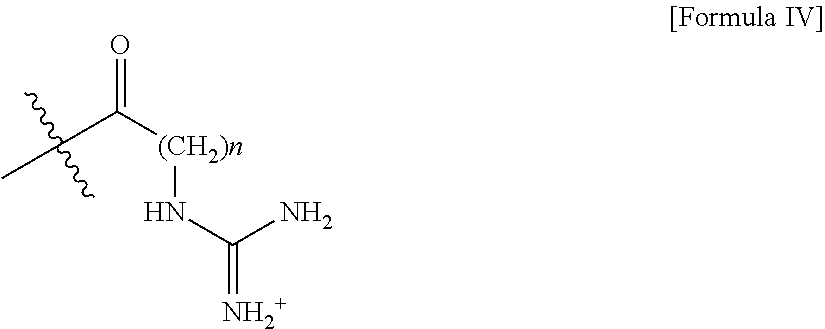
M1-P1-M2-P2 [Formula I]
wherein each of P1 and P2 is a peptide comprising at least two amino acids, M1 is a first metal binding moiety comprising a substituted imidazolone ring, M2 is a second metal binding moiety comprising a substituted oxazolone ring, and wherein M1 and M2 bind to a single metal atom.
-
- Ala, Ser, Thr, Pro, Gly;
-
- Asp, Asn, Glu, Gln, cysteic acid and homocysteic acid;
-
- His, Arg, Lys; Ornithine (Orn)
-
- Met, Leu, Ile, Val, Cys, Norleucine (Nle), homocysteine
-
- Phe, Tyr, Trp, acetyl phenylalanine


| TABLE 1 |
| Growth yield and carbon conversion efficiency of Methylocystis strain SB2 |
| and Methylocella silvestris BL2 grown on methane and acetate. |
| Growth yield | Efficiency of | |||
| [(g cell dry | carbon | |||
| weight ▪(mol | conversion | |||
| Strain | Substrate | substrate−1] | [%] | Reference |
| Methylocystis | Methane | 3.13 (±0.12) | 12.3 (±0.5) | This study |
| strain SB2 | 3.59 (±0.104) | 13.2 (±0.698) | Dedysh, | |
| Methylocella | et al. (2005) | |||
| silvestris BL2 | ||||
| Methylocystis | Acetate | 12.0 (±0.13) | 22.1 (±0.2) | This study |
| strain SB2 | 20.5 (±1.24) | 40.1 (±2.43) | Dedysh, | |
| Methylocella | et al. (2005) | |||
| silvestris BL2 | ||||
| TABLE 2 |
| Characteristics distinguishing Methylocystis sp. SB2 from Methylocystis |
| rosea SV97T and Methylocystis echinoides IMET 10491T |
| Methylocystis | Methylocystis | |||
| Methylocystis | rosea | echinoids | ||
| Characteristic | sp. SB2 | SV97T | IMET 1049T | |
| Cell | Curved rods | Straight and | Coccibacilli/ | |
| Morphology | curved rods | rods/vibroid | ||
| Pigmentation | Varies with | Pink-red | White/buff | |
| copper | ||||
| concentration | ||||
| (white, pink, red, | ||||
| and brown) | ||||
| Spinae | − | − | + | |
| Growth: | ||||
| 37° C. | − | + | −/+* | |
| pH 5.0 | − | + | − | |
| pH 9.0 | + | + | − | |
| Acetate | + | − | + | |
| Ethanol | + | − | ND | |
| Predominant | 18:1ω7c; | 18:1ω8; | 18:1ω8; | |
| fatty acids | 18:1ω9c; | 18:1ω7; | 18:1ω7; | |
| 16:1ω7c | 16:1ω7 | |||
| DNA G + C | 62.9 | 62 | 62 | |
| content (mol %) | ||||
| DNA- | ND | 70 % | ND | |
| Hybridization | (68.8-71.3) | |||
| with SB2 (range | ||||
| of duplicate | ||||
| samples) | ||||
| ND = not determined; | ||||
| * − conflicting findings reported in the literature (Lindner et al., 2007; Bowman et al., 1993) | ||||
| Data for Methylocystis rosea SV97T are from Wartiainen et al., (2006) and data for Methylocystis echinoides IMET 10491T are from Bowman, et al., (1993), Lindner, et al., (2007), and Belova, et al., (2010). | ||||
| TABLE 3 | ||||
| Amplicon length | ||||
| Gene | Forward primer (5′-3′) | Reverse primer (5′-3′) | (bp) | TA (° C.) |
| 16S | AGTGGAACTGCGAGTGTAGAGGTG | ACCAGGGTATCTAATCCTGTTTGCT | 131 | 58 |
| (SEQ ID NO: 3) | (SEQ ID NO: 4) | |||
| pmoA | GGATCAACCGCTACGTCAACTTCT | AGCCGAGCGAACCAACAATC | 152 | 58 |
| (SEQ ID NO: 5) | (SEQ ID NO: 6) | |||
| TABLE 4 | ||||
| Substrate | OD600 nm | 16S transcript: 16S gene | pmoA transcript: pmoA gene | pmoA: 16S |
| CH4 | 0.30 | 1410 (405)a | 2.88 (0.28) | 2.06 × 10⁻³ (6.23 × 10⁻⁴) |
| 0.43 | 1680 (311) | 2.84 (0.64) | 1.69 × 10⁻³ (4.89 × 10⁻⁴) | |
| CH3COOH | 0.11 | 1270 (322) | 1.84 × 10⁻¹ (2.78 × 10⁻²) | 1.45 × 10⁻⁴ (4.28 × 10⁻⁵) |
| 0.15 | 606 (129) | 2.71 × 10⁻² (5.43 × 10⁻³) | 4.48 × 10⁻⁵ (1.31 × 10⁻⁵) | |
| Quantification of pmoA expression in Methylocystis strain SB2 after growth on methane and acetate using real-time quantitative RT-PCR. Cell pellets were collected from Methylocystis sp. SB2 grown on methane (1:1 methane-to-air ratio) or acetate (0.1% w/v) in nitrate mineral salt (NMS) medium (Whittenbury et al., 1970). Genomic DNA was prepared from these samples by lysing the pellets by bead beating (Han and Semrau, 2004) followed by three freeze-thaw cycles. (Dedysh et al., 1998). The final DNA samples were then collected in 50 μl distilled-deionized water. Total RNA was extracted from 1.5 ml of culture samples as described by Han and Semrau (2004). The final RNA samples were then collected in 36 μl distilled-deionized water. Real-time quantitative PCR and RT-PCR was performed in triplicate using RealMasterMix SYBR ROX solution (5 Prime, Gaithersburg, MD) with the original primer sets targeting 16S rRNA and pmoA (Table 3). A three-step cycle with an initial denaturation step was used for assays with both 16S rRNA and pmoA genes: initial denaturation at 94° C. for two minutes and 40 cycles of denaturation (94° C. for 15 s), annealing (58° C. for 20 s), and extension (68° C. for 30 sec). The raw copy number data were adjusted for the different final dilutions of DNA and RNA prior to real time PCR and RT-PCR. The standard deviation reported in parentheses were calculated using propagation of error, and are predominantly due to variability in biological replicates and not from instrument sensitivity. | ||||
| TABLE 5 | ||
| % Chlorinated ethene degraded | ||
| (range of duplicate samples) | Time | |
| Substrates (s) | TCE | t-DCE | VC | (hours) |
| CH4 + TCE, t-DCE, and VC | 41 | (11)a | 100 (0) | 100 | (0) | 97.5 |
| CH3COOH + TCE, t-DCE, and VC | 6.5 | (1) | 30 (3) | 30 | (5) | 216 |
| CH3COOH + C2H2 + TCE, t-DCE, and VC | 3.3 | (0) | 0 (0) | 0 | (0) | 216 |
| Abiotic lossa | 5.2 | (1) | 0 (0) | 1.8 | (1) | 216 |
| Degradation of chlorinated solvents by Methylocystis strain SB2 grown on methane or acetate in the presence or absence of acetylene. Measurements were taken with HP5890 Series II gas chromatograph as previously described by Lee et al. (2006). | ||||||
| aTo measure any leakage and abiotic loss from the serum vials, negative controls were prepared by adding 40 μM of TCE, t-DCE, and VC to serum vials with 5 ml of sterile NMS medium. | ||||||
- Auman, A. J., Stolyar, S., Costello, A. M. and Lidstrom, M. E. (2000) Molecular characterization of methanotrophic isolates from freshwater lake sediment. Appl Environ Microbiol 66: 5259-5266.
- Auman, A. J., Speake, C. C., and Lidstrom, M. E. (2001) nifH sequences and nitrogen fixation in type I and type II methanotrophs. Appl. Environ. Microbiol. 67: 4009-4016.
- Axe, D. E. and Bailey, J. E. (1995) Transport of lactate and acetate through the energized cytoplasmic membrane of Escherichia coli. Biotechnol Bioeng 47: 8-19.
- Belova, S. E., Baani, M. Suzina, N. E., Bodelier, P. L. E., Liesack, W., and Dedysh, S. N. (2010) Acetate utilization as a survival strategy of peat-inhabiting Methylocystis spp. Environ Microbiol Rep. DOI: 10.1111/j.1758-2229.2010.00180.x
- Best D. J. and Higgins I. J. (1981) Methane oxidizing activity and membrane morphology in methanol grown obligate methanotroph, Methylosinus trichosporium OB3b. J Gen Microbiol 125:73-84.
- Bowman, J. P., Sly, L. I., Nichols, P. D., and Hayward, A. C. (1993) Revised taxonomy of the methanotrophs—description of Methylobacter gen-nov, emendation of Methylococcus, validation of Methylosinus and Methylocystis species, and a proposal that the family Methylococcaceae includes only the group-I methanotrophs. Intl J Syst Bacteriol 43: 735-753.
- Brusseau, G. A., Tsien, H-C., Hanson, R. C., and Wackett, L. P. (1990) Optimization of trichloroethylene oxidation by methanotrophs and the use of a colorimetric assay to detect soluble methane monooxygenase activity. Biodegradation 1: 19-29.
- Cashion, P., Holder-Franklin, M. A., McCully, J. and Franklin, M. (1977) A rapid method for the base ratio determination of bacterial DNA. Anal Biochem 81: 461-466.
- Cornish, A., Nicholis, K. M, Scott, D., Hunter, B. K., Aston, W. J., Higgins, I. J. and Sanders. K. M. (1984) In vivo 13C NMR investigations of methanol oxidation by the obligate methanotroph Methylosinus trichosporium OB3b. J Gen Microbiol 130: 2564-2575.
- Costello, A. M., and Lidstrom, M. E. (1999) Molecular characterization of functional and phylogenetic genes from natural populations of methanotrophs in lake sediments. Appl Environ Microbiol 65: 5066-5074.
- Dedysh S. N., Knief C. and Dunfield P. F. (2005) Methylocella species are facultatively methanotrophic. J Bacteriol 187: 4665-4670.
- Dedysh, S. N., Liesack, W., Khmelenina, V. N., Suzina, N. E., Trotsenko, Y. A., Semrau, J. D., et al. (2000) Methylocella palustris gen nov., sp. nov. a new methane-oxidizing acidophilic bacterium from peat bogs, representing a novel subtype of serine pathway methanotrophs. Int J Syst Evol Microbiol 50: 955-969.
- Dunfield, P. F., Belova, S. E., Vorob'ev A. V., Cornish, S. L., and Dedysh, S. N. (2010) Methylocapsa aurea sp. nov., a facultatively methanotrophic bacterium possessing a particulate methane monooxygenase. Int J Syst Evol Microbiol doi: 10.1099/ijs.0.020149-0.
- Dunfield P. F., Yuryev A., Senin P., Smirnova A. V., Stott M. B., Hou S., et al. (2007) Methane oxidation by an extremely acidophilic bacterium of the phylum Verrucomicrobia. Nature 450: 879-883.
- Dunfield P. F., Khmelenina V. N., Suzina N. E., Trotsenko Y. and Dedsyh S, N. (2003) Methylocella silvestris sp. nov., a novel methanotroph isolated from an acidic forest cambisol. Int J Syst Evol Microbiol 53: 1231-1239.
- Hutchens, E., Radajewski, S., Dumont, M. G., McDonald, I. R., and Murrell, J. C. (2004) Analysis of methanotrophic bacteria in Movile Cave by stable isotope probing. Environ Microbiol 6: 111-120.
- Islam T., Jensen S., Reigstad L. J., Larsen Ø. and Birkeland N-K. (2008) Methane oxidation at 55° C. and
pH 2 by a thermoacidophilic bacterium belonging to the Verrucomicrobia phylum. Proc Natl Acad Sci 105: 300-304. - Jukes, T. H., and Cantor, C. R. (1969) Evolution of protein molecules. New York: Academic Press.
- Leak, D. J. and Dalton, H. (1986) Growth yields of methanotrophs. Appl Microbiol Biotechnol 23: 477-481.
- Li, H., Webb, S. P., Ivanic, J., and Jensen, J. H. (2004) Determinants of the relative reduction potentials of type-1 copper sites in proteins. J. Am. Chem. Soc. 126, 8010-8019.
- Linton J. D. and Vokes J. (1978) Growth of the methane utilizing bacterium Methylococcus NCIB 11083 in mineral salts medium with methanol as a sole source of carbon.
FEMS Microbiol Lett 4, 125-128. - Machonkin, T. E., Zhang, H. H., Hedman, B., Hodgson, K. O., and Solomon, E. I. (1998) Spectroscopic and magnetic studies of human ceruloplasmin: Identification of a redox-inactive
reduced type 1 copper site.Biochemistry 37, 9570-9578. - McDonald, I. R., Kenna, E. M. and Murrell, J. C. (1995) Detection of methanotrophic bacteria in environmental samples with the PCR. App Environ Microbiol 61: 116-121.
- Mesbah, M., Premachandran, U. and Whitman, W. (1989) Precise measurement of the G+C content of deoxyribonucleic acid by high performance liquid chromatography. Int J Syst Bact 39: 159-167.
- Pol A., Heijmans K., Harhangi H. R., Tedesco D., Jetten M. S. M. and Op den Camp H. J. M. (2007) Methanotrophy below
pH 1 by a new Verrucomicrobia species. Nature 450: 874-878. - Saitou, N. and Nei, M. (1987) The neighbor-joining method: a new method for reconstructing phylogenetic trees. Mol Biol Evol 4: 406-425.
- Semrau, J. D., DiSpirito, A. A., and Yoon, S. (2010) Methanotrophs and copper. FEMS Microbiol Rev. 34: 496-531.
- Tamaoka, J. and Komagata, K. (1984) Determination of DNA base composition by reversed-phase high-performance liquid chromatography. FEMS Microbiol Lett 25: 125-128.
- Tamura, K., Dudley, J., Nei, M. and Kumar, S. (2007) MEGA4: molecular evolutionary genetics analysis (MEGA) software version 4.0. Mol Biol Evol 24: 1596-1599
- Vela, G. R. and Wyss O. (1964) Improved stain for visualization of Azotobacter encystment. J Bacteriol 87: 476-477.
- Wartiainen, I., Hestnes, A. G., McDonald, I. R. and Svenning, M. M. (2006) Methylocystis rosea sp. nov., a novel methanotrophic bacterium from Arctic wetland soil, Svalbard, Norway (78° N). Intl J Syst Evol Microbiol 56: 541-547.
- Wayne, L. G., Brenner, D. J., Colwell, R. R., Grimont, P. A. D., Kandler, O., Krichevsky, M. I., et al. (1987) Report of the ad hoc committee on reconciliation of approaches to bacterial systematics. Intl J Syst Bacteriol 37: 463-464.
- Whittenbury R, Phillips K. C., and Wilkinson J. G. (1970) Enrichment, isolation and some properties of methane-utilizing bacteria. J Gen Microbiol 61: 205-218.
- Wilkinson T. G., Topiwara H. H., and Hamer G. (1974) Interactions in a mixed bacterial population growing on methane in continuous culture. Biotechnol Bioengin 16:41-59.
- Yoon, S., Kraemer, S. M., DiSpirito, A. A., and Semrau J. D. (2010) An assay for screening microbial cultures for chalkophore production. Environ Microbiol Rep doi:10.1111/j.1758-2229.2009.00125.x
- Zehr, J. P., and McReynolds, L. A. (1989) Use of degenerate oligonucleotides for amplification of the nifH gene from the marine cyanobacterium Trichodesmium thiebautii, Appl Environ Microbiol 55: 2522-2526.
- Axe, D. E. and Bailey, J. E. (1995) Transport of lactate and acetate through the energized cytoplasmic membrane of Escherichia coli. Biotechnol Bioeng 47: 8-19.
- Belova, S. E., Baani, M., Suzina, N. E., Bodelier, P. L. E., Liesack, W., Dedysh, S. N. Acetate utilization as a survival strategy of peat-inhabiting Methylocystis spp. Environ Microbiol Rep. DOI: 10.1111/j.1758-2229.2010.00180.x
- Choi, D. W., Kunz, R. C., Boyd, E. S., Semrau, J. D., Antholine, W. E., Han, J. I. et al. (2003) The membrane-associated methane monooxygenase (pMMO) and pMMO-NADH: quinone oxidoreductase complex from Methylococcus capsulatus Bath. J Bacteriol 185: 5755-5764.
- Dedysh, S. N., Panikov, N. S., and Tiedje, J. M. (1998) Acidophilic methanotrophic communities from sphagnum peat bogs. Appl Environ Microbiol 64: 922-929.
- Dedysh, S. N., Knief, C., and Dunfield, P. F. (2005) Methylocella species are facultatively methanotrophic. J Bacteriol 187: 4665-4670.
- Dunfield, P. F., Khmelenina, V. N., Suzina, N. E., Trotsenko, Y. A., and Dedysh, S. N. (2003) Methylocella silvestris sp. nov., a novel methanotroph isolated from an acidic forest cambisol. Int J Syst Evol Microbiol 53: 1231-1239.
- Dunfield, P. F., Belova, S. E., Vorob'ev, A. V., Cornish, S. L., and Dedysh, S. N. (2010) Methylocapsa aurea sp. nov., a facultatively methanotrophic bacterium possessing a particulate methane monooxygenase. Int J Syst Evol Microbiol DOI:ijs.0.020149-0
- Fogel, M. M., Taddeo, A. R., and Fogel, S. (1986) Biodegradation of chlorinated ethenes by a methane-utilizing mixed culture. Appl Environ Microbiol 51: 720-724.
- Gossett J. M. (1987) Measurement of Henry's law constants for C1 and C2 chlorinated hydrocarbons. Environ Sci Technol 21: 202-208.
- Han, J. I., and Semrau, J. D. (2004) Quantification of gene expression in methanotrophs by competitive reverse transcription-polymerase chain reaction. Environ Microbiol 6: 388-399.
- Hanson, R. S., and Hanson, T. S. (1996) Methanotrophic bacteria. Microbiol Rev 60:439-471.
- Laemmli, U. K. (1970) Cleavage of structural proteins during the assembly of the head of bacteriophage T4. Nature 227:680-685.
- Im, J., Lee, S-W., Yoon, S., DiSpirito, A. A. and Semrau, J. D. (2010). Characterization of a novel facultative Methylocystis species capable of growth on methane, ethanol, and acetate. Submitted, Env Microbio Rep.
- Jukes-Cantor correction, Jukes-Cantor, 1969. Evolution of protein molecules. New York: Academic Press.
- Lee, S. W., Keeney, D. R., Lim, D. H., Dispirito, A. A., and Semrau, J. D. (2006) Mixed pollutant degradation by Methylosinus trichosporium OB3b expressing either soluble or particulate methane monooxygenase: can the tortoise beat the hare? Appl Environ Microbiol 72: 7503-7509.
- Maymo-Gatell, X., Anguish, T., and Zinder, S. H. (1999) Reductive dechlorination of chlorinated ethenes and 1,2-dichloroethane by “Dehalococcoides ethenogenes” 195. Appl Environ Microbiol 65: 3108-3113.
- Morton, J. D., Hayes, K. F., and Semrau, J. D. (2000) Effect of copper speciation on whole-cell soluble methane monooxygenase activity in Methylosinus trichosporium OB3b. Appl Environ Microbiol 66: 1730-1733.
- Murrell, J. C., McDonald, I. R., and Gilbert, B. (2000) Regulation of expression of methane monooxygenases by copper ions. Trends Microbiol 8: 221-225.
- Nielsen, A. K., Gerdes, K., and Murrell, J. C. (1997) Copper-dependent reciprocal transcriptional regulation of methane monooxygenase genes in Methylococcus capsulatus and Methylosinus trichosporium. Mol Microbiol 25: 399-409.
- Oldenhuis, R., Vink, R. L., Janssen, D. B., and Witholt, B. (1989) Degradation of chlorinated aliphatic hydrocarbons by Methylosinus trichosporium OB3b expressing soluble methane monooxygenase. Appl Environ Microbiol 55: 2819-2826.
- Poret-Peterson, A. T., Graham, J. E., Gulledge, J., and Klotz, M. G. (2008) Transcription of nitrification genes by the methane-oxidizing bacterium, Methylococcus capsulatus strain Bath. ISME J 2: 1213-1220.
- Prior, S. D., and Dalton, H. (1985) The effect of copper ions on membrane content and methane monooxygenase activity in methanol-grown cells of Methylococcus capsulatus (Bath). J Gen Microbiol 131: 155-163.
- Rozen, S. and Skaletsky, H. (2000) Primer3 on the WWW for general users and for biologist programmers. In Bioinformatics Methods and Protocols: Methods in Molecular Biology. Krawetz, S., Misener, S. (eds). Totowa, N.J., USA: Humana Press, pp 365-386.
- Saitou and Nei. (1987) Mol Biol Evol 4:406-425.
- Scheutz, C., Mosbaek, H., and Kjeldsen, P. (2004) Attenuation of methane and volatile organic compounds in landfill soil covers. J Environ Qual 33: 61-71.
- Semprini, L., Roberts, P. V., Hopkins, G. D., McCarty, P. L. (1990) A field evaluation of in-situ biodegradation of chlorinated ethenes:
part 2, results of biostimulation and biotransformation experiments. Ground Wat 28:715-727. - Semrau, J. D., DiSpirito, A. A., and Yoon, S. (2010) Methanotrophs and copper. FEMS Microbiol Rev 34: 496-531.
- Tamura et al. (2007) Mol Biol Evol 24:1596-1599
- Tsien, H. C., Brusseau, G. A., Hanson, R. S., and Waclett, L. P. (1989) Biodegradation of trichloroethylene by Methylosinus trichosporium OB3b. Appl Environ Microbiol 55: 3155-3161.
- Van Hylckama Vlieg, J. E. T., de Koning, W., and Janssen, D. B. (1996) Transformation kinetics of chlorinated ethenes by Methylosinus trichosporium OB3b and detection of unstable epoxides by on-line gas chromatography. Appl Environ Microbiol 62: 3304-3312.
- Van Hylckama Vlieg, J. E. T., De Koning, W., and Janssen, D. B. (1997) Effect of chlorinated ethene conversion on viability and activity of Methylosinus trichosporium OB3b. Appl Environ Microbiol 63: 4961-4964.
- Whittenbury, R., Phillips, K. C., and Wilkinson, J. F. (1970) Enrichment, isolation and some properties of methane-utilizing bacteria. J Gen Microbiol 61: 205-218.
- Yoon, S, and Semrau, J. D. (2008) Measurement and modeling of multiple substrate oxidation by methanotrophs at 20° C. FEMS Microbiol Lett 287: 156-162.
Claims (34)
M1-P1-M2-P2 [Formula I]


Priority Applications (1)
| Application Number | Priority Date | Filing Date | Title |
|---|---|---|---|
| US13/198,669 US8629239B2 (en) | 2010-08-06 | 2011-08-04 | Methylocystis strain SB2 materials and methods |
Applications Claiming Priority (2)
| Application Number | Priority Date | Filing Date | Title |
|---|---|---|---|
| US37144710P | 2010-08-06 | 2010-08-06 | |
| US13/198,669 US8629239B2 (en) | 2010-08-06 | 2011-08-04 | Methylocystis strain SB2 materials and methods |
Publications (2)
| Publication Number | Publication Date |
|---|---|
| US20120034594A1 US20120034594A1 (en) | 2012-02-09 |
| US8629239B2 true US8629239B2 (en) | 2014-01-14 |
Family
ID=45556418
Family Applications (1)
| Application Number | Title | Priority Date | Filing Date |
|---|---|---|---|
| US13/198,669 Active US8629239B2 (en) | 2010-08-06 | 2011-08-04 | Methylocystis strain SB2 materials and methods |
Country Status (1)
| Country | Link |
|---|---|
| US (1) | US8629239B2 (en) |
Cited By (1)
| Publication number | Priority date | Publication date | Assignee | Title |
|---|---|---|---|---|
| US11471497B1 (en) | 2019-03-13 | 2022-10-18 | David Gordon Bermudes | Copper chelation therapeutics |
Families Citing this family (8)
| Publication number | Priority date | Publication date | Assignee | Title |
|---|---|---|---|---|
| US12065698B2 (en) * | 2009-10-02 | 2024-08-20 | Thermo Fisher Scientific Baltics Uab | Sample processing apparatus and method |
| US9845474B2 (en) | 2012-10-24 | 2017-12-19 | Calysta, Inc. | Engineering of multi-carbon substrate utilization pathways in methanotrophic bacteria |
| US8585901B1 (en) | 2013-01-25 | 2013-11-19 | Markus Johannes Lenger | Method of continuous in-situ triglyceride stabilization and sulfur reduction of FOG (fats, oil and grease) to optimize fuel extraction |
| CN112403446B (en) * | 2020-10-28 | 2021-12-14 | 北京石墨烯技术研究院有限公司 | Conjugated microporous polymer and preparation method and application thereof |
| JP2024504494A (en) * | 2021-02-01 | 2024-01-31 | ヘルムホルツ・ツェントルム・ミュンヘン・ドイチェス・フォーシュンクスツェントルム・フュア・ゲズントハイト・ウント・ウンベルト・ゲーエムベーハー | Use of methanobactin for the treatment of iron-related diseases |
| WO2023147593A2 (en) * | 2022-01-31 | 2023-08-03 | Arizona Board Of Regents On Behalf Of Arizona State University | Methods of controlling microbiological processes for in situ contaminant treatment |
| KR102438447B1 (en) | 2022-04-22 | 2026-07-24 | 경희대학교 산학협력단 | Novel Methylocinus genus J2 strain and uses thereof |
| WO2026024138A1 (en) * | 2024-07-25 | 2026-01-29 | Arbormed Co., Ltd. | Method for purifying methanobactin and methanobactin purified thereby |
-
2011
- 2011-08-04 US US13/198,669 patent/US8629239B2/en active Active
Non-Patent Citations (62)
| Title |
|---|
| Auman, et al. (2000) Molecular characterization of methanotrophic isolates from freshwater lake sediment. Appl Environ Microbiol 66: 5259-5266. |
| Auman, et al. (2001) nifH sequences and nitrogen fixation in type I and type II methanotrophs. Appl. Environ. Microbiol. 67: 4009-4016. |
| Axe, et al. (1995) Transport of lactate and acetate through the energized cytoplasmic membrane of Escherichia coli. Biotechnol Bioeng 47: 8-19. |
| Behling, et al., NMR, Mass Spectrometry and Chemical Evidence Reveal a Different Chemical Structure for Methanobactin That Contains Oxazolone Rings, Journal of the American Chemical Society, 130: 12604-12605, 2008. * |
| Belova, et al. (2010) Acetate utilization as a survival strategy of peat-inhabiting Methylocystis . Environ Microbiol Rep. DOI: 10.1111/j.1758-2229.2010.00180.x. |
| Best, et al. (1981) Methane oxidizing activity and membrane morphology in methanol grown obligate methanotroph, Methylosinus trichosporium OB3b. J Gen Microbiol 125:73-84. |
| Bowman, et al. (1993) Revised taxonomy of the methanotrophs-description of Methylobacter gen-nov, emendation of Methylococcus, validation of Methylosinus and Methylocystis species, and a proposal that the family Methylococcaceae includes only the group-I methanotrophs. Intl J Syst Bacteriol 43: 735-753. |
| Bowman, et al. (1993) Revised taxonomy of the methanotrophs—description of Methylobacter gen-nov, emendation of Methylococcus, validation of Methylosinus and Methylocystis species, and a proposal that the family Methylococcaceae includes only the group-I methanotrophs. Intl J Syst Bacteriol 43: 735-753. |
| Brusseau, et al. (1990) Optimization of trichloroethylene oxidation by methanotrophs and the use of a colorimetric assay to detect soluble methane monooxygenase activity. Biodegradation 1: 19-29. |
| Cashion, et al. (1977) A rapid method for the base ratio determination of bacterial DNA. Anal Biochem 81: 461-466. |
| Choi, et al. (2003) The membrane-associated methane monooxygenase (pMMO) and pMMO-NADH: quinone oxidoreductase complex from Methylococcus capsulatus Bath. J Bacteriol 185: 5755-5764. |
| Choi, et al., Spectral and thermodynamic properties of Ag(I), Au(III), Cd(II), Co(II), Fe(III), Hg(II), Mn(II), Ni(II), Pb(II), U(IV), and Zn(II) binding by methanobactin from Methylosinus trichosporium OB3b, Journal of Inorganic Biochemistry 100: 2150-2161, 2006. * |
| Cornish, et al. (1984) In vivo 13C NMR investigations of methanol oxidation by the obligate methanotroph Methylosinus trichosporium OB3b. J Gen Microbiol 130: 2564-2575. |
| Costello, et al. (1999) Molecular characterization of functional and phylogenetic genes from natural populations of methanotrophs in lake sediments. Appl Environ Microbiol 65: 5066-5074. |
| Dedysh, et al. (2000) Methylocella palustris gen nov., sp. nov. a new methane-oxidizing acidophilic bacterium from peat bogs, representing a novel subtype of serine pathway methanotrophs. Int J Syst Evol Microbiol 50: 955-969. |
| Dedysh, et al. (2005) Methylocella species are facultatively methanotrophic. J Bacteriol 187: 4665-4670. |
| Deydsh, et al. (1998) Acidophilic methanotrophic communities from sphagnum peat bogs. Appl Environ Microbiol 64: 922-929. |
| DiSpirito, et al., Copper-Binding Compounds from Methylosinus trichosporium OB3b, Journal of Bacteriology, 180(14): 3606-3613, 1998. * |
| Dunfield, et al. (2003) Methylocella silvestris sp. nov., a novel methanotroph isolated from an acidic forest cambisol. Int J Syst Evol Microbiol 53: 1231-1239. |
| Dunfield, et al. (2007) Methane oxidation by an extremely acidophilic bacterium of the phylum Verrucomicrobia. Nature 450: 879-883. |
| Dunfield, et al. (2010) Methylocapsa aurea sp. nov., a facultatively methanotrophic bacterium possessing a particulate methane monooxygenase. Int J Syst Evol Microbiol doi: 10.1099/ ijs.0.020149-0. |
| Fogel, et al. (1986) Biodegradation of chlorinated ethenes by a methane-utilizing mixed culture. Appl Environ Microbial 51: 720-724. |
| Han, et al. (2004) Quantification of gene expression in methanotrophs by competitive reverse transcription-polymerase chain reaction. Environ Microbiol 6: 388-399. |
| Hanson, et al. (1996) Methanotrophic bacteria. Microbiol Rev 60:439-471. |
| Hutchens, et al. (2004) Analysis of methanotrophic bacteria in Movile Cave by stable isotope probing. Environ Microbiol 6: 111-120. |
| Im, et al. (2010) Characterization of a novel facultative Methylocystis species capable of growth on methane, ethanol, and acetate. Submitted, Env Microbio Rep. |
| Im, et al. (2011) Pollutant degradation bya Methylocystis strain SB2 grown on ethanol: bioremediation via facultative methanotrophy, FEMS Microbiol Lett 318: 137-142. |
| Islam, et al. (2008) Methane oxidation at 55 °C. and pH 2 by a thermoacidophilic bacterium belonging to the Verrucomicrobia phylum. Proc Natl Acad Sci 105: 300-304. |
| Jukes, et al. (1969) Evolution of protein molecules. New York: Academic Press. |
| Krentz, et al. (2010) A Comparison of Methanobactins from Methylosinus trichosporium OB3b and Methylocystis Strain SB2 Predicts Methanobactins Are Synthesized from Diverse Peptide Precursors Modified to Create a Common Core for Binding and Reducing Copper Ions, Biochemistry 10117-10130, DOI 10.1021/bi1014375. |
| Laemmli, et al. (1970) Cleavage of structural proteins during the assembly of the head of bacteriophage T4. Nature 227:680-685. |
| Leak, et al. (1986) Growth yields of methanotrophs. Appl Microbiol Biotechnol 23: 477-481. |
| Lee, et al. (2006) Mixed pollutant degradation by Methylosinus trichosporium OB3b expressing either soluble or particulate methane monooxygenase: can the tortoise beat the hare? Appl Environ Microbiol 72: 7503-7509. |
| Linton, et al. (1978) Growth of the methane utilizing bacterium Methylococcus NCIB 11083 in mineral salts medium with methanol as a sole source of carbon. FEMS Microbiol Lett 4, 125-128. |
| Maymo-Gatell, et al. (1999) Reductive dechlorination of chlorinated ethenes and 1,2-dichloroethane by "Dehalococcoides ethenogenes" 195. Appl Environ Microbiol 65: 3108-3113. |
| McDONALD, et al. (1995) Detection of methanotrophic bacteria in environmental samples with the PCR. App Environ Microbiol 61: 116-121. |
| Mesbah, et al. (1989) Precise measurement of the G+C content of deoxyribonucleic acid by high performance liquid chromatography. Int J Syst Bact 39: 159-167. |
| Morton, et al. (2000) Effect of copper speciation on whole-cell soluble methane monooxygenase activity in Methylosinus trichosporium OB3b. Appl Environ Microbiol 66: 1730-1733. |
| Murrell, et al. (2000) Regulation of expression of methane monooxygenases by copper ions. Trends Microbiol 8: 221-225. |
| Nielsen, et al. (1997) Copper-dependent reciprocal transcriptional regulation of methane monooxygenase genes in Methylococcus capsulatus and Methylosinus trichosporium. Mol Microbiol 25: 399-409. |
| Oldenhuis, et al. (1989) Degradation of chlorinated aliphatic hydrocarbons by Methylosinus trichosporium OB3b expressing soluble methane monooxygenase. Appl Environ Microbiol 55: 2819-2826. |
| Pol, et al. (2007) Methanotrophy below pH 1 by a new Verrucomicrobia species. Nature 450: 874-878. |
| Poret-Peterson, et al. (2008) Transcription of nitrification genes by the methane-oxidizing bacterium, Methylococcus capsulatus strain Bath. ISME J 2: 1213-1220. |
| Prior, et al. (1985) The effect of copper ions on membrane content and methane monooxygenase activity in methanol-grown cells of Methylococcus capsulatus (Bath). J Gen Microbiol 131: 155-163. |
| Rozen, et al. (2000) Primer3 on the WWW for general users and for biologist programmers. In Bioinformatics Methods and Protocols: Methods in Molecular Biology. Krawetz, S., Misener, S. (eds). Totowa, NJ, USA: Humana Press, pp. 365-386. |
| Saitou, et al. (1987) The neighbor-joining method: a new method for reconstructing phylogenetic trees. Mol Biol Evol 4: 406-425. |
| Scheutz, et al. (2004) Attenuation of methane and volatile organic compounds in landfill soil covers. J Environ Qual 33: 61-71. |
| Semprini, et al. (1990) A field evaluation of in-situ biodegradation of chlorinated ethenes: part 2, results of biostimulation and biotransformation experiments. Ground Wat 28:715-727. |
| Semrau, et al. (2010) Methanotrophs and copper. FEMS Microbiol Rev 34: 496-531. |
| Tamaoka, et al. (1984) Determination of DNA base composition by reversed-phase high-performance liquid chromatography. FEMS Microbiol Lett 25: 125-128. |
| Tamura, et al. (2007) MEGA4: molecular evolutionary genetics analysis (MEGA) software version 4.0. Mol Biol Evol 24: 1596-1599. |
| Tsien, et al. (1989) Biodegradation of trichloroethylene by Methylosinus trichosporium OB3b. Appl Environ Microbiol 55: 3155-3161. |
| Van Hylckama, et al. (1996) Transformation kinetics of chlorinated ethenes by Methylosinus trichosporium OB3b and detection of unstable epoxides by on-line gas chromatography. Appl Environ Microbiol 62: 3304-3312. |
| Van Hylckama, et al. (1997) Effect of chlorinated ethene conversion on viability and activity of Methylosinus trichosporium OB3b. Appl Environ Microbiol 63: 4961-4964. |
| Vela, et al. (1964) Improved stain for visualization of Azotobacter encystment. J Bacteriol 87: 476-477. |
| Wartiainen, et al. (2006) Methylocystis rosea sp. nov., a novel methanotrophic bacterium from Arctic wetland soil, Svalbard, Norway (78 ° N). Intl J Syst Evol Microbiol 56: 541-547. |
| Wayne et al. (1987) Report of the ad hoc committee on reconciliation of approaches to bacterial systematics. Intl J Syst Bacteriol 37: 463-464. |
| Whittenbury, et al. (1970) Enrichment, isolation and some properties of methane-utilizing bacteria. J Gen Microbiol 61:205-218. |
| Wilkinson, et al. (1974) Interactions in a mixed bacterial population growing on methane in continuous culture. Biotechnol Bioengin 16:41-59. |
| Yoon, et al. (2008) Measurement and modeling of multiple substrate oxidation by methanotrophs at 20° C. FEMS Microbiol Lett 287: 156-162. |
| Yoon, et al. (2010) An assay for screening microbial cultures for chalkophore production. Environ Microbiol Rep doi:10.1111/j.1758-2229.2009.00125.x. |
| Zehr, et al. (1989) Use of degenerate oligonucleotides for amplification of the nifH gene from the marine cyanobacterium Trichodesmium thiebautii, Appl Environ Microbiol 55: 2522-2526. |
Cited By (1)
| Publication number | Priority date | Publication date | Assignee | Title |
|---|---|---|---|---|
| US11471497B1 (en) | 2019-03-13 | 2022-10-18 | David Gordon Bermudes | Copper chelation therapeutics |
Also Published As
| Publication number | Publication date |
|---|---|
| US20120034594A1 (en) | 2012-02-09 |
Similar Documents
| Publication | Publication Date | Title |
|---|---|---|
| US20120034594A1 (en) | Methylocystis Strain SB2 Materials and Methods | |
| Kumar et al. | Characterization and optimization of bacterium isolated from soil samples for the production of siderophores | |
| Focardi et al. | Hexavalent chromium reduction by whole cells and cell free extract of the moderate halophilic bacterial strain Halomonas sp. TA-04 | |
| Ehrich et al. | A new obligately chemolithoautotrophic, nitrite-oxidizing bacterium, Nitrospira moscoviensis sp. nov. and its phylogenetic relationship | |
| Lalucat et al. | Biology of Pseudomonas stutzeri | |
| Hu et al. | Isolation of a Methylobacillus sp. that degrades microcystin toxins associated with cyanobacteria | |
| Nakagawa et al. | Nitratiruptor tergarcus gen. nov., sp. nov. and Nitratifractor salsuginis gen. nov., sp. nov., nitrate-reducing chemolithoautotrophs of the ε-Proteobacteria isolated from a deep-sea hydrothermal system in the Mid-Okinawa Trough | |
| Sun et al. | Genomic and physiological characterization of an antimony and arsenite-oxidizing bacterium Roseomonas rhizosphaerae | |
| Lu et al. | Characterization of the antimonite-and arsenite-oxidizing bacterium Bosea sp. AS-1 and its potential application in arsenic removal | |
| Anandham et al. | Chemolithoautotrophic oxidation of thiosulfate and phylogenetic distribution of sulfur oxidation gene (soxB) in rhizobacteria isolated from crop plants | |
| Biondo et al. | Synthetic phytochelatin surface display in Cupriavidus metallidurans CH34 for enhanced metals bioremediation | |
| Lindner et al. | Methylocystis hirsuta sp. nov., a novel methanotroph isolated from a groundwater aquifer | |
| Zhao et al. | Arsenic pollution remediation mechanism and preliminary application of arsenic-oxidizing bacteria isolated from industrial wastewater | |
| Lv et al. | Isolation and genomic characterization of Novimethylophilus kurashikiensis gen. nov. sp. nov., a new lanthanide‐dependent methylotrophic species of Methylophilaceae | |
| Ledgham et al. | A probable link between the DedA protein and resistance to selenite | |
| CN112551692A (en) | Halomonas with aerobic denitrification and heterotrophic sulfur oxidation functions and application thereof | |
| Chiu et al. | Alteromonas tagae sp. nov. and Alteromonas simiduii sp. nov., mercury-resistant bacteria isolated from a Taiwanese estuary | |
| CN101186898B (en) | A Strain of Paracoccus and Its Application in Degradation of Heterocyclic Compounds Containing Nitrogen | |
| Ismaeil et al. | Bacteroides sedimenti sp. nov., isolated from a chloroethenes-dechlorinating consortium enriched from river sediment | |
| Hu et al. | Heterologous expression of bacterial cytochrome P450 from Microbacterium keratanolyticum ZY and its application in dichloromethane dechlorination | |
| Chen et al. | Two different electron transfer pathways may involve in azoreduction in Shewanella decolorationis S12 | |
| CN112522158B (en) | Marine bacterium and application thereof | |
| Yin et al. | Biodegradation of 1-methylindole and 3-methylindole by mangrove sediment enrichment cultures and a pure culture of an isolated Pseudomonas aeruginosa Gs | |
| CN117165493A (en) | Anaerobic degradation bacteria for microcystin and application thereof | |
| Claire | Semrau et al. |
Legal Events
| Date | Code | Title | Description |
|---|---|---|---|
| AS | Assignment |
Owner name: THE REGENTS OF THE UNIVERSITY OF MICHIGAN, MICHIGA Free format text: ASSIGNMENT OF ASSIGNORS INTEREST;ASSIGNORS:SEMRAU, JEREMY D.;YOON, SUKHWAN;IM, JEONGDAE;AND OTHERS;SIGNING DATES FROM 20110804 TO 20110919;REEL/FRAME:027102/0733 Owner name: IOWA STATE UNIVERSITY, IOWA Free format text: ASSIGNMENT OF ASSIGNORS INTEREST;ASSIGNOR:DISPIRITO, ALAN A.;REEL/FRAME:027102/0291 Effective date: 20110805 |
|
| AS | Assignment |
Owner name: WISYS TECHNOLOGY FOUNDATION, WISCONSIN Free format text: ASSIGNMENT OF ASSIGNORS INTEREST;ASSIGNORS:GALLAGHER, WARREN;HARTSEL, SCOTT;MCELLISTREM, MARCUS;SIGNING DATES FROM 20110921 TO 20111005;REEL/FRAME:027176/0643 |
|
| AS | Assignment |
Owner name: IOWA STATE UNIVERSITY RESEARCH FOUNDATION, INC., I Free format text: CORRECTIVE ASSIGNMENT TO CORRECT THE ASSIGNEE'S NAME AND ADDRESS PREVIOUSLY RECORDED ON REEL 027102 FRAME 0291. ASSIGNOR(S) HEREBY CONFIRMS THE ASSIGNEE IS IOWA STATE UNIVERSITY RESEARCH FOUNDATION, INC. AND NOT IOWA STATE UNIVERSITY;ASSIGNOR:DISPIRITO, ALAN A.;REEL/FRAME:027212/0102 Effective date: 20110805 |
|
| STCF | Information on status: patent grant |
Free format text: PATENTED CASE |
|
| FPAY | Fee payment |
Year of fee payment: 4 |
|
| MAFP | Maintenance fee payment |
Free format text: PAYMENT OF MAINTENANCE FEE, 8TH YR, SMALL ENTITY (ORIGINAL EVENT CODE: M2552); ENTITY STATUS OF PATENT OWNER: SMALL ENTITY Year of fee payment: 8 |
|
| AS | Assignment |
Owner name: UNITED STATES DEPARTMENT OF ENERGY, DISTRICT OF COLUMBIA Free format text: CONFIRMATORY LICENSE;ASSIGNOR:UNIVERSITY OF MICHIGAN;REEL/FRAME:066818/0333 Effective date: 20231221 |
|
| MAFP | Maintenance fee payment |
Free format text: PAYMENT OF MAINTENANCE FEE, 12TH YR, SMALL ENTITY (ORIGINAL EVENT CODE: M2553); ENTITY STATUS OF PATENT OWNER: SMALL ENTITY Year of fee payment: 12 |