US7998682B2 - Method for assessing atherosclerosis by measuring expression of FOS or DUSP1 in monocytes - Google Patents
Method for assessing atherosclerosis by measuring expression of FOS or DUSP1 in monocytes Download PDFInfo
- Publication number
- US7998682B2 US7998682B2 US11/661,714 US66171405A US7998682B2 US 7998682 B2 US7998682 B2 US 7998682B2 US 66171405 A US66171405 A US 66171405A US 7998682 B2 US7998682 B2 US 7998682B2
- Authority
- US
- United States
- Prior art keywords
- fos
- dusp1
- protein
- expression
- subject
- Prior art date
- Legal status (The legal status is an assumption and is not a legal conclusion. Google has not performed a legal analysis and makes no representation as to the accuracy of the status listed.)
- Active, expires
Links
- PCZOHLXUXFIOCF-UHFFFAOYSA-N CCC(C)C(=O)OC1CC(C)C=C2C=CC(C)C(CCC3CC(O)CC(=O)O3)C21 Chemical compound CCC(C)C(=O)OC1CC(C)C=C2C=CC(C)C(CCC3CC(O)CC(=O)O3)C21 PCZOHLXUXFIOCF-UHFFFAOYSA-N 0.000 description 1
Images




Classifications
-
- G—PHYSICS
- G01—MEASURING; TESTING
- G01N—INVESTIGATING OR ANALYSING MATERIALS BY DETERMINING THEIR CHEMICAL OR PHYSICAL PROPERTIES
- G01N33/00—Investigating or analysing materials by specific methods not covered by groups G01N1/00 - G01N31/00
- G01N33/48—Biological material, e.g. blood, urine; Haemocytometers
- G01N33/50—Chemical analysis of biological material, e.g. blood, urine; Testing involving biospecific ligand binding methods; Immunological testing
- G01N33/68—Chemical analysis of biological material, e.g. blood, urine; Testing involving biospecific ligand binding methods; Immunological testing involving proteins, peptides or amino acids
- G01N33/6893—Chemical analysis of biological material, e.g. blood, urine; Testing involving biospecific ligand binding methods; Immunological testing involving proteins, peptides or amino acids related to diseases not provided for elsewhere
-
- A—HUMAN NECESSITIES
- A61—MEDICAL OR VETERINARY SCIENCE; HYGIENE
- A61P—SPECIFIC THERAPEUTIC ACTIVITY OF CHEMICAL COMPOUNDS OR MEDICINAL PREPARATIONS
- A61P9/00—Drugs for disorders of the cardiovascular system
- A61P9/10—Drugs for disorders of the cardiovascular system for treating ischaemic or atherosclerotic diseases, e.g. antianginal drugs, coronary vasodilators, drugs for myocardial infarction, retinopathy, cerebrovascula insufficiency, renal arteriosclerosis
-
- C—CHEMISTRY; METALLURGY
- C12—BIOCHEMISTRY; BEER; SPIRITS; WINE; VINEGAR; MICROBIOLOGY; ENZYMOLOGY; MUTATION OR GENETIC ENGINEERING
- C12Q—MEASURING OR TESTING PROCESSES INVOLVING ENZYMES, NUCLEIC ACIDS OR MICROORGANISMS; COMPOSITIONS OR TEST PAPERS THEREFOR; PROCESSES OF PREPARING SUCH COMPOSITIONS; CONDITION-RESPONSIVE CONTROL IN MICROBIOLOGICAL OR ENZYMOLOGICAL PROCESSES
- C12Q1/00—Measuring or testing processes involving enzymes, nucleic acids or microorganisms; Compositions therefor; Processes of preparing such compositions
- C12Q1/68—Measuring or testing processes involving enzymes, nucleic acids or microorganisms; Compositions therefor; Processes of preparing such compositions involving nucleic acids
- C12Q1/6876—Nucleic acid products used in the analysis of nucleic acids, e.g. primers or probes
- C12Q1/6883—Nucleic acid products used in the analysis of nucleic acids, e.g. primers or probes for diseases caused by alterations of genetic material
-
- A—HUMAN NECESSITIES
- A01—AGRICULTURE; FORESTRY; ANIMAL HUSBANDRY; HUNTING; TRAPPING; FISHING
- A01K—ANIMAL HUSBANDRY; AVICULTURE; APICULTURE; PISCICULTURE; FISHING; REARING OR BREEDING ANIMALS, NOT OTHERWISE PROVIDED FOR; NEW BREEDS OF ANIMALS
- A01K2267/00—Animals characterised by purpose
- A01K2267/03—Animal model, e.g. for test or diseases
-
- C—CHEMISTRY; METALLURGY
- C12—BIOCHEMISTRY; BEER; SPIRITS; WINE; VINEGAR; MICROBIOLOGY; ENZYMOLOGY; MUTATION OR GENETIC ENGINEERING
- C12N—MICROORGANISMS OR ENZYMES; COMPOSITIONS THEREOF; PROPAGATING, PRESERVING, OR MAINTAINING MICROORGANISMS; MUTATION OR GENETIC ENGINEERING; CULTURE MEDIA
- C12N2310/00—Structure or type of the nucleic acid
- C12N2310/10—Type of nucleic acid
- C12N2310/14—Type of nucleic acid interfering nucleic acids [NA]
-
- C—CHEMISTRY; METALLURGY
- C12—BIOCHEMISTRY; BEER; SPIRITS; WINE; VINEGAR; MICROBIOLOGY; ENZYMOLOGY; MUTATION OR GENETIC ENGINEERING
- C12Q—MEASURING OR TESTING PROCESSES INVOLVING ENZYMES, NUCLEIC ACIDS OR MICROORGANISMS; COMPOSITIONS OR TEST PAPERS THEREFOR; PROCESSES OF PREPARING SUCH COMPOSITIONS; CONDITION-RESPONSIVE CONTROL IN MICROBIOLOGICAL OR ENZYMOLOGICAL PROCESSES
- C12Q2600/00—Oligonucleotides characterized by their use
- C12Q2600/158—Expression markers
-
- G—PHYSICS
- G01—MEASURING; TESTING
- G01N—INVESTIGATING OR ANALYSING MATERIALS BY DETERMINING THEIR CHEMICAL OR PHYSICAL PROPERTIES
- G01N2800/00—Detection or diagnosis of diseases
- G01N2800/32—Cardiovascular disorders
- G01N2800/323—Arteriosclerosis, Stenosis
Definitions
- This relates to the field of vascular disease such as atherosclerosis, more specifically to methods for detecting atherosclerosis using markers expressed in peripheral blood or secreted into the serum.
- Atherosclerosis is a complex disease involving many cell types and molecular factors (for review, see Ross, Nature 362:801-809, 1993). The process is believed to occur as a response to insults to the endothelial cell layer that lines the wall of the artery. The process includes the formation of fibrofatty and fibrous lesions or plaques, preceded and accompanied by inflammation. The advanced lesions of atherosclerosis may occlude an artery, and result from an excessive inflammatory-fibroproliferative response to numerous different forms of insult. For example, shear stresses are thought to be responsible for the frequent occurrence of atherosclerotic plaques in regions of the circulatory system where turbulent blood flow occurs, such as branch points and irregular structures.
- the first event that is observed in the formation of an atherosclerotic plaque occurs when blood-borne monocytes adhere to the vascular endothelial layer and transmigrate through to the sub-endothelial space. Adjacent endothelial cells at the same time produce oxidized low density lipoprotein (LDL). These oxidized LDLs are then taken up in large amounts by the monocytes through scavenger receptors expressed on their surfaces. The lipid-filled monocytes are termed “foam cells,” and are the major constituent of the fatty streak. Interactions between foam cells and the endothelial and SMCs which surround them can eventually lead to smooth muscle cell proliferation and migration, and the formation of a fibrous plaque. Such plaques occlude the blood vessel concerned and restrict the flow of blood, resulting in ischemia.
- LDL low density lipoprotein
- Ischemia is characterized by a lack of oxygen supply in tissues of organs due to inadequate perfusion.
- the most common cause of ischemia in the heart is atherosclerotic disease of epicardial coronary arteries. By reducing the lumen of these vessels, atherosclerosis causes an absolute decrease in myocardial perfusion in the basal state or limits appropriate increases in perfusion when the demand for flow is augmented.
- ischemic atherosclerosis The principal surgical approaches to the treatment of ischemic atherosclerosis are bypass grafting, endarterectomy and percutaneous transluminal angioplasty (PCTA).
- PCTA percutaneous transluminal angioplasty
- the latter approach often fails due to restenosis, in which the occlusions recur and often become even worse. This is estimated to occur at an extraordinarily high (30-50%) rate. It appears that much of the restenosis is due to further inflammation, smooth muscle accumulation and thrombosis.
- Most current methods involve evaluation of the arteries themselves or vascular function.
- a non-invasive method for the diagnosis of atherosclerosis, or for determining the risk for the development or progression of atherosclerosis includes assaying the expression of FOS, DUSP1, or both FOS and DUSP1 in monocytes from the subject, wherein an increase in the expression of FOS, DUSP1, or both FOS and DUSP1 in monocytes in the sample as compared to a control indicates that the subject has atherosclerosis.
- the monocytes are in a peripheral blood sample.
- FOS and or DUSP1 are assessed in a serum or plasma sample from the subject.
- a method for determining if a pharmaceutical agent is effective for treatment of atherosclerosis in a subject.
- the method includes assaying the expression of FOS, DUSP1, or both FOS and DUSP1 in a monocytes treated with the pharmaceutical agent, wherein a decrease in the expression of FOS, DUSP1, or both FOS and DUSP1 in monocytes in the sample as compared to a control indicates that the pharmaceutical agent is effective for the treatment of atherosclerosis.
- a peripheral blood sample is utilized that includes monocytes.
- a monocyte cell line is utilized.
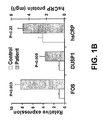
- FIGS. 1A-1E are digital images and graphs showing mononuclear cell mRNA expression levels of the candidate genes identified by SAGE in normal control subjects and carotid endarterectomy patients.
- FIG. 1A shows normalized fold-change expression levels of the candidate genes are color-coded (red, induced; green, repressed). The subjects are ordered by the average expression values of the six genes (AVG). The three groups are composed of: A, younger controls A1 and A2; Controls, normal subjects C1-C19; and Patients, carotid endarterectomy patients P1-P25.
- FIG. 1A shows normalized fold-change expression levels of the candidate genes are color-coded (red, induced; green, repressed). The subjects are ordered by the average expression values of the six genes (AVG). The three groups are composed of: A, younger controls A1 and A2; Controls, normal subjects C1-C19; and Patients, carotid endarterectomy patients P1-P25.
- FIG. 1A shows normalized fold
- FIG. 1D is a line graph of receiver operating characteristic curves for the utility of FOS (solid circle and line) and hsCRP (square and dashed line) at identifying coronary revascularization patients.
- FIG. 1E is a bar graph of controls and patients ordered by the relative level of DUSP1 expression within each group.
- the patient (P) and control (C) numbers correspond to the numbering in FIG. 1C , thus the clinical information denoted by Diamonds, Squares and Circles for (Revasc.), (Statin) and (ASA), is maintained in this panel.
- FIGS. 2A-2D are digital images and graphs showing expression of FOS in human carotid plaque macrophages and in activated human monocytic cells and ApoE KO mouse splenocytes.
- FIG. 2A is a digital image of fresh frozen sections of human carotid artery plaques stained with hematoxylin and eosin (H&E), negative control immunoglobulin (Control Ig) and antibodies against CD14 or FOS.
- H&E hematoxylin and eosin
- Control Ig negative control immunoglobulin
- CD14+ staining of macrophages colocalizes with FOS immunoreactivity (25 ⁇ magnification). Note that the CD14 staining gives a more diffuse appearance consistent with cell surface plasma membrance staining while the FOS pattern is more punctate consistent with nuclear localization.
- FIG. 2B is a digital image wherein five different human monocytic cell lines were stimulated with 20 nM PMA for the indicated times (h) and RT-PCR performed as described above.
- FIGS. 5A-5B are a set of plots and digital images showing the confirmation of monocyte and macrophage purity.
- FIG. 5A is a set of plots from flow cytometry showing the relative distribution profiles of CD14 ⁇ (negative) and CD14+ (positive with anti-CD14 antibody conjugated to fluorescein isothiocyanate (FITC)) cells in the mononuclear cell (MNC), purified monocyte (Mono) and monocyte-depleted (Non-mono) fractions.
- FIG. 5B is a set of digital images of RT-PCR of undiluted (1) and one-tenth diluted (0.1) cDNA from different fractions of blood and carotid plaque purification.
- Cell markers control genes, glyceraldehyde-3-phosphate dehydrogenase (GAPD), and translation initiation factor (TIF); monocyte, CD14; macrophage, macrophage mannose receptor (CD206); lymphocyte, CD3; platelet, glycoprotein IIb (GPIIb).
- GPD glyceraldehyde-3-phosphate dehydrogenase
- TNF translation initiation factor
- monocyte CD14
- macrophage macrophage mannose receptor
- CD3 lymphocyte
- GPIIb glycoprotein IIb
- NTC no template control
- RT ⁇ no reverse transcriptase
- SN plaque suspension cells after CD14+ macrophage depletion.
- FIG. 6 is a digital image of FOS protein expression in plasma. It shows a Western blot using anti-FOS antibody on equal amounts of four controls and four patients' plasma protein (50 micrograms). As positive control for FOS protein, THP1 cells were stimulated with PMA (C+). The two lower panels for controls and patients show the same corresponding samples re-run on opposite sides of the gel to control for potential differences in transfer efficiency of proteins in different areas of the gel.
- nucleic and amino acid sequences listed in the accompanying sequence listing are shown using standard letter abbreviations for nucleotide bases, and three letter code for amino acids, as defined in 37 C.F.R. 1.822. Only one strand of each nucleic acid sequence is shown, but the complementary strand is understood as included by any reference to the displayed strand.
- SEQ ID NOs: 3-4 are the nucleic acid sequence of a human TIF forward and a reverse primer, respectively.
- SEQ ID NOs: 7-8 are the nucleic acid sequence of a human DUSP1 forward and a reverse primer, respectively.
- SEQ ID NOs: 11-12 are the nucleic acid sequence of a human ID2 forward and a reverse primer, respectively.
- SEQ ID NOs: 17-18 are the nucleic acid sequence of a human CD14 forward and a reverse primer, respectively.
- SEQ ID NOs: 19-20 are the nucleic acid sequence of a human CD206 forward and a reverse primer, respectively.
- SEQ ID NOs: 23-34 are the nucleic acid sequence of a human GP11b forward and a reverse primer, respectively.
- SEQ ID NOs: 25-26 are the nucleic acid sequence of a mouse TIF forward and a reverse primer, respectively.
- SEQ ID NOs: 29-30 are the nucleic acid sequence of a mouse DUSP1 forward and a reverse primer, respectively.
- SEQ ID Nos: 31-34 are FOS siRNA target nucleic acid sequences.
- SEQ ID NO: 35 is the nucleic acid sequence of the CD14 SAGE tag sequence.
- SEQ ID NO: 36 is the nucleic acid sequence of the CD163 SAGE tag sequence.
- SEQ ID NO: 37 is the nucleic acid sequence of the CD3E SAGE tag sequence.
- SEQ ID NO: 38 is the nucleic acid sequence of the CD79A SAGE tag sequence.
- SEQ ID NO: 39 is the nucleic acid sequence of the CD99 SAGE tag sequence.
- SEQ ID NO: 40 is the nucleic acid sequence of the FOS SAGE tag sequence.
- SEQ ID NO: 41 is the nucleic acid sequence of the dual specificity phosphatase 1 (DUSP1) tag sequence.
- SEQ ID NO: 42 is the nucleic acid sequence of the NF kappa gene in B-cell inhibitor (NFKB1A) SAGE tag sequence.
- SEQ ID NO: 43 is the nucleic acid sequence of the inhibitor of DNA 2 (ID2) SAGE tag sequence.
- SEQ ID NO: 44 is the nucleic acid sequence of the period homolog 1 (PER1) SAGE tag sequence.
- SEQ ID NO: 45 is the nucleic acid sequence of the sin 3-associated polypeptide, 30 kDa (SAP30) SAGE tag sequence.
- a change in an effective amount of a substance of interest such as a polynucleotide or polypeptide.
- the amount of the substance can changed by a difference in the amount of the substance produced, by a difference in the amount of the substance that has a desired function, or by a difference in the activation of the substance.
- the change can be an increase or a decrease.
- the alteration can be in vivo or in vitro.
- altering an amount of a polypeptide or polynucleotide is at least about a 50%, 60%, 70%, 80%, 90%, 95%, 96%, 97%, 98%, 99%, or 100% increase or decrease in the effective amount (level) of a substance.
- an increase of a polypeptide or polynucleotide is at least about a 50%, 60%, 70%, 80%, 90%, 95%, 96%, 97%, 98%, 99%, or 100% increase in FOS and/or DUSP1 polypeptide or polynucleotide as compared to a control, a statistical normal, or a standard value chosen for specific study.
- an decrease of a polypeptide or polynucleotide is at least about a 50%, 60%, 70%, 80%, 90%, 95%, 96%, 97%, 98%, 99%, or 100% decrease in FOS and/or DUSP1 polypeptide or polynucleotide as compared to a control, a statistical normal, or a standard value chosen for specific study.
- Atherosclerosis The progressive narrowing and hardening of a blood vessel over time.
- Atherosclerosis is a common form of ateriosclerosis in which deposits of yellowish plaques (atheromas) containing cholesterol, lipoid material and lipophages are formed within the intima and inner media of large and medium-sized arteries.
- Treatment of atherosclerosis includes reversing or slowing the progression of atherosclerosis, for example as measured by the presence of atherosclerotic lesions and/or functional signs of the disease, such as improvement in cardiovascular function as measured by signs (such as peripheral capillary refill), symptoms (such as chest pain and intermittent claudication), or laboratory evidence (such as that obtained by EKG, angiography, or other imaging techniques).
- “Assessing atherosclerosis” indicates determining if a subject of interest has atherosclerosis, determining the prognosis of the subject of interest, and/or determining if a therapeutic regimen administered to the subject is effective in treating the subject.
- Binding or stable binding An association between two substances or molecules, such as the hybridization of one nucleic acid molecule to another (or itself), the association of an antibody with a peptide, or the association of a protein with another protein or nucleic acid molecule.
- An oligonucleotide molecule binds or stably binds to a target nucleic acid molecule if a sufficient amount of the oligonucleotide molecule forms base pairs or is hybridized to its target nucleic acid molecule, to permit detection of that binding.
- Binding can be detected by any procedure known to one skilled in the art, such as by physical or functional properties of the formed complexes, such as a target:oligonucleotide complex or a target:antibody complex. For example, binding can be detected functionally by determining whether binding has an observable effect upon a biosynthetic process such as expression of a gene, DNA replication, transcription, translation, and the like.
- Physical methods of detecting the binding of complementary strands of nucleic acid molecules include but are not limited to, such methods as DNase I or chemical footprinting, gel shift and affinity cleavage assays, Northern blotting, dot blotting and light absorption detection procedures.
- one method involves observing a change in light absorption of a solution containing an oligonucleotide (or an analog) and a target nucleic acid at 220 to 300 nm as the temperature is slowly increased. If the oligonucleotide or analog has bound to its target, there is a sudden increase in absorption at a characteristic temperature as the oligonucleotide (or analog) and target disassociate from each other, or melt.
- the method involves detecting a signal, such as a detectable label, present on one or both nucleic acid molecules (or antibody or protein as appropriate).
- the binding between an oligomer and its target nucleic acid is characterized by the temperature (T m ) at which 50% of the oligomer is melted from its target.
- T m the temperature at which 50% of the oligomer is melted from its target.
- a higher (T m ) means a stronger or more stable complex relative to a complex with a lower (T m ).
- Blood vessel The vessels through which blood circulates.
- blood vessels are elastic tubular channels that are lined with endothelium.
- Blood vessels include the arteries, veins and capillaries.
- Specific, non-limiting examples of a blood vessel include a vena cava, a thoracic aorta, a saphanous vein, a mammary artery, the brachial artery and a capillary.
- a blood vessel includes the smaller arteries and veins.
- a blood vessel is a capillary of the microvascular circulation.
- Buffy coat A thin yellow or white layer of leukocytes that appears on top of a mass of packed red cells when whole blood is centrifuged.
- Cardiovascular Pertaining to the heart and/or blood vessels.
- Cardiovascular risk The likelihood of the development of disorders related to the cardiovascular system, such as, but not limited to, myocardial ischemia and infarction, intermittent claudication, bowel ischemia, retinal ischemia, transient ischemic attacks, ischemic strokes, and other conditions associated with cardiovascular dysfunction.
- the disorder is myocardial ischemia or infarction.
- Cholesterol lowering agent An agent, such as a pharmaceutical, vitamin, or small molecule, that lowers the level of cholesterol in a subject.
- Agents include, but are not limited to, niacin, the statins (e.g., ZocorTM, LipitorTM, PravacolTM, LescorTM, MevacorTM), binding resins (e.g., QuestranTM), and fibrates (e.g. LopidTM, Lipidil MicroTM).
- DUSP1 Dual specificity phosphatase 1, which is known to be induced by oxidative stress and heat shock. DUSP1 has also been called CL100, MVH1, MKP-1 and DTPN10. Exemplary human DUSP1 amino acid and nucleic acid sequence can be found at GenBank Accession No. U01669 (Jun. 11, 1994) and X68277 (Apr. 18, 2005), and Swiss-Prot No. P28562 (Feb. 23, 2996), which are incorporated herein by reference. In humans, the DUSP1 gene is encoded on chromosome 5. DUSP1 is a dual specification phosphatase that dephosphorylates MAP kinase ERK at Tyr-185. Orthogs from chimpanzee, rat, mouse, and zebrafish have been identified (see GeneCard for DUSP1, GC05M1721127, which is available on the internet at the Weizmann Institute of Science Website).
- FOS An oncogene, Finkel-Biskis-Jinkins osteosarcoma (FOS) gene.
- FOS was identified in a mouse osteosarcoma, encoding a transcription factor.
- the product of this oncogene works with the product of another oncogene, the jun oncogene, to abnormally change the rate of transcription of certain other genes.
- c-FOS is the cellular homolog of the viral v-FOS oncogene found in FBJ (Finkel-Biskis-Jinkins) and FBR murine osteosarcoma viruses (MSV).
- the human FOS gene maps to chromosome 14q21-q31.
- FOS has been identified as TIS28, a gene inducible in several cell types by Phorbol esters. Exemplary amino acid and nucleic acid sequence for the murine and human FOS are shown in GenBank Accession No. BC029814 (Jun. 30, 2004) and V 01512 (Nov. 21, 2004), respectively, and is shown as Swiss-Prot No. P0110 (Jul. 1, 1986), which are incorporated herein by reference.
- c-FOS is thought to have an important role in signal transduction, cell proliferation and differentiation. It is a nuclear protein which, in combination with other transcription factors (for example: c-jun) acts as a trans-activating regulator of gene expression. Orthogs from chimpanzee, rat, mouse, and zebrafish have been identified (see GeneCard for FOS, GC14P074815, which is available on the internet at the Weizmann Institute of Science website).
- Framingham Risk Score A risk factor score that is used for predicting future risk of coronary artery disease in individuals free of disease, based on the measurement of risk factors including age, gender, systolic blood pressure, cigarette smoking, glucose intolerance, left ventricular hypertrophy, as well as total cholesterol, low density lipoprotein (LDL) and high density lipoprotein (HDL) levels (Wilson et al., Am J Cardiol 59:91G-94G, 1987).
- LDL low density lipoprotein
- HDL high density lipoprotein
- Leukocyte Cells in the blood, also termed “white cells,” that are involved in defending the body against infective organisms and foreign substances. Leukocytes are produced in the bone marrow. There are five main types of white blood cells, subdivided between two main groups: polymorphonuclear leukocytes (neutrophils, eosinophils, basophils) and mononuclear leukocytes (monocytes and lymphocytes). When an infection is present, the production of leukocytes increases.
- Lymphocytes A type of white blood cell that is involved in the immune defenses of the body. There are two main types of lymphocytes: B cell and T cells.
- Microarray is an arrangement of molecules, such as biological macromolecules (such as peptides or nucleic acid molecules) or biological samples (such as tissue sections), in addressable locations on or in a substrate.
- a “microarray” is an array that is miniaturized so as to require or be aided by microscopic examination for evaluation or analysis. Arrays including biological materials are sometimes called DNA chips or biochips. Generally, DNA is either spotted, using pins or an ink-jet printer, or synthesized directly on the array using PCR or photolithography. The DNA may be either double-stranded copies of transcripts or shorter single-stranded oligonucleotides.
- RNA is first extracted from a sample; the RNA can be amplified prior to analysis. Subsequently, the RNA itself, complementary DNA, or amplified RNA is labeled. The labeled nucleic acid is hybridized, competitively or noncompetitively, to the microarray. Complementary sequences remain bound to the array and unbound sequences are washed off. Expressed genes are identified by the position of bound probes on the array.
- Microarrays are available from a number of commercial sources, or can be produced in individual laboratories.
- computer software that can be used to analyze the microarray data is available commercially from a number of sources and on the internet (see the dchip website, or the tigr website, for examples).
- Hybridization To form base pairs between complementary regions of two strands of DNA, RNA, or between DNA and RNA, thereby forming a duplex molecule.
- Hybridization conditions resulting in particular degrees of stringency will vary depending upon the nature of the hybridization method and the composition and length of the hybridizing nucleic acid sequences. Generally, the temperature of hybridization and the ionic strength (such as the Na+ concentration) of the hybridization buffer will determine the stringency of hybridization. Calculations regarding hybridization conditions for attaining particular degrees of stringency are discussed in Sambrook et al., (1989) Molecular Cloning, second edition, Cold Spring Harbor Laboratory, Plainview, N.Y. (chapters 9 and 11).
- An exemplary non-limiting set of very high stringency conditions include hybridization in 5 ⁇ SSC at 65° C. for 16 hours, washing twice in 2 ⁇ SSC at room temperature (RT) for 15 minutes each, and washing twice in 0.5 ⁇ SSC at 65° C. for 20 minutes each.
- An exemplary non-limiting set of high stringency conditions include hybridization in 5 ⁇ -6 ⁇ SSC at 65° C.-70° C. for 16-20 hours, washing twice in 2 ⁇ SSC at RT for 5-20 minutes each, and washing twice in 1 ⁇ SSC at 55° C.-70° C. for 30 minutes each.
- Label An agent capable of detection, for example by ELISA, spectrophotometry, flow cytometry, or microscopy.
- a label can be attached to a nucleic acid molecule or protein, thereby permitting detection of the nucleic acid molecule or protein.
- labels include, but are not limited to, radioactive isotopes, enzyme substrates, co-factors, ligands, chemiluminescent agents, fluorophores, haptens, enzymes, and combinations thereof. Methods for labeling and guidance in the choice of labels appropriate for various purposes are discussed for example in Sambrook et al. (Molecular Cloning: A Laboratory Manual, Cold Spring Harbor, N.Y., 1989) and Ausubel et al. (In Current Protocols in Molecular Biology, John Wiley & Sons, New York, 1998).
- Monocyte A relatively large mononuclear leukocyte (16-22 ⁇ m in diameter). Monocytes normally constitute 3-7% of the leukocytes of the circulating blood, and are normally found in lymph nodes, spleen, bone marrow and loose connective tissue. When treated with histological dyes, monocytes manifest an abundant pale blue or blue-gray cytoplasm that contains numerous, fine, dust-like, red-blue granules; vacuoles are frequently present; the nucleus is usually indented, or slightly folded, and has a stringy chromatin structure that seems more condensed where the delicate strands are in contact.
- monocytes have an ovoid or kidney-shaped nucleus, containing lacy, linear chromatin, and abundant gray-blue cytoplasm filled with fine reddish and azurophilic granules. Circulating monocytes in blood differentiate into macrophages when they migrate into tissues.
- Polynucleotide A linear nucleotide sequence, including sequences of greater than 100 nucleotide bases in length.
- Polypeptide Any chain of amino acids, regardless of length or post-translational modification (e.g., glycosylation or phosphorylation).
- Purified or Isolated does not require absolute purity; rather, it is intended as a relative term.
- a purified nucleic acid or protein is isolated or purified away from other biological components in the cell of the organism in which the component naturally occurs, i.e., other chromosomal and extrachromosomal DNA and RNA, and proteins
- Nucleic acids, peptides and proteins which have been “isolated” thus include nucleic acids and proteins purified by standard purification methods.
- the term also embraces nucleic acids, peptides and proteins prepared by recombinant expression in a host cell as well as chemically synthesized nucleic acids.
- a purified cell preparation is one in which the cell, protein or nucleic acid referred to is more pure than the cell in its natural environment within a tissue.
- a “substantially purified” population of a specific cell type is a composition of cells that includes less than about 20%, less than about 15%, or less than about 10% of cells of a different phenotype.
- a substantially purified population of cells includes greater than 80%, greater than 85%, or greater than 90% of the cells of interest.
- a process that produces a purified population of cells is a process that produces a population of cells so that more than 50% of the resulting population is the cell type of interest.
- Statin Any of a class of lipid-lowering drugs that reduce serum cholesterol levels by inhibiting a key enzyme involved in the biosynthesis of cholesterol.
- Example statins include atorvastatin (Lipitor®), fluvastatin (Lescol®), lovastatin (Mevacor®, Altocor®, not marketed in the UK), pravastatin (Pravachol®, Selektine®, Lipostat®), rosuvastatin (Crestor®), simvastatin (Zocor®).
- statins There are two groups of statins: (1) Fermentation-derived: lovastatin, simvastatin and pravastatin, and (2) Synthetic statins: fluvastatin, atorvastatin, cerivastatin and rosuvastatin.
- Fermentation-derived lovastatin, simvastatin and pravastatin
- Synthetic statins fluvastatin, atorvastatin, cerivastatin and rosuvastatin.
- statins act by competitively inhibiting 3-hydroxy-3-methylglutaryl coenzyme A (HMG CoA) reductase, an enzyme of the HMG-CoA reductase pathway, the body's metabolic pathway for the synthesis of cholesterol.
- HMG CoA 3-hydroxy-3-methylglutaryl coenzyme A
- Lovastatin The structure of one exemplary statin, Lovastatin, is shown below.
- Subject Any subject that has a vascular system and has hematopoietic cells.
- the subject is a non-human mammalian subject, such as a monkey, mouse, rat, rabbit, pig, goat, sheep or cow.
- the subject is a human subject.
- Therapeutically effective amount An amount of a pharmaceutical preparation that alone, or together with a pharmaceutically acceptable carrier or one or more additional therapeutic agents, induces the desired response.
- a therapeutic agent such as an anticoagulant, is administered in therapeutically effective amounts.
- Effective amounts a therapeutic agent can be determined in many different ways, such as assaying for a reduction in atherosclerotic disease or improvement of physiological condition of a subject having vascular disease. Effective amounts also can be determined through various in vitro, in vivo or in situ assays.
- Therapeutic agents can be administered in a single dose, or in several doses, for example daily, during a course of treatment. However, the effective amount of can be dependent on the source applied, the subject being treated, the severity and type of the condition being treated, and the manner of administration.
- a pharmaceutical preparation can decrease one or more symptoms of vascular disease, for example decrease a symptom by at least 20%, at least 50%, at least 70%, at least 90%, at least 98%, or even at least 100%, as compared to an amount in the absence of the pharmaceutical preparation.
- Treating a disease refers to a therapeutic intervention that ameliorates a sign or symptom of a disease or pathological condition, such a sign, parameter or symptom of vascular disease (for example, atherosclerosis). Treatment can also induce remission or cure of a condition, such as vascular disease.
- treatment includes preventing a disease, for example by inhibiting the full development of a disease, such as preventing development of vascular disease. Prevention of a disease does not require a total absence of vascular disease. For example, a decrease of at least 50% can be sufficient.
- Vascular function The function of the blood vessels. Decreased vascular function is associated with atherosclerosis, myocardial infarction, intermittent claudication, bowel ischemia, retinal ischemia, transient ischemic attacks (TIAs), ischemic strokes, restenosis after angioplasty, transplant atherosclerosis, unstable angina, sudden death and alterations in blood pressure.
- Vascular function assessment An assay that measures the function of the vascular system. Assays include measurement of a parameter of the blood, assays of arterial hyperplasia, vascular contractility measurements, brachial reactivity measurements, and morphometric measurements. Similarly, an endothelial cell assessment is a test that measures a function or parameter of an endothelial cell. “Decreased vascular function” indicates a decrease in any function of the blood vessels, as compared to a standard value or a control sample. Thus, in one example, decreased vascular function is a decrease in a vascular contractility, as compared to a known value for normal vascular contractility.
- decreased vascular function is the lower contractility of a blood vessel as compared to the contractility of a vessel known to not be affected by a disease or a disorder.
- decreased vascular function is a lower vascular contractility as compared to the contractility of a vessel from the same subject at an earlier time point. “Cardiovascular risk” is the probability that a subject has or will develop a vascular disease in the future.
- Vascular tissue Tissue consisting of, or containing, vessels as an essential part of a structure.
- Vascular tissue operates by means of, or is made up of an arrangement of, vessels.
- Vascular tissue includes the arteries, veins, capillaries, lacteals, microvasculature, etc.
- vascular tissue includes a highly vascularized organ (e.g. the lung).
- vascular tissue is a blood vessel, or a portion thereof.
- Cells isolated from a vascular tissue are a population of cells isolated from the remaining components of the tissue.
- a method of assessing vascular function in a subject is disclosed herein. Specifically, the method is of use in assessing (for example, determining the diagnosis or prognosis of) atherosclerosis.
- the method includes assaying expression of FOS mRNA or the presence of FOS polypeptide.
- the method includes assaying expression of DUSP1 mRNA or the presence of DUSP1 polypeptide.
- the method can include monitoring FOS and/or DUSP1 in blood, serum or plasma.
- the method can be used, for example, to predict future cardiovascular risk.
- the method can be used to predict risk for myocardial infarction, intermittent claudication, bowel ischemia, retinal ischemia, transient ischemic attacks (TIAs), ischemic strokes, restenosis after angioplasty, transplant atherosclerosis, unstable angina, sudden death, and other conditions associated with cardiovascular dysfunction.
- the assessment of FOS or DUSP1 is of use in predicting cardiovascular risk for myocardial ischemia and/or infarction.
- Cardiovascular risk indicates the potential for a future cardiovascular event, such as myocardial infarction, intermittent claudication, bowel ischemia, retinal ischemia, transient ischemic attacks (TIAs), ischemic strokes, restenosis after angioplasty, transplant atherosclerosis, unstable angina, sudden death, and other conditions associated with cardiovascular dysfunction.
- Factors involved in cardiovascular risk include, but are not limited to, serum cholesterol, hypertension, diabetes, sex and age.
- the method can also be used to assess the severity of a disease, such as atherosclerosis.
- Methods are provided herein for evaluating vascular risk, for example for determining whether a subject, such as an otherwise healthy subject, or a subject suspected or at risk of having vascular disease, has vascular disease or will likely develop vascular disease in the future.
- the method can determine with a reasonable amount of sensitivity and specificity whether a subject has or will likely develop a vascular disease in the future.
- isolated or purified PBMCs, serum, blood or plasma obtained from the subject are used to predict the subject's risk of vascular disease.
- the subject is apparently healthy, such as a subject who does not exhibit symptoms of vascular disease (for example has not previously had an acute adverse vascular event such as a myocardial infarction or a stroke).
- a healthy subject is one that if examined by a medical professional, would be characterized as healthy and free of symptoms of vascular disease.
- the subject is suspected of having a vascular disease, or is suspected of being at risk of developing a vascular disease in the future.
- such a subject may have elevated cholesterol or tri-glyceride levels, elevated C-reactive protein levels, or high blood pressure.
- the expression of FOS and/or DUSP1 in monocytes is used to non-invasively diagnose atherosclerosis.
- expression of FOS and/or DUSP1 can be used to assess the severity and/or the progression of the disease.
- the expression of FOS and/or DUSP1 in monocytes is assessed.
- the monocytes can be in an atherosclerotic lesion or can be circulating monocytes in the peripheral blood.
- the amount of FOS into the plasma or serum is assessed.
- the method includes measuring the expression of FOS and/or DUSP1 in the peripheral blood, plasma, serum, or in peripheral blood mononuclear cells, to determine the risk for developing a cardiovascular condition such as, but not limited to, atherosclerosis.
- assessments can assist in determining whether to initiate therapy, for example, with lifestyle (including dietary) intervention or pharmacologic (drug) therapy.
- the methods disclosed herein include assaying the expression of FOS, DUSP1, or both FOS and DUSP1.
- An increase in the expression of FOS and/or DUSP1 in a sample including monocytes as compared to a control sample indicates decreased vascular function, for example, increased future cardiovascular risk or development of atherosclerosis.
- an assessment of the risk of a subject to develop vascular disease, or an assessment of vascular function is made by evaluating the expression of FOS and/or DUSP1 in peripheral blood mononuclear cells (PBMC).
- PBMC peripheral blood mononuclear cells
- the expression of FOS and/or DUSP1 are used to assess the efficacy of a therapeutic protocol.
- the treatment protocol can include any therapy for atherosclerosis designed to reverse or slow the progression of atherosclerosis, including but not limited to treatment with statins, niacin or other cholesterol-lowering agents, anti-inflammatory agents, or any other pharmaceutical compound.
- a sample including monocytes, and/or a sample of blood, serum or plasma can be taken from a subject prior to initiation of therapy. After therapy is initiated, an additional sample including monocytes, and/or a sample of blood, serum or plasma, is taken from the subject.
- a decrease in the amount of FOS and/or DUSP1 indicates that the therapy is efficacious.
- the subject can be monitored over time to evaluate the continued effectiveness of the therapeutic protocol.
- the effect of different dosages can also be evaluated, by comparing the expression of FOS and/or DUSP1 in a sample from the subject receiving a first dose to the expression of FOS and/or DUSP1 in a sample from the subject receiving a second (different) dose.
- a variety of methods can be employed to detect FOS and/or DUSP1 expression in monocytes in an atherosclerotic lesion or in the peripheral blood, serum, or plasma. These methods include the use of nucleic acid probes, antibodies or other analytical techniques such as mass spectrometry to detect FOS and/or DUSP1 expression.
- the expression of FOS and/or DUSP1 is assessed in monocytes, such as monocytes in an atherosclerotic lesion or peripheral blood monocytes, or in a blood, peripheral blood, or serum sample.
- the method specifically excludes detection of FOS and/or DUSP1 in vascular smooth muscle, such that the expression of FOS and/or DUSP1 is evaluated in monocytes only (or in the blood, plasma or serum only).
- the assay system is designed to distinguish expression of FOS and/or DUSP1 in monocytes.
- the expression of FOS and/or DUSP1 is not evaluated in the vascular tissue, such as in vascular smooth muscle.
- the assay is designed to detect the release into plasma from the expression of FOS and DUSP1 in vascular tissue.
- the assay can be performed in isolated peripheral blood monocytes (PBMC), plasma, blood or serum.
- PBMC peripheral blood monocytes
- nucleic acid based methods are utilized. These methods include serial analysis of gene expression (SAGE techniques), RT-PCR, quantitative PCR, real time PCR, Northern blot, dot blots, microarrays, amongst others. Generally, with regard to nucleic acids, any method can be utilized provided it can detect the expression of target gene mRNA (FOS and/or DUSP1) as compared to a control.
- an appropriate control such as a sample from a subject known not to have a disorder (a negative control), a sample from a subject known to have a disorder (a positive control), or a known amount of nucleic acid encoding FOS and/or DUSP1 (a standard or a normal level found in a healthy subject).
- Statistically normal levels can be determined for example, from a subject with known not be have atherosclerosis, and to at low risk for a cardiac event.
- normal levels can be assessed by measuring FOS and/or DUSP1 in the blood, serum, or plasma of young adults, who do not smoke or drink, exercise regularly, have no known history of cardiac events, and no familial history of heart disease.
- the methods described herein may be performed, for example, by utilizing pre-packaged diagnostic kits comprising at least one specific nucleic acid probe, which may be conveniently used, such as in clinical settings, to diagnose patients exhibiting cardiovascular disease symptoms or at risk for developing cardiovascular disease.
- this assay is performed in a medical laboratory on a sample of peripheral blood, cells isolated from the peripheral blood, serum or plasma.
- the diagnostic procedures can be performed “in situ” directly upon blood smears (fixed and/or frozen), or on tissue biopsies, such that no nucleic acid purification is necessary.
- DNA or RNA from a sample can be isolated using procedures which are well known to those in the art.
- Nucleic acid reagents that are specific to the nucleic acid of interest namely the nucleic acid encoding FOS or DUSP1
- Nucleic acid reagents that are specific to the nucleic acid of interest can be readily generated given the sequences of these genes for use as probes and/or primers for such in situ procedures (see, for example, Nuovo, G. J., 1992 , PCR in situ hybridization: protocols and applications , Raven Press, NY).
- a differential display procedure can be utilized based on Northern analysis and/or RT-PCR.
- An exemplary method is disclosed in the examples section below.
- the methods disclosed herein include the use of an ordered array of nucleic acids representing thousands of genes on a solid support. mRNA from the cells of interest are used to create a labeled, first strand cDNA probe that is then hybridized to the microarray.
- two mRNA samples are directly compared to the same microarray by incorporating different labels into the cDNA probes derived from the samples. The extent of hybridization of the probes to each nucleic acid sequence on the microarray is then quantitated and the ratio of the pixel intensities for each label is used as a measure of the relative mRNA expression in the two samples.
- the array is an array of nucleic acids expressed by the immune system or the cardiovascular system.
- a lymphochip which includes nucleic acid sequences derived from high-throughput sequencing of cDNA clones from libraries of human immune cells.
- the array can incorporate, for example, thousands of clones from a library prepared from the immune system or the cardiovascular system.
- the array can also include genes of known structure and function based on their established role in immune cell differentiation, response and disorders. These types of arrays are well known in the art (see, for example, Staudt, Trends Immunol. 22:35-40, 2001; Staudt and Brown, Ann. Rev. Immunol. 18:829-859, 2000; Alizadeh et al., Nature 403:503-511, 2000; Alizadeh et al., Cold Spring Harbor Symp. Quant. Biol. 64:71-78, 1999; U.S. Patent Application No. 20030203416A1, all of which are incorporated herein by reference).
- the array can be a high density array, such that the array includes greater than about 100, greater than about 1000, greater than about 16,000 and most greater than about 65,000 or 250,000 or even greater than about 1,000,000 different oligonucleotide probes.
- the oligonucleotide probes generally range from about 5 to about 50 nucleotides, such as about 10 to about 40 nucleotides in length or from about 15 to about 40 nucleotides in length.
- each different oligonucleotide probe sequence in the array is known. Moreover, in a high density array, the large number of different probes occupies a relatively small area so that there is a probe density of greater than about 60 different oligonucleotide probes per cm 2 , such as greater than about 100, greater than about 600, greater than about 1000, greater than about 5,000, greater than about 10,000, greater than about 40,000, greater than about 100,000, or greater than about 400,000 different oligonucleotide probes per cm 2 .
- the small surface area of the array (such as less than about 10 cm 2 , less than about 5 cm 2 , less than about 2 cm 2 ) permits extremely uniform hybridization conditions (temperature regulation, salt content, etc.) while the extremely large number of probes allows parallel processing of hybridizations.
- the methods of monitoring gene expression using array technology involve (1) providing a pool of target nucleic acids comprising RNA transcript(s) of one or more target gene(s), or nucleic acids derived from the RNA transcript(s); (2) hybridizing the nucleic acid sample to an array of probes (including control probes), that can be a high density array; and (3) detecting the hybridized nucleic acids and calculating a relative expression (transcription) level.
- the expression of FOS and/or DUSP1 is evaluated.
- nucleic acid sample comprising mRNA transcript(s) of the gene or genes, or nucleic acids derived from the mRNA transcript(s).
- a nucleic acid derived from an mRNA transcript refers to a nucleic acid for whose synthesis the mRNA transcript or a subsequence thereof has ultimately served as a template, such as a cDNA (“first strand” transcribed from the mRNA).
- a cDNA reverse transcribed from an mRNA, an RNA transcribed from that cDNA, a DNA amplified from the cDNA, an RNA transcribed from the amplified DNA, etc. are all derived from the mRNA transcript. Detection of such products is indicative of the presence and/or abundance of the original transcript in a sample.
- suitable samples include, but are not limited to, mRNA transcripts of the gene or genes, cDNA reverse transcribed from the mRNA, cRNA transcribed from the cDNA, and the like.
- the transcription level (and thereby expression) of one or more genes in a sample is quantified, so that the nucleic acid sample is one in which the concentration of the mRNA transcript(s) of the gene or genes, or the concentration of the nucleic acids derived from the mRNA transcript(s), is proportional to the transcription level (and therefore expression level) of that gene.
- the hybridization signal intensity should also be proportional to the amount of hybridized nucleic acid.
- the proportionality is relatively strict (for example, a doubling in transcription rate results in approximately a doubling in mRNA transcript in the sample nucleic acid pool and a doubling in hybridization signal), one of skill will appreciate that the proportionality can be more relaxed and even non-linear.
- an assay where a 5 fold difference in concentration of the target mRNA results in a 3 to 6 fold difference in hybridization intensity can be sufficient.
- controls can be run to correct for variations introduced in sample preparation and hybridization as described herein.
- serial dilutions of “standard” target mRNAs can be used to prepare calibration curves according to methods well known to those of skill in the art.
- a transcript such as FOS and/or DUSP1
- controls or calibrations may not be required.
- a nucleic acid sample is utilized, such as the total mRNA isolated from a biological sample.
- the biological sample can be from any biological tissue or fluid from the subject of interest, such as a subject who is suspected of having cardiovascular disease.
- samples include, but are not limited to, blood, blood cells (such as white blood cells) or tissue biopsies including vascular tissue.
- the sample could also be peritoneal fluid, and pleural fluid, cerebral spinal fluid, or cells separated from a sample.
- Nucleic acids can be isolated from the sample according to any of a number of methods well known to those of skill in the art. Methods of isolating total mRNA are well known to those of skill in the art. For example, methods of isolation and purification of nucleic acids are described in detail in Chapter 3 of Laboratory Techniques in Biochemistry and Molecular Biology: Hybridization With Nucleic Acid Probes, Part I. Theory and Nucleic Acid Preparation , P. Tijssen, ed. Elsevier, N.Y. (1993) and Chapter 3 of Laboratory Techniques in Biochemistry and Molecular Biology: Hybridization With Nucleic Acid Probes, Part I. Theory and Nucleic Acid Preparation , P. Tijssen, ed.
- the total nucleic acid is isolated from a given sample using, for example, an acid guanidinium-phenol-chloroform extraction method, and polyA+ mRNA is isolated by oligo dT column chromatography or by using (dT)n magnetic beads (see, for example, Sambrook et al. Molecular Cloning: A Laboratory Manual (2nd ed.), Vols. 1-3, Cold Spring Harbor Laboratory, (1989), or Current Protocols in Molecular Biology , F. Ausubel et al., ed. Greene Publishing and Wiley-Interscience, N.Y. (1987)).
- oligo-dT magnetic beads may be used to purify mRNA (Dynal Biotech Inc., Brown Deer, Wis.).
- the nucleic acid sample can be amplified prior to hybridization. If a quantitative result is desired, a method is utilized that maintains or controls for the relative frequencies of the amplified nucleic acids. Methods of “quantitative” amplification are well known to those of skill in the art. For example, quantitative PCR involves simultaneously co-amplifying a known quantity of a control sequence using the same primers. This provides an internal standard that can be used to calibrate the PCR reaction. The array can then include probes specific to the internal standard for quantification of the amplified nucleic acid.
- Suitable amplification methods include, but are not limited to, polymerase chain reaction (PCR) (see Innis et al., PCR Protocols, A guide to Methods and Application , Academic Press, Inc. San Diego, 1990), ligase chain reaction (LCR) (see Wu and Wallace, Genomics 4:560, 1989; Landegren et al., Science 241:1077, 1988; and Barringer, et al., Gene 89:117, 1990), transcription amplification (Kwoh et al., Proc. Natl. Acad. Sci. U.S.A. 86:1173, 1989), and self-sustained sequence replication (Guatelli et al., Proc. Nat. Acad. Sci.
- PCR polymerase chain reaction
- LCR ligase chain reaction
- the sample mRNA is reverse transcribed with a reverse transcriptase and a primer consisting of oligo dT and a sequence encoding the phage T7 promoter to provide single stranded DNA template (termed “first strand”).
- the second DNA strand is polymerized using a DNA polymerase.
- T7 RNA polymerase is added and RNA is transcribed from the cDNA template. Successive rounds of transcription from each single cDNA template results in amplified RNA.
- the direct transcription method provides an antisense (aRNA) pool.
- aRNA antisense
- the oligonucleotide probes provided in the array are chosen to be complementary to subsequences of the antisense nucleic acids.
- the target nucleic acid pool is a pool of sense nucleic acids
- the oligonucleotide probes are selected to be complementary to subsequences of the sense nucleic acids.
- the probes may be of either sense as the target nucleic acids include both sense and antisense strands.
- the protocols include methods of generating pools of either sense or antisense nucleic acids. Indeed, one approach can be used to generate either sense or antisense nucleic acids as desired.
- the cDNA can be directionally cloned into a vector (for example Stratagene's pBluscript II KS (+) phagemid) such that it is flanked by the T3 and T7 promoters. In vitro transcription with the T3 polymerase will produce RNA of one sense (the sense depending on the orientation of the insert), while in vitro transcription with the T7 polymerase will produce RNA having the opposite sense.
- a vector for example Stratagene's pBluscript II KS (+) phagemid
- In vitro transcription with the T3 polymerase will produce RNA of one sense (the sense depending on the orientation of the insert), while in vitro transcription with the T7 polymerase will produce RNA having the opposite sense.
- Other suitable cloning systems include phage lambda vectors designed for Cre-loxP
- the nucleic acid from the tissue, peripheral blood, or other sample can be immobilized, for example, to a solid support such as a membrane, including nylon membranes or nitrocellulose, or a plastic surface such as that on a microtitre plate or polystyrene beads.
- a solid support such as a membrane, including nylon membranes or nitrocellulose, or a plastic surface such as that on a microtitre plate or polystyrene beads.
- Labeled nucleic acid probes that specifically bind FOS and/or DUSP1 are bound to the immobilized sample.
- the labels include radiolabels, enzymatic labels, and binding reagents (such as avidin or biotin). Detection of the annealed, labeled nucleic acid reagents is accomplished using standard techniques well known to those in the art.
- the hybridized nucleic acids are detected by detecting one or more labels attached to the sample nucleic acids.
- the labels can be incorporated by any of a number of methods.
- the label is simultaneously incorporated during the amplification step in the preparation of the sample nucleic acids.
- PCR polymerase chain reaction
- transcription amplification as described above, using a labeled nucleotide (such as fluorescein-labeled UTP and/or CTP) incorporates a label into the transcribed nucleic acids.
- a label may be added directly to the original nucleic acid sample (such as mRNA, polyA mRNA, cDNA, etc.) or to the amplification product after the amplification is completed.
- Means of attaching labels to nucleic acids are well known to those of skill in the art and include, for example, nick translation or end-labeling (e.g. with a labeled RNA) by kinasing of the nucleic acid and subsequent attachment (ligation) of a nucleic acid linker joining the sample nucleic acid to a label (e.g., a fluorophore).
- Detectable labels suitable for use include any composition detectable by spectroscopic, photochemical, biochemical, immunochemical, electrical, optical or chemical means.
- Useful labels include biotin for staining with labeled streptavidin conjugate, magnetic beads (for example DYNABEADSTM), fluorescent dyes (for example, fluorescein, Texas red, rhodamine, green fluorescent protein, and the like), radiolabels (for example, 3 H, 125 I, 35 S, 14 C, or 32 P), enzymes (for example, horseradish peroxidase, alkaline phosphatase and others commonly used in an ELISA), and colorimetric labels such as colloidal gold or colored glass or plastic (for example, polystyrene, polypropylene, latex, etc.) beads.
- Patents teaching the use of such labels include U.S. Pat. No. 3,817,837; U.S. Pat. No. 3,850,752; U.S. Pat. No. 3,939,350; U.S. Pat. No. 3,996,345; U.S. Pat. No. 4,277,437; U.S. Pat. No. 4,275,149; and U.S. Pat. No. 4,366,241.
- radiolabels may be detected using photographic film or scintillation counters
- fluorescent markers may be detected using a photodetector to detect emitted light.
- Enzymatic labels are typically detected by providing the enzyme with a substrate and detecting the reaction product produced by the action of the enzyme on the substrate, and calorimetric labels are detected by simply visualizing the colored label.
- the label may be added to the target (sample) nucleic acid(s) prior to, or after, the hybridization.
- directly labels are detectable labels that are directly attached to or incorporated into the target (sample) nucleic acid prior to hybridization.
- indirect labels are joined to the hybrid duplex after hybridization.
- the indirect label is attached to a binding moiety that has been attached to the target nucleic acid prior to the hybridization.
- the target nucleic acid may be biotinylated before the hybridization.
- an avidin-conjugated fluorophore will bind the biotin bearing hybrid duplexes providing a label that is easily detected (see Laboratory Techniques in Biochemistry and Molecular Biology , Vol. 24 : Hybridization With Nucleic Acid Probes , P. Tijssen, ed. Elsevier, N.Y., 1993).
- Nucleic acid hybridization simply involves providing a denatured probe and target nucleic acid under conditions where the probe and its complementary target can form stable hybrid duplexes through complementary base pairing. The nucleic acids that do not form hybrid duplexes are then washed away leaving the hybridized nucleic acids to be detected, typically through detection of an attached detectable label. It is generally recognized that nucleic acids are denatured by increasing the temperature or decreasing the salt concentration of the buffer containing the nucleic acids. Under low stringency conditions (e.g., low temperature and/or high salt) hybrid duplexes (e.g., DNA:DNA, RNA:RNA, or RNA:DNA) will form even where the annealed sequences are not perfectly complementary. Thus, specificity of hybridization is reduced at lower stringency. Conversely, at higher stringency (e.g., higher temperature or lower salt) successful hybridization requires fewer mismatches.
- low stringency conditions e.g., low temperature and/or high salt
- hybridization conditions can be designed to provide different degrees of stringency.
- hybridization is performed at low stringency in this case in 6 ⁇ SSPE-T at 37° C. (0.005% Triton X-100) to ensure hybridization and then subsequent washes are performed at higher stringency (e.g., 1 ⁇ SSPE-T at 37° C.) to eliminate mismatched hybrid duplexes.
- Successive washes may be performed at increasingly higher stringency (e.g., down to as low as 0.25 ⁇ SSPE-T at 37° C. to 50° C.) until a desired level of hybridization specificity is obtained.
- Stringency can also be increased by addition of agents such as formamide.
- Hybridization specificity may be evaluated by comparison of hybridization to the test probes with hybridization to the various controls that can be present (e.g., expression level control, normalization control, mismatch controls, etc.).
- the wash is performed at the highest stringency that produces consistent results and that provides a signal intensity greater than approximately 10% of the background intensity.
- the hybridized array may be washed at successively higher stringency solutions and read between each wash. Analysis of the data sets thus produced will reveal a wash stringency above which the hybridization pattern is not appreciably altered and which provides adequate signal for the particular oligonucleotide probes of interest.
- Methods for evaluating the hybridization results vary with the nature of the specific probe nucleic acids used as well as the controls provided.
- simple quantification of the fluorescence intensity for each probe is determined. This is accomplished simply by measuring probe signal strength at each location (representing a different probe) on the array (for example, where the label is a fluorescent label, detection of the amount of florescence (intensity) produced by a fixed excitation illumination at each location on the array).
- Comparison of the absolute intensities of an array hybridized to nucleic acids from a “test” sample (such as from a patient treated with a therapeutic protocol) with intensities produced by a “control” sample (such as from the same patient prior to treatment with the therapeutic protocol) provides a measure of the relative expression of the nucleic acids that hybridize to each of the probes.
- Changes in expression detected by these methods for instance can be different for different therapies, and may include increases or decreases in the level (amount) or functional activity of such nucleic acids, their expression or translation into protein, or in their localization or stability.
- An increase or a decrease can be, for example, about a 1-fold, 2-fold, 3-fold, 4-fold, 5-fold, change (increase or decrease) in the expression of a particular nucleic acid, such as a nucleic acid encoding FOS and/or DUSP1.
- Certain of the encompassed methods involve measuring an amount of the molecule in a sample that includes monocytes (such as a serum, blood or tissue sample) derived or taken from the subject, in which a difference (an increase or a decrease) in the level of the molecule relative to that present in a sample derived or taken from the subject at an earlier time, is diagnostic for atherosclerosis or prognostic for the usefulness of the specific therapeutic protocol.
- Certain of the encompassed methods involve measuring an amount of a molecule in a sample derived or taken from the subject, compared to the level of the molecule relative to that present in a control sample, such as a subject that correctly responds, or does not respond, to the therapeutic protocol of interest. Although this can be accomplished using nucleic acid arrays, it does not require the use of such a nucleic acid array.
- nucleic acid molecules can be detected using, for instance, in vitro nucleic acid amplification and/or nucleic acid hybridization.
- the results of such detection methods can be quantified, for instance by determining the amount of hybridization or the amount of amplification.
- an amount of FOS and/or DUSP1 polypeptides are measured. This can be accomplished using immunoassays or using spectrometric methods.
- the expression of FOS and/or DUSP1 can be prepared to a control.
- an appropriate control such as a sample from a subject known not to have a disorder (a negative control), a sample from a subject known to have a disorder (a positive control), or a known amount of FOS and/or DUSP1 polypeptide (a standard or a normal level found in a healthy subject).
- Statistically normal levels of FOS and/or DUSP1 polypeptide can be determined for example, from a subject with known not be have atherosclerosis, and to at low risk for a cardiac event. In one non-limiting example, normal levels can be assessed by measuring FOS and/or DUSP1 in the blood, serum, or plasma of young adults, who do not smoke or drink, exercise regularly, have no known history of cardiac events, and no familial history of heart disease.
- Both monoclonal and polyclonal antibodies, and fragments thereof, can also be utilized to detect and quantify the expression of FOS and/or DUSP1. This can be accomplished, for example, by immunohistochemistry, immunoassay (such as enzyme-linked immunosorbent assay (ELISA) or radioimmunoassay (RIA)), Western blotting, flow cytometric or fluorimetric detection.
- immunoassay such as enzyme-linked immunosorbent assay (ELISA) or radioimmunoassay (RIA)
- ELISA enzyme-linked immunosorbent assay
- RIA radioimmunoassay
- the antibodies (or fragments thereof) can be employed histologically, as in immunofluorescence or immunoelectron microscopy, for in situ detection of FOS and/or DUSP1.
- In situ detection includes contacting a histological specimen from a subject with labeled antibody, and detecting binding of the antibody to monocytes within the sample.
- histological methods such as staining procedures
- immunoassays for FOS and DUSP1 typically include incubating a biological sample including monocytes, such as a biological fluid, a tissue extract, or freshly harvested cells, in the presence of antibody, and detecting the bound antibody by any of a number of techniques well known in the art.
- the biological sample can be blood, serum or plasma.
- the biological sample can also be isolated monocytes.
- the biological sample can be brought in contact with and immobilized onto a solid phase support or carrier such as nitrocellulose, or other solid support which is capable of immobilizing cells, cell particles or soluble proteins. The support may then be washed with suitable buffers followed by treatment with the antibody that binds FOS and or the antibody that binds DUSP1.
- the solid phase support can then be washed with the buffer a second time to remove unbound antibody. If the antibody is directly labeled, the amount of bound label on solid support can then be detected by conventional means. If the antibody is unlabeled, a labeled second antibody, which detects that antibody that specifically binds FOS and/or the antibody can be used.
- solid phase support or carrier any support capable of binding an antigen or an antibody.
- supports or carriers include glass, polystyrene, polypropylene, polyethylene, dextran, nylon, amylases, natural and modified celluloses, polyacrylamides, gabbros and magnetite.
- the nature of the carrier can be either soluble to some extent or insoluble for the purposes of the present disclosure.
- the support material may have virtually any possible structural configuration so long as the coupled molecule is capable of binding to an antigen or antibody.
- the support configuration may be spherical, as in a bead, or cylindrical, as in the inside surface of a test tube, or the external surface of a rod.
- the surface may be flat such as a sheet or test strip.
- proteins are isolated from a sample including monocytes, such as a peripheral blood sample. In other embodiments, proteins are isolated from serum or plasma.
- an enzyme linked immunosorbent assay is utilized to detect the protein (Voller, “The Enzyme Linked Immunosorbent Assay (ELISA),” Diagnostic Horizons 2:1-7, 1978, Microbiological Associates Quarterly Publication, Walkersville, Md.; Voller et al., J. Clin. Pathol. 31:507-520, 1978; Butler, Meth. Enzymol.
- an enzyme which is bound to the antibody will react with an appropriate substrate, preferably a chromogenic substrate, in such a manner as to produce a chemical moiety which can be detected, for example, by spectrophotometric, fluorimetric or by visual means.
- Enzymes which can be used to detectably label the antibody include, but are not limited to, malate dehydrogenase, staphylococcal nuclease, delta-5-steroid isomerase, yeast alcohol dehydrogenase, alpha-glycerophosphate, dehydrogenase, triose phosphate isomerase, horseradish peroxidase, alkaline phosphatase, asparaginase, glucose oxidase, beta-galactosidase, ribonuclease, urease, catalase, glucose-6-phosphate dehydrogenase, glucoamylase and acetylcholinesterase.
- the detection can be accomplished by colorimetric methods which employ a chromogenic substrate for the enzyme. Detection can also be accomplished by visual comparison of the extent of enzymatic reaction of a substrate in comparison with similarly prepared standards.
- detection can also be accomplished using any of a variety of other immunoassays.
- a radioimmunoassay RIA
- a sensitive and specific tandem immunoradiometric assay may be used (see Shen and Tai, J. Biol. Chem., 261:25, 11585-11591, 1986).
- the radioactive isotope can be detected by such means as the use of a gamma counter or a scintillation counter or by autoradiography.
- the antibody can also be labeled with a fluorescent compound.
- fluorescent labeling compounds are fluorescein isothiocyanate, rhodamine, phycoerythrin, phycocyanin, allophycocyanin, o-phthaldehyde and fluorescamine.
- the antibody can also be detectably labeled using fluorescence emitting metals such as 152 Eu, or others of the lanthanide series. These metals can be attached to the antibody using such metal chelating groups as diethylenetriaminepentacetic acid (DTPA) or ethylenediaminetetraacetic acid (EDTA).
- DTPA diethylenetriaminepentacetic acid
- EDTA ethylenediaminetetraacetic acid
- the antibody also can be detectably labeled by coupling it to a chemiluminescent compound.
- the presence of the chemiluminescent-tagged antibody is then determined by detecting the presence of luminescence that arises during the course of a chemical reaction.
- chemiluminescent labeling compounds are luminol, isoluminol, theromatic acridinium ester, imidazole, acridinium salt and oxalate ester.
- a bioluminescent compound can be used to label the antibody of the present invention. Bioluminescence is a type of chemiluminescence found in biological systems in which a catalytic protein increases the efficiency of the chemiluminescent reaction. The presence of a bioluminescent protein is determined by detecting the presence of luminescence.
- Important bioluminescent compounds for purposes of labeling are luciferin, luciferase and aequorin.
- Spectrometric methods include mass spectrometry, nuclear magnetic resonance spectrometry, and combinations thereof.
- mass spectrometry is used to detect the presence of FOS and/or DUSP1 protein in a biological sample, such as a blood sample, a serum sample, or a plasma sample (see for example, Stemmann, et al., Cell December 14; 107(6):715-26, 2001; Zhukov et al., “From Isolation to Identification: Using Surface Plasmon Resonance-Mass Spectrometry in Proteomics, PharmaGenomics, March/April 2002, available on the PharmaGenomics website on the internet).
- a method for selecting an agent that is of use in the treatment of atherosclerosis.
- the method includes contacting monocytes with the test compound of interest, and evaluating the expression of FOS, the expression of DUSP1, or the expression of both FOS and DUSP1.
- the monocytes can be in vitro.
- the monocytes can be cells from a monocyte cell line, including human and non-human cells. Specific examples of monocyte cell lines are THP-1, U937, HL-60, K562, MonoMac6, J774A.1, RAW 264.7, and LADMAC.
- the monocytes can also be peripheral blood monocytes from a subject. In one embodiment, peripheral blood monocytes are isolated from the other blood components.
- the monocytes can also be in vivo.
- a therapeutically effective amount of a pharmaceutical agent of interest is administered to a subject.
- a sample including monocytes is taken from the subject, and the expression of FOS, DUSP1, or both FOS and DUSP1 is assessed.
- the sample can be peripheral blood.
- FOS, DUSP1, or both FOS and DUSP1 can be compared to a control.
- an appropriate control such as a sample from a subject known not to have a disorder (a negative control), a sample from a subject known to have a disorder (a positive control), or a known amount of nucleic acid encoding FOS and/or DUSP1 (a standard or a normal level found in a healthy subject).
- Statistically normal levels can be determined for example, from a subject with known not be have atherosclerosis, and to at low risk for a cardiac event.
- normal levels can be assessed by measuring FOS and/or DUSP1 in the blood, serum, or plasma of young adults, who do not smoke or drink, exercise regularly, have no known history of cardiac events, and no familial history of heart disease.
- Suitable controls also include a standard value, the level of FOS and/or DUSP1 in monocytes not contacted with the agent, and the level of FOS and/or DUSP1 is a sample from a subject not administered the test agent or administered only the carrier for the test agent, such as a buffer
- the test agent can be any compound of interest, including chemical compounds, small molecules, polypeptides or other biological agents (for example antibodies or cytokines).
- a panel of potential agents is screened, such as a panel of cytokines, pharmaceutical agents (such as statins) or growth factors is screened.
- Methods for preparing a combinatorial library of molecules that can be tested for a desired activity include, for example, methods of making a phage display library of peptides, which can be constrained peptides (see, for example, U.S. Pat. No. 5,622,699; U.S. Pat. No. 5,206,347; Scott and Smith, Science 249:386-390, 1992; Markland et al., Gene 109:13-19, 1991), a peptide library (U.S. Pat. No. 5,264,563); a peptidomimetic library (Blondelle et al., Trends Anal Chem.
- nucleic acid library (O'Connell et al., Proc. Natl. Acad. Sci. U.S.A. 93:5883-5887, 1996; Tuerk and Gold, Science 249:505-510, 1990; Gold et al., Ann. Rev. Biochem. 64:763-797, 1995); an oligosaccharide library (York et al., Carb. Res. 285:99-128, 1996; Liang et al., Science 274:1520-1522, 1996; Ding et al., Adv. Expt. Med. Biol.
- Polynucleotides can be particularly useful as agents that can alter a function of ES cells because nucleic acid molecules having binding specificity for cellular targets, including cellular polypeptides, exist naturally, and because synthetic molecules having such specificity can be readily prepared and identified (see, for example, U.S. Pat. No. 5,750,342).
- monocytes can be introduced into wells of a multiwell plate or of a glass slide or microchip, and can be contacted with the test agent.
- the cells are organized in an array, particularly an addressable array, such that robotics conveniently can be used for manipulating the cells and solutions and for monitoring the monocytes, particularly with respect to the function being examined.
- An advantage of using a high throughput format is that a number of test agents can be examined in parallel, and, if desired, control reactions also can be run under identical conditions as the test conditions.
- the methods disclosed herein provide a means to screen one, a few, or a large number of test agents in order to identify an agent that can alter a function of monocytes, for example, an agent that alters FOS expression, DUSP1 expression or both.
- an agent is identified that decreases FOS expression, DUSP1 expression, or both, as compared to a control.
- the decrease can be, for example, at least about 30%, such as at least about 50%, such as at least about 55%, at least about 70%, at least about 75%, at least about 80%, at least about 85% or at least about 90%.
- the control can be a standard value, a cell not contacted with the agent, a cell contacted with an agent known to affect the expression of FOS, DUSP1, or both, or a cell contacted with a pharmaceutical carrier, or a cell contacted with an agent known not to affect the expression of FOS, DUSP1, or both.
- the cells are contacted with test compounds sufficient for the compound to interact with the cell.
- the cells are contacted for a sufficient time for the agent to bind its receptor.
- the cells are incubated with the test compound for an amount of time sufficient to affect phosphorylation of a substrate.
- cells are treated in vitro with test compounds at 37° C. in a 5% CO 2 humidified atmosphere. Following treatment with test compounds, cells are washed with Ca 2 + and Mg 2 + free PBS and total protein is extracted as described (Haldar et al., Cell Death Diff. 1:109-115, 1994; Haldar et al., Nature 342:195-198, 1989; Haldar et al., Cancer Res. 54:2095-2097, 1994). In additional embodiments, serial dilutions of test compound are used.
- Methods are disclosed herein for improving vascular function in a subject.
- the methods include administering to the subject a therapeutically effective amount of an agent identified using the methods disclosed herein to treat a disorder in a subject.
- the subject has atherosclerosis.
- the subject has had a myocardial infarction, or has intermittent claudication, bowel ischemia, retinal ischemia, transient ischemic attacks (TIAs), ischemic strokes, restenosis after angioplasty, transplant atherosclerosis, unstable angina, or another condition associated with cardiovascular dysfunction.
- TIAs transient ischemic attacks
- a therapeutically effective dose is determined by various methods, including generating an empirical dose-response curve, predicting potency and efficacy of using modeling, and other methods used in the biological sciences.
- a therapeutically effective amount of the agent is an amount sufficient to prevent, treat, reduce, eliminate and/or ameliorate a symptom and/or the underlying causes of the disease or disorder being treated, such as any condition associated with cardiovascular dysfunction.
- a therapeutically effective amount is an amount sufficient to treat atherosclerosis, or to lower cholesterol. The therapeutically effective amount will be dependent on the subject being treated (e.g. the species or size of the subject), the type of cardiovascular dysfunction suffered by the subject, and the location of administration of the agent (e.g.
- Administration can be systemic or local, and can be by any route, such as intramuscular, subcutaneous, intravascular, intraperitoneal, intranasal, or oral administration.
- Administration can be by injection. Specific, non-limiting examples of administration by injection include administration by subcutaneous injection, intramuscular injection, or intravenous injection. If administration is intravenous, an injectable liquid suspension of endothelial progenitor cells can be prepared and administered by a continuous drip or as a bolus.
- the therapeutically effective amount can be administered in conjunction with another agent, such as a statin or an agent that affects monocyte function.
- Cardiovascular investigators have been limited by a number of factors such as difficulty in obtaining diseased tissue, functional complexity of the system, and lack of in vitro human disease models.
- the variety of blood cells which circulate throughout the body present an ideal tissue for atherosclerosis studies for four reasons: 1) they are easily accessible and include inflammatory cells such as monocytes which are critical elements in the atherosclerotic process; 2) circulating blood cells are in intermittent intimate contact with the diseased endovascular lumen and as such may serve as reporters; 3) blood cells have defined cell surface markers facilitating their purification to homogeneity; 4) there are immortalized human monocytic cell lines, which retain differentiated phenotypes, and can thus support in vitro studies.
- FOS was initially identified as the transforming activity of a murine osteosarcoma virus, and the human homolog of this viral oncogene has subsequently been well characterized (Finkel et al., Science 151(711):698-701, 1966; Ransone et al., Annu Rev Cell Biol 6:539-557, 1990). Though FOS has been studied in myeloid cell differentiation and activation, its role in monocytes and atherosclerosis is demonstrated herein with complementary clinical and basic experimental data showing that FOS is a marker and mediator of atherosclerosis.
- Blood purification Blood samples were collected from controls and from patients intraoperatively and processed within 1 hour of collection as previously described (Holodniy et al., J Clin Microbiol 33(6):1562-1566, 1995). Blood samples were collected into Vacutainer CPT tubes (Becton Dickinson, Franklin Lakes, N.J.) containing sodium citrate and Ficoll Hypaque gradient with a gel barrier that allowed a one-step isolation of mononuclear cells (MNC) then subsequently processed at 4° C. MNCs were resuspended in RNA Lysis/Binding buffer (Dynal Biotech Inc. Brown Deer, Wis.) for RT-PCR as described below.
- Vacutainer CPT tubes Becton Dickinson, Franklin Lakes, N.J.
- MNCs mononuclear cells
- Monocytes were obtained by double column purification using CD14 MicroBeads and Fc Blocking reagent according to protocol (Miltenyi Biotec, Auburn, Calif.). Cell counts and viability were determined by Trypan Blue exclusion (>95%) and purity determined by flow-cytometry (>95% CD14+) and RT-PCR ( FIGS. 4A-B ).
- Macrophage purification Within one hour of surgical resection, human carotid artery plaques were processed as described with the following modifications (St. Croix et al., Science 289(5482):1197-1202, 2000; Liu-Wu et al., Cytometry 29(2):155-164, 1997). The tissue was rinsed, cut into fine 0.5 mm cubes and digested in Hank's Balanced Salt Solution (HBSS, HEPES 4.8 mg/ml) containing collagenase type IV (450 units/ml), DNase I (500 units/ml) and trypsin inhibitor (1 mg/ml) (Worthington Bichemical Co., Lakewood, N.J.) for 30 minutes to 1 hour at 37° C.
- HBSS Hank's Balanced Salt Solution
- the resulting cell suspension was sequentially filtered through 600 to 40 ⁇ m nylon filters (Spectrum Laboratories, Inc., Collinso Dominguez, Calif.) and macrophages isolated using CD14 Microbeads as described for the monocytes. Cell viability was greater than 95% by Trypan Blue exclusion. Macrophage purity was determined by CD14+ immunoreactivity (>90%) and by RT-PCR ( FIG. 4B ).
- mice and splenocytes C57BL/6J ApoE gene knockout mice (at least 10 generation backcrossed, Jackson Laboratory, Bar Harbor, Me.) were maintained on normal chow (4.5% fat) per animal care guidelines. At age 17-21 week mice were sacrificed and their spleens placed in ice-cold RPMI media, gently ground and filtered through a 40 ⁇ m filter and erythrocytes lysed in cold ACK buffer (Bio-Whittaker, Walkersville, Md.). Purified splenocytes (25-50 ⁇ 10 6 cells per animal) with greater than 80% viability were resuspended in RNA lysis buffer.
- SAGE libraries were made according to the LongSAGE protocol (Saha et al., Nat Biotechnol 20(5):508-512, 2002).
- a SpectruMedix 192-capillary automated sequencer (SpectruMedix, State College, Pa.) was used for sequencing 50,000 to 100,000 tags per library.
- SAGE tags were counted using the SAGE2000 software (see theowskiet website, available online) normalized to 100,000 tags per library and identified using the Unigene/SAGEmap database (Lash et al., Genome Res 10(7):1051-1060, 2000). Tags matching a single Unigene cluster were summed and fold-change/total tag queries were performed using Microsoft Access.
- Quantitative real-time RT-PCR mRNA from lystates (10 5 cells) were purified by binding to poly(dT) magnetic beads (Dynal Biotech Inc. Brown Deer, Wis.) and reverse transcribed using Superscript II (Invitrogen, Carlsbad, Calif.). All primer sequences for the various genes are provided in Table 1. Standard quantitative RT-PCR was performed in duplicates at least two to three times using SYBR Green (Molecular Probes, Eugene, Oreg.) and TaqMan protocols on the 7900HT Sequence Detection System (Applied Biosystems, Inc., Foster City, Calif.) (Cerutti et al., J Clin Invest 113(8):1234-1242, 2004).
- RT-PCR data were normalized by measuring average cycle threshold (Ct) ratios between candidate genes and two different control genes, eukaryotic translation initiation factor (EIF3S5 or TIF) and GAPD.
- Ct average cycle threshold
- EIF3S5 or TIF eukaryotic translation initiation factor
- GAPD eukaryotic translation initiation factor
- the formula 2 Ct(Candidate) /2 Ct(Control) was used to calculate normalized ratios.
- Color-coded normalized fold changes were generated from log transformed control-normalized ratios (normalized Ct ratio divided by the average Ct ratio of all control samples) using Cluster v2.2 and Treeview Software (available online through the Rana/Eisen Software website, maintained by the U.S. government (Cerutti et al., J Clin Invest 113(8):1234-1242, 2004).
- the primer sequences are listed below.
- Immunohistochemistry and western blotting Antibodies: rabbit polyclonal anti-FOS (Santa Cruz Biotechnology, Santa Cruz, Calif.), mouse monoclonal anti-human CD14 (Immunotech, Marseille, France), mouse monoclonal anti-GAPD (Ambion, Austin, Tex.), and negative control mouse IgG (Biocare, Walnut Creek, Calif.).
- Serial cryosections (8-10 ⁇ m) of carotid plaques were immunostained with Vector Blue substrate (Vector laboratories, Inc., Burlingame, Calif.) developed by secondary antibody conjugated to alkaline phosphatase (Yu et al., Mol Cell 7(3):673-682, 2001). Western-blotting was done as previously described (Audic et al., Genome Res 7(10):986-995, 1997).
- Plasma CRP measurements Plasma high sensitivity C-reactive protein levels were determined using a solid phase enzyme-linked immunosorbent assay per protocol (BioCheck, Inc., Burlingame, Calif.). To ensure accuracy, all samples were re-measured and validated by an external laboratory (Quest Diagnostics, Inc., Baltimore, Md.).
- FOS inhibition by siRNA Non-specific and FOS siRNA duplexes were purchased from Dharmacon Research (Lafayette, Colo.).
- FOS siRNA target sequences 5′-GGG AUA GCC UCU CUU ACU A-3′ (SEQ ID NO: 31), 5′-GAA CAG UUA UCU CCA GAA G-3′ (SEQ ID NO: 32), 5′-GGA GAC AGA CCA ACU AGA A-3′ (SEQ ID NO: 33), 5′-AGA CCG AGC CCU UUG AUG A-3′ (SEQ ID NO: 34).
- 600 pmoles of siRNA were transiently transfected into 1 ⁇ 10 6 cells in 100 ⁇ l of Nucleofector Solution V according to the manufacturer's protocol (Amaxa Inc., Gaithersburg, Md.).
- Monocyte function For pretreatment experiments, cells were incubated with 10 ⁇ M simvastatin and/or 1 mM mevalonate for 20 hours prior to stimulation with phorbol 12-myristate 13-acetate (PMA, Sigma, St. Louis, Mo.). Cell adhesion was determined by gently washing off the nonadherent cells twice and pooling them. The remaining adherent cells were released with trypsin-EDTA (Invitrogen, Carlsbad, Calif.). Viable nonadherent and adherent cells were counted using Trypan Blue dye. Cumulative MCP-1 release into the medium was determined using the MCP-1 immunoassay kit (R& D Systems, Minneapolis, Minn.) after 24 hours PMA stimulation.
- PMA phorbol 12-myristate 13-acetate
- CD14+ monocytes libraries were made as follows: two from carotid endarterectomy (CEA) patients (P1, P2); one from an age-matched normal control (C1); and two from younger subjects (A1, A2) to exclude age-related changes and to serve as additional controls (subject selection details in Methods) (Table 2).
- a total of seven SAGE libraries are shown, five CD14+ monocyte (Monocyte) and two monocyte-depleted (Non-monocyte) libraries.
- the tag counts shown are normalized to 100,000 tags per library. ( ) represent patient to control C1 tag ratio, P ⁇ 0.001.
- Finkel-Biskis-Jinkins osteosarcoma gene (FOS), dual specificity phosphatase 1 (DUSP1), nuclear factor of kappa light polypeptide gene enhancer in B cells inhibitor-alpha (NFKBIA), inhibitor of DNA binding 2 (ID2), period homolog 1 (PER1) and sin 3-associated polypeptide (SAP30), all associated with regulatory or transcriptional functions (Table 3).
- FOS Finkel-Biskis-Jinkins osteosarcoma gene
- DUSP1 dual specificity phosphatase 1
- NFKBIA nuclear factor of kappa light polypeptide gene enhancer in B cells inhibitor-alpha
- ID2 inhibitor of DNA binding 2
- PER1 period homolog 1
- SAP30 sin 3-associated polypeptide
- the two most differentially expressed candidates were FOS, a proto-oncogene involved in proliferation and differentiation, and DUSP1, a stress response phosphatase important for mitogen-activated protein kinase (MAPK) regulation (Shaulian et al., Nat Cell Biol 4(5):E131-136, 2002; Clark et al., J Endocrinol 178(1):5-12, 2003; Farooq et al., Cell Signal 16(7):769-779, 2004).
- a few differentially expressed SAGE tags were without gene assignment, and follow up of these revealed that they are polymorphic tags from highly expressed known genes. No strong differentially expressed candidates were observed between the non-monocyte SAGE libraries P1 and A1 that contained mixed populations of cells.
- MNC mononuclear cell
- FIG. 1A The relative expression levels of the six candidate genes were color-coded and ordered by their average values (AVG) for the control and patient groups ( FIG. 1A ).
- FOS and DUSP1 had the highest expression pattern in patients confirming their SAGE tag counts, and they largely determined the ordering of the patients.
- FIGS. 1C and 1E show individual control and patient subject RT-PCR levels of FOS and DUSP1, respectively. There was a high degree of correlation between FOS and DUSP1 levels.
- the receiver operating characteristic (ROC) for FOS at identifying coronary revascularization patients revealed sensitivities and specificities that were higher than for hsCRP ( FIG. 1D ).
- FIG. 1E A similar observation was made for DUSP1 as for FOS ( FIG. 1E ). Patients with more extensive atherosclerosis as evidenced by previous history of coronary revascularization were also identified by higher levels of DUSP1. Protein levels of FOS in Patient and Control plasma samples were examined by Western blot analysis using anti-FOs antibody ( FIG. 6 ). Higher levels of FOS were detected, although the level was not as significantly elevated as for FOS mRNA.
- statins in both the primary and secondary prevention of atherosclerosis has been firmly established and are now an integral part of treatment against disease progression.
- THP1 cells stimulated with PMA as an in vitro model, the effect of statins was examined on FOS expression and two important functions associated with monocyte activation, adhesion and release of monocyte chemoattractant protein 1 (MCP-1), a critical component of atherosclerotic plaque formation (Gu et al., Mol Cell 2(2):275-281, 1998; Boring et al., Nature 394(6696):894-897, 1998).
- MCP-1 monocyte chemoattractant protein 1
- Pretreatment with statins prior to stimulation with PMA reduced the levels of FOS protein ( FIG. 3A ).
- siRNA small interfering RNA
- the present examples demonstrate the utility of focusing on the in vivo transcriptome of readily available cells involved in an important disease process.
- SAGE technique six regulatory genes were identified that were highly expressed in the monocytes of patients with atherosclerosis.
- FOS was the most differentially expressed marker fitting. Both the cross-species conservation of FOS expression in atherosclerosis models and its role in monocyte activation highlight its importance in disease pathogenesis.
- FOS transcript levels were increased over eight-fold in patients requiring carotid artery endarterectomy for atherosclerotic stenosis.
- FOS transcript levels in the studies presented herein were more sensitive to disease severity.
- the only coronary revascularization patient missed by FOS levels was one of three patients on maximum statin doses, all of whom also had low FOS levels.
- the patient with the highest FOS level (P9) had subsequent thrombosis of a prior femoral artery bypass graft requiring emergent revascularization.
- the disclosed data demonstrates functional inhibition of monocyte activation correlates with statin treatment.
- the PROVE IT-TIMI 22 clinical trial showed significant benefit of high-dose over standard-dose statin treatment in acute coronary syndrome patients (Cannon et al., N Engl J Med 350(15):1495-1504, 2004).
- the combination of the results of this clinical trial with the expression data presented herein demonstrates that monocytes can be used to test therapeutic regimens to determine if they are of use in treating atherosclerosis.
- a peripheral blood sample from a patient can be used to determine if a therapeutic protocol would be beneficial to that individual subject.
- a monocyte cell line can be used to determine if a therapeutic agent could be of use generally in treating atherosclerosis.
- FOS FOS is known to be a reactive transcriptional regulator, and this could be the reason that it is useful as a monitor of disease activity or even treatment efficacy.
- the digital and quantitative nature of the SAGE database allows monocyte and non-monocyte transcriptomes to be available online to all investigators. These transcriptomes can be used to identify other genes of use in detecting atherosclerosis, determining the prognosis of a specific subject, or screening for agents of use in treating atherosclerosis.
- FOS expression (which is important for cell differentiation) is believe to be useful as an early indicator of coronary calcification, the molecular equivalent of coronary artery calcium scores that are used for coronary artery disease screening (see O'Rourke et al., J Am Coll Cardiol 36(1):326-340, 2000).
Landscapes
- Life Sciences & Earth Sciences (AREA)
- Health & Medical Sciences (AREA)
- Chemical & Material Sciences (AREA)
- Engineering & Computer Science (AREA)
- Proteomics, Peptides & Aminoacids (AREA)
- Organic Chemistry (AREA)
- Molecular Biology (AREA)
- Immunology (AREA)
- Analytical Chemistry (AREA)
- Urology & Nephrology (AREA)
- General Health & Medical Sciences (AREA)
- Zoology (AREA)
- Biomedical Technology (AREA)
- Hematology (AREA)
- Biochemistry (AREA)
- Bioinformatics & Cheminformatics (AREA)
- Wood Science & Technology (AREA)
- Microbiology (AREA)
- Biotechnology (AREA)
- Genetics & Genomics (AREA)
- Pathology (AREA)
- Physics & Mathematics (AREA)
- Medicinal Chemistry (AREA)
- General Physics & Mathematics (AREA)
- Biophysics (AREA)
- Food Science & Technology (AREA)
- Cell Biology (AREA)
- General Engineering & Computer Science (AREA)
- Cardiology (AREA)
- General Chemical & Material Sciences (AREA)
- Animal Behavior & Ethology (AREA)
- Vascular Medicine (AREA)
- Public Health (AREA)
- Nuclear Medicine, Radiotherapy & Molecular Imaging (AREA)
- Heart & Thoracic Surgery (AREA)
- Pharmacology & Pharmacy (AREA)
- Veterinary Medicine (AREA)
- Chemical Kinetics & Catalysis (AREA)
- Measuring Or Testing Involving Enzymes Or Micro-Organisms (AREA)
- Investigating Or Analysing Biological Materials (AREA)
Priority Applications (1)
| Application Number | Priority Date | Filing Date | Title |
|---|---|---|---|
| US11/661,714 US7998682B2 (en) | 2004-09-03 | 2005-09-02 | Method for assessing atherosclerosis by measuring expression of FOS or DUSP1 in monocytes |
Applications Claiming Priority (4)
| Application Number | Priority Date | Filing Date | Title |
|---|---|---|---|
| US60703104P | 2004-09-03 | 2004-09-03 | |
| US61827504P | 2004-10-12 | 2004-10-12 | |
| PCT/US2005/031469 WO2006029052A2 (en) | 2004-09-03 | 2005-09-02 | Methods for assessing atherosclerosis |
| US11/661,714 US7998682B2 (en) | 2004-09-03 | 2005-09-02 | Method for assessing atherosclerosis by measuring expression of FOS or DUSP1 in monocytes |
Publications (2)
| Publication Number | Publication Date |
|---|---|
| US20070258902A1 US20070258902A1 (en) | 2007-11-08 |
| US7998682B2 true US7998682B2 (en) | 2011-08-16 |
Family
ID=36036914
Family Applications (1)
| Application Number | Title | Priority Date | Filing Date |
|---|---|---|---|
| US11/661,714 Active 2028-10-23 US7998682B2 (en) | 2004-09-03 | 2005-09-02 | Method for assessing atherosclerosis by measuring expression of FOS or DUSP1 in monocytes |
Country Status (6)
| Country | Link |
|---|---|
| US (1) | US7998682B2 (https=) |
| EP (1) | EP1791977A2 (https=) |
| JP (1) | JP2008512094A (https=) |
| AU (1) | AU2005282636B2 (https=) |
| CA (1) | CA2577819A1 (https=) |
| WO (1) | WO2006029052A2 (https=) |
Cited By (1)
| Publication number | Priority date | Publication date | Assignee | Title |
|---|---|---|---|---|
| US9175346B2 (en) | 2010-04-28 | 2015-11-03 | Hitachi, Ltd. | Evaluation method for arteriosclerosis |
Families Citing this family (3)
| Publication number | Priority date | Publication date | Assignee | Title |
|---|---|---|---|---|
| WO2010108092A2 (en) * | 2009-03-19 | 2010-09-23 | Phenotypeit, Inc. | Medical health information system |
| US20190156923A1 (en) | 2017-11-17 | 2019-05-23 | LunaPBC | Personal, omic, and phenotype data community aggregation platform |
| WO2020139379A1 (en) | 2018-12-28 | 2020-07-02 | LunaPBC | Community data aggregation, completion, correction, and use |
Citations (1)
| Publication number | Priority date | Publication date | Assignee | Title |
|---|---|---|---|---|
| WO2004054428A2 (es) | 2002-12-17 | 2004-07-01 | Consejo Superior De Investigaciones Científicas | Nor-1 (neuron-derived orphan receptor-1), nueva diana diagnostica y terapeutica de enfermedades cardiovasculares |
-
2005
- 2005-09-02 WO PCT/US2005/031469 patent/WO2006029052A2/en not_active Ceased
- 2005-09-02 CA CA002577819A patent/CA2577819A1/en not_active Abandoned
- 2005-09-02 AU AU2005282636A patent/AU2005282636B2/en not_active Ceased
- 2005-09-02 JP JP2007530430A patent/JP2008512094A/ja active Pending
- 2005-09-02 EP EP05796294A patent/EP1791977A2/en not_active Withdrawn
- 2005-09-02 US US11/661,714 patent/US7998682B2/en active Active
Patent Citations (1)
| Publication number | Priority date | Publication date | Assignee | Title |
|---|---|---|---|---|
| WO2004054428A2 (es) | 2002-12-17 | 2004-07-01 | Consejo Superior De Investigaciones Científicas | Nor-1 (neuron-derived orphan receptor-1), nueva diana diagnostica y terapeutica de enfermedades cardiovasculares |
Non-Patent Citations (19)
Cited By (1)
| Publication number | Priority date | Publication date | Assignee | Title |
|---|---|---|---|---|
| US9175346B2 (en) | 2010-04-28 | 2015-11-03 | Hitachi, Ltd. | Evaluation method for arteriosclerosis |
Also Published As
| Publication number | Publication date |
|---|---|
| WO2006029052A2 (en) | 2006-03-16 |
| WO2006029052A3 (en) | 2006-07-27 |
| AU2005282636B2 (en) | 2010-01-07 |
| JP2008512094A (ja) | 2008-04-24 |
| CA2577819A1 (en) | 2006-03-16 |
| US20070258902A1 (en) | 2007-11-08 |
| AU2005282636A1 (en) | 2006-03-16 |
| WO2006029052A8 (en) | 2007-04-19 |
| EP1791977A2 (en) | 2007-06-06 |
Similar Documents
| Publication | Publication Date | Title |
|---|---|---|
| Theocharidis et al. | Single cell transcriptomic landscape of diabetic foot ulcers | |
| Selman et al. | Gene expression profiles distinguish idiopathic pulmonary fibrosis from hypersensitivity pneumonitis | |
| Ni et al. | Discovery of novel mechanosensitive genes in vivo using mouse carotid artery endothelium exposed to disturbed flow | |
| Mirza et al. | Obesity-associated vitamin D deficiency correlates with adipose tissue DNA hypomethylation, inflammation, and vascular dysfunction | |
| ES2492498T3 (es) | Panel de biomarcadores para el diagnóstico y la predicción de rechazo de injerto | |
| EP1869213A4 (en) | METHOD AND COMPOSITIONS FOR EVALUATING THE DURABILITY OF A PATH IN THE BODY OF A RECIPIENT OF FIXED ORGAN TRANSPLANTS | |
| JP2013503643A (ja) | 関節リウマチの治療、診断及びモニターするための方法 | |
| JP2021514479A (ja) | 全身性慢性炎症加齢を測定する方法 | |
| Hoke et al. | Polymorphism of the complement 5 gene and cardiovascular outcome in patients with atherosclerosis | |
| Salem et al. | Gene and protein expression of chemokine (CC-Motif) ligand 19 is upregulated in unstable carotid atherosclerotic plaques | |
| US20190317098A1 (en) | Composition for diagnosis of diseases | |
| Kennel et al. | Longitudinal profiling of circulating miRNA during cardiac allograft rejection: a proof-of-concept study | |
| Hassan et al. | Transforming Growth Factor‐β Protects against Inflammation‐Related Atherosclerosis in South African CKD Patients | |
| US20060003338A1 (en) | System and methods for the management and treatment of vascular graft disease | |
| US7998682B2 (en) | Method for assessing atherosclerosis by measuring expression of FOS or DUSP1 in monocytes | |
| ES2324751B1 (es) | Metodos y kits para diagnosticar y/o pronosticar el estado de tolerancia en el trasplante de higado. | |
| Reindel et al. | CD84 is markedly up-regulated in Kawasaki disease arteriopathy | |
| Yamada et al. | Genetic risk for coronary artery disease in individuals with or without type 2 diabetes | |
| Zheng et al. | Multi-omics profiling identifies C1QA/B+ macrophages with multiple immune checkpoints associated with esophageal squamous cell carcinoma (ESCC) liver metastasis | |
| Avouac et al. | Insights into the pathogenesis of systemic sclerosis based on the gene expression profile of progenitor‐derived endothelial cells | |
| Małkiewicz et al. | The GA genotype of the− 1154 G/A (rs1570360) vascular endothelial growth factor (VEGF) is protective against hypertension-related chronic kidney disease incidence | |
| Furuno et al. | Tissue inhibitor of metalloproteinase 2 and coronary artery lesions in Kawasaki disease | |
| US20080045582A1 (en) | ENA-78 Gene Polymorphisms and Protein Concentrations as Diagnostic and Prognostic Tools | |
| US6962776B2 (en) | Methods and materials for evaluating cardiovascular conditions | |
| CN112322731A (zh) | Light在胶质瘤诊治中的应用 |
Legal Events
| Date | Code | Title | Description |
|---|---|---|---|
| AS | Assignment |
Owner name: DEPARTMENT OF HEALTH AND HUMAN SERVICES, SECRETRY Free format text: ASSIGNMENT OF ASSIGNORS INTEREST;ASSIGNORS:HWANG, PAUL M.;PATINO, WILLMAR D.;MIAN, OMAR Y.;AND OTHERS;REEL/FRAME:016984/0269;SIGNING DATES FROM 20050929 TO 20051008 Owner name: DEPARTMENT OF HEALTH AND HUMAN SERVICES, SECRETRY Free format text: ASSIGNMENT OF ASSIGNORS INTEREST;ASSIGNORS:HWANG, PAUL M.;PATINO, WILLMAR D.;MIAN, OMAR Y.;AND OTHERS;SIGNING DATES FROM 20050929 TO 20051008;REEL/FRAME:016984/0269 |
|
| AS | Assignment |
Owner name: HEALTH AND HUMAN SERVICES, GOVERNMENT OF THE UNITE Free format text: ASSIGNMENT OF ASSIGNORS INTEREST;ASSIGNORS:HWANG, PAUL M.;PATINO, WILLMAR D.;MIAN, OMAR Y.;AND OTHERS;REEL/FRAME:019016/0489;SIGNING DATES FROM 20050929 TO 20051008 Owner name: HEALTH AND HUMAN SERVICES, GOVERNMENT OF THE UNITE Free format text: ASSIGNMENT OF ASSIGNORS INTEREST;ASSIGNORS:HWANG, PAUL M.;PATINO, WILLMAR D.;MIAN, OMAR Y.;AND OTHERS;SIGNING DATES FROM 20050929 TO 20051008;REEL/FRAME:019016/0489 |
|
| FEPP | Fee payment procedure |
Free format text: PAYOR NUMBER ASSIGNED (ORIGINAL EVENT CODE: ASPN); ENTITY STATUS OF PATENT OWNER: LARGE ENTITY |
|
| STCF | Information on status: patent grant |
Free format text: PATENTED CASE |
|
| CC | Certificate of correction | ||
| FPAY | Fee payment |
Year of fee payment: 4 |
|
| MAFP | Maintenance fee payment |
Free format text: PAYMENT OF MAINTENANCE FEE, 8TH YEAR, LARGE ENTITY (ORIGINAL EVENT CODE: M1552); ENTITY STATUS OF PATENT OWNER: LARGE ENTITY Year of fee payment: 8 |
|
| MAFP | Maintenance fee payment |
Free format text: PAYMENT OF MAINTENANCE FEE, 12TH YEAR, LARGE ENTITY (ORIGINAL EVENT CODE: M1553); ENTITY STATUS OF PATENT OWNER: LARGE ENTITY Year of fee payment: 12 |