US7648976B2 - 17-allylamino-17-demethoxygeldanamycin polymorphs and formulations - Google Patents
17-allylamino-17-demethoxygeldanamycin polymorphs and formulations Download PDFInfo
- Publication number
- US7648976B2 US7648976B2 US11/595,005 US59500506A US7648976B2 US 7648976 B2 US7648976 B2 US 7648976B2 US 59500506 A US59500506 A US 59500506A US 7648976 B2 US7648976 B2 US 7648976B2
- Authority
- US
- United States
- Prior art keywords
- aag
- polymorph
- xrpd
- dsc
- degrees
- Prior art date
- Legal status (The legal status is an assumption and is not a legal conclusion. Google has not performed a legal analysis and makes no representation as to the accuracy of the status listed.)
- Expired - Fee Related, expires
Links
- KDVITXUMZNENPN-ORZWQEESSA-N C=CCNC1=C2C[C@@H](C)C[C@H](OC)[C@H](O)[C@@H](C)/C=C(\C)[C@H](OC(N)=O)[C@@H](OC)/C=C\C=C(/C)C(=O)NC(=CC1=O)C2=O.COC1=C2C[C@@H](C)C[C@H](OC)[C@H](O)[C@@H](C)/C=C(\C)[C@H](OC(N)=O)[C@@H](OC)/C=C\C=C(/C)C(=O)NC(=CC1=O)C2=O.CO[C@H]1/C=C\C=C(/C)C(=O)NC2=CC(=O)C(NCCN(C)C)=C(C[C@@H](C)C[C@H](OC)[C@H](O)[C@@H](C)/C=C(\C)[C@@H]1OC(N)=O)C2=O Chemical compound C=CCNC1=C2C[C@@H](C)C[C@H](OC)[C@H](O)[C@@H](C)/C=C(\C)[C@H](OC(N)=O)[C@@H](OC)/C=C\C=C(/C)C(=O)NC(=CC1=O)C2=O.COC1=C2C[C@@H](C)C[C@H](OC)[C@H](O)[C@@H](C)/C=C(\C)[C@H](OC(N)=O)[C@@H](OC)/C=C\C=C(/C)C(=O)NC(=CC1=O)C2=O.CO[C@H]1/C=C\C=C(/C)C(=O)NC2=CC(=O)C(NCCN(C)C)=C(C[C@@H](C)C[C@H](OC)[C@H](O)[C@@H](C)/C=C(\C)[C@@H]1OC(N)=O)C2=O KDVITXUMZNENPN-ORZWQEESSA-N 0.000 description 1
Images




Classifications
-
- C—CHEMISTRY; METALLURGY
- C07—ORGANIC CHEMISTRY
- C07D—HETEROCYCLIC COMPOUNDS
- C07D225/00—Heterocyclic compounds containing rings of more than seven members having one nitrogen atom as the only ring hetero atom
- C07D225/04—Heterocyclic compounds containing rings of more than seven members having one nitrogen atom as the only ring hetero atom condensed with carbocyclic rings or ring systems
-
- A—HUMAN NECESSITIES
- A61—MEDICAL OR VETERINARY SCIENCE; HYGIENE
- A61K—PREPARATIONS FOR MEDICAL, DENTAL OR TOILETRY PURPOSES
- A61K31/00—Medicinal preparations containing organic active ingredients
- A61K31/33—Heterocyclic compounds
- A61K31/395—Heterocyclic compounds having nitrogen as a ring hetero atom, e.g. guanethidine or rifamycins
-
- A—HUMAN NECESSITIES
- A61—MEDICAL OR VETERINARY SCIENCE; HYGIENE
- A61P—SPECIFIC THERAPEUTIC ACTIVITY OF CHEMICAL COMPOUNDS OR MEDICINAL PREPARATIONS
- A61P31/00—Antiinfectives, i.e. antibiotics, antiseptics, chemotherapeutics
- A61P31/04—Antibacterial agents
-
- A—HUMAN NECESSITIES
- A61—MEDICAL OR VETERINARY SCIENCE; HYGIENE
- A61P—SPECIFIC THERAPEUTIC ACTIVITY OF CHEMICAL COMPOUNDS OR MEDICINAL PREPARATIONS
- A61P35/00—Antineoplastic agents
Definitions
- Geldanamycin belongs to the ansamycin natural product family, whose members are characterized by a macrolactam ring spanning two positions meta to each other on a benzenoid nucleus.
- the ansamycins include the macbecins, the herbimycins, the TAN-420s, and reblastatin.
- Geldanamycin and its derivatives are the most extensively studied of the ansamycins. Although geldanamycin originally was identified as a result of screening for antibiotic activity, current interest resides primarily in its potential as an anticancer agent. It is an inhibitor of heat shock protein-90 (“Hsp90”), which is involved in the folding and activation of numerous proteins (“client proteins”), including key proteins involved in signal transduction, cell cycle control and transcriptional regulation. The binding of geldanamycin to Hsp90 disrupts Hsp90-client protein interactions, preventing the client proteins from being folded correctly and rendering them susceptible to proteasome-mediated destruction.
- Hsp90 heat shock protein-90
- the SAR inferences are supported by the X-ray crystal co-structure of the complex between Hsp90 and a geldanamycin derivative, showing that the 17-substituent juts out from the binding pocket and into the solvent (Jez et al., Chemistry & Biology 2003, 10, 361-368).
- the best-known 17-substituted geldanamycin derivative is 17-AAG, first disclosed in Sasaki and currently undergoing clinical trials.
- Another noteworthy derivative is 17-(2-dimethylaminoethyl)-amino-17-demethoxygeldanamycin (“17-DMAG”, Snader et al., U.S. Pat. No. 6,890,917 B2 (2005)), also in clinical trials.
- polymorphs of the drug being formulated may differ in their pharmaceutically relevant properties, including solubility, storage stability, hygroscopicity, density, and bioavailability.
- One polymorph may more or less spontaneously convert to another polymorph during storage.
- a formulation designed to deliver a particular polymorph may end up containing a different polymorph that is incompatible with the formulation.
- a hygroscopic polymorph may pick up water during storage, introducing errors into weighing operations and affecting handleability.
- a preparation procedure designed for use with a particular polymorph may be unsuitable for use with a different polymorph.
- polymorph includes amorphous forms and non-solvated and solvated crystalline forms, as specified in guideline Q6A(2) of the ICH (International Conference on Harmonization of Technical Requirements for Registration of Pharmaceuticals for Human Use).)
- 17-AAG is polymorphic.
- Sasaki originally disclosed a single form of 17-AAG melting at 212-214° C.
- the high melt form was the one initially obtained by Zhang and Mansfield in their syntheses 17-AAG and appears to be the same as the form reported by Sasaki, based on the closeness of the melting points.
- Mansfield then reported preparing the low melt form from the high melt form by recrystallization from isopropanol.
- Mansfield includes X-ray powder diffraction (XRPD) and differential scanning calorimetry (DSC) data for both forms and discloses oral pharmaceutical formulations made with them.
- XRPD X-ray powder diffraction
- DSC differential scanning calorimetry
- a method for preparing purified 17-AAG comprising the steps of (a) preparing a solution of 17-AAG in refluxing acetone; (b) cooling the solution to a temperature in the range between about 18 and about 30° C.; (c) precipitating the 17-AAG by the addition of an antisolvent portionwise; and (d) collecting the precipitated 17-AAG.
- 17-AAG so purified will have been significantly purged of non-17-AAG impurities and can be used for preparing Polymorphs C or G.
- FIGS. 1 , and 2 are an XRPD pattern and an infrared spectrum, respectively, of purified Polymorph C of 17-AAG.
- Geldanamycin is a well-known natural product, obtainable by culturing Streptomyces hygroscopicus var. geldanus NRRL 3602. 17-AAG is made semi-synthetically, by the reaction of allylamine with geldanamycin, as described in Sasaki. Both geldanamycin and 17-AAG also are available commercially.
- Polymorph C is the most stable to heat and humidity. Many of the other ones are unstable or are converted to Polymorph C by heat and/or humidity. For these reasons, Polymorph C is an especially preferred polymorph for pharmaceutical formulations. Further, we have discovered that Polymorph C produces the most stable nanoparticulate suspension formulations, as shown hereinbelow. As shown by the data below, Polymorph G also produces stable nanoparticulate suspension formulations and thus is also a preferred polymorph.
- Highly pure 17-AAG usually more than 95% pure and preferably more than 97% pure (free of chemical impurities, i.e., components that are not 17-AAG) and suitable for conversion into purified Polymorph C or purified Polymorph G, can be prepared by first making a solution of 17-AAG in refluxing acetone, cooling the solution to approximately ambient temperature (i.e., about 18 to about 30° C.), precipitating the 17-AAG by the addition of an antisolvent such as water over a period of about 1 h (though a shorter or longer period can be used, e.g., 15 min to 24 h), and collecting the precipitated 17-AAG.
- an antisolvent such as water
- a solution of 17-AAG in acetone is prepared.
- a volume of water approximately equal to the volume of the solution is added, at a temperature between about 18 and about 30° C.
- the purified 17-AAG is allowed to precipitate out of solution, with stirring, and collected. The stirring can be maintained for a period from about 15 min to about 24 h.
- the refluxing acetone solution of 17-AAG can be prepared by dissolving the 17-AAG in a volume of refluxing acetone or by dissolving the 17-AAG in a volume of acetone at room temperature and bringing the solution up to reflux. After an approximately equal volume of water is added, the acetone is removed by distillation at atmospheric pressure. Distillation is continued until the pot and vapor temperatures are both at about the boiling point for water (i.e., about 100° C. for operations conducted at sea level) or just below it (e.g., about 95° C.), at which point substantially all the acetone will have been removed. As the acetone distills, 17-AAG phase separates (precipitates or crystallizes) out of solution as suspended Polymorph C. The Polymorph C crystals can be collected by cooling the suspension to ambient (room) temperature, filtering, and washing with 1:1 acetone water. The collected crystals can be dried in vacuo, for example in a vacuum oven at 40° C. for 12 h.
- Another method for making Polymorph C comprises heating 17-AAG at a temperature between about 70 and about 100° C. for a period of between 1 and 18 h.
- FIG. 1 A representative XRPD pattern for purified Polymorph C is shown in FIG. 1 , this particular pattern being that of a highly crystalline and pure sample.
- Table I numerically summarizes data from the XRPD of FIG. 1 , including its three lowest 2 ⁇ angle peaks and several additional peaks useful for characterizing Polymorph C.
- Polymorph C can be defined by its XRPD peaks at 6.4 ⁇ 0.3, 8.3 ⁇ 0.3, 9.6 ⁇ 0.3, 13.3 ⁇ 0.3, 14.9 ⁇ 0.3, 15.7 ⁇ 0.3, 19.1 ⁇ 0.3, and 20.8 ⁇ 0.3 degrees 2 ⁇ , with the first three being its lowest angle peaks and the remaining ones being the next few most intense peaks, such peaks being the most relevant ones for defining Polymorph C.
- the peak at 21.3 ⁇ 0.3 degrees 2 ⁇ can be used as a further diagnostic peak.
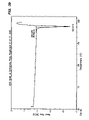
- FIG. 2 shows the infrared spectrum of a highly crystalline and pure sample of Polymorph C.
- FIG. 3 a A representative DSC trace for purified Polymorph C is reproduced in FIG. 3 a , showing an endothermic transition (melting point) with an onset temperature at about 193° C., without any desolvation transitions at a lower temperature, consistent with its identification as an unsolvated polymorph.
- FIG. 3 b shows the DSC scan for a exceptionally highly pure sample (both in terms of being free of non-17-AAG materials and of other polymorphs of 17-AAG) of Polymorph C, with an endothermic transition having an onset temperature of about 205° C.
- Purified Polymorph G can be prepared by several different routes. In one route, a solution of 17-AAG in acetone is poured into water with stirring, and stirring is continued for a few minutes. The crystals are harvested by filtration and vacuum dried. In another method, water is added gradually over a period of time such as 50 min. The crystals are similarly harvested and dried.
- FIG. 4 shows an XRPD pattern for purified Polymorph G, which can be defined by its six lowest angle peaks at 5.4 ⁇ 0.3, 6.8 ⁇ 0.3, 7.7 ⁇ 0.3, 8.9 ⁇ 0.3, 9.6 ⁇ 0.3, and 10.7 ⁇ 0.3 degrees 2 ⁇ and by a peak at 13.6 ⁇ 0.3 degrees 2 ⁇ .
- FIG. 5 is an infrared spectrum of purified Polymorph G
- FIG. 6 is a DSC scan of purified Polymorph G, showing an endothermic transition with an onset temperature of about 196° C., but with several transitions at lower temperatures.
- purified Polymorph C is a composition comprising 17-AAG, the composition being characterized by an XRPD pattern having its three lowest angle peaks at 6.4 ⁇ 0.3, 8.3 ⁇ 0.3, and 9.6 ⁇ 0.3 degrees 2 ⁇ and further having peaks at 13.3 ⁇ 0.3, 14.9 ⁇ 0.3, 15.7 ⁇ 0.3, 19.1 ⁇ 0.3, and 20.8 ⁇ 0.3 degrees 2 ⁇ .
- purified Polymorph G is a composition comprising 17-AAG, the composition being characterized by an XRPD pattern having its six lowest angle peaks at 5.4 ⁇ 0.3, 6.8 ⁇ 0.3, 7.7 ⁇ 0.3, 8.9 ⁇ 0.3, 9.6 ⁇ 0.3, and 10.7 ⁇ 0.3 degrees 2 ⁇ and further having a peak at 13.6 ⁇ 0.3 degrees 2 ⁇ .
- purified Polymorph G is a composition comprising 17-AAG, wherein the 17-AAG is present in the composition predominantly in the form of Polymorph G characterized by an XRPD pattern having its six lowest angle peaks at 5.4 ⁇ 0.3, 6.8 ⁇ 0.3, 7.7 ⁇ 0.3, 8.9 ⁇ 0.3, 9.6 ⁇ 0.3, and 10.7 ⁇ 0.3 degrees 2 ⁇ and further having a peak at 13.6 ⁇ 0.3 degrees 2 ⁇ .
- the ability to prepare a successful nanoparticulate formulation employing purified Polymorph C or G is not dependent on the initial particle size—that is, it is not necessary to pre-reduce the particle size of the 17-AAG by micronization or other similar process before homogenization.
- the 17-AAG particles simply must be sufficiently small to pass through the narrowest point of the homogenization flow path, typically on the order of less than about 500 ⁇ m.
- Nanoparticulate formulations of this invention have a 17-AAG particle size distribution between about 50 nm and about 3.0 microns, preferably between about 50 nm and about 2.0 microns, more preferably between about 50 nm and about 1.2 micron.
- the median (volume distribution) particle size is between about 200 and about 400 nm, preferably between about 250 and about 350 nm.
- Particle size distributions can be measured by a suitable particle size analyzer such as Nanotrac 250 (Microtrac, Inc., Montgomeryville, Pa., USA) or Zetasizer Nano (Malvern Instruments Ltd., Worcestershire, UK).
- the surface active agent is an ester of polyoxyethylenesorbitan and a C 12 -C 20 fatty acid
- the latter can be saturated or unsaturated.
- suitable fatty acids include lauric, linoleic, linolenic, oleic, palmitic, palmitoleic, and stearic acids.
- the polyoxyethylenesorbitan can be singly or multiply esterified with the C 12 -C 20 fatty acid.
- Suitable esters of polyoxyethylenesorbitan with a C 12 -C 20 fatty acid include: polyoxyethylenesorbitan monooleate (polyethylene glycol sorbitan monooleate, polysorbate 80 or TWEEN® 80); polyoxyethylenesorbitan monolaurate (polyethylene glycol sorbitan monolaurate or TWEEN® 20); polyoxyethylenesorbitan monopalmitate (polyethylene glycol sorbitan monopalmitate or TWEEN® 40); polyoxyethylenesorbitan monostearate (polyethylene glycol sorbitan monostearate or TWEEN® 60); polyoxyethylenesorbitan trioleate (polyethylene glycol trioleate or TWEEN® 85); and polyoxyethylenesorbitan tristearate (polyethylene glycol sorbitan tristearate or TWEEN® 65); with the first two being preferred and the first one being especially preferred.
- the weight ratio of the ester to 17-AAG preferably is between about 0.20 and about 1.0, more preferably between about
- the surface active agent is phosphatidylcholine (also known as lecithin), it can be derived from sources such as soybean or egg, with the former being preferred.
- the weight ratio of phosphatidylcholine to 17-AAG preferably is between about 0.04 and about 0.1, more preferably between about 0.04 and about 0.06.
- a specific phosphatidylcholine that can be used is Phospholipon® 90G, which is phosphatidylcholine of soybean provenance.
- the formulations of this invention can be lyophilized (freeze-dried) and stored as a lyophilate for later reconstitution.
- the use of a carbohydrate is preferred, to serve as a cryoprotectant and/or lyoprotectant.
- Exemplary disclosures relating to lyophilization of pharmaceutical formulations include Konan et al., Int. J. Pharm. 2002 233 (1-2), 293-52; Quintanar-Guerreo et al., J. Microencapsulation 1998 15 (1), 107-119; Johnson et al., J. Pharmaceutical Sci. 2002, 91 (4), 914-922; and Tang et al., Pharmaceutical Res. 2004, 21 (4), 191-200; the disclosures of which are incorporated herein by reference.
- cancers that can be targeted for treatment by 17-AAG include breast cancer, multiple myeloma, melanoma, colon cancer, lung cancer (especially non-small cell lung cancer (NSCLC)), prostate cancer, thyroid cancer, ovarian cancer, lymphoma, pancreatic cancer, and leukemia (especially chronic myelogenous leukemia (CML) and chronic lymphocytic leukemia or (CLL)).
- NSCLC non-small cell lung cancer
- CML chronic myelogenous leukemia
- CLL chronic lymphocytic leukemia
- Non-cancer disorders that are characterized by cellular hyperproliferation can also be treated by 17-AAG administered in accordance with this invention.
- Illustrative examples of such disorders include but are not limited to: atrophic gastritis, inflammatory hemolytic anemia, graft rejection, inflammatory neutropenia, bullous pemphigoid, coeliac disease, demyelinating neuropathies, dermatomyositis, inflammatory bowel disease (ulcerative colitis and Crohn's disease), multiple sclerosis, myocarditis, myositis, nasal polyps, chronic sinusitis, pemphigus vulgaris, primary glomerulonephritis, psoriasis, surgical adhesions, stenosis or restenosis, scleritis, scleroderma, eczema (including atopic dermatitis, irritant dermatitis, allergic dermatitis), periodontal disease (i.e., periodontitis
- vasculitis e.g., Giant cell arteritis (temporal arteritis, Takayasu's arteritis), polyarteritis nodosa, allergic angiitis and granulomatosis (Churg-Strauss disease), polyangitis overlap syndrome, hypersensitivity vasculitis (Henoch-Schonlein purpura), serum sickness, drug-induced vasculitis, infectious vasculitis, neoplastic vasculitis, vasculitis associated with connective tissue disorders, vasculitis associated with congenital deficiencies of the complement system, Wegener's granulomatosis, Kawasaki's disease, vasculitis of the central nervous system, Buerger's disease and systemic sclerosis); gastrointestinal tract diseases (e.g., pancreatitis, Crohn's disease, ulcerative colitis, ulcerative proctitis, primary sclerosing cholangitis, benign strictures of any cause including ideopathic (e.g., ide
- Specific anti-cancer or cytotoxic agents include ⁇ -lapachone, ansamitocin P3, auristatin, bicalutamide, bleomycin, bortezomib, busulfan, callistatin A, camptothecin, capecitabine, CC-1065, cisplatin, cryptophycins, daunorubicin, disorazole, docetaxel, doxorubicin, duocarmycin, dynemycin A, epothilones, etoposide, floxuridine, floxuridine, fludarabine, fluoruracil, gefitinib, geldanamycin, 17-DMAG, gemcitabine, hydroxyurea, imatinib, interferons, interleukins, irinotecan, maytansine, methotrexate, mitomycin C, oxaliplatin, paclitaxel, suberoylanilide hydroxamic acid (SA
- Preferred combinations are with gefitinib (Iressa®), bortezomib (Velcade®), paclitaxel (Taxol®), docetaxel, thalidomide (Thalomid®), lenalidomide (Revlimid®), and Herceptin®.
- a course of treatment entails a combination treatment involving 17-AAG and another API
- such other API can be administered separately, in its own formulation, or, where amenable, can be administered as an additional component added to a formulation of this invention.
- 17-AAG can be administered in a dose ranging from about 4 mg/m 2 to about 4000 mg/m 2 , depending on the frequency of administration.
- a preferred dosage regimen for 17-AAG is about 450 mg/m 2 weekly (Banerji et al., Proc. Am. Soc. Clin. Oncol. 22, 199 (2003, abstract 797)).
- a dose of about 308 mg/m 2 weekly can be administered. See Goetz et al., Eur. J. Cancer 38 (Supp. 7), S54-S55 (2002).
- Another dosage regimen is twice weekly, with doses ranging from 220 mg/m 2 to 340 mg/m 2 (preferably either 220 mg/m 2 or 340 mg/m 2 ).
- a dosage regimen that can be used for combination treatments with another drug, such as docetaxel, is to administer the two drugs every three weeks, with the dose of 17-AAG being up to 650 mg/m 2 at each administration.
- Formulations of this invention may contain additional excipients.
- Suitable excipients include carriers, surface active agents, thickening or emulsifying agents, solid binders, dispersion or suspension aids, solubilizers, colorants, flavoring agents, coatings, cryoprotectants, lyoprotectants, disintegrating agents, lubricants, sweeteners, preservatives, isotonic agents, and combinations thereof.
- the selection and use of suitable excipients is taught in Gennaro, ed., Remington: The Science and Practice of Pharmacy, 20th Ed. (Lippincott Williams & Wilkins 2003), the disclosure of which is incorporated herein by reference.
- the subject is typically a human, although the methods of the invention can be practiced for veterinary purposes, with suitable adjustment of the unit dose for the particular mammal of interest (including cats, cattle, dogs, horses, and the like).
- DSC data was collected on a TA instruments Q100 or Q1000 machine.
- the energy and temperature calibration standard was indium. Samples were heated at a rate of 10° C./min between 20 and 250° C. under a nitrogen purge. All samples were scanned in a non-hermetically sealed aluminum pan. Exemplary scans are presented in FIGS. 3 and 6 , previously discussed in this specification.
- This procedure yielded a formulation having a 17-AAG concentration of about 50 mg/mL (more exactly, 52.6 mg/mL) in an aqueous medium having approximately 1.5 weight % polysorbate 80, with a 17-AAG particle size distribution (volume distribution) of below 1 micron with median particle size of 300 nm (volume distribution).
- Particle size distribution was determined by dynamic light scattering with a Nanotract 250 particle size analyzer (Microtrac Inc., Montgomeryville, Pa.). The Nanotrac 250 settings were configured for measuring the PSD (volume distribution) of “Irregular” Shaped particles of “Absorbing” Transparency in a fluid with characteristics of water (Refractive Index: 1.333, Viscosity at 20° C.: 0.797 cP, Viscosity at 30° C.: 1.002 cP). A background signal was measured using 5% Dextrose for Injection (D5W). Then, the nanoparticle formulation was diluted 10 to 20-fold into D5W and mixed well.
- D5W Dextrose for Injection
- the PSD of the diluted sample was measured as the average of five replicate 5-minute analyses and reported in histogram format as a function of particle size. While the PSD reflects the range and frequency of particle sizes, other characteristics of the PSD were used for quantitation.
- the D50 is the volume percentile corresponding to the particle size larger than 50% of the total particle volume (i.e. the median particle size).
- the D90 is the volume percentile corresponding to the particle size larger than 90% of the total particle volume and is a measure of the largest particles in the dispersion.
- the particle size distribution measured by dynamic light scattering techniques was supplemented with SEM images, acquired by techniques established in the art. The particle sizes determined via the SEM images were in general agreement with those determined by light scattering.
- FIG. 7 shows a representative SEM image of 17-AAG nanoparticles in one of our formulations.
- the number of passes is between about 50 and 200 passes, preferably between about 100 and about 150 passes. A greater number of passes in non-detrimental, but unnecessarily prolongs processing time.
- processing time can be determined by assessing particle size distribution at intermediate time points and processing until the desired particle size distribution is attained.
- 17-AAG (purified Polymorph C, 1.25 g) was mixed with WFI (13.62 g) and a solution of polysorbate 80 solution in WFI (2.5 g of a 10 weight % solution in WFI) and an aqueous suspension of soybean phosphatidylcholine (0.63 g of a 10 weight % suspension in WFI).
- WFI 13.62 g
- a solution of polysorbate 80 solution in WFI 2.5 g of a 10 weight % solution in WFI
- an aqueous suspension of soybean phosphatidylcholine (0.63 g of a 10 weight % suspension in WFI).
- the mixture was loaded into the reservoir of a Microfluidics Model 110S microfluidizer containing 7 g WFI) and set up as described in the previous example and processed under the same conditions.
- This procedure yielded a formulation having a 17-AAG concentration of approximately 50 mg/mL in an aqueous medium having approximately 1.0 weight % polysorbate 80 and 0.25 weight % soy phosphatidylcholine, with a 17-AAG particle size distribution of below 1 micron with median particle size of 300 nm (volume distribution).
- 17-AAG (purified Polymorph C, 1.25 g) was mixed with WFI (3.62 g) and a solution of polysorbate 80 (2.5 g of a 10 weight % solution in WFI), an aqueous suspension of soybean phosphatidylcholine (0.63 g of a 10 weight % suspension in WFI), and a solution of sucrose (10 g of a 25 weight % solution in WFI).
- WFI 3.62 g
- a solution of polysorbate 80 2.5 g of a 10 weight % solution in WFI
- an aqueous suspension of soybean phosphatidylcholine (0.63 g of a 10 weight % suspension in WFI
- sucrose 10 g of a 25 weight % solution in WFI
- the polysorbate 80 and sucrose solutions were prepared using WFI and filter sterilized, either as separate solutions or as a solution of the two combined.
- the phosphatidylcholine suspension was prepared and then autoclaved.
- the 17-AAG was mixed with a portion of the WFI and autoclaved.
- the phosphatidylcholine suspension and 17-AAG slurry were autoclaved as separate mixtures or combined as a single mixture.
- the 17-AAG, the polysorbate® 80 and sucrose solutions, and the phosphatidylcholine mixture were combined aseptically to achieve the desired final composition.
- the microfluidizer was sterilized (e.g., by autoclaving) and the transfer and processing steps were performed aseptically but otherwise as described in Example 5.
- centrifugation is the recommended technique.
- centrifugation can cause a corresponding shift in particle size distribution and a loss of up of 40% of the 17-AAG.
- Filtration can be used to remove outliers—big but infrequent particles—such filtration not affecting perceptibly 17-AAG particle size distribution or assay.
- Nanoparticulate formulations of 17-AAG with Pluronic® F68 polyoxyethylene-polyoxypropylene block copolymer were prepared as described in Example 5 except comprising 5 weight % 17-AAG and between 1.25 and 5 weight % Pluronic® F68
- the formulations comprising 2.5 and 5 weight % Pluronic® F68 yielded formulations containing about 50 mg/mL 17-AAG with particle size distributions below 1.2 microns. Both formulations exhibited stable median particle sizes, albeit with possible growth of the largest particles (inconsistent fluctuations in D90 over 24 h).
- the 2.5 and 5% formulations were stored at room temperature for eight to nine months and re-evaluated for dispersion stability. Both formulations were re-mixed by vortexing for about 3 min.
- the sediment in the 2.5% Pluronic® F-68 formulation could not be completely re-suspended, with some material remaining attached to the bottom of the vial.
- the sediment in the 5% Pluronic® F-68 formulation did re-suspend completely, but some aggregates were visible.
- the measured D50s were 360 nm and 390 nm respectively, for the 2.5% Pluronic® F-68 and 5% Pluronic® F-68.
- a portion of the WFI was replaced with a corresponding amount of a carbohydrate cryoprotectant solution, as described in the preceding example.
- a portion of the WFI can be replaced with an aqueous solution of sucrose to yield final formulations as in the preceding examples, but further containing 10 weight % sucrose.
- formulations otherwise identical to those described in Examples 4 and 5 but further containing 4 weight % mannitol and 1 weight % sucrose can be prepared by replacing a portion of the WFI with a corresponding amount of a mannitol-sucrose solution.
- Nanoparticulate formulations of this invention were stored over a period of months at either 5° C. or 25° C., to evaluate their stability.
- the stability of the formulations was evaluated by comparing PSD measured at production to PSD after storage. No significant change in the PSD was observed over a period of several months at either storage condition. Furthermore, no significant change in chemical composition (17-AAG assay and impurity profile) was observed under either storage condition. Ongoing studies show physical and chemical stability over at least nine months.
- the stability of the nanoparticle formulation was also tested under conditions of clinical use.
- the formulation was diluted 10-fold in D5W, maintained under ambient light and temperature conditions, and sampled over a period of 72 h. No significant change was observed in the diluted formulation in terms of appearance, chemical composition, particle size distribution, osmolality, and pH. These stability studies indicate that the diluted material was completely stable under typical conditions of clinical use.
- This example compares the photostability of a dispersion formulation of 17-AAG according to Example 7 compared to a formulation made using Cremophor® (Zhong et al., US 2005/0256097 A1 (2005)).
- Each formulation (20 mL) was placed in a vial under separate lamps equipped with a 60 watt soft-white light bulb.
- the vials were laid horizontally at a distance from the lamps such that the light intensity falling on each was 1,080 light candles, as measured by a calibrated light meter.
- Each formulation was exposed to light for three days.
- An aliquot (1 mL) of each formulation was removed each day for analysis, with the 17-AAG content assayed by HPLC.
- Table IV compares the photostability of the two formulations.
- This example compares the pharmacokinetic parameters for two formulations, a nanosuspension formulation according to this invention (Formulation A) and a Cremophor®-based formulation (Formulation B).
- the composition of Formulation A was: 17-AAG (50 mg/mL) aqueous nanosuspension containing additionally polysorbate 80 (1%), lecithin (0.25%), and sucrose (10%).
- the composition of Formulation B was: 17-AAG in Cremophor® EL (20%), propylene glycol (30%), and ethanol (50%).
- Each formulation was diluted 10 ⁇ (Formulation A into D5W; Formulation B into saline) and administered to male beagle dogs by 60 min intravenous infusions or oral gavage, in each instance at a dose of 1.0 mg/kg.
Landscapes
- Chemical & Material Sciences (AREA)
- Organic Chemistry (AREA)
- Health & Medical Sciences (AREA)
- General Health & Medical Sciences (AREA)
- Veterinary Medicine (AREA)
- Public Health (AREA)
- Medicinal Chemistry (AREA)
- Pharmacology & Pharmacy (AREA)
- Life Sciences & Earth Sciences (AREA)
- Animal Behavior & Ethology (AREA)
- Nuclear Medicine, Radiotherapy & Molecular Imaging (AREA)
- General Chemical & Material Sciences (AREA)
- Chemical Kinetics & Catalysis (AREA)
- Epidemiology (AREA)
- Communicable Diseases (AREA)
- Oncology (AREA)
- Pharmaceuticals Containing Other Organic And Inorganic Compounds (AREA)
- Other In-Based Heterocyclic Compounds (AREA)
- Medicinal Preparation (AREA)
- Nitrogen And Oxygen Or Sulfur-Condensed Heterocyclic Ring Systems (AREA)
- Saccharide Compounds (AREA)
Priority Applications (9)
| Application Number | Priority Date | Filing Date | Title |
|---|---|---|---|
| US11/595,005 US7648976B2 (en) | 2005-11-23 | 2006-11-08 | 17-allylamino-17-demethoxygeldanamycin polymorphs and formulations |
| AU2006318771A AU2006318771A1 (en) | 2005-11-23 | 2006-11-16 | 17-allylamino-17-demethoxygeldanamycin polymorphs and formulations |
| JP2008542377A JP2009517386A (ja) | 2005-11-23 | 2006-11-16 | 17−アリルアミノ−17−デメトキシゲルダナマイシン多形体及び製剤 |
| PCT/US2006/044746 WO2007061878A2 (en) | 2005-11-23 | 2006-11-16 | 17-allylamino-17-demethoxygeldanamycin polymorphs and formulations |
| KR1020087015304A KR20080089357A (ko) | 2005-11-23 | 2006-11-16 | 17-알릴아미노-17-데메톡시겔다나마이신 다형체 및 제형 |
| BRPI0618873A BRPI0618873A2 (pt) | 2005-11-23 | 2006-11-16 | polimorfos c e g purificados, formulação farmacêutica de suspensão e métodos para administrar 17-aag a um indivíduo e para preparar uma formulação farmacêutica, 17-aag purificada e o polimorfo c purificado de 17-aag |
| CA002629196A CA2629196A1 (en) | 2005-11-23 | 2006-11-16 | 17-allylamino-17-demethoxygeldanamycin polymorphs and formulations |
| EP06837958A EP1951223A4 (en) | 2005-11-23 | 2006-11-16 | POLYMORPHS AND PREPARATIONS OF 17-ALLYLAMINO-17-DEMETHOXYGELDANAMYCIN |
| US12/129,369 US20090042847A1 (en) | 2005-11-23 | 2008-05-29 | 17-allylamino-17-demethoxygeldanamycin polymorphs and formulations |
Applications Claiming Priority (3)
| Application Number | Priority Date | Filing Date | Title |
|---|---|---|---|
| US73922505P | 2005-11-23 | 2005-11-23 | |
| US80952706P | 2006-05-30 | 2006-05-30 | |
| US11/595,005 US7648976B2 (en) | 2005-11-23 | 2006-11-08 | 17-allylamino-17-demethoxygeldanamycin polymorphs and formulations |
Related Child Applications (1)
| Application Number | Title | Priority Date | Filing Date |
|---|---|---|---|
| US12/129,369 Continuation-In-Part US20090042847A1 (en) | 2005-11-23 | 2008-05-29 | 17-allylamino-17-demethoxygeldanamycin polymorphs and formulations |
Publications (2)
| Publication Number | Publication Date |
|---|---|
| US20070203110A1 US20070203110A1 (en) | 2007-08-30 |
| US7648976B2 true US7648976B2 (en) | 2010-01-19 |
Family
ID=38067791
Family Applications (1)
| Application Number | Title | Priority Date | Filing Date |
|---|---|---|---|
| US11/595,005 Expired - Fee Related US7648976B2 (en) | 2005-11-23 | 2006-11-08 | 17-allylamino-17-demethoxygeldanamycin polymorphs and formulations |
Country Status (8)
| Country | Link |
|---|---|
| US (1) | US7648976B2 (https=) |
| EP (1) | EP1951223A4 (https=) |
| JP (1) | JP2009517386A (https=) |
| KR (1) | KR20080089357A (https=) |
| AU (1) | AU2006318771A1 (https=) |
| BR (1) | BRPI0618873A2 (https=) |
| CA (1) | CA2629196A1 (https=) |
| WO (1) | WO2007061878A2 (https=) |
Cited By (1)
| Publication number | Priority date | Publication date | Assignee | Title |
|---|---|---|---|---|
| WO2018009531A1 (en) * | 2016-07-08 | 2018-01-11 | Ranedis Pharmaceuticals, Llc | Compositions and methods of treating and/or preventing lysosomal storage diseases and other monogenetic metabolic diseases |
Families Citing this family (5)
| Publication number | Priority date | Publication date | Assignee | Title |
|---|---|---|---|---|
| US20090042847A1 (en) * | 2005-11-23 | 2009-02-12 | Kosan Biosciences Incorporated | 17-allylamino-17-demethoxygeldanamycin polymorphs and formulations |
| US20070167422A1 (en) * | 2006-01-18 | 2007-07-19 | Yu Kwok S | Pharmaceutical compositions comprising 17-allylamino-17-demethoxygeldanamycin |
| GB0612928D0 (en) * | 2006-06-29 | 2006-08-09 | Ucb Sa | Biological products |
| EP2121957A4 (en) * | 2007-01-26 | 2010-11-10 | Kosan Biosciences Inc | MACROLACTAMES OBTAINED BY MODIFIED BIOSYNTHESIS |
| US20090258869A1 (en) * | 2008-02-08 | 2009-10-15 | The Regents Of The University Of California | Methods and compounds for treatment or prevention of substance-related disorders |
Citations (25)
| Publication number | Priority date | Publication date | Assignee | Title |
|---|---|---|---|---|
| US4261989A (en) | 1979-02-19 | 1981-04-14 | Kaken Chemical Co. Ltd. | Geldanamycin derivatives and antitumor drug |
| US5510118A (en) | 1995-02-14 | 1996-04-23 | Nanosystems Llc | Process for preparing therapeutic compositions containing nanoparticles |
| US5534270A (en) | 1995-02-09 | 1996-07-09 | Nanosystems Llc | Method of preparing stable drug nanoparticles |
| US5662883A (en) | 1995-01-10 | 1997-09-02 | Nanosystems L.L.C. | Microprecipitation of micro-nanoparticulate pharmaceutical agents |
| US5932566A (en) | 1994-06-16 | 1999-08-03 | Pfizer Inc. | Ansamycin derivatives as antioncogene and anticancer agents |
| US6682758B1 (en) | 1998-12-22 | 2004-01-27 | The United States Of America As Represented By The Department Of Health And Human Services | Water-insoluble drug delivery system |
| US20040138160A1 (en) | 2001-04-27 | 2004-07-15 | Kenichiro Naito | Preventive/therapeutic method for cancer |
| US20050020534A1 (en) | 2003-05-30 | 2005-01-27 | Kosan Biosciences, Inc. | Method for treating diseases using HSP90-inhibiting agents in combination with antimetabolites |
| US20050020558A1 (en) | 2003-05-30 | 2005-01-27 | Kosan Biosciences, Inc. | Method for treating diseases using HSP90-inhibiting agents in combination with antimitotics |
| US20050020556A1 (en) | 2003-05-30 | 2005-01-27 | Kosan Biosciences, Inc. | Method for treating diseases using HSP90-inhibiting agents in combination with platinum coordination complexes |
| US20050020557A1 (en) | 2003-05-30 | 2005-01-27 | Kosan Biosciences, Inc. | Method for treating diseases using HSP90-inhibiting agents in combination with enzyme inhibitors |
| US20050026893A1 (en) | 2003-05-30 | 2005-02-03 | Kosan Biosciences, Inc. | Method for treating diseases using HSP90-inhibiting agents in combination with immunosuppressants |
| US20050043233A1 (en) | 2003-04-29 | 2005-02-24 | Boehringer Ingelheim International Gmbh | Combinations for the treatment of diseases involving cell proliferation, migration or apoptosis of myeloma cells or angiogenesis |
| US20050054589A1 (en) | 2003-05-30 | 2005-03-10 | Kosan Biosciences, Inc. | Method for treating diseases using HSP90-inhibiting agents in combination with antibiotics |
| US20050054625A1 (en) | 2003-05-30 | 2005-03-10 | Kosan Biosciences, Inc. | Method for treating diseases using HSP90-inhibiting agents in combination with nuclear export inhibitors |
| US6872715B2 (en) | 2001-08-06 | 2005-03-29 | Kosan Biosciences, Inc. | Benzoquinone ansamycins |
| US6887993B1 (en) | 2003-11-12 | 2005-05-03 | Kosan Biosciences, Inc. | 11-O-methylgeldanamycin compounds |
| US6890917B2 (en) | 2001-03-30 | 2005-05-10 | The United States Of America As Represented By The Department Of Health And Human Services | Geldanamycin derivative and method of treating cancer using same |
| US20050176695A1 (en) | 2001-09-24 | 2005-08-11 | Conforma Therapeutics Corporation | Process for preparing 17-allyl amino geldanamycin (17-aag) and other ansamycins |
| US20050256097A1 (en) | 2004-05-11 | 2005-11-17 | Kosan Biosciences, Inc. | Pharmaceutical solution formulations containing 17-AAG |
| US20060014730A1 (en) | 2002-04-10 | 2006-01-19 | Conforma Therapeutics Corporation | Ansamycin formulations and methods for producing and using same |
| US20060067953A1 (en) | 2004-09-29 | 2006-03-30 | Conforma Therapeutics Corporation | Oral pharmaceutical formulations and methods for producing and using same |
| WO2006034147A2 (en) | 2004-09-16 | 2006-03-30 | Abraxis Bioscience, Inc. | Compositions and methods for the preparation and administration of poorly water soluble drugs |
| US20060148776A1 (en) | 2003-03-13 | 2006-07-06 | Conforma Therapeutics Corporation | Drug formulations having long and medium chain triglycerides |
| WO2006094029A2 (en) | 2005-02-28 | 2006-09-08 | Kosan Biosciences Incoporated | Pharmaceutical formulations containing 17-allylamino-17-demethoxygeldanamycin |
Family Cites Families (1)
| Publication number | Priority date | Publication date | Assignee | Title |
|---|---|---|---|---|
| BRPI0608661A2 (pt) * | 2005-04-07 | 2010-01-19 | Conforma Therapeutics Corp | formulaÇço farmacÊutica, uso de formulaÇço farmacÊutica, e, mÉtodo de preparaÇço de uma formulaÇço farmacÊutica |
-
2006
- 2006-11-08 US US11/595,005 patent/US7648976B2/en not_active Expired - Fee Related
- 2006-11-16 JP JP2008542377A patent/JP2009517386A/ja not_active Abandoned
- 2006-11-16 WO PCT/US2006/044746 patent/WO2007061878A2/en not_active Ceased
- 2006-11-16 AU AU2006318771A patent/AU2006318771A1/en not_active Abandoned
- 2006-11-16 BR BRPI0618873A patent/BRPI0618873A2/pt not_active IP Right Cessation
- 2006-11-16 EP EP06837958A patent/EP1951223A4/en not_active Withdrawn
- 2006-11-16 CA CA002629196A patent/CA2629196A1/en not_active Abandoned
- 2006-11-16 KR KR1020087015304A patent/KR20080089357A/ko not_active Withdrawn
Patent Citations (25)
| Publication number | Priority date | Publication date | Assignee | Title |
|---|---|---|---|---|
| US4261989A (en) | 1979-02-19 | 1981-04-14 | Kaken Chemical Co. Ltd. | Geldanamycin derivatives and antitumor drug |
| US5932566A (en) | 1994-06-16 | 1999-08-03 | Pfizer Inc. | Ansamycin derivatives as antioncogene and anticancer agents |
| US5662883A (en) | 1995-01-10 | 1997-09-02 | Nanosystems L.L.C. | Microprecipitation of micro-nanoparticulate pharmaceutical agents |
| US5534270A (en) | 1995-02-09 | 1996-07-09 | Nanosystems Llc | Method of preparing stable drug nanoparticles |
| US5510118A (en) | 1995-02-14 | 1996-04-23 | Nanosystems Llc | Process for preparing therapeutic compositions containing nanoparticles |
| US6682758B1 (en) | 1998-12-22 | 2004-01-27 | The United States Of America As Represented By The Department Of Health And Human Services | Water-insoluble drug delivery system |
| US6890917B2 (en) | 2001-03-30 | 2005-05-10 | The United States Of America As Represented By The Department Of Health And Human Services | Geldanamycin derivative and method of treating cancer using same |
| US20040138160A1 (en) | 2001-04-27 | 2004-07-15 | Kenichiro Naito | Preventive/therapeutic method for cancer |
| US6872715B2 (en) | 2001-08-06 | 2005-03-29 | Kosan Biosciences, Inc. | Benzoquinone ansamycins |
| US20050176695A1 (en) | 2001-09-24 | 2005-08-11 | Conforma Therapeutics Corporation | Process for preparing 17-allyl amino geldanamycin (17-aag) and other ansamycins |
| US20060014730A1 (en) | 2002-04-10 | 2006-01-19 | Conforma Therapeutics Corporation | Ansamycin formulations and methods for producing and using same |
| US20060148776A1 (en) | 2003-03-13 | 2006-07-06 | Conforma Therapeutics Corporation | Drug formulations having long and medium chain triglycerides |
| US20050043233A1 (en) | 2003-04-29 | 2005-02-24 | Boehringer Ingelheim International Gmbh | Combinations for the treatment of diseases involving cell proliferation, migration or apoptosis of myeloma cells or angiogenesis |
| US20050026893A1 (en) | 2003-05-30 | 2005-02-03 | Kosan Biosciences, Inc. | Method for treating diseases using HSP90-inhibiting agents in combination with immunosuppressants |
| US20050054589A1 (en) | 2003-05-30 | 2005-03-10 | Kosan Biosciences, Inc. | Method for treating diseases using HSP90-inhibiting agents in combination with antibiotics |
| US20050054625A1 (en) | 2003-05-30 | 2005-03-10 | Kosan Biosciences, Inc. | Method for treating diseases using HSP90-inhibiting agents in combination with nuclear export inhibitors |
| US20050020556A1 (en) | 2003-05-30 | 2005-01-27 | Kosan Biosciences, Inc. | Method for treating diseases using HSP90-inhibiting agents in combination with platinum coordination complexes |
| US20050020557A1 (en) | 2003-05-30 | 2005-01-27 | Kosan Biosciences, Inc. | Method for treating diseases using HSP90-inhibiting agents in combination with enzyme inhibitors |
| US20050020558A1 (en) | 2003-05-30 | 2005-01-27 | Kosan Biosciences, Inc. | Method for treating diseases using HSP90-inhibiting agents in combination with antimitotics |
| US20050020534A1 (en) | 2003-05-30 | 2005-01-27 | Kosan Biosciences, Inc. | Method for treating diseases using HSP90-inhibiting agents in combination with antimetabolites |
| US6887993B1 (en) | 2003-11-12 | 2005-05-03 | Kosan Biosciences, Inc. | 11-O-methylgeldanamycin compounds |
| US20050256097A1 (en) | 2004-05-11 | 2005-11-17 | Kosan Biosciences, Inc. | Pharmaceutical solution formulations containing 17-AAG |
| WO2006034147A2 (en) | 2004-09-16 | 2006-03-30 | Abraxis Bioscience, Inc. | Compositions and methods for the preparation and administration of poorly water soluble drugs |
| US20060067953A1 (en) | 2004-09-29 | 2006-03-30 | Conforma Therapeutics Corporation | Oral pharmaceutical formulations and methods for producing and using same |
| WO2006094029A2 (en) | 2005-02-28 | 2006-09-08 | Kosan Biosciences Incoporated | Pharmaceutical formulations containing 17-allylamino-17-demethoxygeldanamycin |
Non-Patent Citations (16)
Cited By (1)
| Publication number | Priority date | Publication date | Assignee | Title |
|---|---|---|---|---|
| WO2018009531A1 (en) * | 2016-07-08 | 2018-01-11 | Ranedis Pharmaceuticals, Llc | Compositions and methods of treating and/or preventing lysosomal storage diseases and other monogenetic metabolic diseases |
Also Published As
| Publication number | Publication date |
|---|---|
| AU2006318771A1 (en) | 2007-05-31 |
| KR20080089357A (ko) | 2008-10-06 |
| CA2629196A1 (en) | 2007-05-31 |
| WO2007061878A3 (en) | 2009-06-04 |
| EP1951223A4 (en) | 2010-04-21 |
| BRPI0618873A2 (pt) | 2016-09-06 |
| EP1951223A2 (en) | 2008-08-06 |
| JP2009517386A (ja) | 2009-04-30 |
| WO2007061878A2 (en) | 2007-05-31 |
| US20070203110A1 (en) | 2007-08-30 |
Similar Documents
| Publication | Publication Date | Title |
|---|---|---|
| US20050256097A1 (en) | Pharmaceutical solution formulations containing 17-AAG | |
| US20090062528A1 (en) | Ansamycin formulations and methods of use thereof | |
| US20060019939A1 (en) | Analogs of benzoquinone-containing ansamycins and methods of use thereof | |
| US20100203114A1 (en) | Micelle encapsulation of therapeutic agents | |
| WO2003013430A2 (en) | Benzoquinone ansamycins | |
| EP1435939B1 (en) | Process for preparing 17-allyl amino geldanamycin (17-aag) and other ansamycins | |
| US20060019941A1 (en) | Analogs of benzoquinone-containing ansamycins and methods of use thereof | |
| US7648976B2 (en) | 17-allylamino-17-demethoxygeldanamycin polymorphs and formulations | |
| US20090042847A1 (en) | 17-allylamino-17-demethoxygeldanamycin polymorphs and formulations | |
| US20070167422A1 (en) | Pharmaceutical compositions comprising 17-allylamino-17-demethoxygeldanamycin | |
| CA2596867A1 (en) | Pharmaceutical formulations containing 17-allylamino-17-demethoxygeldanamycin | |
| CN100490800C (zh) | 含17-aag的药物溶液制剂 | |
| CN101578267A (zh) | 17-烯丙氨基-17-脱甲氧格尔德霉素多晶型物和制剂 | |
| NZ551111A (en) | Pharmaceutical solution formulations containing 17-AAG in a vehicle comprising ethanol, polyethoxylated castor oil, and a third component | |
| KR20070018117A (ko) | 17-aag를 함유하는 약제학적 용제 | |
| EP1923061A1 (en) | Process for preparing 17-Allyl amino geldanamycin (17-AAG) and other ansamycins | |
| HK40020487B (en) | Polymorphs and solid forms of gdc-0077, and methods of production thereof | |
| HK40020487A (en) | Polymorphs and solid forms of gdc-0077, and methods of production thereof | |
| HK1097410B (en) | Analogs of benzoquinone-containing ansamycins for the treatment of cancer | |
| AU2002326973A1 (en) | Process for preparing 17-allyl amino geldanamycin (17-AAG) and other ansamycins |
Legal Events
| Date | Code | Title | Description |
|---|---|---|---|
| AS | Assignment |
Owner name: KOSAN BIOSCIENCES INCORPORATED, CALIFORNIA Free format text: ASSIGNMENT OF ASSIGNORS INTEREST;ASSIGNORS:LICARI, PETER J.;LEAF, TIMOTHY;DESAI, RUCHIR P.;AND OTHERS;REEL/FRAME:019164/0731;SIGNING DATES FROM 20070124 TO 20070313 |
|
| REMI | Maintenance fee reminder mailed | ||
| LAPS | Lapse for failure to pay maintenance fees | ||
| STCH | Information on status: patent discontinuation |
Free format text: PATENT EXPIRED DUE TO NONPAYMENT OF MAINTENANCE FEES UNDER 37 CFR 1.362 |
|
| STCH | Information on status: patent discontinuation |
Free format text: PATENT EXPIRED DUE TO NONPAYMENT OF MAINTENANCE FEES UNDER 37 CFR 1.362 |
|
| FP | Lapsed due to failure to pay maintenance fee |
Effective date: 20140119 |