US7214671B2 - Use of 2-methylene-19-nor-20(S)-1α,25-dihydroxyvitamin D3 for the prophylaxis of bone diseases - Google Patents
Use of 2-methylene-19-nor-20(S)-1α,25-dihydroxyvitamin D3 for the prophylaxis of bone diseases Download PDFInfo
- Publication number
- US7214671B2 US7214671B2 US10/782,337 US78233704A US7214671B2 US 7214671 B2 US7214671 B2 US 7214671B2 US 78233704 A US78233704 A US 78233704A US 7214671 B2 US7214671 B2 US 7214671B2
- Authority
- US
- United States
- Prior art keywords
- bone
- dihydroxyvitamin
- osteoporosis
- methylene
- compound
- Prior art date
- Legal status (The legal status is an assumption and is not a legal conclusion. Google has not performed a legal analysis and makes no representation as to the accuracy of the status listed.)
- Expired - Lifetime
Links
- 239000011612 calcitriol Substances 0.000 title claims abstract description 41
- 238000011321 prophylaxis Methods 0.000 title claims abstract description 14
- 208000020084 Bone disease Diseases 0.000 title description 3
- 208000001132 Osteoporosis Diseases 0.000 claims abstract description 36
- 238000000034 method Methods 0.000 claims description 31
- 241001465754 Metazoa Species 0.000 claims description 14
- 241000282414 Homo sapiens Species 0.000 claims description 5
- 208000001685 postmenopausal osteoporosis Diseases 0.000 claims description 5
- 206010039984 Senile osteoporosis Diseases 0.000 claims description 4
- 230000008416 bone turnover Effects 0.000 claims description 4
- 150000003431 steroids Chemical class 0.000 claims description 4
- 210000000988 bone and bone Anatomy 0.000 abstract description 82
- 238000011282 treatment Methods 0.000 abstract description 33
- 230000000694 effects Effects 0.000 abstract description 28
- 150000001875 compounds Chemical class 0.000 abstract description 27
- 208000037265 diseases, disorders, signs and symptoms Diseases 0.000 abstract description 17
- 201000010099 disease Diseases 0.000 abstract description 12
- 239000003814 drug Substances 0.000 abstract description 10
- 230000011164 ossification Effects 0.000 abstract description 8
- 229940124597 therapeutic agent Drugs 0.000 abstract description 4
- 238000011540 hip replacement Methods 0.000 abstract description 2
- 238000013150 knee replacement Methods 0.000 abstract description 2
- 230000027425 release of sequestered calcium ion into cytosol Effects 0.000 abstract description 2
- 238000001356 surgical procedure Methods 0.000 abstract description 2
- 241000700159 Rattus Species 0.000 description 34
- OYPRJOBELJOOCE-UHFFFAOYSA-N Calcium Chemical compound [Ca] OYPRJOBELJOOCE-UHFFFAOYSA-N 0.000 description 30
- 239000011575 calcium Substances 0.000 description 30
- 229910052791 calcium Inorganic materials 0.000 description 30
- GMRQFYUYWCNGIN-ZVUFCXRFSA-N 1,25-dihydroxy vitamin D3 Chemical compound C1([C@@H]2CC[C@@H]([C@]2(CCC1)C)[C@@H](CCCC(C)(C)O)C)=CC=C1C[C@@H](O)C[C@H](O)C1=C GMRQFYUYWCNGIN-ZVUFCXRFSA-N 0.000 description 24
- 230000001965 increasing effect Effects 0.000 description 21
- 239000000203 mixture Substances 0.000 description 17
- 210000002966 serum Anatomy 0.000 description 16
- GMRQFYUYWCNGIN-NKMMMXOESA-N calcitriol Chemical compound C1(/[C@@H]2CC[C@@H]([C@]2(CCC1)C)[C@@H](CCCC(C)(C)O)C)=C\C=C1\C[C@@H](O)C[C@H](O)C1=C GMRQFYUYWCNGIN-NKMMMXOESA-N 0.000 description 15
- 229930003316 Vitamin D Natural products 0.000 description 11
- QYSXJUFSXHHAJI-XFEUOLMDSA-N Vitamin D3 Natural products C1(/[C@@H]2CC[C@@H]([C@]2(CCC1)C)[C@H](C)CCCC(C)C)=C/C=C1\C[C@@H](O)CCC1=C QYSXJUFSXHHAJI-XFEUOLMDSA-N 0.000 description 11
- 239000011710 vitamin D Substances 0.000 description 11
- 235000019166 vitamin D Nutrition 0.000 description 11
- 229940046008 vitamin d Drugs 0.000 description 11
- 241000282412 Homo Species 0.000 description 9
- 208000029725 Metabolic bone disease Diseases 0.000 description 9
- 238000009472 formulation Methods 0.000 description 9
- 229910052500 inorganic mineral Inorganic materials 0.000 description 9
- 239000011707 mineral Substances 0.000 description 9
- 235000010755 mineral Nutrition 0.000 description 9
- 239000003981 vehicle Substances 0.000 description 9
- 230000001054 cortical effect Effects 0.000 description 8
- 239000003921 oil Substances 0.000 description 8
- 230000008569 process Effects 0.000 description 8
- 210000000689 upper leg Anatomy 0.000 description 8
- 208000010392 Bone Fractures Diseases 0.000 description 7
- 206010017076 Fracture Diseases 0.000 description 7
- 201000004681 Psoriasis Diseases 0.000 description 7
- 239000004480 active ingredient Substances 0.000 description 7
- 230000037118 bone strength Effects 0.000 description 7
- 230000024245 cell differentiation Effects 0.000 description 7
- 230000000968 intestinal effect Effects 0.000 description 7
- 239000007788 liquid Substances 0.000 description 7
- 238000002360 preparation method Methods 0.000 description 7
- -1 vitamin D compounds Chemical class 0.000 description 7
- 150000003710 vitamin D derivatives Chemical class 0.000 description 7
- 206010028980 Neoplasm Diseases 0.000 description 6
- 230000037396 body weight Effects 0.000 description 6
- 230000037213 diet Effects 0.000 description 6
- 235000005911 diet Nutrition 0.000 description 6
- 229940079593 drug Drugs 0.000 description 6
- 230000032258 transport Effects 0.000 description 6
- 206010065687 Bone loss Diseases 0.000 description 5
- 208000030136 Marchiafava-Bignami Disease Diseases 0.000 description 5
- 230000004071 biological effect Effects 0.000 description 5
- 230000008859 change Effects 0.000 description 5
- 208000035475 disorder Diseases 0.000 description 5
- 239000005556 hormone Substances 0.000 description 5
- 229940088597 hormone Drugs 0.000 description 5
- 210000000963 osteoblast Anatomy 0.000 description 5
- 239000000243 solution Substances 0.000 description 5
- 239000000725 suspension Substances 0.000 description 5
- 208000006386 Bone Resorption Diseases 0.000 description 4
- 241000283690 Bos taurus Species 0.000 description 4
- OKTJSMMVPCPJKN-UHFFFAOYSA-N Carbon Chemical compound [C] OKTJSMMVPCPJKN-UHFFFAOYSA-N 0.000 description 4
- 241000282560 Macaca mulatta Species 0.000 description 4
- 241000286209 Phasianidae Species 0.000 description 4
- 230000027455 binding Effects 0.000 description 4
- 230000024279 bone resorption Effects 0.000 description 4
- 229910052799 carbon Inorganic materials 0.000 description 4
- 210000004027 cell Anatomy 0.000 description 4
- 230000004069 differentiation Effects 0.000 description 4
- 125000001570 methylene group Chemical group [H]C([H])([*:1])[*:2] 0.000 description 4
- 230000003389 potentiating effect Effects 0.000 description 4
- 238000007634 remodeling Methods 0.000 description 4
- 239000007787 solid Substances 0.000 description 4
- 102000009310 vitamin D receptors Human genes 0.000 description 4
- 108050000156 vitamin D receptors Proteins 0.000 description 4
- 206010006187 Breast cancer Diseases 0.000 description 3
- 208000026310 Breast neoplasm Diseases 0.000 description 3
- 206010009944 Colon cancer Diseases 0.000 description 3
- 206010029260 Neuroblastoma Diseases 0.000 description 3
- 241000288906 Primates Species 0.000 description 3
- 206010060862 Prostate cancer Diseases 0.000 description 3
- 208000000236 Prostatic Neoplasms Diseases 0.000 description 3
- 201000000582 Retinoblastoma Diseases 0.000 description 3
- 230000009471 action Effects 0.000 description 3
- 239000002246 antineoplastic agent Substances 0.000 description 3
- 230000015572 biosynthetic process Effects 0.000 description 3
- 230000010072 bone remodeling Effects 0.000 description 3
- 239000002775 capsule Substances 0.000 description 3
- 239000000969 carrier Substances 0.000 description 3
- 208000029742 colonic neoplasm Diseases 0.000 description 3
- 239000006071 cream Substances 0.000 description 3
- 230000003028 elevating effect Effects 0.000 description 3
- 239000000839 emulsion Substances 0.000 description 3
- 230000012010 growth Effects 0.000 description 3
- 238000002347 injection Methods 0.000 description 3
- 239000007924 injection Substances 0.000 description 3
- 208000032839 leukemia Diseases 0.000 description 3
- 230000036210 malignancy Effects 0.000 description 3
- 201000001441 melanoma Diseases 0.000 description 3
- 125000002496 methyl group Chemical group [H]C([H])([H])* 0.000 description 3
- 239000002674 ointment Substances 0.000 description 3
- 210000002997 osteoclast Anatomy 0.000 description 3
- 230000002265 prevention Effects 0.000 description 3
- 102000005962 receptors Human genes 0.000 description 3
- 108020003175 receptors Proteins 0.000 description 3
- 239000002904 solvent Substances 0.000 description 3
- 230000035882 stress Effects 0.000 description 3
- 238000003786 synthesis reaction Methods 0.000 description 3
- 239000003826 tablet Substances 0.000 description 3
- 238000012360 testing method Methods 0.000 description 3
- 239000011647 vitamin D3 Substances 0.000 description 3
- PKFBWEUIKKCWEW-WEZTXPJVSA-N (1r,3r)-5-[(2e)-2-[(1r,3as,7ar)-1-[(2r)-6-hydroxy-6-methylheptan-2-yl]-7a-methyl-2,3,3a,5,6,7-hexahydro-1h-inden-4-ylidene]ethylidene]cyclohexane-1,3-diol Chemical class C1(/[C@@H]2CC[C@@H]([C@]2(CCC1)C)[C@@H](CCCC(C)(C)O)C)=C\C=C1C[C@@H](O)C[C@H](O)C1 PKFBWEUIKKCWEW-WEZTXPJVSA-N 0.000 description 2
- 241000272517 Anseriformes Species 0.000 description 2
- 208000023275 Autoimmune disease Diseases 0.000 description 2
- 241000777300 Congiopodidae Species 0.000 description 2
- RJKFOVLPORLFTN-LEKSSAKUSA-N Progesterone Chemical compound C1CC2=CC(=O)CC[C@]2(C)[C@@H]2[C@@H]1[C@@H]1CC[C@H](C(=O)C)[C@@]1(C)CC2 RJKFOVLPORLFTN-LEKSSAKUSA-N 0.000 description 2
- 241000282887 Suidae Species 0.000 description 2
- 230000032683 aging Effects 0.000 description 2
- OFHCOWSQAMBJIW-AVJTYSNKSA-N alfacalcidol Chemical compound C1(/[C@@H]2CC[C@@H]([C@]2(CCC1)C)[C@H](C)CCCC(C)C)=C\C=C1\C[C@@H](O)C[C@H](O)C1=C OFHCOWSQAMBJIW-AVJTYSNKSA-N 0.000 description 2
- 125000003545 alkoxy group Chemical group 0.000 description 2
- 230000003110 anti-inflammatory effect Effects 0.000 description 2
- 239000003963 antioxidant agent Substances 0.000 description 2
- 235000006708 antioxidants Nutrition 0.000 description 2
- 239000011230 binding agent Substances 0.000 description 2
- 210000004369 blood Anatomy 0.000 description 2
- 239000008280 blood Substances 0.000 description 2
- 230000037182 bone density Effects 0.000 description 2
- 201000011510 cancer Diseases 0.000 description 2
- 239000003086 colorant Substances 0.000 description 2
- 230000007812 deficiency Effects 0.000 description 2
- 238000011161 development Methods 0.000 description 2
- 230000018109 developmental process Effects 0.000 description 2
- 239000006185 dispersion Substances 0.000 description 2
- HKXBNHCUPKIYDM-CGMHZMFXSA-N doxercalciferol Chemical compound C1(/[C@@H]2CC[C@@H]([C@]2(CCC1)C)[C@H](C)/C=C/[C@H](C)C(C)C)=C\C=C1\C[C@@H](O)C[C@H](O)C1=C HKXBNHCUPKIYDM-CGMHZMFXSA-N 0.000 description 2
- 239000003937 drug carrier Substances 0.000 description 2
- 238000002651 drug therapy Methods 0.000 description 2
- 239000003995 emulsifying agent Substances 0.000 description 2
- 229940011871 estrogen Drugs 0.000 description 2
- 239000000262 estrogen Substances 0.000 description 2
- 239000003862 glucocorticoid Substances 0.000 description 2
- 238000001727 in vivo Methods 0.000 description 2
- 239000004615 ingredient Substances 0.000 description 2
- 210000003734 kidney Anatomy 0.000 description 2
- 239000006210 lotion Substances 0.000 description 2
- 230000009245 menopause Effects 0.000 description 2
- 230000001483 mobilizing effect Effects 0.000 description 2
- 210000001616 monocyte Anatomy 0.000 description 2
- 239000006187 pill Substances 0.000 description 2
- 210000004765 promyelocyte Anatomy 0.000 description 2
- 230000004044 response Effects 0.000 description 2
- PUZPDOWCWNUUKD-UHFFFAOYSA-M sodium fluoride Chemical compound [F-].[Na+] PUZPDOWCWNUUKD-UHFFFAOYSA-M 0.000 description 2
- 238000012453 sprague-dawley rat model Methods 0.000 description 2
- 239000003381 stabilizer Substances 0.000 description 2
- 230000000638 stimulation Effects 0.000 description 2
- 239000001962 taste-modifying agent Substances 0.000 description 2
- ZGLHBRQAEXKACO-XJRQOBMKSA-N 1alpha,25-dihydroxyvitamin D2 Chemical compound C1(/[C@@H]2CC[C@@H]([C@]2(CCC1)C)[C@@H](\C=C\[C@H](C)C(C)(C)O)C)=C\C=C1\C[C@@H](O)C[C@H](O)C1=C ZGLHBRQAEXKACO-XJRQOBMKSA-N 0.000 description 1
- 208000002874 Acne Vulgaris Diseases 0.000 description 1
- 201000004384 Alopecia Diseases 0.000 description 1
- 229940122361 Bisphosphonate Drugs 0.000 description 1
- SMELLORKFMSDAR-KMFLXNMRSA-N C=C1[C@H](O)CC(=C/C=C2\CCC[C@@]3(C)C2CCC3[C@@H](C)CCCC(C)(C)C)C[C@H]1O Chemical compound C=C1[C@H](O)CC(=C/C=C2\CCC[C@@]3(C)C2CCC3[C@@H](C)CCCC(C)(C)C)C[C@H]1O SMELLORKFMSDAR-KMFLXNMRSA-N 0.000 description 1
- UHMPCVGLSKFXHR-ORJZRCFFSA-N C=C1[C@H](O)CC(=C/C=C2\CCC[C@@]3(C)C2CCC3[C@@H](C)CCCC(C)(C)O)C[C@H]1O Chemical compound C=C1[C@H](O)CC(=C/C=C2\CCC[C@@]3(C)C2CCC3[C@@H](C)CCCC(C)(C)O)C[C@H]1O UHMPCVGLSKFXHR-ORJZRCFFSA-N 0.000 description 1
- NCPIFCRZOCYQNL-FHVQXERGSA-N C=C1[C@H](O[Y])C/C(=C\COP(C2=CC=CC=C2)C2=CC=CC=C2)C[C@H]1O[Y][Y].[H][C@@]12CCC([C@@H](C)CCCC(C)(C)O)[C@@]1(C)CCC/C2=C\C=C1/C[C@@H](O[Y])C(=C)[C@H](O[Y][Y])C1.[H][C@@]12CCC([C@@H](C)CCCC(C)(C)O)[C@@]1(C)CCCC2=O Chemical compound C=C1[C@H](O[Y])C/C(=C\COP(C2=CC=CC=C2)C2=CC=CC=C2)C[C@H]1O[Y][Y].[H][C@@]12CCC([C@@H](C)CCCC(C)(C)O)[C@@]1(C)CCC/C2=C\C=C1/C[C@@H](O[Y])C(=C)[C@H](O[Y][Y])C1.[H][C@@]12CCC([C@@H](C)CCCC(C)(C)O)[C@@]1(C)CCCC2=O NCPIFCRZOCYQNL-FHVQXERGSA-N 0.000 description 1
- WSNMPAVSZJSIMT-UHFFFAOYSA-N COc1c(C)c2COC(=O)c2c(O)c1CC(O)C1(C)CCC(=O)O1 Chemical compound COc1c(C)c2COC(=O)c2c(O)c1CC(O)C1(C)CCC(=O)O1 WSNMPAVSZJSIMT-UHFFFAOYSA-N 0.000 description 1
- 102000055006 Calcitonin Human genes 0.000 description 1
- 108060001064 Calcitonin Proteins 0.000 description 1
- VEXZGXHMUGYJMC-UHFFFAOYSA-M Chloride anion Chemical compound [Cl-] VEXZGXHMUGYJMC-UHFFFAOYSA-M 0.000 description 1
- 208000013725 Chronic Kidney Disease-Mineral and Bone disease Diseases 0.000 description 1
- 208000025962 Crush injury Diseases 0.000 description 1
- 206010013786 Dry skin Diseases 0.000 description 1
- 102000002322 Egg Proteins Human genes 0.000 description 1
- 108010000912 Egg Proteins Proteins 0.000 description 1
- 241000792859 Enema Species 0.000 description 1
- 241000287828 Gallus gallus Species 0.000 description 1
- 208000037147 Hypercalcaemia Diseases 0.000 description 1
- 206010020772 Hypertension Diseases 0.000 description 1
- 206010030247 Oestrogen deficiency Diseases 0.000 description 1
- 102000003982 Parathyroid hormone Human genes 0.000 description 1
- 108090000445 Parathyroid hormone Proteins 0.000 description 1
- OAICVXFJPJFONN-UHFFFAOYSA-N Phosphorus Chemical compound [P] OAICVXFJPJFONN-UHFFFAOYSA-N 0.000 description 1
- AUNGANRZJHBGPY-SCRDCRAPSA-N Riboflavin Chemical compound OC[C@@H](O)[C@@H](O)[C@@H](O)CN1C=2C=C(C)C(C)=CC=2N=C2C1=NC(=O)NC2=O AUNGANRZJHBGPY-SCRDCRAPSA-N 0.000 description 1
- 241000283984 Rodentia Species 0.000 description 1
- 241000272534 Struthio camelus Species 0.000 description 1
- 241000950638 Symphysodon discus Species 0.000 description 1
- 201000006035 X-linked dominant hypophosphatemic rickets Diseases 0.000 description 1
- 230000001133 acceleration Effects 0.000 description 1
- 238000009825 accumulation Methods 0.000 description 1
- 206010000496 acne Diseases 0.000 description 1
- 125000000746 allylic group Chemical group 0.000 description 1
- 231100000360 alopecia Toxicity 0.000 description 1
- 239000003263 anabolic agent Substances 0.000 description 1
- 229940124325 anabolic agent Drugs 0.000 description 1
- 230000001195 anabolic effect Effects 0.000 description 1
- 238000004458 analytical method Methods 0.000 description 1
- 230000003262 anti-osteoporosis Effects 0.000 description 1
- 210000001367 artery Anatomy 0.000 description 1
- 238000003556 assay Methods 0.000 description 1
- 238000001479 atomic absorption spectroscopy Methods 0.000 description 1
- 230000009286 beneficial effect Effects 0.000 description 1
- 230000008901 benefit Effects 0.000 description 1
- 125000002619 bicyclic group Chemical group 0.000 description 1
- 230000033228 biological regulation Effects 0.000 description 1
- 230000033558 biomineral tissue development Effects 0.000 description 1
- 150000004663 bisphosphonates Chemical class 0.000 description 1
- 210000002805 bone matrix Anatomy 0.000 description 1
- 244000309464 bull Species 0.000 description 1
- 229960004015 calcitonin Drugs 0.000 description 1
- BBBFJLBPOGFECG-VJVYQDLKSA-N calcitonin Chemical class N([C@H](C(=O)N[C@@H](CC(C)C)C(=O)NCC(=O)N[C@@H](CCCCN)C(=O)N[C@@H](CC(C)C)C(=O)N[C@@H](CO)C(=O)N[C@@H](CCC(N)=O)C(=O)N[C@@H](CCC(O)=O)C(=O)N[C@@H](CC(C)C)C(=O)N[C@@H](CC=1NC=NC=1)C(=O)N[C@@H](CCCCN)C(=O)N[C@@H](CC(C)C)C(=O)N[C@@H](CCC(N)=O)C(=O)N[C@@H]([C@@H](C)O)C(=O)N[C@@H](CC=1C=CC(O)=CC=1)C(=O)N1[C@@H](CCC1)C(=O)N[C@@H](CCCNC(N)=N)C(=O)N[C@@H]([C@@H](C)O)C(=O)N[C@@H](CC(N)=O)C(=O)N[C@@H]([C@@H](C)O)C(=O)NCC(=O)N[C@@H](CO)C(=O)NCC(=O)N[C@@H]([C@@H](C)O)C(=O)N1[C@@H](CCC1)C(N)=O)C(C)C)C(=O)[C@@H]1CSSC[C@H](N)C(=O)N[C@@H](CO)C(=O)N[C@@H](CC(N)=O)C(=O)N[C@@H](CC(C)C)C(=O)N[C@@H](CO)C(=O)N[C@@H]([C@@H](C)O)C(=O)N1 BBBFJLBPOGFECG-VJVYQDLKSA-N 0.000 description 1
- 230000004094 calcium homeostasis Effects 0.000 description 1
- 230000001413 cellular effect Effects 0.000 description 1
- 238000006243 chemical reaction Methods 0.000 description 1
- 235000013330 chicken meat Nutrition 0.000 description 1
- 229940110456 cocoa butter Drugs 0.000 description 1
- 235000019868 cocoa butter Nutrition 0.000 description 1
- 230000009137 competitive binding Effects 0.000 description 1
- 238000009833 condensation Methods 0.000 description 1
- 230000005494 condensation Effects 0.000 description 1
- 238000006482 condensation reaction Methods 0.000 description 1
- 238000007796 conventional method Methods 0.000 description 1
- 230000006378 damage Effects 0.000 description 1
- 230000002950 deficient Effects 0.000 description 1
- 230000002939 deleterious effect Effects 0.000 description 1
- 238000010511 deprotection reaction Methods 0.000 description 1
- 206010012601 diabetes mellitus Diseases 0.000 description 1
- 231100000673 dose–response relationship Toxicity 0.000 description 1
- 230000037336 dry skin Effects 0.000 description 1
- 238000009547 dual-energy X-ray absorptiometry Methods 0.000 description 1
- 230000002500 effect on skin Effects 0.000 description 1
- 210000003278 egg shell Anatomy 0.000 description 1
- 230000001804 emulsifying effect Effects 0.000 description 1
- 239000007920 enema Substances 0.000 description 1
- 229940095399 enema Drugs 0.000 description 1
- 238000013401 experimental design Methods 0.000 description 1
- 238000002474 experimental method Methods 0.000 description 1
- 125000003709 fluoroalkyl group Chemical group 0.000 description 1
- 210000001035 gastrointestinal tract Anatomy 0.000 description 1
- 238000007429 general method Methods 0.000 description 1
- 239000008187 granular material Substances 0.000 description 1
- 230000035876 healing Effects 0.000 description 1
- 238000002657 hormone replacement therapy Methods 0.000 description 1
- 230000036571 hydration Effects 0.000 description 1
- 238000006703 hydration reaction Methods 0.000 description 1
- 125000004435 hydrogen atom Chemical group [H]* 0.000 description 1
- 125000004356 hydroxy functional group Chemical group O* 0.000 description 1
- 125000002768 hydroxyalkyl group Chemical group 0.000 description 1
- 230000000148 hypercalcaemia Effects 0.000 description 1
- 208000030915 hypercalcemia disease Diseases 0.000 description 1
- 208000011111 hypophosphatemic rickets Diseases 0.000 description 1
- 210000000987 immune system Anatomy 0.000 description 1
- 230000001976 improved effect Effects 0.000 description 1
- 230000006872 improvement Effects 0.000 description 1
- 230000001939 inductive effect Effects 0.000 description 1
- 208000027866 inflammatory disease Diseases 0.000 description 1
- 238000001802 infusion Methods 0.000 description 1
- 210000000936 intestine Anatomy 0.000 description 1
- 238000001990 intravenous administration Methods 0.000 description 1
- HOQADATXFBOEGG-UHFFFAOYSA-N isofenphos Chemical compound CCOP(=S)(NC(C)C)OC1=CC=CC=C1C(=O)OC(C)C HOQADATXFBOEGG-UHFFFAOYSA-N 0.000 description 1
- 150000002576 ketones Chemical class 0.000 description 1
- 239000000865 liniment Substances 0.000 description 1
- 239000007937 lozenge Substances 0.000 description 1
- 210000002540 macrophage Anatomy 0.000 description 1
- 239000002207 metabolite Substances 0.000 description 1
- 201000006417 multiple sclerosis Diseases 0.000 description 1
- 231100000989 no adverse effect Toxicity 0.000 description 1
- 231100000252 nontoxic Toxicity 0.000 description 1
- 230000003000 nontoxic effect Effects 0.000 description 1
- 239000007764 o/w emulsion Substances 0.000 description 1
- 238000003305 oral gavage Methods 0.000 description 1
- 210000000056 organ Anatomy 0.000 description 1
- 230000001582 osteoblastic effect Effects 0.000 description 1
- 208000005368 osteomalacia Diseases 0.000 description 1
- MPQXHAGKBWFSNV-UHFFFAOYSA-N oxidophosphanium Chemical class [PH3]=O MPQXHAGKBWFSNV-UHFFFAOYSA-N 0.000 description 1
- AUONHKJOIZSQGR-UHFFFAOYSA-N oxophosphane Chemical compound P=O AUONHKJOIZSQGR-UHFFFAOYSA-N 0.000 description 1
- 239000000199 parathyroid hormone Substances 0.000 description 1
- 229960001319 parathyroid hormone Drugs 0.000 description 1
- 238000007911 parenteral administration Methods 0.000 description 1
- 239000006072 paste Substances 0.000 description 1
- 239000008024 pharmaceutical diluent Substances 0.000 description 1
- 239000000546 pharmaceutical excipient Substances 0.000 description 1
- 239000011574 phosphorus Substances 0.000 description 1
- 229910052698 phosphorus Inorganic materials 0.000 description 1
- 230000008092 positive effect Effects 0.000 description 1
- 239000000843 powder Substances 0.000 description 1
- 239000000186 progesterone Substances 0.000 description 1
- 229960003387 progesterone Drugs 0.000 description 1
- 230000005180 public health Effects 0.000 description 1
- 230000009467 reduction Effects 0.000 description 1
- 201000006409 renal osteodystrophy Diseases 0.000 description 1
- 206010039073 rheumatoid arthritis Diseases 0.000 description 1
- 238000011076 safety test Methods 0.000 description 1
- 210000002374 sebum Anatomy 0.000 description 1
- 230000028327 secretion Effects 0.000 description 1
- 238000000926 separation method Methods 0.000 description 1
- 230000009645 skeletal growth Effects 0.000 description 1
- 208000017520 skin disease Diseases 0.000 description 1
- 230000037393 skin firmness Effects 0.000 description 1
- 239000011775 sodium fluoride Substances 0.000 description 1
- 235000013024 sodium fluoride Nutrition 0.000 description 1
- 229960000414 sodium fluoride Drugs 0.000 description 1
- 238000001228 spectrum Methods 0.000 description 1
- 239000007921 spray Substances 0.000 description 1
- 239000008174 sterile solution Substances 0.000 description 1
- 230000004936 stimulating effect Effects 0.000 description 1
- 125000001424 substituent group Chemical group 0.000 description 1
- 238000006467 substitution reaction Methods 0.000 description 1
- 239000000829 suppository Substances 0.000 description 1
- 230000001225 therapeutic effect Effects 0.000 description 1
- 238000002560 therapeutic procedure Methods 0.000 description 1
- 238000011200 topical administration Methods 0.000 description 1
- 230000000699 topical effect Effects 0.000 description 1
- 231100000041 toxicology testing Toxicity 0.000 description 1
- 208000032349 type 2B vitamin D-dependent rickets Diseases 0.000 description 1
- 229940088594 vitamin Drugs 0.000 description 1
- 229930003231 vitamin Natural products 0.000 description 1
- 235000013343 vitamin Nutrition 0.000 description 1
- 239000011782 vitamin Substances 0.000 description 1
- 150000003703 vitamin D2 derivatives Chemical class 0.000 description 1
- QYSXJUFSXHHAJI-YRZJJWOYSA-N vitamin D3 Chemical compound C1(/[C@@H]2CC[C@@H]([C@]2(CCC1)C)[C@H](C)CCCC(C)C)=C\C=C1\C[C@@H](O)CCC1=C QYSXJUFSXHHAJI-YRZJJWOYSA-N 0.000 description 1
- 239000007762 w/o emulsion Substances 0.000 description 1
- XLYOFNOQVPJJNP-UHFFFAOYSA-N water Substances O XLYOFNOQVPJJNP-UHFFFAOYSA-N 0.000 description 1
- 230000003442 weekly effect Effects 0.000 description 1
- 230000037303 wrinkles Effects 0.000 description 1
Images




Classifications
-
- A—HUMAN NECESSITIES
- A61—MEDICAL OR VETERINARY SCIENCE; HYGIENE
- A61K—PREPARATIONS FOR MEDICAL, DENTAL OR TOILETRY PURPOSES
- A61K31/00—Medicinal preparations containing organic active ingredients
- A61K31/59—Compounds containing 9, 10- seco- cyclopenta[a]hydrophenanthrene ring systems
- A61K31/593—9,10-Secocholestane derivatives, e.g. cholecalciferol, i.e. vitamin D3
-
- A—HUMAN NECESSITIES
- A61—MEDICAL OR VETERINARY SCIENCE; HYGIENE
- A61K—PREPARATIONS FOR MEDICAL, DENTAL OR TOILETRY PURPOSES
- A61K31/00—Medicinal preparations containing organic active ingredients
- A61K31/59—Compounds containing 9, 10- seco- cyclopenta[a]hydrophenanthrene ring systems
-
- A—HUMAN NECESSITIES
- A61—MEDICAL OR VETERINARY SCIENCE; HYGIENE
- A61P—SPECIFIC THERAPEUTIC ACTIVITY OF CHEMICAL COMPOUNDS OR MEDICINAL PREPARATIONS
- A61P19/00—Drugs for skeletal disorders
- A61P19/08—Drugs for skeletal disorders for bone diseases, e.g. rachitism, Paget's disease
- A61P19/10—Drugs for skeletal disorders for bone diseases, e.g. rachitism, Paget's disease for osteoporosis
Definitions
- This invention relates to vitamin D compounds, and more particularly to pharmaceutical uses for 2-methylene-19-nor-20(S)-1 ⁇ ,25-dihydroxyvitamin D 3 .
- the natural hormone, 1 ⁇ ,25-dihydroxyvitamin D 3 and its analog in ergocalciferol series, i.e. 1 ⁇ ,25-dihydroxyvitamin D 2 are known to be highly potent regulators of calcium homeostasis in animals and humans, and more recently their activity in cellular differentiation has been established, Ostrem et al., Proc. Natl. Acad. Sci. USA, 84 , 2610 (1987). Many structural analogs of these metabolites have been prepared and tested, including 1 ⁇ -hydroxyvitamin D 3 , 1 ⁇ -hydroxyvitamin D 2 , various side chain homologated vitamins and fluorinated analogs. Some of these compounds exhibit an interesting separation of activities in cell differentiation and calcium regulation. This difference in activity may be useful in the treatment of a variety of diseases as renal osteodystrophy, vitamin D-resistant rickets, osteoporosis, psoriasis, and certain malignancies.
- diseases as renal osteodystrophy, vitamin D-resistant ricke
- Another new class of vitamin D analogs i.e. the so called 19-nor-vitamin D compounds, are characterized by the replacement of the A-ring exocyclic methylene group (carbon 19), typical of the vitamin D system, by two hydrogen atoms.
- Biological testing of such 19-nor-analogs e.g., 1 ⁇ ,25-dihydroxy-19-nor-vitamin D 3 ) revealed a selective activity profile with high potency in inducing cellular differentiation, and very low calcium mobilizing activity.
- these compounds are potentially useful as therapeutic agents for the treatment of malignancies, or the treatment of various skin disorders.
- Bone resorption is based on the destruction of bone matrix, and is controlled by specialized cells known as osteoclasts. Bone formation is accomplished by bone forming cells known as osteoblasts which function to replace the bone resorbed by the osteoclasts.
- bone modeling and remodeling is controlled so that skeletal growth is at an accelerated pace in order to match the growth of other body organs. Skeletal accumulation continues through young adulthood (from about age 20 to about age 30) though at a slower rate. In normal healthy mature adults (between the ages of about 30 and about 50 (and in the absence of being pregnant for women) the bone remodeling process will typically be at equilibrium between bone formation and bone resportion. Thereafter, and as the normal consequence of aging, an imbalance in the bone remodeling process develops, resulting in loss of bone. If such imbalance continues over time, bone mass and consequently bone strength is reduced leading to increased potential for fractures.
- the majority of metabolic bone diseases are based on an imbalance in the remodeling process, i.e. a disturbed equilibrium between bone resorption and bone formation either from an acceleration of bone resorption activity by osteoclasts or reduction in bone formation activity by osteoblasts. In either event, the result is a decrease in the amount of bone mass and a consequent decrease in bone strength, which ultimately develops into a bone disorder or bone disease.
- the most common metabolic bone disease is osteoporosis. Osteoporosis is a disease characterized by low bone mass and high bone fragility resulting in an increased risk of fractures. It results from an imbalance in the ongoing bone remodeling process, and due to the extremely complex nature of the remodeling process, it is not easily stopped or reversed.
- Osteoporosis can develop as a result of numerous different causes. It is generally categorized as including osteoporosis induced by hormone deficiency (e.g. estrogen deficiency commonly referred to as postmenopausal osteoporosis) and old age (e.g. senile osteoporosis) as well as acquired osteoporosis induced by various drug therapies (e.g. steroid induced osteoporosis as a result of treatment with anti-inflammatory glucocorticoid drugs) and what is referred to as low bone turnover osteoporosis.
- hormone deficiency e.g. estrogen deficiency commonly referred to as postmenopausal osteoporosis
- old age e.g. senile osteoporosis
- acquired osteoporosis induced by various drug therapies e.g. steroid induced osteoporosis as a result of treatment with anti-inflammatory glucocorticoid drugs
- Conventional osteoporosis treatment includes, for example, the administration of estrogens, estrogen/progesterone (referred to as hormone replacement therapy), calcitonin, vitamin D analogs, bisphosphonates, parathyroid hormone, and sodium fluoride.
- hormone replacement therapy referred to as hormone replacement therapy
- Osteoporosis and other diseases characterized by a need to increase the strength of a bone, occur with increasing frequency as humans age, especially after middle age. These types of diseases are some of the most important medical disorders affecting the elderly, and because of the high incidence of fractures and their relatively high costs, their prevention remains one of the major unresolved public health problems facing society. Because bone loss has occurred over many years, and possibly decades, before fractures begin to occur, any drug intervention program aimed at preventing the development of metabolic bone diseases such as osteoporosis should begin earlier rather than later in one's life.
- the present invention is directed toward 2-methylene-19-nor-20(S)-1 ⁇ ,25-dihydroxyvitamin D 3 , (hereinafter also referred to as 2MD) its biological activity, and various pharmaceutical uses for this compound.
- the solid wedge-shaped line to the methyl substituent at C-20 indicates that carbon 20 has the S configuration.
- the above compound (2MD) exhibits a desired, and highly advantageous, pattern of biological activity.
- 2MD is characterized by intestinal calcium transport activity, similar to that of 1 ⁇ ,25-dihydroxyvitamin D 3 , but exhibits very high activity, as compared to 1 ⁇ ,25-dihydroxyvitamin D 3 , in its ability to mobilize calcium from bone.
- the latter finding indicates that 2MD shows preferential activity on osteoblasts (bone forming cells) confirmed by direct osteoblast culture experiments (Shevde et al., Proc. Natl. Acad. Sci. USA 99 , 13487 (2002)).
- 2MD is highly specific in its activity.
- 2MD Its preferential activity on mobilizing calcium from bone allows the in vivo administration of 2MD for the treatment and prophylaxis of metabolic bone diseases where bone loss is a major concern. Because of its preferential activity on bone, 2MD would be a preferred therapeutic agent for the treatment and prophylaxis of diseases where bone formation is desired, such as osteoporosis, especially low bone turnover osteoporosis, steroid induced osteoporosis, senile osteoporosis or postmenopausal osteoporosis, as well as osteomalacia.
- the administration of 2MD for the treatment and prophylaxis of such diseases may be transdermal, oral or parenteral.
- 2MD may be present in a composition in an amount from about 0.01 ⁇ g/gm to about 50 ⁇ g/gm of the composition, and may be administered to humans in dosages of from about 0.01 ⁇ g/day to about 100 ⁇ g/day and preferably from about 0.1 ⁇ g/day to about 10 ⁇ g/day in humans.
- the compound (2MD) of the invention is also especially suited for treatment and prophylaxis of human disorders which are characterized by an imbalance in the immune system, e.g. in autoimmune diseases, including multiple sclerosis, diabetes mellitus, host versus graft reaction, and rejection of transplants; and additionally for the treatment and prophylaxis of inflammatory diseases, such as rheumatoid arthritis, as well as the improvement of bone fracture healing and improved bone grafts.
- autoimmune diseases including multiple sclerosis, diabetes mellitus, host versus graft reaction, and rejection of transplants
- inflammatory diseases such as rheumatoid arthritis
- rheumatoid arthritis as well as the improvement of bone fracture healing and improved bone grafts.
- skin conditions such as dry skin (lack of dermal hydration), undue skin slackness (insufficient skin firmness), insufficient sebum secretion and wrinkles, and hypertension are other conditions which may be treated with the compound (2MD) of
- 2MD is also characterized by high cell differentiation activity.
- 2MD also provides a therapeutic agent for the treatment of psoriasis, or as an anti-cancer agent, especially against neuroblastoma, retinoblastoma, melanoma, leukemia, colon cancer, breast cancer and prostate cancer.
- the compound may be present in a composition to treat psoriasis and/or the above referred to cancers in an amount from about 0.01 ⁇ g/gm to about 50 ⁇ g/gm of the composition, and may be administered topically, transdermally, orally or parenterally in dosages of from about 0.01 ⁇ g/day to about 100 ⁇ g/day, and preferably from about 0.1 ⁇ g/day to about 10 ⁇ g/day in humans.
- one embodiment of the present invention is a method of increasing the strength of a bone comprising administering to a subject an effective amount of 2MD.
- 2MD could also be used in conjunction with bone replacement procedures such as hip replacements, knee replacements, and the like.
- 2MD may also be applied directly on bone by injection in suitable carriers.
- 2MD could be used by athletes requiring strong skeletons such as runners (both long distance runners such as cross-country and marathon runners as well as sprinters), weightlifters, discus and hammer throwers, soccer players, tennis players, football players, baseball players, as well as other athletes.
- Such athletes could be administered 2MD to build bone mass and increase bone strength to thereby inhibit and/or minimize the risk of bone fractures that may occur as a result of playing their chosen sport.
- both the athletes and those having bone replacement procedures are individuals that are not afflicted with or have not been diagnosed with a metabolic bone disease.
- the present invention provides a method for prophylaxis of a disease or disorder characterized by a need to increase the strength of a bone comprising administering to a subject an effective amount of 2MD.
- 2MD could be used to build up bone mass and increase bone strength of individuals with normal bone mass and strength (as measured from and compared to base line bone mineral content (BMC) and/or bone mineral density (MBD) readings) so that they can sustain the later loss of bone caused by various diseases or disorders of the bone without incurring fractures.
- BMC bone mineral content
- MBD bone mineral density
- Individuals could be administered 2MD throughout their lifetime (e.g. childhood, adolescence, young adulthood and mature adulthood) or any portion thereof, to develop increased bone mass and strength.
- such individuals are not afflicted with or have not been diagnosed with a metabolic bone disease.
- hormone deficiency e.g. postmenopausal osteoporosis in women
- old age senile osteoporosis in men and women
- drug therapy e.g. steroid induced osteoporosis as a result of treatment with anti-inflammatory glucocorticoid drugs
- individuals that have built up their bone mass could sustain the loss of bone caused thereby.
- the present invention is directed toward a method for prophylaxis of osteoporosis, especially postmenopausal osteoporosis, comprising administering to a subject prior to menopause an effective amount of 2MD to increase bone mass.
- FIG. 1 is a graph illustrating the relative activity of 2-methylene-19-nor-20(S)-1 ⁇ ,25-dihydroxyvitamin D 3 (2MD) and 1 ⁇ ,25-dihydroxyvitamin D 3 to compete for binding of [ 3 H]-1 ⁇ ,25-(OH) 2 -D 3 to the nuclear vitamin D receptor;
- FIG. 2 is a graph illustrating the intestinal calcium transport activity of 2-methylene-19-nor-20(S)-1 ⁇ ,25-dihydroxyvitamin D 3 (2MD) as compared to 1 ⁇ ,25-dihydroxyvitamin D 3 (1,25-(OH) 2 D 3 );
- FIG. 3 is a graph illustrating the bone calcium mobilization activity of 2-methylene-19-nor-20(S)-1 ⁇ ,25-dihydroxyvitamin D 3 (2MD) as compared to 1 ⁇ ,25-dihydroxyvitamin D 3 (1,25-(OH) 2 D 3 );
- FIG. 4 is a graph illustrating the change in bone mineral density in ovariectomized old female rats as a result of treatment with 2-methylene-19-nor-20(S)-1 ⁇ ,25-dihydroxyvitamin D 3 (2MD) as compared to 1 ⁇ ,25-dihydroxyvitamin D 3 (1,25-(OH) 2 D 3 );
- FIG. 5 is a graph illustrating the percent HL-60 cell differentiation as a function of the concentration of 2-methylene-19-nor-20(S)-1 ⁇ ,25-dihydroxyvitamin D 3 , (2MD) and 1 ⁇ ,25-dihydroxyvitamin D 3 (1,25-(OH) 2 D 3 );
- FIG. 6A is a bar graph illustrating the restoration and building of bone in ovariectomized old female rats as a result of treatment with 2-methylene-19-nor-20(S)-1 ⁇ ,25-dihydroxyvitamin D 3 (2MD) as compared to 1 ⁇ ,25-dihydroxyvitamin D 3 (1,25-(OH) 2 D 3 );
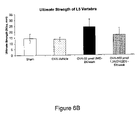
- FIG. 6B is a bar graph illustrating the increase of bone strength in ovariectomized old female rats as a result of treatment with 2-methylene-19-nor-20(S)-1 ⁇ ,25-dihydroxyvitamin D 3 (2MD) as compared to 1 ⁇ ,25-dihydroxyvitamin D 3 (1,25-(OH) 2 D 3 );
- FIG. 7 is a bar graph illustrating blood serum calcium levels in female rats after 6 weeks of treatment at various daily doses of 2-methylene-19-nor-20(S)-1 ⁇ ,25-dihydroxyvitamin D 3 (2MD) as compared to 1 ⁇ ,25-dihydroxyvitamin D 3 (1,25-(OH) 2 D 3 );
- FIG. 8 is a graph illustrating the growth of female rats at various dosages of 2-methylene-19-nor-20(S)-1 ⁇ ,25-dihydroxyvitamin D 3 (2MD) as compared to 1 ⁇ ,25-dihydroxyvitamin D 3 (1,25-(OH) 2 D 3 );
- FIG. 9 is a graph illustrating the kidney ash of female rats after 6 weeks of treatment at various daily doses of 2-methylene-19-nor-20(S)-1 ⁇ ,25-dihydroxyvitamin D 3 (2MD) as compared to 1 ⁇ ,25-dihydroxyvitamin D 3 (1,25-(OH) 2 D 3 );
- FIG. 10 is a line graph illustrating the blood serum calcium levels 24 hours after dose in Rhesus monkeys given a single oral bolus dose of 2-methylene-19-nor-20(S)-1 ⁇ ,25-dihydroxyvitamin D 3 (2MD) at varying concentrations;
- FIG. 11 is a bar graph illustrating the increase in total body bone mineral density (BMD) over time in adult female rats as a result of treatment with 2-methylene-19-nor-20(S)-1 ⁇ ,25-dihydroxyvitamin D 3 (2MD, 2.5 ng/kg/day) as compared to control, and which also incorporates a line graph illustrating the percent change in BMD;
- BMD total body bone mineral density
- FIG. 12A is a graph illustrating the increase in bone mineral density (BMD) over time in cancellous bone of the adult female rats used to obtain the data for FIG. 11 ;
- FIG. 12B is a graph illustrating the increase in bone mineral density (BMD) over time in cortical bone of the adult female rats used to obtain the data for FIG. 11 ;
- FIG. 13A is a graph illustrating the body weight over time of the adult female rats used to obtain the data for FIG. 11 and FIGS. 12A and 12B ;
- FIG. 13B is a graph illustrating the blood serum calcium levels over time of the adult female rats used to obtain the data for FIG. 11 and FIGS. 12A and 12B .
- 2-methylene-19-nor-20(S)-1 ⁇ ,25-dihydroxyvitamin D 3 (referred to herein as 2MD) was synthesized and tested. Structurally, this 19-nor analog is characterized by the general formula I previously illustrated herein.
- 2-methylene-19-nor-20(S)-1 ⁇ ,25-dihydroxyvitamin D 3 having the basic structure I can be accomplished by a common general method, i.e. the condensation of a bicyclic Windaus-Grundmann type ketone II with the allylic phosphine oxide III to the corresponding 2-methylene-19-nor-vitamin D analog IV followed by deprotection at C-1 and C-3 in the latter compound:
- Y 1 and Y 2 are hydroxy-protecting groups, it being also understood that any functionalities that might be sensitive, or that interfere with the condensation reaction, be suitably protected as is well-known in the art.
- the process shown above represents an application of the convergent synthesis concept, which has been applied effectively for the preparation of vitamin D compounds (e.g. Lythgoe et al., J. Chem. Soc. Perkin Trans. I, 590 (1978); Lythgoe, Chem. Soc. Rev. 9 , 449 (1983); Toh et al., J. Org. Chem. 48 , 1414 (1983); Baggiolini et al., J. Org. Chem.
- Hydrindanones of the general structure II are known, or can be prepared by known methods.
- FIG. 2 shows that 2MD has activity similar to that of 1,25-dihydroxyvitamin D 3 (1,25(OH) 2 D 3 ), the natural hormone, in stimulating intestinal calcium transport in vitamin D-deficient rats given a dose of drug by oral gavage for 7 consecutive days followed by assay using the everted gut sac technique. Values represent means ⁇ standard error.
- FIG. 3 clearly demonstrates that 2MD is 100 times more potent than 1,25(OH) 2 D 3 on bone, i.e. the mobilization of bone calcium.
- Blood serum calcium was measured 24 hours following the last dose in the rats as described in FIG. 2 . Values represent mean ⁇ standard error.
- FIG. 4 shows that 2MD is extraordinarily effective in building bone mass in ovariectomized rats as compared to the native hormone without increasing serum calcium concentration (Table 1). This is as yet an unprecedented new finding for a vitamin D compound.
- FIG. 5 illustrates that 2MD is 10–50 times more potent than 1,25(OH) 2 D 3 on HL-60 cell differentiation, making it an excellent candidate for the treatment of psoriasis and cancer, especially against leukemia, neuroblastoma, retinoblastoma, melanoma, colon cancer, breast cancer and prostate cancer.
- Table 1 and FIG. 6A illustrate that 2MD is very effective in increasing bone of ovariectomized, old female rats at 32 pmol given 2 times per week as compared to 1,25(OH) 2 D 3 given at high doses (250 or 500 pmol) 3 times per week. Note: 2MD also increases % ash in the femur. Values in the figure are mean ⁇ standard error.
- Table 2 and FIG. 6B show that 2MD increases breaking strength in the femurs (cortical strength) and crushing strength in the vertebra (trabecular strength) of animals shown in Table 1. Values in the figure are mean ⁇ standard error.
- FIGS. 7–9 show a six-week toxicity study in rats and demonstrate that 2MD appears safe at up to 35 pmol/day.
- FIG. 10 shows that in Rhesus monkeys, a single oral dose of 29 ⁇ g (1.73 ⁇ g/kg) does not cause significant elevation of serum calcium concentration, suggesting even greater safety in primates.
- FIGS. 11 , 12 A and 12 B show that 2MD given at 1.8 pmol/day is highly effective in increasing the bone density in normal adult female rats. Not only does 2MD increase cancellous (trabecular) bone, but it also increases the density of the cortical (shaft) bone as well.
- FIGS. 13A and 13B show that the remarkable increase in both cortical and cancellous bone are achieved with no adverse effect in either the body weight or serum calcium levels of the animals. Thus, this work shows that 2MD can be safely used not only in ovariectomized animals but also in normal animals at a dose that is effective in increasing bone density.
- the in vivo tests of increasing serum calcium of rats on a zero calcium diet provides an insight to osteoblastic or bone activity of 2MD.
- the dose response curves show that 2MD is at least 80–100 times more potent than 1,25(OH) 2 D 3 in raising calcium in the plasma via the stimulation of the osteoblasts ( FIG. 3 ).
- the activity of 2MD on intestinal calcium transport is approximately equal that of 1,25-(OH) 2 D 3 ( FIG. 2 ). Therefore, these data show 2MD to have selective activity on bone.
- 2MD is about as active as 1,25(OH) 2 D 3 in binding to the vitamin D receptor ( FIG. 1 ). However, it is between 10–50 times more active than 1,25-(OH) 2 D 3 in causing differentiation of the promyelocyte, HL-60, into the monocyte ( FIG. 5 ). This result suggests that 2MD will be very effective in psoriasis because it has direct cellular activity in causing differentiation and in suppressing growth. It also indicates that it will have significant activity as an anti-cancer agent, especially against leukemia, neuroblastoma, retinoblastoma, melanoma, colon cancer, breast cancer and prostate cancer.
- 2MD is extremely effective not only in restoring bone mass of ovariectomized, old female breeder rats as shown in FIGS. 4 and 6 and Tables 1 and 2, but it causes an increase in bone mass above that of sham-operated controls.
- the increased bone mass provided by 2MD translates into marked increases in bone strength.
- This increased strength to fracture in femur shows cortical strength while increased strength to crush fractures of vertebra illustrates trabecular (cancellous) bone strength (Table 2 and FIGS. 6A and 6B ).
- even the percent ash is unexpectedly increased further by 2MD.
- Goal Determine if young adult female rats respond to the anabolic agent, 2MD, by increasing BMD.
- mice were fed a purified rodent diet (“Diet 11”) prepared in-house (Suda et al, 1970, J. Nutr., 100:1049–1052) and containing 0.47% calcium, 0.3% phosphorus and 1.6 IU vitamin D 3 /g. To maintain consistent body weights (monitored weekly), rats were fed a total of 150 g diet/week, i.e. 21.5 g/day/rat.
- Diet 11 purified rodent diet prepared in-house (Suda et al, 1970, J. Nutr., 100:1049–1052) and containing 0.47% calcium, 0.3% phosphorus and 1.6 IU vitamin D 3 /g.
- rats were fed a total of 150 g diet/week, i.e. 21.5 g/day/rat.
- Rats were dosed daily beginning 5–6 weeks post-surgery.
- Neobee oil (vehicle) or 2MD were delivered to the back of the tongue in 100 ⁇ L.
- the dosing solution concentrations were adjusted monthly based on group-average body weights.
- Both total body BMD and appendicular (right distal and proximal femur) BMD were determined by dual-energy X-ray absorptiometry (Lunar DPX ⁇ -Madison, Wis.; Small Animal Software-version 1.0e) at weeks 0, 8, 16, and 24.
- Appendicular BMD was performed as described (Haffa et al, 2000, J. Bone Min. Res. 15:872). The values shown are averages for all rats and include standard errors.
- Total body BMD increased above vehicle-control animals in adult female rats given the 2MD orally ( FIG. 11 ). This increase was observed as soon as eight weeks and continued over the course of 24 weeks. Increases in cancellous bone BMD were the most pronounced, with an increase of 14% observed after 24 weeks in rats given 2MD ( FIG. 12A ). Cortical bone BMD also increased in similar fashion to that observed for the total body ( FIG. 12B ). These positive effects of 2MD occurred in the absence of any change in body weight ( FIG. 13A ) or any change in serum calcium ( FIG. 13B ).
- 2MD is obviously effective in increasing bone mass of intact normal female rats.
- normal it is meant a subject that is not afflicted with or has not been diagnosed with a metabolic bone disease or any other disease/disorder that results in a decrease over time of bone mass.
- 2MD increases both cancellous (14%) and cortical (6%) bone. Because it has been previously demonstrated that 2MD acts anabolically on bone, it is believed that 2MD may be used to increase bone mass of normal healthy children, adolescents, young adults and/or mature adults. This would result in skeleton that would survive the bone loss of aging and the menopause. In that sense, it can be used as a prophylaxis or preventative measure against fractures resulting from the bone loss of metabolic bone diseases, especially osteoporosis.
- 2MD In addition to osteoporosis, circumstances where 2MD could be used as a prophylaxis method include treatment of amenorrheic females. Furthermore, 2MD could be used in normal subjects when high bone mass is desired, such as athletes. It is envisioned that 2MD can be used to increase bone mass of horses especially race horses and in astronauts preparing for a long journey under weightless conditions. It may also be applicable in agriculture for preventing and/or reducing bone fractures as well as increasing eggshell strength in laying hens, preventing and/or reducing bone fractures in cows especially lactating cows, and preventing and/or reducing bone fractures in pigs especially sows being used for rapid farrowing. Typical commercially significant laying hens include chickens, turkeys, ducks, geese, pheasants, grouse, ostrich and quail.
- the compound of this invention defined by formula I may be formulated for pharmaceutical applications as a solution in innocuous solvents, or as an emulsion, suspension or dispersion in suitable solvents or carriers, or as pills, tablets or capsules, together with solid carriers, according to conventional methods known in the art. Any such formulations may also contain other pharmaceutically-acceptable and non-toxic excipients such as stabilizers, anti-oxidants, binders, coloring agents or emulsifying or taste-modifying agents.
- the compound 2MD may be administered orally, topically, parenterally or transdermally.
- the compound 2MD is advantageously administered by injection or by intravenous infusion or suitable sterile solutions, or in the form of liquid or solid doses via the alimentary canal, or in the form of creams, ointments, patches, or similar vehicles suitable for transdermal applications.
- Doses of from about 0.01 ⁇ g per day to about 100 ⁇ g per day, preferably from about 0.1 ⁇ g per day to about 10 ⁇ g per day of the compound 2MD are appropriate for treatment purposes in humans, such doses being adjusted according to the disease to be prevented or treated, its severity and the response of the subject as is well understood in the art.
- Doses of from about 0.0001 ⁇ g per day to about 700 ⁇ g per day of the compound 2MD are appropriate for treatment purposes in animals. Since the compound exhibits specificity of action, each may be suitably administered alone, or together with graded doses of another active vitamin D compound—e.g. 1 ⁇ -hydroxyvitamin D 2 or D 3 , or 1 ⁇ ,25-dihydroxyvitamin D 3 —in situations where different degrees of cell differentiation, bone mineral mobilization and/or calcium transport stimulation is found to be advantageous.
- another active vitamin D compound e.g. 1 ⁇ -hydroxyvitamin D 2 or D 3 , or 1 ⁇ ,25-dihydroxyvitamin D 3
- compositions for use in the above-mentioned treatment and/or prophylaxis of humans or animals aimed at maintaining or increasing bone mass or in other applications such as psoriasis and other malignancies comprise an effective amount of the 2-methylene-20(S)-19-nor-vitamin D compound as defined by the above formula I as the active ingredient, and a suitable carrier.
- An effective amount of such compound for use in accordance with this invention is from about 0.01 ⁇ g to about 50 ⁇ g per gram of composition, and may be administered topically, transdermally, orally or parenterally in dosages of from about 0.01 ⁇ g per day to about 100 ⁇ g per day in humans, and preferably from about 0.1 ⁇ g per day to about 10 ⁇ g per day in humans.
- an effective amount of such compound for use in accordance with this invention is from about 0.01 ⁇ g to about 50 ⁇ g per gm of composition, and may be administered topically, transdermally, orally or parenterally in dosages of from about 0.0001 ⁇ g per day to about 700 ⁇ g per day.
- the compound 2MD may be formulated as creams, lotions, ointments, topical patches, pills, capsules or tablets, or in liquid form as solutions, emulsions, dispersions, or suspensions in pharmaceutically innocuous and acceptable solvent or oils, and such preparations may contain in addition other pharmaceutically innocuous or beneficial components, such as stabilizers, antioxidants, emulsifiers, coloring agents, binders or taste-modifying agents.
- the compound 2MD is advantageously administered in amounts sufficient to effect the differentiation of promyelocytes to normal macrophages, and/or in amounts needed to prevent bone loss, maintain bone mass or increase bone mass. Dosages as described above are suitable, it being understood that the amounts given are to be adjusted in accordance with the severity of the disease, and the condition and response of the subject as is well understood in the art.
- compositions of the present invention comprise an active ingredient in association with a pharmaceutically acceptable carrier therefore and optionally other therapeutic ingredients.
- the carrier must be “acceptable” in the sense of being compatible with the other ingredients of the formulations and not deleterious to the recipient thereof.
- Formulations of the present invention suitable for oral administration may be in the form of discrete units as capsules, sachets, tablets or lozenges, each containing a predetermined amount of the active ingredient; in the form of a powder or granules; in the form of a solution or a suspension in an aqueous liquid or non-aqueous liquid; or in the form of an oil-in-water emulsion or a water-in-oil emulsion.
- Formulations for rectal administration may be in the form of a suppository incorporating the active ingredient and carrier such as cocoa butter, or in the form of an enema.
- Formulations suitable for parenteral administration conveniently comprise a sterile oily or aqueous preparation of the active ingredient which is preferably isotonic with the blood of the recipient.
- Formulations suitable for injection comprise a sterile oily or aqueous preparation, or a suspension or conjugate of the active ingredient.
- Formulations suitable for topical administration include liquid or semi-liquid preparations such as liniments, lotions, applicants, oil-in-water or water-in-oil emulsions such as creams, ointments or pastes; or solutions or suspensions such as drops; or as sprays.
- dosage unit a unitary, i.e. a single dose which is capable of being administered to a patient as a physically and chemically stable unit dose comprising either the active ingredient as such or a mixture of it with solid or liquid pharmaceutical diluents or carriers.
Landscapes
- Health & Medical Sciences (AREA)
- Medicinal Chemistry (AREA)
- Chemical & Material Sciences (AREA)
- Veterinary Medicine (AREA)
- Public Health (AREA)
- Life Sciences & Earth Sciences (AREA)
- General Health & Medical Sciences (AREA)
- Animal Behavior & Ethology (AREA)
- Pharmacology & Pharmacy (AREA)
- Epidemiology (AREA)
- Physical Education & Sports Medicine (AREA)
- Rheumatology (AREA)
- Orthopedic Medicine & Surgery (AREA)
- Bioinformatics & Cheminformatics (AREA)
- Organic Chemistry (AREA)
- Nuclear Medicine, Radiotherapy & Molecular Imaging (AREA)
- General Chemical & Material Sciences (AREA)
- Chemical Kinetics & Catalysis (AREA)
- Engineering & Computer Science (AREA)
- Pharmaceuticals Containing Other Organic And Inorganic Compounds (AREA)
Priority Applications (8)
| Application Number | Priority Date | Filing Date | Title |
|---|---|---|---|
| US10/782,337 US7214671B2 (en) | 2004-02-19 | 2004-02-19 | Use of 2-methylene-19-nor-20(S)-1α,25-dihydroxyvitamin D3 for the prophylaxis of bone diseases |
| ES04814798T ES2399328T3 (es) | 2004-02-19 | 2004-12-17 | Uso de 2-metilen-19-nor-20(S)-1a,25-dihidroxivitamina D3 para la profilaxis de enfermedades óseas |
| AU2004316404A AU2004316404B2 (en) | 2004-02-19 | 2004-12-17 | Use of 2-methylene-19-nor-20(S)-1alpha,25-dihydroxyvitamin D3 for the prophylaxis of bone diseases |
| CA2556931A CA2556931C (en) | 2004-02-19 | 2004-12-17 | Use of 2-methylene-19-nor-20(s)-1.alpha.,25-dihydroxyvitamin d3 for the prophylaxis of bone diseases |
| JP2006554085A JP2007523162A (ja) | 2004-02-19 | 2004-12-17 | 2‐メチレン‐19‐ノル‐20(S)‐1α,25‐ジヒドロキシビタミンD3の骨疾患の予防のための使用 |
| NZ549318A NZ549318A (en) | 2004-02-19 | 2004-12-17 | Use of 2-methylene-19-nor-20(S)-1alpha,25-dihydroxyvitamin D3 for the prophylaxis of bone diseases |
| EP04814798A EP1722856B1 (en) | 2004-02-19 | 2004-12-17 | Use of 2-methylene-19-nor-20(s)-1alpha,25-dihydroxyvitamin d3 for the prophylaxis of bone diseases |
| PCT/US2004/042657 WO2005082456A1 (en) | 2004-02-19 | 2004-12-17 | USE OF 2-METHYLENE-19-NOR-20(S)-1α,25-DIHYDROXYVITAMIN D3 FOR THE PROPHYLAXIS OF BONE DISEASES |
Applications Claiming Priority (1)
| Application Number | Priority Date | Filing Date | Title |
|---|---|---|---|
| US10/782,337 US7214671B2 (en) | 2004-02-19 | 2004-02-19 | Use of 2-methylene-19-nor-20(S)-1α,25-dihydroxyvitamin D3 for the prophylaxis of bone diseases |
Publications (2)
| Publication Number | Publication Date |
|---|---|
| US20050187201A1 US20050187201A1 (en) | 2005-08-25 |
| US7214671B2 true US7214671B2 (en) | 2007-05-08 |
Family
ID=34861010
Family Applications (1)
| Application Number | Title | Priority Date | Filing Date |
|---|---|---|---|
| US10/782,337 Expired - Lifetime US7214671B2 (en) | 2004-02-19 | 2004-02-19 | Use of 2-methylene-19-nor-20(S)-1α,25-dihydroxyvitamin D3 for the prophylaxis of bone diseases |
Country Status (8)
| Country | Link |
|---|---|
| US (1) | US7214671B2 (enExample) |
| EP (1) | EP1722856B1 (enExample) |
| JP (1) | JP2007523162A (enExample) |
| AU (1) | AU2004316404B2 (enExample) |
| CA (1) | CA2556931C (enExample) |
| ES (1) | ES2399328T3 (enExample) |
| NZ (1) | NZ549318A (enExample) |
| WO (1) | WO2005082456A1 (enExample) |
Cited By (4)
| Publication number | Priority date | Publication date | Assignee | Title |
|---|---|---|---|---|
| US20110237556A1 (en) * | 2010-03-23 | 2011-09-29 | Deluca Hector F | (20S)-2-METHYLENE-19-NOR-22-DIMETHYL-1alpha,25-DIHYDROXYVITAMIN D3 AND (20R)-2-METHYLENE-19-NOR-22-DIMETHYL-1alpha,25-HYDROXYVITAMIN D3 |
| US20110237557A1 (en) * | 2010-03-23 | 2011-09-29 | Deluca Hector F | Diastereomers of 2-methylene-19-nor-22-methyl-1alpha,25-dihydroxyvitamin d3 |
| US8664206B2 (en) | 2010-03-23 | 2014-03-04 | Wisconsin Alumni Research Foundation | Diastereomers of 2-methylene-19-nor-22-methyl-1α,25-dihydroxyvitamin D3 |
| RU2666995C2 (ru) * | 2012-06-29 | 2018-09-13 | Висконсин Алюмни Рисерч Фаундейшн | ПРИМЕНЕНИЕ 2-МЕТИЛЕН-19-НОР-(20S)-1α,25-ДИГИДРОКСИВИТАМИНА D3 ДЛЯ ЛЕЧЕНИЯ ВТОРИЧНОГО ГИПЕРПАРАТИРЕОЗА |
Families Citing this family (7)
| Publication number | Priority date | Publication date | Assignee | Title |
|---|---|---|---|---|
| WO2006061683A1 (en) * | 2004-12-09 | 2006-06-15 | Pfizer Products Inc. | 2-alkylidene-19-nor-vitamin d derivatives for the treatment of osteogenesis imperfecta |
| MX2008012913A (es) | 2006-04-06 | 2009-03-06 | Wisconsin Alumni Res Found | 2-metilen-1a,25-dihidroxi-18,19,21-trinorvitamina d3 y sus usos. |
| AU2007234717B2 (en) * | 2006-04-06 | 2012-04-19 | Wisconsin Alumni Research Foundation | 2-methylene-1alpha,25-dihydroxy-19,21-dinorvitamin D3 analogs and uses thereof |
| JP5908402B2 (ja) * | 2009-08-03 | 2016-04-26 | ウィスコンシン・アルムニ・リサーチ・ファウンデーションWisconsin Alumni Research Foundation | 腎疾患の予防方法およびその症状を処置する方法 |
| US9539264B2 (en) | 2014-12-30 | 2017-01-10 | Wisconsin Alumni Research Foundation | Use of 2-methylene-19-nor-(20S)-1-alpha,25-dihydroxyvitamin D3 to treat secondary hyperparathyroidism in patients previously treated with calcimimetics |
| US10369161B2 (en) | 2014-12-30 | 2019-08-06 | Wisconsin Alumni Research Foundation | Use of 2-methylene-19-NOR-(20S)-1-alpha,25-dihydroxyvitamin D3 to treat primary hyperparathyroidism |
| CN119632967B (zh) * | 2024-11-14 | 2025-10-21 | 广州健尔圣医药科技有限公司 | 二硫代氨基甲酸类化合物在制备预防和/或治疗骨质疏松药物中的应用 |
Citations (13)
| Publication number | Priority date | Publication date | Assignee | Title |
|---|---|---|---|---|
| US4777163A (en) | 1986-08-01 | 1988-10-11 | Boehringer Mannheim Gmbh | Diphosphonate derivatives, pharmaceutical compositions and methods of use for calcium disturbances |
| US5587497A (en) | 1989-03-09 | 1996-12-24 | Wisconsin Alumni Research Foundation | 19-nor-vitamin D compounds |
| US5843928A (en) * | 1997-03-17 | 1998-12-01 | Wisconsin Alumni Research Foundation | 2-alkylidene-19-nor-vitamin D compounds |
| US5972917A (en) * | 1998-05-29 | 1999-10-26 | Bone Care Int Inc | 1 α-hydroxy-25-ene-vitamin D, analogs and uses thereof |
| US6277837B1 (en) * | 1997-03-17 | 2001-08-21 | Wisconsin Alumni Research Foundation | 2-alkyl-19-nor-vitamin D compounds |
| US6313119B1 (en) | 1998-01-23 | 2001-11-06 | Adventis Pharma Deutschland Gmbh | Sulfonamide derivatives as inhibitors of bone resorption and as inhibitors of cell adhesion |
| US6316642B1 (en) * | 1997-03-17 | 2001-11-13 | Wisconsin Alumni Research Foundation | 26,27-Homologated-20-EPI-2alkyl-19-nor-vitamin D compounds |
| WO2002005823A2 (en) * | 2000-07-14 | 2002-01-24 | Wisconsin Alumni Research Foundation | USE OF 2-METHYLENE-19-NOR-20(S)-1α,25-DIHYDROXYVITAMIN D3 TO INCREASE BONE STRENGTH |
| US6369099B1 (en) * | 1998-05-21 | 2002-04-09 | Wisconsin Alumni Research Foundation | Method of locking 1 α-OH of vitamin D compounds in axial orientation |
| US6392071B1 (en) * | 1997-03-17 | 2002-05-21 | Wisconsin Alumni: Research Foundation | 26,27-homologated-20-EPI-2-alkylidene-19-nor-vitamin D compounds |
| US6440953B1 (en) * | 2000-09-08 | 2002-08-27 | Wisconsin Alumni Research Foundation | 1α-hydroxy-2-methylene-19-nor-homopregnacalciferol and its uses |
| US6566352B1 (en) * | 2002-02-18 | 2003-05-20 | Wisconsin Alumni Research Foudation | 1 α-hydroxy-2-methylene-19-nor-pregnacalciferol and its uses |
| US6638540B2 (en) | 1997-05-06 | 2003-10-28 | Universitat Bern | Plant extracts for the treatment of increased bone resorption |
Family Cites Families (2)
| Publication number | Priority date | Publication date | Assignee | Title |
|---|---|---|---|---|
| US6306844B1 (en) * | 1997-03-17 | 2001-10-23 | Wisconsin Alumni Research Foundation | Use of 2α-methyl-19-nor-20(S)-1α, 25-dihydroxyvitamin D3 to increase bone strength |
| US20030195175A1 (en) * | 2002-03-25 | 2003-10-16 | Deluca Hector F. | Use of carbon-2-modified-vitamin D analogs to induce the formation of new bone |
-
2004
- 2004-02-19 US US10/782,337 patent/US7214671B2/en not_active Expired - Lifetime
- 2004-12-17 JP JP2006554085A patent/JP2007523162A/ja active Pending
- 2004-12-17 AU AU2004316404A patent/AU2004316404B2/en not_active Ceased
- 2004-12-17 NZ NZ549318A patent/NZ549318A/en not_active IP Right Cessation
- 2004-12-17 WO PCT/US2004/042657 patent/WO2005082456A1/en not_active Ceased
- 2004-12-17 ES ES04814798T patent/ES2399328T3/es not_active Expired - Lifetime
- 2004-12-17 EP EP04814798A patent/EP1722856B1/en not_active Expired - Lifetime
- 2004-12-17 CA CA2556931A patent/CA2556931C/en not_active Expired - Fee Related
Patent Citations (18)
| Publication number | Priority date | Publication date | Assignee | Title |
|---|---|---|---|---|
| US4777163A (en) | 1986-08-01 | 1988-10-11 | Boehringer Mannheim Gmbh | Diphosphonate derivatives, pharmaceutical compositions and methods of use for calcium disturbances |
| US5587497A (en) | 1989-03-09 | 1996-12-24 | Wisconsin Alumni Research Foundation | 19-nor-vitamin D compounds |
| US6537981B2 (en) * | 1997-03-17 | 2003-03-25 | Wisconsin Alumni Research Foundation | 26,27-Homologated-20-EPI-2-alklidene-19-nor-vitamin D compounds |
| US5843928A (en) * | 1997-03-17 | 1998-12-01 | Wisconsin Alumni Research Foundation | 2-alkylidene-19-nor-vitamin D compounds |
| US6696431B2 (en) * | 1997-03-17 | 2004-02-24 | Wisconsin Alumni Research Foundation | 26,27-homologated-20-EPI-2-alkylidene-19-nor-vitamin D compounds |
| US6277837B1 (en) * | 1997-03-17 | 2001-08-21 | Wisconsin Alumni Research Foundation | 2-alkyl-19-nor-vitamin D compounds |
| US6316642B1 (en) * | 1997-03-17 | 2001-11-13 | Wisconsin Alumni Research Foundation | 26,27-Homologated-20-EPI-2alkyl-19-nor-vitamin D compounds |
| US6392071B1 (en) * | 1997-03-17 | 2002-05-21 | Wisconsin Alumni: Research Foundation | 26,27-homologated-20-EPI-2-alkylidene-19-nor-vitamin D compounds |
| US6638540B2 (en) | 1997-05-06 | 2003-10-28 | Universitat Bern | Plant extracts for the treatment of increased bone resorption |
| US6313119B1 (en) | 1998-01-23 | 2001-11-06 | Adventis Pharma Deutschland Gmbh | Sulfonamide derivatives as inhibitors of bone resorption and as inhibitors of cell adhesion |
| US6369099B1 (en) * | 1998-05-21 | 2002-04-09 | Wisconsin Alumni Research Foundation | Method of locking 1 α-OH of vitamin D compounds in axial orientation |
| US6458827B2 (en) * | 1998-05-21 | 2002-10-01 | Wisconsin Alumni Research Foundation | Method of locking 1α-OH of vitamin D compounds in axial orientation |
| US6482812B2 (en) * | 1998-05-21 | 2002-11-19 | Wisconsin Alumni Research Foundation | Method of locking 1α-OH of vitamin D compounds in axial orientation |
| US6506912B2 (en) * | 1998-05-21 | 2003-01-14 | Wisconsin Alumni Research Foundation | Method of locking 1α-OH of vitamin D compounds in axial orientation |
| US5972917A (en) * | 1998-05-29 | 1999-10-26 | Bone Care Int Inc | 1 α-hydroxy-25-ene-vitamin D, analogs and uses thereof |
| WO2002005823A2 (en) * | 2000-07-14 | 2002-01-24 | Wisconsin Alumni Research Foundation | USE OF 2-METHYLENE-19-NOR-20(S)-1α,25-DIHYDROXYVITAMIN D3 TO INCREASE BONE STRENGTH |
| US6440953B1 (en) * | 2000-09-08 | 2002-08-27 | Wisconsin Alumni Research Foundation | 1α-hydroxy-2-methylene-19-nor-homopregnacalciferol and its uses |
| US6566352B1 (en) * | 2002-02-18 | 2003-05-20 | Wisconsin Alumni Research Foudation | 1 α-hydroxy-2-methylene-19-nor-pregnacalciferol and its uses |
Non-Patent Citations (18)
| Title |
|---|
| Boris et al, "Relative Activities of Some Metabolites and Analogs of Cholecalciferol in Stimulation of Tibia Ash Weight in Chicks Otherwise Deprived of Vitamin D," Vitamin D Metabolites, Analogs and Bone Ash, 1976, pp. 194-198. |
| Christensen, Abstract PMID: 6795047, "Effect of 1,25-Dihydroxy-Vitamin D3 in Itself or Combined with Hormone Treatment in Prevent Postmenopausal Osteoporosis," Eur. J. Clin. Invest., Aug. 11, 1981, vol. 11, No. 4. |
| Cummings et al, "Improvement in Spine Bone Desity and Reduction in Risk of Vertebral Fractures During Treatment with Antiresorptive Drugs," The American Journal of Medicine, vol. 112, 2002, pp. 281-289. |
| Harris, "Four-Year Study of Intermittent Cyclic Etidronate Treatment of Postmenopausal Osteoporosis: Three Years of Blinded Therapy Followed by One Year of Open Therapy," The American Journal of Medicine, vol. 95, Dec. 1993, pp. 557-567. |
| Hedlund et al, "Increased Incidence of Hip Fracture in Osteoporotic Women Treated with Sodium Fluoride," Journal of Bone and Mineral Research, vol. 4, No. 2, 1989, pp. 223-225. |
| Holick et al, Harrison's Principle of Internal Medicine, 13th Ed. 1994, pp. 2137-2151. |
| Jensen et al, "Treatment of Post Menopausal Osteoporosis, A Controlled Therapeutic Trial Comparing Oestrogen/Gestagen, 1,25-Dihydroxy-Vitamin D-3 and Calcium," Clinical Endocrinology, 16, 1982, pp. 515-524. |
| Kleerekoper, "Treatment of Osteoporosis with Sodium Fluoride Alternating with Calcium and Vitamin D," Osteoporosis: Recent Advances in Pathogenesis and Treatment, 1981, pp. 441-448. |
| Klein, "Nutritional Rickets and Osteomalacia," Primer on the Metabolic Bone Diseases and Disorders of Mineral Metabolism, 1996, pp. 301-305. |
| Meunier, "Evidence-Based Medicine and Osteoporosis: A Comparison of Fracture Risk Reduction Data from Osteoporosis Randomised Clinical Trials," IJCP, vol. 53, No. 2, Mar. 1999. |
| Nordin et al, "The Metabolic Basis of Osteoporosis," Osteoporosis: Physiological Basis, Assessment, and Treatment, Elsevier Science Publishing Co., Inc., 1990, pp. 23-36. |
| Ott et al, "Calcitriol Treatment is not Effective in Postmenopausal Osteoporosis," Annals of Internal Medicine, vol. 110, No. 4, Feb. 15, 1989, pp. 267-274. |
| Peck, "The Pathogenesis of Postmenopausal Osteoporosis," Osteoporosis: Physiological Basis, Assessment, and Treatment, Elsevier Science Publishing Co., Inc., 1990, pp. 3-6. |
| Riggs et al, "Bone Turnover Matters: The Raloxifene Treatment Paradox of Dramatic Decreases in Vertebral Fractures without Commensurate Increases in Bone Density," Journal of Bone and Mineral Research, vol. 17, No. 1, 2002, pp. 11-13. |
| Riggs et al, "Causes of Age-Related Bone Loss and Fractures," Osteoporosis: Physiological Basis, Assessment, and Treatment, 1990, pp. 7-16. |
| Sarkar, "Relationships Between Bone Mineral Desnity and Incident Vertebral Fracture Risk with Raloxifene Therapy," Journal of Bone and Mineral Research, vol. 17, No. 1, 2002, pp. 1-10. |
| Sudhaker Rao et al, "Metabolic Bone Disease in Gastrointestinal Hepatobiliary, and Pancreatic Disorders," Primer on the Metabolic Bone Diseases and Disorders of Mineral Metabolism, 1996, pp. 306-311. |
| Watts et al, "Intermittent Cyclical Etidronate Treatment of Postmenopausal Osteoporosis," The New England Journal of Medicine, vol. 323, No. 2, Jul. 12, 1990, pp. 73-79. |
Cited By (5)
| Publication number | Priority date | Publication date | Assignee | Title |
|---|---|---|---|---|
| US20110237556A1 (en) * | 2010-03-23 | 2011-09-29 | Deluca Hector F | (20S)-2-METHYLENE-19-NOR-22-DIMETHYL-1alpha,25-DIHYDROXYVITAMIN D3 AND (20R)-2-METHYLENE-19-NOR-22-DIMETHYL-1alpha,25-HYDROXYVITAMIN D3 |
| US20110237557A1 (en) * | 2010-03-23 | 2011-09-29 | Deluca Hector F | Diastereomers of 2-methylene-19-nor-22-methyl-1alpha,25-dihydroxyvitamin d3 |
| US8604009B2 (en) | 2010-03-23 | 2013-12-10 | Wisconsin Alumni Research Foundation | (20S)-2-methylene-19-nor-22-dimethyl-1α,25-dihydroxyvitamin D3 and (20R)-2-methylene-19-nor-22-dimethyl-1α,25-hydroxyvitamin D3 |
| US8664206B2 (en) | 2010-03-23 | 2014-03-04 | Wisconsin Alumni Research Foundation | Diastereomers of 2-methylene-19-nor-22-methyl-1α,25-dihydroxyvitamin D3 |
| RU2666995C2 (ru) * | 2012-06-29 | 2018-09-13 | Висконсин Алюмни Рисерч Фаундейшн | ПРИМЕНЕНИЕ 2-МЕТИЛЕН-19-НОР-(20S)-1α,25-ДИГИДРОКСИВИТАМИНА D3 ДЛЯ ЛЕЧЕНИЯ ВТОРИЧНОГО ГИПЕРПАРАТИРЕОЗА |
Also Published As
| Publication number | Publication date |
|---|---|
| JP2007523162A (ja) | 2007-08-16 |
| ES2399328T3 (es) | 2013-03-27 |
| NZ549318A (en) | 2011-01-28 |
| CA2556931A1 (en) | 2005-09-09 |
| AU2004316404B2 (en) | 2011-02-10 |
| WO2005082456A1 (en) | 2005-09-09 |
| EP1722856A1 (en) | 2006-11-22 |
| AU2004316404A1 (en) | 2005-09-09 |
| EP1722856B1 (en) | 2012-11-28 |
| US20050187201A1 (en) | 2005-08-25 |
| CA2556931C (en) | 2013-02-05 |
Similar Documents
| Publication | Publication Date | Title |
|---|---|---|
| AU2001273303B8 (en) | Use of 2alpha-methyl-19-nor-20(s)-1alpha,25-dihydroxyvitamin D3 to increase bone strength | |
| AU2001275445B2 (en) | 1alpha-hydroxy-2-methylene-19-nor-homopregnacalciferol and its therapeutic applications | |
| US6566352B1 (en) | 1 α-hydroxy-2-methylene-19-nor-pregnacalciferol and its uses | |
| US6627622B2 (en) | (20S)-1α-hydroxy-2-methylene-19-nor-bishomopregnacalciferol and its uses | |
| US7115594B2 (en) | Use of 2-methylene-19-nor-20(S)-1α,25-dihydroxyvitamin D3 to increase bone strength | |
| AU2001273303A1 (en) | Use of 2alpha-methyl-19-nor-20(s)-1alpha,25-dihydroxyvitamin D3 to increase bone strength | |
| AU2001278888A1 (en) | Use of 2-methylene-19-nor-20(s)-1alpha,25-dihydroxyvitamin D3 to increase bone strength | |
| CA2556931C (en) | Use of 2-methylene-19-nor-20(s)-1.alpha.,25-dihydroxyvitamin d3 for the prophylaxis of bone diseases | |
| JP4282234B2 (ja) | カルセミック活性を持つ19−ノル−ビタミンd3化合物 | |
| MXPA06009640A (en) | USE OF 2-METHYLENE-19-NOR-20(S)-1alpha,25-DIHYDROXYVITAMIN D3 | |
| AU2002360534B2 (en) | 1-alpha-hydroxy-2-methylene-19-nor-pregnacalciferol and its uses |
Legal Events
| Date | Code | Title | Description |
|---|---|---|---|
| AS | Assignment |
Owner name: WISCONSIN ALUMNI RESEARCH FOUNDATION, WISCONSIN Free format text: ASSIGNMENT OF ASSIGNORS INTEREST;ASSIGNORS:DELUCA, HECTOR F.;PLUM, LORI A.;CLAGETT-DAME, MARGARET;REEL/FRAME:015162/0069;SIGNING DATES FROM 20040303 TO 20040318 |
|
| STCF | Information on status: patent grant |
Free format text: PATENTED CASE |
|
| FEPP | Fee payment procedure |
Free format text: PAT HOLDER NO LONGER CLAIMS SMALL ENTITY STATUS, ENTITY STATUS SET TO UNDISCOUNTED (ORIGINAL EVENT CODE: STOL); ENTITY STATUS OF PATENT OWNER: SMALL ENTITY |
|
| FPAY | Fee payment |
Year of fee payment: 4 |
|
| FEPP | Fee payment procedure |
Free format text: PAT HOLDER CLAIMS SMALL ENTITY STATUS, ENTITY STATUS SET TO SMALL (ORIGINAL EVENT CODE: LTOS); ENTITY STATUS OF PATENT OWNER: SMALL ENTITY |
|
| FPAY | Fee payment |
Year of fee payment: 8 |
|
| MAFP | Maintenance fee payment |
Free format text: PAYMENT OF MAINTENANCE FEE, 12TH YR, SMALL ENTITY (ORIGINAL EVENT CODE: M2553); ENTITY STATUS OF PATENT OWNER: SMALL ENTITY Year of fee payment: 12 |