US6271267B1 - Compound to regulate the morphological transition of dimorphic candida - Google Patents
Compound to regulate the morphological transition of dimorphic candida Download PDFInfo
- Publication number
- US6271267B1 US6271267B1 US09/316,087 US31608799A US6271267B1 US 6271267 B1 US6271267 B1 US 6271267B1 US 31608799 A US31608799 A US 31608799A US 6271267 B1 US6271267 B1 US 6271267B1
- Authority
- US
- United States
- Prior art keywords
- candida
- transition
- compound
- dimorphic
- form cells
- Prior art date
- Legal status (The legal status is an assumption and is not a legal conclusion. Google has not performed a legal analysis and makes no representation as to the accuracy of the status listed.)
- Expired - Lifetime
Links
- 230000007704 transition Effects 0.000 title claims abstract description 47
- 150000001875 compounds Chemical class 0.000 title claims abstract description 34
- 230000000877 morphologic effect Effects 0.000 title claims abstract description 16
- 241000222120 Candida <Saccharomycetales> Species 0.000 title claims abstract description 14
- 241000222122 Candida albicans Species 0.000 claims abstract description 12
- 229940095731 candida albicans Drugs 0.000 claims abstract description 8
- 230000001105 regulatory effect Effects 0.000 claims abstract description 7
- 238000002347 injection Methods 0.000 claims abstract description 4
- 239000007924 injection Substances 0.000 claims abstract description 4
- 238000000034 method Methods 0.000 claims abstract description 4
- 241000222173 Candida parapsilosis Species 0.000 claims abstract description 3
- 241000222178 Candida tropicalis Species 0.000 claims abstract description 3
- 229940055022 candida parapsilosis Drugs 0.000 claims abstract 2
- 208000015181 infectious disease Diseases 0.000 abstract description 4
- 210000004027 cell Anatomy 0.000 description 66
- 240000004808 Saccharomyces cerevisiae Species 0.000 description 46
- 230000002401 inhibitory effect Effects 0.000 description 38
- 238000011534 incubation Methods 0.000 description 20
- 241000233866 Fungi Species 0.000 description 17
- IAZDPXIOMUYVGZ-UHFFFAOYSA-N Dimethylsulphoxide Chemical compound CS(C)=O IAZDPXIOMUYVGZ-UHFFFAOYSA-N 0.000 description 12
- 125000002350 geranyl group Chemical group [H]C([*])([H])/C([H])=C(C([H])([H])[H])/C([H])([H])C([H])([H])C([H])=C(C([H])([H])[H])C([H])([H])[H] 0.000 description 12
- 238000010586 diagram Methods 0.000 description 10
- 239000002609 medium Substances 0.000 description 9
- GLZPCOQZEFWAFX-UHFFFAOYSA-N Geraniol Chemical compound CC(C)=CCCC(C)=CCO GLZPCOQZEFWAFX-UHFFFAOYSA-N 0.000 description 8
- 239000003795 chemical substances by application Substances 0.000 description 8
- 230000000694 effects Effects 0.000 description 7
- 239000000126 substance Substances 0.000 description 7
- JSNRRGGBADWTMC-UHFFFAOYSA-N (6E)-7,11-dimethyl-3-methylene-1,6,10-dodecatriene Chemical compound CC(C)=CCCC(C)=CCCC(=C)C=C JSNRRGGBADWTMC-UHFFFAOYSA-N 0.000 description 6
- 238000002360 preparation method Methods 0.000 description 6
- 150000003505 terpenes Chemical class 0.000 description 6
- 235000007586 terpenes Nutrition 0.000 description 6
- GLZPCOQZEFWAFX-YFHOEESVSA-N Geraniol Natural products CC(C)=CCC\C(C)=C/CO GLZPCOQZEFWAFX-YFHOEESVSA-N 0.000 description 5
- 239000002253 acid Substances 0.000 description 5
- 230000001737 promoting effect Effects 0.000 description 5
- CRDAMVZIKSXKFV-YFVJMOTDSA-N (2-trans,6-trans)-farnesol Chemical compound CC(C)=CCC\C(C)=C\CC\C(C)=C\CO CRDAMVZIKSXKFV-YFVJMOTDSA-N 0.000 description 4
- ZGIGZINMAOQWLX-NCZFFCEISA-N 3,7,11-Trimethyl-2,6,10-dodecatrienyl acetate Chemical compound CC(C)=CCC\C(C)=C\CC\C(C)=C\COC(C)=O ZGIGZINMAOQWLX-NCZFFCEISA-N 0.000 description 4
- 150000002148 esters Chemical class 0.000 description 4
- OJISWRZIEWCUBN-UHFFFAOYSA-N geranylnerol Natural products CC(C)=CCCC(C)=CCCC(C)=CCCC(C)=CCO OJISWRZIEWCUBN-UHFFFAOYSA-N 0.000 description 4
- 230000001717 pathogenic effect Effects 0.000 description 4
- BASFCYQUMIYNBI-UHFFFAOYSA-N platinum Chemical compound [Pt] BASFCYQUMIYNBI-UHFFFAOYSA-N 0.000 description 4
- 239000006228 supernatant Substances 0.000 description 4
- CRDAMVZIKSXKFV-UHFFFAOYSA-N trans-Farnesol Natural products CC(C)=CCCC(C)=CCCC(C)=CCO CRDAMVZIKSXKFV-UHFFFAOYSA-N 0.000 description 4
- 239000000260 (2E,6E)-3,7,11-trimethyldodeca-2,6,10-trien-1-ol Substances 0.000 description 3
- OJISWRZIEWCUBN-QIRCYJPOSA-N (E,E,E)-geranylgeraniol Chemical compound CC(C)=CCC\C(C)=C\CC\C(C)=C\CC\C(C)=C\CO OJISWRZIEWCUBN-QIRCYJPOSA-N 0.000 description 3
- ZGIGZINMAOQWLX-UHFFFAOYSA-N Farnesyl acetate Natural products CC(C)=CCCC(C)=CCCC(C)=CCOC(C)=O ZGIGZINMAOQWLX-UHFFFAOYSA-N 0.000 description 3
- 239000005792 Geraniol Substances 0.000 description 3
- WQZGKKKJIJFFOK-GASJEMHNSA-N Glucose Natural products OC[C@H]1OC(O)[C@H](O)[C@@H](O)[C@@H]1O WQZGKKKJIJFFOK-GASJEMHNSA-N 0.000 description 3
- 229930004069 diterpene Natural products 0.000 description 3
- 150000002170 ethers Chemical class 0.000 description 3
- 229930002886 farnesol Natural products 0.000 description 3
- 229940043259 farnesol Drugs 0.000 description 3
- 229940007703 farnesyl acetate Drugs 0.000 description 3
- 235000012041 food component Nutrition 0.000 description 3
- 229940113087 geraniol Drugs 0.000 description 3
- XWRJRXQNOHXIOX-UHFFFAOYSA-N geranylgeraniol Natural products CC(C)=CCCC(C)=CCOCC=C(C)CCC=C(C)C XWRJRXQNOHXIOX-UHFFFAOYSA-N 0.000 description 3
- 239000008103 glucose Substances 0.000 description 3
- 230000002441 reversible effect Effects 0.000 description 3
- YBJHBAHKTGYVGT-ZKWXMUAHSA-N (+)-Biotin Chemical compound N1C(=O)N[C@@H]2[C@H](CCCCC(=O)O)SC[C@@H]21 YBJHBAHKTGYVGT-ZKWXMUAHSA-N 0.000 description 2
- WJHFZYAELPOJIV-UHFFFAOYSA-N (2E,6E)-3,7,11-trimethyl-2,6,10-dodecatrienoic acid Natural products CC(C)=CCCC(C)=CCCC(C)=CC(O)=O WJHFZYAELPOJIV-UHFFFAOYSA-N 0.000 description 2
- WJHFZYAELPOJIV-IJFRVEDASA-N (2E,6E)-farnesoic acid Chemical compound CC(C)=CCC\C(C)=C\CC\C(C)=C\C(O)=O WJHFZYAELPOJIV-IJFRVEDASA-N 0.000 description 2
- QFLWZFQWSBQYPS-AWRAUJHKSA-N (3S)-3-[[(2S)-2-[[(2S)-2-[5-[(3aS,6aR)-2-oxo-1,3,3a,4,6,6a-hexahydrothieno[3,4-d]imidazol-4-yl]pentanoylamino]-3-methylbutanoyl]amino]-3-(4-hydroxyphenyl)propanoyl]amino]-4-[1-bis(4-chlorophenoxy)phosphorylbutylamino]-4-oxobutanoic acid Chemical compound CCCC(NC(=O)[C@H](CC(O)=O)NC(=O)[C@H](Cc1ccc(O)cc1)NC(=O)[C@@H](NC(=O)CCCCC1SC[C@@H]2NC(=O)N[C@H]12)C(C)C)P(=O)(Oc1ccc(Cl)cc1)Oc1ccc(Cl)cc1 QFLWZFQWSBQYPS-AWRAUJHKSA-N 0.000 description 2
- JSNRRGGBADWTMC-QINSGFPZSA-N (E)-beta-Farnesene Natural products CC(C)=CCC\C(C)=C/CCC(=C)C=C JSNRRGGBADWTMC-QINSGFPZSA-N 0.000 description 2
- UNILWMWFPHPYOR-KXEYIPSPSA-M 1-[6-[2-[3-[3-[3-[2-[2-[3-[[2-[2-[[(2r)-1-[[2-[[(2r)-1-[3-[2-[2-[3-[[2-(2-amino-2-oxoethoxy)acetyl]amino]propoxy]ethoxy]ethoxy]propylamino]-3-hydroxy-1-oxopropan-2-yl]amino]-2-oxoethyl]amino]-3-[(2r)-2,3-di(hexadecanoyloxy)propyl]sulfanyl-1-oxopropan-2-yl Chemical compound O=C1C(SCCC(=O)NCCCOCCOCCOCCCNC(=O)COCC(=O)N[C@@H](CSC[C@@H](COC(=O)CCCCCCCCCCCCCCC)OC(=O)CCCCCCCCCCCCCCC)C(=O)NCC(=O)N[C@H](CO)C(=O)NCCCOCCOCCOCCCNC(=O)COCC(N)=O)CC(=O)N1CCNC(=O)CCCCCN\1C2=CC=C(S([O-])(=O)=O)C=C2CC/1=C/C=C/C=C/C1=[N+](CC)C2=CC=C(S([O-])(=O)=O)C=C2C1 UNILWMWFPHPYOR-KXEYIPSPSA-M 0.000 description 2
- QTBSBXVTEAMEQO-UHFFFAOYSA-M Acetate Chemical compound CC([O-])=O QTBSBXVTEAMEQO-UHFFFAOYSA-M 0.000 description 2
- VXHJRRIKCDOHPU-HVWJHFAKSA-N C=CC(=C)CC/C=C(\C)CCC=C(C)C.C=CC(C)(O)CC/C=C(\C)CCC=C(C)C.CC(=O)OC/C=C(\C)CC/C=C(\C)CCC=C(C)C.CC(C)=CCC/C(C)=C/CC/C(C)=C/C(=O)O.CC(C)=CCC/C(C)=C/CC/C(C)=C/CO Chemical compound C=CC(=C)CC/C=C(\C)CCC=C(C)C.C=CC(C)(O)CC/C=C(\C)CCC=C(C)C.CC(=O)OC/C=C(\C)CC/C=C(\C)CCC=C(C)C.CC(C)=CCC/C(C)=C/CC/C(C)=C/C(=O)O.CC(C)=CCC/C(C)=C/CC/C(C)=C/CO VXHJRRIKCDOHPU-HVWJHFAKSA-N 0.000 description 2
- CSNNHWWHGAXBCP-UHFFFAOYSA-L Magnesium sulfate Chemical compound [Mg+2].[O-][S+2]([O-])([O-])[O-] CSNNHWWHGAXBCP-UHFFFAOYSA-L 0.000 description 2
- 208000001388 Opportunistic Infections Diseases 0.000 description 2
- YSNRTFFURISHOU-UHFFFAOYSA-N beta-farnesene Natural products C=CC(C)CCC=C(C)CCC=C(C)C YSNRTFFURISHOU-UHFFFAOYSA-N 0.000 description 2
- 239000003153 chemical reaction reagent Substances 0.000 description 2
- 229940125904 compound 1 Drugs 0.000 description 2
- 229940125773 compound 10 Drugs 0.000 description 2
- 239000012153 distilled water Substances 0.000 description 2
- 125000000567 diterpene group Chemical group 0.000 description 2
- 239000003937 drug carrier Substances 0.000 description 2
- 239000008187 granular material Substances 0.000 description 2
- 238000002955 isolation Methods 0.000 description 2
- 125000000654 isopropylidene group Chemical group C(C)(C)=* 0.000 description 2
- ZLVXBBHTMQJRSX-VMGNSXQWSA-N jdtic Chemical compound C1([C@]2(C)CCN(C[C@@H]2C)C[C@H](C(C)C)NC(=O)[C@@H]2NCC3=CC(O)=CC=C3C2)=CC=CC(O)=C1 ZLVXBBHTMQJRSX-VMGNSXQWSA-N 0.000 description 2
- 229930003658 monoterpene Natural products 0.000 description 2
- 150000002773 monoterpene derivatives Chemical class 0.000 description 2
- 235000002577 monoterpenes Nutrition 0.000 description 2
- 239000000546 pharmaceutical excipient Substances 0.000 description 2
- 229910052697 platinum Inorganic materials 0.000 description 2
- 239000001965 potato dextrose agar Substances 0.000 description 2
- 238000004321 preservation Methods 0.000 description 2
- 229930004725 sesquiterpene Natural products 0.000 description 2
- 150000004354 sesquiterpene derivatives Chemical class 0.000 description 2
- HEMHJVSKTPXQMS-UHFFFAOYSA-M sodium hydroxide Inorganic materials [OH-].[Na+] HEMHJVSKTPXQMS-UHFFFAOYSA-M 0.000 description 2
- 239000000243 solution Substances 0.000 description 2
- XLYOFNOQVPJJNP-UHFFFAOYSA-N water Chemical compound O XLYOFNOQVPJJNP-UHFFFAOYSA-N 0.000 description 2
- FQTLCLSUCSAZDY-UHFFFAOYSA-N (+) E(S) nerolidol Natural products CC(C)=CCCC(C)=CCCC(C)(O)C=C FQTLCLSUCSAZDY-UHFFFAOYSA-N 0.000 description 1
- GHYOCDFICYLMRF-UTIIJYGPSA-N (2S,3R)-N-[(2S)-3-(cyclopenten-1-yl)-1-[(2R)-2-methyloxiran-2-yl]-1-oxopropan-2-yl]-3-hydroxy-3-(4-methoxyphenyl)-2-[[(2S)-2-[(2-morpholin-4-ylacetyl)amino]propanoyl]amino]propanamide Chemical compound C1(=CCCC1)C[C@@H](C(=O)[C@@]1(OC1)C)NC([C@H]([C@@H](C1=CC=C(C=C1)OC)O)NC([C@H](C)NC(CN1CCOCC1)=O)=O)=O GHYOCDFICYLMRF-UTIIJYGPSA-N 0.000 description 1
- OJISWRZIEWCUBN-KWBDAJKESA-N (2z,6e,10e)-3,7,11,15-tetramethylhexadeca-2,6,10,14-tetraen-1-ol Chemical compound CC(C)=CCC\C(C)=C\CC\C(C)=C\CC\C(C)=C/CO OJISWRZIEWCUBN-KWBDAJKESA-N 0.000 description 1
- FQTLCLSUCSAZDY-SDNWHVSQSA-N (6E)-nerolidol Chemical compound CC(C)=CCC\C(C)=C\CCC(C)(O)C=C FQTLCLSUCSAZDY-SDNWHVSQSA-N 0.000 description 1
- KJYPHTKJXTUHCJ-UHFFFAOYSA-N 3,7,11-trimethyldodeca-1,3,6,10-tetraene Chemical compound CC(C=C)=CCC=C(CCC=C(C)C)C.CC(C)=CCCC(C)=CCC=C(C)C=C KJYPHTKJXTUHCJ-UHFFFAOYSA-N 0.000 description 1
- GUBGYTABKSRVRQ-XLOQQCSPSA-N Alpha-Lactose Chemical compound O[C@@H]1[C@@H](O)[C@@H](O)[C@@H](CO)O[C@H]1O[C@@H]1[C@@H](CO)O[C@H](O)[C@H](O)[C@H]1O GUBGYTABKSRVRQ-XLOQQCSPSA-N 0.000 description 1
- NLXLAEXVIDQMFP-UHFFFAOYSA-N Ammonia chloride Chemical compound [NH4+].[Cl-] NLXLAEXVIDQMFP-UHFFFAOYSA-N 0.000 description 1
- 241000894006 Bacteria Species 0.000 description 1
- UEMBEMRELWVZJF-AKKDXLBRSA-N C/C=C(/C)CCC=C(C)C.C/C=C(\C)CCC=C(C)C.C=CC(=C)CC/C=C(\C)CCC=C(C)C.C=CC(C)(O)CC/C=C(\C)CCC=C(C)C.CC(=O)OC/C=C(\C)CC/C=C(\C)CCC=C(C)C.CC(=O)OC/C=C(\C)CCC=C(C)C.CC(C)=CCC/C(C)=C/C(=O)O.CC(C)=CCC/C(C)=C/CC/C(C)=C/C(=O)O.CC(C)=CCC/C(C)=C/CC/C(C)=C/CC/C(C)=C\CO.CC(C)=CCC/C(C)=C/CC/C(C)=C/CO.CC(C)=CCC/C(C)=C/CO.CC(C)=CCC/C(C)=C\CO.COC/C=C(\C)CCC=C(C)C Chemical compound C/C=C(/C)CCC=C(C)C.C/C=C(\C)CCC=C(C)C.C=CC(=C)CC/C=C(\C)CCC=C(C)C.C=CC(C)(O)CC/C=C(\C)CCC=C(C)C.CC(=O)OC/C=C(\C)CC/C=C(\C)CCC=C(C)C.CC(=O)OC/C=C(\C)CCC=C(C)C.CC(C)=CCC/C(C)=C/C(=O)O.CC(C)=CCC/C(C)=C/CC/C(C)=C/C(=O)O.CC(C)=CCC/C(C)=C/CC/C(C)=C/CC/C(C)=C\CO.CC(C)=CCC/C(C)=C/CC/C(C)=C/CO.CC(C)=CCC/C(C)=C/CO.CC(C)=CCC/C(C)=C\CO.COC/C=C(\C)CCC=C(C)C UEMBEMRELWVZJF-AKKDXLBRSA-N 0.000 description 1
- 206010007134 Candida infections Diseases 0.000 description 1
- 229920002261 Corn starch Polymers 0.000 description 1
- 201000007336 Cryptococcosis Diseases 0.000 description 1
- 241001337994 Cryptococcus <scale insect> Species 0.000 description 1
- 241000221204 Cryptococcus neoformans Species 0.000 description 1
- FBPFZTCFMRRESA-KVTDHHQDSA-N D-Mannitol Chemical compound OC[C@@H](O)[C@@H](O)[C@H](O)[C@H](O)CO FBPFZTCFMRRESA-KVTDHHQDSA-N 0.000 description 1
- 208000030453 Drug-Related Side Effects and Adverse reaction Diseases 0.000 description 1
- 108010010803 Gelatin Proteins 0.000 description 1
- 241000228402 Histoplasma Species 0.000 description 1
- 241000228404 Histoplasma capsulatum Species 0.000 description 1
- 239000007836 KH2PO4 Substances 0.000 description 1
- 108010076876 Keratins Proteins 0.000 description 1
- 102000011782 Keratins Human genes 0.000 description 1
- GUBGYTABKSRVRQ-QKKXKWKRSA-N Lactose Natural products OC[C@H]1O[C@@H](O[C@H]2[C@H](O)[C@@H](O)C(O)O[C@@H]2CO)[C@H](O)[C@@H](O)[C@H]1O GUBGYTABKSRVRQ-QKKXKWKRSA-N 0.000 description 1
- 229930195725 Mannitol Natural products 0.000 description 1
- 241001465754 Metazoa Species 0.000 description 1
- 206010028980 Neoplasm Diseases 0.000 description 1
- GLZPCOQZEFWAFX-JXMROGBWSA-N Nerol Natural products CC(C)=CCC\C(C)=C\CO GLZPCOQZEFWAFX-JXMROGBWSA-N 0.000 description 1
- FQTLCLSUCSAZDY-ATGUSINASA-N Nerolidol Chemical compound CC(C)=CCC\C(C)=C\CC[C@](C)(O)C=C FQTLCLSUCSAZDY-ATGUSINASA-N 0.000 description 1
- 239000001888 Peptone Substances 0.000 description 1
- 108010080698 Peptones Proteins 0.000 description 1
- VYPSYNLAJGMNEJ-UHFFFAOYSA-N Silicium dioxide Chemical compound O=[Si]=O VYPSYNLAJGMNEJ-UHFFFAOYSA-N 0.000 description 1
- 241001149962 Sporothrix Species 0.000 description 1
- 241001149963 Sporothrix schenckii Species 0.000 description 1
- 229920002472 Starch Polymers 0.000 description 1
- 206010042566 Superinfection Diseases 0.000 description 1
- 239000000654 additive Substances 0.000 description 1
- 239000003242 anti bacterial agent Substances 0.000 description 1
- 229940088710 antibiotic agent Drugs 0.000 description 1
- 230000001042 autoregulative effect Effects 0.000 description 1
- WQZGKKKJIJFFOK-VFUOTHLCSA-N beta-D-glucose Chemical compound OC[C@H]1O[C@@H](O)[C@H](O)[C@@H](O)[C@@H]1O WQZGKKKJIJFFOK-VFUOTHLCSA-N 0.000 description 1
- 229960002685 biotin Drugs 0.000 description 1
- 235000020958 biotin Nutrition 0.000 description 1
- 239000011616 biotin Substances 0.000 description 1
- 229940041514 candida albicans extract Drugs 0.000 description 1
- 201000003984 candidiasis Diseases 0.000 description 1
- 239000002775 capsule Substances 0.000 description 1
- 230000034303 cell budding Effects 0.000 description 1
- 230000032823 cell division Effects 0.000 description 1
- 238000005119 centrifugation Methods 0.000 description 1
- 239000008119 colloidal silica Substances 0.000 description 1
- 239000003086 colorant Substances 0.000 description 1
- 230000000052 comparative effect Effects 0.000 description 1
- 229940125797 compound 12 Drugs 0.000 description 1
- 229940125782 compound 2 Drugs 0.000 description 1
- 229940126214 compound 3 Drugs 0.000 description 1
- 229940125898 compound 5 Drugs 0.000 description 1
- 238000007796 conventional method Methods 0.000 description 1
- 239000008120 corn starch Substances 0.000 description 1
- GXGAKHNRMVGRPK-UHFFFAOYSA-N dimagnesium;dioxido-bis[[oxido(oxo)silyl]oxy]silane Chemical compound [Mg+2].[Mg+2].[O-][Si](=O)O[Si]([O-])([O-])O[Si]([O-])=O GXGAKHNRMVGRPK-UHFFFAOYSA-N 0.000 description 1
- BNIILDVGGAEEIG-UHFFFAOYSA-L disodium hydrogen phosphate Chemical compound [Na+].[Na+].OP([O-])([O-])=O BNIILDVGGAEEIG-UHFFFAOYSA-L 0.000 description 1
- 229910000397 disodium phosphate Inorganic materials 0.000 description 1
- 150000004141 diterpene derivatives Chemical class 0.000 description 1
- 239000002552 dosage form Substances 0.000 description 1
- 229940079593 drug Drugs 0.000 description 1
- 239000003814 drug Substances 0.000 description 1
- -1 expanders Substances 0.000 description 1
- 239000000284 extract Substances 0.000 description 1
- 239000000796 flavoring agent Substances 0.000 description 1
- 235000019634 flavors Nutrition 0.000 description 1
- 230000000855 fungicidal effect Effects 0.000 description 1
- 239000000417 fungicide Substances 0.000 description 1
- 239000008273 gelatin Substances 0.000 description 1
- 229920000159 gelatin Polymers 0.000 description 1
- 235000019322 gelatine Nutrition 0.000 description 1
- 235000011852 gelatine desserts Nutrition 0.000 description 1
- ZHYZQXUYZJNEHD-VQHVLOKHSA-N geranic acid Chemical compound CC(C)=CCC\C(C)=C\C(O)=O ZHYZQXUYZJNEHD-VQHVLOKHSA-N 0.000 description 1
- HIGQPQRQIQDZMP-UHFFFAOYSA-N geranil acetate Natural products CC(C)=CCCC(C)=CCOC(C)=O HIGQPQRQIQDZMP-UHFFFAOYSA-N 0.000 description 1
- HIGQPQRQIQDZMP-DHZHZOJOSA-N geranyl acetate Chemical compound CC(C)=CCC\C(C)=C\COC(C)=O HIGQPQRQIQDZMP-DHZHZOJOSA-N 0.000 description 1
- 239000006456 gs medium Substances 0.000 description 1
- 230000036039 immunity Effects 0.000 description 1
- 238000001727 in vivo Methods 0.000 description 1
- 230000002458 infectious effect Effects 0.000 description 1
- 230000005764 inhibitory process Effects 0.000 description 1
- 238000010253 intravenous injection Methods 0.000 description 1
- 239000008101 lactose Substances 0.000 description 1
- 230000000670 limiting effect Effects 0.000 description 1
- 239000000391 magnesium silicate Substances 0.000 description 1
- 229910052943 magnesium sulfate Inorganic materials 0.000 description 1
- 229940099273 magnesium trisilicate Drugs 0.000 description 1
- 229910000386 magnesium trisilicate Inorganic materials 0.000 description 1
- 235000019793 magnesium trisilicate Nutrition 0.000 description 1
- 239000000594 mannitol Substances 0.000 description 1
- 235000010355 mannitol Nutrition 0.000 description 1
- 238000001000 micrograph Methods 0.000 description 1
- 239000000203 mixture Substances 0.000 description 1
- 229910000402 monopotassium phosphate Inorganic materials 0.000 description 1
- WASNIKZYIWZQIP-AWEZNQCLSA-N nerolidol Natural products CC(=CCCC(=CCC[C@@H](O)C=C)C)C WASNIKZYIWZQIP-AWEZNQCLSA-N 0.000 description 1
- 235000016709 nutrition Nutrition 0.000 description 1
- 210000000056 organ Anatomy 0.000 description 1
- 239000006072 paste Substances 0.000 description 1
- 235000019319 peptone Nutrition 0.000 description 1
- 210000001539 phagocyte Anatomy 0.000 description 1
- 239000006187 pill Substances 0.000 description 1
- 239000004033 plastic Substances 0.000 description 1
- GNSKLFRGEWLPPA-UHFFFAOYSA-M potassium dihydrogen phosphate Chemical compound [K+].OP(O)([O-])=O GNSKLFRGEWLPPA-UHFFFAOYSA-M 0.000 description 1
- 239000000843 powder Substances 0.000 description 1
- 238000011533 pre-incubation Methods 0.000 description 1
- 229930002368 sesterterpene Natural products 0.000 description 1
- 150000002653 sesterterpene derivatives Chemical class 0.000 description 1
- 239000003381 stabilizer Substances 0.000 description 1
- 239000008107 starch Substances 0.000 description 1
- 235000019698 starch Nutrition 0.000 description 1
- 239000000829 suppository Substances 0.000 description 1
- 238000002054 transplantation Methods 0.000 description 1
- 150000003648 triterpenes Chemical class 0.000 description 1
- 238000012795 verification Methods 0.000 description 1
- 210000005253 yeast cell Anatomy 0.000 description 1
- 239000012138 yeast extract Substances 0.000 description 1
Images




Classifications
-
- A—HUMAN NECESSITIES
- A61—MEDICAL OR VETERINARY SCIENCE; HYGIENE
- A61K—PREPARATIONS FOR MEDICAL, DENTAL OR TOILETRY PURPOSES
- A61K31/00—Medicinal preparations containing organic active ingredients
- A61K31/02—Halogenated hydrocarbons
- A61K31/035—Halogenated hydrocarbons having aliphatic unsaturation
-
- A—HUMAN NECESSITIES
- A61—MEDICAL OR VETERINARY SCIENCE; HYGIENE
- A61K—PREPARATIONS FOR MEDICAL, DENTAL OR TOILETRY PURPOSES
- A61K31/00—Medicinal preparations containing organic active ingredients
- A61K31/045—Hydroxy compounds, e.g. alcohols; Salts thereof, e.g. alcoholates
-
- A—HUMAN NECESSITIES
- A61—MEDICAL OR VETERINARY SCIENCE; HYGIENE
- A61K—PREPARATIONS FOR MEDICAL, DENTAL OR TOILETRY PURPOSES
- A61K31/00—Medicinal preparations containing organic active ingredients
- A61K31/185—Acids; Anhydrides, halides or salts thereof, e.g. sulfur acids, imidic, hydrazonic or hydroximic acids
- A61K31/19—Carboxylic acids, e.g. valproic acid
- A61K31/20—Carboxylic acids, e.g. valproic acid having a carboxyl group bound to a chain of seven or more carbon atoms, e.g. stearic, palmitic, arachidic acids
- A61K31/202—Carboxylic acids, e.g. valproic acid having a carboxyl group bound to a chain of seven or more carbon atoms, e.g. stearic, palmitic, arachidic acids having three or more double bonds, e.g. linolenic
-
- A—HUMAN NECESSITIES
- A61—MEDICAL OR VETERINARY SCIENCE; HYGIENE
- A61K—PREPARATIONS FOR MEDICAL, DENTAL OR TOILETRY PURPOSES
- A61K31/00—Medicinal preparations containing organic active ingredients
- A61K31/21—Esters, e.g. nitroglycerine, selenocyanates
-
- A—HUMAN NECESSITIES
- A61—MEDICAL OR VETERINARY SCIENCE; HYGIENE
- A61P—SPECIFIC THERAPEUTIC ACTIVITY OF CHEMICAL COMPOUNDS OR MEDICINAL PREPARATIONS
- A61P31/00—Antiinfectives, i.e. antibiotics, antiseptics, chemotherapeutics
-
- A—HUMAN NECESSITIES
- A61—MEDICAL OR VETERINARY SCIENCE; HYGIENE
- A61P—SPECIFIC THERAPEUTIC ACTIVITY OF CHEMICAL COMPOUNDS OR MEDICINAL PREPARATIONS
- A61P31/00—Antiinfectives, i.e. antibiotics, antiseptics, chemotherapeutics
- A61P31/10—Antimycotics
-
- A—HUMAN NECESSITIES
- A61—MEDICAL OR VETERINARY SCIENCE; HYGIENE
- A61P—SPECIFIC THERAPEUTIC ACTIVITY OF CHEMICAL COMPOUNDS OR MEDICINAL PREPARATIONS
- A61P33/00—Antiparasitic agents
Definitions
- the present invention relates to agents having regulatory activity for the morphological transition of dimorphic fungi which can grow both as yeast form cells and as mycelial form cells.
- fungi take the form, through their life cycle, of either a spherical single cell growing through budding (or cell division) (yeast form fungus) or a filamentous multicellular organism growing through apical growth (filamentous fungus).
- yeast form fungus a spherical single cell growing through budding (or cell division)
- filamentous multicellular organism growing through apical growth
- yeasts can reversibly take yeast form (Y form) and mycelial form (M form). This phenomena in which such a reversible transition occurs due to a specific nutritional, physical or chemical factor is called as dimorphism.
- the dimorphic fungi generally belong to Subdivision Deuteromycotina. and typically include genus Candida.
- the dimorphic fungi such as genus Candida are indigenous microbes with respect to humans, which generally exist in human bodies or in a living environment.
- Candida albicans belonging to genus Candida it has been known, in fact, that a multiplicity of mycelial form cells are present in combination with yeast form cells in infectious foci of candidiasis, indicating that being mycelial form cells is one of the pathogenic factors of this fungi.
- the present invention provides an agent having regulatory activity on the morphological transition of dimorphic fungi, which includes a compound containing at least one geranyl group represented by the following formula (1) as its main structure:
- the compound containing at least one geranyl group may preferably be a terpene or its isomer, or a derivative thereof.
- the terpene in the above agent may be a monoterpene composed of one geranyl group, a sesquiterpene containing one geranyl group or a diterpene containing two geranyl groups.
- the regulatory activity on morphologic transition may be inhibitory activity on transition of yeast form cells to mycelial form cells or promoting activity on transition of mycelial form cells to yeast form cells.
- FIG. 1A is a diagram graphically illustrating percentages of the transition from Y form cells to M form cells when famesoate is added.
- FIGS. 1B and 1C each represent photomicrographs illustrating cultures after 8 hours of incubation.
- FIG. 1B illustrates a Control culture and
- FIG. 1C illustrates a culture to which famesoate has been added.
- FIG. 2 is a diagram graphically illustrating inhibitory effect of farnesoate on the growth of yeast form cells after 8 hours of incubation.
- FIG. 3 is a diagram graphically illustrating inhibitory effect of famesoate on the transition of yeast form cells to mycelial form cells (hereinafter briefly referred to as “Y to M transition”) after 2 hours of incubation.
- FIG. 4 is a diagram graphically illustrating inhibitory effect of farnesol on the growth of yeast form cells after 8 hours of incubation.
- FIG. 5 is a diagram graphically illustrating inhibitory effect of farnesol on Y to M transition after 2 hours of incubation.
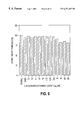
- FIG. 6 is a diagram graphically illustrating inhibitory effect of farnesyl acetate on the growth of yeast form cells after 8 hours of incubation.
- FIG. 7 is a diagram graphically illustrating inhibitory effect of farnesyl acetate on Y to M transition after 2 hours of incubation.
- FIG. 8 is a diagram graphically illustrating inhibitory effect of ⁇ -famesene on the growth of yeast form cells after 8 hours of incubation.
- FIG. 9 is a diagram graphically illustrating inhibitory effect of ⁇ -farnesene on Y to M transition after 2 hours of incubation.
- FIG. 10 is a diagram demonstrating 50% inhibitory concentrations of compounds according to the invention on the growth of yeast form cells after 8 hours of incubation, and their 50% inhibitory concentrations on Y to M transition after 2 hours and 5 hours of incubation.
- the agent according to the invention comprises a compound containing at least one geranyl group represented by the following formula (1) as its main structure:
- the above compound preferably includes terpenes, their isomers or derivatives of these compounds.
- the geranyl group includes both ⁇ - and ⁇ -isomers, and, as the compound, there may be mentioned those represented by the formulae shown below.
- the compound includes, but is not limited to, monoterpenes (C 10 ) each having one geranyl group as its main structure such as geraniol (trans-3,7-dimethyl-2,6-octadien-1-ol: Compound 1) and its ether derivatives [e.g., trans-1-methoxy-3,7-dimethyl-2,6-octadiene (Compound 2)], its isomer nerol (cis-3,7-dimethyl-2,6-octadiene-1 -ol: Compound 3), and its ether derivatives, acid ester derivatives of these compounds [e.g., 3,7-dimethyl-2,6-octadienyl acetate (Compound 4)], acid derivatives [e.g., 3,7-dimethyl-2,6-oct
- sesquiterpenes (C 15 ) each having one geranyl group include, but are not limited to, ⁇ - and ⁇ -famesol (3,7,11-trimethyl-2,6,10-dodecatrien-1-ol: its ⁇ -isomer is shown as Compound 8) and its ether derivatives or acid ester derivatives, farnesoate (3,7,11-trimethyl-2,6,10-dodecatrienoic acid: Compound 9) and its acid ester derivatives, farnesyl acetate (3,7,11 -trimethyl-2,6,10-dodecatrienyl acetate: Compound 10), ( ⁇ -farnesene (3,7,11-trimethyl-1,3,6,10-dodecatetraene), ⁇ -farnesene (7,11-dimethyl-3-methylene-1,6,10-dodecatriene: Compound 11), nerolidol (3,7,11-trimethyl-1,6,10-dodecatriene-3-o
- terpenes having two or more geranyl groups there may be mentioned diterpenes (C 20 ), sesterterpenes (C 25 ) and triterpenes (C 30 ).
- the diterpenes include, for example, geranylgeraniol (3,7,11,15-tetramethyl-2,6,10,14-hexadecatetraen-1-ol: Compound 13) and its isomers and derivatives.
- the present inventors focused the fact that the aforementioned Candida albicans , a typical example of dimorphic fungi transits its form from yeast form to mycelial form, and then from mycelial form once again to yeast form (yeast form ⁇ mycelial form ⁇ yeast form) and supposed that Candida albicans itself secretes a regulatory substance for the morphological transition.
- the supernatant had a pH of 4.5.
- a pH of 4.5 is a transitional condition of Candida albicans from mycelial form to yeast form ( ⁇ pH 7.0)
- effects of nutritional components of a GI (germination-induction) medium K.-B., Oh., et al., J. Med. Vet. Mycol. 33, 191-195) were examined. None of the nutritional components affected the inhibitory activity on mycelial form cells, verifying that the inhibitory activity on mycelial form cells is affected by neither pH nor nutritional components of a GI medium.
- the present inventors selected some of the aforementioned compounds, studied their inhibitory activities on the morphological transition and found that any of these compounds had inhibitory activities on the morphological transition, indicating that terpenes or their isomers or derivatives each containing at least one geranyl group as its main structure are effective for inhibition of the morphological transition of dimorphic fungi.
- the present invention has been accomplished based upon these findings.
- any route of administration can be chosen, including, but not limited to, oral administration, hypodermic injection, intravenous injection and local administration.
- oral administration hypodermic injection
- intravenous injection intravenous injection
- local administration examples of the dosage form, there may mentioned powder, tablets, subtle granules, pills, capsules, granules and other oral preparations, instillation, injections, suppositories and other parenteral (non-oral) preparations.
- These preparations can be prepared by using any of pharmaceutically acceptable carriers, excipients and other additives.
- the pharmaceutically acceptable carriers, excipients include, for instance, glucose, lactose, gelatin, mannitol, starch paste, magnesium trisilicate, corn starch, keratin and colloidal silica.
- any of stabilizers, expanders, colorants, flavors and other auxiliaries can be added to the preparations. These preparations can be produced in accordance with any conventional methods known to one skilled in the art.
- the target dimorphic fungi to which the agent of the invention is effective include, in addition to the genus Candida including the aforementioned Candida albicans, C. stellatoidea, C. tropicalis, C. grabrata and C. parapsilosis , genus Cryptococcus such as Cryptococcus neoformans , genus Sporothrix such as Sporothrix schenckii , and genus Histoplasma such as Histoplasma capsulatum.
- Candida including the aforementioned Candida albicans, C. stellatoidea, C. tropicalis, C. grabrata and C. parapsilosis , genus Cryptococcus such as Cryptococcus neoformans , genus Sporothrix such as Sporothrix schenckii , and genus Histoplasma such as Histoplasma capsulatum.
- Candida albicans strain ATCC 10231 is used as a microbe to be tested. Initially, a slant medium is prepared with 5 ml of potato dextrose agar (PDA) in a 20-ml test tube, onto which the test microbe in yeast form is then inoculated using a platinum spatula to give a preservation slant. The microbe on the preservation slant is incubated over one week or more, and sufficiently grown yeast form cells are then harvested and subjected to the test.
- PDA potato dextrose agar
- test microbe is inoculated on a 200 ml YPD (1% yeast extract, 2% Bacto (registered trade mark) peptone, 2% glucose) medium using a platinum spatula, and then subjected to preincubation at 25° C. for 48 hours with shaking (120 rpm).
- yeast cells are harvested by centrifugation (4° C., 3000 rpm) and washed three times with sterile distilled water. The cells are then re-suspended into sterile distilled water and allowed to stand at 4° C. for 3 days to give starved yeast form cells.
- starved yeast form cells are counted using a hemocytometer (Thoma's hemocytometer: manufactured by Kayagaki Irika Kogyo K.K., Japan), and inoculated in a concentration of 1.0 ⁇ 10 6 cells/ml to 2 ml of a GS medium (composition per 1000 ml (by weight): glucose 5, Na 2 HPO 4 •12H 2 O 0.26, KH 2 PO 4 0.66, NH 4 Cl 0.33, MgSO 4 •7H 2 O 0.88, biotin 16 ⁇ ) in a plastic dish (3.5 cm diametor).
- the medium has been adjusted in advance to a pH of 7.0 with 5N—NaOH.
- the yeast form cells are subjected to stationary culture at 37° C. to induce mycelial form.
- farnesoate As farnesoate (Compound 9), the aforementioned purified and identified compound is used in this test, whereas a commercially available farnesoate has been verified to have equivalent effects in another test.
- the farnesoate is dissolved in dimethyl sulfoxide (DMSO) to a final concentration of 25 ⁇ g/ml, and added to the medium.
- DMSO dimethyl sulfoxide
- the concentration of DMSO in the medium is adjusted to 0.5% V/V.
- the time immediately after transferring the dish to the culture at 37° C. is defined as zero time and the cells are then subjected to chronological morphological observation with an inverted microscope (OLYMPUS, Japan) at intervals of 1 to 2 hours.
- OYMPUS inverted microscope
- cell number is counted at random, and the proportion of mycelial form cells in the counted cells is defined as the rate of Y to M transition (%) as an index of activity assessment.
- the mycelial form cells are defined as the cells each having a distance from the tip of its germ tube to the end of the cell of 2a where a yeast form cell is assumed to be an ellipse and the length of its minor axis is defined as “a”, or apical mycelia of cells whose true mycelia continuously grow and no mother yeast form cells are found.
- the yeast form cells after re-transition from mycelial form cells also include cells whose true mycelia have constriction on their tips.
- a sample where no components are added to the medium in a culture dish (Control) and a sample where DMSO alone is added to the medium (DMSO) are prepared.
- FIG. 1A demonstrates the results of the above test
- FIGS. 1B and 1C represent microphotographs respectively illustrating Control and the sample added with farnesoate, both after 8 hours of incubation.
- a series of starved yeast form cells are prepared on media in dishes in a similar manner as in Experimental Example 1, and to each of these cultures is added a famesoate solution in DMSO each having a concentration of 0, 0.1, 0.2, 0.4, 0.8, 1.6, 3.2, 6.25, 12.5, 25, 50, 100 or 200 ⁇ g/ml.
- the inhibitory effect on yeast form cells growth rate of yeast form cell
- inhibitory effect on Y to M transition transition rate of yeast form cells to mycelial form cells
- FIG. 2 demonstrates the inhibitory effect on yeast form cells after 8 hours of incubation at 37° C., indicating that farnesoate has a 50% inhibitory concentration (IC 50 ) of 200 ⁇ g/ml or higher on yeast form cells.
- FIG. 3 demonstrates the inhibitory effect on Y to M form transition (inhibitory rate of Y to M transition) after 2 hours of incubation at 37° C., indicating that famesoate in a concentration of 100 ⁇ g/ml can exhibit inhibitory effect on Y to M transition (promoting activity on M to Y transition) more than 50% after 2 hours of incubation; and that the 50% inhibitory concentration of famesoate is as small as 3.2 ⁇ g/ml on Y to M transition (promoting activity on M to Y transition after 5 hours of incubation.
- FIGS. 4, 6 and 8 respectively demonstrate the inhibitory effects of individual compounds on yeast form cells after 8 hours of incubation, and FIGS. 5, 7 and 9 individually illustrate the inhibitory effect on Y to M transition of each compound after 2 hours of incubation.
- FIG. 10 demonstrates 50% inhibitory concentrations of the individual compounds on yeast form cells after 8 hours of incubation, and their 50% inhibitory concentrations on Y to M transition after 2 hours of and after 5 hours of incubation.
- Geraniol Compound 1
- geranylgeraniol Compound 13
- Commercially available reagents are used as the above compounds in the tests. As illustrated in FIG. 10, these compounds have low inhibitory effect on yeast form cells yet high inhibitory activity on Y to M transition.
Landscapes
- Health & Medical Sciences (AREA)
- Veterinary Medicine (AREA)
- Life Sciences & Earth Sciences (AREA)
- Chemical & Material Sciences (AREA)
- Public Health (AREA)
- Medicinal Chemistry (AREA)
- General Health & Medical Sciences (AREA)
- Animal Behavior & Ethology (AREA)
- Pharmacology & Pharmacy (AREA)
- Epidemiology (AREA)
- General Chemical & Material Sciences (AREA)
- Organic Chemistry (AREA)
- Nuclear Medicine, Radiotherapy & Molecular Imaging (AREA)
- Chemical Kinetics & Catalysis (AREA)
- Oncology (AREA)
- Emergency Medicine (AREA)
- Communicable Diseases (AREA)
- Tropical Medicine & Parasitology (AREA)
- Acyclic And Carbocyclic Compounds In Medicinal Compositions (AREA)
- Micro-Organisms Or Cultivation Processes Thereof (AREA)
- Preparation Of Compounds By Using Micro-Organisms (AREA)
- Agricultural Chemicals And Associated Chemicals (AREA)
- Measuring Or Testing Involving Enzymes Or Micro-Organisms (AREA)
Abstract
A method for regulating the morphological transition of dimorphic Candida in a patient is described. The method comprises administering orally or by injection a compound to a patient suffering from an infection caused by dimorphic Candida selected from the group consisting of Candida albicans, Candida stellatoidea, Candida tropicalis, Candida grabrata, and Candida parapsilosis. The compounds are used to regulate the morphological transition of the dimorphic Candida, wherein the compound is selected from the group consisting of: 
Description
1. Field of Invention
The present invention relates to agents having regulatory activity for the morphological transition of dimorphic fungi which can grow both as yeast form cells and as mycelial form cells.
2. Description of Related Art
Most fungi take the form, through their life cycle, of either a spherical single cell growing through budding (or cell division) (yeast form fungus) or a filamentous multicellular organism growing through apical growth (filamentous fungus). However, some yeasts can reversibly take yeast form (Y form) and mycelial form (M form). This phenomena in which such a reversible transition occurs due to a specific nutritional, physical or chemical factor is called as dimorphism. The dimorphic fungi generally belong to Subdivision Deuteromycotina. and typically include genus Candida. The dimorphic fungi such as genus Candida are indigenous microbes with respect to humans, which generally exist in human bodies or in a living environment. They are not pathogenic to healthy humans but become pathogenic to patients whose immunity is deteriorated by some cause, and such an infection is called as an opportunistic infection. By taking Candida albicans belonging to genus Candida as an example, it has been known, in fact, that a multiplicity of mycelial form cells are present in combination with yeast form cells in infectious foci of candidiasis, indicating that being mycelial form cells is one of the pathogenic factors of this fungi. This is supposedly because mycelia of the mycelium form cells readily adhere to animal tissues and advantageously serve to invade mechanically into the inside of host tissues, and in addition hardly suffer from mycophagy activities of phagocytes (Arai, T., et al., Sabouraudia 15, 171-177(1977)).
Practical findings on factors of the reversible transition between yeast form cells and mycelial form cells, however, have not yet been obtained. If mycelial form cells, which are considered to be pathogenic, can be transited to yeast form cells with efficiency, opportunistic infections caused by these dimorphic fungi may be mitigated. To patients whose biophylaxis functions are deteriorated, such as the elderly, patients with cancers, or patients who have been subjected to organ transplantation or those infected with HIV, a variety of antibiotics are administered for phylaxis against bacteria, but infections of molds, yeasts or other fungi induced by microbial substitution cannot be prevented under present circumstances. In particular, medically significant demands have been made to develop drugs that are effective to dimorphic fungi generally exiting in vivo and have less adverse drug reactions.
Accordingly, the present invention provides an agent having regulatory activity on the morphological transition of dimorphic fungi, which includes a compound containing at least one geranyl group represented by the following formula (1) as its main structure:
In this agent, the compound containing at least one geranyl group may preferably be a terpene or its isomer, or a derivative thereof.
The terpene in the above agent may be a monoterpene composed of one geranyl group, a sesquiterpene containing one geranyl group or a diterpene containing two geranyl groups.
In this agent, when the dimorphic fungi are genus Candida, the regulatory activity on morphologic transition may be inhibitory activity on transition of yeast form cells to mycelial form cells or promoting activity on transition of mycelial form cells to yeast form cells.
These and other features, objects, and advantages of the present invention will become apparent upon a consideration of the following description of the invention when read in conjunction with the following drawings.
FIG. 1A is a diagram graphically illustrating percentages of the transition from Y form cells to M form cells when famesoate is added.
FIGS. 1B and 1C each represent photomicrographs illustrating cultures after 8 hours of incubation. FIG. 1B illustrates a Control culture and FIG. 1C illustrates a culture to which famesoate has been added.
FIG. 2 is a diagram graphically illustrating inhibitory effect of farnesoate on the growth of yeast form cells after 8 hours of incubation.
FIG. 3 is a diagram graphically illustrating inhibitory effect of famesoate on the transition of yeast form cells to mycelial form cells (hereinafter briefly referred to as “Y to M transition”) after 2 hours of incubation.
FIG. 4 is a diagram graphically illustrating inhibitory effect of farnesol on the growth of yeast form cells after 8 hours of incubation.
FIG. 5 is a diagram graphically illustrating inhibitory effect of farnesol on Y to M transition after 2 hours of incubation.
FIG. 6 is a diagram graphically illustrating inhibitory effect of farnesyl acetate on the growth of yeast form cells after 8 hours of incubation.
FIG. 7 is a diagram graphically illustrating inhibitory effect of farnesyl acetate on Y to M transition after 2 hours of incubation.
FIG. 8 is a diagram graphically illustrating inhibitory effect of β-famesene on the growth of yeast form cells after 8 hours of incubation.
FIG. 9 is a diagram graphically illustrating inhibitory effect of β-farnesene on Y to M transition after 2 hours of incubation.
FIG. 10 is a diagram demonstrating 50% inhibitory concentrations of compounds according to the invention on the growth of yeast form cells after 8 hours of incubation, and their 50% inhibitory concentrations on Y to M transition after 2 hours and 5 hours of incubation.
The agent according to the invention comprises a compound containing at least one geranyl group represented by the following formula (1) as its main structure:
The above compound preferably includes terpenes, their isomers or derivatives of these compounds.
The geranyl group includes both α- and β-isomers, and, as the compound, there may be mentioned those represented by the formulae shown below. To be more specific, the compound includes, but is not limited to, monoterpenes (C10) each having one geranyl group as its main structure such as geraniol (trans-3,7-dimethyl-2,6-octadien-1-ol: Compound 1) and its ether derivatives [e.g., trans-1-methoxy-3,7-dimethyl-2,6-octadiene (Compound 2)], its isomer nerol (cis-3,7-dimethyl-2,6-octadiene-1 -ol: Compound 3), and its ether derivatives, acid ester derivatives of these compounds [e.g., 3,7-dimethyl-2,6-octadienyl acetate (Compound 4)], acid derivatives [e.g., 3,7-dimethyl-2,6-octadienoic acid (Compound 5)] and acid ester derivatives, and trans,cis-3,7-dimethyl-2,6-octadiene (Compounds 6 and 7).
Examples of sesquiterpenes (C15) each having one geranyl group include, but are not limited to, α- and β-famesol (3,7,11-trimethyl-2,6,10-dodecatrien-1-ol: its β-isomer is shown as Compound 8) and its ether derivatives or acid ester derivatives, farnesoate (3,7,11-trimethyl-2,6,10-dodecatrienoic acid: Compound 9) and its acid ester derivatives, farnesyl acetate (3,7,11 -trimethyl-2,6,10-dodecatrienyl acetate: Compound 10), (α-farnesene (3,7,11-trimethyl-1,3,6,10-dodecatetraene), β-farnesene (7,11-dimethyl-3-methylene-1,6,10-dodecatriene: Compound 11), nerolidol (3,7,11-trimethyl-1,6,10-dodecatriene-3-ol: Compound 12).
As examples of the terpenes having two or more geranyl groups, there may be mentioned diterpenes (C20), sesterterpenes (C25) and triterpenes (C30). The diterpenes include, for example, geranylgeraniol (3,7,11,15-tetramethyl-2,6,10,14-hexadecatetraen-1-ol: Compound 13) and its isomers and derivatives. 
In accomplishing the present invention, the present inventors focused the fact that the aforementioned Candida albicans, a typical example of dimorphic fungi transits its form from yeast form to mycelial form, and then from mycelial form once again to yeast form (yeast form→mycelial form→yeast form) and supposed that Candida albicans itself secretes a regulatory substance for the morphological transition. Based upon these suppositions, they experimented regarding the possibility of the presence of autoregulatory substances, and detected no substances having inhibitory activity on the morphological transition to mycelial form cells in an extract from homogenized yeast form cells but found that the direct use of a supernatant of a culture solution after the re-transition from mycelial form to yeast form inhibits the transition to mycelial form cells at a rate of equal to or more than about 65%.
The supernatant had a pH of 4.5. As a pH of 4.5 is a transitional condition of Candida albicans from mycelial form to yeast form (<pH 7.0), a preparation obtained by adjusting the pH of the supernatant to pH 7.0, which is a transitional condition (=pH 7.0) from yeast form to mycelial form was further studied to find that it has almost equivalent inhibitory effect as above. In addition, effects of nutritional components of a GI (germination-induction) medium (K.-B., Oh., et al., J. Med. Vet. Mycol. 33, 191-195) were examined. None of the nutritional components affected the inhibitory activity on mycelial form cells, verifying that the inhibitory activity on mycelial form cells is affected by neither pH nor nutritional components of a GI medium.
These findings suggested the presence of a substance participating in the morphological transition in a supernatant obtained after re-transition from mycelial form to yeast form, and attempts were made to isolate and identify such a substance. Consequently, the substance was identified as the aforementioned famesoate, Compound 9 (3,7,11-trimethyl-2,6,10-dodecatrienoic acid). In the isolation and identification were used various devices including reverse phase chromatograph, gas chromatograph, mass spectrograph and NMR analyzers. However, detailed procedures of the isolation and identification are omitted herein.
In addition to farnesoate, the present inventors selected some of the aforementioned compounds, studied their inhibitory activities on the morphological transition and found that any of these compounds had inhibitory activities on the morphological transition, indicating that terpenes or their isomers or derivatives each containing at least one geranyl group as its main structure are effective for inhibition of the morphological transition of dimorphic fungi. The present invention has been accomplished based upon these findings.
When the aforementioned compounds are used as inhibitory agents for the morphological transition of dimorphic fungi, any route of administration can be chosen, including, but not limited to, oral administration, hypodermic injection, intravenous injection and local administration. As examples of the dosage form, there may mentioned powder, tablets, subtle granules, pills, capsules, granules and other oral preparations, instillation, injections, suppositories and other parenteral (non-oral) preparations. These preparations can be prepared by using any of pharmaceutically acceptable carriers, excipients and other additives. The pharmaceutically acceptable carriers, excipients include, for instance, glucose, lactose, gelatin, mannitol, starch paste, magnesium trisilicate, corn starch, keratin and colloidal silica. In addition, any of stabilizers, expanders, colorants, flavors and other auxiliaries can be added to the preparations. These preparations can be produced in accordance with any conventional methods known to one skilled in the art.
The target dimorphic fungi to which the agent of the invention is effective include, in addition to the genus Candida including the aforementioned Candida albicans, C. stellatoidea, C. tropicalis, C. grabrata and C. parapsilosis, genus Cryptococcus such as Cryptococcus neoformans, genus Sporothrix such as Sporothrix schenckii, and genus Histoplasma such as Histoplasma capsulatum.
The present invention will be further illustrated in detail with reference to several inventive examples (experimental examples) below which are not directed to limiting the scope of the invention.
<Verification Test on Inhibitory Activity of Farnesoate on Y to M Transition>
Candida albicans strain ATCC 10231 is used as a microbe to be tested. Initially, a slant medium is prepared with 5 ml of potato dextrose agar (PDA) in a 20-ml test tube, onto which the test microbe in yeast form is then inoculated using a platinum spatula to give a preservation slant. The microbe on the preservation slant is incubated over one week or more, and sufficiently grown yeast form cells are then harvested and subjected to the test.
The obtained test microbe is inoculated on a 200 ml YPD (1% yeast extract, 2% Bacto (registered trade mark) peptone, 2% glucose) medium using a platinum spatula, and then subjected to preincubation at 25° C. for 48 hours with shaking (120 rpm). Next, yeast cells are harvested by centrifugation (4° C., 3000 rpm) and washed three times with sterile distilled water. The cells are then re-suspended into sterile distilled water and allowed to stand at 4° C. for 3 days to give starved yeast form cells.
These starved yeast form cells are counted using a hemocytometer (Thoma's hemocytometer: manufactured by Kayagaki Irika Kogyo K.K., Japan), and inoculated in a concentration of 1.0×10⁶ cells/ml to 2 ml of a GS medium (composition per 1000 ml (by weight): glucose 5, Na2HPO4•12H2O 0.26, KH2PO4 0.66, NH4Cl 0.33, MgSO4•7H2O 0.88, biotin 16 μ) in a plastic dish (3.5 cm diametor). The medium has been adjusted in advance to a pH of 7.0 with 5N—NaOH.
For the transition to mycelial form cells, the yeast form cells are subjected to stationary culture at 37° C. to induce mycelial form.
As farnesoate (Compound 9), the aforementioned purified and identified compound is used in this test, whereas a commercially available farnesoate has been verified to have equivalent effects in another test. The farnesoate is dissolved in dimethyl sulfoxide (DMSO) to a final concentration of 25 μg/ml, and added to the medium. The concentration of DMSO in the medium is adjusted to 0.5% V/V.
The time immediately after transferring the dish to the culture at 37° C. is defined as zero time and the cells are then subjected to chronological morphological observation with an inverted microscope (OLYMPUS, Japan) at intervals of 1 to 2 hours. In the observation, cell number is counted at random, and the proportion of mycelial form cells in the counted cells is defined as the rate of Y to M transition (%) as an index of activity assessment.
The mycelial form cells are defined as the cells each having a distance from the tip of its germ tube to the end of the cell of 2a where a yeast form cell is assumed to be an ellipse and the length of its minor axis is defined as “a”, or apical mycelia of cells whose true mycelia continuously grow and no mother yeast form cells are found. The yeast form cells after re-transition from mycelial form cells also include cells whose true mycelia have constriction on their tips. As comparative references, a sample where no components are added to the medium in a culture dish (Control) and a sample where DMSO alone is added to the medium (DMSO) are prepared. FIG. 1A demonstrates the results of the above test, and FIGS. 1B and 1C represent microphotographs respectively illustrating Control and the sample added with farnesoate, both after 8 hours of incubation.
The results demonstrate that famesoate allows the transition of yeast form cells to mycelial form cells but also promotes the re-transition of the transited mycelial form cells to yeast form cells.
<Assessment Tests of Inhibitory Activities of Farnesoate on Y to M Transition and Inhibitory Effect on Yeast Form Cells>
A series of starved yeast form cells are prepared on media in dishes in a similar manner as in Experimental Example 1, and to each of these cultures is added a famesoate solution in DMSO each having a concentration of 0, 0.1, 0.2, 0.4, 0.8, 1.6, 3.2, 6.25, 12.5, 25, 50, 100 or 200 μg/ml. In a similar manner as in Experimental Example 1, the inhibitory effect on yeast form cells (growth rate of yeast form cell) and inhibitory effect on Y to M transition (transition rate of yeast form cells to mycelial form cells) are determined after transferring the cultures to 37° C.
FIG. 2 demonstrates the inhibitory effect on yeast form cells after 8 hours of incubation at 37° C., indicating that farnesoate has a 50% inhibitory concentration (IC50) of 200 μg/ml or higher on yeast form cells.
FIG. 3 demonstrates the inhibitory effect on Y to M form transition (inhibitory rate of Y to M transition) after 2 hours of incubation at 37° C., indicating that famesoate in a concentration of 100 μg/ml can exhibit inhibitory effect on Y to M transition (promoting activity on M to Y transition) more than 50% after 2 hours of incubation; and that the 50% inhibitory concentration of famesoate is as small as 3.2 μg/ml on Y to M transition (promoting activity on M to Y transition after 5 hours of incubation.
<Assessment Tests of Famesol, Famesyl Acetate and β-Famesene>
Under the same conditions as in Experimental Example 2, farnesol (Compound 8), famesyl acetate (Compound 10) and β-farmesene (Compound 11) are respectively subjected to tests and their activities are assessed. Commercially available reagents are used as the above compounds in the tests. FIGS. 4, 6 and 8 respectively demonstrate the inhibitory effects of individual compounds on yeast form cells after 8 hours of incubation, and FIGS. 5, 7 and 9 individually illustrate the inhibitory effect on Y to M transition of each compound after 2 hours of incubation. FIG. 10 demonstrates 50% inhibitory concentrations of the individual compounds on yeast form cells after 8 hours of incubation, and their 50% inhibitory concentrations on Y to M transition after 2 hours of and after 5 hours of incubation. These results demonstrate that any of the compounds tested has a high 50% inhibitory concentration of 200 μg/ml or more on yeast form cells, but a low 50% inhibitory concentration on Y to M transition, indicating that these compounds have low fungicide effect but high inhibitory activity on Y to M transition (promoting activity on M to Y transition).
<Assessment Tests on Geraniol and Geranylgeraniol>
Geraniol (Compound 1) and geranylgeraniol (Compound 13) are respectively subjected to tests in a similar manner as in Experimental Example 2, and their activities are assessed. Commercially available reagents are used as the above compounds in the tests. As illustrated in FIG. 10, these compounds have low inhibitory effect on yeast form cells yet high inhibitory activity on Y to M transition.
All the results mentioned above demonstrate that terpenes each having at least one geranyl group as its main structure exhibit regulatory activity on mycelial form cells (promoting activity on M to Y transition) of dimorphic fungi.
Other embodiments and variations will be obvious to those skilled in the art.
Claims (1)
1. A method for regulating the morphological transition of dimorphic Candida in a patient, comprising administering orally or by injection a compound to a patient suffering from an infecton caused by dimorphic Candida selected from the group consisting of Candida albicans, Candida stellatoidea, Candida tropicalis, Candida grabrata, and Candida parapsilosis, to regulatee the morphological transition of said dimorphic Candida, wherein the compound is selected from the group consisting of: 
Applications Claiming Priority (2)
| Application Number | Priority Date | Filing Date | Title |
|---|---|---|---|
| JP11-093427 | 1999-03-31 | ||
| JP11093427A JP3056730B1 (en) | 1999-03-31 | 1999-03-31 | Active agent for controlling the transformation of Candida species, a dimorphic fungus |
Publications (1)
| Publication Number | Publication Date |
|---|---|
| US6271267B1 true US6271267B1 (en) | 2001-08-07 |
Family
ID=14082017
Family Applications (1)
| Application Number | Title | Priority Date | Filing Date |
|---|---|---|---|
| US09/316,087 Expired - Lifetime US6271267B1 (en) | 1999-03-31 | 1999-05-21 | Compound to regulate the morphological transition of dimorphic candida |
Country Status (3)
| Country | Link |
|---|---|
| US (1) | US6271267B1 (en) |
| EP (1) | EP1044685A3 (en) |
| JP (1) | JP3056730B1 (en) |
Cited By (6)
| Publication number | Priority date | Publication date | Assignee | Title |
|---|---|---|---|---|
| DE10259200A1 (en) * | 2002-12-16 | 2004-07-08 | Henkel Kgaa | Inhibition of adhesion of keratinophilic fungi |
| US20040266634A1 (en) * | 2001-12-18 | 2004-12-30 | Dirk Bockmuhl | Adhesion inhibition of moulds |
| US20060128813A1 (en) * | 2003-06-17 | 2006-06-15 | Henkel Kommanditgesellschaft Auf Aktien (Henkel Kgaa) | Inhibition of the asexual reproduction of fungi by eugenol and/or derivatives thereof |
| US10532124B2 (en) | 2012-12-27 | 2020-01-14 | Kimberly-Clark Worldwide, Inc. | Water soluble farnesol analogs and their use |
| US10717946B2 (en) | 2012-12-27 | 2020-07-21 | Kimberly-Clark Worldside, Inc. | Water soluble essential oils and their use |
| CN116751112A (en) * | 2023-05-12 | 2023-09-15 | 青岛农业大学 | Sesquiterpenoids and preparation method and application thereof |
Families Citing this family (3)
| Publication number | Priority date | Publication date | Assignee | Title |
|---|---|---|---|---|
| US20030224034A1 (en) * | 2002-05-31 | 2003-12-04 | Koenig David W. | Personal care article and method for inhibiting attachment of yeast to skin |
| JP2006151893A (en) * | 2004-11-30 | 2006-06-15 | Yaizu Suisankagaku Industry Co Ltd | Yeast type growth inducer of dimorphic fungi |
| JP7341631B2 (en) * | 2016-10-03 | 2023-09-11 | 三菱ケミカル株式会社 | antibacterial agent |
Citations (2)
| Publication number | Priority date | Publication date | Assignee | Title |
|---|---|---|---|---|
| US3595975A (en) | 1969-07-29 | 1971-07-27 | Holliston Lab Inc | Disinfecting compositions |
| US4220665A (en) | 1977-06-27 | 1980-09-02 | Dragoco Gerberding & Co Gmbh | Bacteriostatic composition and method |
Family Cites Families (8)
| Publication number | Priority date | Publication date | Assignee | Title |
|---|---|---|---|---|
| US5270344A (en) * | 1988-06-24 | 1993-12-14 | Stephen Herman | Method of treating a systemic disorder using trioxolane and diperoxide compounds |
| US4966754A (en) * | 1988-08-08 | 1990-10-30 | Aveda Corporation | Preservation of cosmetic compositions |
| AU3328293A (en) * | 1991-12-24 | 1993-07-28 | Stephen Herman | Medical uses of trioxolane and diperoxide compounds |
| DE19540462A1 (en) * | 1995-10-30 | 1997-05-07 | Beiersdorf Ag | Antimycotic compositions for cosmetic or dermatological use |
| DE19602110A1 (en) * | 1996-01-22 | 1997-07-24 | Beiersdorf Ag | Compositions based on squalene and sphingolipids which are effective against bacteria, parasites, protozoa, mycota and viruses |
| US5932613A (en) * | 1996-07-03 | 1999-08-03 | Millennium Pharmaceuticals, Inc. | Anticancer agents |
| EP0927025A4 (en) * | 1996-09-18 | 2001-07-25 | Dragoco Inc | Liposome encapsulated active agent dry powder composition |
| US6319958B1 (en) * | 1998-06-22 | 2001-11-20 | Wisconsin Alumni Research Foundation | Method of sensitizing microbial cells to antimicrobial compound |
-
1999
- 1999-03-31 JP JP11093427A patent/JP3056730B1/en not_active Expired - Lifetime
- 1999-05-21 US US09/316,087 patent/US6271267B1/en not_active Expired - Lifetime
- 1999-05-28 EP EP99304201A patent/EP1044685A3/en not_active Withdrawn
Patent Citations (2)
| Publication number | Priority date | Publication date | Assignee | Title |
|---|---|---|---|---|
| US3595975A (en) | 1969-07-29 | 1971-07-27 | Holliston Lab Inc | Disinfecting compositions |
| US4220665A (en) | 1977-06-27 | 1980-09-02 | Dragoco Gerberding & Co Gmbh | Bacteriostatic composition and method |
Non-Patent Citations (5)
| Title |
|---|
| Andersen et al., Chem. Res. Toxicol., 10(2), 156-164, 1997.* |
| Arai, T. et al., "Phagocytosis of Candida albicans by Rabbit Alveolar Macrophages and Guinea Pig Neutrophils," Sabouraudia 15, pp. 171-177 (1977). |
| Duve et al., J. Insect. Physiol. , 38(8), 575-585, 1992.* |
| Jorge Neto, Rev. Fac. Farm. Odontol. Araraquara, 10(2), 317-327, 1976.* |
| Lunz et al., Physiol. Entomol., 22(4), 365-372, 1997. * |
Cited By (10)
| Publication number | Priority date | Publication date | Assignee | Title |
|---|---|---|---|---|
| US20040266634A1 (en) * | 2001-12-18 | 2004-12-30 | Dirk Bockmuhl | Adhesion inhibition of moulds |
| US20050002964A1 (en) * | 2001-12-18 | 2005-01-06 | Dirk Bockmuhl | Adhesion inhibition of fungi |
| US20050009929A1 (en) * | 2001-12-18 | 2005-01-13 | Dirk Bockmuhl | Inhibition of the asexual reproduction of fungi |
| DE10259200A1 (en) * | 2002-12-16 | 2004-07-08 | Henkel Kgaa | Inhibition of adhesion of keratinophilic fungi |
| US20060128813A1 (en) * | 2003-06-17 | 2006-06-15 | Henkel Kommanditgesellschaft Auf Aktien (Henkel Kgaa) | Inhibition of the asexual reproduction of fungi by eugenol and/or derivatives thereof |
| US7557145B2 (en) | 2003-06-17 | 2009-07-07 | Henkel Kommanditgesellschaft Auf Aktien (Henkel Kgaa) | Inhibition of the asexual reproduction of fungi by eugenol and/or derivatives thereof |
| US10532124B2 (en) | 2012-12-27 | 2020-01-14 | Kimberly-Clark Worldwide, Inc. | Water soluble farnesol analogs and their use |
| US10717946B2 (en) | 2012-12-27 | 2020-07-21 | Kimberly-Clark Worldside, Inc. | Water soluble essential oils and their use |
| US11383003B2 (en) | 2012-12-27 | 2022-07-12 | Kimberly-Clark Worldwide, Inc. | Water soluble farnesol analogs and their use |
| CN116751112A (en) * | 2023-05-12 | 2023-09-15 | 青岛农业大学 | Sesquiterpenoids and preparation method and application thereof |
Also Published As
| Publication number | Publication date |
|---|---|
| EP1044685A3 (en) | 2003-05-02 |
| EP1044685A2 (en) | 2000-10-18 |
| JP3056730B1 (en) | 2000-06-26 |
| JP2000290176A (en) | 2000-10-17 |
Similar Documents
| Publication | Publication Date | Title |
|---|---|---|
| Elgamily et al. | Microbiological assessment of Moringa oleifera extracts and its incorporation in novel dental remedies against some oral pathogens | |
| Cao et al. | Iodination of irrigation water as a method of supplying iodine to a severely iodine-deficient population in Xinjiang, China | |
| Mackeen et al. | Antimicrobial and cytotoxic properties of some Malaysian traditional vegetables (ulam) | |
| Baccarini et al. | In vitro natural cell-mediated cytotoxicity against Candida albicans: macrophage precursors as effector cells. | |
| US6271267B1 (en) | Compound to regulate the morphological transition of dimorphic candida | |
| US8748486B2 (en) | Inhibitors of yeast filamentous growth and method of their manufacture | |
| WO2023246487A1 (en) | Antifungal drug synergist | |
| Qi et al. | The alkynyl-containing compounds from mushrooms and their biological activities | |
| CN116903463A (en) | A kind of sesquiterpenoid compound, its preparation method and its application in resisting agricultural diseases | |
| Reardon et al. | Differences in strains of Trichomonas vaginalis as revealed by intraperitoneal injections into mice | |
| Arumugam et al. | Anti-candidal activity and synergetic interaction of antifungal drugs with differential extract of brown algae Stocheospermum marginatum | |
| Gheda et al. | In vitro and in vivo preliminary results on Spirulina platensis for treatment of impetigo: Topical cream application | |
| KR100442766B1 (en) | Artificial method to culture Cordyceps Kyushuensis Y.Kobayas and the application for its sporocarp | |
| Levy et al. | Susceptibility of thymectomized and irradiated mice to challenge with several organisms and the effect of dapsone on infection with Mycobacterium leprae | |
| Raghavendra et al. | In vitro antimicrobial activity of various plant latex against resistant human pathogens | |
| Honigberg et al. | Further observations on the effects of various laboratory procedures on the virulence of Trichomonas gallinae for pigeons | |
| Behbahani et al. | Antifungal potential of mangrove extracts against Aspergillus flavus and Penicillium italicum | |
| Kommalapati et al. | Evaluation of antifungal efficacy of albedo extract of Punica granatum on Candida albicans–An in vitro study | |
| Álvarez et al. | Antifungal Activity Validation of Wild Plants used in Argentine Ethnomedicine: A Revision of Polygonum | |
| JP7821510B2 (en) | Composition for treating, preventing or ameliorating psoriasis, rheumatoid arthritis, type 1 diabetes or systemic lupus erythematosus | |
| CN119014426B (en) | Pesticide composition for preventing and controlling wheat aphids | |
| US20020192262A1 (en) | 1'-Acetoxychavicol acetate for tuberculosis treatment | |
| CN120695017A (en) | Application of tannic acid combined with triazole drugs in the preparation of drugs for treating diseases caused by fungi | |
| Alkashab et al. | Effects of Rosmarinus Officinalis Plant Extract on Trichomonas Vaginalis Parasites and Candida albicans under Laboratory Conditions: An Experimental Study | |
| Malavika et al. | Cyperus iria: An overview |
Legal Events
| Date | Code | Title | Description |
|---|---|---|---|
| AS | Assignment |
Owner name: BIO-GIKEN, INC., JAPAN Free format text: ASSIGNMENT OF ASSIGNORS INTEREST;ASSIGNORS:MATSUOKA, HIDEAKI;OH, KI-BONG;REEL/FRAME:010137/0586 Effective date: 19990622 |
|
| STCF | Information on status: patent grant |
Free format text: PATENTED CASE |
|
| FPAY | Fee payment |
Year of fee payment: 4 |
|
| FPAY | Fee payment |
Year of fee payment: 8 |
|
| FPAY | Fee payment |
Year of fee payment: 12 |