US6096512A - Cloned DNA encoding a UDP-GalNAc: Polypeptide, N-acetylgalactosaminyltransferase - Google Patents
Cloned DNA encoding a UDP-GalNAc: Polypeptide, N-acetylgalactosaminyltransferase Download PDFInfo
- Publication number
- US6096512A US6096512A US08/967,506 US96750697A US6096512A US 6096512 A US6096512 A US 6096512A US 96750697 A US96750697 A US 96750697A US 6096512 A US6096512 A US 6096512A
- Authority
- US
- United States
- Prior art keywords
- enzyme
- seq
- cells
- ser
- galnac
- Prior art date
- Legal status (The legal status is an assumption and is not a legal conclusion. Google has not performed a legal analysis and makes no representation as to the accuracy of the status listed.)
- Expired - Fee Related
Links
- 108010046220 N-Acetylgalactosaminyltransferases Proteins 0.000 title claims abstract description 24
- 102000007524 N-Acetylgalactosaminyltransferases Human genes 0.000 title claims abstract description 24
- 108090000765 processed proteins & peptides Proteins 0.000 title abstract description 98
- 102000004196 processed proteins & peptides Human genes 0.000 title abstract description 48
- 229920001184 polypeptide Polymers 0.000 title abstract description 13
- LFTYTUAZOPRMMI-NESSUJCYSA-N UDP-N-acetyl-alpha-D-galactosamine Chemical compound O1[C@H](CO)[C@H](O)[C@H](O)[C@@H](NC(=O)C)[C@H]1O[P@](O)(=O)O[P@](O)(=O)OC[C@@H]1[C@@H](O)[C@@H](O)[C@H](N2C(NC(=O)C=C2)=O)O1 LFTYTUAZOPRMMI-NESSUJCYSA-N 0.000 title description 20
- LFTYTUAZOPRMMI-UHFFFAOYSA-N UNPD164450 Natural products O1C(CO)C(O)C(O)C(NC(=O)C)C1OP(O)(=O)OP(O)(=O)OCC1C(O)C(O)C(N2C(NC(=O)C=C2)=O)O1 LFTYTUAZOPRMMI-UHFFFAOYSA-N 0.000 title description 20
- 102100039847 Globoside alpha-1,3-N-acetylgalactosaminyltransferase 1 Human genes 0.000 title description 17
- 101000887519 Homo sapiens Globoside alpha-1,3-N-acetylgalactosaminyltransferase 1 Proteins 0.000 title description 17
- 108090000623 proteins and genes Proteins 0.000 claims abstract description 98
- 102000004169 proteins and genes Human genes 0.000 claims abstract description 77
- 230000013595 glycosylation Effects 0.000 claims abstract description 41
- 238000006206 glycosylation reaction Methods 0.000 claims abstract description 41
- 238000000034 method Methods 0.000 claims abstract description 39
- 102000004190 Enzymes Human genes 0.000 claims description 130
- 108090000790 Enzymes Proteins 0.000 claims description 130
- 210000004027 cell Anatomy 0.000 claims description 105
- 125000003275 alpha amino acid group Chemical group 0.000 claims description 33
- 239000002299 complementary DNA Substances 0.000 claims description 32
- 239000002773 nucleotide Substances 0.000 claims description 26
- 125000003729 nucleotide group Chemical group 0.000 claims description 26
- 239000013598 vector Substances 0.000 claims description 23
- 239000012528 membrane Substances 0.000 claims description 17
- 241000238631 Hexapoda Species 0.000 claims description 11
- 230000001086 cytosolic effect Effects 0.000 claims description 9
- 230000008569 process Effects 0.000 claims description 8
- 102000053602 DNA Human genes 0.000 claims description 7
- 108020004511 Recombinant DNA Proteins 0.000 claims description 7
- 238000001890 transfection Methods 0.000 claims description 7
- 108091028043 Nucleic acid sequence Proteins 0.000 claims description 6
- 210000003527 eukaryotic cell Anatomy 0.000 claims description 2
- 210000003292 kidney cell Anatomy 0.000 claims description 2
- 210000004962 mammalian cell Anatomy 0.000 claims description 2
- 241000699800 Cricetinae Species 0.000 claims 1
- 241000255581 Drosophila <fruit fly, genus> Species 0.000 claims 1
- 210000004978 chinese hamster ovary cell Anatomy 0.000 claims 1
- 150000002482 oligosaccharides Chemical class 0.000 abstract description 28
- 229920001542 oligosaccharide Polymers 0.000 abstract description 26
- 102000051366 Glycosyltransferases Human genes 0.000 abstract description 11
- 108700023372 Glycosyltransferases Proteins 0.000 abstract description 11
- 230000015572 biosynthetic process Effects 0.000 abstract description 10
- 238000002955 isolation Methods 0.000 abstract description 8
- 238000003786 synthesis reaction Methods 0.000 abstract description 8
- 102000003886 Glycoproteins Human genes 0.000 abstract description 6
- 108090000288 Glycoproteins Proteins 0.000 abstract description 6
- 150000004676 glycans Polymers 0.000 abstract description 2
- 229930186217 Glycolipid Natural products 0.000 abstract 1
- 150000004804 polysaccharides Polymers 0.000 abstract 1
- 239000000370 acceptor Substances 0.000 description 81
- 108010066816 Polypeptide N-acetylgalactosaminyltransferase Proteins 0.000 description 69
- 235000018102 proteins Nutrition 0.000 description 69
- 241000283690 Bos taurus Species 0.000 description 62
- 235000001014 amino acid Nutrition 0.000 description 59
- 150000001413 amino acids Chemical class 0.000 description 58
- 210000003022 colostrum Anatomy 0.000 description 49
- 235000021277 colostrum Nutrition 0.000 description 49
- 230000000694 effects Effects 0.000 description 43
- RAXXELZNTBOGNW-UHFFFAOYSA-N imidazole Natural products C1=CNC=N1 RAXXELZNTBOGNW-UHFFFAOYSA-N 0.000 description 36
- MTCFGRXMJLQNBG-REOHCLBHSA-N (2S)-2-Amino-3-hydroxypropansäure Chemical compound OC[C@H](N)C(O)=O MTCFGRXMJLQNBG-REOHCLBHSA-N 0.000 description 35
- 239000000872 buffer Substances 0.000 description 35
- FAPWRFPIFSIZLT-UHFFFAOYSA-M Sodium chloride Chemical compound [Na+].[Cl-] FAPWRFPIFSIZLT-UHFFFAOYSA-M 0.000 description 32
- 238000003556 assay Methods 0.000 description 26
- 238000012546 transfer Methods 0.000 description 25
- 235000004400 serine Nutrition 0.000 description 24
- 238000002474 experimental method Methods 0.000 description 22
- 108020004414 DNA Proteins 0.000 description 21
- MTCFGRXMJLQNBG-UHFFFAOYSA-N Serine Natural products OCC(N)C(O)=O MTCFGRXMJLQNBG-UHFFFAOYSA-N 0.000 description 21
- AYFVYJQAPQTCCC-GBXIJSLDSA-N L-threonine Chemical compound C[C@@H](O)[C@H](N)C(O)=O AYFVYJQAPQTCCC-GBXIJSLDSA-N 0.000 description 20
- 238000003752 polymerase chain reaction Methods 0.000 description 20
- 241000701447 unidentified baculovirus Species 0.000 description 20
- MBLBDJOUHNCFQT-UHFFFAOYSA-N N-acetyl-D-galactosamine Natural products CC(=O)NC(C=O)C(O)C(O)C(O)CO MBLBDJOUHNCFQT-UHFFFAOYSA-N 0.000 description 18
- 239000000463 material Substances 0.000 description 18
- 108091034117 Oligonucleotide Proteins 0.000 description 17
- 239000012634 fragment Substances 0.000 description 17
- 238000006243 chemical reaction Methods 0.000 description 16
- 239000000499 gel Substances 0.000 description 16
- 239000000523 sample Substances 0.000 description 16
- 239000011780 sodium chloride Substances 0.000 description 16
- OVRNDRQMDRJTHS-CBQIKETKSA-N N-Acetyl-D-Galactosamine Chemical group CC(=O)N[C@H]1[C@@H](O)O[C@H](CO)[C@H](O)[C@@H]1O OVRNDRQMDRJTHS-CBQIKETKSA-N 0.000 description 15
- 102000004357 Transferases Human genes 0.000 description 15
- 108090000992 Transferases Proteins 0.000 description 15
- 150000001720 carbohydrates Chemical class 0.000 description 15
- 238000000338 in vitro Methods 0.000 description 15
- QTBSBXVTEAMEQO-UHFFFAOYSA-N Acetic acid Chemical compound CC(O)=O QTBSBXVTEAMEQO-UHFFFAOYSA-N 0.000 description 14
- 229920002684 Sepharose Polymers 0.000 description 14
- 238000012163 sequencing technique Methods 0.000 description 14
- 238000002415 sodium dodecyl sulfate polyacrylamide gel electrophoresis Methods 0.000 description 14
- 235000014633 carbohydrates Nutrition 0.000 description 13
- 108020004999 messenger RNA Proteins 0.000 description 13
- 238000002360 preparation method Methods 0.000 description 13
- 239000000047 product Substances 0.000 description 13
- 235000008521 threonine Nutrition 0.000 description 13
- 108010076504 Protein Sorting Signals Proteins 0.000 description 12
- 238000004458 analytical method Methods 0.000 description 12
- 239000001963 growth medium Substances 0.000 description 12
- 150000007523 nucleic acids Chemical group 0.000 description 12
- 238000000746 purification Methods 0.000 description 12
- -1 linker amino acids Chemical class 0.000 description 11
- 108020004707 nucleic acids Proteins 0.000 description 11
- 102000039446 nucleic acids Human genes 0.000 description 11
- 125000003607 serino group Chemical class [H]N([H])[C@]([H])(C(=O)[*])C(O[H])([H])[H] 0.000 description 11
- JLCPHMBAVCMARE-UHFFFAOYSA-N [3-[[3-[[3-[[3-[[3-[[3-[[3-[[3-[[3-[[3-[[3-[[5-(2-amino-6-oxo-1H-purin-9-yl)-3-[[3-[[3-[[3-[[3-[[3-[[5-(2-amino-6-oxo-1H-purin-9-yl)-3-[[5-(2-amino-6-oxo-1H-purin-9-yl)-3-hydroxyoxolan-2-yl]methoxy-hydroxyphosphoryl]oxyoxolan-2-yl]methoxy-hydroxyphosphoryl]oxy-5-(5-methyl-2,4-dioxopyrimidin-1-yl)oxolan-2-yl]methoxy-hydroxyphosphoryl]oxy-5-(6-aminopurin-9-yl)oxolan-2-yl]methoxy-hydroxyphosphoryl]oxy-5-(6-aminopurin-9-yl)oxolan-2-yl]methoxy-hydroxyphosphoryl]oxy-5-(6-aminopurin-9-yl)oxolan-2-yl]methoxy-hydroxyphosphoryl]oxy-5-(6-aminopurin-9-yl)oxolan-2-yl]methoxy-hydroxyphosphoryl]oxyoxolan-2-yl]methoxy-hydroxyphosphoryl]oxy-5-(5-methyl-2,4-dioxopyrimidin-1-yl)oxolan-2-yl]methoxy-hydroxyphosphoryl]oxy-5-(4-amino-2-oxopyrimidin-1-yl)oxolan-2-yl]methoxy-hydroxyphosphoryl]oxy-5-(5-methyl-2,4-dioxopyrimidin-1-yl)oxolan-2-yl]methoxy-hydroxyphosphoryl]oxy-5-(5-methyl-2,4-dioxopyrimidin-1-yl)oxolan-2-yl]methoxy-hydroxyphosphoryl]oxy-5-(6-aminopurin-9-yl)oxolan-2-yl]methoxy-hydroxyphosphoryl]oxy-5-(6-aminopurin-9-yl)oxolan-2-yl]methoxy-hydroxyphosphoryl]oxy-5-(4-amino-2-oxopyrimidin-1-yl)oxolan-2-yl]methoxy-hydroxyphosphoryl]oxy-5-(4-amino-2-oxopyrimidin-1-yl)oxolan-2-yl]methoxy-hydroxyphosphoryl]oxy-5-(4-amino-2-oxopyrimidin-1-yl)oxolan-2-yl]methoxy-hydroxyphosphoryl]oxy-5-(6-aminopurin-9-yl)oxolan-2-yl]methoxy-hydroxyphosphoryl]oxy-5-(4-amino-2-oxopyrimidin-1-yl)oxolan-2-yl]methyl [5-(6-aminopurin-9-yl)-2-(hydroxymethyl)oxolan-3-yl] hydrogen phosphate Polymers Cc1cn(C2CC(OP(O)(=O)OCC3OC(CC3OP(O)(=O)OCC3OC(CC3O)n3cnc4c3nc(N)[nH]c4=O)n3cnc4c3nc(N)[nH]c4=O)C(COP(O)(=O)OC3CC(OC3COP(O)(=O)OC3CC(OC3COP(O)(=O)OC3CC(OC3COP(O)(=O)OC3CC(OC3COP(O)(=O)OC3CC(OC3COP(O)(=O)OC3CC(OC3COP(O)(=O)OC3CC(OC3COP(O)(=O)OC3CC(OC3COP(O)(=O)OC3CC(OC3COP(O)(=O)OC3CC(OC3COP(O)(=O)OC3CC(OC3COP(O)(=O)OC3CC(OC3COP(O)(=O)OC3CC(OC3COP(O)(=O)OC3CC(OC3COP(O)(=O)OC3CC(OC3COP(O)(=O)OC3CC(OC3COP(O)(=O)OC3CC(OC3CO)n3cnc4c(N)ncnc34)n3ccc(N)nc3=O)n3cnc4c(N)ncnc34)n3ccc(N)nc3=O)n3ccc(N)nc3=O)n3ccc(N)nc3=O)n3cnc4c(N)ncnc34)n3cnc4c(N)ncnc34)n3cc(C)c(=O)[nH]c3=O)n3cc(C)c(=O)[nH]c3=O)n3ccc(N)nc3=O)n3cc(C)c(=O)[nH]c3=O)n3cnc4c3nc(N)[nH]c4=O)n3cnc4c(N)ncnc34)n3cnc4c(N)ncnc34)n3cnc4c(N)ncnc34)n3cnc4c(N)ncnc34)O2)c(=O)[nH]c1=O JLCPHMBAVCMARE-UHFFFAOYSA-N 0.000 description 10
- 239000002253 acid Substances 0.000 description 10
- 108010002471 apomucin Proteins 0.000 description 10
- XLYOFNOQVPJJNP-UHFFFAOYSA-N water Substances O XLYOFNOQVPJJNP-UHFFFAOYSA-N 0.000 description 10
- KISWVXRQTGLFGD-UHFFFAOYSA-N 2-[[2-[[6-amino-2-[[2-[[2-[[5-amino-2-[[2-[[1-[2-[[6-amino-2-[(2,5-diamino-5-oxopentanoyl)amino]hexanoyl]amino]-5-(diaminomethylideneamino)pentanoyl]pyrrolidine-2-carbonyl]amino]-3-hydroxypropanoyl]amino]-5-oxopentanoyl]amino]-5-(diaminomethylideneamino)p Chemical compound C1CCN(C(=O)C(CCCN=C(N)N)NC(=O)C(CCCCN)NC(=O)C(N)CCC(N)=O)C1C(=O)NC(CO)C(=O)NC(CCC(N)=O)C(=O)NC(CCCN=C(N)N)C(=O)NC(CO)C(=O)NC(CCCCN)C(=O)NC(C(=O)NC(CC(C)C)C(O)=O)CC1=CC=C(O)C=C1 KISWVXRQTGLFGD-UHFFFAOYSA-N 0.000 description 9
- WEVYAHXRMPXWCK-UHFFFAOYSA-N Acetonitrile Chemical compound CC#N WEVYAHXRMPXWCK-UHFFFAOYSA-N 0.000 description 9
- PEDCQBHIVMGVHV-UHFFFAOYSA-N Glycerine Chemical compound OCC(O)CO PEDCQBHIVMGVHV-UHFFFAOYSA-N 0.000 description 9
- 229910021380 Manganese Chloride Inorganic materials 0.000 description 9
- GLFNIEUTAYBVOC-UHFFFAOYSA-L Manganese chloride Chemical compound Cl[Mn]Cl GLFNIEUTAYBVOC-UHFFFAOYSA-L 0.000 description 9
- 102000047918 Myelin Basic Human genes 0.000 description 9
- 101710107068 Myelin basic protein Proteins 0.000 description 9
- AYFVYJQAPQTCCC-UHFFFAOYSA-N Threonine Natural products CC(O)C(N)C(O)=O AYFVYJQAPQTCCC-UHFFFAOYSA-N 0.000 description 9
- 239000004473 Threonine Substances 0.000 description 9
- 229920004890 Triton X-100 Polymers 0.000 description 9
- 239000013504 Triton X-100 Substances 0.000 description 9
- 239000003795 chemical substances by application Substances 0.000 description 9
- 238000004587 chromatography analysis Methods 0.000 description 9
- 238000001727 in vivo Methods 0.000 description 9
- 239000011565 manganese chloride Substances 0.000 description 9
- 210000001519 tissue Anatomy 0.000 description 9
- 230000004989 O-glycosylation Effects 0.000 description 8
- 150000007513 acids Chemical class 0.000 description 8
- 230000000875 corresponding effect Effects 0.000 description 8
- 230000029087 digestion Effects 0.000 description 8
- 239000002609 medium Substances 0.000 description 8
- VDXZNPDIRNWWCW-JFTDCZMZSA-N melittin Chemical group NCC(=O)N[C@@H]([C@@H](C)CC)C(=O)NCC(=O)N[C@@H](C)C(=O)N[C@@H](C(C)C)C(=O)N[C@@H](CC(C)C)C(=O)N[C@@H](CCCCN)C(=O)N[C@@H](C(C)C)C(=O)N[C@@H](CC(C)C)C(=O)N[C@@H]([C@@H](C)O)C(=O)N[C@@H]([C@@H](C)O)C(=O)NCC(=O)N[C@@H](CC(C)C)C(=O)N1CCC[C@H]1C(=O)N[C@@H](C)C(=O)N[C@@H](CC(C)C)C(=O)N[C@@H]([C@@H](C)CC)C(=O)N[C@@H](CO)C(=O)N[C@H](C(=O)N[C@@H]([C@@H](C)CC)C(=O)N[C@@H](CCCCN)C(=O)N[C@@H](CCCNC(N)=N)C(=O)N[C@@H](CCCCN)C(=O)N[C@@H](CCCNC(N)=N)C(=O)N[C@@H](CCC(N)=O)C(=O)N[C@@H](CCC(N)=O)C(N)=O)CC1=CNC2=CC=CC=C12 VDXZNPDIRNWWCW-JFTDCZMZSA-N 0.000 description 8
- 239000013615 primer Substances 0.000 description 8
- 230000002829 reductive effect Effects 0.000 description 8
- FFEARJCKVFRZRR-BYPYZUCNSA-N L-methionine Chemical compound CSCC[C@H](N)C(O)=O FFEARJCKVFRZRR-BYPYZUCNSA-N 0.000 description 7
- 108090000787 Subtilisin Proteins 0.000 description 7
- 241000700605 Viruses Species 0.000 description 7
- 239000013592 cell lysate Substances 0.000 description 7
- 238000009826 distribution Methods 0.000 description 7
- 230000002255 enzymatic effect Effects 0.000 description 7
- 238000011068 loading method Methods 0.000 description 7
- 238000000926 separation method Methods 0.000 description 7
- 239000000758 substrate Substances 0.000 description 7
- 125000000341 threoninyl group Chemical group [H]OC([H])(C([H])([H])[H])C([H])(N([H])[H])C(*)=O 0.000 description 7
- OVRNDRQMDRJTHS-KEWYIRBNSA-N N-acetyl-D-galactosamine Chemical compound CC(=O)N[C@H]1C(O)O[C@H](CO)[C@H](O)[C@@H]1O OVRNDRQMDRJTHS-KEWYIRBNSA-N 0.000 description 6
- 108700026244 Open Reading Frames Proteins 0.000 description 6
- 239000007795 chemical reaction product Substances 0.000 description 6
- 239000013604 expression vector Substances 0.000 description 6
- 238000001114 immunoprecipitation Methods 0.000 description 6
- 239000006166 lysate Substances 0.000 description 6
- 229960004452 methionine Drugs 0.000 description 6
- 229920002401 polyacrylamide Polymers 0.000 description 6
- 239000007787 solid Substances 0.000 description 6
- 208000002109 Argyria Diseases 0.000 description 5
- 239000003155 DNA primer Substances 0.000 description 5
- 241000287828 Gallus gallus Species 0.000 description 5
- 241000829100 Macaca mulatta polyomavirus 1 Species 0.000 description 5
- 238000000636 Northern blotting Methods 0.000 description 5
- 238000001042 affinity chromatography Methods 0.000 description 5
- 239000000427 antigen Substances 0.000 description 5
- 108091007433 antigens Proteins 0.000 description 5
- 102000036639 antigens Human genes 0.000 description 5
- 230000006870 function Effects 0.000 description 5
- 108700014210 glycosyltransferase activity proteins Proteins 0.000 description 5
- 238000011534 incubation Methods 0.000 description 5
- 150000002632 lipids Chemical class 0.000 description 5
- 230000004048 modification Effects 0.000 description 5
- 238000012986 modification Methods 0.000 description 5
- 239000013612 plasmid Substances 0.000 description 5
- 230000010076 replication Effects 0.000 description 5
- 241000894007 species Species 0.000 description 5
- 235000000346 sugar Nutrition 0.000 description 5
- 239000006228 supernatant Substances 0.000 description 5
- AWDRATDZQPNJFN-VAYUFCLWSA-N taurodeoxycholic acid Chemical compound C([C@H]1CC2)[C@H](O)CC[C@]1(C)[C@@H]1[C@@H]2[C@@H]2CC[C@H]([C@@H](CCC(=O)NCCS(O)(=O)=O)C)[C@@]2(C)[C@@H](O)C1 AWDRATDZQPNJFN-VAYUFCLWSA-N 0.000 description 5
- 238000013519 translation Methods 0.000 description 5
- 101000921522 Bos taurus Cytochrome c Proteins 0.000 description 4
- 101000753793 Bos taurus Thiosulfate sulfurtransferase Proteins 0.000 description 4
- 108020004705 Codon Proteins 0.000 description 4
- 108010063954 Mucins Proteins 0.000 description 4
- 241000237981 Patella vulgata Species 0.000 description 4
- 238000002105 Southern blotting Methods 0.000 description 4
- 108010015684 alpha-N-Acetylgalactosaminidase Proteins 0.000 description 4
- 102000002014 alpha-N-Acetylgalactosaminidase Human genes 0.000 description 4
- 238000004422 calculation algorithm Methods 0.000 description 4
- 239000013599 cloning vector Substances 0.000 description 4
- 238000010276 construction Methods 0.000 description 4
- SUYVUBYJARFZHO-RRKCRQDMSA-N dATP Chemical compound C1=NC=2C(N)=NC=NC=2N1[C@H]1C[C@H](O)[C@@H](COP(O)(=O)OP(O)(=O)OP(O)(O)=O)O1 SUYVUBYJARFZHO-RRKCRQDMSA-N 0.000 description 4
- SUYVUBYJARFZHO-UHFFFAOYSA-N dATP Natural products C1=NC=2C(N)=NC=NC=2N1C1CC(O)C(COP(O)(=O)OP(O)(=O)OP(O)(O)=O)O1 SUYVUBYJARFZHO-UHFFFAOYSA-N 0.000 description 4
- 239000003599 detergent Substances 0.000 description 4
- 238000010828 elution Methods 0.000 description 4
- 238000004128 high performance liquid chromatography Methods 0.000 description 4
- 239000012133 immunoprecipitate Substances 0.000 description 4
- 108010034529 leucyl-lysine Proteins 0.000 description 4
- 230000037361 pathway Effects 0.000 description 4
- 210000001913 submandibular gland Anatomy 0.000 description 4
- 238000012360 testing method Methods 0.000 description 4
- 150000003588 threonines Chemical class 0.000 description 4
- 108091032973 (ribonucleotides)n+m Proteins 0.000 description 3
- 241000894006 Bacteria Species 0.000 description 3
- DHMQDGOQFOQNFH-UHFFFAOYSA-N Glycine Chemical compound NCC(O)=O DHMQDGOQFOQNFH-UHFFFAOYSA-N 0.000 description 3
- 125000000174 L-prolyl group Chemical group [H]N1C([H])([H])C([H])([H])C([H])([H])[C@@]1([H])C(*)=O 0.000 description 3
- 108010090665 Mannosyl-Glycoprotein Endo-beta-N-Acetylglucosaminidase Proteins 0.000 description 3
- OKKJLVBELUTLKV-UHFFFAOYSA-N Methanol Chemical compound OC OKKJLVBELUTLKV-UHFFFAOYSA-N 0.000 description 3
- 241000283973 Oryctolagus cuniculus Species 0.000 description 3
- 229920005654 Sephadex Polymers 0.000 description 3
- 239000012507 Sephadex™ Substances 0.000 description 3
- 238000012300 Sequence Analysis Methods 0.000 description 3
- 125000003295 alanine group Chemical group N[C@@H](C)C(=O)* 0.000 description 3
- 238000004873 anchoring Methods 0.000 description 3
- 238000013459 approach Methods 0.000 description 3
- 108010040443 aspartyl-aspartic acid Proteins 0.000 description 3
- 108010064886 beta-D-galactoside alpha 2-6-sialyltransferase Proteins 0.000 description 3
- 230000004071 biological effect Effects 0.000 description 3
- 238000009835 boiling Methods 0.000 description 3
- 230000003197 catalytic effect Effects 0.000 description 3
- 238000005119 centrifugation Methods 0.000 description 3
- 238000012512 characterization method Methods 0.000 description 3
- 238000010367 cloning Methods 0.000 description 3
- 235000013601 eggs Nutrition 0.000 description 3
- 238000001962 electrophoresis Methods 0.000 description 3
- 210000002288 golgi apparatus Anatomy 0.000 description 3
- 238000009396 hybridization Methods 0.000 description 3
- 238000007689 inspection Methods 0.000 description 3
- 230000003834 intracellular effect Effects 0.000 description 3
- 230000005012 migration Effects 0.000 description 3
- 238000013508 migration Methods 0.000 description 3
- 239000000203 mixture Substances 0.000 description 3
- 230000002797 proteolythic effect Effects 0.000 description 3
- 230000006337 proteolytic cleavage Effects 0.000 description 3
- 230000002285 radioactive effect Effects 0.000 description 3
- 230000009257 reactivity Effects 0.000 description 3
- 230000009467 reduction Effects 0.000 description 3
- 238000011160 research Methods 0.000 description 3
- 238000012216 screening Methods 0.000 description 3
- 210000000813 small intestine Anatomy 0.000 description 3
- 229910000033 sodium borohydride Inorganic materials 0.000 description 3
- 239000012279 sodium borohydride Substances 0.000 description 3
- 238000012289 standard assay Methods 0.000 description 3
- 238000007619 statistical method Methods 0.000 description 3
- 238000013518 transcription Methods 0.000 description 3
- 230000035897 transcription Effects 0.000 description 3
- 230000002103 transcriptional effect Effects 0.000 description 3
- 230000003612 virological effect Effects 0.000 description 3
- 239000011534 wash buffer Substances 0.000 description 3
- MRXDGVXSWIXTQL-HYHFHBMOSA-N (2s)-2-[[(1s)-1-(2-amino-1,4,5,6-tetrahydropyrimidin-6-yl)-2-[[(2s)-4-methyl-1-oxo-1-[[(2s)-1-oxo-3-phenylpropan-2-yl]amino]pentan-2-yl]amino]-2-oxoethyl]carbamoylamino]-3-phenylpropanoic acid Chemical compound C([C@H](NC(=O)N[C@H](C(=O)N[C@@H](CC(C)C)C(=O)N[C@@H](CC=1C=CC=CC=1)C=O)C1NC(N)=NCC1)C(O)=O)C1=CC=CC=C1 MRXDGVXSWIXTQL-HYHFHBMOSA-N 0.000 description 2
- 108010087765 Antipain Proteins 0.000 description 2
- 108010039627 Aprotinin Proteins 0.000 description 2
- 108010077805 Bacterial Proteins Proteins 0.000 description 2
- 108700043183 Bos taurus BSM1 Proteins 0.000 description 2
- 102000011022 Chorionic Gonadotropin Human genes 0.000 description 2
- 108010062540 Chorionic Gonadotropin Proteins 0.000 description 2
- OLVPQBGMUGIKIW-UHFFFAOYSA-N Chymostatin Natural products C=1C=CC=CC=1CC(C=O)NC(=O)C(C(C)CC)NC(=O)C(C1NC(N)=NCC1)NC(=O)NC(C(O)=O)CC1=CC=CC=C1 OLVPQBGMUGIKIW-UHFFFAOYSA-N 0.000 description 2
- 108091026890 Coding region Proteins 0.000 description 2
- 238000011537 Coomassie blue staining Methods 0.000 description 2
- 102000018832 Cytochromes Human genes 0.000 description 2
- 108010052832 Cytochromes Proteins 0.000 description 2
- WQZGKKKJIJFFOK-QTVWNMPRSA-N D-mannopyranose Chemical compound OC[C@H]1OC(O)[C@@H](O)[C@@H](O)[C@@H]1O WQZGKKKJIJFFOK-QTVWNMPRSA-N 0.000 description 2
- 108010014303 DNA-directed DNA polymerase Proteins 0.000 description 2
- KCXVZYZYPLLWCC-UHFFFAOYSA-N EDTA Chemical compound OC(=O)CN(CC(O)=O)CCN(CC(O)=O)CC(O)=O KCXVZYZYPLLWCC-UHFFFAOYSA-N 0.000 description 2
- 102000002322 Egg Proteins Human genes 0.000 description 2
- 108010000912 Egg Proteins Proteins 0.000 description 2
- ZHNUHDYFZUAESO-UHFFFAOYSA-N Formamide Chemical compound NC=O ZHNUHDYFZUAESO-UHFFFAOYSA-N 0.000 description 2
- 108060003306 Galactosyltransferase Proteins 0.000 description 2
- 102000030902 Galactosyltransferase Human genes 0.000 description 2
- XZLLTYBONVKGLO-SDDRHHMPSA-N Gln-Lys-Pro Chemical compound C1C[C@@H](N(C1)C(=O)[C@H](CCCCN)NC(=O)[C@H](CCC(=O)N)N)C(=O)O XZLLTYBONVKGLO-SDDRHHMPSA-N 0.000 description 2
- QMOSCLNJVKSHHU-YUMQZZPRSA-N Glu-Met-Gly Chemical compound [H]N[C@@H](CCC(O)=O)C(=O)N[C@@H](CCSC)C(=O)NCC(O)=O QMOSCLNJVKSHHU-YUMQZZPRSA-N 0.000 description 2
- 108010031186 Glycoside Hydrolases Proteins 0.000 description 2
- 102000005744 Glycoside Hydrolases Human genes 0.000 description 2
- 101100005713 Homo sapiens CD4 gene Proteins 0.000 description 2
- 101000746373 Homo sapiens Granulocyte-macrophage colony-stimulating factor Proteins 0.000 description 2
- 108010016183 Human immunodeficiency virus 1 p16 protease Proteins 0.000 description 2
- TZCGZYWNIDZZMR-UHFFFAOYSA-N Ile-Arg-Ala Natural products CCC(C)C(N)C(=O)NC(C(=O)NC(C)C(O)=O)CCCN=C(N)N TZCGZYWNIDZZMR-UHFFFAOYSA-N 0.000 description 2
- KFZMGEQAYNKOFK-UHFFFAOYSA-N Isopropanol Chemical compound CC(C)O KFZMGEQAYNKOFK-UHFFFAOYSA-N 0.000 description 2
- HGCNKOLVKRAVHD-UHFFFAOYSA-N L-Met-L-Phe Natural products CSCCC(N)C(=O)NC(C(O)=O)CC1=CC=CC=C1 HGCNKOLVKRAVHD-UHFFFAOYSA-N 0.000 description 2
- UGTHTQWIQKEDEH-BQBZGAKWSA-N L-alanyl-L-prolylglycine zwitterion Chemical compound C[C@H](N)C(=O)N1CCC[C@H]1C(=O)NCC(O)=O UGTHTQWIQKEDEH-BQBZGAKWSA-N 0.000 description 2
- 125000002842 L-seryl group Chemical group O=C([*])[C@](N([H])[H])([H])C([H])([H])O[H] 0.000 description 2
- HPBCTWSUJOGJSH-MNXVOIDGSA-N Leu-Glu-Ile Chemical compound [H]N[C@@H](CC(C)C)C(=O)N[C@@H](CCC(O)=O)C(=O)N[C@@H]([C@@H](C)CC)C(O)=O HPBCTWSUJOGJSH-MNXVOIDGSA-N 0.000 description 2
- GDBQQVLCIARPGH-UHFFFAOYSA-N Leupeptin Natural products CC(C)CC(NC(C)=O)C(=O)NC(CC(C)C)C(=O)NC(C=O)CCCN=C(N)N GDBQQVLCIARPGH-UHFFFAOYSA-N 0.000 description 2
- KNKHAVVBVXKOGX-JXUBOQSCSA-N Lys-Ala-Thr Chemical compound [H]N[C@@H](CCCCN)C(=O)N[C@@H](C)C(=O)N[C@@H]([C@@H](C)O)C(O)=O KNKHAVVBVXKOGX-JXUBOQSCSA-N 0.000 description 2
- NJNRBRKHOWSGMN-SRVKXCTJSA-N Lys-Leu-Asn Chemical compound [H]N[C@@H](CCCCN)C(=O)N[C@@H](CC(C)C)C(=O)N[C@@H](CC(N)=O)C(O)=O NJNRBRKHOWSGMN-SRVKXCTJSA-N 0.000 description 2
- TWRXJAOTZQYOKJ-UHFFFAOYSA-L Magnesium chloride Chemical compound [Mg+2].[Cl-].[Cl-] TWRXJAOTZQYOKJ-UHFFFAOYSA-L 0.000 description 2
- 108010036176 Melitten Proteins 0.000 description 2
- SITLTJHOQZFJGG-UHFFFAOYSA-N N-L-alpha-glutamyl-L-valine Natural products CC(C)C(C(O)=O)NC(=O)C(N)CCC(O)=O SITLTJHOQZFJGG-UHFFFAOYSA-N 0.000 description 2
- DWAICOVNOFPYLS-OSMVPFSASA-N N-acetyl-D-galactosaminitol Chemical compound CC(=O)N[C@@H](CO)[C@@H](O)[C@@H](O)[C@H](O)CO DWAICOVNOFPYLS-OSMVPFSASA-N 0.000 description 2
- 230000004988 N-glycosylation Effects 0.000 description 2
- KZNQNBZMBZJQJO-UHFFFAOYSA-N N-glycyl-L-proline Natural products NCC(=O)N1CCCC1C(O)=O KZNQNBZMBZJQJO-UHFFFAOYSA-N 0.000 description 2
- AJHCSUXXECOXOY-UHFFFAOYSA-N N-glycyl-L-tryptophan Natural products C1=CC=C2C(CC(NC(=O)CN)C(O)=O)=CNC2=C1 AJHCSUXXECOXOY-UHFFFAOYSA-N 0.000 description 2
- 125000001429 N-terminal alpha-amino-acid group Chemical group 0.000 description 2
- BQVUABVGYYSDCJ-UHFFFAOYSA-N Nalpha-L-Leucyl-L-tryptophan Natural products C1=CC=C2C(CC(NC(=O)C(N)CC(C)C)C(O)=O)=CNC2=C1 BQVUABVGYYSDCJ-UHFFFAOYSA-N 0.000 description 2
- 108010055817 Peptide-N4-(N-acetyl-beta-glucosaminyl) Asparagine Amidase Proteins 0.000 description 2
- 102000000447 Peptide-N4-(N-acetyl-beta-glucosaminyl) Asparagine Amidase Human genes 0.000 description 2
- 108010067787 Proteoglycans Proteins 0.000 description 2
- 102000016611 Proteoglycans Human genes 0.000 description 2
- 101000762949 Pseudomonas aeruginosa (strain ATCC 15692 / DSM 22644 / CIP 104116 / JCM 14847 / LMG 12228 / 1C / PRS 101 / PAO1) Exotoxin A Proteins 0.000 description 2
- CDBYLPFSWZWCQE-UHFFFAOYSA-L Sodium Carbonate Chemical compound [Na+].[Na+].[O-]C([O-])=O CDBYLPFSWZWCQE-UHFFFAOYSA-L 0.000 description 2
- 108010056079 Subtilisins Proteins 0.000 description 2
- 102000005158 Subtilisins Human genes 0.000 description 2
- 101100388071 Thermococcus sp. (strain GE8) pol gene Proteins 0.000 description 2
- 108010065282 UDP xylose-protein xylosyltransferase Proteins 0.000 description 2
- JZWZACGUZVCQPS-RNJOBUHISA-N Val-Ile-Pro Chemical compound CC[C@H](C)[C@@H](C(=O)N1CCC[C@@H]1C(=O)O)NC(=O)[C@H](C(C)C)N JZWZACGUZVCQPS-RNJOBUHISA-N 0.000 description 2
- 241000251539 Vertebrata <Metazoa> Species 0.000 description 2
- 102000010199 Xylosyltransferases Human genes 0.000 description 2
- PQLVXDKIJBQVDF-UHFFFAOYSA-N acetic acid;hydrate Chemical compound O.CC(O)=O PQLVXDKIJBQVDF-UHFFFAOYSA-N 0.000 description 2
- 230000002378 acidificating effect Effects 0.000 description 2
- 239000002671 adjuvant Substances 0.000 description 2
- 108010039538 alanyl-glycyl-aspartyl-valine Proteins 0.000 description 2
- 108010069020 alanyl-prolyl-glycine Proteins 0.000 description 2
- RDOXTESZEPMUJZ-UHFFFAOYSA-N anisole Chemical compound COC1=CC=CC=C1 RDOXTESZEPMUJZ-UHFFFAOYSA-N 0.000 description 2
- SDNYTAYICBFYFH-TUFLPTIASA-N antipain Chemical compound NC(N)=NCCC[C@@H](C=O)NC(=O)[C@H](C(C)C)NC(=O)[C@H](CCCN=C(N)N)NC(=O)N[C@H](C(O)=O)CC1=CC=CC=C1 SDNYTAYICBFYFH-TUFLPTIASA-N 0.000 description 2
- 229960004405 aprotinin Drugs 0.000 description 2
- 108010060035 arginylproline Proteins 0.000 description 2
- 108010068265 aspartyltyrosine Proteins 0.000 description 2
- 238000000376 autoradiography Methods 0.000 description 2
- 108010058966 bacteriophage T7 induced DNA polymerase Proteins 0.000 description 2
- 230000008901 benefit Effects 0.000 description 2
- 230000008827 biological function Effects 0.000 description 2
- 238000004364 calculation method Methods 0.000 description 2
- 238000005251 capillar electrophoresis Methods 0.000 description 2
- 230000015556 catabolic process Effects 0.000 description 2
- 238000004113 cell culture Methods 0.000 description 2
- 239000006143 cell culture medium Substances 0.000 description 2
- 230000008859 change Effects 0.000 description 2
- 108010086192 chymostatin Proteins 0.000 description 2
- 238000003776 cleavage reaction Methods 0.000 description 2
- 150000001875 compounds Chemical class 0.000 description 2
- 230000001143 conditioned effect Effects 0.000 description 2
- 230000001186 cumulative effect Effects 0.000 description 2
- 238000006731 degradation reaction Methods 0.000 description 2
- 238000004925 denaturation Methods 0.000 description 2
- 230000036425 denaturation Effects 0.000 description 2
- 235000013345 egg yolk Nutrition 0.000 description 2
- 210000002969 egg yolk Anatomy 0.000 description 2
- 210000002472 endoplasmic reticulum Anatomy 0.000 description 2
- 230000004927 fusion Effects 0.000 description 2
- 108020001507 fusion proteins Proteins 0.000 description 2
- 102000037865 fusion proteins Human genes 0.000 description 2
- 102000034238 globular proteins Human genes 0.000 description 2
- 108091005896 globular proteins Proteins 0.000 description 2
- 102000035122 glycosylated proteins Human genes 0.000 description 2
- 108091005608 glycosylated proteins Proteins 0.000 description 2
- 230000001279 glycosylating effect Effects 0.000 description 2
- 108010089804 glycyl-threonine Proteins 0.000 description 2
- 108010050848 glycylleucine Proteins 0.000 description 2
- 108010077515 glycylproline Proteins 0.000 description 2
- 108010084389 glycyltryptophan Proteins 0.000 description 2
- 108010037850 glycylvaline Proteins 0.000 description 2
- 108010018006 histidylserine Proteins 0.000 description 2
- 230000006801 homologous recombination Effects 0.000 description 2
- 238000002744 homologous recombination Methods 0.000 description 2
- 230000036571 hydration Effects 0.000 description 2
- 238000006703 hydration reaction Methods 0.000 description 2
- 230000002209 hydrophobic effect Effects 0.000 description 2
- 125000002887 hydroxy group Chemical group [H]O* 0.000 description 2
- 239000003547 immunosorbent Substances 0.000 description 2
- 238000011065 in-situ storage Methods 0.000 description 2
- 208000015181 infectious disease Diseases 0.000 description 2
- ZPNFWUPYTFPOJU-LPYSRVMUSA-N iniprol Chemical compound C([C@H]1C(=O)NCC(=O)NCC(=O)N[C@H]2CSSC[C@H]3C(=O)N[C@@H](CCCCN)C(=O)N[C@@H](C)C(=O)N[C@@H](CCCNC(N)=N)C(=O)N[C@H](C(N[C@H](C(=O)N[C@@H](CCCNC(N)=N)C(=O)N[C@@H](CC=4C=CC(O)=CC=4)C(=O)N[C@@H](CC=4C=CC=CC=4)C(=O)N[C@@H](CC=4C=CC(O)=CC=4)C(=O)N[C@@H](CC(N)=O)C(=O)N[C@@H](C)C(=O)N[C@@H](CCCCN)C(=O)N[C@@H](C)C(=O)NCC(=O)N[C@@H](CC(C)C)C(=O)N[C@@H](CSSC[C@H](NC(=O)[C@H](CC(O)=O)NC(=O)[C@H](CCC(O)=O)NC(=O)[C@H](C)NC(=O)[C@H](CO)NC(=O)[C@H](CCCCN)NC(=O)[C@H](CC=4C=CC=CC=4)NC(=O)[C@H](CC(N)=O)NC(=O)[C@H](CC(N)=O)NC(=O)[C@H](CCCNC(N)=N)NC(=O)[C@H](CCCCN)NC(=O)[C@H](C)NC(=O)[C@H](CCCNC(N)=N)NC2=O)C(=O)N[C@@H](CCSC)C(=O)N[C@@H](CCCNC(N)=N)C(=O)N[C@@H]([C@@H](C)O)C(=O)N[C@@H](CSSC[C@H](NC(=O)[C@H](CC=2C=CC=CC=2)NC(=O)[C@H](CC(O)=O)NC(=O)[C@H]2N(CCC2)C(=O)[C@@H](N)CCCNC(N)=N)C(=O)N[C@@H](CC(C)C)C(=O)N[C@@H](CCC(O)=O)C(=O)N2[C@@H](CCC2)C(=O)N2[C@@H](CCC2)C(=O)N[C@@H](CC=2C=CC(O)=CC=2)C(=O)N[C@@H]([C@@H](C)O)C(=O)NCC(=O)N2[C@@H](CCC2)C(=O)N3)C(=O)NCC(=O)NCC(=O)N[C@@H](C)C(O)=O)C(=O)N[C@@H](CCC(N)=O)C(=O)N[C@H](C(=O)N[C@@H](CC=2C=CC=CC=2)C(=O)N[C@H](C(=O)N1)C(C)C)[C@@H](C)O)[C@@H](C)CC)=O)[C@@H](C)CC)C1=CC=C(O)C=C1 ZPNFWUPYTFPOJU-LPYSRVMUSA-N 0.000 description 2
- 230000003993 interaction Effects 0.000 description 2
- 210000003734 kidney Anatomy 0.000 description 2
- 108010057821 leucylproline Proteins 0.000 description 2
- 108010052968 leupeptin Proteins 0.000 description 2
- GDBQQVLCIARPGH-ULQDDVLXSA-N leupeptin Chemical compound CC(C)C[C@H](NC(C)=O)C(=O)N[C@@H](CC(C)C)C(=O)N[C@H](C=O)CCCN=C(N)N GDBQQVLCIARPGH-ULQDDVLXSA-N 0.000 description 2
- 239000003446 ligand Substances 0.000 description 2
- 108010044348 lysyl-glutamyl-aspartic acid Proteins 0.000 description 2
- 108010064235 lysylglycine Proteins 0.000 description 2
- 108010017391 lysylvaline Proteins 0.000 description 2
- 238000004519 manufacturing process Methods 0.000 description 2
- 230000001404 mediated effect Effects 0.000 description 2
- 108010005942 methionylglycine Proteins 0.000 description 2
- 108010068488 methionylphenylalanine Proteins 0.000 description 2
- 238000004816 paper chromatography Methods 0.000 description 2
- 108010091212 pepstatin Proteins 0.000 description 2
- 229950000964 pepstatin Drugs 0.000 description 2
- FAXGPCHRFPCXOO-LXTPJMTPSA-N pepstatin A Chemical compound OC(=O)C[C@H](O)[C@H](CC(C)C)NC(=O)[C@H](C)NC(=O)C[C@H](O)[C@H](CC(C)C)NC(=O)[C@H](C(C)C)NC(=O)[C@H](C(C)C)NC(=O)CC(C)C FAXGPCHRFPCXOO-LXTPJMTPSA-N 0.000 description 2
- 239000012071 phase Substances 0.000 description 2
- YBYRMVIVWMBXKQ-UHFFFAOYSA-N phenylmethanesulfonyl fluoride Chemical compound FS(=O)(=O)CC1=CC=CC=C1 YBYRMVIVWMBXKQ-UHFFFAOYSA-N 0.000 description 2
- 230000008488 polyadenylation Effects 0.000 description 2
- 230000001323 posttranslational effect Effects 0.000 description 2
- 239000002244 precipitate Substances 0.000 description 2
- 125000002924 primary amino group Chemical group [H]N([H])* 0.000 description 2
- 239000002987 primer (paints) Substances 0.000 description 2
- 108010077112 prolyl-proline Proteins 0.000 description 2
- 108010093296 prolyl-prolyl-alanine Proteins 0.000 description 2
- 108010004914 prolylarginine Proteins 0.000 description 2
- 230000017854 proteolysis Effects 0.000 description 2
- 239000011541 reaction mixture Substances 0.000 description 2
- 238000011084 recovery Methods 0.000 description 2
- 239000011347 resin Substances 0.000 description 2
- 229920005989 resin Polymers 0.000 description 2
- 230000002441 reversible effect Effects 0.000 description 2
- 238000009738 saturating Methods 0.000 description 2
- 230000007017 scission Effects 0.000 description 2
- 230000003248 secreting effect Effects 0.000 description 2
- 230000028327 secretion Effects 0.000 description 2
- 238000004062 sedimentation Methods 0.000 description 2
- 238000011451 sequencing strategy Methods 0.000 description 2
- 239000012679 serum free medium Substances 0.000 description 2
- 108010048397 seryl-lysyl-leucine Proteins 0.000 description 2
- 108010026333 seryl-proline Proteins 0.000 description 2
- 210000002027 skeletal muscle Anatomy 0.000 description 2
- 239000000243 solution Substances 0.000 description 2
- 238000001179 sorption measurement Methods 0.000 description 2
- 108010058119 tryptophyl-glycyl-glycine Proteins 0.000 description 2
- 238000005406 washing Methods 0.000 description 2
- FJQZXCPWAGYPSD-UHFFFAOYSA-N 1,3,4,6-tetrachloro-3a,6a-diphenylimidazo[4,5-d]imidazole-2,5-dione Chemical compound ClN1C(=O)N(Cl)C2(C=3C=CC=CC=3)N(Cl)C(=O)N(Cl)C12C1=CC=CC=C1 FJQZXCPWAGYPSD-UHFFFAOYSA-N 0.000 description 1
- QKNYBSVHEMOAJP-UHFFFAOYSA-N 2-amino-2-(hydroxymethyl)propane-1,3-diol;hydron;chloride Chemical compound Cl.OCC(N)(CO)CO QKNYBSVHEMOAJP-UHFFFAOYSA-N 0.000 description 1
- CXRCVCURMBFFOL-FXQIFTODSA-N Ala-Ala-Pro Chemical compound C[C@H](N)C(=O)N[C@@H](C)C(=O)N1CCC[C@H]1C(O)=O CXRCVCURMBFFOL-FXQIFTODSA-N 0.000 description 1
- YYSWCHMLFJLLBJ-ZLUOBGJFSA-N Ala-Ala-Ser Chemical compound C[C@H](N)C(=O)N[C@@H](C)C(=O)N[C@@H](CO)C(O)=O YYSWCHMLFJLLBJ-ZLUOBGJFSA-N 0.000 description 1
- LWUWMHIOBPTZBA-DCAQKATOSA-N Ala-Arg-Lys Chemical compound NC(=N)NCCC[C@H](NC(=O)[C@@H](N)C)C(=O)N[C@@H](CCCCN)C(O)=O LWUWMHIOBPTZBA-DCAQKATOSA-N 0.000 description 1
- VGPWRRFOPXVGOH-BYPYZUCNSA-N Ala-Gly-Gly Chemical compound C[C@H](N)C(=O)NCC(=O)NCC(O)=O VGPWRRFOPXVGOH-BYPYZUCNSA-N 0.000 description 1
- CWEAKSWWKHGTRJ-BQBZGAKWSA-N Ala-Gly-Met Chemical compound [H]N[C@@H](C)C(=O)NCC(=O)N[C@@H](CCSC)C(O)=O CWEAKSWWKHGTRJ-BQBZGAKWSA-N 0.000 description 1
- KTXKIYXZQFWJKB-VZFHVOOUSA-N Ala-Thr-Ser Chemical compound [H]N[C@@H](C)C(=O)N[C@@H]([C@@H](C)O)C(=O)N[C@@H](CO)C(O)=O KTXKIYXZQFWJKB-VZFHVOOUSA-N 0.000 description 1
- REWSWYIDQIELBE-FXQIFTODSA-N Ala-Val-Ser Chemical compound [H]N[C@@H](C)C(=O)N[C@@H](C(C)C)C(=O)N[C@@H](CO)C(O)=O REWSWYIDQIELBE-FXQIFTODSA-N 0.000 description 1
- 108010079054 Amyloid beta-Protein Precursor Proteins 0.000 description 1
- 102000014303 Amyloid beta-Protein Precursor Human genes 0.000 description 1
- HJVGMOYJDDXLMI-AVGNSLFASA-N Arg-Arg-Lys Chemical compound NCCCC[C@@H](C(O)=O)NC(=O)[C@H](CCCNC(N)=N)NC(=O)[C@@H](N)CCCNC(N)=N HJVGMOYJDDXLMI-AVGNSLFASA-N 0.000 description 1
- ITVINTQUZMQWJR-QXEWZRGKSA-N Arg-Asn-Val Chemical compound [H]N[C@@H](CCCNC(N)=N)C(=O)N[C@@H](CC(N)=O)C(=O)N[C@@H](C(C)C)C(O)=O ITVINTQUZMQWJR-QXEWZRGKSA-N 0.000 description 1
- FBLMOFHNVQBKRR-IHRRRGAJSA-N Arg-Asp-Tyr Chemical compound NC(N)=NCCC[C@H](N)C(=O)N[C@@H](CC(O)=O)C(=O)N[C@H](C(O)=O)CC1=CC=C(O)C=C1 FBLMOFHNVQBKRR-IHRRRGAJSA-N 0.000 description 1
- DJAIOAKQIOGULM-DCAQKATOSA-N Arg-Glu-Met Chemical compound [H]N[C@@H](CCCNC(N)=N)C(=O)N[C@@H](CCC(O)=O)C(=O)N[C@@H](CCSC)C(O)=O DJAIOAKQIOGULM-DCAQKATOSA-N 0.000 description 1
- GFMWTFHOZGLTLC-AVGNSLFASA-N Arg-His-Met Chemical compound [H]N[C@@H](CCCNC(N)=N)C(=O)N[C@@H](CC1=CNC=N1)C(=O)N[C@@H](CCSC)C(O)=O GFMWTFHOZGLTLC-AVGNSLFASA-N 0.000 description 1
- CFGHCPUPFHWMCM-FDARSICLSA-N Arg-Ile-Trp Chemical compound CC[C@H](C)[C@@H](C(=O)N[C@@H](CC1=CNC2=CC=CC=C21)C(=O)O)NC(=O)[C@H](CCCN=C(N)N)N CFGHCPUPFHWMCM-FDARSICLSA-N 0.000 description 1
- OTZMRMHZCMZOJZ-SRVKXCTJSA-N Arg-Leu-Glu Chemical compound [H]N[C@@H](CCCNC(N)=N)C(=O)N[C@@H](CC(C)C)C(=O)N[C@@H](CCC(O)=O)C(O)=O OTZMRMHZCMZOJZ-SRVKXCTJSA-N 0.000 description 1
- UZGFHWIJWPUPOH-IHRRRGAJSA-N Arg-Leu-Lys Chemical compound CC(C)C[C@@H](C(=O)N[C@@H](CCCCN)C(=O)O)NC(=O)[C@H](CCCN=C(N)N)N UZGFHWIJWPUPOH-IHRRRGAJSA-N 0.000 description 1
- NGTYEHIRESTSRX-UWVGGRQHSA-N Arg-Lys-Gly Chemical compound NCCCC[C@@H](C(=O)NCC(O)=O)NC(=O)[C@@H](N)CCCN=C(N)N NGTYEHIRESTSRX-UWVGGRQHSA-N 0.000 description 1
- RIQBRKVTFBWEDY-RHYQMDGZSA-N Arg-Lys-Thr Chemical compound [H]N[C@@H](CCCNC(N)=N)C(=O)N[C@@H](CCCCN)C(=O)N[C@@H]([C@@H](C)O)C(O)=O RIQBRKVTFBWEDY-RHYQMDGZSA-N 0.000 description 1
- VIINVRPKMUZYOI-DCAQKATOSA-N Arg-Met-Glu Chemical compound [H]N[C@@H](CCCNC(N)=N)C(=O)N[C@@H](CCSC)C(=O)N[C@@H](CCC(O)=O)C(O)=O VIINVRPKMUZYOI-DCAQKATOSA-N 0.000 description 1
- ICRHGPYYXMWHIE-LPEHRKFASA-N Arg-Ser-Pro Chemical compound C1C[C@@H](N(C1)C(=O)[C@H](CO)NC(=O)[C@H](CCCN=C(N)N)N)C(=O)O ICRHGPYYXMWHIE-LPEHRKFASA-N 0.000 description 1
- XRNXPIGJPQHCPC-RCWTZXSCSA-N Arg-Thr-Val Chemical compound CC(C)[C@H](NC(=O)[C@@H](NC(=O)[C@@H](N)CCCNC(N)=N)[C@@H](C)O)C(O)=O XRNXPIGJPQHCPC-RCWTZXSCSA-N 0.000 description 1
- 239000004475 Arginine Substances 0.000 description 1
- GMRGSBAMMMVDGG-GUBZILKMSA-N Asn-Arg-Arg Chemical compound C(C[C@@H](C(=O)N[C@@H](CCCN=C(N)N)C(=O)O)NC(=O)[C@H](CC(=O)N)N)CN=C(N)N GMRGSBAMMMVDGG-GUBZILKMSA-N 0.000 description 1
- WPOLSNAQGVHROR-GUBZILKMSA-N Asn-Gln-Leu Chemical compound CC(C)C[C@@H](C(=O)O)NC(=O)[C@H](CCC(=O)N)NC(=O)[C@H](CC(=O)N)N WPOLSNAQGVHROR-GUBZILKMSA-N 0.000 description 1
- SRUUBQBAVNQZGJ-LAEOZQHASA-N Asn-Gln-Val Chemical compound CC(C)[C@@H](C(=O)O)NC(=O)[C@H](CCC(=O)N)NC(=O)[C@H](CC(=O)N)N SRUUBQBAVNQZGJ-LAEOZQHASA-N 0.000 description 1
- ULRPXVNMIIYDDJ-ACZMJKKPSA-N Asn-Glu-Ala Chemical compound C[C@@H](C(=O)O)NC(=O)[C@H](CCC(=O)O)NC(=O)[C@H](CC(=O)N)N ULRPXVNMIIYDDJ-ACZMJKKPSA-N 0.000 description 1
- JQBCANGGAVVERB-CFMVVWHZSA-N Asn-Ile-Tyr Chemical compound CC[C@H](C)[C@@H](C(=O)N[C@@H](CC1=CC=C(C=C1)O)C(=O)O)NC(=O)[C@H](CC(=O)N)N JQBCANGGAVVERB-CFMVVWHZSA-N 0.000 description 1
- REQUGIWGOGSOEZ-ZLUOBGJFSA-N Asn-Ser-Asn Chemical compound C([C@@H](C(=O)N[C@@H](CO)C(=O)N[C@@H](CC(=O)N)C(=O)O)N)C(=O)N REQUGIWGOGSOEZ-ZLUOBGJFSA-N 0.000 description 1
- ATHZHGQSAIJHQU-XIRDDKMYSA-N Asn-Trp-Lys Chemical compound C1=CC=C2C(=C1)C(=CN2)C[C@@H](C(=O)N[C@@H](CCCCN)C(=O)O)NC(=O)[C@H](CC(=O)N)N ATHZHGQSAIJHQU-XIRDDKMYSA-N 0.000 description 1
- MYRLSKYSMXNLLA-LAEOZQHASA-N Asn-Val-Glu Chemical compound [H]N[C@@H](CC(N)=O)C(=O)N[C@@H](C(C)C)C(=O)N[C@@H](CCC(O)=O)C(O)=O MYRLSKYSMXNLLA-LAEOZQHASA-N 0.000 description 1
- HPNDBHLITCHRSO-WHFBIAKZSA-N Asp-Ala-Gly Chemical compound [H]N[C@@H](CC(O)=O)C(=O)N[C@@H](C)C(=O)NCC(O)=O HPNDBHLITCHRSO-WHFBIAKZSA-N 0.000 description 1
- SLHOOKXYTYAJGQ-XVYDVKMFSA-N Asp-Ala-His Chemical compound OC(=O)C[C@H](N)C(=O)N[C@@H](C)C(=O)N[C@H](C(O)=O)CC1=CNC=N1 SLHOOKXYTYAJGQ-XVYDVKMFSA-N 0.000 description 1
- NJIKKGUVGUBICV-ZLUOBGJFSA-N Asp-Ala-Ser Chemical compound OC[C@@H](C(O)=O)NC(=O)[C@H](C)NC(=O)[C@@H](N)CC(O)=O NJIKKGUVGUBICV-ZLUOBGJFSA-N 0.000 description 1
- UGKZHCBLMLSANF-CIUDSAMLSA-N Asp-Asn-Leu Chemical compound [H]N[C@@H](CC(O)=O)C(=O)N[C@@H](CC(N)=O)C(=O)N[C@@H](CC(C)C)C(O)=O UGKZHCBLMLSANF-CIUDSAMLSA-N 0.000 description 1
- WKGJGVGTEZGFSW-FXQIFTODSA-N Asp-Asn-Met Chemical compound [H]N[C@@H](CC(O)=O)C(=O)N[C@@H](CC(N)=O)C(=O)N[C@@H](CCSC)C(O)=O WKGJGVGTEZGFSW-FXQIFTODSA-N 0.000 description 1
- XAJRHVUUVUPFQL-ACZMJKKPSA-N Asp-Glu-Asp Chemical compound OC(=O)C[C@H](N)C(=O)N[C@@H](CCC(O)=O)C(=O)N[C@@H](CC(O)=O)C(O)=O XAJRHVUUVUPFQL-ACZMJKKPSA-N 0.000 description 1
- OVPHVTCDVYYTHN-AVGNSLFASA-N Asp-Glu-Phe Chemical compound OC(=O)C[C@H](N)C(=O)N[C@@H](CCC(O)=O)C(=O)N[C@H](C(O)=O)CC1=CC=CC=C1 OVPHVTCDVYYTHN-AVGNSLFASA-N 0.000 description 1
- LTCKTLYKRMCFOC-KKUMJFAQSA-N Asp-Phe-Leu Chemical compound [H]N[C@@H](CC(O)=O)C(=O)N[C@@H](CC1=CC=CC=C1)C(=O)N[C@@H](CC(C)C)C(O)=O LTCKTLYKRMCFOC-KKUMJFAQSA-N 0.000 description 1
- GXHDGYOXPNQCKM-XVSYOHENSA-N Asp-Thr-Phe Chemical compound C[C@H]([C@@H](C(=O)N[C@@H](CC1=CC=CC=C1)C(=O)O)NC(=O)[C@H](CC(=O)O)N)O GXHDGYOXPNQCKM-XVSYOHENSA-N 0.000 description 1
- GFYOIYJJMSHLSN-QXEWZRGKSA-N Asp-Val-Arg Chemical compound OC(=O)C[C@H](N)C(=O)N[C@@H](C(C)C)C(=O)N[C@@H](CCCN=C(N)N)C(O)=O GFYOIYJJMSHLSN-QXEWZRGKSA-N 0.000 description 1
- QOJJMJKTMKNFEF-ZKWXMUAHSA-N Asp-Val-Ser Chemical compound OC[C@@H](C(O)=O)NC(=O)[C@H](C(C)C)NC(=O)[C@@H](N)CC(O)=O QOJJMJKTMKNFEF-ZKWXMUAHSA-N 0.000 description 1
- 241000972773 Aulopiformes Species 0.000 description 1
- 101001120790 Caenorhabditis elegans UDP-N-acetylglucosamine-peptide N-acetylglucosaminyltransferase Proteins 0.000 description 1
- OYPRJOBELJOOCE-UHFFFAOYSA-N Calcium Chemical compound [Ca] OYPRJOBELJOOCE-UHFFFAOYSA-N 0.000 description 1
- 201000009030 Carcinoma Diseases 0.000 description 1
- 102000016289 Cell Adhesion Molecules Human genes 0.000 description 1
- 108010067225 Cell Adhesion Molecules Proteins 0.000 description 1
- 241000699802 Cricetulus griseus Species 0.000 description 1
- BCSYBBMFGLHCOA-ACZMJKKPSA-N Cys-Glu-Cys Chemical compound SC[C@H](N)C(=O)N[C@@H](CCC(O)=O)C(=O)N[C@@H](CS)C(O)=O BCSYBBMFGLHCOA-ACZMJKKPSA-N 0.000 description 1
- OWAFTBLVZNSIFO-SRVKXCTJSA-N Cys-His-His Chemical compound N[C@@H](CS)C(=O)N[C@@H](Cc1cnc[nH]1)C(=O)N[C@@H](Cc1cnc[nH]1)C(O)=O OWAFTBLVZNSIFO-SRVKXCTJSA-N 0.000 description 1
- ZXCAQANTQWBICD-DCAQKATOSA-N Cys-Lys-Val Chemical compound CC(C)[C@@H](C(=O)O)NC(=O)[C@H](CCCCN)NC(=O)[C@H](CS)N ZXCAQANTQWBICD-DCAQKATOSA-N 0.000 description 1
- NXQCSPVUPLUTJH-WHFBIAKZSA-N Cys-Ser-Gly Chemical compound SC[C@H](N)C(=O)N[C@@H](CO)C(=O)NCC(O)=O NXQCSPVUPLUTJH-WHFBIAKZSA-N 0.000 description 1
- KFYPRIGJTICABD-XGEHTFHBSA-N Cys-Thr-Val Chemical compound C[C@H]([C@@H](C(=O)N[C@@H](C(C)C)C(=O)O)NC(=O)[C@H](CS)N)O KFYPRIGJTICABD-XGEHTFHBSA-N 0.000 description 1
- MTCFGRXMJLQNBG-UWTATZPHSA-N D-Serine Chemical compound OC[C@@H](N)C(O)=O MTCFGRXMJLQNBG-UWTATZPHSA-N 0.000 description 1
- 150000008574 D-amino acids Chemical class 0.000 description 1
- 238000001712 DNA sequencing Methods 0.000 description 1
- 102000016928 DNA-directed DNA polymerase Human genes 0.000 description 1
- 108010024212 E-Selectin Proteins 0.000 description 1
- 102100023471 E-selectin Human genes 0.000 description 1
- 102000016359 Fibronectins Human genes 0.000 description 1
- 108010067306 Fibronectins Proteins 0.000 description 1
- 102000005915 GABA Receptors Human genes 0.000 description 1
- 108010005551 GABA Receptors Proteins 0.000 description 1
- PCKOTDPDHIBGRW-CIUDSAMLSA-N Gln-Cys-Arg Chemical compound C(C[C@@H](C(=O)O)NC(=O)[C@H](CS)NC(=O)[C@H](CCC(=O)N)N)CN=C(N)N PCKOTDPDHIBGRW-CIUDSAMLSA-N 0.000 description 1
- MAGNEQBFSBREJL-DCAQKATOSA-N Gln-Glu-Lys Chemical compound C(CCN)C[C@@H](C(=O)O)NC(=O)[C@H](CCC(=O)O)NC(=O)[C@H](CCC(=O)N)N MAGNEQBFSBREJL-DCAQKATOSA-N 0.000 description 1
- XWIBVSAEUCAAKF-GVXVVHGQSA-N Gln-His-Val Chemical compound CC(C)[C@@H](C(=O)O)NC(=O)[C@H](CC1=CN=CN1)NC(=O)[C@H](CCC(=O)N)N XWIBVSAEUCAAKF-GVXVVHGQSA-N 0.000 description 1
- KKCJHBXMYYVWMX-KQXIARHKSA-N Gln-Ile-Pro Chemical compound CC[C@H](C)[C@@H](C(=O)N1CCC[C@@H]1C(=O)O)NC(=O)[C@H](CCC(=O)N)N KKCJHBXMYYVWMX-KQXIARHKSA-N 0.000 description 1
- NLKVNZUFDPWPNL-YUMQZZPRSA-N Glu-Arg-Gly Chemical compound [H]N[C@@H](CCC(O)=O)C(=O)N[C@@H](CCCNC(N)=N)C(=O)NCC(O)=O NLKVNZUFDPWPNL-YUMQZZPRSA-N 0.000 description 1
- YYOBUPFZLKQUAX-FXQIFTODSA-N Glu-Asn-Glu Chemical compound [H]N[C@@H](CCC(O)=O)C(=O)N[C@@H](CC(N)=O)C(=O)N[C@@H](CCC(O)=O)C(O)=O YYOBUPFZLKQUAX-FXQIFTODSA-N 0.000 description 1
- VAIWPXWHWAPYDF-FXQIFTODSA-N Glu-Asp-Gln Chemical compound [H]N[C@@H](CCC(O)=O)C(=O)N[C@@H](CC(O)=O)C(=O)N[C@@H](CCC(N)=O)C(O)=O VAIWPXWHWAPYDF-FXQIFTODSA-N 0.000 description 1
- QIQABBIDHGQXGA-ZPFDUUQYSA-N Glu-Ile-Arg Chemical compound OC(=O)CC[C@H](N)C(=O)N[C@@H]([C@@H](C)CC)C(=O)N[C@@H](CCCN=C(N)N)C(O)=O QIQABBIDHGQXGA-ZPFDUUQYSA-N 0.000 description 1
- ITBHUUMCJJQUSC-LAEOZQHASA-N Glu-Ile-Gly Chemical compound [H]N[C@@H](CCC(O)=O)C(=O)N[C@@H]([C@@H](C)CC)C(=O)NCC(O)=O ITBHUUMCJJQUSC-LAEOZQHASA-N 0.000 description 1
- INGJLBQKTRJLFO-UKJIMTQDSA-N Glu-Ile-Val Chemical compound CC(C)[C@@H](C(O)=O)NC(=O)[C@H]([C@@H](C)CC)NC(=O)[C@@H](N)CCC(O)=O INGJLBQKTRJLFO-UKJIMTQDSA-N 0.000 description 1
- HRBYTAIBKPNZKQ-AVGNSLFASA-N Glu-Lys-Lys Chemical compound NCCCC[C@@H](C(O)=O)NC(=O)[C@H](CCCCN)NC(=O)[C@@H](N)CCC(O)=O HRBYTAIBKPNZKQ-AVGNSLFASA-N 0.000 description 1
- SUIAHERNFYRBDZ-GVXVVHGQSA-N Glu-Lys-Val Chemical compound [H]N[C@@H](CCC(O)=O)C(=O)N[C@@H](CCCCN)C(=O)N[C@@H](C(C)C)C(O)=O SUIAHERNFYRBDZ-GVXVVHGQSA-N 0.000 description 1
- SYWCGQOIIARSIX-SRVKXCTJSA-N Glu-Pro-Leu Chemical compound [H]N[C@@H](CCC(O)=O)C(=O)N1CCC[C@H]1C(=O)N[C@@H](CC(C)C)C(O)=O SYWCGQOIIARSIX-SRVKXCTJSA-N 0.000 description 1
- NNQDRRUXFJYCCJ-NHCYSSNCSA-N Glu-Pro-Val Chemical compound [H]N[C@@H](CCC(O)=O)C(=O)N1CCC[C@H]1C(=O)N[C@@H](C(C)C)C(O)=O NNQDRRUXFJYCCJ-NHCYSSNCSA-N 0.000 description 1
- JVYNYWXHZWVJEF-NUMRIWBASA-N Glu-Thr-Asn Chemical compound C[C@H]([C@@H](C(=O)N[C@@H](CC(=O)N)C(=O)O)NC(=O)[C@H](CCC(=O)O)N)O JVYNYWXHZWVJEF-NUMRIWBASA-N 0.000 description 1
- QEJKKJNDDDPSMU-KKUMJFAQSA-N Glu-Tyr-Met Chemical compound [H]N[C@@H](CCC(O)=O)C(=O)N[C@@H](CC1=CC=C(O)C=C1)C(=O)N[C@@H](CCSC)C(O)=O QEJKKJNDDDPSMU-KKUMJFAQSA-N 0.000 description 1
- PYTZFYUXZZHOAD-WHFBIAKZSA-N Gly-Ala-Ala Chemical compound OC(=O)[C@H](C)NC(=O)[C@H](C)NC(=O)CN PYTZFYUXZZHOAD-WHFBIAKZSA-N 0.000 description 1
- WJZLEENECIOOSA-WDSKDSINSA-N Gly-Asn-Gln Chemical compound NCC(=O)N[C@@H](CC(N)=O)C(=O)N[C@@H](CCC(N)=O)C(=O)O WJZLEENECIOOSA-WDSKDSINSA-N 0.000 description 1
- IWAXHBCACVWNHT-BQBZGAKWSA-N Gly-Asp-Arg Chemical compound NCC(=O)N[C@@H](CC(O)=O)C(=O)N[C@H](C(O)=O)CCCN=C(N)N IWAXHBCACVWNHT-BQBZGAKWSA-N 0.000 description 1
- BPQYBFAXRGMGGY-LAEOZQHASA-N Gly-Gln-Ile Chemical compound CC[C@H](C)[C@@H](C(=O)O)NC(=O)[C@H](CCC(=O)N)NC(=O)CN BPQYBFAXRGMGGY-LAEOZQHASA-N 0.000 description 1
- HDNXXTBKOJKWNN-WDSKDSINSA-N Gly-Glu-Asn Chemical compound NCC(=O)N[C@@H](CCC(O)=O)C(=O)N[C@@H](CC(N)=O)C(O)=O HDNXXTBKOJKWNN-WDSKDSINSA-N 0.000 description 1
- UQJNXZSSGQIPIQ-FBCQKBJTSA-N Gly-Gly-Thr Chemical compound C[C@@H](O)[C@@H](C(O)=O)NC(=O)CNC(=O)CN UQJNXZSSGQIPIQ-FBCQKBJTSA-N 0.000 description 1
- ALOBJFDJTMQQPW-ONGXEEELSA-N Gly-His-Val Chemical compound CC(C)[C@@H](C(=O)O)NC(=O)[C@H](CC1=CN=CN1)NC(=O)CN ALOBJFDJTMQQPW-ONGXEEELSA-N 0.000 description 1
- FCKPEGOCSVZPNC-WHOFXGATSA-N Gly-Ile-Phe Chemical compound NCC(=O)N[C@@H]([C@@H](C)CC)C(=O)N[C@H](C(O)=O)CC1=CC=CC=C1 FCKPEGOCSVZPNC-WHOFXGATSA-N 0.000 description 1
- NSTUFLGQJCOCDL-UWVGGRQHSA-N Gly-Leu-Arg Chemical compound NCC(=O)N[C@@H](CC(C)C)C(=O)N[C@H](C(O)=O)CCCN=C(N)N NSTUFLGQJCOCDL-UWVGGRQHSA-N 0.000 description 1
- LRQXRHGQEVWGPV-NHCYSSNCSA-N Gly-Leu-Ile Chemical compound CC[C@H](C)[C@@H](C(O)=O)NC(=O)[C@H](CC(C)C)NC(=O)CN LRQXRHGQEVWGPV-NHCYSSNCSA-N 0.000 description 1
- TVUWMSBGMVAHSJ-KBPBESRZSA-N Gly-Leu-Phe Chemical compound NCC(=O)N[C@@H](CC(C)C)C(=O)N[C@H](C(O)=O)CC1=CC=CC=C1 TVUWMSBGMVAHSJ-KBPBESRZSA-N 0.000 description 1
- WDEHMRNSGHVNOH-VHSXEESVSA-N Gly-Lys-Pro Chemical compound C1C[C@@H](N(C1)C(=O)[C@H](CCCCN)NC(=O)CN)C(=O)O WDEHMRNSGHVNOH-VHSXEESVSA-N 0.000 description 1
- MTBIKIMYHUWBRX-QWRGUYRKSA-N Gly-Phe-Asn Chemical compound C1=CC=C(C=C1)C[C@@H](C(=O)N[C@@H](CC(=O)N)C(=O)O)NC(=O)CN MTBIKIMYHUWBRX-QWRGUYRKSA-N 0.000 description 1
- YOBGUCWZPXJHTN-BQBZGAKWSA-N Gly-Ser-Arg Chemical compound NCC(=O)N[C@@H](CO)C(=O)N[C@H](C(O)=O)CCCN=C(N)N YOBGUCWZPXJHTN-BQBZGAKWSA-N 0.000 description 1
- ZZWUYQXMIFTIIY-WEDXCCLWSA-N Gly-Thr-Leu Chemical compound [H]NCC(=O)N[C@@H]([C@@H](C)O)C(=O)N[C@@H](CC(C)C)C(O)=O ZZWUYQXMIFTIIY-WEDXCCLWSA-N 0.000 description 1
- 239000004471 Glycine Substances 0.000 description 1
- 229920002683 Glycosaminoglycan Polymers 0.000 description 1
- 102000001554 Hemoglobins Human genes 0.000 description 1
- 108010054147 Hemoglobins Proteins 0.000 description 1
- 229920000209 Hexadimethrine bromide Polymers 0.000 description 1
- LYSMQLXUCAKELQ-DCAQKATOSA-N His-Asp-Arg Chemical compound C1=C(NC=N1)C[C@@H](C(=O)N[C@@H](CC(=O)O)C(=O)N[C@@H](CCCN=C(N)N)C(=O)O)N LYSMQLXUCAKELQ-DCAQKATOSA-N 0.000 description 1
- AKEDPWJFQULLPE-IUCAKERBSA-N His-Glu-Gly Chemical compound N[C@@H](Cc1cnc[nH]1)C(=O)N[C@@H](CCC(O)=O)C(=O)NCC(O)=O AKEDPWJFQULLPE-IUCAKERBSA-N 0.000 description 1
- QAMFAYSMNZBNCA-UWVGGRQHSA-N His-Gly-Met Chemical compound CSCC[C@H](NC(=O)CNC(=O)[C@@H](N)Cc1cnc[nH]1)C(O)=O QAMFAYSMNZBNCA-UWVGGRQHSA-N 0.000 description 1
- UXSATKFPUVZVDK-KKUMJFAQSA-N His-Lys-Leu Chemical compound CC(C)C[C@@H](C(=O)O)NC(=O)[C@H](CCCCN)NC(=O)[C@H](CC1=CN=CN1)N UXSATKFPUVZVDK-KKUMJFAQSA-N 0.000 description 1
- 101000987586 Homo sapiens Eosinophil peroxidase Proteins 0.000 description 1
- 101000920686 Homo sapiens Erythropoietin Proteins 0.000 description 1
- 101001051093 Homo sapiens Low-density lipoprotein receptor Proteins 0.000 description 1
- 241000701109 Human adenovirus 2 Species 0.000 description 1
- 241000701024 Human betaherpesvirus 5 Species 0.000 description 1
- VAXBXNPRXPHGHG-BJDJZHNGSA-N Ile-Ala-Leu Chemical compound CC[C@H](C)[C@@H](C(=O)N[C@@H](C)C(=O)N[C@@H](CC(C)C)C(=O)O)N VAXBXNPRXPHGHG-BJDJZHNGSA-N 0.000 description 1
- TZCGZYWNIDZZMR-NAKRPEOUSA-N Ile-Arg-Ala Chemical compound CC[C@H](C)[C@@H](C(=O)N[C@@H](CCCN=C(N)N)C(=O)N[C@@H](C)C(=O)O)N TZCGZYWNIDZZMR-NAKRPEOUSA-N 0.000 description 1
- QTUSJASXLGLJSR-OSUNSFLBSA-N Ile-Arg-Thr Chemical compound CC[C@H](C)[C@@H](C(=O)N[C@@H](CCCN=C(N)N)C(=O)N[C@@H]([C@@H](C)O)C(=O)O)N QTUSJASXLGLJSR-OSUNSFLBSA-N 0.000 description 1
- YKRIXHPEIZUDDY-GMOBBJLQSA-N Ile-Asn-Arg Chemical compound CC[C@H](C)[C@H](N)C(=O)N[C@@H](CC(N)=O)C(=O)N[C@H](C(O)=O)CCCN=C(N)N YKRIXHPEIZUDDY-GMOBBJLQSA-N 0.000 description 1
- PJLLMGWWINYQPB-PEFMBERDSA-N Ile-Asn-Gln Chemical compound CC[C@H](C)[C@@H](C(=O)N[C@@H](CC(=O)N)C(=O)N[C@@H](CCC(=O)N)C(=O)O)N PJLLMGWWINYQPB-PEFMBERDSA-N 0.000 description 1
- LLZLRXBTOOFODM-QSFUFRPTSA-N Ile-Asp-Val Chemical compound CC[C@H](C)[C@@H](C(=O)N[C@@H](CC(=O)O)C(=O)N[C@@H](C(C)C)C(=O)O)N LLZLRXBTOOFODM-QSFUFRPTSA-N 0.000 description 1
- XDUVMJCBYUKNFJ-MXAVVETBSA-N Ile-Lys-His Chemical compound CC[C@H](C)[C@@H](C(=O)N[C@@H](CCCCN)C(=O)N[C@@H](CC1=CN=CN1)C(=O)O)N XDUVMJCBYUKNFJ-MXAVVETBSA-N 0.000 description 1
- JZNVOBUNTWNZPW-GHCJXIJMSA-N Ile-Ser-Asp Chemical compound CC[C@H](C)[C@@H](C(=O)N[C@@H](CO)C(=O)N[C@@H](CC(=O)O)C(=O)O)N JZNVOBUNTWNZPW-GHCJXIJMSA-N 0.000 description 1
- PXKACEXYLPBMAD-JBDRJPRFSA-N Ile-Ser-Ser Chemical compound CC[C@H](C)[C@@H](C(=O)N[C@@H](CO)C(=O)N[C@@H](CO)C(=O)O)N PXKACEXYLPBMAD-JBDRJPRFSA-N 0.000 description 1
- PBWMCUAFLPMYPF-ZQINRCPSSA-N Ile-Trp-Gln Chemical compound CC[C@H](C)[C@@H](C(=O)N[C@@H](CC1=CNC2=CC=CC=C21)C(=O)N[C@@H](CCC(=O)N)C(=O)O)N PBWMCUAFLPMYPF-ZQINRCPSSA-N 0.000 description 1
- UYODHPPSCXBNCS-XUXIUFHCSA-N Ile-Val-Leu Chemical compound CC[C@H](C)[C@H](N)C(=O)N[C@@H](C(C)C)C(=O)N[C@H](C(O)=O)CC(C)C UYODHPPSCXBNCS-XUXIUFHCSA-N 0.000 description 1
- PWWVAXIEGOYWEE-UHFFFAOYSA-N Isophenergan Chemical compound C1=CC=C2N(CC(C)N(C)C)C3=CC=CC=C3SC2=C1 PWWVAXIEGOYWEE-UHFFFAOYSA-N 0.000 description 1
- ONIBWKKTOPOVIA-BYPYZUCNSA-N L-Proline Chemical compound OC(=O)[C@@H]1CCCN1 ONIBWKKTOPOVIA-BYPYZUCNSA-N 0.000 description 1
- SENJXOPIZNYLHU-UHFFFAOYSA-N L-leucyl-L-arginine Natural products CC(C)CC(N)C(=O)NC(C(O)=O)CCCN=C(N)N SENJXOPIZNYLHU-UHFFFAOYSA-N 0.000 description 1
- 125000000393 L-methionino group Chemical group [H]OC(=O)[C@@]([H])(N([H])[*])C([H])([H])C(SC([H])([H])[H])([H])[H] 0.000 description 1
- TYYLDKGBCJGJGW-UHFFFAOYSA-N L-tryptophan-L-tyrosine Natural products C=1NC2=CC=CC=C2C=1CC(N)C(=O)NC(C(O)=O)CC1=CC=C(O)C=C1 TYYLDKGBCJGJGW-UHFFFAOYSA-N 0.000 description 1
- 108010001831 LDL receptors Proteins 0.000 description 1
- 108090001090 Lectins Proteins 0.000 description 1
- 102000004856 Lectins Human genes 0.000 description 1
- LJHGALIOHLRRQN-DCAQKATOSA-N Leu-Ala-Arg Chemical compound CC(C)C[C@H](N)C(=O)N[C@@H](C)C(=O)N[C@H](C(O)=O)CCCN=C(N)N LJHGALIOHLRRQN-DCAQKATOSA-N 0.000 description 1
- CQQGCWPXDHTTNF-GUBZILKMSA-N Leu-Ala-Glu Chemical compound CC(C)C[C@H](N)C(=O)N[C@@H](C)C(=O)N[C@H](C(O)=O)CCC(O)=O CQQGCWPXDHTTNF-GUBZILKMSA-N 0.000 description 1
- HBJZFCIVFIBNSV-DCAQKATOSA-N Leu-Arg-Asn Chemical compound CC(C)C[C@H](N)C(=O)N[C@@H](CCCN=C(N)N)C(=O)N[C@@H](CC(N)=O)C(O)=O HBJZFCIVFIBNSV-DCAQKATOSA-N 0.000 description 1
- IGUOAYLTQJLPPD-DCAQKATOSA-N Leu-Asn-Arg Chemical compound CC(C)C[C@H](N)C(=O)N[C@@H](CC(N)=O)C(=O)N[C@H](C(O)=O)CCCN=C(N)N IGUOAYLTQJLPPD-DCAQKATOSA-N 0.000 description 1
- MDVZJYGNAGLPGJ-KKUMJFAQSA-N Leu-Asn-Phe Chemical compound CC(C)C[C@H](N)C(=O)N[C@@H](CC(N)=O)C(=O)N[C@H](C(O)=O)CC1=CC=CC=C1 MDVZJYGNAGLPGJ-KKUMJFAQSA-N 0.000 description 1
- MYGQXVYRZMKRDB-SRVKXCTJSA-N Leu-Asp-Lys Chemical compound CC(C)C[C@H](N)C(=O)N[C@@H](CC(O)=O)C(=O)N[C@H](C(O)=O)CCCCN MYGQXVYRZMKRDB-SRVKXCTJSA-N 0.000 description 1
- XVSJMWYYLHPDKY-DCAQKATOSA-N Leu-Asp-Met Chemical compound [H]N[C@@H](CC(C)C)C(=O)N[C@@H](CC(O)=O)C(=O)N[C@@H](CCSC)C(O)=O XVSJMWYYLHPDKY-DCAQKATOSA-N 0.000 description 1
- PPBKJAQJAUHZKX-SRVKXCTJSA-N Leu-Cys-Leu Chemical compound CC(C)C[C@H](N)C(=O)N[C@@H](CS)C(=O)N[C@H](C(O)=O)CC(C)C PPBKJAQJAUHZKX-SRVKXCTJSA-N 0.000 description 1
- DXYBNWJZJVSZAE-GUBZILKMSA-N Leu-Gln-Cys Chemical compound CC(C)C[C@@H](C(=O)N[C@@H](CCC(=O)N)C(=O)N[C@@H](CS)C(=O)O)N DXYBNWJZJVSZAE-GUBZILKMSA-N 0.000 description 1
- WIDZHJTYKYBLSR-DCAQKATOSA-N Leu-Glu-Glu Chemical compound [H]N[C@@H](CC(C)C)C(=O)N[C@@H](CCC(O)=O)C(=O)N[C@@H](CCC(O)=O)C(O)=O WIDZHJTYKYBLSR-DCAQKATOSA-N 0.000 description 1
- NEEOBPIXKWSBRF-IUCAKERBSA-N Leu-Glu-Gly Chemical compound [H]N[C@@H](CC(C)C)C(=O)N[C@@H](CCC(O)=O)C(=O)NCC(O)=O NEEOBPIXKWSBRF-IUCAKERBSA-N 0.000 description 1
- WQWSMEOYXJTFRU-GUBZILKMSA-N Leu-Glu-Ser Chemical compound [H]N[C@@H](CC(C)C)C(=O)N[C@@H](CCC(O)=O)C(=O)N[C@@H](CO)C(O)=O WQWSMEOYXJTFRU-GUBZILKMSA-N 0.000 description 1
- DSFYPIUSAMSERP-IHRRRGAJSA-N Leu-Leu-Arg Chemical compound CC(C)C[C@H](N)C(=O)N[C@@H](CC(C)C)C(=O)N[C@H](C(O)=O)CCCN=C(N)N DSFYPIUSAMSERP-IHRRRGAJSA-N 0.000 description 1
- LVTJJOJKDCVZGP-QWRGUYRKSA-N Leu-Lys-Gly Chemical compound [H]N[C@@H](CC(C)C)C(=O)N[C@@H](CCCCN)C(=O)NCC(O)=O LVTJJOJKDCVZGP-QWRGUYRKSA-N 0.000 description 1
- LZHJZLHSRGWBBE-IHRRRGAJSA-N Leu-Lys-Val Chemical compound [H]N[C@@H](CC(C)C)C(=O)N[C@@H](CCCCN)C(=O)N[C@@H](C(C)C)C(O)=O LZHJZLHSRGWBBE-IHRRRGAJSA-N 0.000 description 1
- CPONGMJGVIAWEH-DCAQKATOSA-N Leu-Met-Ala Chemical compound CSCC[C@H](NC(=O)[C@@H](N)CC(C)C)C(=O)N[C@@H](C)C(O)=O CPONGMJGVIAWEH-DCAQKATOSA-N 0.000 description 1
- PTRKPHUGYULXPU-KKUMJFAQSA-N Leu-Phe-Ser Chemical compound [H]N[C@@H](CC(C)C)C(=O)N[C@@H](CC1=CC=CC=C1)C(=O)N[C@@H](CO)C(O)=O PTRKPHUGYULXPU-KKUMJFAQSA-N 0.000 description 1
- JDBQSGMJBMPNFT-AVGNSLFASA-N Leu-Pro-Val Chemical compound CC(C)C[C@H](N)C(=O)N1CCC[C@H]1C(=O)N[C@@H](C(C)C)C(O)=O JDBQSGMJBMPNFT-AVGNSLFASA-N 0.000 description 1
- QWWPYKKLXWOITQ-VOAKCMCISA-N Leu-Thr-Leu Chemical compound CC(C)C[C@H](N)C(=O)N[C@@H]([C@@H](C)O)C(=O)N[C@H](C(O)=O)CC(C)C QWWPYKKLXWOITQ-VOAKCMCISA-N 0.000 description 1
- 102100024640 Low-density lipoprotein receptor Human genes 0.000 description 1
- FUKDBQGFSJUXGX-RWMBFGLXSA-N Lys-Arg-Pro Chemical compound C1C[C@@H](N(C1)C(=O)[C@H](CCCN=C(N)N)NC(=O)[C@H](CCCCN)N)C(=O)O FUKDBQGFSJUXGX-RWMBFGLXSA-N 0.000 description 1
- ABHIXYDMILIUKV-CIUDSAMLSA-N Lys-Asn-Asn Chemical compound [H]N[C@@H](CCCCN)C(=O)N[C@@H](CC(N)=O)C(=O)N[C@@H](CC(N)=O)C(O)=O ABHIXYDMILIUKV-CIUDSAMLSA-N 0.000 description 1
- LLSUNJYOSCOOEB-GUBZILKMSA-N Lys-Glu-Asp Chemical compound NCCCC[C@H](N)C(=O)N[C@@H](CCC(O)=O)C(=O)N[C@@H](CC(O)=O)C(O)=O LLSUNJYOSCOOEB-GUBZILKMSA-N 0.000 description 1
- VQXAVLQBQJMENB-SRVKXCTJSA-N Lys-Glu-Met Chemical compound [H]N[C@@H](CCCCN)C(=O)N[C@@H](CCC(O)=O)C(=O)N[C@@H](CCSC)C(O)=O VQXAVLQBQJMENB-SRVKXCTJSA-N 0.000 description 1
- HVAUKHLDSDDROB-KKUMJFAQSA-N Lys-Lys-Leu Chemical compound [H]N[C@@H](CCCCN)C(=O)N[C@@H](CCCCN)C(=O)N[C@@H](CC(C)C)C(O)=O HVAUKHLDSDDROB-KKUMJFAQSA-N 0.000 description 1
- YSPZCHGIWAQVKQ-AVGNSLFASA-N Lys-Pro-Val Chemical compound CC(C)[C@@H](C(O)=O)NC(=O)[C@@H]1CCCN1C(=O)[C@@H](N)CCCCN YSPZCHGIWAQVKQ-AVGNSLFASA-N 0.000 description 1
- VHTOGMKQXXJOHG-RHYQMDGZSA-N Lys-Thr-Val Chemical compound [H]N[C@@H](CCCCN)C(=O)N[C@@H]([C@@H](C)O)C(=O)N[C@@H](C(C)C)C(O)=O VHTOGMKQXXJOHG-RHYQMDGZSA-N 0.000 description 1
- QLFAPXUXEBAWEK-NHCYSSNCSA-N Lys-Val-Asp Chemical compound [H]N[C@@H](CCCCN)C(=O)N[C@@H](C(C)C)C(=O)N[C@@H](CC(O)=O)C(O)=O QLFAPXUXEBAWEK-NHCYSSNCSA-N 0.000 description 1
- 102000018697 Membrane Proteins Human genes 0.000 description 1
- 108010052285 Membrane Proteins Proteins 0.000 description 1
- WXHHTBVYQOSYSL-FXQIFTODSA-N Met-Ala-Ser Chemical compound CSCC[C@H](N)C(=O)N[C@@H](C)C(=O)N[C@@H](CO)C(O)=O WXHHTBVYQOSYSL-FXQIFTODSA-N 0.000 description 1
- GODBLDDYHFTUAH-CIUDSAMLSA-N Met-Asp-Glu Chemical compound CSCC[C@H](N)C(=O)N[C@@H](CC(O)=O)C(=O)N[C@H](C(O)=O)CCC(O)=O GODBLDDYHFTUAH-CIUDSAMLSA-N 0.000 description 1
- DJDFBVNNDAUPRW-GUBZILKMSA-N Met-Glu-Gln Chemical compound CSCC[C@H](N)C(=O)N[C@@H](CCC(O)=O)C(=O)N[C@@H](CCC(N)=O)C(O)=O DJDFBVNNDAUPRW-GUBZILKMSA-N 0.000 description 1
- UZWMJZSOXGOVIN-LURJTMIESA-N Met-Gly-Gly Chemical compound CSCC[C@H](N)C(=O)NCC(=O)NCC(O)=O UZWMJZSOXGOVIN-LURJTMIESA-N 0.000 description 1
- KMSMNUFBNCHMII-IHRRRGAJSA-N Met-Leu-Lys Chemical compound CSCC[C@H](N)C(=O)N[C@@H](CC(C)C)C(=O)N[C@H](C(O)=O)CCCCN KMSMNUFBNCHMII-IHRRRGAJSA-N 0.000 description 1
- NLDXSXDCNZIQCN-ULQDDVLXSA-N Met-Phe-Lys Chemical compound NCCCC[C@@H](C(O)=O)NC(=O)[C@@H](NC(=O)[C@@H](N)CCSC)CC1=CC=CC=C1 NLDXSXDCNZIQCN-ULQDDVLXSA-N 0.000 description 1
- NSMXRFMGZYTFEX-KJEVXHAQSA-N Met-Thr-Tyr Chemical compound C[C@H]([C@@H](C(=O)N[C@@H](CC1=CC=C(C=C1)O)C(=O)O)NC(=O)[C@H](CCSC)N)O NSMXRFMGZYTFEX-KJEVXHAQSA-N 0.000 description 1
- WUGMRIBZSVSJNP-UHFFFAOYSA-N N-L-alanyl-L-tryptophan Natural products C1=CC=C2C(CC(NC(=O)C(N)C)C(O)=O)=CNC2=C1 WUGMRIBZSVSJNP-UHFFFAOYSA-N 0.000 description 1
- 102100023315 N-acetyllactosaminide beta-1,6-N-acetylglucosaminyl-transferase Human genes 0.000 description 1
- 108010056664 N-acetyllactosaminide beta-1,6-N-acetylglucosaminyltransferase Proteins 0.000 description 1
- XMBSYZWANAQXEV-UHFFFAOYSA-N N-alpha-L-glutamyl-L-phenylalanine Natural products OC(=O)CCC(N)C(=O)NC(C(O)=O)CC1=CC=CC=C1 XMBSYZWANAQXEV-UHFFFAOYSA-N 0.000 description 1
- 108010002311 N-glycylglutamic acid Proteins 0.000 description 1
- 206010028980 Neoplasm Diseases 0.000 description 1
- 244000061176 Nicotiana tabacum Species 0.000 description 1
- 108091006033 O-glycosylated proteins Proteins 0.000 description 1
- 108020005187 Oligonucleotide Probes Proteins 0.000 description 1
- 108010035766 P-Selectin Proteins 0.000 description 1
- 102100023472 P-selectin Human genes 0.000 description 1
- NOFBJKKOPKJDCO-KKXDTOCCSA-N Phe-Ala-Tyr Chemical compound [H]N[C@@H](CC1=CC=CC=C1)C(=O)N[C@@H](C)C(=O)N[C@@H](CC1=CC=C(O)C=C1)C(O)=O NOFBJKKOPKJDCO-KKXDTOCCSA-N 0.000 description 1
- MECSIDWUTYRHRJ-KKUMJFAQSA-N Phe-Asn-Leu Chemical compound [H]N[C@@H](CC1=CC=CC=C1)C(=O)N[C@@H](CC(N)=O)C(=O)N[C@@H](CC(C)C)C(O)=O MECSIDWUTYRHRJ-KKUMJFAQSA-N 0.000 description 1
- UAMFZRNCIFFMLE-FHWLQOOXSA-N Phe-Glu-Tyr Chemical compound C1=CC=C(C=C1)C[C@@H](C(=O)N[C@@H](CCC(=O)O)C(=O)N[C@@H](CC2=CC=C(C=C2)O)C(=O)O)N UAMFZRNCIFFMLE-FHWLQOOXSA-N 0.000 description 1
- RVRRHFPCEOVRKQ-KKUMJFAQSA-N Phe-His-Asn Chemical compound C1=CC=C(C=C1)C[C@@H](C(=O)N[C@@H](CC2=CN=CN2)C(=O)N[C@@H](CC(=O)N)C(=O)O)N RVRRHFPCEOVRKQ-KKUMJFAQSA-N 0.000 description 1
- YTILBRIUASDGBL-BZSNNMDCSA-N Phe-Leu-Leu Chemical compound CC(C)C[C@@H](C(O)=O)NC(=O)[C@H](CC(C)C)NC(=O)[C@@H](N)CC1=CC=CC=C1 YTILBRIUASDGBL-BZSNNMDCSA-N 0.000 description 1
- DSXPMZMSJHOKKK-HJOGWXRNSA-N Phe-Phe-Tyr Chemical compound [H]N[C@@H](CC1=CC=CC=C1)C(=O)N[C@@H](CC1=CC=CC=C1)C(=O)N[C@@H](CC1=CC=C(O)C=C1)C(O)=O DSXPMZMSJHOKKK-HJOGWXRNSA-N 0.000 description 1
- BONHGTUEEPIMPM-AVGNSLFASA-N Phe-Ser-Glu Chemical compound [H]N[C@@H](CC1=CC=CC=C1)C(=O)N[C@@H](CO)C(=O)N[C@@H](CCC(O)=O)C(O)=O BONHGTUEEPIMPM-AVGNSLFASA-N 0.000 description 1
- XNMYNGDKJNOKHH-BZSNNMDCSA-N Phe-Ser-Tyr Chemical compound [H]N[C@@H](CC1=CC=CC=C1)C(=O)N[C@@H](CO)C(=O)N[C@@H](CC1=CC=C(O)C=C1)C(O)=O XNMYNGDKJNOKHH-BZSNNMDCSA-N 0.000 description 1
- OAICVXFJPJFONN-UHFFFAOYSA-N Phosphorus Chemical compound [P] OAICVXFJPJFONN-UHFFFAOYSA-N 0.000 description 1
- 108010001014 Plasminogen Activators Proteins 0.000 description 1
- 102000001938 Plasminogen Activators Human genes 0.000 description 1
- IFMDQWDAJUMMJC-DCAQKATOSA-N Pro-Ala-Leu Chemical compound [H]N1CCC[C@H]1C(=O)N[C@@H](C)C(=O)N[C@@H](CC(C)C)C(O)=O IFMDQWDAJUMMJC-DCAQKATOSA-N 0.000 description 1
- ZCXQTRXYZOSGJR-FXQIFTODSA-N Pro-Asp-Ser Chemical compound [H]N1CCC[C@H]1C(=O)N[C@@H](CC(O)=O)C(=O)N[C@@H](CO)C(O)=O ZCXQTRXYZOSGJR-FXQIFTODSA-N 0.000 description 1
- WVOXLKUUVCCCSU-ZPFDUUQYSA-N Pro-Glu-Ile Chemical compound [H]N1CCC[C@H]1C(=O)N[C@@H](CCC(O)=O)C(=O)N[C@@H]([C@@H](C)CC)C(O)=O WVOXLKUUVCCCSU-ZPFDUUQYSA-N 0.000 description 1
- AJCRQOHDLCBHFA-SRVKXCTJSA-N Pro-His-Glu Chemical compound [H]N1CCC[C@H]1C(=O)N[C@@H](CC1=CNC=N1)C(=O)N[C@@H](CCC(O)=O)C(O)=O AJCRQOHDLCBHFA-SRVKXCTJSA-N 0.000 description 1
- LNOWDSPAYBWJOR-PEDHHIEDSA-N Pro-Ile-Ile Chemical compound [H]N1CCC[C@H]1C(=O)N[C@@H]([C@@H](C)CC)C(=O)N[C@@H]([C@@H](C)CC)C(O)=O LNOWDSPAYBWJOR-PEDHHIEDSA-N 0.000 description 1
- HFNPOYOKIPGAEI-SRVKXCTJSA-N Pro-Leu-Glu Chemical compound OC(=O)CC[C@@H](C(O)=O)NC(=O)[C@H](CC(C)C)NC(=O)[C@@H]1CCCN1 HFNPOYOKIPGAEI-SRVKXCTJSA-N 0.000 description 1
- XQPHBAKJJJZOBX-SRVKXCTJSA-N Pro-Lys-Glu Chemical compound [H]N1CCC[C@H]1C(=O)N[C@@H](CCCCN)C(=O)N[C@@H](CCC(O)=O)C(O)=O XQPHBAKJJJZOBX-SRVKXCTJSA-N 0.000 description 1
- ITUDDXVFGFEKPD-NAKRPEOUSA-N Pro-Ser-Ile Chemical compound [H]N1CCC[C@H]1C(=O)N[C@@H](CO)C(=O)N[C@@H]([C@@H](C)CC)C(O)=O ITUDDXVFGFEKPD-NAKRPEOUSA-N 0.000 description 1
- GXWRTSIVLSQACD-RCWTZXSCSA-N Pro-Thr-Met Chemical compound C[C@H]([C@@H](C(=O)N[C@@H](CCSC)C(=O)O)NC(=O)[C@@H]1CCCN1)O GXWRTSIVLSQACD-RCWTZXSCSA-N 0.000 description 1
- GZNYIXWOIUFLGO-ZJDVBMNYSA-N Pro-Thr-Thr Chemical compound [H]N1CCC[C@H]1C(=O)N[C@@H]([C@@H](C)O)C(=O)N[C@@H]([C@@H](C)O)C(O)=O GZNYIXWOIUFLGO-ZJDVBMNYSA-N 0.000 description 1
- DGDCSVGVWWAJRS-AVGNSLFASA-N Pro-Val-His Chemical compound CC(C)[C@@H](C(=O)N[C@@H](CC1=CN=CN1)C(=O)O)NC(=O)[C@@H]2CCCN2 DGDCSVGVWWAJRS-AVGNSLFASA-N 0.000 description 1
- IIRBTQHFVNGPMQ-AVGNSLFASA-N Pro-Val-Lys Chemical compound CC(C)[C@@H](C(=O)N[C@@H](CCCCN)C(=O)O)NC(=O)[C@@H]1CCCN1 IIRBTQHFVNGPMQ-AVGNSLFASA-N 0.000 description 1
- ONIBWKKTOPOVIA-UHFFFAOYSA-N Proline Natural products OC(=O)C1CCCN1 ONIBWKKTOPOVIA-UHFFFAOYSA-N 0.000 description 1
- 102000009609 Pyrophosphatases Human genes 0.000 description 1
- 108010009413 Pyrophosphatases Proteins 0.000 description 1
- 108020005067 RNA Splice Sites Proteins 0.000 description 1
- 238000002123 RNA extraction Methods 0.000 description 1
- 108091058545 Secretory proteins Proteins 0.000 description 1
- 102000040739 Secretory proteins Human genes 0.000 description 1
- WDXYVIIVDIDOSX-DCAQKATOSA-N Ser-Arg-Leu Chemical compound CC(C)C[C@@H](C(O)=O)NC(=O)[C@@H](NC(=O)[C@@H](N)CO)CCCN=C(N)N WDXYVIIVDIDOSX-DCAQKATOSA-N 0.000 description 1
- DBIDZNUXSLXVRG-FXQIFTODSA-N Ser-Asp-Met Chemical compound CSCC[C@@H](C(=O)O)NC(=O)[C@H](CC(=O)O)NC(=O)[C@H](CO)N DBIDZNUXSLXVRG-FXQIFTODSA-N 0.000 description 1
- IXUGADGDCQDLSA-FXQIFTODSA-N Ser-Gln-Gln Chemical compound C(CC(=O)N)[C@@H](C(=O)N[C@@H](CCC(=O)N)C(=O)O)NC(=O)[C@H](CO)N IXUGADGDCQDLSA-FXQIFTODSA-N 0.000 description 1
- YPUSXTWURJANKF-KBIXCLLPSA-N Ser-Gln-Ile Chemical compound [H]N[C@@H](CO)C(=O)N[C@@H](CCC(N)=O)C(=O)N[C@@H]([C@@H](C)CC)C(O)=O YPUSXTWURJANKF-KBIXCLLPSA-N 0.000 description 1
- HVKMTOIAYDOJPL-NRPADANISA-N Ser-Gln-Val Chemical compound [H]N[C@@H](CO)C(=O)N[C@@H](CCC(N)=O)C(=O)N[C@@H](C(C)C)C(O)=O HVKMTOIAYDOJPL-NRPADANISA-N 0.000 description 1
- PVDTYLHUWAEYGY-CIUDSAMLSA-N Ser-Glu-Arg Chemical compound [H]N[C@@H](CO)C(=O)N[C@@H](CCC(O)=O)C(=O)N[C@@H](CCCNC(N)=N)C(O)=O PVDTYLHUWAEYGY-CIUDSAMLSA-N 0.000 description 1
- ZUDXUJSYCCNZQJ-DCAQKATOSA-N Ser-His-Val Chemical compound CC(C)[C@@H](C(=O)O)NC(=O)[C@H](CC1=CN=CN1)NC(=O)[C@H](CO)N ZUDXUJSYCCNZQJ-DCAQKATOSA-N 0.000 description 1
- XNCUYZKGQOCOQH-YUMQZZPRSA-N Ser-Leu-Gly Chemical compound [H]N[C@@H](CO)C(=O)N[C@@H](CC(C)C)C(=O)NCC(O)=O XNCUYZKGQOCOQH-YUMQZZPRSA-N 0.000 description 1
- KCGIREHVWRXNDH-GARJFASQSA-N Ser-Leu-Pro Chemical compound CC(C)C[C@@H](C(=O)N1CCC[C@@H]1C(=O)O)NC(=O)[C@H](CO)N KCGIREHVWRXNDH-GARJFASQSA-N 0.000 description 1
- XUDRHBPSPAPDJP-SRVKXCTJSA-N Ser-Lys-Leu Chemical compound CC(C)C[C@@H](C(O)=O)NC(=O)[C@H](CCCCN)NC(=O)[C@@H](N)CO XUDRHBPSPAPDJP-SRVKXCTJSA-N 0.000 description 1
- JAWGSPUJAXYXJA-IHRRRGAJSA-N Ser-Phe-Arg Chemical compound NC(N)=NCCC[C@@H](C(O)=O)NC(=O)[C@@H](NC(=O)[C@H](CO)N)CC1=CC=CC=C1 JAWGSPUJAXYXJA-IHRRRGAJSA-N 0.000 description 1
- RHAPJNVNWDBFQI-BQBZGAKWSA-N Ser-Pro-Gly Chemical compound OC[C@H](N)C(=O)N1CCC[C@H]1C(=O)NCC(O)=O RHAPJNVNWDBFQI-BQBZGAKWSA-N 0.000 description 1
- XQJCEKXQUJQNNK-ZLUOBGJFSA-N Ser-Ser-Ser Chemical compound OC[C@H](N)C(=O)N[C@@H](CO)C(=O)N[C@@H](CO)C(O)=O XQJCEKXQUJQNNK-ZLUOBGJFSA-N 0.000 description 1
- SNXUIBACCONSOH-BWBBJGPYSA-N Ser-Thr-Ser Chemical compound OC[C@H](N)C(=O)N[C@@H]([C@H](O)C)C(=O)N[C@@H](CO)C(O)=O SNXUIBACCONSOH-BWBBJGPYSA-N 0.000 description 1
- RTXKJFWHEBTABY-IHPCNDPISA-N Ser-Trp-Tyr Chemical compound C1=CC=C2C(=C1)C(=CN2)C[C@@H](C(=O)N[C@@H](CC3=CC=C(C=C3)O)C(=O)O)NC(=O)[C@H](CO)N RTXKJFWHEBTABY-IHPCNDPISA-N 0.000 description 1
- HSWXBJCBYSWBPT-GUBZILKMSA-N Ser-Val-Val Chemical compound CC(C)[C@H](NC(=O)[C@@H](NC(=O)[C@@H](N)CO)C(C)C)C(O)=O HSWXBJCBYSWBPT-GUBZILKMSA-N 0.000 description 1
- 241000256251 Spodoptera frugiperda Species 0.000 description 1
- 108091081024 Start codon Proteins 0.000 description 1
- 101710126065 Submaxillary mucin Proteins 0.000 description 1
- 108010006785 Taq Polymerase Proteins 0.000 description 1
- DFTCYYILCSQGIZ-GCJQMDKQSA-N Thr-Ala-Asn Chemical compound [H]N[C@@H]([C@@H](C)O)C(=O)N[C@@H](C)C(=O)N[C@@H](CC(N)=O)C(O)=O DFTCYYILCSQGIZ-GCJQMDKQSA-N 0.000 description 1
- JHBHMCMKSPXRHV-NUMRIWBASA-N Thr-Asn-Gln Chemical compound C[C@H]([C@@H](C(=O)N[C@@H](CC(=O)N)C(=O)N[C@@H](CCC(=O)N)C(=O)O)N)O JHBHMCMKSPXRHV-NUMRIWBASA-N 0.000 description 1
- YOSLMIPKOUAHKI-OLHMAJIHSA-N Thr-Asp-Asp Chemical compound [H]N[C@@H]([C@@H](C)O)C(=O)N[C@@H](CC(O)=O)C(=O)N[C@@H](CC(O)=O)C(O)=O YOSLMIPKOUAHKI-OLHMAJIHSA-N 0.000 description 1
- VYEHBMMAJFVTOI-JHEQGTHGSA-N Thr-Gly-Gln Chemical compound [H]N[C@@H]([C@@H](C)O)C(=O)NCC(=O)N[C@@H](CCC(N)=O)C(O)=O VYEHBMMAJFVTOI-JHEQGTHGSA-N 0.000 description 1
- DXPURPNJDFCKKO-RHYQMDGZSA-N Thr-Lys-Val Chemical compound CC(C)[C@H](NC(=O)[C@H](CCCCN)NC(=O)[C@@H](N)[C@@H](C)O)C(O)=O DXPURPNJDFCKKO-RHYQMDGZSA-N 0.000 description 1
- WNQJTLATMXYSEL-OEAJRASXSA-N Thr-Phe-Leu Chemical compound [H]N[C@@H]([C@@H](C)O)C(=O)N[C@@H](CC1=CC=CC=C1)C(=O)N[C@@H](CC(C)C)C(O)=O WNQJTLATMXYSEL-OEAJRASXSA-N 0.000 description 1
- JMBRNXUOLJFURW-BEAPCOKYSA-N Thr-Phe-Pro Chemical compound C[C@H]([C@@H](C(=O)N[C@@H](CC1=CC=CC=C1)C(=O)N2CCC[C@@H]2C(=O)O)N)O JMBRNXUOLJFURW-BEAPCOKYSA-N 0.000 description 1
- YGZWVPBHYABGLT-KJEVXHAQSA-N Thr-Pro-Tyr Chemical compound C[C@@H](O)[C@H](N)C(=O)N1CCC[C@H]1C(=O)N[C@H](C(O)=O)CC1=CC=C(O)C=C1 YGZWVPBHYABGLT-KJEVXHAQSA-N 0.000 description 1
- IEZVHOULSUULHD-XGEHTFHBSA-N Thr-Ser-Val Chemical compound [H]N[C@@H]([C@@H](C)O)C(=O)N[C@@H](CO)C(=O)N[C@@H](C(C)C)C(O)=O IEZVHOULSUULHD-XGEHTFHBSA-N 0.000 description 1
- BZTSQFWJNJYZSX-JRQIVUDYSA-N Thr-Tyr-Asp Chemical compound [H]N[C@@H]([C@@H](C)O)C(=O)N[C@@H](CC1=CC=C(O)C=C1)C(=O)N[C@@H](CC(O)=O)C(O)=O BZTSQFWJNJYZSX-JRQIVUDYSA-N 0.000 description 1
- AKHDFZHUPGVFEJ-YEPSODPASA-N Thr-Val-Gly Chemical compound [H]N[C@@H]([C@@H](C)O)C(=O)N[C@@H](C(C)C)C(=O)NCC(O)=O AKHDFZHUPGVFEJ-YEPSODPASA-N 0.000 description 1
- CURFABYITJVKEW-QTKMDUPCSA-N Thr-Val-His Chemical compound C[C@H]([C@@H](C(=O)N[C@@H](C(C)C)C(=O)N[C@@H](CC1=CN=CN1)C(=O)O)N)O CURFABYITJVKEW-QTKMDUPCSA-N 0.000 description 1
- 108091036066 Three prime untranslated region Proteins 0.000 description 1
- JVTHMUDOKPQBOT-NSHDSACASA-N Trp-Gly-Gly Chemical compound C1=CC=C2C(C[C@H]([NH3+])C(=O)NCC(=O)NCC([O-])=O)=CNC2=C1 JVTHMUDOKPQBOT-NSHDSACASA-N 0.000 description 1
- CCZXBOFIBYQLEV-IHPCNDPISA-N Trp-Leu-Leu Chemical compound CC(C)C[C@H](NC(=O)[C@H](CC(C)C)NC(=O)[C@@H](N)Cc1c[nH]c2ccccc12)C(O)=O CCZXBOFIBYQLEV-IHPCNDPISA-N 0.000 description 1
- GSCPHMSPGQSZJT-JYBASQMISA-N Trp-Ser-Thr Chemical compound C[C@H]([C@@H](C(=O)O)NC(=O)[C@H](CO)NC(=O)[C@H](CC1=CNC2=CC=CC=C21)N)O GSCPHMSPGQSZJT-JYBASQMISA-N 0.000 description 1
- NRFTYDWKWGJLAR-MELADBBJSA-N Tyr-Asp-Pro Chemical compound C1C[C@@H](N(C1)C(=O)[C@H](CC(=O)O)NC(=O)[C@H](CC2=CC=C(C=C2)O)N)C(=O)O NRFTYDWKWGJLAR-MELADBBJSA-N 0.000 description 1
- HHFMNAVFGBYSAT-IGISWZIWSA-N Tyr-Ile-Ile Chemical compound CC[C@H](C)[C@@H](C(=O)N[C@@H]([C@@H](C)CC)C(=O)O)NC(=O)[C@H](CC1=CC=C(C=C1)O)N HHFMNAVFGBYSAT-IGISWZIWSA-N 0.000 description 1
- KSCVLGXNQXKUAR-JYJNAYRXSA-N Tyr-Leu-Glu Chemical compound [H]N[C@@H](CC1=CC=C(O)C=C1)C(=O)N[C@@H](CC(C)C)C(=O)N[C@@H](CCC(O)=O)C(O)=O KSCVLGXNQXKUAR-JYJNAYRXSA-N 0.000 description 1
- FDKDGFGTHGJKNV-FHWLQOOXSA-N Tyr-Phe-Gln Chemical compound C1=CC=C(C=C1)C[C@@H](C(=O)N[C@@H](CCC(=O)N)C(=O)O)NC(=O)[C@H](CC2=CC=C(C=C2)O)N FDKDGFGTHGJKNV-FHWLQOOXSA-N 0.000 description 1
- NVZVJIUDICCMHZ-BZSNNMDCSA-N Tyr-Phe-Ser Chemical compound [H]N[C@@H](CC1=CC=C(O)C=C1)C(=O)N[C@@H](CC1=CC=CC=C1)C(=O)N[C@@H](CO)C(O)=O NVZVJIUDICCMHZ-BZSNNMDCSA-N 0.000 description 1
- RGYCVIZZTUBSSG-JYJNAYRXSA-N Tyr-Pro-Val Chemical compound [H]N[C@@H](CC1=CC=C(O)C=C1)C(=O)N1CCC[C@H]1C(=O)N[C@@H](C(C)C)C(O)=O RGYCVIZZTUBSSG-JYJNAYRXSA-N 0.000 description 1
- XUIOBCQESNDTDE-FQPOAREZSA-N Tyr-Thr-Ala Chemical compound C[C@H]([C@@H](C(=O)N[C@@H](C)C(=O)O)NC(=O)[C@H](CC1=CC=C(C=C1)O)N)O XUIOBCQESNDTDE-FQPOAREZSA-N 0.000 description 1
- XCCTYIAWTASOJW-UHFFFAOYSA-N UDP-Glc Natural products OC1C(O)C(COP(O)(=O)OP(O)(O)=O)OC1N1C(=O)NC(=O)C=C1 XCCTYIAWTASOJW-UHFFFAOYSA-N 0.000 description 1
- XCCTYIAWTASOJW-XVFCMESISA-N Uridine-5'-Diphosphate Chemical compound O[C@@H]1[C@H](O)[C@@H](COP(O)(=O)OP(O)(O)=O)O[C@H]1N1C(=O)NC(=O)C=C1 XCCTYIAWTASOJW-XVFCMESISA-N 0.000 description 1
- DNOOLPROHJWCSQ-RCWTZXSCSA-N Val-Arg-Thr Chemical compound CC(C)[C@H](N)C(=O)N[C@@H](CCCN=C(N)N)C(=O)N[C@@H]([C@@H](C)O)C(O)=O DNOOLPROHJWCSQ-RCWTZXSCSA-N 0.000 description 1
- JLFKWDAZBRYCGX-ZKWXMUAHSA-N Val-Asn-Ser Chemical compound CC(C)[C@@H](C(=O)N[C@@H](CC(=O)N)C(=O)N[C@@H](CO)C(=O)O)N JLFKWDAZBRYCGX-ZKWXMUAHSA-N 0.000 description 1
- COSLEEOIYRPTHD-YDHLFZDLSA-N Val-Asp-Tyr Chemical compound CC(C)[C@H](N)C(=O)N[C@@H](CC(O)=O)C(=O)N[C@H](C(O)=O)CC1=CC=C(O)C=C1 COSLEEOIYRPTHD-YDHLFZDLSA-N 0.000 description 1
- GMOLURHJBLOBFW-ONGXEEELSA-N Val-Gly-His Chemical compound CC(C)[C@@H](C(=O)NCC(=O)N[C@@H](CC1=CN=CN1)C(=O)O)N GMOLURHJBLOBFW-ONGXEEELSA-N 0.000 description 1
- PMDOQZFYGWZSTK-LSJOCFKGSA-N Val-Gly-Ile Chemical compound CC[C@H](C)[C@@H](C(O)=O)NC(=O)CNC(=O)[C@@H](N)C(C)C PMDOQZFYGWZSTK-LSJOCFKGSA-N 0.000 description 1
- KDKLLPMFFGYQJD-CYDGBPFRSA-N Val-Ile-Arg Chemical compound CC[C@H](C)[C@@H](C(=O)N[C@@H](CCCN=C(N)N)C(=O)O)NC(=O)[C@H](C(C)C)N KDKLLPMFFGYQJD-CYDGBPFRSA-N 0.000 description 1
- APQIVBCUIUDSMB-OSUNSFLBSA-N Val-Ile-Thr Chemical compound CC[C@H](C)[C@@H](C(=O)N[C@@H]([C@@H](C)O)C(=O)O)NC(=O)[C@H](C(C)C)N APQIVBCUIUDSMB-OSUNSFLBSA-N 0.000 description 1
- LYERIXUFCYVFFX-GVXVVHGQSA-N Val-Leu-Glu Chemical compound CC(C)C[C@@H](C(=O)N[C@@H](CCC(=O)O)C(=O)O)NC(=O)[C@H](C(C)C)N LYERIXUFCYVFFX-GVXVVHGQSA-N 0.000 description 1
- GQMNEJMFMCJJTD-NHCYSSNCSA-N Val-Pro-Gln Chemical compound CC(C)[C@H](N)C(=O)N1CCC[C@H]1C(=O)N[C@@H](CCC(N)=O)C(O)=O GQMNEJMFMCJJTD-NHCYSSNCSA-N 0.000 description 1
- SSYBNWFXCFNRFN-GUBZILKMSA-N Val-Pro-Ser Chemical compound CC(C)[C@H](N)C(=O)N1CCC[C@H]1C(=O)N[C@@H](CO)C(O)=O SSYBNWFXCFNRFN-GUBZILKMSA-N 0.000 description 1
- QTPQHINADBYBNA-DCAQKATOSA-N Val-Ser-Lys Chemical compound CC(C)[C@H](N)C(=O)N[C@@H](CO)C(=O)N[C@H](C(O)=O)CCCCN QTPQHINADBYBNA-DCAQKATOSA-N 0.000 description 1
- BZDGLJPROOOUOZ-XGEHTFHBSA-N Val-Thr-Cys Chemical compound C[C@H]([C@@H](C(=O)N[C@@H](CS)C(=O)O)NC(=O)[C@H](C(C)C)N)O BZDGLJPROOOUOZ-XGEHTFHBSA-N 0.000 description 1
- GVNLOVJNNDZUHS-RHYQMDGZSA-N Val-Thr-Lys Chemical compound [H]N[C@@H](C(C)C)C(=O)N[C@@H]([C@@H](C)O)C(=O)N[C@@H](CCCCN)C(O)=O GVNLOVJNNDZUHS-RHYQMDGZSA-N 0.000 description 1
- USXYVSTVPHELAF-RCWTZXSCSA-N Val-Thr-Met Chemical compound C[C@H]([C@@H](C(=O)N[C@@H](CCSC)C(=O)O)NC(=O)[C@H](C(C)C)N)O USXYVSTVPHELAF-RCWTZXSCSA-N 0.000 description 1
- RFZFBOQPPFCOKG-BZSNNMDCSA-N Val-Trp-Met Chemical compound CC(C)[C@@H](C(=O)N[C@@H](CC1=CNC2=CC=CC=C21)C(=O)N[C@@H](CCSC)C(=O)O)N RFZFBOQPPFCOKG-BZSNNMDCSA-N 0.000 description 1
- PMKQKNBISAOSRI-XHSDSOJGSA-N Val-Tyr-Pro Chemical compound CC(C)[C@@H](C(=O)N[C@@H](CC1=CC=C(C=C1)O)C(=O)N2CCC[C@@H]2C(=O)O)N PMKQKNBISAOSRI-XHSDSOJGSA-N 0.000 description 1
- KZSNJWFQEVHDMF-UHFFFAOYSA-N Valine Chemical compound CC(C)C(N)C(O)=O KZSNJWFQEVHDMF-UHFFFAOYSA-N 0.000 description 1
- SRBFZHDQGSBBOR-IOVATXLUSA-N Xylose Natural products O[C@@H]1COC(O)[C@H](O)[C@H]1O SRBFZHDQGSBBOR-IOVATXLUSA-N 0.000 description 1
- 230000006978 adaptation Effects 0.000 description 1
- 239000011543 agarose gel Substances 0.000 description 1
- 230000004520 agglutination Effects 0.000 description 1
- 108010076324 alanyl-glycyl-glycine Proteins 0.000 description 1
- 125000000539 amino acid group Chemical group 0.000 description 1
- 230000003321 amplification Effects 0.000 description 1
- 239000003242 anti bacterial agent Substances 0.000 description 1
- 230000001407 anti-thrombic effect Effects 0.000 description 1
- 229940088710 antibiotic agent Drugs 0.000 description 1
- 230000010100 anticoagulation Effects 0.000 description 1
- 239000007864 aqueous solution Substances 0.000 description 1
- PYMYPHUHKUWMLA-UHFFFAOYSA-N arabinose Natural products OCC(O)C(O)C(O)C=O PYMYPHUHKUWMLA-UHFFFAOYSA-N 0.000 description 1
- ODKSFYDXXFIFQN-UHFFFAOYSA-N arginine Natural products OC(=O)C(N)CCCNC(N)=N ODKSFYDXXFIFQN-UHFFFAOYSA-N 0.000 description 1
- 108010043240 arginyl-leucyl-glycine Proteins 0.000 description 1
- 108010068380 arginylarginine Proteins 0.000 description 1
- 108010062796 arginyllysine Proteins 0.000 description 1
- 235000009582 asparagine Nutrition 0.000 description 1
- 125000000613 asparagine group Chemical class N[C@@H](CC(N)=O)C(=O)* 0.000 description 1
- 108010093581 aspartyl-proline Proteins 0.000 description 1
- 108010038633 aspartylglutamate Proteins 0.000 description 1
- 108010092854 aspartyllysine Proteins 0.000 description 1
- 239000011324 bead Substances 0.000 description 1
- SRBFZHDQGSBBOR-UHFFFAOYSA-N beta-D-Pyranose-Lyxose Natural products OC1COC(O)C(O)C1O SRBFZHDQGSBBOR-UHFFFAOYSA-N 0.000 description 1
- 210000004556 brain Anatomy 0.000 description 1
- 239000006227 byproduct Substances 0.000 description 1
- 210000004899 c-terminal region Anatomy 0.000 description 1
- 239000011575 calcium Substances 0.000 description 1
- 229910052791 calcium Inorganic materials 0.000 description 1
- 239000001506 calcium phosphate Substances 0.000 description 1
- 229910000389 calcium phosphate Inorganic materials 0.000 description 1
- 235000011010 calcium phosphates Nutrition 0.000 description 1
- 238000007036 catalytic synthesis reaction Methods 0.000 description 1
- 150000001768 cations Chemical class 0.000 description 1
- 230000024245 cell differentiation Effects 0.000 description 1
- 210000000170 cell membrane Anatomy 0.000 description 1
- 230000033383 cell-cell recognition Effects 0.000 description 1
- 239000003153 chemical reaction reagent Substances 0.000 description 1
- 230000002759 chromosomal effect Effects 0.000 description 1
- 210000000349 chromosome Anatomy 0.000 description 1
- 239000007979 citrate buffer Substances 0.000 description 1
- 230000000052 comparative effect Effects 0.000 description 1
- 239000000470 constituent Substances 0.000 description 1
- 239000000356 contaminant Substances 0.000 description 1
- 230000002079 cooperative effect Effects 0.000 description 1
- 230000008878 coupling Effects 0.000 description 1
- 238000010168 coupling process Methods 0.000 description 1
- 238000005859 coupling reaction Methods 0.000 description 1
- ATDGTVJJHBUTRL-UHFFFAOYSA-N cyanogen bromide Chemical compound BrC#N ATDGTVJJHBUTRL-UHFFFAOYSA-N 0.000 description 1
- 230000007423 decrease Effects 0.000 description 1
- 238000010511 deprotection reaction Methods 0.000 description 1
- 239000000645 desinfectant Substances 0.000 description 1
- 238000003745 diagnosis Methods 0.000 description 1
- FSXRLASFHBWESK-UHFFFAOYSA-N dipeptide phenylalanyl-tyrosine Natural products C=1C=C(O)C=CC=1CC(C(O)=O)NC(=O)C(N)CC1=CC=CC=C1 FSXRLASFHBWESK-UHFFFAOYSA-N 0.000 description 1
- 239000012149 elution buffer Substances 0.000 description 1
- 238000011067 equilibration Methods 0.000 description 1
- 239000006167 equilibration buffer Substances 0.000 description 1
- 210000003743 erythrocyte Anatomy 0.000 description 1
- ZMMJGEGLRURXTF-UHFFFAOYSA-N ethidium bromide Chemical compound [Br-].C12=CC(N)=CC=C2C2=CC=C(N)C=C2[N+](CC)=C1C1=CC=CC=C1 ZMMJGEGLRURXTF-UHFFFAOYSA-N 0.000 description 1
- 229960005542 ethidium bromide Drugs 0.000 description 1
- 102000013361 fetuin Human genes 0.000 description 1
- 108060002885 fetuin Proteins 0.000 description 1
- 239000012847 fine chemical Substances 0.000 description 1
- 239000012530 fluid Substances 0.000 description 1
- 229930182830 galactose Natural products 0.000 description 1
- 238000001641 gel filtration chromatography Methods 0.000 description 1
- 238000001879 gelation Methods 0.000 description 1
- 238000002523 gelfiltration Methods 0.000 description 1
- 238000010353 genetic engineering Methods 0.000 description 1
- 108010049041 glutamylalanine Proteins 0.000 description 1
- 125000000267 glycino group Chemical group [H]N([*])C([H])([H])C(=O)O[H] 0.000 description 1
- 239000000937 glycosyl acceptor Substances 0.000 description 1
- 108010066198 glycyl-leucyl-phenylalanine Proteins 0.000 description 1
- 108010015792 glycyllysine Proteins 0.000 description 1
- 239000006451 grace's insect medium Substances 0.000 description 1
- 230000005484 gravity Effects 0.000 description 1
- 238000003306 harvesting Methods 0.000 description 1
- 210000002216 heart Anatomy 0.000 description 1
- 238000000703 high-speed centrifugation Methods 0.000 description 1
- 102000044890 human EPO Human genes 0.000 description 1
- 125000002349 hydroxyamino group Chemical group [H]ON([H])[*] 0.000 description 1
- 238000002513 implantation Methods 0.000 description 1
- 239000012194 insect media Substances 0.000 description 1
- 230000008611 intercellular interaction Effects 0.000 description 1
- 239000000543 intermediate Substances 0.000 description 1
- 210000000936 intestine Anatomy 0.000 description 1
- 210000004020 intracellular membrane Anatomy 0.000 description 1
- 238000004255 ion exchange chromatography Methods 0.000 description 1
- 239000002523 lectin Substances 0.000 description 1
- 231100000518 lethal Toxicity 0.000 description 1
- 230000001665 lethal effect Effects 0.000 description 1
- 108010083708 leucyl-aspartyl-valine Proteins 0.000 description 1
- 108010000761 leucylarginine Proteins 0.000 description 1
- 108010091871 leucylmethionine Proteins 0.000 description 1
- 230000000670 limiting effect Effects 0.000 description 1
- 210000004185 liver Anatomy 0.000 description 1
- 239000012160 loading buffer Substances 0.000 description 1
- 210000004072 lung Anatomy 0.000 description 1
- 210000004698 lymphocyte Anatomy 0.000 description 1
- 229910001629 magnesium chloride Inorganic materials 0.000 description 1
- 239000011159 matrix material Substances 0.000 description 1
- 230000007246 mechanism Effects 0.000 description 1
- 229930182817 methionine Natural products 0.000 description 1
- UZKWTJUDCOPSNM-UHFFFAOYSA-N methoxybenzene Substances CCCCOC=C UZKWTJUDCOPSNM-UHFFFAOYSA-N 0.000 description 1
- 230000000813 microbial effect Effects 0.000 description 1
- 235000013336 milk Nutrition 0.000 description 1
- 239000008267 milk Substances 0.000 description 1
- 210000004080 milk Anatomy 0.000 description 1
- 230000003278 mimic effect Effects 0.000 description 1
- 239000002480 mineral oil Substances 0.000 description 1
- 235000010446 mineral oil Nutrition 0.000 description 1
- 238000010369 molecular cloning Methods 0.000 description 1
- 150000002772 monosaccharides Chemical class 0.000 description 1
- 230000035772 mutation Effects 0.000 description 1
- 238000003199 nucleic acid amplification method Methods 0.000 description 1
- 239000002751 oligonucleotide probe Substances 0.000 description 1
- 210000001672 ovary Anatomy 0.000 description 1
- 238000012856 packing Methods 0.000 description 1
- 210000000496 pancreas Anatomy 0.000 description 1
- 230000036961 partial effect Effects 0.000 description 1
- 239000002245 particle Substances 0.000 description 1
- 230000007110 pathogen host interaction Effects 0.000 description 1
- 239000008188 pellet Substances 0.000 description 1
- 108010012581 phenylalanylglutamate Proteins 0.000 description 1
- 108010051242 phenylalanylserine Proteins 0.000 description 1
- 210000002826 placenta Anatomy 0.000 description 1
- 229940127126 plasminogen activator Drugs 0.000 description 1
- 229920001282 polysaccharide Polymers 0.000 description 1
- 239000005017 polysaccharide Substances 0.000 description 1
- 239000013641 positive control Substances 0.000 description 1
- 230000003389 potentiating effect Effects 0.000 description 1
- 238000001556 precipitation Methods 0.000 description 1
- 239000002243 precursor Substances 0.000 description 1
- 238000012545 processing Methods 0.000 description 1
- 125000001500 prolyl group Chemical group [H]N1C([H])(C(=O)[*])C([H])([H])C([H])([H])C1([H])[H] 0.000 description 1
- 108010020755 prolyl-glycyl-glycine Proteins 0.000 description 1
- 108010079317 prolyl-tyrosine Proteins 0.000 description 1
- 108010029020 prolylglycine Proteins 0.000 description 1
- 108010090894 prolylleucine Proteins 0.000 description 1
- 108010053725 prolylvaline Proteins 0.000 description 1
- 238000000734 protein sequencing Methods 0.000 description 1
- 239000002516 radical scavenger Substances 0.000 description 1
- 108020003175 receptors Proteins 0.000 description 1
- 102000005962 receptors Human genes 0.000 description 1
- 230000008929 regeneration Effects 0.000 description 1
- 239000012557 regeneration buffer Substances 0.000 description 1
- 238000011069 regeneration method Methods 0.000 description 1
- 108091008146 restriction endonucleases Proteins 0.000 description 1
- 230000000717 retained effect Effects 0.000 description 1
- 238000004366 reverse phase liquid chromatography Methods 0.000 description 1
- 210000003705 ribosome Anatomy 0.000 description 1
- 210000003935 rough endoplasmic reticulum Anatomy 0.000 description 1
- 235000019515 salmon Nutrition 0.000 description 1
- 150000003839 salts Chemical class 0.000 description 1
- 239000012723 sample buffer Substances 0.000 description 1
- 238000003345 scintillation counting Methods 0.000 description 1
- 239000013049 sediment Substances 0.000 description 1
- 238000012764 semi-quantitative analysis Methods 0.000 description 1
- 210000002966 serum Anatomy 0.000 description 1
- 239000011734 sodium Substances 0.000 description 1
- 229910000029 sodium carbonate Inorganic materials 0.000 description 1
- 239000007790 solid phase Substances 0.000 description 1
- 239000002904 solvent Substances 0.000 description 1
- 108010005652 splenotritin Proteins 0.000 description 1
- 238000010186 staining Methods 0.000 description 1
- 238000010561 standard procedure Methods 0.000 description 1
- 238000006467 substitution reaction Methods 0.000 description 1
- 150000008163 sugars Chemical class 0.000 description 1
- 230000031068 symbiosis, encompassing mutualism through parasitism Effects 0.000 description 1
- 125000005931 tert-butyloxycarbonyl group Chemical group [H]C([H])([H])C(OC(*)=O)(C([H])([H])[H])C([H])([H])[H] 0.000 description 1
- 210000001550 testis Anatomy 0.000 description 1
- 108010061238 threonyl-glycine Proteins 0.000 description 1
- 238000005820 transferase reaction Methods 0.000 description 1
- 238000011426 transformation method Methods 0.000 description 1
- 230000001131 transforming effect Effects 0.000 description 1
- QORWJWZARLRLPR-UHFFFAOYSA-H tricalcium bis(phosphate) Chemical compound [Ca+2].[Ca+2].[Ca+2].[O-]P([O-])([O-])=O.[O-]P([O-])([O-])=O QORWJWZARLRLPR-UHFFFAOYSA-H 0.000 description 1
- 108010044292 tryptophyltyrosine Proteins 0.000 description 1
- 108010087967 type I signal peptidase Proteins 0.000 description 1
- 108010012567 tyrosyl-glycyl-glycyl-phenylalanyl Proteins 0.000 description 1
- 108010020532 tyrosyl-proline Proteins 0.000 description 1
- 238000000108 ultra-filtration Methods 0.000 description 1
- 241001430294 unidentified retrovirus Species 0.000 description 1
- 238000011144 upstream manufacturing Methods 0.000 description 1
- 108010073969 valyllysine Proteins 0.000 description 1
- 210000003462 vein Anatomy 0.000 description 1
- 125000000969 xylosyl group Chemical group C1([C@H](O)[C@@H](O)[C@H](O)CO1)* 0.000 description 1
Images


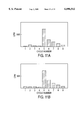
Classifications
-
- C—CHEMISTRY; METALLURGY
- C12—BIOCHEMISTRY; BEER; SPIRITS; WINE; VINEGAR; MICROBIOLOGY; ENZYMOLOGY; MUTATION OR GENETIC ENGINEERING
- C12N—MICROORGANISMS OR ENZYMES; COMPOSITIONS THEREOF; PROPAGATING, PRESERVING, OR MAINTAINING MICROORGANISMS; MUTATION OR GENETIC ENGINEERING; CULTURE MEDIA
- C12N9/00—Enzymes; Proenzymes; Compositions thereof; Processes for preparing, activating, inhibiting, separating or purifying enzymes
- C12N9/10—Transferases (2.)
- C12N9/1048—Glycosyltransferases (2.4)
- C12N9/1051—Hexosyltransferases (2.4.1)
-
- C—CHEMISTRY; METALLURGY
- C07—ORGANIC CHEMISTRY
- C07K—PEPTIDES
- C07K7/00—Peptides having 5 to 20 amino acids in a fully defined sequence; Derivatives thereof
- C07K7/04—Linear peptides containing only normal peptide links
- C07K7/06—Linear peptides containing only normal peptide links having 5 to 11 amino acids
Definitions
- the present invention relates to glycosyltransferase enzymes and the genes corresponding to such enzymes.
- the present invention relates to the enzyme N-acetylgalactosaminyltransferase.
- the invention relates to the isolation and sequencing of the enzyme N-acetylgalactosaminyltransferase.
- the invention also relates to the construction of proteins capable of expressing the acceptor peptide for the enzyme N-acetylgalactosaminyltransferase.
- Carbohydrates are an important class of biological compounds.
- carbohydrates function as structural components where they regulate viscosity, store energy, or are key components of cell surfaces. Nearly all site specific intercellular interactions involve cell surface carbohydrates. For example, union of sperm and egg as well as the implantation of fertilized egg are both mediated by cell surface carbohydrates.
- a number of proteins that function as cell adhesion molecules including GMP-140, ELAM-1, and lymphocyte adhesion molecules like Mel-14, exhibit structural features that mimic lectins, and are thought to bind specific cell surface carbohydrate structures (Stoolman, Cell (1989) 56:907-910). Glycosylated proteins as tumor-associated antigens are now being used to identify the presence of numerous carcinomas. Even isolated oligosaccharides have been found to exhibit biological activity on their own.
- oligosaccharides have an influence on the protein or lipid to which they are conjugated (Rademacher et al., Ann. Rev., Biochem., (1988), 57:785). Specific oligosaccharides have been shown to influence proteins, stability, rate of proteolysis, rate of in vivo clearance from the bloodstream, thermal stability and solubility. Changes in the oligosaccharide portion of cell surface carbohydrates have been noted in cells which have become cancerous. Other oligosaccharide changes have been detected during cell differentiation (Toone et al., Tetrahedron Report (1989) 45(17):5365-5422). As such, the significance of oligosaccharides to biological function cannot be understated.
- O-glycosidically linked (mucin type) oligosaccharides have been reported on a number of different types of glycoproteins (Sadler, (1984) Biology of Carbohydrates, (Ginsburg and Robbins, eds.) pp. 199-213, Vol. 2, John Wiley and Sons, New York). These structures have been assigned a diverse array of functions, ranging from quite specific such as being involved in cell--cell recognition and host-pathogen interaction, to more general such as providing protection from proteolytic degradation or supplying the appropriate charge and water binding properties to mucous secretions (Sadler (1984) Biology of Carbohydrates (supra); Paulson (1989) Trends Biochem. 20 Sci., 14:272-275; and Jentoft (1990) Trends Biochem. Sci., 15:291-294).
- the initial reaction in O-linked oligosaccharide biosynthesis is the transfer of an N-acetylgalactosamine residue from the nucleotide sugar UDP-N-acetylgalactosamine to a serine or threonine residue on the protein acceptor.
- This reaction which can occur post-translationally, is catalyzed by UDP-GalNAc:polypeptide, N-acetylgalactosaminyltransferase (hereinafter referred to as GalNAc-transferase or GalNAcT) an intracellular membrane bound enzyme believed to be localized in the secretory pathway.
- GalNAc-transferase The exact location(s) of GalNAc-transferase is still controversial. It has been reported that the initial addition of N-acetylgalactosamine to the acceptor protein can take place early (even co-translationally) in the rough endoplasmic reticulum (ER). Other authors have suggested that this reaction is a post-translational event occurring in later ER compartments and/or in the cis region of the Golgi complex (e.g. Hanover et al. (1982) J. Biol. Chem. 257:10172-10177; Roth (1984) J. Cell Biol. 98:399-406; Elhammer and Kornfeld (1984) J. Cell Biol. 98:327-331; Tooze et al.
- Enzyme-mediated catalytic synthesis would offer dramatic advantages over the classical synthetic organic pathways, producing very high yields of carbohydrates (e.g., oligosaccharides and/or polysaccharides) economically, under mild conditions in aqueous solutions, and without generating notable amounts of undesired side products.
- carbohydrates e.g., oligosaccharides and/or polysaccharides
- Such enzymes which include glycosyltransferase, are however difficult to isolate, especially from eukaryotic, e.g., mammalian sources, because these proteins are only found in low concentrations, and tend to be membrane-bound.
- the acceptor (peptide) specificity of GalNAc-transferase is poorly understood.
- acceptor site for this enzyme consists of acidic amino acids closely followed by the tetrapeptide Ser-Gly-Xaa-Gly, where Xaa may be any amino acid (Bourdon et al. 1987).
- the present invention is based upon the discoveries of the gene coding for the enzyme N-acetylgalactosaminyltransferase, the amino acid sequence of the enzyme N-acetylgalactosaminyltransferase, and the polypeptide sequence of the acceptor peptide for the enzyme N-acetylgalactosaminyltransferase. These discoveries allow for the control of glycosylation of a protein.
- the present invention involves controlling the glycosylation of a protein, either within a cell or in vitro, by introducing into the DNA sequence encoding the protein at least one gene which is capable of expressing the acceptor peptide for the enzyme N-acetylgalactosaminyltransferase, expressing a protein having an acceptor cite for that enzyme, and exposing the expressed protein to that enzyme.
- the present invention also provides a process for altering the glycosylation of a protein produced by a cell where the process involves introducing into the cell at least one gene which is capable of expressing the enzyme N-acetylgalactosaminyltransferase followed by expressing a sufficient amount of the enzyme in the cell to thereby alter the glycosylation of the protein in the cell.
- FIGS. 1A and 1B Separation of bovine colostrum GalNAc-transferase on SDS-polyacrylamide electrophoresis.
- Panel A The purified bovine colostrum enzyme separated by SDS-PAGE on a 10% polyacrylamide gel and visualized by silver staining.
- Panel B In vitro 125 I-labeled, purified bovine colostrum enzyme visualized by autoradiography. Left lane, products from digestion with peptide N-glycosidase F; right lane, enzyme incubated as for peptide N-glycosidase F digestion but without the glycosidase. The migration of molecular weight markers is indicated to the right.
- FIGS. 2A-2C N-terminal sequence of bovine colostrum GalNAc-transferase, sequence of oligonucleotide primers, restriction map for cDNA clones (pCR1000-91B and pCR1000-52A) containing the GalNAc-transferase and the sequencing strategy.
- A N-terminal amino acid sequence (34 amino acids) [SEQ ID NO:1] obtained from purified bovine colostrum GalNAc-transferase.
- oligonucleotides A, B and C are 512, 64 and 64, respectively.
- B Nucleotide sequence of the region surrounding the EcoRI cloning site of the ⁇ gt10 vector. Oligonucleotides F and G [SEQ ID NOS:7 and 8, respectively] were synthesized and used in PCR reactions with the bovine small intestine cDNA library cloned in ⁇ gt10 [SEQ. ID NO:16] (see text).
- C Restriction map of cDNA clones pCR1000-91B and pCR1000-52A.
- the protein coding region of the GalNAc-transferase protein is represented by the open box, the noncoding regions by the straight solid line and vector sequences by a solid box.
- the arrows beneath the 91B clone and above the 52A clone indicate the direction and extent of sequencing of the clones.
- FIGS. 3A and 3B Amino acid sequence [SEQ ID NO:9] of the cloned GalNAc-transferase inferred from the nucleotide sequence of cDNA clones 91B [SEQ ID NO:10] and 52A.
- the proposed transmembrane sequence is indicated by the solid boxed residues.
- Potential sites for N-linked glycosylation are indicated by the dashed boxed residues and predicted sites for O-linked glycosylation are marked with a dot under the appropriate amino acid.
- the N-terminus of the soluble bovine GalNAc-transferase (determined by N-terminal sequencing) is indicated by the arrow.
- the consensus poly A+ sequence (AATAAA) is indicated with a solid box and the sequence of the 93 bp insert of pCR1000-93I and the 621 bp insert of pCR1000-600 are indicated by the dashed underline (93I) or solid underline (600).
- the first ATG codon obtained from the 91B clone [SEQ ID NO:10] represents the beginning of the 1680 base pair nucleotide sequence for GalNAc-transferase [SEQ ID NO:11].
- FIGS. 4A and 4B Predicted transmembrane domain and O-linked glycosylation sites for the cloned GalNAc-transferase.
- the amino acid sequence of the cloned molecule was analyzed for putative transmembrane segment(s) as described by Kyte and Doolittle (1982) (Panel A) and for O-linked glycosylation sites as outlined by Elhammer et al. (1993) (Panel B).
- FIGS. 5A and 5B Northern blot analysis. Two ⁇ g of poly A + mRNA isolated from bovine mammary tissue, MDBK cells and 8 different human tissues were probed with the 32 P-labeled, 600 bp insert isolated from the pCR1000-600 (see FIG. 3).
- lanes 1 and 2 contain mRNA from MDBK cells and bovine mammary tissue, respectively.
- lanes 1 through 8 contain mRNA isolated from human heart, brain, placenta, lung, liver, skeletal muscle, kidney, and pancreas, respectively.
- FIG. 6 Immunoprecipitation of in vivo 35 S-methionine labeled GalNAc-transferase expressed in baculovirus infected Sf9 cells.
- the cloned GalNAc-transferase DNA was expressed in Sf9 cells using a baculovirus vector.
- the infected cells were switched to culture medium containing 35 S-methionine 24 hours post-infection and harvested after another 24 hours.
- the cells were lysed in a detergent containing buffer and the labeled transferase was immunoprecipitated from the cell lysates and the corresponding culture media.
- the washed immunoprecipitates were separated by SDS-PAGE on a 10% polyacrylamide gel.
- Lanes 1, 3 and 5 contain radioactivity precipitated from cell lysates of cells infected with virus containing the constructs GalNAcT 2-1.A, GaINAcT 2-1.B and CMV Pol-1, respectively.
- Lanes 2, 4 and 6 contains radioactivity immunoprecipitated from the corresponding culture media. The two molecular mass forms of the immunoprecipitated protein is indicated by the arrow heads. The migration of molecular weight markers is indicated to the right.
- FIGS. 7A -7D Probabilities of glycosylation. Probabilities were calculated from the amino acid sequence, using Eq 1 and the specificity parameters from Table 5.
- A Human granulocyte-macrophage colony-stimulating factor.
- B Human choriogonadotropin ⁇ -chain.
- C Subtilisin BPN'.
- D Bovine cytochrome C.
- FIGS. 8A -8D Probabilities of glycosylation. Probabilities were calculated from the amino acid sequence, using Eq 1 and the specificity parameters from Table 5.
- A Bovine rhodanese.
- B Chimeric protein constructed from the first two domains of human CD4 and the last three domains of Pseudomonas exotoxin.
- C Human LDL receptor protein.
- D Human Alzheimer amyloid protein precursor.
- FIGS. 9A and 9B Lineweaver-Burk plots of GalNAc-transferase reaction velocities. The transfer of 3 H-acetylgalactosamine to the acceptor peptides by bovine colostrum GalNAc-transferase was assayed as outlined in Materials and Methods. A representative experiment for each peptide is shown. The substrates were (A): RTPPP [SEQ ID NO:12]; and (B): PPASTSAPG [SEQ ID NO:14].
- FIGS. 10A-10F Characterization of the reaction products from in vitro glycosylation of PPASTSAPG [SEQ ID NO:14] and PPASSSAPG [SEQ ID NO:15].
- Products from glycosylation of the acceptor peptides PPASTSAPG [SEQ ID NO:14] (Panels A,B and C) and PPASSSAPG [SEQ ID NO:15] (Panels D, E and F) were isolated by BioGel P-2 chromatography and separated on descending paper chromatography in pyridine-ethyl acetate-glacial acetic acid-water (5:5:1:3, v:v:v:v).
- Panels A and D the untreated glycosylated peptides
- Panels B and E products from digestion with Patella vulgata ⁇ -N-acetylgalactosaminidase
- Panels C and F products from mild alkaline sodium borohydride treatment.
- the migration distances of standards are indicated by arrows. 1: Gal ⁇ 1-3GalNAc-ol; 2: GalNAc-ol.
- FIGS. 11A and 11B Determination of acceptor peptide amino acids conjugated with radioactive N-acetylgalactosamine after glycosylation with bovine colostrum GalNAc-transferase.
- Glycosylated acceptor peptides were isolated from assay mixtures by BioGelP-2 chromatography and subjected to automated Edman degradation as described in Materials and Methods. The radioactivity eluted in each sequencing cycle was determined by scintillation counting.
- a and B show fractions collected from sequencing of glycosylated PPASTSAPG [SEQ ID NO:14] and PPASSSAPG [SEQ ID NO:15], respectively.
- FIG. 12 The domain structure of bovine UDP-GalNAc:polypeptide, N-acetylgalactosaminyltransferase; construction of the secreted, soluble enzyme.
- GalNAcT denotes the full-length transferase; the domain structure of the molecule is high-lighted by the symbols described in the key.
- GalNAcTs denotes the soluble fusion molecule; the melittin signal sequence and 5 amino acids forming the linkage between the signal sequence and the GalNAc-transferase sequence, are represented by the solid bar. The arrow indicates the signal peptidase cleavage site.
- FIG. 13 The nucleotide sequence of cloned, re-engineered (to a soluble enzyme) UDP-GalNAc:polypeptide, N-acetylgalactosaminyl-transferase.
- UDP-GalNAc:polypeptide N-acetylgalactosaminyl-transferase.
- the sequences coding for the cytoplasmic and membrane spanning domains of the full-length cDNA 141 nucleotides
- the honeybee melittin signal sequence was chosen since the intended expression system for the construct was baculovirus/Sf9 cells.
- FIG. 14 Separation of soluble GalNAc-transferase on SDS-polyacrylamide electrophoresis. Silver staining detected only one protein band on the 10% polyacrylamide gel. A molecular mass of approximately 61 kDa could be detected by Coomassie Blue staining.
- FIG. 15 The nucleotide sequence of UDP-GalNAc:polypeptide, N-acetylgalactosaminyl-transferase.
- the depicted nucleotide sequence [SEQ ID NO:11] codes for the enzyme N-acetylgalactosaminyltransferase.
- FIG. 16 The amino acid sequence of UDP-GalNAc:polypeptide, N-acetylgalactosaminyl-transferase.
- the amino acid sequence of the enzyme N-acetylgalactosaminyltransferase [SEQ ID NO:9] is depicted.
- FIG. 17 An amino acid sequence of a soluble form UDP-GalNAc:polypeptide, N-acetylgalactosaminyl-transferase.
- the amino acid sequence of a secreted form of the enzyme N-acetylgalactosaminyltransferase [SEQ ID NO:19] is depicted.
- N-acetylgalactosaminyltransferase refers to enzymes substantially homologous to, and having substantially the same biological activity as, the enzyme coded for by the nucleotide sequence depicted in FIG. 15 [SEQ ID NO:11] and the amino acid sequence depicted in FIG. 16 [SEQ ID NO:9].
- This definition is intended to encompass natural allelic variations in the GalNAct sequence, and all references to GalNAcT, and nucleotide and amino acid sequences thereof are intended to encompass such allelic variations, both naturally-occurring and man-made.
- Cloned genes of the present invention may code for the GalNAcT enzyme of any species of origin, but preferably code for enzymes of mammalian, most preferably bovine, origin.
- DNA which encodes the enzyme GalNAcT may be obtained, in view of the instant disclosure, by chemical synthesis, by screening reverse transcripts of mRNA from appropriate cells or cell line cultures, by screening genomic libraries from appropriate cells, or by combinations of these procedures. Screening of mRNA or genomic DNA may be carried out with oligonucleotide probes generated from the GalNAcT gene sequence information provided herein. Probes may be labeled with a detectable group such as a fluorescent group, a radioactive atom or a chemiluminescent group in accordance with known procedures and used in conventional hybridization assays.
- a detectable group such as a fluorescent group, a radioactive atom or a chemiluminescent group in accordance with known procedures and used in conventional hybridization assays.
- GalNAcT gene sequences may be obtained by use of the polymerase chain reaction (PCR) procedure, with the PCR oligonucleotide primers being produced from the GalNAcT gene sequence provided herein. See U.S. Pat. No. 4,683,195 to Mullis et al. and U.S. Pat. No. 4,683,202 to Mullis.
- PCR polymerase chain reaction
- the GalNAcT enzyme may be synthesized in host cells transformed with vectors containing DNA encoding the GalNAcT enzyme.
- a vector is a replicable DNA construct. Vectors are used herein either to amplify DNA encoding the GalNAcT enzyme and/or to express DNA which encodes the GalNAcT enzyme.
- An expression vector is a replicable DNA construct in which a DNA sequence encoding the GalNAcT enzyme is operably linked to suitable control sequences capable of effecting the expression of the GalNAcT enzyme in a suitable host. The need for such control sequences will vary depending upon the host selected and the transformation method chosen.
- control sequences include a transcriptional promoter, an optional operator sequence to control transcription, a sequence encoding suitable mRNA ribosomal binding sites, and sequences which control the termination of transcription and translation.
- Amplification vectors do not require expression control domains. All that is needed is the ability to replicate in a host, usually conferred by an origin of replication, and a selection gene to facilitate recognition of transformants.
- Vectors useful for practicing the present invention include plasmids, viruses (including phage), retroviruses, and integratable DNA fragments (i.e., fragments integratable into the host genome by homologous recombination).
- An example of a useful vector is a baculovirus expression vector.
- the vector replicates and functions independently of the host genome, or may, in some instances, integrate into the genome itself.
- Suitable vectors will contain replicon and control sequences which are derived from species compatible with the intended expression host.
- Transformed host cells are cells which have been transformed or transfected with the GalNAcT enzyme constructed using recombinant DNA techniques.
- Transformed host cells ordinarily express the GalNAcT enzyme, but host cells transformed for purposes of cloning or amplifying the GalNAcT enzyme DNA need not express the GalNAcT enzyme. When expressed, the GalNAcT enzyme will typically be located in the host cell membrane.
- DNA regions are operably linked when they are functionally related to each other.
- a promoter is operably linked to a coding sequence if it controls the transcription of the sequence.
- a ribosome binding site is operably linked to a coding sequence if it is positioned so as to permit translation.
- operably linked means contiguous and, in the case of leader sequences, contiguous and in the same translational reading frame.
- Expression vectors for such cells ordinarily include (if necessary) an origin of replication, a promoter located upstream from the gene to be expressed, along with a ribosome binding site, RNA splice site (if intron-containing genomic DNA is used), a polyadenylation site, and a transcriptional termination sequence.
- the transcriptional and translation control sequences in expression vectors to be used in transforming vertebrate cells are often provided by viral sources.
- promoters are derived from polyoma, Adenovirus 2, and Simian Virus 40 (SV40).
- SV40 Simian Virus 40
- the early and late promoters of SV40 are useful because both are obtained easily from the virus as a fragment which also contains the SV40 viral origin of replication.
- the GalNAcT enzyme promoter, control and/or signal sequences may also be used, provided such control sequences are compatible with the host cell chosen.
- An origin of replication may be provided either by construction of the vector to include an exogenous origin, such as may be derived from SV40 or other viral source, or may be provided by the host cell chromosomal replication mechanism. If the vector is integrated into the host cell chromosome, the latter may be sufficient.
- GalNAcT enzyme made from cloned genes in accordance with the present invention may be used for designing new compounds containing oligosaccharides for a variety of healthcare and industrial applications.
- host cells may be transformed with a vector of the present invention, GalNAcT enzyme expressed in that host, the cells lysed, and the enzyme isolated from the lyzed cells.
- the enzyme can then be used in vitro to begin the initial reaction in the O-linked oligosaccharide biosynthesis of the transfer of an N-acetylgalactosamine residue from the nucleotide sugar UDP-N-acetylgalactosamine to a serine or threonine residue on the protein acceptor.
- Cloned genes and vectors of the present invention are useful in molecular biology to transform cells which do not ordinarily express the GalNAcT enzyme to thereafter express this enzyme. Such cells are useful as intermediates for producing the enzyme. Such cells are also useful for the in vivo biosynthesis of an O-linked oligosaccharide to a protein acceptor.
- Milk (and colostrum) contains a number of glycosyltransferase activities (e.g. Prieels et al., 1975; Paulson et al., 1977; Bushway et al., 1979; Parodi et al., 1984).
- bovine colostrum contains what appears to be a soluble form of N-acetylgalactosaminyl transferase (GaINAcT) (Elhammer and Kornfeld, 1986) but did not provide a procedure for the purification of sufficient amounts of GalNAcT for N-terminal sequencing. The following procedure describes the purification of GalNAcT from bovine colostrum.
- the amino acid sequence of the enzyme is determined by N-terminal sequencing. This information is then used to isolate a cDNA clone encoding a full-length (membrane bound) transferase which upon expression in the insect cell line Sf9 resulted in the synthesis of a fully active enzyme.
- the acceptor specificity of the enzyme is then determined using a semiquantitative analysis of the amino acids surrounding known glycosylation sites in 16 different proteins followed by in vitro glycosylation studies of synthetic peptides.
- N-glycosidase F is from Oxford Glycosystems. Geneamp Kit (for PCR) is obtained from Perkin Elmer/Cetus. A bovine small intestine cDNA library cloned in a ⁇ gt10 vector is purchased from Clontech (catalog # BL1010a). The TA cloning vector pCR1000 is from Invitrogen. Sequenase version 2.0 is from U.S. Biochemical Corp. The baculoGold transfection kit is from PharMingen. 1 cc Bond Elut C 18 columns were from Varian. Serum-free Grace's insect medium, Insect Express, was from BioWhitaker.
- the vector pVt-Bac was a gift from Dr. Thierry Vernet at the Biotechnology Research Institute, National Research Council of Canada. Patella vulgata ⁇ -N-acetylgalactosaminidase is from V-Labs, Inc. Restriction enzymes and all other reagents are from standard sources.
- Buffer A 25 mM Imidazole, pH 7.2, 6 mM MnCl 2 , 30 mM NaCl
- buffer B 25 mM imidazole, pH 7.2, 1 M NaCl, 1% Triton X-100, 20 mM EDTA
- buffer C 25 mM Imidazole, pH 7.2, 30 mM MnCl 2 , 20 mM NaCl
- buffer D 25 mM Imidazole pH 7.2, 0.5 M NaCl, 20 mM EDTA
- buffer E 25 mM Imidazole, pH 7.2, 10 mM MmCl 2 , 20% glycerol
- buffer F 25 mM Imidazole, pH 7.2, 30 mM MnCl 2 , 100 mM NaCl
- buffer G 25 mM Imidazole, pH 7.2, 80 mM NaCl, 0.1% taurodeoxycholate, 10%
- the first four steps in the purification of the transferase are identical to the procedure described by Elhammer and Kornfeld (1986) (which is herein incorporated by reference) except that the samples loaded on the affinity columns are adjusted to 1 mM ATP (in addition to the reported buffer, salt and UDP concentrations) to compensate for an apparently higher pyrophosphatase activity(ies) in the colostrum used. Equilibration, loading, washing and elution buffer volumes are adjusted (scaled up) for the larger columns used. All steps in the purification procedure are performed at +4° C. and enzyme activity is assayed with the following standard assay throughout the purification.
- the standard assay for UDP-GalNAc:polypeptide, N-acetylgalactosaminyltransferase activity during purification contained the following components in a final volume of 80 ⁇ l: 50 mM Imidazole pH 7.2, 10 mM MnCl 2 , 0.5% Triton X-100, 15 ⁇ M UDP-GalNAc, UDP[1- 3 H-] GalNAc (27,000 cpm/assay), 0.15 mg/ml apomucin and varying amounts of enzyme (see individual experiments).
- the reaction mixture is incubated at 37° C. for 5-10 minutes (see individual experiments) and the reaction product is TCA precipitated and radioactivity measured as described.
- Assays for activity in lysates from Spodoptera frugiperda cell line 9 (hereinafter referred to as Sf9 cells) are carried out as described by Thomsen et al., (1990).
- Step 1 Separation of lipid globules and particles
- Crude frozen colostrum obtained from a local farmer is thawed and centrifuged at 15,000 g for 30 minutes. The resulting yellowish lipid layer is removed and discarded.
- the colostrum is then dialyzed against 20 volumes of buffer A for 16 hours with two buffer changes. The dialyzed material is centrifuged at 100,000 g for 60 minutes. The upper lipid layer is removed and discarded and the clear supernatant is carefully collected. The pellet and fluffy layer at the bottom is discarded.
- the supernatant from the 100,000 g centrifugation is loaded directly on a DEAE-Sephacel column equilibrated in buffer A.
- the bed volume of this column should be approximately equal to the amount of 100,000 g supernatant loaded (or ⁇ 750 ml/L crude colostrum).
- the run-through fractions are assayed for GalNAcT, and the fractions with activity are collected and pooled. Typically more than 90% of the applied activity can be recovered after passage through the column.
- Apomucin deglycosylated mucin
- bovine submaxillary mucin by the method of Hagopian and Eylar with minor modifications.
- the carbohydrate content of the apomucin preparation is determined by the method of Reinhold.
- CNBr-activated Sepharose is prepared from Sepharose 6B essentially as described by Cautrecasas.
- the apomucin is coupled to the activated Sepharose in 0.1 M sodium carbonate buffer pH 9.2 at 4° C. overnight. The protein concentration during the reaction is 2.5 mg/ml.
- the columns are run by gravity at a pressure of ⁇ 30 cm H 2 O during loading and ⁇ 60 cm H 2 O during washing, elution and regeneration.
- the column Before loading, the column is washed with 400 ml buffer B (regeneration buffer) followed by 500 ml buffer C and 150 ml buffer C containing 0.25 mM UDP.
- the sample Prior to loading the column the sample ( ⁇ 200U enzyme activity per 50 ml column in the first affinity step) is supplemented with MnCl 2 and UDP to final concentrations of 30 mM and 1.25 mM, respectively.
- the column is washed with 4 column volumes of buffer C containing 0.25 mM UDP and six 40 ml fractions are collected. The column is then eluted with buffer D.
- fractions 1 and 2 25 ml each, normally contains no, or very little activity
- fractions 3 and 4 50 ml each contains the bulk of the activity
- fractions 3 and 4 50 ml each, contains the bulk of the activity
- fractions 5 through 7 25 ml each, contains in some cases smaller amounts of activity.
- the individual fractions are dialyzed against 4 liters of buffer E (2 changes) immediately after elution, and assayed for enzyme activity. Typically only fractions 3 and 4 are used in the subsequent purification.
- the same type column is used as in the previous one.
- the column is first washed with 400 ml buffer B followed by 500 ml buffer F and 150 ml buffer F, containing 0.25 mM UDP.
- dialyzed fractions 3 and 4 from step 3 are supplemented with 1 M MnCl 2 , 4 M NaCl and UDP to achieve final concentrations of 30 mM, 100 mM and 1.25 mM respectively. Approximately 600U enzyme activity per run could be located during this step.
- the column is washed with 2 column volumes of buffer F followed by two column volumes of buffer F containing 0.5 M NaCl and finally with two column volumes of buffer F containing 1 M NaCl.
- All the wash buffers contained 0.25 mM UDP.
- the washes are collected in 40 ml fractions. Elution is then carried out in the same manner as in step 3 but with buffer D containing only 100 mM NaCl.
- the eluted fractions are dialyzed and assayed for transferase activity as described for step 3.
- Step 5 Gel filtration chromatography on Sephadex G-100 superfine
- the dialyzed fractions from three step 4 runs are pooled, 1/50 volume 5% taurodeoxycholate is added, and the material is concentrated to 2.5 ml on an Amicon YM-10 filter under 40 psi pressure. Half of this material, 1.25 ml, is loaded on a Sephadex G-100 Superfine column (20-50 ⁇ m bead size; 1.5 ⁇ 100 cm) equilibrated in buffer G having 300 mM NaCl. The column is run at a pressure of 30 cm H 2 O, which resulted in a flow of approx. 2.3 ml/hour and fractions (100 total) are collected at 40 min. intervals and assayed for activity.
- the fractions comprising the activity peak are pooled and concentrated as described above but without any further addition of detergent.
- Analytical gel filtration to determine the molecular weight of the transferase is carried out using the same procedure but with a smaller column (0.9 ⁇ 100 cm) and collecting 1.06 ml fractions.
- the recoveries from this step using the conditions described above typically ranged from 80-90%.
- the purified GalNAcT preparation contains only one polypeptide, with a molecular mass of approximately 70 kDa, detectable with silver staining (FIG. 1A).
- a portion of the purified preparation is labeled in vitro with 125I and separated on SDS-PAGE before and after digestion with peptide N-glycosidase F.
- FIG. 1B shows that this treatment results in an approximately 6 kDa shift in the apparent molecular mass of the protein.
- N-terminal sequencing of the purified bovine colostrum GalNAcT is done by automated Edman degradation in an Applied Biosystems Sequencer (Model 470) fitted with an on-line HPLC analyzer (Model 120-A) for phenylthiohydantoins. Quantitation of the latter is afforded by the Nelson Analytical Turbochrom chromatography data system connected in parallel with the recorder to the output from the HPLC system.
- the 34 amino acid sequence is shown in FIG. 2A [SEQ ID NO:1].
- Oligonucleotide primers are synthesized based on the partial N-terminal amino acid sequence of the purified bovine colostrum enzyme with an Applied Biosystems DNA Synthesizer, model 380B.
- the oligonucleotide (oligos A-E) [SEQ ID NOS:2-6, respectively,] sequence of the primers and probes used in the Polymerase Chain Reaction (hereinafter referred to as PCR) and later in a Southern Blot analysis are shown in FIG. 2A below the GalNAcT amino acid sequence.
- the degeneracy of oligonucleotides A, B and C are 512, 64 and 64, respectively.
- the PCR is carried out in 0.1 ml of solution containing 50 mM KCl, 10 mM Tris-HCL pH 8.3, 1.5 mM MgCl 2 , 0.2 mM each of the four dNTP's, 11 ⁇ M of each oligonucleotide, either 5 ⁇ l of the bovine intestine cDNA library or 10 ⁇ g of plasmid or ⁇ DNA and 2.5 units of Taq polymerase.
- the reaction is covered with 0.1 ml of mineral oil and subjected to a temperature step cycle. When degenerate oligonucleotides are used the steps are 94° C. (1 min), 37° C. (2 min), 72° C. (3 min) for a total of 35 cycles.
- oligonucleotides For nondegenerate oligonucleotides the steps are 94° C. (1 min), 55° C. (2 min), 72° C. (3 min) for a total of 25 cycles. Standard DNA manipulations are performed as described in Sambrook, J., Fritsch, E. F., and Maniatis, T. (1989) Molecular Cloning.
- the cDNA encoding the GalNAcT gene is cloned using the following approach. Oligonucleotides A [SEQ ID NO:2] and C [SEQ ID NO:4] are used as opposing primers in a PCR reaction. A bovine small intestine cDNA library cloned into a ⁇ gt10 vector is used as the template for the reaction. On the basis of the amino acid sequence, the predicted size of the amplified PCR product is 93 bp. The products of the PCR reaction are analyzed by Southern blot analysis using oligonucleotide B [SEQ ID NO:3] as a probe (FIG. 2A).
- oligonucleotide primers D-G [SEQ ID NOS:5-8, respectively] are synthesized.
- Oligonucleotides D [SEQ ID NO:5] and E [SEQ ID NO:6] are derived from the sequence of the pCR1000-93I insert and F [SEQ ID NO:7] and G [SEQ ID NO:8] are primers that directly flank either side of the EcoRI cloning site of ⁇ gt10 (FIG. 2B).
- PCR reactions are run using the bovine cDNA library as template with oligonucleotides D+F or D+G as primers.
- the resulting PCR products are analyzed by Southern blot analysis using oligonucleotide E [SEQ ID NO:6] as a probe.
- the 621 bp insert contains a 207 amino acid open reading frame with the first 23 amino acids of that open reading frame being a perfect match to amino acids 12-34 of the purified protein (FIG. 2A) [SEQ ID NO:1].
- the 621 bp fragment contains a portion of the GaINAcT gene
- this fragment is labeled with [ ⁇ - 32 P]dATP by nick translation (Goldin et al., 1981) and is used as a probe to screen the bovine cDNA library.
- the cDNA library (containing 2.5 ⁇ 10 6 independent clones) is screened by plaque hybridization using the above labeled DNA fragment as a probe. Seven positive plaques are obtained from the primary screen and each isolate is plaque purified three times. Five of the seven isolates are found to contain inserts of 600 bp or smaller while the two remaining isolates contain inserts of approximately 1600 and 2300 bp.
- the two larger inserts are PCR amplified and cloned (using oligonucleotides F and G as primers) into the TA cloning vector to yield pCR1000-52A (1600 bp insert) and pCR1000-91B (2300 bp insert).
- the size of the I inserts are analyzed on 1% agarose gels following restriction digest with EcoRI or by PCR using oligonucleotides F and G as primers.
- the inserts in pCR1000-93I, pCR1000-600, pCR1000-91B (2294 bp) and pCR1000-52A (1582 bp) are sequenced by the dideoxy chain termination method (Sanger et al., 1977) using Sequenase version 2.0 with [ ⁇ - 33 P]dATP. Double stranded DNA sequencing (Ausubel et al. 1987) is done with 20-mer oligonucleotide primers, synthesized according to the sequence of the cDNA insert. The sequencing strategy is shown in FIG. 2C. Sequence analysis is performed using the Sequence Analysis software package of the University of Wisconsin Genetics Computer Group (Devereux et al., 1984).
- the first ATG codon of the sequence obtained from the 91B clone is present at nucleotide 53.
- the sequence of the 52A clone demonstrated that it is a truncated version of the 91B clone in that the sequence of this clone starts at nucleotide 162 and ends at nucleotide 1744 of the larger 91B clone.
- the 52A insert covers nearly all of the open reading frame sequences (missing codons for the first 37 amino acids) found in the 91B clone.
- the nucleotide sequence of the 52A clone is identical to the 91B clone with the exception that nucleotide 358 is a G in the 52A clone instead of an A. This base change is in the wobble position (AGA to AGG) of codon 102 so it does not alter the arginine at that position.
- the 3'-untranslated region of the 91B clone is 562 bp in length, contains a consensus polyadenylation signal (nucleotides 2176-2182) and a track of 25 A residues at the end of the clone (FIG. 3), indicating that the 91B clone contains all the 3' terminal sequences of the GalNAcT mRNA [SEQ ID NO:10].
- RNA and poly A+RNA are prepared from bovine mammary tissue and from MDBK using the Invitrogen Fastrack kit, following the manufacturers procedure. Two ⁇ g of poly A + RNA are denatured by glyoxylation and Northern blot analysis is performed as previously described (Homa et al., 1986).
- a human multiple tissue Northern blot (Clontech (Cat # 7760-1)) is prehybridized in 50% formamide, 5 ⁇ SSC, 1 ⁇ Denhart's, 1% SDS, 100 ⁇ g per ml denatured salmon testes DNA, at 42° C. for 2 h and then hybridized overnight at 42° C. with the 32 P-labeled 600 bp insert isolated from the pCR1000-600. Filters are washed three times for 15 min in 0.1 ⁇ SSC, 0.1% SDS at 55° C. As shown in FIG. 5, at least two different sized GaINAcT mRNA's are detected from all the samples. The size of the bovine messages are approximately 4.1 and 3.2 kb, while all the human tissues express messages of 4.8 and 3.9 kb. In addition, a third mRNA of approximately 1.5 kb is detected in the skeletal muscle sample.
- the putative GalNAcT coding region, pCR1000-91B is digested with SstII and HindIII (both enzymes cut only in pCR1000 sequences that flank the insert; FIG. 2C) and these sites are blunted using T4 DNA polymerase so that it can be cloned into a baculovirus expression vector.
- BamHI linkers are then ligated onto the blunted ends and the resulting sample is ligated into the BamHI site of the baculovirus expression vector pAC373 (Summers and Smith, 1986).
- the resulting isolates are screened for proper orientation of the GalNAcT open reading frame with respect to the baculovirus polyhedron promoter, to yield pAC373-GalNAcT.
- Cotransfection of Sf9 cells with pAC373-GaINAcT and linearized baculovirus DNA from PharMingen's baculoGold transfection kit is performed using calcium phosphate precipitation (Summers & Smith, 1986).
- the baculovirus DNA provided in the PharMingen transfection kit contains a lethal mutation that can be corrected by homologous recombination with sequences contained in the pAC373 vector. Therefore, following transfection, only recombinant viruses will grow on Sf9 cells.
- GalNAcT 2-1A and GaINAcT 2-1B Transfections are done in duplicate and the resulting virus samples are referred to as GalNAcT 2-1A and GaINAcT 2-1B.
- Cells are harvested 48 hours post infection and lysed in a detergent containing buffer. Following sedimentation of undissolved material, the cleared lysates are assayed for GalNAcT activity. Lysates from uninfected cells or from cells infected with either a baculovirus containing an unrelated gene, CMV-POL (human cytomegalovirus DNA polymerase gene), or two separate baculovirus isolates of the GaINAcT gene, GalNAcT 2-1A and GaINAcT 2-1B, are assayed.
- CMV-POL human cytomegalovirus DNA polymerase gene
- the baculovirus expressed protein is further examined by immunoprecipitation and SDS-PAGE analysis.
- Baculovirus infected cells are labeled from 24 to 48 hours postinfection with [ 35 S]methionine.
- GalNAcT is immunoprecipitated from lysates and culture media of the labeled cells using a chicken polyclonal antibody raised against the purified bovine colostrum enzyme.
- a chicken is injected with 100 ⁇ g purified enzyme axillary, intramuscularly (with Freund's complete adjuvant).
- One month later the chicken is boosted with another 50 ⁇ g antigen subcutaneously (with Freund's incomplete adjuvant); a second booster, 50 ⁇ g enzyme axillary, intra-muscularly, is administered after an additional 21 days.
- Test bleeds are done two weeks after each booster. After the second test bleed (which upon analysis is found to contain anti-GalNAcT antibodies) eggs are collected each day and used as a source for antibodies. IgG is isolated from egg yolk as described by Jensenius et al., 1981.
- Immunoprecipitation of the in vivo 35 S-methionine labeled enzyme is done from crude cell lysates. Infected cells are labeled between 24-48 hours postinfection with 50 ⁇ Ci/ml 35 S-methionine in medium that contains one tenth the normal methionine concentration. Approximately 1.5 ⁇ 10 6 labeled, infected cells are dissolved in 670 ⁇ l PBS containing 0.5% Triton X-100, 0.5% taurodeoxycholate, 0.05% SDS, 0.1 TIU/ml of Aprotinin and 10 ⁇ g/ml each of leupeptin, antipain, chymostatin and pepstatin.
- any undissolved debris is sedimented at 10,000 ⁇ g for 20 minutes and the supernatant is collected.
- Immunoprecipitation is carried out by the addition of 4 ⁇ l (approximately 20 ⁇ g chicken IgG) of chicken anti GalNacT antibodies; purified IgG isolated from egg yolk is used for all immunoprecipitation experiments.
- the antigen-antibody complexes are isolated by over night adsorption to 22 ⁇ l (volume of sedimented gel) of protein A-Sepharose coated with rabbit anti-chicken IgG antibodies.
- the coated protein A-Sepharose is prepared by incubating 330 ⁇ l sedimented protein A-Sepharose with 2.3 mg rabbit anti-chicken IgG antibodies (an affinity purified IgG fraction) in 1 ml of PBS over night; the coated protein A-Sepharose is washed three times with 1 ml PBS containing 0.5% Triton X-100, 0.5% taurodeoxycholate, 0.05% SDS. Following adsorption of the antigen, the immunosorbent is sedimented by centrifugation and washed extensively essentially as described by Dunphy et al. (1985).
- the washed antigen-antibody-immunosorbent complexes are suspended in 50 ⁇ l SDS-PAGE sample buffer (Laemmli, 1970) and heated for five minutes on a boiling water bath to release the bound antigen. Following sedimentation of the protein A-Sepharose the antigen containing supernatants are aspirated and loaded on SDS-PAGE. SDS-PAGE, and fluorography of the dried gels is done as described previously (Davis et al., 1986) (FIG. 6).
- FIG. 6 The results from separation of the precipitated material on SDS-PAGE is shown in FIG. 6.
- Two closely spaced proteins with molecular masses of approximately 67 and 63.5 kDA are detected in both lysates and media from cells infected with viruses containing the GaINAcT gene (FIG. 6). This is close to the molecular mass predicted for the cloned protein and is also comparable to the molecular mass of the purified bovine colostrum enzyme (FIG. 1).
- the endogenously expressed enzyme is only barely detectable in this experiment but appears to have a similar molecular mass (FIG.
- the amino acid sequence [SEQ ID NO:9] predicted for the larger clone isolated provides a plausible explanation for the water solubility of the bovine colostrum GalNAcT.
- This enzyme apparently lacks the N-terminal 40 amino acids of the membrane bound molecule, a segment which includes both the cytoplasmic and membrane spanning domains.
- the Kyte-Doolittle hydropathicity plot from the cloned enzyme shows only one sequence segment, residues #9 through 28, with a high membrane spanning probability. It is not clear, at present, if the soluble bovine colostrum enzyme is the result of proteolytic cleavage of a membrane bound molecule or if it represents a bona fide secretory protein.
- Soluble, enzymatically active forms of a ⁇ 1-4 galactosyltransferase and a ⁇ 2-6 sialyltransferase have been reported, both of which appear to be the result of proteolytic cleavage of membrane bound proteins (Paulson and Colley, 1989 and references therein).
- the translation products from the different mRNA species related to both these molecules appears in most tissues to be membrane bound molecules (Joziasse, 1992). By analogy it appears likely that the two mRNA's observed in our Northern blotting experiments (FIG.
- the larger sizes of the two GalNAcT messages are presumably related to untranslated sequences larger than those recovered in the isolated clones, in the 5' and/or 3' ends of the native molecules.
- Messenger RNA molecules from previously characterized cloned glycosyltransferases frequently contain extensive 5' and 3' untranslated sequences (e.g. Weinstein et al., 1987; Larsen et al., 1989; Russo et al., 1990; Scocca et al., 1990; Sarkar et al., 1991; Nagata et al., 1992).
- these two proteins are not known at present; they may represent different glycoforms of the enzyme or, perhaps more likely, the lower molecular mass form may be a proteolytic fragment, similar to the enzyme purified from bovine colostrum.
- the latter possibility is supported by two observations: 1), the mass difference between the two molecules is roughly equal to that of the sequence (40 amino acids) missing in bovine colostrum enzyme and 2), while the immunoprecipitates from cell lysates contains predominantly the higher molecular mass form of the enzyme, the culture medium appears to be enriched in the lower mass form. High-speed centrifugation of the culture medium failed to sediment more than approximately 30% of the enzymatic activity (Data not shown).
- the smaller molecular mass of the insect cell produced molecule as compared to the predicted mass of a membrane bound bovine enzyme may be the result of differences in glycosylation of the two molecules.
- Insect cells typically synthesize truncated, non-sialylated N- and O-linked oligosaccharides (e.g. Hsieh and Robbins, 1984; Domingo and Throwbridge, 1988; Kuroda et al., 1990; Thomsen et al., 1990; Wathen et al., 1991; Chen and Bahl, 1991); this results in a reduced molecular mass of insect cell produced glycoproteins on SDS-PAGE. The identity of higher molecular mass bands, approximately 120-180 kDa, on the gel is not clear.
- GalNAcTs Soluble GalNAc-transferase
- the sequences coding for the cytoplasmic and membrane spanning domains of the full-length cDNA were replaced with sequences that code for the honeybee melittin signal peptide (FIG. 12).
- the honeybee melittin signal sequence was chosen since the intended expression system for the construct was baculovirus/Sf9 cells. It has been demonstrated that use of an insect derived signal peptide often results in increased secretion (as compared to a signal peptide of heterologous origin) of the recombinant molecule when expressed in Sf9 cells (Tessier et al., 1991).
- the fusion site for the signal peptide was chosen based on the N-terminal sequence of the soluble colostrum enzyme.
- the plasmid pAC373-GalNAcT (Homa et al., 1993) which contains the full length GalNAc-transferase gene under the control of the baculovirus polyhedron promoter was digested with XbaI and BglII, which generated a 150 bp fragment, and with BglII and XhoI, which generated a 9700 bp vector fragment. Both fragments were gel purified.
- the XbaI site used is located 7 amino acids from the N-terminus of the soluble colostrum enzyme, in a portion of the molecule corresponding to what is referred to as the "stem region" in other glycosyltransferases (reviewed by Shaper & Shaper, 1992). Soluble forms of several glycosyltransferases are generated by proteolytic cleavages in this region. Consequently, it is believed to be unimportant for catalytic activity (Joziasse, 1992; Shaper & Shaper, 1992).
- pVT-BAC (Tessier et al, 1991), which contains the coding sequences of the honeybee melittin signal peptide, was digested with SmaI and a 12 bp XbaI linker was ligated onto the SmaI site. The sample was then digested with XbaI and XhoI and the 2100 bp fragment generated by this digest was gel purified. The three gel purified fragments were added to the same tube and ligated.
- the resulting plasmid contains a GalNAc-transferase gene under the control of the baculovirus polyhedron promoter in which the first 47 amino acids (141 nucleotides) have been replaced with 21 amino acids (63 nucleotides) of the honeybee melittin signal peptide plus five (5) amino acids (15 nucleotides) that link the two domains together (FIG. 13) [SEQ ID NO:18].
- GalNAcTs was routinely expressed in one liter batches. Approximately 1 ⁇ 10 9 cells in one liter Grace's serum-free insect medium (Insect Express) were infected with 5 pfu/cell of GalNAcTs-Mel. The infected cells were cultured in shaker flasks for 65 hours before harvest. Expression of the construct GalNAcTs-Mel in Sf9 cells resulted in 130-fold increase in GalNAc-transferase activity in the culture medium, as compared to uninfected cells (Table 2) or cells infected with an unrelated molecule ( ⁇ 6-3). This is more than 35 times the amount recovered in the medium of cells expressing the full length molecule (Homa & Elhammer, unpublished observations). A significant portion (36%) of the total enzymatic activity resulting from expression of the soluble molecule was, however, retained inside the cells; the reason for this is not clear at present.
- Purification of the soluble molecule was accomplished in one step, by chromatography on apomucin-Sepharose.
- the procedure used for the purification of the recombinant enzyme was a modification of the second affinity chromatography step in the purification of the bovine colostrum enzyme (Elhammer & Kornfeld, 1986).
- the affinity column used for purification of the recombinant enzyme was prepared as described (Elhammer & Kornfeld, 1986). Total bed volume was approximately 200 ml; ligand density was approximately 3.5 mg/ml gel. Before each separation run the column was washed with 1000 ml Buffer B and equilibrated with 1000 ml Buffer F followed by 420 ml Buffer F containing 0.25 mM UDP. Crude conditioned cell culture medium was fractionated on this column in 1 liter batches as follows.
- the medium was first dialyzed against 25 mM Imidazole, pH 7.2, 100 mM NaCl, 30 mM MnCl 2 with three buffer changes. Following centrifugation at 12,000 ⁇ g for 20 minutes to remove precipitated material (no enzyme activity was lost in this step), the dialyzed medium was supplemented with UDP to 1.25 mM and loaded directly on the affinity column; the column run-through was collected in five 200 ml fractions. The column was then washed sequentially with 500 ml buffer F, 250 ml Buffer F containing 0.2% Triton X-100, 250 ml Buffer F and 250 ml Buffer F containing 1.0 M NaCl.
- Dialyzing the enzyme into a buffer containing 300 mM NaCl prior to concentration was an absolute necessity to avoid even higher losses in this step.
- the enzyme isolated from bovine colostrum shows a similar behavior in this regard (Elhammer & Kornfeld, 1986).
- the purified preparation was concentrated by ultrafiltration on a YM-10 membrane at 45 psi pressure.
- the crude medium sample was precipitated as described by Wessel and Flugge (1984) prior to electrophoresis; precipitate corresponding to approximately 250 ⁇ l medium was loaded.
- NH 2 -terminal sequencing of the purified molecule was done as described in Example 2. Interestingly, this purification procedure yielded a homogenous preparation only if expression of the molecule was carried out in serum-free medium.
- the amino acid composition of the purified GalNacTs was determined by automated ion-exchange chromatography on a Beckman amino acid analyzer (Beckman 6300) and was found to correspond with the composition predicted from the nucleic acid sequence shown in FIG. 3 [SEQ ID NO:9]. Samples were hydrolyzed for 24 hours in vacuo at 110° C. in 6N HCl. Dried hydrolysates were dissolved in buffer at pH 2.2 (NaS; Beckman) prior to application to the analyzer. Quantitation of the latter was afforded by the Nelson Analytical Turbochrom chromatography data system connected in parallel with the recorder to the output of the dual-channel spectrophotometer.
- the efficient production of the cloned molecule using the baculovirus expression system facilitated preparation of GalNAc-transferase in amounts sufficient for detailed biochemical and enzymatic studies to determine the acceptor substrate specificity of GalNAc-transferase from a database of in vivo substrates and from the in vitro glycosylation of proteins and peptides. These studies have been facilitated by the availability of information regarding the presence of glycosylated serine and threonine residues in proteins obtained during protein sequencing. This information is registered in the NBRF protein sequence repository.
- a search of the NBRF protein database yields several hundred definite or probable Thr and Ser O-glycosylation sites. From these, only those with reasonably unambiguous assignments are chosen and all proteoglycans are excluded since they contain primarily glycosaminoglycan chains where the anchoring sugar is xylose and not GalNAc. Also included into the reference set are the O-glycosylation sites identified in some recently analyzed glycoproteins. In the case of proteins listed for several different species, homologous proteins are included only when the glycosylation sites themselves show no homology. The complete reference set consists of the 196 glycosylated peptide segments (shown in Table 1 in Elhammer et al., 1993).
- the glycosylated peptides are listed as enneapeptide (ennea Greek, nine) segments, with the reactive Ser or Thr in the central position, designated as P0. Accordingly, the amino acid side chains toward the N-terminus are designated as the subsites P1 to P4 and those toward the C-terminus as subsites P1' to P4'. A length of nine residues is chosen as a starting point, with the option that, depending on the results on the selectivity of the subsites, the portion of the peptides subject to analysis may be extended or truncated.
- the sequences show that besides the obvious need for Ser or Thr in P0, no other subsite has an absolute requirement for any given amino acid. This then suggests that specificity of the enzyme may be the result of the cooperation of several subsites, none of them essential, but all of them contributing to catalytic efficiency.
- Overprediction is expected to be variable and in some cases may be rather high since glycosylation of a fully folded protein presumably requires not only the proper local primary structure but also accessibility from the aqueous environment.
- the predictive algorithm to human granulocyte-macrophage colony-stimulating factor (fqhugm.aa, FIG. 7A)
- the probability pattern of these two proteins is shown in FIG. 7. It is interesting to note that the calculated probabilities for these two proteins are not distributed uniformly between the two extremes. Rather, a small number of residues are associated with very high probabilities whereas the rest of the sequence indicates uniformly low probabilities. Furthermore, the residues with high probabilities are clustered into one or two distinct segments where the clustering of Ser and Thr residues may perhaps be a necessary but certainly not a sufficient criterion for creating a highly glycosylated protein segment.
- subtilisin BPN' (subsn.aa, FIG. 7C) which is produced by a microbial system incapable of O-linked oligosaccharide biosynthesis, contains a number of randomly distributed potential glycosylation sites, while very few nonglycosylated mammalian proteins contain any potential glycosylation sites. It is perhaps more typical to find no potential glycosylation sites at all, as in the case of horse hemoglobin (hbho.aa) or that of bovine cytochrome C (ccpg.aa, FIG. 7D).
- this region of the protein consists of a fully exposed segment linking the two homologous domains of the enzyme, exposure of native or mildly denatured rhodanese to GalNAc-transferase should result in glycosylation of the molecule.
- the chimeric protein, CD4PE40 constructed from two domains of the human CD4 protein and three domains of the Pseudomonas exotoxin, shows two prominent potential glycosylation sites, both at regions linking individual domains, see FIG. 8B.
- subtilisin could also be extensively glycosylated, if not in the native form then at least after mild denaturation.
- the potential of the predictive method is perhaps best illustrated by its application to the LDL receptor (ldlrec.aa, FIG. 8C) and the Alzheimer precursor protein (alz.aa, FIG. 8D), which have both been shown to be extensively O-glycosylated, each in a known, narrow segment of the polypeptide. As shown in FIG. 8, the present method not only correctly identifies these regions of glycosylation but also specifically predicts which Ser and Thr residues may be modified.
- s i ,j should depend critically on that property. Attempts to correlate the s i ,j distribution with a variety of parameters possibly characterizing the individual amino acids met with little success. Most importantly, no correlation has been found with a parameter predicting ⁇ -turns, although such a correlation has been inferred for xylosyltransferase (M. A. Bourdon et al., 1987).
- the enzyme would recognize a specific secondary structure of the target enneapeptide and that this secondary structure would be induced not by the cooperative action of several constituent amino acids but by their intrinsic tendency to form a given secondary structure.
- the potential glycosylation sites predicted for proteins in the Kabsch-Sander (Kabsch and Sander, 1983) database is used since no secondary structural information is available at the present time for any O-glycosylated proteins.
- the 50 potential sites with the highest h values are selected. As shown in Table 6, these potential glycosylation sites are very strongly selected against ⁇ -helical conformation.
- the preferred conformations appear to be a random coil, a sharp bend, or ⁇ -strand from P4 to P0 followed by a turn.
- the enzyme does not require a preformed secondary structure but imposes one upon binding of the substrate.
- the hydration index of the amino acids in the potential glycosylation sites also shown in Table 6, indicates that most peptides are reasonably exposed to the aqueous environment.
- reaction products are characterized using alkaline sodium borohydride treatment essentially as described by Carlson (1968).
- Digestion with Patella vulgata ⁇ -N-acetylgalactosaminidase (approximately 1 unit/ml) is done in 25 mM citrate buffer pH 4.0 in a final volume of 30 ⁇ l for 24 hours.
- Released radioactive sugars are separated on descending paper chromatography in pyridine-ethyl acetate-glacial acetic acid-water (5:5:1:3; v:v:v:v).
- Table 7 shows that, as predicted, both bovine rhodanese and, to a lesser extent, the bacterial protein subtilisin do indeed function as acceptors for the enzyme, although neither of them reacts unless reduced and carboxymethylated prior to exposure to the enzyme.
- bovine cytochrome C which contains one Ser and eight Thr residues but no predicted potential sites, is not an acceptor for the enzyme, whether in the native, or in the reduced and carboxymethylated state.
- Myelin basic protein a molecule which previously has been shown to be an efficient acceptor for GalNAc-transferase (Hagopian et al., 1971) is included as a positive control in this experiment.
- Rhodanese contains two additional predicted acceptor sites, Ser 142 and Ser 145 , (FIG. 8). However, due to the low rates of transfer to serine residues under our standard assay conditions, transfer to these sites should not contribute significantly to the total transfer in the assay.
- Myelin basic protein contains one site predicted with high probability and three additional low probability sites. The molecule can reportedly be glycosylated with 1.2 to 1.5 N-acetylgalactosamines per molecule (Cruz and Moscarello, 1983).
- the bacterial protein subtilisin contains four predicted serine sites with probabilities higher than 0.6 (FIG. 8).
- Three of the serines have a high exposure index in the native protein (Kabsch and Sander, 1983), but the three-dimensional structure of the protein indicates that the hydroxyls are located in a restrained environment. Again, this could account for the need for reduction and carboxymethylation for acceptor activity.
- the 35 times slower transfer rate to denatured subtilisin, as compared to myelin basic protein indicates again a slower transfer to serines than to threonines, under the conditions used. Factors such as those discussed for rhodanese may also contribute to the low levels of transfer.
- cytochrome C which does not contain any predicted acceptor site, is completely inactive as an acceptor, whether in the native or in the reduced and carboxymethylated form.
- the ability of GalNAc-transferase to glycosylate a series of synthetic acceptor peptides is shown in FIG. 9 and Table 8.
- the t-Boc-amino acids and the PAM resin solid supports are supplied by ABI.
- the completed peptides are removed from the supporting resin, concurrently with the side chain-protecting groups, by a standard HF cleavage procedure using anisole as a cation scavenger (10% v/v).
- the crude peptides are purified by preparative reverse phase chromatography on a C18 Vydac column (2.5 ⁇ 30 cm) using a water/acetonitrile gradient, each phase containing 0.1% TFA.
- Each purified peptide is characterized by FAB/MS and shows a single symmetrical peak on analytical HPLC.
- glycosylated amino acids in the peptides PPASTSAPG [SEQ ID NO:14] and PPASSSAPG [SEQ ID NO:15] are identified by sequencing of the reaction products from the corresponding assay.
- FIG. 11 shows that for both glycosylated peptides the majority of the sugar-linked radioactivity is associated with residue #5, the central amino acid, be it threonine, as in PPASTSAPG [SEQ ID NO:14], or serine, as in PPASSSAPG [SEQ ID NO:15].
- the measurable amounts of radioactivity associated with the residues following residue 5 are presumably due to the large load of peptide in the sequencer necessitated by the low specific radioactivity of the sample. Nevertheless, since the radioactivities associated with residues 7 and 8 extrapolate smoothly to that of residue 6, it is most likely that, within our experimental error, residue 6 is not labelled.
- N-acetylgalactosamine to peptide acceptors is assayed by two different assays.
- concentration of UDP-GalNAc is saturating in all assays; a Km of 8 ⁇ M is reported for bovine colostrum GalNAc-transferase (Elhammer and Kornfeld, 1986).
- the reaction mixture contains 50 mM Imidazole, pH 7.2, 10 mM MnCl 2 , 0.5% Triton X-100, 150 ⁇ M UDP-GalNAc, approximately 120,000 cpm of UDP-[1- 3 H]-GalNAc, varying concentrations of acceptor (see individual experiments) and approximately 5 mU of enzyme in a final volume of 40 ⁇ l; standard incubation time is 20 minutes.
- the reaction is terminated by placing the samples in a boiling water bath for 1.5 minutes.
- reaction product glycosylated peptide
- UDP-GalNAc a product that is separated from unreacted UDP-GalNAc by chromatography on Dowex-2 columns (0.5 ml bed volume) equilibrated in water; the run-through fraction (2.5 ml) containing the glycosylated peptide is collected, supplemented with scintillation fluid and counted for radioactivity.
- the assay conditions are as follows: 50 mM Imidazole, pH 7.2, 10 mM MnCl 2 , 0.5% Triton X-100, 150 ⁇ M UDP-GalNAc, approximately 260,000 cpm UDP-[ 3 H]-GalNAc and 3.2 mM acceptor peptide (the concentration of RSPPP is 3.7 mM).
- the assays are incubated for 20 minutes (PPASTSAPG) [SEQ ID NO:14] or 8 hours (PPASSSAPG [SEQ ID NO:15], PPAdSSdSAPG and RSPPP [SEQ ID NO:13]).
- the enzyme is inactivated by placing the samples on a boiling water bath for 1.5 minutes. The samples are then allowed to cool and the reaction products are separated from unreacted UDP-GalNAc and free GalNAc by chromatography on a Biogel P-2 column (1 ⁇ 50 cm) equilibrated in 7% isopropanol; thirty 1.3 ml fractions are collected.
- the peptide PPASTSAPG [SEQ ID NO:14] is designed to contain a single Thr, at P0.
- the proline residues at P4, P3 and P3' provide maximum probabilities at those positions; serine residues at P1 and P1' result in good probabilities without much steric constraint.
- the alanine residues at P2 and P2' and the glycine at P4 are indifferent as to the probability of glycosylation but allow for flexibility of the peptide backbone.
- Tables 8 and 9 show that this peptide is the most efficient of the acceptors tested and comparative assays show that its reactivity is very close to that of bovine apomucin (data not shown). Furthermore, the kinetic parameters for the two peptides, determined under our conditions, are quite comparable to those of the purified porcine submaxillary GalNAc-transferase-catalyzed glycosylation of peptides whose structure is derived from sites identified in porcine submaxillary mucin (Wang et al., 1992).
- the peptide RTPPP [SEQ ID NO:12] derived from the major acceptor sequence in myelin basic protein (Hagopian et al.,1971), has a K m lower than that of PPASTSAPG [SEQ ID NO:14] but also a much lower V max and, hence, its catalytic efficiency is only half of that of PPASTSAPG [SEQ ID NO:14].
- the activities of the two corresponding peptides containing serine instead of threonines are measurable but too low for determining the kinetic parameters under the conditions used.
- bovine colostrum GalNAc-transferase is capable of transferring GalNAc to the serine of these peptides, albeit--under our in vitro conditions--approximately 35 times slower than to threonine (Table 9).
- bovine colostrum GalNAc-transferase In contrast to the enzyme recently purified from porcine submaxillary gland (Wang et al., 1992), however, the bovine colostrum GalNAc-transferase is definitely capable of glycosylating both threonine and serine residues. In this context it should be noted that in experiments reported by O'Connel et al. (1992), bovine colostrum GalNAc-transferase failed to glycosylate serine in a peptide derived from human erythropoietin. This phenomenon may be related to the specific acceptor peptide used, even though a serine in this position is glycosylated in vivo.
- Ser is indeed an in vivo acceptor, for the following reasons: 1) numerous reports identify unambiguously O-glycosylated serine residues in glycoproteins; 2) preliminary experiments indicate that the Ser- and Thr-glycosylating activities have similar pH optima and that both are independent of calcium concentrations in the assays; 3) the affinity matrix for isolation of the enzyme is bovine apomucin immobilized on Sepharose. This ligand contains comparable numbers of serine and threonine residues and should consequently not distinguish between the two activities (compare below); 4) a mere 35-fold difference in rate is quite usual and is, in fact, rather small as a range of specificity for multisubstrate enzymes.
- GalNAc-transferase The specificity of GalNAc-transferase is adequately described by a cumulative specificity model, where the independent contribution of several subsites can produce a range of reactivities toward peptide segments. Additional important features of the acceptor peptide segments are exposure on the surface of the protein substrate and an extended conformation.
- the acceptor amino acid is surrounded preferentially by Ser, Thr, Pro, Ala and Gly residues, but in no specific order. Both serine and threonine are acceptor amino acids, at least for the bovine colostrum enzyme.
- the Km for UDP-GalNAc is approximately 1.7 ,M and the Km:s for the threonine containing acceptor peptide PPASTSAPG [SEQ ID NO:14] and the serine containing acceptor peptide PPDAASAAPLR [SEQ ID NO:17] are approximately 6.5 and 3.6 mM, respectively.
- Transfer by GalNAcTs to another serine containing acceptor peptide PPASSSAPG [SEQ ID NO:15] is approximately 70 times slower than to PPASTSAPG [SEQ ID NO:14] (Data not shown).
- the specific activity of the purified enzyme preparation, using bovine apomucin as acceptor, is approximately 2,160 U/mg protein (Table 4).
- the enzymatic properties of the purified GalNacTs appear to be similar to the those determined for the enzymes purified from bovine colostrum and porcine submaxillary gland (Elhammer and Kornfeld, 1986; Elhammer et al., 1993; Wang et al., 1992; Wang et al., 1993).
- the Km for the acceptor peptide PPASTSAPG [SEQ ID NO:14] is almost identical for the colostrum enzyme and the baculo expressed molecule, 6.0 vs. 6.5 mM.
- the serine containing acceptor peptide PPDAASAAPLR [SEQ ID NO:17] (O'Connel et al.
- GalNAcTs and the bovine colostrum enzyme glycosylate the peptide PPASSSAGP [SEQ ID NO:15] are at least 35 times slower than PPASTSAPG [SEQ ID NO:14] (Elhammer et al., 1993).
- the Km for UDP-GalNAc in assays using GalNAcTs is lower than those determined for the bovine colostrum and the porcine submaxillary gland enzymes, 1.7 ⁇ M vs. 8 ⁇ M and 6 ⁇ M, respectively (Table V; Elhammer & Kornfeld, 1986; Wang et al., 1992). The reason for this is not clear at present.
- the amino acid sequence of the bovine colostrum and the cloned molecules should be identical except for five amino acids in the NH 2 -terminal end of the molecule; the colostrum enzyme sequence also contains an additional two amino acids at the NH 2 -terminus.
- differences in post-translational processing, in particular glycosylation, of the Sf9 produced vs. the bovine molecule may, to some extent, influence the kinetic characteristics of the two molecules.
- the oligosaccharide structures on the insect produced molecule are most likely of high mannose and/or truncated high mannose type, while results from endoglycosidase digestion experiments suggest that the colostrum enzyme contains complex type oligosaccharides (Elhammer & Kornfeld, 1986). It is likely that the N-linked oligosaccharide structures on the porcine enzyme also would be of the types normally synthesized by mammalian cells; peptide: N-glycosidase F digestion experiments suggest that this molecule contains 9 kDa of N-linked oligosaccharides (Wang et al., 1992). Further experiments will however be needed to clarify this question.
- Cells (1X10 6 ) were infected with recombinant virus containing GalNAcTs-Mel (5 pfu/cell). The cells were harvestd 65 hours post infrction, lysed in a detergent containing buffer and the GalNac-transferase activity was determined in the cell lysates and the corresponding culture media; lysate and culture medium from uninfected cells were assayed as control. The numbers have been adjusted for differences in protein content in the cell lysates; the volume of the culture media was 5 ml.
Landscapes
- Chemical & Material Sciences (AREA)
- Life Sciences & Earth Sciences (AREA)
- Health & Medical Sciences (AREA)
- Organic Chemistry (AREA)
- Genetics & Genomics (AREA)
- Bioinformatics & Cheminformatics (AREA)
- General Health & Medical Sciences (AREA)
- Medicinal Chemistry (AREA)
- Molecular Biology (AREA)
- Zoology (AREA)
- Wood Science & Technology (AREA)
- Engineering & Computer Science (AREA)
- Biochemistry (AREA)
- Biotechnology (AREA)
- Biomedical Technology (AREA)
- Microbiology (AREA)
- Biophysics (AREA)
- Proteomics, Peptides & Aminoacids (AREA)
- General Engineering & Computer Science (AREA)
- Measuring Or Testing Involving Enzymes Or Micro-Organisms (AREA)
- Enzymes And Modification Thereof (AREA)
- Micro-Organisms Or Cultivation Processes Thereof (AREA)
- Peptides Or Proteins (AREA)
- Preparation Of Compounds By Using Micro-Organisms (AREA)
Priority Applications (1)
| Application Number | Priority Date | Filing Date | Title |
|---|---|---|---|
| US08/967,506 US6096512A (en) | 1993-05-14 | 1997-11-11 | Cloned DNA encoding a UDP-GalNAc: Polypeptide, N-acetylgalactosaminyltransferase |
Applications Claiming Priority (2)
| Application Number | Priority Date | Filing Date | Title |
|---|---|---|---|
| US6318693A | 1993-05-14 | 1993-05-14 | |
| US08/967,506 US6096512A (en) | 1993-05-14 | 1997-11-11 | Cloned DNA encoding a UDP-GalNAc: Polypeptide, N-acetylgalactosaminyltransferase |
Related Parent Applications (1)
| Application Number | Title | Priority Date | Filing Date |
|---|---|---|---|
| US60283095A Division | 1995-11-13 | 1995-11-13 |
Publications (1)
| Publication Number | Publication Date |
|---|---|
| US6096512A true US6096512A (en) | 2000-08-01 |
Family
ID=22047525
Family Applications (1)
| Application Number | Title | Priority Date | Filing Date |
|---|---|---|---|
| US08/967,506 Expired - Fee Related US6096512A (en) | 1993-05-14 | 1997-11-11 | Cloned DNA encoding a UDP-GalNAc: Polypeptide, N-acetylgalactosaminyltransferase |
Country Status (6)
| Country | Link |
|---|---|
| US (1) | US6096512A (de) |
| EP (2) | EP0698103A1 (de) |
| JP (1) | JPH09501044A (de) |
| AU (1) | AU6663294A (de) |
| IL (1) | IL109364A0 (de) |
| WO (1) | WO1994026906A2 (de) |
Cited By (51)
| Publication number | Priority date | Publication date | Assignee | Title |
|---|---|---|---|---|
| GB2379661A (en) * | 2001-01-30 | 2003-03-19 | Aeomica Inc | Human UDP-GALNAC:Polypeptide N-Acetylgalactosaminyltransferase 10 |
| US20040171826A1 (en) * | 2003-02-20 | 2004-09-02 | Stephen Hamilton | Endomannosidases in the modification of glycoproteins in eukaryotes |
| US20040230042A1 (en) * | 2000-06-28 | 2004-11-18 | Stephen Hamilton | Expression of class 2 mannosidase and class III mannosidase in lower eukaryotic cells |
| US20050143292A1 (en) * | 2003-11-24 | 2005-06-30 | Defrees Shawn | Glycopegylated erythropoietin |
| US20050208617A1 (en) * | 2000-06-28 | 2005-09-22 | Piotr Bobrowicz | N-acetylglucosamintransferase III expression in lower eukaryotes |
| US20050271690A1 (en) * | 1994-09-26 | 2005-12-08 | Gotschlich Emil C | Glycosyltransferases for biosynthesis of oligosaccharides, and genes encoding them |
| US7029872B2 (en) | 2000-06-28 | 2006-04-18 | Glycofi, Inc | Methods for producing modified glycoproteins |
| US20060177892A1 (en) * | 2003-04-09 | 2006-08-10 | Shawn De Frees | Intracellular formation of peptide conjugates |
| US20060246544A1 (en) * | 2005-03-30 | 2006-11-02 | Neose Technologies,Inc. | Manufacturing process for the production of peptides grown in insect cell lines |
| US20060286637A1 (en) * | 2000-06-28 | 2006-12-21 | Glycofi, Inc. | Production of sialylated N-glycans in lower eukaryotes |
| US20070026485A1 (en) * | 2003-04-09 | 2007-02-01 | Neose Technologies, Inc. | Glycopegylation methods and proteins/peptides produced by the methods |
| US20070037248A1 (en) * | 2000-06-28 | 2007-02-15 | Piotr Bobrowicz | Production of modified glycoproteins having multiple antennary structures |
| US20070105755A1 (en) * | 2005-10-26 | 2007-05-10 | Neose Technologies, Inc. | One pot desialylation and glycopegylation of therapeutic peptides |
| US20070154992A1 (en) * | 2005-04-08 | 2007-07-05 | Neose Technologies, Inc. | Compositions and methods for the preparation of protease resistant human growth hormone glycosylation mutants |
| US20080207487A1 (en) * | 2006-11-02 | 2008-08-28 | Neose Technologies, Inc. | Manufacturing process for the production of polypeptides expressed in insect cell-lines |
| US20080242607A1 (en) * | 2006-07-21 | 2008-10-02 | Neose Technologies, Inc. | Glycosylation of peptides via o-linked glycosylation sequences |
| US7449308B2 (en) | 2000-06-28 | 2008-11-11 | Glycofi, Inc. | Combinatorial DNA library for producing modified N-glycans in lower eukaryotes |
| US20080305991A1 (en) * | 2001-10-10 | 2008-12-11 | Neose Technologies, Inc. | Factor IX: remodeling and glycoconjugation of factor IX |
| US20080318850A1 (en) * | 2003-12-03 | 2008-12-25 | Neose Technologies, Inc. | Glycopegylated Factor Ix |
| US7473680B2 (en) | 2001-11-28 | 2009-01-06 | Neose Technologies, Inc. | Remodeling and glycoconjugation of peptides |
| US20090053167A1 (en) * | 2007-05-14 | 2009-02-26 | Neose Technologies, Inc. | C-, S- and N-glycosylation of peptides |
| US20090137763A1 (en) * | 2001-10-10 | 2009-05-28 | Neose Technologies, Inc. | Glucosamine nucleotide sugars |
| US20090305967A1 (en) * | 2005-08-19 | 2009-12-10 | Novo Nordisk A/S | Glycopegylated factor vii and factor viia |
| US20100015684A1 (en) * | 2001-10-10 | 2010-01-21 | Neose Technologies, Inc. | Factor vii: remodeling and glycoconjugation of factor vii |
| US7696163B2 (en) | 2001-10-10 | 2010-04-13 | Novo Nordisk A/S | Erythropoietin: remodeling and glycoconjugation of erythropoietin |
| US7795210B2 (en) * | 2001-10-10 | 2010-09-14 | Novo Nordisk A/S | Protein remodeling methods and proteins/peptides produced by the methods |
| US7803777B2 (en) | 2003-03-14 | 2010-09-28 | Biogenerix Ag | Branched water-soluble polymers and their conjugates |
| US7842661B2 (en) | 2003-11-24 | 2010-11-30 | Novo Nordisk A/S | Glycopegylated erythropoietin formulations |
| US7932364B2 (en) | 2003-05-09 | 2011-04-26 | Novo Nordisk A/S | Compositions and methods for the preparation of human growth hormone glycosylation mutants |
| US7956032B2 (en) | 2003-12-03 | 2011-06-07 | Novo Nordisk A/S | Glycopegylated granulocyte colony stimulating factor |
| US8053410B2 (en) | 2002-06-21 | 2011-11-08 | Novo Nordisk Health Care A/G | Pegylated factor VII glycoforms |
| US8076292B2 (en) | 2001-10-10 | 2011-12-13 | Novo Nordisk A/S | Factor VIII: remodeling and glycoconjugation of factor VIII |
| US8207112B2 (en) | 2007-08-29 | 2012-06-26 | Biogenerix Ag | Liquid formulation of G-CSF conjugate |
| US8268967B2 (en) | 2004-09-10 | 2012-09-18 | Novo Nordisk A/S | Glycopegylated interferon α |
| US8361961B2 (en) | 2004-01-08 | 2013-01-29 | Biogenerix Ag | O-linked glycosylation of peptides |
| US8404809B2 (en) | 2005-05-25 | 2013-03-26 | Novo Nordisk A/S | Glycopegylated factor IX |
| US8633157B2 (en) | 2003-11-24 | 2014-01-21 | Novo Nordisk A/S | Glycopegylated erythropoietin |
| US8632770B2 (en) | 2003-12-03 | 2014-01-21 | Novo Nordisk A/S | Glycopegylated factor IX |
| US8716240B2 (en) | 2001-10-10 | 2014-05-06 | Novo Nordisk A/S | Erythropoietin: remodeling and glycoconjugation of erythropoietin |
| US8716239B2 (en) | 2001-10-10 | 2014-05-06 | Novo Nordisk A/S | Granulocyte colony stimulating factor: remodeling and glycoconjugation G-CSF |
| US8791066B2 (en) | 2004-07-13 | 2014-07-29 | Novo Nordisk A/S | Branched PEG remodeling and glycosylation of glucagon-like peptide-1 [GLP-1] |
| US8791070B2 (en) | 2003-04-09 | 2014-07-29 | Novo Nordisk A/S | Glycopegylated factor IX |
| US8841439B2 (en) | 2005-11-03 | 2014-09-23 | Novo Nordisk A/S | Nucleotide sugar purification using membranes |
| US8916360B2 (en) | 2003-11-24 | 2014-12-23 | Novo Nordisk A/S | Glycopegylated erythropoietin |
| US8969532B2 (en) | 2006-10-03 | 2015-03-03 | Novo Nordisk A/S | Methods for the purification of polypeptide conjugates comprising polyalkylene oxide using hydrophobic interaction chromatography |
| US9005625B2 (en) | 2003-07-25 | 2015-04-14 | Novo Nordisk A/S | Antibody toxin conjugates |
| US9029331B2 (en) | 2005-01-10 | 2015-05-12 | Novo Nordisk A/S | Glycopegylated granulocyte colony stimulating factor |
| US9050304B2 (en) | 2007-04-03 | 2015-06-09 | Ratiopharm Gmbh | Methods of treatment using glycopegylated G-CSF |
| US9150848B2 (en) | 2008-02-27 | 2015-10-06 | Novo Nordisk A/S | Conjugated factor VIII molecules |
| US9200049B2 (en) | 2004-10-29 | 2015-12-01 | Novo Nordisk A/S | Remodeling and glycopegylation of fibroblast growth factor (FGF) |
| US9493499B2 (en) | 2007-06-12 | 2016-11-15 | Novo Nordisk A/S | Process for the production of purified cytidinemonophosphate-sialic acid-polyalkylene oxide (CMP-SA-PEG) as modified nucleotide sugars via anion exchange chromatography |
Families Citing this family (10)
| Publication number | Priority date | Publication date | Assignee | Title |
|---|---|---|---|---|
| GB2288401A (en) * | 1994-04-15 | 1995-10-18 | Bay Dev Corp Sa | N-acetylgalactosaminyltransferase |
| AU706304B2 (en) * | 1994-11-01 | 1999-06-10 | Kirin Pharma Kabushiki Kaisha | Peptide sequence that forms mucin sugar chain and technique for modifying protein to be linked with mucin sugar chain |
| US5861318A (en) * | 1994-11-16 | 1999-01-19 | Pharmacia & Upjohn Company | Scintillation proximity assay for N-acetylgalactosaminyltransferase activity |
| US5871990A (en) * | 1996-05-15 | 1999-02-16 | Clausen; Henrik | UDP-N-acetyl-α-D-galactosamine: polypeptide N-acetylgalactosaminyltransferase, gAlnAc-T3 |
| JP2003199573A (ja) * | 2001-12-28 | 2003-07-15 | Jgs:Kk | 新規udp−n−アセチル−d−ガラクトサミン:ポリペプチドn−アセチルガラクトサミン転移酵素及びこれをコードする核酸 |
| EP1481057B1 (de) | 2002-03-07 | 2006-02-15 | Eidgenössische Technische Hochschule Zürich | System und methode zur herstellung von rekombinanten, glykosylierten protein in prokaryontischen wirtszellen |
| ES2535084T3 (es) | 2005-05-11 | 2015-05-05 | Eth Zurich | Proteínas N-glicosiladas recombinantes procedentes de células procariotas |
| WO2009104074A2 (en) | 2008-02-20 | 2009-08-27 | Glycovaxyn Ag | Bioconjugates made from recombinant n-glycosylated proteins from procaryotic cells |
| CN102724997B (zh) | 2009-11-19 | 2016-09-21 | 格林考瓦因有限公司 | 在原核细胞中产生免疫原性多糖的生物合成系统 |
| HUE037956T2 (hu) | 2010-05-06 | 2018-09-28 | Glaxosmithkline Biologicals Sa | Kapszuláris Gram-pozitív bakteriális biokonjugátum vakcinák |
Citations (10)
| Publication number | Priority date | Publication date | Assignee | Title |
|---|---|---|---|---|
| US4521592A (en) * | 1981-10-23 | 1985-06-04 | Svenska Sockerfabriks Ab | Compounds for therapeutic or diagnostic use, a process and intermediates for their preparation |
| US4657849A (en) * | 1980-03-05 | 1987-04-14 | Svenska Sockerfabriks Ab | Compositions and methods useful for uropathogenic bacterial identification or diagnosis and inhibition of adherence of uropathogenic bacteria to cells having a structural element similar to that of the active principle of the invention |
| US4665060A (en) * | 1982-03-22 | 1987-05-12 | Biocarb Ab | Therapeutic treatment employing oligosaccharides |
| US4801583A (en) * | 1982-01-15 | 1989-01-31 | Choay S.A. | Oligosaccharides and their biological applications |
| US4810784A (en) * | 1982-02-09 | 1989-03-07 | Olle Larm | Process for covalent coupling for the production of conjugates, and products hereby obtained |
| WO1991003484A1 (en) * | 1989-08-31 | 1991-03-21 | The Biomembrane Institute | Abo genotyping |
| WO1991006635A1 (en) * | 1989-10-24 | 1991-05-16 | Regents Of The University Of California | Method for producing secretable glycosyltransferases and other golgi processing enzymes |
| WO1991012340A1 (en) * | 1990-02-14 | 1991-08-22 | The Regents Of The University Of Michigan | Methods and products for the synthesis of oligosaccharide structures on glycoproteins, glycolipids, or as free molecules |
| US5047335A (en) * | 1988-12-21 | 1991-09-10 | The Regents Of The University Of Calif. | Process for controlling intracellular glycosylation of proteins |
| US5324663A (en) * | 1990-02-14 | 1994-06-28 | The Regents Of The University Of Michigan | Methods and products for the synthesis of oligosaccharide structures on glycoproteins, glycolipids, or as free molecules, and for the isolation of cloned genetic sequences that determine these structures |
-
1994
- 1994-03-17 JP JP6525397A patent/JPH09501044A/ja active Pending
- 1994-03-17 EP EP94915336A patent/EP0698103A1/de not_active Withdrawn
- 1994-03-17 WO PCT/US1994/002552 patent/WO1994026906A2/en not_active Ceased
- 1994-03-17 AU AU66632/94A patent/AU6663294A/en not_active Abandoned
- 1994-03-17 EP EP96104017A patent/EP0726318A1/de not_active Withdrawn
- 1994-04-21 IL IL10936494A patent/IL109364A0/xx unknown
-
1997
- 1997-11-11 US US08/967,506 patent/US6096512A/en not_active Expired - Fee Related
Patent Citations (12)
| Publication number | Priority date | Publication date | Assignee | Title |
|---|---|---|---|---|
| US4657849A (en) * | 1980-03-05 | 1987-04-14 | Svenska Sockerfabriks Ab | Compositions and methods useful for uropathogenic bacterial identification or diagnosis and inhibition of adherence of uropathogenic bacteria to cells having a structural element similar to that of the active principle of the invention |
| US4762824A (en) * | 1980-03-05 | 1988-08-09 | Svenska Sockerfabriks Ab | Compositions and methods useful for uropathogenic bacterial identification or diagnosis and inhibition of adherence of uropathogenic bacteria to cells having a structural element similar to that of the active principle of the invention |
| US4521592A (en) * | 1981-10-23 | 1985-06-04 | Svenska Sockerfabriks Ab | Compounds for therapeutic or diagnostic use, a process and intermediates for their preparation |
| US4801583A (en) * | 1982-01-15 | 1989-01-31 | Choay S.A. | Oligosaccharides and their biological applications |
| US4810784A (en) * | 1982-02-09 | 1989-03-07 | Olle Larm | Process for covalent coupling for the production of conjugates, and products hereby obtained |
| US4665060A (en) * | 1982-03-22 | 1987-05-12 | Biocarb Ab | Therapeutic treatment employing oligosaccharides |
| US4851338A (en) * | 1982-03-22 | 1989-07-25 | Biocarb Ab | Method for diagnosing the presence of bacteria |
| US5047335A (en) * | 1988-12-21 | 1991-09-10 | The Regents Of The University Of Calif. | Process for controlling intracellular glycosylation of proteins |
| WO1991003484A1 (en) * | 1989-08-31 | 1991-03-21 | The Biomembrane Institute | Abo genotyping |
| WO1991006635A1 (en) * | 1989-10-24 | 1991-05-16 | Regents Of The University Of California | Method for producing secretable glycosyltransferases and other golgi processing enzymes |
| WO1991012340A1 (en) * | 1990-02-14 | 1991-08-22 | The Regents Of The University Of Michigan | Methods and products for the synthesis of oligosaccharide structures on glycoproteins, glycolipids, or as free molecules |
| US5324663A (en) * | 1990-02-14 | 1994-06-28 | The Regents Of The University Of Michigan | Methods and products for the synthesis of oligosaccharide structures on glycoproteins, glycolipids, or as free molecules, and for the isolation of cloned genetic sequences that determine these structures |
Non-Patent Citations (180)
| Title |
|---|
| A. Hagopian et al., "Glycoprotein Biosynthesis: Purification, and Characterization of a Polypeptide: N-acetylgalactosaminyl Transferase From Bovine Submaxillary Glands" Chem. Absts. 70 (15): 29, Abst. No. 64521 citing Arch. Biocem Biophys. 129 (2): 515-524, Apr. 1969. |
| A. Hagopian et al., Glycoprotein Biosynthesis: Purification, and Characterization of a Polypeptide: N acetylgalactosaminyl Transferase From Bovine Submaxillary Glands Chem. Absts. 70 (15): 29, Abst. No. 64521 citing Arch. Biocem Biophys. 129 (2): 515 524, Apr. 1969. * |
| Aubert, J. P., Biserte, G. and M H Loucheux Lefebvre, Carbohydrate Peptide Linkage in Glycoproteins, Arch. Biochem. Biophys., 175:410 418 (1976). * |
| Aubert, J.-P., Biserte, G. and M-H Loucheux-Lefebvre, "Carbohydrate-Peptide Linkage in Glycoproteins," Arch. Biochem. Biophys., 175:410-418 (1976). |
| Bourdon, M.A., Krusius, T., Campbell, S., Schwartz, N.B., and E. Ruoslahti, "Identification and synthesis of a recognition signal for the attachment of glycosaminoglycans to proteins," Proc. Natl. Acad. Sci. USA, 84:3194-3198 (1987). |
| Bourdon, M.A., Krusius, T., Campbell, S., Schwartz, N.B., and E. Ruoslahti, Identification and synthesis of a recognition signal for the attachment of glycosaminoglycans to proteins, Proc. Natl. Acad. Sci. USA, 84:3194 3198 (1987). * |
| Briand, J.P., Andrews, S.P., Jr., Cahill, E., Conway, N.A., and J.D. Young, "Investigation of the Requirements for O-Glycosylation by Bovine Submaxillary Gland UDP-N-Acetylgalactosamine: Polypeptide N-Acetylgalactosamine Transferase Using Synthetic Peptide Substrates," J. Biol. Chem., 256(23):12205-12207 (1981). |
| Briand, J.P., Andrews, S.P., Jr., Cahill, E., Conway, N.A., and J.D. Young, Investigation of the Requirements for O Glycosylation by Bovine Submaxillary Gland UDP N Acetylgalactosamine: Polypeptide N Acetylgalactosamine Transferase Using Synthetic Peptide Substrates, J. Biol. Chem., 256(23):12205 12207 (1981). * |
| Bushway, A. A., and T. W. Keenan, "Characterization of a Soluble Glycolipid Galactosyltransferase Which Occurs in Bovine Milk," Biochim. Biophys. Acta, 572:146-152 (1979). |
| Bushway, A. A., and T. W. Keenan, Characterization of a Soluble Glycolipid Galactosyltransferase Which Occurs in Bovine Milk, Biochim. Biophys. Acta, 572:146 152 (1979). * |
| Carlson, D.M., "Structures and Immunochemical Properties of Oligosaccharides Isolated from Pig Submaxillary Mucins," J. Biol. Chem., 243(3):616-626 (1968). |
| Carlson, D.M., Structures and Immunochemical Properties of Oligosaccharides Isolated from Pig Submaxillary Mucins, J. Biol. Chem., 243(3):616 626 (1968). * |
| Chen, W., and O. P. Bahl, "Recombinant Carbohydrate Variant of Human Choriogonadotropin β-Subunit (hCGβ) Descarboxyl Terminus (115-145)," J. Biol. Chem., 266(10):6246-6251 (1991). |
| Chen, W., and O. P. Bahl, Recombinant Carbohydrate Variant of Human Choriogonadotropin Subunit (hCG ) Descarboxyl Terminus (115 145), J. Biol. Chem., 266(10):6246 6251 (1991). * |
| Chou, P.Y., and G.D. Fasman, "Empirical Predictions of Protein Conformation," Ann. Rev. Biochem., 47:251-276 (1978). |
| Chou, P.Y., and G.D. Fasman, Empirical Predictions of Protein Conformation, Ann. Rev. Biochem., 47:251 276 (1978). * |
| Cruz, T.F., and M.A. Moscarello, "Identification of the Major Sites of Enzymic Glycosylation of Myelin Basic Protein," Biochim. Biophys. Acta, 760:403-410 (1983). |
| Cruz, T.F., and M.A. Moscarello, Identification of the Major Sites of Enzymic Glycosylation of Myelin Basic Protein, Biochim. Biophys. Acta, 760:403 410 (1983). * |
| Database Embl. Homa, F.L. et al., Isolation and expression of cDNA clone encoding a bovine UDP GalNAc: polypeptide, N acetylgalactosaminyltransferase, AN:L07780, May 7, 1993. * |
| Database Embl.--Homa, F.L. et al., "Isolation and expression of cDNA clone encoding a bovine UDP-GalNAc: polypeptide, N-acetylgalactosaminyltransferase," AN:L07780, May 7, 1993. |
| Davis, C. G., Elhammer, A., Russell, D.W., Schneider, W.J., Kornfeld, S., Brown, M.S., and J.L. Goldstein, "Deletion of Clustered O-Linked Carbohydrates Does Not Impair Function of Low Density Lipoprotein Receptor in Transfected Fibroblasts," J. Biol. Chem., 261(6):2828-2838 (1986). |
| Davis, C. G., Elhammer, A., Russell, D.W., Schneider, W.J., Kornfeld, S., Brown, M.S., and J.L. Goldstein, Deletion of Clustered O Linked Carbohydrates Does Not Impair Function of Low Density Lipoprotein Receptor in Transfected Fibroblasts, J. Biol. Chem., 261(6):2828 2838 (1986). * |
| Deschuyteneer, M., Eckhardt, A.E., Roth, J. and R.L. Hill, "The Subcellular Localization of Apomucin and Nonreducing Terminal N-Acetylgalactosamine in Porcine Submaxillary Glands," J. Biol. Chem., 263(5):2452-2459 (1988). |
| Deschuyteneer, M., Eckhardt, A.E., Roth, J. and R.L. Hill, The Subcellular Localization of Apomucin and Nonreducing Terminal N Acetylgalactosamine in Porcine Submaxillary Glands, J. Biol. Chem., 263(5):2452 2459 (1988). * |
| Devereux, J., Haeberli, P. and O. Smithies, "A comprehensive set of sequence analysis programs for the VAX," Nucleic Acids Res., 12(1):387-395 (1984). |
| Devereux, J., Haeberli, P. and O. Smithies, A comprehensive set of sequence analysis programs for the VAX, Nucleic Acids Res., 12(1):387 395 (1984). * |
| Domingo, D. L., and I. S. Trowbridge, "Characterization of the Human Transferrin Receptor Produced in a Baculovirus Expression System," J. Biol. Chem., 263(26):13386-13392 (1988). |
| Domingo, D. L., and I. S. Trowbridge, Characterization of the Human Transferrin Receptor Produced in a Baculovirus Expression System, J. Biol. Chem., 263(26):13386 13392 (1988). * |
| Dunphy, W. G., Brands, R., and J.E. Rothman, "Attachment of Terminal N-Acetylglucosamine to Asparagine-Linked Oligosaccharides Occurs in Central Cisternae of the Golgi Stack," Cell, 40:463-472 (1985). |
| Dunphy, W. G., Brands, R., and J.E. Rothman, Attachment of Terminal N Acetylglucosamine to Asparagine Linked Oligosaccharides Occurs in Central Cisternae of the Golgi Stack, Cell, 40:463 472 (1985). * |
| Eisenberg, D., "Three-Dimensional Structure of Membrane and Surface Proteins," Ann. Rev. Biochem., 53:595-623 (1984). |
| Eisenberg, D., Three Dimensional Structure of Membrane and Surface Proteins, Ann. Rev. Biochem., 53:595 623 (1984). * |
| Elhammer, A. P. & S. Kornfeld, Purification and Characterization of UDP N Acetylgalactosamine: Polypeptide N Acetylgalactosaminyltransferase from Bovine Colostrum and Murine Lymphoma BW5147 Cells, J. of Biological Chemistry, 261(12):5249 5255 (1986). * |
| Elhammer, A. P. & S. Kornfeld,"Purification and Characterization of UDP-N-Acetylgalactosamine: Polypeptide N-Acetylgalactosaminyltransferase from Bovine Colostrum and Murine Lymphoma BW5147 Cells," J. of Biological Chemistry, 261(12):5249-5255 (1986). |
| Elhammer, A.P. et al., "The Specificity of UDP-GalNAc: Polypeptide N-Acetylgalactosaminyltransferase as Inferred from a Database of in Vivo Substrates and from the in Vitro Glycosylation of Proteins and Peptides," J. of Biological Chemistry, 268(14):10029-10038 (1993). |
| Elhammer, A.P. et al., The Specificity of UDP GalNAc: Polypeptide N Acetylgalactosaminyltransferase as Inferred from a Database of in Vivo Substrates and from the in Vitro Glycosylation of Proteins and Peptides, J. of Biological Chemistry, 268(14):10029 10038 (1993). * |
| Elhammer, A.P., and S. Kornfeld, "Two Enzymes Involved in the Synthesis of O-linked Oligosaccharides are Localized on Membranes of Different Densities in Mouse Lymphoma BW5147 Cells," J. Cell Biol., 98:327-331 (1984). |
| Elhammer, A.P., and S. Kornfeld, Two Enzymes Involved in the Synthesis of O linked Oligosaccharides are Localized on Membranes of Different Densities in Mouse Lymphoma BW5147 Cells, J. Cell Biol., 98:327 331 (1984). * |
| Fraser, M.J., The Baculovirus Infected Insect Cell as a Eukaryotic Gene Expression System, Current Topics Microbiol. Immunol., 158:131 172 (1992). * |
| Fraser, M.J., The Baculovirus-Infected Insect Cell as a Eukaryotic Gene Expression System, Current Topics Microbiol. Immunol., 158:131-172 (1992). |
| Garnier, J., Osguthorpe, D.J., and B. Robson, "Analysis of the Accuracy and Implications of Simple Methods for Predicting the Secondary Structure of Globular Proteins," J. Mol. Biol., 120:97-120 (1978). |
| Garnier, J., Osguthorpe, D.J., and B. Robson, Analysis of the Accuracy and Implications of Simple Methods for Predicting the Secondary Structure of Globular Proteins, J. Mol. Biol., 120:97 120 (1978). * |
| Goldin, A. L., Sandri Goldin, R.M., Levine, M., and J.C. Glorioso, Cloning of Herpes Simplex Virus Type 1 Sequences Representing the Whole Genome, J. Virol., 38(1):50 58 (1981). * |
| Goldin, A. L., Sandri-Goldin, R.M., Levine, M., and J.C. Glorioso, "Cloning of Herpes Simplex Virus Type 1 Sequences Representing the Whole Genome," J. Virol., 38(1):50-58 (1981). |
| Gooley, A.A., Classon, B.J., Marschalek, R., and K.L. Williams, "Glycosylation Sites Identified by Detection of Glycosylated Amino Acids Released From Edman Degradation: The Identification of Xaa-Pro-Xaa-Xaa as a Motif for Thr-O-Glycosylation," Biochem. Biophys. Res. Commun., 178(3):1194-1201 (1991). |
| Gooley, A.A., Classon, B.J., Marschalek, R., and K.L. Williams, Glycosylation Sites Identified by Detection of Glycosylated Amino Acids Released From Edman Degradation: The Identification of Xaa Pro Xaa Xaa as a Motif for Thr O Glycosylation, Biochem. Biophys. Res. Commun., 178(3):1194 1201 (1991). * |
| Hagopian, A., and E.H. Eylar, "Glycoprotein Biosynthesis: Studies on the Receptor Specificity of the Polypeptidyl: N-Acetylgalactosaminyl Transferase from Bovine Submaxillary Glands," Arch. Biochem. Biophys., 128:422-433 (1968). |
| Hagopian, A., and E.H. Eylar, Glycoprotein Biosynthesis: Studies on the Receptor Specificity of the Polypeptidyl: N Acetylgalactosaminyl Transferase from Bovine Submaxillary Glands, Arch. Biochem. Biophys., 128:422 433 (1968). * |
| Hagopian, A., Westall, F.C., Whitehead, J.S., and E.H. Eylar, "Glycosylation of the A1 Protein from Myelin by a Polypeptide N-Acetylgalactosaminyltransferase," J. Biol. Chem., 246(8): 2519-2523 (1971). |
| Hagopian, A., Westall, F.C., Whitehead, J.S., and E.H. Eylar, Glycosylation of the A1 Protein from Myelin by a Polypeptide N Acetylgalactosaminyltransferase, J. Biol. Chem., 246(8): 2519 2523 (1971). * |
| Haltiwanger, R.S., Holt, G.D. and G.W. Hart, "Enzymatic Addition of O-GlcNAc to Nuclear and Cytoplasmic Proteins," J. Biol. Chem., 265(5):2563-2568 (1990). |
| Haltiwanger, R.S., Holt, G.D. and G.W. Hart, Enzymatic Addition of O GlcNAc to Nuclear and Cytoplasmic Proteins, J. Biol. Chem., 265(5):2563 2568 (1990). * |
| Hanover, J.A., Elting, J., Mintz, G.R. and W.J. Lennarz, J. Biol. Chem., 257(17):10172 10177 (1982). * |
| Hanover, J.A., Elting, J., Mintz, G.R. and W.J. Lennarz, J. Biol. Chem., 257(17):10172-10177 (1982). |
| Hardy, M.R., Townsend, R.R. and Y.C. Lee, "Monosaccharide Analysis of Glycoconjugates by Anion Exchange Chromatography with Pulsed Amperometric Detection," Anal. Biochem., 170:54-62 (1988). |
| Hardy, M.R., Townsend, R.R. and Y.C. Lee, Monosaccharide Analysis of Glycoconjugates by Anion Exchange Chromatography with Pulsed Amperometric Detection, Anal. Biochem., 170:54 62 (1988). * |
| Hart, G.W., Holt, G.D. and R.S. Haltiwanger, "Nuclear and cytoplasmic glycosylation: novel saccharide linkages in unexpected places," TIBS, 13:380-384 (1988). |
| Hart, G.W., Holt, G.D. and R.S. Haltiwanger, Nuclear and cytoplasmic glycosylation: novel saccharide linkages in unexpected places, TIBS, 13:380 384 (1988). * |
| Heinrikson, R.L., Sterner, R. and C. Noyes, "On the Subunit Structure of Yeast Inorganic Pyrophosphatase," J. Biol. Chem., 248(7):2521-2528 (1973). |
| Heinrikson, R.L., Sterner, R. and C. Noyes, On the Subunit Structure of Yeast Inorganic Pyrophosphatase, J. Biol. Chem., 248(7):2521 2528 (1973). * |
| Hill, Jr., H.D., Schwyzer, M., Steinman, H.M. and R.L. Hill, "Ovine Submaxillary Mucin," J.Biol. Chem., 252(11):3799-3804 (1977). |
| Hill, Jr., H.D., Schwyzer, M., Steinman, H.M. and R.L. Hill, Ovine Submaxillary Mucin, J.Biol. Chem., 252(11):3799 3804 (1977). * |
| Homa, F. L., Otal, T.M., Glorioso, J.C. and M. Levine, "Transcriptional Control Signals of a Herpes Simplex Virus Type 1 Late (λ2) Gene Lie within Bases -34 to +124 Relative to 5' Terminus of the mRNA," Mol. Cell. Biol., 6(11):3652-3666 (1986). |
| Homa, F. L., Otal, T.M., Glorioso, J.C. and M. Levine, Transcriptional Control Signals of a Herpes Simplex Virus Type 1 Late ( 2) Gene Lie within Bases 34 to 124 Relative to 5 Terminus of the mRNA, Mol. Cell. Biol., 6(11):3652 3666 (1986). * |
| Homa, F.L. et al., "Isolation and Expression of a cDNA Clone Encoding a Bovine UDP-GalNAc: Polypeptide N-Acetylgalactosaminyltransferase," J. of Biological Chemistry, 268(17):12609-12616 (1993). |
| Homa, F.L. et al., Isolation and Expression of a cDNA Clone Encoding a Bovine UDP GalNAc: Polypeptide N Acetylgalactosaminyltransferase, J. of Biological Chemistry, 268(17):12609 12616 (1993). * |
| Hsieh, P., and P. W. Robbins, "Regulation of Asparagine-linked Oligosaccharide Processing," J. Biol. Chem., 259(4):2375-2382 (1984). |
| Hsieh, P., and P. W. Robbins, Regulation of Asparagine linked Oligosaccharide Processing, J. Biol. Chem., 259(4):2375 2382 (1984). * |
| Hughes, R.C., Bradbury, A.F. and D.G. Smyth, "Substrate Recognition by UDP-N-Acetyl-α-D-Galactosamine: Polypeptide N-Acetyl-α-D-Galactosaminyltransferase. Effects of Chain Length and Disulphide Bonding of Synthetic Peptide Substrates," Carbohydr. Res., 178:259-269 (1988). |
| Hughes, R.C., Bradbury, A.F. and D.G. Smyth, Substrate Recognition by UDP N Acetyl D Galactosamine: Polypeptide N Acetyl D Galactosaminyltransferase. Effects of Chain Length and Disulphide Bonding of Synthetic Peptide Substrates, Carbohydr. Res., 178:259 269 (1988). * |
| Jensenius, J. C., Andersen, I., Hau, J., Crone, M. and C. Koch, Eggs: Conveniently Packaged Antibodies. Methods for Purification of Yolk IgG, J. Immunol. Meth., 46:63 68 (1981). * |
| Jensenius, J.-C., Andersen, I., Hau, J., Crone, M. and C. Koch, "Eggs: Conveniently Packaged Antibodies. Methods for Purification of Yolk IgG," J. Immunol. Meth., 46:63-68 (1981). |
| Jentoft, N., "Why are proteins O-glycosylated?" Trends Biochem. Sci., 15:291-294 (1990). |
| Jentoft, N., Why are proteins O glycosylated Trends Biochem. Sci., 15:291 294 (1990). * |
| Joziasse, D. H., "Mammalian glycosyltransferases: genomic organization and protein structure," Glycobiology, 2:271-277 (1992). |
| Joziasse, D. H., Mammalian glycosyltransferases: genomic organization and protein structure, Glycobiology, 2:271 277 (1992). * |
| Kabsch, W., and C. Sander, "Dictionary of Protein Secondary Structure: Pattern Recognition of Hydrogen-Bonded and Geometrical Features," Biopolymers, 22:2577-2637 (1983). |
| Kabsch, W., and C. Sander, Dictionary of Protein Secondary Structure: Pattern Recognition of Hydrogen Bonded and Geometrical Features, Biopolymers, 22:2577 2637 (1983). * |
| Kaushansky, K., Lopez, J.A. and C.B. Brown, "Role of Carbohydrate Modification in the Production and Secretion of Human Granulocyte Macrophage Colony-Stimulating Factor in Genetically Engineered and Normal Mesenchymal Cells," Biochemistry, 31:1881-1886 (1992). |
| Kaushansky, K., Lopez, J.A. and C.B. Brown, Role of Carbohydrate Modification in the Production and Secretion of Human Granulocyte Macrophage Colony Stimulating Factor in Genetically Engineered and Normal Mesenchymal Cells, Biochemistry, 31:1881 1886 (1992). * |
| Kuroda, K., Hildegard, G., Geyer, R., Doerfler, W. and H D Klenk, The Oligosaccharides of Influenza Virus Hemagglutinin Expressed in Insect Cells by a Baculovirus Vector, Virology, 174:418 429 (1990). * |
| Kuroda, K., Hildegard, G., Geyer, R., Doerfler, W. and H-D Klenk, "The Oligosaccharides of Influenza Virus Hemagglutinin Expressed in Insect Cells by a Baculovirus Vector," Virology, 174:418-429 (1990). |
| Kyte, J., and R. F. Doolittle, "A Simple Method for Displaying the Hydropathic Character of a Protein," J. Mol. Biol., 157:105-132 (1982). |
| Kyte, J., and R. F. Doolittle, A Simple Method for Displaying the Hydropathic Character of a Protein, J. Mol. Biol., 157:105 132 (1982). * |
| Laemmli, U. K., "Cleavage of Structural Proteins During the Assembly of the Head of Bacteriophage T4," Nature, 227:680-685 (1970). |
| Laemmli, U. K., Cleavage of Structural Proteins During the Assembly of the Head of Bacteriophage T4, Nature, 227:680 685 (1970). * |
| Larsen, R. D., Rajan, V. P., Ruff, M. M., Kukowska Latallo, J., Cummings, R. D., and J. B. Lowe, Isolation of a cDNA encoding a murine UDPgalactose: D galactosyl 1,4 N acetyl D glucosaminide 1,3 galactosyltransferase: Expression cloning by gene transfer, Proc. Natl. Acad. Sci., 86:8227 8231 (1989). * |
| Larsen, R. D., Rajan, V. P., Ruff, M. M., Kukowska-Latallo, J., Cummings, R. D., and J. B. Lowe, "Isolation of a cDNA encoding a murine UDPgalactose: β-D-galactosyl-1,4-N-acetyl-D-glucosaminide α-1,3-galactosyltransferase: Expression cloning by gene transfer," Proc. Natl. Acad. Sci., 86:8227-8231 (1989). |
| Nagata, Y., Yamashiro, S., Yodoi, J., Lloyd, K. O., Shiku, H., and K. Furukawa, "Expression Cloning of β1,4N-Acetylgalactosaminyltransferase cDNAs That Determine the Expression of GM2 and GD2 Gangliosides," J. Biol. Chem., 267(17):12082-12089 (1992). |
| Nagata, Y., Yamashiro, S., Yodoi, J., Lloyd, K. O., Shiku, H., and K. Furukawa, Expression Cloning of 1,4N Acetylgalactosaminyltransferase cDNAs That Determine the Expression of G M2 and G D2 Gangliosides, J. Biol. Chem., 267(17):12082 12089 (1992). * |
| Nakashima, H., Nishikawa, K., and T. Ooi, "The Folding Type of a Protein is Relevant to the Amino Acid Composition," J. Biochem., 99:153-162 (1986). |
| Nakashima, H., Nishikawa, K., and T. Ooi, The Folding Type of a Protein is Relevant to the Amino Acid Composition, J. Biochem., 99:153 162 (1986). * |
| O Connell, B., Tabak, L.A. and N. Ramasubbu, The Influence of Flanking Sequences on O Glycosylation, Biochem. Biophys. Res. Commun., 180(2):1024 1030 (1991). * |
| O Connell, B.C., & L.A. Tabak, Separation of Glycopeptides from in Vitro O Glycosylation Reactions Using C18 Cartridges, Anal. Biochem., 210:423 425 (1993). * |
| O Connell, B.C., Hagen, F.K., and L.A. Tabak, The Influence of Flanking Sequence on the O Glycosylation of Threonine in Vitro, J. Biol. Chem., 267(35):25010 25018 (1992). * |
| O'Connell, B., Tabak, L.A. and N. Ramasubbu, "The Influence of Flanking Sequences on O-Glycosylation," Biochem. Biophys. Res. Commun., 180(2):1024-1030 (1991). |
| O'Connell, B.C., & L.A. Tabak, "Separation of Glycopeptides from in Vitro O-Glycosylation Reactions Using C18 Cartridges," Anal. Biochem., 210:423-425 (1993). |
| O'Connell, B.C., Hagen, F.K., and L.A. Tabak, "The Influence of Flanking Sequence on the O-Glycosylation of Threonine in Vitro," J. Biol. Chem., 267(35):25010-25018 (1992). |
| Parodi, A. J., Blank, E. W., Peterson, J., and R. Ceriani, "Glycosyl transferases in mouse and human milk fat globule membranes," Mol. Cell. Biochem., 58:157-163 (1984). |
| Parodi, A. J., Blank, E. W., Peterson, J., and R. Ceriani, Glycosyl transferases in mouse and human milk fat globule membranes, Mol. Cell. Biochem., 58:157 163 (1984). * |
| Paulson, J. C., and K. J. Colley, "Glycosyltransferases," J. Biol. Chem., 264(30):17615-17618 (1989). |
| Paulson, J. C., and K. J. Colley, Glycosyltransferases, J. Biol. Chem., 264(30):17615 17618 (1989). * |
| Paulson, J. C., Beranek, W. E., and R. L. Hill, "Purification of a Sialyltransferase from Bovine Colostrum by Affinity Chromatography on CDP-agarose," J. Biol. Chem., 252(7):2356-2362 (1977). |
| Paulson, J. C., Beranek, W. E., and R. L. Hill, Purification of a Sialyltransferase from Bovine Colostrum by Affinity Chromatography on CDP agarose, J. Biol. Chem., 252(7):2356 2362 (1977). * |
| Paulson, J. C., Glycoproteins: what are the sugar chains for Trends Biochem. Sci., 14:272 275 (1989). * |
| Paulson, J. C., Glycoproteins: what are the sugar chains for? Trends Biochem. Sci., 14:272-275 (1989). |
| Piller, V., Piller, F., and M. Fukuda, J. Biol. Chem., 265(16):9264 9271 (1990). * |
| Piller, V., Piller, F., and M. Fukuda, J. Biol. Chem., 265(16):9264-9271 (1990). |
| Piller, V., Piller, F., Klier, F.G., and M. Fukuda, "O-Glycosylation of luekosialin in K562 cells-Evidence for initiation and elongation in early Golgi compartments," Eur. J. Biochem., 183:123-135 (1989). |
| Piller, V., Piller, F., Klier, F.G., and M. Fukuda, O Glycosylation of luekosialin in K562 cells Evidence for initiation and elongation in early Golgi compartments, Eur. J. Biochem., 183:123 135 (1989). * |
| Pisano, A., Redmond, J.W., Williams, K.L., & A.A. Gooley, "Glycosylation sites identified by solid-phase Edman degradation: O-linked glycosylation motifs on human glycophorin A," Glycobiology 3(5):429-435 (1993). |
| Pisano, A., Redmond, J.W., Williams, K.L., & A.A. Gooley, Glycosylation sites identified by solid phase Edman degradation: O linked glycosylation motifs on human glycophorin A, Glycobiology 3(5):429 435 (1993). * |
| Poorman, R.A., Tomasselli, A.G., Heinrikson, R.L., and F.J. K e zdy, A Cumulative Specificity Model for Proteases from Human Immunodeficiency Virus Types 1 and 2, Inferred from Statistical Analysis of an Extended Substrate Data Base, J. Biol. Chem., 266(22):14554 14561 (1991). * |
| Poorman, R.A., Tomasselli, A.G., Heinrikson, R.L., and F.J. Kezdy, "A Cumulative Specificity Model for Proteases from Human Immunodeficiency Virus Types 1 and 2, Inferred from Statistical Analysis of an Extended Substrate Data Base," J. Biol. Chem., 266(22):14554-14561 (1991). |
| Prieels, J. P., Maes, E., Dolmans, M., and J. Leonis, Heterogeneity of Human Milk (1 4) D Galactosyltransferase, Eur. J. Biochem., 60:525 531 (1975). * |
| Prieels, J.-P., Maes, E., Dolmans, M., and J. Leonis, "Heterogeneity of Human Milk β(1-4)-D-Galactosyltransferase," Eur. J. Biochem., 60:525-531 (1975). |
| Prockop, D.J., Kivirikko, K.I., Tuderman, L., and N.A. Guzman, "The Biosynthesis of Collagen and its Disorders," New Engl. J. Med., 301(1):13-23 (1979). |
| Prockop, D.J., Kivirikko, K.I., Tuderman, L., and N.A. Guzman, The Biosynthesis of Collagen and its Disorders, New Engl. J. Med., 301(1):13 23 (1979). * |
| Rademacher, T.W., Parekh, R.B., and R.A. Dwek, Ann. Rev., Biochem., 57:785 838 (1988). * |
| Rademacher, T.W., Parekh, R.B., and R.A. Dwek, Ann. Rev., Biochem., 57:785-838 (1988). |
| Rod e n, L. and R. Smith, Structure of the Neutral Trisaccharide of the Chondroitin 4 Sulfate Protein Linkage Region, J. Biol. Chem., 241(24):5949 5954 (1966). * |
| Roden, L. and R. Smith, "Structure of the Neutral Trisaccharide of the Chondroitin 4-Sulfate-Protein Linkage Region," J. Biol. Chem., 241(24):5949-5954 (1966). |
| Roseman, S., "The Synthesis of Complex Carbohydrates by Multigylcosyltransferase Systems and Their Potential Function in Intercellular Adhesion," Chem. Phys. Lipids, 5:270-297 (1970). |
| Roseman, S., The Synthesis of Complex Carbohydrates by Multigylcosyltransferase Systems and Their Potential Function in Intercellular Adhesion, Chem. Phys. Lipids, 5:270 297 (1970). * |
| Roth, J., "Cytochemical Localization of Terminal N-Acetyl-D-galactosamine Residues in Cellular Compartments of Intestinal Goblet Cells: Implications for the Topology of O-Glycosylation," J. Cell Biol., 98:399-406 (1984). |
| Roth, J., Cytochemical Localization of Terminal N Acetyl D galactosamine Residues in Cellular Compartments of Intestinal Goblet Cells: Implications for the Topology of O Glycosylation, J. Cell Biol., 98:399 406 (1984). * |
| Russo, R. N., Shaper, N. L., and J. H. Shaper, "Bovine β1-4-Galactosyltransferase: Two Sets of mRNA Transcripts Encode Two Forms of the Protein with Different Amino-terminal Domains," J. Biol. Chem., 265(6):3324-3331 (1990). |
| Russo, R. N., Shaper, N. L., and J. H. Shaper, Bovine 1 4 Galactosyltransferase: Two Sets of mRNA Transcripts Encode Two Forms of the Protein with Different Amino terminal Domains, J. Biol. Chem., 265(6):3324 3331 (1990). * |
| Sadler, J.E. (1984), "Biosynthesis of Glycoproteins: Formation of O-Linked Oligosaccharides," Biology of Carbohydrates, Ginsburg, V., and Robbins, P.W., Eds., vol. 2, pp. 199-213, John Wiley and Sons, New-York NY. |
| Sadler, J.E. (1984), Biosynthesis of Glycoproteins: Formation of O Linked Oligosaccharides, Biology of Carbohydrates, Ginsburg, V., and Robbins, P.W., Eds., vol. 2, pp. 199 213, John Wiley and Sons, New York NY. * |
| Sanger, F., Nicklen, S., and A. R. Coulson, "DNA sequencing with chain-terminating inhibitors," Proc. Natl. Acad. Sci. USA, 74(12):5463-5467 (1977). |
| Sanger, F., Nicklen, S., and A. R. Coulson, DNA sequencing with chain terminating inhibitors, Proc. Natl. Acad. Sci. USA, 74(12):5463 5467 (1977). * |
| Sarkar, M., Hull, E., Nishikawa, Y., Simpson, R. J., Moritz, R. L., Dunn, R., and H. Schachter, "Molecular cloning and expression of cDNA encoding the enzyme that controls conversion of high-mannose to hybrid and complex N-glycans: UDP-N-acetylglucosamine: α-3-D-mannoside β-1,2-N-acetylglucosaminyltransferase I," Proc. Natl. Acad. Sci., 88:234-238 (1991). |
| Sarkar, M., Hull, E., Nishikawa, Y., Simpson, R. J., Moritz, R. L., Dunn, R., and H. Schachter, Molecular cloning and expression of cDNA encoding the enzyme that controls conversion of high mannose to hybrid and complex N glycans: UDP N acetylglucosamine: 3 D mannoside 1,2 N acetylglucosaminyltransferase I, Proc. Natl. Acad. Sci., 88:234 238 (1991). * |
| Schachter, H. and I. Brockhausen, "The Biosynthesis of Serine (Threonine)-N-Acetylgalactosamine-Linked Carbohydrate Moieties," Glycoconjugates, Allen, H.J. and E.C. Kisailus, Eds. 263-332 Marcel Dekker Inc., New York, Basel, Hong Kong (1992). |
| Schachter, H. and I. Brockhausen, The Biosynthesis of Serine (Threonine) N Acetylgalactosamine Linked Carbohydrate Moieties, Glycoconjugates, Allen, H.J. and E.C. Kisailus, Eds. 263 332 Marcel Dekker Inc., New York, Basel, Hong Kong (1992). * |
| Schmid, K., Hediger, M.A., Brossmer, R., Collins, J.H., Haupt, H., Marti, T., Offner, G.D., Schaller, J., Takagaki, K., Walsh, M.T., Schwick, H.G., Rosen, F.S., and E. Remold O Donnell, Amino acid sequence of human plasma galactoglycoprotein: Identity with the extracellular region of DC43 (sialophorin), Proc. Natl. Acad. Sci. USA, 89:663 667 (1992). * |
| Schmid, K., Hediger, M.A., Brossmer, R., Collins, J.H., Haupt, H., Marti, T., Offner, G.D., Schaller, J., Takagaki, K., Walsh, M.T., Schwick, H.G., Rosen, F.S., and E. Remold-O'Donnell, "Amino acid sequence of human plasma galactoglycoprotein: Identity with the extracellular region of DC43 (sialophorin)," Proc. Natl. Acad. Sci. USA, 89:663-667 (1992). |
| Scocca, J. R., and S. S. Krag, "Sequence of a cDNA That Specifies the Uridine Diphosphate N-Acetyl-D-glucosamine: Dolichol Phosphate N-Acetylglucosamine-1-phosphate Transferase from Chinese Hamster Ovary Cells," J. Biol. Chem., 265(33):20621-20626 (1990). |
| Scocca, J. R., and S. S. Krag, Sequence of a cDNA That Specifies the Uridine Diphosphate N Acetyl D glucosamine: Dolichol Phosphate N Acetylglucosamine 1 phosphate Transferase from Chinese Hamster Ovary Cells, J. Biol. Chem., 265(33):20621 20626 (1990). * |
| Shaper, J.H., & N.L. Shaper, "Enzymes associated with glycosylation," Curr. Opin. Struct. Biol. 2:701-709 (1992). |
| Shaper, J.H., & N.L. Shaper, Enzymes associated with glycosylation, Curr. Opin. Struct. Biol. 2:701 709 (1992). * |
| Stoolman, L.M., "Adhesion Molecules Controlling Lymphocyte Migration," Cell, 56:907-910 (1989). |
| Stoolman, L.M., Adhesion Molecules Controlling Lymphocyte Migration, Cell, 56:907 910 (1989). * |
| Sugiura, M., Kawasaki, T. and I. Yamashina, "Purification and Characterization of UDP-GalNAc: Polypeptide N-Acetylgalactosamine Transferase from an Ascites Hepatoma, AH 66," J. Biol. Chem., 257:9501-9507 (1982). |
| Sugiura, M., Kawasaki, T. and I. Yamashina, Purification and Characterization of UDP GalNAc: Polypeptide N Acetylgalactosamine Transferase from an Ascites Hepatoma, AH 66, J. Biol. Chem., 257:9501 9507 (1982). * |
| Summers, M. D., and Smith, G. E. (1986), A manual of methods for baculovirus vectors and insect cell culture procedures. College Station: Texas Agricultural Experimental Station. * |
| Summers, M. D., and Smith, G. E. (1986),A manual of methods for baculovirus vectors and insect cell culture procedures. College Station: Texas Agricultural Experimental Station. |
| Svensson, E. C., Soreghan, B., and J. C. Paulson, "Organization of the β-Galactoside α2,6-Sialyltransferase Gene," J. Biol. Chem., 265(34):20863-20868 (1990). |
| Svensson, E. C., Soreghan, B., and J. C. Paulson, Organization of the Galactoside 2,6 Sialyltransferase Gene, J. Biol. Chem., 265(34):20863 20868 (1990). * |
| Tessier, D.C., Thomas, D.Y., Khouri, H.E., Lalibert e , F., & T. Vernet, Enhanced secretion from insect cells of a foreign protein fused to the honeybee melittin signal peptide, Gene, 98:177 183 (1991). * |
| Tessier, D.C., Thomas, D.Y., Khouri, H.E., Laliberte, F., & T. Vernet, "Enhanced secretion from insect cells of a foreign protein fused to the honeybee melittin signal peptide," Gene, 98:177-183 (1991). |
| Thomsen, D. R., Post, L. E., and . P. Elhammer, Structure of O Glycosidically Linked Oligosaccharides Synthesized by the Insect Cell Line Sf9, J. Cell. Biochem., 43:67 79 (1990). * |
| Thomsen, D. R., Post, L. E., and Å. P. Elhammer, "Structure of O-Glycosidically Linked Oligosaccharides Synthesized by the Insect Cell Line Sf9," J. Cell. Biochem., 43:67-79 (1990). |
| Thomsen, D.R., Meyer, A.L., & Post, L.E. in Insect Cell Culture and Engineering Applications of Insect Cell Gene Expression in Pharmaceutical Research (Goosen, M.F.A., Daugulis, A.J., & Faulkner, P., Eds.) pp.105 138, Marcel Dekker, Inc., New York, Basel, Hong Kong (1993). * |
| Thomsen, D.R., Meyer, A.L., & Post, L.E. in Insect Cell Culture and Engineering--"Applications of Insect Cell Gene Expression in Pharmaceutical Research" (Goosen, M.F.A., Daugulis, A.J., & Faulkner, P., Eds.) pp.105-138, Marcel Dekker, Inc., New York, Basel, Hong Kong (1993). |
| Toone, E.J., Simon, E.S., Bednarski, M.D. and G.M. Whitesides, "Enzyme-Catalyzed Synthesis of Carbohydrates," Tetrahedron Report, 45(17):5365-5422 (1989). |
| Toone, E.J., Simon, E.S., Bednarski, M.D. and G.M. Whitesides, Enzyme Catalyzed Synthesis of Carbohydrates, Tetrahedron Report, 45(17):5365 5422 (1989). * |
| Tooze, S.A., Tooze, J., and G. Warren, "Site of Addition of N-Acetyl-galactosamine to the E1 Glycoprotein of Mouse Hepatitis Virus-A59," J. Cell Biol., 106:1475-1487 (1988). |
| Tooze, S.A., Tooze, J., and G. Warren, Site of Addition of N Acetyl galactosamine to the E1 Glycoprotein of Mouse Hepatitis Virus A59, J. Cell Biol., 106:1475 1487 (1988). * |
| Ulmer, J.B., and G.E. Palade, "Targeting and processing of glycophorins in murine erythroleukemia cells: Use of brefeldin A as a perturbant of intracellular traffic," Proc. Natl. Acad. Sci. USA, 86:6992-6996 (1989). |
| Ulmer, J.B., and G.E. Palade, Targeting and processing of glycophorins in murine erythroleukemia cells: Use of brefeldin A as a perturbant of intracellular traffic, Proc. Natl. Acad. Sci. USA, 86:6992 6996 (1989). * |
| Wang, X., O Hanlon, T. P., Young, R. F., and J. T. Y. Lau, Rat galactoside 2,6 sialyltransferase genomic organization: alternate promoters direct the synthesis of liver and kidney transcripts, Glycobiology, 1(1):25 31 (1990). * |
| Wang, X., O'Hanlon, T. P., Young, R. F., and J. T. Y. Lau, "Rat β-galactoside α2,6-sialyltransferase genomic organization: alternate promoters direct the synthesis of liver and kidney transcripts," Glycobiology, 1(1):25-31 (1990). |
| Wang, Y., Abernethy, J.L., Eckhardt, A.E., and R.L. Hill, "Purification and Characterization of a UDP-GalNAc: Polypeptide N-Acetylgalactosaminyltransferase Specific for Glycosylation of Threonine Residues," J. Biol. Chem., 267(18):12709-12716 (1992). |
| Wang, Y., Abernethy, J.L., Eckhardt, A.E., and R.L. Hill, Purification and Characterization of a UDP GalNAc: Polypeptide N Acetylgalactosaminyltransferase Specific for Glycosylation of Threonine Residues, J. Biol. Chem., 267(18):12709 12716 (1992). * |
| Wang, Y., Agrwal, N., Eckhardt, A.E., Stevens, R.D., & R.L. Hill, "The Acceptor Substrate Specificity of Porcine Submaxillary UDP-GalNAc: Polypeptide N-Acetylgalactosaminyltransferase is Dependent on the Amino Acid Sequences Adjacent to Serine and Threonine Residues," J. Biol. Chem. 268(31):22979-22983 (1993). |
| Wang, Y., Agrwal, N., Eckhardt, A.E., Stevens, R.D., & R.L. Hill, The Acceptor Substrate Specificity of Porcine Submaxillary UDP GalNAc: Polypeptide N Acetylgalactosaminyltransferase is Dependent on the Amino Acid Sequences Adjacent to Serine and Threonine Residues, J. Biol. Chem. 268 (31):22979 22983 (1993). * |
| Wathen, M. W., Aeed, P. A., and . P. Elhammer, Characterization of Oligosaccharide Structures on a Chimeric Respiratory Syncytial Virus Protein Expressed in Insect Cell Line Sf9, Biochemistry, 30:2863 2868 (1991). * |
| Wathen, M. W., Aeed, P. A., and Å. P. Elhammer, "Characterization of Oligosaccharide Structures on a Chimeric Respiratory Syncytial Virus Protein Expressed in Insect Cell Line Sf9," Biochemistry, 30:2863-2868 (1991). |
| Weinstein, J., Lee, E. U., McEntee, K., Lai, P. H., and J. C. Paulson, Primary Structure of Galactoside 2,6 Sialyltransferase, J. Biol. Chem., 262(36):17735 17743 (1987). * |
| Weinstein, J., Lee, E. U., McEntee, K., Lai, P.-H., and J. C. Paulson, "Primary Structure of β-Galactoside α2,6-Sialyltransferase," J. Biol. Chem., 262(36):17735-17743 (1987). |
| Wen, D. X., Svensson, E. C., and J. C. Paulson, "Tissue-specific Alternative Splicing of the β-Galactoside α2,6-Sialyltransferase Gene," J. Biol. Chem., 267(4): 2512-2518 (1992). |
| Wen, D. X., Svensson, E. C., and J. C. Paulson, Tissue specific Alternative Splicing of the Galactoside 2,6 Sialyltransferase Gene, J. Biol. Chem., 267(4): 2512 2518 (1992). * |
| Wertz, G.W., Krieger, M., and L.A. Ball, "Structure and Cell Surface Maturation of the Attachment Glycoprotein of Human Respiratory Syncytial Virus in a Cell Line Deficient in O Glycosylation," J. Virol., 63(11):4767-4776 (1989). |
| Wertz, G.W., Krieger, M., and L.A. Ball, Structure and Cell Surface Maturation of the Attachment Glycoprotein of Human Respiratory Syncytial Virus in a Cell Line Deficient in O Glycosylation, J. Virol., 63(11):4767 4776 (1989). * |
| Wessel, D., & U.I. Flugge, "A Method for the Quantitative Recovery of Protein in Dilute Solution in the Presence of Detergents and Lipids," Anal. Biochem., 138:141-143 (1984). |
| Wessel, D., & U.I. Flugge, A Method for the Quantitative Recovery of Protein in Dilute Solution in the Presence of Detergents and Lipids, Anal. Biochem., 138:141 143 (1984). * |
| Young, J.D., Tsuchiya, D., Sandlin, D.E., and M.J. Holroyde, "Enzymic O-Glycosylation of Synthetic Peptides from Sequences in Basic Myelin Protein," Biochemistry, 18:4444-4448 (1979). |
| Young, J.D., Tsuchiya, D., Sandlin, D.E., and M.J. Holroyde, Enzymic O Glycosylation of Synthetic Peptides from Sequences in Basic Myelin Protein, Biochemistry, 18:4444 4448 (1979). * |
Cited By (91)
| Publication number | Priority date | Publication date | Assignee | Title |
|---|---|---|---|---|
| US20050271690A1 (en) * | 1994-09-26 | 2005-12-08 | Gotschlich Emil C | Glycosyltransferases for biosynthesis of oligosaccharides, and genes encoding them |
| US8883483B2 (en) | 2000-06-28 | 2014-11-11 | Glycofi, Inc. | Combinatorial DNA library for producing modified N-glycans in lower eukaryotes |
| US7449308B2 (en) | 2000-06-28 | 2008-11-11 | Glycofi, Inc. | Combinatorial DNA library for producing modified N-glycans in lower eukaryotes |
| US8067551B2 (en) | 2000-06-28 | 2011-11-29 | Glycofi, Inc. | Combinatorial DNA library for producing modified N-glycans in lower eukaryotes |
| US20050208617A1 (en) * | 2000-06-28 | 2005-09-22 | Piotr Bobrowicz | N-acetylglucosamintransferase III expression in lower eukaryotes |
| US20070178551A1 (en) * | 2000-06-28 | 2007-08-02 | Glycofi, Inc. | Methods for producing modified glycoproteins |
| US7029872B2 (en) | 2000-06-28 | 2006-04-18 | Glycofi, Inc | Methods for producing modified glycoproteins |
| US20060148035A1 (en) * | 2000-06-28 | 2006-07-06 | Glycofi, Inc. | Methods for producing modified glycoproteins |
| US7981660B2 (en) | 2000-06-28 | 2011-07-19 | Glycofi, Inc. | Methods for producing modified glycoproteins |
| US7935513B2 (en) | 2000-06-28 | 2011-05-03 | Glycofi, Inc. | Combinatorial DNA library for producing modified N-glycans in lower eukaryotes |
| US20060286637A1 (en) * | 2000-06-28 | 2006-12-21 | Glycofi, Inc. | Production of sialylated N-glycans in lower eukaryotes |
| US7923430B2 (en) | 2000-06-28 | 2011-04-12 | Glycofi, Inc. | Methods for producing modified glycoproteins |
| US20070037248A1 (en) * | 2000-06-28 | 2007-02-15 | Piotr Bobrowicz | Production of modified glycoproteins having multiple antennary structures |
| US20040230042A1 (en) * | 2000-06-28 | 2004-11-18 | Stephen Hamilton | Expression of class 2 mannosidase and class III mannosidase in lower eukaryotic cells |
| US7863020B2 (en) | 2000-06-28 | 2011-01-04 | Glycofi, Inc. | Production of sialylated N-glycans in lower eukaryotes |
| US8211691B2 (en) | 2000-06-28 | 2012-07-03 | Glycofi, Inc. | Methods for producing modified glycoproteins |
| US7326681B2 (en) | 2000-06-28 | 2008-02-05 | Glycofi, Inc. | Methods for producing modified glycoproteins |
| US20100021991A1 (en) * | 2000-06-28 | 2010-01-28 | Glycofi, Inc. | Methods for Producing Modified Glycoproteins |
| US8877462B2 (en) | 2000-06-28 | 2014-11-04 | Glycofi, Inc. | Combinatorial DNA library for producing modified N-glycans in lower eukaryotes |
| US20100016561A1 (en) * | 2000-06-28 | 2010-01-21 | Glycofi, Inc. | N-Acetylglucosaminyltransferase III Expression in Lower Eukaryotes |
| US20100016555A1 (en) * | 2000-06-28 | 2010-01-21 | Glycofi, Inc. | N-Acetylglucosaminyltransferase III Expression in Lower Eukaryotes |
| US8445227B2 (en) | 2000-06-28 | 2013-05-21 | Merck Sharp & Dohme | N-acetylglucosaminyltransferase III expression in lower eukaryotes |
| US20080274498A1 (en) * | 2000-06-28 | 2008-11-06 | Glycofi, Inc. | Methods for producing modified glycoproteins |
| US7629163B2 (en) | 2000-06-28 | 2009-12-08 | Glycofi, Inc. | Methods for producing modified glycoproteins |
| US20090209024A1 (en) * | 2000-06-28 | 2009-08-20 | Gerngross Tillman U | Combinatorial DNA library for producing modified N-glycans in lower eukaryotes |
| US7625756B2 (en) | 2000-06-28 | 2009-12-01 | GycoFi, Inc. | Expression of class 2 mannosidase and class III mannosidase in lower eukaryotic cells |
| US8697394B2 (en) | 2000-06-28 | 2014-04-15 | Glycofi, Inc. | Production of modified glycoproteins having multiple antennary structures |
| US7598055B2 (en) | 2000-06-28 | 2009-10-06 | Glycofi, Inc. | N-acetylglucosaminyltransferase III expression in lower eukaryotes |
| GB2379661A (en) * | 2001-01-30 | 2003-03-19 | Aeomica Inc | Human UDP-GALNAC:Polypeptide N-Acetylgalactosaminyltransferase 10 |
| US20090137763A1 (en) * | 2001-10-10 | 2009-05-28 | Neose Technologies, Inc. | Glucosamine nucleotide sugars |
| US7696163B2 (en) | 2001-10-10 | 2010-04-13 | Novo Nordisk A/S | Erythropoietin: remodeling and glycoconjugation of erythropoietin |
| US20080305991A1 (en) * | 2001-10-10 | 2008-12-11 | Neose Technologies, Inc. | Factor IX: remodeling and glycoconjugation of factor IX |
| US8716240B2 (en) | 2001-10-10 | 2014-05-06 | Novo Nordisk A/S | Erythropoietin: remodeling and glycoconjugation of erythropoietin |
| US8716239B2 (en) | 2001-10-10 | 2014-05-06 | Novo Nordisk A/S | Granulocyte colony stimulating factor: remodeling and glycoconjugation G-CSF |
| US20100015684A1 (en) * | 2001-10-10 | 2010-01-21 | Neose Technologies, Inc. | Factor vii: remodeling and glycoconjugation of factor vii |
| US8076292B2 (en) | 2001-10-10 | 2011-12-13 | Novo Nordisk A/S | Factor VIII: remodeling and glycoconjugation of factor VIII |
| US8008252B2 (en) | 2001-10-10 | 2011-08-30 | Novo Nordisk A/S | Factor VII: remodeling and glycoconjugation of Factor VII |
| US7795210B2 (en) * | 2001-10-10 | 2010-09-14 | Novo Nordisk A/S | Protein remodeling methods and proteins/peptides produced by the methods |
| US7473680B2 (en) | 2001-11-28 | 2009-01-06 | Neose Technologies, Inc. | Remodeling and glycoconjugation of peptides |
| US8053410B2 (en) | 2002-06-21 | 2011-11-08 | Novo Nordisk Health Care A/G | Pegylated factor VII glycoforms |
| US8986949B2 (en) | 2003-02-20 | 2015-03-24 | Glycofi, Inc. | Endomannosidases in the modification of glycoproteins in eukaryotes |
| US8299228B2 (en) | 2003-02-20 | 2012-10-30 | Glycofi, Inc. | Expression of Class 2 mannosidase and Class III mannosidase in lower eukaryotic cells |
| US20040171826A1 (en) * | 2003-02-20 | 2004-09-02 | Stephen Hamilton | Endomannosidases in the modification of glycoproteins in eukaryotes |
| US8298811B2 (en) | 2003-02-20 | 2012-10-30 | Glycofi, Inc. | Expression of Class 2 mannosidase and Class III mannosidase in lower eukaryotic cells |
| US8268609B2 (en) | 2003-02-20 | 2012-09-18 | Glycofi, Inc. | Production of sialylated N-glycans in lower eukaryotes |
| US20110027831A1 (en) * | 2003-02-20 | 2011-02-03 | Glycofi, Inc. | Production of sialylated n-glycans in lower eukaryotes |
| US7332299B2 (en) | 2003-02-20 | 2008-02-19 | Glycofi, Inc. | Endomannosidases in the modification of glycoproteins in eukaryotes |
| US8999671B2 (en) | 2003-02-20 | 2015-04-07 | Glycofi, Inc. | Production of sialylated N-glycans in lower eukaryotes |
| US8247381B2 (en) | 2003-03-14 | 2012-08-21 | Biogenerix Ag | Branched water-soluble polymers and their conjugates |
| US7803777B2 (en) | 2003-03-14 | 2010-09-28 | Biogenerix Ag | Branched water-soluble polymers and their conjugates |
| US7691603B2 (en) | 2003-04-09 | 2010-04-06 | Novo Nordisk A/S | Intracellular formation of peptide conjugates |
| US20060177892A1 (en) * | 2003-04-09 | 2006-08-10 | Shawn De Frees | Intracellular formation of peptide conjugates |
| US20070026485A1 (en) * | 2003-04-09 | 2007-02-01 | Neose Technologies, Inc. | Glycopegylation methods and proteins/peptides produced by the methods |
| US8853161B2 (en) | 2003-04-09 | 2014-10-07 | Novo Nordisk A/S | Glycopegylation methods and proteins/peptides produced by the methods |
| US8063015B2 (en) | 2003-04-09 | 2011-11-22 | Novo Nordisk A/S | Glycopegylation methods and proteins/peptides produced by the methods |
| US8791070B2 (en) | 2003-04-09 | 2014-07-29 | Novo Nordisk A/S | Glycopegylated factor IX |
| US7932364B2 (en) | 2003-05-09 | 2011-04-26 | Novo Nordisk A/S | Compositions and methods for the preparation of human growth hormone glycosylation mutants |
| US9005625B2 (en) | 2003-07-25 | 2015-04-14 | Novo Nordisk A/S | Antibody toxin conjugates |
| US8633157B2 (en) | 2003-11-24 | 2014-01-21 | Novo Nordisk A/S | Glycopegylated erythropoietin |
| US7405198B2 (en) | 2003-11-24 | 2008-07-29 | Neose Technologies, Inc. | Glycopegylated erythropoietin |
| US20050143292A1 (en) * | 2003-11-24 | 2005-06-30 | Defrees Shawn | Glycopegylated erythropoietin |
| US8916360B2 (en) | 2003-11-24 | 2014-12-23 | Novo Nordisk A/S | Glycopegylated erythropoietin |
| US7842661B2 (en) | 2003-11-24 | 2010-11-30 | Novo Nordisk A/S | Glycopegylated erythropoietin formulations |
| US8632770B2 (en) | 2003-12-03 | 2014-01-21 | Novo Nordisk A/S | Glycopegylated factor IX |
| US20080318850A1 (en) * | 2003-12-03 | 2008-12-25 | Neose Technologies, Inc. | Glycopegylated Factor Ix |
| US7956032B2 (en) | 2003-12-03 | 2011-06-07 | Novo Nordisk A/S | Glycopegylated granulocyte colony stimulating factor |
| US8361961B2 (en) | 2004-01-08 | 2013-01-29 | Biogenerix Ag | O-linked glycosylation of peptides |
| US8791066B2 (en) | 2004-07-13 | 2014-07-29 | Novo Nordisk A/S | Branched PEG remodeling and glycosylation of glucagon-like peptide-1 [GLP-1] |
| US8268967B2 (en) | 2004-09-10 | 2012-09-18 | Novo Nordisk A/S | Glycopegylated interferon α |
| US10874714B2 (en) | 2004-10-29 | 2020-12-29 | 89Bio Ltd. | Method of treating fibroblast growth factor 21 (FGF-21) deficiency |
| US9200049B2 (en) | 2004-10-29 | 2015-12-01 | Novo Nordisk A/S | Remodeling and glycopegylation of fibroblast growth factor (FGF) |
| US9029331B2 (en) | 2005-01-10 | 2015-05-12 | Novo Nordisk A/S | Glycopegylated granulocyte colony stimulating factor |
| US20060246544A1 (en) * | 2005-03-30 | 2006-11-02 | Neose Technologies,Inc. | Manufacturing process for the production of peptides grown in insect cell lines |
| US9187546B2 (en) | 2005-04-08 | 2015-11-17 | Novo Nordisk A/S | Compositions and methods for the preparation of protease resistant human growth hormone glycosylation mutants |
| US20070154992A1 (en) * | 2005-04-08 | 2007-07-05 | Neose Technologies, Inc. | Compositions and methods for the preparation of protease resistant human growth hormone glycosylation mutants |
| US8404809B2 (en) | 2005-05-25 | 2013-03-26 | Novo Nordisk A/S | Glycopegylated factor IX |
| US8911967B2 (en) | 2005-08-19 | 2014-12-16 | Novo Nordisk A/S | One pot desialylation and glycopegylation of therapeutic peptides |
| US20090305967A1 (en) * | 2005-08-19 | 2009-12-10 | Novo Nordisk A/S | Glycopegylated factor vii and factor viia |
| US20070105755A1 (en) * | 2005-10-26 | 2007-05-10 | Neose Technologies, Inc. | One pot desialylation and glycopegylation of therapeutic peptides |
| US8841439B2 (en) | 2005-11-03 | 2014-09-23 | Novo Nordisk A/S | Nucleotide sugar purification using membranes |
| US20080248959A1 (en) * | 2006-07-21 | 2008-10-09 | Neose Technologies, Inc. | Glycosylation of peptides via o-linked glycosylation sequences |
| US9187532B2 (en) | 2006-07-21 | 2015-11-17 | Novo Nordisk A/S | Glycosylation of peptides via O-linked glycosylation sequences |
| US20080242607A1 (en) * | 2006-07-21 | 2008-10-02 | Neose Technologies, Inc. | Glycosylation of peptides via o-linked glycosylation sequences |
| US20080274958A1 (en) * | 2006-07-21 | 2008-11-06 | Neose Technologies, Inc. | Glycosylation of peptides via o-linked glycosylation sequences |
| US8969532B2 (en) | 2006-10-03 | 2015-03-03 | Novo Nordisk A/S | Methods for the purification of polypeptide conjugates comprising polyalkylene oxide using hydrophobic interaction chromatography |
| US20080207487A1 (en) * | 2006-11-02 | 2008-08-28 | Neose Technologies, Inc. | Manufacturing process for the production of polypeptides expressed in insect cell-lines |
| US9050304B2 (en) | 2007-04-03 | 2015-06-09 | Ratiopharm Gmbh | Methods of treatment using glycopegylated G-CSF |
| US20090053167A1 (en) * | 2007-05-14 | 2009-02-26 | Neose Technologies, Inc. | C-, S- and N-glycosylation of peptides |
| US9493499B2 (en) | 2007-06-12 | 2016-11-15 | Novo Nordisk A/S | Process for the production of purified cytidinemonophosphate-sialic acid-polyalkylene oxide (CMP-SA-PEG) as modified nucleotide sugars via anion exchange chromatography |
| US8207112B2 (en) | 2007-08-29 | 2012-06-26 | Biogenerix Ag | Liquid formulation of G-CSF conjugate |
| US9150848B2 (en) | 2008-02-27 | 2015-10-06 | Novo Nordisk A/S | Conjugated factor VIII molecules |
Also Published As
| Publication number | Publication date |
|---|---|
| WO1994026906A3 (en) | 1996-06-13 |
| JPH09501044A (ja) | 1997-02-04 |
| AU6663294A (en) | 1994-12-12 |
| EP0726318A1 (de) | 1996-08-14 |
| EP0698103A1 (de) | 1996-02-28 |
| WO1994026906A2 (en) | 1994-11-24 |
| IL109364A0 (en) | 1994-07-31 |
Similar Documents
| Publication | Publication Date | Title |
|---|---|---|
| US6096512A (en) | Cloned DNA encoding a UDP-GalNAc: Polypeptide, N-acetylgalactosaminyltransferase | |
| Homa et al. | Isolation and expression of a cDNA clone encoding a bovine UDP-GalNAc: polypeptide N-acetylgalactosaminyltransferase | |
| Elhammer et al. | The specificity of UDP-GalNAc: polypeptide N-acetylgalactosaminyltransferase as inferred from a database of in vivo substrates and from the in vitro glycosylation of proteins and peptides | |
| Tibell et al. | Expression of human extracellular superoxide dismutase in Chinese hamster ovary cells and characterization of the product. | |
| Webster et al. | The adenovirus protease is activated by a virus-coded disulphide-linked peptide | |
| Rajan et al. | A Cloned Human DNA Restriction Fragment Determines Expression of a GDP-L-fucose: β-D-Galactoside 2-α-L-fucosytransferase in Transfected Cells: Evidence for isolation and transfer of the human h blood group locus | |
| Aeed et al. | Glycosylation of recombinant prorenin in insect cells: the insect cell line Sf9 does not express the mannose 6-phosphate recognition signal | |
| US5962294A (en) | Compositions and methods for the identification and synthesis of sialyltransferases | |
| US5858751A (en) | Compositions and methods for producing sialyltransferases | |
| US5962243A (en) | Methods for the identification of farnesyltransferase inhibitors | |
| TAN et al. | Mutagenesis of the active site of the human Theta-class glutathione transferase GSTT2-2: catalysis with different substrates involves different residues | |
| CZ220494A3 (en) | Composition and methods of identification and synthesis of siallyltransferases | |
| US5910570A (en) | Cloned DNA encoding a UDP-GalNAc: polypeptide N-acetylgalactosaminy-ltransferase | |
| Zhang et al. | Cloning and expression of a novel UDP-GlcNAc: α-D-mannoside β1, 2-N-acetylglucosaminyltransferase homologous to UDP-GlcNAc: α-3-D-mannoside β1, 2-N-acetylglucosaminyltransferase I | |
| US6015701A (en) | N-acetylglucosaminyltransferase V proteins and coding sequences | |
| US5928922A (en) | α2 subunit of prolyl-4-hydroxylase, nucleic acid sequences encoding such subunit and methods for producing the same | |
| US5976851A (en) | Methods and compositions for the identification, characterization, and inhibition of farnesyl protein transferase | |
| EP0854882A1 (de) | Polypeptid-akzeptor für n-acetylgalactosaminyltransferase | |
| US20150141617A1 (en) | Production and purification of active eukaryotic formylglycinegenerating enzyme (fge) variants | |
| US6764844B1 (en) | DNA sequence encoding a novel glucuronyl C5-epimerase | |
| AU705919B2 (en) | Protein modifying enzyme | |
| Nakano et al. | Determination of the active site of CD59 with synthetic peptides | |
| Homa et al. | Conversion of a Bovine UDP-GalNAc: polypeptide, N-acetylgalactosaminyltransferase, to a Soluble, Secreted Enzyme, and Expression in Sf9 Cells | |
| WO1995007088A1 (en) | RECOMBINANT α-GALACTOSIDASE ENZYME AND cDNA ENCODING SAID ENZYME | |
| US6136579A (en) | Method of producing α2,3-sialyltransferase |
Legal Events
| Date | Code | Title | Description |
|---|---|---|---|
| FEPP | Fee payment procedure |
Free format text: PAYOR NUMBER ASSIGNED (ORIGINAL EVENT CODE: ASPN); ENTITY STATUS OF PATENT OWNER: LARGE ENTITY |
|
| CC | Certificate of correction | ||
| FPAY | Fee payment |
Year of fee payment: 4 |
|
| REMI | Maintenance fee reminder mailed | ||
| LAPS | Lapse for failure to pay maintenance fees | ||
| STCH | Information on status: patent discontinuation |
Free format text: PATENT EXPIRED DUE TO NONPAYMENT OF MAINTENANCE FEES UNDER 37 CFR 1.362 |
|
| FP | Lapsed due to failure to pay maintenance fee |
Effective date: 20080801 |