US4210700A - Production of polyester yarn - Google Patents
Production of polyester yarn Download PDFInfo
- Publication number
- US4210700A US4210700A US05/942,583 US94258378A US4210700A US 4210700 A US4210700 A US 4210700A US 94258378 A US94258378 A US 94258378A US 4210700 A US4210700 A US 4210700A
- Authority
- US
- United States
- Prior art keywords
- composition
- yarn
- weight
- percent
- weight percent
- Prior art date
- Legal status (The legal status is an assumption and is not a legal conclusion. Google has not performed a legal analysis and makes no representation as to the accuracy of the status listed.)
- Expired - Lifetime
Links
Images

Classifications
-
- D—TEXTILES; PAPER
- D06—TREATMENT OF TEXTILES OR THE LIKE; LAUNDERING; FLEXIBLE MATERIALS NOT OTHERWISE PROVIDED FOR
- D06M—TREATMENT, NOT PROVIDED FOR ELSEWHERE IN CLASS D06, OF FIBRES, THREADS, YARNS, FABRICS, FEATHERS OR FIBROUS GOODS MADE FROM SUCH MATERIALS
- D06M15/00—Treating fibres, threads, yarns, fabrics, or fibrous goods made from such materials, with macromolecular compounds; Such treatment combined with mechanical treatment
- D06M15/693—Treating fibres, threads, yarns, fabrics, or fibrous goods made from such materials, with macromolecular compounds; Such treatment combined with mechanical treatment with natural or synthetic rubber, or derivatives thereof
-
- D—TEXTILES; PAPER
- D06—TREATMENT OF TEXTILES OR THE LIKE; LAUNDERING; FLEXIBLE MATERIALS NOT OTHERWISE PROVIDED FOR
- D06M—TREATMENT, NOT PROVIDED FOR ELSEWHERE IN CLASS D06, OF FIBRES, THREADS, YARNS, FABRICS, FEATHERS OR FIBROUS GOODS MADE FROM SUCH MATERIALS
- D06M7/00—Treating fibres, threads, yarns, fabrics, or fibrous goods made of other substances with subsequent freeing of the treated goods from the treating medium, e.g. swelling, e.g. polyolefins
-
- D—TEXTILES; PAPER
- D06—TREATMENT OF TEXTILES OR THE LIKE; LAUNDERING; FLEXIBLE MATERIALS NOT OTHERWISE PROVIDED FOR
- D06M—TREATMENT, NOT PROVIDED FOR ELSEWHERE IN CLASS D06, OF FIBRES, THREADS, YARNS, FABRICS, FEATHERS OR FIBROUS GOODS MADE FROM SUCH MATERIALS
- D06M2200/00—Functionality of the treatment composition and/or properties imparted to the textile material
- D06M2200/40—Reduced friction resistance, lubricant properties; Sizing compositions
-
- Y—GENERAL TAGGING OF NEW TECHNOLOGICAL DEVELOPMENTS; GENERAL TAGGING OF CROSS-SECTIONAL TECHNOLOGIES SPANNING OVER SEVERAL SECTIONS OF THE IPC; TECHNICAL SUBJECTS COVERED BY FORMER USPC CROSS-REFERENCE ART COLLECTIONS [XRACs] AND DIGESTS
- Y10—TECHNICAL SUBJECTS COVERED BY FORMER USPC
- Y10S—TECHNICAL SUBJECTS COVERED BY FORMER USPC CROSS-REFERENCE ART COLLECTIONS [XRACs] AND DIGESTS
- Y10S156/00—Adhesive bonding and miscellaneous chemical manufacture
- Y10S156/91—Bonding tire cord and elastomer: improved adhesive system
-
- Y—GENERAL TAGGING OF NEW TECHNOLOGICAL DEVELOPMENTS; GENERAL TAGGING OF CROSS-SECTIONAL TECHNOLOGIES SPANNING OVER SEVERAL SECTIONS OF THE IPC; TECHNICAL SUBJECTS COVERED BY FORMER USPC CROSS-REFERENCE ART COLLECTIONS [XRACs] AND DIGESTS
- Y10—TECHNICAL SUBJECTS COVERED BY FORMER USPC
- Y10T—TECHNICAL SUBJECTS COVERED BY FORMER US CLASSIFICATION
- Y10T428/00—Stock material or miscellaneous articles
- Y10T428/29—Coated or structually defined flake, particle, cell, strand, strand portion, rod, filament, macroscopic fiber or mass thereof
- Y10T428/2913—Rod, strand, filament or fiber
- Y10T428/2933—Coated or with bond, impregnation or core
- Y10T428/2964—Artificial fiber or filament
- Y10T428/2967—Synthetic resin or polymer
- Y10T428/2969—Polyamide, polyimide or polyester
Definitions
- This invention relates to multifilament polyester yarns and particularly to improved multifilament polyethylene terephthalate yarns for industrial uses. More particuarly, it relates to an improved multifilament polyethylene terephthalate yarn and a new fiber finishing process for polyethylene terephthalate yarns. Still more particularly, it relates to a fiber finish composition designed specifically for subsequent tire cord processing for polyethylene terephthalate yarns, and the eventual production of pneumatic passenger car tires.
- Polyester industrial yarn finishes generally comprise a combination of a lubricant, an antistat, and several emulsifiers.
- U.S. Pat. No. 3,672,977 to K. C. Dardoufas discloses an improved polyester industrial yarn which is produced by first treating the yarn with a spin finish comprising hexadecyl stearate, refined coconut oil, ethoxylated tallow amine, ethoxylated lauryl alcohol, sodium salt of alkylarylsulfonate, dinonyl-sodium-sulfosuccinate, 4,4'-thio-bis-(3-methyl-6-tertbutylphenol) and white mineral oil, and then treating the yarn with an overfinish comprising glycerol monooleate, decaglycerol tetraoleate, ethoxylated tall oil fatty acids, sulfated glycerol trioleate, ethoxylated tallow amine and hexade
- the polyester yarn may undergo further processing or treatment depending on the desired end use.
- polyester yarn is normally plied, then twisted, and treated with one or two dips.
- Dip treatment has as one of its objectives acceptable adhesion of the cord and rubber in the ultimate product, e.g., pneumatic tires.
- High temperatures are usually employed in the curing of each dip treatment.
- the yarn finish or overfinish of U.S. Pat. No. 3,672,977 is based on volatile lubricants which burn off or fume at the temperatures required to cure the dip treatment or treatments. Similar results obtain from other high temperature treatment of the yarn. This emission of fumes, naturally, is of great concern to industry due to the associated health and environmental problems--a subject of governmental regulation of the past few years.
- the improved process comprises the steps of first treating the yarn with from about 0.3 to about 0.6 weight percent based on the weight of the yarn of a liquid composition consisting essentially of about 10 to about 20 weight percent of the composition of each hexadecyl stearate and refined coconut oil, about 3.0 to about 6.0 weight percent of the composition of ethoxylated tallow amine, about 10 to about 20 weight percent of the composition of ethoxylated lauryl alcohol, about 8.0 to about 12.0 weight percent of the composition of sodium salt of alkylarylsulfonate, about 1.0 to about 3.0 weight percent of the composition of dinonyl-sodium-sulfosuccinate, and about 35 to 50 weight percent of the composition of white mineral oil having a boiling point of between about 265° C.
- a liquid composition which is an oil-in-water emulsion of about 10 to 20 percent by weight of the oil portion, the oil portion consisting essentially of from about 55 to 65 percent by weight of coconut oil, about 20 to 35 percent by weight of polyoxyethylene hydrogenated castor oil, and about 7 to 15 percent by weight of phosphated polyoxyethylated tridecyl alcohol, neutralized with potassium hydroxide.
- the coconut oil is refined coconut glyceride
- the ethoxylated hydrogenated castor oil contains about 14 to 18 moles of ethylene oxide per mole of hydrogenated castor oil
- the phosphated ethoxylated tridecyl alcohol, neutralized with potassium hydroxide contains about 4 to 6 moles of ethylene oxide per mole of phosphated tridecyl alcohol, neutralized with potassium hydroxide.
- Table I shows the overfinish composition of the preferred embodiment of this invention.
- Table II shows the criticality of overfinish components to emulsion stability.
- Table III shows the criticality of the amounts of components necessary in order to provide a stable emulsion. Note that only the overfinish identified as A in both of Tables II and II provides excellent emulsion stability after 48 hours. Varying the components (Table II) results in poor emulsion stability, and varying the amounts of the various components (Table III) results in only fair or poor emulsion stability.
- a polyethylene terephthalate tire yarn was prepared substantially as described in U.S. Pat. No. 3,672,977.
- a one thousand denier, 192 filament yarn was prepared comprised of polyethylene terephthalate filaments treated with about 0.45 percent based on the weight of the yarn of a liquid spin finish consisting of 15 parts refined coconut oil, 15 parts hexadecyl stearate, 13 parts ethoxylated lauryl alcohol, 10 parts sodium salt of alkylarylsulfonate, 5 parts ethoxylated tallow amine, 2 parts of dinonyl-sodium-sulfosuccinate, and 40 parts mineral oil having a boiling point between about 265° C. (510° F.) and 327° C. (620° F.). Drawing performance of the yarn was excellent. Finish oil remaining on the fiber was 0.2 weight percent.
- the overfinish was then applied to the drawn yarn as described in U.S. Pat. No. 3,672,977.
- the overfinish was applied by means of a kiss roll to give a final total oil-on-yarn of 1.1 weight percent.
- the overfinish had the following composition: 65 parts hexadecyl stearate, 6 parts glycerol monooleate, 5 parts decaglycerol tetraoleate, 8 parts ethoxylated tall oil fatty acid, 12 parts sulfated glycerol trioleate, and 4 parts ethoxylated tallow amine.
- This yarn sample was designated Yarn A.
- Table IV An examination of Table IV shows that the composition of this invention is substantially non-fuming, i.e., it does not flash off in high temperature processing, and the overfinish lubricates the yarn even after passing through high temperature processing.
- Polyethylene terephthalate yarns prepared in accordance with Example 1 were two-plied and twisted, treated with a blocked diisocyanate and resorcinol formaldehyde latex dips, and converted into pneumatic tires of conventional present day design, i.e. with a vulcanized rubberized fabric carcass of generally toroidal shape having a tread portion superimposed and bonded to the crown area of the carcass and plies of rubberized polyethylene terephthalate fabric forming side walls extending from the tread over the carcass to the bead portion. New, untested tires were cut into one inch strips perpendicular to the tread and the rubber was pulled away from the cord.
Landscapes
- Engineering & Computer Science (AREA)
- Textile Engineering (AREA)
- Treatments For Attaching Organic Compounds To Fibrous Goods (AREA)
Abstract
An improved multifilament polyethylene terephthalate yarn is prepared by first applying to the yarn a liquid composition comprising hexadecyl stearate, refined coconut oil, ethoxylated tallow amine, ethoxylated lauryl alcohol, sodium salt of alkylarylsulfonate, dinonyl-sodium-sulfosuccinate, and a mineral oil, and then applying to the yarn a liquid composition which is an oil-in-water emulsion, the oil portion of which comprises coconut oil, polyoxyethylene hydrogenated castor oil, and phosphated polyoxyethylated tridecyl alcohol neutralized with potassium hydroxide. The yarn is preferably used in tire cords for the construction of pneumatic passenger tires and results in excellent adhesion of tire cord to rubber.
Description
This application is related to our U.S. Application Ser. No. 859,762, filed Dec. 12, 1977, now U.S. Pat. No. 4,126,564.
This invention relates to multifilament polyester yarns and particularly to improved multifilament polyethylene terephthalate yarns for industrial uses. More particuarly, it relates to an improved multifilament polyethylene terephthalate yarn and a new fiber finishing process for polyethylene terephthalate yarns. Still more particularly, it relates to a fiber finish composition designed specifically for subsequent tire cord processing for polyethylene terephthalate yarns, and the eventual production of pneumatic passenger car tires.
The prior art is replete with fiber finish compositions, some of which are quite specific in composition and relate to specific types of fibers. Small changes in a given fiber finish composition or in its application during a fiber-manufacturing process can and frequently do result in tremendous improvements in both processing and end use of the fiber.
Polyester industrial yarn finishes generally comprise a combination of a lubricant, an antistat, and several emulsifiers. For example, U.S. Pat. No. 3,672,977 to K. C. Dardoufas, discloses an improved polyester industrial yarn which is produced by first treating the yarn with a spin finish comprising hexadecyl stearate, refined coconut oil, ethoxylated tallow amine, ethoxylated lauryl alcohol, sodium salt of alkylarylsulfonate, dinonyl-sodium-sulfosuccinate, 4,4'-thio-bis-(3-methyl-6-tertbutylphenol) and white mineral oil, and then treating the yarn with an overfinish comprising glycerol monooleate, decaglycerol tetraoleate, ethoxylated tall oil fatty acids, sulfated glycerol trioleate, ethoxylated tallow amine and hexadecyl stearate.
Following its production by either the above-described process or some other process, the polyester yarn may undergo further processing or treatment depending on the desired end use. For example, in the production of tire cord, polyester yarn is normally plied, then twisted, and treated with one or two dips. Dip treatment has as one of its objectives acceptable adhesion of the cord and rubber in the ultimate product, e.g., pneumatic tires. High temperatures are usually employed in the curing of each dip treatment. Unfortunately, the yarn finish or overfinish of U.S. Pat. No. 3,672,977 is based on volatile lubricants which burn off or fume at the temperatures required to cure the dip treatment or treatments. Similar results obtain from other high temperature treatment of the yarn. This emission of fumes, naturally, is of great concern to industry due to the associated health and environmental problems--a subject of governmental regulation of the past few years.
With this framework in mind, research was undertaken to produce a yarn finish or overfinish which would significantly reduce emissions. This has been accomplished by the present invention. Surprisingly, however, not only were emissions reduced, but the additional benefit of increased adhesion, to be discussed later, was obtained.
The closest prior art known to the inventors is U.S. Pat. No. 4,069,160, which discloses an improved, low fuming, thermally stable, texturing finish for a synthetic filamentary material, comprising a lubricant, an emulsifier, an antistat-auxiliary emulsifier, and optionally, a thermal stabilizer.
This patent, however, does not teach the present invention, which will be more clearly understood upon reference to the description and examples which follow.
It is a primary object of the present invention to provide an improved multifilament, continuous filament polyethylene terephthalate yarn and an improved process for preparing the yarn for reinforcing pneumatic car tires, by using first, a composition for use as a process finish, followed by an improved composition for use as an overfinish to yield the desired yarn cord properties.
It is a further object of this invention to provide a two-part fiber finish composition, particularly for application to polyethylene terephthalate yarn prepared by a process involving spinning and drawing steps, wherein the composition of the second finish or overfinish has excellent stability to high temperature process conditions to significantly reduce emissions during treatment.
These and other objects of this invention are provided by an improved process for the production of a novel polyethylene terephthalate yarn. The improved process comprises the steps of first treating the yarn with from about 0.3 to about 0.6 weight percent based on the weight of the yarn of a liquid composition consisting essentially of about 10 to about 20 weight percent of the composition of each hexadecyl stearate and refined coconut oil, about 3.0 to about 6.0 weight percent of the composition of ethoxylated tallow amine, about 10 to about 20 weight percent of the composition of ethoxylated lauryl alcohol, about 8.0 to about 12.0 weight percent of the composition of sodium salt of alkylarylsulfonate, about 1.0 to about 3.0 weight percent of the composition of dinonyl-sodium-sulfosuccinate, and about 35 to 50 weight percent of the composition of white mineral oil having a boiling point of between about 265° C. (510° F.) and 327° C. (620° F.) and a viscosity of between 38 to 40 SSU at about 38° C. (120° F.) wherein at least about 0.15 to about 0.30 weight percent is retained on the yarn; and then the yarn is treated with from about 0.7 to about 1.2 weight percent based on the weight of the yarn of a liquid composition which is an oil-in-water emulsion of about 10 to 20 percent by weight of the oil portion, the oil portion consisting essentially of from about 55 to 65 percent by weight of coconut oil, about 20 to 35 percent by weight of polyoxyethylene hydrogenated castor oil, and about 7 to 15 percent by weight of phosphated polyoxyethylated tridecyl alcohol, neutralized with potassium hydroxide. Preferably, the coconut oil is refined coconut glyceride, the ethoxylated hydrogenated castor oil contains about 14 to 18 moles of ethylene oxide per mole of hydrogenated castor oil, and the phosphated ethoxylated tridecyl alcohol, neutralized with potassium hydroxide, contains about 4 to 6 moles of ethylene oxide per mole of phosphated tridecyl alcohol, neutralized with potassium hydroxide.
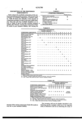
Table I shows the overfinish composition of the preferred embodiment of this invention. Table II shows the criticality of overfinish components to emulsion stability. Table III shows the criticality of the amounts of components necessary in order to provide a stable emulsion. Note that only the overfinish identified as A in both of Tables II and II provides excellent emulsion stability after 48 hours. Varying the components (Table II) results in poor emulsion stability, and varying the amounts of the various components (Table III) results in only fair or poor emulsion stability.
              TABLE I
______________________________________
OVERFINISH COMPOSITION
                      Weight Percent
______________________________________
Refined coconut glyceride
                        60
Polyoxyethylene (16).sup.a hydrogenated
                        30
castor oil
Phosphated polyoxyethylated (5).sup.a
                        10
tridecyl alcohol, neutralized with
potassium hydroxide
a = Moles of ethylene oxide per
mole of base material
______________________________________
TABLE II
__________________________________________________________________________
OVERFINISH COMPOSITIONS
WEIGHT PERCENT
OVERFINISH COMPONENTS
A B C D F G H I J K L M N O P Q R
__________________________________________________________________________
Refined Coconut Glyceride
60
60
60
60
60
60
60
60
60
60
60
60
60
60
60
60
60
Polyoxyethylene (16).sup.a
30
--
--
--
--
--
--
--
--
--
--
--
--
--
--
--
--
Hydrogenated Castor Oil
Polyoxyethylene (5).sup.a
--
30
--
--
--
13
15
10
20
10
10
10
10
10
10
10
10
Castor Oil
Polyoxyethylene (15).sup.a
--
--
30
--
--
--
--
--
--
--
--
--
--
--
--
--
--
Castor Oil
Polyoxyethylene (25).sup.a
--
--
--
30
--
12
10
15
5 10
10
10
10
10
10
10
10
Castor Oil
Polyoxyethylene (40).sup.a
--
--
--
--
30
--
--
--
--
--
--
--
--
--
--
--
--
Castor Oil
Polyoxyethylene (5).sup.a
--
--
--
--
--
--
--
--
--
10
--
--
--
--
--
--
--
Pelargonate
Polyoxyethylene (10).sup.a
--
--
--
--
--
--
--
--
--
--
10
--
--
--
--
--
--
Pelargonate
Polyoxyethylene (5).sup.a
--
--
--
--
--
--
--
--
--
--
--
10
--
--
--
--
--
Laurate
Polyoxyethylene (8).sup.a
--
--
--
--
--
--
--
--
--
--
--
--
10
--
--
--
--
Laurate
Polyoxyethylene (14).sup.a
--
--
--
--
--
--
--
--
--
--
--
--
--
10
--
--
--
Laurate
Polyoxyethylene (10).sup.a
--
--
--
--
--
--
--
--
--
--
--
--
--
--
10
--
--
Oleyl Ether
Polyoxyethylene (10).sup.a
--
--
--
--
--
--
--
--
--
--
--
--
--
--
--
10
--
Oleate
Polyoxyethylene (14).sup.a
--
--
--
--
--
--
--
--
--
--
--
--
--
--
--
--
10
Oleate
Phosphated Polyoxyethylated
10
10
10
10
10
15
15
15
15
10
10
10
10
10
10
10
10
(5).sup.a Tridecyl Alcohol,
Neutralized with Potassium
Hydroxide.
Emulsion Stability * After
E P P P P P P P P P P P P P P P P
48 hours (Emulsion Contains
20 Percent by Weight of Oil
Portion in Water).
__________________________________________________________________________
.sup.a = Moles of ethylene oxide per mole of base material.
*E = Excellent Translucent bluishwhite; particle size less than 1 micron
No separation.
*P = Poor Chalky white; particle size above 4 microns. Creaming on
Surface.
                                  TABLE III
__________________________________________________________________________
                  OVERFINISH COMPOSITIONS
                  WEIGHT PERCENT
OVERFINISH COMPONENTS
                  A B C D E F G H
__________________________________________________________________________
Refined Coconut Glyceride
                  60
                    60
                      60
                        50
                          55
                            60
                              60
                                60
                                  Lubricant
Polyoxyethylene (16).sup.a Hydrogenated
                  30
                    25
                      35
                        30
                          25
                            20
                              17
                                23
                                  Emulsifier
Castor Oil
Phosphated Polyoxyethylated (5).sup.a
Tridecyl Alcohol, Neutralized
                  10
                    15
                      5 20
                          20
                            20
                              23
                                17
                                  Antistat
With Potassium Hydroxide          Emulsifier
Emulsion Stability* After 48 Hours
(Emulsion Contains 20 Percent by
                  E P F P P F P P
Weight of Oil Portion in Water)
__________________________________________________________________________
 a = Moles of ethylene oxide per mole of base material.
 *E = Excellent  Translucent bluishwhite; particle size less than 1 micron
 No separation.
 *F = Fair  Milky white; particle size up to 4 microns. Slight ring of oil
 separation on surface.
 *P = Poor  Chalky white; particle size above 4 microns. Creaming on
 surface.
The invention will now be further described in the following specific examples which are to be regarded solely as illustrative and not as restricting the scope of the invention. In the following examples, parts and percentages employed are by weight unless otherwise indicated.
For comparative testing, a polyethylene terephthalate tire yarn was prepared substantially as described in U.S. Pat. No. 3,672,977. A one thousand denier, 192 filament yarn was prepared comprised of polyethylene terephthalate filaments treated with about 0.45 percent based on the weight of the yarn of a liquid spin finish consisting of 15 parts refined coconut oil, 15 parts hexadecyl stearate, 13 parts ethoxylated lauryl alcohol, 10 parts sodium salt of alkylarylsulfonate, 5 parts ethoxylated tallow amine, 2 parts of dinonyl-sodium-sulfosuccinate, and 40 parts mineral oil having a boiling point between about 265° C. (510° F.) and 327° C. (620° F.). Drawing performance of the yarn was excellent. Finish oil remaining on the fiber was 0.2 weight percent.
An overfinish was then applied to the drawn yarn as described in U.S. Pat. No. 3,672,977. The overfinish was applied by means of a kiss roll to give a final total oil-on-yarn of 1.1 weight percent. The overfinish had the following composition: 65 parts hexadecyl stearate, 6 parts glycerol monooleate, 5 parts decaglycerol tetraoleate, 8 parts ethoxylated tall oil fatty acid, 12 parts sulfated glycerol trioleate, and 4 parts ethoxylated tallow amine. This yarn sample was designated Yarn A.
Another yarn sample was produced in the same manner described above except that the overfinish of Table I, above, was applied to the drawn yarn to give a final oil-on-yarn of 0.5 weight percent. This sample was designated Yarn B.
The two yarn samples were each twisted and plied into greige cord, and then exposed in a Litzler oven for 60 seconds at about 238° C. (460° F.). The finish loss is recorded in Table IV below:
              TABLE IV
______________________________________
                 Finish Loss
                 Lbs. per Thousand Lbs.
Sample           of Cord Processed
______________________________________
Yarn A (Control) 5.6
Yarn B           0.7
______________________________________
An examination of Table IV shows that the composition of this invention is substantially non-fuming, i.e., it does not flash off in high temperature processing, and the overfinish lubricates the yarn even after passing through high temperature processing.
Polyethylene terephthalate yarns prepared in accordance with Example 1 were two-plied and twisted, treated with a blocked diisocyanate and resorcinol formaldehyde latex dips, and converted into pneumatic tires of conventional present day design, i.e. with a vulcanized rubberized fabric carcass of generally toroidal shape having a tread portion superimposed and bonded to the crown area of the carcass and plies of rubberized polyethylene terephthalate fabric forming side walls extending from the tread over the carcass to the bead portion. New, untested tires were cut into one inch strips perpendicular to the tread and the rubber was pulled away from the cord. Pulls were made on an Instron tester, both at room temperature and in a chamber heated to approximately 121° C. (250° F.). The amount of cord showing after the pull was the key measure of the cord to rubber adhesion. This property was evaluated visually and reported in a rating ranging from 1 to 5, wherein 1 was equivalent to all cord visible and no rubber remaining on cord--this represents very poor adhesion, and wherein 5 was equivalent to no cord visible--very good adhesion. Comparative testing of tires prepared from Yarn A (Control) and Yarn B produced the ratings shown in Table V. The ratings represent an average of twelve tests per yarn per temperature condition with a τ of 0.3 units. These data further confirm that tires prepared from Yarn B are significantly better than those prepared from Yarn A.
              TABLE V
______________________________________
           Adhesion Rating
                              121°  C.
Sample       Room Temperature (250° F.)
______________________________________
Yarn A (Control)
             4.0              4.3
Yarn B       4.9              4.8
______________________________________
Claims (3)
1. A synthetic filamentary yarn comprised of polyethylene terephthlate filaments which are first treated with from about 0.3 to about 0.6 weight percent based on the weight of the yarn of a liquid composition consisting essentially of about 10 to about 20 weight percent of said composition of each hexadecyl stearate and refined coconut oil, about 3.0 to about 6.0 weight percent of said composition of ethoxylated tallow amine, about 10 to about 20 weight percent of said composition of ethoxylated lauryl alcohol, about 8.0 to about 12.0 weight percent of said composition of sodium salt of alkylarylsulfonate, about 1.0 to about 3.0 weight percent of said composition of dinonyl-sodium-sulfosuccinate, and about 35 to 50 weight percent of said composition of white mineral oil having a boiling point of between about 265° C. (510° F.) and 327° C. (620° F.) and a viscosity of between 38 to 40 SSU at about 38° C. (100° F.) wherein at least about 0.15 to about 0.30 weight percent is retained on said yarn; and then said yarn is treated with from about 0.7 to about 1.2 weight percent based on the weight of said yarn of a liquid composition which is an oil-in-water emulsion of about 10 to 20 percent by weight of said oil portion, said oil portion consisting essentially of from about 55 to 65 percent by weight of coconut oil, about 20 to 35 percent by weight of polyoxyethylene hydrogenated castor oil, and about 7 to 15 percent by weight of phosphated polyoxyethylated tridecyl alcohol, neutralized with potassium hydroxide.
2. A two-part fiber finish composition, particularly for application to polyethylene terephthalate yarn prepared by a process involving spinning and drawing steps, said two-part finish composition consisting of:
A. a first finish composition consisting essentially of about 10 to about 20 weight percent of said composition of each hexadecyl stearate and refined coconut oil, about 3.0 to about 6.0 weight percent of said composition of ethoxylated tallow amine, about 10 to about 20 weight percent of said composition of ethoxylated lauryl alcohol, about 8.0 to about 12.0 weight percent of said composition of sodium salt of alkyarylsulfonate, about 1.0 to about 3.0 weight percent of said composition of dinonyl-sodium-sulfosuccinate, and about 35 to 50 weight percent of said composition of white mineral oil have a boiling point of between about 265° C. (510° F.) and 327° C. (620° F.) and a viscosity between 38 to 40 SSU at about 38° C. (100° F.), said first finish composition being applied to the yarn prior to drawing said yarn; and
B. a second finish composition which is an oil-in-water emulsion of about 10 to 20 percent by weight of said oil portion, said oil portion consisting essentially of from about 55 to 65 percent by weight of coconut oil, about 20 to 35 percent by weight of polyoxyethylene hydrogenated castor oil, and about 7 to 15 percent by weight of phosphated polyoxyethylated tridecyl alcohol, neutralized with potassium hydroxide, said second finish composition being applied as an overfinish to the yarn after drawing said yarn.
3. In a process for the production of a pneumatic passenger tire having a carcass constructed with a multiplicity of plies made from polyester cords, the cords being prepared from a yarn, and a tread made from rubber composition, the yarn being prepared by a process involving spinning and drawing steps, the improvement which comprises first treating the yarn during the spinning step with from about 0.3 to about 0.6 weight percent based on the weight of said yarn of a liquid composition consisting essentially of about 10 to about 20 weight percent of said composition of each hexadecyl stearate and refined coconut oil, about 3.0 to about 6.0 weight percent of said composition of ethoxylated tallow amine, about 10 to about 20 weight percent of said composition of ethoxylated lauryl alcohol, about 8.0 to about 12.0 weight percent of said composition of sodium salt of alkylarylsulfonate, about 1.0 to about 3.0 weight percent of said composition of dinonyl-sodium-sulfosuccinate, and about 35 to 50 weight percent of said composition of white mineral oil having a boiling point of between about 265° C. (510° F.) and 327° C. (620° F.) and a viscosity of between 38 to 40 SSU at about 38° C. (100° F.) wherein at least about 0.15 to about 0.30 weight percent is retained on said yarn; and then treating said yarn subsequent to the drawing step with from about 0.7 to about 1.2 weight percent based on the weight of said yarn of a liquid composition which is an oil-in-water emulsion of about 10 to 20 percent by weight of said oil portion, said oil portion consisting essentially of from about 55 to 65 percent by weight of coconut oil, about 20 to 35 percent by weight of polyoxyethylene hydrogenated castor oil, and about 7 to 15 percent by weight of phosphated polyoxyethylated tridecyl alcohol, neutralized with potassium hydroxide.
Priority Applications (1)
| Application Number | Priority Date | Filing Date | Title |
|---|---|---|---|
| US05/942,583 US4210700A (en) | 1978-09-15 | 1978-09-15 | Production of polyester yarn |
Applications Claiming Priority (1)
| Application Number | Priority Date | Filing Date | Title |
|---|---|---|---|
| US05/942,583 US4210700A (en) | 1978-09-15 | 1978-09-15 | Production of polyester yarn |
Publications (1)
| Publication Number | Publication Date |
|---|---|
| US4210700A true US4210700A (en) | 1980-07-01 |
Family
ID=25478310
Family Applications (1)
| Application Number | Title | Priority Date | Filing Date |
|---|---|---|---|
| US05/942,583 Expired - Lifetime US4210700A (en) | 1978-09-15 | 1978-09-15 | Production of polyester yarn |
Country Status (1)
| Country | Link |
|---|---|
| US (1) | US4210700A (en) |
Cited By (10)
| Publication number | Priority date | Publication date | Assignee | Title |
|---|---|---|---|---|
| US4328108A (en) * | 1979-09-20 | 1982-05-04 | The Goodyear Tire & Rubber Company | Composition for the elimination of circumferential stress cracks in spun polyesters |
| US4348517A (en) * | 1980-12-09 | 1982-09-07 | Allied Chemical Corporation | Process and finish composition for producing adhesive active polyester yarn |
| US4356280A (en) * | 1981-04-15 | 1982-10-26 | Allied Corporation | Additive dispersions and process for their incorporation with fiber-forming polymers |
| US4375444A (en) * | 1979-09-20 | 1983-03-01 | The Goodyear Tire & Rubber Company | Method for the elimination of circumferential stress cracks in spun polyesters |
| US4397985A (en) * | 1980-04-04 | 1983-08-09 | Allied Corporation | Polyester yarn finish composition |
| US4403049A (en) * | 1981-01-29 | 1983-09-06 | Unitika Limited | Method of manufacturing polyester fibers with good adhesion to rubber |
| US4467064A (en) * | 1980-11-11 | 1984-08-21 | Unitika Ltd. | Method of manufacturing polyester fibers with good adhesion to rubber |
| EP0079443A3 (en) * | 1981-10-30 | 1984-12-05 | Allied Corporation | Stabilized finish composition |
| US4751143A (en) * | 1984-09-20 | 1988-06-14 | Celanese Corporation | Process for treating chemically stabilized, adhesive activated polyester material, polyester material treated by the process and an improved finish composition |
| US6426142B1 (en) | 1999-07-30 | 2002-07-30 | Alliedsignal Inc. | Spin finish |
Citations (31)
| Publication number | Priority date | Publication date | Assignee | Title |
|---|---|---|---|---|
| US1970578A (en) * | 1930-11-29 | 1934-08-21 | Ig Farbenindustrie Ag | Assistants for the textile and related industries |
| US2565403A (en) * | 1948-04-27 | 1951-08-21 | Standard Oil Dev Co | Textile oils |
| US2842462A (en) * | 1953-12-21 | 1958-07-08 | Bohme Fettchemie Gmbh | Antistatic synthetic textile material |
| US3004056A (en) * | 1959-11-12 | 1961-10-10 | Gen Aniline & Film Corp | Surface active compositions |
| US3113369A (en) * | 1960-05-02 | 1963-12-10 | Monsanto Chemicals | Yarn manufacture and products obtained thereby |
| US3198732A (en) * | 1962-06-12 | 1965-08-03 | Atlas Chem Ind | Tire yarn finish |
| US3248258A (en) * | 1965-02-10 | 1966-04-26 | Du Pont | Nylon yarn treated with a finishing composition |
| US3306850A (en) * | 1964-12-17 | 1967-02-28 | Du Pont | Composition |
| US3341452A (en) * | 1965-02-25 | 1967-09-12 | Du Pont | Textile lubricant |
| US3341451A (en) * | 1964-03-06 | 1967-09-12 | Courtaulds Ltd | Textile processing agents |
| US3434874A (en) * | 1965-09-28 | 1969-03-25 | Du Pont | Acrylic fibers |
| US3470095A (en) * | 1966-02-01 | 1969-09-30 | American Cyanamid Co | Aqueous textile treating emulsion |
| US3503880A (en) * | 1966-10-14 | 1970-03-31 | Du Pont | Yarn |
| US3563892A (en) * | 1967-06-12 | 1971-02-16 | Du Pont | Textile-treating composition and process |
| US3575856A (en) * | 1967-07-06 | 1971-04-20 | Du Pont | Fiber lubricating composition and method |
| US3619274A (en) * | 1967-04-21 | 1971-11-09 | Du Pont | Coated synthetic material |
| US3630259A (en) * | 1969-11-24 | 1971-12-28 | Monsanto Co | Synthetic yarn coated with a spin finish and process for producing the same |
| US3672977A (en) * | 1970-10-26 | 1972-06-27 | Allied Chem | Production of polyesters |
| US3681244A (en) * | 1970-08-19 | 1972-08-01 | Allied Chem | Finishing composition for multi-filament yarns |
| US3687721A (en) * | 1969-05-19 | 1972-08-29 | Allied Chem | Polyester multifilament yarns |
| US3781202A (en) * | 1972-01-28 | 1973-12-25 | Allied Chem | Spin finish for polyamide yarn processed at high temperature |
| US3785973A (en) * | 1971-04-19 | 1974-01-15 | Pvo International Inc | Textile finish |
| US3788888A (en) * | 1970-04-24 | 1974-01-29 | Kao Corp | Fiber-lubricant composition |
| US3803035A (en) * | 1970-10-05 | 1974-04-09 | Goodyear Tire & Rubber | Epoxide finish additive |
| US3926816A (en) * | 1970-05-22 | 1975-12-16 | Goulston Co George A | Textile fiber lubricants |
| US4027346A (en) * | 1974-08-21 | 1977-06-07 | Toyo Boseki Kabushiki Kaisha | Polyester fiber treated with anionic polyalkylene oxide emulsified polyester polyether finish |
| US4039715A (en) * | 1973-08-29 | 1977-08-02 | Eastman Kodak Company | Textile treating composition and textile yarn treated therewith |
| US4069160A (en) * | 1975-01-20 | 1978-01-17 | Hoechst Fibers Industries, Division Of American Hoechst Corporation | Texturing finish for synthetic filaments |
| US4072617A (en) * | 1976-04-12 | 1978-02-07 | Dow Badische Company | Finish for acrylic fiber |
| US4103068A (en) * | 1976-01-30 | 1978-07-25 | Allied Chemical Corporation | Polyester filamentary yarns |
| US4105568A (en) * | 1976-01-30 | 1978-08-08 | Allied Chemical Corporation | Finish for polyester filamentary yarns |
-
1978
- 1978-09-15 US US05/942,583 patent/US4210700A/en not_active Expired - Lifetime
Patent Citations (32)
| Publication number | Priority date | Publication date | Assignee | Title |
|---|---|---|---|---|
| US1970578A (en) * | 1930-11-29 | 1934-08-21 | Ig Farbenindustrie Ag | Assistants for the textile and related industries |
| US2565403A (en) * | 1948-04-27 | 1951-08-21 | Standard Oil Dev Co | Textile oils |
| US2842462A (en) * | 1953-12-21 | 1958-07-08 | Bohme Fettchemie Gmbh | Antistatic synthetic textile material |
| US3004056A (en) * | 1959-11-12 | 1961-10-10 | Gen Aniline & Film Corp | Surface active compositions |
| US3004057A (en) * | 1959-11-12 | 1961-10-10 | Gen Aniline & Film Corp | Surface active compositions |
| US3113369A (en) * | 1960-05-02 | 1963-12-10 | Monsanto Chemicals | Yarn manufacture and products obtained thereby |
| US3198732A (en) * | 1962-06-12 | 1965-08-03 | Atlas Chem Ind | Tire yarn finish |
| US3341451A (en) * | 1964-03-06 | 1967-09-12 | Courtaulds Ltd | Textile processing agents |
| US3306850A (en) * | 1964-12-17 | 1967-02-28 | Du Pont | Composition |
| US3248258A (en) * | 1965-02-10 | 1966-04-26 | Du Pont | Nylon yarn treated with a finishing composition |
| US3341452A (en) * | 1965-02-25 | 1967-09-12 | Du Pont | Textile lubricant |
| US3434874A (en) * | 1965-09-28 | 1969-03-25 | Du Pont | Acrylic fibers |
| US3470095A (en) * | 1966-02-01 | 1969-09-30 | American Cyanamid Co | Aqueous textile treating emulsion |
| US3503880A (en) * | 1966-10-14 | 1970-03-31 | Du Pont | Yarn |
| US3619274A (en) * | 1967-04-21 | 1971-11-09 | Du Pont | Coated synthetic material |
| US3563892A (en) * | 1967-06-12 | 1971-02-16 | Du Pont | Textile-treating composition and process |
| US3575856A (en) * | 1967-07-06 | 1971-04-20 | Du Pont | Fiber lubricating composition and method |
| US3687721A (en) * | 1969-05-19 | 1972-08-29 | Allied Chem | Polyester multifilament yarns |
| US3630259A (en) * | 1969-11-24 | 1971-12-28 | Monsanto Co | Synthetic yarn coated with a spin finish and process for producing the same |
| US3788888A (en) * | 1970-04-24 | 1974-01-29 | Kao Corp | Fiber-lubricant composition |
| US3926816A (en) * | 1970-05-22 | 1975-12-16 | Goulston Co George A | Textile fiber lubricants |
| US3681244A (en) * | 1970-08-19 | 1972-08-01 | Allied Chem | Finishing composition for multi-filament yarns |
| US3803035A (en) * | 1970-10-05 | 1974-04-09 | Goodyear Tire & Rubber | Epoxide finish additive |
| US3672977A (en) * | 1970-10-26 | 1972-06-27 | Allied Chem | Production of polyesters |
| US3785973A (en) * | 1971-04-19 | 1974-01-15 | Pvo International Inc | Textile finish |
| US3781202A (en) * | 1972-01-28 | 1973-12-25 | Allied Chem | Spin finish for polyamide yarn processed at high temperature |
| US4039715A (en) * | 1973-08-29 | 1977-08-02 | Eastman Kodak Company | Textile treating composition and textile yarn treated therewith |
| US4027346A (en) * | 1974-08-21 | 1977-06-07 | Toyo Boseki Kabushiki Kaisha | Polyester fiber treated with anionic polyalkylene oxide emulsified polyester polyether finish |
| US4069160A (en) * | 1975-01-20 | 1978-01-17 | Hoechst Fibers Industries, Division Of American Hoechst Corporation | Texturing finish for synthetic filaments |
| US4103068A (en) * | 1976-01-30 | 1978-07-25 | Allied Chemical Corporation | Polyester filamentary yarns |
| US4105568A (en) * | 1976-01-30 | 1978-08-08 | Allied Chemical Corporation | Finish for polyester filamentary yarns |
| US4072617A (en) * | 1976-04-12 | 1978-02-07 | Dow Badische Company | Finish for acrylic fiber |
Non-Patent Citations (3)
| Title |
|---|
| Abstract/Def. Pub. T905,013, 12/19/72 Welsh et al. (Found In O.G. 12/19/72 vol. 905). * |
| Abstract/Japan Kokai 67,592, Chemical Abstracts vol. 80(1974) pp. 16369-16359m. * |
| Abstract/U.S.S.R. 491,645, Chemical Abstracts vol. 84 (1976) pp. 46463-464645. * |
Cited By (15)
| Publication number | Priority date | Publication date | Assignee | Title |
|---|---|---|---|---|
| US4375444A (en) * | 1979-09-20 | 1983-03-01 | The Goodyear Tire & Rubber Company | Method for the elimination of circumferential stress cracks in spun polyesters |
| US4328108A (en) * | 1979-09-20 | 1982-05-04 | The Goodyear Tire & Rubber Company | Composition for the elimination of circumferential stress cracks in spun polyesters |
| US4397985A (en) * | 1980-04-04 | 1983-08-09 | Allied Corporation | Polyester yarn finish composition |
| US4467064A (en) * | 1980-11-11 | 1984-08-21 | Unitika Ltd. | Method of manufacturing polyester fibers with good adhesion to rubber |
| US4348517A (en) * | 1980-12-09 | 1982-09-07 | Allied Chemical Corporation | Process and finish composition for producing adhesive active polyester yarn |
| US4403049A (en) * | 1981-01-29 | 1983-09-06 | Unitika Limited | Method of manufacturing polyester fibers with good adhesion to rubber |
| US4356280A (en) * | 1981-04-15 | 1982-10-26 | Allied Corporation | Additive dispersions and process for their incorporation with fiber-forming polymers |
| EP0079443A3 (en) * | 1981-10-30 | 1984-12-05 | Allied Corporation | Stabilized finish composition |
| US4751143A (en) * | 1984-09-20 | 1988-06-14 | Celanese Corporation | Process for treating chemically stabilized, adhesive activated polyester material, polyester material treated by the process and an improved finish composition |
| US6426142B1 (en) | 1999-07-30 | 2002-07-30 | Alliedsignal Inc. | Spin finish |
| US6712988B2 (en) | 1999-07-30 | 2004-03-30 | Honeywell International Inc. | Spin finish |
| US20040144951A1 (en) * | 1999-07-30 | 2004-07-29 | Alliedsignal Inc. | Spin finish |
| US6908579B2 (en) | 1999-07-30 | 2005-06-21 | Performance Fibers, Inc. | Process for making a yarn having a spin finish |
| US20050142360A1 (en) * | 1999-07-30 | 2005-06-30 | Ralf Klein | Spin finish |
| US7021349B2 (en) | 1999-07-30 | 2006-04-04 | Performance Fibers, Inc. | Spin finish |
Similar Documents
| Publication | Publication Date | Title |
|---|---|---|
| US3718587A (en) | Cyanuric acid derivatives as finish additives | |
| US4210700A (en) | Production of polyester yarn | |
| US2755214A (en) | Tire cord and method of making same | |
| DE69007909T2 (en) | Aromatic polyamide fibers with good processing properties, their production and use. | |
| CA1163508A (en) | Treated yarn, method of preparation and rubber/cord composite | |
| DE1260770B (en) | REINFORCEMENT AGENT FOR RUBBER | |
| US3248258A (en) | Nylon yarn treated with a finishing composition | |
| US3730892A (en) | Production of polyesters | |
| US3687721A (en) | Polyester multifilament yarns | |
| US3940544A (en) | Production of polyester yarn | |
| US3748291A (en) | Polyurethane tire yarn finish additive | |
| US3803035A (en) | Epoxide finish additive | |
| US4103068A (en) | Polyester filamentary yarns | |
| US4129507A (en) | Spin finish for polyamide yarn | |
| US4126564A (en) | Spin finish for polyamide carpet yarn | |
| US4381640A (en) | Process for the production of reinforced rubber articles | |
| US3755165A (en) | Aliphatic diisocyanate finish additive | |
| US4105568A (en) | Finish for polyester filamentary yarns | |
| US4382993A (en) | Tire cord finish, polyester cord produced therewith and tires using the polyester cord | |
| US3387996A (en) | Preparation of polyester yarns having improved heat characteristics | |
| US2436980A (en) | Tire cord and method of manufacture | |
| EP0043410B1 (en) | Process for producing adhesive active polyester yarn and product | |
| US3383242A (en) | Pretreatment of polyethylene terephthalate filaments for subsequent rubber adhesion | |
| US4390591A (en) | Stabilized finish composition | |
| US2436979A (en) | Tire cord and method of manufacture |