US3920684A - Benzimidazole carbamates - Google Patents
Benzimidazole carbamates Download PDFInfo
- Publication number
- US3920684A US3920684A US374116A US37411673A US3920684A US 3920684 A US3920684 A US 3920684A US 374116 A US374116 A US 374116A US 37411673 A US37411673 A US 37411673A US 3920684 A US3920684 A US 3920684A
- Authority
- US
- United States
- Prior art keywords
- methyl
- plants
- infection
- compounds
- formula
- Prior art date
- Legal status (The legal status is an assumption and is not a legal conclusion. Google has not performed a legal analysis and makes no representation as to the accuracy of the status listed.)
- Expired - Lifetime
Links
Images

Classifications
-
- C—CHEMISTRY; METALLURGY
- C07—ORGANIC CHEMISTRY
- C07D—HETEROCYCLIC COMPOUNDS
- C07D235/00—Heterocyclic compounds containing 1,3-diazole or hydrogenated 1,3-diazole rings, condensed with other rings
- C07D235/02—Heterocyclic compounds containing 1,3-diazole or hydrogenated 1,3-diazole rings, condensed with other rings condensed with carbocyclic rings or ring systems
- C07D235/04—Benzimidazoles; Hydrogenated benzimidazoles
- C07D235/24—Benzimidazoles; Hydrogenated benzimidazoles with hetero atoms or with carbon atoms having three bonds to hetero atoms with at the most one bond to halogen, e.g. ester or nitrile radicals, directly attached in position 2
- C07D235/30—Nitrogen atoms not forming part of a nitro radical
- C07D235/32—Benzimidazole-2-carbamic acids, unsubstituted or substituted; Esters thereof; Thio-analogues thereof
Definitions
- R is chlorine, bromine, methoxy, ethoxy, phenoxy, methyl-mercapto, ethylmercapto, phenylmercapto or di-(C -C )-alkyl-amino,
- R is hydrogen or methyl
- R is (C -C alkyl or phenyl
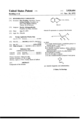
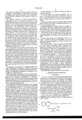
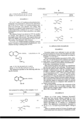
- the present invention comprises benzimidazoles having the formula in which X is a single chemical bond, a methylene group or a vinylene group CH CH R, is hydrogen or methyl,
- R is chlorine, bromine, methoxy, ethoxy, phenoxy, methyl-mercapto, ethylmercapto, phenylmercapto or di-(C '-C )-alkyl-amino,
- R is hydrogen or methyl
- R is (C,C alkyl or phenyl
- Another object of the present invention is a process for preparing compounds of the formula I, which comprises reacting 2-methoxycarbonylamino benzimidazole of the formula 1 NH-COOCH2 N together with a carboxylic acid halide having the formula Hal-CO-R (In in the presence of a basic condensating agent.
- the chlorides and bromides are preferably considered as halides.
- a preferred embodiment of the process consists in suspending or dissolving in a solvent 2-methoxy-carbonylamino-benzimidazole (ll), adding the molar to one and a half times the molar quantity of the acid halide and adding dropwise while stirring the molar to one and a half times the molar quantity of a tertiary organic base.
- Preferred temperatures are of from 0 80C, especially from 20 40C, though the temperature range is not critical.
- the reaction product is normally dissolved.
- the hydrohalide of the tertiary organic base, being formed in course of the reaction, may be eliminated by 2 shaking the reaction mixture with icewater and filtering off the residue.
- the acylated benzimidazole may be isolated in pure form by precipitation with gasoline or by concentrating 5 the reaction solution and treating the residue with an inert solvent such as gasoline, or by dissolving and reprecipitating e.g. from a carbon tetrachloride/gasoline mixture.
- cyclopropane-carboxylic acid-chlorides are suitable, too: B-(2,2-dichloro-3-methyl-cyclopropyl)-acrylic chloride, B-(2,2-dimethoxy-3-methyl-cyclopropyl)-acrylic acidchloride, B-(2,2-diethoxy-3-methyl-cyclopropyl)-acrylic chloride, ,8-(2,2-diethylmercapto-3-methyl-cyclopropyl)-acrylic acid-chloride, B-(2,2-diphenoxy-3-methyl-cyclopropyl)-acrylic acidchloride, l-methyl-2,2-dichloro-cyclopropane-carbonylchloride, l-methyl-2,2-dimethoxy-3,3-dimethyl-cyclopropanecarbonylchloride, 1- methyl -2,2-diethoXy-3 ,3-dimethyl-cyclopropan
- the carbonyl chlorides may as well be replaced by carbonylbromides.
- Solvents particularly well suitable for the reaction are moderately or slightly polar solvents, especially those having low boiling points, such as methylene chloride, chloroform, carbon tetrachloride, benzene; moreover, ethers such as diethylether, diisopropylether and tetrahydrofurane; esters such as methyl acetate and ethyl acetate or ketones such as acetone or methyl-ethyl ketone. Preference is given to chloroform or methylene chloride.
- the organic bases used for the reaction must neither react with the acid halide, i.e. must not have a mobile proton, nor must they form OH-ions in solution, which would cause cleavage of the reaction products.
- tertiary organic bases such as pyridine or triethylamine, or alkali metal carbonates or alkaline earth metal carbonates and bicarbonates such as Na CO NaHCO K CO MgCO CaCO or NH HCO
- 2-methoxycarbonylaminobenzimidazole may be prepared according to the method described in Journal of the American Chemical Society 56, 144 (1934) by the reaction of o-phenylenediamine with S-methylisothiourea-dicarboxylic aciddimethylester.
- the compounds of the present invention have valuable fungicidal and especially systemic properties, so that fungi having already penetrated into the plant tissue may be combated curatively by means of said compounds. This fact is especially important for fungus diseases having a long incubation period and which, once the infection has started, resist any treatment by usual fungicides.
- the efficiency range of these compounds is very broad and covers a series of important fungi causing diseases in crop farming, fruit-growing, viticulture, hop-culture, horticulture and ornamental plantsgrowing, some varieties of which may be cited in the followmg:
- the compounds as claimed may also be used for protecting stored fruit and vegetables against fungus infections (e.g. by fusarium, penicillium etc. varieties). Moreover, they are convenient for being applied in the technical field such as for the protection of textile material, wood, dyestuffs and coatings against rot-provoking or otherwise harmful fungi.
- the fungicidal compositions contain as active agents the benzimidazoles of the general formula 1, preferably in concentrations of from 2 95 percent in the usual mixtures with solid or liquid inert carrier material including adhesive agents, wetting agents, dispersants and/or grinding auxiliaries. They may be used as wettable powders, emulsions, suspensions, spraying agents or granules. They may as well be mixed with other fungicidal agents with which they form compatible mixtures.
- mineral substances for example aluminium silicates, argillaceous earths, kaolin, chalks, siliceous chalks, talcum, kieselguhr or hydrated silicic acids can be used, or preparations of these mineral substances with special additives, for example chalk with sodium stearate.
- carrier material for liquid preparations all usual and suitable solvents may be employed, for example toluene, xylene, diacetone alcohol, cyclohexanone, isophorone, gasolines, paraffin oils, dioxane, dimethyl formamide, dimethyl sulfoxide, ethyl acetate, tetrahydrofurane and chlorobenzene.
- Suitable adhesives are glue-like cellulose products or polyvinyl alcohols.
- emulsifiers for example ethoxylated alkylphenols, salts of arylor alkyl-aryl-sulfonic acids, salts of ethoxylated phenyl sulfonic acids, and of oleyl methyl taurine or soaps.
- Suitable dispersing agents are cellulose pitch (salts of lignin sulfonic acid), salts of naphthalenesulfonic acid or, of oleyl methyl taurine.
- Suitable inorganic or organic salts for example sodium sulfate, ammonium sulfate, sodium carbonate, sodium bicarbonate, sodium thiosulfate, sodium stearate, or sodium acetate may be used as grinding auxiliaries.
- the products of the invention are suitable, moreover, to combat infectious parasite diseases, especially helmintic infections, of humans and warmblooded animals.
- a particularly distinctive antihelmintic effect is obtained combined with good compatibility in case of gastro-intestinal strongyloides to which ruminants are particularly prone.
- the antihelmintics are administered either orally or subcutaneously; it depends on the circumstances, which of the two possibilities may be preferred.
- finished suspensions of 1 50 percent, preferably 3 15 percent
- concentration of active ingredient or in water suspendable powders of 1 percent, preferably 40 70 percent
- concentrated pastes and granules of different degrees of concentration are also suitable.
- Parenteral treatment is performed by means of sterile solutions of different concentration.
- formulation auxiliaries such as talcum, lactose, magnesium stearate, aerosil, starch or polyethyleneglycol are also added.
- EXAMPLE 2 19.1 g (0.1 mole) of 2-methoxycarbonylamino-benzimidazole were suspended in 180 ml of dry chloroform and 23.46 g (0.1 1 mole) of 2-dichloromethyl-cyclopent-3-en-carboxylic acid chloride were added. This suspension was agitated while being heated to 35C and at this temperature a solution of 1 1.1 g (0.1 1 mole) of triethylamine in 50 ml of dried chloroform was added dropwise.
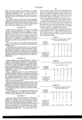
- concentrations applied amounted to 2000, 1000, 500, 250, 125 and 60 mg of active substance per liter of spray liquor.
- benomyl l-butylcarbamoyl-2-methoxycarbonylamino-benzimidazole
- EXAMPLE 11 Winter rye of the variety Pettkuser Kurzstroh which had been heavily infested naturally by snow mould (Fusarium nivale) was mixed with the compounds specified in example 1 and with benomyl and shaken thoroughly for 10 minutes in a mechanical shaker. The application concentrations amounted to 20, 10, 5, 2.5, 1.25 and 0.6 g ofactive agent/ kg of seed.
- EXAMPLE Ill Cotton seed was treated in a drum for 10 minutes with the compounds specified in example 1 and with benomyl as comparative agent at application concentrations of 200, 100, 50, 25, 12.5 and 6.75 g of active agent 100 kg of seed. After an exposure period of 24 hours the seed was placed in 5 repititions of seed grains each in earth heavily preinfested by Rhizoctonia solani, and allowed to germinate there in a greenhouse.
- Rhizoctonia Four weeks after the seed started germinating, the plants were counted and examined for their infection by Rhizoctonia.
- EXAMPLE 1V Apple seedlings were heavily infested by conidia of black spot (Fusicladium dentriticum) upon having devveloped 4 leaves and then placed in a moisture chamber having a relative'atmospheric humidity of 100 percent, at a temperature of 20C. Two days later, the infested plants were transferred to a greenhouse kept at a temperature of 18C and an atmospheric humidity of from 90 95 percent.
- black spot Feusicladium dentriticum
- the compounds of the present invention have an excellent curative effect due to their systemic properties, which are better than those of the comparative agent.
Landscapes
- Chemical & Material Sciences (AREA)
- Organic Chemistry (AREA)
- Plural Heterocyclic Compounds (AREA)
- Agricultural Chemicals And Associated Chemicals (AREA)
- Nitrogen Condensed Heterocyclic Rings (AREA)
Applications Claiming Priority (1)
| Application Number | Priority Date | Filing Date | Title |
|---|---|---|---|
| DE2231883A DE2231883A1 (de) | 1972-06-29 | 1972-06-29 | Neue benzimidazole |
Publications (1)
| Publication Number | Publication Date |
|---|---|
| US3920684A true US3920684A (en) | 1975-11-18 |
Family
ID=5849187
Family Applications (1)
| Application Number | Title | Priority Date | Filing Date |
|---|---|---|---|
| US374116A Expired - Lifetime US3920684A (en) | 1972-06-29 | 1973-06-27 | Benzimidazole carbamates |
Country Status (12)
| Country | Link |
|---|---|
| US (1) | US3920684A (enExample) |
| JP (1) | JPS4942670A (enExample) |
| AU (1) | AU5738773A (enExample) |
| BE (1) | BE801727A (enExample) |
| CH (1) | CH550548A (enExample) |
| DE (1) | DE2231883A1 (enExample) |
| FR (1) | FR2190456B1 (enExample) |
| GB (1) | GB1399414A (enExample) |
| IL (1) | IL42617A0 (enExample) |
| NL (1) | NL7308745A (enExample) |
| SU (1) | SU474146A3 (enExample) |
| ZA (1) | ZA734114B (enExample) |
Cited By (1)
| Publication number | Priority date | Publication date | Assignee | Title |
|---|---|---|---|---|
| US4080461A (en) * | 1975-11-03 | 1978-03-21 | Syntex (U.S.A.) Inc. | 5(6)-Benzene ring substituted benzimidazole-2-carbamate derivatives having anthelmintic activity |
Citations (2)
| Publication number | Priority date | Publication date | Assignee | Title |
|---|---|---|---|---|
| US3636005A (en) * | 1966-05-06 | 1972-01-18 | Du Pont | Acyl substituted 2-benzimidazolecarbamates |
| US3658812A (en) * | 1970-04-22 | 1972-04-25 | Stauffer Chemical Co | Certain 2-benzimidazole alkyl carbamates |
-
1972
- 1972-06-29 DE DE2231883A patent/DE2231883A1/de active Pending
-
1973
- 1973-06-19 ZA ZA734114A patent/ZA734114B/xx unknown
- 1973-06-22 NL NL7308745A patent/NL7308745A/xx unknown
- 1973-06-26 CH CH925673A patent/CH550548A/xx not_active IP Right Cessation
- 1973-06-27 AU AU57387/73A patent/AU5738773A/en not_active Expired
- 1973-06-27 IL IL42617A patent/IL42617A0/xx unknown
- 1973-06-27 GB GB3054073A patent/GB1399414A/en not_active Expired
- 1973-06-27 US US374116A patent/US3920684A/en not_active Expired - Lifetime
- 1973-06-28 JP JP48072339A patent/JPS4942670A/ja active Pending
- 1973-06-28 SU SU1941252A patent/SU474146A3/ru active
- 1973-06-29 BE BE132967A patent/BE801727A/xx unknown
- 1973-06-29 FR FR7323931A patent/FR2190456B1/fr not_active Expired
Patent Citations (2)
| Publication number | Priority date | Publication date | Assignee | Title |
|---|---|---|---|---|
| US3636005A (en) * | 1966-05-06 | 1972-01-18 | Du Pont | Acyl substituted 2-benzimidazolecarbamates |
| US3658812A (en) * | 1970-04-22 | 1972-04-25 | Stauffer Chemical Co | Certain 2-benzimidazole alkyl carbamates |
Cited By (1)
| Publication number | Priority date | Publication date | Assignee | Title |
|---|---|---|---|---|
| US4080461A (en) * | 1975-11-03 | 1978-03-21 | Syntex (U.S.A.) Inc. | 5(6)-Benzene ring substituted benzimidazole-2-carbamate derivatives having anthelmintic activity |
Also Published As
| Publication number | Publication date |
|---|---|
| AU5738773A (en) | 1975-01-09 |
| JPS4942670A (enExample) | 1974-04-22 |
| FR2190456A1 (enExample) | 1974-02-01 |
| CH550548A (de) | 1974-06-28 |
| DE2231883A1 (de) | 1974-01-17 |
| NL7308745A (enExample) | 1974-01-02 |
| FR2190456B1 (enExample) | 1976-10-22 |
| ZA734114B (en) | 1974-06-26 |
| IL42617A0 (en) | 1973-08-29 |
| GB1399414A (en) | 1975-07-02 |
| BE801727A (fr) | 1974-01-02 |
| SU474146A3 (ru) | 1975-06-14 |
Similar Documents
| Publication | Publication Date | Title |
|---|---|---|
| US3686200A (en) | Phosphoric acid esters | |
| US3472865A (en) | Substituted benzimidazole compounds | |
| US3828094A (en) | Substituted ureidophenylguanidines | |
| US3624091A (en) | Oxime-o-carbonic acid esters | |
| DE2515113C2 (enExample) | ||
| US3856811A (en) | 2-aminobenzimidazole-1-carboxylic acid ketone oxime esters | |
| IL28545A (en) | Fungicidal 1-acyl-benzimidazoline derivatives | |
| US3920684A (en) | Benzimidazole carbamates | |
| US3721678A (en) | 2-trifluoromethyl-or 2-pentafluoroethylbenzimidazole | |
| US3869503A (en) | Substituted amidophenylguanidines | |
| US3795680A (en) | 2-trifluoromethylbenzimidazoles | |
| US3766243A (en) | Ureidophenylisothioureas | |
| US3978217A (en) | Water-soluble 1 and/or 2 acid alkylene imidazoles | |
| US3662069A (en) | Alkyl 1-(n-substituted thiocarbamoyl)-2-benzimidazolecarbamates as fungicides and mite ovicides | |
| US3098003A (en) | Itaconimide fungicides and algaecides | |
| JPS5862155A (ja) | N―スルフエニル化されたベンジルスルホンアミド、その製造法及びそれを用いた殺菌・殺カビ・殺藻または殺粘菌剤 | |
| US3720682A (en) | Substituted amidophenylthioureas | |
| DE2128700C2 (de) | Fungitoxische Mittel | |
| US3864490A (en) | N-{107 -cyano-alkyl)-carbamyl benzimidazoles used as insecticides, acaricides and ovicides | |
| US3956307A (en) | Benzimidazole-1-carboximidic acid esters | |
| US3772322A (en) | 1-carbamoyl-2-carboalkoxyamino benzimidazoles | |
| IL34742A (en) | Benzimidazole derivatives,their preparation and their use as fungicides | |
| US3904621A (en) | Novel benzimidazoles | |
| US3920682A (en) | Benzimidazole-1-carboxylic acid amides | |
| US3917635A (en) | 2-Carbomethoxy-aminobenzimidazoles |