US11274348B2 - Use of biomarkers in determining susceptibility to disease treatment - Google Patents
Use of biomarkers in determining susceptibility to disease treatment Download PDFInfo
- Publication number
- US11274348B2 US11274348B2 US16/306,395 US201716306395A US11274348B2 US 11274348 B2 US11274348 B2 US 11274348B2 US 201716306395 A US201716306395 A US 201716306395A US 11274348 B2 US11274348 B2 US 11274348B2
- Authority
- US
- United States
- Prior art keywords
- egfr
- cancer
- subject
- treatment
- isoform
- Prior art date
- Legal status (The legal status is an assumption and is not a legal conclusion. Google has not performed a legal analysis and makes no representation as to the accuracy of the status listed.)
- Active, expires
Links
Images




Classifications
-
- C—CHEMISTRY; METALLURGY
- C12—BIOCHEMISTRY; BEER; SPIRITS; WINE; VINEGAR; MICROBIOLOGY; ENZYMOLOGY; MUTATION OR GENETIC ENGINEERING
- C12Q—MEASURING OR TESTING PROCESSES INVOLVING ENZYMES, NUCLEIC ACIDS OR MICROORGANISMS; COMPOSITIONS OR TEST PAPERS THEREFOR; PROCESSES OF PREPARING SUCH COMPOSITIONS; CONDITION-RESPONSIVE CONTROL IN MICROBIOLOGICAL OR ENZYMOLOGICAL PROCESSES
- C12Q1/00—Measuring or testing processes involving enzymes, nucleic acids or microorganisms; Compositions therefor; Processes of preparing such compositions
- C12Q1/68—Measuring or testing processes involving enzymes, nucleic acids or microorganisms; Compositions therefor; Processes of preparing such compositions involving nucleic acids
- C12Q1/6876—Nucleic acid products used in the analysis of nucleic acids, e.g. primers or probes
- C12Q1/6883—Nucleic acid products used in the analysis of nucleic acids, e.g. primers or probes for diseases caused by alterations of genetic material
- C12Q1/6886—Nucleic acid products used in the analysis of nucleic acids, e.g. primers or probes for diseases caused by alterations of genetic material for cancer
-
- C—CHEMISTRY; METALLURGY
- C12—BIOCHEMISTRY; BEER; SPIRITS; WINE; VINEGAR; MICROBIOLOGY; ENZYMOLOGY; MUTATION OR GENETIC ENGINEERING
- C12Q—MEASURING OR TESTING PROCESSES INVOLVING ENZYMES, NUCLEIC ACIDS OR MICROORGANISMS; COMPOSITIONS OR TEST PAPERS THEREFOR; PROCESSES OF PREPARING SUCH COMPOSITIONS; CONDITION-RESPONSIVE CONTROL IN MICROBIOLOGICAL OR ENZYMOLOGICAL PROCESSES
- C12Q2600/00—Oligonucleotides characterized by their use
- C12Q2600/106—Pharmacogenomics, i.e. genetic variability in individual responses to drugs and drug metabolism
-
- C—CHEMISTRY; METALLURGY
- C12—BIOCHEMISTRY; BEER; SPIRITS; WINE; VINEGAR; MICROBIOLOGY; ENZYMOLOGY; MUTATION OR GENETIC ENGINEERING
- C12Q—MEASURING OR TESTING PROCESSES INVOLVING ENZYMES, NUCLEIC ACIDS OR MICROORGANISMS; COMPOSITIONS OR TEST PAPERS THEREFOR; PROCESSES OF PREPARING SUCH COMPOSITIONS; CONDITION-RESPONSIVE CONTROL IN MICROBIOLOGICAL OR ENZYMOLOGICAL PROCESSES
- C12Q2600/00—Oligonucleotides characterized by their use
- C12Q2600/156—Polymorphic or mutational markers
-
- C—CHEMISTRY; METALLURGY
- C12—BIOCHEMISTRY; BEER; SPIRITS; WINE; VINEGAR; MICROBIOLOGY; ENZYMOLOGY; MUTATION OR GENETIC ENGINEERING
- C12Q—MEASURING OR TESTING PROCESSES INVOLVING ENZYMES, NUCLEIC ACIDS OR MICROORGANISMS; COMPOSITIONS OR TEST PAPERS THEREFOR; PROCESSES OF PREPARING SUCH COMPOSITIONS; CONDITION-RESPONSIVE CONTROL IN MICROBIOLOGICAL OR ENZYMOLOGICAL PROCESSES
- C12Q2600/00—Oligonucleotides characterized by their use
- C12Q2600/158—Expression markers
-
- C—CHEMISTRY; METALLURGY
- C12—BIOCHEMISTRY; BEER; SPIRITS; WINE; VINEGAR; MICROBIOLOGY; ENZYMOLOGY; MUTATION OR GENETIC ENGINEERING
- C12Q—MEASURING OR TESTING PROCESSES INVOLVING ENZYMES, NUCLEIC ACIDS OR MICROORGANISMS; COMPOSITIONS OR TEST PAPERS THEREFOR; PROCESSES OF PREPARING SUCH COMPOSITIONS; CONDITION-RESPONSIVE CONTROL IN MICROBIOLOGICAL OR ENZYMOLOGICAL PROCESSES
- C12Q2600/00—Oligonucleotides characterized by their use
- C12Q2600/178—Oligonucleotides characterized by their use miRNA, siRNA or ncRNA
-
- G—PHYSICS
- G01—MEASURING; TESTING
- G01N—INVESTIGATING OR ANALYSING MATERIALS BY DETERMINING THEIR CHEMICAL OR PHYSICAL PROPERTIES
- G01N2333/00—Assays involving biological materials from specific organisms or of a specific nature
- G01N2333/435—Assays involving biological materials from specific organisms or of a specific nature from animals; from humans
- G01N2333/475—Assays involving growth factors
- G01N2333/485—Epidermal growth factor [EGF] (urogastrone)
-
- G—PHYSICS
- G01—MEASURING; TESTING
- G01N—INVESTIGATING OR ANALYSING MATERIALS BY DETERMINING THEIR CHEMICAL OR PHYSICAL PROPERTIES
- G01N2800/00—Detection or diagnosis of diseases
- G01N2800/60—Complex ways of combining multiple protein biomarkers for diagnosis
Definitions
- the present invention relates generally to the field of molecular biology.
- the present invention relates to the use of biomarkers for determining treatment modalities for various diseases, such as cancer.
- Pathway-directed therapeutics for example those targeting the epidermal growth factor receptor (EGFR)-related pathways, have established clinical activity in various types, of cancer, for example, head and neck squamous cell cancers (HNSCC). It is noted that site-specific differences in treatment outcomes have been observed.
- EGFR epidermal growth factor receptor
- cetuximab monotherapy is associated with response rates of 13%, while efficacy of epidermal growth factor receptor (EGFR) tyrosine kinase inhibitors across several phase II trials are more heterogeneous, with response rates ranging from 1.8-20%.
- EGFR epidermal growth factor receptor
- biomarkers genetic, protein or otherwise, that are capable of predicting a subjects susceptibility to a specific drug treatment.
- the present invention refers to a method of predicting susceptibility of a subject suffering from cancer to a treatment with an anti-cancer drug, wherein the method comprises detecting the presence or absence of a genetic alteration in long non-coding RNA (lncRNA) that resides in an antisense strand of an oncogene, wherein the genetic alteration alters or disrupts expression of the oncogene; wherein in case the genetic alteration is present, the subject is predicted to show improved susceptibility to the treatment with the anti-cancer drug compared to a subject not carrying the mutation.
- lncRNA long non-coding RNA
- the present invention refers to a method of predicting the susceptibility of a subject suffering from cancer related to EGFR to a treatment with an EGFR inhibitor, the method comprising determining whether either one or two or all of the following is given: i) the subject has a silent G>A mutation (genetic alteration) at Q787Q position in exon 20 of EGFR (nucleotide 2361; as shown in NCBI sequence ID: NM_005228.4 and SEQ ID NO: 27); ii) the subject has lower EGFR-AS1 or EGFR-AS1 lncRNA expression level compared to subject that does not respond to treatment with an EGFR inhibitor; iii) the subject has higher EGFR isoform D/isoform A ratio compared to subject that does not respond to treatment with an EGFR inhibitor; wherein in case one or two or all of i) to iii) is given the subject is predicted to show improved susceptibility to a treatment with an EGFR inhibitor
- the present invention refers to a method of treating cancer in a subject suffering from said cancer, wherein the method comprises detecting the presence or absence of a mutation in a long non-coding RNA on an antisense strand of an oncogene related to the cancer, wherein the genetic alteration alters or disrupts expression of the oncogene; administering an anti-cancer drug for the cancer type the subject suffers from in case the presence of the genetic alteration is confirmed.
- the present invention refers to a method of treating a subject suffering from cancer, comprising administering to the subject an effective amount of a therapeutic agent affecting expression of a non-coding RNA an oncogene, wherein the genetic alteration alters or disrupts expression of the oncogene; and administering to the subject an effective amount of an anti-cancer drug specific for the cancer related to the oncogene.
- the present invention refers to a method of treating a subject suffering from an EGFR-related cancer, comprising administering to the subject an effective amount of a therapeutic agent affecting EGFR-AS1 lncRNA expression, or affecting EGFR-AS1 expression, or increasing the amount of EGFR isoform D and/or decreasing EGFR isoform A or a combination thereof; and administering to the subject an effective amount of a tyrosine kinase inhibitor used to treat the EGFR-related cancer.
- FIG. 1 is a collection of FIG. 1A - FIG. 1E showing the correlation of a point mutation in a lncRNA of EGFR, referred to herein as Q787Q, with sensitivity of primary HNSCC cell lines to EGFR tyrosine kinase inhibitors.
- FIG. 1A is a set of line graphs showing the result of a cell proliferation assays and the effect of a treatment with gefitinib, erlotinib or afatinib on the inhibition of cell proliferation. Error bars indicate one standard deviation.
- FIG. 1 is a collection of FIG. 1A - FIG. 1E showing the correlation of a point mutation in a lncRNA of EGFR, referred to herein as Q787Q, with sensitivity of primary HNSCC cell lines to EGFR tyrosine kinase inhibitors.
- FIG. 1A is a set of line graphs showing the result of a cell proliferation assays and the effect of
- FIG. 1B is a set of DNA sequence trace chromatograms of Sanger sequencing, showing the disclosed AA genotype in cell lines with increased sensitivity to EGFR tyrosine kinase inhibitors (NCC-HN19 and NCC-HN64).
- FIG. 1C is a set of images of western blot results showing EGFR pathway activation with and without tyrosine kinase inhibitors treatment in HNSCC cell lines with the indicated Q787Q genotype. Each cell line is compared in terms of rate of phosphorylation and also in terms of the effect of a treatment of gefitinib on the rate of phosphorylation, that is the presence of the p-version of the protein, versus the unphosphorylated version of the protein.
- the first two rows compare the level of phosphorylation between EGFR and p-EGFR (that is the phosphorylated version of EGFR).
- gefitinib is a known tyrosine kinase inhibitor
- the rate of phosphorylation is anti-proportional to the amount of gefitinib administered. That is to say the rate of phosphorylation will decrease with an increase in the amount of gefitinib administered.
- GAPDH acts as a loading control.
- FIG. 1D is a graph of IC 50 values showing sensitivity to gefitinib in correctly targeted G/A AAV clones (CL16, CL19 and CL63) compared to G/G AAV negative controls (clones CL12, CL76 and CL77).
- FIG. 1E is a set of images of western blot results showing inhibition of EGFR pathway activation with 0.1 ⁇ M gefitinib in G/A AAV clones CL16, CL63, CL19 compared to G/G AAV negative control (clone CL12).
- FIG. 2 is a collection of FIG. 2A - FIG. 2E showing the implication of the long non-coding RNA EGFR-AS1 as the mechanism for EGFR tyrosine kinase inhibitors sensitivity.
- FIG. 2A is a schematic showing the genomic position of the EGFR-AS1 lncRNA relative to exon 20 of the EGFR gene, and position of the Q787Q SNP, with arrows indicating position of the siRNA designed to knockdown this EGFR-AS1 lncRNA.
- FIG. 2B is a set of column graphs showing expression levels of the EGFR-AS1 lncRNA transcripts measured by real-time RT-PCR.
- FIG. 2C is a set of line graphs showing trend of EGFR-AS1 levels (measured by real-time RT-PCR) after Actinomycin D treatment in lines with AA (NCC-HN19 and NCC-HN64) and G/G genotypes (NCC-HN1 and NCC-HN43), and the isogenic NCC-HN1 clones with correct targeting (G/A AAV : CL16, and CL19) and negative controls (G/G AAV : CL12 and CL77). Error bars indicate one standard deviation.
- FIG. 2D is a graph showing IC 50 values of gefitinib in cell lines with knockdown of EGFR-AS1 (siAS1) compared to non-targeting controls (NT).
- FIG. 2E is a line graph showing tumour growth levels in AS1-high PDXs HN124 and HN159 after treatment with AS1-targeting LNA and non-targeting control. Error bars indicate one standard deviation.
- FIG. 3 is a collection of FIG. 3A - FIG. 3F showing effect of EGFR-AS1 long non-coding RNA on EGFR isoforms and sensitivity to tyrosine kinase inhibitors (TKI).
- FIG. 3A is a bar graph showing ratio of EGFR isoform D to A transcripts measured by real-time RT-PCR in the different lines and targeted NCC-HN1 (G/A AAV ) clones, with Q787Q genotype as indicated. Error bars indicate one standard deviation. Asterisks denote significance by student t-test (* ⁇ p ⁇ 0.05, ** ⁇ p ⁇ 0.01, *** ⁇ p ⁇ 0.001).
- FIG. 3A is a bar graph showing ratio of EGFR isoform D to A transcripts measured by real-time RT-PCR in the different lines and targeted NCC-HN1 (G/A AAV ) clones, with Q787Q genotype as indicated. Error bars indicate one standard deviation. Asterisks denote
- 3B is a bar graph showing ratio of EGFR isoform D to A transcripts measured by real-time RT-PCR after knockdown of EGFR-AS1 (siAS1) compared to non-targeted controls (NT). Error bars indicate one standard deviation. Asterisks denote significance by student t-test (* ⁇ p ⁇ 0.05, ** ⁇ p ⁇ 0.01, *** ⁇ p ⁇ 0.001).
- FIG. 3C is a set of graphs showing IC 50 values of the different HNSCC cell lines and NCC-HN1 clones (G/A AAV and G/G AAV ; genotypes as indicated) after successful isoform D knockdown (shIsoD) compared to non-targeted controls (NT) treated with gefitinib.
- FIG. 3D is a set of images showing western blot results of the EGFR pathway activation after treatment with gefitinib after isoform D knockdown (shIsoD), compared to non-targeting controls. GAPDH is used here as a loading control.
- 3E is a graph showing IC 50 values of the different HNSCC cell lines and NCC-HN1 clones (G/A AAV and G/G AAV ; genotypes as indicated) after successful isoform D knockdown (shIsoD), with additional knockdown of EGFR-AS1 (siAS1).
- the clones being referred to herein are CL16 and CL19 (G/A AAV ) and negative controls CL12 and CL77 (G/G AAV ). Error bars indicate one standard deviation.
- Asterisks denote significance by student t-test (* ⁇ p ⁇ 0.05, ** ⁇ p ⁇ 0.01, *** ⁇ p ⁇ 0.001).
- 3F is a set of graphs showing IC 50 values for the AA cell lines (NCC-HN19 and NCC-HN64) and G/A HN1 clones treated with gefitinib in RPMI with serum (FCS), serum-free (SF), or serum-free but with added EGF (EGF). Error bars indicate one standard deviation. Asterisks denote significance by student t-test (* ⁇ p ⁇ 0.05, ** ⁇ p ⁇ 0.01, *** ⁇ p ⁇ 0.001).
- FIG. 4 is a collection of FIG. 4A - FIG. 4D showing in vivo correlation of Q787Q genotype with EGFR-AS1 and EGFR isoform transcript and response to gefitinib treatment.
- FIG. 4A is a set of photographs showing the result of RNA-in situ hybridization using RNAscope showing levels of AS1, EGFR isoform A and D in two tumour specimen which have a A/A and G/G genotypes.
- PPIB is the positive control
- DAPB is the negative control.
- FIG. 4B is a table showing correlation between Q787Q genotype, relative transcript levels of AS1 and isoform D/A ratio (by real-time RT-PCR), along with the formalin-fixed paraffin embedded (FFPE) tissue score (RNA-scope scoring) and IC 50 levels for a panel of patient derived tumour tissue and cell lines, thereby summarising the information provided in previous figures.
- FIG. 4C is a set of photographs and a line graph showing patient-derived xenograft models for HN137 primary (pri) and metastatic (met) tumours treated with control or gefitinib. The arrow on the line graph indicates when treatment was initiated.
- FIG. 4D is a set of clinical and CT-scan images showing response of patient HN137 to gefitinib treatment. Arrows indicate location of lung metastasis that subsequently responded to treatment.
- FIG. 5 is a set of column graphs showing the relative change in EGFR copy number in various cell lines, based on real-time PCR, with the gefitinib IC 50 values as indicated. This graph indicates that there is no association between EGFR copy number and the IC 50 values. Error bars indicate one standard deviation.
- FIG. 6 is a schematic showing the targeting construct and strategy designed to alter the Q787Q genotype from G to A. The binding location of the primers used for PCR screening and location of EGFR-AS1 in this construct are indicated.
- FIG. 7 is a set of DNA gel images showing the PCR screening results showing correct targeting in clones CL16, CL63 and CL19 with random integration in CL12, CL76 and CL77. Random integration means that the clones CL12, CL76 and CL77do not have the desired effect of a ‘knock-in’ for the G>A switch, but instead have randomly integrated into the cell line genome, thereby producing a negative control.
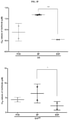
- FIG. 8 is a bar graph showing the relative fold change in levels of EGFR-AS1, as measured by real-time RT-PCR after knockdown (siAS1), compared to non-targeting controls (NT) in cell lines as indicated.
- the LNA control is a non-targeting LNA. Error bars indicate one standard deviation. Asterisks denote significance by student t-test (* ⁇ p ⁇ 0.05, ** ⁇ p ⁇ 0.01, *** ⁇ p ⁇ 0.001).
- FIG. 9 is a bar graph showing real-time RT-PCR result showing relative fold change in the transcript levels of AS1 and isoform D/A ratio after in vivo targeting of EGFR-AS1 in HN124 and HN159 patient-derived xenografts. Error bars indicate one standard deviation. Asterisks denote significance by student t-test (* ⁇ p ⁇ 0.05, ** ⁇ p ⁇ 0.01, *** ⁇ p ⁇ 0.001).
- FIG. 10 is an alternative splice diagram of the EGFR gene showing the four commonly described isoforms (A, B, C, and D) and the relevant exons.
- FIG. 11 is a bar graph showing the relative fold change in levels of the EGFR isoform A and D transcripts, as measured by real-time RT-PCR after knockdown of isoform D with targeted shRNA (shIsoD, also referred to as shEGFR4) compared to non-targeting controls (NT) in cell lines and isogenic NCC-HN1 clones.
- shIsoD targeted shRNA
- NT non-targeting controls
- FIG. 12 is a table showing clinico-pathologic characteristics of patients from which cell lines were derived.
- FIG. 13 is a table showing mutational status of EGFR in the cell lines NCC-HN1, NCC-HN43, NCC-HN19, NCC-HN64, NCC-HN26, and NCC-HN73.
- genotype switching refers to a genetic recombination event (also termed a “knock-in”) where a nucleotide at a given position is switched with another nucleotide, thereby changing the genotype of the subject from one genotype to another.
- a nucleotide residue for position Q787Q at position 2361 on the EGFR gene (as shown in NCBI sequence ID: NM_005228.4) has been switched from a G to an A.
- tyrosine kinase refers to an enzyme that can transfer a phosphate group from adenosine triphosphate (ATP) to a target protein in a cell. It functions as an “on” or “off” switch in many cellular functions. Tyrosine kinases are a subclass of protein kinase, of which the tyrosine kinase is named as such because it transfers the phosphate group from ATP to a tyrosine residue within the target protein.
- tyrosine kinases There are two known families of tyrosine kinase, namely receptor tyrosine kinase (RTK) and non-receptor or cytoplasmic tyrosine kinase, whereby receptor tyrosine kinases comprise a transmembrane domain and one or more extracellular ligand-binding domains. Cytoplasmic tyrosine kinases do not possess such a transmembrane domain or any extracellular ligand-binding domains.
- RTK receptor tyrosine kinase
- cytoplasmic tyrosine kinases do not possess such a transmembrane domain or any extracellular ligand-binding domains.
- oncogene refers to a gene that has the potential to cause cancer.
- An oncogene can also refer to a dominant mutant allele of a cellular gene (a proto-oncogene) that disrupts cell growth and division and is capable of transforming a normal cell into a cancerous cell.
- oncogenes are often mutated or expressed at high levels.
- Proto-oncogenes typically encode proteins involved in, but not limited to, positive control of the cell division cycle, such as, for example, growth factor receptors, signal transduction proteins and transcription factors. Mutations in these genes tend to relax control mechanisms and accelerate cell division, leading to the cell proliferation that is characteristic of cancer.
- oncogenic mutations cause inhibition of programmed cell death (apoptosis), so that cancerous cells are less likely to be destroyed by the host s immune system. Most normal cells will undergo apoptosis when critical functions are altered. Instead, activated oncogenes can cause those cells designated for apoptosis to proliferate and survive. Some oncogenes can require an additional step, for example, such as mutations in another gene, or environmental factors, such as viral infection, to cause cancer.
- RNA that is “ribonucleic acid” refers to an organic molecule consisting of along chain of nucleotides in which the sugar is ribose (or variations thereof) and the bases are adenine, cytosine, guanine, and uracil.
- RNA messenger RNA
- tRNA transfer RNA
- rRNA ribosomal RNA
- tmRNA transfer-messenger RNA
- snRNA small nuclear RNA
- asRNA antisense RNA
- piRNA Piwi-interacting RNA
- RNA is either coding or non-coding, that is the RNA either results in expression of a protein (for example, messenger RNA) or it does not (for example, transfer RNA).
- a particular example of non-coding RNA is long, non-coding RNA (lncRNA), which refers to non-coding RNA transcripts of 200 nucleotides or longer in length (at least 200 nucleotides). LncRNA are transcripts that range from 200 nucleotides to 100 000 nucleotides (or 200 bases to 100 kb), and distributed are throughout the genome.
- the lncRNAs are between 200 nucleotides to 100000 nucleotides, between 200 to 400 nucleotides, between 300 to 700 nucleotides, between 500 to 1000 nucleotides, between 900 to 1300 nucleotides, between 1200 to 2500 nucleotides, between 2400 to 3600 nucleotides, between 3500 to 4800 nucleotides, between 4500 to 10 000 nucleotides, between 9000 and 50000 nucleotides, between 50000 to 75000 nucleotides, between 70000 to 100000 nucleotides in length.
- the lncRNAs are at least 200 nucleotides, at least 250 nucleotides, at least 280 nucleotides, at least 320 nucleotides, at least 480 nucleotides, at least 520 nucleotides, at least 550 nucleotides, at least 640 nucleotides, at least 760 nucleotides, at least 830 nucleotides, at least 950 nucleotides, at least 1100 nucleotides, at least 1250 nucleotides, at least 1400 nucleotides, at least 1600 nucleotides, at least 1800 nucleotides, at least 2100 nucleotides, at least 2800 nucleotides, at least 5500 nucleotides, at least 10500 nucleotides, at least 25000 nucleotides, at least 35000 nucleotides, at least 48000 nucleotides, at least 55000 nucleotides, at least 68000 nucleo
- lncRNAs Although having little or no known protein-coding capability, they have diverse functions including transcriptional regulation, epigenetic modulation through chromatin modification, and post-transcriptional regulation. Several of these functions relate to direct (homology-based) binding to DNA, pre-mRNA and mature mRNA. However, it is believed that the three-dimensional structural conformation of lncRNAs plays an important role in extending their wide ranging repertoire and also influences stability of these molecules themselves.
- RNAi refers to RNA interference, a process in which RNA molecules inhibit gene function. This interference is based on the ability of double-stranded RNA to interfere with, or suppress, the expression of a gene with a corresponding base sequence.
- RNA molecules or RNAs
- mRNA messenger RNA
- RNA interference plays an important role in development and in defending cells against parasitic nucleotide sequences from, for example, viruses and transposons.
- sense strand also known as a coding strand, refers to a segment within double-stranded DNA that runs from 5′ to 3′, and which is complementary to the antisense strand of DNA, which runs from 3′ to 5′.
- the sense strand is the strand of DNA that has the same sequence as the mRNA, which takes the antisense strand as its template during transcription, and eventually (albeit typically, not always) undergoes translation into a protein.
- the antisense strand is thus responsible for the RNA that is later translated to protein, while the sense strand possesses a nearly identical makeup to that of the mRNA.
- dsDNA double-stranded DNA
- sense and antisense the gene product, or mRNA, that dictates which strand of one segment of dsDNA is called sense or antisense.
- mRNA the gene product, or antisense.
- overlapping genes on opposite strands means the sense for one mRNA can be the antisense for another mRNA.
- the antisense strand obtained from the DNA refers to the RNA segment running in 3′ to 5′ direction.
- mutation or “mutated” or “genetic alteration” refers to a natural or artificial modification, or genetic alteration of the genome or part of a nucleic acid sequence of any biological organism, virus or extra-chromosomal genetic element. This mutation can be induced artificially using, but not limited to, chemicals and radiation, but can also occur spontaneously during nucleic acid replication in cell division. Mutations may or may not produce discernible changes in the observable characteristics (phenotype) of an organism. There are various types of mutations known, which can either be small-scale mutations or large-scale mutations. Examples of small-scale mutations are, but are not limited to, substitution mutations, silent mutations, missense mutations, nonsense mutations, insertions, and deletions.
- Mutations can also be grouped by their effect on the function of the resulting product. These include, but are not limited to, loss-of-function (inactivating) mutations, gain-of-function (activating) mutations, dominant-negative (antimorphic) mutations, lethal mutations and back or reverse mutations.
- Point mutations for example, also known as single base modification, are a type of mutation that causes a single nucleotide base substitution, insertion, or deletion of the genetic material, DNA or RNA.
- frame-shift mutation indicates the addition or deletion of a base pair.
- silent mutations are mutations in DNA that do not significantly alter the phenotype of the organism in which they occur.
- Silent mutations can occur in non-coding regions (outside of genes or within introns), or they may occur within exons. When they occur within exons, they either do not result in a change to the amino acid sequence of a protein (also known as a synonymous substitution), or they result in the insertion of an alternative amino acid with similar properties to that of the original amino acid. In either case, there is no significant change in the resulting phenotype.
- the phrase silent mutation is often used interchangeably with the phrase synonymous mutation. However, synonymous mutations only occur within exons, and are not always silent mutations.
- Synonymous mutations are mutations that can affect transcription, splicing, mRNA transport, and translation, any of which could alter phenotype, rendering the synonymous mutation non-silent.
- polymorphism refers to the existence of two or more distinctly different forms (morphs) within, for example an animal species.
- a (genetic) polymorphism is used to describe essentially inter-individual, functionally silent differences in DNA sequence that make each human genome unique.
- a genetic polymorphism is the occurrence, in the same population, of multiple discrete allelic states, of which at least two have high frequency. Conventionally, the high frequency is defined as being of 1% or more of the population in question.
- SNP single nucleotide polymorphism
- susceptibility refers to the propensity of something, for example a disease, to be likely affected by something else, for example, a treatment for said disease. This effect can be either positive or negative, depending on what is being referenced. For example, if a disease is sensitive to a particular treatment, then the susceptibility of said disease to a particular treatment is a positive effect. It can then be said that the disease is susceptible (or sensitive) to the treatment. On the other hand, if a disease is not susceptible to a given treatment, the disease is then considered to be unresponsive or resistant to said treatment.
- the term “predicting susceptibility” refers to the propensity of something, for example a disease, to be likely affected by something else, for example, a treatment for said disease.
- to predict susceptibility of a cancer to a particular treatment is to determine whether the cancer would react to a treatment with a certain medicament or anti-cancer drug.
- determining susceptibility is not synonymous with, for example, “making a prognosis”. The former term only looks at the possible reaction of a disease to a specific drug or therapy, while the latter describes the likelihood of the patient to survive the disease or disease progression as a whole.
- a disease reacting well to a given treatment that is, the disease is susceptible to the treatment
- a positive prognosis depends on many factors patient-specific factors in addition to the disease's susceptibility for treatment, for example, overall wellbeing of the patient prior to treatment, metabolism, diet, aggressiveness of the (primary) disease, secondary diseases and/or infections and the like.
- expression refers to either gene expression, that is the transcription of DNA into messenger RNA (mRNA) by the RNA polymerase, or protein expression, which is the translation of mRNA into a (functional) protein.
- mRNA messenger RNA
- protein expression which is the translation of mRNA into a (functional) protein.
- An expression may be considered up-regulated (or over-expression) or down-regulated (suppression, low or decreased expression, also termed under-expression), depending on whether an increase or decrease in expression is present, usually compared to a wild-type or a disease-free subject.
- isoform or “protein isoform” refers to the different forms of a protein encoded from one and the same gene. These proteins are different in both structure and composition, whereby these differences are regulated by alternative splicing of mRNA. This alternative splicing has been shown to have a large impact in proteome diversity. The specificity of produced proteins is derived by protein structure/function, development stage and even the cell type. Isoform formation becomes more complicated when a protein has multiple subunits and each subunit has multiple isoforms.
- alternative splicing refers to a regulated process during gene expression that results in a single gene coding for multiple proteins.
- exons that is, parts of the genetic code that become part of the mature RNA
- mRNA messenger RNA
- the excluded sequences are termed introns, from intragenic region, that is a region inside a gene.
- intron and exon refers to both the DNA sequence within a gene and the corresponding sequence in RNA transcripts Consequently, the proteins translated from alternatively spliced mRNAs will contain differences in their amino acid sequence and, often, in their biological functions.
- therapeutic agent refers to a chemical compound or composition capable of inducing a desired therapeutic effect when properly administered to a patient.
- an anti-diabetic agent is considered a therapeutic agent, in the sense that it is administered to treat, for example, diabetes in a patient.
- locked nucleic acid refers to a modified RNA nucleotide, in which the ribose moiety of an LNA nucleotide is modified with an extra bridge connecting the 2′ oxygen and 4′ carbon.
- the bridge “locks” the ribose in the 3′-endo (North) conformation, which is the same confirmation often found in the A-form duplexes.
- The, usually synthetic, locked nucleic acid nucleotides can be mixed with DNA or RNA residues in the oligonucleotide, whenever desired, and hybridize with DNA or RNA according to Watson-Crick base-pairing rules.
- the locked ribose conformation enhances base stacking and backbone pre-organization. This significantly increases the hybridization properties (melting temperature) of oligonucleotides.
- EGFR inhibitor refers to compounds that are capable of inhibiting or blocking the activity of epidermal growth factor receptors.
- Various compounds and drugs are not limited to a single effect and can therefore be considered to be EGFR inhibitors, even if they are structurally different. That is to say, the inhibition of EGFR is the combining characteristic of these compounds.
- EGFR-AS1 refers to a 2.8 kb sequence that corresponds to intron and exon 20 ( FIG. 2A ) expressed by the EGFR gene.
- haematological malignancy refers to usually malignant neoplasms or cancers which are derived from blood-forming tissue, such as the bone marrow, or in the cells of the immune system. These cancers are also known in the art as blood cancers, or liquid cancers. Haematological malignancies may derive from either of the two major blood cell lineages: myeloid and lymphoid cell lines.
- the myeloid cell line normally produces granulocytes, erythrocytes, thrombocytes, macrophages and mast cells; the lymphoid cell line produces B, T, NK (natural killer cells) and plasma cells.
- Lymphomas, lymphocytic leukaemia, and myeloma are derived from the lymphoid line, while acute and chronic myelogenous leukaemia, myelodysplastic syndromes and myeloproliferative diseases are considered to be myeloid in origin.
- hematologic cancer are, but are not limited to, leukaemia, lymphoma, and multiple myeloma.
- Types of leukaemia are, but are not limited to, acute lymphoblastic leukaemia (ALL), acute myelogenous leukaemia (AML), chronic lymphocytic leukaemia (CLL), chronic myelogenous leukaemia (CML), and acute monocytic leukaemia (AMoL).
- Types of lymphomas are, but are not limited to, Hodgkin's lymphomas, which includes all four subtypes of Hodgkin's lymphomas; and all subtypes of Non-Hodgkin's lympho
- the present invention refers to a method of predicting susceptibility of a subject suffering from cancer to a treatment with an anti-cancer drug.
- the basis for determining subject susceptibility to treatment with a particular drug can be, for example, the presence or the absence of, for example genetic alternations or mutations within the genome, within genetic transcripts, such as RNA or within proteins expressed by genes.
- the genetic mutation or alteration in question may or may not result in a change in for example protein or RNA sequence, depending on the type of mutation in question. For example, different from an activating mutation, a silent mutation will not result in any discernible change in metabolism or expression product, as the mutation is silent.
- a point mutation may or may not be silent, depending on the exact mutation at hand and the result of said mutation.
- a point mutation results in the change of one amino acid for another, wherein the new amino acid results in a different tertiary structure of the resulting protein, then such a mutation is not considered to be a silent mutation.
- the point mutation results in a different RNA sequence, which still results in the same amino acid at that point of the protein (due to the redundancy in the genetic code, that is the fact that multiple codons encode for the same amino acid), the point mutation will be considered a silent mutation.
- the present application also discloses a method, which comprises detecting the presence or absence of a genetic alteration in an antisense strand of a long non-coding RNA (lncRNA).
- This long, non-coding RNA (lncRNA) sequence can reside in an antisense strand of an oncogene.
- the long non-coding RNA (lncRNA) sequence resides in the coding strand of an oncogene.
- a method is disclosed herein, which comprises detecting the presence or absence of a genetic alteration in an antisense strand of a long non-coding RNA (lncRNA).
- the genetic alteration alters or disrupts expression of the oncogene.
- a method of predicting susceptibility of a subject suffering from cancer to a treatment with an anti-cancer drug comprises detecting the presence or absence of a mutation in an antisense strand of a non-coding RNA of an oncogene, wherein the mutation alters or disrupts expression of the oncogene.
- the long non-coding RNA (lncRNA) sequence resides in the coding strand of an oncogene.
- the subject is predicted to show improved susceptibility to the treatment with the anti-cancer drug compared to a subject not carrying the mutation.
- a method of predicting susceptibility of a subject suffering from cancer to a treatment with an anti-cancer drug comprises detecting the presence or absence of a genetic alteration in a long non-coding RNA (lncRNA) that resides in an antisense strand of an oncogene, wherein the genetic alteration alters or disrupts expression of the oncogene; wherein in case the genetic alteration is present, the subject is predicted to show improved susceptibility to the treatment with the anti-cancer drug compared to a subject not carrying the genetic alteration.
- lncRNA long non-coding RNA
- alters refers to a change in a characteristic, usually in comparison to the same characteristic in a different state.
- a difference in, for example, expression level of a known gene can be considered to be an alteration of the gene expression of said gene. This is usually given in comparison to the disease-free (or healthy) state of the gene.
- Such a difference in expression, gene protein or otherwise can be given in absolute or in relative terms.
- gene Z is expressed at a level of 50 in a disease-free state, given in absolute terms. In a diseases state, gene Z is expressed at a level of 25.
- gene expression of gene Z would be 0.5 in the diseased state relative to the disease-free state (also termed to be a down-regulation of the expression of gene Z).
- gene Z is expressed at a level of 50 in a disease-free state, given in absolute terms.
- gene Z is expressed at a level of 100.
- the gene expression of gene Z would be 2 in the diseased state relative to the disease-free state (also termed to be up-regulation of the expression of gene Z). In both of these examples, the gene expression of Z is altered.
- the term “disrupt” refers to the interruption, interference or termination of a process.
- the presence of a mutation within a gene sequence can result in the disruption of the translation process, thereby usually resulting in either the truncation of the resulting protein (protein is only partially expressed, for example through the introduction of a premature stop codon via the mutation) or the complete absence of the protein (no protein is expressed).
- a method of treating cancer in a subject suffering from said cancer comprises detecting the presence or absence of a mutation or a genetic alteration in a non-coding RNA on an antisense strand of an oncogene related to the cancer, wherein the mutation alters or disrupts expression of the oncogene; administering an anti-cancer drug for the cancer type the subject suffers from in case the presence of the mutation is confirmed.
- an anti-cancer drug in the manufacture of a medicament for treating cancer in a subject suffering from said cancer, wherein the medicament is to be administered to the subject when the presence or absence of a mutation or a genetic alteration in a non-coding RNA on an antisense strand of an oncogene related to the cancer is detected, wherein the mutation alters, or disrupts expression of the oncogene.
- oncogenetic switches there are various targets known to function as oncogenetic switches in a cell. These target genes are, but are not limited to, regulatory genes within any given pathway involved in cell growth and regulation of cell proliferation and/or apoptosis. As phosphorylation is one of the best known examples of cellular switches used for regulating cellular pathways, genes that express kinases (enzymes responsible for the transfer of phosphor groups from one protein to another protein) are prominent targets in the development of anti-cancer drugs and regimens.
- kinases enzyme responsible for the transfer of phosphor groups from one protein to another protein
- oncogenes include, but are not limited to, receptor tyrosine kinases, tyrosine kinases, cytoplasmic tyrosine kinases, cytoplasmic serine/threonine kinases, cytoplasmic serine/threonine kinases regulatory subunits, cyclin-dependent kinases, regulatory GTPases and transcription factors.
- the oncogene is a gene that results in, but is not limited to, the expression of a receptor tyrosine kinase, a protein target of a receptor tyrosine kinase or in a cytoplasmic tyrosine kinase.
- the oncogene is a gene that results in the expression of a receptor tyrosine kinase.
- the oncogene that results in the expression of a receptor tyrosine kinase is, but is not limited to, EGFR, IGF1R, PIK3CD, PIK3R3, PIK3CD, ERBB4, FGFR2, FGFR3, FGFR4, c-Kit, PDGFRA, PDGFRB, PIK3CA, PIK3Ra, PIK3R2, PIK3R3, ERBB2, ERBB3 and INSR.
- the oncogene is a gene that results in the expression of a cytoplasmic tyrosine kinase.
- the oncogene that results in the expression of a cytoplasmic tyrosine kinase is, but is not limited to, mTOR, MAP3K1 (MEKK) MAPK8 (JNK) and BRAF.
- an oncogene includes, but is not limited to, epidermal growth factor receptor (EGFR), platelet-derived growth factor receptor (PDGFR), vascular endothelial growth factor receptor (VEGFR), PIK3CB, PIK3R3, PIK3CD, ERBB4, BRAF, FGFR2, FGFR3, FGFR4, c-Kit, MAPK3K1 (MEKK), MAPK8 (JNK), PDGFRA, PDGFRB, PIK3CA, PIK3R1, PIK3R2, ERBB3, INSR, abl, af4/hrx, akt-2, alk, alk/npm, aml1, aml1/mtg8, axl, bcl-2, bcl-3, bcl-6, bcr/abl, c-myc, dbl, dek/can, E2A/pbx1, enl/hrx, erg/TLS, er
- the oncogene can include, but is not limited to, of EGFR, IGF1R, mTOR, PIK3CB, PIK3R3, PIK3CD, ERBB4, BRAF, FGFR2, FGFR3, FGFR4, c-Kit, MAPK3K1 (MEKK), MAPK8 (JNK), PDGFRA, PDGFRB, PIK3CA, PIK3R1, PIK3R2, ERBB2, ERBB3 and INSR.
- the oncogene can be, but is not limited to, EGFR, IGF1R, mTOR, PIK3CB, PIK3R3, PIK3CD, and ERBB4.
- the oncogene is EGFR.
- genes become oncogenes, in some examples, due to a mutation within their genetic sequence, thereby resulting in deviations from the usual function of said gene.
- gene targeting there are multiple levels which can be targeted using available technology. That is to say, influencing gene expression and/or the resulting protein expression can be done on different levels. For example, one can influence the expression of a certain gene by silencing said gene using, for example, siRNA.
- siRNA siRNA
- this inference is performed based on the presence or absence of a mutation within the oncogene, or in any expression products of the oncogene.
- the presence of a mutation has an effect on the functionality of the resulting protein.
- the presence of the mutation does not have an effect on the functionality of the resulting protein.
- Determination of the differences in gene expression can be performed using methods known to those skilled in the art. For example, gene sequencing can be used to ascertain if a mutation is present on a nucleic acid level. In another example, the comparison of gene expression can be done on a RNA level, that is for example, by ascertaining and comparing the levels of an RNA transcript of one or more target genes. In another example, the comparison of expression levels of a gene is made on the protein level. This can be performed, for example, by comparing the level of a protein expressed by a target gene in a diseased subject and comparing the level of the same protein in a disease-free subject.
- the presence or absence of the mutation is determined in the RNA transcript of the gene. In another example, the presence or absence of the mutation is determined on the antisense strand of the RNA. In yet another example, the presence or absence of the mutation is determined in a non-coding region of the antisense strand of the RNA. In another example, the presence or absence of the mutation is determined on the antisense strand of a long non-coding RNA region (lncRNA) of the oncogene in question.
- lncRNA long non-coding RNA region
- the antisense strand of a long non-coding RNA region (lncRNA) of an oncogene can be, but is not limited to, EGFR-AS1 for EGFR gene; TRAIN for IGF1R gene, MTOR-AS1 for MTOR gene; GAPDHP39 and RPL23AP40 for PIK3CB gene; LOC101929626 for PIK3R3 gene; PIK3CD-AS1, PIK3CD-AS2 and RPL26P7 for PIK3CD gene and RNA5SP119 for ERBB4 gene.
- the mutation is determined in exon 20 of EGFR-AS1 of EGFR.
- the mutation is a silent mutation at position Q787Q of exon 20 in exon 20 of EGFR-AS1 of EGFR.
- the silent mutation is a G>A mutation at position Q787Q of exon 20 in exon 20 of EGFR-AS1 of EGFR.
- Mutations on a genetic level can result in the expressed protein or RNA being different from that which is usually expressed in the majority of the population. This difference can be seen in various ways, for example when a genetic mutation results in the over- or under-expression of the resulting (functional) protein or RNA transcript.
- the genetic mutation results in an over- or under-expression of the resulting RNA transcript in a subject.
- the genetic mutation results in the expression of a truncated RNA transcript or no expression of an RNA transcript.
- the genetic mutation results in a non-functional protein being expressed.
- the genetic mutation results in a truncated protein being expressed.
- the genetic mutation results in a different isoform of the protein being expressed.
- the genetic mutation results in a change in ratio of various proteins, for example, the increased expression of a normally under-expressed isoform.
- a mutation in the antisense strand of the long non-coding RNA of EGFR results in the increased expression of EGFR isoform D.
- a mutation in the antisense strand of the long non-coding RNA of EGFR (EGFR-AS1) results in an increased EGFR isoform D to EGFR isoform A ratio (EGFR isoform D/A).
- a method of treating a subject suffering from an EGFR-related cancer comprising administering to the subject an effective amount of a therapeutic agent affecting EGFR-AS1 lncRNA expression, or affecting EGFR-AS1 expression, or increasing the amount of EGFR isoform D and/or decreasing EGFR isoform A or a combination thereof; and administering to the subject an effective amount of a tyrosine kinase inhibitor used to treat the EGFR-related cancer.
- a tyrosine kinase inhibitor in the manufacture of a medicament for treating a subject suffering from an EGFR-related cancer.
- a method of predicting the susceptibility of a subject suffering from cancer related to EGFR to a treatment with an EGFR inhibitor comprising determining whether either one or two or all of the following is given: i) the subject has a silent G>A mutation at Q787Q position in exon 20 of EGFR; ii) the subject has lower EGFR-AS1 or EGFR-AS1 lncRNA expression level compared to subject that does not respond to treatment with an EGFR inhibitor; iii) the subject has higher EGFR isoform D/isoform A ratio compared to subject that does not respond to treatment with an EGFR inhibitor; wherein in case one or two or all of i) to iii) is given the subject is predicted to show improved susceptibility to a treatment with an EGFR inhibitor compared to a subject not showing any of i) to iii).
- a genetic alteration or mutation within a genome can result in a genotype that is either homozygous or heterozygous for said mutation.
- the terms “homozygous” and “heterozygous” refer to the degree of similarity between the alleles of a certain characteristic, or trait, of an organism. This is based on the fact that most eukaryotes are diploid, that means they have two matching sets of chromosomes. Both sets of chromosomes have the same loci on each of them. Thus, an organism that has a homozygous genotype is describing an organism (or cell) in which the alleles at a given locus are identical.
- an organism is described as being heterozygous for a certain allele, this means that in the same locus, one chromosome shows one genotype (for example the nucleotide A), while the other chromosome shows a different genotype (for example, the nucleotide T) in the same locus.
- the question of homo- or heterozygosity can also be determined based on the presence or absence of genetic alterations or mutations in the respective RNA or RNA transcripts from each allele. Thus, in one example, if the RNA transcripts from alleles show the same mutation in the same locus, then the organism is considered to be homozygous for that mutation. In a preferred example, the mutation or genetic alternation is homozygous. In yet another example, the mutation or genetic alteration is heterozygous.
- a genetic alteration or mutation on, for example, the corresponding antisense RNA strand or in long non-coding RNA discloses a mutation or genetic alteration at a specific position within the EGFR-AS1 sequence.
- a defined locus within an antisense strand of a long non-coding RNA sequence is homozygous for a mutation or genetic alteration.
- the genetic alteration or mutation in long non-coding RNA (lncRNA) that resides in an antisense strand of an oncogene is homozygous.
- the mutation or genetic alteration is present in the EGFR-AS1 sequence.
- the mutation or genetic alteration is present in the Q787Q locus of the EGFR-AS1 sequence.
- this locus is homozygous for a mutation or genetic alteration. This means that at this location, the mutation or genetic alteration (and as a result the genotype) on both alleles are the same.
- this locus is heterozygous for the mutation or genetic alteration.
- the homozygous mutation or genetic alteration is AA.
- the heterozygous mutation or genetic alteration is GA.
- the basis of comparison for determining the presence or absence of a mutation and/or the effect of such a mutation on the expression of the resulting protein or RNA is the comparison with a subject who is either healthy, that is disease-free, or a subject who has the same disease as the subject in question, but who is known not to respond to the treatment being assessed for the subject in question.
- subject A has head and neck cancer.
- a mutation is found within the oncogene closely related to the cancer, for example EGFR.
- Subject B also has head and neck cancer and was treated with anti-cancer drug X, which was not effective in the treatment of the cancer.
- Subject C also has head and neck cancer and was successfully treated with anti-cancer drug X.
- oncogene closely related to the cancers in subjects B and C show that the oncogene of subject B does not have a mutation in a relevant, pre-determined region of the oncogene, while subject C does present a mutation in the relevant, pre-determined region of the oncogene.
- subject A having a mutation present in the same region as subject C, is shown to be susceptible to treatment with anti-cancer drug X.
- the determination of possible susceptibility to treatment with a given anti-cancer drug can be done based on the comparison of, for example, protein or RNA levels, or in the case of multiple proteins or RNA transcripts, and/or ratios of the proteins concerned.
- the method as described herein further comprises measuring of either one or both of the following for predicting the susceptibility: i) whether the subject has lower EGFR-AS1 or EGFR-AS1 lncRNA expression level compared to a subject that does not respond to treatment with the anti-cancer drug; ii) whether the subject has higher EGFR isoform D/isoform A ratio compared to a subject that does not respond to treatment with the anti-cancer drug, wherein the anti-cancer drug is a tyrosine kinase inhibitor or an EGFR inhibitor.
- an increase in the amount of EGFR isoform D in a patient is indicative of an increased sensitivity to treatment with, for example, a tyrosine kinase inhibitor for EGFR-related cancers, or treatments used for other gene specific cancers.
- a decrease in the amount of EGFR isoform A in a patient is indicative of an increased sensitivity to treatment with a tyrosine kinase inhibitor.
- a high ratio of EGFR isoform D to EGFR isoform A is considered to be indicative an increased sensitivity to treatment with, for example, a tyrosine kinase inhibitor for EGFR-related cancers, or treatments used for other gene specific cancers.
- a low ratio of EGFR isoform D to EGFR isoform A is considered to be indicative of a possible resistance to treatment with, for example, a tyrosine kinase inhibitor for EGFR-related cancers, or treatments used for other gene specific cancers.
- oncogenes are more closely associated with some types of cancer than others.
- the gene HER2 is a known oncogene most closely associated, but not only associated, with certain subtypes of breast cancer.
- the absence or presence of a mutation in an oncogene is understood to have an effect on the subject s susceptibility to a treatment for, for example, a cancer related to said oncogene.
- the cancer related to EGFR, PIK3CB, PIK3R3 and PIK3CD is, but is not limited to, non-small cell lung carcinoma, head and neck cancer, colorectal carcinoma, breast cancer, brain malignancies including glioblastomas, haematological malignancies, prostate cancer, bladder cancer, renal cell carcinoma, pancreas cancer, cervical cancer, oesophageal cancer, gastric cancer and ovarian cancer.
- the cancer related to EGFR is head and neck cancer, or lung cancer.
- the head and neck cancer can be head and neck squamous cell cancer (HNSCC) or oral squamous cell cancer (OSCC).
- the lung cancer is non-small cell lung cancer (NSCLC).
- NSCLC non-small cell lung cancer
- the cancer related to PIKCD is haematological malignancies.
- the cancer related to ERBB4 is breast cancer.
- the cancer related to EGFR is, but is not limited to, non-small cell lung cancer (NSCLC), head and neck cancer, colorectal carcinoma, breast cancer, brain malignancies including glioblastoma, prostate cancer, bladder cancer, renal cell carcinoma, pancreas cancer, cervical cancer, oesophageal cancer, gastric cancer and ovarian cancer.
- a cancer related to the HER2 gene wherein the HER2 gene is defective or results in a defective product (for example, RNA or protein RNA or protein), said cancer related to the HER2 gene can be more susceptible to treatment with for example trastuzumab, compared to a treatment with other anti-cancer drugs.
- the anti-cancer drug is, but is not limited to gefitinib, erlotinib and afatinib for the treatment of cancer related to EGFR; OSI-906 (linsitinib) for the treatment of cancer related to IGF1R; everolimus (also known as RAD001) and sirolimus for the treatment of cancer related to mTOR; BKM120 (buparlisib) and BYL719 (alpelisib) for the treatment of cancer related to PIK3CB and PIK3R3; idelalisib for the treatment of cancer related to PIK3CD and dacomatinib and lapatinib for the treatment of cancer related to ERBB4, or combinations thereof.
- the anti-cancer drug used for treating EGFR-related cancers is, but is not limited to, gefitinib, erlotinib, afatinib or combinations thereof.
- the anti-cancer drug used for treating mTOR-related cancers is, but is not limited to, everolimus (RAD001), sirolimus, or combinations thereof.
- the anti-cancer drug used for treating IGF1R-related cancers is, but is not limited to, linsitinib.
- the anti-cancer drug used for treating PIK3CB and PIK3R3-related cancers is, but is not limited to, BKM120 (buparlisib), BYL719 (alpelisib) or combinations thereof.
- the anti-cancer drug used for treating PIK3CD-related cancers is, but is not limited to, idelalisib.
- the anti-cancer drug used for treating ERBB4-related cancers is, but is not limited to, dacomatinib, lapatinib, or combinations thereof.
- the anti-cancer drug is a tyrosine kinase inhibitor.
- the tyrosine kinase inhibitor is an EGFR inhibitor.
- the tyrosine kinase inhibitor is, but is not limited to, gefitinib, erlotinib, erlotinib HCl, lapatinib, dacomitinib, TAE684, afatinib, dasatinib, saracatinib, veratinib, AEE788, WZ4002, icotinib, osimertinib, BI1482694, ASP8273, EGF816, AZD3759, cetuximab, necitumumab, pannitumumab, nimotuzumab and combinations thereof.
- the tyrosine kinase inhibitor is, but is not limited to, gefitinib, erlotinib, lapatinib and combinations thereof.
- HNSCC head and neck squamous cell cancer
- Some approaches are based on multi-pronged approached for treating a disease, while other may be based on a single-pronged approach, that is single treatment regimen, for a particular disease.
- the disease is treated using a single treatment.
- the disease is treated using at least two, at least three, at least four or more treatments. These treatments may be given subsequently, simultaneously or in combinations thereof.
- the disease is treated using at least two, at least three, at least four or more drugs.
- breast cancer can be treated with, but not limited to, any one of the following anti-cancer drugs, or with combinations thereof: everolimus (RAD001), tamoxifen, toremifene, trastuzumab, fulvestrant, anastrozole, exemestane, lapatinib, letrozole, pertuzumab, ado-trastuzumab emtansine, and palbociclib.
- RAD001 everolimus
- tamoxifen toremifene
- trastuzumab fulvestrant
- anastrozole exemestane
- lapatinib exemestane
- letrozole pertuzumab
- ado-trastuzumab emtansine a known mutation in an oncogene can therefore result in a more effective anti-cancer being chosen, as opposed to any of the above listed drugs being chosen.
- trastuzumab for treating said cancer would be made, as trastuzumab is known for its high success rate in the treatment of HER2-mutation positive breast cancers.
- adenocarcinomas of the stomach or gastro-oesophageal junction can be treated with, but not limited to, trastuzumab, ramucirumab or combinations thereof.
- Basal cell carcinomas can be treated with, but not limited to vismodegib, sonidegib or combinations thereof.
- Bladder cancer can be treated with, for example but not limited to, atezolizumab, everolimus, sirolimus and combinations thereof.
- Brain cancer can be treated with, but not limited to, bevacizumab, everolimus or combinations thereof.
- Breast cancer can be treated with, but not limited to, everolimus, tamoxifen, toremifene, trastuzumab, fulvestrant, anastrozole, exemestane, linsitinib, lapatinib, letrozole, pertuzumab, ado-trastuzumab emtansine, palbociclib, alpelisib and combinations thereof.
- Cervical cancer can be treated with, for example, but not limited to, bevacizumab.
- Colorectal cancer can be treated with, but not limited to, cetuximab, panitumumab, bevacizumab, ziv-aflibercept, regorafenib, ramucirumab and combinations thereof.
- Dermatofibrosarcoma protuberans can be treated with, for example, but not limited to, imatinib mesylate.
- Endocrine/neuroendocrine tumours can be treated with, for example, but not limited to, lanreotide acetate.
- Head and neck cancers can be treated with, but are not limited to, cetuximab, gefitinib, erlotinib, afatinib, alpelisib, linsitinib, buparlisib, idelalisib, dacomitinib, lapatinib and combinations thereof.
- Gastrointestinal stromal tumours can be treated with, but are not limited to, imatinib mesylate, sunitinib, regorafenib, and combinations thereof.
- Giant cell tumour of the bone can be treated with, for example, but not limited to, denosumab.
- Kaposi sarcoma can be treated with, for example, but not limited to, alitretinoin.
- Kidney cancer can be treated with, but not limited to bevacizumab, sorafenib, sunitinib, pazopanib, temsirolimus, everolimus, axitinib, nivolumab, cabozantinib, lenvatinib mesylate and combinations thereof.
- Leukaemia can be treated with, for example, but not limited to, tretinoin, imatinib mesylate, dasatinib, nilotinib, bosutinib, rituximab, alemtuzumab, ofatumumab, obinutuzumab, ibrutinib, idelalisib, blinatumomab, venetoclax and combinations thereof.
- Liver cancer can be treated with, for example, but not limited to, sorafenib.
- Lung cancer can be treated with, for example, but not limited to, bevacizumab, crizotinib, erlotinib, gefitinib, afatinib dimaleate, ceritinib, ramucirumab, nivolumab, pembrolizumab, osimertinib, necitumumab, alectinib and combinations thereof.
- Lymphomas can be treated with, for example, but not limited to, ibritumomab tiuxetan, denileukin diftitox, brentuximab vedotin, rituximab, vorinostat, romidepsin, bexarotene, bortezomib, pralatrexate, ibrutinib, siltuximab, idelalisib, belinostat, obinutuzumab, nivolumab and combinations thereof.
- Melanomas can be treated with, for example, but not limited to, ipilimumab, vemurafenib, trametinib, dabrafenib, pembrolizumab, nivolumab, cobimetinib, everolimus, sirolimus and combinations thereof.
- Multiple myelomas can be treated with, for example, but not limited to, bortezomib, carfilzomib, panobinostat, daratumumab, ixazomib citrate, elotuzumab and combinations thereof.
- Myelodysplastic/myeloproliferative disorders can be treated with, for example, but not limited to, imatinib mesylate, ruxolitinib phosphate and combinations thereof.
- Neuroblastomas can be treated with, for example, but not limited to, dinutuximab.
- Ovarian epithelial/fallopian tube/primary peritoneal cancers can be treated with, for example, but not limited to, bevacizumab, olaparib and combinations thereof.
- Pancreatic cancer can be treated with, for example, but not limited to, erlotinib, everolimus, sunitinib and combinations thereof.
- Prostate cancer can be treated with, for example, but not limited to, cabazitaxel, enzalutamide, abiraterone acetate, radium 223 dichloride, linsitinib and combinations thereof.
- Soft tissue sarcoma can be treated with, for example, but not limited to, pazopanib.
- Systemic mastocytosis can be treated with, for example, but not limited to, imatinib mesylate.
- Thyroid cancer can be treated with, for example, but not limited to, cabozantinib, vandetanib, sorafenib, lenvatinib mesylate and combinations thereof.
- the listing of a particular anti-cancer drug in the categories above does not preclude its use for treating other types of cancer.
- Specific methods disclosed herein further comprise the administration of an additional therapeutic agent (i.e., a therapeutic agent other than the anti-cancer treatment disclosed herein).
- the anti-cancer treatments can be used in combination with at least one other therapeutic agent.
- Therapeutic agents include, but are not limited to antibiotics, anti-emetic agents, antidepressants, anti-fungal agents, anti-inflammatory agents, antiviral agents, other anticancer agents, immunomodulatory agents, expression modulating agents, alpha-interferons, gene silencing agents, agents capable of suppressing expression of RNA transcripts or proteins, agents capable of affecting RNA or protein expression, ⁇ -interferons, alkylating agents, hormones, or cytokines.
- the method encompasses the administration of an additional therapeutic agent that demonstrates gene silencing activity.
- the therapeutic agent is capable of RNA interference.
- the therapeutic agent is selected from, but not limited to, antisense oligonucleotides, short hairpin RNA (shRNA), small interfering RNA (siRNA), double stranded RNA (dsRNA), microRNA (miRNA), locked nucleic acids (LNAs) ribozymes, histone modification, RNA-directed DNA methylation, paramutations or combinations thereof.
- the therapeutic agent affects RNA expression.
- a method of treating a subject suffering from cancer comprising administering to the subject an effective amount of a therapeutic agent affecting expression of a non-coding RNA an oncogene, wherein the mutation alters or disrupts expression of the oncogene; and administering to the subject an effective amount of an anti-cancer drug specific for the cancer related to the oncogene.
- the therapeutic agent affects EGFR-AS1 expression.
- the therapeutic agent affecting EGFR-AS1 expression comprises, but is not limited to, miRNA, shRNA, locked nucleic acids (LNAs), for example locked RNA or DNA, or siRNA.
- the therapeutic agent is one or more locked nucleic acids (LNAs).
- the therapeutic agent suppressing EGFR-AS1 expression comprises EGFR-AS1 targeting locked nucleic acids (LNA).
- the therapeutic agent increasing EGFR isoform D or decreasing EGFR isoform A comprises an agent modulating the alternative splicing of EGFR.
- an anti-cancer drug is administered concurrently with the administration of another therapeutic agent, which can be part of the same composition or in a different composition.
- the anti-cancer agent is administered prior to or subsequent to administration of another therapeutic agent.
- an anti-cancer drug is administered to a subject who has not previously undergone or is not currently undergoing treatment with another therapeutic agent.
- the methods of the invention comprise the administration of one or more anti-cancer treatments without an additional therapeutic agent.
- the methods of the invention comprise the administration of one or more anti-cancer treatments with at least one or more additional therapeutic agents.
- the methods and the treatments disclosed herein may be performed or carried out simultaneously, separately, one after the other, or in combination with other treatments.
- these treatments are, but are not limited to, radiation therapies, chemo-radiation, surgery, and combinations thereof.
- these treatments can be performed or carried out, for example, one after the other, with a time interval between each treatment step, wherein, for example, the time interval between the first and the second treatment step is at least 1 to 24 hours, or at least 1, at least 4, at least 6, at least 8, at least 12, at least, or at least 1 or 2 or 3 or 4 or 5 or 6 or 7 days, or at least one week.
- FIG. 1A Six patient-derived cell lines established in the laboratory were tested for sensitivity to EGFR inhibitors using gefitinib, erlotinib and afatinib ( FIG. 1A ). As shown, majority of cell lines were insensitive to EGFR inhibition, except for NCCWHN19 and NCCWHN64, each with gefitinib IC 50 values within the therapeutic range (0.07 and 0.26 ⁇ M respectively). Targeted re-sequencing did not identify sensitizing EGFR mutations, nor was any correlation between drug sensitivity and EGFR copy number demonstrated ( FIG. 5 ).
- the two sensitive lines were homozygous for the same synonymous SNP identified in a phase 2 trial (rs10251977, 2361 G>A, Q787Q; SEQ ID NO: 27) with the A/A genotype, while the insensitive cell lines were either homozygous wild type (G/G) or heterozygous (G/A) ( FIG. 1B ).
- Western blots performed on the gefitinib-sensitive cell lines NCC-HN19 and NCC-HN64 (A/A genotype) showed a significant and consistent reduction in EGFR, AKT, ERK and S6 phosphorylation, after treatment with therapeutic doses of gefitinib ( FIG. 1C ).
- cell lines with the G/G genotype required much higher drug doses to show effect on phosphor-AKT and phosphor-S6 levels, with modest, if any effect on phosphor-ERK.
- the Horizon AAV targeting system was utilized to genetically knock-in the single nucleotide alteration and convert a resistant line (NCC-HN1) to a sensitive line in an isogenic cell line system ( FIGS. 6 and 7 ).
- Sanger sequencing of the expressed EGFR cDNA confirmed that the A genotype was expressed in the successfully targeted clones (G/A AAV :NCC-HN1 CL16, 63 and 19 respectively), compared to negative controls where the vector has integrated randomly (G/G AAV :NCC-HN1 CL12, 76 and 77 respectively) (data not shown).
- Drug treatment of the G/A AAV clones showed an increased sensitivity to gefitinib compared to negative controls.
- IC 50 values of G/A AAV clones ranged from 0.1-0.3 ⁇ M, compared to negative controls (G/G AAV ) ranged from 6.4-7.2 ⁇ M (IC 50 for NCC-HN1 parental cell line ranged from 7-11 ⁇ M; FIG. 1D ), with consistent modulation of downstream pathways ( FIG. 1E ).
- Both original and metastatic tumours had been engrafted as patient derived xenografts (PDXs), and these were expanded and a clinical trial using oral gefitinib (50 mg/kg by oral gavage) was conducted in NSG mice.
- Both primary and metastatic patient derived xenograft tumours showed significant tumour regression when treated with gefitinib, compared to untreated controls ( FIG. 4C ).
- the patient was concurrently initiated on a 250 mg daily dose of gefitinib; clinical and radiological assessment showed significant regression of dermal and lung metastases after six weeks of gefitinib monotherapy ( FIG. 4D ).
- lncRNAs critical to tumourigenesis Several recent studies have also identified lncRNAs critical to tumourigenesis, and suggest that these may be targeted with therapeutic intent. Without being bound by theory, the data shown herein points to a critical role to an exon 20 SNP that results in a single nucleotide variant within the lncRNA, that influences the stability of EGFR-AS1—possibly due to changes in higher order structure. One consequence is a cis-mediated effect on alternative splicing of EGFR, with increased isoform D:A ratio. Certainly, the localization of EGFR-AS1 transcripts in the nucleus lends geographic support to this effect (seen by RNA in situ hybridisation; FIG. 4A ), where it can affect transcription and/or pre-mRNA processing.
- EGFR Naturally occurring EGFR isoforms have been poorly studied to date, with a few studies suggesting that alternate isoforms are secreted in plasma (as secreted EGFR or sEGFR) and may be prognostic in lung and cervical cancers.
- sEGFR secreted EGFR
- erlotinib Analysis of sEGFR levels in non-small cell lung cancer patients treated with erlotinib supported the notion that higher levels of sEGFR was predictive of tyrosine kinase inhibitor response, although no distinction was made between the particular isoform measured.
- isoform D that lacks the tyrosine kinase domain seen here, over full length isoform A, as well as the requirement for ligand-driven EGFR activation, suggests a mechanism involving the extra-cellular domain region, for example, receptor dimerization. While the lack of specific antibodies for each EGFR isoform imposes limitations on spatial localisation and quantification, analysis of mRNA transcripts is a viable alternative as shown here using real-time RT-PCR or RNAscope. Notwithstanding, the precise mechanism through which EGFR-AS1 augments alternative splicing to result in high isoform D:A ratios, remains unclear.
- the lncRNA EGFR-AS1 has been demonstrated as a bona fide driver of EGFR addiction, and represents a novel therapeutic target in a subset of squamous cell cancers, potentially through RNAi based strategies that have entered clinical testing.
- range format is merely for convenience and brevity and should not be construed as an inflexible limitation on the scope of the disclosed ranges. Accordingly, the description of a range should be considered to have specifically disclosed all the possible sub-ranges as well as individual numerical values within that range. For example, description of a range such as from 1 to 6 should be considered to have specifically disclosed sub-ranges such as from 1 to 3, from 1 to 4, from 1 to 5, from 2 to 4, from 2 to 6, from 3 to 6 etc., as well as individual numbers within that range, for example, 1, 2, 3, 4, 5, and 6. This applies regardless of the breadth of the range.
- Cells were seeded in 100 ⁇ l complete growth medium at a density of 2,000-4,000 cells/well in 96-well tissue culture plates. After serial dilutions, 100 ⁇ l of complete growth medium containing Gefitinib or Erlotinib (BioVision, Milpitas, Calif.) were added to cells. DMSO was used as controls. Plates were incubated for 48 hours after which cell viability was assessed using CellTitre-Glo® Luminescent Assay according to the manufacturer s protocol (Promega, Madison, Wis.).
- Total genomic DNA was extracted from primary cell lines using QIAamp DNA Mini kit according to the manufacturer s instructions (Qiagen, Valencia, Calif.). 10 ng of DNA was used to run the Ion AmpliSeq Colon and Lung Cancer Panel v1 (Life Technologies, Amsterdam, Netherlands) on the Ion Torrent platform (Life Technologies, Amsterdam, Netherlands). The Panel consists of primer pairs targeting hotspots in 22 known genes implicated in colon and lung cancer.
- the 22 genes are KRAS, EGFR, BRAF, PIK3CA, AKT1, ERBB2, PTEN, NRAS, STK11, MAP2K1, ALK, DDR2, CTNNB1, MET, TP53, SMAD4, FBX7, FGFR3, NOTCH1, ERBB4, FGFR1, FGFR2.
- HEK293 cells were seeded in 100 mm dishes 24 hours prior to transfection in DMEM (Sigma Aldrich, St. Louis, Mo.) with 10% fetal bovine serum, 1% Penicillin-Streptomycin in a 5% CO 2 incubator.
- the pAAV EGFR(G or A) transfer vector (Horizon Discovery Group, Cambridge, UK) was co-transfected with pAAV-RC and pHelper plasmids (10 ⁇ g of each) from the AAV Helper-Free System (Stratagene, La Jolla, Calif.) using Lipofectamine 2000 (Life Technologies, Amsterdam, Netherlands) according to manufacturer s instruction.
- the virus was harvested 48 hours after transfection in accordance with the manufacturer s protocol.
- the media was aspirated from the flask together with HEK293 cells, and subjected to three freeze and thaw cycles.
- the lysate was clarified by centrifugation at 13,000 rpm at 4° C. to remove cell debris, and the supernatant containing rAAV was divided into aliquots and frozen at ⁇ 80° C. for subsequent use.
- Cells were grown in 100 mm dishes until 70-80% confluence. After removing existing media, 200 ⁇ l of rAAV lysate and 4 ml of Opti-MEM media (Life Technologies, Amsterdam, Netherlands) were added to the cells. The virus was allowed to infect cells at 37° C. for 4 hours after which the media was replaced with 5 ml fresh media. Infected cells were allowed to grow for 48 hours and then harvested by trypsinization, and distributed into twelve 96-well plates with media containing Geneticin (Life Technologies, Amsterdam, Netherlands). Plates were incubated at 37° C. for 2 to 3 weeks prior to harvest and screening for recombinant events.
- targeted knockdowns of the Q787Z genotype in cell line were performed using shRNA lentiviral system (Sigma Aldrich, St. Louis, Mo.). Cells were seeded with density of 1 ⁇ 10 5 in a 6-well tissue culture plate 24 hours prior infection. The media was removed and the cells were infected with 1 MOI (multiplicity of infection) of pLKO. 1-EGFR Isoform D-puro Lentiviral particles (Sigma Aldrich, St. Louis, Mo.) and 4 ml of Opti-MEM media were added to the cells. Lentival pLKO.1-puro empty vector control transduction particles were used as controls. The virus was allowed to infect cells at 37° C. for 4 hours and replaced with 5 ml fresh media. Infected cells were allowed to grow for 48 hours and then selected with Puromycin-containing media (Life Technologies, Amsterdam, Netherlands).
- shRNA lentiviral system Sigma Aldrich, St. Louis, Mo.
- Genomic DNA extraction and PCR/sequencing were performed as previously described (Zhao Y, et al. Oncogene 2008; 27:1-8).
- Real-time PCR of genomic DNA and cDNA was performed using iTaq Universal SYBR Green Supermix (Bio-Rad Laboratories, Hercules, Calif.) and a CFX96 Real-time PCR system (Bio-Rad Laboratories, Hercules, Calif.) according to the manufacturer s instructions. Reactions were carried out in triplicate with Actin served as the normalizing control. Primer sequences used are presented in Table 1 and Sanger sequencing was used to confirm identity of all transcripts. SDS-PAGE Western blotting was performed as previously described (Leong H S, et al.
- RNA extraction and reverse transcription was performed as previously described (Zhao Y, et al. Oncogene 2008; 27:1-8).
- RNA In Situ Hybridization Using RNAscope
- RNAscope 2.0 FFPE Assay Assay according to the manufacturer s protocols (Advanced Cell Diagnostics, Hayward, DA). 5 ⁇ m patient-derived formalin fixed paraffin embedded (FFPE) sections were sent to Singapore Health Services Pte. Ltd. to perform the RNA in situ hybridization. Positive staining was observed as brown, punctate dots.
- a positive control probe, Homo sapiens peptidylprolyl isomerase B (PPIB), and a negative control probe for the bacterial gene DapB (DAPB) were performed for each tissue sample.
- tumour tissue Primary and metastatic tumour tissue were placed in DMEM/F-12 medium and cut into small pieces (diameter 0.8 mm to 1.5 mm) using dissection scissors. These were mixed with 20% Matrigel (Corning, Tewksbury, Mass.) and subcutaneously injected into the flanks of male NOD-scid gamma (NSG) mouse (NOD.Cg-Prkdc scid Il2rg tm1Wjl /SzJ; 005557; Jackson Laboratory, Bar Harbor, Me.). When tumour size reached 1.5 cm 3 , tumours were harvested, processed and re-injected for expansion (passage 1 or P1). This process was repeated to expand the tumour tissue. For the co-clinical trial, the P4 passage was used.
- NSG NOD-scid gamma
- Gefitinib (Iressa) (AstraZeneca, London, UK) was prepared by dissolving a 250 mg clinical grade tablet in sterile water containing 0.05% Tween-80 (Sigma Aldrich, St. Louis, Mo.) to a concentration of 20 mg/ml.
- tumours reached 0.5 cm 3 in size (24 days for HN137 met and 12 days for HN137 pri)
- LNA locked nucleic acid
- Both oligonucleotides contain phosphorothioate backbone modifications and were purified by HPLC followed by Na + salt exchange and lyophilisation for in vivo use. Selected patient-derived xenografts were passaged, and when tumour growth was deemed to reach a size of 0.5 cm 3 , LNA treatment was initiated. LNA treatment was delivered as weekly tail vein injections of 5 mg/kg, and after the first week of treatment, one mice from the experimental and control arms were sacrificed to confirm knock-down. Treatment was stopped when the tumours in the experimental arm were unmeasurable or when tumours in the control arms exceeded 2.0 cm 3 .
- GGCGTCCGCCCGAGTCCCCGCCTCGCCGC CAACGCCACAACCACCGCGCACGGCCCCC TGACTCCGTCCAGTATTGATCGGGAGAGC CGGAGCGAGCTCTTCGGGGAGCAGCGATG CGACCCTCCGGGACGGCCGGGGCAGCGCT CCTGGCGCTGCTGGCT CCTGGCTGCTGGCTGCTCTGCCCGGC GAGTCGGGCTCTGGAGGAAAAGAAAGTTT GCCAAGGCACGAGTAACAAGCTCACGCAG TTGGGCACTTTTGAAGATCATTTTCTCAGC CTCCAGAGGATGTTCAATAACTGTGAGGT GGTCCTTGGGAATTTGGAAATTACCTATGT GCAGAGGAATTATGATC
Landscapes
- Chemical & Material Sciences (AREA)
- Life Sciences & Earth Sciences (AREA)
- Health & Medical Sciences (AREA)
- Organic Chemistry (AREA)
- Proteomics, Peptides & Aminoacids (AREA)
- Engineering & Computer Science (AREA)
- Immunology (AREA)
- Pathology (AREA)
- Analytical Chemistry (AREA)
- Zoology (AREA)
- Wood Science & Technology (AREA)
- Genetics & Genomics (AREA)
- Hospice & Palliative Care (AREA)
- Biochemistry (AREA)
- Microbiology (AREA)
- Molecular Biology (AREA)
- Biophysics (AREA)
- Physics & Mathematics (AREA)
- Oncology (AREA)
- Biotechnology (AREA)
- Bioinformatics & Cheminformatics (AREA)
- General Engineering & Computer Science (AREA)
- General Health & Medical Sciences (AREA)
- Pharmaceuticals Containing Other Organic And Inorganic Compounds (AREA)
- Medicines That Contain Protein Lipid Enzymes And Other Medicines (AREA)
- Measuring Or Testing Involving Enzymes Or Micro-Organisms (AREA)
- Investigating Or Analysing Biological Materials (AREA)
Priority Applications (1)
| Application Number | Priority Date | Filing Date | Title |
|---|---|---|---|
| US16/306,395 US11274348B2 (en) | 2016-06-03 | 2017-06-05 | Use of biomarkers in determining susceptibility to disease treatment |
Applications Claiming Priority (3)
| Application Number | Priority Date | Filing Date | Title |
|---|---|---|---|
| US201662345081P | 2016-06-03 | 2016-06-03 | |
| US16/306,395 US11274348B2 (en) | 2016-06-03 | 2017-06-05 | Use of biomarkers in determining susceptibility to disease treatment |
| PCT/SG2017/050284 WO2017209697A1 (en) | 2016-06-03 | 2017-06-05 | Use of biomarkers in determining susceptibility to disease treatment |
Publications (2)
| Publication Number | Publication Date |
|---|---|
| US20200318196A1 US20200318196A1 (en) | 2020-10-08 |
| US11274348B2 true US11274348B2 (en) | 2022-03-15 |
Family
ID=60478959
Family Applications (1)
| Application Number | Title | Priority Date | Filing Date |
|---|---|---|---|
| US16/306,395 Active 2038-04-25 US11274348B2 (en) | 2016-06-03 | 2017-06-05 | Use of biomarkers in determining susceptibility to disease treatment |
Country Status (5)
| Country | Link |
|---|---|
| US (1) | US11274348B2 (de) |
| EP (1) | EP3464638B1 (de) |
| CN (1) | CN109563549B (de) |
| SG (1) | SG11201810694WA (de) |
| WO (1) | WO2017209697A1 (de) |
Families Citing this family (17)
| Publication number | Priority date | Publication date | Assignee | Title |
|---|---|---|---|---|
| CN116397023B (zh) * | 2018-10-11 | 2026-02-03 | 中国药科大学 | 一种长链非编码rp11-499f3.2在口腔鳞癌临床检测中的应用 |
| CN109913554A (zh) * | 2019-04-15 | 2019-06-21 | 德阳市人民医院 | 一种与乳腺癌相关的lncRNA标志物 |
| CN110302197A (zh) * | 2019-07-26 | 2019-10-08 | 安徽医科大学第一附属医院 | 一种与恩杂鲁胺治疗敏感性相关的lncRNA及其在恩杂鲁胺治疗前列腺癌中的应用 |
| CN110846417B (zh) * | 2019-12-10 | 2021-09-17 | 湖南省肿瘤医院 | 头颈部鳞癌诊治标志物 |
| US20230057430A1 (en) * | 2020-01-13 | 2023-02-23 | H. Lee Moffitt Cancer Center And Research Institute, Inc. | Inhibition of tap63 regulated oncogenic long non-coding rnas (trolls) in the treatment of cancer |
| CN113667747B (zh) * | 2020-05-14 | 2025-01-24 | 长庚大学 | 治疗口腔癌的方法 |
| CN116209445A (zh) * | 2020-08-25 | 2023-06-02 | 新加坡保健服务集团有限公司 | 调节对酪氨酸激酶抑制剂敏感性的方法 |
| WO2022130259A2 (en) * | 2020-12-16 | 2022-06-23 | Cambridge Enterprise Limited | Treatment of cancer associated with dysregulated novel open reading frame products |
| WO2022130261A1 (en) * | 2020-12-16 | 2022-06-23 | Cambridge Enterprise Limited | Treatment of cancer associated with variant novel open reading frames |
| US12194057B2 (en) | 2020-12-17 | 2025-01-14 | Washington University | NXTAR-derived oligonucleotides and uses thereof |
| CN113564255A (zh) * | 2021-08-13 | 2021-10-29 | 河北医科大学第四医院 | 一种lncRNA NEAT1_1的应用 |
| CN114164209B (zh) * | 2021-08-19 | 2024-09-03 | 上海海洋大学 | 一种与肿瘤相关的长链非编码RNA及其cDNA和应用 |
| CN113621614B (zh) * | 2021-09-09 | 2023-08-11 | 天津医科大学总医院 | 一种长链非编码rna及其作为mds分子标志物的应用 |
| CN113817820B (zh) * | 2021-11-02 | 2022-05-06 | 江苏省人民医院(南京医科大学第一附属医院) | 一种评估西罗莫司药物代谢的引物组及试剂盒及评估方法 |
| CN114652737B (zh) * | 2022-05-18 | 2022-08-30 | 浙江省肿瘤医院 | 一种非编码rna snhg17作为标志物和治疗靶点的用途 |
| CN115505644A (zh) * | 2022-10-24 | 2022-12-23 | 上海交通大学医学院附属瑞金医院 | 一种预测头颈部鳞癌化疗药效的试剂盒及其应用 |
| CN116597902B (zh) * | 2023-04-24 | 2023-12-01 | 浙江大学 | 基于药物敏感性数据的多组学生物标志物筛选方法和装置 |
Citations (1)
| Publication number | Priority date | Publication date | Assignee | Title |
|---|---|---|---|---|
| WO2006086777A2 (en) | 2005-02-11 | 2006-08-17 | Memorial Sloan Kettering Cancer Center | Methods and compositions for detecting a drug resistant egfr mutant |
Family Cites Families (1)
| Publication number | Priority date | Publication date | Assignee | Title |
|---|---|---|---|---|
| JP2014503821A (ja) * | 2010-12-23 | 2014-02-13 | ネステク ソシエテ アノニム | 抗体ベースのアレイを用いる悪性がんの療法のための薬剤選択 |
-
2017
- 2017-06-05 EP EP17807126.2A patent/EP3464638B1/de active Active
- 2017-06-05 SG SG11201810694WA patent/SG11201810694WA/en unknown
- 2017-06-05 WO PCT/SG2017/050284 patent/WO2017209697A1/en not_active Ceased
- 2017-06-05 US US16/306,395 patent/US11274348B2/en active Active
- 2017-06-05 CN CN201780047430.0A patent/CN109563549B/zh active Active
Patent Citations (1)
| Publication number | Priority date | Publication date | Assignee | Title |
|---|---|---|---|---|
| WO2006086777A2 (en) | 2005-02-11 | 2006-08-17 | Memorial Sloan Kettering Cancer Center | Methods and compositions for detecting a drug resistant egfr mutant |
Non-Patent Citations (73)
| Title |
|---|
| Adamczyk KA, Klein-Scory S, Tehrani MM, et al. Characterization of soluble and exosomal forms of the EGFR released from pancreatic cancer cells. Life sciences 2011;89:304-12. |
| Albitar L, Pickett G, Morgan M, Wilken JA, Maihle NJ, Leslie KK. EGFR isoforms and gene regulation in human endometrial cancer cells. Molecular cancer 2010;9:166. |
| Albitar, L., et al. "EGFR isoforms and gene regulation in human endometrial cancer cells" Molecular Cancer, 2010, 9:166, pp. 1-13. |
| Amador, M.L., et al. "An Epidermal Growth Factor Receptor Intron 1 Polymorphism Mediates Response to Epidermal Growth Factor Receptor Inhibitors" Cancer Research, 2004, 64, pp. 9139-9143. |
| Arun G, Diermeier S, Akerman M, et al. Differentiation of mammary tumors and reduction in metastasis upon Malat1 IncRNA loss. Genes Dev 2016;30:34-51. |
| Bassi EN et al. Exploring the Role of Soluble Factors Associated with Immune Regulatory Properties of Mesenchymal Stem Cells. Stem Cell Rev and Rep (2012) 8:329-342. |
| Blythe AJ, Fox AH, Bond CS. The ins and outs of IncRNA structure: How, why and what comes next? Biochimica et biophysica acta 2016;1859:46-58. |
| Bonin et al., A synonymous EGFR polymorphism predicting responsiveness to anti-EGFR therapy in metastatic colorectal cancer patients, Tumor Biol (2016) 37: 7295-7303 (Year: 2015). * |
| Bonin S., et al., "A synonymous EGFR polymorphism predicting responsiveness to anti-EGFR therapy in metastatic colorectal cancer patients," 2015, Tumor Biol, vol. 37, No. 6, pp. 7295-7303. (Abstract Only). |
| Bonin, S. et al. "A synonymous EGFR polymorphism predicting responsiveness to anti-EGFR therapy in metastatic colorectal cancer patients" Tumor Biol, 2016, 37:6, 7295-303 (Abstract Only). |
| Brown JA, Bulkley D, Wang J, et al. Structural insights into the stabilization of MALAT1 noncoding RNA by a bipartite triple helix. Nature structural & molecular biology 2014;21:633-40. |
| Cancer Incidence and Mortality Worldwide: IARC Cancer Base No. 11. International Agency for Research on Cancer, 2013. (Accessed Nov. 22, 2014, at http://globocan.iarc.fr.). |
| Chen et al., SIRT1 Promotes Tumorigenesis and Resistance to Chemotherapy in Hepatocellular Carcinoma and its Expression Predicts Poor Prognosis, Ann Surg Oncol (2012) 19: 2011-2019 (Year: 2012). * |
| Chinese First Office Action with English translation for Application No. 2017800474300 dated Aug. 31, 2021. |
| Cohen EE, Halpern AB, Kasza K, Kocherginsky M, Williams R, Vokes EE. Factors associated with clinical benefit from epidermal growth factor receptor inhibitors in recurrent and metastatic squamous cell carcinoma of the head and neck. Oral oncology 2009;45:e155-60. |
| Cohen EE, Kane MA, List MA, et al. Phase II trial of gefitinib 250 mg daily in patients with recurrent and/or metastatic squamous cell carcinoma of the head and neck. Clinical cancer research : an official journal of the American Association for Cancer Research 2005;11:8418-24. |
| Communication pursuant to Article 94(3) EPC for EP17807126.2-1111, dated Oct. 27, 2020. |
| Cripps C, Winquist E, Devries MC, et al. Epidermal growth factor receptor targeted therapy in stages III and IV head and neck cancer. Current oncology 2010;17:37-48. |
| Echarri MJ, Lopez-Martin A, Hitt R. Targeted Therapy in Locally Advanced and Recurrent/Metastatic Head and Neck Squamous Cell Carcinoma (LA-R/M HNSCC). Cancers 2016;8. |
| EPO Communication pursuant to Article 94(3) for Application No. 17807126.2 dated Aug. 10, 2021. |
| Extended European Search Report prepared for Application 178071262.2, completed Dec. 20, 2019. |
| Fung et al., Identification of epidermal growth factor receptor (EGFR) genetic variants that modify risk for head and neck squamous cell carcinoma, Cancer Lett (2015) 357:549-556 (Year: 2015). * |
| Golan T, Khvalevsky EZ, Hubert A, et al. RNAi therapy targeting KRAS in combination with chemotherapy for locally advanced pancreatic cancer patients. Oncotarget 2015;6:24560-70. |
| Gong W.J., et al., "Association of well-characterized lung cancer IncRNA polymorphisms with lung cancer susceptibility and platinum-based chemotherapy response," Jan. 2016, Tumour Biol, 5 , vol. 37, No. 6, pp. 8349-8358. (Abstract Only). |
| Guillaudeau A, Durand K, Rabinovitch-Chable H, et al. Adult diffuse gliomas produce mRNA transcripts encoding EGFR isoforms lacking a tyrosine kinase domain. International journal of oncology 2012;40:1142-52. |
| Guillaudeau, A. et al. "EGFR Soluble Isoforms and Their Transcripts Are Expressed in Meningiomas" PLOS one, 2012, 7:5, pp. 1-12. |
| Halle C, Lando M, Svendsrud DH, et al. Membranous expression of ectodomain isoforms of the epidermal growth factor receptor predicts outcome after chemoradiotherapy of lymph node-negative cervical cancer. Clinical cancer research : an official journal of the American Association for Cancer Research 2011;17:5501-12. |
| Hu L., et al., "Clinical Significance of Long Non-Coding RNA CASC8 rs10505477 Polymorphism in Lung Cancer Susceptibility, Platinum-Based Chemotherapy Response, and Toxicity. Int J Environ Res Public Health," May 2016, vol. 13, No. 6, pp. 1-12. |
| Iyer MK, Niknafs YS, Malik R, et al. The landscape of long noncoding RNAs in the human transcriptome. Nature genetics 2015;47:199-208. |
| Ji Z, Song R, Regev A, Struhl K. Many IncRNAs, 5'UTRs, and pseudogenes are translated and some are likely to express functional proteins. eLife 2015;4:e08890. |
| Kirby AM, A'Hern RP, D'Ambrosio C, et al. Gefitinib (ZD1839, Iressa) as palliative treatment in recurrent or metastatic head and neck cancer. British journal of cancer 2006;94:631-6. |
| Krishna Rao SV, Mejia G, Roberts-Thomson K, Logan R. Epidemiology of oral cancer in Asia in the past decade—an update (2000-2012). Asian Pacific journal of cancer prevention : APJCP 2013;14:5567-77. |
| Leong HS, Chong FT, Sew PH, et al. Targeting cancer stem cell plasticity through modulation of epidermal growth factor and insulin-like growth factor receptor signaling in head and neck squamous cell cancer. Stem cells translational medicine 2014;3:1055-65. |
| Leucci E, Vendramin R, Spinazzi M, et al. Melanoma addiction to the long non-coding RNA SAMMSON. Nature 2016;531:518-22. |
| Licitra L, Mesia R, Rivera F, et al. Evaluation of EGFR gene copy number as a predictive biomarker for the efficacy of cetuximab in combination with chemotherapy in the first-line treatment of recurrent and/or metastatic squamous cell carcinoma of the head and neck: EXTREME study. Annals of oncology: official journal of the European Society for Medical Oncology / ESMO 2011;22:1078-87. |
| Liu et al., A novel mutation in SIRT1-AS leading to a decreased risk of HCC, Oncol Reports (2015) 34:2343-2350 (Year: 2015). * |
| Liu J., et al., "A novel mutation in SIRT1-AS leading to a decreased risk of HCC. Oncol Rep," Aug. 2015, vol. 34, No. 5, pp. 2343-2350. |
| Lococo F, Paci M, Rapicetta C, et al. Preliminary Evidence on the Diagnostic and Molecular Role of Circulating Soluble EGFR in Non-Small Cell Lung Cancer. International journal of molecular sciences 2015;16:19612-30. |
| Longatto-Filho et al., Molecular characterization of EGFR, PDGFRA and VEGFR2 in cervical adenosquamous carcinoma, BMC Cancer (2009) 9(212):pp. 6 (Year: 2009). * |
| Ma, F. et al. "Polymorphisms of EGFR predict clinical outcome in advanced non-small-cell lung cancer patients treated with Gefitnib" Lung Cancer, 2009, 66, pp. 114-119. |
| Miu, X.L, et al. "Gefitinib-Sensitive Mutations of the Epidermal Growth Factor Receptor Tyrosine Kinase Domain in Chinese Patients with Non-Small Cell Lung Cancer" Clinical Cancer Research, 2005, 11:12, pp. 4289-4294. |
| Montero PH, Patel PD, Palmer FL, et al. Changing trends in smoking and alcohol consumption in patients with oral cancer treated at Memorial Sloan-Kettering Cancer Center from 1985 to 2009. Archives of otolaryngology—head & neck surgery 2012;138:817-22. |
| Munroe SH, Lazar MA. Inhibition of c-erbA mRNA splicing by a naturally occurring antisense RNA. J Biol Chem 1991;266:22083-6. |
| PCT Search Report and Written Opinion prepared for PCT/SG2017/050284, completed Aug. 7, 2017. |
| Qi HL, Li CS, Qian CW, et al. The long noncoding RNA, EGFR-AS1, a target of GHR, increases the expression of EGFR in hepatocellular carcinoma. Tumour biology: the journal of the International Society for Oncodevelopmental Biology and Medicine 2016;37:1079-89. |
| Qi HL, Li CS, Qian CW, Xiao YS, Yuan YF, Liu QY, Liu ZS. The long noncoding RNA, EGFR-AS1, a target of GHR, increases the expression of EGFR in hepatocellular carcinoma. Tumour Biol. Jan. 2016;37(1) 1079-1089. doi:10.1007/s13277-015-3887-z. PMID: 26271667. Published Aug. 14, 2015. (Year: 2016). * |
| Qi, Hao-long, et al. "The long noncoding RNA, EGFR-AS1, a target of GHR, increases the expression of EGFR in hepatocellular carcinoma" Tumor Biol, 2016, 37, pp. 1079-1089. |
| Qureshi, R. et al. "Mutation analysis of EGFR and its correlation with the HPV in Indian cervical cancer patients" Tumor Biol, 2016, 37, pp. 9089-9098. |
| Romero-Ventosa EY, Blanco-Prieto S, Gonzalez-Pineiro AL, Rodriguez-Berrocal FJ, Pineiro-Corrales G, Paez de la Cadena M. Pretreatment levels of the serum biomarkers CEA, CYFRA 21-1, SCC and the soluble EGFR and its ligands EGF, TGF-alpha, HB-EGF in the prediction of outcome in erlotinib treated non-small-cell lung cancer patients. SpringerPlus 2015;4:171. |
| Sacco AG, Cohen EE. Current Treatment Options for Recurrent or Metastatic Head and Neck Squamous Cell Carcinoma. Journal of clinical oncology : official journal of the American Society of Clinical Oncology 2015;33:3305-13. |
| Sasaki et al., "EGFR polymorphism of the kinase domain in Japanese lung cancer", J. Surg. Res. (2008): 148:260-263 (Year: 2008). * |
| Sasaki, H. et al. "EGFR Polymorphism of the Kinase Domain in Japanese Lung Cancer" Journal of Surgical Research, 2008, 148, pp. 260-263. |
| Schmitt AM, Chang HY. Long Noncoding RNAs in Cancer Pathways. Cancer cell 2016;29:452-63. |
| SNP FAQ Archive, "dbSNP Data Statistics: What is the current number of SNPs in the human genome?". NCBI Bookshelf. (Year: 2006). * |
| Soulieres D, Senzer NN, Vokes EE, Hidalgo M, Agarwala SS, Siu LL. Multicenter phase II study of erlotinib, an oral epidermal growth factor receptor tyrosine kinase inhibitor, in patients with recurrent or metastatic squamous cell cancer of the head and neck. Journal of clinical oncology : official journal of the American Society of Clinical Oncology 2004;22:77-85. |
| Stewart JS, Cohen EE, Licitra L, et al. Phase III study of gefitinib compared with intravenous methotrexate for recurrent squamous cell carcinoma of the head and neck [corrected]. Journal of clinical oncology : official journal of the American Society of Clinical Oncology 2009;27:1864-71. |
| Supplementary European Search Report prepared for Application 17807126.2, dated Jan. 28, 2020. |
| Taguchi et al., Involvement of EGFR in the response of squamous cell carcinoma of the head and neck cell lines to gefitinib, Oncol Rep (2008) 19:65-71 (Year: 2008). * |
| Taguchi T, Tsukuda M, Imagawa-Ishiguro Y, Kato Y, Sano D. Involvement of EGFR in the response of squamous cell carcinoma of the head and neck cell lines to gefitinib. Oncology reports 2008;19:65-71. |
| Taguchi, T. et al. "Involvement of EGFR in the response of squamous cell carcinoma of the head and neck cell to gefitinib" Oncology Reports, 2008, 19, pp. 657-671. |
| Tan DS, Adjei AA. Toward High-Precision Genomic Biomarkers: The Importance of Context. Journal of thoracic oncology : official publication of the International Association for the Study of Lung Cancer 2015;10:1237-9. |
| Tan DS, Thomas GV, Garrett MD, et al. Biomarker-driven early clinical trials in oncology: a paradigm shift in drug development. Cancer journal 2009;15:406-20. |
| Tan DS, Wang W, Leong HS, et al. Tongue carcinoma infrequently harbor common actionable genetic alterations. BMC cancer 2014;14:679. |
| Tan EH, Goh C, Lim WT, et al. Gefitinib, cisplatin, and concurrent radiotherapy for locally advanced head and neck cancer: EGFR FISH, protein expression, and mutational status are not predictive biomarkers. Annals of oncology : official journal of the European Society for Medical Oncology / ESMO 2012;23:1010-6. |
| Tan, D.S.W., et al. "Long noncding RNA EGFR-AS1 mediates epidermal growth factor receptor addiction and modulates treatment response in squamous cell carcinoma" Nature Medicine 2017, 23:10, pp. 1167-1180. |
| Thomas F, Rochaix P, Benlyazid A, et al. Pilot study of neoadjuvant treatment with erlotinib in nonmetastatic head and neck squamous cell carcinoma. Clinical cancer research : an official journal of the American Association for Cancer Research 2007;13:7086-92. |
| Vermorken JB, Mesia R, Rivera F, et al. Platinum-based chemotherapy plus cetuximab in head and neck cancer. The New England journal of medicine 2008;359:1116-27. |
| Vettore AL, Ramnarayanan K, Poore G, et al. Mutational landscapes of tongue carcinoma reveal recurrent mutations in genes of therapeutic and prognostic relevance. Genome medicine 2015;7:98. |
| Warnakulasuriya S. Global epidemiology of oral and oropharyngeal cancer. Oral oncology 2009;45:309-16. |
| Written Opinion for EP 11201810694W, dated Apr. 5, 2020. |
| Zhang T., et al., "SIRT1 Expression Is Associated with the Chemotherapy Response and Prognosis of Patients with Advanced NSCLC. PLoS One," Nov. 2013, vol. 8, No. 11, pp. 1-9. |
| Zhao Y, Hamza MS, Leong HS, et al. Kruppel-like factor 5 modulates p53-independent apoptosis through Pim1 survival kinase in cancer cells. Oncogene 2008;27:1-8. |
| Zhou T, Kim Y, MacLeod AR. Targeting Long Noncoding RNA with Antisense Oligonucleotide Technology as Cancer Therapeutics. Methods in molecular biology 2016;1402:199-213. |
Also Published As
| Publication number | Publication date |
|---|---|
| EP3464638A4 (de) | 2020-02-12 |
| EP3464638A1 (de) | 2019-04-10 |
| EP3464638B1 (de) | 2023-12-06 |
| US20200318196A1 (en) | 2020-10-08 |
| SG11201810694WA (en) | 2018-12-28 |
| CN109563549A (zh) | 2019-04-02 |
| EP3464638C0 (de) | 2023-12-06 |
| CN109563549B (zh) | 2023-07-14 |
| WO2017209697A9 (en) | 2018-12-20 |
| WO2017209697A1 (en) | 2017-12-07 |
Similar Documents
| Publication | Publication Date | Title |
|---|---|---|
| EP3464638B1 (de) | Verwendung von biomarkern bei der bestimmung der suszeptibilität gegenüber egfr-inhibitoren | |
| Caswell et al. | The role of APOBEC3B in lung tumor evolution and targeted cancer therapy resistance | |
| Terlizzi et al. | Drug resistance in non-small cell lung Cancer (NSCLC): Impact of genetic and non-genetic alterations on therapeutic regimen and responsiveness | |
| US10406128B2 (en) | Treatment and diagnosis of colon cancer | |
| WO2014058317A1 (en) | Methods and means for predicting resistance to anti-cancer treatment | |
| CN104781423A (zh) | 对胃癌进行分类的分组方法 | |
| CN104968347A (zh) | 马赛替尼用于治疗使用预测因素鉴别的患者亚群的癌症的用途 | |
| Rosen et al. | Antitumor efficacy of XPO1 inhibitor Selinexor in KRAS-mutant lung adenocarcinoma patient-derived xenografts | |
| JP2017527287A (ja) | タンパク質キナーゼ阻害剤に対する感受性予測用バイオマーカー及びその用途 | |
| Aguado et al. | Multiplex RNA‐based detection of clinically relevant MET alterations in advanced non‐small cell lung cancer | |
| J Sacco et al. | Challenges and strategies in precision medicine for non-small-cell lung cancer | |
| EP3039424B1 (de) | Prädiktive genexpressionssignaturen für die reaktion einer person auf einen multikinase-inhibitor und verfahren zur verwendung davon | |
| Abdayem et al. | Update on molecular pathology and role of liquid biopsy in nonsmall cell lung cancer | |
| Ricciuti et al. | miRNAs and resistance to EGFR—TKIs in EGFR-mutant non-small cell lung cancer: beyond ‘traditional mechanisms’ of resistance | |
| WO2015066432A1 (en) | Method of treating post-myeloproliferative neoplasms (mpns) and post-mpn acute myeloid leukemia | |
| US20200085802A1 (en) | Method for prediction of susceptibility to sorafenib treatment by using sulf2 gene, and composition for treatment of cancer comprising sulf2 inhibitor | |
| WO2025106635A1 (en) | Alteration of f-box and wd repeat domain containing 7 (fbxw7) gene as a predictive biomarker for treating cancer with wee1 inhibitors | |
| WO2023086552A2 (en) | Lncrna transcripts in melanomagenesis | |
| WO2020198488A1 (en) | Therapeutic targets for oncogenic kras-dependent cancers | |
| WO2015066439A2 (en) | Methods of treating hematological malignancies | |
| US20250372256A1 (en) | Ancestry-related kras co-alteration patterns as prognostic biomarkers | |
| Koopman et al. | A nationwide study on the impact of routine testing for EGFR mutations in advanced NSCLC reveals distinct survival patterns based on EGFR mutation subclasses. Cancers (Basel). 2021; 13: 3641 | |
| US20250305060A1 (en) | Pole variant classification strategy identifies patients who may have a favorable prognosis and benefit from immunotherapy | |
| Morgensztern | Genomic Alterations in Lung | |
| Morgensztern | Genomic Alterations in Lung Cancer |
Legal Events
| Date | Code | Title | Description |
|---|---|---|---|
| FEPP | Fee payment procedure |
Free format text: ENTITY STATUS SET TO UNDISCOUNTED (ORIGINAL EVENT CODE: BIG.); ENTITY STATUS OF PATENT OWNER: LARGE ENTITY |
|
| STPP | Information on status: patent application and granting procedure in general |
Free format text: RESPONSE TO NON-FINAL OFFICE ACTION ENTERED AND FORWARDED TO EXAMINER |
|
| STPP | Information on status: patent application and granting procedure in general |
Free format text: NON FINAL ACTION MAILED |
|
| STPP | Information on status: patent application and granting procedure in general |
Free format text: RESPONSE TO NON-FINAL OFFICE ACTION ENTERED AND FORWARDED TO EXAMINER |
|
| STPP | Information on status: patent application and granting procedure in general |
Free format text: FINAL REJECTION MAILED |
|
| STPP | Information on status: patent application and granting procedure in general |
Free format text: DOCKETED NEW CASE - READY FOR EXAMINATION |
|
| STPP | Information on status: patent application and granting procedure in general |
Free format text: NOTICE OF ALLOWANCE MAILED -- APPLICATION RECEIVED IN OFFICE OF PUBLICATIONS |
|
| AS | Assignment |
Owner name: SINGAPORE HEALTH SERVICES PTE LTD, SINGAPORE Free format text: ASSIGNMENT OF ASSIGNORS INTEREST;ASSIGNORS:IYER, NARAYANAN GOPALAKRISHNA;TAN, DANIEL SHAO-WENG;SIGNING DATES FROM 20160614 TO 20160615;REEL/FRAME:058832/0936 |
|
| STCF | Information on status: patent grant |
Free format text: PATENTED CASE |
|
| MAFP | Maintenance fee payment |
Free format text: PAYMENT OF MAINTENANCE FEE, 4TH YEAR, LARGE ENTITY (ORIGINAL EVENT CODE: M1551); ENTITY STATUS OF PATENT OWNER: LARGE ENTITY Year of fee payment: 4 |