US10883994B2 - Identification of cancer stem cells markers and use of same for diagnosis and treatment - Google Patents
Identification of cancer stem cells markers and use of same for diagnosis and treatment Download PDFInfo
- Publication number
- US10883994B2 US10883994B2 US15/320,847 US201515320847A US10883994B2 US 10883994 B2 US10883994 B2 US 10883994B2 US 201515320847 A US201515320847 A US 201515320847A US 10883994 B2 US10883994 B2 US 10883994B2
- Authority
- US
- United States
- Prior art keywords
- cells
- tumor
- population
- passaged
- passages
- Prior art date
- Legal status (The legal status is an assumption and is not a legal conclusion. Google has not performed a legal analysis and makes no representation as to the accuracy of the status listed.)
- Active
Links
Images



Classifications
-
- G01N33/57407—
-
- G—PHYSICS
- G01—MEASURING; TESTING
- G01N—INVESTIGATING OR ANALYSING MATERIALS BY DETERMINING THEIR CHEMICAL OR PHYSICAL PROPERTIES
- G01N33/00—Investigating or analysing materials by specific methods not covered by groups G01N1/00 - G01N31/00
- G01N33/48—Biological material, e.g. blood, urine; Haemocytometers
- G01N33/50—Chemical analysis of biological material, e.g. blood, urine; Testing involving biospecific ligand binding methods; Immunological testing
- G01N33/5005—Chemical analysis of biological material, e.g. blood, urine; Testing involving biospecific ligand binding methods; Immunological testing involving human or animal cells
- G01N33/5008—Chemical analysis of biological material, e.g. blood, urine; Testing involving biospecific ligand binding methods; Immunological testing involving human or animal cells for testing or evaluating the effect of chemical or biological compounds, e.g. drugs, cosmetics
- G01N33/5044—Chemical analysis of biological material, e.g. blood, urine; Testing involving biospecific ligand binding methods; Immunological testing involving human or animal cells for testing or evaluating the effect of chemical or biological compounds, e.g. drugs, cosmetics involving specific cell types
- G01N33/5073—Stem cells
-
- G—PHYSICS
- G01—MEASURING; TESTING
- G01N—INVESTIGATING OR ANALYSING MATERIALS BY DETERMINING THEIR CHEMICAL OR PHYSICAL PROPERTIES
- G01N33/00—Investigating or analysing materials by specific methods not covered by groups G01N1/00 - G01N31/00
- G01N33/48—Biological material, e.g. blood, urine; Haemocytometers
- G01N33/50—Chemical analysis of biological material, e.g. blood, urine; Testing involving biospecific ligand binding methods; Immunological testing
- G01N33/53—Immunoassay; Biospecific binding assay; Materials therefor
- G01N33/575—Immunoassay; Biospecific binding assay; Materials therefor for cancer
- G01N33/57557—Immunoassay; Biospecific binding assay; Materials therefor for cancer of other specific parts of the body, e.g. brain
-
- A—HUMAN NECESSITIES
- A61—MEDICAL OR VETERINARY SCIENCE; HYGIENE
- A61K—PREPARATIONS FOR MEDICAL, DENTAL OR TOILETRY PURPOSES
- A61K31/00—Medicinal preparations containing organic active ingredients
- A61K31/275—Nitriles; Isonitriles
-
- A—HUMAN NECESSITIES
- A61—MEDICAL OR VETERINARY SCIENCE; HYGIENE
- A61K—PREPARATIONS FOR MEDICAL, DENTAL OR TOILETRY PURPOSES
- A61K45/00—Medicinal preparations containing active ingredients not provided for in groups A61K31/00 - A61K41/00
-
- A—HUMAN NECESSITIES
- A61—MEDICAL OR VETERINARY SCIENCE; HYGIENE
- A61P—SPECIFIC THERAPEUTIC ACTIVITY OF CHEMICAL COMPOUNDS OR MEDICINAL PREPARATIONS
- A61P35/00—Antineoplastic agents
-
- C—CHEMISTRY; METALLURGY
- C12—BIOCHEMISTRY; BEER; SPIRITS; WINE; VINEGAR; MICROBIOLOGY; ENZYMOLOGY; MUTATION OR GENETIC ENGINEERING
- C12Q—MEASURING OR TESTING PROCESSES INVOLVING ENZYMES, NUCLEIC ACIDS OR MICROORGANISMS; COMPOSITIONS OR TEST PAPERS THEREFOR; PROCESSES OF PREPARING SUCH COMPOSITIONS; CONDITION-RESPONSIVE CONTROL IN MICROBIOLOGICAL OR ENZYMOLOGICAL PROCESSES
- C12Q1/00—Measuring or testing processes involving enzymes, nucleic acids or microorganisms; Compositions therefor; Processes of preparing such compositions
- C12Q1/68—Measuring or testing processes involving enzymes, nucleic acids or microorganisms; Compositions therefor; Processes of preparing such compositions involving nucleic acids
-
- C—CHEMISTRY; METALLURGY
- C12—BIOCHEMISTRY; BEER; SPIRITS; WINE; VINEGAR; MICROBIOLOGY; ENZYMOLOGY; MUTATION OR GENETIC ENGINEERING
- C12Q—MEASURING OR TESTING PROCESSES INVOLVING ENZYMES, NUCLEIC ACIDS OR MICROORGANISMS; COMPOSITIONS OR TEST PAPERS THEREFOR; PROCESSES OF PREPARING SUCH COMPOSITIONS; CONDITION-RESPONSIVE CONTROL IN MICROBIOLOGICAL OR ENZYMOLOGICAL PROCESSES
- C12Q1/00—Measuring or testing processes involving enzymes, nucleic acids or microorganisms; Compositions therefor; Processes of preparing such compositions
- C12Q1/68—Measuring or testing processes involving enzymes, nucleic acids or microorganisms; Compositions therefor; Processes of preparing such compositions involving nucleic acids
- C12Q1/6876—Nucleic acid products used in the analysis of nucleic acids, e.g. primers or probes
- C12Q1/6883—Nucleic acid products used in the analysis of nucleic acids, e.g. primers or probes for diseases caused by alterations of genetic material
- C12Q1/6886—Nucleic acid products used in the analysis of nucleic acids, e.g. primers or probes for diseases caused by alterations of genetic material for cancer
-
- G—PHYSICS
- G01—MEASURING; TESTING
- G01N—INVESTIGATING OR ANALYSING MATERIALS BY DETERMINING THEIR CHEMICAL OR PHYSICAL PROPERTIES
- G01N33/00—Investigating or analysing materials by specific methods not covered by groups G01N1/00 - G01N31/00
- G01N33/48—Biological material, e.g. blood, urine; Haemocytometers
- G01N33/50—Chemical analysis of biological material, e.g. blood, urine; Testing involving biospecific ligand binding methods; Immunological testing
- G01N33/5005—Chemical analysis of biological material, e.g. blood, urine; Testing involving biospecific ligand binding methods; Immunological testing involving human or animal cells
- G01N33/5008—Chemical analysis of biological material, e.g. blood, urine; Testing involving biospecific ligand binding methods; Immunological testing involving human or animal cells for testing or evaluating the effect of chemical or biological compounds, e.g. drugs, cosmetics
- G01N33/5082—Supracellular entities, e.g. tissue, organisms
- G01N33/5088—Supracellular entities, e.g. tissue, organisms of vertebrates
-
- G01N33/57484—
-
- G—PHYSICS
- G01—MEASURING; TESTING
- G01N—INVESTIGATING OR ANALYSING MATERIALS BY DETERMINING THEIR CHEMICAL OR PHYSICAL PROPERTIES
- G01N33/00—Investigating or analysing materials by specific methods not covered by groups G01N1/00 - G01N31/00
- G01N33/48—Biological material, e.g. blood, urine; Haemocytometers
- G01N33/50—Chemical analysis of biological material, e.g. blood, urine; Testing involving biospecific ligand binding methods; Immunological testing
- G01N33/53—Immunoassay; Biospecific binding assay; Materials therefor
- G01N33/575—Immunoassay; Biospecific binding assay; Materials therefor for cancer
- G01N33/5758—Immunoassay; Biospecific binding assay; Materials therefor for cancer involving compounds serving as markers for tumours, cancers or neoplasias, e.g. cellular determinants, receptors, heat shock/stress proteins, A-protein, oligosaccharides or metabolites
-
- C—CHEMISTRY; METALLURGY
- C12—BIOCHEMISTRY; BEER; SPIRITS; WINE; VINEGAR; MICROBIOLOGY; ENZYMOLOGY; MUTATION OR GENETIC ENGINEERING
- C12Q—MEASURING OR TESTING PROCESSES INVOLVING ENZYMES, NUCLEIC ACIDS OR MICROORGANISMS; COMPOSITIONS OR TEST PAPERS THEREFOR; PROCESSES OF PREPARING SUCH COMPOSITIONS; CONDITION-RESPONSIVE CONTROL IN MICROBIOLOGICAL OR ENZYMOLOGICAL PROCESSES
- C12Q2600/00—Oligonucleotides characterized by their use
- C12Q2600/158—Expression markers
-
- G—PHYSICS
- G01—MEASURING; TESTING
- G01N—INVESTIGATING OR ANALYSING MATERIALS BY DETERMINING THEIR CHEMICAL OR PHYSICAL PROPERTIES
- G01N2333/00—Assays involving biological materials from specific organisms or of a specific nature
- G01N2333/90—Enzymes; Proenzymes
- G01N2333/902—Oxidoreductases (1.)
- G01N2333/90203—Oxidoreductases (1.) acting on the aldehyde or oxo group of donors (1.2)
Definitions
- the present invention in some embodiments thereof, relates to methods of enriching and identifying cancer stem cells in primary tumors and optionally isolating therefrom. Markers which distinguish the cancer stem cells from the other cancer cells present in the primary tumor can then be identified in order to aid in diagnosis of the cancer. In addition, the markers may be targeted for the treatment of the cancer.
- CSCs cancer-initiating/cancer stem cells
- human CSCs are functionally defined by their enriched capacity to regenerate cancers using xenograft (Xn) mouse models. Similar to normal stem cells, CSCs can reproduce themselves through the process of self-renewal, which can be studied in serial transplantation assays. Additionally, cancers derived from purified CSCs recapitulate the heterogeneous phenotypes of the parental cancer from which they were derived, reflecting the differentiation capacity of CSCs.
- Prospective isolation of CSCs has been performed based on surface marker expression, enabling the repeated isolation of highly purified populations of stem cells by flow cytometry prior to cell culture.
- Malignant rhabdoid tumors are among the most aggressive and highly malignant embryonal tumors in young children. These tumors can occur in kidney (termed rhabdoid tumor), extra-renal tissues or the central nervous system (termed ATRT). They are characterized by an almost complete penetrance of loss of SMARCB1, a core component of the SWI/SNF chromatin remodeling complex located at region 11.2 of the long arm of chromosome 22 (22q11.2). Germline mutations were described and are correlated with very early age at diagnosis, synchronous and metachronous tumors at different locations and worst prognosis.
- an increase in the amount of the antigen in the first population of tumor cells as compared to the amount of the antigen in the second population of tumor cells is indicative of a cancer stem cell marker in the human primary tumor.
- a method of treating a cancer in a subject in need thereof comprising administering to the subject a therapeutically effective amount of an agent which down regulates expression and/or inhibits an activity of an antigen, wherein the ratio of the amount of the antigen in in-vivo passaged cells of the tumor: the amount of the antigen in primary cells of the tumor is above a predetermined level.
- a method of diagnosing a cancer in a subject comprising analyzing a level of an antigen in a tumor of the subject, wherein the presence of the antigen is indicative of cancer, wherein the ratio of the amount of the antigen in in-vivo passaged cells of the tumor: the amount of the antigen in primary cells of the tumor is above a predetermined level.
- a method of monitoring a cancer treatment in a subject comprising analyzing a level of an antigen in a primary tumor of the subject following administration of the cancer treatment, wherein a decrease in the amount of the antigen as compared to the level of the antigen prior to administration of the cancer treatment is indicative of a therapeutic treatment, wherein the ratio of the amount of the antigen in in-vivo passaged cells of the tumor of the subject: the amount of the antigen in primary cells of the tumor of the subject is above a predetermined level.
- a method of treating an atypical teratoid/rhabdoid tumor (ATRT) tumor in a subject in need thereof comprising administering to the subject a therapeutically effective amount of an agent which binds to and/or downregulates expression of a polypeptide selected from the group consisting of semaphorin3C (SEMA3C), lysyl oxidase (LOX), glycoprotein M6A (GPM6A), hepatocyte growth factor (HGF/SF) and aldehyde dehydrogenasel (ALDH1), thereby treating ATRT.
- SEMA3C semaphorin3C
- LOX lysyl oxidase
- GPM6A glycoprotein M6A
- HGF/SF hepatocyte growth factor
- ALDH1 aldehyde dehydrogenasel
- a method of diagnosing cancer in a subject comprising identifying at least one cancer stem cell marker in a biological sample of the subject according to the method described herein, wherein the presence of the cancer stem cell marker is indicative of the cancer.
- the number of passages of the first population of passaged cells is selected such that there is an apparent tumor aggressiveness phenotype which is not significantly increased for at least two consecutive passages.
- the number of passages of the first population is selected such that the frequency of initiating a later generation xenograft using 5000 cells of the first population of passaged cells is increased by at least 5 fold as compared to non-passaged cells of the human primary tumor.
- the number of passages of the first population of passaged cells is selected such that the ratio of cancer stem cells: non cancer stem cells in the first population of passaged cells is greater than 1:1000.
- the antigen is a polypeptide.
- the increase in the amount of the polypeptide is an increase in a level of expression of the polypeptide per cell.
- the increase in the amount of the polypeptide is an increase in an amount of cells expressing the polypeptide.
- the increase in the amount of the polypeptide is an increase in a level of expression of the polypeptide per cell and an increase in an amount of cells expressing the polypeptide.
- cancer stem cell frequency in the first population of tumor cells cancer stem cell frequency in the second population of tumor cells is greater than 5:1.
- the primary tumor is a pediatric tumor.
- the primary tumor is selected from the group consisting of atypical teratoid/rhabdoid tumor (ATRT), Ewings's sarcoma, Angiomyolipoma. Pleuropulmonary Blastoma and Wilms' tumor.
- ATRT atypical teratoid/rhabdoid tumor
- Ewings's sarcoma Ewings's sarcoma
- Angiomyolipoma Pleuropulmonary Blastoma and Wilms' tumor.
- the first population of passaged tumor cells are passaged for a minimum of 2 passages.
- the second population of tumor cells are sequentially passaged in vivo for no more than 5 passages.
- the first population of passaged tumor cells are passaged in vivo for at least 5 passages.
- the passaging is effected in mice.
- the passaging is effected by implanting into an animal non-dissociated cells of a tissue sample of a xenograft of the primary tumor.
- the passaging is effected by implanting into an animal a single cell suspension of a xenograft of the primary tumor.
- the determining the expression of the at least one polypeptide is effected on the mRNA level.
- the determining the expression of the at least one polypeptide is effected on the protein level.
- the cancer cell aggressiveness phenotype is selected from the group consisting of a level of a cancer cell marker, a gene expression profile, a time for xenograft to take, a number of cells required for generation of xenograft, an ability to migrate, an ability to invade non-cancerous tissue and a level of proliferation.
- the first population of tumor cells has not undergone immunoisolation.
- the antigen is a cancer stem cell marker identified according to the method described herein.
- the antigen is a polypeptide.
- the ratio of expression of the polypeptide in the primary tumor: expression of the polypeptide in the in-vivo passaged cells is at least 1:5.
- the in-vivo passaged cells comprise cells which have undergone at least 3 in-vivo passages.
- the polypeptide is lysyl oxidase (LOX).
- the agent is ( ⁇ -Aminopropionitrile (BAPN).
- the cancer stem cell marker is selected from the group consisting of semaphorin3C (SEMA3C), lysyl oxidase (LOX), glycoprotein M6A (GPM6A), hepatocyte growth factor (HGF/SF) and aldehyde dehydrogenasel (ALDH1)
- SEMA3C semaphorin3C
- LOX lysyl oxidase
- GPM6A glycoprotein M6A
- HGF/SF hepatocyte growth factor
- ALDH1 aldehyde dehydrogenasel
- FIGS. 1A-D Long-term propagation of MRT is associated with an increase in CSC frequency
- A Serial Xn propagation correlated with shorter time to tumor engraftment (blue) and increase in weight to time to resection ratio (red), indicating change in tumor behavior towards more aggressive phenotype
- B H&E staining of primary MRT, early passage Xn (P2), intermediate passage Xn (P7) and late passage Xn (P14).
- Xn tumors cells maintain the basic rhabdoid-like cellular morphology with some morphological differences including the acquisition of spindle like cells, vast areas of necrosis, less apoptotic bodies and more mitoses (white arrows).
- E-cadherin The expression of the epithelial marker, E-cadherin, is down-regulated throughout serial propagation while the expression of vimentin remains permanent.
- E-cadherin the epithelial marker
- results are presented as the mean ⁇ S.E.M of three separated experiments. *p ⁇ 0.05;
- D Representative flow cytometry analysis of Xn cells from low, intermediate and high MRT passages for the expression of several CSC markers including CD24, CD34, CD90, CD56, CD326 and ALDH1 antigens on single cell suspensions. The results revealed that ALDH1 is a good candidate for MRT CSC marker, presenting a pattern of increased expression through Xn passages.
- FIGS. 2A-E Global gene signature associated with enhanced tumor initiating activity reveals putative CSC biomarkers and a new therapeutic target.
- A Microarray gene expression analysis comparing several different samples: 1.primary MRT, 2. Early MRT Xn (P2), 3. Intermediate MRT Xn (P7), 4. Late MRT Xn (P17), 5. Human Embryonal Stem Cells (hESCs), 6. Fetal kidney (FK), 7. Adult kidney (AK), 8. Fetal brain (FB), 9. Adult brain (AB).
- Un-supervised hierarchical clustering revealed great similarity between MRT late passages and hESCs, emphasizing their un-differentiated nature;
- SEMA3C semaphoring 3C
- LOX lysyl oxidase
- GPM6A glycoprotein M6A
- HGF/SF hepatocyte growth factor
- ALDH1 aldehyde dehydrogenasel
- FIGS. 3A-E ALDH1 is a putative marker for MRT CSC
- A Serial propagation of human MRT Xn in NOD/SCID mice results in enrichment of ALDH1 expressing cells, scheme
- B Representative FACS analyses of different MRT Xn passages. As tumors progressed the proportion of ALDHA1 expressing cells significantly increased, 4% in cells derived from P4 (left) and 25% in cells derived from P10 cells (right), indicating an enrichment in ALDH1 + expressing cells through Xn serial propagation;
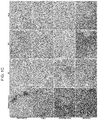
- C IHC of primary MRT, intermediate passage Xn (P7) and late passage Xn (P13) for ALDH1 reveals increased expression with Xn serial propagation.
- FIGS. 5A-D Functional validation of LOX inhibitor as a possible MRT therapeutic target
- A IHC staining of primary tumor, early (P2), intermediate (P7) and late (P14) MRT passages for LOX. The staining revealed a wide, increasing expression along Xn serial propagation. Scale bar, 100 ⁇ m
- B The effect of BAPN on Wilms' tumor (WT) Xn cells, a common pediatric solid tumor of the kidney that was serial propagated in mice. The results demonstrated no effect on WT cell proliferation, indicating a specific effect of LOX inhibition on MRT cells. **p ⁇ 0.01;
- C BAPN treatment induced morphological changes on MRT cells, including nuclear condensation and cell swallowing.
- FIG. 6 Establishment of the ATRT Xn model, scheme.
- Primary tumor grafts were formed by a subcutaneous transplantation of 2-5 mm tumor pieces into immunodeficient mice. Tumor take was observed in all mice allowing tumor propagation.
- Sequential propagation of ATRT Xn in NOD/SCID mice was performed by tissue samples transplantation or single cell suspensions grafting utilizing a fixed number of 1 ⁇ 10 6 cells. Serial propagation allowed us to establish low ( ⁇ P5), medium (P5-P10) and high-passage (P10-P15) ATRT Xn passages. Tissue fragments were also used for IHC staining, RNA, DNA and protein isolation. Adherent cells were also used for in vitro studies of the tumor's cells.
- FIGS. 7A-D Functional validation of LOX inhibitor as ATRT CIC/CSC therapeutic agent
- A Cell viability assay following treatment. An MTS analysis, examining cell viability, was performed on P2 Xn cells grown with different concentration of BAPN (10-1000f ⁇ M) for 48 h. The treatment resulted with significantly reduced proliferation (47% in comparison to UT cells) following treatment with 100 ⁇ M BAPN. **, p ⁇ 0.01.
- B BAPN treatment induced morphological changes on ATRT cells. Among the changes observed following treatment are: nuclear condensation and cell swallowing. Scale bar, 100 ⁇ m (top) and 50 ⁇ m (bottom).
- C BAPN treatment inhibits cell migration.
- FIGS. 8A-B are graphs of average days until tumor appeared as a function of xenograft passage.
- Serial Xn propagation correlated with shorter time to tumor engraftment in both Ewing sarcoma ( FIG. 8A ) and Wilms tumor ( FIG. 8B ), indicating changes in tumor behavior towards a more aggressive phenotype.
- FIG. 9 is a gene heat map revealing later passages of tumor xenograft as highly proliferative, presenting up-regulation of self renewal genes, with an invasive gene signature, predicting metastatic behavior.
- FIG. 10A Immunohistochemistry (IHC) of several Xn passage (P4, P8, P12 and P17) for NCAM1 reveals increased expression with Xn serial propagation. Scale bar, 200 ⁇ m;
- FIG. 10B qRT-PCR analysis revealed high NCAM1 expression in the primary tumor in comparison to adult lung control (right) and high NCAM1 expression in fetal lung in comparison to adult lung (left). Results are presented as the mean ⁇ S.E.M of three separated experiments. *, p ⁇ 0.05.
- FIG. 11A IHC of several Xn passage (P4, P8, P12 and P17) for CD44 reveals increased expression with Xn serial propagation. Scale bar, 200 ⁇ m;
- FIG. 11B Large magnification IHC of primary PPB for CD44 demonstrating that high CD44 expressing cells are scattered along the tumor. Scale bar, 200 ⁇ m.
- the present invention in some embodiments thereof, relates to methods of enriching and identifying cancer stem cells in primary tumors and optionally isolating therefrom. Markers which distinguish the cancer stem cells from the other cancer cells present in the primary tumor can then be identified in order to aid in diagnosis of the cancer. In addition, the markers may be targeted for the treatment of the cancer.
- Cancer stem cells represent malignant cell subsets in hierarchically organized tumors, which are selectively capable of tumor initiation and self-renewal and give rise to bulk populations of non-tumorigenic cancer cell progeny through differentiation.
- cancer stem cells might also represent a subpopulation within cancers that are characterized by increased resistance to chemo- and radiotherapy.
- cancer treatments that target CSC through specific markers could potentially increase the efficacy of current forms of therapy, by reducing the risk of relapse and dissemination.
- Identification of cancer stem cells is a complex task especially in view of the fact that they are typically expressed in very low numbers in the tumor cells.
- the present inventors combined long-term in vivo propagation of a human atypical teratoid/rhabdoid tumor (ATRT), a highly aggressive and lethal pediatric neoplasm, with limiting dilution xenotransplantation in immunodeficient mice to discover CSC phenotypes.
- ATRT human atypical teratoid/rhabdoid tumor
- the present inventors were able to generate ATRT using as few as 50 cells, 40-fold less compared to low-passage xenografts.
- the present inventors showed that sequential propagation of Ewing's sarcoma, Wilm's tumor and pleuropulmonary blastoma (PPB) generated xenografts (Xns) which correlated with shorter time to tumor engraftment and accelerated tumor growth indicating the promotion of tumor aggressiveness along passages. Accordingly, the present inventors deduce that identification of CSCs may be carried out on multiple cancers using the above described methods.
- Knowledge of the CSCs for a particular tumor aid in the development of new treatments. This may be effected on the personalized level (i.e. looking at CSCs in a tumor of a particular subject and treating accordingly) or on a more general level (development of therapeutics for particular cancers).
- a method of identifying cancer stem cell markers in a human primary tumor comprising:
- an increase in the amount of the antigen in the first population of tumor cells as compared to the amount of the antigen in the second population of tumor cells is indicative of a cancer stem cell marker in the human primary tumor.
- cancer stem cell refers to a cell which has the capacity to regenerate cancers using xenograft (Xn) mouse models.
- CSCs can reproduce themselves through the process of self-renewal, which can be studied in serial transplantation assays. Additionally, cancers derived from purified CSCs recapitulate the heterogeneous phenotypes of the parental cancer from which they were derived, reflecting the differentiation capacity of CSCs.
- tumor refers to a group of cells or tissue that is formed by misregulated cellular proliferation. Tumors may show partial or complete lack of structural organization and functional coordination with the normal tissue, and usually form a distinct mass of tissue, which may be either benign or malignant. In one embodiment, the term tumor refers to a malignant tumor. According to one embodiment, the term “tumor cells” also comprises cells of non-solid cancers such as leukemia cells. According to another embodiment, respective cells of non-solid cancers are not encompassed by the term “tumor cells”.
- the tumor is a solid tumor (e.g., pediatric) having an embryonic stem cell origin.
- solid tumors include, but are not limited to, sarcomas and carcinomas such as, but not limited to: fibrosarcoma, myxosarcoma, pleuropulmonary blastoma, liposarcoma, chondrosarcoma, osteogenic sarcoma, chordoma, angiosarcoma, endotheliosarcoma, lymphangiosarcoma, lymphangioendotheliosarcoma, synovioma, mesothelioma, Ewing's tumor, leiomyosarcoma, rhabdomyosarcoma, colon carcinoma, pancreatic cancer, breast cancer, ovarian cancer, prostate cancer, squamous cell carcinoma, basal cell carcinoma, adenocarcinoma, sweat gland carcinoma, sebaceous gland carcinoma, papillary carcinoma, papillary adenocarcinomas, cystadenocarcinoma, medullary carcinoma, bronchogenic carcinoma, renal cell carcinoma,
- pediatric solid tumors include but are not limited to: Wilms' tumor/Nephroblastoma, rhabdomyosarcoma, Ewing's family of tumors/primitive neuroectodermal tumor, Osteosarcoma, peripheral neuroectodermal tumors, Childhood Germ Cell Tumor, Extragonadal Germ Cell Tumor, Kidney Cancer, Liver Cancer, Neuroblastoma, Ovarian Cancer, Retinoblastoma, Sarcoma, more specifically, Osteosarcoma, Rhabdomyosarcoma, Desmoplastic small round-cell tumor, Hepatoblastoma, Germ cell tumors, neuroblastoma and Medulloblastoma.
- primary tumor refers to cells obtained from the anatomical site where tumor progression began and proceeded to yield a cancerous mass.
- the antigen may be any molecule which is present in a differential amount in the CSC when compared to cancer cells of the same tumor which do not have the capacity to regenerate cancers using xenograft (Xn) mouse models and which cannot reproduce themselves through the process of self-renewal.
- the CSC marker may be a polypeptide, a carbohydrate, a peptide, or an RNA molecule.
- the antigen may be situated on the surface of the cell or may be an intracellular molecule.
- the CSC marker is a polypeptide.
- the polypeptide may be a cell surface protein (i.e. membrane protein).
- the cell surface protein is a carbohydrate binding molecule (e.g. lectin).
- the protein is an intracellular protein (e.g. a soluble protein).
- the polypeptide may serve a function e.g. a transcription factor, a pathway related marker etc.
- in vivo passaging refers to the process which includes initial implantation of the primary tumor into an animal (e.g. a mouse), waiting a period of time until the secondary tumor develops, harvesting the tumor cells and implanting those tumor cells into a second animal (i.e. serial transplantations). Subsequent sequential passages can then be carried out.
- an animal e.g. a mouse
- serial transplantations i.e. serial transplantations
- the present invention contemplates passaging for at least one passage, at least two passages, at least three passages, at least four passages, at least five passages, at least six passages, at least seven passages, at least eight passages, at least nine passages and at least ten passages, at least eleven passages, at least twelve passages, at least thirteen passages, at least fourteen passages, at least fifteen passages, at least sixteen passages, at least seventeen passages, at least eighteen passages, at least nineteen passages, at least twenty passages.
- the passaging is for 5 or more passages, for example between 5-30 passages, or 5-20 passages.
- the passaging is for 10 or more passages, for example between 10-30 passages, or for 10-20 passages.
- the tumor cells (the first population of tumor cells and/or the second population of tumor cells) have not undergone in vitro passaging.
- the tumor cells have not undergone more than one round of in vitro passaging.
- animals which are used for the in vivo passaging include nematodes, fruit flies, zebrafish; preferably a laboratory mammal such as a mouse (nude mouse, SCID mouse, NOD/SCID mouse, Beige/SCID Mouse), rat, rabbit, or primate (e.g. humans) is used.
- a laboratory mammal such as a mouse (nude mouse, SCID mouse, NOD/SCID mouse, Beige/SCID Mouse), rat, rabbit, or primate (e.g. humans) is used.
- immunodeficient animals are used.
- humans are used for the in-vivo passaging.
- the same species of animal is used in each of the in vivo passages.
- immunodeficient mice are used for initial implantation, then immunodeficient mice are used for the subsequent passaging.
- any amount of primary tumor may be implanted so long as it initiates secondary tumor development in the second animal.
- the primary tumor is cut into pieces (e.g. 1-10 mm pieces).
- the cells of the primary tumor are not dissociated using an enzyme.
- the cells of the primary tumor are preferably not minced or ground.
- the cells of the primary tumor have not undergone a round of purification (e.g. immune-isolation, such as by flow cytometry using an antibody which specifically binds to NCAM) prior to the implanting.
- the cells of the xenografts in subsequent in vivo passages have preferably also not undergone a round of purification (e.g. immune-isolation, such as by flow cytometry, such as using an antibody which specifically binds to NCAM).
- the tumor may be implanted in any way in the animal so long as it initiates tumor development. According to one embodiment, the tumor is implanted subcutaneously.
- tumors are harvested approximately 1-3 months post implantation or when they reached a size of 1-3 cm e.g. 1.5 cm diameter.
- Subsequent xenograft propagation may be effected by implanting single cell suspensions of the xenograft or pieces of the xenograft tissue.
- the number of dissociated cells will depend on the animal used in the in vivo passaging and the aggressiveness of the tumor. Typically about 0.5-3 ⁇ 10 6 dissociated cells from freshly retrieved Xn tissue are used.
- Pieces of xenograft tissue are typically between 1-10 mm, more preferably between 2-5 mm.
- Single cells suspensions may be obtained by mincing, grinding or dispersing in the appropriate medium (preferably also containing antibiotics), followed by treatment with a protease enzyme such as collagenase. Enzymatically treated tissue may then be triturated in an appropriate medium.
- the second population of tumor cells are non-passaged cells of the human primary tumor.
- the second population of tumor cells have undergone one round of passaging.
- the second population of tumor cells have undergone two rounds of passaging.
- the second population of tumor cells have undergone three rounds of passaging.
- the second population of tumor cells have undergone four rounds of passaging.
- the second population of tumor cells have not undergone more than five rounds of passaging.
- the first population of tumor cells have at least undergone one round of in vivo passaging. According to another embodiment, the first population of tumor cells have undergone at least two rounds of in vivo passaging. According to another embodiment, the first population of tumor cells have undergone at least three rounds of in vivo passaging. According to another embodiment, the first population of tumor cells have undergone at least four rounds of in vivo passaging. According to another embodiment, the first population of tumor cells have undergone at least five rounds of in vivo passaging. According to another embodiment, the first population of tumor cells have undergone at least six rounds of in vivo passaging. According to another embodiment, the first population of tumor cells have undergone at least seven rounds of in vivo passaging.
- the first population of tumor cells have undergone at least eight rounds of in vivo passaging. According to another embodiment, the first population of tumor cells have undergone at least nine rounds of in vivo passaging. According to another embodiment, the first population of tumor cells have undergone at least ten rounds of in vivo passaging. According to another embodiment, the first population of tumor cells have undergone at least fifteen rounds of in vivo passaging. According to another embodiment, the first population of tumor cells have undergone at least twenty rounds of in vivo passaging.
- the first population of tumor cells have undergone sufficient in vivo passaging such that the frequency of initiating a later generation xenograft using 5000 cells of said first population of passaged cells is increased by at least 5 fold as compared to non-passaged cells of the human primary tumor.
- xenograft refers to the surgical transplant or graft of tissue or organs from an individual of one species, genus or family into an individual of another species, genus, or family.
- the frequency of initiating a later generation xenograft is determined in at least 2 animals, e.g. 3 animals, 5 animals or more preferably even 10 animals such that a statistically significant number is attained.
- the first population of tumor cells should undergo sufficient in vivo passaging such that a later generation xenograft is initiated in at least 5 out of 10 mice using the same number of tumor cells.
- the tumor cells which are used to initiate the later generation xenograft are in a single cell suspension.
- xenograft testing whether a later generation xenograft has been initiated is within the expertise of a person skilled in the art. Exemplary methods which may be used to determine whether a xenograft has initiated include gross tumor palpation, calipers, ultrasound-guided imaging, etc.
- the first population of tumor cells have undergone sufficient in vivo passaging such that the frequency of initiating a later generation xenograft using 5000 cells of said first population of passaged cells is increased by at least 10 fold as compared to non-passaged cells of the human primary tumor.
- the first population of tumor cells have undergone sufficient in vivo passaging such that the frequency of initiating a later generation xenograft using 5000 cells of said first population of passaged cells is increased by at least 20 fold as compared to non-passaged cells of the human primary tumor.
- the first population of tumor cells have undergone sufficient in vivo passaging such that the frequency of initiating a later generation xenograft using 1000 cells of said first population of passaged cells is increased by at least 5 fold as compared to non-passaged cells of the human primary tumor.
- the first population of tumor cells have undergone sufficient in vivo passaging such that the frequency of initiating a later generation xenograft using 1000 cells of said first population of passaged cells is increased by at least 10 fold as compared to non-passaged cells of the human primary tumor.
- the first population of tumor cells have undergone sufficient in vivo passaging such that the frequency of initiating a later generation xenograft using 1000 cells of said first population of passaged cells is increased by at least 20 fold as compared to non-passaged cells of the human primary tumor.
- the first population of tumor cells have undergone sufficient in vivo passaging such that the frequency of initiating a later generation xenograft using 500 cells of said first population of passaged cells is increased by at least 5 fold as compared to non-passaged cells of the human primary tumor.
- the first population of tumor cells have undergone sufficient in vivo passaging such that the frequency of initiating a later generation xenograft using 500 cells of said first population of passaged cells is increased by at least 10 fold as compared to non-passaged cells of the human primary tumor.
- the first population of tumor cells have undergone sufficient in vivo passaging such that the frequency of initiating a later generation xenograft using 500 cells of said first population of passaged cells is increased by at least 20 fold as compared to non-passaged cells of the human primary tumor.
- the first population of tumor cells have undergone sufficient in vivo passaging such that the frequency of initiating a later generation xenograft using 100 cells of said first population of passaged cells is increased by at least 5 fold as compared to non-passaged cells of the human primary tumor.
- the first population of tumor cells have undergone sufficient in vivo passaging such that the frequency of initiating a later generation xenograft using 100 cells of said first population of passaged cells is increased by at least 10 fold as compared to non-passaged cells of the human primary tumor.
- the first population of tumor cells have undergone sufficient in vivo passaging such that the frequency of initiating a later generation xenograft using 100 cells of said first population of passaged cells is increased by at least 20 fold as compared to non-passaged cells of the human primary tumor.
- the first population of tumor cells have undergone sufficient in vivo passaging such that the frequency of initiating a later generation xenograft using 50 cells of said first population of passaged cells is increased by at least 5 fold as compared to non-passaged cells of the human primary tumor.
- the first population of tumor cells have undergone sufficient in vivo passaging such that the frequency of initiating a later generation xenograft using 50 cells of said first population of passaged cells is increased by at least 10 fold as compared to non-passaged cells of the human primary tumor.
- the first population of tumor cells have undergone sufficient in vivo passaging such that the frequency of initiating a later generation xenograft using 50 cells of said first population of passaged cells is increased by at least 20 fold as compared to non-passaged cells of the human primary tumor.
- the first population of tumor cells have undergone one more round of passaging than the second population of tumor cells.
- the first population of tumor cells have undergone two more rounds of passaging than the second population of tumor cells.
- the first population of tumor cells have undergone three more rounds of passaging than the second population of tumor cells.
- the first population of tumor cells have undergone four more rounds of passaging than the second population of tumor cells.
- the first population of tumor cells have undergone five more rounds of passaging than the second population of tumor cells.
- the first population of tumor cells have undergone six more rounds of passaging than the second population of tumor cells.
- the first population of tumor cells have undergone seven more rounds of passaging than the second population of tumor cells. According to another embodiment, the first population of tumor cells have undergone eight more rounds of passaging than the second population of tumor cells. According to another embodiment, the first population of tumor cells have undergone nine more rounds of passaging than the second population of tumor cells. According to another embodiment, the first population of tumor cells have undergone ten more rounds of passaging than the second population of tumor cells. According to another embodiment, the first population of tumor cells have undergone more than ten more rounds of passaging than the second population of tumor cells.
- the first population of tumor cells has been passaged such that there is an apparent tumor aggressiveness phenotype which is not significantly increased for at least two consecutive passages.
- the rate of increase of a tumor aggressiveness phenotype is high. Over subsequent passaging, the rate of increase of a tumor aggressiveness phenotype slows down until at a particular passage, a plateau is reached. At this point the level of the tumor aggressiveness phenotype remains constant or may even be reduced over subsequent passages.
- the present inventors contemplate passaging the tumor for a number of passages such that the tumor aggressiveness phenotype reaches a plateau.
- the change in tumor aggressiveness phenotype at the plateau is preferably no greater than 10%, 9%, 8%, 7%, 6%, 5%, 4%, 3%, 2%, or even 1%.
- tumor aggressiveness phenotypes which may be measured according to this aspect of the present invention include, but are not limited to: a level of a cancer cell marker, a gene expression profile, a level of invasiveness, an ability to metastasize, a level of metastasis, a time for xenograft to take (i.e. a time for a xenograft to generate a tumor of a particular size in an animal model), a number of cells required for generation of xenograft of a particular size in an animal model).
- Additional tumor aggressiveness phenotypes which may be measured include chromosomal stability, kinase activity, cell adhesion, apoptosis, cancer cell growth, cyclin production, cell proliferation, cancer cell growth, measuring clonogenicity (soft agar assays), measuring anchorage-independent growth, measuring cell cycle regulation, measuring cancer cell motility, measuring angiogenesis, and measuring cell death, among others.
- the measurements may be effected in vivo (i.e. in animal models) or in vitro (e.g. in cell cultures).
- Cell proliferation assays include, without limitation, MTT assays (for example, the Vybrant® MTT Cell Proliferation Assay Kit (Invitrogen)); BrdU incorporation assays (for example, the Absolute-S SBIP assay (Invitrogen)); measuring intracellular ATP levels (commercial versions of the assay include ATPLiteTM-M, 1,000 Assay Kit (PerkinElmer) and ATP Cell Viability Assay Kit (BioVision)); DiOc18 assay, a membrane permeable dye (Invitrogen); Glucose-6-phosphate dehydrogenase activity assay (for example, the Vibrant cytotoxicity assay (Invitrogen)); measuring cellular LDH activity; and 3 H-thymidine incorporation and the Cell Titer Glo Assay (Promega).
- MTT assays for example, the Vybrant® MTT Cell Proliferation Assay Kit (Invitrogen)
- BrdU incorporation assays for example, the Absolute-S SBIP as
- Cell-cycle progression can be assayed by bromodeoxyuridine (BRDU) incorporation.
- BRDU bromodeoxyuridine
- Such assays identify a cell population undergoing DNA synthesis by incorporation of BRDU into newly synthesized DNA. Newly-synthesized DNA may then be detected using an anti-BRDU antibody (Hoshino et al., 1986, int. J. Cancer 38, 369; Campana et al., 1988, J. Immunol. Meth. 107, 79), or by other means.
- Cell proliferation can also be assayed by phospho-histone H3 staining, which identifies a cell population undergoing mitosis by phosphorylation of histone H3.
- Phosphorylation of histone H3 at serine 10 is detected using an antibody specific to the phosphorylated form of the serine 10 residue of histone H3.
- Cell proliferation can also be examined using 3H -thymidine incorporation (Chen, J., 1996, Oncogene 13:1395-403; Jeoung, J., 1995, J. Biol. Chem. 270:18367-73).
- This assay allows for quantitative characterization of S-phase DNA synthesis. In this assay, cells synthesizing DNA will incorporate 3H -thymidine into newly synthesized DNA.
- Incorporation can then be measured by standard techniques such as by counting of radioisotope in a scintillation counter (e.g., Beckman L S 3800 Liquid Scintillation Counter).
- a scintillation counter e.g., Beckman L S 3800 Liquid Scintillation Counter.
- Another proliferation assay uses the dye Alamar Blue (available from Biosource International), which fluoresces when reduced in living cells and provides an indirect measurement of cell number (Voytik-Harbin S L at al., 1998, In Vitro Cell Dev Biol Anim 34:239-46).
- MTS assay is based on in vitro cytotoxicity assessment of industrial chemicals, and uses the soluble tetrazolium salt, MTS.
- MTS assays are commercially available and include the Promega CellTiter 96TM AQueous Non-Radioactive Cell Proliferation Assay (Cat #G5421). Cell proliferation can also be assayed by colony formation in soft agar (Sambrook at al., Molecular Cloning, Cold Spring Harbor (1989)). Cell proliferation may also be assayed by measuring ATP levels as indicator of metabolically active cells. Such assays are commercially available and include Cell Titer-GloTM ((Promega). Cell cycle proliferation can also be assayed by flow cytometry (Gray J W at al. (1986) Int J Radiat Biol Relat Stud Phys Chem Med 49:237-55). Cells may be stained with propidium iodide and evaluated in a flow cytometer to measure accumulation of cells at different stages of the cell cycle.
- a tumor aggressiveness phenotype which may be measured is an ability to cross a barrier.
- the tumor cells are prevented from crossing a barrier.
- the barrier for the tumor cells may be an artificial barrier in vitro or a natural barrier in vivo.
- In vitro barriers include but are not limited to extracellular matrix coated membranes, such as Matrigel.
- the tumor cells can then be tested for their ability to inhibit tumor cell invasion in a Matrigel invasion assay system as described in detail by Parish, C. R., et al., “A basement-Membrane Permeability Assay which Correlates with the Metastatic Potential of Tumour Cells,” Int. J. Cancer (1992) 52:378-383.
- Matrigel is a reconstituted basement membrane containing type IV collagen, laminin, heparan sulfate proteoglycans such as perlecan, which bind to and localize bFGF, vitronectin as well as transforming growth factor-.beta. (TGF-.beta.), urokinase-type plasminogen activator (uPA), tissue plasminogen activator (tPA), and the serpin known as plasminogen activator inhibitor type 1 (PAI-1).
- TGF-.beta. transforming growth factor-.beta.
- uPA urokinase-type plasminogen activator
- tPA tissue plasminogen activator
- PAI-1 plasminogen activator inhibitor type 1
- Growth characteristics of the tumor may also serve as a tumor aggressiveness phenotype (e.g., population doubling capability, doubling time, passages to senescence), Gene expression profiling (e.g., gene chip arrays; polymerase chain reaction (for example, reverse transcriptase PCR, real time PCR, and conventional PCR)) may also be used to analyze a tumor aggressiveness phenotype.
- a tumor aggressiveness phenotype e.g., population doubling capability, doubling time, passages to senescence
- Gene expression profiling e.g., gene chip arrays; polymerase chain reaction (for example, reverse transcriptase PCR, real time PCR, and conventional PCR)
- polymerase chain reaction for example, reverse transcriptase PCR, real time PCR, and conventional PCR
- proliferation markers e.g. K167, E2F2, and CDK1
- self renewal polycomb genes e.g. BMI1, TOP2A, and EZH2
- metastasis signature genes e.g. SPARC, CXCR4 and LTBP1
- performing the method according to this aspect of the present invention allows for enrichment of cancer stem cells in the first population of cancer cells with respect to the second population of cancer cells.
- the present invention contemplates an enrichment level of cancer stem cells by as more than 2 fold, 3, fold, 4 fold, 5 fold, 6 fold, 7 fold, 8 fold, 9 fold, 10 fold, 15 fold, 20 fold, 30 fold, 40 fold, 50 fold or even 100 fold.
- the number of cancer stem cells in the second population of tumor cells may be less than 1 in 1000 cells of the tumor, less than 1 in 2000 cells of the tumor, less than 1 in 3000 cells of the tumor, less than 1 in 4000 cells of the tumor, less than 1 in 5000 cells of the tumor, less than 1 in 6000 cells of the tumor, less than 1 in 7000 cells of the tumor, less than 1 in 8000 cells of the tumor, less than 1 in 9000 cells of the tumor, less than 1 in 10,000 cells of the tumor.
- the number of cancer stem cells in the first population of tumor cells is typically greater than 1 in 1000 cells of the tumor, 1 in 900 cells of the tumor, 1 in 800 cells of the tumor, 1 in 700 cells of the tumor, 1 in 600 cells of the tumor, 1 in 500 cells of the tumor, 1 in 400 cells of the tumor, 1 in 300 cells of the tumor, 1 in 200 cells of the tumor, 1 in 100 cells of the tumor or even 1 in 10 cells of the tumor.
- the ratio of cancer stem cells: non cancer stem cells (i.e. the frequency of cancer stem cells) in the first population of tumor cells is such that it is possible to detect markers by gene expression analysis with an acceptable signal: noise ratio.
- the increase in the amount of the antigen may be due to an increase in the amount of antigen per cell (e.g. expression level of a polypeptide per cell) and/or may be due to an increase in the frequency of cells which comprise the antigen (e.g. the number of cells that express the polypeptide).
- the overall increase in the amount of the antigen in the first population of tumor cells as compared to the amount of the antigen in the second population of tumor cells is typically at least 2 fold, at least 3 fold, at least 4 fold or even at least 5 fold.
- the increase in the frequency of cells which comprise the antigen may be a 2 fold increase, a 3 fold increase, 4 fold increase, 5 fold increase, 6 fold increase, 7 fold increase, 8 fold increase, 9 fold increase, 10 fold increase, 20 fold increase, 30 fold increase, 40 fold increase, 50 fold increase, 60 fold increase, 70 fold increase, 80 fold increase, 90 fold increase, 100 fold increase or greater.
- Methods of analyzing for the expression of a protein are provided herein below. It will be appreciated that the method may be performed on the RNA level or the protein level.
- RNA expression level of the RNA in the cells of some embodiments of the invention can be determined using methods known in the arts.
- Northern Blot analysis This method involves the detection of a particular RNA in a mixture of RNAs.
- An RNA sample is denatured by treatment with an agent (e.g., formaldehyde) that prevents hydrogen bonding between base pairs, ensuring that all the RNA molecules have an unfolded, linear conformation.
- the individual RNA molecules are then separated according to size by gel electrophoresis and transferred to a nitrocellulose or a nylon-based membrane to which the denatured RNAs adhere.
- the membrane is then exposed to labeled DNA probes.
- Probes may be labeled using radio-isotopes or enzyme linked nucleotides. Detection may be using autoradiography, colorimetric reaction or chemiluminescence. This method allows both quantitation of an amount of particular RNA molecules and determination of its identity by a relative position on the membrane which is indicative of a migration distance in the gel during electrophoresis.
- RNA molecules are purified from the cells and converted into complementary DNA (cDNA) using a reverse transcriptase enzyme (such as an MMLV-RT) and primers such as, oligo dT, random hexamers or gene specific primers. Then by applying gene specific primers and Taq DNA polymerase, a PCR amplification reaction is carried out in a PCR machine.
- a reverse transcriptase enzyme such as an MMLV-RT
- primers such as, oligo dT, random hexamers or gene specific primers.
- a PCR amplification reaction is carried out in a PCR machine.
- Those of skills in the art are capable of selecting the length and sequence of the gene specific primers and the PCR conditions (i.e., annealing temperatures, number of cycles and the like) which are suitable for detecting specific RNA molecules. It will be appreciated that a semi-quantitative RT-PCR reaction can be employed by adjusting the number of PCR cycles and comparing the amplification
- RNA in situ hybridization stain DNA or RNA probes are attached to the RNA molecules present in the cells.
- the cells are first fixed to microscopic slides to preserve the cellular structure and to prevent the RNA molecules from being degraded and then are subjected to hybridization buffer containing the labeled probe.
- the hybridization buffer includes reagents such as formamide and salts (e.g., sodium chloride and sodium citrate) which enable specific hybridization of the DNA or RNA probes with their target mRNA molecules in situ while avoiding non-specific binding of probe.
- formamide and salts e.g., sodium chloride and sodium citrate
- any unbound probe is washed off and the bound probe is detected using known methods.
- a radio-labeled probe is used, then the slide is subjected to a photographic emulsion which reveals signals generated using radio-labeled probes; if the probe was labeled with an enzyme then the enzyme-specific substrate is added for the formation of a colorimetric reaction; if the probe is labeled using a fluorescent label, then the bound probe is revealed using a fluorescent microscope; if the probe is labeled using a tag (e.g., digoxigenin, biotin, and the like) then the bound probe can be detected following interaction with a tag-specific antibody which can be detected using known methods.
- a tag e.g., digoxigenin, biotin, and the like
- DNA microarrays/DNA chips The expression of thousands of genes may be analyzed simultaneously using DNA microarrays, allowing analysis of the complete transcriptional program of an organism during specific developmental processes or physiological responses.
- DNA microarrays consist of thousands of individual gene sequences attached to closely packed areas on the surface of a support such as a glass microscope slide.
- Various methods have been developed for preparing DNA microarrays. In one method, an approximately 1 kilobase segment of the coding region of each gene for analysis is individually PCR amplified. A robotic apparatus is employed to apply each amplified DNA sample to closely spaced zones on the surface of a glass microscope slide, which is subsequently processed by thermal and chemical treatment to bind the DNA sequences to the surface of the support and denature them.
- such arrays are about 2 ⁇ 2 cm and contain about individual nucleic acids 6000 spots.
- multiple DNA oligonucleotides usually 20 nucleotides in length, are synthesized from an initial nucleotide that is covalently bound to the surface of a support, such that tens of thousands of identical oligonucleotides are synthesized in a small square zone on the surface of the support.
- Multiple oligonucleotide sequences from a single gene are synthesized in neighboring regions of the slide for analysis of expression of that gene. Hence, thousands of genes can be represented on one glass slide.
- Such arrays of synthetic oligonucleotides may be referred to in the art as “DNA chips”, as opposed to “DNA microarrays”, as described above [Lodish et al. (eds.). Chapter 7.8: DNA Microarrays: Analyzing Genome-Wide Expression. In: Molecular Cell Biology, 4th ed., W. H. Freeman, New York. (2000)].
- Oligonucleotide microarray In this method oligonucleotide probes capable of specifically hybridizing with the polynucleotides of some embodiments of the invention are attached to a solid surface (e.g., a glass wafer). Each oligonucleotide probe is of approximately 20-25 nucleic acids in length.
- a specific cell sample e.g., blood cells
- RNA is extracted from the cell sample using methods known in the art (using e.g., a TRIZOL solution, Gibco BRL, USA).
- Hybridization can take place using either labeled oligonucleotide probes (e.g., 5′-biotinylated probes) or labeled fragments of complementary DNA (cDNA) or RNA (cRNA).
- labeled oligonucleotide probes e.g., 5′-biotinylated probes
- cDNA complementary DNA
- cRNA RNA
- double stranded cDNA is prepared from the RNA using reverse transcriptase (RT) (e.g., Superscript II RT), DNA ligase and DNA polymerase I, all according to manufacturer's instructions (Invitrogen Life Technologies, Frederick, Md., USA).
- RT reverse transcriptase
- DNA ligase DNA polymerase I
- the double stranded cDNA is subjected to an in vitro transcription reaction in the presence of biotinylated nucleotides using e.g., the BioArray High Yield RNA Transcript Labeling Kit (Enzo, Diagnostics, Affymetix Santa Clara, Calif.).
- the labeled cRNA can be fragmented by incubating the RNA in 40 mM Tris Acetate (pH 8.1), 100 mM potassium acetate and 30 mM magnesium acetate for 35 minutes at 94° C.
- the microarray is washed and the hybridization signal is scanned using a confocal laser fluorescence scanner which measures fluorescence intensity emitted by the labeled cRNA bound to the probe arrays.
- each gene on the array is represented by a series of different oligonucleotide probes, of which, each probe pair consists of a perfect match oligonucleotide and a mismatch oligonucleotide. While the perfect match probe has a sequence exactly complimentary to the particular gene, thus enabling the measurement of the level of expression of the particular gene, the mismatch probe differs from the perfect match probe by a single base substitution at the center base position.
- the hybridization signal is scanned using the Agilent scanner, and the Microarray Suite software subtracts the non-specific signal resulting from the mismatch probe from the signal resulting from the perfect match probe.
- Expression and/or activity level of proteins expressed in the cells of the cultures of some embodiments of the invention can be determined using methods known in the arts.
- Enzyme linked immunosorbent assay This method involves fixation of a sample (e.g., fixed cells or a proteinaceous solution) containing a protein substrate to a surface such as a well of a microtiter plate. A substrate specific antibody coupled to an enzyme is applied and allowed to bind to the substrate. Presence of the antibody is then detected and quantitated by a colorimetric reaction employing the enzyme coupled to the antibody. Enzymes commonly employed in this method include horseradish peroxidase and alkaline phosphatase. If well calibrated and within the linear range of response, the amount of substrate present in the sample is proportional to the amount of color produced. A substrate standard is generally employed to improve quantitative accuracy.
- Western blot This method involves separation of a substrate from other protein by means of an acrylamide gel followed by transfer of the substrate to a membrane (e.g., nylon or PVDF). Presence of the substrate is then detected by antibodies specific to the substrate, which are in turn detected by antibody binding reagents.
- Antibody binding reagents may be, for example, protein A, or other antibodies. Antibody binding reagents may be radiolabeled or enzyme linked as described hereinabove. Detection may be by autoradiography, colorimetric reaction or chemiluminescence. This method allows both quantitation of an amount of substrate and determination of its identity by a relative position on the membrane which is indicative of a migration distance in the acrylamide gel during electrophoresis.
- Radio-immunoassay In one version, this method involves precipitation of the desired protein (i.e., the substrate) with a specific antibody and radiolabeled antibody binding protein (e.g., protein A labeled with I 125 ) immobilized on a precipitable carrier such as agarose beads. The number of counts in the precipitated pellet is proportional to the amount of substrate.
- a specific antibody and radiolabeled antibody binding protein e.g., protein A labeled with I 125
- a labeled substrate and an unlabelled antibody binding protein are employed.
- a sample containing an unknown amount of substrate is added in varying amounts.
- the decrease in precipitated counts from the labeled substrate is proportional to the amount of substrate in the added sample.
- Fluorescence activated cell sorting This method involves detection of a substrate in situ in cells by substrate specific antibodies.
- the substrate specific antibodies are linked to fluorophores. Detection is by means of a cell sorting machine which reads the wavelength of light emitted from each cell as it passes through a light beam. This method may employ two or more antibodies simultaneously.
- Immunohistochemical analysis This method involves detection of a substrate in situ in fixed cells by substrate specific antibodies.
- the substrate specific antibodies may be enzyme linked or linked to fluorophores. Detection is by microscopy and subjective or automatic evaluation. If enzyme linked antibodies are employed, a colorimetric reaction may be required. It will be appreciated that immunohistochemistry is often followed by counterstaining of the cell nuclei using for example Hematoxyline or Giemsa stain.
- In situ activity assay According to this method, a chromogenic substrate is applied on the cells containing an active enzyme and the enzyme catalyzes a reaction in which the substrate is decomposed to produce a chromogenic product visible by a light or a fluorescent microscope.
- In vitro activity assays In these methods the activity of a particular enzyme is measured in a protein mixture extracted from the cells. The activity can be measured in a spectrophotometer well using colorimetric methods or can be measured in a non-denaturing acrylamide gel (i.e., activity gel). Following electrophoresis the gel is soaked in a solution containing a substrate and colorimetric reagents. The resulting stained band corresponds to the enzymatic activity of the protein of interest. If well calibrated and within the linear range of response, the amount of enzyme present in the sample is proportional to the amount of color produced. An enzyme standard is generally employed to improve quantitative accuracy.
- Contemplated methods include centrifugation based methods, elutriation, density gradient separation, apheresis, affinity selection, panning, immunological-based systems such as fluorescence activated cell sorting (FACS); immunoaffinity exchange; non-optical cell sorting methods including magnetic cell sorting using antibody-coated magnetic particles that bind to a specific cell type to separate desired cells.
- FACS fluorescence activated cell sorting
- non-optical cell sorting methods including magnetic cell sorting using antibody-coated magnetic particles that bind to a specific cell type to separate desired cells.
- the present inventors contemplate targeting the CSC markers for the purpose of treatment.
- the present inventors propose analyzing for the presence and/or level of the markers for the purpose of diagnosis, determining an optimal treatment, monitoring treatment efficacy and/or staging.
- a method of diagnosing a cancer in a subject comprising analyzing for the presence of an antigen in a tumor of the subject, wherein the presence of the antigen is indicative of cancer, wherein the ratio of the amount of the antigen in in-vivo passaged cells of the tumor: primary cells of the tumor is above a predetermined level.
- diagnosis refers to categorizing a subject as having a cancer and includes classifying a cancer, determining a severity of cancer (grade or stage), monitoring cancer progression, forecasting an outcome of the cancer and/or prospects of recovery.
- the methods of the invention are particularly useful in detecting the early stages of cancer in outwardly healthy individuals.
- the subject may be a healthy animal or human subject undergoing a routine well-being check up.
- the subject may be at risk of having cancer (e.g., a genetically predisposed subject, a subject with medical and/or family history of cancer, a subject who has been exposed to carcinogens, occupational hazard, environmental hazard] and/or a subject who exhibits suspicious clinical signs of cancer [e.g., blood in the stool or melena, unexplained pain, sweating, unexplained fever, unexplained loss of weight up to anorexia, changes in bowel habits (constipation and/or diarrhea), tenesmus (sense of incomplete defecation, for rectal cancer specifically), anemia and/or general weakness).
- cancer e.g., a genetically predisposed subject, a subject with medical and/or family history of cancer, a subject who has been exposed to carcinogens, occupational hazard, environmental hazard
- a subject who exhibits suspicious clinical signs of cancer
- the amount of the CSC will depend on the type of cancer and the stage. In some embodiments, the level of the CSC marker is indicative of the cancer. In other embodiments, the presence of the CSC marker (irrespective of its level) is indicative of the cancer.
- the expression ratio of the antigen in in-vivo passaged cells of the tumor: primary cells of the tumor is at least greater than 2:1, 3:1, 4:1, 5:1, 6:1, 7:1, 8:1, 9:1, 10:1, 20:1, 50:1 or even 100:1.
- the in-vivo passaged cells of the tumor have preferably been passaged for at least one passage, at least two passages, at least three passages, at least four passages, at least five passages, at least six passages, at least seven passages, at least eight passages, at least nine passages and at least ten passages, at least eleven passages, at least twelve passages, at least thirteen passages, at least fourteen passages, at least fifteen passages, at least sixteen passages, at least seventeen passages, at least eighteen passages, at least nineteen passages, at least twenty passages.
- the analysis is effected using an antibody which recognizes the CSC marker.
- detectable or reporter moieties may be conjugated to the antibody. These include, but not are limited to, a radioactive isotope (such as [125] iodine), a phosphorescent chemical, a chemiluminescent chemical, a fluorescent chemical (fluorophore), an enzyme, a fluorescent polypeptide, an affinity tag, and molecules (contrast agents) detectable by Positron Emission Tomagraphy (PET) or Magnetic Resonance Imaging (MRI).
- fluorophores examples include, but are not limited to, phycoerythrin (PE), fluorescein isothiocyanate (FITC), Cy-chrome, rhodamine, green fluorescent protein (GFP), blue fluorescent protein (BFP), Texas red, PE-Cy5, and the like.
- PE phycoerythrin
- FITC fluorescein isothiocyanate
- Cy-chrome Cy-chrome
- rhodamine green fluorescent protein
- GFP green fluorescent protein
- BFP blue fluorescent protein
- Texas red PE-Cy5, and the like.
- fluorophore selection methods of linking fluorophores to various types of molecules see Richard P. Haugland, “Molecular Probes: Handbook of Fluorescent Probes and Research Chemicals 1992-1994”, 5th ed., Molecular Probes, Inc. (1994); U.S. Pat. No. 6,037,137 to Oncoimmunin Inc.; Hermanson, “Bioconjugate Techniques”, Academic Press New York, N
- Fluorescence detection methods which can be used to detect the antibody when conjugated to a fluorescent detectable moiety include, for example, fluorescence activated flow cytometry (FACS), immunofluorescence confocal microscopy, fluorescence in-situ hybridization (FISH) and fluorescence resonance energy transfer (FRET).
- FACS fluorescence activated flow cytometry
- FISH fluorescence in-situ hybridization
- FRET fluorescence resonance energy transfer
- enzymes may be attached to the antibody [e.g., horseradish peroxidase (HPR), beta-galactosidase, and alkaline phosphatase (AP)] and detection of enzyme-conjugated antibodies can be performed using ELISA (e.g., in solution), enzyme-linked immunohistochemical assay (e.g., in a fixed tissue), enzyme-linked chemiluminescence assay (e.g., in an electrophoretically separated protein mixture) or other methods known in the art [see e.g., Khatkhatay M I. and Desai M., 1999. J Immunoassay 20:151-83; wisdom G B., 1994. Methods Mol Biol.
- HPR horseradish peroxidase
- AP alkaline phosphatase
- Exemplary identifiable moieties include, but are not limited to green fluorescent protein, alkaline phosphatase, peroxidase, histidine tag, biotin, orange fluorescent protein and strepavidin.
- the identification of CSCs has a variety of applications pertaining to individually optimizing a treatment for cancer, monitoring an-anti cancer treatment in a subject, determining an anti cancer treatment for a subject and identifying an agent capable of treating the cancer.
- a method of monitoring a cancer treatment in a subject comprising analyzing an amount of an antigen in a primary tumor of the subject following administration of the cancer treatment, wherein a decrease in the level of the antigen as compared to the level of the antigen prior to administration of the cancer treatment is indicative of a therapeutic treatment, wherein the amount of the antigen in in-vivo passaged cells of the tumor: amount of the antigen in primary cells of the tumor is above a predetermined level.
- the cancer treatment which is analyzed according to this aspect of the present invention may be an agent or a condition, as further described herein below.
- agent refers to a test composition comprising a biological agent or a chemical agent.
- biological agents examples include, but are not limited to, nucleic acids, e.g., polynucleotides, ribozymes, siRNA and antisense molecules (including without limitation RNA, DNA, RNA/DNA hybrids, peptide nucleic acids, and polynucleotide analogs having altered backbone and/or bass structures or other chemical modifications); proteins, polypeptides (e.g. peptides), carbohydrates, lipids and “small molecule” drug candidates.
- nucleic acids e.g., polynucleotides, ribozymes, siRNA and antisense molecules (including without limitation RNA, DNA, RNA/DNA hybrids, peptide nucleic acids, and polynucleotide analogs having altered backbone and/or bass structures or other chemical modifications)
- proteins polypeptides (e.g. peptides)
- carbohydrates e.g. lipids and “small molecule” drug candidates.
- lipids lipids and “small molecule” drug
- Small molecules can be, for example, naturally occurring compounds (e.g., compounds derived from plant extracts, microbial broths, and the like) or synthetic organic or organometallic compounds having molecular weights of less than about 10,000 daltons, preferably less than about 5,000 daltons, and most preferably less than about 1,500 daltons.
- conditions that may be tested as potential anti cancer agents according to the method of the present invention include, but are not limited to, radiation exposure (such as, gamma radiation, UV radiation, X-radiation).
- the “CSC marker” is also assayed prior to contact with the cancer treatment so that a comparison may be made prior to and following treatment.
- the agent is subjected to the cancer cells for a period long enough to have an anti cancer effect.
- identification of cancer stem cell markers also allows for the treatment of cancers which express such markers.
- treating includes abrogating, substantially inhibiting, slowing or reversing the progression of a condition, substantially ameliorating clinical or aesthetical symptoms of a condition or substantially preventing the appearance of clinical or aesthetical symptoms of a condition.
- the cancer stem cell marker is a cell surface antigen
- the present inventors contemplate targeting therapeutic moieties to those cells using molecules (e.g. antibodies) which are capable of binding to the markers.
- the therapeutic moiety can be, for example, a cytotoxic moiety, a toxic moiety, a cytokine moiety and a second antibody moiety comprising a different specificity to the antibodies of the invention.
- the antibody specifically binds at least one epitope of the CSC marker.
- epitope refers to any antigenic determinant on an antigen to which the paratope of an antibody binds.
- Epitopic determinants usually consist of chemically active surface groupings of molecules such as amino acids or carbohydrate side chains and usually have specific three dimensional structural characteristics, as well as specific charge characteristics.
- antibody as used in this invention includes intact molecules as well as functional fragments thereof, such as Fab, F(ab′)2, and Fv that are capable of binding to macrophages.
- These functional antibody fragments are defined as follows: (1) Fab, the fragment which contains a monovalent antigen-binding fragment of an antibody molecule, can be produced by digestion of whole antibody with the enzyme papain to yield an intact light chain and a portion of one heavy chain; (2) Fab′, the fragment of an antibody molecule that can be obtained by treating whole antibody with pepsin, followed by reduction, to yield an intact light chain and a portion of the heavy chain; two Fab′ fragments are obtained per antibody molecule; (3) (Fab′)2, the fragment of the antibody that can be obtained by treating whole antibody with the enzyme pepsin without subsequent reduction; F(ab′)2 is a dimer of two Fab′ fragments held together by two disulfide bonds; (4) Fv, defined as a genetically engineered fragment containing the variable region of the light chain and the variable region of
- Non-limiting examples of therapeutic moieties which can be conjugated to the antibody of the invention are provided in Table 1, hereinbelow.
- a therapeutic moiety may also be attached to the antibody of the invention using standard chemical synthesis techniques widely practiced in the art [see e.g., hypertexttransferprotocol://worldwideweb (dot) chemistry (dot) org/portal/Chemistry)], such as using any suitable chemical linkage, direct or indirect, as via a peptide bond (when the functional moiety is a polypeptide), or via covalent bonding to an intervening linker element, such as a linker peptide or other chemical moiety, such as an organic polymer.
- Chimeric peptides may be linked via bonding at the carboxy (C) or amino (N) termini of the peptides, or via bonding to internal chemical groups such as straight, branched or cyclic side chains, internal carbon or nitrogen atoms, and the like.
- Description of fluorescent labeling of antibodies is provided in details in U.S. Pat. Nos. 3,940,475, 4,289,747, and 4,376,110.
- Antibodies which recognize the CSC markers may be attached to particles which comprise cytotoxic agents.
- the phrase “encapsulating particle” refers to an entity that is characterized by the presence of one or more walls or membranes formulated from lipids and/or fatty acids that form one or more internal voids.
- the walls or membranes may be concentric or otherwise.
- the walls or membranes of vesicles may be substantially solid (uniform), or referred to as, for example, liposomes, lipospheres, nanoliposomes, particles, micelles, bubbles, microbubbles, microspheres, nanospheres, nanostructures, microballoons, microcapsules, aerogels, clathrate bound vesicles, hexagonal/cubic/hexagonal II phase structures, and the like.
- the lipid component included in the encapsulating particles could include either a lipid derivatized with the targeting molecule, or a lipid having a polar-head chemical group that can be derivatized with the targeting molecule in preformed particles, according to known methods.
- the present invention contemplates downregulating an expression of the CSC marker using agents capable of same for the treatment of the cancer.
- the down-regulating may be effected on the protein level (e.g. using a neutralizing antibody) or the RNA level (e.g. using an siRNA, a DNAzyme, a ribozyme, miRNA etc.
- the cancer is an atypical teratoid/rhabdoid tumor (ATRT) tumor.
- exemplary agents that may be used for the treatment of this cancer are those that target (and down-regulates) at least one of the following polypeptides:semaphorin3C (SEMA3C), lysyl oxidase (LOX), glycoprotein M6A (GPM6A), hepatocyte growth factor (HGF/SF) and aldehyde dehydrogenasel (ALDH1), thereby treating ATRT.
- an exemplary agent which may be used for the treatment of ATRT is one which targets (and down-regulates) lysyl oxidase (LOX)—e.g. ⁇ -Aminopropionitrile (BAPN).
- LOX lysyl oxidase
- BAPN ⁇ -Aminopropionitrile
- the agent may be administered per se or as part of a pharmaceutical composition.
- a “pharmaceutical composition” refers to a preparation of one or more of the active ingredients described herein with other chemical components such as physiologically suitable carriers and excipients.
- the purpose of a pharmaceutical composition is to facilitate administration of a compound to an organism.
- active ingredient refers to the component accountable for the biological effect.
- physiologically acceptable carrier and “pharmaceutically acceptable carrier” which may be interchangeably used refer to a carrier or a diluent that does not cause significant irritation to an organism and does not abrogate the biological activity and properties of the administered compound.
- An adjuvant is included under these phrases.
- excipient refers to an inert substance added to a pharmaceutical composition to further facilitate administration of an active ingredient.
- excipients include calcium carbonate, calcium phosphate, various sugars and types of starch, cellulose derivatives, gelatin, vegetable oils and polyethylene glycols.
- Suitable routes of administration may, for example, include oral, rectal, transmucosal, especially transnasal, intestinal or parenteral delivery, including intramuscular, subcutaneous and intramedullary injections as well as intrathecal, direct intraventricular, intracardiac, e.g., into the right or left ventricular cavity, into the common coronary artery, intravenous, intraperitoneal, intranasal, or intraocular injections.
- neurosurgical strategies e.g., intracerebral injection or intracerebroventricular infusion
- molecular manipulation of the agent e.g., production of a chimeric fusion protein that comprises a transport peptide that has an affinity for an endothelial cell surface molecule in combination with an agent that is itself incapable of crossing the BBB
- pharmacological strategies designed to increase the lipid solubility of an agent (e.g., conjugation of water-soluble agents to lipid or cholesterol carriers)
- the transitory disruption of the integrity of the BBB by hyperosmotic disruption resulting from the infusion of a mannitol solution into the carotid artery or the use of a biologically active agent such as an angiotensin peptide).
- each of these strategies has limitations, such as the inherent risks associated with an invasive surgical procedure, a size limitation imposed by a limitation inherent in the endogenous transport systems, potentially undesirable biological side effects associated with the systemic administration of a chimeric molecule comprised of a carrier motif that could be active outside of the CNS, and the possible risk of brain damage within regions of the brain where the BBB is disrupted, which renders it a suboptimal delivery method.
- compositions of the present invention may be manufactured by processes well known in the art, e.g., by means of conventional mixing, dissolving, granulating, dragee-making, levigating, emulsifying, encapsulating, entrapping or lyophilizing processes.
- compositions for use in accordance with the present invention thus may be formulated in conventional manner using one or more physiologically acceptable carriers comprising excipients and auxiliaries, which facilitate processing of the active ingredients into preparations which, can be used pharmaceutically. Proper formulation is dependent upon the route of administration chosen.
- the active ingredients of the pharmaceutical composition may be formulated in aqueous solutions, preferably in physiologically compatible buffers such as Hank's solution, Ringer's solution, or physiological salt buffer.
- physiologically compatible buffers such as Hank's solution, Ringer's solution, or physiological salt buffer.
- penetrants appropriate to the barrier to be permeated are used in the formulation. Such penetrants are generally known in the art.
- the pharmaceutical composition can be formulated readily by combining the active compounds with pharmaceutically acceptable carriers well known in the art.
- Such carriers enable the pharmaceutical composition to be formulated as tablets, pills, dragees, capsules, liquids, gels, syrups, slurries, suspensions, and the like, for oral ingestion by a patient.
- Pharmacological preparations for oral use can be made using a solid excipient, optionally grinding the resulting mixture, and processing the mixture of granules, after adding suitable auxiliaries if desired, to obtain tablets or dragee cores.
- Suitable excipients are, in particular, fillers such as sugars, including lactose, sucrose, mannitol, or sorbitol; cellulose preparations such as, for example, maize starch, wheat starch, rice starch, potato starch, gelatin, gum tragacanth, methyl cellulose, hydroxypropylmethyl-cellulose, sodium carbomethylcellulose; and/or physiologically acceptable polymers such as polyvinylpyrrolidone (PVP).
- disintegrating agents may be added, such as cross-linked polyvinyl pyrrolidone, agar, or alginic acid or a salt thereof such as sodium alginate.
- Dragee cores are provided with suitable coatings.
- suitable coatings For this purpose, concentrated sugar solutions may be used which may optionally contain gum arabic, talc, polyvinyl pyrrolidone, carbopol gel, polyethylene glycol, titanium dioxide, lacquer solutions and suitable organic solvents or solvent mixtures.
- Dyestuffs or pigments may be added to the tablets or dragee coatings for identification or to characterize different combinations of active compound doses.
- compositions which can be used orally include push-fit capsules made of gelatin as well as soft, sealed capsules made of gelatin and a plasticizer, such as glycerol or sorbitol.
- the push-fit capsules may contain the active ingredients in admixture with filler such as lactose, binders such as starches, lubricants such as talc or magnesium stearate and, optionally, stabilizers.
- the active ingredients may be dissolved or suspended in suitable liquids, such as fatty oils, liquid paraffin, or liquid polyethylene glycols.
- stabilizers may be added. All formulations for oral administration should be in dosages suitable for the chosen route of administration.
- compositions may take the form of tablets or lozenges formulated in conventional manner.
- the active ingredients for use according to the present invention are conveniently delivered in the form of an aerosol spray presentation from a pressurized pack or a nebulizer with the use of a suitable propellant, e.g., dichlorodifluoromethane, trichlorofluoromethane, dichloro-tetrafluoroethane or carbon dioxide.
- a suitable propellant e.g., dichlorodifluoromethane, trichlorofluoromethane, dichloro-tetrafluoroethane or carbon dioxide.
- the dosage unit may be determined by providing a valve to deliver a metered amount.
- Capsules and cartridges of, e.g., gelatin for use in a dispenser may be formulated containing a powder mix of the compound and a suitable powder base such as lactose or starch.
- compositions described herein may be formulated for parenteral administration, e.g., by bolus injection or continuous infusion.
- Formulations for injection may be presented in unit dosage form, e.g., in ampoules or in multidose containers with optionally, an added preservative.
- the compositions may be suspensions, solutions or emulsions in oily or aqueous vehicles, and may contain formulatory agents such as suspending, stabilizing and/or dispersing agents.
- compositions for parenteral administration include aqueous solutions of the active preparation in water-soluble form. Additionally, suspensions of the active ingredients may be prepared as appropriate oily or water based injection suspensions. Suitable lipophilic solvents or vehicles include fatty oils such as sesame oil, or synthetic fatty acids esters such as ethyl oleate, triglycerides or liposomes. Aqueous injection suspensions may contain substances, which increase the viscosity of the suspension, such as sodium carboxymethyl cellulose, sorbitol or dextran. Optionally, the suspension may also contain suitable stabilizers or agents which increase the solubility of the active ingredients to allow for the preparation of highly concentrated solutions.
- the active ingredient may be in powder form for constitution with a suitable vehicle, e.g., sterile, pyrogen-free water based solution, before use.
- a suitable vehicle e.g., sterile, pyrogen-free water based solution
- compositions of the present invention may also be formulated in rectal compositions such as suppositories or retention enemas, using, e.g., conventional suppository bases such as cocoa butter or other glycerides.
- compositions suitable for use in context of the present invention include compositions wherein the active ingredients are contained in an amount effective to achieve the intended purpose. More specifically, a therapeutically effective amount means an amount of active ingredients effective to prevent, alleviate or ameliorate symptoms of a disorder or prolong the survival of the subject being treated.
- the therapeutically effective amount or dose can be estimated initially from in vitro and cell culture assays.
- a dose can be formulated in animal models to achieve a desired concentration or titer. Such information can be used to more accurately determine useful doses in humans.
- Toxicity and therapeutic efficacy of the active ingredients described herein can be determined by standard pharmaceutical procedures in vitro, in cell cultures or experimental animals.
- the data obtained from these in vitro and cell culture assays and animal studies can be used in formulating a range of dosage for use in human.
- the dosage may vary depending upon the dosage form employed and the route of administration utilized.
- the exact formulation, route of administration and dosage can be chosen by the individual physician in view of the patient's condition. (See e.g., Fingl, et al., 1975, in “The Pharmacological Basis of Therapeutics”, Ch. 1 p. 1).
- Dosage amount and interval may be adjusted individually to provide levels of the active ingredient are sufficient to induce or suppress the biological effect (minimal effective concentration, MEC).
- MEC minimum effective concentration
- the MEC will vary for each preparation, but can be estimated from in vitro data. Dosages necessary to achieve the MEC will depend on individual characteristics and route of administration. Detection assays can be used to determine plasma concentrations.
- dosing can be of a single or a plurality of administrations, with course of treatment lasting from several days to several weeks or until cure is effected or diminution of the disease state is achieved.
- compositions to be administered will, of course, be dependent on the subject being treated, the severity of the affliction, the manner of administration, the judgment of the prescribing physician, etc.
- compositions of the present invention may, if desired, be presented in a pack or dispenser device, such as an FDA approved kit, which may contain one or more unit dosage forms containing the active ingredient.
- the pack may, for example, comprise metal or plastic foil, such as a blister pack.
- the pack or dispenser device may be accompanied by instructions for administration.
- the pack or dispenser may also be accommodated by a notice associated with the container in a form prescribed by a governmental agency regulating the manufacture, use or sale of pharmaceuticals, which notice is reflective of approval by the agency of the form of the compositions or human or veterinary administration. Such notice, for example, may be of labeling approved by the U.S. Food and Drug Administration for prescription drugs or of an approved product insert.
- Compositions comprising a preparation of the invention formulated in a compatible pharmaceutical carrier may also be prepared, placed in an appropriate container, and labeled for treatment of an indicated condition, as is further detailed above.
- composition or method may include additional ingredients and/or steps, but only if the additional ingredients and/or steps do not materially alter the basic and novel characteristics of the claimed composition or method.
- a compound or “at least one compound” may include a plurality of compounds, including mixtures thereof.
- range format is merely for convenience and brevity and should not be construed as an inflexible limitation on the scope of the invention. Accordingly, the description of a range should be considered to have specifically disclosed all the possible subranges as well as individual numerical values within that range. For example, description of a range such as from 1 to 6 should be considered to have specifically disclosed subranges such as from 1 to 3, from 1 to 4, from 1 to 5, from 2 to 4, from 2 to 6, from 3 to 6 etc., as well as individual numbers within that range, for example, 1, 2, 3, 4, 5, and 6. This applies regardless of the breadth of the range.
- a numerical range is indicated herein, it is meant to include any cited numeral (fractional or integral) within the indicated range.
- the phrases “ranging/ranges between” a first indicate number and a second indicate number and “ranging/ranges from” a first indicate number “to” a second indicate number are used herein interchangeably and are meant to include the first and second indicated numbers and all the fractional and integral numerals therebetween.
- method refers to manners, means, techniques and procedures for accomplishing a given task including, but not limited to, those manners, means, techniques and procedures either known to, or readily developed from known manners, means, techniques and procedures by practitioners of the chemical, pharmacological, biological, biochemical and medical arts.
- the primary ATRT sample was obtained from the patient within 1 hr of surgery. Informed consent was given by the legal guardians of the patient involved according to the declaration of Helsinki.
- In vivo xenograft formation The animal experiments were performed in accordance with the Guidelines for Animal Experiments of Sheba Medical Center. Initial ATRT xenografting to 5-8 weeks old, female, nonobese diabetic immunodeficient (NOD/SCID) mice was performed as previously described (Dekel et al., 2006a). Briefly, primary ATRT tissue was cut into 2-5 mm pieces and implanted subcutaneously in the back of the mouse. Mice were maintained in a pathogen-free environment and monitored weekly for tumor growth. Secondary tumors were detected by palpation every week. Tumors were harvested approximately 1-3 months post implantation or when they reached a size of 1.5 cm diameter.
- NOD/SCID nonobese diabetic immunodeficient mice
- Xn tissue was immediately cut into small pieces and processed for further experiments as follows: (i) flash freezing for subsequent molecular characterization of extracted analyses; (ii) formalin fixation and paraffin embedding for future immunohistochemical (IHC) studies; (iii) tissue implantation subcutaneously into the flank of NOD/SCID mice; and (iv) preparation of single cell suspensions as described below for subsequent Xn propagation and in-vitro experiments (in-vitro studies, limiting dilution assays and FACS sorting).
- Single cells suspensions were obtained by mincing the samples in Iscove's modification of Dulbecco's medium (IMDM) containing antibiotics (penicillin and streptomycin), followed by treatment with collagenase IV for 2 h at 37° C. Enzymatically treated tissue was triturated using IMDM at twice the volume of the collagenase solution and the suspension filtered (100 ⁇ m cell strainer) and washed twice with IMDM containing antibiotics. Erythrocytes were removed by ACK RBS lysis buffer.
- IMDM Dulbecco's medium
- Xn serial passages were formed using two methods: 1. Serial injection of approximately 1 ⁇ 10 6 dissociated cells from freshly retrieved ATRT Xn; Cells were injected in 100 ⁇ l 1:1 serum free medium/Matrigel (BD Biosciences, San Jose, Calif.). 2. ATRT Xn tissue was cut into 2-5 mm pieces and implanted subcutaneously in the back of the mouse.
- Fluorescence-activated cell sorting (FACS) analysis FACS analysis of the primary ATRT cells and subsequent fresh Xn derived cells was performed as previously described (Dekel et al., 2006a). Small tumor pieces were dissociated into single cells, washed in RBCs lysis solution (comprised of: 8.3 g NH4Cl, 1.0 g KHCO 3 , 1.8 ml of 5% EDTA in double distilled H 2 O) at 1 ml/5 ml cell suspension ratio for 2 min in 4° C. Cells were then filtered through a 30 ⁇ m nylon mesh before final centrifugation.
- RBCs lysis solution comprised of: 8.3 g NH4Cl, 1.0 g KHCO 3 , 1.8 ml of 5% EDTA in double distilled H 2 O
- 7-amino-actinomycin-D (7AAD; eBioscience, San Diego, Calif.) was used for viable cell gating. All washing steps were performed in FACS buffer. All Quantitative measurements were made in comparison to IgG isotype antibody (eBioscience, San Diego, Calif.). Detection of cells with high ALDH1 enzymatic activity was performed using the ALDEFLUOR kit (StemCell Technologies, Durham, N.C., USA) as previously described (Christophe Ginestier et al., 2007; Dylla et al., 2008).
- BAAA BODIPY-aminoacetaldehyde
- ALDH1 BODIPY-aminoacetaldehyde
- BAAA BODIPY-aminoacetaldehyde
- ALDH1+ BODIPY-aminoacetaldehyde
- the fluorescence of these ALDH1 expressing cells can be detected by the green fluorescence channel (520-540 nm) of the FACSAria (BD Biosciences, San Jose, Calif.).
- FACS sorting Cells were harvested as described above, filtered through a 30 ⁇ m nylon mesh prior to final centrifugation, and then re-suspended either in a FACS buffer or in an ALDEFLUOR buffer. FACS Aria was used in order to enrich for cells expressing surface markers and ALDH1 high activity. A 100- ⁇ m nozzle (BD Biosciences, San Jose, Calif.), sheath pressure of 20-25 pounds per square inch (PSI), and an acquisition rate of 1,000-3,000 events per second were used as conditions optimized for ATRT cell sorting. Single viable cells were gated on the basis of 7AAD, and then physically sorted into collection tubes for all subsequent experiments. Data was additionally analyzed and presented using FlowJo software.
- Chip Array The chip array data is deposited in publicly library (GEO). All experiments were performed using Affymetrix HU GENE1.0st oligonucleotide arrays (Pode-Shakked et al., 2009). Total RNA from each sample was used to prepare biotinylated target DNA, according to the manufacturer's recommendations. The target cDNA generated from each sample was processed as per manufacturer's recommendation using an Affymetrix Gene Chip Instrument System. Details of quality control measures can be found online. Significantly changed genes were filtered as changed by at least twofold (p-value: 0.05).
- Quantitative Real Time reverse transcription PCR analysis Quantitative reverse transcription PCR (qRT-PCR) was carried out to determine fold changes in expression of a selection of genes.
- Total RNA from cells was isolated using an RNeasy Micro Kit (Qiagen GmbH, Hilden, Germany) according to the manufacturer's instructions.
- cDNA was synthesized using a High Capacity cDNA Reverse Transcription kit (Applied Biosystems, California USA) on total RNA.
- Real-time PCR was performed using an ABI7900HT sequence detection system (Perkin-Elmer/Applied Biosystems, California, USA) in the presence of TaqMan Gene Expression Master Mix (Applied Biosystems, California, USA).
- PCR amplification was performed using gene specific TaqMan Gene Expression Assay-Pre-Made kits (Applied Biosystems, California, USA). Each analysis reaction was performed in triplicate. HPRT1 or GAPDH were used as an endogenous control throughout the experimental analyses. PCR results were analyzed using SDS RQ Manager 1.2 software. Statistical analysis was performed using a non-paired 2-tails T-test. Statistical significance was considered at P ⁇ 0.05.
- H&E staining of paraffin-embedded tissues 5 ⁇ m sections of paraffin-embedded tissues were mounted on super frost/plus glass and incubated at 60° C. for 40 minutes. After deparaffinization, slides were incubated in Mayer's Hematoxylin solution (Sigma-Aldrich) and incubated with 1% HCl in 70% ethanol for 1 minute. Slides were then incubated for 10 seconds in Eosin (Sigma-Aldrich). Images were produced using Olympus BX51TF.
- Immunohistochemical staining of primary ATRT and ATRT Xn Sections, 4- ⁇ m thick, were cut from primary ATRT and ATRT Xn for immunohistochemistry. Immunostainings were performed as previously described (Dekel et al., 2006b). Briefly, the sections were processed to avoid oxidation of antigens. Before immunostaining, sections were treated with 10 mM citrate buffer, PH 6.0 for 10 min at 97° C. for antigen retrieval, followed by 3% H 2 O 2 for 10 min. The slides were subsequently stained using the labeled strepavidin-biotin (LAB-SA) method using a Histostain plus kit (Zymed, San Francisco, Calif. USA).
- LAB-SA labeled strepavidin-biotin
- the immunoreaction was visualized by an HRP-based chromogen/substrate system (liquid DAB substrate kit—Zymed, San Francisco, Calif., USA).
- Anti-human ALDH1 antibody (BD Biosciences, #611195) was used at a dilution of 1:100.
- the immunoreaction was visualized by an HRP-based chromogen/substrate system (liquid DAB substrate kit—Zymed, San Francisco, Calif., USA). All Sections were also stained for Vimentin, Epithelial Membrane Antigen (EMA), smooth muscle actin (SMA), AE1/AE3, NFP and INI1using conventional immunohistochemical procedures. All antibody dilutions were carried out as recommended by the manufacturers of the staining antibodies.
- EMA Epithelial Membrane Antigen
- SMA smooth muscle actin
- INI1 immunohistochemical procedures. All antibody dilutions were carried out as recommended by the manufacturers of the staining antibodies.
- the LOX enzyme activity was measured using the Amplex Red fluorescence assay (AAA Bioquest, 15255), as previously described (15843371).
- the assay reaction mixture consisted of 50 mM sodium borate (pH 8.2), 1.2 M urea, 50 M Amplex Red, 0.1 units/ml horseradish peroxidase, and 10 mM 1,5-diaminopentane (cadaverine) substrate.
- the protein samples were added to the reaction mix, in the presence or absence of 100 ⁇ M BAPN, which was then incubated at 37° C. for 30 minutes.
- the fluorescent product was measured at 590 nm using an absorbance microplate reader.
- MTS cell viability assay: 5 ⁇ 10 3 cells were plated in triplicates and grown in 96-well plates over-night. The following day the medium was changed and supplemented with various concentrations of BAPN and the cells were further incubated for 48 h. Cell proliferation was measured using CellTiter 96 Aqueous One Solution Cell Proliferation Assay (Promega) according to the manufacturer's instructions. Briefly, the cells were incubated with the MTS solution for 3 hours at 37° C. and absorbance at 492 nm was determined using a microplate reader. Three independent experiments were carried out.
- Cell migration assay Cells were grown overnight, after which the medium was changed and supplemented with 100 ⁇ M BAPN. After 48 hours, a scrape was made through the confluent monolayers with a plastic 1 ml pipette tip. Treated and control cells were then photographed at identical time points (24 and 48 hours).
- Results are expressed as the mean ⁇ S.E.M, unless otherwise indicated. Statistical differences in gene expression between ATRT cell populations were evaluated using the Student's T-test. Statistical differences in the in-vivo experiments were calculated using ANOVE/Chi-square test. For all statistical analysis, the level of significance was set as p ⁇ 0.05 unless otherwise indicated.
- a human malignant rhabdoid tumor sample was obtained from a left cervical mass of a newborn male. H&E staining of the primary tumor demonstrated medium to large polygonal tumor cells with round nuclei, fine chromatin and large eosinophilic nucleoli. The morphologic features of the tumor cells, combined with the immunohistochemical profile, confirmed the diagnosis of malignant rhabdoid tumor. Indeed, most tumor cells showed no expression of the INI-1 protein. Flow cytometry analysis was performed on primary tumor cells, demonstrating two cell populations differing in size. For in vitro characterization the cells were grown in two different conditions: DMEM with 10% FBS and serum free medium supplemented with growth factors.
- the present inventors next queried whether CSC capacity is functionally enhanced with MRT propagation. They performed limiting dilution xenotransplantation experiments with MRT cells derived from low, intermediate and high-passage Xn. This analysis shows significant positive selection for CSC frequency in high-passage Xn (Table 4).
- FIGS. 1B-C the histological and immunohistochemical changes that accompany the acquisition of the CSC phenotype along passages were analyzed.
- H&E staining revealed that Xn derived tumors maintain the basic Rhabdoid-like cellular morphology. Nevertheless, some morphological differences were observed in high generation Xn including the acquisition of spindle like cell morphology, vast areas of necrosis, less apoptotic bodies and more mitoses ( FIG. 1B ).
- Immunohistochemistry (IHC) staining disclosed both primary tumor and Xn tissues to strongly express the mesenchymal marker vimentin ( FIG. 1C ).
- high generation Xn showed loss of differentiation markers including epithelial membrane antigen (EMA), cytokeratin AE1/AE3 and neurofilament protein (NFP) ( FIG. 1C ).
- EMA epithelial membrane antigen
- NFP neurofilament protein
- qRT-PCR was performed on primary tumor, early and late Xn. The gene expression analysis demonstrated the maintenance of vimentin alongside the loss of the epithelial differentiation marker, E-cadherin ( FIG. 1D ).
- enhanced CSC frequency was associated with MRT Xn that retains similar histopathologic rhabdoid features and show de-differentiation towards a mesenchymal phenotype.
- the present inventors next sought to characterize the global molecular profile of sequential MRT Xn accompanying the selection for the CSC phenotype. For this purpose, they performed a microarray gene expression analysis comparing several different samples: 1. primary MRT, 2. Early MRT Xn (P2), 3. Intermediate MRT Xn (P7), 4. Late MRT Xn (P16), 5. Human embryonic stem cells (hESCs), 6. Fetal kidney (FK), 7. Adult kidney (AK), 8. Fetal brain (FB), 9. Adult brain (AB). Global expression analysis showed that propagated MRT Xn cells clustered more closely with hESCs rather than with their primary tumor of origin as illustrated by hierarchical clustering ( FIG. 2A ).
- the cohort of up-regulated genes included molecules that accompany the acquisition of the observed CSC phenotype such as semaphorin3C (SEMA3C), lysyl oxidase (LOX), glycoprotein M6A (GPM6A), hepatocyte growth factor (HGF/SF) and aldehyde dehydrogenasel (ALDH1) ( FIG. 2C ).
- SEMA3C semaphorin3C
- LOX lysyl oxidase
- GPM6A glycoprotein M6A
- HGF/SF hepatocyte growth factor
- ALDH1 aldehyde dehydrogenasel
- This gene expression profile could also verify tumor biology along passages as manifested by gene heat map revealing later passages as highly proliferative (e.g. K1-67, CDK1 and AURKA) ( FIG. 2D ).
- ingenuity ⁇ function analysis demonstrated decreased necrosis, cell death and differentiation of cells ( FIG.
- the ALDH1 high expressing cells were mainly the large rhabdoid cells ( FIG. 3D ).
- qRT-PCR analysis revealed high ALDH1 expression in late passages, about 40 times higher in comparison to primary tumor ( FIG. 3E ).
- the present inventors then sorted the ALDH1+ fraction so as to determine whether they qualify as CSCs.
- a defining property of cancer stem cells is their functional ability to form clones in-vitro. Colony forming assays showed significantly higher number of clones and larger colonies in ALDH1+ compared to ALDH1-MRT cells in accordance with the CSC phenotype ( FIG. 4A ).
- CSCs are defined by their ability to reform tumors upon transplantation into immunodeficient mice.
- LOX an extracellular matrix-remodeling enzyme regulates events such as chromatin compaction (19), gene transcription (20, 21), as well as early cell differentiation and tissue development (22), and therefore relevant to MRT which is characterized by INI-1 loss that regulates similar activities.
- chromatin compaction (19)
- gene transcription (20, 21)
- early cell differentiation and tissue development 22
- IHC staining analyzing the expression of LOX in primary MRT, early (P2), intermediate (P7) and late (P14) Xn passages confirmed a wide increasing expression throughout the passages with a significant expression in the rhabdoid cells ( FIG. 5A ).
- BAPN a LOX inhibitor
- LOX inhibition has an effect on MRT cells.
- Xn cells were grown in different concentration of BAPN for 48 h.
- An MTS analysis examining cell viability, demonstrated significantly reduced proliferation following treatment with 100 ⁇ M BAPN in three different experiments (data not shown).
- WT Xn cells a common pediatric solid tumor of the kidney that was serially propagated in mice.
- FIG. 5B The results demonstrated no effect on WT cell proliferation, indicating a specific effect of LOX inhibition on MRT cells.
- FIG. 5C The present inventors next examined the morphology of MRT cells as a result of BAPN treatment and showed that the treatment induced morphological changes, including nuclear condensation and cell swallowing ( FIG. 5C ).
- a migration assay revealed that BAPN treatment for 48 h significant inhibited MRT cell migration capacity, as compared to un-treated cells ( FIG. 5D ). Since all the in-vitro results were obtained using an intermediate Xn passage (P10), the present inventors set to determine whether BAPN will have a similar effect on cells more similar to the primary tumor. Similar experiments were conducted on P2 cells and revealed the same results ( FIGS.
- Xn tissue was immediately cut into small pieces and processed for tissue implantation subcutaneously into the flank of NOD/SCID mice and preparation of single cell suspensions as described below for subsequent Xn propagation.
- Single cells suspensions were obtained by mincing the samples in Iscove's modification of Dulbecco's medium (IMDM) containing antibiotics (penicillin and streptomycin), followed by treatment with collagenase IV for 2 h at 37° C.
- Enzymatically treated tissue was triturated using IMDM at twice the volume of the collagenase solution and the suspension filtered (100 ⁇ m cell strainer) and washed twice with IMDM containing antibiotics. Erythrocytes were removed by ACK RBS lysis buffer.
- IMDM Dulbecco's medium
- Xn serial passages were formed in two methods: 1.Serial injection of approximately 1 ⁇ 10 6 dissociated cells from freshly retrieved Xn; Cells were injected in 100 ⁇ l 1:1 serum free medium/Matrigel (BD Biosciences, San Jose, Calif.). 2. Xn tissue was cut into 2-5 mm pieces and implanted subcutaneously in the back of the mouse.
- Xn tissue was immediately cut into small pieces and processed for tissue implantation subcutaneously into the flank of NOD/SCID mice and preparation of single cell suspensions as described below for subsequent Xn propagation.
- Single cells suspensions were obtained by mincing the samples in Iscove's modification of Dulbecco's medium (IMDM) containing antibiotics (penicillin and streptomycin), followed by treatment with collagenase IV for 2 h at 37° C.
- Enzymatically treated tissue was triturated using IMDM at twice the volume of the collagenase solution and the suspension filtered (100 ⁇ m cell strainer) and washed twice with IMDM containing antibiotics. Erythrocytes were removed by ACK RBS lysis buffer.
- IMDM Dulbecco's medium
- Xn serial passages were formed in two methods: 1.Serial injection of approximately 1 ⁇ 10 6 dissociated cells from freshly retrieved Xn; Cells were injected in 100 ⁇ l 1:1 serum free medium/Matrigel (BD Biosciences, San Jose, Calif.). 2. Xn tissue was cut into 2-5 mm pieces and implanted subcutaneously in the back of the mouse.
- RNA from each sample was used to prepare biotinylated target cDNA, according to the manufacturer's recommendations.
- the target cDNA generated from each sample was processed as per manufacturer's recommendation using an Affymetrix Gene Chip Instrument System. Details of quality control measures can be found online. Significantly changed genes were filtered as changed by at least twofold (p-value: 0.05).
- Immunohistochemical staining of PPB Xn Sections, 4- ⁇ m thick, were cut from primary PPB and PPB Xn for immunohistochemistry. Immunostainings were performed as described herein above. Briefly, the sections were processed to avoid oxidation of antigens. Before immunostaining, sections were treated with 10 mM citrate buffer, PH 6.0 for 10 min at 97° C. for antigen retrieval, followed by 3% H 2 O 2 for 10 min. The slides were subsequently stained using the labeled strepavidin-biotin (LAB-SA) method using a Histostain plus kit (Zymed, San Francisco, Calif., USA).
- LAB-SA labeled strepavidin-biotin
- the immunoreaction was visualized by an HRP-based chromogen/substrate system (liquid DAB substrate kit—Zymed, San Francisco, Calif., USA).
- Anti-human NCAM antibody (BD Biosciences, #611195) was used at a dilution of 1:1200.
- the immunoreaction was visualized by an HRP-based chromogen/substrate system (liquid DAB substrate kit—Zymed, San Francisco, Calif., USA).
- Quantitative Real Time reverse transcription PCR analysis Quantitative reverse transcription PCR (qRT-PCR) was carried out to determine fold changes in expression of NCAM.
- Total RNA from cells was isolated using an RNeasy Micro Kit (Qiagen GmbH, Hilden, Germany) according to the manufacturer's instructions.
- cDNA was synthesized using a High Capacity cDNA Reverse Transcription kit (Applied Biosystems, California USA) on total RNA.
- Real-time PCR was performed using an ABI7900HT sequence detection system (Perkin-Elmer/Applied Biosystems, California, USA) in the presence of TaqMan Gene Expression Master Mix (Applied Biosystems, California, USA).
- PCR amplification was performed using gene specific TaqMan Gene Expression Assay-Pre-Made kits (Applied Biosystems, California, USA). Each analysis reaction was performed in triplicate. HPRT1 or GAPDH were used as an endogenous control throughout the experimental analyses. PCR results were analyzed using SDS RQ Manager 1.2 software. Statistical analysis was performed using a non-paired 2-tails T-test. Statistical significance was considered at P ⁇ 0.05.
- a Gene heat map is provided in FIG. 9 , comparing the expression pattern of several proliferation markers (e.g. K167, E2F2, and CDK1), self renewal polycomb genes (e.g. BMI1, TOP2A, and EZH2), and metastasis signature genes (e.g. SPARC, CXCR4 and LTBP1), between the different PPB samples, adult lung (AL) and fetal lung (FL) revealed that high passages are highly proliferative and presenting up-regulation of self renewal genes, with an invasive gene signature, predicting metastatic behavior.
- proliferation markers e.g. K167, E2F2, and CDK1
- self renewal polycomb genes e.g. BMI1, TOP2A, and EZH2
- metastasis signature genes e.g. SPARC, CXCR4 and LTBP1
- Immunohistochemistry (IHC) of several Xn passage (P4, P8, P12 and P17) for NCAM1 reveals increased expression with Xn serial propagation as illustrated in FIG. 10A .
- qRT-PCR analysis revealed high NCAM1 expression in the primary tumor in comparison to adult lung control (right) and high NCAM1 expression in fetal lung in comparison to adult lung (left) emphasizing the fact that NCAM1 plays an important role during carcinogenesis and development ( FIG. 10B ).
Landscapes
- Health & Medical Sciences (AREA)
- Life Sciences & Earth Sciences (AREA)
- Engineering & Computer Science (AREA)
- Immunology (AREA)
- Chemical & Material Sciences (AREA)
- Biomedical Technology (AREA)
- Molecular Biology (AREA)
- Hematology (AREA)
- Urology & Nephrology (AREA)
- Cell Biology (AREA)
- General Health & Medical Sciences (AREA)
- Medicinal Chemistry (AREA)
- Analytical Chemistry (AREA)
- Pathology (AREA)
- Biotechnology (AREA)
- Microbiology (AREA)
- Biochemistry (AREA)
- Physics & Mathematics (AREA)
- General Physics & Mathematics (AREA)
- Food Science & Technology (AREA)
- Bioinformatics & Cheminformatics (AREA)
- Tropical Medicine & Parasitology (AREA)
- Toxicology (AREA)
- Organic Chemistry (AREA)
- Proteomics, Peptides & Aminoacids (AREA)
- Zoology (AREA)
- Wood Science & Technology (AREA)
- Developmental Biology & Embryology (AREA)
- Pharmacology & Pharmacy (AREA)
- Animal Behavior & Ethology (AREA)
- Public Health (AREA)
- Veterinary Medicine (AREA)
- Genetics & Genomics (AREA)
- Epidemiology (AREA)
- Biophysics (AREA)
- General Engineering & Computer Science (AREA)
- Hospice & Palliative Care (AREA)
- Oncology (AREA)
- Nuclear Medicine, Radiotherapy & Molecular Imaging (AREA)
- General Chemical & Material Sciences (AREA)
Priority Applications (1)
| Application Number | Priority Date | Filing Date | Title |
|---|---|---|---|
| US15/320,847 US10883994B2 (en) | 2014-06-25 | 2015-06-25 | Identification of cancer stem cells markers and use of same for diagnosis and treatment |
Applications Claiming Priority (3)
| Application Number | Priority Date | Filing Date | Title |
|---|---|---|---|
| US201462016773P | 2014-06-25 | 2014-06-25 | |
| US15/320,847 US10883994B2 (en) | 2014-06-25 | 2015-06-25 | Identification of cancer stem cells markers and use of same for diagnosis and treatment |
| PCT/IL2015/050663 WO2015198334A2 (en) | 2014-06-25 | 2015-06-25 | Identification of cancer stem cells and use of same for diagnosis and treatment |
Publications (2)
| Publication Number | Publication Date |
|---|---|
| US20170199195A1 US20170199195A1 (en) | 2017-07-13 |
| US10883994B2 true US10883994B2 (en) | 2021-01-05 |
Family
ID=53674236
Family Applications (1)
| Application Number | Title | Priority Date | Filing Date |
|---|---|---|---|
| US15/320,847 Active US10883994B2 (en) | 2014-06-25 | 2015-06-25 | Identification of cancer stem cells markers and use of same for diagnosis and treatment |
Country Status (11)
| Country | Link |
|---|---|
| US (1) | US10883994B2 (enExample) |
| EP (1) | EP3161480B1 (enExample) |
| JP (1) | JP6587288B2 (enExample) |
| KR (1) | KR20170041192A (enExample) |
| CN (1) | CN106537148B (enExample) |
| AU (1) | AU2015278659A1 (enExample) |
| CA (1) | CA2953663A1 (enExample) |
| ES (1) | ES2791199T3 (enExample) |
| IL (1) | IL249741B (enExample) |
| SG (1) | SG11201610630RA (enExample) |
| WO (1) | WO2015198334A2 (enExample) |
Families Citing this family (6)
| Publication number | Priority date | Publication date | Assignee | Title |
|---|---|---|---|---|
| KR20170041192A (ko) | 2014-06-25 | 2017-04-14 | 텔 하쇼머 메디컬 리서치 인프라스트럭쳐 앤드 서비시스 리미티드. | 암 줄기세포 마커의 동정 및 진단 및 치료를 위한 그의 사용 |
| WO2017153475A1 (en) * | 2016-03-09 | 2017-09-14 | Institut National De La Sante Et De La Recherche Medicale (Inserm) | Total cellular iron as a marker of cancer stem cells and uses thereof |
| CN108967358A (zh) * | 2018-05-31 | 2018-12-11 | 上海交通大学医学院附属瑞金医院 | 一种斑马鱼fl肿瘤模型的构建方法及其应用 |
| KR20200109544A (ko) * | 2019-03-13 | 2020-09-23 | 울산대학교 산학협력단 | 공통 유전자 추출에 의한 다중 암 분류 방법 |
| KR102400464B1 (ko) * | 2020-07-28 | 2022-05-19 | 부산대학교 산학협력단 | 암 줄기세포 검출용 바이오 마커 조성물 |
| CN114624304B (zh) * | 2021-12-09 | 2023-09-19 | 重庆医科大学国际体外诊断研究院 | 基于铈银纳米花和分支DNAzyme步行器的miRNA电化学传感器 |
Citations (9)
| Publication number | Priority date | Publication date | Assignee | Title |
|---|---|---|---|---|
| WO2009120100A1 (en) | 2008-03-26 | 2009-10-01 | Veritide Limited | An analysis system |
| CN101855339A (zh) | 2007-01-22 | 2010-10-06 | 雷文生物技术公司 | 人类癌症干细胞 |
| CN101868534A (zh) | 2007-08-10 | 2010-10-20 | 哈布勒支研究所 | 用于鉴定、扩增和去除成体干细胞和癌干细胞的方法 |
| US20110111434A1 (en) | 2008-07-15 | 2011-05-12 | Huang Emina H | Colon stem cells associated with colitisand colorectal cancer and methods of use |
| US20110311495A1 (en) | 2009-02-26 | 2011-12-22 | Tel Hashomer Medical Research Infrastructure And Services Ltd. | Isolated populations of renal stem cells and methods of isolating and using same |
| US8435346B2 (en) | 2003-04-22 | 2013-05-07 | Dai Nippon Printing Co., Ltd. | Crystallization apparatus, crystallization method, phase modulation element, device and display apparatus |
| US20130260385A1 (en) | 2010-09-03 | 2013-10-03 | Scott J. Dylla | Identification and enrichment of cell subpopulations |
| US20140037644A1 (en) | 2000-08-03 | 2014-02-06 | The Regents Of The University Of Michigan | Prospective Identification and Characterization of Breast Cancer Stem Cells |
| WO2015198334A2 (en) | 2014-06-25 | 2015-12-30 | Tel Hashomer Medical Research Infrastructure And Services Ltd. | Identification of cancer stem cells and use of same for diagnosis and treatment |
Family Cites Families (34)
| Publication number | Priority date | Publication date | Assignee | Title |
|---|---|---|---|---|
| NL154600B (nl) | 1971-02-10 | 1977-09-15 | Organon Nv | Werkwijze voor het aantonen en bepalen van specifiek bindende eiwitten en hun corresponderende bindbare stoffen. |
| US3940475A (en) | 1970-06-11 | 1976-02-24 | Biological Developments, Inc. | Radioimmune method of assaying quantitatively for a hapten |
| NL154598B (nl) | 1970-11-10 | 1977-09-15 | Organon Nv | Werkwijze voor het aantonen en bepalen van laagmoleculire verbindingen en van eiwitten die deze verbindingen specifiek kunnen binden, alsmede testverpakking. |
| NL154599B (nl) | 1970-12-28 | 1977-09-15 | Organon Nv | Werkwijze voor het aantonen en bepalen van specifiek bindende eiwitten en hun corresponderende bindbare stoffen, alsmede testverpakking. |
| US3901654A (en) | 1971-06-21 | 1975-08-26 | Biological Developments | Receptor assays of biologically active compounds employing biologically specific receptors |
| US3853987A (en) | 1971-09-01 | 1974-12-10 | W Dreyer | Immunological reagent and radioimmuno assay |
| US3867517A (en) | 1971-12-21 | 1975-02-18 | Abbott Lab | Direct radioimmunoassay for antigens and their antibodies |
| NL171930C (nl) | 1972-05-11 | 1983-06-01 | Akzo Nv | Werkwijze voor het aantonen en bepalen van haptenen, alsmede testverpakkingen. |
| US3850578A (en) | 1973-03-12 | 1974-11-26 | H Mcconnell | Process for assaying for biologically active molecules |
| US3935074A (en) | 1973-12-17 | 1976-01-27 | Syva Company | Antibody steric hindrance immunoassay with two antibodies |
| US3996345A (en) | 1974-08-12 | 1976-12-07 | Syva Company | Fluorescence quenching with immunological pairs in immunoassays |
| US4034074A (en) | 1974-09-19 | 1977-07-05 | The Board Of Trustees Of Leland Stanford Junior University | Universal reagent 2-site immunoradiometric assay using labelled anti (IgG) |
| US3984533A (en) | 1975-11-13 | 1976-10-05 | General Electric Company | Electrophoretic method of detecting antigen-antibody reaction |
| US4098876A (en) | 1976-10-26 | 1978-07-04 | Corning Glass Works | Reverse sandwich immunoassay |
| US4289747A (en) | 1978-12-26 | 1981-09-15 | E-Y Laboratories, Inc. | Immunological determination using lectin |
| US4376110A (en) | 1980-08-04 | 1983-03-08 | Hybritech, Incorporated | Immunometric assays using monoclonal antibodies |
| US4879219A (en) | 1980-09-19 | 1989-11-07 | General Hospital Corporation | Immunoassay utilizing monoclonal high affinity IgM antibodies |
| US5204096A (en) | 1984-03-07 | 1993-04-20 | New York Blood Center, Inc. | Pre-S gene coded peptide hepatitis B immunogens, vaccines, diagnostics, and synthetic lipid vesicle carriers |
| US5011771A (en) | 1984-04-12 | 1991-04-30 | The General Hospital Corporation | Multiepitopic immunometric assay |
| US4666828A (en) | 1984-08-15 | 1987-05-19 | The General Hospital Corporation | Test for Huntington's disease |
| US4683202A (en) | 1985-03-28 | 1987-07-28 | Cetus Corporation | Process for amplifying nucleic acid sequences |
| US4801531A (en) | 1985-04-17 | 1989-01-31 | Biotechnology Research Partners, Ltd. | Apo AI/CIII genomic polymorphisms predictive of atherosclerosis |
| US5171578A (en) | 1985-06-26 | 1992-12-15 | The Liposome Company, Inc. | Composition for targeting, storing and loading of liposomes |
| US5258499A (en) | 1988-05-16 | 1993-11-02 | Vestar, Inc. | Liposome targeting using receptor specific ligands |
| US5272057A (en) | 1988-10-14 | 1993-12-21 | Georgetown University | Method of detecting a predisposition to cancer by the use of restriction fragment length polymorphism of the gene for human poly (ADP-ribose) polymerase |
| US5192659A (en) | 1989-08-25 | 1993-03-09 | Genetype Ag | Intron sequence analysis method for detection of adjacent and remote locus alleles as haplotypes |
| US5281521A (en) | 1992-07-20 | 1994-01-25 | The Trustees Of The University Of Pennsylvania | Modified avidin-biotin technique |
| US6132764A (en) | 1994-08-05 | 2000-10-17 | Targesome, Inc. | Targeted polymerized liposome diagnostic and treatment agents |
| US5935850A (en) | 1996-09-30 | 1999-08-10 | The Research Foundation Of State University Of New York | Model for cell migration and use thereof |
| US6037137A (en) | 1997-02-20 | 2000-03-14 | Oncoimmunin, Inc. | Fluorogenic peptides for the detection of protease activity |
| US20070021365A1 (en) * | 2005-06-21 | 2007-01-25 | The Board Of Trustees Of The Leland Stanford Junior University | Inhibition of Lysyl oxidase for treating tumor growth and diagnostics relating thereto |
| DK2268604T3 (en) * | 2008-03-14 | 2017-03-27 | Retrotope Inc | CANCER THERAPIES BY USING ISOTO-SUBSTITUTED LYSIN |
| JPWO2010110346A1 (ja) * | 2009-03-24 | 2012-10-04 | 独立行政法人理化学研究所 | 白血病幹細胞マーカー |
| EP3603671A3 (en) * | 2011-10-28 | 2020-07-29 | Chugai Seiyaku Kabushiki Kaisha | Cancer stem cell-specific molecule |
-
2015
- 2015-06-25 KR KR1020177001924A patent/KR20170041192A/ko not_active Withdrawn
- 2015-06-25 JP JP2016574232A patent/JP6587288B2/ja not_active Expired - Fee Related
- 2015-06-25 CA CA2953663A patent/CA2953663A1/en not_active Abandoned
- 2015-06-25 SG SG11201610630RA patent/SG11201610630RA/en unknown
- 2015-06-25 EP EP15739030.3A patent/EP3161480B1/en active Active
- 2015-06-25 US US15/320,847 patent/US10883994B2/en active Active
- 2015-06-25 WO PCT/IL2015/050663 patent/WO2015198334A2/en not_active Ceased
- 2015-06-25 CN CN201580037960.8A patent/CN106537148B/zh not_active Expired - Fee Related
- 2015-06-25 AU AU2015278659A patent/AU2015278659A1/en not_active Abandoned
- 2015-06-25 ES ES15739030T patent/ES2791199T3/es active Active
-
2016
- 2016-12-22 IL IL249741A patent/IL249741B/en active IP Right Grant
Patent Citations (9)
| Publication number | Priority date | Publication date | Assignee | Title |
|---|---|---|---|---|
| US20140037644A1 (en) | 2000-08-03 | 2014-02-06 | The Regents Of The University Of Michigan | Prospective Identification and Characterization of Breast Cancer Stem Cells |
| US8435346B2 (en) | 2003-04-22 | 2013-05-07 | Dai Nippon Printing Co., Ltd. | Crystallization apparatus, crystallization method, phase modulation element, device and display apparatus |
| CN101855339A (zh) | 2007-01-22 | 2010-10-06 | 雷文生物技术公司 | 人类癌症干细胞 |
| CN101868534A (zh) | 2007-08-10 | 2010-10-20 | 哈布勒支研究所 | 用于鉴定、扩增和去除成体干细胞和癌干细胞的方法 |
| WO2009120100A1 (en) | 2008-03-26 | 2009-10-01 | Veritide Limited | An analysis system |
| US20110111434A1 (en) | 2008-07-15 | 2011-05-12 | Huang Emina H | Colon stem cells associated with colitisand colorectal cancer and methods of use |
| US20110311495A1 (en) | 2009-02-26 | 2011-12-22 | Tel Hashomer Medical Research Infrastructure And Services Ltd. | Isolated populations of renal stem cells and methods of isolating and using same |
| US20130260385A1 (en) | 2010-09-03 | 2013-10-03 | Scott J. Dylla | Identification and enrichment of cell subpopulations |
| WO2015198334A2 (en) | 2014-06-25 | 2015-12-30 | Tel Hashomer Medical Research Infrastructure And Services Ltd. | Identification of cancer stem cells and use of same for diagnosis and treatment |
Non-Patent Citations (36)
| Title |
|---|
| Communication Pursuant to Article 94(3) EPC dated Dec. 21, 2018 From the European Patent Office Re. Application No. 15739030.3. (4 Pages). |
| Communication Pursuant to Article 94(3) EPC dated May 7, 2018 From the European Patent Office Re. Application No. 15739030.3. (6 Pages). |
| Communication Relating to the Results of the Partial International Search dated Oct. 9, 2015 From the International Searching Authority Re. Application No. PCT/IL2015/050663. |
| Communication Under Rule 164(2)(a) EPC dated Dec. 21, 2017 From the European Patent Office Re. Application No. 15739030.3. (6 Pages). |
| CRISTINA METILDI, SHARMEELA KAUSHAL, ROBERT M. HOFFMAN, MICHAEL BOUVET: "Abstract 4960: Serial in vivo orthotopic passage of human pancreatic cancer cells selects for increased stem cell-like behavior", CANCER RESEARCH, AMERICAN ASSOCIATION FOR CANCER RESEARCH, vol. 74, no. 19 Supplement, 1 October 2014 (2014-10-01), pages 4960 - 4960, XP055215943, ISSN: 00085472, DOI: 10.1158/1538-7445.AM2014-4960 |
| Galvin et al. "Growth Characteristics of Human Wilms' Tumor in Nude Mice", Pediatric Pathology, 8(6): 599-615, 1988. |
| Ghani et al. "Identification of Cancer Stem Cell Markers in Human Malignant Mesothelioma Cells", Biochemical and Biophysical Research Communications, XP027597453, 404(2): 735-742, Available Online Dec. 14, 2010. |
| GHANI, F.I. ; YAMAZAKI, H. ; IWATA, S. ; OKAMOTO, T. ; AOE, K. ; OKABE, K. ; MIMURA, Y. ; FUJIMOTO, N. ; KISHIMOTO, T. ; YAMADA, T: "Identification of cancer stem cell markers in human malignant mesothelioma cells", BIOCHEMICAL AND BIOPHYSICAL RESEARCH COMMUNICATIONS, ELSEVIER, AMSTERDAM NL, vol. 404, no. 2, 14 January 2011 (2011-01-14), Amsterdam NL, pages 735 - 742, XP027597453, ISSN: 0006-291X, DOI: 10.1016/j.bbrc.2010.12.054 |
| Ginn et al. "Atypical Teratoid Rhabdoid Tumor: Current Therapy and Future Directions", Frontiers in Oncology, XP055215425, 2(Art.114): 1-13, Sep. 12, 2012. |
| Hollingshead et al. "Gene Expression Profiling of 49 Human Tumor Xenografts From In Vitro Culture Through Multiple In Vivo Passages—Strategies for Data Mining in Support of Therapeutic Studies", BMC Genomics, 15(393): 1-16, 2014. |
| International Preliminary Report on Patentability dated Jan. 5, 2017 From the International Bureau of WIPO Re. Application No. PCT/IL2015/050663. |
| International Search Report and the Written Opinion dated Dec. 18, 2015 From the International Searching Authority Re. Application No. PCT/IL2015/050663. |
| Julien et al., Clin. Cancer Res., 2012, vol. 18, No. 19, pp. 5314-5328 (Year: 2012). * |
| KEVIN F. GINN, AMAR GAJJAR: "Atypical Teratoid Rhabdoid Tumor: Current Therapy and Future Directions", FRONTIERS IN ONCOLOGY, vol. 2, XP055215425, DOI: 10.3389/fonc.2012.00114 |
| Lau et al. "CD44v8-10 Is a Cancer-Specific Marker for Gastric Cancer Stem Cells", Cancer Research, 74(9): 2630-2641, Published Online Mar. 11, 2014. Figs.4C, 4D, p. 2635. |
| Leibovici, Cancer Research, 1984, vol. 44, pp. 1981-1984 (Year: 1984). * |
| Liu et al., PNAS, 2010, vol. 107, No. 42, pp. 18115-18120 (Year: 2010). * |
| Metildi et al. "Serial In Vivo Orthotopic Passage of Human Pancreatic Cancer Cells Selects for Increased Stem Cell-Like Behavior", Proceedings of the 105th Annual Meeting of the American Association for Cancer Research 2014, San Diego, CA, USA, Apr. 5-9, 2014, AACR, Cancer Research, XP055215943, 74(19 Suppl): Abstract # 4960, Oct. 1, 2014. Abstract. |
| Metsuyanim et al. "Accumulation of Malignant Renal Stem Cells Is Associated With Epigenetic Changes in Normal Renal Progenitor Genes", Stem Cells, XP002658726, 26(7): 1808-1817, Jul. 2008. Abstract, p. 1809, 1-h col., Para 2, Para "Establishment and Maintenance of WT Xenografts", "PgG Gene Expression in Renal Tumorigenesis", Fig.3. |
| Moro et al., J. Biomed. Biotech., 2012, Article ID 568567 (Year: 2012). * |
| NAOMI PODE-SHAKKED, RACHEL SHUKRUN, MICHAL MARK-DANIELI, PETER TSVETKOV, SARIT BAHAR, SARA PRI-CHEN, RONALD S. GOLDSTEIN, EITHAN R: "The isolation and characterization of renal cancer initiating cells from human Wilms' tumour xenografts unveils new therapeutic targets", EMBO MOLECULAR MEDICINE, WILEY-BLACKWELL, vol. 5, no. 1, 13 January 2013 (2013-01-13), pages 18 - 37, XP055215424, ISSN: 17574676, DOI: 10.1002/emmm.201201516 |
| Notification of Office Action and Search Report dated Nov. 10, 2017 From the State Intellectual Property Office of the People's Republic of China Re. Application No. 201580037960.8 and Its Summary in English. (11 Pages). |
| Notification of Office Action dated Jul. 6, 2018 From the State Intellectual Property Office of the People's Republic of China Re. Application No. 201580037960.8 and Its Summary in English. (5 Pages). |
| Office Action dated Oct. 28, 2018 From the Israel Patent Office Re. Application No. 249741 and Its Translation Into English. (7 Pages). |
| Pode-Shakked et al. "Developmental Tumourigenesis: NCAM as a Putative Marker for the Malignant Renal Stem/Progenitor Cell Population", Journal of Cellular and Molecular Medicine, XP002581529, 13(8B): 1792-1808, Aug. 2009. Abstract, p. 1793, 1-h col., Para 3. |
| Pode-Shakked et al. "The Isolation and Characterization of Renal Cancer Initiating Cells From Hurnan Wilms' Tumour Xenografts Unveils New Therapeutic Targets", EMBO Molecular Medicine, XP055215424, 5(1): 18-37, Published Online Dec. 13, 2012. Abstract, p. 23, r-h col., Para 2, Para "Aldehyde Dehydrogenase 1 (ALDH1) Expression Defines the CIC/CSC Within the NCAM+ Cell Population", In Vivo Xenograft Experiments, "In Vivo Targeting of NCAM+ WT Cells With a Humanized Anti-NCAM Antibody-Drug Conjugate (Lorvotuxamab-Mertansine) Eliminates WT Xenografts", Fig.1, Table 1. |
| PODE-SHAKKED NAOMI ET AL: "Developmental tumourigenesis: NCAM as a putative marker for the malignant renal stem/progenitor cell population", JOURNAL OF CELLULAR AND MOLECULAR MEDICINE, UNIVERSITY PRESS CAROL DAVILA, BUCHAREST, RO, vol. 13, no. 8B, 1 August 2009 (2009-08-01), RO, pages 1792 - 1808, XP002581529, ISSN: 1582-1838, DOI: 10.1111/j.1582-4934.2008.00607.x |
| RACHEL SHUKRUN, NAOMI PODE SHAKKED, BENJAMIN DEKEL: "Targeted therapy aimed at cancer stem cells: Wilms’ tumor as an example", PEDIATRIC NEPHROLOGY, SPRINGER INTERNATIONAL, vol. 29, no. 5, 1 May 2014 (2014-05-01), pages 815 - 823, XP055215875, ISSN: 0931041X, DOI: 10.1007/s00467-013-2501-0 |
| SALLY METSUYANIM, NAOMI PODE-SHAKKED, KAI M. SCHMIDT-OTT, GILMOR KESHET, GIDEON RECHAVI, DANITH BLUMENTAL, BENJAMIN DEKEL: "Accumulation of malignant renal stem cells is associated with epigenetic changes in normal renal progenitor genes", STEM CELLS (MIAMISBURG), vol. 26, no. 7, 1 July 2008 (2008-07-01), pages 1808 - 1817, XP002658726, ISSN: 1066-5099, DOI: 10.1634/STEMCELLS.2007-0322 |
| Search Report and Written Opinion dated Jun. 19, 2017 From the Intellectual Property Office of Singapore, IPOS Re. Application No. 11201610630R. (14 Pages). |
| Shenoy et al. "ALDH as a Marker for Enriching Tumorigenic Human Colonic Stem Cells", Methods in Molecular Biology, 916: 373-385, 2012. |
| Shuknm et al. "Targeted Therapy Aimed at Cancer Stem Cells: Wilms' Tumor as an Example", Pediatric Nephrology, XP055215875, 29(5): 815-823, Published Online Jun. 13, 2013. Abstract, Para "Cancer Stem Cells in Wilms' Tumors", "Targeted Therapy-Targeting CSCs in WT", P.3, 1-h col., Para 1-2, Fig.5. |
| Sivanathan et al., Prostate, 2014, vol. 74, pp. 537-546 (Year: 2014). * |
| Translation dated Jul. 19, 2018 of Notification of Office Action dated Jul. 6, 2018 From the State Intellectual Property Office of the People's Republic of China Re. Application No. 201580037960.8. (3 Pages). |
| Translation of Notification of Office Action and Search Report dated Nov. 10, 2017 From the State Intellectual Property Office of the People's Republic of China Re. Application No. 201580037960.8. (9 Pages). |
| Written Opinion dated May 21, 2018 From the Intellectual Property Office of Singapore, IPOS Re. Application No. 11201610630R. (8 Pages). |
Also Published As
| Publication number | Publication date |
|---|---|
| EP3161480A2 (en) | 2017-05-03 |
| WO2015198334A3 (en) | 2016-02-25 |
| CN106537148B (zh) | 2019-10-11 |
| WO2015198334A2 (en) | 2015-12-30 |
| IL249741A0 (en) | 2017-02-28 |
| IL249741B (en) | 2019-12-31 |
| ES2791199T3 (es) | 2020-11-03 |
| AU2015278659A1 (en) | 2017-02-02 |
| KR20170041192A (ko) | 2017-04-14 |
| SG11201610630RA (en) | 2017-01-27 |
| CA2953663A1 (en) | 2015-12-30 |
| JP2017528114A (ja) | 2017-09-28 |
| JP6587288B2 (ja) | 2019-10-09 |
| EP3161480B1 (en) | 2020-02-12 |
| US20170199195A1 (en) | 2017-07-13 |
| CN106537148A (zh) | 2017-03-22 |
Similar Documents
| Publication | Publication Date | Title |
|---|---|---|
| JP6912538B2 (ja) | 血中循環腫瘍細胞に関する方法およびアッセイ | |
| Hosein et al. | Cellular heterogeneity during mouse pancreatic ductal adenocarcinoma progression at single-cell resolution | |
| AU2010222632B2 (en) | Methods using Axl as a biomarker of epithelial-to-mesnchymal transition | |
| Iyengar et al. | Adipocyte-derived collagen VI affects early mammary tumor progression in vivo, demonstrating a critical interaction in the tumor/stroma microenvironment | |
| US20170199195A1 (en) | Identification of cancer stem cells markers and use of same for diagnosis and treatment | |
| Kislin et al. | NHERF-1: modulator of glioblastoma cell migration and invasion | |
| JP2016525883A (ja) | 腺癌を予後的に分類及び治療する方法 | |
| Ness et al. | Multicellular tumor spheroids of human uveal melanoma induce genes associated with anoikis resistance, lipogenesis, and SSXs | |
| Du et al. | Hsa_circRNA_102229 facilitates the progression of triple‐negative breast cancer via regulating the miR‐152‐3p/PFTK1 pathway | |
| Li et al. | Single‐cell transcriptomic analysis of glioblastoma reveals pericytes contributing to the blood–brain–tumor barrier and tumor progression | |
| US20120122122A1 (en) | Method of diagnosing cancer | |
| Therien et al. | Spatial biology analysis reveals B cell follicles in secondary lymphoid structures may regulate anti-tumor responses at initial melanoma diagnosis | |
| WO2005062055A2 (en) | Methods for detecting neoplasia and markers thereof | |
| JP2014516551A (ja) | メタカリオート(metakaryotic)幹細胞のdsRNA/DNAハイブリッドゲノム複製中間体 | |
| KR101463183B1 (ko) | 암 줄기세포 특성에 기초한 암의 신규한 치료용 타겟 및 바이오마커 | |
| Li | Targeting CXCR2+ Neuroendocrine-like Cells for the Treatment of Castration-resistant Prostate Cancer | |
| Hurst | NF-kappaB function and activation in mouse mammary stem cells and its interplay with the downstream target, cIAP2 in MMTV-ErbB2 induced tumourigenesis |
Legal Events
| Date | Code | Title | Description |
|---|---|---|---|
| AS | Assignment |
Owner name: TEL HASHOMER MEDICAL RESEARCH INFRASTRUCTURE AND S Free format text: ASSIGNMENT OF ASSIGNORS INTEREST;ASSIGNORS:DEKEL, BENJAMIN;HARARI-STEINBERG, ORIT;REEL/FRAME:041377/0115 Effective date: 20150819 Owner name: TEL HASHOMER MEDICAL RESEARCH INFRASTRUCTURE AND SERVICES LTD., ISRAEL Free format text: ASSIGNMENT OF ASSIGNORS INTEREST;ASSIGNORS:DEKEL, BENJAMIN;HARARI-STEINBERG, ORIT;REEL/FRAME:041377/0115 Effective date: 20150819 |
|
| FEPP | Fee payment procedure |
Free format text: PETITION RELATED TO MAINTENANCE FEES GRANTED (ORIGINAL EVENT CODE: PTGR); ENTITY STATUS OF PATENT OWNER: SMALL ENTITY |
|
| STPP | Information on status: patent application and granting procedure in general |
Free format text: DOCKETED NEW CASE - READY FOR EXAMINATION |
|
| STPP | Information on status: patent application and granting procedure in general |
Free format text: NON FINAL ACTION MAILED |
|
| STCF | Information on status: patent grant |
Free format text: PATENTED CASE |