RU2777082C1 - Method for obtaining magnesium oxide from natural brines and simultaneously extracted waters of oil fields - Google Patents
Method for obtaining magnesium oxide from natural brines and simultaneously extracted waters of oil fields Download PDFInfo
- Publication number
- RU2777082C1 RU2777082C1 RU2021134950A RU2021134950A RU2777082C1 RU 2777082 C1 RU2777082 C1 RU 2777082C1 RU 2021134950 A RU2021134950 A RU 2021134950A RU 2021134950 A RU2021134950 A RU 2021134950A RU 2777082 C1 RU2777082 C1 RU 2777082C1
- Authority
- RU
- Russia
- Prior art keywords
- magnesium
- brine
- waters
- magnesium hydroxide
- value
- Prior art date
Links
- CPLXHLVBOLITMK-UHFFFAOYSA-N magnesium oxide Inorganic materials [Mg]=O CPLXHLVBOLITMK-UHFFFAOYSA-N 0.000 title claims abstract description 69
- 239000000395 magnesium oxide Substances 0.000 title claims abstract description 48
- 239000003643 water by type Substances 0.000 title claims abstract description 37
- AXZKOIWUVFPNLO-UHFFFAOYSA-N magnesium;oxygen(2-) Chemical compound [O-2].[Mg+2] AXZKOIWUVFPNLO-UHFFFAOYSA-N 0.000 title claims abstract description 25
- 238000000034 method Methods 0.000 title abstract description 29
- 239000012267 brine Substances 0.000 claims abstract description 62
- HPALAKNZSZLMCH-UHFFFAOYSA-M sodium;chloride;hydrate Chemical compound O.[Na+].[Cl-] HPALAKNZSZLMCH-UHFFFAOYSA-M 0.000 claims abstract description 61
- CURLTUGMZLYLDI-UHFFFAOYSA-N Carbon dioxide Chemical compound O=C=O CURLTUGMZLYLDI-UHFFFAOYSA-N 0.000 claims abstract description 60
- VTHJTEIRLNZDEV-UHFFFAOYSA-L magnesium dihydroxide Chemical compound [OH-].[OH-].[Mg+2] VTHJTEIRLNZDEV-UHFFFAOYSA-L 0.000 claims abstract description 46
- 239000000347 magnesium hydroxide Substances 0.000 claims abstract description 44
- 229910001862 magnesium hydroxide Inorganic materials 0.000 claims abstract description 44
- 239000002244 precipitate Substances 0.000 claims abstract description 31
- 239000000243 solution Substances 0.000 claims abstract description 31
- 239000001569 carbon dioxide Substances 0.000 claims abstract description 30
- 229910002092 carbon dioxide Inorganic materials 0.000 claims abstract description 30
- 238000003763 carbonization Methods 0.000 claims abstract description 26
- VTYYLEPIZMXCLO-UHFFFAOYSA-L Calcium carbonate Chemical compound [Ca+2].[O-]C([O-])=O VTYYLEPIZMXCLO-UHFFFAOYSA-L 0.000 claims abstract description 20
- 238000001354 calcination Methods 0.000 claims abstract description 18
- XEEYBQQBJWHFJM-UHFFFAOYSA-N iron Substances [Fe] XEEYBQQBJWHFJM-UHFFFAOYSA-N 0.000 claims abstract description 17
- QWDJLDTYWNBUKE-UHFFFAOYSA-L magnesium bicarbonate Chemical compound [Mg+2].OC([O-])=O.OC([O-])=O QWDJLDTYWNBUKE-UHFFFAOYSA-L 0.000 claims abstract description 16
- 229910000022 magnesium bicarbonate Inorganic materials 0.000 claims abstract description 16
- 239000002370 magnesium bicarbonate Substances 0.000 claims abstract description 16
- 235000014824 magnesium bicarbonate Nutrition 0.000 claims abstract description 16
- 239000007789 gas Substances 0.000 claims abstract description 15
- 238000004519 manufacturing process Methods 0.000 claims abstract description 15
- 239000003546 flue gas Substances 0.000 claims abstract description 14
- 238000000926 separation method Methods 0.000 claims abstract description 12
- 239000000446 fuel Substances 0.000 claims abstract description 11
- 238000002485 combustion reaction Methods 0.000 claims abstract description 10
- 238000001914 filtration Methods 0.000 claims abstract description 10
- 229910052742 iron Inorganic materials 0.000 claims abstract description 10
- 238000002347 injection Methods 0.000 claims abstract description 9
- 239000007924 injection Substances 0.000 claims abstract description 9
- -1 iron ions Chemical class 0.000 claims abstract description 8
- ZLNQQNXFFQJAID-UHFFFAOYSA-L magnesium carbonate Chemical compound [Mg+2].[O-]C([O-])=O ZLNQQNXFFQJAID-UHFFFAOYSA-L 0.000 claims abstract description 7
- 239000001095 magnesium carbonate Substances 0.000 claims abstract description 7
- 229910000021 magnesium carbonate Inorganic materials 0.000 claims abstract description 7
- 239000000725 suspension Substances 0.000 claims abstract description 7
- 239000007787 solid Substances 0.000 claims abstract description 6
- 235000012245 magnesium oxide Nutrition 0.000 claims description 43
- 230000015572 biosynthetic process Effects 0.000 claims description 25
- 239000011777 magnesium Substances 0.000 claims description 20
- 238000001556 precipitation Methods 0.000 claims description 18
- FYYHWMGAXLPEAU-UHFFFAOYSA-N Magnesium Chemical compound [Mg] FYYHWMGAXLPEAU-UHFFFAOYSA-N 0.000 claims description 17
- 229910052749 magnesium Inorganic materials 0.000 claims description 17
- BVKZGUZCCUSVTD-UHFFFAOYSA-L Carbonate Chemical compound [O-]C([O-])=O BVKZGUZCCUSVTD-UHFFFAOYSA-L 0.000 claims description 10
- 239000000920 calcium hydroxide Substances 0.000 claims description 10
- 235000011116 calcium hydroxide Nutrition 0.000 claims description 10
- 229910000019 calcium carbonate Inorganic materials 0.000 claims description 9
- 238000009835 boiling Methods 0.000 claims description 5
- 238000010438 heat treatment Methods 0.000 claims description 5
- 238000005406 washing Methods 0.000 claims description 4
- 238000000746 purification Methods 0.000 claims description 3
- 235000008733 Citrus aurantifolia Nutrition 0.000 abstract description 22
- 235000011941 Tilia x europaea Nutrition 0.000 abstract description 22
- 239000004571 lime Substances 0.000 abstract description 22
- 239000008267 milk Substances 0.000 abstract description 6
- 210000004080 milk Anatomy 0.000 abstract description 6
- 235000013336 milk Nutrition 0.000 abstract description 6
- 239000000126 substance Substances 0.000 abstract description 4
- 229940088417 precipitated calcium carbonate Drugs 0.000 abstract description 2
- ODINCKMPIJJUCX-UHFFFAOYSA-N Calcium oxide Chemical compound [Ca]=O ODINCKMPIJJUCX-UHFFFAOYSA-N 0.000 description 29
- XLYOFNOQVPJJNP-UHFFFAOYSA-N water Substances O XLYOFNOQVPJJNP-UHFFFAOYSA-N 0.000 description 18
- 239000000292 calcium oxide Substances 0.000 description 15
- 235000012255 calcium oxide Nutrition 0.000 description 15
- 239000011575 calcium Substances 0.000 description 10
- TWRXJAOTZQYOKJ-UHFFFAOYSA-L Magnesium chloride Chemical compound [Mg+2].[Cl-].[Cl-] TWRXJAOTZQYOKJ-UHFFFAOYSA-L 0.000 description 9
- HEMHJVSKTPXQMS-UHFFFAOYSA-M Sodium hydroxide Chemical compound [OH-].[Na+] HEMHJVSKTPXQMS-UHFFFAOYSA-M 0.000 description 9
- UXVMQQNJUSDDNG-UHFFFAOYSA-L Calcium chloride Chemical compound [Cl-].[Cl-].[Ca+2] UXVMQQNJUSDDNG-UHFFFAOYSA-L 0.000 description 8
- FAPWRFPIFSIZLT-UHFFFAOYSA-M Sodium chloride Chemical compound [Na+].[Cl-] FAPWRFPIFSIZLT-UHFFFAOYSA-M 0.000 description 8
- 239000001110 calcium chloride Substances 0.000 description 8
- 229910001628 calcium chloride Inorganic materials 0.000 description 8
- 235000011148 calcium chloride Nutrition 0.000 description 8
- 239000013078 crystal Substances 0.000 description 8
- 239000000203 mixture Substances 0.000 description 8
- 239000012535 impurity Substances 0.000 description 7
- 239000002994 raw material Substances 0.000 description 7
- 230000018109 developmental process Effects 0.000 description 6
- 238000004062 sedimentation Methods 0.000 description 6
- BVKZGUZCCUSVTD-UHFFFAOYSA-M Bicarbonate Chemical compound OC([O-])=O BVKZGUZCCUSVTD-UHFFFAOYSA-M 0.000 description 5
- 238000010276 construction Methods 0.000 description 5
- 229910001629 magnesium chloride Inorganic materials 0.000 description 5
- 239000000047 product Substances 0.000 description 5
- 239000013049 sediment Substances 0.000 description 5
- WKBOTKDWSSQWDR-UHFFFAOYSA-N Bromine atom Chemical compound [Br] WKBOTKDWSSQWDR-UHFFFAOYSA-N 0.000 description 4
- OYPRJOBELJOOCE-UHFFFAOYSA-N Calcium Chemical compound [Ca] OYPRJOBELJOOCE-UHFFFAOYSA-N 0.000 description 4
- GDTBXPJZTBHREO-UHFFFAOYSA-N bromine Substances BrBr GDTBXPJZTBHREO-UHFFFAOYSA-N 0.000 description 4
- 229910052794 bromium Inorganic materials 0.000 description 4
- 229910052791 calcium Inorganic materials 0.000 description 4
- 229910052500 inorganic mineral Inorganic materials 0.000 description 4
- 239000011707 mineral Substances 0.000 description 4
- 239000011780 sodium chloride Substances 0.000 description 4
- ZCYVEMRRCGMTRW-UHFFFAOYSA-N 7553-56-2 Chemical compound [I] ZCYVEMRRCGMTRW-UHFFFAOYSA-N 0.000 description 3
- UGFAIRIUMAVXCW-UHFFFAOYSA-N Carbon monoxide Chemical compound [O+]#[C-] UGFAIRIUMAVXCW-UHFFFAOYSA-N 0.000 description 3
- WHXSMMKQMYFTQS-UHFFFAOYSA-N Lithium Chemical compound [Li] WHXSMMKQMYFTQS-UHFFFAOYSA-N 0.000 description 3
- QAOWNCQODCNURD-UHFFFAOYSA-N Sulfuric acid Chemical compound OS(O)(=O)=O QAOWNCQODCNURD-UHFFFAOYSA-N 0.000 description 3
- 239000000460 chlorine Substances 0.000 description 3
- 150000001875 compounds Chemical class 0.000 description 3
- 229910052740 iodine Inorganic materials 0.000 description 3
- 239000011630 iodine Substances 0.000 description 3
- 229910052744 lithium Inorganic materials 0.000 description 3
- 238000012423 maintenance Methods 0.000 description 3
- 239000012452 mother liquor Substances 0.000 description 3
- ZOXJGFHDIHLPTG-UHFFFAOYSA-N Boron Chemical compound [B] ZOXJGFHDIHLPTG-UHFFFAOYSA-N 0.000 description 2
- VEXZGXHMUGYJMC-UHFFFAOYSA-M Chloride anion Chemical compound [Cl-] VEXZGXHMUGYJMC-UHFFFAOYSA-M 0.000 description 2
- ZAMOUSCENKQFHK-UHFFFAOYSA-N Chlorine atom Chemical compound [Cl] ZAMOUSCENKQFHK-UHFFFAOYSA-N 0.000 description 2
- QAOWNCQODCNURD-UHFFFAOYSA-L Sulfate Chemical compound [O-]S([O-])(=O)=O QAOWNCQODCNURD-UHFFFAOYSA-L 0.000 description 2
- 230000002378 acidificating effect Effects 0.000 description 2
- 229910052796 boron Inorganic materials 0.000 description 2
- AXCZMVOFGPJBDE-UHFFFAOYSA-L calcium dihydroxide Chemical compound [OH-].[OH-].[Ca+2] AXCZMVOFGPJBDE-UHFFFAOYSA-L 0.000 description 2
- 229910001861 calcium hydroxide Inorganic materials 0.000 description 2
- 239000003153 chemical reaction reagent Substances 0.000 description 2
- 229910052801 chlorine Inorganic materials 0.000 description 2
- 230000003247 decreasing effect Effects 0.000 description 2
- 230000008021 deposition Effects 0.000 description 2
- 238000003795 desorption Methods 0.000 description 2
- 230000007613 environmental effect Effects 0.000 description 2
- 239000000945 filler Substances 0.000 description 2
- 239000008398 formation water Substances 0.000 description 2
- XLYOFNOQVPJJNP-UHFFFAOYSA-M hydroxide Chemical compound [OH-] XLYOFNOQVPJJNP-UHFFFAOYSA-M 0.000 description 2
- 238000009776 industrial production Methods 0.000 description 2
- 235000014413 iron hydroxide Nutrition 0.000 description 2
- NCNCGGDMXMBVIA-UHFFFAOYSA-L iron(ii) hydroxide Chemical compound [OH-].[OH-].[Fe+2] NCNCGGDMXMBVIA-UHFFFAOYSA-L 0.000 description 2
- XGZVUEUWXADBQD-UHFFFAOYSA-L lithium carbonate Chemical compound [Li+].[Li+].[O-]C([O-])=O XGZVUEUWXADBQD-UHFFFAOYSA-L 0.000 description 2
- 229910052808 lithium carbonate Inorganic materials 0.000 description 2
- 150000002681 magnesium compounds Chemical class 0.000 description 2
- VNWKTOKETHGBQD-UHFFFAOYSA-N methane Chemical compound C VNWKTOKETHGBQD-UHFFFAOYSA-N 0.000 description 2
- 235000010755 mineral Nutrition 0.000 description 2
- 238000004537 pulping Methods 0.000 description 2
- 239000011819 refractory material Substances 0.000 description 2
- 239000011734 sodium Substances 0.000 description 2
- 239000002689 soil Substances 0.000 description 2
- 230000008719 thickening Effects 0.000 description 2
- CPELXLSAUQHCOX-UHFFFAOYSA-M Bromide Chemical compound [Br-] CPELXLSAUQHCOX-UHFFFAOYSA-M 0.000 description 1
- CWYNVVGOOAEACU-UHFFFAOYSA-N Fe2+ Chemical compound [Fe+2] CWYNVVGOOAEACU-UHFFFAOYSA-N 0.000 description 1
- CPELXLSAUQHCOX-UHFFFAOYSA-N Hydrogen bromide Chemical compound Br CPELXLSAUQHCOX-UHFFFAOYSA-N 0.000 description 1
- DGAQECJNVWCQMB-PUAWFVPOSA-M Ilexoside XXIX Chemical compound C[C@@H]1CC[C@@]2(CC[C@@]3(C(=CC[C@H]4[C@]3(CC[C@@H]5[C@@]4(CC[C@@H](C5(C)C)OS(=O)(=O)[O-])C)C)[C@@H]2[C@]1(C)O)C)C(=O)O[C@H]6[C@@H]([C@H]([C@@H]([C@H](O6)CO)O)O)O.[Na+] DGAQECJNVWCQMB-PUAWFVPOSA-M 0.000 description 1
- 235000019738 Limestone Nutrition 0.000 description 1
- 238000005273 aeration Methods 0.000 description 1
- 230000033558 biomineral tissue development Effects 0.000 description 1
- BRPQOXSCLDDYGP-UHFFFAOYSA-N calcium oxide Chemical compound [O-2].[Ca+2] BRPQOXSCLDDYGP-UHFFFAOYSA-N 0.000 description 1
- 229910002091 carbon monoxide Inorganic materials 0.000 description 1
- 238000010000 carbonizing Methods 0.000 description 1
- 238000006243 chemical reaction Methods 0.000 description 1
- 238000000975 co-precipitation Methods 0.000 description 1
- 239000013065 commercial product Substances 0.000 description 1
- 238000005056 compaction Methods 0.000 description 1
- 238000004090 dissolution Methods 0.000 description 1
- 239000010459 dolomite Substances 0.000 description 1
- 229910000514 dolomite Inorganic materials 0.000 description 1
- 238000005553 drilling Methods 0.000 description 1
- 238000005868 electrolysis reaction Methods 0.000 description 1
- 238000005516 engineering process Methods 0.000 description 1
- 238000001704 evaporation Methods 0.000 description 1
- 230000008020 evaporation Effects 0.000 description 1
- 238000000605 extraction Methods 0.000 description 1
- 239000012530 fluid Substances 0.000 description 1
- 239000003673 groundwater Substances 0.000 description 1
- XLYOFNOQVPJJNP-ZSJDYOACSA-N heavy water Substances [2H]O[2H] XLYOFNOQVPJJNP-ZSJDYOACSA-N 0.000 description 1
- 238000002955 isolation Methods 0.000 description 1
- 239000006028 limestone Substances 0.000 description 1
- 239000007788 liquid Substances 0.000 description 1
- DHRRIBDTHFBPNG-UHFFFAOYSA-L magnesium dichloride hexahydrate Chemical compound O.O.O.O.O.O.[Mg+2].[Cl-].[Cl-] DHRRIBDTHFBPNG-UHFFFAOYSA-L 0.000 description 1
- WPBNNNQJVZRUHP-UHFFFAOYSA-L manganese(2+);methyl n-[[2-(methoxycarbonylcarbamothioylamino)phenyl]carbamothioyl]carbamate;n-[2-(sulfidocarbothioylamino)ethyl]carbamodithioate Chemical compound [Mn+2].[S-]C(=S)NCCNC([S-])=S.COC(=O)NC(=S)NC1=CC=CC=C1NC(=S)NC(=O)OC WPBNNNQJVZRUHP-UHFFFAOYSA-L 0.000 description 1
- 229910052751 metal Inorganic materials 0.000 description 1
- 239000002184 metal Substances 0.000 description 1
- 238000002156 mixing Methods 0.000 description 1
- 239000003345 natural gas Substances 0.000 description 1
- 230000003647 oxidation Effects 0.000 description 1
- 238000007254 oxidation reaction Methods 0.000 description 1
- 239000002245 particle Substances 0.000 description 1
- 229920002401 polyacrylamide Polymers 0.000 description 1
- 238000002360 preparation method Methods 0.000 description 1
- 239000012266 salt solution Substances 0.000 description 1
- 150000003839 salts Chemical class 0.000 description 1
- 239000013535 sea water Substances 0.000 description 1
- 239000002002 slurry Substances 0.000 description 1
- 229910052708 sodium Inorganic materials 0.000 description 1
- 238000001179 sorption measurement Methods 0.000 description 1
- 238000003756 stirring Methods 0.000 description 1
Images
Abstract
Description
Изобретение относится к химической промышленности, а именно к способам получения оксида магния из природных рассолов и попутно добываемых пластовых вод нефтяных месторождений с целью их последующей закачки в пласты нефтяных месторождений для поддержания пластового давления.The invention relates to the chemical industry, and in particular to methods for producing magnesium oxide from natural brines and associated formation waters of oil fields for the purpose of their subsequent injection into oil fields to maintain reservoir pressure.
Выделение соединений магния из гидроминерального сырья хорошо освоено и используется в промышленном масштабе. В настоящее время больше половины всего мирового производства магниевой продукции производится из гидроминерального сырья, главным образом, из морской воды и подземных рассолов. В частности, крупнейшие промышленные предприятия по производству оксида магния и других его соединений расположены в Китае, США, Японии, Израиле и др.The isolation of magnesium compounds from hydromineral raw materials is well mastered and is used on an industrial scale. Currently, more than half of the world's production of magnesium products is produced from hydro-mineral raw materials, mainly from sea water and underground brines. In particular, the largest industrial enterprises for the production of magnesium oxide and its other compounds are located in China, the USA, Japan, Israel, etc.
Главными потребителями соединений магния являются производство огнеупоров, строительная и металлургическая промышленность.The main consumers of magnesium compounds are the production of refractories, the construction and metallurgical industries.
Попутно добываемая с нефтью пластовая вода составляет основной объем вовлеченных в промышленный оборот природных рассолов. Ежегодный объем добываемых пластовых вод на нефтяных месторождениях только в России составляет 2,5 млрд. м3. По мере разработки нефтяных месторождений объем добываемых пластовых вод продолжает увеличиваться и на конечной стадии разработки достигает 95-98%.Formation water produced along with oil makes up the main volume of natural brines involved in the industrial circulation. The annual volume of produced formation waters in oil fields in Russia alone is 2.5 billion m 3 . With the development of oil fields, the volume of produced formation waters continues to increase and reaches 95-98% at the final stage of development.
Пластовые воды нефтяных месторождений представляют собой рассол с минерализацией от 100 до 300 кг/м3 и традиционно используются только для технологических нужд в системах поддержания пластового давления.Formation waters of oil fields are brine with salinity from 100 to 300 kg/m 3 and are traditionally used only for technological needs in reservoir pressure maintenance systems.
Учитывая, что пластовые воды нефтяных месторождений содержат в себе концентрации магния от 1,5 до 40 кг/м3, являются относительно неисчерпаемым источником гидроминерального сырья и не требуют дополнительных затрат на добычу, то они способны в ряде случаев заменить традиционные виды магнийсодержащего сырья.Given that formation waters of oil fields contain magnesium concentrations from 1.5 to 40 kg/m 3 , are a relatively inexhaustible source of hydro-mineral raw materials and do not require additional production costs, they can in some cases replace traditional types of magnesium-containing raw materials.
Все известные промышленные способы получения оксида магния из гидроминерального сырья основаны на осаждении малорастворимого гидроксида с помощью щелочных реагентов и последующем обжиге полученного продукта до оксида магния. В качестве основного и наиболее дешевого реагента в промышленных способах используется гидроксид кальция [Позин М.Е., Технология минеральных солей. Л., "Химия", 1974, с. 236-310]. Трудность осаждения гидроксида магния и отделения его от маточного раствора заключается в том, что без соблюдения специальных условий осадок получается в коллоидно-дисперсной форме. Другая проблема, связанная с использованием гидроксида кальция, заключается в сложности получения чистого продукта, не содержащего примеси железа, марганца, цветных металлов, бора и других соединений [Сенявин М.М., Хамизов Р.Х., Океанская вода - источник минерального сырья. Природа, 1990, №7, с. 25-33].All known industrial methods for producing magnesium oxide from hydromineral raw materials are based on the precipitation of sparingly soluble hydroxide using alkaline reagents and subsequent roasting of the resulting product to magnesium oxide. Calcium hydroxide is used as the main and cheapest reagent in industrial methods [Pozin ME, Technology of mineral salts. L., "Chemistry", 1974, p. 236-310]. The difficulty of precipitation of magnesium hydroxide and its separation from the mother liquor lies in the fact that, without observing special conditions, the precipitate is obtained in a colloidal-dispersed form. Another problem associated with the use of calcium hydroxide is the difficulty of obtaining a pure product that does not contain impurities of iron, manganese, non-ferrous metals, boron and other compounds [Senyavin M.M., Khamizov R.Kh., Ocean water is a source of minerals. Nature, 1990, No. 7, p. 25-33].
Известен способ комплексной переработки попутных вод нефтяных месторождений (патент RU №2189362, МПК C02F 1/58, опубл. 20.09.2002), включающий предварительную очистку воды от механических примесей и нефти с последующим последовательным извлечением магния, лития, йода и брома, при этом литий и йод извлекают методом селективной сорбции, магний - осаждением, бром - воздушной десорбцией, с последующим использованием попутно добываемой воды в системе поддержания пластового давления нефтяных месторождений. Перед извлечением магния, лития, йода и брома экстрагируют бор.A known method for the complex processing of associated waters of oil fields (patent RU No. 2189362, IPC C02F 1/58, publ. 09/20/2002), including preliminary purification of water from mechanical impurities and oil, followed by sequential extraction of magnesium, lithium, iodine and bromine, while lithium and iodine are extracted by selective sorption, magnesium - by sedimentation, bromine - by air desorption, followed by the use of produced water in the reservoir pressure maintenance system of oil fields. Before extracting magnesium, lithium, iodine and bromine, boron is extracted.
Недостатком способа является необходимость использования извести высочайшего качества с максимально высоким содержанием активного СаО для получения чистого оксида магния, поскольку промышленно выпускаемые извести содержат в себе от 5 до 20% примесей (так называемый «недожог»), которые будут снижать качество товарного магниевого продукта. К недостаткам способа следует отнести и загрязнение атмосферы содержащими СО2 промышленными газами, образующими при прокаливании гидроксида магния и сжигании топлива.The disadvantage of this method is the need to use lime of the highest quality with the highest content of active CaO to obtain pure magnesium oxide, since commercially produced lime contains from 5 to 20% impurities (the so-called "underburning"), which will reduce the quality of the commercial magnesium product. The disadvantages of the method include the pollution of the atmosphere containing CO 2 industrial gases that form when calcining magnesium hydroxide and burning fuel.
Также известен способ комплексной переработки рассолов хлоридного кальциевого и хлоридного магниевого типов (патент RU №2436732, МПК C01F 5/10, 5/30, опубл. 20.12.2011), включающий получение оксида и хлорида магния, а также брома и карбоната лития, по способу из рассола сначала проводят совместное осаждение карбоната кальция и гидроксида магния с одновременным получением маточного раствора, содержащего хлорид натрия, который подвергают упариванию до выделения кристаллов хлорида натрия, кристаллы отделяют, растворяют в воде с получением концентрированного раствора хлорида натрия, который подвергают электролизу для получения газообразного хлора и католита-раствора гидроксида натрия; газообразный хлор используют для окисления бромид-ионов, содержащихся в упаренном растворе, с последующей десорбцией элементарного брома; католит после карбонизации углекислым газом и получения раствора карбоната и гидроксида натрия используют для осаждения карбоната кальция и гидроксида магния; осадок репульпируют в растворе хлорида кальция и подвергают карбонизации для получения карбоната кальция и раствора хлорида магния, осадок отделяют, из части раствора хлорида магния раствором карбоната и гидроксида натрия осаждают магнезию углекислую, которую затем прокаливают для получения оксида магния и углекислого газа; другую часть раствора хлорида магния упаривают для кристаллизации бишофита; из раствора после отделения кристаллов хлорида натрия осаждают карбонат лития раствором после карбонизации католита.Also known is a method for the complex processing of brines of calcium chloride and magnesium chloride types (patent RU No. 2436732, IPC C01F 5/10, 5/30, publ. 12/20/2011), including the production of magnesium oxide and chloride, as well as bromine and lithium carbonate, according to method from brine, first co-precipitation of calcium carbonate and magnesium hydroxide is carried out while obtaining a mother liquor containing sodium chloride, which is subjected to evaporation until crystals of sodium chloride are isolated, the crystals are separated, dissolved in water to obtain a concentrated solution of sodium chloride, which is subjected to electrolysis to obtain gaseous chlorine and catholyte solution of sodium hydroxide; gaseous chlorine is used for the oxidation of bromide ions contained in one stripped off solution, followed by desorption of elemental bromine; catholyte after carbonization with carbon dioxide and obtaining a solution of carbonate and sodium hydroxide is used to precipitate calcium carbonate and magnesium hydroxide; the precipitate is repulped in a solution of calcium chloride and subjected to carbonization to obtain calcium carbonate and a solution of magnesium chloride, the precipitate is separated, magnesia carbonate is precipitated from a part of the magnesium chloride solution with a solution of carbonate and sodium hydroxide, which is then calcined to obtain magnesium oxide and carbon dioxide; another part of the magnesium chloride solution is evaporated to crystallize bischofite; from the solution after separating the sodium chloride crystals, lithium carbonate is precipitated with a solution after the carbonization of the catholyte.
Недостатками способа являются высокие энергетические затраты, связанные с необходимостью упаривать значительные объемы жидкости (так для 1 м3 перерабатываемой воды требуется упарить более 4 м3 маточного раствора) и повышенной потребностью в природном газе. В конечном счете, вышеуказанные недостатки повышают себестоимость производимых химических соединений. Другим недостатком способа являются ограниченность его применения, в частности для попутно добываемых вод нефтяных месторождений, используемых далее после переработки для поддержания пластового давления, поскольку исходный рассол перерабатывается нацело.The disadvantages of this method are high energy costs associated with the need to evaporate significant volumes of liquid (for example, for 1 m 3 of the processed water, more than 4 m 3 of the mother liquor must be evaporated) and an increased need for natural gas. Ultimately, the above disadvantages increase the cost of produced chemical compounds. Another disadvantage of the method is its limited application, in particular for associated produced waters of oil fields, which are used further after processing to maintain reservoir pressure, since the original brine is processed in its entirety.
Наиболее близким к заявленному изобретению является способ получения оксида магния из природных рассолов (патент RU №2211803, МПК C01F 5/06, опубл. 10.09.2003), включающий аэрирование и отделение выпавшего осадка гидроксида железа, осаждение гидроксида магния обработкой рассола известковым молоком, полученным после обжига доломита, известняка, сгущение пульпы в присутствии полиакриламида с образованием раствора хлорида кальция и осадка гидроксида магния, фильтрацию и промывку осадка гидроксида магния, карбонизацию пульпы с получением раствора бикарбоната магния и твердого осадка, отделение последнего, нагревание до кипения раствора бикарбоната магния с выпадением в осадок магнезии углекислой, ее прокаливание с получением оксида магния. По способу используют высокоминерализованный рассол с содержанием хлорида кальция 60-350 г/л, который охлаждают до +18÷-25°С, после отделения кристаллов CaCl2⋅6Н2О его разбавляют, аэрируют и отделяют выпавший осадок гидроксида железа, а образующийся при осаждении гидроксида магния раствор хлорида кальция направляют на растворение кристаллов CaCl2⋅6Н2О с получением тяжелых солевых растворов.Closest to the claimed invention is a method for producing magnesium oxide from natural brines (patent RU No. 2211803, IPC C01F 5/06, publ. 09/10/2003), including aeration and separation of the precipitation of iron hydroxide, precipitation of magnesium hydroxide by treating the brine with milk of lime obtained after calcination of dolomite, limestone, thickening of the pulp in the presence of polyacrylamide with the formation of a solution of calcium chloride and a precipitate of magnesium hydroxide, filtration and washing of the precipitate of magnesium hydroxide, carbonization of the pulp to obtain a solution of magnesium bicarbonate and a solid precipitate, separation of the latter, heating to boiling of a solution of magnesium bicarbonate with precipitation in the precipitate of magnesia carbonate, its calcination to obtain magnesium oxide. According to the method, a highly mineralized brine with a calcium chloride content of 60-350 g/l is used, which is cooled to +18÷-25°C, after separation of CaCl2⋅6H2O crystals, it is diluted, aerated and the precipitation of iron hydroxide is separated, and the precipitate formed during the precipitation of magnesium hydroxide a solution of calcium chloride is directed to the dissolution of CaCl2⋅6H2O crystals to obtain heavy salt solutions.
Недостатком способа является ограниченность его применения объемами потребления буровых растворов в регионе, вокруг которого разрабатывается рассол, а также невозможность применения для переработки попутно добываемых вод нефтяных месторождений, используемых далее для поддержания пластового давления, поскольку переработанный рассол, из которого извлечен магний, имеет высокое значение рН на уровне 10-11, закачка которого в скважину и смешение с пластовой водой приведет к интенсивному осадкобразованию и кольматации призабойной зоны скважины и соответственно быстрому выходу ее из строя.The disadvantage of this method is its limited use by the volume of consumption of drilling fluids in the region around which the brine is being developed, as well as the impossibility of using oil fields for processing associated produced waters, which are further used to maintain reservoir pressure, since the processed brine from which magnesium is extracted has a high pH value. at a level of 10-11, the injection of which into the well and mixing with formation water will lead to intense sedimentation and clogging of the bottomhole zone of the well and, accordingly, its rapid failure.
Технической задачей изобретения является создание способа получения оксида магния из природных рассолов или попутно добываемых вод нефтяных месторождений, позволяющего получить качественный оксид магния с одновременным сохранением качества рассолов или попутно добываемых вод с целью их последующей закачки в пласты нефтяных месторождений для поддержания пластового давления, позволяющего снизить экологическую нагрузку в виде загрязнения атмосферы промышленными газами, содержащими углекислый газ, за счет использования газов после прокаливания магнезии углекислой и дымовых газов при сжигании топлива в технологическом процессе карбонизации загрязненного осадка гидроксида магния и самого рассола после отделения гидроксида магния, достигнув при этом высокой степени освоения диоксида углерода, а также расширение технологических возможностей способа за счет возможности применения извести любого качества.The technical objective of the invention is to create a method for producing magnesium oxide from natural brines or associated produced waters of oil fields, which makes it possible to obtain high-quality magnesium oxide while maintaining the quality of brines or associated produced waters for the purpose of their subsequent injection into the reservoirs of oil fields to maintain reservoir pressure, which makes it possible to reduce environmental load in the form of atmospheric pollution by industrial gases containing carbon dioxide, due to the use of gases after calcination of magnesia carbon dioxide and flue gases during fuel combustion in the process of carbonization of contaminated magnesium hydroxide precipitate and the brine itself after separation of magnesium hydroxide, while achieving a high degree of carbon dioxide development , as well as the expansion of the technological capabilities of the method due to the possibility of using lime of any quality.
Техническая задача решается способом получения оксида магния из природных рассолов и попутно добываемых пластовых вод нефтяных месторождений, включающим предварительную очистку рассола и попутно добываемых пластовых вод от нефти и ионов железа, осаждение магния обработкой рассола и попутно добываемых пластовых вод известковым молоком с образованием гидроксида магния, фильтрацию и промывку осадка гидроксида магния, карбонизацию суспензии гидроксида магния с получением раствора бикарбоната магния и твердого осадка, отделение последнего от раствора бикарбоната магния, нагревание до кипения раствора бикарбоната магния с выпадением в осадок магнезии углекислой, отделение магнезии углекислой и прокаливание с получением оксида магния.The technical problem is solved by a method for obtaining magnesium oxide from natural brines and produced formation waters of oil fields, including preliminary purification of the brine and associated formation waters from oil and iron ions, precipitation of magnesium by treating the brine and associated formation waters with lime milk to form magnesium hydroxide, filtration and washing the magnesium hydroxide precipitate, carbonizing the magnesium hydroxide slurry to obtain a magnesium bicarbonate solution and a solid precipitate, separating the latter from the magnesium bicarbonate solution, heating the magnesium bicarbonate solution to boiling to precipitate magnesium carbonate, separating magnesium carbonate and calcining to obtain magnesium oxide.
Новым является то, что предварительно определяют значение рН исходных природного рассола и попутно добываемых пластовых вод, а также значение рН природного рассола и попутно добываемых пластовых вод после фильтрации гидроксида магния, после отделения гидроксида магния природный рассол и попутно добываемые пластовые воды повторно карбонизируют углекислым газом, содержащимся в газах после прокаливания магнезии углекислой, или дымовыми газами, которые образуются при сжигании топлива, при этом карбонизацию рассола и попутно добываемых пластовых вод продолжают до тех пор, пока значение рН рассола и попутно добываемых пластовых вод не достигнет значения рН исходного природного рассола, после чего полученный рассол фильтруют от выпавшего осадка карбоната кальция и направляют на закачку в пласты нефтяных месторождений для поддержания пластового давления.What is new is that the pH value of the initial natural brine and produced formation waters is preliminarily determined, as well as the pH value of the natural brine and produced formation waters after filtration of magnesium hydroxide, after separation of magnesium hydroxide, natural brine and produced formation waters are re-carbonized with carbon dioxide, contained in the gases after the calcination of magnesia with carbon dioxide, or flue gases that are formed during the combustion of fuel, while the carbonization of the brine and associated produced formation waters is continued until the pH value of the brine and associated produced formation waters reaches the pH value of the original natural brine, after whereby the resulting brine is filtered from the precipitated calcium carbonate precipitate and sent for injection into the reservoirs of oil fields to maintain reservoir pressure.
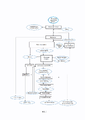
На фиг.1 представлена технологическая схема реализации способа.Figure 1 shows the flow chart of the implementation of the method.
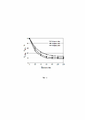
На фиг.2 - кривые осаждения гидроксида магния в зависимости от содержания активного СаО в используемых образцах негашеной извести.Figure 2 - curves of deposition of magnesium hydroxide depending on the content of active CaO in the used samples of quicklime.
Сущность способа заключается в следующем.The essence of the method is as follows.
В качестве сырья используют природные рассолы и попутно добываемые пластовые воды нефтяных месторождений, которые в своем большинстве по химическому составу относятся к хлоркальциевому типу (по классификации подземных вод В.А. Сулина) с общей минерализацией 100 до 300 кг/м3 и исходным значением рН в диапазоне от 5,5 до 7,0.Natural brines and produced formation waters of oil fields are used as raw materials, which for the most part, in terms of chemical composition, belong to the calcium chloride type (according to the classification of groundwater by V.A. Sulin) with a total mineralization of 100 to 300 kg / m 3 and an initial pH value in the range from 5.5 to 7.0.
Предварительно определяют значение рН исходных природного рассола и попутно добываемых пластовых вод (далее - рассолы). Далее проводят предварительную очистку рассолов от нефти и ионов железа любым из известных способов, при этом попутно удаляются сульфат- и гидрокарбонат-ионы путем подачи в рассол щелочного продукта (например, известкового молока) до получения рН=8 и пропускания через рассол воздуха. В результате протекают процессы в соответствии с химическими реакциями:Pre-determine the pH value of the original natural brine and associated produced formation waters (hereinafter referred to as brines). Next, the brines are pre-purified from oil and iron ions by any of the known methods, while simultaneously removing sulfate and bicarbonate ions by feeding an alkaline product (for example, milk of lime) into the brine until pH = 8 is obtained and passing air through the brine. As a result, processes proceed in accordance with chemical reactions:
Fe2++ Са(ОН)2 → Fe(ОН)2↓ + Са2+ Fe 2+ + Ca (OH) 2 → Fe (OH) 2 ↓ + Ca 2+
4Fe(ОН)2 + 2Н2О + О2 → 4Fe(ОН)3 4Fe(OH)2 + 2H2O + O2 → 4Fe(OH)3
Са2+ + НСО3 - → СаСО3↓ + Н+ Ca 2+ + HCO 3 - → CaCO 3 ↓ + H +
Са2+ + SO4 2- → CaSO4↓Ca 2+ + SO 4 2- → CaSO 4 ↓
Образовавшаяся суспензия (суммарный осадок) отфильтровывается на механических фильтрах, благодаря чему рассол очищается как от ионов железа, так и от сульфат- и гидрокарбонат-ионов, которые впоследствии бы загрязнили товарный продукт оксида магния.The resulting suspension (total sediment) is filtered on mechanical filters, due to which the brine is cleared of both iron ions and sulfate and bicarbonate ions, which would subsequently contaminate the commercial product of magnesium oxide.
Проводят осаждение магния обработкой рассола известковым молоком с образованием гидроксида магния. Известковое молоко для осаждения магния получают путем гашения извести водой в течение часа и доведения концентрации активного СаО в известковом молоке до 10%. Для приготовления известкового молока используют известь привозную или получаемую на месте, причем возможно использование извести любого качества: как высокого, так и более низкого с содержанием активного СаО не менее 74%, при этом содержащиеся примеси в приготовленном известковом молоке будут выступать в качестве затравочных кристаллов при осаждении магния, позволят улучшить седиментационные свойства осадка гидроксида магния, что, в конечном счете, приведет к уменьшению объема отстойного и фильтрационного оборудования.Magnesium is precipitated by treating the brine with milk of lime to form magnesium hydroxide. Milk of lime for magnesium precipitation is obtained by slaking lime with water for an hour and bringing the concentration of active CaO in lime milk to 10%. For the preparation of milk of lime, imported or locally produced lime is used, and it is possible to use lime of any quality: both high and lower with an active CaO content of at least 74%, while the impurities contained in the prepared lime milk will act as seed crystals at magnesium precipitation will improve the sedimentation properties of magnesium hydroxide sediment, which will ultimately lead to a reduction in the volume of settling and filtration equipment.
Известковое молоко подают в очищенный от нефти и ионов железа рассол при постоянном его перемешивании. Образовавшуюся суспензию гидроксида магния отфильтровывают от рассола, промывают путем распульповки в воде с промежуточным отжимом на фильтре. Определяют значение рН отфильтрованного рассола.Lime milk is fed into the brine purified from oil and iron ions with constant stirring. The resulting suspension of magnesium hydroxide is filtered off from the brine, washed by pulping in water with intermediate squeezing on the filter. Determine the pH value of the filtered brine.
Далее проводят карбонизацию суспензии гидроксида магния с получением раствора бикарбоната магния и твердого осадка.Next, carbonization of the magnesium hydroxide suspension is carried out to obtain a solution of magnesium bicarbonate and a solid precipitate.
Карбонизацию (первичную) проводят углекислым газом, содержащимся в дымовых газах печей подогрева нефти установок подготовки нефти.Carbonization (primary) is carried out with carbon dioxide contained in the flue gases of oil heating furnaces of oil treatment plants.
В последующем при реализации предлагаемого способа для карбонизации возможно применение углекислого газа с чистотой до 98%, который образуется после прокаливания магнезии углекислой или дымовыми газами, которые образуются при сжигании топлива, содержащими в своем составе до 16% углекислого газа. Subsequently, when implementing the proposed method for carbonization, it is possible to use carbon dioxide with a purity of up to 98%, which is formed after magnesia is calcined with carbon dioxide or flue gases that are formed during the combustion of fuel containing up to 16% carbon dioxide.
Твердый осадок после карбонизации, представленный в основном карбонатом кальция, отделяют от раствора бикарбоната магния и направляют на производство извести, в последующем его используют в строительной промышленности в качестве наполнителя или в сельском хозяйстве для раскисления кислых почв.The solid residue after carbonization, represented mainly by calcium carbonate, is separated from the magnesium bicarbonate solution and sent to the production of lime, subsequently it is used in the construction industry as a filler or in agriculture to deoxidize acidic soils.
Раствор бикарбоната магния нагревают до кипения с выпадением в осадок магнезии углекислой, который отделяют и прокаливают с получением оксида магния. В процессе прокаливания выделяются газы, содержащие в своем составе углекислый газ.A solution of magnesium bicarbonate is heated to boiling with precipitation of magnesia carbonate, which is separated and calcined to obtain magnesium oxide. In the process of calcination, gases containing carbon dioxide are released.
При прокаливании осадка магнезии углекислой при 500-600°С получают жженую магнезию - оксид магния MgO с насыпной плотностью 0,55 г/см3, при прокаливании при 1650-1800°С - оксид магния (периклаз) для огнеупоров с насыпной плотностью 1,9 г/см3.When calcining the precipitate of magnesia carbonate at 500-600 ° C, burnt magnesia is obtained - magnesium oxide MgO with a bulk density of 0.55 g / cm 3 , when calcined at 1650-1800 ° C - magnesium oxide (periclase) for refractories with a bulk density of 1, 9 g/cm3.
После отделения гидроксида магния рассол повторно карбонизируют углекислым газом (например, с чистотой до 98%), содержащимся в газах после прокаливания магнезии углекислой, или дымовыми газами, которые образуются при сжигании топлива (содержащими в своем составе до 16% углекислого газа). При этом карбонизацию рассола продолжают до тех пор, пока значение рН рассола не достигнет значения рН исходного природного рассола.After separation of magnesium hydroxide, the brine is re-carbonized with carbon dioxide (for example, with a purity of up to 98%) contained in gases after calcination of magnesia with carbon dioxide, or flue gases that are formed during fuel combustion (containing up to 16% carbon dioxide in its composition). The carbonization of the brine is continued until the pH value of the brine reaches the pH value of the original natural brine.
После чего полученный рассол фильтруют от выпавшего осадка карбоната кальция и направляют на закачку в пласты нефтяных месторождений для поддержания пластового давления.After that, the resulting brine is filtered from the precipitated precipitate of calcium carbonate and sent for injection into the reservoirs of oil fields to maintain reservoir pressure.
Предлагаемый способ позволяет создать промышленное производство оксида магния на базе природных рассолов и попутно добываемых вод нефтяных месторождений, получить качественный оксид магния с содержанием основного вещества не менее 98%, позволяет расширить возможности осуществления способа путем применения извести любого качества. Так, возможно использовать сравнительно дешевую низкокачественную известь с содержанием активного СаО от 80% и выше. Также предлагаемый способ позволяет сохранить качество рассола или попутно добываемых вод для последующей закачки в пласт с целью поддержания пластового давления, снизить экологическую нагрузку в виде загрязнения атмосферы промышленными газами, содержащими СО2, так как предполагает их использование.The proposed method allows you to create an industrial production of magnesium oxide based on natural brines and associated waters of oil fields, to obtain high-quality magnesium oxide with a basic substance content of at least 98%, allows you to expand the possibilities of implementing the method by using lime of any quality. Thus, it is possible to use relatively cheap low-quality lime with an active CaO content of 80% or more. Also, the proposed method allows you to save the quality of the brine or produced water for subsequent injection into the reservoir in order to maintain reservoir pressure, reduce the environmental burden in the form of atmospheric pollution with industrial gases containing CO 2 , as it involves their use.
Пример практического применения.An example of practical application.
В качестве сырья использовали попутно добываемую воду с исходным рН=5,8 и имеющую следующий ионный состав, г/дм3: натрий Na+ - 57,11; кальций Ca2+ - 17,62; магний Mg2+ - 3,72; железо общее - 0,115; хлорид-ион Cl- - 129,49; гидрокарбонат-ион HCO3- - 0,082; сульфат-ион SO4 2- - 0,057. As a raw material used produced water with the initial pH=5.8 and having the following ionic composition, g/DM 3 : sodium Na + - 57,11; calcium Ca 2+ - 17.62; magnesium Mg 2+ - 3.72; total iron - 0.115; chloride ion Cl - - 129.49; bicarbonate ion HCO 3- - 0.082; sulfate ion SO 4 2- - 0.057.
Рассол фильтровали от остаточной нефти. После чего в него подавали известковое молоко до получения рН=8 и пропускали через него воздух в течение 1 часа, в результате содержащееся в рассоле двухвалентное железо Fe2+ окислилось до трехвалентного Fe3+ и осаждалось в виде гидроксида. После отделения осадка концентрация железа общего в рассоле уменьшилась до 0,001 г/дм3; гидрокарбонат-иона HCO3- - до 0,002 г/дм3; сульфат-ион SO4 2- - до 0,003 г/дм3.The brine was filtered from residual oil. After that, milk of lime was fed into it until pH=8 was obtained and air was passed through it for 1 hour, as a result, ferrous iron Fe 2+ contained in the brine was oxidized to ferric Fe 3+ and precipitated in the form of hydroxide. After separating the precipitate, the concentration of total iron in the brine decreased to 0.001 g/DM 3 ; bicarbonate ion HCO 3- - up to 0.002 g / dm 3 ; sulfate ion SO 4 2- - up to 0.003 g / dm 3 .
Далее для осаждения магния из рассола и построения кривых осаждения гидроксида магния были проверены три образца негашеной извести с содержанием активного оксида кальция 74, 82 и 96,2%. Состав используемых образцов негашеной извести представлен в таблице 1.Next, three samples of quicklime with an active calcium oxide content of 74, 82 and 96.2% were tested to precipitate magnesium from the brine and plot magnesium hydroxide precipitation curves. The composition of quicklime samples used is presented in Table 1.
Таблица 1 - Состав используемых образцов негашеной известиTable 1 - Composition of quicklime samples used
показателяName
indicator
строительная
кальциевая, 3 сорт по ГОСТ 9179-77Lime
construction
calcium, grade 3 according to GOST 9179-77
строительная
кальциевая, 2 сорт по ГОСТ 9179-77Lime
construction
calcium, grade 2 according to GOST 9179-77
активного СаО, %Content
active CaO, %
активного MgO, %Content
active MgO, %
Полученную суспензию гидроксида магния сгущали в радиальном отстойнике. Кривые осаждения гидроксида магния приведены на фиг. 2, из которой видно, что уплотнение суспензии гидроксида магния составило в течение первого часа от 20 до 35% от исходного объема рассола, от 17 до 27% - в течение второго часа, причем было отмечено, что, чем выше содержание примесей в извести, тем лучше достигаются условия для осаждения и сгущения гидроксида магния, что свидетельствует о том, что заявленный способ позволяет использовать в производственном процессе известь любого качества: как высокого, так и низкого с содержанием активного СаО не менее 74%, а содержащиеся примеси в приготовленном известковом молоке при осаждении магния будут выступать в качестве затравочных кристаллов и позволят улучшить седиментационные свойства осадка гидроксида магния.The resulting suspension of magnesium hydroxide was thickened in a radial settler. The deposition curves for magnesium hydroxide are shown in FIG. 2, from which it can be seen that the compaction of the suspension of magnesium hydroxide was during the first hour from 20 to 35% of the initial volume of brine, from 17 to 27% during the second hour, and it was noted that the higher the content of impurities in the lime, the better the conditions for precipitation and thickening of magnesium hydroxide are achieved, which indicates that the claimed method allows the use of lime of any quality in the production process: both high and low with an active CaO content of at least 74%, and the impurities contained in the prepared milk of lime during the precipitation of magnesium, they will act as seed crystals and will improve the sedimentation properties of the magnesium hydroxide precipitate.
Далее образовавшийся осадок гидроксида магния отфильтровывают от рассола гидроксида магния, промывают путем распульповки в воде в соотношении влага осадка: промывная вода = 1:7 с промежуточным отжимом на фильтре. Определяют значение рН рассола после фильтрования гидроксида магния - 10,8.Further, the formed precipitate of magnesium hydroxide is filtered off from the magnesium hydroxide brine, washed by pulping in water in the ratio of sediment moisture: washing water = 1:7 with intermediate squeezing on the filter. Determine the pH value of the brine after filtering magnesium hydroxide - 10.8.
После чего осадок гидроксида магния распульповывали в воде в соотношении гидроксид магния / вода = 1/20 и подвергали карбонизации моделью дымовых газов с 12%-ным содержанием CO2 (углекислым газом, содержащимся в дымовых газах печей подогрева нефти установок подготовки нефти) или углекислым газом после процесса прокаливания.After that, the magnesium hydroxide precipitate was pulped in water in a ratio of magnesium hydroxide / water = 1/20 and subjected to carbonization with a flue gas model with 12% CO 2 content (carbon dioxide contained in flue gases of oil heating furnaces of oil treatment plants) or carbon dioxide after the calcination process.
Полученный раствор бикарбоната магния с концентрацией Mg2+ равной 20,7 г/л фильтровали от осадка, который содержал в своем составе 91,7% карбоната кальция.The resulting solution of magnesium bicarbonate with a concentration of Mg 2+ equal to 20.7 g/l was filtered from the precipitate, which contained 91.7% calcium carbonate in its composition.
Раствор бикарбоната магния нагревали до кипения, в результате чего образовывался осадок магнезии углекислой, который отделяли от раствора, высушивали и прокаливали при 600°С. Прокаленный осадок имел следующий состав (%): MgO - 98,2; СаО - 0,6, что отвечает требованию к качеству на магнезию жженую техническую (ГОСТ-844-79).A solution of magnesium bicarbonate was heated to boiling, resulting in the formation of a precipitate of magnesia carbonate, which was separated from the solution, dried and calcined at 600°C. The calcined precipitate had the following composition (%): MgO - 98.2; CaO - 0.6, which meets the quality requirement for technical burnt magnesia (GOST-844-79).
Раствор после отделения осадка магнезии углекислой, содержащий Ca2+ - 0,45 г/л и Mg2+ - 0,28 г/л, использовали для распульпации следующей порции влажного осадка гидроксида магния. The solution after separating the precipitate of magnesia carbonate containing Ca 2+ - 0.45 g/l and Mg 2+ - 0.28 g/l, was used to pulp the next portion of the wet precipitate of magnesium hydroxide.
Рассол после отделения гидроксида магния подвергали карбонизации, которую проводили двумя различными вариантами: углекислым газом из баллона с содержанием углекислого газа 98 %, представляющим модель газа после прокаливания магнезии углекислой, а также смесью газов с содержанием углекислого газа 12 %, представляющей модель дымовых газов после сжигания топлива. Объемная скорость подачи газов карбонизации 20 л/ч на 1 литр рассола. Значения рН рассола в зависимости от продолжительности карбонизации представлены в таблице 2.The brine after the separation of magnesium hydroxide was subjected to carbonization, which was carried out in two different ways: carbon dioxide from a cylinder with a carbon dioxide content of 98%, representing a gas model after calcination of magnesium carbonate, and also a mixture of gases with a carbon dioxide content of 12%, representing a model of flue gases after combustion fuel. The volumetric rate of supply of carbonization gases is 20 l/h per 1 liter of brine. The pH values of the brine depending on the duration of carbonization are presented in table 2.
Таблица 2 - Значения рН рассола в зависимости от времени карбонизацииTable 2 - Brine pH values versus carbonization time
Представленные в таблице 2 результаты показывают, что во время проведения карбонизации при подаче газа после прокаливания магнезии углекислой значение рН рассола снизилось до значения исходного рН=5,8 через 10 мин карбонизации, при подаче модели дымовых газов после сжигания топлива - в течение 45 минут карбонизации. Степень освоения углекислого газа при этом составила 97,6% при подаче газа после прокаливания магнезии углекислой, 95,4 % - при подаче дымовых газов после сжигания топлива.The results presented in Table 2 show that during carbonization with gas supply after calcination of magnesia carbonate, the pH value of the brine decreased to the initial pH value = 5.8 after 10 minutes of carbonization, when the flue gas model was supplied after fuel combustion - within 45 minutes of carbonization . The degree of development of carbon dioxide in this case was 97.6% when gas was supplied after calcination of magnesium carbonate, 95.4% - when flue gases were supplied after fuel combustion.
Рассол после карбонизации фильтровали от выпавшего осадка карбоната кальция, который смешивался с осадком, образованным после фильтрования раствора бикарбоната магния. Смешанный осадок, представленный на 92% карбонатом кальция, как отмечалось ранее, может быть использован в производстве негашеной извести при его обжиге, в строительной промышленности в качестве наполнителя или в сельском хозяйстве для раскисления кислых почв.The brine after carbonization was filtered from the precipitation of calcium carbonate, which was mixed with the precipitate formed after filtering the magnesium bicarbonate solution. The mixed sediment, represented by 92% calcium carbonate, as noted earlier, can be used in the production of quicklime when it is fired, in the construction industry as a filler, or in agriculture to deacidify acidic soils.
После карбонизации рассол полностью отвечал показателям и нормам качества воды при заводнении нефтяных пластов с целью поддержания пластового давления, обозначенных в ОСТ 39-225-88 «Вода для заводнения нефтяных пластов», поскольку из него удалены частицы, приводящие к интенсивному осадкобразованию и кольматации призабойной зоны скважины, такие как нефть, сульфат- и гидрокарбонат-ионы, ионы железа, а рН рассола доведен до рН исходного рассола и находится в пределах от 4,5 до 8,5.After carbonization, the brine fully met the indicators and water quality standards for oil reservoir flooding in order to maintain reservoir pressure, indicated in OST 39-225-88 "Water for oil reservoir flooding", since particles were removed from it, leading to intense sedimentation and clogging of the bottomhole zone wells, such as oil, sulfate and bicarbonate ions, iron ions, and the pH of the brine is adjusted to the pH of the original brine and is in the range from 4.5 to 8.5.
Таким образом, предлагаемый способ позволяет:Thus, the proposed method allows:
- создать промышленное производство оксида магния на базе попутно добываемых вод нефтяных месторождений (а также природных рассолов), составляющих основной объем вовлеченных в промышленный оборот природных рассолов;- to create an industrial production of magnesium oxide on the basis of associated waters of oil fields (as well as natural brines), which make up the bulk of the natural brines involved in the industrial circulation;
- получить оксид магния с чистотой не менее 98%, что отвечает требованию к качеству на магнезию жженую, техническую согласно ГОСТ-844-79;- to obtain magnesium oxide with a purity of at least 98%, which meets the quality requirement for burnt magnesia, technical according to GOST-844-79;
- использовать в производственном процессе известь любого качества: как высокого, так и низкого с содержанием активного СаО не менее 74%, а содержащиеся примеси в приготовленном известковом молоке при осаждении магния будут выступать в качестве затравочных кристаллов и позволят улучшить седиментационные свойства осадка гидроксида магния и уменьшить количество отстойного и фильтрационного оборудования;- use lime of any quality in the production process: both high and low with an active CaO content of at least 74%, and the impurities contained in the prepared lime milk during magnesium precipitation will act as seed crystals and will improve the sedimentation properties of the magnesium hydroxide precipitate and reduce amount of settling and filtration equipment;
- сохранить качество природного рассола или попутно добываемой воды в соответствии с показателями и нормами качества воды согласно ОСТ 39-225-88 «Вода для заводнения нефтяных пластов», что позволяет использовать их в системе поддержания пластового давления при разработке нефтяных месторождений;- maintain the quality of natural brine or produced water in accordance with the indicators and standards of water quality in accordance with OST 39-225-88 "Water for flooding oil reservoirs", which allows them to be used in the reservoir pressure maintenance system in the development of oil fields;
- свести к минимуму выбросы диоксида углерода СО2 в атмосферу за счет использования газов после прокаливания магнезии углекислой и дымовых газов при сжигании топлива в технологическом процессе карбонизации загрязненного осадка гидроксида магния и самого рассола после отделения гидроксида магния, достигнув при этом степени освоения диоксида углерода не менее 95%, что выше, чем у наиболее близкого к заявленному изобретению способу.- minimize emissions of carbon dioxide CO 2 into the atmosphere through the use of gases after calcination of magnesia carbon dioxide and flue gases during fuel combustion in the process of carbonization of contaminated magnesium hydroxide sediment and the brine itself after separation of magnesium hydroxide, while achieving a degree of carbon dioxide development of at least 95%, which is higher than the method closest to the claimed invention.
Claims (1)
Publications (1)
| Publication Number | Publication Date |
|---|---|
| RU2777082C1 true RU2777082C1 (en) | 2022-08-01 |
Family
ID=
Cited By (1)
| Publication number | Priority date | Publication date | Assignee | Title |
|---|---|---|---|---|
| CN115814752A (en) * | 2023-01-31 | 2023-03-21 | 成都理工大学 | Calcium carbonate and nano-magnesia composite material and preparation and application methods thereof |
Citations (5)
| Publication number | Priority date | Publication date | Assignee | Title |
|---|---|---|---|---|
| US4634533A (en) * | 1985-04-26 | 1987-01-06 | Somerville Robert L | Method of converting brines to useful products |
| RU2211803C2 (en) * | 2001-06-26 | 2003-09-10 | Закрытое акционерное общество "Экостар-Наутех" | Method of recovering magnesium oxide from natural brines |
| RU2281248C1 (en) * | 2005-03-10 | 2006-08-10 | Ордена Ленина и ордена Октябрьской Революции Институт геохимии и аналитической химии им. В.И. Вернадского Российской академии наук (ГЕОХИ РАН) | Process for producing magnesium oxide of highly mineralized brines |
| WO2007088407A1 (en) * | 2006-01-31 | 2007-08-09 | Council Of Scientific And Industrial Research | An improved process for preparation of magnesium oxide |
| RU2543214C2 (en) * | 2013-04-11 | 2015-02-27 | Закрытое акционерное общество (ЗАО) "Экостар-Наутех" | Method of complex processing natural brines of magnesium-calcium chloride type |
Patent Citations (5)
| Publication number | Priority date | Publication date | Assignee | Title |
|---|---|---|---|---|
| US4634533A (en) * | 1985-04-26 | 1987-01-06 | Somerville Robert L | Method of converting brines to useful products |
| RU2211803C2 (en) * | 2001-06-26 | 2003-09-10 | Закрытое акционерное общество "Экостар-Наутех" | Method of recovering magnesium oxide from natural brines |
| RU2281248C1 (en) * | 2005-03-10 | 2006-08-10 | Ордена Ленина и ордена Октябрьской Революции Институт геохимии и аналитической химии им. В.И. Вернадского Российской академии наук (ГЕОХИ РАН) | Process for producing magnesium oxide of highly mineralized brines |
| WO2007088407A1 (en) * | 2006-01-31 | 2007-08-09 | Council Of Scientific And Industrial Research | An improved process for preparation of magnesium oxide |
| RU2543214C2 (en) * | 2013-04-11 | 2015-02-27 | Закрытое акционерное общество (ЗАО) "Экостар-Наутех" | Method of complex processing natural brines of magnesium-calcium chloride type |
Cited By (1)
| Publication number | Priority date | Publication date | Assignee | Title |
|---|---|---|---|---|
| CN115814752A (en) * | 2023-01-31 | 2023-03-21 | 成都理工大学 | Calcium carbonate and nano-magnesia composite material and preparation and application methods thereof |
Similar Documents
| Publication | Publication Date | Title |
|---|---|---|
| CA3059899C (en) | Method for preparing lithium concentrate from lithium-bearing natural brines and processing thereof into lithium chloride or lithium carbonate | |
| KR102093004B1 (en) | Method for comprehensive recovery of magnesium-containing smelting wastewater | |
| US3525675A (en) | Desalination distillation using barium carbonate as descaling agent | |
| KR101936809B1 (en) | A method for producing high purity calcium carbonate using indirect carbonation of alkaline industrial by-products and seawater | |
| CN105129822B (en) | System and method for treating chlor-alkali production byproduct salt mud | |
| CN103011203A (en) | A method for processing chlorinated waste molten salt produced in the process of producing TiCl | |
| US20100233767A1 (en) | Process for the recovery of magnesium from a solution and pretreatment | |
| US20160244348A1 (en) | A method for treating alkaline brines | |
| CN100594245C (en) | Process for preparing calcined dolomite from magnesium chloride of chloride type by-product of potassium-extracting from salt lake | |
| CN107032384B (en) | A kind of method for separating and recovering calcium and magnesium from calcium and magnesium minerals | |
| RU2777082C1 (en) | Method for obtaining magnesium oxide from natural brines and simultaneously extracted waters of oil fields | |
| CN112546529B (en) | Process for realizing dealkalization of high-alkalinity red mud by utilizing industrial waste residues and waste gases | |
| CN102795701A (en) | Method for treating acidic waste water from titanium dioxide preparation by sulfuric acid method | |
| RU2211803C2 (en) | Method of recovering magnesium oxide from natural brines | |
| KR20190028937A (en) | Method for treating seawater desalination concentrates using pH control | |
| KR20130073500A (en) | Sea water magnesia manufacturing method using sea water concentration | |
| RU2082826C1 (en) | Method of magnesium production | |
| RU2189362C2 (en) | Method for integrated utilization of oil-field association water | |
| WO2014168599A1 (en) | Method for processing solid waste from the chemical purification of brines | |
| RU2036838C1 (en) | Method for purification of sodium chloride | |
| Seil et al. | Study of literature on separation of magnesia from lime in dolomite and similar materials | |
| CN101823738B (en) | Method for producing light magnesium carbonate and coproducing fine calcium carbonate and water glass by chlor-alkali salt sludge | |
| RU2737659C1 (en) | Method of producing magnesium chloride of hexavalent | |
| RU2646008C1 (en) | Method of purification and mineralization of natural waters | |
| RU2853144C2 (en) | Method for obtaining high-quality lithium carbonate from lithium-containing chloride-type geothermal waters |