RU2621103C2 - Method and plants to reducing ammonia loss and odour from organic material or waste into atmosphere - Google Patents
Method and plants to reducing ammonia loss and odour from organic material or waste into atmosphere Download PDFInfo
- Publication number
- RU2621103C2 RU2621103C2 RU2014127299A RU2014127299A RU2621103C2 RU 2621103 C2 RU2621103 C2 RU 2621103C2 RU 2014127299 A RU2014127299 A RU 2014127299A RU 2014127299 A RU2014127299 A RU 2014127299A RU 2621103 C2 RU2621103 C2 RU 2621103C2
- Authority
- RU
- Russia
- Prior art keywords
- air
- waste
- ammonia
- organic material
- nitrate
- Prior art date
Links
- QGZKDVFQNNGYKY-UHFFFAOYSA-N Ammonia Chemical compound N QGZKDVFQNNGYKY-UHFFFAOYSA-N 0.000 title claims abstract description 175
- 229910021529 ammonia Inorganic materials 0.000 title claims abstract description 87
- 239000010815 organic waste Substances 0.000 title claims abstract description 83
- 238000000034 method Methods 0.000 title claims abstract description 76
- 239000011368 organic material Substances 0.000 title claims abstract description 71
- IJGRMHOSHXDMSA-UHFFFAOYSA-N Atomic nitrogen Chemical compound N#N IJGRMHOSHXDMSA-UHFFFAOYSA-N 0.000 claims abstract description 83
- 229910052757 nitrogen Inorganic materials 0.000 claims abstract description 44
- 239000006096 absorbing agent Substances 0.000 claims abstract description 43
- 229910002651 NO3 Inorganic materials 0.000 claims abstract description 41
- NHNBFGGVMKEFGY-UHFFFAOYSA-N Nitrate Chemical compound [O-][N+]([O-])=O NHNBFGGVMKEFGY-UHFFFAOYSA-N 0.000 claims abstract description 41
- 150000002823 nitrates Chemical class 0.000 claims abstract description 36
- 150000002826 nitrites Chemical class 0.000 claims abstract description 33
- 239000007788 liquid Substances 0.000 claims abstract description 29
- CAMXVZOXBADHNJ-UHFFFAOYSA-N ammonium nitrite Chemical class [NH4+].[O-]N=O CAMXVZOXBADHNJ-UHFFFAOYSA-N 0.000 claims abstract description 20
- 238000010891 electric arc Methods 0.000 claims abstract description 18
- 230000005855 radiation Effects 0.000 claims abstract description 17
- 230000004888 barrier function Effects 0.000 claims abstract description 16
- 238000001816 cooling Methods 0.000 claims abstract description 16
- 230000005684 electric field Effects 0.000 claims abstract description 16
- 230000005686 electrostatic field Effects 0.000 claims abstract description 16
- 230000000694 effects Effects 0.000 claims abstract description 9
- 239000000243 solution Substances 0.000 claims description 69
- GRYLNZFGIOXLOG-UHFFFAOYSA-N Nitric acid Chemical compound O[N+]([O-])=O GRYLNZFGIOXLOG-UHFFFAOYSA-N 0.000 claims description 65
- 229910017604 nitric acid Inorganic materials 0.000 claims description 65
- IOVCWXUNBOPUCH-UHFFFAOYSA-M Nitrite anion Chemical compound [O-]N=O IOVCWXUNBOPUCH-UHFFFAOYSA-M 0.000 claims description 28
- 239000010871 livestock manure Substances 0.000 claims description 28
- 238000009423 ventilation Methods 0.000 claims description 27
- PAWQVTBBRAZDMG-UHFFFAOYSA-N 2-(3-bromo-2-fluorophenyl)acetic acid Chemical compound OC(=O)CC1=CC=CC(Br)=C1F PAWQVTBBRAZDMG-UHFFFAOYSA-N 0.000 claims description 19
- 239000003929 acidic solution Substances 0.000 claims description 16
- 230000015572 biosynthetic process Effects 0.000 claims description 16
- XLYOFNOQVPJJNP-UHFFFAOYSA-N water Substances O XLYOFNOQVPJJNP-UHFFFAOYSA-N 0.000 claims description 16
- 238000010521 absorption reaction Methods 0.000 claims description 15
- 229910019142 PO4 Inorganic materials 0.000 claims description 10
- QVGXLLKOCUKJST-UHFFFAOYSA-N atomic oxygen Chemical compound [O] QVGXLLKOCUKJST-UHFFFAOYSA-N 0.000 claims description 10
- 239000001301 oxygen Substances 0.000 claims description 10
- 229910052760 oxygen Inorganic materials 0.000 claims description 10
- 239000002253 acid Substances 0.000 claims description 8
- NBIIXXVUZAFLBC-UHFFFAOYSA-K phosphate Chemical compound [O-]P([O-])([O-])=O NBIIXXVUZAFLBC-UHFFFAOYSA-K 0.000 claims description 7
- 239000010452 phosphate Substances 0.000 claims description 7
- 239000000470 constituent Substances 0.000 claims description 5
- 230000009467 reduction Effects 0.000 claims description 5
- 210000002700 urine Anatomy 0.000 claims description 5
- 239000002250 absorbent Substances 0.000 claims description 4
- 230000002745 absorbent Effects 0.000 claims description 4
- QAOWNCQODCNURD-UHFFFAOYSA-L Sulfate Chemical compound [O-]S([O-])(=O)=O QAOWNCQODCNURD-UHFFFAOYSA-L 0.000 claims description 3
- 230000009471 action Effects 0.000 claims description 2
- 230000009418 agronomic effect Effects 0.000 claims description 2
- 239000003344 environmental pollutant Substances 0.000 claims description 2
- 231100000719 pollutant Toxicity 0.000 claims description 2
- 239000002244 precipitate Substances 0.000 claims description 2
- 239000000126 substance Substances 0.000 abstract description 8
- 239000002699 waste material Substances 0.000 abstract description 3
- MWUXSHHQAYIFBG-UHFFFAOYSA-N nitrogen oxide Inorganic materials O=[N] MWUXSHHQAYIFBG-UHFFFAOYSA-N 0.000 description 30
- 210000003608 fece Anatomy 0.000 description 26
- 235000019645 odor Nutrition 0.000 description 25
- 238000012432 intermediate storage Methods 0.000 description 15
- 239000000203 mixture Substances 0.000 description 15
- 230000002378 acidificating effect Effects 0.000 description 12
- 235000015097 nutrients Nutrition 0.000 description 12
- 230000008569 process Effects 0.000 description 12
- 238000006243 chemical reaction Methods 0.000 description 11
- 238000005516 engineering process Methods 0.000 description 11
- 239000007789 gas Substances 0.000 description 11
- 238000004519 manufacturing process Methods 0.000 description 11
- GQPLMRYTRLFLPF-UHFFFAOYSA-N nitrous oxide Inorganic materials [O-][N+]#N GQPLMRYTRLFLPF-UHFFFAOYSA-N 0.000 description 8
- 235000021317 phosphate Nutrition 0.000 description 8
- 239000003337 fertilizer Substances 0.000 description 7
- 239000000047 product Substances 0.000 description 7
- CURLTUGMZLYLDI-UHFFFAOYSA-N Carbon dioxide Chemical compound O=C=O CURLTUGMZLYLDI-UHFFFAOYSA-N 0.000 description 5
- IOVCWXUNBOPUCH-UHFFFAOYSA-N Nitrous acid Chemical compound ON=O IOVCWXUNBOPUCH-UHFFFAOYSA-N 0.000 description 5
- QAOWNCQODCNURD-UHFFFAOYSA-N Sulfuric acid Chemical compound OS(O)(=O)=O QAOWNCQODCNURD-UHFFFAOYSA-N 0.000 description 4
- MMDJDBSEMBIJBB-UHFFFAOYSA-N [O-][N+]([O-])=O.[O-][N+]([O-])=O.[O-][N+]([O-])=O.[NH6+3] Chemical compound [O-][N+]([O-])=O.[O-][N+]([O-])=O.[O-][N+]([O-])=O.[NH6+3] MMDJDBSEMBIJBB-UHFFFAOYSA-N 0.000 description 3
- 230000033558 biomineral tissue development Effects 0.000 description 3
- 229910052799 carbon Inorganic materials 0.000 description 3
- 238000000354 decomposition reaction Methods 0.000 description 3
- 239000002360 explosive Substances 0.000 description 3
- 239000001272 nitrous oxide Substances 0.000 description 3
- 150000003013 phosphoric acid derivatives Chemical class 0.000 description 3
- 230000001105 regulatory effect Effects 0.000 description 3
- 238000003860 storage Methods 0.000 description 3
- 238000010792 warming Methods 0.000 description 3
- 241000894006 Bacteria Species 0.000 description 2
- XSQUKJJJFZCRTK-UHFFFAOYSA-N Urea Chemical compound NC(N)=O XSQUKJJJFZCRTK-UHFFFAOYSA-N 0.000 description 2
- BFNBIHQBYMNNAN-UHFFFAOYSA-N ammonium sulfate Chemical compound N.N.OS(O)(=O)=O BFNBIHQBYMNNAN-UHFFFAOYSA-N 0.000 description 2
- 229910052921 ammonium sulfate Inorganic materials 0.000 description 2
- 235000011130 ammonium sulphate Nutrition 0.000 description 2
- 230000004071 biological effect Effects 0.000 description 2
- 239000004202 carbamide Substances 0.000 description 2
- 239000001569 carbon dioxide Substances 0.000 description 2
- 229910002092 carbon dioxide Inorganic materials 0.000 description 2
- 230000007613 environmental effect Effects 0.000 description 2
- 239000005431 greenhouse gas Substances 0.000 description 2
- 239000001257 hydrogen Substances 0.000 description 2
- 229910052739 hydrogen Inorganic materials 0.000 description 2
- 150000007522 mineralic acids Chemical class 0.000 description 2
- 102000004169 proteins and genes Human genes 0.000 description 2
- 108090000623 proteins and genes Proteins 0.000 description 2
- VHUUQVKOLVNVRT-UHFFFAOYSA-N Ammonium hydroxide Chemical compound [NH4+].[OH-] VHUUQVKOLVNVRT-UHFFFAOYSA-N 0.000 description 1
- 230000010757 Reduction Activity Effects 0.000 description 1
- LEHOTFFKMJEONL-UHFFFAOYSA-N Uric Acid Chemical compound N1C(=O)NC(=O)C2=C1NC(=O)N2 LEHOTFFKMJEONL-UHFFFAOYSA-N 0.000 description 1
- TVWHNULVHGKJHS-UHFFFAOYSA-N Uric acid Natural products N1C(=O)NC(=O)C2NC(=O)NC21 TVWHNULVHGKJHS-UHFFFAOYSA-N 0.000 description 1
- CWVZGJORVTZXFW-UHFFFAOYSA-N [benzyl(dimethyl)silyl]methyl carbamate Chemical compound NC(=O)OC[Si](C)(C)CC1=CC=CC=C1 CWVZGJORVTZXFW-UHFFFAOYSA-N 0.000 description 1
- 150000001242 acetic acid derivatives Chemical class 0.000 description 1
- 238000003916 acid precipitation Methods 0.000 description 1
- 238000005273 aeration Methods 0.000 description 1
- 239000002154 agricultural waste Substances 0.000 description 1
- XKMRRTOUMJRJIA-UHFFFAOYSA-N ammonia nh3 Chemical compound N.N XKMRRTOUMJRJIA-UHFFFAOYSA-N 0.000 description 1
- PRKQVKDSMLBJBJ-UHFFFAOYSA-N ammonium carbonate Chemical class N.N.OC(O)=O PRKQVKDSMLBJBJ-UHFFFAOYSA-N 0.000 description 1
- 239000001099 ammonium carbonate Substances 0.000 description 1
- 235000011162 ammonium carbonates Nutrition 0.000 description 1
- 150000003868 ammonium compounds Chemical class 0.000 description 1
- 238000003975 animal breeding Methods 0.000 description 1
- 230000031018 biological processes and functions Effects 0.000 description 1
- 238000007664 blowing Methods 0.000 description 1
- 230000001488 breeding effect Effects 0.000 description 1
- 239000006227 byproduct Substances 0.000 description 1
- 229910052791 calcium Inorganic materials 0.000 description 1
- 239000011575 calcium Substances 0.000 description 1
- 239000003153 chemical reaction reagent Substances 0.000 description 1
- 238000004140 cleaning Methods 0.000 description 1
- 238000002485 combustion reaction Methods 0.000 description 1
- 230000002860 competitive effect Effects 0.000 description 1
- 150000001875 compounds Chemical class 0.000 description 1
- 229910000365 copper sulfate Inorganic materials 0.000 description 1
- ARUVKPQLZAKDPS-UHFFFAOYSA-L copper(II) sulfate Chemical compound [Cu+2].[O-][S+2]([O-])([O-])[O-] ARUVKPQLZAKDPS-UHFFFAOYSA-L 0.000 description 1
- 244000038559 crop plants Species 0.000 description 1
- 235000013365 dairy product Nutrition 0.000 description 1
- 238000004332 deodorization Methods 0.000 description 1
- 230000008021 deposition Effects 0.000 description 1
- 238000001784 detoxification Methods 0.000 description 1
- 238000001035 drying Methods 0.000 description 1
- 230000005611 electricity Effects 0.000 description 1
- 230000008030 elimination Effects 0.000 description 1
- 238000003379 elimination reaction Methods 0.000 description 1
- 238000012851 eutrophication Methods 0.000 description 1
- 238000000855 fermentation Methods 0.000 description 1
- 230000004151 fermentation Effects 0.000 description 1
- 239000012467 final product Substances 0.000 description 1
- 238000005189 flocculation Methods 0.000 description 1
- 230000016615 flocculation Effects 0.000 description 1
- 239000003546 flue gas Substances 0.000 description 1
- 239000012530 fluid Substances 0.000 description 1
- 238000009472 formulation Methods 0.000 description 1
- 238000010574 gas phase reaction Methods 0.000 description 1
- 239000010795 gaseous waste Substances 0.000 description 1
- 238000010438 heat treatment Methods 0.000 description 1
- 230000007062 hydrolysis Effects 0.000 description 1
- 238000006460 hydrolysis reaction Methods 0.000 description 1
- 238000009776 industrial production Methods 0.000 description 1
- 229910052500 inorganic mineral Inorganic materials 0.000 description 1
- 238000009434 installation Methods 0.000 description 1
- 150000002500 ions Chemical class 0.000 description 1
- 238000002386 leaching Methods 0.000 description 1
- 239000007791 liquid phase Substances 0.000 description 1
- 239000000463 material Substances 0.000 description 1
- 235000013372 meat Nutrition 0.000 description 1
- 229910052751 metal Inorganic materials 0.000 description 1
- 239000002184 metal Substances 0.000 description 1
- 230000000813 microbial effect Effects 0.000 description 1
- 244000005700 microbiome Species 0.000 description 1
- 239000011707 mineral Substances 0.000 description 1
- 230000001483 mobilizing effect Effects 0.000 description 1
- 150000002829 nitrogen Chemical class 0.000 description 1
- 229910017464 nitrogen compound Inorganic materials 0.000 description 1
- 150000002830 nitrogen compounds Chemical class 0.000 description 1
- 235000016709 nutrition Nutrition 0.000 description 1
- 150000007524 organic acids Chemical class 0.000 description 1
- 239000003895 organic fertilizer Substances 0.000 description 1
- 150000004965 peroxy acids Chemical class 0.000 description 1
- 239000012071 phase Substances 0.000 description 1
- 235000011007 phosphoric acid Nutrition 0.000 description 1
- 150000003016 phosphoric acids Chemical class 0.000 description 1
- 239000000419 plant extract Substances 0.000 description 1
- 238000002360 preparation method Methods 0.000 description 1
- 230000001681 protective effect Effects 0.000 description 1
- 238000000746 purification Methods 0.000 description 1
- 239000013049 sediment Substances 0.000 description 1
- 239000007787 solid Substances 0.000 description 1
- 238000004659 sterilization and disinfection Methods 0.000 description 1
- 229910052717 sulfur Inorganic materials 0.000 description 1
- 239000011593 sulfur Substances 0.000 description 1
- 150000003464 sulfur compounds Chemical class 0.000 description 1
- -1 sulfur organic compounds Chemical class 0.000 description 1
- 150000003467 sulfuric acid derivatives Chemical class 0.000 description 1
- 231100000816 toxic dose Toxicity 0.000 description 1
- 230000007704 transition Effects 0.000 description 1
- 229940116269 uric acid Drugs 0.000 description 1
- 239000002351 wastewater Substances 0.000 description 1
- 238000004065 wastewater treatment Methods 0.000 description 1
Images

Classifications
-
- C—CHEMISTRY; METALLURGY
- C05—FERTILISERS; MANUFACTURE THEREOF
- C05B—PHOSPHATIC FERTILISERS
- C05B17/00—Other phosphatic fertilisers, e.g. soft rock phosphates, bone meal
-
- A—HUMAN NECESSITIES
- A61—MEDICAL OR VETERINARY SCIENCE; HYGIENE
- A61L—METHODS OR APPARATUS FOR STERILISING MATERIALS OR OBJECTS IN GENERAL; DISINFECTION, STERILISATION OR DEODORISATION OF AIR; CHEMICAL ASPECTS OF BANDAGES, DRESSINGS, ABSORBENT PADS OR SURGICAL ARTICLES; MATERIALS FOR BANDAGES, DRESSINGS, ABSORBENT PADS OR SURGICAL ARTICLES
- A61L9/00—Disinfection, sterilisation or deodorisation of air
-
- A—HUMAN NECESSITIES
- A61—MEDICAL OR VETERINARY SCIENCE; HYGIENE
- A61L—METHODS OR APPARATUS FOR STERILISING MATERIALS OR OBJECTS IN GENERAL; DISINFECTION, STERILISATION OR DEODORISATION OF AIR; CHEMICAL ASPECTS OF BANDAGES, DRESSINGS, ABSORBENT PADS OR SURGICAL ARTICLES; MATERIALS FOR BANDAGES, DRESSINGS, ABSORBENT PADS OR SURGICAL ARTICLES
- A61L11/00—Methods specially adapted for refuse
-
- A—HUMAN NECESSITIES
- A61—MEDICAL OR VETERINARY SCIENCE; HYGIENE
- A61L—METHODS OR APPARATUS FOR STERILISING MATERIALS OR OBJECTS IN GENERAL; DISINFECTION, STERILISATION OR DEODORISATION OF AIR; CHEMICAL ASPECTS OF BANDAGES, DRESSINGS, ABSORBENT PADS OR SURGICAL ARTICLES; MATERIALS FOR BANDAGES, DRESSINGS, ABSORBENT PADS OR SURGICAL ARTICLES
- A61L9/00—Disinfection, sterilisation or deodorisation of air
- A61L9/14—Disinfection, sterilisation or deodorisation of air using sprayed or atomised substances including air-liquid contact processes
- A61L9/145—Disinfection, sterilisation or deodorisation of air using sprayed or atomised substances including air-liquid contact processes air-liquid contact processes, e.g. scrubbing
-
- A—HUMAN NECESSITIES
- A61—MEDICAL OR VETERINARY SCIENCE; HYGIENE
- A61L—METHODS OR APPARATUS FOR STERILISING MATERIALS OR OBJECTS IN GENERAL; DISINFECTION, STERILISATION OR DEODORISATION OF AIR; CHEMICAL ASPECTS OF BANDAGES, DRESSINGS, ABSORBENT PADS OR SURGICAL ARTICLES; MATERIALS FOR BANDAGES, DRESSINGS, ABSORBENT PADS OR SURGICAL ARTICLES
- A61L9/00—Disinfection, sterilisation or deodorisation of air
- A61L9/16—Disinfection, sterilisation or deodorisation of air using physical phenomena
- A61L9/22—Ionisation
-
- B—PERFORMING OPERATIONS; TRANSPORTING
- B01—PHYSICAL OR CHEMICAL PROCESSES OR APPARATUS IN GENERAL
- B01D—SEPARATION
- B01D53/00—Separation of gases or vapours; Recovering vapours of volatile solvents from gases; Chemical or biological purification of waste gases, e.g. engine exhaust gases, smoke, fumes, flue gases, aerosols
- B01D53/32—Separation of gases or vapours; Recovering vapours of volatile solvents from gases; Chemical or biological purification of waste gases, e.g. engine exhaust gases, smoke, fumes, flue gases, aerosols by electrical effects other than those provided for in group B01D61/00
- B01D53/323—Separation of gases or vapours; Recovering vapours of volatile solvents from gases; Chemical or biological purification of waste gases, e.g. engine exhaust gases, smoke, fumes, flue gases, aerosols by electrical effects other than those provided for in group B01D61/00 by electrostatic effects or by high-voltage electric fields
-
- B—PERFORMING OPERATIONS; TRANSPORTING
- B01—PHYSICAL OR CHEMICAL PROCESSES OR APPARATUS IN GENERAL
- B01D—SEPARATION
- B01D53/00—Separation of gases or vapours; Recovering vapours of volatile solvents from gases; Chemical or biological purification of waste gases, e.g. engine exhaust gases, smoke, fumes, flue gases, aerosols
- B01D53/32—Separation of gases or vapours; Recovering vapours of volatile solvents from gases; Chemical or biological purification of waste gases, e.g. engine exhaust gases, smoke, fumes, flue gases, aerosols by electrical effects other than those provided for in group B01D61/00
- B01D53/326—Separation of gases or vapours; Recovering vapours of volatile solvents from gases; Chemical or biological purification of waste gases, e.g. engine exhaust gases, smoke, fumes, flue gases, aerosols by electrical effects other than those provided for in group B01D61/00 in electrochemical cells
-
- B—PERFORMING OPERATIONS; TRANSPORTING
- B01—PHYSICAL OR CHEMICAL PROCESSES OR APPARATUS IN GENERAL
- B01D—SEPARATION
- B01D53/00—Separation of gases or vapours; Recovering vapours of volatile solvents from gases; Chemical or biological purification of waste gases, e.g. engine exhaust gases, smoke, fumes, flue gases, aerosols
- B01D53/34—Chemical or biological purification of waste gases
- B01D53/46—Removing components of defined structure
- B01D53/54—Nitrogen compounds
- B01D53/58—Ammonia
-
- B—PERFORMING OPERATIONS; TRANSPORTING
- B01—PHYSICAL OR CHEMICAL PROCESSES OR APPARATUS IN GENERAL
- B01J—CHEMICAL OR PHYSICAL PROCESSES, e.g. CATALYSIS OR COLLOID CHEMISTRY; THEIR RELEVANT APPARATUS
- B01J19/00—Chemical, physical or physico-chemical processes in general; Their relevant apparatus
- B01J19/08—Processes employing the direct application of electric or wave energy, or particle radiation; Apparatus therefor
- B01J19/087—Processes employing the direct application of electric or wave energy, or particle radiation; Apparatus therefor employing electric or magnetic energy
- B01J19/088—Processes employing the direct application of electric or wave energy, or particle radiation; Apparatus therefor employing electric or magnetic energy giving rise to electric discharges
-
- B—PERFORMING OPERATIONS; TRANSPORTING
- B01—PHYSICAL OR CHEMICAL PROCESSES OR APPARATUS IN GENERAL
- B01J—CHEMICAL OR PHYSICAL PROCESSES, e.g. CATALYSIS OR COLLOID CHEMISTRY; THEIR RELEVANT APPARATUS
- B01J19/00—Chemical, physical or physico-chemical processes in general; Their relevant apparatus
- B01J19/08—Processes employing the direct application of electric or wave energy, or particle radiation; Apparatus therefor
- B01J19/12—Processes employing the direct application of electric or wave energy, or particle radiation; Apparatus therefor employing electromagnetic waves
- B01J19/122—Incoherent waves
- B01J19/126—Microwaves
-
- B—PERFORMING OPERATIONS; TRANSPORTING
- B01—PHYSICAL OR CHEMICAL PROCESSES OR APPARATUS IN GENERAL
- B01J—CHEMICAL OR PHYSICAL PROCESSES, e.g. CATALYSIS OR COLLOID CHEMISTRY; THEIR RELEVANT APPARATUS
- B01J19/00—Chemical, physical or physico-chemical processes in general; Their relevant apparatus
- B01J19/08—Processes employing the direct application of electric or wave energy, or particle radiation; Apparatus therefor
- B01J19/12—Processes employing the direct application of electric or wave energy, or particle radiation; Apparatus therefor employing electromagnetic waves
- B01J19/122—Incoherent waves
- B01J19/129—Radiofrequency
-
- B—PERFORMING OPERATIONS; TRANSPORTING
- B03—SEPARATION OF SOLID MATERIALS USING LIQUIDS OR USING PNEUMATIC TABLES OR JIGS; MAGNETIC OR ELECTROSTATIC SEPARATION OF SOLID MATERIALS FROM SOLID MATERIALS OR FLUIDS; SEPARATION BY HIGH-VOLTAGE ELECTRIC FIELDS
- B03C—MAGNETIC OR ELECTROSTATIC SEPARATION OF SOLID MATERIALS FROM SOLID MATERIALS OR FLUIDS; SEPARATION BY HIGH-VOLTAGE ELECTRIC FIELDS
- B03C3/00—Separating dispersed particles from gases or vapour, e.g. air, by electrostatic effect
- B03C3/017—Combinations of electrostatic separation with other processes, not otherwise provided for
-
- C—CHEMISTRY; METALLURGY
- C05—FERTILISERS; MANUFACTURE THEREOF
- C05F—ORGANIC FERTILISERS NOT COVERED BY SUBCLASSES C05B, C05C, e.g. FERTILISERS FROM WASTE OR REFUSE
- C05F17/00—Preparation of fertilisers characterised by biological or biochemical treatment steps, e.g. composting or fermentation
- C05F17/10—Addition or removal of substances other than water or air to or from the material during the treatment
- C05F17/15—Addition or removal of substances other than water or air to or from the material during the treatment the material being gas
-
- C—CHEMISTRY; METALLURGY
- C05—FERTILISERS; MANUFACTURE THEREOF
- C05F—ORGANIC FERTILISERS NOT COVERED BY SUBCLASSES C05B, C05C, e.g. FERTILISERS FROM WASTE OR REFUSE
- C05F3/00—Fertilisers from human or animal excrements, e.g. manure
-
- C—CHEMISTRY; METALLURGY
- C05—FERTILISERS; MANUFACTURE THEREOF
- C05G—MIXTURES OF FERTILISERS COVERED INDIVIDUALLY BY DIFFERENT SUBCLASSES OF CLASS C05; MIXTURES OF ONE OR MORE FERTILISERS WITH MATERIALS NOT HAVING A SPECIFIC FERTILISING ACTIVITY, e.g. PESTICIDES, SOIL-CONDITIONERS, WETTING AGENTS; FERTILISERS CHARACTERISED BY THEIR FORM
- C05G3/00—Mixtures of one or more fertilisers with additives not having a specially fertilising activity
- C05G3/90—Mixtures of one or more fertilisers with additives not having a specially fertilising activity for affecting the nitrification of ammonium compounds or urea in the soil
-
- C—CHEMISTRY; METALLURGY
- C12—BIOCHEMISTRY; BEER; SPIRITS; WINE; VINEGAR; MICROBIOLOGY; ENZYMOLOGY; MUTATION OR GENETIC ENGINEERING
- C12M—APPARATUS FOR ENZYMOLOGY OR MICROBIOLOGY; APPARATUS FOR CULTURING MICROORGANISMS FOR PRODUCING BIOMASS, FOR GROWING CELLS OR FOR OBTAINING FERMENTATION OR METABOLIC PRODUCTS, i.e. BIOREACTORS OR FERMENTERS
- C12M21/00—Bioreactors or fermenters specially adapted for specific uses
- C12M21/04—Bioreactors or fermenters specially adapted for specific uses for producing gas, e.g. biogas
-
- C—CHEMISTRY; METALLURGY
- C12—BIOCHEMISTRY; BEER; SPIRITS; WINE; VINEGAR; MICROBIOLOGY; ENZYMOLOGY; MUTATION OR GENETIC ENGINEERING
- C12M—APPARATUS FOR ENZYMOLOGY OR MICROBIOLOGY; APPARATUS FOR CULTURING MICROORGANISMS FOR PRODUCING BIOMASS, FOR GROWING CELLS OR FOR OBTAINING FERMENTATION OR METABOLIC PRODUCTS, i.e. BIOREACTORS OR FERMENTERS
- C12M47/00—Means for after-treatment of the produced biomass or of the fermentation or metabolic products, e.g. storage of biomass
- C12M47/18—Gas cleaning, e.g. scrubbers; Separation of different gases
-
- A—HUMAN NECESSITIES
- A61—MEDICAL OR VETERINARY SCIENCE; HYGIENE
- A61L—METHODS OR APPARATUS FOR STERILISING MATERIALS OR OBJECTS IN GENERAL; DISINFECTION, STERILISATION OR DEODORISATION OF AIR; CHEMICAL ASPECTS OF BANDAGES, DRESSINGS, ABSORBENT PADS OR SURGICAL ARTICLES; MATERIALS FOR BANDAGES, DRESSINGS, ABSORBENT PADS OR SURGICAL ARTICLES
- A61L2209/00—Aspects relating to disinfection, sterilisation or deodorisation of air
- A61L2209/20—Method-related aspects
- A61L2209/21—Use of chemical compounds for treating air or the like
- A61L2209/213—Use of electrochemically treated water, e.g. electrolysed water or water treated by electrical discharge
-
- B—PERFORMING OPERATIONS; TRANSPORTING
- B01—PHYSICAL OR CHEMICAL PROCESSES OR APPARATUS IN GENERAL
- B01D—SEPARATION
- B01D2251/00—Reactants
- B01D2251/20—Reductants
- B01D2251/206—Ammonium compounds
- B01D2251/2062—Ammonia
-
- B—PERFORMING OPERATIONS; TRANSPORTING
- B01—PHYSICAL OR CHEMICAL PROCESSES OR APPARATUS IN GENERAL
- B01D—SEPARATION
- B01D2257/00—Components to be removed
- B01D2257/40—Nitrogen compounds
- B01D2257/406—Ammonia
-
- B—PERFORMING OPERATIONS; TRANSPORTING
- B01—PHYSICAL OR CHEMICAL PROCESSES OR APPARATUS IN GENERAL
- B01D—SEPARATION
- B01D2257/00—Components to be removed
- B01D2257/90—Odorous compounds not provided for in groups B01D2257/00 - B01D2257/708
-
- B—PERFORMING OPERATIONS; TRANSPORTING
- B01—PHYSICAL OR CHEMICAL PROCESSES OR APPARATUS IN GENERAL
- B01D—SEPARATION
- B01D2258/00—Sources of waste gases
- B01D2258/02—Other waste gases
- B01D2258/0266—Other waste gases from animal farms
-
- B—PERFORMING OPERATIONS; TRANSPORTING
- B01—PHYSICAL OR CHEMICAL PROCESSES OR APPARATUS IN GENERAL
- B01J—CHEMICAL OR PHYSICAL PROCESSES, e.g. CATALYSIS OR COLLOID CHEMISTRY; THEIR RELEVANT APPARATUS
- B01J2219/00—Chemical, physical or physico-chemical processes in general; Their relevant apparatus
- B01J2219/08—Processes employing the direct application of electric or wave energy, or particle radiation; Apparatus therefor
- B01J2219/0803—Processes employing the direct application of electric or wave energy, or particle radiation; Apparatus therefor employing electric or magnetic energy
- B01J2219/0805—Processes employing the direct application of electric or wave energy, or particle radiation; Apparatus therefor employing electric or magnetic energy giving rise to electric discharges
-
- B—PERFORMING OPERATIONS; TRANSPORTING
- B01—PHYSICAL OR CHEMICAL PROCESSES OR APPARATUS IN GENERAL
- B01J—CHEMICAL OR PHYSICAL PROCESSES, e.g. CATALYSIS OR COLLOID CHEMISTRY; THEIR RELEVANT APPARATUS
- B01J2219/00—Chemical, physical or physico-chemical processes in general; Their relevant apparatus
- B01J2219/08—Processes employing the direct application of electric or wave energy, or particle radiation; Apparatus therefor
- B01J2219/0873—Materials to be treated
- B01J2219/0875—Gas
-
- B—PERFORMING OPERATIONS; TRANSPORTING
- B01—PHYSICAL OR CHEMICAL PROCESSES OR APPARATUS IN GENERAL
- B01J—CHEMICAL OR PHYSICAL PROCESSES, e.g. CATALYSIS OR COLLOID CHEMISTRY; THEIR RELEVANT APPARATUS
- B01J2219/00—Chemical, physical or physico-chemical processes in general; Their relevant apparatus
- B01J2219/08—Processes employing the direct application of electric or wave energy, or particle radiation; Apparatus therefor
- B01J2219/0894—Processes carried out in the presence of a plasma
-
- B—PERFORMING OPERATIONS; TRANSPORTING
- B01—PHYSICAL OR CHEMICAL PROCESSES OR APPARATUS IN GENERAL
- B01J—CHEMICAL OR PHYSICAL PROCESSES, e.g. CATALYSIS OR COLLOID CHEMISTRY; THEIR RELEVANT APPARATUS
- B01J2219/00—Chemical, physical or physico-chemical processes in general; Their relevant apparatus
- B01J2219/08—Processes employing the direct application of electric or wave energy, or particle radiation; Apparatus therefor
- B01J2219/12—Processes employing electromagnetic waves
- B01J2219/1203—Incoherent waves
- B01J2219/1206—Microwaves
-
- C—CHEMISTRY; METALLURGY
- C05—FERTILISERS; MANUFACTURE THEREOF
- C05C—NITROGENOUS FERTILISERS
- C05C1/00—Ammonium nitrate fertilisers
-
- C—CHEMISTRY; METALLURGY
- C05—FERTILISERS; MANUFACTURE THEREOF
- C05F—ORGANIC FERTILISERS NOT COVERED BY SUBCLASSES C05B, C05C, e.g. FERTILISERS FROM WASTE OR REFUSE
- C05F17/00—Preparation of fertilisers characterised by biological or biochemical treatment steps, e.g. composting or fermentation
-
- Y—GENERAL TAGGING OF NEW TECHNOLOGICAL DEVELOPMENTS; GENERAL TAGGING OF CROSS-SECTIONAL TECHNOLOGIES SPANNING OVER SEVERAL SECTIONS OF THE IPC; TECHNICAL SUBJECTS COVERED BY FORMER USPC CROSS-REFERENCE ART COLLECTIONS [XRACs] AND DIGESTS
- Y02—TECHNOLOGIES OR APPLICATIONS FOR MITIGATION OR ADAPTATION AGAINST CLIMATE CHANGE
- Y02A—TECHNOLOGIES FOR ADAPTATION TO CLIMATE CHANGE
- Y02A40/00—Adaptation technologies in agriculture, forestry, livestock or agroalimentary production
- Y02A40/10—Adaptation technologies in agriculture, forestry, livestock or agroalimentary production in agriculture
- Y02A40/20—Fertilizers of biological origin, e.g. guano or fertilizers made from animal corpses
-
- Y—GENERAL TAGGING OF NEW TECHNOLOGICAL DEVELOPMENTS; GENERAL TAGGING OF CROSS-SECTIONAL TECHNOLOGIES SPANNING OVER SEVERAL SECTIONS OF THE IPC; TECHNICAL SUBJECTS COVERED BY FORMER USPC CROSS-REFERENCE ART COLLECTIONS [XRACs] AND DIGESTS
- Y02—TECHNOLOGIES OR APPLICATIONS FOR MITIGATION OR ADAPTATION AGAINST CLIMATE CHANGE
- Y02A—TECHNOLOGIES FOR ADAPTATION TO CLIMATE CHANGE
- Y02A50/00—TECHNOLOGIES FOR ADAPTATION TO CLIMATE CHANGE in human health protection, e.g. against extreme weather
- Y02A50/20—Air quality improvement or preservation, e.g. vehicle emission control or emission reduction by using catalytic converters
-
- Y—GENERAL TAGGING OF NEW TECHNOLOGICAL DEVELOPMENTS; GENERAL TAGGING OF CROSS-SECTIONAL TECHNOLOGIES SPANNING OVER SEVERAL SECTIONS OF THE IPC; TECHNICAL SUBJECTS COVERED BY FORMER USPC CROSS-REFERENCE ART COLLECTIONS [XRACs] AND DIGESTS
- Y02—TECHNOLOGIES OR APPLICATIONS FOR MITIGATION OR ADAPTATION AGAINST CLIMATE CHANGE
- Y02C—CAPTURE, STORAGE, SEQUESTRATION OR DISPOSAL OF GREENHOUSE GASES [GHG]
- Y02C20/00—Capture or disposal of greenhouse gases
- Y02C20/20—Capture or disposal of greenhouse gases of methane
-
- Y—GENERAL TAGGING OF NEW TECHNOLOGICAL DEVELOPMENTS; GENERAL TAGGING OF CROSS-SECTIONAL TECHNOLOGIES SPANNING OVER SEVERAL SECTIONS OF THE IPC; TECHNICAL SUBJECTS COVERED BY FORMER USPC CROSS-REFERENCE ART COLLECTIONS [XRACs] AND DIGESTS
- Y02—TECHNOLOGIES OR APPLICATIONS FOR MITIGATION OR ADAPTATION AGAINST CLIMATE CHANGE
- Y02E—REDUCTION OF GREENHOUSE GAS [GHG] EMISSIONS, RELATED TO ENERGY GENERATION, TRANSMISSION OR DISTRIBUTION
- Y02E50/00—Technologies for the production of fuel of non-fossil origin
- Y02E50/30—Fuel from waste, e.g. synthetic alcohol or diesel
-
- Y—GENERAL TAGGING OF NEW TECHNOLOGICAL DEVELOPMENTS; GENERAL TAGGING OF CROSS-SECTIONAL TECHNOLOGIES SPANNING OVER SEVERAL SECTIONS OF THE IPC; TECHNICAL SUBJECTS COVERED BY FORMER USPC CROSS-REFERENCE ART COLLECTIONS [XRACs] AND DIGESTS
- Y02—TECHNOLOGIES OR APPLICATIONS FOR MITIGATION OR ADAPTATION AGAINST CLIMATE CHANGE
- Y02P—CLIMATE CHANGE MITIGATION TECHNOLOGIES IN THE PRODUCTION OR PROCESSING OF GOODS
- Y02P20/00—Technologies relating to chemical industry
- Y02P20/141—Feedstock
- Y02P20/145—Feedstock the feedstock being materials of biological origin
-
- Y—GENERAL TAGGING OF NEW TECHNOLOGICAL DEVELOPMENTS; GENERAL TAGGING OF CROSS-SECTIONAL TECHNOLOGIES SPANNING OVER SEVERAL SECTIONS OF THE IPC; TECHNICAL SUBJECTS COVERED BY FORMER USPC CROSS-REFERENCE ART COLLECTIONS [XRACs] AND DIGESTS
- Y02—TECHNOLOGIES OR APPLICATIONS FOR MITIGATION OR ADAPTATION AGAINST CLIMATE CHANGE
- Y02W—CLIMATE CHANGE MITIGATION TECHNOLOGIES RELATED TO WASTEWATER TREATMENT OR WASTE MANAGEMENT
- Y02W30/00—Technologies for solid waste management
- Y02W30/40—Bio-organic fraction processing; Production of fertilisers from the organic fraction of waste or refuse
Landscapes
- Chemical & Material Sciences (AREA)
- Health & Medical Sciences (AREA)
- Life Sciences & Earth Sciences (AREA)
- Engineering & Computer Science (AREA)
- Organic Chemistry (AREA)
- General Health & Medical Sciences (AREA)
- Chemical Kinetics & Catalysis (AREA)
- General Chemical & Material Sciences (AREA)
- Bioinformatics & Cheminformatics (AREA)
- Zoology (AREA)
- Wood Science & Technology (AREA)
- Oil, Petroleum & Natural Gas (AREA)
- Biotechnology (AREA)
- Veterinary Medicine (AREA)
- Epidemiology (AREA)
- Animal Behavior & Ethology (AREA)
- Public Health (AREA)
- Genetics & Genomics (AREA)
- Analytical Chemistry (AREA)
- Biomedical Technology (AREA)
- Microbiology (AREA)
- Biochemistry (AREA)
- Molecular Biology (AREA)
- General Engineering & Computer Science (AREA)
- Sustainable Development (AREA)
- Toxicology (AREA)
- Electromagnetism (AREA)
- Physics & Mathematics (AREA)
- Environmental & Geological Engineering (AREA)
- Electrochemistry (AREA)
- Pest Control & Pesticides (AREA)
- Soil Sciences (AREA)
- Treating Waste Gases (AREA)
- Treatment Of Sludge (AREA)
- Disinfection, Sterilisation Or Deodorisation Of Air (AREA)
- Processing Of Solid Wastes (AREA)
- Solid-Sorbent Or Filter-Aiding Compositions (AREA)
Abstract
Description
ОБЛАСТЬ ТЕХНИКИFIELD OF TECHNOLOGY
Изобретение относится к способу уменьшения потери аммиака и запаха от органических материала или отходов в атмосферу, включающему подачу воздуха или загрязненного воздуха в плазменный генератор для получения концентрации 0,1-12 об.% NOx в воздухе путем непосредственной фиксации азота, абсорбирование NOx абсорбирующей жидкостью с образованием азотнокислого раствора и подачу этого раствора в органические материал или отходы. Настоящее изобретение также относится к способу уменьшения потери аммиака и запаха от органических материала или отходов в атмосферу, включающему подачу воздуха или загрязненного воздуха в плазменный генератор для получения концентрации 0,1-12 об.% NOx в воздухе путем непосредственной фиксации азота, абсорбирование NOx абсорбирующей жидкостью с образованием азотнокислого раствора, использование этого раствора в скруббере для улавливания газообразного аммиака из органических материала или отходов и подачу раствора в органические материал или отходы. Изобретение дополнительно включает в себя установки для уменьшения потери аммиака и запаха от органических материала или отходов в атмосферу.The invention relates to a method for reducing the loss of ammonia and odor from organic material or waste into the atmosphere, comprising supplying air or polluted air to a plasma generator to obtain a concentration of 0.1-12 vol.% NO x in air by direct fixation of nitrogen, absorption of NO x absorbent liquid with the formation of a nitric acid solution and the supply of this solution to organic material or waste. The present invention also relates to a method for reducing the loss of ammonia and odor from organic material or waste into the atmosphere, comprising supplying air or contaminated air to a plasma generator to obtain a concentration of 0.1-12 vol.% NO x in air by directly fixing nitrogen, absorbing NO x absorbing fluid to form a nitrate solution, the use of this solution in a scrubber for trapping gaseous ammonia from organic material or waste and feed the organic solution into the mother L or waste. The invention further includes apparatus for reducing the loss of ammonia and odor from organic material or waste into the atmosphere.
ПРЕДПОСЫЛКИ ИЗОБРЕТЕНИЯBACKGROUND OF THE INVENTION
В уровне техники отсутствовала возможность решения связанных с потерями аммиака экологических проблем при обработке навоза и органических отходов посредством применения и сочетания технических элементов по настоящему изобретению. Проблему выбросов аммиака из навоза и органических отходов рассматривали и пытались решить посредством применения разнообразных химических реагентов кислой природы. Содержащие NOx газы, полученные в плазменном генераторе, вводили непосредственно в навоз и/или органические отходы. Данный способ является непрактичным и неспособным регулировать химический состав навоза, а также может создавать проблему выбросов NOx. Если в навоз вводить стандартную азотную кислоту или нитратные соли, произойдет потеря азота в виде N2 и N2O. Запах устраняли многими стандартными запахоподавляющими веществами. Выбросы аммиака и других исходящих веществ уменьшали посредством термической обработки и последующей абсорбции посредством подходящей неорганической или органической кислоты. Применение аэрирования и богатых кислородом неорганических кислот, таких как серная и фосфорная кислоты, уменьшало потери аммиака, но не способствовало балансу питательных веществ и не сокращало выбросы N2O. Введение смеси азотной кислоты и азотистой кислоты в навоз решает проблему баланса питательных веществ и потери азота, но считается рискованным с точки зрения транспортировки и обращения, а также, как правило, является дорогостоящим.In the prior art, it was not possible to solve the environmental problems associated with ammonia losses in the processing of manure and organic waste by using and combining the technical elements of the present invention. The problem of ammonia emissions from manure and organic waste was examined and tried to solve by using a variety of acidic chemicals. The gases containing NO x obtained in the plasma generator were injected directly into the manure and / or organic waste. This method is impractical and unable to control the chemical composition of manure, and can also create a problem of NO x emissions. If standard nitric acid or nitrate salts are introduced into the manure, nitrogen will be lost in the form of N 2 and N 2 O. Odor was eliminated by many standard odor suppressants. Emissions of ammonia and other starting substances were reduced by heat treatment and subsequent absorption by a suitable inorganic or organic acid. The use of aeration and oxygen-rich inorganic acids, such as sulfuric and phosphoric acids, reduced ammonia losses, but did not contribute to nutrient balance and did not reduce N 2 O emissions. Introducing a mixture of nitric acid and nitrous acid into manure solves the problem of nutrient balance and nitrogen loss but it is considered risky in terms of transportation and handling, and is also usually expensive.
SE 366730 описывает способ, в котором используются азотная кислота, азотистая кислота, сульфат меди и другие кислотные компоненты для уменьшения запаха и потерь аммиака из навоза. Значение pH навоза регулируют на уровне ниже 7. Аспекты безопасности и стоимости делают эту технологию непривлекательной. Азотная кислота представляет собой одновременно сильную кислоту и компонент для взрывчатых веществ. Азотистая кислота представляет собой неустойчивый продукт и компонент для взрывчатых веществ.SE 366730 describes a method in which nitric acid, nitrous acid, copper sulfate and other acidic components are used to reduce odor and loss of ammonia from manure. The pH of manure is adjusted to below 7. Aspects of safety and cost make this technology unattractive. Nitric acid is both a strong acid and a component for explosives. Nitrous acid is an unstable product and component for explosives.
US 7909995 описывает, каким образом NH3 из навоза и органических отходов может поглощаться водой с серной кислотой, образуя сульфат аммония в стандартном процессе, основанном на известных промышленных технологиях. Использование серной кислоты не решает проблемы баланса питательных веществ и соотношения нитратов и нитритов. Продукт представляет собой раствор сульфата аммония, который может кристаллизоваться.US 7909995 describes how NH 3 from manure and organic waste can be absorbed by water with sulfuric acid to form ammonium sulfate in a standard process based on well-known industrial technologies. The use of sulfuric acid does not solve the problem of the balance of nutrients and the ratio of nitrates to nitrites. The product is a solution of ammonium sulfate, which can crystallize.
US 4297123 описывает электродуговой способ фиксации азота из воздуха и его абсорбирования водой с четкой целью получения нитратных удобрений в разнообразных формах. В данной технологии описывается реакция газообразного NO, кислорода и воды с образованием нитрата, а конструкция явно нацелена на мелкомасштабное производство чистого нитрата в растворе и нитратных удобрений с применением электроэнергии.US 4,297,123 describes an electric arc method for fixing nitrogen from air and absorbing it with water for the clear purpose of producing nitrate fertilizers in a variety of forms. This technology describes the reaction of gaseous NO, oxygen and water to form nitrate, and the design is clearly aimed at the small-scale production of pure nitrate in solution and nitrate fertilizers using electricity.
US 2011/0044927 описывает способ уменьшения запаха с использованием ацетатов, нитратов или сульфатов металлов для снижения уровня H2S. Данный способ решает проблему запаха, но используемый нитрат считается небезопасным и дорогостоящим химическим реагентом. В результате использования только нитрата происходит потеря азота в форме N2 и N2O. Соотношение N/P2O5 не рассматривается.US 2011/0044927 describes a method for reducing odors using acetates, nitrates or metal sulfates to reduce the level of H 2 S. This method solves the problem of odor, but the nitrate used is considered an unsafe and expensive chemical reagent. As a result of using only nitrate, nitrogen is lost in the form of N 2 and N 2 O. The N / P 2 O 5 ratio is not considered.
US 7785388 описывает применение цианида кальция для уменьшения запахов и повышения ценности и практического использования удобрений. В данном способе не рассматриваются и не решаются проблемы баланса питательных веществ и соотношения нитратов и нитритов.US 7,785,388 describes the use of calcium cyanide to reduce odors and increase the value and practical use of fertilizers. This method does not address and does not solve the problems of the balance of nutrients and the ratio of nitrates and nitrites.
US 6277344 описывает обработку отходящих газов пероксикислотой в химическом скруббере. Данный способ представляет собой природоохранительное решение, которое не направлено на решение основной проблемы потери и баланса питательных веществ.US 6,277,344 describes the treatment of flue gases with peroxyacid in a chemical scrubber. This method is an environmental solution that is not aimed at solving the main problem of loss and balance of nutrients.
DK 200600530 описывает способ использования азотной кислоты и растительного экстракта для подавления выбросов аммиака и запаха из сточной воды свинофермы и снижения опасности. Данный способ сосредоточен на устранении опасных факторов и не решает проблемы баланса питательных веществ и соотношения нитритов и нитратов. Данный способ приводит к потерям азота в форме N2 и N2O.DK 200600530 describes a method for using nitric acid and a plant extract to suppress emissions of ammonia and odor from pig farm wastewater and reduce hazards. This method focuses on the elimination of dangerous factors and does not solve the problem of the balance of nutrients and the ratio of nitrites and nitrates. This method leads to nitrogen losses in the form of N 2 and N 2 O.
RU 2004529 описывает получение органоминерального удобрения следующим образом. Аммиаксодержащие отходы сельского хозяйства обрабатывают нитрозным газом, полученным фиксацией атмосферного азота в низкотемпературной плазме и охлажденным до менее 40°C. При этом аммиачный азот превращается в нелетучие соединения. Данный способ осуществляют, продувая горячий нитрозный газ для удаления аммиака, который является летучим, с последующей сушкой и обеззараживанием продукта. Данный способ не решает проблемы баланса питательных веществ и не подходит для регулирования имеющего решающее значение соотношения нитритов и нитратов. Способ создает газообразные выбросы NOx и аммиака.RU 2004529 describes the preparation of organic fertilizer as follows. Ammonia-containing agricultural waste is treated with nitrous gas obtained by fixing atmospheric nitrogen in a low-temperature plasma and cooled to less than 40 ° C. In this case, ammonia nitrogen turns into non-volatile compounds. This method is carried out by blowing hot nitrous gas to remove ammonia, which is volatile, followed by drying and disinfection of the product. This method does not solve the problem of the balance of nutrients and is not suitable for regulating the critical ratio of nitrites to nitrates. The method produces gaseous emissions of NO x and ammonia.
JP 2006247522 описывает способ сжигания посредством плазмы, устойчиво и равномерно создаваемой электрическим разрядом в разрядной камере, и газообразные отходы (например, отходящие газы из мусоросжигательных установок, имеющие неприятный запах газы от оборудования по обработке сточных вод и муниципальных предприятий по обработке отходов, отходящие газы от химических установок) подвергаются эффективной детоксикации и дезодорации. Данный способ предусматривает дуговой мусоросжигатель для разложения дурно пахнущих компонентов и не решает проблемы баланса питательных веществ или соотношения нитратов и нитритов.JP 2006247522 describes a method of burning by plasma stably and uniformly generated by an electric discharge in a discharge chamber, and gaseous waste (e.g., off-gases from incinerators, unpleasant odors from waste water treatment equipment and municipal waste-treatment plants, off-gases from chemical plants) are subjected to effective detoxification and deodorization. This method provides an arc incinerator for the decomposition of foul-smelling components and does not solve the problem of the balance of nutrients or the ratio of nitrates and nitrites.
WO 2009059615 A1 описывает способ, в котором часть аммиака из органического материала отделяется и превращается в азотную кислоту посредством стандартного способа сжигания и абсорбции. Азотную кислоту, производимую из аммиака, затем используют в реакции с оставшимся аммиаком, получая нитрат аммония.WO2009059615 A1 describes a process in which a part of ammonia from organic material is separated and converted into nitric acid using a standard combustion and absorption method. Nitric acid produced from ammonia is then used in reaction with the remaining ammonia to produce ammonium nitrate.
Существующие проблемы можно кратно представить в следующих пунктах.Existing problems can be summarized in the following paragraphs.
1) Все органические материалы содержат химически связанный азот. Этот азот присутствует в форме аммиака, как правило, из мочевины, мочевой кислоты и белков. Органические отходы представляют собой питательные вещества, энергия которых теряется. Основной путь извлечения питательных веществ заключался в том, чтобы возвращать органические отходы и навоз обратно на поля в качестве удобрений. За последние 20 лет эта практика снизила на 30-40% потребность в фосфатных удобрениях внутри Европейского Союза (ЕС). Однако азот по-прежнему теряется в процессе минерализации. Эта потеря происходит из-за активности микроорганизмов, выделяющих свободный аммиак, из которого 30% теряется в воздухе и 10% теряется в воде за счет выщелачивания.1) All organic materials contain chemically bound nitrogen. This nitrogen is present in the form of ammonia, usually from urea, uric acid and proteins. Organic waste is a nutrient whose energy is lost. The main way to extract the nutrients was to return the organic waste and manure back to the fields as fertilizers. Over the past 20 years, this practice has reduced the need for phosphate fertilizers within the European Union (EU) by 30–40%. However, nitrogen is still lost during the mineralization process. This loss is due to the activity of microorganisms releasing free ammonia, of which 30% is lost in air and 10% is lost in water due to leaching.
Реакция потери аммиака из мочи начинается с гидролиза мочевины, который описывается уравнением Ia, и в результате общей минерализации органического материала образуются карбонаты аммония, водный раствор аммиака и угольная кислота, которые теряются в форме летучего аммиака и диоксида углерода согласно уравнению Ib.The reaction of ammonia loss from urine begins with the hydrolysis of urea, which is described by equation Ia, and as a result of the general mineralization of the organic material, ammonium carbonates, aqueous ammonia and carbonic acid are formed, which are lost in the form of volatile ammonia and carbon dioxide according to equation Ib.
(NH2)2CO+3H2O=(NH4)2CO3+H2O=NH4HCO3+NH4OH Ia(NH 2 ) 2 CO + 3H 2 O = (NH 4 ) 2 CO 3 + H 2 O = NH 4 HCO 3 + NH 4 OH Ia
=2NH4OH+H2CO3=2NH3(г)+CO2(г)+2H2O Ib= 2NH 4 OH + H 2 CO 3 = 2NH 3 (g) + CO 2 (g) + 2H 2 O Ib
Диоксид углерода очень летуч и теряется непосредственно в воздух, в результате чего pH повышается до 9-10 и происходит последующая потеря летучего аммиака.Carbon dioxide is very volatile and is lost directly into the air, as a result of which the pH rises to 9-10 and a subsequent loss of volatile ammonia occurs.
2) Соотношение N/P2O5 в органическом материале является слишком низким для сбалансированного удобрения. Содержание азота следует, как правило, удвоить, чтобы удовлетворять потребность большинства культурных растений в данном питательном веществе.2) The N / P 2 O 5 ratio in the organic material is too low for a balanced fertilizer. The nitrogen content should usually be doubled to satisfy the need of most crops for a given nutrient.
3) Выбросы аммиака и выбросы N2O в процессе переработки и хранения навоза и после внесения на поля представляют собой основной вклад в глобальное потепление. Выделяющийся в сельском хозяйстве аммиак окисляется до нитратов, что создает кислотные дожди, нитрификацию, эвтрофикацию и, наконец, денитрификацию. Во всех этих биологических процессах происходит образование N2O, причем образование N2O в определенных биотопах, по оценкам, составляет 3-4% потери аммиака.3) Ammonia emissions and N 2 O emissions during the processing and storage of manure and after entering the fields represent the main contribution to global warming. The ammonia released in agriculture is oxidized to nitrates, which creates acid rain, nitrification, eutrophication and, finally, denitrification. In all these biological processes, the formation of N 2 O occurs, and the formation of N 2 O in certain biotopes is estimated to be 3-4% ammonia loss.
4) Запах от органических отходов возникает, главным образом, в результате биологического образования H2S и других соединений серы. Недостаток кислорода в органических отходах и навозе создает базу для образования H2S и органических соединений серы с сильным запахом.4) Odor from organic waste occurs mainly as a result of the biological formation of H 2 S and other sulfur compounds. The lack of oxygen in organic waste and manure creates the basis for the formation of H 2 S and strong sulfur organic compounds.
5) С точки зрения стоимости и безопасности, изготовление правильной смеси нитрата и нитрита в надлежащем соотношении и концентрации считается дорогостоящим и небезопасным. Нитрит как химикат отсутствует в продаже, поскольку он является неустойчивым в повышенных концентрациях и при повышенных температурах окружающей среды. Азотная кислота представляет собой сильную кислоту и компонент для взрывчатых веществ, что делает ее транспортировку и хранение дорогостоящими и рискованными.5) From the point of view of cost and safety, the manufacture of the correct mixture of nitrate and nitrite in the proper ratio and concentration is considered expensive and unsafe. Nitrite as a chemical is not commercially available because it is unstable at elevated concentrations and at elevated ambient temperatures. Nitric acid is a strong acid and a component for explosives, which makes its transportation and storage costly and risky.
Потерю аммиака в 30-40% от мясомолочного производства необходимо компенсировать за счет производимого в промышленности аммиака. В процессе производства и доставки этого аммиака образуются дополнительные выбросы парниковых газов в форме CO2 и N2O. Мировое промышленное производство минеральных удобрений фактически соответствует потере от всей деятельности по разведению домашних животных.The loss of ammonia in 30-40% of the meat and dairy production must be compensated by the ammonia produced in the industry. In the process of production and delivery of this ammonia, additional greenhouse gas emissions are generated in the form of CO 2 and N 2 O. The world industrial production of mineral fertilizers actually corresponds to the loss from all animal breeding activities.
На каждую тонну улавливаемого аммиака может приходится следующее сокращение выбросов парниковых газов:For each tonne of ammonia captured, the following greenhouse gas emission reductions can occur:
1) нитрификация, дающая от 0,35% до 2% N2O: 1,33-7,5 тонн экв. CO2;1) nitrification, giving from 0.35% to 2% N 2 O: 1.33-7.5 tons equiv. CO 2 ;
2) денитрификация, дающая от 0,35% до 2% N2O: 1,33-7,5;2) denitrification, giving from 0.35% to 2% N 2 O: 1.33-7.5;
3) производство нового аммиака: 1,70;3) production of new ammonia: 1.70;
4) производство азотной кислоты в выбросами 10 миллионных долей N2O: 0,30;4) the production of nitric acid in emissions of 10 ppm of N 2 O: 0.30;
5) дорожный транспорт на 200 км, дающий выбросы CO2: 3,00.5) road transport for 200 km, giving emissions of CO 2 : 3,00.
Суммарное сокращение эквивалентов CO2: 7,7-20 тонн экв. CO2 Total reduction in CO 2 equivalents: 7.7-20 tons equiv. CO 2
Настоящее изобретение предлагает решение вышеупомянутых проблем.The present invention provides a solution to the above problems.
КРАТКОЕ ОПИСАНИИ ЧЕРТЕЖЕЙBRIEF DESCRIPTION OF THE DRAWINGS
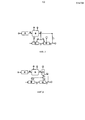
Фигура 1 показывает способ согласно изобретению, в котором органические материал или отходы непосредственно обрабатывают азотнокислым раствором.Figure 1 shows the method according to the invention, in which the organic material or waste is directly treated with a nitric acid solution.
Фигура 2 показывает способ согласно изобретению, в котором аммиак в вентиляционном воздухе обрабатывают и абсорбируют в скруббере с использованием азотнокислого раствора перед тем, как органические материал или отходы обрабатывают азотнокислым раствором, который после использования в скруббере содержит аммиак из вентиляционного воздуха.Figure 2 shows the method according to the invention, in which ammonia in the ventilation air is treated and absorbed in a scrubber using a nitric acid solution before the organic material or waste is treated with a nitric acid solution which, after use in the scrubber, contains ammonia from the ventilation air.
Фигура 3 показывает вариант осуществления показанного на фигуре 2 способа, в который введен биогазовый реактор.Figure 3 shows an embodiment of the method of Figure 2 in which a biogas reactor is introduced.
СУЩНОСТЬ ИЗОБРЕТЕНИЯSUMMARY OF THE INVENTION
Настоящее изобретение относится к способу уменьшения потери аммиака и запаха от органических материала или отходов в атмосферу, включающемуThe present invention relates to a method for reducing the loss of ammonia and odor from organic material or waste into the atmosphere, comprising
подачу воздуха или загрязненного воздуха в плазменный генератор, использующий электрический дуговой разряд, электростатическое поле, наноимпульсное электрическое поле, диэлектрический барьерный разряд, лазерное, радио- или микроволновое излучение или любое их сочетание, для получения концентрации 0,1-12 об.% NOx в воздухе путем непосредственной фиксации азота;supplying air or polluted air to a plasma generator using an electric arc discharge, electrostatic field, nano-pulse electric field, dielectric barrier discharge, laser, radio or microwave radiation, or any combination thereof, to obtain a concentration of 0.1-12 vol.% NO x in air by direct fixation of nitrogen;
подачу этого содержащего NOx воздуха в абсорбер и абсорбирование NOx абсорбирующей жидкостью в абсорбере с образованием азотнокислого раствора, содержащего нитраты и нитриты; иfeeding this NO x- containing air to the absorber and absorbing NO x with the absorbing liquid in the absorber to form a nitric acid solution containing nitrates and nitrites; and
подачу азотнокислого раствора в органические материал или отходы, в результате чего pH доводят до 4-6 и нитраты и нитриты связывают летучий аммиак и аммиаксодержащие компоненты, находящиеся в органических материале или отходах или образующиеся из них, в форме нитратных и нитритных солей аммония.feeding the nitric acid solution into organic material or waste, as a result of which the pH is adjusted to 4-6, and nitrates and nitrites bind volatile ammonia and ammonia-containing components found in or formed from organic material or waste, in the form of ammonium nitrate and nitrite salts.
В одном варианте осуществления вышеупомянутый способ включает подачу воздуха или загрязненного воздуха в плазменный генератор, использующий электрический дуговой разряд, электростатическое поле, наноимпульсное электрическое поле, диэлектрический барьерный разряд, лазерное, радио- или микроволновое излучение или любое их сочетание, для получения концентрации 0,1-12 об.% NOx в воздухе путем непосредственной фиксации азота и последующее быстрое охлаждение до температуры между 60 и 150°C в течение 10-3 секунды, или, предпочтительно, в течение 10-4 секунды, или, наиболее предпочтительно, в течение 10-5 секунды; подачу этого содержащего NOx воздуха в абсорбер после времени пребывания 15 секунд для получения молярного соотношения NO/NO2 3, или, предпочтительно, после времени пребывания 30 секунд для получения молярного соотношения NO/NO2 1,2, или, наиболее предпочтительно, после времени пребывания 60 секунд для получения молярного соотношения NO/NO2 0,95, и абсорбирование NOx абсорбирующей жидкостью в абсорбере, работающем при температуре между 20°C и 80°C или, предпочтительно, между 30°C и 60°C, с образованием азотнокислого раствора, содержащего нитраты и нитриты; и подачу азотнокислого раствора в органические материал или отходы, в результате чего pH доводят до 4-6 и нитраты и нитриты связывают летучий аммиак и аммиаксодержащие компоненты, находящиеся в органических материале или отходах или образующиеся из них, в форме нитратных и нитритных солей аммония.In one embodiment, the aforementioned method comprises supplying air or contaminated air to a plasma generator using an electric arc discharge, electrostatic field, nano-pulse electric field, dielectric barrier discharge, laser, radio or microwave radiation, or any combination thereof, to obtain a concentration of 0.1 -12 vol.% NO x in air by direct fixation of nitrogen and subsequent rapid cooling to a temperature between 60 and 150 ° C for 10 -3 seconds, or, preferably, for 10 -4 seconds, or most preferably within 10 -5 seconds; the supply of this NO x- containing air to the absorber after a residence time of 15 seconds to obtain a molar ratio of NO / NO 2 3, or, preferably, after a residence time of 30 seconds to obtain a molar ratio of NO / NO 2 of 1.2, or, most preferably, after a residence time of 60 seconds to obtain a molar ratio of NO / NO 2 of 0.95, and absorption of NO x by the absorbing liquid in the absorber operating at a temperature between 20 ° C and 80 ° C or, preferably, between 30 ° C and 60 ° C, s the formation of a nitric acid solution containing nitrates and nitrites; and supplying the nitric acid solution to the organic material or waste, whereby the pH is adjusted to 4-6, and nitrates and nitrites bind volatile ammonia and ammonia-containing components contained in or formed from the organic material or waste, in the form of nitrate and nitrite ammonium salts.
В вышеупомянутом способе азотнокислый раствор можно также пропускать через скруббер для абсорбции аммиака из загрязненного аммиаком вентиляционного воздуха от органических материала или отходов.In the aforementioned method, the nitric acid solution can also be passed through a scrubber to absorb ammonia from ammonia-contaminated ventilation air from organic material or waste.
Настоящее изобретение также относится к способу уменьшения потери аммиака и запаха от органических материала или отходов в атмосферу, включающемуThe present invention also relates to a method for reducing the loss of ammonia and odor from organic material or waste into the atmosphere, comprising
подачу воздуха или загрязненного воздуха в плазменный генератор, использующий электрический дуговой разряд, электростатическое поле, наноимпульсное электрическое поле, диэлектрический барьерный разряд, лазерное, радио- или микроволновое излучение или любое их сочетание, для получения концентрации 0,1-12 об.% NOx в воздухе путем непосредственной фиксации азота;supplying air or polluted air to a plasma generator using an electric arc discharge, electrostatic field, nano-pulse electric field, dielectric barrier discharge, laser, radio or microwave radiation, or any combination thereof, to obtain a concentration of 0.1-12 vol.% NO x in air by direct fixation of nitrogen;
подачу этого содержащего NOx воздуха в абсорбер и абсорбирование NOx абсорбирующей жидкостью в абсорбере с образованием азотнокислого раствора, содержащего нитраты и нитриты;feeding this NO x- containing air to the absorber and absorbing NO x with the absorbing liquid in the absorber to form a nitric acid solution containing nitrates and nitrites;
использование азотнокислого раствора в скруббере для абсорбции аммиака из загрязненного аммиаком вентиляционного воздуха от органических материала или отходов и для получения кислого раствора нитрата и нитрита аммония; иusing a nitric acid solution in a scrubber to absorb ammonia from ammonia-contaminated ventilation air from organic material or waste and to produce an acidic solution of ammonium nitrate and ammonium nitrite; and
подачу кислого раствора нитрата и нитрита аммония, полученного в скруббере, в органические материал или отходы.feeding an acidic solution of ammonium nitrate and nitrite obtained in a scrubber into organic material or waste.
В одном варианте осуществления вышеупомянутый способ включает подачу воздуха или загрязненного воздуха в плазменный генератор, использующий электрический дуговой разряд, электростатическое поле, наноимпульсное электрическое поле, диэлектрический барьерный разряд, лазерное, радио- или микроволновое излучение или любое их сочетание, для получения концентрации 0,1-12 об.% NOx в воздухе путем непосредственной фиксации азота и последующее быстрое охлаждение до температуры между 60 и 150°C в течение 10-3 секунды, или, предпочтительно, в течение 10-4 секунды, или, наиболее предпочтительно, в течение 10-5 секунды; подачу этого содержащего NOx воздуха в абсорбер после времени пребывания 15 секунд для получения молярного соотношения NO/NO2 3, или, предпочтительно, после времени пребывания 30 секунд для получения молярного соотношения NO/NO2 1,2, или, наиболее предпочтительно, после времени пребывания 60 секунд для получения молярного соотношения NO/NO2 0,95, и абсорбирование NOx абсорбирующей жидкостью в абсорбере, работающем при температуре между 20°C и 80°C или, предпочтительно, между 30°C и 60°C, с образованием азотнокислого раствора, содержащего нитраты и нитриты; использование азотнокислого раствора в скруббере для абсорбции аммиака из загрязненного аммиаком вентиляционного воздуха от органических материала или отходов и для получения кислого раствора нитрата и нитрита аммония; и подачу кислого раствора нитрата и нитрита аммония, полученного в скруббере, в органические материал или отходы. В данном способе органические материал или отходы можно обрабатывать в биогазовом реакторе перед подачей кислого раствора нитрата и нитрита аммония, полученного в скруббере, в органические материалы или отходы.In one embodiment, the aforementioned method comprises supplying air or contaminated air to a plasma generator using an electric arc discharge, electrostatic field, nano-pulse electric field, dielectric barrier discharge, laser, radio or microwave radiation, or any combination thereof, to obtain a concentration of 0.1 -12 vol.% NO x in air by direct fixation of nitrogen and subsequent rapid cooling to a temperature between 60 and 150 ° C for 10 -3 seconds, or, preferably, for 10 -4 seconds, or most preferably within 10 -5 seconds; the supply of this NO x- containing air to the absorber after a residence time of 15 seconds to obtain a molar ratio of NO / NO 2 3, or, preferably, after a residence time of 30 seconds to obtain a molar ratio of NO / NO 2 of 1.2, or, most preferably, after a residence time of 60 seconds to obtain a molar ratio of NO / NO 2 of 0.95, and absorption of NO x by the absorbing liquid in the absorber operating at a temperature between 20 ° C and 80 ° C or, preferably, between 30 ° C and 60 ° C, s the formation of a nitric acid solution containing nitrates and nitrites; using a nitric acid solution in a scrubber to absorb ammonia from ammonia-contaminated ventilation air from organic material or waste and to produce an acidic solution of ammonium nitrate and ammonium nitrite; and feeding an acidic solution of ammonium nitrate and nitrite obtained in a scrubber to organic material or waste. In this method, the organic material or waste can be processed in a biogas reactor before the acidic solution of ammonium nitrate and ammonium nitrite obtained in the scrubber is fed into the organic materials or waste.
В одном варианте осуществления вышеупомянутых способов воздух или загрязненный воздух подают в плазменный генератор для получения концентрации 2-12 об.% NOx в воздухе путем непосредственной фиксации азота.In one embodiment of the above methods, air or polluted air is supplied to a plasma generator to obtain a concentration of 2-12 vol.% NO x in the air by directly fixing nitrogen.
В следующем варианте осуществления вышеупомянутых способов абсорбирующая жидкость представляет собой воду или мочу.In a further embodiment of the above methods, the absorbent liquid is water or urine.
В следующем варианте осуществления вышеупомянутых способов абсорбирующая жидкость представляет собой холодную воду в избытке.In a further embodiment of the above methods, the absorbing liquid is in excess of cold water.
В следующем варианте осуществления вышеупомянутых способов органические материал или отходы выбирают из навоза домашнего скота и остатка биогазовой установки.In a further embodiment of the above methods, the organic material or waste is selected from livestock manure and the remainder of the biogas plant.
В следующем варианте осуществления вышеупомянутых способов нитратные и нитритные компоненты обеспечивают кислород, который подавляет активность восстановления сульфата до H2S.In a further embodiment of the above methods, the nitrate and nitrite components provide oxygen, which inhibits sulfate reduction activity to H 2 S.
В следующем варианте осуществления вышеупомянутых способов соотношение нитратов и нитритов в сочетании с pH 4-6 используют для дезинфекции органических материалов или отходов.In a further embodiment of the above methods, the ratio of nitrates to nitrites in combination with a pH of 4-6 is used to disinfect organic materials or waste.
В следующем варианте осуществления вышеупомянутых способов молярное соотношение нитрита к нитрату поддерживают между 1/10 и 1/100, что ингибирует образование N2O в процессе биологической нитрификации аммиака.In a further embodiment of the above methods, the molar ratio of nitrite to nitrate is maintained between 1/10 and 1/100, which inhibits the formation of N 2 O in the process of biological nitrification of ammonia.
В следующем варианте осуществления вышеупомянутых способов молярная концентрация нитрата находится в равновесии с молярной концентрацией N свободного аммиака для повышения интенсивности поглощения азота растениями.In a further embodiment of the above methods, the molar concentration of nitrate is in equilibrium with the molar concentration N of free ammonia to increase the intensity of nitrogen uptake by plants.
В следующем варианте осуществления вышеупомянутых способов плазменный генератор используют для сжигания и дезинфекции загрязненного воздуха посредством воздействия плазмы и электронной бомбардировки на загрязняющие вещества.In a further embodiment of the aforementioned methods, a plasma generator is used to burn and disinfect contaminated air through the action of plasma and electron bombardment of pollutants.
В следующем варианте осуществления вышеупомянутых способов раствор нитрата и нитрита используют для повышения агрономической доступности фосфата посредством временного снижения pH до 4, в результате чего растворяются и мобилизуются коллоидные осадки фосфатов.In a further embodiment of the above methods, a nitrate and nitrite solution is used to increase the agronomic availability of phosphate by temporarily lowering the pH to 4, whereby colloidal phosphate precipitates dissolve and mobilize.
В следующем варианте осуществления вышеупомянутых способов азотнокислый раствор содержит:In a further embodiment of the above methods, the nitric acid solution comprises:
NO3 - (нитрат),NO 3 - (nitrate),
NO2 - (нитрит) в молярном соотношении NO2 -/NO3 - 0,01-0,1,NO 2 - (nitrite) in a molar ratio of NO 2 - / NO 3 - 0.01-0.1,
NH4 + в молярном соотношении NH4 +/NO3 - 0,02-0,50,NH 4 + in a molar ratio of NH 4 + / NO 3 - 0.02-0.50,
NH2 + в молярном соотношении NH2 +/NO3 - 0,0001-0,05,NH 2 + in a molar ratio of NH 2 + / NO 3 - 0.0001-0.05,
другие составляющие в незначительных количествах.other constituents in small quantities.
Настоящее изобретение также относится к способу получения кислого нитратного раствора, подходящего для уменьшения потери аммиака и запаха от органических материала или отходов в атмосферу, включающемуThe present invention also relates to a method for producing an acidic nitrate solution suitable for reducing the loss of ammonia and odor from organic material or waste into the atmosphere, including
подачу воздуха или загрязненного воздуха в плазменный генератор, использующий электрический дуговой разряд, электростатическое поле, наноимпульсное электрическое поле, диэлектрический барьерный разряд, лазерное, радио- или микроволновое излучение или любое их сочетание, для получения концентрации 0,1-12 об.% NOx в воздухе путем непосредственной фиксации азота;supplying air or polluted air to a plasma generator using an electric arc discharge, electrostatic field, nano-pulse electric field, dielectric barrier discharge, laser, radio or microwave radiation, or any combination thereof, to obtain a concentration of 0.1-12 vol.% NO x in air by direct fixation of nitrogen;
подачу этого содержащего NOx воздуха в абсорбер и абсорбирование NOx абсорбирующей жидкостью в абсорбере с образованием азотнокислого раствора, содержащего:the supply of this NO x- containing air to the absorber and the absorption of NO x by the absorbing liquid in the absorber to form a nitric acid solution containing:
NO3 - (нитрат),NO 3 - (nitrate),
NO2 - (нитрит) в молярном соотношении NO2 -/NO3 - 0,01-0,1,NO 2 - (nitrite) in a molar ratio of NO 2 - / NO 3 - 0.01-0.1,
NH4 + в молярном соотношении NH4 +/NO3 - 0,02-0,50,NH 4 + in a molar ratio of NH 4 + / NO 3 - 0.02-0.50,
NH2 + в молярном соотношении NH2 +/NO3 - 0,0001-0,05,NH 2 + in a molar ratio of NH 2 + / NO 3 - 0.0001-0.05,
другие составляющие в незначительных количествах.other constituents in small quantities.
В одном варианте осуществления вышеупомянутый способ включает:In one embodiment, the aforementioned method comprises:
подачу воздуха или загрязненного воздуха в плазменный генератор, использующий электрический дуговой разряд, электростатическое поле, наноимпульсное электрическое поле, диэлектрический барьерный разряд, лазерное, радио- или микроволновое излучение или любое их сочетание, для получения концентрации 0,1-12 об.% NOx в воздухе путем непосредственной фиксации азота и последующее быстрое охлаждение до температуры между 60 и 150°C в течение 10-3 секунды, или, предпочтительно, в течение 10-4 секунды, или, наиболее предпочтительно, в течение 10-5 секунды;supplying air or polluted air to a plasma generator using an electric arc discharge, electrostatic field, nano-pulse electric field, dielectric barrier discharge, laser, radio or microwave radiation, or any combination thereof, to obtain a concentration of 0.1-12 vol.% NO x in air by direct fixation of nitrogen and subsequent rapid cooling to a temperature between 60 and 150 ° C for 10 -3 seconds, or, preferably, for 10 -4 seconds, or, most preferably, for 10 -5 seconds;
подачу этого содержащего NOx воздуха в абсорбер после времени пребывания 15 секунд для получения молярного соотношения NO/NO2 3, или, предпочтительно, после времени пребывания 30 секунд для получения молярного соотношения NO/NO2 1,2, или, наиболее предпочтительно, после времени пребывания 60 секунд для получения молярного соотношения NO/NO2 0,95, и абсорбирование NOx абсорбирующей жидкостью в абсорбере, работающем при температуре между 20°C и 80°C или, предпочтительно, между 30°C и 60°C, с образованием азотнокислого раствора, содержащего:the supply of this NO x- containing air to the absorber after a residence time of 15 seconds to obtain a molar ratio of NO / NO 2 3, or, preferably, after a residence time of 30 seconds to obtain a molar ratio of NO / NO 2 of 1.2, or, most preferably, after a residence time of 60 seconds to obtain a molar ratio of NO / NO 2 of 0.95, and absorption of NO x by the absorbing liquid in the absorber operating at a temperature between 20 ° C and 80 ° C or, preferably, between 30 ° C and 60 ° C, s the formation of a nitric acid solution containing:
NO3 - (нитрат),NO 3 - (nitrate),
NO2 - (нитрит) в молярном соотношении NO2 -/NO3 - 0,01-0,1,NO 2 - (nitrite) in a molar ratio of NO 2 - / NO 3 - 0.01-0.1,
NH4 + в молярном соотношении NH4 +/NO3 - 0,02-0,50,NH 4 + in a molar ratio of NH 4 + / NO 3 - 0.02-0.50,
NH2 + в молярном соотношении NH2 +/NO3 - 0,0001-0,05,NH 2 + in a molar ratio of NH 2 + / NO 3 - 0.0001-0.05,
другие составляющие в незначительных количествах.other constituents in small quantities.
Настоящее изобретение также относится к кислому нитратному раствору, подходящему для уменьшения потери аммиака и запаха от органических материала или отходов в атмосферу, содержащему:The present invention also relates to an acidic nitrate solution suitable for reducing the loss of ammonia and odor from organic material or waste into the atmosphere, comprising:
NO3 - (нитрат),NO 3 - (nitrate),
NO2 - (нитрит) в молярном соотношении NO2 -/NO3 - 0,01-0,1,NO 2 - (nitrite) in a molar ratio of NO 2 - / NO 3 - 0.01-0.1,
NH4 + в молярном соотношении NH4 +/NO3 - 0,02-0,50,NH 4 + in a molar ratio of NH 4 + / NO 3 - 0.02-0.50,
NH2 + в молярном соотношении NH2 +/NO3 - 0,0001-0,05,NH 2 + in a molar ratio of NH 2 + / NO 3 - 0.0001-0.05,
другие составляющие в незначительных количествах.other constituents in small quantities.
Настоящее изобретение также относится к установке для уменьшения потери аммиака и запаха от органических материала или отходов в атмосферу, включающей в себя питающую линию (1), содержащую воздух или загрязненный воздух; плазменный генератор (2), использующий электрический дуговой разряд, электростатическое поле, наноимпульсное электрическое поле, диэлектрический барьерный разряд, лазерное, радио- или микроволновое излучение или любое их сочетание, для получения NOx в воздухе из линии (1); линию (3), содержащую воздух из генератора (2); абсорбер (6), имеющий впуск (4) абсорбирующей жидкости и выпуск (5) очищенного в скруббере воздуха, для абсорбирования NOx абсорбирующей жидкостью с образованием азотнокислого раствора, содержащего нитраты и нитриты; линию (7), содержащую азотнокислый раствор из абсорбера (6); источник (8) органических материала или отходов; выпуск (11a), содержащий вентиляционный воздух из источника (8); линию (10), содержащую органические материал или отходы из источника (8); промежуточное хранилище (9) для хранения органических материала или отходов из линии (10); выпуск (11b), содержащий вентиляционный воздух из промежуточного хранилища (9); линию (12), содержащую органические материал или отходы из промежуточного хранилища (9); линию (19) выпуска продукта, содержащую органические материал или отходы из линии (12); и линию (7a), подающую азотнокислый раствор из линии (7) в источник (8), и/или линию (7b), подающую азотнокислый раствор из линии (7) в промежуточное хранилище (9), и/или линию (7c), подающую азотнокислый раствор из линии (7) в линию (19) выпуска продукта.The present invention also relates to an apparatus for reducing the loss of ammonia and odor from organic material or waste into the atmosphere, including a feed line (1) containing air or polluted air; a plasma generator (2) using an electric arc discharge, an electrostatic field, a nano-pulse electric field, a dielectric barrier discharge, laser, radio or microwave radiation, or any combination thereof, to produce NO x in air from line (1); a line (3) containing air from the generator (2); an absorber (6) having an inlet (4) of an absorbing liquid and an outlet (5) of air purified in a scrubber for absorbing NO x with an absorbing liquid to form a nitric acid solution containing nitrates and nitrites; line (7) containing the nitric acid solution from the absorber (6); source (8) of organic material or waste; an outlet (11a) containing ventilation air from a source (8); a line (10) containing organic material or waste from a source (8); intermediate storage (9) for storing organic material or waste from line (10); an outlet (11b) containing ventilation air from the intermediate storage (9); a line (12) containing organic material or waste from the intermediate storage (9); a product line (19) containing organic material or waste from line (12); and a line (7a) supplying a nitric acid solution from line (7) to a source (8), and / or a line (7b) supplying nitric acid solution from line (7) to an intermediate storage (9), and / or line (7c) supplying nitric acid solution from line (7) to line (19) of product release.
Настоящее изобретение также относится к установке для уменьшения потери аммиака и запаха от органических материала или отходов в атмосферу, включающей в себя питающую линию (1), содержащую воздух или загрязненный воздух; плазменный генератор (2), использующий электрический дуговой разряд, электростатическое поле, наноимпульсное электрическое поле, диэлектрический барьерный разряд, лазерное, радио- или микроволновое излучение или любое их сочетание, для получения NOx в воздухе из линии (1); линию (3), содержащую воздух из генератора (2); абсорбер (6), имеющий впуск (4) абсорбирующей жидкости и выпуск (5) очищенного в скруббере воздуха, для абсорбирования NOx абсорбирующей жидкостью с образованием азотнокислого раствора, содержащего нитраты и нитриты; линию (7), содержащую азотнокислый раствор из абсорбера (6); источник (8) органических материала или отходов; выпуск (11a), содержащий вентиляционный воздух из источника (8); линию (10), содержащую органические материал или отходы из источника (8); промежуточное хранилище (9) для хранения органических материала или отходов из линии (10); выпуск (11b), содержащий аммиаксодержащий вентиляционный воздух из промежуточного хранилища (9); линию (11), содержащую аммиаксодержащий вентиляционный воздух из линии (11a) и линии (11b); скруббер (14), использующий азотнокислый раствор из линии (7) для очистки аммиаксодержащего вентиляционного воздуха из линии (11); линию (12), содержащую органические материал или отходы из промежуточного хранилища (9); линию (15), содержащую кислый раствор нитрата и нитрита аммония, полученный в скруббере (14); выпуск (16), содержащий безаммиачный воздух, полученный в скруббере (14); линию (19) выпуска продукта, содержащую органические материал или отходы из линии (12) и кислый раствор нитрата и нитрита аммония из линии (15). Данная установка может также включать в себя биогазовый реактор (17), принимающий органические материал или отходы из линии (12); линию (18), содержащую остаток из биогазового реактора (18); и линию (19) выпуска продукта, содержащую остаток из биогазового реактора (18) и кислый раствор нитрата и нитрита аммония из линии (15).The present invention also relates to an apparatus for reducing the loss of ammonia and odor from organic material or waste into the atmosphere, including a feed line (1) containing air or polluted air; a plasma generator (2) using an electric arc discharge, an electrostatic field, a nano-pulse electric field, a dielectric barrier discharge, laser, radio or microwave radiation, or any combination thereof, to produce NO x in air from line (1); a line (3) containing air from the generator (2); an absorber (6) having an inlet (4) of an absorbing liquid and an outlet (5) of air purified in a scrubber for absorbing NO x with an absorbing liquid to form a nitric acid solution containing nitrates and nitrites; line (7) containing the nitric acid solution from the absorber (6); source (8) of organic material or waste; an outlet (11a) containing ventilation air from a source (8); a line (10) containing organic material or waste from a source (8); intermediate storage (9) for storing organic material or waste from line (10); an outlet (11b) containing ammonia-containing ventilation air from the intermediate storage (9); a line (11) containing ammonia-containing ventilation air from line (11a) and line (11b); a scrubber (14) using a nitric acid solution from line (7) to purify the ammonia-containing ventilation air from line (11); a line (12) containing organic material or waste from the intermediate storage (9); line (15) containing an acidic solution of ammonium nitrate and nitrite obtained in a scrubber (14); exhaust (16) containing ammonia-free air obtained in a scrubber (14); a product release line (19) containing organic material or waste from line (12) and an acidic solution of ammonium nitrate and ammonium nitrite from line (15). This installation may also include a biogas reactor (17) that receives organic material or waste from line (12); line (18) containing the remainder of the biogas reactor (18); and a product release line (19) containing a residue from a biogas reactor (18) and an acidic solution of ammonium nitrate and ammonium nitrite from line (15).
ПОДРОБНОЕ ОПИСАНИЕ ИЗОБРЕТЕНИЯDETAILED DESCRIPTION OF THE INVENTION
В настоящем изобретении применяется плазменный генератор, использующий электрический дуговой разряд, электростатическое поле, наноимпульсное электрическое поле, диэлектрический барьерный разряд, лазерное, радио- или микроволновое излучение или любое их сочетание, при обогащении органических отходов и навоза смесью кислых нитратов и нитритов. Соотношение между кислыми нитратами и нитритами регулируется в плазменном процессе и в абсорбционном процессе посредством температур и времен пребывания газовой фазы. Азотнокислый раствор уменьшает потерю аммиака и азота и запахи и повышает соотношение N/P2O5. Азотнокислый раствор может применяться при очистке богатых аммиаком газов в скруббере и/или непосредственно вводиться в органический материал для связывания избытка летучего аммиака и уменьшения запахообразования. Состав азотнокислого раствора подбирают для уменьшения выброса N2O. Кислотность понижает pH, который повышает устойчивость питательных веществ и доступность азота и фосфата для растений. Влага, содержащаяся в подаваемом в плазменный генератор воздухе, будет давать дополнительные радикалы кислорода и водорода. Радикалы водорода образуют, в конечном счете, щелочные компоненты, такие как NH3, и незначительные количества таких форм, как NH2, NH2 + и NH. Щелочные компоненты, предпочтительно аммиак, повысят содержание азота и стабилизируют нитрит.The present invention uses a plasma generator using an electric arc discharge, electrostatic field, nano-pulse electric field, dielectric barrier discharge, laser, radio or microwave radiation, or any combination thereof, in the enrichment of organic waste and manure with a mixture of acid nitrates and nitrites. The ratio between acid nitrates and nitrites is regulated in the plasma process and in the absorption process by means of temperatures and residence times of the gas phase. Nitric acid solution reduces the loss of ammonia and nitrogen and odors and increases the ratio of N / P 2 O 5 . The nitric acid solution can be used in the purification of ammonia-rich gases in a scrubber and / or directly injected into organic material to bind excess volatile ammonia and reduce odor formation. The composition of the nitric acid solution is selected to reduce the release of N 2 O. Acidity lowers the pH, which increases the stability of nutrients and the availability of nitrogen and phosphate for plants. The moisture contained in the air supplied to the plasma generator will produce additional oxygen and hydrogen radicals. Hydrogen radicals ultimately form alkaline components, such as NH 3 , and minor amounts of such forms as NH 2 , NH 2 +, and NH. Alkaline components, preferably ammonia, will increase the nitrogen content and stabilize nitrite.
Кроме того, изобретение можно использовать для сжигания дурно пахнущих газов посредством их подачи в плазменный генератор. Плазменный генератор выполнен с размерами согласно потребности в азоте (N) для баланса соотношения N/P2O5 в органическом материале и способен сжигать 10-50 кубометров при нормальных условиях (Нм3) воздуха на 1 кг получаемого нитратного азота. На каждый кубометр свиного навоза объем сжигаемого воздуха составит, как правило, 50-250 Нм3, и данный способ добавит в свиной навоз 0,2-1,0% нитратного азота. Плазменная технология, соответствующая современному уровню техники, позволяет фиксировать азот из воздуха в форме NO, расходуя 30-75 ГДж/т N.In addition, the invention can be used to burn foul-smelling gases by feeding them to a plasma generator. The plasma generator is dimensioned according to nitrogen (N) requirements to balance the N / P 2 O 5 ratio in the organic material and is capable of burning 10-50 cubic meters under normal conditions (Nm 3 ) of air per 1 kg of nitrate nitrogen produced. For each cubic meter of pig manure, the volume of air burned will usually be 50-250 Nm 3 , and this method will add 0.2-1.0% nitrate nitrogen to pig manure. Plasma technology in accordance with the state of the art allows nitrogen to be fixed from air in the form of NO, spending 30-75 GJ / t N.
Настоящее изобретение позволяет производить газообразный NO непосредственно из воздуха в запитываемом электроэнергией плазменном генераторе при коммерчески конкурентоспособной себестоимости. В плазменном генераторе используется электрический дуговой разряд или микроволновое излучение для расщепления молекул кислорода и азота и образования газообразного NOx из воздуха. Эти генераторы обладают способностью производить различные концентрации оксидов азота в воздухе. Наивысшая на практике концентрация составляет 12%, когда NO образуется из обычного воздуха. При этой концентрации оставшегося кислорода вполне достаточно, чтобы завершилась реакция из NO до HNO3 в воде.The present invention allows the production of gaseous NO directly from air in an electrically powered plasma generator at a commercially competitive cost price. The plasma generator uses an electric arc discharge or microwave radiation to break down oxygen and nitrogen molecules and produce gaseous NO x from the air. These generators have the ability to produce various concentrations of nitrogen oxides in the air. The highest concentration in practice is 12% when NO is formed from ordinary air. At this concentration, the remaining oxygen is enough to complete the reaction from NO to HNO 3 in water.
2NO+O2=2NO2 II2NO + O 2 = 2NO 2 II
3NO2+H2O=2HNO3+NO III3NO 2 + H 2 O = 2HNO 3 + NO III
4NO+3O2+2H2O=4HNO3 IV=3⋅IΙ+2⋅III4NO + 3O 2 + 2H 2 O = 4HNO 3 IV = 3⋅IΙ + 2⋅III
Концентрация HNO3 составляет 68% в азеотропной смеси с водой и 70% в товарной технической азотной кислоте, хотя большинство промышленных предприятий производят 60-65%-ную для внутреннего использования. Настоящее изобретение работает на другом конце шкалы концентраций производимой азотной кислоты. Причина работы в высокоразбавленной области заключается в характере способа и требованиях, поставленных его применением.The concentration of HNO 3 is 68% in an azeotropic mixture with water and 70% in commercial technical nitric acid, although most industrial enterprises produce 60-65% for domestic use. The present invention works at the other end of the nitric acid concentration scale. The reason for working in a highly diluted field is the nature of the method and the requirements posed by its application.
При производстве по мере необходимости высокие концентрации не требуются, потому что отсутствуют расходы на хранение и транспортировку. Напротив, в случае использования для органических компонентов требуются разбавленные системы с подобранными составами.In production, as required, high concentrations are not required because there are no costs for storage and transportation. In contrast, when used for organic components, diluted systems with selected formulations are required.
В настоящем изобретении основной эффект азотнокислого раствора представляет собой реакцию между азотной кислотой и свободным аммиаком, получаемым в результате разложения органических белков и мочи. Как правило, 30% суммарного содержания азота теряется в воздухе в виде газообразного аммиака, потому что pH навоза обычно составляет 8-10. Кислый нитратный и нитритный раствор применяют, чтобы довести pH до 4-6, что прекращает потери аммиака в воздух.In the present invention, the main effect of the nitric acid solution is the reaction between nitric acid and free ammonia resulting from the decomposition of organic proteins and urine. As a rule, 30% of the total nitrogen content is lost in the air in the form of gaseous ammonia, because the pH of manure is usually 8-10. An acidic nitrate and nitrite solution is used to bring the pH to 4-6, which stops the loss of ammonia in the air.
HNO3+NH4OH=>NH4NO3+H2O VHNO 3 + NH 4 OH => NH 4 NO 3 + H 2 OV
Азотнокислый раствор можно также использовать в скруббере для аммиаксодержащего вентиляционного воздуха из стойл или баков вместо или в сочетании с непосредственным внесением в навоз или органические отходы. Примерами этого могут быть случаи, когда навоз или органические отходы следует подавать в биогазовый реактор, потому что процесс в биогазовом реакторе может нарушаться нитратом или нитритом.The nitric acid solution can also be used in a scrubber for ammonia-containing ventilation air from stalls or tanks instead of or in combination with direct application to manure or organic waste. Examples of this can be when manure or organic waste should be fed to a biogas reactor because the process in a biogas reactor can be disturbed by nitrate or nitrite.
Из технологии азотной кислоты известно, что в зависимости от температуры, давления, времени пребывания содержащего NOx газа в процессе абсорбции можно получить различные концентрации азотной кислоты и азотистой кислоты. Образование закиси азота является более вероятным в разбавленных и холодных растворах от абсорбции газообразных NO2 и NO в воде. Настоящее изобретение предусматривает абсорбцию при давлении вблизи или ниже атмосферного с использованием избытка холодной воды по сравнению с обычным производством азотной кислоты. После плазменного генератора плазму быстро (резко) охлаждают с максимально возможной скоростью различными средствами, такими как воздух или другие подходящие газы или твердый контактный материал, выдерживающий энергию и температуру плазмы. Время пребывания должно составлять менее 10-3 секунды, предпочтительно менее 10-4 секунды или, наиболее предпочтительно, менее 10-5 секунды. После быстрого охлаждения образовавшиеся в воздухе газообразные NOx выдерживают в течение заданного времени пребывания при 80-120°C, чтобы превратить газообразный NO в NO2. Требуемое время пребывания зависит от температуры после быстрого охлаждения, но после 15 секунд молярное соотношение NO/NO2 составляет 3, а после 30 секунд молярное соотношение NO/NO2 составляет 1,2, и после 60 секунд молярное соотношение NO/NO2 составляет 0,95. Известно, что в процессе абсорбции реакция до HNO3 происходит как газофазная реакция II и жидкофазная реакция III. Поэтому время пребывания газа в абсорбере должно составлять более чем 120 секунд, предпочтительно 200 секунд, чтобы уменьшить концентрацию NOx, выходящего в воздух. В настоящем изобретении, в конечном счете, используют температуру абсорбера для регулирования соотношения между нитратом и нитритом. Поддерживая температуру абсорбера в интервале 20-80°C, предпочтительно 30-60°C, концентрацию HNO2 можно сохранять в требуемом интервале. Температура регулирует разложение HNO2, и ее можно настроить таким образом, чтобы обеспечить достаточно остаточного NO2 - в кислой смеси. См. реакцию VI.From nitric acid technology, it is known that depending on the temperature, pressure, residence time of the gas containing NO x during absorption, various concentrations of nitric acid and nitrous acid can be obtained. The formation of nitrous oxide is more likely in dilute and cold solutions from the absorption of gaseous NO 2 and NO in water. The present invention provides for absorption at a pressure near or below atmospheric using an excess of cold water compared to conventional nitric acid production. After the plasma generator, the plasma is rapidly (sharply) cooled at the highest possible speed by various means, such as air or other suitable gases or solid contact material that can withstand the energy and temperature of the plasma. The residence time should be less than 10 -3 seconds, preferably less than 10 -4 seconds or, most preferably, less than 10 -5 seconds. After rapid cooling, gaseous NO x formed in the air are held for a predetermined residence time at 80-120 ° C. to convert gaseous NO to NO 2 . The required residence time depends on the temperature after rapid cooling, but after 15 seconds the molar ratio of NO / NO 2 is 3, and after 30 seconds the molar ratio of NO / NO 2 is 1.2, and after 60 seconds the molar ratio of NO / NO 2 is 0 , 95. It is known that in the process of absorption, the reaction to HNO 3 occurs as a gas-phase reaction II and a liquid-phase reaction III. Therefore, the residence time of the gas in the absorber should be more than 120 seconds, preferably 200 seconds, in order to reduce the concentration of NO x escaping into the air. In the present invention, ultimately, the temperature of the absorber is used to control the ratio between nitrate and nitrite. By maintaining the temperature of the absorber in the range of 20-80 ° C, preferably 30-60 ° C, the concentration of HNO 2 can be maintained in the desired range. The temperature controls the decomposition of HNO 2 , and it can be adjusted so as to provide enough residual NO 2 - in the acidic mixture. See reaction VI.
NO+NO2+H2O↔2HNO2 VINO + NO 2 + H 2 O↔2HNO 2 VI
Процесс нитрификации (VII) и денитрификации (VIII) считается одним из основных вкладов в глобальное потепление. Побочный продукт N2O оказывает эффект глобального потепления, который в 320 раз превосходит такой эффект от CO2.The process of nitrification (VII) and denitrification (VIII) is considered one of the main contributions to global warming. A by-product of N 2 O has a global warming effect that is 320 times that of CO 2 .
N2(г) N2O(г) N 2 (g) N 2 O (g)
NH3->↑NO2 -->NO3 - VIINH 3 -> ↑ NO 2 - -> NO 3 - VII
NO3 -->NO2 -->N2O->N2 VIIINO 3 - -> NO 2 - -> N 2 O-> N 2 VIII
Концентрация азотистой кислоты важна потому, что нитрит (NO2 -) способен ингибировать денитрификацию микроорганизмами нитрата и нитрита до N2 и N2O. По-видимому, при переходе от NO3 - к N2 промежуточный компонент NO2 - ингибирует денитрификацию, если концентрация составляет более чем 0,01 моль/литр.Nitrous acid concentration is important because nitrite (NO 2 -) was able to inhibit microbial denitrification of nitrate and nitrite to N 2 and N 2 O. Apparently, during the transition from NO 3 - into N 2 intermediate component NO 2 - denitrification is inhibited if the concentration is more than 0.01 mol / liter.
Кроме того, известны нитрификационные бактерии, которые производят N2O в процессе денитрификации. Вероятно, это представляет собой защитную реакцию, чтобы ограничивать токсичную концентрацию NO2 -.In addition, nitrification bacteria are known that produce N 2 O in the process of denitrification. This is likely to be a protective reaction to limit the toxic concentration of NO 2 - .
Концентрация нитрита (NO2 -) имеет критическое значение, поскольку известно, что он не только эффективно замедляет процесс денитрификации, но и представляет собой компонент, из которого образуется N2O.The concentration of nitrite (NO 2 - ) is critical because it is known that it not only effectively slows down the denitrification process, but also represents the component from which N 2 O is formed.
Настоящее изобретение уменьшает образования N2O посредством снижения pH до 4-6 и поддержания молярного соотношения нитрита к нитрату от 1/10 до 1/100 в целях ингибирования активности денитрификации, а также нитрификации.The present invention reduces the formation of N 2 O by lowering the pH to 4-6 and maintaining the molar ratio of nitrite to nitrate from 1/10 to 1/100 in order to inhibit denitrification activity, as well as nitrification.
В бескислородных органических растворах образование H2S является типичной реакцией и показателем запахообразования. Бактерии компенсируют недостаток кислорода, забирая кислород от сульфата и превращая SO4 2- в H2S. Известно, что добавление нитратов устраняет эту активность и значительно уменьшает запахи.In oxygen-free organic solutions, the formation of H 2 S is a typical reaction and an indicator of odor formation. Bacteria compensate for the lack of oxygen by taking oxygen from sulfate and converting SO 4 2- to H 2 S. It is known that the addition of nitrates eliminates this activity and significantly reduces odors.
Требуемое соотношение N/P2O5 для основных культурных растений составляет порядка 2, в то время как соотношение N/P2O5 в навозе ниже этого. Данная технология заключается как во введении азота, так и в уменьшении потери азота. Целевое соотношение достигается дозированием азотнокислого раствора по мере образования свободного аммиака из-за биологической активности. Может также оказаться возможным прекращение биологической активности посредством передозировки и снижения pH. Производительность плазменного генератора и производство азотнокислого раствора регулируют посредством увеличения входной мощности. Это даст более высокую концентрацию NO в воздухе, проходящем через плазменный генератор.The required N / P 2 O 5 ratio for the main crop plants is about 2, while the N / P 2 O 5 ratio in manure is lower than this. This technology consists in both the introduction of nitrogen and the reduction of nitrogen loss. The target ratio is achieved by dosing the nitric acid solution as free ammonia is formed due to biological activity. It may also be possible to terminate the biological activity through an overdose and lowering the pH. The performance of the plasma generator and the production of the nitric acid solution are controlled by increasing the input power. This will give a higher concentration of NO in the air passing through the plasma generator.
Данная технология способна также повышать доступность растениям фосфата в органических отходах из систем очистки воды. Причина исходной низкой доступности заключается в том, что фосфаты химически осаждаются ионами Mg, Al, Ca или Fe при высоком pH, образуя компоненты с наименьшей растворимостью. Интенсивность такого осаждения определяет образование коллоидных осадков, которым требуется флокуляция. Настоящее изобретение способно повышать растворимость фосфатов посредством временного снижения pH и последующего осуществления химических и биологических реакций, мобилизующих фосфаты в слегка кислой среде.This technology is also able to increase the availability of phosphate to plants in organic waste from water treatment systems. The reason for the initial low availability is that phosphates are chemically precipitated by Mg, Al, Ca or Fe ions at high pH, forming the components with the lowest solubility. The intensity of such deposition determines the formation of colloidal sediments, which require flocculation. The present invention is capable of increasing the solubility of phosphates by temporarily lowering the pH and then performing chemical and biological reactions mobilizing phosphates in a slightly acidic environment.
В одном варианте осуществления настоящее изобретение относится к способу уменьшения потери аммиака и запаха от органических материала или отходов в атмосферу, включающему подачу воздуха или загрязненного воздуха в плазменный генератор, использующий электрический дуговой разряд, электростатическое поле, наноимпульсное электрическое поле, диэлектрический барьерный разряд, лазерное, радио- или микроволновое излучение или любое их сочетание, для получения концентрации 0,1-12 об.% NOx в воздухе путем непосредственной фиксации азота и последующее быстрое охлаждение в течение 10-3 секунды, предпочтительно 10-4 секунды или, наиболее предпочтительно, в течение 10-5 секунды. После быстрого охлаждения образовавшиеся в воздухе газообразные NOx выдерживают в течение некоторого времени пребывания при 80-120°C, чтобы превратить газообразный NO в NO2. Требуемое время пребывания зависит от температуры после быстрого охлаждения, но после 15 секунд молярное соотношение NO/NO2 составляет 3, после 30 секунд молярное соотношение NO/NO2 составляет 1,2, а после 60 секунд молярное соотношение NO/NO2 составляет 0,95, перед последующим абсорбированием NOx абсорбирующей жидкостью в абсорбере, работающем при 20-80°C, предпочтительно 30-60°C, с образованием азотнокислого раствора, содержащего нитраты и нитриты, а также некоторое количество аммиака и незначительные количества щелочных соединений азота; и подачу этого азотнокислого раствора в органические материал или отходы, в результате чего pH доводят до 4-6 и нитраты и нитриты связывают летучий аммиак и аммиаксодержащие компоненты, находящиеся в органических материале или отходах или образующиеся из них, в форме нитратных и нитритных солей аммония. В данном способе азотнокислый раствор можно пропускать через скруббер для абсорбции аммиака из загрязненного аммиаком вентиляционного воздуха от органических материала или отходов.In one embodiment, the present invention relates to a method for reducing the loss of ammonia and odor from organic material or waste into the atmosphere, comprising supplying air or polluted air to a plasma generator using an electric arc discharge, electrostatic field, nano-pulse electric field, dielectric barrier discharge, laser, radio or microwave radiation, or any combination thereof, for about.% NO x concentration of 0.1-12 in air by direct nitrogen fixation et seq yuschee rapid cooling for 10 -3 seconds, preferably 10 -4 seconds or, most preferably, within 10 -5 seconds. After rapid cooling, gaseous NO x formed in the air are held for some time at 80-120 ° C to convert gaseous NO to NO 2 . The required residence time depends on the temperature after rapid cooling, but after 15 seconds the molar ratio of NO / NO 2 is 3, after 30 seconds the molar ratio of NO / NO 2 is 1.2, and after 60 seconds the molar ratio of NO / NO 2 is 0. 95, before subsequent absorption of NO x by the absorbing liquid in an absorber operating at 20-80 ° C, preferably 30-60 ° C, to form a nitric acid solution containing nitrates and nitrites, as well as some ammonia and small amounts of alkaline nitrogen compounds; and feeding this nitric acid solution into organic material or waste, whereby the pH is adjusted to 4-6, and nitrates and nitrites bind volatile ammonia and ammonia-containing components present in or formed from organic material or waste in the form of nitrate and nitrite ammonium salts. In this method, the nitric acid solution can be passed through a scrubber to absorb ammonia from ammonia-contaminated ventilation air from organic material or waste.
В другом варианте осуществления настоящее изобретение относится к способу уменьшения потери аммиака и запаха от органических материала или отходов в атмосферу, включающему подачу воздуха или загрязненного воздуха в плазменный генератор, использующий электрический дуговой разряд, электростатическое поле, наноимпульсное электрическое поле, диэлектрический барьерный разряд, лазерное, радио- или микроволновое излучение или любое их сочетание, для получения концентрации 0,1-12 об.% NOx в воздухе путем непосредственной фиксации азота и последующее быстрое охлаждение в течение 10-3 секунды, предпочтительно в течение менее 10-4 секунды или, наиболее предпочтительно, 10-5 секунды. После быстрого охлаждения образовавшиеся в воздухе газообразные NOx выдерживают в течение некоторого времени пребывания при 80-120°C, чтобы превратить газообразный NO в NO2. Требуемое время пребывания зависит от температуры после быстрого охлаждения, но после 15 секунд молярное соотношение NO/NO2 составляет 3, после 30 секунд молярное соотношение NO/NO2 составляет 1,2, а после 60 секунд молярное соотношение NO/NO2 составляет 0,95, перед абсорбированием NOx в абсорбере, работающем при 20-80°C, предпочтительно 30-60°C, с образованием азотнокислого раствора, содержащего нитраты и нитриты; использование азотнокислого раствора в скруббере для абсорбции аммиака из загрязненного аммиаком вентиляционного воздуха от органических материала или отходов и для получения кислого раствора нитрата и нитрита аммония; и подачу кислого раствора нитрата и нитрита аммония, полученного в скруббере, в органические материал или отходы. В данном способе органические материал или отходы можно обрабатывать в биогазовом реакторе перед подачей кислого раствора нитрата и нитрита аммония, полученного в скруббере, в органические материал или отходы.In another embodiment, the present invention relates to a method for reducing the loss of ammonia and odor from organic material or waste into the atmosphere, comprising supplying air or polluted air to a plasma generator using an electric arc discharge, electrostatic field, nano-pulse electric field, dielectric barrier discharge, laser, radio or microwave radiation, or any combination of.% NO x, for a concentration of 0.1-12 in air by direct nitrogen fixation and after uyuschee rapid cooling for 10 -3 seconds, preferably for less than 10 -4 seconds or, most preferably, 10 -5 seconds. After rapid cooling, gaseous NO x formed in the air are held for some time at 80-120 ° C to convert gaseous NO to NO 2 . The required residence time depends on the temperature after rapid cooling, but after 15 seconds the molar ratio of NO / NO 2 is 3, after 30 seconds the molar ratio of NO / NO 2 is 1.2, and after 60 seconds the molar ratio of NO / NO 2 is 0. 95, before absorbing NO x in an absorber operating at 20-80 ° C, preferably 30-60 ° C, to form a nitric acid solution containing nitrates and nitrites; using a nitric acid solution in a scrubber to absorb ammonia from ammonia-contaminated ventilation air from organic material or waste and to produce an acidic solution of ammonium nitrate and ammonium nitrite; and feeding an acidic solution of ammonium nitrate and nitrite obtained in a scrubber to organic material or waste. In this method, the organic material or waste can be processed in a biogas reactor before the acid solution of ammonium nitrate and ammonium nitrite obtained in the scrubber is fed into the organic material or waste.
Фигура 1 показывает основной принцип изобретения. Воздух 1 подают в плазменный генератор 2. Выпускаемый поток 3 из плазменного генератора представляет собой смесь оксидов азота в воздухе. Поток 3 поступает в абсорбер 6. В абсорбере 6 оксиды азота абсорбируются водой 4, которая поступает в верхнюю часть абсорбера. Очищенный в скруббере воздух 5 выпускают в атмосферу. Выходящая из нижней части абсорбера жидкость 7 представляет собой смесь кислых оксидов азота, главным образом, нитраты и нитриты. Абсорбирующая жидкость 4 может также представлять собой мочу, содержащую соединения аммония, и в этом случае выпускаемая жидкость 7 будет также содержать кислый нитрат и нитрит аммония. Кислую жидкость 7 с правильным составом нитрата и нитрита затем наносят на или вносят в навоз или органические отходы там, где это практически целесообразно, а предпочтительно в нескольких местах, из источника в конечный выпуск. Ее можно применять непосредственно в стойлах 8, где она будет уменьшать выбросы аммиака и запахи в стойлах и в вентиляционном воздухе 11a. Азотнокислый поток 7a будет также увеличивать содержание азота в потоке навоза или органических отходов 10, поступающих в промежуточное хранилище 9. Промежуточное хранилище 9 можно также обрабатывать азотнокислым раствором 7b для нейтрализации аммиака, выделяющегося при ферментации и минерализации навоза или органических отходов в промежуточном хранилище 9. Эффектом будет меньше аммиака в вентиляционном воздухе 11b и более высокое содержание азота в выпускаемом потоке 12. Выпускаемый поток 12 из промежуточного хранилища 9 можно также подвергать конечной обработке азотнокислым раствором 7c для регулирования азота и/или pH перед транспортировкой и разбрасыванием.Figure 1 shows the basic principle of the invention.
Фигура 2 демонстрирует еще один принцип того, как изобретение способно уменьшать потери аммиака и запахи и увеличивать содержание азота в навозе или органических отходах. Воздух 1 подают в плазменный генератор 2. Выпускаемый поток 3 из плазменного генератора представляет собой смесь оксидов азота в воздухе. Поток 3 поступает в абсорбер 6. В абсорбере 6 оксиды азота абсорбируются водой 4, которая поступает в верхнюю часть абсорбера. Очищенный в скруббере воздух 5 выпускают в атмосферу. Выходящая из нижней части абсорбера жидкость 7 представляет собой смесь кислых оксидов азота, главным образом, нитраты и нитриты. В данной технологии азотнокислый раствор 7 используют в очищающем вентиляционный воздух скруббере 14. Технологию очищающего вентиляционный воздух скруббера можно внедрять на самостоятельной основе или в сочетании с непосредственным внесением в навоз или органические отходы, как описано на фигуре 1. Вентиляционный воздух 11a из стойл 8 и вентиляционный воздух 11b из промежуточного хранилища 9 направляют в качестве питания 11 в скруббер 14. Выпускаемый из скруббера поток 16 будет безаммиачным воздухом, а выпускаемая жидкость 15 будет кислым раствором нитрата и нитрита аммония. Кислый раствор 15 нитрата и нитрита аммония вносят непосредственно в навоз или выпускаемую из промежуточного хранилища органику 12 для повышения питательной ценности конечного продукта 19. Эффектом будет также дополнительное уменьшение потерь аммиака и закиси азота.Figure 2 demonstrates yet another principle of how the invention is able to reduce ammonia losses and odors and increase the nitrogen content in manure or organic waste.
Фигура 3 показывает то, как изобретение применяется в ситуации с биогазовым реактором. Воздух 1 подают в плазменный генератор 2. Выпускаемый поток 3 из плазменного генератора представляет собой смесь оксидов азота в воздухе. Поток 3 поступает в абсорбер 6. В абсорбере 6 оксиды азота абсорбируются водой 4, которая поступает в верхнюю часть абсорбера. Очищенный в скруббере воздух 5 выпускают в атмосферу. Выходящая из нижней части абсорбера жидкость 7 представляет собой смесь кислых оксидов азота, главным образом, нитраты и нитриты. В данной технологии азотнокислый раствор 7 используют в очищающем вентиляционный воздух скруббере 14. Непосредственное внесение азотнокислого раствора 7 в навоз и/или органические отходы перед его подачей в биогазовый реактор может оказаться неблагоприятным для биогазового реактора. Вентиляционный воздух 11a из стойл или источника органических отходов 8 и вентиляционный воздух 11b из промежуточного хранилища 9 направляют в качестве питания 11 в очищающий вентиляционный воздух скруббер 14. Исходный поток 10 в промежуточное хранилище и исходный поток 12 в биогазовый реактор 17 не обрабатывают нитратами и нитритами, чтобы не ухудшать качество биогаза 13. Выпускаемый воздух 16 из скруббера 14 будет безаммиачным воздухом, а выпускаемая жидкость 15 будет кислым раствором нитрата и нитрита аммония. Кислый раствор 15 нитрата и нитрита аммония вносят в биоостаток 18 из биогазового реактора 17. Конечный биогазовый остаток 19 будет обогащен азотом и отрегулирован по pH для ограничения дальнейших потерь аммиака и закиси азота.Figure 3 shows how the invention is applied in a biogas reactor situation.
Claims (29)
Applications Claiming Priority (3)
| Application Number | Priority Date | Filing Date | Title |
|---|---|---|---|
| NO20111701 | 2011-12-08 | ||
| NO20111701 | 2011-12-08 | ||
| PCT/NO2012/050245 WO2013085395A1 (en) | 2011-12-08 | 2012-12-10 | Processes and plants for reducing ammonia loss and odor from organic material or waste to the atmosphere |
Publications (2)
| Publication Number | Publication Date |
|---|---|
| RU2014127299A RU2014127299A (en) | 2016-02-10 |
| RU2621103C2 true RU2621103C2 (en) | 2017-05-31 |
Family
ID=47559636
Family Applications (1)
| Application Number | Title | Priority Date | Filing Date |
|---|---|---|---|
| RU2014127299A RU2621103C2 (en) | 2011-12-08 | 2012-12-10 | Method and plants to reducing ammonia loss and odour from organic material or waste into atmosphere |
Country Status (16)
| Country | Link |
|---|---|
| US (1) | US9440889B2 (en) |
| EP (1) | EP2788037B1 (en) |
| CN (1) | CN104144710B (en) |
| AP (1) | AP3653A (en) |
| BR (1) | BR112014008473B1 (en) |
| CA (1) | CA2851348C (en) |
| DK (1) | DK2788037T3 (en) |
| ES (1) | ES2608487T3 (en) |
| HU (1) | HUE032377T2 (en) |
| LT (1) | LT2788037T (en) |
| NO (2) | NO347115B1 (en) |
| PL (1) | PL2788037T3 (en) |
| PT (1) | PT2788037T (en) |
| RU (1) | RU2621103C2 (en) |
| SI (1) | SI2788037T1 (en) |
| WO (1) | WO2013085395A1 (en) |
Families Citing this family (19)
| Publication number | Priority date | Publication date | Assignee | Title |
|---|---|---|---|---|
| GB2553752A (en) * | 2016-07-01 | 2018-03-21 | Arcs Energy Ltd | Fluid treatment apparatus and method |
| CA2992063A1 (en) | 2017-01-16 | 2018-07-16 | Nuorganics LLC | Systems and methods for recovering nitrogenous compounds from a gas stream |
| US10793483B2 (en) | 2017-10-24 | 2020-10-06 | Dari-Tech, Inc. | Method and system for compounding fertilizer from manure without nutrient emission |
| US10683239B2 (en) * | 2017-10-24 | 2020-06-16 | Dari-Tech, Inc. | Method and system for compounding fertilizer from manure without nutrient emission |
| US10919815B2 (en) | 2017-10-24 | 2021-02-16 | Dari-Tech, Inc. | Method and system for compounding fertilizer from manure without nutrient emission |
| NO345196B1 (en) * | 2018-10-25 | 2020-11-02 | N2 Applied As | Low pressure plasma reactor loop process and system |
| NO345195B1 (en) * | 2018-10-25 | 2020-11-02 | N2 Applied As | Nitrogen enrichment of organic fertilizer with nitrate and air plasma |
| CN110327749A (en) * | 2019-07-18 | 2019-10-15 | 重庆工商大学 | A kind of method of low-temperature plasma degradation dimethylbenzene and synchronous fixed nitrogen |
| CN110983356B (en) * | 2019-10-22 | 2021-04-20 | 浙江大学 | A low-temperature jet plasma coupled single-atom catalytic nitrogen fixation device and method |
| US12186728B2 (en) * | 2020-04-26 | 2025-01-07 | Nitricity Inc. | Systems and processes for producing fixed-nitrogen compounds |
| CN111661854B (en) * | 2020-05-08 | 2021-04-20 | 浙江大学 | A nitrogen oxide absorption and utilization system based on low temperature plasma catalytic nitrogen fixation |
| JP7783610B2 (en) * | 2020-10-16 | 2025-12-10 | 国立大学法人九州大学 | Organic fertilizer manufacturing method, plant cultivation method, soil improvement method, and organic fertilizer manufacturing device |
| US12291490B2 (en) * | 2021-01-14 | 2025-05-06 | Burak Karadag | Method and apparatus for producing liquid nitrogen fertilizer and plasma activated water |
| CN113735632B (en) * | 2021-09-03 | 2022-05-17 | 重庆大学 | A magnetron air plasma preparation system for nitrogen fertilizer |
| DE102021129443A1 (en) | 2021-11-11 | 2023-05-11 | Biogastechnik Süd GmbH | METHOD AND DEVICE FOR THE TREATMENT OF LIQUID ORGANIC SUBSTRATES IN ANAEROBIC PLANTS AND PROCESSES BY COMBINING MECHANICAL, VACUUM AND MULTI-STAGE ULTRASOUND AND PLASMA TREATMENT |
| US20250381545A1 (en) * | 2022-07-06 | 2025-12-18 | Katholieke Universiteit Leuven | Ammonium nitrate production |
| NL2032635B1 (en) * | 2022-07-29 | 2024-02-06 | Lely Patent Nv | Gas scrubbing device and livestock farm equipped with such a gas scrubbing device |
| CN116573620A (en) * | 2023-05-06 | 2023-08-11 | 合肥综合性国家科学中心能源研究院(安徽省能源实验室) | Low-temperature plasma-electrocatalytic ammonia synthesis method and ammonium nitrate synthesis method |
| NO20230830A1 (en) * | 2023-08-01 | 2025-02-03 | N2 Applied As | Treatment of organic substrates in watery liquids with plasma generated NOx at a pH range of 4-7, eliminating the emissions of ammonia and methane and pathogenic activity |
Citations (7)
| Publication number | Priority date | Publication date | Assignee | Title |
|---|---|---|---|---|
| US5192355A (en) * | 1975-05-27 | 1993-03-09 | Kamterter Products, Inc. | Manufacturing and using nitrogen fertilizer solutions on a farm |
| RU2004529C1 (en) * | 1991-04-08 | 1993-12-15 | Сибирский филиал Научно-производственного объединени "Техэнергохимпром" | Method and installation for producing organomineral fertilizer |
| WO2003014016A1 (en) * | 2001-08-08 | 2003-02-20 | Cement Industry Environmental Consortium | Introduction of cyanide waste as a nox reductant |
| EP1314698A1 (en) * | 2000-08-10 | 2003-05-28 | Babcock-Hitachi Kabushiki Kaisha | Process and apparatus for treating ammonia-containing waste water |
| WO2006026723A2 (en) * | 2004-08-26 | 2006-03-09 | Aceto Corporation | Odor abatement of organic waste |
| WO2009059615A1 (en) * | 2007-11-07 | 2009-05-14 | Matthias Spicher | Method for producing a nitrogenous fertilizer from nitrogen-containing material of biogenous and industrial origin |
| WO2010114580A1 (en) * | 2009-04-03 | 2010-10-07 | Nitra-Gen Llc | Method and apparatus for on-site nitrate production for a water processing system |
Family Cites Families (24)
| Publication number | Priority date | Publication date | Assignee | Title |
|---|---|---|---|---|
| US2485476A (en) | 1944-07-27 | 1949-10-18 | Koppers Co Inc | Method of producing nitrogen oxide |
| SE366730B (en) | 1972-08-09 | 1974-05-06 | H Hansson | |
| US3966450A (en) | 1974-08-12 | 1976-06-29 | Fmc Corporation | Animal waste odor treatment |
| IT1027882B (en) * | 1974-12-20 | 1978-12-20 | Sir Soc Italiana Resine Spa | PROCEDURE FOR THE PRODUCTION OF ACITO NITRIC |
| JPS53119296A (en) * | 1977-03-28 | 1978-10-18 | Mizusawa Industrial Chem | Method of recovering nitric acid from nitrates |
| US4141715A (en) * | 1977-04-11 | 1979-02-27 | Wyse Harold G | Method and apparatus for producing a nitrate fertilizer |
| US4139595A (en) * | 1978-02-06 | 1979-02-13 | Vaseen Vesper A | Producing nitric oxide and nitric acid |
| US4219536A (en) * | 1978-07-26 | 1980-08-26 | Chevron Research Company | Nitric acid process and disposal of waste liquids containing ammonium nitrites |
| US4219534A (en) * | 1979-03-15 | 1980-08-26 | Goodpasture, Inc. | Method for removing nitrogen oxides from a gas stream |
| US4233279A (en) * | 1979-06-04 | 1980-11-11 | Allied Chemical Corporation | Process for the synthesis of ammonium nitrite |
| US4297123A (en) | 1980-02-07 | 1981-10-27 | Wyse Harold G | Method and apparatus for producing a nitrate fertilizer |
| JPH0818893B2 (en) * | 1992-03-05 | 1996-02-28 | 正治 東田 | Organic fertilizer manufacturing equipment |
| AT399461B (en) | 1993-08-06 | 1995-05-26 | Agrolinz Melamin Gmbh | METHOD AND MEANS FOR REDUCING GAS EMISSION FROM SLURRY |
| GB9508400D0 (en) * | 1995-04-25 | 1995-06-14 | Agronova As | Fertilizer and process for production thereof |
| AR014299A1 (en) | 1998-01-14 | 2001-02-07 | Ecolab Inc | A PROCEDURE FOR REMOVING A ODOR FROM AN ATMOSPHERIC EFFLUENT, A PRIOR TREATMENT OR A AFTER TREATMENT TO REMOVE A ODOR FROM AN ATMOSPHERIC EFFLUENT AND ATMOSPHERIC EFFLUENT OBTAINED WITH SUCH PROCEDURE. |
| US6193934B1 (en) * | 1998-09-22 | 2001-02-27 | Beltran, Inc. | Corona-induced chemical scrubber for the control of NOx emissions |
| US20040016275A1 (en) | 1999-12-08 | 2004-01-29 | Richard Hartmann | Stabilized enhanced efficiency controllable release calcium cyanamide compositions |
| CN1300506C (en) | 2003-11-26 | 2007-02-14 | 中国科学院力学研究所 | Plasma multi-stage cracking technology and apparatus capable of processing multiple organic wastes simultaneously |
| JP2006247522A (en) | 2005-03-10 | 2006-09-21 | Sumitomo Heavy Ind Ltd | Gas treatment apparatus by electric discharge |
| CN1772347A (en) | 2005-10-28 | 2006-05-17 | 东南大学 | Adsorption-low temperature plasma synchronous desulfurization and denitrification device and method |
| DK200600530A (en) | 2006-04-10 | 2007-10-11 | Poul Erik Holding Aps | Danish environmentally friendly inhibition of ammonia and odor with technique and chemistry |
| CN100393612C (en) | 2006-07-11 | 2008-06-11 | 苏州大学 | A method and device for fixing nitrogen in water |
| US20090193863A1 (en) * | 2008-02-05 | 2009-08-06 | The United States Of America, As Represented By The Secretary Of Agriculture | Process for Removing and Recovering Phosphorus from Animal Waste |
| US7909995B2 (en) | 2008-02-20 | 2011-03-22 | Washington State University Research Foundation | Combined nutrient recovery and biogas scrubbing system integrated in series with animal manure anaerobic digester |
-
2012
- 2012-12-10 ES ES12815866.4T patent/ES2608487T3/en active Active
- 2012-12-10 EP EP12815866.4A patent/EP2788037B1/en active Active
- 2012-12-10 WO PCT/NO2012/050245 patent/WO2013085395A1/en not_active Ceased
- 2012-12-10 SI SI201230825A patent/SI2788037T1/en unknown
- 2012-12-10 AP AP2014007542A patent/AP3653A/en active
- 2012-12-10 PT PT128158664T patent/PT2788037T/en unknown
- 2012-12-10 HU HUE12815866A patent/HUE032377T2/en unknown
- 2012-12-10 DK DK12815866.4T patent/DK2788037T3/en active
- 2012-12-10 US US14/351,676 patent/US9440889B2/en active Active
- 2012-12-10 CA CA2851348A patent/CA2851348C/en active Active
- 2012-12-10 CN CN201280059720.4A patent/CN104144710B/en active Active
- 2012-12-10 LT LTEP12815866.4T patent/LT2788037T/en unknown
- 2012-12-10 NO NO20140400A patent/NO347115B1/en unknown
- 2012-12-10 RU RU2014127299A patent/RU2621103C2/en active
- 2012-12-10 PL PL12815866T patent/PL2788037T3/en unknown
- 2012-12-10 BR BR112014008473-4A patent/BR112014008473B1/en active IP Right Grant
-
2014
- 2014-07-07 NO NO20140880A patent/NO20140880A1/en not_active Application Discontinuation
Patent Citations (7)
| Publication number | Priority date | Publication date | Assignee | Title |
|---|---|---|---|---|
| US5192355A (en) * | 1975-05-27 | 1993-03-09 | Kamterter Products, Inc. | Manufacturing and using nitrogen fertilizer solutions on a farm |
| RU2004529C1 (en) * | 1991-04-08 | 1993-12-15 | Сибирский филиал Научно-производственного объединени "Техэнергохимпром" | Method and installation for producing organomineral fertilizer |
| EP1314698A1 (en) * | 2000-08-10 | 2003-05-28 | Babcock-Hitachi Kabushiki Kaisha | Process and apparatus for treating ammonia-containing waste water |
| WO2003014016A1 (en) * | 2001-08-08 | 2003-02-20 | Cement Industry Environmental Consortium | Introduction of cyanide waste as a nox reductant |
| WO2006026723A2 (en) * | 2004-08-26 | 2006-03-09 | Aceto Corporation | Odor abatement of organic waste |
| WO2009059615A1 (en) * | 2007-11-07 | 2009-05-14 | Matthias Spicher | Method for producing a nitrogenous fertilizer from nitrogen-containing material of biogenous and industrial origin |
| WO2010114580A1 (en) * | 2009-04-03 | 2010-10-07 | Nitra-Gen Llc | Method and apparatus for on-site nitrate production for a water processing system |
Also Published As
| Publication number | Publication date |
|---|---|
| US20150299056A1 (en) | 2015-10-22 |
| PL2788037T3 (en) | 2017-04-28 |
| EP2788037A1 (en) | 2014-10-15 |
| AP2014007542A0 (en) | 2014-03-31 |
| US9440889B2 (en) | 2016-09-13 |
| NO347115B1 (en) | 2023-05-15 |
| RU2014127299A (en) | 2016-02-10 |
| HUE032377T2 (en) | 2017-09-28 |
| CA2851348A1 (en) | 2013-06-13 |
| SI2788037T1 (en) | 2017-02-28 |
| CN104144710B (en) | 2016-08-10 |
| BR112014008473B1 (en) | 2019-11-19 |
| ES2608487T3 (en) | 2017-04-11 |
| LT2788037T (en) | 2017-01-25 |
| WO2013085395A1 (en) | 2013-06-13 |
| PT2788037T (en) | 2016-12-27 |
| CN104144710A (en) | 2014-11-12 |
| EP2788037B1 (en) | 2016-09-21 |
| NO20140400A1 (en) | 2014-08-13 |
| BR112014008473A2 (en) | 2017-04-11 |
| NO20140880A1 (en) | 2014-07-07 |
| AP3653A (en) | 2016-04-02 |
| CA2851348C (en) | 2019-05-28 |
| DK2788037T3 (en) | 2017-01-16 |
Similar Documents
| Publication | Publication Date | Title |
|---|---|---|
| RU2621103C2 (en) | Method and plants to reducing ammonia loss and odour from organic material or waste into atmosphere | |
| US11517848B2 (en) | Nitrogen enrichment of organic fertilizer with nitrate and air plasma | |
| de Miranda et al. | Environmental impacts of rice cultivation | |
| Clemens et al. | The effect of biological oxygen demand of cattle slurry and soil moisture on nitrous oxide emissions | |
| US5976211A (en) | Fertilizer and process for production thereof | |
| WO2017009498A2 (en) | Method for producing organic urea and the organic urea and aus32 thereby obtained | |
| CA2987735A1 (en) | Systems and methods for nitrogen recovery from a gas stream | |
| Xie et al. | Composting–a solution of eliminating a nitrite-rich wastewater by reusing it as a moisture conditioning agent | |
| US8012746B2 (en) | NOx removal system for biogas engines at anaerobic digestion facilities | |
| Xie et al. | Nitrate-rich wastewater discharged from a bio-trickling filter can be reused as a moisture conditioning agent for organic waste composting | |
| WO2025029152A1 (en) | Treatment of organic substrates in watery liquids with plasma generated nox at a ph range of 4-7, eliminating the emissions of ammonia and methane and pathogenic activity | |
| Reay et al. | Nitrous oxide: importance, sources and sinks. | |
| BR112021007774B1 (en) | SUITABLE PROCESS TO REDUCE LOSS OF AMMONIA AND ODOR OF ORGANIC MATERIAL INTO THE ATMOSPHERE | |
| HK40051963A (en) | Nitrogen enrichment of organic fertilizer with nitrate and air plasma | |
| Faraj et al. | Air pollution from fertilizer nitrogen | |
| Minami | Nitrous oxide emissions: sources, sinks, and strategies | |
| TR2023000412A2 (en) | AMMONIUM NITRATE PRODUCTION THROUGH GENETICALLY MODIFIED BACTERIA | |
| Dickerson | Reactive Nitrogen in the Environment: An Integrated Approach | |
| Freney | Nitrous oxide emissions: agricultural soils | |
| Liu et al. | Acidification Storage of Manure-Based Digestate: Acidifiers, Digestate Composition and Ammonia Emissions |