RU2063243C1 - Agent for radiation disease treatment - Google Patents
Agent for radiation disease treatment Download PDFInfo
- Publication number
- RU2063243C1 RU2063243C1 RU92005718A RU92005718A RU2063243C1 RU 2063243 C1 RU2063243 C1 RU 2063243C1 RU 92005718 A RU92005718 A RU 92005718A RU 92005718 A RU92005718 A RU 92005718A RU 2063243 C1 RU2063243 C1 RU 2063243C1
- Authority
- RU
- Russia
- Prior art keywords
- radiation
- treatment
- orosomucoid
- agent
- radiation disease
- Prior art date
Links
- 230000005855 radiation Effects 0.000 title claims abstract description 14
- 201000010099 disease Diseases 0.000 title abstract description 4
- 208000037265 diseases, disorders, signs and symptoms Diseases 0.000 title abstract description 4
- 108010061952 Orosomucoid Proteins 0.000 claims abstract description 14
- 102000012404 Orosomucoid Human genes 0.000 claims abstract description 14
- 206010025482 malaise Diseases 0.000 claims description 10
- 239000003814 drug Substances 0.000 abstract description 19
- 241001465754 Metazoa Species 0.000 abstract description 13
- 230000000694 effects Effects 0.000 abstract description 7
- 230000001681 protective effect Effects 0.000 abstract description 7
- 238000002360 preparation method Methods 0.000 abstract description 6
- 239000000126 substance Substances 0.000 abstract description 6
- 230000004083 survival effect Effects 0.000 abstract description 5
- 102000004506 Blood Proteins Human genes 0.000 abstract description 4
- 108010017384 Blood Proteins Proteins 0.000 abstract description 4
- 230000008506 pathogenesis Effects 0.000 abstract description 4
- 239000003795 chemical substances by application Substances 0.000 abstract description 3
- 229940079593 drug Drugs 0.000 description 17
- 208000019155 Radiation injury Diseases 0.000 description 7
- 230000001225 therapeutic effect Effects 0.000 description 6
- 238000002474 experimental method Methods 0.000 description 5
- 208000014674 injury Diseases 0.000 description 5
- 238000000034 method Methods 0.000 description 5
- 102000004169 proteins and genes Human genes 0.000 description 5
- 108090000623 proteins and genes Proteins 0.000 description 5
- XEEYBQQBJWHFJM-UHFFFAOYSA-N Iron Chemical compound [Fe] XEEYBQQBJWHFJM-UHFFFAOYSA-N 0.000 description 4
- 241000699670 Mus sp. Species 0.000 description 4
- 208000027418 Wounds and injury Diseases 0.000 description 4
- 210000004369 blood Anatomy 0.000 description 4
- 239000008280 blood Substances 0.000 description 4
- 230000006378 damage Effects 0.000 description 4
- 206010053615 Thermal burn Diseases 0.000 description 3
- 230000001154 acute effect Effects 0.000 description 3
- 230000015572 biosynthetic process Effects 0.000 description 3
- UFULAYFCSOUIOV-UHFFFAOYSA-N cysteamine Chemical compound NCCS UFULAYFCSOUIOV-UHFFFAOYSA-N 0.000 description 3
- 208000015181 infectious disease Diseases 0.000 description 3
- 229960003151 mercaptamine Drugs 0.000 description 3
- 230000008569 process Effects 0.000 description 3
- 230000036575 thermal burns Effects 0.000 description 3
- 108060003951 Immunoglobulin Proteins 0.000 description 2
- 208000037273 Pathologic Processes Diseases 0.000 description 2
- 230000037396 body weight Effects 0.000 description 2
- 210000004027 cell Anatomy 0.000 description 2
- HVYWMOMLDIMFJA-DPAQBDIFSA-N cholesterol Chemical compound C1C=C2C[C@@H](O)CC[C@]2(C)[C@@H]2[C@@H]1[C@@H]1CC[C@H]([C@H](C)CCCC(C)C)[C@@]1(C)CC2 HVYWMOMLDIMFJA-DPAQBDIFSA-N 0.000 description 2
- 238000011161 development Methods 0.000 description 2
- 102000018358 immunoglobulin Human genes 0.000 description 2
- 229940072221 immunoglobulins Drugs 0.000 description 2
- 238000002347 injection Methods 0.000 description 2
- 239000007924 injection Substances 0.000 description 2
- 229910052742 iron Inorganic materials 0.000 description 2
- 210000000265 leukocyte Anatomy 0.000 description 2
- 230000003859 lipid peroxidation Effects 0.000 description 2
- 230000004089 microcirculation Effects 0.000 description 2
- 230000009054 pathological process Effects 0.000 description 2
- 230000000144 pharmacologic effect Effects 0.000 description 2
- 230000003537 radioprotector Effects 0.000 description 2
- 238000011160 research Methods 0.000 description 2
- 239000000243 solution Substances 0.000 description 2
- 238000012360 testing method Methods 0.000 description 2
- CIEMDIKTFOLQML-UHFFFAOYSA-N 2-amino-1-sulfanylethanol Chemical compound NCC(O)S CIEMDIKTFOLQML-UHFFFAOYSA-N 0.000 description 1
- 108010042708 Acetylmuramyl-Alanyl-Isoglutamine Proteins 0.000 description 1
- 102000011767 Acute-Phase Proteins Human genes 0.000 description 1
- 108010062271 Acute-Phase Proteins Proteins 0.000 description 1
- 102000009027 Albumins Human genes 0.000 description 1
- 108010088751 Albumins Proteins 0.000 description 1
- 108010075016 Ceruloplasmin Proteins 0.000 description 1
- 102100023321 Ceruloplasmin Human genes 0.000 description 1
- 208000003322 Coinfection Diseases 0.000 description 1
- 108090000790 Enzymes Proteins 0.000 description 1
- 102000004190 Enzymes Human genes 0.000 description 1
- 108010015899 Glycopeptides Proteins 0.000 description 1
- 102000002068 Glycopeptides Human genes 0.000 description 1
- 102000003886 Glycoproteins Human genes 0.000 description 1
- 108090000288 Glycoproteins Proteins 0.000 description 1
- 241000282412 Homo Species 0.000 description 1
- 206010061218 Inflammation Diseases 0.000 description 1
- 102000015696 Interleukins Human genes 0.000 description 1
- 108010063738 Interleukins Proteins 0.000 description 1
- HLFSDGLLUJUHTE-SNVBAGLBSA-N Levamisole Chemical compound C1([C@H]2CN3CCSC3=N2)=CC=CC=C1 HLFSDGLLUJUHTE-SNVBAGLBSA-N 0.000 description 1
- 206010028980 Neoplasm Diseases 0.000 description 1
- 206010063562 Radiation skin injury Diseases 0.000 description 1
- 241000700159 Rattus Species 0.000 description 1
- 230000009471 action Effects 0.000 description 1
- 230000004913 activation Effects 0.000 description 1
- 230000002009 allergenic effect Effects 0.000 description 1
- 238000004458 analytical method Methods 0.000 description 1
- 230000000845 anti-microbial effect Effects 0.000 description 1
- 230000000259 anti-tumor effect Effects 0.000 description 1
- 239000003963 antioxidant agent Substances 0.000 description 1
- 230000023555 blood coagulation Effects 0.000 description 1
- 230000036765 blood level Effects 0.000 description 1
- 150000001720 carbohydrates Chemical class 0.000 description 1
- 230000015556 catabolic process Effects 0.000 description 1
- 230000005779 cell damage Effects 0.000 description 1
- 208000037887 cell injury Diseases 0.000 description 1
- 210000000170 cell membrane Anatomy 0.000 description 1
- 230000001413 cellular effect Effects 0.000 description 1
- 210000003850 cellular structure Anatomy 0.000 description 1
- 238000006243 chemical reaction Methods 0.000 description 1
- 235000012000 cholesterol Nutrition 0.000 description 1
- 230000007665 chronic toxicity Effects 0.000 description 1
- 231100000160 chronic toxicity Toxicity 0.000 description 1
- 239000002552 dosage form Substances 0.000 description 1
- 229940124645 emergency medicine Drugs 0.000 description 1
- 210000003743 erythrocyte Anatomy 0.000 description 1
- 230000010437 erythropoiesis Effects 0.000 description 1
- 238000004108 freeze drying Methods 0.000 description 1
- 244000144993 groups of animals Species 0.000 description 1
- 230000035876 healing Effects 0.000 description 1
- 239000005556 hormone Substances 0.000 description 1
- 229940088597 hormone Drugs 0.000 description 1
- 230000001900 immune effect Effects 0.000 description 1
- 230000036737 immune function Effects 0.000 description 1
- 230000008105 immune reaction Effects 0.000 description 1
- 230000028993 immune response Effects 0.000 description 1
- 230000000984 immunochemical effect Effects 0.000 description 1
- 229960001438 immunostimulant agent Drugs 0.000 description 1
- 239000003022 immunostimulating agent Substances 0.000 description 1
- 230000003308 immunostimulating effect Effects 0.000 description 1
- 230000006872 improvement Effects 0.000 description 1
- 230000002458 infectious effect Effects 0.000 description 1
- 230000002757 inflammatory effect Effects 0.000 description 1
- 230000004054 inflammatory process Effects 0.000 description 1
- 238000009434 installation Methods 0.000 description 1
- 229940047122 interleukins Drugs 0.000 description 1
- 230000016507 interphase Effects 0.000 description 1
- 230000035987 intoxication Effects 0.000 description 1
- 231100000566 intoxication Toxicity 0.000 description 1
- 230000005865 ionizing radiation Effects 0.000 description 1
- 230000003902 lesion Effects 0.000 description 1
- 229960001614 levamisole Drugs 0.000 description 1
- 230000007246 mechanism Effects 0.000 description 1
- 230000007721 medicinal effect Effects 0.000 description 1
- 230000000813 microbial effect Effects 0.000 description 1
- BSOQXXWZTUDTEL-ZUYCGGNHSA-N muramyl dipeptide Chemical compound OC(=O)CC[C@H](C(N)=O)NC(=O)[C@H](C)NC(=O)[C@@H](C)O[C@H]1[C@H](O)[C@@H](CO)O[C@@H](O)[C@@H]1NC(C)=O BSOQXXWZTUDTEL-ZUYCGGNHSA-N 0.000 description 1
- 230000007886 mutagenicity Effects 0.000 description 1
- 231100000299 mutagenicity Toxicity 0.000 description 1
- 208000010125 myocardial infarction Diseases 0.000 description 1
- 210000000440 neutrophil Anatomy 0.000 description 1
- QJGQUHMNIGDVPM-UHFFFAOYSA-N nitrogen group Chemical group [N] QJGQUHMNIGDVPM-UHFFFAOYSA-N 0.000 description 1
- 102000039446 nucleic acids Human genes 0.000 description 1
- 108020004707 nucleic acids Proteins 0.000 description 1
- 150000007523 nucleic acids Chemical class 0.000 description 1
- 238000004806 packaging method and process Methods 0.000 description 1
- 230000007170 pathology Effects 0.000 description 1
- 230000035699 permeability Effects 0.000 description 1
- 150000002978 peroxides Chemical class 0.000 description 1
- 239000000843 powder Substances 0.000 description 1
- 230000002265 prevention Effects 0.000 description 1
- 108090000765 processed proteins & peptides Proteins 0.000 description 1
- 102000004196 processed proteins & peptides Human genes 0.000 description 1
- 239000003223 protective agent Substances 0.000 description 1
- 230000000693 radiobiological effect Effects 0.000 description 1
- 238000003608 radiolysis reaction Methods 0.000 description 1
- 230000004044 response Effects 0.000 description 1
- 230000035939 shock Effects 0.000 description 1
- 231100000075 skin burn Toxicity 0.000 description 1
- 239000002904 solvent Substances 0.000 description 1
- 210000000952 spleen Anatomy 0.000 description 1
- 230000006641 stabilisation Effects 0.000 description 1
- 238000011105 stabilization Methods 0.000 description 1
- 239000000021 stimulant Substances 0.000 description 1
- 230000004936 stimulating effect Effects 0.000 description 1
- 230000000638 stimulation Effects 0.000 description 1
- 238000003786 synthesis reaction Methods 0.000 description 1
- 238000011287 therapeutic dose Methods 0.000 description 1
- 210000001541 thymus gland Anatomy 0.000 description 1
- 210000001519 tissue Anatomy 0.000 description 1
- 231100000331 toxic Toxicity 0.000 description 1
- 230000002588 toxic effect Effects 0.000 description 1
- 230000001988 toxicity Effects 0.000 description 1
- 231100000419 toxicity Toxicity 0.000 description 1
- 230000002110 toxicologic effect Effects 0.000 description 1
- 231100000027 toxicology Toxicity 0.000 description 1
- 238000012546 transfer Methods 0.000 description 1
- 230000008733 trauma Effects 0.000 description 1
- 150000003626 triacylglycerols Chemical class 0.000 description 1
- 230000004614 tumor growth Effects 0.000 description 1
- 239000002699 waste material Substances 0.000 description 1
- 230000003313 weakening effect Effects 0.000 description 1
- 230000029663 wound healing Effects 0.000 description 1
Images
Landscapes
- Medicines That Contain Protein Lipid Enzymes And Other Medicines (AREA)
Abstract
Description
Изобретение относится к медицине и касается использования нового отечественного препарата орозомукоида (альфа-1 кислого гликопротеина) в качестве средства для лечения лучевой болезни. The invention relates to medicine and relates to the use of a new domestic preparation of orosomucoid (alpha-1 acid glycoprotein) as a means for the treatment of radiation sickness.
Для лечения и профилактики лучевой болезни используется большой набор химических и биологических препаратов, оказывающих терапевтическое действие на разных этапах развития патологического процесса: уменьшающие образование перекисей или активных радикалов, переводящие клетку в фазу покоя, когда она более устойчива, связывающие продукты радиолиза, иммуностимуляторы, симптоматические средства, антиоксиданты. For the treatment and prevention of radiation sickness, a wide range of chemical and biological preparations are used that have a therapeutic effect at different stages of the development of the pathological process: they reduce the formation of peroxides or active radicals, transfer the cell to the resting phase, when it is more stable, binds radiolysis products, immunostimulants, symptomatic agents antioxidants.
Важное место в терапии лучевой болезни занимают препараты, обладающие свойством стимулировать антимикробную, противоопухолевую и иммунную функции организма. С этой целью предлагается использование иммуноглобулинов, различных стимуляторов синтетического или микробного происхождения меркаптоэтиламина, левамизола, мурамилдипептида, продигиозана, пептидов тимуса, различных гликопептидов. An important place in the treatment of radiation sickness is occupied by drugs that have the property of stimulating the antimicrobial, antitumor and immune functions of the body. For this purpose, it is proposed the use of immunoglobulins, various stimulants of synthetic or microbial origin, mercaptoethylamine, levamisole, muramyl dipeptide, prodigiosan, thymus peptides, various glycopeptides.
Делаются попытки использования эндогенных биологических веществ - аутокрови /1/, медиаторов клеточных реакций, например интерлейкинов /2, 3/, иммуноглобулинов с повышенным содержанием противотканевых антител /4, 5/, собственных белков крови, например церулоплазмина /6/. К сожалению, данные препараты действуют только на какой-то один поврежденный механизм, что в условиях тотального ослабления иммуногенеза при облучении не приводит к заметному улучшению общего состояния. Кроме того, большинство радиопротекторов эффективны только при использовании их до облучения. Attempts are being made to use endogenous biological substances - autoblood / 1 /, mediators of cellular reactions, for example, interleukins / 2, 3 /, immunoglobulins with a high content of anti-tissue antibodies / 4, 5 /, own blood proteins, for example ceruloplasmin / 6 /. Unfortunately, these drugs act only on any one damaged mechanism, which under conditions of a total weakening of immunogenesis during irradiation does not lead to a noticeable improvement in the general condition. In addition, most radioprotectors are only effective when used before exposure.
Поэтому поиск препаратов, которые обладают активностью после радиационного воздействия, высокой эффективностью и минимальными побочными эффектами, для терапии лучевой болезни продолжается. Therefore, the search for drugs that have activity after radiation exposure, high efficiency and minimal side effects for the treatment of radiation sickness continues.
Целью изобретения является применение для лечения лучевой болезни высокоэффективного препарата орозомукоида, оказывающего комплексное действие на патогенез лучевой болезни. The aim of the invention is the use for the treatment of radiation sickness of a highly effective drug orosomcoid, which has a complex effect on the pathogenesis of radiation sickness.
Орозомукоид (ОР), или альфа-1 кислый гликопротеин, белок крови человека с молекулярной массой 40000 дальтон, изоэлектрической точкой 2,7 и содержанием углеводных компонентов до 40% от общей массы молекулы. Содержание ОР в крови человека и животных резко увеличивается (в 3-5 раз) при различных воспалительных, инфекционных, опухолевых процессах и травмах, что позволяет отнести гликопротеин к так называемым "белкам острой фазы". Как у нас в стране, так и за рубежом орозомукоид используется только для иммунохимических исследований. Orozomucoid (OR), or alpha-1 acid glycoprotein, human blood protein with a molecular weight of 40,000 daltons, an isoelectric point of 2.7 and a carbohydrate content of up to 40% of the total molecular weight. The OR content in the blood of humans and animals sharply increases (3-5 times) with various inflammatory, infectious, tumor processes and injuries, which makes it possible to attribute the glycoprotein to the so-called “acute phase proteins”. Both in our country and abroad, orozomukoid is used only for immunochemical studies.
Предлагаемая нами лекарственная форма ОР представляет собой белый порошок по 4,0 г во флаконах вместимостью 500 мл. Готовится лиофилизацией раствора ОР. Перед употреблением добавляется растворитель, вводится внутривенно капельно. Торговое название "Орозин". The OP dosage form we offer is a 4.0 g white powder in 500 ml vials. It is prepared by lyophilization of an OP solution. Before use, a solvent is added, injected intravenously. Trade name "Orozin".
Известно, что ОР может связывать многие лекарственные средства и гормоны /7/, принимает участие в коагуляции крови /8/, регулирует развитие иммунных реакций /9-11/, улучшает микроциркуляцию крови /12/ и может оказывать лечебный эффект при инсульте и инфаркте /13/. Использование ОР для лечения лучевой болезни неизвестно и не следует из его известных свойств, что свидетельствует о соответствии заявляемого решения критериям "новизна" и "изобретательский уровень". It is known that PR can bind many drugs and hormones / 7 /, takes part in blood coagulation / 8 /, regulates the development of immune reactions / 9-11 /, improves blood microcirculation / 12 / and can have a therapeutic effect in stroke and heart attack / 13/. The use of OR for the treatment of radiation sickness is unknown and does not follow from its known properties, which indicates the compliance of the proposed solution with the criteria of "novelty" and "inventive step".
После проведения комплекса исследований нами было обнаружено свойство ОР защищать организм от последствий лучевой травмы. After conducting a series of studies, we discovered the property of OR to protect the body from the effects of radiation injury.
Предлагаемый способ осуществляется путем применения альфа-1 кислого гликопротеина (орозомукоида) в качестве средства для лечения лучевой болезни. The proposed method is carried out by using alpha-1 acid glycoprotein (orosomucoid) as a means for the treatment of radiation sickness.
Эффективность ОР иллюстрируется следующими примерами. The effectiveness of OR is illustrated by the following examples.
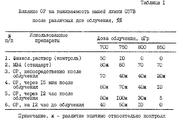
Мышей линии С57В 6 с массой тела (22+2) г облучали в дозах от 700 до 850с Грей на исследовательской радиобиологической установке ИГУР-1. ОР, полученный по способу (Лютов А.Г. и соавт. /Получение альфа-1 кислого гликопротеина из отходов производства альбумина/ Гематология и трансфузиология, 1987, N 5, с. 58-61), вводили внутрибрюшинно в дозе 10 мг на животное в различные сроки после облучения. Регистрировали выживаемость животных. Использовано 240 животных, по 10 мышей в каждой группе, результаты обработаны непараметрическими методами анализа. C57B 6 mice with a body weight (22 + 2) g were irradiated in doses from 700 to 850 s Gray at the IGUR-1 research radiobiological installation. The OR obtained by the method (Lyutov A.G. et al. / Obtaining alpha-1 acid glycoprotein from waste products of albumin / Hematology and transfusiology, 1987, No. 5, pp. 58-61) was administered intraperitoneally at a dose of 10 mg per animal at various times after exposure. The survival of the animals was recorded. 240 animals were used, 10 mice in each group, the results were processed by nonparametric analysis methods.
Результаты представлены в таблице 1. The results are presented in table 1.
В контрольных экспериментах при облучении животных в дозе 750с Грей погибло 90% мышей, тогда как при введении ОР после облучения выживаемость составила от 70 до 100% что даже превышает защитный эффект стандартного радиопротектора меркаптоэтиламина (МЭА), вводимого до облучения. Различия между группами высокодостоверны (р < 0,01). In control experiments, when animals were irradiated at a dose of 750 s Gray, 90% of mice died, while with the introduction of OR after irradiation, the survival rate was from 70 to 100%, which even exceeds the protective effect of the standard mercaptoethylamine (MEA) radioprotector administered before irradiation. Differences between groups are highly significant (p <0.01).
Применение ОР до воздействия не оказывает существенного влияния на результаты экспериментов. The use of OR before exposure does not significantly affect the experimental results.
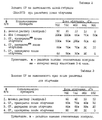
Пример 2. Мышей-гибридов СВА•С57 1, разделенных на 25 групп по 10 особей в каждой, подвергали воздействию ионизирующего излучения в дозах от 700 до 900 с Грей. После облучения внутрибрюшинно вводили ОР одно, дву- или трехкратно по 10 мг на инъекцию. Результаты представлены в таблице 2. Example 2. CBA • C57 1 hybrid mice, divided into 25 groups of 10 animals each, were exposed to ionizing radiation in doses from 700 to 900 s Gray. After irradiation, OR was administered intraperitoneally with one, two or three times 10 mg per injection. The results are presented in table 2.
Если в контроле погибло от 50% животных (при дозе полученного излучения 700 с Грей) до 100% (900 с Грей), то трехкратное введение ОР способствовало выживанию до 100% животных (при 700 и 800 с Грей), что сравнимо с табельным химическим защитным средством меркаптоэтаноламином (защита от 80 до 100%). If in the control, 50% of the animals died (at a dose of received radiation of 700 s Gray) to 100% (900 s Gray), then a three-time administration of OR contributed to the survival of up to 100% of the animals (at 700 and 800 s Gray), which is comparable to the time chemical a protective agent mercaptoethanolamine (protection from 80 to 100%).
Пример 3. Сходные результаты получены на крысах (табл. 3). Example 3. Similar results were obtained in rats (table. 3).
Использовано 160 беспородных животных с массой тела 170+10 г. 160 outbred animals with a body weight of 170 + 10 g were used.
Защитный эффект ОР ярко выражен в группах животных, облученных в дозе 700 и 750 с Грей, где выживаемость составила 90 и 70% соответственно, против 60 и 40% выживших животных в контрольных экспериментах. Однократное введение препарата было менее эффективным. The protective effect of OR is pronounced in groups of animals irradiated at a dose of 700 and 750 with Gray, where the survival rate was 90 and 70%, respectively, against 60 and 40% of surviving animals in control experiments. A single injection of the drug was less effective.
В специальных дополнительных экспериментах была изучена динамика некоторых биохимических и иммунологических показателей при лучевой травме и в условиях ее лечения ОР. In special additional experiments, the dynamics of some biochemical and immunological parameters in radiation injury and in the conditions of its treatment with AR was studied.
Установлено, что введение ОР после лучевого воздействия способствует снижению конечных азотсодержащих продуктов обмена белков и нуклеиновых кислот, способствует более быстрому возвращению к норме концентрации железа, что свидетельствует о более интенсивном использовании железа в процессе восстановления эритропоэза при лечении ОР. It was found that the introduction of OR after radiation exposure helps to reduce the final nitrogen-containing products of the exchange of proteins and nucleic acids, contributes to a faster return to normal iron concentration, which indicates a more intensive use of iron in the process of restoring erythropoiesis in the treatment of OR.
По сравнению с контрольными животными были менее выражены изменения содержания в крови общего белка, холестерина и общих триглицеридов. Compared to control animals, changes in blood levels of total protein, cholesterol and total triglycerides were less pronounced.
Отмечено особенно заметное уменьшение ферментопатии (первоначального подъема уровня ферментов с последующим падением их концентрации) под влиянием ОР, что свидетельствует о защитном действии ОР на клеточные структуры. A particularly noticeable decrease in enzymeopathy (an initial increase in the level of enzymes with a subsequent decrease in their concentration) under the influence of OR was noted, which indicates a protective effect of OR on cellular structures.
Важным моментом в лечебном действии белка является способность связывать продукты перекисного окисления липидов и супероксидрадикалов, что регистрируется по уменьшению хемилюминисценции. An important point in the therapeutic effect of the protein is the ability to bind the products of lipid peroxidation and superoxide radicals, which is recorded by a decrease in chemiluminescence.
Применение ОР после лучевого воздействия значительно увеличивало в селезенке как абсолютное, так и относительное содержание антителообразующих клеток к эритроцитам барана, резко увеличивало содержание нейтрофилов и общее количество лейкоцитов в крови, что способствовало быстрому очищению организма от эндогенной инфекции, как одной из причин поздней летальности облученных животных, по сравнению с контрольными экспериментами. The use of OR after radiation exposure significantly increased both the absolute and relative content of antibody-forming cells to ram erythrocytes in the spleen, sharply increased the content of neutrophils and the total number of leukocytes in the blood, which contributed to the rapid cleansing of the body from endogenous infection, as one of the reasons for the late mortality of irradiated animals , in comparison with control experiments.
Таким образом, защитное действие ОР при лучевой травме четко выражено (до 100%) и связано с действием белка на различные этапы и звенья патологического процесса: уменьшением образования супероксидных радикалов, связыванием токсичных продуктов распада, стабилизацией мембраны клеток, увеличением количества лейкоцитов, стимуляцией иммунного ответа, защитой организма от вторичной инфекции. Весьма важным является то, что ОР это белок крови человека, он не обладает побочным действием, токсичностью и чужеродностью. Thus, the protective effect of OR in radiation injury is clearly expressed (up to 100%) and is associated with the action of the protein at various stages and links of the pathological process: a decrease in the formation of superoxide radicals, binding of toxic decay products, stabilization of the cell membrane, an increase in the number of leukocytes, and stimulation of the immune response , protecting the body against secondary infection. It is very important that OR is a human blood protein, it does not have side effects, toxicity and foreignness.
Специальные исследования, проведенные в соответствии с требованиями по безопасности лекарственных веществ Фармакологического комитета, показали, что ОР не обладает острой, хронической токсичностью, мутагенностью, аллергизирующим действием. Токсикологическая комиссия Фармакологического комитета (заседание 10.09.92) рекомендовала клиническое применение препарата "Орозин" (торговое название) у больных термическими ожогами кожи. Special studies conducted in accordance with the requirements for the safety of medicinal substances of the Pharmacological Committee showed that the PR does not have acute, chronic toxicity, mutagenicity, allergenic effect. The Toxicological Commission of the Pharmacological Committee (meeting 10.09.92) recommended the clinical use of the drug "Orozin" (trade name) in patients with thermal skin burns.
Первая фаза клинических испытаний препарата "Орозин" (орозомукоида, или альфа-1 кислого гликопротеина), проведенная в соответствии с решением фармкомитета (прилагается) в НИИ скорой помощи им. Н.В.Склифосовского, показала безопасность и высокую эффективность препарата. The first phase of clinical trials of the drug "Orozin" (orozomucoid, or alpha-1 acid glycoprotein), carried out in accordance with the decision of the pharmaceutical committee (attached) at the Research Institute of Emergency Medicine N.V. Sklifosovsky, showed the safety and high effectiveness of the drug.
К сожалению, фармкомитетом разрешено провести испытания только при одной нозологии термических ожогах кожи, так как в настоящее время случаи получения острой лучевой травмы достаточно редки и изучить эффективность применения препарата в этом случае проблематично. Патогенез ожоговой болезни имеет много общего с лучевыми поражениями: повреждение клеток, повышение проницаемости, активация процессов перекисного окисления липидов, интоксикация продуктами распада тканей и др. /Балуда В.П. и соавт. Патогенез и лечение комбинированных радиационно-термических поражений. М. Медицина, 1989, 128 с./. Поэтому эффективность "Орозина" (орозомукоида) при термических ожогах свидетельствует, что и при лучевой травме в клинических условиях препарат будет обладать терапевтическими свойствами. Unfortunately, the pharmaceutical committee is allowed to conduct tests with only one nosology of thermal burns of the skin, since currently cases of acute radiation injury are quite rare and it is problematic to study the effectiveness of the drug in this case. The pathogenesis of burn disease has much in common with radiation injuries: cell damage, increased permeability, activation of lipid peroxidation processes, intoxication with tissue breakdown products, etc. / Baluda V.P. et al. Pathogenesis and treatment of combined radiation-thermal lesions. M. Medicine, 1989, 128 pp. /. Therefore, the effectiveness of "Orozin" (orozomukoid) in thermal burns indicates that even in case of radiation injury in a clinical setting, the drug will have therapeutic properties.
Результаты испытаний подтверждают, что "Орозин", примененный у больных с термическими ожогами кожи, уменьшал тяжесть ожогового шока, улучшал микроциркулицию в травмированных участках кожи, уменьшал градиент кожно-ректальной температуры и за счет этого ускорял заживление ран и сокращал сроки пребывания больных в стационаре. Препарат применяли в первые 4-6 часов после ожога в дозе 4-8 г внутривенно 1-2 раза в сутки (0,1-0,2 г/кг) в течение двух суток. The test results confirm that Orozin, used in patients with thermal burns of the skin, reduced the severity of burn shock, improved microcirculation in injured areas of the skin, reduced the gradient of skin-rectal temperature and thereby accelerated wound healing and shortened the hospital stay of patients. The drug was used in the first 4-6 hours after a burn at a dose of 4-8 g intravenously 1-2 times a day (0.1-0.2 g / kg) for two days.
Отчет о клинических испытаниях прилагается. Clinical trial report attached.
Исходя из результатов экспериментов (как при лучевых поражениях, так и при ожогах) и клинического наблюдения, терапевтическое действие орозомукоида наиболее выражено при введении препарата в первые часы после травмы. Это, по-видимому, объясняется тем, что орозомукоид белок так называемой "острой фазы", его синтез в организме резко возрастает в ответ на травму, воспаление или опухолевый рост, что имеет защитное значение. Однако максимум концентрации орозомукоида в крови достигается только к третьим суткам, поэтому введение экзогенного орозомукоида в первые-вторые сутки оказывает защитный, лечебный эффект. Введение препарата до облучения малоэффективно, так как орозомукоид обладает лечебными свойствами только в условиях патологии, в норме его свойства никак не проявляются. После анализа данных первой фазы клинических испытаний установлено, что первоначально предлагаемая фасовка препарата "Орозин", включающая 0,5 г субстанции, недостаточна, поэтому в настоящее время используется препарат, расфасованный по 4 г во флаконе вместимостью 500 мл. В дальнейшем терапевтическая доза и курс лечения будут уточнены при проведении второй фазы клинических испытаний. Based on the results of experiments (both with radiation injuries and burns) and clinical observation, the therapeutic effect of orozomcoid is most pronounced when the drug is administered in the first hours after an injury. This, apparently, is due to the fact that the orozomukoid protein is the so-called "acute phase", its synthesis in the body increases sharply in response to trauma, inflammation or tumor growth, which has a protective value. However, the maximum concentration of orosomucoid in the blood is reached only by the third day, so the introduction of exogenous orosomucoid in the first or second day has a protective, therapeutic effect. The introduction of the drug before irradiation is ineffective, since the orozomukoid has healing properties only in conditions of pathology, normally its properties do not appear. After analyzing the data of the first phase of clinical trials, it was found that the initially proposed packaging of the Orozin preparation, which includes 0.5 g of the substance, is insufficient, therefore, a preparation packaged in 4 g in a 500 ml bottle is currently used. In the future, the therapeutic dose and course of treatment will be clarified during the second phase of clinical trials.
По-видимому, минимальная эффективная доза орозомукоида 0,1 г/кг, оптимальная 0,3-0,5 г/кг, максимальная не ограничена. Применять препарат необходимо как можно раньше после травмы, 2-3 раза в сутки в первые двое суток после облучения. Наиболее важным является суммарная доза орозомукоида, полученная организмом в первые сутки после травмы. Apparently, the minimum effective dose of orozomcoid is 0.1 g / kg, the optimal is 0.3-0.5 g / kg, the maximum is not limited. It is necessary to use the drug as soon as possible after the injury, 2-3 times a day in the first two days after exposure. The most important is the total dose of orozomcoid received by the body on the first day after the injury.
Таким образом, уникальное сочетание лечебных свойств препарата ОР может сделать его эффективным и незаменимым средством для терапии лучевой болезни. ТТТ1 ТТТ2 Thus, the unique combination of the medicinal properties of the drug OR can make it an effective and indispensable tool for the treatment of radiation sickness. TTT1 TTT2
Claims (1)
Priority Applications (1)
| Application Number | Priority Date | Filing Date | Title |
|---|---|---|---|
| RU92005718A RU2063243C1 (en) | 1992-11-10 | 1992-11-10 | Agent for radiation disease treatment |
Applications Claiming Priority (1)
| Application Number | Priority Date | Filing Date | Title |
|---|---|---|---|
| RU92005718A RU2063243C1 (en) | 1992-11-10 | 1992-11-10 | Agent for radiation disease treatment |
Publications (2)
| Publication Number | Publication Date |
|---|---|
| RU92005718A RU92005718A (en) | 1995-01-09 |
| RU2063243C1 true RU2063243C1 (en) | 1996-07-10 |
Family
ID=20131893
Family Applications (1)
| Application Number | Title | Priority Date | Filing Date |
|---|---|---|---|
| RU92005718A RU2063243C1 (en) | 1992-11-10 | 1992-11-10 | Agent for radiation disease treatment |
Country Status (1)
| Country | Link |
|---|---|
| RU (1) | RU2063243C1 (en) |
Cited By (2)
| Publication number | Priority date | Publication date | Assignee | Title |
|---|---|---|---|---|
| RU2158602C2 (en) * | 1998-06-15 | 2000-11-10 | Нижегородский государственный научно-исследовательский институт травматологии и ортопедии | Method for treating the cases of burn shock |
| RU2179447C2 (en) * | 1999-07-27 | 2002-02-20 | Сакаева Дина Дамировна | Method of prophylaxis and treatment of cytostatic and postradiation leukopenia |
-
1992
- 1992-11-10 RU RU92005718A patent/RU2063243C1/en active
Non-Patent Citations (1)
| Title |
|---|
| Лютов А.Г. с соавт. Получение альфа-I кислого гликопротеина из отходов производства альбумина ,"Гематология и трансфузиология", 1987, т.32, № 5, с.58-61. * |
Cited By (2)
| Publication number | Priority date | Publication date | Assignee | Title |
|---|---|---|---|---|
| RU2158602C2 (en) * | 1998-06-15 | 2000-11-10 | Нижегородский государственный научно-исследовательский институт травматологии и ортопедии | Method for treating the cases of burn shock |
| RU2179447C2 (en) * | 1999-07-27 | 2002-02-20 | Сакаева Дина Дамировна | Method of prophylaxis and treatment of cytostatic and postradiation leukopenia |
Similar Documents
| Publication | Publication Date | Title |
|---|---|---|
| Liu et al. | Bilirubin as a potent antioxidant suppresses experimental autoimmune encephalomyelitis: implications for the role of oxidative stress in the development of multiple sclerosis | |
| EP0189182A2 (en) | Use of a compound containing GHL-Cu for the manufacture of a medicament for healing wounds | |
| RU2001116077A (en) | A method for the treatment of cerebral ischemia, as well as the use of erythropoietin or erythropoietin derivatives for the treatment of cerebral ischemia | |
| Karussis et al. | Chronic-relapsing experimental autoimmune encephalomyelitis (CR-EAE): treatment and induction of tolerance, with high dose cyclophosphamide followed by syngeneic bone marrow transplantation | |
| DE112011102638T5 (en) | Pharmaceutical composition and method for the treatment and prevention of diseases caused by HIV or related to HIV | |
| US6187803B1 (en) | Drug preparation for oral administration | |
| SK94297A3 (en) | New applications of lysozyme dimer | |
| AU615745B2 (en) | Method of effecting immunosuppression | |
| US6183742B1 (en) | Applications of lysozyme dimer | |
| KR100266929B1 (en) | Pharmaceutical lysine-containing polypeptide compositions and methods of use thereof. | |
| RU2252779C1 (en) | Method for preventing and treating ulcers of gastro-intestinal tract | |
| CN110882240A (en) | Polyphenol derivative compound 6-CEPN as therapeutic agent for acute ischemic stroke | |
| CA2380908A1 (en) | Plasma substitute composition | |
| RU2123348C1 (en) | Antiradiation agent | |
| RU2836843C1 (en) | Method of treating animals with radiation sickness | |
| Burke | Induced immunologic response to tumors | |
| Ganrot‐Norlin et al. | Lack of antiinflammatory activity of metronidazole | |
| RU2203071C2 (en) | Application of proteins as antiretroviral agents | |
| RU2200550C2 (en) | Novel medicinal forms of dimocifon in leprosy therapy, itching and allergodermatosis, during's dermatitis herpetiformis | |
| EP0835124B1 (en) | Serum preparations for inhibiting retroviruses and tumor growth | |
| Mobacken et al. | Transfer factor in the treatment of chronic mucocutaneous candidiasis: A controlled study | |
| RU2214834C1 (en) | Method for treating generalized form of anthrax infection | |
| RU2166960C2 (en) | Method for preventing early stage sepsis in children having severe burns | |
| EA000633B1 (en) | Method of obtaining/producing biologically active preparation from de-proteined extract of bovine blood and pharmaceutical composition with radio-protective, anti-hypoxic, immune modulating, wound-healing and anti-herpes activity | |
| Ptak et al. | Alloantibody-induced cytotoxicity of macrophages |