JP7686864B2 - High lutein-containing eggs, processed food ingredients, production method of high lutein-containing eggs, and feed for egg-laying hens - Google Patents
High lutein-containing eggs, processed food ingredients, production method of high lutein-containing eggs, and feed for egg-laying hens Download PDFInfo
- Publication number
- JP7686864B2 JP7686864B2 JP2024172834A JP2024172834A JP7686864B2 JP 7686864 B2 JP7686864 B2 JP 7686864B2 JP 2024172834 A JP2024172834 A JP 2024172834A JP 2024172834 A JP2024172834 A JP 2024172834A JP 7686864 B2 JP7686864 B2 JP 7686864B2
- Authority
- JP
- Japan
- Prior art keywords
- lutein
- egg
- eggs
- feed
- per
- Prior art date
- Legal status (The legal status is an assumption and is not a legal conclusion. Google has not performed a legal analysis and makes no representation as to the accuracy of the status listed.)
- Active
Links
Images



Classifications
-
- Y—GENERAL TAGGING OF NEW TECHNOLOGICAL DEVELOPMENTS; GENERAL TAGGING OF CROSS-SECTIONAL TECHNOLOGIES SPANNING OVER SEVERAL SECTIONS OF THE IPC; TECHNICAL SUBJECTS COVERED BY FORMER USPC CROSS-REFERENCE ART COLLECTIONS [XRACs] AND DIGESTS
- Y02—TECHNOLOGIES OR APPLICATIONS FOR MITIGATION OR ADAPTATION AGAINST CLIMATE CHANGE
- Y02P—CLIMATE CHANGE MITIGATION TECHNOLOGIES IN THE PRODUCTION OR PROCESSING OF GOODS
- Y02P60/00—Technologies relating to agriculture, livestock or agroalimentary industries
- Y02P60/80—Food processing, e.g. use of renewable energies or variable speed drives in handling, conveying or stacking
- Y02P60/87—Re-use of by-products of food processing for fodder production
Landscapes
- Coloring Foods And Improving Nutritive Qualities (AREA)
- Meat, Egg Or Seafood Products (AREA)
- Feed For Specific Animals (AREA)
- Fodder In General (AREA)
Description
特許法第30条第2項適用 配布日:令和4年10月6日 配布場所:高松経済記者クラブ 公開者:(公財)かがわ産業支援財団 他Article 30, Paragraph 2 of the Patent Act applies. Distribution date: October 6, 2022 Distribution location: Takamatsu Economic Press Club Published by: Kagawa Industrial Support Foundation, etc.
本発明は、高ルテイン含有卵、加工食材、高ルテイン含有卵の生産方法及び採卵鶏用飼料に関する。 The present invention relates to eggs with high lutein content, processed food ingredients, a method for producing eggs with high lutein content, and feed for laying hens.
卵は安価であり、人の体にとって必要な5大栄養素である、炭水化物・脂質・タンパク質・ミネラル・ビタミンを含んでおり、しかも、人の体では作り出すことのできないアミノ酸も含んでいる非常に栄養価の高い食材である。 Eggs are inexpensive and contain the five major nutrients required by the human body: carbohydrates, lipids, protein, minerals, and vitamins. They are also a highly nutritious food, containing amino acids that the human body cannot produce.
例えば、卵にはルテインが含まれているが、ルテインは、抗酸化防止機能を有することが知られている。近年、ルテインを摂取することにより、黄斑部の色素増加や黄斑変性、白内障などの病気の予防につながる可能性があることが報告されている。とくに、黄斑部の色素を増加させるための摂取量としては、ルテインを1日あたり10mgが望ましいことが報告されている。人がルテインを摂取する方法としては、例えば、卵からルテインを含有する摂取する方法や、ホウレンソウやサプリメンをから摂取する方法が挙げられる。しかし、ホウレンソウやサプリメントで摂取する方法では、卵で摂取する場合と比べて人体への吸収率が2~3分の1程度に低下するということが報告されている。したがって、ルテインを効果的に人体に吸収させるのであれば、卵からルテイン摂取することが望ましい。
また、ルテイン以外でもゼアキサンチンは目の健康に重要であることが分かってきており、ゼアキサンチンも卵に含まれているので、卵からルテイン摂取すればゼアキサンチンも同時に接種できるというメリットもある。
For example, eggs contain lutein, which is known to have an antioxidant function. In recent years, it has been reported that ingesting lutein may lead to the prevention of diseases such as increased pigmentation in the macular, macular degeneration, and cataracts. In particular, it has been reported that the recommended intake amount for increasing pigmentation in the macular is 10 mg of lutein per day. Methods for humans to ingest lutein include, for example, ingesting lutein-containing foods from eggs, and ingesting lutein from spinach or supplements. However, it has been reported that the absorption rate into the human body is reduced to about one-third of that of ingesting lutein from eggs when ingesting lutein from spinach or supplements. Therefore, if lutein is to be effectively absorbed by the human body, it is desirable to ingest lutein from eggs.
In addition to lutein, zeaxanthin has also been found to be important for eye health. Zeaxanthin is also found in eggs, so consuming lutein from eggs also has the benefit of providing zeaxanthin at the same time.
しかし、通常の卵に含まれるルテインやゼアキサンチンは、可食部100gあたりでルテインはせいぜい0.4mg程度であり、ゼアキサンチンはせいぜい0.1mg程度であり、十分な量のルテインやゼアキサンチンを卵から摂取することは難しい。 However, the amount of lutein and zeaxanthin contained in regular eggs is at most 0.4 mg per 100 g of edible portion, and at most 0.1 mg per 100 g of edible portion, making it difficult to obtain sufficient amounts of lutein and zeaxanthin from eggs.
そこで、卵から摂取するルテインやゼアキサンチンの量を増やすために、卵に含まれるルテインやゼアキサンチンの量を多くする試みが行われている。例えば、採卵鶏に与える飼料を調整することによって卵に含有されるルテインやゼアキサンチンの量を多くすることが行われている(特許文献1~3参照)
Therefore, in order to increase the amount of lutein and zeaxanthin ingested from eggs, attempts have been made to increase the amount of lutein and zeaxanthin contained in eggs. For example, efforts have been made to increase the amount of lutein and zeaxanthin contained in eggs by adjusting the feed given to laying hens (see
例えば、特許文献1では、マリーゴールドやオレガノなどを一般的な飼料に添加することによってルテインの量を可食部100gあたり0.72mgまで増加できることが開示されている。また、特許文献2では、マリーゴールド抽出物を一般的な飼料に添加することによってルテインの量を可食部100gあたり1.95mg(卵黄100gあたり6.5mg)まで増加できることが開示されている。さらに、特許文献3では、スピルリナ藻体を一般的な飼料に添加することによってゼアキサンチンの量を可食部100gあたり0.52mgまで増加できることが開示されている。
For example,
しかし、特許文献1~3の生産方法で生産される卵では、必要なルテインやゼアキサンチンを卵から摂取するには、まだまだ卵に含まれるルテインの量やゼアキサンチンの量が十分ではない。しかも、特許文献1~3の生産方法で生産される卵では、ルテインまたはゼアキサンチンのいずれかは多く含まれているが、両方を多く含む卵は開示されていない。
However, the eggs produced by the methods disclosed in
本発明は上記事情に鑑み、ルテインやゼアキサンチンを高濃度に含有する高ルテイン含有卵、その卵を加工した加工食材、その卵を生産方法及びその生産方法に用いられる採卵鶏用飼料を提供することを目的とする。 In view of the above circumstances, the present invention aims to provide lutein-rich eggs that contain high concentrations of lutein and zeaxanthin, processed food materials made from the eggs, a method for producing the eggs, and feed for laying hens used in the production method.
第1発明の高ルテイン含有卵は、白色レグホン種の採卵鶏の卵であって、卵重が60g以上であり、ルテインの含有量が、卵の可食部100gにおいて2.8mg以上であることを特徴とする高ルテイン含有卵。
第2発明の高ルテイン含有卵は、第1発明において、ルテインの含有量が、卵の可食部100gにおいて3.0mg以上であることを特徴とする。
第3発明の高ルテイン含有卵は、第1発明において、ゼアキサンチンの含有量が、卵の可食部100gにおいて0.35mg以上であることを特徴とする。
第4発明の高ルテイン含有卵は、第3発明において、ゼアキサンチンの含有量が、卵の可食部100gにおいて0.38mg以上であることを特徴とする。
第5発明の高ルテイン含有卵は、第1発明において、前記卵は、100℃で30分間加熱した後の色差計を用いて測定される卵黄のb値が、加熱前の卵黄の色差計を用いて測定されるb値の2倍以上であり、100℃で30分間加熱した後の色差計を用いて測定される卵黄のa値が、加熱前の卵黄の色差計を用いて測定されるa値の1/2以上であり、前記加熱前の卵黄の色差計を用いて測定されるb値は、卵から分離した卵黄を容器内で撹拌した後の液面を色差計を用いて測定される値であり、前記加熱後の卵黄の色差計を用いて測定されるb値は、加熱後に容器から取り出した加熱卵黄の断面を色差計を用いて測定される値であることを特徴とする。
第6発明の卵の生産方法は、ルテインの含有量が卵の可食部100gに2.8mg以上となる卵を生産する方法であって、飼料1kgあたり、ルテインを100mg以上、かつ、キシラナーゼを1500EPU以上含有する飼料を連続して給与した白色レグホン種の採卵鶏から得ることを特徴とする。
第7発明の採卵鶏用飼料は、白色レグホン種の採卵鶏に給与する飼料であって、飼料1kgあたり、ルテインを100mg以上、かつ、キシラナーゼを1500EPU以上含有することを特徴とする。
The high lutein-containing egg of the first invention is an egg bred by White Leghorn laying hens, has an egg weight of 60 g or more, and contains 2.8 mg or more of lutein per 100 g of the edible portion of the egg.
The high lutein content egg of the second invention is the same as that of the first invention, characterized in that the lutein content is 3.0 mg or more per 100 g of edible portion of the egg.
The high lutein-containing egg of the third invention is the egg of the first invention, characterized in that the zeaxanthin content is 0.35 mg or more per 100 g of edible portion of the egg.
The high lutein-containing egg of the fourth invention is the egg of the third invention, characterized in that the zeaxanthin content is 0.38 mg or more per 100 g of edible portion of the egg.
The high lutein-containing egg of the fifth invention is, in the first invention, characterized in that the b value of the egg yolk measured using a colorimeter after heating at 100°C for 30 minutes is at least twice the b value measured using the colorimeter of the egg yolk before heating, the a value of the egg yolk measured using a colorimeter after heating at 100°C for 30 minutes is at least half the a value measured using the colorimeter of the egg yolk before heating, the b value measured using the colorimeter of the egg yolk before heating is a value measured using the colorimeter of the liquid level after stirring the egg yolk separated from the egg in a container, and the b value measured using the colorimeter of the egg yolk after heating is a value measured using the colorimeter of the cross-section of the heated egg yolk removed from the container after heating.
The method for producing eggs of the sixth invention is a method for producing eggs having a lutein content of 2.8 mg or more per 100 g of edible portion, characterized in that the eggs are obtained from White Leghorn egg-laying hens that have been continuously fed a feed containing 100 mg or more of lutein and 1,500 EPU or more of xylanase per kg of feed.
The feed for layer hens of the seventh invention is a feed to be fed to White Leghorn layer hens, and is characterized in that it contains 100 mg or more of lutein and 1,500 EPU or more of xylanase per kg of the feed.
第1~第4発明によれば、ルテインおよび/またはゼアキサンチンが高濃度で含有されているので、人が日々摂取することにより眼病リスクの予防が可能となる。
第5発明によれば、加熱調理した際に食品の見栄えをよくすることができる
第6発明によれば、ルテインを高濃度で含有する卵を生産することができる。
第7発明によれば、当該飼料を採卵鶏に給与することにより、ルテインが高濃度で含有する卵を生産する採卵鶏を飼育することができる。
According to the first to fourth inventions, since lutein and/or zeaxanthin are contained at high concentrations, it becomes possible for a person to prevent the risk of eye diseases by taking them daily.
According to the fifth aspect of the present invention , the appearance of food can be improved when it is cooked.
According to the sixth invention , eggs containing lutein at a high concentration can be produced.
According to the seventh invention , by feeding the feed to layer hens, it is possible to breed layer hens that produce eggs containing lutein at a high concentration.
以下、本実施形態の高ルテイン含有卵、加工食材、本実施形態の高ルテイン含有卵の生産方法及び本実施形態の採卵鶏用飼料について説明する。 The following describes the high lutein-containing eggs of this embodiment, the processed food material, the method for producing the high lutein-containing eggs of this embodiment, and the feed for laying hens of this embodiment.
<本実施形態の採卵鶏用飼料>
まず、本実施形態の採卵鶏用飼料について説明する。
本実施形態の採卵鶏用飼料は、採卵鶏の飼育に使用される飼料であって、基本飼料に添加飼料を配合して製造されたものである。
<Feed for egg-laying hens according to this embodiment>
First, the feed for layers according to the present embodiment will be described.
The feed for layer hens of this embodiment is a feed used for raising layer hens, and is produced by mixing a basic feed with an additive feed.
基本飼料は、家禽類の餌として通常使用されるものである。基本飼料は、例えば、トウモロコシを主成分とし、その他に動物性飼料原料(魚粉など)、植物性油粕(大豆油粕、ナタネ油粕など)、穀類(麦など)、糟糠類(フスマ、ヌカなど)、炭酸カルシウム、カキガラ等を配合して調製されたものである。例えば、市販されている種々の飼料の配合割合を調製して基本飼料を製造することができる。なお、基本飼料に含まれる成分は、前述したものに限られず、採卵鶏の飼育に使用される飼料の成分として一般的に採用されているものであれば採用することができる。また、基本飼料に含まれる各成分の配合割合は一般的な飼料で採用されている配合割合とすることができるが、各成分の配合割合はとくに限定されない。飼料を与える採卵鶏の生育状態や環境その他の条件に応じて適切に調整することができる。 The basic feed is normally used as a feed for poultry. For example, the basic feed is prepared by mixing corn as the main ingredient with other animal feed ingredients (fish meal, etc.), vegetable oil cake (soybean oil cake, rapeseed oil cake, etc.), grains (wheat, etc.), bran (bran, rice bran, etc.), calcium carbonate, oyster shells, etc. For example, the basic feed can be manufactured by adjusting the mixing ratio of various commercially available feeds. The ingredients contained in the basic feed are not limited to those mentioned above, and any ingredients that are generally adopted as ingredients of feed used for raising egg-laying hens can be used. The mixing ratio of each ingredient contained in the basic feed can be the mixing ratio adopted in general feeds, but the mixing ratio of each ingredient is not particularly limited. It can be appropriately adjusted according to the growth condition and environment of the egg-laying hens to which the feed is given, and other conditions.
基本飼料に配合する添加飼料は、採卵鶏用飼料全体に含まれる成分を調製するために基本飼料に添加されるものである。本実施形態の採卵鶏用飼料では、採卵鶏用飼料に含まれるルテインの量を増やすことができる添加飼料が使用されている。言い換えれば、実施形態の採卵鶏用飼料では、成分としてルテインを含有する原料を含むものが添加飼料として使用されている。ルテインを含有する原料としては、例えば、マリーゴールド(花、花弁、葉)や黄色トウモロコシ(実)、ケールやホウレンソウなどの緑葉野菜、クロレラ、はキウイフルーツやブドウなどの果物などを挙げることができる。ルテインを含有する原料を添加飼料として基本飼料に配合する形態はとくに限定されない。例えば、マリーゴールドを添加飼料として配合する場合であれば、マリーゴールドの乾燥花弁を粉砕したもの配合してもよいし、マリーゴールドの花弁を有機溶媒で抽出した抽出処理物を配合してもよい。また、ルテインを含有する原料としては、前述したような天然物由来のもの採用することができるが、化学的に合成されたものであってもよい。 The additive feed to be mixed with the basic feed is added to the basic feed to prepare the components contained in the entire layer feed. In the layer feed of this embodiment, additive feed capable of increasing the amount of lutein contained in the layer feed is used. In other words, in the layer feed of this embodiment, a material containing a raw material containing lutein as an ingredient is used as the additive feed. Examples of raw materials containing lutein include marigold (flowers, petals, leaves), yellow corn (fruit), green leafy vegetables such as kale and spinach, chlorella, kiwi fruit, grapes, and the like. The form in which the raw material containing lutein is mixed as additive feed into the basic feed is not particularly limited. For example, when marigold is mixed as additive feed, dried marigold petals may be crushed and mixed, or an extract obtained by extracting marigold petals with an organic solvent may be mixed. In addition, the raw material containing lutein may be derived from a natural product as described above, but may also be chemically synthesized.
基本飼料に配合する添加飼料は、採卵鶏用飼料全体、つまり、基本飼料に添加飼料を配合した状態において、採卵鶏用飼料全体中のルテインの含有量が一定量以上となるように調製されている。例えば、採卵鶏用飼料1kgあたりにルテインが100mg以上、好ましくは採卵鶏用飼料1kgあたりにルテインが120mg以上、より好ましくは採卵鶏用飼料1kgあたりにルテインが150mg以上、となるように基本飼料に配合する添加飼料の量が調製されている。なお、基本飼料に添加飼料を配合した状態において、採卵鶏用飼料全体中のルテインの含有量の上限はとくに限定されない。 The additive feed to be mixed with the basic feed is prepared so that the lutein content in the entire layer feed, i.e., the state in which the additive feed is mixed with the basic feed, is a certain amount or more. For example, the amount of additive feed to be mixed with the basic feed is prepared so that there is 100 mg or more of lutein per kg of layer feed, preferably 120 mg or more of lutein per kg of layer feed, and more preferably 150 mg or more of lutein per kg of layer feed. Note that there is no particular upper limit for the lutein content in the entire layer feed, when the additive feed is mixed with the basic feed.
また、基本飼料に配合する添加飼料には、キシランを加水分解する機能を有する酵素が含有されている。例えば、キシラナーゼやアミラーゼ(麹菌)等の酵素が添加飼料に含まれていることが望ましい。キシラナーゼが添加飼料に含まれる場合には、採卵鶏用飼料1kgあたりにキシラナーゼが1000EPU(Endopentsanase Units)以上、好ましくは採卵鶏用飼料1kgあたりにキシラナーゼが1200EPU以上、より好ましくは採卵鶏用飼料1kgあたりにキシラナーゼが1500EPU以上となるようにとなるように基本飼料に配合する添加飼料の量が調製されている。なお、基本飼料に添加飼料を配合した状態において、採卵鶏用飼料全体中のキシラナーゼの含有量の上限はとくに限定されない。 The additive feed to be mixed with the basic feed contains an enzyme that has the function of hydrolyzing xylan. For example, it is desirable that the additive feed contains enzymes such as xylanase and amylase (aspergillus oryzae). When xylanase is contained in the additive feed, the amount of the additive feed to be mixed with the basic feed is prepared so that the xylanase is 1000 EPU (Endopentsanase Units) or more per 1 kg of the feed for layers, preferably 1200 EPU or more per 1 kg of the feed for layers, and more preferably 1500 EPU or more per 1 kg of the feed for layers. Note that, when the additive feed is mixed with the basic feed, there is no particular upper limit on the content of xylanase in the entire feed for layers.
なお、キシラナーゼの添加単位であるEPUとは、pH4.7及び50℃で、オートスペルトキシランから1分間に0.0083μmolの還元糖当量(キシロース当量)を遊離させるのに必要な酵素量を意味する。 The xylanase addition unit, EPU, refers to the amount of enzyme required to liberate 0.0083 μmol of reducing sugar equivalent (xylose equivalent) from oat spelt xylan per minute at pH 4.7 and 50°C.
以上のように、本実施形態の採卵鶏用飼料は、上述したような量のルテインとキシラナーゼが含まれるように基本飼料に配合する添加飼料を調製し、かつ、両者の配合割合を調製しているので、本実施形態の採卵鶏用飼料を採卵鶏に供給することによって高い濃度のルテインを含有する卵を生産することが可能になった。つまり、単に採卵鶏用飼料に含まれるルテインの量を増加しただけでは実現できなかった、多量のルテインを卵に移行させることが可能になった。 As described above, the feed for layer hens of this embodiment is prepared by preparing additive feed to be mixed with basic feed so as to contain the above-mentioned amounts of lutein and xylanase, and the mixing ratio of the two is adjusted, so that it is possible to produce eggs containing a high concentration of lutein by supplying the feed for layer hens of this embodiment to layer hens. In other words, it is now possible to transfer a large amount of lutein to eggs, which could not be achieved by simply increasing the amount of lutein contained in the feed for layer hens.
しかも、本実施形態の採卵鶏用飼料を採卵鶏に供給することによって、ルテインだけではなく、卵が含有するゼアキサンチンの量も増加させることが可能になった。つまり、ルテインだけでなく、多量のゼアキサンチンも卵に移行させることが可能になった。ゼアキサンチンは基本飼料や添加飼料に含まれる原料が含有するものであるが、本実施形態の採卵鶏用飼料を使用することによって、ルテインとともにゼアキサンチンも多量に卵に移行させるようになった。 Moreover, by feeding the layer feed of this embodiment to layer hens, it is possible to increase not only the amount of lutein but also the amount of zeaxanthin contained in the eggs. In other words, it is possible to transfer not only lutein but also a large amount of zeaxanthin to the eggs. Zeaxanthin is contained in the raw materials contained in the basic feed and additive feed, but by using the layer feed of this embodiment, it is possible to transfer a large amount of zeaxanthin as well as lutein to the eggs.
<本実施形態の高ルテイン含有卵の生産方法>
本実施形態の高ルテイン含有卵の生産方法(以下、単に本生産方法という場合がある)は、上述のごとく調製した本実施形態の採卵鶏飼料(以下、単に本採卵鶏用飼料という場合がある)を卵用種の鶏(採卵鶏)に連続して給与しながら、卵を採取するという方法である。本生産方法を採用することにより、卵へのルテインやゼアキサンチンの移行を促進させることが可能になり、ルテインやゼアキサンチンを高濃度で含有する卵を効率よく生産することができるようになる。
<Method for producing eggs with high lutein content according to the present embodiment>
The method for producing eggs with high lutein content according to the present embodiment (hereinafter, sometimes simply referred to as the present production method) is a method for harvesting eggs while continuously feeding the layer feed of the present embodiment prepared as described above (hereinafter, sometimes simply referred to as the present layer feed) to layer hens. By adopting the present production method, it is possible to promote the transfer of lutein and zeaxanthin to eggs, and it becomes possible to efficiently produce eggs containing high concentrations of lutein and zeaxanthin.
具体的には、本生産方法は、本採卵鶏用飼料を所定の期間連続して給与しながら採卵鶏を飼育する方法である。例えば、採卵鶏が本高ルテイン含有卵の採卵を開始するよりも少し前から採卵鶏に本採卵鶏飼料を連続して給与する。つまり、本高ルテイン含有卵を採取する段階で採卵鶏への本採卵鶏用飼料の給与期間が所定の期間以上となるように採卵鶏を飼育する。 Specifically, the production method involves raising egg-laying hens while continuously feeding them the egg-laying hens feed for a predetermined period of time. For example, the egg-laying hens feed is continuously fed to the egg-laying hens shortly before the egg-laying hens start laying the eggs with high lutein content. In other words, the egg-laying hens are raised so that the egg-laying hens have been fed the egg-laying hens feed for a predetermined period of time or longer at the stage when the eggs with high lutein content are harvested.
なお、本生産方法では、本採卵鶏用飼料の給与を開始する時期はとくに限定されない。例えば、雛の入雛期から本採卵鶏用飼料の給与を開始してもよいし、成鶏期になってから本採卵鶏用飼料の給与を開始してもよい。また、換羽の状況に応じて育成途中で本採卵鶏用飼料を給与する期間を適宜調整してもよい。例えば、雛の入雛期から本採卵鶏用飼料の給与し、換羽期では本採卵鶏飼料の給与を停止し、その間は換羽期に適した飼料を給与する。そして、換羽後に卵の卵質が適切となったタイミング(例えば、換羽後7週間から70日等)で本採卵鶏飼料の給与を再開するようにしてもよい。 In this production method, the timing for starting feeding the present layer feed is not particularly limited. For example, feeding of the present layer feed may be started from the chick arrival stage, or from the adult stage. In addition, the period for feeding the present layer feed may be appropriately adjusted during rearing depending on the molting situation. For example, the present layer feed is fed from the chick arrival stage, and the feeding of the present layer feed is stopped during the molting stage, and feed suitable for the molting stage is fed during that period. Then, feeding of the present layer feed may be resumed when the egg quality becomes suitable after the molting (for example, 7 weeks to 70 days after the molting).
本実施形態の採卵鶏飼料を給与してから所望の卵(本実施形態の高ルテイン含有卵、以下、本高ルテイン含有卵という)を採取を開始するまでの期間は、卵へのルテインやゼアキサンチンの移行が促進する程度まで採卵鶏の血中ルテイン濃度や血中ゼアキサンチン濃度が上昇する程度の期間が望ましい。つまり、本高ルテイン含有卵中のルテイン濃度が後述する濃度以上になるまでの期間連続して本採卵鶏飼料を給与したのち、本高ルテイン含有卵採取する。 The period from feeding the layer feed of this embodiment to starting to harvest the desired eggs (the high lutein-containing eggs of this embodiment, hereinafter referred to as the present high lutein-containing eggs) is preferably a period during which the layer's blood lutein and zeaxanthin concentrations increase to a level that promotes the transfer of lutein and zeaxanthin to the eggs. In other words, the layer feed is fed continuously for a period until the lutein concentration in the present high lutein-containing eggs reaches or exceeds the concentration described below, and then the present high lutein-containing eggs are harvested.
本採卵鶏用飼料の連続使用期間は、例えば、連続30日以上、好ましくは35日以上、より好ましくは40日以上であり、さらに好ましくは45日以上である。なお、連続使用期間とは、採卵鶏用飼料の給与しない期間が数日程度ある場合も含む概念であり、必ずしも完全に連続して本採卵鶏用飼料を給与しなくてもよい。つまり、本採卵鶏用飼料を給与する期間が、他の飼料を給与する期間よりも一定以上長ければよく、間欠的に本採卵鶏用飼料を給与する場合も連続使用期間に含まれる。 The continuous use period of the present egg-laying hen feed is, for example, 30 or more consecutive days, preferably 35 or more days, more preferably 40 or more days, and even more preferably 45 or more days. The continuous use period includes a period of several days during which the egg-laying hen feed is not fed, and the present egg-laying hen feed does not necessarily have to be fed completely continuously. In other words, the period during which the present egg-laying hen feed is fed needs to be at least a certain length longer than the period during which other feeds are fed, and feeding the present egg-laying hen feed intermittently is also included in the continuous use period.
なお、本生産方法によって飼育される採卵鶏の種類は、一般的に飼育されている白色レグホンやロードアイランドレッドなどを挙げることができるが、これらの種類に限定されない。 The types of egg-laying hens that can be raised using this production method include commonly raised White Leghorns and Rhode Island Reds, but are not limited to these types.
<本実施形態の高ルテイン含有卵>
本実施形態の高ルテイン含有卵は、卵中にルテインを高濃度で含有する卵である。具体的には、本実施形態の高ルテイン含有卵は、卵における可食部100gあたり2mg以上のルテインを含有する卵である。本実施形態の高ルテイン含有卵の可食部100g当たりにおけるルテインの含有量は、2mg以上、好ましくは2.8mg以上、より好ましくは3.0mg以上のルテインを含有する卵である。。
<Eggs with high lutein content according to the present embodiment>
The high lutein-containing egg of this embodiment is an egg that contains lutein at a high concentration in the egg. Specifically, the high lutein-containing egg of this embodiment is an egg that contains 2 mg or more of lutein per 100 g of edible portion of the egg. The high lutein-containing egg of this embodiment is an egg that contains 2 mg or more of lutein, preferably 2.8 mg or more, more preferably 3.0 mg or more of lutein per 100 g of edible portion.
また、本実施形態の高ルテイン含有卵は、卵中にゼアキサンチンを高濃度で含有しているものも含まれる。具体的には、本実施形態の高ルテイン含有卵は、卵における可食部100gあたり0.35mg以上、好ましくは0.38mg以上、より好ましくは4.0mg以上のゼアキサンチンを含有する卵も含まれる。 The high lutein content eggs of this embodiment also include eggs that contain a high concentration of zeaxanthin. Specifically, the high lutein content eggs of this embodiment also include eggs that contain 0.35 mg or more, preferably 0.38 mg or more, and more preferably 4.0 mg or more of zeaxanthin per 100 g of edible portion of the egg.
とくに、本実施形態の高ルテイン含有卵は、卵中にルテインとゼアキサンチンの両方を高濃度で有しているものも含まれる。具体的には、本実施形態の高ルテイン含有卵は、卵における可食部100gあたり2mg以上のルテインと、卵における可食部100gあたり0.35mg以上のゼアキサンチンを含有する卵も含まれる。好ましくは、本実施形態の高ルテイン含有卵は、ルテインをだけでなく、卵における可食部100gあたり2.8mg以上のルテインと、卵における可食部100gあたり0.35mg以上のゼアキサンチンを含有する卵も含まれる。より好ましくは、本実施形態の高ルテイン含有卵は、ルテインをだけでなく、卵における可食部100gあたり3.0mg以上のルテインと、卵における可食部100gあたり0.35mg以上のゼアキサンチンを含有する卵も含まれる。さらに好ましくは、本実施形態の高ルテイン含有卵は、ルテインをだけでなく、卵における可食部100gあたり3.0mg以上のルテインと、卵における可食部100gあたり0.4mg以上のゼアキサンチンを含有する卵も含まれる。 In particular, the high lutein-containing eggs of this embodiment include those having both lutein and zeaxanthin at high concentrations in the eggs. Specifically, the high lutein-containing eggs of this embodiment include those containing 2 mg or more of lutein per 100 g of edible portion of the egg and 0.35 mg or more of zeaxanthin per 100 g of edible portion of the egg. Preferably, the high lutein-containing eggs of this embodiment include those containing not only lutein but also 2.8 mg or more of lutein per 100 g of edible portion of the egg and 0.35 mg or more of zeaxanthin per 100 g of edible portion of the egg. More preferably, the high lutein-containing eggs of this embodiment include those containing not only lutein but also 3.0 mg or more of lutein per 100 g of edible portion of the egg and 0.35 mg or more of zeaxanthin per 100 g of edible portion of the egg. More preferably, the high lutein content eggs of this embodiment include eggs that contain not only lutein, but also 3.0 mg or more of lutein per 100 g of edible portion of the egg and 0.4 mg or more of zeaxanthin per 100 g of edible portion of the egg.
以上のように、本実施形態の高ルテイン含有卵はルテインやゼアキサンチンが上記濃度となるように含有しているので、人が本実施形態の高ルテイン含有卵を摂取すれば、光による刺激から目を保護するとされる網膜(黄斑部)色素を増加させることが期待できる。つまり、本実施形態の高ルテイン含有卵は、人の目を光の刺激から保護し、目の健康維持に寄与することが可能となるので、人の目の眼病リスクの予防に役立てることができる。すると、人が本実施形態の高ルテイン含有卵を摂取することにより、眼病リスクを予防可能な量は、摂取する人の体調等に応じて適宜調整することができる。例えば、人が一般的に一日に摂取する卵を、本実施形態の高ルテイン含有卵に置き換えることにより、その人の目の眼病リスクを予防することが可能となる。 As described above, the high-lutein-containing eggs of this embodiment contain lutein and zeaxanthin at the above-mentioned concentrations, so that if a person ingests the high-lutein-containing eggs of this embodiment, it is expected that the retinal (macular) pigment, which is said to protect the eyes from irritation caused by light, will be increased. In other words, the high-lutein-containing eggs of this embodiment can protect the eyes of a person from irritation of light and contribute to maintaining the health of the eyes, and can be useful in preventing the risk of eye disease in a person's eyes. Then, the amount of the high-lutein-containing eggs of this embodiment that can prevent the risk of eye disease by a person ingesting them can be appropriately adjusted according to the physical condition of the person ingesting them. For example, by replacing the amount of eggs that a person generally ingests per day with the high-lutein-containing eggs of this embodiment, it is possible to prevent the risk of eye disease in the person's eyes.
具体的には、黄斑部の色素増加機能が期待できるルテインの摂取量は、一日あたり10mg程度と考えられている。そこで、一般的なMサイズ以上の卵(卵の平均重量が約60g程度またはそれ以上の卵であり、可食部が約50g程度またはそれ以上の卵)の場合、1日に約2個半以上、好ましくは3個を食べれば、機能性表示食品のガイドラインにおいて一般的に採用されている一日あたりの機能性関与成分量の半分の約5mgを本実施形態の高ルテイン含有卵で摂取することが可能となる。 Specifically, the intake amount of lutein that can be expected to increase pigmentation in the macular lutea is thought to be about 10 mg per day. Therefore, in the case of typical medium-sized eggs or larger (eggs with an average weight of about 60 g or more and an edible portion of about 50 g or more), eating about two and a half or more, preferably three eggs per day, will allow you to ingest about 5 mg of functional ingredients per day, which is half the amount generally adopted in the guidelines for functional foods, from the high lutein content eggs of this embodiment.
また、本実施形態の高ルテイン含有卵は、ルテインを上記値以上に含有しているので、卵黄の黄色みを向上させることができる。卵黄の黄色みが向上すると、当該卵を用いて調理した食品への食欲を向上させることができる。とくに、本実施形態の高ルテイン含有卵を加熱した際には、卵黄の黄色みがより濃くて鮮やかな色合いとなる。このため、本実施形態の高ルテイン含有卵は、熱を加える料理に用いられる卵としてより適している。 In addition, since the high-lutein eggs of this embodiment contain lutein at or above the above value, the yellowness of the egg yolk can be improved. Improving the yellowness of the egg yolk can increase the appetite for food cooked using the eggs. In particular, when the high-lutein eggs of this embodiment are heated, the yellowness of the egg yolk becomes deeper and more vivid. For this reason, the high-lutein eggs of this embodiment are more suitable as eggs to be used in dishes that require heating.
なお、一般的に、卵は、全質量に対して殻が約10%、白身が約60%、卵黄が約30%の割合で構成されている。そして、卵中のルテインやゼアキサンチンは、そのほとんどが卵黄に蓄積されているので、卵黄のみを摂取する場合には、より効率的にルテインやゼアキサンチンを摂取することが可能となる。 Generally, the egg is composed of approximately 10% shell, 60% white, and 30% yolk by weight. Most of the lutein and zeaxanthin in eggs is stored in the yolk, so if you only consume egg yolk, you can consume lutein and zeaxanthin more efficiently.
また、本実施形態の高ルテイン含有卵は、前述した本実施形態の採卵鶏飼料を使用した本生産方法により採卵鶏を飼育することによって生産することができる。そして、前述したように、本生産方法で得られる本実施形態の高ルテイン含有卵には、従来では想定されないほどの高濃度のルテインの含有量を卵中に存在させることができる。 The high lutein-containing eggs of this embodiment can be produced by raising egg-laying hens according to the production method of this embodiment using the egg-laying hens feed of this embodiment described above. As described above, the high lutein-containing eggs of this embodiment obtained by this production method can have a high concentration of lutein that was previously unimaginable.
なお、本明細書において、数値範囲について「~」を用いた記載では、特に断りがない限り、下限値および上限値を含むものとする。例えば、「1~10」という記載では、下限値である「1」、上限値である「10」のいずれも含むものとする。すなわち、「1~10」
は、「1以上10以下」と同じ意味である。
また、本明細書において、「%」および「ppm」の値は、重量比を意味する。本明細書において、「1mg/kg」は「1ppm」と同じ意味である。本明細書において、含有量は、特に断りがない限り、質量または重量比で表される。
In this specification, when a numerical range is described using "to", the range includes both the lower limit and the upper limit unless otherwise specified. For example, "1 to 10" includes both the lower limit "1" and the upper limit "10". In other words, "1 to 10"
means the same as "1 or more and 10 or less."
In addition, in this specification, the values of "%" and "ppm" mean weight ratios. In this specification, "1 mg/kg" has the same meaning as "1 ppm". In this specification, the content is expressed by mass or weight ratio unless otherwise specified.
<本実施形態の加工食材>
本実施形態の加工食材は、本高ルテイン含有卵を使用して加工された食材である。つまり、本高ルテイン含有卵に含有されるルテインやゼアキサンチンを多量に含む食材である。本実施形態の加工食材は、本高ルテイン含有卵を使用して製造される食材であればよく、とくに限定されない。例えば、ゆで卵や卵焼きなどの卵を直接加工した食材や、マヨネーズやパスタソース、ドレッシング等を本実施形態の加工食材として挙げることができる。
<Processed food material of this embodiment>
The processed food material of this embodiment is a food material processed using the high lutein-containing egg. That is, it is a food material containing a large amount of lutein and zeaxanthin contained in the high lutein-containing egg. The processed food material of this embodiment is not particularly limited as long as it is a food material produced using the high lutein-containing egg. For example, the processed food material of this embodiment may include food materials directly processed from eggs, such as boiled eggs and rolled eggs, mayonnaise, pasta sauce, dressing, etc.
また、卵を冷凍した冷凍卵も本実施形態の加工食材に含まれる。冷凍卵とは、卵の殻を割って可食部のみを取り出し、この可食部を濾過して卵の殻などを除去したのち、冷凍したものを意味している。 Frozen eggs, which are eggs that have been frozen, are also included in the processed food ingredients of this embodiment. Frozen eggs refer to eggs that have been frozen after cracking the shell and taking out only the edible part, filtering the edible part to remove the egg shell, etc., and then freezing it.
採卵鶏用飼料(本実施形態の採卵鶏飼料に相当)を家禽(供試鶏)に45日以上連続して給与し、採取した卵(本実施形態の高ルテイン含有卵に相当する)に含有されるルテインの含有量およびゼアキサンチンの含有量を確認した。 Laying hen feed (corresponding to the laying hen feed of this embodiment) was fed to poultry (test hens) for 45 or more consecutive days, and the lutein and zeaxanthin contents in the collected eggs (corresponding to the high lutein-containing eggs of this embodiment) were confirmed.
実験は、供試鶏として白色レグホン種の採卵鶏を用いた。なお、供試鶏に採卵鶏用飼料を最初に給与した日は、供試鶏の鶏齢516日に相当し、換羽62日目に相当した。
採卵鶏用飼料の給餌量は、1日1羽あたり110gずつ定量給与した。
The experiment used White Leghorn layer hens as test hens. The day when the test hens were first fed the layer feed corresponded to the age of the test hens being 516 days and the 62nd day after molting.
The amount of egg-laying hen feed given was a fixed amount of 110 g per chicken per day.
卵のルテインの含有量およびゼアキサンチンの含有量は、採卵鶏用飼料を給与して45日目に採取した卵について確認した。卵のルテインの含有量およびゼアキサンチンの含有量は、高速液体クロマトグラフフィ(「栄養成分等の分析方法等」の「カロテン」の分析方法(「食品表示基準について」(平成27年3月30日付け消食表第139号消費者庁次長通知)の別添「栄養成分等の分析方法等」参考)により求めた。
なお、卵のルテインの含有量およびゼアキサンチンの含有量は、同じ採卵日に採取された同じサイズの複数の卵の平均値として求めた。なお、卵のサイズは、卵重58~64gをMサイズ、卵重61~67をLMサイズ、卵重64~70gをLサイズとして分類した。
The lutein and zeaxanthin contents of eggs were confirmed for eggs harvested 45 days after feeding the layer feed. The lutein and zeaxanthin contents of eggs were determined by high performance liquid chromatography (see the analytical method for "Carotene" in "Analytical Methods for Nutritional Components, etc." in the appendix "Analytical Methods for Nutritional Components, etc." in "Food Labeling Standards" (Notice of the Deputy Director-General of the Consumer Affairs Agency, No. 139, dated March 30, 2015)).
The lutein and zeaxanthin contents of eggs were calculated as the average values of multiple eggs of the same size collected on the same egg collection day. Egg sizes were classified as medium size (58-64g), LM size (61-67g), and large size (64-70g).
供試鶏に供与した採卵鶏用飼料は、基本飼料に、添加飼料として、ルテイン・ゼアキサンチンを含有する原料と、キシラナーゼを含有する原料と、を配合して調製した。
基本飼料は、トウモロコシを主成分とする飼料(製品名:プログレス、日和産業株式会社製)を用いた。
添加飼料のうち、ルテインを含有する原料は、マリーゴールド花弁抽出処理物(販売業者:(株)イーダブルニューション・ジャパン、製品名:サマーコール 40B、ルテイン含有34.0g/kg)を用いた。
添加飼料のうち、キシラナーゼを含有する原料は、キシラナーゼを主成分に含有する製品(Huvepharm Japan株式会社製、商品名:ホスタザイムX(登録商標)、キシラナーゼ含有率15000EPU/g)を用いた。
The layer feed provided to the test hens was prepared by mixing a basic feed with a raw material containing lutein and zeaxanthin and a raw material containing xylanase as additive feeds.
The basic feed used was a feed mainly composed of corn (product name: Progress, manufactured by Nichiwa Sangyo Co., Ltd.).
Of the additive feeds, the raw material containing lutein was a processed marigold petal extract (seller: ED Nutrition Japan Co., Ltd., product name: Summercol 40B, lutein content 34.0 g/kg).
Of the additive feeds, the raw material containing xylanase was a product containing xylanase as the main component (manufactured by Huvepharm Japan Co., Ltd., product name: Hostazyme X (registered trademark), xylanase content 15,000 EPU/g).
前述した基本飼料、マリーゴールド花弁抽出処理物、ホスタザイムXを以下の割合で配合した複数の採卵鶏用飼料(飼料A、あらん18、あらん18α、あらん19、あらん19α)を産卵鶏に給与し、各条件において産卵した卵のルテインの含有量およびゼアキサンチンの含有量を確認した。各採卵鶏用飼料における基本飼料、サマーコール、ホスタザイムXの配合割合は以下のとおりである。 Laying hens were given several egg-laying hen feeds (Feed A, Alan 18, Alan 18α, Alan 19, Alan 19α) containing the above-mentioned basic feed, marigold petal extract, and Hostazyme X in the following proportions, and the lutein and zeaxanthin contents of the eggs laid under each condition were confirmed. The proportions of basic feed, Summercol, and Hostazyme X in each egg-laying hen feed are as follows:
実施例1では飼料A、実施例2ではあらん18α、実施例3、4ではあらん19、実施例5~10ではあらん19α、をそれぞれ供与した。 In Example 1, feed A was provided, in Example 2, Alan 18α, in Examples 3 and 4, Alan 19, and in Examples 5 to 10, Alan 19α.
<飼料A>
飼料Aは、採卵鶏用飼料1tあたりサマーコールを4.5kg、ホスタザイムX(登録商標)を100g配合して調整した。つまり、飼料Aは、採卵鶏用飼料1kgあたりルテインの量が153mgとなり、採卵鶏用飼料1kgあたりキシラナーゼの量が1500EPUとなるようにサマーコールおよびホスタザイムXを配合して調整した。
<Feed A>
Feed A was prepared by mixing 4.5 kg of Summercol and 100 g of Hostazyme X (registered trademark) per ton of layer feed. That is, Feed A was prepared by mixing Summercol and Hostazyme X so that the amount of lutein per kg of layer feed was 153 mg and the amount of xylanase per kg of layer feed was 1500 EPU.
<あらん18α>
あらん18αは、採卵鶏用飼料1tあたりサマーコールを4.95kg、ホスタザイムX(登録商標)を100g配合して調整した。つまり、あらん18αは、採卵鶏用飼料1kgあたりルテインの量が168.3mgとなり、採卵鶏用飼料1kgあたりキシラナーゼの量が1500EPUとなるようにサマーコールおよびホスタザイムXを配合して調整した。なお、あらん18αは、採卵鶏用飼料中のたんぱく質の割合が18~18.3%になるように調製している。
<Aran 18α>
Alan 18α was prepared by mixing 4.95 kg of Summercol and 100 g of Hostazyme X (registered trademark) per ton of layer feed. That is, Alan 18α was prepared by mixing Summercol and Hostazyme X so that the amount of lutein per 1 kg of layer feed was 168.3 mg and the amount of xylanase per 1 kg of layer feed was 1500 EPU. Alan 18α was prepared so that the protein ratio in the layer feed was 18 to 18.3%.
<あらん19>
あらん19は、採卵鶏用飼料1tあたりサマーコールを4.5kg、ホスタザイムX(登録商標)を100g配合して調整した。つまり、あらん19は、採卵鶏用飼料1kgあたりルテインの量が153mgとなり、採卵鶏用飼料1kgあたりキシラナーゼの量が1500EPUとなるようにサマーコールおよびホスタザイムXを配合して調整した。なお、あらん19は、採卵鶏用飼料中のたんぱく質の割合が19~19.3%になるように調製している。
<Aran 19>
Alan 19 was prepared by mixing 4.5 kg of Summercol and 100 g of Hostazyme X (registered trademark) per ton of layer feed. That is, Summercol and Hostazyme X were mixed to obtain 153 mg of lutein per kg of layer feed and 1500 EPU of xylanase per kg of layer feed. Alan 19 was prepared so that the protein content in the layer feed would be 19-19.3%.
<あらん19α>
あらん19αは、採卵鶏用飼料1tあたりサマーコールを4.95kg、ホスタザイムX(登録商標)を100g配合して調整した。つまり、あらん19αは、採卵鶏用飼料1kgあたりルテインの量が168.3mgとなり、採卵鶏用飼料1kgあたりキシラナーゼの量が1500EPUとなるようにサマーコールおよびホスタザイムXを配合して調整した。なお、あらん19αは、採卵鶏用飼料中のたんぱく質の割合が19~19.3%になるように調製している。
<Aran 19α>
Alan 19α was prepared by mixing 4.95 kg of Summercol and 100 g of Hostazyme X (registered trademark) per ton of layer feed. That is, Alan 19α was prepared by mixing Summercol and Hostazyme X so that the amount of lutein per 1 kg of layer feed was 168.3 mg and the amount of xylanase per 1 kg of layer feed was 1500 EPU. Alan 19α was prepared so that the protein ratio in the layer feed was 19 to 19.3%.
なお、比較例1は、飼料を基本飼料のみ(プログレスのみ)とした以外は、実施例と同様の方法を用いて供試鶏を飼育した。
また、比較例2は、飼料を基本飼料のみ(プログレスのみ)とした以外は、実施例と同様の方法を用いて供試鶏を飼育した。
In Comparative Example 1, the test chickens were raised in the same manner as in the Examples, except that the feed was the basic feed only (Progress only).
In Comparative Example 2, the test chickens were raised in the same manner as in the Example, except that the feed was the basic feed only (Progress only).
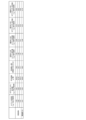
図1および図2に試験結果を示す。 The test results are shown in Figures 1 and 2.
図1に示すように、実施例1~7の実験では、比較例1に比べてルテインを高濃度に含有する卵を生産するできることが確認できた。
図1に示すように、本発明の高ルテイン含有卵では、ルテインの含有量が最小で2.81mg/100mg可食部、最大で3.39mg/100mg可食部となることが確認できた。しかも、採卵時期や平均卵重などによってばらつきはあるものの、同じ時期に採取された卵(つまり同じ実施例の卵)のルテインの含有量は、平均値換算で卵1個当たり1.59mg以上となることが確認できた。
また、図1に示すように、実施例1~7の実験で採用した卵の平均卵重(殻を含む重さ)は60g以上であり、実施例1~7の実験で採用した卵の卵1個あたりのルテインの含有量は平均値換算で1.79mgである。つまり、本発明の高ルテイン含有卵は、卵重(殻を含む重さ)60g以上の卵1個あたりのルテインの含有量は平均値換算で1.79mgと推定できる。すると、本発明の高ルテイン含有卵を1日に3個食べれば、黄斑部の色素増加機能が期待できるルテインの1日あたりの摂取量10mgの50%である5mgを容易に摂取できると推定できる。
As shown in FIG. 1, it was confirmed that the experiments of Examples 1 to 7 enabled the production of eggs containing lutein at a higher concentration than that of Comparative Example 1.
As shown in Figure 1, it was confirmed that the lutein content of the high lutein-containing eggs of the present invention was a minimum of 2.81 mg/100 mg edible part and a maximum of 3.39 mg/100 mg edible part. Moreover, although there was variation depending on the egg collection season and average egg weight, it was confirmed that the lutein content of eggs collected at the same time (i.e., eggs of the same Example) was 1.59 mg or more per egg in average value conversion.
In addition, as shown in FIG. 1, the average egg weight (weight including shell) of the eggs used in the experiments of Examples 1 to 7 is 60 g or more, and the lutein content per egg of the eggs used in the experiments of Examples 1 to 7 is 1.79 mg in average value conversion. In other words, the lutein content per egg of the high lutein content of the present invention having an egg weight (weight including shell) of 60 g or more can be estimated to be 1.79 mg in average value conversion. Therefore, it can be estimated that by eating three high lutein content eggs of the present invention per day, 5 mg, which is 50% of the daily intake of 10 mg of lutein that is expected to increase pigmentation in the macular lutea, can be easily ingested.
また、図2に示すように、実施例8の実験では、比較例2に比べてゼアキサンチンを高濃度(100mg可食部の平均値換算で0.41mg以上、卵1個あたりの平均値換算で0.24mg以上)に含有する卵を生産できることが確認できた。 In addition, as shown in Figure 2, the experiment in Example 8 confirmed that it was possible to produce eggs containing a higher concentration of zeaxanthin (average value of 0.41 mg or more per 100 mg edible portion, or 0.24 mg or more per egg) than Comparative Example 2.
さらに、図3に示すように、実施例9、10の実験では、卵1個あたりのルテインの含有量が平均値換算で1.90mg以上かつ卵1個あたりのゼアキサンチンの含有量を平均値換算で0.22mgである卵を生産できることが確認できた。つまり、ルテインとゼアキサンチンの両方を高濃度に含有する卵を生産できることが確認された。 Furthermore, as shown in Figure 3, the experiments in Examples 9 and 10 confirmed that it was possible to produce eggs with an average lutein content of 1.90 mg or more per egg and an average zeaxanthin content of 0.22 mg per egg. In other words, it was confirmed that it was possible to produce eggs that contain high concentrations of both lutein and zeaxanthin.
<卵黄の色味評価>
つぎに、実施例11の卵について、検体の卵黄の色味を評価した。
なお、実施例11では、実施例1と同様の飼料(飼料A)を使用した。
<Evaluation of egg yolk color>
Next, for the eggs of Example 11, the color of the egg yolk of the sample was evaluated.
In Example 11, the same feed (feed A) as in Example 1 was used.
測定機器:CR-400/DP-400(コニカミノルタ製 CRが色彩色差計、DPがデータプロセッサの型番)を用いた。評価における、L値は明るさを示し黒が0で白100であり、a値は赤みを示し値が高いほど赤みが強いことを示し、b値は黄色みを示し値が高いほど黄色みが強いことを示す。 Measuring equipment: CR-400/DP-400 (Konica Minolta, CR is a color difference meter, DP is the model number of the data processor). In the evaluation, the L value indicates brightness, with black being 0 and white being 100, the a value indicates redness, with the higher the value indicating a stronger redness, and the b value indicates yellowness, with the higher the value indicating a stronger yellowness.
全卵を用いた測定方法は、以下の通りである。
検体の卵を割って1個ずつプラスチックカップに割入れカラザをつけたまま軽くガラス棒で混ぜたのち、ポリトロンで攪拌(15000rpm、30秒)した。撹拌した試料をアルミカップ(大きさ6号)に16g~17g入れ(アルミカップの約2/3程度)、表面の泡を取り除いた。そして、泡を取り除いた液面を、色彩色差計で1点測定した(表では生卵の測定結果)。
ついで、100℃、30分間加熱した後、アルミカップを剥いで、加熱物を焼き面と水平にカットした断面を色彩色差計で1点測定した(表では加熱卵の測定結果)。
The measurement method using whole eggs is as follows.
The test eggs were cracked and placed one by one into a plastic cup, with the chalazion still attached, and then lightly mixed with a glass rod and stirred with a Polytron (15,000 rpm, 30 seconds). 16g to 17g of the stirred sample was placed in an aluminum cup (size 6) (about 2/3 of the aluminum cup) and the bubbles on the surface were removed. The liquid level after the bubbles were removed was then measured at one point with a color difference meter (the table shows the measurement results for raw eggs).
Next, after heating at 100° C. for 30 minutes, the aluminum cup was removed and the cross section of the heated product cut horizontally to the baking surface was measured at one point using a color difference meter (the table shows the measurement results for the heated egg).
卵黄のみを用いた測定方法は、以下の通りである。
検体の卵から卵黄液のみを分離し、分離した卵黄をアルミカップ(大きさ6号)に1個ずつ入れた。アルミカップ内において、ガラス棒でよく攪拌し、表面の泡を取り除いた。そして、泡を取り除いた液面を、色彩色差計で1点測定した(表では生卵の測定結果)。
ついで、100℃、30分間加熱した後、アルミカップを剥いで、加熱物を焼き面と水平にカットした断面を色彩色差計で1点測定した(表では加熱卵の測定結果)。
The measurement method using only egg yolk is as follows.
The egg yolk liquid was separated from the test eggs and each separated egg yolk was placed in an aluminum cup (size 6). The egg yolk was thoroughly stirred in the aluminum cup with a glass rod to remove any bubbles on the surface. The liquid level after the bubbles were removed was then measured at one point with a colorimeter (the table shows the measurement results for raw eggs).
Next, after heating at 100° C. for 30 minutes, the aluminum cup was removed and the cross section of the heated product cut horizontally to the baking surface was measured at one point using a color difference meter (the table shows the measurement results for the heated egg).
図4に結果を示す。
図4の結果から、本発明の高ルテイン含有卵の全卵では、比較例と比べて、生卵、加熱卵ともに、黄色みが有意に高く、見た目も鮮やかなであった。とくに加熱卵においては、黄色み(b値)は、その差が比較例と比べて2倍程度と顕著な差を示した。
また、本発明の高ルテイン含有卵の卵黄のみの測定結果では、生卵では赤みがわずかに強い印象をうけたが、加熱卵においては、比較例と比べて、黄色みが有意に高く、見た目も鮮やかなであった。
The results are shown in Figure 4.
As shown in Figure 4, the whole eggs of the present invention, which are high in lutein, were significantly yellower and more vivid in appearance than the comparative example, both for raw eggs and heated eggs. In particular, the yellowness (b value) of the heated eggs was significantly higher than that of the comparative example, showing a significant difference of about twice as much.
Furthermore, in the measurement of only the egg yolk of the high lutein-containing eggs of the present invention, the raw eggs gave the impression of being slightly reddish, but the heated eggs were significantly more yellowish and appeared more vivid than the comparative example.
以上の結果から、本発明の高ルテイン含有卵の生産方法を用いて、本発明の採卵鶏用飼料を連続して採卵鶏に給与することにより、卵へのルテインの移行を適切に促進させることができることが確認できた。そして、本発明の高ルテイン含有卵の生産方法で生産される本発明の高ルテイン含有卵中に含有するルテインの濃度を、可食部100gあたり2.9mg以上といった従来技術では達成することができなかった値にまで上昇させることができることが確認できた。
したがって、本発明の高ルテイン含有卵は、ルテインを摂取するための食品として適しており、卵重が約60g以上のものを1日3個程度食べることにより、眼病リスクの予防が期待できる。
From the above results, it was confirmed that the transfer of lutein to eggs can be appropriately promoted by continuously feeding the egg-laying hens with the egg-laying hens feed of the present invention using the method for producing eggs with high lutein content of the present invention. It was also confirmed that the concentration of lutein contained in the eggs with high lutein content of the present invention produced by the method for producing eggs with high lutein content of the present invention can be increased to a value of 2.9 mg or more per 100 g of edible portion, which was not achievable by conventional techniques.
Therefore, the high lutein content eggs of the present invention are suitable as a food for ingesting lutein, and by eating about three eggs weighing about 60 g or more per day, the risk of eye diseases can be expected to be prevented.
本発明の採卵鶏用飼料及び高ルテイン含有卵の生産方法は、本発明の高ルテイン含有卵の生産に適している。また、本発明の高ルテイン含有卵は、ルテインを摂取する食品として適している。 The feed for laying hens and the method for producing eggs with high lutein content of the present invention are suitable for producing the eggs with high lutein content of the present invention. Furthermore, the eggs with high lutein content of the present invention are suitable as a food for ingesting lutein.
Claims (7)
卵重が60g以上であり、
ルテインの含有量が、卵の可食部100gにおいて2.8mg以上である
ことを特徴とする高ルテイン含有卵。 Eggs from White Leghorn hens,
The egg weight is 60g or more,
A high lutein content egg, characterized in that the lutein content is 2.8 mg or more per 100 g of edible portion of the egg.
ことを特徴とする請求項1記載の高ルテイン含有卵。 2. The lutein-rich egg according to claim 1, characterized in that the lutein content is 3.0 mg or more per 100 g of edible portion of the egg.
ことを特徴とする請求項1記載の高ルテイン含有卵。 2. The lutein-rich egg according to claim 1, characterized in that the zeaxanthin content is 0.35 mg or more per 100 g of the edible portion of the egg.
ことを特徴とする請求項3記載の高ルテイン含有卵。 4. The lutein-rich egg according to claim 3, characterized in that the zeaxanthin content is 0.38 mg or more per 100 g of the edible portion of the egg.
100℃で30分間加熱した後の色差計を用いて測定される卵黄のb値が、加熱前の卵黄の色差計を用いて測定されるb値の2倍以上であり、
100℃で30分間加熱した後の色差計を用いて測定される卵黄のa値が、加熱前の卵黄の色差計を用いて測定されるa値の1/2以上であり、
前記加熱前の卵黄の色差計を用いて測定されるb値は、
卵から分離した卵黄を容器内で撹拌した後の液面を色差計を用いて測定される値であり、
前記加熱後の卵黄の色差計を用いて測定されるb値は、
加熱後に容器から取り出した加熱卵黄の断面を色差計を用いて測定される値である
ことを特徴とする請求項1記載の高ルテイン含有卵。 The eggs are
the b value of the egg yolk measured using a colorimeter after heating at 100° C. for 30 minutes is at least twice the b value of the egg yolk measured using the colorimeter before heating;
the a-value of the egg yolk measured using a color difference meter after heating at 100° C. for 30 minutes is at least half of the a-value of the egg yolk measured using a color difference meter before heating;
The b value of the egg yolk before heating, measured using a color difference meter, is
This is the value measured using a colorimeter to measure the liquid level after stirring the egg yolk separated from the egg in a container.
The b value of the heated egg yolk measured using a color difference meter is
2. The high lutein egg according to claim 1, characterized in that the value is measured using a color difference meter on a cross section of the heated egg yolk removed from the container after heating.
飼料1kgあたり、ルテインを100mg以上、かつ、キシラナーゼを1500EPU以上含有する飼料を連続して給与した白色レグホン種の採卵鶏から得る
ことを特徴とする卵の生産方法。 A method for producing eggs having a lutein content of 2.8 mg or more per 100 g of edible portion of the eggs, comprising the steps of:
A method for producing eggs, comprising the steps of: obtaining eggs from White Leghorn layer hens continuously fed a diet containing not less than 100 mg of lutein and not less than 1,500 EPU of xylanase per kg of diet;
ことを特徴とする採卵鶏用飼料。 A feed for layer hens to be fed to White Leghorn layer hens, the feed containing 100 mg or more of lutein and 1,500 EPU or more of xylanase per kg of the feed.
Priority Applications (5)
| Application Number | Priority Date | Filing Date | Title |
|---|---|---|---|
| KR1020257039359A KR20260080377A (en) | 2023-10-03 | 2024-10-02 | High-lutein eggs, high-zeaxanthin eggs, processed food ingredients, egg production methods and feed for laying hens |
| EP24874658.8A EP4789549A1 (en) | 2023-10-03 | 2024-10-02 | Lutein-rich egg, zeaxanthin-rich egg, processed food material, method for producing egg, and feed for egg-laying hens |
| PCT/JP2024/035343 WO2025075058A1 (en) | 2023-10-03 | 2024-10-02 | Lutein-rich egg, zeaxanthin-rich egg, processed food material, method for producing egg, and feed for egg-laying hens |
| JP2025085174A JP2025114861A (en) | 2023-10-03 | 2025-05-21 | High lutein content eggs |
| US19/393,900 US20260068912A1 (en) | 2023-10-03 | 2025-11-19 | Lutein-rich egg, zeaxanthin-rich egg, processed food, egg production method, and feed for laying hens |
Applications Claiming Priority (2)
| Application Number | Priority Date | Filing Date | Title |
|---|---|---|---|
| JP2023171859 | 2023-10-03 | ||
| JP2023171859 | 2023-10-03 |
Related Child Applications (1)
| Application Number | Title | Priority Date | Filing Date |
|---|---|---|---|
| JP2025085174A Division JP2025114861A (en) | 2023-10-03 | 2025-05-21 | High lutein content eggs |
Publications (2)
| Publication Number | Publication Date |
|---|---|
| JP2025063012A JP2025063012A (en) | 2025-04-15 |
| JP7686864B2 true JP7686864B2 (en) | 2025-06-02 |
Family
ID=95374865
Family Applications (2)
| Application Number | Title | Priority Date | Filing Date |
|---|---|---|---|
| JP2024172834A Active JP7686864B2 (en) | 2023-10-03 | 2024-10-01 | High lutein-containing eggs, processed food ingredients, production method of high lutein-containing eggs, and feed for egg-laying hens |
| JP2025085174A Pending JP2025114861A (en) | 2023-10-03 | 2025-05-21 | High lutein content eggs |
Family Applications After (1)
| Application Number | Title | Priority Date | Filing Date |
|---|---|---|---|
| JP2025085174A Pending JP2025114861A (en) | 2023-10-03 | 2025-05-21 | High lutein content eggs |
Country Status (1)
| Country | Link |
|---|---|
| JP (2) | JP7686864B2 (en) |
Citations (4)
| Publication number | Priority date | Publication date | Assignee | Title |
|---|---|---|---|---|
| JP2003102395A (en) | 2001-09-27 | 2003-04-08 | Kyodo Shiryo Kk | Chicken feed, method of feeding the same, and eggs and eggs processed food obtained by feeding the same |
| CN103070311A (en) | 2013-01-11 | 2013-05-01 | 大连韩伟养鸡有限公司 | Production method of eggs rich in lutein |
| JP2014524914A (en) | 2011-07-07 | 2014-09-25 | ハワード・ファウンデーション・ホールディングス・リミテッド | Improvement in visual performance and / or macular pigmentation, or improvement related to visual performance and / or macular pigmentation |
| JP2016505593A (en) | 2012-12-19 | 2016-02-25 | ノーバス・インターナショナル・インコーポレイテッドNovus International,Inc. | Xanthophyll composition and method of use |
Family Cites Families (1)
| Publication number | Priority date | Publication date | Assignee | Title |
|---|---|---|---|---|
| WO1998018345A1 (en) * | 1996-10-29 | 1998-05-07 | Finnfeeds International Limited | Use of an enzyme for promoting pigment uptake from a feed |
-
2024
- 2024-10-01 JP JP2024172834A patent/JP7686864B2/en active Active
-
2025
- 2025-05-21 JP JP2025085174A patent/JP2025114861A/en active Pending
Patent Citations (4)
| Publication number | Priority date | Publication date | Assignee | Title |
|---|---|---|---|---|
| JP2003102395A (en) | 2001-09-27 | 2003-04-08 | Kyodo Shiryo Kk | Chicken feed, method of feeding the same, and eggs and eggs processed food obtained by feeding the same |
| JP2014524914A (en) | 2011-07-07 | 2014-09-25 | ハワード・ファウンデーション・ホールディングス・リミテッド | Improvement in visual performance and / or macular pigmentation, or improvement related to visual performance and / or macular pigmentation |
| JP2016505593A (en) | 2012-12-19 | 2016-02-25 | ノーバス・インターナショナル・インコーポレイテッドNovus International,Inc. | Xanthophyll composition and method of use |
| CN103070311A (en) | 2013-01-11 | 2013-05-01 | 大连韩伟养鸡有限公司 | Production method of eggs rich in lutein |
Non-Patent Citations (1)
| Title |
|---|
| European Food Safety Authority (EFSA),"Scientific Opinion on the safety and efficacy of Hostazym X (endo-1,4-beta-xylanase) as a feed addi,EFSA Journal,2013年,Vol. 11, No. 2, 3105,P. 1-23,doi:10.2903/j.efsa.2013.3105. |
Also Published As
| Publication number | Publication date |
|---|---|
| JP2025063012A (en) | 2025-04-15 |
| JP2025114861A (en) | 2025-08-05 |
Similar Documents
| Publication | Publication Date | Title |
|---|---|---|
| Schweiggert et al. | Carotenoid deposition in plant and animal foods and its impact on bioavailability | |
| Tarantul et al. | Chicken egg | |
| Akullo et al. | Development and quality evaluation of crackers enriched with edible insects | |
| US20210315187A1 (en) | Aquaculture shrimps and methods for culturing same | |
| AU2016305897B2 (en) | Farmed tuna species and applications thereof, and method for breeding farmed tuna species | |
| CN105767586A (en) | Nutrient enhanced laying hen feed and application thereof | |
| EP2457450A1 (en) | Edible composition with stevia rebaudiana | |
| KR20210051507A (en) | Feed composition comprising larvae powder in black soldier fly and method for producing the same | |
| KR20170143356A (en) | Feed composition for companion animal using food materials and preparing method thereof | |
| KR102367580B1 (en) | Method for Manufacturing Spice Sauce for Chicken Rib | |
| CN102742550A (en) | Method for raising chickens with fresh pine needles | |
| Zeidler | Shell eggs and their nutritional value | |
| KR101308921B1 (en) | Method of preparing korean hot pepper paste with fish egg | |
| CN101422248A (en) | Poultry embryonated egg nutrient food | |
| JP7699411B1 (en) | High lutein-containing eggs, processed food ingredients, egg production method and feed for laying hens | |
| Rahmasari et al. | The effect of silkworm pupae (Bombyx mori) meal to substitute fish meal on production and physical quality of quail eggs (Cortunix cortunix japonica) | |
| US20260068912A1 (en) | Lutein-rich egg, zeaxanthin-rich egg, processed food, egg production method, and feed for laying hens | |
| Nwadi et al. | Production, evaluation of quality characteristics and storage stability of extruded snacks from blends of whole wheat flour and chicken egg | |
| JP2025063012A (en) | High lutein-containing eggs, processed food ingredients, production method of high lutein-containing eggs, and feed for egg-laying hens | |
| CN103299953A (en) | Feeding method of using spectrum water to improve quality of poultry meat | |
| CN105876648A (en) | Natto food and preparation method thereof | |
| JP2026064178A (en) | High-zeaxanthin eggs, processed food ingredients, methods for producing high-zeaxanthin eggs, and feed for laying hens. | |
| CN109329634A (en) | A kind of dog food composition and preparation method thereof | |
| Idahor | Alternative feedstuffs utilisation in Nigerian poultry industry: potentials, problems and prospects | |
| JP7425908B2 (en) | Compound feed for processed eggs and method for producing processed eggs |
Legal Events
| Date | Code | Title | Description |
|---|---|---|---|
| A521 | Request for written amendment filed |
Free format text: JAPANESE INTERMEDIATE CODE: A821 Effective date: 20241002 |
|
| A80 | Written request to apply exceptions to lack of novelty of invention |
Free format text: JAPANESE INTERMEDIATE CODE: A80 Effective date: 20241002 |
|
| A521 | Request for written amendment filed |
Free format text: JAPANESE INTERMEDIATE CODE: A523 Effective date: 20250403 |
|
| A621 | Written request for application examination |
Free format text: JAPANESE INTERMEDIATE CODE: A621 Effective date: 20250403 |
|
| A871 | Explanation of circumstances concerning accelerated examination |
Free format text: JAPANESE INTERMEDIATE CODE: A871 Effective date: 20250403 |
|
| A131 | Notification of reasons for refusal |
Free format text: JAPANESE INTERMEDIATE CODE: A131 Effective date: 20250501 |
|
| A521 | Request for written amendment filed |
Free format text: JAPANESE INTERMEDIATE CODE: A523 Effective date: 20250502 |
|
| TRDD | Decision of grant or rejection written | ||
| A01 | Written decision to grant a patent or to grant a registration (utility model) |
Free format text: JAPANESE INTERMEDIATE CODE: A01 Effective date: 20250519 |
|
| A61 | First payment of annual fees (during grant procedure) |
Free format text: JAPANESE INTERMEDIATE CODE: A61 Effective date: 20250521 |
|
| R150 | Certificate of patent or registration of utility model |
Ref document number: 7686864 Country of ref document: JP Free format text: JAPANESE INTERMEDIATE CODE: R150 |
|
| R154 | Certificate of patent or utility model (reissue) |
Free format text: JAPANESE INTERMEDIATE CODE: R154 |