JP7546552B2 - Polymer-based macromolecular prodrugs - Google Patents
Polymer-based macromolecular prodrugs Download PDFInfo
- Publication number
- JP7546552B2 JP7546552B2 JP2021514531A JP2021514531A JP7546552B2 JP 7546552 B2 JP7546552 B2 JP 7546552B2 JP 2021514531 A JP2021514531 A JP 2021514531A JP 2021514531 A JP2021514531 A JP 2021514531A JP 7546552 B2 JP7546552 B2 JP 7546552B2
- Authority
- JP
- Japan
- Prior art keywords
- peg
- prodrug
- tumor
- treatment
- mice
- Prior art date
- Legal status (The legal status is an assumption and is not a legal conclusion. Google has not performed a legal analysis and makes no representation as to the accuracy of the status listed.)
- Active
Links
- 229940002612 prodrug Drugs 0.000 title claims description 99
- 239000000651 prodrug Substances 0.000 title claims description 99
- 229920000642 polymer Polymers 0.000 title description 53
- 206010028980 Neoplasm Diseases 0.000 claims description 97
- 206010029260 Neuroblastoma Diseases 0.000 claims description 89
- 238000011282 treatment Methods 0.000 claims description 59
- 239000000203 mixture Substances 0.000 claims description 8
- 239000000126 substance Substances 0.000 claims description 3
- FJHBVJOVLFPMQE-QFIPXVFZSA-N 7-Ethyl-10-Hydroxy-Camptothecin Chemical compound C1=C(O)C=C2C(CC)=C(CN3C(C4=C([C@@](C(=O)OC4)(O)CC)C=C33)=O)C3=NC2=C1 FJHBVJOVLFPMQE-QFIPXVFZSA-N 0.000 description 80
- 210000004027 cell Anatomy 0.000 description 48
- 241000699670 Mus sp. Species 0.000 description 46
- VSJKWCGYPAHWDS-FQEVSTJZSA-N camptothecin Chemical class C1=CC=C2C=C(CN3C4=CC5=C(C3=O)COC(=O)[C@]5(O)CC)C4=NC2=C1 VSJKWCGYPAHWDS-FQEVSTJZSA-N 0.000 description 42
- 229920001223 polyethylene glycol Polymers 0.000 description 36
- 239000002202 Polyethylene glycol Substances 0.000 description 35
- 238000002512 chemotherapy Methods 0.000 description 35
- 229920001983 poloxamer Polymers 0.000 description 34
- RVGRUAULSDPKGF-UHFFFAOYSA-N Poloxamer Chemical compound C1CO1.CC1CO1 RVGRUAULSDPKGF-UHFFFAOYSA-N 0.000 description 33
- 229960004768 irinotecan Drugs 0.000 description 30
- UWKQSNNFCGGAFS-XIFFEERXSA-N irinotecan Chemical compound C1=C2C(CC)=C3CN(C(C4=C([C@@](C(=O)OC4)(O)CC)C=4)=O)C=4C3=NC2=CC=C1OC(=O)N(CC1)CCC1N1CCCCC1 UWKQSNNFCGGAFS-XIFFEERXSA-N 0.000 description 30
- 239000003814 drug Substances 0.000 description 26
- 230000003442 weekly effect Effects 0.000 description 26
- 229940079593 drug Drugs 0.000 description 25
- 210000003771 C cell Anatomy 0.000 description 21
- 241001465754 Metazoa Species 0.000 description 21
- 230000029918 bioluminescence Effects 0.000 description 19
- 238000005415 bioluminescence Methods 0.000 description 19
- 229960000502 poloxamer Drugs 0.000 description 19
- 230000004044 response Effects 0.000 description 18
- 239000003446 ligand Substances 0.000 description 17
- 230000004083 survival effect Effects 0.000 description 17
- 230000001225 therapeutic effect Effects 0.000 description 17
- 230000004663 cell proliferation Effects 0.000 description 14
- ABSNGNUGFQIDDO-UHFFFAOYSA-N 2-benzylguanidine Chemical compound NC(N)=NCC1=CC=CC=C1 ABSNGNUGFQIDDO-UHFFFAOYSA-N 0.000 description 13
- YMWUJEATGCHHMB-UHFFFAOYSA-N Dichloromethane Chemical compound ClCCl YMWUJEATGCHHMB-UHFFFAOYSA-N 0.000 description 13
- 108060001084 Luciferase Proteins 0.000 description 13
- 239000005089 Luciferase Substances 0.000 description 13
- -1 polyoxypropylene Polymers 0.000 description 13
- 230000035755 proliferation Effects 0.000 description 13
- 102000013013 Member 2 Subfamily G ATP Binding Cassette Transporter Human genes 0.000 description 12
- 108010090306 Member 2 Subfamily G ATP Binding Cassette Transporter Proteins 0.000 description 12
- 230000001028 anti-proliverative effect Effects 0.000 description 12
- 230000002601 intratumoral effect Effects 0.000 description 12
- 238000000034 method Methods 0.000 description 12
- 230000004962 physiological condition Effects 0.000 description 12
- SFLSHLFXELFNJZ-QMMMGPOBSA-N (-)-norepinephrine Chemical compound NC[C@H](O)C1=CC=C(O)C(O)=C1 SFLSHLFXELFNJZ-QMMMGPOBSA-N 0.000 description 11
- 229960002748 norepinephrine Drugs 0.000 description 11
- SFLSHLFXELFNJZ-UHFFFAOYSA-N norepinephrine Natural products NCC(O)C1=CC=C(O)C(O)=C1 SFLSHLFXELFNJZ-UHFFFAOYSA-N 0.000 description 11
- 108010078791 Carrier Proteins Proteins 0.000 description 10
- 230000000694 effects Effects 0.000 description 10
- 230000002459 sustained effect Effects 0.000 description 10
- WAEXFXRVDQXREF-UHFFFAOYSA-N vorinostat Chemical compound ONC(=O)CCCCCCC(=O)NC1=CC=CC=C1 WAEXFXRVDQXREF-UHFFFAOYSA-N 0.000 description 10
- 229960000237 vorinostat Drugs 0.000 description 10
- KLWPJMFMVPTNCC-UHFFFAOYSA-N Camptothecin Natural products CCC1(O)C(=O)OCC2=C1C=C3C4Nc5ccccc5C=C4CN3C2=O KLWPJMFMVPTNCC-UHFFFAOYSA-N 0.000 description 9
- 238000004458 analytical method Methods 0.000 description 9
- 229940127093 camptothecin Drugs 0.000 description 9
- VSJKWCGYPAHWDS-UHFFFAOYSA-N dl-camptothecin Natural products C1=CC=C2C=C(CN3C4=CC5=C(C3=O)COC(=O)C5(O)CC)C4=NC2=C1 VSJKWCGYPAHWDS-UHFFFAOYSA-N 0.000 description 9
- 230000005764 inhibitory process Effects 0.000 description 9
- 208000006168 Ewing Sarcoma Diseases 0.000 description 8
- 201000010099 disease Diseases 0.000 description 8
- 208000037265 diseases, disorders, signs and symptoms Diseases 0.000 description 8
- 238000003384 imaging method Methods 0.000 description 8
- 201000009410 rhabdomyosarcoma Diseases 0.000 description 8
- 210000003462 vein Anatomy 0.000 description 8
- QOSSAOTZNIDXMA-UHFFFAOYSA-N Dicylcohexylcarbodiimide Chemical compound C1CCCCC1N=C=NC1CCCCC1 QOSSAOTZNIDXMA-UHFFFAOYSA-N 0.000 description 7
- 230000004614 tumor growth Effects 0.000 description 7
- RTZKZFJDLAIYFH-UHFFFAOYSA-N Diethyl ether Chemical compound CCOCC RTZKZFJDLAIYFH-UHFFFAOYSA-N 0.000 description 6
- FAPWRFPIFSIZLT-UHFFFAOYSA-M Sodium chloride Chemical compound [Na+].[Cl-] FAPWRFPIFSIZLT-UHFFFAOYSA-M 0.000 description 6
- 239000002246 antineoplastic agent Substances 0.000 description 6
- 238000013459 approach Methods 0.000 description 6
- 125000003178 carboxy group Chemical group [H]OC(*)=O 0.000 description 6
- 230000003111 delayed effect Effects 0.000 description 6
- 230000012010 growth Effects 0.000 description 6
- 239000002243 precursor Substances 0.000 description 6
- 239000011780 sodium chloride Substances 0.000 description 6
- MYQKIWCVEPUPIL-QFIPXVFZSA-N 7-ethylcamptothecin Chemical compound C1=CC=C2C(CC)=C(CN3C(C4=C([C@@](C(=O)OC4)(O)CC)C=C33)=O)C3=NC2=C1 MYQKIWCVEPUPIL-QFIPXVFZSA-N 0.000 description 5
- 229920003171 Poly (ethylene oxide) Polymers 0.000 description 5
- 210000000577 adipose tissue Anatomy 0.000 description 5
- 239000003795 chemical substances by application Substances 0.000 description 5
- 229940127089 cytotoxic agent Drugs 0.000 description 5
- 230000002708 enhancing effect Effects 0.000 description 5
- 238000002474 experimental method Methods 0.000 description 5
- 230000009036 growth inhibition Effects 0.000 description 5
- 230000002401 inhibitory effect Effects 0.000 description 5
- 230000014759 maintenance of location Effects 0.000 description 5
- QHFSFXIJOPKPMS-UHFFFAOYSA-N n,n-dimethylpyridin-2-amine;4-methylbenzenesulfonic acid Chemical compound CN(C)C1=CC=CC=[NH+]1.CC1=CC=C(S([O-])(=O)=O)C=C1 QHFSFXIJOPKPMS-UHFFFAOYSA-N 0.000 description 5
- 210000000056 organ Anatomy 0.000 description 5
- 229920001451 polypropylene glycol Polymers 0.000 description 5
- 206010006895 Cachexia Diseases 0.000 description 4
- 206010012735 Diarrhoea Diseases 0.000 description 4
- WYURNTSHIVDZCO-UHFFFAOYSA-N Tetrahydrofuran Chemical compound C1CCOC1 WYURNTSHIVDZCO-UHFFFAOYSA-N 0.000 description 4
- DTQVDTLACAAQTR-UHFFFAOYSA-N Trifluoroacetic acid Chemical compound OC(=O)C(F)(F)F DTQVDTLACAAQTR-UHFFFAOYSA-N 0.000 description 4
- 230000009471 action Effects 0.000 description 4
- 239000012190 activator Substances 0.000 description 4
- 230000001919 adrenal effect Effects 0.000 description 4
- 208000022531 anorexia Diseases 0.000 description 4
- 230000001093 anti-cancer Effects 0.000 description 4
- 239000008280 blood Substances 0.000 description 4
- 210000004369 blood Anatomy 0.000 description 4
- 239000003054 catalyst Substances 0.000 description 4
- 206010061428 decreased appetite Diseases 0.000 description 4
- 230000008034 disappearance Effects 0.000 description 4
- INVTYAOGFAGBOE-UHFFFAOYSA-N entinostat Chemical compound NC1=CC=CC=C1NC(=O)C(C=C1)=CC=C1CNC(=O)OCC1=CC=CN=C1 INVTYAOGFAGBOE-UHFFFAOYSA-N 0.000 description 4
- 229950005837 entinostat Drugs 0.000 description 4
- 150000002148 esters Chemical class 0.000 description 4
- 229940121372 histone deacetylase inhibitor Drugs 0.000 description 4
- 239000003276 histone deacetylase inhibitor Substances 0.000 description 4
- 125000002887 hydroxy group Chemical group [H]O* 0.000 description 4
- 230000001965 increasing effect Effects 0.000 description 4
- 238000002347 injection Methods 0.000 description 4
- 239000007924 injection Substances 0.000 description 4
- 238000011081 inoculation Methods 0.000 description 4
- 230000003993 interaction Effects 0.000 description 4
- 239000013642 negative control Substances 0.000 description 4
- 239000013641 positive control Substances 0.000 description 4
- 208000037922 refractory disease Diseases 0.000 description 4
- 239000002904 solvent Substances 0.000 description 4
- 231100000057 systemic toxicity Toxicity 0.000 description 4
- 230000008685 targeting Effects 0.000 description 4
- 230000001052 transient effect Effects 0.000 description 4
- 238000005160 1H NMR spectroscopy Methods 0.000 description 3
- PTJWCLYPVFJWMP-UHFFFAOYSA-N 2-[[3-hydroxy-2-[[3-hydroxy-2,2-bis(hydroxymethyl)propoxy]methyl]-2-(hydroxymethyl)propoxy]methyl]-2-(hydroxymethyl)propane-1,3-diol Chemical group OCC(CO)(CO)COCC(CO)(CO)COCC(CO)(CO)CO PTJWCLYPVFJWMP-UHFFFAOYSA-N 0.000 description 3
- UHOVQNZJYSORNB-UHFFFAOYSA-N Benzene Chemical compound C1=CC=CC=C1 UHOVQNZJYSORNB-UHFFFAOYSA-N 0.000 description 3
- 102100025064 Cellular tumor antigen p53 Human genes 0.000 description 3
- 229940123780 DNA topoisomerase I inhibitor Drugs 0.000 description 3
- 206010059866 Drug resistance Diseases 0.000 description 3
- 241000699666 Mus <mouse, genus> Species 0.000 description 3
- 238000005481 NMR spectroscopy Methods 0.000 description 3
- BPEGJWRSRHCHSN-UHFFFAOYSA-N Temozolomide Chemical compound O=C1N(C)N=NC2=C(C(N)=O)N=CN21 BPEGJWRSRHCHSN-UHFFFAOYSA-N 0.000 description 3
- 239000000365 Topoisomerase I Inhibitor Substances 0.000 description 3
- 230000000259 anti-tumor effect Effects 0.000 description 3
- 230000015572 biosynthetic process Effects 0.000 description 3
- 201000011510 cancer Diseases 0.000 description 3
- 150000001875 compounds Chemical class 0.000 description 3
- 238000013461 design Methods 0.000 description 3
- 238000011156 evaluation Methods 0.000 description 3
- 239000013604 expression vector Substances 0.000 description 3
- 238000007306 functionalization reaction Methods 0.000 description 3
- 230000004927 fusion Effects 0.000 description 3
- 238000004128 high performance liquid chromatography Methods 0.000 description 3
- RAXXELZNTBOGNW-UHFFFAOYSA-N imidazole Natural products C1=CNC=N1 RAXXELZNTBOGNW-UHFFFAOYSA-N 0.000 description 3
- 210000004185 liver Anatomy 0.000 description 3
- 230000007774 longterm Effects 0.000 description 3
- 230000001404 mediated effect Effects 0.000 description 3
- 230000001394 metastastic effect Effects 0.000 description 3
- 206010061289 metastatic neoplasm Diseases 0.000 description 3
- 230000003647 oxidation Effects 0.000 description 3
- 238000007254 oxidation reaction Methods 0.000 description 3
- 230000000144 pharmacologic effect Effects 0.000 description 3
- 229920001993 poloxamer 188 Polymers 0.000 description 3
- 230000003389 potentiating effect Effects 0.000 description 3
- 230000035945 sensitivity Effects 0.000 description 3
- 210000000952 spleen Anatomy 0.000 description 3
- 230000002269 spontaneous effect Effects 0.000 description 3
- 238000003786 synthesis reaction Methods 0.000 description 3
- 229960004964 temozolomide Drugs 0.000 description 3
- 230000004584 weight gain Effects 0.000 description 3
- 235000019786 weight gain Nutrition 0.000 description 3
- 238000012447 xenograft mouse model Methods 0.000 description 3
- GWKLNCUXOUHWLL-UHFFFAOYSA-N 2-(2-phenylethyl)guanidine Chemical compound NC(=N)NCCC1=CC=CC=C1 GWKLNCUXOUHWLL-UHFFFAOYSA-N 0.000 description 2
- 208000003174 Brain Neoplasms Diseases 0.000 description 2
- 206010061818 Disease progression Diseases 0.000 description 2
- 208000014061 Extranodal Extension Diseases 0.000 description 2
- 102100039996 Histone deacetylase 1 Human genes 0.000 description 2
- 101001035024 Homo sapiens Histone deacetylase 1 Proteins 0.000 description 2
- 206010061598 Immunodeficiency Diseases 0.000 description 2
- 241000699660 Mus musculus Species 0.000 description 2
- 101150108975 Rhd gene Proteins 0.000 description 2
- 206010040943 Skin Ulcer Diseases 0.000 description 2
- 108700019146 Transgenes Proteins 0.000 description 2
- WGLPBDUCMAPZCE-UHFFFAOYSA-N Trioxochromium Chemical compound O=[Cr](=O)=O WGLPBDUCMAPZCE-UHFFFAOYSA-N 0.000 description 2
- DZGWFCGJZKJUFP-UHFFFAOYSA-N Tyramine Natural products NCCC1=CC=C(O)C=C1 DZGWFCGJZKJUFP-UHFFFAOYSA-N 0.000 description 2
- 208000025865 Ulcer Diseases 0.000 description 2
- 108700022368 Whn Proteins 0.000 description 2
- 238000009825 accumulation Methods 0.000 description 2
- 125000002843 carboxylic acid group Chemical group 0.000 description 2
- 230000010261 cell growth Effects 0.000 description 2
- 208000011654 childhood malignant neoplasm Diseases 0.000 description 2
- 238000011254 conventional chemotherapy Methods 0.000 description 2
- 238000011443 conventional therapy Methods 0.000 description 2
- 230000018044 dehydration Effects 0.000 description 2
- 238000006297 dehydration reaction Methods 0.000 description 2
- 238000003745 diagnosis Methods 0.000 description 2
- LOKCTEFSRHRXRJ-UHFFFAOYSA-I dipotassium trisodium dihydrogen phosphate hydrogen phosphate dichloride Chemical compound P(=O)(O)(O)[O-].[K+].P(=O)(O)([O-])[O-].[Na+].[Na+].[Cl-].[K+].[Cl-].[Na+] LOKCTEFSRHRXRJ-UHFFFAOYSA-I 0.000 description 2
- 230000002900 effect on cell Effects 0.000 description 2
- 230000001747 exhibiting effect Effects 0.000 description 2
- 238000009472 formulation Methods 0.000 description 2
- 230000002209 hydrophobic effect Effects 0.000 description 2
- 230000006872 improvement Effects 0.000 description 2
- 238000000338 in vitro Methods 0.000 description 2
- 238000001727 in vivo Methods 0.000 description 2
- 230000000977 initiatory effect Effects 0.000 description 2
- 210000003734 kidney Anatomy 0.000 description 2
- 210000004072 lung Anatomy 0.000 description 2
- 230000007246 mechanism Effects 0.000 description 2
- 230000035772 mutation Effects 0.000 description 2
- OAOSXODRWGDDCV-UHFFFAOYSA-N n,n-dimethylpyridin-4-amine;4-methylbenzenesulfonic acid Chemical compound CN(C)C1=CC=NC=C1.CC1=CC=C(S(O)(=O)=O)C=C1 OAOSXODRWGDDCV-UHFFFAOYSA-N 0.000 description 2
- ITJNARMNRKSWTA-UHFFFAOYSA-N nisoxetine Chemical compound C=1C=CC=CC=1C(CCNC)OC1=CC=CC=C1OC ITJNARMNRKSWTA-UHFFFAOYSA-N 0.000 description 2
- 229950004211 nisoxetine Drugs 0.000 description 2
- 238000011580 nude mouse model Methods 0.000 description 2
- 230000035515 penetration Effects 0.000 description 2
- WXZMFSXDPGVJKK-UHFFFAOYSA-N pentaerythritol Chemical compound OCC(CO)(CO)CO WXZMFSXDPGVJKK-UHFFFAOYSA-N 0.000 description 2
- 230000002093 peripheral effect Effects 0.000 description 2
- 230000002085 persistent effect Effects 0.000 description 2
- 239000002953 phosphate buffered saline Substances 0.000 description 2
- 229920001992 poloxamer 407 Polymers 0.000 description 2
- 238000011127 radiochemotherapy Methods 0.000 description 2
- 230000000306 recurrent effect Effects 0.000 description 2
- 230000002441 reversible effect Effects 0.000 description 2
- 231100000019 skin ulcer Toxicity 0.000 description 2
- 208000024891 symptom Diseases 0.000 description 2
- MHYGQXWCZAYSLJ-UHFFFAOYSA-N tert-butyl-chloro-diphenylsilane Chemical compound C=1C=CC=CC=1[Si](Cl)(C(C)(C)C)C1=CC=CC=C1 MHYGQXWCZAYSLJ-UHFFFAOYSA-N 0.000 description 2
- 210000001519 tissue Anatomy 0.000 description 2
- 238000011830 transgenic mouse model Methods 0.000 description 2
- 229960003732 tyramine Drugs 0.000 description 2
- DZGWFCGJZKJUFP-UHFFFAOYSA-O tyraminium Chemical compound [NH3+]CCC1=CC=C(O)C=C1 DZGWFCGJZKJUFP-UHFFFAOYSA-O 0.000 description 2
- 230000036269 ulceration Effects 0.000 description 2
- 102000007469 Actins Human genes 0.000 description 1
- 108010085238 Actins Proteins 0.000 description 1
- 101100087409 Arabidopsis thaliana RH18 gene Proteins 0.000 description 1
- 101100468589 Arabidopsis thaliana RH30 gene Proteins 0.000 description 1
- 208000031648 Body Weight Changes Diseases 0.000 description 1
- 108091003079 Bovine Serum Albumin Proteins 0.000 description 1
- 108020004705 Codon Proteins 0.000 description 1
- 108020004414 DNA Proteins 0.000 description 1
- 230000005778 DNA damage Effects 0.000 description 1
- 231100000277 DNA damage Toxicity 0.000 description 1
- 108090000790 Enzymes Proteins 0.000 description 1
- 102000004190 Enzymes Human genes 0.000 description 1
- 238000010268 HPLC based assay Methods 0.000 description 1
- 241000282412 Homo Species 0.000 description 1
- 108700012912 MYCN Proteins 0.000 description 1
- 101150022024 MYCN gene Proteins 0.000 description 1
- 241000124008 Mammalia Species 0.000 description 1
- SECXISVLQFMRJM-UHFFFAOYSA-N N-Methylpyrrolidone Chemical compound CN1CCCC1=O SECXISVLQFMRJM-UHFFFAOYSA-N 0.000 description 1
- 108700026495 N-Myc Proto-Oncogene Proteins 0.000 description 1
- 102100030124 N-myc proto-oncogene protein Human genes 0.000 description 1
- 238000011887 Necropsy Methods 0.000 description 1
- 108010049586 Norepinephrine Plasma Membrane Transport Proteins Proteins 0.000 description 1
- 239000012980 RPMI-1640 medium Substances 0.000 description 1
- 230000018199 S phase Effects 0.000 description 1
- 206010039491 Sarcoma Diseases 0.000 description 1
- VYPSYNLAJGMNEJ-UHFFFAOYSA-N Silicium dioxide Chemical compound O=[Si]=O VYPSYNLAJGMNEJ-UHFFFAOYSA-N 0.000 description 1
- PMZURENOXWZQFD-UHFFFAOYSA-L Sodium Sulfate Chemical compound [Na+].[Na+].[O-]S([O-])(=O)=O PMZURENOXWZQFD-UHFFFAOYSA-L 0.000 description 1
- 102100033929 Sodium-dependent noradrenaline transporter Human genes 0.000 description 1
- QAOWNCQODCNURD-UHFFFAOYSA-N Sulfuric acid Chemical compound OS(O)(=O)=O QAOWNCQODCNURD-UHFFFAOYSA-N 0.000 description 1
- 206010066901 Treatment failure Diseases 0.000 description 1
- 238000010162 Tukey test Methods 0.000 description 1
- 102000015098 Tumor Suppressor Protein p53 Human genes 0.000 description 1
- 108010078814 Tumor Suppressor Protein p53 Proteins 0.000 description 1
- 238000010811 Ultra-Performance Liquid Chromatography-Tandem Mass Spectrometry Methods 0.000 description 1
- 241000021375 Xenogenes Species 0.000 description 1
- ZULJYVVAYGFYKU-UHFFFAOYSA-N acetonitrile;chloroform Chemical compound CC#N.ClC(Cl)Cl ZULJYVVAYGFYKU-UHFFFAOYSA-N 0.000 description 1
- 230000004913 activation Effects 0.000 description 1
- 231100000899 acute systemic toxicity Toxicity 0.000 description 1
- 125000002252 acyl group Chemical group 0.000 description 1
- 230000000996 additive effect Effects 0.000 description 1
- 210000004100 adrenal gland Anatomy 0.000 description 1
- 230000003321 amplification Effects 0.000 description 1
- 238000000540 analysis of variance Methods 0.000 description 1
- 238000010171 animal model Methods 0.000 description 1
- 230000006907 apoptotic process Effects 0.000 description 1
- 239000012298 atmosphere Substances 0.000 description 1
- 230000008901 benefit Effects 0.000 description 1
- 230000037396 body weight Effects 0.000 description 1
- 230000004579 body weight change Effects 0.000 description 1
- 230000000747 cardiac effect Effects 0.000 description 1
- 238000004113 cell culture Methods 0.000 description 1
- 210000000170 cell membrane Anatomy 0.000 description 1
- 238000006243 chemical reaction Methods 0.000 description 1
- 239000003153 chemical reaction reagent Substances 0.000 description 1
- 239000012829 chemotherapy agent Substances 0.000 description 1
- 229940044683 chemotherapy drug Drugs 0.000 description 1
- 208000012191 childhood neoplasm Diseases 0.000 description 1
- 210000000028 corpus adiposum pararenale Anatomy 0.000 description 1
- 230000001351 cycling effect Effects 0.000 description 1
- 231100000433 cytotoxic Toxicity 0.000 description 1
- 230000001472 cytotoxic effect Effects 0.000 description 1
- 230000002498 deadly effect Effects 0.000 description 1
- 230000034994 death Effects 0.000 description 1
- 231100000517 death Toxicity 0.000 description 1
- 238000012217 deletion Methods 0.000 description 1
- 230000037430 deletion Effects 0.000 description 1
- 230000001419 dependent effect Effects 0.000 description 1
- 238000010511 deprotection reaction Methods 0.000 description 1
- 230000005750 disease progression Effects 0.000 description 1
- 230000009429 distress Effects 0.000 description 1
- 239000003534 dna topoisomerase inhibitor Substances 0.000 description 1
- 238000012377 drug delivery Methods 0.000 description 1
- 230000002888 effect on disease Effects 0.000 description 1
- 230000008030 elimination Effects 0.000 description 1
- 238000003379 elimination reaction Methods 0.000 description 1
- 239000003623 enhancer Substances 0.000 description 1
- 230000007608 epigenetic mechanism Effects 0.000 description 1
- 239000012091 fetal bovine serum Substances 0.000 description 1
- 238000009093 first-line therapy Methods 0.000 description 1
- 210000000609 ganglia Anatomy 0.000 description 1
- 230000024924 glomerular filtration Effects 0.000 description 1
- ZRALSGWEFCBTJO-UHFFFAOYSA-N guanidine group Chemical group NC(=N)N ZRALSGWEFCBTJO-UHFFFAOYSA-N 0.000 description 1
- 229920000669 heparin Polymers 0.000 description 1
- ZFGMDIBRIDKWMY-PASTXAENSA-N heparin Chemical compound CC(O)=N[C@@H]1[C@@H](O)[C@H](O)[C@@H](COS(O)(=O)=O)O[C@@H]1O[C@@H]1[C@@H](C(O)=O)O[C@@H](O[C@H]2[C@@H]([C@@H](OS(O)(=O)=O)[C@@H](O[C@@H]3[C@@H](OC(O)[C@H](OS(O)(=O)=O)[C@H]3O)C(O)=O)O[C@@H]2O)CS(O)(=O)=O)[C@H](O)[C@H]1O ZFGMDIBRIDKWMY-PASTXAENSA-N 0.000 description 1
- 230000003301 hydrolyzing effect Effects 0.000 description 1
- CBOIHMRHGLHBPB-UHFFFAOYSA-N hydroxymethyl Chemical group O[CH2] CBOIHMRHGLHBPB-UHFFFAOYSA-N 0.000 description 1
- 230000001976 improved effect Effects 0.000 description 1
- 238000011065 in-situ storage Methods 0.000 description 1
- 230000001939 inductive effect Effects 0.000 description 1
- 239000003112 inhibitor Substances 0.000 description 1
- 238000007918 intramuscular administration Methods 0.000 description 1
- 238000001990 intravenous administration Methods 0.000 description 1
- 230000004807 localization Effects 0.000 description 1
- 210000001161 mammalian embryo Anatomy 0.000 description 1
- 239000000463 material Substances 0.000 description 1
- 108010082117 matrigel Proteins 0.000 description 1
- 231100000682 maximum tolerated dose Toxicity 0.000 description 1
- 238000005259 measurement Methods 0.000 description 1
- 230000004048 modification Effects 0.000 description 1
- 238000012986 modification Methods 0.000 description 1
- 238000010172 mouse model Methods 0.000 description 1
- 230000035407 negative regulation of cell proliferation Effects 0.000 description 1
- 201000011519 neuroendocrine tumor Diseases 0.000 description 1
- 238000003199 nucleic acid amplification method Methods 0.000 description 1
- 230000010412 perfusion Effects 0.000 description 1
- 239000000546 pharmaceutical excipient Substances 0.000 description 1
- ISWSIDIOOBJBQZ-UHFFFAOYSA-N phenol group Chemical group C1(=CC=CC=C1)O ISWSIDIOOBJBQZ-UHFFFAOYSA-N 0.000 description 1
- 208000037821 progressive disease Diseases 0.000 description 1
- 230000000750 progressive effect Effects 0.000 description 1
- 230000002035 prolonged effect Effects 0.000 description 1
- 230000001737 promoting effect Effects 0.000 description 1
- 125000006239 protecting group Chemical group 0.000 description 1
- 238000000746 purification Methods 0.000 description 1
- GRJJQCWNZGRKAU-UHFFFAOYSA-N pyridin-1-ium;fluoride Chemical compound F.C1=CC=NC=C1 GRJJQCWNZGRKAU-UHFFFAOYSA-N 0.000 description 1
- 238000011002 quantification Methods 0.000 description 1
- 230000008439 repair process Effects 0.000 description 1
- 230000010076 replication Effects 0.000 description 1
- 230000003307 reticuloendothelial effect Effects 0.000 description 1
- 239000000741 silica gel Substances 0.000 description 1
- 229910002027 silica gel Inorganic materials 0.000 description 1
- 150000003384 small molecules Chemical class 0.000 description 1
- 229910052938 sodium sulfate Inorganic materials 0.000 description 1
- 235000011152 sodium sulphate Nutrition 0.000 description 1
- 239000000243 solution Substances 0.000 description 1
- 230000006641 stabilisation Effects 0.000 description 1
- 238000011105 stabilization Methods 0.000 description 1
- 238000011301 standard therapy Methods 0.000 description 1
- 210000000130 stem cell Anatomy 0.000 description 1
- 238000007920 subcutaneous administration Methods 0.000 description 1
- 238000006467 substitution reaction Methods 0.000 description 1
- 235000011149 sulphuric acid Nutrition 0.000 description 1
- 230000008093 supporting effect Effects 0.000 description 1
- 230000009885 systemic effect Effects 0.000 description 1
- 238000002626 targeted therapy Methods 0.000 description 1
- GOQZIPJCBUYLIR-UHFFFAOYSA-N tert-butyl n-[n-[(2-methylpropan-2-yl)oxycarbonyl]-n'-(trifluoromethylsulfonyl)carbamimidoyl]carbamate Chemical compound CC(C)(C)OC(=O)NC(=NS(=O)(=O)C(F)(F)F)NC(=O)OC(C)(C)C GOQZIPJCBUYLIR-UHFFFAOYSA-N 0.000 description 1
- 125000000037 tert-butyldiphenylsilyl group Chemical group [H]C1=C([H])C([H])=C([H])C([H])=C1[Si]([H])([*]C(C([H])([H])[H])(C([H])([H])[H])C([H])([H])[H])C1=C([H])C([H])=C([H])C([H])=C1[H] 0.000 description 1
- 238000012360 testing method Methods 0.000 description 1
- YLQBMQCUIZJEEH-UHFFFAOYSA-N tetrahydrofuran Natural products C=1C=COC=1 YLQBMQCUIZJEEH-UHFFFAOYSA-N 0.000 description 1
- UEUXEKPTXMALOB-UHFFFAOYSA-J tetrasodium;2-[2-[bis(carboxylatomethyl)amino]ethyl-(carboxylatomethyl)amino]acetate Chemical compound [Na+].[Na+].[Na+].[Na+].[O-]C(=O)CN(CC([O-])=O)CCN(CC([O-])=O)CC([O-])=O UEUXEKPTXMALOB-UHFFFAOYSA-J 0.000 description 1
- 238000002560 therapeutic procedure Methods 0.000 description 1
- 230000004797 therapeutic response Effects 0.000 description 1
- 229940044693 topoisomerase inhibitor Drugs 0.000 description 1
- 229960000303 topotecan Drugs 0.000 description 1
- UCFGDBYHRUNTLO-QHCPKHFHSA-N topotecan Chemical compound C1=C(O)C(CN(C)C)=C2C=C(CN3C4=CC5=C(C3=O)COC(=O)[C@]5(O)CC)C4=NC2=C1 UCFGDBYHRUNTLO-QHCPKHFHSA-N 0.000 description 1
- 231100000440 toxicity profile Toxicity 0.000 description 1
- 230000009261 transgenic effect Effects 0.000 description 1
- 229920000428 triblock copolymer Polymers 0.000 description 1
- 210000004881 tumor cell Anatomy 0.000 description 1
- 230000005748 tumor development Effects 0.000 description 1
- 238000005406 washing Methods 0.000 description 1
- XLYOFNOQVPJJNP-UHFFFAOYSA-N water Substances O XLYOFNOQVPJJNP-UHFFFAOYSA-N 0.000 description 1
- 208000016261 weight loss Diseases 0.000 description 1
- 230000004580 weight loss Effects 0.000 description 1
- 238000001262 western blot Methods 0.000 description 1
Classifications
-
- A—HUMAN NECESSITIES
- A61—MEDICAL OR VETERINARY SCIENCE; HYGIENE
- A61K—PREPARATIONS FOR MEDICAL, DENTAL OR TOILETRY PURPOSES
- A61K31/00—Medicinal preparations containing organic active ingredients
- A61K31/16—Amides, e.g. hydroxamic acids
- A61K31/165—Amides, e.g. hydroxamic acids having aromatic rings, e.g. colchicine, atenolol, progabide
- A61K31/167—Amides, e.g. hydroxamic acids having aromatic rings, e.g. colchicine, atenolol, progabide having the nitrogen of a carboxamide group directly attached to the aromatic ring, e.g. lidocaine, paracetamol
-
- A—HUMAN NECESSITIES
- A61—MEDICAL OR VETERINARY SCIENCE; HYGIENE
- A61K—PREPARATIONS FOR MEDICAL, DENTAL OR TOILETRY PURPOSES
- A61K47/00—Medicinal preparations characterised by the non-active ingredients used, e.g. carriers or inert additives; Targeting or modifying agents chemically bound to the active ingredient
- A61K47/50—Medicinal preparations characterised by the non-active ingredients used, e.g. carriers or inert additives; Targeting or modifying agents chemically bound to the active ingredient the non-active ingredient being chemically bound to the active ingredient, e.g. polymer-drug conjugates
- A61K47/51—Medicinal preparations characterised by the non-active ingredients used, e.g. carriers or inert additives; Targeting or modifying agents chemically bound to the active ingredient the non-active ingredient being chemically bound to the active ingredient, e.g. polymer-drug conjugates the non-active ingredient being a modifying agent
- A61K47/56—Medicinal preparations characterised by the non-active ingredients used, e.g. carriers or inert additives; Targeting or modifying agents chemically bound to the active ingredient the non-active ingredient being chemically bound to the active ingredient, e.g. polymer-drug conjugates the non-active ingredient being a modifying agent the modifying agent being an organic macromolecular compound, e.g. an oligomeric, polymeric or dendrimeric molecule
- A61K47/59—Medicinal preparations characterised by the non-active ingredients used, e.g. carriers or inert additives; Targeting or modifying agents chemically bound to the active ingredient the non-active ingredient being chemically bound to the active ingredient, e.g. polymer-drug conjugates the non-active ingredient being a modifying agent the modifying agent being an organic macromolecular compound, e.g. an oligomeric, polymeric or dendrimeric molecule obtained otherwise than by reactions only involving carbon-to-carbon unsaturated bonds, e.g. polyureas or polyurethanes
-
- A—HUMAN NECESSITIES
- A61—MEDICAL OR VETERINARY SCIENCE; HYGIENE
- A61K—PREPARATIONS FOR MEDICAL, DENTAL OR TOILETRY PURPOSES
- A61K31/00—Medicinal preparations containing organic active ingredients
- A61K31/33—Heterocyclic compounds
- A61K31/395—Heterocyclic compounds having nitrogen as a ring hetero atom, e.g. guanethidine or rifamycins
- A61K31/435—Heterocyclic compounds having nitrogen as a ring hetero atom, e.g. guanethidine or rifamycins having six-membered rings with one nitrogen as the only ring hetero atom
- A61K31/4353—Heterocyclic compounds having nitrogen as a ring hetero atom, e.g. guanethidine or rifamycins having six-membered rings with one nitrogen as the only ring hetero atom ortho- or peri-condensed with heterocyclic ring systems
- A61K31/437—Heterocyclic compounds having nitrogen as a ring hetero atom, e.g. guanethidine or rifamycins having six-membered rings with one nitrogen as the only ring hetero atom ortho- or peri-condensed with heterocyclic ring systems the heterocyclic ring system containing a five-membered ring having nitrogen as a ring hetero atom, e.g. indolizine, beta-carboline
-
- A—HUMAN NECESSITIES
- A61—MEDICAL OR VETERINARY SCIENCE; HYGIENE
- A61K—PREPARATIONS FOR MEDICAL, DENTAL OR TOILETRY PURPOSES
- A61K31/00—Medicinal preparations containing organic active ingredients
- A61K31/33—Heterocyclic compounds
- A61K31/395—Heterocyclic compounds having nitrogen as a ring hetero atom, e.g. guanethidine or rifamycins
- A61K31/435—Heterocyclic compounds having nitrogen as a ring hetero atom, e.g. guanethidine or rifamycins having six-membered rings with one nitrogen as the only ring hetero atom
- A61K31/47—Quinolines; Isoquinolines
- A61K31/4738—Quinolines; Isoquinolines ortho- or peri-condensed with heterocyclic ring systems
- A61K31/4745—Quinolines; Isoquinolines ortho- or peri-condensed with heterocyclic ring systems condensed with ring systems having nitrogen as a ring hetero atom, e.g. phenantrolines
-
- A—HUMAN NECESSITIES
- A61—MEDICAL OR VETERINARY SCIENCE; HYGIENE
- A61K—PREPARATIONS FOR MEDICAL, DENTAL OR TOILETRY PURPOSES
- A61K45/00—Medicinal preparations containing active ingredients not provided for in groups A61K31/00 - A61K41/00
- A61K45/06—Mixtures of active ingredients without chemical characterisation, e.g. antiphlogistics and cardiaca
-
- A—HUMAN NECESSITIES
- A61—MEDICAL OR VETERINARY SCIENCE; HYGIENE
- A61K—PREPARATIONS FOR MEDICAL, DENTAL OR TOILETRY PURPOSES
- A61K47/00—Medicinal preparations characterised by the non-active ingredients used, e.g. carriers or inert additives; Targeting or modifying agents chemically bound to the active ingredient
- A61K47/50—Medicinal preparations characterised by the non-active ingredients used, e.g. carriers or inert additives; Targeting or modifying agents chemically bound to the active ingredient the non-active ingredient being chemically bound to the active ingredient, e.g. polymer-drug conjugates
- A61K47/51—Medicinal preparations characterised by the non-active ingredients used, e.g. carriers or inert additives; Targeting or modifying agents chemically bound to the active ingredient the non-active ingredient being chemically bound to the active ingredient, e.g. polymer-drug conjugates the non-active ingredient being a modifying agent
- A61K47/56—Medicinal preparations characterised by the non-active ingredients used, e.g. carriers or inert additives; Targeting or modifying agents chemically bound to the active ingredient the non-active ingredient being chemically bound to the active ingredient, e.g. polymer-drug conjugates the non-active ingredient being a modifying agent the modifying agent being an organic macromolecular compound, e.g. an oligomeric, polymeric or dendrimeric molecule
- A61K47/59—Medicinal preparations characterised by the non-active ingredients used, e.g. carriers or inert additives; Targeting or modifying agents chemically bound to the active ingredient the non-active ingredient being chemically bound to the active ingredient, e.g. polymer-drug conjugates the non-active ingredient being a modifying agent the modifying agent being an organic macromolecular compound, e.g. an oligomeric, polymeric or dendrimeric molecule obtained otherwise than by reactions only involving carbon-to-carbon unsaturated bonds, e.g. polyureas or polyurethanes
- A61K47/60—Medicinal preparations characterised by the non-active ingredients used, e.g. carriers or inert additives; Targeting or modifying agents chemically bound to the active ingredient the non-active ingredient being chemically bound to the active ingredient, e.g. polymer-drug conjugates the non-active ingredient being a modifying agent the modifying agent being an organic macromolecular compound, e.g. an oligomeric, polymeric or dendrimeric molecule obtained otherwise than by reactions only involving carbon-to-carbon unsaturated bonds, e.g. polyureas or polyurethanes the organic macromolecular compound being a polyoxyalkylene oligomer, polymer or dendrimer, e.g. PEG, PPG, PEO or polyglycerol
-
- A—HUMAN NECESSITIES
- A61—MEDICAL OR VETERINARY SCIENCE; HYGIENE
- A61P—SPECIFIC THERAPEUTIC ACTIVITY OF CHEMICAL COMPOUNDS OR MEDICINAL PREPARATIONS
- A61P35/00—Antineoplastic agents
Landscapes
- Health & Medical Sciences (AREA)
- Chemical & Material Sciences (AREA)
- Medicinal Chemistry (AREA)
- Pharmacology & Pharmacy (AREA)
- Life Sciences & Earth Sciences (AREA)
- Animal Behavior & Ethology (AREA)
- General Health & Medical Sciences (AREA)
- Public Health (AREA)
- Veterinary Medicine (AREA)
- Epidemiology (AREA)
- Bioinformatics & Cheminformatics (AREA)
- Engineering & Computer Science (AREA)
- General Chemical & Material Sciences (AREA)
- Nuclear Medicine, Radiotherapy & Molecular Imaging (AREA)
- Organic Chemistry (AREA)
- Chemical Kinetics & Catalysis (AREA)
- Pain & Pain Management (AREA)
- Pharmaceuticals Containing Other Organic And Inorganic Compounds (AREA)
- Medicinal Preparation (AREA)
- Addition Polymer Or Copolymer, Post-Treatments, Or Chemical Modifications (AREA)
Description
関連出願への相互参照(S)
本出願は、2018年9月17日に提出された米国仮出願第62/732,199号の出願日の利益を主張しており、その内容はすべての目的のためにその全体が参照により本明細書に組み込まれる。
CROSS-REFERENCE TO RELATED APPLICATIONS(S)
This application claims the benefit of the filing date of U.S. Provisional Application No. 62/732,199, filed September 17, 2018, the contents of which are incorporated by reference in their entirety for all purposes.
分野
カンプトテシン類似体が、生理学的条件下で不安定なエステル結合を介してポリマーに共有結合している高分子プロドラッグが提供される。高分子プロドラッグを用いて、癌、特に神経芽細胞腫を治療する方法も提供される。
FIELD Polymeric prodrugs are provided in which a camptothecin analog is covalently attached to a polymer via an ester bond that is labile under physiological conditions. Methods of treating cancer, particularly neuroblastoma, with the polymeric prodrugs are also provided.
神経芽細胞腫(NB)は、依然として小児の最も一般的で致命的な固形腫瘍であり、すべての小児癌の8~10%、及び小児の癌による死亡の15%を占めている。他の小児新生物の治癒率は改善されているが、NB患者の生存率の改善は遅れている。 Neuroblastoma (NB) remains the most common and deadly solid tumor in children, accounting for 8-10% of all childhood cancers and 15% of childhood cancer deaths. While cure rates for other childhood neoplasms have improved, improvements in survival rates for NB patients have been slow.
現在、臨床の場で使用されている集中的な多様式な治療は、患者の半数以上で失敗し(患者の50~60%が再発を経験し、治癒的救済治療の選択肢がない)、最も手ごわい治療上の課題が、「超高」リスクカテゴリーとして定義されている非応答患者サブグループによって提示された。非常に多様な病因と生物学的に好ましくない変種が蔓延している高リスクNBは、現在、一次治療としてカンプトテシンファミリー(トポテカン及びイリノテカン)のトポイソメラーゼI阻害剤を含む強力な抗癌剤が試みられている。しかし、進行性疾患の状況でのこれらの臨床使用は依然として最適ではなく、用量制限副作用及び後天性薬剤耐性のために、再発又は難治性のNB患者における結果は芳しくない。重要なことに、これらの患者の治療の失敗は、NB細胞の増殖を効果的に抑制するために必要な閾値薬物レベルの1~3桁の上昇と関連しており、臨床的に達成できない値に達していることが示された。 Currently, intensive multimodality treatments used in clinical practice fail in more than half of patients (50-60% of patients experience relapse and have no curative salvage treatment options), with the most formidable therapeutic challenge presented by the non-responding patient subgroup defined as the "very high" risk category. High-risk NB, with its highly diverse etiology and prevalence of biologically unfavorable variants, is currently being attempted with potent anticancer agents, including topoisomerase I inhibitors of the camptothecin family (topotecan and irinotecan) as first-line treatment. However, their clinical use in the setting of advanced disease remains suboptimal, and outcomes in relapsed or refractory NB patients are poor due to dose-limiting side effects and acquired drug resistance. Importantly, treatment failure in these patients has been shown to be associated with a 1-3 order of magnitude increase in the threshold drug levels required to effectively suppress NB cell proliferation, reaching values that are clinically unattainable.
従って、難治性のNBと戦うために、全身曝露を上昇させることなく、腫瘍内送達を著しく増強し治療的に有効な薬物レベルで薬物の存在を拡大することができる代替的治療アプローチが必要である。本明細書に記載の実施態様は、このニーズに対応している。 Therefore, there is a need for alternative therapeutic approaches to combat refractory NB that can significantly enhance intratumoral delivery and extend the presence of drugs at therapeutically effective drug levels without increasing systemic exposure. The embodiments described herein address this need.
概要
第1の実施態様において、その中のカンプトテシン類似体の少なくとも2つの分子が、生理学的条件下(例えば22℃、pH=7.2)で不安定なエステル結合を介してポロキサマーポリマーに共有結合している、高分子プロドラッグが提供される。
Overview In a first embodiment, a polymeric prodrug is provided in which at least two molecules of a camptothecin analog are covalently attached to a poloxamer polymer via an ester bond that is labile under physiological conditions (e.g., 22° C., pH=7.2).
第2の実施態様において、その中のSN22類似体の少なくとも2つの分子が、生理学的条件下で不安定であるエステル結合を介してPEGポリマーに共有結合している、高分子プロドラッグが提供される。 In a second embodiment, a polymeric prodrug is provided in which at least two molecules of an SN22 analog are covalently attached to a PEG polymer via an ester bond that is unstable under physiological conditions.
第3の実施態様において、その中のカンプトテシン類似体の少なくとも2つの分子が生理学的条件下で不安定であるエステル結合を介してポリマーに共有結合しており、少なくとも1つのカンプトテシン類似体が少なくとも1つのNEトランスポーター(NET)リガンドで官能基化されている、高分子プロドラッグが提供される。 In a third embodiment, a polymeric prodrug is provided in which at least two molecules of a camptothecin analog are covalently attached to a polymer via an ester bond that is labile under physiological conditions, and at least one camptothecin analog is functionalized with at least one NE transporter (NET) ligand.
別の実施態様において、カンプトテシン類似体は、SN22(7-エチル-カンプトテシン)、SN38(7-エチル-10-ヒドロキシ-カンプトテシン)、又はこれらの組み合わせである。 In another embodiment, the camptothecin analog is SN22 (7-ethyl-camptothecin), SN38 (7-ethyl-10-hydroxy-camptothecin), or a combination thereof.
別の実施態様において、ポリマーはポロキサマーポリマーである。
別の実施態様において、ポリマーは、ポリエチレングリコール(PEG)ポリマーである。
別の実施態様において、ポリマーはマルチアームPEGポリマーである。
In another embodiment, the polymer is a poloxamer polymer.
In another embodiment, the polymer is a polyethylene glycol (PEG) polymer.
In another embodiment, the polymer is a multi-arm PEG polymer.
別の実施態様において、カンプトテシン類似体の2つの分子はポリマーに共有結合している。
別の実施態様において、カンプトテシン類似体の4つの分子はポリマーに共有結合している。
別の実施態様において、カンプトテシン類似体の2~8つの分子はポリマーに共有結合している。
別の実施態様において、NEトランスポーター(NET)リガンドは、生理学的条件下で不安定であるエステル結合を介してカンプトテシン類似体に共有結合している。
別の実施態様において、カンプトテシン類似体はSN-38である。
In another embodiment, two molecules of the camptothecin analog are covalently attached to the polymer.
In another embodiment, four molecules of the camptothecin analog are covalently attached to the polymer.
In another embodiment, 2 to 8 molecules of the camptothecin analog are covalently attached to the polymer.
In another embodiment, the NE transporter (NET) ligand is covalently attached to the camptothecin analog via an ester bond that is labile under physiological conditions.
In another embodiment, the camptothecin analog is SN-38.
別の実施態様において、NEトランスポーター(NET)リガンドは、ベンジルグアニジン(BG)である。
別の実施態様において、NEトランスポーター(NET)リガンドは、フェネチルグアニジン又はチラミンである。
In another embodiment, the NE transporter (NET) ligand is benzylguanidine (BG).
In another embodiment, the NE transporter (NET) ligand is phenethylguanidine or tyramine.
別の実施態様において、NEトランスポーター(NET)リガンドとカンプトテシン類似体とのエステル結合は、オキシヘキサノイルエステルである。
別の実施態様において、NEトランスポーター(NET)リガンドとカンプトテシン類似体とのエステル結合は、オキシエトキシプロパノイル又はオキシエトキシエトキシプロパノイルエステルである。
In another embodiment, the ester bond between the NE transporter (NET) ligand and the camptothecin analog is an oxyhexanoyl ester.
In another embodiment, the ester bond between the NE transporter (NET) ligand and the camptothecin analog is an oxyethoxypropanoyl or oxyethoxyethoxypropanoyl ester.
別の実施態様において、高分子プロドラッグは[PEG-SN38-BG]8である。
別の実施態様において、高分子プロドラッグはPF108-(SN22)2である。
別の実施態様において、高分子プロドラッグはPEG-[SN22]4である。
別の実施態様において、エステル結合はオキシ酢酸エステル結合である。
In another embodiment, the polymeric prodrug is [PEG-SN38-BG] 8 .
In another embodiment, the polymeric prodrug is PF108-(SN22) 2 .
In another embodiment, the polymeric prodrug is PEG-[SN22] 4 .
In another embodiment, the ester bond is an oxyacetate bond.
別の実施態様において、上記で定義された高分子プロドラッグの有効量を、それを必要とする被験体に投与することにより、神経芽細胞腫を治療する方法が提供される。
別の実施態様において、上記で定義された高分子プロドラッグの有効量を、それを必要とする被験体に投与することにより、固形腫瘍を有する被験体を治療する方法が提供される。
別の実施態様において、上記で定義された高分子プロドラッグの有効量を、それを必要とする被験体に投与することにより、脳腫瘍を有する被験体を治療する方法が提供される。
別の実施態様において、上記で定義された高分子プロドラッグの有効量を、それを必要とする被験体に投与することにより、癌を治療する方法が提供される。
In another embodiment, there is provided a method of treating neuroblastoma by administering to a subject in need thereof an effective amount of a polymeric prodrug as defined above.
In another embodiment, there is provided a method of treating a subject having a solid tumor by administering to a subject in need thereof an effective amount of a polymeric prodrug as defined above.
In another embodiment, there is provided a method of treating a subject having a brain tumor by administering to a subject in need thereof an effective amount of a polymeric prodrug as defined above.
In another embodiment, there is provided a method of treating cancer by administering to a subject in need thereof an effective amount of a polymeric prodrug as defined above.
別の実施態様において、必要とする被験体はヒトである。 In another embodiment, the subject in need is a human.
詳細な説明
第1の実施態様
上記のプロドラッグの第1の実施態様において、カンプトテシン類似体の少なくとも2つの分子は、生理学的条件下(例えば22℃、pH=7.2)で不安定なエステル結合を介して、ポロキサマーポリマーに共有結合している。
DETAILED DESCRIPTION First Embodiment In a first embodiment of the above prodrug, at least two molecules of camptothecin analog are covalently attached to a poloxamer polymer via ester bonds that are labile under physiological conditions (e.g., 22° C., pH=7.2).
カンプトテシン類似体は、当技術分野でトポイソメラーゼ阻害剤としてよく知られている。カンプトテシン自体は、(S)-4-エチル-4-ヒドロキシ-1H-ピラノ[3’,4’:6,7]インドリジノ[1,2-b]-キノリン-3,14-(4H,12H)-ジオンである。「カンプトテシン類似体」という用語には、カンプトテシンを含む。好ましいカンプトテシン類似体には、SN22(7-エチル-カンプトテシン)、SN38(7-エチル-10-ヒドロキシ-カンプトテシン)、又はこれらの組み合わせが含まれる。 Camptothecin analogs are well known in the art as topoisomerase inhibitors. Camptothecin itself is (S)-4-ethyl-4-hydroxy-1H-pyrano[3',4':6,7]indolizino[1,2-b]-quinoline-3,14-(4H,12H)-dione. The term "camptothecin analog" includes camptothecin. Preferred camptothecin analogs include SN22 (7-ethyl-camptothecin), SN38 (7-ethyl-10-hydroxy-camptothecin), or combinations thereof.
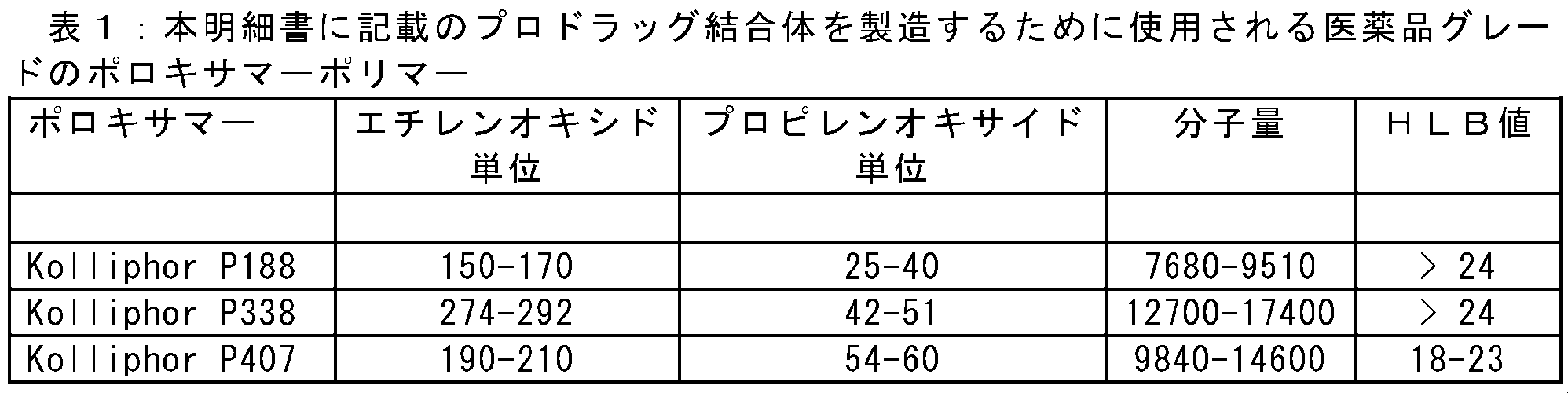
ポロキサマーは、ポリオキシエチレン(ポリ(エチレンオキシド))の2つの親水性鎖が隣接するポリオキシプロピレン(ポリ(プロピレンオキシド))の中央の疎水性鎖で構成される非イオン性トリブロックコポリマーである。ポリオキシエチレン鎖の総数は2~130の範囲であり得る。オキシプロピレン単位の数は15~67の範囲であり得る。好ましくはポロキサマーの分子量は、糸球体濾過の閾値(30~50kDa)未満である。これらのポリマーは、ヒトで安全に使用されてきた歴史があり、医薬品グレードの材料(Kolliphor(登録商標)P)として入手可能である。多くのポロキサマーは、賦形剤としてFDAによって承認されており、現在種々の用途で臨床使用されている。これらのポロキサマーはすべて、本明細書に記載されている実施態様に適している。 Poloxamers are nonionic triblock copolymers composed of a central hydrophobic chain of polyoxypropylene (poly(propylene oxide)) flanked by two hydrophilic chains of polyoxyethylene (poly(ethylene oxide)). The total number of polyoxyethylene chains can range from 2 to 130. The number of oxypropylene units can range from 15 to 67. Preferably the molecular weight of the poloxamer is below the threshold of glomerular filtration (30-50 kDa). These polymers have a history of safe use in humans and are available as pharmaceutical grade materials (Kolliphor® P). Many poloxamers are approved by the FDA as excipients and are currently in clinical use for a variety of applications. All of these poloxamers are suitable for the embodiments described herein.
分子サイズや親水性/親油性バランスなどのポロキサマーの生物学的に関連する特性は、親水性(A)ブロックと疎水性(B)ブロックの長さ[A=ポリ(エチレンオキシド)(PEO)及びB=ポリ(プロピレンオキシド)(PPO)]、及びこれらの分子比を調整することによって制御される。化学的に均質なポリ(エチレンオキシド)とは異なり、中間のPPOブロックの中間の長さと比較的高い親水性/親油性のバランス値を組み合わせたABAトリブロックポロキサマーは、細胞膜と安定して結合することができ、これは腫瘍の浸透と腫瘍内の存在を拡張する有効なメカニズムを提供する。ポロキサマーの例には、Kolliphor(登録商標)P188、P338、及びP407が含まれる。 The biologically relevant properties of poloxamers, such as molecular size and hydrophilic/lipophilic balance, are controlled by adjusting the length of the hydrophilic (A) and hydrophobic (B) blocks [A = poly(ethylene oxide) (PEO) and B = poly(propylene oxide) (PPO)] and their molecular ratio. Unlike chemically homogeneous poly(ethylene oxide), ABA triblock poloxamers, which combine the intermediate length of the middle PPO block with a relatively high hydrophilic/lipophilic balance value, can stably bind to cell membranes, which provides an effective mechanism for extending tumor penetration and intratumoral presence. Examples of poloxamers include Kolliphor® P188, P338, and P407.
カンプトテシン類似体は、生理学的条件下(例えば22℃、pH=7.2)で不安定なエステル結合を介してポロキサマーポリマーに共有結合している。1つの実施態様において、エステル結合はオキシ酢酸エステル結合である。カンプトテシン類似体は、好ましくはカンプトテシンの20位に対応する位置のヒドロキシル基を介してポロキサマーポリマーに結合している。 The camptothecin analog is covalently attached to the poloxamer polymer via an ester bond that is labile under physiological conditions (e.g., 22°C, pH=7.2). In one embodiment, the ester bond is an oxyacetate bond. The camptothecin analog is preferably attached to the poloxamer polymer via the hydroxyl group at the position corresponding to the 20 position of camptothecin.
別の実施態様において、カンプトテシン類似体の2つの分子はポロキサマーポリマーに共有結合している。好適な実施態様において、高分子プロドラッグはPF108-(SN22)2であり、これは以下の構造によって表される:

第2の実施態様
上記プロドラッグの第2の実施態様において、SN22類似体の少なくとも2つの分子は、生理学的条件下で不安定であるエステル結合を介してPEGポリマーに共有結合している。
Second Embodiment In a second embodiment of the above prodrug, at least two molecules of SN22 analog are covalently attached to a PEG polymer via an ester bond that is labile under physiological conditions.
ポリエチレングリコール(PEG)ポリマーは当技術分野でよく知られている。PEGポリマーは線状であり、式H-(O-CH2-CH2)n-OHで表される。別の実施態様において、PEGポリマーはマルチアームポリマーである。マルチアームPEGポリマーは、中央のコア基から出ている3~10個のPEG鎖を有する。4つのPEG鎖が特に好ましい。好ましい中央のコア基には、ペンタエリスリトール基及びトリペンタエリスリトール基が含まれる。PEGポリマーの分子量は1,000~100,000ダルトンであり、2,000、5,000、10,000、25,000、35,000、50,000、75,000、及び85,000ダルトンを含むすべての値とそのサブ範囲が含まれる。 Polyethylene glycol (PEG) polymers are well known in the art. PEG polymers are linear and have the formula H-(O-CH 2 -CH 2 ) n -OH. In another embodiment, the PEG polymer is a multi-armed polymer. Multi-armed PEG polymers have 3-10 PEG chains emanating from a central core group. Four PEG chains are particularly preferred. Preferred central core groups include pentaerythritol and tripentaerythritol groups. The molecular weight of the PEG polymer is 1,000-100,000 daltons, including all values and subranges thereof, including 2,000, 5,000, 10,000, 25,000, 35,000, 50,000, 75,000, and 85,000 daltons.
別の実施態様において、SN22の2つの分子は線状PEGポリマーに共有結合している。別の実施態様において、SN22の4つの分子は、4つのPEG鎖を有するマルチアームPEGポリマーに共有結合している。別の実施態様において、4つより多い最大8つのSN22の分子は、マルチアームPEGポリマーに共有結合している。好ましくはSN22の分子は、これらの実施態様のPEG鎖のそれぞれに共有結合している。 In another embodiment, two molecules of SN22 are covalently attached to the linear PEG polymer. In another embodiment, four molecules of SN22 are covalently attached to a multi-arm PEG polymer having four PEG chains. In another embodiment, more than four up to eight molecules of SN22 are covalently attached to the multi-arm PEG polymer. Preferably, a molecule of SN22 is covalently attached to each of the PEG chains in these embodiments.
SN22部分は、生理学的条件下(22°C、pH=7.2など)で不安定なエステル結合を介してPEGポリマーに共有結合している。1つの実施態様において、エステル結合はオキシ酢酸エステル結合である。カンプトテシン類似体は、好ましくはカンプトテシンの20位に対応する位置のヒドロキシル基を介してPEGポリマーに結合している。 The SN22 moiety is covalently attached to the PEG polymer via an ester bond that is labile under physiological conditions (e.g., 22° C., pH=7.2). In one embodiment, the ester bond is an oxyacetate bond. The camptothecin analog is preferably attached to the PEG polymer via a hydroxyl group at the position corresponding to the 20 position of camptothecin.
好適な実施態様において、高分子プロドラッグは、以下の構造によって表されるPEG-[SN22]4である:

別の実施態様において、患者は、経口化学療法薬であるテモゾロミド(Temozolomide、TMZ)で予備治療することができる。このような予備治療は相加効果を提供し得るが、プロドラッグの腫瘍浸透を高める可能性がある。テモゾロミドは、20~250mg/kg/日のPOの経口で数日間、たとえば5日間投与でき、その後、たとえば7日目から開始されるプロドラッグ治療を実施することができる。100mg/kg/日の経口投与が好ましい。 In another embodiment, patients can be pretreated with the oral chemotherapy drug Temozolomide (TMZ). Such pretreatment can provide an additive effect, but may increase tumor penetration of the prodrug. Temozolomide can be administered orally at 20-250 mg/kg/day PO for several days, e.g., 5 days, followed by prodrug treatment beginning, e.g., on day 7. An oral dose of 100 mg/kg/day is preferred.
第3の実施態様
上記のプロドラッグの第3の実施態様において、カンプトテシン類似体の少なくとも2つの分子は、生理学的条件下で不安定であるエステル結合を介してポリマーに共有結合しており、ここで、少なくとも1つのカンプトテシン類似体は、少なくとも1つのNEトランスポーター(NET)リガンドで官能基化される。
Third Embodiment In a third embodiment of the above prodrug, at least two molecules of a camptothecin analog are covalently attached to a polymer via an ester bond that is labile under physiological conditions, where at least one camptothecin analog is functionalized with at least one NE transporter (NET) ligand.
カンプトテシン類似体は、SN22(7-エチル-カンプトテシン)、SN38(7-エチル-10-ヒドロキシ-カンプトテシン)、又はこれらの組み合わせでもよい。SN38が特に好ましい。 The camptothecin analog may be SN22 (7-ethyl-camptothecin), SN38 (7-ethyl-10-hydroxy-camptothecin), or a combination thereof. SN38 is particularly preferred.
別の実施態様において、カンプトテシン類似体の2~8分子はポリマーに共有結合している。この範囲には、カンプトテシン類似体の2、3、4、5、6、7分子など、すべての特定の値とその間のサブ範囲が含まれる。ポリマーに共有結合したカンプトテシン類似体の8分子が特に好ましい。 In another embodiment, 2 to 8 molecules of camptothecin analog are covalently attached to the polymer. This range includes 2, 3, 4, 5, 6, 7 molecules of camptothecin analog, etc., and all specified values and subranges therebetween. Eight molecules of camptothecin analog covalently attached to the polymer is particularly preferred.
ポリマーは、上記のようなポロキサマーポリマー又はPEGポリマーであり得る。マルチアームPEGポリマーが好ましい。この実施態様において、マルチアームPEGポリマーは、中央のコア基から出ている3~10個のPEG鎖を有する。4~8つのPEG鎖が特に好ましく、8つのPEG鎖が特に好ましい。好ましい中央のコア基は、ペンタエリスリトール基及びトリペンタエリスリトール基を含む。トリペンタエリスリトール基は、中央のコア基として特に好ましい。 The polymer may be a poloxamer polymer or a PEG polymer as described above. Multi-arm PEG polymers are preferred. In this embodiment, the multi-arm PEG polymer has 3-10 PEG chains emanating from a central core group. 4-8 PEG chains are particularly preferred, with 8 PEG chains being especially preferred. Preferred central core groups include pentaerythritol and tripentaerythritol groups. The tripentaerythritol group is especially preferred as the central core group.
カンプトテシン類似体は、生理学的条件下(例えば22℃、pH=7.2)で不安定なエステル結合を介してポロキサマーポリマーに共有結合している。1つの実施態様において、エステル結合はオキシ酢酸エステル結合である。カンプトテシン類似体は、好ましくはカンプトテシンの20位に対応する位置のヒドロキシル基を介してポロキサマーポリマーに結合している。 The camptothecin analog is covalently attached to the poloxamer polymer via an ester bond that is labile under physiological conditions (e.g., 22°C, pH=7.2). In one embodiment, the ester bond is an oxyacetate bond. The camptothecin analog is preferably attached to the poloxamer polymer via the hydroxyl group at the position corresponding to the 20 position of camptothecin.
この実施態様において、少なくとも1つのカンプトテシン類似体は、ノルエピネフリン(NE)トランスポーターの少なくとも1つのリガンド、すなわちNEトランスポーター(NET)リガンドで官能基化されている。1つの実施態様において、NEトランスポーター(NET)リガンドは、フェネチルグアニジン、ベンジルグアニジン(BG)、又はチラミンである。ベンジルグアニジンが特に好ましい。 In this embodiment, at least one camptothecin analog is functionalized with at least one ligand of the norepinephrine (NE) transporter, i.e., a NE transporter (NET) ligand. In one embodiment, the NE transporter (NET) ligand is phenethylguanidine, benzylguanidine (BG), or tyramine. Benzylguanidine is particularly preferred.
別の実施態様において、NEトランスポーター(NET)リガンドは、生理学的条件下で不安定であるエステル結合を介してカンプトテシン類似体に共有結合している。好適な実施態様において、NEトランスポーター(NET)リガンドとカンプトテシン類似体とのエステル結合は、オキシヘキサノイルエステルである。別の実施態様において、NEトランスポーター(NET)リガンドとカンプトテシン類似体とのエステル結合は、オキシエトキシプロパノイル又はオキシエトキシエトキシプロパノイルエステルである。 In another embodiment, the NET ligand is covalently attached to the camptothecin analog via an ester bond that is unstable under physiological conditions. In a preferred embodiment, the ester bond between the NET ligand and the camptothecin analog is an oxyhexanoyl ester. In another embodiment, the ester bond between the NET ligand and the camptothecin analog is an oxyethoxypropanoyl or oxyethoxyethoxypropanoyl ester.
好適な実施態様において、高分子プロドラッグは[PEG-SN38-BG]8であり、これは以下の構造によって表される:

治療法
上記のように、高分子プロドラッグは、有効量の高分子プロドラッグを、それを必要とする被験体に投与することにより、神経芽細胞腫を治療する方法において使用することができる。
Methods of Treatment As described above, the polymeric prodrugs can be used in methods of treating neuroblastoma by administering an effective amount of the polymeric prodrug to a subject in need thereof.
上記の高分子プロドラッグは、有効量の高分子プロドラッグを、それを必要とする被験体に投与することにより、固形腫瘍を有する被験体を治療する方法においても使用することができる。 The polymeric prodrugs described above can also be used in methods of treating a subject having a solid tumor by administering an effective amount of the polymeric prodrug to a subject in need thereof.
上記の高分子プロドラッグは、有効量の高分子プロドラッグを、それを必要とする被験体に投与することにより、脳腫瘍を有する被験体を治療する方法においても使用することができる。 The polymeric prodrugs described above can also be used in methods of treating a subject having a brain tumor by administering an effective amount of the polymeric prodrug to a subject in need thereof.
上記の高分子プロドラッグはまた、上記で定義された高分子プロドラッグの有効量を、それを必要とする被験体に投与することにより、癌を治療する方法においても使用することができる。 The above polymeric prodrugs can also be used in methods of treating cancer by administering an effective amount of the above-defined polymeric prodrug to a subject in need thereof.
これらの実施態様において、それを必要とする被験体は好ましくは哺乳動物であり、特に好ましくはヒトである。 In these embodiments, the subject in need thereof is preferably a mammal, and more preferably a human.
高分子プロドラッグは、当技術分野で一般的に使用される任意の方法によって投与することができる。投与方法には、非経口(静脈内、筋肉内、及び皮下)、経口、鼻内、眼内、経粘膜(頬、膣、及び直腸)、及び経皮投与経路が含まれる。 The polymeric prodrugs can be administered by any method commonly used in the art, including parenteral (intravenous, intramuscular, and subcutaneous), oral, intranasal, intraocular, transmucosal (buccal, vaginal, and rectal), and transdermal routes of administration.
高分子プロドラッグは、本明細書に記載されている状態を治療するのに有効な任意の用量で投与することができる。高分子プロドラッグの投与量は、1回の用量あたり0.5~200mg/kgであり得る。 The polymeric prodrug may be administered in any dose effective to treat the conditions described herein. The dosage of the polymeric prodrug may be from 0.5 to 200 mg/kg per dose.
実施例1
PF108-(SN22)2
1. 2工程のプロドラッグ合成
22~25°CのTHF中のジョーンズ試薬(CrO3/H2SO4)によるポロキサマーの酸化は、ポリマーの末端CH2OHを末端アルコキシアセテートカルボン酸基に変換し、これは次に、加水分解性エステル結合を介して種々のヒドロキシル含有薬物の可逆的共有結合に使用することができる。上記の条件下のプルロニックF-108(Kolliphor P338)の酸化は、OCH2COプロトンのシグナルにより1H NMRを使用して測定すると、0.18mmol/gのカルボキシル基を含むポリマーの結果を得た。同様に、プルロニックF-68の酸化は、0.23mmol/gの末端カルボン酸基を含むポリマーを与えた。カルボキシル基の活性化剤として1,3-ジシクロヘキシルカルボジイミド(DCC)、触媒として4-ジメチルアミノピリジントシレート(DPTS)、そして溶媒としてCH2Cl2を使用して、カルボキシル化プルロニックF-108をSN22とさらに結合させると、0.13mmol/g又は4.8重量%の薬物を含むポリマー結合体が形成された。1H NMRは、SN-22が、カルボキシル化プルロニックのカルボキシル基とSN22分子の20-OHとのエステル結合を介して、ポリマーに共有結合していることを示した。Kolliphorグレードのプルロニック(表1)及びSN22(純度:≧97%、HPLC)を、それぞれSigma-Aldrich (St. Louis, MO) 及び AK Scientific (Union City, CA)から購入した。
Example 1
PF108-(SN22) 2
1. Two-Step Prodrug Synthesis Oxidation of poloxamers with Jones' reagent ( CrO3 / H2SO4 ) in THF at 22-25 ° C converts the terminal CH2OH of the polymer to terminal alkoxyacetate carboxylic acid groups, which can then be used for reversible covalent attachment of various hydroxyl-containing drugs via hydrolyzable ester bonds. Oxidation of Pluronic F-108 (Kolliphor P338) under the above conditions resulted in a polymer containing 0.18 mmol/g of carboxyl groups, as measured using 1H NMR by the signal of the OCH2CO protons. Similarly, oxidation of Pluronic F-68 gave a polymer containing 0.23 mmol/g of terminal carboxylic acid groups. Carboxylated Pluronic F-108 was further conjugated with SN22 using 1,3-dicyclohexylcarbodiimide (DCC) as activator of carboxyl groups, 4- dimethylaminopyridine tosylate (DPTS) as catalyst, and CH2Cl2 as solvent to form a polymer conjugate with 0.13 mmol/g or 4.8 wt% drug. 1H NMR showed that SN-22 was covalently attached to the polymer via an ester bond between the carboxyl group of carboxylated Pluronic and the 20-OH of SN22 molecule. Kolliphor grade Pluronic (Table 1) and SN22 (purity: ≥97%, HPLC) were purchased from Sigma-Aldrich (St. Louis, MO) and AK Scientific (Union City, CA), respectively.
カルボキシル化プルロニックを用いてSN38のプロドラッグを調製するために、まずSN38(純度:≧97%、AstaTech , Bristol, PA)のフェノール性10-OHが、N-メチルピロリドン中のイミダゾールの存在下でtert-ブチル(クロロ)ジフェニルシラン(TBDPS-Cl)の作用により、10-tert-ブチルジフェニルシリル(TBDPS)基を用いて保護される。実行可能性実験では、得られた10-TBDPS保護SN38(収率97%で得られた)を上記のようにカルボキシル化プルロニックF-68と反応させて、次の脱保護(CH2Cl2中のフッ化ピリジニウムを用いる)後に目的の結合体が得られ、これは、1H NMRによると、エステル結合を介して20-OHにより共有結合された0.17mmol/g又は6.6重量%のSN38を含有した。
2. ポロキサマー-SN22プロドラッグは化学療法抵抗性NB細胞の増殖を阻害する
難治性NBは、NB細胞の増殖を阻害するために必要な薬物閾値レベルのシフトを特徴としている。導入治療中と治療前の診断時の進行性疾患の同じ患者に由来する、試験されたすべての細胞株の対で示されるこのシフトは、異なる化学的及び薬理学的ファミリーからの化学療法剤への応答に、同時に影響を与える。医薬品グレードのプルロニックF-108(kolliphor P338)とSN22から構築されたプロドラッグであるPF108-(SN22)2を、コドン135上のTP53変異の獲得とp53機能の喪失に関連する薬剤耐性表現型を示すBE(2)C細胞株に対して試験した。
2. Poloxamer-SN22 Prodrug Inhibits Chemoresistant NB Cell Proliferation Refractory NB is characterized by a shift in the drug threshold level required to inhibit NB cell proliferation. This shift, shown in pairs of all tested cell lines derived from the same patients with progressive disease at diagnosis during induction therapy and before treatment, impacts simultaneously on the response to chemotherapeutic agents from different chemical and pharmacological families. PF108-(SN22), a prodrug constructed from pharmaceutical grade Pluronic F-108 (kolliphor P338) and SN22, 2 , was tested against a BE(2)C cell line that displays a drug-resistant phenotype associated with acquisition of a TP53 mutation on codon 135 and loss of p53 function.
24時間の曝露後、PF108-(SN22)2は7日間にわたってBE(2)C細胞の増殖を効果的に阻害し、SN22単独と又は化学修飾されていないプルロニックF-108との組み合わせ(PF108+SN22)と同様の効力を示し、一方、薬剤なしで適用されたプルロニックF-108では細胞増殖の阻害は観察されなかった(図1A)。曝露が30分に制限された場合(図1B)、PF108-(SN22)2の効果は顕著に低下し、プロドラッグがこの時間スケールでほとんど無傷のままであることを示唆している。 After 24 h exposure, PF108-(SN22) 2 effectively inhibited proliferation of BE(2)C cells over a 7-day period, demonstrating similar potency to SN22 alone or in combination with unmodified Pluronic F-108 (PF108+SN22), whereas no inhibition of cell proliferation was observed with Pluronic F-108 applied without drug (Figure 1A). When exposure was limited to 30 min (Figure 1B), the efficacy of PF108-(SN22) 2 was significantly reduced, suggesting that the prodrug remains largely intact over this time scale.
比較すると、化学療法未経験のNB細胞(IMR-32)に対して試験した場合、プロドラッグは、SN22の20~80nMに対応する用量範囲と30分~24時間の曝露時間内で均一に有効であり、顕著なIMR-32細胞増殖の阻害を引き起こした(図4Aを参照)。これは、以前に治療を受けていない患者に由来するこの細胞株における固有の耐性の欠如と一致しており、実質的に低いレベルで存在する活性SN22の抗増殖効果に対して応答するようにしている。重要なことに、遊離SN22は細胞培養実験の陽性対照として含まれていたが、これは医薬的に許容し得るビヒクルとは適合しない。 In comparison, when tested against chemotherapy-naïve NB cells (IMR-32), the prodrug was uniformly effective within a dose range corresponding to 20-80 nM of SN22 and exposure times of 30 min to 24 h, causing significant inhibition of IMR-32 cell proliferation (see Figure 4A). This is consistent with the lack of inherent resistance in this cell line, derived from a previously untreated patient, making it responsive to the antiproliferative effects of active SN22, which is present at substantially lower levels. Importantly, free SN22 was included as a positive control in cell culture experiments, which is not compatible with a pharmacologic acceptable vehicle.
3. ポロキサマープロドラッグとしてのSN22送達は、同所性BE(2)C腫瘍中の長期曝露を達成する
化学放射線療法後の再発時に由来するBE(2)C細胞と、診断時の同じ患者に由来するBE(1)細胞との比較により、細胞増殖阻害を達成するために必要なカンプトテシン類似体SN38の濃度が、桁違いに90%(それぞれ25対2ng/ml)上昇することが証明された。重要なことに、SN38の対応する腫瘍内レベルは、その前駆体であるイリノテカン(CPT-11)による従来の治療を使用しては維持できないことが示された。最大許容量を超えずに有効な局所薬物レベルを維持できないことが、再発性及び難治性の高リスクNBの状況で、臨床的に使用されるカンプトテシン及び他の化学療法剤の効かない主な原因である。これらの報告と一致して、これらの結果は、イリノテカン(10mg/kg)の投与後それぞれ24時間及び72時間に、大きな(≧1cm3)BE(2)C同所性異種移植片で25ng/g及び2ng/g未満のSN38を示している。比較すると、PF108-(SN22)2と同等の用量で送達されたSN22は、腫瘍内に数倍高いレベルで安定して存在し、4、24、72時間目にそれぞれ2180±850ng/g、2140±520ng/g、及び1570±580ng/g(図2)であり、ポロキサマープロドラッグベースの送達が、SN22の安定した治療上有効なレベルを維持できることを示唆し、従って持続的なNB腫瘍増殖抑制の必要性に対処している。
3. SN22 Delivery as a Poloxamer Prodrug Achieves Long-Term Exposure in Orthotopic BE(2)C Tumors Comparison of BE(2)C cells derived from relapse after chemoradiotherapy with BE(1) cells from the same patient at diagnosis demonstrated an order of magnitude 90% increase in the concentration of the camptothecin analog SN38 required to achieve cell growth inhibition (25 vs. 2 ng/ml, respectively). Importantly, it was shown that corresponding intratumoral levels of SN38 could not be maintained using conventional treatment with its precursor, irinotecan (CPT-11). The inability to maintain effective local drug levels without exceeding maximum tolerated doses is the primary cause of failure of camptothecin and other chemotherapeutic agents used clinically in the setting of relapsed and refractory high-risk NB. Consistent with these reports, our results show SN38 levels of 25 ng/g and < 2 ng/g in large (>1 cm3) BE(2)C orthotopic xenografts at 24 and 72 hours, respectively, after administration of irinotecan (10 mg/kg). In comparison, SN22 delivered at doses equivalent to PF108-(SN22) 2 was stably present in tumors at several-fold higher levels: 2180±850 ng/g, 2140±520 ng/g, and 1570±580 ng/g at 4, 24, and 72 hours, respectively (Figure 2), suggesting that poloxamer prodrug-based delivery can maintain stable, therapeutically effective levels of SN22, thus addressing the need for sustained NB tumor growth inhibition.
4. ポロキサマー-SN22プロドラッグは腫瘍増殖を強力に抑制し、薬剤耐性NB中の生存期間を延長する
1.5μg/gを超える腫瘍内レベルでの持続的な存在に一致して、ポロキサマーベースのプロドラッグとして週に1回処方及び投与されたSN22は、腫瘍の退縮を引き起こし、同所性BE(2)C異種移植片の再増殖を強力に抑制した(図3A及びB)。これは、著しく延長された動物の生存期間を意味し(図3C)、この試験で2倍頻繁に投与されたイリノテカンではわずかな抗腫瘍効果しかなかったこととは対照的である。このNBモデルにおけるイリノテカンのわずかな効果(図3)は、攻撃的で難治性のヒトNBの状況で持続的な治療応答を達成する上で重要な課題を再現する前臨床評価アプローチの妥当性を示している。特に、イリノテカンとは異なり、PF108-(SN22)2は腫瘍の縮小と疾患の安定化の両方を引き起こすことができ、週1回の投与を4週間(PF108-(SN22)2の最終投与は21日目;図3Bに示される)のみからなる治療期間中及びそれ以降の進行は観察されなかった。ポロキサマー-SN22プロドラッグの顕著な抗癌作用は、下痢、皮膚テンティング(脱水症による)、皮膚潰瘍、食欲不振、悪液質、又は体重増加遅延などの全身毒性の兆候を伴っていなかった。
4. Poloxamer-SN22 Prodrug Potently Inhibits Tumor Growth and Prolongs Survival in Drug-Resistant NB Consistent with its persistent presence at intratumoral levels exceeding 1.5 μg/g, SN22 formulated and administered once weekly as a poloxamer-based prodrug caused tumor regression and potently inhibited regrowth of orthotopic BE(2)C xenografts (Figures 3A and B). This translates into significantly extended animal survival (Figure 3C), in contrast to the modest antitumor effect of irinotecan, administered twice as frequently in this study. The modest effect of irinotecan in this NB model (Figure 3) validates the preclinical evaluation approach, which recapitulates a key challenge in achieving durable therapeutic responses in the setting of aggressive and refractory human NB. Notably, unlike irinotecan, PF108-(SN22) 2 was able to induce both tumor shrinkage and disease stabilization, with no progression observed during or after a treatment period consisting of only weekly dosing for 4 weeks (the last dose of PF108-(SN22) 2 was administered on day 21; shown in FIG. 3B). The remarkable anticancer activity of the poloxamer-SN22 prodrug was not accompanied by signs of systemic toxicity, such as diarrhea, skin tenting (due to dehydration), skin ulcers, anorexia, cachexia, or delayed weight gain.
5. ポロキサマー-SN22プロドラッグ:MYCN増幅NB細胞に対する抗増殖効果の定量的試験
独特の(化学療法未経験対化学療法抵抗性)表現型を有するNB細胞に対する高分子プロドラッグの抗増殖効果を比較研究する実行性を証明するために、治療開始前と集中的な化学放射線療法後の再発時の、攻撃的なMYCN増幅疾患を表す2つの細胞株(それぞれIMR-32及びBE(2)C)に対するPF108-(SN22)2の効果を比較した。
5. Poloxamer-SN22 Prodrugs: Quantitative Testing of Antiproliferative Effects on MYCN-Amplified NB Cells To demonstrate the feasibility of comparatively studying the antiproliferative effects of polymeric prodrugs on NB cells with distinct (chemo-naive vs. chemo-resistant) phenotypes, we compared the effects of PF108-(SN22)2 on two cell lines representing aggressive MYCN-amplified disease (IMR-32 and BE(2)C, respectively) before initiation of treatment and at the time of relapse after intensive chemoradiotherapy.
化学療法未経験細胞と化学療法抵抗性細胞との間で応答パターンに大きな違いが観察された:IMR-32の増殖は、試験した全用量及び曝露の持続範囲内で高い効力で均一に阻害されたが(図4A)、BE(2)C細胞は、ウェルあたり40ng以下の用量で又は4時間以下の曝露時間で、PF108-(SN22)2による限られた増殖阻害のみを示した。特に、化学修飾されていないプルロニックF-108の有無にかかわらず、遊離SN22に対するこれらの細胞の応答も、IMR-32と比較して、より高用量でより長い曝露時間に強くシフトし、以前の試験で示されているように、p53機能の喪失と異なるファミリーの化学療法剤に対する感受性の低下を示すBE(2)Cの化学療法抵抗性表現型と一致していた。 Significant differences in response patterns were observed between chemotherapy-naïve and chemotherapy-resistant cells: whereas IMR-32 proliferation was uniformly inhibited with high potency across all doses and durations of exposure tested (Figure 4A), BE(2)C cells showed only limited proliferation inhibition by PF108-(SN22) 2 at doses up to 40 ng per well or exposure times up to 4 hours. Notably, the response of these cells to free SN22, with or without the chemically unmodified Pluronic F-108, was also strongly shifted to higher doses and longer exposure times compared to IMR-32, consistent with the chemotherapy-resistant phenotype of BE(2)C, which indicates loss of p53 function and reduced sensitivity to a distinct family of chemotherapy agents, as shown in previous studies.
6. ポロキサマープロドラッグとして処方されたSN22の腫瘍取り込みと保持の比較
ポロキサマーベースのプロドラッグを使用する送達アプローチの有効性は、PF108-(SN22)2結合体として投与されたSN22の急速な腫瘍取り込みと持続的な腫瘍内保持を示すデータによって証明される(図2及び5)。PF108-(SN22)2は、化学療法抵抗性NB細胞の増殖を抑制するのに必要な報告された有効局所濃度よりも約2桁高いレベルで、同所性NB腫瘍における薬物存在時間の延長を達成する。
6. Comparison of Tumor Uptake and Retention of SN22 Formulated as a Poloxamer Prodrug The efficacy of a delivery approach using a poloxamer-based prodrug is demonstrated by data showing rapid tumor uptake and sustained intratumoral retention of SN22 administered as a PF108-(SN22) 2 conjugate (Figures 2 and 5). PF108-(SN22) 2 achieves extended drug residence time in orthotopic NB tumors at levels approximately two orders of magnitude higher than the reported effective local concentrations required to suppress proliferation of chemotherapy-resistant NB cells.
臓器分布の分析により、プロドラッグとして送達されたSN22の急速な蓄積と延長された保持が確認され、細網内皮系の臓器である肝臓や脾臓によって取り込まれる薬物量は比較的少なかった。PF108-(SN22)2として投与されたSN22のかなりの量が、投与後4時間及び24時間目の血中で測定され、この時間内の腫瘍における薬物蓄積の進行と一致した(図5)。これは、末梢器官、脾臓、肺、及び腎臓で観察された急速な薬物排出とは対照的である。重要なことに、トポイソメラーゼI阻害剤は、サイクリング細胞に非常に特異的(S期依存性)であり、活発な複製がなくても細胞毒性が高い他の化学療法剤とは異なっている。 Organ distribution analysis confirmed rapid accumulation and prolonged retention of SN22 delivered as a prodrug, with relatively little drug taken up by the reticuloendothelial organs liver and spleen. Significant amounts of SN22 administered as PF108-(SN22) 2 were measured in the blood at 4 and 24 hours post-dose, consistent with progressive drug accumulation in the tumor during this time period (Figure 5). This contrasts with the rapid drug elimination observed in peripheral organs, spleen, lung, and kidney. Importantly, topoisomerase I inhibitors are highly specific for cycling cells (S-phase dependent), unlike other chemotherapeutic agents that are highly cytotoxic in the absence of active replication.
ポロキサマープロドラッグベースの送達で観察される限定された分布及び末梢器官からの迅速な薬物クリアランスとともに、薬理学的に選択的な作用様式は、急性の全身毒性症状(下痢、潰瘍形成、食欲不振、悪液質、又は体重減少)の欠如に一致して、顕著な全身毒性のリスクをさらに低下させる可能性がある。 The pharmacologically selective mode of action, together with the limited distribution and rapid drug clearance from peripheral organs observed with poloxamer prodrug-based delivery, may further reduce the risk of significant systemic toxicity, consistent with the lack of acute systemic toxicity symptoms (diarrhea, ulceration, anorexia, cachexia, or weight loss).
7. ポロキサマー-SN22プロドラッグは、イリノテカンに対する一過性の応答を示す大小のNB腫瘍の収縮を引き起こし、再増殖を抑制する
大小のNB腫瘍に対して持続的な抗癌効果を提供するポロキサマーベースのプロドラッグ戦略の有効性は、PF108-(SN22)2の週1回の投与処方で実験的に証明された(同所性IMR-32異種移植モデル、図6)。特に、化学療法を受けていない表現型にもかかわらず、MYCN増幅IMR-32細胞で確立された同所性NB腫瘍は、イリノテカンに対して一過性の応答しか示さなかった(週に2回投与)。難治性疾患のBE(2)C異種移植モデルにおけるプロドラッグアプローチの有効性を示す結果(図3)とともに、これは、従来の化学療法に対して限定的な応答を示すか又は応答しない高リスクNBの状況におけるポロキサマープロドラッグベースの送達を支持する強力な証拠を提供する。
7. Poloxamer-SN22 Prodrug Causes Shrinkage and Inhibits Regrowth of Small and Large NB Tumors Showing a Transient Response to Irinotecan The efficacy of the poloxamer-based prodrug strategy to provide sustained anticancer efficacy against small and large NB tumors was experimentally demonstrated with a weekly dosing regimen of PF108-(SN22) 2 (orthotopic IMR-32 xenograft model, FIG. 6). Notably, orthotopic NB tumors established with MYCN-amplified IMR-32 cells showed only a transient response to irinotecan (twice weekly dosing), despite their chemotherapy-naive phenotype. Together with results showing the efficacy of the prodrug approach in a BE(2)C xenograft model of refractory disease (FIG. 3), this provides strong evidence in support of poloxamer prodrug-based delivery in the setting of high-risk NB that show limited or no response to conventional chemotherapy.
実施例2
PEG-[SN22]4
1. PEGの合成-[SN22]4
カルボキシル基の活性化剤として1,3-ジシクロヘキシルカルボジイミド(DCC)、触媒として4-ジメチルアミノピリジントシレート(DPTS)、そして溶媒としてCH2Cl2を使用して、カルボキシル化4-アーム-PEG(JenKem Technology、Mn=20,553Da)をSN22と結合させると、0.17mmol/g又は6.4重量%の薬物を含むポリマー結合体が形成された。1H NMRは、SN-22がカルボキシル化ポリマーのカルボキシル基とSN22の20-OHとのエステル結合によってポリマーに共有結合していることを示した。
Example 2
PEG-[SN22] 4
1. Synthesis of PEG - [SN22] 4
Carboxylated 4-arm-PEG (JenKem Technology, Mn = 20,553 Da) was coupled with SN22 using 1,3-dicyclohexylcarbodiimide (DCC) as the activator of the carboxyl group, 4-dimethylaminopyridine tosylate (DPTS) as the catalyst, and CH2Cl2 as the solvent to form a polymer conjugate with 0.17 mmol/g or 6.4 wt% drug. 1H NMR showed that SN-22 was covalently attached to the polymer via an ester bond between the carboxyl group of the carboxylated polymer and the 20-OH of SN22.
2. 実験結果
ABCG2流出に対するSN38及びSN22の感受性を評価するために、ABCG2ヌルNB細胞株であるNLFが同定された。NLFにABCG2発現ベクターをトランスフェクトした後、痕跡レベル、低レベル、及び中レベルのABCG2発現を有する単一細胞クローンを選択した(図7A)。次に、異なる濃度のSN38又はSN22に対するNLF及びABCG2発現クローンの感受性と、IncuCyte(登録商標)S3生細胞分析システムを使用して継続的に追跡した増殖を評価した。高レベルのABCG2を有するクローンは、SN38に対する耐性が上昇したが、SN22に対しては完全に感受性のままであった(図7B)。これは、攻撃的なNB及びNB幹細胞を特徴付ける内因性ABCG2発現が、イリノテカン/SN38、及びおそらくABCG2流出に感受性の他の化学療法剤に対する薬剤耐性に寄与することを示唆している。
2. Experimental Results To evaluate the sensitivity of SN38 and SN22 to ABCG2 efflux, an ABCG2 null NB cell line, NLF, was identified. After transfecting NLF with an ABCG2 expression vector, single cell clones with trace, low, and moderate levels of ABCG2 expression were selected (FIG. 7A). Next, the sensitivity of NLF and ABCG2-expressing clones to different concentrations of SN38 or SN22 and their proliferation was continuously tracked using the IncuCyte® S3 live cell analysis system was evaluated. Clones with high levels of ABCG2 showed increased resistance to SN38 but remained completely sensitive to SN22 (FIG. 7B). This suggests that endogenous ABCG2 expression, which characterizes aggressive NBs and NB stem cells, contributes to drug resistance to irinotecan/SN38 and possibly other chemotherapeutic agents that are sensitive to ABCG2 efflux.
インビボでのNBにおけるSN22の異なるスケジュールを調べるために、免疫不全nu/nuマウスにおける化学療法未経験のSH-SY5YNB株のサブクローンであるNB脇腹異種移植マウスモデルを使用して試験した。予備実験において、週2回で4週間IV投与したCPT-11(25mg/kg/用量)と比較したPEG-[SN22]4(10mg/kg/用量)の2つの異なる治療スケジュールを評価した。PEG-[SN22]4は、週2回で2週間、又は週1回で4週間投与された(各4回投与)。2.5倍高い用量のCPT-11が、2倍の回数投与されたが、寛解を誘導し生存期間を延長するのにPEG-[SN22]4は、はるかに効果的であった。 To investigate different schedules of SN22 in NB in vivo, we used a NB flank xenograft mouse model, a subclone of the chemotherapy-naive SH-SY5YNB strain in immunodeficient nu/nu mice. In preliminary experiments, two different treatment schedules of PEG-[SN22]4 (10 mg/kg/dose) compared to CPT-11 (25 mg/kg/dose) administered IV twice weekly for 4 weeks were evaluated. PEG-[SN22]4 was administered twice weekly for 2 weeks or once weekly for 4 weeks (4 doses each). Although a 2.5-fold higher dose of CPT-11 was administered twice as often, PEG-[SN22]4 was much more effective in inducing remission and prolonging survival.
次に、化学療法抵抗性のNB株SKNBE(2)Cを有するNB同所性異種移植マウスモデルにおけるPEG-[SN22]4、PEG-[SN38]4、及びCPT-11。BE(2)C細胞にルシフェラーゼ発現ベクターをトランスフェクトして、生物発光イメージングを可能にした。マウスを、週1回で4週間にわたって、PEG-[SN22]4(10mg/kg/用量)、PEG-[SN38]4(10mg/kg/用量)、又はCPT-11(15mg/kg/用量)のいずれかで治療した。この化学療法抵抗性モデルでは、CPT-11は効果がなかったが、PEG-[SN22]4とPEG-[SN38]4の両方は腫瘍を縮小するのに極めて効果的であった(図8)。PEG-[SN38]4で治療したマウスでは、治療を中止すると腫瘍が急速に再増殖したが、PEG-[SN22]4の治療では、腫瘍が完全に消失し、治療期間を超えて腫瘍の増殖が持続的に阻害され、[SN22]4が難治性疾患に対して優れた有効性を有することが示唆され、これは、おそらく後天的な薬剤耐性を克服する能力のためと考えられる。 Next, PEG-[SN22]4, PEG-[SN38]4, and CPT-11 in an NB orthotopic xenograft mouse model harboring the chemotherapy-resistant NB line SKNBE(2)C. BE(2)C cells were transfected with a luciferase expression vector to allow bioluminescence imaging. Mice were treated once a week for 4 weeks with either PEG-[SN22]4 (10 mg/kg/dose), PEG-[SN38]4 (10 mg/kg/dose), or CPT-11 (15 mg/kg/dose). In this chemotherapy-resistant model, CPT-11 was ineffective, whereas both PEG-[SN22]4 and PEG-[SN38]4 were highly effective in shrinking tumors (Figure 8). In mice treated with PEG-[SN38]4, tumors rapidly regrew when treatment was discontinued, whereas treatment with PEG-[SN22]4 resulted in complete tumor disappearance and sustained inhibition of tumor growth beyond the treatment period, suggesting that [SN22]4 has superior efficacy against refractory diseases, possibly due to its ability to overcome acquired drug resistance.
PEG-[SN22]4はまた、TH-MYCNトランスジェニックマウスモデルにおける新規(de novo)NBを治療するのに使用された。4~5週までに導入遺伝子の2つのコピーを有するほとんどすべてのマウスで、自然発生腫瘍が傍脊柱神経節又は副腎に発生する。腫瘍が触知可能になったとき(4~5週間)マウスを4つの群に分けた:対照の未治療群、CPT-11治療群(15mg/kg/用量)、PEG-[SN38]4群(10mg/kg/用量)、又はPEG-[SN22]4群(10mg/kg/用量)。マウスは週1回で4週間治療された。未治療マウスで腫瘍が急速に進行し、CPT-11治療では腫瘍の増殖はわずかに遅れた。腫瘍の負担により症状が現れたときにマウスを殺処分した。しかし、PEG-[SN22]4治療ではすべての腫瘍が退縮し、治療の1~2週間以内に触知できなくなった(図9)。これらは、SN22治療の開始後180日以上にわたって、すべてのマウスで触知できないままであった。これらのマウスのうち数匹を殺処分し、腫瘍の部位を肉眼と顕微鏡で調べたが、どのマウスにも腫瘍の証拠は見られなかった。これらのデータは、PEG-[SN22]4が、免疫無防備状態マウスで発生する自然発生腫瘍に対して極めて効果的であり、週1回で4週間の投与でさえ、すべてのマウスで長期寛解と治癒をもたらすのに十分であることを示唆している。 PEG-[SN22]4 was also used to treat de novo NB in a TH-MYCN transgenic mouse model. By 4-5 weeks, spontaneous tumors developed in the paraspinal ganglia or adrenal glands in almost all mice carrying two copies of the transgene. When tumors became palpable (4-5 weeks), mice were divided into four groups: control untreated, CPT-11-treated (15 mg/kg/dose), PEG-[SN38]4 (10 mg/kg/dose), or PEG-[SN22]4 (10 mg/kg/dose). Mice were treated weekly for 4 weeks. Tumors progressed rapidly in untreated mice, whereas CPT-11 treatment only slightly delayed tumor growth. Mice were sacrificed when symptoms appeared due to tumor burden. However, PEG-[SN22]4 treatment caused all tumors to regress and become nonpalpable within 1-2 weeks of treatment (Figure 9). They remained nonpalpable in all mice for more than 180 days after initiation of SN22 treatment. Several of these mice were sacrificed and the tumor sites examined macroscopically and microscopically, but no evidence of tumor was found in any of the mice. These data suggest that PEG-[SN22]4 is highly effective against spontaneous tumors arising in immunocompromised mice and that even weekly dosing for 4 weeks was sufficient to produce long-term remissions and cures in all mice.
同様の方法で、異種移植片として増殖している2つの代表的な肉腫を治療するのに、PEG-[SN22]4を使用した。化学療法抵抗性のユーイング肉腫(EWS)株TC-71及び肺胞(融合陽性)横紋筋肉腫(RMS)株Rh30を治療した。180日後、すべてのEWSマウスには触知可能な腫瘍がなかったが、RMS異種移植片を有する2匹のマウスは約150日後に腫瘍が再増殖し、殺処分しなければならなかった(図10)。これらのマウスは単剤の週1回で4週間の投与のみで治療されたため、より長い治療期間又は別の薬剤との併用により、これらの再発を回避できた可能性がある。それにもかかわらず、EWS及びRMSによるこれらの結果は、PEG-[SN22]4の有効性がNBに限定されないか又はNBに固有ではなく、他の固形腫瘍に適用されることを証明している。 In a similar manner, PEG-[SN22]4 was used to treat two representative sarcomas growing as xenografts. The chemotherapy-resistant Ewing sarcoma (EWS) line TC-71 and the alveolar (fusion-positive) rhabdomyosarcoma (RMS) line Rh30 were treated. After 180 days, all EWS mice were free of palpable tumors, whereas two mice with RMS xenografts had tumors regrow after about 150 days and had to be sacrificed (Figure 10). As these mice were only treated with a single agent administered once a week for 4 weeks, it is possible that these recurrences could have been avoided by a longer treatment period or by combination with another agent. Nevertheless, these results with EWS and RMS demonstrate that the efficacy of PEG-[SN22]4 is not limited or specific to NB, but applies to other solid tumors.
上に示した結果は、NB異種移植片から及び免疫無防備状態トランスジェニック動物で生じる自発的NBからの腫瘍の根絶における、PEG-[SN22]4のかなりの有効性を示している。ほとんどの動物は、治療開始から180~200日間の無再発生存期間(EFS)で規定されているように「治癒」された。単一の化学療法抵抗性EWS株と単一の融合陽性RMS株を脇腹異種移植片として治療する場合にも、同様の結果が得られた。従ってPEG-[SN22]4は、攻撃的な小児固形腫瘍の及び本明細書に記載されている他の状態のこれらの動物モデルで、長期EFSを得る際の単一の薬剤として有効である。 The results presented above demonstrate the considerable efficacy of PEG-[SN22]4 in eradicating tumors from NB xenografts and from spontaneous NB arising in immunocompromised transgenic animals. Most animals were "cured" as defined by an event-free survival (EFS) of 180-200 days from the start of treatment. Similar results were obtained when treating a single chemotherapy-resistant EWS line and a single fusion-positive RMS line as flank xenografts. Thus, PEG-[SN22]4 is effective as a single agent in obtaining long-term EFS in these animal models of aggressive pediatric solid tumors and other conditions described herein.
細胞株。高リスクNBの主要な遺伝子型(MYCN増幅、1p36欠失、ALK変異)、及び化学療法未治療腫瘍と化学療法抵抗性腫瘍(SY5Y、IMR5、NLF、SKNBE2C)の両方を表す4つのNB細胞株のパネルを、すべてのインビトロ及びインビボ試験に使用することができる。細胞を10%ウシ胎児血清(Cellgro)を含むRPMI-1640(Gibco)で増殖させ、95%空気と5%CO2の加湿雰囲気で維持する。リン酸緩衝化生理食塩水(PBS)中の0.02%Na4EDTAを用いて細胞を採取する。使用するRMS株はRH18とRH30(胚、肺胞)であり、EWS株はTC32及びTC71(診断、再発)であり、OS株はU2OSとSAOS2である。 Cell lines. A panel of four NB cell lines representing the major genotypes of high-risk NB (MYCN amplification, 1p36 deletion, ALK mutation) and both chemotherapy-naïve and chemotherapy-resistant tumors (SY5Y, IMR5, NLF, SKNBE2C) can be used for all in vitro and in vivo studies. Cells are grown in RPMI-1640 (Gibco) with 10% fetal bovine serum (Cellgro) and maintained in a humidified atmosphere of 95% air and 5% CO2 . Cells are harvested using 0.02% Na4EDTA in phosphate-buffered saline (PBS). The RMS lines used are RH18 and RH30 (embryo, alveolar), the EWS lines are TC32 and TC71 (diagnosed, recurrent) and the OS lines are U2OS and SAOS2.
マウス。Jackson Laboratoriesの6週齢のFoxn1nu/Foxn1nu(JAXストック#007850)マウスを使用する。マウスは、湿度と温度が制御された条件下で、12時間間隔で設定された明暗サイクルで維持される。これらのマウスは129-SvJバックグラウンドにある。トランス遺伝子についてホモ接合性のマウスは、一般に4~5週間以内に腫瘍を発症する。 Mice. Six-week-old Foxn1 nu /Foxn1 nu (JAX stock #007850) mice from Jackson Laboratories are used. Mice are maintained under humidity and temperature controlled conditions with a light/dark cycle set at 12-h intervals. These mice are on a 129-SvJ background. Mice homozygous for the transgene generally develop tumors within 4-5 weeks.
脇腹異種移植片。マウスの右脇腹に、0.1mlのマトリゲル(Corning, Tewksbury, MA)に懸濁した1×10⁷個のNB細胞を皮下注射する。腫瘍は、キャリパーを使用して2次元(mm)で用手法で週2回測定する。体積(cm3)は次のように計算される:[(0.523×L×W2)/1000)]、ここで、L>W。体重は週2回取得され、体重の変化が10%を超える場合は治療用量が調整される。マウス(1群あたりn=10)は、腫瘍体積が0.2cm3に達したら、PEG-[SN22]4を週1回で4週間尾静脈注射して治療される(2)。PEG-[SN22]4は10mg/kg/用量で投与される。CPT-11(CPT-11;15mg/kg)又はビヒクルのみは、陽性対照及び陰性対照として使用される。 Flank xenografts. Mice are injected subcutaneously in the right flank with 1x10⁷ NB cells suspended in 0.1 ml of Matrigel (Corning, Tewksbury, MA). Tumors are measured manually twice weekly in two dimensions (mm) using calipers. Volume ( cm3 ) is calculated as follows: [(0.523 x L x W2 )/1000)], where L>W. Body weights are taken twice weekly and treatment doses are adjusted if body weight changes exceed 10%. Mice (n=10 per group) are treated with PEG-[SN22]4 via tail vein injection once a tumor volume reaches 0.2 cm3 once weekly for 4 weeks (2). PEG-[SN22]4 is administered at 10 mg/kg/dose. CPT-11 (CPT-11; 15 mg/kg) or vehicle alone is used as positive and negative controls.
同所性異種移植片。ルシフェラーゼを安定して発現するNB細胞を、1匹あたり106個の細胞で、無胸腺ヌード(nu/nu)マウスの副腎脂肪組織に移植する。腫瘍を確認し、その後、Xenogen IVIS イメージングシステム(Perkin Elmer, Santa Clara, CA)にLiving Image ソフトウェア(Caliper Life Sciences, Hopkinton, MA, USA)を組み合わせた生物発光イメージングにより、腫瘍量を週2回追跡する。腫瘍サイズが1cm3に達した後(接種後約28日目)、担癌マウスをランダムに10匹ずつの動物の群に分け、上記のように120μl用量のPEG-(SN22)4、CPT-11、又はビヒクルを単回IV投与する。 Orthotopic xenografts. NB cells stably expressing luciferase are implanted at 106 cells per mouse into the adrenal adipose tissue of athymic nude (nu/nu) mice. Tumors are identified and tumor burden is then tracked twice weekly by bioluminescence imaging using a Xenogen IVIS imaging system (Perkin Elmer, Santa Clara, CA) coupled with Living Image software (Caliper Life Sciences, Hopkinton, MA, USA). After tumors reach a size of 1 cm3 (approximately 28 days after inoculation), tumor-bearing mice are randomly divided into groups of 10 animals and administered a single 120 μl dose of PEG-(SN22)4, CPT-11, or vehicle IV as described above.
PEG-[SN22]4及びCPT-11の薬物動態分析。脇腹異種移植片を有するマウス(1群あたり、1時点あたりn=3)に、10mg/kgのPEG-[SN22]4又は15mg/kgのCPT-11を尾静脈から単回IV投与する。CPT-11は肝臓による活性SN38への変換を必要とするプロドラッグであるため、用量はより少ない。眼窩後部及び末端出血によって血液を得て、ヘパリンナトリウム(BD)を含む2mlの採血管に採取する。冷食塩水で心臓を灌流してから4.12、24、48、及び72時間後に、殺処分後、組織(腫瘍、肺、肝臓、脾臓、腎臓)を採取し、CHOP Pharmacology Coreによって分析される。マウス血液(水で1:1に希釈)中及び組織ホモジネート中のSN38、SN22、及びCPT-11の合計レベルは、UPLC-MS/MSによって分析される。 Pharmacokinetic analysis of PEG-[SN22]4 and CPT-11. Mice (n=3 per group, per time point) bearing flank xenografts receive a single IV dose of 10 mg/kg PEG-[SN22]4 or 15 mg/kg CPT-11 via the tail vein. The dose is lower because CPT-11 is a prodrug that requires conversion to active SN38 by the liver. Blood is obtained by retro-orbital and terminal bleeds and collected into 2 ml blood collection tubes containing sodium heparin (BD). At 4.12, 24, 48, and 72 hours after cardiac perfusion with cold saline, tissues (tumor, lung, liver, spleen, kidney) are harvested after sacrifice and analyzed by the CHOP Pharmacology Core. Total levels of SN38, SN22, and CPT-11 in mouse blood (diluted 1:1 with water) and tissue homogenates were analyzed by UPLC-MS/MS.
実施例3
[PEG-SN38-BG]8
1. 3成分ポリマーベースのプロドラッグ合成
本明細書に記載のプロドラッグは、インサイチュで切断可能なエステル結合を介して、それぞれマルチアーム又は線形PEG担体に結合した8つ又は2つの薬物-リガンドハイブリッド分子を有する。これらの加水分解不安定性及び活性化率は、アルコキシアセチル基の強い電子置換効果のために、通常の(アシル)エステルのものと比較して上昇している。
Example 3
[PEG-SN38-BG] 8
1. Three-Component Polymer-Based Prodrug Synthesis The prodrugs described herein have eight or two drug-ligand hybrid molecules attached to a multi-arm or linear PEG carrier, respectively, via in situ cleavable ester bonds, whose hydrolytic instability and activation rates are increased compared to those of regular (acyl) esters due to the strong electronic substitution effect of the alkoxyacetyl group.
まず、N-Boc保護されたアミノメチルフェノキシヘキサン酸を、触媒として4-N,N-ジメチルアミノピリジントシレート(DPTS)を、カルボキシル基の活性化剤として1,3-ジシクロヘキシルカルボジイミド(DCC)を、及び溶媒としてジクロロメタン使用して、SN-38(AstaTech , Bristol, PA)に収率85%で結合させた。保護基を、トリフルオロ酢酸を用いて除去し、結合体をテトラヒドロフランとジクロロメタンの1:1混合物中で、グアニジニル化剤として1,3-ジ-Boc-2-(トリフルオロメチルスルホニル)グアニジンと反応させた(収率:75%)。次に、加水分解により切断可能な6-ヘキサノイルスペーサーを介して結合されたBoc保護BGとSN-38の小分子結合体を、同じくDPTS、DCC、及びジクロロメタンをそれぞれ触媒、活性剤、及び溶媒として使用して、カルボキシル化8アームPEG(JenKem Technology、Mn=37390Da、PDI=1.06)に結合させた。 First, N-Boc-protected aminomethylphenoxyhexanoic acid was conjugated to SN-38 (AstaTech, Bristol, PA) in 85% yield using 4-N,N-dimethylaminopyridine tosylate (DPTS) as a catalyst, 1,3-dicyclohexylcarbodiimide (DCC) as a carboxyl group activator, and dichloromethane as a solvent. The protecting group was removed using trifluoroacetic acid, and the conjugate was reacted with 1,3-di-Boc-2-(trifluoromethylsulfonyl)guanidine as a guanidinylating agent in a 1:1 mixture of tetrahydrofuran and dichloromethane (yield: 75%). Next, the small molecule conjugate of Boc-protected BG and SN-38 linked via a hydrolytically cleavable 6-hexanoyl spacer was coupled to a carboxylated 8-arm PEG (JenKem Technology, M n =37390 Da, PDI=1.06), also using DPTS, DCC, and dichloromethane as catalyst, activator, and solvent, respectively.
精製のために、ポリマーをベンゼン中の溶液からジエチルエーテルで沈殿させ、残留DPTSを硫酸ナトリウム水溶液(21%w/w)で洗浄することにより除去した。移動性化合物が存在しないことを、この工程でTLC分析(シリカゲル、クロロホルム-アセトニトリル、7:3)により確認した。最後に、グアニジン成分から、トリフルオロ酢酸で処理することにより保護基を除去した。得られた[PEG-SN38-BG]8ポリマーをジエチルエーテルで洗浄し、真空乾燥した。生成物の構造及び官能基化効率を1H NMRによって分析したところ、0.18mmol/g(7.1重量%)のSN-38及びポリマーに結合した等量のBGが示された。純度は、TLC及び1H NMR分析の両方によって確認された。 For purification, the polymer was precipitated from a solution in benzene with diethyl ether and residual DPTS was removed by washing with aqueous sodium sulfate (21% w/w). The absence of mobile compounds was confirmed at this stage by TLC analysis (silica gel, chloroform-acetonitrile, 7:3). Finally, the guanidine moieties were deprotected by treatment with trifluoroacetic acid. The resulting [PEG-SN38-BG] 8 polymer was washed with diethyl ether and dried under vacuum. The structure and functionalization efficiency of the product were analyzed by 1 H NMR, which showed 0.18 mmol/g (7.1 wt %) of SN-38 and an equal amount of BG bound to the polymer. The purity was confirmed by both TLC and 1 H NMR analysis.
2. 標的化腫瘍治療への取り込み
1kgあたり10mgのSN-38に相当する同等用量で、8アームのPEGベースの及びBG官能基化プロドラッグ[PEG-SN38-BG]8として送達されたSN-38は、腫瘍内に何倍も高濃度(1時間、4時間、24時間目にそれぞれ2.82±0.53μg/g、4.46±1.59μg/g、2.63±0.85μg/g(図11))で安定して存在しており、標準的な治療に応答しない難治性腫瘍の増殖を抑制するために必要な安定な治療上有効な薬物レベルを提供できることを示唆した。
2. Uptake in Targeted Tumor Therapy SN-38 delivered as the 8-arm PEG-based and BG-functionalized prodrug [PEG-SN38-BG] 8 at an equivalent dose of 10 mg SN-38 per kg was stably present in tumors at many-fold higher concentrations (2.82±0.53 μg/g, 4.46±1.59 μg/g, and 2.63±0.85 μg/g at 1, 4, and 24 h, respectively (FIG. 11)), suggesting that it could provide stable, therapeutically effective drug levels necessary to inhibit the growth of refractory tumors that do not respond to standard therapies.
薬剤耐性NB細胞株BE(2)Cについて報告されている治療閾値25ng/mlよりも2桁大きいレベルでのSN-38の持続的な腫瘍内存在に一致して、[PEG-SN38-BG]8として配合され投与された薬物は、急速な腫瘍退縮を引き起こし、大小の同所性BE(2)C異種移植片の再増殖を強力に抑制した(図12A)。プロドラッグの持続的な抗癌効果は、動物の無再発生存期間を著しく延長(t50%生存率は、未処理の動物の12日に対して、それぞれ130日と88日(図12B))し、これは、この試験で同等の用量で投与されたイリノテカンによるわずかな治療効果と生存期間の延長(t50%生存率は20日)とは対照的であった。 Consistent with the persistent intratumoral presence of SN-38 at levels two orders of magnitude greater than the reported therapeutic threshold of 25 ng/ml for the drug-resistant NB cell line BE(2)C, the drug formulated and administered as [PEG-SN38-BG] 8 caused rapid tumor regression and potently inhibited regrowth of large and small orthotopic BE(2)C xenografts (Figure 12A). The sustained anticancer effect of the prodrug significantly extended recurrence-free survival of the animals (t50 % survival of 130 and 88 days, respectively, compared with 12 days for untreated animals (Figure 12B)), which contrasted with the modest therapeutic effect and survival extension ( t50% survival of 20 days) achieved by irinotecan administered at a comparable dose in this study.
重要なことに、このモデルにおけるイリノテカンのわずかな効果は、攻撃的で難治性のヒトNBの設定において、持続的で臨床的に意味のある応答を達成する上で治療上の課題を再現している前臨床評価アプローチの妥当性を示している。同時に[PEG-SN38-BG]8は、急速な腫瘍縮小を引き起こし、疾患を安定させることができ、8回の投与(最後の投与は24日目に投与された)からなる治療期間中及びそれ以降に進行は観察されなかった。注目すべきことに[PEG-SN38-BG]8プロドラッグによる治療中に、下痢、皮膚テンティング(脱水症による)、皮膚潰瘍、食欲不振、悪液質、又は体重増加遅延などの全身毒性の兆候は観察されなかった。 Importantly, the modest effect of irinotecan in this model validates the preclinical evaluation approach, recapitulating the therapeutic challenges in achieving durable, clinically meaningful responses in the setting of aggressive and refractory human NB. Concomitantly, [PEG-SN38-BG] 8 was able to induce rapid tumor shrinkage and stabilize disease, with no progression observed during or after the treatment period consisting of eight doses (the last dose was administered on day 24). Notably, no signs of systemic toxicity, such as diarrhea, skin tenting (due to dehydration), skin ulcers, anorexia, cachexia, or delayed weight gain, were observed during treatment with the [PEG-SN38-BG] 8 prodrug.
3. NET発現増強剤は、取り込み-1標的化プロドラッグの性能をさらに改善することができる
トポイソメラーゼI阻害剤とほとんど重複しない毒性プロフィールを有する強力な汎HDAC阻害剤であるボリノスタットは、DNA切断修復酵素の発現を阻害し、DNA損傷により誘発されるアポトーシスを促進することにより、NB腫瘍におけるNET発現を実質的に増加させ、腫瘍細胞をカンプトテシン薬に感作させることが示され[44]、どちらの効果も、SN-38のBG官能基化プロドラッグによる神経内分泌腫瘍の標的化療法の強化に関連している。[PEG-SN38-BG]8対SN-38によるBE(2)C細胞増殖阻害に対するボリノスタットの増強効果を調べた。
3. NET expression enhancers can further improve the performance of uptake-1 targeted prodrugs Vorinostat, a potent pan-HDAC inhibitor with a toxicity profile that barely overlaps with topoisomerase I inhibitors, has been shown to substantially increase NET expression in NB tumors and sensitize tumor cells to camptothecin drugs by inhibiting the expression of DNA break repair enzymes and promoting DNA damage-induced apoptosis [44], both effects being relevant for the enhancement of targeted therapy of neuroendocrine tumors with BG-functionalized prodrugs of SN-38. The enhancing effect of vorinostat on BE(2)C cell proliferation inhibition by [PEG-SN38-BG] 8 vs. SN-38 was investigated.
ボリノスタットは、[PEG-SN38-BG]8の抗増殖効果を著しく増強した(z=z0+A・x+B・y+C・[x・y]の交互作用項Cについてp<0.0001、図13A)が、化学修飾されていないSN-38とも適度に相乗作用を示した(CについてP=0.087、図13B)。これは、ボリノスタットによって示される、NET発現関連及び非関連の薬物増強のメカニズムの組合せと一致しており、BG官能基化プロドラッグによるNB細胞増殖阻害のより大きな増強を追加している。特に、ボリノスタットがプロドラッグの作用を強力に増強した低マイクロモル濃度範囲(1~5μM)では、それ自体のBE(2)C細胞増殖の阻害効果は中程度であり(図13A)、NBの前臨床モデルにおけるボリノスタットの適度な単一薬剤活性と一致していた。 Vorinostat significantly enhanced the antiproliferative effect of [PEG-SN38-BG] 8 (p<0.0001 for the interaction term C for z= z0 +Ax+By+Cx[xy], Figure 13A), but also moderately synergized with unmodified SN-38 (P=0.087 for C, Figure 13B). This is consistent with a combination of NET expression-related and -unrelated mechanisms of drug enhancement exhibited by vorinostat, adding to the greater enhancement of NB cell proliferation inhibition by the BG-functionalized prodrug. Notably, in the low micromolar range (1-5 μM), where vorinostat potently enhanced the action of the prodrug, its own inhibitory effect on BE(2)C cell proliferation was modest (Figure 13A), consistent with vorinostat's modest single agent activity in preclinical models of NB.
4. 化学療法抵抗性NB細胞のプロドラッグを介する増殖阻害とその薬理学的増強
プロドラッグ構造に組み込まれた標的リガンドの特異的寄与を評価するために、NETを発現する化学療法抵抗性NB細胞に対する[PEG-SN38-BG]8の細胞増殖阻害活性を、同様に構築されたがBG部分を含まない対照分子[PEG-SN38]8と比較した。さらにNB細胞及び腫瘍異種移植片において、NET発現をアップレギュレートし取り込み-1を増強することが示された汎HDAC阻害剤が、NET発現NB細胞に対する[PEG-SN38-BG]8の抗増殖効果を強力に増強する(図13)ことが確立されたため、HDタイプ1サブファミリーに特異的な選択的HDAC阻害剤(エンチノスタット)も[PEG-SN38-BG]8と相乗作用するという仮説が取り上げられた。
4. Prodrug-Mediated Growth Inhibition and Its Pharmacological Enhancement of Chemoresistant NB Cells To evaluate the specific contribution of the targeting ligand incorporated into the prodrug structure, the cell growth inhibitory activity of [PEG-SN38-BG] 8 against chemotherapy-resistant NB cells expressing NET was compared to a similarly constructed control molecule, [PEG-SN38] 8 , which does not contain the BG moiety. Since it was further established that a pan-HDAC inhibitor, which was shown to upregulate NET expression and enhance uptake-1 in NB cells and tumor xenografts, strongly enhances the antiproliferative effect of [PEG-SN38-BG] 8 against NET-expressing NB cells (Figure 13), the hypothesis was addressed that a selective HDAC inhibitor specific for the HD type 1 subfamily (entinostat) would also synergize with [PEG-SN38-BG] 8 .
化学療法抵抗性NB細胞の増殖を抑制する能力の大きな違いが、3成分プロドラッグとBGリガンドなしで組み立てられた2成分対照構築物との間で観察された。NETを発現するBE(2)C細胞の増殖は、薬物-細胞の直接接触のインビトロ条件下で、遊離SN-38に匹敵する高い効力で[PEG-SN38-BG]8により阻害されたが、2成分構築物[PEG-SN38]8は著しく効果が低く(図14A)、抗増殖応答の増強における3成分設計の重要性とBGの役割を示している。別の試験では、プロドラッグを介するNB細胞増殖抑制に対する強力な増強効果が、HDAC1特異的遮断薬であるエンチノスタットで証明された(図14B、交互作用項Cについてp<0.001)。興味深いことに、この知見は、エピジェネティックな作用機序を有する高度に選択的な非化学療法剤であるエンチノスタットが、化学的に異なる汎HDAC阻害剤であるボリノスタットと同様に、おそらくはこれらの取り込みを増強することにより、BG官能基化治療薬と相乗作用できることを示唆している。 A significant difference in the ability to suppress the proliferation of chemotherapy-resistant NB cells was observed between the ternary prodrug and the binary control construct assembled without the BG ligand. The proliferation of NET-expressing BE(2)C cells was inhibited by [PEG-SN38-BG] 8 under in vitro conditions of direct drug-cell contact with high potency comparable to free SN-38, whereas the binary construct [PEG-SN38] 8 was significantly less effective (Figure 14A), indicating the importance of the ternary design and the role of BG in enhancing the antiproliferative response. In another study, a strong enhancing effect on the prodrug-mediated inhibition of NB cell proliferation was demonstrated with the HDAC1-specific blocker entinostat (Figure 14B, p<0.001 for interaction term C). Interestingly, this finding suggests that entinostat, a highly selective non-chemotherapeutic agent with an epigenetic mechanism of action, similar to the chemically distinct pan-HDAC inhibitor vorinostat, can synergize with BG-functionalizing therapeutics, possibly by enhancing their uptake.
5. NET標的化プロドラッグとして配合されたSN-38の腫瘍取り込みと保持の比較
プロドラッグベースの治療戦略の有効性は、[PEG-SN38-BG]83成分プロドラッグとして送達されたSN-38の急速な腫瘍取り込みと持続的な腫瘍内保持を示す試験で証明された(図11及び表2)。その臨床的に使用される薬理学的に不活性な前駆体(イリノテカン)の形で投与されたSN-38とは対照的に、プロドラッグベースの送達は、化学療法抵抗性NB細胞であるBE(2)Cの増殖を抑制するために必要な報告されたSN-38の濃度よりも約2桁高いレベルで、SN-38の局在化と持続的な腫瘍内存在を達成する。この分析は、HPLCアッセイを使用して、大きな同所性BE(2)C異種移植片(1.0±0.4cm3、n=5)で行われた。

6. [PEG-SN38-BG]8プロドラッグは腫瘍の退縮を引き起こし、従来の治療に対して一過性の応答のみを示す攻撃的なNBモデルにおいて「治癒」を達成する
攻撃的なNB腫瘍に対して持続的な抗癌効果を提供することにおける3成分プロドラッグ戦略の有効性は、同所性IMR-32異種移植モデルで実験的に証明された(図15)。週2回で4週間にわたって投与された[PEG-SN38-BG]8は、化学療法を受けていないMYCN増幅疾患のモデルでは、その後の再増殖を伴わずに急速な腫瘍縮小を引き起した。これは、SN-38前駆体であるイリノテカンで治療された動物群で治療中止直後に腫瘍が再増殖し始めるのとは対照的である(図15A、B)。難治性疾患のBE(2)C異種移植モデルにおけるプロドラッグアプローチの有効性を示す結果(図12)とともに、これは、従来の化学療法に対して限定された応答を示すか又は応答を示さない高リスクNBの状況で、3成分プロドラッグベースの送達を支持する強力な証拠を提供する。
6. [PEG-SN38-BG] 8 Prodrug Causes Tumor Regression and Achieves a "Cure" in an Aggressive NB Model Showing Only a Transient Response to Conventional Therapy The efficacy of the three-component prodrug strategy in providing sustained anticancer effects against aggressive NB tumors was experimentally demonstrated in an orthotopic IMR-32 xenograft model (Figure 15). [PEG-SN38-BG] 8 administered twice weekly for 4 weeks caused rapid tumor regression without subsequent regrowth in a chemotherapy-naive model of MYCN-amplified disease. This is in contrast to the group of animals treated with the SN-38 precursor, irinotecan, where tumors began to regrow immediately after treatment cessation (Figure 15A,B). Together with results showing efficacy of the prodrug approach in a BE(2)C xenograft model of refractory disease ( FIG. 12 ), this provides strong evidence supporting three-component prodrug-based delivery in the setting of high-risk NB that shows limited or no response to conventional chemotherapy.
7. 3成分構築物は、多剤耐性で高リスクの神経芽細胞腫の治療法としての可能性を示す
ノルエピネフリントランスポーター(NET)を標的としたポリマー結合プロドラッグとして配合され4週間(週2回)にわたって投与されたSN-38は、急速な腫瘍退縮を引き起こし、化学療法抵抗性の同所性BE(2)C異種移植片の再増殖を完全に抑制し、無再発生存期間を著しく延長した(>14週間、図16A)。これは、このモデルにおいて抗腫瘍効果を持たないイリノテカンとは対照的であり、治療期間中のみ腫瘍増殖のみを阻害した2成分対照[PEG-SN38]4に対して劇的な改善でもある(図16A)。さらに、イリノテカンで治療中に急速に大きな腫瘍(2cm3)を発症した動物を[PEG-SN38-BG]8に切り替えると、腫瘍が縮小し、12週間以上検出されないままであった(「レスキュー試験」、図16B)。
7. Three-component constructs show potential as a treatment for multidrug-resistant, high-risk neuroblastomas SN-38, formulated as a polymer-linked prodrug targeting the norepinephrine transporter (NET) and administered for 4 weeks (twice weekly), caused rapid tumor regression, completely inhibited regrowth of chemotherapy-resistant orthotopic BE(2)C xenografts, and significantly extended recurrence-free survival (>14 weeks, FIG. 16A). This is in contrast to irinotecan, which has no antitumor effect in this model, and is also a dramatic improvement over the two-component control [PEG-SN38] 4 , which only inhibited tumor growth during the treatment period (FIG. 16A). Furthermore, when animals that rapidly developed large tumors (2 cm 3 ) during treatment with irinotecan were switched to [PEG-SN38-BG] 8 , the tumors shrank and remained undetectable for over 12 weeks ("rescue study", FIG. 16B).
重要なことに、超高リスクNB患者に見られる応答の欠如と同様に、イリノテカンによって示される抗腫瘍効果の欠如は、前臨床モデルが難治性NBの臨床挙動を忠実に再現していることを示している。注目すべきことに、[PEG-SN38-BG]8で見られた持続的で大きな治療効果は、全身毒性の兆候(下痢、皮膚のテンティング又は潰瘍、食欲不振、悪液質、又は体重増加の遅延)を伴わなかった。 Importantly, the lack of antitumor effect demonstrated by irinotecan, as well as the lack of responses seen in very high-risk NB patients, indicates that the preclinical model faithfully recapitulates the clinical behavior of refractory NB. Notably, the durable and profound therapeutic effect seen with [PEG-SN38-BG] 8 was not accompanied by signs of systemic toxicity (diarrhea, skin tenting or ulceration, anorexia, cachexia, or delayed weight gain).
それほど治療が困難ではない化学療法未経験の疾患をモデル化した実験環境で試験した場合、イリノテカンは治療期間中(4週間)腫瘍の増殖を阻害できたが、同じ期間に投与された[PEG-SN38-BG]8は、NB腫瘍を完全に排除した(30週間後に再増殖は検出されなかった、図17)。これらの結果は、高分子担体結合プロドラッグによるNET標的化送達を最適化して、攻撃的なMYCN増幅NBの様々な段階(新たに診断又は再発)をうまく治療できるという証拠を提供する。 When tested in an experimental setting modeling a less challenging chemotherapy-naive disease, irinotecan was able to inhibit tumor growth during the treatment period (4 weeks), while [PEG-SN38-BG] 8 administered during the same period completely eliminated NB tumors (no regrowth was detected after 30 weeks, FIG. 17). These results provide evidence that NET-targeted delivery by polymeric carrier-linked prodrugs can be optimized to successfully treat various stages (newly diagnosed or recurrent) of aggressive MYCN-amplified NB.
8. [PEG-SN38-BG]8プロドラッグは、転移性の薬剤耐性NBモデルにおいて、播種性腫瘍沈着物の退縮を引き起こし、再増殖を抑制する
播種性化学療法抵抗性NBに対する持続的な治療効果を達成することにおける3成分プロドラッグベースのNET標的化薬剤送達の有効性を、転移性で難治性疾患のマウスモデルで評価した(図18)。4週間にわたって投与された[PEG-SN38-BG]8は、確立された多発性腫瘍沈着物を急速に排除し、15週間を超えて検出可能な再増殖は見られなかった。対照的に、15mg/kgの用量で週2回投与されたイリノテカンは、疾患の進行に有意な影響を及ぼさなかった(図18A、B)。同所性の難治性腫瘍に対するNET標的化3成分プロドラッグの実験的に証明された有効性(図16)と合わせると、これらの結果は、プロドラッグ設計戦略の理論的根拠と、従来の治療法に応答しない局所的及び播種性の両方の高リスク疾患に対するその治療可能性を強く支持する。
8. [PEG-SN38-BG] 8 Prodrug Causes Regression of Disseminated Tumor Deposits and Inhibits Regrowth in a Metastatic, Drug-Resistant NB Model The efficacy of three-component prodrug-based NET-targeted drug delivery in achieving sustained therapeutic efficacy against disseminated chemotherapy-resistant NB was evaluated in a mouse model of metastatic, refractory disease (Figure 18). [PEG-SN38-BG] 8 administered over a 4-week period rapidly eliminated established multiple tumor deposits with no detectable regrowth for over 15 weeks. In contrast, irinotecan administered at a dose of 15 mg/kg twice weekly had no significant effect on disease progression (Figure 18A,B). Combined with the experimentally proven efficacy of NET-targeted 3-component prodrugs against orthotopic refractory tumors ( FIG. 16 ), these results strongly support the rationale for the prodrug design strategy and its therapeutic potential for both localized and disseminated high-risk disease that is unresponsive to conventional therapies.
9. MYCNで増幅された多剤耐性NB細胞のプロドラッグを介する増殖阻害
化学療法抵抗性のNB細胞[BE(2)C]を、NET標的化3成分プロドラッグ(PF68-SN38-BG)で治療したときと、非標的化2成分対照(PF68-SN38)及び遊離SN-38で治療したときに、応答パターンに大きな違いが観察された。p53機能の喪失を示すBE(2)Cの化学療法抵抗性の表現型に一致して、BE(2)C細胞の増殖は遊離SN-38によってわずかに阻害された。これはまた、PF68-SN38に対しては限定的かつ一時的な応答を示した。ブランクのプルロニックF-68は細胞増殖に影響を与えなかった。しかし、5nM以上の用量のSN-38でPF68-SN38-BGに15分間曝露すると、強力で持続的な抗増殖効果が得られた(図19)。
9. Prodrug-Mediated Growth Inhibition of MYCN-Amplified Multidrug-Resistant NB Cells. Significant differences in response patterns were observed when chemotherapy-resistant NB cells [BE(2)C] were treated with the NET-targeted ternary prodrug (PF68-SN38-BG) versus the non-targeted binary control (PF68-SN38) and free SN-38. Consistent with the chemotherapy-resistant phenotype of BE(2)C indicative of loss of p53 function, BE(2)C cell proliferation was slightly inhibited by free SN-38. It also showed a limited and transient response to PF68-SN38. Blank Pluronic F-68 had no effect on cell proliferation. However, exposure to PF68-SN38-BG for 15 min at doses of 5 nM or higher SN-38 produced a potent and sustained antiproliferative effect (Figure 19).
プロドラッグ設計に組み込まれたNET親和性の特異的寄与を評価するために、PF68-SN38-BGのBE(2)C増殖阻害活性を、特異的NETブロッカー(ニソキセチン、1μM)有り/無しで試験した。対照として含まれた2成分PF68-SN38は、20nM以下の用量のSN-38で最も低い増殖阻害活性を示した。3成分PF68-SN38-BGの効果は著しく強かった(P=0.020)が、NET遮断によって部分的に可逆的であり(図20)、NET標的化の役割が確認された。 To assess the specific contribution of NET affinity incorporated into the prodrug design, the BE(2)C growth inhibitory activity of PF68-SN38-BG was tested with and without a specific NET blocker (nisoxetine, 1 μM). The binary PF68-SN38, included as a control, showed the lowest growth inhibitory activity at doses of SN-38 ≤ 20 nM. The effect of the ternary PF68-SN38-BG was significantly stronger (P = 0.020) but was partially reversible by NET blockade (Figure 20), confirming the role of NET targeting.
これらの結果と一致して、プルロニックF-108を使用して同様に合成され、4週間(週2回)にわたって投与された3成分NET標的化プロドラッグは、同所性BE(2)C異種移植腫瘍の急速な退縮を引き起こし、これは、難治性NBのこのモデルにおけるイリノテカンのわずかな効果とは対照的であった(図21A、20A)。また、2成分PF108-SN38とは異なり、3成分プロドラッグは疾患を安定させ、治療期間全体にわたって進行することはなかった。さらに、エンドポイントに急速に近づいている動物は、プロドラッグで治療されたときに顕著な腫瘍縮小を示した(「レスキュー」試験、図21B)。 Consistent with these results, a three-component NET-targeted prodrug similarly synthesized using Pluronic F-108 and administered over 4 weeks (twice a week) caused rapid regression of orthotopic BE(2)C xenograft tumors, which contrasted with the modest effect of irinotecan in this model of refractory NB (Fig. 21A, 20A). Also, unlike the two-component PF108-SN38, the three-component prodrug stabilized the disease, which did not progress over the entire treatment period. Moreover, animals rapidly approaching the endpoint showed significant tumor shrinkage when treated with the prodrug ("rescue" study, Fig. 21B).
10. 同所性NB異種移植片におけるPEG-[SN22]4とPEG-[SN38]4の比較
同所性NB異種移植片において、化学療法抵抗性NB株SKNBE(2)Cを用いて、PEG-[SN22]4をPEG-[SN38]4と比較した。BE(2)C細胞にルシフェラーゼ発現ベクターをトランスフェクトして、生物発光イメージングを可能にした。マウスを週1回で4週間、PEG-[SN22]4(10mg/kg/用量)、PEG-[SN38]4(10mg/kg/用量)、又はCPT-11(15mg/kg/用量)のいずれかで治療した。この化学療法抵抗性モデルでは、CPT-11はほとんど効果がなかったが、PEG-[SN22]4とPEG-[SN38]4はどちらも腫瘍の縮小に極めて効果的であった(図22)。PEG-[SN22]4治療では、2~3週間で腫瘍が完全に消失したが、PEG-[SN38]4治療マウスでは小さな腫瘍が見られたままであった。これは、PEG-[SN22]4が、このヒトNB異種移植マウスモデルにおいて優れた有効性を有することを示唆している。
10. Comparison of PEG-[SN22]4 and PEG-[SN38]4 in orthotopic NB xenografts PEG-[SN22]4 was compared to PEG-[SN38]4 in orthotopic NB xenografts using the chemotherapy-resistant NB line SKNBE(2)C. BE(2)C cells were transfected with a luciferase expression vector to allow bioluminescence imaging. Mice were treated once weekly for 4 weeks with either PEG-[SN22]4 (10 mg/kg/dose), PEG-[SN38]4 (10 mg/kg/dose), or CPT-11 (15 mg/kg/dose). In this chemotherapy-resistant model, CPT-11 had little effect, whereas both PEG-[SN22]4 and PEG-[SN38]4 were highly effective in shrinking tumors (Figure 22). PEG-[SN22]4 treatment resulted in complete tumor disappearance within 2-3 weeks, whereas small tumors remained visible in PEG-[SN38]4-treated mice, suggesting that PEG-[SN22]4 has good efficacy in this human NB xenograft mouse model.
本発明は、特定の実施態様を参照して例示及び説明されているが、本発明は、上記の詳細に限定されることを意図するものではない。むしろ、特許請求の範囲及びその同等物の範囲内で、本発明から逸脱することなく、詳細な様々な修正を行うことができる。 Although the invention has been illustrated and described with reference to specific embodiments, it is not intended that the invention be limited to those details. Rather, various modifications of the details may be made within the scope of the claims and their equivalents without departing from the invention.
Claims (4)
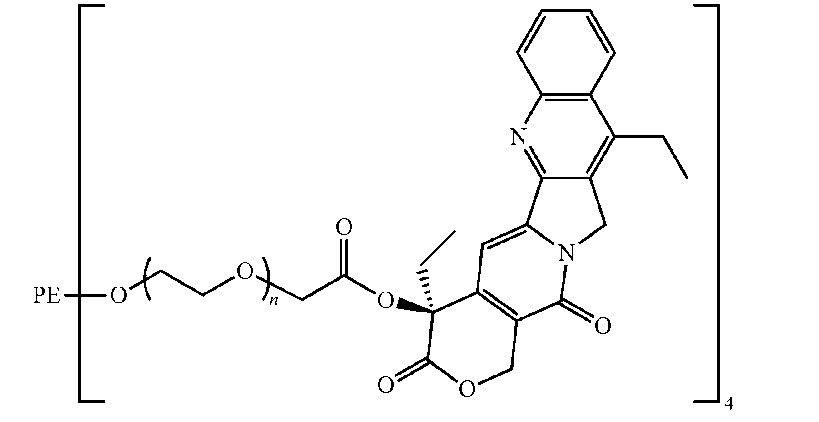
式中、
nが平均して110であり、および
PEが下記化学式
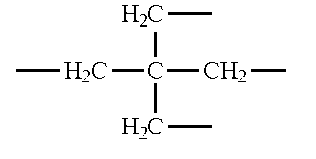
In the formula,
n is 110 on average, and PE is represented by the following chemical formula:
Applications Claiming Priority (3)
| Application Number | Priority Date | Filing Date | Title |
|---|---|---|---|
| US201862732199P | 2018-09-17 | 2018-09-17 | |
| US62/732,199 | 2018-09-17 | ||
| PCT/US2019/051457 WO2020061007A1 (en) | 2018-09-17 | 2019-09-17 | Polymer-based macromolecular prodrugs |
Publications (3)
| Publication Number | Publication Date |
|---|---|
| JP2022501341A JP2022501341A (en) | 2022-01-06 |
| JP2022501341A5 JP2022501341A5 (en) | 2022-09-26 |
| JP7546552B2 true JP7546552B2 (en) | 2024-09-06 |
Family
ID=69887739
Family Applications (1)
| Application Number | Title | Priority Date | Filing Date |
|---|---|---|---|
| JP2021514531A Active JP7546552B2 (en) | 2018-09-17 | 2019-09-17 | Polymer-based macromolecular prodrugs |
Country Status (10)
| Country | Link |
|---|---|
| US (4) | US11253603B2 (en) |
| EP (1) | EP3852793B1 (en) |
| JP (1) | JP7546552B2 (en) |
| KR (1) | KR20210072002A (en) |
| CN (2) | CN119950749A (en) |
| AU (1) | AU2019344783B2 (en) |
| CA (1) | CA3112778A1 (en) |
| EA (1) | EA202190799A1 (en) |
| MX (1) | MX2021003116A (en) |
| WO (1) | WO2020061007A1 (en) |
Families Citing this family (3)
| Publication number | Priority date | Publication date | Assignee | Title |
|---|---|---|---|---|
| MX2021003116A (en) * | 2018-09-17 | 2021-05-14 | Childrens Hospital Philadelphia | POLYMER-BASED MACROMOLECULAR PRODRUGS. |
| CN115443947B (en) * | 2022-10-12 | 2023-11-21 | 江苏省人民医院(南京医科大学第一附属医院) | Preparation method of hypertension animal model |
| WO2025101904A1 (en) * | 2023-11-08 | 2025-05-15 | The Children's Hospital Of Philadelphia | Norepinephrine transporter-targeted prodrugs for cancer therapy |
Citations (6)
| Publication number | Priority date | Publication date | Assignee | Title |
|---|---|---|---|---|
| WO1999052861A1 (en) | 1998-04-09 | 1999-10-21 | Institut für Diagnostikforschung GmbH an der Freien Universität Berlin | Novel benzyl guanidine derivatives for therapy and in-vivo and in-vitro diagnosis |
| JP2002255821A (en) | 2001-03-06 | 2002-09-11 | Yakult Honsha Co Ltd | Anti-cancer drug resistant cancer therapeutics |
| JP2012503602A (en) | 2008-09-23 | 2012-02-09 | ネクター セラピューティックス | Compositions and methods for achieving sustained therapeutic drug concentrations in a subject |
| JP2012506380A (en) | 2008-10-21 | 2012-03-15 | エンゾン ファーマシューティカルズ,インコーポレーテッド | Treatment of neuroblastoma with a multi-arm polymer conjugate of 7-ethyl-10-hydroxycamptothecin |
| JP2013511539A (en) | 2009-11-18 | 2013-04-04 | ネクター セラピューティックス | Acid salt forms of polymer-drug conjugates and methods for alkoxylation |
| JP2016531895A (en) | 2013-10-04 | 2016-10-13 | プロリンクス エルエルシー | SN-38 sustained release conjugate |
Family Cites Families (28)
| Publication number | Priority date | Publication date | Assignee | Title |
|---|---|---|---|---|
| US7591994B2 (en) * | 2002-12-13 | 2009-09-22 | Immunomedics, Inc. | Camptothecin-binding moiety conjugates |
| US20040258754A1 (en) * | 2003-06-18 | 2004-12-23 | Valery Alakhov | Compositions for oral administration of camptothecin and its analogs |
| US8394365B2 (en) | 2003-09-17 | 2013-03-12 | Nektar Therapeutics | Multi-arm polymer prodrugs |
| CN1852740B (en) | 2003-09-17 | 2011-05-11 | 耐科塔医药公司 | Prodrugs of highly branched polymers |
| WO2005042539A1 (en) * | 2003-10-29 | 2005-05-12 | Sonus Pharmaceuticals, Inc. | Tocopherol-modified therapeutic drug compounds |
| US20070254019A1 (en) * | 2006-03-15 | 2007-11-01 | William Zamboni | Method for treating brain cancer |
| KR20090057235A (en) * | 2006-09-15 | 2009-06-04 | 엔존 파마슈티컬즈, 인코포레이티드 | Lysine-Based Polymer Linker |
| US20090074074A1 (en) | 2007-06-29 | 2009-03-19 | The Hong Kong University Of Science And Technology | Multiple description encoder and decoder for transmitting multiple descriptions |
| US8637466B2 (en) * | 2008-08-11 | 2014-01-28 | Nektar Therapeutics | Multi-arm polymeric alkanoate conjugates |
| CN101385860B (en) * | 2008-10-31 | 2011-11-02 | 美国草药泉有限责任公司 | Camptothecine and non-linear polyethyleneglycol prodrug of derivative thereof |
| CA2768494A1 (en) | 2009-07-22 | 2011-01-27 | Enzon Pharmaceuticals, Inc. | Methods of treating her2 positive cancer with her2 receptor antagonist in combination with multi-arm polymeric conjugates of 7-ethyl-10-hydroxycamptothecin |
| WO2012083197A1 (en) | 2010-12-17 | 2012-06-21 | Nektar Therapeutics | Water-soluble polymer conjugates of topotecan |
| CN102626518B (en) * | 2012-05-09 | 2014-05-28 | 中国药科大学 | Preparation and application of insoluble drug-entrapped poloxamer/amphiphilic polysaccharide mixed micelle |
| JP6284541B2 (en) | 2012-11-28 | 2018-02-28 | ネクター セラピューティクス | Method for evaluating and predicting efficacy of long-acting topoisomerase I inhibitors in breast cancer treatment - Patents.com |
| WO2014194289A1 (en) | 2013-05-31 | 2014-12-04 | Nektar Therapeutics | Method for predicting and evaluating responsiveness to cancer treatment with dna-damaging chemotherapeutic agents |
| US10758614B2 (en) | 2014-06-09 | 2020-09-01 | The United States Of America, As Represented By The Secretary, Department Of Health And Human Services National Institutes Of Health | Combination therapies targeting tumor-associated stroma or tumor cells and topoisomerase |
| WO2016040848A1 (en) | 2014-09-12 | 2016-03-17 | G1 Therapeutics, Inc. | Treatment of rb-negative tumors using topoisomerase inhibitors in combination with cyclin dependent kinase 4/6 inhibitors |
| US11324827B2 (en) | 2014-10-01 | 2022-05-10 | Xiamen Sinopeg Biotech Co., Ltd. | Multifunctionalized polyethylene glycol derivative and preparation method therefor |
| CN104877127B (en) | 2015-06-23 | 2017-11-10 | 厦门赛诺邦格生物科技股份有限公司 | A kind of eight arms polyethyleneglycol derivative, preparation method and its bio-related substance of modification |
| CN107375288B (en) | 2016-05-16 | 2019-08-23 | 博瑞生物医药(苏州)股份有限公司 | The polymerization target anticancer conjugate of multi-arm |
| WO2018048859A1 (en) | 2016-09-06 | 2018-03-15 | Cerebral Therapeutics | Direct brain administration of chemotherapeutics to the csf for patients with primary and secondary brain tumors |
| KR102279429B1 (en) | 2017-04-21 | 2021-07-20 | 브라이트제네 바이오-메디컬 테크놀로지 코., 엘티디. | Multi-cancer target anti-cancer conjugate |
| JP7381083B2 (en) | 2017-09-08 | 2023-11-15 | フォスプラティン テラピューティクス インコーポレイテッド | Phosphaplatin compounds as immunomodulators and their therapeutic uses |
| WO2019090141A1 (en) | 2017-11-02 | 2019-05-09 | Vicus Therapeutics, Llc | Combination drug therapies for cancer and methods of making and using them |
| SG11202011135WA (en) | 2018-05-14 | 2020-12-30 | Nuvation Bio Inc | Anti-cancer nuclear hormone receptor-targeting compounds |
| MX2021003116A (en) * | 2018-09-17 | 2021-05-14 | Childrens Hospital Philadelphia | POLYMER-BASED MACROMOLECULAR PRODRUGS. |
| CN111603567B (en) | 2019-02-22 | 2024-12-27 | 赣江新区博瑞创新医药有限公司 | CD44-targeted multi-arm conjugate |
| US11826430B2 (en) | 2019-05-14 | 2023-11-28 | Nuvation Bio Inc. | Anti-cancer nuclear hormone receptor-targeting compounds |
-
2019
- 2019-09-17 MX MX2021003116A patent/MX2021003116A/en unknown
- 2019-09-17 EP EP19863240.8A patent/EP3852793B1/en active Active
- 2019-09-17 JP JP2021514531A patent/JP7546552B2/en active Active
- 2019-09-17 EA EA202190799A patent/EA202190799A1/en unknown
- 2019-09-17 CN CN202510008384.XA patent/CN119950749A/en active Pending
- 2019-09-17 AU AU2019344783A patent/AU2019344783B2/en active Active
- 2019-09-17 KR KR1020217011264A patent/KR20210072002A/en active Pending
- 2019-09-17 US US16/969,790 patent/US11253603B2/en active Active
- 2019-09-17 CA CA3112778A patent/CA3112778A1/en active Pending
- 2019-09-17 CN CN201980060783.3A patent/CN112996533B/en active Active
- 2019-09-17 WO PCT/US2019/051457 patent/WO2020061007A1/en not_active Ceased
-
2022
- 2022-02-11 US US17/670,218 patent/US11642414B2/en active Active
-
2023
- 2023-04-27 US US18/140,289 patent/US12311028B2/en active Active
-
2025
- 2025-05-13 US US19/206,574 patent/US20250387496A1/en active Pending
Patent Citations (6)
| Publication number | Priority date | Publication date | Assignee | Title |
|---|---|---|---|---|
| WO1999052861A1 (en) | 1998-04-09 | 1999-10-21 | Institut für Diagnostikforschung GmbH an der Freien Universität Berlin | Novel benzyl guanidine derivatives for therapy and in-vivo and in-vitro diagnosis |
| JP2002255821A (en) | 2001-03-06 | 2002-09-11 | Yakult Honsha Co Ltd | Anti-cancer drug resistant cancer therapeutics |
| JP2012503602A (en) | 2008-09-23 | 2012-02-09 | ネクター セラピューティックス | Compositions and methods for achieving sustained therapeutic drug concentrations in a subject |
| JP2012506380A (en) | 2008-10-21 | 2012-03-15 | エンゾン ファーマシューティカルズ,インコーポレーテッド | Treatment of neuroblastoma with a multi-arm polymer conjugate of 7-ethyl-10-hydroxycamptothecin |
| JP2013511539A (en) | 2009-11-18 | 2013-04-04 | ネクター セラピューティックス | Acid salt forms of polymer-drug conjugates and methods for alkoxylation |
| JP2016531895A (en) | 2013-10-04 | 2016-10-13 | プロリンクス エルエルシー | SN-38 sustained release conjugate |
Also Published As
| Publication number | Publication date |
|---|---|
| US20210000967A1 (en) | 2021-01-07 |
| CA3112778A1 (en) | 2020-03-26 |
| US20230414766A1 (en) | 2023-12-28 |
| EP3852793A1 (en) | 2021-07-28 |
| US20220160886A1 (en) | 2022-05-26 |
| AU2019344783B2 (en) | 2025-10-23 |
| AU2019344783A1 (en) | 2021-04-08 |
| NZ773863A (en) | 2024-10-25 |
| CN119950749A (en) | 2025-05-09 |
| MX2021003116A (en) | 2021-05-14 |
| CN112996533B (en) | 2025-01-10 |
| US12311028B2 (en) | 2025-05-27 |
| EP3852793B1 (en) | 2025-11-19 |
| JP2022501341A (en) | 2022-01-06 |
| EP3852793C0 (en) | 2025-11-19 |
| EA202190799A1 (en) | 2021-06-22 |
| US20250387496A1 (en) | 2025-12-25 |
| US11642414B2 (en) | 2023-05-09 |
| KR20210072002A (en) | 2021-06-16 |
| EP3852793A4 (en) | 2022-07-13 |
| WO2020061007A1 (en) | 2020-03-26 |
| US11253603B2 (en) | 2022-02-22 |
| CN112996533A (en) | 2021-06-18 |
Similar Documents
| Publication | Publication Date | Title |
|---|---|---|
| US12311028B2 (en) | Polymer-based macromolecular prodrugs | |
| US20240131170A1 (en) | Cationic amphiphilic polymers for codelivery of hydrophobic agents and nucleic acids | |
| RU2315782C2 (en) | High-molecular weight camptotecine derivatives | |
| ES2978534T3 (en) | Phospholipid ether analogues as anticancer drug carriers | |
| JP6949859B2 (en) | Treatment of cancer by systemic administration of DBAIT molecules | |
| JP2005532429A (en) | Camptothecin derivatives and polymer conjugates thereof | |
| CN121513211A (en) | Biomarkers and applications of METAP2 inhibitors | |
| US20240009321A1 (en) | Immunogenic nanovesicles for cancer immunotherapy | |
| Cho et al. | Sustained potentiation of bystander killing via PTEN-loss driven macropinocytosis targeted peptide-drug conjugate therapy in metastatic triple-negative breast cancer | |
| US20230414762A1 (en) | Prostate-specific membrane antigen (psma)-targeted prodrug for selective killing of cells expressing psma | |
| US20150065443A1 (en) | Embelin-based delivery system for water-insoluble active agents | |
| CN104981245B (en) | Anticancer agent without side effects | |
| EA045198B1 (en) | MACROMOLECULAR PRODRUGS ON A POLYMER BASE | |
| JP5843086B2 (en) | Use of polymerized cyclic nitroxide radical compounds to enhance the action of therapeutically active substances | |
| CN102731518B (en) | O-nitro aryl methoxycamptothecine anoxic activated prodrug used for antitumor drug | |
| WO2025101904A1 (en) | Norepinephrine transporter-targeted prodrugs for cancer therapy | |
| Ghorai et al. | Advances in camptothecin nanomedicine: enhancing targeted breast-cancer therapeutics using innovative drug delivery systems | |
| CN119950745B (en) | A pharmaceutical composition and its application in preparing anti-tumor drugs | |
| Picken | Prodrug approaches to reduce treprostinil toxicity | |
| CN107921282A (en) | The composition and method of 2 enzymatic activity of selective depression intestines carboxy-lesterase | |
| JP2025512450A (en) | Aptamers, conjugates and compositions and methods of making and using | |
| HK1214145B (en) | Anticancer agent having no side effects |
Legal Events
| Date | Code | Title | Description |
|---|---|---|---|
| A521 | Request for written amendment filed |
Free format text: JAPANESE INTERMEDIATE CODE: A523 Effective date: 20220914 |
|
| A621 | Written request for application examination |
Free format text: JAPANESE INTERMEDIATE CODE: A621 Effective date: 20220914 |
|
| A131 | Notification of reasons for refusal |
Free format text: JAPANESE INTERMEDIATE CODE: A131 Effective date: 20230829 |
|
| A977 | Report on retrieval |
Free format text: JAPANESE INTERMEDIATE CODE: A971007 Effective date: 20230831 |
|
| A521 | Request for written amendment filed |
Free format text: JAPANESE INTERMEDIATE CODE: A523 Effective date: 20231129 |
|
| A131 | Notification of reasons for refusal |
Free format text: JAPANESE INTERMEDIATE CODE: A131 Effective date: 20240109 |
|
| A601 | Written request for extension of time |
Free format text: JAPANESE INTERMEDIATE CODE: A601 Effective date: 20240403 |
|
| TRDD | Decision of grant or rejection written | ||
| A01 | Written decision to grant a patent or to grant a registration (utility model) |
Free format text: JAPANESE INTERMEDIATE CODE: A01 Effective date: 20240730 |
|
| A61 | First payment of annual fees (during grant procedure) |
Free format text: JAPANESE INTERMEDIATE CODE: A61 Effective date: 20240827 |
|
| R150 | Certificate of patent or registration of utility model |
Ref document number: 7546552 Country of ref document: JP Free format text: JAPANESE INTERMEDIATE CODE: R150 |