JP7516552B2 - All-solid-state secondary battery - Google Patents
All-solid-state secondary battery Download PDFInfo
- Publication number
- JP7516552B2 JP7516552B2 JP2022566219A JP2022566219A JP7516552B2 JP 7516552 B2 JP7516552 B2 JP 7516552B2 JP 2022566219 A JP2022566219 A JP 2022566219A JP 2022566219 A JP2022566219 A JP 2022566219A JP 7516552 B2 JP7516552 B2 JP 7516552B2
- Authority
- JP
- Japan
- Prior art keywords
- negative electrode
- active material
- electrode active
- solid
- secondary battery
- Prior art date
- Legal status (The legal status is an assumption and is not a legal conclusion. Google has not performed a legal analysis and makes no representation as to the accuracy of the status listed.)
- Active
Links
Images



Classifications
-
- H—ELECTRICITY
- H01—ELECTRIC ELEMENTS
- H01M—PROCESSES OR MEANS, e.g. BATTERIES, FOR THE DIRECT CONVERSION OF CHEMICAL ENERGY INTO ELECTRICAL ENERGY
- H01M4/00—Electrodes
- H01M4/02—Electrodes composed of, or comprising, active material
- H01M4/62—Selection of inactive substances as ingredients for active masses, e.g. binders, fillers
- H01M4/624—Electric conductive fillers
- H01M4/625—Carbon or graphite
-
- H—ELECTRICITY
- H01—ELECTRIC ELEMENTS
- H01M—PROCESSES OR MEANS, e.g. BATTERIES, FOR THE DIRECT CONVERSION OF CHEMICAL ENERGY INTO ELECTRICAL ENERGY
- H01M10/00—Secondary cells; Manufacture thereof
- H01M10/05—Accumulators with non-aqueous electrolyte
- H01M10/052—Li-accumulators
-
- H—ELECTRICITY
- H01—ELECTRIC ELEMENTS
- H01M—PROCESSES OR MEANS, e.g. BATTERIES, FOR THE DIRECT CONVERSION OF CHEMICAL ENERGY INTO ELECTRICAL ENERGY
- H01M10/00—Secondary cells; Manufacture thereof
- H01M10/05—Accumulators with non-aqueous electrolyte
- H01M10/052—Li-accumulators
- H01M10/0525—Rocking-chair batteries, i.e. batteries with lithium insertion or intercalation in both electrodes; Lithium-ion batteries
-
- H—ELECTRICITY
- H01—ELECTRIC ELEMENTS
- H01M—PROCESSES OR MEANS, e.g. BATTERIES, FOR THE DIRECT CONVERSION OF CHEMICAL ENERGY INTO ELECTRICAL ENERGY
- H01M10/00—Secondary cells; Manufacture thereof
- H01M10/05—Accumulators with non-aqueous electrolyte
- H01M10/056—Accumulators with non-aqueous electrolyte characterised by the materials used as electrolytes, e.g. mixed inorganic/organic electrolytes
- H01M10/0561—Accumulators with non-aqueous electrolyte characterised by the materials used as electrolytes, e.g. mixed inorganic/organic electrolytes the electrolyte being constituted of inorganic materials only
- H01M10/0562—Solid materials
-
- H—ELECTRICITY
- H01—ELECTRIC ELEMENTS
- H01M—PROCESSES OR MEANS, e.g. BATTERIES, FOR THE DIRECT CONVERSION OF CHEMICAL ENERGY INTO ELECTRICAL ENERGY
- H01M10/00—Secondary cells; Manufacture thereof
- H01M10/05—Accumulators with non-aqueous electrolyte
- H01M10/056—Accumulators with non-aqueous electrolyte characterised by the materials used as electrolytes, e.g. mixed inorganic/organic electrolytes
- H01M10/0564—Accumulators with non-aqueous electrolyte characterised by the materials used as electrolytes, e.g. mixed inorganic/organic electrolytes the electrolyte being constituted of organic materials only
- H01M10/0565—Polymeric materials, e.g. gel-type or solid-type
-
- H—ELECTRICITY
- H01—ELECTRIC ELEMENTS
- H01M—PROCESSES OR MEANS, e.g. BATTERIES, FOR THE DIRECT CONVERSION OF CHEMICAL ENERGY INTO ELECTRICAL ENERGY
- H01M4/00—Electrodes
- H01M4/02—Electrodes composed of, or comprising, active material
- H01M4/04—Processes of manufacture in general
-
- H—ELECTRICITY
- H01—ELECTRIC ELEMENTS
- H01M—PROCESSES OR MEANS, e.g. BATTERIES, FOR THE DIRECT CONVERSION OF CHEMICAL ENERGY INTO ELECTRICAL ENERGY
- H01M4/00—Electrodes
- H01M4/02—Electrodes composed of, or comprising, active material
- H01M4/13—Electrodes for accumulators with non-aqueous electrolyte, e.g. for lithium-accumulators; Processes of manufacture thereof
- H01M4/131—Electrodes based on mixed oxides or hydroxides, or on mixtures of oxides or hydroxides, e.g. LiCoOx
-
- H—ELECTRICITY
- H01—ELECTRIC ELEMENTS
- H01M—PROCESSES OR MEANS, e.g. BATTERIES, FOR THE DIRECT CONVERSION OF CHEMICAL ENERGY INTO ELECTRICAL ENERGY
- H01M4/00—Electrodes
- H01M4/02—Electrodes composed of, or comprising, active material
- H01M4/13—Electrodes for accumulators with non-aqueous electrolyte, e.g. for lithium-accumulators; Processes of manufacture thereof
- H01M4/133—Electrodes based on carbonaceous material, e.g. graphite-intercalation compounds or CFx
-
- H—ELECTRICITY
- H01—ELECTRIC ELEMENTS
- H01M—PROCESSES OR MEANS, e.g. BATTERIES, FOR THE DIRECT CONVERSION OF CHEMICAL ENERGY INTO ELECTRICAL ENERGY
- H01M4/00—Electrodes
- H01M4/02—Electrodes composed of, or comprising, active material
- H01M4/13—Electrodes for accumulators with non-aqueous electrolyte, e.g. for lithium-accumulators; Processes of manufacture thereof
- H01M4/134—Electrodes based on metals, Si or alloys
-
- H—ELECTRICITY
- H01—ELECTRIC ELEMENTS
- H01M—PROCESSES OR MEANS, e.g. BATTERIES, FOR THE DIRECT CONVERSION OF CHEMICAL ENERGY INTO ELECTRICAL ENERGY
- H01M4/00—Electrodes
- H01M4/02—Electrodes composed of, or comprising, active material
- H01M4/36—Selection of substances as active materials, active masses, active liquids
- H01M4/362—Composites
- H01M4/364—Composites as mixtures
-
- H—ELECTRICITY
- H01—ELECTRIC ELEMENTS
- H01M—PROCESSES OR MEANS, e.g. BATTERIES, FOR THE DIRECT CONVERSION OF CHEMICAL ENERGY INTO ELECTRICAL ENERGY
- H01M4/00—Electrodes
- H01M4/02—Electrodes composed of, or comprising, active material
- H01M4/36—Selection of substances as active materials, active masses, active liquids
- H01M4/362—Composites
- H01M4/366—Composites as layered products
-
- H—ELECTRICITY
- H01—ELECTRIC ELEMENTS
- H01M—PROCESSES OR MEANS, e.g. BATTERIES, FOR THE DIRECT CONVERSION OF CHEMICAL ENERGY INTO ELECTRICAL ENERGY
- H01M4/00—Electrodes
- H01M4/02—Electrodes composed of, or comprising, active material
- H01M4/36—Selection of substances as active materials, active masses, active liquids
- H01M4/38—Selection of substances as active materials, active masses, active liquids of elements or alloys
-
- H—ELECTRICITY
- H01—ELECTRIC ELEMENTS
- H01M—PROCESSES OR MEANS, e.g. BATTERIES, FOR THE DIRECT CONVERSION OF CHEMICAL ENERGY INTO ELECTRICAL ENERGY
- H01M4/00—Electrodes
- H01M4/02—Electrodes composed of, or comprising, active material
- H01M4/36—Selection of substances as active materials, active masses, active liquids
- H01M4/38—Selection of substances as active materials, active masses, active liquids of elements or alloys
- H01M4/381—Alkaline or alkaline earth metals elements
- H01M4/382—Lithium
-
- H—ELECTRICITY
- H01—ELECTRIC ELEMENTS
- H01M—PROCESSES OR MEANS, e.g. BATTERIES, FOR THE DIRECT CONVERSION OF CHEMICAL ENERGY INTO ELECTRICAL ENERGY
- H01M4/00—Electrodes
- H01M4/02—Electrodes composed of, or comprising, active material
- H01M4/36—Selection of substances as active materials, active masses, active liquids
- H01M4/38—Selection of substances as active materials, active masses, active liquids of elements or alloys
- H01M4/40—Alloys based on alkali metals
- H01M4/405—Alloys based on lithium
-
- H—ELECTRICITY
- H01—ELECTRIC ELEMENTS
- H01M—PROCESSES OR MEANS, e.g. BATTERIES, FOR THE DIRECT CONVERSION OF CHEMICAL ENERGY INTO ELECTRICAL ENERGY
- H01M4/00—Electrodes
- H01M4/02—Electrodes composed of, or comprising, active material
- H01M4/36—Selection of substances as active materials, active masses, active liquids
- H01M4/58—Selection of substances as active materials, active masses, active liquids of inorganic compounds other than oxides or hydroxides, e.g. sulfides, selenides, tellurides, halogenides or LiCoFy; of polyanionic structures, e.g. phosphates, silicates or borates
- H01M4/583—Carbonaceous material, e.g. graphite-intercalation compounds or CFx
- H01M4/587—Carbonaceous material, e.g. graphite-intercalation compounds or CFx for inserting or intercalating light metals
-
- H—ELECTRICITY
- H01—ELECTRIC ELEMENTS
- H01M—PROCESSES OR MEANS, e.g. BATTERIES, FOR THE DIRECT CONVERSION OF CHEMICAL ENERGY INTO ELECTRICAL ENERGY
- H01M4/00—Electrodes
- H01M4/02—Electrodes composed of, or comprising, active material
- H01M4/64—Carriers or collectors
- H01M4/66—Selection of materials
- H01M4/665—Composites
- H01M4/667—Composites in the form of layers, e.g. coatings
-
- H—ELECTRICITY
- H01—ELECTRIC ELEMENTS
- H01M—PROCESSES OR MEANS, e.g. BATTERIES, FOR THE DIRECT CONVERSION OF CHEMICAL ENERGY INTO ELECTRICAL ENERGY
- H01M4/00—Electrodes
- H01M4/02—Electrodes composed of, or comprising, active material
- H01M2004/026—Electrodes composed of, or comprising, active material characterised by the polarity
- H01M2004/027—Negative electrodes
-
- H—ELECTRICITY
- H01—ELECTRIC ELEMENTS
- H01M—PROCESSES OR MEANS, e.g. BATTERIES, FOR THE DIRECT CONVERSION OF CHEMICAL ENERGY INTO ELECTRICAL ENERGY
- H01M2300/00—Electrolytes
- H01M2300/0017—Non-aqueous electrolytes
- H01M2300/0065—Solid electrolytes
- H01M2300/0068—Solid electrolytes inorganic
-
- Y—GENERAL TAGGING OF NEW TECHNOLOGICAL DEVELOPMENTS; GENERAL TAGGING OF CROSS-SECTIONAL TECHNOLOGIES SPANNING OVER SEVERAL SECTIONS OF THE IPC; TECHNICAL SUBJECTS COVERED BY FORMER USPC CROSS-REFERENCE ART COLLECTIONS [XRACs] AND DIGESTS
- Y02—TECHNOLOGIES OR APPLICATIONS FOR MITIGATION OR ADAPTATION AGAINST CLIMATE CHANGE
- Y02E—REDUCTION OF GREENHOUSE GAS [GHG] EMISSIONS, RELATED TO ENERGY GENERATION, TRANSMISSION OR DISTRIBUTION
- Y02E60/00—Enabling technologies; Technologies with a potential or indirect contribution to GHG emissions mitigation
- Y02E60/10—Energy storage using batteries
-
- Y—GENERAL TAGGING OF NEW TECHNOLOGICAL DEVELOPMENTS; GENERAL TAGGING OF CROSS-SECTIONAL TECHNOLOGIES SPANNING OVER SEVERAL SECTIONS OF THE IPC; TECHNICAL SUBJECTS COVERED BY FORMER USPC CROSS-REFERENCE ART COLLECTIONS [XRACs] AND DIGESTS
- Y02—TECHNOLOGIES OR APPLICATIONS FOR MITIGATION OR ADAPTATION AGAINST CLIMATE CHANGE
- Y02P—CLIMATE CHANGE MITIGATION TECHNOLOGIES IN THE PRODUCTION OR PROCESSING OF GOODS
- Y02P70/00—Climate change mitigation technologies in the production process for final industrial or consumer products
- Y02P70/50—Manufacturing or production processes characterised by the final manufactured product
Landscapes
- Chemical & Material Sciences (AREA)
- Chemical Kinetics & Catalysis (AREA)
- Electrochemistry (AREA)
- General Chemical & Material Sciences (AREA)
- Engineering & Computer Science (AREA)
- Materials Engineering (AREA)
- Manufacturing & Machinery (AREA)
- Composite Materials (AREA)
- Inorganic Chemistry (AREA)
- Physics & Mathematics (AREA)
- Condensed Matter Physics & Semiconductors (AREA)
- General Physics & Mathematics (AREA)
- Dispersion Chemistry (AREA)
- Secondary Cells (AREA)
- Battery Electrode And Active Subsutance (AREA)
Description
本発明は、固体二次電池に関する。 The present invention relates to a solid-state secondary battery.
最近、電解質として、固体電解質を利用した全固体二次電池が注目されている。そのような固体二次電池のエネルギー(energy)密度を高めるために、負極活物質として、リチウム(lithium)を使用することが提案されている。例えば、リチウムの容量密度(単位質量当たり容量)は、負極活物質として、一般的に使用される黒鉛の容量密度の10倍ほどであると知られている。従って、負極活物質としてリチウムを使用し、固体二次電池を薄型化させながら、出力を高めることができる。 Recently, all-solid-state secondary batteries that use solid electrolytes as electrolytes have been attracting attention. In order to increase the energy density of such solid-state secondary batteries, it has been proposed to use lithium as the negative electrode active material. For example, it is known that the capacity density (capacity per unit mass) of lithium is about 10 times that of graphite, which is commonly used as a negative electrode active material. Therefore, by using lithium as the negative electrode active material, it is possible to increase the output while making the solid-state secondary battery thinner.
リチウムを負極活物質として使用する場合、充電時、負極側にリチウム(金属リチウム)が析出されうる。全固体二次電池の充放電を反復することにより、負極側に析出されたリチウムは、固体電解質の隙間を介し、枝状に成長しうる。枝状に成長したリチウムは、リチウムデンドライト(dendrite)とも称され、成長したリチウムデンドライト(dendrite)は、二次電池の短絡の原因にもなる。また、容量低下の原因にもなる。 When lithium is used as the negative electrode active material, lithium (metallic lithium) may be deposited on the negative electrode during charging. By repeatedly charging and discharging the all-solid-state secondary battery, the lithium deposited on the negative electrode may grow in a branch-like shape through the gaps in the solid electrolyte. The branch-like lithium is also called lithium dendrite, and the grown lithium dendrite may cause a short circuit in the secondary battery. It may also cause a decrease in capacity.
本発明が解決しようとする課題は、リチウムを負極活物質として使用する全固体二次電池を提供することである。 The problem that the present invention aims to solve is to provide an all-solid-state secondary battery that uses lithium as the negative electrode active material.
一態様による全固体二次電池は、正極活物質層を含む正極層;負極集電体と、前記負極集電体上に配され、負極活物質と非晶質炭素とを含む負極活物質層と、を含む負極層;及び前記正極活物質層と前記負極活物質層との間に配された固体電解質層;を含み、前記負極活物質と前記非晶質炭素との重量比は、1:3ないし1:1でもあり、前記負極層は、板状に設けられ、前記負極層の表面抵抗値が0.5mΩcm以下でもある。 The all-solid-state secondary battery according to one embodiment includes a positive electrode layer including a positive electrode active material layer; a negative electrode layer including a negative electrode current collector and a negative electrode active material layer disposed on the negative electrode current collector and including a negative electrode active material and amorphous carbon; and a solid electrolyte layer disposed between the positive electrode active material layer and the negative electrode active material layer; the weight ratio of the negative electrode active material to the amorphous carbon is 1:3 to 1:1, the negative electrode layer is provided in a plate shape, and the surface resistance value of the negative electrode layer is 0.5 mΩcm or less.
前記負極活物質層の全体重量を基準に、前記負極活物質は、1wt%ないし50wt%の比率にも含まれる。 Based on the total weight of the negative electrode active material layer, the negative electrode active material may be present in a ratio of 1 wt % to 50 wt %.
前記負極活物質は、金(Au)、白金(Pt)、パラジウム(Pd)、シリコン(Si)、銀(Ag)、アルミニウム(Al)、ビズマス(Bi)、スズ(Sn)、チタン(Ti)または亜鉛(Zn)のうち少なくとも一つ以上を含むものでもある。 The negative electrode active material also contains at least one of gold (Au), platinum (Pt), palladium (Pd), silicon (Si), silver (Ag), aluminum (Al), bismuth (Bi), tin (Sn), titanium (Ti) or zinc (Zn).
前記非晶質炭素は、カーボンブラック(CB)、アセチレンブラック(AB)、ファーネスブラック(FB)、ケッチェンブラック(KB)、グラフェンのうち1以上を含むものでもある。 The amorphous carbon may include one or more of carbon black (CB), acetylene black (AB), furnace black (FB), ketjen black (KB), and graphene.
前記負極活物質層は、バインダ(binder)をさらに含むものでもある。 The negative electrode active material layer further contains a binder.
前記バインダの含量は、前記負極活物質の総重量を基に、0.3重量%ないし15重量%でもある。 The binder content is 0.3% to 15% by weight based on the total weight of the negative electrode active material.
前記負極活物質層の厚みは、1μm~20μmでもある。 The thickness of the negative electrode active material layer is 1 μm to 20 μm.
前記負極集電体と前記負極活物質層との間に配された金属層をさらに含み、前記金属層は、リチウムまたはリチウム合金のうち少なくとも一つを含むものでもある。 The negative electrode further includes a metal layer disposed between the negative electrode current collector and the negative electrode active material layer, and the metal layer includes at least one of lithium or a lithium alloy.
前記金属層は、全固体二次電池が充電される前、前記負極集電体と前記負極活物質層との間にも配される。 The metal layer is also disposed between the negative electrode current collector and the negative electrode active material layer before the all-solid-state secondary battery is charged.
前記金属層の厚みは、1μm~200μmでもある。 The thickness of the metal layer is 1 μm to 200 μm.
前記負極集電体上に、リチウムと合金を形成することができる元素を含む薄膜がさらに具備され、前記薄膜は、前記負極集電体と前記負極活物質層との間にも配される。 A thin film containing an element capable of forming an alloy with lithium is further provided on the negative electrode current collector, and the thin film is also disposed between the negative electrode current collector and the negative electrode active material layer.
前記薄膜の厚みは、1nm~500nmでもある。 The thickness of the thin film is 1 nm to 500 nm.
前記負極集電体、前記負極活物質層、及びそれら間の領域は、前記全固体二次電池の初期状態または放電後状態において、リチウム(Li)を含まないLiフリー(free)領域でもある。 The negative electrode current collector, the negative electrode active material layer, and the region between them are also Li-free regions that do not contain lithium (Li) in the initial state or after discharge of the all-solid-state secondary battery.
前記全固体二次電池は、リチウム電池でもある。 The all-solid-state secondary battery is also a lithium battery.
開示された実施例によれば、適正混合量で混合された負極活物質と非晶質炭素との混合物を含む負極活物質層を具備する全固体二次電池を提供することができる。 According to the disclosed embodiment, it is possible to provide an all-solid-state secondary battery having a negative electrode active material layer including a mixture of a negative electrode active material and amorphous carbon mixed in an appropriate amount.
また、開示された実施例によれば、負極活物質層と負極集電体との結着力が強化される全固体二次電池を提供することができる。 In addition, according to the disclosed embodiment, it is possible to provide an all-solid-state secondary battery in which the bonding strength between the negative electrode active material layer and the negative electrode current collector is strengthened.
また、開示された実施例によれば、放電容量が増大された全固体二次電池を提供することができる。 Furthermore, according to the disclosed embodiment, it is possible to provide an all-solid-state secondary battery with increased discharge capacity.
以下、実施例による全固体二次電池について、添付図面を参照して詳細に説明する。添付図面に図示された層や領域の幅及び厚みは、明細書の明確性、及び説明の便宜性のために若干誇張されてもいる。詳細な説明全体にわたり、同一参照番号は、同一構成要素を示す。 All-solid-state secondary batteries according to the embodiments will be described in detail below with reference to the accompanying drawings. The widths and thicknesses of layers and regions illustrated in the accompanying drawings are somewhat exaggerated for clarity of the specification and convenience of explanation. The same reference numbers refer to the same components throughout the detailed description.
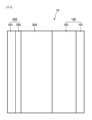
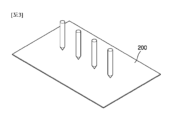
図1は、一実施例による全固体二次電池の概略的な構成を示す断面図である。図2は、負極活物質層を過充電した後、負極層の断面を観察して得たSEM(scanning electron microscope)写真である。図3は、負極層の表面抵抗を測定する例示を示す概路図である。図4は、全固体二次電池の変形例を示す断面図である。 Figure 1 is a cross-sectional view showing a schematic configuration of an all-solid-state secondary battery according to one embodiment. Figure 2 is a scanning electron microscope (SEM) photograph obtained by observing a cross section of the anode layer after overcharging the anode active material layer. Figure 3 is a schematic diagram showing an example of measuring the surface resistance of the anode layer. Figure 4 is a cross-sectional view showing a modified example of the all-solid-state secondary battery.
図1を参照すれば、一実施例による全固体二次電池10は、正極層100、負極層200及び固体電解質層300を含むものでもある。一例示による正極層100は、正極集電体101及び正極活物質層102を含むものでもある。
Referring to FIG. 1, an all-solid-state
正極集電体101は、板状、または薄膜状にも設けられる。また、正極集電体101は、例えば、インジウム(In)、銅(Cu)、マグネシウム(Mg)、ステンレススチール、チタン(Ti)、鉄(Fe)、コバルト(Co)、ニッケル(Ni)、亜鉛(Zn)、アルミニウム(Al)、ゲルマニウム(Ge)、リチウム(Li)、またはそれらの合金を含むものでもある。一例示によれば、正極集電体101は、必要によっては、省略することもできる。
The
正極活物質層102は、正極活物質及び固体電解質物質を含むものでもある。正極活物質層102に含まれた固体電解質物質は、後述することになる固体電解質層300に含まれる固体電解質物質と実質的に同一でもある。説明の便宜上、該固体電解質物質と係わる事項は、固体電解質層300において、詳細に敍述する。
The positive electrode
正極活物質層102に含まれる正極活物質は、リチウムイオンを可逆的に吸蔵及び放出することができる。例えば、該正極活物質は、リチウムコバルト酸化物(以下、「LCO」とする)、ニッケル酸リチウム(lithium nickel oxide)、ニッケルコバルト酸リチウム(lithium nickel cobalt oxide)、ニッケルコバルトアルミニウム酸リチウム(以下、「NCA」とする)、ニッケルコバルトマンガン酸リチウム(以下、「NCM」とする)、マンガン酸リチウム(lithium manganate)、リン酸鉄リチウム(lithium iron phosphate)のようなリチウム塩;硫化ニッケル;硫化銅;硫化リチウム硫黄;酸化鉄;または酸化バナジウム(vanadium oxide)のうち1以上を含むものでもある。
The positive electrode active material contained in the positive electrode
また、該正極活物質は、前述のリチウム塩において、層状岩塩型構造を有する遷移金属酸化物のリチウム塩を含むものでもある。ここで、「層状岩塩型構造」は、立方晶岩塩型構造の<111>方向に、酸素原子層と金属原子層とが交互に規則配列され、その結果、それぞれの原子層が、二次元平面を形成している構造でもある。また、「立方晶岩塩型構造」は、結晶構造の一種である塩化ナトリウム型構造を示す。一例示による層状岩塩型構造を有する遷移金属酸化物のリチウム塩は、例えば、LiNixCoyAlzO2(NCA)またはLiNixCoyMnzO2(NCM)(ここで、0<x<1、0<y<1、0<z<1、なお、x+y+z=1である)のような三元系遷移金属酸化物のリチウム塩を含むものでもある。前述のように、正極活物質が層状岩塩型構造を有する三元系遷移金属酸化物のリチウム塩を含む場合、一例示による全固体二次電池10のエネルギー(energy)密度及び熱安定性を向上させることができる。また、一例示による正極活物質は、被覆層によっても覆われている。一例として、本実施例の被覆層は、Li2O-ZrO2を含むものでもある。
The positive electrode active material also includes a lithium salt of a transition metal oxide having a layered rock salt structure in the lithium salt described above. Here, the "layered rock salt structure" is a structure in which oxygen atomic layers and metal atomic layers are alternately arranged in the <111> direction of a cubic rock salt structure, and as a result, each atomic layer forms a two-dimensional plane. Also, the "cubic rock salt structure" indicates a sodium chloride structure, which is a type of crystal structure. An example of a lithium salt of a transition metal oxide having a layered rock salt structure includes a lithium salt of a ternary transition metal oxide such as LiNi x Co y Al z O 2 (NCA) or LiNi x Co y Mn z O 2 (NCM) (where 0<x<1, 0<y<1, 0<z<1, and x+y+z=1). As described above, when the positive electrode active material includes a lithium salt of a ternary transition metal oxide having a layered rock salt structure, the energy density and thermal stability of the all-solid-state
本開示は、それらに制限されるものではなく、一例示による正極活物質層102は、前述の正極活物質及び固体電解質だけではなく、例えば、導電助剤、バインダ、フィラ(filler)、分散剤、イオン伝導性補助剤のような添加剤を含むものでもある。一例示による導電助剤は、例えば、黒鉛、カーボンブラック、アセチレンブラック、ケッチェン(ketjen)ブラック、炭素ファイバ、金属粉末などを含むものでもある。また、一例示によるバインダは、例えば、スチレンブタジエンゴム(SBR)、ポリテトラフルオロエチレン(polytetrafluoroethylene)、ポリフッ化ビニリデン(polyvinylidene fluoride)、ポリエチレン(polyethylene)などを含むものでもある。
The present disclosure is not limited thereto, and the positive electrode
一例示による負極層200は、負極集電体201及び負極活物質層202を含むものでもある。負極集電体201は、リチウムと反応しない、すなわち、合金及び化合物をいずれも形成しない物質を含むものでもある。例えば、負極集電体201は、銅(Cu)、ステンレススチール、チタン(Ti)、鉄(Fe)、コバルト(Co)及びニッケル(Ni)のうち1または2種以上の合金を含むものでもある。一例示による負極集電体201は、例えば、板状、または薄膜状にも設けられる。
The
ここで、図4に示されているように、負極集電体201の表面に、薄膜204が形成されうる。薄膜204は、リチウムと合金を形成することができる元素を含むものでもある。リチウムと合金を形成することができる元素としては、例えば、金、銀、亜鉛、スズ、インジウム、ケイ素、アルミニウム、ビズマスでもある。薄膜204は、それら金属のうち1種で構成されていてもよく、さまざまな種類の合金で構成されていてもよい。薄膜204が存在することにより、金属層203の析出形態がさらに平坦化され、全固体二次電池10の特性がさらに向上しうる。
Here, as shown in FIG. 4, a
ここで、薄膜204の厚みは、特別に制限されるものではないが、1nm~500nmほどでもある。薄膜204の厚みが1nm未満になる場合、薄膜204による機能を十分に発揮することができない可能性がある。薄膜204の厚みが500nmを超えれば、薄膜204自体がリチウムを吸蔵し、負極において、リチウムの析出量が低減され、全固体二次電池10の特性が低下される可能性がある。薄膜204は、例えば、真空蒸着法、スパッタリング法、メッキ法などにより、負極集電体201上にも形成される。
Here, the thickness of the
負極活物質層202は、非晶質炭素と、リチウムと合金または化合物を形成する負極活物質と、を含むものでもある。一例示による負極活物質は、例えば、金(Au)、白金(Pt)、パラジウム(Pd)、シリコン(Si)、銀(Ag)、アルミニウム(Al)、ビズマス(Bi)、スズ(Sn)、チタン(Ti)及び亜鉛(Zn)のうち1以上を含むものでもある。また、一例示による非晶質炭素は、例えば、カーボンブラック(CB:carbon black)、アセチレンブラック(AB:acetylene black)、ファーネスブラック(FB:furnace black)、ケッチェンブラック(KB:ketjen black)、グラフェン(graphene)のうち1以上を含むものでもある。
The negative electrode
一例として、負極活物質層202は、非晶質炭素と、金、白金、パラジウム、シリコン、銀、アルミニウム、ビズマス、スズ、チタン及び亜鉛からなる群のうちから選択されるいずれか1種以上の負極活物質と、を含む混合物によっても形成される。一例として、負極活物質層202は、非晶質炭素によって形成された第1パーティクル(particles)と、負極活物質によって形成された第2パーティクルとの混合物を含むものでもある。このとき、第2パーティクルに含まれた負極活物質と、第1パーティクルに含まれた非晶質炭素との混合比(質量比)は、例えば、1:3ないし1:1でもある。また、このとき、該負極活物質は、負極活物質層202の全体重量を基準に、1wt%ないし50wt%の比率にも含まれる。
For example, the negative electrode
前述のように、負極活物質層202が、負極活物質と非晶質炭素とが適正比率で混合された混合物を含むことにより、負極層200の抵抗値が低減されうる。一例として、負極活物質層202が、非晶質炭素、例えば、カーボンブラックのみを含む場合、負極活物質層202と負極集電体201との結着力が低下され、負極層200の表面抵抗値(sheet resistance)が増大されてしまう。また、負極活物質層202が金属からなる負極活物質、例えば、銀(Ag)のみを含む場合、負極活物質層202に含まれた銀(Ag)とリチウム(Li)との挿入(insertion)量が増大され、充放電の反応速度が低下されてしまう。従って、前述の実施例のように、負極活物質と非晶質炭素とからなる混合物が、適正比率で混合される場合、負極活物質層202と負極集電体201との結着力を増大させることができるだけではなく、負極層200の表面抵抗値が低減されうる。また、全固体二次電池10の充放電反応速度を向上させることができる。
As described above, the resistance value of the
一例として、板状、または薄膜状に設けられた負極集電体201上に、負極活物質と非晶質炭素とからなる混合物を含む負極活物質層202が配される場合、負極層200の表面抵抗値は、0.5mΩcm以下にも低減される。このとき、負極層200の表面抵抗値は、図3に図示されているような4ポイントプローブを利用しても測定される。
As an example, when a negative electrode
ここで、負極活物質として、金、白金、パラジウム、シリコン、銀、アルミニウム、ビズマス、スズ、チタン及び亜鉛のうち1以上を使用する場合、該負極活物質の粒子サイズ(例えば、平均粒径)は、約4μm以下でもある。ここで、該負極活物質の粒径は、例えば、レーザ式粒度分布計を使用して測定したメジアン(median)直径(いわゆる、D50)を使用することができる。一例示による粒径の下限は、特別に制限されるものではないが、約10nmでもある。 Here, when one or more of gold, platinum, palladium, silicon, silver, aluminum, bismuth, tin, titanium, and zinc are used as the negative electrode active material, the particle size (e.g., average particle size) of the negative electrode active material is about 4 μm or less. Here, the particle size of the negative electrode active material can be, for example, a median diameter (so-called D50) measured using a laser particle size distribution meter. The lower limit of the particle size according to one example is not particularly limited, but is about 10 nm.
また、一例示による負極活物質層202は、バインダを含むものでもある。一例として、該バインダは、スチレンブタジエンゴム(SBR)、ポリテトラフルオロエチレン、ポリフッ化ビニリデン、ポリエチレンのうち1以上を含むものでもある。該バインダは、そのような1種で構成されていても、2種以上によって構成されていてもよい。
The negative electrode
負極活物質層202にバインダを含め、負極活物質層202を負極集電体201上に安定化させることができる。例えば、負極活物質層202は、負極活物質層202を構成する材料が分散されたスラリーを負極集電体201上に塗布して乾燥させても作製される。該バインダを負極活物質層202に含め、スラリー内に負極活物質を安定的に分散させることができる。この結果、例えば、スクリーン印刷法でもって、スラリーを負極集電体201上に塗布する場合、スクリーンの詰まり(例えば、負極活物質の凝集体による詰まり)を抑制することができる。
The negative electrode
一例として、負極活物質層202にバインダを含める場合、該バインダの含量は、負極活物質の総重量を基準に、0.3ないし15重量%ほどでもある。該バインダの含量が0.3重量%未満になる場合、膜強度が十分ではなく、特性が低下されるだけではなく、処理/取り扱いが困難にもなる。該バインダの含量が20重量%を超えれば、全固体二次電池10の特性が低下されうる。該バインダの含有量の下限値は、約3重量%ほどでもある。また、負極活物質層202には、従来の固体二次電池に使用される添加剤、例えば、フィラ、分散剤、イオン導電材などが適切に配合されても含まれる。
For example, when the negative electrode
また、負極活物質層202の厚みは、例えば、1μm~20μmでもある。負極活物質層202の厚みが1μm未満になる場合、全固体二次電池10の特性が十分に改善されないのである。負極活物質層202の厚みが20μmを超える場合、負極活物質層202の抵抗値が高く、結果として、全固体二次電池10の特性が十分に改善されないのである。
The thickness of the negative electrode
一例示による固体電解質層300は、正極活物質層102と負極活物質層202との間に形成された固体電解質物質を含むものでもある。該固体電解質物質は、例えば、硫化物系固体電解質物質を含むものでもある。該硫化物系固体電解質物質は、例えば、Li2S-P2S5、Li2S-P2S5-Li(Xは、ハロゲン元素であり、例えば、I、Clである)、Li2S-P2S5-Li2O、Li2S-P2S5-Li2O-LiI、Li2S-SiS2、Li2S-SiS2-LiI、Li2S-SiS2-LiBr、Li2S-SiS2-LiCl、Li2S-SiS2-B2S3-LiI、Li2S-SiS2-P2S5-LiI、Li2S-B2S3、Li2S-P2S5-ZmSn(m、nは、正数であり、Zは、Ge、ZnまたはGaのうち一つである)、Li2S-GeS2、Li2S-SiS2-Li3PO4、Li2S-SiS2-LipMOq(p、qは、正数であり、Mは、P、Si、Ge、B、Al、Ga、Inのうち一つである)などを含むものでもある。ここで、該硫化物系固体電解質物質は、出発原料(例えば、Li2S、P2S5など)を溶融急冷法や機械的ミリング(mechanical milling)法を利用して加工することによって作製することができる。また、前述の加工工程後、該硫化物系固体電解質物質に対する熱処理固定が行われうる。一例示による固体電解質は、非晶質または結晶質でもあり、非晶質と結晶質とが混合された状態でもある。一例として、固体電解質物質に含まれた硫化物系固体電解質物質がLi2S-P2S5を含む場合、Li2SとP2S5との混合モル比は、例えば、Li2S:P2S5=50:50ないし90:10ほどの範囲によっても選択される。
The
また、一例示による固体電解質層300は、バインダをさらに含むものでもある。固体電解質層300に含まれるバインダは、例えば、スチレンブタジエンゴム(SBR)、ポリテトラフルオロエチレン、ポリフッ化ビニリデン、ポリエチレンなどを含むものでもある。固体電解質層300のバインダは、正極活物質層102と負極活物質層202とのバインダと実質的に同一でもあり、あるいは異なってもいる。
The
一実施例による全固体二次電池10は、負極活物質層202の充電容量を超えて充電することができる。すなわち、負極活物質層202を過充電する。充電初期には、負極活物質層202にリチウムが吸蔵される。負極活物質層202の充電容量を超えて充電を行う場合、図2のように、負極活物質層202の裏、すなわち、負極集電体201と負極活物質層202との間にリチウムが析出され、析出されたリチウムにより、金属層203が形成される。放電時には、負極活物質層202及び金属層203のリチウムがイオン化され、イオン化されたリチウムが正極層100側に移動する。従って、全固体二次電池10において、リチウムを負極活物質として使用することができる。また、負極活物質層202は、金属層203を被覆するために、金属層203の保護層の役目を行うと共に、デンドライト(dendrite)の析出成長を抑制することができる。それは、全固体二次電池10の短絡及び容量低下を抑制し、さらには、全固体二次電池10の特性を向上させることができる。また、一実施例においては、金属層203が事前に形成されていないために、全固体二次電池10の製造コストを減らすことができる。その場合、負極集電体201、負極活物質層202、及びそれら間の領域(界面)は、全固体二次電池10の初期状態または放電後状態において、リチウム(Li)を含まないLiフリー(free)領域でもある。
The all-solid-state
図5は、他の実施例による全固体二次電池の概略的な構成を示す断面図である。 Figure 5 is a cross-sectional view showing the schematic configuration of an all-solid-state secondary battery according to another embodiment.
図5を参照すれば、他の実施例による全固体二次電池11は、正極層100、負極層210及び固体電解質層300を含むものでもある。正極層100及び固体電解質層300と係わる事項は、図1に図示された正極層100及び固体電解質層300と実質的に同一であるので、ここでは、敍述を省略する。
Referring to FIG. 5, an all-solid-state
他の実施例による負極層210は、負極集電体211、負極活物質層212及び金属層213を含むものでもある。すなわち、図1に図示された一実施例においては、負極活物質層202の過充電により、負極集電体201と負極活物質層202との間に金属層が形成されうる。しかし、他の実施例においては、そのような金属層213が、事前に(すなわち、最初の充電前)、負極集電体211と負極活物質層212との間にも形成される。
The
負極集電体211及び負極活物質層212の構成は、図1に図示された負極集電体201及び負極活物質層202の構成と同一である。他の実施例による金属層213は、リチウムまたはリチウム合金を含むものでもある。すなわち、金属層213は、リチウムリザーバ(reservoir)として機能する。リチウム合金としては、例えば、Li-Al合金、Li-Sn合金、Li-In合金、Li-Ag合金、Li-Au合金、Li-Zn合金、Li-Ge合金、Li-Si合金などを挙げることができる。金属層213は、それらの合金のうち1種、またはリチウムで構成されるか、あるいはさまざまな種類の合金によっても構成される。他の実施例において、金属層213がリチウムリザーバになるので、全固体二次電池11の特性がさらに向上される。
The configuration of the negative electrode
ここで、金属層213の厚みは、特別に制限されるものではないが、例えば、約1μm~200μmほどでもある。金属層213の厚みが1μm未満になる場合、金属層213によるリザーバ機能を十分に発揮することができないのである。金属層213の厚みが200μmを超える場合、全固体二次電池11の質量及び体積が増大し、特性がかえって低下されてしまう。金属層213は、例えば、前述の範囲の厚みを有する金属ホイル(foil)によっても構成される。
Here, the thickness of the
図6Aは、実施例1、実施例2、比較例1及び比較例2による第1サイクルにおける充放電特性を示すグラフである。図6Bは、実施例1、実施例2、比較例1及び比較例2による第2サイクルにおける放電特性を示すグラフである。 Figure 6A is a graph showing the charge/discharge characteristics in the first cycle for Example 1, Example 2, Comparative Example 1, and Comparative Example 2. Figure 6B is a graph showing the discharge characteristics in the second cycle for Example 1, Example 2, Comparative Example 1, and Comparative Example 2.
下記においては、実施例と比較例とについて敍述する。 The following describes examples and comparative examples.
-実施例1
実施例1による正極層100に含まれる正極活物質は、LiNi0.9Co0.07Mn0.03O2(NCM)を含むものでもある。また、固体電解質として、アルジロダイト(argyrodite)型結晶体であるLiCl-Li2S-Li3PS4を含むものでもある。また、バインダとして、ポリテトラフルオロエチレン(テフロン(登録商標)バインダ(デュポン社))を含むものでもある。また、導電助剤として、炭素ナノファイバ(CNF)を含むものでもある。実施例1によれば、正極活物質:固体電解質:導電助剤:バインダ=83.8:14.8:0.2:1.2の重量比で混合し、混合物をシート形態に大きく成形し、正極シートを作製することができる。また、該正極シートを、18μm厚のアルミニウムホイルの正極集電体に圧着させ、正極層を作製することができる。
Example 1
The positive electrode active material contained in the
実施例1による負極層200は、厚み10μmのNi薄膜形態の負極集電体を含むものでもある。また、負極活物質層202は、負極活物質としての銀(Ag)と、非晶質炭素としてのカーボンブラック(CB)との混合物を使用することができる。このとき、負極活物質としての銀(Ag)と、非晶質炭素としてもカーボンブラック(CB)との混合比(質量比)は、1:3でもある。次に、2gのFB-Aを容器に入れ、そこにバインダ(#9300(クレハ社))を含むN-メチルピロリドン(NMP)溶液(負極層に対し、バインダが6.5質量%である)を追加する。次に、前記混合溶液を撹拌し、スラリーを製造した。該スラリーを、Niホイルに、ブレードコータ(blade coater)を利用して塗布し、空気中で80℃温度で20分間乾燥させた。それによって得られた積層体を、100℃で12時間真空乾燥させた。以上の工程により、負極層を作製する。
The
実施例1による固体電解質層300は、前記LiCl-Li2S-Li3PS4固体電解質とアクリル系バインダを含むものでもある。実施例1によれば、固体電解質:アクリル系バインダ=98.5:1.5の重量比で混合することができる。前述の混合物に、キシレン(xylene)とジエチルベンゼン(diethylbenzene)とを加えながら撹拌し、スラリーを製造する。該スラリーを不織布上に、ブレードコータを利用して塗布し、空気中で40℃温度で乾燥させる。それによって得られた積層体を、40℃で12時間真空乾燥させる。以上の工程により、固体電解質層を作製することができる。
The
前述の正極層100、固体電解質層300及び負極層200を順次に積層し、真空状態でラミネーティングフィルムに封印し、第1実施例による全固体二次電池10を作製する。ここで、正極集電体と負極集電体との各部分を、バッテリの真空を破損させないように、ラミネートフィルムで外に突出させる。そのような突出部が、正極層端子及び負極層端子でもある。また、第1実施例による全固体二次電池10を500MPa、85℃で30分間水圧処理する。
The above-mentioned
-実施例2
実施例2の場合、負極活物質層202に含まれた、負極活物質としての銀(Ag)と、非晶質炭素としてのカーボンブラック(CB)との混合比(質量比)が1:1であるという点を除いた残り事項は実施例1と同一である。
Example 2
In the case of Example 2, the remaining matters are the same as those of Example 1, except that the mixture ratio (mass ratio) of silver (Ag) as the negative electrode active material and carbon black (CB) as the amorphous carbon contained in the negative electrode
-比較例1
比較例1の場合、負極活物質層202に、別途の負極活物質なしに、非晶質炭素としてカーボンブラック(CB)だけが含まれる点を除いた残り事項は、実施例1と同一である。
Comparative Example 1
In the case of Comparative Example 1, the negative
-比較例2
比較例2の場合、負極活物質層202に含まれた、負極活物質としての銀(Ag)と、非晶質炭素としてのカーボンブラック(CB)の混合比(質量比)が25:1であるという点を除いた残り事項は、実施例1と同一である。
Comparative Example 2
In the case of Comparative Example 2, the remaining matters are the same as those of Example 1, except that the mixture ratio (mass ratio) of silver (Ag) as the negative electrode active material and carbon black (CB) as the amorphous carbon contained in the negative electrode
-比較例3
比較例3の場合、負極活物質層202に含まれた、負極活物質としての銀(Ag)と、黒鉛(graphite)との混合比(質量比)が1:3という点を除いた残り事項は、実施例1と同一である。
Comparative Example 3
Comparative Example 3 was the same as Example 1 except that the mixture ratio (mass ratio) of silver (Ag) and graphite as the negative active material contained in the negative
-充放電特性比較
第1実施例及び第2実施例、並びに比較例1ないし比較例3によって作製された全固体二次電池の充放電特性を、次の充放電試験によって評価することができる。該充放電試験は、全固体二次電池を60℃の恒温槽に入れて遂行することができる。第1サイクルは、バッテリ電圧が4.25Vになるまで、0.62mA/cm2の定電流で充電し、電流が0.31mA/cm2になる時まで、4.25Vの定電圧充電を実施した。その後、バッテリ電圧が2.5Vになるまで、0.62mA/cm2の定電流で放電を実施した。第2サイクルは、バッテリ電圧が4.25Vになるまで、0.62mA/cm2の定電流で充電し、電流が0.31mA/cm2になるまで、4.25Vの定電圧充電を実施した。その後、バッテリ電圧が2.5Vになるまで、6.2mA/cm2の定電流で放電を実施した。
-Charge/Discharge Characteristics Comparison The charge/discharge characteristics of the all-solid-state secondary batteries prepared in the first and second examples and comparative examples 1 to 3 can be evaluated by the following charge/discharge test. The charge/discharge test can be performed by placing the all-solid-state secondary battery in a thermostatic chamber at 60°C. In the first cycle, the battery was charged at a constant current of 0.62 mA/ cm2 until the battery voltage reached 4.25V, and then charged at a constant voltage of 4.25V until the current reached 0.31 mA/ cm2 . Thereafter, discharge was performed at a constant current of 0.62 mA/ cm2 until the battery voltage reached 2.5V. In the second cycle, the battery was charged at a constant current of 0.62 mA/cm2 until the battery voltage reached 4.25V, and then charged at a constant voltage of 4.25V until the current reached 0.31 mA/ cm2 . Thereafter, discharge was performed at a constant current of 6.2 mA/ cm2 until the battery voltage reached 2.5V.
第1実施例及び第2実施例、並びに比較例1ないし比較例3の充放電特性結果が、表1、並びに図6A及び図6Bに図示される。実施例1、比較例1及び比較例3を参照する場合、負極活物質としての銀(Ag)と、非晶質炭素としてのカーボンブラック(CB)とを混合した実施例1において、非晶質炭素としてのカーボンブラック(CB)のみを含む比較例1、または負極活物質としての銀(Ag)と黒鉛(graphite)とを混合した比較例3より、負極層の表面抵抗が低減されることを確認することができる。また、実施例1と比較例1との負極活物質層と負極集電体との剥離試験(peel test)を進めた表2を参照すれば: The charge and discharge characteristics of the first and second examples and the comparative examples 1 to 3 are shown in Table 1 and in Figures 6A and 6B. With reference to Example 1, Comparative Example 1, and Comparative Example 3, it can be seen that the surface resistance of the negative electrode layer is reduced in Example 1, which mixes silver (Ag) as the negative electrode active material with carbon black (CB) as amorphous carbon, as compared to Comparative Example 1, which contains only carbon black (CB) as amorphous carbon, or Comparative Example 3, which mixes silver (Ag) and graphite as the negative electrode active material. Also, with reference to Table 2, which shows a peel test between the negative electrode active material layer and the negative electrode current collector in Example 1 and Comparative Example 1:
実施例1の負極活物質層と負極集電体との結着力が、比較例1の負極活物質層と負極集電体との結着力より50倍以上強いといういことを確認することができる。また、表1を参照すれば、負極活物質としての銀(Ag)と、非晶質炭素としてのカーボンブラック(CB)との混合の比率が異なる実施例1、実施例2及び比較例2を参照する場合、負極活物質層に、負極活物質としての銀(Ag)の比率が増大する場合、1回目0.62mA/cm2の定電流充電容量に対する2回目サイクルの定電流放電容量(Q3/Q1)が低減されることを確認することができる。 It can be seen that the adhesive strength between the negative electrode active material layer and the negative electrode current collector in Example 1 is 50 times stronger than that between the negative electrode active material layer and the negative electrode current collector in Comparative Example 1. Also, referring to Table 1, in the case of Examples 1, 2, and Comparative Example 2, which have different mixing ratios of silver (Ag) as the negative electrode active material and carbon black (CB) as amorphous carbon, it can be seen that when the ratio of silver (Ag) as the negative electrode active material in the negative electrode active material layer increases, the constant current discharge capacity (Q3/Q1) in the second cycle relative to the constant current charge capacity of 0.62 mA/ cm2 in the first cycle is reduced.
前述のように、負極活物質層に非晶質炭素だけが含まれる場合、負極活物質層と負極集電体との結着力が弱化されるだけではなく、放電容量も低減されることを確認することができる。従って、負極活物質層に、負極活物質としての銀(Ag)と、非晶質炭素としてのカーボンブラック(CB)との混合物が含まれなければならないが、負極活物質が一定レベル、すなわち、負極活物質としての銀(Ag)の比率が50%以上増大する場合、放電容量が低減されることを確認することができる。従って、本開示によれば、負極活物質層に含まれる負極活物質と非晶質炭素との適正比率を確認し、剥離強度を強化させながらも、放電容量を増大させることができる全固体二次電池を提供することができる。 As described above, when the negative electrode active material layer contains only amorphous carbon, it can be confirmed that not only the adhesive force between the negative electrode active material layer and the negative electrode current collector is weakened, but also the discharge capacity is reduced. Therefore, the negative electrode active material layer must contain a mixture of silver (Ag) as the negative electrode active material and carbon black (CB) as the amorphous carbon, and it can be confirmed that the discharge capacity is reduced when the negative electrode active material is increased to a certain level, that is, when the ratio of silver (Ag) as the negative electrode active material increases by 50% or more. Therefore, according to the present disclosure, it is possible to provide an all-solid-state secondary battery that can increase the discharge capacity while strengthening the peel strength by confirming the appropriate ratio of the negative electrode active material and amorphous carbon contained in the negative electrode active material layer.
前述の実施例1及び実施例2においては、負極活物質層に含まれる負極活物質としての銀(Ag)を含むが、前述のように、負極活物質は、金(Au)、白金(Pt)、パラジウム(Pd)、シリコン(Si)、アルミニウム(Al)、ビズマ(Bi)、スズ(Sn)、チタン(Ti)または亜鉛(Zn)のうち少なくとも一つ以上を含むものでもある。 In the above-mentioned Examples 1 and 2, the negative electrode active material layer contains silver (Ag) as the negative electrode active material, but as mentioned above, the negative electrode active material also contains at least one of gold (Au), platinum (Pt), palladium (Pd), silicon (Si), aluminum (Al), bismuth (Bi), tin (Sn), titanium (Ti), and zinc (Zn).
一例として、実施例3の場合、負極活物質層202に含まれた負極活物質としてのシリコン(Si)と、非晶質炭素としてのカーボンブラック(CB)との混合比(質量比)が1:3という点を除いた残り事項は、実施例1と同一である。実施例4の場合、負極活物質層202に含まれた負極活物質としての亜鉛(Zn)と、非晶質炭素としてのカーボンブラック(CB)との混合比(質量比)が1:3という点を除いた残り事項は、実施例1と同一である。実施例5の場合、負極活物質層202に含まれた負極活物質としてのチタン(Ti)と、非晶質炭素としてのカーボンブラック(CB)との混合比(質量比)が1:3という点を除いた残り事項は、実施例1と同一である。
For example, in the case of Example 3, the remaining matters are the same as in Example 1, except that the mixing ratio (mass ratio) of silicon (Si) as the negative electrode active material contained in the negative electrode
表3を利用し、負極活物質として、銀(Ag)ではない他の物質を含む実施例3ないし実施例5の充放電結果を参照することができる。実施例3ないし実施例5の場合、負極活物質としての銀(Ag)と、非晶質炭素としてのカーボンブラック(CB)とが1:3の比率で混合された実施例1と比較し、負極層の表面抵抗は、0.5mΩcm以下であり、Q3/Q1の比率が80%以上維持され、放電容量(Q3)が低減しない特性を確認することができる。 Table 3 can be used to refer to the charge/discharge results of Examples 3 to 5, which contain a material other than silver (Ag) as the negative electrode active material. In the case of Examples 3 to 5, compared to Example 1, in which silver (Ag) as the negative electrode active material and carbon black (CB) as amorphous carbon are mixed in a ratio of 1:3, it can be confirmed that the surface resistance of the negative electrode layer is 0.5 mΩcm or less, the ratio of Q3/Q1 is maintained at 80% or more, and the discharge capacity (Q3) does not decrease.
前述の説明において、多くの事項が具体的に記載されているが、それらは、発明の範囲を限定するというより、具体的な実施例の例示として解釈されなければならない。例えば、当該技術分野において当業者であるならば、図面を参照して説明した全固体二次電池及びその充電方法は、多様に変化されうるということを知ることができるであろう。具体的な例として、全固体二次電池ではない部分固体二次電池を構成するか、あるいは部分的に液体電解質を使用する二次電池を構成することができ、リチウム電池ではない他の電池にも、本願の思想及び原理を適用することができるということを知ることができるであろう。従って、発明の範囲は、説明された実施例によって定められるものではなく、特許請求の範囲に記載された技術的思想によって定められるものである。 Although many matters have been specifically described in the above description, they should be construed as illustrations of specific embodiments rather than limiting the scope of the invention. For example, a person skilled in the art would know that the all-solid-state secondary battery and its charging method described with reference to the drawings can be modified in various ways. As a specific example, a partially solid-state secondary battery other than an all-solid-state secondary battery can be constructed, or a secondary battery partially using a liquid electrolyte can be constructed, and the ideas and principles of the present application can be applied to other batteries other than lithium batteries. Therefore, the scope of the invention is not defined by the described embodiments, but by the technical ideas described in the claims.
10 全固体二次電池
11 全固体二次電池
100 正極層
101 正極集電体
102 正極活物質層
200 負極層
201 負極集電体
202 負極活物質層
203 金属層
204 薄膜
210 負極層
211 負極集電体
212 負極活物質層
213 金属層
300 固体電解質層
REFERENCE SIGNS
Claims (14)
負極集電体と、前記負極集電体上に配され、負極活物質と非晶質炭素とを含む負極活物質層とを含む負極層と、
前記正極活物質層と前記負極活物質層との間に配された固体電解質層と、を含み、
前記負極活物質と前記非晶質炭素との重量比は、1:3ないし1:1であり、前記負極層の表面抵抗値が0.5mΩcm以下であり、
前記負極活物質は、少なくともチタン(Ti)を含む、全固体二次電池。 a positive electrode layer including a positive electrode active material layer;
a negative electrode current collector; and a negative electrode layer disposed on the negative electrode current collector and including a negative electrode active material layer including a negative electrode active material and amorphous carbon;
a solid electrolyte layer disposed between the positive electrode active material layer and the negative electrode active material layer,
a weight ratio of the negative electrode active material to the amorphous carbon is 1:3 to 1:1, and a surface resistance of the negative electrode layer is 0.5 mΩcm or less;
The negative electrode active material includes at least titanium (Ti) .
前記薄膜は、前記負極集電体と前記負極活物質層との間に配される、請求項1に記載の全固体二次電池。 A thin film including an element capable of forming an alloy with lithium is further provided on the negative electrode current collector,
The all-solid-state secondary battery according to claim 1 , wherein the thin film is disposed between the negative electrode current collector and the negative electrode active material layer.
Applications Claiming Priority (3)
| Application Number | Priority Date | Filing Date | Title |
|---|---|---|---|
| KR10-2020-0051825 | 2020-04-28 | ||
| KR1020200051825A KR102857425B1 (en) | 2020-04-28 | 2020-04-28 | All-solid-state secondary battery |
| PCT/KR2021/001147 WO2021221272A1 (en) | 2020-04-28 | 2021-01-28 | All-solid-state secondary battery |
Publications (2)
| Publication Number | Publication Date |
|---|---|
| JP2023524057A JP2023524057A (en) | 2023-06-08 |
| JP7516552B2 true JP7516552B2 (en) | 2024-07-16 |
Family
ID=78222833
Family Applications (1)
| Application Number | Title | Priority Date | Filing Date |
|---|---|---|---|
| JP2022566219A Active JP7516552B2 (en) | 2020-04-28 | 2021-01-28 | All-solid-state secondary battery |
Country Status (6)
| Country | Link |
|---|---|
| US (2) | US12218358B2 (en) |
| EP (1) | EP4145565A4 (en) |
| JP (1) | JP7516552B2 (en) |
| KR (1) | KR102857425B1 (en) |
| CN (1) | CN115443558B (en) |
| WO (1) | WO2021221272A1 (en) |
Families Citing this family (7)
| Publication number | Priority date | Publication date | Assignee | Title |
|---|---|---|---|---|
| KR102895756B1 (en) | 2020-10-12 | 2025-12-03 | 삼성에스디아이 주식회사 | All Solid secondary battery, and Method for preparing the same |
| EP4243111A4 (en) * | 2020-11-05 | 2025-06-04 | LG Energy Solution, Ltd. | Negative electrode for solid-state battery with overcoating layer and ion transfer layer, and lithium secondary battery therewith |
| KR102449415B1 (en) * | 2022-02-04 | 2022-10-11 | (주)바이오제네시스 | Anode For Lithium Ion Battery Containing Hybrid Graphene |
| CN119404325A (en) * | 2022-07-28 | 2025-02-07 | 株式会社村田制作所 | Negative electrode and secondary battery |
| US20240038997A1 (en) * | 2022-07-29 | 2024-02-01 | Nissan North America, Inc. | Anode Current Collector Modification for Lithium Metal Batteries |
| CN119923735A (en) * | 2022-09-22 | 2025-05-02 | 国立研究开发法人物质·材料研究机构 | All-solid lithium ion secondary battery and method for manufacturing the same |
| WO2025141751A1 (en) * | 2023-12-27 | 2025-07-03 | 日産自動車株式会社 | Lithium secondary battery |
Citations (4)
| Publication number | Priority date | Publication date | Assignee | Title |
|---|---|---|---|---|
| JP2016201310A (en) | 2015-04-13 | 2016-12-01 | 株式会社日立製作所 | All-solid lithium secondary battery |
| JP2019096610A (en) | 2017-11-21 | 2019-06-20 | 三星電子株式会社Samsung Electronics Co.,Ltd. | All-solid type secondary battery and charging method thereof |
| WO2019189311A1 (en) | 2018-03-28 | 2019-10-03 | Tdk株式会社 | All-solid-state battery |
| JP2019197728A (en) | 2018-05-08 | 2019-11-14 | 日立造船株式会社 | All-solid battery and manufacturing method thereof |
Family Cites Families (21)
| Publication number | Priority date | Publication date | Assignee | Title |
|---|---|---|---|---|
| KR100778450B1 (en) * | 2006-11-22 | 2007-11-28 | 삼성에스디아이 주식회사 | Anode active material for lithium secondary battery, preparation method thereof and lithium secondary battery comprising same |
| JP2014517459A (en) * | 2011-05-23 | 2014-07-17 | エルジー ケム. エルティーディ. | High energy density lithium secondary battery with improved energy density characteristics |
| CN103563140B (en) * | 2011-05-23 | 2015-11-25 | 株式会社Lg化学 | High output lithium secondary battery with enhanced power density characteristics |
| KR101452029B1 (en) * | 2011-09-20 | 2014-10-23 | 주식회사 엘지화학 | Cathode active material with high capacity and lithium secondary battery comprising thereof |
| KR101495302B1 (en) | 2012-04-13 | 2015-02-24 | 주식회사 엘지화학 | Multi Layered Electrode and the Method of the Same |
| WO2014002858A1 (en) | 2012-06-28 | 2014-01-03 | 株式会社 村田製作所 | All-solid-state battery |
| DE102012022969A1 (en) * | 2012-11-23 | 2014-05-28 | Li-Tec Battery Gmbh | Electrochemical cell |
| JP6201327B2 (en) | 2013-02-05 | 2017-09-27 | セイコーエプソン株式会社 | Method for producing electrode composite for lithium battery, electrode composite for lithium battery, and lithium battery |
| JP6136612B2 (en) | 2013-06-14 | 2017-05-31 | ソニー株式会社 | Lithium ion secondary battery electrode, lithium ion secondary battery, battery pack, electric vehicle, power storage system, electric tool and electronic device |
| JP6350150B2 (en) * | 2013-09-30 | 2018-07-04 | 株式会社Gsユアサ | Electricity storage element |
| US10355310B2 (en) * | 2015-05-28 | 2019-07-16 | Shenzhen Capchem Technology Co., Ltd. | Electrolyte compositions for electrochemical devices |
| US9722254B2 (en) * | 2015-07-27 | 2017-08-01 | X Development Llc | Graphene application in battery |
| JP6265198B2 (en) * | 2015-11-30 | 2018-01-24 | トヨタ自動車株式会社 | All solid state battery system |
| JP6730584B2 (en) * | 2016-02-19 | 2020-07-29 | 富士通株式会社 | All-solid-state battery and method of manufacturing all-solid-state battery |
| JP6906522B2 (en) * | 2016-08-02 | 2021-07-21 | 日本碍子株式会社 | All-solid-state lithium battery |
| US10886515B2 (en) * | 2017-05-30 | 2021-01-05 | Samsung Electronics Co., Ltd. | All-solid secondary battery and method of preparing the same |
| JP6834921B2 (en) * | 2017-11-28 | 2021-02-24 | トヨタ自動車株式会社 | Manufacturing method of sulfide solid-state battery and sulfide solid-state battery |
| JP6845176B2 (en) * | 2018-03-26 | 2021-03-17 | 株式会社東芝 | Electrodes, rechargeable batteries, battery packs and vehicles |
| CN109167017A (en) | 2018-08-06 | 2019-01-08 | 北京旭碳新材料科技有限公司 | A kind of solid metallic Anode of lithium cell and its preparation method and application |
| JP7321769B2 (en) * | 2019-05-21 | 2023-08-07 | 三星電子株式会社 | All-solid lithium secondary battery |
| US11824155B2 (en) | 2019-05-21 | 2023-11-21 | Samsung Electronics Co., Ltd. | All-solid lithium secondary battery and method of charging the same |
-
2020
- 2020-04-28 KR KR1020200051825A patent/KR102857425B1/en active Active
-
2021
- 2021-01-28 CN CN202180030580.7A patent/CN115443558B/en active Active
- 2021-01-28 JP JP2022566219A patent/JP7516552B2/en active Active
- 2021-01-28 EP EP21796748.8A patent/EP4145565A4/en active Pending
- 2021-01-28 WO PCT/KR2021/001147 patent/WO2021221272A1/en not_active Ceased
- 2021-04-27 US US17/241,200 patent/US12218358B2/en active Active
-
2024
- 2024-12-26 US US19/002,239 patent/US20250125371A1/en active Pending
Patent Citations (4)
| Publication number | Priority date | Publication date | Assignee | Title |
|---|---|---|---|---|
| JP2016201310A (en) | 2015-04-13 | 2016-12-01 | 株式会社日立製作所 | All-solid lithium secondary battery |
| JP2019096610A (en) | 2017-11-21 | 2019-06-20 | 三星電子株式会社Samsung Electronics Co.,Ltd. | All-solid type secondary battery and charging method thereof |
| WO2019189311A1 (en) | 2018-03-28 | 2019-10-03 | Tdk株式会社 | All-solid-state battery |
| JP2019197728A (en) | 2018-05-08 | 2019-11-14 | 日立造船株式会社 | All-solid battery and manufacturing method thereof |
Also Published As
| Publication number | Publication date |
|---|---|
| CN115443558B (en) | 2025-09-26 |
| US20250125371A1 (en) | 2025-04-17 |
| US20210336269A1 (en) | 2021-10-28 |
| WO2021221272A1 (en) | 2021-11-04 |
| KR20210133085A (en) | 2021-11-05 |
| EP4145565A1 (en) | 2023-03-08 |
| CN115443558A (en) | 2022-12-06 |
| EP4145565A4 (en) | 2024-10-30 |
| US12218358B2 (en) | 2025-02-04 |
| KR102857425B1 (en) | 2025-09-08 |
| JP2023524057A (en) | 2023-06-08 |
Similar Documents
| Publication | Publication Date | Title |
|---|---|---|
| US12218312B2 (en) | All-solid-state secondary battery and method of charging the same | |
| US12512508B2 (en) | All-solid-state secondary battery and manufacturing method therefor | |
| JP7321769B2 (en) | All-solid lithium secondary battery | |
| JP7337984B2 (en) | All-solid secondary battery | |
| JP7063653B2 (en) | All-solid-state secondary battery | |
| JP7596166B2 (en) | Anode and all-solid-state secondary battery including same | |
| JP7238003B2 (en) | Positive electrode for all-solid secondary battery, and all-solid secondary battery including the same | |
| KR102857425B1 (en) | All-solid-state secondary battery | |
| KR20200086211A (en) | Positive electrode for solid state secondary battery, preparing method thereof, and positive electrode assembly for solid state secondary battery and solid state secondary battery including the same | |
| JP2023124804A (en) | All-solid-state battery with protective layer containing metal sulfide and method for manufacturing the same | |
| JP2022148439A (en) | solid secondary battery | |
| CN119627196B (en) | Solid-state battery and method for producing same | |
| JP2012529747A (en) | Thin film alloy electrode | |
| JP7846503B2 (en) | All-solid-state secondary battery and charging method thereof | |
| JP2025532148A (en) | All-solid-state lithium-ion secondary battery | |
| JP2026510112A (en) | A negative electrode for all-solid-state batteries and all-solid-state batteries containing the same | |
| JP2025162371A (en) | Electrode active material layer for solid battery | |
| WO2025141750A1 (en) | Lithium secondary battery | |
| JP2025155038A (en) | Solid state secondary battery and method for producing coating liquid for forming intermediate layer of solid state secondary battery | |
| WO2025141751A1 (en) | Lithium secondary battery | |
| WO2024069204A1 (en) | All-solid-state battery | |
| WO2024089460A1 (en) | All-solid-state battery | |
| WO2023132304A1 (en) | Positive electrode material and battery |
Legal Events
| Date | Code | Title | Description |
|---|---|---|---|
| A621 | Written request for application examination |
Free format text: JAPANESE INTERMEDIATE CODE: A621 Effective date: 20221128 |
|
| A977 | Report on retrieval |
Free format text: JAPANESE INTERMEDIATE CODE: A971007 Effective date: 20231122 |
|
| A131 | Notification of reasons for refusal |
Free format text: JAPANESE INTERMEDIATE CODE: A131 Effective date: 20231127 |
|
| A521 | Request for written amendment filed |
Free format text: JAPANESE INTERMEDIATE CODE: A523 Effective date: 20240227 |
|
| TRDD | Decision of grant or rejection written | ||
| A01 | Written decision to grant a patent or to grant a registration (utility model) |
Free format text: JAPANESE INTERMEDIATE CODE: A01 Effective date: 20240603 |
|
| A61 | First payment of annual fees (during grant procedure) |
Free format text: JAPANESE INTERMEDIATE CODE: A61 Effective date: 20240703 |
|
| R150 | Certificate of patent or registration of utility model |
Ref document number: 7516552 Country of ref document: JP Free format text: JAPANESE INTERMEDIATE CODE: R150 |