JP7211552B2 - VEHICLE TRIP CONTROL METHOD AND TRIP CONTROL DEVICE - Google Patents
VEHICLE TRIP CONTROL METHOD AND TRIP CONTROL DEVICE Download PDFInfo
- Publication number
- JP7211552B2 JP7211552B2 JP2022504046A JP2022504046A JP7211552B2 JP 7211552 B2 JP7211552 B2 JP 7211552B2 JP 2022504046 A JP2022504046 A JP 2022504046A JP 2022504046 A JP2022504046 A JP 2022504046A JP 7211552 B2 JP7211552 B2 JP 7211552B2
- Authority
- JP
- Japan
- Prior art keywords
- vehicle
- speed
- control
- lane
- autonomous
- Prior art date
- Legal status (The legal status is an assumption and is not a legal conclusion. Google has not performed a legal analysis and makes no representation as to the accuracy of the status listed.)
- Active
Links
Images




Classifications
-
- B—PERFORMING OPERATIONS; TRANSPORTING
- B60—VEHICLES IN GENERAL
- B60W—CONJOINT CONTROL OF VEHICLE SUB-UNITS OF DIFFERENT TYPE OR DIFFERENT FUNCTION; CONTROL SYSTEMS SPECIALLY ADAPTED FOR HYBRID VEHICLES; ROAD VEHICLE DRIVE CONTROL SYSTEMS FOR PURPOSES NOT RELATED TO THE CONTROL OF A PARTICULAR SUB-UNIT
- B60W60/00—Drive control systems specially adapted for autonomous road vehicles
- B60W60/001—Planning or execution of driving tasks
-
- B—PERFORMING OPERATIONS; TRANSPORTING
- B60—VEHICLES IN GENERAL
- B60W—CONJOINT CONTROL OF VEHICLE SUB-UNITS OF DIFFERENT TYPE OR DIFFERENT FUNCTION; CONTROL SYSTEMS SPECIALLY ADAPTED FOR HYBRID VEHICLES; ROAD VEHICLE DRIVE CONTROL SYSTEMS FOR PURPOSES NOT RELATED TO THE CONTROL OF A PARTICULAR SUB-UNIT
- B60W10/00—Conjoint control of vehicle sub-units of different type or different function
- B60W10/20—Conjoint control of vehicle sub-units of different type or different function including control of steering systems
-
- B—PERFORMING OPERATIONS; TRANSPORTING
- B60—VEHICLES IN GENERAL
- B60W—CONJOINT CONTROL OF VEHICLE SUB-UNITS OF DIFFERENT TYPE OR DIFFERENT FUNCTION; CONTROL SYSTEMS SPECIALLY ADAPTED FOR HYBRID VEHICLES; ROAD VEHICLE DRIVE CONTROL SYSTEMS FOR PURPOSES NOT RELATED TO THE CONTROL OF A PARTICULAR SUB-UNIT
- B60W30/00—Purposes of road vehicle drive control systems not related to the control of a particular sub-unit, e.g. of systems using conjoint control of vehicle sub-units
- B60W30/14—Adaptive cruise control
- B60W30/143—Speed control
-
- B—PERFORMING OPERATIONS; TRANSPORTING
- B60—VEHICLES IN GENERAL
- B60W—CONJOINT CONTROL OF VEHICLE SUB-UNITS OF DIFFERENT TYPE OR DIFFERENT FUNCTION; CONTROL SYSTEMS SPECIALLY ADAPTED FOR HYBRID VEHICLES; ROAD VEHICLE DRIVE CONTROL SYSTEMS FOR PURPOSES NOT RELATED TO THE CONTROL OF A PARTICULAR SUB-UNIT
- B60W30/00—Purposes of road vehicle drive control systems not related to the control of a particular sub-unit, e.g. of systems using conjoint control of vehicle sub-units
- B60W30/14—Adaptive cruise control
- B60W30/16—Control of distance between vehicles, e.g. keeping a distance to preceding vehicle
- B60W30/165—Automatically following the path of a preceding lead vehicle, e.g. "electronic tow-bar"
-
- B—PERFORMING OPERATIONS; TRANSPORTING
- B60—VEHICLES IN GENERAL
- B60W—CONJOINT CONTROL OF VEHICLE SUB-UNITS OF DIFFERENT TYPE OR DIFFERENT FUNCTION; CONTROL SYSTEMS SPECIALLY ADAPTED FOR HYBRID VEHICLES; ROAD VEHICLE DRIVE CONTROL SYSTEMS FOR PURPOSES NOT RELATED TO THE CONTROL OF A PARTICULAR SUB-UNIT
- B60W30/00—Purposes of road vehicle drive control systems not related to the control of a particular sub-unit, e.g. of systems using conjoint control of vehicle sub-units
- B60W30/18—Propelling the vehicle
- B60W30/18009—Propelling the vehicle related to particular drive situations
- B60W30/18163—Lane change; Overtaking manoeuvres
-
- B—PERFORMING OPERATIONS; TRANSPORTING
- B60—VEHICLES IN GENERAL
- B60W—CONJOINT CONTROL OF VEHICLE SUB-UNITS OF DIFFERENT TYPE OR DIFFERENT FUNCTION; CONTROL SYSTEMS SPECIALLY ADAPTED FOR HYBRID VEHICLES; ROAD VEHICLE DRIVE CONTROL SYSTEMS FOR PURPOSES NOT RELATED TO THE CONTROL OF A PARTICULAR SUB-UNIT
- B60W40/00—Estimation or calculation of non-directly measurable driving parameters for road vehicle drive control systems not related to the control of a particular sub unit, e.g. by using mathematical models
- B60W40/10—Estimation or calculation of non-directly measurable driving parameters for road vehicle drive control systems not related to the control of a particular sub unit, e.g. by using mathematical models related to vehicle motion
- B60W40/105—Speed
-
- B—PERFORMING OPERATIONS; TRANSPORTING
- B60—VEHICLES IN GENERAL
- B60W—CONJOINT CONTROL OF VEHICLE SUB-UNITS OF DIFFERENT TYPE OR DIFFERENT FUNCTION; CONTROL SYSTEMS SPECIALLY ADAPTED FOR HYBRID VEHICLES; ROAD VEHICLE DRIVE CONTROL SYSTEMS FOR PURPOSES NOT RELATED TO THE CONTROL OF A PARTICULAR SUB-UNIT
- B60W60/00—Drive control systems specially adapted for autonomous road vehicles
- B60W60/005—Handover processes
- B60W60/0053—Handover processes from vehicle to occupant
- B60W60/0055—Handover processes from vehicle to occupant only part of driving tasks shifted to occupants
-
- G—PHYSICS
- G08—SIGNALLING
- G08G—TRAFFIC CONTROL SYSTEMS
- G08G1/00—Traffic control systems for road vehicles
- G08G1/16—Anti-collision systems
- G08G1/167—Driving aids for lane monitoring, lane changing, e.g. blind spot detection
-
- B—PERFORMING OPERATIONS; TRANSPORTING
- B60—VEHICLES IN GENERAL
- B60K—ARRANGEMENT OR MOUNTING OF PROPULSION UNITS OR OF TRANSMISSIONS IN VEHICLES; ARRANGEMENT OR MOUNTING OF PLURAL DIVERSE PRIME-MOVERS IN VEHICLES; AUXILIARY DRIVES FOR VEHICLES; INSTRUMENTATION OR DASHBOARDS FOR VEHICLES; ARRANGEMENTS IN CONNECTION WITH COOLING, AIR INTAKE, GAS EXHAUST OR FUEL SUPPLY OF PROPULSION UNITS IN VEHICLES
- B60K31/00—Vehicle fittings, acting on a single sub-unit only, for automatically controlling vehicle speed, i.e. preventing speed from exceeding an arbitrarily established velocity or maintaining speed at a particular velocity, as selected by the vehicle operator
- B60K31/0008—Vehicle fittings, acting on a single sub-unit only, for automatically controlling vehicle speed, i.e. preventing speed from exceeding an arbitrarily established velocity or maintaining speed at a particular velocity, as selected by the vehicle operator including means for detecting potential obstacles in vehicle path
- B60K2031/005—Selecting more than one target vehicle, e.g. using several preceding vehicles as target
-
- B—PERFORMING OPERATIONS; TRANSPORTING
- B60—VEHICLES IN GENERAL
- B60W—CONJOINT CONTROL OF VEHICLE SUB-UNITS OF DIFFERENT TYPE OR DIFFERENT FUNCTION; CONTROL SYSTEMS SPECIALLY ADAPTED FOR HYBRID VEHICLES; ROAD VEHICLE DRIVE CONTROL SYSTEMS FOR PURPOSES NOT RELATED TO THE CONTROL OF A PARTICULAR SUB-UNIT
- B60W2554/00—Input parameters relating to objects
- B60W2554/40—Dynamic objects, e.g. animals, windblown objects
- B60W2554/404—Characteristics
- B60W2554/4041—Position
-
- B—PERFORMING OPERATIONS; TRANSPORTING
- B60—VEHICLES IN GENERAL
- B60W—CONJOINT CONTROL OF VEHICLE SUB-UNITS OF DIFFERENT TYPE OR DIFFERENT FUNCTION; CONTROL SYSTEMS SPECIALLY ADAPTED FOR HYBRID VEHICLES; ROAD VEHICLE DRIVE CONTROL SYSTEMS FOR PURPOSES NOT RELATED TO THE CONTROL OF A PARTICULAR SUB-UNIT
- B60W2554/00—Input parameters relating to objects
- B60W2554/40—Dynamic objects, e.g. animals, windblown objects
- B60W2554/404—Characteristics
- B60W2554/4042—Longitudinal speed
-
- B—PERFORMING OPERATIONS; TRANSPORTING
- B60—VEHICLES IN GENERAL
- B60W—CONJOINT CONTROL OF VEHICLE SUB-UNITS OF DIFFERENT TYPE OR DIFFERENT FUNCTION; CONTROL SYSTEMS SPECIALLY ADAPTED FOR HYBRID VEHICLES; ROAD VEHICLE DRIVE CONTROL SYSTEMS FOR PURPOSES NOT RELATED TO THE CONTROL OF A PARTICULAR SUB-UNIT
- B60W2554/00—Input parameters relating to objects
- B60W2554/80—Spatial relation or speed relative to objects
-
- B—PERFORMING OPERATIONS; TRANSPORTING
- B60—VEHICLES IN GENERAL
- B60W—CONJOINT CONTROL OF VEHICLE SUB-UNITS OF DIFFERENT TYPE OR DIFFERENT FUNCTION; CONTROL SYSTEMS SPECIALLY ADAPTED FOR HYBRID VEHICLES; ROAD VEHICLE DRIVE CONTROL SYSTEMS FOR PURPOSES NOT RELATED TO THE CONTROL OF A PARTICULAR SUB-UNIT
- B60W2554/00—Input parameters relating to objects
- B60W2554/80—Spatial relation or speed relative to objects
- B60W2554/804—Relative longitudinal speed
-
- G—PHYSICS
- G08—SIGNALLING
- G08G—TRAFFIC CONTROL SYSTEMS
- G08G1/00—Traffic control systems for road vehicles
- G08G1/09—Arrangements for giving variable traffic instructions
- G08G1/0962—Arrangements for giving variable traffic instructions having an indicator mounted inside the vehicle, e.g. giving voice messages
- G08G1/09623—Systems involving the acquisition of information from passive traffic signs by means mounted on the vehicle
-
- G—PHYSICS
- G08—SIGNALLING
- G08G—TRAFFIC CONTROL SYSTEMS
- G08G1/00—Traffic control systems for road vehicles
- G08G1/09—Arrangements for giving variable traffic instructions
- G08G1/0962—Arrangements for giving variable traffic instructions having an indicator mounted inside the vehicle, e.g. giving voice messages
- G08G1/09626—Arrangements for giving variable traffic instructions having an indicator mounted inside the vehicle, e.g. giving voice messages where the origin of the information is within the own vehicle, e.g. a local storage device, digital map
Landscapes
- Engineering & Computer Science (AREA)
- Transportation (AREA)
- Mechanical Engineering (AREA)
- Automation & Control Theory (AREA)
- Human Computer Interaction (AREA)
- Physics & Mathematics (AREA)
- Combustion & Propulsion (AREA)
- Chemical & Material Sciences (AREA)
- Mathematical Physics (AREA)
- General Physics & Mathematics (AREA)
- Control Of Driving Devices And Active Controlling Of Vehicle (AREA)
- Steering Control In Accordance With Driving Conditions (AREA)
- Traffic Control Systems (AREA)
Description
本発明は、車両の走行制御方法及び走行制御装置に関するものである。 The present invention relates to a vehicle cruise control method and a vehicle cruise control device.
走行車線から隣接車線への車線変更を制御する場合に、地図情報及び地図情報における車両の位置から、車線変更可能区間の一つ手前の車線変更禁止区間を車両が走行中であると判定し、さらに、車両に接近又は近接する後続車が存在すると判定したときに、車線変更の開始位置に車両が到達する前に、隣接車線側の方向指示器をオンにする技術が知られている(特許文献1)。これにより、後続車の追い越しを止めることができ、後続車による車線変更制御の中止や遅延を抑制することができる。 When controlling the lane change from the driving lane to the adjacent lane, from the map information and the position of the vehicle in the map information, it is determined that the vehicle is traveling in the lane change prohibited section immediately before the lane change permitted section, Furthermore, there is known a technique of turning on the direction indicator of the adjacent lane before the vehicle reaches the starting position of the lane change when it is determined that there is a following vehicle approaching or approaching the vehicle (Patent Reference 1). As a result, it is possible to stop the following vehicle from overtaking, and to suppress the cancellation or delay of the lane change control by the following vehicle.
車両の走行制御方法では、走行速度及び操舵操作の自律制御を含む自律走行制御を用いてドライバーの運転を支援する運転支援モードに、複数の支援レベルが設定されている場合がある。この場合に、上記従来技術のように、地図情報及び地図情報における車両の位置を用いて、車線変更が可能である場合に自律的に車線変更を実行すると、車線変更後に、車線変更前の支援レベルの条件を満たさなくなることがある。この結果、車線変更により支援レベルが低下することになる。 In a vehicle cruise control method, a plurality of assistance levels may be set in a driving assistance mode in which a driver's driving is assisted using autonomous cruise control including autonomous control of travel speed and steering operation. In this case, if the lane change is autonomously executed using the map information and the position of the vehicle in the map information as in the above conventional technology, when the lane change is possible, after the lane change, the assistance before the lane change is performed. You may not meet the level requirements. This results in a reduced level of assistance due to lane changes.
本発明が解決しようとする課題は、自律的な車線変更による支援レベルの低下を回避することができる走行制御方法及び走行制御装置を提供することである。 A problem to be solved by the present invention is to provide a cruise control method and a cruise control device that can avoid a decrease in the level of assistance due to an autonomous lane change.
本発明は、自律走行制御を用いてドライバーの運転操作を支援する運転支援モードに、自車両の走行動作に対して自律走行制御が介入する程度の水準を示す支援レベルが設定され、自車両が自律走行制御により先行車両に自律的に追従している間は、当該支援レベルが低下しない場合において、自車両が、自車両が走行する自車線から、自車線の隣接車線に車線変更するときに、隣接車線を走行する先行車両を検出し、隣接車線を走行する先行車両を検出しないときは、自車両の車線変更の自律制御を禁止することで上記課題を解決する。 In the present invention, a driving assistance mode for assisting a driver's driving operation using autonomous driving control is set with an assistance level indicating the degree to which autonomous driving control intervenes in the driving operation of the own vehicle. While autonomously following the preceding vehicle under autonomous driving control, when the vehicle changes lanes from the own lane in which the own vehicle is traveling to a lane adjacent to the own lane, in the case where the support level does not decrease. The above problem is solved by detecting a preceding vehicle traveling in the adjacent lane and prohibiting autonomous control of the lane change of the own vehicle when the preceding vehicle traveling in the adjacent lane is not detected.
本発明によれば、自律的な車線変更による支援レベルの低下を回避することができる。 ADVANTAGE OF THE INVENTION According to this invention, the fall of a support level by an autonomous lane change can be avoided.
以下、本発明の実施形態を図面に基づいて説明する。 BEST MODE FOR CARRYING OUT THE INVENTION An embodiment of the present invention will be described below with reference to the drawings.
[走行制御装置]
図1は、本実施形態に係る車両(以下、「自車両」ともいう。)の走行制御装置1の構成を示すブロック図である。走行制御装置1は、本発明に係る車両の走行制御方法を実施する一実施の形態でもある。図1に示すように、走行制御装置1は、センサ11、自車位置検出装置12、地図データベース13、車載機器14、ナビゲーション装置15、提示装置16、入力装置17、駆動制御装置18、及び制御装置19を備える。これらの装置は、たとえばCAN(Controller Area Network)その他の車載LANにより接続され、相互に情報の送受信を行うことができる。[Running control device]
FIG. 1 is a block diagram showing the configuration of a travel control device 1 for a vehicle (hereinafter also referred to as "own vehicle") according to this embodiment. The cruise control device 1 is also an embodiment for carrying out a vehicle cruise control method according to the present invention. As shown in FIG. 1, the travel control device 1 includes a sensor 11, a vehicle position detection device 12, a map database 13, an in-vehicle device 14, a navigation device 15, a presentation device 16, an
センサ11は、自車両の走行状態を検出する。センサ11は、自車両の前方を撮像する前方カメラ、自車両の後方を撮像する後方カメラ、自車両の左右の側方を撮像する側方カメラ等のカメラを含む。また、センサ11は、自車両の前方の障害物を検出する前方レーダー、自車両の後方の障害物を検出する後方レーダー、自車両の左右の側方に存在する障害物を検出する側方レーダー等のレーダーを含む。さらに、センサ11は、自車両の車速を検出する車速センサ、ドライバーによるハンドルの保持を検出するタッチセンサ(静電容量センサ)およびドライバーを撮像するドライバーモニター等を含む。センサ11として、上述した複数のセンサのうち1つを用いてもよく、2種類以上のセンサを組み合わせて用いてもよい。センサ11の検出結果は、所定時間間隔で制御装置19により取得される。 A sensor 11 detects the running state of the host vehicle. The sensor 11 includes cameras such as a front camera that captures images of the front of the vehicle, a rear camera that captures images of the rear of the vehicle, and side cameras that capture images of the left and right sides of the vehicle. Further, the sensor 11 includes a front radar for detecting obstacles in front of the vehicle, a rear radar for detecting obstacles behind the vehicle, and a side radar for detecting obstacles on the left and right sides of the vehicle. Including radar such as. Furthermore, the sensor 11 includes a vehicle speed sensor that detects the vehicle speed of the host vehicle, a touch sensor (capacitive sensor) that detects the driver's holding of the steering wheel, a driver monitor that captures an image of the driver, and the like. As the sensor 11, one of the plurality of sensors described above may be used, or two or more types of sensors may be used in combination. The detection result of the sensor 11 is acquired by the control device 19 at predetermined time intervals.
自車位置検出装置12は、GPSユニット、ジャイロセンサ、および車速センサ等を備える。自車位置検出装置12は、GPSユニットにより複数の衛星通信から送信される電波を検出し、対象車両(自車両)の位置情報を周期的に取得する。また、自車位置検出装置12は、取得した対象車両の位置情報と、ジャイロセンサから取得した角度変化情報と、車速センサから取得した車速とに基づいて、対象車両の現在位置を検出する。自車位置検出装置12が検出した対象車両の位置情報は、所定時間間隔で制御装置19により取得される。 The own vehicle position detection device 12 includes a GPS unit, a gyro sensor, a vehicle speed sensor, and the like. The own vehicle position detection device 12 detects radio waves transmitted from a plurality of satellite communications by the GPS unit, and periodically acquires the position information of the target vehicle (own vehicle). Also, the vehicle position detection device 12 detects the current position of the target vehicle based on the acquired position information of the target vehicle, the angle change information acquired from the gyro sensor, and the vehicle speed acquired from the vehicle speed sensor. The position information of the target vehicle detected by the own vehicle position detection device 12 is acquired by the control device 19 at predetermined time intervals.
地図データベース13は、各種施設や特定の地点の位置情報を含む三次元高精度地図情報を格納し、制御装置19からアクセス可能とされたメモリである。三次元高精度地図情報は、データ取得用車両を用いて実際の道路を走行した際に検出された道路形状に基づく三次元地図情報である。三次元高精度地図情報は、地図情報とともに、カーブ路及びそのカーブの大きさ(たとえば曲率又は曲率半径)、道路の合流地点、分岐地点、料金所、車線数の減少位置などの詳細かつ高精度の位置情報が、三次元情報として関連付けられた地図情報である。 The map database 13 is a memory that stores three-dimensional high-precision map information including position information of various facilities and specific points, and is accessible from the control device 19 . The three-dimensional high-precision map information is three-dimensional map information based on road shapes detected when a data acquisition vehicle is used to travel on actual roads. The three-dimensional high-precision map information, together with the map information, includes detailed and high-precision information such as curved roads and their curve sizes (e.g., curvature or radius of curvature), road junctions, junctions, toll booths, and locations where the number of lanes decreases. is map information associated as three-dimensional information.
車載機器14は、車両に搭載された各種機器であり、ドライバーの操作により動作する。このような車載機器としては、ハンドル、アクセルペダル、ブレーキペダル、方向指示器、ワイパー、ライト、クラクション、その他の特定のスイッチなどが挙げられる。車載機器14は、ドライバーにより操作された場合に、その操作情報を制御装置19に出力する。 The in-vehicle device 14 is various devices mounted in the vehicle, and is operated by the driver's operation. Such in-vehicle devices include steering wheels, accelerator pedals, brake pedals, direction indicators, wipers, lights, horns, and other specific switches. The in-vehicle device 14 outputs the operation information to the control device 19 when operated by the driver.
ナビゲーション装置15は、自車位置検出装置12から自車両の現在の位置情報を取得し、ナビゲーション用の地図情報に自車両の位置を重ね合わせてディスプレイなどに表示する。また、ナビゲーション装置15は、目的地が設定された場合に、その目的地までのルートを設定し、設定したルートをドライバーに案内するナビゲーション機能を備える。このナビゲーション機能により、ナビゲーション装置15は、ディスプレイの地図上にルートを表示し、音声等によってルートをドライバーに知らせる。 The navigation device 15 acquires the current position information of the own vehicle from the own vehicle position detection device 12, and displays the position of the own vehicle on the map information for navigation on a display or the like. Further, the navigation device 15 has a navigation function of setting a route to the destination when the destination is set and guiding the set route to the driver. With this navigation function, the navigation device 15 displays the route on the map on the display and informs the driver of the route by voice or the like.
提示装置16は、ナビゲーション装置15が備えるディスプレイ、ルームミラーに組み込まれたディスプレイ、メーター部に組み込まれたディスプレイ、フロントガラスに映し出されるヘッドアップディスプレイ等の各種ディスプレイを含む。また、提示装置16は、オーディオ装置のスピーカー、振動体が埋設された座席シート装置など、ディスプレイ以外の装置を含む。提示装置16は、制御装置19の制御に従って、各種の提示情報をドライバーに報知する。 The presentation device 16 includes various displays such as a display included in the navigation device 15, a display incorporated in the rearview mirror, a display incorporated in the meter section, and a head-up display projected onto the windshield. Also, the presentation device 16 includes devices other than the display, such as a speaker of an audio device, a seat device in which a vibrating body is embedded, and the like. The presentation device 16 informs the driver of various presentation information under the control of the control device 19 .
入力装置17は、たとえば、ドライバーの手動操作による入力が可能なボタンスイッチ、ディスプレイ画面上に配置されたタッチパネル、又はドライバーの音声による入力が可能なマイクなどの装置である。本実施形態では、ドライバーが入力装置17を操作することで、提示装置16により提示された提示情報に対する設定情報を入力することができる。図2は、本実施形態の入力装置17の一部を示す正面図であり、ハンドルのスポーク部などに配置されたボタンスイッチ群からなる一例を示す。入力装置17は、制御装置19が備える自律走行制御機能(自律速度制御機能及び自律操舵制御機能)のON/OFF等を設定する際に使用するボタンスイッチである。入力装置17は、メインスイッチ171、リジューム・アクセラレートスイッチ172、セット・コーストスイッチ173、キャンセルスイッチ174、車間調整スイッチ175、及び車線変更支援スイッチ176を備える。
The
メインスイッチ171は、制御装置19の自律速度制御機能及び自律操舵制御機能を実現するシステムの電源をON/OFFするスイッチである。リジューム・アクセラレートスイッチ172は、自律速度制御機能を停止(OFF)したのちOFF前の設定速度で自律速度制御機能を再開したり、設定速度を上げたり、先行車両に追従して停車したのち制御装置19によって再発進させたりするためのスイッチである。セット・コーストスイッチ173は、走行時の速度で自律速度制御機能を開始したり、設定速度を下げたりするスイッチである。キャンセルスイッチ174は、自律速度制御機能をOFFするスイッチである。車間調整スイッチ175は、先行車両との車間距離を設定するためのスイッチであり、たとえば短距離・中距離・長距離といった複数段の設定から1つを選択するスイッチである。車線変更支援スイッチ176は、制御装置19が車線変更の開始をドライバーに確認した場合に車線変更の開始を指示する(承諾する)ためのスイッチである。なお、車線変更の開始を承諾した後に、車線変更支援スイッチ176を所定時間よりも長く操作することで、制御装置19による車線変更の提案の承諾を取り消すことができる。
The
図2に示すボタンスイッチ群以外にも、方向指示器の方向指示レバーやその他の車載機器14のスイッチを入力装置17として用いることができる。たとえば、制御装置19から自動で車線変更を行うか否かを提案された場合に、ドライバーが方向指示レバーを操作すると、提案された車線変更ではなく、方向指示レバーが操作された方向に向かって車線変更を行う。入力装置17は、入力された設定情報を制御装置19に出力する。
In addition to the button switch group shown in FIG. 2 , a direction indicator lever of a direction indicator or other switches of the vehicle-mounted device 14 can be used as the
駆動制御装置18は、自車両の走行を制御する。たとえば、駆動制御装置18は、自律速度制御機能により自車両が設定速度で定速走行する場合には、自車両が設定速度となるように、加速および減速、並びに走行速度を維持するために、駆動機構の動作およびブレーキ動作を制御する。また、駆動制御装置18は、自律速度制御機能により自車両が先行車両に追従走行する場合にも、同様に駆動機構及びブレーキの動作を制御する。 The drive control device 18 controls running of the own vehicle. For example, when the self-vehicle runs at a set speed by the autonomous speed control function, the drive control device 18 accelerates, decelerates, and maintains the running speed so that the self-vehicle reaches the set speed. It controls the operation of the drive mechanism and the braking action. Further, the drive control device 18 similarly controls the operation of the drive mechanism and the brake when the own vehicle follows the preceding vehicle by the autonomous speed control function.
また、駆動制御装置18は、自律操舵制御機能により、上述した駆動機構とブレーキの動作制御に加えて、ステアリングアクチュエータの動作を制御することで、自車両の操舵制御を実行する。たとえば、駆動制御装置18は、自律操舵制御機能によりレーンキープ制御を実行する場合に、自車両が走行する自車線のレーンマーカを検出し、自車両が自車線内の所定位置を走行するように、自車両の幅員方向における走行位置を制御する。また、駆動制御装置18は、後述する車線変更支援機能により車線変更支援を実行する場合に、自車両が車線変更を行うように、自車両の幅員方向における走行位置を制御する。さらに、駆動制御装置18は、自律操舵制御機能により右左折支援を実行する場合には、交差点などにおいて右折又は左折する走行制御を行う。なお、駆動制御装置18は、後述する制御装置19の指示により自車両の走行を制御する。また、駆動制御装置18による走行制御方法として、その他の公知の方法を用いることもできる。 Further, the drive control device 18 performs steering control of the own vehicle by controlling the operation of the steering actuator in addition to the above-described operation control of the drive mechanism and the brake by the autonomous steering control function. For example, when the autonomous steering control function is used to perform lane keeping control, the drive control device 18 detects the lane marker of the lane in which the vehicle is traveling, and controls the vehicle to run in a predetermined position within the lane. It controls the running position of the own vehicle in the width direction. Further, the drive control device 18 controls the traveling position of the own vehicle in the width direction so that the own vehicle changes lanes when lane change support is executed by a lane change support function, which will be described later. Furthermore, the drive control device 18 performs running control to turn right or left at an intersection or the like when executing right/left turn support by the autonomous steering control function. The drive control device 18 controls the running of the own vehicle according to instructions from the control device 19, which will be described later. Other known methods can also be used as the travel control method by the drive control device 18 .
制御装置19は、自車両の走行を制御するためのプログラムを格納したROM(Read Only Memory)と、このROMに格納されたプログラムを実行するCPU(Central Processing Unit)と、アクセス可能な記憶装置として機能するRAM(Random Access Memory)等を備える。なお、動作回路としては、CPU(Central Processing Unit)に代えて又はこれとともに、MPU(Micro Processing Unit)、DSP(Digital Signal Processor)、ASIC(Application Specific Integrated Circuit)、FPGA(Field Programmable Gate Array)などを用いることができる。 The control device 19 includes a ROM (Read Only Memory) that stores a program for controlling the running of the vehicle, a CPU (Central Processing Unit) that executes the program stored in the ROM, and an accessible storage device. Equipped with functioning RAM (Random Access Memory). In addition, as the operation circuit, instead of or together with the CPU (Central Processing Unit), MPU (Micro Processing Unit), DSP (Digital Signal Processor), ASIC (Application Specific Integrated Circuit), FPGA (Field Programmable Gate Array), etc. can be used.
[制御装置の機能]
制御装置19は、ROMに格納されたプログラムをCPUにより実行することにより、自車両の走行状態に関する情報を取得する走行情報取得機能と、自車両の走行シーンを判定する走行シーン判定機能と、自車両の走行速度及び/又は操舵を自律制御する自律走行制御機能とを実現する。[Function of control device]
The control device 19 has a running information acquisition function for acquiring information about the running state of the own vehicle, a running scene determination function for determining the running scene of the own vehicle, and a running scene determining function for determining the running scene of the own vehicle. and an autonomous cruise control function that autonomously controls the running speed and/or steering of the vehicle.
制御装置19の走行情報取得機能は、制御装置19が自車両の走行状態に関する走行情報を取得するための機能である。たとえば、制御装置19は、走行情報取得機能により、センサ11の前方カメラ、後方カメラ及び側方カメラにより撮像された自車両外部の画像情報を走行情報として取得する。また、制御装置19は、走行情報取得機能により、前方レーダー、後方レーダー及び側方レーダーによる検出結果を、走行情報として取得する。さらに、制御装置19は、走行情報取得機能により、センサ11の車速センサにより検出された自車両の車速情報や、車内カメラにより撮像されたドライバーの顔の画像情報も走行情報として取得する。 The travel information acquisition function of the control device 19 is a function for the control device 19 to acquire travel information regarding the travel state of the own vehicle. For example, the control device 19 acquires image information of the outside of the own vehicle captured by the front camera, the rear camera, and the side camera of the sensor 11 as the travel information using the travel information acquisition function. In addition, the control device 19 acquires detection results from the front radar, the rear radar, and the side radar as travel information by the travel information acquisition function. Furthermore, the control device 19 acquires the vehicle speed information of the own vehicle detected by the vehicle speed sensor of the sensor 11 and the image information of the driver's face captured by the in-vehicle camera as the driving information by the driving information acquisition function.
さらに、制御装置19は、走行情報取得機能により、自車両の現在の位置情報を走行情報として自車位置検出装置12から取得する。また、制御装置19は、走行情報取得機能により、設定された目的地及び目的地までのルートを走行情報としてナビゲーション装置15から取得する。さらに、制御装置19は、走行情報取得機能により、カーブ路及びそのカーブの大きさ(たとえば曲率又は曲率半径)、合流地点、分岐地点、料金所、車線数の減少位置などの位置情報を走行情報として地図データベース13から取得する。加えて、制御装置19は、走行情報取得機能により、ドライバーによる車載機器14の操作情報を、走行情報として車載機器14から取得する。 Furthermore, the control device 19 acquires the current position information of the own vehicle from the own vehicle position detection device 12 as the traveling information by the traveling information acquisition function. In addition, the control device 19 acquires the set destination and the route to the destination as travel information from the navigation device 15 by the travel information acquisition function. Furthermore, the control device 19 uses the travel information acquisition function to collect position information such as curved roads and their curve sizes (for example, curvature or radius of curvature), merging points, branch points, tollgates, and positions where the number of lanes decreases. , from the map database 13 . In addition, the control device 19 acquires operation information of the in-vehicle device 14 by the driver from the in-vehicle device 14 as travel information using the travel information acquisition function.
制御装置19の走行シーン判定機能は、制御装置19のROMに記憶されたテーブルを参照して、自車両が走行している走行シーンを判定する機能である。制御装置19のROMに記憶されたテーブルには、たとえば車線変更や追い越しに適した走行シーンとその判定条件が、走行シーンごとに記憶されている。制御装置19は、走行シーン判定機能により、ROMに記憶されたテーブルを参照して、自車両の走行シーンが、たとえば車線変更や追い越しに適した走行シーンであるか否かを判定する。 The driving scene determination function of the control device 19 refers to a table stored in the ROM of the control device 19 to determine the driving scene in which the host vehicle is running. A table stored in the ROM of the control device 19 stores, for example, driving scenes suitable for changing lanes and overtaking and determination conditions for each driving scene. The controller 19 uses the driving scene determination function to refer to the table stored in the ROM and determines whether or not the driving scene of the own vehicle is suitable for, for example, changing lanes or overtaking.
たとえば、「先行車両への追いつきシーン」の判定条件として、「前方に先行車両が存在」、「先行車両の車速<自車両の設定車速」、「先行車両への到達が所定時間以内」、および「車線変更の方向が車線変更禁止条件になっていない」の4つの条件が設定されているとする。この場合、制御装置19は、走行シーン判定機能により、たとえば、センサ11に含まれる前方カメラや前方レーダーによる検出結果、車速センサにより検出された自車両の車速、および自車位置検出装置12による自車両の位置情報などに基づいて、自車両が上記条件を満たすか否かを判断する。上記条件を満たす場合には、制御装置19は、自車両が「先行車両への追いつきシーン」であると判定する。 For example, the judgment conditions for the "catch-up scene" include "preceding vehicle exists in front", "preceding vehicle speed < own vehicle's set speed", "predetermined time to reach the preceding vehicle", and Suppose that four conditions are set, that is, "the lane change direction is not a lane change prohibition condition." In this case, the control device 19 uses the driving scene determination function to determine, for example, the detection results of the front camera and the front radar included in the sensor 11, the vehicle speed of the vehicle detected by the vehicle speed sensor, and the vehicle speed detected by the vehicle position detection device 12. It is determined whether or not the own vehicle satisfies the above conditions based on the positional information of the vehicle. When the above conditions are satisfied, the control device 19 determines that the subject vehicle is in a "catch-up scene with the preceding vehicle".
制御装置19の自律走行制御機能は、制御装置19が自車両の走行をドライバーの操作に依ることなく自律制御するための機能である。制御装置19の自律走行制御機能は、自車両の走行速度を自律制御する自律速度制御機能と、自車両の操舵を自律制御する自律操舵制御機能とを含む。以下、本実施形態の自律速度制御機能と自律操舵制御機能について説明する。 The autonomous driving control function of the control device 19 is a function for the control device 19 to autonomously control the driving of the own vehicle without depending on the driver's operation. The autonomous travel control function of the control device 19 includes an autonomous speed control function that autonomously controls the travel speed of the vehicle, and an autonomous steering control function that autonomously controls the steering of the vehicle. The autonomous speed control function and the autonomous steering control function of this embodiment will be described below.
<自律速度制御機能>
自律速度制御機能は、先行車両を検出しているときは、ドライバーが設定した車速を上限にして、車速に応じた車間距離を保つように車間制御を行いつつ先行車両に追従走行するように、自車両の走行動作を制御する一方、先行車両を検出していない場合には、ドライバーが設定した車速で定速走行を行うように自車両の走行動作を制御する機能である。前者を車間制御、後者を定速制御ともいう。なお、自律速度制御機能は、センサ11により道路標識から走行中の道路の制限速度を検出し、あるいは地図データベース13の地図情報から制限速度を取得して、その制限速度を自動的に設定車速にする機能を含んでもよい。<Autonomous speed control function>
When a vehicle ahead is detected, the autonomous speed control function keeps the vehicle speed set by the driver as the upper limit and controls the distance between the vehicles according to the vehicle speed while following the vehicle ahead. This function controls the running motion of the own vehicle, and also controls the running motion of the own vehicle so that it runs at a constant speed set by the driver when a preceding vehicle is not detected. The former is also called inter-vehicle control, and the latter is called constant speed control. The autonomous speed control function detects the speed limit of the road on which the vehicle is traveling from the road signs by the sensor 11, or acquires the speed limit from map information in the map database 13, and automatically adjusts the speed limit to the set vehicle speed. may include the ability to
自律速度制御機能を始動させるには、まずドライバーが、図2に示す入力装置17のリジューム・アクセラレートスイッチ172又はセット・コーストスイッチ173を操作して、所望の走行速度を入力する。たとえば、自車両が70km/hで走行中にセット・コーストスイッチ173を押すと、現在の走行速度がそのまま設定されるが、ドライバーが所望する速度が80km/hであるとすると、リジューム・アクセラレートスイッチ172を複数回押して、設定速度を上げればよい。逆にドライバーが所望する速度が60km/hであるとすると、セット・コーストスイッチ173を複数回押して、設定速度を下げればよい。また、ドライバーが所望する車間距離は、図2に示す入力装置17の車間調整スイッチ175を操作し、たとえば短距離・中距離・長距離といった複数段の設定から1つを選択すればよい。
To activate the autonomous speed control function, the driver first operates the resume/accelerate
定速制御は、センサ11の前方レーダー等により、自車線の前方に先行車両が存在しないことが検出された場合に実行される。定速制御では、制御装置19は、設定された走行速度を維持するように、車速センサによる車速データをフィードバックしながら、駆動制御装置18によりエンジンやブレーキなどの駆動機構の動作を制御する。 The constant speed control is executed when the forward radar of the sensor 11 or the like detects that there is no preceding vehicle ahead of the own lane. In the constant speed control, the control device 19 controls the operation of the drive mechanism such as the engine and brakes by the drive control device 18 while feeding back the vehicle speed data from the vehicle speed sensor so as to maintain the set running speed.
車間制御は、センサ11の前方レーダー等により、自車線の前方に先行車両が存在することが検出された場合に実行される。車間制御では、制御装置19は、設定された走行速度を上限にして、設定された車間距離を維持するように、前方レーダーにより検出した車間距離データをフィードバックしながら、駆動制御装置18によりエンジンやブレーキなどの駆動機構の動作を制御する。なお、車間制御で走行中に先行車両が停止した場合は、先行車両に続いて自車両も停止する。また、自車両が停止した後、たとえば30秒以内に先行車両が発進すると、自車両も発進し、再び車間制御による追従走行を開始する。自車両が30秒を超えて停止している場合は、先行車両が発進しても自動で発進せず、先行車両が発進した後、リジューム・アクセラレートスイッチ172を押すか又はアクセルペダルを踏むと、再び車間制御による追従走行を開始する。 The inter-vehicle distance control is executed when the forward radar of the sensor 11 or the like detects that there is a preceding vehicle ahead of the own lane. In the inter-vehicle distance control, the control device 19 feeds back the inter-vehicle distance data detected by the forward radar so as to maintain the set inter-vehicle distance with the set traveling speed as the upper limit, and the drive control device 18 controls the engine and the inter-vehicle distance. Controls the operation of drive mechanisms such as brakes. Note that when the preceding vehicle stops while traveling under inter-vehicle distance control, the host vehicle also stops following the preceding vehicle. Further, when the preceding vehicle starts moving within, for example, 30 seconds after the own vehicle stops, the own vehicle also starts and starts the follow-up running by the vehicle-to-vehicle distance control again. If the own vehicle has been stopped for more than 30 seconds, it will not automatically start even if the preceding vehicle starts moving. , the follow-up running is started again by the vehicle-to-vehicle distance control.
<自律操舵制御機能>
自律操舵制御機能は、上述した自律速度制御機能の実行中に所定の条件が成立した場合に、ステアリングアクチュエータの動作を制御することで、制御装置19が自車両の操舵制御を実行するための機能である。この自律操舵制御機能は、たとえば、レーンキープ機能、車線変更支援機能などを含む。レーンキープ機能とは、たとえば車線の中央付近を走行するように制御装置19によってステアリングアクチュエータを制御して、ドライバーのハンドル操作を支援するための機能である。レーンキープ機能は、車線幅員方向維持機能などとも呼ばれる。<Autonomous steering control function>
The autonomous steering control function is a function for the control device 19 to execute steering control of the own vehicle by controlling the operation of the steering actuator when a predetermined condition is satisfied while the above-described autonomous speed control function is being executed. is. This autonomous steering control function includes, for example, a lane keeping function, a lane change assist function, and the like. The lane keeping function is a function for assisting the driver's steering operation by controlling the steering actuator with the control device 19 so that the vehicle runs in the vicinity of the center of the lane, for example. The lane keeping function is also called a lane width direction maintaining function.
<車線変更支援機能>
図3を用いて車線変更支援機能について説明する。図3は、図面の左から右へ走行する道路において、図面上側の自車線を走行する自車両が、図面下側の隣接車線に車線変更する走行シーンを示す平面図である。図3に示すように、制御装置19は、ドライバーが方向指示レバーを操作すると方向指示器を点灯し、予め設定された車線変更開始条件を満たした場合に、車線変更支援機能により、自動車線変更の一連の処理である車線変更操作(以下、「LCP」という)を開始する。制御装置19は、車線変更支援機能により、走行情報取得機能で取得した各種の走行情報に基づいて、車線変更開始条件が成立するか否かを判断する。車線変更開始条件として、特に限定されないが、ハンズオンモードのレーンキープモードであること、ハンズオン判定中であること、速度60km/h以上で走行していること、車線変更方向に車線があること、車線変更先の車線に車線変更可能なスペースがあること、レーンマーカの種別が車線変更可能であること、および、道路の曲率半径が250m以上であることドライバーが方向指示レバーを操作してから1秒以内であること、といった全ての条件が成立することなどを例示できる。制御装置19は、ドライバーの指示がなくても、車線変更支援機能により車線変更開始条件が成立すると判断した場合には、提示装置16によってドライバーに報知することで、ドライバーに車線変更を提案してもよい。<Lane change support function>
The lane change support function will be described with reference to FIG. FIG. 3 is a plan view showing a driving scene in which the host vehicle traveling in its own lane on the upper side of the drawing changes lanes to the adjacent lane on the lower side of the drawing on a road traveling from left to right in the drawing. As shown in FIG. 3, the control device 19 turns on the direction indicator when the driver operates the direction indicator lever, and when a preset lane change start condition is satisfied, the lane change support function enables the automatic lane change. A lane change operation (hereinafter referred to as “LCP”) is started. The control device 19 uses the lane change support function to determine whether or not the lane change start condition is satisfied based on various types of travel information acquired by the travel information acquisition function. Lane change start conditions are not particularly limited, but are in lane keep mode in hands-on mode, hands-on determination is in progress, the vehicle is traveling at a speed of 60 km/h or more, there is a lane in the lane change direction, and the lane is in the lane. There must be a space in the destination lane to allow the lane change, the type of lane marker must be such that the lane can be changed, and the radius of curvature of the road must be 250 m or more Within 1 second after the driver operates the turn signal lever It can be exemplified that all the conditions such as being satisfied are satisfied. When the control device 19 determines that the lane change start condition is satisfied by the lane change support function without an instruction from the driver, the control device 19 notifies the driver by the presentation device 16, thereby proposing a lane change to the driver. good too.
なお、ハンズオンモードのレーンキープモードとは、詳しくは後述するが、自律速度制御機能と、自律操舵制御機能のレーンキープ機能とが実行中で、かつ、ドライバーによるハンドルの保持が検出されている状態を言う。また、ハンズオン判定中とは、ドライバーによるハンドルの保持が継続されている状態を言う。 The lane keep mode of the hands-on mode is a state in which the autonomous speed control function and the lane keep function of the autonomous steering control function are being executed and the driver's holding of the steering wheel is detected, although details will be described later. say. In addition, "during hands-on determination" means a state in which the driver continues to hold the steering wheel.
車線変更開始条件を満たした場合に、制御装置19は、車線変更支援機能によりLCPを開始する。LCPは、自車両の隣接車線への横移動と、実際に隣接車線へ移動する車線変更操縦(以下、「LCM」という)とを含む。制御装置19は、車線変更支援機能により、LCPを実行中に、自動で車線変更を行っていることを表す情報を提示装置16によりドライバーに提示し、周囲への注意を促す。制御装置19は、車線変更支援機能によるLCMが完了すると、方向指示器を消灯し、隣接車線でのレーンキープ機能の実行を開始する。 When the lane change start condition is satisfied, the control device 19 starts LCP by the lane change support function. LCP includes a lateral movement of the ego vehicle into an adjacent lane and a lane change maneuver (hereinafter "LCM") that actually moves into the adjacent lane. With the lane change support function, the control device 19 presents information indicating that the lane change is being automatically performed to the driver through the presentation device 16 while the LCP is being executed, and urges the driver to pay attention to the surroundings. When the LCM by the lane change support function is completed, the control device 19 turns off the direction indicator and starts executing the lane keep function in the adjacent lane.
本実施形態の車線変更支援機能には、運転操作の支援における支援のモードを示す運転支援モードに、複数の支援の水準が設定されている。本実施形態では、当該支援の水準を「支援レベル」というものとする。各支援レベルでは、自車両の走行動作に対して、制御装置19がどの程度介入するのか(換言すれば、ドライバーの手動操作がどの程度介入するのか)が定められている。本実施形態の走行動作とは、車線変更を含む種々の走行動作であり、たとえば、加速、減速、右方向又は左方向への転舵である。本実施形態では、支援レベルとして、少なくとも、第1支援レベルと、第1支援レベルよりも自律走行制御の介入の水準が低い第2支援レベルとが設定されているものとする。制御装置19は、車線変更支援機能により、自律速度制御機能を用いた走行速度の自律制御と、自律操舵制御機能を用いた操舵操作の自律制御とを組み合わせて、自車両の走行を自律制御し、各支援レベルで定められた運転操作の支援を実現する。つまり、制御装置19は、各支援レベルで定められた範囲内で車両の走行動作に介入し、当該走行動作を自律制御する。制御装置19が介入しない走行動作については、ドライバーによる手動の操作が行われる。 In the lane change assistance function of the present embodiment, a plurality of levels of assistance are set in a driving assistance mode indicating a mode of assistance in assisting driving operations. In the present embodiment, the level of support is referred to as "support level". Each support level defines how much the control device 19 intervenes (in other words, how much the driver's manual operation intervenes) with respect to the running motion of the host vehicle. The running motions in this embodiment are various running motions including lane changes, such as acceleration, deceleration, and steering to the right or left. In this embodiment, it is assumed that at least a first support level and a second support level at which the level of autonomous driving control intervention is lower than the first support level are set as the support levels. The control device 19 autonomously controls the running of the own vehicle by combining the autonomous control of the traveling speed using the autonomous speed control function and the autonomous control of the steering operation using the autonomous steering control function by the lane change support function. , to realize assistance for driving operations determined at each assistance level. That is, the control device 19 intervenes in the running motion of the vehicle within the range determined by each support level, and autonomously controls the running motion. A manual operation by the driver is performed for the driving operation in which the control device 19 does not intervene.
支援レベルは、たとえば、米国自動車技術会(SAE:Society of Automotive Engineers)から公開されているSAE J3016: SEP2016, Taxonomy and Definitions for Terms Related to Driving Automation Systems for On-Road Motor Vehiclesにおいて定義された運転自動化レベルに基づいて設定することができる。たとえば、支援レベル0は、走行動作に必要な運転タスクのすべてをドライバーが実行する水準である。支援レベル1は、制御装置19が自律速度制御または自律操舵制御のいずれか(両方同時ではない)を特定の限定領域において持続的に実行し、ドライバーは自車両の走行速度またはステアリングによる自車両の操舵のいずれか(両方同時ではない)を実行する水準である。支援レベル2は、制御装置19が自律速度制御および自律操舵制御を特定の限定領域において持続的に実行し、ドライバーは自車両の走行速度またはステアリングによる自車両の操舵のいずれか(両方同時ではない)を実行する水準である。支援レベル3は、制御装置19がすべての運転タスクを限定領域において持続的に実行する水準である。支援レベル4は、制御装置19がすべての運転タスクを実行し、制御継続が困難な場合への応答は、限定領域において持続的に実行する水準である。支援レベル5は、制御装置19がすべての運転タスクおよび制御継続が困難な場合への応答を持続的かつ無制限に実行する水準である。
The support level is, for example, driving automation defined in SAE J3016: SEP2016, Taxonomy and Definitions for Terms Related to Driving Automation Systems for On-Road Motor Vehicles published by the Society of Automotive Engineers (SAE) Can be set based on level. For example, assistance level 0 is a level at which the driver performs all driving tasks required for driving maneuvers. At support level 1, the controller 19 continuously executes either autonomous speed control or autonomous steering control (but not both simultaneously) in a specific limited area, and the driver controls the vehicle's speed or steering. The level at which either (but not both) of the steering is performed. At
支援レベル1は、たとえば、制御装置19が自律速度制御によって自車両の走行速度を制御することに対応する。支援レベル2は、たとえば、制御装置19が自律操舵制御によってハンズオフモードのレーンキープモードを実行することに対応する。したがって、運転支援モードの支援レベルが低下する状況とは、たとえば、自車両が自車線から隣接車線に車線変更した場合に、自車両の走行環境が変化し、ハンズオフモードの制御を継続するための条件を満たさなくなり、ハンズオフモードのレーンキープモードが維持できず、自律速度制御による走行速度制御に移る状況である。
Assistance level 1 corresponds to, for example, control device 19 controlling the running speed of the own vehicle by autonomous speed control.
運転支援モードの支援レベルが低下する具体的な状況を、図4を用いて以下に説明する。本実施形態では、運転支援モードの支援レベルは、自車両が先行車両に自律的に追従している間は低下せず、第1走行速度以下の走行速度で追従している間は、少なくとも維持されるものとする。第1走行速度とは、たとえば、走行速度及び操舵操作の自律制御により、自車両が先行車両に自律的に追従している場合に、自律的な走行動作をドライバーが監視することが求められるようになる走行速度である。第1走行速度は、道路の形状、周囲の障害物など自車両の走行環境に応じて適宜の範囲内の値を設定できる。 A specific situation in which the support level of the driving support mode is lowered will be described below with reference to FIG. 4 . In this embodiment, the assistance level in the driving assistance mode does not decrease while the host vehicle is following the preceding vehicle autonomously, and is maintained at least while following the vehicle at a traveling speed equal to or lower than the first traveling speed. shall be The first running speed is, for example, when the own vehicle is autonomously following the preceding vehicle by autonomous control of the running speed and steering operation, so that the driver is required to monitor the autonomous running behavior. is the running speed. The first running speed can be set to a value within an appropriate range according to the running environment of the host vehicle, such as the shape of the road and surrounding obstacles.
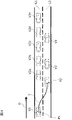
図4は、自車両V1が、図4に示す道路を走行する状況を示す平面図であり、道路の走行方向は、図4の矢印Dで示す方向である。道路には、自車両V1が走行する自車線L1と、自車線L1に隣接している車線である隣接車線L2があり、先行車両V2a~V2eが自車線L1を走行し、先行車両V3及びV4が隣接車線L2を走行している。図4に示すシーンでは、隣接車線L2が、カープールレーン、タクシー専用レーンなどの特定の車両だけが走行できる車線であり、自車線L1は渋滞している一方、隣接車線L2は空いている。また、自車両V1は、先行車両V2aに追従することで、自律操舵制御・ハンズオフモードのレーンキープモードを実行中であるとする。 FIG. 4 is a plan view showing a situation in which the own vehicle V1 travels on the road shown in FIG. 4, and the traveling direction of the road is the direction indicated by arrow D in FIG. The road has an own lane L1 on which the own vehicle V1 travels and an adjacent lane L2 which is a lane adjacent to the own lane L1. is running on the adjacent lane L2. In the scene shown in FIG. 4, the adjacent lane L2 is a lane in which only specific vehicles can travel, such as a carpool lane or a taxi lane. It is also assumed that the own vehicle V1 is executing the lane keep mode of the autonomous steering control/hands-off mode by following the preceding vehicle V2a.
このシーンにおいて、自車両V1が隣接車線L2を走行できる特定の車両である場合には、制御装置19は、自車線L1の渋滞を回避して設定された走行速度を維持するため、車線変更支援機能により、自車線L1から隣接車線L2へのLCPを開始する。たとえば、自車両V1は、制御装置19による自律制御によって、走行位置P1からP2まで軌跡Tに沿って走行する。このときに、隣接車線L2を走行する先行車両が存在しないとすると、自車両V1は、隣接車線L2に車線変更することで先行車両に追従できなくなり、運転支援モードの支援レベルが維持できず、低下することになる。この結果、自律的な車線変更によってドライバーの手動操作が増えてしまい、ドライバーに違和感を与えることになる。 In this scene, if the own vehicle V1 is a specific vehicle that can travel in the adjacent lane L2, the control device 19 avoids congestion in the own lane L1 and maintains the set traveling speed. The function initiates LCP from own lane L1 to adjacent lane L2. For example, the own vehicle V1 travels along the trajectory T from travel positions P1 to P2 under autonomous control by the control device 19 . At this time, if there is no preceding vehicle traveling in the adjacent lane L2, the own vehicle V1 becomes unable to follow the preceding vehicle by changing lanes to the adjacent lane L2, and the assistance level of the driving assistance mode cannot be maintained. will decline. As a result, the driver's manual operation increases due to the autonomous lane change, which gives the driver a sense of discomfort.
そこで、本実施形態の車線変更支援機能では、自車線L1から隣接車線L2に自車両V1が車線変更する場合には、走行情報取得機能により、前方カメラ及び前方レーダーなどのセンサ11を用いて、隣接車線L2を走行する先行車両V3を検出する。隣接車線L2を走行する先行車両V3が検出されなかった場合には、原則として、自車両V1の車線変更の自律制御を禁止する。一方、隣接車線L2を走行する先行車両V3が検出された場合には、前方レーダーにより検出された先行車両V3の走行速度と、車速センサにより検出された自車両V1の走行速度とから、自車両V1が先行車両V3に追従できるか否かを判定する。たとえば、自車両V1が、第1走行速度以下の走行速度で先行車両V3に追従できるか否かを判定する。そして、先行車両V3に自車両V1が追従できないと判定したときには、自車両V1の車線変更の自律制御を禁止する。 Therefore, in the lane change support function of the present embodiment, when the own vehicle V1 changes lanes from the own lane L1 to the adjacent lane L2, the driving information acquisition function uses the sensor 11 such as the front camera and the front radar to A preceding vehicle V3 traveling in the adjacent lane L2 is detected. When the preceding vehicle V3 traveling in the adjacent lane L2 is not detected, in principle, the autonomous control of the lane change of the host vehicle V1 is prohibited. On the other hand, when the preceding vehicle V3 traveling in the adjacent lane L2 is detected, the traveling speed of the preceding vehicle V3 detected by the forward radar and the traveling speed of the own vehicle V1 detected by the vehicle speed sensor are used to It is determined whether or not V1 can follow the preceding vehicle V3. For example, it is determined whether or not the own vehicle V1 can follow the preceding vehicle V3 at a running speed equal to or lower than the first running speed. Then, when it is determined that the own vehicle V1 cannot follow the preceding vehicle V3, the autonomous control of the lane change of the own vehicle V1 is prohibited.
検出された先行車両V3に自車両V1が追従できるか否かを判定する場合に、制御装置19は、たとえば、車速センサで検出した自車両V1の走行速度と、前方レーダーで検出した先行車両の走行速度との差を算出し、当該差が所定値以下であるときに、自車両V1が先行車両V3に追従できると判定する。所定値は、自車両V1が先行車両V3との衝突を回避できる適宜の値(たとえば、0~10km/h)を設定することができる。また、これに加えて、当該差が所定値以下である状況が、所定時間以上の間維持されたときに、自車両V1が先行車両V3に追従することができると判定してもよい。所定時間は、先行車両V3の走行状態を確認できる適宜の時間(たとえば、5~10秒)を設定することができる。 When determining whether or not the own vehicle V1 can follow the detected preceding vehicle V3, the control device 19, for example, uses the traveling speed of the own vehicle V1 detected by the vehicle speed sensor and the speed of the preceding vehicle detected by the forward radar. A difference from the running speed is calculated, and when the difference is equal to or less than a predetermined value, it is determined that the own vehicle V1 can follow the preceding vehicle V3. The predetermined value can be set to an appropriate value (0 to 10 km/h, for example) that allows the host vehicle V1 to avoid collision with the preceding vehicle V3. In addition to this, it may be determined that the host vehicle V1 can follow the preceding vehicle V3 when the situation in which the difference is equal to or less than a predetermined value is maintained for a predetermined time or longer. The predetermined time can be set to an appropriate time (for example, 5 to 10 seconds) during which the running state of the preceding vehicle V3 can be confirmed.
また、隣接車線L2を走行する複数の先行車両V3、V4が検出された場合には、各先行車両V3、V4の走行速度を検出し、各先行車両V3、V4の走行速度から、複数の先行車両V3、V4の平均走行速度を算出し、当該平均走行速度を先行車両の走行速度として設定してもよい。これにより、複数の先行車両V3、V4が隣接車線L2を走行している場合でも、自車両V1が先行車両V3、V4に追従できるか否かを適切に判定することができる。なお、先行車両の台数は2台に限られず、3台又はそれ以上であってもよい。 Further, when a plurality of preceding vehicles V3 and V4 traveling in the adjacent lane L2 are detected, the traveling speed of each of the preceding vehicles V3 and V4 is detected, and from the traveling speed of each of the preceding vehicles V3 and V4, a plurality of preceding vehicles V3 and V4 are detected. An average travel speed of the vehicles V3 and V4 may be calculated and set as the travel speed of the preceding vehicle. Accordingly, even when a plurality of preceding vehicles V3 and V4 are traveling in the adjacent lane L2, it is possible to appropriately determine whether or not the own vehicle V1 can follow the preceding vehicles V3 and V4. Note that the number of preceding vehicles is not limited to two, and may be three or more.
本実施形態の車線変更支援機能では、原則として、隣接車線L2を走行する先行車両を検出しない場合、及び走行速度が第1走行速度を超えるなどの理由で、自車両V1が先行車両V3に追従できないと判定した場合には、自車両V1の車線変更の自律制御を禁止する。ただし、隣接車線L2を走行する先行車両を検出しないとき、又は自車両V1が先行車両V3に追従できないと判定した場合に、先行車両に追従していなくとも、車線変更の前後で自車両V1の支援レベルが低下しない走行速度である第2走行速度が設定されているときは、自車両V1の走行速度が第2走行速度以下であるか否かをさらに判定する。そして、自車両V1の走行速度が第2走行速度以下であるときには、自車両V1の車線変更の自律制御を例外的に許可してもよい。第2走行速度には、自車両V1が、前方カメラ及び前方レーダーなどのセンサ11によって前方の障害物を検出してから、検出した障害物を回避することができる適宜の走行速度(たとえば、60km/h)を設定することができる。これにより、渋滞した車線を走行し続けることでドライバーに違和感を与える事態を回避できる。 In the lane change support function of this embodiment, as a general rule, when the preceding vehicle traveling in the adjacent lane L2 is not detected, or for reasons such as the traveling speed exceeding the first traveling speed, the host vehicle V1 follows the preceding vehicle V3. If it is determined that it is not possible, the autonomous control of the lane change of the own vehicle V1 is prohibited. However, when the preceding vehicle traveling in the adjacent lane L2 is not detected, or when it is determined that the own vehicle V1 cannot follow the preceding vehicle V3, even if the own vehicle V1 does not follow the preceding vehicle, When the second running speed, which is the running speed at which the support level does not decrease, is set, it is further determined whether or not the running speed of the host vehicle V1 is equal to or lower than the second running speed. Then, when the traveling speed of the own vehicle V1 is equal to or lower than the second traveling speed, autonomous control of the lane change of the own vehicle V1 may be exceptionally permitted. The second traveling speed is an appropriate traveling speed (for example, 60km /h) can be set. As a result, it is possible to avoid a situation in which the driver feels uncomfortable by continuing to drive in a congested lane.
[走行制御装置の状態遷移]
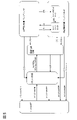
図5は、制御装置19に確立された各機能の状態遷移を示すブロック図である。同図に示すシステムとは、制御装置19により実現される自律走行制御システムを意味する。同図に示すシステムOFFの状態から、図2のメインスイッチ171をONすると、当該システムがスタンバイ状態となる。このスタンバイ状態から、図2のセット・コーストスイッチ173又はリジューム・アクセラレートスイッチ172をONすることで、自律速度制御が立ち上がる。これにより、上述した定速制御又は車間制御が開始し、ドライバーはハンドルを操作するだけで、アクセルやブレーキを踏むことなく、自車両を走行させることができる。[State transition of travel control device]
FIG. 5 is a block diagram showing state transitions of each function established in the control device 19. As shown in FIG. The system shown in the figure means an autonomous driving control system realized by the control device 19 . When the
自律速度制御を実行中に、図5の条件(1)が成立すると自律操舵制御・ハンズオンモードのレーンキープモードに遷移する。この条件(1)としては、特に限定されないが、自車両の両側のレーンマーカを検出していること、ドライバーがハンドルを持っていること、車線の中央付近を走行していること、ウィンカーが作動していないこと、ワイパーが高速(HI)で作動していないこと、高精度地図がある場合、前方約200m以内に料金所、出口、合流、交差点、車線数減少地点がないこと、といった全ての条件が成立することなどを例示できる。なお、ハンズオンモードとは、ドライバーがハンドルを持っていないと自律操舵制御が作動しないモードをいい、ハンズオフモードとは、ドライバーがハンドルから手を離しても自律操舵制御が作動するモードをいう。 If the condition (1) in FIG. 5 is established while the autonomous speed control is being executed, the lane keeping mode of the autonomous steering control/hands-on mode is entered. This condition (1) is not particularly limited, but the lane markers on both sides of the own vehicle are detected, the driver is holding the steering wheel, the driver is driving near the center of the lane, and the turn signal is activated. wipers are not operating at high speed (HI), and if there is a high-definition map, there are no toll booths, exits, junctions, intersections, or lane reduction points within about 200m ahead. can be exemplified. Hands-on mode is a mode in which autonomous steering control is not activated unless the driver is holding the steering wheel, and hands-off mode is a mode in which autonomous steering control is activated even if the driver releases the steering wheel.
自律操舵制御・ハンズオンモードのレーンキープモードを実行中に、図5の条件(2)が成立すると、自律操舵制御・ハンズオフモードのレーンキープモードに遷移する。この条件(2)として、特に限定されないが、自車両が自動車専用道を走行していること、対向車線と構造的に分離された道路を走行していること、高精度地図がある道路を走行していること、制限速度以下の車速で走行していること、GPS信号が有効であること、ドライバーがハンドルを持っていること、ドライバーが前を向いていること、前方約800m以内に料金所、出口、合流、交差点、車線数減少地点がないこと、前方約500m以内に100R以下の急カーブがないこと、トンネル入り口から500mを超えたトンネル内走行していないこと、アクセルペダルが踏まれていないこと、といった全ての条件が成立することなどを例示できる。 If the condition (2) in FIG. 5 is satisfied while the lane keeping mode of the autonomous steering control/hands-on mode is being executed, the lane keeping mode of the autonomous steering control/hands-off mode is entered. Conditions (2) include, but are not limited to, the vehicle traveling on a motorway, traveling on a road structurally separated from oncoming traffic, and traveling on a road with a high-precision map. the vehicle speed is below the speed limit; the GPS signal is valid; the driver is holding the steering wheel; the driver is facing forward; , There are no exits, confluences, intersections, or points where the number of lanes decreases. There are no sharp curves of 100R or less within about 500m ahead. It can be exemplified that all conditions such as that there is no such condition are satisfied.
逆に、自律操舵制御・ハンズオフモードのレーンキープモードを実行中に、図5の条件(3)が成立すると、自律操舵制御・ハンズオンモードのレーンキープモードに遷移する。この条件(3)として、特に限定されないが、自車両が自動車専用道以外の道路を走行していること、対面通行区間を走行していること、高精度地図がない道路を走行していること、制限速度を超えた車速で走行していること、GPS信号が受信できなくなったこと、前方注視警報が作動した後、ドライバーが5秒以内に前を向かなかったこと、ドライバーモニターカメラで運転者を検知できなくなったこと、前方約800m先に料金所、出口、合流、車線数減少のいずれかがあること、車速が約40km/h未満で走行している場合、前方約200m以内に100R以下の急カーブがあること、車速が約40km/h以上で走行している場合、前方約200m以内に170Rの以下急カーブがあること、トンネル入り口から500mを超えたトンネル内を走行していること、ドライバーがハンドルを持って、アクセルペダルを踏んだこと、接近警報が作動したこと、といったいずれかの条件が成立することなどを例示できる。 Conversely, if the condition (3) in FIG. 5 is satisfied while the lane keeping mode of the autonomous steering control/hands-off mode is being executed, the lane keeping mode of the autonomous steering control/hands-on mode is entered. Conditions (3) include, but are not limited to, that the vehicle is traveling on a road other than a motorway, traveling on a two-way traffic section, and traveling on a road that does not have a high-precision map. , the vehicle was traveling at a speed exceeding the speed limit, the GPS signal could not be received, the driver did not turn forward within 5 seconds after the forward look warning was activated, and the driver was driving with a driver monitor camera. If there is a tollgate, exit, merging, or decrease in the number of lanes about 800m ahead, and if the vehicle speed is less than about 40km/h, 100R within about 200m ahead If the vehicle is traveling at a speed of approximately 40km/h or more, there is a sharp curve of 170R or less within approximately 200m ahead of the vehicle, and the vehicle is traveling in a tunnel more than 500m from the tunnel entrance. For example, the driver holds the steering wheel and depresses the accelerator pedal, or the proximity alarm is activated.
自律操舵制御・ハンズオフモードのレーンキープモードを実行中に、図5の条件(4)が成立すると、自律操舵制御を中止して自律速度制御に遷移する。この条件(4)として、特に限定されないが、自車両の両側のレーンマーカを一定時間検出しなくなったこと、ドライバーがハンドル操作をしたこと、ワイパーが高速(HI)で作動したこと、といったいずれかの条件が成立することなどを例示できる。また、自律操舵制御・ハンズオフモードのレーンキープモードを実行中に、図5の条件(5)が成立すると、自律操舵制御及び自律速度制御を中止してスタンバイ状態に遷移する。この条件(5)として、特に限定されないが、ドライバーがブレーキを操作したこと、ドライバーが図2のキャンセルスイッチ174を操作したこと、自車両のドアが開いたこと、運転席のシートベルトが解除されたこと、着座センサでドライバーが運転席からいなくなったことを検知したこと、セレクトレバーが「D」または「M」以外になったこと、パーキングブレーキが作動したこと、自車両の横滑り防止装置がOFFになったこと、横滑り防止装置が作動したこと、スノーモードがONにされたこと、エマージェンシーブレーキが作動したこと、車速制御により自車両が停止した後、停止状態が約3分継続したこと、フロントカメラが、汚れ、逆光、雨・霧などで対象物を正しく認識できないといった視界不良を検出したこと、フロントレーダが遮蔽、電波障害を検出したこと、フロントレーダが軸ずれを検出したこと、サイドレーダが遮蔽、電波障害を検出したこと、サイドレーダが軸ずれを検出したこと、といったいずれかの条件が成立することなどを例示できる。
If the condition (4) in FIG. 5 is satisfied while the lane keeping mode of the autonomous steering control/hands-off mode is being executed, the autonomous steering control is stopped and the autonomous speed control is started. Conditions (4) include, but are not limited to, any of the following: lane markers on both sides of the vehicle have not been detected for a certain period of time; the driver has operated the steering wheel; or the wipers have been operated at high speed (HI). For example, the establishment of a condition can be exemplified. Further, when the condition (5) in FIG. 5 is satisfied while the lane keeping mode of the autonomous steering control/hands-off mode is being executed, the autonomous steering control and the autonomous speed control are stopped and the vehicle shifts to the standby state. Conditions (5) include, but are not limited to, the driver operating the brake, the driver operating the cancel
自律操舵制御・ハンズオンモードを実行中に、図5の条件(6)が成立すると、自律操舵制御を中止して自律速度制御に遷移する。この条件(6)として、特に限定されないが、自車両の両側のレーンマーカを検出しなくなったこと、ドライバーがハンドル操作をしたこと、ドライバーがウィンカーを操作したこと、ワイパーが高速(HI)で作動したこと、高精度地図がある場合に料金所区間になったこと、フロントカメラが、汚れ、逆光、雨・霧などで対象物を正しく認識できない視界不良を検出したこと、といったいずれかの条件が成立することなどを例示できる。また、自律操舵制御・ハンズオンモードを実行中に、図5の条件(7)が成立すると、自律操舵制御及び自律速度制御を中止してスタンバイ状態に遷移する。この条件(7)として、特に限定されないが、ドライバーがブレーキを操作したこと、ドライバーが図2のキャンセルスイッチ174を操作したこと、自車両のドアが開いたこと、運転席のシートベルトが解除されたこと、着座センサでドライバーが運転席からいなくなったことを検知したこと、セレクトレバーが「D」または「M」以外になったこと、パーキングブレーキが作動したこと、自車両の横滑り防止装置がOFFになったこと、横滑り防止装置が作動したこと、スノーモードがONにされたこと、エマージェンシーブレーキが作動したこと、車速制御により自車両が停止した後、停止状態が約3分継続したこと、フロントレーダが遮蔽、電波障害を検出したこと、フロントレーダが軸ずれを検出したこと、といったいずれかの条件が成立することなどを例示できる。
If the condition (6) in FIG. 5 is satisfied while the autonomous steering control/hands-on mode is being executed, the autonomous steering control is stopped and the transition is made to the autonomous speed control. Conditions (6) include, but are not limited to, the lane markers on both sides of the vehicle are no longer detected, the driver has operated the steering wheel, the driver has operated the turn signals, and the wipers are operating at high speed (HI). , when there is a high-definition map, the toll gate section is reached, or when the front camera detects poor visibility that makes it impossible to correctly recognize the target object due to dirt, backlight, rain, fog, etc. Examples include: Further, when the condition (7) in FIG. 5 is established while the autonomous steering control/hands-on mode is being executed, the autonomous steering control and the autonomous speed control are stopped and the state is changed to the standby state. Conditions (7) include, but are not limited to, the driver operating the brake, the driver operating the cancel
自律速度制御を実行中に、図5の条件(8)が成立すると、スタンバイ状態に遷移する。この条件(8)として、特に限定されないが、ドライバーがブレーキを操作したこと、ドライバーが図2のキャンセルスイッチ174を操作したこと、自車両のドアが開いたこと、運転席のシートベルトが解除されたこと、着座センサでドライバーが運転席からいなくなったことを検知したこと、セレクトレバーが「D」または「M」以外になったこと、パーキングブレーキが作動したこと、自車両の横滑り防止装置がOFFになったこと、横滑り防止装置が作動したこと、スノーモードがONにされたこと、エマージェンシーブレーキが作動したこと、車速制御により自車両が停止した後、停止状態が約3分継続したこと、フロントレーダが遮蔽、電波障害を検出したこと、フロントレーダが軸ずれを検出したこと、といったいずれかの条件が成立することなどを例示できる。
If the condition (8) in FIG. 5 is satisfied while the autonomous speed control is being executed, the state transitions to the standby state. Conditions (8) include, but are not limited to, the driver operating the brake, the driver operating the cancel
自律操舵制御・ハンズオフモードのレーンキープモードを実行中に、図5の条件(9)が成立すると、自律操舵制御・ハンズオンモードのレーンチェンジモードに遷移する。この条件(9)として、特に限定されないが、システムがレーンチェンジを提案したときに、ドライバーが図2の車線変更支援スイッチ176を押したこと、ドライバーがウィンカーを操作したこと、といったいずれかの条件が成立することなどを例示できる。
If the condition (9) in FIG. 5 is established while the lane keep mode of the autonomous steering control/hands-off mode is being executed, the lane change mode of the autonomous steering control/hands-on mode is entered. This condition ( 9 ) is not particularly limited, but any condition such as the driver pressing the lane
自律操舵制御・ハンズオンモードのレーンチェンジモードを実行中に、図5の条件(10)が成立すると、自律操舵制御・ハンズオンモードのレーンキープモードに遷移する。この条件(10)として、特に限定されないが、LCP開始前に、制限速度を超えたこと、LCP開始前に、ドライバーが、ハンドルを持って、アクセルペダルを踏んだこと、前方に遅い車がいた場合の車線変更提案中に車線変更支援スイッチ176を押した後、10秒以内にLCPが開始できなかったこと、ルートに従って走行するための車線変更提案中に車線変更支援スイッチ176を押した後、LCPを開始できず分岐に近づきすぎてしまったこと、LCP作動後、5秒以内に実際のLCMを開始できなかったこと、LCPを開始し、LCMを開始する前に車速が約50km/hを下回ったこと、LCPが作動した後、LCMを開始する前に車線変更に必要な隣接車線のスペースがなくなったこと、LCM開始前にドライバーがキャンセル操作を行ったこと、LCM開始前にレーンマーカが非検知となったこと、LCM開始前に、車線変更する方向に隣接車線L2がない、または、前方一定距離内にその隣接車線L2がなくなると判断したこと、LCM開始前に、前方一定距離内に曲率半径250m以下のカーブがあると判断したこと、LCM開始前に、前方一定距離内に区分線の種類がその隣接車線L2への車線変更禁止している区間があると判断したこと、LCM開始前に、サイドレーダが遮蔽、電波障害を検出したこと、LCM開始前に、サイドレーダが軸ズレを検出したこと、ハンズオン警報が作動したこと(LCPが作動した後、約2秒以内にドライバーがハンドルを持たなかった、前方に遅い車がいた場合の車線変更提案中に車線変更支援スイッチ176を押した後、約2秒以内にドライバーがハンドルを持たなかった、ルートに従って走行するための車線変更提案中に車線変更支援スイッチ176を押したのち、約2秒以内にドライバーがハンドルを持たなかったといういずれかの条件にて成立)、ドライバーがウィンカーを消したこと、LCPが完了したこと、といったいずれかの条件が成立することなどを例示できる。
If the condition (10) in FIG. 5 is satisfied while the lane change mode of the autonomous steering control/hands-on mode is being executed, the lane transition is made to the lane keep mode of the autonomous steering control/hands-on mode. Conditions (10) include, but are not limited to, exceeding the speed limit before the start of the LCP, the driver holding the steering wheel and stepping on the accelerator pedal before the start of the LCP, and a slow car ahead. LCP could not be started within 10 seconds after pressing the lane change assist
なお、自律操舵制御・ハンズオフモード、自律操舵制御・ハンズオンモード、自律速度制御、スタンバイ状態のいずれかの状態でメインスイッチ171をOFFすると、システムOFFとなる。
When the
[走行制御装置の走行制御処理]
次に、図6A~6B及び図7を参照して、本実施形態に係る走行制御処理について説明する。図6A~6B及び図7は、本実施形態に係る走行制御処理を示すフローチャートである。図6A~6Bは、基本的な走行制御処理を示し、図7は、図6AのステップS10のサブルーチンを示す。[Running control processing of the running control device]
Next, traveling control processing according to the present embodiment will be described with reference to FIGS. 6A to 6B and 7. FIG. 6A to 6B and 7 are flowcharts showing the travel control process according to this embodiment. 6A and 6B show basic travel control processing, and FIG. 7 shows a subroutine of step S10 in FIG. 6A.
以下に説明する走行制御処理は、制御装置19により所定時間間隔で実行される。また、以下においては、制御装置19の自律走行制御機能により、自律速度制御と自律操舵制御が実行され、自車両がドライバーの設定した速度で車線内を走行するように、自車両の幅員方向における走行位置を制御するレーンキープ制御が行われているものとする。 The travel control process described below is executed by the control device 19 at predetermined time intervals. In the following description, autonomous speed control and autonomous steering control are executed by the autonomous driving control function of the control device 19 so that the vehicle runs in the lane at the speed set by the driver. It is assumed that lane keep control is being performed to control the traveling position.
図6AのステップS1にて、制御装置19は、メインスイッチ171がONであるか否かを判断する。メインスイッチ171がOFFである場合は(ステップS1:No)、制御装置19は、メインスイッチ171がONになるまでステップS1を繰り返す。これに対して、メインスイッチ171がONである場合は(ステップS1:Yes)、ステップS2に進む。
At step S1 in FIG. 6A, the control device 19 determines whether or not the
ステップS2にて、制御装置19は、ドライバーが走行速度を設定しているか否かを判断する。走行速度が設定されていない場合は(ステップS2:No)、ステップS1へ戻り、制御装置19は、走行速度が設定されるまでステップS1およびS2を繰り返す。これに対して、走行速度が設定されている場合は(ステップS2:Yes)、ステップS3に進む。なお、ドライバーによる走行速度の設定は、ドライバーが、図2に示す入力装置17のリジューム・アクセラレートスイッチ172又はセット・コーストスイッチ173を操作して、所望の走行速度を入力することにより行われる。
At step S2, the control device 19 determines whether or not the driver has set the running speed. If the travel speed has not been set (step S2: No), the control device 19 returns to step S1 and repeats steps S1 and S2 until the travel speed is set. On the other hand, if the traveling speed is set (step S2: Yes), the process proceeds to step S3. The driving speed is set by the driver by operating the resume/accelerate
ドライバーが走行速度を設定すると、制御装置19は、自律速度制御を開始する。ステップS3にて、制御装置19は、自車両の前方の障害物を検出する前方レーダー(センサ11)を用いて、自車両が走行する車線の前方に先行車両が存在するか否かを検出する。先行車両を検出した場合は(ステップS3:Yes)、ステップS4へ進み、制御装置19は、車間制御を実行する。これに対して、先行車両を検出しない場合は(ステップS3:No)、ステップS5へ進み、制御装置19は、定速制御を実行する。これにより、ドライバーは、ハンドルを操作するだけで、アクセルやブレーキを踏むことなく、自車両を所望の速度で走行させることができる。 When the driver sets the running speed, the control device 19 starts autonomous speed control. In step S3, the control device 19 uses the front radar (sensor 11) for detecting obstacles in front of the own vehicle to detect whether or not there is a preceding vehicle ahead of the lane in which the own vehicle is traveling. . If a preceding vehicle is detected (step S3: Yes), the process proceeds to step S4, and the control device 19 executes vehicle distance control. On the other hand, if the preceding vehicle is not detected (step S3: No), the process proceeds to step S5, and the control device 19 executes constant speed control. As a result, the driver can drive the vehicle at a desired speed simply by operating the steering wheel without stepping on the accelerator or brake.
ステップS4の車間制御又はステップS5の定速制御が実行されている間に、ステップS6にて、制御装置19は、上述した自律操舵制御・ハンズオンモードのレーンキープモードに遷移する条件(1)が成立するか否かを判断する。条件(1)が成立しない場合は(ステップS6:No)、ステップS3へ戻り、車間制御又は定速制御を続ける。これに対して、条件(1)が成立する場合は(ステップS6:Yes)、ステップS7へ進む。 While the vehicle distance control in step S4 or the constant speed control in step S5 is being executed, in step S6, the control device 19 determines that the condition (1) for transitioning to the lane keep mode of the autonomous steering control/hands-on mode described above is satisfied. Judge whether or not it is established. If the condition (1) is not satisfied (step S6: No), the process returns to step S3 to continue the headway distance control or the constant speed control. On the other hand, if the condition (1) is satisfied (step S6: Yes), the process proceeds to step S7.
ステップS7では、制御装置19は、自車両の前方の障害物を検出する前方レーダー(センサ11)を用いて、自車両が走行する車線の前方に先行車両が存在するか否かを検出する。先行車両を検出する場合は(ステップS7:Yes)、制御装置19は、ステップS8へ進んで車間制御・レーンキープモードを実行する。これに対して、先行車両を検出しない場合は(ステップS7:No)、制御装置19は、ステップS9へ進んで定速制御・レーンキープモードを実行する。なお、この状態において、ステップS10の車線変更支援機能の実行処理が行われる。ステップS10の詳細は、後述する。 In step S7, the control device 19 uses the front radar (sensor 11) for detecting obstacles in front of the own vehicle to detect whether or not there is a preceding vehicle ahead of the lane in which the own vehicle is traveling. If a preceding vehicle is detected (step S7: Yes), the control device 19 proceeds to step S8 and executes the inter-vehicle distance control/lane keep mode. On the other hand, if the preceding vehicle is not detected (step S7: No), the control device 19 proceeds to step S9 and executes the constant speed control/lane keep mode. In this state, the processing for executing the lane change support function in step S10 is performed. Details of step S10 will be described later.
ステップS8の車間制御・レーンキープモードまたはステップS9の定速制御・レーンキープモードが実行されている間に、続く図6BのステップS11にて、制御装置19は、上述した自動操舵制御・ハンズオフモードに遷移する条件(2)が成立するか否かを判断する。条件(2)が成立する場合は(ステップS11:Yes)、ステップS12へ進む。これに対して、条件(2)が成立しない場合は(ステップS11:No)、後述するステップS15へ進む。 While the inter-vehicle distance control/lane keep mode in step S8 or the constant speed control/lane keep mode in step S9 is being executed, in subsequent step S11 in FIG. It is determined whether or not the condition (2) for transitioning to the mode is satisfied. If the condition (2) is satisfied (step S11: Yes), the process proceeds to step S12. On the other hand, if the condition (2) is not satisfied (step S11: No), the process proceeds to step S15, which will be described later.
自動操舵制御・ハンズオフモードに遷移する条件(2)が成立したステップS12にて、制御装置19は、自車両の前方の障害物を検出する前方レーダー(センサ11)を用いて、自車両が走行する車線の前方に先行車両が存在するか否かを検出する。先行車両を検出する場合は(ステップS12:Yes)、制御装置19は、ステップS13へ進んで車間制御・レーンキープモード・ハンズオフを実行する。これに対して、先行車両を検出しない場合は(ステップS12:No)、制御装置19は、ステップS14へ進んで定速制御・レーンキープモード・ハンズオフを実行する。 In step S12 when the condition (2) for transitioning to the automatic steering control/hands-off mode is satisfied, the control device 19 uses the front radar (sensor 11) for detecting obstacles in front of the vehicle to Detects whether or not there is a preceding vehicle in front of the lane in which the vehicle is traveling. If a preceding vehicle is detected (step S12: Yes), the control device 19 proceeds to step S13 and executes inter-vehicle distance control/lane keep mode/hands-off. On the other hand, if no preceding vehicle is detected (step S12: No), the control device 19 proceeds to step S14 and executes constant speed control, lane keep mode, and hands-off.
ステップS15にて、制御装置19は、自車両の前方の障害物を検出する前方レーダー(センサ11)を用いて、自車両が走行する車線の前方に先行車両が存在するか否かを検出する。先行車両を検出しない場合は(ステップS15:No)、ステップS1へ戻り、制御装置19は、それ以降の処理を継続する。これに対して、先行車両を検出する場合は(ステップS15:Yes)、制御装置19は、ステップS16へ進む。 In step S15, the control device 19 detects whether or not there is a preceding vehicle ahead of the lane in which the vehicle is traveling, using the front radar (sensor 11) that detects obstacles ahead of the vehicle. . If the preceding vehicle is not detected (step S15: No), the process returns to step S1, and the control device 19 continues the subsequent processes. On the other hand, if a preceding vehicle is detected (step S15: Yes), the control device 19 proceeds to step S16.
ステップS16にて、ステップS6と同様に、制御装置19は、自律操舵制御・ハンズオンモードのレーンキープモードに遷移する条件(1)が成立するか否かを判断する。条件(1)が成立しない場合は(ステップS16:No)、ステップS1へ戻り、制御装置19は、それ以降の処理を継続する。これに対して、条件(1)が成立する場合は(ステップS16:Yes)、ステップS17へ進む。 In step S16, similarly to step S6, the control device 19 determines whether condition (1) for transitioning to the lane keep mode of the autonomous steering control/hands-on mode is satisfied. If the condition (1) is not satisfied (step S16: No), the control device 19 returns to step S1 and continues the subsequent processes. On the other hand, if the condition (1) is satisfied (step S16: Yes), the process proceeds to step S17.
ステップS17にて、制御装置19は、ステップS11と同様に、自動操舵制御・ハンズオフモードに遷移する条件(2)が成立するか否かを判断する。条件(2)が成立する場合は(ステップS17:Yes)、ステップS12へ戻り、それ以降の処理を継続する。これに対して、条件(2)が成立しない場合は(ステップS17:No)、ステップS1へ戻り、制御装置19は、それ以降の処理を継続する。 In step S17, the control device 19 determines whether or not the condition (2) for shifting to the automatic steering control/hands-off mode is satisfied, as in step S11. If the condition (2) is satisfied (step S17: Yes), the process returns to step S12 to continue the subsequent processes. On the other hand, if the condition (2) is not satisfied (step S17: No), the control device 19 returns to step S1 and continues the subsequent processes.
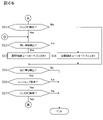
図6AのステップS10では、車線変更支援機能の実行処理として、図7に示す処理が実行される。まず、図7のステップS21にて、制御装置19は、自車両V1が車線変更をする必要か否かを判定する。当該判定には、ナビゲーション装置15により設定された目的地までのルートを用いる。車線変更が必要ないと判定した場合は(ステップS21:No)、車線変更支援を実行せずステップS11に進み、走行制御処理を継続する。これに対して、車線変更が必要であると判定した場合は(ステップS21:Yes)、ステップS22に進む。 In step S10 of FIG. 6A, the processing shown in FIG. 7 is executed as the processing for executing the lane change support function. First, in step S21 of FIG. 7, the control device 19 determines whether or not the host vehicle V1 needs to change lanes. The route to the destination set by the navigation device 15 is used for this determination. If it is determined that the lane change is not necessary (step S21: No), the process proceeds to step S11 without executing the lane change support, and continues the driving control process. On the other hand, if it is determined that a lane change is necessary (step S21: Yes), the process proceeds to step S22.
ステップS22にて、制御装置19は、自車両V1の前方の障害物を検出する前方レーダー及び前方カメラ(センサ11)を用いて、隣接車線L2にて自車両V1の前方を走行する先行車両V3が存在するか否かを検出する。隣接車線L2を走行する先行車両V3を検出した場合は(ステップS22:Yes)、ステップS23に進む。これに対して、隣接車線L2を走行する先行車両V3を検出しない場合は(ステップS22:No)、ステップS24に進む。 In step S22, the control device 19 uses the front radar and the front camera (sensor 11) for detecting obstacles in front of the vehicle V1 to detect the preceding vehicle V3 traveling in front of the vehicle V1 in the adjacent lane L2. exists or not. If the preceding vehicle V3 traveling in the adjacent lane L2 is detected (step S22: Yes), the process proceeds to step S23. On the other hand, if the preceding vehicle V3 traveling in the adjacent lane L2 is not detected (step S22: No), the process proceeds to step S24.
ステップS23にて、制御装置19は、自車両V1が、ステップS22にて検出した先行車両V3に第1走行速度以下の走行速度で追従できるか否かを判定する。当該判定には、たとえば、車速センサで検出した自車両V1の走行速度と、前方レーダーで検出した先行車両の走行速度を用い、たとえば、自車両V1と先行車両V3との走行速度の差が、設定した所定値以下であるか否かを判定する。自車両V1が、第1走行速度以下の走行速度で先行車両V3に追従できると判定した場合は(ステップS23:Yes)、ステップS25に進み、制御装置19は、車線変更支援機能により、自車両V1の車線変更を自律制御する。これに対して、自車両V1が、第1走行速度以下の走行速度で先行車両V3に追従できないと判定した場合は(ステップS23:No)、ステップS24に進む。 In step S23, the control device 19 determines whether or not the host vehicle V1 can follow the preceding vehicle V3 detected in step S22 at a running speed equal to or lower than the first running speed. For this determination, for example, the traveling speed of the own vehicle V1 detected by the vehicle speed sensor and the traveling speed of the preceding vehicle detected by the forward radar are used. It is determined whether or not it is equal to or less than the set predetermined value. When it is determined that the host vehicle V1 can follow the preceding vehicle V3 at a travel speed equal to or lower than the first travel speed (step S23: Yes), the process proceeds to step S25, and the control device 19 controls the host vehicle V3 by the lane change support function. It autonomously controls the lane change of V1. On the other hand, if it is determined that the own vehicle V1 cannot follow the preceding vehicle V3 at a traveling speed equal to or lower than the first traveling speed (step S23: No), the process proceeds to step S24.
ステップS24にて、制御装置19は、自車両V1の走行速度が、先行車両V3に追従していなくとも、自車線L1から隣接車線L2への車線変更の前後で自車両V1の支援レベルが低下しない走行速度である第2走行速度以下か否かを判定する。自車両V1の走行速度は、車速センサ(センサ11)を用いて検出する。自車両V1の走行速度が第2走行速度以下である判定した場合は(ステップS24:Yes)、ステップS25に進み、制御装置19は、車線変更支援機能により、自車両V1の車線変更を自律制御する。これに対して、自車両V1の走行速度が第2走行速度を超えると判定した場合は(ステップS24:No)、車線変更支援を実行せずステップS11に進み、走行制御処理を継続する。 In step S24, the control device 19 determines that the support level of the own vehicle V1 before and after the lane change from the own lane L1 to the adjacent lane L2 even if the traveling speed of the own vehicle V1 does not follow the preceding vehicle V3. It is determined whether or not the running speed is equal to or less than a second running speed that does not decrease. The running speed of the host vehicle V1 is detected using a vehicle speed sensor (sensor 11). If it is determined that the running speed of the own vehicle V1 is equal to or lower than the second running speed (step S24: Yes), the process proceeds to step S25, and the control device 19 autonomously controls the lane change of the own vehicle V1 by the lane change support function. do. On the other hand, when it is determined that the traveling speed of the host vehicle V1 exceeds the second traveling speed (step S24: No), the lane change assistance is not executed and the process proceeds to step S11 to continue the traveling control process.
[本発明の実施態様]
以上のとおり、本実施形態の車両の走行制御方法及び走行制御装置1によれば、走行速度及び操舵操作の自律制御を含む自律走行制御を用いてドライバーの運転操作を支援する運転支援モードに、車両の走行動作に対して自律走行制御がどの程度介入するかの水準を示す支援レベルが設定され、支援レベルには、少なくとも、第1支援レベルと、第1支援レベルよりも自律走行制御の介入の水準が低い第2支援レベルとが設定され、支援レベルは、自車両V1が自律走行制御により先行車両V3に追従している間は、第1支援レベルから第2支援レベルに低下しない場合において、自車両V1が、自車両V1が走行する自車線L1から、自車線V1の隣接車線L2に車線変更するときは、隣接車線L2を走行する先行車両V3を検出し、隣接車線L2を走行する先行車両を検出しないときは、自車両V1の車線変更の自律制御を禁止する。これにより、隣接車線L2に車線変更することで自車両V1が先行車両に追従できなくなり、運転支援モードの支援レベルが維持できず、低下することを回避できる。この結果、自律的な車線変更によってドライバーの操作負荷が増加する事態を回避できる。また、車線変更支援により手動操作が増えるという違和感をドライバー与える事態を回避できる。[Embodiment of the present invention]
As described above, according to the vehicle cruise control method and the cruise control device 1 of the present embodiment, the driving assistance mode for assisting the driver's driving operation using the autonomous cruise control including the autonomous control of the travel speed and the steering operation. A support level is set to indicate how much the autonomous driving control intervenes in the running operation of the vehicle. is set, and the support level does not decrease from the first support level to the second support level while the host vehicle V1 is following the preceding vehicle V3 under autonomous driving control. , When the own vehicle V1 changes lanes from the own lane L1 in which the own vehicle V1 is traveling to the adjacent lane L2 of the own lane V1, the preceding vehicle V3 traveling in the adjacent lane L2 is detected and travels in the adjacent lane L2. When the preceding vehicle is not detected, the autonomous lane change control of the host vehicle V1 is prohibited. As a result, it is possible to prevent the host vehicle V1 from being able to follow the preceding vehicle by changing lanes to the adjacent lane L2, thereby preventing the support level of the driving support mode from being maintained and lowered. As a result, it is possible to avoid a situation in which the driver's operation load increases due to the autonomous lane change. In addition, it is possible to avoid a situation in which the driver feels uncomfortable due to an increase in manual operations due to lane change assistance.
また、本実施形態の車両の走行制御方法及び走行制御装置1によれば、隣接車線L2を走行する先行車両V3を検出し、隣接車線L2を走行する先行車両V3が検出された場合には、検出された先行車両V3に自車両V1が自律的に追従できるか否かを判定し、検出された先行車両V3に自車両V1が自律的に追従できないと判定したときには、自車両V1の車線変更の自律制御を禁止する。これにより、先行車両V3の走行状態に応じて、自車両V1の車線変更の自律制御を禁止するか否かを判定できる。 Further, according to the vehicle travel control method and travel control device 1 of the present embodiment, when the preceding vehicle V3 traveling in the adjacent lane L2 is detected, and the preceding vehicle V3 traveling in the adjacent lane L2 is detected, It is determined whether or not the own vehicle V1 can autonomously follow the detected preceding vehicle V3, and when it is determined that the own vehicle V1 cannot autonomously follow the detected preceding vehicle V3, the own vehicle V1 changes lanes. to prohibit the autonomous control of Accordingly, it is possible to determine whether or not to prohibit the autonomous control of the lane change of the own vehicle V1 according to the running state of the preceding vehicle V3.
また、本実施形態の車両の走行制御方法及び走行制御装置1によれば、検出された先行車両V3に自車両V1が自律的に追従できるか否かを判定する場合に、自車両V1の走行速度と、先行車両V3の走行速度とを検出し、自車両V1の走行速度と、先行車両V3の走行速度との差を算出し、当該差が所定値以下であるときに、自車両V1が先行車両V3に追従できると判定する。これにより、自車両V1と先行車両V3との衝突をより回避できる。 Further, according to the vehicle travel control method and the travel control device 1 of the present embodiment, when determining whether or not the own vehicle V1 can autonomously follow the detected preceding vehicle V3, The speed and the running speed of the preceding vehicle V3 are detected, the difference between the running speed of the own vehicle V1 and the running speed of the preceding vehicle V3 is calculated, and when the difference is equal to or less than a predetermined value, the own vehicle V1 is detected. It is determined that the preceding vehicle V3 can be followed. This makes it possible to further avoid collisions between the own vehicle V1 and the preceding vehicle V3.
また、本実施形態の車両の走行制御方法及び走行制御装置1によれば、自車両V1の走行速度と、先行車両V3の走行速度との差が所定値以下である状況が、所定時間以上の間維持されたときに、自車両V1が先行車両V3に自律的に追従することができると判定する。これにより、先行車両V3の走行状態を確認したうえで、自車両V1が先行車両V3に追従できるか否かを判定することができる。この結果、自車両V1と先行車両V3との衝突をより回避できる。 Further, according to the vehicle travel control method and the travel control device 1 of the present embodiment, the situation in which the difference between the travel speed of the own vehicle V1 and the travel speed of the preceding vehicle V3 is equal to or less than a predetermined value continues for a predetermined time or longer. It is determined that the own vehicle V1 can autonomously follow the preceding vehicle V3 when it is maintained for a period of time. Accordingly, it is possible to determine whether or not the own vehicle V1 can follow the preceding vehicle V3 after confirming the running state of the preceding vehicle V3. As a result, the collision between the host vehicle V1 and the preceding vehicle V3 can be avoided.
また、本実施形態の車両の走行制御方法及び走行制御装置1によれば、複数の先行車両V3、V4が検出された場合には、各先行車両V3、V4の走行速度を検出し、各先行車両V3、V4の走行速度から、複数の先行車両V3、V4の平均走行速度を算出し、当該平均走行速度を先行車両の走行速度として設定する。これにより、複数の先行車両V3、V4が隣接車線L2を走行している場合であっても、自車両V1が先行車両V3、V4に追従できるか否かを適切に判定できる。 Further, according to the vehicle running control method and the running control device 1 of the present embodiment, when a plurality of preceding vehicles V3 and V4 are detected, the running speed of each of the preceding vehicles V3 and V4 is detected, and each of the preceding vehicles V3 and V4 is detected. The average traveling speed of the preceding vehicles V3 and V4 is calculated from the traveling speeds of the vehicles V3 and V4, and the average traveling speed is set as the traveling speed of the preceding vehicle. As a result, even when a plurality of preceding vehicles V3 and V4 are traveling in the adjacent lane L2, it is possible to appropriately determine whether or not the host vehicle V1 can follow the preceding vehicles V3 and V4.
また、本実施形態の車両の走行制御方法及び走行制御装置1によれば、自車両V1が自律走行制御により先行車両に自律的に追従しているときに、自律的な走行動作をドライバーが監視することが求められるようになる第1走行速度が設定されている場合において、隣接車線L2を走行する先行車両V3が検出されたときに、第1走行速度以下の走行速度で、検出された先行車両V3に自車両V1が自律的に追従できるか否かを判定し、第1走行速度以下の走行速度で、検出された先行車両V3に自車両V1が自律的に追従できると判定したときは、自車両V1の車線変更の自律制御を許可し、第1走行速度以下の走行速度で、検出された先行車両V3に自車両V1が自律的に追従できないと判定したときは、自車両V1の車線変更の自律制御を禁止する。これにより、自律的な車線変更によりドライバーによる監視が必要になる事態を回避できる。この結果、車線変更支援により監視が必要になるという違和感をドライバー与える事態を回避できる。 Further, according to the vehicle travel control method and travel control device 1 of the present embodiment, when the host vehicle V1 autonomously follows the preceding vehicle under autonomous travel control, the driver monitors the autonomous travel operation. When the preceding vehicle V3 traveling in the adjacent lane L2 is detected, the detected preceding vehicle V3 is detected at a traveling speed equal to or lower than the first traveling speed. It is determined whether or not the own vehicle V1 can autonomously follow the vehicle V3, and when it is determined that the own vehicle V1 can autonomously follow the detected preceding vehicle V3 at a traveling speed equal to or lower than the first traveling speed. , autonomous control of the lane change of the own vehicle V1 is permitted, and when it is determined that the own vehicle V1 cannot autonomously follow the detected preceding vehicle V3 at a traveling speed equal to or lower than the first traveling speed, the own vehicle V1 Prohibit autonomous control of lane changes. This avoids the need for driver supervision due to autonomous lane changes. As a result, it is possible to avoid a situation in which the driver feels uncomfortable that the lane change assistance requires monitoring.
また、本実施形態の車両の走行制御方法及び走行制御装置1によれば、先行車両に追従していなくとも、車線変更の前後で自車両V1の支援レベルが第1支援レベルから第2支援レベルに低下しない走行速度である第2走行速度が設定されている場合において、隣接車線L2を走行する先行車両V3を検出しないとき、又は隣接車線L2を走行する先行車両V3に自車両V1が自律的に追従できないと判定したときに、自車両V1の走行速度が第2走行速度以下であるか否かをさらに判定し、自車両V1の走行速度が、第2走行速度以下であると判定したときには、自車両V1の車線変更の自律制御を許可する。これにより、渋滞した車線を走行し続けることでドライバーに違和感を与える事態を回避できる。 Further, according to the vehicle travel control method and the travel control device 1 of the present embodiment, the support level of the host vehicle V1 changes from the first support level to the second support level before and after the lane change even if the vehicle V1 does not follow the preceding vehicle. When the second traveling speed, which is a traveling speed that does not decrease to a lower speed, is set, when the preceding vehicle V3 traveling in the adjacent lane L2 is not detected, or when the preceding vehicle V3 traveling in the adjacent lane L2 is detected, the own vehicle V1 autonomously detects the preceding vehicle V3. When it is determined that the vehicle V1 cannot follow the second vehicle speed, it is further determined whether or not the vehicle V1 is traveling at a speed equal to or lower than the second vehicle speed. , permits the autonomous control of the lane change of the host vehicle V1. As a result, it is possible to avoid a situation in which the driver feels uncomfortable by continuing to drive in a congested lane.
また、本実施形態の車両の走行制御方法及び走行制御装置1によれば、隣接車線L2は、特定の車両だけが走行できる車線である。これにより、道路の走行環境に合わせて、車線変更の自律制御を禁止するか否かを判定できる。 Further, according to the vehicle travel control method and the travel control device 1 of the present embodiment, the adjacent lane L2 is a lane in which only a specific vehicle can travel. Accordingly, it is possible to determine whether or not to prohibit the autonomous control of lane change according to the driving environment of the road.
1…走行制御装置
11…センサ
12…自車位置検出装置
13…地図データベース
14…車載機器
15…ナビゲーション装置
16…提示装置
17…入力装置
171…メインスイッチ
172…リジューム・アクセラレートスイッチ
173…セット・コーストスイッチ
174…キャンセルスイッチ
175…車間調整スイッチ
176…車線変更支援スイッチ
18…駆動制御装置
19…制御装置
V1…自車両
V2、V2a、V2b、V2c、V2d、V2e…先行車両(自車線)
V3、V4…先行車両(隣接車線)
L1…自車線
L2…隣接車線
D…走行方向
P1、P2…走行位置
T…軌跡DESCRIPTION OF SYMBOLS 1... Travel control apparatus 11... Sensor 12... Vehicle position detection apparatus 13... Map database 14... Vehicle-mounted apparatus 15... Navigation apparatus 16...
V3, V4 ... preceding vehicle (adjacent lane)
L1... Own lane L2... Adjacent lane D... Driving direction P1, P2... Driving position T... Trajectory
Claims (9)
前記支援レベルには、少なくとも、第1支援レベルと、前記第1支援レベルよりも前記自律走行制御の介入の水準が低い第2支援レベルとが設定され、
前記支援レベルは、自車両が前記自律走行制御により先行車両に自律的に追従している間は、前記第1支援レベルから前記第2支援レベルに低下しない場合において、
自車両が、自車両が走行する自車線から、前記自車線の隣接車線に車線変更するときに、前記隣接車線を走行する先行車両を検出し、
前記隣接車線を走行する先行車両を検出しないときは、自車両の車線変更の自律制御を禁止する、車両の走行制御方法。Assistance that indicates the degree to which the autonomous driving control intervenes in the driving behavior of the vehicle in a driving assistance mode that assists the driver's driving operation using autonomous driving control including autonomous control of driving speed and steering operation. In a cruise control method for a vehicle, wherein a level is set and autonomous cruise control is performed on a cruise operation based on the set assistance level,
The support levels include at least a first support level and a second support level at which the level of intervention of the autonomous driving control is lower than the first support level,
When the support level does not decrease from the first support level to the second support level while the own vehicle is autonomously following the preceding vehicle under the autonomous cruise control,
detecting a preceding vehicle traveling in the adjacent lane when the own vehicle changes lanes from the own lane in which the own vehicle is traveling to a lane adjacent to the own lane;
A vehicle travel control method for inhibiting autonomous lane change control of the own vehicle when a preceding vehicle traveling in the adjacent lane is not detected.
検出された先行車両に自車両が自律的に追従できないと判定したときには、自車両の車線変更の自律制御を禁止する、請求項1に記載の方法。detecting a preceding vehicle traveling in the adjacent lane, and when the preceding vehicle traveling in the adjacent lane is detected, determining whether the own vehicle can autonomously follow the detected preceding vehicle;
2. The method according to claim 1, wherein when it is determined that the own vehicle cannot autonomously follow the detected preceding vehicle, the autonomous control of the lane change of the own vehicle is prohibited.
自車両の走行速度と、先行車両の走行速度とを検出し、
自車両の走行速度と、先行車両の走行速度との差を算出し、
前記差が所定値以下であるときに、自車両が先行車両に追従できると判定する、請求項2に記載の方法。When determining whether or not the own vehicle can autonomously follow the detected preceding vehicle,
Detecting the traveling speed of the own vehicle and the traveling speed of the preceding vehicle,
Calculate the difference between the running speed of the own vehicle and the running speed of the preceding vehicle,
3. The method according to claim 2, wherein it is determined that the host vehicle can follow the preceding vehicle when the difference is equal to or less than a predetermined value.
各先行車両の走行速度から、複数の先行車両の平均走行速度を算出し、
前記平均走行速度を前記先行車両の走行速度として設定する、請求項3又は4に記載の方法。If multiple preceding vehicles are detected, the traveling speed of each preceding vehicle is detected,
Calculate the average traveling speed of multiple preceding vehicles from the traveling speed of each preceding vehicle,
5. A method according to claim 3 or 4, wherein the average travel speed is set as the travel speed of the preceding vehicle.
前記隣接車線を走行する先行車両が検出されたときに、前記第1走行速度以下の走行速度で、検出された先行車両に自車両が自律的に追従できるか否かを判定し、
前記第1走行速度以下の走行速度で、検出された先行車両に自車両が自律的に追従できると判定したときは、自車両の車線変更の自律制御を許可し、
前記第1走行速度以下の走行速度で、検出された先行車両に自車両が自律的に追従できないと判定したときは、自車両の車線変更の自律制御を禁止する、請求項2~5のいずれか一項に記載の方法。When the first running speed is set at which the driver is required to monitor the autonomous running behavior while the host vehicle is autonomously following the preceding vehicle under the autonomous running control,
determining whether or not the own vehicle can autonomously follow the detected preceding vehicle at a traveling speed equal to or lower than the first traveling speed when the preceding vehicle traveling in the adjacent lane is detected;
when it is determined that the own vehicle can autonomously follow the detected preceding vehicle at a travel speed equal to or lower than the first travel speed, permitting autonomous control of the lane change of the own vehicle;
Any one of claims 2 to 5, wherein when it is determined that the own vehicle cannot autonomously follow the detected preceding vehicle at a running speed equal to or lower than the first running speed, the autonomous control of the lane change of the own vehicle is prohibited. or the method described in paragraph 1.
前記隣接車線を走行する先行車両を検出しないとき、又は前記隣接車線を走行する先行車両に自車両が自律的に追従できないと判定したときに、自車両の走行速度が前記第2走行速度以下であるか否かをさらに判定し、
自車両の走行速度が、前記第2走行速度以下であると判定したときには、自車両の車線変更の自律制御を許可する、請求項1~6のいずれか一項に記載の方法。When a second travel speed is set, which is a travel speed at which the support level of the subject vehicle does not decrease from the first support level to the second support level before and after changing lanes, even if the vehicle does not follow the preceding vehicle. ,
When the preceding vehicle traveling in the adjacent lane is not detected, or when it is determined that the own vehicle cannot autonomously follow the preceding vehicle traveling in the adjacent lane, the traveling speed of the own vehicle is equal to or lower than the second traveling speed. further determine whether there is
The method according to any one of claims 1 to 6, wherein autonomous control of lane change of the own vehicle is permitted when it is determined that the running speed of the own vehicle is equal to or lower than the second running speed.
前記自律走行制御を用いてドライバーの運転操作を支援する運転支援モードに、車両の走行動作に対して前記自律走行制御がどの程度介入するかの水準を示す支援レベルが設定され、
前記支援レベルには、少なくとも、第1支援レベルと、前記第1支援レベルよりも前記自律走行制御の介入の水準が低い第2支援レベルとが設定され、
前記支援レベルは、自車両が前記自律走行制御により先行車両に自律的に追従している間は、前記第1支援レベルから前記第2支援レベルに低下しない場合に、
前記プロセッサは、
自車両が、自車両が走行する自車線から、前記自車線の隣接車線に車線変更する場合に、前記隣接車線を走行する先行車両を検出し、
前記隣接車線を走行する先行車両を検出しないときは、自車両の車線変更の自律制御を禁止する、車両の走行制御装置。In a vehicle cruise control device comprising a processor for executing autonomous cruise control including autonomous control of running speed and steering operation,
A support level indicating how much the autonomous driving control intervenes in the driving operation of the vehicle is set in a driving support mode that uses the autonomous driving control to support the driver's driving operation,
The support levels include at least a first support level and a second support level at which the level of intervention of the autonomous driving control is lower than the first support level,
When the support level does not decrease from the first support level to the second support level while the own vehicle is autonomously following the preceding vehicle under the autonomous cruise control,
The processor
detecting a preceding vehicle traveling in the adjacent lane when the own vehicle changes lanes from the own lane in which the own vehicle is traveling to a lane adjacent to the own lane;
A travel control device for a vehicle that prohibits autonomous lane change control of the own vehicle when a preceding vehicle traveling in the adjacent lane is not detected.
Applications Claiming Priority (1)
| Application Number | Priority Date | Filing Date | Title |
|---|---|---|---|
| PCT/JP2020/043201 WO2022107277A1 (en) | 2020-11-19 | 2020-11-19 | Vehicle travel control method and travel control device |
Publications (3)
| Publication Number | Publication Date |
|---|---|
| JPWO2022107277A1 JPWO2022107277A1 (en) | 2022-05-27 |
| JPWO2022107277A5 JPWO2022107277A5 (en) | 2022-11-24 |
| JP7211552B2 true JP7211552B2 (en) | 2023-01-24 |
Family
ID=81708593
Family Applications (1)
| Application Number | Title | Priority Date | Filing Date |
|---|---|---|---|
| JP2022504046A Active JP7211552B2 (en) | 2020-11-19 | 2020-11-19 | VEHICLE TRIP CONTROL METHOD AND TRIP CONTROL DEVICE |
Country Status (5)
| Country | Link |
|---|---|
| US (1) | US20230356741A1 (en) |
| EP (1) | EP4250268A4 (en) |
| JP (1) | JP7211552B2 (en) |
| CN (1) | CN114867650B (en) |
| WO (1) | WO2022107277A1 (en) |
Families Citing this family (3)
| Publication number | Priority date | Publication date | Assignee | Title |
|---|---|---|---|---|
| CN117940329B (en) * | 2021-09-14 | 2024-10-18 | 日产自动车株式会社 | Driving control method and driving control device |
| JP7804459B2 (en) * | 2021-12-27 | 2026-01-22 | 株式会社Subaru | Vehicle driving assistance device |
| JP2025063996A (en) * | 2023-10-05 | 2025-04-17 | トヨタ自動車株式会社 | Lane change assistant |
Citations (3)
| Publication number | Priority date | Publication date | Assignee | Title |
|---|---|---|---|---|
| WO2018138768A1 (en) | 2017-01-24 | 2018-08-02 | 本田技研工業株式会社 | Vehicle control system, vehicle control method, and vehicle control program |
| JP2020114699A (en) | 2019-01-17 | 2020-07-30 | 本田技研工業株式会社 | Vehicle control system, vehicle control method, and program |
| JP2020135195A (en) | 2019-02-15 | 2020-08-31 | 本田技研工業株式会社 | Vehicle controller, vehicle, and vehicle control method |
Family Cites Families (23)
| Publication number | Priority date | Publication date | Assignee | Title |
|---|---|---|---|---|
| JP4140239B2 (en) * | 2002-01-16 | 2008-08-27 | 日産自動車株式会社 | Vehicle travel control device |
| JP4715754B2 (en) * | 2007-01-10 | 2011-07-06 | 株式会社デンソー | Travel control device |
| KR102329444B1 (en) * | 2014-07-04 | 2021-11-24 | 주식회사 만도모빌리티솔루션즈 | Control system of vehicle and method thereof |
| JP6394554B2 (en) * | 2014-10-31 | 2018-09-26 | 株式会社デンソー | Driving assistance device |
| JP2017001485A (en) * | 2015-06-09 | 2017-01-05 | トヨタ自動車株式会社 | Vehicle driving support device |
| US20170123430A1 (en) * | 2015-10-30 | 2017-05-04 | Ford Global Technologies, Llc | In-path target selection during lane change |
| JP6327244B2 (en) * | 2015-12-25 | 2018-05-23 | トヨタ自動車株式会社 | Vehicle control device |
| JP6759611B2 (en) | 2016-02-05 | 2020-09-23 | トヨタ自動車株式会社 | Vehicle control system |
| JP6645649B2 (en) * | 2016-02-17 | 2020-02-14 | 本田技研工業株式会社 | Vehicle control device, vehicle control method, and vehicle control program |
| DE102016224361A1 (en) * | 2016-12-07 | 2018-06-07 | Bayerische Motoren Werke Aktiengesellschaft | Method and device for operating a motor vehicle for performing an automatic lane change |
| KR102383427B1 (en) * | 2016-12-16 | 2022-04-07 | 현대자동차주식회사 | Apparatus and method for controlling autonomous driving of vehicle |
| JP6880747B2 (en) * | 2017-01-10 | 2021-06-02 | いすゞ自動車株式会社 | Driving support control device |
| WO2018132614A2 (en) * | 2017-01-12 | 2018-07-19 | Mobileye Vision Technologies Ltd. | Rules-based navigation |
| US20190027045A1 (en) * | 2017-07-18 | 2019-01-24 | Aptiv Technologies Limited | Automated vehicle guidance system |
| WO2019106788A1 (en) * | 2017-11-30 | 2019-06-06 | 本田技研工業株式会社 | Vehicle control device, vehicle, and vehicle control method |
| JP6580115B2 (en) * | 2017-12-18 | 2019-09-25 | 本田技研工業株式会社 | Driving control device for autonomous driving vehicle |
| JP7085859B2 (en) * | 2018-02-23 | 2022-06-17 | 本田技研工業株式会社 | Vehicle control unit |
| US20190317522A1 (en) * | 2018-04-11 | 2019-10-17 | Hyundai Motor Company | Vehicle apparatus, system having the same and method for automatically changing operable range thereof |
| CN109131312B (en) * | 2018-08-01 | 2020-08-18 | 厦门大学 | An intelligent electric vehicle ACC/ESC integrated control system and method thereof |
| JP7051263B2 (en) * | 2018-11-27 | 2022-04-11 | 三菱電機株式会社 | Operation plan change instruction device and operation plan change instruction method |
| JP6976280B2 (en) * | 2019-03-28 | 2021-12-08 | 本田技研工業株式会社 | Vehicle control devices, vehicle control methods, and programs |
| JP6946495B2 (en) * | 2020-03-04 | 2021-10-06 | 本田技研工業株式会社 | Vehicle control device and vehicle control method |
| JP7424327B2 (en) * | 2020-08-07 | 2024-01-30 | 株式会社デンソー | Vehicle display control device, vehicle display control system, and vehicle display control method |
-
2020
- 2020-11-19 CN CN202080054880.4A patent/CN114867650B/en active Active
- 2020-11-19 US US17/630,844 patent/US20230356741A1/en not_active Abandoned
- 2020-11-19 EP EP20946529.3A patent/EP4250268A4/en not_active Withdrawn
- 2020-11-19 JP JP2022504046A patent/JP7211552B2/en active Active
- 2020-11-19 WO PCT/JP2020/043201 patent/WO2022107277A1/en not_active Ceased
Patent Citations (3)
| Publication number | Priority date | Publication date | Assignee | Title |
|---|---|---|---|---|
| WO2018138768A1 (en) | 2017-01-24 | 2018-08-02 | 本田技研工業株式会社 | Vehicle control system, vehicle control method, and vehicle control program |
| JP2020114699A (en) | 2019-01-17 | 2020-07-30 | 本田技研工業株式会社 | Vehicle control system, vehicle control method, and program |
| JP2020135195A (en) | 2019-02-15 | 2020-08-31 | 本田技研工業株式会社 | Vehicle controller, vehicle, and vehicle control method |
Also Published As
| Publication number | Publication date |
|---|---|
| EP4250268A4 (en) | 2024-01-03 |
| EP4250268A1 (en) | 2023-09-27 |
| CN114867650B (en) | 2023-11-14 |
| WO2022107277A1 (en) | 2022-05-27 |
| JPWO2022107277A1 (en) | 2022-05-27 |
| CN114867650A (en) | 2022-08-05 |
| US20230356741A1 (en) | 2023-11-09 |
Similar Documents
| Publication | Publication Date | Title |
|---|---|---|
| JP7156516B2 (en) | VEHICLE TRIP CONTROL METHOD AND TRIP CONTROL DEVICE | |
| JP7140277B2 (en) | VEHICLE TRIP CONTROL METHOD AND TRIP CONTROL DEVICE | |
| US12447991B2 (en) | Vehicle lane change control method and vehicle lane change control device | |
| CN113826153B (en) | Vehicle driving control method and driving control device | |
| JP7143946B2 (en) | VEHICLE TRIP CONTROL METHOD AND TRIP CONTROL DEVICE | |
| JP7434866B2 (en) | Vehicle travel control method and travel control device | |
| JP7215596B2 (en) | Operation control method and operation control device | |
| JP7156517B2 (en) | VEHICLE TRIP CONTROL METHOD AND TRIP CONTROL DEVICE | |
| JP7164030B2 (en) | VEHICLE TRIP CONTROL METHOD AND TRIP CONTROL DEVICE | |
| JP7331450B2 (en) | VEHICLE TRIP CONTROL METHOD AND TRIP CONTROL DEVICE | |
| CN114867650B (en) | Vehicle travel control method and travel control device | |
| EP4309969B1 (en) | Travel control method and travel control device for vehicle | |
| JP7524036B2 (en) | Vehicle driving control method and driving control device | |
| JP7517346B2 (en) | Vehicle driving control method and driving control device | |
| JP7571471B2 (en) | Vehicle driving control method and driving control device | |
| JP7556266B2 (en) | Vehicle driving control method and driving control device | |
| RU2817447C1 (en) | Method of controlling movement and device for controlling movement of vehicle | |
| JP7811322B2 (en) | Vehicle driving control method and driving control device | |
| RU2792474C1 (en) | Driving control method and driving control device | |
| WO2025215804A1 (en) | Driving assistance method and driving assistance device | |
| JP2022123521A (en) | Travel control method and travel control device for vehicle |
Legal Events
| Date | Code | Title | Description |
|---|---|---|---|
| A521 | Request for written amendment filed |
Free format text: JAPANESE INTERMEDIATE CODE: A523 Effective date: 20220120 |
|
| A621 | Written request for application examination |
Free format text: JAPANESE INTERMEDIATE CODE: A621 Effective date: 20220120 |
|
| TRDD | Decision of grant or rejection written | ||
| A01 | Written decision to grant a patent or to grant a registration (utility model) |
Free format text: JAPANESE INTERMEDIATE CODE: A01 Effective date: 20221213 |
|
| A61 | First payment of annual fees (during grant procedure) |
Free format text: JAPANESE INTERMEDIATE CODE: A61 Effective date: 20221226 |
|
| R151 | Written notification of patent or utility model registration |
Ref document number: 7211552 Country of ref document: JP Free format text: JAPANESE INTERMEDIATE CODE: R151 |