JP6861422B2 - Estrogen-like action composition, pharmaceuticals, foods and drinks containing it, method for producing estrogen-like action composition, and method of using the DNA base sequence of Sparassis crispa - Google Patents
Estrogen-like action composition, pharmaceuticals, foods and drinks containing it, method for producing estrogen-like action composition, and method of using the DNA base sequence of Sparassis crispa Download PDFInfo
- Publication number
- JP6861422B2 JP6861422B2 JP2019506060A JP2019506060A JP6861422B2 JP 6861422 B2 JP6861422 B2 JP 6861422B2 JP 2019506060 A JP2019506060 A JP 2019506060A JP 2019506060 A JP2019506060 A JP 2019506060A JP 6861422 B2 JP6861422 B2 JP 6861422B2
- Authority
- JP
- Japan
- Prior art keywords
- estrogen
- sparassis crispa
- mycelium
- crispa
- action composition
- Prior art date
- Legal status (The legal status is an assumption and is not a legal conclusion. Google has not performed a legal analysis and makes no representation as to the accuracy of the status listed.)
- Active
Links
Images








Classifications
-
- A—HUMAN NECESSITIES
- A61—MEDICAL OR VETERINARY SCIENCE; HYGIENE
- A61K—PREPARATIONS FOR MEDICAL, DENTAL OR TOILETRY PURPOSES
- A61K36/00—Medicinal preparations of undetermined constitution containing material from algae, lichens, fungi or plants, or derivatives thereof, e.g. traditional herbal medicines
- A61K36/06—Fungi, e.g. yeasts
- A61K36/07—Basidiomycota, e.g. Cryptococcus
-
- A—HUMAN NECESSITIES
- A23—FOODS OR FOODSTUFFS; TREATMENT THEREOF, NOT COVERED BY OTHER CLASSES
- A23L—FOODS, FOODSTUFFS OR NON-ALCOHOLIC BEVERAGES, NOT OTHERWISE PROVIDED FOR; PREPARATION OR TREATMENT THEREOF
- A23L33/00—Modifying nutritive qualities of foods; Dietetic products; Preparation or treatment thereof
- A23L33/10—Modifying nutritive qualities of foods; Dietetic products; Preparation or treatment thereof using additives
- A23L33/105—Plant extracts, their artificial duplicates or their derivatives
-
- A—HUMAN NECESSITIES
- A61—MEDICAL OR VETERINARY SCIENCE; HYGIENE
- A61K—PREPARATIONS FOR MEDICAL, DENTAL OR TOILETRY PURPOSES
- A61K45/00—Medicinal preparations containing active ingredients not provided for in groups A61K31/00 - A61K41/00
-
- A—HUMAN NECESSITIES
- A61—MEDICAL OR VETERINARY SCIENCE; HYGIENE
- A61P—SPECIFIC THERAPEUTIC ACTIVITY OF CHEMICAL COMPOUNDS OR MEDICINAL PREPARATIONS
- A61P3/00—Drugs for disorders of the metabolism
- A61P3/06—Antihyperlipidemics
-
- A—HUMAN NECESSITIES
- A61—MEDICAL OR VETERINARY SCIENCE; HYGIENE
- A61P—SPECIFIC THERAPEUTIC ACTIVITY OF CHEMICAL COMPOUNDS OR MEDICINAL PREPARATIONS
- A61P43/00—Drugs for specific purposes, not provided for in groups A61P1/00-A61P41/00
-
- A—HUMAN NECESSITIES
- A61—MEDICAL OR VETERINARY SCIENCE; HYGIENE
- A61P—SPECIFIC THERAPEUTIC ACTIVITY OF CHEMICAL COMPOUNDS OR MEDICINAL PREPARATIONS
- A61P5/00—Drugs for disorders of the endocrine system
- A61P5/24—Drugs for disorders of the endocrine system of the sex hormones
- A61P5/30—Oestrogens
-
- A—HUMAN NECESSITIES
- A61—MEDICAL OR VETERINARY SCIENCE; HYGIENE
- A61P—SPECIFIC THERAPEUTIC ACTIVITY OF CHEMICAL COMPOUNDS OR MEDICINAL PREPARATIONS
- A61P9/00—Drugs for disorders of the cardiovascular system
- A61P9/10—Drugs for disorders of the cardiovascular system for treating ischaemic or atherosclerotic diseases, e.g. antianginal drugs, coronary vasodilators, drugs for myocardial infarction, retinopathy, cerebrovascula insufficiency, renal arteriosclerosis
-
- C—CHEMISTRY; METALLURGY
- C12—BIOCHEMISTRY; BEER; SPIRITS; WINE; VINEGAR; MICROBIOLOGY; ENZYMOLOGY; MUTATION OR GENETIC ENGINEERING
- C12N—MICROORGANISMS OR ENZYMES; COMPOSITIONS THEREOF; PROPAGATING, PRESERVING, OR MAINTAINING MICROORGANISMS; MUTATION OR GENETIC ENGINEERING; CULTURE MEDIA
- C12N1/00—Microorganisms; Compositions thereof; Processes of propagating, maintaining or preserving microorganisms or compositions thereof; Processes of preparing or isolating a composition containing a microorganism; Culture media therefor
- C12N1/14—Fungi; Culture media therefor
-
- C—CHEMISTRY; METALLURGY
- C12—BIOCHEMISTRY; BEER; SPIRITS; WINE; VINEGAR; MICROBIOLOGY; ENZYMOLOGY; MUTATION OR GENETIC ENGINEERING
- C12N—MICROORGANISMS OR ENZYMES; COMPOSITIONS THEREOF; PROPAGATING, PRESERVING, OR MAINTAINING MICROORGANISMS; MUTATION OR GENETIC ENGINEERING; CULTURE MEDIA
- C12N9/00—Enzymes; Proenzymes; Compositions thereof; Processes for preparing, activating, inhibiting, separating or purifying enzymes
Landscapes
- Health & Medical Sciences (AREA)
- Life Sciences & Earth Sciences (AREA)
- Chemical & Material Sciences (AREA)
- Engineering & Computer Science (AREA)
- Medicinal Chemistry (AREA)
- Bioinformatics & Cheminformatics (AREA)
- General Health & Medical Sciences (AREA)
- Organic Chemistry (AREA)
- Veterinary Medicine (AREA)
- Pharmacology & Pharmacy (AREA)
- Public Health (AREA)
- Animal Behavior & Ethology (AREA)
- Mycology (AREA)
- Natural Medicines & Medicinal Plants (AREA)
- Biotechnology (AREA)
- General Chemical & Material Sciences (AREA)
- Zoology (AREA)
- Microbiology (AREA)
- Wood Science & Technology (AREA)
- Genetics & Genomics (AREA)
- Nuclear Medicine, Radiotherapy & Molecular Imaging (AREA)
- Botany (AREA)
- Chemical Kinetics & Catalysis (AREA)
- Epidemiology (AREA)
- Medical Informatics (AREA)
- Diabetes (AREA)
- General Engineering & Computer Science (AREA)
- Alternative & Traditional Medicine (AREA)
- Biochemistry (AREA)
- Biomedical Technology (AREA)
- Molecular Biology (AREA)
- Cardiology (AREA)
- Virology (AREA)
- Tropical Medicine & Parasitology (AREA)
- Vascular Medicine (AREA)
- Heart & Thoracic Surgery (AREA)
- Nutrition Science (AREA)
- Food Science & Technology (AREA)
- Polymers & Plastics (AREA)
- Urology & Nephrology (AREA)
Description
本発明は、エストロゲン様作用組成物と、これを含む医薬、飲食品およびエストロゲン様作用組成物の製造方法およびハナビラタケのDNA塩基配列の利用法に関する。 The present invention relates to an estrogen-like action composition, a method for producing an estrogen-like action composition containing the same, a drug, a food or drink, and an estrogen-like action composition, and a method for utilizing the DNA base sequence of Sparassis crispa.
ハナビラタケ(Sparassis crispa)は、担子菌門ハラタケ綱タマチョレイタケ目に属し、ハナビラタケ科のハナビラタケ属に分類されるキノコの一種である。ハナビラタケは、わが国では自生しているキノコを見つけることが難しいことから「幻のキノコ」と呼ばれて希少価値が高く、和食の食材として利用されており、海外では「カリフラワーマッシュルーム」と呼ばれておりフランス、中国では高級食材として利用されてきた。 Sparassis crispa is a type of mushroom that belongs to the order Sparassis crispa, which belongs to the genus Sparassis crispa, and belongs to the genus Sparassis crispa in the family Sparassis crispa. Sparassis crispa is called "phantom mushroom" because it is difficult to find native mushrooms in Japan, and it is used as an ingredient in Japanese food. It is called "cauliflower mushroom" overseas. It has been used as a high-class food in France and China.
また、天然のハナビラタケは漢方の素材として古くから利用されてきたが、最近では、我が国や中国では栽培品が市場に出てくるようになったが、品質管理が難しく、まだ十分に利用されているとは言い難い。例えば、ハナビラタケは子実体の外観が比較的単純であることから種レベルでの区別が簡単ではなく、二つ以上の分類群が混同されている場合がある。 In addition, natural sparassis crispa has been used as a material for Chinese medicine for a long time, but recently, cultivated products have come to the market in Japan and China, but quality control is difficult and it is still fully used. It is hard to say that there is. For example, Sparassis crispa is not easy to distinguish at the species level because the appearance of fruiting bodies is relatively simple, and two or more taxa may be confused.
ハナビラタケには、抗癌作用、抗菌作用、血管新生抑制作用、血糖降下作用、インスリン分泌促進作用、免疫活性などが報告されており(例えば、特許文献1など)、癌、感染症、糖尿病等に対する予防・改善効果が期待されている。 Sparassis crispa has been reported to have anticancer activity, antibacterial activity, angiogenesis inhibitory activity, hypoglycemic activity, insulin secretion promoting activity, immune activity, etc. (for example, Patent Document 1), and is effective against cancer, infectious diseases, diabetes, etc. Expected to have preventive and improving effects.
このため、ハナビラタケは、生または乾燥した子実体、あるいは子実体の抽出エキスが健康食品として食されている。その効果は、一般的には、ハナビラタケの子実体に含有される高分子多糖類であるβ-D-グルカンなどや、フタリド化合物であるハナビラタケリド、セスキテルペノイド、スパラッソールなどの作用によるものと考えられている。 For this reason, Sparassis crispa is eaten as a health food with raw or dried fruiting bodies or extracts of fruiting bodies. The effect is generally considered to be due to the action of β-D-glucan, which is a high molecular weight polysaccharide contained in the fruiting body of Sparassis crispa, and Sparassis crispa, sesquiterpenoid, and sparassol, which are phthalide compounds. ing.
一方で、ハナビラタケの菌糸体については、その培養の難しさから、その活性や有効成分についての報告はほとんどない。また、ゲノム解析の難しさからハナビラタケの全ゲノム解析データはまだ取得されていない。全ゲノム解析データを取得することができれば、有用遺伝子に関する情報だけでなく、近縁種や近縁株との区別や系統的な成分分析及び有効成分探索に利用するマーカーや多型情報などとして利用することが可能になる。 On the other hand, regarding the mycelium of Sparassis crispa, there are few reports on its activity and active ingredient due to the difficulty of culturing. Moreover, due to the difficulty of genome analysis, whole genome analysis data of Sparassis crispa has not been obtained yet. If whole-genome analysis data can be obtained, it will be used not only as information on useful genes, but also as markers and polymorphism information used for distinguishing from closely related species and related strains, systematic component analysis, and active ingredient search. Will be possible.
本発明は、以上のような事情に鑑みてなされたものであり、ハナビラタケの菌糸体の作用を明らかにし、ハナビラタケの菌糸体由来の成分を含む組成物と、これを含む副作用の少ない医薬、飲食品などを安定的に提供することを課題としている。 The present invention has been made in view of the above circumstances, and has clarified the action of the mycelium of Sparassis crispa, a composition containing a component derived from the mycelium of Sparassis crispa, a drug containing the same, a drug having few side effects, and food and drink. The challenge is to provide products in a stable manner.
本発明エストロゲン様作用組成物は、ハナビラタケ菌糸体の熱水抽出物を含むことを特徴としている。 The estrogen-like action composition of the present invention is characterized by containing a hot water extract of Sparassis crispa mycelium.
本発明の医薬は、エストロゲンの欠乏による障害または疾患を治療または予防するための医薬であって、前記エストロゲン様作用組成物を含むことを特徴としている。 The medicament of the present invention is a medicament for treating or preventing a disorder or disease caused by estrogen deficiency, and is characterized by containing the estrogen-like action composition.
本発明の飲食品は、エストロゲンの欠乏による障害または疾患を治療または予防するための飲食品であって、前記エストロゲン様作用組成物を含むことを特徴としている。 The food and drink of the present invention is a food and drink for treating or preventing a disorder or disease caused by estrogen deficiency, and is characterized by containing the estrogen-like action composition.
本発明のエストロゲン様作用組成物の製造方法は、ハナビラタケ菌糸体を熱水に接触させて熱水抽出物を得る工程を含むことを特徴としている。 The method for producing an estrogen-like action composition of the present invention is characterized by comprising a step of bringing Sparassis crispa mycelium into contact with hot water to obtain a hot water extract.
本発明のハナビラタケ菌糸体の抽出物の品質管理、ハナビラタケの標準株の確立、エストロゲン様作用組成物の系統的な成分分析方法では、ハナビラタケ全ゲノム解析データを使用することを特徴としている。 The quality control of the extract of Sparassis crispa mycelium of the present invention, the establishment of a standard strain of Sparassis crispa, and the systematic component analysis method of the estrogen-like action composition are characterized by using the whole genome analysis data of Sparassis crispa.
本発明のハナビラタケの有効性に関する利用法は、ハナビラタケのゲノムDNA塩基配列の情報を使用することを特徴とする。 The usage regarding the effectiveness of Sparassis crispa of the present invention is characterized by using the information of the genomic DNA base sequence of Sparassis crispa.
本発明のハナビラタケの有効性に関する利用法は、ハナビラタケの糖質関連酵素遺伝子のDNA塩基配列の情報を使用することを特徴としている。 The usage of the present invention regarding the effectiveness of Sparassis crispa is characterized by using information on the DNA base sequence of the sugar-related enzyme gene of Sparassis crispa.
本発明のハナビラタケの有効性に関する利用法は、ハナビラタケのベータ-1,3-グルカン合成酵素遺伝子のDNA塩基配列の情報を使用することを特徴としている。 The utilization of the efficacy of Sparassis crispa of the present invention is characterized by using information on the DNA base sequence of the beta-1,3-glucan synthase gene of Sparassis crispa.
本発明のエストロゲン様作用組成物は、エストロゲン様作用が、総コレステロール値、中性脂肪値および遊離脂肪酸値の低減による抗動脈硬化作用および内臓脂肪蓄積抑制であることが好ましい。 In the estrogen-like action composition of the present invention, it is preferable that the estrogen-like action is an anti-arteriosclerosis action and suppression of visceral fat accumulation by reducing total cholesterol level, triglyceride level and free fatty acid level.
本発明のエストロゲン様作用組成物、医薬および飲食品によれば、エストロゲン様作用によって、エストロゲンの欠乏による障害や疾患を治療または予防することができる。 According to the estrogen-like action composition, medicine and food and drink of the present invention, the estrogen-like action can treat or prevent disorders and diseases caused by estrogen deficiency.
本発明のエストロゲン様作用組成物の製造方法によれば、エストロゲン様作用組成物を確実に得ることができる。 According to the method for producing an estrogen-like action composition of the present invention, an estrogen-like action composition can be reliably obtained.
本発明のハナビラタケ全ゲノム解析データの使用、ハナビラタケの有効性に関する利用法によれば、ハナビラタケ菌糸体の抽出物の品質管理、ハナビラタケの標準株の確立、エストロゲン様作用組成物の系統的な成分分析などが可能である。これによって、エストロゲン様作用組成物の有効成分の安定供給が可能になり、また、有効成分の効果や量に関して品質管理を確実に行うことができる。 According to the use of the whole genome analysis data of Sparassis crispa of the present invention and the usage regarding the effectiveness of Sparassis crispa, quality control of the extract of Sparassis crispa mycelium, establishment of a standard strain of Sparassis crispa, systematic component analysis of estrogen-like action composition Etc. are possible. This makes it possible to stably supply the active ingredient of the estrogen-like action composition, and it is possible to reliably perform quality control regarding the effect and amount of the active ingredient.
本発明者らは、ハナビラタケ菌糸体についての研究を進める中で、ハナビラタケ菌糸体の熱水抽出物がエストロゲン様作用を有しているという新規な知見を得た。したがって、ハナビラタケ菌糸体の熱水抽出物を含むエストロゲン様作用組成物を利用することで、エストロゲンの欠乏による障害や疾患の治療・予防のための医薬、飲食品を得ることができる。 While conducting research on Sparassis crispa mycelium, the present inventors have obtained a novel finding that a hot water extract of Sparassis crispa mycelium has an estrogen-like action. Therefore, by using an estrogen-like action composition containing a hot water extract of Sparassis crispa mycelium, it is possible to obtain medicines, foods and drinks for treating / preventing disorders and diseases caused by estrogen deficiency.
以下、本発明のエストロゲン様作用組成物と、これを含む医薬、飲食品およびエストロゲン様作用組成物の製造方法についてさらに詳しく説明する。 Hereinafter, the estrogen-like action composition of the present invention and a method for producing a drug, a food or drink, and an estrogen-like action composition containing the same will be described in more detail.
本発明のエストロゲン様作用組成物は、ハナビラタケ菌糸体の熱水抽出物を含んでいる。「菌糸体」とは、菌糸の集合体であり、ここでは、いわゆるキノコと呼ばれるハナビラタケの「子実体」とは区別される。 The estrogen-like action composition of the present invention contains a hot water extract of Sparassis crispa mycelium. The "mycelium" is an aggregate of hyphae, and is distinguished here from the so-called mushroom "fruiting body" of Sparassis crispa.
また、ハナビラタケ菌糸体は、菌糸体そのものであってもよいし、ハナビラタケの菌糸体の破砕物、磨砕物、組織破壊物、乾燥物、乾燥粉砕物などの処理物であってもよい。本発明で使用するハナビラタケタケ菌糸体は、その由来については特に制限はなく、自生したもの、人工培養物のいずれでもよいが、生産性を考慮すれば、人工培養物が好ましい。 Further, the sparassis crispa mycelium may be the mycelium itself, or may be a processed product such as a crushed product, a ground product, a tissue-destroyed product, a dried product, or a dried crushed product of the sparassis crispa mycelium. The origin of the Sparassis crispa mycelium used in the present invention is not particularly limited and may be either a native one or an artificial culture, but an artificial culture is preferable in consideration of productivity.
ハナビラタケ菌糸体の採取時期、生育年数、培養方法、培養期間などについても特に制限はない。ハナビラタケ菌糸体は培地成分の異なる生産方法により、活性の異なるものが得られるが、本発明においては、その中のいずれを用いてもよい。これは単独で用いてもよいし、複数種を組み合わせて用いてもよい。活性が高いハナビラタケ菌糸体を組み合わせて使用すれば、より高い活性の発現が期待できる。 There are no particular restrictions on the collection time, years of growth, culture method, culture period, etc. of Sparassis crispa mycelium. Sparassis crispa myceliums having different activities can be obtained by different production methods of medium components, and any of them may be used in the present invention. This may be used alone or in combination of two or more. Higher activity can be expected when used in combination with the highly active Sparassis crispa mycelium.
なかでも、エストロゲン様作用組成物の品質を安定化させるためには、株式会社インタートレード社が培養し、標準化しているハナビラタケの菌糸体を使用することが好ましい。 In particular, in order to stabilize the quality of the estrogen-like action composition, it is preferable to use the mycelium of Sparassis crispa cultivated and standardized by Intertrade Co., Ltd.
本発明者らは、ハナビラタケ菌糸体抽出物の品質管理の第一として、ハナビラタケ菌糸体標準株を確立し、同株を用いることでハナビラタケ菌糸体の安定供給や有効成分の効果や量に関して品質管理を容易にするために全ゲノム解析データを取得することに成功した。 The present inventors have established a standard strain of Sparassis crispa mycelium as the first quality control of the extract of Sparassis crispa mycelium, and by using this strain, quality control regarding the stable supply of Sparassis crispa mycelium and the effect and amount of the active ingredient. We succeeded in acquiring whole genome analysis data to facilitate the above.
品質管理は、近年の食品や健康食品・医薬品の製造加工販売にとって重要な項目であり、信頼性のある科学的な手法を用いることが求められている。生物種・株に特有な性質はその遺伝子によって規定されることが多く、全ゲノム解析データを利用することにより多くの項目について迅速かつ簡便に比較を行うことが可能になる。 Quality control is an important item for the manufacturing, processing and sales of foods, health foods and pharmaceuticals in recent years, and it is required to use a reliable scientific method. Properties peculiar to species / strains are often defined by their genes, and by using whole-genome analysis data, it becomes possible to quickly and easily compare many items.
そして、ハナビラタケの有効性に関する利用法として、本発明者らが初めて取得したハナビラタケのゲノムDNA塩基配列の情報、ハナビラタケの糖質関連酵素遺伝子のDNA塩基配列の情報、ハナビラタケのベータ-1,3-グルカン合成酵素遺伝子のDNA塩基配列の情報を使用することができる。このような情報を利用することにより、単に標準株を確立することの利点にとどまらず、高品質・高効能を有する生物種・株を探索し確立するための第1歩としても活用することができる。実際に、ハナビラタケには、種レベルでの区別が簡単ではないために二つ以上の分類群が混同されている場合があることから、例えば、後述する実施例で示されているハナビラタケの全ゲノム解析データは品質管理に利用することが有用である。このように、ハナビラタケ全ゲノム解析データなどは、ハナビラタケ菌糸体の抽出物の品質管理、ハナビラタケの標準株の確立、エストロゲン様作用組成物の系統的な成分分析のために使用することができる。 And, as a usage regarding the effectiveness of Sparassis crispa, information on the genomic DNA base sequence of Sparassis crispa, information on the DNA base sequence of the sugar-related enzyme gene of Sparassis crispa, and Beta-1,3- of Sparassis crispa, which were obtained for the first time by the present inventors. Information on the DNA sequence of the glucan synthase gene can be used. By using such information, it is possible to utilize it not only as an advantage of establishing a standard strain but also as a first step to search for and establish a species / strain having high quality and high efficacy. it can. In fact, Sparassis crispa may be confused with two or more taxa because it is not easy to distinguish at the species level. Therefore, for example, the entire genome of Sparassis crispa shown in Examples described later. It is useful to use the analysis data for quality control. As described above, the sparassis crispa whole genome analysis data and the like can be used for quality control of the extract of Sparassis crispa mycelium, establishment of a standard strain of Sparassis crispa, and systematic component analysis of the estrogen-like action composition.
そして、ハナビラタケ菌糸体を熱水に接触させて熱水抽出物を得ることができる。具体的には、熱水抽出条件は、室温以上、好ましくは60℃以上の熱湯、あるいはアルコールなどを含む水(熱湯)であることが好ましく、例えば、ハナビラタケ菌糸体を5分〜20分程度煮沸する方法などを例示することができる。なお、本発明のエストロゲン様作用組成物の有効成分は水溶性であるため、有機溶媒を使用した抽出方法によっては溶出させることができない。 Then, the sparassis crispa mycelium can be brought into contact with hot water to obtain a hot water extract. Specifically, the hot water extraction condition is preferably room temperature or higher, preferably 60 ° C. or higher, or water containing alcohol or the like (hot water). For example, sparassis crispa mycelium is boiled for about 5 to 20 minutes. It is possible to exemplify the method of doing so. Since the active ingredient of the estrogen-like action composition of the present invention is water-soluble, it cannot be eluted by an extraction method using an organic solvent.
例えば、このような熱水抽出条件で得られた抽出液を、適宜、乾燥、凍結処理などすることで熱水抽出物を得ることができる。 For example, a hot water extract can be obtained by appropriately drying or freezing the extract obtained under such hot water extraction conditions.
本発明のエストロゲン様作用組成物は、エストロゲン様作用を有している。 The estrogen-like action composition of the present invention has an estrogen-like action.
エストロゲンの欠乏は、女性の更年期障害や様々な疾患が引き起こされることが知られている。具体的には、例えば、女性は、閉経前はLDLコレステロールレベルが低いが、閉経後はLDLコレステロールレベルが上昇するとともに動脈硬化が進むことが知られており、エストロゲンの欠乏がこれの主要な原因であることがわかっている。しかしながら、エストロゲン作用による悪影響として、発癌リスク、血栓リスクなどがあることが知られている。このため、女性の閉経後の動脈硬化の改善のためにエストロゲン治療を行うと、子宮内膜癌のリスクが増大するなどの副作用が報告されており、直接エストロゲンを投与することはむしろ危険であるとの指摘がなされている。このため、近年では、エストロゲンを直接治療に用いることに代えて、エストロゲンと同様の作用を示し、かつ、エストロゲンが示す強い発癌(癌細胞の増殖を含む)リスクが比較的少なく副作用の少ない大豆イソフラボンなどの植物由来のエストロゲン様物質を用いた動脈硬化の治療方法が注目されている。ただし、大豆イソフラボンは細胞増殖活性を有しているため、サイレントエストロゲンと同等ではない。 Estrogen deficiency is known to cause menopause and various illnesses in women. Specifically, for example, it is known that women have low LDL cholesterol levels before menopause, but after menopause, LDL cholesterol levels rise and arteriosclerosis progresses, and estrogen deficiency is the main cause of this. I know that. However, it is known that there are carcinogenesis risk, thrombus risk and the like as adverse effects due to estrogen action. For this reason, side effects such as increased risk of endometrial cancer have been reported when estrogen treatment is performed to improve postmenopausal arteriosclerosis in women, and direct estrogen administration is rather dangerous. It has been pointed out that. For this reason, in recent years, instead of using estrogen for direct treatment, soy isoflavone has the same effect as estrogen, and has a relatively low risk of strong carcinogenesis (including cancer cell proliferation) exhibited by estrogen and has few side effects. Attention has been paid to a method for treating arteriosclerosis using a plant-derived estrogen-like substance such as. However, soy isoflavone has cell proliferation activity and is not equivalent to silent estrogen.
例えば、厚労省の食品安全委員会報告「大豆イソフラボンを含む特定保健用食品の安全性評価の基本的な考え方」(2006年5月:添付ファイル参照)には、「4.2.3.1 癌などのリスクに関する報告等」項で「なお、in vitro試験において大豆イソフラボンの摂取は、乳癌の発症に対しては抗エストロゲン作用を示すとの報告もある。」(35ページ)と記述がある一方で、厚生労働省の食品安全委員会新開発食品専門調査会による大豆イソフラボンの「1日の摂取量を30ミリグラム程度に抑えるべきだとする」(2006年1月31日)という発表もある。 For example, the Ministry of Health, Labor and Welfare's Food Safety Commission report "Basic Concept of Safety Evaluation of Foods for Specified Health Uses Containing Soy Isoflavones" (May 2006: see attached file) states "4.2.3.1 Cancer, etc." In the "Risk reports, etc." section, "In the in vitro study, it has been reported that ingestion of soy isoflavones has an anti-estrogen effect on the development of breast cancer" (page 35). There is also an announcement by the Ministry of Health, Labor and Welfare's Food Safety Commission Newly Developed Food Expert Committee that "daily intake of soy isoflavones should be limited to about 30 milligrams" (January 31, 2006).
ここで、「エストロゲン様作用」とは、エストロゲンと同様の作用を意味し、例えば、抗動脈硬化作用などをいう。しかるに、本発明のエストロゲン様作用組成物は、エストロゲンの持つ良い作用を有している一方で、エストロゲンの持つ欠点を有していないことが本発明者らの研究により判明した。 Here, the "estrogen-like action" means an action similar to that of estrogen, and refers to, for example, an anti-arteriosclerosis action. However, it has been found by the studies of the present inventors that the estrogen-like action composition of the present invention has the good action of estrogen but does not have the drawbacks of estrogen.
したがって、本発明のエストロゲン様作用組成物を含む医薬は、副作用の恐れがなく、エストロゲンの欠乏による障害、疾患の治療または予防に有効である。 Therefore, the medicine containing the estrogen-like action composition of the present invention is effective in treating or preventing disorders and diseases caused by estrogen deficiency without fear of side effects.
このように、エストロゲン活性を有するものの、癌細胞の増殖活性などのマイナスの活性を有していない化合物は、サイレントエストロゲンなどとも呼ばれている(Cell. Mol. Life Sci. 71:2065(2014)などを参照)。 In this way, compounds that have estrogen activity but do not have negative activity such as cancer cell proliferation activity are also called silent estrogens (Cell. Mol. Life Sci. 71: 2065 (2014)). Etc.).
ここで、「エストロゲンの欠乏による障害」とは、例えば、更年期障害が挙げられ、本発明の医薬によれば、更年期障害による、自律神経失調症状(顔面紅潮、発汗、冷え性、睡眠障害、動悸、頭痛など)、精神症状(抑うつ、精神不安定、記憶力減退など)、その他の症状(肩こり、関節痛、腹痛、食欲不振、易疲労性など)(坂元正一他監修:プリンシプル産科婦人科学1.改訂版、メディカルビュー社、2001)を改善することができる。
Here, "disorder due to estrogen deficiency" includes, for example, menopause, and according to the medicament of the present invention, autonomic imbalance symptoms (hot flashes, sweating, poor circulation, sleep disorder, palpitation, etc.) due to menopause. Headache, etc.), Psychiatric symptoms (depression, mental instability, memory loss, etc.), other symptoms (stiff shoulders, joint pain, abdominal pain, loss of appetite, sensitivity to fatigue, etc.) (Supervised by Shoichi Sakamoto et al .: Principle Obstetrics and
また、「エストロゲンの欠乏による疾患」には、例えば、萎縮性膣炎などの泌尿生殖器障害、前立腺癌、前立腺肥大症、骨粗鬆症、動脈硬化、記憶障害、アルツハイマー病、血栓性疾患などが含まれる。 In addition, "disease due to estrogen deficiency" includes, for example, urogenital disorders such as atrophic vaginosis, prostate cancer, benign prostatic hyperplasia, osteoporosis, arteriosclerosis, memory disorder, Alzheimer's disease, thrombotic diseases and the like.
本発明の医薬は、エストロゲンの欠乏による障害または疾患を治療または予防するための医薬であって、前述した本発明のエストロゲン様作用組成物と、薬学的に許容される成分とを含む。本発明の医薬を経口用固形製剤として調製する場合、本発明のエストロゲン様作用組成物に賦形剤、必要に応じて結合剤、崩壊剤、滑沢剤、着色剤、矯味剤、矯臭剤等を加えた後、常法により錠剤、被覆錠剤、顆粒剤、散剤、カプセル剤等を製造することができる。 The medicament of the present invention is a medicament for treating or preventing a disorder or disease caused by estrogen deficiency, and includes the above-mentioned estrogen-like action composition of the present invention and a pharmaceutically acceptable component. When the drug of the present invention is prepared as an oral solid preparation, the estrogen-like action composition of the present invention contains an excipient, and if necessary, a binder, a disintegrant, a lubricant, a colorant, a flavoring agent, a odorant, etc. After the addition, tablets, coated tablets, granules, powders, capsules and the like can be produced by a conventional method.
そのような添加剤としては、当該分野で一般的に使用されるものを用いることができる。 As such an additive, those generally used in the art can be used.
賦形剤としては、乳糖、白糖、塩化ナトリウム、ぶどう糖、でんぷん、炭酸カルシウム、カオリン、微結晶セルロース、硅酸などを例示することができる。 Examples of excipients include lactose, sucrose, sodium chloride, glucose, starch, calcium carbonate, kaolin, microcrystalline cellulose, and silicic acid.
結合剤としては、水、エタノール、プロパノール、単シロップ、ぶどう糖液、でんぷん液、ゼラチン液、カルボキシメチルセルロース、ヒドロキシプロピルセルロース、ヒドロキシプロピルスターチ、メチルセルロース、エチルセルロース、リン酸カルシウム、ポリビニルピロリドンなどを例示することができる。 Examples of the binder include water, ethanol, propanol, simple syrup, glucose solution, starch solution, gelatin solution, carboxymethyl cellulose, hydroxypropyl cellulose, hydroxypropyl starch, methyl cellulose, ethyl cellulose, calcium phosphate, polyvinylpyrrolidone and the like.
崩壊剤としては、乾燥デンプン、アルギン酸ナトリウム、寒天末、炭酸水素ナトリウム、炭酸カルシウム、ラウリル硫酸ナトリウム、ステアリン酸モノグリセリド、乳糖などを例示することができる。 Examples of the disintegrant include dried starch, sodium alginate, agar powder, sodium hydrogen carbonate, calcium carbonate, sodium lauryl sulfate, stearic acid monoglyceride, lactose and the like.
滑沢剤としては精製タルク、ステアリン酸塩、ほう砂、ポリエチレングリコール等、矯味剤としては白糖、橙皮、クエン酸、酒石酸等などを例示することができる。 Examples of the lubricant include refined talc, stearic acid, broom sand, polyethylene glycol and the like, and examples of the flavoring agent include sucrose, orange peel, citric acid, tartaric acid and the like.
また、経口用液体製剤を調製する場合は、本発明のエストロゲン様作用組成物に矯味剤、緩衝剤、安定化剤、矯臭剤等を加えて常法により内服液剤、シロップ剤、エリキシル剤等を製造することができる。この場合、矯味剤としては上記に挙げたもので良く、緩衝剤としてはクエン酸ナトリウムなどを例示することができ、安定化剤としてはトラガント、アラビアゴム、ゼラチンなどを例示することができる。 When preparing an oral liquid preparation, an estrogen-like action composition of the present invention is added with a flavoring agent, a buffering agent, a stabilizer, a odorant, etc., and an oral liquid preparation, a syrup agent, an elixir agent, etc. are added by a conventional method. Can be manufactured. In this case, the flavoring agent may be those listed above, the buffering agent may be sodium citrate or the like, and the stabilizer may be tragant, gum arabic, gelatin or the like.
本発明の医薬の投与量としては、患者の症状、体重、年齢等に応じて適宜設定することができる。 The dose of the medicament of the present invention can be appropriately set according to the patient's symptoms, body weight, age and the like.
また、本発明の飲食品は、エストロゲンの欠乏による障害または疾患を治療または予防するための飲食品であって、前述した本発明のエストロゲン様作用組成物と、各種の添加物を含む。 In addition, the food and drink of the present invention is a food and drink for treating or preventing disorders or diseases caused by estrogen deficiency, and includes the above-mentioned estrogen-like action composition of the present invention and various additives.
飲食品としては、例えば、乳飲料、果汁加工飲料、栄養ドリンク、クッキー、キャンディーなどの各種食品、健康補助食品などを例示することができる。 Examples of foods and drinks include milk drinks, processed fruit juice drinks, nutritional drinks, various foods such as cookies and candies, and dietary supplements.
飲食品に配合される添加物としては、例えば、各種糖質、乳化剤、増粘剤、酸味料、果汁などを適宜添加することができる。 As additives to be blended in foods and drinks, for example, various sugars, emulsifiers, thickeners, acidulants, fruit juices and the like can be appropriately added.
具体的には、糖質としては、ショ糖、異性化糖、グルコース、フラクトース、パラチノース、トレハロース、ラクトース、キシロース等の糖類、ソルビトール、キシリトール、エリスリトール、ラクチトール、パラチニット、還元水飴、還元麦芽糖水飴等の糖アルコール類、アスパルテーム、ステビア、アセスルファムカリウム、スクラロース等の高甘味度甘味料を例示することができる。 Specifically, the sugars include sucrose, high fructose corn syrup, glucose, fructose, palatinose, trehalose, lactose, xylose and other sugars, sorbitol, xylitol, erythritol, lactitol, palatinit, reduced maltose and reduced maltose sugar alcohol. Examples of high-sweetness sweeteners such as sugar alcohols, aspartame, stevia, xylitol potassium, and sucrose can be exemplified.
乳化剤としては、例えば、グリセリン脂肪酸エステル、レシチンなどを例示することができる。 Examples of the emulsifier include glycerin fatty acid ester and lecithin.
増粘(安定)剤としては、例えば、カラギーナン、キサンタンガム、グァーガム、ペクチン、ローカストビーンガムなどを例示することができる。 Examples of the thickening (stabilizing) agent include carrageenan, xanthan gum, guar gum, pectin, and locust bean gum.
また、酸味料としては、クエン酸、乳酸、りんご酸などを例示することができ、果汁類としては、レモン果汁、オレンジ果汁、ベリー系果汁などを例示することができる。 Further, as the acidulant, citric acid, lactic acid, malic acid and the like can be exemplified, and as the fruit juices, lemon juice, orange juice, berry juice and the like can be exemplified.
この他にも、ビタミンA、ビタミンB類、ビタミンC、ビタミンD、ビタミンE等のビタミン類やカルシウム、鉄、マンガン、亜鉛等のミネラル類など、各種の添加剤を添加することができる。 In addition to this, various additives such as vitamins such as vitamin A, vitamin B, vitamin C, vitamin D and vitamin E and minerals such as calcium, iron, manganese and zinc can be added.
また、本発明のエストロゲン様作用組成物の製造方法は、ハナビラタケ菌糸体を熱水に接触させて熱水抽出物を得る工程を含む。 In addition, the method for producing an estrogen-like action composition of the present invention includes a step of contacting Sparassis crispa mycelium with hot water to obtain a hot water extract.
この工程では、例えば、乾燥させたハナビラタケ菌糸体を水に溶かし、室温以上、好ましくは60℃以上の熱湯、あるいはアルコールなどを含む水(熱湯)で抽出することができる。より具体的には、例えば、ハナビラタケ菌糸体を5分〜20分程度煮沸する方法などを例示することができる。 In this step, for example, dried Sparassis crispa mycelium can be dissolved in water and extracted with hot water at room temperature or higher, preferably 60 ° C. or higher, or water containing alcohol or the like (hot water). More specifically, for example, a method of boiling Sparassis crispa mycelium for about 5 to 20 minutes can be exemplified.
また、本発明のエストロゲン様作用組成物の製造方法では、遠心処理によって分離する処理や、濾過処理、濃縮・乾固処理、凍結処理などを含むことができる。 In addition, the method for producing an estrogen-like action composition of the present invention can include a treatment for separating by centrifugation, a filtration treatment, a concentration / drying treatment, a freezing treatment, and the like.
本発明は、以上の実施形態に限定されるものではない。 The present invention is not limited to the above embodiments.
以下、実施例により本発明をさらに詳しく説明するが、本発明はこれらの実施例に何ら限定されるものではない。 Hereinafter, the present invention will be described in more detail with reference to Examples, but the present invention is not limited to these Examples.
<実施例1>ゲノム構造と一般的特徴
ハナビラタケは未だ全ゲノム塩基配列の決定がされていない。ハナビラタケゲノムの標準化を図るためにハナビラタケの全ゲノム塩基配列の決定を行った。<Example 1> Genome structure and general characteristics The entire genome sequence of Sparassis crispa has not yet been determined. In order to standardize the Sparassis crispa genome, the entire genome sequence of Sparassis crispa was determined.
ハナビラタケ全ゲノム解析データの使用例としては、系統樹による進化ゲノム解析、rRNA/tRNA/ncRNAおよびその遺伝子(DNA)を利用したDNA解析あるいはDNA鑑定、アロマ成分合成酵素類やβグルカン合成酵素類など有用成分の合成酵素の変異・多型などを利用した有効成分解析、RNA-Seq法による包括的・網羅的な遺伝子解析、RNAi法あるいはゲノム編集による遺伝子のノックダウン・ノックアウトによる有用遺伝子(有効成分)の探索や有用成分の系統的な分類などが考えられる。これらの使用例およびその使用法は、本発明のエストロゲン様作用組成物に関して医薬品、飲食品およびエストロゲン様作用組成物の製造にとって優位性を与える。 Examples of use of Hanabiratake whole genome analysis data include evolutionary genome analysis by phylogenetic tree, DNA analysis or DNA analysis using rRNA / tRNA / ncRNA and its gene (DNA), aroma component synthases and β-glucan synthases, etc. Active ingredient analysis using mutations / polymorphisms of synthases of useful ingredients, comprehensive and comprehensive gene analysis by RNA-Seq method, useful genes by knockdown / knockout of genes by RNAi method or genome editing (active ingredients) ) And systematic classification of useful components can be considered. These use cases and their uses provide an advantage for the manufacture of pharmaceuticals, foods and drinks and estrogen-like action compositions with respect to the estrogen-like action compositions of the present invention.
(1)ハナビラタケのDNA配列決定とゲノムアセンブリ
ハナビラタケ(S.crispa)の種菌株(Scrmy26株)の菌糸体の液体培養物はインタートレード社より提供を受けた。この菌糸体培養物よりゲノム抽出キット(Macherey-Nagel社:Nucleo Bond buffer set III)を用いてゲノムDNA を抽出した。S. crispa菌糸体(Scrmy26株)のゲノムは全ゲノムショットガン配列決定法を用いて配列決定した。(1) DNA sequencing and genome assembly of Sparassis crispa A liquid culture of mycelium of the inoculum of Sparassis crispa (Scrmy26 strain) was provided by Intertrade. Genomic DNA was extracted from this mycelium culture using a genome extraction kit (Macherey-Nagel: Nucleo Bond buffer set III). The genome of S. crispa mycelium (Scrmy26 strain) was sequenced using a whole-genome shotgun sequencing method.
具体的には、P6-C4試薬、16 SMRT細胞を用いて、ハナビラタケ(S. crispa)ゲノムをPacBio RSIIプラットフォーム(Pacific Biosciences)で配列決定した(21.3Gbp(> 500×coverage))。平均、N50、および生成されたデータの最長挿入リード長は、それぞれ9,616bp、13,871bp、および52,687bpであった。 得られたリードのアセンブルは、Falcon パイプラインを使用して、開発者によって作成された所定のパラメータセットをわずかに変更して行った(非特許文献1)。 Specifically, the Sparassis crispa genome was sequenced on the PacBio RSII platform (Pacific Biosciences) using P6-C4 reagent and 16 SMRT cells (21.3 Gbp (> 500 × coverage)). The average, N50, and longest insert read lengths for the generated data were 9,616 bp, 13,871 bp, and 52,687 bp, respectively. The resulting leads were assembled using the Falcon pipeline with slight modifications to the predetermined parameter set created by the developer (Non-Patent Document 1).
アセンブリされたコンティグを、GenomicConsensusソフトウェアパッケージ(https://github.com/PacificBiosciences/GenomicConsensus)のArrowアルゴリズムを使用して得た。 The assembled contigs were obtained using the Arrow algorithm of the GenomicConsensus software package (https://github.com/PacificBiosciences/GenomicConsensus).
ゲノム配列データは、Accession No. BFAD01000001-BFAD01000032(PRJDB5582)として、DNA Database of Japan(DDBJ:http://www.ddbj.nig.ac.jp/)のDDBJ BioProject Databaseに登録されている。 The genome sequence data is registered in the DDBJ BioProject Database of the DNA Database of Japan (DDBJ: http://www.ddbj.nig.ac.jp/) as Accession No. BFAD01000001-BFAD01000032 (PRJDB5582).
(2)タンパク質をコードする遺伝子の予測と機能アノテーション
RNA-Seqリードは、最初にHISAT(非特許文献2)の参照ゲノムに整列させ、次いで転写配列を構築するためにStringTie(非特許文献3)によってアセンブルした。得られた15,184転写物を用いてハナビラタケ(S. crispa)の遺伝子モデルのパラメーターについてAUGUSTUS(非特許文献4)を使用し、RNA-seqマッピングデータから得られたエクソンおよびイントロンヒントを入力データとして実行した。(2) Prediction and functional annotation of genes encoding proteins
RNA-Seq reads were first aligned to the reference genome of HISAT (Non-Patent Document 2) and then assembled by StringTie (Non-Patent Document 3) to construct transcription sequences. Using the obtained 15,184 transcripts, AUGUSTUS (Non-Patent Document 4) was used for the parameters of the gene model of Sparassis crispa, and exons and intron hints obtained from RNA-seq mapping data were executed as input data. did.
一方、真菌ゲノムの遺伝子を正確に予測するために開発されたCodingQuarry(非特許文献5)を使用して、上記のStringTie由来の転写配列を用いて遺伝子モデルを予測した。 AUGUSTUS、CodingQuarry、およびStringTieによって予測された遺伝子モデルを組み合わせて、EvidenceModeler(非特許文献6)を用いて13,156のコンセンサス遺伝子モデルを構築した。全ての予測された遺伝子モデルは、アノテーションされた遺伝子との類似性に基づいて機能的にアノテートした。 BLASTP(非特許文献7)を使用して、タンパク質配列をSwiss-Prot(非特許文献8)タンパク質データベースのNrおよび真菌の分類に、e-value <1e-5で整列させた。 On the other hand, Coding Quarry (Non-Patent Document 5), which was developed to accurately predict the genes of the fungal genome, was used to predict the gene model using the transcription sequence derived from StringTie described above. Evidence Modeler (Non-Patent Document 6) was used to construct 13,156 consensus gene models by combining the gene models predicted by AUGUSTUS, CodingQuarry, and StringTie. All predicted gene models were functionally annotated based on their similarity to the annotated gene. BLASTP (Non-Patent Document 7) was used to align protein sequences to the Nr and fungal classifications in the Swiss-Prot (Non-Patent Document 8) protein database with e-value <1e-5.
(3)結果
約21.3Gbpのリード(> 500Xカバレッジ)をアセンブルすることによって、39.0Mbのゲノム配列が得られた(表1)。(3) Results By assembling a read (> 500X coverage) of about 21.3 Gbps, a genome sequence of 39.0 Mb was obtained (Table 1).

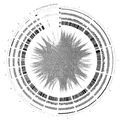
このゲノム配列アセンブリは、L50長が3.18Mbで、N50を示すコンティグが5つの、全部で32のコンティグから構成されていた(図1、表2)。 This genome sequence assembly consisted of a total of 32 contigs with an L50 length of 3.18 Mb and 5 contigs indicating N50 (Fig. 1, Table 2).
コンティグ数とキノコに予想される染色体の数に基づいて、ゲノムサイズが得られたサイズに近いと予測した。合計で、13,157のタンパク質コード遺伝子が予測され、遺伝子の平均長は1,669.3bpであり、平均エクソン数は5.7であった(表3)。 Based on the number of contigs and the number of chromosomes expected for the mushroom, we predicted that the genome size would be close to the size obtained. In total, 13,157 protein-encoding genes were predicted, with an average gene length of 1,669.3 bp and an average exon count of 5.7 (Table 3).
ハナビラタケ(S. crispa)のゲノム中の遺伝子の数は、他の糸状菌のゲノムの遺伝子の数と同等であった(非特許文献9)。予測された遺伝子は、平均長が1.3kbの転写物および平均長が147アミノ酸のタンパク質を形成する。 The number of genes in the genome of Sparassis crispa (S. crispa) was equivalent to the number of genes in the genome of other filamentous fungi (Non-Patent Document 9). The predicted genes form transcripts with an average length of 1.3 kb and proteins with an average length of 147 amino acids.
<実施例2>他の菌類ゲノムとの比較
予測されたハナビラタケ(S. crispa)のプロテオームを、配列決定されている25の糸状菌と比較した。<Example 2> Comparison with other fungal genomes The predicted proteome of Sparassis crispa (S. crispa) was compared with 25 filamentous fungi sequenced.
(1)系統樹の作成と遺伝子ファミリー発現解析
ハナビラタケ(S. crispa)とともに担子菌類(Basidiomycota)または子嚢菌類(Ascomycota)に分類される26種の菌種を系統発生分析に用いた。 これらの26種の菌類のタンパク質配列を、BLASTPにより、e値<1e-5、ヒット数<500と比較した。次いで、オーソロガス遺伝子を得るためのデフォルトパラメータを用いてOrthoMCL(非特許文献10)によって、895のシングルコピーオーソロガス遺伝子を決定した。 これらの895の遺伝子のマルチ配列アラインメントをMAFFT v7 .309(非特許文献11)ソフトウェアによって計算し、それぞれの種についてひとつの長い配列にまとめた。 次に、アラインメントされた配列の中で保存されたブロック領域を、デフォルトパラメータを用いてGblock 0.91b(非特許文献12)により選別し、最終アラインメント長として221,266aaが得られた。(1) Creation of phylogenetic tree and gene family expression analysis Twenty-six species classified as basidiomycota or ascomycota together with Sparassis crispa (S. crispa) were used for phylogenetic analysis. The protein sequences of these 26 fungi were compared by BLASTP with an e-value of <1e-5 and a hit count of <500. The 895 single-copy orthologous gene was then determined by OrthoMCL (Non-Patent Document 10) using default parameters for obtaining the orthologous gene. Multi-sequence alignments of these 895 genes were calculated by MAFFT v7.309 (Non-Patent Document 11) software and combined into one long sequence for each species. Next, the block regions conserved in the aligned sequence were sorted by Gblock 0.91b (Non-Patent Document 12) using default parameters, and a final alignment length of 221,266aa was obtained.
アラインメントを入力し、RAxML-8.2.9(非特許文献13)ソフトウェアを用いて1000回のブートストラップ解析により系統樹を構築した。分子時計分析において3つのfossil較正点(非特許文献14)を固定した。
The alignment was input, and a phylogenetic tree was constructed by
最も最近の共通祖先(MRCA) Coprinopsis cinerea、Laccaria bicolorおよびSchizophyllum communeは122.74 MYAで分岐した。 Serpula lacrymansとConiophora puteanaのMRCAは104.23 MYAで分岐した。 Pichia stipitis、Aspergillus niger、Cryphonectria parasitica、Stagonospora nodorumおよびTrichoderma reeseiのMRCAは517.55 MYAで分岐した。 The most recent common ancestor (MRCA) Coprinopsis cinerea, Laccaria bicolor and Schizophyllum commune diverged at 122.74 MYA. The MRCA of Serpula lacrymans and Coniophora puteana diverged at 104.23 MYA. The MRCA of Pichia stipitis, Aspergillus niger, Cryphonectria parasitica, Stagonospora nodorum and Trichoderma reesei diverged at 517.55 MYA.
次に、他のノードの分岐時を、TNアルゴリズム、PL法、クロスバリデーションにより1.8に設定したr8s v1.81(非特許文献15)ソフトウェアにより計算した。 Next, the branching time of other nodes was calculated by the r8s v1.81 (Non-Patent Document 15) software set to 1.8 by the TN algorithm, PL method, and cross-validation.
(2)結果
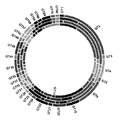
ハナビラタケ(S. crispa)の進化の歴史は、OrthoMCL分析によって得られたこれらの26の菌類で保存された895の単一コピーオーソロガス遺伝子を用いて構築された系統樹(図2)で調べた。(2) Results The evolutionary history of Sparassis crispa (S. crispa) is a phylogenetic tree constructed using 895 single-copy orthologous genes conserved in these 26 fungi obtained by OrthoMCL analysis (figure). It was examined in 2).
分子時計解析により、褐色腐朽菌であるPostia placenta(非特許文献16、非特許文献17)が進化的にハナビラタケ(S. crispa)に最も近い菌類であり、それらの分岐は9400万年前(94 MYA)であると推定された。 According to molecular clock analysis, the brown-rot fungus Postia placenta (Non-Patent Document 16 and Non-Patent Document 17) is evolutionarily the closest fungus to Sparassis crispa (S. crispa), and their branching was 94 million years ago (94). It was presumed to be MYA).
<実施例3>交配型遺伝子座の解析
ハナビラタケ(S. crispa)のゲノム配列における2つの交配型遺伝子座A、Bが異なるコンティグ上に同定された。<Example 3> Analysis of mating loci Two mating loci A and B in the genome sequence of Sparassis crispa (S. crispa) were identified on different contigs.
(1)matAおよびmatB遺伝子の同定。 (1) Identification of matA and matB genes.
matA遺伝子は、Coprinopsis cinereaおよびSchizophyllum communeのmatAおよびMIP(ミトコンドリア中間体ペプチダーゼ)遺伝子にゲノムタンパク質配列をマッピングすることによって同定された。フェロモン受容体遺伝子は、キーワード「フェロモン受容体」を有するSwiss-Protアノテーションによって同定された。 フェロモン前駆体の長さは短く、通常は50〜60aaであるため、通常のゲノムアノテーションの手順では予測できない。これらの配列は、Pfam検索(https://pfam.xfam.org/)を用いたTransdecoder(https://transdecoder.github.io/)ソフトウェアによってフェロモン受容体遺伝子の約20kbフランキング領域で検索した。 PF08015.9にアノテーションされたORF(open reading frame)はフェロモン前駆体遺伝子であった。 The matA gene was identified by mapping genomic protein sequences to the matA and MIP (mitochondrial intermediate peptidase) genes of Coprinopsis cinerea and Schizophyllum commune. The pheromone receptor gene was identified by the Swiss-Prot annotation with the keyword "pheromone receptor". Pheromone precursors are short in length, typically 50-60aa, and cannot be predicted by conventional genomic annotation procedures. These sequences were searched in the approximately 20 kb flank region of the pheromone receptor gene by Transdecoder (https://transdecoder.github.io/) software using Pfam search (https://pfam.xfam.org/). .. The ORF (open reading frame) annotated with PF08015.9 was a pheromone precursor gene.
(2)結果
A型交配型遺伝子座は、HD1およびHD2ホメオドメイン転写因子およびCoprinopsis cinereaおよびSchizophyllum communeのMIP遺伝子との相同性検索によって同定され、MIPについては相対的に高いタンパク質相同性(66〜67%同一性)が見い出され、HD1およびHD2については低い相同性(28〜34%同一性)が見出された(図3、表4)。(2) Result
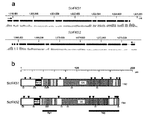
Mating type A loci have been identified by homology searches with HD1 and HD2 homeodomain transcription factors and the MIP genes of Coprinopsis cinerea and Schizophyllum commune, with relatively high protein homology (66-67% identity) for MIP. ) Was found, and low homology (28-34% identity) was found for HD1 and HD2 (FIGS. 3 and 4).
しかしながら、3つの遺伝子はすべて同じコンティグ上に近接して位置することが見出された(コンティグ1)。また、HD1およびHD2遺伝子(異なる鎖上にあり、特徴的な外向きの転写方向を示す)の配置が類似しており(非特許文献18)、それらが機能的であることを示唆している。 However, all three genes were found to be located in close proximity on the same contig (contig 1). In addition, the arrangements of the HD1 and HD2 genes (located on different strands and exhibiting characteristic outward transcription directions) are similar (Non-Patent Document 18), suggesting that they are functional. ..
一方、コンティグ10(図3、表4)上にマップされたB型交配型遺伝子座について、合計7つのフェロモン受容体遺伝子および3つのフェロモン前駆体遺伝子が見出された。 On the other hand, a total of 7 pheromone receptor genes and 3 pheromone precursor genes were found for the B-type mating locus mapped on contig 10 (Fig. 3, Table 4).
<実施例4>CAZymesおよびグリコシルトランスフェラーゼ
ハナビラタケ(S. crispa)のゲノムにおいて、合計246の糖質関連酵素(CAZymes)が同定された。<Example 4> CAZymes and glycosyltransferase In the genome of Sparassis crispa (S. crispa), a total of 246 sugar-related enzymes (CAZymes) were identified.
(1)CAZymesの特定
糖質関連酵素(CAZymes)は、dbCAN HMM 5.0(デフォルトカットオフ閾値の条件)によるHMM検索およびCAZyデータベースのBLASTP検索(非特許文献20)(e値≦1e-6; 分数比> = 0.2、最大ヒット数= 500)によってそれぞれ別々に分類された。 (1) Identification of CAZymes For sugar-related enzymes (CAZymes), HMM search by dbCAN HMM 5.0 (default cutoff threshold condition) and BLASTP search of CAZy database (Non-Patent Document 20) (e value ≤ 1e-6; fraction) Ratio> = 0.2, maximum number of hits = 500).
次に、L. edodes(非特許文献9)の研究で使用された閾値を用いてスクリーニングされたBLASTP結果を共通の結果に加えて、最終的なCAZymeアノテーションを得た。 したがって、ここで使用された同定プロセスは、CAZyシステム(非特許文献20)によって採用された同定プロセスとは異なり、以前に公表された結果と時折矛盾する可能性を示唆している。 Next, the BLASTP results screened using the thresholds used in the study of L. edodes (Non-Patent Document 9) were added to the common results to obtain the final CAZyme annotation. Therefore, the identification process used here, unlike the identification process adopted by the CAZy system (Non-Patent Document 20), suggests that it may occasionally conflict with previously published results.
(2)結果
ハナビラタケ(S. crispa)のゲノム中に、131のグリコシド加水分解酵素(GH)、10の炭水化物エステラーゼ(CE)、61のグリコシルトランスフェラーゼ(GT)、4の多糖リアーゼ、19の炭水化物結合モジュール(CBM)および31の補助活性酵素(AA)を含む合計246個の糖質関連酵素遺伝子(CAZymes)候補が特定された。(2) Results In the genome of S. crispa, 131 glycoside hydrolases (GH), 10 carbohydrate esterases (CE), 61 glycosyltransferases (GT), 4 polysaccharide lyases, and 19 carbohydrate bonds. A total of 246 carbohydrate-related enzyme gene (CAZymes) candidates were identified, including the module (CBM) and 31 coactive enzymes (AA).
ハナビラタケ(S. crispa)におけるCAZymesの分布を他の25種の真菌と比較した。 The distribution of CAZymes in Sparassis crispa (S. crispa) was compared with 25 other fungi.
Agaricalesのゲノムと比較して、Polyporalesは一般的にCAZymesの数が少なく、S. crispaはGHの数が最も少ない(表5〜表11)。 Compared to the Agaricales genome, Polyporales generally has the lowest number of CAZymes and S. crispa has the lowest number of GH (Tables 5-11).
ハナビラタケ(S. crispa)のGT(図4)およびGH(図5)の多様性をPhanerochaete chrysosporium(非特許文献21)、Postia placenta(非特許文献16)およびLentinula edodes(非特許文献9)のものと比較した。 他の真菌と比較して、S. crispaはCAZymesの各カテゴリーにおいて遺伝子の数が最も少なく、ハナビラタケ(S. crispa)またはハナビラタケ(S. crispa)を含むグループは、GT1、GT5、GT17、GT69およびGT90のGTファミリー遺伝子の数が非常に少ない(表5〜表11、図4)。 The diversity of GT (Fig. 4) and GH (Fig. 5) of Sparassis crispa is that of Phanerochaete chrysosporium (Non-Patent Document 21), Postia placenta (Non-Patent Document 16) and Lentinula edodes (Non-Patent Document 9). Compared with. Compared to other fungi, S. crispa has the lowest number of genes in each category of CAZymes, and the group containing Sparassis crispa (S. crispa) or Sparassis crispa (S. crispa) is GT1, GT5, GT17, GT69 and The number of GT family genes in GT90 is very small (Tables 5 to 11, FIG. 4).
一方、ハナビラタケ(S. crispa)はGHファミリー遺伝子の数が非常に少なく(Lentinula edodesの約半分)、GHファミリーの多くが3つの他の真菌に比べて最も低かった(表5〜表11、図5)従って、ハナビラタケ(S. crispa)は、炭水化物利用能が乏しい真菌に分類されることが確認された。 On the other hand, Sparassis crispa (S. crispa) had a very small number of GH family genes (about half of Lentinula edodes), and many of the GH families had the lowest number compared to the three other fungi (Tables 5 to 11, Figure). 5) Therefore, it was confirmed that Sparassis crispa (S. crispa) is classified as a fungus with poor carbohydrate utilization.
<実施例5>β‐グルカン合成酵素の特定
報告されている遺伝子を用いたBLASTP検索によって、β-グルカン合成酵素遺伝子の同定を行った。<Example 5> Identification of β-glucan synthase The β-glucan synthase gene was identified by BLASTP search using the reported gene.
(1)β-グルカン合成酵素遺伝子の同定
β-グルカン合成酵素遺伝子の同定は、I型およびII型遺伝子について報告されている遺伝子を用いたBLAST検索(非特許文献19)により行い、触媒ドメインおよび膜貫通領域のドメイン分析は、PfamまたはTMHMM (http://www.cbs.dtu.dk/services/TMHMM/) データベースによって行った。
(2)結果
真菌細胞壁の多糖類のうち、β-1,3-グルカン(β-グルカン)が最も多く、様々な薬理作用のために広く使用されている。β-グルカンは、ウリジン5'-二リン酸(UDP)-グルコースからβ-グルカン合成酵素により合成される。β-グルカン合成酵素は、触媒ドメインおよび膜貫通ドメインからなる膜タンパク質である。Saccharomyces cerevisiaeには、2つの独立したβ-グルカン合成酵素遺伝子(FKS1およびFKS2)が存在する。β-グルカン合成酵素遺伝子の同定は、報告されている遺伝子を用いたBLASTP検索によって実施した。ここで、2つの新規のβ-グルカン合成酵素遺伝子ScrFKS1およびScrFKS2が同定され、それぞれI型およびII型遺伝子に相同であることが判明した(表12、図6)。(1) Identification of β-glucan synthase gene Identification of β-glucan synthase gene is performed by BLAST search (Non-Patent Document 19) using genes reported for type I and type II genes, and the catalytic domain and Domain analysis of the transmembrane region was performed by Pfam or TMHMM (http://www.cbs.dtu.dk/services/TMHMM/) database.
(2) Results Among the polysaccharides in the fungal cell wall, β-1,3-glucan (β-glucan) is the most abundant and is widely used for various pharmacological actions. β-Glucan is synthesized from uridine 5'-diphosphate (UDP) -glucose by β-glucan synthase. β-Glucan synthase is a membrane protein consisting of a catalytic domain and a transmembrane domain. There are two independent β-glucan synthase genes (FKS1 and FKS2) in Saccharomyces cerevisiae. Identification of the β-glucan synthase gene was performed by BLASTP search using the reported gene. Here, two novel β-glucan synthase genes, ScrFKS1 and ScrFKS2, were identified and found to be homologous to the type I and type II genes, respectively (Table 12, FIG. 6).
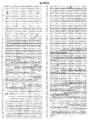
これら2つの異なる型の存在は、寒天菌(Agaricomycetes mushroom)の共通の特徴である(非特許文献19)。ScrFKS1およびScrFKS2は、以前に報告されたI型およびII型遺伝子とそれぞれ77-90%または77-92%相同であり(表12)、これによりこれらが新しい遺伝子であることが判明した。FKS1の触媒ドメインに相同な領域(非特許文献22)およびβ-グルカン合成酵素に相同な領域は、両遺伝子においてPfamデータベース検索により同定され、Pfamデータベース検索およびトランスメンブランドメインはTMHMMデータベース検索(図6、図7)によって同定された。2つの膜貫通ドメイン(TM1およびTM2)は同じ位置に存在するが、それらの間には差異がある。TM1とTM2との間の領域は、ScrFKS1の細胞の外側であり、ScrFKS2の内部に局在していると予測される。さらに、いくつかのN-グリコシル化部位が存在し、そのいくつかはそれらの間で十分に保存されている(図6、図7)。 The presence of these two different types is a common feature of agaricomycetes mushrooms (Non-Patent Document 19). ScrFKS1 and ScrFKS2 were 77-90% or 77-92% homologous to previously reported type I and type II genes, respectively (Table 12), which identified them as new genes. Regions homologous to the catalytic domain of FKS1 (Non-Patent Document 22) and regions homologous to β-glucan synthase were identified by Pfam database search in both genes, and Pfam database search and transmen brand main were TMHMM database search (Fig. 6). , Figure 7). The two transmembrane domains (TM1 and TM2) are co-located, but there are differences between them. The region between TM1 and TM2 is outside the cells of ScrFKS1 and is expected to be localized inside ScrFKS2. In addition, there are several N-glycosylation sites, some of which are well conserved among them (FIGS. 6 and 7).
<実施例6>同株を用いた抽出物の作成
ハナビラタケ有効成分の探索のために、菌体の抽出法の確立とその抽出法による抽出効率の評価を行った。<Example 6> Preparation of extract using the same strain In order to search for the active ingredient of Sparassis crispa, an extraction method for bacterial cells was established and the extraction efficiency by the extraction method was evaluated.
(1)材料及び方法
1)乾燥菌体(菌糸体)を水に溶かし、10分間煮沸した。
2)遠心機で分離し、上清をフィルター濾過した。
3)濃縮・乾固し、一部凍結保存した。
4)乾固されたハナビラタケ菌糸体の熱水抽出物(以下、「SCE」と記載する)を滅菌水
で10 mg/ml に調整した。
5)調製した SCE と酢酸エチルを混合した。
6)遠心分離し、酢酸エチル層 (上清)を回収した。
7)5)〜6)の操作を2回行った。
8)酢酸エチル層を濃縮乾固し、SCEの酢酸エチル抽出物(以下、「SCE-EtOAc」と記載する)を得た。
9)SCE-EtOAc をメタノールに溶解した(10 mg/ml)。
10)リン酸化アッセイとHPLC 分析(資料2、3)。(1) Materials and method 1) Dried mycelium (mycelium) was dissolved in water and boiled for 10 minutes.
2) Separated by a centrifuge, and the supernatant was filtered.
3) Concentrated and dried, and partially cryopreserved.
4) The dried hot water extract of Sparassis crispa mycelium (hereinafter referred to as "SCE") was adjusted to 10 mg / ml with sterilized water.
5) The prepared SCE and ethyl acetate were mixed.
6) Centrifugation was performed, and the ethyl acetate layer (supernatant) was collected.
7) The operations 5) to 6) were performed twice.
8) The ethyl acetate layer was concentrated to dryness to obtain an ethyl acetate extract of SCE (hereinafter referred to as "SCE- EtOAc").
9) SCE- EtOAc was dissolved in methanol (10 mg / ml).
10) Phosphorylation assay and HPLC analysis (
(2)結果
乾燥菌体100%に対し、SCEの抽出効率(回収率)は30%、SCE-EtOAcの抽出効率(回収率)は2.5%であった。(2) Results The extraction efficiency (recovery rate) of SCE was 30% and the extraction efficiency (recovery rate) of SCE- EtOAc was 2.5% with respect to 100% of dried cells.
<実施例7>細胞増殖アッセイによるエストロゲン活性の評価
ハナビラタケ菌糸体抽出物のHPLC分画による細胞増殖効果を評価した。方法は(「Brefeldin A is an estrogenic, Erk1/2-activating component in the extract of Agaricusblazei mycelia.」(J.Agri.Food Chem.,2013)に従った。<Example 7> Evaluation of estrogen activity by cell proliferation assay The cell proliferation effect by HPLC fractionation of Sparassis crispa mycelium extract was evaluated. The method followed ("Brefeld in A is an estrogenic, Erk1 / 2-activating component in the extract of Agaricusblazei mycelia." (J. Agri. Food Chem., 2013).
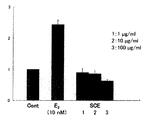
細胞増殖アッセイは、MCF-7細胞培養液にE2(10 nM)とSCE(各1μg/ml、10μg/ml、100 μg/ml に調整)を添加し、72時間培養後、スルフォロダミンB(SRB)アッセイ(Vichai V., Kirtikara K. Nat. Protoc. 2006)により、コントロールに対する相対的な細胞増殖率を算出し、各検体間で比較した。 In the cell proliferation assay, E 2 (10 nM) and SCE (adjusted to 1 μg / ml, 10 μg / ml, and 100 μg / ml, respectively) were added to the MCF-7 cell culture medium, and after culturing for 72 hours, sulforodamine B (SRB) was added. ) Assay (Vichai V., Kirtikara K. Nat. Protoc. 2006) was used to calculate the relative cell growth rate relative to the control and compared between each sample.
具体的には、以下の材料と方法によって行った。 Specifically, it was carried out by the following materials and methods.
(1)材料と方法
1)細胞と刺激物質
細胞:MCF-7 細胞
刺激物質:ポジティブコントロール(10 nM エストロゲン(E2))、ネガティブコントロール(0.1 % DMSO)、 SCE(1μg/ml、10μg/ml、100 μg/ml)を使用した。
2)培養:MCF-7 細胞を、1ウェル当たり 0.5×10⁴細胞数になるように計測し、24 wellプレートに接種した。培地は10 %のチャコールデキストラン処理をしたFBS(CD-FBS)を補充したフェノールレッドを含まないRPMI培地を使用した。細胞はCO2インキュベーター内で37℃で3日間培養した。
3)刺激:細胞の接着、増殖を確認した後に、培地を除去し、各刺激物質の入った培地を各ウェルに添加し、細胞をさらに72 時間培養した。
4)固定:培地を除去し、各ウェルをPBSで洗浄した。 10 %トリクロル酢酸を加えて4℃で30分間静置し、蒸留水で洗浄後、乾燥させた。
5)染色: 各ウェ ルに0.4 % SRB/1%酢酸溶液 を加えて細胞を20分間染色した。
6)洗浄: 1 %酢酸で洗浄し、SRB を取り除き、一晩乾燥させた。
7)測定: 各ウェルに10 mMトリス塩酸緩衝液(pH 10.4)を加え、細胞に取り込まれたSRB を溶出させた後に、細胞を96 ウェルプレートに移し、マイクロプレートリーダー (SPECTRA MAX190 Molecular Devices社)を用いて吸光度(OD490)を測定した。(1) Materials and methods 1) Cells and stimulants Cells: MCF-7 cells Stimulants: Positive control (10 nM estrogen (E 2 )), Negative control (0.1% DMSO), SCE (1 μg / ml, 10 μg / ml) , 100 μg / ml) was used.
2) Culture: MCF-7 cells were measured to have a number of 0.5 × 10 4 cells per well and inoculated into a 24-well plate. The medium used was a phenol red-free RPMI medium supplemented with 10% charcoal dextran-treated FBS (CD-FBS). Cells were cultured in a CO 2 incubator at 37 ° C. for 3 days.
3) Stimulation: After confirming cell adhesion and proliferation, the medium was removed, a medium containing each stimulant was added to each well, and the cells were further cultured for 72 hours.
4) Fixation: Medium was removed and each well was washed with PBS. 10% trichloroacetic acid was added, and the mixture was allowed to stand at 4 ° C. for 30 minutes, washed with distilled water, and dried.
5) Staining: Cells were stained for 20 minutes by adding 0.4% SRB / 1% acetic acid solution to each well.
6) Washing: Washing with 1% acetic acid, removing SRB, and drying overnight.
7) Measurement: 10 mM Tris-hydrochloric acid buffer (pH 10.4) was added to each well to elute the SRB taken up by the cells, and then the cells were transferred to a 96-well plate and microplate reader (SPECTRA MAX190 Molecular Devices). The absorbance (OD 490 ) was measured using.
(2)結果
結果を図9に示す。細胞増殖アッセイは再現性を評価するため3 回行った結果である。エストロゲン(E2)がコントロールに対して2倍以上の細胞増殖促進効果を示したのに対して、SCEは増殖活性を有していないことが確認された。この結果は、SCEを体内に摂取しても安全であること根拠になり得る。(2) Results The results are shown in FIG. The cell proliferation assay is the result of three runs to assess reproducibility. It was confirmed that estrogen (E 2 ) showed more than twice the cell growth promoting effect on the control, whereas SCE did not have the growth activity. This result may be evidence that it is safe to take SCE in the body.
<実施例8>エストロゲン活性評価用DNAチップを用いたエストロゲン活性の評価
エストロゲン応答遺伝子を用いて、化学物質のエストロゲン活性評価用オリゴDNAマイクロアレイ(DNAチップ)を作製し、エストロゲン活性の評価を行った。アッセイシステム(「DNA microarray-based gene expression profiling of estrogenic chemicals」 (Cell. Mol. Life Sci., 2014))を利用して、E2とSCEサンプル(SCE10、SCE100、SCE-EtOAc)の間で細胞刺激時のエストロゲン応答遺伝子の発現のプロファイルをそれぞれ比較し、ハナビラタケ抽出物のエストロゲン活性を評価した。<Example 8> Evaluation of estrogen activity using a DNA chip for evaluating estrogen activity An oligo DNA microarray (DNA chip) for evaluating estrogen activity of a chemical substance was prepared using an estrogen-responsive gene, and estrogen activity was evaluated. .. Cells between E 2 and SCE samples (SCE10, SCE100, SCE- EtOAc) using an assay system (“DNA microarray-based gene expression profiling of estrogenic chemicals” (Cell. Mol. Life Sci., 2014)) The profiles of the expression of the estrogen-responsive genes during stimulation were compared, and the estrogen activity of the Hanabiratake extract was evaluated.
具体的には、以下の材料と方法によって行った。 Specifically, it was carried out by the following materials and methods.
(1)材料および方法
1)細胞と刺激物質
細胞:ヒト由来MCF-7 細胞
刺激物質:ポジティブコントロール(10 nM エストロゲン(E2))、ネガティブコントロール(0.1 % DMSO)、SCE10 (SCE 10μg/ml)、SCE100 (SCE 100μg/ml)、SCE-EtOAc (ハナビラタケ酢酸エチル抽出分画、10μg/ml)を用いた。(1) Materials and methods 1) Cells and stimulants Cells: Human-derived MCF-7 cells Stimulants: Positive control (10 nM estrogen (E 2 )), Negative control (0.1% DMSO), SCE10 (
培養:MCF-7細胞を、10 %ウシ胎児血清(FBS)を補充したRPMI培地中で増殖させた。細胞は、CO2インキュベーターを用いて37℃で3日間培養した。細胞は10 %のチャコールデキストラン処理をしたFBS(CD-FBS)を補充したフェノールレッドを含まないRPMI培地を用いて継代培養した。このときシャーレ1枚当たり1×10⁶細胞数になるように計測し、シャーレに播種した。細胞がシャーレに接着したことを確認した後、それぞれ E2、DMSO、SCE10、SCE100、SCE-EtOAcを用いて細胞を刺激した。そのあと、細胞は37℃で3日間さらに培養した。Culture: MCF-7 cells were grown in RPMI medium supplemented with 10% fetal bovine serum (FBS). Cells were cultured in a CO 2 incubator at 37 ° C. for 3 days. Cells were subcultured in phenol red-free RPMI medium supplemented with 10% charcoal dextran-treated FBS (CD-FBS). At this time, the number of cells was measured so as to be 1 × 10 6 cells per petri dish, and the petri dish was seeded. After confirming that the cells had adhered to the petri dish, the cells were stimulated with E 2 , DMSO, SCE10, SCE100, and SCE- EtOAc, respectively. The cells were then further cultured at 37 ° C. for 3 days.
2)細胞の回収、3)RNAの抽出、4)RNAの増幅、5)cDNAの合成、6)cDNAの標識、の操作を、RNeasy Plus Micro and Mini Kits(QIAGEN社)を使用して行った。 The operations of 2) cell recovery, 3) RNA extraction, 4) RNA amplification, 5) cDNA synthesis, and 6) cDNA labeling were performed using RNeasy Plus Micro and Mini Kits (QIAGEN). ..
7)蛍光強度の測定
マイクロアレイスキャナーFLA8000(FUJI社)を使用し、測定を行った。7) Measurement of fluorescence intensity Measurement was performed using a microarray scanner FLA8000 (FUJI).
8)統計解析
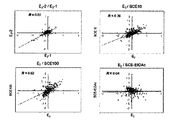
得られたマイクロアレイデータの統計解析は相関解析とクラスター解析により行った。相関解析は以下のように行った。まず、それぞれのエストロゲン応答遺伝子(172 遺伝子)について、各化合物を添加したサンプル(E2+あるいはSCE+)の蛍光強度と化合物を添加しないサンプル(E2−あるいはSCE−)の蛍光強度の比を求めた。次いで、28個の内部コントロール遺伝子を用いて蛍光強度の比を補正した後((E2+/E2−)あるいは(SCE+/SCE−) )、各補正値をlog2値に変換して、それぞれのサンプルについて172 遺伝子の発現の全体像(遺伝子発現プロファイル)を得た。2つのプロファイル間の相関は散布図により示し、相関係数(R値)は直線回帰に基づいて計算した。8) Statistical analysis Statistical analysis of the obtained microarray data was performed by correlation analysis and cluster analysis. Correlation analysis was performed as follows. First, for each of estrogen-responsive genes (172 genes), the fluorescence intensity with compound without addition Sample of samples spiked with the compound (E 2 + or SCE +) - the ratio of the fluorescence intensity of the (E 2 or SCE-) determined It was. Then, after correcting the fluorescence intensity ratio using 28 internal control genes ((E 2 + / E 2 −) or (SCE + / SCE −)), each correction value is converted to a log 2 value. An overall picture of 172 gene expression (gene expression profile) was obtained for each sample. The correlation between the two profiles was shown by a scatter plot, and the correlation coefficient (R value) was calculated based on linear regression.
エストロゲン応答遺伝子を用いたクラスター解析は、8)で述べた各サンプルの補正値を用いて、クラスター解析ソフト Cluster 2.12 とTree view (Eisen et al.,1998)を用いて行い、系統樹を作成して、解析を行った。 Cluster analysis using the estrogen response gene was performed using the cluster analysis software Cluster 2.12 and Tree view (Eisen et all., 1998) using the correction values of each sample described in 8) to create a phylogenetic tree. And analyzed.
なお、クラスター解析とは、異なる性質のものが混ざり合った集団から、互いに似た性質を持つものを集め、クラスターを作ることによりそれぞれの集団を統計的に比較する方法である。 The cluster analysis is a method of statistically comparing each group by collecting clusters having similar properties from a group in which different properties are mixed.
(2)結果
DNAマイクロアレイアッセイを用いてE2とSCEサンプルの間で細胞を刺激した時のエストロゲン応答遺伝子の発現のプロファイルをそれぞれ比較したところ、SCE10のR値が0.76、SCE100がR値0.62と、高いことが分かった(図10)。(2) Result
Comparing the expression profiles of estrogen-responsive genes when cells were stimulated between E 2 and SCE samples using a DNA microarray assay, the R value of
一方、SCE-EtOAcとの間のR値は0.04 と低かった。これは活性物質が水分画に抽出され、酢酸エチル抽出分画(EtOAc分画)にはほとんど溶出していないためと考えられる。 On the other hand, the R value between SCE- EtOAc was as low as 0.04. It is considered that this is because the active substance is extracted into the water fraction and hardly eluted in the ethyl acetate extraction fraction (EtOAc fraction).
また、エストロゲン応答遺伝子を用いたクラスター解析の結果から、 SCE10とSCE100はいずれもE2とよく似たプロファイルを示した(図11)。In addition, from the results of cluster analysis using estrogen-responsive genes, both SCE10 and SCE100 showed a profile very similar to E 2 (Fig. 11).
以上のことから、SCEはE2と似たエストロゲン活性を有していることが分かり、さらにその活性は水分画に溶出したと考えられる。From the above, it was found that SCE has an estrogen activity similar to that of E 2, and it is considered that the activity was eluted in the water image.
<実施例9>シグナル伝達タンパク質によるエストロゲン活性の評価
DNAマイクロアレイアッセイの結果からSCEはE2と似たエストロゲン活性を有していることが分かり、さらにその活性は水分画に溶出されることが分かった。このことから、水分画に溶出されたハナビラタケ菌糸体抽出物分画を逆相カラムを使用して分離し、分離された各分画についてはリン酸化アッセイを用いて活性評価を行った。<Example 9> Evaluation of estrogen activity by a signal transduction protein
From the results of the DNA microarray assay, it was found that SCE has an estrogen activity similar to that of E 2 , and that the activity is eluted in the water drawing. From this, the sparassis crispa mycelium extract fraction eluted in the water fraction was separated using a reverse phase column, and the activity of each separated fraction was evaluated using a phosphorylation assay.
(1)方法
1)逆相カラムによる分離
以下の条件で逆相カラムによる分離を行った。(1) Method 1) Separation by reverse phase column Separation by reverse phase column was performed under the following conditions.
溶出条件:SCE 10 mg/ml (H2O(蒸留水)で溶解)を 2 ml注入した。
a: 100%H2O → 20% AcN: 0分→ 60分(60分間)
b: 20% AcN → 100% AcN: 60分→ 75分(15分間)
c: 100% AcN → 100% H2O: 75分→ 80分(5分間)
カラム:CAPCELL PAK C18 MG II S5(20 mm×250 mm)
流速:10 ml/min
分離したサンプルは、濃縮・乾固し、重さを量り、滅菌したH2Oで10 mg/mlに調製後、ウェスタンブロット法によるリン酸化アッセイに用いた。 Elution conditions: 2 ml of
a: 100% H 2 O → 20% AcN: 0 minutes → 60 minutes (60 minutes)
b: 20% AcN → 100% AcN: 60 minutes → 75 minutes (15 minutes)
c: 100% AcN → 100% H 2 O: 75 minutes → 80 minutes (5 minutes)
Column: CAPCELL PAK C18 MG II S5 (20 mm x 250 mm)
Flow velocity: 10 ml / min
Separate samples, concentrated to dryness, weighed, after preparation to 10 mg / ml with sterile H 2 O, was used in the phosphorylation assay by Western blotting.
2)ウェスタンブロット法によるSCE分画のリン酸化アッセイ
細胞:MCF-7 細胞
刺激物質:ポジティブコントロール(10 nM E2)、SCE(10 μg/ml)、逆相カラムで分離した26サンプル(10 μg/ml)を用いた。2) Phosphorylation assay of SCE fraction by Western blotting Cell: MCF-7 cell Stimulant: Positive control (10 nME 2 ), SCE (10 μg / ml), 26 samples (10 μg) separated by reverse phase column / ml) was used.
刺激時間:0 (Control)、5、15、30、および60分間
リン酸化タンパク質を検出する抗体:Phospho-p44/42 MAPK(ERK) 、Phospho-Akt(Ser473)を用いた。Stimulus time: 0 (Control), 5, 15, 30, and 60 minutes Antibodies that detect phosphorylated proteins: Phospho-p44 / 42 MAPK (ERK), Phospho-Akt (Ser473) were used.
トータルタンパク質を検出する抗体 :p44/42MAPK(ERK)、Akt 抗体を用いた。 Antibodies that detect total protein: p44 / 42MAPK (ERK) and Akt antibodies were used.
方法:細胞は前述したように継代培養し、6 ウェルシャーレを用いて、1 ウェル当たり1×10⁵細胞数になるように播種した。2日間の培養後、無血清のRPMI培地に交換して24時間さらに培養し、それぞれSCEの各分画を加えて、細胞を刺激した。刺激時間経過後は、速やかに細胞を溶解し、タンパク質変性処理を加えた後、ウェスタンブロット法を用いて、リン酸化タンパク質(P-ERKと P-Akt)量の変動を調べた。リン酸化タンパク質の量はトータルタンパク質(T-ERK とT-Akt)を用いて補正した。METHODS: Cells were subcultured as described above and seeded using a 6-well petri dish to a number of 1 × 10 5 cells per well. After culturing for 2 days, the cells were stimulated by exchanging with serum-free RPMI medium and further culturing for 24 hours, and adding each fraction of SCE. After the stimulation time had elapsed, the cells were rapidly lysed, subjected to protein denaturation treatment, and then the fluctuation of the amount of phosphorylated protein (P-ERK and P-Akt) was examined by Western blotting. The amount of phosphorylated protein was corrected using total protein (T-ERK and T-Akt).
(2)結果
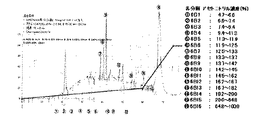
1)逆相カラムを用いて上記の溶出条件により、図12に示す溶出パターンを得た。それぞれ図に示すアセトニトリルの濃度の分画を回収した。
2)逆相カラムを用いて2回の分離精製を行ったところ、計26の分画を得ることができた。それらを10 mg/mlに調製後、ウェスタンブロット法によるリン酸化アッセイにより活性評価を行ったところ、図13に示すように、P-ERKにおいては、ポジティブコントロールであるE2やSCEのように刺激後5分間から15分間で活性の上昇が認められた。顕著な例は6B3や6B4、6B6、6B7、6B10である。一方、6B5、6B8のように低い活性を示す分画も確認された。(2) Results 1) The elution pattern shown in FIG. 12 was obtained under the above elution conditions using a reverse phase column. Fractions of acetonitrile concentration shown in each figure were collected.
2) When the separation and purification were performed twice using the reversed-phase column, a total of 26 fractions could be obtained. After preparing them to 10 mg / ml, the activity was evaluated by a phosphorylation assay by Western blotting. As shown in FIG. 13, in P-ERK, stimulation was observed like E 2 and SCE, which are positive controls. An increase in activity was observed 5 to 15 minutes later. Prominent examples are 6B3, 6B4, 6B6, 6B7, 6B10. On the other hand, fractions showing low activity such as 6B5 and 6B8 were also confirmed.
一方で、P-Aktにおいては、6B3や6B4、6B7分画に高い活性が認められた。1回の結果だけでは刺激時の細胞の状態や各分画に溶出される有効成分の量比などが活性の値に影響することから、独立して数回のリン酸化アッセイを行い、統計解析を行うことで、各分画における活性について再現性を評価した。 On the other hand, in P-Akt, high activity was observed in the 6B3, 6B4, and 6B7 fractions. Since the state of cells at the time of stimulation and the amount ratio of the active ingredient eluted in each fraction affect the activity value with only one result, several phosphorylation assays are independently performed and statistical analysis is performed. The reproducibility of the activity in each fraction was evaluated.
<実施例10>抽出物の安全性
生物学的安全性評価として、ハナビラタケ菌糸体培養乾燥物およびハナビラタケ菌糸体熱水抽出物SCE(抽出乾燥物)をマウスに単回経口投与し、その急性毒性を評価した。<Example 10> Safety of extract As a biological safety evaluation, a single oral dose of Sparassis crispa mycelium culture dried product and Sparassis crispa mycelium hot water extract SCE (extract dried product) was orally administered to mice, and their acute toxicity. Was evaluated.
(1)方法
以下の表7に示す群構成を行い、ハナビラタケ菌糸体培養乾燥物およびハナビラタケ菌糸体抽出乾燥物を雌雄各5匹のICR系マウスに2000 mg/kgでそれぞれ単回経口投与を行い、投与後14日間観察し、14日目の観察終了後、剖検(肉眼的観察)により急性毒性を評価した。(1) Method Perform the group composition shown in Table 7 below, and administer a single oral administration of sparassis crispa mycelium culture dried product and sparassis crispa mycelium extracted dried product to 5 male and female ICR mice at 2000 mg / kg each. After administration, the cells were observed for 14 days, and after the observation on the 14th day, acute toxicity was evaluated by autopsy (gross observation).
(2)結果
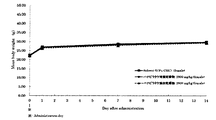
投与後の一般状態、体重推移(図14、図15)および投与後14日の剖検所見においてハナビラタケ菌糸体培養乾燥物およびハナビラタケ菌糸体熱水抽出物SCE(抽出乾燥物)に起因する変化は認められなかった。(2) Results Due to the general condition after administration, weight transition (Figs. 14 and 15) and
ハナビラタケ培養乾燥物およびハナビラタケ菌糸体熱水抽出物SCE(抽出乾燥物)をそれぞれ2000 mg/kgまで単回投与しても影響は認められず、最小致死量は雌雄いずれも2000 mg/kg以上と推察された。 A single dose of Sparassis crispa culture dried product and Sparassis crispa mycelium hot water extract SCE (extracted dried product) up to 2000 mg / kg each did not show any effect, and the minimum lethal dose was 2000 mg / kg or more for both males and females. It was inferred.
<実施例11>抗動脈硬化作用と内臓脂肪蓄積の減少作用
高脂肪食を与えたBALB/c.KOR/Stm Slc-Apoeshlマウス(以下、ApoE 欠損マウス)に、ハナビラタケ菌糸体培養乾燥物を180 mg/kg/day、ハナビラタケ菌糸体抽出乾燥物を1000 mg/kg/dayで、それぞれ6週間連日経口投与した。投与期間終了時に血液生化学的検査と内臓脂肪蓄積量の測定を実施した。
(1)方法
高脂肪食を与えたApoE 欠損マウスに、ハナビラタケ菌糸体培養乾燥物を180 mg/kg/day、ハナビラタケ菌糸体抽出乾燥物を1000 mg/kg/dayで、それぞれ6週間連日経口投与した。投与期間終了時に麻酔下で採血後、血液生化学的検査を行った。また内臓脂肪(精巣周囲脂肪、腎臓周囲脂肪)を摘出し、生理食塩水で各臓器に付着している体液を取り除いた後、重量を測定した。<Example 11> Anti-arteriosclerosis and reduction of visceral fat accumulation 180 of Sparassis crispa mycelium culture dried product was added to BALB / c.KOR / Stm Slc-Apoeshl mice (hereinafter referred to as ApoE-deficient mice) fed a high-fat diet. Sparassis crispa mycelium extract dried product was orally administered at 1000 mg / kg / day for 6 weeks each day. At the end of the administration period, blood biochemical tests and measurement of visceral fat accumulation were performed.
(1) Method ApoE-deficient mice fed a high-fat diet were orally administered with sparassis crispa mycelium culture dried product at 180 mg / kg / day and sparassis crispa mycelium extract dried product at 1000 mg / kg / day for 6 weeks each day. did. Blood was collected under anesthesia at the end of the administration period, and then a blood biochemical test was performed. In addition, visceral fat (peritesticular fat, perikidney fat) was removed, body fluid adhering to each organ was removed with physiological saline, and then the weight was measured.
(2)結果
総コレステロール値は、6週間連日経口投与後において、ハナビラタケ菌糸体培養乾燥物、ハナビラタケ菌糸体抽出乾燥物をそれぞれ投与したApoE欠損マウスは非投与群ApoE欠損マウスに比べ、それぞれ統計的有意に低値傾向を示した。中性脂質値も、6週間連日経口投与後において、ハナビラタケ菌糸体培養乾燥物、ハナビラタケ菌糸体抽出乾燥物をそれぞれ投与したApoE欠損マウスは非投与群ApoE欠損マウスに比べ、それぞれ統計的有意に低値傾向を示した。また遊離脂肪酸値も、6週間連日経口投与後において、ハナビラタケ菌糸体培養乾燥物、ハナビラタケ菌糸体抽出乾燥物をそれぞれ投与したApoE欠損マウスは非投与群ApoE欠損マウスに比べ、それぞれ統計的有意に低値傾向を示した(図16)。また内臓脂肪の蓄積量は、6週間連日経口投与後において、ハナビラタケ菌糸体培養乾燥物、ハナビラタケ菌糸体抽出乾燥物をそれぞれ投与したApoE欠損マウスは非投与群ApoE欠損マウスに比べ、それぞれ統計的有意に低値傾向を示した(図17)。(2) Results The total cholesterol level was statistically higher in the ApoE-deficient mice to which the sparassis crispa mycelium culture dried product and the sparassis crispa mycelium extract dried product were administered after oral administration every day for 6 weeks, as compared with the non-administered group ApoE-deficient mice. It showed a significantly lower tendency. The neutral lipid level was also statistically significantly lower in the ApoE-deficient mice to which the sparassis crispa mycelium culture dried product and the sparassis crispa mycelium extract dried product were administered after oral administration every day for 6 weeks, respectively, as compared with the non-administered group ApoE-deficient mice. It showed a value trend. The free fatty acid level was also statistically significantly lower in the ApoE-deficient mice to which the sparassis crispa mycelium culture dried product and the sparassis crispa mycelium extract dried product were administered after oral administration every day for 6 weeks, respectively, as compared with the non-administered ApoE-deficient mice. The value tendency was shown (Fig. 16). The amount of visceral fat accumulated was statistically significant in the ApoE-deficient mice to which Sparassis crispa mycelium culture dried product and Sparassis crispa mycelium extracted dried product were administered after oral administration every day for 6 weeks, respectively, as compared with the non-administered ApoE-deficient mice. Showed a low price tendency (Fig. 17).
Claims (3)
前記障害および前記疾患は、更年期障害、泌尿生殖器障害、前立腺癌、前立腺肥大症、骨粗鬆症、動脈硬化、記憶障害、アルツハイマー病、血栓性疾患、内臓脂肪蓄積のうちの1種または2種以上であることを特徴とする医薬。 A medicament for treating or preventing disorders or diseases caused by estrogen deficiency, which comprises an estrogen-like action composition containing a hot water extract of Sparassis crispa mycelium.
The disorder and the disease are one or more of menopause, urogenital disorder, prostate cancer, benign prostatic hyperplasia, osteoporosis, arteriosclerosis, memory disorder, Alzheimer's disease, thrombotic disease, visceral fat accumulation. A drug characterized by that .
前記障害および前記疾患は、更年期障害、泌尿生殖器障害、前立腺癌、前立腺肥大症、骨粗鬆症、動脈硬化、記憶障害、アルツハイマー病、血栓性疾患、内臓脂肪蓄積のうちの1種または2種以上であること特徴とする飲食品。 A food or drink for treating or preventing disorders or diseases caused by estrogen deficiency, which comprises an estrogen-like action composition containing a hot water extract of Sparassis crispa mycelium.
The disorder and the disease are one or more of menopause, urogenital disorder, prostate cancer, benign prostatic hyperplasia, osteoporosis, arteriosclerosis, memory disorder, Alzheimer's disease, thrombotic disease, visceral fat accumulation. Food and drink that are characteristic of this .
ハナビラタケ菌糸体を熱水に接触させて熱水抽出物を得る工程を含むことを特徴とする製造方法。
The method for producing the drug according to claim 1 or the food or drink according to claim 2.
A production method comprising a step of bringing Sparassis crispa mycelium into contact with hot water to obtain a hot water extract .
Applications Claiming Priority (3)
| Application Number | Priority Date | Filing Date | Title |
|---|---|---|---|
| JP2017047723 | 2017-03-13 | ||
| JP2017047723 | 2017-03-13 | ||
| PCT/JP2018/009817 WO2018168879A1 (en) | 2017-03-13 | 2018-03-13 | Composition having estrogen-like action, medicine, food and beverage containing same, method for producing composition having estrogen-like action and method for utilizing dna base sequence of sparassis crispa |
Publications (2)
| Publication Number | Publication Date |
|---|---|
| JPWO2018168879A1 JPWO2018168879A1 (en) | 2020-02-20 |
| JP6861422B2 true JP6861422B2 (en) | 2021-04-21 |
Family
ID=63523070
Family Applications (1)
| Application Number | Title | Priority Date | Filing Date |
|---|---|---|---|
| JP2019506060A Active JP6861422B2 (en) | 2017-03-13 | 2018-03-13 | Estrogen-like action composition, pharmaceuticals, foods and drinks containing it, method for producing estrogen-like action composition, and method of using the DNA base sequence of Sparassis crispa |
Country Status (2)
| Country | Link |
|---|---|
| JP (1) | JP6861422B2 (en) |
| WO (1) | WO2018168879A1 (en) |
Families Citing this family (3)
| Publication number | Priority date | Publication date | Assignee | Title |
|---|---|---|---|---|
| JP2025519753A (en) | 2022-06-30 | 2025-06-26 | ザ プロクター アンド ギャンブル カンパニー | ABSORBENT ARTICLE HAVING ABSORBENT CHASSIS AND BELT ELASTIC STRUCTURES AND WEAK PATHS - Patent application |
| JP7440838B1 (en) | 2023-07-06 | 2024-02-29 | 株式会社インタートレードヘルスケア | Foods and beverages that inhibit visceral fat accumulation in organisms lacking ovarian function, and drugs that inhibit visceral fat accumulation in organisms lacking ovarian function |
| KR20250067506A (en) * | 2023-11-08 | 2025-05-15 | 이희찬 | The manufacturing method for tea-bag using Sparassis crispa |
Family Cites Families (1)
| Publication number | Priority date | Publication date | Assignee | Title |
|---|---|---|---|---|
| JPWO2006126488A1 (en) * | 2005-05-25 | 2008-12-25 | ユニチカ株式会社 | Hanabira bamboo extract |
-
2018
- 2018-03-13 JP JP2019506060A patent/JP6861422B2/en active Active
- 2018-03-13 WO PCT/JP2018/009817 patent/WO2018168879A1/en not_active Ceased
Also Published As
| Publication number | Publication date |
|---|---|
| JPWO2018168879A1 (en) | 2020-02-20 |
| WO2018168879A1 (en) | 2018-09-20 |
Similar Documents
| Publication | Publication Date | Title |
|---|---|---|
| WoldemariamYohannes et al. | Prebiotic, probiotic, antimicrobial, and functional food applications of Bacillus amyloliquefaciens | |
| Wu et al. | Isolation and characterization of three antihypertension peptides from the mycelia of Ganoderma lucidum (Agaricomycetes) | |
| Liu et al. | Review on Auricularia auricula-judae as a functional food: growth, chemical composition, and biological activities | |
| Zhang et al. | Evaluation of mushroom dietary fiber (nonstarch polysaccharides) from sclerotia of Pleurotus tuber-regium (Fries) Singer as a potential antitumor agent | |
| Marcotuli et al. | Non-starch polysaccharides in durum wheat: a review | |
| Jiang et al. | Detection of active mammalian GH31 α-glucosidases in health and disease using in-class, broad-spectrum activity-based probes | |
| Hu et al. | Structure and characteristic of β‐glucan in cereal: A review | |
| Dai et al. | Effects of α-galactooligosaccharides from chickpeas on high-fat-diet-induced metabolic syndrome in mice | |
| Mohapatra et al. | In silico investigation of black tea components on α-amylase, α-glucosidase and lipase | |
| Ermawar et al. | Distribution, structure and biosynthetic gene families of (1, 3; 1, 4)‐β‐glucan in Sorghum bicolor | |
| Corzo-Martínez et al. | Tofu whey permeate is an efficient source to enzymatically produce prebiotic fructooligosaccharides and novel fructosylated α-galactosides | |
| CN111568821B (en) | Composition for improving skin beauty comprising fermented ginseng extract solid-fermented with strain of Monascus coronarius | |
| Veenstra et al. | Wheat fructans: a potential breeding target for nutritionally improved, climate‐resilient varieties | |
| Lu et al. | Genome survey and transcriptome analysis on mycelia and primordia of Agaricus blazei | |
| JPWO2018168879A1 (en) | Estrogen-like action composition, medicine, food and drink containing the same, method for producing estrogen-like action composition, and use of DNA sequence of Hanabitake mushroom | |
| Lee et al. | Metabolomics reveal optimal grain preprocessing (milling) toward rice koji fermentation | |
| Salwan et al. | Recent developments in shiitake mushrooms and their nutraceutical importance | |
| Ren et al. | Research progress of α-glucosidase inhibitors produced by microorganisms and their applications | |
| Pan et al. | Structural characteristics and hypoglycemic activity of a polysaccharide from an edible bolete Phlebopus portentosus | |
| Feng et al. | Characterization of glycolytic pathway genes using RNA-Seq in developing kernels of Eucommia ulmoides | |
| US20090227001A1 (en) | Fungal mixture and preparation thereof | |
| TWI590766B (en) | Thrombotic disease prevention preparation | |
| JP2008212137A (en) | A novel method for producing ginsenoside from carrot by liquid culture of perinus linteus mycelium using biotransformation method | |
| CN105166387B (en) | A kind of preparation method of ginkgo leaf biological feed additive | |
| KR20090043758A (en) | Fatty liver improver composition |
Legal Events
| Date | Code | Title | Description |
|---|---|---|---|
| AA64 | Notification of invalidation of claim of internal priority (with term) |
Free format text: JAPANESE INTERMEDIATE CODE: A241764 Effective date: 20191126 |
|
| A521 | Request for written amendment filed |
Free format text: JAPANESE INTERMEDIATE CODE: A523 Effective date: 20191206 |
|
| A621 | Written request for application examination |
Free format text: JAPANESE INTERMEDIATE CODE: A621 Effective date: 20191210 |
|
| A131 | Notification of reasons for refusal |
Free format text: JAPANESE INTERMEDIATE CODE: A131 Effective date: 20201027 |
|
| A521 | Request for written amendment filed |
Free format text: JAPANESE INTERMEDIATE CODE: A523 Effective date: 20201216 |
|
| A131 | Notification of reasons for refusal |
Free format text: JAPANESE INTERMEDIATE CODE: A131 Effective date: 20210105 |
|
| TRDD | Decision of grant or rejection written | ||
| A01 | Written decision to grant a patent or to grant a registration (utility model) |
Free format text: JAPANESE INTERMEDIATE CODE: A01 Effective date: 20210302 |
|
| A61 | First payment of annual fees (during grant procedure) |
Free format text: JAPANESE INTERMEDIATE CODE: A61 Effective date: 20210322 |
|
| R150 | Certificate of patent or registration of utility model |
Ref document number: 6861422 Country of ref document: JP Free format text: JAPANESE INTERMEDIATE CODE: R150 |
|
| R250 | Receipt of annual fees |
Free format text: JAPANESE INTERMEDIATE CODE: R250 |
|
| R250 | Receipt of annual fees |
Free format text: JAPANESE INTERMEDIATE CODE: R250 |
|
| R250 | Receipt of annual fees |
Free format text: JAPANESE INTERMEDIATE CODE: R250 |