JP6668340B2 - Novel CHO integration site and its use - Google Patents
Novel CHO integration site and its use Download PDFInfo
- Publication number
- JP6668340B2 JP6668340B2 JP2017519646A JP2017519646A JP6668340B2 JP 6668340 B2 JP6668340 B2 JP 6668340B2 JP 2017519646 A JP2017519646 A JP 2017519646A JP 2017519646 A JP2017519646 A JP 2017519646A JP 6668340 B2 JP6668340 B2 JP 6668340B2
- Authority
- JP
- Japan
- Prior art keywords
- site
- exogenous
- seq
- goi
- nucleic acid
- Prior art date
- Legal status (The legal status is an assumption and is not a legal conclusion. Google has not performed a legal analysis and makes no representation as to the accuracy of the status listed.)
- Active
Links
Images


Classifications
-
- C—CHEMISTRY; METALLURGY
- C12—BIOCHEMISTRY; BEER; SPIRITS; WINE; VINEGAR; MICROBIOLOGY; ENZYMOLOGY; MUTATION OR GENETIC ENGINEERING
- C12N—MICROORGANISMS OR ENZYMES; COMPOSITIONS THEREOF; PROPAGATING, PRESERVING, OR MAINTAINING MICROORGANISMS; MUTATION OR GENETIC ENGINEERING; CULTURE MEDIA
- C12N15/00—Mutation or genetic engineering; DNA or RNA concerning genetic engineering, vectors, e.g. plasmids, or their isolation, preparation or purification; Use of hosts therefor
- C12N15/09—Recombinant DNA-technology
- C12N15/87—Introduction of foreign genetic material using processes not otherwise provided for, e.g. co-transformation
- C12N15/90—Stable introduction of foreign DNA into chromosome
- C12N15/902—Stable introduction of foreign DNA into chromosome using homologous recombination
- C12N15/907—Stable introduction of foreign DNA into chromosome using homologous recombination in mammalian cells
-
- C—CHEMISTRY; METALLURGY
- C12—BIOCHEMISTRY; BEER; SPIRITS; WINE; VINEGAR; MICROBIOLOGY; ENZYMOLOGY; MUTATION OR GENETIC ENGINEERING
- C12N—MICROORGANISMS OR ENZYMES; COMPOSITIONS THEREOF; PROPAGATING, PRESERVING, OR MAINTAINING MICROORGANISMS; MUTATION OR GENETIC ENGINEERING; CULTURE MEDIA
- C12N15/00—Mutation or genetic engineering; DNA or RNA concerning genetic engineering, vectors, e.g. plasmids, or their isolation, preparation or purification; Use of hosts therefor
- C12N15/09—Recombinant DNA-technology
- C12N15/63—Introduction of foreign genetic material using vectors; Vectors; Use of hosts therefor; Regulation of expression
- C12N15/79—Vectors or expression systems specially adapted for eukaryotic hosts
- C12N15/85—Vectors or expression systems specially adapted for eukaryotic hosts for animal cells
Landscapes
- Health & Medical Sciences (AREA)
- Genetics & Genomics (AREA)
- Life Sciences & Earth Sciences (AREA)
- Engineering & Computer Science (AREA)
- Wood Science & Technology (AREA)
- Biomedical Technology (AREA)
- Organic Chemistry (AREA)
- Biotechnology (AREA)
- General Engineering & Computer Science (AREA)
- Chemical & Material Sciences (AREA)
- Bioinformatics & Cheminformatics (AREA)
- Zoology (AREA)
- Molecular Biology (AREA)
- Biophysics (AREA)
- Microbiology (AREA)
- Plant Pathology (AREA)
- Biochemistry (AREA)
- General Health & Medical Sciences (AREA)
- Physics & Mathematics (AREA)
- Cell Biology (AREA)
- Mycology (AREA)
- Micro-Organisms Or Cultivation Processes Thereof (AREA)
- Preparation Of Compounds By Using Micro-Organisms (AREA)
- Peptides Or Proteins (AREA)
- Polysaccharides And Polysaccharide Derivatives (AREA)
- Saccharide Compounds (AREA)
Description
(関連出願への相互参照)
本願は、2014年10月23日に出願された米国仮出願番号第62/067,774の優先権の利益を主張しており、その全体の内容は、本明細書中に参考といて援用される。
(Cross-reference to related applications)
This application claims the benefit of priority of US Provisional Application No. 62 / 067,774, filed October 23, 2014, the entire contents of which are incorporated herein by reference. You.
(配列表の参照による組込み)
2015年10月20日に作成され、EFS−Webを介して米国特許商標庁に提出された、28KBの32353_T0045US01_SequenceListing.txtと命名したASCIIテキストファイルの配列表は、参照によって本明細書に組み込まれる。
(Incorporation by referring to the sequence listing)
28KB 32353_T0045US01_SequenceListing. Filed October 20, 2015 and submitted to the United States Patent and Trademark Office via EFS-Web. The sequence listing of the ASCII text file named txt is incorporated herein by reference.
(発明の分野)
本発明は、真核生物細胞における組換えタンパク質の安定な組込みおよび/または発現を提供する。特に、本発明は、発現増強性ヌクレオチド配列を用いることによって、真核生物細胞、特にチャイニーズハムスター(Cricetulus griseus)細胞株におけるタンパク質の改善された発現のための方法および組成物を含む。本発明は、組換え媒介性カセット交換(RMCE)を促進するポリヌクレオチドおよび改変された細胞を含む。本発明の方法は、改変された細胞による組換えタンパク質の増強された安定な発現を促進するために、チャイニーズハムスター細胞ゲノム中の特異的染色体遺伝子座において外因性核酸を組み込む。
(関連技術の説明)
細胞発現系は、研究使用または治療的使用のいずれのためであれ、所与のタンパク質の製造のための信頼性のある効率的な供給源を提供することを目的とする。哺乳動物細胞における組換えタンパク質発現は、例えば、組換えタンパク質を適切に翻訳後修飾する哺乳動物発現系の能力に起因して、治療的タンパク質を製造するための好ましい方法である。
短いインキュベーション時間で高レベルの組換えタンパク質を達成するために、cis−調節エレメント、および一部の場合にはtrans−調節エレメントの種々の組合せを各々が含むいくつかの細胞系が、タンパク質の発現のために利用可能である。多数の系の利用可能性にもかかわらず、効率的な遺伝子移入および組換えタンパク質の発現のための組み込まれた遺伝子の安定性の課題が、なおも存在する。複数の局所的遺伝因子が、目的の標的遺伝子がいつ発現されるべきであるかだけでなく、細胞が生産的アウトプットに向かう遺伝子の転写を機能的に駆動できるかどうか、または発現が長期持続するかどうかさえも、決定し得る。特定の遺伝子内のまたは特定の遺伝子に隣接する染色体組込み部位、例えば、チャイニーズハムスター卵巣細胞(CHO)組込み部位および遺伝子座制御領域は、当該分野で特徴付けられている(WO2012/138887A1;Li, Q.ら、2002年 Blood. 100巻:3077〜3086頁)。このように、標的化された調節領域は、内因性タンパク質をコードする領域中で典型的には識別される。しかし、標的導入遺伝子の長期発現のために、重要な考慮事項は、細胞株の表現型の変化を回避するために、細胞遺伝子の破壊を最小限に留めることである。
(Field of the Invention)
The present invention provides for stable integration and / or expression of a recombinant protein in eukaryotic cells. In particular, the present invention includes methods and compositions for improved expression of proteins in eukaryotic cells, particularly Chinese hamster (Critetulus griseus) cell lines, by using expression enhancing nucleotide sequences. The invention includes polynucleotides and modified cells that promote recombination-mediated cassette exchange (RMCE). The methods of the present invention incorporate an exogenous nucleic acid at a specific chromosomal locus in the Chinese hamster cell genome to promote enhanced and stable expression of the recombinant protein by the modified cells.
(Explanation of related technology)
Cell expression systems, whether for research use or therapeutic use, are intended to provide a reliable and efficient source for the production of a given protein. Recombinant protein expression in mammalian cells is a preferred method for producing therapeutic proteins, for example, due to the ability of mammalian expression systems to appropriately post-translationally modify the recombinant protein.
To achieve high levels of recombinant protein in short incubation times, several cell lines, each containing various combinations of cis-regulatory elements and, in some cases, trans-regulatory elements, require the expression of the protein to be increased. Available for Despite the availability of a large number of systems, the challenge of integrated gene stability for efficient gene transfer and expression of recombinant proteins still exists. Multiple local genetic factors not only determine when the target gene of interest should be expressed, but also whether the cell can functionally drive transcription of the gene towards productive output, or long-lasting expression You can even decide whether to do so. Chromosomal integration sites within or adjacent to a particular gene, such as Chinese hamster ovary cell (CHO) integration sites and locus control regions, have been characterized in the art (WO2012 / 138888A1; Li, Q Et al., 2002 Blood. 100: 3077-3086). Thus, targeted regulatory regions are typically identified in the region encoding the endogenous protein. However, for long-term expression of the target transgene, an important consideration is to minimize disruption of cellular genes to avoid phenotypic changes in the cell line.
発現のためのさらなる遺伝子、例えば、多特異性抗体などにおけるようなさらなる抗体鎖を収容するために安定な細胞株を操作により得ることは、特に困難である。組み込まれた遺伝子の発現レベルには、広いバリエーションが生じ得る。さらなる遺伝子を組み込むことは、局所的遺伝子環境に起因する、発現におけるより大きなバリエーションおよび不安定性(即ち、位置効果)をもたらし得る。従って、改善された哺乳動物発現系が、当該分野で必要とされている。 It is particularly difficult to engineer stable cell lines to accommodate additional genes for expression, for example, additional antibody chains, such as in multispecific antibodies. Wide variations can occur in the expression levels of the integrated genes. Incorporation of additional genes may result in greater variation in expression and instability (ie, position effects) due to the local genetic environment. Accordingly, there is a need in the art for improved mammalian expression systems.
(簡単な要旨)
一態様では、本発明は、遺伝子座内の特異的部位において組み込まれた外因性核酸配列を含む細胞を提供し、遺伝子座は、配列番号1または配列番号4に対して少なくとも90%同一であるヌクレオチド配列を含む。一部の実施形態では、遺伝子座は、配列番号1に対して少なくとも90%同一であるヌクレオチド配列を含む。一部の実施形態では、遺伝子座は、配列番号4に対して少なくとも90%同一であるヌクレオチド配列を含む。
(Simple summary)
In one aspect, the invention provides a cell comprising an exogenous nucleic acid sequence integrated at a specific site within the locus, wherein the locus is at least 90% identical to SEQ ID NO: 1 or SEQ ID NO: 4. Includes nucleotide sequence. In some embodiments, the locus comprises a nucleotide sequence that is at least 90% identical to SEQ ID NO: 1. In some embodiments, the locus comprises a nucleotide sequence that is at least 90% identical to SEQ ID NO: 4.
別の態様では、本発明は、第2の核酸配列(例えば、本発明の遺伝子座)内の特異的部位中に組み込まれた第1の核酸配列を含むポリヌクレオチドを提供する。一実施形態では、第2の核酸配列は、配列番号1のヌクレオチド配列を含む。別の実施形態では、この第2の核酸配列は、配列番号4のヌクレオチド配列を含む。 In another aspect, the invention provides a polynucleotide comprising a first nucleic acid sequence integrated into a specific site within a second nucleic acid sequence (eg, a locus of the invention). In one embodiment, the second nucleic acid sequence comprises the nucleotide sequence of SEQ ID NO: 1. In another embodiment, the second nucleic acid sequence comprises the nucleotide sequence of SEQ ID NO: 4.
一実施形態では、この第2の核酸配列は、配列番号1に対して少なくとも90%の核酸同一性を有するヌクレオチド配列から選択される発現増強性配列またはその発現増強性断片である。一実施形態では、この第2の核酸配列は、配列番号4に対して少なくとも90%の核酸同一性を有するヌクレオチド配列から選択される発現増強性配列またはその発現増強性断片である。別の実施形態では、この発現増強性配列は、外因性核酸配列によってコードされるタンパク質の発現を増強することが可能である。別の実施形態では、この発現増強性配列は、ゲノム中へのランダム組込みによって典型的に観察される発現と比較して、発現における少なくとも約1.5倍から少なくとも約3倍の増強まで、外因性核酸配列によってコードされるタンパク質の発現を増強することが可能である。 In one embodiment, the second nucleic acid sequence is an expression enhancing sequence or an expression enhancing fragment thereof selected from a nucleotide sequence having at least 90% nucleic acid identity to SEQ ID NO: 1. In one embodiment, the second nucleic acid sequence is an expression enhancing sequence or an expression enhancing fragment thereof selected from a nucleotide sequence having at least 90% nucleic acid identity to SEQ ID NO: 4. In another embodiment, the expression enhancing sequence is capable of enhancing expression of a protein encoded by an exogenous nucleic acid sequence. In another embodiment, the expression enhancing sequence is exogenous from at least about 1.5-fold to at least about 3-fold enhancement in expression as compared to expression typically observed by random integration into the genome. It is possible to enhance the expression of the protein encoded by the sex nucleic acid sequence.
別の実施形態では、この外因性核酸配列は、配列番号1または配列番号4内の任意の位置において特異的部位中に組み込まれる。 In another embodiment, the exogenous nucleic acid sequence is incorporated into a specific site at any position within SEQ ID NO: 1 or SEQ ID NO: 4.
一部の実施形態では、配列番号1内の位置における特異的部位または配列番号1内の位置に隣接する特異的部位は、配列番号1の10〜4,000;100〜3,900;200〜3,800;300〜3,700;400〜3,600;500〜3,500;600〜3,400;700〜3,300;800〜3,200;900〜3,100;1,000〜3,000;1,100〜2,900;1,200〜2,800;1,300〜2,700;1,200〜2,600;1,300〜2,500;1,400〜2,400;1,500〜2,300;1,600〜2,200;1,700〜2100;1,800〜2050;1850〜2050、1,900〜2040;1950〜2,025、1990〜2021、2002〜2021および2,010〜2,015と番号付けされた位置に及ぶヌクレオチドからなる群から選択される。ある特定の実施形態では、配列番号1内の位置における特異的部位または配列番号1内の位置に隣接する特異的部位は、配列番号1の1990〜1991、1991〜1992、1992〜1993、1993〜1994、1995〜1996、1996〜1997、1997〜1998、1999〜2000、2001〜2002、2002〜2003、2003〜2004、2004〜2005、2005〜2006、2006〜2007、2007〜2008、2008〜2009、2009〜2010、2010〜2011、2011〜2012、2012〜2013、2013〜2014、2014〜2015、2015〜2016、2016〜2017、2017〜2018、2018〜2019、2019〜2020および2020〜2021と番号付けされた位置に及ぶヌクレオチドからなる群から選択される。 In some embodiments, the specific site at a position in SEQ ID NO: 1 or adjacent to a position in SEQ ID NO: 1 is 10-4,000; 100-3,900; 3,800; 300 to 3,700; 400 to 3,600; 500 to 3,500; 600 to 3,400; 700 to 3,300; 800 to 3,200; 900 to 3,100; 3,000; 1,100 to 2,900; 1,200 to 2,800; 1,300 to 2,700; 1,200 to 2,600; 1,300 to 2,500; 1,400 to 2, 400; 1,500-2,300; 1,600-2,200; 1,700-2100; 1,800-2050; 1850-2050, 1,900-2040; 1950-2,025, 1990-2021, 2002 It is selected from the group consisting of nucleotides spanning 2021 and 2,010~2,015 numbered position. In certain embodiments, specific sites at or adjacent to positions in SEQ ID NO: 1 are 1990-1991, 1991-1992, 1992-1993, 1993- 1994, 1995-1996, 1996-1997, 1997-1998, 1999-2000, 2001-2002, 2002-2003, 2003-2004, 2004-2005, 2005-2006, 2006-2007, 2007-2008, 2008-2009, 2009-2010, 2010-2011, 2011-2012, 2012-2013, 2013-2014, 2014-2015, 2015-2016, 2016-2017, 2017-2018, 2018-2019, 2019-2020 and 2 It is selected from the group consisting of nucleotides ranging from 20 to 2021 numbered position.
別の実施形態では、配列番号1内の位置における特異的部位または配列番号1内の位置に隣接する特異的部位は、配列番号1の10〜500;500〜1,000;500〜2,100;1,000〜1,500;1,000〜2,100;1,500〜2,000;1,500〜2,500;2,000〜2,500;2,500〜3,000;2,500〜3,500;3,000〜3,500;3,000〜4,000;および3,500〜4,000と番号付けされた位置に及ぶヌクレオチドからなる群から選択される。ある特定の実施形態では、この外因性核酸配列は、上記特異的部位のうち任意の1もしくは複数において、それらの内に、またはそれらの近傍で組み込まれる。 In another embodiment, the specific site at a position in SEQ ID NO: 1 or adjacent to a position in SEQ ID NO: 1 is 10-500; 500-1,000; 500-2,100 of SEQ ID NO: 1. 1,000 to 1,100; 1,000 to 2,100; 1,500 to 2,000; 1,500 to 2,500; 2,000 to 2,500; 2,500 to 3,000; 3,000 to 3,500; 3,000 to 4,000; and 3,500 to 4,000. In certain embodiments, the exogenous nucleic acid sequence is incorporated at, within, or near any of one or more of the specific sites.
別の実施形態では、この外因性核酸配列は、上記発現増強性配列内に位置させた認識部位を含むが、この発現増強性配列が、配列番号1または配列番号4の発現増強性配列、その発現増強性断片に対して少なくとも約90%同一、少なくとも約91%同一、少なくとも約92%同一、少なくとも約93%同一、少なくとも約94%同一、少なくとも約95%同一、少なくとも約96%同一、少なくとも約97%同一、少なくとも約98%同一または少なくとも約99%同一である配列を含むことを条件とする。 In another embodiment, the exogenous nucleic acid sequence comprises a recognition site located within the expression enhancing sequence, wherein the expression enhancing sequence is the expression enhancing sequence of SEQ ID NO: 1 or SEQ ID NO: 4, At least about 90% identical, at least about 91% identical, at least about 92% identical, at least about 93% identical, at least about 94% identical, at least about 95% identical, at least about 96% identical, at least about 96% identical to the expression enhancing fragment Provided that they include sequences that are about 97% identical, at least about 98% identical, or at least about 99% identical.
一実施形態では、この外因性核酸配列は、リコンビナーゼ認識部位を含む。一部の実施形態では、この外因性核酸配列は、LoxP部位、Lox511部位、Lox2272部位、Lox2372、Lox5171、Loxm2、Lox71、Lox66、LoxFasおよびfrt部位から独立して選択される配列を含む少なくとも1つのリコンビナーゼ認識部位をさらに含む。一実施形態では、このリコンビナーゼ認識部位は、発現増強性配列内に組み込まれる。別の実施形態では、このリコンビナーゼ認識部位は、遺伝子カセットの5’端の末端ヌクレオチドに対して5’方向で直接隣接するか、または遺伝子カセットの3’端の末端ヌクレオチドに対して3’方向で直接隣接する。一部の実施形態では、少なくとも1つのリコンビナーゼ認識部位および遺伝子カセットが、発現増強性配列内に組み込まれる。 In one embodiment, the exogenous nucleic acid sequence includes a recombinase recognition site. In some embodiments, the exogenous nucleic acid sequence comprises at least one sequence comprising a sequence independently selected from a LoxP site, a Lox511 site, a Lox2272 site, a Lox2372, a Lox5171, a Loxm2, a Lox71, a Lox66, a LoxFas, and a frt site. It further comprises a recombinase recognition site. In one embodiment, the recombinase recognition site is incorporated within an expression enhancing sequence. In another embodiment, the recombinase recognition site is immediately adjacent in the 5 'direction to the 5' terminal nucleotide of the gene cassette, or in the 3 'direction to the 3' terminal nucleotide of the gene cassette. Adjacent directly. In some embodiments, at least one recombinase recognition site and gene cassette are incorporated within the expression enhancing sequence.
一実施形態では、少なくとも2つのリコンビナーゼ認識部位が、発現増強性配列内に存在する。別の実施形態では、反対の配向の2つのリコンビナーゼ認識部位が、発現増強性配列内に組み込まれる。別の実施形態では、3つのリコンビナーゼ認識部位が、発現増強性配列内に組み込まれる。 In one embodiment, at least two recombinase recognition sites are present within the expression enhancing sequence. In another embodiment, two recombinase recognition sites in opposite orientations are incorporated within an expression enhancing sequence. In another embodiment, three recombinase recognition sites are incorporated within the expression enhancing sequence.
一態様では、配列番号1の、操作された発現増強性配列またはその発現増強性断片を含む、単離されたチャイニーズハムスター卵巣(CHO)細胞が提供される。一実施形態では、配列番号1もしくは配列番号4のヌクレオチド配列を含む発現増強性配列またはその安定なバリアントは、上記外因性核酸配列が組み込まれるように操作される。他の実施形態では、本発明は、配列番号1もしくは配列番号4の発現増強性配列またはその安定なバリアントを含む遺伝子座中に挿入された外因性核酸配列を含む、単離されたCHO細胞を提供する。 In one aspect, there is provided an isolated Chinese hamster ovary (CHO) cell comprising the engineered expression enhancing sequence of SEQ ID NO: 1 or an expression enhancing fragment thereof. In one embodiment, an expression enhancing sequence comprising the nucleotide sequence of SEQ ID NO: 1 or SEQ ID NO: 4, or a stable variant thereof, is engineered to incorporate the exogenous nucleic acid sequence. In another embodiment, the present invention provides an isolated CHO cell comprising an exogenous nucleic acid sequence inserted into a locus comprising the expression enhancing sequence of SEQ ID NO: 1 or SEQ ID NO: 4, or a stable variant thereof. provide.
一実施形態では、このCHO細胞は、発現増強性配列内に少なくとも1つのリコンビナーゼ認識配列をさらに含む。別の実施形態では、この少なくとも1つのリコンビナーゼ認識配列は、LoxP部位、Lox511部位、Lox2272部位、Lox2372、Lox5171、Loxm2、Lox71、Lox66 LoxFasおよびfrt部位から独立して選択される。別の実施形態では、このリコンビナーゼ認識部位は、遺伝子カセットの5’端の末端ヌクレオチドに対して5’方向で直接隣接するか、または遺伝子カセットの3’端の末端ヌクレオチドに対して3’方向で直接隣接する。一部の実施形態では、少なくとも1つのリコンビナーゼ認識部位および遺伝子カセットが、本明細書に記載されるCHO細胞ゲノムの発現増強性配列内に組み込まれる。 In one embodiment, the CHO cell further comprises at least one recombinase recognition sequence within the expression enhancing sequence. In another embodiment, the at least one recombinase recognition sequence is independently selected from a LoxP site, a Lox511 site, a Lox2272 site, a Lox2372, a Lox5171, a Loxm2, a Lox71, a Lox66 LoxFas and a frt site. In another embodiment, the recombinase recognition site is immediately adjacent in the 5 'direction to the 5' terminal nucleotide of the gene cassette, or in the 3 'direction to the 3' terminal nucleotide of the gene cassette. Adjacent directly. In some embodiments, at least one recombinase recognition site and gene cassette are integrated into the expression enhancing sequences of the CHO cell genome described herein.
別の実施形態では、この少なくとも1つの組換え認識部位は、遺伝子カセットが、配列番号1のヌクレオチド1001から2001まで(配列番号2)に対して少なくとも90%の同一性、少なくとも約91%の同一性、少なくとも約92%の同一性、少なくとも約93%の同一性、少なくとも約94%の同一性、少なくとも約95%の同一性、少なくとも約96%の同一性、少なくとも約97%の同一性、少なくとも約98%の同一性もしくは少なくとも約99%の同一性を含む発現増強性配列またはその発現増強性断片を含むように注意しつつ、上記のように位置させる。別の実施形態では、この少なくとも1つの組換え認識部位は、遺伝子カセットが、配列番号1のヌクレオチド2022から3022まで(配列番号3)に対して少なくとも90%の同一性、少なくとも約91%の同一性、少なくとも約92%の同一性、少なくとも約93%の同一性、少なくとも約94%の同一性、少なくとも約95%の同一性、少なくとも約96%の同一性、少なくとも約97%の同一性、少なくとも約98%の同一性もしくは少なくとも約99%の同一性を含む発現増強性配列またはその発現増強性断片を含むように注意しつつ、上記のように位置させる。 In another embodiment, the at least one recombination recognition site has at least 90% identity, at least about 91% identity to nucleotides 1001 to 2001 of SEQ ID NO: 1 (SEQ ID NO: 2). Gender, at least about 92% identity, at least about 93% identity, at least about 94% identity, at least about 95% identity, at least about 96% identity, at least about 97% identity, Positioned as described above, being careful to include expression enhancing sequences or expression enhancing fragments containing at least about 98% identity or at least about 99% identity. In another embodiment, the at least one recombination recognition site has at least 90% identity, at least about 91% identity to nucleotides 2022 through 3022 of SEQ ID NO: 1 (SEQ ID NO: 3). Gender, at least about 92% identity, at least about 93% identity, at least about 94% identity, at least about 95% identity, at least about 96% identity, at least about 97% identity, Positioned as described above, being careful to include expression enhancing sequences or expression enhancing fragments containing at least about 98% identity or at least about 99% identity.
さらに別の実施形態では、この少なくとも1つのリコンビナーゼ認識部位は、配列番号1のヌクレオチド1990〜1991、1991〜1992、1992〜1993、1993〜1994、1995〜1996、1996〜1997、1997〜1998、1999〜2000、2001〜2002、2002〜2003、2003〜2004、2004〜2005、2005〜2006、2006〜2007、2007〜2008、2008〜2009、2009〜2010、2010〜2011、2011〜2012、2012〜2013、2013〜2014、2014〜2015、2015〜2016、2016〜2017、2017〜2018、2018〜2019、2019〜2020、2020〜2021もしくは2021〜2022において、または配列番号1のヌクレオチド1990〜1991、1991〜1992、1992〜1993、1993〜1994、1995〜1996、1996〜1997、1997〜1998、1999〜2000、2001〜2002、2002〜2003、2003〜2004、2004〜2005、2005〜2006、2006〜2007、2007〜2008、2008〜2009、2009〜2010、2010〜2011、2011〜2012、2012〜2013、2013〜2014、2014〜2015、2015〜2016、2016〜2017、2017〜2018、2018〜2019、2019〜2020、2020〜2021もしくは2021〜2022内で、CHO細胞ゲノム中に挿入される。 In yet another embodiment, the at least one recombinase recognition site is at nucleotides 1990-1991, 1991-1992, 1992-1993, 1993-1994, 1993-1996, 1996-1997, 1997-1998, 1999 of SEQ ID NO: 1. -2000, 2001-2002, 2002-2003, 2003-2004, 2004-2005, 2005-2006, 2006-2007, 2007-2008, 2008-2009, 2009-2010, 2010-2011, 2011-2012, 2012-2013 , 2013-2014, 2014-2015, 2015-2016, 2016-2017, 2017-2018, 2018-2019, 2019-2020, 2020-2021 or 202 -2022, or nucleotides 1990-1991, 1991-1992, 1992-1993, 1993-1994, 1995-1996, 1996-1997, 1997-1998, 1999-2000, 2001-2002, 2002-2003 of SEQ ID NO: 1. 2003-2004, 2004-2005, 2005-2006, 2006-2007, 2007-2008, 2008-2009, 2009-2010, 2010-2011, 2011-2012, 2012-2013, 2013-2014, 2014-2015, 2015-2015 Insert into the CHO cell genome in 2016, 2016-2017, 2017-2018, 2018-2019, 2019-2020, 2020-2021 or 2021-2022 It is.
別の実施形態では、外因性核酸は、配列番号1のヌクレオチド1990〜1991、1991〜1992、1992〜1993、1993〜1994、1995〜1996、1996〜1997、1997〜1998、1999〜2000、2001〜2002、2002〜2003、2003〜2004、2004〜2005、2005〜2006、2006〜2007、2007〜2008、2008〜2009、2009〜2010、2010〜2011、2011〜2012、2012〜2013、2013〜2014、2014〜2015、2015〜2016、2016〜2017、2017〜2018、2018〜2019、2019〜2020、2020〜2021もしくは2021〜2022において、または配列番号1のヌクレオチド1990〜1991、1991〜1992、1992〜1993、1993〜1994、1995〜1996、1996〜1997、1997〜1998、1999〜2000、2001〜2002、2002〜2003、2003〜2004、2004〜2005、2005〜2006、2006〜2007、2007〜2008、2008〜2009、2009〜2010、2010〜2011、2011〜2012、2012〜2013、2013〜2014、2014〜2015、2015〜2016、2016〜2017、2017〜2018、2018〜2019、2019〜2020、2020〜2021もしくは2021〜2022内で、CHOゲノム中に挿入される。 In another embodiment, the exogenous nucleic acid is nucleotides 1990-1991, 1991-1992, 1992-1993, 1993-1994, 1995-1996, 1996-1997, 1997-1998, 1999-2000, 2001-SEQ ID NO: 1. 2002, 2002-2003, 2003-2004, 2004-2005, 2005-2006, 2006-2007, 2007-2008, 2008-2009, 2009-2010, 2010-2011, 2011-2012, 2012-2013, 2013-2014, 2014 to 2015, 2015 to 2016, 2016 to 2017, 2017 to 2018, 2018 to 2019, 2019 to 2020, 2020 to 2021, or 2021 to 2022, or SEQ ID NO: 1 Nucleotides 1990-1991, 1991-1992, 1992-1993, 1993-1994, 1995-1996, 1996-1997, 1997-1998, 1999-2000, 2001-2002, 2002-2003, 2003-2004, 2004-2005, 2005 -2006, 2006-2007, 2007-2008, 2008-2009, 2009-2010, 2010-2011, 2011-2012, 2012-2013, 2013-2014, 2014-2015, 2015-2016, 2016-2017, 2017-2018 , 2018-2019, 2019-2020, 2020-2021 or 2021-2022 into the CHO genome.
別の一実施形態では、この外因性核酸は、配列番号1のヌクレオチド2001〜2022において、または配列番号1のヌクレオチド2001〜2022内で、CHOゲノム中に挿入される。一部の実施形態では、この外因性核酸は、配列番号1のヌクレオチド2001〜2002もしくはヌクレオチド2021〜2022において、または配列番号1のヌクレオチド2001〜2002もしくはヌクレオチド2021〜2022内で挿入され、配列番号1のヌクレオチド2002〜2021は、この挿入の結果として欠失される。同様に、この外因性核酸は、配列番号4のヌクレオチド9302〜9321において、または配列番号4のヌクレオチド9302〜9321内で、CHOゲノム中に挿入される。一部の実施形態では、この外因性核酸は、配列番号4のヌクレオチド9301〜9302もしくはヌクレオチド9321〜9322において、または配列番号4のヌクレオチド9301〜9302もしくはヌクレオチド9321〜9322内で挿入され、配列番号4のヌクレオチド9302〜9321は、この挿入の結果として欠失される。 In another embodiment, the exogenous nucleic acid is inserted into the CHO genome at nucleotides 2001-2022 of SEQ ID NO: 1 or within nucleotides 2001-2022 of SEQ ID NO: 1. In some embodiments, the exogenous nucleic acid is inserted at nucleotides 2001-2002 or nucleotides 2021-2022 of SEQ ID NO: 1 or within nucleotides 2001-2002 or nucleotides 2021-2022 of SEQ ID NO: 1. Of nucleotides 2002-2021 are deleted as a result of this insertion. Similarly, the exogenous nucleic acid is inserted into the CHO genome at nucleotides 9302-9321 of SEQ ID NO: 4 or within nucleotides 9302-9321 of SEQ ID NO: 4. In some embodiments, the exogenous nucleic acid is inserted at nucleotides 9301-9302 or 9321-9322 of SEQ ID NO: 4, or within nucleotides 9301-9302 or 9321-9322 of SEQ ID NO: 4; Of nucleotides 9302-9321 are deleted as a result of this insertion.
一部の実施形態では、遺伝子座、例えば、配列番号1または配列番号4のヌクレオチド配列内の特異的部位において組み込まれた外因性核酸配列は、目的の遺伝子(GOI)(例えば、目的のタンパク質または「POI」をコードするヌクレオチド配列)を含む。ある特定の実施形態では、この外因性核酸配列は、1または複数の目的の遺伝子を含む。一部の実施形態では、この1または複数の目的の遺伝子は、第1のGOI、第2のGOIおよび第3のGOIからなる群から選択される。 In some embodiments, the exogenous nucleic acid sequence integrated at a locus, eg, at a specific site within the nucleotide sequence of SEQ ID NO: 1 or SEQ ID NO: 4, is a gene of interest (GOI) (eg, a protein of interest or Nucleotide sequence encoding “POI”). In certain embodiments, the exogenous nucleic acid sequence includes one or more genes of interest. In some embodiments, the one or more genes of interest are selected from the group consisting of a first GOI, a second GOI, and a third GOI.
一部の実施形態では、遺伝子座、例えば、配列番号1または配列番号4のヌクレオチド配列内の特異的部位において組み込まれた外因性核酸配列は、GOIおよび少なくとも1つのリコンビナーゼ認識部位を含む。一実施形態では、第1のGOIは、上記のように、配列番号1もしくは配列番号4の発現増強性配列、または配列番号1もしくは配列番号4に対して少なくとも90%のヌクレオチド同一性を有する発現増強性配列、あるいはそれらの発現増強性断片内に挿入され、この第1のGOIは任意選択で、プロモーターに作動可能に連結しており、このプロモーター連結されたGOI(またはGOI)には、第1のリコンビナーゼ認識部位が5’側に、第2のリコンビナーゼ認識部位が3’側に隣接している。別の実施形態では、第2のGOIが、第2のリコンビナーゼ認識部位の3’側に挿入され、この第2のGOIには、第3のリコンビナーゼ認識部位が3’側に隣接している。 In some embodiments, the exogenous nucleic acid sequence integrated at a locus, eg, at a specific site within the nucleotide sequence of SEQ ID NO: 1 or SEQ ID NO: 4, comprises a GOI and at least one recombinase recognition site. In one embodiment, the first GOI is an expression enhancing sequence of SEQ ID NO: 1 or SEQ ID NO: 4, or an expression having at least 90% nucleotide identity to SEQ ID NO: 1 or SEQ ID NO: 4, as described above. The first GOI is optionally operably linked to a promoter, wherein the first GOI is operably linked to a promoter, and the promoter-linked GOI (or GOI) comprises One recombinase recognition site is adjacent to the 5 'side, and the second recombinase recognition site is adjacent to the 3' side. In another embodiment, a second GOI is inserted 3 'to the second recombinase recognition site, and the second GOI is flanked by a third recombinase recognition site 3'.
さらに別の実施形態では、このGOIは、GOIの発現を駆動することが可能なプロモーターに作動可能に連結しており、このプロモーターは、アクチベーターまたはインヒビターによって調節され得る真核生物プロモーターを含む。他の実施形態では、この真核生物プロモーターは、原核生物オペレーターに作動可能に連結しており、真核生物細胞は、任意選択で、原核生物リプレッサータンパク質をさらに含む。 In yet another embodiment, the GOI is operably linked to a promoter capable of driving the expression of the GOI, including a eukaryotic promoter that can be regulated by an activator or inhibitor. In other embodiments, the eukaryotic promoter is operably linked to a prokaryotic operator, and the eukaryotic cell optionally further comprises a prokaryotic repressor protein.
別の実施形態では、1または複数の選択可能なマーカーが、第1のリコンビナーゼ認識部位と第2のリコンビナーゼ認識部位との間および/または第2のリコンビナーゼ認識部位と第3のリコンビナーゼ認識部位との間に含まれる。一部の実施形態では、第1および/もしくは第2の目的の遺伝子ならびに/または1もしくは複数の選択可能なマーカーが、プロモーターに作動可能に連結しており、このプロモーターは同じでも異なっても良い。別の実施形態では、このプロモーターは、原核生物オペレーター(例えば、tetオペレーターなど)によって任意選択で制御される、真核生物プロモーター(例えば、CMVプロモーターまたはSV40後期プロモーターなど)を含む。他の実施形態では、細胞は、原核生物リプレッサー(例えば、tetリプレッサーなど)をコードする遺伝子をさらに含む。 In another embodiment, the one or more selectable markers are located between the first recombinase recognition site and the second recombinase recognition site and / or between the second recombinase recognition site and the third recombinase recognition site. Included in between. In some embodiments, the first and / or second gene of interest and / or one or more selectable markers are operably linked to a promoter, which may be the same or different. . In another embodiment, the promoter comprises a eukaryotic promoter (eg, such as a CMV promoter or an SV40 late promoter), optionally controlled by a prokaryotic operator (eg, a tet operator). In other embodiments, the cell further comprises a gene encoding a prokaryotic repressor (eg, a tet repressor, etc.).
別の実施形態では、この細胞は、リコンビナーゼを発現することが可能な遺伝子をさらに含む。一部の実施形態では、このリコンビナーゼは、Creリコンビナーゼである。 In another embodiment, the cell further comprises a gene capable of expressing a recombinase. In some embodiments, the recombinase is a Cre recombinase.
一態様では、第1のリコンビナーゼ認識部位とその後の第1の真核生物プロモーター、第1の選択可能なマーカー遺伝子、第2の真核生物プロモーター、第2の選択可能なマーカー遺伝子および第2のリコンビナーゼ認識部位とを含む、配列番号1もしくは配列番号4から選択される発現増強性配列、または配列番号1もしくは配列番号4に対して少なくとも90%のヌクレオチド同一性を有する発現増強性配列、あるいはそれらの発現増強性断片を含む、CHO宿主細胞が提供される。より多くの実施形態では、このCHO宿主細胞は、第3の真核生物プロモーター、第3のマーカー遺伝子および第3のリコンビナーゼ認識部位をさらに提供する。一実施形態では、この発現増強性配列は、上記のように、配列番号1または配列番号4の内にある。 In one aspect, a first recombinase recognition site followed by a first eukaryotic promoter, a first selectable marker gene, a second eukaryotic promoter, a second selectable marker gene and a second selectable marker gene. An expression enhancing sequence selected from SEQ ID NO: 1 or SEQ ID NO: 4 comprising a recombinase recognition site, or an expression enhancing sequence having at least 90% nucleotide identity to SEQ ID NO: 1 or SEQ ID NO: 4, or A CHO host cell comprising an expression enhancing fragment of In more embodiments, the CHO host cell further provides a third eukaryotic promoter, a third marker gene and a third recombinase recognition site. In one embodiment, the expression enhancing sequence is within SEQ ID NO: 1 or SEQ ID NO: 4, as described above.
一実施形態では、第1、第2および第3のリコンビナーゼ認識部位は、互いに異なる。一部の実施形態では、これらのリコンビナーゼ認識部位は、LoxP部位、Lox511部位、Lox2272部位、Lox2372、Lox5171、Loxm2、Lox71、Lox66、LoxFasおよびfrt部位から選択される。 In one embodiment, the first, second and third recombinase recognition sites are different from each other. In some embodiments, these recombinase recognition sites are selected from LoxP sites, Lox511 sites, Lox2272 sites, Lox2372, Lox5171, Loxm2, Lox71, Lox66, LoxFas and frt sites.
一実施形態では、第1の選択可能なマーカー遺伝子は、薬物耐性遺伝子である。別の実施形態では、この薬物耐性遺伝子は、ネオマイシン耐性遺伝子またはハイグロマイシン耐性遺伝子である。別の実施形態では、第2および第3の選択可能なマーカー遺伝子は、2つの異なる蛍光タンパク質をコードする。一実施形態では、これら2つの異なる蛍光タンパク質は、Discosomaサンゴ(DsRed)、緑色蛍光タンパク質(GFP)、高感度緑色蛍光タンパク質(eGFP)、藍色蛍光タンパク質(CFP)、高感度藍色蛍光タンパク質(eCFP)、黄色蛍光タンパク質(YFP)、高感度黄色蛍光タンパク質(eYFP)および近赤外蛍光タンパク質(例えば、mKate、mKate2、mPlum、mRaspberryまたはE2−crimson)からなる群から選択される。 In one embodiment, the first selectable marker gene is a drug resistance gene. In another embodiment, the drug resistance gene is a neomycin resistance gene or a hygromycin resistance gene. In another embodiment, the second and third selectable marker genes encode two different fluorescent proteins. In one embodiment, the two different fluorescent proteins are Discosoma coral (DsRed), green fluorescent protein (GFP), sensitive green fluorescent protein (eGFP), cyan fluorescent protein (CFP), sensitive blue fluorescent protein (CFP). eCFP), yellow fluorescent protein (YFP), highly sensitive yellow fluorescent protein (eYFP), and near-infrared fluorescent protein (eg, mKate, mKate2, mPlum, mRaspberry or E2-crimson).
一実施形態では、第1、第2および第3のプロモーターは同じである。別の実施形態では、第1、第2および第3のプロモーターは、互いに異なる。別の実施形態では、この第1のプロモーターは、第2および第3のプロモーターとは異なり、第2および第3のプロモーターは同じである。より多くの実施形態では、この第1のプロモーターは、SV40後期プロモーターであり、第2および第3のプロモーターは、各々ヒトCMVプロモーターである。他の実施形態では、第1および第2のプロモーターは、原核生物オペレーターに作動可能に連結している。 In one embodiment, the first, second and third promoters are the same. In another embodiment, the first, second and third promoters are different from each other. In another embodiment, the first promoter is different from the second and third promoters, and the second and third promoters are the same. In more embodiments, the first promoter is an SV40 late promoter and the second and third promoters are each a human CMV promoter. In other embodiments, the first and second promoters are operably linked to a prokaryotic operator.
一実施形態では、この宿主細胞株は、外因的に加えられた、プロモーターに作動可能に連結した、そのゲノム中に組み込まれたリコンビナーゼをコードする遺伝子を有する。別の実施形態では、このリコンビナーゼは、Creリコンビナーゼである。別の実施形態では、この宿主細胞は、プロモーターに作動可能に連結した、そのゲノム中に組み込まれた調節タンパク質をコードする遺伝子を有する。より多くの実施形態では、この調節タンパク質は、tetリプレッサータンパク質である。 In one embodiment, the host cell line has an exogenously added gene encoding the recombinase integrated in its genome operably linked to a promoter. In another embodiment, the recombinase is a Cre recombinase. In another embodiment, the host cell has a gene encoding a regulatory protein integrated into its genome operably linked to a promoter. In more embodiments, the regulatory protein is a tet repressor protein.
一実施形態では、第1のGOIおよび第2のGOIは、抗体の軽鎖もしくはその断片、または抗体の重鎖もしくはその断片をコードする。別の実施形態では、この第1のGOIは抗体の軽鎖をコードし、第2のGOIは抗体の重鎖をコードする。 In one embodiment, the first GOI and the second GOI encode an antibody light chain or a fragment thereof, or an antibody heavy chain or a fragment thereof. In another embodiment, the first GOI encodes a light chain of the antibody and the second GOI encodes a heavy chain of the antibody.
ある特定の実施形態では、第1、第2および第3のGOIは、第1の軽鎖またはその断片、第2の軽鎖またはその断片および重鎖またはその断片からなる群から選択されるポリペプチドをコードする。さらに別の実施形態では、第1、第2および第3のGOIは、軽鎖またはその断片、第1の重鎖またはその断片および第2の重鎖またはその断片からなる群から選択されるポリペプチドをコードする。 In certain embodiments, the first, second and third GOIs are a poly selected from the group consisting of a first light chain or fragment thereof, a second light chain or fragment thereof and a heavy chain or fragment thereof. Encodes a peptide. In yet another embodiment, the first, second and third GOIs are a polychain selected from the group consisting of a light chain or a fragment thereof, a first heavy chain or a fragment thereof and a second heavy chain or a fragment thereof. Encodes a peptide.
一態様では、目的のタンパク質を作製するための方法が提供され、この方法は、(a)CHO宿主細胞中に目的の遺伝子(GOI)を導入するステップであって、このGOIは、配列番号1または配列番号4に対して少なくとも90%同一であるヌクレオチド配列を含む特異的遺伝子座中に組み込まれるステップ;(b)(a)の細胞を、GOIの発現を可能にする条件下で培養するステップ;および(c)目的のタンパク質を回収するステップを含む。一実施形態では、この目的のタンパク質は、免疫グロブリンのサブユニットまたはその断片および受容体またはそのリガンド結合性断片からなる群から選択される。ある特定の実施形態では、この目的のタンパク質は、抗体軽鎖またはその抗原結合性断片および抗体重鎖またはその抗原結合性断片からなる群から選択される。 In one aspect, there is provided a method for producing a protein of interest, the method comprising: (a) introducing a gene of interest (GOI) into a CHO host cell, wherein the GOI comprises SEQ ID NO: 1. Or integrating into a specific locus comprising a nucleotide sequence that is at least 90% identical to SEQ ID NO: 4; (b) culturing the cells of (a) under conditions allowing expression of the GOI And (c) recovering the protein of interest. In one embodiment, the protein of interest is selected from the group consisting of an immunoglobulin subunit or fragment thereof and a receptor or ligand binding fragment thereof. In certain embodiments, the protein of interest is selected from the group consisting of an antibody light chain or antigen binding fragment thereof and an antibody heavy chain or antigen binding fragment thereof.
一部の実施形態では、このGOIは、リコンビナーゼ媒介性カセット交換(RMCE)のための標的化ベクターを用いて細胞中に導入され、このCHO宿主細胞ゲノムは、特異的遺伝子座内に少なくとも1つの外因性認識配列を含む。他の実施形態では、このCHO宿主細胞ゲノムは、特異的遺伝子座内に、プロモーター、IRESおよび/またはポリアデニル化(ポリA)配列に任意選択で連結された、少なくとも1つの外因性認識配列および選択可能なマーカーを含む。 In some embodiments, the GOI is introduced into a cell using a targeting vector for recombinase-mediated cassette exchange (RMCE), and the CHO host cell genome has at least one at a specific locus. Contains exogenous recognition sequences. In another embodiment, the CHO host cell genome comprises at least one exogenous recognition sequence and a selection gene, optionally linked to a promoter, an IRES and / or a polyadenylation (polyA) sequence within a specific locus. Includes possible markers.
ある特定の実施形態では、このCHO宿主細胞ゲノムは、上記1または複数のリコンビナーゼ認識部位を含み、このGOIは、リコンビナーゼ認識部位を認識するリコンビナーゼの作用を介して、特異的遺伝子座中に導入される。 In certain embodiments, the CHO host cell genome comprises one or more of the recombinase recognition sites described above, and the GOI is introduced into a specific locus via the action of a recombinase that recognizes the recombinase recognition site. You.
別の実施形態では、このGOIは、相同組換えのための標的化ベクターを用いて細胞中に導入され、この標的化ベクターは、特異的遺伝子座中に存在する配列に対して相同な5’相同アーム、GOI、および特異的遺伝子座中に存在する配列に対して相同な3’相同アームを含む。別の実施形態では、この標的化ベクターは、2、3、4もしくは5またはそれ超の目的の遺伝子をさらに含む。別の実施形態では、目的の遺伝子のうち1または複数は、プロモーターに作動可能に連結している。 In another embodiment, the GOI is introduced into a cell using a targeting vector for homologous recombination, the targeting vector comprising a 5 ′ homologous to a sequence present in a specific locus. It includes a homology arm, a GOI, and a 3 'homology arm homologous to sequences present in specific loci. In another embodiment, the targeting vector further comprises 2, 3, 4 or 5 or more genes of interest. In another embodiment, one or more of the genes of interest is operably linked to a promoter.
別の態様では、標的化ベクターが提供され、この標的化ベクターは、配列番号1または配列番号4に対して少なくとも90%同一であるヌクレオチド配列を含む遺伝子座中に存在する配列に対して相同な5’相同アーム、GOI、および配列番号1または配列番号4に対して少なくとも90%同一であるヌクレオチド配列を含む遺伝子座中に存在する配列に対して相同な3’相同アームを含む。別の実施形態では、この標的化ベクターは、2、3、4もしくは5またはそれ超の目的の遺伝子をさらに含む。 In another aspect, a targeting vector is provided, wherein the targeting vector is homologous to a sequence present in a locus comprising a nucleotide sequence that is at least 90% identical to SEQ ID NO: 1 or SEQ ID NO: 4. It includes a 5 'homology arm, a GOI, and a 3' homology arm homologous to a sequence present in a locus that includes a nucleotide sequence that is at least 90% identical to SEQ ID NO: 1 or SEQ ID NO: 4. In another embodiment, the targeting vector further comprises 2, 3, 4 or 5 or more genes of interest.
別の態様では、外因性核酸配列が組み込まれるようにCHO細胞ゲノムを改変するための方法が提供され、この方法は、細胞中に、ベクターを含むビヒクルを導入するステップを含み、このベクターは外因性核酸配列を含み、この外因性核酸は、配列番号1または配列番号4に対して少なくとも90%同一であるヌクレオチド配列を含むゲノムの遺伝子座内に組み込まれる。 In another aspect, a method is provided for modifying a CHO cell genome to incorporate an exogenous nucleic acid sequence, the method comprising introducing into a cell a vehicle comprising a vector, the vector comprising an exogenous vector. And the exogenous nucleic acid is integrated into a genomic locus containing a nucleotide sequence that is at least 90% identical to SEQ ID NO: 1 or SEQ ID NO: 4.
一部の実施形態では、このベクターは、配列番号1または配列番号4に対して少なくとも90%同一であるヌクレオチド配列を含むゲノムの遺伝子座中に存在する配列に対して相同な5’相同アーム、外因性核酸配列、および配列番号1または配列番号4に対して少なくとも90%同一であるヌクレオチド配列を含むゲノムの遺伝子座中に存在する配列に対して相同な3’相同アームを含む。 In some embodiments, the vector comprises a 5 'homology arm homologous to a sequence present in a genomic locus comprising a nucleotide sequence that is at least 90% identical to SEQ ID NO: 1 or SEQ ID NO: 4; An exogenous nucleic acid sequence and a 3 'homology arm homologous to a sequence present in a genomic locus that includes a nucleotide sequence that is at least 90% identical to SEQ ID NO: 1 or SEQ ID NO: 4.
一部の実施形態では、ベクター中の外因性核酸配列は、1または複数の認識配列を含む。他の実施形態では、この外因性核酸は、1または複数のGOI、例えば、選択可能なマーカー、またはPOIをコードする核酸を含む。さらに他の実施形態では、この外因性核酸は、1または複数のGOIおよび1または複数の認識配列を含む。 In some embodiments, the exogenous nucleic acid sequence in the vector contains one or more recognition sequences. In other embodiments, the exogenous nucleic acid comprises a nucleic acid encoding one or more GOIs, eg, a selectable marker, or a POI. In yet other embodiments, the exogenous nucleic acid comprises one or more GOIs and one or more recognition sequences.
一実施形態では、このビヒクルは、少なくとも1つのさらなるベクターまたはmRNAを含む。別の実施形態では、このさらなるベクターは、アデノウイルス、レンチウイルス、レトロウイルス、アデノ随伴ウイルス、組込みファージベクター、非ウイルスベクター、トランスポゾンおよび/またはトランスポザーゼ、インテグラーゼ基質ならびにプラスミドからなる群から選択される。一部の実施形態では、このさらなるベクターは、外因性核酸配列を組み込むための部位特異的ヌクレアーゼをコードするヌクレオチド配列を含む。 In one embodiment, the vehicle comprises at least one additional vector or mRNA. In another embodiment, the additional vector is selected from the group consisting of an adenovirus, a lentivirus, a retrovirus, an adeno-associated virus, an integrating phage vector, a non-viral vector, a transposon and / or transposase, an integrase substrate, and a plasmid. . In some embodiments, the additional vector comprises a nucleotide sequence encoding a site-specific nuclease for incorporating an exogenous nucleic acid sequence.
ある特定の実施形態では、この部位特異的ヌクレアーゼは、ジンクフィンガーヌクレアーゼ(ZFN)、ZFNダイマー、転写アクチベーター様エフェクターヌクレアーゼ(TALEN)、TALエフェクタードメイン融合タンパク質またはRNAガイドDNAエンドヌクレアーゼを含む。 In certain embodiments, the site-specific nuclease comprises a zinc finger nuclease (ZFN), a ZFN dimer, a transcription activator-like effector nuclease (TALEN), a TAL effector domain fusion protein or an RNA-guided DNA endonuclease.
別の態様では、外因性核酸配列が組み込まれるようにCHO細胞ゲノムを改変するためのビヒクルが提供され、このビヒクルはベクターを含み、このベクターは、配列番号1または配列番号4に対して少なくとも90%同一であるヌクレオチド配列を含むゲノムの遺伝子座中に存在する配列に対して相同な5’相同アーム、外因性核酸配列、および配列番号1または配列番号4に対して少なくとも90%同一であるヌクレオチド配列を含むゲノムの遺伝子座中に存在する配列に対して相同な3’相同アームを含む。 In another aspect, there is provided a vehicle for modifying a CHO cell genome to incorporate an exogenous nucleic acid sequence, the vehicle comprising a vector, the vector comprising at least 90% relative to SEQ ID NO: 1 or SEQ ID NO: 4. A 5 'homology arm homologous to a sequence present in a genomic locus containing a nucleotide sequence that is% identical, an exogenous nucleic acid sequence, and a nucleotide that is at least 90% identical to SEQ ID NO: 1 or SEQ ID NO: 4 It contains a 3 'homology arm homologous to a sequence present in the locus of the genome containing the sequence.
一部の実施形態では、この外因性核酸配列は、1または複数の認識配列を含む。他の実施形態では、この外因性核酸は、1または複数のGOI、例えば、選択可能なマーカー、またはPOIをコードする核酸を含む。さらに他の実施形態では、この外因性核酸は、1または複数のGOIおよび1または複数の認識配列を含む。 In some embodiments, the exogenous nucleic acid sequence includes one or more recognition sequences. In other embodiments, the exogenous nucleic acid comprises a nucleic acid encoding one or more GOIs, eg, a selectable marker, or a POI. In yet other embodiments, the exogenous nucleic acid comprises one or more GOIs and one or more recognition sequences.
さらに別の態様では、治療剤を発現するようにCHO細胞ゲノムを改変するための方法が提供され、この方法は、治療剤の発現のための配列を含む外因性核酸をゲノム中に導入するためのビヒクルを含み、このビヒクルは、配列番号1のヌクレオチド配列中に存在する配列に対して相同な5’相同アーム、治療剤をコードする核酸、および配列番号1または配列番号4のヌクレオチド配列中に存在する配列に対して相同な3’相同アームを含む。 In yet another aspect, there is provided a method for modifying a CHO cell genome to express a therapeutic agent, the method comprising introducing into the genome an exogenous nucleic acid comprising a sequence for expression of the therapeutic agent. Wherein the vehicle comprises a 5 'homology arm homologous to a sequence present in the nucleotide sequence of SEQ ID NO: 1, a nucleic acid encoding a therapeutic agent, and a nucleotide sequence of SEQ ID NO: 1 or SEQ ID NO: 4. Contains a 3 'homology arm homologous to the sequence present.
さらなる一態様では、本発明は、改変されたCHOゲノムを含む改変されたCHO宿主細胞を提供し、このCHOゲノムは、配列番号1に対して少なくとも90%同一であるヌクレオチド配列を有するゲノムの遺伝子座内での外因性認識配列の挿入によって改変される。 In a further aspect, the invention provides a modified CHO host cell comprising a modified CHO genome, wherein the CHO genome has a genomic gene having a nucleotide sequence that is at least 90% identical to SEQ ID NO: 1. Modified by insertion of an exogenous recognition sequence within the locus.
別の態様では、本発明は、改変された真核生物ゲノムを含む改変された真核生物宿主細胞を提供し、この真核生物ゲノムは、外因性核酸を挿入するために、ゲノムの非コード領域中の標的組込み部位において改変される。一部の実施形態では、この外因性核酸は、認識配列である。他の実施形態では、この宿主細胞は、CHO細胞などの哺乳動物宿主細胞である。他の実施形態では、この標的組込み部位は、配列番号1などの発現増強性配列を含むが、この配列がいずれの内因性タンパク質もコードしないことを条件とする。本発明は、かかる改変された真核生物宿主細胞を作製する方法もまた提供する。 In another aspect, the invention provides a modified eukaryotic host cell comprising the modified eukaryotic genome, wherein the eukaryotic genome is non-coding of the genome to insert an exogenous nucleic acid. It is modified at the target integration site in the region. In some embodiments, the exogenous nucleic acid is a recognition sequence. In another embodiment, the host cell is a mammalian host cell, such as a CHO cell. In other embodiments, the targeted integration site comprises an expression enhancing sequence, such as SEQ ID NO: 1, provided that the sequence does not encode any endogenous protein. The invention also provides a method for producing such a modified eukaryotic host cell.
上記態様および実施形態のいずれかでは、この発現増強性配列は、配列番号1におけるような示された配向で配置され得、または配列番号1の配向の逆向きで配置され得る。 In any of the above aspects and embodiments, the expression-enhancing sequence can be arranged in the orientation shown as in SEQ ID NO: 1, or in the opposite orientation of SEQ ID NO: 1.
本発明の態様および実施形態のいずれかは、他に特定しない限り、または文脈から明らかでない限り、本発明の任意の他の態様または実施形態と併せて使用され得る。 Any of the aspects and embodiments of the invention may be used in conjunction with any other aspect or embodiment of the invention unless otherwise specified or obvious from the context.
他の目的および利点は、次の詳細な説明の検討から明らかになる。 Other objects and advantages will become apparent from a consideration of the ensuing detailed description.
(詳細な説明)
本方法を記載する前に、本発明は、特定の方法および記載された実験条件に限定されないのであり、それは、かかる方法および条件が変動し得るからであることを理解すべきである。本発明の範囲は添付の特許請求の範囲によってのみ限定されるので、本明細書で使用される専門用語は、特定の実施形態を記載することだけを目的としており、限定を意図しないこともまた理解すべきである。
(Detailed description)
Before describing the present method, it is to be understood that this invention is not limited to particular methods and experimental conditions described, as such methods and conditions may vary. Since the scope of the present invention is limited only by the appended claims, the terminology used herein is for the purpose of describing particular embodiments only, and is not intended to be limiting. You should understand.
本明細書および添付の特許請求の範囲で使用される場合、単数形「1つの(a)」、「1つの(an)」および「この(the)」は、文脈が明確に他を示さない限り、複数形の言及を含む。従って、例えば、「1つの(a)方法」に対する言及は、本明細書に記載されるおよび/または本開示を読めば当業者に明らかになる1もしくは複数の方法および/または型のステップを含む。 As used in this specification and the appended claims, the singular forms "a," "an," and "the" do not clearly mean the other. As long as it includes plural references. Thus, for example, reference to "a (a) method" includes one or more methods and / or types of steps described herein and / or that will become apparent to those of skill in the art upon reading this disclosure. .
他に定義しない限り、または他に特定しない限り、本明細書で使用される全ての技術用語および科学用語は、本発明が属する分野の当業者によって一般に理解される意味と同じ意味を有する。 Unless defined otherwise, all technical and scientific terms used herein have the same meaning as commonly understood by one of ordinary skill in the art to which this invention belongs.
本明細書に記載されるものと類似または等価な任意の方法および材料が、本発明の実施および試験において使用され得るが、特定の方法および材料がここで記載される。本明細書で言及される全ての刊行物は、それらの全体が参照によって本明細書に組み込まれる。
定義
Although any methods and materials similar or equivalent to those described herein can be used in the practice and testing of the present invention, the particular methods and materials are now described. All publications mentioned herein are incorporated herein by reference in their entirety.
Definition
DNA領域は、互いに機能的に関連する場合、作動可能に連結している。例えば、プロモーターは、このプロモーターがコード配列の転写に関与することが可能である場合、そのコード配列に作動可能に連結している;リボソーム結合部位は、翻訳を可能にするように位置される場合、コード配列に作動可能に連結している。一般に、作動可能に連結したとは、連続性を含み得るが、それを必要とはしない。分泌リーダーなどの配列の場合、連続性およびリーディングフレーム中での適切な配置が、典型的な特色である。目的の遺伝子座の発現増強性配列は、それがGOIと機能的に関連する場合、例えば、その存在がGOIの増強された発現および/または安定な組込みを生じる場合、目的の遺伝子(GOI)に作動可能に連結している。 DNA regions are operably linked when they are functionally related to each other. For example, a promoter is operably linked to a coding sequence if the promoter is capable of participating in the transcription of the coding sequence; if the ribosome binding site is positioned to permit translation. Operably linked to the coding sequence. In general, operably linked may include, but is not required to, continuity. For sequences such as secretory leaders, continuity and proper placement in the reading frame are typical features. An expression enhancing sequence at the locus of interest may be associated with the gene of interest (GOI) if it is functionally associated with the GOI, for example, if its presence results in enhanced expression and / or stable integration of the GOI. Operably linked.
用語「増強された」は、増強された発現を記述するために使用する場合、例えば、単一コピーの同じ発現構築物のランダム組込み体のプールと比較して、ゲノム中への外因性配列のランダム組込みによって、または異なる遺伝子座における組込みによって典型的に観察されるものに対して、発現における少なくとも約1.5倍から少なくとも約3倍の増強の増強を含む。本発明の配列を用いて観察される発現増強倍率は、本発明の配列の非存在下で実質的に同じ条件下で測定した同じ遺伝子の発現レベルと比較したもの、例えば、同じ種のゲノム中への別の遺伝子座における組込みと比較したものである。増強された組換え効率は、遺伝子座が(例えば、リコンビナーゼ認識部位を用いて)組み換わる能力の増強を含む。増強とは、例えば、典型的には0.1%であるリコンビナーゼ認識部位などを用いることなしのランダム組換えを超える、組換えの効率を指す。好ましい増強された組換え効率は、ランダムに対して約10倍、または約1%である。特定しない限り、特許請求された発明は、特定の組換え効率に限定されない。 The term "enhanced" is used to describe enhanced expression, e.g., as compared to a pool of random integrants of the same expression construct in a single copy, as compared to a randomized exogenous sequence into the genome. Includes at least about a 1.5-fold to at least about a 3-fold enhancement in expression relative to that typically observed by integration or by integration at different loci. The fold expression enhancement observed with the sequences of the invention is compared to the expression level of the same gene measured under substantially the same conditions in the absence of the sequences of the invention, e.g., in the genome of the same species. As compared to integration at another locus. Enhanced recombination efficiency includes enhancing the ability of a locus to recombine (eg, using a recombinase recognition site). Enhancement refers to the efficiency of recombination over random recombination without using, for example, a recombinase recognition site, which is typically 0.1%. Preferred enhanced recombination efficiencies are about 10-fold over random, or about 1%. Unless specified, the claimed invention is not limited to any particular recombination efficiency.
語句「外因的に加えられた遺伝子」または「外因的に加えられた核酸」が、目的の遺伝子座に言及して用いられる場合、この語句は、遺伝子座が天然に見出される場合には目的の遺伝子座内に存在しない任意のDNA配列または遺伝子を指す。例えば、CHO遺伝子座(例えば、配列番号1の配列を含む遺伝子座)内の「外因的に加えられた遺伝子」は、特定のCHO遺伝子座内に天然には見出されないハムスター遺伝子(即ち、ハムスターゲノム中の別の遺伝子座由来のハムスター遺伝子)、任意の他の種由来の遺伝子(例えば、ヒト遺伝子)、キメラ遺伝子(例えば、ヒト/マウス)、または目的のCHO遺伝子座中での存在が天然では見出されない任意の他の遺伝子であり得る。 When the phrase “exogenously added gene” or “exogenously added nucleic acid” is used in reference to the locus of interest, the phrase is used when the locus is found in nature. Refers to any DNA sequence or gene that is not within a locus. For example, an “exogenously added gene” in a CHO locus (eg, a locus comprising the sequence of SEQ ID NO: 1) is a hamster gene that is not naturally found in a particular CHO locus (ie, a hamster gene). A hamster gene from another locus in the genome), a gene from any other species (eg, a human gene), a chimeric gene (eg, human / mouse), or the presence in the CHO locus of interest Can be any other gene not found in
パーセント同一性とは、目的の遺伝子座、例えば、配列番号1もしくは配列番号4またはそれらの断片を記述する場合、記述された同一性を連続的相同性の領域に沿って示す相同配列を含むことを意味するが、比較される配列中にホモログを有さないギャップ、欠失または挿入の存在は、パーセント同一性を計算する際に考慮に入れない。 Percent identity refers to the locus of interest, for example, when describing SEQ ID NO: 1 or SEQ ID NO: 4 or fragments thereof, including homologous sequences that exhibit the described identity along with regions of continuous homology. But the presence of gaps, deletions or insertions without homologs in the compared sequences is not taken into account when calculating percent identity.
本明細書で使用する場合、例えば、配列番号1またはその断片と種ホモログとの間の「パーセント同一性」の決定は、その種ホモログがアラインメント中に比較するための相同配列を有さない(即ち、場合によって、配列番号1もしくはその断片が、その点において挿入を有する、または種ホモログが、ギャップもしくは欠失を有する)場合、配列の比較を含まない。従って、「パーセント同一性」は、ギャップ、欠失および挿入のためのペナルティを含まない。 As used herein, for example, the determination of “percent identity” between SEQ ID NO: 1 or a fragment thereof and a species homolog does not include a homologous sequence that the species homolog has to compare during alignment ( That is, optionally, if SEQ ID NO: 1 or a fragment thereof has an insertion at that point, or the species homolog has a gap or deletion), does not include sequence comparison. Thus, "percent identity" does not include penalties for gaps, deletions and insertions.
「相同配列」とは、核酸配列に関して、参照核酸配列に対して実質的に相同である配列を指す。一部の実施形態では、2つの配列は、それらの対応するヌクレオチドの少なくとも50%、55%、60%、65%、70%、75%、80%、85%、90%、91%、92%、93%、94%、95%、96%、97%、98%、99%またはそれ超が、残基の関連のあるストレッチにわたって同一である場合、実質的に相同とみなされる。一部の実施形態では、この関連のあるストレッチは、完全(即ち、全)配列である。 "Homologous sequence" refers to a sequence that is substantially homologous to a reference nucleic acid sequence with respect to the nucleic acid sequence. In some embodiments, the two sequences have at least 50%, 55%, 60%, 65%, 70%, 75%, 80%, 85%, 90%, 91%, 92% of their corresponding nucleotides. When%, 93%, 94%, 95%, 96%, 97%, 98%, 99% or more are identical over the relevant stretch of residues, they are considered substantially homologous. In some embodiments, the relevant stretch is a complete (ie, full) sequence.
「標的化挿入」とは、遺伝子または核酸配列の挿入または組込みを、ゲノム上の特異的位置に指向させるため、即ち、連続的ポリヌクレオチド鎖中の2つのヌクレオチド間の特異的部位にDNAを指向させるために用いられる遺伝子標的化方法を指す。標的化挿入は、複数の遺伝子、調節エレメントおよび/または核酸配列を含む特定の遺伝子カセットのためにも実施され得る。「挿入」および「組込み」は、相互交換可能に使用される。遺伝子または核酸配列(例えば、発現カセットを含む核酸配列)の挿入は、利用されている遺伝子編集技術に依存する1または複数の核酸の置き換えまたは欠失を生じ得る(またはそのために操作され得る)と理解される。 "Targeted insertion" refers to directing the insertion or integration of a gene or nucleic acid sequence to a specific location on the genome, i.e., directing DNA to a specific site between two nucleotides in a continuous polynucleotide chain. Refers to the method of gene targeting used to Targeted insertions can also be performed for specific gene cassettes containing multiple genes, regulatory elements and / or nucleic acid sequences. “Insert” and “embedded” are used interchangeably. Insertion of a gene or nucleic acid sequence (eg, a nucleic acid sequence containing an expression cassette) can result in (or be engineered for) one or more nucleic acid substitutions or deletions depending on the gene editing technique being utilized. Understood.
「認識部位」または「認識配列」は、ヌクレアーゼ、またはDNA骨格に結合しその部位特異的切断を指向する他の酵素によって認識される、特異的DNA配列である。エンドヌクレアーゼは、DNA分子内のDNAを切断する。認識部位は、当該分野で、認識標的部位とも呼ばれる。 A "recognition site" or "recognition sequence" is a specific DNA sequence that is recognized by a nuclease or other enzyme that binds to the DNA backbone and directs its site-specific cleavage. Endonucleases cleave DNA within DNA molecules. Recognition sites are also referred to in the art as recognition target sites.
「リコンビナーゼ認識部位」は、Creリコンビナーゼ(Cre)またはフリッパーゼ(flp)などのリコンビナーゼによって認識される特異的DNA配列である。部位特異的リコンビナーゼは、それらの標的認識配列のうち1または複数が、生物のゲノム中に戦略的に配置される場合、欠失、逆位および転座を含むDNA再編成を実施し得る。一例では、Creは、8bpスペーサーによって分離された2つの13bp逆方向反復から構成されるそのDNA標的認識部位loxPにおいて組換え事象を特異的に媒介する。1よりも多いリコンビナーゼ認識部位が、例えば、DNAの組換え媒介性交換を促進するために用いられ得る。例えばlox部位などのリコンビナーゼ認識部位のバリアントまたは変異体もまた、用いられ得る(Araki, N.ら、2002年、Nucleic Acids Research、30巻:19号、e103頁)。 "Recombinase recognition site" is a specific DNA sequence recognized by a recombinase such as Cre recombinase (Cre) or flippase (flp). Site-specific recombinases can perform DNA rearrangements, including deletions, inversions and translocations, when one or more of their target recognition sequences is strategically located in the genome of an organism. In one example, Cre mediates recombination events specifically at its DNA target recognition site loxP, which is composed of two 13 bp inverted repeats separated by an 8 bp spacer. More than one recombinase recognition site can be used, for example, to facilitate recombination-mediated exchange of DNA. Variants or mutants of the recombinase recognition site, such as the lox site, may also be used (Araki, N. et al., 2002, Nucleic Acids Research, 30:19, e103).
「リコンビナーゼ媒介性カセット交換」は、ゲノム標的カセットをドナーカセットで正確に置き換えるためのプロセスに関する。このプロセスを実施するために典型的に提供される分子組成は、以下を含む:1)特定のコンビナーゼに対して特異的な認識標的部位が5’側および3’側の両方で隣接するゲノム標的カセット、2)一致する認識標的部位が隣接するドナーカセット、ならびに3)部位特異的リコンビナーゼ。リコンビナーゼタンパク質は、当該分野で周知であり(Turan, S.およびBode J.、2011年、FASEB J.、25巻、4088〜4107頁)、ヌクレオチドの獲得も喪失もなしに、特異的認識標的部位(DNAの配列)内でのDNAの正確な切断を可能にする。一般的なリコンビナーゼ/部位組合せには、Cre/loxおよびFlp/frtが含まれるがこれに限定されない。 "Recombinase-mediated cassette exchange" relates to a process for precisely replacing a genomic target cassette with a donor cassette. The molecular compositions typically provided to carry out this process include: 1) genomic targets flanked on both 5 'and 3' sides by specific recognition target sites for a particular combinase. Cassettes, 2) donor cassettes flanked by matching recognition target sites, and 3) site-specific recombinases. Recombinase proteins are well known in the art (Turan, S. and Bode J., 2011, FASEB J., 25, 4088-4107) and provide specific recognition target sites without the acquisition or loss of nucleotides. Enables precise cleavage of DNA within (sequence of DNA). Common recombinase / site combinations include, but are not limited to, Cre / lox and Flp / frt.
「ビヒクル」は、細胞中への導入のための外因性核酸を運搬する任意のポリヌクレオチドまたはポリヌクレオチドのセットからなる組成物である。ビヒクルには、周知のトランスフェクション方法によって細胞に送達される、ベクター、プラスミドおよびmRNA分子が含まれる。一例では、細胞中に導入されるmRNAは、一過性であり得、ゲノム中に組み込まれないが、このmRNAは、組込みプロセスが起こるために必要な外因性核酸を運搬し得る。
一般的記載
A “vehicle” is a composition consisting of any polynucleotide or set of polynucleotides that carry an exogenous nucleic acid for introduction into a cell. Vehicles include vectors, plasmids and mRNA molecules that are delivered to cells by well-known transfection methods. In one example, the mRNA that is introduced into the cell can be transient and not integrated into the genome, but the mRNA can carry exogenous nucleic acids necessary for the integration process to occur.
General description
本発明は、ゲノム中の他の領域または配列よりも、より効率的な組換え、挿入物安定性およびより高いレベルの発現を示す、ゲノム中の独自の配列、即ち遺伝子座の発見に少なくとも一部基づく。本発明は、かかる発現増強性配列が識別される場合に、適切な遺伝子または構築物がこれらの配列中またはこれらの配列の近傍に外因的に加えられ得るという知見、および外因的に加えられた遺伝子が、さらなるゲノム改変のために有利に発現または利用され得るという知見にも、少なくとも一部基づく。発現増強性配列と命名されたかかる配列は、安定とみなされ、ゲノムのコード領域内には位置しない。これらの発現増強性および安定性領域は、さらなるクローニングまたはゲノム編集事象のために操作され得る。従って、信頼性のある発現系が、細胞のゲノム骨格中に組み込まれる。 The present invention relates to the discovery of at least one unique sequence or locus in the genome that exhibits more efficient recombination, insert stability and higher levels of expression than other regions or sequences in the genome. Department based. The present invention relates to the finding that when such expression enhancing sequences are identified, the appropriate genes or constructs can be added exogenously in or near these sequences, and the exogenously added genes Are also based, at least in part, on the finding that can be advantageously expressed or utilized for further genomic modifications. Such sequences, termed expression enhancing sequences, are considered stable and are not located within the coding region of the genome. These expression enhancing and stability regions can be manipulated for further cloning or genome editing events. Thus, a reliable expression system is integrated into the genomic backbone of the cell.
本発明は、組込み部位への外因性遺伝子の特異的標的化にも基づく。本発明の方法は、例えば、リコンビナーゼ媒介性カセット交換(RMCE)を用いることによって、有用なクローニングカセットへの細胞ゲノムの効率的「変換」を可能にする。これを目的として、本発明の方法は、組換えタンパク質産生のための高度に産生性の細胞株を創出するための目的の遺伝子の配置のために、細胞ゲノムリコンビナーゼ認識部位を用いる。 The invention is also based on the specific targeting of exogenous genes to integration sites. The method of the present invention allows for an efficient "conversion" of the cell genome into a useful cloning cassette, for example, by using recombinase-mediated cassette exchange (RMCE). To this end, the method of the present invention uses a cell genome recombinase recognition site for the placement of the gene of interest to create a highly productive cell line for recombinant protein production.
本発明の組成物はまた、発現構築物中、例えば、新たな細胞株をクローニングおよび操作するための発現ベクター中に含まれ得る。本発明のポリヌクレオチドを含む発現ベクターは、タンパク質を一過性に発現させるために使用され得るか、または、例えば相同組換え、もしくは特異的組換え部位を認識するリコンビナーゼによって媒介される組換え(例えば、Cre−lox媒介性組換え)などの、ランダム組換えもしくは標的化組換えによって、ゲノム中に組み込まれ得る。本発明のポリヌクレオチドを含む発現ベクターは、他のDNA配列、例えば、cis−作用性調節配列の効力を評価するためにも使用され得る。 The compositions of the present invention can also be included in an expression construct, for example, in an expression vector for cloning and engineering new cell lines. An expression vector comprising a polynucleotide of the invention can be used to transiently express a protein, or can be used, for example, for homologous recombination, or for recombination mediated by recombinases that recognize specific recombination sites ( It can be integrated into the genome by random or targeted recombination (eg, Cre-lox mediated recombination). Expression vectors containing the polynucleotides of the invention can also be used to evaluate the efficacy of other DNA sequences, for example, cis-acting regulatory sequences.
組込み部位は、ランダム組込み、またはレトロウイルス組込み事象の分析のいずれかによって、典型的には識別される。本明細書に詳細に記載されるCHO組込み部位は、多鎖抗体をコードするDNAのランダム組込みによって識別され、発現されたタンパク質は、増強された発現を示すことが見出された。 Integration sites are typically identified by either random integration or analysis of retroviral integration events. The CHO integration site described in detail herein was identified by random integration of the DNA encoding the multi-chain antibody, and the expressed protein was found to exhibit enhanced expression.
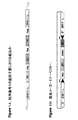
1つおきのハイグロマイシン耐性遺伝子(例えば、図1A中に示される3つの同一のHyg遺伝子を参照のこと)を含む発現カセット中の1つの重鎖(HC)および2コピーの軽鎖(LC)を含む例示的多鎖抗体が、ゲノム中にランダムに組み込まれた。1つの安定かつ高発現のクローンが、配列番号1として識別された遺伝子座内での発現カセットの組込みから生じた。 One heavy chain (HC) and two copies of the light chain (LC) in an expression cassette containing every other hygromycin resistance gene (see, for example, three identical Hyg genes shown in FIG. 1A). An exemplary multi-chain antibody comprising was randomly integrated into the genome. One stable and highly expressing clone resulted from the integration of the expression cassette within the locus identified as SEQ ID NO: 1.
CHOゲノムの別の領域(対照組込み部位)中への組込みと比較して、この例示的な多鎖抗体は、配列番号1の遺伝子座内に組み込まれた場合、より高い発現レベルを示す。興味深いことに、遺伝子コピー数は、配列番号1対対照組込み部位内に組み込まれた抗体発現性ポリヌクレオチドについて同等であるが、タンパク質力価は、配列番号1内に組み込まれた抗体発現性ポリヌクレオチドについて3倍高い。 Compared to integration into another region of the CHO genome (the control integration site), this exemplary multi-chain antibody shows higher expression levels when integrated within the locus of SEQ ID NO: 1. Interestingly, the gene copy number is equivalent for SEQ ID NO: 1 versus the antibody expressing polynucleotide integrated into the control integration site, but the protein titer is About three times higher.
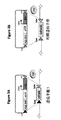
標的化組換え方法を使用して、CHO細胞ゲノムを、リコンビナーゼ認識部位を含むクローニング構築物へと変換した(例えば、図3A〜Bを参照のこと)。 Using a targeted recombination method, the CHO cell genome was converted into a cloning construct containing a recombinase recognition site (see, for example, FIGS. 3A-B).
本質的に、配列番号1の組込み部位の識別の後で、任意の他の所望のエレメント、例えば、プロモーター、エンハンサー、マーカー、オペレーター、リボソーム結合部位(例えば、内部リボソーム進入部位)などと共に、選択可能なマーカーなどの発現可能なGOIを含む発現カセットを導入するために、リコンビナーゼ認識部位(例えば、lox部位)をこの遺伝子座において用いた(例えば、図3A〜Bを参照のこと)。 Essentially, after identification of the integration site of SEQ ID NO: 1, it can be selected along with any other desired elements, such as promoters, enhancers, markers, operators, ribosome binding sites (eg, internal ribosome entry sites), etc. A recombinase recognition site (e.g., a lox site) was used at this locus to introduce an expression cassette containing an expressible GOI such as a novel marker (see, e.g., FIGS. 3A-B).
配列番号1内でのlox部位の標的化組込みに使用される例示的ドナー構築物は、図1B中に図示される。このドナー構築物は、ネオマイシン(neo)耐性遺伝子および内部リボソーム進入部位(IRES)によって駆動される発現カセットを含み、このカセットは、蛍光マーカー(mKate)を含み、リコンビナーゼ認識部位が5’端および3’端で隣接し、5’および3’相同アーム(配列番号1に対して相同)が隣接する。配列番号1の遺伝子座内での挿入が示され、この挿入は、ハイグロマイシン耐性マーカーを含む発現カセットを置き換えるドナーneo/mKate構築物を生じ、配列番号1の遺伝子座内の発現カセットには、5’および3’相同アーム(配列番号1に対して相同)に接続されたリコンビナーゼ認識部位が、その5’端および3’端で隣接する(図1Bを参照のこと)。 An exemplary donor construct used for targeted integration of a lox site within SEQ ID NO: 1 is illustrated in FIG. 1B. This donor construct contains a neomycin (neo) resistance gene and an expression cassette driven by an internal ribosome entry site (IRES), which contains a fluorescent marker (mKate) and has a recombinase recognition site at the 5 ′ end and 3 ′. Adjacent at the ends, the 5 'and 3' homology arms (homologous to SEQ ID NO: 1) are adjacent. An insertion within the locus of SEQ ID NO: 1 is shown, which results in a donor neo / mKate construct that replaces the expression cassette containing the hygromycin resistance marker, and the expression cassette within the locus of SEQ ID NO: 1 contains 5 Recombinase recognition sites connected to the 'and 3' homology arms (homologous to SEQ ID NO: 1) are adjacent at their 5 'and 3' ends (see Figure IB).
核酸配列を真核生物細胞中に安定に組み込むための組成物および方法が提供され、この核酸配列は、配列番号1またはその発現増強性断片中に組み込まれるおかげで、増強された発現が可能である。GOIからの目的のタンパク質の発現を達成するために、GOIを挿入するのに便利な配列番号1内のリコンビナーゼ認識配列を含む細胞が、提供される。例えば発現ベクターなどの発現構築物と併せて組込み部位を標的化するため、および目的のCHO細胞中に外因性核酸を加えるための組成物および方法もまた提供される。
CHO組込み部位の物理的および機能的特徴
Compositions and methods are provided for stably incorporating a nucleic acid sequence into a eukaryotic cell, wherein the nucleic acid sequence is capable of enhanced expression due to its incorporation into SEQ ID NO: 1 or an expression enhancing fragment thereof. is there. To achieve expression of the protein of interest from the GOI, a cell is provided that contains a recombinase recognition sequence within SEQ ID NO: 1 that is convenient for inserting the GOI. Compositions and methods are also provided for targeting an integration site in conjunction with an expression construct, such as, for example, an expression vector, and for adding exogenous nucleic acid into a CHO cell of interest.
Physical and functional characteristics of the CHO integration site
配列番号1の核酸配列(および配列番号4のより広い核酸配列)は、高いレベルでタンパク質を発現する細胞株の核酸構築物(発現カセットを含む)の組込み部位の上流および下流の配列によって、実験的に識別された。本発明の核酸配列は、核酸(例えば、GOIを含む外因性核酸)の増強された発現および安定性と関連する新たな機能性を有する配列を提供し、任意の1つの理論に束縛されるものではないが、cis−作用性エレメント、例えば、プロモーター、エンハンサー、遺伝子座制御領域、足場付着領域またはマトリックス付着領域について以前に記載されたものと同じまたは異なる形で機能し得る。配列番号1は、いずれのオープンリーディングフレーム(ORF)も有さないようであり、その遺伝子座が新規トランス−アクチベータータンパク質をコードする可能性を低くする。推定ジンクフィンガータンパク質は、配列番号4の3’側(下流)のゲノム遺伝子座中で識別されている。 The nucleic acid sequence of SEQ ID NO: 1 (and the broader nucleic acid sequence of SEQ ID NO: 4) can be modified experimentally by sequences upstream and downstream of the integration site of the nucleic acid construct (including the expression cassette) of the cell line that expresses the protein at high levels. Was identified. The nucleic acid sequences of the invention provide sequences with new functionality associated with enhanced expression and stability of nucleic acids (eg, exogenous nucleic acids, including GOIs), and are bound by any one theory Although not, they may function in the same or different manner as previously described for cis-acting elements, such as promoters, enhancers, locus control regions, scaffold attachment regions or matrix attachment regions. SEQ ID NO: 1 does not appear to have any open reading frames (ORFs), reducing the likelihood that the locus encodes a novel trans-activator protein. A putative zinc finger protein has been identified in the genomic locus 3 '(downstream) of SEQ ID NO: 4.
発現増強活性が、CHOゲノムDNAの非コード領域の独自の部位内での、第1のハイグロマイシン(Hyg)遺伝子、第1のGOI、第2のHyg遺伝子、第2のGOI、第3のHyg遺伝子および第3のGOIコード配列を含む発現カセットの組込みに関して識別された。例えば、GOIを発現する発現カセットに関して、CHOゲノムDNAの非コード領域から識別された5’側の単離された1kb領域および3’側の単離された1kb領域を含む発現ベクターは、それらをトランスフェクトしたCHO細胞に、高レベルの組換えタンパク質の発現を付与できた。 The expression-enhancing activity is determined by the first hygromycin (Hyg) gene, the first GOI, the second Hyg gene, the second GOI, and the third Hyg in a unique site of the non-coding region of the CHO genomic DNA. A gene and an integration of an expression cassette containing a third GOI coding sequence were identified. For example, for an expression cassette that expresses a GOI, an expression vector comprising a 5 'isolated 1 kb region and a 3' isolated 1 kb region identified from a non-coding region of CHO genomic DNA, Transfected CHO cells could confer high levels of recombinant protein expression.
本発明は、逆配向の配列番号1断片または配列番号4断片を含む発現ベクターを包含する。本明細書に記載される断片の他の組合せもまた開発され得る。また開発され得る本明細書に記載される断片の他の組合せの例には、本明細書に開示される複数コピーの発現増強性配列を含む配列、または調節エレメントの最適な組合せを達成するために、開示された配列番号1断片もしくは配列番号4断片を他のヌクレオチド配列と組み合わせることによって得られた配列が含まれる。かかる組合せは、(例えば、断片間でのスペーサーヌクレオチドの導入によって)配列番号1または配列番号4断片の最適な間隔を提供するために、連続的に連結または整列され得る。調節エレメントもまた、この調節エレメントに対する、配列番号1断片の最適な間隔を提供するために整列され得る。 The present invention encompasses an expression vector comprising a fragment of SEQ ID NO: 1 or SEQ ID NO: 4 in the reverse orientation. Other combinations of the fragments described herein can also be developed. Examples of other combinations of fragments described herein that may also be developed include sequences comprising multiple copies of the expression enhancing sequences disclosed herein, or to achieve optimal combinations of regulatory elements. Include sequences obtained by combining the disclosed SEQ ID NO: 1 fragment or SEQ ID NO: 4 fragment with other nucleotide sequences. Such combinations can be linked or aligned sequentially to provide optimal spacing of the SEQ ID NO: 1 or SEQ ID NO: 4 fragments (eg, by introducing spacer nucleotides between the fragments). Regulatory elements can also be aligned to provide optimal spacing of the SEQ ID NO: 1 fragment relative to the regulatory elements.
本明細書に開示される配列番号1および配列番号4は、CHO細胞から単離された。他の哺乳動物種(例えば、ヒトまたはマウスなど)は、識別された発現増強性領域に対して限定的な相同性を有することが見出されたが、相同配列は、Cricetulus griseusの他の組織型または他の相同種の由来の細胞株において見出され得、当該分野で周知の技術によって単離され得る。例えば、種間ハイブリダイゼーションまたはPCRベースの技術によって、他の相同配列を識別できる。さらに、当該分野で周知の部位特異的変異誘発技術またはランダム変異誘発技術によって、配列番号1、配列番号4に示されるヌクレオチド配列またはそれらの断片中に変化がもたらされ得る。次いで、得られた配列バリアントは、本明細書に記載されるように、発現増強活性について試験され得る。発現増強活性を有する、配列番号1、配列番号4に対する核酸同一性において少なくとも約90%同一であるDNAまたはそれらの断片は、慣用的実験によって単離可能であり、発現増強活性を示すと予測される。配列番号1または配列番号4の断片について、パーセント同一性とは、配列番号1断片または配列番号4断片中に見出される参照ネイティブ配列のその部分を指す。従って、配列番号1、配列番号4のホモログまたはそれらの断片、およびそれらのバリアントもまた、本発明の実施形態によって包含される。 SEQ ID NO: 1 and SEQ ID NO: 4 disclosed herein have been isolated from CHO cells. Other mammalian species (eg, human or mouse) have been found to have limited homology to the identified expression-enhancing regions, but the homologous sequences may be found in other tissues of Criticulus griseus Can be found in cell lines derived from types or other homologous species and can be isolated by techniques well known in the art. For example, other homologous sequences can be identified by interspecies hybridization or PCR-based techniques. Furthermore, changes can be effected in the nucleotide sequence shown in SEQ ID NO: 1, SEQ ID NO: 4, or fragments thereof, by site-directed or random mutagenesis techniques well known in the art. The resulting sequence variants can then be tested for expression enhancing activity, as described herein. DNAs or fragments thereof that are at least about 90% identical in nucleic acid identity to SEQ ID NO: 1 and SEQ ID NO: 4 that have expression enhancing activity can be isolated by routine experimentation and are expected to exhibit expression enhancing activity. You. For fragments of SEQ ID NO: 1 or SEQ ID NO: 4, percent identity refers to that portion of the reference native sequence found in the SEQ ID NO: 1 fragment or SEQ ID NO: 4 fragment. Accordingly, homologs of SEQ ID NO: 1, SEQ ID NO: 4 or fragments thereof, and variants thereof, are also encompassed by embodiments of the present invention.
ある特定の実施形態では、配列番号1の断片は、配列番号1の10〜4,000;100〜3,900;200〜3,800;300〜3,700;400〜3,600;500〜3,500;600〜3,400;700〜3,300;800〜3,200;900〜3,100;1,000〜3,000;1,100〜2,900;1,200〜2,800;1,300〜2,700;1,200〜2,600;1,300〜2,500;1,400〜2,400;1,500〜2,300;1,600〜2,200;1,700〜2100;1,800〜2050;1850〜2050、1,900〜2040;1950〜2,025、1990〜2021、2002〜2021および2,010〜2,015と番号付けされた位置に及ぶヌクレオチドからなる群から選択される。別の実施形態では、配列番号1の断片は、配列番号1の10〜500;500〜1,000;500〜2,100;1,000〜1,500;1,000〜2,100;1,500〜2,000;1,500〜2,500;2,000〜2,500;2,500〜3,000;2,500〜3,500;3,000〜3,500;3,000〜4,000;および3,500〜4,000と番号付けされた位置に及ぶヌクレオチドからなる群から選択される。ある特定の実施形態では、外因性核酸配列は、上記断片内の特異的部位においてまたはその近傍で組み込まれる。 In certain embodiments, the fragment of SEQ ID NO: 1 is 10-4,000; 100-3900; 200-3800; 300-3700; 400-3600; 3,500; 600-3,400; 700-3,300; 800-3,200; 900-3,100; 1,000-3,000; 1,100-2,900; 800; 1,300-2,700; 1,200-2,600; 1,300-2,500; 1,400-2,400; 1,500-2,300; 1,600-2,200; 1,700 to 2100; 1,800 to 2050; 1850 to 2050, 1,900 to 2040; 1950 to 2,025, 1990 to 2021, 2002 to 2021, and 2,010 to 2,015 It is selected from the group consisting of department nucleotides. In another embodiment, the fragment of SEQ ID NO: 1 is 10-500; 500-1,000; 500-2,100; 1,000-1,500; 1,000-2,100; 1,500 to 2,500; 2,000 to 2,500; 2,500 to 3,000; 2,500 to 3,500; 3,000 to 3,500; 4 , 4,000; and 3,500 to 4,000. In certain embodiments, an exogenous nucleic acid sequence is incorporated at or near a specific site within the fragment.
別の実施形態では、この外因性核酸配列は、上記配列番号1もしくはその断片内に、または配列番号1の発現増強性配列もしくはその発現増強性断片に対して少なくとも約90%同一、少なくとも約91%同一、少なくとも約92%同一、少なくとも約93%同一、少なくとも約94%同一、少なくとも約95%同一、少なくとも約96%同一、少なくとも約97%同一、少なくとも約98%同一もしくは少なくとも約99%同一である配列内に位置される。 In another embodiment, the exogenous nucleic acid sequence is at least about 90% identical, at least about 91%, to the SEQ ID NO: 1 or a fragment thereof, or to the expression enhancing sequence of SEQ ID NO: 1 or an expression enhancing fragment thereof. % Identical, at least about 92% identical, at least about 93% identical, at least about 94% identical, at least about 95% identical, at least about 96% identical, at least about 97% identical, at least about 98% identical or at least about 99% identical Are located in an array.
増強されたレベルの目的のタンパク質を発現する細胞集団が、本明細書に提供される方法を使用して開発され得る。発現の絶対的レベルは、タンパク質が細胞によって如何に効率的にプロセシングされるかに依存して、特定のタンパク質によって変動する。本発明の発現増強性配列内に組み込まれた外因性配列を用いて開発された細胞プールは、経時的に安定であり、ほとんどの目的のために安定な細胞株として処理され得る。組換えステップはまた、本発明の細胞株の開発のプロセスにおいて、後になるまで遅延され得る。
CHO発現増強性遺伝子座およびその断片
Cell populations that express enhanced levels of the protein of interest can be developed using the methods provided herein. The absolute level of expression will vary for a particular protein, depending on how efficiently the protein is processed by the cell. Cell pools developed with exogenous sequences incorporated within the expression enhancing sequences of the invention are stable over time and can be treated as stable cell lines for most purposes. The recombination step can also be delayed until later in the process of developing the cell line of the invention.
CHO expression enhancing loci and fragments thereof
本発明は、配列番号1または配列番号4のヌクレオチド配列に対して少なくとも約90%同一、少なくとも約91%同一、少なくとも約92%同一、少なくとも約93%同一、少なくとも約94%同一、少なくとも約95%同一、少なくとも約96%同一、少なくとも約97%同一、少なくとも約98%同一または少なくとも約99%同一であるヌクレオチド配列の発現増強性断片を包含する。本発明は、一過性のまたは安定なトランスフェクションのためを含む、配列番号1の10〜4,000;100〜3,900;200〜3,800;300〜3,700;400〜3,600;500〜3,500;600〜3,400;700〜3,300;800〜3,200;900〜3,100;1,000〜3,000;1,100〜2,900;1,200〜2,800;1,300〜2,700;1,200〜2,600;1,300〜2,500;1,400〜2,400;1,500〜2,300;1,600〜2,200;1,700〜2100;1,800〜2050;1850〜2050、1,900〜2040;1950〜2,025、1990〜2021、2002〜2021および2,010〜2,015と番号付けされた位置に及ぶ断片を含むベクターを含む。本発明は、かかる断片を含む真核生物細胞もまた含み、この断片は、細胞にとって外因性であり、細胞ゲノム中に組み込まれ、細胞は、この断片内、この断片に対して直ぐ5’側、またはこの断片に対して直ぐ3’側にある少なくとも1つのリコンビナーゼ認識部位を有するかかる断片を含む。 The invention provides for at least about 90% identical, at least about 91% identical, at least about 92% identical, at least about 93% identical, at least about 94% identical, at least about 95% identical to the nucleotide sequence of SEQ ID NO: 1 or SEQ ID NO: 4. % Enhancing, at least about 96% identical, at least about 97% identical, at least about 98% identical or at least about 99% identical. The present invention includes for transient or stable transfection, 10-4,000 of SEQ ID NO: 1; 100-3,900; 200-3,800; 300-3,700; 600; 500 to 3,500; 600 to 3,400; 700 to 3,300; 800 to 3,200; 900 to 3,100; 1,000 to 3,000; 1,100 to 2,900; 200-2,800; 1,300-2,700; 1,200-2,600; 1,300-2,500; 1,400-2,400; 1,500-2,300; 1,600- 2,200; 1,700 to 2100; 1,800 to 2050; 1850 to 2050, 1,900 to 2040; 1950 to 2,025, 1990 to 2021, 2002 to 2021, and 2,010 to 2,015 and Comprising a vector comprising a fragment spanning the issue-ordered positions. The present invention also includes eukaryotic cells that contain such fragments, which fragments are exogenous to the cell and integrated into the cell genome, wherein the cell is located within the fragment immediately 5 ′ to the fragment. Or such a fragment having at least one recombinase recognition site immediately 3 ′ to the fragment.
一実施形態では、配列番号1の発現増強性断片は、配列番号1の10〜500;500〜1,000;500〜2,100;1,000〜1,500;1,000〜2,100;1,500〜2,000;1,500〜2,500;2,000〜2,500;2,500〜3,000;2,500〜3,500;3,000〜3,500;3,000〜4,000;または3,500〜4,000と番号付けされた位置に及ぶ配列番号1内の位置に位置する。 In one embodiment, the expression enhancing fragment of SEQ ID NO: 1 is from 10 to 500; 500 to 1,000; 500 to 2,100; 1,000 to 1,500; 1,500 to 2,000; 1,500 to 2,500; 2,000 to 2,500; 2,500 to 3,000; 2,500 to 3,500; 3,000 to 3,500; 000-4,000; or located in SEQ ID NO: 1 spanning the positions numbered 3,500-4,000.
組み込まれたポリヌクレオチドの安定な組込みおよび/または増強された転写が支持される場合、例示された部位に対する遺伝子座挿入(即ち、組込み)部位の正確な位置は、重要ではない。むしろ、組込み部位は、本明細書に記載されるような、配列番号1もしくは配列番号1の断片または配列番号4もしくは配列番号4の断片内の、あるいは配列番号1もしくは配列番号1の断片または配列番号4もしくは配列番号4の断片に隣接する任意の位置であり得る。目的の遺伝子座内または目的の遺伝子座に隣接する特異的染色体位置が、組み込まれた外因性遺伝子の安定な組込みおよび効率的な転写を支持するかどうかは、当該分野で周知の標準的手順または本明細書に例示される方法に従って決定され得る。 If stable integration and / or enhanced transcription of the integrated polynucleotide is supported, the exact location of the locus insertion (ie, integration) site relative to the exemplified site is not critical. Rather, the integration site is within SEQ ID NO: 1 or a fragment of SEQ ID NO: 1 or a fragment of SEQ ID NO: 4 or SEQ ID NO: 1 or a fragment or sequence of SEQ ID NO: 1 or SEQ ID NO: 1, as described herein. No. 4 or any position adjacent to the fragment of SEQ ID No. 4. Whether a specific chromosomal location within or adjacent to a locus of interest supports stable integration and efficient transcription of the integrated exogenous gene can be determined by standard procedures well known in the art or It can be determined according to the methods exemplified herein.
本明細書で考慮される組込み部位は、配列番号1もしくは配列番号4のヌクレオチド配列を含む遺伝子座内に、または目的の遺伝子座に対してごく近接内に、例えば、染色体DNA上の配列番号1の位置に対して上流(5’)もしくは下流(3’)の約1kb、500塩基対(bp)、250bp、100bp、50bp、25bp、10bp未満、もしくは約5bp未満内に位置する。なお他の一部の実施形態では、用いられる組込み部位は、染色体DNA上の配列番号1または配列番号4の位置に対して上流(5’)または下流(3’)約1000、2500、5000またはそれ超の塩基対に位置する。 The integration site contemplated herein may be within the locus comprising the nucleotide sequence of SEQ ID NO: 1 or SEQ ID NO: 4, or in close proximity to the locus of interest, for example, SEQ ID NO: 1 on chromosomal DNA. Is located within about 1 kb, 500 base pairs (bp), 250 bp, 100 bp, 50 bp, 25 bp, less than 10 bp, or less than about 5 bp upstream (5 ') or downstream (3') of the position. In some other embodiments, the integration site used is upstream (5 ') or downstream (3') to about 1000, 2500, 5000 or 5000 relative to the position of SEQ ID NO: 1 or SEQ ID NO: 4 on the chromosomal DNA. It is located more than that.
大きいゲノム領域、例えば足場/マトリックス付着領域が染色体DNAの効率的な複製および転写のために用いられることが、当該分野で理解されている。足場付着領域(SAR)、またはマトリックス関連もしくはマトリックス付着領域(MAR)とも呼ばれる公知の足場/マトリックス付着領域(S/MAR)は、核マトリックスが付着する真核生物ゲノムDNA領域である。任意の1つの理論に束縛されるものではないが、S/MARは、典型的には、非コード領域にマップされ、その近隣物から所与の転写領域(例えば、クロマチンドメイン)を分離し、転写を可能にする因子の装置および/または結合のためのプラットフォーム、例えば、DNAseまたはポリメラーゼのための認識部位もまた提供する。一部のS/MARは、約14〜20kb長において特徴付けられている(Klarら、2005年、Gene 364巻:79〜89頁)。このように、遺伝子座1における(配列番号1もしくは配列番号4内またはそれらの近傍)遺伝子の組込みは、増強された発現を付与すると予測される。 It is understood in the art that large genomic regions, such as scaffold / matrix attachment regions, are used for efficient replication and transcription of chromosomal DNA. The known scaffold / matrix attachment region (S / MAR), also called the scaffold attachment region (SAR), or the matrix-associated or matrix attachment region (MAR), is the region of eukaryotic genomic DNA to which the nuclear matrix attaches. Without being bound by any one theory, S / MARs are typically mapped to non-coding regions and separate a given transcribed region (eg, a chromatin domain) from its neighbors; Also provided are devices for the transcriptional enabling device and / or a platform for binding, eg, recognition sites for DNAse or polymerase. Some S / MARs have been characterized at about 14-20 kb in length (Klar et al., 2005, Gene 364: 79-89). Thus, integration of the gene at locus 1 (within or near SEQ ID NO: 1 or SEQ ID NO: 4) is expected to confer enhanced expression.
当業者は、いくつかのエレメントが、対象遺伝子座における高い転写活性のために最適化され得、目的のタンパク質をコードする挿入された遺伝子の高い発現を生じることを認識し得る。考慮されるエレメントには、転写を駆動するための強いプロモーター、適切な転写装置、およびオープンかつアクセス可能な立体配置を有するDNAが含まれる。対象遺伝子座における挿入は、配列番号1または配列番号4内の選択された組込み部位を標的化することによって、当業者の技術範囲内で最適化され得る。 One of skill in the art will recognize that some elements can be optimized for high transcriptional activity at the locus of interest, resulting in high expression of the inserted gene encoding the protein of interest. Elements considered include strong promoters to drive transcription, suitable transcriptional equipment, and DNA with open and accessible configurations. Insertions at the locus of interest can be optimized within the skill of the art by targeting selected integration sites within SEQ ID NO: 1 or SEQ ID NO: 4.
一実施形態では、配列番号1の発現増強性配列が、GOIの発現を増強するために用いられる。図2Aは、CHO細胞ゲノム中の異なる遺伝子座(対照遺伝子座)中に組み込まれた同じGOIと比較した、配列番号1(遺伝子座1)に作動可能に連結したGOIの結果を示す。各細胞株について測定された遺伝子コピー数は等価であるが、実験は、GOIを発現する細胞のmRNAレベルおよびタンパク質力価が、遺伝子座1に作動可能に連結したGOIについて3倍高いことを示している。
In one embodiment, the expression enhancing sequence of SEQ ID NO: 1 is used to enhance expression of the GOI. FIG. 2A shows the results of a GOI operably linked to SEQ ID NO: 1 (locus 1) compared to the same GOI integrated into a different locus in the CHO cell genome (control locus). Although the gene copy number measured for each cell line is equivalent, experiments show that the mRNA levels and protein titers of cells expressing GOI are three times higher for GOI operably linked to
種々の実施形態では、GOIの発現は、配列番号1または配列番号4内にGOIを配置することによって増強され得る。種々の実施形態では、発現における増強は、少なくとも約1.5倍から約3倍またはそれ超である。
標的遺伝子座を遺伝子改変する
In various embodiments, GOI expression can be enhanced by placing the GOI within SEQ ID NO: 1 or SEQ ID NO: 4. In various embodiments, the enhancement in expression is at least about 1.5-fold to about 3-fold or more.
Genetically modify the target locus
特定の位置(即ち、標的遺伝子座)において細胞ゲノムを遺伝子操作するための方法は、いくつかの方法で達成され得る。核酸配列を真核生物細胞中に安定に組み込むために遺伝子編集技術を使用したが、この核酸配列は、かかる細胞中に通常は見出されない外因性配列である。細胞子孫が、操作された細胞株の同一の遺伝子型特徴および表現型特徴を共有することを確実にするために、クローン増殖が必要である。一部の例では、ネイティブ細胞は、配列番号1または配列番号4内に外因性核酸配列が組み込まれるように、相同組換え技術によって改変される。他の例では、外因性核酸配列または目的の遺伝子を組み込むために便利な配列番号1または配列番号4内の少なくとも1つのリコンビナーゼ認識配列を含む細胞が、提供される。 Methods for genetically engineering a cell genome at a particular location (ie, a target locus) can be accomplished in several ways. Although gene editing techniques have been used to stably integrate nucleic acid sequences into eukaryotic cells, the nucleic acid sequences are exogenous sequences not normally found in such cells. Clonal expansion is required to ensure that cell progeny share the same genotypic and phenotypic characteristics of the engineered cell line. In some cases, native cells are modified by homologous recombination techniques to incorporate an exogenous nucleic acid sequence within SEQ ID NO: 1 or SEQ ID NO: 4. In another example, a cell is provided that comprises at least one recombinase recognition sequence within SEQ ID NO: 1 or SEQ ID NO: 4 that is convenient for incorporating an exogenous nucleic acid sequence or gene of interest.
一部の例では、第1のリコンビナーゼ認識配列および第2のリコンビナーゼ認識配列を含む細胞が提供され、第1および第2のリコンビナーゼ認識配列の各々は、LoxP、Lox511、Lox5171、Lox2272、Lox2372、Loxm2、Lox−FAS、Lox71、Lox66およびそれらの変異体を含む群から選択される。この場合、リコンビナーゼ媒介性カセット交換(RMCE)が所望されるとき、部位特異的リコンビナーゼは、Creリコンビナーゼまたはその誘導体である。他の例では、第1および第2のリコンビナーゼ認識配列の各々は、FRT、F3、F5、FRT変異体−10、FRT変異体+10およびそれらの変異体を含む群から選択され、このシナリオでは、RCMEが所望されるとき、部位特異的リコンビナーゼは、Flpリコンビナーゼまたはその誘導体である。さらに別の例では、前記第1および第2のリコンビナーゼ認識配列の各々は、attB、attPおよびそれらの変異体を含む群から選択され、この場合、RMCEが所望されるとき、部位特異的リコンビナーゼは、phiC31インテグラーゼまたはその誘導体である。 In some examples, a cell is provided that includes a first recombinase recognition sequence and a second recombinase recognition sequence, wherein each of the first and second recombinase recognition sequences is LoxP, Lox511, Lox5171, Lox2272, Lox2372, Loxm2. , Lox-FAS, Lox71, Lox66 and variants thereof. In this case, when recombinase-mediated cassette exchange (RMCE) is desired, the site-specific recombinase is Cre recombinase or a derivative thereof. In another example, each of the first and second recombinase recognition sequences is selected from the group comprising FRT, F3, F5, FRT variant-10, FRT variant + 10, and variants thereof, wherein in this scenario: When RCME is desired, the site-specific recombinase is Flp recombinase or a derivative thereof. In yet another example, each of the first and second recombinase recognition sequences is selected from the group comprising attB, attP and variants thereof, wherein when RMCE is desired, the site-specific recombinase is , PhiC31 integrase or a derivative thereof.
一態様では、配列番号1もしくは配列番号4またはそれらの発現増強性断片内に核酸配列を安定に組み込むための方法および組成物は、相同組換えを介する。核酸分子、即ち、目的の遺伝子またはポリヌクレオチドは、相同組換えによって、または組込み部位において配列を特異的に標的化する部位特異的ヌクレアーゼ法を使用することによって、標的化された遺伝子座(即ち、配列番号1)中に挿入され得る。相同組換えのために、相同なポリヌクレオチド分子(即ち、相同アーム)が並び、それらの配列のストレッチを交換する。導入遺伝子は、相同なゲノム配列が導入遺伝子に隣接する場合、この交換の間に導入され得る。一例では、リコンビナーゼ認識部位は、組込み部位において宿主細胞ゲノム中に導入され得る。 In one aspect, the methods and compositions for stably incorporating a nucleic acid sequence into SEQ ID NO: 1 or SEQ ID NO: 4, or expression enhancing fragments thereof, are via homologous recombination. The nucleic acid molecule, ie, the gene or polynucleotide of interest, is targeted to the targeted locus (ie, SEQ ID NO: 1). For homologous recombination, homologous polynucleotide molecules (ie, homology arms) align and exchange stretches of their sequences. The transgene can be introduced during this exchange if the homologous genomic sequence is adjacent to the transgene. In one example, a recombinase recognition site can be introduced into the host cell genome at the integration site.
真核生物細胞における相同組換えは、組込み部位において染色体DNA中に切断を導入することによって促進され得る。モデル系は、二本鎖切断が染色体標的配列内に導入される場合に、遺伝子標的化の間の相同組換えの頻度が増加することを実証している。これは、特定のヌクレアーゼを組込みの特異的部位へと標的化することによって、達成され得る。標的遺伝子座におけるDNA配列を認識するDNA結合性タンパク質は、当該分野で公知である。遺伝子標的化ベクターもまた、相同組換えを促進するために用いられる。相同組換え修復(homology directed repair)のための遺伝子標的化ベクターの非存在下で、細胞は、切断部位において複数ヌクレオチドの欠失または挿入をもたらし得る非相同末端結合(NHEJ)による二本鎖切断を、頻繁に閉じる。挿入または欠失(InDel)が生じた場合、少数のヌクレオチドが切断の部位においてランダムに挿入または欠失され、これらのInDelは、標的遺伝子座内の遺伝子の任意のオープンリーディングフレーム(ORF)をシフトまたは破壊し得る。配列番号1(または配列番号4)として識別された遺伝子座は、遺伝子コード領域ではないことが理解される。従って、内因性遺伝子転写が、遺伝子座における挿入および/または欠失によって破壊されることは想定されない。 Homologous recombination in eukaryotic cells can be facilitated by introducing a break into the chromosomal DNA at the site of integration. The model system demonstrates that the frequency of homologous recombination during gene targeting increases when a double-strand break is introduced within the chromosomal target sequence. This can be achieved by targeting specific nucleases to specific sites of integration. DNA binding proteins that recognize a DNA sequence at a target locus are known in the art. Gene targeting vectors are also used to promote homologous recombination. In the absence of a gene targeting vector for homologous recombination repair, cells will be cut by double-strand breaks by non-homologous end joining (NHEJ), which may result in the deletion or insertion of multiple nucleotides at the cleavage site. Close frequently. When an insertion or deletion (InDel) occurs, a small number of nucleotides are randomly inserted or deleted at the site of the cleavage, and these InDels shift any open reading frame (ORF) of the gene within the target locus. Or can be destroyed. It is understood that the locus identified as SEQ ID NO: 1 (or SEQ ID NO: 4) is not a gene coding region. Thus, it is not envisioned that endogenous gene transcription will be disrupted by insertions and / or deletions at the locus.
相同組換え修復(または相同性指向組換え(homology directed recombination))(HDR)は、対象遺伝子座において遺伝子を挿入または組み込むために特に有用である。ドナー構築物は、本明細書に記載されるように、配列番号1または配列番号4に由来する相同アームを含む。 Homologous recombination repair (or homology directed recombination) (HDR) is particularly useful for inserting or integrating a gene at a locus of interest. The donor construct comprises a homology arm from SEQ ID NO: 1 or SEQ ID NO: 4, as described herein.
遺伝子標的化ベクター構築およびヌクレアーゼ選択は、本発明が関連する当業者の技術範囲内である。 Gene targeting vector construction and nuclease selection are within the skill of those in the art to which the present invention pertains.
一部の例では、モジュラー構造を有し個々のジンクフィンガードメインを含むジンクフィンガーヌクレアーゼ(ZFN)は、標的配列中の特定の3−ヌクレオチド配列(例えば、標的化組込みの部位)を認識する。一部の実施形態は、複数の標的配列を標的化する個々のジンクフィンガードメインの組合せを有するZFNを利用し得る。 In some cases, zinc finger nucleases (ZFNs) that have a modular structure and include individual zinc finger domains recognize specific 3-nucleotide sequences in the target sequence (eg, the site of targeted integration). Some embodiments may utilize ZFNs with combinations of individual zinc finger domains that target multiple target sequences.
転写アクチベーター様(TAL)エフェクターヌクレアーゼ(TALEN)もまた、部位特異的ゲノム編集に用いられ得る。TALエフェクタータンパク質のDNA結合ドメインは、典型的には、FokIなどの制限ヌクレアーゼの非特異的切断ドメインと組み合わせて利用される。一部の実施形態では、TALエフェクタータンパク質のDNA結合ドメインおよび制限ヌクレアーゼ切断ドメインを含む融合タンパク質が、本発明の遺伝子座内の標的配列においてDNAを認識および切断するために用いられる(Boch Jら、2009年 Science 326巻:1509〜1512頁)。 Transcriptional activator-like (TAL) effector nuclease (TALEN) can also be used for site-specific genome editing. The DNA binding domain of a TAL effector protein is typically utilized in combination with a non-specific cleavage domain of a restriction nuclease such as FokI. In some embodiments, a fusion protein comprising a DNA binding domain and a restriction nuclease cleavage domain of a TAL effector protein is used to recognize and cleave DNA at a target sequence within a locus of the invention (Boch J et al. 2009 Science 326: 1509-1512).
RNAガイドエンドヌクレアーゼ(RGEN)は、細菌の適応免疫装置から開発されたプログラム可能なゲノム操作ツールである。この系−クラスター化された調節間隔配置の短いパリンドローム配列リピート(CRISPR)/CRISPR関連(Cas)免疫応答−では、タンパク質Cas9が、2つのRNAと複合体化した場合に配列特異的エンドヌクレアーゼを形成し、RNAの一方は、標的選択をガイドする。RGENは、成分(Cas9およびtracrRNA)および標的特異的CRISPR RNA(crRNA)からなる。DNA標的切断の効率および切断部位の位置の両方が、標的認識のためのさらなる要件であるプロトスペーサー隣接モチーフ(PAM)の位置に基づいて変動する(Chen, H.ら、J. Biol. Chem.、2014年3月14日にManuscript M113.539726としてオンライン公開)。 RNA Guide Endonuclease (RGEN) is a programmable genomic manipulation tool developed from a bacterial adaptive immunity device. In this system—a clustered regulatory interval short palindromic sequence repeat (CRISPR) / CRISPR-related (Cas) immune response—the protein Cas9, when complexed with two RNAs, binds a sequence-specific endonuclease. One of the RNAs formed guides target selection. RGEN consists of components (Cas9 and tracrRNA) and target-specific CRISPR RNA (crRNA). Both the efficiency of DNA target cleavage and the location of the cleavage site vary based on the location of the protospacer flanking motif (PAM), an additional requirement for target recognition (Chen, H. et al., J. Biol. Chem. , Published online March 14, 2014 as Manuscript M113.539726).
配列番号1の特異的標的化遺伝子座に特有の配列を識別するための戦略は、当該分野で公知であるが、CHOゲノムに対する多くのこれらの配列のアラインメントは、16〜17塩基対の一致を有する潜在的なオフターゲット部位を明らかにしている。配列番号5(配列番号1のヌクレオチド1990〜2001に対応する)に示される配列によってコードされる1つの例示的な20bpのガイドRNAは、配列番号1または配列番号4のRNAガイドされたCRISPR/Cas遺伝子編集に有用である。スモールガイドRNAおよびtracrRNA(例えば、配列番号6)の発現を駆動するプロモーターを含み、ならびにプロモーターの制御下に適切なCas9酵素を運搬するプラスミドが、この方法による標的化組込みを用いるために、ドナーベクター(5’および3’相同アームが隣接する目的の遺伝子を運搬する)と共に、共トランスフェクトされ得る。本明細書で上記したものに加えて、RNA分子の種々の改変およびバリアントが、当業者に明らかであり、本発明の範囲内に入ることが意図される。 Strategies for identifying sequences unique to the specific targeting locus of SEQ ID NO: 1 are known in the art, but alignment of many of these sequences to the CHO genome requires a 16-17 base pair match. Potential off-target sites are identified. One exemplary 20 bp guide RNA encoded by the sequence shown in SEQ ID NO: 5 (corresponding to nucleotides 1990-2001 of SEQ ID NO: 1) is the RNA-guided CRISPR / Cas of SEQ ID NO: 1 or SEQ ID NO: 4. Useful for gene editing. Plasmids that contain a promoter that drives the expression of small guide RNA and tracrRNA (eg, SEQ ID NO: 6) and that carry the appropriate Cas9 enzyme under the control of the promoter can be used as a donor vector to use targeted integration by this method. (Where the 5 'and 3' homology arms carry adjacent genes of interest). Various modifications and variants of the RNA molecule in addition to those described herein will be apparent to those skilled in the art and are intended to be within the scope of the invention.
一部の実施形態では、目的の遺伝子または認識配列または遺伝子カセットをコードする配列を含む外因性核酸をゲノム中に導入するためのビヒクルは、場合によっては、外因性核酸および1もしくは複数のさらなるベクターまたはmRNAを運搬するベクターを含む。一実施形態では、1または複数のさらなるベクターまたはmRNAは、ジンクフィンガーヌクレアーゼ(ZFN)、ZFNダイマー、転写アクチベーター様エフェクターヌクレアーゼ(TALEN)、TALエフェクタードメイン融合タンパク質およびRNAガイドDNAエンドヌクレアーゼが含まれるがこれらに限定されない部位特異的ヌクレアーゼをコードするヌクレオチド配列を含む。ある特定の実施形態では、1または複数のベクターまたはmRNAは、ガイドRNA、tracrRNA、およびCas酵素をコードするヌクレオチド配列を含む第1のベクター、ならびにドナー(外因性)ヌクレオチド配列を含む第2のベクターを含む。かかるドナー配列は、目的の遺伝子をコードするヌクレオチド配列、または認識配列、または標的化挿入のために意図されるこれらの外因性エレメントのうちいずれか1つを含む遺伝子カセットを含む。mRNAが使用される場合、mRNAは、当業者に公知の一般的なトランスフェクション方法によって細胞中にトランスフェクトされ得、酵素、例えば、トランスポザーゼまたはエンドヌクレアーゼをコードし得る。細胞中に導入されたmRNAは、一過性であり得、ゲノム中に組み込まれないが、mRNAは、組込みが起こるために必要なまたは有益な外因性核酸を運搬し得る。一部の場合には、mRNAは、アクセサリーポリヌクレオチドの長期持続性の副作用のいずれのリスクも排除するために選択され、短期発現のみが、GOIの所望の組込みを達成するために必要とされる。 In some embodiments, the vehicle for introducing an exogenous nucleic acid comprising a gene of interest or a recognition sequence or sequence encoding a gene cassette into the genome, optionally comprises an exogenous nucleic acid and one or more additional vectors. Alternatively, it contains a vector that carries the mRNA. In one embodiment, the one or more additional vectors or mRNAs include zinc finger nuclease (ZFN), ZFN dimer, transcription activator-like effector nuclease (TALEN), TAL effector domain fusion protein, and RNA guide DNA endonuclease. Non-limiting examples include nucleotide sequences encoding site-specific nucleases. In certain embodiments, the one or more vectors or mRNAs are a first vector comprising a guide RNA, a tracrRNA, and a nucleotide sequence encoding a Cas enzyme, and a second vector comprising a donor (exogenous) nucleotide sequence. including. Such donor sequences include a nucleotide sequence encoding the gene of interest, or a recognition sequence, or a gene cassette containing any one of these exogenous elements intended for targeted insertion. If mRNA is used, it may be transfected into cells by common transfection methods known to those skilled in the art and may encode an enzyme, such as a transposase or an endonuclease. MRNA introduced into a cell can be transient and not integrated into the genome, but mRNA can carry exogenous nucleic acids necessary or beneficial for integration to occur. In some cases, mRNA is selected to eliminate any risk of long-lasting side effects of the accessory polynucleotide, and only short-term expression is required to achieve the desired integration of the GOI .
相同組換えのさらに他の方法は、正確なDNA結合特異性を有するBuD由来ヌクレアーゼ(BuDN)など、当業者に利用可能である(Stella, S.ら Acta Cryst. 2014年、D70巻、2042〜2052頁)。正確なゲノム改変方法は、細胞表現型の破壊が回避されるように、配列番号1内の独自の標的配列と適合性の利用可能なツールに基づいて選択される。
遺伝子標的化構築物
Still other methods of homologous recombination are available to those skilled in the art, such as BuD derived nucleases (BuDN) with precise DNA binding specificities (Stella, S. et al. Acta Cryst. 2014, D70, 2042- 2052). The exact genomic modification method is selected based on available tools compatible with the unique target sequence in SEQ ID NO: 1 so that destruction of the cell phenotype is avoided.
Gene targeting construct
宿主ゲノム中に組み込まれるポリヌクレオチド配列は、細胞発現系の生成のために、任意の産業的に有用なDNA配列、例えば認識配列であり得る。宿主ゲノム中に組み込まれるポリヌクレオチド配列は、本明細書に記載されるように、任意の治療的または産業的に有用なタンパク質(単数または複数)をコードし得る。外因性核酸配列を組み込むための標的遺伝子座内の標的配列を識別することは、いくつかの因子に依存する。利用される相同組換えの方法に依存して、配列番号1または配列番号4に対して相同な配列を選択することは、十分に当業者の技術範囲内である。部位特異的ヌクレアーゼベクターは、用いられる場合、DNA切断のために意図される特異的部位を認識するさらなる成分(配列組成物)を必要とする。 The polynucleotide sequence integrated into the host genome can be any industrially useful DNA sequence, such as a recognition sequence, for the production of a cell expression system. The polynucleotide sequence integrated into the host genome may encode any therapeutically or industrially useful protein (s), as described herein. Identifying the target sequence within the target locus for incorporating an exogenous nucleic acid sequence depends on several factors. It is well within the skill of the artisan to select a sequence homologous to SEQ ID NO: 1 or SEQ ID NO: 4 depending on the method of homologous recombination utilized. Site-specific nuclease vectors, when used, require an additional component (sequence composition) that recognizes the specific site intended for DNA cleavage.
このように、遺伝子標的化構築物は、典型的には、目的の遺伝子座中への外因性核酸配列の標的化組込みを促進する、かかるヌクレオチド配列を組み込む。一部の実施形態では、構築物は、第1の相同アームおよび第2の相同アームを含む。他の実施形態では、構築物(例えば、遺伝子カセット)は、配列番号1または配列番号4に由来する相同アームを含む。一部の実施形態では、相同アームは、配列番号1または配列番号4中に存在するヌクレオチド配列に対して相同なヌクレオチド配列を含む。具体的実施形態では、構築物は、配列番号2(配列番号1のヌクレオチド1001〜2001に対応する)のヌクレオチド配列を有する5’相同アームおよび配列番号3(配列番号1のヌクレオチド2022〜2001に対応する)のヌクレオチド配列を有する3’相同アームを含む。相同アーム、例えば、第1の相同アーム(5’相同アームとも呼ばれる)および第2の相同アーム(3’相同アームとも呼ばれる)は、遺伝子座内の標的化された配列に対して相同である。5’から3’までの相同アームにより、少なくとも1kb、または少なくとも約2kb、または少なくとも約3kb、または少なくとも約4kb、または少なくとも5kb、または少なくとも約10kbを含む、遺伝子座内の領域または標的化された配列は拡大し得る。他の実施形態では、第1および第2の相同アームのために選択される標的化された配列のヌクレオチドの総数は、少なくとも1kb、または少なくとも約2kb、または少なくとも約3kb、または少なくとも約4kb、または少なくとも5kb、または少なくとも約10kbを含む。一部の例では、5’相同アームと3’相同アーム(標的化される配列に対して相同)との間の距離は、少なくとも5bp、10bp、20bp、30bp、40bp、50bp、60bp、70bp、80bp、90bp、100bp、200bp、300bp、400bp、500bp、600bp、700bp、800bp、900bp、または少なくとも1kb、または少なくとも約2kb、または少なくとも約3kb、または少なくとも約4kb、または少なくとも5kb、または少なくとも約10kbを含む。配列番号2および配列番号3が5’および3’相同アームとして選択される場合、これら2つの相同アーム間の距離は、20ヌクレオチド(配列番号1のヌクレオチド2002〜2021に対応する)であり得る;かかる相同アームは、配列番号1を構成する遺伝子座内、例えば、配列番号1のヌクレオチド1990〜2021または2002〜2021内での外因性核酸配列の組込み、および配列番号1のヌクレオチド2002〜2021の同時欠失を媒介し得る。 As such, gene targeting constructs typically incorporate such nucleotide sequences that facilitate targeted integration of the exogenous nucleic acid sequence into the locus of interest. In some embodiments, the construct comprises a first homology arm and a second homology arm. In other embodiments, the construct (eg, a gene cassette) comprises a homology arm from SEQ ID NO: 1 or SEQ ID NO: 4. In some embodiments, the homology arm comprises a nucleotide sequence homologous to a nucleotide sequence present in SEQ ID NO: 1 or SEQ ID NO: 4. In a specific embodiment, the construct comprises a 5 ′ homology arm having a nucleotide sequence of SEQ ID NO: 2 (corresponding to nucleotides 1001-2001 of SEQ ID NO: 1) and SEQ ID NO: 3 (corresponding to nucleotides 2022-2001 of SEQ ID NO: 1). ) Having a 3 ′ homology arm having the nucleotide sequence of A homology arm, for example, a first homology arm (also referred to as a 5 'homology arm) and a second homology arm (also referred to as a 3' homology arm) are homologous to a targeted sequence within the locus. The 5 'to 3' homology arm targeted or targeted to a region within the locus comprising at least 1 kb, or at least about 2 kb, or at least about 3 kb, or at least about 4 kb, or at least 5 kb, or at least about 10 kb. The sequence can be expanded. In other embodiments, the total number of nucleotides of the targeted sequence selected for the first and second homology arms is at least 1 kb, or at least about 2 kb, or at least about 3 kb, or at least about 4 kb, or At least 5 kb, or at least about 10 kb. In some cases, the distance between the 5 'and 3' homology arms (homologous to the sequence to be targeted) is at least 5 bp, 10 bp, 20 bp, 30 bp, 40 bp, 50 bp, 60 bp, 70 bp, 80 bp, 90 bp, 100 bp, 200 bp, 300 bp, 400 bp, 500 bp, 600 bp, 700 bp, 800 bp, 900 bp, or at least 1 kb, or at least about 2 kb, or at least about 3 kb, or at least about 4 kb, or at least 5 kb, or at least about 10 kb. Including. If SEQ ID NO: 2 and SEQ ID NO: 3 are selected as 5 ′ and 3 ′ homology arms, the distance between these two homology arms may be 20 nucleotides (corresponding to nucleotides 2002-2021 of SEQ ID NO: 1); Such a homology arm may incorporate an exogenous nucleic acid sequence within the locus comprising SEQ ID NO: 1, for example, nucleotides 1990-2021 or 2002-2021 of SEQ ID NO: 1, and simultaneous nucleotides 2002-2021 of SEQ ID NO: 1. Deletion can be mediated.
他の実施形態では、構築物は、第1の相同アームおよび第2の相同アームを含み、組み合わされた第1および第2の相同アームは、遺伝子座内の内因性配列を置き換える標的化された配列を含む。さらに他の実施形態では、第1および第2の相同アームは、遺伝子座内の内因性配列内に組み込まれるか、または挿入される標的化された配列を含む。 In other embodiments, the construct comprises a first homology arm and a second homology arm, wherein the combined first and second homology arms are targeted sequences that displace endogenous sequences within the locus. including. In yet other embodiments, the first and second homology arms include a targeted sequence that is integrated or inserted within an endogenous sequence within the locus.
改変された細胞株は、配列番号1内の位置において1または複数のリコンビナーゼ認識部位を組み込むことによって創出された。これらの改変された細胞株は、発現された目的の遺伝子の陰性選択または陽性選択のためのさらなる外因性遺伝子もまた含み得る。 A modified cell line was created by incorporating one or more recombinase recognition sites at a position within SEQ ID NO: 1. These modified cell lines may also contain additional exogenous genes for negative or positive selection of the expressed gene of interest.
本発明は、CHO細胞ゲノムを改変するための方法を提供し、これらの方法は、1または複数のビヒクルを細胞中に導入するステップを含み、1または複数のビヒクルは、組込みのための配列を含む外因性核酸、配列番号1のヌクレオチド配列中に存在する配列に対して相同な5’相同アーム、および配列番号1のヌクレオチド配列中に存在する配列に対して相同な3’相同アームを含む。一部の実施形態では、これらの方法は、組込み部位における部位特異的DNA切断のためのヌクレアーゼおよび組成物を含む1または複数のビヒクルをさらに提供する。 The invention provides methods for modifying a CHO cell genome, the methods comprising introducing one or more vehicles into a cell, wherein the one or more vehicles comprise a sequence for integration. An exogenous nucleic acid, a 5 'homology arm homologous to the sequence present in the nucleotide sequence of SEQ ID NO: 1, and a 3' homology arm homologous to the sequence present in the nucleotide sequence of SEQ ID NO: 1. In some embodiments, these methods further provide one or more vehicles comprising nucleases and compositions for site-specific DNA cleavage at the site of integration.
改変された細胞株は、リコンビナーゼ媒介性カセット交換(RMCE)のための便利で安定な発現系として利用され得る。目的のタンパク質をコードする核酸配列は、例えば、RMCEプロセスを介して、少なくとも1つのリコンビナーゼ認識部位を有する配列番号1またはその発現増強性断片を含む改変された細胞中に、簡便に組み込まれ得る。 The modified cell lines can be used as a convenient and stable expression system for recombinase-mediated cassette exchange (RMCE). A nucleic acid sequence encoding a protein of interest can be conveniently incorporated, for example, via an RMCE process, into a modified cell comprising SEQ ID NO: 1 or an expression enhancing fragment thereof having at least one recombinase recognition site.
組換え発現ベクターは、哺乳動物、ウイルスまたは昆虫の遺伝子に由来する適切な転写および/または翻訳調節エレメントに作動可能に連結した、タンパク質をコードする合成DNA断片またはcDNA由来DNA断片を含み得る。かかる調節エレメントには、以下に詳細に記載されるように、転写プロモーター、エンハンサー、適切なmRNAリボソーム結合部位をコードする配列、ならびに転写および翻訳の終結を制御する配列が含まれる。哺乳動物発現ベクターは、非転写エレメント、例えば、複製起点、他の5’または3’隣接非転写配列、ならびに5’または3’非翻訳配列、例えば、スプライスドナーおよびアクセプター部位もまた含み得る。トランスフェクタントの認識を促進するための選択可能なマーカー遺伝子もまた、取り込まれ得る。 Recombinant expression vectors can include synthetic or cDNA-derived DNA fragments encoding the protein operably linked to appropriate transcriptional and / or translational regulatory elements derived from mammalian, viral or insect genes. Such regulatory elements include transcriptional promoters, enhancers, sequences encoding appropriate mRNA ribosome binding sites, and sequences that control transcription and translation termination, as described in detail below. Mammalian expression vectors may also contain non-transcribed elements, such as an origin of replication, other 5 'or 3' flanking non-transcribed sequences, and 5 'or 3' untranslated sequences, such as splice donor and acceptor sites. A selectable marker gene to facilitate transfectant recognition may also be incorporated.
蛍光マーカーは、場合によっては、首尾よく挿入および/もしくは置き換えされたか、または挿入および/もしくは置き換えされていない遺伝子カセットの認識のための適切な選択可能なマーカー遺伝子である。Discosomaサンゴ(DsRed)、緑色蛍光タンパク質(GFP)、高感度緑色蛍光タンパク質(eGFP)、藍色蛍光タンパク質(CFP)、高感度藍色蛍光タンパク質(eCFP)、黄色蛍光タンパク質(YFP)、高感度黄色蛍光タンパク質(eYFP)および近赤外蛍光タンパク質(例えば、mKate、mKate2、mPlum、mRaspberryまたはE2−crimson)が含まれるがこれらに限定されない蛍光マーカーの例は、当該分野で周知である。例えば、Nagai, T.ら、2002年 Nature Biotechnology 20巻:87〜90頁;Heim, R.ら 1995年2月23日 Nature 373巻:663〜664頁;およびStrack, R.L.ら 2009年 Biochemistry 48巻:8279〜81頁もまた参照のこと。 A fluorescent marker is a suitable selectable marker gene for the recognition of a gene cassette, which in some cases has been successfully inserted and / or replaced, or has not been inserted and / or replaced. Discosoma Coral (DsRed), Green Fluorescent Protein (GFP), Highly Sensitive Green Fluorescent Protein (eGFP), Blue Fluorescent Protein (CFP), Highly Sensitive Blue Fluorescent Protein (eCFP), Yellow Fluorescent Protein (YFP), Highly Sensitive Yellow Examples of fluorescent markers, including but not limited to fluorescent proteins (eYFP) and near infrared fluorescent proteins (eg, mKate, mKate2, mPlum, mRaspberry or E2-crimson) are well known in the art. For example, Nagai, T. et al., 2002 Nature Biotechnology 20: 87-90; Heim, R. et al. February 23, 1995 Nature 373: 663-664; and Strack, RL et al. 2009 Biochemistry 48. : 8279-81 also see.
脊椎動物細胞をトランスフェクトするために有用な発現ベクター中の転写および翻訳制御配列は、ウイルス供給源によって提供され得る。例えば、一般に使用されるプロモーターおよびエンハンサーは、ポリオーマ、アデノウイルス2、サルウイルス40(SV40)およびヒトサイトメガロウイルス(CMV)などのウイルスに由来する。ウイルスのゲノムプロモーター、制御および/またはシグナル配列は、発現を駆動するために利用され得るが、かかる制御配列が、選択された宿主細胞と適合性であることを条件とする。組換えタンパク質が発現される細胞型に依存して、非ウイルス性細胞プロモーター(例えば、β−グロビンおよびEF−1αプロモーター)もまた使用され得る。
Transcription and translation control sequences in expression vectors useful for transfecting vertebrate cells can be provided by viral sources. For example, commonly used promoters and enhancers are derived from viruses such as polyoma,
SV40ウイルスゲノムに由来するDNA配列、例えば、SV40起点、初期および後期プロモーター、エンハンサー、スプライスならびにポリアデニル化部位が、異種DNA配列の発現のために有用な他の遺伝子エレメントを提供するために使用され得る。初期および後期プロモーターは共に、SV40ウイルス複製起点もまた含む断片として、SV40ウイルスから容易に取得されるので、これらは特に有用である(Fiersら、Nature 273巻:113頁、1978年)。より小さいまたはより大きいSV40断片もまた使用され得る。典型的には、SV40複製起点中に位置するHind III部位からBglI部位に向かって延びるおよそ250bpの配列が含まれる。 DNA sequences derived from the SV40 viral genome, such as the SV40 origin, early and late promoters, enhancers, splices and polyadenylation sites can be used to provide other genetic elements useful for expression of heterologous DNA sequences. . These are particularly useful because both the early and late promoters are easily obtained from the SV40 virus as a fragment that also contains the SV40 viral origin of replication (Fiers et al., Nature 273: 113, 1978). Smaller or larger SV40 fragments may also be used. Typically, an approximately 250 bp sequence extending from a Hind III site to a Bgl I site located in the SV40 origin of replication is included.
複数の転写物の発現のために使用されるバイシストロニック発現ベクターは、以前に記載されており(Kim S. K. およびWold B. J.、Cell 42巻:129頁、1985年)、本発明の発現増強性配列、例えば、配列番号1またはその断片と組み合わせて使用され得る。例えば米国特許第4,634,665号(Axelら)および米国特許第4,656,134号(Ringoldら)に記載されるものなどの、他の型の発現ベクターもまた有用である。
目的のタンパク質
Bicistronic expression vectors used for the expression of multiple transcripts have been described previously (Kim SK and Wold BJ, Cell 42: 129, 1985), and expression enhancing sequences of the present invention. For example, it can be used in combination with SEQ ID NO: 1 or a fragment thereof. Other types of expression vectors are also useful, such as, for example, those described in US Pat. Nos. 4,634,665 (Axel et al.) And U.S. Pat. No. 4,656,134 (Ringold et al.).
Target protein
真核生物細胞における発現に適切な任意の目的のタンパク質が使用され得る。例えば、この目的のタンパク質には、抗体もしくはその抗原結合性断片、キメラ抗体もしくはその抗原結合性断片、ScFvもしくはその断片、Fc−融合タンパク質もしくはその断片、増殖因子もしくはその断片、サイトカインもしくはその断片、または細胞表面受容体の細胞外ドメインもしくはその断片が含まれるがこれらに限定されない。目的のタンパク質は、単一のサブユニットからなる単純なポリペプチド、または2またはそれ超のサブユニットを含む複雑なマルチサブユニットタンパク質であり得る。
宿主細胞およびトランスフェクション
Any protein of interest suitable for expression in eukaryotic cells can be used. For example, proteins of interest include antibodies or antigen-binding fragments thereof, chimeric antibodies or antigen-binding fragments thereof, ScFv or fragments thereof, Fc-fusion proteins or fragments thereof, growth factors or fragments thereof, cytokines or fragments thereof, Or, but not limited to, the extracellular domain of a cell surface receptor or a fragment thereof. The protein of interest can be a simple polypeptide consisting of a single subunit, or a complex multi-subunit protein containing two or more subunits.
Host cells and transfection
本発明の方法において使用される宿主細胞は、例えば、チャイニーズハムスター卵巣(CHO)細胞およびマウス細胞を含む哺乳動物宿主細胞である。好ましい一実施形態では、本発明は、CHO細胞中の発現増強性配列をコードする配列番号1の核酸配列断片を提供する。組込み部位は、配列番号1または配列番号1の任意の断片内に見出され得る。組込み部位は、例えば、配列番号1または配列番号1の任意の断片内に配置されたリコンビナーゼ認識部位であり得る。適切な組込み部位の一例は、LoxP部位である。適切な組込み部位の別の例は、例えば、LoxP部位、Lox511部位、Lox2272部位、Lox2372部位、Loxm2部位、Lox71部位、Lox66部位およびLox5171部位からなる群から選択される、2つのリコンビナーゼ認識部位である。他の実施形態では、この組込み部位は、配列番号1の10〜4,000;100〜3,900;200〜3,800;300〜3,700;400〜3,600;500〜3,500;600〜3,400;700〜3,300;800〜3,200;900〜3,100;1,000〜3,000;1,100〜2,900;1,200〜2,800;1,300〜2,700;1,200〜2,600;1,300〜2,500;1,400〜2,400;1,500〜2,300;1,600〜2,200;1,700〜2100;1,800〜2050;1850〜2050、1,900〜2040;1950〜2,025、1990〜2021、2002〜2021および2,010〜2,015と番号付けされた位置に及ぶヌクレオチドからなる群から選択される配列内の位置、または配列番号1の10〜4,000;100〜3,900;200〜3,800;300〜3,700;400〜3,600;500〜3,500;600〜3,400;700〜3,300;800〜3,200;900〜3,100;1,000〜3,000;1,100〜2,900;1,200〜2,800;1,300〜2,700;1,200〜2,600;1,300〜2,500;1,400〜2,400;1,500〜2,300;1,600〜2,200;1,700〜2100;1,800〜2050;1850〜2050、1,900〜2040;1950〜2,025、1990〜2021、2002〜2021および2,010〜2,015と番号付けされた位置に及ぶヌクレオチドからなる群から選択される配列内の位置に隣接する位置に、位置する。ある特定の実施形態では、配列番号1内の位置における組込み部位または配列番号1内の位置に隣接する組込み部位は、配列番号1の1990〜1991、1991〜1992、1992〜1993、1993〜1994、1995〜1996、1996〜1997、1997〜1998、1999〜2000、2001〜2002、2002〜2003、2003〜2004、2004〜2005、2005〜2006、2006〜2007、2007〜2008、2008〜2009、2009〜2010、2010〜2011、2011〜2012、2012〜2013、2013〜2014、2014〜2015、2015〜2016、2016〜2017、2017〜2018、2018〜2019、2019〜2020および2020〜2021と番号付けされた位置に及ぶヌクレオチドからなる群から選択される。 The host cells used in the methods of the invention are, for example, mammalian host cells, including Chinese hamster ovary (CHO) cells and mouse cells. In one preferred embodiment, the present invention provides a nucleic acid sequence fragment of SEQ ID NO: 1 that encodes an expression enhancing sequence in CHO cells. The integration site may be found in SEQ ID NO: 1 or any fragment of SEQ ID NO: 1. The integration site can be, for example, a recombinase recognition site located within SEQ ID NO: 1 or any fragment of SEQ ID NO: 1. One example of a suitable integration site is a LoxP site. Another example of a suitable integration site is, for example, two recombinase recognition sites selected from the group consisting of LoxP site, Lox511 site, Lox2272 site, Lox2372 site, Loxm2 site, Lox71 site, Lox66 site and Lox5171 site. . In other embodiments, the integration site is 10-4,000 of SEQ ID NO: 1; 100-3,900; 200-3,800; 300-3,700; 400-3,600; 500-3,500. 600 to 3,400; 700 to 3,300; 800 to 3,200; 900 to 3,100; 1,000 to 3,000; 1,100 to 2,900; 1,200 to 2,800; 1,300-2,600; 1,300-2,500; 1,400-2,400; 1,500-2,300; 1,600-2,200; 1,700 1800 to 2050; 1,900 to 2040; 1950 to 2,025, 1990 to 2021, 2002 to 2021, and nuclei spanning positions numbered 2,010 to 2,015. Positions in a sequence selected from the group consisting of otides, or 10 to 4,000 of SEQ ID NO: 1; 100 to 3,900; 200 to 3,800; 300 to 3,700; 400 to 3,600; 3,500; 600-3,400; 700-3,300; 800-3,200; 900-3,100; 1,000-3,000; 1,100-2,900; 800; 1,300-2,700; 1,200-2,600; 1,300-2,500; 1,400-2,400; 1,500-2,300; 1,600-2,200; 1,700-2100; 1,800-2050; 1850-2050, 1,900-2040; 1950-2,025, 1990-2021, 2002-2021 and 2,010-10,015. At a position adjacent to the position in the sequence selected from the group consisting of nucleotides spanning positions located. In certain embodiments, the integration site at a position in or adjacent to a position in SEQ ID NO: 1 is the 1990-1991, 1991-1992, 1992-1993, 1993-1994 of SEQ ID NO: 1. 1995-1996, 1996-1997, 1997-1998, 1999-2000, 2001-2002, 2002-2003, 2003-2004, 2004-2005, 2005-2006, 2006-2007, 2007-2008, 2008-2009, 2009- 2010, 2010-2011, 2011-2012, 2012-2013, 2013-2014, 2014-2015, 2015-2016, 2016-2017, 2017-2018, 2018-2019, 2019-2020 and 2 It is selected from the group consisting of nucleotides ranging from 20 to 2021 numbered position.
本発明は、本発明の発現ベクターまたはmRNAをトランスフェクトした哺乳動物宿主細胞を含む。任意の哺乳動物細胞が使用され得るが、特定の一実施形態では、宿主細胞はCHO細胞である。 The present invention includes a mammalian host cell transfected with the expression vector or mRNA of the present invention. Although any mammalian cells can be used, in one particular embodiment, the host cells are CHO cells.
トランスフェクトされた宿主細胞には、タンパク質もしくはポリペプチドをコードする配列を含む発現ベクターまたはmRNA分子をトランスフェクトした細胞が含まれる。発現されたタンパク質は、培養培地中に分泌され得るが、選択された核酸配列に依存して、細胞中に保持され得る、または細胞膜中に沈着され得る。種々の哺乳動物細胞培養系が、組換えタンパク質を発現させるために用いられ得る。特異的な選択または増幅スキームのために発達させた他の細胞株もまた、本明細書に提供される方法および組成物と共に有用であるが、配列番号1に対して少なくとも80%の相同性を有する標的遺伝子座が識別されていることを条件とする。具体化された細胞株は、K1と称されるCHO細胞株である。組換えタンパク質の高容積産生を達成するために、宿主細胞株は、適切な場合にはバイオリアクター培地に事前適応され得る。 Transfected host cells include cells transfected with an expression vector or mRNA molecule containing a sequence encoding a protein or polypeptide. The expressed protein can be secreted into the culture medium, but can be retained in the cell or deposited in the cell membrane, depending on the nucleic acid sequence chosen. Various mammalian cell culture systems can be used to express the recombinant protein. Other cell lines developed for specific selection or amplification schemes are also useful with the methods and compositions provided herein, but have at least 80% homology to SEQ ID NO: 1. Provided that the target locus is identified. The embodied cell line is a CHO cell line designated K1. To achieve high volume production of recombinant proteins, host cell lines can be pre-adapted to bioreactor media where appropriate.
いくつかのトランスフェクションプロトコールが当該分野で公知であり、Kaufman(1988年)Meth. Enzymology 185巻:537頁に概説されている。選択されるトランスフェクションプロトコールは、宿主細胞型、およびGOIの性質に依存し、慣用的実験に基づいて選択され得る。任意のかかるプロトコールの基礎的要件は、最初に、目的のタンパク質をコードするDNAを適切な宿主細胞中に導入すること、ならびに次いで、比較的安定で、発現可能な様式で異種DNAを取り込んだ宿主細胞を識別および単離することである。宿主細胞ゲノム中への組込みまたは他の機能のために有用なタンパク質をコードするmRNA分子は、一過性であり得、従って、時限的であり得る。 Several transfection protocols are known in the art and are reviewed in Kaufman (1988) Meth. Enzymology 185: 537. The transfection protocol selected will depend on the host cell type, and the nature of the GOI, and can be selected based on routine experimentation. The basic requirement for any such protocol is that the DNA encoding the protein of interest is first introduced into a suitable host cell, and then the host that has incorporated the heterologous DNA in a relatively stable and expressible manner. It is to identify and isolate cells. MRNA molecules encoding proteins useful for integration into the host cell genome or other functions can be transient and, therefore, time-limited.
トランスフェクションプロトコール、ならびにポリペプチドまたはポリヌクレオチド配列を細胞中に導入するためのプロトコールは、変動し得る。非限定的なトランスフェクション方法には、リポソーム;ナノ粒子;リン酸カルシウム(Grahamら(1973年)。Virology 52巻(2号):456〜67頁、Bacchettiら(1977年)Proc Natl Acad Sci USA 74巻(4号):1590〜4頁およびKriegler, M(1991年)。Transfer and Expression: A Laboratory Manual. New York: W. H. Freeman and Company. 96〜97頁);デンドリマー;またはカチオン性ポリマー、例えば、DEAE−デキストランもしくはポリエチレンイミンの使用を含む、化学物質ベースのトランスフェクション方法が含まれる。非化学物質的方法には、エレクトロポレーション;ソノポレーション(Sono-poration);および光学的トランスフェクションが含まれる。粒子ベースのトランスフェクションには、遺伝子銃、磁石補助型トランスフェクションの使用が含まれる(Bertram, J.(2006年)Current Pharmaceutical Biotechnology 7巻、277〜28頁)。ウイルス法もまた、トランスフェクションに使用され得る。mRNA送達は、TransMessenger(商標)およびTransIT(登録商標)を使用する方法を含む(Bireら BMC Biotechnology 2013年、13巻:75頁)。 Transfection protocols, as well as protocols for introducing polypeptide or polynucleotide sequences into cells, can vary. Non-limiting transfection methods include liposomes; nanoparticles; calcium phosphate (Graham et al. (1973). Virology 52 (2): 456-67; Bacchetti et al. (1977) Proc Natl Acad Sci USA 74. (No. 4): 1590-4 and Kriegler, M (1991). Transfer and Expression: A Laboratory Manual. New York: WH Freeman and Company. 96-97); dendrimers; or cationic polymers such as DEAE. -Chemical-based transfection methods, including the use of dextran or polyethyleneimine. Non-chemical methods include electroporation; sono-poration; and optical transfection. Particle-based transfection involves the use of gene gun, magnet-assisted transfection (Bertram, J. (2006) Current Pharmaceutical Biotechnology 7, 277-28). Viral methods can also be used for transfection. mRNA delivery involves a method using TransMessenger ™ and TransIT® (Bire et al. BMC Biotechnology 2013, 13:75).
異種DNAを細胞中に導入する1つの一般に使用される方法は、例えば、Wiglerら(Proc. Natl. Acad. Sci. USA 77巻:3567頁、1980年)によって記載されるような、リン酸カルシウム沈殿である。この方法によって宿主細胞中に導入されたDNAは、再編成を頻繁に受け、このことが、この手順を、独立した遺伝子の共トランスフェクションにとって有用なものにしている。 One commonly used method of introducing heterologous DNA into cells is by calcium phosphate precipitation, for example, as described by Wigler et al. (Proc. Natl. Acad. Sci. USA 77: 3567, 1980). is there. DNA introduced into host cells by this method undergoes frequent rearrangements, making this procedure useful for independent gene co-transfection.
細菌プロトプラストと哺乳動物細胞とのポリエチレン誘導性の融合(Schaffnerら、(1980年)Proc. Natl. Acad. Sci. USA 77巻:2163頁)は、異種DNAを導入する別の有用な方法である。プロトプラスト融合プロトコールは、哺乳動物宿主細胞ゲノム中に組み込まれた複数コピーのプラスミドDNAを頻繁に生じ、この技術は、選択および増幅マーカーがGOIと同じプラスミド上にあることを必要とする。 Polyethylene-induced fusion of bacterial protoplasts with mammalian cells (Schaffner et al., (1980) Proc. Natl. Acad. Sci. USA 77: 2163) is another useful method of introducing heterologous DNA. . Protoplast fusion protocols frequently yield multiple copies of plasmid DNA integrated into the mammalian host cell genome, and this technique requires that the selection and amplification markers be on the same plasmid as the GOI.
エレクトロポレーションもまた、例えば、Potterら(Proc. Natl. Acad. Sci. USA 81巻:7161頁、1988年)またはShigekawaら(BioTechniques 6巻:742頁、1988年)によって記載されるように、宿主細胞の細胞質中にDNAを直接導入するために使用され得る。プロトプラスト融合とは異なり、エレクトロポレーションは、選択マーカーおよびGOIが同じプラスミド上にあることを必要としない。 Electroporation can also be performed, for example, as described by Potter et al. (Proc. Natl. Acad. Sci. USA 81: 7161, 1988) or Shigekawa et al. (BioTechniques 6: 742, 1988). It can be used to introduce DNA directly into the cytoplasm of a host cell. Unlike protoplast fusion, electroporation does not require that the selectable marker and the GOI be on the same plasmid.
Lipofectin(商標)ReagentおよびLipofectamine(商標)Reagent(Gibco BRL、Gaithersburg、Md.)などの、異種DNAを哺乳動物細胞中に導入するために有用な他の試薬が、記載されている。これらの市販の試薬は共に、培養細胞に適用される場合に細胞中への核酸の取り込みを促進する脂質−核酸複合体(またはリポソーム)を形成するために使用される。 Other reagents useful for introducing heterologous DNA into mammalian cells, such as Lipofectin ™ Reagent and Lipofectamine ™ Reagent (Gibco BRL, Gaithersburg, Md.), Have been described. Both of these commercial reagents are used to form lipid-nucleic acid complexes (or liposomes) that, when applied to cultured cells, facilitate the uptake of nucleic acids into cells.
一実施形態では、ポリヌクレオチドの1または複数を細胞中に導入することは、エレクトロポレーションによって、細胞質内注射によって、ウイルス注射によって、アデノウイルスによって、レンチウイルスによって、レトロウイルスによって、トランスフェクションによって、脂質媒介性トランスフェクションによって媒介され、またはNucleofection(商標)を介して媒介される。 In one embodiment, introducing one or more of the polynucleotides into the cell is performed by electroporation, by intracytoplasmic injection, by viral injection, by adenovirus, by lentivirus, by retrovirus, by transfection, It is mediated by lipid-mediated transfection or via Nucleofection ™.
GOIを増幅するための方法もまた、組換えタンパク質の発現のために望ましく、典型的には、選択マーカーの使用を含む(Kaufman上記で概説される)。細胞傷害性薬物に対する耐性は、選択マーカーとして最も頻繁に使用される特徴であり、優性形質(例えば、宿主細胞型とは独立して使用され得る)または劣性形質(例えば、選択される活性が何であれ、その活性を欠損している特定の宿主細胞型において有用)のいずれかの結果であり得る。いくつかの増幅可能なマーカーが、本発明の発現ベクター中での使用に適切である(例えば、Sambrook、Molecular Biology: A Laboratory Manual、Cold Spring Harbor Laboratory、NY、1989年;16.9〜16.14頁に記載されている)。 Methods for amplifying the GOI are also desirable for expression of the recombinant protein and typically involve the use of a selectable marker (reviewed above, Kaufman). Resistance to cytotoxic drugs is a feature that is most frequently used as a selectable marker and can be a dominant trait (eg, which can be used independently of the host cell type) or a recessive trait (eg, whatever activity is selected). It is useful in certain host cell types that lack that activity). Several amplifiable markers are suitable for use in the expression vectors of the present invention (eg, Sambrook, Molecular Biology: A Laboratory Manual, Cold Spring Harbor Laboratory, NY, 1989; 16.9-16. 14).
薬物耐性哺乳動物細胞における遺伝子増幅に有用な選択可能なマーカーは、Kaufman, R. J.、上記の表1に示されており、これには、DHFR−MTX耐性、P−糖タンパク質および多剤耐性(MDR)−種々の親油性細胞傷害剤(例えば、アドリアマイシン、コルヒチン、ビンクリスチン)、ならびにアデノシンデアミナーゼ(ADA)−Xyl−Aまたはアデノシンおよび2’−デオキシコホルマイシンが含まれる。 Selectable markers useful for gene amplification in drug-resistant mammalian cells are shown in Kaufman, RJ, Table 1 above, including DHFR-MTX resistance, P-glycoprotein and multidrug resistance (MDR -)-Includes various lipophilic cytotoxic agents (eg, adriamycin, colchicine, vincristine), and adenosine deaminase (ADA) -Xyl-A or adenosine and 2'-deoxycoformycin.
他の優性な選択可能なマーカーには、微生物由来の抗生物質耐性遺伝子、例えば、ネオマイシン、カナマイシンまたはハイグロマイシン耐性が含まれる。しかし、これらの選択マーカーは、増幅可能でないことが示されている(Kaufman, R. J.、上記)。いくつかの適切な選択系が、哺乳動物宿主について存在している(Sambrook上記、16.9〜16.15頁)。2つの優性な選択可能なマーカーを用いる共トランスフェクションプロトコールもまた記載されている(OkayamaおよびBerg、Mol. Cell Biol 5巻:1136頁、1985年)。 Other dominant selectable markers include antibiotic resistance genes from microorganisms, such as neomycin, kanamycin or hygromycin resistance. However, these selectable markers have been shown not to be amplifiable (Kaufman, R. J., supra). Several suitable selection systems exist for mammalian hosts (Sambrook supra, pp. 16.9-16.15). A co-transfection protocol using two dominant selectable markers has also been described (Okayama and Berg, Mol. Cell Biol 5: 1136, 1985).
以前に記載されたまたは当該分野で公知の有用な調節エレメントもまた、哺乳動物細胞をトランスフェクトするために使用される核酸構築物中に含まれ得る。選択されるトランスフェクションプロトコールおよびそこでの使用のために選択されるエレメントは、使用される宿主細胞の型に依存する。当業者は、多数の異なるプロトコールおよび宿主細胞を知っており、使用される細胞培養系の要件に基づいて、所望のタンパク質の発現のための適切な系を選択できる。 Useful regulatory elements previously described or known in the art can also be included in the nucleic acid constructs used to transfect mammalian cells. The transfection protocol selected and the elements selected for use therein will depend on the type of host cell used. One of skill in the art is aware of many different protocols and host cells, and can select an appropriate system for expressing the desired protein based on the requirements of the cell culture system used.
本発明の他の特色は、本発明の例示のために与えられるのであってその限定を意図しない例示的な実施形態の以下の説明の過程で明らかになる。 Other features of the present invention will become apparent during the following description of exemplary embodiments, which are provided by way of illustration of the invention and are not intended to be limiting.
以下の実施例は、本明細書に記載される方法および組成物を実施および使用する方法を当業者に提供するために示されるのであって、本発明の範囲を限定することを意図しない。使用される数(例えば、量、温度など)に関する正確性を確実にするための努力が行われているが、いくらかの実験誤差または偏差を考慮すべきである。他に示さない限り、部は重量部であり、分子量は平均分子量であり、温度は℃であり、圧力は、大気圧またはその近傍である。
(実施例1)
目的の遺伝子座の識別および組込み部位の特徴付け
The following examples are provided to provide those skilled in the art with methods for making and using the methods and compositions described herein, and are not intended to limit the scope of the invention. Efforts have been made to ensure accuracy with respect to numbers used (eg, amounts, temperature, etc.) but some experimental errors or deviations should be accounted for. Unless indicated otherwise, parts are parts by weight, molecular weight is average molecular weight, temperature is in ° C, and pressure is at or near atmospheric.
(Example 1)
Identification of desired loci and characterization of integration sites
CHO K1細胞に、抗体配列、および選択可能なマーカーとしての選択可能な抗生物質耐性遺伝子を含む2つのプラスミドをトランスフェクトした。安定なトランスフェクタントの選択を、抗生物質の存在下で細胞を増殖させることによって実施した。高レベルの抗体を発現する個々の細胞クローンを、FASTR(登録商標)選別テクノロジー(米国特許第8673589号B2を参照のこと)を用いて単離した。最も高い抗体発現レベルを示すいくつかのクローンを識別した。 CHO K1 cells were transfected with two plasmids containing the antibody sequence and a selectable antibiotic resistance gene as a selectable marker. Selection for stable transfectants was performed by growing the cells in the presence of the antibiotic. Individual cell clones expressing high levels of antibody were isolated using FASTR® sorting technology (see US Pat. No. 8,673,589 B2). Several clones showing the highest antibody expression levels were identified.
これらのクローン由来のゲノムDNAを、Covaris Adaptive Focused Acoustics(AFA)(商標)テクノロジー(Fisher, S.ら 2011年、Genome Biology 12巻:R1頁)を用いて断片化した。DNAライブラリーを生成し(Agilent SureSelectXT #G9612A)、CHO細胞中に導入したプラスミド配列全体に対して設計したオーダーメイドのビオチン化RNAベイト(Agilent SureSelectXT #5190−4811)と共にインキュベートした。プラスミド配列を含むゲノムDNA断片を、磁性ストレプトアビジンビーズを用いて富化し、Illumina MiSeq配列決定に供してプラスミド組込み部位を識別した。プラスミド配列およびCHOゲノム配列の両方を含む融合配列を分析し、CHOゲノムに対してアラインさせた。単一の組込み部位を、サザンブロット分析およびPCRとその後の配列決定とによって確認した。配列番号1のヌクレオチド配列を有する組込み部位が、発現ホットスポットとして識別された(GenBank遺伝子座ID番号AFTD01150902.1、nt35529:39558もまた参照のこと)。これらの組込み部位を分析して、細胞株のさらなる生成のためのそれらの適切性を決定した。組込み部位は、タンパク質の翻訳などの細胞の正常なゲノム装置を破壊せず、細胞の表現型を変更しない、非コード領域中に位置することが望まれた。 Genomic DNA from these clones was fragmented using Covaris Adaptive Focused Acoustics (AFA) ™ technology (Fisher, S. et al 2011, Genome Biology 12: R1). A DNA library was generated (Agilent SureSelect XT # G9612A) and incubated with a bespoke biotinylated RNA bait (Agilent SureSelectXT # 5190-4811) designed for the entire plasmid sequence introduced into CHO cells. The genomic DNA fragment containing the plasmid sequence was enriched using magnetic streptavidin beads and subjected to Illumina MiSeq sequencing to identify the plasmid integration site. Fusion sequences containing both plasmid and CHO genomic sequences were analyzed and aligned to the CHO genome. A single integration site was confirmed by Southern blot analysis and PCR followed by sequencing. An integration site having the nucleotide sequence of SEQ ID NO: 1 was identified as an expression hotspot (see also GenBank locus ID number AFTD01150902.1, nt35529: 39558). These integration sites were analyzed to determine their suitability for further generation of cell lines. The integration site was desired to be located in a non-coding region that would not disrupt the normal genomic machinery of the cell, such as protein translation, or alter the phenotype of the cell.
Blat検索(Kent WJ.、BLAT - the BLAST-like alignment tool. Genome Res. 2002年4月;12巻(4号):656〜64頁)アラインメントから、配列番号1は、マウスおよびヒトのゲノム配列に対して非常に低い相同性を共有する。CHO−1[ATCC]_refseq_transcript(www.chogenome.org)に対する配列番号1の配列blastにより、識別された遺伝子座配列が、いずれの公知の遺伝子のいずれのコード領域も含まないことが明らかになった。配列番号1を包含する、配列番号4のより広い配列もまた、標的化組込みに適切な遺伝子座として識別された。 From a Blat search (Kent WJ., BLAT-the BLAST-like alignment tool. Genome Res. April 2002; 12 (4): 656-64), SEQ ID NO: 1 is a mouse and human genomic sequence. Shares very low homology to Sequence blast of SEQ ID NO: 1 for CHO-1 [ATCC] _refseq_transscript (www.chogenome.org) revealed that the identified locus sequence did not contain any coding region of any known gene. . The wider sequence of SEQ ID NO: 4, including SEQ ID NO: 1, has also been identified as a suitable locus for targeted integration.
組込み部位配列は、CHOおよびマウスのゲノムの非コード領域中に位置することが決定され、以下に記載した実験においてさらに利用した。
(実施例2)
宿主細胞組込み部位中に効率的に組み込まれた外因性DNA
The integration site sequence was determined to be located in non-coding regions of the CHO and mouse genomes and was further utilized in the experiments described below.
(Example 2)
Exogenous DNA efficiently integrated into host cell integration site
配列番号1として識別されたCHOゲノムの特異的遺伝子座中への外因性遺伝子の標的化挿入を、TALEヌクレアーゼ(TALEN)を用いることによって実施した。実施例1のように細胞ゲノム中にランダムに組み込まれた抗体重鎖および軽鎖配列を含む構築物を、TALENによって標的化した。TALENを、抗体発現構築物の3つの同一のHyg遺伝子内の位置へと標的化した(図1Aを参照のこと)。Hyg配列のためのTALEN標的切断部位は、ZiFit.partners.org(ZiFit Targeter Version 4.2)に基づいた。TALENを、公知の方法に基づいて設計した(Boch Jら、2009年 Science 326巻:1509〜1512頁)。 Targeted insertion of the exogenous gene into the specific locus of the CHO genome identified as SEQ ID NO: 1 was performed by using TALE nuclease (TALEN). Constructs containing antibody heavy and light chain sequences randomly integrated into the cell genome as in Example 1 were targeted by TALEN. TALEN was targeted to three identical Hyg genes in the antibody expression construct (see FIG. 1A). The TALEN target cleavage site for the Hyg sequence is described in ZiFit. partners. org (ZiFit Targeter Version 4.2). TALEN was designed based on known methods (Boch J et al., 2009 Science 326: 1509-1512).
ドナーmKateベクター(図1Bを参照のこと)およびTALENコードベクターを、標準的なLipofectinプロトコール(LIPOFECTAMINE、Life Technologies、Gaithersburg、Md.)を使用して、CHO宿主細胞中にトランスフェクトした。細胞を培養し、所望の特色を有する安定なクローンを、FACSによって単離および選別した。所望の遺伝子座における単一組込みを、サザンブロットおよびPCRによって確認した。
(実施例3)
RMCEによる、目的の遺伝子座における操作された細胞の標的化組換え
The donor mKate vector (see FIG. 1B) and the TALEN-encoded vector were transfected into CHO host cells using standard Lipofectin protocols (LIPOFECTAMINE, Life Technologies, Gaithersburg, Md.). Cells were cultured and stable clones with the desired characteristics were isolated and sorted by FACS. Single integration at the desired locus was confirmed by Southern blot and PCR.
(Example 3)
Targeted recombination of engineered cells at the locus of interest by RMCE
高レベルの蛍光遺伝子、例えばmKateを発現するCHO細胞株であって、この遺伝子に、目的の遺伝子座内でlox部位が隣接するCHO細胞株を、単離のために選択した。第2の蛍光遺伝子dsRedを発現する第2のCHO細胞株であって、この遺伝子に、対照遺伝子座、即ちEESYR(米国特許第8389239号B2、2013年3月5日に発行された)内に位置させたlox部位が隣接するCHO細胞株も選択した。 A CHO cell line expressing a high level of a fluorescent gene, eg, mKate, which was flanked by lox sites within the locus of interest, was selected for isolation. A second CHO cell line that expresses a second fluorescent gene, dsRed, which contains a control locus, EESYR (US Patent No. 8,389,239 B2, issued March 5, 2013). A CHO cell line flanked by lox sites located was also selected.
トランスフェクトされたCHO細胞を適応させて、無血清産生培地中浮遊状態で増殖させた。次いで、細胞に、ドナー発現ベクター、およびCreリコンビナーゼをコードするプラスミドを、10センチメートルプレート中でトランスフェクトした。ドナー発現ベクターは、Lox部位が隣接したFc融合タンパク質をコードする目的の遺伝子を含む(図3Aまたは3Bを参照のこと)。細胞を、400μg/mlハイグロマイシンを含む培養培地中でトランスフェクション後2週間にわたって培養し、eYFPを発現するがmKate(またはEESYR遺伝子座組込みの場合にはdsRed)は発現しない細胞を、フローサイトメトリーを使用して単離した。eYFPを発現する細胞を、無血清産生培地中で浮遊培養して増殖させ、mRNAレベルを、Fc融合タンパク質コードする各細胞プールについて、標準的手順を使用してqRT−PCRによって決定した(図4を参照のこと)。 Transfected CHO cells were adapted and grown in suspension in serum-free production medium. The cells were then transfected with a donor expression vector and a plasmid encoding Cre recombinase in a 10 centimeter plate. The donor expression vector contains the gene of interest encoding an Fc fusion protein flanked by Lox sites (see FIG. 3A or 3B). Cells are cultured in culture medium containing 400 μg / ml hygromycin for two weeks after transfection, and cells expressing eYFP but not mKate (or dsRed in the case of EESYR locus integration) are subjected to flow cytometry. Was isolated using. Cells expressing eYFP were grown in suspension culture in serum-free production medium and mRNA levels were determined by qRT-PCR for each pool of cells encoding the Fc fusion protein using standard procedures (FIG. 4). checking).
組換え交換効率(赤色マーカー、即ちmKateまたはdsRedで交換された、ドナーカセットマーカー、即ちeYFPから発現する生存細胞のパーセント集団)を、細胞プール間で比較した(表1)。高い組換え交換効率が、各遺伝子座において観察された。

転写は、対照遺伝子座と比較して、操作された遺伝子座1を有する細胞プールにおいて、より高い率(1.5倍高い)で観察された(図4)。
Transcription was observed at a higher rate (1.5-fold higher) in the pool of cells with the
本発明は、本明細書に記載される具体的実施形態によって範囲が限定されない。実際、本明細書に記載されるものに加えて、本発明の種々の改変が、上述の説明および添付の図面から当業者に明らかとなる。かかる改変は、添付の特許請求の範囲の範囲内に入ることが意図される。
本発明は、例えば、以下の項目を提供する。
(項目1)
遺伝子座内の特異的部位において組み込まれた外因性核酸配列を含む細胞であって、前記遺伝子座は、配列番号1または配列番号4に対して少なくとも90%同一であるヌクレオチド配列を含む、細胞。
(項目2)
第2の核酸配列内の特異的部位中に組み込まれた第1の核酸配列を含むポリヌクレオチドであって、前記第2の核酸配列は、配列番号1または配列番号4のヌクレオチド配列を含む、ポリヌクレオチド。
(項目3)
前記特異的部位が、配列番号1内の位置に位置するか、または配列番号1内の位置に隣接して位置し、前記位置が、配列番号1の10〜4,000;100〜3,900;200〜3,800;300〜3,700;400〜3,600;500〜3,500;600〜3,400;700〜3,300;800〜3,200;900〜3,100;1,000〜3,000;1,100〜2,900;1,200〜2,800;1,300〜2,700;1,200〜2,600;1,300〜2,500;1,400〜2,400;1,500〜2,300;1,600〜2,200;1,700〜2100;1,800〜2050;1,900〜2040;2,000〜2,020、2002〜2021、2,010〜2,015、2001〜2002、2009〜2010および2021〜2022と番号付けされた位置に及ぶヌクレオチドから選択される、項目2に記載のポリヌクレオチド。
(項目4)
配列番号1内の前記特異的部位または配列番号1内の位置に隣接する前記特異的部位が、配列番号1の10〜500;500〜1,000;500〜2,100;1,000〜1,500;1,000〜2,100;1,500〜2,000;1,500〜2,500;2,000〜2,500;2,500〜3,000;2,500〜3,500;3,000〜3,500;3,000〜4,000;および3,500〜4,000と番号付けされた位置に及ぶヌクレオチドからなる群から選択される、項目3に記載のポリヌクレオチド。
(項目5)
改変されたゲノムを含む改変された細胞であって、前記ゲノムは、前記ゲノムの遺伝子座内での外因性核酸配列の挿入によって改変され、前記遺伝子座は、配列番号1または配列番号4に対して少なくとも90%同一である発現増強性ヌクレオチド配列を含む、細胞。
(項目6)
前記細胞がCHO細胞である、項目5に記載の改変された細胞。
(項目7)
前記外因性核酸配列が、1または複数の組換え認識配列を含む、項目5または6に記載の改変された細胞。
(項目8)
前記外因性核酸配列が、少なくとも2つの組換え認識配列と、前記2つの組換え認識配列間に配置された選択可能なマーカーとを含む、項目7に記載の改変された細胞。
(項目9)
前記1または複数の組換え認識配列が、LoxP部位、Lox511部位、Lox2272部位、Lox2372部位、Lox5171部位、Loxm2部位、Lox71部位、Lox66部位、LoxFas部位およびfrt部位からなる群から選択される、項目7に記載の改変された細胞。
(項目10)
前記外因性核酸配列が、前記発現増強性ヌクレオチド配列に作動可能に連結した少なくとも1つの外因性の目的の遺伝子(GOI)を含む、項目5または6に記載の改変された細胞。
(項目11)
前記少なくとも1つの外因性GOIが、ヒト遺伝子であり、前記ヒト遺伝子が、外因性プロモーターに作動可能に連結している、項目10に記載の改変された細胞。
(項目12)
第1のGOIの3’側に第2のGOIをさらに含み、前記第2のGOIが、外因性プロモーターに作動可能に連結している、項目11に記載の改変された細胞。
(項目13)
前記第1のGOIが抗体の軽鎖をコードし、前記第2のGOIが抗体の重鎖をコードする、項目12に記載の改変された細胞。
(項目14)
抗体の軽鎖をコードする前記遺伝子の5’側に第1のリコンビナーゼ部位と、抗体の重鎖をコードする前記遺伝子に直接隣接し、かつ3’側にある第2のリコンビナーゼ部位とをさらに含む、項目13に記載の改変された細胞。
(項目15)
前記第1のリコンビナーゼ認識部位と前記第2のリコンビナーゼ認識部位とが異なり、前記第1および第2のリコンビナーゼ認識部位が、LoxP部位、Lox511部位、Lox2272部位、Lox2372部位、Lox5171部位、Loxm2部位、Lox71部位、Lox66部位、LoxFas部位およびfrt部位からなる群から選択される、項目14に記載の改変された細胞。
(項目16)
CHO細胞ゲノムを改変する方法であって、前記CHO細胞中に、外因性配列を含むビヒクルを導入するステップを含み、前記外因性配列は、配列番号1または配列番号4に対して少なくとも90%同一であるヌクレオチド配列を含む前記ゲノムの遺伝子座中に組み込まれる、方法。
(項目17)
目的のタンパク質を発現するようにCHO細胞ゲノムを改変する方法であって、CHO細胞中に、前記目的のタンパク質の発現のための配列を含む外因性核酸を前記CHO細胞のゲノム中に導入するためのビヒクルを導入するステップを含み、前記ビヒクルはベクターを含み、前記ベクターは、
a.配列番号1または配列番号4のヌクレオチド配列中に存在する配列に対して相同な5’相同アーム、
b.前記目的のタンパク質をコードする核酸、および
c.配列番号1または配列番号4のヌクレオチド配列中に存在する配列に対して相同な3’相同アーム
を含む、方法。
(項目18)
前記ビヒクルが、少なくともさらなるベクターまたはmRNA分子を含む、項目17に記載の方法。
(項目19)
前記さらなるベクターが、アデノウイルス、レンチウイルス、レトロウイルス、アデノ随伴ウイルス、組込みファージベクター、非ウイルスベクター、トランスポゾンおよび/またはトランスポザーゼ、インテグラーゼ基質ならびにプラスミドからなる群から選択される、項目18に記載の方法。
(項目20)
前記5’相同アームが、配列番号1または配列番号4のヌクレオチド配列中に存在する配列に対して相同な配列を含み、前記目的のタンパク質をコードする前記核酸と連続している、項目17に記載の方法。
(項目21)
前記3’相同アームが、配列番号1または配列番号4のヌクレオチド配列中に存在する配列に対して相同な配列を含み、前記目的のタンパク質をコードする前記核酸と連続している、項目17に記載の方法。
(項目22)
目的のタンパク質を発現するようにCHO細胞ゲノムを改変するためのビヒクルであって、
a.配列番号1または配列番号4のヌクレオチド配列中に存在する配列に対して相同である5’相同アーム、
b.前記目的のタンパク質をコードする核酸、および
c.配列番号1または配列番号4のヌクレオチド配列中に存在する配列に対して相同な3’相同アーム
を含むベクターを含むビヒクル。
(項目23)
少なくともさらなるベクターまたはmRNA分子を含む、項目22に記載のビヒクル。
(項目24)
前記さらなるベクターが、アデノウイルス、レンチウイルス、レトロウイルス、アデノ随伴ウイルス、組込みファージベクター、非ウイルスベクター、トランスポゾンおよび/またはトランスポザーゼ、インテグラーゼ基質、ならびにプラスミドからなる群から選択される、項目23に記載のビヒクル。
(項目25)
前記5’相同アームが、配列番号1または配列番号4のヌクレオチド配列中に存在する配列に対して相同な配列を含み、前記目的のタンパク質をコードする前記核酸と連続している、項目22に記載のビヒクル。
(項目26)
前記3’相同アームが、配列番号1または配列番号4のヌクレオチド配列中に存在する配列に対して相同な配列を含み、前記目的のタンパク質をコードする前記核酸と連続している、項目22に記載のビヒクル。
(項目27)
目的のタンパク質を作製するための方法であって、
a.細胞中に目的の遺伝子(GOI)を導入するステップであって、前記GOIは、配列番号1または配列番号4の発現増強性配列に対して少なくとも90%同一であるヌクレオチド配列を含む特異的遺伝子座中に組み込まれる、ステップ;
b.(a)の細胞を、前記GOIの発現を可能にする条件下で培養するステップ;および
c.前記目的のタンパク質を回収するステップ
を含む方法。
(項目28)
前記GOIが、前記発現増強性配列に作動可能に連結し、少なくとも1つのリコンビナーゼ認識部位が、前記GOIと直接隣接する、項目27に記載の方法。
(項目29)
前記GOIが、免疫グロブリンまたはその抗原結合性断片、および受容体またはそのリガンド結合性断片から選択されるタンパク質をコードする、項目28に記載の方法。
(項目30)
前記免疫グロブリンが、抗体軽鎖もしくはその抗原結合性断片、抗体重鎖もしくはその抗原結合性断片、Fc融合タンパク質、またはFc−受容体融合タンパク質から選択される、項目29に記載の方法。
(項目31)
前記少なくとも1つのリコンビナーゼ認識部位が、LoxP部位、Lox511部位、Lox2272部位、Lox2372部位、Lox5171部位、Loxm2部位、Lox71部位、Lox66部位、LoxFas部位およびfrt部位からなる群から選択される、項目30に記載の方法。
(項目32)
前記GOIが前記リコンビナーゼ認識部位に直接隣接し、かつ5’側にあり、そして前記GOIに直接隣接し、かつ3’側にある第2のリコンビナーゼ認識部位をさらに含む、項目31に記載の方法。
(項目33)
前記第2のリコンビナーゼ認識部位に直接隣接し、かつ3’側にある第2のGOIをさらに含む、項目32に記載の方法。
(項目34)
前記第2のGOIに直接隣接し、かつ3’側にある第3のリコンビナーゼ認識部位をさらに含む、項目33に記載の方法。
(項目35)
前記第2のリコンビナーゼ認識部位と前記第2のGOIとの間に少なくとも1つのマーカー遺伝子をさらに含む、項目34に記載の方法。
(項目36)
前記少なくとも1つのマーカー遺伝子が、薬物耐性遺伝子および発現レポーター遺伝子からなる群から選択される、項目35に記載の方法。
(項目37)
前記第1のGOIに作動可能に連結したプロモーターおよび前記第2のGOIに作動可能に連結したプロモーターをさらに含む、項目36に記載の方法。
(項目38)
前記第2および前記第3のリコンビナーゼ認識部位が、前記第1のリコンビナーゼ認識部位と反対の配向である、項目37に記載の方法。
(項目39)
前記第1、第2および第3のリコンビナーゼ認識部位が異なる、項目38に記載の方法。
(項目40)
目的のタンパク質を作製するための方法であって、
(a)CHO細胞中に、配列番号1または配列番号4に対して少なくとも90%同一であるヌクレオチド配列を含む発現増強性配列と、目的のタンパク質をコードする外因性GOIとを含む核酸構築物を導入するステップであって、前記GOIは、前記発現増強性配列に作動可能に連結している、ステップ;
(b)(a)のCHO細胞を、前記GOIの発現を可能にする条件下で培養するステップ;および
(c)前記目的のタンパク質を回収するステップ
を含む方法。
(項目41)
前記GOIが、プロモーターに作動可能に連結している、項目40に記載の方法。
(項目42)
前記GOIが、免疫グロブリンまたはその抗原結合性断片をコードする、項目41に記載の方法。
(項目43)
前記GOIが、抗体、受容体もしくはそのリガンド結合性断片、Fc−受容体融合タンパク質またはFc融合タンパク質をコードする、項目42に記載の方法。
(項目44)
認識配列が組み込まれるようにCHO細胞ゲノムを改変する方法であって、CHO細胞中に、認識配列を含む外因性核酸を前記CHO細胞のゲノム中に導入するためのビヒクルを導入するステップを含み、前記ビヒクルはベクターを含み、前記ベクターは、
a.配列番号1または配列番号4のヌクレオチド配列中に存在する配列に対して相同な5’相同アーム、
b.認識配列を含む外因性核酸、および
c.配列番号1または配列番号4のヌクレオチド配列中に存在する配列に対して相同な3’相同アーム
を含み、前記認識配列が、配列番号1または配列番号4に対して少なくとも90%同一であるヌクレオチド配列を有する前記ゲノムの遺伝子座内に組み込まれる、方法。
(項目45)
前記外因性核酸配列が、少なくとも2つの組換え認識配列と、前記2つの組換え認識配列間に配置された選択可能なマーカーとを含む、項目44に記載の方法。
(項目46)
前記ビヒクルが、少なくともさらなるベクターまたはmRNA分子を含む、項目44または45に記載の方法。
(項目47)
前記さらなるベクターが、前記認識配列を組み込むための部位特異的ヌクレアーゼをコードする核酸を含む、項目46に記載の方法。
(項目48)
前記部位特異的ヌクレアーゼが、ジンクフィンガーヌクレアーゼ(ZFN)、ZFNダイマー、転写アクチベーター様エフェクターヌクレアーゼ(TALEN)、TALエフェクタードメイン融合タンパク質またはRNAガイドDNAエンドヌクレアーゼからなる群から選択される、項目47に記載の方法。
(項目49)
認識配列が組み込まれるようにCHO細胞ゲノムを改変するためのビヒクルであって、
a.配列番号1または配列番号4のヌクレオチド配列中に存在する配列に対して相同な5’相同アーム、
b.前記認識配列を含む核酸、および
c.配列番号1または配列番号4のヌクレオチド配列中に存在する配列に対して相同な3’相同アーム
を含むベクターを含む、ビヒクル。
(項目50)
前記核酸が、少なくとも2つの組換え認識配列と、前記2つの組換え認識配列間に配置された選択可能なマーカーとを含む、項目49に記載のビヒクル。
(項目51)
少なくともさらなるベクターまたはmRNA分子を含む、項目49または50に記載のビヒクル。
(項目52)
前記さらなるベクターが、前記認識配列を組み込むための部位特異的ヌクレアーゼをコードする核酸を含む、項目51に記載のビヒクル。
(項目53)
前記部位特異的ヌクレアーゼが、ジンクフィンガーヌクレアーゼ(ZFN)、ZFNダイマー、転写アクチベーター様エフェクターヌクレアーゼ(TALEN)、TALエフェクタードメイン融合タンパク質またはRNAガイドDNAエンドヌクレアーゼからなる群から選択される、項目52に記載のビヒクル。
(項目54)
前記5’相同アームが、配列番号1または配列番号4のヌクレオチド配列中に存在する配列に対して相同な配列を含み、前記認識配列を含む前記核酸と連続している、項目49に記載のビヒクル。
(項目55)
前記3’相同アームが、配列番号1または配列番号4のヌクレオチド配列中に存在する配列に対して相同な配列を含み、前記認識配列を含む前記核酸と連続している、項目49に記載のビヒクル。
The invention is not to be limited in scope by the specific embodiments described herein. Indeed, various modifications of the invention in addition to those described herein will become apparent to those skilled in the art from the foregoing description and accompanying figures. Such modifications are intended to fall within the scope of the appended claims.
The present invention provides, for example, the following items.
(Item 1)
A cell comprising an exogenous nucleic acid sequence integrated at a specific site within a locus, wherein the locus comprises a nucleotide sequence that is at least 90% identical to SEQ ID NO: 1 or SEQ ID NO: 4.
(Item 2)
A polynucleotide comprising a first nucleic acid sequence incorporated into a specific site within a second nucleic acid sequence, wherein said second nucleic acid sequence comprises the nucleotide sequence of SEQ ID NO: 1 or SEQ ID NO: 4. nucleotide.
(Item 3)
The specific site is located at or adjacent to a position in SEQ ID NO: 1, wherein the position is 10 to 4,000 of SEQ ID NO: 1; 200-3,800; 300-3,700; 400-3,600; 500-3,500; 600-3,400; 700-3,300; 800-3,200; 900-3,100; 2,000 to 3,000; 1,100 to 2,900; 1,200 to 2,800; 1,300 to 2,700; 1,200 to 2,600; 1,300 to 2,500; 1,400 1,500 to 2,300; 1,600 to 2,200; 1,700 to 2,100; 1,800 to 20,50; 1,900 to 20,40; 2,000 to 2,020, 2002 to 2021 , 2,010 to 2,015,2 01~2002,2009~2010 and 2021 to 2022 and are selected from nucleotides spanning indexed position, the polynucleotide of
(Item 4)
The specific site in SEQ ID NO: 1 or the specific site adjacent to a position in SEQ ID NO: 1 is 10 to 500; 500 to 1,000; 500 to 2,100; 1,000 to 1 in SEQ ID NO. 1,500 to 2,000; 1,500 to 2,500; 2,000 to 2,500; 2,500 to 3,000; 2,500 to 3,500 3,000 to 3,000; and 3,000 to 4,000; and the polynucleotide according to
(Item 5)
A modified cell comprising a modified genome, wherein the genome has been modified by insertion of an exogenous nucleic acid sequence within a locus of the genome, wherein the locus corresponds to SEQ ID NO: 1 or SEQ ID NO: 4. A cell comprising an expression enhancing nucleotide sequence that is at least 90% identical.
(Item 6)
6. The modified cell according to item 5, wherein the cell is a CHO cell.
(Item 7)
7. The modified cell of
(Item 8)
8. The modified cell of item 7, wherein said exogenous nucleic acid sequence comprises at least two recombination recognition sequences and a selectable marker located between said two recombination recognition sequences.
(Item 9)
Item 7 wherein the one or more recombination recognition sequences are selected from the group consisting of LoxP site, Lox511 site, Lox2272 site, Lox2372 site, Lox5171 site, Loxm2 site, Lox71 site, Lox66 site, LoxFas site and frt site. 2. The modified cell according to
(Item 10)
7. The modified cell of
(Item 11)
11. The modified cell of
(Item 12)
12. The modified cell of item 11, further comprising a second GOI 3 'to the first GOI, wherein the second GOI is operably linked to an exogenous promoter.
(Item 13)
13. The modified cell of
(Item 14)
It further comprises a first recombinase site 5 'to the gene encoding the light chain of the antibody and a second recombinase site immediately adjacent to and 3' to the gene encoding the heavy chain of the antibody. 14. The modified cell of item 13.
(Item 15)
The first recombinase recognition site is different from the second recombinase recognition site, and the first and second recombinase recognition sites are LoxP site, Lox511 site, Lox2272 site, Lox2372 site, Lox5171 site, Loxm2 site, Lox71 site. 15. The modified cell according to
(Item 16)
A method of modifying a CHO cell genome, comprising introducing a vehicle containing an exogenous sequence into said CHO cells, wherein said exogenous sequence is at least 90% identical to SEQ ID NO: 1 or SEQ ID NO: 4. The method is integrated into a locus of the genome comprising a nucleotide sequence that is:
(Item 17)
A method for modifying a CHO cell genome so as to express a protein of interest, comprising introducing an exogenous nucleic acid containing a sequence for expression of the protein of interest into the genome of the CHO cell. Introducing the vehicle, wherein the vehicle comprises a vector, wherein the vector comprises:
a. A 5 'homology arm homologous to a sequence present in the nucleotide sequence of SEQ ID NO: 1 or SEQ ID NO: 4,
b. A nucleic acid encoding the protein of interest; and
c. A 3 'homology arm homologous to a sequence present in the nucleotide sequence of SEQ ID NO: 1 or SEQ ID NO: 4
Including, methods.
(Item 18)
Item 18. The method according to item 17, wherein the vehicle comprises at least a further vector or mRNA molecule.
(Item 19)
Item 19. The additional vector according to Item 18, wherein said further vector is selected from the group consisting of adenovirus, lentivirus, retrovirus, adeno-associated virus, integrating phage vector, non-viral vector, transposon and / or transposase, integrase substrate and plasmid. Method.
(Item 20)
Item 18. The 5 ′ homology arm comprises a sequence homologous to a sequence present in the nucleotide sequence of SEQ ID NO: 1 or SEQ ID NO: 4, and is contiguous with the nucleic acid encoding the protein of interest. the method of.
(Item 21)
Item 17. The 3 ′ homology arm comprises a sequence homologous to a sequence present in the nucleotide sequence of SEQ ID NO: 1 or SEQ ID NO: 4, and is continuous with the nucleic acid encoding the protein of interest. the method of.
(Item 22)
A vehicle for modifying a CHO cell genome to express a protein of interest,
a. A 5 ′ homology arm that is homologous to a sequence present in the nucleotide sequence of SEQ ID NO: 1 or SEQ ID NO: 4,
b. A nucleic acid encoding the protein of interest; and
c. A 3 'homology arm homologous to a sequence present in the nucleotide sequence of SEQ ID NO: 1 or SEQ ID NO: 4
A vehicle comprising a vector comprising
(Item 23)
23. The vehicle according to item 22, comprising at least a further vector or mRNA molecule.
(Item 24)
Item 23, wherein the additional vector is selected from the group consisting of an adenovirus, a lentivirus, a retrovirus, an adeno-associated virus, an integrating phage vector, a non-viral vector, a transposon and / or transposase, an integrase substrate, and a plasmid. Vehicle.
(Item 25)
Item 23, wherein the 5 'homology arm comprises a sequence homologous to a sequence present in the nucleotide sequence of SEQ ID NO: 1 or SEQ ID NO: 4, and is continuous with the nucleic acid encoding the protein of interest. Vehicle.
(Item 26)
Item 23, wherein the 3 ′ homology arm comprises a sequence homologous to a sequence present in the nucleotide sequence of SEQ ID NO: 1 or SEQ ID NO: 4, and is continuous with the nucleic acid encoding the protein of interest. Vehicle.
(Item 27)
A method for producing a target protein,
a. Introducing a gene of interest (GOI) into a cell, wherein said GOI is a specific locus comprising a nucleotide sequence that is at least 90% identical to the expression enhancing sequence of SEQ ID NO: 1 or SEQ ID NO: 4. Steps incorporated into;
b. Culturing the cells of (a) under conditions allowing expression of said GOI; and
c. Recovering the target protein
A method that includes
(Item 28)
28. The method according to item 27, wherein the GOI is operably linked to the expression enhancing sequence, and at least one recombinase recognition site is immediately adjacent to the GOI.
(Item 29)
29. The method according to item 28, wherein the GOI encodes a protein selected from an immunoglobulin or an antigen-binding fragment thereof, and a receptor or a ligand-binding fragment thereof.
(Item 30)
30. The method according to item 29, wherein the immunoglobulin is selected from an antibody light chain or an antigen-binding fragment thereof, an antibody heavy chain or an antigen-binding fragment thereof, an Fc fusion protein, or an Fc-receptor fusion protein.
(Item 31)
Item 30. The at least one recombinase recognition site is selected from the group consisting of LoxP site, Lox511 site, Lox2272 site, Lox2372 site, Lox5171 site, Loxm2 site, Lox71 site, Lox66 site, LoxFas site and frt site. the method of.
(Item 32)
32. The method according to item 31, wherein the GOI is directly adjacent to and 5 'to the recombinase recognition site, and further comprises a second recombinase recognition site immediately adjacent to and 3' to the GOI.
(Item 33)
33. The method of claim 32, further comprising a second GOI immediately adjacent to and 3 'to said second recombinase recognition site.
(Item 34)
34. The method according to item 33, further comprising a third recombinase recognition site directly adjacent to and 3 ′ to the second GOI.
(Item 35)
35. The method according to item 34, further comprising at least one marker gene between the second recombinase recognition site and the second GOI.
(Item 36)
36. The method according to item 35, wherein the at least one marker gene is selected from the group consisting of a drug resistance gene and an expression reporter gene.
(Item 37)
37. The method according to item 36, further comprising a promoter operably linked to the first GOI and a promoter operably linked to the second GOI.
(Item 38)
38. The method of item 37, wherein the second and third recombinase recognition sites are in an opposite orientation to the first recombinase recognition site.
(Item 39)
39. The method according to item 38, wherein the first, second and third recombinase recognition sites are different.
(Item 40)
A method for producing a target protein,
(A) Introducing into CHO cells a nucleic acid construct comprising an expression enhancing sequence comprising a nucleotide sequence at least 90% identical to SEQ ID NO: 1 or SEQ ID NO: 4 and an exogenous GOI encoding a protein of interest The GOI is operably linked to the expression enhancing sequence;
(B) culturing the CHO cells of (a) under conditions allowing the expression of the GOI; and
(C) recovering the target protein
A method that includes
(Item 41)
41. The method according to item 40, wherein the GOI is operably linked to a promoter.
(Item 42)
42. The method according to item 41, wherein the GOI encodes an immunoglobulin or an antigen-binding fragment thereof.
(Item 43)
43. The method according to item 42, wherein the GOI encodes an antibody, a receptor or a ligand-binding fragment thereof, an Fc-receptor fusion protein or an Fc fusion protein.
(Item 44)
A method for modifying a CHO cell genome so that a recognition sequence is incorporated, comprising introducing a vehicle into a CHO cell for introducing an exogenous nucleic acid containing a recognition sequence into the genome of the CHO cell, The vehicle comprises a vector, the vector comprising:
a. A 5 'homology arm homologous to a sequence present in the nucleotide sequence of SEQ ID NO: 1 or SEQ ID NO: 4,
b. An exogenous nucleic acid containing a recognition sequence, and
c. A 3 'homology arm homologous to a sequence present in the nucleotide sequence of SEQ ID NO: 1 or SEQ ID NO: 4
Wherein the recognition sequence is integrated into a locus of the genome having a nucleotide sequence that is at least 90% identical to SEQ ID NO: 1 or SEQ ID NO: 4.
(Item 45)
45. The method according to item 44, wherein the exogenous nucleic acid sequence comprises at least two recombination recognition sequences and a selectable marker located between the two recombination recognition sequences.
(Item 46)
46. The method according to item 44 or 45, wherein the vehicle comprises at least a further vector or mRNA molecule.
(Item 47)
47. The method of claim 46, wherein said further vector comprises a nucleic acid encoding a site-specific nuclease for incorporating said recognition sequence.
(Item 48)
48. The site-specific nuclease is selected from the group consisting of zinc finger nuclease (ZFN), ZFN dimer, transcription activator-like effector nuclease (TALEN), TAL effector domain fusion protein or RNA-guided DNA endonuclease. the method of.
(Item 49)
A vehicle for modifying a CHO cell genome to incorporate a recognition sequence,
a. A 5 'homology arm homologous to a sequence present in the nucleotide sequence of SEQ ID NO: 1 or SEQ ID NO: 4,
b. A nucleic acid comprising the recognition sequence, and
c. A 3 'homology arm homologous to a sequence present in the nucleotide sequence of SEQ ID NO: 1 or SEQ ID NO: 4
A vehicle comprising a vector comprising:
(Item 50)
50. The vehicle of item 49, wherein the nucleic acid comprises at least two recombination recognition sequences and a selectable marker located between the two recombination recognition sequences.
(Item 51)
51. The vehicle according to items 49 or 50, comprising at least a further vector or mRNA molecule.
(Item 52)
52. The vehicle according to item 51, wherein the further vector comprises a nucleic acid encoding a site-specific nuclease for incorporating the recognition sequence.
(Item 53)
Item 53, wherein the site-specific nuclease is selected from the group consisting of zinc finger nuclease (ZFN), ZFN dimer, transcription activator-like effector nuclease (TALEN), TAL effector domain fusion protein or RNA-guided DNA endonuclease. Vehicle.
(Item 54)
50. The vehicle according to item 49, wherein the 5 'homology arm comprises a sequence homologous to a sequence present in the nucleotide sequence of SEQ ID NO: 1 or SEQ ID NO: 4, and is continuous with the nucleic acid containing the recognition sequence. .
(Item 55)
50. The vehicle according to item 49, wherein the 3 ′ homology arm includes a sequence homologous to a sequence present in the nucleotide sequence of SEQ ID NO: 1 or SEQ ID NO: 4, and is continuous with the nucleic acid including the recognition sequence. .
Claims (35)
(a)配列番号1または配列番号4に対して少なくとも90%同一であり、
(b)外因性核酸配列によってコードされるタンパク質の発現を、ゲノム中へのランダム組込みによって典型的に観察される発現と比較して少なくとも1.5倍増強することが可能である
ヌクレオチド配列を含む、細胞。 An isolated cell comprising an exogenous nucleic acid sequence integrated within a locus in the genome of the cell, wherein the locus comprises:
(A) at least 90% identical to SEQ ID NO: 1 or SEQ ID NO: 4,
(B) comprises a nucleotide sequence capable of enhancing the expression of a protein encoded by an exogenous nucleic acid sequence by at least 1.5 times compared to the expression typically observed by random integration into the genome. ,cell.
請求項1または2に記載の細胞。 The exogenous nucleic acid sequence, including one or more recombination recognition sequences,
The cell according to 請 Motomeko 1 or 2.
請求項3に記載の細胞。The cell according to claim 3.
請求項4に記載の細胞。The cell according to claim 4.
(a)第2の外因性GOIおよび第2の外因性プロモーターであって、前記第2の外因性GOIが前記第1のGOIの3’側に位置し、前記第2の外因性プロモーターに作動可能に連結している、第2の外因性GOIおよび第2の外因性プロモーター、ならびに
(b)前記第1の外因性GOIの5’側の第1の組換え認識配列、前記第1の外因性GOIの3’側の第2の組換え認識配列および前記第2の外因性GOIの3’側の第3のリコンビナーゼ認識配列
をさらに含む、
請求項6に記載の細胞。 The exogenous nucleic acid sequence,
(A) a second exogenous GOI and a second exogenous promoter, wherein the second exogenous GOI is located 3 ′ of the first GOI and is activated by the second exogenous promoter; A second exogenous GOI and a second exogenous promoter, operably linked, and (b) a first recombination recognition sequence 5 'to the first exogenous GOI, the first exogenous further including a third recombinase recognition sequence 3 'side of the second recombination recognition sequence and the second exogenous GOI side 3' sex GOI,
The cell according to claim 6 .
請求項7に記載の細胞。The cell according to claim 7.
請求項7に記載の細胞。 The exogenous nucleic acid sequence further including a third exogenous GOI,
The cell according to claim 7 .
請求項10に記載の細胞。The cell according to claim 10.
請求項10に記載の細胞。The cell according to claim 10.
(a)配列番号1または配列番号4に対して少なくとも90%同一であり、
(b)外因性核酸配列によってコードされるタンパク質の発現を、ゲノム中へのランダム組込みによって典型的に観察される発現と比較して少なくとも1.5倍増強することが可能である
ヌクレオチド配列を含む、方法。 A method of modifying a CHO cell genome, comprising introducing an exogenous nucleic acid into a CHO cell, wherein the exogenous nucleic acid is integrated into a locus in the genome of the cell, wherein the locus comprises:
(A) at least 90% identical to SEQ ID NO: 1 or SEQ ID NO: 4,
(B) comprises a nucleotide sequence capable of enhancing the expression of a protein encoded by an exogenous nucleic acid sequence by at least 1.5 times compared to the expression typically observed by random integration into the genome. ,Method.
請求項13に記載の方法。 Wherein the exogenous nucleic acid, including one or more recombination recognition sequences,
The method according to claim 13 .
請求項14に記載の方法。The method according to claim 14.
請求項15に記載の方法。The method according to claim 15.
請求項14に記載の方法。 The exogenous nucleic acid of the first exogenous gene of interest (GOI) and including,
The method according to claim 14 .
請求項17に記載の方法。The method according to claim 17.
請求項18に記載の方法。The method according to claim 18.
a)配列番号1または配列番号4のヌクレオチド配列中に存在する配列に対して相同な5’相同アーム、
b)前記外因性核酸、および
c)配列番号1または配列番号4のヌクレオチド配列中に存在する配列に対して相同な3’相同アーム
を含む、請求項13〜19のいずれか一項に記載の方法。 The exogenous nucleic acid is introduced using a vehicle containing the vector, the vector comprising:
a) a 5 'homology arm homologous to a sequence present in the nucleotide sequence of SEQ ID NO: 1 or SEQ ID NO: 4;
b) the exogenous nucleic acid, and c) SEQ ID NO containing 1 or homologous 3 'homology arms against sequences present in the nucleotide sequence of SEQ ID NO: 4, according to any one of claims 13 to 1 9 the method of.
前記さらなるベクターは、アデノウイルス、レンチウイルス、レトロウイルス、アデノ随伴ウイルス、組込みファージベクター、非ウイルスベクター、トランスポゾンおよび/もしくはトランスポザーゼ、インテグラーゼ基質ならびにプラスミドからなる群から選択され、ならびに/または前記さらなるベクターは、ジンクフィンガーヌクレアーゼ(ZFN)、ZFNダイマー、転写アクチベーター様エフェクターヌクレアーゼ(TALEN)、TALエフェクタードメイン融合タンパク質およびはRNAガイドDNAエンドヌクレアーゼからなる群から選択される部位特異的ヌクレアーゼをコードする核酸を含む、
請求項20に記載の方法。 Said exogenous nucleic acid is introduced using a vehicle comprising at least an additional vector or mRNA molecule; and
Before SL Additional vectors include adenovirus, lentivirus, retrovirus, adeno-associated virus, embedded phage vectors, non-viral vectors, transposons and / or transposase is selected from the group consisting of integrase substrate and plasmid, and / or said further vector, zinc finger nuclease (ZFN), ZFN dimer, transcriptional activators like effector nuclease (Talen), encodes a site-specific nuclease TAL effector domain fusion proteins and may be a group or al selection consisting of RNA guide DNA endonuclease Containing nucleic acids
The method according to claim 20 .
請求項13〜19のいずれか一項に記載の方法。 Prior to the step of introducing the exogenous nucleic acid, the CHO cell comprises one or more recombination recognition sequences integrated at the locus, wherein the exogenous nucleic acid comprises the one or more sets of the locus. is introduced to the place of recognition sequence,
A method according to any one of claims 13 to 19 .
請求項13〜19のいずれか一項に記載の方法。The method according to any one of claims 13 to 19.
請求項23に記載の方法。A method according to claim 23.
請求項13〜19のいずれか一項に記載の方法。 The exogenous nucleic acid is a first exogenous gene of interest (GOI) operably linked to a first exogenous promoter, a first recombination recognition located 5 ′ of the first exogenous promoter. And a second recombination recognition sequence located 3 ′ of the first exogenous GOI, wherein the first and second recombination recognition sequences each comprise the step of introducing the exogenous nucleic acid. it is identical to the at least two recombination recognition sequences present in the locus of the genome prior to,
A method according to any one of claims 13 to 19 .
請求項25に記載の方法。A method according to claim 25.
請求項25に記載の方法。 The exogenous nucleic acid further comprises a second exogenous GOI operably linked to a second exogenous promoter, wherein the second exogenous GOI is 3 ′ to the first exogenous GOI and the second exogenous GOI. It positioned 5 'to the second recombination recognition sequences,
A method according to claim 25 .
請求項27に記載の方法。A method according to claim 27.
a)前記細胞のゲノムの遺伝子座内に組み込まれた外因性核酸配列を含む細胞を提供するステップであって、前記外因性核酸配列は第1のプロモーターに作動可能に連結した第1の外因性GOIを含み、前記遺伝子座は、(i)配列番号1または配列番号4に対して少なくとも90%同一であり、(ii)外因性核酸配列によってコードされるタンパク質の発現を、ゲノム中へのランダム組込みによって典型的に観察される発現と比較して少なくとも1.5倍増強することが可能であるヌクレオチド配列を含み、前記第1の外因性GOIは第1の目的のタンパク質(POI)をコードする、ステップ;
b)(a)の前記細胞を、前記第1の外因性GOIの発現を可能にする条件下で培養するステップ;および
c)前記第1のPOIを回収するステップ
を含む、方法。 A method for expressing a target gene (GOI) in a cell, comprising:
a) providing a cell comprising an exogenous nucleic acid sequence integrated within a locus of the genome of the cell, wherein the exogenous nucleic acid sequence is operably linked to a first promoter; A GOI, wherein the locus is (i) at least 90% identical to SEQ ID NO: 1 or SEQ ID NO: 4, and (ii) expression of the protein encoded by the exogenous nucleic acid sequence is randomized into the genome. The first exogenous GOI encodes a first protein of interest (POI), comprising a nucleotide sequence capable of enhancing at least 1.5-fold compared to the expression typically observed by integration. , Steps;
b) culturing the cells of (a) under conditions allowing expression of the first exogenous GOI; and c) recovering the first POI.
請求項29または30に記載の方法。 Further comprising a second exogenous GOI which the exogenous nucleic acid is operably linked to a second promoter, wherein the condition that enables expression of the first exogenous GOI and the second exogenous GOI ,
A method according to claim 29 or 30 .
請求項31に記載の方法。The method according to claim 31.
a.配列番号1または配列番号4のヌクレオチド配列中に存在する配列に対して相同な5’相同アーム、
b.それぞれ、(i)前記目的のタンパク質をコードするか、または(ii)前記認識配列を含む外因性核酸配列、および
c.配列番号1または配列番号4のヌクレオチド配列中に存在する配列に対して相同な3’相同アーム、
を含むベクターを含む、ビヒクル。 A vehicle for modifying the CHO cell genome to (i) express a protein of interest or (ii) incorporate a recognition sequence,
a. A 5 'homology arm homologous to a sequence present in the nucleotide sequence of SEQ ID NO: 1 or SEQ ID NO: 4,
b. Respectively, (i) an exogenous nucleic acid sequence encoding the protein of interest or (ii) an exogenous nucleic acid sequence comprising the recognition sequence; and c. A 3 'homology arm homologous to a sequence present in the nucleotide sequence of SEQ ID NO: 1 or SEQ ID NO: 4,
A vehicle comprising a vector comprising:
請求項33に記載のビヒクル。 The exogenous nucleic acid sequence comprises one or more recombinant recognition sequences flanking a selectable marker, and / or the first exogenous genes of interest (GOI) and including,
A vehicle according to claim 33 .
請求項34に記載のビヒクル。A vehicle according to claim 34.
Applications Claiming Priority (3)
| Application Number | Priority Date | Filing Date | Title |
|---|---|---|---|
| US201462067774P | 2014-10-23 | 2014-10-23 | |
| US62/067,774 | 2014-10-23 | ||
| PCT/US2015/056653 WO2016064999A1 (en) | 2014-10-23 | 2015-10-21 | Novel cho integration sites and uses thereof |
Publications (3)
| Publication Number | Publication Date |
|---|---|
| JP2017535258A JP2017535258A (en) | 2017-11-30 |
| JP2017535258A5 JP2017535258A5 (en) | 2018-11-22 |
| JP6668340B2 true JP6668340B2 (en) | 2020-03-18 |
Family
ID=54602002
Family Applications (1)
| Application Number | Title | Priority Date | Filing Date |
|---|---|---|---|
| JP2017519646A Active JP6668340B2 (en) | 2014-10-23 | 2015-10-21 | Novel CHO integration site and its use |
Country Status (16)
| Country | Link |
|---|---|
| US (5) | US9816110B2 (en) |
| EP (1) | EP3209785B1 (en) |
| JP (1) | JP6668340B2 (en) |
| KR (1) | KR102243243B1 (en) |
| CN (1) | CN107109434A (en) |
| AR (1) | AR102420A1 (en) |
| AU (1) | AU2015335921B2 (en) |
| BR (1) | BR112017008022A2 (en) |
| CA (1) | CA2965495C (en) |
| EA (1) | EA037255B1 (en) |
| IL (1) | IL251674B (en) |
| MX (1) | MX2017005306A (en) |
| MY (1) | MY184103A (en) |
| SG (1) | SG11201703149RA (en) |
| TW (2) | TWI780847B (en) |
| WO (1) | WO2016064999A1 (en) |
Cited By (1)
| Publication number | Priority date | Publication date | Assignee | Title |
|---|---|---|---|---|
| US12344859B2 (en) | 2019-04-02 | 2025-07-01 | Chugai Seiyaku Kabushiki Kaisha | Method of introducing target-specific foreign gene |
Families Citing this family (39)
| Publication number | Priority date | Publication date | Assignee | Title |
|---|---|---|---|---|
| CA2965495C (en) | 2014-10-23 | 2022-05-24 | Regeneron Pharmaceuticals, Inc. | Cho integration sites and uses thereof |
| US11649449B2 (en) | 2015-09-03 | 2023-05-16 | CHO Plus, Inc. | Hybrid cell lines for high level production of a target protein |
| US10329594B1 (en) | 2015-09-03 | 2019-06-25 | CHO Plus, Inc. | Cell lines for high level production of protein-based pharmaceuticals |
| SG11201807881VA (en) * | 2016-04-20 | 2018-10-30 | Regeneron Pharma | Compositions and methods for making antibodies based on use of an expression-enhancing locus |
| KR102906454B1 (en) * | 2016-04-20 | 2026-01-02 | 리제너론 파마슈티칼스 인코포레이티드 | Compositions and methods for making antibodies based on use of expression-enhancing loci |
| WO2018039499A1 (en) | 2016-08-24 | 2018-03-01 | Regeneron Pharmaceuticals, Inc. | Host cell protein modification |
| US11499139B2 (en) | 2016-12-20 | 2022-11-15 | Development Center For Biotechnology | Targeted integration sites in Chinese hamster ovary cell genome |
| US20210309988A1 (en) * | 2017-02-07 | 2021-10-07 | Sigma-Aldrich Co. Llc | Stable targeted integration |
| JP7637470B2 (en) * | 2017-02-17 | 2025-02-28 | ロンザ リミテッド | Mammalian cells for producing adeno-associated virus |
| CN110431227A (en) * | 2017-03-19 | 2019-11-08 | 应用干细胞有限公司 | Novel integration sites and their uses |
| SG11202000966XA (en) * | 2017-08-11 | 2020-02-27 | Boehringer Ingelheim Int | Integration sites in CHO cells |
| CN107723276B (en) * | 2017-11-02 | 2021-08-13 | 上海交通大学 | A method and kit for the construction of a cell line that stably and highly expresses a target product |
| IL275462B2 (en) * | 2017-12-22 | 2026-01-01 | Genentech Inc | Targeted integration of nucleic acids |
| WO2019126562A1 (en) * | 2017-12-22 | 2019-06-27 | Bio-Rad Laboratories, Inc. | Controlling phenotype of organisms with crispr/cas gene targeting |
| WO2020084034A1 (en) | 2018-10-26 | 2020-04-30 | F. Hoffmann-La Roche Ag | Multispecific antibody screening method using recombinase mediated cassette exchange |
| CN109207432B (en) * | 2018-10-30 | 2021-08-03 | 江南大学 | Application of NW_006883358-1 stably expressing protein in CHO cell genome |
| CN109337927B (en) * | 2018-10-30 | 2021-07-06 | 江南大学 | Application of NW_006880285-1 stably expressing protein in CHO cell genome |
| CN109321604B (en) * | 2018-10-30 | 2021-07-06 | 江南大学 | Application of NW_006882077-1 stably expressing protein in CHO cell genome |
| CN109295093B (en) * | 2018-10-30 | 2021-08-03 | 江南大学 | Application of NW_006882456-1 stably expressing protein in CHO cell genome |
| CN109295092B (en) * | 2018-10-30 | 2021-06-29 | 江南大学 | Application of NW_003613638-1 stably expressing protein in CHO cell genome |
| CN109136193B (en) * | 2018-10-30 | 2021-07-06 | 江南大学 | Application of NW_006884764-1 stably expressing protein in CHO cell genome |
| SG11202106523SA (en) * | 2018-12-21 | 2021-07-29 | Genentech Inc | Targeted integration of nucleic acids |
| KR20220025806A (en) | 2019-06-26 | 2022-03-03 | 제넨테크, 인크. | Random configuration of nucleic acids targeted integration |
| EP3901266A1 (en) * | 2020-04-22 | 2021-10-27 | LEK Pharmaceuticals d.d. | Super-enhancers for recombinant gene expression in cho cells |
| AU2021283272A1 (en) * | 2020-06-02 | 2023-01-19 | Catalent Pharma Solutions, Llc | Cell lines with multiple docks for gene insertion |
| IL299120A (en) * | 2020-06-24 | 2023-02-01 | Genentech Inc | Targeted integration of nucleic acids |
| WO2022079083A1 (en) | 2020-10-15 | 2022-04-21 | F. Hoffmann-La Roche Ag | Nucleic acid constructs for va rna transcription |
| CN113755447B (en) * | 2021-09-23 | 2022-04-29 | 云舟生物科技(广州)股份有限公司 | 293A cell strain for producing adenovirus and preparation and application thereof |
| US20230287460A1 (en) | 2021-10-18 | 2023-09-14 | Regeneron Pharmaceuticals, Inc. | Mammalian cells comprising integrated cas9 genes to produce stable integration sites, and mammalian cells comprising stable integration sites and other sites |
| JP2024537896A (en) | 2021-10-18 | 2024-10-16 | リジェネロン・ファーマシューティカルズ・インコーポレイテッド | Eukaryotic cells containing adenovirus-associated virus polynucleotides |
| KR20240101596A (en) | 2021-10-18 | 2024-07-02 | 리제너론 파마슈티칼스 인코포레이티드 | Controlled transcription of polynucleotides |
| KR20240139051A (en) * | 2022-01-28 | 2024-09-20 | 더 트러스티스 오브 콜롬비아 유니버시티 인 더 시티 오브 뉴욕 | Genetic modification for xenotransplantation |
| CN117305334B (en) * | 2022-06-21 | 2024-11-08 | 深圳太力生物技术有限责任公司 | Targeted integration cell, preparation method thereof and method for producing target gene expression product |
| WO2024107451A1 (en) | 2022-11-18 | 2024-05-23 | Regeneron Pharmaceuticals, Inc. | Methods for detecting and evaluating viruses and virus-like particles |
| CN118726475B (en) * | 2023-03-28 | 2025-07-08 | 深圳太力生物技术有限责任公司 | Nucleic acid, recombinant vector, targeted integration cell, gene expression method and application |
| WO2024211287A1 (en) * | 2023-04-03 | 2024-10-10 | Seagen Inc. | Production cell lines with targeted integration sites |
| US20250122482A1 (en) | 2023-09-07 | 2025-04-17 | Regeneron Pharmaceuticals, Inc. | Production and purification of covalently surface modified adeno-associated virus |
| US20250163468A1 (en) | 2023-11-21 | 2025-05-22 | Regeneron Pharmaceuticals, Inc. | Covalently surface modified adeno-associated virus production by in vitro conjugation, and purification of covalently surface modified adeno-associated virus |
| WO2026050618A1 (en) | 2024-08-29 | 2026-03-05 | Regeneron Pharmaceuticals, Inc. | Polynucleotide constructs and cell lines for recombinant aav production |
Family Cites Families (15)
| Publication number | Priority date | Publication date | Assignee | Title |
|---|---|---|---|---|
| US4634665A (en) | 1980-02-25 | 1987-01-06 | The Trustees Of Columbia University In The City Of New York | Processes for inserting DNA into eucaryotic cells and for producing proteinaceous materials |
| US4656134A (en) | 1982-01-11 | 1987-04-07 | Board Of Trustees Of Leland Stanford Jr. University | Gene amplification in eukaryotic cells |
| US6689606B2 (en) | 1998-07-21 | 2004-02-10 | M.L. Laboratories Plc | Polynucleotide |
| US6521419B1 (en) * | 1998-09-22 | 2003-02-18 | Kanakaraju Koduri | Expression vectors containing hot spot for increased recombinant protein expression in transfected cells |
| AU2002254529A1 (en) | 2001-04-04 | 2002-10-21 | The Government Of The United States Of America, As Represented By The Secretary Of The Department Of | Nucleic acids for transgene expression |
| US20040045043A1 (en) * | 2002-05-20 | 2004-03-04 | Finney Robert E. | Compositions and methods for generating conditional knockouts |
| US8673589B2 (en) | 2002-05-29 | 2014-03-18 | Regeneron Pharmaceuticals, Inc. | Inducible eukaryotic expression system |
| ES2522615T3 (en) * | 2007-06-04 | 2014-11-17 | Regeneron Pharmaceuticals, Inc. | Enhanced expression and stability regions |
| JP5681114B2 (en) * | 2008-12-04 | 2015-03-04 | サンガモ バイオサイエンシーズ, インコーポレイテッド | Rat genome editing using zinc finger nuclease |
| SG10201914098YA (en) | 2011-04-05 | 2020-02-27 | Scripps Research Inst | Chromosomal landing pads and related uses |
| JP6072771B2 (en) | 2011-04-20 | 2017-02-01 | メディミューン,エルエルシー | Antibodies and other molecules that bind to B7-H1 and PD-1 |
| WO2012167192A2 (en) * | 2011-06-01 | 2012-12-06 | Precision Biosciences, Inc. | Methods and products for producing engineered mammalian cell lines with amplified transgenes |
| CA2852955C (en) * | 2011-10-27 | 2021-02-16 | Sangamo Biosciences, Inc. | Methods and compositions for modification of the hprt locus |
| CA2871524C (en) | 2012-05-07 | 2021-07-27 | Sangamo Biosciences, Inc. | Methods and compositions for nuclease-mediated targeted integration of transgenes |
| CA2965495C (en) | 2014-10-23 | 2022-05-24 | Regeneron Pharmaceuticals, Inc. | Cho integration sites and uses thereof |
-
2015
- 2015-10-21 CA CA2965495A patent/CA2965495C/en active Active
- 2015-10-21 WO PCT/US2015/056653 patent/WO2016064999A1/en not_active Ceased
- 2015-10-21 KR KR1020177012465A patent/KR102243243B1/en active Active
- 2015-10-21 SG SG11201703149RA patent/SG11201703149RA/en unknown
- 2015-10-21 EP EP15797495.7A patent/EP3209785B1/en active Active
- 2015-10-21 US US14/919,300 patent/US9816110B2/en active Active
- 2015-10-21 CN CN201580069889.1A patent/CN107109434A/en active Pending
- 2015-10-21 MY MYPI2017701254A patent/MY184103A/en unknown
- 2015-10-21 EA EA201790698A patent/EA037255B1/en unknown
- 2015-10-21 AU AU2015335921A patent/AU2015335921B2/en active Active
- 2015-10-21 JP JP2017519646A patent/JP6668340B2/en active Active
- 2015-10-21 MX MX2017005306A patent/MX2017005306A/en unknown
- 2015-10-21 BR BR112017008022-2A patent/BR112017008022A2/en not_active Application Discontinuation
- 2015-10-22 TW TW110128495A patent/TWI780847B/en active
- 2015-10-22 TW TW104134716A patent/TWI747808B/en active
- 2015-10-23 AR ARP150103445A patent/AR102420A1/en unknown
-
2017
- 2017-04-09 IL IL251674A patent/IL251674B/en active IP Right Grant
- 2017-10-13 US US15/783,525 patent/US20180030480A1/en not_active Abandoned
-
2019
- 2019-09-19 US US16/575,506 patent/US11788102B2/en active Active
-
2021
- 2021-02-12 US US17/175,025 patent/US11268109B2/en active Active
-
2023
- 2023-09-06 US US18/461,798 patent/US12565667B2/en active Active
Cited By (1)
| Publication number | Priority date | Publication date | Assignee | Title |
|---|---|---|---|---|
| US12344859B2 (en) | 2019-04-02 | 2025-07-01 | Chugai Seiyaku Kabushiki Kaisha | Method of introducing target-specific foreign gene |
Also Published As
Similar Documents
| Publication | Publication Date | Title |
|---|---|---|
| US12565667B2 (en) | CHO integration sites and uses thereof | |
| JP2021512617A (en) | Genome editing using CRISPR in Corynebacterium | |
| JP7819113B2 (en) | Targeted integration methods | |
| CN106520829B (en) | A method of terminating biallelic transcription | |
| EP1815001B1 (en) | Gene trap cassettes for random and targeted conditional gene inactivation | |
| WO2021224506A1 (en) | Crispr-cas homology directed repair enhancer | |
| E Tolmachov | Building mosaics of therapeutic plasmid gene vectors | |
| CN117660352A (en) | Nfat5 gene site-specific integration into host cells | |
| EP4612306A2 (en) | A screening method | |
| JP5999602B2 (en) | Gene targeting vector, its production method and utilization method | |
| HK1235432A1 (en) | Novel cho integration sites and uses thereof | |
| HK1235432B (en) | Novel cho integration sites and uses thereof | |
| Schnütgen et al. | High throughput gene trapping and postinsertional modifications of gene trap alleles | |
| JP2025522793A (en) | Editable cell lines | |
| CN121079425A (en) | Re-editable templates, cells, compositions and methods of making | |
| WO2026017676A1 (en) | A novel genomic safe harbor site in the actb locus | |
| CN117597439A (en) | CIITA targets zinc finger nucleases |
Legal Events
| Date | Code | Title | Description |
|---|---|---|---|
| A521 | Request for written amendment filed |
Free format text: JAPANESE INTERMEDIATE CODE: A523 Effective date: 20181015 |
|
| A621 | Written request for application examination |
Free format text: JAPANESE INTERMEDIATE CODE: A621 Effective date: 20181015 |
|
| A131 | Notification of reasons for refusal |
Free format text: JAPANESE INTERMEDIATE CODE: A131 Effective date: 20190906 |
|
| A521 | Request for written amendment filed |
Free format text: JAPANESE INTERMEDIATE CODE: A523 Effective date: 20191120 |
|
| TRDD | Decision of grant or rejection written | ||
| A01 | Written decision to grant a patent or to grant a registration (utility model) |
Free format text: JAPANESE INTERMEDIATE CODE: A01 Effective date: 20200204 |
|
| A61 | First payment of annual fees (during grant procedure) |
Free format text: JAPANESE INTERMEDIATE CODE: A61 Effective date: 20200226 |
|
| R150 | Certificate of patent or registration of utility model |
Ref document number: 6668340 Country of ref document: JP Free format text: JAPANESE INTERMEDIATE CODE: R150 |
|
| R250 | Receipt of annual fees |
Free format text: JAPANESE INTERMEDIATE CODE: R250 |
|
| R250 | Receipt of annual fees |
Free format text: JAPANESE INTERMEDIATE CODE: R250 |
|
| R250 | Receipt of annual fees |
Free format text: JAPANESE INTERMEDIATE CODE: R250 |