JP5001663B2 - Method and apparatus for providing device location information in home network - Google Patents
Method and apparatus for providing device location information in home network Download PDFInfo
- Publication number
- JP5001663B2 JP5001663B2 JP2007010710A JP2007010710A JP5001663B2 JP 5001663 B2 JP5001663 B2 JP 5001663B2 JP 2007010710 A JP2007010710 A JP 2007010710A JP 2007010710 A JP2007010710 A JP 2007010710A JP 5001663 B2 JP5001663 B2 JP 5001663B2
- Authority
- JP
- Japan
- Prior art keywords
- position information
- home network
- message
- location information
- service description
- Prior art date
- Legal status (The legal status is an assumption and is not a legal conclusion. Google has not performed a legal analysis and makes no representation as to the accuracy of the status listed.)
- Active
Links
Images



Classifications
-
- H—ELECTRICITY
- H04—ELECTRIC COMMUNICATION TECHNIQUE
- H04L—TRANSMISSION OF DIGITAL INFORMATION, e.g. TELEGRAPHIC COMMUNICATION
- H04L12/00—Data switching networks
- H04L12/02—Details
- H04L12/12—Arrangements for remote connection or disconnection of substations or of equipment thereof
-
- H—ELECTRICITY
- H04—ELECTRIC COMMUNICATION TECHNIQUE
- H04N—PICTORIAL COMMUNICATION, e.g. TELEVISION
- H04N7/00—Television systems
- H04N7/16—Analogue secrecy systems; Analogue subscription systems
- H04N7/162—Authorising the user terminal, e.g. by paying; Registering the use of a subscription channel, e.g. billing
- H04N7/163—Authorising the user terminal, e.g. by paying; Registering the use of a subscription channel, e.g. billing by receiver means only
-
- H—ELECTRICITY
- H04—ELECTRIC COMMUNICATION TECHNIQUE
- H04L—TRANSMISSION OF DIGITAL INFORMATION, e.g. TELEGRAPHIC COMMUNICATION
- H04L12/00—Data switching networks
- H04L12/02—Details
- H04L12/16—Arrangements for providing special services to substations
-
- H—ELECTRICITY
- H04—ELECTRIC COMMUNICATION TECHNIQUE
- H04L—TRANSMISSION OF DIGITAL INFORMATION, e.g. TELEGRAPHIC COMMUNICATION
- H04L12/00—Data switching networks
- H04L12/28—Data switching networks characterised by path configuration, e.g. LAN [Local Area Networks] or WAN [Wide Area Networks]
-
- H—ELECTRICITY
- H04—ELECTRIC COMMUNICATION TECHNIQUE
- H04N—PICTORIAL COMMUNICATION, e.g. TELEVISION
- H04N21/00—Selective content distribution, e.g. interactive television or video on demand [VOD]
- H04N21/40—Client devices specifically adapted for the reception of or interaction with content, e.g. set-top-box [STB]; Operations thereof
- H04N21/43—Processing of content or additional data, e.g. demultiplexing additional data from a digital video stream; Elementary client operations, e.g. monitoring of home network or synchronising decoder's clock; Client middleware
- H04N21/431—Generation of visual interfaces for content selection or interaction; Content or additional data rendering
- H04N21/4312—Generation of visual interfaces for content selection or interaction; Content or additional data rendering involving specific graphical features, e.g. screen layout, special fonts or colors, blinking icons, highlights or animations
-
- H—ELECTRICITY
- H04—ELECTRIC COMMUNICATION TECHNIQUE
- H04N—PICTORIAL COMMUNICATION, e.g. TELEVISION
- H04N21/00—Selective content distribution, e.g. interactive television or video on demand [VOD]
- H04N21/40—Client devices specifically adapted for the reception of or interaction with content, e.g. set-top-box [STB]; Operations thereof
- H04N21/43—Processing of content or additional data, e.g. demultiplexing additional data from a digital video stream; Elementary client operations, e.g. monitoring of home network or synchronising decoder's clock; Client middleware
- H04N21/431—Generation of visual interfaces for content selection or interaction; Content or additional data rendering
- H04N21/4312—Generation of visual interfaces for content selection or interaction; Content or additional data rendering involving specific graphical features, e.g. screen layout, special fonts or colors, blinking icons, highlights or animations
- H04N21/4314—Generation of visual interfaces for content selection or interaction; Content or additional data rendering involving specific graphical features, e.g. screen layout, special fonts or colors, blinking icons, highlights or animations for fitting data in a restricted space on the screen, e.g. EPG data in a rectangular grid
-
- H—ELECTRICITY
- H04—ELECTRIC COMMUNICATION TECHNIQUE
- H04N—PICTORIAL COMMUNICATION, e.g. TELEVISION
- H04N21/00—Selective content distribution, e.g. interactive television or video on demand [VOD]
- H04N21/40—Client devices specifically adapted for the reception of or interaction with content, e.g. set-top-box [STB]; Operations thereof
- H04N21/43—Processing of content or additional data, e.g. demultiplexing additional data from a digital video stream; Elementary client operations, e.g. monitoring of home network or synchronising decoder's clock; Client middleware
- H04N21/436—Interfacing a local distribution network, e.g. communicating with another STB or one or more peripheral devices inside the home
- H04N21/43615—Interfacing a Home Network, e.g. for connecting the client to a plurality of peripherals
-
- H—ELECTRICITY
- H04—ELECTRIC COMMUNICATION TECHNIQUE
- H04N—PICTORIAL COMMUNICATION, e.g. TELEVISION
- H04N21/00—Selective content distribution, e.g. interactive television or video on demand [VOD]
- H04N21/40—Client devices specifically adapted for the reception of or interaction with content, e.g. set-top-box [STB]; Operations thereof
- H04N21/45—Management operations performed by the client for facilitating the reception of or the interaction with the content or administrating data related to the end-user or to the client device itself, e.g. learning user preferences for recommending movies, resolving scheduling conflicts
- H04N21/462—Content or additional data management e.g. creating a master electronic programme guide from data received from the Internet and a Head-end or controlling the complexity of a video stream by scaling the resolution or bit-rate based on the client capabilities
-
- H—ELECTRICITY
- H04—ELECTRIC COMMUNICATION TECHNIQUE
- H04N—PICTORIAL COMMUNICATION, e.g. TELEVISION
- H04N21/00—Selective content distribution, e.g. interactive television or video on demand [VOD]
- H04N21/40—Client devices specifically adapted for the reception of or interaction with content, e.g. set-top-box [STB]; Operations thereof
- H04N21/47—End-user applications
Landscapes
- Engineering & Computer Science (AREA)
- Signal Processing (AREA)
- Multimedia (AREA)
- Databases & Information Systems (AREA)
- Computer Networks & Wireless Communication (AREA)
- Computer Security & Cryptography (AREA)
- Computer And Data Communications (AREA)
- Small-Scale Networks (AREA)
- Selective Calling Equipment (AREA)
- Mobile Radio Communication Systems (AREA)
- Telephonic Communication Services (AREA)
Description
本発明は、ホームネットワークに係り、より詳細には、ホームネットワークでデバイスが自身の情報を他のデバイスに伝達する方法に関する。 The present invention relates to a home network, and more particularly, to a method for a device to transmit its information to another device in the home network.
最近、UPnP(ユニバーサル プラグ アンド プレイ)プロトコルが、ホームネットワークでの標準基盤技術として使われている。しかし、UPnP基盤のホームネットワークデバイスは、ネットワーク上で互いに認識して区分するところにおいて、UU(ユニバーサリ ユニーク)IDを利用したID体系を利用するために、ユーザーはネットワーキングを通じてリストで認知されるデバイスと、実際に視覚的に把握して認知されるデバイスとを正確に一致させ難い。 Recently, the UPnP (Universal Plug and Play) protocol has been used as a standard infrastructure technology in home networks. However, UPnP-based home network devices are recognized and distinguished from each other on the network. In order to use an ID system using a UU (universal unique) ID, a user is recognized as a device recognized by a list through networking. It is difficult to accurately match a device that is actually visually recognized and recognized.
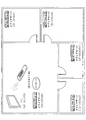
図1は、一般的なホームネットワークの使用環境を示す図である。ホームネットワークが構築された家庭で、ユーザーは、例えば、コンテンツを保有したメディアサーバを制御して、メディアサーバが保有したコンテンツを遠隔のディスプレイ装置で再生できる。すなわち、例えば、ユーザーは、DVDタイトルをDVDプレーヤーに挿入し、リモコンを利用してデジタルTVにDVDプレーヤーに挿入されたDVDタイトルを再生可能にするが、このために、ユーザーはDVDタイトルを再生することを所望するデジタルTV、すなわち、メディアレンダラと、再生しようとするDVDタイトルが挿入されたDVDプレーヤー、すなわち、メディアサーバとを特定せねばならない。 FIG. 1 is a diagram illustrating a general home network usage environment. In a home where a home network is constructed, a user can control a media server that holds content, for example, and can play back the content held by the media server on a remote display device. That is, for example, a user inserts a DVD title into a DVD player and uses the remote control to enable playback of the DVD title inserted into the DVD player on a digital TV. For this purpose, the user plays the DVD title. It is necessary to identify the digital TV that is desired to be reproduced, that is, the media renderer, and the DVD player in which the DVD title to be reproduced is inserted, that is, the media server.
すなわち、図1に示したように、ホームネットワークが構築された環境で、ユーザーが自分の部屋でデジタルTVをつけてデジタルTVの傍にあるDVDプレーヤーにDVDタイトルを挿入したとしても、他の部屋に複数のDVDプレーヤーが存在するならば、これらのうち一つのデバイスを特定せねばならない。 That is, as shown in FIG. 1, even if a user turns on a digital TV in his / her room and inserts a DVD title into a DVD player near the digital TV in an environment where a home network is constructed, If there are a plurality of DVD players, one of these devices must be specified.
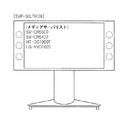
図2には、このような環境で従来技術によりユーザーに提供されるホームネットワークデバイスの情報形式が図示されている。すなわち、図2に示したように従来技術によれば、ユーザーがホームネットワークに存在するメディアサーバを検索した時に得られる情報は、<SV−CR5500>、<SV−CR5432>のように、ユーザーが実際に見て認知するデバイスと直感的にマッチングさせ難いデバイスIDである。 FIG. 2 illustrates an information format of a home network device provided to a user according to the prior art in such an environment. That is, according to the related art as shown in FIG. 2, the information obtained when the user searches for a media server existing in the home network is as follows: <SV-CR5500>, <SV-CR5432> It is a device ID that is difficult to match intuitively with a device that is actually seen and recognized.
したがって、従来技術によれば、ユーザーは自分が使用しようとするデバイスが近くにある場合にも、デバイス検索結果、デバイスの位置情報が提供されないために、多くのデバイスIDのうち、自分が使用しようとするデバイスのIDを特定するために、自分が使用しようとするデバイスのIDを知っていなければならないという不便さが生じる。図3に図示されたUPnPプリント エンハンスト:1規格で使用するサービスデスクリプション文書では、複数のプリンタが存在するネットワーク環境で各プリンタの位置情報を提供できるようにしたが、ここでも、このような位置情報をいかなる方法で設定するかについては明確に説明していない。 Therefore, according to the prior art, even when the device that the user intends to use is nearby, the device search result and the location information of the device are not provided. In order to specify the ID of the device to be used, there is an inconvenience that the ID of the device to be used must be known. In the service description document used in the UPnP print enhancement: 1 standard shown in FIG. 3, the location information of each printer can be provided in a network environment where a plurality of printers exist. There is no clear explanation as to how the information is set.
本発明は、ホームネットワークでデバイスが自身の位置情報を把握してユーザーに提供することによって、ユーザーがデバイスの位置を把握可能にする装置及び方法を提供するところにその目的がある。 An object of the present invention is to provide an apparatus and a method that allow a user to grasp the position of the device by allowing the device to grasp the position information of the device and provide it to the user on the home network.
このような目的を達成するための本発明は、ホームネットワークでデバイスが自身の情報を提供する方法において、(a)第3のデバイスに対する遠隔制御信号が受信されれば、前記第3のデバイスの近傍に位置することを表す相対的位置情報を生成するステップと、(b)前記相対的位置情報を前記ホームネットワークに属するデバイスのうち、少なくとも一つに自身の位置情報として提供するステップとを含むことを特徴とする。 In order to achieve the above object, the present invention provides a method in which a device provides its own information in a home network. (A) When a remote control signal for a third device is received, Generating relative position information indicating that the device is located in the vicinity; and (b) providing the relative position information as at least one of devices belonging to the home network as its own position information. It is characterized by that.
前記デバイスの位置情報を提供する方法は、(c)前記第3のデバイスからユーザーにより入力された絶対的位置情報を提供されるステップと、(d)前記絶対的位置情報を、前記ホームネットワークに属するデバイスのうち少なくとも一つに自身の位置情報として提供するステップと、をさらに含むことが望ましい。 The method for providing location information of the device includes: (c) being provided with absolute location information input by a user from the third device; and (d) providing the absolute location information to the home network. It is preferable to further include providing at least one of the belonging devices as its own location information.
ここで、前記ホームネットワークは、UPnPを基盤とし、前記(b)ステップは、前記相対的位置情報をサービスデスクリプション文書に挿入し、前記サービスデスクリプション文書のURLが含まれた<alive>メッセージまたは<M−Search>に対する応答メッセージを伝送することが望ましく、前記(c)ステップは、前記絶対的位置情報が挿入されたサービスデスクリプション文書のURLを含む<alive>メッセージを受信することが望ましい。 Here, the home network is based on UPnP, and in the step (b), the relative location information is inserted into a service description document, and an <alive> message including a URL of the service description document or It is preferable to transmit a response message to <M-Search>, and it is preferable that the step (c) receives an <alive> message including a URL of a service description document in which the absolute position information is inserted.
前記遠隔制御信号は、IrDA(インフレアード データ アソシエーション)信号である。 The remote control signal is an IrDA (Inflared Data Association) signal.
また、本発明は、ホームネットワークで第3のデバイスに対する遠隔制御信号が受信されれば、前記第3のデバイスの近傍に位置することを表す相対的位置情報を生成する位置情報生成部と、前記相対的位置情報を、前記ホームネットワークに属するデバイスのうち少なくとも一つに自身の位置情報として提供する位置情報提供部とを備えることを特徴とする。 According to another aspect of the present invention, when a remote control signal for a third device is received on a home network, a position information generating unit that generates relative position information indicating that the third device is located in the vicinity of the third device; And a position information providing unit that provides relative position information to at least one of the devices belonging to the home network as its own position information.
本発明によれば、ユーザーは、ホームネットワークに属するデバイスの位置情報を獲得できるようになって、視覚的に認知されるデバイスが、検索結果提供されたデバイスのリストでいかなるデバイスに該当するかが容易に分かる。 According to the present invention, the user can obtain the location information of the devices belonging to the home network, and the visually recognized device corresponds to which device in the list of devices provided as a search result. Easy to understand.
以下で添付された図面を参照して、本発明の望ましい実施形態を詳細に説明する。 Hereinafter, exemplary embodiments of the present invention will be described in detail with reference to the accompanying drawings.
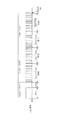
図4は、一般的な赤外線制御信号の形式を示す図である。図4に示したように、一般的な赤外線制御信号の構成を図示化したものであり、Leaderコード、Customコード、Dataコードに区分できる。Leaderコードは、制御信号が始まることを表し、赤外線制御信号を受信したデバイスは、この信号を認知して次の信号を待つ。Customコードは、デバイスの呼び出し符号を含むが、この部分に各デバイスを区分するデバイスIDが挿入される。最後に、Dataコードには各デバイスについての命令情報が入り、この3つのデータが組み合わせられて一般的な家電機器の赤外線制御信号となる。 FIG. 4 is a diagram illustrating a format of a general infrared control signal. As shown in FIG. 4, the configuration of a general infrared control signal is illustrated, and can be divided into a leader code, a custom code, and a data code. The Leader code indicates that the control signal starts, and the device that receives the infrared control signal recognizes this signal and waits for the next signal. The Custom code includes a device call code, and a device ID for identifying each device is inserted in this part. Finally, the data code contains command information for each device, and these three data are combined to form an infrared control signal for a general home appliance.
赤外線制御信号により制御されるデバイスが近傍に位置する場合、ユーザーは、これらのうちいずれか一つのデバイスにリモコンを利用して赤外線制御信号を伝送すれば、周辺のデバイスもその信号を受信するが、周辺デバイスは、受信した赤外線制御信号のCustomコードのパターンを分析して、自身に対する制御信号ではないということを認知し、これを無視する。本発明では、このように近傍に位置したデバイスが赤外線制御信号を共に受信し、赤外線制御信号を受信したデバイスは、Customコードパターンの分析を通じて自身の周辺に存在するデバイスを把握できるという点に鑑みて、ホームネットワークのデバイスが自ら相対的な位置情報を生成可能にする。以下でさらに詳細に説明する。 When a device controlled by an infrared control signal is located in the vicinity, if a user transmits an infrared control signal to one of these devices using a remote control, peripheral devices also receive the signal. The peripheral device analyzes the custom code pattern of the received infrared control signal, recognizes that it is not a control signal for itself, and ignores it. In the present invention, in view of the fact that the devices located in the vicinity receive the infrared control signal together, and the device receiving the infrared control signal can grasp the devices existing in the vicinity thereof through the analysis of the Custom code pattern. Thus, the home network device can generate relative position information by itself. Further details will be described below.
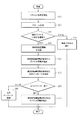
図5は、本発明の一実施形態によってデバイスの位置情報を提供する方法を説明するためのフローチャートである。 FIG. 5 is a flowchart illustrating a method for providing device location information according to an exemplary embodiment of the present invention.
ホームネットワークデバイスAがリモコン信号、すなわち、赤外線制御信号を受信すれば(ステップ510)、Customコードのパターンを分析し(ステップ520)、その結果、認知されたデバイスIDを参照して、受信された信号が自身に伝送された信号であるかどうかを判断する(ステップ530)。デバイスIDが一致すれば、もちろんDataコードにより命令されたプロセスを行う(ステップ540)。また、デバイスIDは、特定フォーマットの情報に限定されず、デバイスそれぞれを識別させる情報を包括する意味と解釈されねばならない。例えば、UPnPプロトコルで使われるUUIDも、ここでのデバイスIDに含まれうる。 If the home network device A receives a remote control signal, that is, an infrared control signal (step 510), it analyzes the pattern of the custom code (step 520), and as a result, it is received with reference to the recognized device ID. It is determined whether the signal is a signal transmitted to itself (step 530). If the device IDs match, of course, the process instructed by the Data code is performed (step 540). Further, the device ID is not limited to information in a specific format, and must be interpreted to include information for identifying each device. For example, the UUID used in the UPnP protocol can also be included in the device ID here.
Customコードの分析結果、受信された赤外線制御信号が自身ではない周辺の他のデバイスであるデバイスBに伝送された信号と判断された場合、デバイスAは、デバイスBが自身の周辺(vicinity)に位置することが分かり、このような相対的位置を表す情報を生成し(ステップ550)、これを自身のデバイス情報に含めて他のデバイスに提供する。ここで、デバイス情報は、ホームネットワークに属するデバイスが自身の情報をネットワーク上の他のデバイスに提供せねばならない場合に伝送するメッセージを意味するが、UPnP基盤のホームネットワークでは、サービスデスクリプション文書がこれに該当し、相対的位置情報が挿入されたサービスデスクリプション文書のURLが、<M−Search>に対する応答メッセージまたは<alive>メッセージに含まれて伝送される。結局、前記の過程により、ホームネットワークのあらゆるデバイスは、ネットワーク上で知られる自身の情報に相対的な位置情報を含める。 As a result of the custom code analysis, when it is determined that the received infrared control signal is a signal transmitted to device B, which is another device that is not itself, device A has device B in its own vicinity. It is known that it is located, and information representing such a relative position is generated (step 550), and this is included in its own device information and provided to other devices. Here, the device information means a message transmitted when a device belonging to the home network has to provide its own information to other devices on the network. In the UPnP-based home network, the service description document is Corresponding to this, the URL of the service description document in which the relative position information is inserted is included in the response message to <M-Search> or the <alive> message and transmitted. Eventually, according to the above process, every device in the home network includes relative location information in its own information known on the network.
一方、ステップ560までの過程によれば、ユーザーは各デバイスの相対的な位置情報のみが分かるが、ステップ570以下の過程によれば、絶対的な位置情報まで分かる。ここで絶対的な情報とは、例えば、“居間”、“茶の間”のように他のデバイスの位置と関係なく説明できる位置情報を表す。ただし、このためには、ユーザーが少なくても一つのデバイスに絶対的な位置情報を入力せねばならない。
On the other hand, according to the process up to
例えば、デバイスA及びデバイスBがいずれも居間に位置し、ユーザーがデバイスBに“居間”という絶対的位置情報を入力した場合、デバイスBは、このような絶対的位置情報を含む広告メッセージを周期的にホームネットワークにブロードキャストする。ここで、広告メッセージは、ホームネットワークデバイスが自身がネットワーク上に存在するということを知らせるために、周期的にブロードキャストするメッセージを表し、ネットワークによって他の名称を持つこともある。 For example, when both the device A and the device B are located in the living room, and the user inputs the absolute position information “living room” to the device B, the device B cycles the advertisement message including such absolute position information. Broadcast to the home network. Here, the advertisement message represents a message periodically broadcast to inform the home network device that it exists on the network, and may have another name depending on the network.
デバイスBの広告メッセージを受信した(ステップ570)デバイスAは、広告メッセージを通じて認知されるデバイスIDを利用して、広告メッセージの発信デバイスがデバイスBであるかどうかを判断するが(580)、広告メッセージの分析を通じて認知されるデバイスIDがデバイスBであると判断されれば、広告メッセージに含まれた絶対的位置情報を自身のデバイス情報に含んで伝送する(590)。ここで、デバイス情報は、前述した通りである。一方、ステップ580で広告メッセージの発信デバイスがデバイスBであるかどうかを判断する理由は、デバイスAは、既に自身がデバイスBの周辺に位置することが分かるため、デバイスBが“居間”という絶対的位置情報を持っている限り、自身も居間に位置していると把握しても構わないが、このような判断過程なしに受信される広告メッセージに含まれた絶対的位置情報を無条件に受け入れれば、デバイス情報にデバイスの正確な位置が反映されないためである。
Device A receives the advertisement message of device B (step 570), and device A uses the device ID recognized through the advertisement message to determine whether or not the device sending the advertisement message is device B (580). If it is determined that the device ID recognized through the analysis of the message is the device B, the absolute position information included in the advertisement message is included in the device information and transmitted (590). Here, the device information is as described above. On the other hand, the reason for determining whether or not the device sending the advertisement message is the device B in
一方、受信した広告メッセージに含まれたデバイスIDがデバイスBと一致しない場合には、通例的な手順によって広告メッセージを解釈する(ステップ595)。 On the other hand, if the device ID included in the received advertisement message does not match device B, the advertisement message is interpreted according to a routine procedure (step 595).
このような一連の過程によれば、ホームネットワークのデバイスは自身のデバイス情報に絶対的位置情報及び/または相対的位置情報を含めて、ユーザーは、ホームネットワークデバイスを検索してデバイス情報を獲得した時、検索されたデバイスの位置を把握できるようになる。 According to such a series of processes, the home network device includes absolute location information and / or relative location information in its device information, and the user searches the home network device to obtain device information. At this point, the location of the searched device can be grasped.
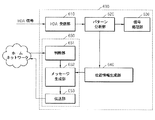
図6は、本発明の一実施形態によるホームネットワークデバイスの構成を示す図である。本実施形態でホームネットワークは、UPnPを使用すると仮定する。 FIG. 6 is a diagram illustrating a configuration of a home network device according to an embodiment of the present invention. In this embodiment, it is assumed that the home network uses UPnP.
図6に示したように、本発明の一実施形態によるホームネットワークデバイス600は、IrDA受信部610、パターン分析部620、信号処理部630、位置情報生成部640及び位置情報提供部650を備える。
As shown in FIG. 6, the
IrDA受信部610は、ユーザーがリモコンを通じて伝送した赤外線制御信号を受信し、パターン分析部620は、受信された赤外線制御信号のCustomコードについてのパターンを分析して、受信された信号がどのデバイスを制御するための信号であるかを判断する。信号処理部630は、受信された信号がデバイス600自身に対する制御信号である場合、Dataコードに含まれた命令を行う。位置情報生成部640は、パターン分析部620の判断結果、受信された信号が他のデバイスを制御するための信号である場合、自身がその他のデバイスの周辺に位置していることを表す相対的位置情報を生成する。
The
位置情報提供部650は、判断部651、メッセージ生成部652、伝送部653を備えるが、メッセージ生成部652は、位置情報生成部640で生成した相対的位置情報を反映して、<M−Search>に対する応答メッセージまたは<alive>メッセージを生成し、伝送部653は、メッセージ生成部652で生成されたメッセージをホームネットワークを通じて伝送する。前述したように、相対的位置情報は、サービスデスクリプション文書に反映され、<M−Search>に対する応答メッセージまたは<alive>メッセージは、相対的位置情報が反映されたサービスデスクリプションのURLを含む。
The position
一方、ユーザーにより入力された絶対的位置情報の場合、前述したように他のデバイスの<alive>メッセージを通じて提供されるが、相対的位置情報と同様に<alive>メッセージには、相対的位置情報が反映されたサービスデスクリプション文書のURLが含まれる。判断部651は、受信された<alive>メッセージに含まれたデバイスIDを参照して、<alive>メッセージの発信デバイスが自身に既に相対的位置情報を提供したデバイスであるかどうかを判断する。場合によって既に相対的位置情報を提供したデバイスは、複数でもありうる。
On the other hand, the absolute position information input by the user is provided through the <alive> message of another device as described above. Like the relative position information, the <alive> message includes the relative position information. Is included in the URL of the service description document in which is reflected. The
判断部651の判断結果、受信された<alive>メッセージの発信デバイスが既にデバイス600に相対的位置情報を提供したことがあれば、メッセージ生成部652は、受信された<alive>メッセージを通じて獲得した絶対的位置情報をデバイス600のサービスデスクリプション文書に挿入した後、サービスデスクリプション文書のURLを含む<M−Search>に対する応答メッセージまたは<alive>メッセージを生成し、伝送部653は、生成されたメッセージをホームネットワークに属する他のデバイスに伝送する。
If the sending device of the received <alive> message has already provided the relative position information to the
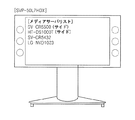
図7Aないし図7Cは、本発明の一実施形態によってホームネットワークでユーザーに提供されるデバイスの位置情報形式を説明するための図である。図7Aは、本実施形態でのホームネットワーク環境を示すものであり、図示したように、3つのホームネットワークデバイスが互いに近接して位置している。ユーザーがリモコンを利用して、中央に位置したSVP−50L7HDXデバイスに赤外線制御信号を伝送すれば、両側のデバイスはその赤外線制御信号を共に受信した後、<Custom>コードを分析して近傍にSVP−50L7HDXが位置していることを把握する。したがって、ユーザーがSVP−50L7HDXを利用してホームネットワークデバイスを検索すれば、画面には、図7Bのような形式のリストが表示される。すなわち、SVP−50L7HDXの両側に位置したデバイスは、検索に対して自身がSVP−50L7HDXの近傍に位置していることを表す相対的位置情報を自身のデバイス情報と共に提供するので、ユーザーは、自身が操作したデバイスのそばにあるデバイスが、検索を通じて捜し出したデバイスのIDリストでどれに対応するかを容易に分かる。 7A to 7C are diagrams for explaining a location information format of a device provided to a user in a home network according to an embodiment of the present invention. FIG. 7A shows a home network environment according to the present embodiment. As shown, three home network devices are located close to each other. If the user transmits an infrared control signal to the centrally located SVP-50L7HDX device using the remote control, both devices receive the infrared control signal together, then analyze the <Custom> code and locate the SVP in the vicinity. -Know that -50L7HDX is located. Therefore, if the user searches for a home network device using SVP-50L7HDX, a list in a format as shown in FIG. 7B is displayed on the screen. That is, the devices located on both sides of the SVP-50L7HDX provide relative position information indicating that they are located in the vicinity of the SVP-50L7HDX together with their device information for the search. It can be easily understood which device is located near the device operated by the device in the ID list of the device found through the search.
一方、図7Aに図示されたネットワーク環境は、ユーザーの居間であり、ユーザーがSVP−50L7HDXに“居間”という絶対的位置情報を入力したと仮定すれば、SVP−50L7HDXの広告メッセージ(UPnPでのaliveメッセージ)を受信した両側のデバイスは、自身の絶対的位置情報をSVP−50L7HDXと同期化するので、デバイス検索結果、画面は図7Cのように表示される。 On the other hand, assuming that the network environment shown in FIG. 7A is the living room of the user and the user has input the absolute location information “living room” into the SVP-50L7HDX, the advertisement message (in UPnP) of SVP-50L7HDX The devices on both sides of receiving the alive message) synchronize their absolute position information with the SVP-50L7HDX, so the device search result and the screen are displayed as shown in FIG. 7C.
一方、前述した本発明の実施形態は、コンピュータで実行されるプログラムで作成可能であり、コンピュータで読み取り可能な記録媒体を利用して前記プログラムを動作させる汎用ディジタルコンピューターで具現できる。 On the other hand, the above-described embodiment of the present invention can be created by a program executed by a computer, and can be embodied by a general-purpose digital computer that operates the program using a computer-readable recording medium.
前記コンピュータで読み取り可能な記録媒体は、マグネチック記録媒体(例えば、ROM、フロッピー(登録商標)ディスク、ハードディスクなど)、光学的判読媒体(例えば、CD−ROM、DVDなど)及びキャリアウェーブ(例えば、インターネットを通じた伝送)のような記録媒体を含む。 The computer-readable recording medium includes a magnetic recording medium (for example, ROM, floppy (registered trademark) disk, hard disk, etc.), an optical interpretation medium (for example, CD-ROM, DVD, etc.) and a carrier wave (for example, Recording media such as transmission over the Internet).
これまで本発明についてその望ましい実施形態を中心に説明した。当業者は、本発明が本発明の本質的な特性から逸脱しない範囲で変形された形態で具現できるということを理解できるであろう。したがって、開示された実施形態は限定的な観点ではなく説明的な観点で考慮されねばならない。本発明の範囲は、前述した説明ではなく特許請求の範囲に現れており、それと同等な範囲内にあるあらゆる差異点は本発明に含まれていると解釈されねばならない。 The present invention has been mainly described with reference to the preferred embodiments. Those skilled in the art will appreciate that the present invention can be embodied in variations that do not depart from the essential characteristics of the invention. Accordingly, the disclosed embodiments should be considered in an illustrative rather than a limiting perspective. The scope of the present invention is expressed not in the above description but in the claims, and all differences within the equivalent scope should be construed as being included in the present invention.
本発明は、ホームネットワーク関連の技術分野に好適に用いられる。 The present invention is preferably used in a technical field related to a home network.
600 ホームネットワークデバイス
610 IrDA受信部
620 パターン分析部
630 信号処理部
640 位置情報生成部
650 位置情報提供部
651 判断部
652 メッセージ生成部
653 伝送部
600
Claims (12)
(a)第3のデバイスに対する遠隔制御信号が受信されれば、前記第3のデバイスの近傍に位置することを表す相対的位置情報を生成するステップと、
(b)前記相対的位置情報を前記ホームネットワークに属するデバイスのうち、少なくとも一つに自身の位置情報として提供するステップと、
(c)前記第3のデバイスからユーザーにより入力された絶対的位置情報を提供されるステップと、
(d)前記絶対的位置情報を、前記ホームネットワークに属するデバイスのうち少なくとも一つに自身の位置情報として提供するステップとを含むことを特徴とする方法。 In the way the device provides its information on the home network,
(A) if a remote control signal for the third device is received, generating relative position information indicating that the device is located in the vicinity of the third device;
(B) providing the relative position information to at least one of the devices belonging to the home network as its own position information ;
(C) being provided with absolute position information input by a user from the third device;
(D) providing the absolute position information to at least one of the devices belonging to the home network as its own position information .
前記(b)ステップは、前記相対的位置情報をサービスデスクリプション文書に挿入し、前記サービスデスクリプション文書のURLが含まれた<alive>メッセージまたは<M−Search>に対する応答メッセージを伝送することを特徴とする請求項1に記載の方法。 The home network is based on UPnP,
The step (b) includes inserting the relative position information into a service description document and transmitting a response message to <alive> message or <M-Search> including the URL of the service description document. The method of claim 1, characterized in that:
前記(c)ステップは、前記絶対的位置情報が挿入されたサービスデスクリプション文書のURLを含む<alive>メッセージを受信することを特徴とする請求項1に記載の方法。 The home network is based on UPnP,
Wherein step (c), Method according to claim 1, characterized in that receiving a <alive> message including the URL of the absolute position information service description documents inserted.
前記(d)ステップは、前記絶対的位置情報をサービスデスクリプション文書に挿入し、前記サービスデスクリプション文書のURLが含まれた<alive>メッセージまたは<M−Search>に対する応答メッセージを伝送することを特徴とする請求項1に記載の方法。 The home network is based on UPnP,
The step (d) inserts the absolute location information into a service description document, and transmits a response message for <alive> message or <M-Search> including the URL of the service description document. The method of claim 1 , characterized in that:
前記相対的位置情報を、前記ホームネットワークに属するデバイスのうち少なくとも一つに自身の位置情報として提供する位置情報提供部と、を備え、
前記位置情報提供部は、前記第3のデバイスからユーザーにより入力された絶対的位置情報を提供されて、前記ホームネットワークに属するデバイスのうち少なくとも一つに自身の位置情報として提供することを特徴とするホームネットワーク装置。 If a remote control signal for the third device is received on the home network, a position information generating unit that generates relative position information indicating that the third device is located in the vicinity of the third device;
The relative position information, Bei example and a location information providing unit for providing the position information of itself in at least one of the devices belonging to the home network,
The location information providing unit is provided with absolute location information input by a user from the third device and provides the location information to at least one of the devices belonging to the home network as its own location information. Home network device to do.
前記位置情報提供部は、前記相対的位置情報をサービスデスクリプション文書に挿入し、前記サービスデスクリプション文書のURLが含まれた<alive>メッセージまたは<M−Search>に対する応答メッセージを伝送することを特徴とする請求項7に記載の装置。 The home network is based on UPnP,
The location information providing unit inserts the relative location information into a service description document, and transmits a response message for <alive> message or <M-Search> including the URL of the service description document. 8. A device according to claim 7 , characterized in that
前記位置情報提供部は、前記絶対的位置情報が挿入されたサービスデスクリプション文書のURLを含む<alive>メッセージを受信することによって、前記絶対的位置情報を提供されることを特徴とする請求項7に記載の装置。 The home network is based on UPnP,
The position information providing unit is provided with the absolute position information by receiving an <alive> message including a URL of a service description document in which the absolute position information is inserted. 8. The apparatus according to 7 .
前記位置情報提供部は、前記絶対的位置情報をサービスデスクリプション文書に挿入し、前記サービスデスクリプション文書のURLを含む<alive>メッセージまたは<M−Search>に対する応答メッセージを伝送することによって、前記絶対的位置情報を提供することを特徴とする請求項7に記載の装置。 The home network is based on UPnP,
The location information providing unit inserts the absolute location information into a service description document, and transmits a response message to the <alive> message or <M-Search> including the URL of the service description document. 8. The apparatus of claim 7 , wherein the apparatus provides absolute position information.
前記<alive>メッセージが、以前に既に前記相対的位置情報を提供したデバイスから伝送されたかどうかを判断する判断部と、
前記絶対的位置情報を含む<alive>メッセージまたは<M−Search>メッセージに対する応答メッセージを生成するメッセージ生成部と、
前記生成されたメッセージを、前記ホームネットワークを通じて伝送する伝送部とを備えることを特徴とする請求項10に記載の装置。 The location information providing unit
A determination unit that determines whether the <alive> message has been transmitted from a device that has already provided the relative position information;
A message generation unit that generates a response message to the <alive> message or the <M-Search> message including the absolute position information;
The apparatus according to claim 10 , further comprising: a transmission unit that transmits the generated message through the home network.
Applications Claiming Priority (2)
| Application Number | Priority Date | Filing Date | Title |
|---|---|---|---|
| KR10-2006-0013702 | 2006-02-13 | ||
| KR1020060013702A KR100694162B1 (en) | 2006-02-13 | 2006-02-13 | Method and apparatus for providing location information of device in home network |
Publications (2)
| Publication Number | Publication Date |
|---|---|
| JP2007220097A JP2007220097A (en) | 2007-08-30 |
| JP5001663B2 true JP5001663B2 (en) | 2012-08-15 |
Family
ID=38103394
Family Applications (1)
| Application Number | Title | Priority Date | Filing Date |
|---|---|---|---|
| JP2007010710A Active JP5001663B2 (en) | 2006-02-13 | 2007-01-19 | Method and apparatus for providing device location information in home network |
Country Status (4)
| Country | Link |
|---|---|
| US (1) | US8634854B2 (en) |
| JP (1) | JP5001663B2 (en) |
| KR (1) | KR100694162B1 (en) |
| CN (1) | CN101022376B (en) |
Families Citing this family (10)
| Publication number | Priority date | Publication date | Assignee | Title |
|---|---|---|---|---|
| KR100800998B1 (en) | 2005-12-24 | 2008-02-11 | 삼성전자주식회사 | Home network appliance control device and method |
| KR100881723B1 (en) * | 2007-09-21 | 2009-02-06 | 한국전자통신연구원 | Device interworking / control information generation device and method for media realistic reproduction |
| JP5176463B2 (en) * | 2007-10-03 | 2013-04-03 | オンキヨー株式会社 | Server client system |
| JPWO2011065007A1 (en) * | 2009-11-30 | 2013-04-11 | パナソニック株式会社 | Portable communication device, communication method, integrated circuit, program |
| US9483997B2 (en) | 2014-03-10 | 2016-11-01 | Sony Corporation | Proximity detection of candidate companion display device in same room as primary display using infrared signaling |
| US20150312622A1 (en) * | 2014-04-25 | 2015-10-29 | Sony Corporation | Proximity detection of candidate companion display device in same room as primary display using upnp |
| US9696414B2 (en) | 2014-05-15 | 2017-07-04 | Sony Corporation | Proximity detection of candidate companion display device in same room as primary display using sonic signaling |
| US10070291B2 (en) * | 2014-05-19 | 2018-09-04 | Sony Corporation | Proximity detection of candidate companion display device in same room as primary display using low energy bluetooth |
| KR20170143406A (en) * | 2016-06-21 | 2017-12-29 | 삼성전자주식회사 | A Display apparatus configured to receive remote control signal and output converted remote controller, and the control method thereof |
| KR102746278B1 (en) * | 2022-09-28 | 2024-12-26 | 엘지전자 주식회사 | Display device being controlled by remote controller and method thereof |
Family Cites Families (23)
| Publication number | Priority date | Publication date | Assignee | Title |
|---|---|---|---|---|
| KR100207624B1 (en) * | 1994-02-17 | 1999-07-15 | 윤종용 | How to set up the equipment position in the home automation system |
| US6353413B1 (en) * | 1997-08-29 | 2002-03-05 | Stanley A. White | Multi-function universal controller and locator systems |
| JPH11317756A (en) | 1998-05-06 | 1999-11-16 | Sony Corp | Electronic device control apparatus and method, and providing medium |
| ATE471647T1 (en) * | 1999-12-06 | 2010-07-15 | Ericsson Telefon Ab L M | INTELLIGENT PRODUCTION OF PICONETS |
| KR100672558B1 (en) | 2000-07-31 | 2007-01-23 | 엘지전자 주식회사 | How to set the connected device name of the home network system |
| KR20020058228A (en) | 2000-12-29 | 2002-07-12 | 이철호 | Remote control method on network and apparatus thereof |
| JP2003037604A (en) | 2001-07-23 | 2003-02-07 | Matsushita Electric Ind Co Ltd | Device grouping system, receiving device, management device, device grouping method, program, and medium |
| KR100424299B1 (en) | 2001-07-27 | 2004-03-24 | 엘지전자 주식회사 | Home Appliance Recognizing Method |
| JP2003177980A (en) | 2001-12-12 | 2003-06-27 | Sony Corp | Information providing system, information providing apparatus and method, information processing apparatus and method, recording medium, and program |
| US6744740B2 (en) * | 2001-12-21 | 2004-06-01 | Motorola, Inc. | Network protocol for wireless devices utilizing location information |
| US7024207B2 (en) * | 2002-04-30 | 2006-04-04 | Motorola, Inc. | Method of targeting a message to a communication device selected from among a set of communication devices |
| US20040203350A1 (en) * | 2002-05-07 | 2004-10-14 | Intel Corporation | Wireless communication device and method for information retrieval using a universal identity metatag |
| KR100432044B1 (en) | 2002-06-14 | 2004-05-20 | 권욱현 | Server/Client System For Managing Home Network And That Implementation Method |
| KR100932813B1 (en) | 2002-10-01 | 2009-12-21 | 엘지전자 주식회사 | A device that identifies and displays home network devices of the same type by location |
| US20040093274A1 (en) * | 2002-11-08 | 2004-05-13 | Marko Vanska | Method and apparatus for making daily shopping easier |
| KR100513851B1 (en) | 2003-01-24 | 2005-09-09 | 삼성전자주식회사 | Remote control service processing device using GUI in home network environment |
| KR20040074713A (en) * | 2003-02-18 | 2004-08-26 | 삼성전자주식회사 | A control point server system and method thereof enabling efficient access of home network devices |
| JP4281400B2 (en) * | 2003-04-14 | 2009-06-17 | ソニー株式会社 | COMMUNICATION DEVICE, ITS DISPLAY METHOD, COMPUTER PROGRAM, AND COMMUNICATION METHOD |
| US7064675B2 (en) * | 2003-08-15 | 2006-06-20 | Microsoft Corporation | Context-sensitive remote controls |
| US7155305B2 (en) * | 2003-11-04 | 2006-12-26 | Universal Electronics Inc. | System and methods for home appliance identification and control in a networked environment |
| GB2411752B (en) * | 2004-03-03 | 2006-02-01 | Toshiba Res Europ Ltd | Remote control location technique and associated apparatus |
| US20060112192A1 (en) * | 2004-11-24 | 2006-05-25 | Motorola, Inc. | Method and apparatus to facilitate universal plug and play interaction between different local networks |
| US8244179B2 (en) * | 2005-05-12 | 2012-08-14 | Robin Dua | Wireless inter-device data processing configured through inter-device transmitted data |
-
2006
- 2006-02-13 KR KR1020060013702A patent/KR100694162B1/en not_active Expired - Lifetime
- 2006-12-04 US US11/607,958 patent/US8634854B2/en active Active
-
2007
- 2007-01-16 CN CN2007100019864A patent/CN101022376B/en active Active
- 2007-01-19 JP JP2007010710A patent/JP5001663B2/en active Active
Also Published As
| Publication number | Publication date |
|---|---|
| CN101022376B (en) | 2013-09-04 |
| JP2007220097A (en) | 2007-08-30 |
| US20070192813A1 (en) | 2007-08-16 |
| CN101022376A (en) | 2007-08-22 |
| US8634854B2 (en) | 2014-01-21 |
| KR100694162B1 (en) | 2007-03-12 |
Similar Documents
| Publication | Publication Date | Title |
|---|---|---|
| JP2007220097A (en) | Method and apparatus for providing device location information in home network | |
| JP6725008B2 (en) | Command data transmitter, local area device, device control system, command data transmitter control method, local area device control method, device control method, and program | |
| US8655179B2 (en) | System of devices of which some include an infared remote control interface | |
| KR100652957B1 (en) | Method of moving multimedia contents and system | |
| JP5326762B2 (en) | Information communication system, information processing apparatus, information communication program, and information communication method | |
| KR101683079B1 (en) | Information processing apparatus, information processing method, information processing system and recording medium thereof | |
| JP2010049525A (en) | Content transmitter, content use device and content transmission method | |
| JP2006313502A (en) | CONTENT DISTRIBUTION SYSTEM AND CONTENT DISTRIBUTION METHOD, CONTROL DEVICE AND CONTROL METHOD, REPRODUCTION DEVICE AND REPRODUCTION METHOD, AND PROGRAM | |
| JP4416024B2 (en) | Name changing method, information processing apparatus, and network system | |
| KR101401533B1 (en) | Information transmission method, information transmission system and information transmission apparatus | |
| WO2005066822A1 (en) | Device registration system, server, and terminal device | |
| JPWO2009057209A1 (en) | Electronic device, control signal conversion method, and control signal conversion program | |
| US8478193B2 (en) | Device-identifying system, device-identifying method, controlling device, and controlled device | |
| JP2008310451A (en) | Home network system, information processing apparatus, content server, home network connection setting method, information processing apparatus connection setting method, content server connection setting method, and computer program | |
| JP5003569B2 (en) | Content reproduction control apparatus and program | |
| EP1775916B1 (en) | Method and apparatus for managing information for universal plug and play device | |
| EP2156400A1 (en) | Method and apparatus for determining whether content is usable | |
| JP2008204269A (en) | Server apparatus, client apparatus, communication method, and program | |
| JP2007267102A (en) | Input signal display device, signal output device, input signal display system, and remote control method | |
| JP2008097625A (en) | Display control apparatus, display method, and program | |
| US20070175975A1 (en) | Method and apparatus for providing DVD content with rendering device in UPnP network | |
| JP2011130417A (en) | Content reproduction apparatus, controller, content reproduction system, communication method, and reproduction apparatus determination method | |
| KR100728035B1 (en) | Network system based on a remote user interface protocol and a method and a recording medium recording a program for performing the method | |
| JP2008117433A (en) | Communication device and recording device | |
| JP2005094683A (en) | Gateway |
Legal Events
| Date | Code | Title | Description |
|---|---|---|---|
| A621 | Written request for application examination |
Free format text: JAPANESE INTERMEDIATE CODE: A621 Effective date: 20100115 |
|
| A521 | Request for written amendment filed |
Free format text: JAPANESE INTERMEDIATE CODE: A523 Effective date: 20110112 |
|
| A977 | Report on retrieval |
Free format text: JAPANESE INTERMEDIATE CODE: A971007 Effective date: 20110826 |
|
| A131 | Notification of reasons for refusal |
Free format text: JAPANESE INTERMEDIATE CODE: A131 Effective date: 20110906 |
|
| TRDD | Decision of grant or rejection written | ||
| A01 | Written decision to grant a patent or to grant a registration (utility model) |
Free format text: JAPANESE INTERMEDIATE CODE: A01 Effective date: 20120424 |
|
| A01 | Written decision to grant a patent or to grant a registration (utility model) |
Free format text: JAPANESE INTERMEDIATE CODE: A01 |
|
| A61 | First payment of annual fees (during grant procedure) |
Free format text: JAPANESE INTERMEDIATE CODE: A61 Effective date: 20120518 |
|
| R150 | Certificate of patent or registration of utility model |
Ref document number: 5001663 Country of ref document: JP Free format text: JAPANESE INTERMEDIATE CODE: R150 Free format text: JAPANESE INTERMEDIATE CODE: R150 |
|
| FPAY | Renewal fee payment (event date is renewal date of database) |
Free format text: PAYMENT UNTIL: 20150525 Year of fee payment: 3 |
|
| R250 | Receipt of annual fees |
Free format text: JAPANESE INTERMEDIATE CODE: R250 |
|
| R250 | Receipt of annual fees |
Free format text: JAPANESE INTERMEDIATE CODE: R250 |
|
| R250 | Receipt of annual fees |
Free format text: JAPANESE INTERMEDIATE CODE: R250 |
|
| R250 | Receipt of annual fees |
Free format text: JAPANESE INTERMEDIATE CODE: R250 |
|
| R250 | Receipt of annual fees |
Free format text: JAPANESE INTERMEDIATE CODE: R250 |
|
| R250 | Receipt of annual fees |
Free format text: JAPANESE INTERMEDIATE CODE: R250 |
|
| R250 | Receipt of annual fees |
Free format text: JAPANESE INTERMEDIATE CODE: R250 |
|
| R250 | Receipt of annual fees |
Free format text: JAPANESE INTERMEDIATE CODE: R250 |
|
| R250 | Receipt of annual fees |
Free format text: JAPANESE INTERMEDIATE CODE: R250 |
|
| R250 | Receipt of annual fees |
Free format text: JAPANESE INTERMEDIATE CODE: R250 |
|
| R250 | Receipt of annual fees |
Free format text: JAPANESE INTERMEDIATE CODE: R250 |