JP4519829B2 - Message processing method - Google Patents
Message processing method Download PDFInfo
- Publication number
- JP4519829B2 JP4519829B2 JP2006324997A JP2006324997A JP4519829B2 JP 4519829 B2 JP4519829 B2 JP 4519829B2 JP 2006324997 A JP2006324997 A JP 2006324997A JP 2006324997 A JP2006324997 A JP 2006324997A JP 4519829 B2 JP4519829 B2 JP 4519829B2
- Authority
- JP
- Japan
- Prior art keywords
- node
- message
- received
- rreq
- rreq message
- Prior art date
- Legal status (The legal status is an assumption and is not a legal conclusion. Google has not performed a legal analysis and makes no representation as to the accuracy of the status listed.)
- Expired - Lifetime
Links
Images


Classifications
-
- H—ELECTRICITY
- H04—ELECTRIC COMMUNICATION TECHNIQUE
- H04W—WIRELESS COMMUNICATION NETWORKS
- H04W40/00—Communication routing or communication path finding
- H04W40/24—Connectivity information management, e.g. connectivity discovery or connectivity update
-
- H—ELECTRICITY
- H04—ELECTRIC COMMUNICATION TECHNIQUE
- H04L—TRANSMISSION OF DIGITAL INFORMATION, e.g. TELEGRAPHIC COMMUNICATION
- H04L45/00—Routing or path finding of packets in data switching networks
- H04L45/26—Route discovery packet
-
- H—ELECTRICITY
- H04—ELECTRIC COMMUNICATION TECHNIQUE
- H04L—TRANSMISSION OF DIGITAL INFORMATION, e.g. TELEGRAPHIC COMMUNICATION
- H04L45/00—Routing or path finding of packets in data switching networks
- H04L45/36—Backward learning
-
- H—ELECTRICITY
- H04—ELECTRIC COMMUNICATION TECHNIQUE
- H04L—TRANSMISSION OF DIGITAL INFORMATION, e.g. TELEGRAPHIC COMMUNICATION
- H04L45/00—Routing or path finding of packets in data switching networks
- H04L45/48—Routing tree calculation
Landscapes
- Engineering & Computer Science (AREA)
- Computer Networks & Wireless Communication (AREA)
- Signal Processing (AREA)
- Mobile Radio Communication Systems (AREA)
- Data Exchanges In Wide-Area Networks (AREA)
- Small-Scale Networks (AREA)
Description
本発明は、個人通信無線ネットワークに関し、特に、ツリー構造基盤の個人無線通信ネットワーク(wireless personal area network:WPAN)を構成しているソースノードから宛先ノードへのルーティング経路を設定する方法に関する。 The present invention relates to a personal communication wireless network, and more particularly, to a method for setting a routing path from a source node to a destination node constituting a tree structure-based personal wireless network (WPAN).
一般に、移動通信システムでは、移動端末(mobile element)と基地局(base station)の間でデータが送受信される。すなわち、前記移動端末と基地局は、他のノード(node)を経由せずに直接、データを送受信する。これに対して、WPANは、比較的短い距離内で比較的少ないユーザ間で情報を伝達するために開発された。すなわち、前記WPANは、多数のノードの相互通信を可能にするアドホックデータ通信システムである。前記アドホックネットワークを構成しているノードは、他のノードを経由して受信ノードへデータを転送する。勿論、前記ノードと受信ノードが隣接していれば、データを直接伝達することができる。
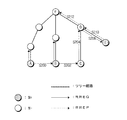
以下、図1を参照して、ツリー基盤に基づくアドホックネットワークを構成しているノードにおいて、既存のアルゴリズムが行う動作について説明する。
Generally, in a mobile communication system, data is transmitted and received between a mobile terminal and a base station. That is, the mobile terminal and the base station directly transmit and receive data without going through another node. In contrast, WPAN has been developed to convey information between relatively few users within a relatively short distance. That is, the WPAN is an ad hoc data communication system that enables communication between a large number of nodes. The nodes constituting the ad hoc network transfer data to the receiving node via other nodes. Of course, if the node and the receiving node are adjacent to each other, data can be directly transmitted.
Hereinafter, an operation performed by an existing algorithm in a node constituting an ad hoc network based on a tree infrastructure will be described with reference to FIG.
前記図1のツリー基盤のアドホックネットワークは、少なくとも2つのノードから構成される。前記ノードは、ルーティングテーブルを保存しているノードとルーティングテーブルを保存していないノードに区分される。以下、前記ルーティングテーブルを保存しているノードを“N+”といい、前記ルーティングテーブルを保存していないノードを“N−”という。 The tree-based ad hoc network of FIG. 1 is composed of at least two nodes. The node is classified into a node that stores a routing table and a node that does not store a routing table. Hereinafter, a node that stores the routing table is referred to as “N +”, and a node that does not store the routing table is referred to as “N−”.
以下、“N+”と“N−”から構成されたアドホックネットワークにおいて、ルーティング経路を設定する従来の方法について説明する。ノードAをソースノードといい、ノードIを宛先ノードという。前記ソースノードは、ルーティング経路設定を要請するノードであり、前記宛先ノードは、前記ソースノードがルーティング経路を設定しようとするノードである。従って、“N+”である前記ノードAは、ルーティングテーブルに宛先ノードであるIに対する経路情報があるか否かを確認する。前記ノードIについて保存されている経路情報がなければ、前記ノードIにルーティング経路を設定するために隣接しているノードを対象としてルーティング経路設定要請(Route Request:RREQ)メッセージをブロードキャストする(S100)。“N+”であるノードBは、受信したRREQメッセージの宛先ノードであるノードIに対する経路情報を自分のルーティングテーブル内で検索する。もし、経路情報があれば、ノードBは、ノードAにルーティング経路設定応答(Route Reply:RREP)メッセージを応答し、経路情報がなければ、ノードBは、自分のルーティングテーブルにノードIに対する経路情報フィールド(field)を生成し、隣接しているノードを対象としてRREQメッセージをブロードキャストする(S102、S108)。ノードCもまた“N+”であるため、ノードBと同一の作業を行う(S104、S106)。 Hereinafter, a conventional method for setting a routing route in an ad hoc network composed of “N +” and “N−” will be described. Node A is called a source node, and node I is called a destination node. The source node is a node that requests routing path setting, and the destination node is a node that the source node attempts to set a routing path. Therefore, the node A which is “N +” checks whether or not there is route information for I which is the destination node in the routing table. If there is no route information stored for the node I, a routing request (RREQ) message is broadcast to a node adjacent to the node I in order to set a routing route (S100). . The Node B that is “N +” searches the routing table for the route information for the node I that is the destination node of the received RREQ message. If there is route information, the node B responds to the node A with a routing route setting response (Route Reply: RREP) message. If there is no route information, the node B has route information for the node I in its routing table. A field is generated, and an RREQ message is broadcast for adjacent nodes (S102, S108). Since node C is also "N +", the same operation as node B is performed (S104, S106).
前記ノードBからブロードキャストされたRREQメッセージを受信したノードGは、“N−”であるため、RREQメッセージに対する応答であるRREPメッセージを前記ノードBへ転送する(S128)。従来のアルゴリズムによると、アドホックネットワークを構成している“N−”は、受信したRREQメッセージに対してRREPメッセージを転送する。すなわち、前記“N−”は、受信されたRREQで要請されている宛先ノードでないにも拘わらず、ツリー構造とノード特性によってRREPメッセージを転送する。すなわち、“N−”は、ルーティングテーブルを有しないため、RREQメッセージを受信しても経路情報を保存および検索することができず、単にツリー構造により上位ノードあるいは下位ノードへのみメッセージを伝達するしかないため、これ以上の経路探索を行うことができないためである。前記ノードGからのRREPメッセージは、前記ノードBを経由してノードAへ伝達される(S120)。一般的に、ツリー構造を生成する段階において、各ノードは、一定の距離(例えば、1ホップ)以内にあるノードに対する情報を、周辺ノードリスト(Neighbor List)として保存している。 Since the node G that has received the RREQ message broadcast from the node B is “N-”, the node G forwards the RREP message that is a response to the RREQ message to the node B (S128). According to the conventional algorithm, “N-” constituting the ad hoc network transfers the RREP message to the received RREQ message. That is, the “N-” transmits the RREP message according to the tree structure and the node characteristics even though it is not the destination node requested by the received RREQ. That is, since “N−” does not have a routing table, route information cannot be stored and retrieved even if an RREQ message is received, and the message can only be transmitted to an upper node or lower node by a tree structure. This is because no further route search can be performed. The RREP message from the node G is transmitted to the node A via the node B (S120). Generally, at the stage of generating a tree structure, each node stores information on nodes within a certain distance (for example, 1 hop) as a neighboring node list (Neighbor List).
ノードDもまた、“N−”ノードであるため、前記ノードGと同様な動作を行う。従って、前記ノードDが生成したRREPメッセージは、ノードCとノードBを経由してノードAへ伝達される(S124、S122、S120)。前記ノードCからRREQメッセージを受信したノードFは、“N+”ノードであるため、RREQメッセージをブロードキャストできる(S110、S112、S114)。前記ノードEもまた前記ノードGと同一の動作を行う。前記ノードHは、受信したRREQメッセージをノードIへ伝達する(S116)。前記RREQメッセージを受信したノードIは、前記ノードAがルーティング経路を設定しようとするノードが自分であることを認知することになる。従って、前記ノードIは、前記RREQメッセージに対する応答であるRREPメッセージを生成する。前記生成されたRREPメッセージは、前記RREQメッセージが転送された経路を通じて前記ノードAへ伝達される。前記のような過程を行うことにより、前記ノードAとノードIとの間のルーティング経路が設定される。前記説明において省略したが、前記ルーティングテーブルを保存する“N+”は、受信したRREQメッセージ情報を利用して宛先ノードに対するfieldをルーティングテーブルに生成した後、受信したRREQメッセージを隣接ノードへ伝達する。一般的に、前記“N+”は、ホップ数を更新した後、隣接ノードへ転送する。前記ノードの間に設定されるルーティング経路として、ホップ数が最も小さい経路が選択される。その後、“N+”ノードは、RREQメッセージに対する応答であるRREPメッセージを受信して、該当ノードに対して生成しておいたルーティングテーブルのfield値を満たしてルーティングテーブルを管理する。ここで、前述のとおり、前記ノードAは、1つのRREQメッセージに対して多数のRREPメッセージを受信することになる。ところが、前記“N−”ノードが転送したRREPメッセージは、不要なメッセージである。 Since the node D is also an “N-” node, the same operation as the node G is performed. Accordingly, the RREP message generated by the node D is transmitted to the node A via the node C and the node B (S124, S122, S120). Since the node F receiving the RREQ message from the node C is an “N +” node, it can broadcast the RREQ message (S110, S112, S114). The node E also performs the same operation as the node G. The node H transmits the received RREQ message to the node I (S116). The node I that has received the RREQ message recognizes that the node to which the node A intends to set a routing route is itself. Therefore, the node I generates an RREP message that is a response to the RREQ message. The generated RREP message is transmitted to the node A through a route on which the RREQ message is transferred. By performing the above process, a routing path between the node A and the node I is set. Although omitted in the above description, “N +” that stores the routing table generates a field for the destination node in the routing table using the received RREQ message information, and then transmits the received RREQ message to the adjacent node. In general, the “N +” updates the number of hops and then forwards it to an adjacent node. A route having the smallest number of hops is selected as a routing route set between the nodes. Thereafter, the “N +” node receives the RREP message that is a response to the RREQ message, and manages the routing table by satisfying the field value of the routing table generated for the corresponding node. Here, as described above, the node A receives a number of RREP messages for one RREQ message. However, the RREP message transferred by the “N-” node is an unnecessary message.
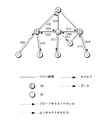
図2は、アドホックネットワークを構成しているノードにおいて、従来のアルゴリズムを用いて、ルーティング経路を設定する他の例を示している。この例においては、ソースノードから宛先ノードへのフォーワード経路は、宛先ノードからソースノードへのバックワード経路とは異なる経路に設定される。 FIG. 2 shows another example in which a routing path is set using a conventional algorithm in nodes constituting an ad hoc network. In this example, the forward path from the source node to the destination node is set to a path different from the backward path from the destination node to the source node.
この図2に示す例においては、ノードAは、ノードEへのルーティング経路の設定を要請する。前記ノードAは、保存しているルーティングテーブルを検索して、ノードEとルーティング経路が設定されているか否かを判断する。前記判断の結果、ノードEへのルーティング経路が設定されていないときは、ノードAは、RREQメッセージをブロードキャストする(S200)。前記RREQメッセージを受信した前記ノードBも、保存しているルーティングテーブルを検索して、ノードEへのルーティング経路が設定されているか否かを判断する。前記判断の結果、ノードEへのルーティング経路が設定されていないときは、ノードBは、RREQメッセージをブロードキャストする(S202)。 In the example shown in FIG. 2, the node A requests setting of a routing route to the node E. The node A searches the stored routing table to determine whether or not the node E and the routing route are set. As a result of the determination, when the routing route to the node E is not set, the node A broadcasts an RREQ message (S200). The Node B that has received the RREQ message also searches the stored routing table to determine whether a routing route to the node E is set. As a result of the determination, when the routing route to the node E is not set, the node B broadcasts the RREQ message (S202).
ノードCは、前記ノードAがルーティング経路を設定しようとするノードが自分であるか否かを判断する。前記ノードCは、前記ノードAがルーティング経路を設定しようとするノードでないため、“N−”である前記ノードCは、ツリー経路に沿ってノードDへRREQメッセージを転送する(S204)。ノードDも、ノードAがルーティング経路を設定しようとするノードが自分であるか否かを判断する。前記ノードDは、前記ノードAがルーティング経路を設定しようとするノードでないため、ノードDは、ノードEへRREQメッセージを転送する(S206)。前記ノードEは、前記ノードAがルーティング経路を設定しようとするノードが自分であることを認知することになる。 The node C determines whether or not the node A to which the node A is to set a routing route is itself. Since the node C is not a node for which the node A intends to set a routing route, the node C that is “N−” transfers an RREQ message to the node D along the tree route (S204). The node D also determines whether or not the node A is attempting to set a routing route. Since the node D is not a node for which the node A intends to set a routing route, the node D transfers an RREQ message to the node E (S206). The node E recognizes that the node to which the node A intends to set a routing route is itself.
前記ノードEは、前記RREQメッセージに対する応答であるRREPメッセージを生成する。前記生成されたRREPメッセージは、ノードDへ伝達される(S210)。前記ノードDは、伝達されたRREPメッセージをノードFへ伝達する(S212)。前記ノードFは、RREPメッセージをツリーに沿ってソースノードAへ転送する。このように、フォワード(Forword)ルーティング経路とバックワード(Backward)ルーティング経路が相異なるという問題点を有することになる。 The node E generates an RREP message that is a response to the RREQ message. The generated RREP message is transmitted to the node D (S210). The node D transmits the transmitted RREP message to the node F (S212). The node F forwards the RREP message to the source node A along the tree. As described above, the forward routing path and the backward routing path are different from each other.
前述した問題点を解決するために、本発明は、ツリー構造と制限的な機能を有するノード(例えば、ルーティングテーブルがないためオン−デマンド(On−demand)方式のルーティング設定機能を持たないN−ノード)が混在した状態で構成された無線ネットワークにおいて、1つのRREQメッセージに対して複数個のRREPメッセージが受信されることを防止する方法を提案することにある。 In order to solve the above-described problems, the present invention provides a node having a tree structure and a restrictive function (for example, an N- having no on-demand routing setting function because there is no routing table). The present invention proposes a method for preventing a plurality of RREP messages from being received for one RREQ message in a wireless network configured in a state where nodes are mixed .
前述の本発明の目的を達成するために、本発明は、ツリー構造に形成された無線ネットワークを構成するデバイスがRREQ(Route REQuest)メッセージを受信するステップと、前記RREQメッセージを受信した前記デバイスがルーティングテーブルを保持していない場合、前記デバイスは前記RREQメッセージが前記デバイスの子孫デバイスから受信されたか否かを判断するステップと、前記RREQメッセージが前記デバイスの子孫デバイスから受信されなかった場合、前記デバイスは前記RREQメッセージを廃棄するステップと、を含むことを特徴とする。 In order to achieve the above-described object of the present invention, the present invention includes a step in which a device constituting a wireless network formed in a tree structure receives an RREQ (Route Request) message, and the device that has received the RREQ message includes: If no routing table is maintained, the device determines whether the RREQ message has been received from a descendent device of the device; and if the RREQ message has not been received from a descendant device of the device, the device And a device discarding the RREQ message .
前記のように、本発明は、1つのRREQメッセージに対して複数個のRREPメッセージが受信されることを防止することができる。 As described above, the present invention can prevent a plurality of RREP messages from being received for one RREQ message.
以下、図面を参照して本発明について詳述する。
まず、本発明において用いる用語について説明する。ツリー経路は、RREQメッセージとRREPメッセージによるオンデマンド方式で経路を設定する前に各ノードの間に既に設定されている経路を意味する。ルーティング経路は、ソースノードと宛先ノードとの間の通信のために中間ノードを利用して設定された経路を意味する。子孫(descendant)ノードは、自分を基準としてツリー構造上において深さ(depth)の大きい、すなわち、下方に位置しているノードを意味する。先祖(ancestor)ノードは、自分を基準としてツリー構造上において深さの小さい、すなわち、上方に位置しているノードを意味する。親ノードは、自分を基準としてツリー構造上において上方に位置して直接連結されている先祖ノードを意味し、子ノードは、自分を基準としてツリー構造上において下方に位置して直接連結されている子孫ノードを意味する。
Hereinafter, the present invention will be described in detail with reference to the drawings.
First, terms used in the present invention will be described. The tree path means a path that is already set between the nodes before setting the path in an on-demand manner using the RREQ message and the RREP message. The routing path means a path set using an intermediate node for communication between the source node and the destination node. The descendant node means a node having a large depth in the tree structure with respect to itself, that is, a node located below. An ancestor node means a node having a small depth in the tree structure with respect to itself, that is, an upper node. The parent node means an ancestor node that is directly connected to the tree structure in the upper direction with respect to itself, and the child node is directly connected to the ancestor node in the lower structure on the tree structure with reference to itself. Means a descendant node.
本発明の実施形態においては、ソースノードが、自分のタイプ(“N+”または“N−”)と宛先ノードの位置とに基づいてルーティング経路を設定する方法を決定する。宛先ノードの位置によってルーティング経路設定方法を決定する方法は二つある。宛先ノードがソースノードと同じクラスタ内の先祖ノードである場合、子孫ノードである場合、または宛先ノードが属するクラスタがソースノードが属するクラスタより深さ(depth)が大きい場合は、経路設定のための探索を行なうことなく、既に設定されているツリー経路を利用してデータパケットを転送することが最適な方法である。それ以外の場合は、ツリー経路を利用するよりも、RREQメッセージのブロードキャストを通じてオンデマンド方式で経路を探す方が、最適の経路を探すことができる。以下、ソースノードの応用プログラムにおいて、宛先ノードへ転送するデータが発生した場合にルーティング経路を設定する方法について説明する。前記図1を参照して、ノードFをソースノードであると仮定し、宛先ノードをノードAであると仮定すれば、ノードFの子孫ノードは、ノードE、ノードHおよびノードIである。ノードFの先祖ノードは、ノードC、ノードBおよびノードAである。前記ソースノードFは、宛先ノードAのアドレスを分析することにより、ツリー構造上における宛先ノードとソースノード自身との相対的な位置、すなわち、この場合は、宛先ノードAは、ソースノードFの先祖ノードであることを把握できるようになる。 In an embodiment of the present invention, the source node determines how to set the routing path based on its type (“N +” or “N−”) and the location of the destination node. There are two methods for determining the routing route setting method according to the position of the destination node. If the destination node is an ancestor node in the same cluster as the source node, is a descendant node, or if the cluster to which the destination node belongs is greater in depth (depth) than the cluster to which the source node belongs, The optimal method is to transfer the data packet using the already set tree path without performing a search. In other cases, it is possible to search for the optimum route by searching for the route on demand through the broadcast of the RREQ message, rather than using the tree route. Hereinafter, a method for setting a routing path when data to be transferred to a destination node occurs in an application program of a source node will be described. Referring to FIG. 1, assuming that the node F is a source node and the destination node is a node A, the descendant nodes of the node F are a node E, a node H, and a node I. The ancestor nodes of node F are node C, node B, and node A. The source node F analyzes the address of the destination node A to thereby determine a relative position between the destination node and the source node itself on the tree structure, that is, in this case, the destination node A is an ancestor of the source node F. It becomes possible to grasp that it is a node.
アドレス体系を利用して、ノードAがツリー経路上において先祖ノードであることを認知すると、前記ノードFは、前記ノードAへデータパケットを転送する。前記ノードFは、ノードAがツリー経路上において先祖ノードであることを認知した情報をルーティングテーブルに保存することができる。前記情報をルーティングテーブルに保存する場合、前記ノードFは、ノードAへ転送するデータが新たに発生すれば、アドレス体系を分析することなく、ルーティングテーブルに保存されている情報を利用して前記ノードAへデータパケットを転送する。このようにすることで、前記ノードFがアドレスを分析することによってノードAの位置を把握するのに要する時間を減少させることができるようになる。 When the node F recognizes that the node A is an ancestor node on the tree path using the address system, the node F transfers the data packet to the node A. The node F can store in the routing table information recognizing that the node A is an ancestor node on the tree path. When the information is stored in the routing table, the node F uses the information stored in the routing table without analyzing the address system if new data to be transferred to the node A is generated. Transfer the data packet to A. By doing so, the time required for the node F to grasp the position of the node A by analyzing the address can be reduced.
また、前記ノードFは、前記伝達するデータに所定の情報を付加することができる。前記所定の情報は、データに付加されている宛先ノードのアドレスと、データを伝達されたノード自身のアドレスとが一致していない場合、前記データをツリー経路に沿って親ノードへ中継することを指示する。このようにすることで、前記ノードCは、前記ノードAのアドレスを利用して位置を把握することなく、伝達されたデータをノードBへ中継する。前記ノードBもまた伝達されたデータをノードAへ中継する。 The node F can add predetermined information to the data to be transmitted. The predetermined information includes relaying the data to the parent node along the tree path when the address of the destination node added to the data does not match the address of the node to which the data is transmitted. Instruct. In this way, the node C relays the transmitted data to the node B without using the address of the node A to grasp the position. The node B also relays the transmitted data to the node A.
前述のとおり、前記ソースノードが、ツリー構造上において先祖ノーである宛先ノードへ、経路設定を行なわずに宛先ノードのアドレスを分析して相対的位置を把握することのみによって、直ちにデータを転送することにより、経路設定の手続きに要する時間が減少する。その結果、データ転送に要する全体時間を減少させることができるようになる。すなわち、ソースノードにおいてただ一度だけアドレス体系を分析することにより、複数個のデータを宛先ノードへ伝達できるようになる。 As described above, the source node immediately transfers the data to the destination node that is an ancestor of the tree structure only by analyzing the address of the destination node and grasping the relative position without setting the route. As a result, the time required for the route setting procedure is reduced. As a result, the total time required for data transfer can be reduced. That is, by analyzing the address system only once at the source node, a plurality of data can be transmitted to the destination node.
(実施形態)
<第1実施形態>
以下、ソースノードが宛先ノードへのルーティング経路を設定する、本発明の第1実施形態について説明する。先ず、ツリー経路上に位置しているノードが“N−”である場合について説明し、次に、ツリー経路上に位置しているノードが“N+”である場合について説明する。
(Embodiment)
<First Embodiment>
Hereinafter, a first embodiment of the present invention in which a source node sets a routing route to a destination node will be described. First, a case where the node located on the tree path is “N−” will be described, and then a case where the node located on the tree path is “N +” will be described.
1.ツリー上に位置しているノードが“N−”である場合
“N−”がソースノードであれば、前記“N−”ソースノードは、宛先ノードが、ツリー経路上において、子孫ノードであるか、先祖ノードであるかを判断する。前記“N−”は、ルーティングテーブルを保存していないが、宛先ノードのアドレスを分析することによって、宛先ノードが、ツリー経路上において子孫ノードであるか、先祖ノードであるかを判断することができ、その結果によって、自分と連結されたツリー経路を利用してデータパケットを転送する。このようにデータパケットを転送することにより、前記“N−”ソースノードは、宛先ノードまでの経路中に存在する“N+”ノードを前記“N−”ソースノードのエージェントノードとして利用して経路を検索することができる。
1. When the node located on the tree is “N−” If “N−” is a source node, whether the destination node is a descendant node on the tree path is the “N−” source node. Determine whether it is an ancestor node. The “N-” does not store the routing table, but can determine whether the destination node is a descendant node or an ancestor node on the tree path by analyzing the address of the destination node. According to the result, the data packet is transferred using a tree path connected to itself. By transferring the data packet in this way, the “N−” source node uses the “N +” node existing in the route to the destination node as the agent node of the “N−” source node. You can search.
以下、“N−”が中間ノード(Intermediate Node)である場合について説明する。前記“N−”中間ノードは、受信したデータを、宛先ノードのアドレスを分析することによって、ツリー経路上における親ノードまたは子ノードへ中継する。前記“N−”は、RREQメッセージを受信した場合、受信したRREQメッセージの伝達形態(ブロードキャストあるいはユニキャスト)によって動作する。すなわち、ブロードキャストRREQメッセージを受信したら、前記“N−”は、伝達されたRREQメッセージを送信したノードと自分との相対的位置を確認し、RREQメッセージが自分の子ノードから受信され、且つRREQメッセージの最終宛先ノードが自分の子孫ノードである場合にのみ、自分のツリー経路を利用して受信したRREQメッセージを転送(ユニキャスト)する。他のブロードキャストRREQメッセージは廃棄される。このようにすることで、不要なRREQメッセージが送受信されることを防止できるようになる。前記“N−”中間ノードは、ユニキャストRREQメッセージを受信した場合、宛先ノードの相対的な位置によって、適当なツリー経路に沿って、受信したRREQメッセージを転送(ユニキャスト)する。以下、前記“N−”が、受信したRREQメッセージがブロードキャストされたメッセージであるか、ユニキャストされたメッセージであるかを判断する方法について説明する。一般的に、RREQメッセージを転送する中間ノードは、前記RREQメッセージをブロードキャストするか、ユニキャストするかを判断する。ユニキャストすると判断した場合、前記中間ノードは、前記RREQメッセージを受信するノードのアドレスを、前記RREQメッセージの宛先ノードアドレスフィールド(Destination Address Field)に付加して転送する。ブロードキャストすると判断すれば、前記中間ノードは、システム設計初期に設定したブロードキャストのアドレス情報をRREQメッセージの受信ノードアドレスフィールドに付加して転送する。RREQメッセージを受信したノードは、前記受信ノードアドレスフィールド値と自分のアドレス情報を比較することにより、前記RREQメッセージがブロードキャストされたものか、自分に伝達されるユニキャストメッセージであるかが分かる。 Hereinafter, a case where “N-” is an intermediate node will be described. The "N-" intermediate node relays the received data to the parent node or child node on the tree path by analyzing the address of the destination node. The “N-” operates according to a transmission form (broadcast or unicast) of the received RREQ message when the RREQ message is received. That is, when a broadcast RREQ message is received, the “N-” confirms the relative position between the node that transmitted the transmitted RREQ message and itself, the RREQ message is received from its child node, and the RREQ message. The RREQ message received using its own tree path is transferred (unicast) only when its final destination node is its own descendant node. Other broadcast RREQ messages are discarded. By doing so, it is possible to prevent unnecessary RREQ messages from being transmitted and received. When receiving the unicast RREQ message, the “N-” intermediate node forwards (unicasts) the received RREQ message along an appropriate tree path according to the relative position of the destination node. Hereinafter, a method for determining whether “N−” is a broadcast message or a unicast message of the received RREQ message will be described. In general, an intermediate node that transmits an RREQ message determines whether to broadcast or unicast the RREQ message. If it is determined to be unicast, the intermediate node adds the address of the node that receives the RREQ message to the destination node address field (Destination Address Field) of the RREQ message and transfers it. If it is determined that the broadcast is to be performed, the intermediate node adds the broadcast address information set at the initial stage of the system design to the receiving node address field of the RREQ message and transfers it. The node receiving the RREQ message can determine whether the RREQ message is broadcast or a unicast message transmitted to itself by comparing the address information of the receiving node with the address information of the node.
前記“N−”が宛先ノードである場合について説明する。
ツリー構造上のRREAメッセージのソースノードと宛先ノードとの間に位置した子孫ノードによってブロードキャストされたRREQメッセージを受信した場合、前記“N−”は、RREPメッセージを生成し、前記生成したRREPメッセージを、受信したRREQメッセージに含まれる経路情報を利用して転送する。また、ユニキャストされたRREQメッセージを受信した場合、前記“N−”は、RREPメッセージを生成し、生成したRREPメッセージを転送する。
A case where “N−” is a destination node will be described.
When an RREQ message broadcast by a descendant node located between a source node and a destination node of an RRE message on the tree structure is received, the “N-” generates an RREP message, and the generated RREP message is Then, the path information included in the received RREQ message is used for transfer. When receiving a unicast RREQ message, the “N-” generates an RREP message and transfers the generated RREP message.
2.ツリー上に位置しているノードが“N+”である場合
前記“N+”である任意のノードの応用プログラムから任意の宛先ノードへ転送するデータが発生するか、周辺ノードからデータパケットを伝達されて前記“N+”ノードがソースノードとなった場合、ルーティングテーブルを持っている“N+”ノードは、前記宛先ノードに関する情報が既にルーティングテーブルに保存されているか否かを検索する。検索の結果、前記宛先ノードに関する情報が既にルーティングテーブルに保存されていれば、ルーティングテーブルに保存された次のホップアドレスへデータパケットを転送する。もし、前記宛先ノードに関する情報がルーティングテーブルに保存されていなければ、ソースノードは、宛先ノードのアドレス情報を分析することによって、宛先ノードの相対的な位置を把握する。もし、宛先ノードが、ソースノードの周辺ノードであるか、子孫ノードであれば、ソースノードは、該当ツリー経路を通じてデータパケットを転送する。その他の場合、ソースノードは、新たなルーティング経路設定のためにRREQメッセージをブロードキャストすることにより経路探索過程を行う。この経路探索過程の間、既に受信したデータパケットは、探索過程が完了するまで転送を保留することもできる。経路探索の結果として、ソースノードは、受信するRREPメッセージのうち最も小さいリンクコスト(一般的にホップ数)を有するRREPメッセージを選択して、該当情報をルーティングテーブルに保存し、該当経路へデータパケットを転送する。
2. When the node located on the tree is “N +” Data to be transferred to an arbitrary destination node from an application program of an arbitrary node “N +” is generated or a data packet is transmitted from a peripheral node When the “N +” node becomes the source node, the “N +” node having the routing table searches whether information regarding the destination node is already stored in the routing table. As a result of the search, if the information on the destination node is already stored in the routing table, the data packet is transferred to the next hop address stored in the routing table. If the information regarding the destination node is not stored in the routing table, the source node grasps the relative position of the destination node by analyzing the address information of the destination node. If the destination node is a peripheral node of the source node or a descendant node, the source node transfers the data packet through the corresponding tree path. In other cases, the source node performs a route search process by broadcasting an RREQ message for setting a new routing route. During this route search process, data packets already received can be deferred until the search process is completed. As a result of the route search, the source node selects the RREP message having the smallest link cost (generally the number of hops) from the received RREP messages, stores the corresponding information in the routing table, and sends the data packet to the corresponding route. Forward.
前記“N+”が、中間ノードであって、データパケットを受信した場合には、“N+”がソースノードである場合と同様に動作する。また、RREQメッセージを受信した場合、“N+”は、ルーティングテーブルを検索して該当情報が存在すれば、RREPメッセージとして応答し、該当情報が存在していなければ、アドレス分析を行う。もし、宛先ノードが子孫ノードであれば、“N+”は、該当ツリー経路を利用して宛先ノードへ受信したデータを転送する。もし、宛先ノードが子孫ノードでなければ、“N+”は、受信したRREQメッセージを周辺ノードへブロードキャストする。 When “N +” is an intermediate node and a data packet is received, the operation is the same as when “N +” is a source node. When the RREQ message is received, “N +” searches the routing table and responds as an RREP message if the corresponding information exists, and performs address analysis if the corresponding information does not exist. If the destination node is a descendant node, “N +” transfers the received data to the destination node using the corresponding tree path. If the destination node is not a descendant node, “N +” broadcasts the received RREQ message to neighboring nodes.
前記“N+”が宛先ノードであれば、自分のルーティングテーブルを検索して、該当ソースノードからRREQメッセージを受信したことがあるか否かを確認する。もし、初めて受信したRREQメッセージであれば、“N+”は、ルーティングテーブルに該当ソースノードに対する情報を新たに書込み、RREPメッセージで応答する。もし、重複受信したRREQメッセージであれば、既に保存されているリンクコスト値と受信したRREQメッセージリンクコスト値とを比較する。新たに受信したRREQメッセージがより小さい値を有する場合、“N+”は、ルーティングテーブル情報をアップデートし、RREPメッセージで応答する。 If “N +” is the destination node, it searches its own routing table to check whether it has received an RREQ message from the corresponding source node. If it is the first received RREQ message, “N +” newly writes information for the corresponding source node in the routing table and responds with an RREP message. If the received RREQ message is duplicated, the link cost value already stored is compared with the received RREQ message link cost value. If the newly received RREQ message has a smaller value, “N +” updates the routing table information and responds with an RREP message.
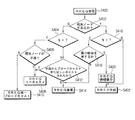
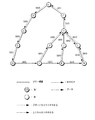
以下、図3を参照して、前記第1実施形態について説明する。
前記図3において、ソースノードはノードEであり、宛先ノードは、ノードIである。前記ソースノードEは、ルーティングテーブルを有しない“N−”型のノードであるため、S300段階において、ツリー経路上において親ノードであるノードBへデータを伝達する。この場合、ソースノードEは、ツリー構造上の最終端に位置したノードであり、親ノードとのツリー連結を1つ有するため、宛先ノードのアドレスを分析することなく、単にデータパケットを伝達することにより、親ノードBをエージェントとして用いる。前記ノードBは、伝達されたデータに含まれている宛先ノードのアドレス情報を抽出し、“N+”型ノードであるため、自身のルーティングテーブルに宛先ノードに関する経路情報があるかを検索する。経路情報が存在していなければ、ノードBは、抽出されたアドレス情報を利用して宛先ノードの位置を分析する。図3において、宛先ノードIは、ノードBの子孫ノードでないため、前記ノードBは、伝達されたデータを保存して、RREQメッセージを生成して、生成したRREQメッセージをブロードキャストする(S302、S304、S306)。前記ノードFは、受信したRREQメッセージを廃棄する。すなわち、ツリー経路上において先祖ノードから受信したRREQメッセージがブロードキャストされたメッセージであれば、受信したRREQメッセージを廃棄する。
Hereinafter, the first embodiment will be described with reference to FIG.
In FIG. 3, the source node is the node E and the destination node is the node I. Since the source node E is an “N-” type node having no routing table, in step S300, the source node E transmits data to the parent node Node B on the tree path. In this case, since the source node E is a node located at the end of the tree structure and has one tree connection with the parent node, it simply transmits a data packet without analyzing the address of the destination node. Thus, the parent node B is used as an agent. The node B extracts the address information of the destination node included in the transmitted data and searches for whether there is route information regarding the destination node in its own routing table because it is an “N +” type node. If the route information does not exist, the node B analyzes the position of the destination node using the extracted address information. In FIG. 3, since the destination node I is not a descendant node of the node B, the node B stores the transmitted data, generates an RREQ message, and broadcasts the generated RREQ message (S302, S304, S306). The node F discards the received RREQ message. That is, if the RREQ message received from the ancestor node on the tree path is a broadcast message, the received RREQ message is discarded.
前記“N+”であるノードCは、受信したRREQメッセージの情報を利用して自分のルーティングテーブルの宛先ノードに関する情報を更新した後に受信したRREQメッセージをブロードキャストする(S308、S310、S312、S314)。前記ノードGとノードHは、受信したRREQメッセージを廃棄する。前記ノードBとノードCからRREQメッセージを受信したノードAが、もしノードIに対するルーティングテーブルを保存していれば、前記ノードIの位置が分かるようになる。従って、前記ノードAは、受信したRREQメッセージに対する応答であるRREPメッセージを転送する。この場合、ノードAは、受信したRREQメッセージのホップ数を比較し、ホップ数の最も少ないRREQメッセージに対してのみRREPを転送する。すなわち、図3の場合、前記ノードAは、ノードBへのみRREPメッセージを転送する。前記ノードAが前記ノードIに対するルーティングテーブルを保存していなければ、ノードAは、宛先ノードが自分の子孫ノードでないことが分かるため、前記ノードDへRREQメッセージをユニキャスティングする。以下、前記ノードAから転送されるRREQメッセージに対する説明は省略する。 The node C, which is “N +”, broadcasts the received RREQ message after updating the information related to the destination node in its routing table using the received RREQ message information (S308, S310, S312, and S314). The node G and the node H discard the received RREQ message. If the node A receiving the RREQ message from the node B and the node C stores the routing table for the node I, the position of the node I can be known. Therefore, the node A transfers an RREP message that is a response to the received RREQ message. In this case, the node A compares the number of hops of the received RREQ message, and transfers the RREP only for the RREQ message with the smallest number of hops. That is, in the case of FIG. 3, the node A transfers the RREP message only to the node B. If the node A does not store the routing table for the node I, the node A knows that the destination node is not its descendant node, and therefore unicasts the RREQ message to the node D. Hereinafter, description of the RREQ message transferred from the node A will be omitted.
前記ノードDは、ノードIへ更新したRREQメッセージをユニキャストする(S316)。前記宛先ノードIは、RREQメッセージに対する応答であるRREPメッセージを生成し、前記生成したRREPメッセージをノードDへユニキャストする(S318)。前記ノードDは、RREQメッセージを受信する時、ルーティングテーブルに保存していた情報を利用して前記ノードCに更新されたRREPメッセージを転送し(S320)、前記ノードCも同様の方式で前記ノードBへ更新されたRREPメッセージを転送する(S322)。このような過程を行うことになり、前記ノードBからノードIへのデータ転送のためのルーティング経路が設定される。前記ノードBは、保存されているデータを、設定されたルーティング経路を利用して、ノードIまで伝達する。 The node D unicasts the updated RREQ message to the node I (S316). The destination node I generates an RREP message that is a response to the RREQ message, and unicasts the generated RREP message to the node D (S318). When the node D receives the RREQ message, the node D transfers the updated RREP message to the node C using the information stored in the routing table (S320). The updated RREP message is transferred to B (S322). This process is performed, and a routing path for data transfer from the node B to the node I is set. The node B transmits the stored data to the node I using a set routing route.
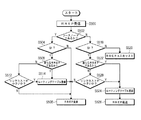
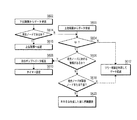
図4は、本発明の実施形態において、RREQメッセージを受信したノードにおいて行われる動作を示す。S400段階においては、ノードはRREQメッセージを受信する。S402段階において、前記ノードは、受信されたメッセージを利用して自分が宛先ノードであるか否かを判断する。前記判断の結果、前記ノードが宛先ノードであれば、S416段階に移動し、前記判断の結果、宛先ノードでなければS404段階に移動する。S404段階において、前記ノードは“N+”であるか否かを判断する。前記判断の結果、“N+”であればS406段階に移動し、前記判断の結果“N−”であれば、S412段階に移動する。 FIG. 4 illustrates operations performed in a node that receives an RREQ message in the embodiment of the present invention. In step S400, the node receives an RREQ message. In step S402, the node determines whether it is a destination node using the received message. If the node is the destination node as a result of the determination, the process moves to step S416. If the node is not the destination node as a result of the determination, the process moves to step S404. In step S404, it is determined whether the node is “N +”. If the result of the determination is “N +”, the process proceeds to step S406. If the result of the determination is “N−”, the process proceeds to step S412.
前記S406段階において、前記ノードはRREQメッセージに含まれている宛先ノードが子孫ノードであるか否かを判断する。前記判断の結果、前記宛先ノードが子孫ノードでなければ、S410段階に移動して受信したRREQメッセージを更新した後、再−ブロードキャストする。前記判断の結果、前記宛先ノードが子孫ノードであれば、S408段階に移動した後、受信したRREQメッセージを更新した後にユニキャストする。前記ノードがN+であれば、前記S412段階において、前記ノードは、受信したRREQメッセージがユニキャストされたメッセージまたは子孫ノードからブロードキャストされたメッセージであるか否かを判断する。前記判断の結果、受信したRREQメッセージがユニキャストされたメッセージまたは子孫ノードからブロードキャストされたメッセージであれば、S408段階に移動する。前記判断の結果、受信したRREQメッセージがユニキャストされたメッセージまたは子孫ノードからブロードキャストされたメッセージでなければ、S414段階に移動した後、受信したRREQメッセージを廃棄する。 In step S406, the node determines whether the destination node included in the RREQ message is a descendant node. As a result of the determination, if the destination node is not a descendant node, the process proceeds to step S410 to update the received RREQ message and then re-broadcast. As a result of the determination, if the destination node is a descendant node, after moving to step S408, the received RREQ message is updated and then unicasted. If the node is N +, in step S412, the node determines whether the received RREQ message is a unicast message or a message broadcast from a descendant node. If it is determined that the received RREQ message is a unicast message or a message broadcast from a descendant node, the process proceeds to step S408. As a result of the determination, if the received RREQ message is not a unicast message or a message broadcast from a descendant node, the process proceeds to step S414, and then the received RREQ message is discarded.
S416段階において、前記ノードは“N+”であるか否かを判断する。前記判断の結果、“N+”であればS418段階に移動し、前記判断の結果、“N−”であればS422段階に移動する。S418段階において、受信したRREQメッセージのリンクコストとルーティングテーブルに保存されていたリンクコストとを比較する。前記比較の結果、受信したRREQメッセージのリンクコストが小さければ、S420段階に移動して受信したRREQメッセージの情報をルーティングテーブルにアップデートする。前記比較の結果、受信したRREQメッセージのリンクコストが小さくない場合は、S414段階に移動した後、受信したRREQメッセージを廃棄する。S422段階において、前記ノードは受信したRREQメッセージに対する応答であるRREPメッセージを生成する。 In step S416, it is determined whether the node is “N +”. If the result of the determination is “N +”, the process proceeds to step S418. If the result of the determination is “N−”, the process proceeds to step S422. In step S418, the link cost of the received RREQ message is compared with the link cost stored in the routing table. If the link cost of the received RREQ message is small as a result of the comparison, the process moves to step S420 and the received RREQ message information is updated in the routing table. As a result of the comparison, if the link cost of the received RREQ message is not small, the process proceeds to step S414, and then the received RREQ message is discarded. In step S422, the node generates an RREP message that is a response to the received RREQ message.
図5は、本発明の実施形態において、RREPメッセージを受信したノードにおいて行われる動作を示すフローチャートである。S500段階において、ノードは、RREPメッセージを受信する。S502段階において、前記ノードは、自分がソースノードであるか否かを判断する。前記判断の結果、自分がソースノードであれば、S504段階に移動し、前記判断の結果、ソースノードでなければ、S518段階に移動する。前記S504段階において、ノードは“N+”であるか否かを判断する。前記判断の結果、“N+”であればS508段階に移動し、前記判断の結果、“N−”であればS506段階に移動してRREPメッセージを廃棄する。前記S508段階において、前記ノードは、受信したRREPメッセージが新たなものであるか否かを判断する。新たに受信したRREPメッセージであれば、S514段階に移動して、該当ソースノードに関するルーティングテーブル情報を新たに生成することにより、ルーティングテーブルを更新する。新たに受信したものではなく、すなわち、そのRREPメッセージを以前に受信したことがあれば、S512段階に移動して、そのRREPメッセージのリンクコストとルーティングテーブルに保存されたリンクコストとを比較する。比較の結果、受信したRREPメッセージのリンクコスト値が保存された値より小さければ、S514段階において、該当情報でルーティングテーブル値を更新した後、S506段階において該当RREPメッセージを廃棄する。 FIG. 5 is a flowchart illustrating an operation performed in the node that has received the RREP message in the embodiment of the present invention. In step S500, the node receives the RREP message. In step S502, the node determines whether it is a source node. If the result of the determination is that the node is a source node, the process proceeds to step S504. If the result of the determination is that the node is not a source node, the process proceeds to step S518. In step S504, it is determined whether the node is “N +”. If the result of the determination is “N +”, the process proceeds to step S508. If the result of the determination is “N−”, the process proceeds to step S506 and the RREP message is discarded. In step S508, the node determines whether the received RREP message is new. If it is a newly received RREP message, the process proceeds to step S514 to update the routing table by newly generating routing table information related to the corresponding source node. If the RREP message is not newly received, that is, if the RREP message has been received before, the process proceeds to step S512, and the link cost of the RREP message is compared with the link cost stored in the routing table. If the link cost value of the received RREP message is smaller than the stored value as a result of the comparison, the routing table value is updated with the corresponding information in step S514, and then the corresponding RREP message is discarded in step S506.
前記S518段階において、“N+”であればS522段階に移動し、“N−”であればS520段階に移動して該当RREPメッセージをユニキャストする。前記S522段階においては、新たに受信したRREPメッセージであるか否かを確認し、新たに受信したRREPメッセージであればS524段階に移動して、該当ノードに関するルーティングテーブル情報を生成することによりルーティングテーブルを更新した後、S526段階に移動してRREPメッセージを転送する。もし、新たに受信したRREPメッセージでなければ(ルーティングテーブルに該当情報が存在すれば)、S528段階に移動して、RREPメッセージのリンクコストと保存されている該当情報のリンクコストとを比較する。前記比較の結果、RREPメッセージが小さいリンクコストを有する場合には、S524段階において該当ソースノードに関するルーティングテーブル情報を更新してS526段階に移動する。もし、小さい値を有していなければ、S506段階に移動して該当RREPメッセージを廃棄する。 In step S518, if “N +”, the process moves to step S522, and if “N−”, the process moves to step S520 to unicast the corresponding RREP message. In step S522, it is confirmed whether the message is a newly received RREP message. If it is a newly received RREP message, the process proceeds to step S524 to generate routing table information on the corresponding node, thereby generating a routing table. Is updated, the process proceeds to step S526 to transfer the RREP message. If it is not a newly received RREP message (if the corresponding information exists in the routing table), the process proceeds to step S528, and the link cost of the RREP message is compared with the link cost of the stored corresponding information. If the RREP message has a small link cost as a result of the comparison, the routing table information regarding the corresponding source node is updated in step S524, and the process proceeds to step S526. If it does not have a small value, the process moves to step S506 and the corresponding RREP message is discarded.
図6は、本発明の実施形態において、データを受信したノードにおいて行われる動作を示すフローチャートである。S600段階は、前記ノードが応用プログラム(上位階層)からデータを受信した場合であり、S602段階は、周辺ノード(下位階層)からデータを受信した場合である。前記S602段階において、前記ノードがデータを受信すれば、S614段階に移動して前記ノードが宛先ノードであるか否かを確認する。前記ノードが宛先ノードであれば、S616段階に移動して、受信したデータを上位階層に伝達し、宛先ノードでなければS604段階に移動する。前記S604段階において、前記ノードは、“N+"であるか否かを判断する。前記判断の結果、“N+"であれば、前記ノードはS606段階に移動し、前記判断の結果、“N−"であればS612段階に移動する。前記
S606段階において、ルーティングテーブルに宛先ノードに対する情報があるか否かを確認し、前記確認の結果、ルーティングテーブルに宛先ノードに対する情報があれば、S608に移動する。前記S608段階において、次のホップに位置しているノードへデータを転送し、S610段階において、タイマーを設定する。前記確認の結果、ルーティングテーブルに宛先ノードに対する情報がなければ、S618段階に移動して宛先ノードとの相対的な位置を把握する。もし、宛先ノードが子孫ノードまたは位置確認が可能な隣接ノードであれば、S612段階において、該当ツリー経路を利用して転送する。もし、そうでなければ、S620段階に移動して、RREQメッセージをブロードキャストして経路探索を行う。前記S604段階において、前記ノードが“N−"ノードであれば、S6
12段階に移動してツリー経路を利用してデータを転送する。
FIG. 6 is a flowchart illustrating an operation performed in a node that has received data in the embodiment of the present invention. In step S600, the node receives data from the application program (upper layer), and in step S602, the data is received from a peripheral node (lower layer). If the node receives data in step S602, the process moves to step S614 to check whether the node is a destination node. If the node is the destination node, the process moves to step S616 to transmit the received data to the upper layer, and if it is not the destination node, the process moves to step S604. In step S604, it is determined whether the node is “N +”. If the result of the determination is “N +”, the node moves to step S606. If the result of the determination is “N−”, the node moves to step S612. In step S606, it is checked whether there is information on the destination node in the routing table. If the result of the check is that there is information on the destination node in the routing table, the process moves to S608. In step S608, data is transferred to a node located at the next hop, and in step S610, a timer is set. If there is no information about the destination node in the routing table as a result of the confirmation, the process moves to step S618 to grasp the relative position with the destination node. If the destination node is a descendant node or an adjacent node whose position can be confirmed, transfer is performed using the corresponding tree path in step S612. If not, the process moves to step S620, and a route search is performed by broadcasting an RREQ message. In step S604, if the node is an “N-” node, S6
Move to step 12 and transfer data using the tree path.
以下、図7乃至図8を参照して前記第1実施形態の限界を説明し、その限界を解決できる第2実施形態について説明する。 Hereinafter, the limitation of the first embodiment will be described with reference to FIGS. 7 to 8, and the second embodiment capable of solving the limitation will be described.
図7は、第1実施形態によりルーティング経路を設定する場合、最適のルーティング経路を設定できないことを示している。前記図7において、ノードAがソースノードであり、ノードIが宛先ノードである場合を仮定する。前記ノードAはデータをノードBへ伝達し(S700)、ノードBは伝達されたデータをノードCへ中継する(S702)。前記ノードCは、伝達されたデータをバッファに保存し、RREQメッセージを生成する。前記ノードCは、生成したRREQメッセージをブロードキャストする(S704、S706)。以下、前記S704についての説明は省略する。前記ノードFは、伝達されたRREQメッセージを更新した後、ブロードキャストする(S708)。前記ノードGは、伝達されたRREQメッセージに含まれている宛先ノードに関する情報を分析することにより、前記受信したRREQメッセージを更新して前記ノードIへユニキャストする(S710)。前記ノードIは、RREPメッセージを、前記RREQメッセージが転送された経路の逆の経路に沿って転送することになる。前述のような過程を行うことにより、前記ノードA、ノードB、ノードC、ノードF、ノードG、ノードIへのルーティング経路が設定される。 FIG. 7 shows that an optimum routing route cannot be set when a routing route is set according to the first embodiment. In FIG. 7, it is assumed that node A is a source node and node I is a destination node. The node A transmits data to the node B (S700), and the node B relays the transmitted data to the node C (S702). The node C stores the transmitted data in a buffer and generates an RREQ message. The node C broadcasts the generated RREQ message (S704, S706). Hereinafter, the description of S704 will be omitted. The node F updates the transmitted RREQ message and then broadcasts it (S708). The node G updates the received RREQ message and unicasts it to the node I by analyzing information on the destination node included in the transmitted RREQ message (S710). The node I will transfer the RREP message along the path opposite to the path along which the RREQ message was transferred. By performing the above-described process, routing paths to the node A, node B, node C, node F, node G, and node I are set.
ところが、前記経路は、最適のルーティング経路ではない。すなわち、前記ノードA→ノードH→ノードIの経路が最適のルーティング経路である。 However, the route is not an optimal routing route. That is, the route of the node A → node H → node I is the optimum routing route.
図8は、第1実施形態によりルーティング経路を設定する場合、フォワードルーティング経路とバックワードルーティング経路が異なる経路に設定される場合を示している。前記フォワードルーティング経路は、ソースノードから宛先ノードまでのルーティング経路であり、前記バックワードルーティング経路は、宛先ノードからソースノードまでのルーティング経路である。 FIG. 8 shows a case where the forward routing path and the backward routing path are set to different paths when the routing path is set according to the first embodiment. The forward routing path is a routing path from the source node to the destination node, and the backward routing path is a routing path from the destination node to the source node.
前記図8において、ソースノードはノードAであり、宛先ノードはノードMである。前記ノードAは、ノードMへのルーティング経路を設定するためにRREQメッセージをブロードキャストする(S800)。前記ノードIは、受信したRREQメッセージを更新し、前記更新したRREQメッセージをブロードキャストする(S802、S804)。前記ノードKは、ノードIがブロードキャストしたRREQメッセージを受信して更新する。前記ノードKは、更新したRREQメッセージをブロードキャストし(S810、S816)、前記ノードMは、前記RREQメッセージを受信する。S806、S808、S812、S814についての詳しい説明は省略する。前述のような過程を行うことにより、ノードA→ノードI→ノードK→ノードMのフォワードルーティング経路が設定される。 In FIG. 8, the source node is node A and the destination node is node M. The node A broadcasts an RREQ message in order to set a routing route to the node M (S800). The node I updates the received RREQ message and broadcasts the updated RREQ message (S802, S804). The node K receives and updates the RREQ message broadcast by the node I. The node K broadcasts the updated RREQ message (S810, S816), and the node M receives the RREQ message. Detailed descriptions of S806, S808, S812, and S814 are omitted. By performing the above-described process, the forward routing path of node A → node I → node K → node M is set.
前記RREQメッセージを受信したノードMは“N−”であるため、RREPメッセージをノードLへユニキャストする(S818)。“N−”である前記ノードLは、受信したRREPメッセージを更新した後、ノードGへユニキャストする(S820)。“N−”である前記ノードGは、受信したRREPメッセージを更新した後、ノードFへユニキャストする(S822)。前述のとおり、前記RREPメッセージは、S824、S826、S828、S830、S832の過程によって、前記ノードAへ伝達される。従って、前記図8において、バックワードルーティング経路は、ノードM→ノードL→ノードG→ノードF→ノードE→ノードD→ノードC→ノードB→ノードAとなる。 Since the node M receiving the RREQ message is “N-”, the RREP message is unicast to the node L (S818). The node L that is “N−” updates the received RREP message and then unicasts it to the node G (S820). The node G that is “N−” updates the received RREP message and then unicasts it to the node F (S822). As described above, the RREP message is transmitted to the node A through steps S824, S826, S828, S830, and S832. Therefore, in FIG. 8, the backward routing path is node M → node L → node G → node F → node E → node D → node C → node B → node A.
このように、本発明の第1実施形態は、フォワードルーティング経路とバックワードルーティング経路が異なる経路に設定される、という短所を有している。従って、以下に詳細に説明する本発明の第2実施形態は、第1実施形態の短所を解決するための方案を提案する。 As described above, the first embodiment of the present invention has a disadvantage that the forward routing path and the backward routing path are set to different paths. Therefore, the second embodiment of the present invention, which will be described in detail below, proposes a method for solving the disadvantages of the first embodiment.
<第2実施形態>
前記第1の実施形態の短所を解決するため、本発明は、“N−”であるノードに所定の大きさのルーティンテーブルを与える方案を提案する。また、本発明は、ボーダーノード(BorderNode)の概念を提案する。
1.ツリー上に位置しているノードが“N−”である場合
ソースノードが“N−”ノードであれば、前記“N−”ノードは、転送するデータをバッファに保存する。また、前記“N−”は、アドレス体系を分析して宛先ノードの位置を判断する。宛先ノードがツリー経路上の子孫ノードであれば、前記“N−”ノードは、ルーティング経路探索を行わずにツリー経路を利用してデータを転送する。もし、宛先が子孫ノードでなければ、“N−”ノードであっても該当する宛先ノードに対する1つのルーティングテーブルを生成し、RREQメッセージをブロードキャストする。
<Second Embodiment>
In order to solve the disadvantages of the first embodiment, the present invention proposes a method of providing a routine table of a predetermined size to a node that is “N−”. The present invention also proposes the concept of a border node (BorderNode).
1. When the node located on the tree is “N−” If the source node is an “N−” node, the “N−” node stores data to be transferred in a buffer. Further, the “N−” analyzes the address system to determine the position of the destination node. If the destination node is a descendant node on the tree path, the "N-" node transfers data using the tree path without performing a routing path search. If the destination is not a descendant node, even if it is an “N-” node, one routing table for the corresponding destination node is generated and an RREQ message is broadcast.
“N−”ノードが中間ノードであれば、前記“N−”ノードは、ユニキャストされたRREQメッセージを受信した場合は、前記受信したRREQメッセージを更新した後、ツリー経路に沿って転送する。前記“N−”は、RREQメッセージのソースノードが自分の子孫ノードであり、自分の子ノードがブロードキャストしたRREQメッセージを受信した場合は、前記受信したRREQメッセージを更新した後、ツリー経路に沿って転送する。 If the “N−” node is an intermediate node, when the “N−” node receives a unicast RREQ message, the “N−” node updates the received RREQ message and then forwards the message along the tree path. When the source node of the RREQ message is its own descendant node and the RREQ message broadcast by the child node is received, the “N-” is updated along the tree path after updating the received RREQ message. Forward.
“N−”ノードが宛先ノードであれば、前記“N−”ノードは、受信したRREQメッセージに応答するRREPメッセージを生成し、RREQメッセージに含まれた次のボーダーノードの情報を保存し、前記生成したRREPメッセージを転送する。この時、“N−”ノードであっても該当するソースノードに対する1つのルーティングテーブルを生成して管理する。 If the “N−” node is a destination node, the “N−” node generates an RREP message in response to the received RREQ message, stores information on the next border node included in the RREQ message, and The generated RREP message is transferred. At this time, even for the “N−” node, one routing table for the corresponding source node is generated and managed.
2.ツリー上に位置しているノードが“N+”である場合
前述の第1実施形態と同様な動作を行う。
2. When the node located on the tree is “N +” The same operation as in the first embodiment is performed.
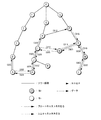
図9は、本発明の第2実施形態によってフォワードルーティング経路とバックワードルーティング経路を同一に設定する例を示している。以下、図9を参照して本発明によるフォワードルーティング経路とバックワードルーティング経路を同一に設定することができる方案について説明する。 FIG. 9 shows an example in which the forward routing path and the backward routing path are set the same according to the second embodiment of the present invention. Hereinafter, with reference to FIG. 9, a method for setting the forward routing route and the backward routing route according to the present invention in the same manner will be described.
図9においては、ソースノードはノードAであり、宛先ノードはノードLである。前記ノードAは、宛先ノードのアドレス体系を分析することによって、自分の子孫ノードでないことを認識する。前記ノードAは、第1実施形態と異なって、データをノードBへ伝達せずにルーティング経路を設定するための経路探索を行う。特に、前記ノードAは、RREGメッセージを生成し、前記生成したRREQメッセージをブロードキャストする(S900、S902)。前記ノードAからノードBへ転送されるRREQメッセージについての説明は省略する。ノードKは、受信したRREQメッセージを更新した後にブロードキャストする(S904)。前記ノードKは、RREQメッセージをツリー経路を通じて受信していないため、自分がボーダーノードの候補となり得るとの情報を前記RREQメッセージに付加する。前記ボーダーノードは、RREQメッセージをツリー経路に沿って受信せずに、更新したRREQメッセージをツリー経路に沿って転送するノードを意味する。 In FIG. 9, the source node is node A and the destination node is node L. The node A recognizes that it is not its own descendant node by analyzing the address system of the destination node. Unlike the first embodiment, the node A performs a route search for setting a routing route without transmitting data to the node B. In particular, the node A generates an RREG message and broadcasts the generated RREQ message (S900, S902). A description of the RREQ message transferred from the node A to the node B is omitted. The node K broadcasts after updating the received RREQ message (S904). Since the node K has not received the RREQ message through the tree path, the node K adds information that it can be a candidate for the border node to the RREQ message. The border node refers to a node that transfers an updated RREQ message along the tree path without receiving the RREQ message along the tree path.
ノードJは、前記ノードKがブロードキャストしたRREQメッセージを受信する。前記RREQメッセージを受信したノードJは、前記ノードKがボーダーノードであることを認知することになる。すなわち、前記RREQメッセージをツリー経路を通じて受信したため、前記ノードJは、受信したRREQメッセージを利用して、前記ノードKがボーダーノードであることを認知することになる。 Node J receives the RREQ message broadcast by node K. The node J that has received the RREQ message recognizes that the node K is a border node. That is, since the RREQ message is received through the tree path, the node J recognizes that the node K is a border node using the received RREQ message.
前記ノードJは、前記RREQメッセージに、前記ノードKがボーダーノードであることを示す情報を付加する。また、前記ノードJは、前記ノードKがボーダーノードであることを保存する。前記ノードJは、更新したRREQメッセージをノードIへユニキャストする(S906)。第1実施形態において説明したとおり、RREQメッセージを子ノードから受信した場合には、中間ノードである“N−”は、前記受信したRREQメッセージを更新してユニキャストする。前記ノードIは、受信したRREQメッセージを更新した後にブロードキャストする(S908、S910)。前記ノードNは、受信したRREQメッセージをブロードキャストする(S914)。勿論、前記ノードNは、自分がボーダーノードの候補となり得ることを前記RREQメッセージに含ませてブロードキャスティングする。ノードOは、前記ノードNがブロードキャストしたRREQメッセージを受信したときは、前記ノードNがボーダーノードであることを認知することになる。従って、前記ノードOは、受信したRREQメッセージに保存されているボーダーノードに関する情報を更新する。前記ノードOは、前記ノードNがボーダーノードであることをルーティングテーブルに保存する。前記ノードOは、受信したRREQメッセージを更新した後、ノードMへユニキャストし(S918)、前記ノードMは、受信したRREQメッセージを更新した後、ノードLへユニキャストする(S920)。 The node J adds information indicating that the node K is a border node to the RREQ message. Further, the node J stores that the node K is a border node. The node J unicasts the updated RREQ message to the node I (S906). As described in the first embodiment, when an RREQ message is received from a child node, the intermediate node “N-” updates the received RREQ message and performs unicast. The node I broadcasts after updating the received RREQ message (S908, S910). The node N broadcasts the received RREQ message (S914). Of course, the node N broadcasts by including in the RREQ message that it can be a border node candidate. When the node O receives the RREQ message broadcast by the node N, the node O recognizes that the node N is a border node. Accordingly, the node O updates the information regarding the border node stored in the received RREQ message. The node O stores in the routing table that the node N is a border node. The node O updates the received RREQ message and then unicasts to the node M (S918). The node M updates the received RREQ message and then unicasts to the node L (S920).
前記ノードHは、受信したRREQメッセージを更新した後、ブロードキャストする(S912)。ノードPは、前記ノードHがブロードキャストしたRREQメッセージを受信した後、ノードOにユニキャストする(S916)。前記ノードOは、受信したRREQメッセージを更新した後、ノードMへユニキャストし(S918)、前記ノードMは、受信したRREQメッセージを更新した後、ノードLへユニキャストする(S920)。 The node H updates the received RREQ message and then broadcasts (S912). After receiving the RREQ message broadcast by the node H, the node P unicasts to the node O (S916). The node O updates the received RREQ message and then unicasts to the node M (S918). The node M updates the received RREQ message and then unicasts to the node L (S920).
前述のような過程を行うことにより、前記ノードLは、二つ以上のRREQメッセージを受信することができる。前記ノードLは、受信したRREQメッセージのうち、リンクコストの小さいRREQメッセージを選択する。従って、ノードA→ノードK→ノードJ→ノードI→ノードN→ノードO→ノードM→ノードLのフォワードルーティング経路が設定される。前記において説明していないものの、前記各“N+”は、ルーティングテーブルに、RREQメッセージに含まれている情報を保存する。以下、バックワードルーティング経路を設定する方法について説明する。 By performing the above-described process, the node L can receive two or more RREQ messages. The node L selects an RREQ message with a low link cost among the received RREQ messages. Accordingly, the forward routing path of node A → node K → node J → node I → node N → node O → node M → node L is set. Although not described above, each “N +” stores information included in the RREQ message in the routing table. Hereinafter, a method for setting a backward routing route will be described.
前記ノードLは、受信したRREQメッセージに含まれている“次のボーダーノード”についての情報を保存し、生成したRREPメッセージに該当情報を含ませてノードMへ伝達し(S922)、前記ノードMは、伝達されたRREPメッセージを更新した後、ノードOへ伝達する(S914)。前記ノードOは、前記RREPメッセージに含まれているボーダーノードに関する情報を利用して、前記RREPメッセージをノードNへ伝達する(S926)。前記ノードNは、受信したRREPメッセージの“次のボーダーノード”情報を自分が保存しているボーダーノード情報(ノードK)で更新した後、ノードIへ伝達する(S928)。前述のとおり、S930、S932、S934段階を行うことにより、前記RREPメッセージはノードAへ伝達される。従って、前記フォワードルーティング経路と同一のバックワードルーティング経路を設定することができるようになる。 The node L stores information on the “next border node” included in the received RREQ message, and transmits the generated information to the node M including the corresponding information in the generated RREP message (S922). Updates the transmitted RREP message and then transmits it to the node O (S914). The node O transmits the RREP message to the node N using information on the border node included in the RREP message (S926). The node N updates the “next border node” information of the received RREP message with the border node information (node K) stored in the node N, and then transmits it to the node I (S928). As described above, the RREP message is transmitted to the node A by performing steps S930, S932, and S934. Therefore, the same backward routing path as the forward routing path can be set.
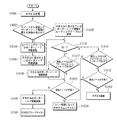
図10は、本発明の他の実施形態によるRREQメッセージを受信したノードにおいて行われる動作を示すフローチャートである。 FIG. 10 is a flowchart illustrating an operation performed in a node that receives an RREQ message according to another embodiment of the present invention.
S1000段階において、前記ノードは、RREQメッセージを受信する。S1002段階において、前記ノードは、受信したRREQメッセージにボーダーノード候補に関する情報が含まれているか、および子ノードからRREQメッセージを受信したか否かを判断する。 In step S1000, the node receives an RREQ message. In step S1002, the node determines whether the received RREQ message includes information related to a border node candidate and whether an RREQ message is received from a child node.
前記判断の結果、受信したRREQメッセージにボーダーノード候補に関する情報が含まれており、前記RREQメッセージを子ノードから受信していればS1004段階に移動する。前記の場合でなければS1008段階に移動する。 As a result of the determination, if the received RREQ message includes information related to a border node candidate, and if the RREQ message is received from a child node, the process moves to step S1004. Otherwise, the process moves to step S1008.
S1004段階において、前記ノードは、ボーダーノード候補であるノードをボーダーノードとしてルーティングテーブルに保存する。S1006段階において、前記ノードは、受信したRREQメッセージのボーダーノードに関する情報を更新する。S1008段階において、前記ノードは、RREQに含まれているボーダーノードに関する情報をルーティングテーブルに保存する。 In step S1004, the node stores a node that is a border node candidate as a border node in the routing table. In step S1006, the node updates information related to the border node of the received RREQ message. In step S1008, the node stores information about the border node included in the RREQ in a routing table.
S1010段階において、前記ノードは、自分が“N+”であるか否かを判断する。前記判断の結果、“N+”であればS1012段階に移動し、前記判断の結果、“N−”であればS1014段階に移動する。前記S1012段階において、前記ノードは、受信したRREQメッセージがブロードキャストされたRREQメッセージであるか否かを判断する。前記判断の結果、受信したRREQがブロードキャストしたRREQであれば、S1016段階に移動し、前記判断の結果、受信したRREQがブロードキャストRREQでなければ、S1020段階に移動する。前記S1016段階において、前記ノードは、RREQメッセージに含まれるボーダーノード候補情報を自分の情報を利用して更新する。 In step S1010, the node determines whether it is “N +”. If the result of the determination is “N +”, the process proceeds to step S1012. If the result of the determination is “N−”, the process proceeds to step S1014. In step S1012, the node determines whether the received RREQ message is a broadcast RREQ message. If the received RREQ is a broadcast RREQ as a result of the determination, the process proceeds to step S1016. If the received RREQ is not a broadcast RREQ as a result of the determination, the process proceeds to step S1020. In step S1016, the node updates border node candidate information included in the RREQ message using its own information.
S1020段階において、前記ノードは、宛先ノードが子孫であるか否かを判断する。前記判断の結果、子孫であればS1024段階に移動し、ツリー経路を利用して更新したRRERQメッセージをユニキャストする。前記判断の結果、子孫でなければ、S1026段階において保存していたRREQボーダーノードの候補情報を削除し、S1028段階において更新したRREQメッセージを、S1026段階においてブロードキャストする。 In step S1020, the node determines whether the destination node is a descendant. As a result of the determination, if it is a descendant, the process moves to step S1024, and the RRRQ message updated using the tree path is unicast. If the result of the determination is that it is not a descendant, the RREQ border node candidate information stored in step S1026 is deleted, and the RREQ message updated in step S1028 is broadcast in step S1026.
S1014段階において、前記ノードは、受信したRREQメッセージがブロードキャストしたRREQであるか否かを判断する。前記判断の結果、受信したRREQがブロードキャストしたRREQであれば、S1018段階に移動し、前記判断の結果、受信したRREQがブロードキャストRREQでなければ、S1024段階に移動する。前記S1018段階において、前記ノードは、宛先ノードが子孫であるか否かを判断する。前記判断の結果、前記宛先ノードが子孫であれば、更新したRREQメッセージを、ツリー経路に沿ってユニキャストする。前記判断の結果、前記宛先ノードが子ノードでなければ、受信したRREQメッセージを廃棄する。 In step S1014, the node determines whether the received RREQ message is a broadcast RREQ. If the received RREQ is a broadcast RREQ as a result of the determination, the process proceeds to step S1018. If the received RREQ is not a broadcast RREQ as a result of the determination, the process proceeds to step S1024. In step S1018, the node determines whether the destination node is a descendant. If the destination node is a descendant as a result of the determination, the updated RREQ message is unicast along the tree path. As a result of the determination, if the destination node is not a child node, the received RREQ message is discarded.
図11は、本発明の他の実施形態において、RREPメッセージを受信したノードにおいて行われる動作を示している。以下、前記図11を参照して本発明によるRREPメッセージを受信したノードにおいて行われる動作について詳しく説明する。 FIG. 11 illustrates operations performed in a node that has received an RREP message in another embodiment of the present invention. Hereinafter, an operation performed in the node that has received the RREP message according to the present invention will be described in detail with reference to FIG.
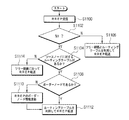
S1110段階において、前記ノードは、RREPメッセージを受信する。S1102段階において、前記ノードは、自分が“N+”であるか否かを判断する。前記判断の結果、“N+”であればS1104段階に移動し、前記判断の結果“N−”であればS1106段階に移動する。前記S1106段階において、前記ノードは、ツリー経路とルーティングテーブルを利用して、受信したRREPメッセージをボーダーノードへ伝達する。前記S1104段階において、前記ノードは、ソースノードについての情報をルーティングテーブルに保存しているか否かを判断する。前記判断の結果、ソースノードについての情報をルーティングテーブルに保存していた場合は、S1108段階に移動し、前記判断の結果、ソースノードに対する情報をルーティングテーブルに保存していなければ、S1114段階に移動する。前記S1114段階において、前記ノードはツリー経路に沿ってRREPを転送する。 In step S1110, the node receives an RREP message. In step S1102, the node determines whether it is “N +”. If the determination result is “N +”, the process proceeds to step S1104. If the determination result is “N−”, the process proceeds to step S1106. In step S1106, the node transmits the received RREP message to the border node using a tree path and a routing table. In step S1104, the node determines whether information about the source node is stored in the routing table. If the information on the source node is stored in the routing table as a result of the determination, the process moves to step S1108. If the information on the source node is not stored in the routing table as a result of the determination, the process moves to step S1114. To do. In step S1114, the node forwards the RREP along the tree path.
S1108段階において、前記ノードは、自分がボーダーノードであるか否かを判断する。前記判断の結果、ボーダーノードでなければ、S1110段階に移動し、前記判断の結果、ボーダーノードであれば、S1112段階に移動する。前記S1110段階において、前記ボードは、RREPメッセージに含まれているボーダーボードに関する情報を更新する。すなわち、自分が保存しているボーダーノードに関する情報を利用して前記RREPメッセージを更新する。S1112段階において、前記ノードは、ルーティングテーブルを利用して受信したRREPメッセージを更新し、前記更新したRREPメッセージを転送する。 In step S1108, the node determines whether it is a border node. If the result of the determination is that it is not a border node, the process proceeds to step S1110. If the result of the determination is that it is a border node, the process proceeds to step S1112. In step S1110, the board updates information related to the border board included in the RREP message. That is, the RREP message is updated using information on the border node stored by itself. In step S1112, the node updates the received RREP message using a routing table and transfers the updated RREP message.
以上では、本発明の好ましい実施形態について説明したが、本発明は、前述した特定の実施形態に限定されず、請求の範囲に記載する本発明の要旨を逸脱しない限りにおいて、当該発明の属する技術分野において通常の知識を持つ者ならば誰でも多様な変形実施が可能なことは勿論であり、そのような変更は請求の範囲の記載の範囲内にあることになる。 The preferred embodiments of the present invention have been described above, but the present invention is not limited to the specific embodiments described above, and the technology to which the present invention belongs without departing from the spirit of the present invention described in the claims. Of course, any person having ordinary knowledge in the field can implement various modifications, and such changes are within the scope of the claims.
本発明は、“N−”が最小限の情報を保存し、前記保存された情報を利用してルーティング経路を設定することにより、フォワードルーティング経路と同一のバックワードルーティング経路を設定することができるようになる。また、“N−”が最小限の情報を保存し、前記保存された情報を利用してルーティング経路を設定することにより、最適のルーティング経路を設定することができる。 The present invention can set the same backward routing path as the forward routing path by storing the minimum information "N-" and setting the routing path using the stored information. It becomes like this. In addition, “N−” stores minimum information, and an optimal routing path can be set by setting a routing path using the stored information.
Claims (9)
前記RREQメッセージを受信した前記デバイスがルーティングテーブルを保持していない場合、前記デバイスは前記RREQメッセージが前記デバイスの子孫デバイスから受信されたか否かを判断するステップと、
前記RREQメッセージが前記デバイスの子孫デバイスから受信されたものではない場合、前記デバイスは前記RREQメッセージを廃棄するステップと、
を含むことを特徴とするメッセージ処理方法。 A device constituting a wireless network formed in a tree structure receiving an RREQ (Route Request) message;
If the device that received the RREQ message does not hold a routing table, the device determines whether the RREQ message is received from a descendant device of the device;
If the RREQ message is not received from a descendant device of the device, the device discards the RREQ message;
A message processing method.
前記RREQメッセージを受信した前記デバイスがルーティングテーブルを保持しておらずメッセージを上位デバイス又は下位デバイスのみに伝達することができ、前記RREQメッセージの宛先が前記デバイスである場合に、前記デバイスは前記RREP(Route REPly)メッセージで応答するステップと、
を含むことを特徴とするメッセージ処理方法。 A device constituting a wireless network formed in a tree structure receiving an RREQ (Route Request) message;
When the device that has received the RREQ message does not hold a routing table and can transmit the message only to an upper device or a lower device, and the destination of the RREQ message is the device, the device transmits the RREP Responding with a (Route REPly) message;
A message processing method.
前記RREQメッセージを受信した前記デバイスがルーティングテーブルを保持しておらずメッセージを上位デバイス又は下位デバイスのみに伝達することができ、前記RREQメッセージが前記デバイスの子孫デバイスから受信され、前記RREQメッセージの宛先が前記デバイスでなければ、前記デバイスは前記RREQメッセージを他のデバイスへ伝達するステップと、を含むことを特徴とするメッセージ処理方法。 A device constituting a wireless network formed in a tree structure receiving an RREQ (Route Request) message;
The device that has received the RREQ message does not hold a routing table and can transmit the message only to the upper device or the lower device, and the RREQ message is received from a descendant device of the device, and the destination of the RREQ message If the device is not the device, the device transmits the RREQ message to another device.
REPly)メッセージを受信するステップと、
前記RREPメッセージを受信した前記デバイスがルーティングテーブルを保持しておらずメッセージを上位デバイス又は下位デバイスのみに伝達することができ、前記RREPメッセージの宛先が前記デバイスであると、前記デバイスは前記RREPメッセージを廃棄するステップと、
前記RREPメッセージを受信した前記デバイスがルーティングテーブルを保持しておらず、前記RREPメッセージの宛先が前記デバイスでなければ、前記デバイスは前記RREPメッセージを他のデバイスへ伝達するステップと、
を含むことを特徴とするメッセージ処理方法。 Devices constituting the wireless network formed in the tree structure are RREP (Route).
Receiving a (REPly) message;
When the device that has received the RREP message does not hold a routing table and can transmit the message only to an upper device or a lower device, and the destination of the RREP message is the device, the device transmits the RREP message. A step of disposing of
If the device that has received the RREP message does not maintain a routing table and the destination of the RREP message is not the device, the device communicates the RREP message to another device;
A message processing method.
Applications Claiming Priority (2)
| Application Number | Priority Date | Filing Date | Title |
|---|---|---|---|
| US46901503P | 2003-05-09 | 2003-05-09 | |
| KR1020040023158A KR100611125B1 (en) | 2003-05-09 | 2004-04-03 | Apparatus and method for set up of optimum routing path using tree-topology |
Related Parent Applications (1)
| Application Number | Title | Priority Date | Filing Date |
|---|---|---|---|
| JP2004139790A Division JP4077808B2 (en) | 2003-05-09 | 2004-05-10 | Routing route setting method and routing route setting device using tree structure in ad hoc network |
Publications (3)
| Publication Number | Publication Date |
|---|---|
| JP2007068233A JP2007068233A (en) | 2007-03-15 |
| JP2007068233A5 JP2007068233A5 (en) | 2007-12-27 |
| JP4519829B2 true JP4519829B2 (en) | 2010-08-04 |
Family
ID=32993180
Family Applications (2)
| Application Number | Title | Priority Date | Filing Date |
|---|---|---|---|
| JP2004139790A Expired - Fee Related JP4077808B2 (en) | 2003-05-09 | 2004-05-10 | Routing route setting method and routing route setting device using tree structure in ad hoc network |
| JP2006324997A Expired - Lifetime JP4519829B2 (en) | 2003-05-09 | 2006-11-30 | Message processing method |
Family Applications Before (1)
| Application Number | Title | Priority Date | Filing Date |
|---|---|---|---|
| JP2004139790A Expired - Fee Related JP4077808B2 (en) | 2003-05-09 | 2004-05-10 | Routing route setting method and routing route setting device using tree structure in ad hoc network |
Country Status (3)
| Country | Link |
|---|---|
| EP (1) | EP1475927A3 (en) |
| JP (2) | JP4077808B2 (en) |
| CN (1) | CN100553216C (en) |
Families Citing this family (26)
| Publication number | Priority date | Publication date | Assignee | Title |
|---|---|---|---|---|
| KR100639879B1 (en) | 2005-03-03 | 2006-10-30 | 엘지전자 주식회사 | Routing Method by AODX Routing Protocol for Multi-rate Network and Ad Hoc Network Node |
| WO2006121283A1 (en) * | 2005-05-10 | 2006-11-16 | Samsung Electronics Co., Ltd. | Routing method in wireless network and communication apparatus of using the same |
| CN201061164Y (en) * | 2005-08-26 | 2008-05-14 | 手持产品公司 | Hand-hold bar code reading equipment, data collection system and data collection device |
| US7717342B2 (en) | 2005-08-26 | 2010-05-18 | Hand Held Products, Inc. | Data collection device having dynamic access to multiple wireless networks |
| CN100442786C (en) * | 2007-07-10 | 2008-12-10 | 北京航空航天大学 | Routing Method Based on Tree Structure |
| CN101252779B (en) * | 2008-03-19 | 2012-06-13 | 中兴通讯股份有限公司 | Method and apparatus for choosing policy executing point |
| CN101557347B (en) * | 2009-05-20 | 2011-12-21 | 华为技术有限公司 | Creation method, device and system for label forward path during fast reroute switch |
| JP5079033B2 (en) * | 2010-02-10 | 2012-11-21 | 三菱電機株式会社 | Communication path setting device, multi-hop network system |
| JP5954895B2 (en) * | 2012-07-04 | 2016-07-20 | 矢崎総業株式会社 | Communication system and node |
| CN104737589A (en) * | 2012-11-06 | 2015-06-24 | 富士通株式会社 | Network device and transmission program |
| US20140281019A1 (en) * | 2013-03-15 | 2014-09-18 | Microsoft Corporation | Network Transmission Adjustment Based On Application-Provided Transmission Metadata |
| JP6387802B2 (en) | 2014-11-17 | 2018-09-12 | ソニー株式会社 | Information processing apparatus, information processing method, and program |
| CN104378840A (en) * | 2014-12-01 | 2015-02-25 | 苏州市欧博锐自动化科技有限公司 | Method for temporary direct communication between indirect communication nodes |
| CN105656779B (en) * | 2016-01-18 | 2019-08-23 | 西安三星电子研究有限公司 | The method, apparatus and system of routing are selected in asymmetric link |
| CN105577539B (en) * | 2016-01-27 | 2018-08-10 | 中国科学院计算技术研究所 | A kind of method for routing and system towards irregular three dimensional integrated circuits network-on-chip |
| WO2018174797A1 (en) | 2017-03-24 | 2018-09-27 | Telefonaktiebolaget Lm Ericsson (Publ) | Selective backward routing in communication networks |
| CN110944314A (en) * | 2019-12-06 | 2020-03-31 | 广东博智林机器人有限公司 | BLE cascade network and link routing method and device thereof |
| CN113766602B (en) * | 2020-06-04 | 2024-11-22 | 北京新岸线移动多媒体技术有限公司 | A wireless network networking method and wireless network structure |
| CN113079082B (en) | 2020-09-25 | 2022-02-18 | 支付宝(杭州)信息技术有限公司 | Message transmission method and device |
| CN111935314B (en) | 2020-09-25 | 2021-01-12 | 支付宝(杭州)信息技术有限公司 | Block chain system, message transmission method and device |
| CN111935000B (en) | 2020-09-25 | 2021-01-08 | 支付宝(杭州)信息技术有限公司 | Message transmission method and device |
| CN111934999B (en) | 2020-09-25 | 2021-01-22 | 支付宝(杭州)信息技术有限公司 | Message transmission method and device |
| CN111934997B (en) | 2020-09-25 | 2021-01-12 | 支付宝(杭州)信息技术有限公司 | Message transmission method and device |
| CN112968967B (en) | 2020-09-25 | 2023-05-19 | 支付宝(杭州)信息技术有限公司 | Block synchronization method and device |
| CN113079081B (en) * | 2020-09-25 | 2022-08-02 | 支付宝(杭州)信息技术有限公司 | Message transmission method and device |
| CN112953821B (en) | 2020-09-25 | 2022-02-25 | 支付宝(杭州)信息技术有限公司 | Message transmission method and device |
Family Cites Families (3)
| Publication number | Priority date | Publication date | Assignee | Title |
|---|---|---|---|---|
| US6535498B1 (en) * | 1999-12-06 | 2003-03-18 | Telefonaktiebolaget Lm Ericsson (Publ) | Route updating in ad-hoc networks |
| CN1408159A (en) * | 1999-12-06 | 2003-04-02 | 艾利森电话股份有限公司 | Broadcast as a triggering mechanism for route discovery |
| WO2001058237A2 (en) * | 2000-02-12 | 2001-08-16 | Hrl Laboratories, Llc | Scalable unidirectional routing for mobile ad-hoc networks |
-
2004
- 2004-05-05 EP EP04010720A patent/EP1475927A3/en not_active Withdrawn
- 2004-05-09 CN CN200410076688.8A patent/CN100553216C/en not_active Expired - Lifetime
- 2004-05-10 JP JP2004139790A patent/JP4077808B2/en not_active Expired - Fee Related
-
2006
- 2006-11-30 JP JP2006324997A patent/JP4519829B2/en not_active Expired - Lifetime
Also Published As
| Publication number | Publication date |
|---|---|
| JP4077808B2 (en) | 2008-04-23 |
| JP2007068233A (en) | 2007-03-15 |
| JP2004336799A (en) | 2004-11-25 |
| CN1599350A (en) | 2005-03-23 |
| CN100553216C (en) | 2009-10-21 |
| EP1475927A2 (en) | 2004-11-10 |
| EP1475927A3 (en) | 2005-12-14 |
Similar Documents
| Publication | Publication Date | Title |
|---|---|---|
| JP4077808B2 (en) | Routing route setting method and routing route setting device using tree structure in ad hoc network | |
| KR100611125B1 (en) | Apparatus and method for set up of optimum routing path using tree-topology | |
| Stojmenovic et al. | Voronoi diagram and convex hull based geocasting and routing in wireless networks | |
| US20050157698A1 (en) | Efficient route update protocol for wireless sensor network | |
| US7006453B1 (en) | Location based routing for mobile ad-hoc networks | |
| JP4732972B2 (en) | Ad hoc network, node, route control method, and route control program | |
| JP2007325261A (en) | Route establishment method | |
| US7450521B2 (en) | Cost-based routing using backoff scheme | |
| JP2005065267A (en) | Method for discovering route from source node to destination node | |
| CA2328655A1 (en) | Location based routing for mobile ad-hoc networks | |
| CA2329549A1 (en) | Location based routing for mobile ad-hoc networks | |
| CN100531115C (en) | Route update protocol for a wireless sensor network | |
| CN101595684A (en) | Wireless communication system, wireless communication device, wireless communication method, and program | |
| US7336614B2 (en) | Method and device for controlling route and computer program therefor | |
| CN107534610B (en) | Information processing apparatus, information processing method, and non-transitory computer-readable medium | |
| JP2008160225A (en) | Wireless communication system, wireless communication apparatus, wireless communication method, and program | |
| Banka et al. | Angle routing protocol: location aided routing for mobile ad-hoc networks using dynamic angle selection | |
| CN103945413B (en) | Multi-hop data transmission method that cavity is avoided, apparatus and system | |
| KR101480627B1 (en) | Geomulticast Routing Method using Route Stability in Mobile Ad-hoc Wireless Network | |
| EP1475926A2 (en) | Routing system for establishing optimal route in wireless personal area network (WPAN) and method thereof | |
| KR20060087478A (en) | Device and Method for Optimal Routing Routing Using Tree Structure in Ad Hoc Network | |
| CN105142182B (en) | Method Multi-path route optimization sensor and react inter-node communication | |
| KR100718097B1 (en) | Address management and routing method for Wireless Personal Area Network | |
| JP2011097458A (en) | Path control method, node, and communication system | |
| Fauzia et al. | Performance evaluation of AODV routing protocol for free space optical mobile Ad-Hoc networks |
Legal Events
| Date | Code | Title | Description |
|---|---|---|---|
| A621 | Written request for application examination |
Free format text: JAPANESE INTERMEDIATE CODE: A621 Effective date: 20070502 |
|
| A521 | Request for written amendment filed |
Free format text: JAPANESE INTERMEDIATE CODE: A523 Effective date: 20071112 |
|
| A977 | Report on retrieval |
Free format text: JAPANESE INTERMEDIATE CODE: A971007 Effective date: 20091102 |
|
| A131 | Notification of reasons for refusal |
Free format text: JAPANESE INTERMEDIATE CODE: A131 Effective date: 20091117 |
|
| A521 | Request for written amendment filed |
Free format text: JAPANESE INTERMEDIATE CODE: A523 Effective date: 20100217 |
|
| TRDD | Decision of grant or rejection written | ||
| A01 | Written decision to grant a patent or to grant a registration (utility model) |
Free format text: JAPANESE INTERMEDIATE CODE: A01 Effective date: 20100330 |
|
| A01 | Written decision to grant a patent or to grant a registration (utility model) |
Free format text: JAPANESE INTERMEDIATE CODE: A01 |
|
| A61 | First payment of annual fees (during grant procedure) |
Free format text: JAPANESE INTERMEDIATE CODE: A61 Effective date: 20100519 |
|
| FPAY | Renewal fee payment (event date is renewal date of database) |
Free format text: PAYMENT UNTIL: 20130528 Year of fee payment: 3 |
|
| R150 | Certificate of patent or registration of utility model |
Ref document number: 4519829 Country of ref document: JP Free format text: JAPANESE INTERMEDIATE CODE: R150 Free format text: JAPANESE INTERMEDIATE CODE: R150 |
|
| R250 | Receipt of annual fees |
Free format text: JAPANESE INTERMEDIATE CODE: R250 |
|
| R250 | Receipt of annual fees |
Free format text: JAPANESE INTERMEDIATE CODE: R250 |
|
| R250 | Receipt of annual fees |
Free format text: JAPANESE INTERMEDIATE CODE: R250 |
|
| R250 | Receipt of annual fees |
Free format text: JAPANESE INTERMEDIATE CODE: R250 |
|
| R250 | Receipt of annual fees |
Free format text: JAPANESE INTERMEDIATE CODE: R250 |
|
| R250 | Receipt of annual fees |
Free format text: JAPANESE INTERMEDIATE CODE: R250 |
|
| R250 | Receipt of annual fees |
Free format text: JAPANESE INTERMEDIATE CODE: R250 |
|
| R250 | Receipt of annual fees |
Free format text: JAPANESE INTERMEDIATE CODE: R250 |
|
| R250 | Receipt of annual fees |
Free format text: JAPANESE INTERMEDIATE CODE: R250 |
|
| R250 | Receipt of annual fees |
Free format text: JAPANESE INTERMEDIATE CODE: R250 |
|
| R250 | Receipt of annual fees |
Free format text: JAPANESE INTERMEDIATE CODE: R250 |
|
| EXPY | Cancellation because of completion of term |