JP2012123721A - Image processing device and image processing method - Google Patents
Image processing device and image processing method Download PDFInfo
- Publication number
- JP2012123721A JP2012123721A JP2010275737A JP2010275737A JP2012123721A JP 2012123721 A JP2012123721 A JP 2012123721A JP 2010275737 A JP2010275737 A JP 2010275737A JP 2010275737 A JP2010275737 A JP 2010275737A JP 2012123721 A JP2012123721 A JP 2012123721A
- Authority
- JP
- Japan
- Prior art keywords
- area
- foreground
- tracking
- region
- difference
- Prior art date
- Legal status (The legal status is an assumption and is not a legal conclusion. Google has not performed a legal analysis and makes no representation as to the accuracy of the status listed.)
- Pending
Links
Images

Landscapes
- Image Analysis (AREA)
- Studio Devices (AREA)
Abstract
Description
本発明は画像処理装置及び画像処理方法に関し、特に、動画における領域切り出し処理において、領域の誤検出を判断するために用いて好適な技術に関する。 The present invention relates to an image processing apparatus and an image processing method, and more particularly to a technique suitable for use in determining region misdetection in region segmentation processing in a moving image.
近年、家庭用デジタルビデオカメラの普及に加え、デジタル一眼レフカメラに動画撮影機能が追加されるなど、デジタル動画を撮影する機器が増加している。また、撮影したままの動画を視聴せずに、撮影した動画や静止画等の素材映像を集めて編集し、エフェクトと呼ばれる映像加工処理を行うことが一般化してきている。 In recent years, in addition to the popularization of home digital video cameras, the number of devices that shoot digital moving images has increased, such as the addition of moving image shooting functions to digital single-lens reflex cameras. In addition, it has become common to collect and edit material videos such as shot videos and still images and perform video processing called effects, without viewing the shot videos.
映像加工処理の1つとして、被写体領域(以後、前景と呼ぶ)の切り出しを行うことにより、前景を別の背景に合成する処理が知られている。前景の切り出し処理には、特許文献1に公開されているようなクロマキーと呼ばれる手法が従来提案されている。
As one of the image processing processes, a process of combining a foreground with another background by cutting out a subject area (hereinafter referred to as a foreground) is known. For the foreground cut-out process, a technique called “chroma key” as disclosed in
一方、自然物を背景とした撮影では、特定な色の一様な背景となることは少なく、複雑な背景となる場合が多いので、領域分割を行うことが必要となる。自然背景における前景と背景とを分離するには、特許文献2や特許文献3に公開されているような背景差分を用いることが一般的である。 On the other hand, in shooting with a natural object as a background, a uniform background of a specific color is rare and a complicated background is often obtained, so that it is necessary to perform area division. In order to separate the foreground and the background in the natural background, it is common to use a background difference as disclosed in Patent Document 2 and Patent Document 3.
一般的な映像撮影においては、前景の写っていない背景を予め撮影することは無く、特許文献4に公開されているような領域成長法などの方法で領域分割を行う。そして、領域分割された前景領域を追跡する方法を用いることで、動画像から前景領域の切り出しを行うことを可能としている。 In general video shooting, a background without a foreground is not shot in advance, and region division is performed by a method such as a region growing method disclosed in Patent Document 4. The foreground area can be cut out from the moving image by using a method of tracking the divided foreground area.
しかしながら、従来技術を用いて前景領域を追跡する際に、前景領域の輪郭部分と背景部分とに同じ色情報やテクスチャ情報がある場合には、誤検出する場合がある。そして、誤検出された領域を含んだまま、領域追跡を行うと誤検出領域が後のフレームに伝播され、誤検出領域が拡大される不都合があった。
本発明は前述の問題点に鑑み、前景領域の追跡を行う際に、誤検出された領域を含んでいるか否かを判断できるようにすることを目的とする。
However, when the foreground area is tracked using the conventional technique, if the same color information and texture information are present in the contour part and the background part of the foreground area, a false detection may occur. If the region tracking is performed while including the erroneously detected region, the erroneously detected region is propagated to a subsequent frame, and the erroneously detected region is enlarged.
An object of the present invention is to make it possible to determine whether or not a misdetected area is included when tracking a foreground area.
本発明の画像処理装置は、画像処理装置であって、ユーザ操作により、映像中から基準フレームと終端フレームを指定し、前景切り出し区間を指定するフレーム指定手段と、前記基準フレームに対し、前景として切り出す前景領域を指定する前景領域指定手段と、前後フレーム間において、前記前景領域を追跡する領域追跡手段と、前記領域追跡手段による領域追跡前のフレームと領域追跡後のフレームにおける領域面積の比較を行って前景領域の面積変化量を算出し、前記算出した面積変化量が所定の閾値以上であるかを判断する面積変化量算出手段と、前記面積変化量算出手段の判断結果において、前記面積変化量が所定の閾値より大きい場合に追跡前後の前景領域の特徴量の差分を算出する特徴量変化算出手段と、前記特徴量変化算出手段により算出された差分特徴量が、追跡前後の前景領域以外の領域に含まれているか検出する特徴量検出手段と、前記特徴量検出手段により検出された領域の有無で誤検出領域かどうかを判断する誤検出領域判断手段とを有することを特徴とする。 An image processing apparatus according to the present invention is an image processing apparatus, which specifies a reference frame and an end frame from a video and specifies a foreground cut-out section by a user operation, and a foreground for the reference frame. A foreground area specifying means for specifying a foreground area to be cut out, an area tracking means for tracking the foreground area between the previous and next frames, and a comparison of the area of the area before and after the area tracking by the area tracking means. An area change amount calculating means for calculating an area change amount of the foreground region and determining whether the calculated area change amount is equal to or greater than a predetermined threshold; and in the determination result of the area change amount calculating means, the area change amount A feature amount change calculating means for calculating a difference between feature amounts of foreground regions before and after tracking when the amount is larger than a predetermined threshold; Whether or not the difference feature amount calculated by the step is included in a region other than the foreground region before and after tracking, and whether or not it is a false detection region based on the presence or absence of the region detected by the feature amount detection unit. And an erroneous detection area determination means for determining.
本発明によれば、動画における領域切り出し処理において、誤検出領域の有無を判断することが可能となり、誤検出領域の伝播による更なる誤検出領域の拡大を防止することができる。 According to the present invention, it is possible to determine the presence / absence of a false detection region in a region cut-out process in a moving image, and further increase of the false detection region due to propagation of the false detection region can be prevented.
(第1の実施形態)
以下、図面を用いて本発明の実施形態を具体的に説明する。
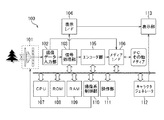
図1は、本実施形態の画像処理装置100の概略構成を示したブロック図である。
撮像部101は、ズームレンズ、フォーカスレンズ、ぶれ補正レンズ、絞り、シャッター、光学ローパスフィルタ、iRカットフィルタ、カラーフィルタ、及びCMOSやCCDなどのセンサーなどから構成され、被写体の光量を検知する機能を有している。
(First embodiment)
Hereinafter, embodiments of the present invention will be specifically described with reference to the drawings.
FIG. 1 is a block diagram illustrating a schematic configuration of an
The
撮像データ入力部102は、被写体の光量をデジタル値に変換する。信号処理部103は、撮像データ入力部102により変換されたデジタル値にデモザイキング処理、ホワイトバランス処理、ガンマ処理などを行い、デジタル画像を生成する。表示インターフェース104は、信号処理部103から出力されるデジタル画像を表示部113へ転送する。
The imaging
エンコーダ部105は、信号処理部103から出力されるデジタル画像をJPEG、MPEG、H.264などのファイルフォーマットに変換する処理を行う。メディアインターフェース106は、画像処理装置100をPCやその他メディア(例えば、ハードディスク、メモリーカード、CFカード、SDカード、USBメモリ)につなぐためのインターフェースである。
The
CPU107は、各構成の処理全てに関わり、ROM108やRAM109に格納された命令を順に読み込んで解釈し、その結果に従って各種の処理を実行する。また、ROM108とRAM109は、その処理に必要なプログラム、データ、作業領域などをCPU107に提供する。
The
撮像系制御部110は、フォーカスを合わせる、シャッターを開く、絞りを調節するなどの、CPU107から指示された撮像系の制御を行う。操作部111は、ボタンやモードダイヤルなどが該当し、これらのボタンやモードダイヤルなどが操作されることにより入力されたユーザ指示を出力する。ユーザは、レンズのズームなどの指示を、操作部111を介して行うことができる。
The imaging
キャラクタジェネレータ112は、文字やグラフィックなどを生成する。表示部113は、一般的には液晶ディスプレイが広く用いられており、キャラクタジェネレータ112や表示インターフェース104から受け取った撮影画像や文字の表示を行う。また、タッチスクリーン機能を有していてもよく、その場合は、ユーザ指示を操作部111の入力として扱うことも可能である。なお、装置の構成要素は上記以外にも存在するが、本発明の主眼ではないので、説明を省略する。
The
本実施形態では、画像処理装置100の一形態として、ビデオカメラ200を例にとって説明する。
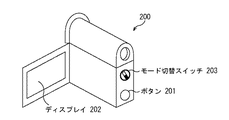
図2は、本実施形態におけるビデオカメラ200の外観を示す図である。
ボタン201は、撮影開始・終了を指示するためのボタンであり、図1の画像処理装置100における操作部111である。
In the present embodiment, a
FIG. 2 is a diagram illustrating an appearance of the
A button 201 is a button for instructing start / end of photographing, and is the
撮影が行われていない状態でボタン201が押下されると、映像の撮影を開始する。また、撮影が行われている状態でボタン201が押下されると、撮影を終了する。ディスプレイ202は、各種情報を表示するためのディスプレイである。図1における表示部113である。撮影中の映像に加え、文字やグラフィックなどを表示することができる。また、ディスプレイ202は、画面を触ることにより、操作部111として機能することができる。
When the button 201 is pressed in a state where shooting is not performed, video shooting is started. If the button 201 is pressed while shooting is being performed, shooting is terminated. The display 202 is a display for displaying various information. It is the
モード切り替スイッチ203は、ビデオカメラ200が撮影する状態(モード)と、撮影済の映像を再生、編集する状態(モード)とを切り替えるスイッチである。ビデオカメラ200のモード遷移については、図3のフローチャートを用いて説明する。
The mode switch 203 is a switch for switching between a state (mode) in which the
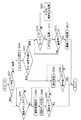
図3のフローチャートに示す処理は、ビデオカメラ200において、例えば、電源起動などの操作があった場合に、CPU107の制御により開始される。なお、このフローチャートには明記していないが電源を遮断した場合は、処理がどの状態であっても終了処理(エンド)に遷移する。
The process shown in the flowchart of FIG. 3 is started under the control of the
処理が開始されると、まず、S301において、カメラのモードを判別し、撮影モードである場合にはS302に移行し、再生・編集モードの場合にはS306に移行する。また、あるモードで動作している場合であっても、モード切り替スイッチ203が変更された場合には、もう一方のモードに変更する。 When the processing is started, first, in S301, the camera mode is determined. If it is the shooting mode, the process proceeds to S302, and if it is the reproduction / editing mode, the process proceeds to S306. Even when operating in a certain mode, when the mode switch 203 is changed, the mode is changed to the other mode.
S302においては、撮影ボタンが押されたか判断し、押された場合にはS303に移行し、押されていない場合には押されるまで待機状態となる。
S303においては、撮像系制御部110を制御し、撮影処理を行う。
S304においては、撮像データ入力部102に入力されたデータが信号処理部103で処理され、エンコーダ部105でエンコードされた映像データについて、メディアインターフェース106を通し、メディアに記録する処理が行われる。
In S302, it is determined whether or not the photographing button has been pressed. If it has been pressed, the process proceeds to S303, and if it has not been pressed, the camera enters a standby state until it is pressed.
In S303, the imaging
In S304, the data input to the imaging
S305においては、撮影終了の操作を監視し、終了指示が来た場合に撮影処理ならびに記録処理を終了し、フローチャートの処理を終了する。一方、終了指示が無い場合には、撮影処理および記録処理を継続するため、S303に移行する。以上が撮影モードに関する処理の説明である。次に再生、編集モードについて説明する。 In S305, the operation for ending the shooting is monitored, and when an end instruction is received, the shooting process and the recording process are ended, and the process of the flowchart is ended. On the other hand, if there is no end instruction, the process proceeds to S303 in order to continue the photographing process and the recording process. The above is the description of the processing related to the shooting mode. Next, playback and editing modes will be described.
S301において、再生、編集モードと判別した場合には、S306に移行する。S306においては、撮影済の映像の一覧から再生、編集したい映像データ(コンテンツ)をユーザの指示に応じて選択する。 If it is determined in S301 that the playback / edit mode is selected, the process proceeds to S306. In S306, video data (content) to be played back and edited is selected from a list of captured videos according to a user instruction.
S307においては、選択された映像データを再生するか、編集するかをユーザの指示に応じて判断し、再生する場合にはS308に移行し、編集する場合にはS310に移行する。
S308においては、選択された映像データを再生し、表示インターフェース104を介して表示部113に表示する。また、メディアインターフェースを通じて外部の表示器(図示せず)に出力してもよい。
In S307, it is determined according to the user's instruction whether the selected video data is to be reproduced or edited. If it is to be reproduced, the process proceeds to S308, and if it is to be edited, the process proceeds to S310.
In S308, the selected video data is reproduced and displayed on the
S309においては、再生終了指示を監視し、終了指示が無い場合には、終了指示があるまで、もしくは映像データの終了となるまで再生処理を継続する。そして、終了指示があると再生処理を終了し、終了処理に移行する。 In S309, the reproduction end instruction is monitored, and if there is no end instruction, the reproduction process is continued until the end instruction is given or until the end of the video data. Then, when there is an end instruction, the reproduction process ends, and the process proceeds to an end process.
一方、S307の判断において、映像データを編集する処理が選択されている場合にはS310に進む。S310においては、行う編集処理が前景領域の切り出し処理か否かを判断する。切り出し処理である場合にはS311に移行し、その他の編集処理である場合にはS312に移行する。S311においては、前景領域の切り出し処理を行う。処理の詳細については図4を用いて、後述する。 On the other hand, if it is determined in S307 that the process of editing the video data is selected, the process proceeds to S310. In S310, it is determined whether or not the editing process to be performed is a foreground area cutout process. If it is a clipping process, the process proceeds to S311. If it is another editing process, the process proceeds to S312. In S311, the foreground area is cut out. Details of the processing will be described later with reference to FIG.
S312においては、切り出し処理以外のその他の編集処理を実施する。その他の編集処理の詳細に関する説明は省略する。
S313においては、編集処理の終了指示を監視し、終了指示がある場合は編集処理を終了する。また、映像データが最終フレームまで到達した場合にも編集処理を終了する。一方、終了指示が無い場合には、S310に戻って編集処理を引き続き行う。以上で、カメラモードの遷移の説明を終了する。
In S312, other editing processes other than the cutout process are performed. The description regarding the details of other editing processes is omitted.
In step S313, an instruction to end the editing process is monitored. If there is an instruction to end the editing process, the editing process ends. The editing process is also terminated when the video data reaches the final frame. On the other hand, if there is no end instruction, the process returns to S310 to continue the editing process. This is the end of the description of the camera mode transition.
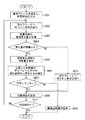
図4は、本実施形態における前景領域の切り出し処理に関するアルゴリズムを説明するフローチャートである。
本実施形態においては、ユーザ操作に応じて、映像中から基準フレームと終端フレームを指定し、前景切り出し区間を指定するフレーム指定処理と、指定された基準フレームに対し、前景として切り出す領域を指定する前景領域指定処理とを行う。
まず、S401において、映像データから前景領域の切り出しを行うための基準となるフレームを指定して、指定したフレームから切り出したい前景領域の入力処理を行う。画面上の前景の領域を選択する処理の詳細については、図5のフローチャートを用いて後述する。
S402においては、切り出された前景領域について、次のフレームに対し領域追跡処理を行う。領域追跡処理の詳細については、図6のフローチャートを用いて後述する。
FIG. 4 is a flowchart for explaining an algorithm related to the foreground region cutout process according to this embodiment.
In the present embodiment, in accordance with a user operation, a reference frame and an end frame are designated from the video, a frame designation process for designating a foreground segmentation section, and a region to be segmented as a foreground are designated for the designated reference frame. Perform foreground area designation processing.
First, in S401, a frame serving as a reference for cutting out the foreground area from the video data is designated, and input processing of the foreground area to be cut out from the designated frame is performed. Details of the process of selecting the foreground area on the screen will be described later with reference to the flowchart of FIG.
In S402, an area tracking process is performed on the next frame for the cut out foreground area. Details of the area tracking process will be described later with reference to the flowchart of FIG.
S403においては、領域追跡前のフレームと領域追跡後のフレームにおける領域面積の比較を行い、切り出し領域の画素数の差分を取り、面積変化量を取得する。
S404においては、S403において取得した面積変化量が所定の閾値より大きいか否かを判断する面積変化量算出処理を行う。閾値の算出に関しては、例えば、前景領域の面積に対する割合を設定して行う。S404の判断結果において、大きい場合にはS405に移行する。
In S403, the area areas of the frame before area tracking and the frame after area tracking are compared, the difference in the number of pixels in the cutout area is taken, and the area change amount is acquired.
In S404, an area change calculation process is performed to determine whether or not the area change acquired in S403 is larger than a predetermined threshold. For example, the threshold value is calculated by setting a ratio to the area of the foreground region. If the determination result in S404 is larger, the process proceeds to S405.
S405においては、面積変化領域の特徴量を解析し、領域追跡前後の前景領域の特徴量の差分を算出する特徴量変化算出処理を行う。この算出処理の詳細は、図7のフローチャートを用いて、後述する。なお、特徴量とは例えば、色情報、テクスチャ情報、エッジ部の輝度勾配情報のことであり、本実施形態では色情報を用いて説明する。 In step S405, a feature amount change calculation process is performed in which the feature amount of the area change region is analyzed and a difference between the feature amounts of the foreground region before and after the region tracking is calculated. Details of this calculation processing will be described later using the flowchart of FIG. Note that the feature amount is, for example, color information, texture information, and luminance gradient information of an edge portion, and will be described using color information in the present embodiment.
S406においては、面積変化する前のフレームにおける前景領域以外の領域に、S405で得られた面積変化領域の差分特徴量が存在するか検出する特徴量検出処理を行う。
S407においては、前景領域以外に特徴量が存在していないか判断する処理を行う。この判断処理の結果、存在しない場合には、前景領域の誤検出の可能性が無いとし、S408に移行する。一方、存在する場合には、前景領域には誤検出した領域が存在する可能性があるとし、S409に移行する。
In S406, a feature amount detection process is performed to detect whether the difference feature amount of the area change region obtained in S405 exists in a region other than the foreground region in the frame before the area change.
In S407, processing is performed to determine whether or not there is a feature quantity other than the foreground area. If the result of this determination processing is that it does not exist, it is determined that there is no possibility of erroneous detection of the foreground area, and the flow shifts to S408. On the other hand, if it exists, it is determined that there is a possibility that an erroneously detected area exists in the foreground area, and the process proceeds to S409.
一方、S404の判断の結果、面積変化量が所定の閾値より小さい場合にはS410に移行する。S410では、現在の追跡対象を基準フレームと設定し、更に次のフレームを検索対象とする、切り出し処理を移行する処理を行う。その後、S408に移行する。 On the other hand, as a result of the determination in S404, if the area change amount is smaller than the predetermined threshold, the process proceeds to S410. In step S410, the current tracking target is set as a reference frame, and the next frame is set as a search target, and a process of shifting to the clipping process is performed. Thereafter, the process proceeds to S408.
S408においては、前景領域の出力を行う。その後、S411に移行する。S411においては、追跡対象フレームの次のフレームが、追跡対象期間に含まれているか否か、すなわち、所定の期間外であるか否かを判断する。この判断の結果、所定の期間外であれば切り出し処理を終了する。すなわち、所定の期間内であればS402に移行し、次のフレームを追跡対象にする。 In S408, the foreground area is output. Thereafter, the process proceeds to S411. In S411, it is determined whether or not the frame following the tracking target frame is included in the tracking target period, that is, whether or not it is outside the predetermined period. If the result of this determination is outside the predetermined period, the cutout process is terminated. That is, if it is within the predetermined period, the process proceeds to S402, and the next frame is set as a tracking target.
S409においては、追跡処理を検出フレームで中止し、誤検出した領域の表示処理を行う。本実施形態においては、誤検出された可能性がある領域を明示的に判別できるようにするために、キャラクタジェネレータ112にて色が異なるマスクを表示させるようにしている(図9(j)を参照)。領域を明示的に表示する手段については、他の領域との相違を判別できればよく、方法を限定するものではない。
以上が前景切り出し処理全体のアルゴリズムの説明であり、以下では、各処理の詳細を説明する。
In S409, the tracking process is stopped at the detection frame, and the erroneously detected area is displayed. In the present embodiment, the
The above is the description of the algorithm for the entire foreground cutout process, and the details of each process will be described below.
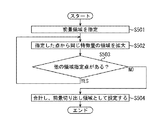
次に、図5のフローチャートを用いて、前景領域の指定に関する処理手順を説明する。
まず、S501においては、映像から指定した基準フレームに対し、切り出したい前景領域に対し、ユーザ操作により、点または線で指定する。具体的には、映像中から基準フレームと終端フレームを指定し、前景切り出し区間を指定するフレーム指定処理と、基準フレームに対し、前景として切り出す領域を指定する前景領域指定処理とを行う。
S502においては、領域成長法を用いて、ユーザにより指定された点から同じ特徴量の領域を拡大する処理を実行する。
S503においては、他の特徴量の領域指定点があるかを判断し、他の領域指定点がある場合にはS502に移行して前述の処理を実行する。一方、他の領域指定点が無い場合には、S504に移行する。
S504においては、特徴量毎の複数の領域を連結させて合計し、一つの前景切り出し領域として設定する。
以上が、前景領域の指定に関するアルゴリズムを図式化したフローチャートである。
Next, a processing procedure related to designation of the foreground area will be described with reference to the flowchart of FIG.
First, in step S501, a foreground area to be cut out is designated with a point or a line by a user operation with respect to a reference frame designated from an image. Specifically, a frame designating process for designating a reference frame and an end frame from the video, designating a foreground segmentation section, and a foreground area designating process for designating an area to be extracted as a foreground with respect to the reference frame are performed.
In S502, a process for enlarging a region having the same feature amount from a point designated by the user is executed using a region growing method.
In S503, it is determined whether there is an area designation point of another feature amount. If there is another area designation point, the process proceeds to S502 and the above-described processing is executed. On the other hand, if there is no other area designation point, the process proceeds to S504.
In S504, a plurality of regions for each feature amount are connected and totaled, and set as one foreground cutout region.
The above is a flowchart illustrating an algorithm related to foreground area designation.
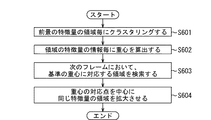
次に、図6のフローチャートを用いて、前後フレーム間において、前景領域を追跡する領域追跡処理のアルゴリズムを説明する。
まず、S601においては、切り出した前景の領域から特徴量(本実施形態では色情報)毎にクラスタリング処理を行って領域を分割する。
Next, an area tracking processing algorithm for tracking the foreground area between the previous and next frames will be described with reference to the flowchart of FIG.
First, in step S601, a clustering process is performed for each feature amount (color information in this embodiment) from the foreground region that has been cut out to divide the region.
S602においては、分割した領域に対し、分割領域毎に画素の重心となる座標を算出し、算出した重心座標に対し、特徴量を対応させる。
S603においては、S602で求めた重心の座標情報を次フレームとなる追跡対象フレームに対して反映させ、その近傍の画素に対して、特徴量の画素があるか基準の重心に対応する領域を探索する。
In S602, for the divided areas, coordinates that are the center of gravity of the pixels are calculated for each divided area, and the feature amount is associated with the calculated center of gravity coordinates.
In step S603, the coordinate information of the center of gravity obtained in step S602 is reflected on the tracking target frame that is the next frame, and an area corresponding to the reference center of gravity is searched for whether there is a feature amount pixel in the neighboring pixels. To do.
S604においては、対応点に対し、図5の処理と同様に領域成長法を用いて、対応点を中心に同じ特徴量の領域を拡大させる。同様に、他の分割領域に対して処理を行い、分割された領域を連結させる。
以上で領域追跡処理についての説明を終了する。
In step S604, the region having the same feature amount is enlarged with respect to the corresponding point using the region growing method as in the process of FIG. Similarly, processing is performed on other divided areas, and the divided areas are connected.
This is the end of the description of the area tracking process.
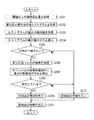
次に、図7のフローチャートを用いて、追跡された前景領域が面積変化した場合の領域について、誤検出された領域であるかどうかを判断する処理手順の一例について説明する。
まず、S701においては、閾値以上となった前景領域の面積変化量を取得する。
S702においては、変化前の前景領域と変化後の前景領域に対し、色ヒストグラムを取得する。S703においては、取得した2つのヒストグラムの差分を取り、差分の絶対値を取得する。S704においては、取得されたヒストグラムの差分値の分布、すなわち色の分布を算出する。
Next, an example of a processing procedure for determining whether or not the region when the tracked foreground region has changed in area is an erroneously detected region will be described using the flowchart of FIG.
First, in S701, the area change amount of the foreground region that is equal to or greater than the threshold is acquired.
In S702, color histograms are acquired for the foreground area before the change and the foreground area after the change. In S703, the difference between the two acquired histograms is taken to obtain the absolute value of the difference. In step S704, the distribution of difference values of the acquired histogram, that is, the color distribution is calculated.
S705においては、算出された色の分布に偏りがあるか、一様であるかを判断する。この判断の結果、一様である場合は領域の拡大・縮小であると判断し、誤検出の可能性が低いとして、S710に移行する。一方、色の分布に偏りがある場合にはS706に移行する。 In S705, it is determined whether the calculated color distribution is biased or uniform. If the result of this determination is uniform, it is determined that the area has been enlarged / reduced, and the possibility of erroneous detection is low, and the flow proceeds to S710. On the other hand, if the color distribution is uneven, the process proceeds to S706.
S706においては、分布に偏りがあった色の領域情報を取得する。S707においては、S706で取得した色の領域情報を面積変化時に少ないフレームの前景領域外に存在するか探索して検出する。 In step S <b> 706, area information of a color whose distribution is biased is acquired. In step S707, the color region information acquired in step S706 is searched for and detected if it exists outside the foreground region of a few frames when the area changes.
S708においては、S707での検出処理の結果について、存在の有無を判断して、誤検出領域かどうかを判断する誤検出領域判断処理を行う。この判断の結果、存在する場合にはS709に移行し、存在しない場合にS710に移行する。 In S708, an erroneously detected area determination process is performed to determine whether or not the result of the detection process in S707 is present and whether it is an erroneously detected area. As a result of this determination, if it exists, the process proceeds to S709, and if it does not exist, the process proceeds to S710.
S709においては、誤検出した領域の可能性があるとの判断に基く処理を行う。一方、S710においては、誤検出した領域の可能性はなしとする判断に基く処理を行う。S709、またはS710の処理を終了したらS711に移行する。S711においては、誤検出の有無を情報として出力する。
以上で、面積変化量と特徴量の変化から誤検出の可能性があるかどうかを判断する処理のフローチャートの説明を終了する。
In S709, a process based on the determination that there is a possibility of an erroneously detected area is performed. On the other hand, in S710, processing based on the determination that there is no possibility of erroneously detected areas is performed. When the process of S709 or S710 is completed, the process proceeds to S711. In S711, the presence / absence of erroneous detection is output as information.
Above, description of the flowchart of the process which judges whether there exists a possibility of a misdetection from the change of an area change amount and a feature-value is complete | finished.
なお、本実施形態では、動画を撮影するビデオカメラ200の例を用いて説明したが、動画を撮影するデジタルカメラやカメラ付き携帯電話など動画を撮影できる機器を用いて実現しても同様の効果を得ることができる。また、切り出し処理に関しては、撮影機器に限定されることなく撮影データをコンピュータに取り込み、図8のようなコンピュータのアプリケーションソフトの機能として実装してもよい。
In the present embodiment, the example of the
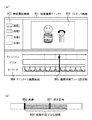
図8において、(a)は編集画面の例を示す図であり、(b)は領域切り出し区間の例を示す図である。
図8(a)に示すように、映像編集ウィンドウ801にはプレビュー画面802、映像選択画面803、タイムライン編集画面804、編集対象フレーム設定部805が設けられている。図8(a)の例では、映像選択画面803に映像1〜4が表示され、映像1が編集対象として選択されている。また、タイムライン編集画面804にはタイムライン、ビデオ、オーディオが編集可能に表示されている。また、図8(b)に示すように、基準806から所定の被写体切り出し期間808において、修正箇所807が表示されている。
8A is a diagram illustrating an example of an editing screen, and FIG. 8B is a diagram illustrating an example of a region cut-out section.
As shown in FIG. 8A, the video editing window 801 includes a preview screen 802, a video selection screen 803, a timeline editing screen 804, and an editing target frame setting unit 805. In the example of FIG. 8A,
図9(a)、(b)、(c)は原画像を示し、領域追跡処理を行う時間順は(a)→(c)である。これらの原画像(a)、(b)、(c)に対し、領域追跡処理を施した結果が図9(d)、(e)、(f)で示す領域追跡画像である。そして、これらの領域追跡画像(d)、(e)、(f)に領域抽出処理を施した結果が、図9(g)、(h)、(i)に示す領域抽出画像である。この画像から明らかなように、領域抽出画像(i)において、誤検出が生じている。図9(j)に誤検出領域の表示の例を示す。 FIGS. 9A, 9B, and 9C show original images, and the time order for performing the area tracking processing is (a) → (c). The result of performing region tracking processing on these original images (a), (b), and (c) is the region tracking image shown in FIGS. 9 (d), (e), and (f). The result of performing the region extraction processing on these region tracking images (d), (e), and (f) is the region extraction image shown in FIGS. 9 (g), (h), and (i). As is apparent from this image, erroneous detection has occurred in the region extraction image (i). FIG. 9J shows an example of display of the erroneous detection area.
なお、動画とは単一ファイルとなる映像フォーマットだけでなく、時間的に連続している静止画の集合であってもよい。また、前述した実施形態においては、面積変化領域に関する前景か背景かの判別手段に画像の特徴量の算出に色情報を用いたが、領域のテクスチャ情報を用いてもよい。テクスチャの算出には、空間周波数変換を行い、周波数成分の分布からテクスチャの類似性を求めることができる。空間周波数への変換処理に一般的な画像保存形式で用いるJPEGやMPEGで用いるDCT圧縮の情報を用いてもよい。 The moving image is not limited to a video format that is a single file, but may be a set of still images that are temporally continuous. In the above-described embodiment, the color information is used to calculate the feature amount of the image in the foreground / background determination unit regarding the area change region. However, the texture information of the region may be used. In calculating the texture, spatial frequency conversion is performed, and the similarity of the texture can be obtained from the distribution of the frequency components. DCT compression information used in JPEG or MPEG used in a general image storage format for conversion to spatial frequency may be used.
また、特徴量として輪郭(エッジ)の情報を用いてもよく、画素の輝度値の勾配を用いるようにしてもよい。さらに、特徴量の算出に関しては、色、テクスチャ、勾配と個別に使用するだけでなく、組み合わせて用いてもよい。
以上説明した処理制御を行うことで、図9のように、前景領域を切り出し、領域追跡を行った際の領域拡縮が発生した際の誤検出か否かを判別することが可能となる。
Further, contour (edge) information may be used as the feature amount, and the gradient of the luminance value of the pixel may be used. Furthermore, regarding the calculation of the feature amount, not only the color, texture, and gradient may be used individually, but also may be used in combination.
By performing the processing control described above, it becomes possible to determine whether or not the detection is erroneous when a foreground region is cut out and region expansion / contraction occurs when region tracking is performed as shown in FIG.
(その他の実施形態)
また、本発明は、以下の処理を実行することによっても実現される。即ち、上述した実施形態の機能を実現するソフトウェア(コンピュータプログラム)を、ネットワーク又は各種のコンピュータ読み取り可能な記憶媒体を介してシステム或いは装置に供給する。そして、そのシステム或いは装置のコンピュータ(またはCPUやMPU等)がプログラムを読み出して実行する処理である。
(Other embodiments)
The present invention can also be realized by executing the following processing. That is, software (computer program) that realizes the functions of the above-described embodiments is supplied to a system or apparatus via a network or various computer-readable storage media. Then, the computer (or CPU, MPU, etc.) of the system or apparatus reads out and executes the program.
100 画像処理装置、101 撮像部、102 撮像データ入力部、103 信号処理部、104 表示インターフェース、105 エンコーダ部、106 メディアインターフェース、107 CPU、108 ROM、109 RAM、110 撮像系制御部、111 操作部、112 キャラクタジェネレータ、113 表示部
DESCRIPTION OF
Claims (9)
ユーザ操作により、映像中から基準フレームと終端フレームを指定し、前景切り出し区間を指定するフレーム指定手段と、
前記基準フレームに対し、前景として切り出す前景領域を指定する前景領域指定手段と、
前後フレーム間において、前記前景領域を追跡する領域追跡手段と、
前記領域追跡手段による領域追跡前のフレームと領域追跡後のフレームにおける領域面積の比較を行って前景領域の面積変化量を算出し、前記算出した面積変化量が所定の閾値以上であるかを判断する面積変化量算出手段と、
前記面積変化量算出手段の判断結果において、前記面積変化量が所定の閾値より大きい場合に追跡前後の前景領域の特徴量の差分を算出する特徴量変化算出手段と、
前記特徴量変化算出手段により算出された差分特徴量が、追跡前後の前景領域以外の領域に含まれているか検出する特徴量検出手段と、
前記特徴量検出手段により検出された領域の有無で誤検出領域かどうかを判断する誤検出領域判断手段と、
を有することを特徴とする画像処理装置。 An image processing apparatus,
A frame designating unit for designating a reference frame and an end frame from a video and designating a foreground cut-out section by a user operation;
Foreground area designating means for designating a foreground area to be cut out as a foreground with respect to the reference frame;
Area tracking means for tracking the foreground area between the front and rear frames;
The area change amount of the foreground area is calculated by comparing the area areas of the frame before the area tracking by the area tracking means and the frame after the area tracking to determine whether the calculated area change amount is equal to or greater than a predetermined threshold. Means for calculating an area change amount,
In the determination result of the area change amount calculation means, when the area change amount is larger than a predetermined threshold, a feature amount change calculation means for calculating a difference between the feature amounts of the foreground region before and after tracking;
Feature quantity detection means for detecting whether the difference feature quantity calculated by the feature quantity change calculation means is included in an area other than the foreground area before and after tracking;
An erroneous detection area determination means for determining whether there is an erroneous detection area based on the presence or absence of an area detected by the feature amount detection means;
An image processing apparatus comprising:
ユーザ操作により、映像中から基準フレームと終端フレームを指定し、前景切り出し区間を指定するフレーム指定工程と、
前記基準フレームに対し、前景として切り出す前景領域を指定する前景領域指定工程と、
前後フレーム間において、前記前景領域を追跡する領域追跡工程と、
前記領域追跡工程における領域追跡前のフレームと領域追跡後のフレームにおける領域面積の比較を行って前景領域の面積変化量を算出し、前記算出した面積変化量が所定の閾値以上であるかを判断する面積変化量算出工程と、
前記面積変化量算出工程の判断結果において、前記面積変化量が所定の閾値より大きい場合に追跡前後の前景領域の特徴量の差分を算出する特徴量変化算出工程と、
前記特徴量変化算出工程において算出された差分特徴量が、追跡前後の前景領域以外の領域に含まれているか検出する特徴量検出工程と、
前記特徴量検出工程において検出された領域の有無で誤検出領域かどうかを判断する誤検出領域判断工程と、
を有することを特徴とする画像処理方法。 An image processing method comprising:
By a user operation, a frame specifying step for specifying a reference frame and an end frame from a video and specifying a foreground cut-out section;
A foreground area designating step of designating a foreground area to be cut out as a foreground with respect to the reference frame;
An area tracking step for tracking the foreground area between the front and rear frames;
The area change amount of the foreground area is calculated by comparing the area areas of the frame before the area tracking in the area tracking step and the frame after the area tracking to determine whether the calculated area change amount is equal to or greater than a predetermined threshold. An area change amount calculating step,
In the determination result of the area change amount calculation step, when the area change amount is larger than a predetermined threshold, a feature amount change calculation step of calculating a difference between the feature amounts of the foreground region before and after tracking,
A feature amount detection step for detecting whether the difference feature amount calculated in the feature amount change calculation step is included in a region other than the foreground region before and after tracking; and
An erroneous detection region determination step of determining whether there is an erroneous detection region based on the presence or absence of the region detected in the feature amount detection step;
An image processing method comprising:
ユーザ操作により、映像中から基準フレームと終端フレームを指定し、前景切り出し区間を指定するフレーム指定工程と、
前記基準フレームに対し、前景として切り出す前景領域を指定する前景領域指定工程と、
前後フレーム間において、前記前景領域を追跡する領域追跡工程と、
前記領域追跡工程における領域追跡前のフレームと領域追跡後のフレームにおける領域面積の比較を行って前景領域の面積変化量を算出し、前記算出した面積変化量が所定の閾値以上であるかを判断する面積変化量算出工程と、
前記面積変化量算出工程の判断結果において、前記面積変化量が所定の閾値より大きい場合に追跡前後の前景領域の特徴量の差分を算出する特徴量変化算出工程と、
前記特徴量変化算出工程において算出された差分特徴量が、追跡前後の前景領域以外の領域に含まれているか検出する特徴量検出工程と、
前記特徴量検出工程において検出された領域の有無で誤検出領域かどうかを判断する誤検出領域判断工程と、
をコンピュータに実行させることを特徴とするプログラム。 A program for causing a computer to execute each step of the image processing method,
By a user operation, a frame specifying step for specifying a reference frame and an end frame from a video and specifying a foreground cut-out section;
A foreground area designating step of designating a foreground area to be cut out as a foreground with respect to the reference frame;
An area tracking step for tracking the foreground area between the front and rear frames;
The area change amount of the foreground area is calculated by comparing the area areas of the frame before the area tracking in the area tracking step and the frame after the area tracking to determine whether the calculated area change amount is equal to or greater than a predetermined threshold. An area change amount calculating step,
In the determination result of the area change amount calculation step, when the area change amount is larger than a predetermined threshold, a feature amount change calculation step of calculating a difference between the feature amounts of the foreground region before and after tracking,
A feature amount detection step for detecting whether the difference feature amount calculated in the feature amount change calculation step is included in a region other than the foreground region before and after tracking; and
An erroneous detection region determination step of determining whether there is an erroneous detection region based on the presence or absence of the region detected in the feature amount detection step;
A program that causes a computer to execute.
Priority Applications (1)
| Application Number | Priority Date | Filing Date | Title |
|---|---|---|---|
| JP2010275737A JP2012123721A (en) | 2010-12-10 | 2010-12-10 | Image processing device and image processing method |
Applications Claiming Priority (1)
| Application Number | Priority Date | Filing Date | Title |
|---|---|---|---|
| JP2010275737A JP2012123721A (en) | 2010-12-10 | 2010-12-10 | Image processing device and image processing method |
Publications (1)
| Publication Number | Publication Date |
|---|---|
| JP2012123721A true JP2012123721A (en) | 2012-06-28 |
Family
ID=46505071
Family Applications (1)
| Application Number | Title | Priority Date | Filing Date |
|---|---|---|---|
| JP2010275737A Pending JP2012123721A (en) | 2010-12-10 | 2010-12-10 | Image processing device and image processing method |
Country Status (1)
| Country | Link |
|---|---|
| JP (1) | JP2012123721A (en) |
Cited By (2)
| Publication number | Priority date | Publication date | Assignee | Title |
|---|---|---|---|---|
| KR100752862B1 (en) * | 2001-01-03 | 2007-08-29 | 엘지전자 주식회사 | Manufacturing method of surface conduction electron emission type display device |
| CN105871530A (en) * | 2016-03-29 | 2016-08-17 | 成都国腾电子集团有限公司 | High dynamic deviation change resisting timing tracking method |
-
2010
- 2010-12-10 JP JP2010275737A patent/JP2012123721A/en active Pending
Cited By (3)
| Publication number | Priority date | Publication date | Assignee | Title |
|---|---|---|---|---|
| KR100752862B1 (en) * | 2001-01-03 | 2007-08-29 | 엘지전자 주식회사 | Manufacturing method of surface conduction electron emission type display device |
| CN105871530A (en) * | 2016-03-29 | 2016-08-17 | 成都国腾电子集团有限公司 | High dynamic deviation change resisting timing tracking method |
| CN105871530B (en) * | 2016-03-29 | 2019-03-15 | 成都国腾电子集团有限公司 | A kind of timing tracking method of anti-high dynamic frequency deviation variation |
Similar Documents
| Publication | Publication Date | Title |
|---|---|---|
| CN101419666B (en) | Image processing device, image capture device, image processing method, and recording medium | |
| US7453506B2 (en) | Digital camera having a specified portion preview section | |
| US8564679B2 (en) | Image processing apparatus, image processing method and program | |
| US8634657B2 (en) | Image processing device and computer-program product of image evaluation | |
| CN102957860B (en) | The method of image processing equipment and processing image | |
| US9251765B2 (en) | Image processing device, image processing method, and program for generating composite image | |
| US20080284900A1 (en) | Digital camera | |
| US20100238325A1 (en) | Image processor and recording medium | |
| JP5987306B2 (en) | Image processing apparatus, image processing method, and program | |
| JP6223059B2 (en) | Imaging apparatus, control method thereof, and program | |
| US20150116517A1 (en) | Image processing device, image processing method, and program | |
| US20140211997A1 (en) | Tracking-frame initial-position setting device and method of controlling operation of same | |
| JP6472183B2 (en) | Image processing apparatus, control method thereof, and program | |
| JP4574459B2 (en) | Image capturing apparatus, control method therefor, program, and storage medium | |
| JP2015012481A (en) | Image processing device | |
| JP2011155477A (en) | Video processing apparatus, video processing method, and program | |
| US20120229678A1 (en) | Image reproducing control apparatus | |
| JP6116436B2 (en) | Image processing apparatus and image processing method | |
| JP2017212550A (en) | Image reproducer, control method thereof, program, and storage medium | |
| JP2008252716A (en) | Imaging device | |
| JP2012123721A (en) | Image processing device and image processing method | |
| JP7353821B2 (en) | Image processing device, its control method, program | |
| KR20160115694A (en) | Image processing apparatus, image processing method, and computer program stored in recording medium | |
| JP4223762B2 (en) | Video processing apparatus, video processing method, program and recording medium, and video processing system | |
| JP5289354B2 (en) | Imaging device |